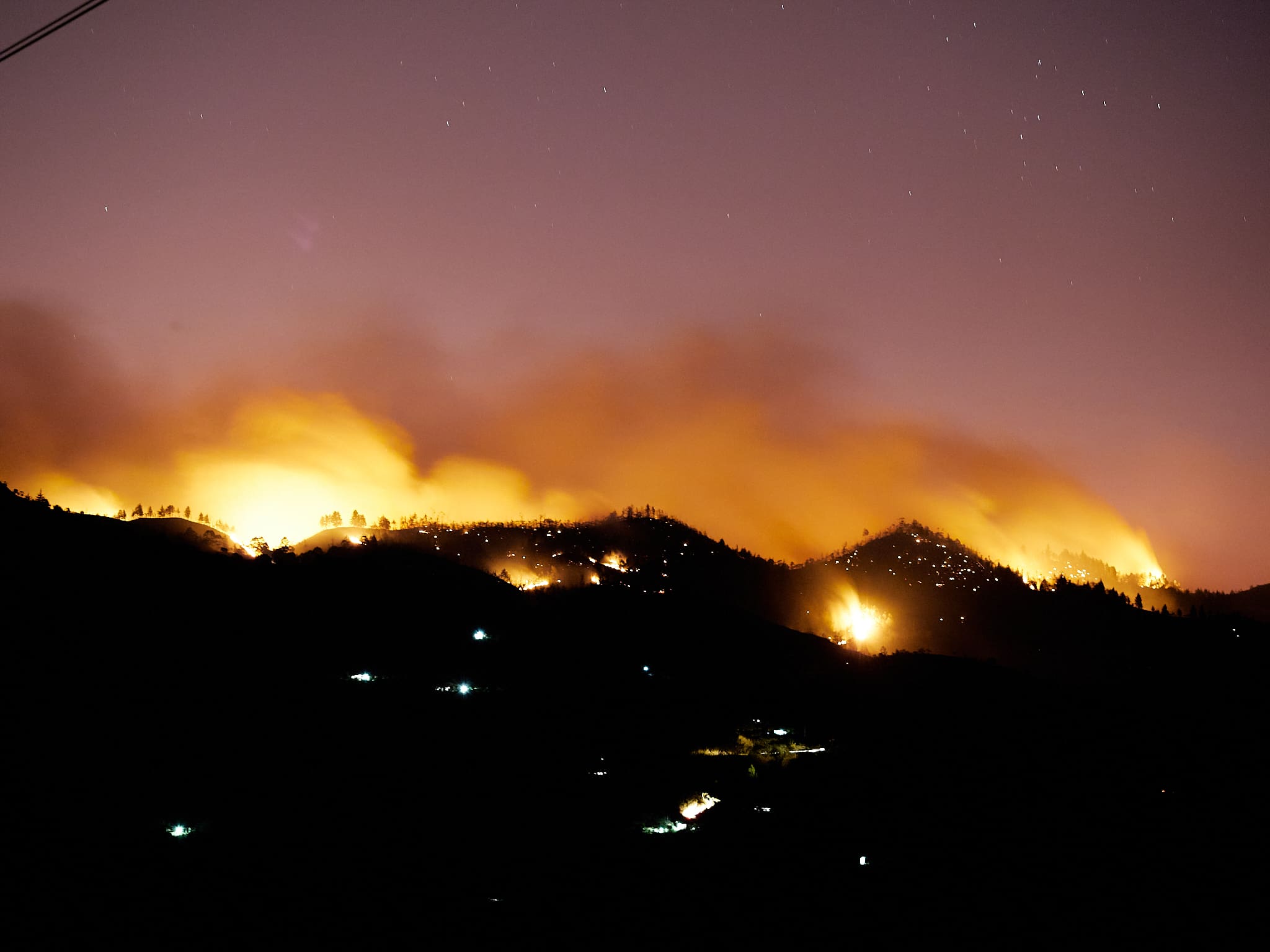

Facing Wildfires: Communities in the Tropical Andes Protect Life
08/18/2025
The Andean Bi-National Corridor, spanning Ecuador and Peru, protects communities and some of the Andes’ most important ecosystems. In 2024, this lifeline—crucial for both water and biodiversity—was hit by one of its greatest threats: forest fires.
In 2024, forest fires caught us off guard. A prolonged drought period in the region increased the scale and speed at which the flames spread, outpacing the measures we had in place to respond. They were difficult days, marked by the concern of hundreds of local communities whose livelihoods, water sources, and natural landscapes were suddenly at risk.
But it was also a year of learning. “At Nature and Culture International, we came to understand that wildfire prevention and mitigation activities can only work if they’re done collaboratively, starting at the local level.” — Ángel Jaramillo, Project Coordinator.
In 2025, we are working alongside local governments, state entities, academia, and local communities in Ecuador and Peru to take action, creating community brigades, running awareness campaigns, and promoting safer, sustainable ways of using and managing fire. Together, these efforts are laying the groundwork for stronger, more resilient management models, built on local knowledge and collaboration.
Fire Threats Are Increasing in the Tropical Andes
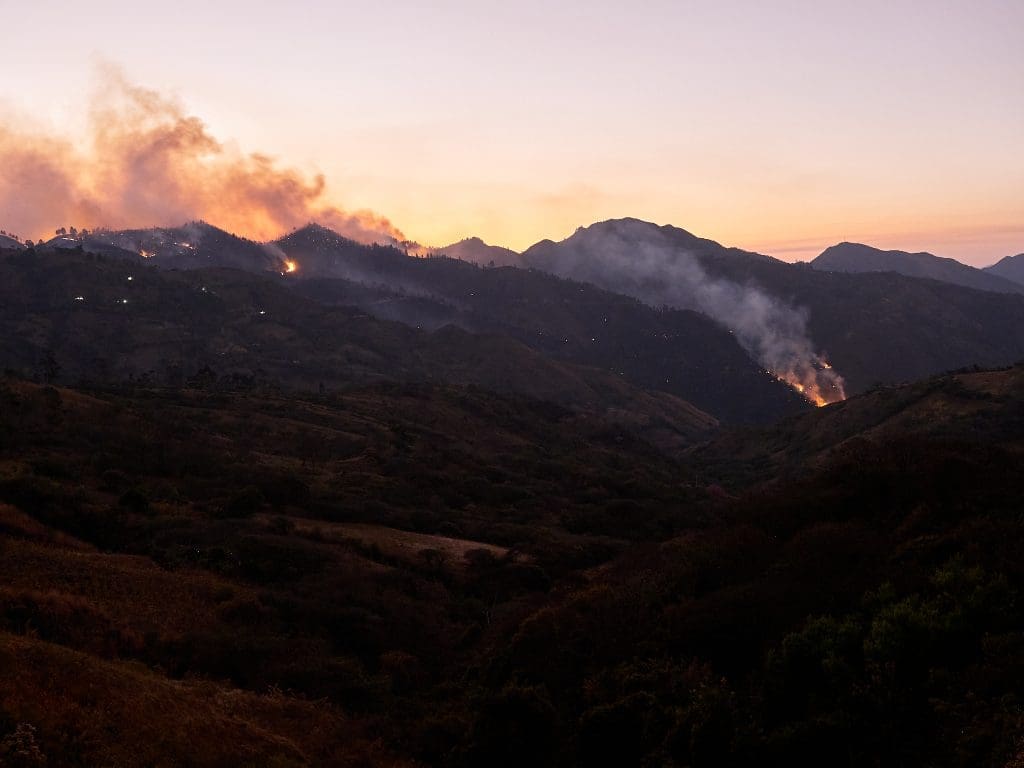
According to the World Resources Institute, in 2024 the tropics lost 16.6 million acres (6.7 million hectares) of primary forest (a record figure), with fire responsible for nearly half of this loss. The consequences were devastating billions of tons of CO₂ emissions, soil erosion, reduced ecosystem regeneration capacity, and the acceleration of climate change impacts.
In the Tropical Andes, long dry seasons, flammable vegetation, strong winds, and steep terrain make it easy for fires to spread, making wildfires a constant and growing threat. In recent years, they’ve become more frequent and more severe, fueled by climate change, farming practices, and growing pressure on the land.

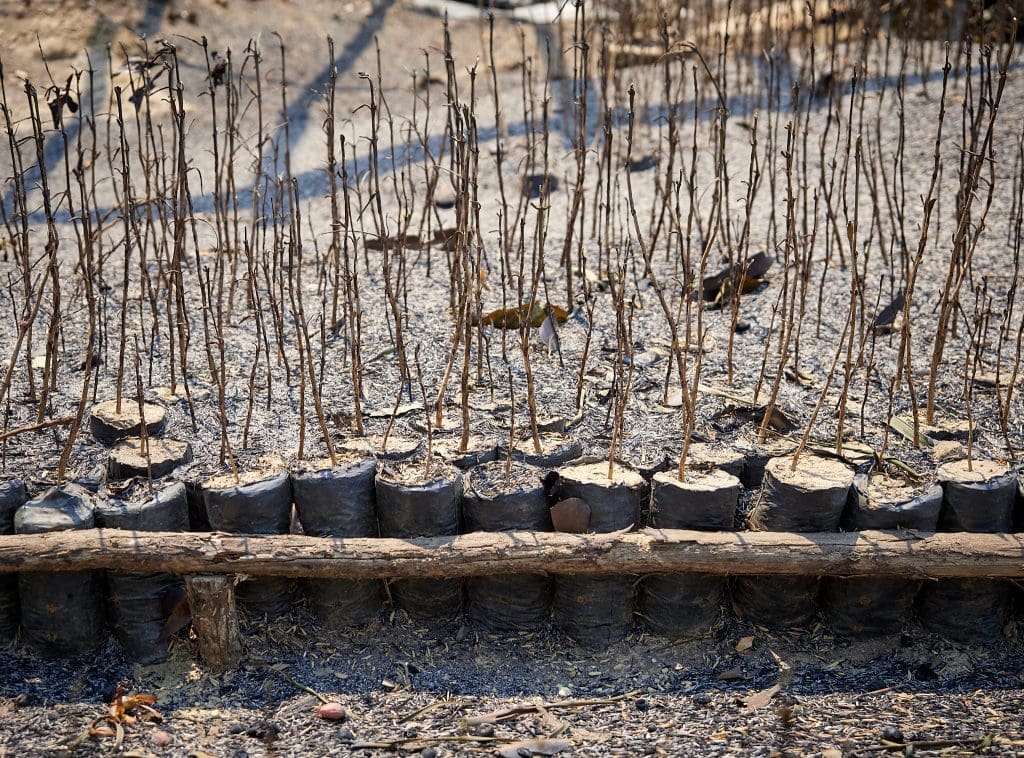

At Nature and Culture, we felt these impacts firsthand: the Andean Bi-National Corridor—a collaborative initiative to protect important ecosystems down the spine of the Andes in Ecuador and Peru—was affected, endangering its biodiversity, the ecological connectivity it safeguards, and the livelihoods of the communities that depend on these ecosystems.
Ecuador: Over 205,000 Acres Affected in 2024
In 2024, Ecuador recorded 5,815 forest fires that destroyed more than 205,000 acres of vegetation nationwide. Loja and Azuay—both part of the Andean Bi-National Corridor—were among the hardest hit. In Loja alone, over 81,000 acres burned, accounting for more than 40% of the national total.
These fires damaged national parks, municipal conservation areas, and vital water sources. This emergency showed just how vulnerable the region is to fire, and how urgent it is to plan, fund, and coordinate action locally.
Peru: Fragmented Ecosystems, Communities under Pressure
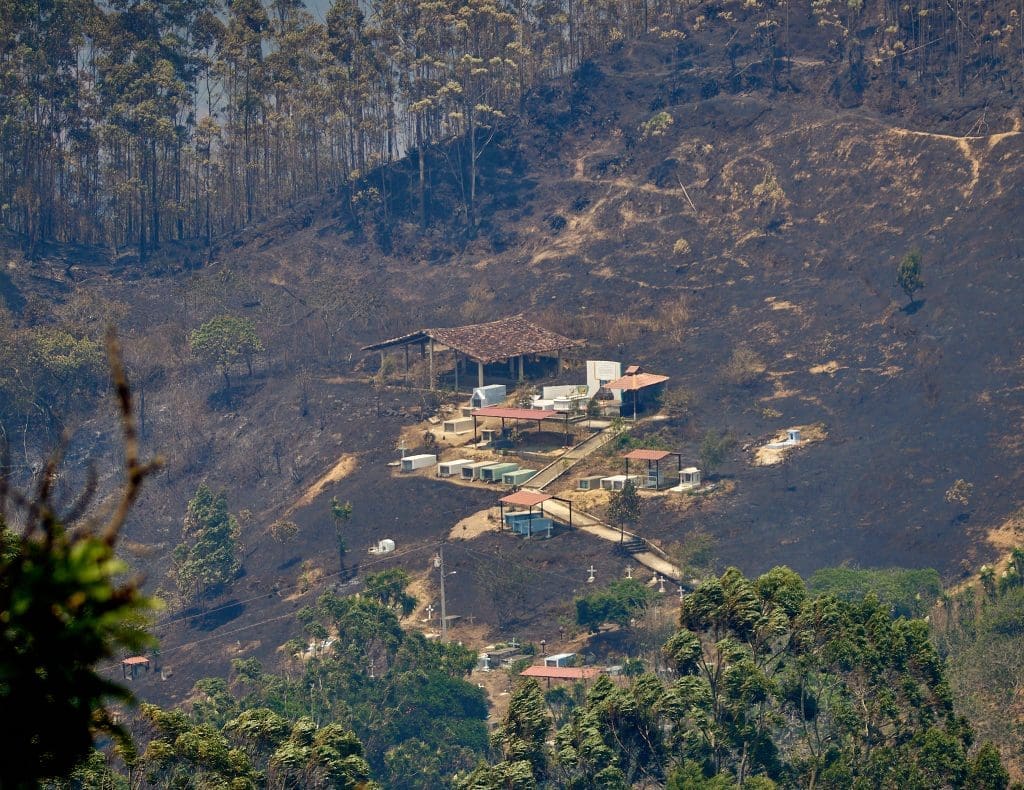
The situation in Peru was no different. According to a recent MapBiomas report, September 2024 registered the highest number of fires in the country since 2015. Two out of three fires affected natural ecosystems such as montane forests and páramos, while the remaining third occurred in agricultural areas. Between July and October, more than 220 wildfires were documented across 20 regions of the country.
The Andes del Norte Corridor—an important link between Peru’s tropical rainforests and high Andean páramos—was among the hardest hit. Satellite data from Nature and Culture show that at least 1,000 acres burned, with the San Juan de Sallique Private Conservation Area suffering the most damage. The fires displaced emblematic species like the spectacled bear, and some wild cats were killed after being trapped by the flames.
Local Actions to Confront Wildfires in Southern Ecuador
The 2024 emergency served as a starting point for joint action and prevention. Various institutions have been working to ensure that southern Ecuador does not experience a similar scenario again.

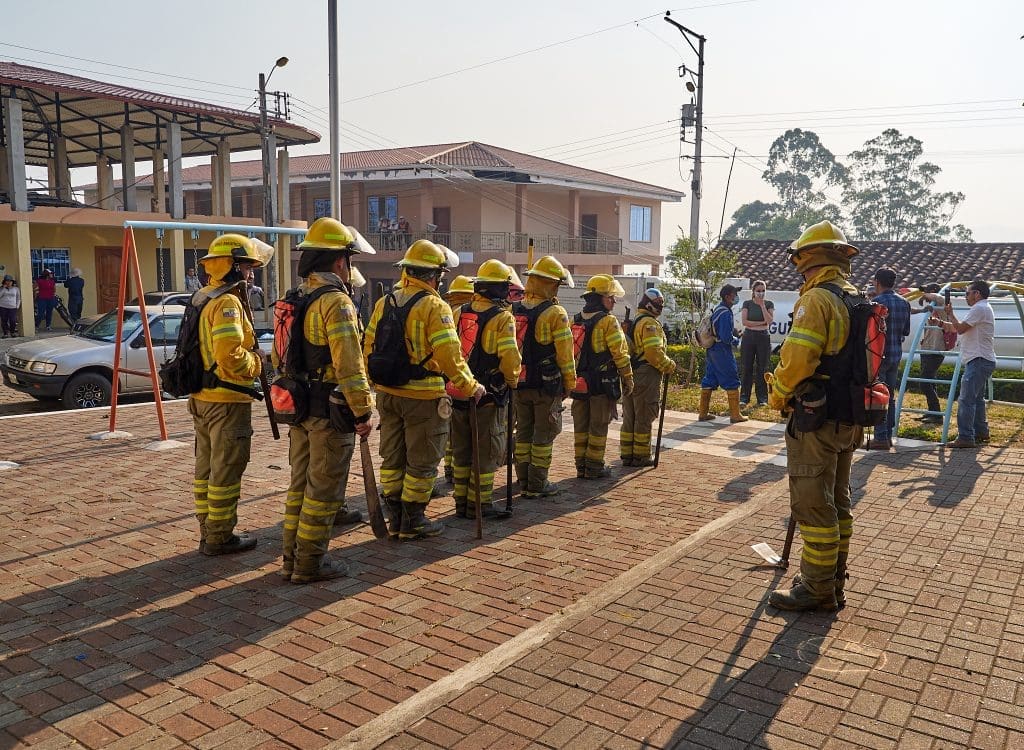
Inter-Institutional Collaboration
We created inter-institutional technical committees in several towns within the province of Loja province (Quilanga, Espíndola, Catamayo, and Loja). These spaces bring together key actors such as the Environmental Authority, the Amazon Without Fire Program, the National Secretariat for Risk Management, municipal and provincial governments, citizen groups, universities, fire departments, and international partners. The goal has been clear: to build prevention strategies from the ground up, based on dialogue, shared responsibility, and technical expertise.
These committees have set out several key priorities:
- Strengthening community brigades: In the towns of Loja, Quilanga, and Espíndola three brigades have been created, training and equipping more than 100 brigade members for risk management and wildfire response.
- Prevention through awareness and communication: A prevention campaign is underway to highlight the dangers of unsafe fire use, promote sustainable agroecological practices as alternatives, and encourage community involvement through the implementation of the Early Warning System that combines monitoring, local alerts, and community response protocols to help prevent small fires from becoming large wildfires.
- Promoting alternatives to fire use: Through Farmer Field Schools, communities are learning sustainable farming practices that replace fire as a tool for agriculture.
Early Warning Systems, Ordinances, and Risk Maps
Two local universities have created wildfire vulnerability maps and a color-coded system to indicate fire risk. These tools will form the basis of an Early Warning System. In addition, proposals for new municipal ordinances are being advanced to align with the upcoming Provincial Inter-Institutional Wildfire Plan, led by the Loja Provincial Government.
Northern Andes in Peru Takes Action
A Community-Based Plan for Prevention and Preparedness
In northern Peru, the lessons of 2024 have laid the foundation for building a stronger preventive approach. In areas such as Sallique, San Felipe, and Tabaconas, communities that had already begun organizing are now leading efforts to strengthen local capacities for more effective fire response.

In 2025, Nature and Culture continues to back these efforts, focusing on building long-term solutions together with communities, local authorities, Peru’s National Forest Service, and fire brigades. Current priorities include:
- Strengthening and equipping community brigades so they can put out fires quickly with fast, local action.
- Developing awareness campaigns tailored to each community, focused on prevention, safe fire management in farming, and shared responsibility.
- Improving participatory monitoring and early alerts, using satellite tools and local conservation networks to detect risks sooner.
- Promoting local ordinances and public policies that formally recognize the key role communities play in preventing and responding to wildfires.
2024 Left Us Valuable Lessons: Community Organization Makes the Difference
The events of 2024 left us with important lessons learned: “Where there are active community processes, local organization, and coordination with authorities, fires were easier to contain and their impacts significantly lower.” — Auner Medina, Northern Andes Mosaic Coordinator.
From southern Ecuador to northern Peru, communities have shown that it is possible to move from reaction to prevention—and that these strategies are effective when rooted in local knowledge, collective commitment, and inter-institutional collaboration.
The Andean Bi-National Corridor is an example of how cooperation beyond borders and coordination between communities and institutions can protect critical territories. Safeguarding its biodiversity, water sources, and livelihoods means strengthening the resilience of ecosystems and the people who depend on them—reminding us that joint and planned management is the best way to face threats such as wildfires.
More information:
Nora Sánchez Luzardo
LatAm Communications Coordinator
