
The Amazonian Platform Gains Momentum at Annual GCF Conference
06/18/2025
Progress, Partnerships, and a Collective Voice from the Amazonian state of Acre, Brazil
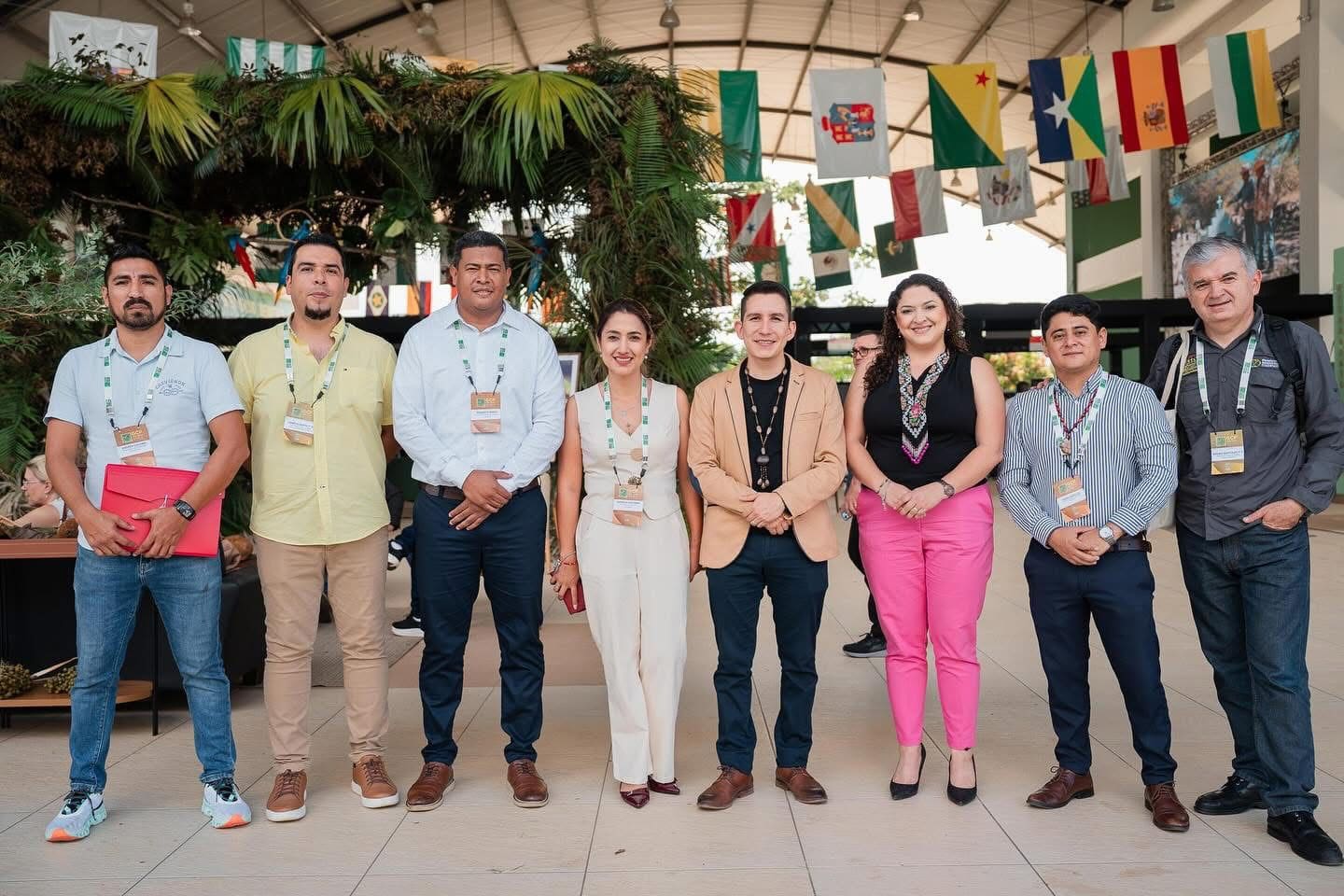
Last month, our Ecuador team joined partners from the Amazonian Platform for a major gathering of regional leaders driving forest protection and climate resilience. Together, they brought a strong, united voice to the 15th Annual Meeting of the Governors’ Climate and Forests Task Force (GCF-TF), held May 19–23 in Rio Branco, Brazil. The event marked an important moment to strengthen collaboration, showcase regional leadership, and build momentum for the future of the Amazon.
The Ecuadorian delegation included leaders from provincial governments, Indigenous organizations, and our team at Nature and Culture. Together, we represented the Amazonian Platform—a powerful alliance working to protect 14+ million acres of intact forest, strengthen local governance, and promote community wellbeing across the Ecuadorian Amazon. Nature and Culture serves as the official GCF coordinator in Ecuador and a key technical partner in this effort.
What is the GCF Task Force?
The Governors’ Climate and Forests Task Force (GCF-TF) is a global alliance of subnational governments from tropical forest regions. Its goal is to protect forests and reduce emissions from deforestation while supporting sustainable development in local communities. The GCF-TF fosters collaboration among governments, Indigenous organizations, and international partners to create policies that benefit both people and the planet.
Key Advances from Orellana, the Newest Member of the Amazonian Platform
One of the key milestones from the event was the unanimous decision to welcome Orellana as a full member of the GCF-TF. This recognition gives the province a stronger voice in regional climate and forest policy and greater access to technical and financial support through the network. It also reinforces the Amazonian Platform’s role in shaping new models for climate and territorial governance across the Amazon.
Collective Vision, Shared Leadership: Progress from the Amazonian Platform
During the meeting, the Ecuador team shared significant progress in three key areas: strengthening territorial governance, protecting forests, and promoting sustainable livelihoods. Highlights included Indigenous-led models for governance and forest management, the expansion of Conservation and Sustainable Use Areas (ACUS) and Territorios de Vida, and the development of the Amazon Future Fund as an innovative tool that provides direct, participatory, and locally tailored conservation financing.
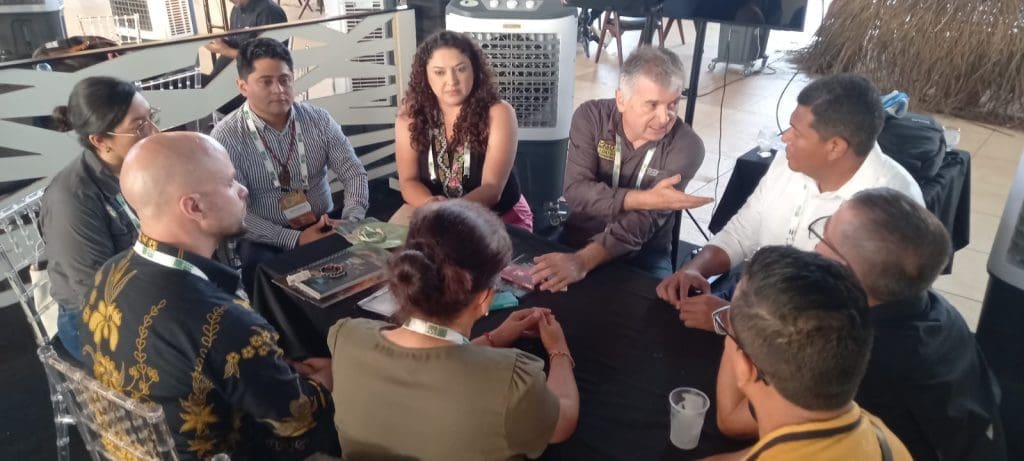

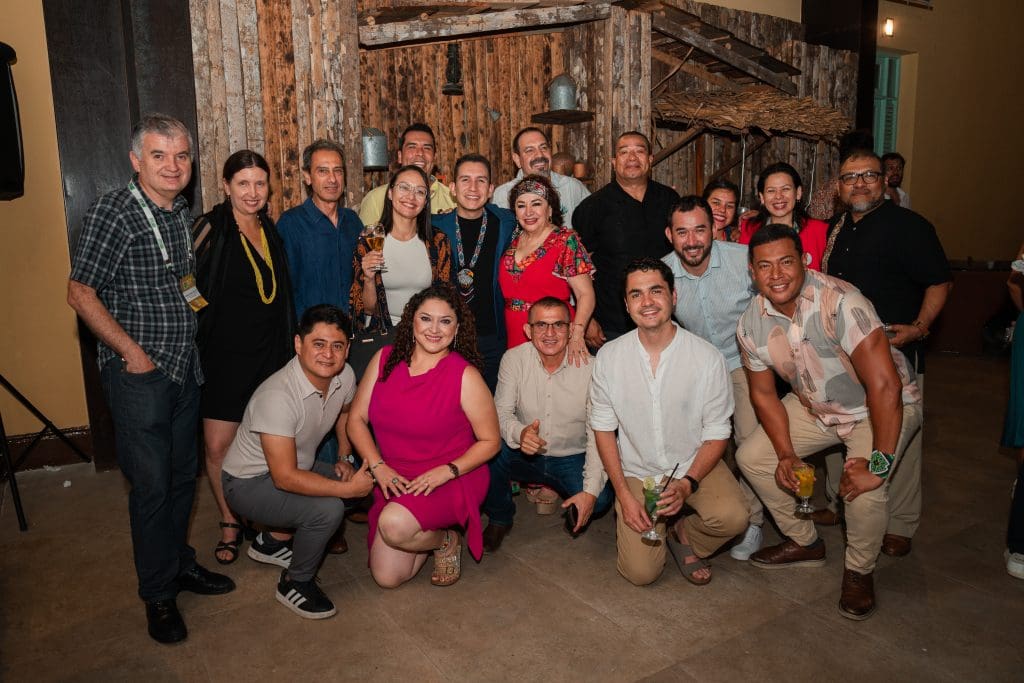

The Ecuadorian delegation also helped shape broader conversations on the future of the Amazon. They promoted stronger collaboration among provincial governments, Indigenous Peoples, and key partners—emphasizing the value of ancestral knowledge and collective rights in the fight against climate change.
A Unified Commitment for the Andean Amazon
A major outcome of the event was the signing of the Declaration of the Governors of the Andean Amazon Region by leaders from Colombia, Ecuador, Peru, and Bolivia. This joint statement reaffirmed their shared commitment to protecting forests and advancing sustainable development across the Andean Amazon.
The declaration also set the stage for a new Andean-Amazon Alliance—a regional effort to implement commitments made in past GCF meetings (including San Francisco, Rio Branco, and Cancun). The goal is to build a shared action plan that addresses climate change, deforestation, and rural development—rooted in local leadership but designed for global impact.
Ecuador’s active role in this process strengthens its position in regional conservation leadership and builds momentum toward COP30, to be held in Belém do Pará, Brazil.
Institutional Acknowledgments
We thank the active participation of the Provincial Governments and Indigenous Peopls that make up the Amazonian Platform for Forests, Climate, and Human Wellbeing, as well as the financial support from World Land Trust, NORAD-NICFI, Andes Amazon Fund, and Re:wild.
