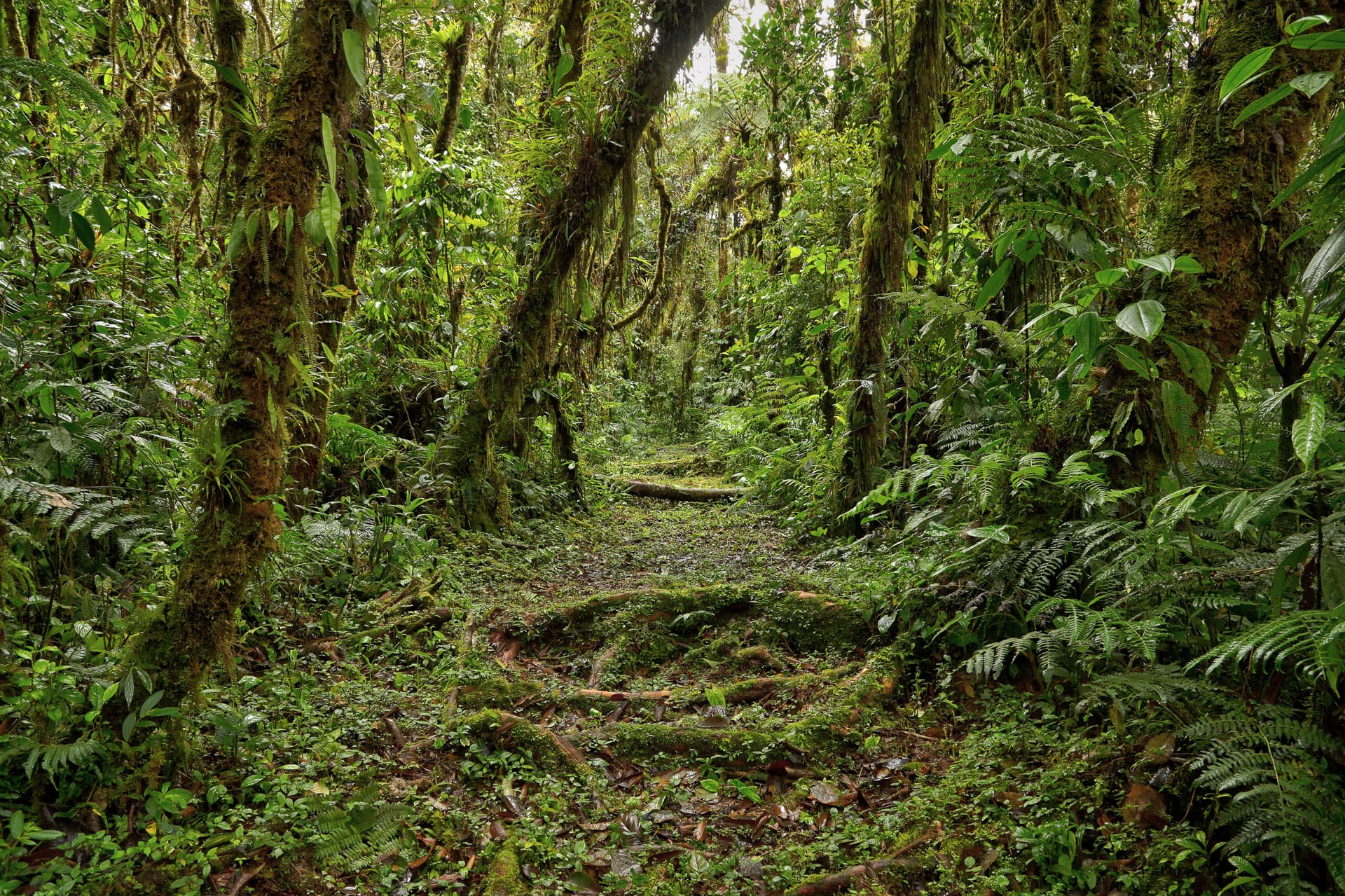

What Are Territories of Life? Indigenous-Led Conservation in the Amazon
06/05/2025
Territories of Life are key to global conservation efforts, but they represent more than just land protection
Referred to as Territorios de Vida, the term is a more accurate way of describing the lands governed, managed, and conserved by Indigenous Peoples. For the communities who live within them, they are much more than conservation areas, they are living landscapes, rooted in culture, identity, and care.
“The territory is life itself. I see myself as that forest—something to be cared for, not harmed.”
These words from Lineth Calapucha, Vice Governor of the Ecuadorian province of Pastaza, capture what Territorios de Vida mean to so many Indigenous women and communities in the Amazon.
In a recent interview, Lineth spoke with Gandy Grefa, a Kichwa filmmaker and communicator for Nature and Culture’s Amazonian Platform project. Gandy’s powerful storytelling has helped bring Amazonian voices to the forefront through beautifully crafted, community-centered shorts like this one.
Watch the video →
What Are Territories of Life?
“Territories of Life” are lands and waters governed, managed, and conserved by Indigenous Peoples. Many Indigenous communities have shaped and sustained biodiverse landscapes through generations of traditional knowledge and management systems. Therefore, this conservation method is increasingly recognized as essential to the health of our planet. Across all continents, hundreds of thousands of these systems protect vast areas of biodiversity while sustaining traditional knowledge, culture, and livelihoods.
In Ecuador, these areas are recognized as subnational conservation areas, where provincial governments formally acknowledge the leadership of Indigenous communities in protecting these lands, and their rightful ownership of them. This collaborative model strengthens legal protection while centering ancestral knowledge and self-determination.
These territories safeguard water sources, store carbon, protect endangered species, and uphold Indigenous ways of life. They are not untouched or unused lands—they are actively lived in and cared for through ancestral practices like chakras: multi-species traditional Indigenous gardens that integrate food production, biodiversity, and spiritual connection to the land.

Why Names Matter: Recognizing Territories of Life
The phrase Territorios de Vida isn’t just a poetic description. It reflects a way of understanding the world. For many Indigenous communities, the land is not separate from the self. It is sacred, alive, and deserving of care.
At Nature and Culture, we recognize that naming matters. That’s why we use the term Territorios de Vida when referring to these areas because it honors the worldview and self-determination of the people who protect them.
Conservation Rooted in Identity and Self-Determination
Through the Amazonian Platform, a political coalition between the six provinces of the Ecuadorian Amazon, we support Indigenous Peoples and local governments in securing long-term protections for their territories. This includes:
- Strengthening territorial governance and planning
- Supporting legal recognition of Indigenous-led conservation areas
- Connecting communities with sustainable financing tools to support durable protected areas
- Backing strategies that blend traditional knowledge with modern conservation approaches
Pastaza was the first province in Ecuador to join the Amazonian Platform, and leaders like Lineth are showing how conservation can be inclusive, rooted in justice, and led by the people who know the land best.

A Moment to Listen and Reconnect
On this World Environment Day, as we reflect on our relationship with nature, we invite you to listen to Lineth’s voice and stand with the communities who protect the Amazon not just as a place, but as a way of life.
Whether we live in the Amazon or in a city far from it, we all depend on healthy ecosystems for clean air, safe water, and a stable climate. For many Indigenous Peoples, this connection goes even further, rooted in generations of knowledge, responsibility, and care. As Lineth Calapucha reminds us, the forest is not separate from us. It’s part of the systems that sustain life and protecting it is essential to ensuring a healthier future for all.
