# Nature and Culture International
> Bringing people together to save wild places
> Generated by All in One SEO Pro v5.0.4, this is an llms-full.txt file, used by LLMs to index the site.
## Posts
### [Patterns in the Distribution of Ecuadorian Amphibian Type Localities](https://www.natureandculture.org/patterns-in-the-distribution-of-ecuadorian-amphibian-type-localities/)
**Published:** October 5, 2026
**Author:** Heather Thomas
**Content:**
Ecuador is home to an extraordinary diversity of amphibians, many of them found nowhere else on Earth. This study published in [*Scientific Reports*](https://www.nature.com/articles/s41598-026-53084-4) now points to one small corner of the southern Andes as a place of exceptional importance: **Abra de Zamora, a mountain pass in the Andes Amazon Conservation Corridor**, where Nature and Culture International protects mountain forests through its San Francisco Reserve. The research was supported by Nature and Culture and Rainforest Trust as part of conservation efforts in the Abra de Zamora Key Biodiversity Area (KBA).
**Categories:** Ecuador, Publications
---
### [Integrating financial and climate scenario analyses into forest restoration: a framework with NTFP trees](https://www.natureandculture.org/es/integrating-financial-and-climate-scenario-analyses-into-forest-restoration-a-framework-with-ntfp-trees/)
**Published:** April 13, 2026
**Author:** Nora Sanchez
**Content:**
**Categories:** Ecuador, Investigación, Publicaciones
**Tags:** Biodiversidad, Ecuador
**Country:** Ecuador
---
### [Rediscovering the Richness and Endemism of the Tetrapod Fauna within the Utcubamba River Key Area for Biodiversity, in Northwestern Peru](https://www.natureandculture.org/rediscovering-the-richness-and-endemism-of-the-tetrapod-fauna-within-the-utcubamba-river-key-area-for-biodiversity-in-northwestern-peru/)
**Published:** January 23, 2025
**Author:** Nora Sanchez
**Content:**
**Categories:** Peru, Publications
**Tags:** Conservation, Peru
---
### [Flora and Fauna of Rio Utcubamba](https://www.natureandculture.org/flora-and-fauna-of-rio-utcubamba/)
**Published:** November 16, 2022
**Author:** Heather Thomas
**Content:**
**Categories:** Publications
---
### [A hidden gem in the tumbesian dry forest in Southern Ecuador](https://www.natureandculture.org/a-hidden-gem-in-the-tumbesian-dry-forest-in-southern-ecuador/)
**Published:** May 31, 2023
**Author:** Nora Sanchez
**Content:**
**Annemarie Wurz**
Department of Biology, Conservation Ecology, University of Marburg, Marburg, Germany
**Jörg Bendix**
Department of Geography, Laboratory for Climatology and Remote Sensing, University of Marburg, Marburg, Germany
**Jürgen Homeier**
Resource Management, University of Applied Sciences and Arts (HAWK), Göttingen, Germany
**Felix Matt**
Department of Biology, Conservation Ecology, University of Marburg, Marburg, Germany
**Pedro Paladines**
Naturaleza y Cultura Internacional, Loja, Ecuador
**Felipe Serrano**
Naturaleza y Cultura Internacional, Loja, Ecuador
**Nina Farwig**
Department of Biology, Conservation Ecology, University of Marburg, Marburg, Germany
**Categories:** Publications
**Tags:** Biodiversity, Bosque Seco, Ecuador, Natural reserves
---
### [A taxonomic review of C. buckleyi and description of two new species](https://www.natureandculture.org/a-taxonomic-review-of-c-buckleyi-and-description-of-two-new-species/)
**Published:** September 4, 2024
**Author:** Heather Thomas
**Content:**
Most Andean glassfrogs live in small, specific areas, but Buckley’s glassfrog (*Centrolene buckleyi*) is an exception, covering a large region in the tropical Andes. Species that cover such wide areas often turn out to be groups of similar species, especially in complex regions like the Andes. Recent research has found that what was once considered a single species, *C. buckleyi*, actually includes several distinct groups with differences in appearance, calls, and genetics. In this work, *C. buckleyi* groups are reviewed using a wide range of samples, redefining what *C. buckleyi* is, and describing two new species that were previously hidden within the complex.
[Read Press Release here >](https://www.natureandculture.org/directory/new-species-of-glass-frog-discovered-in-the-andes/)
**Categories:** Publications
**Tags:** Biodiversity, Ecuador, endangered species, Research, Tropical Andes
---
### [Description of Three New Cryptic Species from Southern Ecuador](https://www.natureandculture.org/description-of-three-new-cryptic-species-from-southern-ecuador/)
**Published:** June 2, 2023
**Author:** Nora Sanchez
**Content:**
PAUL SZEKELY
DIANA SZEKELY
DIEGO ARMIJOS-OJEDA
SANTIAGO HUALPA-VEGA
JUDIT VOROS
We review the species content of the Pristimantis orestes group and, by integrating genetic and morphological data, we distinguish and describe three new cryptic species from the subparamos of southern Ecuadorian Andes: ***Pristimantis sagedunnae, Pristimantis paladines, Pristimantis numbala.*** We briefly discuss the current species composition of the group, the role that natural history might have in determining the shape of the bodies, and the cryptic diversity and distribution pattern of some of the species in southern Ecuador.
**Categories:** Publications
**Tags:** Biodiversity, Ecuador, Nature and Culture International, Protected Area
---
### [Tres nuevas especies de anfibios en el Sur del Ecuador](https://www.natureandculture.org/es/tres-nuevas-especies-de-anfibios-en-el-sur-del-ecuador/)
**Published:** June 2, 2023
**Author:** Nora Sanchez
**Content:**
PAUL SZEKELY
DIANA SZEKELY
DIEGO ARMIJOS-OJEDA
SANTIAGO HUALPA-VEGA
JUDITH VOROS
Revisión del contenido de especies del grupo Pristimantis orestes y, mediante la integración de datos genéticos y morfológicos, se destingue y describe tres nuevas especies crípticas de los subpáramos del sur de los Andes ecuatorianos: ***Pristimantis sagedunnae, Pristimantis paladines, Pristimantis numbala.*** Se discute brevemente la composición actual de especies del grupo, el papel que la historia natural podría tener en la determinación de la forma de los cuerpos y la diversidad críptica y el patrón de distribución de algunas de las especies en el sur de Ecuador.
**Categories:** Publicaciones
**Tags:** Andes tropicales, Biodiversidad, Ecuador, Reservas naturales
**Country:** Ecuador
---
### [Una tesoro escondido en el Bosque Seco en el Sur de Ecuador](https://www.natureandculture.org/es/una-tesoro-escondido-en-el-bosque-seco-en-el-sur-de-ecuador/)
**Published:** May 30, 2023
**Author:** Nora Sanchez
**Content:**
**Annemarie Würz**
Departamento de Biología, Ecología de la Conservación, Universidad de Marburg, Marburg, Alemania
**Jörg Bendix**
Departamento de Geografía, Laboratorio de Climatología y Teledetección, Universidad de Marburg, Marburg, Alemania
**Jürgen Homeier**
Gestión de Recursos, Universidad de Artes y Ciencias Aplicadas (HAWK), Göttingen, Alemania
**Félix Matt**
Departamento de Biología, Ecología de la Conservación, Universidad de Marburg, Marburg, Alemania
**Pedro Paladines**
Naturaleza y Cultura Internacional, Loja, Ecuador
**Felipe Serrano**
Naturaleza y Cultura Internacional, Loja, Ecuador
**Nina Farwig**
Departamento de Biología, Ecología de la Conservación, Universidad de Marburg, Marburg, Alemania
**Categories:** Publicaciones
**Tags:** Biodiversidad, Bosque Seco, Ecuador, Reservas naturales
**Country:** Ecuador
---
### [Revisión taxonómica de C. buckleyi y descripción de dos nuevas especies](https://www.natureandculture.org/es/revision-taxonomica-de-c-buckleyi-y-descripcion-de-dos-nuevas-especies/)
**Published:** September 24, 2024
**Author:** Nora Sanchez
**Content:**
La mayoría de las ranas de cristal andinas viven en áreas pequeñas y específicas, pero la rana de cristal de Buckley (Centrolene buckleyi) es una excepción, abarcando una amplia región en los Andes tropicales. Las especies que cubren áreas tan extensas a menudo resultan ser grupos de especies similares, especialmente en regiones complejas como los Andes. Investigaciones recientes han demostrado que lo que antes se consideraba una sola especie, C. buckleyi, en realidad incluye varios grupos distintos con diferencias en apariencia, vocalizaciones y genética. En este trabajo, se revisan los grupos de C. buckleyi utilizando una amplia gama de muestras, redefiniendo lo que es C. buckleyi y describiendo dos nuevas especies que previamente estaban ocultas dentro de este complejo.
[Simplifying the Centrolene buckleyi complex (Amphibia: Anura: Centrolenidae): a taxonomic review and description of two new species](#)
##### [Lee la nota de prensa aquí >](https://www.natureandculture.org/es/directorio/nueva-especie-de-rana-de-cristal-en-los-andes/ "Nueva especie de rana de cristal en los Andes")
**Categories:** Publicaciones
**Tags:** Biodiversidad
**Country:** Ecuador
---
### [Folleto Corredor de Conservación Transfronterizo Andino Amazónico](https://www.natureandculture.org/es/folleto-corredor-de-conservacion-transfronterizo-andino-amazonico/)
**Published:** January 14, 2026
**Author:** Nora Sanchez
**Content:**
El CCTAA es una estrategia de conservación que conecta los ecosistemas andino-amazónicos del sur de Ecuador y el norte de Perú. Ubicado en el Hotspot Andes Tropicales, la región más biodiversa del mundo, este corredor garantiza la conectividad ecológica, lo que permite el desplazamiento de especies, el mantenimiento del flujo genético y una mayor resiliencia de los ecosistemas al riesgo de desaparición de poblaciones locales.
El CCTAA, fortalece la colaboración entre ambos países, impulsando la gestión ambiental y el desarrollo sostenible de las comunidades que habitan este territorio compartido.
Conoce más [aquí](https://www.natureandculture.org/es/corredor-de-conservacion-transfronterizo-andino-amazonico/ "Corredor de Conservación Transfronterizo Andino Amazónico")
**Categories:** Publicaciones
**Tags:** Agua, Anfibios, Areas de Protección Hídrica, Biodiversidad, Cámaras trampa, Ecuador, Personas, Perú, Reservas naturales
**Country:** Ecuador, Perú
---
### [Narrativas Visuales de la Cuenca Mayo-Chinchipe](https://www.natureandculture.org/es/narrativas-visuales-de-la-cuenca-mayo-chinchipe/)
**Published:** December 4, 2025
**Author:** Nora Sanchez
**Content:**
Narrativas Visuales de la Cuenca Mayo-Chinchipe reconoce en los rostros de sus protagonistas -mujeres y hombres guardianes del agua, del bosque y de la vida- una nueva forma de entender la conservación: una cosmología y antropología del cuidado, donde la naturaleza y los seres humanos conviven en reciprocidad, cooperación y amor por el AGUA.
Las fotografías retratan a quienes cultivan café y cacao libres de deforestación, protegen los bosques, impulsan escuelas del agua y lideran procesos comunitarios de conservación.
**Categories:** Publicaciones
**Tags:** Agua, Ecuador
**Country:** Ecuador
---
### [Miel por Bosque](https://www.natureandculture.org/es/miel-por-bosque/)
**Published:** November 27, 2025
**Author:** Heather Thomas
**Content:**
## Manual de manejo de abejas sin aguijón
Las abejas sin aguijón, nativas de las zonas tropicales, han formado parte esencial de la vida y la cultura de nuestros antepasados. Su manejo tradicional está estrechamente ligado a su perspectiva cultural y a la forma en que aseguraban su soberanía alimentaria. Recuperar estas prácticas significa mantener viva una herencia milenaria que une conocimiento ancestral, uso responsable de los recursos y conservación del patrimonio natural.
En este contexto, este manual surge como una contribución urgente para corregir errores pasados —y presentes— en materia de conservación. La protección de las abejas sin aguijón no puede postergarse, especialmente por su papel insustituible como polinizadoras de bosques y sistemas productivos que sostienen nuestra alimentación. Promover el manejo sostenible de estas abejas se convierte en una herramienta clave para la preservación de la biodiversidad y la resiliencia de los territorios.
En coherencia con esta necesidad, la Mancomunidad Las Meliponas (MLM), ubicada en el sur del Ecuador, está conformada por las parroquias rurales de Ciano, El Arenal y Vicentino, pertenecientes al cantón Puyango. Esta mancomunidad comprende un total de 30 barrios y abarca una superficie aproximada de 166,3 km².
El nombre de la Mancomunidad Las Meliponas hace referencia a la especie Melipona indecisa, conocida localmente como Cananambo, una de las especies emblemáticas de abejas sin aguijón presentes en esta área.
La Mancomunidad Las Meliponas es la primera institución en Ecuador que, a través de la meliponicultura, contribuye a la protección del Área de Conservación Municipal de Puyango. Se enfoca en mejorar la infraestructura de los meliponarios, promover la siembra de plantas melícolas nativas y facilitar la comercialización de la miel.
**Categories:** Publicaciones
**Tags:** Biodiversidad, Ecuador
**Country:** Ecuador
---
### [Guía de Aves de las Áreas de Conservación del cantón Zapotillo](https://www.natureandculture.org/es/guia-de-aves-de-las-areas-de-conservacion-del-canton-zapotillo/)
**Published:** September 17, 2025
**Author:** Nora Sanchez
**Content:**
Las aves no solo tienen un valor ecológico fundamental, sino también cultural y económico.
En lo ecológico, cumplen roles esenciales como el equilibrio de los ecosistemas, la dispersión de semillas y la polinización. Su presencia y diversidad reflejan la calidad ambiental y el estado de conservación de los hábitats.
En el ámbito económico, el aviturismo genera ingresos y fomenta la conservación a través del turismo sostenible. Culturalmente, las aves han sido inspiración para cuentos, leyendas, poemas, símbolos y forman parte de la mitología de muchas comunidades.
La Guía de Aves de las Áreas de Conservación del cantón Zapotillo presenta especies de la Reserva Natural Cazaderos, la Reserva Natural La Ceiba y el Área Ecológica de Conservación Municipal “Los Guayacanes”, mostrando solo una parte de la gran diversidad que alberga esta zona.
Este bosque tropical estacionalmente seco, uno de los más frágiles del planeta, es hogar de especies únicas que necesitan nuestra protección. Su conservación es urgente: perderlos significaría perder especies que no existen en ningún otro lugar del planeta.
**Descarga la guía y conoce la diversidad de aves que hacen único al bosque tropical estacionalmente seco.**
**Categories:** Publicaciones
**Tags:** Biodiversidad, Ecuador
**Country:** Ecuador
---
### [GeoVisor del Mapa Nacional de ACUS y Territorios de Vida](https://www.natureandculture.org/es/geovisor-del-mapa-nacional-de-acus/)
**Published:** May 31, 2024
**Author:** Nora Sanchez
**Content:**
Los gobiernos autónomos descentralizados (GAD) provinciales y municipales, con el fin de proteger el patrimonio natural, reservar y regular los espacios naturales para hacer efectivo el derecho a la conservación del ambiente y cuidar las fuentes de agua, ejerciendo las competencias de ordenamiento territorial han reconocido oficialmente Áreas de Conservación y Uso Sostenible (ACUS), así como Territorios de Vida de los Pueblos y Nacionalidades para salvaguardar la especial relación entre los derechos de la Naturaleza y los derechos colectivos.
Las ACUS y los Territorios de Vida no se limitan a regular los espacios naturales, sino que, principalmente, juegan un papel crucial en la protección y restauración de fuentes de agua asociadas a ecosistemas frágiles, particularmente en zonas productoras del recurso hídrico para consumo humano.
Además, promueven la protección de la diversidad biológica y cultural, la preservación de servicios ecosistémicos y la prevención de la contaminación, mientras fomentan el uso sostenible de los recursos naturales.
ACUS y los Territorios de Vida desempeñan un papel fundamental en el ordenamiento territorial, asegurando la protección de la biodiversidad y los recursos hídricos mediante normativas específicas. Su implementación permite una gestión sostenible de ecosistemas valiosos, garantizando la conservación del agua, los bosques y el patrimonio natural a través de una planificación a corto, mediano y largo plazo.
Además, al estar interconectadas con áreas protegidas, las ACUS y los Territorios de Vida fortalecen la creación de corredores biológicos y zonas de amortiguamiento, esenciales para la conectividad ecológica y la resiliencia de los ecosistemas. En este contexto, estas áreas contribuyen directamente a la meta global 30×30, que busca proteger al menos el 30% del territorio nacional para 2030, consolidando un enfoque integral de conservación y sostenibilidad.
**[Accede al dashboard del Mapa Nacional de ACUS y Territorios de Vida](https://n-c-i.maps.arcgis.com/apps/dashboards/8b790c5516ad48f9a6eee048b0ffeab0)**

## Solicita los archivos Shapefiles de las ACUS y Territorios de Vida
**Categories:** Ecuador, Publicaciones
**Tags:** Ecuador
**Country:** Ecuador
---
### [Guía del Pescador en el Mosaico Nanay Tigre](https://www.natureandculture.org/es/guia-del-pescador-en-el-mosaico-nanay-tigre/)
**Published:** September 1, 2025
**Author:** Nora Sanchez
**Content:**
*La Guía del Pescador en el Mosaico Nanay Tigre es una herramienta práctica dirigida a pescadores artesanales, líderes comunales y autoridades locales. Reúne normas, buenas prácticas y consejos útiles para promover una pesca responsable, fortalecer la organización comunitaria y cuidar los ríos y la biodiversidad* amazónica.
**Categories:** Publicaciones
**Tags:** Biodiversidad, Perú
**Country:** Perú
---
### [Sistematización del II Foro Nacional de ACUS y Territorios de Vida ](https://www.natureandculture.org/es/sistematizacion-del-ii-foro-nacional-de-acus-y-territorios-de-vida/)
**Published:** July 7, 2025
**Author:** Nora Sanchez
**Content:**
En un país atravesado por la crisis climática y la pérdida acelerada de biodiversidad, las Áreas de Conservación y Uso Sostenible (ACUS) y los Territorios de Vida se posicionan como alternativas legítimas para fortalecer la conservación desde los territorios, con participación de gobiernos locales, pueblos y nacionalidades.
El II Foro Nacional de ACUS y Territorios de Vida, realizado el 13 de marzo de 2025, reunió a 192 participantes de municipios, comunidades, organizaciones, academia, cooperación e instituciones públicas. Este espacio permitió intercambiar experiencias, profundizar debates técnicos y culturales, y avanzar en la construcción colectiva de la Red Nacional de ACUS y Territorios de Vida.
Este documento recoge los principales aprendizajes, propuestas y desafíos identificados durante el Foro, y busca orientar los siguientes pasos para consolidar modelos territoriales que articulen conservación, producción sostenible, diálogo de saberes y derechos colectivos. Su contenido es una hoja de ruta para quienes apuestan por una gestión ambiental más justa, inclusiva y arraigada en las realidades de los territorios.
**Categories:** Publicaciones
**Tags:** Agua, Biodiversidad, Ecuador, Personas
**Country:** Ecuador
---
### [Memoria Anual Perú 2024](https://www.natureandculture.org/es/memoria-anual-peru-2024/)
**Published:** May 21, 2025
**Author:** Nora Sanchez
**Content:**
**Categories:** Publicaciones
**Tags:** Biodiversidad, Perú
**Country:** Perú
---
### [Modelo de Gestión y Gobernanza Territorial Nacionalidad Shiwiar](https://www.natureandculture.org/es/modelo-de-gestion-y-gobernanza-territorial-nacionalidad-shiwiar/)
**Published:** April 22, 2025
**Author:** Nora Sanchez
**Content:**
**Categories:** Publicaciones
**Tags:** Biodiversidad, Ecuador
**Country:** Ecuador
---
### [Modelo de Gestión y Gobernanza de la Nacionalidad Andwa de Pastaza](https://www.natureandculture.org/es/modelo-de-gestion-y-gobernanza-de-la-nacionalidad-andwa-de-pastaza/)
**Published:** April 22, 2025
**Author:** Nora Sanchez
**Content:**
**Categories:** Publicaciones
**Tags:** Ecuador
**Country:** Ecuador
---
### [Informe de impacto Ecuador 2024](https://www.natureandculture.org/es/informe-de-impacto-ecuador-2024/)
**Published:** March 13, 2025
**Author:** Nora Sanchez
**Content:**
**Categories:** Publicaciones
**Tags:** Ecuador
**Country:** Ecuador
---
### [Etnoguía de aves de la comunidad Shuar Kawa](https://www.natureandculture.org/es/etnoguia-kawa/)
**Published:** March 24, 2025
**Author:** Nora Sanchez
**Content:**
**Categories:** Publicaciones
**Tags:** Biodiversidad, Ecuador
**Country:** Ecuador
---
### [Comic Los Elegidos](https://www.natureandculture.org/es/comic-los-elegidos/)
**Published:** March 21, 2025
**Author:** Nora Sanchez
**Content:**
**Categories:** Publicaciones
**Tags:** Ecuador
**Country:** Ecuador
---
### [Nugka. Fotografía. Conservación. Naturaleza](https://www.natureandculture.org/es/nugka-fotografia-conservacion-naturaleza-2/)
**Published:** January 23, 2022
**Author:** Nora Sanchez
**Content:**
**Categories:** Publicaciones
**Tags:** Biodiversidad, Perú
**Country:** Perú
---
### [Predicting potential distribution and identifying priority areas for conservation of the Yellow-tailed Woolly Monkey (Lagothrix flavicauda) in Peru ](https://www.natureandculture.org/predicting-potential-distribution-and-identifying-priority-areas-for-conservation-of-the-yellow-tailed-woolly-monkey-lagothrix-flavicauda-in-peru/)
**Published:** January 23, 2025
**Author:** Nora Sanchez
**Content:**
**Categories:** Peru, Publications
**Tags:** Biodiversity, Conservation, Peru
---
### [Endemism of woody flora and tetrapod fauna, and conservation status of the inter-Andean Seasonally Dry Tropical Forests of the Marañon Valley](https://www.natureandculture.org/endemism-of-woody-flora-and-tetrapod-fauna-and-conservation-status-of-the-inter-andean-seasonally-dry-tropical-forests-of-the-maranon-valley/)
**Published:** January 23, 2025
**Author:** Nora Sanchez
**Content:**
**Categories:** Peru, Publications
**Tags:** Conservation, Nature and Culture International, Peru
---
### [Núgka. Fotografía. Conservacion. Naturaleza](https://www.natureandculture.org/es/nugka-fotografia-conservacion-naturaleza/)
**Published:** January 17, 2022
**Author:** Nora Sanchez
**Content:**
La extinción de especies silvestres, la deforestación y destrucción de la naturaleza es un hecho. Somos testigos de esto, pero, a veces, preferimos no ver lo que sucede a nuestro alrededor, en nuestro planeta. Frente a esta cruda realidad, la fotografía de conservación es una herramienta muy importante, muy valiosa, que debe ser utilizada de manera inteligente, responsable, astuta, empática, atrevida y sincera.
La fotografía de conservación nos muestra lo que sucede en la naturaleza y debe tener un efecto de sensibilización en todas las comunidades. Debe servir para conocer y vigilar a las amenazas de todos los ecosistemas, de los bosques, desiertos y mares, desde el Polo Norte a la Patagonia.
En esta nueva edición de Núgka (Tierra en lengua indígena awajún), se comparten nuevas colaboraciones de profesionales dedicados a la conservación de la biodiversidad, entre ellos Elvis Allauja Salazar, parte del equipo de Naturaleza y Cultura Internacional en Perú.
**Categories:** Publicaciones
**Tags:** Biodiversidad, Perú
**Country:** Perú
---
### [Plan de género del Sistema Nacional de Áreas Protegidas en Ecuador](https://www.natureandculture.org/es/plan-de-genero-del-sistema-nacional-de-areas-protegidas-en-ecuador/)
**Published:** December 2, 2024
**Author:** Nora Sanchez
**Content:**
El proceso de construcción del Plan de Género del Sistema Nacional de Áreas protegidas fue posible con el apoyo técnico y financiero de Conservación Internacional Ecuador gracias a los proyectos: Salvar la Tierra irremplazable empieza por proteger los Andes Tropicales, Corredores Amazónicos de Conectividad y Nuestros Futuros Bosques: Reservas Vitales. En colaboración con WCS, World Wide Fund (WWF Ecuador), GIZ Ecuador, Condesan, Naturaleza y Cultura Internacional (NCI), y Practical Action, en coordinación con la Autoridad Ambiental.
**Categories:** Publicaciones
**Tags:** Biodiversidad, Ecuador
**Country:** Ecuador
---
### [Memoria I Encuentro Nacional de Corredores de Conectividad](https://www.natureandculture.org/es/memoria-i-encuentro-nacional-de-corredores-de-conectividad/)
**Published:** May 25, 2024
**Author:** Nora Sanchez
**Content:**
**Categories:** Corredor de Conectividad Sangay Podocarpus, Publicaciones
**Tags:** Biodiversidad, Ecuador
**Country:** Ecuador
---
### [Atlas de Áreas de Protección Hídrica](https://www.natureandculture.org/es/atlas-de-areas-de-proteccion-hidrica/)
**Published:** October 30, 2024
**Author:** Nora Sanchez
**Content:**
El **Atlas de Áreas de Protección Hídrica (APH)**, elaborado por la **Autoridad Ambiental** y **Naturaleza y Cultura Internacional (NCI)**, es una herramienta científica que recopila información geográfica y estadística sobre las APH en Ecuador. Su objetivo principal es evidenciar cómo el establecimiento de figuras de conservación contribuye a la protección de las fuentes de agua que abastecen a la población y protegen la biodiversidad asociada a estas áreas.
El Atlas resalta el trabajo conjunto entre comunidades, gobiernos locales y la sociedad civil, además del apoyo crucial de la cooperación internacional. En este sentido, destaca el rol de aliados estratégicos como Re:wild, cuya contribución ha sido clave para fortalecer estas iniciativas de conservación y sostenibilidad hídrica.
**Categories:** Ecuador, Publicaciones
**Tags:** Agua, Biodiversidad, Ecuador
**Country:** Ecuador
---
### [Guía Global Forest Watch](https://www.natureandculture.org/es/guia-global-forest-watch/)
**Published:** November 25, 2024
**Author:** Nora Sanchez
**Content:**
## Herramienta Clave para el Monitoreo y Gestión Sostenible de Áreas Protegidas
La guía Global Forest Watch (GFW) sistematiza protocolos de monitoreo para las Áreas de Conservación y Uso Sostenible (ACUS), denominadas también Áreas de Conservación Municipal y Uso Sostenible (ACMUS) por algunos Gobiernos Autónomos Descentralizados (GAD) municipales. Esta herramienta interactiva está diseñada para fortalecer las capacidades técnicas de los equipos provinciales y municipales encargados de la gestión del patrimonio natural, permitiéndoles optimizar el monitoreo de estas áreas estratégicas.
GFW, desarrollada por el World Resources Institute, es una plataforma avanzada de monitoreo en tiempo real que integra datos satelitales, algoritmos de teledetección y sistemas de información geográfica (SIG) para identificar cambios en la cobertura forestal. Además, emite alertas tempranas de deforestación, cuantifica emisiones de carbono derivadas de la degradación forestal y genera mapas interactivos que facilitan decisiones informadas frente a retos como el cambio climático y la pérdida de biodiversidad.
Con un enfoque técnico y científico, esta guía se posiciona como una herramienta indispensable de capacitación para fortalecer la gestión sostenible de los recursos forestales en áreas protegidas, gracias al apoyo de aliados estratégicos como Andes Amazon Fund y la Cooperación Belga al Desarrollo (DGD) BOS+.
**Categories:** Publicaciones
**Tags:** Ecuador
**Country:** Ecuador
---
### [Siguiendo las huellas del Oso andino](https://www.natureandculture.org/es/siguiendo-las-huellas-del-oso-andino/)
**Published:** September 12, 2024
**Author:** Nora Sanchez
**Content:**
**Categories:** Corredor de Conectividad Sangay Podocarpus, Publicaciones
**Tags:** Biodiversidad
**Country:** Ecuador
---
### [Memoria 20 años Naturaleza y Cultura Internacional en Perú](https://www.natureandculture.org/es/memoria-20-anos-naturaleza-y-cultura-internacional-en-peru/)
**Published:** August 12, 2024
**Author:** Nora Sanchez
**Content:**
**Categories:** Publicaciones
**Tags:** Biodiversidad, Perú
**Country:** Perú
---
### [Chordeleg, A Natural Treasure](https://www.natureandculture.org/chordeleg/)
**Published:** January 17, 2024
**Author:** Heather Thomas
**Content:**
**Categories:** Publications
---
### [Cuaderno de actividades de anfibios del CCSP](https://www.natureandculture.org/es/cuaderno-de-actividades-de-anfibios-del-ccsp/)
**Published:** June 8, 2024
**Author:** Nora Sanchez
**Content:**
**Categories:** Corredor de Conectividad Sangay Podocarpus, Publicaciones
**Tags:** Anfibios, Biodiversidad, Ecuador
**Country:** Ecuador
---
### [Informe de impacto Ecuador 2023](https://www.natureandculture.org/es/informe-de-impacto-ecuador-2023/)
**Published:** May 15, 2024
**Author:** Nora Sanchez
**Content:**
**Categories:** Últimas noticias
**Tags:** Ecuador
**Country:** Ecuador
---
### [Anfibios y Reptiles del Corredor de Conectividad Sangay - Podocarpus](https://www.natureandculture.org/es/anfibios-y-reptiles-del-corredor-de-conectividad-sangay-podocarpus/)
**Published:** May 19, 2023
**Author:** Nora Sanchez
**Content:**
**Categories:** Corredor de Conectividad Sangay Podocarpus, Publicaciones, Últimas noticias
**Tags:** Anfibios, CCSP Biodiversidad, Reptiles
---
### [Chordeleg, una joya natural](https://www.natureandculture.org/es/chordeleg-una-joya-natural/)
**Published:** November 17, 2023
**Author:** Nora Sanchez
**Content:**
**Categories:** Corredor de Conectividad Sangay Podocarpus, Publicaciones
**Tags:** Ecuador
**Country:** Ecuador
---
### [Río Negro - Sopladora, el descubrimiento de un tesoro natural](https://www.natureandculture.org/es/rio-negro-sopladora-el-descubrimiento-de-un-tesoro-natural/)
**Published:** June 9, 2017
**Author:** Nora Sanchez
**Content:**
**Autores:** Caty Frenkel y Fabián Rodas L.
*Al sur del Ecuador, en la Cordillera Real Oriental se ubica Río Negro – Sopladora,* *un área dominada por ecosistemas de páramo y de bosques andinos* *casi intactos que albergan una gran riqueza en especies de flora y fauna,* *brindando también múltiples servicios ambientales a la región.*
*Debido a su inaccesibilidad, esta área es muy poco conocida en términos* *científicos, siendo éste el primer documento que publica información biológica* *basada en estudios de campo sobre aves, mamíferos, anfibios, reptiles* *y plantas vasculares. La información obtenida mediante una Evaluación* *Biológica Rápida, demuestra su gran riqueza natural, habiéndose realizado* *varios descubrimientos sorprendentes que incluyen nuevas especies para* *la ciencia, especies endémicas, amenazadas, raras y nuevos rangos geográficos* *de distribución.*
*Además de su importancia para la regulación hídrica y climática de la región,* *estos hallazgos biológicos, sumados a los que puedan realizarse en el* *futuro mediante investigaciones más detalladas, sustentan la necesidad de* *proteger a largo plazo Río Negro – Sopladora, incorporándola al Patrimonio* *de Áreas Naturales del Estado y convirtiéndola en una zona núcleo del* *Corredor de Conservación Sangay – Podocarpus.*
**Categories:** Corredor de Conectividad Sangay Podocarpus, Publicaciones
**Tags:** Biodiversidad, Ecuador
---
### [Un tour por Tres Lagunas en Azuay, Ecuador](https://www.natureandculture.org/es/un-tour-por-tres-lagunas-en-azuay-ecuador/)
**Published:** October 23, 2023
**Author:** Nora Sanchez
**Content:**
\[wpvr id=”31982″\]
**Categories:** Corredor de Conectividad Sangay Podocarpus, Publicaciones, Visor 360
**Tags:** Biodiversidad, Ecuador
**Country:** Ecuador
---
### [Un tour por Maylas en Azuay, Ecuador](https://www.natureandculture.org/es/un-tour-por-maylas-en-azuay-ecuador/)
**Published:** October 23, 2023
**Author:** Nora Sanchez
**Content:**
\[wpvr id=”31976″\]
**Categories:** Corredor de Conectividad Sangay Podocarpus, Publicaciones, Visor 360
**Tags:** Biodiversidad, Ecuador
**Country:** Ecuador
---
### [Aves comunes de Imbana](https://www.natureandculture.org/es/aves-comunes-de-imbana/)
**Published:** March 18, 2024
**Author:** Nora Sanchez
**Content:**
El EcoClub de la parroquia La Victoria de Imbana ha lanzado la primera guía de “Aves comunes de Imbana”. Este emocionante proyecto contó con la colaboración de una increíble comunidad de personas comprometidas con la conservación de la biodiversidad local, que forma parte del Área de la Reserva Ecológica Protegida Tres Picachos.
Queremos expresar nuestro agradecimiento especial a Carmen Orellana, una talentosa bióloga y autora de esta extraordinaria guía, quien lideró la creación de esta valiosa herramienta.
Esta guía es el resultado de un concurso de fotografía de aves, un proyecto impulsado por Naturaleza y Cultura Internacional en coordinación con las Unidades Educativas de la Parroquia. Todas las fotografías que encontrarás dentro de la guía son las que participaron en este emocionante concurso. Cada imagen captura la belleza y singularidad de las aves que habitan en nuestra región.
La Guía de Aves Comunes de Imbana es una herramienta completa y fascinante para aquellos interesados en explorar y aprender sobre las aves locales.
**Categories:** Corredor de Conectividad Sangay Podocarpus, Ecuador, Publicaciones
**Tags:** Biodiversidad, Ecuador
**Country:** Ecuador
---
### [Ruta Aviturística de la Cuenca del Río Utcubamba](https://www.natureandculture.org/es/ruta-avituristica-de-la-cuenca-del-rio-utcubamba/)
**Published:** April 23, 2024
**Author:** Nora Sanchez
**Content:**
[Lee la versión en inglés “Birding route of the Utcubamba River Basin”](https://www.natureandculture.org/birding-route-of-the-utcubamba-river-basin/)
**Categories:** Publicaciones, Últimas noticias
**Tags:** Biodiversidad, Perú
**Country:** México
---
### [Birding route of the Utcubamba River Basin](https://www.natureandculture.org/birding-route-of-the-utcubamba-river-basin/)
**Published:** May 2, 2024
**Author:** Nora Sanchez
**Content:**
**Categories:** Latest News, Publications
**Tags:** Biodiversity, Peru
---
### [Mar tropical y humedales costeros del norte peruano](https://www.natureandculture.org/es/mar-tropical-y-humedales-costeros-del-norte-peruano/)
**Published:** April 25, 2024
**Author:** Nora Sanchez
**Content:**
**Categories:** Publicaciones
**Tags:** Agua, Biodiversidad, Perú, Reservas naturales
**Country:** Perú
---
### [Mapa Nacional de Áreas de Conservación y Uso Sostenible](https://www.natureandculture.org/es/mapa-nacional-de-areas-de-conservacion-y-uso-sostenible/)
**Published:** April 17, 2024
**Author:** Nora Sanchez
**Content:**
**Categories:** Publicaciones
**Tags:** Biodiversidad, Ecuador
**Country:** Ecuador
---
### [Ikíitu El Último Karaka](https://www.natureandculture.org/ikiitucomic/)
**Published:** August 4, 2023
**Author:** Heather Thomas
**Content:**
“El Último Kuraka” tells the story of the Ikíitu people of San Antonio, Peru, through the hero Súkani, a leader with supernatural powers who is imprisoned by colonialists to seize his people’s land.
The comic, written in both Spanish and Ikíitu, aims to engage young Ikíitu in learning their language and heritage before it is lost forever. With fewer than 600 Ikíitu people remaining today, preserving their lived experience and worldview is imperative.
**Categories:** Peru, Publications
---
### [Ikíitu El Último Karaka](https://www.natureandculture.org/es/ikiitu-el-ultimo-karaka/)
**Published:** August 8, 2023
**Author:** Nora Sanchez
**Content:**
**El Último Kuraka** narra la historia del pueblo Ikíitu de San Antonio, Perú a través del héroe Súkani, un líder con poderes sobrenaturales que es aprisionado por los colonialistas para apoderarse de la tierra de su pueblo.
El cómic, que está escrito en español e ikíito, tiene como objetivo involucrar a los jóvenes ikíitu en el aprendizaje de su idioma y herencia antes de que se pierda para siempre. Con menos de 600 personas Ikíitu que quedan hoy, la preservación de su experiencia vivida y su visión del mundo es imperativa.
**Categories:** Publicaciones
**Tags:** Personas, Perú
**Country:** Perú
---
### [Postales de la Reserva Natural Cazaderos](https://www.natureandculture.org/es/postales-de-la-reserva-natural-cazaderos/)
**Published:** July 18, 2023
**Author:** Nora Sanchez
**Content:**
**Categories:** Ecuador, Historias en el campo, Publicaciones
**Tags:** Ecuador, Reservas naturales
**Country:** Ecuador
---
### [La flora y fauna del río Utcubamba](https://www.natureandculture.org/es/la-flora-y-fauna-del-rio-utcubamba/)
**Published:** November 16, 2020
**Author:** Nora Sanchez
**Content:**
**Categories:** Perú, Publicaciones
**Tags:** Biodiversidad, Perú
**Country:** Perú
---
### [Biosfera Macizo del Cajas](https://www.natureandculture.org/es/biosfera-macizo-del-cajas/)
**Published:** May 29, 2013
**Author:** Nora Sanchez
**Content:**
**Categories:** Publicaciones
**Tags:** Biodiversidad, Ecuador
**Country:** Ecuador
---
### [Del Bosque al Aula](https://www.natureandculture.org/es/del-bosque-al-aula/)
**Published:** November 16, 2022
**Author:** Heather Thomas
**Content:**
Cuaderno de trabajo de educación ambiental para niños.
**Categories:** Publicaciones
**Tags:** Ecuador, Educación ambiental
**Country:** Ecuador
---
### [Aves que anidan en cavidades de México](https://www.natureandculture.org/es/cavity-nesting-birds-of-mexico/)
**Published:** November 16, 2022
**Author:** Heather Thomas
**Content:**
**Categories:** Mexico, Publicaciones
**Tags:** Aves, Biodiversidad, Mexico
**Country:** México
---
### [Diccionario Andwa](https://www.natureandculture.org/es/andwa-dictionary/)
**Published:** February 22, 2023
**Author:** Heather Thomas
**Content:**
KUPUKWANO: Diccionario de la lengua Andwa
**Categories:** Ecuador, Publicaciones
---
### [Teacher's Guide book](https://www.natureandculture.org/es/teachers-guide-book/)
**Published:** May 18, 2023
**Author:** Heather Thomas
**Content:**
to follow along with the children’s workbook – del Bosque al Aula
**Categories:** Últimas noticias
---
### [Cavity-nesting birds of Mexico](https://www.natureandculture.org/cavity-nesting-birds-of-mexico/)
**Published:** November 16, 2022
**Author:** Heather Thomas
**Content:**
**Categories:** Mexico, Publications
---
### [Teacher's Guide book](https://www.natureandculture.org/teachers-guide-book/)
**Published:** November 16, 2022
**Author:** Heather Thomas
**Content:**
to follow along with the children’s workbook – del Bosque al Aula
**Categories:** Ecuador
---
### [del Bosque al Aula](https://www.natureandculture.org/del-bosque-al-aula/)
**Published:** November 16, 2022
**Author:** Heather Thomas
**Content:**
Children’s environmental education workbook
**Categories:** Ecuador, Publications
---
### [Andwa Dictionary](https://www.natureandculture.org/kupukwano-dictionary/)
**Published:** February 22, 2023
**Author:** Heather Thomas
**Content:**
KUPUKWANO: Andwa language dictionary
**Categories:** Ecuador, Publications
---
## Pages
### [Homepage](https://www.natureandculture.org/)
**Published:** August 20, 2026
**Author:** Heather Thomas
**Content:**
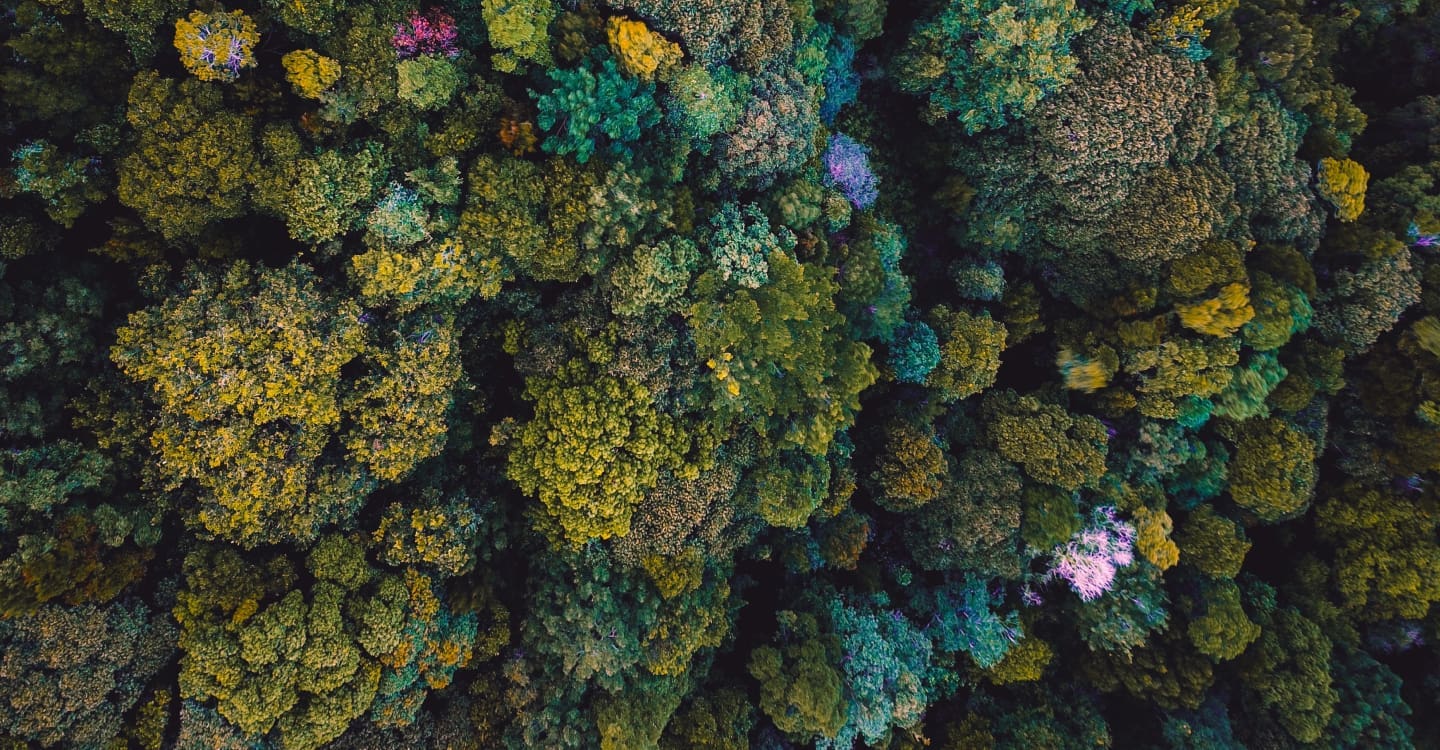
# Stand with Nature
The world’s most extraordinary forests are worth protecting, community by community, acre by irreplaceable acre.
[Give now](https://www.natureandculture.org/donate/) [Our 30 Years](https://www.natureandculture.org/30-years-conservation/)

Conservation Built To Last
## A world worth protecting
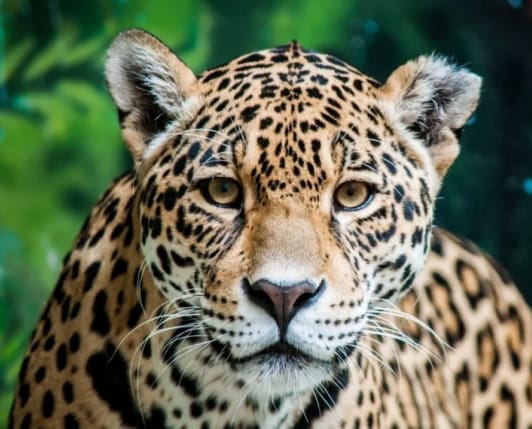
The Amazon still stands. Jaguars still move freely from the Andes to the lowlands. Species yet unknown to science still thrive within it. That’s not an accident; it’s 30 years of work.
Nature and Culture protects large, intact forests by working alongside the Indigenous peoples and local communities who have stewarded these landscapes for generations.
[Support this work](https://www.natureandculture.org/donate/) [See our approach and 2030 goals→](https://www.natureandculture.org/approach-and-vision/)
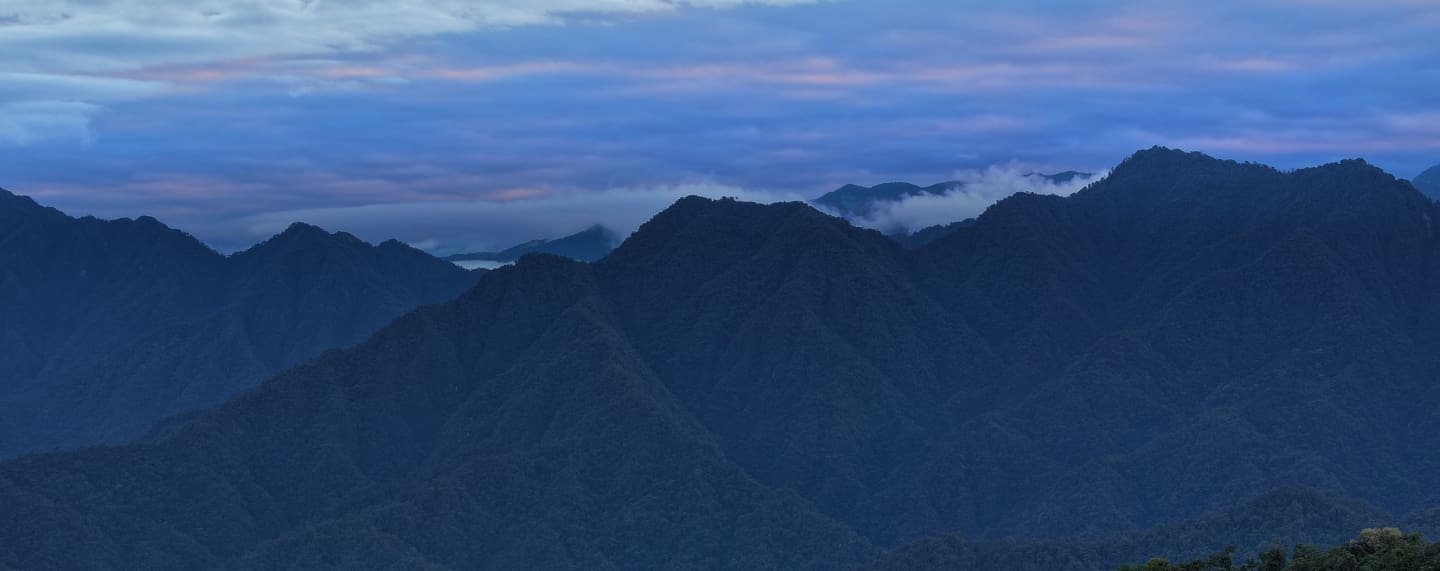
Our impact
## What we’ve achieved so far → *Our Conservation Impact*
Acres protected across Latin America
29.5 Million
- 4.2B Tons of CO2 stored in protected forests
- 94 Indigenous peoples and local community allies
- 470 Threatened species safeguarded
[See our full impact](https://www.natureandculture.org/approach-and-vision/)
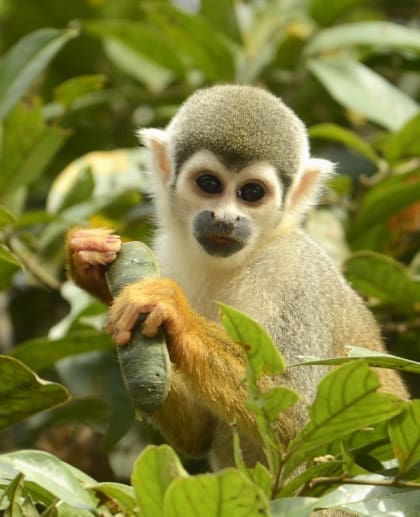
Our Efficiency
## Your dollar protects more here → *How Your Donation Protects Forests*
Our community-by-community model isn’t just the right way to protect forests — it’s the most efficient. Our team lives alongside the people protecting the land, eliminating the overhead that slows most conservation down. When you give to Nature and Culture, you’re funding an outcome, not an office.
- $10 protects 1 acre Support networks of protected and connected areas
- 94% local staff We live where we work
[Support this work](https://www.natureandculture.org/donate/) [See our 2025 Annual Report→](https://www.natureandculture.org/impact-2025/)
Where We Work
## Protecting forests where it matters most
→ *Where We Work: Amazon, Tropical Andes and Dry Forest*
We work across Latin America’s most biodiverse landscapes in Mexico, Colombia, Ecuador, Peru, and Bolivia, prioritizing threatened forests with the greatest ecological value, from the Amazon rainforest to the Tropical Andes to the dry forests. These landscapes shelter hundreds of threatened species and countless more found nowhere else, along with some of the world’s largest carbon reserves. They are irreplaceable places, essential to climate stability and to the communities who call them home.
[Explore our programs](https://www.natureandculture.org/conservation-initiatives/) [See the interactive map](https://www.natureandculture.org/interactive-map/)

News & Updates
## See conservation in action

### [Study Reveals Abra de Zamora as Ecuador’s Hotspot for New Amphibian Species ](https://www.natureandculture.org/directory/study-reveals-abra-de-zamora-as-ecuadors-hotspot-for-new-amphibian-species/)
- Blog
- Ecuador
### [In Ecuador’s Andes, Communities Come Together to Protect Páramo and Water](https://www.natureandculture.org/directory/paramo-conservation-canar-ecuador/)
- News
- Ecuador

### [16 Years of Community-Led Conservation Secures San Andrés’s Water Protection Area ](https://www.natureandculture.org/directory/16-years-in-the-making-san-andres-secures-its-water-forests-and-future/)
- Blog
- Ecuador
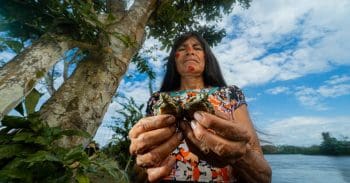
### [Kandozi People Win Recognition for Peruvian Amazon](https://www.natureandculture.org/directory/kandozi-people-win-recognition-for-peruvian-amazon/)
- News
- Peru
[All stories & news](https://www.natureandculture.org/blog-and-news/)
A Unique Opportunity
## Your support makes this work possible
Every acre we protect, every community we support, every species that survives, it exists because someone stepped up to protect it.
Your gift today keeps these landscapes standing, keeps communities on the ground doing this work, and keeps this world worth protecting for generations to come.
[Make an impact today](https://www.natureandculture.org/donate/) [Learn how your gift works→](https://www.natureandculture.org/approach-and-vision/)
---
### [Biodiversity](https://www.natureandculture.org/biodiversity/)
**Published:** February 20, 2026
**Author:** Heather Thomas
**Content:**
### OUR WORK
## Safeguarding Biodiversity Through Intact Forests
Species depend on habitat. When forests are intact and connected, wildlife has space to move, find food, and reproduce, and ecosystems remain healthy and resilient. When habitat is fragmented or lost, species decline and the balance of the ecosystem begins to break down.
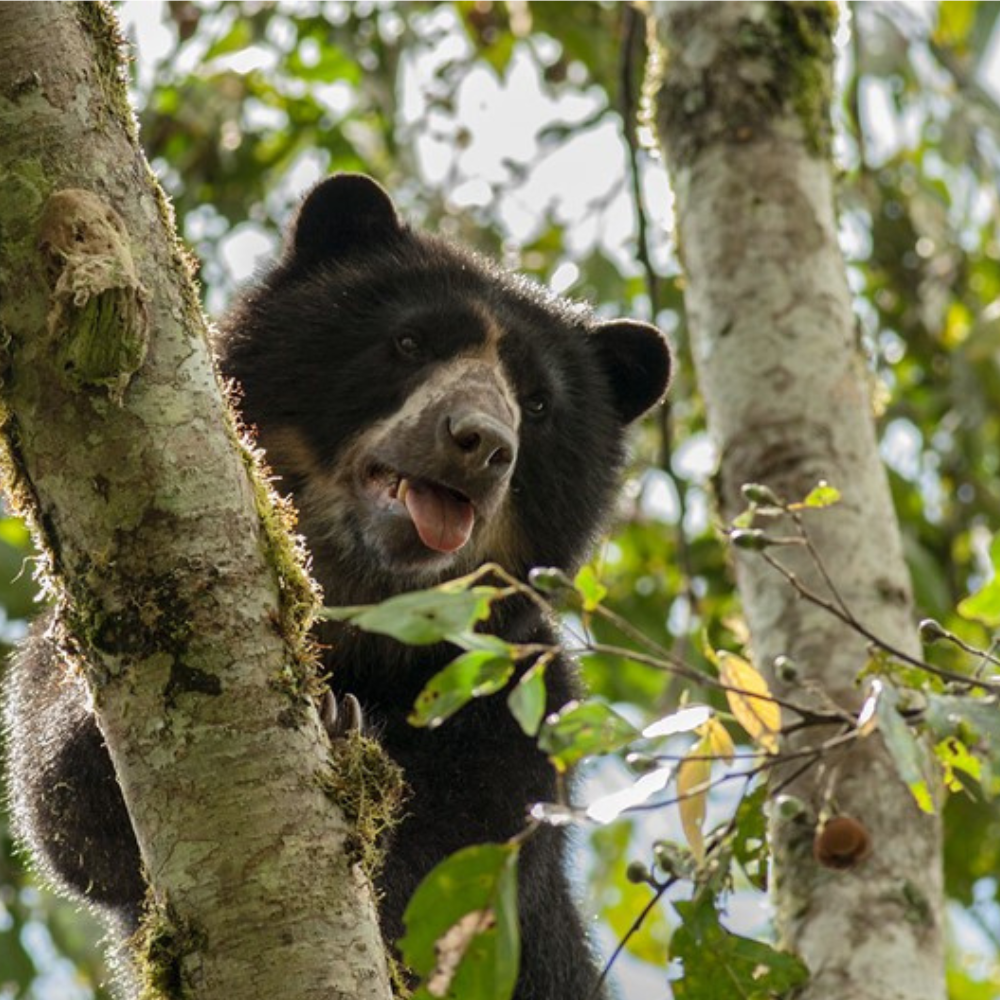
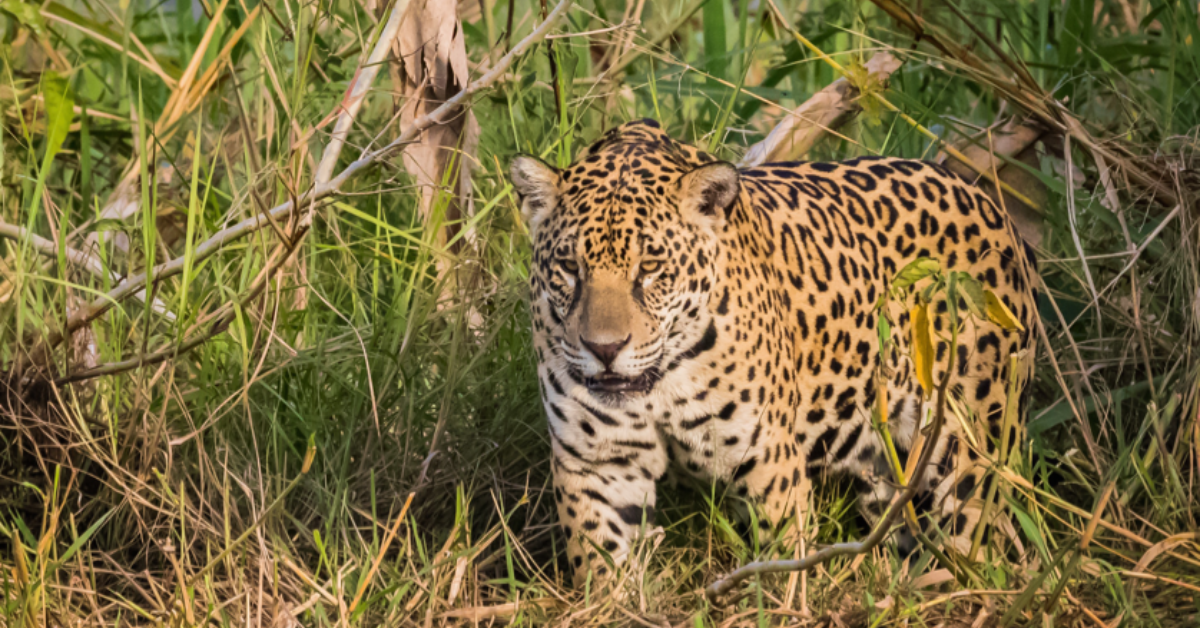
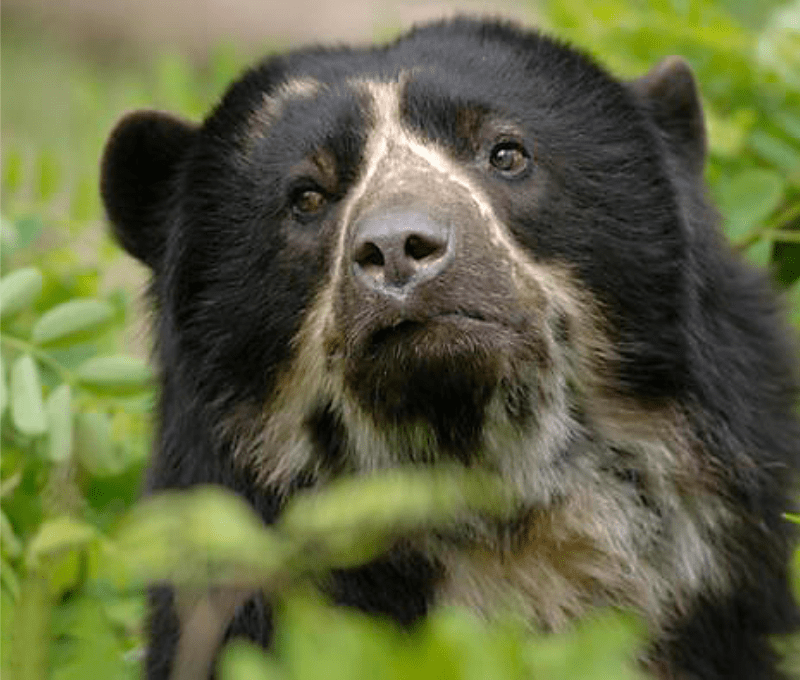
Nature and Culture helps safeguard biodiversity by protecting large forest landscapes across Latin America. Our work supports habitat for **222 threatened species**, including emblematic wildlife such as the **jaguar**, **spectacled bear**, and **Andean condor**, along with countless lesser-known species that are equally essential to ecosystem health.
### Protecting biodiversity starts with protecting the forests and connected habitats that species need to thrive.
## Featured Programs
[Explore All Programs](https://nci-dev.mystagingwebsite.com/project-directory/)
urgent 
Ecuador Peru
Biodiversity
Forests
[The Andes-Amazon Conservation Corridor](https://www.natureandculture.org/conservation_initiatives/the-andes-amazon-conservation-corridor/)
[Read More](https://www.natureandculture.org/conservation_initiatives/the-andes-amazon-conservation-corridor/)
urgent 
Ecuador Peru
Biodiversity
Forests
[The Amazon Future Fund](https://www.natureandculture.org/conservation_initiatives/the-amazon-future-fund/)
[Read More](https://www.natureandculture.org/conservation_initiatives/the-amazon-future-fund/)
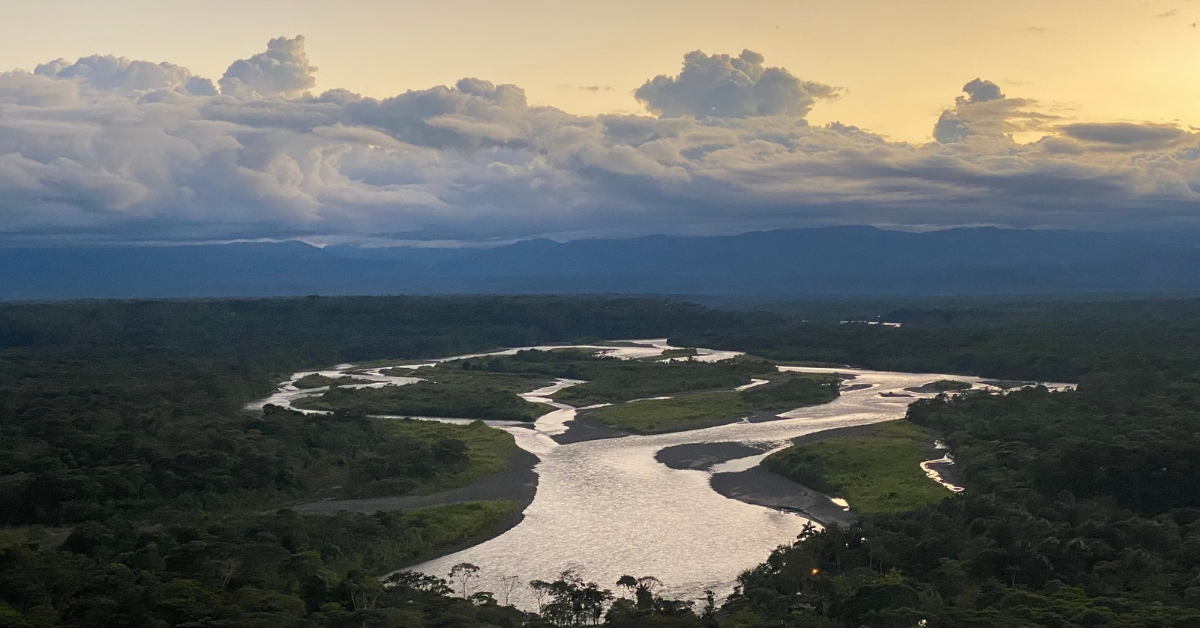
Peru
Biodiversity
Forests
[The Ecuador and Peru Amazon Program](https://www.natureandculture.org/?post_type=all_projects&p=44663)
[Read More](https://www.natureandculture.org/?post_type=all_projects&p=44663)
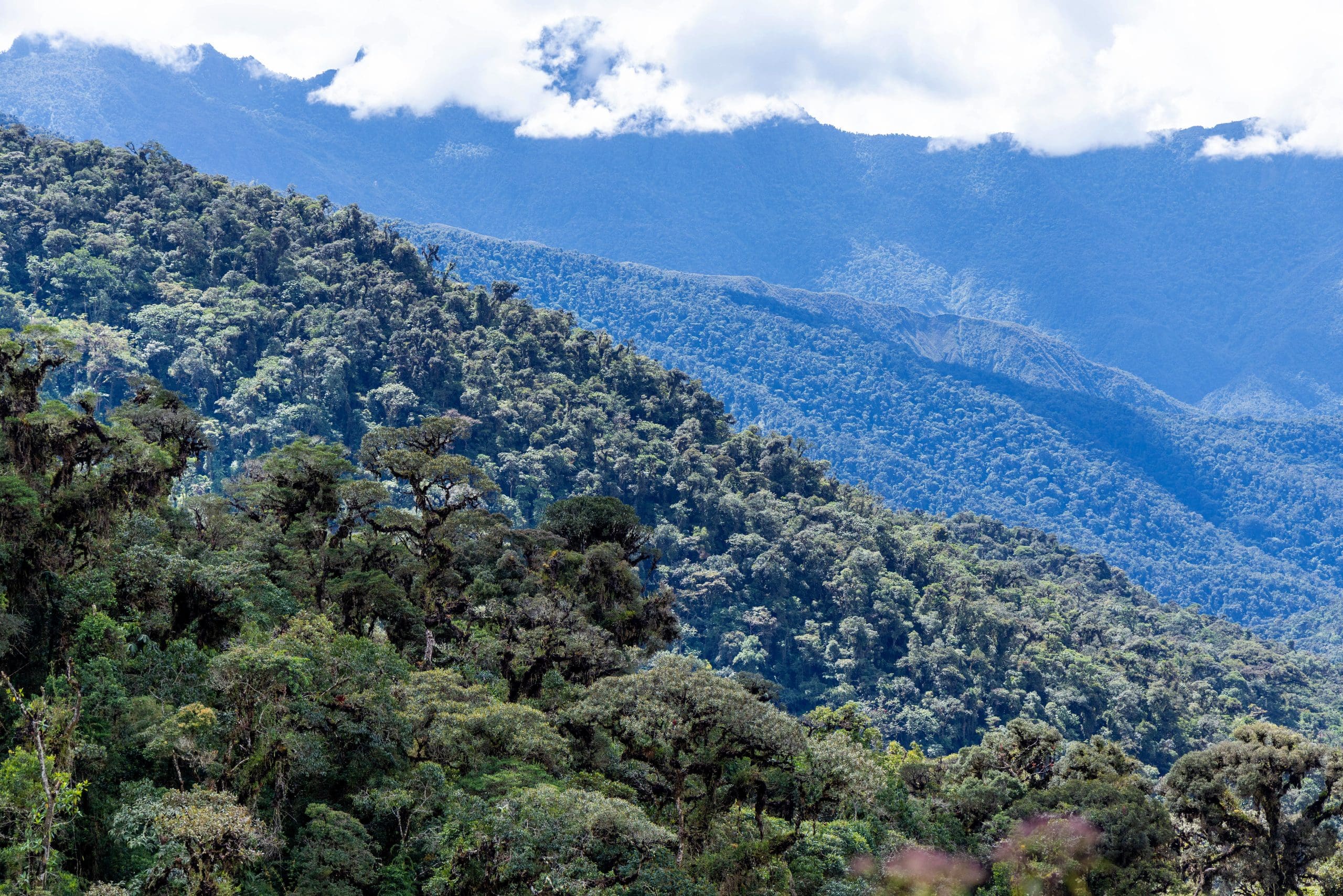
Peru
Biodiversity
Forests
[Peruvian Central Andes ](https://www.natureandculture.org/?post_type=all_projects&p=44086)
[Read More](https://www.natureandculture.org/?post_type=all_projects&p=44086)

Ecuador
Biodiversity
Forests
[Nature and Culture Reserves in Ecuador](https://www.natureandculture.org/?post_type=all_projects&p=43381)
[Read More](https://www.natureandculture.org/?post_type=all_projects&p=43381)
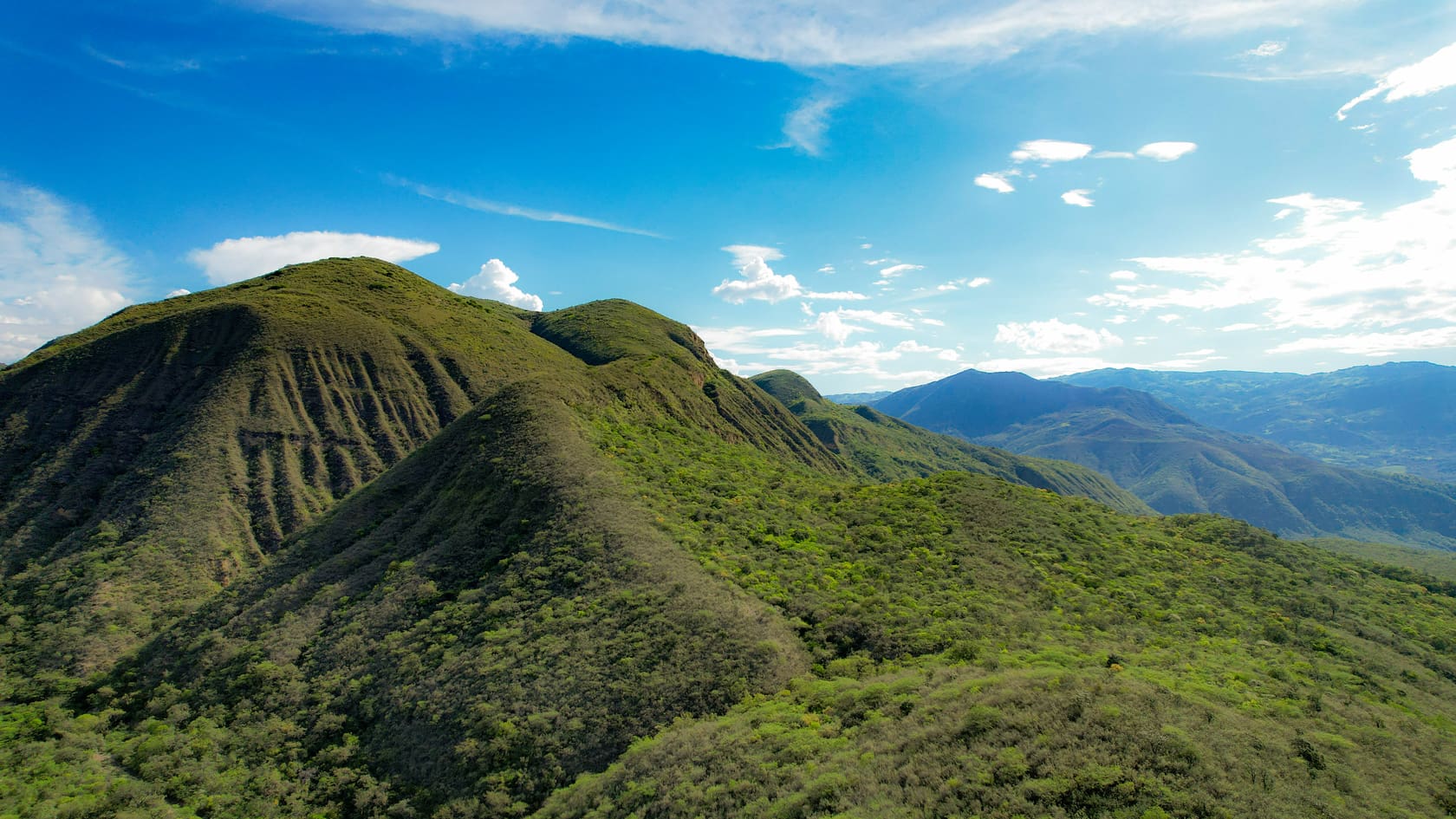
Peru
Biodiversity
Forests
[Securing the Marañón Dry Forests’ Unique Diversity](https://www.natureandculture.org/conservation_initiatives/securing-the-maranon-dry-forests-unique-diversity/)
[Read More](https://www.natureandculture.org/conservation_initiatives/securing-the-maranon-dry-forests-unique-diversity/)

Ecuador
Biodiversity
Forests
[Protecting the dry forest of Ecuador](https://www.natureandculture.org/?post_type=all_projects&p=36184)
[Read More](https://www.natureandculture.org/?post_type=all_projects&p=36184)

Mexico
Biodiversity
[Monitoring the Jaguar in Mexico](https://www.natureandculture.org/?post_type=all_projects&p=36185)
[Read More](https://www.natureandculture.org/?post_type=all_projects&p=36185)
### CONNECTIVITY
## Protecting and Connecting Critical Habitat
In an increasingly fragmented world, many species have less space to migrate, disperse, feed, and thrive. That’s why Nature and Culture focuses on protecting habitat at the scale nature needs.
We help connect ecosystems across regions and national borders so that wildlife can move through intact forest corridors in search of food, water, shelter, and breeding grounds. By linking national, regional, and local protected areas, we help create vital habitat corridors for threatened and wide-ranging species.
Connected landscapes allow wildlife to adapt to changing conditions, maintain healthy populations, and reduce the risks that come with isolation and habitat loss. Protecting “islands” of habitat is not enough. Conservation works best when landscapes stay intact and connected over time.
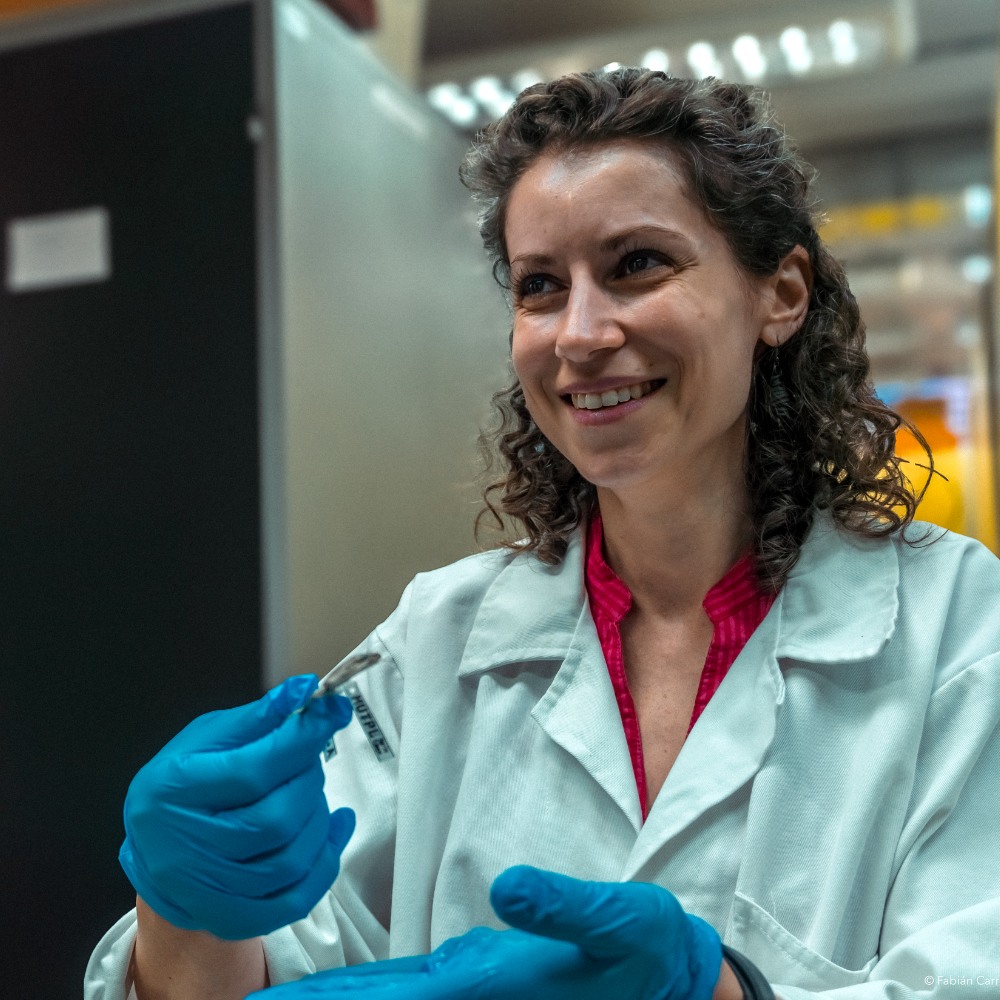
## A Biodiversity Solution That Lasts
Protecting biodiversity requires long-term stewardship. Nature and Culture works to ensure species protection is durable by combining habitat conservation with partnership, science, and sustained local leadership.
These partnerships support long-term protection that works for both people and nature, helping sustain ecosystems that provide food, water, livelihoods, and cultural continuity. By integrating local knowledge and community leadership, species protection becomes more durable, more effective, and better suited to the realities on the ground.
### TURNING RESEARCH INTO ACTION
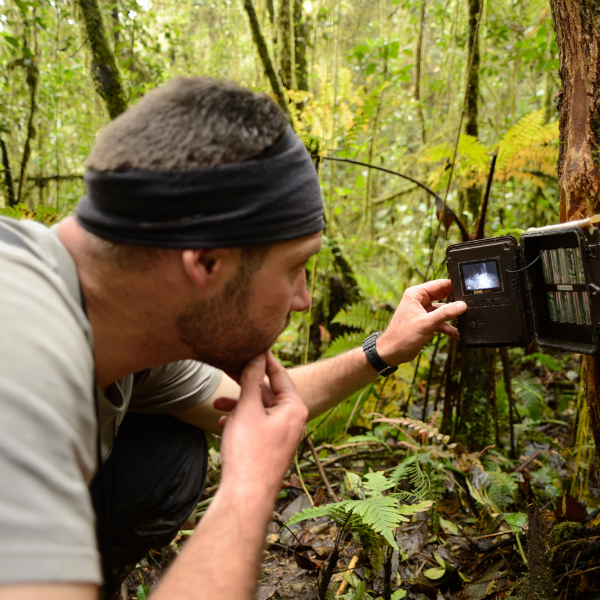
## Monitoring threatened species
Nature and Culture provides technical and logistical support to local and international universities, research institutions, and NGOs to monitor and study threatened and key species. This research helps us understand what wildlife needs to thrive and strengthens conservation strategies that protect biodiversity over the long term.
Monitoring and research are not just academic exercises. They help guide real-world decisions about where to protect habitat, how to strengthen stewardship, and how to reduce threats to species before declines become irreversible.
## Why Biodiversity Protection Matters Now
## Earth’s wildlife populations have declined 73% in the last 50 years
Global monitoring shows that wildlife populations have declined markedly over recent decades, largely due to habitat loss. Latin America, and particularly the Amazon, has experienced some of the greatest impacts as deforestation and fragmentation accelerate.
### Protecting and connecting vulnerable and threatened species’ habitat is one of the most effective ways to reverse these trends.
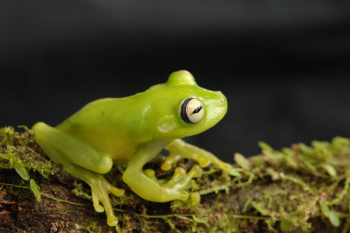
## How You Can Help Protect Biodiversity
Protecting biodiversity is possible because supporters choose long-term solutions. When you give to Nature and Culture, you help protect forests and connected habitats that wildlife depends on—and strengthen conservation that lasts beyond a single project cycle.
[Donate now ](https://www.natureandculture.org/donate/)[Give monthly to protect biodiversity](https://www.natureandculture.org/donate/?campaign=662216)
---
### [Careers](https://www.natureandculture.org/careers/)
**Published:** November 16, 2022
**Author:** Heather Thomas
**Content:**
## Nature and Culture International
At Nature and Culture International, we work in close and collaborative partnership with rural and indigenous communities to conserve diverse and fragile ecosystems and develop and support sustainable ways of life. For more 30 years, we have implemented a highly acclaimed and locally based conservation model resulting in the legal protection of more than 29 million acres of the most biodiverse ecosystems in Latin America. We have team members in nine offices in Ecuador, Peru, and Mexico with additional projects in Bolivia, and Colombia through partner organizations. We have helped save thousands of irreplaceable plant and animal species, mitigate climate change through carbon storage and sequestration, and secure clean water and other benefits for hundreds of thousands of people. We have also increased the income of local communities through our sustainable development activities.
### Chief Executive Officer
Remote, California (Southern California preferred)
Nature & Culture International has protected over 29 million acres through its community-based conservation model and is looking for an entrepreneurial CEO to grow its donor base, raise funds, and lead its U.S. operations.
The CEO is the organization’s chief fundraiser and its lead representative in the United States. This person leads the U.S. team, focuses on cultivating major institutional and individual donors, and builds partnerships that scale conservation work across Latin America. It’s a role for a leader who can tell a compelling story, build lasting donor relationships, and turn field results into sustained giving.
The job, at its core, is to fund the next stage of growth. Conservation is why the organization exists; revenue is what makes it possible. The next CEO will put the expanding revenue to work protecting some of the most biodiverse forests left on the planet. The U.S. branch exists to fund the work, not run it.
#### **Compensation**
This is a full-time, exempt, benefits-eligible role. Salary range is $275,000–$325,000, based on experience.
Benefits include:
- Health, dental, and vision insurance
- Retirement plan with employer contribution
- Paid time off
- Professional development support
#### **Location**
This is a remote position open to candidates who live in California, with a preference for those based in Southern California, close to our U.S. operations. Expect travel for donor meetings, conferences, and presentations, plus roughly four weeks a year in the field in South America.
#### **Start Date**
February 2027
#### **To Apply**
Click Apply Now below. Applications should include a resume and a cover letter describing your qualifications that match the position criteria and what you will bring to the role.
Interested and qualified candidates should apply by **November 6, 2026,** for priority consideration. The position is open until filled.
#### **For More Information**
More information on Nature & Culture International can be found at [natureandculture.org](https://www.natureandculture.org/ "(opens in a new window)")
For additional information regarding this opportunity, please contact:
Cleveland Justis, Principal of Potrero Group, at <cjustis@potrerogroup.com>
The search is led by Potrero Group. Apply at [potrerogroup.com/nature](http://potrerogroup.com/nature) by November 6, 2026 for priority consideration.
[Apply Now](https://potrerogroup.com/nature)
## Nature and Culture’s Values
Our values are important to us. They are core to who we are and we strive to live them in everything that we do.
### Bottom-up
We pursue conservation that is locally driven, primarily by indigenous and rural communities and subnational governments whom we treat as partners and equals. This means a commitment to active listening. It means promoting a staff culture where everyone (junior and senior staff alike) has a voice.
### Funds to the Field
We recognize that robust administration, financial management, development and marketing are key to our success, and we strive for efficiency with a small US team, so we direct the lion’s share of funds to the field where the magic happens.
### Commitment
Design and implement programs with the long-term in mind to ensure lasting conservation outcomes.
### Agility, Innovative and Entrepreneurial Spirit
Let us adapt effectively to challenges and seize new opportunities as they arise.
### Diversity and Inclusivity
We include diverse communities and cultures as equal partners in every aspect of our work. We encourage and celebrate diversity among our staff.
### Adapt and Share
For 30 years, we’ve learned from our successes and mistakes and share this learning with others. We remain open-minded to learn from others.
---
### [Real Stories. Real Impact.](https://www.natureandculture.org/e-news/)
**Published:** April 5, 2023
**Author:** Heather Thomas
**Content:**
## Sign up for inspiring stories and conservation updates!
In our 30 years, we’ve protected over **29 million acres** of the most biodiverse landscapes across Latin America. We do this in partnership with local and Indigenous communities. Our strategy has always been to **partner with people to protect nature**. Over 90% of our staff live in and work in the areas we protect. As trusted neighbors, we foster solutions that originate with local people.
---
### [Nuestro equipo](https://www.natureandculture.org/es/nuestro-equipo/)
**Published:** May 15, 2023
**Author:** Heather Thomas
**Content:**
### Conoce al equipo de Naturaleza y Cultura Internacional
Lo que nos diferencia de otras organizaciones es nuestro equipo. La misión de Naturaleza y Cultura Internacional es lo que motiva a nuestro talentoso grupo de profesionales. El 80% de nosotros vivimos en las áreas que trabajamos para proteger. Nuestro objetivo es lograr los mejores resultados poniendo los recursos financieros y logísticos donde más se necesitan: en el territorio.
[Equipo Internacional](https://www.natureandculture.org/es/our-team/#international)[Equipo en Ecuador](https://www.natureandculture.org/es/our-team/#ecuador)[Equipo en Perú](https://www.natureandculture.org/es/our-team/#peru)[Equipo en México](https://www.natureandculture.org/es/our-team/#mexico)[Equipo en Colombia (Instituto Humboldt)](https://www.natureandculture.org/es/our-team/#colombia)
## Equipo Internacional
 Read More
## Karina Copen
### Subdirectora
 Read More
## Keryn Leger
### Directora Financiera
 Read More
## Renzo Paladines
### Director de Conservación

## Lauren Alvarez
### Gerente de Alianzas Estratégicas

## Kristen Heard
### Directora de Marketing y Comunicaciones

## Nora Sánchez Luzardo
### Coordinadora Senior de Comunicación para América Latina

## Simón Quintero
### Coordinador de Monitoreo y Evaluación para América Latina

## Daniel Ruvalcaba
### Administrador de Oficina

## Mireya Serrano
### Coordinadora de Monitoreo y Evaluación para América Latina

## Heather Thomas
### Gerente Senior de Marketing y Comunicaciónes
x

### Subdirectora
## Karina Copen
Karina se unió a Naturaleza y Cultura Internacional, aportando su experiencia de más de 15 años con organizaciones internacionales sin fines de lucro en los EE. UU. y América Central. Su pasión por la sostenibilidad ambiental junto con el desarrollo sostenible proviene de pasar más de una década apoyando a las comunidades locales que viven entre los manglares de El Salvador. Karina pasó más de 10 años viviendo y trabajando en América Central como Oficial de Programas para Oxfam América, donde coordinó proyectos en toda América Central. Obtuvo una Maestría en Asuntos Internacionales y una Maestría en Salud Pública de la Universidad de Columbia.
x

### Directora Financiera
## Keryn Leger
Keryn se graduó en la Universidad de California en San Diego con una doble especialización en Economía y Literatura Española y tiene un MBA de la Universidad Estatal de San Diego. Vivió en México y España lo que aumentó su aprecio por América Latina y su cultura.
Keryn trae a Naturaleza y Cultura Internacional una amplia experiencia como contadora pública, ya que se desempeñó como controladora y directora financiera de empresas privadas. Su amor por la naturaleza se ha visto reforzado por su pertenencia a la Sociedad Zoológica de San Diego. Desde hace mucho tiempo deseaba trabajar para una organización dedicada a cuidar el medio ambiente.
x

### Director de Conservación
## Renzo Paladines
Renzo es uno de los fundadores de Naturaleza y Cultura Internacional. En 1996, él e Ivan Gayler establecieron la Estación Científica de San Francisco, hogar del programa de investigación de ecología de bosque montañoso más grande del mundo.
Bajo la dirección de Renzo, los primeros proyectos de conservación de NCI se desarrollaron en Ecuador. Renzo tiene una amplia experiencia en el campo de la conservación. Se desempeñó como coordinador del informe Geo-Loja de Naciones Unidas y fue presidente del Consejo Regional de la Cuenca del Río Catamayo-Chira. En reconocimiento a sus esfuerzos, Renzo recibió el Premio Podocarpus del Consejo Provincial de Loja por sus esfuerzos de conservación y gestión ambiental. Tiene una Maestría en Zootecnia de la Universidad de la Amistad de los Pueblos en Moscú.
x

### Gerente de Alianzas Estratégicas
## Lauren Alvarez
x

### Directora de Marketing y Comunicaciones
## Kristen Heard
x

### Coordinadora Senior de Comunicación para América Latina
## Nora Sánchez Luzardo
x

### Coordinador de Monitoreo y Evaluación para América Latina
## Simón Quintero
x

### Administrador de Oficina
## Daniel Ruvalcaba
x

### Coordinadora de Monitoreo y Evaluación para América Latina
## Mireya Serrano
x

### Gerente Senior de Marketing y Comunicaciónes
## Heather Thomas
## Equipo en Ecuador

## Felipe Serrano
### Director Ejecutivo, Ecuador

## José Acaro
### Guardabosques

## César Aguirre
### Asesor Jurídico

## Ángel Andrade
### Guardabosques

## Luis Chalán
### Coordinador SIG Loja

## Roberto Chamba
### Guardabosques

## Priscila Dávila
### Directora Administrativa Financiera

## Camilo Granda
### Técnico Conservación de Fuentes de Agua

## Pablo Idrobo
### Asesor Jurídico

## Ángel Jaramillo
### Técnico Corredor de Conservación Transfronterizo Andino Amazónico

## Patricio Jaramillo
### Técnico Conservación de Fuentes de Agua

## Luis López
### Técnico Conservación de Fuentes de Agua

## Aida Maldonado
### Especialista de Comunicación Ecuador

## Paulina Moreno
### Contadora

## Gilbert Olaya
### Promotor Comunitario Reserva Natural Cazaderos

## Bruno Paladines
### Coordinador Plataforma Amazónica

## Pedro Paladines
### Administrador Reservas

## Mónica Pesantez
### Técnica de Proyectos

## Trotsky Riera
### Técnico Plataforma Amazónica

## Fabián Rodas
### Coordinador Corredor de Conservación Transfronterizo Andino Amazónico

## Carlos Rosales
### Tecnico de Proyectos

## Felipe Sánchez Puertas
### Técnico TIC

## Sofía Toledo
### Técnica Información y Seguimiento de Proyectos, Ecuador

## Jaime Toro
### Coordinador Plataforma Amazónica

## Cecilia Solórzano
### Asistente del Departamento de Contabilidad
x

### Director Ejecutivo, Ecuador
## Felipe Serrano
x

### Guardabosques
## José Acaro
x

### Asesor Jurídico
## César Aguirre
x

### Guardabosques
## Ángel Andrade
x

### Coordinador SIG Loja
## Luis Chalán
x

### Guardabosques
## Roberto Chamba
x

### Directora Administrativa Financiera
## Priscila Dávila
x

### Técnico Conservación de Fuentes de Agua
## Camilo Granda
x

### Asesor Jurídico
## Pablo Idrobo
x

### Técnico Corredor de Conservación Transfronterizo Andino Amazónico
## Ángel Jaramillo
x

### Técnico Conservación de Fuentes de Agua
## Patricio Jaramillo
x

### Técnico Conservación de Fuentes de Agua
## Luis López
x

### Especialista de Comunicación Ecuador
## Aida Maldonado
x

### Contadora
## Paulina Moreno
x

### Promotor Comunitario Reserva Natural Cazaderos
## Gilbert Olaya
x

### Coordinador Plataforma Amazónica
## Bruno Paladines
x

### Administrador Reservas
## Pedro Paladines
x

### Técnica de Proyectos
## Mónica Pesantez
x

### Técnico Plataforma Amazónica
## Trotsky Riera
x

### Coordinador Corredor de Conservación Transfronterizo Andino Amazónico
## Fabián Rodas
x

### Tecnico de Proyectos
## Carlos Rosales
x

### Técnico TIC
## Felipe Sánchez Puertas
x

### Técnica Información y Seguimiento de Proyectos, Ecuador
## Sofía Toledo
x

### Coordinador Plataforma Amazónica
## Jaime Toro
x

### Asistente del Departamento de Contabilidad
## Cecilia Solórzano
## Equipo en Perú

## Guillermo Maraví
### Director Ejecutivo, Perú

## Elvis Allauja
### Bosques Secos del Marañon Jefe de Proyectos

## Bernardino Astuhuamán
### Conductor

## Nathalie Calderón
### Coordinadora Contable Administrativa

## Abel Calle
### Andes del Norte Jefe de Proyectos

## Katty Carillo
### Andes del Norte Jefe de Proyectos

## Leyla Clemente
### Asistente Administrativa

## Sharon Cruz
### Asistente Administrativa

## Claudia Del Águila
### Responsable de Control Vigilancia y Bionegocios

## Cristy Diaz
### Jefe de Proyectos – Programa Especial Ucayali

## Carolina Flores
### Comunicadora Carpish Rio Abiseo

## Lideimer Flores
### Andes del Norte Tecnico de Campo

## Mayra Flores
### Nanay Tigre Coordinador de Campo

## Estela García
### Asistente Administrativa, Jaen

## Gabriela Gives
### Especialista de Comunicación Perú

## Alexa Guerrero
### Andes del Norte Coordinador de Campo

## Joshua Hernandez
### Tecnico de Apoyo Informacional y Asistente de Proyecto

## Carolina Herrera Huayhua
### Asistente de Proyectos

## Félix Honorio
### Especialista Contable Administrativo

## Iván Mejía
### Andes del Norte Jefe de Proyectos

## Wilmer Ortiz
### Carpish Río Abiseo Coordinador de Campo

## Fernando Pérez
### Coordinador de Proyectos

## Pilar Quiroz
### Asistente administrativa

## Alin Ramirez
### Especialista SIG Peru

## Xiomy Reategui
### Administradora Peru

## Ricardo Rivera
### Coordinador Mosaico Nanay Tigre

## Jean Carla Rojas
### Responsable de Gobernanza y Territorio

## Alán Sánchez
### Coordinador Legal Ambiental Peru

## Magnolia Vela
### Nanay Tigre Coordinador de Campo

## Edrey Santisteban Vilca
### Carpish Río Abiseo Tecnico de Campo
x

### Director Ejecutivo, Perú
## Guillermo Maraví
x

### Bosques Secos del Marañon Jefe de Proyectos
## Elvis Allauja
x

### Conductor
## Bernardino Astuhuamán
x

### Coordinadora Contable Administrativa
## Nathalie Calderón
x

### Andes del Norte Jefe de Proyectos
## Abel Calle
x

### Andes del Norte Jefe de Proyectos
## Katty Carillo
x

### Asistente Administrativa
## Leyla Clemente
x

### Asistente Administrativa
## Sharon Cruz
x

### Responsable de Control Vigilancia y Bionegocios
## Claudia Del Águila
x

### Jefe de Proyectos – Programa Especial Ucayali
## Cristy Diaz
x

### Comunicadora Carpish Rio Abiseo
## Carolina Flores
x

### Andes del Norte Tecnico de Campo
## Lideimer Flores
x

### Nanay Tigre Coordinador de Campo
## Mayra Flores
x

### Asistente Administrativa, Jaen
## Estela García
x

### Especialista de Comunicación Perú
## Gabriela Gives
x

### Andes del Norte Coordinador de Campo
## Alexa Guerrero
x

### Tecnico de Apoyo Informacional y Asistente de Proyecto
## Joshua Hernandez
x

### Asistente de Proyectos
## Carolina Herrera Huayhua
x

### Especialista Contable Administrativo
## Félix Honorio
x

### Andes del Norte Jefe de Proyectos
## Iván Mejía
x

### Carpish Río Abiseo Coordinador de Campo
## Wilmer Ortiz
x

### Coordinador de Proyectos
## Fernando Pérez
x

### Asistente administrativa
## Pilar Quiroz
x

### Especialista SIG Peru
## Alin Ramirez
x

### Administradora Peru
## Xiomy Reategui
x

### Coordinador Mosaico Nanay Tigre
## Ricardo Rivera
x

### Responsable de Gobernanza y Territorio
## Jean Carla Rojas
x

### Coordinador Legal Ambiental Peru
## Alán Sánchez
x

### Nanay Tigre Coordinador de Campo
## Magnolia Vela
x

### Carpish Río Abiseo Tecnico de Campo
## Edrey Santisteban Vilca
## Equipo en México

## Miguel Angel Ayala Mata
### Director Ejecutivo en México

## Alejandro Grajeda
### Guardaparque

## Eduardo Salazar Ayala
### Técnico Operativo

## Alejandro Sauceda
### Guardaparque
x

### Director Ejecutivo en México
## Miguel Angel Ayala Mata
x

### Guardaparque
## Alejandro Grajeda
x

### Técnico Operativo
## Eduardo Salazar Ayala
x

### Guardaparque
## Alejandro Sauceda
## Equipo en Colombia (Instituto Humboldt)

## Juliana Cortés R
### Investigadora adjunto del Centro de Soluciones basadas en la Naturaleza
x

### Investigadora adjunto del Centro de Soluciones basadas en la Naturaleza
## Juliana Cortés R
---
### [Who We Are](https://www.natureandculture.org/who-we-are/)
**Published:** November 16, 2022
**Author:** Heather Thomas
**Content:**
### Meet the team
What sets us apart from other organizations is our team. Nature and Culture’s mission is what motivates our talented group of dedicated professionals. 91% of us live in the areas we work to protect. We aim to achieve the greatest results by putting financial and logistical resources where they are needed most – on the ground.
[International Team](https://www.natureandculture.org/our-team/#international)[Ecuador Team](https://www.natureandculture.org/our-team/#ecuador)[Peru Team](https://www.natureandculture.org/our-team/#peru)[Mexico Team](https://www.natureandculture.org/our-team/#mexico)[Colombia Team](https://www.natureandculture.org/our-team/#colombia)
## International Team
 Read More
## Karina Copen
### Interim Executive Director
 Read More
## Keryn Leger
### Chief Financial Officer
 Read More
## Renzo Paladines
### Chief Conservation Officer
 Read More
## Lauren Alvarez
### Conservation Partnerships Manager
 Read More
## Kristen Heard
### Director of Marketing and Communications
 Read More
## Nora Sánchez Luzardo
### Senior Latin American Communications Coordinator
 Read More
## Simón Quintero Corzo
### Senior Latin American Monitoring and Evaluation Coordinator
 Read More
## Daniel Ruvalcaba
### Office Administrator
 Read More
## Mireya Serrano
### Senior Latin American Monitoring and Evaluation Coordinator
 Read More
## Heather Thomas
### Senior Marketing and Communications Manager
x

### Interim Executive Director
## Karina Copen
Karina joins Nature and Culture bringing over 15 years of experience working with international nonprofits in the US and Central America. Her passion for environmental sustainability in conjunction with sustainable development comes from spending over a decade supporting local communities living amongst the mangrove forests of El Salvador. Karina spent over 10 years living and working in Central America as a Program Officer for Humanitarian Preparation and Response with Oxfam America where she coordinated projects throughout Central America. She earned a Master’s degree in International Affairs and a Master’s degree in Public Health from Columbia University.
x

### Chief Financial Officer
## Keryn Leger
Keryn is a UC San Diego graduate of dual majors in Economics and Spanish Literature and has an MBA from San Diego State University. She lived in Mexico and Spain during her education, greatly increasing her appreciation for Latin America and its culture. She comes to Nature and Culture with extensive experience as a CPA, having served as Controller and CFO for privately-held and publicly traded companies, as well as accountant for the Spreckels Organ Society during her public accounting tenure. Her love for nature has been enhanced by longtime membership in the San Diego Zoological Society, and she has long desired to work for an organization dedicated to nurturing the environment.
x

### Chief Conservation Officer
## Renzo Paladines
Renzo is one of NCI’s founders. In 1996, he and Ivan Gayler established the San Francisco Scientific Station, home to the world’s largest tropical mountain forest ecology research program. Under Renzo’s direction, NCI’s first conservation projects were developed in Ecuador. Renzo has broad experience in the field of conservation. He served as coordinator of the United Nations Geo-Loja report and was president of the Regional Council of the Catamayo-Chira River Basin. In recognition of his efforts, Renzo received the Podocarps Award from Loja’s Provincial Council for his conservation and environmental management efforts. He holds a Master’s in Zootechnics from the People’s Friendship University in Moscow.
x

### Conservation Partnerships Manager
## Lauren Alvarez
x

### Director of Marketing and Communications
## Kristen Heard
x

### Senior Latin American Communications Coordinator
## Nora Sánchez Luzardo
x

### Senior Latin American Monitoring and Evaluation Coordinator
## Simón Quintero Corzo
x

### Office Administrator
## Daniel Ruvalcaba
x

### Senior Latin American Monitoring and Evaluation Coordinator
## Mireya Serrano
x

### Senior Marketing and Communications Manager
## Heather Thomas
## Ecuador Team

## Felipe Serrano
### Ecuador Country Director

## José Acaro
### Laipuna Ranger

## César Aguirre
### Environmental Law Coordinator

## Ángel Andrade
### Jamboé Ranger

## Luis Chalán
### GIS Coordinator

## Roberto Chamba
### Pisaca Ranger

## Priscila Dávila
### Director of Finance, Latin America

## Camilo Granda
### Water Source Conservation Technician

## Pablo Idrobo
### Legal Advisor

## Ángel Jaramillo
### Andes-Amazon Conservation Corridor Technician

## Patricio Jaramillo
### Water Source Conservation Technician

## Luis López
### Water Source Conservation Technician

## Aida Maldonado
### Ecuador Communications Specialist

## Paulina Moreno
### Accountant

## Guilbert Olaya
### Community Outreach Ranger, Cazaderos

## Bruno Paladines
### Amazonian Platform Coordinator

## Pedro Paladines
### Reserves Administrator

## Monica Pesantez
### Project Technician

## Felipe Sanchez Puertas
### IT Technician

## Trotsky Riera
### Amazonian Platform Technician

## Fabián Rodas
### Andes-Amazon Conservation Corridor Coordinator

## Carlos Rosales
### Project Technician

## Cecilia Solorzano
### Accounting Department Assistant

## Sofía Toledo
### Information and Project Monitoring Specialist, Ecuador

## Jaime Toro
### Senior Amazonian Platform Coordinator
x

### Ecuador Country Director
## Felipe Serrano
x

### Laipuna Ranger
## José Acaro
x

### Environmental Law Coordinator
## César Aguirre
x

### Jamboé Ranger
## Ángel Andrade
x

### GIS Coordinator
## Luis Chalán
x

### Pisaca Ranger
## Roberto Chamba
x

### Director of Finance, Latin America
## Priscila Dávila
x

### Water Source Conservation Technician
## Camilo Granda
x

### Legal Advisor
## Pablo Idrobo
x

### Andes-Amazon Conservation Corridor Technician
## Ángel Jaramillo
x

### Water Source Conservation Technician
## Patricio Jaramillo
x

### Water Source Conservation Technician
## Luis López
x

### Ecuador Communications Specialist
## Aida Maldonado
x

### Accountant
## Paulina Moreno
x

### Community Outreach Ranger, Cazaderos
## Guilbert Olaya
x

### Amazonian Platform Coordinator
## Bruno Paladines
x

### Reserves Administrator
## Pedro Paladines
x

### Project Technician
## Monica Pesantez
x

### IT Technician
## Felipe Sanchez Puertas
x

### Amazonian Platform Technician
## Trotsky Riera
x

### Andes-Amazon Conservation Corridor Coordinator
## Fabián Rodas
x

### Project Technician
## Carlos Rosales
x

### Accounting Department Assistant
## Cecilia Solorzano
x

### Information and Project Monitoring Specialist, Ecuador
## Sofía Toledo
x

### Senior Amazonian Platform Coordinator
## Jaime Toro
## Peru Team

## Guillermo Maraví
### Peru Executive Director

## Elvis Allauja
### Marañon Dry Forests Project Manager

## Bernardino Astuhuamán
### Driver, Huanuco

## Nathalie Calderón
### Accounting and Administrative Coordinator

## Abel Calle
### Andes del Norte Project Manager

## Katty Carillo
### Andes del Norte Project Manager

## Sharon Cruz
### Administrative Assistant

## Claudia Del Águila
### Monitoring, Control and Biobusiness Coordinator

## Cristy Diaz
### Ucayali Special Program Project Manager

## Carolina Flores
### Carpish Río Abiseo Communications Coordinator

## Lideimer Flores
### Andes del Norte Field Technician

## Mayra Flores
### Nanay Tigre Field Coordinator

## Estela García
### Administrative Assistant, Jaen

## Gabriela Gives
### Communications Specialist, Peru

## Alexa Guerrero
### Andes del Norte Field Coordinator

## Joshua Hernandez
### Information and Project Monitoring Specialist, Peru

## Carolina Herrera Huayhua
### Project Assistant

## Félix Honorio
### Accounting and Administrative Specialist

## Iván Mejía
### Andes del Norte Project Manager

## Wilmer Ortiz
### Carpish Río Abiseo Field Coordinator

## Fernando Perez
### Project Coordinator

## Pilar Quiroz
### Administrative Assistant

## Alin Ramirez
### Peru GIS Specialist

## Xiomy Reategui
### Peru Administrator

## Ricardo Rivera
### Nanay Tigre Mosaic Coordinator

## Jean Carla Rojas
### Governance and Territory Coordinator

## Alán Sánchez
### Peru Environmental Law Coordinator

## Edrey Santisteban Vilca
### Carpish Río Abiseo Field Technician

## Magnolia Vela
### Nanay Tigre Field Coordinator
x

### Peru Executive Director
## Guillermo Maraví
x

### Marañon Dry Forests Project Manager
## Elvis Allauja
x

### Driver, Huanuco
## Bernardino Astuhuamán
x

### Accounting and Administrative Coordinator
## Nathalie Calderón
x

### Andes del Norte Project Manager
## Abel Calle
x

### Andes del Norte Project Manager
## Katty Carillo
x

### Administrative Assistant
## Sharon Cruz
x

### Monitoring, Control and Biobusiness Coordinator
## Claudia Del Águila
x

### Ucayali Special Program Project Manager
## Cristy Diaz
x

### Carpish Río Abiseo Communications Coordinator
## Carolina Flores
x

### Andes del Norte Field Technician
## Lideimer Flores
x

### Nanay Tigre Field Coordinator
## Mayra Flores
x

### Administrative Assistant, Jaen
## Estela García
x

### Communications Specialist, Peru
## Gabriela Gives
x

### Andes del Norte Field Coordinator
## Alexa Guerrero
x

### Information and Project Monitoring Specialist, Peru
## Joshua Hernandez
x

### Project Assistant
## Carolina Herrera Huayhua
x

### Accounting and Administrative Specialist
## Félix Honorio
x

### Andes del Norte Project Manager
## Iván Mejía
x

### Carpish Río Abiseo Field Coordinator
## Wilmer Ortiz
x

### Project Coordinator
## Fernando Perez
x

### Administrative Assistant
## Pilar Quiroz
x

### Peru GIS Specialist
## Alin Ramirez
x

### Peru Administrator
## Xiomy Reategui
x

### Nanay Tigre Mosaic Coordinator
## Ricardo Rivera
x

### Governance and Territory Coordinator
## Jean Carla Rojas
x

### Peru Environmental Law Coordinator
## Alán Sánchez
x

### Carpish Río Abiseo Field Technician
## Edrey Santisteban Vilca
x

### Nanay Tigre Field Coordinator
## Magnolia Vela
## Mexico Team

## Miguel Angel Ayala Mata
### Country Director of Mexico

## Alejandro Grajeda
### Park Guard

## Eduardo Salazar Ayala
### Technical Operative

## Alejandro Sauceda
### Park Guard
x

### Country Director of Mexico
## Miguel Angel Ayala Mata
x

### Park Guard
## Alejandro Grajeda
x

### Technical Operative
## Eduardo Salazar Ayala
x

### Park Guard
## Alejandro Sauceda
## Colombia Team (Humboldt Institute)

## Juliana Cortés R
### Research Associate at the Center for Nature-Based Solutions
x

### Research Associate at the Center for Nature-Based Solutions
## Juliana Cortés R
---
### [Inicio](https://www.natureandculture.org/es/)
**Published:** August 20, 2026
**Author:** Heather Thomas
**Content:**

# 30 años comprometidos con la naturaleza
Protegemos los bosques más biodiversos del mundo de la mano de quienes mejor los conocen: los pueblos indígenas y comunidades locales.
[Súmate a esta misión](https://give.natureandculture.org/campaign/783017/donate) [30 años de experiencia](https://www.natureandculture.org/es/comprometidos-con-la-naturaleza/)

Conservación efectiva a nivel de paisaje
## Diseñada para perdurar
En Naturaleza y Cultura Internacional entendemos que la conservación efectiva va más allá de establecer áreas protegidas. Trabajamos de manera mancomunada con aliados locales para crear y fortalecer las condiciones que hacen posible proteger la biodiversidad hoy y garantizar su permanencia para las futuras generaciones.
Durante más de 30 años, nuestro equipo ha vivido y trabajado en los territorios que protegemos, construyendo relaciones de confianza con comunidades, gobiernos locales y aliados estratégicos.
Esta es una conservación diseñada para perdurar.
[Nuestra visión](https://www.natureandculture.org/es/nuestro-enfoque-y-vision/) [Cómo puedes apoyar→](https://give.natureandculture.org/campaign/783017/donate)

Nuestro impacto
## Lo que hemos alcanzado hasta ahora:
Hectáreas protegidas en América Latina
11.9 Millones
- 4.2MM Toneladas de CO₂e almacenadas en ecosistemas naturales
- 94 Pueblos indígenas y comunidades locales aliadas
- 470 Especies amenazadas protegidas
[Cómo lo hacemos posible](https://www.natureandculture.org/es/nuestro-enfoque-y-vision/)

Nuestro modelo
## Conservación construida desde el territorio
Nuestro trabajo es posible gracias a las alianzas que construimos con comunidades locales, pueblos indígenas, gobiernos, organizaciones de la sociedad civil y socios estratégicos.
Creemos que las soluciones más duraderas nacen de quienes conocen y habitan los territorios. Por eso promovemos la gobernanza territorial, el fortalecimiento de capacidades locales y acompañamos procesos que deriven en beneficios para las personas gracias a la conservación de la naturaleza.
- Más de 30 años de experiencia
- 94% de nuestro personal trabaja en territorio
[Nuestra visión](https://www.natureandculture.org/es/nuestro-enfoque-y-vision/) [Cómo puedes apoyar→](https://give.natureandculture.org/campaign/783017/donate)
Dónde trabajamos
## Protegiendo los bosques donde más importa
Trabajamos en los paisajes más biodiversos de Latinoamérica, protegiendo ecosistemas clave para la vida en el planeta. Priorizamos aquellos territorios más amenazados y de mayor valor ecológico, donde la conservación es imperativa.
Estos paisajes albergan algunas de las mayores reservas de carbono del mundo y una biodiversidad única e inigualable. Son lugares extraordinarios e irremplazables, esenciales para enfrentar la crisis climática y conservar el patrimonio natural de las futuras generaciones.
[Explora nuestras Programas](https://www.natureandculture.org/es/iniciativas-de-conservacion/)

Blogs y noticias
## Conservación en acción

### [Study Reveals Abra de Zamora as Ecuador’s Hotspot for New Amphibian Species ](https://www.natureandculture.org/directory/study-reveals-abra-de-zamora-as-ecuadors-hotspot-for-new-amphibian-species/)
- Blog
- Ecuador

### [In Ecuador’s Andes, Communities Come Together to Protect Páramo and Water](https://www.natureandculture.org/directory/paramo-conservation-canar-ecuador/)
- News
- Ecuador

### [16 Years of Community-Led Conservation Secures San Andrés’s Water Protection Area ](https://www.natureandculture.org/directory/16-years-in-the-making-san-andres-secures-its-water-forests-and-future/)
- Blog
- Ecuador

### [Kandozi People Win Recognition for Peruvian Amazon](https://www.natureandculture.org/directory/kandozi-people-win-recognition-for-peruvian-amazon/)
- News
- Peru
[Todas las historias y noticias](https://www.natureandculture.org/es/noticias-e-historias/)


Trabajando por el futuro
## Paisajes conectados para las futuras generaciones
Imaginamos un futuro en el que los bosques, ríos y ecosistemas de América Latina permanecen conectados y saludables; donde las comunidades prosperen junto a la naturaleza y donde la biodiversidad continúe sosteniendo la vida para las generaciones venideras.
Cada paisaje donde trabajamos contribuye a hacer realidad esa visión.
[Conoce nuestra visión](https://www.natureandculture.org/es/nuestro-enfoque-y-vision/) [30 años de compromiso con la naturaleza→](https://www.natureandculture.org/es/comprometidos-con-la-naturaleza/)
---
### [Nature and Culture 2025 Annual Impact Report](https://www.natureandculture.org/impact-2025/)
**Published:** May 7, 2026
**Author:** Heather Thomas
**Content:**
## This is what’s possible with long-term commitment to conservation.
In 2025, Nature and Culture helped establish and strengthen protected areas, expanding a connected corridor of conservation spanning the Andes and Amazon, two of the most biodiverse regions on Earth. This work takes time protected areas require years of trust-building before they’re secured, and corridors take decades to connect. Supporters like you are what make the long term possible.
[View the complete 2025 Annual Report](#Report)
# 2025 Impact at a Glance

26.8 MILLION
TOTAL ACRES
PROTECTED
+356,723 acres
this year

3.9 BILLION TONS
OF CO2e STORED
+34,586,150 tons
this yea

94
INDIGENOUS PEOPLES AND LOCAL COMMUNITIES SUPPORTED
+28 supported
this year

470
IUCN Red List
THREATENED VERTEBRATES SAFEGUARDED

197 PROTECTED
AREAS
+6 new areas
this year6

22 MILLION ACRES
inside
Key Biodiversity Areas
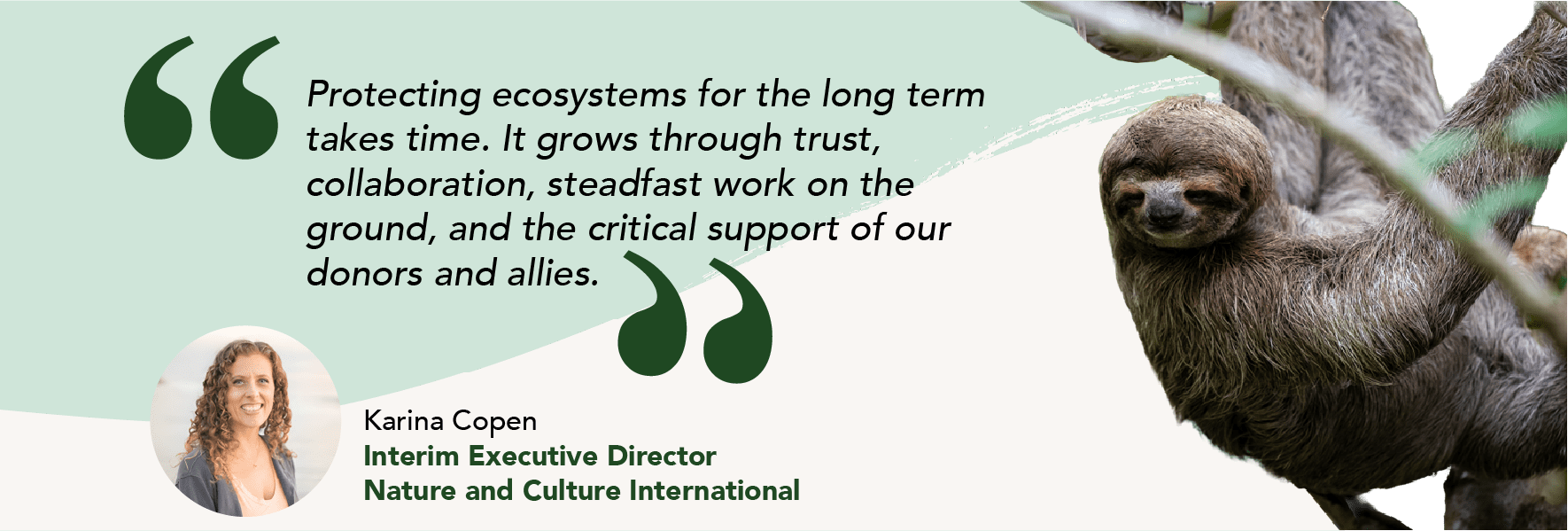
## Key Conservation Programs
[](https://www.natureandculture.org/wp-content/uploads/2026/04/2025-Annual-Impact-Report-Map_1.svg)
## The Amazonian Platform
The Amazonian Platform is our boldest vision for the forest. This collaborative alliance between Indigenous nationalities and provincial governments aims to protect 14 million acres of continuous Amazonian forests in Ecuador. By integrating Indigenous ancestral knowledge with regional policy, the Platform ensures that these critical ecosystems remain intact. However, the Platform does not stand alone. It serves as a massive anchor for our broader connectivity goals. [Read more](https://www.natureandculture.org/conservation_initiatives/the-amazonian-platform-a-bold-vision-to-protect-14-million-acres/ "The Amazonian Platform")
## Andes-Amazon Conservation Corridor
The Andes-Amazon Conservation Corridor is the bridge that connects high altitude landscapes to the Amazonian Platform. Spanning 5 million acres across southern Ecuador and northern Peru, this binational corridor is a global biodiversity hotspot. It provides an elevational staircase that allows species like the spectacled bear and mountain tapir to migrate and adapt to a changing climate. By spanning international borders, this corridor ensures that conservation remains fluid. [Read more](https://www.natureandculture.org/conservation_initiatives/the-andes-amazon-conservation-corridor/ "Andes-Amazon Conservation Corridor")
## Water Source Conservation
While the Platform and the Corridor provide the broad framework, our Water Protection Areas (WPAs) are the vital connective tissue that fills in the gaps. In Ecuador, WPAs are legally recognized territories that protect the headwaters of major rivers. Because these areas are often located in the rugged terrain between larger reserves, they act as strategic stepping stones. By securing the water sources that feed the Amazon, we create a nested system where local water security for thousands of people simultaneously secures the larger ecological integrity of the entire region. [Read more](https://www.natureandculture.org/conservation_initiatives/water-source-conservation/ "Water Source Conservation")
## 2025 Landscape Protection Wins
### Protecting Peru’s Unique Dry Forests: San Pedro de Chonta Regional Conservation Area
The dry forests of northern Peru are among the most threatened and least recognized ecosystems in the Andes. The establishment of the San Pedro de Chonta Regional Conservation Area protects a remarkable stretch of this habitat, including endemic species found nowhere else on Earth. Local communities played a central role in advocating for and designing the area’s management structure, ensuring that protection is grounded in the knowledge and priorities of the people who live there.
[Read more](https://www.natureandculture.org/directory/primera-acr-en-conservar-los-bosques-secos-del-maranon-en-huanuco/)

### A historic first for Ucayali Province: The Velo de la Novia Protected Area
Velo de la Novia represents a first-of-its-kind protected area for Ucayali Province, an Amazonian region long defined by dense forest cover and significant biodiversity. Named for the waterfall at its heart, the area safeguards intact forest, river systems, and the communities that depend on them. Its establishment marks years of work by local advocates and reflects a growing movement in Peru to recognize and protect the ecological and cultural value of Amazonian landscapes at the provincial level.
[Read more](https://www.natureandculture.org/directory/first-protected-area-in-perus-ucayali-province-to-safeguard-the-rare-yungas-ecosystem/)
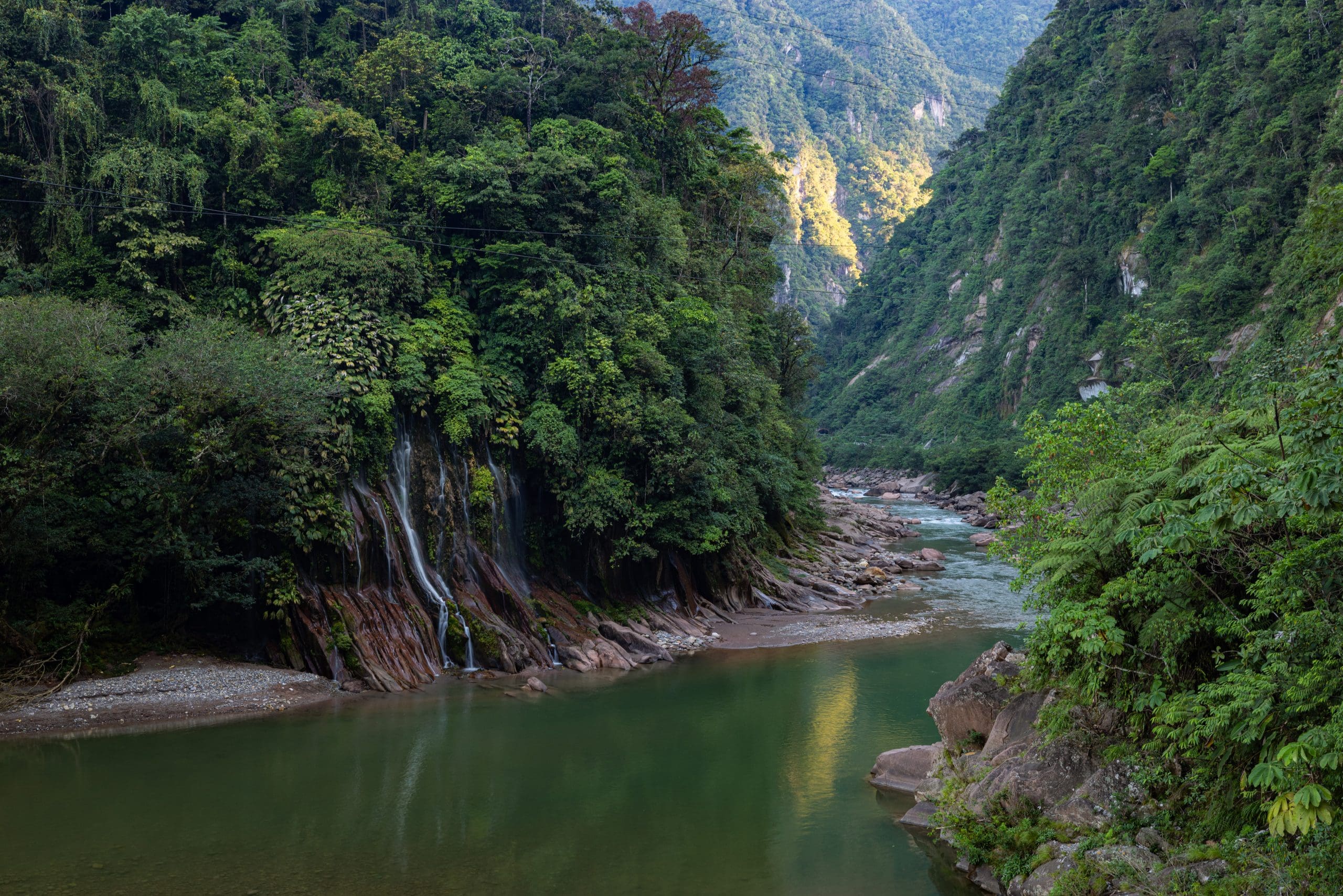
### **SPECIES SPOTLIGHT**
## Species that Depend on the Landscapes We Protect
[ 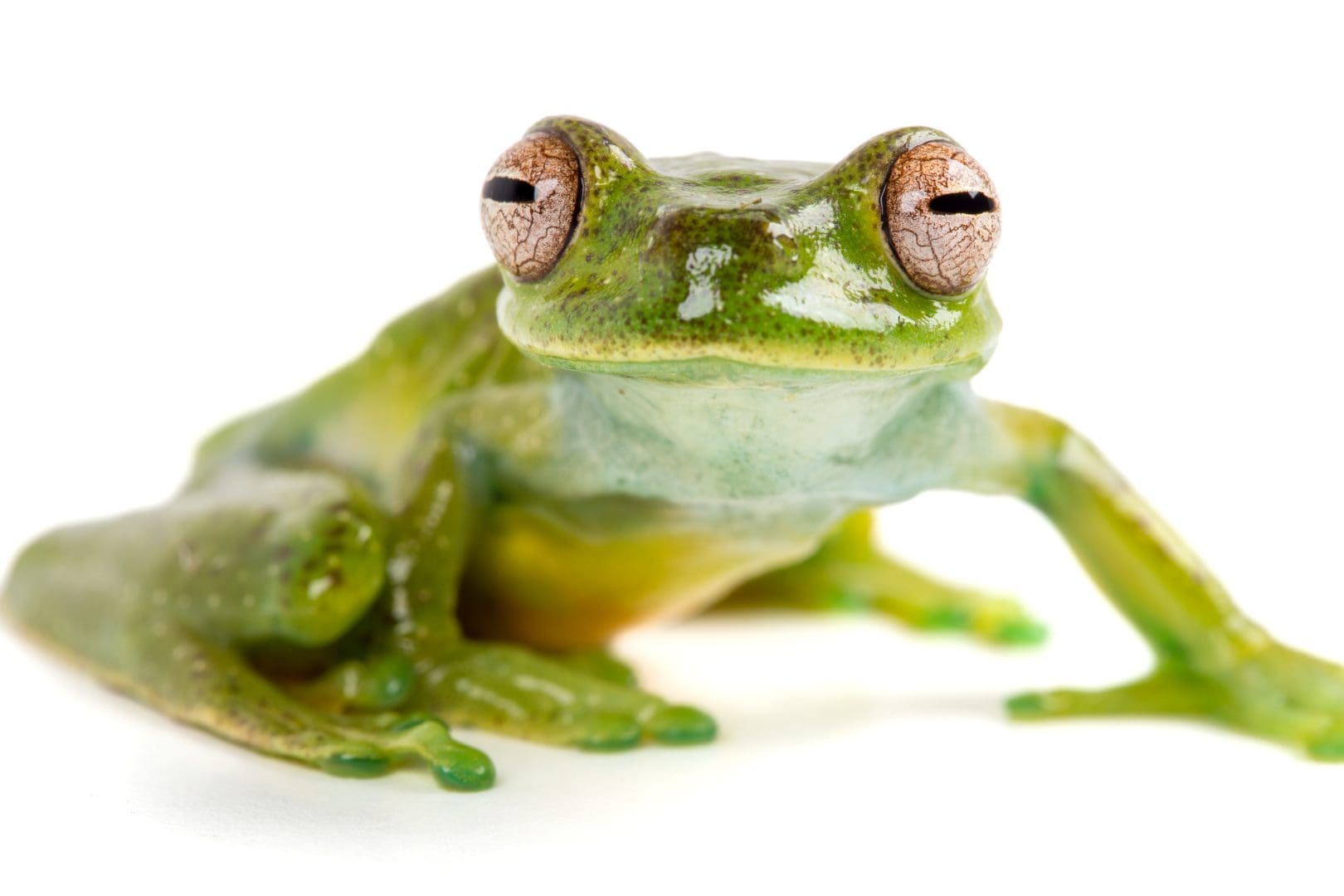
### Maycú Frog
Scientists identified the Maycú Torrent Frog (Hyloscirtus maycu), a species previously unknown to science in the Ecuadorian Amazon.
Read more
](https://www.natureandculture.org/directory/new-frogs-call-echoes-need-for-protection-in-the-amazon/)
[ 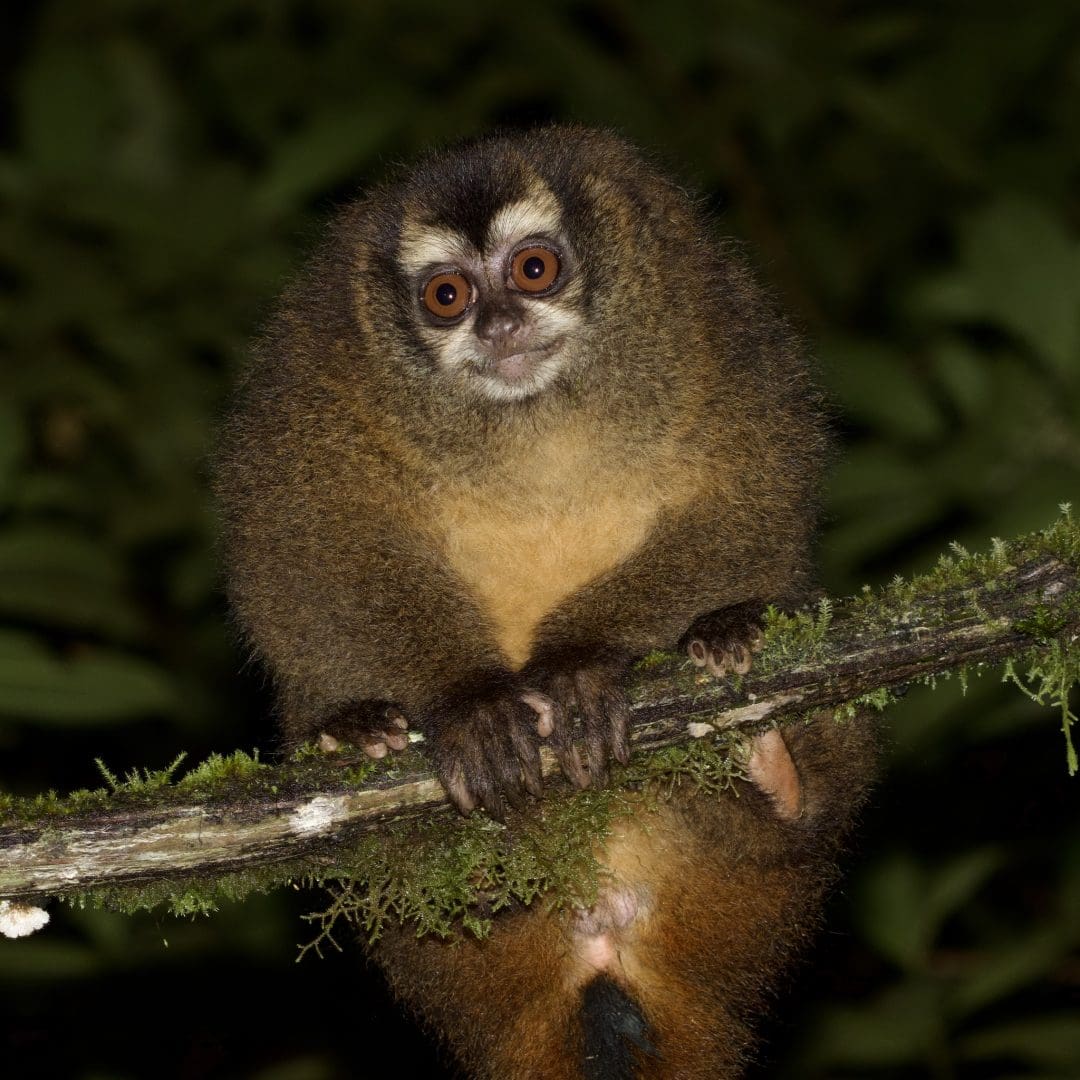
### Grey-bellied Night Monkey
Scientists at the Nature and Culture’s San Francisco Scientific Station have just documented a new resident of the montane forests: the grey-bellied night monkey (Aotus lemurinus).
Read more
](https://www.natureandculture.org/directory/new-sighting-confirms-presence-of-grey-bellied-night-monkey-in-abra-de-zamora/)
[ 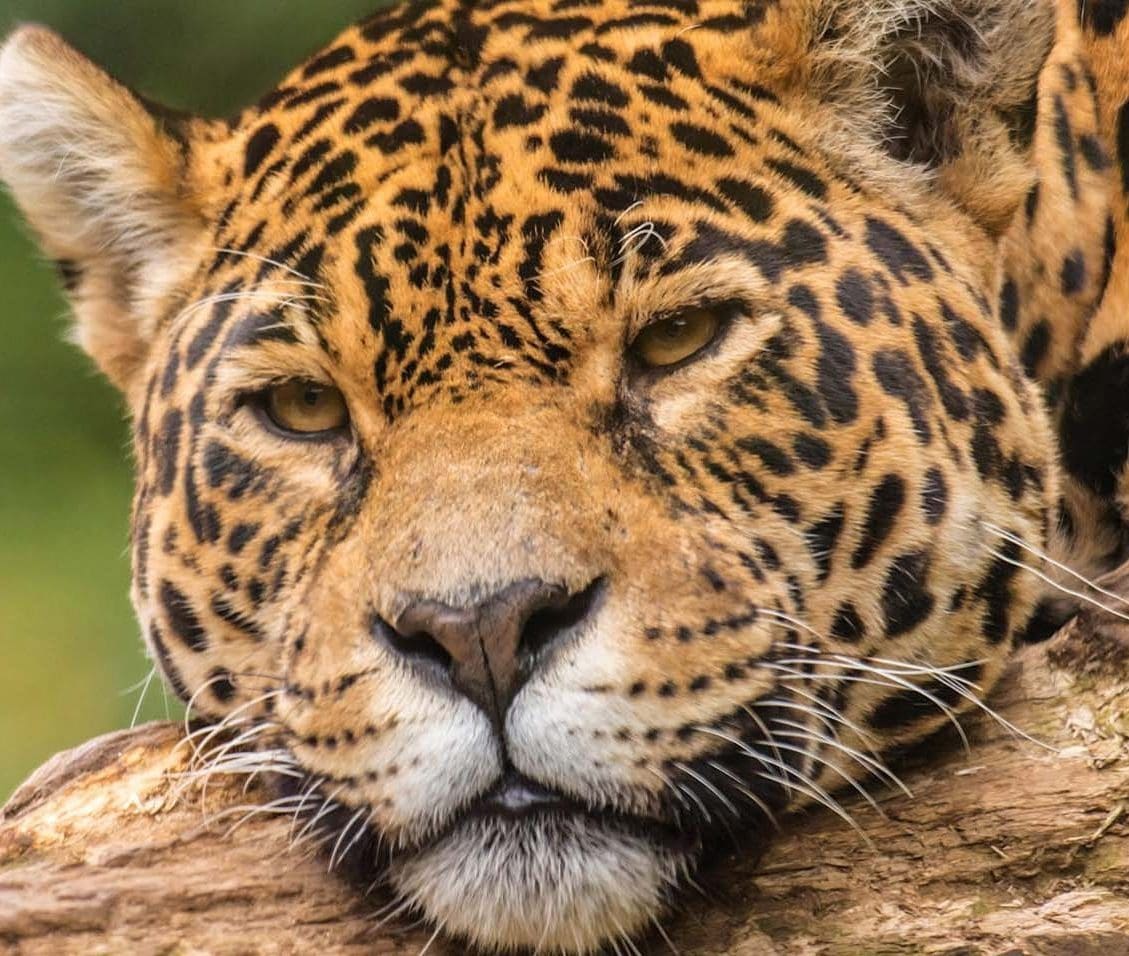
### Jaguar
Nature and Culture played a key role in Mexico’s Third National Jaguar Census, the largest wildlife monitoring effort in the Americas.
Read more
](https://www.natureandculture.org/directory/tracking-the-path-of-the-jaguar/)
## Nature and Culture 2025 Annual Impact Report
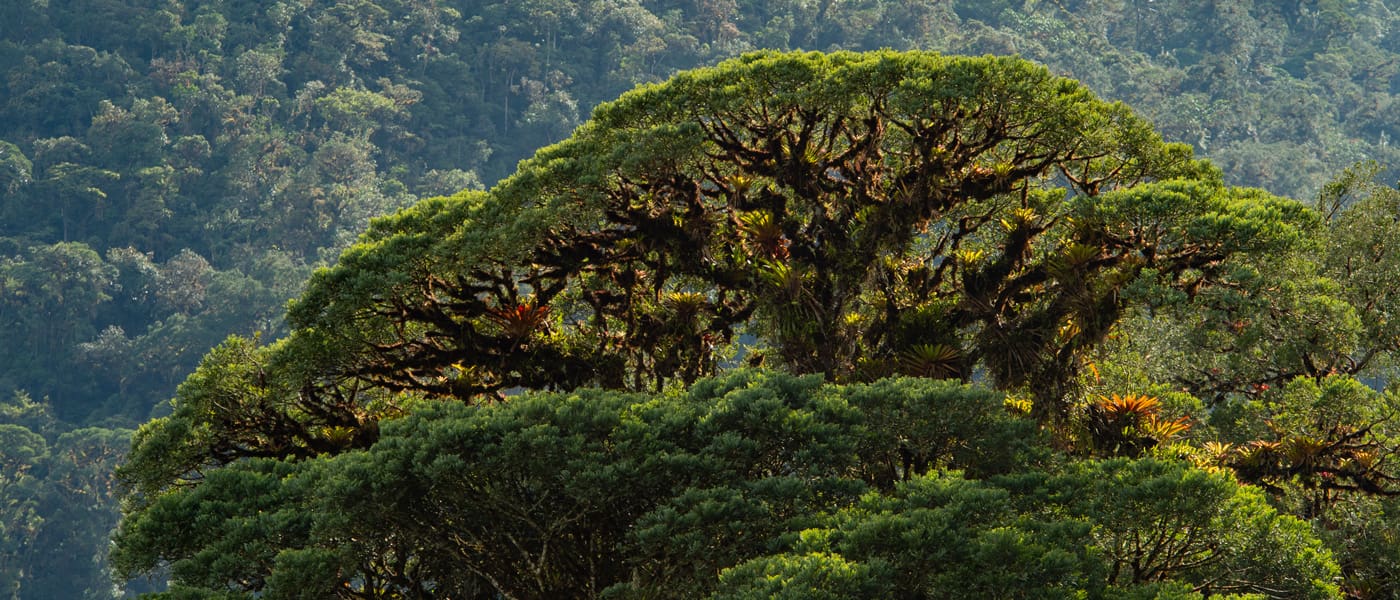
## ## Your support makes the long term possible.
Conservation that endures takes time, trust, and people willing to invest in both. As we mark 30 years of protecting large landscapes across Latin America, we are working toward an ambitious goal: 35 million acres protected by 2030. Thank you for being part of what comes next.
[Add your acres to ours ➔](https://give.natureandculture.org/campaign/785741/donate "Donate")
---
### [Informes anuales y financieros](https://www.natureandculture.org/es/informes-anuales-y-financieros/)
**Published:** May 15, 2023
**Author:** Heather Thomas
**Content:**

### **¡4 estrellas!**
¡Hemos recibido la **calificación más alta posible** de CharityNavigator y estamos incluidos en su [lista de organizaciones ambientales sin fines de lucro altamente calificadas!](https://www.charitynavigator.org/index.cfm?bay=content.view&cpid=8636)

### **¡Sello de platino** de transparencia!
El Platinum Seal of Transparency **es la calificación más alta** de Candid/Guidestar. Naturaleza y Cultura Internacional recibió este sello porque compartimos información clara e importante sobre nuestras metas, estrategias, capacidades y logros.
### Informes Financieros
#### 2025
[Estados financieros auditados 2025](https://www.natureandculture.org/wp-content/uploads/2026/07/2025-NCI-Audited-Financial-Statements.pdf)[2025 Form 990](https://www.natureandculture.org/wp-content/uploads/2026/08/2025-NCI-990-Public-FV.pdf)
#### 2024
[Estados financieros auditados 2024](https://www.natureandculture.org/wp-content/uploads/2025/08/2024-NCI-Audited-Financial-Statements.pdf)[2024 Form 990](https://www.natureandculture.org/wp-content/uploads/2025/08/2024-NCI-990.pdf)
#### 2023
[Estados financieros auditados 2023](https://www.natureandculture.org/wp-content/uploads/2024/08/2023-NCI-Audited-Financial-Statements.pdf)[2023 Form 990](https://www.natureandculture.org/wp-content/uploads/2024/08/2023-NCI-990-Public.pdf)
#### 2022
[Estados financieros auditados 2022](https://www.natureandculture.org/wp-content/uploads/2023/08/2022-NCI-Audited-Financial-Statements.pdf)[2022 Form 990](https://www.natureandculture.org/wp-content/uploads/2023/08/2022-990-Public.pdf)
#### 2021
[Estados financieros auditados 2021](https://www.natureandculture.org/wp-content/uploads/2022/11/2021-NCI-Audited-Financial-Statements.pdf)[2021 Form 990](https://www.natureandculture.org/wp-content/uploads/2022/11/2021-990-Public.pdf)
#### 2020
[Estados financieros auditados 2020](https://www.natureandculture.org/wp-content/uploads/2022/11/2020-NCI-Audited-Financial-Statements-2.pdf)[2020 Form 990](https://www.natureandculture.org/wp-content/uploads/2022/11/2020-990-Public.pdf)
## Publicaciones
### Publicaciones internacionales (en Inglés)
#### Informe Anual de Impacto
[Informe Anual de Impacto (2025)](https://www.natureandculture.org/financials-and-publications/)[Informe Anual de Impacto (2024)](https://www.natureandculture.org/wp-content/uploads/2025/04/2024-Annual-Report_FINAL.pdf)[Informe Anual de Impacto (2023)](https://www.natureandculture.org/wp-content/uploads/2024/04/2023-Annual-Report-1.pdf)[Informe Anual de Impacto (2022)](https://www.natureandculture.org/wp-content/uploads/2023/08/2022-Impact-Report.pdf)[Informe Anual de Impacto (2021)](https://www.natureandculture.org/wp-content/uploads/2022/11/2021-Impact-Report.pdf)
---
### [Financials and Publications](https://www.natureandculture.org/financials-and-publications/)
**Published:** November 9, 2022
**Author:** Heather Thomas
**Content:**

### We rank highly
**4 stars!** We’ve received the **highest possible** rating from CharityNavigator and we’re included on their [short list of highly-rated environmental nonprofits](https://www.charitynavigator.org/index.cfm?bay=content.view&cpid=8636)!

**Platinum Seal for Transparency!** The Platinum Seal of Transparency is the **highest rating** from Candid/Guidestar. Nature and Culture International received this seal because we share clear and important information about our goals, strategies, capabilities, and achievements.
### Financials
#### 2025
[2025 Audited Financial Statements](https://www.natureandculture.org/wp-content/uploads/2026/07/2025-NCI-Audited-Financial-Statements.pdf)[2025 Form 990](https://www.natureandculture.org/wp-content/uploads/2026/08/2025-NCI-990-Public-FV.pdf)
#### 2024
[2024 Audited Financial Statements](https://www.natureandculture.org/wp-content/uploads/2025/08/2024-NCI-Audited-Financial-Statements.pdf)[2024 Form 990](https://www.natureandculture.org/wp-content/uploads/2025/08/2024-NCI-990.pdf)
#### 2023
[2023 Audited Financial Statements](https://www.natureandculture.org/wp-content/uploads/2024/08/2023-NCI-Audited-Financial-Statements.pdf)[2023 Form 990](https://www.natureandculture.org/wp-content/uploads/2024/08/2023-NCI-990-Public.pdf)
#### 2022
[2022 Audited Financial Statements](https://www.natureandculture.org/wp-content/uploads/2023/08/2022-NCI-Audited-Financial-Statements.pdf)[2022 Form 990](https://www.natureandculture.org/wp-content/uploads/2023/08/2022-990-Public.pdf)
#### 2021
[2021 Audited Financial Statements](https://www.natureandculture.org/wp-content/uploads/2022/11/2021-NCI-Audited-Financial-Statements.pdf)[2021 Form 990](https://www.natureandculture.org/wp-content/uploads/2022/11/2021-990-Public.pdf)
#### 2020
[2020 Audited Financial Statements](https://www.natureandculture.org/wp-content/uploads/2022/11/2020-NCI-Audited-Financial-Statements-2.pdf)[2020 Form 990](https://www.natureandculture.org/wp-content/uploads/2022/11/2020-990-Public.pdf)
## Publications
### International Publications (English)
#### Annual Impact Reports
[2025 Impact Report](https://www.natureandculture.org/wp-content/uploads/2026/05/2025-Annual-Impact-Report.pdf)[2024 Impact Report](https://www.natureandculture.org/wp-content/uploads/2025/04/2024-Annual-Report_FINAL.pdf)[2023 Impact Report](https://www.natureandculture.org/wp-content/uploads/2024/04/2023-Annual-Report-1.pdf)[2022 Impact Report](https://www.natureandculture.org/wp-content/uploads/2023/08/2022-Impact-Report.pdf)[2021 Impact Report](https://www.natureandculture.org/wp-content/uploads/2022/11/2021-Impact-Report.pdf)
---
### [Nuestro enfoque y visión ](https://www.natureandculture.org/es/nuestro-enfoque-y-vision/)
**Published:** March 12, 2026
**Author:** Heather Thomas
**Content:**
## Proteger paisajes saludables y conectados
Naturaleza y Cultura Internacional trabaja junto a pueblos indígenas, comunidades locales, gobiernos y aliados para proteger algunos de los paisajes con mayor biodiversidad de América Latina. Estos territorios vivos albergan una biodiversidad extraordinaria. Al mismo tiempo, almacenan carbono, resguardan fuentes de agua dulce y sostienen culturas y medios de vida.
Durante más de 30 años, este enfoque **liderado desde lo local y basado en la conservación a escala de paisaje** ha permitido proteger millones de hectáreas.
**Hoy sigue guiando nuestra visión:** fortalecer la gobernanza y el cuidado de estos territorios para que permanezcan protegidos y saludables para las generaciones futuras.
### Más de 30 años protegiendo la naturaleza \| 11.9 millones de hectáreas protegidas\| 14 millones de hectáreas para 2030
[Explora nuestro trabajo](https://www.natureandculture.org/es/iniciativas-de-conservacion/)
## Nuestra visión para 2030
La próxima década será decisiva para la biodiversidad y la resiliencia climática en América Latina. Sobre la base de más de tres décadas de trabajo en conservación, nos enfocamos en asegurar que los paisajes se mantengan protegidos y se gestionen de manera efectiva a gran escala.
Esta visión busca fortalecer la conservación de la biodiversidad ampliando la protección de bosques dentro de paisajes conectados donde la naturaleza y las personas puedan prosperar juntas.
### PAISAJES SALUDABLES
14 MILLIONES DE HECTÁREAS PROTEGIDAS
Proteger más de **14 millones de hectáreas de paisajes saludables y conectados** en América Latina.
### ESTABILIDAD CLIMÁTICA
MIL MILLIONES DE TONELADAS DE CO₂e ALMACENADAS
Proteger bosques que almacenan mil millones de toneladas de carbono y ayudan a evitar emisiones a gran escala.
### BIODIVERSIDAD
500+ ESPECIES AMENAZADAS PROTEGIDAS
Garantizar hábitat para cientos de especies amenazadas en ecosistemas conectados..

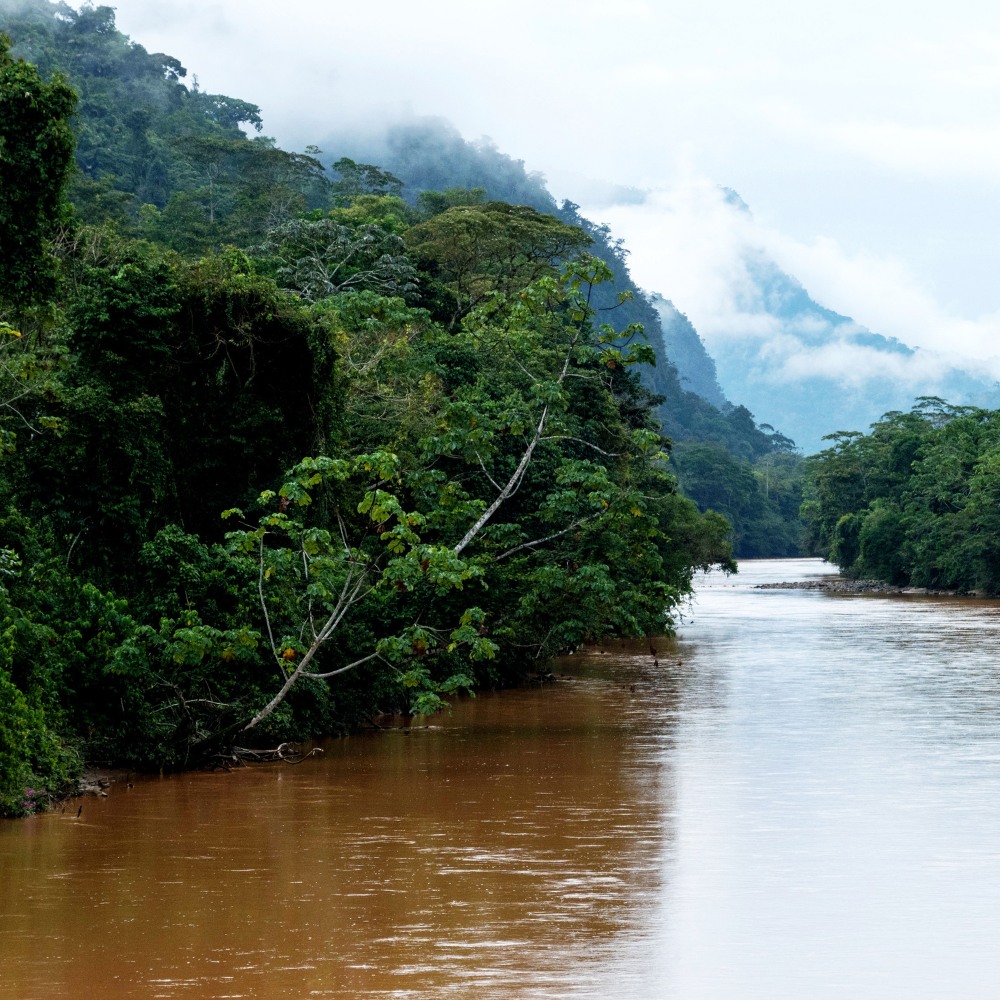
### GOBERNANZA REGIONAL
**7 COALICIONES DE CONSERVACIÓN**
Fortalecer estructuras regionales de gobernanza que gestionan paisajes a gran escala.
### PROTECCIÓN A LARGO PLAZO
**41 % DE LOS PAISAJES CON FINANCIAMIENTO SOSTENIBLE**
Lograr que casi la mitad de los paisajes protegidos cuenten con mecanismos duraderos de financiamiento para su conservación.

## Por qué este trabajo es importante
Los bosques saludables y conectados se encuentran entre las defensas naturales más poderosas frente a la pérdida de biodiversidad y el cambio climático. Proveen hábitat para innumerables especies, mantienen procesos ecológicos esenciales, protegen los sistemas de agua dulce y sostienen a las comunidades que dependen de ellos.
Sin embargo, estos ecosistemas enfrentan una fragmentación creciente causada por la deforestación, el desarrollo no planificado y el uso insostenible de los recursos naturales. Proteger sitios aislados no es suficiente.
La conservación debe mantener la conectividad entre paisajes para que las especies puedan desplazarse, los ecosistemas puedan adaptarse y las personas sigan beneficiándose de sistemas naturales saludables.
### Cómo funciona nuestro modelo de conservación
## Proteger paisajes, fortalecer alianzas y asegurar la conservación a largo plazo
**Nuestro enfoque se basa en tres prioridades interconectadas:**
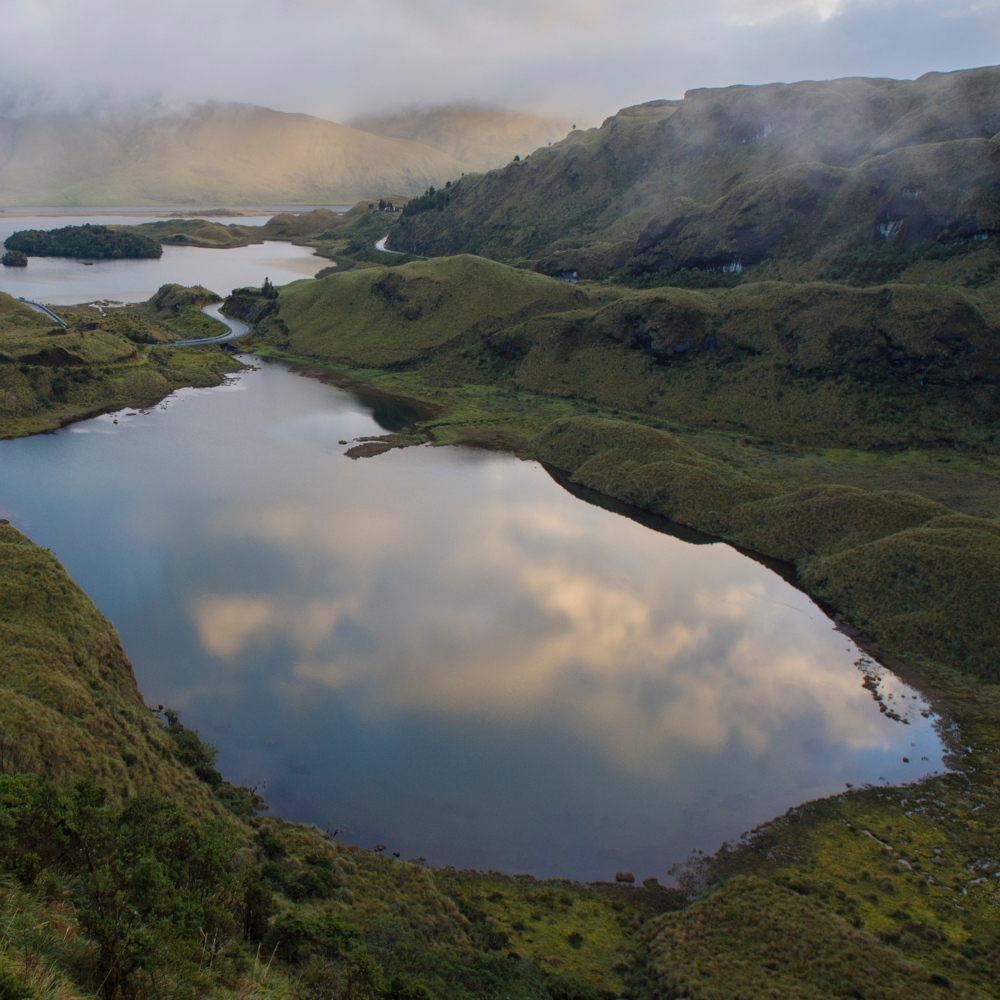
### Proteger paisajes clave
Apoyamos la creación y el fortalecimiento de áreas protegidas en paisajes de alta biodiversidad que enfrentan amenazas urgentes.

### Fortalecer el liderazgo y las coaliciones regionales
Más del 90% de nuestro equipo vive y trabaja en los territorios donde desarrollamos nuestras acciones.

### Asegurar la gestión a largo plazo
Promovemos mecanismos de financiamiento y herramientas de gestión que ayudan a garantizar la protección de estos paisajes en el tiempo.
## Liderazgo local a escala de paisaje
Naturaleza y Cultura Internacional nació de una idea sencilla: la conservación funciona mejor cuando surge de relaciones sólidas con las personas que viven en los territorios.
Hoy contamos con una red de más de **150 profesionales de la conservación en América Latina** : científicos, especialistas legales, facilitadores comunitarios y expertos en cartografía, que trabajan junto a aliados locales en los paisajes que protegen.
Este enfoque, arraigado en lo local, permite proteger paisajes de gran biodiversidad mientras se respeta la cultura y se fortalecen los medios de vida sostenibles y la resiliencia de las comunidades.

## Mirando hacia el futuro
La próxima década será decisiva para la biodiversidad y la estabilidad climática. A medida que aumentan las presiones ambientales, los enfoques de conservación que combinan la protección de bosques saludables, la conectividad ecológica y el liderazgo local serán más necesarios que nunca.
Naturaleza y Cultura Internacional mantiene su compromiso de proteger paisajes vivos que sostienen la biodiversidad, los sistemas de agua dulce, la resiliencia climática y el bienestar humano en toda América Latina.
[30 años ](https://www.natureandculture.org/es/comprometidos-con-la-naturaleza/)[Súmate](https://www.natureandculture.org/es/donate/)
---
### [Our Approach and Vision](https://www.natureandculture.org/approach-and-vision/)
**Published:** March 11, 2026
**Author:** Heather Thomas
**Content:**
## Protecting Intact Forests and Connected Landscapes
Nature and Culture International works with Indigenous peoples, communities, governments, and partners to protect **intact forests within large, connected landscapes** across Latin America. These living landscapes are home to extraordinary biodiversity. They store carbon, safeguard freshwater, and sustain cultures and livelihoods.
For more than 30 years, this locally led, landscape-scale approach has protected millions of acres. Today, it guides our vision to strengthen stewardship and ensure these connected landscapes remain protected for generations to come.
### 30+ Years Protecting Nature \| 29.5M Acres Protected Today \| 35M Acres Vision for 2030
[Explore Our Work](https://www.natureandculture.org/conservation-initiatives/)
## Our Vision for 2030
The next decade will be decisive for biodiversity and climate resilience across Latin America. Building on more than 30 years of conservation, we are working to ensure intact, connected landscapes are protected and effectively stewarded at scale.
Our 2030 vision strengthens biodiversity conservation by protecting intact forests within connected landscapes where nature and people can thrive together.
### HEALTHY LANDSCAPES
**35 MILLION ACRES PROTECTED** Protect millions of acres of intact, connected landscapes across Latin America.
### CLIMATE IMPACT
**5 BILLION TONS of CO₂e PREVENTED**
Protect forests that store and prevent billions of tons of carbon emissions.
### BIODIVERSITY
**500+ THREATENED SPECIES** **SAFEGUARDED**
Secure habitat for hundreds of threatened species across connected ecosystems.

## Our 2030 Strategy
### Protect Landscapes, Partner for Stewardship, Sustain Conservation
Lasting conservation depends on people having the tools to protect forests within connected landscapes.
### **Our work is built on three interconnected pillars:**

### 1. Protecting Critical Landscapes
We help establish and strengthen protected areas across biodiverse landscapes facing urgent threats.

### 2. Strengthening Leadership and Regional Coalitions
Over 90% of our staff live where we work, partnering with Indigenous peoples, communities, and governments to steward landscapes.

### 3. Securing Long-Term Stewardship
We secure long-term financing and stewardship tools that help ensure protected landscapes endure for generations.

### CONNECTED LANDSCAPES
35 MILLION+ ACRES
Connecting forests across regions and borders.
### REGIONAL STEWARDSHIP
7 CONSERVATION COALITIONS
Strengthen regional governance structures that steward landscapes at scale.
### LONG-TERM PROTECTION
50% OF LANDSCAPES FINANCED
Ensure nearly half of protected landscapes are supported by durable conservation financing.
## Local Leadership at Landscape Scale
Nature and Culture International was founded on a simple insight: conservation succeeds when it grows from strong local relationships.
Today, our network includes more than 150 conservation professionals across Latin America—scientists, legal experts, community facilitators, and mapping specialists—working side by side with partners in the landscapes they protect.
This locally rooted approach enables the protection of biodiversity-rich landscapes while supporting cultural continuity, sustainable livelihoods, and community resilience.


## Why This Work Matters
Intact forests are among the most powerful natural defenses against biodiversity loss and climate change. They provide habitat for countless species, maintain ecological processes, safeguard freshwater systems, and sustain the communities who depend on them.
Yet these ecosystems are increasingly fragmented by deforestation, human activity, and unsustainable resource use. Protecting isolated sites is not enough. Conservation must maintain connectivity across landscapes so species can migrate, ecosystems can adapt, and people can continue to benefit from healthy natural systems.
## Looking Ahead
The coming decade will be decisive for biodiversity and climate stability. As environmental pressures intensify, conservation approaches that combine intact forest protection, landscape connectivity, and locally led stewardship will be more essential than ever.
Nature and Culture International remains committed to safeguarding the living landscapes that sustain biodiversity, freshwater systems, climate resilience, and human well-being across Latin America.
[Celebrate 30 Years of Conservation](https://www.natureandculture.org/30-years-conservation/)[Join us](https://www.natureandculture.org/other-ways-to-give/)
---
### [30 Años](https://www.natureandculture.org/es/comprometidos-con-la-naturaleza/)
**Published:** March 11, 2026
**Author:** Heather Thomas
**Content:**
# 30 Años Comprometidos con la Naturaleza
Hace 30 años tomamos una decisión: trabajar junto a comunidades, gobiernos y aliados para proteger los paisajes más biodiversos del mundo.
### Hoy, ese compromiso es más fuerte que nunca.

## Un año para reflexionar y reafirmar nuestro compromiso
Este año celebramos 30 años de Naturaleza y Cultura Internacional.
**No es solo un aniversario.**
Es un momento para reconocer el camino recorrido, agradecer a quienes han hecho posible este trabajo y reafirmar nuestro compromiso con la naturaleza y las personas que la protegen.
[Conoce nuestro trabajo](https://www.natureandculture.org/es/nuestro-enfoque-y-vision/)
### **CONSERVACIÓN SOSTENIBLE CON LIDERAZGO LOCAL**
# Lo que hemos alcanzado en 30 años

Hemos trabajado con 94
pueblos indígenas
y comunidades
locales

361 alianzas
estratégicas
para la conservación

11.9 millones de
hectáreas protegidas

4.2B t CO2e
almacenado
470 especies de vertebrados bajo amenazada protegidas

8.9 millones de hectáreas
dentro de KBAs
[EXPLORA NUESTRO TRABAJO](https://www.natureandculture.org/es/iniciativas-de-conservacion/)
## Puntos de inflexión para la naturaleza y las comunidades locales

Reconocimiento oficial del primer Corredor Transfronterizo por la conservación de la biodiversidad de la region.
[Conoce más sobre este esfuerzo entre 2 países](https://www.natureandculture.org/es/directorio/ecuador-y-peru-reconocen-oficialmente-el-corredor-de-conservacion-transfronterizo-andino-amazonico/)

Creación del Área de Protección Hídrica, Runahurco, la segunda más extensa en Ecuador.
[Descubre este territorio clave para la conservación hídrica de Ecuador](https://www.natureandculture.org/es/directorio/aph-runahurco/)

Establecimiento del Territorio de Vida y Uso Ancestral Tarímiat Pujutaí Nunka
[Conoce más sobre esta creación histórica](https://www.natureandculture.org/es/directorio/creacion-historica-de-la-reserva-tarimiat-pujutai-nu%e1%b9%89ka/)
## Comprometidos con
[ 
## Los Bosques
](https://www.natureandculture.org/es/bosques/)
[ 
## La Biodiversidad
](https://www.natureandculture.org/es/biodiversidad/)
[ 
## El Clima
](https://www.natureandculture.org/es/clima/)
[ 
## El Agua
](https://www.natureandculture.org/es/fuentes-de-agua-y-seguridad-hidrica/)
[ 
## Las Comunidades Locales
](https://www.natureandculture.org/es/comunidades-locales/)

Nuestros fundadores Ivan Gayler y Renzo Paladines
Celebramos hoy, el trabajo que comenzó con una creencia simple pero poderosa: que proteger la naturaleza requiere colaboración, confianza y un compromiso a largo plazo.
30 años después, esa visión continúa guiando nuestros esfuerzos mientras trabajamos junto a comunidades y aliados para proteger algunos de los paisajes con mayor biodiversidad del mundo.

## ## Gracias por ser parte de este camino
A nuestros fundadores, donantes, aliados, comunidades locales y equipo: **gracias**.
Estos 30 años son el resultado de un esfuerzo y una convicción compartida:
que la naturaleza y las personas pueden prosperar juntas

## LOS DESAFÍOS CONTINÚAN. NUESTRA DETERMINACIÓN TAMBIÉN.
Los próximos 30 años comienzan ahora
La deforestación, las presiones climáticas y la pérdida de biodiversidad se están intensificando. Lo que ocurra en la próxima década determinará el futuro de toda la vida en nuestro planeta.
Seguimos comprometidos con la naturaleza, con las comunidades y con los territorios vivos que sostienen la vida.
---
### [](https://www.natureandculture.org/30-years-conservation/)
**Published:** March 10, 2026
**Author:** Heather Thomas
**Content:**
# 30 years standing with Nature
## This year, we celebrate 30 years of Nature and Culture International
Thirty years ago, we made a decision to work alongside communities, governments, and partners to protect the world’s most biodiverse landscapes.
### Today, that commitment is stronger than ever.

## More than an anniversary
It’s a moment to recognize the journey, thank those who made this work possible, and reaffirm our commitment to nature and the people who protect it.
### Help us protect the next 30 years
[DONATE](https://www.natureandculture.org/donate)
### **SUSTAINABLE CONSERVATION WITH LOCAL LEADERSHIP**
# What 30 Years Has Made Possible

Indigenous Peoples &
Local Communities
supported: 94

Collaborative
Partnerships: 361

Acres protected:
29.5M acres

CO2e stored:
4.2B tCO2e

Threatened vertebrate species
safeguarded: 470

Acres protected
inside KBAs: 22M
[EXPLORE OUR WORK](https://www.natureandculture.org/conservation-initiatives/)
## Turning Points for Nature and Communities

Recognition of the first binational corridor for biodiversity conservation in the region
[Andes-Amazon Conservation Corridor Official Recognition](https://www.natureandculture.org/directory/ecuador-and-peru-grant-historic-recognition-to-the-andes-amazon-conservation-corridor/)

Creation of the Runahurco Water Protection Area, the second-largest in Ecuador
[Second-largest Water Protection Area in Ecuador](https://www.natureandculture.org/directory/new-178000-acre-water-protection-area-strengthens-the-andes-amazon-conservation-corridor/)

Historic Creation of the Tarímiat Pujutaí Nunka Reserve
[Tarímiat Pujutaí Nunka Reserve](https://www.natureandculture.org/directory/historic-creation-of-the-tarimiat-pujutai-nunka-reserve/)
## Standing for
[ 
## Forests
](https://www.natureandculture.org/forests/)
[ 
## Biodiversity
](https://www.natureandculture.org/biodiversity/)
[ 
## Climate
](https://www.natureandculture.org/climate/)
[ 
## Water
](https://www.natureandculture.org/watersheds-water-security/)
[ 
## Local Communities
](https://www.natureandculture.org/local-communities/)

Our founders, Ivan Gayler and Renzo Paladines
We celebrate the work that began with a simple but powerful belief that protecting nature requires collaboration, trust, and long-term commitment.
Thirty years later, that vision continues to guide our efforts as we work alongside communities and partners to protect some of the most biodiverse landscapes in the world.

## ## 30 YEARS MADE POSSIBLE TOGETHER
# Thank You for Being Part of this Journey
To our founders, donors, partners, local communities, and team: thank you.
These 30 years are the result of shared effort and a shared conviction — that nature and people can thrive together.

##
**THE CHALLENGES CONTINUE.**
**SO DOES OUR DETERMINATION.**
The next 30 years start now
Deforestation, climate pressures, and biodiversity loss are intensifying. What happens in the next decade will determine the future of all life on our planet.
We remain committed to nature, to communities, and to the living landscapes that sustain life.
Help Protect What 30 Years Has Made Possible
[DONATE](https://www.natureandculture.org/donate)
---
### [Nuestra Junta Directiva](https://www.natureandculture.org/es/nuestra-junta-directiva/)
**Published:** May 15, 2023
**Author:** Heather Thomas
**Content:**
Nuestra junta directiva está compuesta por empresarios, científicos y académicos que aportan un alto nivel de compromiso y pasión por conservar la diversidad biológica y cultural de nuestro planeta.
### Charles Smith
Presidente
Charles ha iniciado cinco empresas y una fundación. Es conocido por inventar el modelo de entrega de imágenes libres de regalías en Digital Stock Inc., uno de los primeros modelos de transacciones habilitados para Internet del mundo, luego adquirido por Bill Gates. Charles también desarrolló el modelo de aprendizaje basado en la confianza en [Amplifire](https://amplifire.com/), la plataforma de aprendizaje líder basada en psicología cognitiva con más de 3 mil millones de interacciones de estudiantes hasta la fecha, y recientemente vendida a [Polaris Partners](https://polarisgrowthfund.com/#portfolio). Es co-fundador y miembro de la junta directiva de la [E.O. Wilson Biodiversity Foundation](https://eowilsonfoundation.org/), y anteriormente se desempeñó en el Gabinete del Director en la [Institución Scripps de Oceanografía.](https://scripps.ucsd.edu/)
### Marcia Angle
Vicepresidenta de la Junta Directiva
Marcia es médica de medicina preventiva. Durante dos décadas fue directora médica de IntraHealth.org, enfocándose en África subsahariana. En Carolina del Norte, fue directora médica del departamento de salud de un condado, enseñó salud internacional en la Universidad de Carolina del Norte en Chapel Hill (UNC-CH) y enseñó epidemiología ambiental en la Escuela de Medio Ambiente de la Universidad de Duke. Marcia tiene un título de la Universidad de Harvard, un MD de la Universidad de Duke y un MPH de UNC-CH. Es miembro de las juntas directivas de la E.O. Wilson Biodiversity Foundation y Southern Environmental Law Center, así como varios consejos asesores. En casa es una entusiasta jardinera orgánica.
### Adriana Casas
En Memoria, Miembro Honorario de la Junta
Adriana fue una abogada ambientalista colombiana, profundamente comprometida con la protección del patrimonio natural de su país. Trabajó en temas de legislación y política ambiental en América Latina, centrándose en la sostenibilidad, las soluciones basadas en la naturaleza y las estrategias de mitigación y adaptación al cambio climático. A Adriana le apasionaba especialmente avanzar en la transición hacia sistemas de energía libre de carbono, promover los bosques urbanos y explorar la intersección entre la conservación de la biodiversidad y el desarrollo de infraestructuras.
El legado de cuidado de Adriana por su tierra natal se extendió más allá de su labor profesional. Junto con su esposo, apoyó un fondo de becas en Colombia, impulsando a la próxima generación de gestores ambientales mediante el financiamiento de tesis de pregrado y posgrado centradas en la conservación y el uso sostenible de la extraordinaria biodiversidad de Colombia. Su impacto perdura a través de las vidas que tocó y las causas que defendió.
### Andrew Currie
Miembro
Andrew es un empresario y defensor de la conservación. Se desempeñó como copresidente del equipo de transición del gobernador de Colorado, Jared Polis, para Energía, Recursos Naturales y Agricultura en 2019. Su trabajo incluye la defensa de políticas legislativas, regulatorias y de medidas electorales, liderando iniciativas en inversión de impacto para la conservación del hábitat de la vida silvestre y esfuerzos electorales pro naturaleza. Andrew llevó a compradores de conservación a asociarse con una fundación de tierras para crear una reserva de vida silvestre de pradera de 5,000 acres y ayudó a apoyar a otra fundación de tierras en la protección de una propiedad en el James Peak Wilderness. Está interesado en utilizar los medios de comunicación y la narración de historias para generar conciencia y acción, incluyendo una charla [T](https://youtu.be/a7MeCPfaPR0)[EDxBoulder sobre especies en peligro de extinción](https://youtu.be/a7MeCPfaPR0). Es fundador y exdirector de [Environmental Entrepreneurs Rocky Mountains](http://www.e2.org/). Andrew fue un exitoso fundador y CEO de dos startups de software y tiene un título de licenciatura en Ciencias de la Computación de la Universidad del Sur de Mississippi.
### John Evey
Miembro
John pasó 36 años liderando programas de desarrollo en el sector caritativo y educativo, incluso en tres universidades importantes, un instituto de investigación genómica líder y el quirófano continuo más antiguo del hemisferio occidental. Hace una década, comenzó a ayudar a empresas a innovar con tecnologías que pueden mejorar el futuro de las personas en todo el mundo. Hoy es socio general y director gerente de un fondo de impacto con una cartera de veinte empresas en múltiples sectores que pueden hacer que el mundo sea más positivo para toda la vida en el planeta. Él y su esposa disfrutan de las caminatas al aire libre.
### Ivan Gayler
Fundador
Ivan fundó Naturaleza y Cultura Internacional en 1996 y ha liderado nuestros esfuerzos para proteger millones de hectáreas de ecosistemas tropicales. Es cofundador de Del Mar Partnership, uno de los primeros desarrolladores de laboratorios de biotecnología en San Diego, así como de proyectos prestigiosos como Del Mar Plaza. Su firma ha ganado el Premio Nacional a la Excelencia del Urban Land Institute. Ivan se ha desempeñado en numerosas juntas en San Diego, incluido el Museo del Hombre y el Gabinete del Director en la Institución Scripps de Oceanografía. En 2010, Ivan ganó la Medalla de Conservación de la Sociedad Zoológica de San Diego, anteriormente otorgada a íconos de la conservación como E.O. Wilson y Jane Goodall.
### Bob Keefe
Secretario
Bob es el director ejecutivo de E2, una organización nacional y apartidista compuesta por propietarios de empresas, inversionistas y profesionales que aprovechan la investigación económica y su perspectiva empresarial para impulsar políticas que beneficien tanto al medio ambiente como a la economía. La red nacional de E2 incluye a más de once mil líderes empresariales distribuidos en nueve capítulos, desde Nueva York hasta Los Ángeles, así como un equipo de defensores que trabajan en políticas de clima y energía limpia a nivel federal y estatal.
Como afiliada del Consejo para la Defensa de los Recursos Naturales (NRDC), E2 es la voz empresarial más importante en temas donde convergen el medio ambiente y la economía, y es la autoridad líder en empleos de energía limpia en los Estados Unidos. Anteriormente, Bob trabajó durante casi veinticinco años como periodista cubriendo negocios y tecnología para organizaciones como el St. Petersburg Times, el Austin American-Statesman y la cadena Cox Newspapers. En 2008, se mudó a Washington, D.C., para cubrir el Congreso y la Casa Blanca para el Atlanta Journal-Constitution, antes de unirse a E2 en 2011.
### Renzo Paladines
Fundador y Director de Conservación
Renzo es uno de los fundadores de Naturaleza y Cultura Internacional. En 1996, él e Ivan Gayler establecieron la Estación Científica de San Francisco, hogar del programa de investigación de ecología de bosque montañoso más grande del mundo.
Bajo la dirección de Renzo, los primeros proyectos de conservación de NCI se desarrollaron en Ecuador. Renzo tiene una amplia experiencia en el campo de la conservación. Se desempeñó como coordinador del informe Geo-Loja de Naciones Unidas y fue presidente del Consejo Regional de la Cuenca del Río Catamayo-Chira. En reconocimiento a sus esfuerzos, Renzo recibió el Premio Podocarpus del Consejo Provincial de Loja por sus esfuerzos de conservación y gestión ambiental. Tiene una Maestría en Zootecnia de la Universidad de la Amistad de los Pueblos en Moscú.
### Diana Richey
Tesorera
Diana Richey es asesora de inversiones, abogada fiscal y escritora, cuyo trabajo tiende un puente entre la práctica financiera disciplinada y una exploración más amplia de cómo la creación de recursos financieros puede sustentar una vida con propósito. Diana cree que los recursos financieros son más poderosos cuando están alineados con las convicciones personales y los objetivos de vida.
Con más de dos décadas de experiencia en derecho y finanzas, comenzó su carrera como abogada de impuestos internacionales, asesorando a individuos, fondos privados y corporaciones multinacionales en planificación transfronteriza, estructuras caritativas y estrategia de capital a largo plazo.
Hoy en día, gestiona carteras de clientes con énfasis en la conciencia del riesgo y la toma de decisiones basada en procesos. A través de su [Substack](https://dianarichey.substack.com/ "Substack"), enseña los fundamentos de la inversión con un enfoque en la generación de ingresos y capital a largo plazo. Comparte su propia cartera como una referencia transparente, detallando sus operaciones a medida que las realiza para que los lectores puedan aprender y crecer junto a ella.
Diana es licenciada por la Universidad de Chicago, doctora en derecho por la Facultad de Derecho de la Universidad de Boston y cuenta con la certificación de Planificadora Financiera Certificada (CFP®). Vive en Jackson Hole con su esposo, su hijo y su perro.
### Daniela Uribe
Miembro
Daniela es una activista ambiental de Pereira, Colombia que actualmente vive en Boulder, CO. Durante la última década, Daniela ha trabajado en la intersección de problemas sociales y desafíos ambientales a través de organizaciones sin fines de lucro, filantropía, consultoría y negocios, incluso como cofundadora de el Fondo Legado Torres del Paine en la Patagonia Chilena. Es una fan entusiasta y partidaria del modelo de conservación de Naturaleza y Cultura Internacional, lo que la llevó a unirse a la Junta Directiva de la organización en 2021. Daniela obtuvo una licenciatura de la Universidad de Stanford, un Certificado en Conservación de Bosques Tropicales de la Escuela de Yale del Medio Ambiente, y una Maestría en Política Ambiental y de Recursos Naturales de CU Boulder.
### Stewart Winkler
Miembro
El interés de Stewart por la conservación comenzó en la escuela secundaria, donde trabajó en la defensa del medio ambiente. Se graduó del Claremont McKenna College con una triple licenciatura en Estudios Ambientales, Economía y Política, realizando pasantías en Washington D.C. para los USPIRG y River Conservation International. Al graduarse, se mudó a Montevideo, Uruguay, como voluntario del Cuerpo de Paz, trabajando a nivel nacional en capacitación sobre evaluación de impacto ambiental, transferencia de tecnologías de producción limpia en la industria del cuero, tecnología de rellenos sanitarios limpios en la gestión de residuos sólidos municipales y apicultura.
Posteriormente, su carrera dio un giro hacia el sector inmobiliario en Boston, donde trabajó para una empresa pública en el desarrollo de viviendas asequibles financiadas mediante créditos fiscales. Regresó al sur de California al ser reclutado por una organización sin fines de lucro para construir viviendas asequibles. Con el tiempo, se independizó creando su propia empresa de bienes raíces residenciales y comerciales, Urban West Ventures.
A lo largo de su trayectoria, ha continuado siendo un defensor del medio ambiente como miembro de la junta y del consejo de diversas organizaciones, incluyendo Wildcoast a nivel local y Earthjustice a nivel nacional. También recibió capacitación como parte del programa Climate Reality de Al Gore y ha brindado charlas sobre el cambio climático. Actualmente, continúa como voluntario en juntas relacionadas con el sector inmobiliario y el medio ambiente. Durante más de 10 años, ha sido donante de NCI y ha colaborado en proyectos ocasionales. Recientemente, sus hijos han dejado el hogar: su hijo Lucas trabaja en Boston y su hija Charlotte estudia arte en Florida. En su tiempo libre, disfruta viajar, hacer senderismo, jugar al pickleball y siempre está en busca de nuevos retos.
### Sanford (Sandy) Keziah
Asesor del Directorio
La carrera de Sandy se ha centrado en la creación, gestión, supervisión e inversión en empresas de pequeña capitalización. Fundó su primera empresa siendo estudiante de primer año en la universidad y, para su segundo año, ya contaba con 60 empleados. A principios de los años 90, se convirtió en uno de los primeros planificadores estratégicos en la industria publicitaria de los Estados Unidos y cofundó una de las primeras y más importantes firmas de estrategia de marca del país, la cual prestó servicios a marcas líderes en su categoría como Coca-Cola, P&G, IBM y GM.
A mediados de la década de 2000, vendió la firma y se unió a Last Software como director independiente de la junta directiva hasta la adquisición de la empresa por parte de Google. Tras esta operación, cofundó Lacuna Gap Capital, que proporciona capital complementario (Gap Capital) a empresas emergentes en los mercados públicos y privados. Sandy ha formado parte de las juntas directivas de siete empresas tecnológicas y tres de servicios. Fue presidente de la Asociación de Exalumnos de la Harvard Divinity School y formó parte del Consejo del Decano de dicha institución durante 11 años. Se licenció en Filología Inglesa por la Universidad de Duke y obtuvo una Maestría en Estudios Teológicos en la Universidad de Harvard, donde estudió historia y filosofía de las religiones del mundo.
### Sheldon Engelhorn
En Memoria, Miembro Honorario de la Junta
Sheldon es un empresario que cofundó una empresa de herramientas de ciencias de la vida (ahora parte de Thermo Fisher Scientific). Es ex alumno de la Universidad de California y fideicomisario emérito de la Fundación UC San Diego. Un ávido surfista, Sheldon está activo en el Gabinete del Director en la Institución Scripps de Oceanografía y recibió la Medalla del Canciller en 2011.
### Jane Goodall
En Memoria, Miembro Honorario de la Junta
Jane Goodall es una reconocida primatóloga, etóloga, antropóloga y Mensajera de la Paz de la ONU. Es la fundadora del Instituto Jane Goodall y Roots and Shoots. Su trabajo comenzó en Tanzania, donde estudió los comportamientos sociales y familiares de los chimpancés. Es considerada la mayor experta mundial en chimpancés. Su trabajo ha sido fundamental para los esfuerzos de conservación y bienestar animal.
### David Neill
En Memoria, Miembro Honorario de la Junta
David Neill vive en Ecuador desde 1985, donde ha estado realizando proyectos florísticos, brindando capacitación a botánicos ecuatorianos y asistiendo en el desarrollo del Herbario Nacional de Ecuador. En el pasado se desempeñó como director de la Fundación Jatun Sacha, una organización ecuatoriana sin fines de lucro dedicada a la conservación, la educación y la investigación. Actualmente es profesor universitario en Quito.
### Byron Swift
Miembro honorario
Byron Swift es abogado ambientalista y ha trabajado durante las últimas cuatro décadas para conservar la biodiversidad y los ecosistemas naturales en la mayoría de los países del hemisferio occidental. Se ha desempeñado como presidente de Naturaleza y Cultura Internacional, fundador y presidente de Rainforest Trust y director de la oficina de Estados Unidos de UICN. Un ávido observador de aves, se graduó en la Facultad de Derecho de Columbia y la Universidad de Stanford.
### E.O. Wilson (En memoria)
Miembro honorario
Ed Wilson es un reconocido biólogo, autor y profesor emérito de la Universidad de Harvard. Se le considera el principal experto mundial en mirmecología, o el estudio de las hormigas. Dos veces ganador del Premio Pulitzer, conocido por sus libros que van desde la biología hasta la defensa del medio ambiente y sus ideas humanistas seculares sobre la interacción entre la religión, la ética y la conservación.
---
### [Our Board](https://www.natureandculture.org/our-board/)
**Published:** November 16, 2022
**Author:** Heather Thomas
**Content:**
Our board comprises entrepreneurs, scientists, and academics who bring a high level of commitment and passion to conserving our planet’s biological and cultural diversity.
### Charles Smith, Board Chair
Charles has started five companies and one foundation. He is known for inventing the royalty-free image delivery model at Digital Stock Inc., one of the world’s first internet-enabled transaction models, and later sold directly to Bill Gates. Charles also developed the confidence-based learning model at [Amplifire](https://amplifire.com/ "https://amplifire.com/"), the leading learning platform based on cognitive psychology with over 3 billion learner interactions to date, and recently sold to [Polaris Partners](https://polarisgrowthfund.com/#portfolio "https://polarisgrowthfund.com/#portfolio"). He is co-founder and a board member of the [E.O. Wilson Biodiversity Foundation](https://eowilsonfoundation.org/ "https://eowilsonfoundation.org/"), and previously served on the Director’s Cabinet at [Scripps Institution of Oceanography](https://scripps.ucsd.edu/ "https://scripps.ucsd.edu/").
### Marcia Angle, Board Vice-Chair
Marcia is a preventive medicine physician. For two decades she was medical director of IntraHealth.org, focusing on Sub-Saharan Africa. In North Carolina, she was medical director of a county health department, taught international health at the University of North Carolina in Chapel Hill (UNC-CH), and taught environmental epidemiology at Duke University’s School of the Environment. Marcia has a BA from Harvard University, an MD from Duke University, and an MPH from UNC-CH. She serves on the boards of the E.O. Wilson Biodiversity Foundation, and the Southern Environmental Law Center, as well as several advisory councils. At home she is an enthusiastic organic gardener.
### Aimée Christensen, Board Member
Aimée is an adviser, builder, and convener with over three decades in government, business, philanthropy, and advocacy accelerating solutions for the planet and people. As Google’s Climate Maven, she guided its earliest climate action, including its 2007 carbon neutrality commitment. She was a climate lawyer at Baker & McKenzie and the World Bank, and a policymaker at the White House and U.S. Department of Energy, where she negotiated the first bilateral and regional climate agreements. As CEO of Christensen Global, she has advised the Milken Institute, the UN Secretary General’s High-level Group on Sustainable Energy For All, Microsoft and the Global Ocean Commission, and dozens of other innovators, businesses, and multilateral institutions. She hosts the annual Sun Valley Forum and is a Hillary Institute Climate Leadership Laureate and Aspen Institute Catto Fellow.
### Andrew Currie, Board Member
Andrew is an entrepreneur and conservation advocate. He served as co-chair of Colorado Governor Jared Polis’s transition team for Energy, Natural Resources, and Agriculture in 2019. His work includes legislative, regulatory and ballot measure policy advocacy, leading initiatives in impact investing for wildlife habitat conservation and pro-Nature election efforts. Andrew led fellow conservation buyers to partner with a land trust to create a 5,000-acre prairie wildlife preserve and helped support another land trust in protecting an inholding in James Peak Wilderness. He is interested in using media and storytelling to raise awareness and action, including a [TEDxBoulder talk on endangered species](https://youtu.be/a7MeCPfaPR0). He is founder and former Director of [Environmental Entrepreneurs Rocky Mountains](http://www.e2.org/). Andrew was a successful founder and CEO of two software startups and holds a B.S. in Computer Science from the University of Southern Mississippi.
### John Evey, Board Member
John spent 36 years leading development and advancement programs in the charitable and educational sector, including at three major universities, a leading genomics research institute, and the oldest continuously operating theater in the Western Hemisphere. Early in his professional career, he catalyzed the creation of the [Southern Oregon Land Conservancy](https://www.landconserve.org/), an entity that, after more than 45 years of operation, is now managing properties transferred by the Nature Conservancy. A decade ago he began helping advance companies with technologies that can enhance the future for people globally. Today he is the general partner and managing director of an impact fund with a portfolio of twenty companies in multiple sectors that can make the world more positive for all life on the planet. He and his wife especially enjoy hiking in natural areas.
### Ivan Gayler, Founder and Chairman Emeritus
Ivan founded Nature and Culture International in 1997, and has led our efforts to protect millions of acres of tropical ecosystems. He is the co-founder of the Del Mar Partnership, one of the earliest developers of biotech laboratories in San Diego, as well as prestigious projects like the Del Mar Plaza. His firm has won the Urban Land Institute’s National Award of Excellence. Ivan has served on numerous boards in San Diego, including the Museum of Man and the Director’s Cabinet at Scripps Institution of Oceanography. In 2010, Ivan won the San Diego Zoological Society Conservation Medal, previously bestowed on conservation icons such as E.O. Wilson and Jane Goodall.
### Bob Keefe, Secretary
Bob is executive director of E2, a national, nonpartisan group of business owners, investors, and professionals who leverage economic research and their business perspective to advance policies that are good for the environment and good for the economy. E2’s national network includes more than eleven thousand business leaders spread across nine chapters, stretching from New York to Los Angeles, and a staff of advocates who work on climate and clean-energy policies at the federal and state levels. An affiliate of the Natural Resources Defense Council (NRDC), E2 is the foremost business voice on issues at the intersection of the environment and economy and the leading authority on clean-energy jobs in America. Previously, Bob spent nearly twenty-five years as a journalist covering business and technology for organizations such as the St. Petersburg Times, Austin American-Statesman, and the Cox Newspapers chain. In 2008, he moved to Washington, D.C. to cover Congress and the White House for the Atlanta Journal-Constitution, before joining E2 in 2011.
### Renzo Paladines, Founder and Chief Conservation Officer
Renzo has broad experience in the field of conservation. In 1996, Renzo and Ivan Gayler established the San Francisco Scientific Station in southern Ecuador, which now supports the largest tropical mountain forest ecology research program in the world. Under Renzo’s direction, Nature and Culture’s conservation model was first developed in Ecuador and then expanded to Mexico, Colombia, Peru, and Bolivia. Renzo served as coordinator of the United Nations Geo-Loja report and was president of the Regional Council of the Catamayo-Chira River Basin. In recognition of his efforts, Renzo received the Podocarpus Award from Loja’s Provincial Council for his conservation and environmental management efforts. He holds a Master’s in Zootechnics from the People’s Friendship University in Moscow.
### Diana Richey, Treasurer
Diana Richey is an investment advisor, tax attorney, and writer whose work bridges disciplined financial practice with a broader exploration of how building financial resources can support an intentional life. She believes financial resources are most powerful when aligned with personal conviction and purpose.
With more than two decades of experience in law and finance, she began her career as an international tax attorney advising individuals, private funds, and multinational corporations on cross-border planning, charitable structures, and long-term capital strategy.
Today, she manages client portfolios with an emphasis on risk awareness and process-driven decision-making. Through her [Substack](https://dianarichey.substack.com/ "Substack"), she teaches the fundamentals of investing with a focus on building income and long-term capital. She shares her own portfolio as a transparent reference, walking through trades as she makes them so readers can learn and grow alongside her.
Diana holds a B.A. from the University of Chicago and a J.D. from Boston University School of Law and is a Certified Financial Planner (CFP®) professional. She lives in Jackson Hole with her husband, son, and dog.
### Daniela Uribe, Board Member
Daniela is an environmental activist from Pereira, Colombia currently living in Boulder, CO. Over the past decade, Daniela has worked at the intersection of social issues and environmental challenges via nonprofits, philanthropy, consulting, and business, including as the co-founder of the Torres del Paine Legacy Fund in the Chilean Patagonia. She has been an enthusiastic fan and supporter of NCI’s model of conservation and deep partnership with Indigenous communities, which led her to join the organization’s Board of Directors in 2021. Daniela earned a BA from Stanford University, a Certificate in Tropical Forest Conservation from Yale School of the Environment, and a Masters in Environmental and Natural Resources Policy from CU Boulder.
### Stewart Winkler, Board Member
Stewart’s interest in conservation started in high school where he worked in environmental advocacy. He attended Claremont McKenna College triple majoring in Environmental Studies, Economics, and Politics doing internships in Washington DC for the USPIRGs and River Conservation International. Upon graduation he moved to Montevideo, Uruguay as a Peace Corps Volunteer working at the nation level on environmental impact assessment training, clean production technologies transfers in the leather industry, clean landfill technology in municipal solid waste management and beekeeping. From there his career turned to real estate where he worked for a public company in tax credit financed affordable housing development in Boston. He was drawn back to Southern California when he was recruited to a nonprofit to build affordable housing. Eventually he went off on his own building a private residential and then commercial real estate company, Urban West Ventures. Along the way he continued to be an advocate for the environment as board and council members of nonprofits including Wildcoast locally and Earthjustice nationally. He also was trained as part of Al Gore’s Climate Reality program and gave talks on climate change. He continues to volunteer on boards related to real estate and the environment. For more than 10 years he has been a donor to NCI and has helped with occasional projects. He is a recent empty nester with his son Lucas working in Boston and his daughter Charlotte in art school in Florida. When not at work, he enjoys travel, hiking, pickleball and is always looking for new challenges.
### Sanford (Sandy) Keziah, Board Advisor
Sandy’s career has focused on starting, managing, overseeing, and investing in small cap companies. He started his first company as a freshman in college and had 60 employees by his sophomore year. In the early 90’s he became one of the first strategic planners in the U.S. advertising industry and went on to co-found one of America’s first and leading brand strategy firms that served category-leading brands such as Coca-Cola, P&G, IBM and GM. In the mid-2000’s he sold the firm and joined @Last Software as the independent board director through the company’s acquisition by Google. Following the exit he co-founded Lacuna Gap Capital, which provides equity “Gap Capital” to emerging companies in the public and private markets. Sandy served on the boards of directors of seven technology companies and three services companies. He is a past president of the Harvard Divinity School Alumni/Alumnae Association, and served on the school’s Dean’s Council for 11 years. He received a BA in English from Duke University and a Master of Theological Studies from Harvard University where he studied the history and philosophy of world religions.
### Adriana Casas In Memoriam, Honorary Board Member
Adriana was a dedicated environmental lawyer from Colombia, deeply committed to the protection of her country’s natural heritage. She worked on environmental law and policy issues in Latin America, focusing on sustainability, nature-based solutions, and strategies for mitigating and adapting to climate change. Adriana was particularly passionate about advancing the transition to carbon-free energy systems, promoting urban forests, and exploring the intersection of biodiversity conservation and infrastructure development.
Adriana’s legacy of care for her homeland extended beyond her professional work. Together with her husband, she supported a scholarship fund in Colombia, fostering the next generation of environmental stewards by funding undergraduate and graduate student theses centered on the conservation and sustainable use of Colombia’s remarkable biodiversity. Her impact continues through the lives she touched and the causes she championed.
### Sheldon Engelhorn In Memoriam, Honorary Board Member
Sheldon was an entrepreneur who co-founded a life sciences tool company, now part of Thermo Fisher Scientific. He served as an Alumni Regent of the University of California and was a trustee emeritus of the UC San Diego Foundation. An avid surfer, Sheldon remained deeply engaged with the Director’s Cabinet at Scripps Institution of Oceanography and was honored with the Chancellor’s Medal in 2011. His legacy continues through his contributions to science, education, and the ocean he loved. Sheldon had a deep love for the natural world and served on the Nature and Culture board from 2011 to 2023, including a year as Board Co-Chair 2021 – 2022.
### Jane Goodall In Memoriam, Honorary Board Member
Jane Goodall was a world-renowned primatologist, ethologist, anthropologist, and United Nations Messenger of Peace. She was the founder of the Jane Goodall Institute and the Roots & Shoots movement. Her life’s work began in Tanzania, where her pioneering study of chimpanzees transformed scientific understanding of animal behavior, social bonds, and intelligence. Widely regarded as the world’s foremost expert on chimpanzees, her legacy reshaped conservation and animal welfare efforts around the globe. Her dedication to science, compassion, and the natural world continues to inspire generations.
### David Neill In Memoriam, Honorary Board Member
David Neill lived in Ecuador from 1985, dedicating his life to floristic research, training Ecuadorian botanists, and supporting the development of the National Herbarium of Ecuador (QCNE). He previously served as director of the Jatun Sacha Foundation, an Ecuadorian nonprofit focused on conservation, education, and research, and held a university professorship in Quito. David’s lifelong commitment to Ecuador’s biodiversity and botanical science continues to inspire future generations.
### Byron Swift, Honorary Board Member
Byron Swift is an environmental lawyer, and has worked for the past four decades to conserve biodiversity and natural ecosystems in most countries of the Western hemisphere. He has served as President of Nature and Culture International, founder and President of Rainforest Trust, and head of the United States office of IUCN – the World Conservation Union. An avid birder, he graduated from Columbia Law School and Stanford University.
### E.O. Wilson In Memoriam, Honorary Board Member
Ed Wilson was a renowned biologist, author and Professor Emeritus at Harvard University. He was considered the world’s foremost expert on myrmecology, or the study of ants. He was a two-time Pulitzer Prize winning author known for his books ranging from biology to environmental advocacy and his secular-humanist ideas on the interplay between religion, ethics and conservation.
---
### [Ecuador](https://www.natureandculture.org/ecuador/)
**Published:** November 15, 2022
**Author:** Heather Thomas
---
### [Make a Bequest Intention ](https://www.natureandculture.org/ways-to-give/make-a-bequest-intention/)
**Published:** October 17, 2025
**Author:** Heather Thomas
**Content:**

## Leave a Legacy for Conservation!
Including **Nature and Culture** in your estate plans ensures that your impact will make a lasting difference. We can share **bequest language** for you and your estate planner. Afterward, you can document your non-binding bequest intention with us. We want to celebrate your incredible legacy gift in life!
By making a planned or estate gift to **Nature and Culture International**, you will create a lasting legacy while helping to ensure the conservation of threatened ecosystems and indigenous cultures for generations to come.
Please [let us know](https://www.natureandculture.org/wp-content/uploads/2026/05/NCI-Confirmation-of-Legacy-Form.pdf) if you have left **Nature and Culture** in your estate plans, so we may honor your wishes and recognize you for your wonderful gift.
Please contact **Lauren Alvarez, Conservation Partnerships Manager**, at [(858) 259-0374](tel:+18582590374) or <lalvarez@natureandculture.org> if you are interested in providing for **Nature and Culture** in your estate.
### Suggested Bequest Language for your Will or Trust:
Unrestricted Bequest:
“I give and bequeath to Nature and Culture International (EIN: 33-0773524), a non-profit corporation based in California and focused on tropical ecosystem conservation, \[the sum of $\_\_\_\_\_\_\_\] \[\_\_\_\_\_ percent of my residuary estate\] to be used to support the general needs of the organization.”
Restricted Bequest:
“I give and bequeath to Nature and Culture International (EIN: 33-0773524), a non-profit corporation based in California and focused on tropical ecosystem conservation, \[the sum of $\_\_\_\_\_\_\_\] \[\_\_\_\_\_\_\] percent of my residuary estate\] to be used for the benefit of \_\_\_\_\_\_ (specific country, mosaic, or initiative). If all or part of this bequest cannot be usefully applied to this purpose due to changed circumstances, it is my wish and desire that the organization use the bequest for any purpose that in their opinion will most nearly accomplish my wishes and purposes.”
---
### [Gifts of Securities: Donate Stock to Support Conservation](https://www.natureandculture.org/ways-to-give/make-a-gift-of-securities/)
**Published:** October 17, 2025
**Author:** Heather Thomas
**Content:**
## **Make a Tax-Smart Gift for Nature**

One of the best ways to both support Nature and Culture and eliminate capital gains tax is through gifts of appreciated securities. A gift of stock allows you to make a big impact while employing prudent tax strategies by both receiving a charitable tax deduction and reducing your taxable income. Please contact us for DTC instructions.
If you would like to discuss making a gift that isn’t cash or check or to explore your options, please reach out to our Conservation Partnerships Manager, [Lauren Alvarez](mailto:lalvarez@natureandculture.org).
Please get in touch with us if you’re interested in making a gift of real estate or setting up a Charitable Remainder Trust.
## **Why Donate Stock to Nature and Culture International?**
When you donate stock that has increased in value and you’ve owned for more than one year:
- **Avoid capital gains taxes:** Eliminate tax on appreciated value.
- **Receive a full charitable deduction:** Deduct the fair market value of your gift.
- **Increase your impact:** Support urgent conservation projects without reducing your after-tax income.
- **Help protect nature and culture:** Fund programs that sustain ecosystems and communities across Latin America.
## **How to Donate Securities**
Making a stock donation is simple and secure:
1. Ask your **broker or financial advisor** to initiate a securities transfer.
2. Instruct them to transfer directly to **Nature and Culture International**.
3. **Contact us for DTC transfer instructions** so your gift is properly credited.
4. Once your transfer is complete, we’ll issue an **acknowledgment letter** for your records.
## **Benefits of Donating Stock**
- May reduce your taxable income.
- Avoids capital gains tax on appreciated assets.
- Simplifies your year-end giving and estate planning.
- Enables a larger charitable impact without reducing cash flow.
## **Ready to Give? We’re Here to Help**
If you’d like to learn more about donating stock, mutual funds, or other appreciated assets, please reach out:
📧 **Email:** <lalvarez@natureandculture.org>
📞 **Phone:** [+1 (858) 259-0374](tel:+18582590374)
---
### [Other Ways To Give](https://www.natureandculture.org/ways-to-give/)
**Published:** October 17, 2025
**Author:** Heather Thomas
**Content:**
## Find the Giving Option That’s Right for You
You have the power to protect the Earth’s most extraordinary landscapes—and the people and wildlife who depend on them. When you support Nature and Culture, you help safeguard vast, connected ecosystems, preserve irreplaceable biodiversity, and strengthen local and Indigenous leadership in conservation. We’re proud to offer a range of giving options designed to meet your goals and help bring your conservation vision to life.
[ 
## Gift of Securities
Donating stocks is a smart way to support Nature and Culture and reduce taxes.
Learn more
](https://www.natureandculture.org/other-ways-to-give/make-a-gift-of-securities/)
[ 
## Retirement Plan Giving
Support conservation and reduce taxes by donating directly from your IRA (QCD) to meet your RMD and lower taxable income.
Learn more
](https://www.natureandculture.org/other-ways-to-give/give-through-your-retirement-plan/)
[ 
## Life Insurance Giving
Support conservation by naming Nature and Culture as your life insurance beneficiary and enjoy meaningful tax benefits.
Learn more
](https://www.natureandculture.org/other-ways-to-give/give-through-your-life-insurance/)
[ 
## Donor Advised Fund Gifts
Create income for yourself or a loved one while supporting Nature and Culture and receiving valuable tax benefits.
Learn more
](https://www.natureandculture.org/other-ways-to-give/give-through-your-donor-advised-fund-or-charitable-trust/)
[ 
## Bequest Giving
Include Nature and Culture in your estate plans, ensure lasting protection for nature, people, and the planet’s most vital ecosystems.
Learn more
](https://www.natureandculture.org/other-ways-to-give/make-a-bequest-intention/)
[ 
## Charitable Gift Annuities
Support conservation while securing lifetime income for yourself or a loved one.
Learn more
](https://www.natureandculture.org/other-ways-to-give/charitable-gift-annuity/)
## Explore More Ways to Give
Help to ensure the conservation of threatened ecosystems and indigenous cultures for generations to come.

## Donate Online
[Give once](https://www.natureandculture.org/donate/) or set up a [monthly or annual gift online.](https://give.natureandculture.org/campaign/668502/donate)
## Mail a Check
to 1400 Maiden Lane, Del Mar, CA 92014, USA, payable to **Nature and Culture International**.
If you would like to discuss making a gift that isn’t cash or check or to explore your options, please reach out to our **Conservation Partnerships Manager**, [Lauren Alvarez](mailto:lalvarez@natureandculture.org). Please get in touch with us if you’re interested in making a gift of real estate or setting up a Charitable Remainder Trust.

## Start a Fundraiser
You can make an incredible impact by rallying your friends, family, and community to protect nature and support the people who care for it. When you [create your own fundraiser](https://give.natureandculture.org/campaign/fundraise-for-nature-and-culture/c393978) for **Nature and Culture**, you become a champion for the planet—helping conserve vast, biodiverse landscapes and strengthen Indigenous and local leadership in conservation.

## Send an EcoCard
For birthdays, anniversaries, graduations, or just because! Anytime is a good time to [send an EcoCard](https://give.natureandculture.org/campaign/667914/donate) that contributes to our important work in some of the most biodiverse ecosystems on the planet. Pick from a variety of designs and donate in honor of your loved one for any special occasion.
## Double the Donation
Did you know that thousands of companies match donations by employees to our organization?
See if your employer will match your donation! Let’s check.
[Matching Gift](https://doublethedonation.com/matching-grant-resources/matching-gift-basics/) and [Volunteer Grant](https://doublethedonation.com/matching-grant-resources/volunteer-grant-basics/) information provided by
[](https://doublethedonation.com)
---
### [Peru](https://www.natureandculture.org/peru/)
**Published:** November 15, 2022
**Author:** Heather Thomas
---
### [Charitable Gift Annuity](https://www.natureandculture.org/ways-to-give/charitable-gift-annuity/)
**Published:** October 20, 2025
**Author:** Heather Thomas
**Content:**
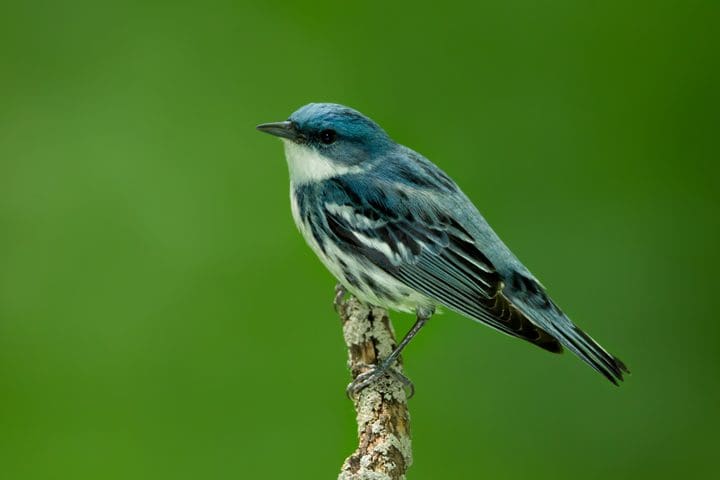
A Charitable Gift Annuity (CGA) allows you to support Nature and Culture International while also receiving secure, fixed income payments for life. With a CGA, you make a gift of cash or securities to Nature and Culture, and in return, you and/or a loved one receive dependable income at attractive rates—often higher than traditional investments.
-
## Benefits of a Charitable Gift Annuity include:
- Guaranteed lifetime payments for you or a loved one
- Immediate charitable tax deduction
- Potentially reduced capital gains taxes
- Leaving a legacy for conservation that lasts for generations
A **CGA** is a simple way to create reliable income today while ensuring that our work protecting biodiversity and supporting Indigenous communities continues long into the future.
If you’d like to learn more about how a **Charitable Gift Annuity** could fit into your financial and philanthropic plans, please contact **Lauren Alvares, Conservation Partnerships Manager**, at [(858) 259-0374](tel:+18582590374) or <lalvarez@natureandculture.org>. We’d be happy to create a personalized gift illustration showing your potential annuity rate and estimated charitable tax deduction.
\* **Nature and Culture** is pleased to offer Charitable Gift Annuities through the **National Gift Annuity Foundation**, the largest annuity pool in the country.
---
### [Give through Your Donor Advised Fund or Charitable Trust ](https://www.natureandculture.org/ways-to-give/donor-advised-fund/)
**Published:** October 20, 2025
**Author:** Heather Thomas
**Content:**
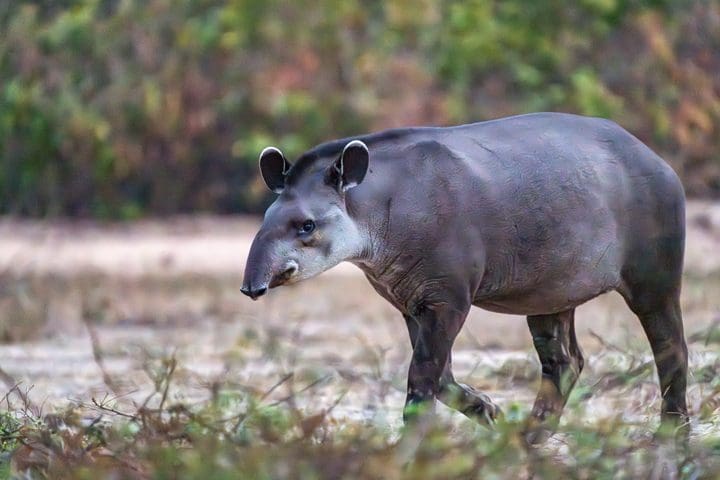
There are several financial vehicles that can provide income for you or a loved one during your lifetime, creating significant tax deductions while providing critical resources to Nature and Culture. Deciding what vehicle to use will depend on your personal needs and financial objectives.
These include charitable remainder unitrusts and charitable remainder annuity trusts as well as charitable lead trusts and charitable gift annuities. Please consult your financial adviser about the appropriateness of these planning tools.
Please contact us for wire transfer information.
If you’d like to explore other ways of giving beyond these financial vehicles, please reach out to our **Conservation Partnerships Manager**, [Lauren Alvarez](mailto:lalvarez@natureandculture.org). Please get in touch with us if you’re interested in making a gift of real estate or setting up a Charitable Remainder Trust.
---
### [Trabaja con nosotros](https://www.natureandculture.org/es/trabaja-con-nosotros/)
**Published:** May 15, 2023
**Author:** Heather Thomas
**Content:**
## **Únete a un equipo que impulsa la conservación desde lo local.**
En Naturaleza y Cultura Internacional trabajamos junto a comunidades y aliados locales para proteger algunos de los paisajes más biodiversos del planeta.
Si te mueve esta misión, el trabajo en equipo y aportar desde el territorio, este puede ser tu lugar.
### Última actualización: abril 2026
## Secretario/a técnico/a Fondo Futuro Amazónico
### Ecuador (remoto)
#### Aplicaciones abiertas hasta el 15 de abril de 2026
[Términos de Referencia](https://drive.google.com/file/d/193sv_ImexlvGeKYFKpjiCOttBfxP_EtT/view?fbclid=IwY2xjawRFBBlleHRuA2FlbQIxMABicmlkETFad29xVFdIQ2R4WXFMcGFWc3J0YwZhcHBfaWQQMjIyMDM5MTc4ODIwMDg5MgABHsKMQtSNK0sTeCbuOcf8_CZSH5cRJoeEGZJiboZhyrkwxcQrEEBg_fQsBBrO_aem_TsQmTfKfMIqe17DGg8hlVw)[Aplica Aquí](https://natureandculture.typeform.com/to/AbPR1djH?fbclid=IwY2xjawRFBBxleHRuA2FlbQIxMABicmlkETFad29xVFdIQ2R4WXFMcGFWc3J0YwZhcHBfaWQQMjIyMDM5MTc4ODIwMDg5MgABHsKMQtSNK0sTeCbuOcf8_CZSH5cRJoeEGZJiboZhyrkwxcQrEEBg_fQsBBrO_aem_TsQmTfKfMIqe17DGg8hlVw&typeform-source=l.facebook.com)
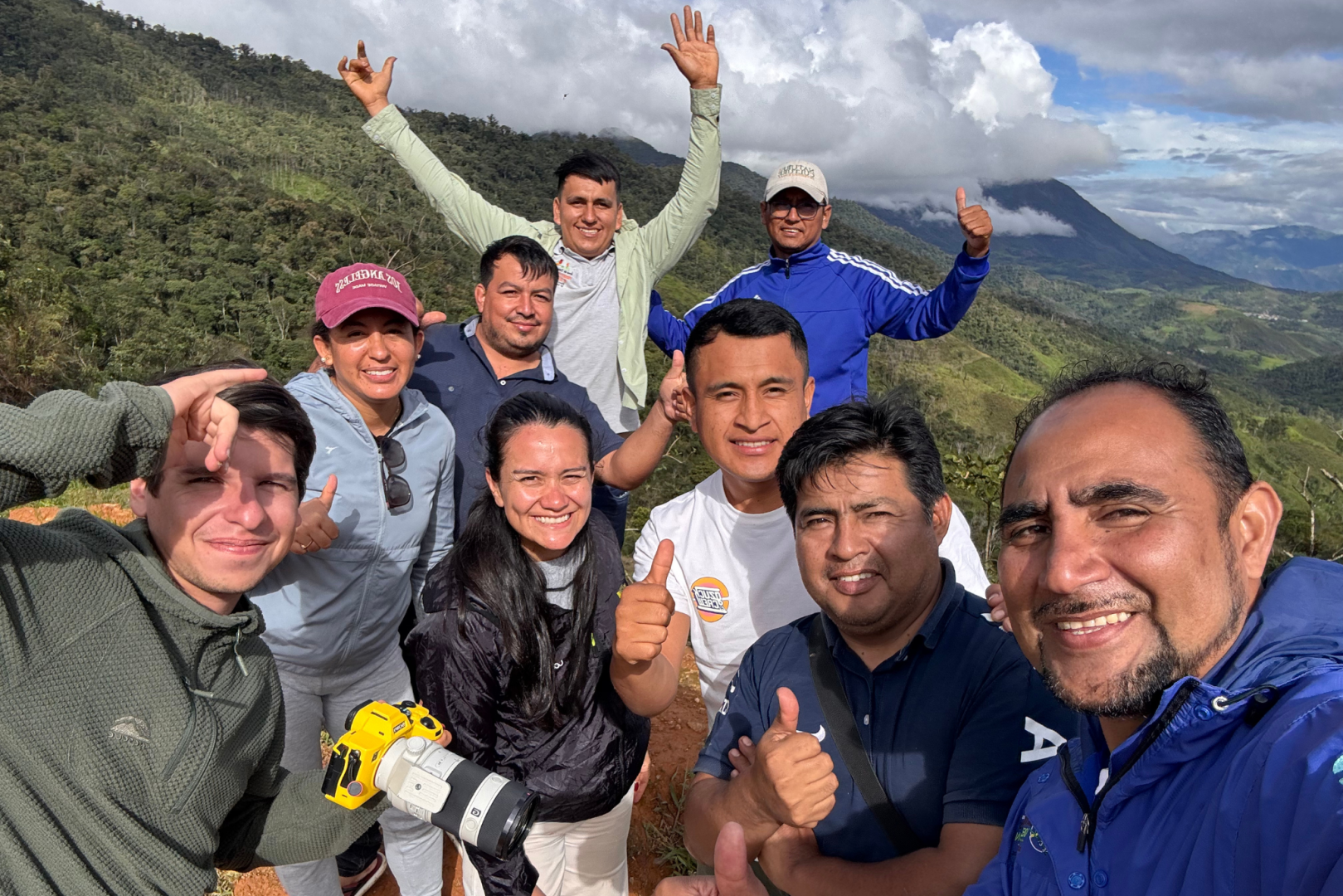
## ## ¿Por qué trabajar con nosotros?
En Naturaleza y Cultura Internacional, nuestros valores son la base de todo lo que hacemos. Definen quiénes somos como organización y guían nuestro trabajo día a día.
## ## Nuestros Valores
### Conservación desde lo local.
Impulsamos una conservación liderada desde el territorio, junto a comunidades indígenas y rurales, y gobiernos subnacionales, a quienes consideramos socios en igualdad de condiciones. Esto implica escuchar activamente y promover una cultura organizacional donde todas las voces sean valoradas.
### Recursos manejados desde el territorio.
Reconocemos que una gestión sólida es clave para nuestro trabajo. Al mismo tiempo, priorizamos la eficiencia para destinar la mayor parte de nuestros recursos directamente al territorio, donde ocurre la conservación.
### Compromiso a largo plazo.
Diseñamos e implementamos programas con una visión de largo plazo, asegurando resultados de conservación sostenibles en el tiempo.
### Agilidad, innovación y espíritu emprendedor.
Nos adaptamos a contextos cambiantes, respondemos a desafíos y aprovechamos nuevas oportunidades con creatividad y flexibilidad.
### Diversidad e inclusión.
Trabajamos junto a comunidades y culturas diversas como socios en igualdad de condiciones. Valoramos y promovemos la diversidad dentro de nuestro equipo.
### Aprender y compartir.
Durante 30 años, hemos aprendido de nuestros logros y desafíos. Compartimos ese aprendizaje y mantenemos una actitud abierta para seguir aprendiendo de otros.
## **¿Cómo aplicar?**
Para aplicar, revisa los términos de referencia de cada vacante y envía tu postulación a través del link de Jotform. Solo contactaremos a las personas preseleccionadas.
---
### [Noticias e Historias](https://www.natureandculture.org/es/noticias-e-historias/)
**Published:** May 16, 2023
**Author:** Heather Thomas
---
### [Forests](https://www.natureandculture.org/forests/)
**Published:** March 11, 2026
**Author:** Heather Thomas
**Content:**
### OUR WORK
## Protecting Forests at Scale
Nature and Culture protects large, intact forests—critical ecosystems that sustain biodiversity, regulate climate, safeguard freshwater systems, and support Indigenous and local communities. By conserving expansive, connected landscapes, we protect wildlife habitat, prevent deforestation, and strengthen ecosystem resilience.
### We work alongside local communities, Indigenous partners, and governments to strengthen this conservation across Latin America.
## Featured Programs
[Explore All Programs](https://www.natureandculture.org/conservation-initiatives/)
urgent 
Ecuador
Climate
Forests
Local Communities
[The Amazonian Platform: A Bold Vision to Protect 14 Million Acres](https://www.natureandculture.org/conservation_initiatives/the-amazonian-platform-a-bold-vision-to-protect-14-million-acres/)
[Read More](https://www.natureandculture.org/conservation_initiatives/the-amazonian-platform-a-bold-vision-to-protect-14-million-acres/)
urgent 
Ecuador Peru
Biodiversity
Forests
[The Andes-Amazon Conservation Corridor](https://www.natureandculture.org/conservation_initiatives/the-andes-amazon-conservation-corridor/)
[Read More](https://www.natureandculture.org/conservation_initiatives/the-andes-amazon-conservation-corridor/)
urgent 
Ecuador Peru
Biodiversity
Forests
[The Amazon Future Fund](https://www.natureandculture.org/conservation_initiatives/the-amazon-future-fund/)
[Read More](https://www.natureandculture.org/conservation_initiatives/the-amazon-future-fund/)

Peru
Biodiversity
Forests
[The Ecuador and Peru Amazon Program](https://www.natureandculture.org/?post_type=all_projects&p=44663)
[Read More](https://www.natureandculture.org/?post_type=all_projects&p=44663)

Peru
Biodiversity
Forests
[Peruvian Central Andes ](https://www.natureandculture.org/?post_type=all_projects&p=44086)
[Read More](https://www.natureandculture.org/?post_type=all_projects&p=44086)
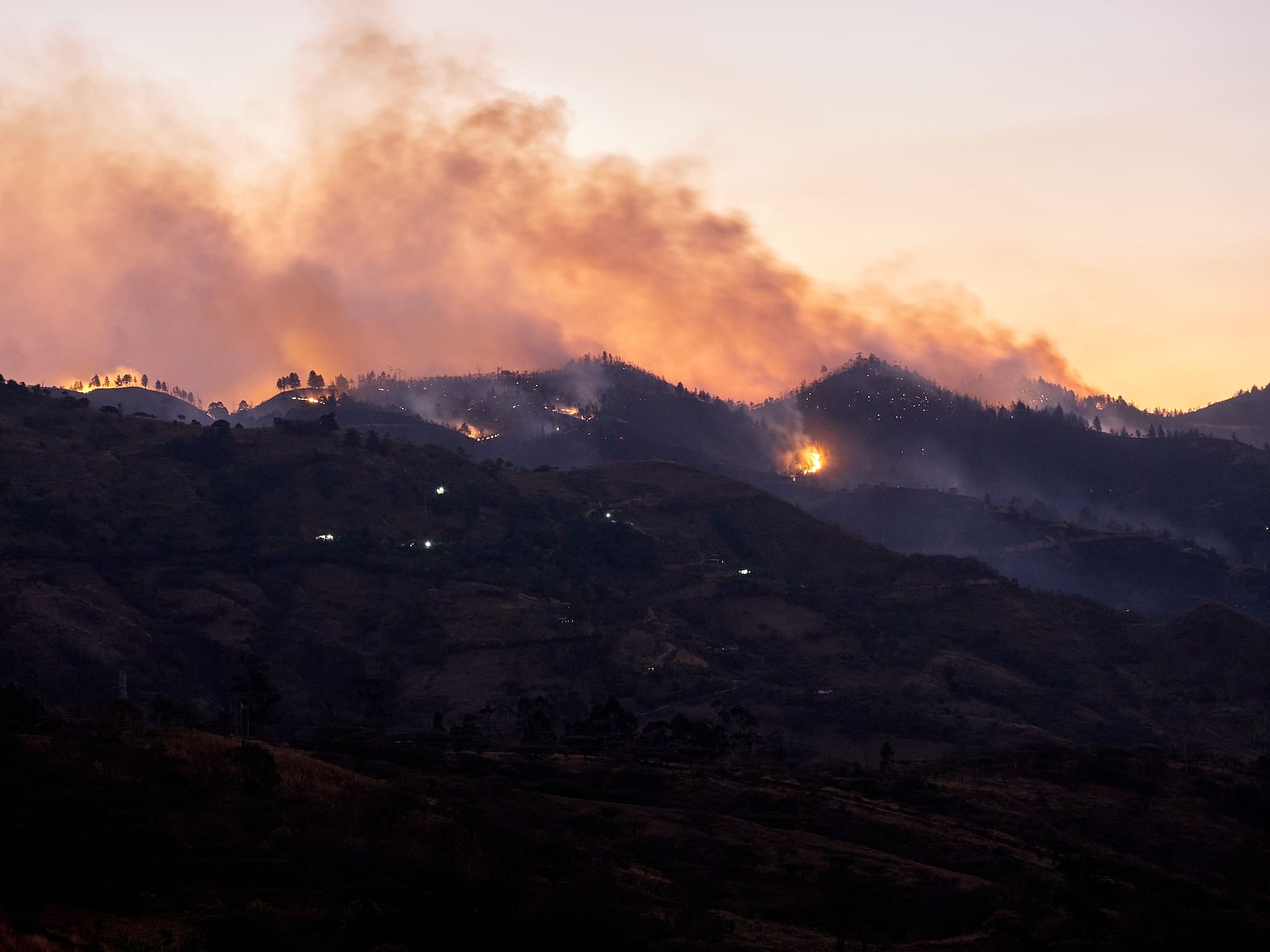
Ecuador Peru
Forests
Local Communities
[Community Fire Prevention and Climate Resilience in the Andes](https://www.natureandculture.org/conservation_initiatives/community-fire-prevention-and-climate-resilience-in-the-andes/)
[Read More](https://www.natureandculture.org/conservation_initiatives/community-fire-prevention-and-climate-resilience-in-the-andes/)

Ecuador
Biodiversity
Forests
[Nature and Culture Reserves in Ecuador](https://www.natureandculture.org/?post_type=all_projects&p=43381)
[Read More](https://www.natureandculture.org/?post_type=all_projects&p=43381)

Peru
Biodiversity
Forests
[Securing the Marañón Dry Forests’ Unique Diversity](https://www.natureandculture.org/conservation_initiatives/securing-the-maranon-dry-forests-unique-diversity/)
[Read More](https://www.natureandculture.org/conservation_initiatives/securing-the-maranon-dry-forests-unique-diversity/)

Ecuador
Biodiversity
Forests
[Protecting the dry forest of Ecuador](https://www.natureandculture.org/?post_type=all_projects&p=36184)
[Read More](https://www.natureandculture.org/?post_type=all_projects&p=36184)

Peru
Climate
Forests
Local Communities
[Designing a finance mechanism to support big landscapes – loreto](https://www.natureandculture.org/?post_type=all_projects&p=36191)
[Read More](https://www.natureandculture.org/?post_type=all_projects&p=36191)
## Creating and Strengthening Protected Areas
We help establish new protected areas and strengthen existing ones in places facing urgent threats. When protected areas and community territories form interconnected networks, forests are more resilient, and biodiversity has room to move and adapt.
Forests don’t follow political borders. By supporting landscape-scale planning and collaboration, we help protect connected ecosystems across regions.
In an increasingly fragmented world, many species have less space to migrate, disperse, feed, and thrive. By linking national, regional, and local protected areas, we create vital wildlife corridors that allow threatened species such as the jaguar, Andean condor, and spectacled bear to move freely in search of food, water, shelter, and breeding grounds.


### People-led conservation
## A Forest Conservation Solution That Lasts
Protecting forests is not a one-time achievement. Lasting conservation depends on stewardship, strong local leadership, and the long-term resources needed to keep protection in place through political, economic, and climate change.
We work alongside Indigenous and local partners whose stewardship, governance, and knowledge strengthen forest protection over time.
### CONNECTED FORESTS
## Landscape Scale Conservation
When forests are fragmented, ecosystems become less resilient. Wildlife corridors break down, watersheds are disrupted, and forests become more vulnerable to fire, illegal activity, and conversion. Connecting protected forests at scale helps keep entire landscapes functioning—now and into the future.
That’s true whether the individual pieces are national parks, Indigenous territories, protected municipal watersheds, or some combination of all.

### We work in some of the most biodiverse yet threatened ecosystems on the planet.
## Ecosystems We Protect
An ecosystem is comprised of all living things that share an environment, from plants and animals to microscopic organisms. Ensuring the integrity and health of whole ecosystems provides habitat for wildlife and important ecosystem services for all life.
[ 
Amazon Rainforest
The *Amazon rainforest* is the most extensive tropical forest on Earth, with the highest density of plant and animal species. These forests are home to millions of Indigenous people and provide essential ecosystem services, stabilizing the world’s rainfall patterns and storing massive amounts of carbon.
## Connecting landscapes across boundaries
Forests don’t follow political borders. By supporting landscape-scale planning and collaboration, we help protect connected ecosystems across regions.
](https://www.natureandculture.org/forests/amazon-rainforest/)
[ 
Andean Cloud Forest
*Andean cloud forests* hold the highest number of endemic species – plants and animals that are found nowhere else in the world. Many biologists consider these forests to be the world’s greatest conservation priority, due to the sheer number of species and high degree of threat.
](https://www.natureandculture.org/conserving-large-landscapes/andean-cloud-forest/)
[ 
Páramo Grasslands
*Páramo grasslands* are high-altitude ecosystems situated above the timberline but below the permanent snow line. There has been increased interest to protect these landscapes due to the massive carbon this ecosystem stores in its organic soils and its ability to provide clean water for local communities.
](https://www.natureandculture.org/conserving-large-landscapes/paramo-grasslands/)
[ 
Tropical Dry Forests
*Tropical deciduous* *(or dry) forests* are home to a wide array of uniquely adapted species. We work with local communities to conserve these fragile forests, with many rare and endemic species, while creating livelihoods for local people.
](https://www.natureandculture.org/conserving-large-landscapes/tropical-dry-forests/)
[ 
Marine, Coastal and Wetlands
*Mangroves, estuaries, lagoons, and oceans* sustain marine fisheries and provide the freshwater to form wetlands. They are also significant for their marine biodiversity and critical for migratory birds.
](https://www.natureandculture.org/conserving-large-landscapes/marine-coastal-and-wetlands/)

## Preventing Irreplaceable Loss
## Threats to Forests and What Protection Prevents
Intact forests face growing pressure from deforestation, degradation, and fragmentation. These threats can come from land conversion, unsustainable extraction, roads that open remote areas to illegal activity, and intensifying climate-driven fires.
Protecting forests early—before they are heavily degraded—can prevent irreversible loss. When forests remain intact, they continue supporting biodiversity, storing carbon, sustaining water cycles, and providing a foundation for resilient communities.

## How You Can Help Protect Forests
Protecting forests at scale is possible because of supporters who believe in long-term solutions. Your gift helps expand protection, strengthen stewardship, and keep forests standing where they matter most.
[Donate now ](https://www.natureandculture.org/donate/)[Protect forests monthly ](https://www.natureandculture.org/donate/?campaign=662216)
---
### [En los medios](https://www.natureandculture.org/es/nci-en-los-medios/)
**Published:** May 15, 2023
**Author:** Heather Thomas
**Content:**
Para consultas de los medios o más información, por favor contáctate con <hola@naturalezaycultura.org>

## [Velo de la Novia: una nueva área natural protegida resguarda uno de los tesoros de la Amazonía peruana](https://es.mongabay.com/2025/07/velo-de-la-novia-nueva-area-natural-protegida-amazonia-peruana/)
*El Área de Conservación Regional Velo de la Novia es la tercera zona protegida creada dentro de la región de Ucayali, en la Amazonía centro de Perú.* La propuesta de creación fue impulsada por el Gobierno Regional de Ucayali con el apoyo técnico de la organización civil Naturaleza y Cultura Internacional y el financiamiento de Andes Amazon Fund y Conservación Internacional.

## [La ONG que nació en Loja y se expandió por América](https://www.forbes.com.ec/liderazgo/la-ong-nacio-loja-expandio-america-n61230)
Renzo Agustín Paladines Puertas, fundador y director de Conservación en la ONG estadounidense ‘Naturaleza y Cultura Internacional’ (NCI), creció rodeado por los paisajes lojanos. Su vida es una historia de conexión íntima con la naturaleza, una vocación forjada en los campos de Vilcabamba y que, con el tiempo, lo llevaría a convertirse en un líder regional en la conservación ambiental. NCI tuvo ingresos por US$ 7,7 millones en 2023 y este año su presupuesto ascendió a US$ 8,8 millones.

## [El agua de Catacocha que volvió gracias a un sistema indígena milenario en Ecuador](https://es.mongabay.com/2024/02/ecuador-agua-catacocha-sistema-indigena-conservacion/)
La [Fundación Naturaleza y Cultura Internacional](https://www.natureandculture.org/es/ecuador/) —que trabaja por el agua y el ambiente en varias zonas de Ecuador— compró las 406 hectáreas de los alrededores del Pisaca que hoy conforman “la reserva”. Se las compraron a un hacendado para poder garantizar su conservación, sacando el ganado del bosque y reforestando la zona para facilitar la captación y distribución de agua.

## [México: la construcción de una reserva para conservar el mayor remanente de pitayas en el mundo](https://es.mongabay.com/2023/11/la-construccion-de-una-reserva-para-conservar-el-mayor-remanente-de-pitayas-en-el-mundo-mexico/)
*Organizaciones no gubernamentales, en colaboración con comunidades indígenas y locales, trabajan en la creación de la Reserva Estatal El Pitayal, en el sur de Sonora, al noroeste de México.*

## [Así protegerá México la mayor reserva del mundo de “El Pitayal”](https://noticias.imer.mx/blog/asi-protegera-mexico-la-mayor-reserva-del-mundo-de-el-pitayal/)
**En riesgo de desaparecer** por la **agricultura**, la **cactácea** conocida como “[pitaya](https://www.gob.mx/snics/acciones-y-programas/pitaya-stenocereus-spp-119661)” será **protegida bajo decreto** a través de una **reserva natural** en **Sonora** conocida como “[**El Pitayal**](https://es.mongabay.com/2023/11/la-construccion-de-una-reserva-para-conservar-el-mayor-remanente-de-pitayas-en-el-mundo-mexico/)”
ONGs como **Naturaleza y Cultura Internacional** ([NCI](https://www.natureandculture.org/es/)) junto a **comunidades indígenas** impulsan la creación de esta reserva. La cual estará ubicada al **sur del estado** para proteger a una de las zonas que concentra la [**mayor reserva de pitaya a nivel mundial**](https://es.mongabay.com/2023/11/la-construccion-de-una-reserva-para-conservar-el-mayor-remanente-de-pitayas-en-el-mundo-mexico/).

## [El Pangui y Yantzaza, nuevas áreas de protección hídrica en Ecuador](https://www.eluniverso.com/larevista/ecologia/el-pangui-y-yantzaza-nuevas-areas-de-proteccion-hidrica-en-ecuador-nota/)
**Con el objetivo de proteger, recuperar y conservar los recursos hídricos en su estado natural, El Pangui y Yantzaza**, ubicadas en la provincia de Zamora Chinchipe, **fueron oficializadas como nuevas áreas de protección hídrica (APH).**

## [Buscan proteger al bosque pitahayal más grande del planeta ubicado en el sur de Sonora](https://diariodelyaqui.mx/sonora/buscan-proteger-al-bosque-pitahayal-mas-grande-del-planeta-ubicado-en-el-sur-de-sonora/72308)
Miguel Ayala Mata informó que trabajan para que ese lugar sea declarado como reserva estatal y se apoye para frenar su deforestación y sea cuidado

## [Piura y Cajamarca unen esfuerzos para la conservación de bosques montanos y páramos](https://andina.pe/agencia/noticia-piura-y-cajamarca-unen-esfuerzos-para-conservacion-bosques-montanos-y-paramos-954584.aspx)

## [Newly described DiCaprio’s snake and others threatened by mining in Ecuador and Panama](https://news.mongabay.com/2023/02/newly-described-dicaprios-snake-and-others-threatened-by-mining-in-ecuador-and-panama/)
Researchers have described five new species of snail-eating snakes

## [Leonardo DiCaprio names newly-discovered snake species after his favourite woman](https://www.independent.co.uk/climate-change/news/leonardo-dicaprio-snake-discovery-ecuador-b2270828.html)
Leonardo DiCaprio has named a newly-discovered species of snake after his favorite woman.

## [Leonardo DiCaprio names new snake species after his mother](https://abc7.com/leonardo-dicaprio-new-snake-species-irmelin-indenbirken-sibon-irmelindicaprioae/12789555/)
A new snake species found in the jungles of Central and South America has a special connection to a Hollywood star.

## [New reserve in Ecuador secures over 3 million acres of forest](https://news.mongabay.com/2023/02/new-reserve-in-ecuador-secures-over-3-million-acres-of-forest/)
The Tarímiat Pujutaí Nuṉka Reserve covers 3,057,671 acres of Andean and Amazonian forests in the Morona Santiago province

## [You walk into a dimly lit bar. There’s a lion at one end and a jaguar at the other. Who do you buy a drink for?](https://hotglobe.substack.com/p/you-walk-into-a-dimly-lit-bar-theres)
Hope for the Amazon: Part 2, The Science Business Model of Nature and Culture International

## [Indigenous peoples in Ecuador are winning a decades-long battle to protect rainforest](https://verdensbedstenyheder.dk/nyheder/indfoedte-folk-i-ecuador-vinder-aartier-lang-kamp-om-beskyttelse-af-regnskov/)
Trotsky Riera, Project Coordinator for Ecuador at Nature and Culture International speaks on the Indigenous Peoples of Tiwi Nunka.

## [Podcast: How the Indigenous Shuar regained their ancestral forest](https://news.mongabay.com/2022/11/podcast-forest-conservation-for-climate-defense-cultural-preservation/)
A conversation with Felipe Serrano, Nature and Culture’s Ecuador Country Director

## [How to protect tropical forests? Let Indigenous people lead](https://www.eco-business.com/opinion/how-to-protect-tropical-forests-let-indigenous-people-lead/)
Opinion piece from Matthew Clark, president and CEO of Nature and Culture International

## [How to protect tropical forests? Let Indigenous people lead](https://news.trust.org/item/20220923081124-67enw)
Opinion piece from Matthew Clark, President, and CEO of Nature and Culture International

## [Community-Led Conservation Creates Sustainable Super Fruit Market in the Amazon](https://www.esri.com/about/newsroom/blog/mapping-amazon-superfruit-market/?adusf=twitter&aduc=esriblog&adut=678ec08a-db97-4f67-aed8-a33e88bf4233)
A conservation group helped bring an Amazonian super fruit to market with sustainable practices—and it started with a map.

## [Ecuador leading the way in working alongside Indigenous groups to protect sacred rainforest](https://www.euronews.com/green/2022/08/09/ecuador-leading-the-way-in-working-alongside-indigenous-groups-to-protect-sacred-rainfores)
In an unprecedented show of solidarity, communities in the Amazon, NGOs and local governments are teaming up to protect Ecuador’s rainforest.

## [Indigenous Shuar community in Ecuador wins decades-long battle to protect land](https://news.mongabay.com/2022/07/indigenous-shuar-community-in-ecuador-wins-decades-long-battle-to-protect-land/)
Ecuador’s National System of Protected Areas now includes the 5,497-hectare (13,583-acre) ancestral Tiwi Nunka Forest, which the Shuar Indigenous community of El Kiim lives in and relies on for sustenance and many cultural practices.

## [Ecuador’s Pastaza province, Indigenous groups collaborate on forest conservation](https://news.mongabay.com/2022/04/ecuadors-pastaza-province-indigenous-groups-collaborate-on-forest-conservation/)
For the first time in Ecuador, Pastaza’s provincial government is working with Indigenous communities to create the province’s development and territorial management plan together with Nature and Culture International.
Jaime Toro Guajala, Nature & Culture Coordinator for Pastaza Province and Felipe Serrano, Country Director of Ecuador were interviewed for this article.

## [Ecuadoran water fund transforms consumers into conservationists](https://news.mongabay.com/2021/05/ecuadoran-water-fund-transforms-consumers-into-conservationists/)
Supported by Nature and Culture, the Regional Water Fund of Southern Ecuador (FORAGUA) operates in 14 municipalities, serving 500,000 residents, and has restored 3,700 acres of land and put an additional 833,000 acres under conservation.

## [Solana Beach Eco Rotary Club holding virtual meetings](https://www.delmartimes.net/lifestyle/story/2020-05-27/solana-beach-eco-rotary-club-holding)
Matt Clark, president and CEO of nonprofit Nature and Culture International, discussed the conservation work his group does in Latin America.

## [Local nonprofit helps to save ecosystems in Bolivia](https://www.delmartimes.net/lifestyle/story/2019-06-25/local-nonprofit-helps-to-save-ecosystem-in-bolivia)
“With the addition of Ñembi Guasu, 15 million acres of the Gran Chaco’s most cultural and biologically diverse forests are now protected.”
Renzo Paladines, Nature & Culture Executive Director of Latin America

## [Corridor for cats: Conservationists work to keep jaguar populations genetically viable](https://cronkitenews.azpbs.org/2019/06/21/jaguar-conservation-sonora-sinaloa/)
“If you want to protect your jaguar population in Arizona, whether it’s one, two or three jaguars, you have to work with Mexico. And that’s reality.”
Lydia Lozano, Nature & Culture Mexico Country Director

## [Ñembi Guasu: Huge new conservation area in Bolivia’s Gran Chaco](https://news.mongabay.com/2019/05/nembi-guasu-huge-new-conservation-area-in-bolivias-gran-chaco/?fbclid=IwAR0kkBj522t1tkylZ2PP5uHmPkYt3aufvrhrXI5mfbeae4A60FSC-2oceqw)
“We have always been conservationists of natural resources and we want to maintain the territory for future generations. We see that, little by little, people come to work on these lands, so we need to conserve these reserves.”
Rubén Ortiz, Representative of the Ñembi Guasu Conservation Area

## [Local environmental nonprofit featured in documentary series](http://sdnews.com/view/full_story/27639377/article-Local-environmental-nonprofit-featured-in-documentary-series?instance=sdnews&fbclid=IwAR2Vu_brQgCa14XouwDBnyeVJbwYrK63kvtI2huxEMS8BibyeYzJM0L3two)
“We all depend on nature for things we need – clean water, clean air. I could generate a list of 50 things. The thing I find very salient for a San Diego audience who might think Latin America is a long ways away is that the Amazon forest is big enough that it actually impacts our weather in the United States; it impacts our climate.”
Matt Clark, Nature & Culture President and CEO

## [Del Mar nonprofit appears in award-winning PBS series](https://www.delmartimes.net/sd-cm-nc-nature-international-20190416-htmlstory.html?fbclid=IwAR1vfLsUEE19R1UXnB7qgbL8Qlt6blBp28PgxrDJe_98OvEcKD8N0Pu_Ftc)
“After watching the show, I hope people visit our website to learn more about what we are doing and how they can help. And if they aren’t already, I hope they get involved in conservation and climate change mitigation in their own backyards as well.”
Matt Clark, Nature & Culture President and CEO

## [Peru: Marañon dry forests protected as a regional conservation area](https://news.mongabay.com/2018/07/peru-maranon-dry-forests-protected-as-a-regional-conservation-area/)
“It is a small area, but one of the richest of the world.”
Iván Mejía, Nature & Culture’s Coordinator for the Amazonas and Cajamarca areas

## [Ecuador announces a new national park in the Andes](https://news.mongabay.com/2018/02/ecuador-announces-a-new-national-park-in-the-andes/)
“Due to efforts by local communities, researchers, Nature and Culture, the Andes Amazon Fund, and the Ecuadorian government – particularly the Ministry of the Environment – Río Negro-Sopladora National Park has received the highest conservation category status in the country.”
Valeria Sorgato, Reporter

## [New Parks: Peru, Ecuador Safeguard Pristine Rainforest](http://ens-newswire.com/2018/02/22/new-parks-peru-ecuador-safeguard-pristine-rainforest/)
“As Amazonians we are pleased to lead these important and necessary conservation processes.”
Franklin Puente, Governor of the province of Morona Santiago

## [Nature and Culture Helps Ecuador Establish a 6.3-million-acre Conservation Corridor in Amazon Rainforest](https://www.businesswire.com/news/home/20170313005226/en/Nature-Culture-International-Helps-Ecuador-Establish-6.3-million-acre)
“The creation of the Pastaza reserve is a global example of what local and provincial governments working together with indigenous communities can do to protect vital natural resources while ensuring their own long-terms sustainable development and livelihoods.”
Renzo Paladines, Nature & Culture’s Executive Director of Latin America

## [New Indigenous Reserve Aims To Save A Fading Culture](https://www.huffpost.com/entry/new-indigenous-reserve-aims-at-saving-fading-culture_b_1294907)
“The result—an astounding new protected area that is 22% bigger than Yosemite National Park—is one of a growing catalog of South American indigenous reserves that aim to conserve the environment, as well as cultural identity.”
Silvia Usuriaga, Nature & Culture’s Senior Program Manager

## [For Peruvians, Baskets for the U.S. Market Bring a New Way of Life](http://www.nytimes.com/2009/01/20/business/worldbusiness/20peru.html?scp=4&sq=deforestation&st=cse&_r=0)
“We are part of nature. When we destroy nature, we destroy ourselves.”
Ivan Vásquez, President of Loreto Region

## [Del Mar Organization is Creating Big Change for World’s Ecosystems](http://www.delmartimes.net/news/2015/feb/25/del-mar-nature-and-culture-international/)
“To actually go in the field and see the environmental battlefront…and see Nature & Culture working right there, trying to turn the tide and preserve it, is incredible.”
Dwight Worden, Del Mar City Councilman

## [Despair Fuels Developer’s Conservation Dream](https://www.natureandculture.org/wp-content/uploads/2014/02/UT-Ivan-2012.pdf)
“I just respect so deeply someone who says ‘I am going to make this happen.’ And then has the passion and perseverance to make it happen.”
Allison Alberts, Ph.D., San Diego Zoo Global Chief Conservation and Research Officer
---
### [Contáctanos](https://www.natureandculture.org/es/contactanos/)
**Published:** May 15, 2023
**Author:** Heather Thomas
**Content:**
### Escríbenos:
<hola@naturalezaycultura.org>
### Envíanos correspondencia:
1400 Maiden Lane
Del Mar, CA 92014
United States
### Síguenos en redes sociales:
[Instagram](https://www.instagram.com/naturalezaculturainternacional/)
[Twitter](http://twitter.com/ncilatam)
[LinkedIn](https://www.linkedin.com/company/naturecultureinternational/)
### Ética y cumplimiento:
*Naturaleza y Cultura está comprometida a mantener los más altos estándares de ética y cumplimiento.*
*Para reportar una inquietud sobre nuestras operaciones, por favor use Código de cliente de **NandC** y elija uno de los siguientes métodos:*
- ***Sitio web:*** *[www.RedFlagReporting.com](http://www.redflagreporting.com/ "http://www.redflagreporting.com") → haga clic en **“File a Report”***
- ***Correo electrónico:*** *[redflag@redflagreporting.com](mailto:redflag@redflagreporting.com "mailto:redflag@redflagreporting.com")*
*Los reportes pueden enviarse de manera anónima y serán tratados de forma confidencial.
Este es el **único canal oficial** para enviar quejas sobre Naturaleza y Cultura.*
*¿Necesita ayuda? Red Flag Reporting también ofrece **videos cortos de capacitación** que explican cómo presentar un reporte: [Cómo presentar un reporte](https://www.redflagreporting.com/resources/videos/training-videos/ "https://www.redflagreporting.com/resources/videos/training-videos/")*
## Nuestras Oficinas
###### OFICINAS EN ECUADOR
**LOJA**
Av. Pío Jaramillo y Venezuela
Tel: +593 (7) 257-3691 / 257-3623
**CUENCA**
Calle Tadeo Torres 1-33 y Av. Solano
Tel: (593) 7 2835197
**PUYO**
Vía al Tena Km1, Barrio las Américas, sector La Paz.
Tel: (593) 03 2889880
###### OFICINA EN MÉXICO
**ALAMOS**
General Topete S/N, Col. Los Guayparines
CP. 85760, Álamos, Sonora, México
Tel: +52(64)74281600
###### OFICINAS EN PERÚ
**LIMA** Calle Las Gaviotas 125
Distrito de Surquillo
Lima, Peru
**PIURA**
Calle Los Tulipanes C-1 Lt 21 Interior 001
Urb. Santa María del Pinar
Fax: +51 (73) 333-694
**LORETO**
Urb. Jardin N 35,
Altura Cuadra 7 de Calle Brasil
Tel: +51 (65) 60-7253 / 60-7252
**UCAYALI**
Carretera Federico Basadre Km. 4.2
Tel: +51 (65) 9564-96273
**AMAZONAS**
Jr. La Merced C-7, Interior 3
Tel: +51 (41) 479-273
## Déjanos un mensaje
---
### [Ecuador](https://www.natureandculture.org/es/ecuador/)
**Published:** May 12, 2023
**Author:** Heather Thomas
---
### [Bosques](https://www.natureandculture.org/es/bosques/)
**Published:** March 11, 2026
**Author:** Heather Thomas
**Content:**
### NUESTRO TRABAJO
## Protección de bosques saludables y conectados
Naturaleza y Cultura trabaja por proteger grandes extensiones de bosques. Ecosistemas críticos que sustentan la biodiversidad, regulan el clima, proveen agua limpia y apoyan a las comunidades indígenas y locales.
Al conservar paisajes extensos, salvaguardamos corredores biológicos esenciales, prevenimos la deforestación y fortalecemos la resiliencia de los ecosistemas, garantizando que la naturaleza prospere para las generaciones futuras.
### Trabajamos junto a comunidades locales, pueblos indígenas y gobiernos para fortalecer la conservación de bosques en América Latina.
## Programas Destacados
[Explora todos los programas](https://www.natureandculture.org/es/iniciativas-de-conservacion/)
urgent 
Ecuador
Climate
Forests
Local Communities
[The Amazonian Platform: A Bold Vision to Protect 14 Million Acres](https://www.natureandculture.org/conservation_initiatives/the-amazonian-platform-a-bold-vision-to-protect-14-million-acres/)
[Read More](https://www.natureandculture.org/conservation_initiatives/the-amazonian-platform-a-bold-vision-to-protect-14-million-acres/)
urgent 
Ecuador Peru
Biodiversity
Forests
[The Andes-Amazon Conservation Corridor](https://www.natureandculture.org/conservation_initiatives/the-andes-amazon-conservation-corridor/)
[Read More](https://www.natureandculture.org/conservation_initiatives/the-andes-amazon-conservation-corridor/)
urgent 
Ecuador Peru
Biodiversity
Forests
[The Amazon Future Fund](https://www.natureandculture.org/conservation_initiatives/the-amazon-future-fund/)
[Read More](https://www.natureandculture.org/conservation_initiatives/the-amazon-future-fund/)

Peru
Biodiversity
Forests
[The Ecuador and Peru Amazon Program](https://www.natureandculture.org/?post_type=all_projects&p=44663)
[Read More](https://www.natureandculture.org/?post_type=all_projects&p=44663)

Peru
Biodiversity
Forests
[Peruvian Central Andes ](https://www.natureandculture.org/?post_type=all_projects&p=44086)
[Read More](https://www.natureandculture.org/?post_type=all_projects&p=44086)

Ecuador Peru
Forests
Local Communities
[Community Fire Prevention and Climate Resilience in the Andes](https://www.natureandculture.org/conservation_initiatives/community-fire-prevention-and-climate-resilience-in-the-andes/)
[Read More](https://www.natureandculture.org/conservation_initiatives/community-fire-prevention-and-climate-resilience-in-the-andes/)

Ecuador
Biodiversity
Forests
[Nature and Culture Reserves in Ecuador](https://www.natureandculture.org/?post_type=all_projects&p=43381)
[Read More](https://www.natureandculture.org/?post_type=all_projects&p=43381)

Peru
Biodiversity
Forests
[Securing the Marañón Dry Forests’ Unique Diversity](https://www.natureandculture.org/conservation_initiatives/securing-the-maranon-dry-forests-unique-diversity/)
[Read More](https://www.natureandculture.org/conservation_initiatives/securing-the-maranon-dry-forests-unique-diversity/)

Ecuador
Biodiversity
Forests
[Protecting the dry forest of Ecuador](https://www.natureandculture.org/?post_type=all_projects&p=36184)
[Read More](https://www.natureandculture.org/?post_type=all_projects&p=36184)

Peru
Climate
Forests
Local Communities
[Designing a finance mechanism to support big landscapes – loreto](https://www.natureandculture.org/?post_type=all_projects&p=36191)
[Read More](https://www.natureandculture.org/?post_type=all_projects&p=36191)
## Creando y Fortaleciendo Áreas Protegidas
Ayudamos a establecer nuevas áreas protegidas y a fortalecer las existentes en lugares que enfrentan amenazas urgentes. **Cuando las áreas protegidas, territorios comunitarios y otras formas de conservación forman redes interconectadas,** los bosques son más resilientes y la biodiversidad tiene espacio para desplazarse y adaptarse.
Los bosques no siguen fronteras políticas. Al apoyar la planificación y colaboración **a escala de paisaje**, ayudamos a proteger ecosistemas conectados a través de diversas regiones.
En un mundo cada vez más fragmentado, muchas especies tienen menos espacio para migrar, dispersarse, alimentarse y prosperar. Al vincular áreas protegidas nacionales, regionales y locales, creamos **corredores biológicos vitales** que permiten que especies clave **como el jaguar, el cóndor andino y el oso de anteojos,** se desplacen libremente en busca de alimento, agua, refugio y sitios de reproducción.


### Conservación liderada por las personas
## Una solución de conservación que perdura
Proteger los bosques no es un logro de una sola vez. La conservación duradera depende de la custodia del territorio, un liderazgo local sólido y los recursos a largo plazo necesarios para mantener la protección frente a los cambios políticos, económicos y climáticos.
Trabajamos junto a pueblos indígenas y comunidades locales, cuya custodia, gobernanza y conocimientos fortalecen la protección de los bosques a lo largo del tiempo.
### Bosques Conectados
## Conservación a Escala de Paisaje
Cuando los bosques se fragmentan, los ecosistemas se vuelven menos resilientes. Los **corredores biológicos** se interrumpen, las cuencas hidrográficas se alteran y los bosques se vuelven más vulnerables a los incendios, las actividades ilegales y el cambio de uso de suelo. **Conectar bosques protegidos** ayuda a mantener el funcionamiento de paisajes enteros, ahora y en el futuro.
Esto es válido independientemente de si las piezas individuales son parques nacionales, territorios indígenas, áreas subnacionales protegidas o una combinación de todas las anteriores.

### Trabajamos en los ecosistemas más biodiversos, pero también más amenazados del planeta.
## Ecosistemas que protegemos
Un ecosistema está compuesto por todos los seres vivos que comparten un entorno, desde plantas y animales hasta organismos microscópicos. Garantizar la integridad y la salud de ecosistemas completos proporciona hábitat para la vida silvestre y servicios ecosistémicos vitales para toda forma de vida.
[ 
Selva Amazónica
La *selva amazónica* es el bosque tropical más extenso de la Tierra y posee la mayor densidad de especies vegetales y animales. Estos bosques son el hogar de pueblos indígenas y proporcionan servicios ecosistémicos esenciales, estabilizando los patrones de lluvia a nivel mundial y almacenando cantidades masivas de carbono.
](https://www.natureandculture.org/es/bosques/amazonia/)
[ 
Bosque Nuboso Andino
Los *bosques nublados andinos* albergan el mayor número de especies endémicas: plantas y animales que no se encuentran en ningún otro lugar del mundo. Muchos biólogos consideran que estos bosques son la mayor prioridad de conservación a nivel mundial debido a la enorme cantidad de especies y al alto grado de amenaza que enfrentan.
](https://www.natureandculture.org/es/bosques/bosque-nuboso/)
[ 
Páramos
Los *páramos* son ecosistemas de pastizales de alta altitud situados por encima del límite de vegetación arbórea, pero por debajo de la línea de nieve permanente. Ha habido un creciente interés en proteger estos paisajes debido a la cantidad masiva de carbono que este ecosistema almacena en sus suelos orgánicos y su capacidad para proporcionar agua limpia a las comunidades locales.
](https://www.natureandculture.org/es/bosques/paramo/)
[ 
Bosques Secos Tropicales
Los *bosques tropicales caducifolios* *(o secos)* albergan una amplia gama de especies con adaptaciones únicas. Trabajamos con las comunidades locales para conservar estos bosques frágiles, que cuentan con muchas especies únicas y endémicas, al mismo tiempo que apoyamos los medios de vida de la población local.
](https://www.natureandculture.org/es/bosques/bosques-secos/)
[ 
Ecosistemas Marinos, Costeros y Humedales
Los *manglares, estuarios, lagunas y océanos* sustentan las pesquerías marinas y proporcionan el agua dulce necesaria para formar humedales. También son significativos por su biodiversidad marina y son críticos para las aves migratorias.
](https://www.natureandculture.org/es/bosques/mares-y-humedales/)

## Previniendo pérdidas irreemplazables
## Amenazas a los bosques y lo que la protección previene
Los bosques intactos enfrentan una presión creciente debido a la deforestación, la degradación y la fragmentación. Estas amenazas pueden provenir del cambio de uso de suelo, la extracción insostenible, las carreteras que abren áreas remotas a actividades ilegales y los incendios cada vez más intensos impulsados por el clima.
Proteger los bosques a tiempo, antes de que sufran una degradación severa, puede prevenir pérdidas irreversibles. Cuando los bosques permanecen intactos, continúan sustentando la biodiversidad, almacenando carbono, manteniendo los ciclos del agua y proporcionando una base para comunidades resilientes.

## Cómo puedes ayudar a proteger los bosques
Proteger los bosques a gran escala requiere colaboración, compromiso y una visión de largo plazo. En Naturaleza y Cultura Internacional trabajamos junto a pueblos indígenas, comunidades locales, gobiernos y aliados para fortalecer la gestión territorial, ampliar las áreas de conservación y mantener los bosques en pie donde más se necesitan.
Conocer, valorar y apoyar estos esfuerzos es fundamental para asegurar que los paisajes más biodiversos del planeta sigan siendo fuente de vida para las generaciones presentes y futuras.
[Conoce más sobre nuestro trabajo](https://www.natureandculture.org/es/blog-and-news/)
---
### [Ecosistemas marinos, costeros y humedales](https://www.natureandculture.org/es/bosques/mares-y-humedales/)
**Published:** May 12, 2023
**Author:** Heather Thomas
**Content:**
Algunos de los lugares más productivos del planeta
## Más de un tercio de la población mundial vive en zonas costeras
Los ecosistemas marinos, costeros y de humedales se encuentran entre los ecosistemas más productivos, aunque amenazados, del mundo. Incluyen áreas costeras de mar abierto, cercanas a la costa, lugares donde se mezclan agua dulce y salada, y humedales interiores.

Chilean flamingos in the mangrove wetlands of Peru’s Tumbesian coast.
Más de un tercio de la población mundial vive en zonas costeras y dependen de los muchos servicios que brindan ecosistemas como los arrecifes de coral, los manglares y los humedales.
El mar del norte de Perú, es hogar de especies como tortugas marinas *(Chelonioidea)*, ballenas jorobadas *(Megaptera novaeangliae)* y el pingüino de Humboldt *(Spheniscus humboldti)* en peligro de extinción. Además, alberga aproximadamente el 70% de la biodiversidad marina del país, incluidas muchas especies endémicas. Las aguas costeras de la zona constituyen el sistema de afloramiento de agua fría más productivo del planeta y sustentan una de las pesquerías más grandes del mundo, que representa casi el 20 % de las poblaciones de peces del mundo.
## A pesar de los altos niveles de biodiversidad, los ecosistemas costeros carecen de suficiente protección legal y enfrentan enormes amenazas.

A pesar de sus altos niveles de biodiversidad, endemismo e importancia económica, esta ecorregión carece de suficiente protección legal y enfrenta enormes amenazas que incluyen prácticas pesqueras insostenibles, contaminación industrial y turismo no administrado.

Bajo Baudó Regional Protected Area
### Los manglares forman parte de la zona de transición entre los ambientes acuático y terrestre.
Los manglares son biomas formados por árboles tropicales con intrincados sistemas de raíces que prosperan en condiciones en las que la mayoría de las plantas nunca podrían tolerar: aguas costeras saladas y fangosas. Estos ecosistemas generalmente se encuentran en áreas más cálidas entre las latitudes de 32 grados norte y 38 grados sur.
El Área Protegida Regional Bajo Baudó, apoyada por Naturaleza y Cultura Internacional en Colombia, conserva 314036 hectáreas, incluidas 45729 hectáreas de manglares, que protegen a la población contra las marejadas ciclónicas y la erosión costera y proporcionan un hábitat de crianza para camarones y peces. Es la zona de manglar más grande del Departamento del Chocó.
Los manglares brindan refugio a una variedad de vida marina y son importantes áreas de crianza para animales marinos, desde gobios *(Gobio gobio)* de 2 centímetros hasta tiburones *(Selachimorpha)* de 3 metros. Con la capacidad de almacenar grandes cantidades de carbono, hasta 10 veces más carbono que los bosques tropicales, estos ecosistemas son armas clave en la lucha contra el cambio climático.

### Los humedales cubren solo el 6% de la superficie de la Tierra.
Los humedales son lugares donde la tierra está cubierta por aguas poco profundas. Estos ecosistemas proporcionan alimento, agua limpia, protección contra tormentas y refugio para innumerables personas y animales en todo el mundo. A pesar de su importancia mundial, se estima que la mitad de todos los humedales del planeta han desaparecido.
El Pantanal es el humedal tropical más grande del mundo y uno de los entornos más prístinos y biológicamente ricos del planeta. Con 16 millones de hectáreas, se extiende por tres países sudamericanos: Brasil, Bolivia y Paraguay, y alberga 1000 especies de aves, 400 especies de peces, 300 especies de mamíferos, 480 especies de reptiles y más de 9000 especies de invertebrados.

### Con 16 millones de hectáreas, el Pantanal es el humedal tropical más grande del mundo.
Este enorme humedal es un refugio para fauna icónica. Algunos de los habitantes más carismáticos del Pantanal incluyen caimanes *(Caimaninae)*, jaguares *(Panthera onca)*, osos hormigueros gigantes *(Myrmecophaga tridactyla)*, guacamayos jacintos *(Anodorhynchus hyacinthinus)* y anacondas verdes *(Eunectes murinus)*, las serpientes más grandes del mundo.


Naturaleza y Cultura Internacional trabaja para conservar los ecosistemas marinos, costeros y de humedales de Colombia, Ecuador y Perú, algunos de los más ricos de la Tierra. Estos lugares críticos están amenazados por una serie de factores que incluyen el desarrollo no sostenible, la sobrepesca, la contaminación ambiental y el cambio climático. La administración informada y responsable de estas hermosas regiones es fundamental para su supervivencia y la de muchas especies que las llaman hogar.

---
### [Bosque seco tropical](https://www.natureandculture.org/es/bosques/bosques-secos/)
**Published:** May 12, 2023
**Author:** Heather Thomas
**Content:**
Bosques con estaciones secas gran parte del año
## Los bosques secos son raros y altamente amenazados. Debido a la actividad humana, menos del 5% de estos ecosistemas persiste.
Estos bosques se encuentran en regiones con fuertes lluvias durante períodos cortos seguidos de largas estaciones secas. Los árboles están bien adaptados a esta realidad climatológica de casi nada de lluvia por hasta siete meses. Debido a estas condiciones dramáticas, estos ecosistemas tienen muchas especies endémicas.

Los bosques tropicales secos están llenos de vegetación durante los veranos húmedos, pero se convierten en un paisaje completamente diferente durante los inviernos secos, cuando la mayoría de los árboles pierden sus hojas para evitar transpirar el agua almacenada en el aire.
El famoso árbol de guayacán, que florece solo una vez al año después de las primeras lluvias de la temporada, se encuentra en la Reserva Cazaderos de Naturaleza y Cultura Internacional en la provincia de Loja, Ecuador.

Un clima inusual a lo largo de la costa norte de Perú y la costa sur de Ecuador es responsable de los extraordinarios bosques secos tropicales. Aunque estos bosques se encuentran en la línea ecuatorial, están a la sombra de la lluvia de los poderosos Andes, la cadena montañosa más larga del mundo. Durante siete u ocho meses del año, obtienen poca humedad del océano debido a la corriente de Humboldt, que fluye hacia el norte desde la Antártida, por lo que lo enfría.
## Los bosques secos tropicales son el hogar de la más grande concentración de aves endémicas en América del Sur, lo que los convierte en una prioridad de conservación.

The endemic gray and gold warbler in Nature and Culture’s Cazaderos Reserve.
### Más del 95% del bosque seco tropical se ha perdido o degradado debido a la actividad humana.
Estos bosques se clasifican como una de las prioridades de biodiversidad más altas del mundo porque albergan una de las concentraciones más altas de especies endémicas en toda América del Sur. Su grado de amenaza es grave porque el clima es propicio para cultivos de exportación como maíz, plátanos y arroz.

A puma (or mountain lion/cougar), one of the feline inhabitants of tropical dry forests.
### Los bosques secos tropicales se encuentran entre los más amenazados en términos de extinción biológica.
Las áreas prioritarias de conservación en la región incluyen el área de aves endémicas de Tumbes, identificada sobre la base de 55 especies, de las cuales 19 están globalmente amenazadas y 45 son endémicas de la región. La región tumbesina se destaca por albergar una de las mayores cantidades de especies de distribución restringida (la cuarta en el mundo). Esto es especialmente inusual dada su área proporcionalmente pequeña.

The deciduous forests of Sonora, Mexico at Nature and Culture’s Monte Mojino Reserve.
### Los bosques secos se extienden hasta América del Norte
Los bosques secos tropicales más septentrionales se encuentran en Sonora, México. Anteriormente, este ecosistema se extendía continuamente desde el norte de México hacia Centroamérica. Ahora, sólo queda el 15% de los cuales el 1% está protegido. Los bosques de Sonora albergan una gran diversidad de aves con aproximadamente 330 especies y brindan un hábitat crítico para aves migratorias.
Además, los bosques secos tropicales de Sonora albergan cinco especies de gatos salvajes, incluidos el jaguar *(Panthera once)*, el puma *(Puma concolor)*, el gato montés *(Feliz silvestris)* y el ocelote *(Leopardus pardalis)* y 79 especies de anfibios y reptiles.


Aún queda mucho por aprender acerca de los bosques secos tropicales. Naturaleza y Cultura Internacional opera una estación de campo en nuestra Reserva Laipuna en el sur de Ecuador dedicada a la investigación biológica para descubrir y proteger poblaciones de aves endémicas en peligro de extinción, como el pijuí cabecinegro *(Synallaxis tithys)*, el rascahojas capuchirrufa *(Clibanornis erythrocephalus)* y el ticotico cuellirrufo *(Syndactyla ruficollis)*. También se ha descubierto la presencia de pecaríes de collar *(Dicotyles tajacu)*, venados de cola blanca *(Odocoileus virginianus)* y pumas *(Puma concolor)*.

---
### [Páramo](https://www.natureandculture.org/es/bosques/paramo/)
**Published:** May 12, 2023
**Author:** Heather Thomas
**Content:**
Pastizal de gran altitud que asegura agua limpia para millones
## El páramo sólo se encuentra en los Andes de Ecuador, Perú y Colombia, y en algunas áreas de América Central.
Los límites altitudinales del páramo están entre la línea de árboles (alrededor de 3000 metros) y la línea de nieve (alrededor de 4800 metros) con una precipitación promedio de alrededor de 80 pulgadas por año.

En los últimos años, los investigadores botánicos han llegado a la conclusión de que el páramo andino es muy probablemente el punto crítico de biodiversidad de más rápida evolución en la Tierra. Esto se debe a que las especies aquí evolucionaron dentro de un paisaje muy variado de valles formados por glaciares y llanuras con lagos, humedales y pastizales húmedos intercalados con matorrales y parches de bosque.
## El 86% de las especies de plantas florales son endémicas de este asombroso ecosistema y no se encuentran en ningún otro lugar.

Debido a su gran altitud, las especies también se han visto obligadas a adaptarse a la baja presión atmosférica, la intensa radiación ultravioleta y los efectos de fuertes vientos. El páramo no sólo es el lugar de más rápida evolución, sino que también cuenta con un número inusualmente alto de especies endémicas.

The most famous resident of the páramo – the Andean Condor, the world’s largest bird.
### Los pastizales del páramo son el hogar de muchas especies raras o en peligro de extinción.
Abundan las especies, incluido el tapir de montaña *(Tapirus pinchaque)* en peligro de extinción, la rata andina olivácea *(Thomasomys hylophilus)*, el reyezuelo de Apolinar *(Cistothorus apolinari),* el zamarrito pechinegro *(Eriocnemis nigrivestis)* y el rascón andino *(Rallus semiplumbeus)*.
El páramo también brinda refugio y hábitat a varios reptiles y anfibios, incluida la lagartija bombilla *(Riama striata)*, las ranas dardo venenosas *(Phyllobates terribilis)* las ranas cohete *(Hyloxalus vertebralis)* y la rana de agua negra (*Telmatobius niger).*

### El páramo actúa como una esponja, absorbiendo agua y llevándola a los bosques y comunidades durante todo el año.
Recientemente, los gobiernos municipales han mostrado un gran interés en proteger estos ecosistemas para asegurar agua limpia para su gente en elevaciones más bajas. FORAGUA, con el apoyo de Naturaleza y Cultura Internacional, está liderando el camino al construir alianzas en las que todos ganan, en las que las empresas de agua, los consumidores y el ecosistema se benefician cuando el páramo se coloca en estado protegido.


El páramo juega un papel importante en el suministro de agua para las ciudades en elevaciones más bajas, pero sigue amenazado en muchas áreas debido a la deforestación y el pastoreo excesivo.

---
### [Bosque nuboso andino](https://www.natureandculture.org/es/bosques/bosque-nuboso/)
**Published:** May 12, 2023
**Author:** Heather Thomas
**Content:**
Bosque tropical de latitud media
## A medida que el vapor de agua de la Amazonía se mueve hacia el oeste, se eleva y se enfría, generando nubes que cubren perpetuamente los Andes.
Los extraordinarios bosques nubosos de los Andes son un tipo de selva tropical de altitud media que se extiende desde unos 900 metros de altura hasta unos 2400 metros. Cuando el aire húmedo, transpirado por los miles de millones de árboles de la Amazonía, se mueve hacia el oeste y asciende por las laderas de las montañas de los Andes, parte de él se condensa y cae en forma de lluvia o permanece en forma de nubes y niebla.

Plant diversity in the cloud forests of Nature and Culture’s Numbala Valley Reserve
El terreno de los bosques nubosos a menudo se encuentra en pendientes pronunciadas. Estos bosques de mayor altitud se caracterizan por la presencia de cascadas y ríos poco profundos y rápidos. Los árboles a menudo están cubiertos de plantas epífitas, que capturan gran parte de la humedad que se encuentra en los bosques nubosos.
Las nubes y la niebla se condensan en las hojas de las epífitas y se acumulan en la base de las epífitas, proporcionando hábitats para insectos y algunos tipos de ranas.
Los bosques nubosos andinos son una prioridad para la conservación de la biodiversidad porque albergan un número notable de especies endémicas.
## Los bosques nubosos andinos son los bosques nubosos más diversos, frágiles y complejos del planeta.

El oso andino *(Tremarctos ornatus)*, comúnmente conocido como oso de anteojos, se encuentra principalmente en los bosques nubosos andinos.

The marvelous spatuletail hummingbird in the state of Amazonas in Peru.
### Más de 300 especies de aves se encuentran en los bosques nubosos de Perú
23 de estas especies de aves están amenazadas, incluido el colibrí ángel del sol real *(Heliangelus regalis)*, el ponchito frentiocre *(Grallaricula ochraceifrons),* el maravilloso cola de espátula *(Loddigesia mirabilis)* y el raro mochuelo bigotudo *(Xenoglaux loweryi)*.
En estos bosques también albergan el mono choro de cola amarilla *(Lagothrix flavicauda)* en peligro de extinción y cinco especies de ranas.

An orchid has attached a pollen packet to a male euglossine bee pursuing some floral fragrance.
### Los bosques nubosos andinos albergan el mayor número de especies de orquídeas del mundo
Las condiciones ambientales cambian rápidamente con la elevación en los bosques nubosos. En consecuencia, la diversidad de plantas en los bosques nubosos supera a la de las selvas amazónicas. Por ejemplo, los bosques nubosos albergan la mayor cantidad de especies deorquídeas del mundo. Solo Ecuador tiene más de 4.000 especies de las cuales 1.300 son endémicas, es decir, que no se encuentran en ningún otro lugar del mundo.
## Muchos conservacionistas consideran que los bosques nubosos son la mayor prioridad de conservación del mundo.

La estación de investigación San Francisco de Naturaleza y Cultura Internacional es la instalación de bosque nuboso más grande del mundo y realiza investigaciones por un valor de 40 millones de dólares al año.


Los bosques nubosos andinos son una prioridad de protección debido a su increíble biodiversidad. Estas polillas fueron fotografiadas en una sola noche en los bosques nubosos del estado de Amazonas en Perú. Las pendientes empinadas y los suelos frágiles de los bosques nubosos los hacen altamente susceptibles a la erosión y la degradación. En el pasado, su lejanía mantuvo estos hermosos bosques inaccesibles, protegiéndolos de la invasión humana. Sin embargo, hoy en día, con técnicas y equipos modernos, estos bosques nubosos están cada vez más amenazados a medida que la gente tala grandes áreas para la agricultura o la explotación maderera. Colombia, por ejemplo, es uno de los países con la mayor superficie de bosques nubosos, pero solo queda entre el 10% y el 20% de su cubierta inicial. Se han talado o convertido áreas importantes de bosques nubosos en plantaciones a escala industrial.

---
### [La Amazonía](https://www.natureandculture.org/es/bosques/amazonia/)
**Published:** May 12, 2023
**Author:** Heather Thomas
**Content:**
La región más biodiversa del mundo
## La Amazonía es el bosque tropical más grande del mundo, hogar de 400 pueblos indígenas y miles de especies de animales y plantas.
Inigualable en tamaño, complejidad y diversidad, la Amazonía es esencial para la vida en el planeta. Esta impresionante región provee de servicios ecosistémicos fundamentales como estabilizar los patrones de lluvia y almacenar grandes cantidades de carbono, herramientas clave para mitigar el cambio climático.

Con una extensión de 7 millones de kilómetros cuadrados que se extienden por nueve países sudamericanos, la Amazonía representa más de la mitad de la selva tropical que queda en el mundo. Su vegetación se extiende desde el Océano Atlántico en el este hasta los Andes en el oeste.
Al norte del bosque amazónico se encuentra el Río Amazonas, el río más largo del mundo. Fluyendo a lo largo de 6400 kilómetros, contiene el mayor número de especies de peces de agua dulce del mundo.
La Amazonía es el reservorio biológico más rico y diverso del planeta, hábitat de millones de especies de plantas, insectos, aves y otras formas de vida.
## Una de cada 10 especies conocidas en el mundo vive en la Amazonía

Entre la fauna que habita en la región se encuentra el jaguar (*Panthera onca*), el delfín rosado (*Inia geoffrensis)*, guacamayo jacinto (*Anodorhynchus hyacinthinus*), y la rana flecha tintada (*Dendrobates tinctorius*).

### La Amazonía es hogar de más de 400 pueblos indígenas
Nacionalidades indígenas como los Shuar y Maijuna han vivido en la Amazonía durante miles de años, viviendo en armonía con ella. Investigaciones muestran que los bosques en los que viven los pueblos indígenas tienen tasas de deforestación significativamente más bajas y liberan menos dióxido de carbono que las tierras adyacentes.

### El bosque amazónico captura miles de millones de toneladas de carbono
La Amazonía ha sido reconocida como un depósito importante de recursos y servicios naturales, no solo para las comunidades locales e indígenas, sino también para el resto del mundo. El bosque amazónico juega un papel crucial en la estabilización de los patrones de lluvia, influyendo en los ciclos atmosféricos y del agua en todo el mundo. Además, la vegetación de la región absorbe grandes cantidades de dióxido de carbono, lo que ayuda a mitigar el cambio climático. Actualmente, los bosques de la Amazonía contienen 100 mil millones de toneladas de carbono en sus árboles. Además, en la región circula más del 20 por ciento del oxígeno del mundo.
## Se ha deforestado el 20 % del bosque amazónico en tan solo 40 años y otro 20% está en riesgo de ser destruído.


La expansión agrícola es la mayor amenaza para este ecosistema. La agricultura industrial, la expansión urbana, la minería, la extracción de petróleo, las represas y la producción maderera también han provocado una pérdida masiva de bosques.
A medida que continúa la deforestación y se intensifican los efectos del cambio climático, corremos el riesgo de perder este ecosistema. Con el apoyo de nuestros donantes, estamos trabajando con comunidades y socios locales para proteger la Amazonía y quienes ahí habitan.
[Dona aquí](https://give.natureandculture.org/give/372763/#!/donation/checkout)

---
### [Tropical Dry Forests](https://www.natureandculture.org/forests/tropical-dry-forests/)
**Published:** January 10, 2023
**Author:** Heather Thomas
**Content:**
Forests with Dry Conditions for More Than Half of the Year
## Tropical dry forests are rare and highly endangered. Because of human activity, less than 5% of the original ecosystem remains
These forests occur in regions with heavy rainfall for part of the year followed by a long dry season. The trees are well adapted to this climatological reality of almost no rain for up to seven months. Because of these dramatic conditions, these ecosystems have many endemic species adapted to the area’s extremes.

[Tropical dry forests](https://www.natureandculture.org/a-hidden-gem-in-the-tumbesian-dry-forest-in-southern-ecuador/) are dense with greenery during the wet summers but become a starkly different landscape during the dry winters when most trees shed their leaves to avoid transpiring their stored water into the air.
The large Guayacan tree, flowering only once per year after the first rains of the season, is found in Nature and Culture’s Cazaderos Reserve in Loja, Ecuador.

An unusual climate along the northern coast of Peru and the southern coast of Ecuador is responsible for the extraordinary tropical dry forests. Even though these forests lie on the equator, they find themselves in the rain shadow of the mighty Andes, the world’s longest mountain range. For seven to eight months of the year, they get little moisture from the ocean because it’s cooled by the Humboldt Current flowing north from Antarctica.
## Tropical dry forests are home to one of the highest concentrations of endemic bird species in South America, making them a top conservation priority.

The endemic gray and gold warbler in Nature and Culture’s Cazaderos Reserve.
### Over 95% of tropical dry forest has been lost or degraded due to human activity.
These forests rank as one of the world’s highest biodiversity priorities because they are home to one of the highest concentrations of endemic species in all of South America. Furthermore, the degree of threat is grave because the climate is good for farming export crops like corn, bananas, and rice.

A puma (or mountain lion/cougar), one of the feline inhabitants of tropical dry forests.
### Tropical dry forests rank among the most threatened in terms of biological extinction.
Priority conservation designations covering the region include the Tumbes Endemic Bird Area, identified on the basis of 55 species, of which 19 are globally threatened and 45 are endemic to the region. The Tumbesian region stands out among such areas as holding one of the largest numbers of restricted-range species (fourth in the world). This is especially unusual given its proportionally small area.

The deciduous forests of Sonora, Mexico at Nature and Culture’s Monte Mojino Reserve.
### Tropical dry forests extend into North America.
The northernmost tropical dry forests are found in Sonora, Mexico. Previously this ecosystem extended continuously from northern Mexico over a thousand miles into Central America. Now, only 15% remains, and only 1% is protected. The Sonoran forests support a high diversity of birds with approximately 330 species and provide critical habitat for birds migrating from the Rockies.
Additionally, the tropical dry forests of Sonora hold five species of wild cats including the jaguar, puma, bobcat, and ocelot, and 79 species of amphibians and reptiles.


Much is still to be learned about the tropical dry forests. Nature and Culture operates a field station in our Laipuna Reserve in southern Ecuador dedicated to biological research to uncover and protect endangered populations of endemic birds such as the blackish-headed spinetail, the henna-hooded foliage-gleaner, and the rufous-necked foliage-gleaner. It has also discovered the presence of white-necked peccaries, white-tailed deer, and pumas.

---
### [Amazon Rainforest](https://www.natureandculture.org/forests/amazon-rainforest/)
**Published:** January 9, 2023
**Author:** Heather Thomas
**Content:**
The World’s Most Biodiverse Region
## The Amazon rainforest is the largest tropical forest on Earth, with the highest density of plant and animal species anywhere.
Unparalleled in scale, complexity, and diversity, [the Amazon](https://www.natureandculture.org/directory/amazon-fires-2020/) stabilizes key processes that are vital to life on Earth. This impressive region provides essential ecological services, stabilizing the world’s rainfall patterns and storing massive amounts of carbon that mitigate climate change.

Spanning nine South American countries and 2.5 million square miles (roughly the size of the 48 contiguous United States), the Amazon represents over half of the world’s remaining rainforest. Its moist, tropical vegetation stretches from the Atlantic Ocean in the east to the Andes in the west.
Running through the north of the rainforest is the Amazon River. Flowing a length of 4,000 miles, it contains the largest number of freshwater fish species in the world. The rainforest is the planet’s richest and most-varied biological reservoir, containing millions of species of plants, insects, birds, and other forms of life.
## One in ten of the world’s known species lives in the Amazon

Among the impressive fauna found in the region are the jaguar (*Panthera onca*), Amazon river dolphin (*Inia geoffrensis)*, hyacinth macaw (*Anodorhynchus hyacinthinus*), and poison dart frog (*Dendrobates tinctorius*).

### The Amazon is home to more than 120 Indigenous nationalities
Indigenous nationalities such as the Shuar and Maijuna have been living in the Amazon for thousands of years, accumulating a detailed knowledge of the rainforest and methods to subsist from it. Across the Amazon, thousands of plant species are used for medicine by local communities. Research consistently shows that forests, where Indigenous peoples have secure land rights, have significantly lower deforestation rates and release less carbon dioxide than adjacent lands.

### The Amazon rainforest captures billions of tons of carbon
The Amazon has long been recognized as an important repository of natural resources and services not only for local and Indigenous communities but also for the rest of the world. The rainforest plays a crucial role in stabilizing the world’s rainfall patterns, influencing atmospheric and water cycles as far as the United States. Additionally, vegetation in the region takes in massive amounts of carbon dioxide, helping to mitigate climate change. Currently, the Amazon’s forests hold 100 billion tons of carbon in the lignin of its trees. Furthermore, the Amazon circulates more than 20 percent of the world’s oxygen.
## Humans have deforested 20 percent of the Amazon rainforest over the last 40 years alone, and an additional 20 percent is at risk of being destroyed.


Agricultural expansion is the greatest threat to this ecosystem. Industrial farming, urban expansion, mining, petroleum extraction, dams, and irresponsible timber production have also led to massive forest loss.
As deforestation continues and the effects of climate change intensify, we run the risk of losing this spectacular ecosystem for future generations. With the support of our donors, we’re working with communities and partners to protect the Amazon and cultivate a sustainable forest economy.
[Donate Now](https://give.natureandculture.org/give/372763/#!/donation/checkout)

---
### [Páramo Grasslands](https://www.natureandculture.org/forests/paramo-grasslands/)
**Published:** January 10, 2023
**Author:** Heather Thomas
**Content:**
Unique High Altitude Grassland that Secures Clean Water for Millions
## Páramo is only found in the Andes of Ecuador, Peru, and Colombia, along with a few small areas in Central America
The altitudinal limits for Páramo are between the timberline (about 10,000 feet) and the snowline (about 16,000 feet) with an average rainfall of about 80 inches per year.

In the last few years, botanical researchers have come to the conclusion that the Andean páramo is very likely the fastest evolving biodiversity hotspot on Earth. This is because species here evolved within a highly varied landscape of glacier-formed valleys and plains with lakes, peat bogs, and wet grasslands interspersed with shrub-land and forest patches.
## 86% of flowering plant species are endemic to this astonishing ecosystem and found nowhere else.

Due to its high altitude, species have also been forced to adapt to low atmospheric pressure, intense ultraviolet radiation, and the drying effects of strong winds. Páramo is not only the fastest evolving place, it also boasts unusually high numbers of endemic species.

The most famous resident of the páramo – the Andean Condor, the world’s largest bird.
### The páramo grasslands contain many rare or endangered species.
Species abound including the endangered mountain tapir, the woodland Oldfield mouse, Apolinar’s wren, the black-breasted puffleg, and the Bogotá rail.
The páramo also provides shelter and habitat to several reptiles and amphibians, including the Colombian lightbulb lizard, poison dart frogs, rocket frogs, and the black water frog.

### Páramo acts as a sponge, soaking up water and delivering it to forests and communities below year-round.
Recently, municipal governments have shown a greatly increased interest in protecting these ecosystems in order to secure clean water for their people at lower elevations. Nature and Culture’s FORAGUA program is leading the way by building win-win-win partnerships in which water utilities, consumers, and the ecosystem all benefit when páramo is placed into protected status.


Páramo plays an important role in the water supply for cities at lower elevations, but it remains threatened in many areas due to deforestation and overgrazing.

---
### [Marine, Coastal, and Wetlands](https://www.natureandculture.org/forests/marine-coastal-and-wetlands/)
**Published:** January 10, 2023
**Author:** Heather Thomas
**Content:**
Some of the most productive places on Earth
## Over a third of the world’s population live in coastal areas
Marine, coastal, and wetland ecosystems are among the most productive, yet threatened, ecosystems in the world. They include open-ocean, nearshore coastal areas, places where freshwater and saltwater mix, and interior wetlands.

Chilean flamingos in the mangrove wetlands of Peru’s Tumbesian coast.
Over a third of the world’s population live in coastal areas and they depend on the many services that ecosystems such as coral reefs, mangroves, and wetlands provide.
Peru’s northern sea — home to species such as sea turtles, humpback whales (*Megaptera novaeangliae*) and the endangered Humboldt penguin (*Spheniscus humboldti*) — holds roughly 70% of the nation’s marine biodiversity, including many endemic species. The coastal waters here constitute the most productive cold water upwelling system on the planet and support one of the world’s largest fisheries — accounting for nearly 20% of global fish stocks.
## Despite high levels of biodiversity, coastal ecosystems lack sufficient legal protection and face enormous threats.

Despite its high levels of biodiversity, endemism, and economic significance, this eco-region lacks sufficient legal protection and faces enormous threats including unsustainable fishing practices, industrial pollution, and unmanaged tourism.

Bajo Baudó Regional Protected Area
### Mangrove forests are part of the transition zone between aquatic and land environments.
Mangroves are tropical trees with intricate root systems that thrive in conditions most plants could never tolerate — salty, muddy, coastal waters. These ecosystems are generally found in warmer areas between the latitudes of 32 degrees north and 38 degrees south. Nature and Culture’s Bajo Baudó Regional Protected Area in Colombia conserves 776,000 acres, including 113,000 acres of mangrove forests, which protect against storm surges and coastal erosion and provide nursery habitat for juvenile shrimp and fish. It is the largest mangrove area in the Department of Chocó.
Mangrove forests provide shelter for a variety of marine life and are important nursery areas for young marine animals, from 1-inch gobies to 10-foot sharks. With the ability to store vast amounts of carbon — up to 10 times more carbon than tropical forests — these ecosystems are key weapons in the fight against climate change.

### Wetlands cover just 6% of the Earth’s surface.
Wetlands are places where land is covered by shallow water. These ecosystems provide food, clean water, storm protection, and refuge for countless people and animals around the world. Despite their global significance, an estimated one-half of all wetlands on the planet have disappeared.
The Pantanal is the world’s largest tropical wetland and one of the most pristine and biologically rich environments on the planet. At 42 million acres, it sprawls across three South American countries—Brazil, Bolivia, and Paraguay and is home to home to 1000 bird species, 400 fish species, 300 mammalian species, 480 reptile species, and over 9,000 subspecies of invertebrates.

### At 42 million acres, the Pantanal is the world’s largest tropical wetland.
This massive wetland is a refuge for iconic wildlife. Some of the Pantanal’s most lively and charismatic inhabitants include caimans (*Caimaninae*), jaguars (*Panthera onca*), giant anteaters (*Myrmecophaga tridactyla*), Hyacinth macaws (*Anodorhynchus hyacinthinus*) and green anacondas (*Eunectes murinus*) – the world’s largest snakes.


Nature and Culture works to conserve the marine, coastal, and wetland ecosystems of Colombia, Ecuador, and Peru — some of the richest on Earth. These critical places are threatened by a number of factors including unsustainable development, overfishing, environmental pollution, and climate change. Informed and responsible stewardship of these beautiful regions is critical to their survival and the many endangered species that call them home.

---
### [Climate](https://www.natureandculture.org/climate/)
**Published:** March 11, 2026
**Author:** Heather Thomas
**Content:**
### OUR WORK
## Forest Conservation as a Climate Solution
Nature and Culture helps address climate change by protecting large, intact forests at scale. Working alongside Indigenous and local communities, we establish and strengthen protected areas that keep carbon stored, safeguard biodiversity, and support resilient ecosystems.
### Our protected areas help avoid an estimated **3.9 billion tons of CO₂ emissions** by keeping forests standing.
## Featured Programs
[Explore all programs](https://www.natureandculture.org/conservation-initiatives/)
urgent 
Ecuador
Climate
Forests
Local Communities
[The Amazonian Platform: A Bold Vision to Protect 14 Million Acres](https://www.natureandculture.org/conservation_initiatives/the-amazonian-platform-a-bold-vision-to-protect-14-million-acres/)
[Read More](https://www.natureandculture.org/conservation_initiatives/the-amazonian-platform-a-bold-vision-to-protect-14-million-acres/)

Peru
Climate
Forests
Local Communities
[Designing a finance mechanism to support big landscapes – loreto](https://www.natureandculture.org/?post_type=all_projects&p=36191)
[Read More](https://www.natureandculture.org/?post_type=all_projects&p=36191)
### NATURE-BASED CLIMATE SOLUTION
## Tropical Forests Are Among the Planet’s Most Powerful Climate Solutions
They store massive amounts of carbon in trees and soil, helping keep greenhouse gases out of the atmosphere. When forests are cleared or degraded, carbon is released into the atmosphere, accelerating climate change.
[Protect Forests](https://www.natureandculture.org/donate/)

## Partnering with Indigenous and Local Communities for Climate Action
Indigenous and local communities have long safeguarded forests through knowledge, governance, and sustainable land management. Supporting community leadership strengthens long-term protection and ensures conservation benefits endure.
Shifting rainfall, rising temperatures, wildfire risk, flooding, and drought are already affecting many forest communities. Conservation must support both ecosystems and the people who depend on them.
### PROTECTING FORESTS AT SCALE
## Connected Landscapes Strengthen Climate Resilience
Large, connected landscapes are more resilient to climate stress and disturbance. Intact forests store significantly more carbon than fragmented forests and are better able to regulate rainfall and local climate patterns over time.


## Deforestation Drives Climate Change
## Tropical forests are among the planet’s most powerful natural climate solutions.
They store massive amounts of carbon in trees and soil, helping keep greenhouse gases out of the atmosphere. When forests are cleared or degraded, that stored carbon is released into the atmosphere. At the same time, the forest’s ability to absorb future carbon is lost.
### Tropical forests are being deforested faster than all other ecosystems, and they play a crucial role in regulating and stabilizing global climate patterns.

## How You Can Help Protect Forests and the Climate
Protecting tropical forests is one of the most immediate, effective climate solutions available. Your support helps expand protected areas, strengthen stewardship, and ensure long-term protection for forests that store carbon and support life.
[Donate Now](https://www.natureandculture.org/donate/)[Give Monthly to Protect Forests](https://give.natureandculture.org/campaign/668502/donate)
---
### [Andean Cloud Forest](https://www.natureandculture.org/forests/andean-cloud-forest/)
**Published:** January 10, 2023
**Author:** Heather Thomas
**Content:**
Mid-Altitude Tropical Forest
## As water vapor from the Amazon moves west, it rises and cools, causing clouds that perpetually blanket the Andes
The extraordinary cloud forests of the Andes are a type of mid-altitude tropical rainforest that extends from about 3,000 feet in elevation up to about 8,000 feet. When humid air, transpired from the billions of trees in the lowland Amazon, moves west and up the mountain slopes of the Andes, some of it condenses and falls as rain or remains in the form of low clouds and mist.

Plant diversity in the cloud forests of Nature and Culture’s Numbala Valley Reserve
The terrain in Cloud Forests is often on steep slopes. These higher-elevation forests are characterized by waterfalls and quick-moving, shallow rivers. Trees are often covered in plants called epiphytes, which capture much of the moisture found in cloud forests.
Clouds and mist condense on the epiphytes’ leaves and pool at the bases of epiphytes, providing habitat for insects and some types of frogs.
Andean cloud forests are a top priority for biodiversity conservation because they are home to a remarkable number of endemic species.
## The Andean cloud forests are the most diverse, fragile, and complex cloud forests on earth.

An Andean bear sometimes called the spectacled bear, is primarily found in Andean cloud forests.

The marvelous spatuletail hummingbird in the state of Amazonas in Peru.
### More than 300 species of birds are found in the cloud forests of Peru alone
23 bird species are threatened, including the royal sunangel hummingbird, the ochre-fronted antpitta, the marvelous spatuletail, and the rare long-whiskered owlet. The forests also harbor the endangered yellow-tailed wooly monkey and five frog species. In Peru, more than one-third of the 270 endemic birds, mammals, and frogs are found in cloud forests.

An orchid has attached a pollen packet to a male euglossine bee pursuing some floral fragrance.
### Andean cloud forests are home to the greatest number of the world’s orchids
Environmental conditions change rapidly with elevation in the cloud forests. Consequently, plant diversity in the cloud forests exceeds that of the Amazon rainforests. For example, cloud forests are home to the greatest number of the world’s orchids. Ecuador alone has over 4,000 species with 1,300 endemic species, found nowhere else in the world.
## Many conservationists consider Cloud Forests the world’s greatest conservation priority.

Nature and Culture’s San Francisco research station is the largest cloud forest facility in the world, performing $40 million in research annually.


Andean cloud forests are critical to protect because of their incredible biodiversity. These live moths were photographed in a single night in the cloud forests of Amazonas state in Peru. Cloud forests’ steep slopes and fragile soils make them highly susceptible to erosion and degradation. In the past, their remoteness kept these beautiful forests inaccessible, protecting them from human encroachment. Today, however, with modern techniques and equipment, these cloud forests are increasingly threatened as people clear large areas for agriculture or timber. Colombia, for example, is one of the countries with the largest area of cloud forests, yet only 10–20% of the initial cloud forest cover remains. Significant areas have been logged or converted to industrial-scale plantations.

---
### [Where We Work](https://www.natureandculture.org/where-we-work/)
**Published:** March 11, 2026
**Author:** Heather Thomas
**Content:**
### OUR PROGRAMS
## Where Nature and Culture International Works
Our conservation programs protect some of the most important ecosystems in the Amazon rainforest and tropical Andes. By working with Indigenous communities, local governments, and conservation partners, Nature and Culture International secures protected areas, safeguards water sources, and protects biodiversity across Latin America.
### Our work spans five countries in Latin America, protecting more than 26 million acres across some of the planet’s most biodiverse and threatened ecosystems.
## The Amazonian Platform
The Amazonian Platform is our coordinated, multi-country framework for protecting the Amazon basin. Working across borders, we bridge indigenous territories, national and local governments, and conservation partners to secure the world’s largest tropical forest system — the Amazon — through legally recognized protected areas, indigenous land rights, and community-led stewardship.
[Explore our Amazon conservation work through the Amazonian Platform](#)


## The Andes-Amazon Conservation Corridor
The Andes-Amazon Conservation Corridor is a mosaic of national parks, provincial and municipal reserves, and water protection areas connecting Ecuador and Peru across more than 5 million acres. It spans one of Earth’s most biodiverse mountain regions, home to over 34,000 plant and animal species. This program safeguards biodiversity, securing critical water sources, and storing vast amounts of carbon.
[Explore our conservation work through the Andes-Amazon Conservation Corridor](#)
## Water Protection Areas
Water Protection Areas (Áreas de Protección Hídrica) are legally designated zones that protect the headwaters, páramos, and cloud forests supplying drinking water to millions of people. By securing these source ecosystems, we safeguard both irreplaceable biodiversity and the water security of communities and cities across the Andes.
[Explore our conservation work through Water Protection Areas](#)

## Countries where Nature and Culture works
We work across five countries in Latin America, each representing a unique landscape and community — all united by a shared commitment to protecting the region’s extraordinary natural heritage.
[ 
### Ecuador
Cloud forests, páramos, and the headwaters of the Amazon.
Explore Ecuador
](https://www.natureandculture.org/ecuador/)
[ 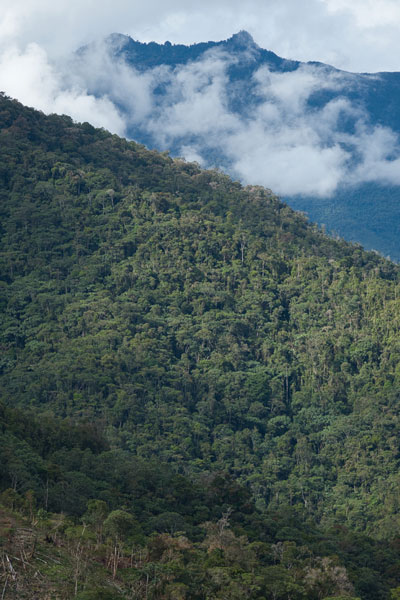
### Peru
Indigenous reserves, Amazon lowlands, and Andean mountains and watersheds.
Explore Peru
](https://www.natureandculture.org/peru/)
[ 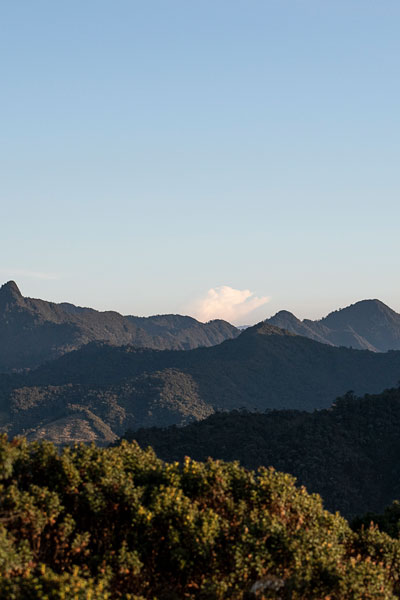
### Colombia
High-biodiversity forests and Amazonian connectivity.
Explore Colombia
](https://www.natureandculture.org/colombia/)
[ 
### Mexico
Tropical forests and community-led conservation.
Explore Mexico
](https://www.natureandculture.org/mexico/)
[ 
### Bolivia
Chaco ecosystems and community-led conservation.
Explore Bolivia
](https://www.natureandculture.org/bolivia/)

## Help Us Protect What Matters Most
Every acre protected is a future secured for wildlife, for forests, and for the communities who call these landscapes home.
[Donate Now](https://give.natureandculture.org/campaign/773718/donate)[EXPLORE ALL PROJECTS](https://www.natureandculture.org/conservation-projects/)
---
### [In The Media](https://www.natureandculture.org/in-the-media/)
**Published:** November 16, 2022
**Author:** Heather Thomas
**Content:**
For media inquiries and more information, please reach out to <hello@natureandculture.org>

## [Podocarpus-Yacuri: Inside Ecuador’s largest ecological corridor](https://es.mongabay.com/2025/12/podocarpus-yacuri-asi-es-el-corredor-ecologico-mas-grande-de-ecuador/)
The Podocarpus-Yacuri corridor, officially declared Ecuador’s largest ecological connectivity corridor in August 2025, covers more than 1.8 million acres across the provinces of Zamora Chinchipe and Loja. It connects 28 diverse ecosystems—from dry forests to high Andean páramos—harboring extraordinary biodiversity, including many endemic species still being discovered. Beyond protecting critical habitats and water sources, the corridor is a cornerstone of a broader transboundary conservation effort between Ecuador and Peru, strengthening ecological connectivity across more than two million hectares.

## [The NGO that was born in Loja and expanded throughout the Americas](https://www.forbes.com.ec/liderazgo/la-ong-nacio-loja-expandio-america-n61230)
Renzo Agustín Paladines Puertas, founder and Director of Conservation at the U.S.-based NGO ‘Nature and Culture International’ (NCI), grew up surrounded by the landscapes of Loja. His life is a story of intimate connection with nature, a vocation forged in the fields of Vilcabamba, which over time would lead him to become a regional leader in environmental conservation. NCI had revenues of US$7.7 million in 2023, and this year its budget rose to US$8.8 million.

## [Mexico: the construction of a reserve to conserve the largest remnant of pitaya in the world](https://es.mongabay.com/2023/11/la-construccion-de-una-reserva-para-conservar-el-mayor-remanente-de-pitayas-en-el-mundo-mexico/)
Nature and Culture, in collaboration with Indigenous and local communities, are working on creating the El Pitayal State Reserve, in southern Sonora, northwest of Mexico. With this they seek to protect the highest density of the pitaya cactus in the world. The pitaya cactus *(Stenocereus thurberi)* endemic to North America is threatened by extensive agricultural clearings, which has put it at risk of disappearing.

## [Bolivia: A New Nature Reserve Protects Andean Condors](https://es.mongabay.com/2023/10/bolivia-nace-area-protegida-conservacion-condores-andinos/)
A new protected area secured in Bolivia

## [Protecting the largest pitayal forest on the planet located in Southern Sonora.](https://diariodelyaqui.mx/sonora/buscan-proteger-al-bosque-pitahayal-mas-grande-del-planeta-ubicado-en-el-sur-de-sonora/72308)
Miguel Ayala Mata, Mexico Director of Nature and Culture International speaks on this unique ecosystem, of approximately 50 thousand hectares located in the municipalities of Huatabampo, Navojoa, and Álamos, a source of life for local communities and an important and attractive tourist destination.

## [Newly described DiCaprio’s snake and others threatened by mining in Ecuador and Panama](https://news.mongabay.com/2023/02/newly-described-dicaprios-snake-and-others-threatened-by-mining-in-ecuador-and-panama/)
Researchers have described five new species of snail-eating snakes

## [Leonardo DiCaprio names newly-discovered snake species after his favourite woman](https://www.independent.co.uk/climate-change/news/leonardo-dicaprio-snake-discovery-ecuador-b2270828.html)
Leonardo DiCaprio has named a newly-discovered species of snake after his favorite woman.

## [Leonardo DiCaprio names new snake species after his mother](https://abc7.com/leonardo-dicaprio-new-snake-species-irmelin-indenbirken-sibon-irmelindicaprioae/12789555/)
A new snake species found in the jungles of Central and South America has a special connection to a Hollywood star.

## [New reserve in Ecuador secures over 3 million acres of forest](https://news.mongabay.com/2023/02/new-reserve-in-ecuador-secures-over-3-million-acres-of-forest/)
The Tarímiat Pujutaí Nuṉka Reserve covers 3,057,671 acres of Andean and Amazonian forests in the Morona Santiago province

## [You walk into a dimly lit bar. There’s a lion at one end and a jaguar at the other. Who do you buy a drink for?](https://hotglobe.substack.com/p/you-walk-into-a-dimly-lit-bar-theres)
Hope for the Amazon: Part 2, The Science Business Model of Nature and Culture International

## [Indigenous peoples in Ecuador are winning a decades-long battle to protect rainforest](https://verdensbedstenyheder.dk/nyheder/indfoedte-folk-i-ecuador-vinder-aartier-lang-kamp-om-beskyttelse-af-regnskov/)
Trotsky Riera, Project Coordinator for Ecuador at Nature and Culture International speaks on the Indigenous Peoples of Tiwi Nunka.

## [Podcast: How the Indigenous Shuar regained their ancestral forest](https://news.mongabay.com/2022/11/podcast-forest-conservation-for-climate-defense-cultural-preservation/)
A conversation with Felipe Serrano, Nature and Culture’s Ecuador Country Director

## [How to protect tropical forests? Let Indigenous people lead](https://www.eco-business.com/opinion/how-to-protect-tropical-forests-let-indigenous-people-lead/)
Opinion piece from Matthew Clark, president and CEO of Nature and Culture International

## [How to protect tropical forests? Let Indigenous people lead](https://news.trust.org/item/20220923081124-67enw)
Opinion piece from Matthew Clark, President, and CEO of Nature and Culture International

## [Community-Led Conservation Creates Sustainable Super Fruit Market in the Amazon](https://www.esri.com/about/newsroom/blog/mapping-amazon-superfruit-market/?adusf=twitter&aduc=esriblog&adut=678ec08a-db97-4f67-aed8-a33e88bf4233)
A conservation group helped bring an Amazonian super fruit to market with sustainable practices—and it started with a map.

## [Ecuador leading the way in working alongside Indigenous groups to protect sacred rainforest](https://www.euronews.com/green/2022/08/09/ecuador-leading-the-way-in-working-alongside-indigenous-groups-to-protect-sacred-rainfores)
In an unprecedented show of solidarity, communities in the Amazon, NGOs and local governments are teaming up to protect Ecuador’s rainforest.

## [Indigenous Shuar community in Ecuador wins decades-long battle to protect land](https://news.mongabay.com/2022/07/indigenous-shuar-community-in-ecuador-wins-decades-long-battle-to-protect-land/)
Ecuador’s National System of Protected Areas now includes the 5,497-hectare (13,583-acre) ancestral Tiwi Nunka Forest, which the Shuar Indigenous community of El Kiim lives in and relies on for sustenance and many cultural practices.

## [Ecuador’s Pastaza province, Indigenous groups collaborate on forest conservation](https://news.mongabay.com/2022/04/ecuadors-pastaza-province-indigenous-groups-collaborate-on-forest-conservation/)
For the first time in Ecuador, Pastaza’s provincial government is working with Indigenous communities to create the province’s development and territorial management plan together with Nature and Culture International.
Jaime Toro Guajala, Nature & Culture Coordinator for Pastaza Province and Felipe Serrano, Country Director of Ecuador were interviewed for this article.

## [Ecuadoran water fund transforms consumers into conservationists](https://news.mongabay.com/2021/05/ecuadoran-water-fund-transforms-consumers-into-conservationists/)
Supported by Nature and Culture, the Regional Water Fund of Southern Ecuador (FORAGUA) operates in 14 municipalities, serving 500,000 residents, and has restored 3,700 acres of land and put an additional 833,000 acres under conservation.

## [Solana Beach Eco Rotary Club holding virtual meetings](https://www.delmartimes.net/lifestyle/story/2020-05-27/solana-beach-eco-rotary-club-holding)
Matt Clark, president and CEO of nonprofit Nature and Culture International, discussed the conservation work his group does in Latin America.

## [Local nonprofit helps to save ecosystems in Bolivia](https://www.delmartimes.net/lifestyle/story/2019-06-25/local-nonprofit-helps-to-save-ecosystem-in-bolivia)
“With the addition of Ñembi Guasu, 15 million acres of the Gran Chaco’s most cultural and biologically diverse forests are now protected.”
Renzo Paladines, Nature & Culture Executive Director of Latin America

## [Corridor for cats: Conservationists work to keep jaguar populations genetically viable](https://cronkitenews.azpbs.org/2019/06/21/jaguar-conservation-sonora-sinaloa/)
“If you want to protect your jaguar population in Arizona, whether it’s one, two or three jaguars, you have to work with Mexico. And that’s reality.”
Lydia Lozano, Nature & Culture Mexico Country Director

## [Ñembi Guasu: Huge new conservation area in Bolivia’s Gran Chaco](https://news.mongabay.com/2019/05/nembi-guasu-huge-new-conservation-area-in-bolivias-gran-chaco/?fbclid=IwAR0kkBj522t1tkylZ2PP5uHmPkYt3aufvrhrXI5mfbeae4A60FSC-2oceqw)
“We have always been conservationists of natural resources and we want to maintain the territory for future generations. We see that, little by little, people come to work on these lands, so we need to conserve these reserves.”
Rubén Ortiz, Representative of the Ñembi Guasu Conservation Area

## [Local environmental nonprofit featured in documentary series](http://sdnews.com/view/full_story/27639377/article-Local-environmental-nonprofit-featured-in-documentary-series?instance=sdnews&fbclid=IwAR2Vu_brQgCa14XouwDBnyeVJbwYrK63kvtI2huxEMS8BibyeYzJM0L3two)
“We all depend on nature for things we need – clean water, clean air. I could generate a list of 50 things. The thing I find very salient for a San Diego audience who might think Latin America is a long ways away is that the Amazon forest is big enough that it actually impacts our weather in the United States; it impacts our climate.”
Matt Clark, Nature & Culture President and CEO

## [Del Mar nonprofit appears in award-winning PBS series](https://www.delmartimes.net/sd-cm-nc-nature-international-20190416-htmlstory.html?fbclid=IwAR1vfLsUEE19R1UXnB7qgbL8Qlt6blBp28PgxrDJe_98OvEcKD8N0Pu_Ftc)
“After watching the show, I hope people visit our website to learn more about what we are doing and how they can help. And if they aren’t already, I hope they get involved in conservation and climate change mitigation in their own backyards as well.”
Matt Clark, Nature & Culture President and CEO

## [Peru: Marañon dry forests protected as a regional conservation area](https://news.mongabay.com/2018/07/peru-maranon-dry-forests-protected-as-a-regional-conservation-area/)
“It is a small area, but one of the richest of the world.”
Iván Mejía, Nature & Culture’s Coordinator for the Amazonas and Cajamarca areas

## [Ecuador announces a new national park in the Andes](https://news.mongabay.com/2018/02/ecuador-announces-a-new-national-park-in-the-andes/)
“Due to efforts by local communities, researchers, Nature and Culture, the Andes Amazon Fund, and the Ecuadorian government – particularly the Ministry of the Environment – Río Negro-Sopladora National Park has received the highest conservation category status in the country.”
Valeria Sorgato, Reporter

## [New Parks: Peru, Ecuador Safeguard Pristine Rainforest](http://ens-newswire.com/2018/02/22/new-parks-peru-ecuador-safeguard-pristine-rainforest/)
“As Amazonians we are pleased to lead these important and necessary conservation processes.”
Franklin Puente, Governor of the province of Morona Santiago

## [Nature and Culture Helps Ecuador Establish a 6.3-million-acre Conservation Corridor in Amazon Rainforest](https://www.businesswire.com/news/home/20170313005226/en/Nature-Culture-International-Helps-Ecuador-Establish-6.3-million-acre)
“The creation of the Pastaza reserve is a global example of what local and provincial governments working together with indigenous communities can do to protect vital natural resources while ensuring their own long-terms sustainable development and livelihoods.”
Renzo Paladines, Nature & Culture’s Executive Director of Latin America

## [New Indigenous Reserve Aims To Save A Fading Culture](https://www.huffpost.com/entry/new-indigenous-reserve-aims-at-saving-fading-culture_b_1294907)
“The result—an astounding new protected area that is 22% bigger than Yosemite National Park—is one of a growing catalog of South American indigenous reserves that aim to conserve the environment, as well as cultural identity.”
Silvia Usuriaga, Nature & Culture’s Senior Program Manager

## [For Peruvians, Baskets for the U.S. Market Bring a New Way of Life](http://www.nytimes.com/2009/01/20/business/worldbusiness/20peru.html?scp=4&sq=deforestation&st=cse&_r=0)
“We are part of nature. When we destroy nature, we destroy ourselves.”
Ivan Vásquez, President of Loreto Region

## [Del Mar Organization is Creating Big Change for World’s Ecosystems](http://www.delmartimes.net/news/2015/feb/25/del-mar-nature-and-culture-international/)
“To actually go in the field and see the environmental battlefront…and see Nature & Culture working right there, trying to turn the tide and preserve it, is incredible.”
Dwight Worden, Del Mar City Councilman

## [Despair Fuels Developer’s Conservation Dream](https://www.natureandculture.org/wp-content/uploads/2014/02/UT-Ivan-2012.pdf)
“I just respect so deeply someone who says ‘I am going to make this happen.’ And then has the passion and perseverance to make it happen.”
Allison Alberts, Ph.D., San Diego Zoo Global Chief Conservation and Research Officer
---
### [Clima](https://www.natureandculture.org/es/clima/)
**Published:** March 11, 2026
**Author:** Heather Thomas
**Content:**
### NUESTRO TRABAJO
## La conservación de los bosques como solución climática
Naturaleza y Cultura ayuda a enfrentar el cambio climático protegiendo grandes extensiones de bosque. Al trabajar junto a comunidades indígenas y locales, establecemos y fortalecemos áreas protegidas que mantienen el carbono almacenado, salvaguardan la biodiversidad y apoyan a la resilencia de los ecosistemas.
### Nuestras áreas protegidas ayudan a evitar un estimado de **3,9 mil millones de toneladas de emisiones de CO₂** al mantener bosques en pie.
## Programas Destacados
[Explora todos los programas](https://www.natureandculture.org/es/iniciativas-de-conservacion/)
urgent 
Ecuador
Climate
Forests
Local Communities
[The Amazonian Platform: A Bold Vision to Protect 14 Million Acres](https://www.natureandculture.org/conservation_initiatives/the-amazonian-platform-a-bold-vision-to-protect-14-million-acres/)
[Read More](https://www.natureandculture.org/conservation_initiatives/the-amazonian-platform-a-bold-vision-to-protect-14-million-acres/)

Peru
Climate
Forests
Local Communities
[Designing a finance mechanism to support big landscapes – loreto](https://www.natureandculture.org/?post_type=all_projects&p=36191)
[Read More](https://www.natureandculture.org/?post_type=all_projects&p=36191)
### SOLUCIONES CLIMÁTICAS BASADAS EN LA NATURALEZA
## Los bosques tropicales se encuentran entre las soluciones climáticas más poderosas del planeta
Almacenan cantidades masivas de carbono en los árboles y el suelo, ayudando a mantener los gases de efecto invernadero fuera de la atmósfera. Cuando los bosques son talados o degradados, el carbono se libera a la atmósfera, acelerando el cambio climático.
[Conoce nuestro trabajo](https://www.natureandculture.org/es/nuestro-enfoque-y-vision/)

## Alianzas con comunidades indígenas y locales para la acción climática
Las comunidades indígenas y locales han salvaguardado los bosques durante mucho tiempo a través de sus conocimientos, gobernanza y gestión sostenible del territorio. Apoyar el liderazgo comunitario fortalece la protección a largo plazo y garantiza que los beneficios de la conservación perduren.
El cambio en los patrones de lluvia, el aumento de las temperaturas, el riesgo de incendios forestales, las inundaciones y las sequías ya están afectando a muchas comunidades. La conservación debe apoyar tanto a los ecosistemas como a las personas que dependen de ellos.
### PROTECCIÓN DE LOS BOSQUES
## Paisajes conectados: Mayor resiliencia frente al cambio climático
Los paisajes extensos y conectados son más resilientes ante el estrés y las perturbaciones climáticas. Los bosques intactos almacenan significativamente más carbono que los bosques fragmentados y tienen una mayor capacidad para regular las lluvias y los patrones climáticos locales a lo largo del tiempo.


## La Deforestación Acelera el Cambio Climático
## Los bosques tropicales se encuentran entre las soluciones climáticas naturales más poderosas del planeta.
Almacenan cantidades masivas de carbono en los árboles y el suelo, ayudando a mantener los gases de efecto invernadero fuera de la atmósfera. Cuando los bosques son talados o degradados, ese carbono almacenado se libera a la atmósfera. Al mismo tiempo, se pierde la capacidad del bosque para absorber carbono en el futuro.
### Los bosques tropicales están siendo deforestados más rápido que cualquier otro ecosistema, y desempeñan un papel crucial en la regulación y estabilización de los patrones climáticos globales.

## Cómo puedes ayudar a proteger los bosques y el clima
Proteger los bosques tropicales es una de las soluciones climáticas más inmediatas y efectivas. En Naturaleza y Cultura Internacional trabajamos junto a pueblos indígenas, comunidades locales, gobiernos y aliados para expandir las áreas de conservación, fortalecer la gestión territorial y asegurar la protección a largo plazo de bosques que almacenan carbono y sostienen la vida.
Comprender la importancia de estos ecosistemas y visibilizar su valor es clave para impulsar acciones que contribuyan a enfrentar la crisis climática y proteger la biodiversidad del planeta.
[Conoce más sobre nuestro trabajo](https://www.natureandculture.org/es/blog-and-news/)
---
### [Iniciativas de Conservación](https://www.natureandculture.org/es/iniciativas-de-conservacion/)
**Published:** March 10, 2026
**Author:** Heather Thomas
**Content:**
Explora las iniciativas de conservación de Naturaleza y Cultura Internacional. ¡Mantente al día con Naturaleza y Cultura! Protege ecosistemas y comunidades.
---
### [Fuentes de agua y seguridad hídrica ](https://www.natureandculture.org/es/fuentes-de-agua-y-seguridad-hidrica/)
**Published:** March 11, 2026
**Author:** Heather Thomas
**Content:**
### NUESTRO TRABAJO
## Proteger el agua para proteger la vida
Naturaleza y Cultura Internacional ayuda a garantizar agua limpia y segura mediante la protección estratégica, a gran escala, de bosques, humedales y ecosistemas de alta montaña. Al conservar cuencas hidrográficas y establecer áreas de conservación en cabeceras clave, contribuimos a salvaguardar tanto a las personas como a la biodiversidad.
El agua conecta los ecosistemas. Sustenta bosques, humedales, ríos y planicies de inundación que brindan hábitat a miles de especies. **Cuando protegemos el agua desde su origen, protegemos redes ecológicas completas.**
Nuestras áreas de conservación protegen cabeceras vitales que albergan importantes focos de biodiversidad y benefician a las comunidades aledañas.
### CLAVE PARA LA BIODIVERSIDAD
## El agua impulsa la conservación
Los ecosistemas de agua dulce cubren menos del 1 % de la superficie de la Tierra, pero albergan una proporción extraordinaria de la biodiversidad global. Ríos, humedales y bosques nublados ofrecen zonas de reproducción, rutas migratorias y refugio para innumerables especies.
Los bosques saludables ayudan a regular los ciclos del agua que sostienen a la biodiversidad. Cuando los bosques se degradan, los arroyos se secan, la temperatura del agua aumenta y las poblaciones de las especies se ven afectadas.
Proteger las fuentes de agua contribuye a mantener los hábitats naturales de las especies, los flujos estacionales y los procesos ecológicos de los que dependen.

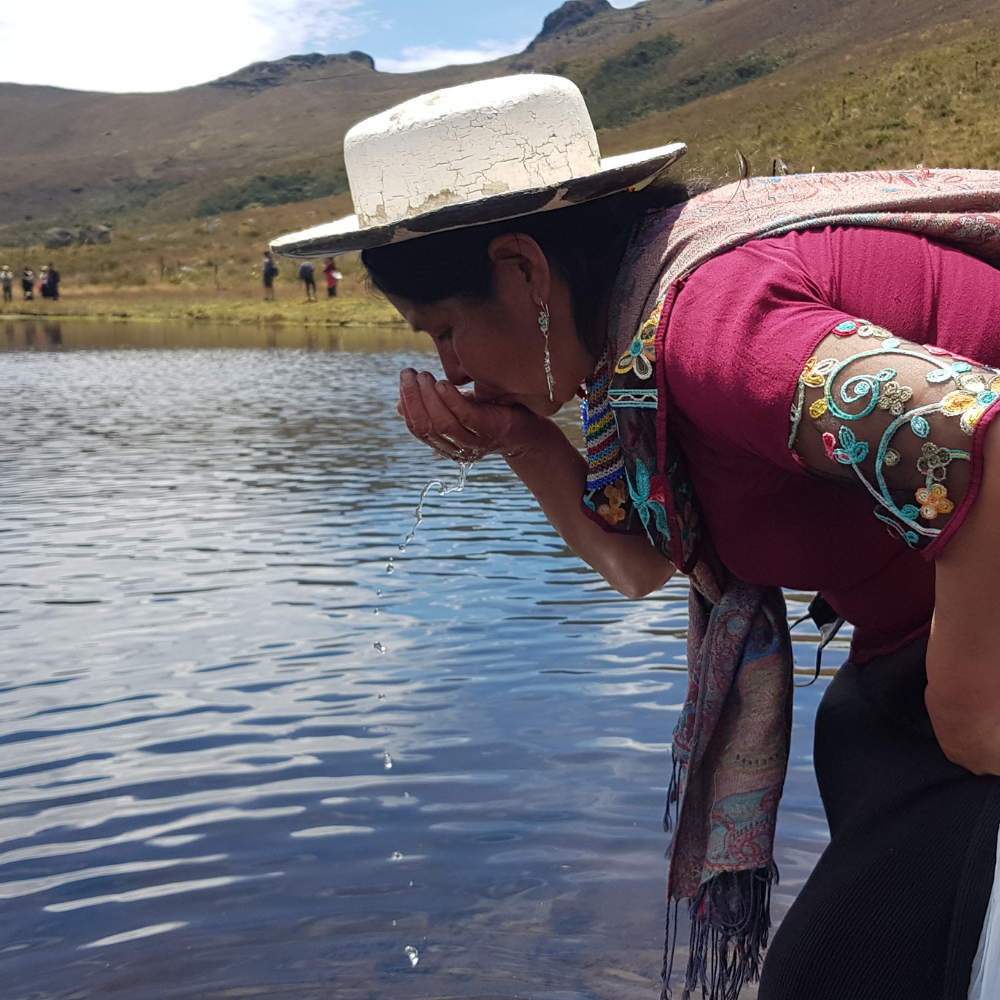
## Países ricos en agua, conservación estratégica
**Los países donde trabajamos albergan algunas de las reservas de agua dulce más importantes de las Américas.**
Naturaleza y Cultura Internacional trabaja en algunos de los paisajes más ricos en agua y ecológicamente significativos de América Latina. Desde páramos y bosques nublados de gran altitud hasta extensas cabeceras amazónicas, estos ecosistemas funcionan como verdaderas reservas de agua para el continente.
Estos paisajes capturan la lluvia, regulan el caudal de los ríos, recargan acuíferos y sostienen algunos de los sistemas de agua dulce más biodiversos del planeta.
Al proteger los ecosistemas donde nace el agua, ampliamos el impacto de la conservación, fortaleciendo los bosques y beneficiando a las comunidades que dependen de ellos.
## Programas Destacados
[Explora todos los programas](https://www.natureandculture.org/es/iniciativas-de-conservacion/)
urgent 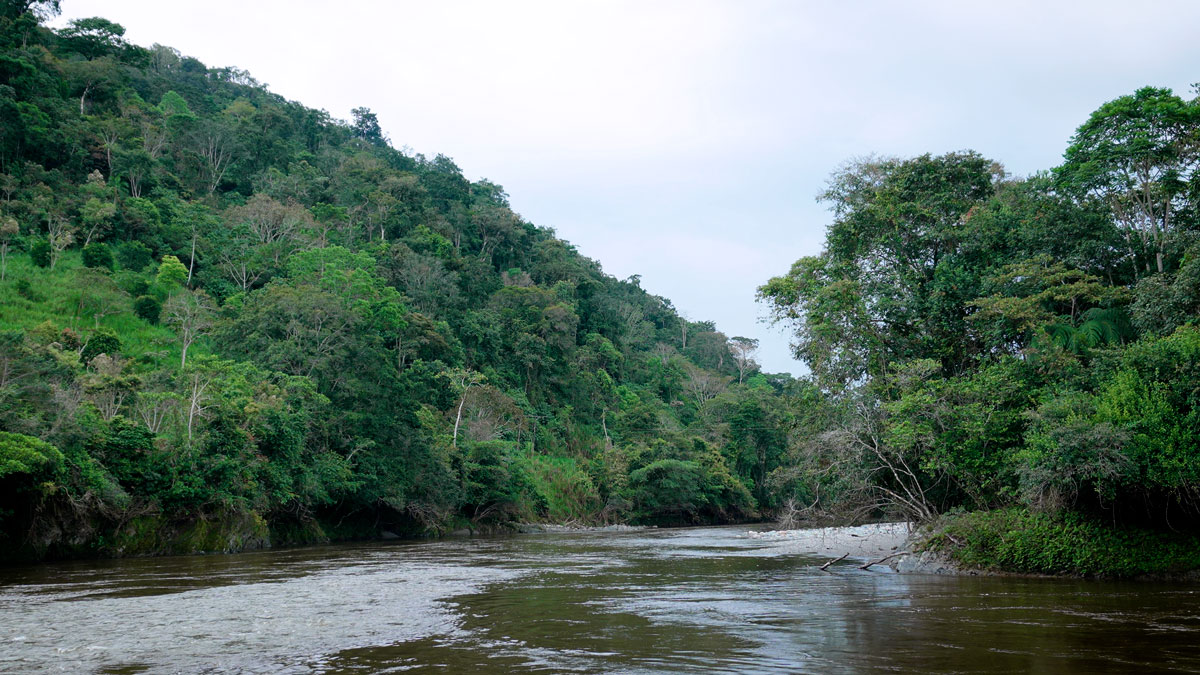
Ecuador
Water
[Water Source Conservation](https://www.natureandculture.org/conservation_initiatives/water-source-conservation/)
[Read More](https://www.natureandculture.org/conservation_initiatives/water-source-conservation/)
### PROTEGER CUENCAS A GRAN ESCALA
## Paisajes conectados que sostienen la vida
El agua fluye a través de los paisajes, conectando bosques de alta montaña con ríos y humedales.
Proteger territorios amplios y conectados garantiza que las especies puedan migrar, reproducirse y adaptarse a condiciones cambiantes. Estos paisajes proporcionan alimento, refugio y rutas seguras para mamíferos, aves, anfibios, peces e insectos.


## Aliándonos con comunidades locales para proteger la vida
Con frecuencia, **el agua es lo primero que convoca a las comunidades a la conservación.**
Cuando los manantiales comienzan a secarse, los ríos se contaminan o los flujos estacionales se vuelven impredecibles, los impactos son inmediatos. La seguridad hídrica afecta el acceso al agua potable, la agricultura, los medios de vida y la identidad cultural.
**Proteger las fuentes de agua crea un incentivo compartido para la conservación.** Cuando las comunidades protegen las cabeceras y los bosques circundantes, no solo aseguran agua para hoy: también protegen el mañana.
En los paisajes donde trabajamos, el liderazgo local es esencial para la protección a largo plazo de las cuencas. La conservación impulsada por las comunidades ayuda a garantizar que los bosques permanezcan intactos, que los ríos sigan fluyendo y que la biodiversidad prospere junto con el bienestar humano.

## La escasez de agua amenaza la biodiversidad
Cuando las cuencas hidrográficas se degradan, los impactos se expanden hacia todo el paisaje.
La reducción del caudal afecta el equilibrio de los ecosistemas. Los humedales se reducen, disminuyendo las áreas de reproducción para las especies.
La deforestación y el cambio de uso del suelo alteran los ciclos hidrológicos naturales, debilitando tanto la biodiversidad de agua dulce como la terrestre.
Por ello, proteger el agua es una inversión directa en la supervivencia de las especies y en la integridad de los ecosistemas.
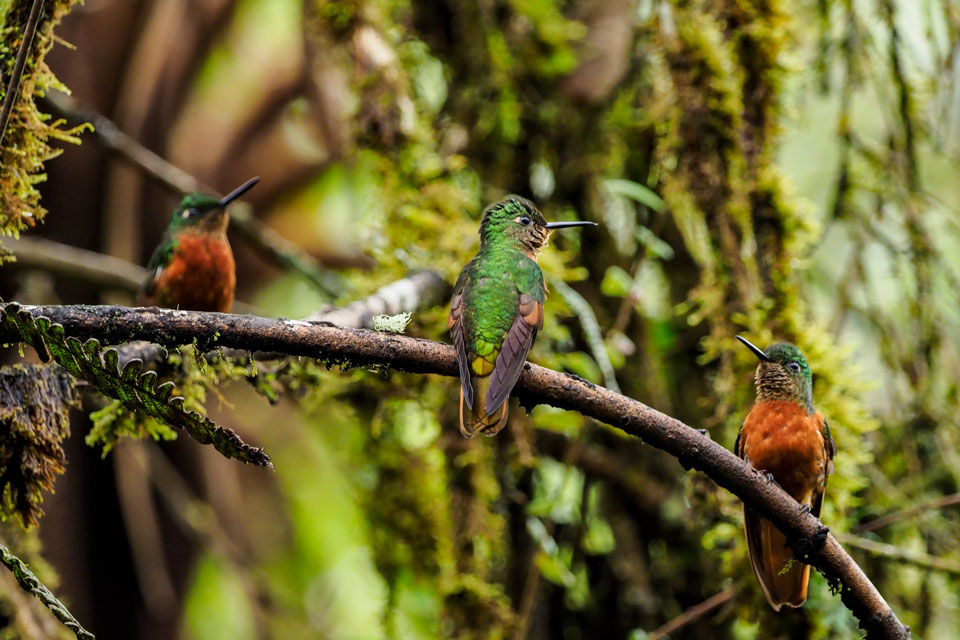
## Cómo puedes ayudar a proteger el agua y la vida
Proteger el agua desde su origen fortalece los bosques, sostiene a las comunidades y protege la biodiversidad.
En Naturaleza y Cultura Internacional trabajamos junto a comunidades, gobiernos locales y aliados estratégicos para conservar fuentes de agua, restaurar cuencas degradadas y asegurar la gestión a largo plazo de ecosistemas que sostienen la vida.
[Conoce más sobre nuestro trabajo](https://www.natureandculture.org/es/blog-and-news/)
---
### [Watersheds & Water Security](https://www.natureandculture.org/watersheds-water-security/)
**Published:** March 11, 2026
**Author:** Heather Thomas
**Content:**
### OUR WORK
## Protecting forests, wetlands, and headwaters to secure water for people and biodiversity
Nature and Culture helps secure clean, reliable water by protecting forests, wetlands, and highland ecosystems strategically and at scale. The countries where we work are among the most important freshwater reserves in the Americas. By conserving watersheds and establishing protected areas in critical headwaters, we sustain biodiversity hotspots and support communities downstream.
Water connects ecosystems. It sustains forests, wetlands, rivers, and floodplains that provide habitat for thousands of species. When we protect water at its source, we protect entire ecological networks.
## Featured Programs
[Explore All Programs](https://www.natureandculture.org/conservation-initiatives/)
urgent 
Ecuador
Water
[Water Source Conservation](https://www.natureandculture.org/conservation_initiatives/water-source-conservation/)
[Read More](https://www.natureandculture.org/conservation_initiatives/water-source-conservation/)
### STRATEGIC CONSERVATION
## Water-rich ecosystems are conservation priorities
Nature and Culture works in some of Latin America’s most water-rich and ecologically significant landscapes. From high-altitude grasslands and cloud forests to vast Amazonian headwaters, these ecosystems function as natural water towers for the continent.
These landscapes capture rainfall, regulate streamflow, recharge aquifers, and sustain some of the most biodiverse freshwater systems on Earth.
By choosing to protect ecosystems at the headwaters where water is born, we multiply impact, strengthening both upstream ecosystems and downstream communities.


## Water as a Catalyst for Community Conservation
Protecting water sources creates a powerful incentive for conservation. Clean, reliable water sustains drinking supplies, agriculture, livelihoods, and cultural identity, making protection a shared priority.
Safeguarding headwaters and surrounding forests not only secures water for people but also protects wildlife habitat, stabilizes soils, and strengthens ecosystem resilience. This connection between water and well-being helps cultivate long-term local stewardship. When communities invest in protecting the natural resources they depend on, conservation becomes locally owned and durable.
### CONNECTED LANDSCAPES SUSTAIN SPECIES
## Protecting watersheds at scale
Water moves across entire landscapes, linking high-altitude forests to lowland rivers and wetlands. Protecting large, connected territories ensures that species can migrate, reproduce, and adapt to changing conditions. These landscapes provide food, shelter, and safe passage for mammals, birds, amphibians, fish, and insects.
### By conserving watersheds at scale, we protect both water security and **the habitats that make biodiversity possible.**


### Latin America holds **more than 30% of the world’s freshwater** resources in rivers, lakes, wetlands, and aquifers.
## Andean headwaters and Amazonian basins are crucial for water security
Freshwater ecosystems cover less than one percent of the Earth’s surface, yet they support around 10 percent of the Earth’s species. Rivers, wetlands, cloud forests, and headwaters create habitat, migration corridors, and ecological processes that support species across entire landscapes.
Deforestation, agriculture, mining, and infrastructure development are placing increasing pressure on watersheds. As forests are degraded and watersheds become fragmented, streamflow declines, water temperatures rise, and hydrological cycles that regulate regional climate and rainfall patterns begin to destabilize.

## How You Can Help Protect Water and Life
Securing water at its source strengthens forests, sustains communities, and protects biodiversity.
Your support helps expand protected areas in critical headwaters, restore degraded watersheds, and ensure long-term stewardship for ecosystems that sustain life.
[Donate now ](https://www.natureandculture.org/donate/)[Give monthly to protect watersheds](https://www.natureandculture.org/donate/?campaign=662216)
---
### [Biodiversidad](https://www.natureandculture.org/es/biodiversidad/)
**Published:** February 20, 2026
**Author:** Heather Thomas
**Content:**
### NUESTRO TRABAJO
## Protegemos la Biodiversidad conectando Paisajes Naturales
Las especies dependen de su hábitat. Cuando los bosques están sanos y conectados, los animales pueden desplazarse, encontrar alimento y reproducirse. Cuando el hábitat se fragmenta o se pierde, las poblaciones de las especies están en riesgo y el equilibrio del ecosistema comienza a quebrarse.
Naturaleza y Cultura Internacional ayuda a proteger la biodiversidad conservando grandes paisajes en toda América Latina. Nuestro trabajo sostiene el hábitat de **222 especies amenazadas**, incluyendo especies emblemáticas como el **Jaguar *(Panthera Onca)***, **el Oso de Anteojos *(Tremarctos ornatus)***, y **el Cóndor Andino *(Vultur gryphus)***, junto con otras especies que son igualmente esenciales para la salud del ecosistema.
### La protección de la biodiversidad comienza con la conservación de los bosques conectados que las especies necesitan para prosperar.
## Programas Destacados
[Explora Todos Nuestros Programas](https://www.natureandculture.org/es/iniciativas-de-conservacion/)
urgent 
Ecuador Peru
Biodiversity
Forests
[The Andes-Amazon Conservation Corridor](https://www.natureandculture.org/conservation_initiatives/the-andes-amazon-conservation-corridor/)
[Read More](https://www.natureandculture.org/conservation_initiatives/the-andes-amazon-conservation-corridor/)
urgent 
Ecuador Peru
Biodiversity
Forests
[The Amazon Future Fund](https://www.natureandculture.org/conservation_initiatives/the-amazon-future-fund/)
[Read More](https://www.natureandculture.org/conservation_initiatives/the-amazon-future-fund/)

Peru
Biodiversity
Forests
[The Ecuador and Peru Amazon Program](https://www.natureandculture.org/?post_type=all_projects&p=44663)
[Read More](https://www.natureandculture.org/?post_type=all_projects&p=44663)

Peru
Biodiversity
Forests
[Peruvian Central Andes ](https://www.natureandculture.org/?post_type=all_projects&p=44086)
[Read More](https://www.natureandculture.org/?post_type=all_projects&p=44086)

Ecuador
Biodiversity
Forests
[Nature and Culture Reserves in Ecuador](https://www.natureandculture.org/?post_type=all_projects&p=43381)
[Read More](https://www.natureandculture.org/?post_type=all_projects&p=43381)

Peru
Biodiversity
Forests
[Securing the Marañón Dry Forests’ Unique Diversity](https://www.natureandculture.org/conservation_initiatives/securing-the-maranon-dry-forests-unique-diversity/)
[Read More](https://www.natureandculture.org/conservation_initiatives/securing-the-maranon-dry-forests-unique-diversity/)

Ecuador
Biodiversity
Forests
[Protecting the dry forest of Ecuador](https://www.natureandculture.org/?post_type=all_projects&p=36184)
[Read More](https://www.natureandculture.org/?post_type=all_projects&p=36184)

Mexico
Biodiversity
[Monitoring the Jaguar in Mexico](https://www.natureandculture.org/?post_type=all_projects&p=36185)
[Read More](https://www.natureandculture.org/?post_type=all_projects&p=36185)
### CONECTIVIDAD
## Protegiendo y Conectando Hábitats Esenciales
En un mundo cada vez más fragmentado, muchas especies cuentan con menos espacio para migrar, dispersarse, alimentarse y prosperar. Por ello, **Naturaleza y Cultura Internacional** se enfoca en proteger los hábitats a la escala que la naturaleza requiere.
Ayudamos a conectar ecosistemas más allá de fronteras, para que los animales puedan desplazarse por **corredores de bosques saludables** en busca de alimento, agua, refugio y zonas de reproducción. Al vincular áreas protegidas nacionales, subnacionales y locales, ayudamos a crear corredores de hábitat vitales para especies amenazadas y de amplio rango de distribución.
Los paisajes conectados permiten que la fauna y flora se adapte a condiciones cambiantes, mantenga poblaciones saludables y reduzca los riesgos asociados con el aislamiento y la pérdida de hábitat. **Proteger “islas” de bosque no es suficiente.** La conservación es más efectiva cuando los paisajes permanecen sanos y conectados a lo largo del tiempo.


## Una Solución Duradera para la Biodiversidad
Proteger la biodiversidad requiere una gestión responsable a largo plazo. Naturaleza y Cultura Internacional trabaja para garantizar que la protección de las especies sea sostenible en el tiempo, combinando la conservación del hábitat con alianzas estratégicas, investigación y liderazgo local sostenido.
Estas alianzas respaldan una protección a largo plazo que beneficia tanto a las personas como a la naturaleza, ayudando a gestionar estos paisajes. Al integrar el conocimiento local y el liderazgo comunitario, la protección de las especies se vuelve más duradera y efectiva.
### TRANSFORMANDO LA INVESTIGACIÓN EN ACCIÓN
## Monitoreo de especies amenazadas
**Naturaleza y Cultura Internacional** brinda apoyo técnico y logístico a universidades locales e internacionales, instituciones de investigación y ONG para monitorear y estudiar especies clave y amenazadas. Esta investigación nos ayuda a comprender qué necesitan las especies para prosperar y fortalece las estrategias de conservación que protegen la biodiversidad a largo plazo.
El monitoreo y la investigación no son solo ejercicios académicos. Ayudan a orientar decisiones en el mundo real sobre dónde proteger, cómo fortalecer la **gestión responsable** y cómo reducir las amenazas a las especies antes de que sea irreversible.


## ## La Importancia de Proteger la Biodiversidad
### Las poblaciones de las especies han disminuido un 73% en los últimos 50 años
El monitoreo global muestra que las poblaciones de las especies han disminuido de manera marcada en las últimas décadas, debido principalmente a la pérdida de hábitat. América Latina, y particularmente la Amazonía, han experimentado algunos de los mayores impactos a medida que la deforestación y la fragmentación se aceleran.
### La protección y conectividad del hábitat de las especies en peligro es clave para revertir estas tendencias.

## Cómo contribuir a la protección de la biodiversidad
Proteger la biodiversidad requiere compromiso y soluciones pensadas para el largo plazo. En Naturaleza y Cultura Internacional trabajamos junto a aliados, gobiernos y comunidades locales para proteger bosques, conservar hábitats conectados y salvaguardar las especies que dependen de ellos.
A través de estas alianzas, impulsamos esfuerzos de conservación que trascienden los ciclos de proyecto y contribuyen a mantener ecosistemas saludables y resilientes en el tiempo.
[Conoce más sobre nuestro trabajo](https://www.natureandculture.org/es/blog-and-news/)[Conoce más sobre nuestro trabajo](https://www.natureandculture.org/es/blog-and-news/)
---
### [Local Communities](https://www.natureandculture.org/local-communities/)
**Published:** March 11, 2026
**Author:** Heather Thomas
**Content:**
## Conservation That Begins with Communities
### Nature and Culture was founded on the belief that protecting nature and supporting the cultures connected to these landscapes go hand in hand.
Across Latin America, Indigenous peoples and local communities have stewarded forests, rivers, and the landscapes they call home for generations. Their knowledge, cultural traditions, and deep connection to the land shape how ecosystems are cared for and sustained.
By working alongside communities and supporting the conservation priorities they identify for their territories, we help create solutions that are locally grounded and built to last. Our role is to provide tools, resources, and collaboration that help communities steward their homelands, preserve cultural traditions, and sustain the ecosystems they depend on.
## Local Leadership Strengthens Conservation
Nature and Culture collaborates with communities, local governments, and Indigenous organizations to identify conservation priorities and design solutions that reflect local realities. These partnerships are built on trust, respect, and a shared commitment to protecting the landscapes communities depend on.
By working together to establish protected areas, conserve watersheds, restore degraded forests, and safeguard biodiversity, we create solutions that are both locally supported and ecologically meaningful.
When communities are directly involved in protecting the landscapes they depend on, conservation becomes stronger, more resilient, and more enduring.
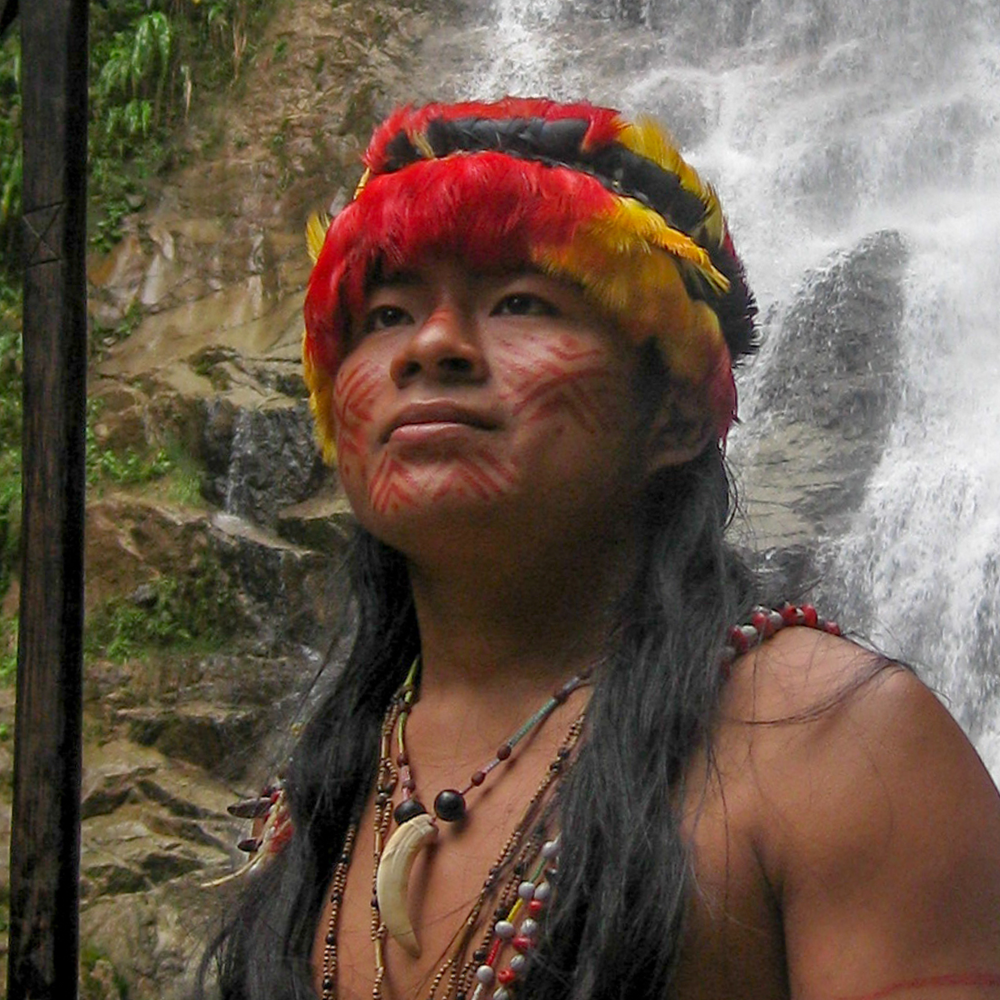

## Where Culture and Conservation Meet
Nature and Culture believes that protecting nature also means respecting the cultures and communities who have cared for these landscapes for generations. Maintaining cultural diversity also helps protect biological diversity.
Across the regions where we work, Indigenous peoples and local communities hold generations of knowledge about forests, rivers, wildlife, and seasonal cycles. This traditional ecological knowledge offers valuable insights into the management of forests, watersheds, wildlife, and soils.
Our partnerships follow the principles of Free, Prior, and Informed Consent (FPIC), an international human rights standard recognized by the United Nations. FPIC ensures that Indigenous peoples have the right to make informed decisions about activities that may affect their lands, territories, and resources.
## Building Local Skills and Conservation Leadership
Lasting conservation requires more than protected areas. It requires people with the skills, knowledge, and resources to steward their lands over time.
Nature and Culture works with communities to strengthen local capacity through training, technical support, and collaborative management of natural resources. These partnerships help communities monitor biodiversity, restore ecosystems, manage protected areas, and develop conservation initiatives that support both nature and local livelihoods.
By investing in local leadership and capacity, conservation becomes something communities lead rather than something imposed from outside.
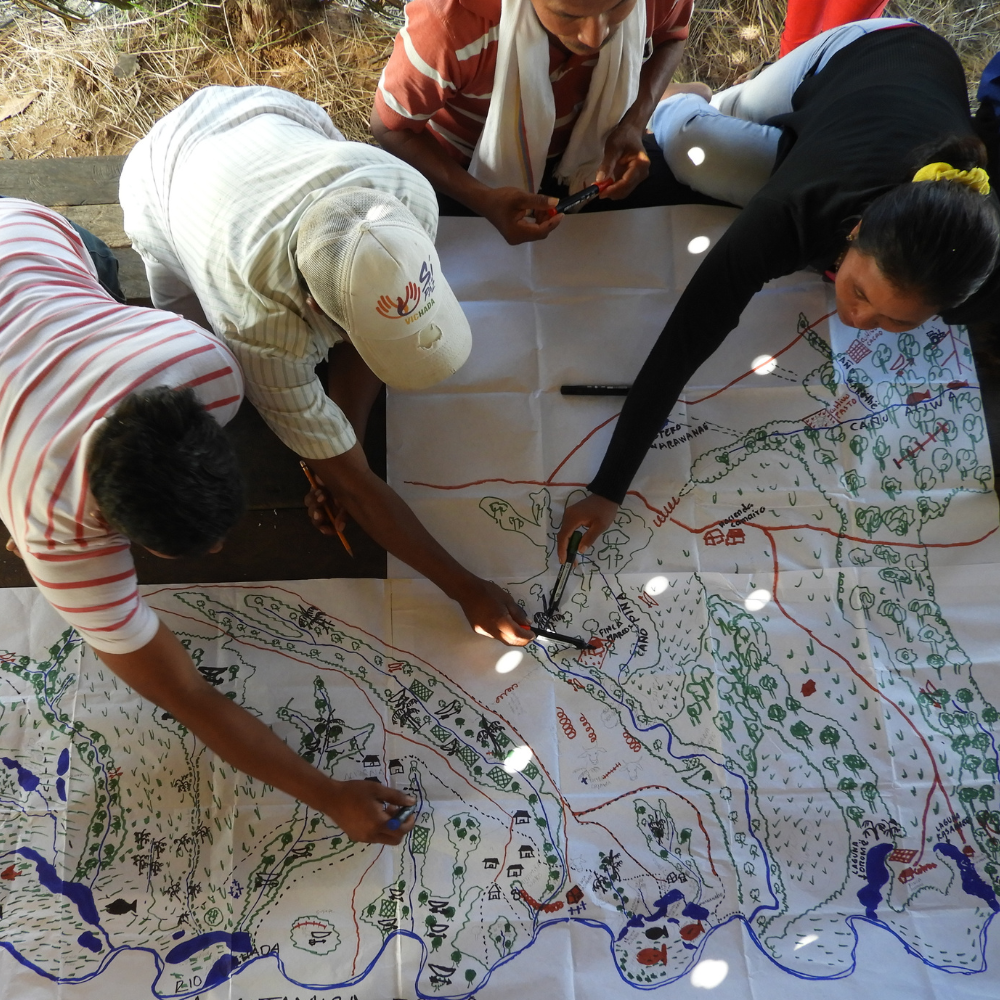
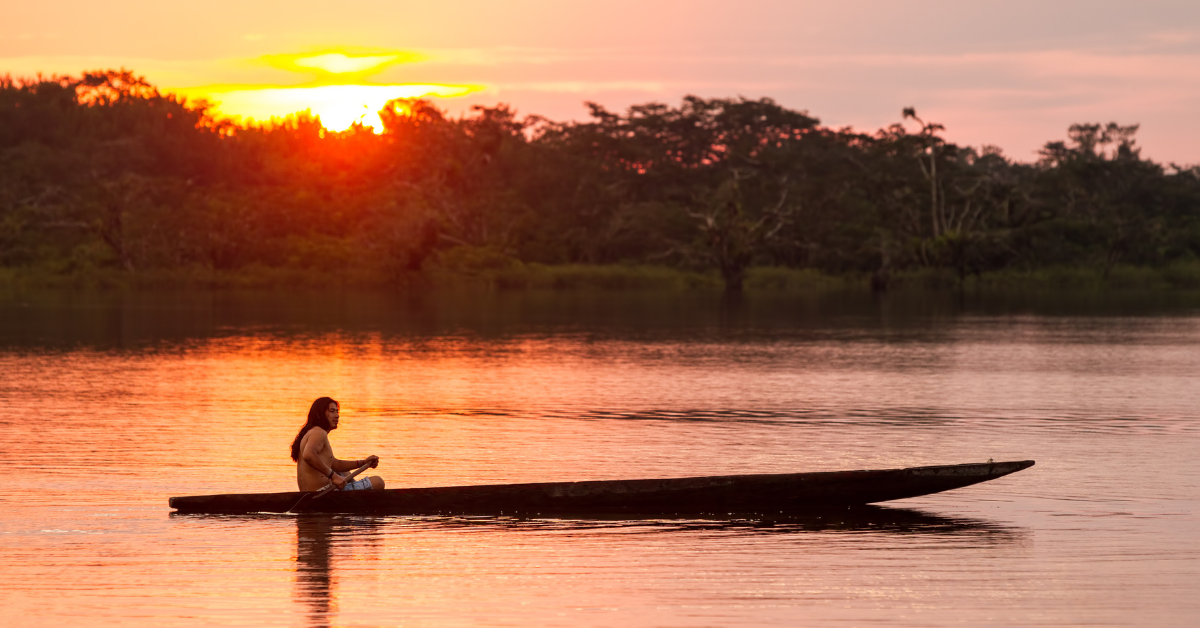
## Why Community-Led Conservation Works
### Conservation efforts are strongest when the people who live closest to the land help lead its protection.
Indigenous peoples and local communities manage or hold tenure rights to roughly **one quarter of the world’s land area**, and research shows these territories contain some of the planet’s most intact ecosystems. Studies also find that biodiversity levels in Indigenous-managed lands are often equal to or higher than those in many protected areas.
Nature and Culture’s approach builds on this evidence. By partnering with communities and strengthening local stewardship, conservation solutions become more practical, resilient, and durable.

### Conservation works best when communities lead the protection of the lands and waters they call home.
Supporting Nature and Culture helps strengthen partnerships with the communities who protect some of the most biodiverse landscapes on Earth.
[Donate now ](https://www.natureandculture.org/donate/)[Give monthly to protect biodiversity](https://www.natureandculture.org/donate/?campaign=662216)
---
### [Comunidades locales ](https://www.natureandculture.org/es/comunidades-locales/)
**Published:** March 11, 2026
**Author:** Heather Thomas
**Content:**
## La conservación que nace en el territorio
### Naturaleza y Cultura Internacional se fundó sobre una convicción fundamental: proteger la naturaleza y fortalecer las culturas vinculadas a estos territorios son esfuerzos inseparables.
En toda América Latina, los pueblos indígenas y las comunidades locales han cuidado durante generaciones los bosques, ríos y paisajes que consideran su hogar. Sus conocimientos, tradiciones culturales y profunda relación con el territorio orientan la forma en que los ecosistemas son protegidos y gestionados de manera sostenible.
Al trabajar junto a las comunidades y respaldar las prioridades de conservación que ellas mismas identifican para sus territorios, contribuimos a construir soluciones arraigadas en el contexto local y pensadas para perdurar.
Nuestro papel es acompañar estos procesos con herramientas, recursos y espacios de colaboración que fortalezcan la capacidad de las comunidades para cuidar sus territorios, preservar sus tradiciones culturales y mantener los ecosistemas de los que dependen.
## El liderazgo local fortalece la conservación
Naturaleza y Cultura Internacional colabora con comunidades, gobiernos locales y organizaciones indígenas para identificar prioridades de conservación y diseñar soluciones que respondan a las realidades de cada territorio. Estas alianzas se construyen sobre la base de la confianza, el respeto y un compromiso compartido con la protección de los paisajes de los que dependen las comunidades.
Al trabajar de manera conjunta para establecer áreas de conservación, proteger cuencas hidrográficas, restaurar bosques degradados y resguardar la biodiversidad, impulsamos soluciones que cuentan con respaldo local y generan beneficios reales para los ecosistemas.
Cuando las comunidades participan directamente en la protección de los territorios de los que dependen, la conservación se vuelve más sólida, resiliente y duradera.


## Donde se encuentran la cultura y la conservación
Naturaleza y Cultura Internacional reconoce que proteger la naturaleza también implica respetar a las culturas y comunidades que han cuidado estos territorios durante generaciones. La diversidad cultural, además, contribuye a la conservación de la diversidad biológica.
En las regiones donde trabajamos, los pueblos indígenas y las comunidades locales poseen un conocimiento acumulado durante generaciones sobre bosques, ríos, fauna y ciclos naturales. Este conocimiento ecológico ofrece valiosas orientaciones para la gestión sostenible de bosques, cuencas hidrográficas, fauna silvestre y suelos.
Nuestras alianzas se basan en los principios de **Consentimiento Libre, Previo e Informado (CLPI)**, un estándar internacional de derechos humanos reconocido por las Naciones Unidas. Este principio garantiza que los pueblos indígenas tengan el derecho de tomar decisiones informadas sobre las actividades que puedan afectar sus tierras, territorios y recursos.
## Fortalecer capacidades locales y liderazgo para la conservación
La conservación a largo plazo requiere más que áreas protegidas. También necesita personas con las capacidades, el conocimiento y los recursos necesarios para gestionar y cuidar sus territorios en el tiempo.
Naturaleza y Cultura trabaja junto a las comunidades para fortalecer sus capacidades locales mediante procesos de formación, acompañamiento técnico y gestión colaborativa de los recursos naturales. Estas alianzas permiten monitorear la biodiversidad, restaurar ecosistemas, gestionar áreas de conservación y desarrollar iniciativas que benefician tanto a la naturaleza como a los medios de vida locales.
Al invertir en liderazgo y capacidades locales, la conservación se convierte en un proceso impulsado por las propias comunidades, y no en una iniciativa impuesta desde fuera.


## Por qué funciona la conservación liderada desde lo local
### Los esfuerzos de conservación son más efectivos cuando quienes en el territorio participan activamente en su protección.
Los pueblos indígenas y las comunidades locales gestionan o tienen derechos de tenencia sobre aproximadamente una cuarta parte de la superficie terrestre del planeta. Diversos estudios muestran que muchos de estos territorios albergan algunos de los ecosistemas mejor conservados del mundo. También se ha encontrado que los niveles de biodiversidad en territorios gestionados por pueblos indígenas suelen ser iguales o incluso superiores a los registrados en muchas áreas protegidas.
El enfoque de Naturaleza y Cultura se basa en esta evidencia. Al trabajar en alianza con las comunidades y fortalecer su rol como guardianes de la naturaleza, las soluciones de conservación se vuelven más pertinentes, resilientes y sostenibles en el tiempo.

## Cómo fortalecer la conservación liderada desde lo local
La conservación es más efectiva cuando las comunidades lideran la protección de los territorios y las fuentes de vida que consideran su hogar.
En Naturaleza y Cultura Internacional trabajamos para visibilizar y fortalecer el papel de los pueblos indígenas y las comunidades locales en el cuidado de los ecosistemas. A través de alianzas de largo plazo, acompañamiento técnico y colaboración con actores locales, impulsamos procesos de conservación que nacen desde los territorios y se sostienen en el tiempo.
Al reconocer y apoyar el liderazgo comunitario, contribuimos a proteger algunos de los paisajes con mayor biodiversidad del planeta y a asegurar que la conservación beneficie tanto a la naturaleza como a las personas que dependen de ella.
[Conoce más sobre nuestro trabajo](https://www.natureandculture.org/es/blog-and-news/)
---
### [Conservation Initiatives](https://www.natureandculture.org/conservation-initiatives/)
**Published:** March 10, 2026
**Author:** Heather Thomas
**Content:**
Explore the impactful conservation initiatives of Nature and Culture International. Stay up-to-date with Nature and Culture! Protect ecosystems and communities.
---
### [Save Intact Forests, Protect Nature for Centuries to Come](https://www.natureandculture.org/donate/)
**Published:** January 18, 2023
**Author:** Heather Thomas
**Content:**
## Join the Movement to Protect Large, Intact Forests
We’re protecting extraordinarily biodiverse regions for future generations. Our inclusive community-based approach promotes solutions born in local communities, the most effective way to ensure long-term success.
In partnership with local and Indigenous communities, we have protected over **26 million acres, storing 3.9 billion tons of carbon.**
**Join us and leave a lasting legacy for nature.**

## Explore Other Ways to Support Nature and Culture
Send a donation and **[Eco-card](https://give.natureandculture.org/campaign/667914/donate)** to someone you love, start a **[fundraiser](https://give.natureandculture.org/campaign/fundraise-for-nature-and-culture/c393978),** or give through your retirement plan or charitable trust – there are so many ways to join us in saving wild places.
If you’ve already donated online and want to access your donor profile, click **[here](https://www.classy.org/profile)**.
If you’d like to learn more, contact Lauren Alvarez, Manager of Annual Giving and Donor Engagement, at **(858) 259-0374** or [**lalvarez@natureandculture.org**](mailto:lalvarez@natureandculture.org)!

## Monthly Giving
### A monthly gift is the best way to protect nature for the long term. Your monthly donation saves threatened ecosystems and the most precious resources they provide. [Make my recurring annual, or monthly gift!](https://give.natureandculture.org/campaign/668502/donate)!
---
### [Give Through Your Life Insurance ](https://www.natureandculture.org/ways-to-give/give-through-your-life-insurance/)
**Published:** October 21, 2025
**Author:** Heather Thomas
**Content:**
## Turn Your Life Insurance Policy into a Legacy for Nature
Naming **Nature and Culture International** as a **beneficiary of your life insurance policy** is a simple and powerful way to ensure your commitment to conservation lives on. This form of giving can help you create a **lasting environmental legacy** while offering meaningful **tax advantages**.
Your gift will help safeguard the world’s most biodiverse regions, protect vital water sources, and strengthen local and Indigenous leadership in conservation across Latin America.
Each of these options allows you to make a significant impact at a relatively modest cost.
## How It Works
There are several ways to make a charitable gift through your life insurance:
- **Name Nature and Culture International as a primary or contingent beneficiary** of your life insurance policy.
- **Donate an existing policy** that you no longer need and receive an immediate charitable income tax deduction.
- **Purchase a new policy** and designate Nature and Culture International as the owner or beneficiary to create a lasting gift.
Each of these options allows you to make a significant impact at a relatively modest cost. There are several ways to make a charitable gift through your life insurance:

## Start Your Legacy Today
If you are considering donating your life insurance policy or naming Nature and Culture International as a beneficiary, our team can assist you with the process and provide sample language for your plan administrator.
**Email:** <lalvarez@natureandculture.org>
**Phone:** [+1 (858) 259-0374](tel:+1(858)259-0374)
---
### [Contact us](https://www.natureandculture.org/contact-us/)
**Published:** November 9, 2022
**Author:** Heather Thomas
**Content:**
## Talk to us
+1 (858) 259-0374
<hello@natureandculture.org>
## Send us mail
1400 Maiden Lane
Del Mar, CA 92014
United States
## Follow us
[Facebook](https://www.facebook.com/NatureCultureInternational)
[Instagram](https://www.instagram.com/naturecultureinternational/)
[Twitter](https://twitter.com/NaturCulturIntl)
[LinkedIn](https://www.linkedin.com/company/naturecultureinternational/)
## Our International Offices
###### ECUADOR OFFICES
**LOJA**
Av. Pío Jaramillo y Venezuela
Loja, Ecuador
Tel: +593 (7) 257-3691 / 257-3623
**CUENCA**
Calle Tadeo Torres 1-33 y Av. Solano
Tel: (593) 7 2835197
**PUYO**
Vía al Tena Km1, Barrio las Américas, sector La Paz.
Puyo, Ecuador
Tel: (593) 03 2889880
###### MEXICO OFFICE
**ALAMOS**
General Topete S/N, Col. Los Guayparines
CP. 85760, Álamos, Sonora, México
Tel: +52(64)74281600
###### PERU OFFICES
**LIMA**
Calle Las Gaviotas 125
Distrito de Surquillo
Lima, Peru
**PIURA**
Calle Los Tulipanes C-1 Lt 21 Interior 001
Urb. Santa María del Pinar
Piura, Peru
Fax: +51 (73) 333-694
**LORETO**
Urb. Jardin N 35,
Altura Cuadra 7 de Calle Brasil
Iquitos, Loreto, Peru
Tel: +51 (65) 60-7253 / 60-7252
**UCAYALI**
Carretera Federico Basadre Km. 4.2
Pucallpa-Ucayali, Peru
Tel: +51 (65) 9564-96273
**AMAZONAS**
Jr. La Merced C-7, Interior 3
Chachapoyas, Amazonas, Peru
Tel: +51 (41) 479-273
## Ethics and Compliance
*Nature and Culture is committed to maintaining the highest standards of ethics and compliance.* *To report a concern about our operations, please use the NandC client code and choose one of the following methods:*
- ***Web:*** *[www.RedFlagReporting.com](http://www.redflagreporting.com/) → click **“File a Report”***
- ***E-mail:*** *<redflag@redflagreporting.com>*
*Reports may be submitted anonymously and will be handled confidentially.
This is the **only official channel** for submitting complaints about Nature and Culture.*
*Need help? Red Flag Reporting also offers **short training videos** that explain how to file a report: [How to File a Report](https://www.redflagreporting.com/resources/videos/training-videos/)*
## Contact Us
---
### [Give through Your Retirement Plan ](https://www.natureandculture.org/ways-to-give/give-through-your-retirement-plan/)
**Published:** October 20, 2025
**Author:** Heather Thomas
**Content:**

Leaving all or part of your retirement plan to Nature and Culture allows you to support our critical conservation actions while reducing tax burdens.
Make a tax-savvy gift directly from your IRA—known as a Qualified Charitable Distribution (QCD)—to satisfy all or part of your Required Minimum Distribution (RMD) while lowering your taxable income.
You can also name Nature and Culture as a beneficiary of your Qualified Retirement Plan to secure your legacy and receive an estate tax charitable deduction.
---
### [Mexico](https://www.natureandculture.org/mexico/)
**Published:** November 15, 2022
**Author:** Heather Thomas
---
### [BOLIVIA](https://www.natureandculture.org/es/bolivia/)
**Published:** May 16, 2023
**Author:** Heather Thomas
---
### [COLOMBIA](https://www.natureandculture.org/es/colombia/)
**Published:** May 16, 2023
**Author:** Heather Thomas
---
### [MÉXICO](https://www.natureandculture.org/es/mexico/)
**Published:** May 16, 2023
**Author:** Heather Thomas
---
### [PERÚ](https://www.natureandculture.org/es/peru/)
**Published:** May 16, 2023
**Author:** Heather Thomas
---
### [Bolivia](https://www.natureandculture.org/bolivia/)
**Published:** November 15, 2022
**Author:** Heather Thomas
---
### [Colombia](https://www.natureandculture.org/colombia/)
**Published:** November 15, 2022
**Author:** Heather Thomas
---
### [The Andean Bi-National Corridor](https://www.natureandculture.org/the-andean-corridor/)
**Published:** May 16, 2024
**Author:** Kristen Heard
**Content:**
### *The Andean Bi-National Corridor protects one of our planet’s most biologically diverse regions.*
This global hotspot contains about one-sixth of all plant life in the world and includes the largest variety of amphibian, bird, and mammal species. These areas include rich cloud forests and páramo grasslands that are home to far-ranging endangered species.

### Creating a 250-mile protected corridor down the spine of the Andes Mountain range, across the Ecuador and Peru border.
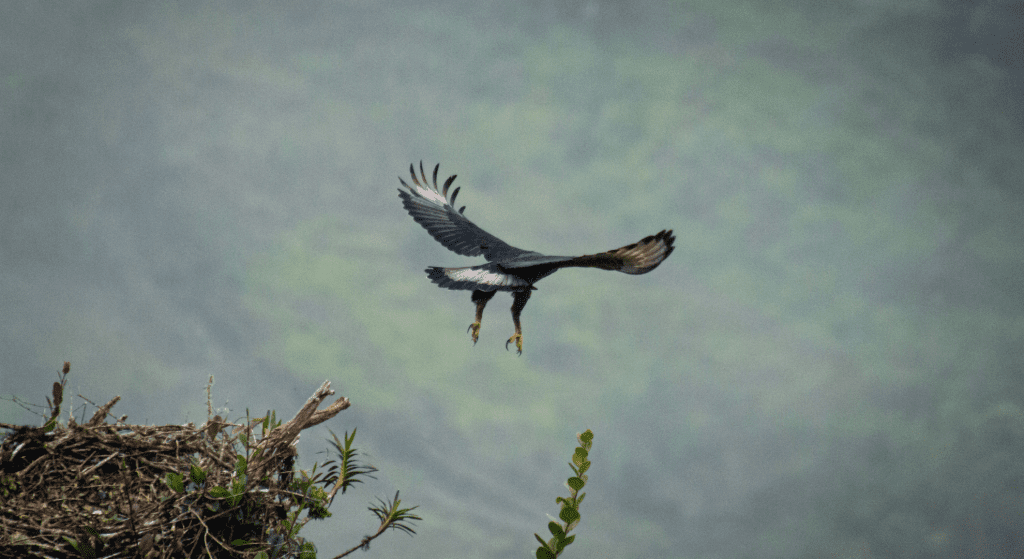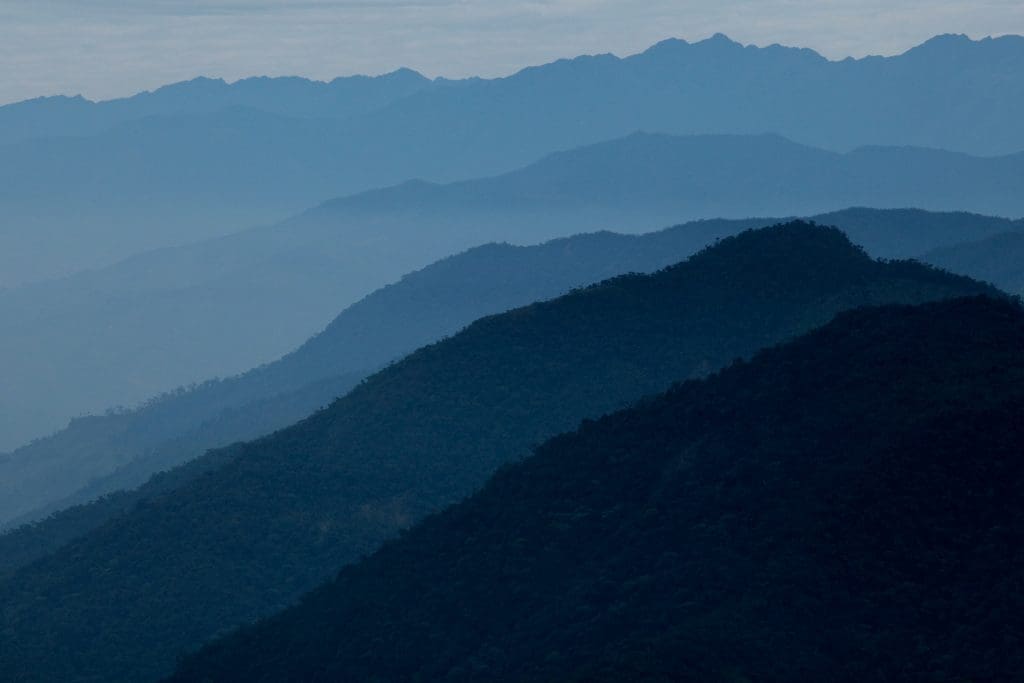
### Connecting habitats across borders
The Andean Bi-National Corridor comprises three interconnected corridors: the **Sangay Podocarpus Corridor** in Ecuador (approximately 1.4 million acres), the **Podocarpus-Yacuri Corridor** spanning the Ecuador-Peru border (approximately 1.823 million acres), and the **Andes del Norte Corridor** in Peru (approximately 1.8 million acres), **totaling over 5 million acres of connected habitat**.
### Species
Mountain Tapir *(Tapirus pinchaque)*, Andean Condor *(Vultur gryphus)*, Jaguar *(Panthera onca)*, Andean Bear *(Tremarctos ornatus)*, and a multitude of unique birds and plants.
### Ecosystems
Cloud Forests, Amazon Rainforest, Páramo, and Tropical Andes.
### Local Communities
Mestizo, Quichua, Kañari, Shuar, and Saraguro.
### Threats
Illegal mining, road infrastructure, deforestation, climate change

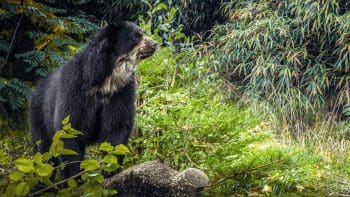
### RESULTS SO FAR
- - 54 protected areas (national, community, private, and local) cover 2,125,395 acres.
- - Species monitoring for indicator species like the Spectacled bear, is underway.
- - Research efforts aim to understand the movements and needs of species affected by habitat degradation and climate change.
- - Initial biodiversity research has led to significant scientific findings, including the discovery of new species and expanded distribution ranges for key species.
[GIVE NOW](?campaign=662216)
---
### [Our Protected Areas Interactive Map](https://www.natureandculture.org/interactive-map/)
**Published:** May 12, 2025
**Author:** Kristen Heard
**Content:**
## **Explore our interactive map**
See our conservation work across Mexico, Colombia, Ecuador, Peru, and Bolivia. The dashboard highlights the national and subnational protected areas we help safeguard.
### **How to use the map:**
- Start by centering Ecuador and the surrounding countries in the map frame.
- As you move or zoom the map, the dashboard metrics automatically update based on which protected areas are visible.
- Click on any protected area to learn more.
- Use the drop-down menu in the top-right corner of the map to search or add layers and see how these areas connect to a wider network of protected landscapes.
- Navigate the tabs at the bottom to explore how our impact grows over time, measured in acres, hectares, tCO₂e, and carbon storage.
---
### [Privacy Policy](https://www.natureandculture.org/privacy-policy/)
**Published:** November 9, 2022
**Author:** Heather Thomas
**Content:**
**Our Commitment to Privacy**
Nature and Culture International (Nature and Culture) takes your privacy seriously. All information, including names, addresses, email addresses, telephone numbers, and donations, is collected and used as disclosed in this Privacy Policy. Our Privacy Policy may be updated periodically. Please check this page for changes. Your continued use of this site following the posting of changes to this policy means you accept the changes.
**What Information Is Collected?**
Personal information, such as name, address, email address, telephone number, and credit card information, is collected through the forms on this site, through emails, phone calls, or mailed-in reply devices. This information is collected only in connection with specific activities, such as email newsletter subscriptions, donations, and virtual or in-person events.
Provision of this information is voluntary. On some online pages and through direct mailing reply devices, you can submit information about other people. For example, if you make an online gift in honor of someone special and would like them recognized personally, you may choose to submit the honoree’s name, address, email address, and/or telephone number.
When using one of Nature and Culture’s online platforms, we may automatically record information such as browsing activity, data displayed or clicked on, and other technical information, including device type, browser type, operating system version, IP address, date and time of access, and device identifier.
**Disclosure of Purposes for Processing Data**
This information is used to:
- Measure and analyze traffic and browsing activity on our site;
- Show advertisements for our conservation work to you on third-party sites;
- Measure and analyze the performance of our campaigns;
- Improve user experience on our website;
- Provide you with information and updates about our ongoing conservation efforts.
**Legal Basis for Processing Personal Data**
We rely on the following legal bases for processing personal data:
- Consent: When you provide your information voluntarily (e.g., for email subscriptions or donations).
- Legitimate interests: To analyze website performance and improve user experience.
**Sharing of Personal Data**
We may share your data with third-party service providers, including NextRoll, Inc., to enable personalized advertising and analyze website activity. Specifically:
- Our advertising partners, such as NextRoll, Inc., may collect information about your activity on our site(s) to serve you interest-based advertising across devices and browsers.
- For more details about NextRoll’s services and data usage, including information relevant to California residents, please refer to NextRoll’s Service Privacy Notice.
**Opting Out**
Our partners may use non-cookie technologies that may not be impacted by browser settings that block cookies. To opt out of interest-based advertising, you may use the following third-party tools:
- The NAI’s opt-out platform
- [The EDAA’s opt-out platform](https://www.youronlinechoices.com/)
- The DAA’s opt-out platform
**How Is the Information Used?**
If you have provided us with contact information, we may occasionally send you emails, letters, or brochures. If you no longer wish to receive information about our ongoing conservation work, just let us know, and we will immediately remove you from our lists. An unsubscribe link is included at the bottom of every email communication from Nature and Culture.
**Commitment to Data Security**
To prevent unauthorized access, maintain data accuracy, and ensure the correct use of information, we have put in place appropriate physical, electronic, and managerial procedures to safeguard and secure the information we collect. Credit card information is never stored on our website and is securely tokenized by processors.
**Commitment to Children’s Privacy**
Protecting the privacy of the very young is important to us. For that reason, we never collect or maintain information at our website from those we know are under 13. If you are under 18 years old, we suggest that you ask a parent or guardian before submitting any information on or through this site.
**Your Right to Access, Update, and Correct the Information**
You can access all your personally identifiable information that we collect online or through mail by emailing Nature and Culture International at hello@natureandculture.org or calling us at +1 (858) 259-0374.
To protect your privacy and security, we will take reasonable steps to verify your identity before granting access, updating, or making corrections to your personal information.
**Updated January 2025**
---
### [OUR RESERVES](https://www.natureandculture.org/our-reserves/)
**Published:** February 21, 2023
**Author:** Heather Thomas
**Content:**

## SAVING THE LIVING WORLD AT LARGE SCALE
Over 25 million acres and counting! We safeguard biodiverse and carbon-rich places by working in partnership with local communities and governments to declare protected areas from local to national levels across Latin America. Each area is unique and we employ many different strategies to protect them. In our 25+ years, we haven’t had a single protected area reversed.
## Our Private Reserves
While our primary focus is on collaborating with local communities and governments to establish protected areas, we also maintain a few private reserves. These key areas were preserved because they couldn’t be safeguarded through government declarations.
[ 
Nangaritza Valley
](https://www.natureandculture.org/protected-areas/nangaritza-valley/)
[ 
Monte Mojino Reserve
](https://www.natureandculture.org/protected-areas/monte-mojino-reserve/)
[ 
Biosphere Reserves
](https://www.natureandculture.org/protected-areas/biosphere-reserves-ecuador/)
[ 
Cazaderos Nature Reserve
](https://www.natureandculture.org/directory/cazaderos-nature-reserve/)

Imagine standing on a mountain and knowing that everything you can see to the horizon has been protected and that you played a part. Nature and Culture is the vehicle through which you can save the world’s richest ecosystems at the scale of entire landscapes.
---
### [Áreas protegidas](https://www.natureandculture.org/es/protected-areas-es/)
**Published:** May 24, 2023
**Author:** Heather Thomas
**Content:**

## PROTEGER PAISAJES NATURALES A GRAN ESCALA
Imagínete estar parado en una montaña sabiendo que todo lo que puede ver en el horizonte ha sido protegido. Naturaleza y Cultura Internacional trabajar para proteger los ecosistemas más ricos del mundo a escala de paisajes enteros. Aquí hay una muestra de lo que hemos alcanzado hasta ahora.
## Reservas Naturales
[ 
El Valle de Nangaritza
El Valle de Nangaritza
](https://www.natureandculture.org/es/nangaritza-valley/)
[ 
Reserva Monte Mojino
Reserva Monte Mojino
](https://www.natureandculture.org/es/monte-mojino-reserve/)
[ 
Reservas de Biosfera
Reservas de Biosfera
](https://www.natureandculture.org/es/biosphere-reserves-in-ecuador/)
---
### [Blog and News](https://www.natureandculture.org/blog-and-news/)
**Published:** November 16, 2022
**Author:** Heather Thomas
---
### [Protecting Habitat of the Goode’s Thornscrub Tortoise in Partnership with The Turtle Conservancy](https://www.natureandculture.org/our-reserves/tortoise/)
**Published:** July 15, 2022
**Author:** Heather Thomas
**Content:**

# Protecting Habitat of the Goode’s Thornscrub Tortoise in Partnership with The Turtle Conservancy

[Home](https://www.natureandculture.org/ "Home") » [OUR RESERVES](https://www.natureandculture.org/our-reserves/ "OUR RESERVES") » Protecting Habitat of the Goode’s Thornscrub Tortoise in Partnership with The Turtle Conservancy
\[vc\_row\]\[vc\_column\]\[vc\_column\_text\]
### Nature and Culture International has worked to protect landscapes all over Latin America for 26 years. Many of the ecosystems we safeguard are rainforests, such as areas of the Amazon, but did you know we also protect a large region of tropical deciduous forest in Mexico?
\[/vc\_column\_text\]\[vc\_column\_text\]Since 2004, Nature and Culture has been working with [Mexico’s National Park Service in the Alamos region](https://www.natureandculture.org/nci-commemorates-expanded-partnership-in-mexico/) to protect valuable biodiversity and habitats for endangered species. Our [Monte Mojino Reserve (ReMM)](https://www.natureandculture.org/reserves-completed/monte-mojino-reserve/), in Southern Sonora, Mexico, supports a vast array of keystone species, such as the jaguar, migratory birds, and the recently discovered Goode’s Thornscrub Tortoise, which requires protection due to its vulnerable listed status.\[/vc\_column\_text\]\[vc\_single\_image image=”21944″ img\_size=”large” add\_caption=”yes” alignment=”center”\]\[vc\_column\_text\]The identification of the Goode’s Thornscrub Tortoise in this area of Mexico is one of the reasons for our partnership with The Turtle Conservancy. The Turtle Conservancy purchased a nearby 999-acre area of Tropical Deciduous Forest called the [San Pablo Nature Preserve](https://www.turtleconservancy.org/programs/goodes-thornscrub-tortoise/) which, because of its proximity to the ReMM, was integrated into the reserve and came under our protection and management.\[/vc\_column\_text\]\[vc\_single\_image image=”21949″ img\_size=”large” add\_caption=”yes” alignment=”center”\]\[vc\_column\_text\]The San Pablo Nature Preserve was shown to contain a rich population of this vulnerable tortoise species, and provides excellent tortoise habitat, as well as being a highly biodiverse area. The Goode’s Thornscrub tortoise has a small habitat range and is threatened by climate change, habitat conversion, disease, food and pet trade, invasive species, and native predators; therefore, protecting this area was incredibly important to the survival of this tortoise and many other endangered species.\[/vc\_column\_text\]\[vc\_single\_image image=”21950″ img\_size=”large” add\_caption=”yes” alignment=”center”\]\[vc\_column\_text\]Now an area of 17,960-acres, Nature and Culture manages the Monte Mojino Reserve and protects it from many of the threats that also puts the vulnerable Goode’s Thornscrub tortoise at risk. Our focus is to take steps to reduce habitat destruction in the reserve due to cattle grazing by reintroducing native palm species, partnering with conservation organizations for research and species monitoring, training of local staff, and outreach to local populations. In addition, we aim to expand the area further by 11,000-25,000 acres, particularly with [wildlife corridors](https://www.natureandculture.org/field-notes/connectivity-across-large-landscapes-with-our-mosaic-model/) to link ecosystems. This will increase the amount of vital habitat for the Goode’s Thornscrub tortoise and other threatened species.\[/vc\_column\_text\]\[vc\_single\_image image=”21946″ img\_size=”large” add\_caption=”yes” alignment=”center”\]\[vc\_column\_text\]Follow [our work](https://www.natureandculture.org/in-progress/) to stay up to date with our major achievements and newest projects or [make a gift](https://give.natureandculture.org/give/372763/#!/donation/checkout) to support our efforts to expand protected areas of such valuable habitat, like the Monte Mojino Reserve.\[/vc\_column\_text\]\[/vc\_column\]\[/vc\_row\]
---
### [Nangaritza Valley](https://www.natureandculture.org/our-reserves/nangaritza-valley/)
**Published:** June 23, 2014
**Author:** NCI STAFF
**Excerpt:** We are working to establish extensive legal and community-based conservation throughout the Nangaritza Valley by employing a multi-layered strategy.
BromeliadThe lush foothill rainforests of the Nangaritza Valley protect the last remaining extensive band of foothill forest connecting the Andean mountains around southern Ecuador’s Podocarpus National Park with the lowland Amazon in bordering Peru. Most other Amazonian foothill forests to the north have been degraded due to clearing land for cattle grazing, and nowhere else in Ecuador is there a corridor of forests that connect the high Andes to the Amazon rainforest.
**Content:**
### Nangaritza Valley
> Nangaritza is a unique ecosystem, home to the charismatic spectacled bear and the rare orange-throated tanager, among thousands of other species, and connects some of the largest blocks of intact forest that remain in southern Ecuador.
[](https://www.natureandculture.org/wp-content/uploads/2014/06/tanager.jpg)The lush foothill rainforests of the Nangaritza Valley protect the last remaining extensive band of forest connecting the Andes mountains around Ecuador’s Podocarpus National Park with the Amazon in Peru. Most other Amazonian foothill forests to the north have been destroyed by deforestation or degraded by cattle grazing. Nowhere else in Ecuador is there a corridor of forests that connects the high Andes to the remarkable Cordillera del Cóndor mountain range and the Amazon rainforest beyond.
*“For me, what makes Nangaritza such a magical place is its landscape, which feels both intimate and majestic. That’s a big part of what makes me want to protect Nangaritza, to preserve its beauty. I care about the biodiversity and the individual species too, but it’s the feeling that Nangaritza gives me that moves me.”* – Matt Clark, CEO, Nature & Culture-Ecuador
### Biological Richness
The Nangaritza Valley is home to charismatic species such as the spectacled bear, mountain tapir, and ocelot. This region around Podocarpus National Park has an astonishing 600 bird species, including 60 species of hummingbirds, 80 different tanagers, and many endemic species found only in these mountains. The region has one of the highest concentrations of endangered plants in the world, and over 40% of the park’s 3,500 plant species are endemic to this area.
### Threats
Tragically, these forests are highly endangered. A new road is being cut through the valley, causing an increase in illegal logging and deforestation. As the road pushes further into the forest it provides greater access to the rich resources of this unique ecosystem. Uncontrolled mining threatens to pollute local waterways and accelerate deforestation, putting Nangaritza’s beautiful landscapes and extraordinary biodiversity at great risk.
[](https://www.natureandculture.org/wp-content/uploads/2014/06/Nangaritza-Map-e1449706141879.jpg)
### Strategies and Successes
We are collaborating with the government and local communities to create protected areas and develop sustainable industries. Our main allies in this quest are the indigenous Shuar communities that have lived in the Nangaritza Valley for generations. We helped the Shuar join Ecuador’s innovative Socio Bosque program to obtain annual payments in return for protecting their forests for 20 years. Another example is the Tepuyes Reserve, where a Shuar and mestizo community designated a 5,000-acre municipal reserve.
We are also actively purchasing land in the cloud forests of Nangaritza to create a protected corridor between the Andes mountains and the Amazon lowlands. Through the help of World Land Trust and generous donors, we have established the 2,250-acre Maycú Reserve that protects the rare orange-throated tanager’s only habitat in Ecuador. We also established the 2,552 acre Numbala Reserve – home to one of the last stands of giant podocarpus trees in the world.
Most recently, we supported the declaration of [Zamora Chinchipe Provincial Reserve](https://www.natureandculture.org/zamora-chinchipe/) in southern Ecuador. Zamora Chinchipe will protect 1,098,611 acres of forest, shrub, and grasslands in a region threatened by rapid deforestation and burgeoning mining concessions, safeguarding wildlife and clean water for nearby communities.
We continue to work with the national government to design and implement policies and actions such as increased forest patrols to reduce illegal logging and mining and other causes of deforestation.
**Watch the video below to hear from Segundo Velez – once a hunter, now our Forest Ranger:**
---
### [Monte Mojino Reserve](https://www.natureandculture.org/our-reserves/monte-mojino-reserve/)
**Published:** June 24, 2014
**Author:** NCI STAFF
**Content:**
### Monte Mojino Reserve
> Our 17,960-acre Monte Mojino Reserve is focused on protecting the best remaining tropical deciduous forests of southern Sonora, and the endangered species that call them home, in collaboration with the local communities.

Among ecologists and botanists, Nature and Culture’s Monte Mojino Reserve (ReMM) is considered one of the least fragmented, biologically diverse examples of tropical deciduous forests. Our goal is to expand the reserve to encompass 25,000 acres of spectacular scenery and biodiversity by purchasing key land parcels. This will conserve some of the last and best tropical deciduous or dry forests in North America – an ecosystem as endangered as the Amazon rainforest.
ReMM lies within the Alamos Federal Reserve, a federally protected area of roughly 247,000 acres established in 1996 and overseen by CONANP, Mexico’s National Commission of Natural Protected Areas. This area was established with the help of Alamos residents and covers the watershed of the Río Cuchujaqui, a pristine tributary of the Río Fuerte (the headwaters of which have been made famous by the Copper Canyon or Barranca del Cobre). It is home to five cat species, including the iconic jaguar, and the newly discovered [Goode’s thornscrub tortoise](https://www.natureandculture.org/our-reserves/tortoise/), and provides important habitat to migrating birds.
The Goode’s Thornscrub Tortoise was first documented by scientists in 2016. A large population of this species lives on Nature and Culture’s Monte Mojino Reserve, in Mexico.
Our reserve employs and trains local people to work as park guardians. Though many join our team with little formal education, they are now proficient in biology – identifying bird and plant species within the reserve and supporting the work of researchers from a variety of universities and organizations. They’ve also begun using GPS and camera trap technology so we can better determine the range of species within the reserve.
Conservation activities within ReMM include removing cattle when new properties are acquired, constructing and maintaining fences to prevent cattle grazing, and restoring understory vegetation. We also partner with the San Diego Zoo Institute for Conservation Research and the Universidad Michoacana de San Nicolás de Hidalgo to restore threatened and endemic palm species. In addition, we’re monitoring global climate change through a partnership with the Instituto Tecnológico de Sonora and conducting avian surveys in coordination with the Sonoran Joint Venture, Tucson Audubon Society, and the National Park Service. We are also collaborating with UCLA and the Center for Tropical Forest Science on a 123-acre monitoring plot to follow the population dynamics of trees and shrubs of the tropical deciduous forest. Mexico’s National Commission of Natural Protected Areas (CONANP) is assisting us with staff training, outreach, and field research.
Our current priorities are to expand the Monte Mojino Reserve by purchasing and conserving an additional 11,000-25,000 acres and to support CONANP, which aims to improve the management of the entire Alamos Federal Reserve. We are particularly focused on ensuring connectivity throughout the reserve and purchasing ranches in watersheds to protect regional water sources.
---
### [Reserva de Monte Mojino](https://www.natureandculture.org/es/monte-mojino-reserve/)
**Published:** May 12, 2023
**Author:** Heather Thomas
**Content:**
### Reserva de Monte Mojino
> Nuestra Reserva Monte Mojino abarca 7,268 hectáreas y protege los valiosos bosques tropicales caducifolios del sur de Sonora, así como las especies en peligro de extinción que los habitan, en colaboración con las comunidades locales.
>
> 
La Reserva Monte Mojino (ReMM) de Naturaleza y Cultura es reconocida por ecólogos y botánicos como uno de los ejemplos menos fragmentados y más biodiversos de bosques tropicales caducifolios. Nuestro objetivo es ampliar la reserva para cubrir un total de 10,117 hectáreas de paisajes espectaculares y biodiversos a través de la adquisición de tierras. Esto permitirá conservar uno de los últimos bosques tropicales caducifolios de América del Norte, un ecosistema tan amenazado como la selva amazónica.
La ReMM se encuentra dentro de la Reserva Federal de Álamos, una área protegida federal de aproximadamente 100,000 hectáreas establecida en 1996 y supervisada por CONANP, la Comisión Nacional de Áreas Naturales Protegidas de México. Esta área fue establecida con la participación de los residentes de Álamos y abarca la cuenca hidrográfica del Río Cuchujaqui, un afluente prístino del Río Fuerte, cuyas cabeceras son famosas por el Cañón del Cobre o Barranca del Cobre.
En la reserva habitan cinco especies de felinos, incluyendo el icónico jaguar, así como la recién descubierta [Tortuga Sinaloense de Matorral ](https://www.natureandculture.org/our-reserves/tortoise/), y proporciona un hábitat importante para aves migratorias.
Tortuga Sinaloense de Matorral \| Nombre científico: Gopherus evgoodei
En nuestra reserva, capacitamos y empleamos a personas locales como guardaparques, brindándoles sólidos conocimientos en biología. Estos guardaparques desempeñan un papel fundamental al identificar especies de aves y plantas dentro de la reserva, además de apoyar el trabajo de investigadores de diversas universidades y organizaciones. Han comenzado a utilizar tecnología GPS y cámaras trampa para obtener una mejor comprensión de la diversidad de especies presentes en la reserva.
Dentro de la ReMM, llevamos a cabo diversas actividades de conservación. Esto incluye la eliminación del ganado al adquirir nuevas propiedades, la construcción y el mantenimiento de cercas para prevenir el pastoreo no autorizado y la restauración de la vegetación del sotobosque. Asimismo, colaboramos con el Instituto de Investigación para la Conservación del Zoológico de San Diego y la Universidad Michoacana de San Nicolás de Hidalgo en la restauración de especies de palmeras amenazadas y endémicas. Además, monitoreamos el cambio climático global en asociación con el Instituto Tecnológico de Sonora y realizamos estudios de aves en coordinación con el Sonoran Joint Venture, la Sociedad Audubon de Tucson y el Servicio de Parques Nacionales. También trabajamos junto a UCLA y el Centro Tropical de Ciencias Forestales en una parcela de monitoreo de 50 hectáreas para seguir la dinámica poblacional de árboles y arbustos en el bosque caducifolio tropical. La Comisión Nacional de Áreas Naturales Protegidas (CONANP) de México nos brinda apoyo en la capacitación del personal, la divulgación y la investigación de campo.
Entre nuestras prioridades actuales se encuentra la ampliación de la Reserva Monte Mojino mediante la adquisición y conservación de un rango adicional de 4,500 a 10,000 hectáreas. Además, estamos comprometidos en apoyar a CONANP con el objetivo de mejorar la gestión de toda la Reserva Federal de Álamos. Nos enfocamos especialmente en garantizar la conectividad en toda la reserva y adquirir ranchos ubicados en cuencas hidrográficas para proteger las fuentes de agua regionales.
---
### [El Valle de Nangaritza](https://www.natureandculture.org/es/nangaritza-valley/)
**Published:** May 12, 2023
**Author:** Heather Thomas
**Content:**
### El Valle de Nangaritza
> Nangaritza es un ecosistema único. Es el hogar del oso de anteojos y de la tangara de garganta naranja, entre miles de otras especies únicas. Este valle conecta algunos de los mayores bloques de bosque intacto que aún quedan en el sur de Ecuador.
[](https://www.natureandculture.org/wp-content/uploads/2014/06/tanager.jpg)Las exuberantes selvas de las estribaciones del valle de Nangaritza protegen la última franja extensa de bosque que conecta las montañas de los Andes en Ecuador con la Amazonía en Perú. Gran parte del bosque sobre las estribaciones amazónicas al norte, ha sido destruido por la deforestación o degradado por la ganadería. No existe en ningún otro lugar en Ecuador, un corredor de bosques que conecte los Andes con la cordillera del Cóndor y la selva amazónica.
*“Para mí, lo que hace de Nangaritza un lugar mágico es su paisaje, que se siente íntimo y majestuoso a la vez. Esa es una gran parte de lo que me hace querer proteger Nangaritza, preservar su belleza. También me importa la biodiversidad y las especies individuales, pero es la sensación que Nangaritza me transmite lo que me conmueve”.* – Matt Clark, CEO, Naturaleza y Cultura-Ecuador
### Riqueza biológica
El valle de Nangaritza alberga especies carismáticas como el oso de anteojos, el tapir de montaña y el ocelote. Esta región, ubicada alrededor del Parque Nacional Podocarpus, es el hogar de 600 especies de aves, incluyendo 60 especies de colibríes, 80 especies diferentes de tangaras y muchas especies endémicas que solo se encuentran en estas montañas. La región tiene una de las mayores concentraciones de plantas en peligro de extinción en el mundo, y más del 40% de las 3,500 especies de plantas del parque solo existen en esta área.
### Amenazas
Trágicamente, estos bosques están altamente amenazados. Se está construyendo una nueva carretera a través del valle, lo que está provocando un aumento en la tala ilegal y la deforestación. A medida que la carretera se adentra más en el bosque, se facilita un mayor acceso a los ricos recursos de este ecosistema único. La minería descontrolada amenaza con contaminar el agua y acelerar la deforestación, poniendo en gran riesgo los hermosos paisajes y la extraordinaria biodiversidad de Nangaritza.
[](https://www.natureandculture.org/wp-content/uploads/2014/06/Nangaritza-Map-e1449706141879.jpg)
### Estrategias y éxitos
Estamos colaborando con el gobierno y las comunidades locales para crear áreas protegidas y desarrollar industrias sostenibles. Nuestros principales aliados en esta tarea son las comunidades indígenas Shuar que han vivido en el valle de Nangaritza durante generaciones. Ayudamos a los Shuar a unirse al innovador programa Socio Bosque de Ecuador para obtener pagos anuales a cambio de proteger sus bosques durante 20 años. Otro ejemplo es la Reserva Tepuyes, donde una comunidad Shuar y mestiza designó una reserva municipal de 2023 hectáreas.
También estamos ampliando nuestra reserva en el bosques nublados de Nangaritza para crear un corredor protegido entre las montañas de los Andes y las tierras bajas de la Amazonía. Con la ayuda de World Land Trust y generosos donantes, hemos establecido la Reserva Maycú de 910 hectáreas, que protege el único hábitat de la tangara de garganta naranja en Ecuador. También hemos establecido la Reserva Numbala de 1032 hectáreas, hogar de uno de los últimos bosques de gigantescos árboles de podocarpus en el mundo.
Más recientemente apoyamos la declaración de la [Reserva Provincial de Zamora Chinchipe](https://www.natureandculture.org/zamora-chinchipe/) en el sur de Ecuador. Zamora Chinchipe protegerá 444 592 hectáreas de bosques, arbustos y praderas en una región amenazada por una rápida deforestación y una creciente actividad minera, salvaguardando la vida silvestre y el agua limpia para las comunidades cercanas.
Seguimos trabajando con el gobierno nacional para diseñar e implementar políticas y acciones, como patrullajes forestales más intensivos, para reducir la tala ilegal, la minería y otras causas de deforestación.
**Mira el video a continuación para escuchar a Segundo Velez, antes cazador y ahora nuestro Guardabosques:**
---
### [Reservas de Biosfera en Ecuador](https://www.natureandculture.org/es/biosphere-reserves-in-ecuador/)
**Published:** May 12, 2023
**Author:** Heather Thomas
**Content:**

# Reservas de Biosfera en Ecuador

[Home](https://www.natureandculture.org/ "Home") » Reservas de Biosfera en Ecuador
\[vc\_row\]\[vc\_column\]\[vc\_column\_text\]
## Las Reservas de Biosfera son un logro significativo en conservación, ya que permanecen bajo jurisdicción nacional pero comparten su experiencia e ideas a nivel regional e internacional dentro de la Red Mundial de Reservas de Biosfera.
\[/vc\_column\_text\]\[/vc\_column\]\[/vc\_row\]\[vc\_row\]\[vc\_column\]\[vc\_column\_text el\_class=»margin-right\_25px margin-bottom\_25px margin-left\_25px» el\_left\_margin=»margin-left\_25px» el\_right\_margin=»margin-right\_25px» el\_bottom\_margin=»margin-bottom\_25px»\]
La Reserva de la Biosfera Bosque Seco, en el suroeste de Ecuador, se extiende sobre 504 200 hectáreas del bosque seco más prístino del país, hogar de una de las concentraciones más altas de aves endémicas de América del Sur y una importante población de especies emblemáticas como el cocodrilo americano y el mono aullador de manto dorado.
Por primera vez en la historia de Ecuador, las reservas municipales y privadas son consideradas sus áreas principales de conservación. Estas áreas principales abarcan más de 20 234 hectáreas e incluyen nuestras Reservas La Ceiba, Cazaderos y Laipuna, que hemos estado gestionando durante la última década. El reconocimiento global de la UNESCO llamará la atención sobre estas áreas y promoverá su protección a largo plazo.
\[/vc\_column\_text\]\[vc\_single\_image image=»16074″ img\_size=»600×450″ add\_caption=»yes» alignment=»center»\]\[vc\_column\_text el\_class=»margin-right\_25px margin-bottom\_25px margin-left\_25px» el\_left\_margin=»margin-left\_25px» el\_right\_margin=»margin-right\_25px» el\_bottom\_margin=»margin-bottom\_25px»\]
Naturaleza y Cultura también colaboró en la declaración de la Reserva de la Biosfera Cajas, de dos millones de acres, en 2013, la primera en los Andes Occidentales de Ecuador, y la Reserva de la Biosfera Podocarpus-El Cóndor, de casi 1,2 millones de hectáreas, en 2007. Ambas reservas son vastas y diversas, abarcando tierras y superficies marinas y atravesando numerosos ecosistemas. Ahora, junto a nuestros socios, estamos fortaleciendo buenas prácticas de conservación, como la gestión de cuencas hidrográficas, la protección de manglares y los métodos de producción orgánica.
\[/vc\_column\_text\]\[vc\_single\_image image=»16075″ img\_size=»600×450″ add\_caption=»yes» alignment=»center»\]\[/vc\_column\]\[/vc\_row\]\[vc\_row\]\[vc\_column\]\[vc\_column\_text\]
\[/vc\_column\_text\]\[/vc\_column\]\[/vc\_row\]
---
### [Biosphere Reserves in Ecuador](https://www.natureandculture.org/our-reserves/biosphere-reserves-ecuador/)
**Published:** April 9, 2019
**Author:** Kristen Heard
**Content:**

# Biosphere Reserves in Ecuador

[Home](https://www.natureandculture.org/ "Home") » [OUR RESERVES](https://www.natureandculture.org/our-reserves/ "OUR RESERVES") » Biosphere Reserves in Ecuador
\[vc\_row\]\[vc\_column\]\[vc\_column\_text\]
## Biosphere Reserves are a significant conservation achievement because they remain under national jurisdiction but share their experience and ideas regionally and internationally within the World Network of Biosphere Reserves.
\[/vc\_column\_text\]\[/vc\_column\]\[/vc\_row\]\[vc\_row\]\[vc\_column\]\[vc\_column\_text el\_class=”margin-right\_25px margin-bottom\_25px margin-left\_25px” el\_left\_margin=”margin-left\_25px” el\_right\_margin=”margin-right\_25px” el\_bottom\_margin=”margin-bottom\_25px”\]
Bosque Seco Biosphere Reserve in southwestern Ecuador extends over 1.25 million acres of the country’s most pristine dry forest, home to one of the highest concentrations of endemic birds in South America and an important population of flagship species including the American crocodile and mantled howler monkey.
For the first time in Ecuador’s history, municipal and private reserves are considered its core conservation areas. These core areas span over 50,000 acres and include our La Ceiba, Cazaderos, and Laipuna Reserves, which we have been managing for the last decade. UNESCO’s global recognition will bring attention to these areas and promote their ongoing protection.
\[/vc\_column\_text\]\[vc\_single\_image image=”16074″ img\_size=”600×450″ add\_caption=”yes” alignment=”center”\]\[vc\_column\_text el\_class=”margin-right\_25px margin-bottom\_25px margin-left\_25px” el\_left\_margin=”margin-left\_25px” el\_right\_margin=”margin-right\_25px” el\_bottom\_margin=”margin-bottom\_25px”\]
Nature & Culture also assisted in the declaration of the two million acre Cajas Biosphere Reserve in 2013, the first in Ecuador’s Western Andes, and the nearly three million acre Podocarpus-El Condor Biosphere Reserve in 2007. Both reserves are vast and diverse, covering land as well as sea surface and traversing numerous ecosystems. Now, alongside our partners, we are reinforcing good conservation practices such as watershed management, mangrove protection, and organic production methods.
\[/vc\_column\_text\]\[vc\_single\_image image=”16075″ img\_size=”600×450″ add\_caption=”yes” alignment=”center”\]\[/vc\_column\]\[/vc\_row\]\[vc\_row\]\[vc\_column\]\[vc\_column\_text\]
\[/vc\_column\_text\]\[/vc\_column\]\[/vc\_row\]
---
### [Cajas Massif Biosphere Reserve](https://www.natureandculture.org/our-reserves/cajas-massif-biosphere-reserve/)
**Published:** August 18, 2014
**Author:** NCI STAFF
**Content:**
### Cajas Massif Biosphere Reserve
> Nature & Culture played an integral role in the designation of this 2.4 million acre UNESCO Biosphere Reserve, the first in Ecuador’s Western Andes. This vast reserve spans more than seven diverse ecosystems, including marine areas, desert and cloud forest. Now, we are reinforcing sustainable conservation practices such as watershed management, mangrove protection and organic production methods.
Declared in 2013, this Biosphere Reserve includes 2,230,402 acres of land and 211,097 acres of the sea surface as well as ecosystems as diverse as paramo, cloud forest, mangroves, seasonal deciduous forest, and desert. It also helps to ensure the water supply for nearly 850,000 inhabitants by protecting upstream watersheds. Within the reserve, 50% of the country’s hydro-energy is produced, along with cattle, cocoa, banana, and other industries important to the local and national economy.
Biosphere Reserves are a significant conservation achievement because they remain under national jurisdiction but share their experience and ideas regionally and internationally within the World Network of Biosphere Reserves. Our office in Cuenca, led by Fabián Rodas, worked extensively with Ecuador’s national and local government to prepare the proposal for the Cajas Massif Biosphere Reserve. Fabián and his team were also instrumental in organizing 57 institutions (ministries, municipalities, universities, industries, communities, etc.) to rally support for the creation of the reserve. In May 2013, after several years of work guided by a core team of institutions in which Nature & Culture played a key role, the Ecuadorian government presented the proposal for the declaration of the region as a new UNESCO Biosphere Reserve.
> [](https://www.natureandculture.org/wp-content/uploads/2014/08/nci-ecuador2014-people-004.jpg)“For me, this experience represents the creation of a delicate balance between nature and human interest, where local people and authorities claim their willingness to drive to sustainability every economic and productive system. The declaration was possible only by the involvement and commitment of local and national institutions, aware that this title could give international value in benefit of commerce, tourism, industries, environmental education and conservation. After the declaration, further steps are needed to take real advantage of this condition with the involvement of many more stakeholders to create networks, policies, management structures, social awareness and more.”
>
> – Fabián Rodas, Cuenca Region Coordinator
Watch our short video below to learn how the reserve’s paramo ecosystem is preserving the water supply for the city of Cuenca.
---
## Directory
### [Study Reveals Abra de Zamora as Ecuador’s Hotspot for New Amphibian Species ](https://www.natureandculture.org/directory/study-reveals-abra-de-zamora-as-ecuadors-hotspot-for-new-amphibian-species/)
**Published:** October 21, 2026
**Author:** Heather Thomas
**Content:**
### *A recent study in Scientific Reports finds that this narrow mountain pass in southern Ecuador has the country’s highest concentration of amphibian type localities — the places where species were first collected and formally described by scientists. Here, researchers described 14 species new to science.*
For its size, Ecuador has more amphibian species than any other country in the world, and many of them are found nowhere else on Earth. A study published in [*Scientific Reports*](https://www.nature.com/articles/s41598-026-53084-4) points to one small corner of the southern Andes as a place of exceptional importance: **Abra de Zamora**, a mountain pass in the **[Andes-Amazon Conservation Corridor](https://www.natureandculture.org/conservation_initiatives/the-andes-amazon-conservation-corridor/)**. The research was supported by Nature and Culture and Rainforest Trust as part of conservation efforts in the Abra de Zamora Key Biodiversity Area. Nearby, at the San Francisco Scientific Station, Nature and Culture has partnered with scientists for decades to study these mountain forests.
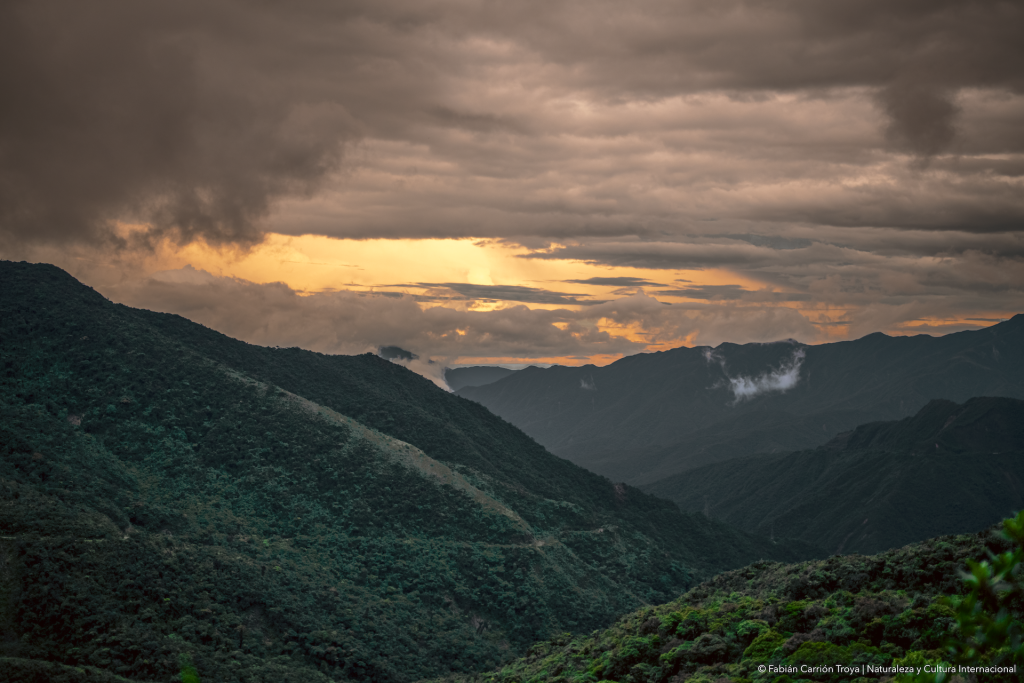
Researchers Diana Székely, Diego Armijos-Ojeda, and Paul Székely analyzed the type localities of 695 amphibian species recorded in Ecuador — the places where the reference specimens used to scientifically describe each species were collected. Their results show that no other part of the country concentrates as many type localities in such a small space. In Abra de Zamora, **within an area of less than 39 square miles (100 km²), 14 species new to science have been described, eight of them microendemic**.
Microendemic species are those found only in extremely small, restricted geographic areas, such as a single mountain, a cave, an isolated valley, a specific river, or a wetland. Across Ecuador, the study identified 151 of them, or 21.7% of the species analyzed.
## Paradise for amphibians
Three of the species first described from Abra de Zamora are rain frogs: *Pristimantis colodactylus*, *Pristimantis balionotus*, and *Pristimantis vidua*. They are not recent discoveries — all three were described by herpetologist John D. Lynch in 1979 from specimens collected there — but they show why this pass matters so much to science. *Pristimantis balionotus*, for example, is known only from this area.
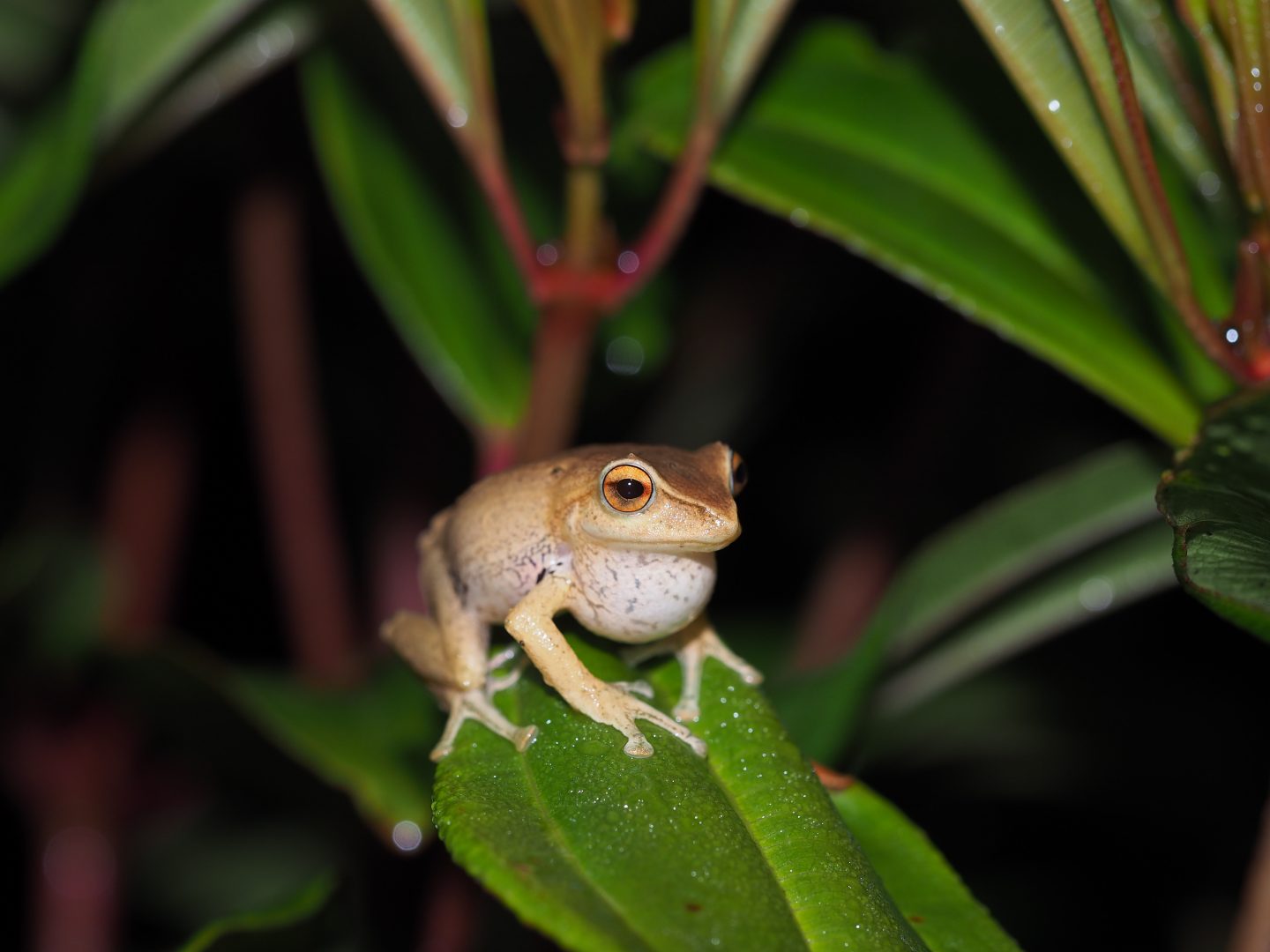

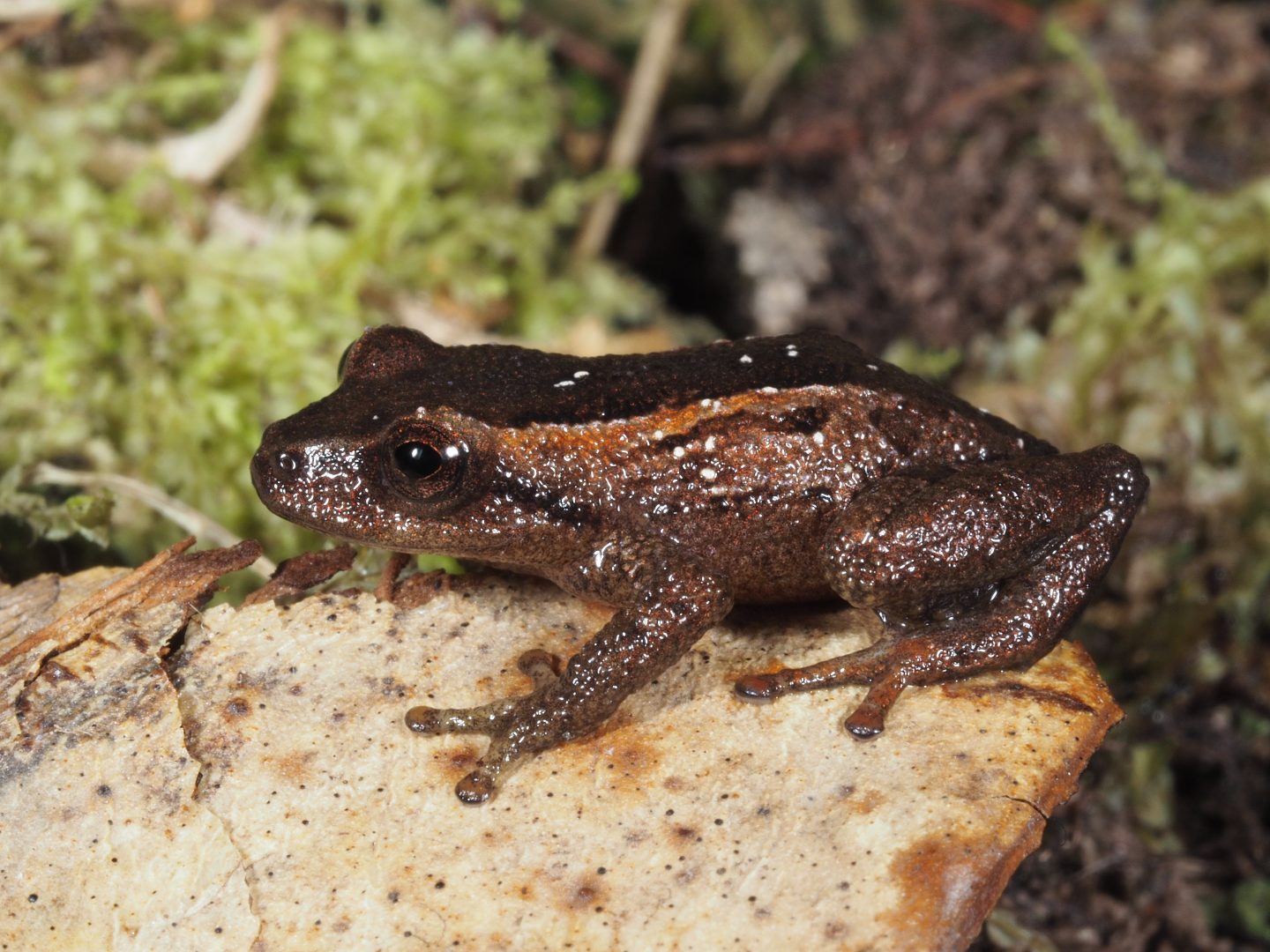

## A Natural Gateway Through the Andes
In geography, an *abra* is the lowest pass, opening, or depression in a mountain range — a natural gateway from one side to the other. Abra de Zamora lies in the stretch of the Cordillera Real that separates Loja and Zamora. Its unusual montane forests and shrubby páramo are recognized as an important center of amphibian diversification.
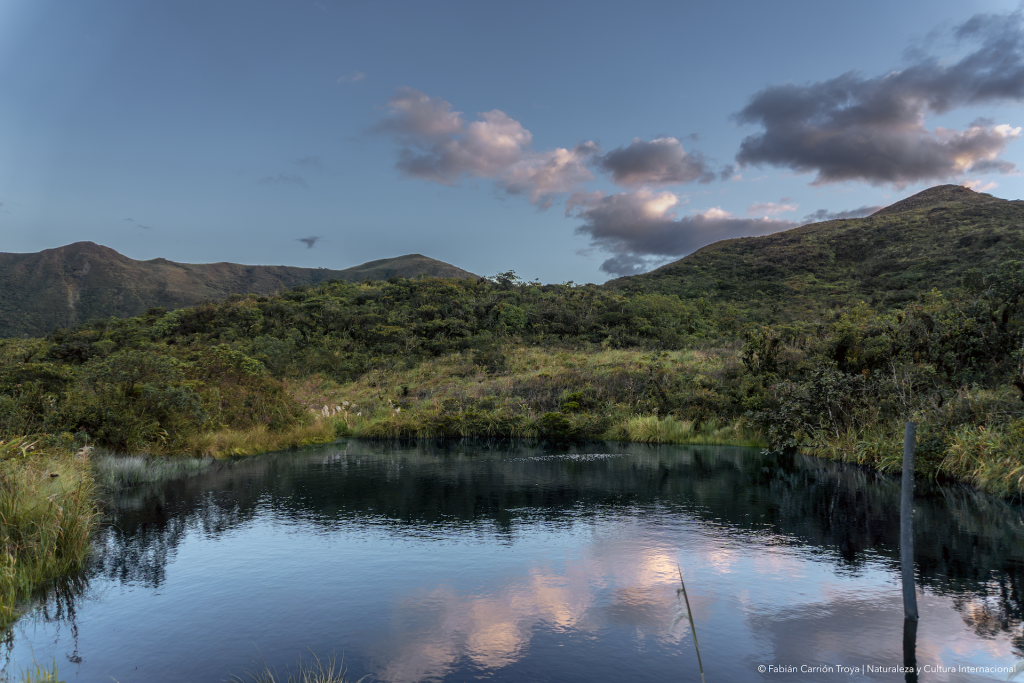
## Closing the Conservation Gap
Yet many of the places where Ecuador’s amphibians were first described remain unprotected: **only 21.2% of the 505 type localities analyzed lie within national protected areas**. The researchers highlight that expanding protected areas and strengthening connectivity between conservation sites can help species disperse, maintain gene flow, and respond to environmental change.
The study was supported by Nature and Culture International and Rainforest Trust as part of research and conservation efforts in the Abra de Zamora Key Biodiversity Area (KBA). Alongside this research, Nature and Culture is partnering with Ecuador’s Ministry of Environment and Energy and the Technical University of Loja (UTPL) to strengthen the protection of key habitats for microendemic species and species new to science in Abra de Zamora.
These findings reinforce Abra de Zamora’s place as a priority area for conservation and provide new scientific evidence to guide the protection of its habitats. Safeguarding this small mountain pass means protecting species that exist nowhere else on Earth — and keeping room for discoveries yet to be made.
Read the full report:
> [Patterns in the Distribution of Ecuadorian Amphibian Type Localities](https://www.natureandculture.org/patterns-in-the-distribution-of-ecuadorian-amphibian-type-localities/)
**Tags:** amphibian, Biodiversity, Ecuador
**Strategic Area:** Biodiversity, Forests
**Country:** Ecuador
**Content Type:** Blog
---
### [Fortaleciendo la disponibilidad de agua para comunidades de Ayabaca y Pacaipampa](https://www.natureandculture.org/es/directorio/fortaleciendo-la-disponibilidad-de-agua-para-comunidades-de-ayabaca-y-pacaipampa/)
**Published:** October 16, 2026
**Author:** Veronica
**Content:**
*Naturaleza y Cultura Internacional impulsa, junto a comunidades y aliados estratégicos, acciones para mejorar sistemas de agua y proteger los ecosistemas que aseguran este recurso en la zona de amortiguamiento de áreas de conservación de Piura.*
La conservación de los bosques y páramos de Ayabaca y Pacaipampa es fundamental para garantizar la disponibilidad de agua para las poblaciones que dependen de estos ecosistemas. Naturaleza y Cultura Internacional contribuye a su protección mediante acciones que promueven la conservación de la biodiversidad, la gestión sostenible del territorio y la protección de las fuentes de agua, en coordinación con las comunidades y los actores locales.
En este contexto, Naturaleza y Cultura Internacional implementa el proyecto “Protección y recuperación de la recarga hídrica en las comunidades de la zona de amortiguamiento de los bosques y páramos de las áreas de conservación de Cachiaco y San Pablo, Samanga y Ambulco de Ayabaca y Pacaipampa”.
El proyecto cuenta con el financiamiento del Plan Binacional de Desarrollo de la Región Fronteriza Perú–Ecuador, Capítulo Perú, Fondo del Agua Andes del Norte; Naturaleza y Cultura Internacional; los gobiernos locales de Pacaipampa y Ayabaca y las comunidades campesinas de los ámbitos de intervención.
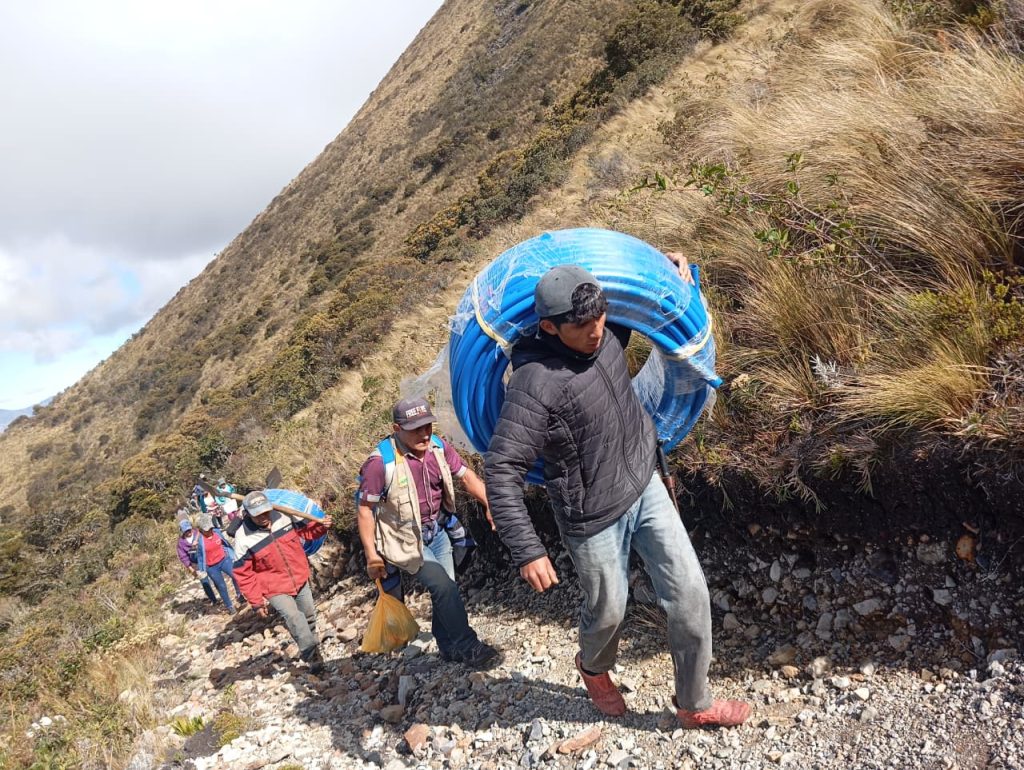
Como parte de esta iniciativa, Naturaleza y Cultura Internacional contribuye al mejoramiento del sistema de agua para uso poblacional de la localidad de Totora, en el distrito de Pacaipampa. Esta intervención busca optimizar la conducción del recurso hídrico y fortalecer las condiciones de acceso al agua para la población.
Asimismo, promueve la conservación y el uso responsable del agua que proveen los bosques y páramos conservados, reconociendo la importancia de estos ecosistemas para garantizar la disponibilidad del recurso hídrico y el bienestar de las comunidades.
Con la participación de 50 productores de la localidad de Totora, se realizó el mejoramiento de la red de conducción desde la captación hasta el reservorio, mediante la instalación de aproximadamente 3,5 kilómetros de manguera de alta densidad HDPE certificada bajo la norma ISO 4427. Esta intervención, permite renovar y fortalecer parte de la infraestructura existente, contribuyendo a reducir posibles pérdidas durante la conducción del agua.
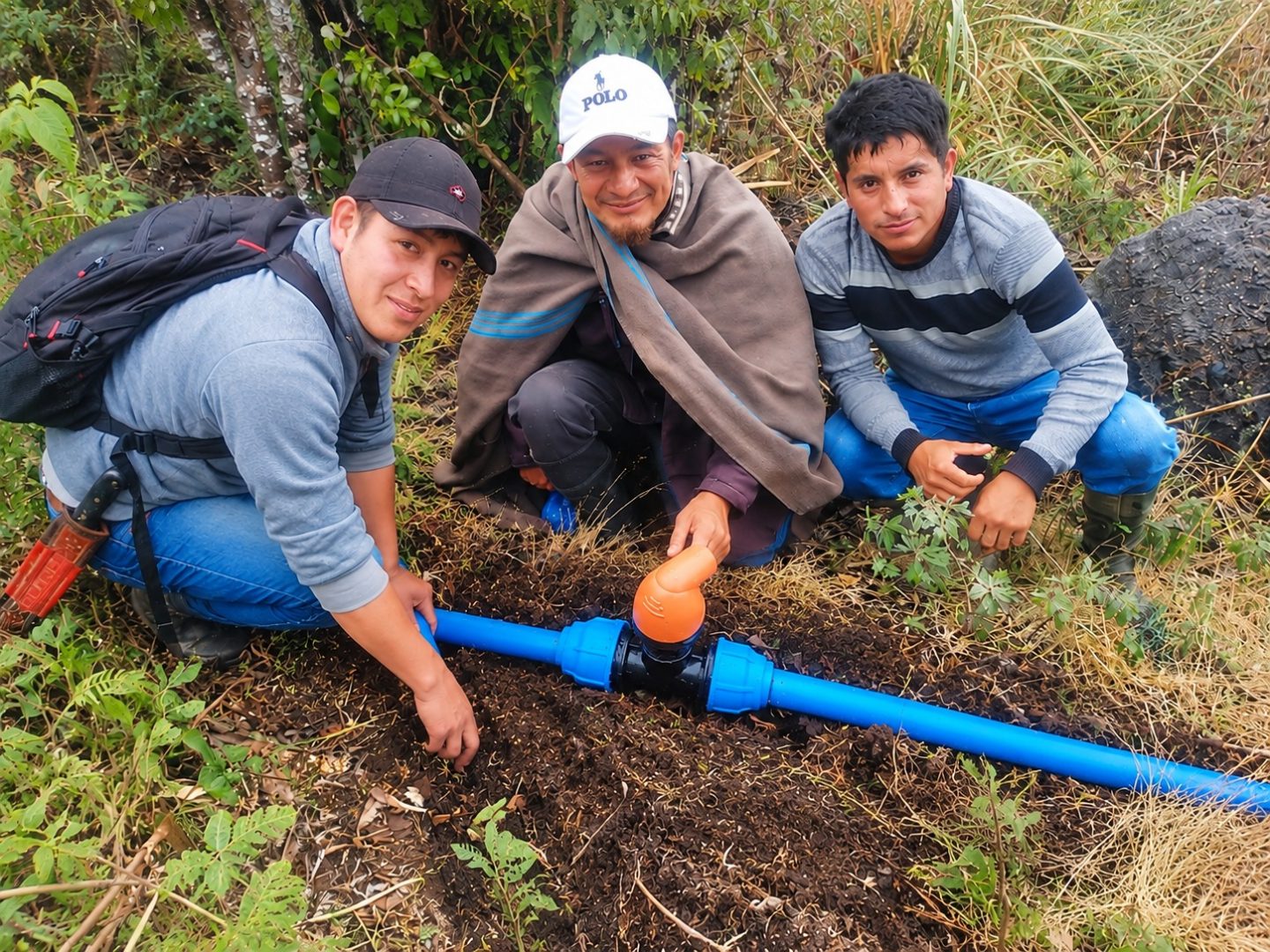
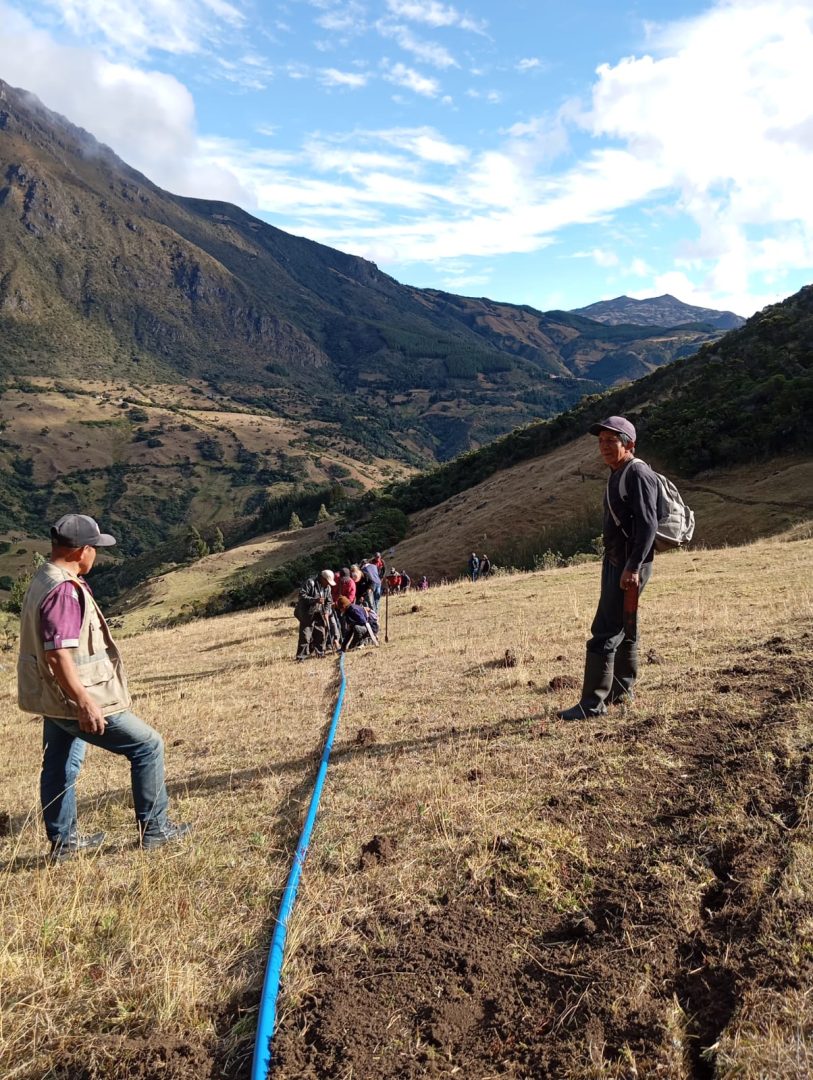
Para ejecutar los trabajos, se entregaron 35 mangueras HDPE de 32 milímetros, certificadas, tubos de PVC y galvanizados, cemento, cerámica, alambre de púas, grapas, impermeabilizante, pintura epóxica, pegamentos y otros materiales destinados al mejoramiento de la infraestructura y funcionamiento del sistema.
## **Conservar el agua desde las fuentes**
El Ing. Franci Tocto, especialista de Naturaleza y Cultura Internacional explicó que la intervención en Totora forma parte de una estrategia integral que combina el mejoramiento de los sistemas de agua con la conservación y recuperación de los ecosistemas que contribuyan a la regulación hídrica.
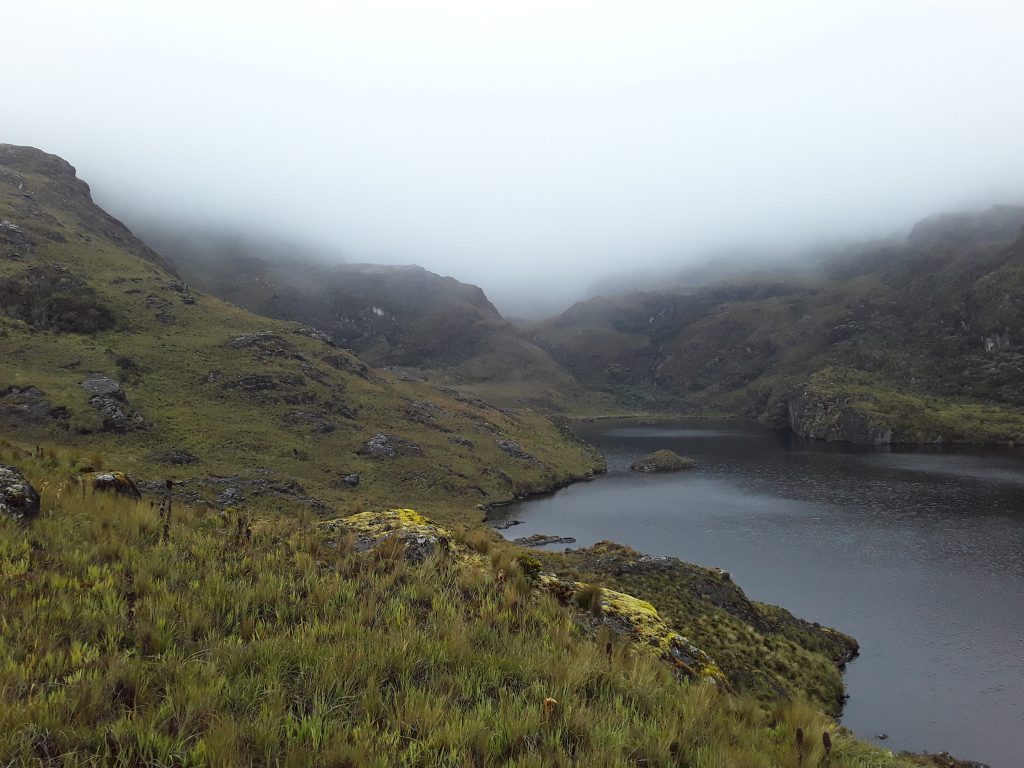
Los bosques y páramos cumplen un papel fundamental en el funcionamiento de las cuencas y en la regulación del agua. Por ello, proteger estos ecosistemas es clave para contribuir a la sostenibilidad del recurso hídrico y al bienestar de las comunidades que dependen de él.
“Conservar los bosques y páramos es cuidar las fuentes que sostienen la vida de las comunidades. Por eso, trabajamos junto a la población en acciones que conectan la conservación de los ecosistemas con soluciones concretas para el uso responsable del agua”, puntualiza Franci Tocto.
De esta manera, la iniciativa ayuda a fortalecer la gestión sostenible del agua, articulando la participación comunitaria, el mejoramiento de la infraestructura y la conservación de los bosques y páramos para favorecer la seguridad hídrica de las poblaciones
**Strategic Area:** Agua, Comunidades Locales
**Country:** Perú
**Content Type:** Noticias
---
### [Tochecito: A New Sanctuary for Colombia's National Tree](https://www.natureandculture.org/directory/tochecito-a-new-sanctuary-for-colombias-national-tree/)
**Published:** October 15, 2026
**Author:** Veronica
**Content:**
On August 6, 2026, Parques Nacionales Naturales declared the Tochecito Palm Sanctuary, a nearly 5,000-acre protected area in the Colombia’s Andes, between the towns of Cajamarca and Ibagué in the Tolima region.
Behind this milestone is almost ten years of fieldwork, work we were part of through our partnership with Instituto Humboldt.
In the Tochecito river basin, between Cajamarca and Ibagué, wax palms grow so close together that they form an unbroken canopy over the forest below. Alexander von Humboldt, who crossed this landscape along the historic Camino del Quindío, described it as “a forest above a forest.”
A typical Tochecito landscape: wax palms scattered across cattle pastureland. Protecting this basin means protecting the species’ future. 📸 Felipe Villegas / IAVH
## Colombia’s National Tree, Protected at Its Last Stronghold
The Quindío wax palm (*Ceroxylon quindiuense*) is the tallest in the world, and this species can live more than a century. Declared Colombia’s national tree in 1985, it’s now listed as vulnerable worldwide and endangered within Colombia. More than 70% of its known population lives in the Tochecito basin, making it the species’ most important stronghold anywhere.
The sanctuary protects far more than palms. It’s home to 249 recorded bird species, including the yellow-eared parrot and the golden-plumed parakeet, both of which nest in the palm’s trunks. Tochecito also links two national parks, Los Nevados and Las Hermosas, functioning as a biological corridor between them.
## A Race Against Time
Many of Tochecito’s wax palms today stand alone in open pastureland, survivors from a time when the forest still surrounded them. Without that forest cover, their seeds can’t take root. Cattle ranching, burning, and agrochemicals keep young palms from ever replacing the adults that remain. “Fifty to one hundred years is the most we have” to turn that around, biologist Luis Santiago Castillo of Instituto Humboldt warned in 2022.
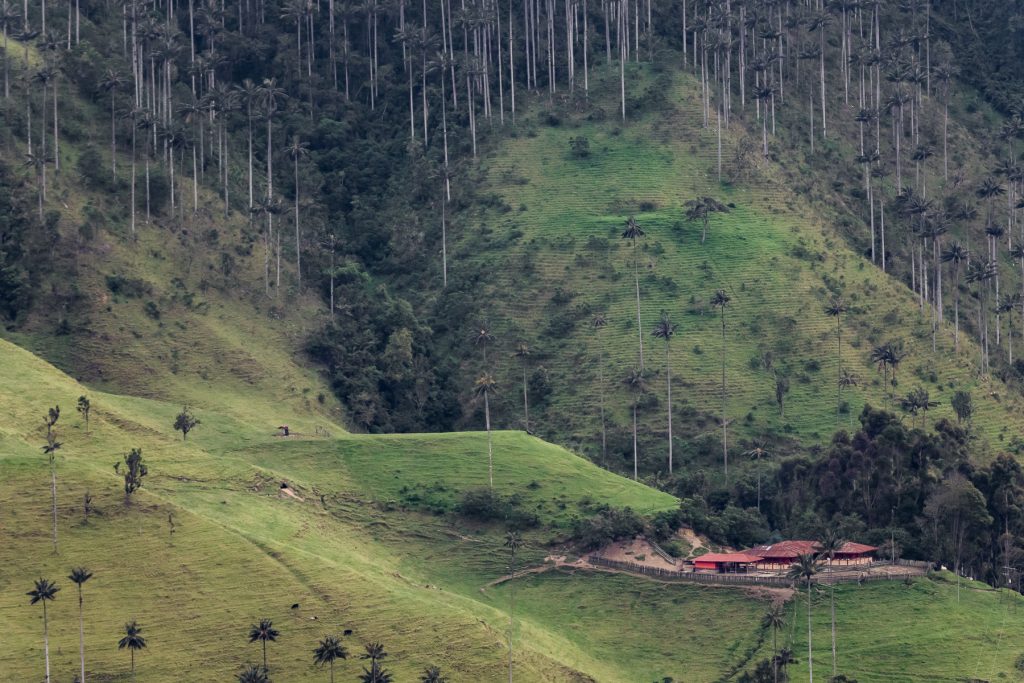Solitary wax palms rise above Tochecito’s pastureland: survivors from a time when forest still surrounded them. 📸 Felipe Villegas / IAVH
## The Science Behind the Declaration
Protecting this area wasn’t straightforward. Cattle ranching had turned much of the forest into pasture, so by the usual standards for evaluating protected areas, Tochecito didn’t seem to qualify. The landscape had been heavily transformed by grazing, and standard methods for evaluating protected areas weren’t producing the results this place deserved. So researchers shifted the lens, looking at biodiversity through the species itself rather than the landscape alone.
Starting in 2017, through our partnership with Instituto Humboldt, Nature and Culture supported this process. That work led to the ecological assessment delivered to National Parks in May 2017 as technical input for the declaration, evaluating the palm against criteria of representativeness, irreplaceability, threat level, and ecological integrity. One finding stood out: before Tochecito, protected areas in the region covered less than 0.5% of the species’ regional population, and less than 0.9% nationally. Technical clarifications followed that June, and in 2018, researchers mapped the basin’s land cover using satellite imagery.
The declaration itself was made by Colombia’s National Natural Parks, the result of years of work by many people and institutions. For us, it’s proof of what science can achieve when it’s built alongside local partners.
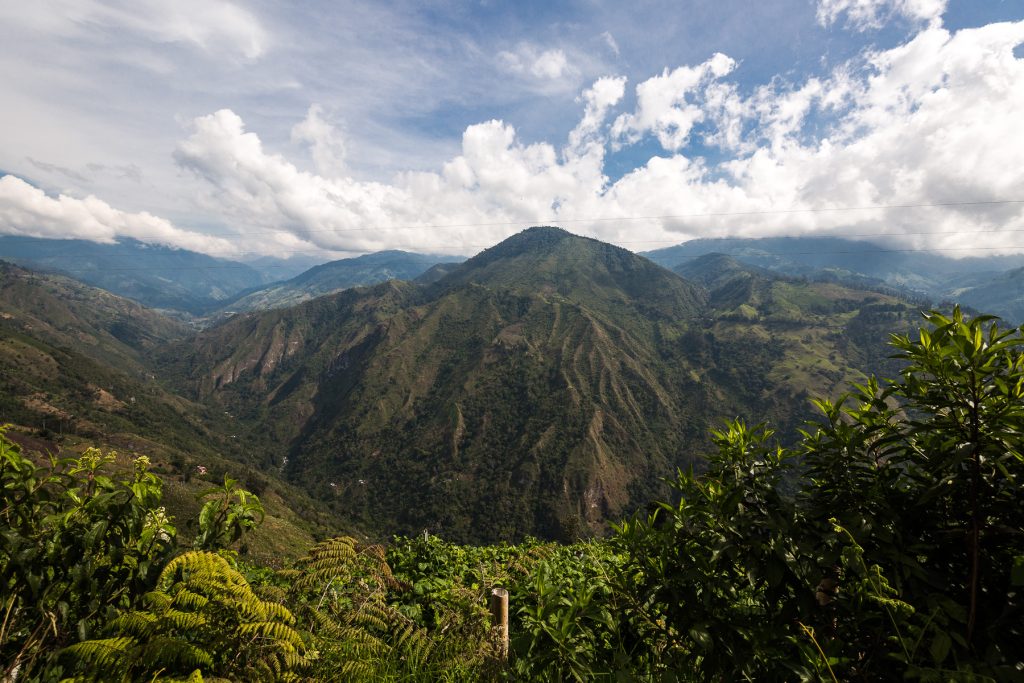Even in areas where the forest has been disturbed, Tochecito’s palm groves retain a high density of wax palms. 📸 Felipe Villegas / IAVH
## Four Decades in the Making
Nearly 41 years after Colombia’s Law 61 of 1985 first authorized the government to create sanctuaries for this palm, Tochecito makes that promise real. Now comes the work of managing the area well.
[Learn more about NCI’s conservation work in Colombia.](https://www.natureandculture.org/?s=colombia)
---
### [Tochecito: nace un santuario para el árbol nacional de Colombia ](https://www.natureandculture.org/es/directorio/tochecito-nace-un-santuario-para-el-arbol-nacional-de-colombia/)
**Published:** October 15, 2026
**Author:** Veronica
**Content:**
El 6 de agosto de 2026, Parques Nacionales Naturales de Colombia declaró el Santuario de Flora Palmares de Tochecito, un área de 1.964 hectáreas en los Andes del Tolima. Detrás de este hito hay casi una década de trabajo en territorio, del que fuimos parte a través de nuestra alianza con el Instituto Humboldt.En la cuenca del río Tochecito, entre Cajamarca e Ibagué, las palmas de cera crecen tan juntas que forman un dosel continuo sobre el bosque. Alexander von Humboldt, tras cruzar la zona por el histórico Camino del Quindío, lo describió como “un bosque sobre el bosque”
Un paisaje típico de Tochecito: palmas de cera repartidas sobre terrenos ganaderos. Proteger esta cuenca es proteger el futuro de la especie. 📸 Felipe Villegas / IAVH
## El árbol nacional, en su mayor refugio
La palma de cera del Quindío (*Ceroxylon quindiuense*) vive más de un siglo y es la palma más alta del mundo. En 1985, la Ley 61 la declaró árbol nacional y símbolo patrio de Colombia. Hoy está catalogada como vulnerable a nivel global y en peligro en Colombia. Más del 70% de su población conocida vive en la cuenca de Tochecito.
El santuario también protege fauna amenazada: allí se han registrado 249 especies de aves, entre ellas el loro orejiamarillo y el perico paramuno, que anidan en los troncos de la palma. El área se conecta con los parques nacionales Los Nevados y Las Hermosas, y funciona como corredor biológico entre ambos.
## **¿Por qué había urgencia?**
Buena parte de los palmares de Tochecito crecen hoy en potreros: son las sobrevivientes de una época en que había bosque a su alrededor, y a cielo abierto sus semillas no logran establecerse. La ganadería, las quemas y el uso de agroquímicos impiden que nuevas palmas reemplacen a las adultas. “Entre 50 y 100 años es lo máximo que tenemos” para revertirlo, advertía en 2022 el biólogo Luis Santiago Castillo, del Instituto Humboldt.
Palmas de cera solitarias se alzan sobre los potreros de Tochecito: sobrevivientes de una época en que había bosque a su alrededor. 📸 Felipe Villegas / IAVH
## **La ciencia detrás de la declaratoria**
Declarar esta área no era sencillo: el paisaje estaba muy transformado, dominado por pastos, y los métodos habituales para evaluar áreas protegidas no daban los resultados esperados. La solución fue mirar la biodiversidad a otra escala: la de la propia especie.
Desde 2017, en el marco de un convenio con el Instituto Humboldt, en NCI apoyamos este proceso.
De ahí salió el análisis ecológico entregado a Parques Nacionales en mayo de 2017 como insumo técnico para la declaratoria, que evaluó a la palma frente a los criterios de representatividad, irremplazabilidad, amenaza e integridad. Uno de sus hallazgos: antes de Tochecito, las áreas protegidas de la región cubrían menos del 0,5 % de la población regional de la especie y menos del 0,9 % a nivel nacional. Le siguieron las aclaraciones técnicas que pidió la mesa del proceso, en junio de ese año, y en 2018 un mapa de coberturas de la tierra de la cuenca, hecho con imágenes satelitales.
La declaratoria fue una decisión de Parques Nacionales Naturales de Colombia, con el aporte de muchas personas e instituciones a lo largo de casi una década. Para nosotros, es una muestra de lo que logra la ciencia trabajada junto a socios locales.
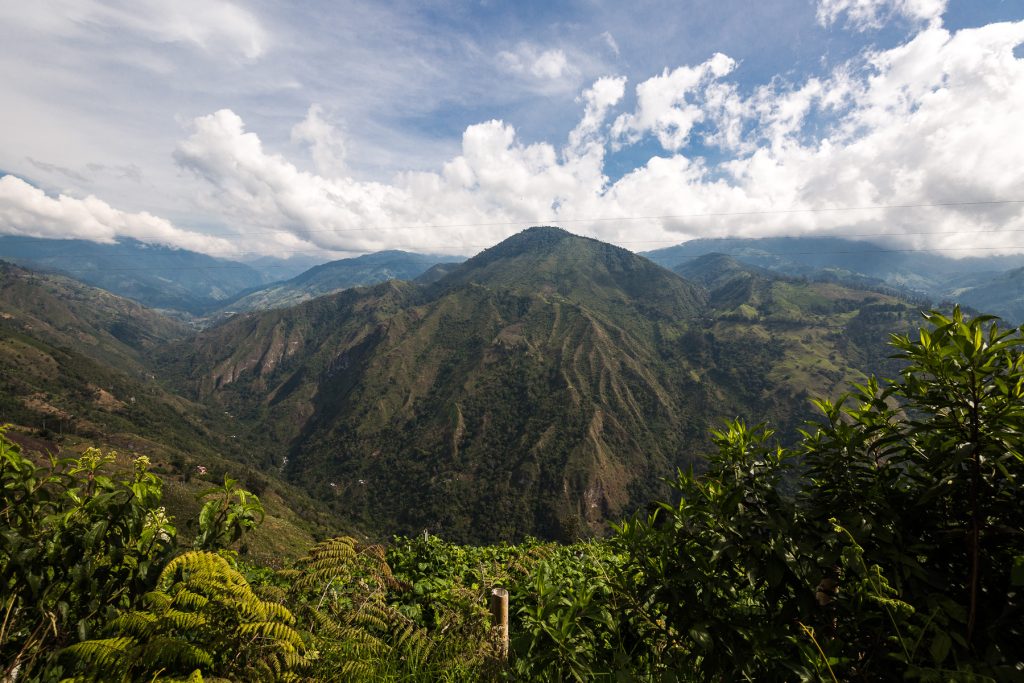Incluso en zonas donde el bosque ha sido intervenido, los palmares de Tochecito conservan una alta densidad de palmas de cera. 📸 Felipe Villegas / IAVH
### **Un sueño de cuatro décadas**
Casi 41 años después de que la Ley 61 de 1985 facultara al Gobierno para crear santuarios de flora que protegieran esta palma, Tochecito lo hace realidad. El reto ahora es el manejo del área.
**Strategic Area:** Biodiversidad, Bosques
**Country:** Colombia
**Content Type:** Blog
---
### [In Ecuador's Andes, Communities Come Together to Protect Páramo and Water](https://www.natureandculture.org/directory/paramo-conservation-canar-ecuador/)
**Published:** October 8, 2026
**Author:** Heather Thomas
**Content:**
### *Local communities have shaped a municipal protected area that now protects 95,950 acres of páramo, forests, and water sources they have cared for *for generations.**
 Cañar LandscapeCañar Páramo
### A New Municipal Protected Area in Ecuador’s Southern Andes
Cañar is a municipality in Ecuador’s southern Andes. Its new [municipal protected area](https://www.natureandculture.org/directory/the-evolution-of-a-conservation-strategy-connecting-landscapes-over-30-years), formally named the Cañar Conservation and Sustainable Use Area, covers 95,948 acres and spans more than 50 communities.
Those communities were protecting this land long before it had a formal designation. For generations, they have cared for its water sources, páramo, and forests, guided by their own forms of organization and ancestral Andean knowledge. One of those traditions is the minga (minka in Kichwa), in which neighbors come together for shared work that benefits the whole community.
The new protected area strengthens these efforts and connects the Municipal Government’s work with the participation of communities and local organizations.

Víctor Guamán, an environmental technician with the Municipal Government of Cañar, puts it this way:
*“The Municipal Government’s approach has always sought to respect community organizations, the ones who came first in environmental conservation. We strengthen the actions they are already carrying out to protect our páramo and water.”*
### Conservation Shaped by More Than 400 people
The municipal protected area came out of a broad participatory process across twelve local districts. More than 400 people took part, including representatives of communities, drinking water and irrigation boards, social organizations, and district governments.
Over a series of community assemblies and workshops, participants shaped the guidelines used to draw the area’s boundaries and write the municipal law that created it. The result takes into account how each community lives and works on the land, and builds on what residents were already doing to protect the [páramo](https://www.natureandculture.org/forests/paramo-grasslands/), forests, and water sources that supply the municipality’s water.
Bringing that many voices together took coordination. The Municipal Government of Cañar and the Mancomunidad del Pueblo Cañari, an alliance of neighboring municipalities, led the process, with [technical support from Nature and Culture](https://www.natureandculture.org/approach-and-vision/) and funding from [Andes Amazon Fund](https://www.andesamazonfund.org/).

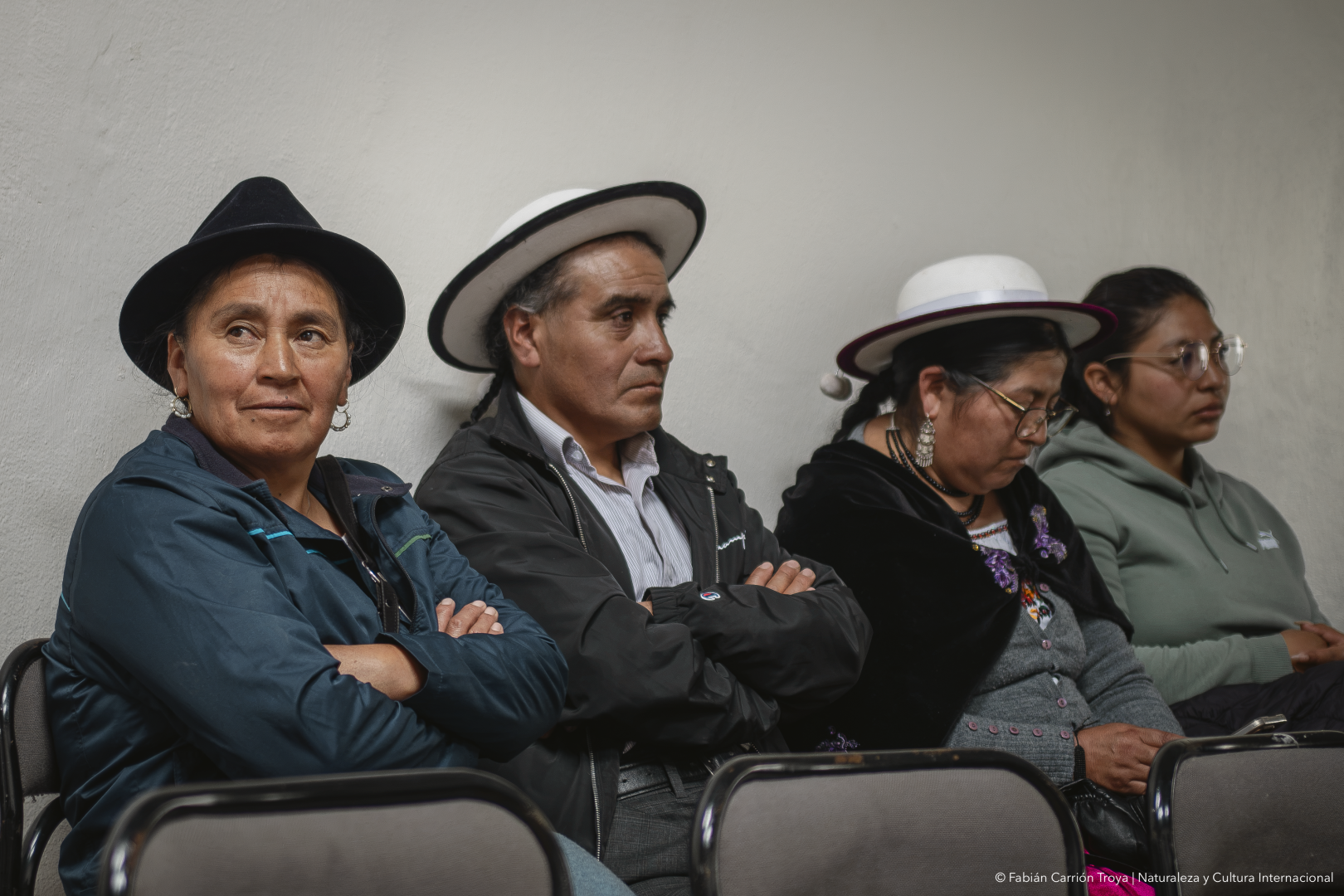

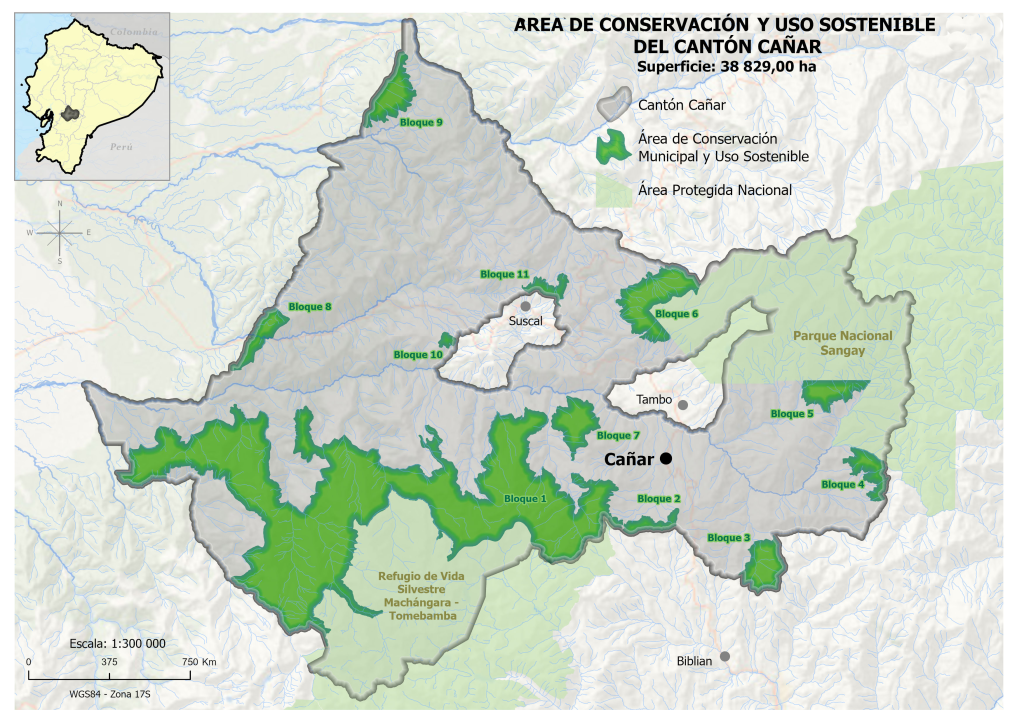
### A Shared Governance Model for Conservation
One of the most important results of the process is a plan for shared governance between communities and the Municipal Government. Each section of the protected area will have its own representative body, and a municipality-wide council will handle coordination and decision-making.
Communities and local organizations in Cañar have long led the way in caring for the páramo, forests, and water sources, and this declaration formally recognizes that leadership. The new protected area builds on their experience, giving communities and the Municipal Government practical ways to manage the land together.
## Protecting Páramo for Future Generations
Establishing the protected area is one step in a process that will continue with planning conservation actions, building local skills, and launching the shared governance system defined during the participatory process.
The work also reaches beyond Cañar. While the protected area lies entirely within the municipality, it is part of a broader vision led by the Mancomunidad del Pueblo Cañari, which includes three neighboring municipalities. The goal is for communities, organizations, and local governments across the region to work together, keeping páramo, forests, and water sources connected and protected for the people who depend on them.
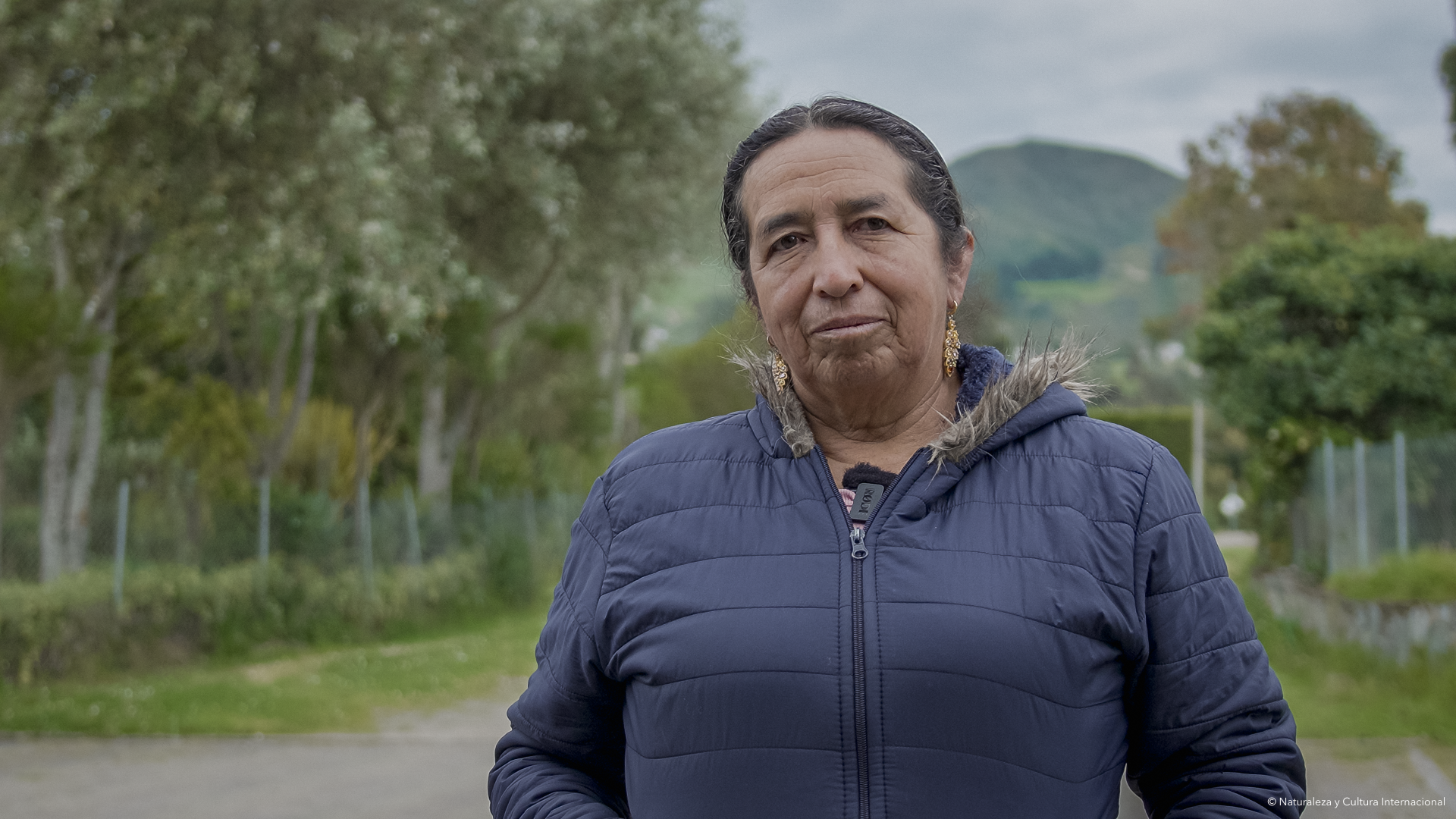
For María Isabel Narváez, a local council member from Honorato Vásquez, one of Cañar’s rural districts, conserving water also means thinking about future generations:
*“We must protect the water and the páramo well because, if we don’t have water, we don’t have life. We have to think about what we are going to leave our children and our grandchildren.”*
**Tags:** Agua, Biodiversidad, Ecuador, Personas
**Strategic Area:** Forests, Water
**Country:** Ecuador
**Content Type:** News
---
### [Kimsasisa lleva a Lima los sabores de San Pedro de Chonta ](https://www.natureandculture.org/es/directorio/kimsasisa-lleva-a-lima-los-sabores-de-san-pedro-de-chonta/)
**Published:** October 1, 2026
**Author:** Nora Sanchez
**Content:**
En San Pedro de Chonta, conservar los bosques, las fuentes de agua y la biodiversidad brinda las condiciones que hacen posible la producción de café, miel, cacao y otros emprendimientos que generan oportunidades para las familias.
El aroma del café producido en el ámbito del Área de Conservación Regional (ACR) San Pedro de Chonta, en Huánuco, llegó hasta el corazón de Miraflores. Durante cuatro días, la Asociación Agropecuaria Kimsasisa – San Pedro de Chonta participó en el Festival “Yo Tomo Café Peruano”, donde compartió con consumidores de Lima café, miel, polvo de cacao y choco plátano.
En cada uno de estos productos está la dedicación de las familias productoras que viven al interior de un territorio conservado, que proporciona las condiciones naturales necesarias para producirlos.

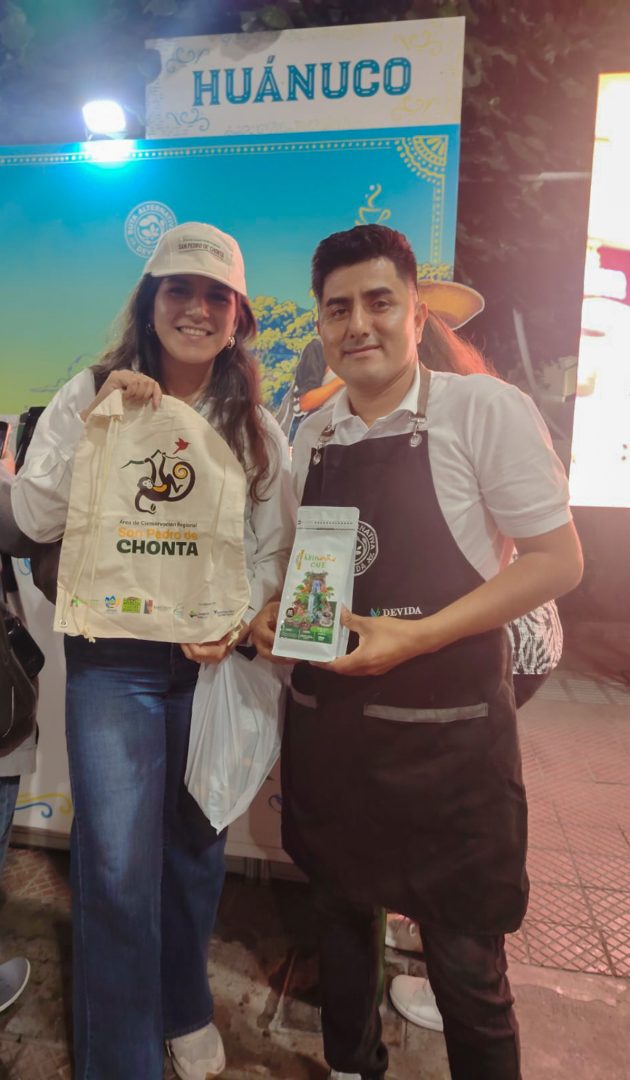
## **La biodiversidad también produce**
En San Pedro de Chonta, la conservación de la naturaleza y las actividades productivas están relacionadas. Los bosques conservados proporcionan agua, mantienen los suelos, regulan el clima y albergan una gran diversidad de especies que cumplen funciones esenciales para la producción de alimento.
Un ejemplo es la polinización. Las aves, abejas y otros polinizadores, se desplazan entre sus plantas y contribuyen a su reproducción. En los cafetales de Chonta, la presencia y diversidad de ellos, favorece la polinización de las flores del café y la obtención de los frutos. De esta manera, un paisaje en equilibrio ayuda a sostener la producción y la calidad de los productos, explicó el biólogo Nicolas W. Mamani Cabana, de Naturaleza y Cultura Internacional.
Lo mismo ocurre con la producción de miel. Las abejas necesitan una diversidad de plantas y flores para alimentarse y producir miel. Por ello, conservar los bosques y mantener la diversidad de especies permite conservar las fuentes de alimento que hacen posible la actividad apícola.
## **Una economía que nace de un paisaje conservado**
Para Kimsasisa, llegar a Lima significó una oportunidad de mostrar que detrás de cada producto existe una comunidad y un territorio que busca aprovechar sus recursos sin dañarlos, mientras contribuye a conservar los ecosistemas que sostienen su economía.
“En San Pedro de Chonta, la producción sostenible representa una oportunidad para generar ingresos para las familias y, al mismo tiempo, contribuir a la conservación del ecosistema”, indicó el biólogo Nicolas W. Mamani Cabana, de Naturaleza y Cultura Internacional.
Esta relación permite mirar la conservación desde una perspectiva más amplia. Un bosque conservado es un ecosistema que brinda servicios indispensables para las personas y sus actividades económicas.
## **Cada producto lleva consigo un territorio**
Durante el festival “Yo Tomo Café Peruano”, el Gobierno Regional de Huánuco y Naturaleza y Cultura Internacional ayudaron a visibilizar la importancia del ACR San Pedro de Chonta mediante material informativo y productos promocionales.
Así, cada producto se convirtió en una oportunidad para contar la historia de cómo la conservación puede generar condiciones para que las comunidades desarrollen actividades económicas sostenibles.
**Dato:** El Área de Conservación Regional (ACR) San Pedro de Chonta, es un área clave para la protección de ecosistemas únicos en el corazón del Perú. Está ubicada en los distritos de Cholón y Huacrachuco, en la provincia del Marañón y protege más de 51 mil hectáreas que alberga una gran biodiversidad.
---
**Más información:**
Gabriela Gives
**Comunicación Peru**
<comunicacion.peru@naturalezaycultura.org>
**Strategic Area:** Comunidades Locales
**Country:** Perú
**Content Type:** Noticias
---
### [Cañar protege su agua y biodiversidad](https://www.natureandculture.org/es/directorio/canar-protege-su-agua-y-biodiversidad/)
**Published:** October 1, 2026
**Author:** Nora Sanchez
**Content:**
*Más de 38.000 hectáreas de páramos, bosques y fuentes de agua forman parte del Área de Conservación y Uso Sostenible (ACUS) Cañar. Su establecimiento es resultado de un proceso participativo que reconoce el trabajo que comunidades y organizaciones locales han desarrollado históricamente para conservar el agua y los ecosistemas del cantón.*
Paisaje de CañarPáramo de Cañar
En el cantón Cañar, provincia de Cañar, más de 38.000 hectáreas de páramos, bosques y fuentes de agua forman parte del Área de Conservación y Uso Sostenible (ACUS) Cañar, que abarca más de 50 comunidades.

Por generaciones, las comunidades y organizaciones del cantón Cañar han desarrollado acciones para proteger las fuentes de agua, los páramos, los bosques y la biodiversidad, vinculando su cuidado con sus formas de organización, conocimientos y saberes ancestrales andinos.
El ACUS Cañar permite fortalecer estos esfuerzos y avanzar hacia un modelo de gestión que articula la acción del Gobierno Municipal con la participación de las comunidades y organizaciones locales.

*Como señala Víctor Guamán, técnico de la Sección de Ambiente de la Dirección de Control y Territorio del Gobierno Municipal de Cañar:*
> *“La gestión del Gobierno Municipal siempre ha buscado respetar a quienes han estado primero en la conservación ambiental: las organizaciones comunitarias. Como Gobierno Municipal, lo que hacemos es fortalecer las acciones que ellas ya vienen desarrollando para proteger nuestros páramos y agua”.*
## **Conservar nace de procesos participativos**
La creación del ACUS Cañar fue resultado de un amplio proceso participativo desarrollado en once parroquias rurales y la parroquia urbana de Cañar: Chontamarca, Chorocopte, Ducur, General Morales/Socarte, Gualleturo, Honorato Vásquez, Ingapirca, Juncal, San Antonio Paguancay, Zhud, Ventura y Cañar-Tucayta.
Más de 400 personas, entre representantes de comunidades, juntas administradoras de agua potable y riego, organizaciones sociales y Gobiernos Parroquiales, participaron en la construcción de los lineamientos que sustentaron la delimitación y la ordenanza para el establecimiento del ACUS Cañar.
A través de espacios de diálogo y escucha se incorporaron las realidades de las comunidades y las acciones que ya desarrollan para el cuidado de las fuentes de agua, los páramos, los bosques y la biodiversidad. Estos ecosistemas cumplen un papel fundamental en la regulación y provisión de agua para el cantón.



La construcción del ACUS Cañar fue liderada por el Gobierno Municipal de Cañar y la Mancomunidad del Pueblo Cañari, con el apoyo técnico de Naturaleza y Cultura Internacional y el apoyo financiero de [Andes Amazon Fund.](https://www.andesamazonfund.org)
### **Un modelo de cogobierno para la conservación**
Uno de los principales resultados del proceso participativo fue avanzar hacia un sistema de cogobierno público-comunitario, con espacios de representación vinculados a los diferentes bloques territoriales y una instancia cantonal para la coordinación y toma de decisiones.
Este modelo reconoce una realidad que ya existía en Cañar: las comunidades y organizaciones locales han sido protagonistas del cuidado de los páramos, bosques, fuentes de agua y otros ecosistemas de importancia para la biodiversidad del cantón. Sobre esta experiencia, el ACUS Cañar busca fortalecer la gestión compartida y generar mecanismos para articular la participación comunitaria con la gestión del Gobierno Municipal.

Para María Isabel Narváez, vocal del GAD Parroquial de Honorato Vásquez, conservar el agua también implica pensar en las próximas generaciones:
> *“Debemos proteger bien el agua y los páramos porque, si no tenemos agua, no tenemos vida. Tenemos que pensar qué vamos a dejar a nuestros hijos y a nuestros nietos”.*
## **Una minka por el agua**
El establecimiento del ACUS Cañar representa un paso dentro de un proceso que continuará con la planificación de acciones de conservación, el fortalecimiento de capacidades y la puesta en marcha del sistema de cogobierno definido durante el proceso participativo.Este proceso, además, se integra a una visión más amplia de conservación y gestión del territorio que impulsa la Mancomunidad del Pueblo Cañari en los cantones de Biblián, Suscal, El Tambo y Cañar. Desde esta escala territorial, se busca fortalecer la articulación entre comunidades, organizaciones y gobiernos locales para conservar los páramos, bosques, fuentes de agua y la biodiversidad, contribuyendo a mantener la conectividad entre estos ecosistemas y los beneficios que brindan a las poblaciones.
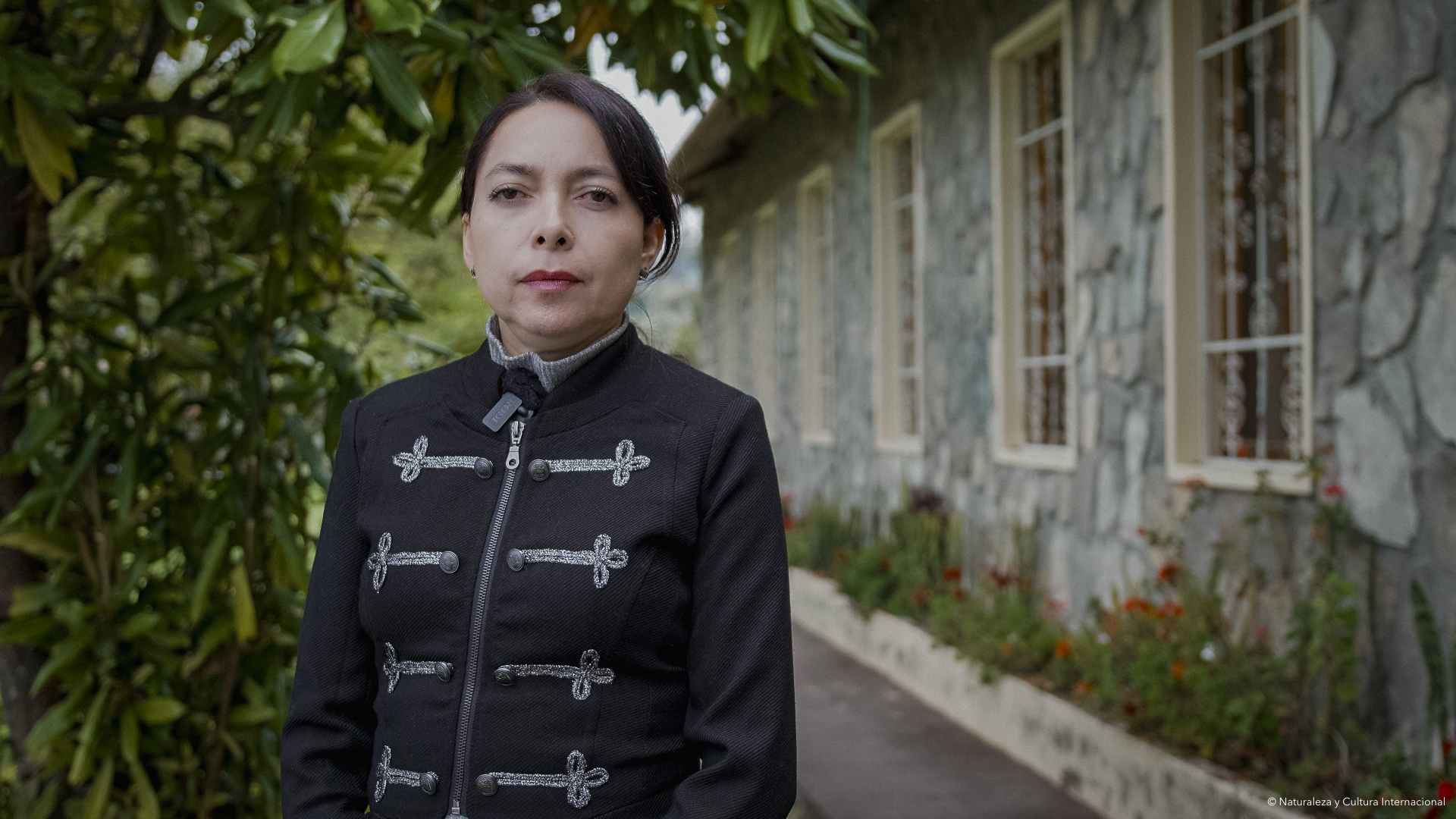
Como explica Valeria Ribadeneria, coordinadora general de la Mancomunidad del Pueblo Cañari:
> “Existen cantones que proveen agua a otros. El cantón Cañar, por ejemplo, concentra una importante cantidad de fuentes de agua. Por eso es necesario trabajar de manera articulada y mancomunada para conservar y cuidar estas fuentes”.
El ACUS Cañar da continuidad a este esfuerzo colectivo, fortaleciendo la participación de las comunidades y la articulación entre los gobiernos locales y la Mancomunidad del Pueblo Cañari para seguir cuidando el agua, los páramos, los bosques y la biodiversidad que conectan y sostienen a estos territorios.

*Como lo resume Anastacio **Pichisaca**, técnico Sección de Ambiente de la Dirección de Control y Territorio del Municipio del cantón Cañar:*
> *“La invitación para los líderes comunitarios es a sumarnos en una verdadera minga por el agua”.*
---
**Más información:**
Aida Maldonado Quezada
**Comunicadora Ecuador**
<amaldonado@naturalezaycultura.org>
**Tags:** Agua, Biodiversidad, Ecuador, Personas
**Strategic Area:** Agua, Bosques
**Country:** Ecuador
**Content Type:** Noticias
---
### [El Abra de Zamora es el sitio donde más especies nuevas de anfibios se han descrito en Ecuador](https://www.natureandculture.org/es/directorio/el-abra-de-zamora-es-el-sitio-donde-mas-especies-nuevas-de-anfibios-se-han-descrito-en-ecuador/)
**Published:** September 29, 2026
**Author:** Nora Sanchez
**Content:**
Ecuador alberga una extraordinaria diversidad de anfibios, muchos de ellos únicos en el mundo. Una investigación de Diana Székely, Diego Armijos-Ojeda y Paul Székely, publicada en *Scientific Reports*, analizó las localidades tipo de 695 especies registradas en el país; es decir, los lugares de donde provienen los ejemplares de referencia utilizados para describir científicamente una especie nueva.
Un hallazgo importante de este estudio determinó que 151 especies, el 21,7 %, son microendémicas, es decir, especies exclusivas de áreas geográficas extremadamente pequeñas y restringidas, como una sola montaña, una cueva, un valle aislado, un río específico o un humedal.

### Abra de Zamora, un paraíso de anfibios
El **Abra de Zamora, al norte del Parque Nacional Podocarpus**, sobresale en el contexto ecuatoriano. Un estudio encontró la mayor concentración de localidades tipo en menos de 100 km², en el Abra de Zamora, donde se han descrito 14 especies nuevas para la ciencia, ocho de ellas micro endémicas.




Un “abra” es un término geográfico que designa el paso más bajo, una abertura o depresión en una cordillera que facilita el tránsito de un lado a otro. Precisamente, en la porción de la cordillera Real que divide Loja y Zamora se ubica el Abra de Zamora, donde se conservan atípicos bosques de montaña y páramos arbustivos, reconocidos como un importante centro de diversificación de anfibios.
Sin embargo, en Ecuador existe una brecha de conservación: solo el 21,2 % de las 505 localidades tipo analizadas se encuentra dentro de áreas protegidas nacionales. La investigación destaca que ampliar áreas protegidas y fortalecer la conectividad entre sitios de conservación puede favorecer la dispersión, el flujo genético y la capacidad de respuesta de las especies frente a cambios ambientales.
El Abra de Zamora es parte del Corredor de Conectividad Podocarpus Yacuri, que a su vez suma al [Corredor de Conservación Transfronterizo Andino Amazónico](https://www.natureandculture.org/es/conservation_initiatives/corredor-de-conservacion-transfronterizo-andino-amazonico/), una iniciativa binacional (Ecuador-Perú) para conectar y proteger más de dos millones de hectareas del hotspot Andes Tropicales.

#### Sobre el estudio científico
El estudio contó con el apoyo de Naturaleza y Cultura Internacional y [Rainforest Trust](https://www.rainforesttrust.org), como parte de los esfuerzos de investigación y conservación en el Área Clave de Biodiversidad Abra de Zamora. Asimismo, Naturaleza y Cultura Internacional trabaja junto con el Ministerio de Ambiente y Energía y la Universidad Técnica Particular de Loja para fortalecer la conservación de hábitats clave para especies nuevas para la ciencia y especies microendémicas del Abra de Zamora.
Los hallazgos de esta investigación refuerzan la importancia del Abra de Zamora como un área prioritaria para la conservación y aportan nueva evidencia científica para orientar acciones dirigidas a proteger sus hábitats y la biodiversidad única que alberga.
[Accede al artículo científico completo](https://rdcu.be/TJ1Kohj7Yppa)
---
**Más información:**
Aida Maldonado
Comunicadora Ecuador
<amaldonado@naturalezaycultura.org>
**Tags:** Anfibios, Biodiversidad, Ecuador, Especies, Especies endémicas, Estudio científico
**Strategic Area:** Biodiversidad
**Country:** Ecuador
**Content Type:** Blog
---
### [Conocer para conservar: monitoreo en el Corredor de Conectividad Podocarpus Yacuri](https://www.natureandculture.org/es/directorio/conocer-para-conservar-monitoreo-en-el-corredor-de-conectividad-podocarpus-yacuri/)
**Published:** September 17, 2026
**Author:** Nora Sanchez
**Content:**
Guardaparques y guardabosques del Corredor de Conectividad Podocarpus Yacuri fortalecieron sus capacidades para monitorear la fauna silvestre mediante el uso de cámaras trampa, una herramienta que permitirá generar información clave sobre las especies que habitan y se desplazan por los ecosistemas del sur del Ecuador.
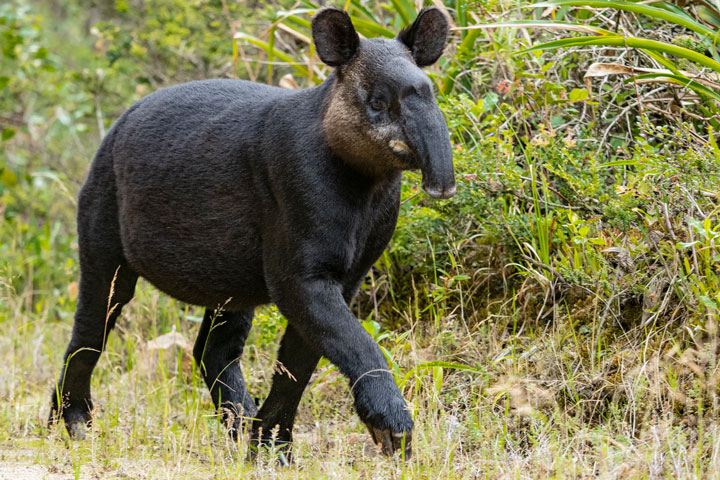
En este primer curso de fototrampeo participaron guardaparques del Parque Nacional Podocarpus, Parque Nacional Yacuri y Reserva Biológica Cerro Plateado, así como un guardabosque de la Reserva Natural Jambué. Durante la formación, impartida por la Universidad Técnica Particular de Loja, los participantes fortalecieron conocimientos y habilidades para la instalación y manejo de cámaras trampa y el monitoreo de la biodiversidad.
La información que se genere a partir de este proceso contribuirá a conocer mejor la fauna del corredor, identificar su presencia y aportar evidencia para orientar acciones y decisiones de conservación.
Más allá de la capacitación, este proceso fortalece una red de personas e instituciones que trabajan en territorio con un propósito común: conocer para conservar y contribuir a mantener la conectividad del Corredor Podocarpus–Yacuri.

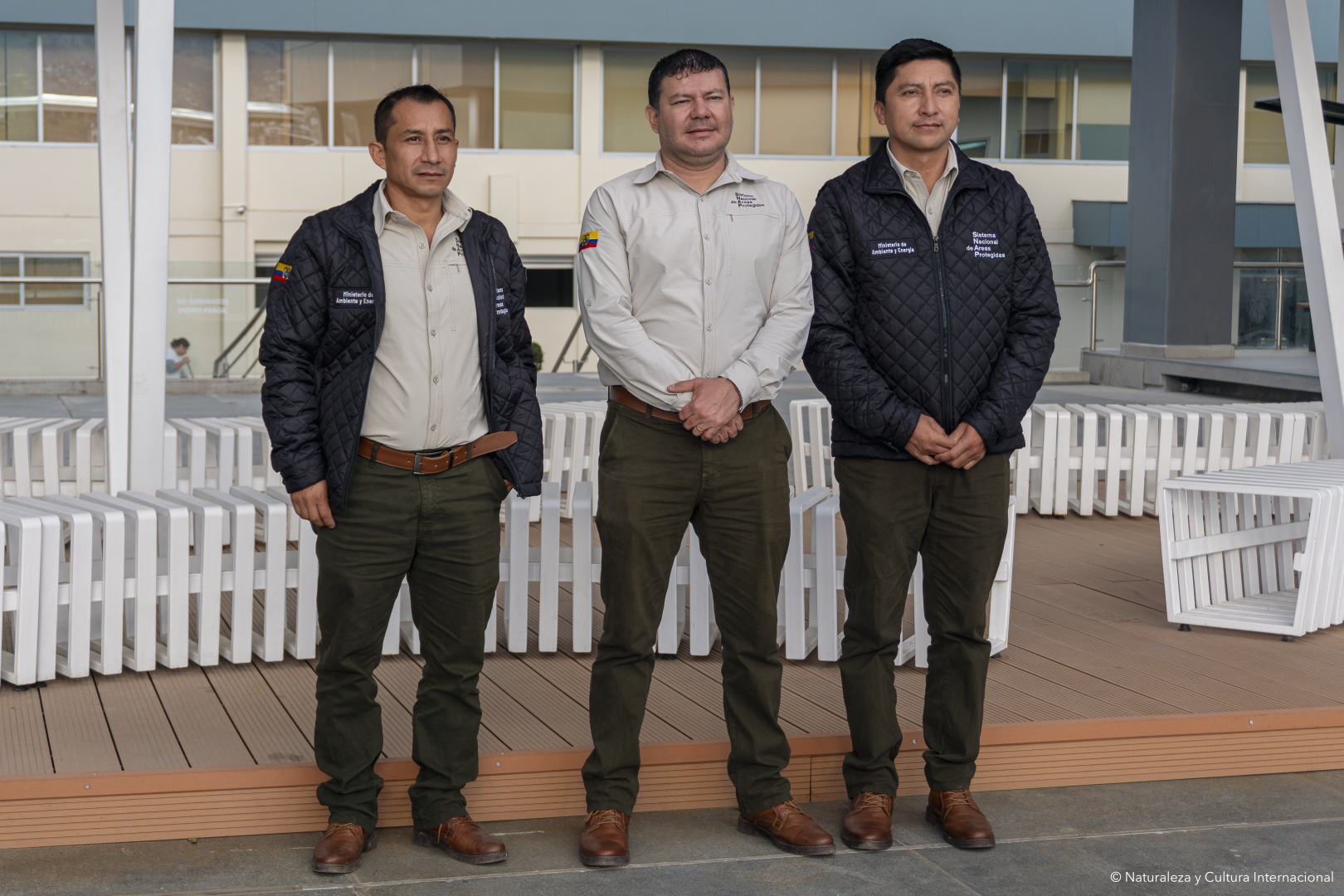


El curso contó con el apoyo técnico de Naturaleza y Cultura Internacional y la Universidad Técnica Particular de Loja, con el apoyo del proyecto BLF Andes Amazónico, financiado por Desarrollo Internacional del Reino Unido en el marco del Fondo de Paisajes Biodiversos.
---
**Más información:**
Aida Maldonado Quezada
**Comunicación Ecuador**
<amaldonado@naturalezaycultura.org>
**Strategic Area:** Biodiversidad, Bosques
**Country:** Ecuador
**Content Type:** Blog
---
### [Una carrera para descubrir y conservar el territorio de Orellana ](https://www.natureandculture.org/es/directorio/una-carrera-para-descubrir-y-conservar-el-territorio-de-orellana/)
**Published:** September 1, 2026
**Author:** Nora Sanchez
**Content:**
Orellana se extiende en el corazón de la Amazonía ecuatoriana, entre bosques, ríos y una diversidad de paisajes que forman parte de la vida cotidiana de sus habitantes. Este territorio también es el hogar de las nacionalidades **Waorani, Kichwa y Shuar**, cuyos conocimientos y formas de vida mantienen una estrecha relación con la naturaleza.
En estos paisajes, la vida se manifiesta en múltiples formas. **Moretes, chambiras, ceibos y palmas reales** crecen en los bosques, donde también encuentran refugio especies como el **mono aullador, el águila harpía y el delfín rosado.** Esta riqueza de flora y fauna forma parte de la biodiversidad registrada en el Sistema de Información de Biodiversidad del Ecuador (SiB-Ec).
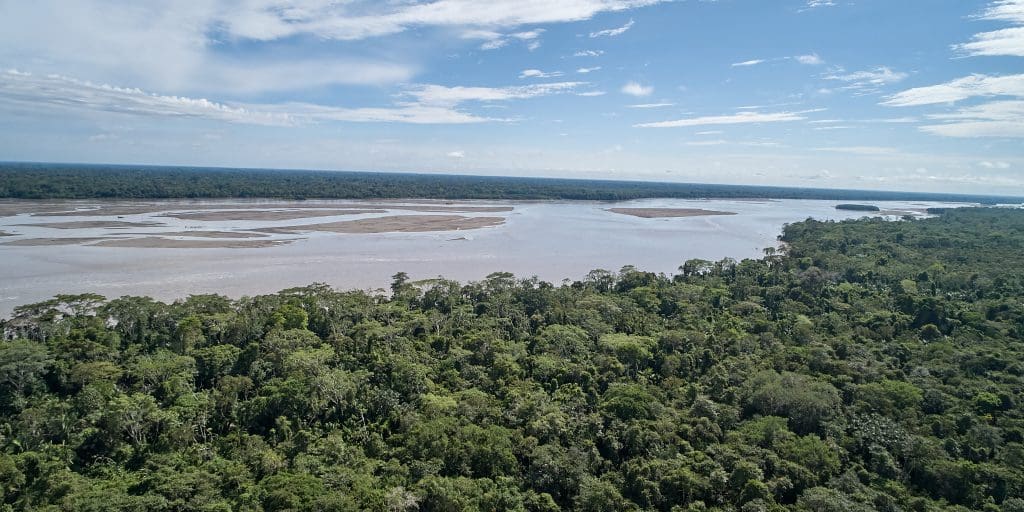Comunidad Illa Kucha \| Créditos: Daniel Sanmartín
En este contexto, se promueve el establecimiento de **Áreas de Conservación y Uso Sostenible (ACUS)** **en Orellana**, una iniciativa impulsada por **el Gobierno Provincial de Orellana,** con el apoyo técnico de **Naturaleza y Cultura Internacional y el financiamiento de World Land Trust,** orientada a proteger el patrimonio natural y cultural. La propuesta considera la conservación de sus ecosistemas, fuentes de agua, al tiempo que busca compatibilizar la protección de estos recursos con el desarrollo de actividades productivas sostenibles.
Esta iniciativa adquiere especial relevancia por su ubicación estratégica y su articulación con importantes espacios de conservación de la región. Las áreas contempladas se conectan, **al norte, con la Reserva de Producción de Fauna Cuyabeno y la Reserva Biológica Limoncocha; al sur, con el Parque Nacional Yasuní y la Zona Intangible Tagaeri; y, al oeste, con el Parque Nacional Sumaco,** fortaleciendo la conectividad y continuidad de los ecosistemas de la provincia.
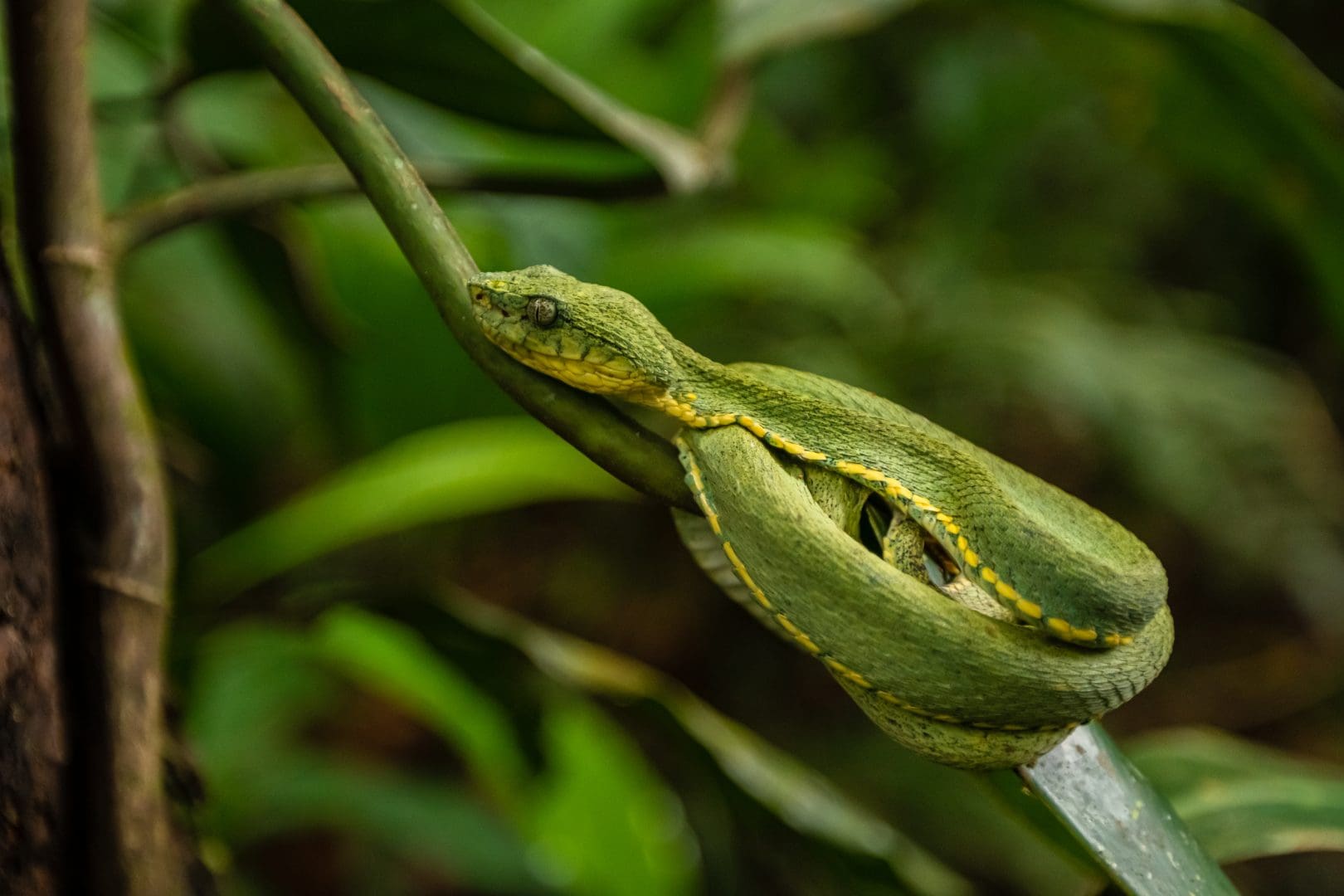
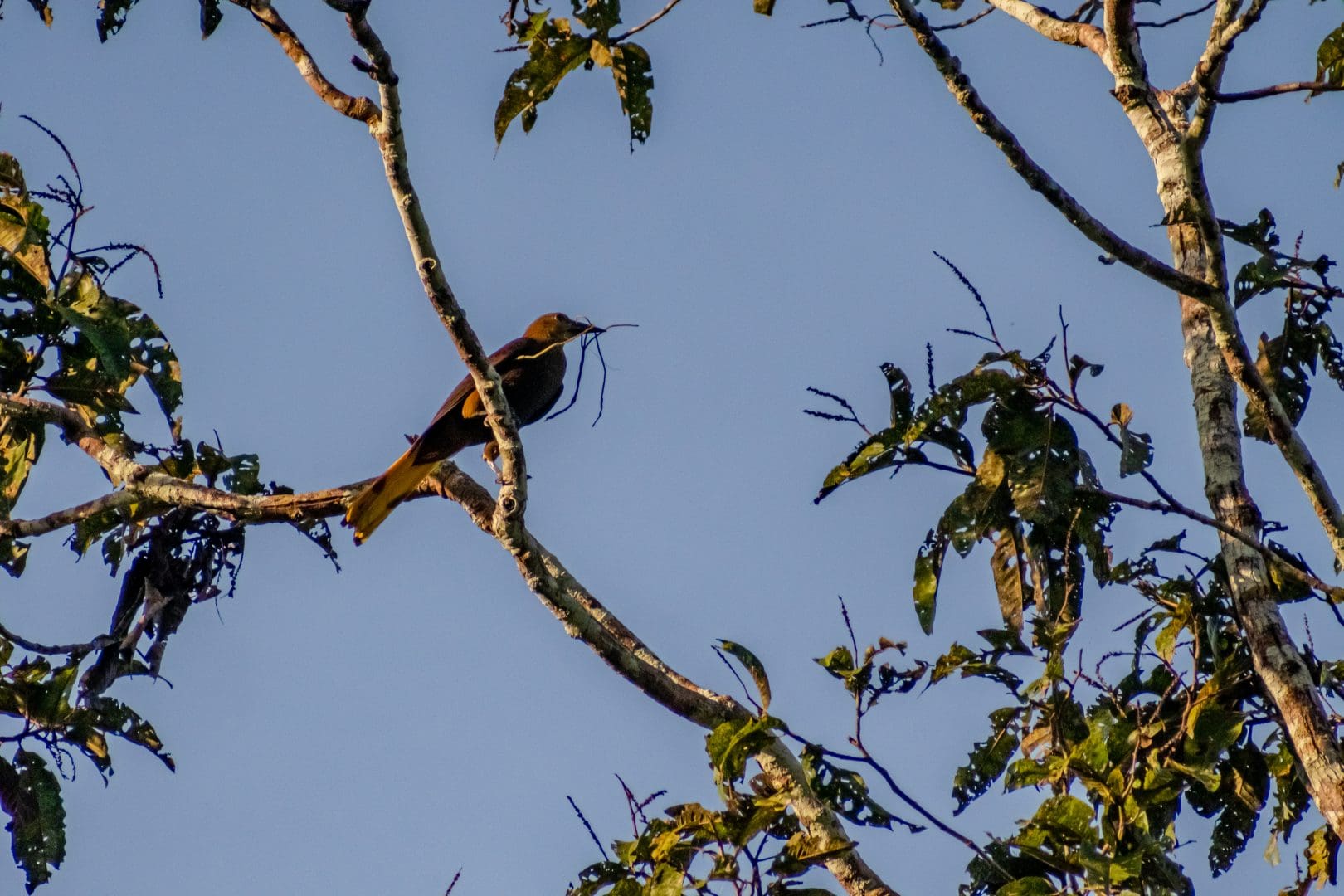
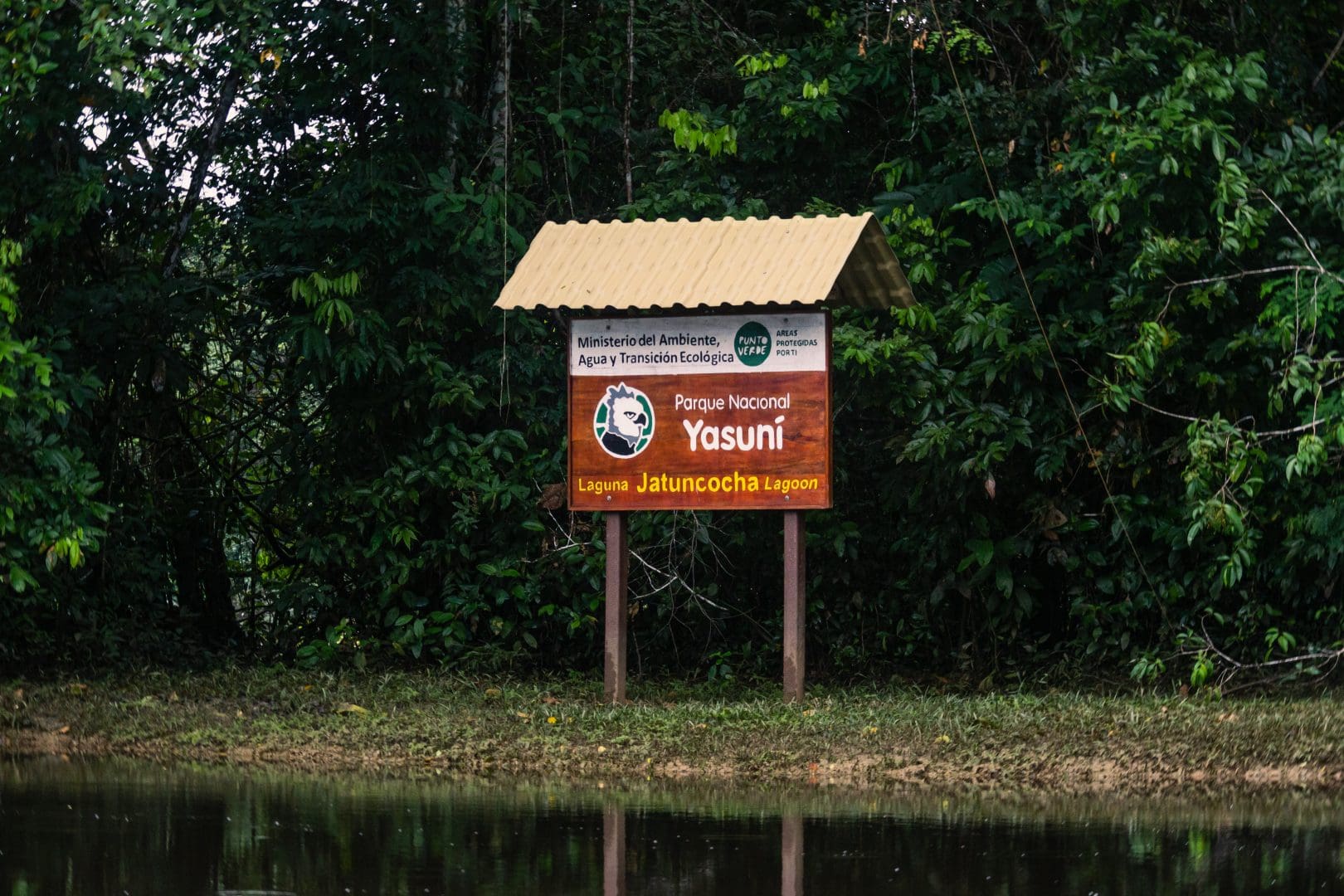

La iniciativa también forma parte de la **Plataforma Amazónica por los Bosques, el Clima y el Bienestar Humano**, que articula a gobiernos provinciales, pueblos y nacionalidades de la Amazonía ecuatoriana para fortalecer la conservación de los bosques y promover medios de vida sostenibles.
[Conoce más sobre la Plataforma Amazónica aquí](https://www.natureandculture.org/es/conservation_initiatives/plataforma-amazonica-por-los-bosques-el-clima-y-el-bienestar-humano/)
Pero conservar también implica generar espacios para que las personas **conozcan, valoren y se vinculen con los entornos naturales** que las rodean. Bajo esta perspectiva, las **Áreas de Conservación y Uso Sostenible** no solo buscan proteger ecosistemas y fuentes de agua, sino también fortalecer la relación de las comunidades con estos espacios y promover su valoración y conservación.
## **Un recorrido para conectar con la naturaleza**
Con esa mirada, el **Gobierno Provincial de Orellana** impulsó una jornada deportiva al aire libre que reunió alrededor de **300 personas en El Coca**. Kilómetro a kilómetro, la carrera se convirtió en una oportunidad para recorrer el paisaje, observar sus cambios y acercarse a la riqueza natural de la provincia.

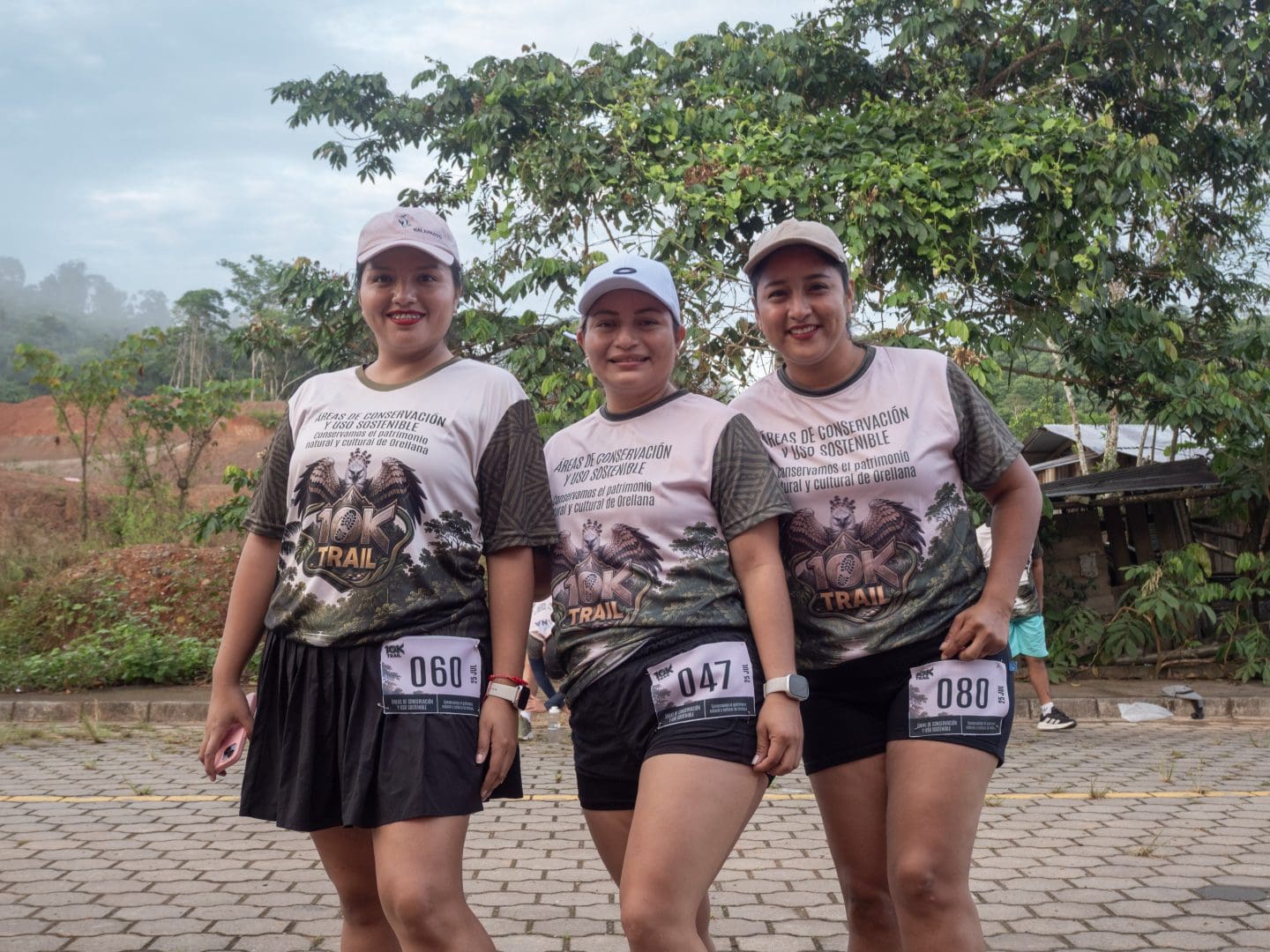

La carrera **10K Trail Running – Áreas de Conservación y Uso Sostenible**, comenzó en el **barrio Flor de Oriente**, al sur de la ciudad. Al avanzar, el paisaje fue cambiando. El asfalto y las zonas habitadas comenzaban a quedar atrás, dando paso a caminos de tierra, abundante vegetación y aves, en un entorno para disfrutar del aire puro y de los paisajes amazónicos.
Durante **10 kilómetros**, las y los participantes pudieron apreciar la **riqueza natural que rodea a El Coca** mientras **hacían ejercicio.** El recorrido también permitió reconocer que estos entornos no se conservan por casualidad: **detrás de su protección** existe el trabajo y compromiso de **comunidades locales, pueblos y nacionalidades, autoridades y organizaciones,** que contribuyen a conservar y valorar estos espacios.
## **El camino hacia la conservación**
Los caminos recorridos durante la carrera forman parte de un entorno mucho más amplio, donde bosques, agua, biodiversidad, comunidades y culturas mantienen una relación estrecha.
La propuesta de las Áreas de Conservación y Uso Sostenible de Orellana está avanzando. \| Créditos: Daniel Sanmartín
Más allá de la **experiencia deportiva**, el recorrido permitió reconocer el valor de los espacios naturales y la importancia de protegerlos. En ese escenario, el proceso para crear las **Áreas de Conservación y Uso Sostenible** busca contribuir a que la **riqueza natural y cultural de Orellana** se conserve y se gestione de manera sostenible.
La carrera terminó, pero la **tarea de conservar continúa**. Los bosques, los ríos y la biodiversidad seguirán formando parte de la vida de la provincia, mientras **comunidades, autoridades y organizaciones** avanzan en la búsqueda de nuevas formas de **protegerlos y asegurar** su permanencia para las presentes y próximas generaciones. Porque cada recorrido puede acercarnos a la naturaleza, pero su conservación requiere un compromiso que va mucho más allá de una jornada y que **se construye todos los días.**
---
**Más información:**
Aida Maldonado Quezada
**Comunicadora Ecuador**
<amaldonado@naturalezaycultura.org>
**Tags:** Agua, Biodiversidad, Ecuador, Reservas naturales
**Strategic Area:** Biodiversidad
**Country:** Ecuador
**Content Type:** Blog
---
### [16 Years of Community-Led Conservation Secures San Andrés's Water Protection Area ](https://www.natureandculture.org/directory/16-years-in-the-making-san-andres-secures-its-water-forests-and-future/)
**Published:** August 25, 2026
**Author:** Heather Thomas
**Content:**
### *Protecting water sources to conserve ecosystems, sustain biodiversity*, *and improve residents’ access to water.*
In Ecuador, a Water Protection Area (APH, in Spanish) is one of the country’s strongest legal tools for safeguarding the sources that supply communities with clean water. Nature and Culture has worked with communities and local governments for over 30 years, [leveraging water source protection as a strategy for ecosystem and species conservation](https://www.natureandculture.org/conservation_initiatives/water-source-conservation/).
Yacuri National Park
In southern Ecuador’s Zamora Chinchipe province, the San Andrés Water Protection Area is a community-led initiative that, after 16 years of work, has been elevated to APH status — one of Ecuador’s strongest legal safeguards for water security. The area protects 11,809 acres (4,779 hectares) of páramo and montane forest, serving as a buffer zone for Yacuri National Park and strengthening the [Andes Amazon Conservation Corridor,](https://www.natureandculture.org/conservation_initiatives/the-andes-amazon-conservation-corridor/) a vital wildlife corridor in southern Ecuador.
The story of San Andrés grew from the local community’s commitment to protect their water sources. First protected as a community reserve in 2010, the area now secures water for around 800 residents.
*“As a mother, it gives me great peace of mind to know that our water reserve is protected. Water is essential for life, and as a community, we have a responsibility to care for it, use it responsibly, and teach our children that this commitment must continue to secure the future of our reserve,”* says **Keiny Cordero**, a resident of San Andrés.
*“The declaration of the Water Protection Area represents a milestone for our community. It is a commitment to protecting our water sources and a legacy for future generations, who will have the responsibility of preserving this heritage,” states **Diego Abad** **Abad**, president of the San Andrés GAD.*

*“We launched this initiative at the right moment, just as mining was beginning to affect our water sources. Today, having a Water Protection Area gives us peace of mind, knowing that we will be able to preserve quality water for future generations,” recalls **Martín Ramón**, former president of the San Andrés Parish GAD and one of the driving forces behind the area’s conservation process.*
>
## **A Refuge for Biodiversity**
The San Andrés Water Protection Area safeguards high-Andean ecosystems of exceptional ecological value, home to a rich diversity of species. Its páramos and montane forests shelter emblematic wildlife such as the spectacled bear (*Tremarctos ornatus*) and the puma (*Puma concolor*), alongside distinctive plant life including romerillo (*Podocarpus oleifolius*), achupalla (*Puya obconica*), and wild granadilla (*Passiflora loxensis*).
Spectacled bear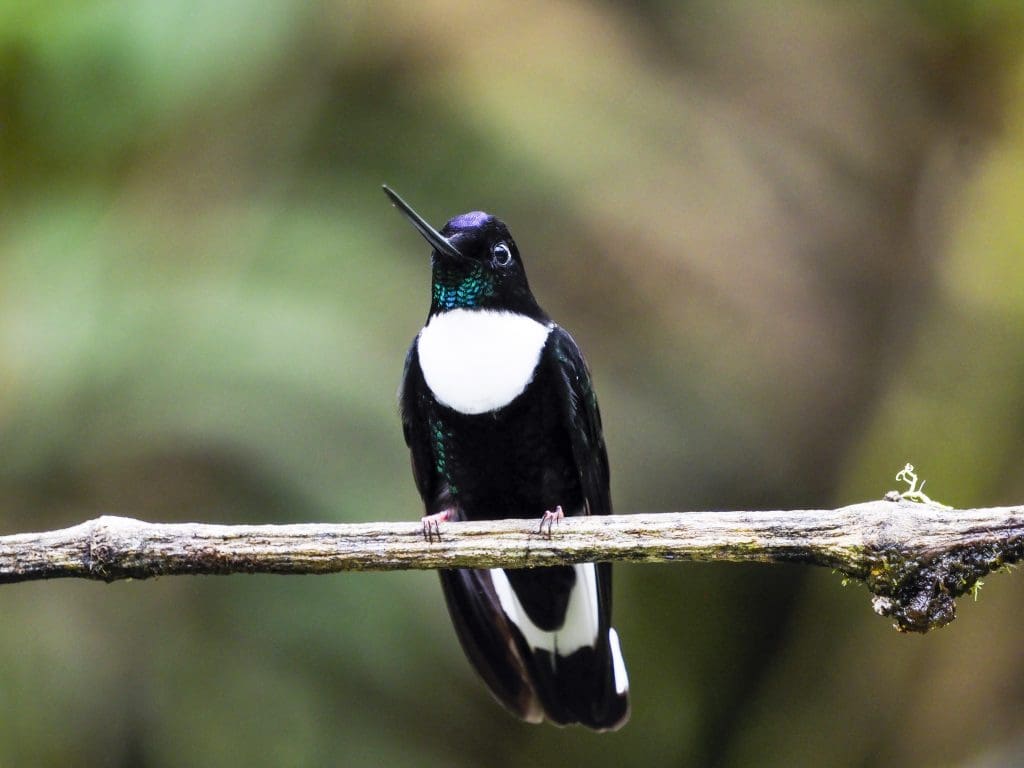Collared Inca *(Coeligena torquata)* hummingbird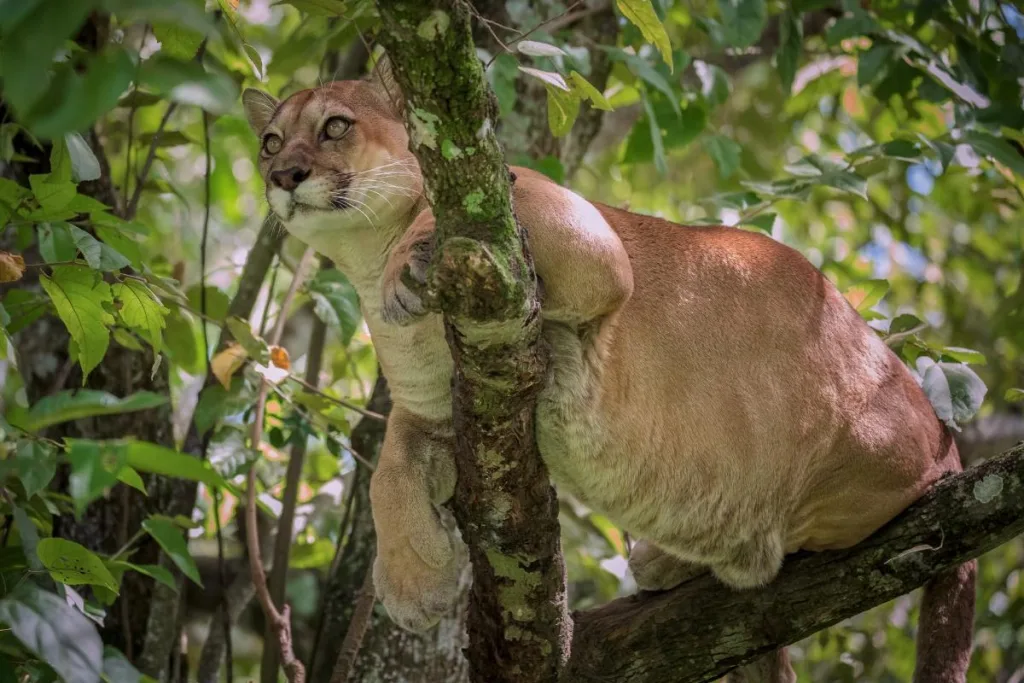Puma Photo: Instituto Humboldt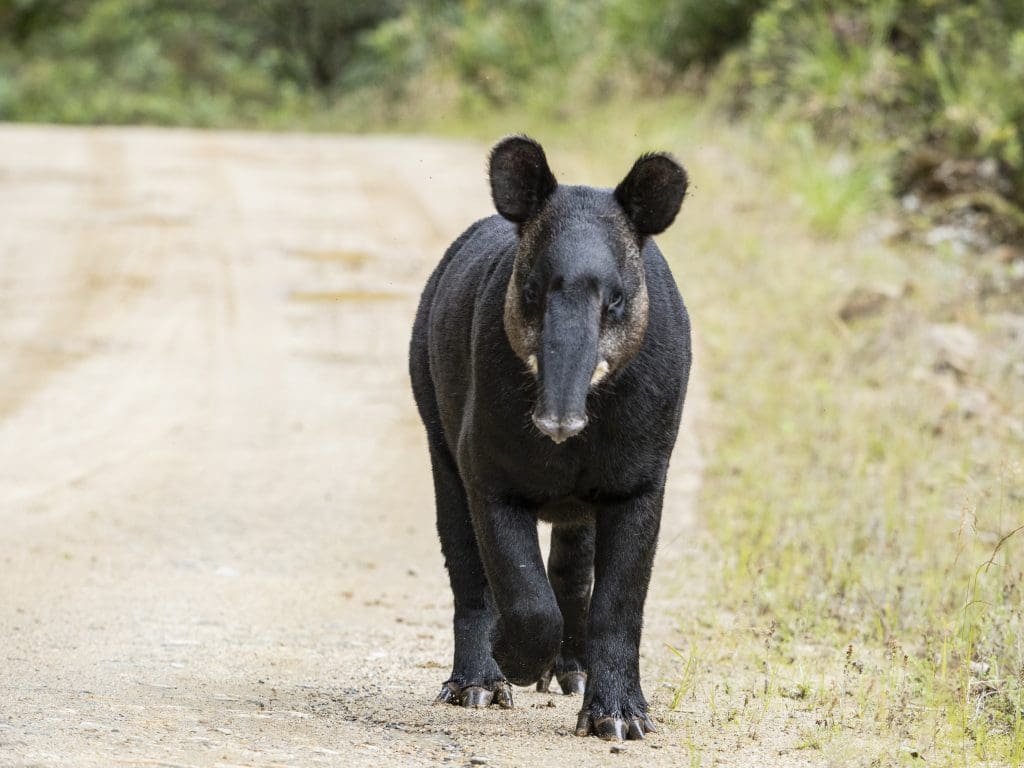Mountain tapir in the San Andrés Water Protection Area
During a recent visit to the area, the forest offered a striking confirmation of what 16 years of protection have achieved: a mountain tapir (*Tapirus pinchaque*) appeared, one of the species most sensitive to habitat loss and considered an indicator of healthy ecosystems. Its presence was no coincidence, it reflects 16 years of community work to protect the forests, water sources, and biodiversity of San Andrés.
## **Water as a Conservation Strategy**
Beyond sheltering wildlife, the páramos and montane forests of San Andrés function as a natural water infrastructure system, capturing moisture from clouds and rainfall, storing it in spongy soils and wetlands, and releasing it steadily throughout the year into the streams that supply San Andrés communities. This slow, sustained release is what allows residents to count on water for both household use and agricultural production, even through dry seasons, anchoring both water security and food sovereignty across the territory.
This is the same water-source strategy Nature and Culture has applied across Ecuador for more than 30 years, protecting the upper watersheds where water originates, in order to safeguard both the ecosystems that sustain it and the communities downstream who depend on it. Of the 42 Water Protection Areas established nationwide, Nature and Culture has provided technical and financial assistance toward the consolidation of 26 — including San Andrés, where that support helped carry a community-led vision through 16 years to a durable legal safeguard.
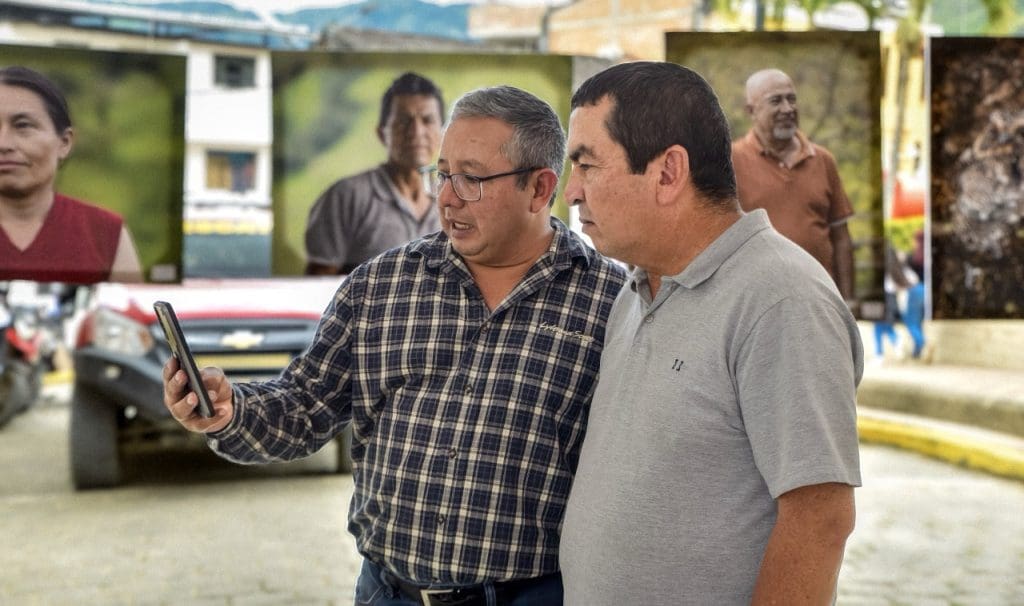José Romero, San Andrés Water Protection Area
*“Today, 95% of San Andrés’s surface area maintains optimal ecological conditions. This result shows that sustained conservation and joint work between communities and institutions produce concrete benefits for biodiversity and water,”* says **José Romero**, Water Source Conservation Program Coordinator.
The establishment of the San Andrés Water Protection Area is, above all, a story of local leadership. Thanks to the perseverance of its community, years of conservation work culminated in a legal framework of protection, guaranteeing the care of the forests and access to water for everyone.
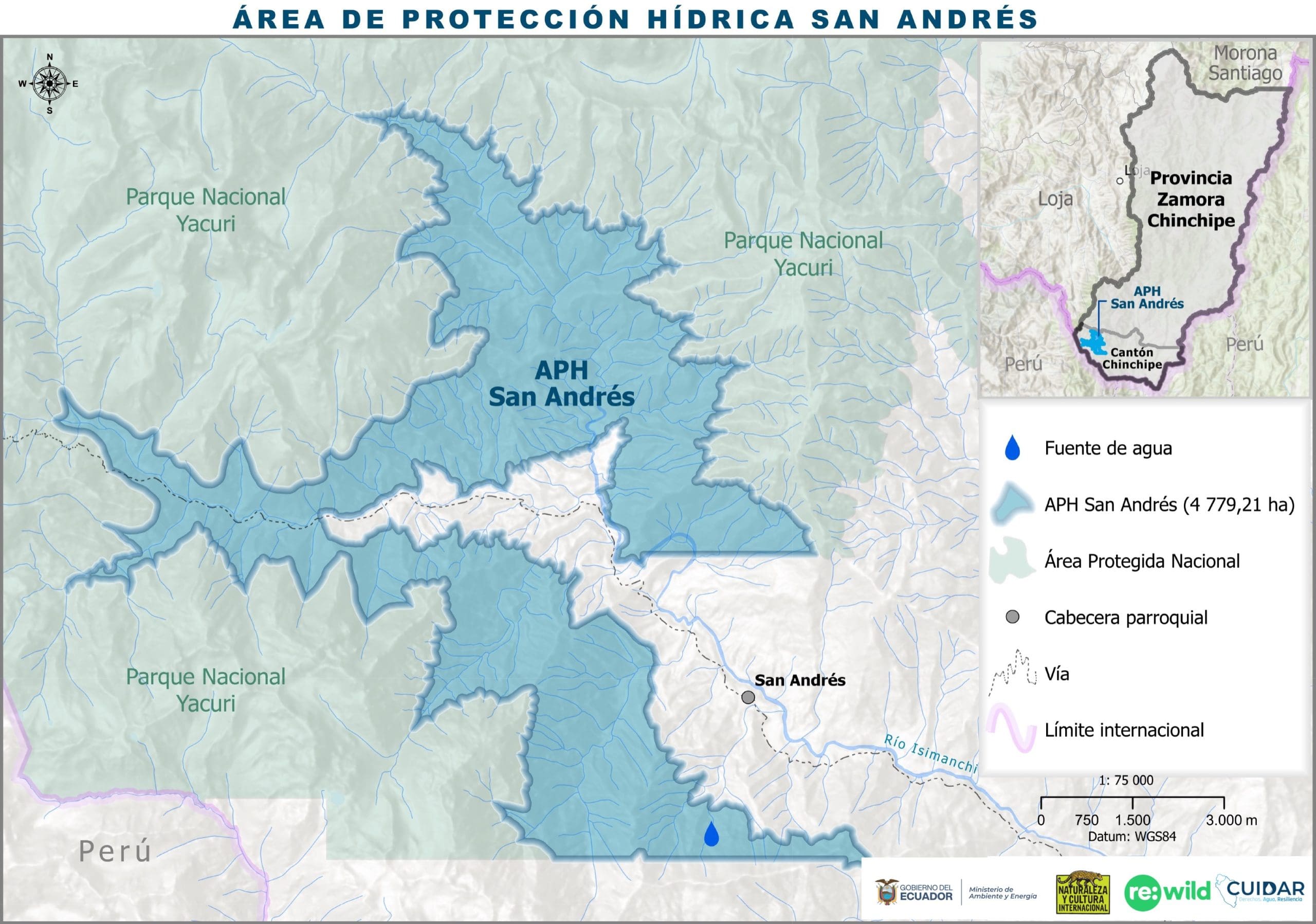San Andrés Water Protection Area Map. Produced by: Nature and Culture International
This process was driven by the community, with technical support from Nature and Culture International and the [CUIDAR project](https://www.natureandculture.org/directory/cross-border-cuidar-initiative-protects-mayo-chinchipe-watershed/), and funding from [Re:wild](https://www.rewild.org/). When conservation is sustained over time and rooted in people’s commitment, results become visible in the forest once again — as seen firsthand in the return of the mountain tapir, a species so sensitive to habitat loss that its presence alone signals a healthy, thriving ecosystem.
**Strategic Area:** Forests, Water
**Country:** Ecuador
**Content Type:** Blog
---
### [Kandozi People Win Recognition for Peruvian Amazon](https://www.natureandculture.org/directory/kandozi-people-win-recognition-for-peruvian-amazon/)
**Published:** August 6, 2026
**Author:** Heather Thomas
**Content:**
## 2.5 million acres protected, securing 319 million tons of CO2e emissions.
### *Tsapuni becomes the third Indigenous Territory of Life registered in Peru, advancing a landscape-scale conservation vision to strengthen ecological connectivity between the Peruvian and Ecuadorian Amazon.*
**LORETO, PERU** — After generations of protecting their territory, the Kandozi people have won international recognition for Tsapuni, 2,551,163 acres of forest, rivers, lakes, and wetland in the northern Peruvian Amazon. Tsapuni is only the third Indigenous territory in Peru to enter the international register of Territories of Life.
The name means “the place where life emerged” in the Kandozi language. New analysis confirms it. Tsapuni’s intact forests and wetlands, part of one of the largest tropical peatland systems on the planet, keep 319,339,197 tons of carbon dioxide equivalent out of the atmosphere. Ninety-nine percent of the territory remains high-integrity forest, sustained by generations of Kandozi stewardship.
Nature and Culture International provided the technical support that carried the recognition through. The organization has worked for years to keep Amazonian landscapes connected across the Peru and Ecuador border, and Tsapuni is now a keystone in that effort. The milestone brings Nature and Culture’s lifetime totals to **more than 29.3 million acres protected across Latin America and more than 4.2 billion tons of CO2 equivalent secured.**

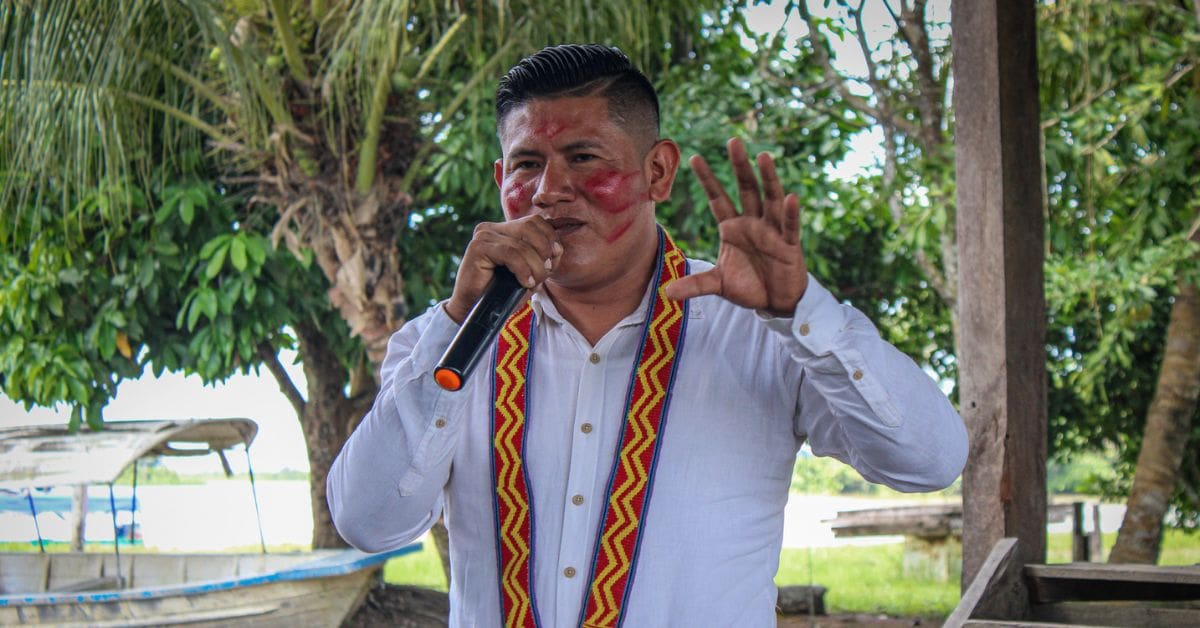
## **A landscape almost entirely intact**
The data on Tsapuni is remarkable even by Amazonian standards.
- **99.3 percent** of the territory qualifies as high integrity forests, 2,533,975 acres barely touched by human activity
- **63 percent** falls inside an internationally recognized Key Biodiversity Area, 1,618,614 acres
- **1,060 species** of terrestrial vertebrates potentially live there: 605 birds, 198 mammals, 149 reptiles, and 108 amphibians
- **20 of those species are threatened** with extinction, and 46 are trigger species that qualify the site for global biodiversity significance
- **98 migratory bird species** pass through, 25 of them travelling from the boreal north
Tsapuni’s 2.5 million acres are home to jaguars, black caimans, yellow-spotted river turtles, Amazonian tapirs, toucans, macaws, and the Spix’s guan.
Today Tsapuni faces mounting pressure from extractive activities, unsustainable fishing, and the effects of climate change. In the face of those challenges, the Kandozi people demonstrate that the most effective conservation happens when the leadership of those who have cared for these territories for generations is strengthened.
Lake Musa Karusha Photo credit: Macoy Zapata, BLF
## **The Kandozi people**
The Kandozi are an Indigenous nation of the northern Peruvian Amazon. Their identity, their culture, and their daily life are bound to this place. For generations, their ancestral knowledge and their own forms of organization have guided the sustainable management of natural resources, making conservation an essential part of their relationship with the land.
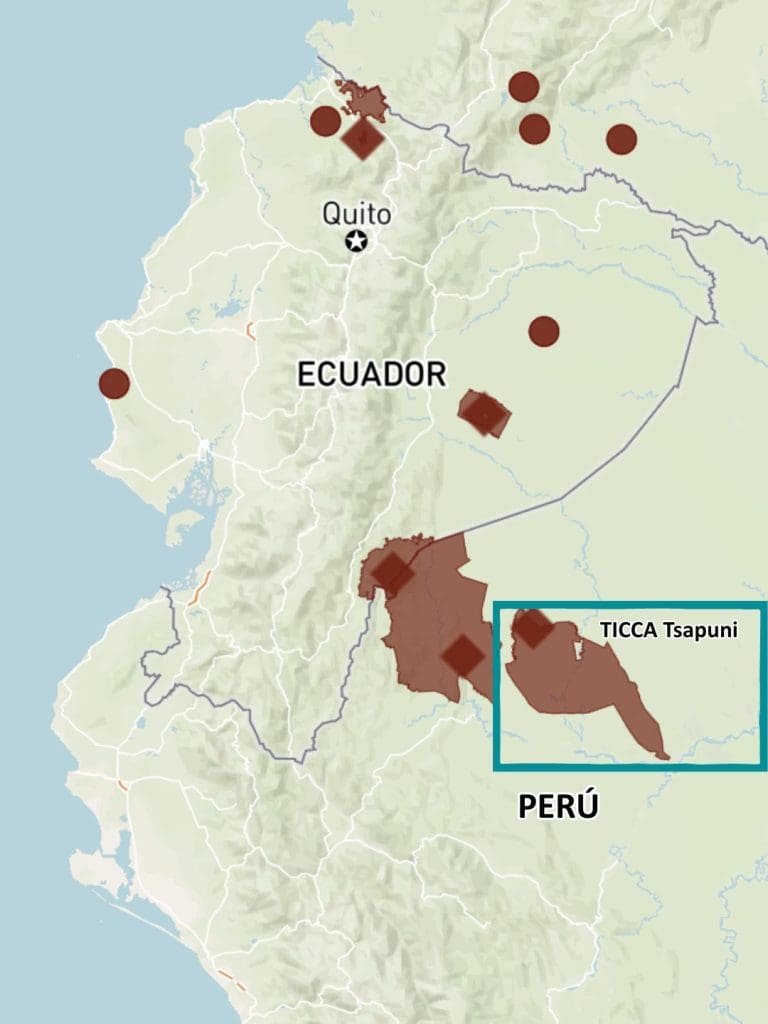Tsapuni Territory from the TICCA Registry (Taken from: <https://www.iccaregistry.org/>)
## **What a Territory of Life is, and what it takes to earn one**
A Territory of Life, known internationally as an Indigenous and Community Conserved Area (ICCA) and in Spanish as a Territorio y Área Conservada por Pueblos Indígenas y Comunidades Locales (TICCA), is a place that Indigenous peoples or local communities have conserved through their own governance and their own way of life. The international register gives that stewardship formal recognition on the world stage.
Recognition is not granted from the outside. A people must demonstrate three things:
1. **A deep cultural and spiritual relationship** with the territory
2. **A governance system of their own**
3. **Concrete conservation results**
Through a participatory process, Kandozi leaders reaffirmed their decision to recognize themselves as a Territory of Life and demonstrated all three. The register acknowledges what the Kandozi have been doing all along.
## **Nature and Culture’s role**
The Kandozi led this effort. Nature and Culture made sure they had the technical support to see it through.
In February 2026, Nature and Culture joined the Kandozi people, the Regional Coordinating Body of Indigenous Peoples of San Lorenzo (CORPI SL), and the Autonomous Territorial Government of the Kandozi Nation (GTAK) to form an Accompaniment and Oversight Committee. Nature and Culture provided technical support to help organize and verify the information behind the TICCA registration process, including an April working session in San Lorenzo focused on documenting the territory’s governance systems, conservation contributions, and threats. Nature and Culture’s role centered on upholding free, prior, and informed consent, strengthening local capacities, and ensuring the recognition reflected the Kandozi people as key actors in conservation, grounded in their own governance and their bond with the territory.
Nature and Culture has worked for decades alongside Indigenous peoples who lead conservation on their own terms.
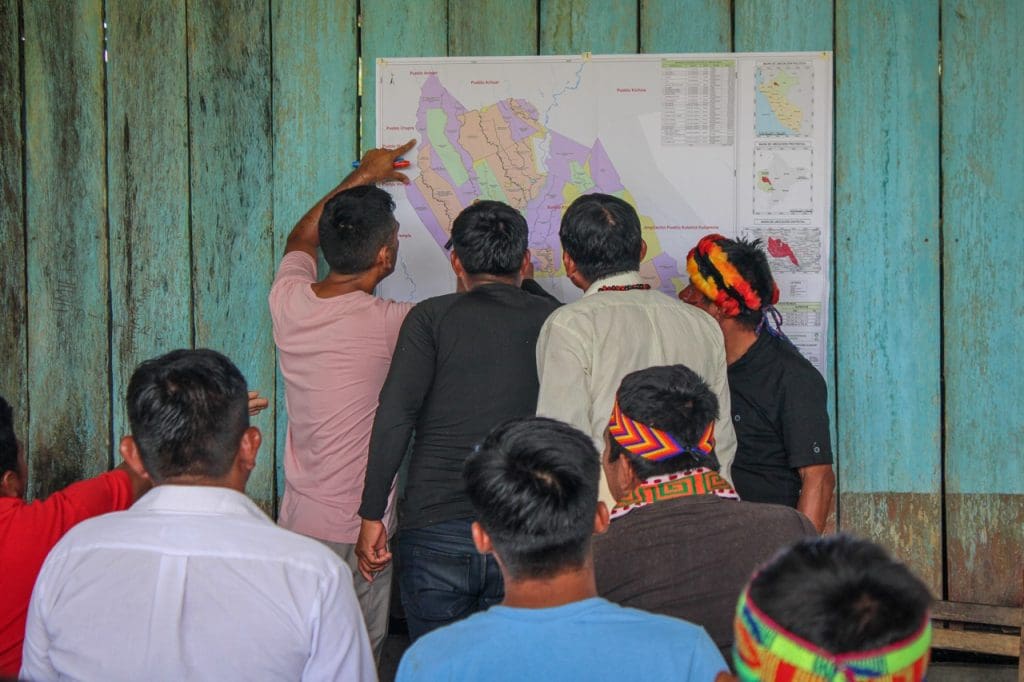Kandozi people mapping out the TICCA territory, protecting their land
## **Technical partners**
The recognition was led by the Autonomous Territorial Government of the Kandozi Nation (GTAK) and the Regional Coordinating Body of Indigenous Peoples of San Lorenzo (CORPI SL).
They were supported by a coalition of technical partners working within the framework of the Biodiverse Landscapes Fund (BLF) Andes-Amazon project. Nature and Culture led the effort to compile and verify the evidence for the registration, with AIDESEP, the national Indigenous federation, bringing its representation of Peru’s Amazonian peoples, and WWF Peru contributing additional technical expertise. This work was carried out with support from other cooperation initiatives, including the Bezos Earth Fund.
## **One protected place, a whole connected Amazon**
The Amazon spans multiple countries. Its forests, rivers, mountains, communities, and species form an ecological system that extends beyond national borders. Deforestation, climate change, and unsustainable use of natural resources are fragmenting that system, and conserving territories in isolation is not enough. Effective conservation requires connecting protected areas.
Tsapuni’s recognition strengthens a network of strategic landscapes for Amazonian conservation and opens new opportunities to connect conservation efforts between Peru and Ecuador.
Nature and Culture is working alongside its local partners towards a shared vision for conservation across Peru and Ecuador. We are helping protect key territories, keep the Amazon connected across the two countries, and support conservation led by Indigenous peoples and local communities.
## **A future built on local leadership**
Nature and Culture congratulates the Kandozi people, the Autonomous Territorial Government of the Kandozi Nation, and CORPI San Lorenzo on this historic achievement.
This process, and the next steps to strengthen the Kandozi TICCA, are possible thanks to the joint work of partner organizations and the contribution of cooperating funders such as UK International Development, through the Biodiverse Landscapes Fund project, and the Bezos Earth Fund.
With Tsapuni, the organization has now helped protect more than 29.5 million acres across Ecuador, Peru, Colombia, Bolivia, and Mexico, securing more than 4.2 billion tons of CO2 equivalent. Thirty years of work, built one territory at a time, alongside the people who live there.
More than 2.5 million acres of living Amazon are now recognized on the world stage. There is far more still to protect.
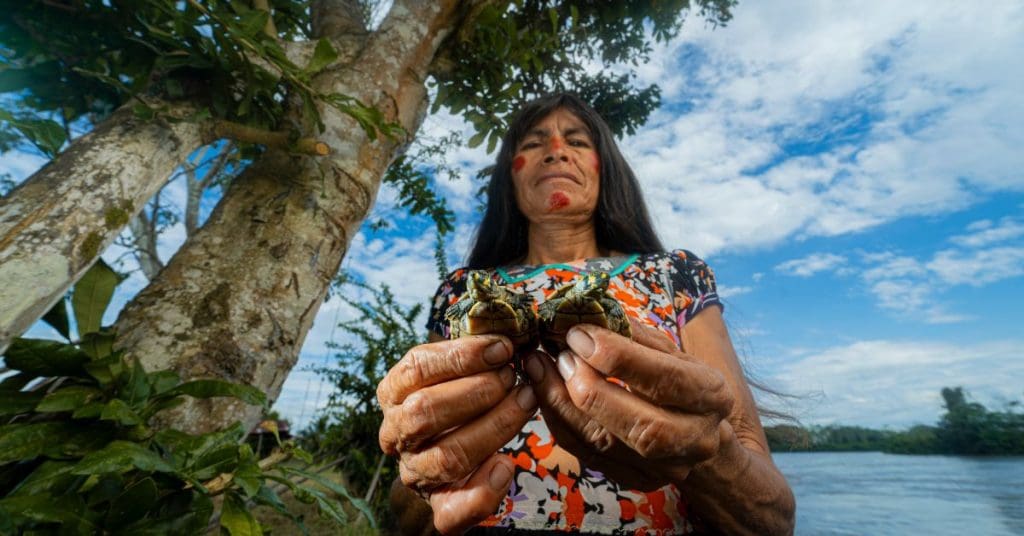Kandozi Woman (Credits: BLF Andes Amazónico \| Practical Action)
## **About Nature and Culture International**
Nature and Culture International protects large, intact forests across Latin America in partnership with Indigenous peoples and local communities. For thirty years the organization has worked across Ecuador, Peru, Colombia, Bolivia, and Mexico, protecting more than 29.3 million acres at under $10 per acre, with 85 cents of every dollar going to programmatic work and roughly 92 percent of program staff hired locally.
**MEDIA CONTACT:**
**Kristen Heard**
**Director of communications**
[**Kheard@natureandculture.org**](mailto:Kheard@natureandculture.org)
**P: +1 858 259 0374**
**Tags:** Biodiversity, Conservation, Indigenous, Nature and Culture International, Peru, Protected Area
**Strategic Area:** Biodiversity, Forests, Local Communities
**Country:** Peru
**Content Type:** News
---
### [Municipal Protected Area expanded in Ecuador's most threatened ecosystem](https://www.natureandculture.org/directory/paltas-expanded/)
**Published:** August 18, 2020
**Author:** Heather Thomas
**Content:**
## Thanks to your support, 41,000 acres are protected in Ecuador’s dry forest.
On Monday, the Paltas Municipal Council approved the expansion of *Paltas Municipal Protected Area* in southwest Ecuador, bringing it to a total size of 41,040 acres! The new area, divided into six “blocks” within the municipality, conserves some of the last remnants of dry forest in Ecuador.
*Paltas Municipal Protected Area* is dominated by dry forest habitat home to special and threatened wildlife like the cougar (*Puma concolor*) and grey-cheeked parakeet (*Brotogeris pyrrhoptera*). The area also contains the tara (*Caesalpinia spinosa*), a native tree whose pods are sustainably harvested by local farmers.
Mining and livestock are the primary threats to this area, threatening habitat and water supplies. Thanks to the expansion, *Paltas Municipal Protected Area* now safeguards water sources for eight parishes within the municipality, or 10,000 people.
According to Nature and Culture conservationist José Romero, “in addition to protecting important water sources, the blocks conserve the last remaining dry forest in the area.”
The area conserves one of the most endangered ecosystems in Ecuador.
One of the newly declared blocks within *Paltas Municipal Protected Area* protects forest adjacent to Nature and Culture’s *Pisaca Reserve*. Within this area, the municipality revived an ancient practice of pre-Columbian indigenous peoples, the Paltas, who once lived in the block. The indigenous people dug ponds throughout the region to capture water during the four-month rainy season, which recharged springs to provide water in the dry season.
The municipality successfully excavated several infiltration ponds to implement the ancestral practice. Now, residents of nearby towns have a water supply for one and a half hours each day instead of 30 minutes, and have access to clean water year-round.
“Now we grow a lot of plants – yucca, plantains, fruits. Now we can water growing areas where it was not possible before,” said Mercedes Omaida Carrión, a local farmer.
In 2018, UNESCO’s International Hydrological Program named *Pisaca* as an international Eco-Hydrology Demonstration Site. This is the first Eco-Hydrology site in Ecuador, in the Andes, and one of only 23 sites in the world!
The Carrión family extracting raw sugar cane juice with a cane press.
*Paltas Municipal Protected Area* was a result of collaboration between Nature and Culture, the Municipality of Paltas, and local communities and authorities.
According to Romero, “after seeing the work and activities Nature and Culture has done with local communities, we gained the trust of the local authorities. The municipality asked Nature and Culture for support to take care of and conserve their water sources.”
*Paltas Municipal Protected Area* was expanded thanks to financial support from the Andes Amazon Fund, BOS+, and generous supporters like you. With your help, Nature and Culture will continue to work with the municipality to develop the area’s Management Plan to ensure lasting and effective conservation impact.
Thank you for making this achievement possible! We hope that this bit of good news inspires you to continue fighting for nature and culture.
**Tags:** Protected Area
**Strategic Area:** Forests
**Country:** Ecuador
**Content Type:** News
---
### [Las comunidades de los Andes del Norte se unen](https://www.natureandculture.org/es/directorio/las-comunidades-de-los-andes-del-norte-se-unen/)
**Published:** August 16, 2026
**Author:** Nora Sanchez
**Content:**
*En el VIII Encuentro de la Red de Áreas de Conservación de los Andes del Norte, representantes de 13 áreas de conservación fortalecieron sus capacidades para proteger los ecosistemas, prevenir incendios y reducir las amenazas que afectan la conectividad ecológica.*
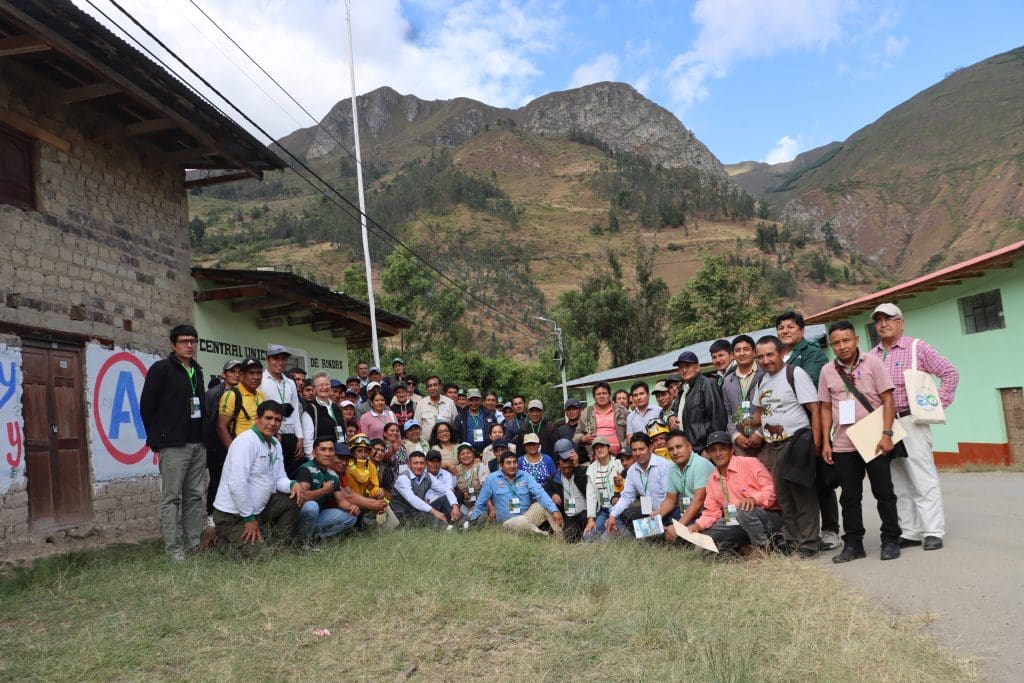Representantes de 13 áreas de conservación de Andes del Norte
Las comunidades de los andes del norte trabajan por conservar y mantener conectados los bosques, proteger las fuentes de agua, reducir las amenazas y asegurar que las especies se desplacen seguras de un lugar a otro.
Con esa convicción, casi cien representantes de las áreas de conservación de Piura y Cajamarca se reunieron en el VIII Encuentro de la Red de Áreas de Conservación de los Andes del Norte, un espacio que permitió intercambiar experiencias y fortalecer capacidades para enfrentar algunos de los principales desafíos que afectan a los ecosistemas.
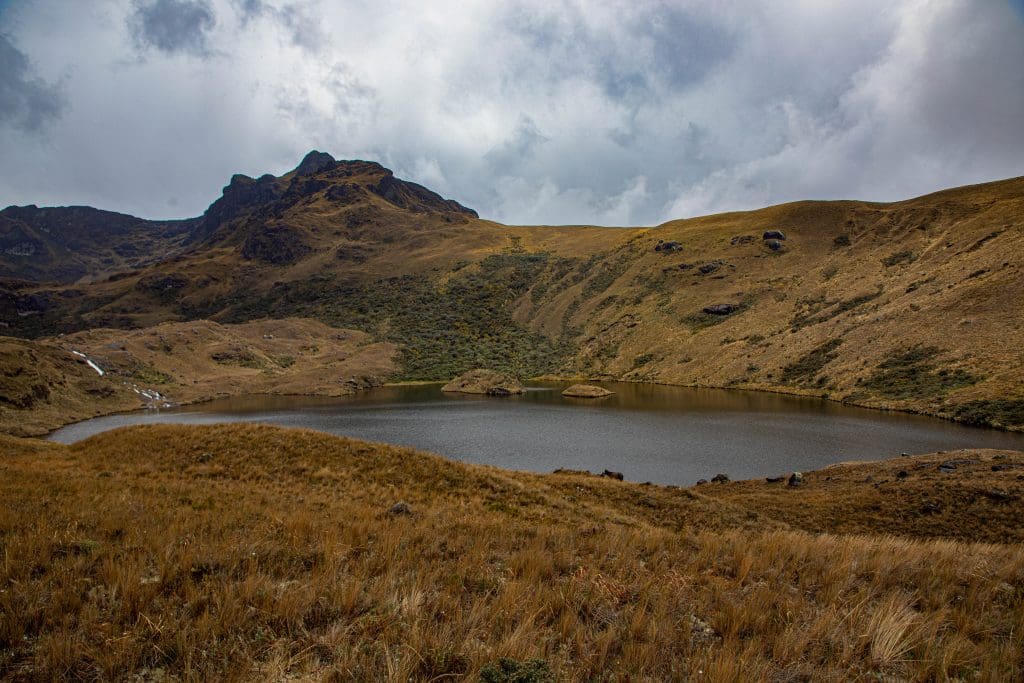Paisaje de Andes del Norte (Créditos: Misael Carrasco)
El encuentro congregó a representantes de 13 áreas de conservación de administración nacional, regional, comunitaria y municipal, cuyos territorios forman parte del Corredor de Conservación Andes del Norte y que cumplen la función de mantener la conectividad de los ecosistemas andinos del Perú. Además, participaron los bomberos forestales de Jaén, el Gobierno Regional de Piura, Gobierno Regional de Cajamarca, SERFOR, MINAM, la Municipalidad Distrital de Sóndor, entre otros aliados.
## **Conservar más allá de las fronteras**
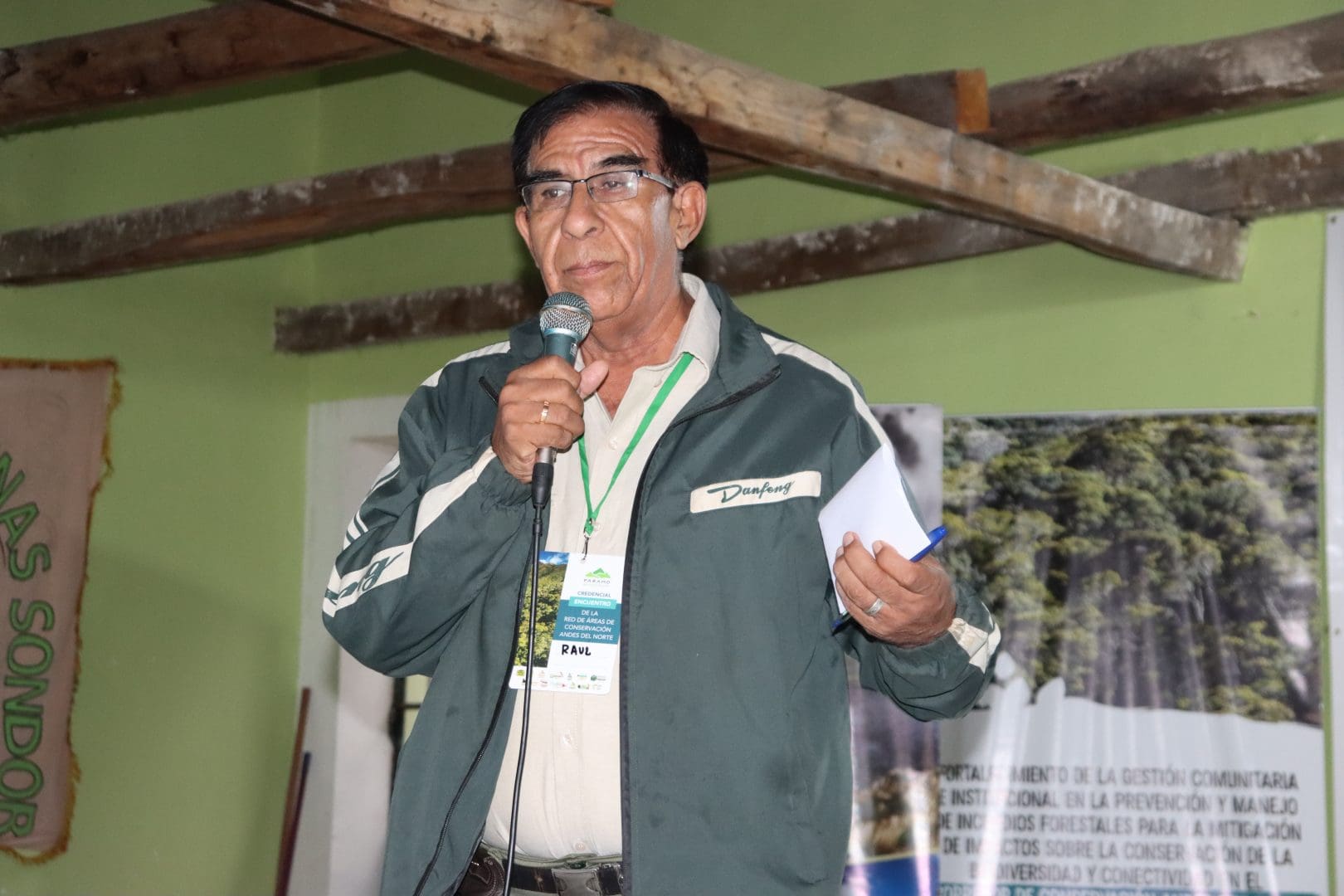
*“El Corredor de Conservación Andes del Norte (CCAN) alberga 729 mil hectáreas, de las cuales alrededor de 150 mil cuentan con alguna figura de protección. Este paisaje forma parte, además, del Corredor de Conservación Transfronterizo Andino Amazónico (CCTAA), reconocido oficialmente por los gobiernos de Perú y Ecuador en diciembre de 2025. El primer corredor binacional de Latinoamérica que abarca más de 2 millones de hectáreas y conecta más de 50 unidades de conservación entre ambos países” puntualiza el ingeniero Raúl Cevallos, director del Sistema Regional de Conservación de Áreas Naturales – SRCAN, del Gobierno Regional Piura.*
La importancia de esta conexión es evidente. Los ecosistemas no terminan donde acaba una frontera política y tampoco lo hacen las especies. El oso andino, el tapir de montaña, el jaguar, el cóndor andino y otras especies necesitan desplazarse entre distintos ambientes para alimentarse, reproducirse y encontrar condiciones adecuadas para sobrevivir.
Por ello, la conservación requiere una mirada integral, proteger áreas individuales es importante, pero mantenerlas conectadas es fundamental.
## **Cuando el bosque se fragmenta, la vida también**
La fragmentación de los ecosistemas es una de las principales amenazas para esta conectividad. La expansión de actividades productivas, los incendios forestales y otros cambios en el uso del suelo pueden generar barreras que perjudican el desplazamiento de las especies y alteran procesos ecológicos.
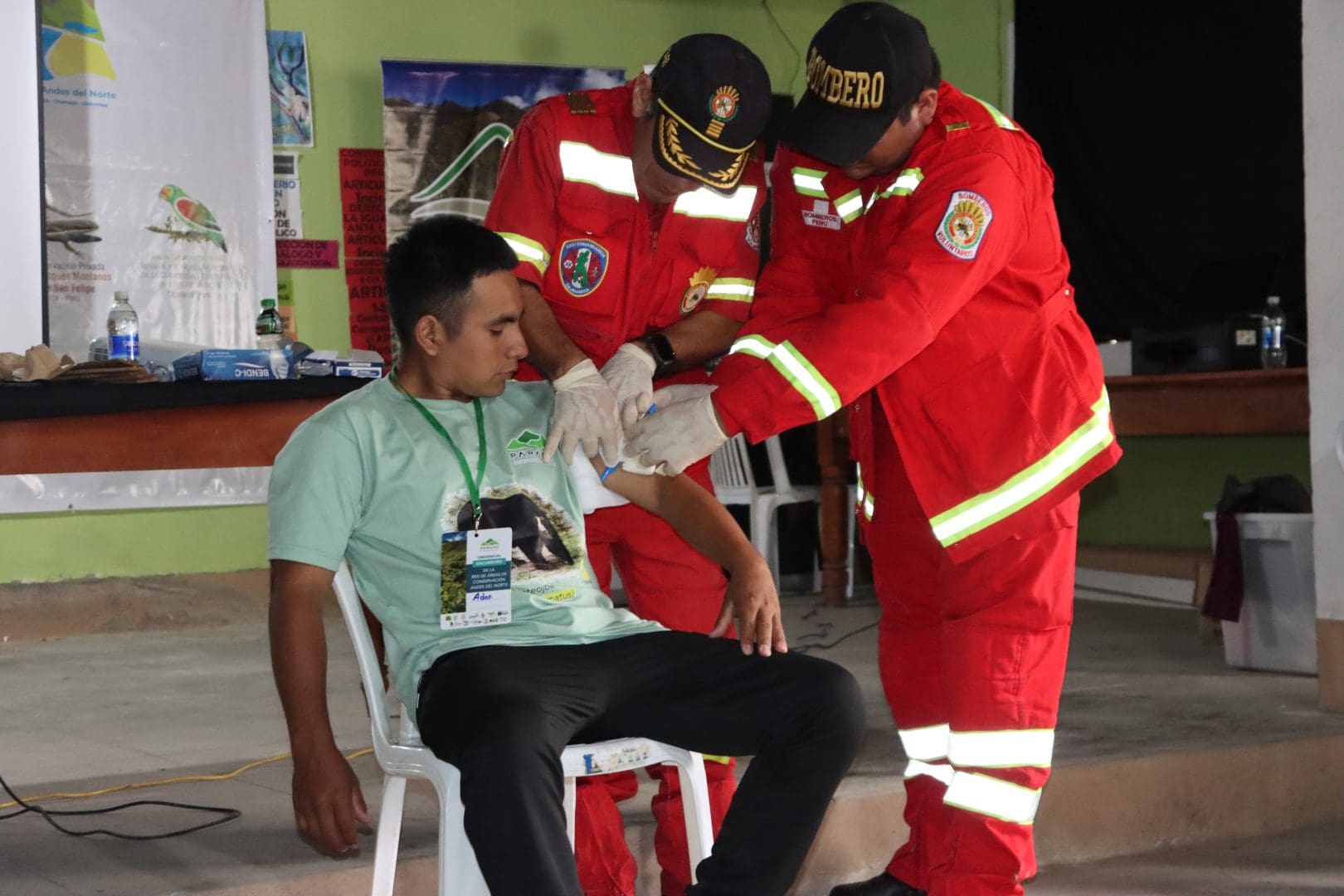
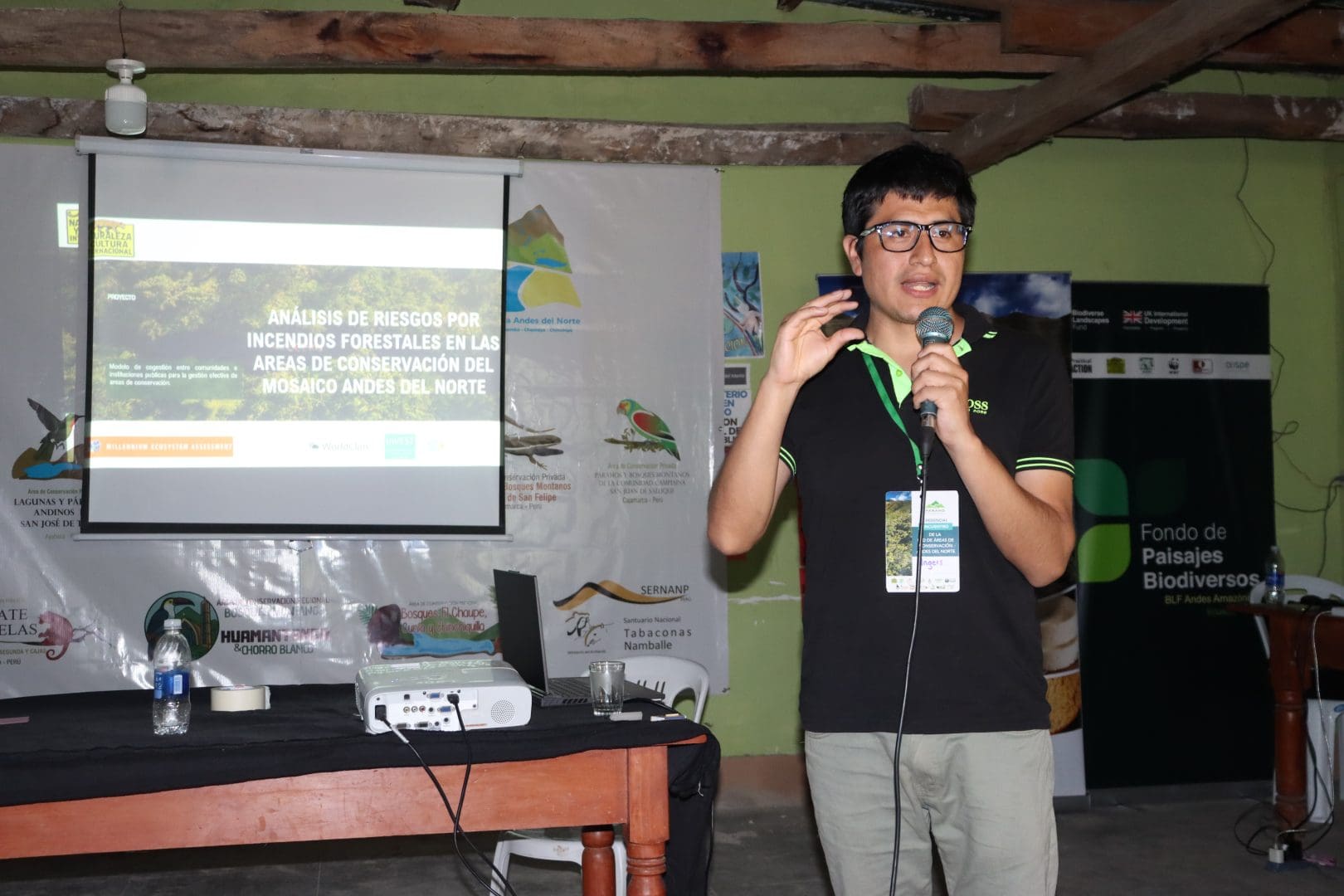

Frente a este escenario, el trabajo de las comunidades resulta fundamental. Durante el VIII Encuentro se desarrollaron actividades orientadas al manejo de áreas de conservación, la prevención de incendios forestales, la atención de emergencias y primeros auxilios durante estos eventos.
En ese sentido, Naturaleza y Cultura Internacional, gracias al financiamiento de Plan Binacional implementa un proyecto en el ámbito del Corredor de Conservación Andes del Norte, para reducir las amenazas a los ecosistemas, mediante el fortalecimiento de la gobernanza comunitaria e institucional y el desarrollo de capacidades locales para la prevención y mitigación.
## **Comunidades que protegen su territorio**
El encuentro de la Red de Áreas de Conservación contó con la participación de los presidentes de las áreas de conservación de Huaricancha, San Felipe, Tabaconas, Sallique y Segunda y Cajas. Así como el presidente de la comunidad nativa de Supayaku.
Menandro Maldonado Zurita, presidente de la Comunidad Campesina Huaricancha, anfitriona del encuentro y territorio donde se encuentra el Área de Conservación Privada Huaricancha, destacó la importancia de reunir a quienes trabajan diariamente por la conservación. “Desde las propias áreas de conservación manejadas por las comunidades campesinas, también surgen experiencias que pueden ser replicadas en otros territorios” precisó.
Hortencia Saavedra, representante del Área de Conservación Regional Huamantanga, considera que la experiencia de proteger el bosque es inspiradora, ella reafirma su compromiso con la conservación de su área y los aprendizajes adquiridos durante el encuentro serán compartidos con se población local.
## **Una red que crece desde el territorio**

Para Katty Carrillo, bióloga de Naturaleza y Cultura Internacional, el encuentro representa también una valiosa oportunidad para reflexionar sobre los avances alcanzados durante los últimos doce meses en los diferentes espacios de gestión de las unidades de conservación del lado peruano del Corredor de Conservación Transfronterizo Andino Amazónico. Así mismo este encuentro fortalece el intercambio de experiencias entre actores locales y regionales, permitiendo identificar desafíos comunes y construir estrategias conjuntas que contribuyan a consolidar la gobernanza de las comunidades y la gestión sostenible de sus áreas de conservación.
Entre los avances se destaca el establecimiento del Área de Conservación Regional Huamantanga, el avance del proceso para la propuesta del Área de Conservación Regional Páramos Andinos Huaringas y el reconocimiento oficial del Corredor de Conservación Transfronterizo Andino Amazónico en el encuentro presidencial del 2025 entre Perú y Ecuador.
“Estos avances reflejan una transformación en la manera de entender la conservación, no se trata únicamente de crear nuevas áreas protegidas, sino de fortalecer su gestión, promover su conectividad y consolidar esfuerzos conjuntos que permita reducir las amenazas que ponen en riesgo su integridad, garantizando así su conservación para las futuras generaciones” puntualizó Katty Carrillo.
En los Andes del Norte, esta visión se construye desde las comunidades, las autoridades y las organizaciones que trabajan en el territorio. Cada área de conservación constituye una pieza clave dentro de un paisaje más amplio e interconectado. El reto ahora es mantener unidas esas piezas que, juntas, dan vida a un gran mosaico de conservación en los Andes del norte.

---
**Más información:**
Gabriela Gives
**Comunicación Perú**
<comunicacion.peru@naturalezaycultura.org>
**Tags:** Andes del Norte, Comunidades locales, Perú, Prevención de incendios
**Strategic Area:** Bosques, Comunidades Locales
**Country:** Perú
**Content Type:** Blog
---
### [Área de Conservación Regional Yanajanca: la mayor apuesta de conservación en los Andes peruanos](https://www.natureandculture.org/es/directorio/propuesta-area-de-conservacion-regional-yanajanca/)
**Published:** June 10, 2026
**Author:** Nora Sanchez
**Content:**
El Área de Conservación Regional Yanajanca (Huánuco, Perú) es un territorio donde los Páramos abrazan a las Yungas Peruanas. Allí, entre pajonales húmedos, bosques nublados y lagunas altoandinas que guardan el cielo en su superficie, se origina el agua que sostiene pueblos, cultivos y costumbres ancestrales a lo largo del Alto Huallaga y el Alto Marañón.
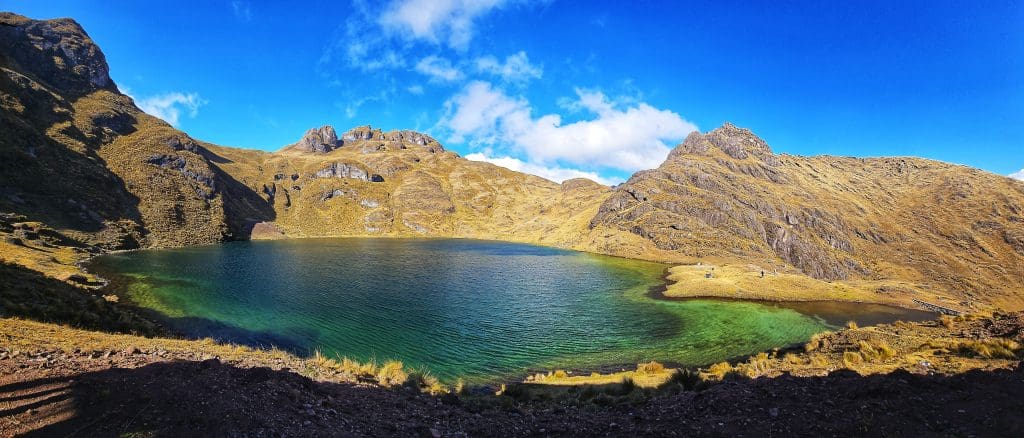
Hoy, ese paisaje está a punto de recibir un reconocimiento largamente trabajado. El **Gobierno Regional de Huánuco, a través de la Gerencia de Recursos Naturales y Gestión Ambiental con el apoyo técnico de Naturaleza y Cultura Internacional,** avanza hacia el establecimiento oficial del **Área de Conservación Regional Yanajanca (ACR)**, previsto para finales de julio de 2026.
Con **209,484.56 hectáreas**, esta futura ACR —la más grande de los Andes peruanos— resguardará una de las transiciones ecológicas más importantes del país y protegerá cabeceras de cuenca, ríos como el Magdalena, Yanajanca, Monzón y Chontayacu, y **74 lagunas altoandinas** que regulan el régimen hídrico y abastecen directa e indirectamente a más de **120,000 personas** dentro del ámbito del **Área de Conservación Regional Yanajanca**.
## **Biodiversidad excepcional y corredor biológico andino-amazónico**
Los bosques montanos, bosques nublados, pajonales de puna húmeda y bofedales del área albergan especies emblemáticas y amenazadas como el oso andino (*Tremarctos ornatus*), el mono choro de cola amarilla (*Lagotrix flavicauda*), y aves endémicas de alta montaña. Estos ecosistemas constituyen un **corredor biológico clave** que permite la migración altitudinal de especies y el refugio climático frente al cambio global.
Según el informe *“Actualización de la avifauna en la propuesta de Área de Conservación Regional Yanajanca, en el Mosaico Carpish – Río Abiseo”* (septiembre, 2025), se registró una alta riqueza ornitológica con **380 especies identificadas, distribuidas en 22 órdenes y 50 familia**s.
Entre las **17 aves endémicas registradas** en el ámbito del **Área de Conservación Regional Yanajanca** se encuentran especies altamente representativas como: Hemispingo de Ceja Rufa (*Poospiza rufosuperciliaris*), Tangara de Bufanda Amarilla (*Iridosornis reinhardti*), Tangara de Montaña de Dorso Dorado (*Cnemathraupis aureodorsalis*), Tororoi de Chachapoyas (*Grallaria gravesi*), Tororoi Rojizo (*Grallaria rufula*), entre otras.
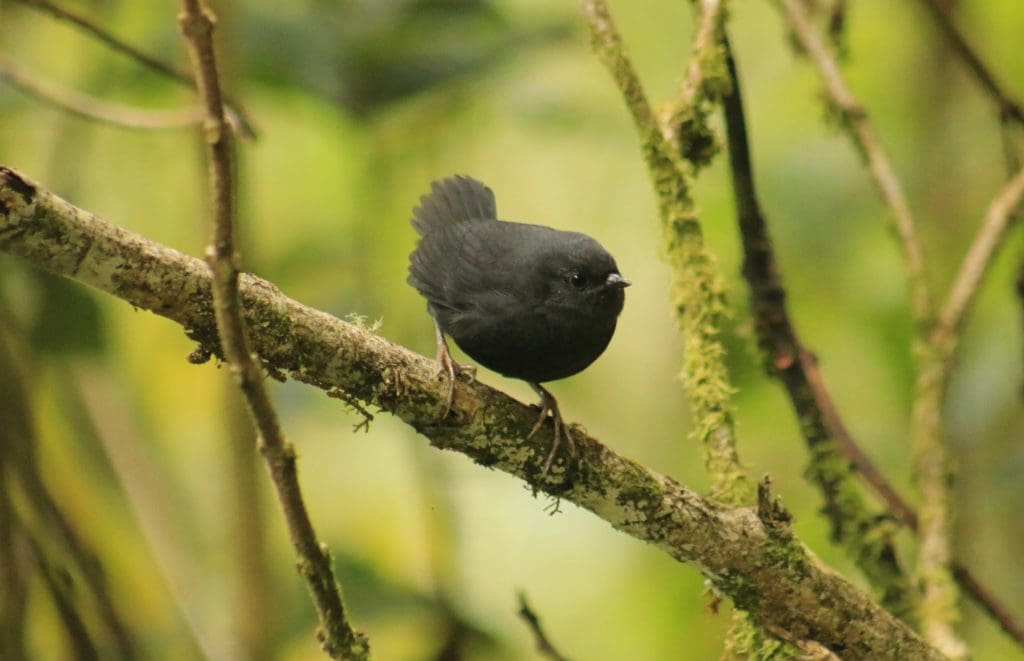


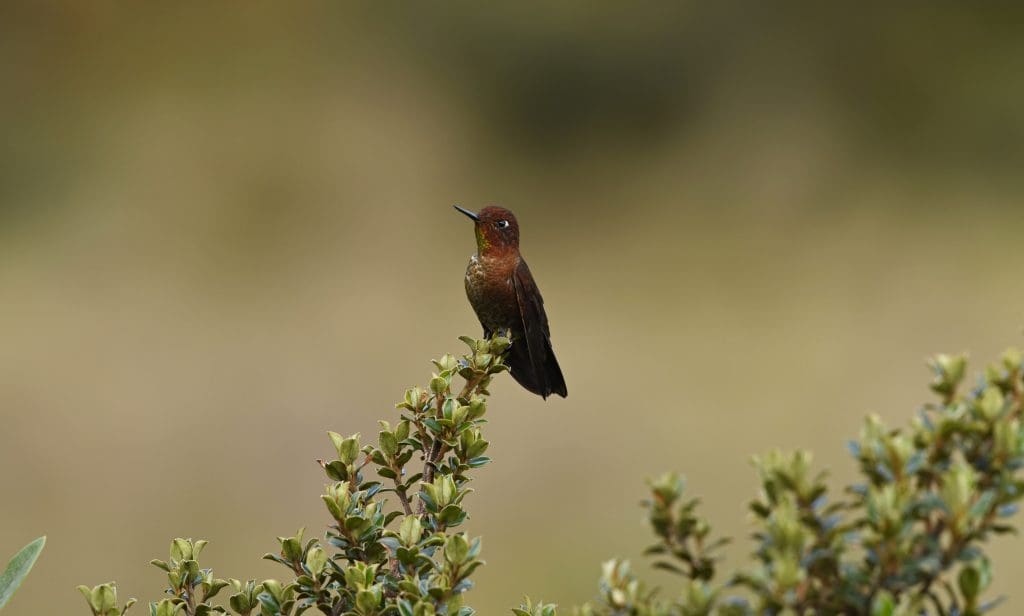
Esta alta diversidad **confirma su función conjunta como corredor ecológico andino–amazónico**, permitiendo la conectividad de hábitats entre bosques montanos, punas húmedas y yungas, y consolidando este territorio como un continuo vital para la conservación de aves endémicas y amenazadas del centro del Perú.
## **Un proceso sólido y participativo**
Entre 2024 y 2025 se realizaron talleres en **18 localidades**, se gestionó la compatibilidad normativa con **17 ministerios del Gobierno Nacional**, obteniendo **15 opiniones favorables** y sin registrarse oposición al establecimiento del área. También se coordinó con titulares de derechos reales, sectores regionales y concesiones existentes para garantizar el respeto de derechos adquiridos.
Este proceso ha contado con asistencia técnica del **Servicio Nacional de Áreas Naturales Protegidas por el Estado** y se ha desarrollado conforme a la normativa vigente, incluyendo el reglamento de la Ley de ANP y las disposiciones complementarias para el establecimiento de ACR.
## **Aporte directo a metas globales de biodiversidad y clima**
El establecimiento del ACR Yanajanca aportará directamente al cumplimiento de la Meta 3 del Marco Mundial de Biodiversidad Kunming–Montreal, orientada a conservar al menos el 30 % de los ecosistemas terrestres del planeta, y fortalecerá la seguridad hídrica y climática de la región Huánuco.
## **Una inversión que se convierte en legado**
Este avance es resultado del respaldo sostenido de donantes y aliados que apostaron por un proceso técnico, participativo y de largo plazo como [Rainforest Trust](https://www.rainforesttrust.org/), [Andes Amazon Fund](https://www.andesamazonfund.org/), [Re:](Re:wild)[wild](https://www.rewild.org/), y la iniciativa [Conserva Aves](https://conserva-aves.org/en/home-english/), co-liderada por American Bird Conservancy. Su apoyo ha permitido sostener estudios especializados, procesos de diálogo territorial, coordinación intersectorial y acompañamiento institucional continuo.
La próxima creación oficial del ACR Yanajanca no solo ampliará el mapa de la conservación en el Perú: **consolidará un espacio estratégico que fortalecerá el modelo de gobernanza basado en ciencia, participación ciudadana y política pública para asegurar agua, biodiversidad y bienestar para miles de personas**.
---
**Más información:**
Gabriela Gives
**Comunicación Perú**
comunicacion.peru@naturalezaycultura.org
**Tags:** Agua, Biodiversidad, Perú, Reservas naturales
**Strategic Area:** Bosques
**Country:** Perú
**Content Type:** Blog
---
### [El compromiso comunitario en la ACP Cujillo se renueva](https://www.natureandculture.org/es/directorio/el-compromiso-comunitario-en-la-acp-cujillo-se-renueva/)
**Published:** August 11, 2026
**Author:** Nora Sanchez
**Content:**
Con el compromiso de seguir protegiendo uno de los bosques secos interandinos de Cajamarca, se realizó la renovación de la comisión ejecutiva del comité de gestión del Área de Conservación Privada (ACP) Comunal Cujillo en Cutervo, Cajamarca, tras culminar el periodo de dos años de la directiva anterior.
La renovación de la comisión ejecutiva del comité de gestión reafirma el compromiso con la comunidad y aliados para conservar la biodiversidad, garantizar los servicios ecosistémicos y promover un desarrollo sostenible para las familias de la zona.


Naturaleza y Cultura Internacional, junto al Parque Nacional de Cutervo, Serfor, jefatura del ACR Bosques Secos Interandinos de Cutervo y otros aliados estratégicos, participaron en este proceso que fortalecerá la organización comunitaria y la gestión participativa de esta área protegida de más de 3 718 hectáreas.
Durante la jornada, se inauguró la nueva oficina administrativa del ACP, con un mural que resalta la biodiversidad y la identidad cultural de Cujillo. Esta actividad cuenta con el financiamiento de [American Bird Conservancy](https://abcbirds.org/). La comunidad expresó su reconocimiento a Naturaleza y Cultura Internacional por el apoyo brindado al área de conservación.

## Sobre el Área de Conservación Privada Comunal Cujillo
El Área de Conservación Privada Comunal Cujillo se conecta al Parque Nacional de Cutervo, el Área de Conservación Regional Bosques Secos Interandinos de Cutervo, asegurando el libre desplazamiento de las especies. Alberga especies endémicas y amenazadas como batara del marañon (*Thamnophilus shumbae*), el fringilo inca de ala gris (*Incaspiza ortizi*), entre otras.
---
**Más información:**
Gabriela Gives
**Comunicadora Perú**
<comunicacion.peru@naturalezaycultura.org>
**Strategic Area:** Comunidades Locales
**Country:** Perú
**Content Type:** Blog
---
### [Announcing the Newest Territory of Life in the Peruvian Amazon](https://www.natureandculture.org/directory/announcing-the-newest-territory-of-life-in-the-peruvian-amazon/)
**Published:** August 6, 2026
**Author:** Heather Thomas
**Content:**
#### **2.5 Million Acres, Now Permanently Protected**
The Kandozi people’s homeland along the Pastaza and Morona rivers in the Peruvian Amazon is [officially recognized ](https://www.natureandculture.org/directory/kandozi-people-win-recognition-for-peruvian-amazon/)as a Territory of Life, only the third in the country. That’s 2.5 million acres of forest, rivers, and wetland, an area larger than Yellowstone National Park, secured for the people who have called it home for generations.
This is a moment to celebrate. It’s also a moment made possible by donors like you.
Lake Musa Karusha (Credits: BLF Andes Amazon \| Practical Action)
## A Homeland, Finally Recognized
The Kandozi people never needed to be taught how to protect their land. They’ve done it for thousands of years. What they needed was a path to formal, legal recognition, the kind that governments and outside pressures actually respect.
Nature and Culture walked that path alongside them. Together with the Kandozi’s own governance body (GTAK), the regional Indigenous group CORPI San Lorenzo, and the national Indigenous federation AIDESEP, we helped build the case for recognition from the ground up. That meant forming a local committee to guide the process, sitting down with community members in San Lorenzo to document how they govern their land, and navigating the legal steps that international recognition demands.
Pedro Kuvi Tanchima, President of GTAK Photo credit: CORPI SL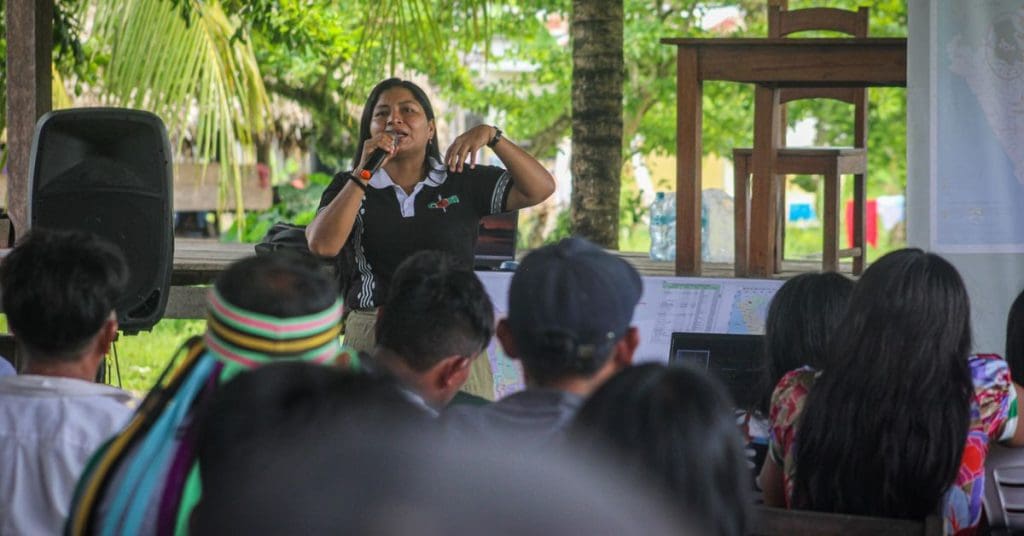Elaine Shajian Shawit, President of the Regional Coordination of Indigenous Peoples Photo credit: CORPI SL
Along the way, our team mapped one of the largest peatland systems on Earth hidden within this territory and confirmed that 99% of it remains untouched by development. That single discovery changes everything about what this land means for the planet.
Tsapuni Territory from the TICCA Registry (Taken from: <https://www.iccaregistry.org/>)
## Why This Win Matters So Much
**For wildlife**
This land supports jaguars, black caimans, Amazonian tapirs, and 98 species of migratory birds. In fact, over 1,000 animal species live here, and 20 of them exist nowhere else. Without this protection, all of them would be at risk.
**For the climate**
Because most of this land’s carbon sits in ancient peat soil rather than just in trees, it can store carbon for centuries, not just decades, as long as it stays protected. Right now, it holds more than 300 million tons.
**For the Kandozi people**
Most important, this recognition gives the Kandozi people legal standing over land that has always been theirs.
Kandozi Woman (Credits: BLF Andes Amazónico \| Practical Action)
## What This Means, Together
This single achievement pushes Nature and Culture’s lifetime impact past 29 million acres protected and over 4.2 billion tons of carbon safeguarded in forests across Latin America.
None of it happens without you. Every acre protected, every species given a future, every community empowered to defend its own homeland, it all traces back to donors who believed this work was worth funding. Tsapuni is proof that it was.
Thank you for making moments like this possible.
**Strategic Area:** Biodiversity, Forests, Local Communities
**Country:** Peru
**Content Type:** News
---
### [Miel por Bosque fortalece la conservación en Zamora Chinchipe ](https://www.natureandculture.org/es/directorio/miel-por-bosque-fortalece-la-conservacion-en-zamora-chinchipe/)
**Published:** August 3, 2026
**Author:** Nora Sanchez
**Content:**
Las abejas sin aguijón son mucho más que productoras de miel. Dependen de bosques y paisajes agroforestales conservados para encontrar alimento, refugio y sitios donde establecer sus nidos. A cambio, brindan uno de los servicios ecosistémicos más importantes para la vida: la polinización.
Gracias a este proceso, contribuyen a la reproducción de numerosas especies de plantas silvestres y cultivos como el café. De esta manera, ayudan a mantener los bosques, la biodiversidad y las actividades productivas que sostienen a las comunidades de la cuenca binacional Mayo–Chinchipe.
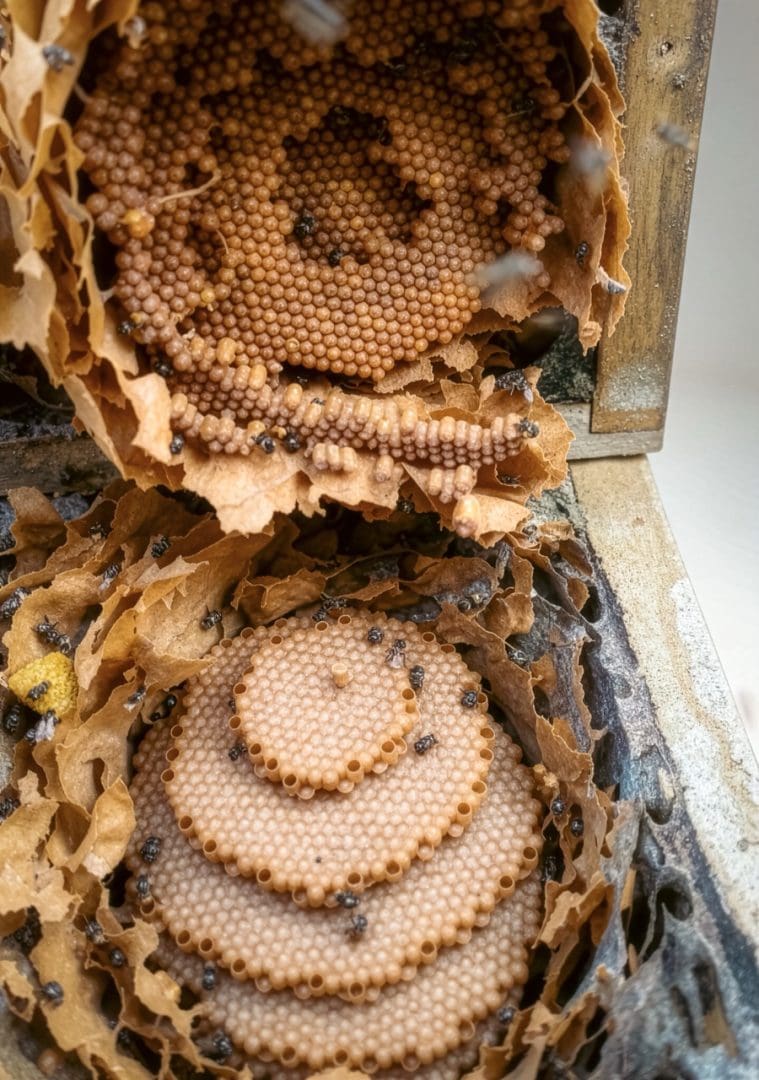

Con esta visión culminó la primera fase de la Escuela de Formación en Meliponicultura, desarrollada en el marco del proyecto CUIDAR, en coordinación con la Prefectura de Zamora Chinchipe y Naturaleza y Cultura Internacional.
Durante tres módulos de formación, 30 productores y productoras de los cantones Palanda y Chinchipe fortalecieron sus conocimientos sobre la crianza y el manejo de las abejas sin aguijón. La Escuela integró conocimientos técnicos con los saberes ancestrales que las comunidades mantenían dentro de sus procesos de producción.
El último encuentro se realizó en el meliponario demostrativo de José Gahona, en el sitio Santa Clara de la parroquia El Porvenir del Carmen, cantón Palanda, donde el intercambio de experiencias permitió compartir prácticas tradicionales y nuevas herramientas para el manejo sostenible de las colonias.
José Gaona se interesó por las abejas sin aguijón hace varios años, motivado por las propiedades medicinales de la miel. Actualmente mantiene 55 nidos y considera que los talleres recibidos en la Escuela de meliponicultura le han permitido mejorar el manejo de sus meliponarios.
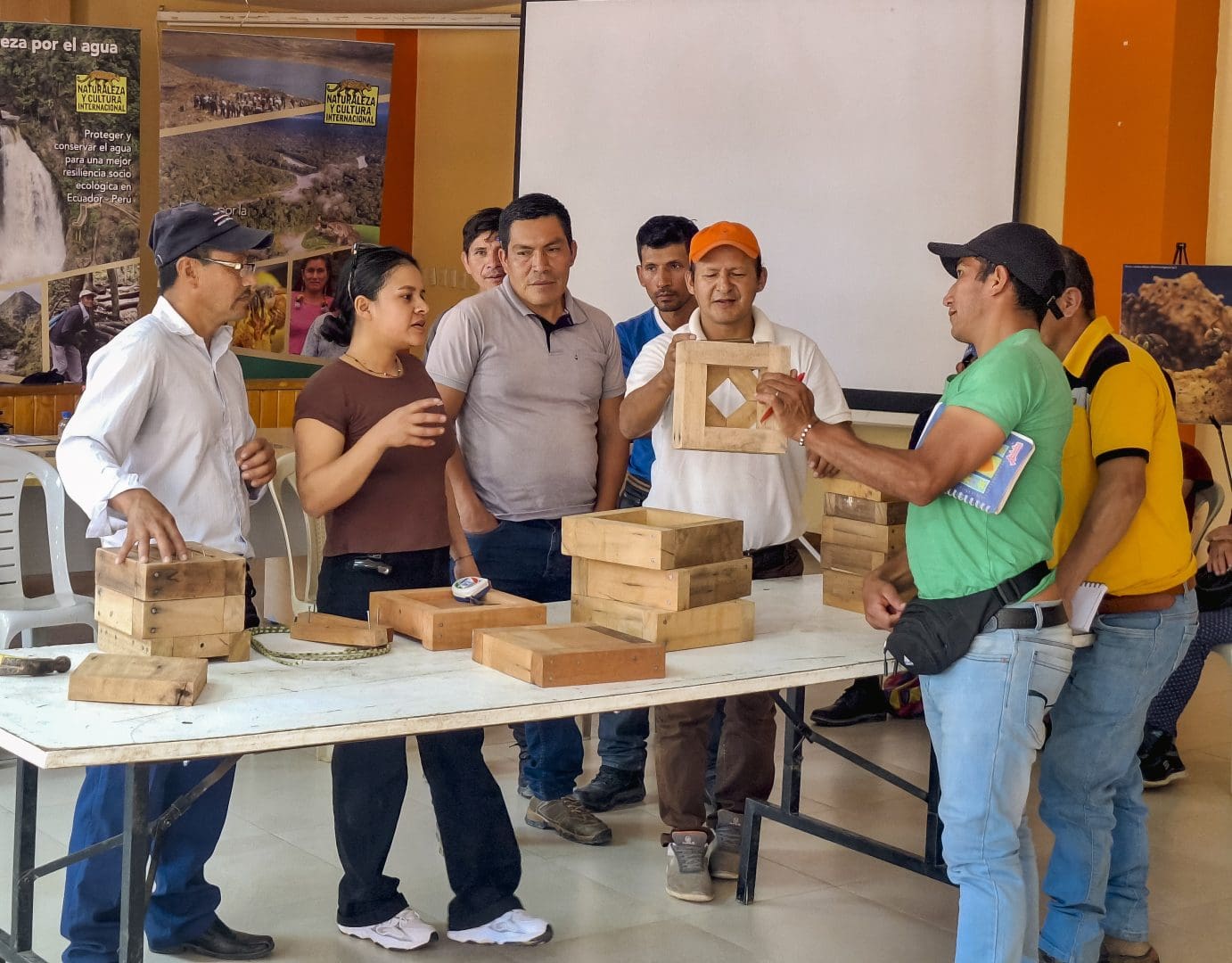
*“Antes trabajábamos con la experiencia que habíamos aprendido en la comunidad. Ahora conocemos mejor cómo manejar los nidos, cuándo cosechar la miel y cómo cuidar a las abejas. Eso nos ayuda a conservarlas y también a mejorar nuestro trabajo”,* comentó José Gaona.
José es uno de los productores que recibió equipamiento para el manejo tecnificado de su meliponario demostrativo. Además, se entregaron 150 cajas tecnificadas a 32 productores, quienes iniciaron el manejo tecnificado de las abejas sin aguijón.
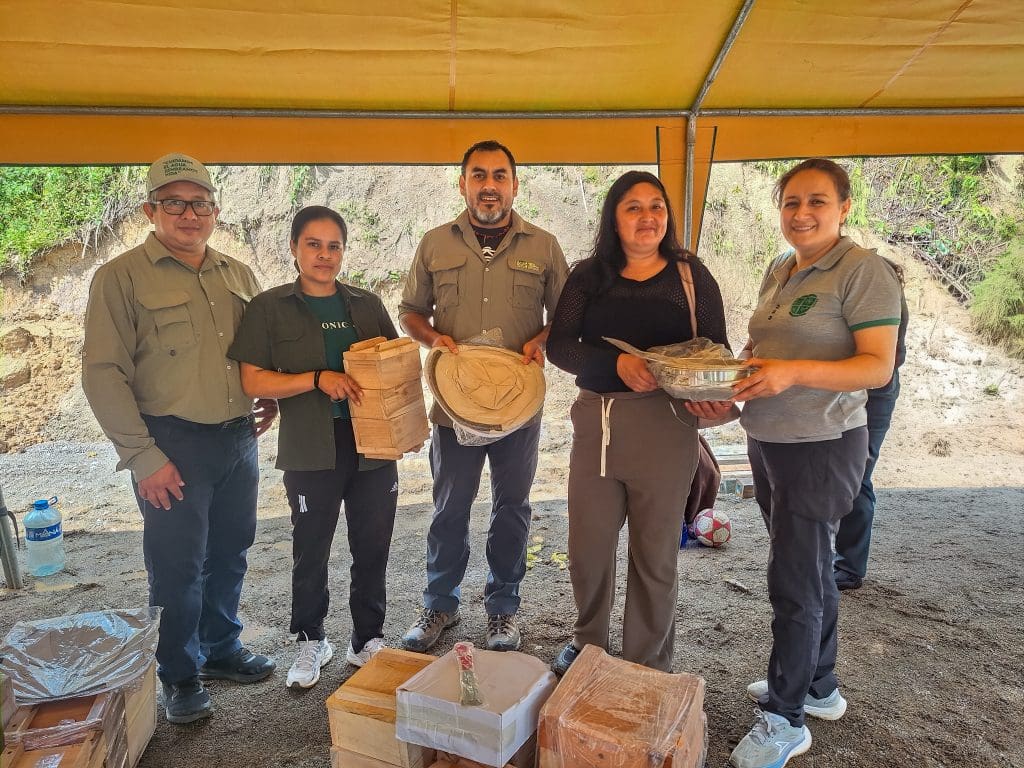
María Godoy, directora de Gestión Ambiental de la Prefectura de Zamora Chinchipe, destacó que la finca de José Gahona se ha consolidado como un referente de buenas prácticas para el manejo de abejas sin aguijón y un espacio de aprendizaje para productores de la provincia. Señaló que los resultados de la primera fase de la Escuela de Formación en Meliponicultura evidencian que la articulación entre instituciones, cooperación y comunidades fortalece las capacidades de los meliponicultores, impulsa sus emprendimientos y promueve la conservación de los polinizadores.
Explicó que esta Escuela forma parte de la estrategia de manejo de las Áreas de Conservación y Uso Sustentable de la Biodiversidad (ACUS) Provincial de Zamora Chinchipe, un modelo que fomenta la recuperación de la cobertura vegetal, la conservación de los polinizadores y el aprovechamiento sostenible de la biodiversidad como base para el desarrollo local.
Así mismo, dentro de este proceso, los productores del cantón Palanda han desempeñado un papel clave al impulsar la creación del Área de Protección Hídrica Corazón de la Amazonía, demostrando que el compromiso comunitario y el trabajo conjunto con las instituciones pueden traducirse en acciones concretas para conservar los bosques, proteger las fuentes de agua y fortalecer el desarrollo sostenible del territorio.
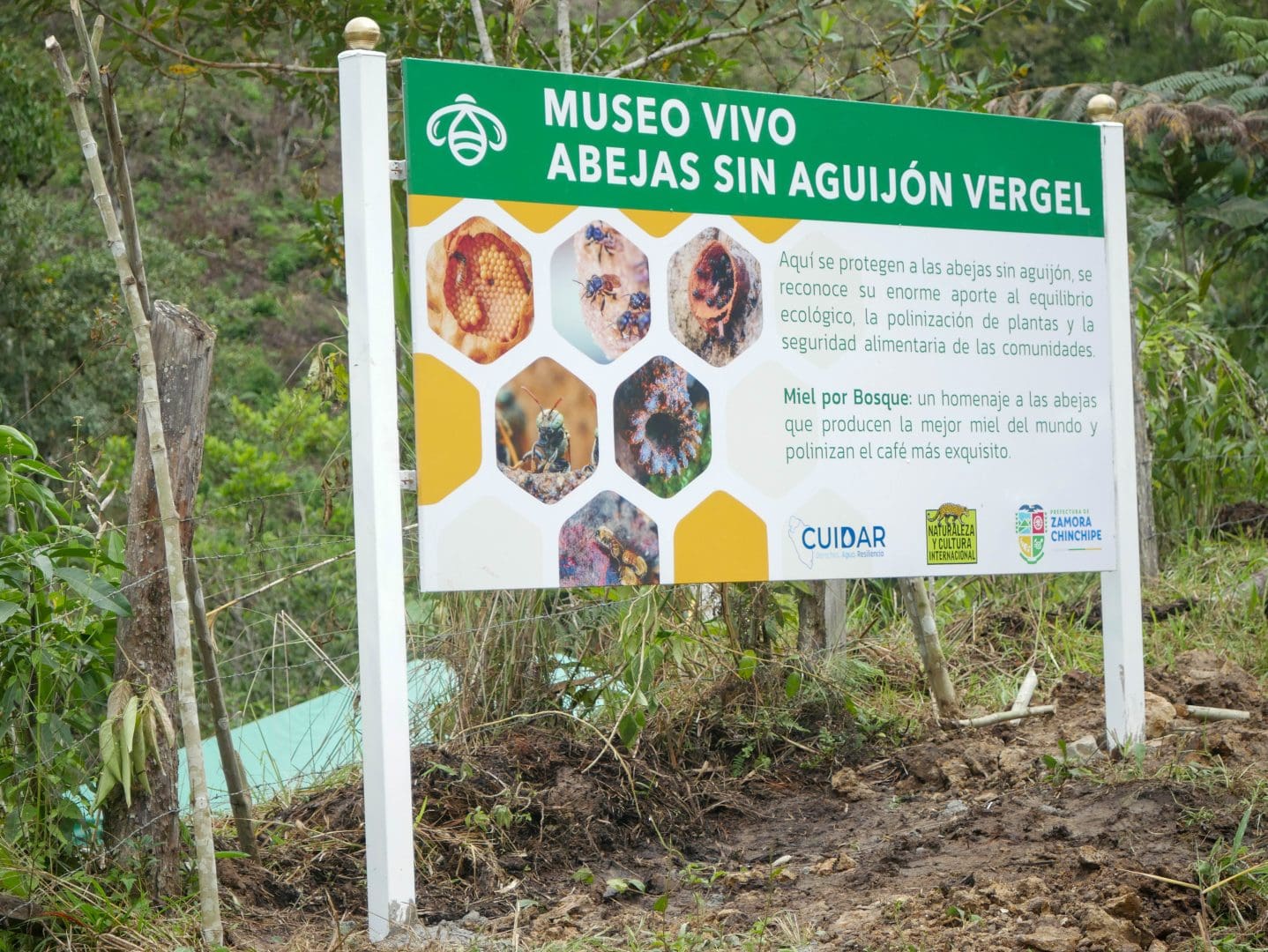
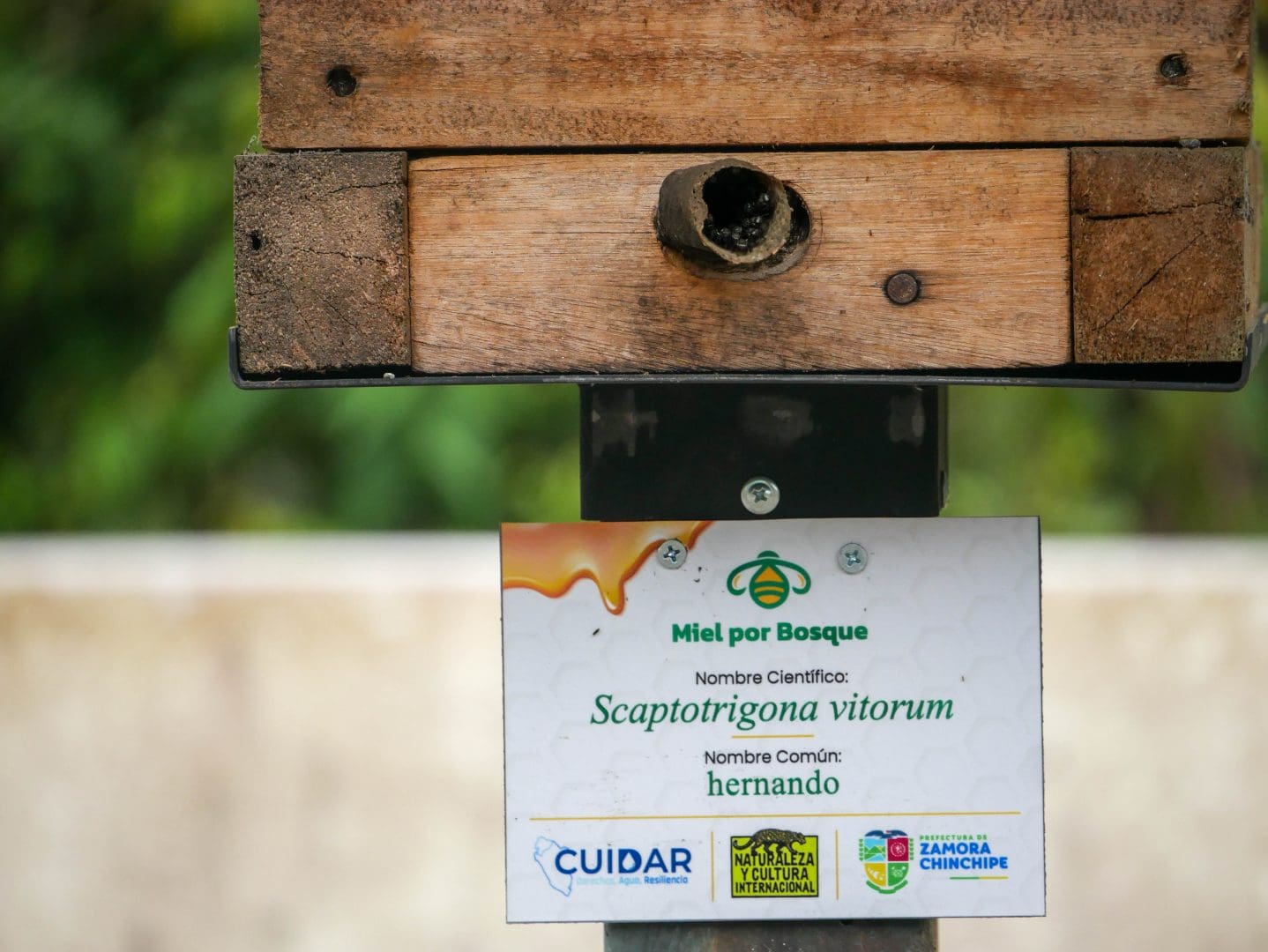

Durante la formación, los participantes conocieron la biología y diversidad de especies de abejas sin aguijón, aprendieron sobre el establecimiento y manejo técnico de meliponarios, la construcción de cajas tecnificadas, la elaboración de subproductos a partir de la miel y la cera. También identificaron las principales amenazas para estos polinizadores, como la pérdida de hábitat, así como las principales plagas, enfermedades y factores externos que afectan su desarrollo, especialmente el uso de agroquímicos
Además, mejoraron sus conocimientos sobre las plantas que proporcionan néctar, polen y resinas para las abejas, la elaboración de calendarios florales, el valor de los conocimientos ancestrales y la normativa ecuatoriana relacionada con la meliponicultura, la conservación de las abejas y el aprovechamiento sostenible de sus productos.
## **Meliponicultura: una práctica ancestral que conserva los bosques**
La meliponicultura es la crianza y manejo de las abejas sin aguijón, una práctica ancestral que forma parte de la identidad de muchas comunidades del sur del Ecuador.
En la cuenca binacional Mayo–Chinchipe, este proceso de formación se desarrolla dentro de la estrategia **Miel por Bosque**, una propuesta de manejo de las Áreas de Conservación y Uso Sostenible (ACUS) que promueve la conservación de los bosques y las fuentes de agua mediante el fortalecimiento de medios de vida sostenibles.
En el marco de esta estrategia, las ACUS de Zamora Chinchipe, forman parte de la Plataforma Amazónica por los Bosques, el Clima y el Bienestar Humano, una iniciativa regional de cogobernanza territorial que articula el manejo y gestión en esta área.
En este territorio, la meliponicultura representa mucho más que la producción de miel. Es una actividad que fortalece el vínculo entre las comunidades, la conservación del bosque y el manejo de la cuenca Mayo-Chinchipe.
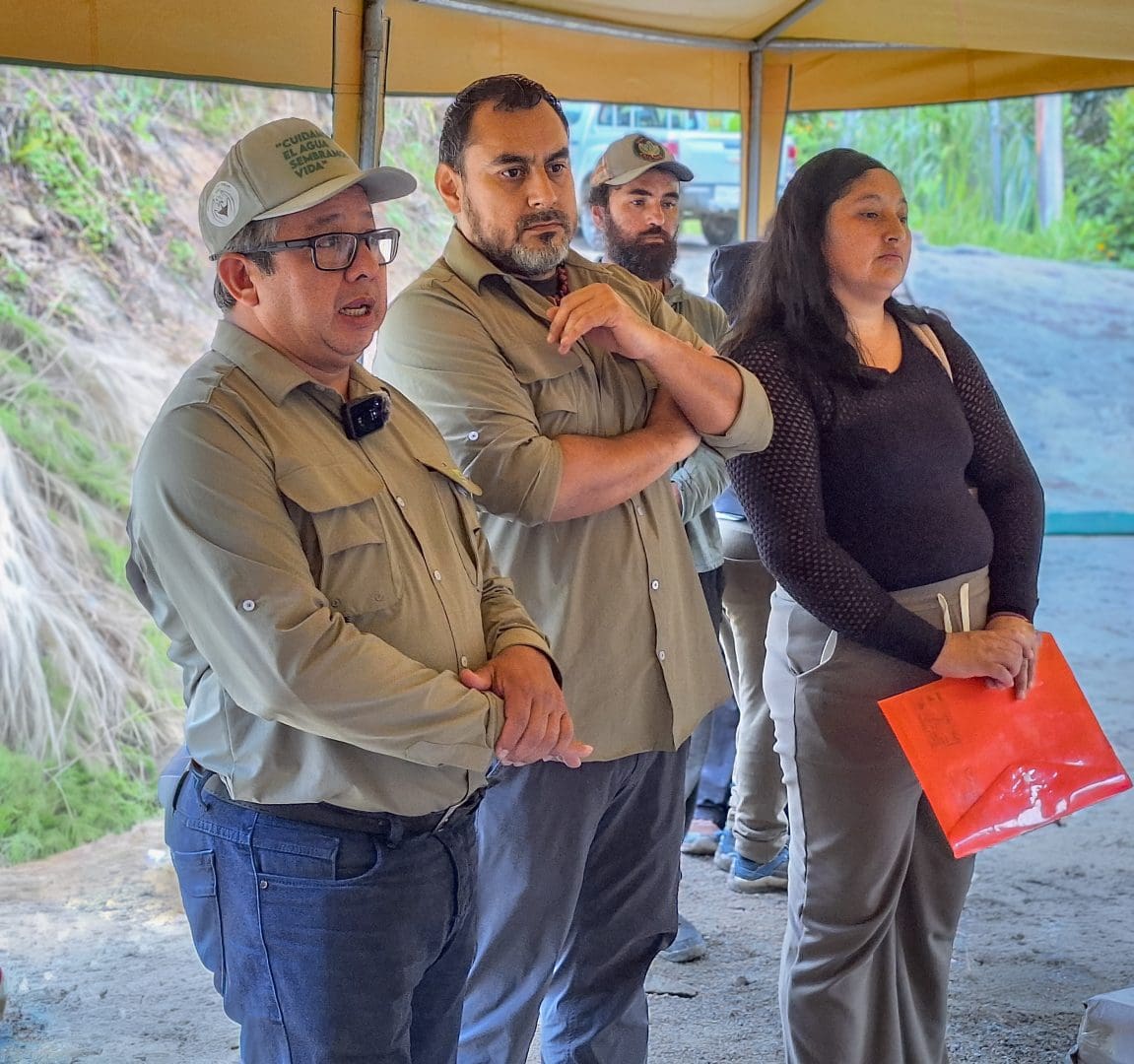
*“Palanda y Chinchipe reúnen condiciones excepcionales para impulsar la meliponicultura. Aquí existe una gran diversidad de abejas sin aguijón y comunidades comprometidas con su conservación. Nuestro trabajo busca fortalecer el manejo técnico de los meliponarios y demostrar que es posible conservar los bosques mientras se generan oportunidades sostenibles para las familias”,* señaló José Romero, coordinador de Naturaleza y Cultura Internacional, durante la apertura de la Escuela.
## **La conectividad del paisaje: el puente vital entre las abejas nativas, los bosques y las comunidades**
Palanda y Chinchipe forman parte del Corredor de Conectividad Podocarpus–Yacuri (CCPY), integrado al Corredor de Conservación Transfronterizo Andino Amazónico (CCTAA). En este paisaje, las especies nativas como las abejas dependen de la salud y la conectividad de los bosques y los sistemas agroforestales para encontrar flores, alimento y sitios de anidación. Mientras mejor conservado esté el bosque y mayor sea la conexión entre sus fragmentos, más rica será la diversidad floral, lo que se traduce en una mayor producción y calidad de miel, convirtiendo la biodiversidad en un beneficio tangible para las comunidades.
Mantener esa conectividad implica promover cercas vivas, sistemas silvopastoriles y franjas de vegetación nativa que funcionan como verdaderas “autopistas florales” entre fragmentos de bosque. Gracias a estos corredores, las abejas pueden desplazarse con seguridad, transportar polen entre poblaciones de plantas y favorecer la regeneración natural de los ecosistemas, fortaleciendo al mismo tiempo la biodiversidad y los medios de vida locales.
Un ejemplo de esta relación se observa en los cafetales de Palanda y Chinchipe, reconocidos por producir café de alta calidad para mercados nacionales e internacionales. En estos paisajes, las abejas sin aguijón contribuyen a la polinización del café y de numerosas especies de plantas silvestres. A su vez, los bosques y los sistemas agroforestales les proporcionan flores, resinas y sitios adecuados para establecer sus nidos, generando un equilibrio que fortalece tanto la biodiversidad como la producción agrícola.


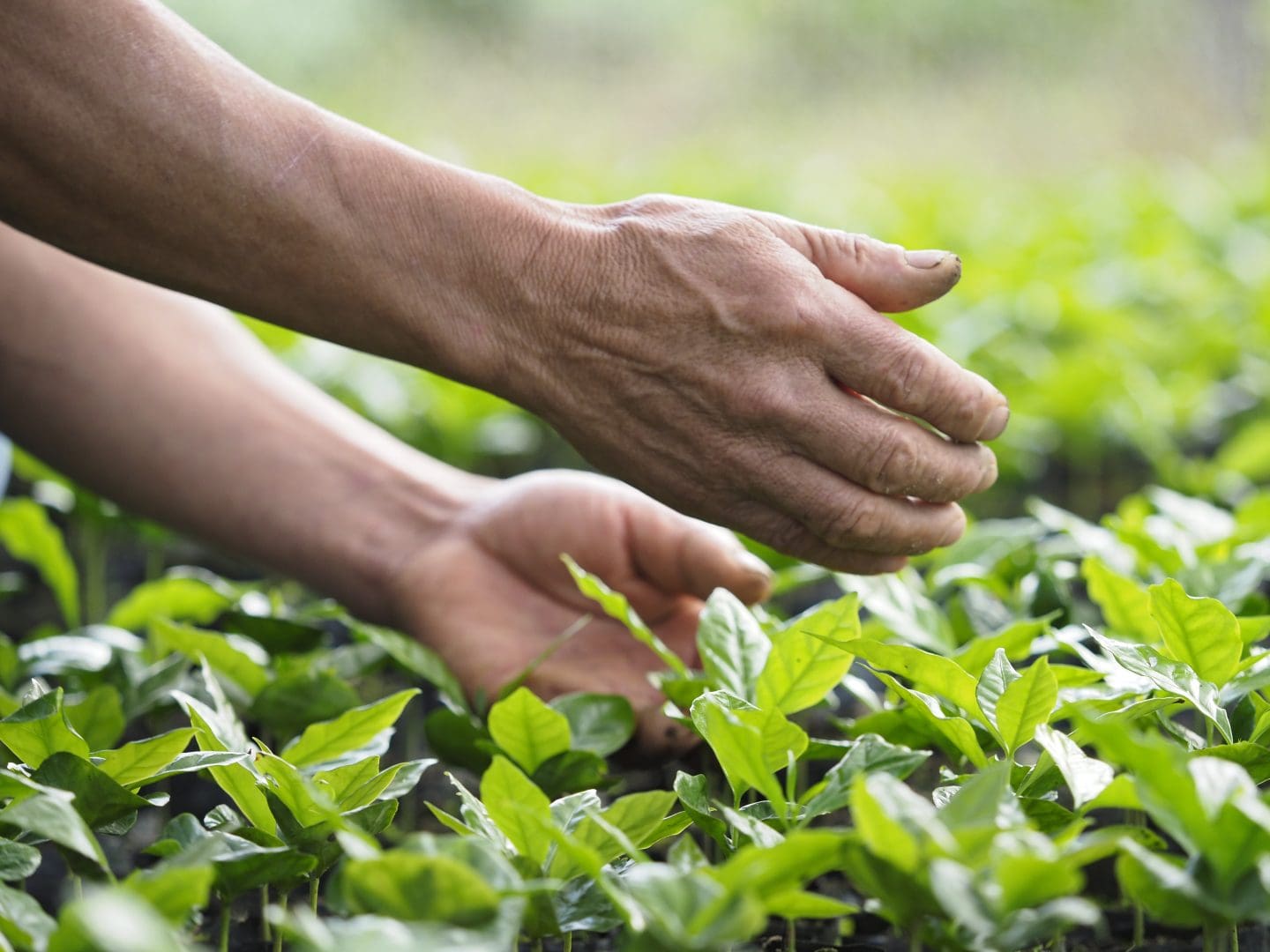
Esta conexión entre conservación y producción también ha sido uno de los principales aprendizajes de la **Escuela de Meliponicultura**.
*“La Escuela ha sido una experiencia muy enriquecedora. Aprendimos a manejar mejor las abejas sin aguijón, desde el uso de las cajas tecnificadas hasta una cosecha adecuada de la miel. También conocimos a productores que han cuidado estas abejas durante generaciones y comprendimos que, al conservar los bosques, también protegemos a los polinizadores que sostienen los cultivos. Ese conocimiento nos anima a seguir organizándonos como comunidades para conservar”*, afirmó Linda Miranda.
## **A más bosque, más agua y más miel**
El principal mensaje compartido durante la Escuela fue el que guía la estrategia Miel por Bosque: A más bosque, más agua y más miel.
Bajo este enfoque, organizaciones como la Asociación Agroartesanal de Productores Ecológicos de Palanda y Chinchipe (APECAP), la Asociación Agropecuaria Artesanal de Productores Orgánicos Cuencas del Río Mayo (ACRIM) y la Asociación Agropecuaria La Chacra fortalecen las capacidades de sus socios para implementar meliponarios bajo criterios técnicos adecuados, valorar la importancia ecológica de las abejas sin aguijón y generar alternativas económicas complementarias asociadas a la conservación.
Hasta la fecha, la estrategia Miel por Bosque, impulsada por Naturaleza y Cultura Internacional en la cuenca Mayo–Chinchipe, promueve acuerdos de conservación orientados a restaurar los bosques, proteger las fuentes de agua y conservar el hábitat de las abejas nativas sin aguijón.
*“Este taller ha sido muy importante porque aprendimos a reconocer las diferentes especies de abejas sin aguijón que tenemos en nuestra provincia, cómo manejarlas y para qué sirven la miel, el polen y la cera. También entendimos que estas abejitas son muy importantes para nuestros cultivos y que debemos aprender a cuidarlas y manejarlas de la mejor manera”,* señaló Narciso Cumbicos.
En las comunidades de Palanda y Chinchipe, cada meliponario representa un compromiso con la conservación de las abejas sin aguijón y de los bosques donde habitan. Con la culminación de esta primera fase de capacitación, Naturaleza y Cultura Internacional reafirma su compromiso de brindar acompañamiento técnico a los productores para fortalecer el manejo de los meliponarios y dar continuidad a la estrategia Miel por Bosque en la cuenca binacional Mayo–Chinchipe.

Este reportaje es resultado de un trabajo periodístico conjunto entre los equipos de comunicación de la Prefectura de Zamora Chinchipe y Naturaleza y Cultura Internacional Ecuador.
---
**Más información:**
Aida Maldonado
**Comunicación Ecuador**
<amaldonado@naturalezaycultura.org>
**Tags:** Abejas nativas, Bosque, Cuenca binacional
**Strategic Area:** Biodiversidad, Bosques
**Country:** Ecuador
**Content Type:** Blog
---
### [Un paso adelante para una Amazonía conectada](https://www.natureandculture.org/es/directorio/un-paso-adelante-para-una-amazonia-conectada/)
**Published:** August 4, 2026
**Author:** Nora Sanchez
**Content:**
### *El reconocimiento del territorio indígena Tsapuni marca un nuevo paso hacia una Amazonía mejor conectada y conservada.*
Después de generaciones protegiendo su territorio, el pueblo Kandozi ha alcanzado un importante reconocimiento internacional: la incorporación oficial de Tsapuni al Registro Internacional de Territorios y Áreas Conservados por Pueblos Indígenas y Comunidades Locales (TICCA). Con más de un millón de hectáreas de bosques, ríos y humedales en la región de Loreto, Tsapuni se convierte en el tercer territorio del Perú en formar parte de este registro.
Mujer Kandozi (Créditos: BLF Andes Amazónico \| Practical Action)
## **Tsapuni: un territorio lleno de vida**
El territorio indígena Tsapuni, que en lengua kandozi significa “lugar donde emergió la vida”, se encuentra en la región de Loreto y comprende 1 032 300 hectáreas de bosques, ríos, lagos y humedales de la Amazonía peruana. Se trata de uno de los complejos de humedales más importantes del país y de un paisaje de extraordinario valor biológico y cultural.
Este territorio es el hogar del pueblo Kandozi, cuya identidad, cultura y forma de vida están profundamente ligadas a la naturaleza. Durante generaciones, sus conocimientos ancestrales y formas de organización han guiado el manejo sostenible de los recursos naturales, convirtiendo la conservación en una práctica esencial de su relación con el territorio.
La riqueza natural de Tsapuni es tan extraordinaria como su diversidad cultural. Sus bosques y humedales albergan especies emblemáticas como el jaguar *(Panthera onca),* el caimán negro *(Melanosuchus niger),* la taricaya *(Podocnemis unifilis)*, el tapir amazónico y una gran diversidad de aves, entre ellas tucanes, guacamayos y la pucacunga *(Penelope jacquacu).* Sus bosques amazónicos también desempeñan un papel fundamental en la regulación del agua, el almacenamiento de carbono y la conectividad ecológica de la Amazonía.

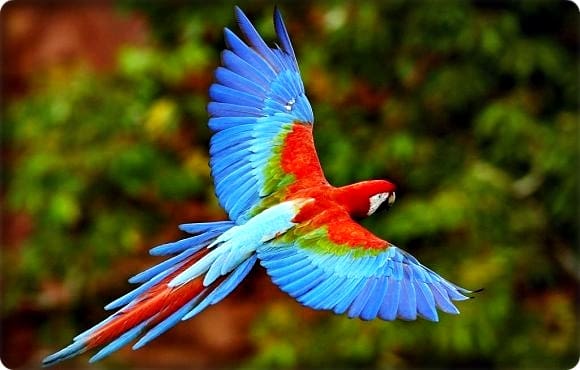


Hoy, Tsapuni enfrenta amenazas crecientes derivadas de las actividades extractivas, la pesca no sostenible y los efectos del cambio climático. Frente a estos desafíos, el pueblo Kandozi demuestra que la conservación más efectiva surge cuando se fortalece el liderazgo de quienes han cuidado estos territorios durante generaciones.
## **Un reconocimiento construido desde el territorio**
La incorporación de Tsapuni al Registro Internacional TICCA es el resultado de un [arduo proceso local liderado](https://www.natureandculture.org/es/directorio/pueblo-kandozi-avanza-en-el-registro-de-su-territorio-como-ticca-para-fortalecer-su-gobernanza-y-conservacion/ "Pueblo Kandozi avanza en el registro de su territorio como TICCA para fortalecer su gobernanza y conservación") por el Gobierno Territorial Autónomo de la Nación Kandozi (GTAK) y la Coordinadora Regional de los Pueblos Indígenas de San Lorenzo (CORPI SL), con el acompañamiento técnico de Naturaleza y Cultura Internacional, AIDESEP, y WWF Perú en el marco del proyecto BLF Andes Amazónico.
Como parte del comité de seguimiento y acompañamiento, Naturaleza y Cultura Internacional brindó asistencia técnica para la sistematización y validación de la información que sustentó el registro internacional. Nuestro rol se centró en fortalecer las capacidades locales y contribuir a que este reconocimiento reflejara el trabajo de los pueblos indígenas como actores clave en la conservación de la biodiversidad, a partir de sus propios sistemas de gobernanza y su relación histórica con el territorio.



A través de un proceso participativo, líderes y lideresas del pueblo Kandozi reafirmaron su decisión de reconocerse como un Territorio de Vida (TICCA), tras lo cual debieron demostrar que su territorio cumple con los tres principios que sustentan el reconocimiento internacional: una profunda relación cultural y espiritual con el territorio, un sistema propio de gobernanza y resultados concretos de conservación.
Para Naturaleza y Cultura Internacional, la incorporación de Tsapuni al Registro Internacional TICCA confirma una convicción que ha guiado nuestro trabajo durante décadas: **la conservación más duradera comienza en el territorio y se fortalece a través del liderazgo local.**
## **Conectando paisajes amazónicos entre Ecuador y Perú**
La Amazonía no entiende de fronteras. Sus bosques, ríos, montañas, comunidades locales y especies que los habitan son parte de un todo que se extiende más allá de los límites entre países. Sin embargo, ese paisaje continuo enfrenta una fragmentación creciente causada por la deforestación, el cambio climático y el uso insostenible de los recursos naturales.
Frente a este desafío, conservar territorios de manera aislada no es suficiente. Es necesario fortalecer la conectividad ecológica entre áreas protegidas para mantener los procesos naturales que sostienen la biodiversidad, garantizan la disponibilidad de agua y permiten que los ecosistemas y las comunidades sean más resilientes frente al cambio climático.
La incorporación de Tsapuni al Registro TICCA fortalece una red de paisajes estratégicos para la conservación amazónica y abre nuevas oportunidades para conectar esfuerzos de conservación entre Perú y Ecuador.
Captura Territorio Tsapuni en el Registro TICCA (Tomado de: <https://www.iccaregistry.org/>)
Este trabajo forma parte de nuestra visión de conservación a escala de paisaje para fortalecer la conectividad ecológica, social y cultural entre la Amazonía peruana y ecuatoriana y promover una conservación liderada desde el territorio.
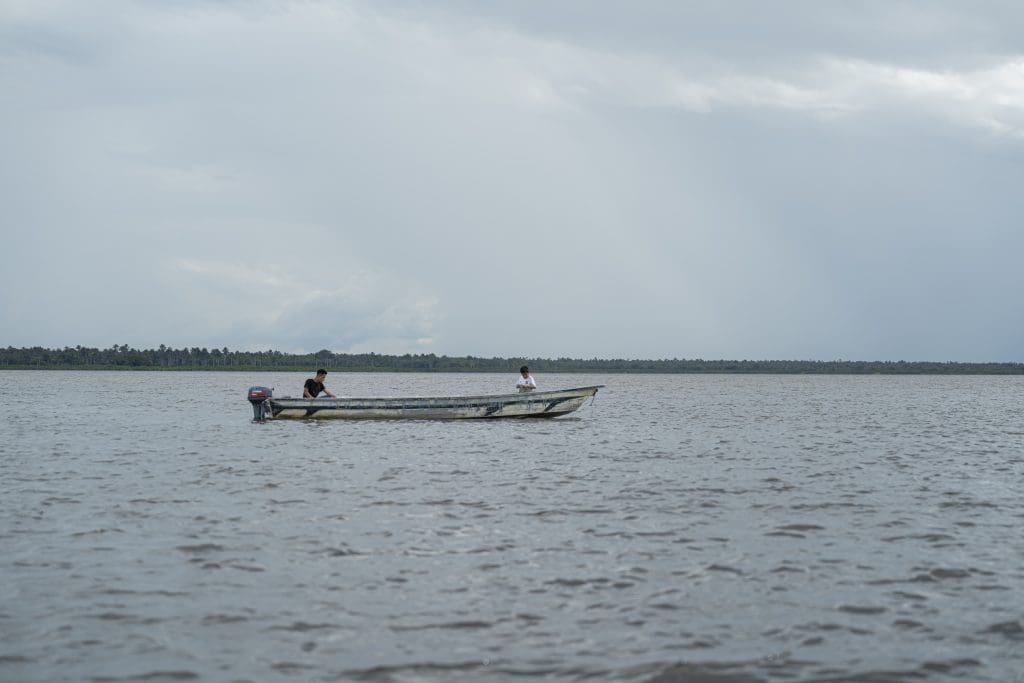Conservación liderada desde el territorio (Créditos: BLF Andes Amazon \| Practical Action)
## **Un futuro construido desde el liderazgo local**
Felicitamos al pueblo Kandozi, al Gobierno Territorial Autónomo de la Nación Kandozi y a CORPI San Lorenzo por este logro histórico que reconoce el papel fundamental de los pueblos indígenas en la conservación de la Amazonía.
[Bezos Earth Fund](https://www.bezosearthfund.org/) apoyará a Naturaleza y Cultura Internacional a continuar el fortalecimiento de la TICCA Kandozi en adelante, sumándose así a las contribuciones actuales del Desarrollo Internacional del Reino Unido, a través del [Proyecto del Fondo de Paisajes Biodiversos](https://latam.practicalaction.org/projects/fondo-de-paisajes-biodiversos-paisaje-andes-amazonico/).
En Naturaleza y Cultura Internacional nos enorgullece sumar esfuerzos para construir una Amazonía más conectada y resiliente para las generaciones presentes y futuras.
---
**Más información:**
Nora Sánchez Luzardo
**Coordinadora de Comunicación para América Latina**
<nsanchez@naturalezaycultura.org>
**Tags:** Amazonía, Biodiversidad, Comunidades locales, Conectividad, Conservación, Perú, Territorio indígena
**Strategic Area:** Bosques, Comunidades Locales
**Country:** Perú
**Content Type:** Blog
---
### [2026 Summer Newsletter, Look What You Helped Protect](https://www.natureandculture.org/directory/2026-summer-newsletter/)
**Published:** August 3, 2026
**Author:** Heather Thomas
**Content:**
### Thirty Years Protecting Latin America’s Most Biodiverse Landscapes
###### What’s New This Summer
Thirty years ago, a small group set out to protect some of the world’s most biodiverse forests. Today, with the support of donors, that work spans 29.5 million acres, built alongside the Indigenous Peoples and communities who know these landscapes best. Our summer newsletter covers a [historic corridor recognition](https://www.natureandculture.org/conservation_initiatives/the-andes-amazon-conservation-corridor/), formal protection for one of the largest Indigenous-led territories in the Amazon, and fresh discoveries from wildlife monitoring in the Andes. Here’s how it’s all connected.
### Our Impact
Thirty years of this work adds up to 29.5 million acres protected, 4.2 billion tons of CO2 equivalent prevented, and 470 threatened vertebrate species safeguarded.
Every protected area, community partnership, scientific discovery, and conservation milestone highlighted here was made possible by people who chose to invest in nature over the long term. Thank you for being part of this work.
**Strategic Area:** Forests
**Country:** Colombia, Ecuador, Peru
**Content Type:** News
---
### [Same Impact, New Look](https://www.natureandculture.org/directory/new-look/)
**Published:** February 25, 2021
**Author:** Heather Thomas
**Content:**


# Same Impact, New Look
02/25/2021
**Content Type:** News
\[vc\_row\]\[vc\_column\]\[vc\_column\_text\]
### **Nature and Culture International is proud to announce the launch of an updated logo and brand identity!**
\[/vc\_column\_text\]\[/vc\_column\]\[/vc\_row\]\[vc\_row\]\[vc\_column\]\[vc\_column\_text\]
Since our founding, Nature and Culture has protected over **21 million acres** of precious and biologically diverse wild places in Latin America with generous donors like you. To honor this conservation work, we refreshed our logo and branding to reflect who we are today and to symbolize our dynamic future.
\[/vc\_column\_text\]\[/vc\_column\]\[/vc\_row\]\[vc\_row\]\[vc\_column\]\[vc\_column\_text\]
Nature and Culture’s mission is to conserve biologically diverse places landscapes, in concert with local cultures, for the well-being of the planet. To convey this mission, the updated logo maintains the brand mark of the iconic **jaguar**. The jaguar is a powerful species found in every country that we work in, a protector with the strength to confront any threat.
\[/vc\_column\_text\]\[/vc\_column\]\[/vc\_row\]\[vc\_row\]\[vc\_column\]\[vc\_column\_text\]
The logo is now illustrated in a **hand-carved style**, inspired by products crafted by the local and indigenous communities Nature and Culture partners with. This style manifests our commitment to preserving cultural diversity.
\[/vc\_column\_text\]\[/vc\_column\]\[/vc\_row\]\[vc\_row\]\[vc\_column\]\[vc\_column\_text\]
The colors in the logo were chosen to be highly recognizable and original. These colors, along with new bright and varied brand colors, represent **treasures of the rainforest**, such as orchids and birds, whose intensity is a striking burst of beauty and richness.
\[/vc\_column\_text\]\[/vc\_column\]\[/vc\_row\]\[vc\_row\]\[vc\_column\]\[vc\_column\_text\]
Nationally-recognized illustrator **Jennifer Hewitson** was chosen to recreate the brand mark and typeface. She is known for depicting the natural world and humankind’s relationship to it.
\[/vc\_column\_text\]\[/vc\_column\]\[/vc\_row\]\[vc\_row\]\[vc\_column\]\[vc\_single\_image image=”19289″ img\_size=”full” add\_caption=”yes” alignment=”center” onclick=”img\_link\_large” img\_link\_target=”\_blank”\]\[/vc\_column\]\[/vc\_row\]\[vc\_row\]\[vc\_column\]\[vc\_column\_text\]
You will see our logo change immediately on our digital presence, and in the upcoming months, we will be updating all of our physical assets as well.
\[/vc\_column\_text\]\[/vc\_column\]\[/vc\_row\]\[vc\_row\]\[vc\_column\]\[vc\_column\_text\]
We hope that you like this new look and feel for Nature and Culture! If you have used the Nature and Culture logo in any of your marketing materials, please assist us in updating them. Contact us at **dogood@natureandculture.org** for more details, or to share any feedback.
\[/vc\_column\_text\]\[/vc\_column\]\[/vc\_row\]\[vc\_row\]\[vc\_column\]\[vc\_column\_text\]
Thank you for being a part of the Nature and Culture Community. We are so grateful that you are with us.
\[/vc\_column\_text\]\[/vc\_column\]\[/vc\_row\]\[vc\_row\]\[vc\_column\]\[vc\_column\_text\]
[Read the news in Spanish here.](https://www.natureandculture.org/wp-content/uploads/2021/03/2021_Naturaleza-y-Cultura-Internacional-actualiza-su-logo_FINAL.pdf)
\[/vc\_column\_text\]\[/vc\_column\]\[/vc\_row\]\[vc\_row\]\[vc\_column\]\[vc\_column\_text\]
Learn more about your impact [here](https://www.natureandculture.org/our-reserves/).
\[/vc\_column\_text\]\[/vc\_column\]\[/vc\_row\]\[vc\_column\]\[/vc\_column\]
**Content Type:** News
---
### [San Andrés: la comunidad que luchó 16 años para proteger el agua y los bosques ](https://www.natureandculture.org/es/directorio/san-andres-la-comunidad-que-lucho-16-anos-para-proteger-el-agua-y-los-bosques/)
**Published:** July 29, 2026
**Author:** Nora Sanchez
**Content:**
*En el sur de Ecuador, en la provincia de Zamora Chinchipe, cantón Chinchipe, parroquia San Andrés, se ha establecido el Área de Protección Hídrica (APH) San Andrés, una iniciativa comunitaria que, tras 16 años de trabajo, protege actualmente más de 4.779 hectáreas de páramo y bosque montano. Esta área asegura agua en calidad y cantidad para más de 800 personas.*
Mapa APH San Andrés. Elaborado por: Naturaleza y Cultura Internacional
La historia del APH San Andrés nace del compromiso de su comunidad. En esta parroquia, sus habitantes identificaron la urgente necesidad de proteger las fuentes de agua frente a amenazas como la deforestación.
En 2009 iniciaron el proceso para declarar la Reserva Parroquial San Andrés, con el apoyo Un año después, en 2010, se estableció esta reserva con una extensión de aproximadamente 5.000 hectáreas, marcando el primer paso formal para proteger el bosque y el agua. Este proceso se realizó con el apoyo técnico y financiero de Naturaleza y Cultura Internacional.
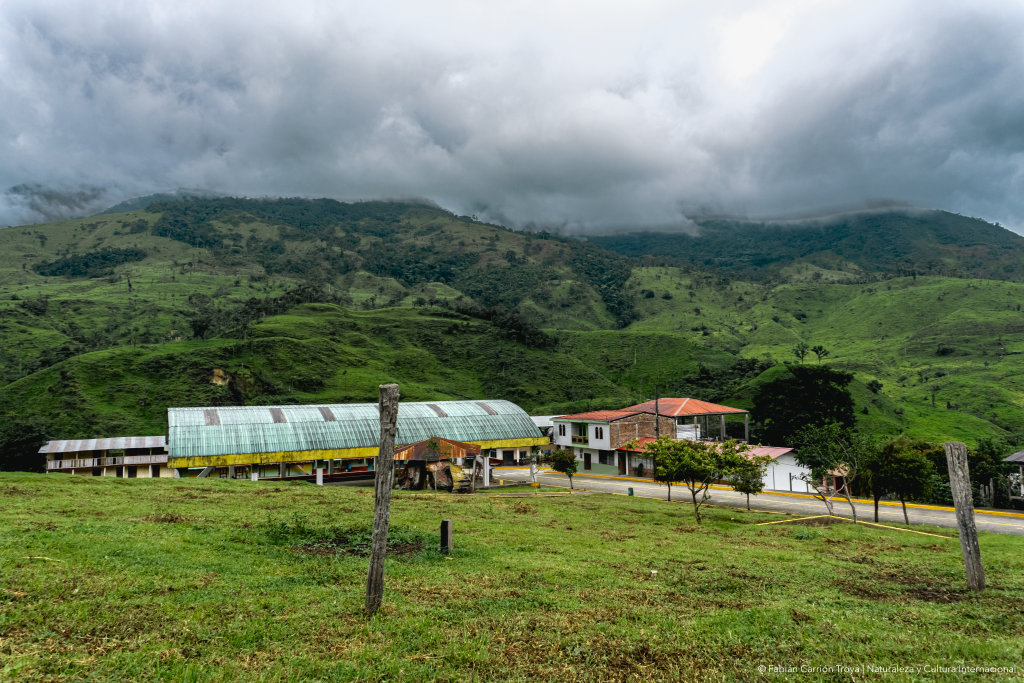Parroquia San Andrés
Con el tiempo, el proceso de conservación se fortaleció institucionalmente. La comunidad continuó trabajando en esta causa y, mediante una ordenanza del GAD Municipal de Chinchipe, en el año 2015 se estableció el Área de Conservación Municipal y Uso Sostenible (ACMUS) Chinchipe, esta declaratoria garantizó el respaldo legal a largo plazo.
Finalmente, tras 16 años de trabajo impulsado por la comunidad, la Autoridad Única del Agua emitió la resolución MAE-DZ10-APH-2026-001-R, del 11 de marzo de 2026, mediante la cual el área fue elevada a la categoría de Área de Protección Hídrica. Hoy, la comunidad celebra el establecimiento del APH San Andrés que protege más de 4.779 hectáreas.
El APH San Andrés surge de una visión compartida de la comunidad, que reconoce la protección de las fuentes de agua como una estrategia para conservar los ecosistemas, mantener el hábitat de la biodiversidad y mejorar la calidad de vida de la población.

*“Como madre, me da mucha tranquilidad saber que nuestra reserva de agua está protegida. El agua es esencial para la vida y, como comunidad, tenemos la responsabilidad de cuidarla, usarla de manera responsable y enseñar a nuestros hijos que este compromiso debe continuar para garantizar el futuro de nuestra reserva”*, señala **Keiny Cordero**, pobladora de San Andrés.

*“La declaración del Área de Protección Hídrica representa un hito para nuestra comunidad. Es un compromiso con la protección de nuestras fuentes de agua y un legado para las futuras generaciones, que tendrán la responsabilidad de conservar este patrimonio”*, afirma **Diego Abad Abad**, presidente del GAD Parroquial de San Andrés.

*“Impulsamos esta iniciativa en el momento oportuno, cuando la minería ya empezaba a afectar nuestras fuentes de agua. Hoy, contar con un Área de Protección Hídrica nos da la tranquilidad de saber que podremos conservar agua de calidad para las futuras generaciones”*, recuerda **Martín Ramón**, expresidente del GAD Parroquial de San Andrés y uno de los impulsores del proceso de conservación del área.
>
## **APH San Andrés: Un refugio de biodiversidad y agua**
El Área de Protección Hídrica San Andrés conserva ecosistemas altoandinos de gran importancia ecológica que resguardan una alta diversidad de especies y las fuentes de agua que abastecen a las comunidades. Sus páramos y bosques montanos albergan especies emblemáticas como el oso de anteojos (*Tremarctos ornatus*) y el puma (*Puma concolor*), además de una flora característica integrada por el romerillo (*Podocarpus oleifolius*), la achupalla (*Puya obconica*) y la granadilla silvestre (*Passiflora loxensis*).
Estos ecosistemas regulan el ciclo hidrológico al captar, almacenar y liberar agua que abastece a la parroquia San Andrés para el consumo humano y la producción agropecuaria, contribuyendo a la seguridad hídrica y a la soberanía alimentaria del territorio.
Además, el APH constituye una zona de amortiguamiento del Parque Nacional Yacuri y fortalece el [Corredor de Conectividad Podocarpus–Yacuri](https://www.natureandculture.org/es/directorio/reconocimiento-corredor-de-conectividad-podocarpus-yacuri/ "Reconocimiento Corredor de Conectividad Podocarpus Yacuri"), un paisaje estratégico que favorece la conectividad ecológica y la conservación de la biodiversidad en el sur del Ecuador.

## **Un compromiso para el futuro**
En Ecuador se han establecido 42 Áreas de Protección Hídrica. Naturaleza y Cultura Internacional ha contribuido a este proceso mediante asistencia técnica y financiera para la consolidación de 26 de estas áreas.
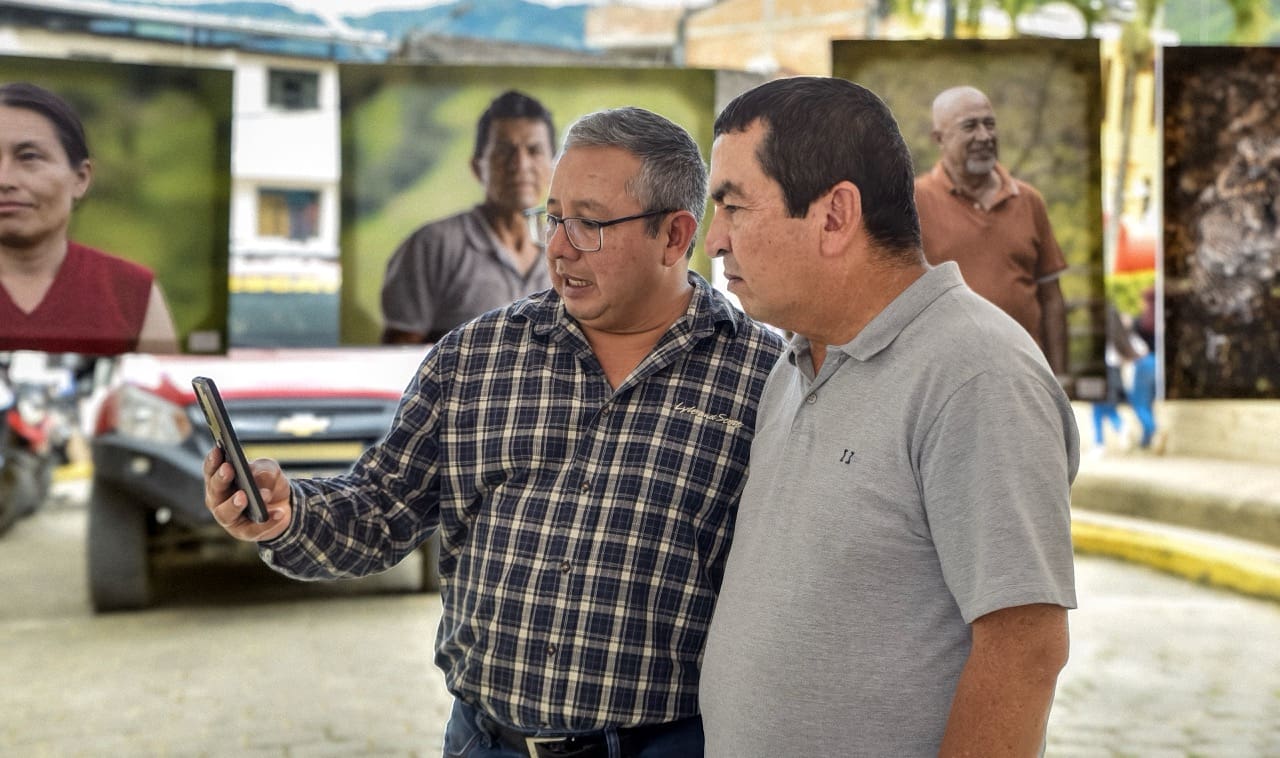
*“Hoy, el 95 % de la superficie de San Andrés mantiene condiciones ecológicas óptimas. Este resultado demuestra que la conservación sostenida y el trabajo conjunto entre comunidades e instituciones generan beneficios concretos para la biodiversidad y el agua”*, señala José Romero, coordinador del Programa de Conservación de Fuentes de Agua.
El establecimiento del APH San Andrés es, ante todo, una historia de liderazgo local. Gracias a la perseverancia de su comunidad, años de trabajo por la conservación se consolidaron en una figura legal de protección, garantizando el cuidado de los bosques y el acceso al agua para todas y todos.
Al finalizar el recorrido por la parte alta del área, el bosque ofreció una última sorpresa: apareció un tapir de montaña (*Tapirus pinchaque*), una de las especies más sensibles a la pérdida de hábitat y considerada un indicador de ecosistemas saludables. Su presencia no fue una casualidad, es el reflejo de 16 años de trabajo comunitario para proteger los bosques, las fuentes de agua y la biodiversidad de San Andrés.
Tapir de montaña
Este proceso fue impulsado por la comunidad, con el apoyo técnico de Naturaleza y Cultura Internacional y del proyecto CUIDAR, y el financiamiento de [Re](https://www.rewild.org/)[:wild](Re:wild). El encuentro con el tapir recordó que, cuando la conservación se sostiene en el tiempo y nace del compromiso de la gente, los resultados vuelven a hacerse visibles en el bosque.
---
**Más información:**
Aida Maldonado
**Comunicadora Ecuador**
<amaldonado@naturalezaycultura.org>
**Strategic Area:** Agua, Bosques
**Country:** Ecuador
**Content Type:** Blog
---
### [Climate Change and Extreme Weather](https://www.natureandculture.org/directory/climate-change-and-extreme-weather/)
**Published:** January 2, 2026
**Author:** Heather Thomas
**Content:**
## What is Climate Change?
Climate change refers to significant and lasting changes in global weather patterns including severe heat waves, floods, and droughts, primarily due to human activities such as burning fossil fuels, deforestation, and industrial processes.
#### **Why is Climate Change Important?**
Climate change is important because it poses a significant threat to the environment, human health, and global stability. It leads to rising temperatures, extreme weather events, sea-level rise, habitat loss, and disruption of ecosystems, impacting food and water security, biodiversity, and economies worldwide.
## **What is Extreme Weather?**
Extreme weather includes heat waves, freezes, heavy downpours, tornadoes, tropical cyclones, and floods. These events are considered extreme when they fall out of the normal range for a particular region and these are all becoming more common as our climate shifts.
---
## **Causes of Climate Change**
Climate change is primarily caused by human activities that release greenhouse gases into the atmosphere. The main contributors include:
- **Burning Fossil Fuels:** The combustion of coal, oil, and natural gas for energy production releases carbon dioxide (CO2) and other greenhouse gases.
- **[Deforestation](https://www.natureandculture.org/deforestation/):** Clearing forests for agriculture, logging, and urbanization reduces the Earth’s capacity to absorb CO2 and contributes to increased greenhouse gas emissions.
- **Industrial Processes:** Manufacturing, transportation, and other industrial activities emit greenhouse gases such as methane and nitrous oxide.
## **Solutions to Climate Change**
Addressing climate change requires collective action and innovative solutions. Some key strategies include:
- **Reforestation:** Restore and expand forests to sequester carbon dioxide and enhance natural carbon sinks.
- **Transition to Renewable Energy:** Invest in renewable energy sources such as solar, wind, and hydroelectric power to reduce reliance on fossil fuels and decrease greenhouse gas emissions.
- **Energy Efficiency:** Improve energy efficiency in buildings, transportation, and industry through technology upgrades, conservation measures, and smart design.
- **Climate Policy:** Implement policies and regulations to limit greenhouse gas emissions, promote sustainable practices, and incentivize climate-friendly behaviors.
#### **Is it Too Late to Stop Climate Change?**
While the impacts of climate change are already being felt, it is not too late to take action. [Urgent and ambitious efforts](https://www.natureandculture.org/climate/ "CLIMATE") to reduce greenhouse gas emissions, mitigate climate risks, and adapt to changing conditions can help limit the severity of future impacts.
#### **What Can We Do to Reduce Climate Change?**
Individuals, communities, businesses, and governments all have a role in combating climate change. Here are some actions we can take:
- Reduce energy consumption and use energy-efficient appliances.
- Minimize waste and recycle materials to reduce emissions from landfills.
- Support sustainable transportation options such as walking, cycling, and public transit.
- Advocate for climate-friendly policies and support organizations working on climate solutions.
---
**Together, Let’s Take Action to Address Climate Change and Protect Our Planet for Future Generations.**
[Give today to protect our climate!](https://give.natureandculture.org)
**Strategic Area:** Climate
**Country:** Bolivia, Colombia, Ecuador, Mexico, Peru
**Content Type:** Blog
---
### [Photo of Last Jaguar in Amotapes Dry Forest?](https://www.natureandculture.org/directory/last-jaguar/)
**Published:** May 14, 2012
**Author:** Heather Thomas
**Excerpt:** May, 2012 | Late last year, we recovered this photograph of what may have been the last jaguar in Peru's Amotapes mountain range. For centuries, jaguars were killed on sight in the region, and this beautiful cat is the last known evidence of the species in what today is the Coto de Caza El Angolo Reserve.
**Content:**
[](https://www.natureandculture.org/wp-content/uploads/2012/05/AmotapesJaguar.jpg)
**May 9, 2012** \| Late last year, we recovered this photograph of what may have been the last jaguar in Peru’s Amotapes mountain range. The photograph was provided by the son of the farmer pictured here, and was taken in 1965. For centuries, jaguars were killed on sight in the region, and this beautiful cat is the last known evidence of the species in what today is the Coto de Caza El Angolo Reserve.
The reserve is a major national protected area covering 162,000 acres of endangered dry equatorial forest, which was once home to a thriving jaguar population. Despite this tragic loss, the reserve still houses significant biological diversity – including 150 bird, 17 mammal, 13 reptile, and 10 fish species – many found only in this dry forest ecosystem.
Today, we are working to improve the conservation of the reserve, encouraging local communities to use their natural resources in more sustainable ways. This work is being done in partnership with the reserve’s Management Committee (headed by NCI) and the Peruvian Government’s National Park Service.
**Tags:** Amotapes, Dry forest, endangered species, Equatorial forest, Jaguar, Peru
**Strategic Area:** Biodiversity
**Country:** Peru
**Content Type:** Blog
---
### [The Incredible Rainforests of South America](https://www.natureandculture.org/directory/the-incredible-rainforests-of-south-america/)
**Published:** June 16, 2023
**Author:** Heather Thomas
**Content:**
## Not all rainforests are alike
Rainforests are ecosystems that experience a large amount of annual rainfall. They support an incredible number of plants, animals, and other life forms. Although they occur in different parts of the planet, tropical rainforests are found on and around the equator where sunlight is consistent throughout the year.
Nature and Culture International has projects and protected areas in rainforest ecosystems in many types of rainforest in South America. Our work occurs in the lowland Amazon rainforest, cloud forests in the Andes, and the Chocó forest of coastal Colombia and northern Ecuador.
## **Andean Cloud Forest:** Highland rainforest

The extraordinary [cloud forests](https://www.natureandculture.org/wild-places/andean-cloud-forest/) of the Andes are a type of mid-altitude tropical rainforest. When humid air, transpired from the billions of trees in the lowland Amazon, moves west and up the mountain slopes of the Andes, some of it condenses and falls as rain. Some remain in the form of low clouds and mist, which condenses directly onto the foliage of cloud forest trees.
Cloud forests extend from about 3,000 feet in elevation up to about 8,000 feet, so temperatures tend to be cooler than in lowland rainforests. The terrain is often on steep slopes, with more open canopy, leading to more vegetation on the forest floor.
### These higher-elevation forests are characterized by waterfalls and quick-moving, shallow rivers.
Cloud forest trees are often covered in plants called epiphytes, which capture much of the moisture found in cloud forests. Clouds and mist condense on the epiphytes’ leaves and pool at the bases of epiphytes (providing habitat for insects and some types of frogs). Trees here are generally shorter than in lowland rainforest, hence the cloud forest tree canopy is lower.
Nature and Culture is currently working with local communities and authorities in our North Andes Mosaic to protect [highland forest in Peru](https://www.natureandculture.org/directory/jaen-y-tabaconas/) which is essential for providing water resources to over two million people who live in the region.
## **Amazon:** Tropical rainforest east of the Andes

### The Amazon rainforest is the largest tropical forest on Earth, with the highest density of plant and animal species anywhere.
This region provides essential ecological services, stabilizing the world’s rainfall patterns and storing massive amounts of carbon that mitigate climate change.
This lowland rainforest is east of the Andes mountain range and spans eight South American countries. [The Amazon](https://www.natureandculture.org/wild-places/amazon-rainforest/) is impressively large, more than double the size of the next two largest rainforests combined. It is also well known for its mighty Amazon River which is made up of 1,100 tributaries, including the [Marañón River](https://www.natureandculture.org/directory/the-heart-of-the-amazon-a-community-protects-the-headwaters-of-a-great-river/) which is considered the source of the Amazon in Peru.
The province of Loreto, Peru, is facing the second-highest rate of deforestation in Peru. Nature and Culture is currently partnering with Indigenous communities and local authorities through sustainable livelihood projects in our Nanay-Tigre Mosaic.
## **Chóco**: Coastal rainforest west of the Andes

On a strip of forest in western Colombia and Northwestern Ecuador, between the Pacific Ocean and the Andean mountain range is the Chocó forest.
### It is a dense and diverse tropical rainforest that blends with adjoining mangrove forests, rocky cliffs, and coastal plains.
It is one of the world’s wettest rainforests and one of the most biologically rich areas in the world. Many species here cannot be found anywhere else on Earth, such as the golden poison frog (one of the three most poisonous vertebrates in the world).
Between two to three percent of this ecosystem is left, making it one of the most threatened and lesser-known forests in the world. With Nature and Culture International’s support, the [Bajo Baudó](https://www.natureandculture.org/protected-areas/colombias-largest-regional-protected-area/) protected area was established in 2018. This is the largest regional protected area ever created in Colombia. We are currently working in our Southern Chocó Mosaic to declare two new protected areas and establish sustainable management plans.
## Why we protect rainforests
Although rainforests only cover 6 percent of our planet, an estimated 80 percent of terrestrial animals, plants, and fungi species worldwide live within them. Many species have not yet even been described by science. **Rainforests contain a huge amount of [biodiversity](https://www.natureandculture.org/directory/what-is-biodiversity/), which has major implications for our health,** including improving mental well-being, preventing zoonotic diseases (diseases transmitted from animals to humans – e.g. West Nile virus, Lyme Disease, and some types of coronaviruses, among many others) from entering human populations, and providing fresh water, clean air, and vital medicines. **Indigenous peoples have lived in and sustainably managed tropical rainforests for centuries, if not millennia.** Many [Indigenous communities](https://www.natureandculture.org/directory/how-indigenous-peoples-are-key-to-climate-change-mitigation/) are reliant upon the natural resources that the rainforest provides, particularly clean water.
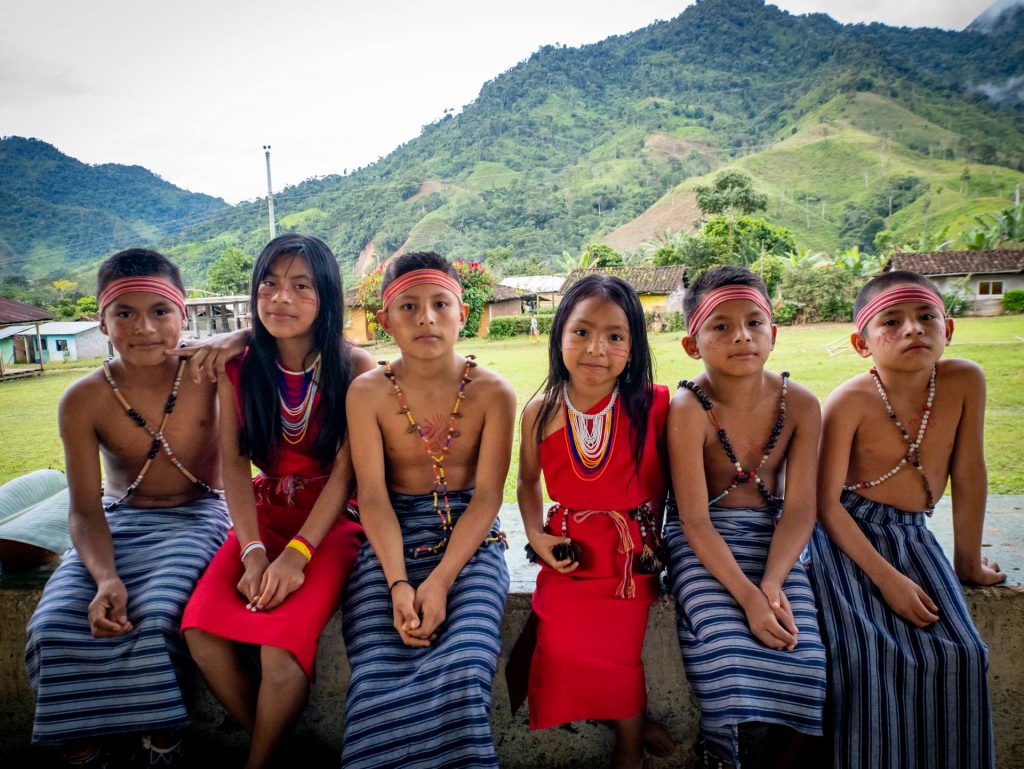
**By destroying rainforests, humans are exacerbating the climate crisis by releasing additional CO2 into the atmosphere.** All rainforests have a huge volume of carbon stored in the vast amount of vegetation they house. There is so much carbon stored in these ecosystems that, if released, it would not be able to be restored by the 2050 global goal of reaching net-zero emissions; this is known as “[Irrecoverable Carbon](https://www.natureandculture.org/directory/irrecoverable-carbon/)”.

### For World Rainforest Day
and every day, it is important to support rainforest conservation and raise awareness of the threats they face.
We know we can do better for Earth. You can help by spreading awareness and supporting Nature and Culture’s nature-based solutions [by pledging your $10 monthly gift today.](https://give.natureandculture.org/monthlygiving)
[I want to make my $10 monthly gift!](https://give.natureandculture.org/monthlygiving)
Your gift…
- Defends wild places from deforestation, mining, and other unsustainable activities
- Connects irreplaceable habitat for threatened plants and animals
- Supports Indigenous and local communities in mapping, monitoring, and managing forests for the long-term
- Preserves the services these ecosystems provide to us all, including clean water and a stable climate
Over the course of a year, you’ll care for 12 acres – the size of 6 professional soccer fields!
For World Rainforest Day, will you join our community of monthly donors who have pledged to protect South America’s rainforests year-round?

**Strategic Area:** Forests
**Country:** Bolivia, Colombia, Ecuador, Peru
**Content Type:** Blog
---
### [Insects kick biomass](https://www.natureandculture.org/directory/amazon-insects/)
**Published:** August 28, 2020
**Author:** Heather Thomas
**Content:**
### **There are approximately 2.5 million species of insects in the Amazon, and we need every one of them.**
To inspire awe of the planet’s extraordinary biodiversity, Nature and Culture is glad to share our monthly series: *Strange Miracles of the Rainforest and Beyond.*
Last time we featured [masters of disguise](https://www.natureandculture.org/directory/can-you-spot-the-potoo/ "masters of disguise"). Check out this month’s gift from nature.
[](https://www.perunature.com/the_wildlife/potoo-bird-facts-html/)Some scientists calculate that ants make up 30% of the Amazon’s total animal biomass.
**Miracle #7: “The little things that run the world”**
Bite! Sting! Buzz!
Insects typically get a bad rap with humans, but they are vital to all life on Earth.
Insects provide natural services that we often take for granted. They are the pollinators, garbage collectors, undertakers, leaf sweepers, soil conditioners, and fertilizer producers of nature.
**Insects are critical components of our planet’s ecosystems – including the Amazon rainforest.**
Scientists estimate that the Amazon basin is home to over 2.5 million species of insects, though scientists have yet to describe many of them. It contains the greatest number of butterfly species in the world, and some scientists calculate that ants make up 30% of the Amazon’s total animal biomass!
[](https://www.perunature.com/the_wildlife/potoo-bird-facts-html/)The Amazon contains the greatest number of butterfly species in the world.
Insects of the Amazon perform many important functions. They aerate the soil, pollinate blossoms, and control pests. Many insects, especially beetles, are scavengers, feeding on dead animals and fallen trees, recycling nutrients back into the soil.
**They are a critical part of the Amazon’s food web as the food source for many amphibians, reptiles, birds, and mammals** – and even humans! Traditionally, insects accounted for up to 26% of the diet of the indigenous Tukanoan in northwest Brazil.
Herbivorous insects play an important role in ensuring the diversity of returning vegetation in the Amazon. They are strongly attracted to fast sprouting and stronger plants, which are typically the first to regrow after fires. Without insects eating the plants, a burned area will grow back with fewer species of trees and plants than before. Insects give slower growing plants a chance to germinate and compete for resources, allowing for more diversity in the regrown area.
[](https://www.perunature.com/the_wildlife/potoo-bird-facts-html/)Insects are a critical part of ecosystems’ food webs.
Fewer “creepy crawlies” may seem like a good thing, but entire ecosystems would be destroyed without them.
As biologist and friend of Nature and Culture E.O. Wilson says, **they are “the little things that run the world.”**
You can protect the planet’s extraordinary biodiversity (including insects!) [here.](https://www.natureandculture.org/give-to-nci)
*The variety of life on the planet is our greatest treasure. Yet one million of the estimated eight million plant and animal species on Earth are at risk of extinction. Nature and Culture hopes that by sharing these ***12 Strange Miracles*** you’ll be filled with wonder and gratitude for each species that enriches the planet. Stay tuned for next month’s feature!*
**Tags:** Amazon rainforest, Biodiversity, insects, species
**Strategic Area:** Biodiversity
**Country:** Bolivia, Ecuador, Peru
**Content Type:** Blog
---
### [Can you spot the potoo?](https://www.natureandculture.org/directory/can-you-spot-the-potoo/)
**Published:** October 27, 2020
**Author:** Heather Thomas
**Content:**
### **Cunning in the Rainforest Camo**
To inspire awe of the planet’s extraordinary biodiversity, Nature and Culture is glad to share our monthly series: *Strange Miracles of the Rainforest and Beyond.*
Last time we featured [four remarkable plants of the Amazon](https://web.archive.org/web/20201027030707/https://natureandculture.org/field-notes/amazon-plants/). Check out this month’s gift from nature.
**“Miracle” #6: Masters of Disguise**
Rainforests are home to a spectacular range of animal species. In nature’s never-ending battle for survival, animals are both the hunters and the hunted.
Over millions of years, animals have evolved ways to survive. A popular method is camouflage. **The potoo is one creature that is particularly cunning in the rainforest camo.**
Potoos are nocturnal birds found across the Amazon rainforest. Native to Central and South America, they are reliant on trees for perching and camouflage.
Masters of disguise, potoos spend their days still, with eyes half open, perched upon the stumps of broken branches. Their stump will be chosen wisely, as it will be the home of their single egg, whose incubating duties are shared by both the male and female parent in shifts.
**Rather than fighting, potoos use camouflage to escape detection from predators.** Since their coloring is often identical to the trees that they reside in, they’ll go motionless when a dangerous animal approaches. Some of them will even angle their beaks upwards to make themselves look like a protruding branch.
There are several types of potoo birds including the great potoo (Nyctibius grandis), the common potoo (Nyctibius griseus), and the long-tailed potoo (Nyctibius aethereus). Photo by James Diedrick: https://www.flickr.com/photos/jkdatlanta/.
Spotting a potoo is no easy feat! The bird’s camouflage is extremely effective, especially when combined with their lifeless pose. **However, the potoo reveals its presence with deep and eerie calls that carry for long distances.** According to legend, the cry is the mournful lament of a spirit in love with the distant spirit of the moon.
Potoos cannot survive without trees to shelter and camouflage them. Though populations are currently stable, potoos are increasingly threatened by habitat destruction and deforestation.
**You can protect the planet’s extraordinary biodiversity [here.](https://web.archive.org/web/20201027030707/https://www.natureandculture.org/give-to-nci)**
*The variety of life on the planet is our greatest treasure. Yet one million of the estimated eight million plant and animal species on Earth are at risk of extinction. Nature and Culture hopes that by sharing these ***12 Strange Miracles*** you’ll be filled with wonder and gratitude for each species that enriches the planet. Stay tuned for next month’s feature!*
*Cover photo from [www.all-free-photos.com](https://web.archive.org/web/20201027030707/http://www.all-free-photos.com/).*
**Strategic Area:** Biodiversity, Forests
**Country:** Colombia, Ecuador, Peru
**Content Type:** Blog
---
### [Bosque Seco Biosphere Reserve](https://www.natureandculture.org/directory/bosque-seco-biosphere-reserve/)
**Published:** June 23, 2014
**Author:** Heather Thomas
**Content:**
Our local team supported the creation of the 1.25 million acre UNESCO Biosphere Reserve in southwestern Ecuador, bringing global attention to the preservation of Ecuador’s most pristine dry forest.
Throughout southern Ecuador, we are helping local communities and municipalities establish reserves and placing government-owned forests under conservation management. Our work is helping to form habitat corridors that link the major areas of forest on both the Ecuadorian and Peruvian sides of this ecosystem.
The new Bosque Seco Biosphere Reserve extends over 1.25 million acres of the country’s most pristine dry forest, home to one of the highest concentrations of endemic birds in South America and an important population of flagship species including the American crocodile and mantled howler monkey. An amazing number of species are endemic to this region, including 31 varieties of birds and 20 varieties of amphibians and reptiles. Eleven of these species are threatened by extinction and will soon vanish unless direct efforts are made to protect them. In addition, almost 20% of the plant species in the area are endemic.
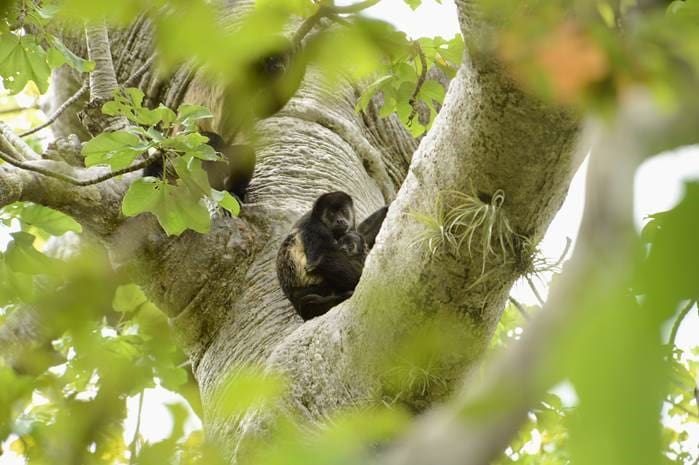
Unfortunately, over 95% of the region’s natural forest cover has been lost, making the protection of the remaining habitat a top priority. According to our resident botanist, Eduardo Cueva, there are several possible new plant species being discovered in this area, some of which could provide medicinal benefits to humans.
Biosphere Reserves are a significant conservation achievement because they remain under national jurisdiction but share their experience and ideas regionally and internationally within the World Network of Biosphere Reserves. Our office in Loja, Ecuador worked extensively with the national government and several non-governmental organizations to prepare the proposal for Bosque Seco, along with eight municipalities, farming communities, and school EcoClubs. In September 2013, after one year of work, the Ecuadorian government presented the proposal for the declaration of Bosque Seco, or the dry forest of Loja, as a new UNESCO Biosphere Reserve.

On June 13th, 2014, UNESCO approved the proposal and inscribed this area as Ecuador’s 6th Biosphere Reserve.
For the first time in Ecuador’s history, municipal and private reserves are considered it’s core conservation areas. These core areas span over 55,000 acres and include our La Ceiba, Cazaderos, and Laipuna Reserves, which we have been managing for the last decade. We are now devising a detailed conservation plan alongside the Bosque Seco Biosphere Reserve’s 100,000 inhabitants to ensure its ongoing protection. Meanwhile, we are continuing to work with the Ecuadorian government, including the Ministry of Environment, and several conservation partners to ensure connectivity between southern Ecuador’s many reserves.
## A Bi-National Biosphere Reserve in the Making
A new conservation goal has been established by the Ecuadorian and Peruvian environmental authorities – the declaration of a bi-national UNESCO Biosphere Reserve. Nature & Culture, which has helped establish three out of Ecuador’s six Biosphere Reserves, will be providing technical and financial support to the Environmental Ministry of Ecuador.
This area will integrate the Bosque Seco Biosphere Reserve with Peru’s Amotapes Biosphere Reserve, which was recognized by UNESCO in 1977 and recently enlarged with the support of Nature & Culture to protect Peru’s vital mangrove ecosystem. Once completed, this bi-national Biosphere Reserve will span nearly 4 million acres.
## The Palo Santo Project
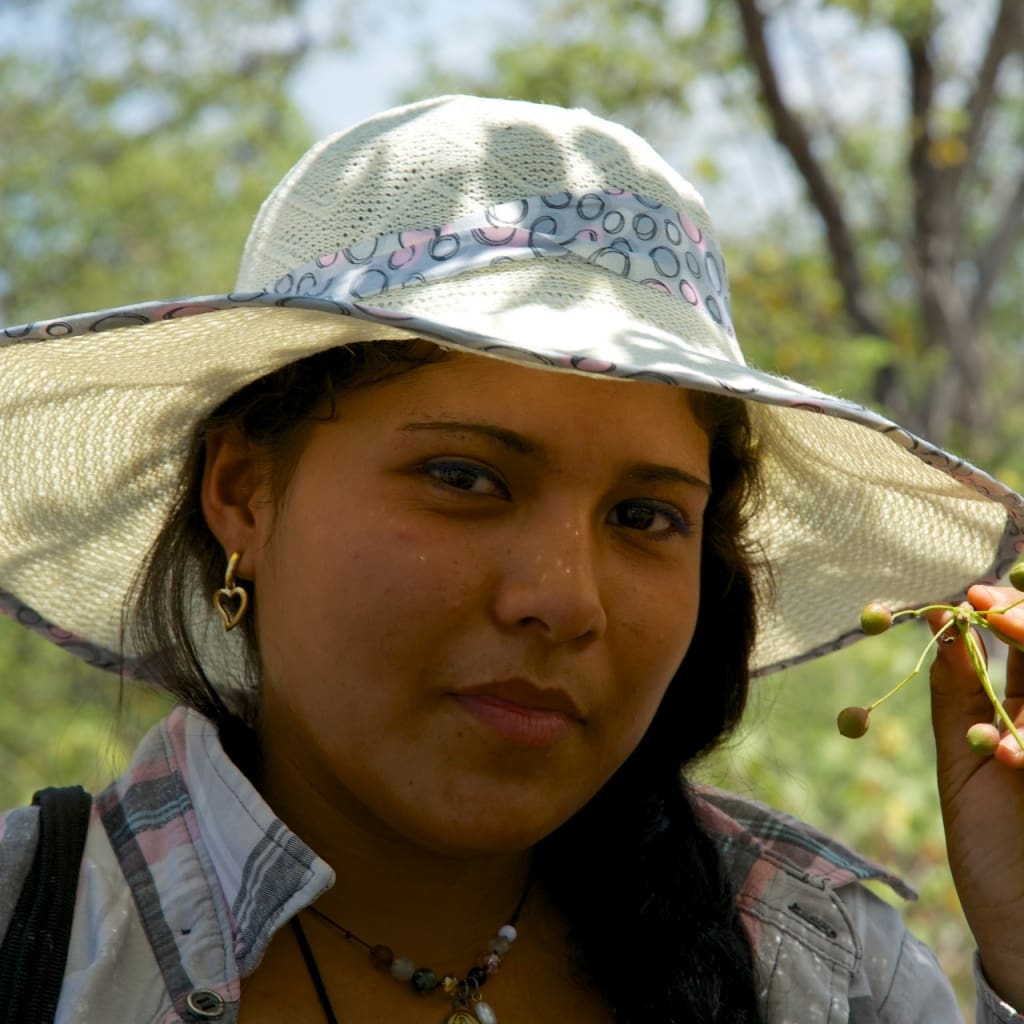
In the highly endangered tropical dry forests of southern Ecuador, the Palo Santo tree provides a much needed source of income to a rural population with limited resources. For generations, harvesting the tree’s valuable oils has been accomplished through deforestation.
With the help of our regional office in Loja and a team of biologists from the Technical University of Loja, the community of Zapotillo is now harvesting the oil from the fruit of the Palo Santo tree, leaving the trees intact to grow, reproduce and renew the remaining stands of tropical dry forest.
In partnership with the municipality of Zapotillo, we helped organize the Bolívar Tello Community Association to manage the Palo Santo resources and market the product to companies such as the Brazilian-based cosmetics company, Natura.
In June 2014, the Bolívar Tello Community Association was awarded the United Nations Development Programme’s [Equator Prize](https://www.natureandculture.org/equator-prize/) for the Palo Santo project’s outstanding effectiveness and ability to reduce poverty through the conservation and sustainable business practices.
**Strategic Area:** Biodiversity, Forests
**Country:** Ecuador
**Content Type:** Blog
---
### [UNDP's Equator Prize Recognizes Sustainable Development Project](https://www.natureandculture.org/directory/equator-prize/)
**Published:** June 10, 2014
**Author:** Heather Thomas
**Excerpt:** This June, the Palo Santo project was awarded the United Nations Development Programme’s 2014 Equator Prize alongside 25 innovative sustainable development projects from around the globe.
**Content:**

**June, 2014 –** This June, the [Palo Santo project](https://www.natureandculture.org/directory/the-palo-santo-project/) was awarded the United Nations Development Programme’s [2014 Equator Prize](https://web.archive.org/web/20230531232719/http://equatorinitiative.org/index.php?option=com_winners&view=winner_detail&id=214&Itemid=683&lang=en) alongside 25 innovative projects from around the globe. Awarded biennially, the Equator Prize recognizes outstanding community efforts to reduce poverty through the conservation and the sustainable use of biodiversity. This September, our Coordinator of Community Development, Bruno Paladines, will be attending the ceremony in New York to accept the prize alongside community members.
Situated within the newly created [Bosque Seco Biosphere Reserve](https://www.natureandculture.org/our-reserves/bosque-seco/), the Palo Santo project is linking conservation, research, and economic development to create jobs and improve local livelihoods while conserving biodiversity. Local people who are part of the Bolivar Tello Cano Community Association extract essential oils from the fruit of the palo santo tree, a species common in the unique but highly threatened dry forest, and sell them to cosmetic companies for use in perfume and other products. Community members harvest the palo santo fruit in a sustainable manner (collecting only 10% of the fruit from each tree), enabling them to benefit economically while preserving natural resources.
Since 2010, we have worked closely with the communities of Malvas, Chaquito, Paletillas de Malvas, and Totumos and the Technical University of Loja (UTPL) to develop this project. Previously, the community would cut down the entire palo santo tree in order to harvest the essential oils. However, after biologists from UTPL discovered the oil could be harvested directly from the fruit, we were able to advise the communities, which readily implemented this sustainable method. We have also helped the communities determine markets for the oil. Their biggest buyer is Natura, a Brazilian cosmetics company that sells Amor America perfume made from the oil of the palo santo fruit. With the resent designation of the biosphere reserve, we are continuing to build the capacity of local people to manage the dry forest’s natural resources.
**Tags:** Bosque Seco Biosphere Reserve, Dry forest, Ecuador, Palo Santo, Sustainable Development, UNDP, UNESCO, United Nations Development Programme
**Strategic Area:** Biodiversity, Forests, Local Communities
**Country:** Ecuador
**Content Type:** Blog
---
### [Honey for Forests: A Sweet Return on Conservation ](https://www.natureandculture.org/directory/honey-for-forests-a-sweet-return-on-conservation/)
**Published:** June 4, 2026
**Author:** Heather Thomas
**Content:**
## **How community-led conservation and native bees are securing the forest’s future.**
In the [dry forests](https://www.natureandculture.org/forests/tropical-dry-forests/ "Tropical Dry Forests") of southern Ecuador, local communities have discovered a sweet reality: protecting nature can be far more profitable than destroying it. For generations, this critical ecosystem faced intense pressures from deforestation, agricultural expansion, and devastating wildfires. Today, a community-led movement called **“Honey for Forests” (Miel por Bosque)** is turning the tide. Local families are proving that keeping the forest standing is a powerful way to secure their own economic future.
As Bruno Paladines, **Dry Forest Coordinator at Nature and Culture International**, explains: ***“If we restore the forest, the bees have food, they produce honey, and they boost the surrounding crops. It is a fair, reciprocal exchange: honey in return for a thriving forest.”***
## **A Growing Network for Conservation**
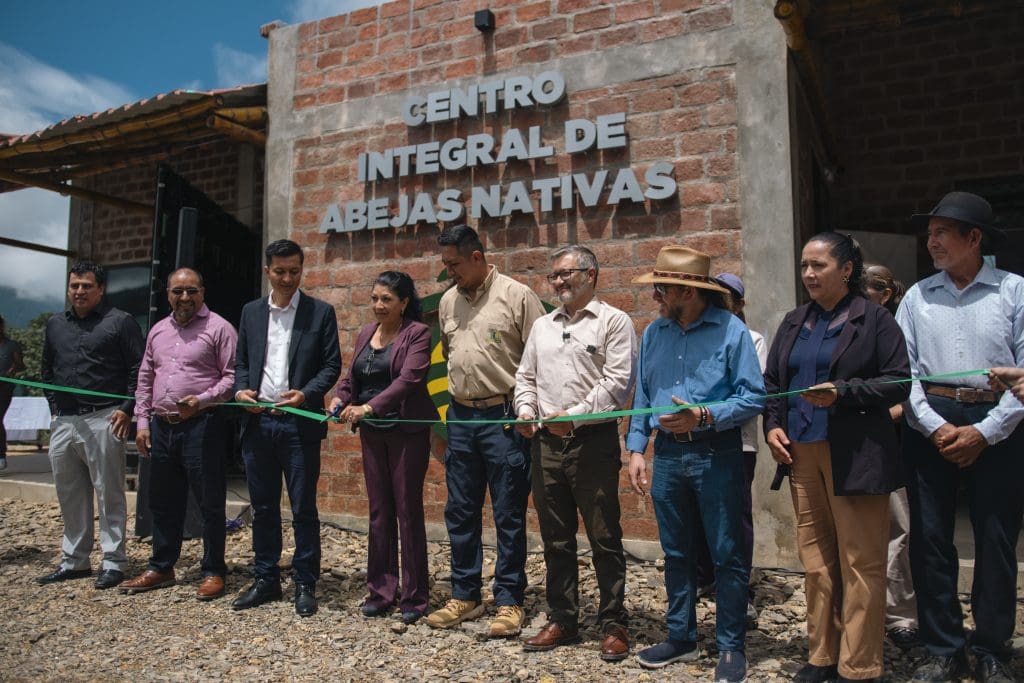
What began as a small alliance among local rural parishes in the Puyango region has blossomed into a pioneering national movement. Since 2016, Nature and Culture has been working alongside municipal governments, local associations, and hundreds of families to scale this impact. Today, the initiative has expanded across five critical Ecuadorian provinces, where more than 600 local bee caretakers sustainably manage around 5,000 native hives.
This incredible momentum recently led to a historic success: the opening of Ecuador’s first-ever **Comprehensive Native Bee Center**. Located in Puyango, this center serves as a national hub for innovation, training, and scientific research. It connects bee caretakers from across the country, streamlining sustainable honey production while serving as a cornerstone for dry forest conservation.
## **Tiny Heroes, Bigger Highlights**
Why does this matter to the rest of the world? Because these are not ordinary bees. Ecuador is home to over 200 species of native, stingless bees that are the absolute backbone of local food security and ecosystem health. They pollinate native trees and plants that no other insects can. By protecting them, local families are actively restoring entire landscapes.
This community effort is woven directly into Puyango’s municipal protected area, which spans over 69,000 acres. By blending traditional knowledge with modern technical innovations, the project has already achieved massive, concrete highlights on the ground:

## **Real Human Transformation**
Beyond the technical metrics, the beauty of this model lies in its human impact. Local producers are shifting away from traditional, aggressive agriculture and turning their land into integrated, climate-resilient farms that harmonize production with ecology.
Oscar Prieto, a local bee caretaker, shares his motivation: *“What drives me is being an active part of conservation. On our farms, we’ve implemented integrated agroforestry systems. We have learned that this isn’t just about production; conservation must be at the center of how we manage our land.”*
>


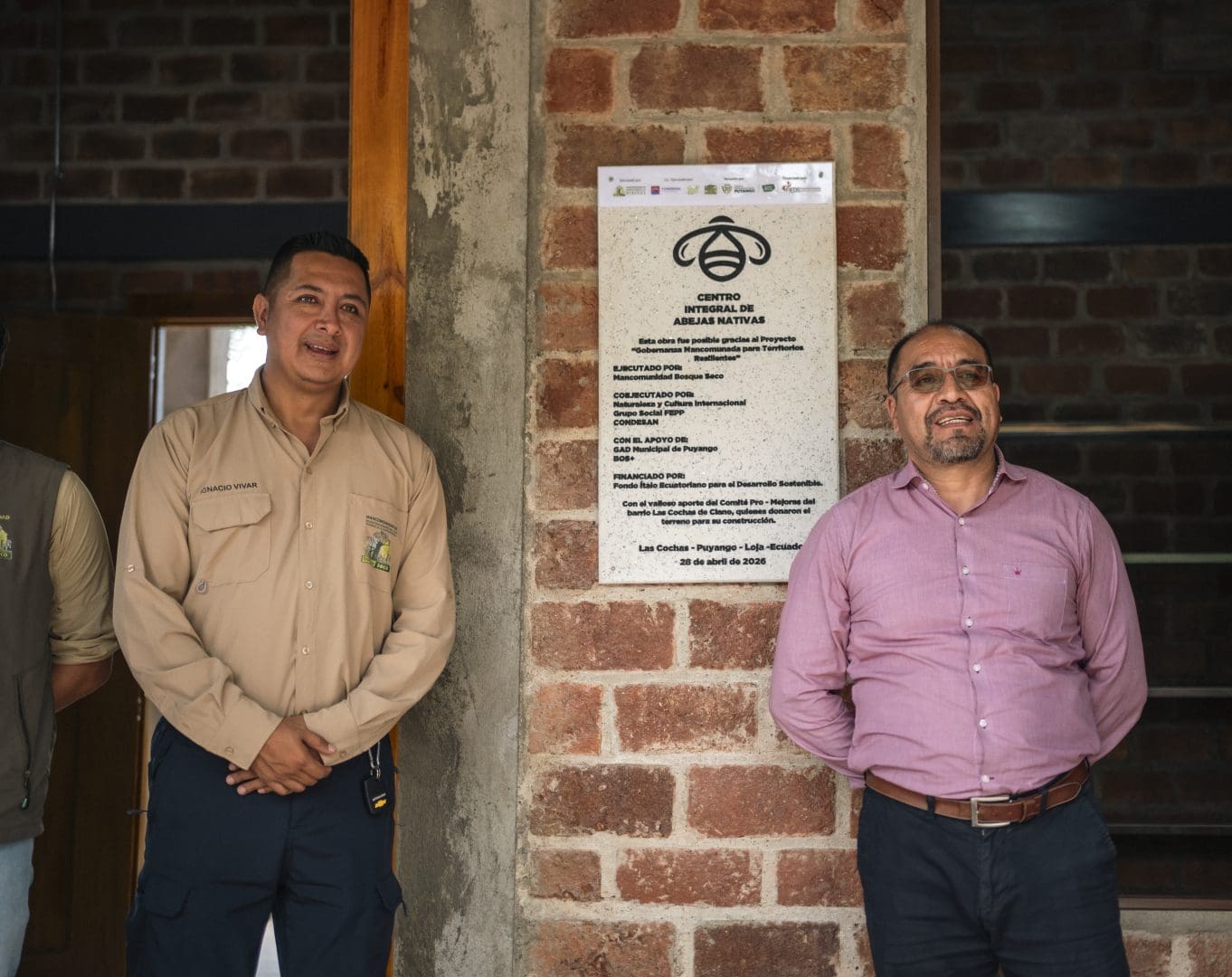


## **An Invitation to Join the Buzz**
**“Honey for Forests”** is a proven success story showing that when ancestral knowledge, community leadership, and technical innovation merge, rural communities can successfully confront climate challenges. The buzz of native bees in southern Ecuador is growing louder every day, and the dry forest is breathing again. However, keeping this momentum alive and expanding to more families requires continuous investment. By supporting **Nature and Culture**, you become an active partner in this sweet cycle, empowering local guardians, protecting irreplaceable biodiversity, and keeping these critical forests standing for generations to come.
**Tags:** Biodiversity, Conservation
**Strategic Area:** Biodiversity, Forests
**Country:** Ecuador
**Content Type:** News
---
### [Ocho regiones del Perú se unen en Huánuco](https://www.natureandculture.org/es/directorio/ocho-regiones-del-peru-se-unen-en-huanuco/)
**Published:** July 7, 2026
**Author:** Nora Sanchez
**Content:**
- *En encuentro histórico impulsado en Huánuco, 08 gobiernos regionales, la Red de Áreas de Conservación Regional, el Servicio Nacional de Áreas Naturales Protegidas por el Estado (SERNANP) y Naturaleza y Cultura Internacional articulan acciones para fortalecer la gobernanza y sostenibilidad financiera de los sistemas regionales de conservación.*
Con el firme objetivo de consolidar la gestión territorial y proteger la biodiversidad del país, representantes de ocho gobiernos regionales del Perú se dieron cita en la ciudad de Huánuco para el **“I Encuentro: Experiencias de los Sistemas Regionales de Conservación en el Perú”**. El evento culminó con la suscripción de un Acta de Acuerdos y Pronunciamiento Técnico orientada a transformar la gobernanza ambiental desde las regiones.
El encuentro fue un hito para los sistemas de conservación
Este encuentro clave contó con la participación de los Gobiernos Regionales de **Huánuco, Piura, Loreto, San Martín, Ucayali, Amazonas, Cajamarca y La Libertad**, junto al SERNANP y la Red de Áreas de Conservación Regional. El espacio fue impulsado en estrecha colaboración por el Gobierno Regional de Huánuco y **Naturaleza y Cultura Internacional (NCI)**, con el apoyo de Andes Amazon Fund. Además, este encuentro forma parte de la iniciativa [Conserva Aves](https://conserva-aves.org/), que protege territorios de vida para las aves y las comunidades, con el acompañamiento de [American Bird Conservancy](https://abcbirds.org/).
## **Impulsamos el fortalecimiento de la gobernanza ambiental**
El encuentro, impulsado en colaboración con **Naturaleza y Cultura Internacional (NCI)**, contó con la participación y moderación del reconocido especialista y referente en derecho ambiental, **Pedro Solano**. Bajo su conducción, el evento fortaleció el nivel del debate técnico y facilitó la articulación de una agenda de compromisos contundentes.
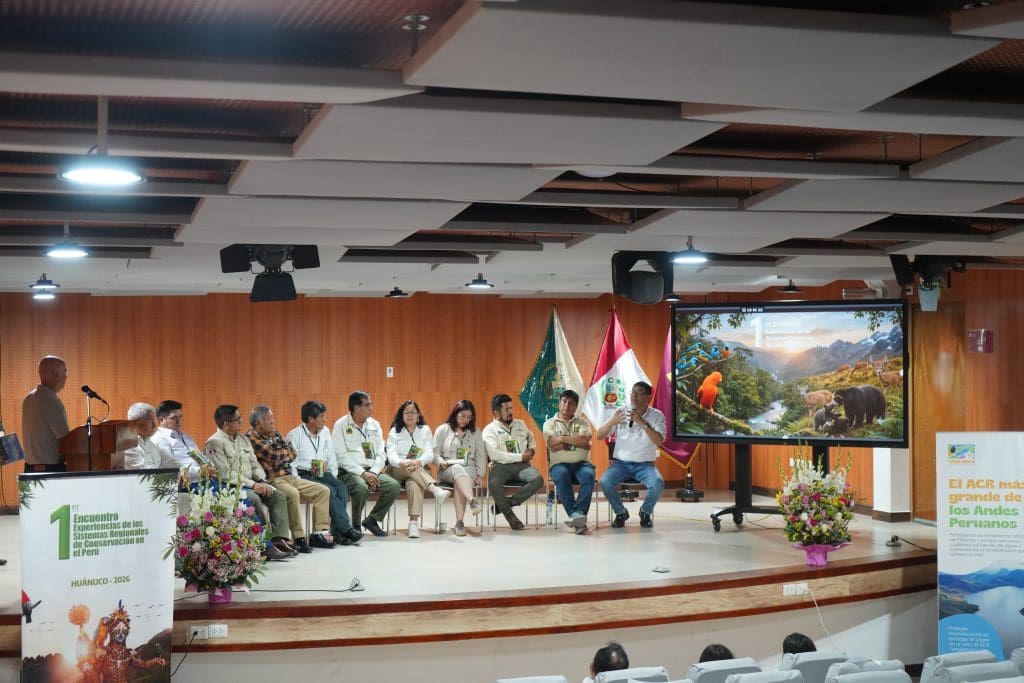*Mesa de diálogo expuso realidades regionales y unificó criterios para la gobernanza ambiental.*
Frente a una década de cambios institucionales y presupuestales, las regiones participantes acordaron elevar una agenda nacional de trabajo dirigida al Ministerio del Ambiente (MINAM) y al SERNANP, estructurada en tres ejes urgentes:
- **Actualización de Lineamientos Nacionales:** Exigen la revisión inmediata del documento técnico *“Los Sistemas Regionales de Conservación: Avances y Lecciones Aprendidas”* (publicado en 2014), incorporando de manera participativa los avances normativos, financieros y de gestión que las regiones han alcanzado en los últimos diez años.
- **Mecanismos de Sostenibilidad Financiera:** Promover lineamientos nacionales orientadores que garanticen el financiamiento permanente, monitoreo, gobernanza y articulación de los Sistemas Regionales de Conservación (SRC), adaptándolos a las diversas realidades territoriales del país.
- **Espacio Técnico en el III Congreso Nacional:** Solicitar formalmente la incorporación de un bloque especializado dentro del próximo III Congreso Nacional de Áreas de Conservación Regional para debatir estas propuestas directamente con el MINAM y actores estratégicos.
“El encuentro permitió mostrar el avance que ha tenido cada gobierno regional durante la implementación de los Sistemas Regionales de Conservación; asimismo, ha mostrado diversas formas de organización de acuerdo con cada realidad. Sin embargo, es importante trabajar de la mano con el SERNANP en la actualización del documento técnico, tomando en cuenta las experiencias compartidas y las necesidades de cada región a fin de fortalecer su gobernanza territorial, la conservación de la diversidad biológica y el desarrollo sostenible de sus territorios”, señaló la Ing. Ercy Jhuly Sanchez Sorue, coordinadora de la Red de Áreas de Conservación Regional del Perú.
## **Hacia una gestión integrada desde los territorios**
El pronunciamiento técnico destaca que, mediante este esfuerzo articulado por Naturaleza y Cultura Internacional, se busca fortalecer las capacidades de los equipos técnicos regionales y consolidar mecanismos eficaces de gobernanza, orientados a una gestión ambiental efectiva, así como a la sostenibilidad operativa e institucional.
*Equipo de Naturaleza y Cultura Internacional partícipe de la organización del evento.*
*“Los Sistemas Regionales de Conservación son mecanismos estratégicos para el desarrollo sostenible y la gobernanza de nuestros territorios. Los gobiernos regionales expresamos nuestra absoluta voluntad de continuar articulando esfuerzos, contando con el valioso respaldo de aliados como NCI, para blindar nuestra biodiversidad”*, señalaron de forma conjunta los representantes regionales al cierre de la jornada.
Con la firma de esta acta, se marca un hito en la descentralización de la gestión ambiental, demostrando que el fortalecimiento institucional y el futuro de la conservación en el Perú se definen con solidez desde los propios territorios.
---
**Más información:**
Gabriela Gives
Comunicación Perú
<comunicacion.peru@naturalezaycultura.org>
**Tags:** Biodiversidad, Personas, Perú
**Strategic Area:** Comunidades Locales
**Country:** Perú
**Content Type:** Evento
---
### [Río Negro-Sopladora National Park](https://www.natureandculture.org/directory/rio-negro-sopladora-national-park/)
**Published:** April 9, 2019
**Author:** Heather Thomas
**Content:**
## *“We only protect what we know; it’s not easy to create a protected area and as such, this is a historic milestone,”* said Tarsicio Granizo, Ecuador’s Minister of Environment.
Cheers erupted as Ecuador declared Río Negro-Sopladora National Park on January 23, 2018. This became Ecuador’s first national park in nearly a decade. The new park encompasses 75,654 acres of pristine páramo and cloud forest ecosystems. This declaration eliminates an unprotected gap in the highly diverse Sangay-Podocarpus Corridor. Now, it serves as a critical link in a 100-mile chain of protected ecosystems in the Andes Mountains.

Río Negro-Sopladora National Park is home to a wealth of flora and fauna. The park establishes vital habitat connectivity. This connectivity is essential for the long-term survival of far-ranging and charismatic species. Protected animals include the spectacled bear, Andean tapir, and Andean condor.
Additionally, dramatic altitude changes within the park encourage the evolution of diverse species. These gradients provide a critical “escape valve” for climate change. They offer an upward migration path to cooler temperatures. This path will help species survive as the Earth warms.
Nature & Culture International’s biological studies in 2017 registered 546 species in the area. This list includes threatened and uncommon species with high levels of endemism. Among the registered species, scientists found three entirely new species of amphibians. These new discoveries include a frog, a salamander, and a caecilian.
The biological study was conducted in just 12 days under poor weather conditions. Therefore, these results reflect only a small portion of the National Park’s ultimate biodiversity.
The Andean Corridor is a biodiversity hotspot in the Andes Mountains of southern Ecuador. This corridor encompasses the Sangay-Podocarpus Corridor and the new National Park. The region is home to more than 450 bird species and 100 mammal species. Many of these animals are threatened and endemic. Furthermore, its forested watersheds supply clean water to millions of people living downstream.
New species of frog discovered in Rio Negro, Ecuador
Roberto Villarreal, mayor of Morona Canton, recognizes the National Park as a critical source of water. “We are aware of the importance of this natural area. It will benefit the neighboring communities and guarantee water for various hydroelectric projects, namely Paute Integral and San Bartolo,” said Roberto Villarreal.
Río Negro-Sopladora National Park is a result of extensive collaboration over several years. This process involved Nature & Culture, the Ministry of Environment, and local communities. Our team was critical in achieving this declaration. We produced the management alternatives plan and conducted biological studies. Additionally, our staff built strong community and political support.
**Strategic Area:** Biodiversity, Forests
**Country:** Ecuador
**Content Type:** Blog
---
### [Cascales Municipal Conservation Area](https://www.natureandculture.org/directory/cascales-municipal-conservation-area/)
**Published:** April 9, 2019
**Author:** Heather Thomas
**Content:**
## Protecting threatened forest in the Andes Mountains at the Cascales Municipal Conservation Area
We worked in collaboration with the municipality of Cascales, Andes Amazon Fund, and the MacArthur Foundation. Together, we created **Cascales Municipal Conservation Area**. This reserve lies in the critical upper Napo River watershed in Ecuador. The new area protects 152,021 acres of threatened forest. This ecosystem spans the highly diverse eastern slope of the Andes Mountains.
The reserve is located close to several national protected areas. These include Cayembe Coca, Sumaco Napo-Galeras, and Cofán Bermejo. Cascales will establish critical connectivity in the region. Specifically, the area will maintain migration corridors for vulnerable and endangered species. These include the northern pudu deer (*Pudu mephistophiles*), spectacled bear (*Tremarctos ornatus*), and jaguar (*Panthera onca*).

Cascales is one of six municipalities in the Water Route Association. This group supports and promotes water-based recreation and tourism on the Napo River. Nature & Culture supports the association with large-landscape conservation. Our work includes creating municipal protected areas. We are also establishing a [local water fund](https://www.natureandculture.org/water/). This mechanism will provide long-term protection to the area’s ecosystems.
**Strategic Area:** Biodiversity, Forests, Water
**Country:** Ecuador
**Content Type:** Blog
---
### [The Tijae Nain, Dase Nain, and Monte Alegre Conservation Concessions](https://www.natureandculture.org/directory/the-tijae-nain-dase-nain-and-monte-alegre-conservation-concessions/)
**Published:** April 9, 2019
**Author:** Heather Thomas
**Content:**
### Our local team in Amazonas, Peru led the creation of three protected areas in 2015. The Tijae Nain, Dase Nain and Monte Alegre Conservation Concessions span nearly 190,000 acres of rich Amazon rainforest. This achievement protects endangered species alongside indigenous Awajun communities.
The Tijae Nain, Dase Nain, and Monte Alegre Conservation Concessions play a key role in the advancement of sustainable industries that enhance the economic wellbeing of local people while preserving the globally important Amazon rainforests of northern Peru. Nature & Culture’s local team has worked steadily to help bring this vision of productive conservation to life by providing technical support and coordinating diverse stakeholders.
In [Monte Alegre](https://www.natureandculture.org/declaration-of-monte-alegre/), the most recent area declared, coffee has emerged as the leading industry. This market unites goals for conservation and economic prosperity. In addition to preserving pristine Amazon rainforest, it safeguards charismatic species. These include the spectacled bear, hairy anteater, and the yellow-tailed woolly monkey. The latter is an endangered species found only in this area.
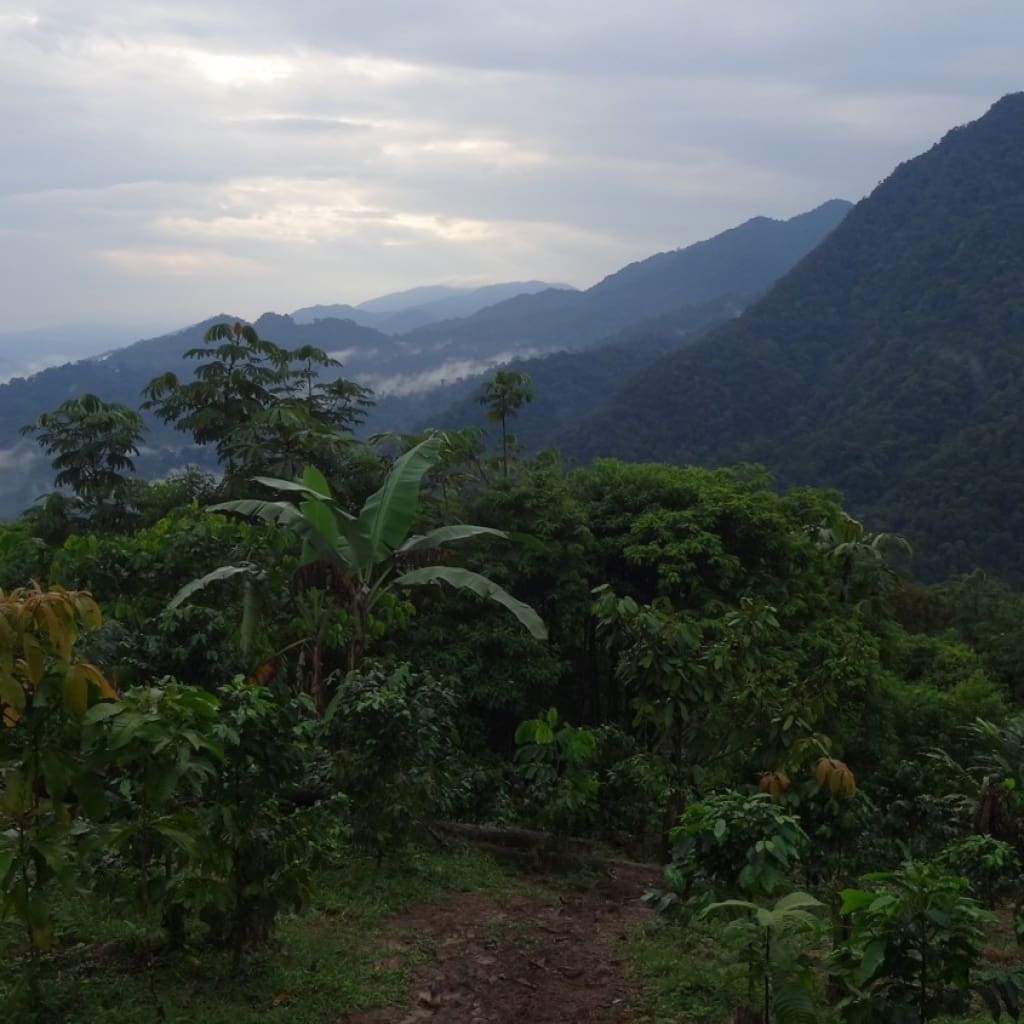
The Dase Nain Conservation Concession spans another 41,380 acres of Amazon rainforest. This protected area runs along the Cenepa, Marañon and Dominguza Rivers. The reserve is vital to preserving the area’s water quality. Nine indigenous Awajun communities border these rivers. They are collaborating with Nature & Culture to monitor and enforce the protection of Dase Nain. Meanwhile, they develop sustainable projects such as organic cacao.

Dase Nain followed the declaration of the 93,000 acre-[Tijae Nain Conservation Concession](https://www.natureandculture.org/tijae-nain-declared-in-peru/). This reserve protects some of the world’s most biodiverse and beautiful Amazon rainforests. It also helps preserve the indigenous Awajun culture. This culture is deeply embedded in these vital forests.
Our work to create both Dase Nain and Tijae Nain was led by Peter Lerche and Eduardo Weepio. Eduardo is a representative of the Awajun Federation. They worked along with Miguel Ampush, Nelson Wisum, and Abel Wisum. All three are members of the Supayacu Awajun community.
**Strategic Area:** Forests, Local Communities
**Country:** Peru
**Content Type:** Blog
---
### [The Pastaza Ecological Sustainable Use Area](https://www.natureandculture.org/directory/the-pastaza-ecological-sustainable-use-area/)
**Published:** April 9, 2019
**Author:** Heather Thomas
**Content:**
## The Pastaza Ecological Sustainable Use Area – about the size of the state of Maryland – Holds world records for its wide array of plant and animal species.
Culminating three years of collaboration by provincial and local governments, indigenous communities and **Nature and Culture International**, the Provincial Council of Pastaza, Ecuador, established the **6.3-million-acre Pastaza Ecological Sustainable Use Area on Feb. 24**. This vast area is larger than the state of Maryland and considered by scientists to be one of the most biodiverse areas on Earth.
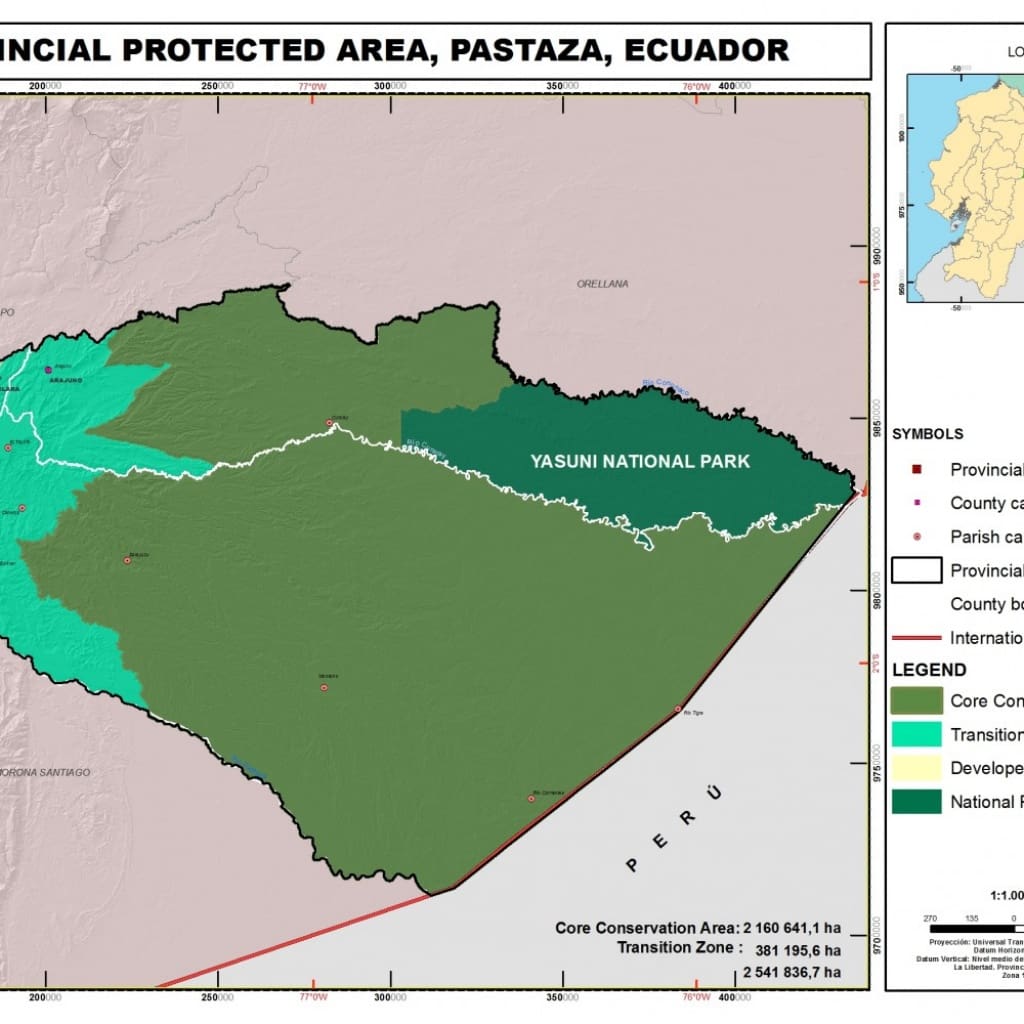Map of Pastaza Reserve
Antonio Kubes, prefect of Pastaza Province, who has been a key proponent for the creation of the protected area, noted that the creation of this Reserve will underpin the sustainable development of the region, providing benefits to the local population, while protecting a global resource.
*“The creation of the Pastaza Reserve is a global example of what local and provincial governments working together with indigenous communities can do to protect vital natural resources while ensuring their own long-term sustainable development and livelihoods,”* said **Renzo Paladines, Nature & Culture’s Executive Director of Latin America.**
The newly created Pastaza reserve, coupled with the neighboring 2.5-million-acre Yasuní National Park, will conserve an immense swath of eastern Ecuador’s lowland Amazon rainforest. The area provides essential habitat to a wide range of mammals, amphibians, reptiles and flora.
Scientists have documented that this area of the Ecuadorian Amazon holds world records for a wide array of plant and animal groups, from amphibians to trees to insects. A single hectare (2.47 acres) in the region may contain more tree species than are native to the continental United States and Canada combined, according to a 2010 Texas State University study.
Another study shows that amphibians, birds, mammals and vascular plants all reach near maximum diversity in this region, and the threatened giant otter can be found here along with jaguars and tapirs.
Fabián López, Cuenca regional coordinator, Nature and Culture International (NCI), surveys the tropical forest under a towering ficus tree. NCI, founded in Del Mar, Calif., helped Ecuador establish the new 6.3-million-acre Pastaza Ecological Sustainable Use Area in the Ecuadorian Amazon Forest. The preserve, which is about the size of the state of Maryland, is one of the most biodiverse areas on Earth. The announcement of the preserve was the culmination of three years of collaboration by provincial and local governments in Ecuador, indigenous communities and NCI.
The area is also very culturally diverse, and the establishment of the Pastaza Sustainable Use Area will help the several indigenous nationalities that reside in the area including the Shuar, Achuar, Kichwa, Zápara, Andoa, Shiwiar and Waorani.
The process to create the Pastaza Sustainable Use Area began three years ago and included extensive consultation processes with municipal governments, indigenous nations and communities residing in the area. Nature & Culture served as a technical advisor to the Pastaza government, working in concert with stakeholders to develop baseline data, define reserve boundaries, and provide information needed for establishment of the Area. Watershed reserves for three of Pastaza’s largest towns have been incorporated into the core conservation zone of the Pastaza Area.
---
### [Salitral-Huarmaca: Un éxito de conservación en Perú](https://www.natureandculture.org/es/directorio/salitral-huarmaca/)
**Published:** June 23, 2014
**Author:** Heather Thomas
**Content:**
## 29 137 hectáreas de Bosque Seco Protegidos
En Piura, Perú, logramos un hito importante. Creamos el **Área de Conservación Regional Salitral-Huarmaca**. Esta zona resguarda legalmente 29 137 hectáreas de bosque tropical caducifolio o bosque seco. Actualmente, este es uno de los ecosistemas más amenazados del planeta.
Junto a nuestros socios locales, desempeñamos un papel fundamental en este logro. El área recibió el reconocimiento oficial del servicio nacional de áreas protegidas en 2011. Esto ocurrió tras dos años de intenso trabajo de campo. En este proceso colaboraron nuestro equipo local y el gobierno regional de Piura.
Esta extensa área de conservación alberga hábitats críticos para la pava aliblanca. Esta es una especie en peligro crítico de extinción. Su población disminuyó a menos de 350 individuos debido a la fragmentación del hábitat y la cacería. Numerosas especies más se beneficiarán de la protección brindada en esta destacada región.
En un comunicado oficial, el gobierno regional de Piura celebró la decisión del servicio nacional de áreas protegidas:
> “El establecimiento de esta Área de Conservación Regional no solo contribuirá a la protección de la biodiversidad. También servirá como un medio para fomentar el desarrollo de las poblaciones locales. Se establecerá un estrecho vínculo entre la conservación y la lucha contra la pobreza”.
Trabajamos en estrecha colaboración con las comunidades locales de la región. Así aseguramos que sus objetivos estuvieran representados en la solicitud final presentada al gobierno peruano. La nueva área protegida establece normas para garantizar el uso sostenible de los recursos naturales.
“Este éxito demuestra una vez más que nuestro arduo trabajo marca la diferencia”, afirmó Alexander More, ex-director de nuestra oficina en el Noroeste de Perú. Él desempeñó un papel integral en la creación del **Área de Conservación Regional Salitral-Huarmaca** en beneficio de las comunidades y los ecosistemas.
**Strategic Area:** Biodiversidad, Bosques
**Country:** Perú
**Content Type:** Blog
---
### [Concesión de Conservación Pamau Nain](https://www.natureandculture.org/es/directorio/concesion-de-conservacion-pamau-nain/)
**Published:** August 26, 2014
**Author:** Heather Thomas
**Content:**
### Tras un arduo trabajo con 11 comunidades indígenas Awajún y el gobierno regional de Amazonas, se estableció la Concesión de Conservación Pamau Nain. Esta iniciativa protege cerca de 46 544 hectáreas de selva amazónica virgen en el norte de Perú.
Durante miles de años, los indígenas Awajún han sido guardianes de la Amazonía. Ahora, con el apoyo de nuestro equipo local, obtuvieron el derecho legal de administrar su territorio ancestral. La Concesión de Conservación Pamau Nain preservará la selva virgen donde habitan. Además, esta protección contribuirá a mantener su estilo de vida tradicional.
Este proyecto se inició hace varios años. Para impulsarlo, sumamos al líder Awajún Eduardo Weepiu Daekat y al reconocido antropólogo Peter Lerche. Junto a nuestro equipo local, viajaron durante más de un año para dialogar con las 11 comunidades. Estas travesías implicaban hasta tres días de recorrido en automóvil, bote y a pie.

Superando obstáculos culturales, nuestro equipo se convirtió en asesor de confianza de los Awajún. Su meta común es proteger esta tierra. La zona alberga una inmensa riqueza de especies tropicales, entre ellas tapires, jaguares y monos araña.
Para asegurar prácticas efectivas de conservación, colaboramos en la creación de la Asociación de Conservación Pamau Nain. Esta organización reúne a los líderes de nueve comunidades Awajún. Juntos, coordinarán actividades ambientales, culturales y de desarrollo sostenible. Actualmente, trabajamos con más comunidades Awajún y el gobierno regional de Amazonas. El nuevo objetivo es crear la propuesta de la Concesión de Conservación Dase Nain.
**Strategic Area:** Bosques, Comunidades Locales
**Country:** Perú
**Content Type:** Blog
---
### [Reserva Shawi Escalera](https://www.natureandculture.org/es/directorio/reserva-shawi-escalera/)
**Published:** June 23, 2014
**Author:** Heather Thomas
**Content:**
Durante siglos, la nación indígena Shawi ha habitado la cuenca Paranapura en Perú, su tierra ancestral. En la actualidad, estamos colaborando con ellos para obtener el reconocimiento oficial de su territorio ancestral como área protegida.

Nos hemos asociado con la nacionalidad Shawi y el gobierno regional de Loreto. Juntos, protegeremos más de **149 703 hectáreas en la cuenca Paranapura**. Esta diversa y amenazada selva montañosa comprende tanto tierras bajas como bosque nublado andino. Gracias a esta variedad, el área es un lugar excepcionalmente biodiverso.
Esta región es de alta prioridad para la biodiversidad. Además, es una cuenca hidrográfica crucial para los ríos Mayo y Paranapura. Su territorio abastece a la nación indígena Shawi y su hogar ancestral. Sus exuberantes bosques y montañas albergan innumerables especies por descubrir. Estas especies poseen un gran potencial medicinal y agrícola. Actualmente, trabajamos con el gobierno regional de Loreto y las comunidades Shawi. El objetivo es lograr el reconocimiento oficial de su territorio como área protegida.
En los últimos años, el hogar ancestral de la nación Shawi ha sufrido una trágica transformación. La colonización reciente en la zona ha provocado deforestación ilegal. También ha traído agricultura de tala y quema, y exploración de hidrocarburos. Sin una acción inmediata, la rica biodiversidad regional y las tradiciones Shawi podrían desaparecer.
El líder de la Federación Shawi, Segundo Pizango, lidera las acciones junto a sus comunidades. Ellos buscan detener la devastación de estos bosques ancestrales. Trabajamos en colaboración con Naturaleza y Cultura y otros grupos indígenas de la Amazonía. Juntos, impulsan la conservación de su territorio comunal. Esta iniciativa protegerá el bosque que constituye la base de su existencia y cultura.
En agosto de 2012, diversas autoridades y 26 comunidades Shawi se reunieron. El fin fue respaldar estas nuevas acciones de conservación. Muchos de ellos viajaron varios días en bote y a pie para asistir. *“¿Cómo sobrevivirá nuestra cultura, cómo sobrevivirán nuestros hijos y nietos si no tomamos medidas?”*, preguntó **Cecilia Pizango, una líder Shawi.**
**Strategic Area:** Bosques, Comunidades Locales
**Country:** Perú
**Content Type:** Blog
---
### [Los Chilchos](https://www.natureandculture.org/es/directorio/los-chilchos/)
**Published:** June 23, 2014
**Author:** Heather Thomas
**Content:**
## 46 543 hectáreas destinadas a un Área de Conservación Privada
### En la región de Amazonas en Perú, colaboramos en la creación del Área de Conservación Privada Los Chilchos, que abarca 46 543 hectáreas, convirtiéndose en la reserva más grande del país.
La Reserva Los Chilchos contiene una cuenca de cabecera de vital importancia para la región de Amazonas. También alberga la icónica Laguna de los Cóndores y protege el hábitat del mono choro de cola amarilla y del oso de anteojos, dos especies en peligro de extinción.
Para asegurar la sostenibilidad y el enfoque comunitario de esta iniciativa, trabajamos de la mano con la comunidad de Leymebamba, que cuenta con 4,000 habitantes. Esta comunidad está comprometida con la preservación de la zona y ha establecido estrictas regulaciones comunales para proteger las fuentes de agua, promover el uso de productos orgánicos en la agricultura y combatir la deforestación. Asimismo, se ha prohibido la caza de vida silvestre.
En abril de 2013, fuimos invitados a participar en una ceremonia organizada por el Ministerio del Ambiente de Perú, encabezado por Manuel Pulgar Vidal, quien destacó especialmente el trabajo de Naturaleza y Cultura Internacional junto a la comunidad de Leymebamba y la organización local Ucumari en la creación de la Reserva Los Chilchos. Gracias a la colaboración de diversas organizaciones no gubernamentales locales y el gobierno, esta reserva continúa siendo una de las historias de éxito más destacadas en materia de conservación en Perú hasta la fecha.
**Strategic Area:** Biodiversidad, Bosques
**Country:** Perú
**Content Type:** Blog
---
### [Reserva Tropical de los Mares del Pacífico](https://www.natureandculture.org/es/directorio/reserva-tropical-de-los-mares-del-pacifico/)
**Published:** June 23, 2014
**Author:** Heather Thomas
**Content:**
Naturaleza y Cultura se ha unido a comunidades pesqueras locales y agencias gubernamentales para establecer la primera reserva marina en la costa de Piura, Perú. A pesar de su alta biodiversidad y su importancia económica, esta ecorregión carece de protección legal y enfrenta amenazas enormes, como prácticas pesqueras insostenibles, contaminación industrial y turismo no regulado, lo que exige una protección urgente.
## Protegiendo hábitats costeros y marinos críticos
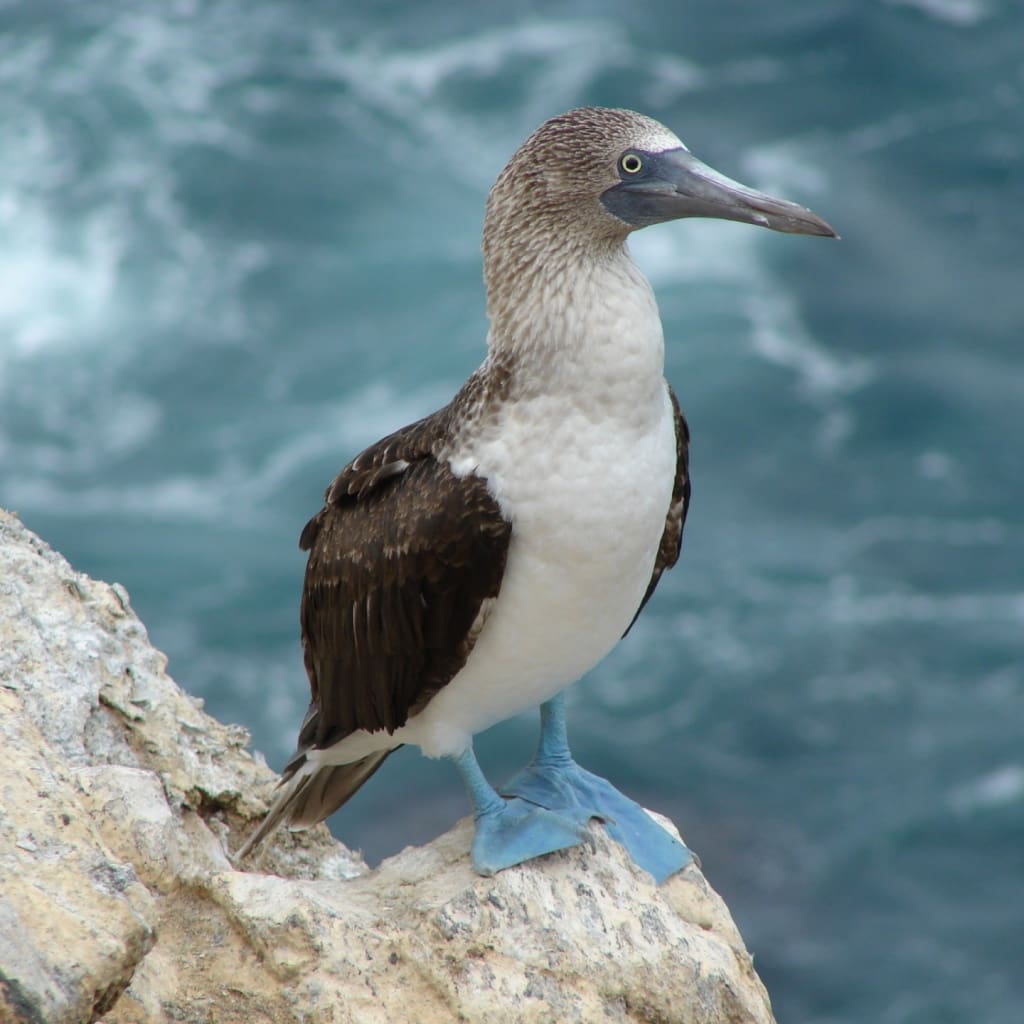**Blue-footed Booby – *Sula nebouxii*.**
Los océanos del norte de Perú albergan aproximadamente el 70% de la biodiversidad marina de la nación, incluyendo numerosas especies endémicas. Esta región es hogar de especies tropicales como las tortugas marinas, así como especies de aguas templadas como el pingüino de Humboldt en peligro de extinción. Las aguas costeras de Perú constituyen el sistema de afloramiento más grande del planeta y sustentan una de las pesquerías más grandes del mundo, representando casi el 20% de las reservas globales de peces y el 60% del consumo de mariscos en Perú.
En colaboración con las comunidades locales, pescadores y gobiernos locales y nacionales, trabajamos para proteger cuatro áreas marinas críticas y sus zonas costeras adyacentes en la Bahía de Sechura, con una extensión total de 115 804 hectareas. Mediante la creación de la Reserva Tropical de los Mares del Pacífico, abordaremos las principales amenazas que enfrenta esta ecorregión marina única y garantizaremos su protección a largo plazo. En 2013, presentamos los documentos necesarios ante el Servicio Nacional de Áreas Naturales Protegidas de Perú (SERNANP), el primer paso para declararla como área protegida.
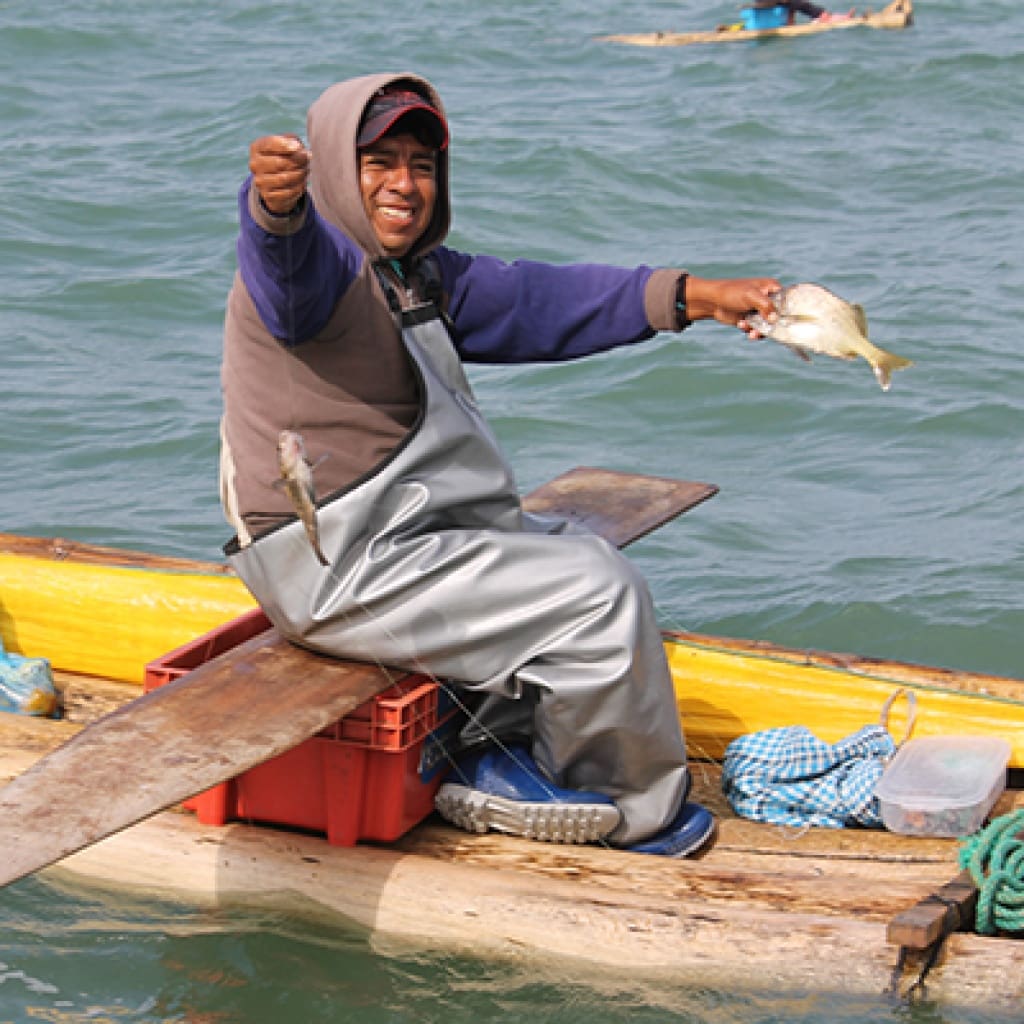
Desde entonces, hemos trabajado en estrecha colaboración con cinco comunidades pesqueras de la región: El Nuro, Canoas de Punta Sal, La Tortuga, Yacila y La Islilla. Hemos llevado a cabo talleres sobre manejo pesquero sostenible y evaluaciones de campo con los pescadores locales para determinar los impactos de la pesca artesanal y la actividad de embarcaciones pesqueras ilegales (se han identificado 18 en la zona). Esta información nos permitirá establecer niveles críticos de zonificación para la reserva. Además, hemos realizado una evaluación de las pesquerías de pequeña escala, la cual fortalecerá las pesquerías existentes y respaldará la zonificación de la reserva. Este enfoque se podrá replicar entre las comunidades dentro de la reserva propuesta para lograr un manejo pesquero sostenible a largo plazo.
Peru’s northern oceans protect roughly 70% of the nation’s marine biodiversity, including numerous endemic species. This region is home to both tropical species such as marine turtles as well as temperate water species such as the endangered Humboldt Penguin. Peru’s coastal waters constitute the largest upwelling system on the planet and support one of the world’s largest fisheries – accounting for nearly 20% of global fish stocks and 60% of Peru’s seafood consumption.
## Historia de conservación de Nature & Culture en Perú
Durante más de una década, hemos trabajado incansablemente en la creación y gestión de áreas protegidas en todo el territorio peruano en colaboración estrecha con gobiernos locales y comunidades. Mantenemos alianzas estratégicas con cinco Gobiernos Regionales y numerosas municipalidades, con las cuales identificamos las áreas prioritarias para la conservación. SERNANP, el Servicio Nacional de Áreas Naturales Protegidas de Perú, ha sido un socio oficial de Naturaleza y Cultura-Perú desde sus inicios en 2004. Gracias al apoyo y la colaboración de SERNANP, hemos logrado la declaración de más de 2.4 millones de hectáreas como áreas protegidas en Perú, y actualmente tenemos en proceso otros 445 154 de hectáreas.
Desde el año 2005, nuestra oficina local en Piura ha liderado este ambicioso proyecto marino, encargándose de coordinar la documentación técnica y llevar a cabo el trabajo comunitario en el terreno. Contamos con una amplia experiencia en conservación basada en la comunidad y hemos establecido una estrecha relación de trabajo con las agencias gubernamentales de Perú. Por lo tanto, contamos con los conocimientos y recursos necesarios para crear una reserva marina a gran escala altamente funcional y exitosa.
**Strategic Area:** Agua, Biodiversidad
**Country:** Perú
**Content Type:** Blog
---
### [El Sabinito Sur](https://www.natureandculture.org/es/directorio/el-sabinito-sur/)
**Published:** June 24, 2014
**Author:** Heather Thomas
**Content:**
Las comunidades que rodean nuestra Reserva Monte Mojino están cada vez más comprometidas con las actividades de conservación de la reserva y comparten su valioso conocimiento sobre este paisaje en peligro.
El Sabinito Sur es una pequeña comunidad situada a unos 16 kilómetros al este de Álamos, México. Varios de los miembros del equipo de guardianes de la Reserva Monte Mojino crecieron en El Sabinito Sur y todavía residen allí con sus familias. Esta comunidad se encuentra alejada del bullicio de los entornos urbanos de Álamos, rodeada de exuberantes bosques tropicales caducifolios y con impresionantes vistas de la Sierra Madre Occidental.
Las personas de El Sabinito Sur son verdaderos guardianes del conocimiento sobre los bosques tropicales caducifolios, el Río Cuchujaqui y sus arroyos afluentes, así como del interior de Sonora. Cada generación continúa transmitiendo las habilidades prácticas necesarias para vivir en un entorno rural remoto.
Además, nuestro personal en Álamos ha tenido la oportunidad de apoyar a los artesanos de El Sabinito Sur, quienes crean hermosos trabajos de bordado y tejen cestas llamadas “guaris” y esteras utilizando la palma nativa Sabal. Las esposas del equipo de guardianes de la Reserva Monte Mojino han mostrado un especial interés en realizar bordados de aves, mamíferos y plantas nativas. Nos esforzamos por exhibir estas habilidades artesanales y la cestería, y brindamos oportunidades para que las mujeres puedan vender sus artesanías.
Las personas de El Sabinito Sur son un tesoro de conocimiento sobre los bosques tropicales caducifolios, el Río Cuchujaqui y sus arroyos afluentes, y el interior de Sonora. Cada generación continúa transmitiendo las habilidades prácticas necesarias para vivir en un entorno rural remoto.
Nuestro personal en Álamos también ha tenido la oportunidad de apoyar a los artesanos de El Sabinito Sur, quienes realizan hermosos trabajos de bordado y tejen cestas, llamadas guaris, y esteras utilizando la palma nativa Sabal. Las esposas del personal de guardianes de la Reserva Monte Mojino han mostrado un interés especial en hacer bordados de aves, mamíferos y plantas nativas. Nos esforzamos por exhibir estos trabajos manuales y cestería, y brindamos oportunidades para que las mujeres vendan sus artesanías.
**Strategic Area:** Bosques, Comunidades Locales
**Country:** México
**Content Type:** Blog
---
### [Colombia’s Largest Regional Protected Area Created in Bajo Baudó](https://www.natureandculture.org/directory/colombias-largest-regional-protected-area-created-in-bajo-baudo/)
**Published:** March 16, 2018
**Author:** Heather Thomas
**Content:**
The municipality of Bajo Baudó, located in the Chocó department of western Colombia, is part of one of the most biologically rich areas on the planet. Paralleling the Pacific Ocean, it encompasses the world’s wettest rainforests with more than 12 meters of rain annually, as well as mangroves, rocky cliffs, and coastal plains intersected by mountains.
The reserve encompasses 1,570 squared km of ocean and 350,000 acres of beaches, flooded Pacific forests, and the largest mangrove area in the Department of Chocó.
With Nature and Culture International and other non-governmental organizations’ support, the CODECHOCO regional environmental agency recently created a 775,911-acre protected area in the Bajo Baudó watershed. Half of the reserve is marine, half terrestrial. It is the largest regional protected area ever created in Colombia.
The marine portion of the reserve was created to protect the near-shore against dragnets and other destructive practices that harm local fishermen and the marine ecosystem. This area serves as a migration corridor for critically-endangered hawksbill sea turtles as well as humpback whales and hammerhead sharks. The reserve also conserves 113,668 acres of mangrove forests on the shoreline, which protect against storm surges and coastal erosion and provide nursery habitat for juvenile shrimp and fish that are important foods for local communities.

25% of the plant species within the Tumbes-Chocó-Magdalena biodiversity hotspot, which extends along the Pacific coast from eastern Panama to northern Peru, are found nowhere else in the world. The most toxic animal on earth, the golden poison frog, resides in the Chocó rainforests, as well as the black-headed spider monkey, which is close to extinction.
The Chocó is home to some of Colombia’s poorest communities, including members of the Embera, Eperara Siapidara, and Waunana indigenous groups, among others, as well as Afro-Colombians who descended from escaped slaves in the 19th century and colonized this mostly inaccessible area.
Known as the “region of freedom and refuge,” Río Baudó is home to indigenous communities and Afro-Colombians who descended from escaped slaves in the 19th century.
In recent years, industrial fishing such as the bottom trawling mentioned above, and the search for gold and timber have brought upheaval to these communities. Their natural resources have been decimated and their rivers have been contaminated with mercury and siltation that in turn have drastically reduced fish populations. These local communities, specifically ten Afro-Colombian communities, requested the urgent support of CODECHOCO, which in turn approached Nature & Culture for help.
We are very pleased to have been able to help protect the lands they rely on for their livelihoods in Bajo Baudó. As a next step, we plan to help train local communities in environmentally-friendly economic development with the goal of improving livelihoods in the region while shifting away from destructive timber, gold mining, and other unsustainable activities.
**Strategic Area:** Biodiversity, Forests, Water
**Country:** Colombia
**Content Type:** Blog
---
### [Huamboya Municipal Conservation Area](https://www.natureandculture.org/directory/huamboya-municipal-conservation-area/)
**Published:** April 9, 2019
**Author:** Heather Thomas
**Content:**
Huamboya Municipal Conservation Area safeguards priority ecosystems and cultural diversity in central Ecuador, adding to a network of protected areas in the region spanning 7.5 million acres.

Huamboya protects 103,082 acres of sub-tropical montane forest along the eastern slope of the Andes Mountains. In recent years, this region has suffered extensive deforestation due to agricultural development – an estimated 47 percent of the Huamboya Municipality has been converted to pasture and croplands. This new area eliminates a significant unprotected gap between Sangay National Park and other protected areas, namely Pastaza Provincial Reserve and Río Upano Municipal Conservation Area.
In linking protected areas, Huamboya establishes habitat connectivity essential for the long-term survival of such far-ranging species as the vulnerable spectacled bear (Tremarctos ornatus), lowland tapir (Tapirus terrestris) and near threatened Jaguar (Panthera onca). The area is also an Endemic Bird Area with 36 range-restricted species, including the vulnerable Ecuadorian piedtail (Phlogophilus hemileucurus) and near-threatened wattled guan (Aburria aburri). Ranging between 2,000 to 5,600 feet above sea level, Huamboya fills an elevation gap in the country’s national protected area system; the four national parks on the Ecuadorian east slope are generally higher than 3,000 feet above sea level.
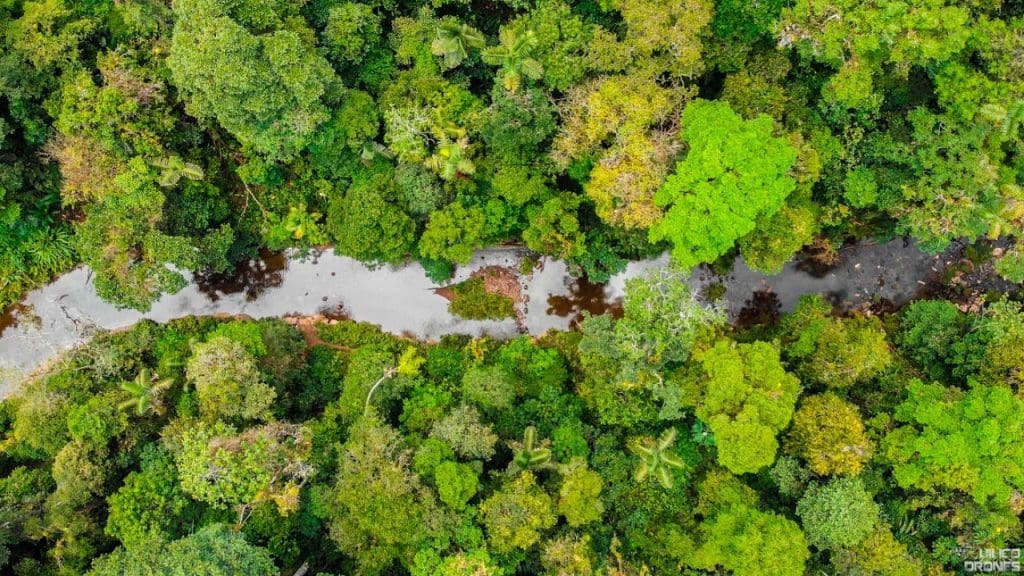Huamboya Forest in Ecuador, a subtropical montane forest along the eastern slope of the Andes Mountains
To date 586 endemic plant species – or species found nowhere else on the planet – have been recorded in adjacent Sangay National Park, or approximately 20 percent of Ecuador’s total. Based on proximity, scientists estimate that Huamboya also has a high level of plant endemism.
Nearby communities rely on water that flows through the area for drinking, agriculture and other activities. Protecting the area will safeguard water supplies from outside threats as well as prevent droughts and floods, both of which are becoming more common with climate change. Huamboya will also preserve the home and ancestral practices of a significant indigenous population, principally members of the Shuar Nationality.
Huamboya Municipal Conservation Area is a result of collaboration between Nature and Culture International, local communities and the Municipal Government of Huamboya. The area was created with the generous financial support of the Andes Amazon Fund.
Check out this video to learn more about this incredible area.
**Strategic Area:** Biodiversity, Forests
**Country:** Ecuador
**Content Type:** Blog
---
### [Parapetí Protected Area](https://www.natureandculture.org/directory/parapeti-protected-area/)
**Published:** April 9, 2019
**Author:** Heather Thomas
**Content:**
## Striking the Balance: Nature & Economic Development in Bolivia
The New York Times reported that in the last six years, over four million acres of land in Bolivia have been deforested. It is projected that by 2025 a devastating 14 million acres of forest could be cleared in Bolivia alone. We are working with Natura Bolivia to protect this country’s forests before it’s too late.
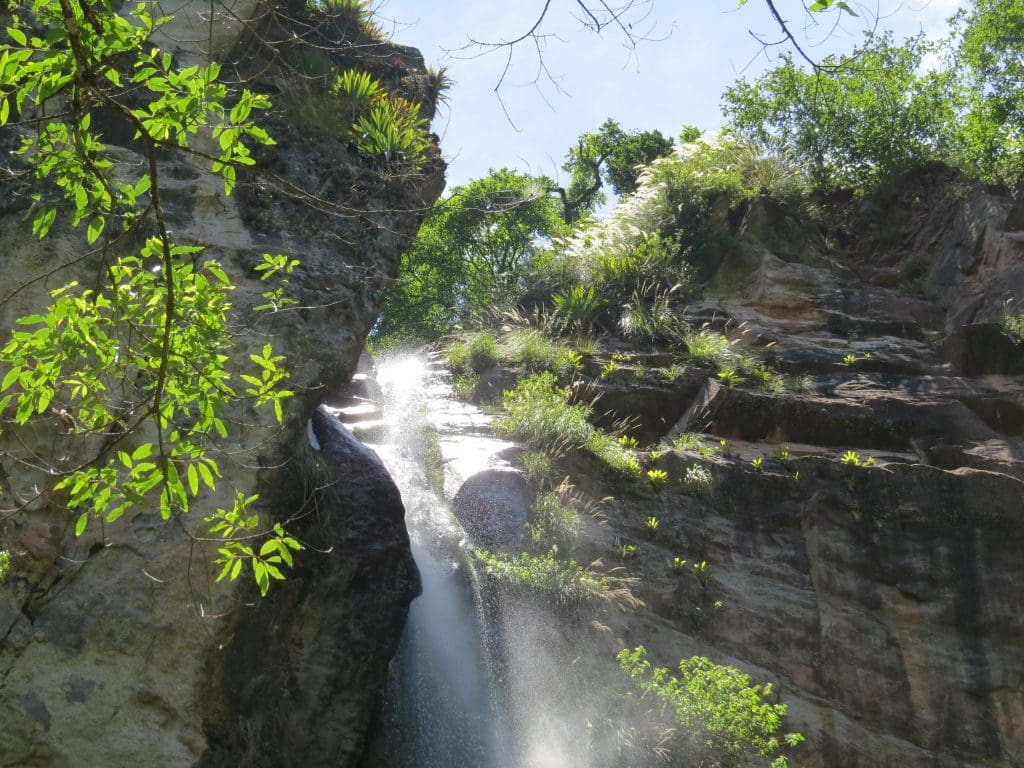
In partnership with Natura Boliva, we created Parapetí Protected Area spanning 280,000 acres. Located in southeast Bolivia, this reserve conserves Bolivian montane forests, a unique landscape and habitat for mammals including the spectacled bear the world’s second most endangered bear species, Geoffroy’s cat, lowland tapir, jaguar and many more.
**Strategic Area:** Forests
**Country:** Bolivia
**Content Type:** Blog
---
### [Heroes of the Chaco Reserve](https://www.natureandculture.org/directory/heroes-of-the-chaco-reserve/)
**Published:** April 9, 2019
**Author:** Heather Thomas
**Content:**
## A symbol of friendship between Bolivia and Paraguay.

Nature & Culture supported the creation of the Heroes of the Chaco Reserve, conserving more than 600,000 acres of Chaco dry forest. Located in southern Bolivia, the reserve protects habitats of animals such as the guanaco, tapir, jaguar, giant armadillo, and anteater. Despite its desert climate, over 4,000 plant and animal species can be found here.
The new reserve is located in the Gran Chaco, a vast dry forest that spans into parts of Bolivia, Paraguay, Brazil and Argentina. This area was a major battle site during the Chaco War between Bolivia and Paraguay, which was fought from 1932-1935. Besides being a major victory in the conservation world, the creation of this reserve is also a symbol of friendship between Bolivia and Paraguay.
Nature and Culture International worked alongside its partner in Bolivia, Fundación Natura, and Macharetí’s municipal government to establish the protected area.
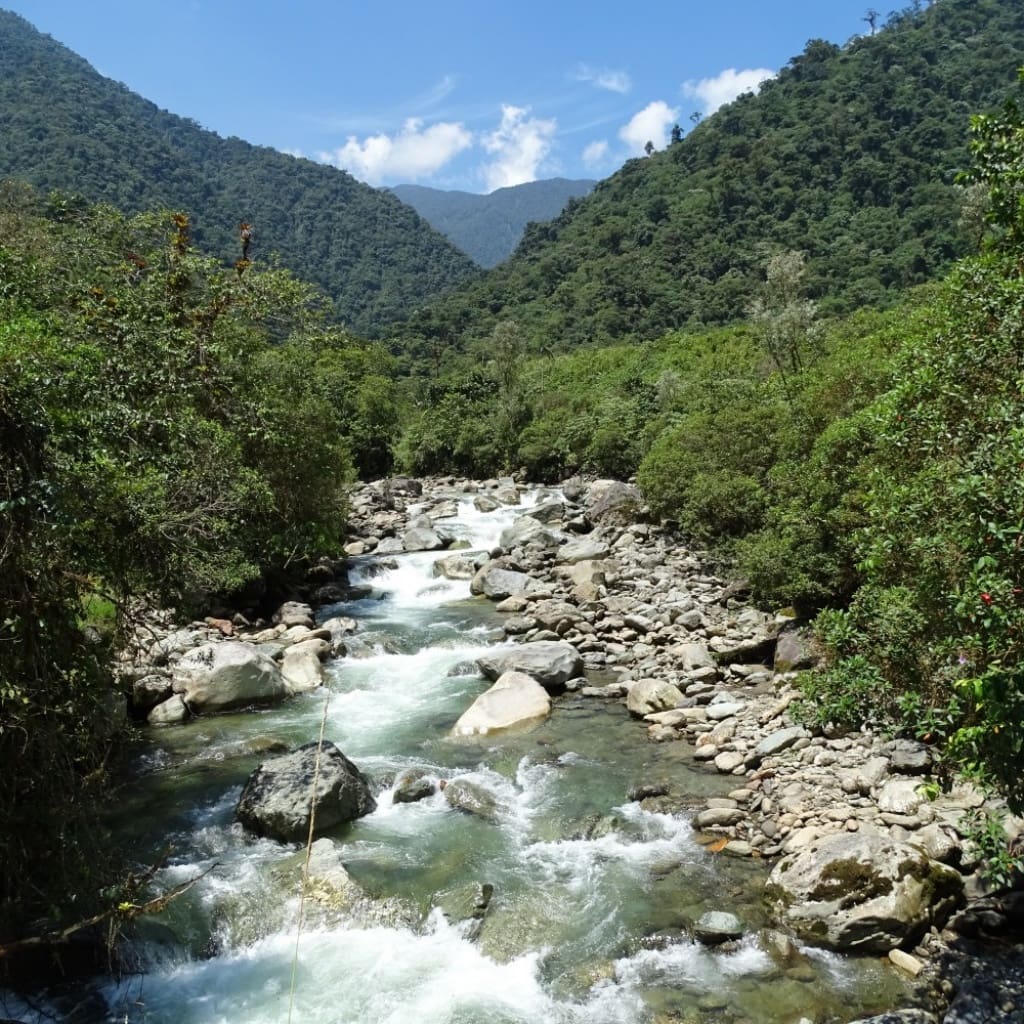Rio Oyacachi, El Chaco
**Strategic Area:** Biodiversity, Forests
**Country:** Bolivia
**Content Type:** Blog
---
### [Maijuna-Kichwa Regional Conservation Area](https://www.natureandculture.org/directory/maijuna-kichwa-regional-conservation-area/)
**Published:** August 28, 2017
**Author:** Heather Thomas
**Content:**
With fewer than 500 members, the Maijuna people remain one of Peru’s most vulnerable indigenous ethnicities. In an effort to help protect the ancestral homeland of the Maijuna people, the 977,000-acre Maijuna-Kichwa Regional Conservation Area in the northern Amazon of Peru was created in 2015. This reserve protects a vast area of the Amazon rainforest that preserves a vital piece of the Maijuna’s cultural identity.
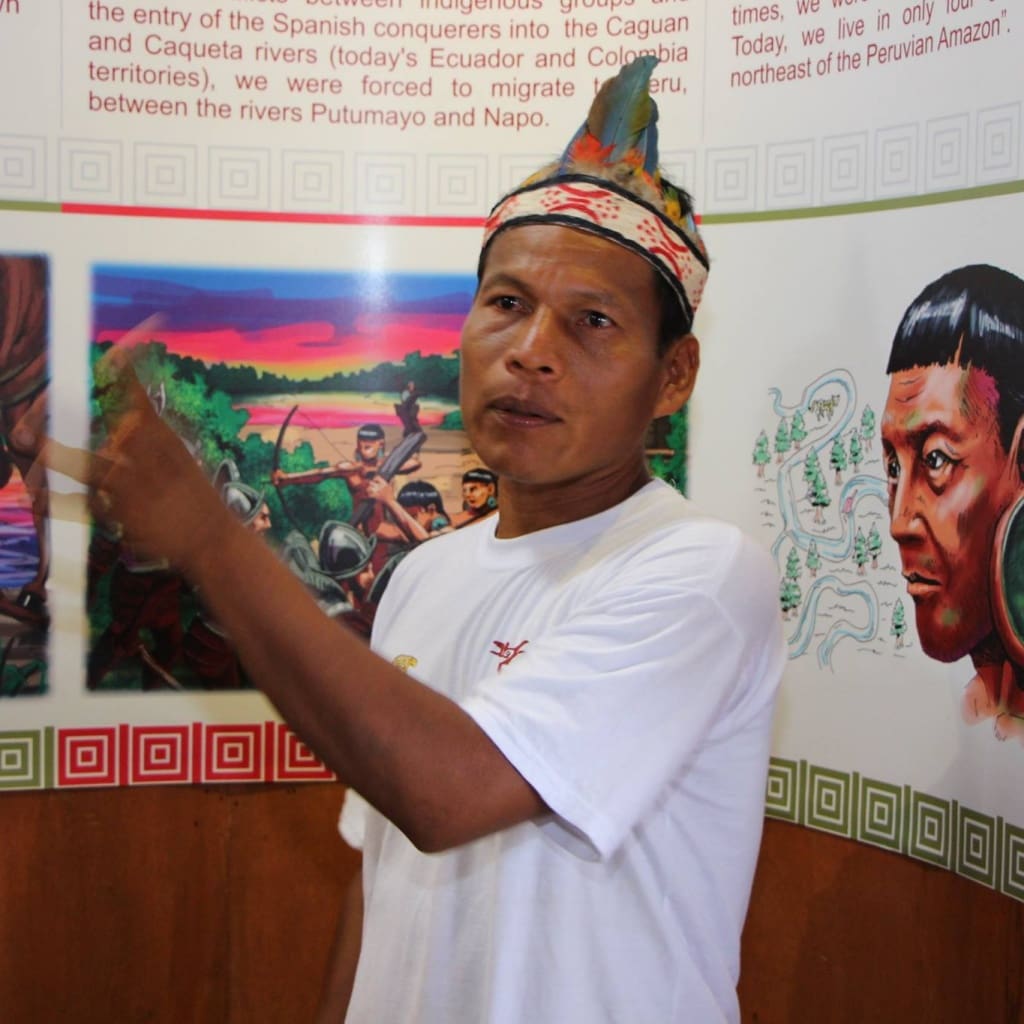
Nature & Culture has once again partnered with the Maijuna people and the Regional Environmental Authority of the area to create the Maijuna-CIM Interpretation Center. Located in the native community of Sucusari, off the Napo River in the Peruvian Amazon the Maijuna-CIM Interpretation Center is run by the Maijuna Cultural Association.
The Center is promoted by Explorama Tours, a tour company located in Loreto that brings people to Sucusari to experience the Maijuna culture. Tourists are able to learn the history, ancestral traditions, and worldview of the Maijuna people. The income from the tours as well as handicrafts that are sold as souvenirs is an additional income source for the community.
The Maijuna Interpretation Center utilizes education and ecotourism to create a productive conservation model that enhances the communities economic opportunities and quality of life.
Learn more about the local and indigenous cultures we partner with [here.](https://www.natureandculture.org/indigenous-local-partners/)
**Strategic Area:** Forests, Local Communities
**Country:** Peru
**Content Type:** Blog
---
### [Inside Salitral-Huarmaca: A Peru Conservation Success](https://www.natureandculture.org/directory/salitral-huarmaca-peru-conservation-success/)
**Published:** May 12, 2023
**Author:** Heather Thomas
**Content:**
## 72,000 Acres of Dry Forest Protected
In Piura, Peru, one of our major accomplishments has been the creation of the Salitral-Huarmaca Regional Conservation Area, which legally protects 72,000 acres of tropical deciduous or dry forest – one of the planet’s most threatened ecosystems.
Along with our local partners, we played an instrumental role in creating this area, formally recognized by the Peruvian Natural Protected Area Service (SERNANP) in 2011 after two years of on-the-ground work by our local staff and the regional government of Piura. This vast new conservation area shelters critical habitat for the endangered White-winged Guan, whose population has dwindled to less than 350 as a result of habitat fragmentation and hunting. Numerous other species will benefit from the protection of the remarkable region.
Welcoming the decision by SERNANP to protect the area, an official release by the government of Piura read:
“Establishing this Regional Conservation Area will contribute not only to the protection of biological diversity but will also serve as a means for promoting the development of local populations. It will establish a close link between conservation and the fight against poverty.”
We worked with local communities in the region to ensure that their objectives were represented in the final request to the Peruvian government. The new protected area establishes rules to regulate and guarantee the sustainable use of natural resources. *“This success once again shows that our hard work on behalf of communities and ecosystems alike makes a difference,”* said **Alexander More**, director for our Northwest Peru office, who was integral to the creation of the Regional Conservation Area.
**Strategic Area:** Biodiversity, Forests
**Country:** Peru
**Content Type:** Blog
---
### [Pamau Nain Conservation Concession](https://www.natureandculture.org/directory/pamau-nain-conservation-concession/)
**Published:** May 12, 2023
**Author:** Heather Thomas
**Content:**
### Following extensive work with 11 indigenous Awajun communities and the regional government of Amazonas, Peru, the Pamau Nain Conservation Concession was declared, protecting nearly 115,000 acres of pristine Amazon rainforest.
The indigenous Awajun people have been stewards of the rainforest for thousands of years. Now, with the support of our local team in Amazonas, Peru, they have obtained the legal right to manage a large swath of their ancestral territory. Not only will the Pamau Nain Conservation Concession preserve the pristine Amazon rainforest in which they live – it will help to preserve their traditional way of life.
This project began several years ago when we hired Awajun leader Eduardo Weepiu Daekat and renowned anthropologist Peter Lerche to work alongside our local team. Over the course of more than one year, they made numerous trips to visit and speak with these 11 communities – trips that sometimes took up to three days by car, boat, and foot. Overcoming cultural obstacles, our team became trusted advisors of the Awajun people in their quest to protect their land, which is home to an incredible wealth of tropical species including tapirs, jaguars, and spider monkeys.

To ensure the implementation of effective conservation practices, we helped to create the Pamau Nain Conservation Association, which unites the leaders of nine Awajun communities to coordinate conservation, cultural, and sustainable development activities.
Now, we are working with additional Awajun communities and the regional government of Amazonas to create the proposed Dase Nain Conservation Concession.
**Strategic Area:** Forests, Local Communities
**Country:** Peru
**Content Type:** Blog
---
### [Shawi Escalera Reserve](https://www.natureandculture.org/directory/shawi-escalera-reserve/)
**Published:** May 12, 2023
**Author:** Heather Thomas
**Content:**
For centuries, the indigenous Shawi nation has lived in Peru’s Paranapura basin, their ancestral homeland. Now, we are helping them obtain official recognition for their ancestral homeland as a protected area.

We are partnering with the Shawi nation and the regional government of Loreto, Peru to protect more than 370,000 acres of incredibly diverse but highly threatened foothill rainforest in the Paranapura basin in Peru’s Amazon. This area contains elements of both lowland Amazon rainforest and high-altitude Andean cloud forest, making it exceptionally rich in species.
This area is both a high-priority area for biodiversity and an important watershed for the inhabitants of the Mayo and Paranapura river basins that include the indigenous Shawi nation who lived here as their ancestral homeland. Its lush forests and jagged mountains hold countless undiscovered species that could yield medical and agricultural products. Now, we are working with the regional government of Loreto and the Shawi to obtain official recognition for their ancestral homeland as a protected area.
In recent years, the ancestral home of the Shawi nation has begun to see a tragic transformation. New colonization of the area has brought illegal logging, slash-and-burn farming, and oil and gas exploration. Without immediate action, the rich biodiversity of the region, and the vibrant cultural traditions of the Shawi people face ruin.
The head of the Shawi Federation, Segundo Pizango, along with the communities he represents, are taking the initiative to put a stop to the devastation of these ancient forests. In conjunction with Nature & Culture and with the support of other indigenous groups in the Amazon, the initiative for the conservation of the Shawi communal territory will protect the forest that is the basis of their existence and the wellspring of their cultural identity.
In August of 2012, representatives of the national and regional governments of Peru, Nature & Culture, and 26 Shawi communities met and agreed to strongly support the new conservation initiatives – many traveling several days by boat and foot through the rainforest to attend. “How will our culture survive – how will our children and grandchildren survive – if we don’t take action?” asked Cecilia Pizango, a Shawi leader.
**Strategic Area:** Forests, Local Communities
**Country:** Peru
---
### [Los Chilchos](https://www.natureandculture.org/directory/los-chilchos/)
**Published:** May 12, 2023
**Author:** Heather Thomas
**Content:**
## 115,000 Acre Community Conservation Area Created
### In the Amazonas region of Peru, we helped create the Los Chilchos Private Conservation Area, spanning 115,000 acres – the country’s largest reserve.
The Los Chilchos Reserve contains a headwater basin that is critical for the region of Amazonas. It is also home to the emblematic Condores Lagoon and protects the habitat of the endangered yellow-tailed monkey and spectacled bear.
To make this a truly bottom-up and sustainable initiative, we worked alongside the community of Leymebamba, home to 4,000 people. The community is committed to preserving this area and has developed strict communal regulations to protect water sources, use organic products in agriculture, and fight against forest clearing. Hunting of wildlife has also been prohibited.
In April 2013, we were invited to participate in a ceremony organized by Peru’s Ministry of Environment, Manuel Pulgar Vidal, who made special mention of Nature and Culture International’s work with the community of Leymebamba and the local NGO, Ucumari, to create the Los Chilchos Reserve. With the collaboration of many local NGOs as well as the government, this remains one of Peru’s top conservation success stories to date.
**Strategic Area:** Biodiversity, Forests
**Country:** Peru
**Content Type:** Blog
---
### [El Sabinito Sur](https://www.natureandculture.org/directory/el-sabinito-sur/)
**Published:** May 13, 2023
**Author:** Heather Thomas
**Content:**
The communities, El Sabinito Sur, surrounding our Monte Mojino Reserve are becoming engaged in the reserve’s conservation activities and sharing their knowledge of this endangered landscape.
El Sabinito Sur is a small community about 10 miles east of Alamos, Mexico. Several of the Monte Mojino Reserve’s guardian staff grew up in El Sabinito Sur and still live there with their families. El Sabinito Sur is a long way from the bustling urban environs of Alamos. It sits amid tropical deciduous forests and is surrounded by beautiful vistas of the Sierra Madre Occidental.
The people of El Sabinito Sur are a storehouse of knowledge about tropical deciduous forests, the Río Cuchujaqui and its tributary arroyos, and the backcountry of Sonora. Each generation continues to pass along the practical skills necessary for living in a remote rural setting.
Our staff in Alamos have also had the opportunity to encourage the artisans of El Sabinito Sur who do lovely embroidery work and weave baskets, called guaris, and mats using the native Sabal palm. The wives of the Monte Mojino Reserve’s guardian staff have taken a special interest in doing embroideries of native birds, mammals, and plants. We make an effort to showcase this handwork and basketry and provide opportunities for women to sell their crafts.
**Strategic Area:** Forests, Local Communities
**Country:** Mexico
---
### [Working Towards Peru’s Largest Andean Reserve](https://www.natureandculture.org/directory/working-towards-perus-largest-andean-reserve/)
**Published:** June 23, 2026
**Author:** Heather Thomas
**Content:**
### A community-led effort paving the way to safeguard 517,000+ acres of vital cloud forest and high-altitude lakes
High in the Peruvian Andes, páramo grasslands meet the yungas ecoregion, humid montane rainforests that slope down toward the Amazon basin. This is Yanajanca, a territory of high-altitude lakes and unique transition zones that form the crucial headwaters sustaining valleys, agricultural livelihoods, and communities across central Peru and the eastern slopes of the Andes.
To protect these diverse high-altitude ecosystems from environmental pressures, this landscape is currently on the path to official recognition. The Regional Government of Huánuco, with the technical support of Nature and Culture, is actively working toward the formal establishment of the **Yanajanca Regional Conservation Area**.

Spanning **517,648 acres**, this proposed reserve is on track to set a new benchmark for conservation in the region. Once approved, this initiative will be a significant achievement for forest and watershed conservation in South America, crucially strengthening a vital network of protected areas connecting the Carpish and Río Abiseo landscapes. The globally recognized cloud forests of the Carpish mountain range has exceptional biodiversity. It is also globally recognized as an Important Bird Area (IBA) because of its high level of endemic bird species.
Yanajanca is a key piece of Nature and Culture’s broader work to connect and protect a massive **3.7-million-acre** network of fragile, highly biodiverse ecosystems. This expanding corridor links critical national areas like Tingo María National Park and Río Abiseo National Park, subnational reserves such as the **Shunté** and **Mishollo Regional Conservation Area**, the **Montane Forests of [Carpish Regional Conservation Area](https://www.natureandculture.org/directory/a-milestone-for-the-protection-of-perus-birding-hotspot/)**, and the [San Pedro de Chonta Regional Conservation Area](https://www.natureandculture.org/directory/primera-acr-en-conservar-los-bosques-secos-del-maranon-en-huanuco/), alongside private sanctuaries like the [Unchog Private Conservation Area](https://www.natureandculture.org/directory/unchog/).
## **A Climate Corridor for Threatened Species**
The Yanajanca reserve will be a critical step forward for regional biodiversity. The area provides a protected biological corridor from high-mountain peaks to lower Amazonian slopes, giving wildlife room to move as the climate shifts.
As rising temperatures push species to shift their ranges, animals and plants must move to find suitable conditions. For many species, that means moving upslope. Endemic birds, like the *Golden-backed mountain-tanager*, face a particular danger because their habitat is typically a more narrow elevational range, leaving them with little room to adapt. When habitat at their elevation is lost or degraded, there is nowhere else to go. The vast altitudinal range within the proposed Yanajanca landscape will act as a vital climate refuge and altitudinal migration corridor.
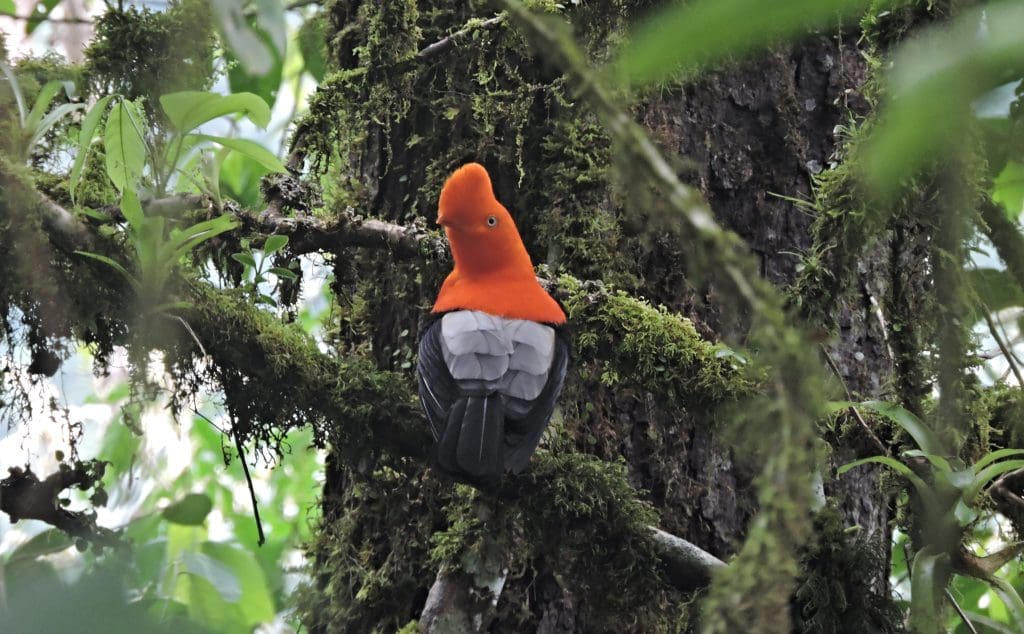
This territory will encompass key habitats for some of South America’s most threatened wildlife:
- **The Spectacled bear:** The continent’s only native bear species, which inhabits these high-altitude grasslands.
- **The Yellow-tailed woolly monkey:** A critically endangered primate that relies entirely on these cloud forests.
- **Rare and [endemic birds](https://www.natureandculture.org/directory/a-milestone-for-the-protection-of-perus-birding-hotspot/):** A scientific assessment documented **380 [bird species](https://www.natureandculture.org/directory/birders-paradise-peru/)** in the area. This includes 17 endemic species found nowhere else, such as the *Golden-backed mountain-tanager* and the *Chachapoyas antpitta*.
By establishing Yanajanca, we will protect the habitat that Andean species depend on to move, adapt, and survive a changing climate.
## **Securing Water for 120,000 People**
At its heart, the Yanajanca initiative focuses on a fundamental resource: water. The forests, páramo grasslands, and 74 high-altitude lakes of this proposed reserve will together form a natural water tower, regulating flows that feed major river basins including the Magdalena, Yanajanca, Monzón, and Chontayacu.

Local communities and downstream farmers recognize that protecting these cloud forests and highlands is vital to their future. By safeguarding these headwaters, the proposed reserve is designed to secure the water supply, agricultural production, and economic stability of the more than **120,000 people** who depend directly and indirectly on this watershed.
## **Building Protection Through Trust and Cooperation**
Bringing a landscape of this scale toward official recognition relies on mutual trust and collaboration between local communities, regional authorities, and Nature and Culture. Because effective conservation cannot be managed from afar, teams are actively facilitating a shared process alongside 18 local communities to map boundaries, align priorities, and design a sustainable vision for the territory.
By maintaining open dialogue with community leaders the proposal continues to move forward. This shared agreement stands because everyone involved recognizes that protecting these highlands is the most reliable way to guarantee water security and abundance for future generations.
## **Be Part of the Legacy**
This progress is possible because of support from international allies like [Rainforest Trust](https://www.rainforesttrust.org/), [Andes Amazon Fund](https://www.andesamazonfund.org/), [Re:wild](https://www.rewild.org/), and the [Conserva Aves](https://conserva-aves.org/en/home-english/) initiative, which is co-led by the American Bird Conservancy. Their investment funded the rigorous field science, legal mapping, and grassroots dialogues required to bring this project to the finish line.
This initiative will directly contribute to Target 3 of the Kunming-Montreal Global Biodiversity Framework, which aims to protect 30% of the planet’s terrestrial ecosystems by 2030, while strengthening water and climate security for the Huánuco region. We invite you to stand with Nature and Culture and our local partners to safeguard these ecosystems, ensuring that this vital part of the Peruvian Andes continues to provide water, protect biodiversity, and secure a sustainable future for generations to come.
**Tags:** Agua, Biodiversidad, Perú, Reservas naturales
**Strategic Area:** Forests
**Country:** Peru
**Content Type:** Blog
---
### [Tropical Pacific Seas Reserve](https://www.natureandculture.org/directory/tropical-pacific-seas-reserve/)
**Published:** May 12, 2023
**Author:** Heather Thomas
**Content:**
Local fishing communities and government agencies have joined forces with Nature & Culture to establish the first marine reserve off of the coast of Piura, Peru. Despite its high levels of biodiversity and economic significance, this ecoregion lacks legal protection and faces enormous threats including unsustainable fishing practices, industrial pollution and unmanaged tourism, posing an urgent need for its protection.
## Protecting critical coastal and marine habitats
**Blue-footed Booby – *Sula nebouxii*.**
Peru’s northern oceans protect roughly 70% of the nation’s marine biodiversity, including numerous endemic species. This region is home to both tropical species such as marine turtles as well as temperate water species such as the endangered Humboldt Penguin. Peru’s coastal waters constitute the largest upwelling system on the planet and support one of the world’s largest fisheries – accounting for nearly 20% of global fish stocks and 60% of Peru’s seafood consumption.

In concert with local communities, fishermen and local and national governments, we’re working to protect four critical marine areas and neighboring coastal areas of Sechura Bay totaling 286,159 acres. Through the creation of the Tropical Pacific Seas Reserve, the major threats to this unique marine ecoregion will be addressed and long-term protection will be secured. In 2013, we submitted the documents needed for the creation of the reserve to Peru’s National Park Service (SERNANP), the first step in declaring it a protected area.
Since then, we have been working closely with five fishing villages in the region – El Nuro, Canoas de Punta Sal, La Tortuga, Yacila and La Islilla – conducting workshops on sustainable fisheries management. We have also completed field evaluations with the local fishermen to determine the impacts of artisanal fishing and the activity of illegal fishing vessels (18 of which have been identified in the area). This information will allow us to determine critical zoning levels for the reserve. Additionally, we concluded an assessment of small-scale fisheries, which will be used to strengthen the existing fisheries and support the zoning of the reserve. This can then be replicated among the communities within the proposed reserve for long-term sustainable fisheries management.
## Nature & Culture’s history of conservation in Peru
We have worked for over a decade in creating and managing protected areas throughout Peru in partnership with local governments and communities. We maintain strategic partnerships with five Regional Governments and many municipalities with whom we establish the priority areas for conservation. SERNANP, Peru’s National Park Service, has been an official partner of Nature & Culture-Peru since its inception in 2004. With the support and collaboration of SERNANP, we have declared over 5.5 million acres of protected areas in Peru, with another 1.1 million acres in progress.
Since 2005, our local office in Piura has been leading this marine project, coordinating the technical paperwork and initiating on-the-ground community outreach. With our expertise in community-based conservation and extensive work with Peru’s government agencies, creating a highly functioning, large-scale marine reserve is feasible.
**Strategic Area:** Biodiversity, Water
**Country:** Peru
**Content Type:** Blog
---
### [Socio Bosque](https://www.natureandculture.org/directory/socio-bosque/)
**Published:** June 24, 2014
**Author:** Heather Thomas
**Content:**
## SocioBosque
> “People used to destroy our forest for pastures. Now, we are planting trees near our homes. We are giving our children something that they will take care of, that will be planted for their future.”
>
> – Clemente Santi, indigenous Achuar representative
### Creating economic incentives for conservation
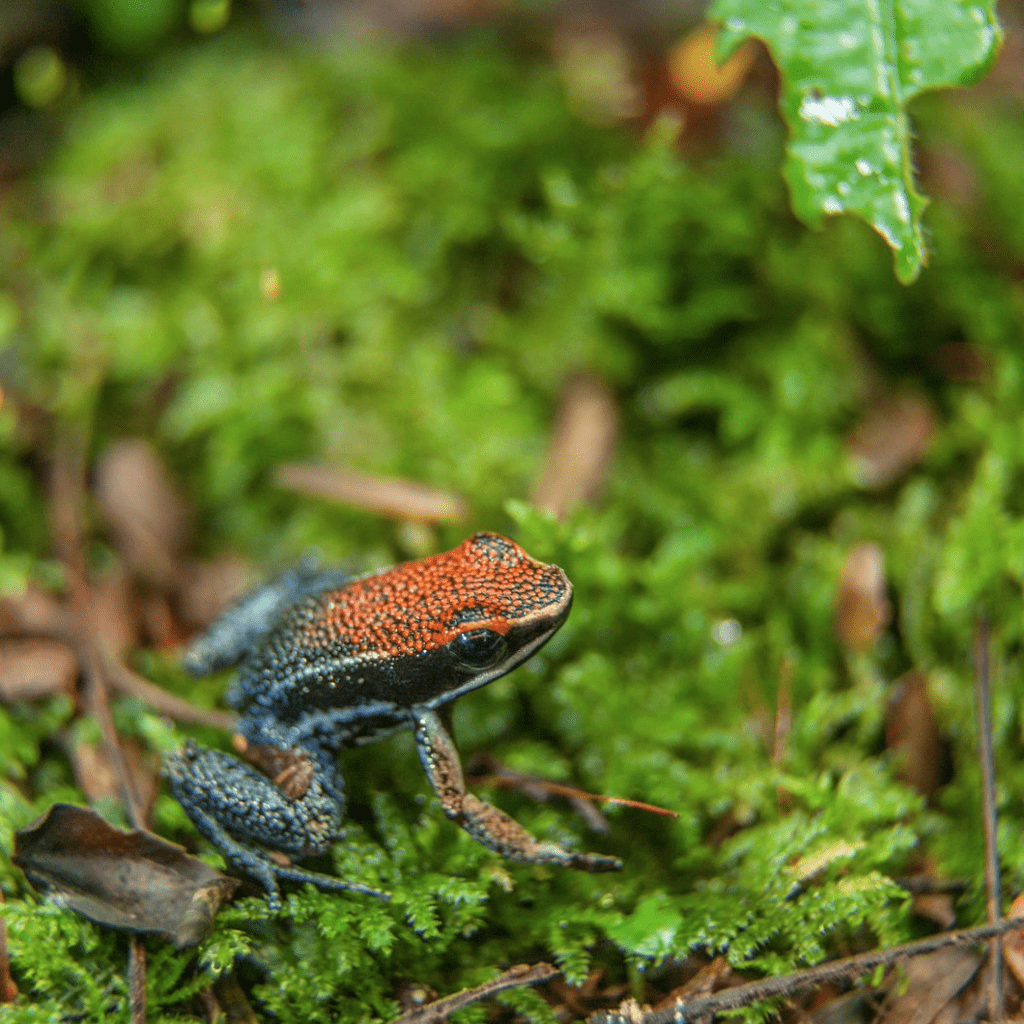
Home to some of the most pristine rainforests on the planet, Ecuador is on the frontlines of conservation. Since 2008, Nature & Culture has been working with communities to protect their land through SocioBosque, the government’s innovative “payment for conservation” program that combines land and biodiversity conservation with social welfare.
Communities and private landowners enrolled in the program obtain annual payments from the national government in return for conserving the forest on their lands for a minimum of 20 years. Currently, SocioBosque makes over $7 million in annual payments to these communities and landowners to help them achieve their sustainable development goals and improve their community infrastructure.
Beyond providing extensive technical support in the form of mapping, biological studies and legal work, we are also building the conservation and economic proficiency of local and indigenous communities through financial planning and sustainable forest management.
Under an agreement with Ecuador’s Ministry of Environment, we have helped 28 communities enter SocioBosque, protecting 354,699 acres to date. In 2014, we completed our largest project, protecting 87,500 acres of Amazon rainforest in Pastaza with the indigenous Kichwa Kawsak Sacha people.
In 2015, our local team worked closely with indigenous communities in the Amazon to enter their rainforest lands into SocioBosque, protecting nearly 128,973 acres in Pastaza and Morona Santiago, and generating over $200,000 annually in community investment funds. These communities included the Shuar, Achuar, Andwa, and Kichwa indigenous groups.
In the next few years, through Nature & Culture’s technical support, we anticipate that seven additional indigenous communities will enter more than 200,000 acres of Amazon rainforest in SocioBosque, generating upwards of $400,000 annually in community investment funds.
**Strategic Area:** Forests, Local Communities
**Country:** Ecuador
**Content Type:** Blog
---
### [The Palo Santo Project](https://www.natureandculture.org/directory/the-palo-santo-project/)
**Published:** September 22, 2014
**Author:** Heather Thomas
**Content:**

### The Tumbesian dry forest is home to numerous endemic species – or species found nowhere else on the planet – but is as endangered as the Amazon rainforest.
For decades, this spectacular landscape in southern Ecuador has been threatened by land clearing and unsustainable agricultural practices such as unregulated cattle grazing and biofuel crops. However, the native Palo Santo tree has become a mechanism for conservation by providing a much-needed source of income to a rural population with limited resources. For generations, harvesting the tree’s valuable oil was accomplished through deforestation.
Now, with the help of our regional office in Loja and a team of biologists from the Technical University of Loja, communities in Zapotillo are harvesting the oil from the fruit of the Palo Santo tree as an alternative income source that leaves the forest intact. In partnership with the municipality of Zapotillo, we helped organize the Bolívar Tello Community Association to manage the Palo Santo resources and market the product to companies such as the Brazilian-based cosmetics company, Natura.
In June 2014, the Bolívar Tello Community Association was awarded the United Nations Development Programme’s [Equator Prize](https://web.archive.org/web/20231005024341/https://www.natureandculture.org/equator-prize/) for the Palo Santo project’s outstanding effectiveness in reducing poverty through biodiversity conservation and sustainable business practices.
Also in 2014, UNESCO declared the entire region a Biosphere Reserve, encompassing 1.25 million acres of pristine dry forest. Our regional office in Loja worked extensively with local schools, national and local governments, farming communities, and biologists to rally support for the [Bosque Seco Biosphere Reserve](https://web.archive.org/web/20231005024341/https://www.natureandculture.org/places/ecuador/bosque-seco/) and assist the national government in submitting the proposal to UNESCO. We are confident that this global designation will help bring international attention to the region as a top priority for conservation.
**Strategic Area:** Biodiversity, Forests
**Country:** Ecuador
**Content Type:** Blog
---
### [Nature & Culture International Helps Ecuador with Establishment of A 6.3-million-acre Conservation Corridor in Amazon Rainforest](https://www.natureandculture.org/directory/nature-culture-international-helps-ecuador-establish-a-6-3-million-acre-conservation-corridor-in-amazon-rainforest/)
**Published:** March 13, 2017
**Author:** Heather Thomas
**Content:**
**The Pastaza Ecological Sustainable Use Area – about the size of the state of Maryland – Holds world records for its wide array of plant and animal species**
Fabián López, Cuenca regional coordinator, Nature and Culture International (NCI), surveys the tropical forest under a towering ficus tree. NCI, founded in Del Mar, Calif., helped Ecuador establish the new 6.3-million-acre Pastaza Ecological Sustainable Use Area in the Ecuadorian Amazon Forest. The preserve, which is about the size of the state of Maryland, is one of the most biodiverse areas on Earth. The announcement of the preserve was the culmination of three years of collaboration by provincial and local governments in Ecuador, indigenous communities and NCI.
***Mongabay Series, Global Forests Reports: Ecuadorian province protects 90% of its land area***
27 March 2017/ Joaquín Ortiz and translated by Romina Castagnino
*The Pastaza Ecological Area of Sustainable Development has around 2.5 million hectares (about 6.2 million acres), about 90 percent of the area of Ecuador’s Pastaza province.*
- *The Pastaza Ecological Area of Sustainable Development aims to regulate the use of natural resources, conserve the tropical humid forest, and the flora and fauna of the area.*
- *Seven indigenous nationalities live inside the area: Shuar, Achuar, Kichwa, Sapara, Andoa, Shiwiar and Waorani.*
- *The area also focuses on improving the development of communities and indigenous nationalities that live within the territory. A zoning process next year will define the actual conservation areas that will comprise most of the Pastaza conservation area.*
After three years of working with local governments and indigenous communities, the Provincial Council of Pastaza established the Pastaza Ecological Area of Sustainable Development in the center of the Ecuadorian Amazon region. The area covers more than 2.5 million hectares (about 6.2 million acres) and occupies about 90 percent of the area of the province of the same name.
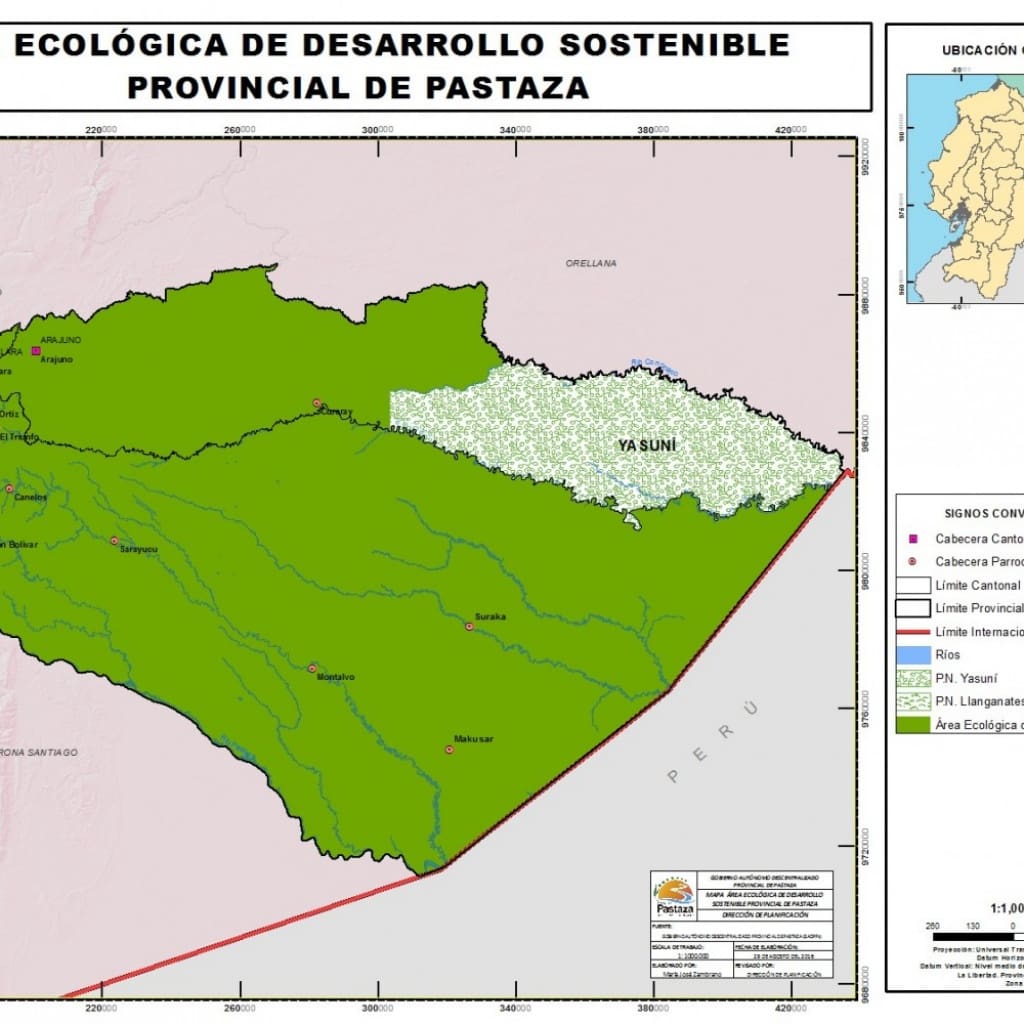The Pastaza Ecological Area of Sustainable Development. Map courtesy of the Provincial Council of Pastaza
“It is official, the ordinance is already promulgated according to the current laws of Ecuador. Today, the existence of this area is a reality: an area of preservation and sustainable development,” said Antonio Kubes, an official of the province of Pastaza, in an interview. He said that the most important feature of the site is the large area of tropical humid forest that is not yet compromised by human activity.
**Main objectives**
The area aims to regulate the use of natural resources, conserving the great extension of tropical humid forest that exists in the zone, as well as flora and fauna of the area, explained Jaime Toro, coordinator of the Northern and Central Amazon program of Nature and Culture International.
Among the most representative species of fauna are the jaguar (Panthera onca), the South American tapir (Tapirus terrestris), and the harpy eagle (Harpia harpyja). The area is also home to different species of amphibians, reptiles, fish and insects.
The Pastaza Ecological Area of Sustainable Development has more than 2.5 million hectares.
Photo courtesy of the Provincial Council of Pastaza
Toro notes that this area forms a corridor because it borders with Yasuní National Park in the north, one of Ecuador’s most important conservation areas. This connectivity between areas will allow the conservation of a diversity of species.
The Pastaza Ecological Area of Sustainable Development also seeks to conserve areas of water.
“The areas of water recharge — they are found at the water sources which supply the municipal capitals and the rural parishes of the province of Pastaza,” Toro said. “This ensures that the water resource is managed in an appropriate manner to reduce impacts on the water.”
Pastaza provincial government official Kubes agrees. “This area aims to preserve and improve the conditions of the water cycle and the development of communities, indigenous nationalities in this territory,” he said.
The indigenous nationalities that inhabit the area are the Shuar, Achuar, Kichwa, Sapara, Andoa, Shiwiar and Waorani.
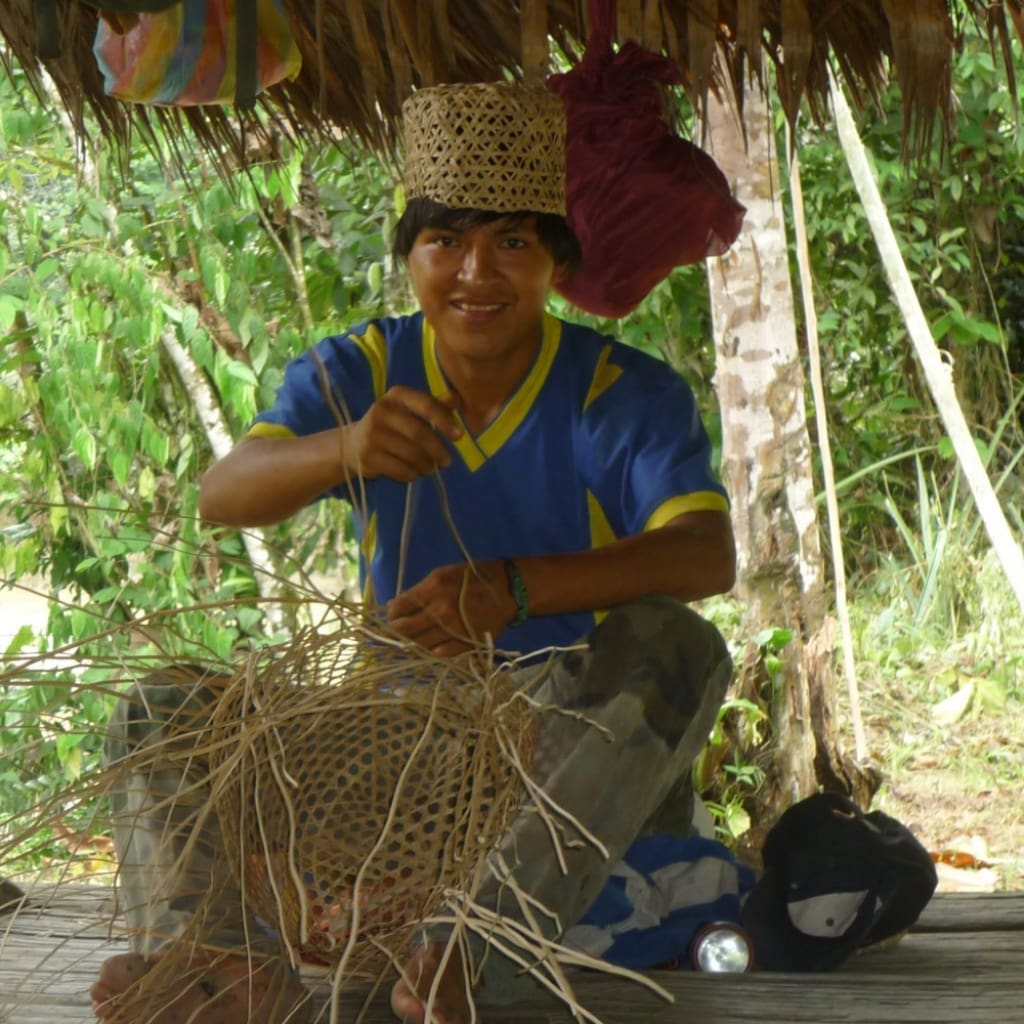Seven indigenous nationalities live in the area. Photo courtesy of the Provincial Council of Pastaza via NCI
According to Toro, 90 percent of the 2.5 million hectares is in a perfectly conserved state. “The tropical humid forest remains intact, and indigenous nationalities own it,” he said. “These communities conserve their natural resources.”
Photo courtesy of the Provincial Council of Pastaza via NCI
One of the primary objectives of the area is to conserve the forest. He also pointed out that it is important that inside the Pastaza Ecological Area of Sustainable Development there are areas that allow activities that could ensure proper management.
If implemented, they would reduce the impact on natural resources and ancestral cultures.
“These indigenous communities that often have to sell wood or go hunting, now are trying alternative activities that are in harmony with their development as a social and economic group while protecting nature,” Kubes said.
He added that this ordinance seeks to “promote land-use planning and sustainable territorial planning, especially by implementing an ancestral system of cultivation that allows the planting of timber and fruit trees, allows us to have medicinal plants, vegetables and tubers which give families food security.”
Byron Swift, president of Nature and Culture International, was pleased to have been able to support the provincial council, indigenous communities and local governments with technical assistance that allowed the consultation process to achieve the establishment of the area.
According to Swift, there were two key factors in the process. “One is the vision of sustainable development for the people, with a healthy and productive life and protecting the environment, which benefits the local people and the world,” he said. “The second is that it will help to conserve global ecosystem services. It is a gift to the world.”
*This story was reported by Mongabay’s Latin America (Latam) team and was first published in Spanish on the Latam site on March 14, 2017.*
*Joaquín Ortiz (March 27, 2017)* [Ecuadorian province protects 90% of its land area](https://news.mongabay.com/2017/03/new-conservation-area-established-in-the-ecuadorian-amazon-pastaza-region/)
To read the Press Release click here: [Nature & Culture International Helps Ecuador Establish A 6.3-million-acre Conservation Corridor in Amazon Rainforest](https://www.natureandculture.org/wp-content/uploads/2017/03/NEWS001-Pastaza-Reserve-FINAL.pdf)
**Tags:** Amazon, Conservation, Ecuador, Pastaza
**Strategic Area:** Biodiversity, Forests
**Country:** Ecuador
**Content Type:** Blog
---
### [A Birder’s Paradise Protected in Peru](https://www.natureandculture.org/directory/unchog/)
**Published:** December 3, 2020
**Author:** Heather Thomas
**Content:**
## **We have exciting news, thanks to donors like you!**
Nature and Culture International is pleased to announce the creation of a new conservation area in the Peruvian Andes. The newly established ***Unchog Private Conservation* *Area* protects a birder’s paradise** – fragile habitat home to birds found nowhere else on the planet!
*Unchog Private Conservation* *Area* spans 2,187 acres of puna forests and grasslands in Huánuco, Peru, a key area for bird diversity according to Birdlife International. **Its vast landscape is home to 89 species of birds**, including many endemic bird species, or birds that occur only in this region. The coppery metaltail (*Metallura theresiae*), Peruvian wren (*Cynnicerthia peruana*), and golden-backed mountain tanager (*Buthraupis aureodorsalis*) are just a few rare birds that reside in the area.
Mammals like the spectacled bear (*Tremarctos ornatus*) and a great variety of plants live alongside the area’s abundant bird populations. **Flora include threatened and unique species** – some of which are newly recorded in Huánuco.
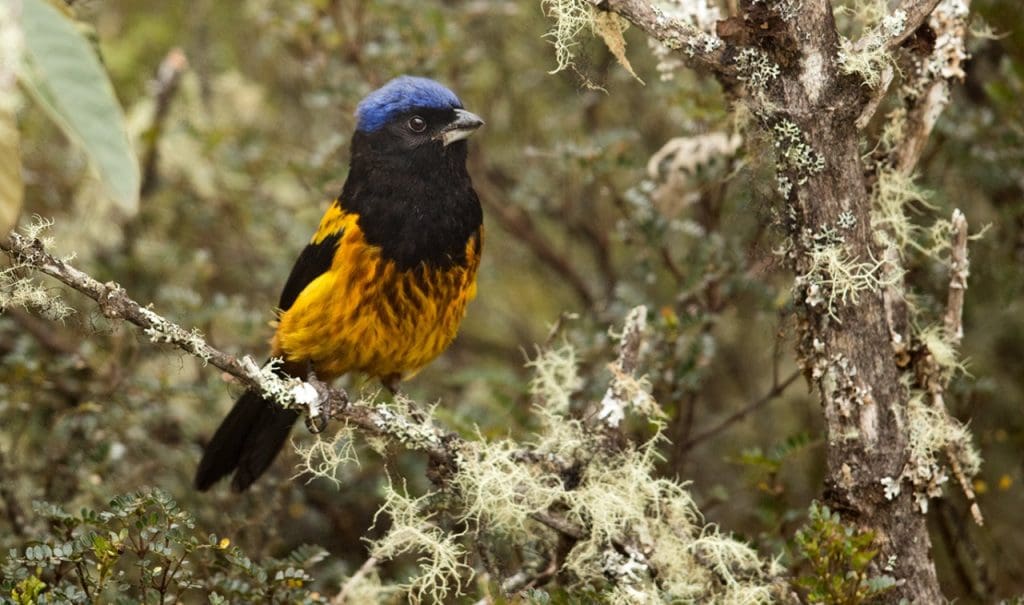The area is home to endemic species like the golden-backed mountain tanager (Buthraupis aureodorsalis).Unchog Private Conservation Area contains 89 species of birds including the grey-breasted mountain toucan (Andigena hypoglauca) pictured above.
*Unchog Private Conservation* *Area* not onlyprotects wildlife and abundant habitat, but also, according to Nature and Culture conservationist Christian Pérez, “**is key for the sustainable development of communities and for sustaining environmental conditions.**“
The area’s forests and grasslands contain important sources of water for nearby communities, including wetlands and a lagoon. ***Unchog Private Conservation* *Area* will safeguard water supplies** from unsustainable agriculture, mining, and other threats, and help regulate local climate.
Additionally, *Unchog Private Conservation* *Area* has great potential to boost local economies through tourism, in particular through hiking and birdwatching. An **increase in tourism will benefit communities** by creating jobs, encouraging sustainable development, and providing additional economic opportunities.
Unchog Private Conservation Area spans 2,187 acres of puna forests and grasslands in Huánuco, Peru.
The establishment is a result of a **close relationship and extensive collaboration** between local communities and Nature and Culture. *Unchog Private Conservation* *Area* was created with the financial support of the Critical Ecosystem Partnership Fund and generous people like you!
With your help, Nature and Culture’s team in Peru will continue to work with local communities to ensure **effective and lasting conservation impact** in the Peruvian Andes.
**Thank you for making this achievement possible! We hope that this bit of good news inspires you to continue fighting for *nature and culture.***
*Learn more about your impact in the Andes [here.](https://web.archive.org/web/20230603015103/https://www.natureandculture.org/ecosystems/andean-cloudforests/)*
**Strategic Area:** Biodiversity, Forests
**Country:** Peru
**Content Type:** Blog
---
### [Ecosistemas y especies únicas de El Oro y Loja](https://www.natureandculture.org/es/directorio/ecosistemas-y-especies-unicas-de-el-oro-y-loja/)
**Published:** June 22, 2026
**Author:** Nora Sanchez
**Content:**
### *Donde el Chocó, los Andes y la región Tumbesina se encuentran*
**Por:** Manuel V. Sánchez-Nivicela y Juan C. Sánchez-Nivicela
Las provincias de El Oro y Loja albergan una biodiversidad única en sus paisajes de montañas nubladas y valles. Una vez que se cruza el árido valle del río Jubones, al sur de Azuay, las montañas de El Oro se transforman en un mosaico de bosques de niebla, zonas aparentemente desérticas salpicadas de cactus y arbustos espinosos, páramos, lagunas y herbazales. Este paisaje se extiende hasta los límites de Loja y los atraviesa por su flanco occidental, representando una singularidad evolutiva, no solo paisajística.
El movimiento de montañas, placas tectónicas y eventos sísmicos ocurridos hace miles o incluso millones de años crearon una suerte de islas de hábitats del Chocó y Tumbes, así como un puente entre los Andes amazónicos y ambas provincias.
## Especies únicas y amenazadas
Entender el origen de la vegetación, las aves, los anfibios y los reptiles que aún habitan estos ecosistemas es una tarea que lleva años. Hace más de un siglo, el Museo Americano de Historia Natural recorrió las partes altas de Portovelo hacia Loja, llegando a sitios cercanos a Guachanamá, en las alturas de Alamor y Mercadillo. Gracias a esas expediciones se describieron nuevas subespecies o razas de aves. Aunque presentan ciertas diferencias en su plumaje, no son especies plenamente separadas. Lo más fascinante es que cada especie guarda una historia distinta respecto a sus parientes más cercanos: algunos se hallan muy lejanos, en los bosques tumbesinos de Perú; otros podrían estar en las montañas amazónicas del sur de Ecuador o en el Chocó que desciende desde Colombia.
Entender el origen de la vegetación, las aves, los anfibios y los reptiles que aún habitan estos ecosistemas es una tarea que lleva años.
Muchas especies de flora y fauna son únicas, endémicas de estos parajes y están amenazadas de extinción. Esto se percibe claramente en las cordilleras de Chilla y Fierro-Urco. Allí, los páramos no solo albergan especies críticamente amenazadas de extinción, como el colibrí Estrella Garganta azul (*Oreotrochilus cyanolaemus*), descubierto en 2017; también los acantilados, junto con los pocos remanentes de bosques y matorrales de montaña que aún sobreviven sorteando la deforestación y las quemas indiscriminadas, pueden contener especies desconocidas. Estos ecosistemas son vitales no solo porque proveen agua dulce a poblaciones como Zaruma, Portovelo, Chilla, Celica o Alamor, sino porque resguardan una riqueza biológica aún inexplorada por la ciencia.
## La búsqueda de especies únicas
Con el respaldo de Naturaleza y Cultura Internacional y el apoyo del Laboratorio de Biología Evolutiva de la USFQ, visitamos los límites entre los remanentes de bosques de montaña y las zonas frías influenciadas por la sequedad tumbesina en Guachanamá, Mercadillo y Chitoque, para entender qué ha sucedido con la fauna de aquellos bosques. Realizamos varios descubrimientos asombrosos: registramos una peculiar composición de anfibios, incluyendo una nueva especie de rana para la ciencia, así como aves con características particulares. Aunque aún falta mucho por comprender, creemos que es urgente conservar estos territorios, tanto cultural como ecológicamente: por su estrecha relación con la producción y calidad del agua, y por la protección de aquello que todavía no conocemos, cuyo valor científico es incalculable.
Límites entre los remanentes de bosques de montaña
## Identificar áreas clave para la biodiversidad
Entre 2022 y 2024, el proceso de identificación de las Áreas Clave para la Biodiversidad (KBA) mostraba que estas zonas no solo contienen especies únicas para la ciencia, sino que podrían albergar procesos evolutivos que aún no comprendemos del todo. Queda por dilucidar si estos procesos en los ecosistemas amenazados de El Oro y Loja fueron recientes, hace unos miles o cientos de miles de años, anteriores a la llegada del ser humano o si son incipientes, ya que existen vestigios de la conectividad entre el sur de la Amazonía ecuatoriana, los bosques de montaña de Chilla y Fierro-Urco, y el hábitat que aún persiste entre ambas provincias, a pesar de la presión minera, las quemas brutales e incontrolables y la deforestación. Naturaleza y Cultura Internacional, con el afán de proteger estos ecosistemas tan raros e importantes, se encuentra en una misión activa para conservarlos mediante diversas acciones, como la creación de áreas de conservación y protección hídrica en las zonas de Salvias (El Oro), junto al Ministerio del Ambiente.
---
**Más información:**
Aida Maldonado Quezada
**Comunicación Ecuador**
<comunicacion.ecuador@naturalezaycultura.org>
**Tags:** Biodiversidad, Ecuador
**Strategic Area:** Biodiversidad
**Country:** Ecuador
**Content Type:** Blog
---
### [A Milestone for the Protection of Peru's Birding Hotspot](https://www.natureandculture.org/directory/a-milestone-for-the-protection-of-perus-birding-hotspot/)
**Published:** May 25, 2016
**Author:** Heather Thomas
**Content:**
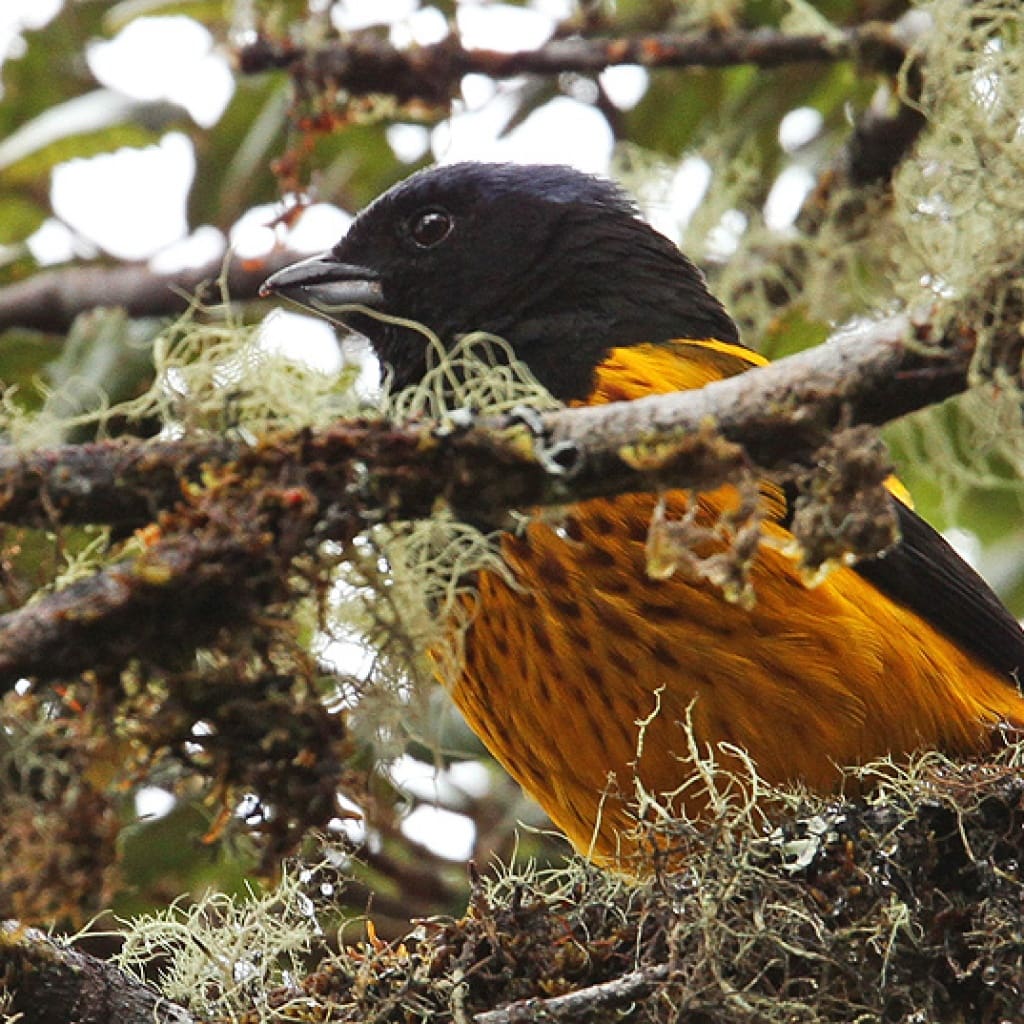Golden-backed Mountain Tanager
In May, the ordinance for the 306,000 acre **Carpish Mountain Forest Regional Conservation Area** was passed by the regional government in Huánuco, Peru – a major first step on the road to protecting this precious ecosystem. A bird watcher’s dream, the cloud forests of Carpish are humming with an amazing array of bird species, such as the Golden-backed Mountain Tanager. This ordinance came after four years of hard work by the Regional Government of Huánuco and NCI’s local team, which will continue until the area is declared at national level.
In 2013, NCI opened an office in Huánuco, Peru to work with the regional government and local communities on the creation of a mosaic of protected areas in the region’s rich Andean cloud forests. The regional and national government has designated the montane forest of Carpish as a top conservation priority. This proposed mosaic of protected areas will include the first Regional Conservation Area in Huánuco and three Private Conservation Areas, protecting around 320,000 acres of the rich Carpish forest.
The Carpish mountain range is located between the towns of Huánuco and Tingo Maria in eastern central Peru. The cloud forests of Carpish are home to high levels of species diversity, as well as endemic birds and mammals. It is also globally recognized as an Important Bird Area (IBA) because of its high level of endemic bird species.
Now, the alliance between NCI and the Regional Government of Huánuco will expand their efforts by working with the local farming communities that live adjacent to the proposed Regional Conservation Area to implement a sustainable development program that will improve their income from sustainable agriculture, which includes the native potato, granadillas, and golden berry fruit.
**Strategic Area:** Biodiversity, Forests
**Country:** Peru
---
### [Perú y Ecuador definen acciones para el Plan Estratégico del Corredor de Conservación Transfronterizo Andino Amazónico ](https://www.natureandculture.org/es/directorio/peru-y-ecuador-definen-acciones-para-el-plan-estrategico-del-corredor-de-conservacion-transfronterizo-andino-amazonico/)
**Published:** June 16, 2026
**Author:** Nora Sanchez
**Content:**
Con el objetivo de consolidar una agenda binacional de conservación y gestión sostenible del territorio, representantes de instituciones ambientales de Perú y Ecuador participan en el taller **“Elaboración del plan de trabajo y formulación de líneas de acción del plan estratégico quinquenal del Corredor de Conservación Transfronterizo Andino Amazónico – CCTAA”**, un espacio clave para formular estrategias y líneas de acción priorizadas en cada país y a nivel binacional del plan estratégico quinquenal.
El encuentro permite avanzar en la construcción del Plan de Trabajo Quinquenal del CCTAA, instrumento estratégico que orientará la gestión del corredor durante los próximos cinco años, estableciendo mecanismos de coordinación y estrategias conjuntas para la conservación de los ecosistemas.
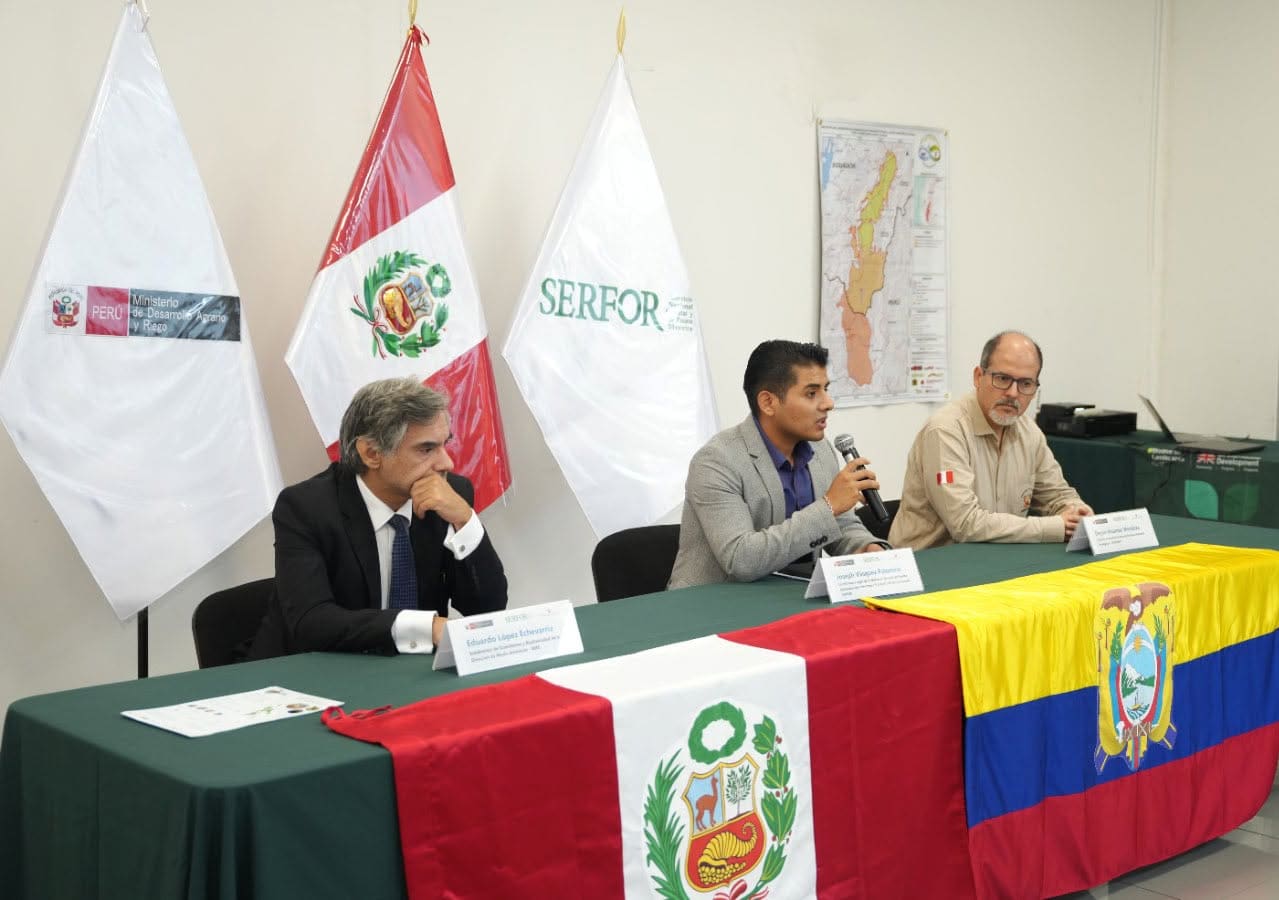

## Articulación interinstitucional en el Corredor de Conservación Transfronterizo Andino Amazónico
La articulación interinstitucional es uno de los principales pilares del evento. Participan representantes del Ministerio de Relaciones Exteriores, el Ministerio del Ambiente del Perú, Servicio Nacional de Áreas Naturales Protegidas por el Estado (SERNANP), el Servicio Nacional Forestal y de Fauna Silvestre (SERFOR), los gobiernos regionales de Piura y Cajamarca, Practical Action, el Fondo de Paisajes Biodiversos del Reino Unido (BLF Andes Amazónico) y Naturaleza y Cultura Internacional.
El encuentro cuenta con el soporte financiero de Desarrollo Internacional del Reino Unido, a través del Fondo de Paisajes Biodiversos (BLF Andes Amazónico), a través de Practical Action y Naturaleza y Cultura Internacional, organizaciones que impulsan procesos de articulación territorial y conservación transfronteriza en el CCTAA.
Katty Carrillo, representante de Naturaleza y Cultura Internacional, destacó la importancia de este proceso para fortalecer la coordinación entre ambos países. “La construcción de las líneas de acción del Plan Estratégico Quinquenal representa una oportunidad para consolidar acciones conjuntas de conservación, fortalecer la institucionalidad y asegurar una gestión sostenible del corredor transfronterizo”, señaló.
Por su parte, Fabián Rodas, también representante de Naturaleza y Cultura Internacional, resaltó que el corredor constituye un espacio clave para la conectividad ecológica y la protección de ecosistemas compartidos. *“La cooperación binacional es fundamental para enfrentar desafíos ambientales comunes y promover estrategias integrales de conservación en beneficio de las comunidades y la biodiversidad”*, indicó.
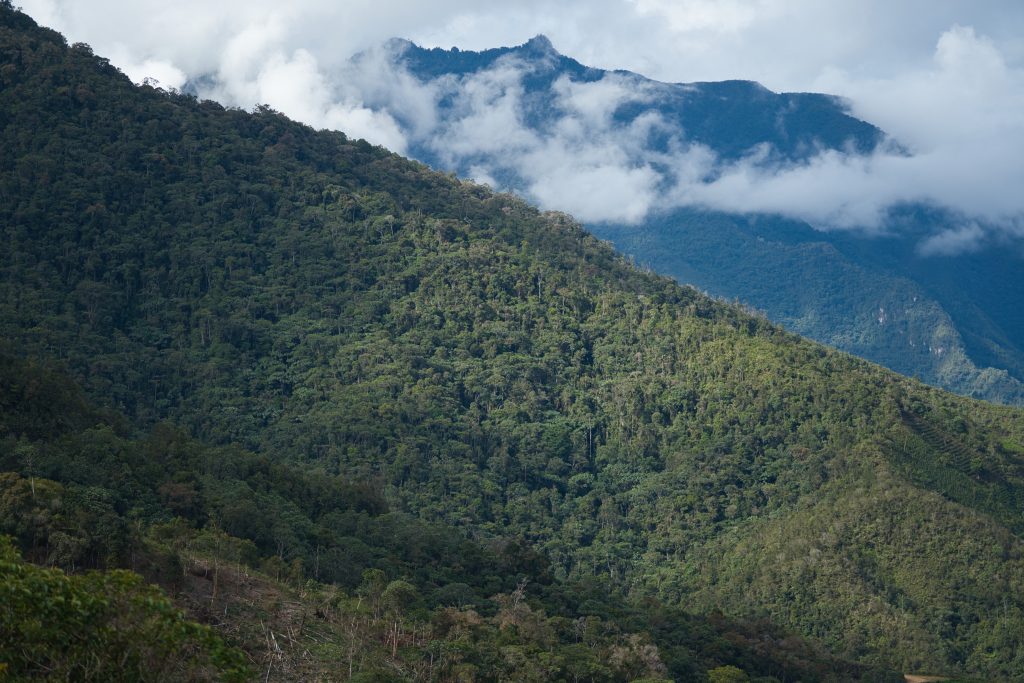
**El Corredor de Conservación Transfronterizo Andino Amazónico** fortalece la conectividad entre ecosistemas estratégicos de Perú y Ecuador, promueve mecanismos de gestión conjunta que contribuyen a la conservación de bosques, fuentes de agua y biodiversidad, así como al desarrollo sostenible de las poblaciones locales.
[Conoce más sobre el Corredor de Conservación Transfronterizo Andino Amazónico](https://www.natureandculture.org/es/conservation_initiatives/corredor-de-conservacion-transfronterizo-andino-amazonico/)
---
**Más información:**
Gabriela Gives
**Comunicación Perú**
<comunicacion.peru@naturalezaycultura.org>
**Strategic Area:** Bosques
**Country:** Ecuador, Perú
**Content Type:** Noticias
---
### [Securing Water for 250,000 People](https://www.natureandculture.org/directory/securing-water-for-250000-people-a-collaborative-victory-for-nature-in-colombia/)
**Published:** April 16, 2026
**Author:** Heather Thomas
**Content:**
## A Collaborative Victory for Nature in Colombia
Nature and Culture International celebrates a historic milestone for conservation in the Colombian Andes. The Estrella Hídrica de Caldas has been officially established as a Regional Integrated Management District. This specific category of protected area under Colombian law is designed to balance ecosystem conservation with sustainable local land use.
This achievement is a major win for ecological connectivity in the Andes because the area retains approximately 77% of its natural land cover, making it one of the last remaining continuous forests in the department of Caldas.
Located in the west-central district of Caldas, Colombia, this new protected area spans 59,236 acres of high-value ecosystems, including sub-Andean and high-Andean forests, páramos, sub-páramos, and wetlands.
**Credits**: Mas Biomas
## **The *Estrella Hídrica*: A Source of Life**
The area takes its name from the Estrella Hídrica, or “Hydrological Star,” a term used in conservation science to describe high-elevation points where water flows outward in multiple directions toward distinct river basins.
This “star” is the primary engine for water regulation in the region. Currently, 67% of the area directly feeds the aqueducts that provide clean drinking water to nearly 250,000 people. By protecting these vital water sources, which drain into the Cauca River—one of Colombia’s most important rivers—we are ensuring long-term water security and climate resilience for a quarter of a million residents living downstream.
**Credits**: Mas Biomas
## **A Sanctuary for Rare and Endangered Life**
Beyond its role in water catchment, this landscape is a biological treasure trove home to 880 recorded species. The protection of these continuous forests provides a safe haven for:
- **108 endemic species** found nowhere else on Earth.
- **33 species threatened with extinction** according to the IUCN Red List.
- **89 species protected under CITES**, ensuring international safeguards against the illegal trade of the area’s unique flora and fauna.
- The rare ****“Cuatrecasas’ Lepanthes”** orchid** (*Lepanthes cuatrecasasii*) and a newly discovered species of **rain frog** from the genus *Pristimantis*.
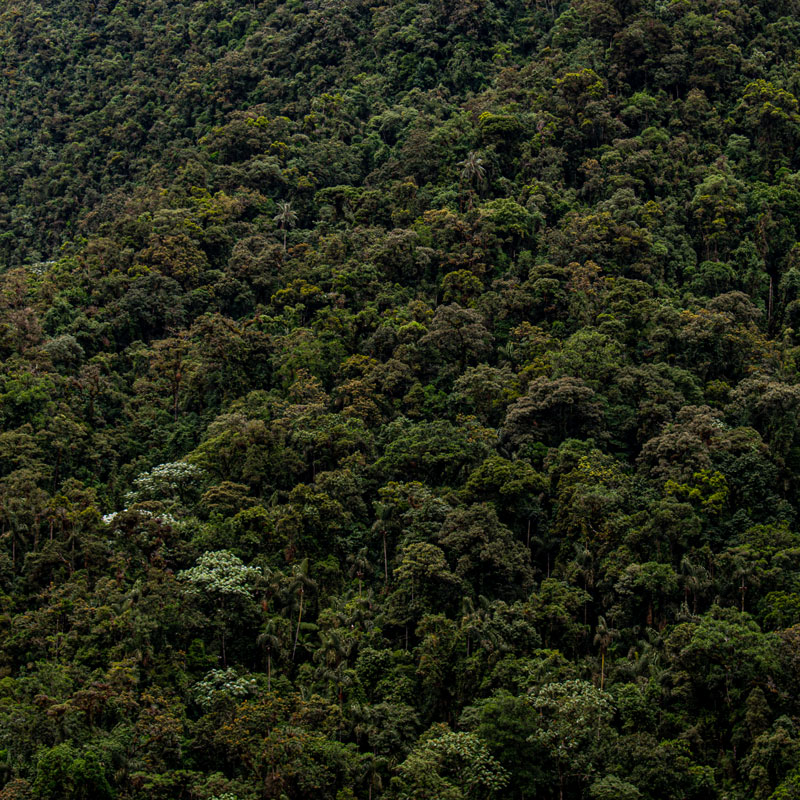


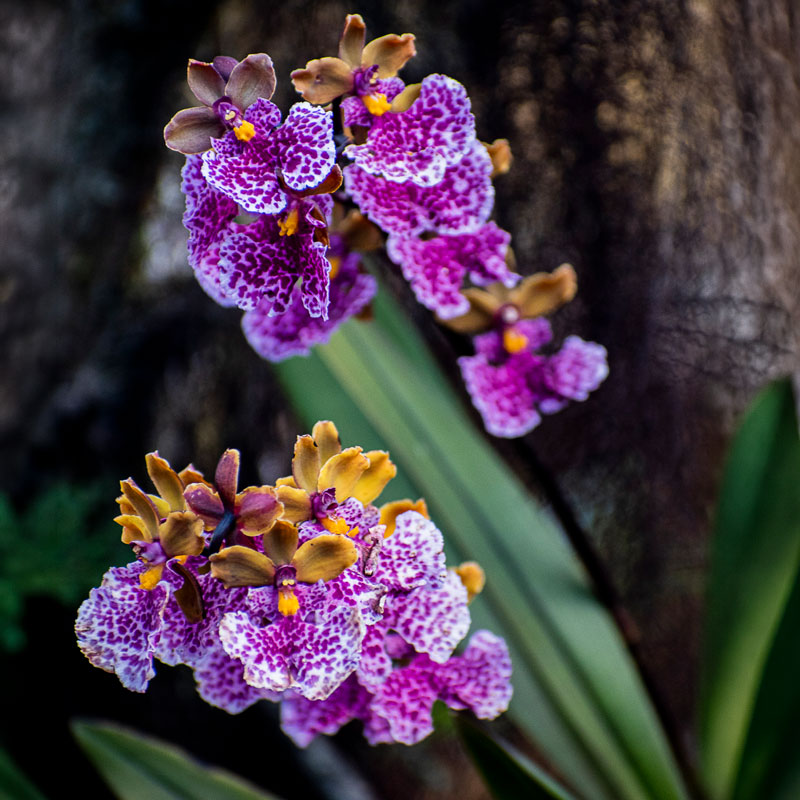
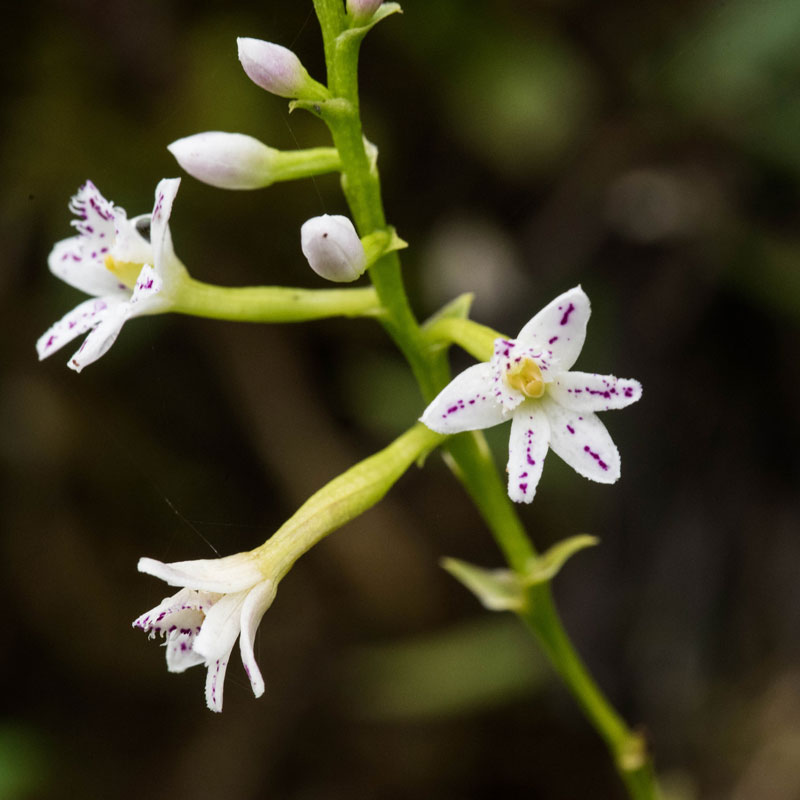
## **Conservation Rooted in Coffee Culture and Community**
While the Estrella Hídrica provides essential resources for thousands, it is also the ancestral home of 1,319 residents from local farming families.
The region is part of Colombia’s Coffee Cultural Landscape, a UNESCO World Heritage site where sustainable coffee farming and nature are deeply intertwined. The management of this new protected area will actively involve these 1,319 guardians by promoting local conservation agreements and participatory monitoring of biodiversity. This ensures that while we protect the headwaters, we also strengthen the livelihoods of the families who care for them.
## **The Power of Partnership**
This protected area was made possible through the joint work of Más Biomas, Corpocaldas, the Gobernación de Caldas, Nature and Culture International and the Instituto Alexander von Humboldt and financial support from Andes Amazon Fund and Re:wild. Since September 2024, Nature and Culture has been a key strategic partner by providing the technical follow-up and expertise necessary to bring this long-term vision to life.
**Credits**: Mas Biomas
## **A Vision for a Resilient Future**
The Estrella Hídrica de Caldas is now the largest protected area in the state. For Nature and Culture International, this success reaffirms our commitment to working at a landscape scale to implement solutions that bridge the gap between nature conservation and human well-being for generations to come.
**Credits**: Mas Biomas
**Tags:** Biodiversity, Protected Area
**Strategic Area:** Biodiversity, Water
**Country:** Colombia
**Content Type:** News
---
### [Birdwatching for Conservation ](https://www.natureandculture.org/directory/birdwatching-for-conservation-nature-and-culture-joins-global-big-day/)
**Published:** May 20, 2026
**Author:** Heather Thomas
**Content:**
## Nature and Culture Joins Global Big Day
### *Peru ranked second in the world, with 1,439 species documented in a single day.*
Every year on the second Saturday of May, birdsong around the world unites thousands of people for [Global Big Day](https://ebird.org/globalbigday). This is the largest coordinated citizen science birdwatching event across the planet. It’s an opportunity for people to record and submit observations and support conservation worldwide. The Nature and Culture Team in Peru took to the forests to join in. We joined the count alongside biologists, university partners, and bird enthusiasts, documenting birds in two of our protected areas. Our team participated in the [Huamantanga Regional Conservation Area](https://www.natureandculture.org/directory/a-win-for-nature-nature-and-culture-secures-water-and-life-in-northern-peru/) in Cajamarca and the [Chicuate Chinguelas Private Conservation Area](https://www.natureandculture.org/directory/66000-acre-reserve-declared-in-northern-peru/) in Piura.
Incredibly, Peru placed second in the number of species recorded. A total of 1,439 bird species were documented in a single day, just behind Colombia, which tallied 1,567.
Black-billed mountain toucan *(Andigena nigrirostris)* \| Photo: Hugo Orihela – UNJ
## Birds of Northern Peru
In Huamantanga, an exceptionally biodiverse setting, the team documented many emblematic species. The list includes the black-billed mountain toucan (*Andigena nigrirostris*), the common pauraque (*Nyctidromus albicollis*), the speckled hummingbird (*Adelomyia melanogenys*), and the masked trogon (*Trogon personatus*). In parallel, Chicuate Chinguelas recorded the black-capped hemispingus (*Kleinothraupis atropileus*), the lacrimose mountain tanager (*Anisognathus lacrymosus*), and the blue-backed conebill (*Conirostrum sitticolor*).
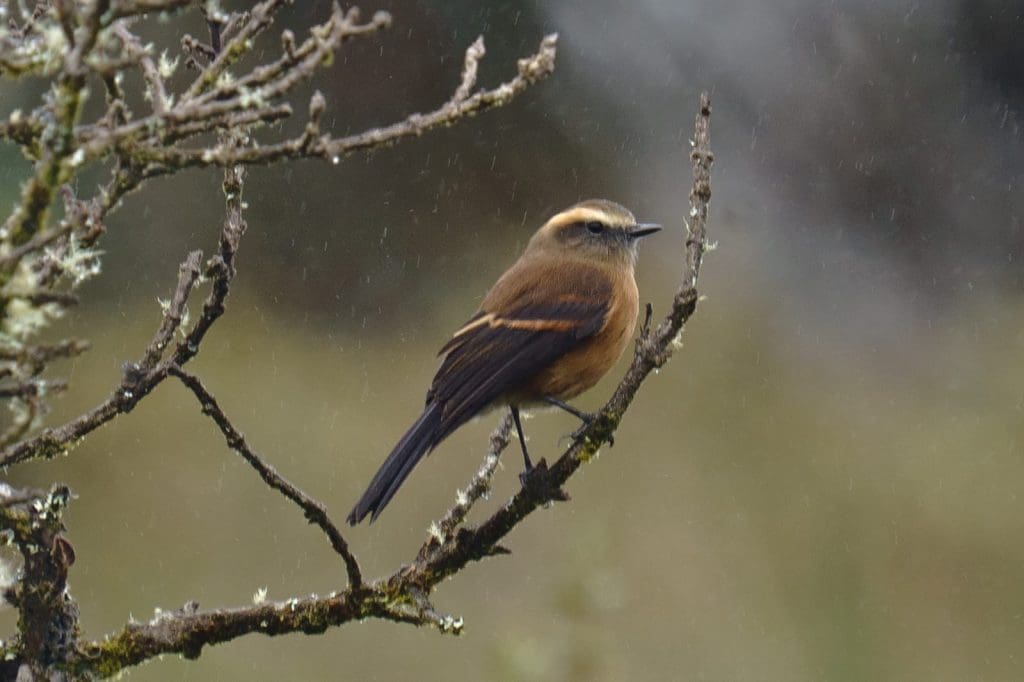Brown-backed Chat-Tyrant *(Pardo Ochthoeca fumicolor)* \| Photo: Eduardo La Torre
## Citizen Science in Action
Observers, residents, specialists, and enthusiasts covered different sections of both areas with binoculars and cameras in hand, attentive to every sound and movement among the trees. Although Piura ranked 11th nationally, the activity generated valuable information about bird species present in the area and strengthened the connection between the community and conservation.
*“Every record is an opportunity to appreciate our forests, recognize their importance, and remember that conserving these spaces is essential for the future of our biodiversity,” said Dalí Díaz of Nature and Culture.*
Birdwatchers in the Chicuate Chinguelas Private Conservation Area in Piura
Each of the protected areas in which the team participated is part of the broader [Andes Amazon Conservation Corridor](https://www.natureandculture.org/conservation_initiatives/the-andes-amazon-conservation-corridor/). This key initiative connects ecologically important landscapes that ensure species conservation across Ecuador and Peru.
Days like Global Big Day are a reminder of why this work matters. Documenting these species reaffirmed the extraordinary biological diversity of the region and underscored the immense value of these forests. Every field outing is an opportunity to be moved, to learn, and to deepen our commitment to protecting nature.
**Tags:** Biodiversity, birdwatching, Peru
**Strategic Area:** Biodiversity
**Country:** Peru
**Content Type:** Blog
---
### [Thirty Years of Vision, Thirty Years of Results ](https://www.natureandculture.org/directory/thirty-years-of-vision-results/)
**Published:** April 28, 2026
**Author:** Heather Thomas
**Content:**
### Board Chair Charles J. Smith reflects on the foundation Ivan Gayler built — and what the next thirty years demand
###### By Charles J. Smith, Board Chair
There is a particular kind of person who looks at a disappearing forest and sees not just what is being lost, but everything that could still be saved. Ivan Gayler is that person. Thirty years ago, he had the audacity to believe that a small, determined organization could go to the most ecologically consequential landscapes on Earth — the cloud forests and river valleys of the Andes and Amazon — and actually turn the tide.
He was right.
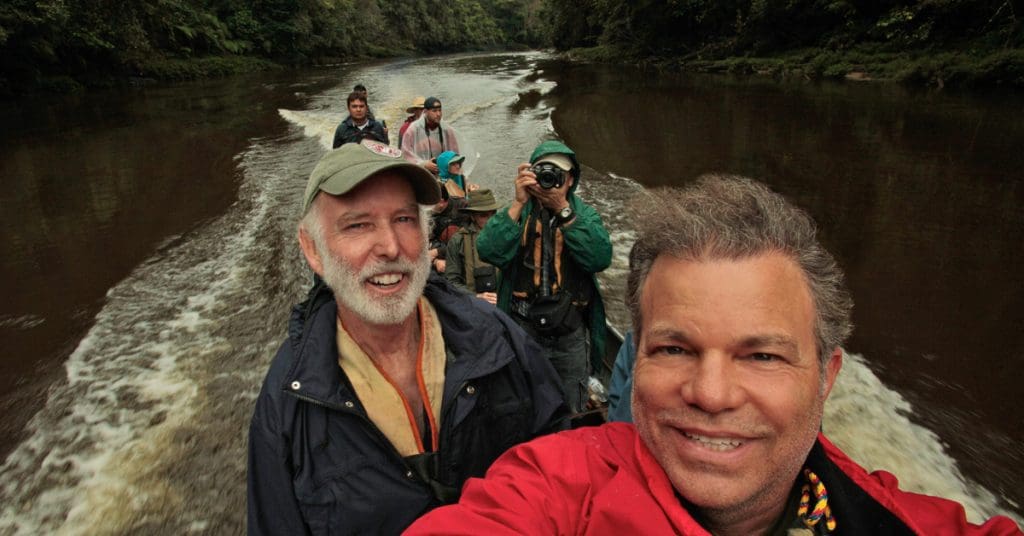Ivan Gayler and Charles J. Smith in Ecuadorian Amazon
## The Founders Bet
When Ivan founded Nature and Culture International in 1996, the model he envisioned was as unconventional as it was clear-eyed. He was not interested in distant advocacy or feel-good gestures. He wanted to be on the ground, in partnership with local communities and governments, doing the hard and permanent work of protecting land, not for a decade, but forever. That insistence on permanence, on real and measurable outcomes, has defined the organization ever since.
What strikes me most, looking back across thirty years, is how fully Ivan saw around corners. He understood before most that the [Andes-Amazon Conservation Corridor](https://www.natureandculture.org/conservation_initiatives/the-andes-amazon-conservation-corridor/) was not simply a collection of beautiful places; it was a living system, an engine of rainfall, biodiversity, and climate stability that the world could not afford to lose. He understood that the most effective conservationists were often not the ones who flew in from the outside, but the local community leaders who had spent their lives in these landscapes. And he understood that if you built the right relationships, secured the right protections, and invested in the right people, the results would compound for generations.
“That’s my dream for humanity.” — Ivan Gayler, founder, Nature and Culture International
## Not lines on a map
That vision has produced something remarkable. Over three decades, Nature and Culture has helped protect 26.8 million acres across Ecuador, Peru, Bolivia, and beyond in what are, by any measure, the most biodiverse ecosystems on Earth. Those are not abstract numbers. They represent rainforests, cloud forests, river corridors, deciduous dry forests, and high-altitude páramos that will continue to shelter life and stabilize our climate long after the rest of us are gone.
**This work was accomplished through the patient, relationship-driven approach that Ivan modeled from the very beginning**. The reserves and corridors we have established are not lines on a map. They are functioning ecosystems, home to species found nowhere else on Earth, sustained by communities who have chosen to be their stewards.
## The work ahead
None of this happened automatically. Conservation is slow, difficult, and often invisible work. There are setbacks, funding gaps, political headwinds, and years when the progress is hard to see. What has carried Nature and Culture through all of it is Ivan’s original conviction: that this work matters more than almost anything else we can do, and that, done with integrity and care, it lasts.
As I reflect on this anniversary, I am grateful for the foundation Ivan built and for the extraordinary team that carries it forward today. I am also clear-eyed about the urgency of the moment. The forests we are racing to protect are under more pressure than ever. The next thirty years will demand the same bold, grounded, relentless commitment that Ivan bequeathed Nature and Culture at the inception.
He showed us how. Now it is our turn.
**Tags:** 30th anniversary, Andes Amazon, Biodiversity, Conservation, Ivan Gayler
**Strategic Area:** Biodiversity, Forests
**Country:** Bolivia, Colombia, Ecuador, Mexico, Peru
**Content Type:** Blog
---
### [Naturaleza y Cultura Internacional se sumó al Global Big Day ](https://www.natureandculture.org/es/directorio/naturaleza-y-cultura-internacional-se-sumo-al-global-big-day/)
**Published:** May 19, 2026
**Author:** Heather Thomas
**Content:**
El canto de las aves volvió a unir a miles de personas alrededor del mundo durante el Global Big Day, una de las jornadas de observación de aves más importantes a nivel internacional. Este año, Perú alcanzó el segundo lugar mundial con el registro de 1439 especies en un solo día, solo por debajo de Colombia, que logró contabilizar 1567 especies.
En este escenario global, Naturaleza y Cultura Internacional participó en distintos puntos de los Andes del Norte, promoviendo el monitoreo ciudadano y resaltando la importancia de las áreas de conservación para la protección de la biodiversidad.
Dos de los espacios donde se desarrolló esta jornada fue el Área de Conservación Regional Bosques Montanos de Huamantanga y Chorro Blanco, en Cajamarca, y en el Área de Conservación Privada Chicuate Chinguelas de la comunidad campesina Segunda y Cajas, en Piura.
Tucán andino de pico negro *(Andigena nigrirostris)* \| Foto: Hugo Orihela – UNJ
En el ACR Huamantanga, un entorno privilegiado, se registraron especies emblemáticas de los bosques montanos, entre ellas el tucán andino de pico negro (*Andigena nigrirostris*), la chotacabras común (*Nyctidromus albicollis*), el colibrí moteado (*Adelomyia melanogenys*) y el trogón enmascarado (*Trogonpersonatus*). De este recorrido también participó la Universidad Nacional de Jaén.
La presencia de estas especies enriqueció la experiencia de observación, reafirmó la extraordinaria diversidad biológica que albergan estos ecosistemas y el enorme valor de conservarlos. Jornadas como esta nos recuerdan que cada salida al campo es una oportunidad para maravillarnos, aprender y fortalecer nuestro compromiso con la protección de la naturaleza.
La actividad permitió generar información valiosa sobre las aves presentes en el territorio y fortalecer el vínculo entre la ciudadanía y la conservación. Observadores, población local, especialistas y aficionados de las aves recorrieron distintos sectores del área protegida con binoculares y cámaras en mano, atentos a cada sonido y movimiento entre los árboles.
*“Cada registro representa una oportunidad para valorar nuestros bosques, reconocer su importancia y recordar que conservar estos espacios es fundamental para el futuro de nuestra biodiversidad”*, señaló Dalí Díaz, de Naturaleza y Cultura Internacional.
Karlom Herrera, de Macanche RAM, señaló que, de manera paralela, en el Área de Conservación Privada Chicuate Chinguelas se registraron especies como el hemispingo de gorro negro (*Kleinothraupis atropileus*), tangara de montaña Lacrimosa (*Anisognathus lacrymosus*) y el pico de cono de dorso azul (*Conirostrum sitticolor)*. Esta jornada se realizó en coordinación con el Colegio de Biólogos de Piura, Macanche RAM, COAP-PIURA, Universidad de Piura y otros aliados comprometidos con la observación y conservación de aves.
Pitajo de Dorso *(Pardo Ochthoeca fumicolor)* \| Foto: Eduardo La Torre
Si bien, Piura se ubicó en el puesto 11 a nivel nacional, los resultados obtenidos reflejan el potencial biológico de los ecosistemas del norte peruano y la creciente participación de actores locales en iniciativas de ciencia ciudadana.
Observdores de aves en el Área de Conservación Privada Chicuate Chinguelas
Tanto el Área de Conservación Regional Bosques Montanos de Huamantanga y Chorro Blanco como el Área de Conservación Privada Chicuate Chinguelas forman parte del Corredor de Conservación Andes del Norte, integrado a su vez en el [Corredor de Conservación Transfronterizo Andino Amazónico](https://www.natureandculture.org/es/conservation_initiatives/corredor-de-conservacion-transfronterizo-andino-amazonico/ "Corredor de Conservación Transfronterizo Andino Amazónico"), una iniciativa binacional clave para conectar ecosistemas y garantizar la conservación de especies en paisajes de gran importancia ecológica entre Ecuadoy y Perú.
---
**Más información:**
Gabriela Gives
**Comunicación Perú**
<comunicacion.peru@naturalezaycultura.org>
**Tags:** Biodiversidad, Perú
**Strategic Area:** Biodiversidad
**Country:** Perú
**Content Type:** Blog
---
### [Colombia declara una nueva área protegida clave para el agua y la biodiversidad de los Andes](https://www.natureandculture.org/es/directorio/colombia-declara-una-nueva-area-protegida-clave-para-el-agua-y-la-biodiversidad-de-los-andes/)
**Published:** April 16, 2026
**Author:** Heather Thomas
**Content:**
Naturaleza y Cultura Internacional (NCI) celebra la creación del Distrito Regional de Manejo Integrado (DRMI) Estrella Hídrica de Caldas, oficialmente declarado el 24 de febrero de 2026, como un paso decisivo para la conservación de ecosistemas estratégicos en el corazón de los Andes colombianos.
Esta nueva área protegida se ubica en el departamento de Caldas, en el centro-occidente de Colombia, una región montañosa que forma parte de la cordillera de los Andes. El área protege un total de 23.972 hectáreas de ecosistemas de alto valor, incluyendo bosques subandinos y altoandinos, páramos, subpáramos y humedales.
## **Un territorio clave para el agua y la vida**
La Estrella Hídrica de Caldas cumple un papel fundamental en la regulación y provisión de agua para la región. Aproximadamente el 67% del área se superpone con zonas abastecedoras de acueductos para consumo humano, beneficiando a cerca de 250.000 personas.
Además, el área se ubica en la convergencia de varias cuencas hidrográficas que drenan hacia el río Cauca, uno de los principales ríos de Colombia, lo que refuerza su importancia para la seguridad hídrica y la resiliencia climática del territorio.
**Cortesía:** Más Biomas
## **Un refugio de biodiversidad única**
El área alberga una riqueza biológica excepcional, con 880 especies registradas, entre ellas 108 especies endémicas, 33 especies amenazadas según la UICN y 89 especies incluidas en la Convención sobre el Comercio Internacional de Especies Amenazadas de Fauna y Flora Silvestres (CITES).
Entre sus hallazgos más destacados se encuentra la orquídea *Lepanthes cuatrecasasii*, con apenas dos localidades conocidas a nivel mundial, así como el registro de una nueva especie de rana de lluvia del género *Pristimantis*.
Asimismo, el área conserva aproximadamente el 77% de coberturas naturales, constituyendo uno de los últimos remanentes de bosques continuos en el departamento de Caldas y fortaleciendo la conectividad ecológica con otras áreas protegidas de la zona.





## **Conservación junto a las comunidades locales**
En el área viven alrededor de 1.319 personas de comunidades campesinas, quienes han habitado y trabajado este territorio por generaciones.
Esta región forma parte del Paisaje Cultural Cafetero de Colombia, reconocido por la UNESCO como un ejemplo de cómo las comunidades han logrado adaptarse a un entorno montañoso complejo, desarrollando una caficultura sostenible a lo largo del tiempo.
Aquí, la producción agrícola, la cultura y la naturaleza están profundamente conectadas, gracias al trabajo de familias cafeteras que han transmitido sus prácticas de generación en generación.
La gestión del área protegida buscará involucrar activamente a estas comunidades, promoviendo acuerdos locales para el cuidado del territorio y el desarrollo de procesos de monitoreo participativo de la biodiversidad. Esto permitirá fortalecer la conservación mientras se mantienen y mejoran los medios de vida locales.
## **Una alianza para la conservación**
La declaratoria de esta área protegida fue posible gracias al trabajo conjunto entre Más Biomas, Corpocaldas, la Gobernación de Caldas y Naturaleza y Cultura Internacional, con el acompañamiento del Instituto Alexander von Humboldt y el apoyo financiero de Andes Amazon Fund y Re:wild.
Desde septiembre de 2024, Naturaleza y Cultura Internacional acompañó este proceso brindando seguimiento técnico y apoyo estratégico en la construcción y revisión de la propuesta de declaratoria.
**Cortesía:** Más Biomas
## **Un logro para la conservación en Colombia**
El DRMI Estrella Hídrica de Caldas se convierte en el área protegida más grande del departamento, consolidándose como un pilar para la protección del agua, la biodiversidad y los medios de vida locales.
Para Naturaleza y Cultura Internacional, este logro reafirma la importancia de trabajar en alianza y a escala de paisaje, impulsando soluciones que conectan la conservación de la naturaleza con el bienestar humano.
---
**Más información:**
Nora Sánchez Luzardo
**Coordinadora de Comunicación para América Latina**
<nsanchez@naturalezaycultura.org>
**Strategic Area:** Agua, Biodiversidad
**Country:** Colombia
**Content Type:** Blog
---
### [Disney Supports NCI's Work in Mexico with a Grant for Jaguar Conservation](https://www.natureandculture.org/directory/disney-supports-ncis-work-in-mexico-with-a-grant-for-jaguar-conservation/)
**Published:** October 20, 2014
**Author:** Heather Thomas
**Content:**

**October 2014 \|** Nature and Culture International’s *Wildlife Trackers of Monte Mojino* project has been awarded a $24,350 grant from the Disney Worldwide Conservation Fund to strengthen community awareness and protection of key species and habitats within NCI’s 14,579 acre Monte Mojino Reserve in the Sonora region of Mexico.
This community-based project will employ youth and their community to protect the highly biodiverse tropical deciduous forest and its endangered jaguar population. With the guidance of local researchers and rangers, youth will track jaguar populations and other wildlife as part of NCI’s local EcoClubs, which teach elementary school students about the unique biodiversity in their region and the importance of conservation. Camera traps will be used to document the presence of the elusive and iconic jaguar species within the reserve, which is also home to mountain lions, ocelots and other important predators. After one year of work, the EcoClub students will present their findings to the community at NCI’s Wildlife Festival.
In the words of our Program Coordinator, Lydia Lozano, “This fund will strengthen a key part of our conservation project in Mexico – our children. They are the ones who will make the Monte Mojino Reserve transcend the present generation. Without them, we will not be able to ensure the conservation of biodiversity for the long term.” A further component of the project will be to expand the reserve through the purchase of an additional 1,482 acres of endangered habitat.
The Disney Worldwide Conservation Fund (DWCF) focuses on protecting wildlife and connecting kids and families with nature. Since its founding in 1995, DWCF has provided more than $25 million to support conservation programs in 114 countries. Projects are selected to receive awards based on their efforts to study wildlife, protect habitats and develop community conservation and education programs in critical ecosystems. For more information on Disney Worldwide Conservation Fund, visit www.disney.com/conservation.
**Tags:** Jaguar Conservation, Mexico
**Strategic Area:** Biodiversity
**Country:** Mexico
**Content Type:** Blog
---
### [Flight for Survival: The Andean Condor](https://www.natureandculture.org/directory/2018-is-the-year-of-the-bird/)
**Published:** February 15, 2018
**Author:** Heather Thomas
**Content:**
## **Nature and Culture International is joining nature lovers around the world to celebrate the Year of the Bird.**
2018 marks the 100th anniversary of the signing of the **Migratory Bird Treaty Act** (MBTA), one of the earliest environmental laws enacted anywhere in the world, and a pivotal bird-protection law. However, birds are facing new and serious threats. Now, over 1,300 species of birds are threatened, and almost 200 are critically endangered.
To commemorate the wonder and beauty of these winged creatures, and raise awareness about the crucial role birds play in caring for our shared planet, we are joining forces with organizations and millions of people around the world to declare 2018 as Year of the Bird. Throughout the year, we will highlight uniquely significant birds found in our project areas.
### **Today, we celebrate the largest flying bird in South America – the magnificent Andean condor.**

In the highest peaks of the majestic Andes, a massive creature hovers high in the sky seeking out its next meal – a carcass or weak animal. **The creature is the Andean condor, an iconic species in Ecuador, and the largest raptor in the world with a wingspan of over 10 feet.** That is a wingspan almost twice the size of an average human’s arm span!
Andean condors prefer windy, open areas where they can glide on air currents with little effort. Tending to avoid human disturbance, they are sensitive to habitat loss. They also suffer from human persecution; in January 2018, a group of 34 condor carcasses were found in Argentina, presumably poisoned.

These impressive birds play a key role in a healthy, well-balanced environment because of their important role as nature’s recyclers. Consuming wild animal carcasses helps reduce the spread of diseases. Yet Andean condors are threatened over most of their range. **According to the last national census, fewer than 100 individuals remain in Ecuador.**
In 2016, recognizing our experience in creating protected areas, Nature & Culture – Ecuador was invited to join the Andean Condor Working Group, a national consortium of NGOs, local governments, universities, and zoos, led by Ecuador’s Ministry of Environment. In response, **we catalyzed the declaration of a new 85,832-acre reserve in Río León** in the southwestern part of the highly biodiverse Sangay – Podocarpus Corridor.
Río León, a sparsely-populated, arid ecosystem, hosts a stronghold population of nine Andean condors. It is close to the highland páramos where condors scavenge and its cliffs are appropriate for roosting and nesting. Three condor pairs have been seen mating in this area recently, suggesting possible nests.

Andean condors: Mother and daughter in Río León Reserve. Photography: Camera trap – E. Arbeláez
The new **Cóndor – Río León Reserve** comprises four adjoining municipal reserves – Saraguro, Oña, Santa Isabel and Nabón – which have been declared by Municipal Ordinance. To strengthen the conservation status of this area further, Nature & Culture will support these four municipalities in proposing the inclusion of the Cóndor – Río León Municipal Reserve within the National System of Protected Areas. This would provide additional protections against habitat loss and damaging activities like mining that could jeopardize the condor´s future in this windswept reserve.
[**Help build a better world for the Andean condor by supporting Nature & Culture.**](https://www.natureandculture.org/give-to-nci/)
**Tags:** Andean Condor, Andean Corridor, Birds
---
### [The San Diego Union Tribune Interviews NCI Founder Ivan Gayler on Saving the planet, one forest at a time.](https://www.natureandculture.org/directory/the-san-diego-union-tribune-interviews-nci-founder-ivan-gayler-on-saving-the-planet-one-forest-at-a-time/)
**Published:** September 26, 2016
**Author:** Heather Thomas
**Content:**
Ivan Gayler (Eduardo Contreras/San Diego Union-Tribune)
### *By Lisa Deaderick, Union Tribune*
**September 25, 2016** – From 30,000 feet, while flying over the Amazon 30 years ago, Ivan Gayler saw a pattern of logging roads and forest fires. It was too much destruction.
> “The greatest ecosystem on the planet was disappearing before our very eyes,” he says. “Believing the loss of biodiversity and changes to global climate were the two greatest issues of our era, I knew I had to act.”
He acted by founding Nature and Culture International (NCI), a conservation non-profit aimed at helping local and indigenous people secure rain forests for preservation in Ecuador, Peru, Colombia, Bolivia and Mexico. The organization has offices in Del Mar, Ecuador, Mexico and Peru, and is committed to maintaining the biodiversity in nature and the cultural diversity of each region. He’s created a system in which donors and conservationists in the field work against deforestation of threatened ecosystems, he says.
Gayler, 63, lives in Del Mar and serves as chairman emeritus of NCI. He spent years as a developer, notably for developing and then selling the Del Mar Plaza in the late 1980s. While he could create another shopping center, he’s grown more interested in assisting nature in its creations and talks about his organization and their work, and why biodiversity is so important to him.
**Q: *How would you describe NCI?***
**A:** At the heart of our mission, we empower local people to protect their land in a way that is lasting and meaningful to them. This is done by providing them with economic resources, expertise, education and full-time staff to get the work done. We ask communities to share their conservation dreams with us. We then help them develop, organize and execute a conservation plan that meets their needs.
***Q: What, specifically, does your organization do to help local people preserve their forests?***
**A:** The answer to this question depends on the situation, as no one model works for lasting conservation. Our strengths are that we work and act locally, and can adapt programs to suit the needs of local people. In some cases, we help indigenous communities acquire land titles or create community reserves for their ancestral land. In other cases, we work with local governments and water authorities to establish biodiversity and watershed reserves to ensure clean drinking water for surrounding communities. Every situation requires thoughtful, specific and creative solutions.
***Q: Why do you believe biodiversity is important?***
**A:** The importance of biodiversity is interwoven throughout our daily experience from the variety of foods that we eat, the fresh air we breathe and water we drink. Further, an estimated 40 percent of all pharmaceuticals can trace their origins from nature sources. If we don’t attend to the loss of global habitat and biodiversity, we will also lose unknown scientific information that could lead to new medicines, crops and understanding of ourselves.
## ***What I love about Del Mar…***
What I love most about Del Mar is that it is not just where I live but it is truly my home amongst friends with similar values.
***Q: What is the biodiversity in that region like compared to, say, ours?***
**A:** The biodiversity of tropical forests in Latin America are far richer than the temperate forests of the United States. For example, the United States is 35 times the size of Ecuador but Ecuador has nearly twice the number of bird species (1,700 species compared to 900). While it’s hard to think about conservation beyond our backyard, these threatened regions need the attention of the world due to their critical importance to life on earth.
***Q: Why the focus on those five Latin American countries?***
**A:** We started in southern Ecuador because it is considered one of the most important biodiversity hotspots in the world. Due to the Huancabamba Depression, a low point between the northern and southern Andes Mountains, a remarkable amount of species survived the last ice age over 12,000 years ago. We started by establishing a scientific research station near Loja, Ecuador, to study this region rich in biodiversity. … When we recognized that the conservation model worked, we started opening local offices in Peru, Mexico, Colombia, Bolivia and Brazil.
***Q: What was the initial response from local and indigenous people in those countries when your organization first started its work there?* A:** Our offices in Latin America are located in threatened areas and staffed by local conservationists who build trust with locals over time. We all recognize that lasting conservation can only occur when locals benefit from the conservation. We now find that communities are approaching us for help with their conservation dreams.
***Q: How much land have you helped secure in each country?* A:** We’ve helped put over 13 million acres in protection since its inception. That includes 7 million acres throughout five countries in Latin America with another 6 million in biosphere reserves in Ecuador.
***Q: How is that land being managed now, compared to what was being done to it before?* A:** Land that is not under any type of conservation is in constant threat of deforestation. The key is helping communities to manage their land in a sustainable ways (prevent over fishing, limit clear cutting for agriculture and pastures) while simultaneously creating conservation protections from outside threats. We also help locals to identify and develop sustainable industries (harvesting palm fruit, or palo santo seeds, and creating a market for local art and handicrafts) that provide long-term economic benefits to communities.
***Q: What’s been challenging about your work in conservation with NCI?* A:** Originally, the biggest challenge was the distance between my home in Del Mar and the work being done in South America. With the creation of the non-profit, I was able to recruit other like-minded conservationists who shared my passion for ecosystem protection. These people now share with me an even greater challenge: to raise the necessary resources to continue and expand our conservation work before the forests disappear forever. It is truly a race for time.
***Q: What’s been rewarding about your work?* A:** My greatest reward comes from knowing that we are doing great work that is improving people’s everyday lives while preventing the loss of biodiversity and habitat. During these 20 years, I have met extraordinary conservationists who are dedicated to saving their forests. I can now call these people my dear friends and consider them all part of our extended family.
***Q: What have you learned about yourself as a result of your work?* A:** Service is indeed the highest calling. I realized long ago that I could build another shopping center like the Del Mar Plaza but never in a million years could I create a songbird, a pink river dolphin or a blue morpho butterfly. That has helped me to dedicate my time and resources to help conserve the variety of life on earth. To me the highest expression of life is the variety of life itself.
***Q: What is the best advice you’ve ever received?* A:** “You never recognize a Zen master on the street for he/she is an utterly normal person.” This simple statement has had a profound effect on me in realizing that wisdom and mastery are all around us in the people we meet every day. We have a moral obligation to continue the good work we are doing not for ourselves but for future generations and the health of the planet.
***Q: What is one thing people would be surprised to find out about you?* A:** I was a carpenter by trade for over eight years.
***Q: Describe your ideal San Diego weekend.* A:** “Doing nothing” except for “a walk-about” in nature.
*Lisa Deaderick (September 25, 2016).*
*Saving the planet, one forest at a time.*
*<http://www.sandiegouniontribune.com/lifestyle/people/sd-me-one-gayler-20160921-story.html>*
---
### [The life-support system of our planet](https://www.natureandculture.org/directory/globalforests/)
**Published:** March 20, 2020
**Author:** Heather Thomas
**Content:**
## **Today, on International Day of Forests, join us in celebrating our planet’s most critical ecosystems.**
Forests are the life-support system of our planet. They provide habitat to millions of animal and plant species, and sustain the cultures and livelihoods of hundreds of indigenous communities. They produce the vast majority of the oxygen we need to survive, and secure fresh water. They are essential to combating climate change.
Yet, deforestation continues at an alarming rate. Every year, an [estimated](http://web.archive.org/web/20231128135124/https://www.nature.com/articles/nature14967.epdf?referrer_access_token=zpf2L5mv9PyxQK9qJoBvDNRgN0jAjWel9jnR3ZoTv0PVqBqhRh-xvvJTzHFUU9TMfiseqc7XBtw3yJeJCBwHMEd325JNCYv-3DvRroRPJJJkTX95golfBeN0XF1aaW8P59jvn5Sk0G_AU4O4V7AYAm5mOs3rWaxWrsHFRlurXF8e8MdWjCSWUA2Uyp4XX-QOAsnXtzj285op-uoZzj758A%3D%3D&tracking_referrer=www.nationalgeographic.com) 15 billion trees are chopped down across the planet to make room for agricultural and urban lands and other uses. Over 50 acres have disappeared since you started reading this post.

*Forests also add immeasurable beauty to our lives.*
Saving forests helps regulate our climate, filter pollutants, and protect our most endangered wildlife, among so many other benefits. Tropical tree cover alone can provide 23 percent of the climate mitigation needed over the next decade to meet goals [set in the Paris Agreement](http://web.archive.org/web/20231128135124/https://unfccc.int/process-and-meetings/the-paris-agreement/the-paris-agreement) in 2015, [according to one estimate](http://web.archive.org/web/20231128135124/https://www.wri.org/blog/2018/10/numbers-value-tropical-forests-climate-change-equation).
For these reasons, and many more, Nature and Culture creates protected areas in habitats that are home to some of the greatest number of species and most carbon-rich forests on the planet. Thanks to our supporters, we’ve protected more than 20 million acres of forests and threatened ecosystems, including, most recently:
**Cloud forest in the Peruvian Andes**
[*Bosques Montanos y Páramos Huaricancha*](http://web.archive.org/web/20231128135124/https://www.natureandculture.org/huaricancha/) is home to an impressive array of wildlife, including the mountain tapir and grey-breasted mountain toucan. Alongside endangered mammals and Andean birds stands the quina, known worldwide for its medicinal uses.

**Three million acres in Bolivia’s dry forest**
Located in Bolivia’s Chaco, [*Ñembi Guasu* ](http://web.archive.org/web/20231128135124/https://www.natureandculture.org/nembi-guasu/)holds huge reserves of water, energy and cultivable land, and a great diversity of indigenous peoples, including the Ayoreo, the only native population that remains in voluntary isolation outside the Amazon.
Huamboya Forest in Ecuador, a subtropical montane forest along the eastern slope of the Andes Mountains
**Forest linking the Andes Mountains with the Amazon**
*[Huamboya Municipal Conservation Area](http://web.archive.org/web/20231128135124/https://www.natureandculture.org/huamboya/)* safeguards priority forest ecosystems and cultural diversity in central Ecuador, adding to a network of protected areas in the region spanning 7.5 million acres.
Nature and Culture is incredibly grateful for the work that has been accomplished thanks to the generosity of our supporters. But there is still more to be done. You can protect our planet’s most critical ecosystems, acre by acre.
[Save Forests Today](http://web.archive.org/web/20231128135124/http://www.natureandculture.org/give-to-nci)
*Learn more about the forest ecosystems Nature and Culture works in [here](http://web.archive.org/web/20231128135124/https://www.natureandculture.org/ecosystems/).*
**Strategic Area:** Forests
**Country:** Bolivia, Colombia, Ecuador, Peru
**Content Type:** Blog
---
### [Empowering the Kichwas of Napo](https://www.natureandculture.org/directory/napokichwa-land-titles/)
**Published:** February 2, 2021
**Author:** Heather Thomas
**Content:**
### **The indigenous Kichwas of Napo have lived in and cared for Peru’s Amazon rainforest for centuries. Thanks to your support, these communities finally gained title to their land.**
The indigenous Kichwas of Napo have cared for Peru’s Amazon rainforest
since at least the 16th century.
In the Peruvian Amazon, communities from the indigenous Kichwa group play an integral role in protecting the rainforest and its resources. Created in 2015, the [*Maijuna-Kichwa Regional Conservation Area*](http://web.archive.org/web/20230531223206/https://www.natureandculture.org/maijuna-kichwa-reserve-declared/) protects nearly one million acres of rainforest in northwestern Peru, including the Kichwas of Napo and Maijuna’s ancestral homeland.
The region just outside of the reserve faces near-constant threats. Four indigenous Kichwa communities live in and manage this area with support from Nature and Culture International. However, until recently, they did not legally own the land. Without ownership, the land is vulnerable to encroaching development and mining activity.
“When you don’t have the land title in your hands, you are not the owner yet; anyone can get inside your land and take out wood, palm, chonta,” says Richard Rubio Condo, Kichwa leader and former president of Kichwa community Nuevo San Pedro.
Members from the Kichwa communities Nueva Union and Nueva Floresta proudly showing the logo of the Maijuna Kichwa Regional Conservation Area.
Recognizing the land rights and partnering with indigenous people are important in and of themselves, but also are crucial for conservation efforts. Research consistently shows that lands where indigenous peoples have secure land rights have significantly lower deforestation rates and release less carbon dioxide than adjacent lands.
Protecting land in collaboration with local cultures is at the heart of Nature and Culture’s mission. With your support, we conserve our planet’s wild places so that nature and culture can thrive.
To ensure lasting and effective conservation impact, Nature and Culture began supporting the Kichwas of Napo in gaining title to their land in 2015. Thanks to you, land title resolutions were just enacted by the Regional Directorate of Agriculture of Loreto!
In January 2020, the community of Nuevo San Pedro gained title to over 4,169 acres of their land. At the end of the year, three other Kichwa communities in the region officially secured additional land ownership.
Silvia Alvarado (Left) and Bertha Papa Lanci (right), community members from the Nueva Unión Kichwa community.
With your support, Nature and Culture helped to secure a total of 80,719 acres of land for the Kichwas of Napo. Working in collaboration with indigenous leaders and the Regional Government of Loreto, Nature and Culture provided technical and legal support to comply with the requirements to obtain land titles in accordance with the state and national laws. Nature and Culture’s work was carried out with funding from the Andes Amazon Fund and the Moore Foundation.
The inscription of the land titles in the National Public Records Office (SUNARP), the last step led by the Regional Directorate of Agriculture (DRAL), is underway and expected to be completed within the next few months.
Thank you for making this achievement possible! Your support has defended the Kichwa’s way of life for generations to come, and ensured the Amazon’s wildlife and resources are protected in perpetuity.
*View a map of the land secured [here](http://web.archive.org/web/20230531223206/https://149860939.v2.pressablecdn.com/wp-content/uploads/2020/12/Kichwa-Land-Title-Project_Map-1.jpg).*
[*Learn more about Nature and Culture’s work with indigenous communities.*](http://web.archive.org/web/20230531223206/https://www.natureandculture.org/indigenous-communities/)
**Strategic Area:** Local Communities
**Country:** Ecuador
**Content Type:** Blog
---
### [The first Regional Conservation Area in Huánuco, Peru](https://www.natureandculture.org/directory/carpish/)
**Published:** January 2, 2020
**Author:** Heather Thomas
**Content:**
**Thanks to you, Nature and Culture is starting 2020 with a big success!**
**Your support created the first Regional Conservation Area in Huánuco, Peru.** *Carpish Mountain Forest Regional Conservation Area* will protect 125,000 acres of Peruvian yungas and puna grasslands within one of the most biodiverse places on the planet – the central Andes.

*Carpish spans over 125,000 acres of Peruvian yungas and puna grasslands.*
**The central Andes contains unmatched levels of endemism**, or species found nowhere else on Earth. Wildlife recorded in *Carpish* include the endemic collared inca (*Coeligena torquata*), the spectacled bear (*Tremarctos ornatus*), and the yellow-tailed woolly monkey (*Lagothrix flavicauda*), categorized as endangered in Peru. The conservation area is also home to 78 endemic plant species – while Yellowstone National Park (though 17X larger) is home to three.
More than 20 surrounding communities rely on the conservation area’s non-timber resources. These resources include freshwater basins and plants with medicinal value. **Protecting the area will safeguard water supplies from mining** and other threats as well as prevent droughts and floods, both of which are becoming more common with climate change.

*Clean water sources in Carpish are vital to sustain the livelihoods of local people.*
***Carpish* has great potential to boost local economies through tourism, in particular through hiking and birdwatching.** An increase in tourism will benefit local communities by creating jobs, encouraging sustainable development, and providing additional economic opportunities.
**Local leaders played a critical role in the declaration process**, having witnessed deforestation and expanding agriculture increasingly threaten their forests.
“We have to care for our *Carpish* forest, a place known internationally for its natural richness, its beauty and birds,” said Elmer Manzanedo Espinoza, community member from San Pedro de Carpish and President of the Advocacy Committee for the creation of *Carpish*. “We must now demand respect and protect it from those who cause harm. **I will always defend our *Carpish* forest**.”

*Community members (Huanuqueños) led the effort to protect their home.*
*Carpish Mountain Forest Regional Conservation Area* is a result of collaboration between the Regional Government of Huánuco, local leaders and communities, Nature and Culture International, and the Peruvian Protected Area Service (SERNANP). The area was created with the financial support of the Andes Amazon Fund, the Critical Ecosystem Partnership Fund, Robert Wilson Charitable Trust, and generous people like you.
With your help, our team in Peru will continue to work with the surrounding communities and regional government, developing and implementing the area’s Management Plan to **ensure an effective and lasting conservation impact.**
Thank you for making this achievement possible! We hope that this bit of good news inspires you to continue fighting for *nature and culture*.
*Check out a map of the area [here](http://web.archive.org/web/20230811222434/https://149860939.v2.pressablecdn.com/wp-content/uploads/2019/12/07.-MAPA-ECORREGIONES-CARPISH.jpg). You can also learn more about our [work in the Andes.](http://web.archive.org/web/20230811222434/https://www.natureandculture.org/wild-places/andean-cloud-forest/)*
**Tags:** Protected Area
**Strategic Area:** Forests
**Country:** Peru
**Content Type:** News
---
### [A legendary creature of the Amazon](https://www.natureandculture.org/directory/river-dolphin/)
**Published:** December 21, 2020
**Author:** Heather Thomas
**Content:**
### **Did you say a *pink* dolphin?**
This year, Nature and Culture introduced *Strange Miracles of the Rainforest and Beyond,* a monthly feature looking at remarkable gifts from nature.
To inspire awe of the planet’s extraordinary biodiversity, we featured [antibiotics from an unlikely source](http://web.archive.org/web/20230326053614/https://www.natureandculture.org/field-notes/12-miracles/), [a tree that treats malaria](http://web.archive.org/web/20230326053614/https://www.natureandculture.org/field-notes/cinchona-tree/), a [climate-saving superpower](http://web.archive.org/web/20230326053614/https://www.natureandculture.org/field-notes/trees/), and more!
As our monthly miracles come to a close, we dedicate December to a legendary creature of the Amazon.
[](http://web.archive.org/web/20230326053614/https://www.perunature.com/the_wildlife/potoo-bird-facts-html/)The pink river dolphin is the largest freshwater dolphin in the world.
Most of us are familiar with the fun and playful bottlenose dolphin named Flipper. Fewer people know about Flipper’s rosy-colored cousin, the pink river dolphin.
The pink river dolphin (*Inia geoffrensis*), also known as the Amazon river dolphin or boto, is the largest freshwater dolphin in the world. It is found in northern and central South America, specifically in the Amazon and Orinoco basins and the Madeira River.
Upholding the reputation of its salt water dwelling kin, the boto is social, friendly, and extremely intelligent. Unlike the species’ marine cousin, the creature has a bulbous forehead and a long, skinny beak. Most strikingly, males can be pink.
The coloring is believed to be scar tissue from rough games or fighting over conquests. The brighter the pink, the more attractive the males are to females.
The boto has some other unusual features. Because its spine isn’t fused together, like most other dolphins, it is able to turn its head from side to side. This allows the dolphin to easily swim through flooded forests.
Botos also have powerful flippers and tail flukes and a modified hump in place of a dorsal fin. They are the largest of the four river dolphin species, reaching up to eight feet long and 450 pounds!
[](http://web.archive.org/web/20230326053614/https://www.perunature.com/the_wildlife/potoo-bird-facts-html/)Nature and Culture is working to protect habitat for the boto and other special species in the Amazon.
Scientists see botos as top predators of the Amazon aquatic ecosystem — considering them the jaguars of the rivers. Indigenous beliefs hold that the river dolphin is a magical creature. Males and females are both said to have the ability to morph at will into either a handsome man, or beautiful woman, to seduce villagers in the dark of night.
Despite the boto’s ecological significance (and legendary reputation), the species is endangered due to hunting, human pressures and degradation of habitat. Specially, the building of hydroelectric dams decreases the available food supply and oxygen levels downstream. Additionally, agricultural expansion and mining pollute the dolphin’s habitat with pesticides and heavy metals, affecting both botos and their prey.
With your help, Nature and Culture is working to fight these threats and defend the species’ habitat. Together we can ensure that the boto remains a friendly face of the Amazon!
Right now, you can protect the variety of life on Earth – with twice the impact! Join [Nature and Culture’s end-of-year campaign](http://web.archive.org/web/20230326053614/https://www.natureandculture.org/save) where your gift will be matched dollar-for-dollar through December 31.
*The variety of life on the planet is our greatest treasure. Yet one million of the estimated eight million plant and animal species on Earth are at risk of extinction. Nature and Culture hopes that by sharing these ***12 Strange Miracles*** you’ll be filled with wonder and gratitude for each species that enriches the planet. Stay tuned for next month’s feature!*
**Strategic Area:** Biodiversity
**Country:** Ecuador, Peru
**Content Type:** Blog
---
### [If it looks like a duck, swims like a duck and quacks like a dog...](https://www.natureandculture.org/directory/brazilian-merganser/)
**Published:** November 16, 2018
**Author:** Heather Thomas
**Content:**
**If** **it looks like a duck, swims like a duck and *quacks like a dog*, then it is probably a Brazilian merganser.**
As we near the end of Year of the Bird, we dedicate November to one of the **rarest and most threatened species** in the Neotropical (South American) region. Sporting a black coat and green crest, the **Brazilian merganser** is one of six most threatened waterfowl in the world, with fewer than 250 birds thought to remain. Though it belongs to the typical merganser genus, this unusual bird is no average duck…
The Brazilian merganser (*Mergus octosetaceus)* is distributed throughout Brazil, Paraguay and Argentina, with the most recent recordings coming from Brazil. It lives in low densities in remote and mountainous regions where it inhabits clean streams and rivers with riparian vegetation and rapids. It is considered to be one of the few Brazilian birds **adapted to mountainous regions**, and recognized as a resident species that does not abandon the area where it established its territory.

Brazilian merganser distribution.
The species spends the day foraging and resting on rocks or branches. In any sign of danger, the duck immediately goes into the water. Both young and adult mergansers are **proficient swimmers** and can easily pass through strong rapids. They feed primarily on small fish they capture during dives.
The Brazilian merganser is monogamous, with the same pair living together for a long time, if not throughout their lives. Like other mergansers, it is a tree-nesting species; However, **both parents care for their young** which is unusual behavior for ducks. The family tends to stay together for six to ten months.

After the ducklings hatch, the parents constantly keep the young between them.
Photography: Adriano Gambarini, Terra Brasilis image bank.
Though the species is generally silent, families – in particular, adult pairs – call to communicate with one another. Unlike a typical duck’s quack, common calls sound just like a **dog’s bark**.
Listed as **critically endangered**, the Brazilian merganser’s habitat is fast dwindling. These rare birds are sensitive to habitat degradation and loss primarily due to human actions. The species has suffered from pollution, siltation and disturbance of its rivers, which has resulted largely from agricultural expansion, cattle ranching, logging, human habitation, construction and mining. Dam-building has also flooded habitat, especially in Brazil and Paraguay.
With fewer than 250 individuals remaining in the wild, extinction may be imminent. In partnership with Terra Brasilia Institute, Nature and Culture International is urgently working towards protecting the São Francisco River Basin in southeastern Brazil, one of the merganser’s principal habitats. We have recently established an agreement with the state government of Minas Gerais to create an **11,120-acre wildlife sanctuary for the Brazilian merganser**. This sanctuary will represent 20% of all remaining habitat for this rare duck. Stay tuned for progress!
[**Build a better world for** ](https://www.natureandculture.org/give-to-nci/)[**all birds** ](https://www.natureandculture.org/give-to-nci/)[**by supporting Nature and Culture. Make 2X the impact through December 31!**](https://www.natureandculture.org/give-to-nci/)
Did you miss our last featured bird? [**Learn about the chaco eagle here**](https://www.natureandculture.org/field-notes/chaco-eagle/).
---
### [Ecuador declares the first connectivity corridor in the country](https://www.natureandculture.org/directory/sangay-podocarpus/)
**Published:** July 22, 2020
**Author:** Heather Thomas
**Content:**
### **Thanks to you, Nature and Culture International reached a milestone for conservation in Ecuador!**
On Friday, Ecuador’s Ministry of Environment officially declared *Sangay Podocarpus*, the country’s first connectivity corridor. *Sangay Podocarpus* extends over **1.4 million acres of diverse and fragile ecosystems**, linking *Sangay National Park* in central Ecuador with *Podocarpus National Park* in the south.
According to Nature and Culture technician Monica Pesantez, 75% of *Sangay Podocarpus* is under protected status, including 14 areas protected under Ecuador’s National System of Protected Areas (SNAP). Many of these areas were established with your support.
*Sangay Podocarpus* spans high elevation paramo grasslands and cloud forest ecosystems, as well as chains of lakes and wetlands. It is home to an abundance of wildlife, including **101 species of mammals, 580 species of birds, 162 species of amphibians, 45 reptile species, and 31 fish species**. These numbers are increasing rapidly as scientific studies are undertaken and species new to science are discovered.
Sangay Podocarpus secures essential habitat for species like the threatened spectacled bear (pictured above), jaguar, mountain tapir, and Andean condor.
**Connectivity corridors maintain the connection of protected areas to better ensure the long-term survival of species.** Connectivity allows wildlife to move and migrate, boosts biodiversity and resilience in degraded ecosystems, safeguards genetic flow between populations, and ensures species are better able to adapt to the changing climate.
As habitat continues to be fragmented, degraded, and lost to development, the need for these corridors is growing.
**In** **Ecuador, 11 areas have been identified as priority connectivity corridors.** These areas will help conserve plants and animals, regulate climate, and protect environmental services such as water resources. In May, Ecuador’s Ministry of Environment published the [final guidelines](http://web.archive.org/web/20240711055503/https://www.natureandculture.org/ecuador-connectivity-corridors/) for corridor design and management, guidelines that had been largely written by Nature and Culture legal and technical staff.
Around 350,000 people live within Sangay Podocarpus’ area of influence, including the indigenous Shuar (pictured above) and Kichwa nationalities.
**According to Fabián Rodas, Nature and Culture International conservationist, *Sangay Podocarpus* is a major achievement for local institutions and for the country**.
“Reaching this goal has involved a sustained collaborative process, driven by the participation of local governments, universities, communities, NGOs, hydroelectric companies, among other actors. The official establishment of *Sangay Podocarpus* strengthens and promotes joint work for the coming years,” said Rodas.
Nature and Culture has been working with partners since 2010 to establish *Sangay Podocarpus*, including local communities and authorities, Ecuador’s Ministry of Environment, the German Corporation for International Cooperation, the Technical University of Loja, and the University of Azuay. The corridor was declared thanks to financial support from Critical Ecosystem Partnership Fund and generous supporters like you.
**Thank you for making this achievement possible. We hope that this bit of good news inspires you to continue fighting for nature and culture.**
[Read the news release in Spanish here.](http://web.archive.org/web/20240711055503/https://www.natureandculture.org/wp-content/uploads/2020/07/2020-Sangay-Podocarpus-E-News_Final.pdf)
*Learn more about connectivity corridors [here.](http://web.archive.org/web/20240711055503/https://www.natureandculture.org/ecuador-connectivity-corridors/)*
**Tags:** Connectivity, endangered species, Protected Area, species
**Strategic Area:** Biodiversity, Forests
**Country:** Ecuador
**Content Type:** News
---
### [Fighting deforestation in Bolivia](https://www.natureandculture.org/directory/serranias-de-iguembe/)
**Published:** November 4, 2020
**Author:** Heather Thomas
**Content:**
### **Thanks to you, a new protected area was declared in Bolivia!**
The Bolivian Andes contain incredible wildlife and essential water sources, but deforestation is rapidly destroying its ecosystems. **[Recent data](https://web.archive.org/web/20230322152154/https://t.e2ma.net/click/8fypfe/8vi8j2/o47d5eb) reveals Bolivia is among the most deforested countries in the world**.
Your support is making a difference. It is with great pleasure to announce the creation of a new protected area in southern Bolivia! The newly declared ***Serranías de Igüembe Municipal Integrated Management Natural Area*** protects critical water sources for indigenous communities and habitat for extraordinary species.
*Serranías de Igüembe* conserves 302,242 acres in the Bolivian Andes, spanning semi-humid montane and submontane forests and highland grasslands. **Its vast landscape is home to threatened wildlife like the spectacled bear (*Tremarctos ornatus*), ocelot (*Leopardus pardalis*) and tapir (*Tapirus terrestris*).** Among the most representative birds is the military macaw (*Ara militaris).*
South American tapir (Tapirus terrestris), by Charles J Sharp. licensed under the Creative Commons Attribution-Share Alike 4.0 International license.
**The area’s forests and grasslands contain important sources of water for the local population**. *Serranías de Igüembe* will safeguard this important natural resource from expanding agriculture, logging, and other threats. It will also help prevent droughts, which are becoming more common with climate change.
Indigenous Guaraní communities reside in the region, just south of the protected area. These communities have lived in harmony with nature for hundreds of years, using ancestral knowledge, values, and practices to care for the land. **The declaration of *Serranías de Igüembe* recognizes and preserves the rights, culture, and territorial management of the Guaraní people.**
The new area saves wildlife and water sources for the local population.The area was established by the Municipality of Villa Vaca Guzmán.
*Serranías de Igüembe* is a result of collaboration between Nature and Culture, Fundación Natura Bolivia, the Municipality of Villa Vaca Guzmán, seven local communities, and seven indigenous Guaraní communities in the region.
The creation of *Serranías de Igüembe* is part of larger conservation efforts in the Bolivian Chaco. With your support, **Nature and Culture will continue working with Fundación Natura Bolivia and local communities and authorities to ensure sustainable management** in *Serranías de Igüembe* and two other recently declared areas: *Cuanca Alta Río Parepeti Municipal Natural Area* and *Entre Ríos Water Conservation Area.*
**Thank you for making this achievement possible! We hope that this bit of good news inspires you to continue fighting for nature and culture.**
*Learn more about your impact in Bolivia [here.](https://web.archive.org/web/20230322152154/https://www.natureandculture.org/nembi-guasu/)*
**Strategic Area:** Climate, Forests
**Country:** Bolivia
**Content Type:** Blog
---
### [Gander at the guanaco, master of survival](https://www.natureandculture.org/directory/mammals-guanaco/)
**Published:** May 31, 2019
**Author:** Heather Thomas
**Content:**
Did you hear? This year we have **[mammals on our mind](http://web.archive.org/web/20231003212541/https://www.natureandculture.org/field-notes/mammals-tapir/)**. From marsupials to bats to carnivores to cetaceans, Nature and Culture International is celebrating warm-blooded creatures across Latin America.
This month’s mammal is a **wild camelid**, native to mountainous regions of South America. The animal can live in extreme conditions, where few other species can thrive.
**Join us in celebrating the guanaco, master of survival.**
Guanacos are one of four camelid species that live in South America. While you’ve probably heard of the llama, **the guanaco is its wild ancestor**, domesticated thousands of years ago to be used for its wool and as a pack animal.
The species lives in dry regions such as open grassland and arid shrub land, subject to sub-zero temperatures, snowfall and high winds. A pale brown color with a snowy white underside, **guanacos have adapted to all sorts of extreme conditions**. Their necks have thicker skin for protection against predators, padded toes help the guanaco to navigate paths and slopes, and thick, long eyelashes protect their eyes from dust and high winds.
Like camels, **guanacos can retain and store moisture from plants**, enabling them to survive harsh and dry climates. They are ruminants, which means that their digestive system is split into three chambers to allow them to extract all vital nutrients from the plant matter that they eat.
Guanacos live in large herds, typically consisting of at least ten females and their young, all accompanied by a dominant male. Young and bachelor males live in separate herds that can reach up to 50 individuals. These **herds are a form of defense** against their main predator, the puma.
Humans have become the deadlier predator, as numbers of guanaco have declined from an estimated 50 million when the Europeans first arrived in South America to around 600,000 today. In the northern part of the species’ range, population size has fallen dangerously low. It’s estimated that just **200 Chacoan guanacos remain** in the Bolivian grasslands due to cattle ranching, hunting and other human activities.
With the support of our donors, Nature and Culture is working in southeastern Bolivia to protect the Gran Chaco dry forest. Just this month, we supported the creation of the **second largest conservation area in Bolivia’s Chaco**.
Spanning three million acres, **Ñembi Guasu** provides habitat for the region’s abundant biodiversity, including Chacoan guanaco, armadillos and giant anteaters. The area will also protect the home and way of life of the indigenous Guaraní and Ayoreo peoples, the only native population outside the Amazon that remains in voluntary isolation. **Learn more about this exciting achievement [here](http://web.archive.org/web/20231003212541/https://www.natureandculture.org/nembi-guasu/)**.
*Did you catch last month’s featured mammal? [**Check out this New World monkey**](http://web.archive.org/web/20231003212541/https://www.natureandculture.org/field-notes/yellow-tailed-woolly-monkey/).*
---
### [Not your average cat...](https://www.natureandculture.org/directory/mammals-margay/)
**Published:** July 8, 2019
**Author:** Heather Thomas
**Content:**
Have you ever had your cat stuck in a tree? Well, meet this month’s mammal; a feline who spends the majority of its **life in the tree canopy**.
The **margay is a wild cat** native to Central and South America. A solitary species, it is found almost exclusively in forest habitats which vary from humid tropical evergreen and deciduous forests to montane and cloud forests.
This mid-sized cat is often confused with its near relatives the ocelot and the oncilla. Their coats are very similar, and like the others, the margay’s is a beige background patterned with black-ringed rosettes and elongated blotches. However, the margay has several **unique features to suit its nocturnal lifestyle** spent prowling the forest canopy, including extremely large eyes, broad paws and a long tail.

*Margay (Leopardus wiedii)*
Margays are wizards of the tree tops, well-adapted for arboreal life. Their broad, soft feet and mobile toes allow them to hang from tree limbs by one hind foot, and flexible ankles can rotate the foot 180 degrees outward, enabling them to **run head first down trees like squirrels**. They are exceedingly quick, and even during a fall they can grab hold of a branch with one front or hind paw and climb up again.
The cat most often forages in trees, but travels on the ground. The margay’s spectacular agility allows it to prey on small mammals that would otherwise be hard to catch, such as small primates, birds, sloths and squirrels.
Because of its beautiful, soft fur, **the margay was one of the most heavily exploited cats** **for the fur trade** until restrictions in the late 1980s. In 1977, at least 30,000 skins crossed the international market, which declined to about 130 in 1985 following legal protections and CITES fur trade regulation. Sadly, in some areas, illegal hunting for domestic markets or underground fur trade still presents a problem for the margay.
Its greatest threat today, however, is deforestation of its natural habitat. The margay’s excellent adaptations for an **arboreal lifestyle make it** **dangerously dependent on continuous forest habitat**. Populations are declining as their forest ranges are reduced by deforestation, conversion of forests into agricultural areas and infrastructure development. The species is classified Near Threatened by the IUCN Red List, and considered threatened in Costa Rica and Mexico.

*Nature & Culture’s Monte Mojino Reserve is home to five cat species, including the margay*
Nature and Culture International is working to protect margays and their habitat in Mexico. In 2014, **we established our now 18,211-acre Monte Mojino Reserve** in collaboration with local communities. The reserve conserves the last and best remaining tropical deciduous forests of southern Sonora, home to the margay and four other cat species!
Our goal is to expand the reserve to encompass additional acres of forest and biodiversity by purchasing key land parcels. We are particularly focused on **ensuring connectivity throughout the reserve** and protecting regional water sources. Learn more about Monte Mojino [**here**](https://t.e2ma.net/click/cjjvlc/8vi8j2/c3ykr7).
*Did you catch last month’s featured mammal? Check out [South America’s ONLY bear species](https://t.e2ma.net/click/cjjvlc/8vi8j2/svzkr7).*
---
### [La Libertad: Bolívar avanza hacia su protección](https://www.natureandculture.org/es/directorio/la-libertad-bolivar-avanza-hacia-su-proteccion/)
**Published:** May 19, 2026
**Author:** Nora Sanchez
**Content:**
**Los bosques secos del Marañón, es un bosque único que hoy busca asegurar su futuro.** El proceso para el establecimiento del Área de Conservación Regional (ACR) Bosques Interandinos del Marañón Bolívar representa una propuesta técnica y una apuesta colectiva por proteger uno de los ecosistemas más frágiles y valiosos de La Libertad y del Perú.
Este territorio alberga especies de flora y fauna adaptadas a los bosques secos del Marañón, muchas de ellas únicas y poco conocidas. Este ecosistema alberga una importante biodiversidad, cumple funciones esenciales para las comunidades porque conservan fuentes de agua, ayudan a regular el clima y protegen los suelos que sostienen actividades productivas y formas de vida locales.

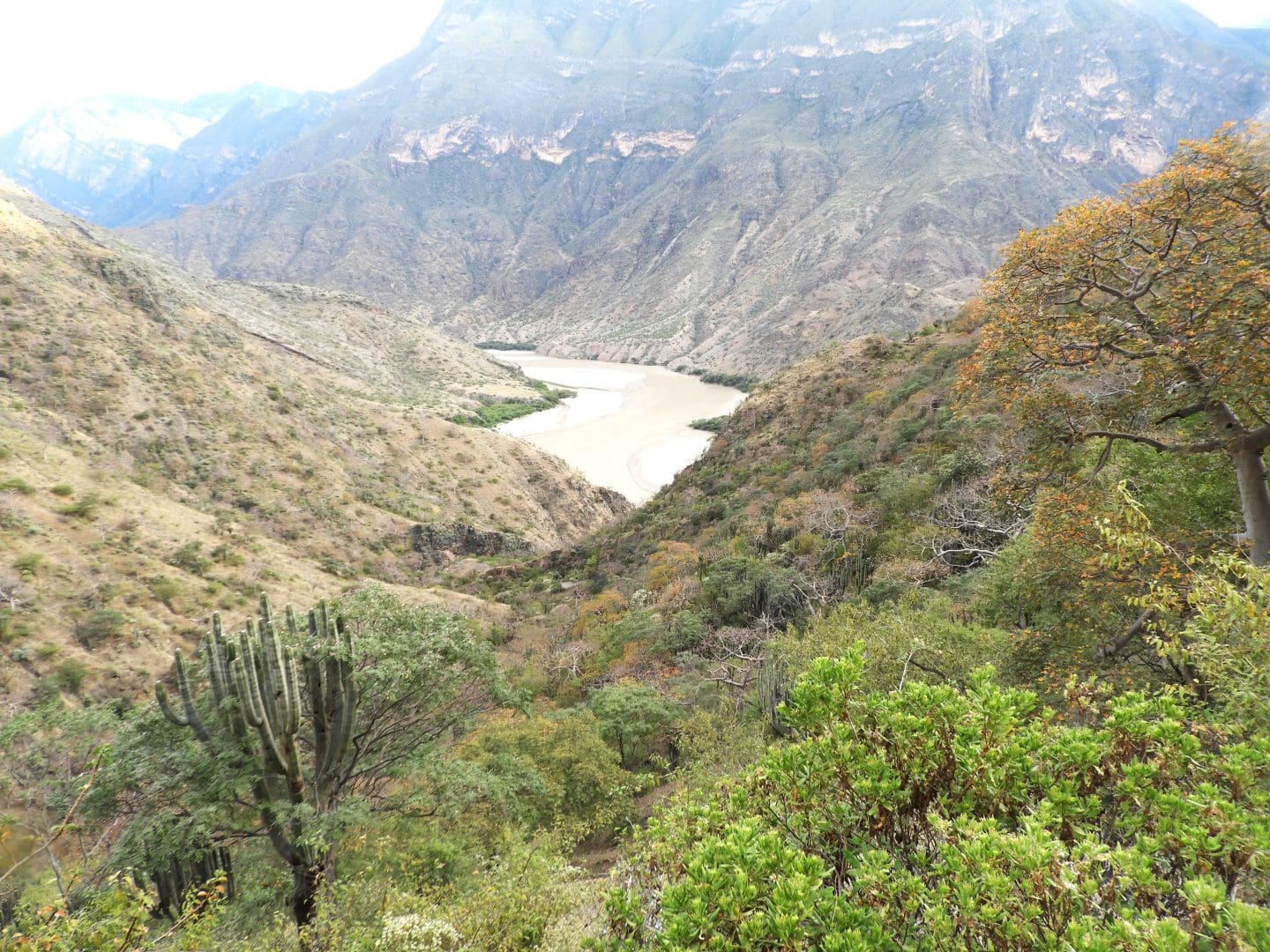
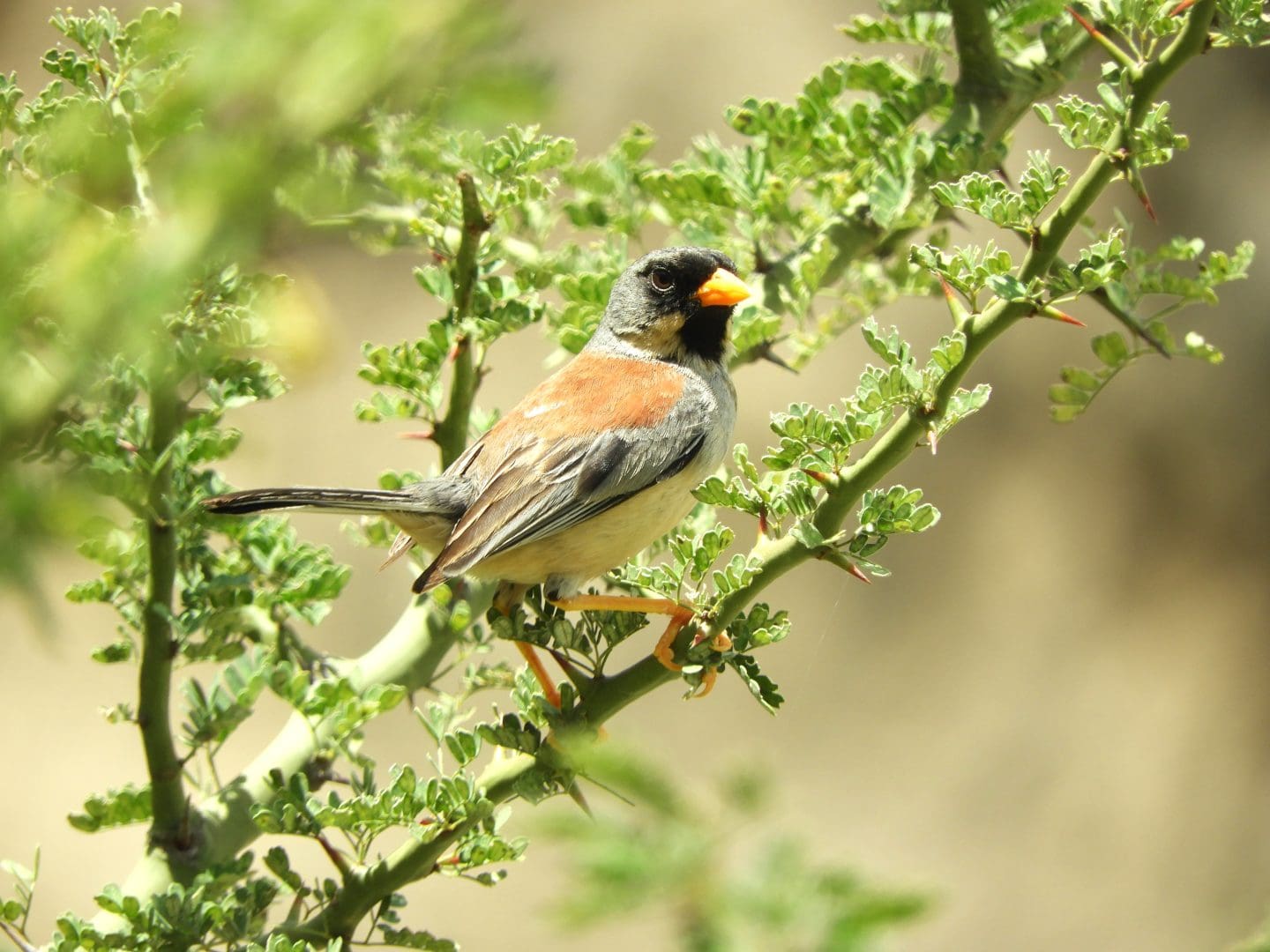

El ingeniero Elvis Allauja, de Naturaleza y Cultura Internacional explica que conservar este paisaje implica reconocer la relación histórica y cultural que las poblaciones mantienen con el territorio. Por ello, como partedel proceso de establecimiento del ACR, se desarrolla la identificación de pueblos indígenas u originarios dentro del ámbito propuesto para la conservación.
*“Esta etapa busca garantizar que el futuro de la conservación se construya de manera participativa e inclusiva, reconociendo las formas de organización, los conocimientos tradicionales y la estrecha relación que las comunidades mantienen con los recursos naturales del Marañón. La iniciativa permitirá que las voces del territorio formen parte de las decisiones sobre su protección y manejo”* puntualizó Elvis.
Cabe resaltar que es el Gobierno Regional de La Libertad quien lidera este proceso como parte de su compromiso con la conservación y el desarrollo sostenible, articulando esfuerzos junto a su aliado estratégico Naturaleza y Cultura Internacional, y con el apoyo financiero de Andes Amazon Fund y American Bird Conservancy. **A través del trabajo conjunto con actores locales, soporte técnico y espacios de diálogo, se busca consolidar un modelo de conservación que también abra oportunidades de desarrollo sostenible para las poblaciones locales.**
---
**Más información:**
Gabriela Gives
**Comunicación Perú**
<comunicacion.peru@naturalezaycultura.org>
**Strategic Area:** Biodiversidad, Bosques
**Country:** Perú
**Content Type:** Blog
---
### [The Maijuna of Peru’s northern Amazon](https://www.natureandculture.org/directory/the-maijuna-of-perus-northern-amazon/)
**Published:** June 24, 2014
**Author:** Heather Thomas
**Content:**
We worked alongside the indigenous Maijuna and Kichwa people for eight years on the creation of the Maijuna-Kichwa Regional Conservation Area in Peru’s northern Amazon, and played an integral role in its approval at the national level in 2015. Bigger than California’s Yosemite National Park, this vast reserve protects nearly one million acres of rainforest and its extraordinary biodiversity, as well as the Maijuna’s ancestral homeland.
The Maijuna are one of Peru’s most vulnerable ethnic groups, numbering fewer than 500 people. The story of the Maijuna-Kichwa RCA began in 2008 when Romero Rios, a Maijuna chief, walked into our office in Iquitos, Peru with a remarkable request – to establish a conservation area that would protect the four remaining villages in their ancestral homeland of the Amazon rainforest.
**“The loggers demolished everything; the woods, the animals, the fish, they even hunted frogs. We were left with nothing but our hunger and our poverty,”** said Sebastian Rios, another Maijuna leader. In concert with local governments and communities, Nature & Culture helped conserve the land surrounding the four remaining Maijuna villages, located deep in the Peruvian Amazon, and implement a sustainable development plan so future generations can thrive.
This collaborative approach to conservation resulted in the approval of 977,600 acres of Amazon rainforest – the Maijuna-Kichwa Regional Conservation Area (RCA) – by the regional government of Loreto, Peru. This conservation success happened because of the vision of the government, our assistance and support over many years, and because these indigenous communities held firmly to the unbreakable bond between their ancient culture and their natural environment – and acted to preserve both. This reserve now protects a vast area of the Amazon rainforest for the benefit of local people and all of its extraordinary biological diversity, including tapirs, jaguars, and giant river otters.
The Maijuna-Kichwa RCA is among a growing catalog of South American reserves that aim to conserve the environment as well as cultural identity, and for many of these native groups, the stakes are extremely high. While in more industrialized parts of the globe, people are able for better or worse to live “apart” from nature, native dwellers of the Amazon Basin make no such distinction. A healthy ecosystem is essential to indigenous groups and their livelihoods.
**“Nature and Culture International provides us with support on productive projects such as the management of aguaje palms, chambira reforestation, fish repopulation, and turtle breeding, by bringing our lakes back to life. With Nature and Culture International, we are working on improving our handicrafts, such as the mask-carving project with the Sucussari community, the chambira baskets in Puerto Huaman and Nueva Vida villages, and the jungle-seed-based bijouterie in San Pablo de Totolla. The Nature & Culture field staff works in a coordinated fashion with our people. In this way we continue to progress.”**
### **– Romero Rios Ushiñahua, President of the Maijuna Indigenous Federation**
**Tags:** Amazon, Conservation, Indigenous, Peru
**Strategic Area:** Forests, Local Communities
**Country:** Peru
**Content Type:** Blog
---
### [Fortalecen capacidades en financiamiento climático en la Amazonía peruana](https://www.natureandculture.org/es/directorio/fortalecen-capacidades-en-financiamiento-climatico-en-la-amazonia-peruana/)
**Published:** May 14, 2026
**Author:** Nora Sanchez
**Content:**
Con el objetivo de fortalecer las capacidades técnicas en conservación de la biodiversidad vinculada a mecanismos de financiamiento climático en territorios de vida, se desarrolló un taller y pasantía, los días 7 y 8 de abril en Moyobamba y en la comunidad nativa Shampuyacu.
La actividad reunió a equipos técnicos que trabajan en territorios de los pueblos indígenas Awajún, Wampís y Kandozi, quienes participaron en espacios de aprendizaje e intercambio orientados a fortalecer sus conocimientos sobre el Convenio sobre la Diversidad Biológica, el rol de los pueblos indígenas en la conservación y las oportunidades que ofrecen los mecanismos de financiamiento climático, como fondos privados.
Max Santa, de Naturaleza y Cultura Internacional, explica que, durante la jornada, se desarrollaron sesiones teóricas enfocadas en la gestión de la biodiversidad y su articulación con mecanismos financieros climáticos, destacó el papel clave de los pueblos indígenas como guardianes de los territorios de vida. Asimismo, se abordaron herramientas y enfoques que permiten integrar estos mecanismos en las estrategias de conservación comunitaria.


Además, los participantes realizaron una pasantía en la comunidad nativa Shampuyacu, donde conocieron de cerca la implementación de un proyecto REDD+ en la Amazonía peruana, que es una iniciativa clave para combatir el cambio climático, protegiendo bosques y generando créditos de carbono mediante la conservación. Esta experiencia mostró el trabajo práctico sobre los avances, desafíos y lecciones aprendidas en la ejecución de iniciativas de financiamiento climático en territorios indígenas, particularmente en el marco del proyecto REDD+ Tajimat Pujut.
La actividad fue posible gracias al trabajo articulado entre Naturaleza y Cultura Internacional, AIDESEP y Practical Action, en el marco del proyecto BLF Andes Amazónico financiado por Desarrollo Internacional del Reino Unido en elmarco del Fondo de Paisajes Biodiversos, en coordinación con Conservación Internacional y la Federación Regional Indígena Awajún del Alto Mayo (FERIAAM), organización que lidera la experiencia del proyecto REDD+ en la zona.
Como siguientes pasos, se promoverá la participación en futuras pasantías y la réplica de los aprendizajes en los territorios donde los equipos técnicos vienen desarrollando su labor, con el fin de fortalecer las capacidades locales y consolidar estrategias de conservación sostenibles basadas en el conocimiento y liderazgo de los pueblos indígenas.
---
**Más información:**
Gabriela Gives
**Comunicación Perú**
<comunicacion.peru@naturalezaycultura.org>
**Strategic Area:** Clima, Comunidades Locales
**Country:** Perú
**Content Type:** Noticias
---
### [Pueblo Kandozi avanza en el registro de su territorio como TICCA para fortalecer su gobernanza y conservación](https://www.natureandculture.org/es/directorio/pueblo-kandozi-avanza-en-el-registro-de-su-territorio-como-ticca-para-fortalecer-su-gobernanza-y-conservacion/)
**Published:** May 14, 2026
**Author:** Nora Sanchez
**Content:**
*Tras acuerdos adoptados en la asamblea comunal de febrero, en Musa Karusha, representantes del pueblo Kandozi, junto a CORPI SL y aliados, avanzan en el proceso de registro de su territorio bajo el reconocimiento internacional TICCA.*
Luego de la asamblea realizada los días 3 y 4 de febrero en Musa Karusha, donde cerca de 200 autoridades, líderes y lideresas de 54 comunidades del pueblo Kandozi acordaron impulsar el reconocimiento de su territorio como TICCA (Territorios y Áreas Conservados por Pueblos Indígenas y Comunidades Locales), el proceso avanza con acciones concretas.
En ese marco, el 17 de abril se realizó una reunión de trabajo en San Lorenzo, en las oficinas de CORPI SL. Miembros del comité de seguimiento encargado de acompañar el proceso, junto a representantes del pueblo Kandozi, organizaciones indígenas y aliados técnicos, desarrollaron el llenado y validación del cuestionario requerido para el registro TICCA.
Este es el primer paso para su reconocimiento como territorio de vida plena que contribuye a la conservación. Es importante recalcar que el reconocimiento TICCA pone en valor el trabajo de los pueblos indígenas como actores clave en la conservación de la biodiversidad, a partir de sus propios sistemas de gobernanza y su relación histórica con el territorio.

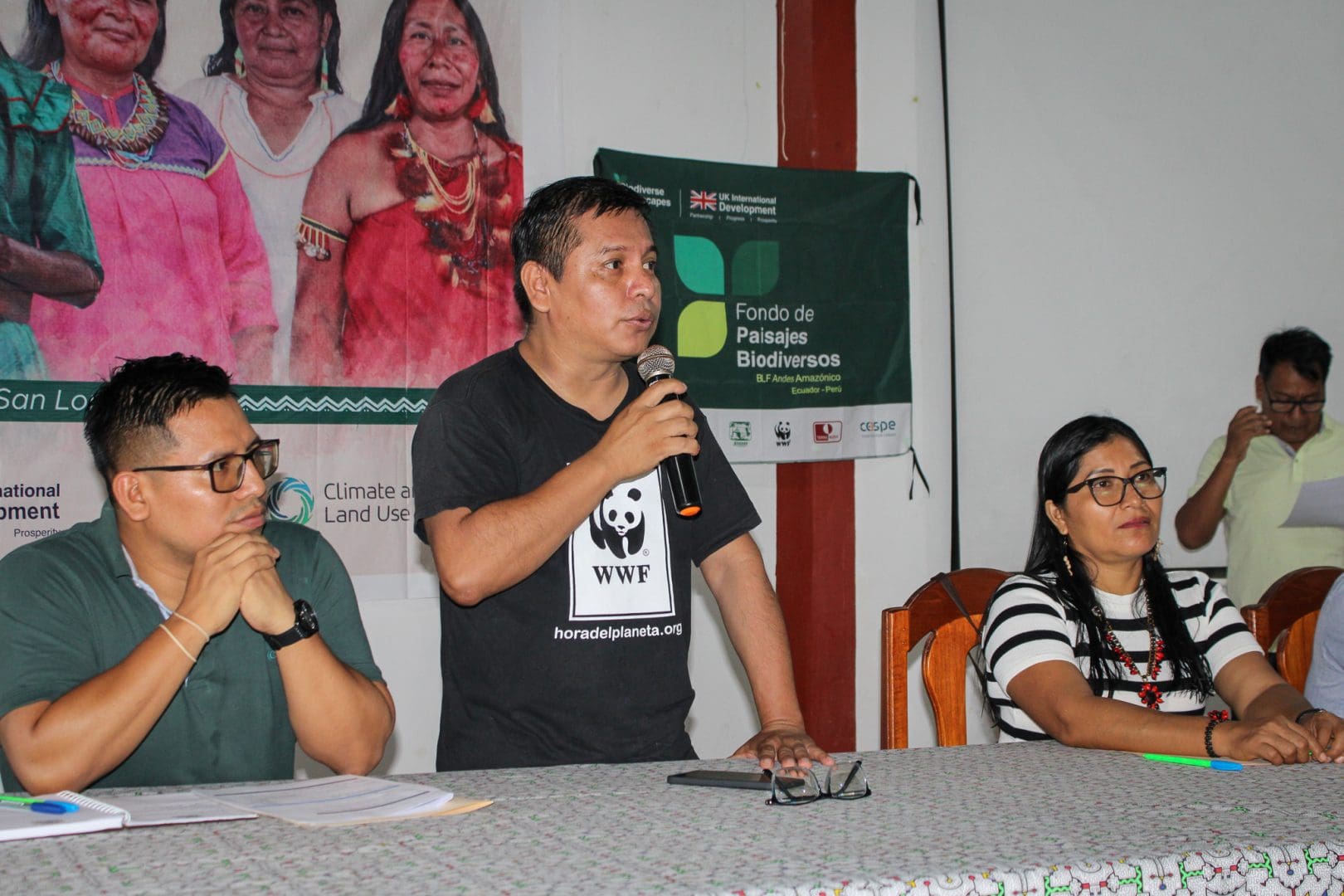
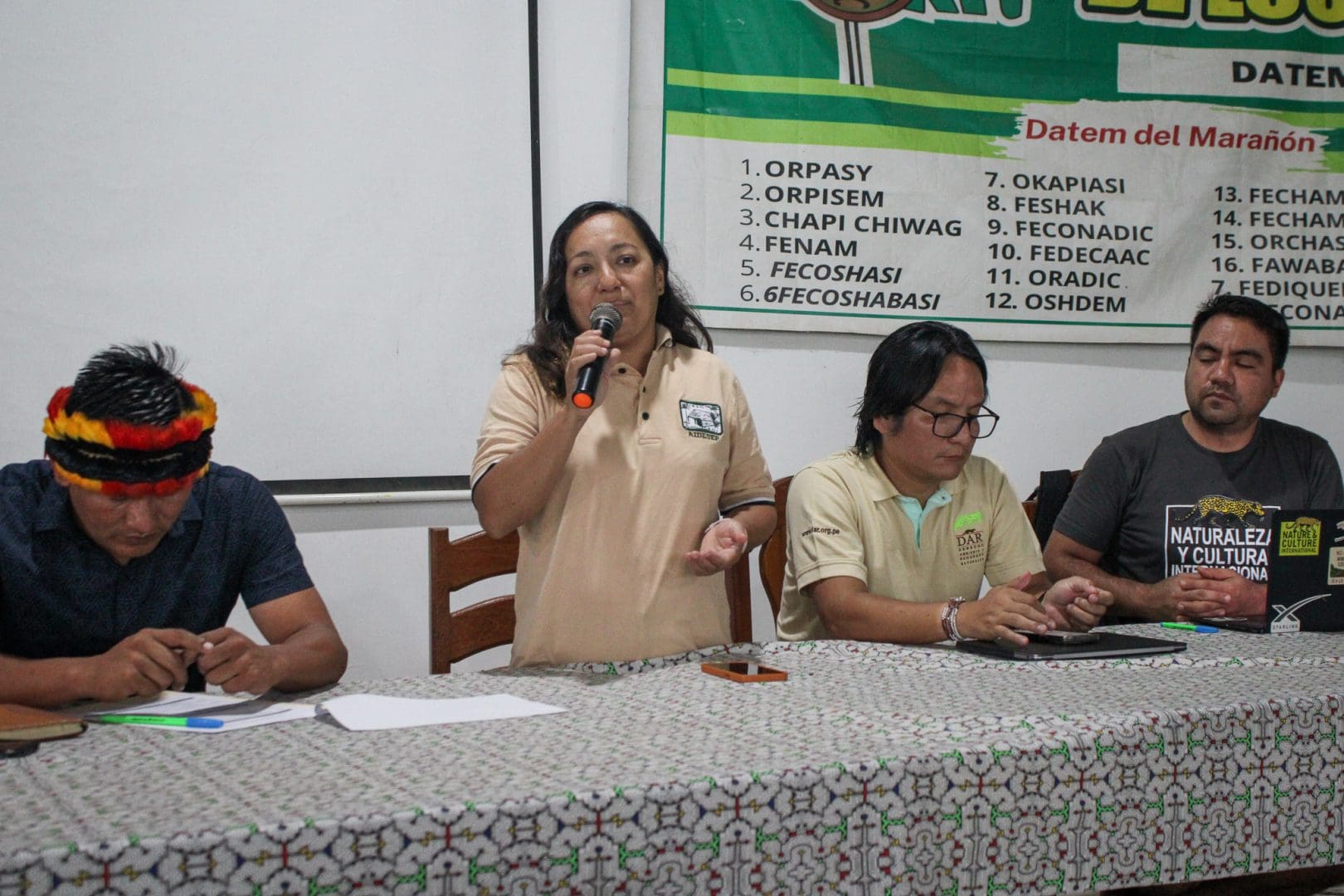
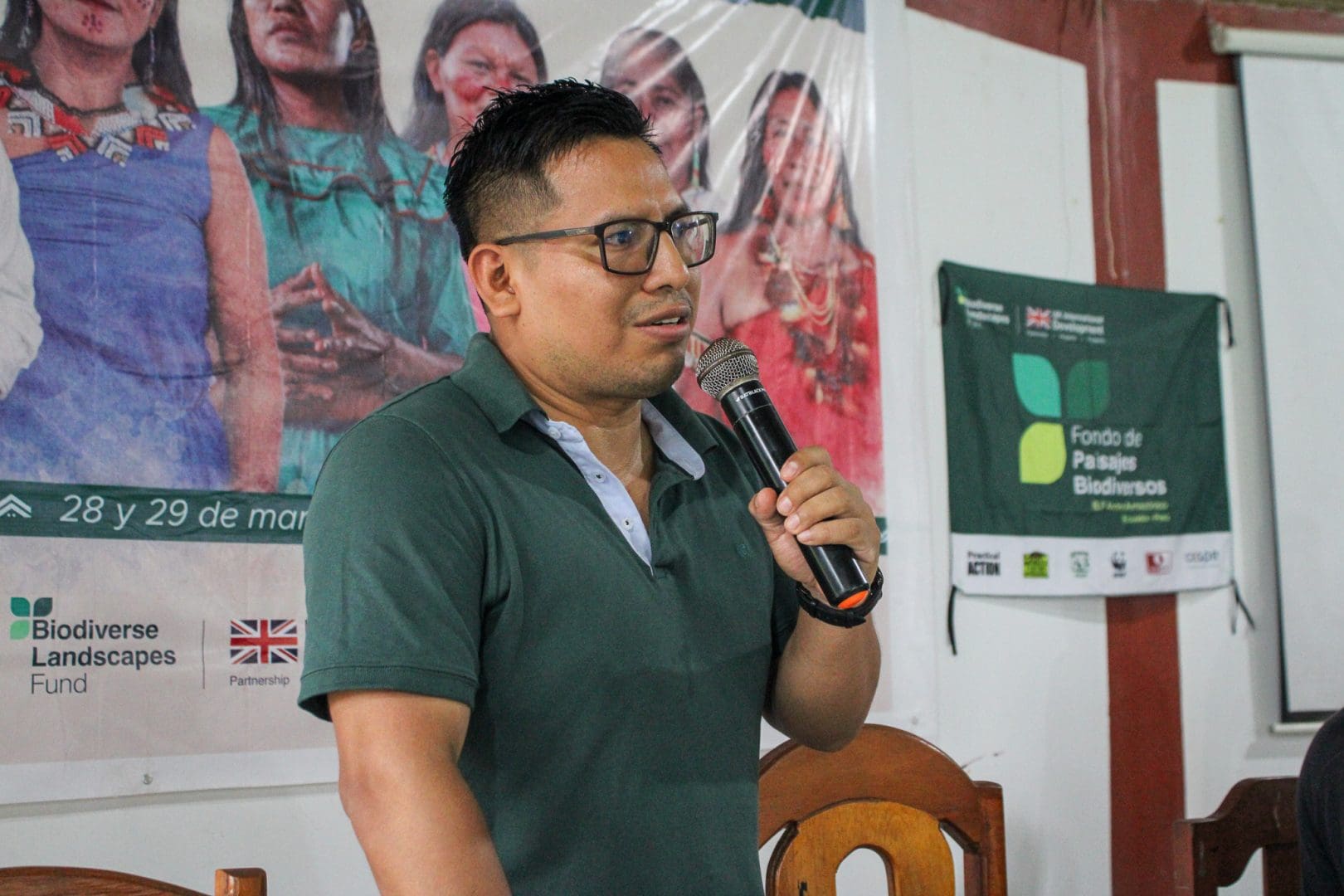
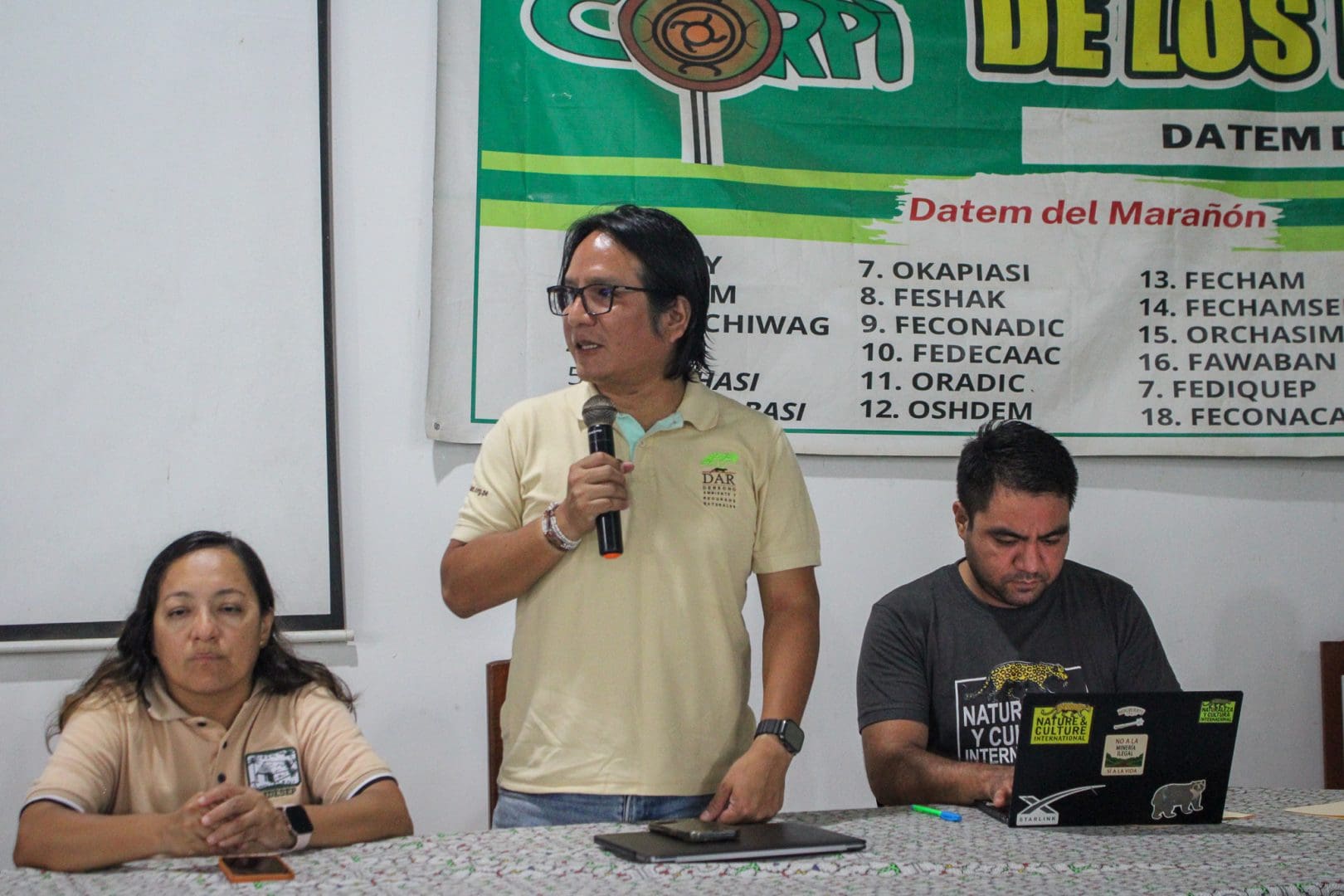
## **Articulación para el reconocimiento del territorio**
La actividad convocó al comité de seguimiento y acompañamiento establecido en febrero, el cual está compuesto por representantes del pueblo Kandozi, CORPI SL, el Gobierno Territorial Autónomo Kandozi (GTAK), así como a representantes de Naturaleza y Cultura Internacional (NCI), la Asociación Interétnica de Desarrollo de la Selva Peruana (AIDESEP) y el Fondo Mundial para la Naturaleza (WWF). Dicho comité vela por el cumplimiento de la hoja de ruta, el enfoque de derechos y la autodeterminación de pueblo. Asimismo, se sumó a la actividad la organización Derecho, Ambiente y Recursos Naturales (DAR).
Durante la reunión, la presidenta de CORPI SL, Elaine Shajian Shawit, destacó que este proceso nace desde la propia decisión de los pueblos indígenas y responde a una trayectoria histórica de defensa territorial. En ese sentido, subrayó que el reconocimiento como TICCA permitirá visibilizar las prácticas ancestrales que los pueblos han sostenido por generaciones: *“Nosotros siempre hemos protegido nuestro territorio y con la elección de TICCA eso ahora se va a visibilizar”.* Asimismo, remarcó que este paso implica proyectar ese cuidado hacia el futuro, reafirmando la responsabilidad de las nuevas generaciones en la continuidad de estos procesos.
Por su parte, el presidente del Gobierno Territorial Autónomo Kandozi, Pedro Kuvi, reafirmó la continuidad de este compromiso colectivo, señalando que *“nuestros abuelos y nosotros los pueblos hemos administrado y conservado este territorio y ahora lo vamos a seguir haciendo”.*
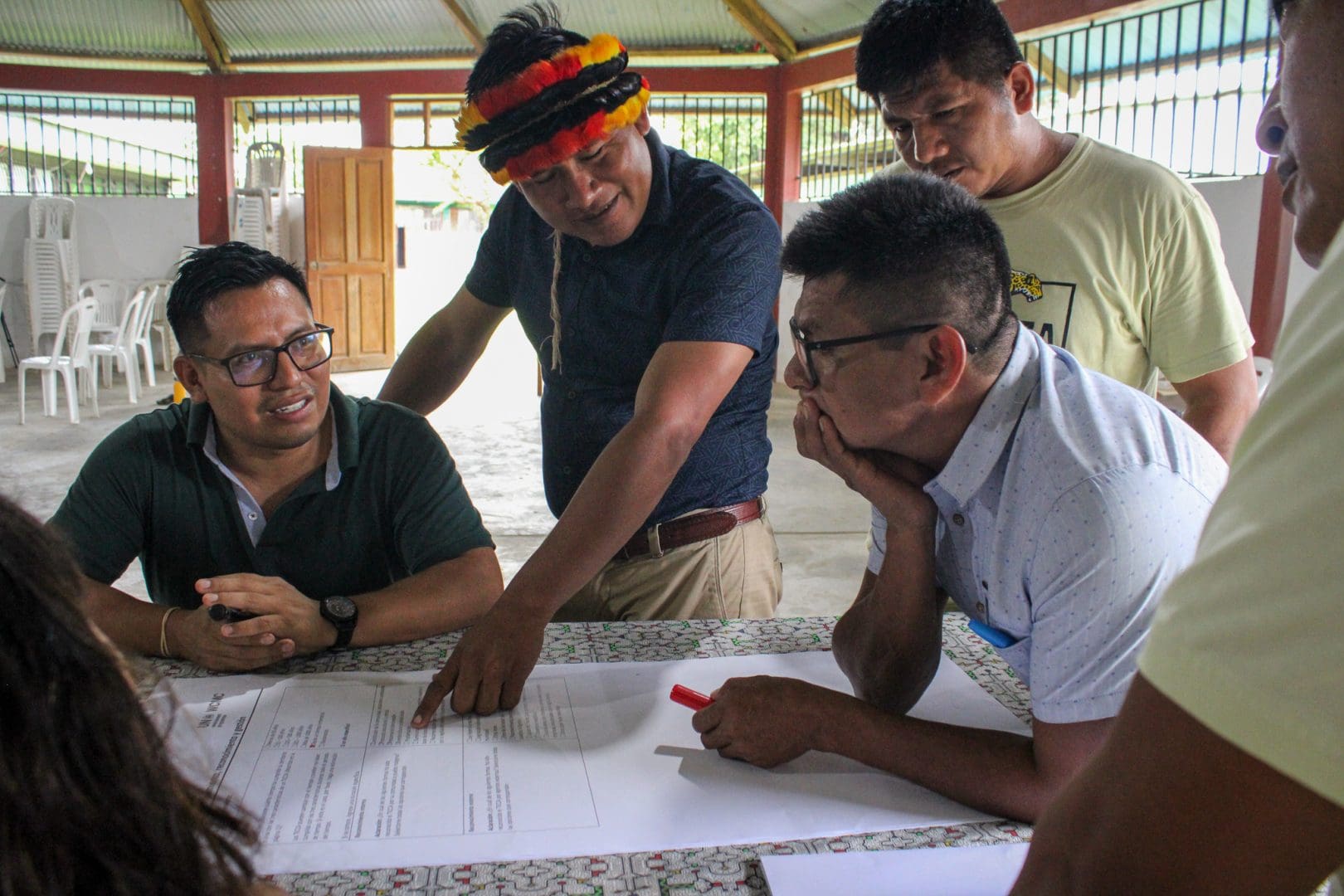
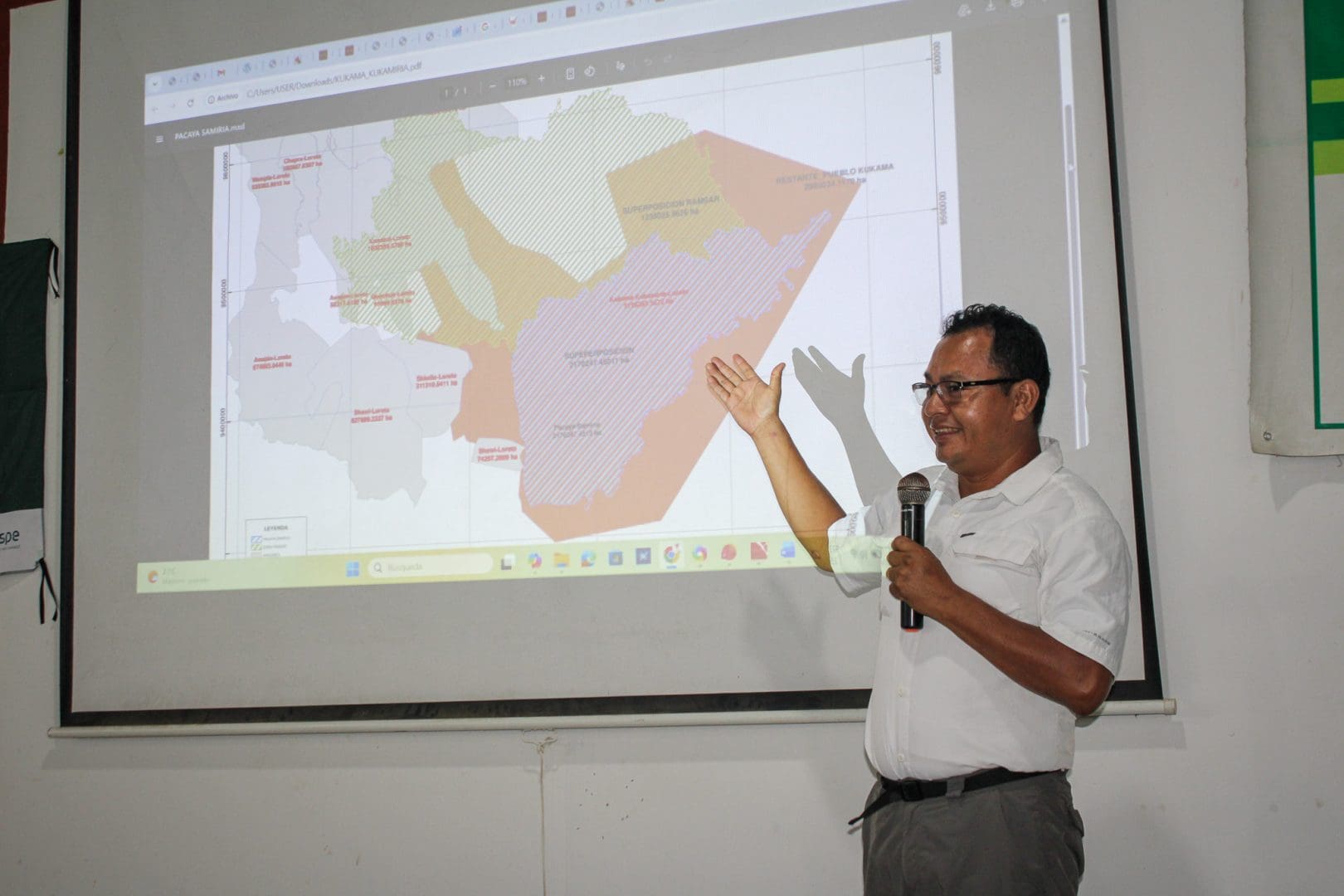
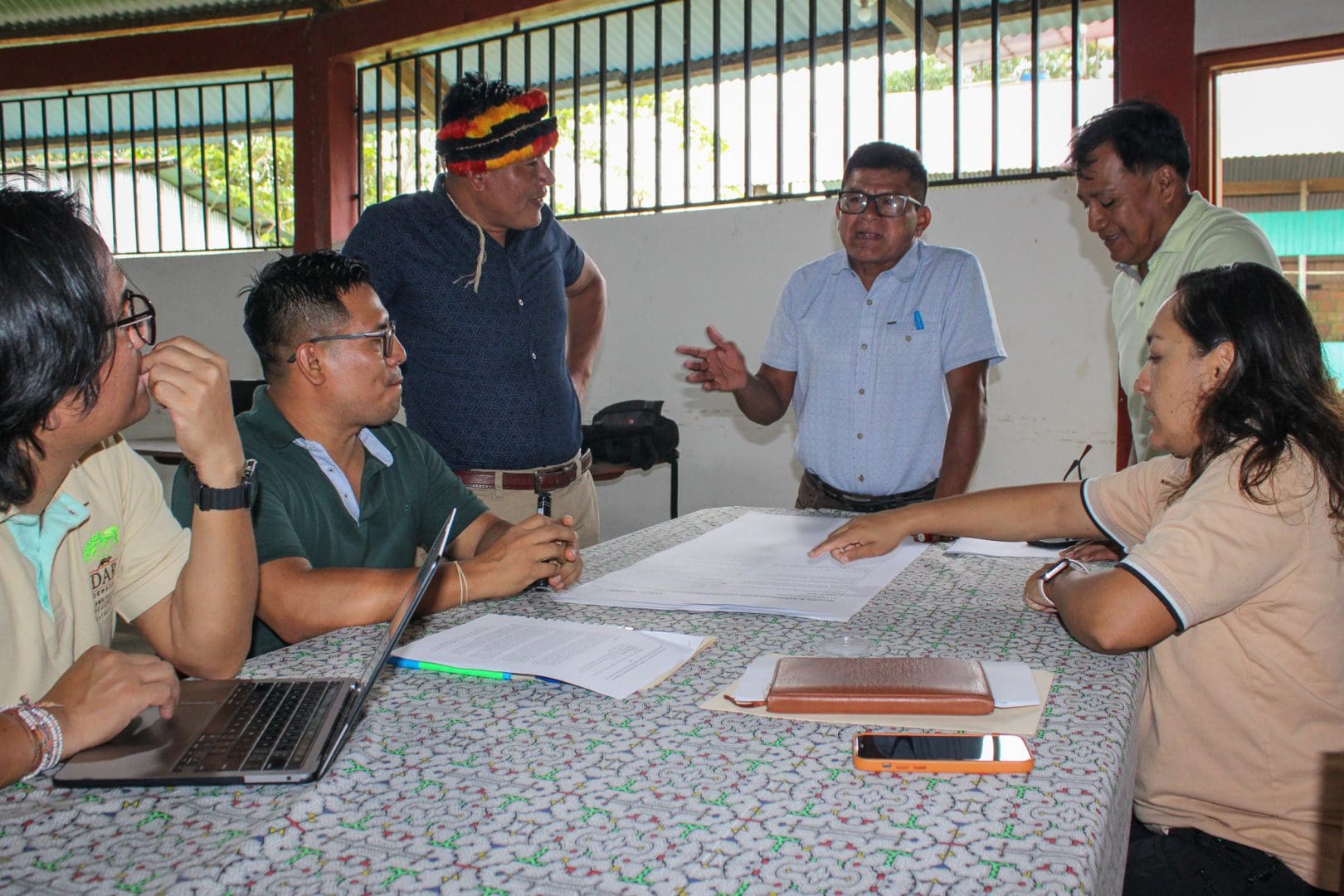
## **Una jornada técnica para consolidar el registro**
Durante la jornada, los participantes se organizaron en grupos y trabajaron de manera conjunta en el llenado y validación de las secciones del cuestionario TICCA, que incluyen información sobre el territorio, sus formas de gobernanza, así como la identificación de amenazas, oportunidades y necesidades de apoyo.
Este instrumento busca evidenciar aspectos clave como el vínculo del pueblo con su territorio, sus sistemas de organización y su contribución a la conservación. Asimismo, se abordaron elementos vinculados al consentimiento libre, previo e informado y los acuerdos para el uso de la información.
Desde el pueblo Kandozi también se destacó la importancia de fortalecer la organización para garantizar el cuidado del territorio. Así lo expresó Guillermo Sundi Akumbari, líder Kandozi e integrante del consejo directivo de CORPI SL, al señalar que *“consideramos a nuestro territorio como nuestro hogar, y nuestro hogar tiene que estar organizado. Si no conservamos nuestros recursos, no podremos hablar de seguridad alimentaria ni de un futuro para las nuevas generaciones”.*
El cierre de la jornada reafirmó el compromiso de las organizaciones indígenas y sus aliados para continuar fortaleciendo este proceso, que no solo busca el reconocimiento del territorio Kandozi, sino también consolidar su gobernanza y garantizar la continuidad de sus formas de vida, conocimientos y prácticas ancestrales que sostienen la conservación de la Amazonía.
Esta actividad se realizó con el apoyo del Proyecto BLF Andes Amazónico, financiado por Desarrollo Internacional del Reino Unido a través del Fondo de Paisajes Biodiversos, liderado por Practical Action e implementado por un consorcio del que forman parte AIDESEP, Naturaleza y Cultura Internacional y WWF.
---
**Más información:**
Gabriela Gives
**Comunicación Perú**
comunicacion.peru@naturalezaycultura.org
**Tags:** Perú
**Strategic Area:** Comunidades Locales
**Country:** Perú
**Content Type:** Noticias
---
### [Biodiversity: Understanding its Significance and Conservation](https://www.natureandculture.org/directory/biodiversity-understanding-its-significance-and-conservation/)
**Published:** January 1, 2026
**Author:** Heather Thomas
**Content:**
## **What is biodiversity?**
Biodiversity, short for biological diversity, refers to the variety and variability of life on Earth. It encompasses all living organisms, including plants, animals, microorganisms, and the ecosystems they form. Biodiversity is not just about the number of species but also their genetic diversity and the diversity of ecosystems they inhabit.
### **What does biodiversity mean?**
Biodiversity means the existence of a wide range of different species, their genetic diversity within each species, and the diversity of ecosystems where these species live.
## **Why is biodiversity important?**
Biodiversity is essential for several reasons. Biodiversity is essential for the functioning of ecosystems, the well-being of human societies, and the overall health of our planet. Its preservation is critical for current and future generations to enjoy a stable and sustainable environment.
**Why is biodiversity important to humans?**
Biodiversity is vital to humans for several reasons, including:
1. **Ecosystem Stability and Resilience:** Biodiverse ecosystems tend to be more stable and resilient in the face of environmental changes. The presence of a variety of species means that if one species is affected by a disease or environmental disturbance, others may continue to fulfill vital ecological functions, such as nutrient cycling or pollination.
2. **Human Health:** Biodiversity plays a role in human health by providing diverse and nutritious diets, as well as contributing to the development of medicines and treatments. Many of our essential drugs, including antibiotics and pain relievers, are derived from natural compounds.
3. **Ecosystem Services:** Biodiversity provides essential ecosystem services, such as water purification, air quality regulation, and climate regulation. These services are fundamental for human well-being and the functioning of the planet.
4. **Resilience to Climate Change:** Biodiversity can enhance ecosystem resilience in the face of climate change. Diverse ecosystems are better at sequestering carbon, which can help mitigate the effects of climate change.
5. **Cultural and Recreational Value:** Biodiversity enriches cultures and provides recreational opportunities. People find enjoyment and inspiration in activities such as birdwatching, hiking, and ecotourism, which rely on the presence of diverse and unique species.
6. **Genetic Resources:** Biodiversity contains a vast pool of genetic resources that can be crucial for disease resistance and adapting to changing environmental conditions. Genetic diversity within species allows them to evolve and adapt to new challenges.
7. **Economic Benefits:** Biodiversity contributes significantly to economies worldwide. Many industries rely on diverse biological resources for their products and services. Biodiversity supports livelihoods and generates income for millions of people.
## **What is biodiversity loss?**
Biodiversity loss refers to the decline in the variety and abundance of species in a particular area or globally. It is a result of factors like habitat destruction, pollution, and climate change.
## **What is a biodiversity hotspot?**
A biodiversity hotspot is a region with exceptionally high levels of species richness and a high degree of endemism (species found nowhere else). These areas are particularly important for conservation efforts because they are home to many unique and endangered species.
## **What is the biggest threat to biodiversity?**
The most significant threat to biodiversity is human activities. These include habitat destruction, deforestation, mining, pollution, overexploitation of resources, climate change, and the introduction of invasive species.
### **How does conservation affect biodiversity?**
Conservation efforts aim to protect and restore biodiversity by establishing protected areas, implementing sustainable resource management practices, and conducting restoration and species recovery programs.
### **How does climate change affect biodiversity?**
Climate change poses a severe threat to biodiversity by altering temperature, precipitation patterns, and sea levels. This can disrupt ecosystems, affect migration patterns, and lead to habitat loss for many species.
## **Types of biodiversity**
Biodiversity can be categorized into three main types:
1. **Species Diversity:** The variety of different species in a specific area.
2. **Genetic Diversity:** The variation within species, including differences in genes, traits, and adaptations.
3. **Ecosystem Diversity:** The diversity of different ecosystems or habitats in a region.
## **How is biodiversity measured?**
Biodiversity can be measured using various methods, including species inventories, genetic analysis, and ecosystem assessments. Common metrics include species richness, evenness, and the Simpson diversity index.
[Give today to protect biodiversity](http://give.natureandculture.org)
**Tags:** Biodiversidad, Biodiversity, Ecuador, Peru, Protected Area
---
### [Naturaleza y Cultura - COP16 Colombia](https://www.natureandculture.org/es/directorio/naturaleza-y-cultura-cop16-colombia/)
**Published:** October 4, 2024
**Author:** Heather Thomas
**Content:**
### Conectando vastas regiones de paisajes biodiversos en la Amazonía y los Andes
#### Naturaleza y Cultura en la COP16, la Conferencia de Biodiversidad 2024 en Cali, Colombia
La Conferencia de Biodiversidad COP16 reunirá a líderes mundiales, organizaciones sociales, sociedad civil para abordar la urgente necesidad de revertir la pérdida de biodiversidad y establecer objetivos críticos para salvaguardar los ecosistemas. El trabajo de Naturaleza y Cultura Internacional se alinea con estos objetivos, en nuestra misión de trabajar con las comunidades locales para proteger millones de hectáreas de paisajes biodiversos, contribuyendo directamente a los esfuerzos de conservación globales.
Conoce más sobre nuestro trabajo y algunos de nuestros proyectos más urgentes a continuación.
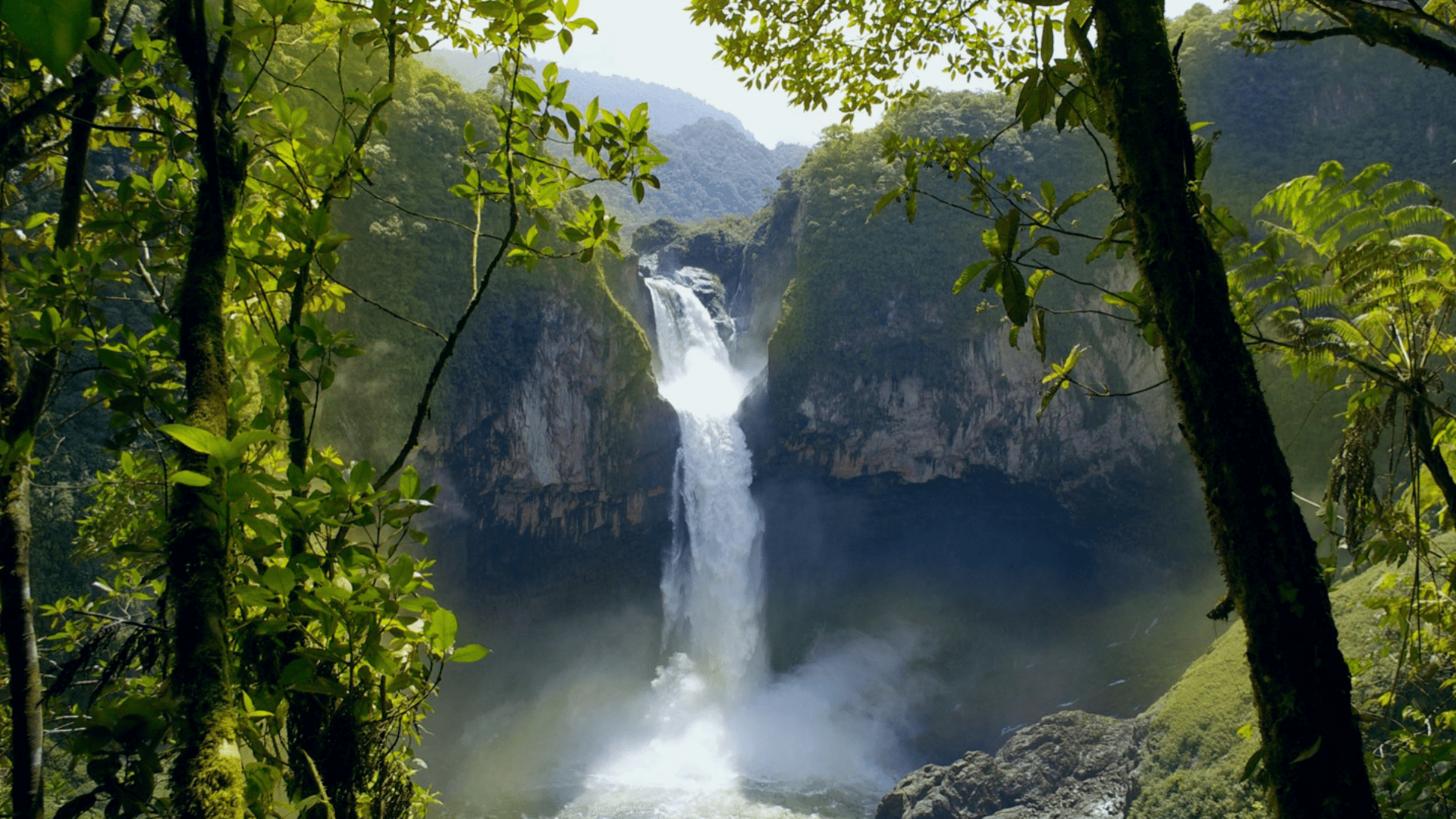
## Calendario de Eventos de Naturaleza y Cultura Internacional en la COP16
#### Acompaña a Naturaleza y Cultura en eventos inspiradores, donde compartiremos algunas de nuestras innovadoras estrategias para la conservación en América Latina.
*21 – 30 de octubre de 2024*
| **21 de octubre, 6:30 pm** \| Zona Verde (Banco de Occidente) **27 de octubre, 2:00 pm** \| Zona Azul (Pabellón Colombia) PANEL DE EXPERTOS | **Una Amazonía conectada ecológica, social y culturalmente:** la manera más efectiva de proteger la biodiversidad y asegurar el agua en el continente | *Diálogo con nuestros socios de la Alianza NorAmazónica sobre los beneficios de una Amazonía bien conectada* | **Alianza NorAmazónica, Instituto Iepé, Gaia Amazonas** |
|---|---|---|---|
| **22 de octubre, 2:00 pm** \| Casa Humboldt MESA REDONDA | **Experiencias comunitarias de creación** **y manejo de áreas** | *Santiago Castillo (Instituto Humboldt) compartirá sobre nuestras iniciativas para la conservación en Colombia* | **Instituto Humboldt, Naturaleza y Cultura Internacional, WCS** |
| **22 de octubre, 5:00 pm** \| Casa Humboldt *(invitación requerida)* PRESENTACIÓN | **Half-Earth Day 2024 – Knowledge for Life** | *Matt Clark (Director Ejecutivo en Naturaleza y Cultura) presentará “Importancia de las áreas protegidas subnacionales para la conservación de la biodiversidad”* | **E.O. Wilson Biodiversity Foundation** |
| **24 de octubre, 8:00 am** \| Nature Positive Pavillion (Zona Azul) SESIÓN INTERACTIVA | **Encontrando Mecanismos Financieros para territorios y áreas de conservación bajo manejo indígena y de comunidades locales** | *Renzo Paladines (Director de Conservación en Naturaleza y Cultura) presentará el Fondo Amazónico, un mecanismo financiero innovador para la conservación de la Amazonía ecuatoriana* | **PEW Research Center, WCS, Bezos Earth Fund, Naturaleza y Cultura Internacional** |


**Tags:** Biodiversity, Conservation
**Strategic Area:** Biodiversidad
**Country:** Colombia
**Content Type:** Evento
---
### [Nature and Culture at COP16 Colombia](https://www.natureandculture.org/directory/nature-and-culture-at-cop16-colombia/)
**Published:** October 4, 2024
**Author:** Heather Thomas
**Content:**
### Connecting vast regions of biodiverse landscapes in the Amazon and Andes
#### Nature and Culture at COP16 the 2024 Biodiversity Conference in Cali, Colombia
The COP16 Biodiversity Conference will bring global leaders together to address the urgent need to reverse biodiversity loss, setting critical targets for safeguarding ecosystems. Nature and Culture International’s work aligns with these goals, as we collaborate with local communities to protect millions of hectares of biodiverse landscapes, contributing directly to global conservation efforts.
Learn more about how we work and some of our most urgent projects in the resources below

## Calendar of Events Nature and Culture at COP16
#### Join Nature and Culture for a series of inspiring events, where we’ll showcase some of our transformational conservation work across Latin America.
*October 21 – 30, 2024*
| **21st of October, 6:30 pm** \| Green Zone (Banco de Occidente) PANEL OF EXPERTS | **A Socially, Ecologically, & Culturally Connected Amazon:** The most effective way to protect biodiversity and ensure water on the continent | *Dialogue with our partners of the North Amazon Alliance about the benefits of a well-connected Amazon* | **Hosted by: The North Amazon Alliance** |
|---|---|---|---|
| **22nd of October, 4:00 pm** \| Casa Humboldt ROUND TABLE | **Conservation Case Studies in Colombia’s Pacific Region** | *Santiago Castillo, Researcher at Humboldt Institute, will share our community-based conservation initiatives in Colombia* | **Hosted by: Humboldt Institute, Nature and Culture, WCS** |
| **22nd of October, 5:00 pm** \| Casa Humboldt *(contact for invite)* PRESENTATION | **Half-Earth Day 2024 – Knowledge for Life** | *Matt Clark, Nature and Culture’s Executive Director will present “The Importance of Sub-National Protected Areas for Biodiversity Conservation”* | **Hosted by: E.O. Wilson Biodiversity Foundation** |
| **24th of October, 8:00 am** \| Nature Positive Pavillion (Blue Zone) INTERACTIVE SESSION | **Finding Financial Mechanisms for Territories & Conservation Areas under Indigenous and Local Community Management** | *Renzo Paladines, Nature and Culture’s Conservation Director will* *present the Amazon Fund, an innovative financing mechanism supporting conservation in the Ecuadorian Amazon* | **Hosted by: PEW Research Center, WCS, Bezos Earth Fund, Nature and Culture** |
| **27th of October, 2:00 pm** \| Blue Zone (Colombia Pavilion) PANEL OF EXPERTS | **A Socially, Ecologically, & Culturally Connected Amazon:** The most effective way to protect biodiversity and ensure water on the continent | *Dialogue with our partners of the North Amazon Alliance about the benefits of a well-connected Amazon* | **Hosted by: The North Amazon Alliance** |
[ 
Amazonian Platform
](https://www.natureandculture.org/the-amazonian-platform-project/)
[ 
Andean Corridor
](https://www.natureandculture.org/the-andean-corridor/)
[ 
Amazon Fund
](https://www.natureandculture.org/wp-content/uploads/2024/10/Amazon-Fund-EN.pdf)
**Tags:** Biodiversity, Conservation
**Strategic Area:** Biodiversity
**Country:** Colombia
**Content Type:** Event
---
### [The Shuar of Zamora Chinchipe](https://www.natureandculture.org/directory/shuar-of-zamora-chinchipe/)
**Published:** June 24, 2024
**Author:** Heather Thomas
**Content:**
One of our main programs in Ecuador has been helping the indigenous Shuar establish reserves to protect their ancestral homeland and create sustainable development plans so they can thrive culturally and economically.
Indigenous Shuar culture is characterized by strong traditions and a unique vision of the universe manifested through their language, food, myths, music, and dance. Their ancestral land rights are guaranteed by the Constitution of Ecuador, but validating those rights and securing their legitimacy requires the support and action of public and private institutions.
In 2013, we completed our largest conservation project with the Shuar to date, protecting 47,500 acres of rainforest with the Shuar Tayunts federation in the province of Zamora Chinchipe. After years of hard work alongside the Tayunts Association – which represents 7 different Shuar communities – the land was entered into Ecuador’s innovative Socio Bosque program, which combines conservation and social welfare. This is the first time the Shuar have received recognition and economic assistance for conserving their ancient forests. Now, 47,500 acres of rainforest in their Chai Nunka Reserve will be protected for the next 20 years. This reserve is key to maintaining connectivity between the Podocarpus National Park and El Condor Mountain Range – both areas of extreme importance for biodiversity conservation due to the environmental services they provide to thousands of people in southern Ecuador.

In return for their pledge to conserve their rainforest through the Socio Bosque program, the Ecuadorian government will now provide over $70,000 annually to the Tayunts Association for monitoring and conserving the land. In accordance with the communities’ investment plan, the Shuar will also invest the money into scholarship programs, and community health funds and upgrade housing and communal centers. They will also be used to purchase boats to improve communication and commerce between communities through the Numpatakaim and Nangaritza rivers. We are continuing to build the conservation and economic capacity of the Shuar people through investment planning, communal organization and sustainable forest management.
For the Shuar people of the Nangaritza Valley, their admission into Socio Bosque was only possible through the support of our local and expert staff.
In the Amazon rainforest of northeastern Ecuador, we are working with numerous Shuar communities to enter their land into Socio Bosque. In 2014, we were successful in entering 25,680 acres into the program, and are now working with them to develop comprehensive conservation and financial management plans.
## Opportunities for expansion
We place special emphasis on initiatives that protect and strengthen Shuar culture. Currently, we are exploring the socioeconomic conditions and methods of production used by the Kiim community of the indigenous Shuar to develop alternatives that reduce social pressures on the forest while simultaneously maintaining traditional methods of resource management.
We are also working with the Shuar centers of the Kiim, Kurints and Washikiat to protect their areas known as Tiwi Nunka, Tukupi Nunke, and Michi Nunka. We’re helping them legalize their ancestral lands and obtain official recognition of these areas as community reserves. We’re also working with them on productive projects and improving access to healthcare, education, and nutrition.
Now, we are proposing to help 10 additional Shuar villages in the upper Nangaritza Valley expand their conservation activities and train community leaders in environmental programs to revitalize Shuar cultural practices.
**Tags:** Ecuador, Indigenous
**Strategic Area:** Local Communities
**Country:** Ecuador
**Content Type:** Blog
---
### [Buriti, the super fruit of the Amazon](https://www.natureandculture.org/directory/buriti/)
**Published:** March 6, 2015
**Author:** Heather Thomas
**Content:**
**This super fruit has the power to drive large-scale rainforest conservation while improving the livelihoods of indigenous Amazonian people.**
The Amazon rainforest is home to myriad plant species with exceptionally high medicinal and nutritional value. Among them is buriti, the fruit of the moriche palm found throughout the Peruvian Amazon where we work. High in vitamins A and C, buriti contains five times more beta-carotene than carrots. It is a powerful natural antioxidant that is also proven to help lower cholesterol, mitigate menopause symptoms and improve skin elasticity.
This species thrives in the swamps of the Peruvian Amazon, covering 7.5 million acres in the western Loreto region of Peru, which is also home to the country’s highest density of indigenous people. For centuries, buriti has been consumed locally for its powerful health benefits, but it has yet to be marketed outside the region.
By securing a sustainable source of income for the indigenous people of Loreto, this super fruit can become a powerful tool for conservation – catalyzing the protection of millions of acres to secure this natural resource.
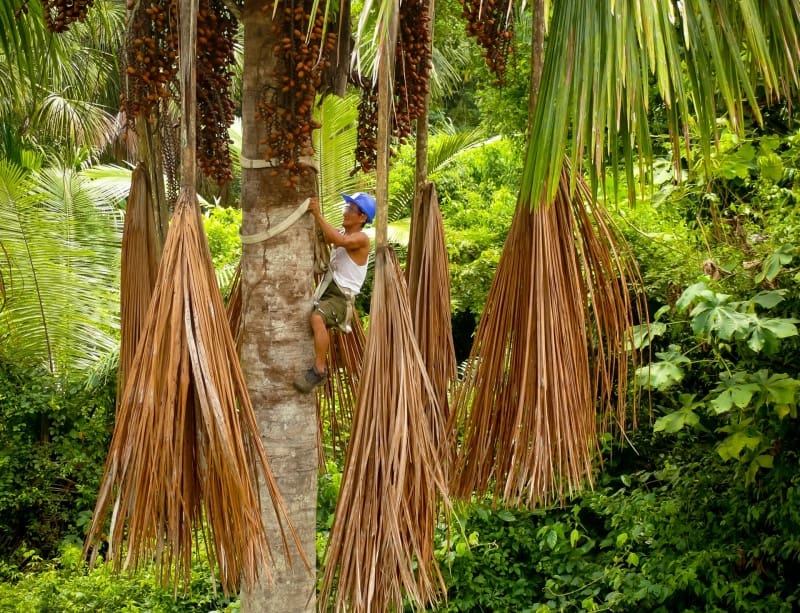Nature & Culture’s buriti project will help indigenous communities benefit economically while protecting areas of this Amazonian palm.
Now, Nature & Culture is developing a major program alongside indigenous communities and the regional government of Loreto to develop a sustainable market for buriti. With thousands of local producers to ensure the supply chain, we are working with market research firms to explore opportunities for selling this super fruit in the U.S. in oil, flake, and powder form.
With proven experience in aligning conservation with sustainable development, strong in-country alliances, and an on-the-ground presence through six offices and 50 field staff in the Peruvian Amazon, we are well-positioned to bring this new market to scale.
Learn more about [our work with local people.](https://www.natureandculture.org/local-communities/)
**Tags:** Amazon, Conservation
**Strategic Area:** Biodiversity, Forests
**Country:** Peru
**Content Type:** Blog
---
### [Reunión con el Ministerio del Ambiente sobre avances de la norma de corredores de conservación ](https://www.natureandculture.org/es/directorio/reunion-con-el-ministerio-del-ambiente-sobre-avances-de-la-norma-de-corredores-de-conservacion/)
**Published:** May 11, 2026
**Author:** Nora Sanchez
**Content:**
En Lima, el director ejecutivo y el asesor legal de Naturaleza y Cultura Internacional sostuvieron una reunión con el Ministerio del Ambiente, a través de la Dirección General de Diversidad Biológica liderada por Marco Tello Cochachez, para revisar los avances de la norma de corredores de conservación en el Perú.
Desde 2022, Naturaleza y Cultura Internacional brinda soporte técnico al proceso, para responder a la necesidad de contar con un marco legal que establezca lineamientos claros para la implementación, gestión y sostenibilidad de los corredores de conservación, fortaleciendo así la conectividad ecológica y la gestión integrada del territorio.
En este contexto, destaca la importancia de avanzar en la normativa, considerando experiencias como el Corredor de Conservación Transfronterizo Andino Amazónico, reconocido por los gobiernos de Perú y Ecuador en diciembre de 2025. Este tipo de iniciativas evidencian la necesidad de contar con lineamientos nacionales que orienten a los Gobiernos Regionales en la promoción, implementación y gestión de Corredores de Conservación.
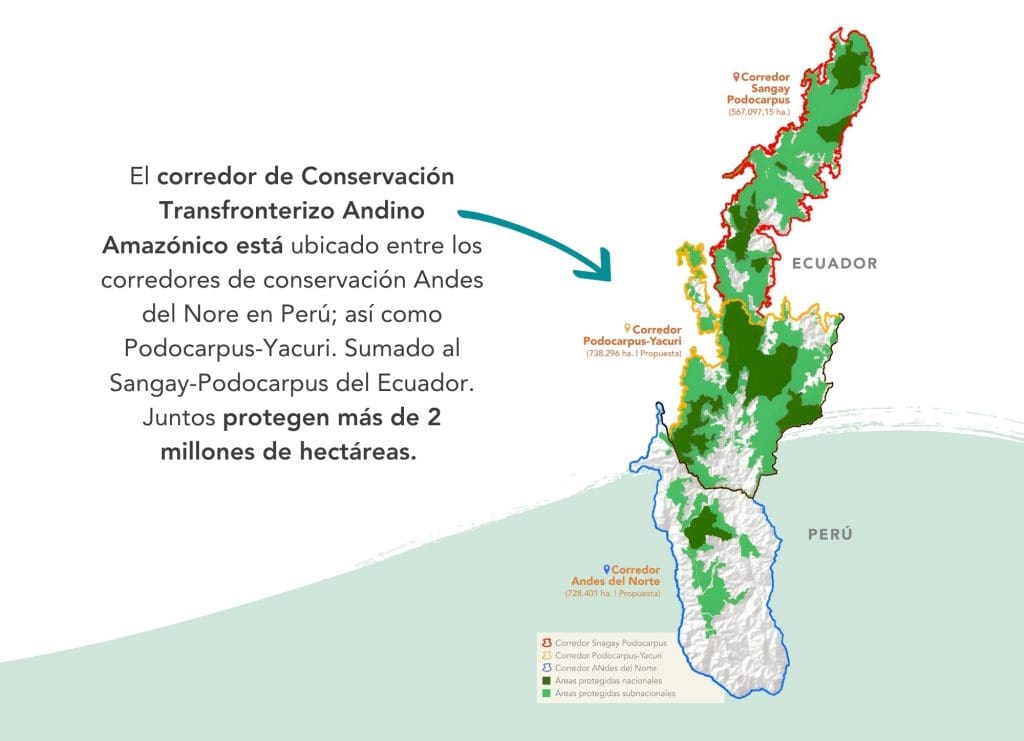
El Corredor de Conservación Transfronterizo Andino Amazónico, es el primer corredor binacional formalmente reconocido en América Latina, forma parte del Hotspot Andes Tropicales, reconocido a nivel global por su biodiversidad y alta vulnerabilidad, integra más de 50 unidades de conservación y tres corredores nacionales: Andes del Norte en Perú, Sangay–Podocarpus y Podocarpus–Yacuri en Ecuador, protegiendo más de 2 millones de hectáreas.
[Conoce más sobre el Corredor de Conservación Transfronterizo Andino Amazónico](https://www.natureandculture.org/es/conservation_initiatives/corredor-de-conservacion-transfronterizo-andino-amazonico/)
---
**Más información:**
Gabriela Gives
**Comunicación Perú**
<comunicacion.peru@naturalezaycultura.org>
**Tags:** Biodiversidad, Ecuador, Perú
**Strategic Area:** Biodiversidad
**Country:** Ecuador, Perú
**Content Type:** Noticias
---
### [Curanderos de Las Huaringas apoyan el establecimiento del ACR ](https://www.natureandculture.org/es/directorio/curanderos-de-las-huaringas-apoyan-el-establecimiento-del-acr/)
**Published:** May 6, 2026
**Author:** Nora Sanchez
**Content:**
Los maestros curanderos del complejo de lagunas de Las Huaringas, ubicadas entre los distritos de Pacaipampa y Huancabamba, en Piura, reafirmaron la importancia de conservar este territorio, reconocido como un espacio sagrado que forma parte de su identidad cultural y de sus prácticas ancestrales. En este contexto, expresaron su respaldo a la propuesta de establecimiento del Área de Conservación Regional (ACR) Páramos Andinos Huaringas y su compromiso al sumarse a acciones de conservación.
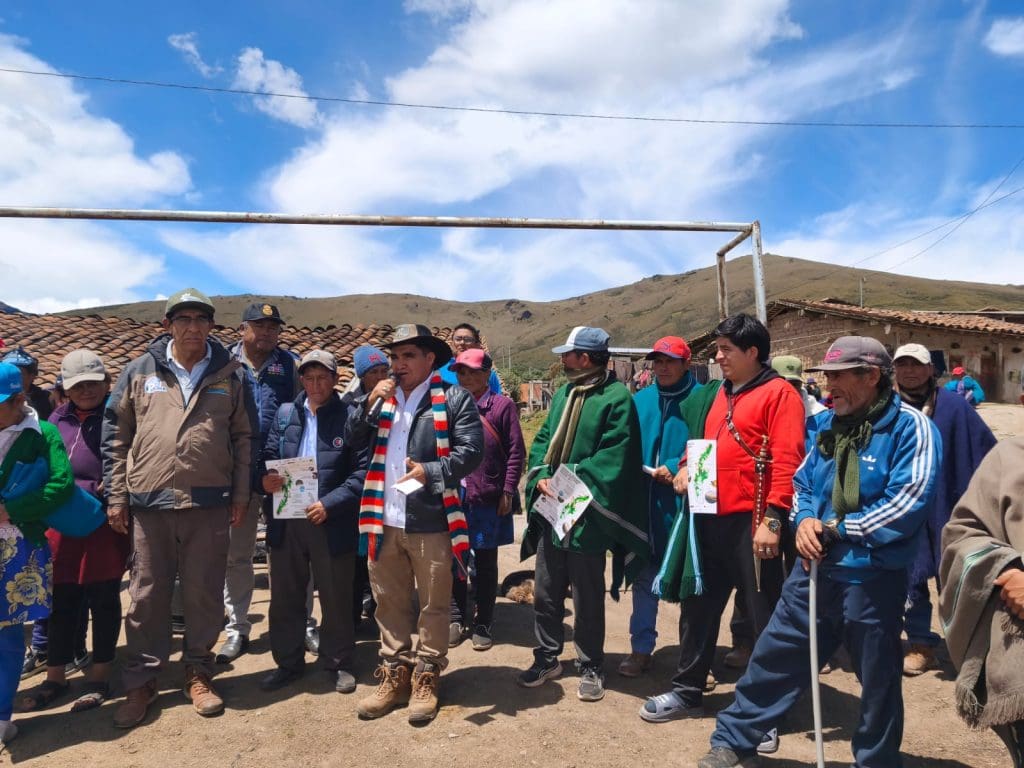
Durante un encuentro sostenido con la Asociación de Maestros Curanderos de Huancabamba, los participantes destacaron la necesidad de proteger las lagunas y páramos altoandinos, por su valor espiritual como por su rol fundamental en la provisión de agua. Asimismo, manifestaron su disposición para fortalecer acciones como la limpieza y el cuidado de las lagunas, consolidando su rol como guardianes del territorio.
“En la actualidad, preocupados por la creciente contaminación, los maestros curanderos nacionales y provinciales hemos decido apoyar a este gran proyecto de conservación en favor de nuestros páramos y lagunas milenarias por el bien de nuestros hijos y familia” enfatizó el presidente de la Asociación de Maestros Curanderos de la provincia de Huancabamba, Zenon Bermeo Neira.
Por su parte, el ingeniero Raúl Cevallos, director del Sistema Regional de Conservación de Áreas Naturales – SRCAN, del Gobierno Regional Piura, explicó que la propuesta de establecimiento del ACR busca proteger más de 16,000 hectáreas de páramos y fuentes hídricas, ecosistemas clave para la regulación del agua y la conservación de la biodiversidad en el norte del país.
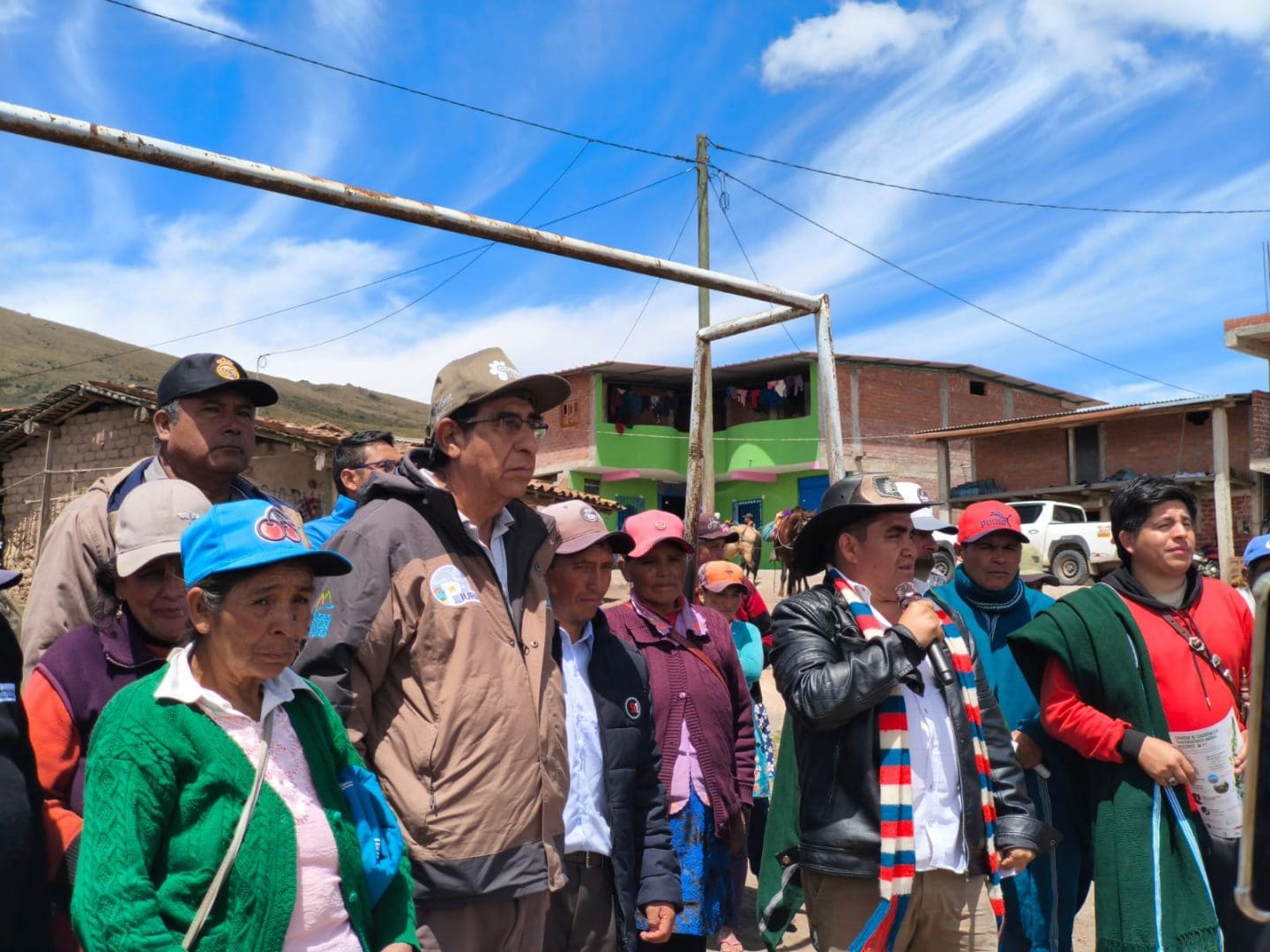
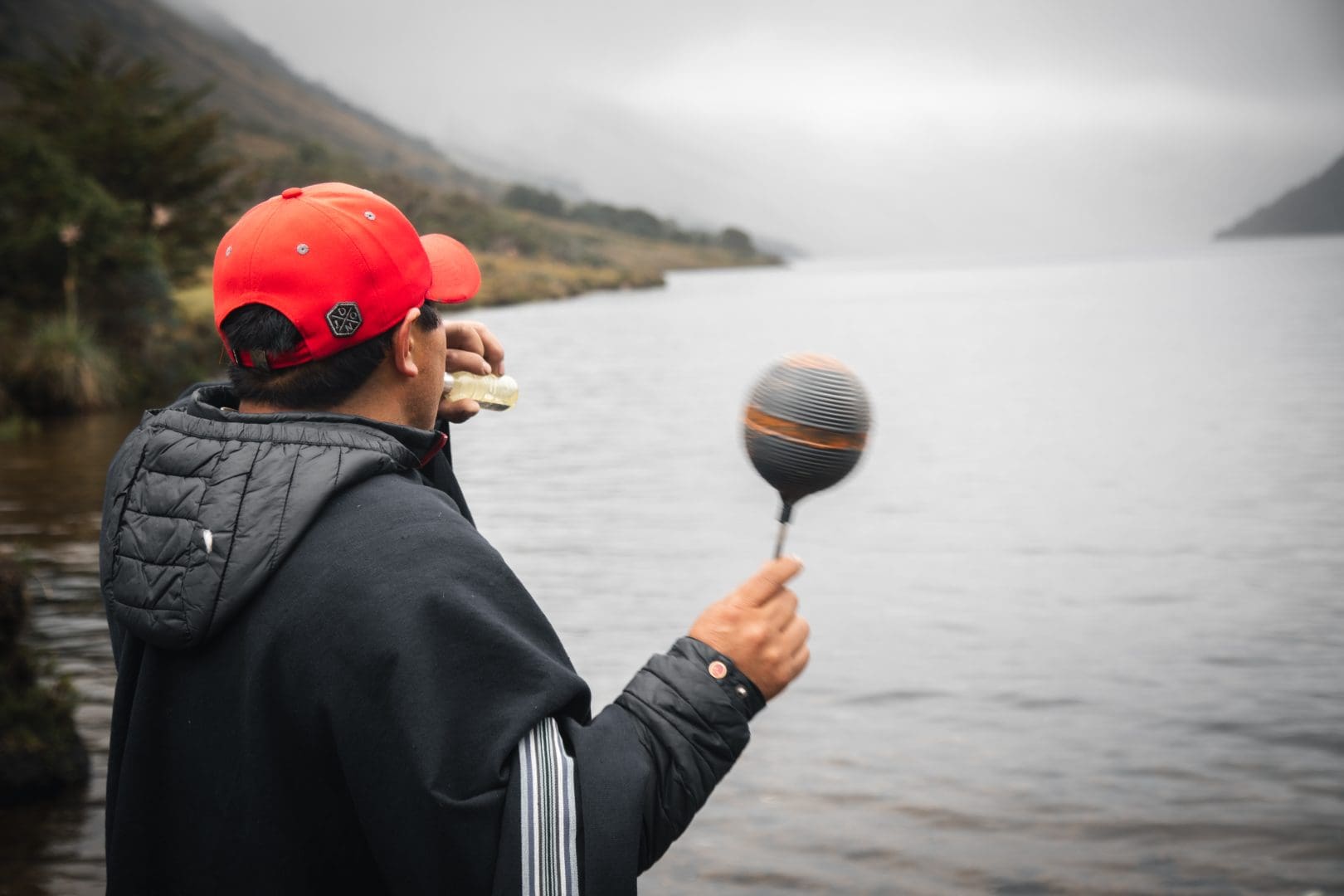
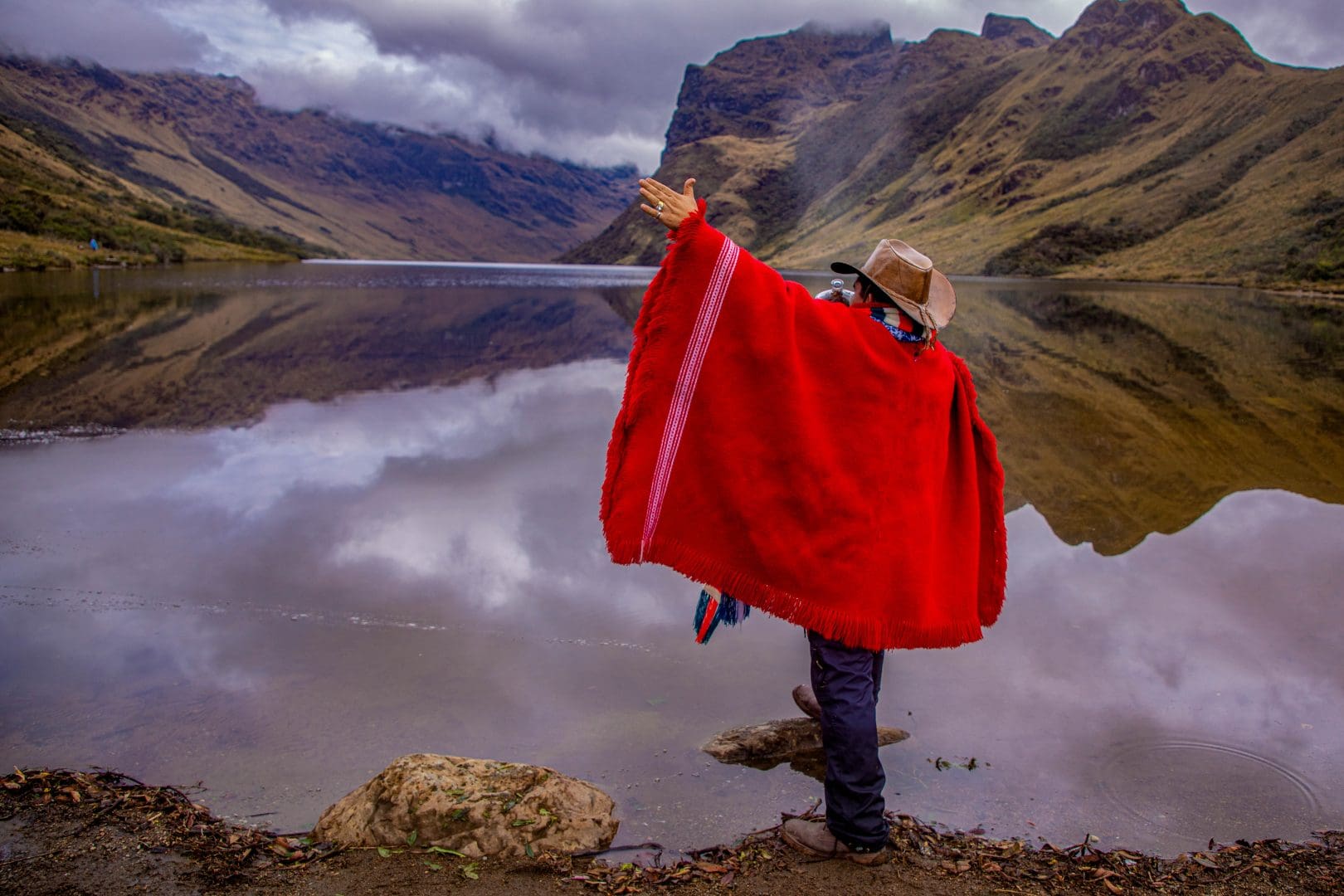
“Este proceso continuará desarrollándose a través de espacios de articulación con autoridades, comunidades y actores estratégicos, orientados a consolidar acuerdos que impulsen la conservación y promuevan un modelo de desarrollo sostenible con identidad cultural” señaló.
El ámbito propuesto forma parte del Corredor de Conservación Andes del Norte, integrado a su vez en el Corredor de Conservación Transfronterizo Andino Amazónico, una iniciativa que busca asegurar la conectividad de ecosistemas y la protección de especies a gran escala en la región andino-amazónica de Perú y Ecuador.
[Conoce más sobre el Corredor de Conservación Transfronterizo Andino Amazónico](https://www.natureandculture.org/es/conservation_initiatives/corredor-de-conservacion-transfronterizo-andino-amazonico/)
La iniciativa es liderada por el Gobierno Regional de Piura, a través de la Gerencia Regional de Recursos Naturales y Gestión del Medio Ambiente Piura, con el soporte técnico de Naturaleza y Cultura Internacional y el financiamiento de Andes Amazon Fund, reafirmando el compromiso conjunto por la conservación de uno de los paisajes más emblemáticos y valiosos del norte del Perú.
---
**Más información:**
Gabriela Gives
**Comunicación Perú**
<comunicacion.peru@naturalezaycultura.org>
**Tags:** Biodiversidad, Perú
**Strategic Area:** Biodiversidad, Comunidades Locales
**Country:** Perú
**Content Type:** Blog
---
### [Deforestation and its negative impacts](https://www.natureandculture.org/directory/deforestation-and-its-negative-impacts/)
**Published:** January 3, 2026
**Author:** Heather Thomas
**Content:**
# **What is deforestation?**
Deforestation is the **clearing of trees from large expanses of forest**. This process disrupts ecosystems, reduces biodiversity, contributes to climate change by releasing stored carbon dioxide, and often leads to soil erosion and habitat loss for countless plant and animal species. Forests are not just collections of trees; they are vital ecosystems that support an incredible array of life, from plants and animals to Indigenous communities who depend on them for their livelihoods and cultural heritage.
#### **Deforestation is a significant environmental issue with far-reaching consequences for local communities and the planet.**

---
# **Solutions to deforestation**
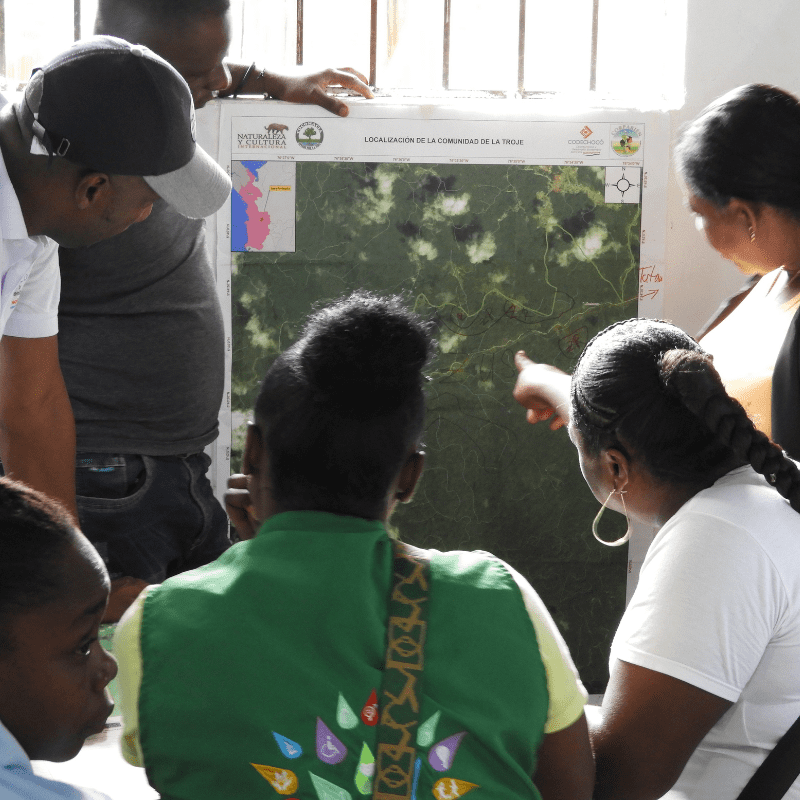
#### We protect threatened forests in partnership with the communities who live there.
####
Unlike nature reserves in the U.S., many of these forests are home to people who have lived on the land for centuries. The relationships we have built with the people who live in the areas we work to protect are key to our success. From municipal and local level protection to national level protection, to land purchase when necessary, no matter the method, we always consider the local communities who live in these areas along with long-term ecosystem health.
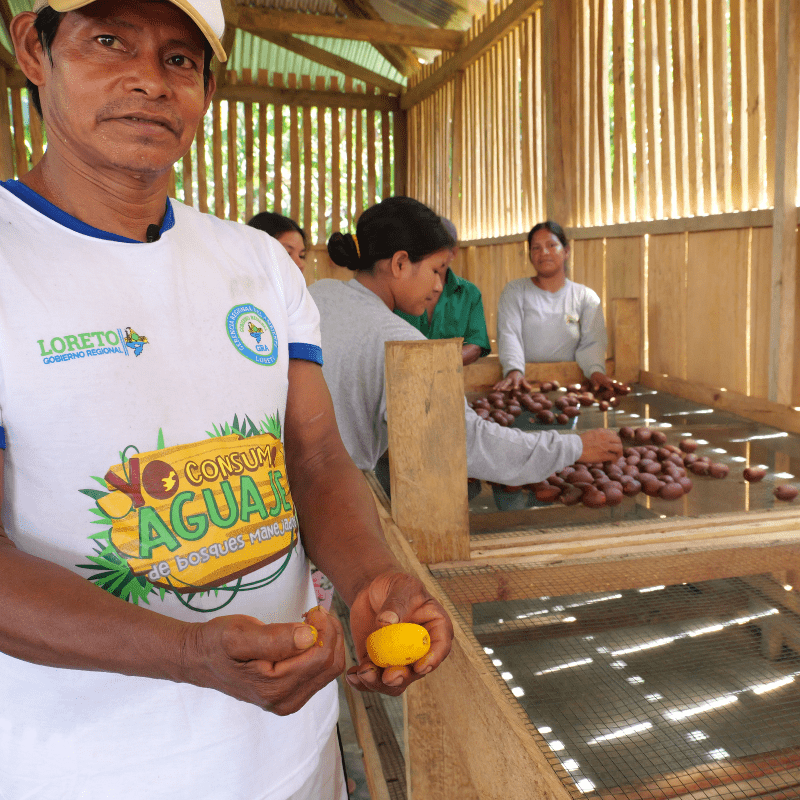
#### In 25+ years, Nature and Culture has never seen a protected area reversed and we believe that is because of our commitment to serving local communities.
####
Our co-management model is what sets us apart. Providing access to legal tools to establish a protected area, technical training for skills such as monitoring a protected area for threats, or investing in a new means of [sustainably generating income](https://www.natureandculture.org/directory/sustainable-harvesting-amazon-superfruits/) from local resources are just a few ways we provide solutions to deforestation.
Our protected areas are living, breathing, dynamic spaces that require fostering relationships and understanding local needs. Indigenous Peoples and local communities are often the initial advocates for the protected areas we support. We provide them with the tools to safeguard natural resources.
---
# **Effects of deforestation**
### Why is deforestation a bad thing?

Forests cover approximately one-third of the Earth’s land surface and play crucial roles in supporting the lives of millions of people. They are incredibly biodiverse habitats, housing more than half of the world’s land-based animals, plants, and insects. Forests help combat climate change by absorbing carbon dioxide and serve as natural buffers against storms and floods. They are essential for drinking water in nearly half of the world’s largest cities. They also offer shelter, employment opportunities, and security to forest-dependent communities.
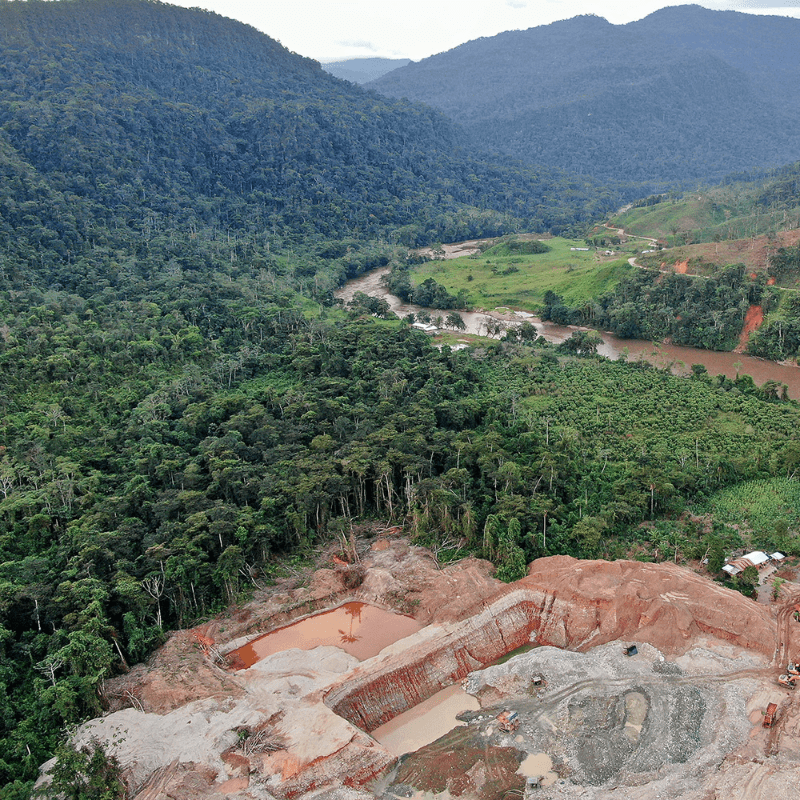
However, according to the latest FAO UN Global Forest Resources Assessment, approximately **24.7 million acres of forest are lost yearly,** with **95% of this loss occurring in tropical regions**. Many of [the world’s most biodiverse forests](https://www.natureandculture.org/directory/the-incredible-rainforests-of-south-america/), such as the Amazon rainforest in South America, are disappearing or facing a critical tipping point. The Amazon rainforest, in particular, exhibits reduced resilience, meaning it has a diminished ability to regenerate lost areas due to deforestation. Experts warn that the Amazon rainforest is reaching a point of no return, where large-scale dieback occurs, transforming much of the forest into savanna. This would have devastating ecological consequences and impact global climate patterns and biodiversity.
### How does deforestation affect climate change?
Clearing forests reduces the Earth’s capacity to absorb CO2 and increases greenhouse gas emissions, ultimately disrupting climate patterns.
- **Reducing Carbon Sequestration:** Trees act as carbon sinks, absorbing CO2 from the atmosphere during photosynthesis. Deforestation reduces the number of trees available to sequester carbon, leading to increased levels of atmospheric CO2.
- **Emissions of Greenhouse Gases:** When forests are cleared or burned, the stored carbon is released back into the atmosphere as CO2. Additionally, deforestation contributes to emissions of other greenhouse gases such as methane and nitrous oxide from forest degradation and soil disturbance.
- **Altered Climate Patterns:** Deforestation disrupts local and regional climate patterns by affecting evapotranspiration, cloud formation, and rainfall. Changes in land use can lead to shifts in temperature, precipitation, and weather extremes.
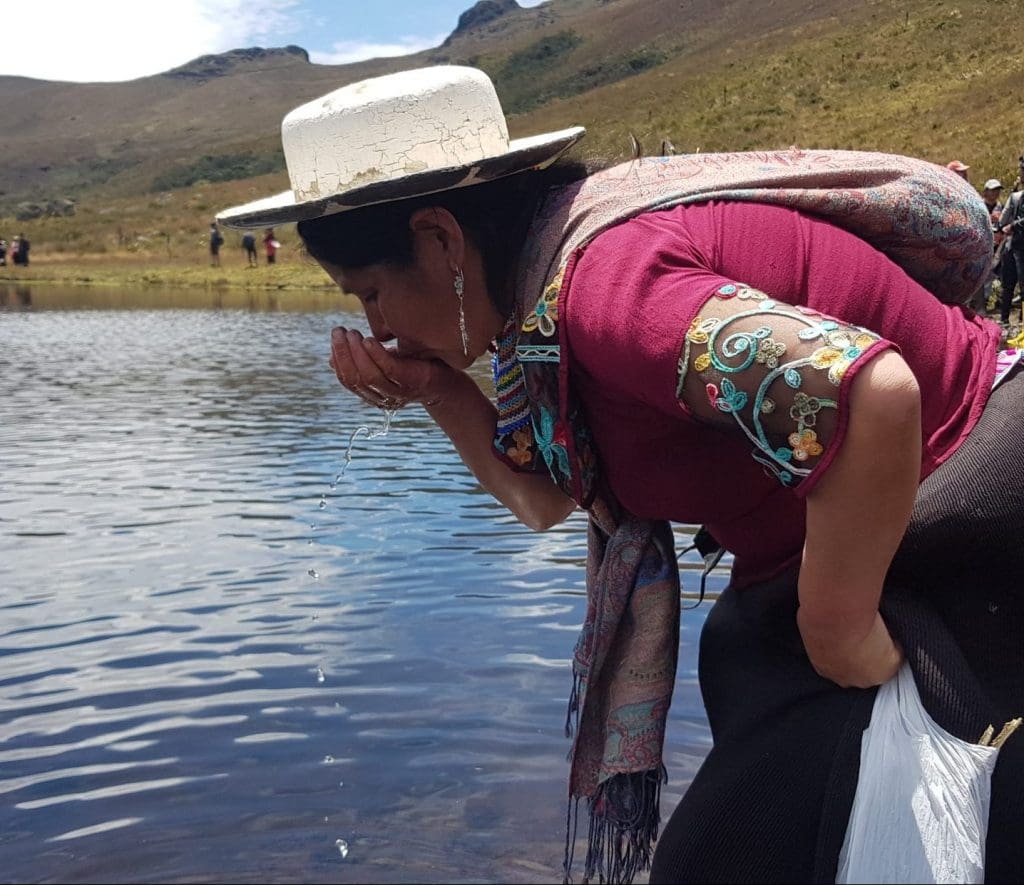
### How does deforestation affect the environment?
- **Deforestation is a major driver of climate change:** Every time we lose a forest we’re not only releasing CO2 into the atmosphere, but we’re also no longer capturing the carbon, a key greenhouse gas, from the atmosphere. Addressing deforestation, particularly in tropical regions, is imperative in combatting climate change.
- **Forests are essential for human well-being:** They provide us with clean air, fresh water, food, and materials for shelter, medicine, and fuel. Forests help regulate local and global climates, stabilize soils, purify water sources, and provide important ecosystem services such as pollination and nutrient cycling. They alleviate poverty and provide food security.
- **Deforestation threatens the survival of countless species**: More than half the world’s land-based plants and animals, and three-quarters of all birds, live in and around forests. They conserve global biodiversity.
---
# Causes of deforestation
- **Industrial agriculture is the leading cause of deforestation**, accounting for around 85% of global deforestation. Clearing land for crops or livestock has been in practice for hundreds of years, however, the globalization of food production has intensified this practice to meet growing global demand. This is especially evident in industries like beef production, large-scale soy cultivation, and palm oil production, where forests are cleared at an unsustainable rate to satisfy worldwide consumption.
- **Timber logging, or wood extraction** is another cause of deforestation.
- **Mining is increasingly driving deforestation** in the Amazon and Tropical Andes. In search of precious [metals such as gold](https://www.natureandculture.org/directory/dicaprio-and-sheth-name-new-species-of-tree-dwelling-snakes-threatened-by-mining/), mining clears the forest to dig excavation pits and access roads.
**Tags:** Biodiversity, Conservation, Protected Area
**Strategic Area:** Biodiversity, Forests
**Country:** Bolivia, Colombia, Ecuador, Mexico, Peru
**Content Type:** Blog
---
### [Understanding and Protecting Animal Habitats](https://www.natureandculture.org/directory/understanding-and-protecting-animal-habitats/)
**Published:** January 1, 2026
**Author:** Heather Thomas
**Content:**
# **What is an Animal Habitat?**
An animal habitat refers to the natural environment where a particular species of animal lives, finds shelter, and fulfills its basic needs such as food, water, and reproduction.
---
# **Types of Animal Habitats**
There are various types of animal habitats, including:
1. **Forest Habitats:** Dense forests provide homes to diverse species of mammals, birds, insects, and plants.
2. **Aquatic Habitats:** Rivers, lakes, oceans, and other water bodies support aquatic life such as fish, amphibians, and aquatic plants.
3. **Desert Habitats:** Harsh desert environments are inhabited by specially adapted species like camels, snakes, and cacti.
4. **Grassland Habitats:** Open grasslands host grazing mammals, birds, and insects, forming vital ecosystems.
---
# **Ways to Protect Animal Habitats**
Protecting animal habitats is crucial for preserving biodiversity and ensuring the survival of countless species. Here are some effective ways to safeguard animal habitats:
1. **Connectivity and Wildlife Corridors:** Recognize the importance of connectivity between habitats and advocate for the establishment of wildlife corridors to allow animals to move freely between fragmented habitats.
2. **Habitat Restoration:** Participate in habitat restoration projects such as tree planting, wetland restoration, and beach cleanups.
3. **Sustainable Practices:** Adopt sustainable practices in agriculture, forestry, and urban development to minimize habitat destruction.
4. **Education and Awareness:** Educate others about the importance of protecting animal habitats and promote responsible environmental stewardship.
5. **Conservation Initiatives:** Support [our work](https://www.natureandculture.org/species/ "SPECIES") and initiatives focused on preserving natural habitats and wildlife.
---
# **Why is it Important to Protect Animal Habitats?**
Protecting animal habitats is essential for several reasons:
- **Biodiversity Conservation:** Habitats support a wide range of plant and animal species, contributing to biodiversity and ecosystem stability.
- **Ecosystem Services:** Healthy habitats provide vital ecosystem services such as clean air and water, pollination, and climate regulation.
- **Species Survival:** Protecting habitats ensures the survival of endangered species and maintains ecological balance.
- **Human Well-being:** Preserving animal habitats benefits human well-being by providing recreational opportunities, cultural significance, and natural resources.
---
**Join Us in Our Efforts to Protect Animal Habitats! Together, Let’s Ensure a Sustainable Future for Wildlife.**
[Give today to protect our wildlife!](http://give.natureandculture.org)
**Strategic Area:** Biodiversity, Forests
**Country:** Bolivia, Colombia, Ecuador, Mexico, Peru
**Content Type:** Blog
---
### [Naturaleza y Cultura en la COP30](https://www.natureandculture.org/es/directorio/cop30/)
**Published:** October 2, 2025
**Author:** Heather Thomas
**Content:**
## Acompáñanos en la COP30 para impulsar la acción climática liderada por comunidades
[Mira nuestra agenda en la COP30](#H3)[Reunámonos en la COP30](https://www.natureandculture.org/contact-us/)
## **Naturaleza y Cultura en la COP30 en Belém**
En la **COP30, que se celebrará en Belém**, Naturaleza y Cultura Internacional compartirá cómo la acción climática liderada por comunidades locales está transformando el futuro de la conservación de los bosques y fortaleciendo la resiliencia frente al cambio climático.
A través del**Fondo Futuro Amazónico** y la **Plataforma Amazónica**, trabajamos junto a **pueblos indígenas y gobiernos locales** para cuidar la salud de la Amazonía ecuatoriana, protegiendo más de **5 millones de hectáreas de bosque tropical** que almacenan **2,8 mil millones de toneladas de carbono** y sostienen el clima global, la biodiversidad y el bienestar de las personas.
[Conoce más sobre la Plataforma Amazónica](https://www.natureandculture.org/ecuador/the-amazonian-platform-project/)[Visita la página del Fondo Futuro Amazónico](https://www.natureandculture.org/amazon-future-fund/)
## Plataforma Amazónica
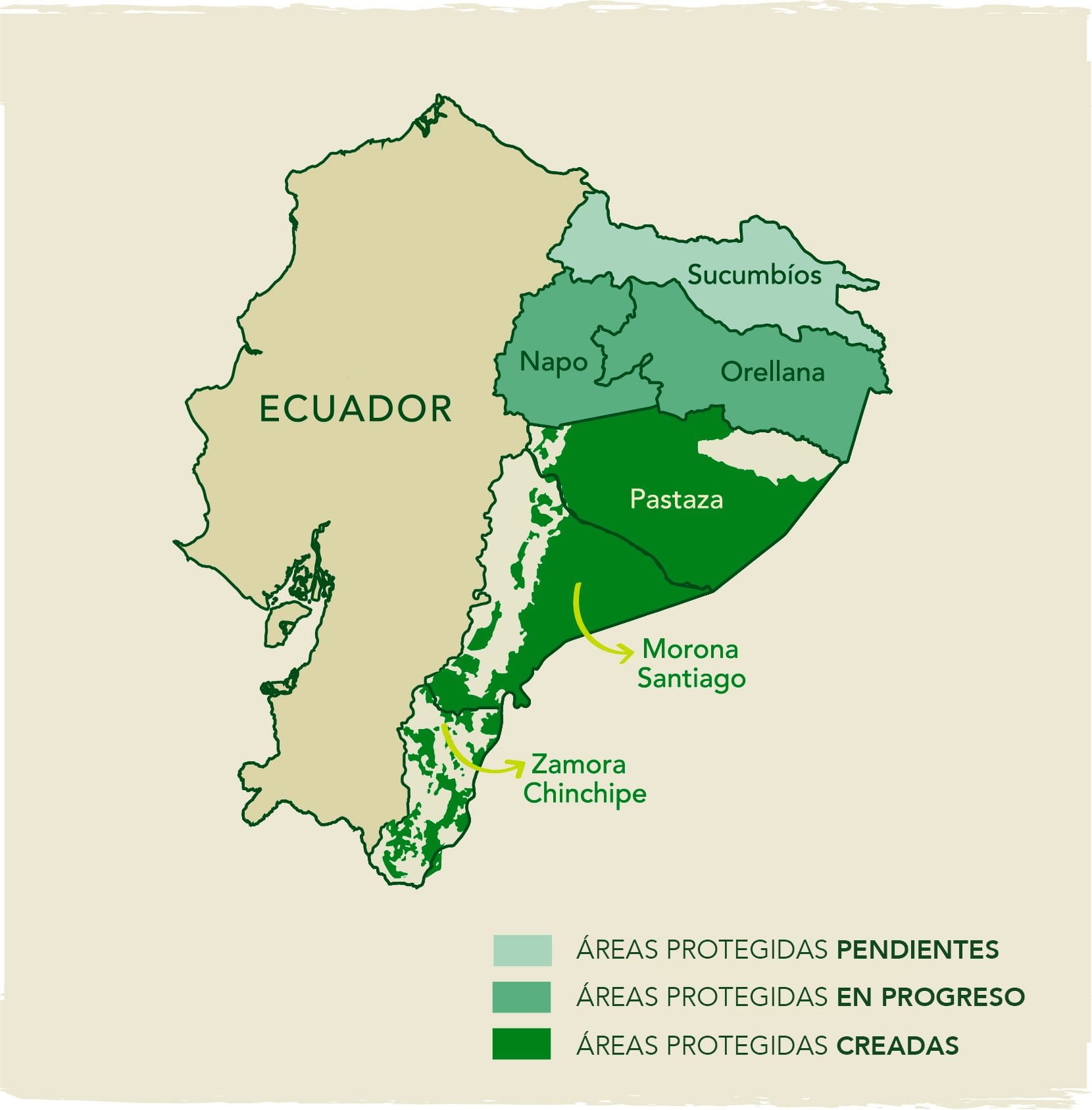
## Aprende más sobre el **Fondo Futuro Amazónico**
## ****Agenda de la COP30****
### Presentación
**11 de noviembre, 11:30 am \| Zona Azul (Sala de Eventos 4)**
#### Revalorizando el cuidado de los ecosistemas: perspectivas sobre la financiación climática directa
**Tiyua Uyunkar (conferencista)** y **Matt Clark (mesa redonda)** presentan el Fondo Futuro del Amazónico como modelo de financiación directa cogobernada.
[www.natureandculture.org/amazon-future-fund/](https://www.natureandculture.org/amazon-future-fund/)
**Naturaleza y Cultura Internacional, Alianza Mesoamericana de Pueblos y Bosques (AMPB), SAMA Health In Harmony**
### Panel de Expertos
**11 de noviembre, 4:30 pm \| Casa Abema**
#### De la Amazonía al Pacífico: protección de los bosques, participación comunitaria y gobernanza jurisdiccional en Colombia y Ecuador.
**Tiyua Uyunkar** se une a otros gobernadores y representantes del GCF para dialogar
sobre la protección de los bosques en Colombia y Ecuador.
**GCF Task Force, Nature and Culture, Earth Innovation Institute**
### Panel de Expertos
**12 de noviembre, 4:30 pm \| Casa Abema**
#### Impulsando la nueva economía forestal: mesa redonda de gobernadores sobre el fortalecimiento del liderazgo e inversión subnacional en los bosques tropicales.
**Tiyua Uyunkar**, junto a otros gobernadores dialoga sobre cómo están movilizando financiamiento para fortalecer los enfoques jurisdiccionales.
**GCF Task Force, Regions**
### Panel de Expertos
**13 de noviembre, 11:30 am \| Zona Azul (Sala de Eventos 3)**
#### Generando Impacto Climático desde la Base: Implementación de Nuevas Economías Forestales, Financiación Climática, Soberanía Digital Indígena y Comunicaciones Climáticas a Nivel Subnacional.
**Tiyua Uyunkar**, junto con otros gobernadores, discutirá bioeconomía y fondos territoriales.
**GCF Task Force**
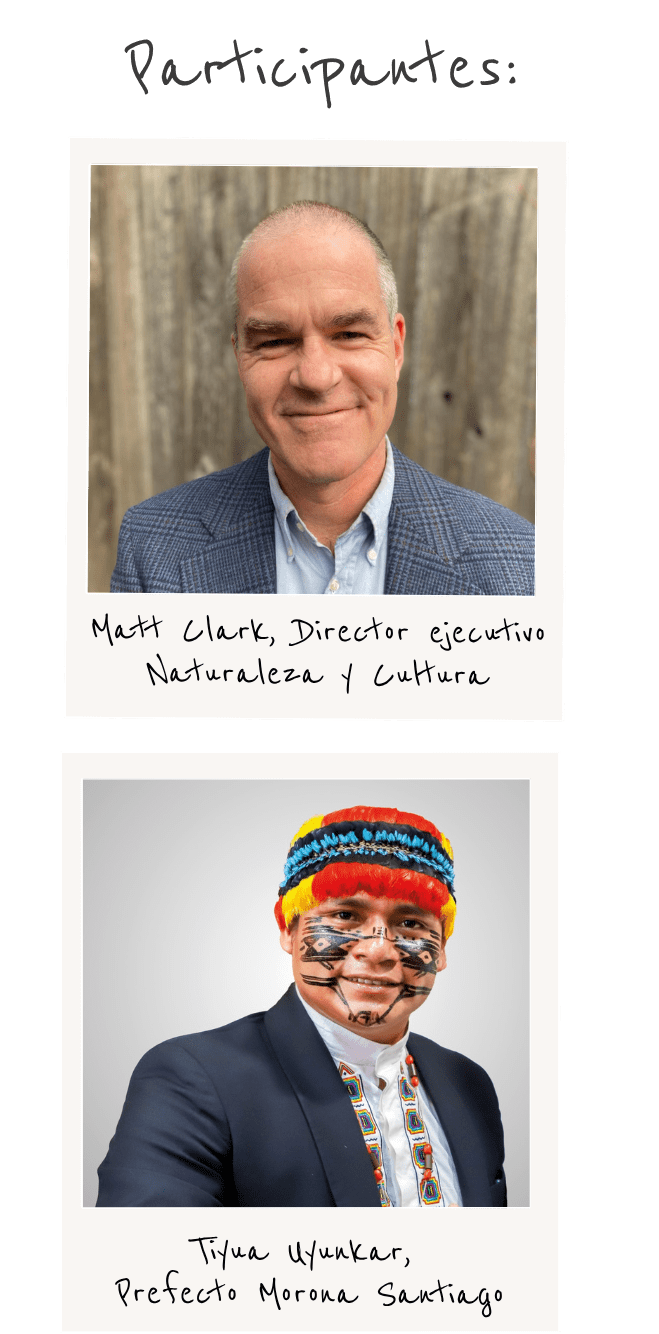
Si deseas agendar una reunión, por favor, comuníquese con **Matt Clark** al correo <mclark@natureandculture.org>.
## **Reúnete con nosotros en la COP30**
### Nos encantaría conocerte en Belém. ¡Contáctanos y salúdanos!
[Escríbenos](mailto:hello@natureandculture.org)
**Tags:** Biodiversidad, Reservas naturales
**Strategic Area:** Clima
**Country:** Bolivia, Colombia, Ecuador, México, Perú
**Content Type:** Evento
---
### [Miel por Bosque: una respuesta comunitaria a la deforestación](https://www.natureandculture.org/es/directorio/miel-por-bosque-una-respuesta-comunitaria-a-la-deforestacion/)
**Published:** April 28, 2026
**Author:** Nora Sanchez
**Content:**
## **Un modelo que nace desde las comunidades y crece para el país**
En la provincia de Loja, al sur occidente del Ecuador, el bosque seco constituye un ecosistema estratégico por su valor ecológico y su función en la regulación hídrica. Reconocido en 2014 como Reserva de Biosfera por la UNESCO, este territorio enfrenta actualmente presiones crecientes como la deforestación, la expansión agrícola, la pérdida de biodiversidad, los incendios forestales y la disminución de fuentes de agua, por lo que es la primera prioridad de conservación en el Ecuador continental.
En este contexto, en Puyango, zona núcleo de la meliponicultura, se ha consolidado una respuesta desde las comunidades que integran la Mancomunidad Las Meliponas: **“Miel por Bosque”**, una propuesta que conecta la producción de miel con la conservación del bosque: **a más bosque, más miel.**
## **Abejas nativas: pequeñas aliadas, grandes impactos**

En América existen numerosas especies de abejas nativas. Algunas no tienen aguijón, otras sí, pero todas cumplen un rol esencial en la polinización, proceso clave para el mantenimiento de los ecosistemas y la producción de alimentos.
**En Ecuador se han identificado más de 200 especies de abejas nativas sin aguijón,** pertenecientes a la tribu Meliponini, fundamentales tanto para la ecología y salud de los ecosistemas, como para las economías locales a través de la producción de miel y otros derivados. En Puyango, el enfoque de manejo es integral: proteger a todas las abejas nativas como parte de un sistema ecológico y productivo interdependiente.
## **Meliponicultura: manejo sostenible y conservación**
En 2015, las parroquias Ciano, El Arenal y Vicentino conformaron la Mancomunidad Las Meliponas, una organización pionera que impulsa la meliponicultura, entendida como la crianza y manejo de abejas nativas sin aguijón. Esta práctica ancestral ha incorporado progresivamente procesos de tecnificación, fortaleciendo su sostenibilidad productiva y ambiental.
Este proceso se articula con el Área de Conservación Municipal y Uso Sostenible, ACMUS Puyango, que abarca más de 28.000 hectáreas. Esta integración ha permitido consolidar un modelo territorial que combina producción sostenible, con la conservación de los ecosistemas, los recursos hídricos y la gobernanza local.
Como resultado de esta gestión, se han establecido 64 acuerdos de conservación, que han permitido proteger 285 hectáreas de bosque y restaurar 63 hectáreas mediante sistemas agroforestales, evidenciando impactos concretos en la recuperación del paisaje.
## **“Miel por Bosque”: un concepto que conecta conservación y vida**





A partir del diálogo con las comunidades, se construyó una propuesta conceptual que articula conservación y producción. Bruno Paladines, de Naturaleza y Cultura Internacional, señala:
> ***“Si recuperamos el bosque, las abejas tienen alimento, producen miel y fortalecen otros cultivos. Es un intercambio justo: miel a cambio de bosque.”***
Así surge “Miel por Bosque”, un enfoque que integra la restauración de bosques, la protección de fuentes de agua, la producción sostenible de miel y la conservación de la biodiversidad.
A través de espacios como el Festival Internacional de las Abejas Nativas, que se realiza anualmente en Puyango, este modelo ha promovido el intercambio de experiencias y su posicionamiento entre productores. Actualmente, también se implementa en provincias como Zamora Chinchipe, Pastaza, Morona Santiago y Pichincha, ampliando su alcance a nivel nacional.
Desde 2016, Naturaleza y Cultura Internacional, con el apoyo financiero de la Cooperación Belga al Desarrollo (DGD) y BOS+, ha trabajado en articulación con el Gobierno Municipal de Puyango, la Mancomunidad Las Meliponas, la Asociación de Productores Meliponicultores de Puyango (ASOPROMELPUY) y los meliponicultores del cantón, con el objetivo de conservar los bosques e impulsar procesos de tecnificación e innovación que garanticen una adecuada cosecha de la miel y la protección de las abejas nativas.
Actualmente, en Puyango existen más de 600 meliponicultores que manejan alrededor de cinco mil cajas correspondientes a 18 especies de abejas nativas sin aguijón.
## **CIAN: un hito para la meliponicultura en el Ecuador**

En este proceso, Puyango alberga el Centro Integral de Abejas Nativas (CIAN), el primero en su tipo en el país, concebido como un espacio estratégico para el fortalecimiento de la meliponicultura.
El CIAN permitirá articular a meliponicultores a nivel nacional, fortalecer la producción y comercialización de miel, impulsar la investigación y capacitación sobre abejas nativas sin aguijón y promover la conservación del bosque seco, consolidándose como un nodo de innovación y gestión del conocimiento.
Desde el territorio, los actores locales destacan la relevancia de este enfoque. Ocar Prieto, meliponicultor de la Asociación de Meliponicultores de Puyango, ASOPROMELPUY, señala:
> ***“Me motiva ser parte de la conservación, y ahora en la Asociación hemos implementado las fincas integrales, donde tenemos el sistema agroforestal, y eso debemos entender no solo es el tema de producción, también debe estar presente el tema de conservación a través del manejo de nuestras fincas.”***
## **Un compromiso que trasciende en el país**
Más allá de un concepto, “Miel por Bosque” refleja el compromiso de las comunidades de Ciano, Vicentino y El Arenal, que integran la Mancomunidad Las Meliponas, por proteger a las abejas sin aguijón y los bosques que las sostienen.
Este modelo evidencia que es posible articular conocimiento ancestral, innovación técnica y gestión territorial para enfrentar desafíos ambientales, fortalecer economías locales y promover una relación sostenible entre las comunidades y los ecosistemas.
Los procesos de conservación desarrollados en el cantón Puyango se han coordinado junto al Gobierno Municipal de Puyango y la Mancomunidad Las Meliponas, con el apoyo del Fondo Ítalo Ecuatoriano (FIEDS), en el marco del proyecto “Gobernanza Mancomunada para la construcción de territorios resilientes en paisajes forestales en los Andes occidentales del Ecuador”, ejecutado en consorcio con la Mancomunidad Bosque Seco, Naturaleza y Cultura Internacional, el Fondo Ecuatoriano Populorum Progressio (FEPP) y el Consorcio para el Desarrollo Sostenible de la Ecorregión Andina (CONDESAN).
---
**Más información:**
Aida Maldonado
**Comunicación Ecuador**
[amaldonado@naturalezaycultura.org](mailto:comunicacion.ecuador@naturalezaycultura.org)
**Strategic Area:** Bosques
**Country:** Ecuador
**Content Type:** Noticias
---
### [Nature and Culture at COP30](https://www.natureandculture.org/directory/cop30/)
**Published:** October 2, 2025
**Author:** Heather Thomas
**Content:**
# **Join us at COP30 to advance community-led climate action**
[View COP30 Schedule](#H3)[Meet with Us at COP30](https://www.natureandculture.org/contact-us/)
## **Nature and Culture at COP30 in Belém**
At **COP30 in Belém**, Nature and Culture International is showcasing how community-led action is shaping the future of forest conservation and climate resilience. Through the **Amazonian Platform** and the **Amazon Future Fund**, we are working hand in hand with **Indigenous Peoples and local governments** to protect the health of the Ecuadorian Amazon, safeguarding over **14 million acres of rainforest** that store **2.8 billion tons of carbon** and sustain the global climate, biodiversity, and human well-being.
[Learn more about the Amazonian Platform](https://www.natureandculture.org/ecuador/the-amazonian-platform-project/)[Visit the Amazon Future Fund page](https://www.natureandculture.org/amazon-future-fund/)
## Amazonian Platform
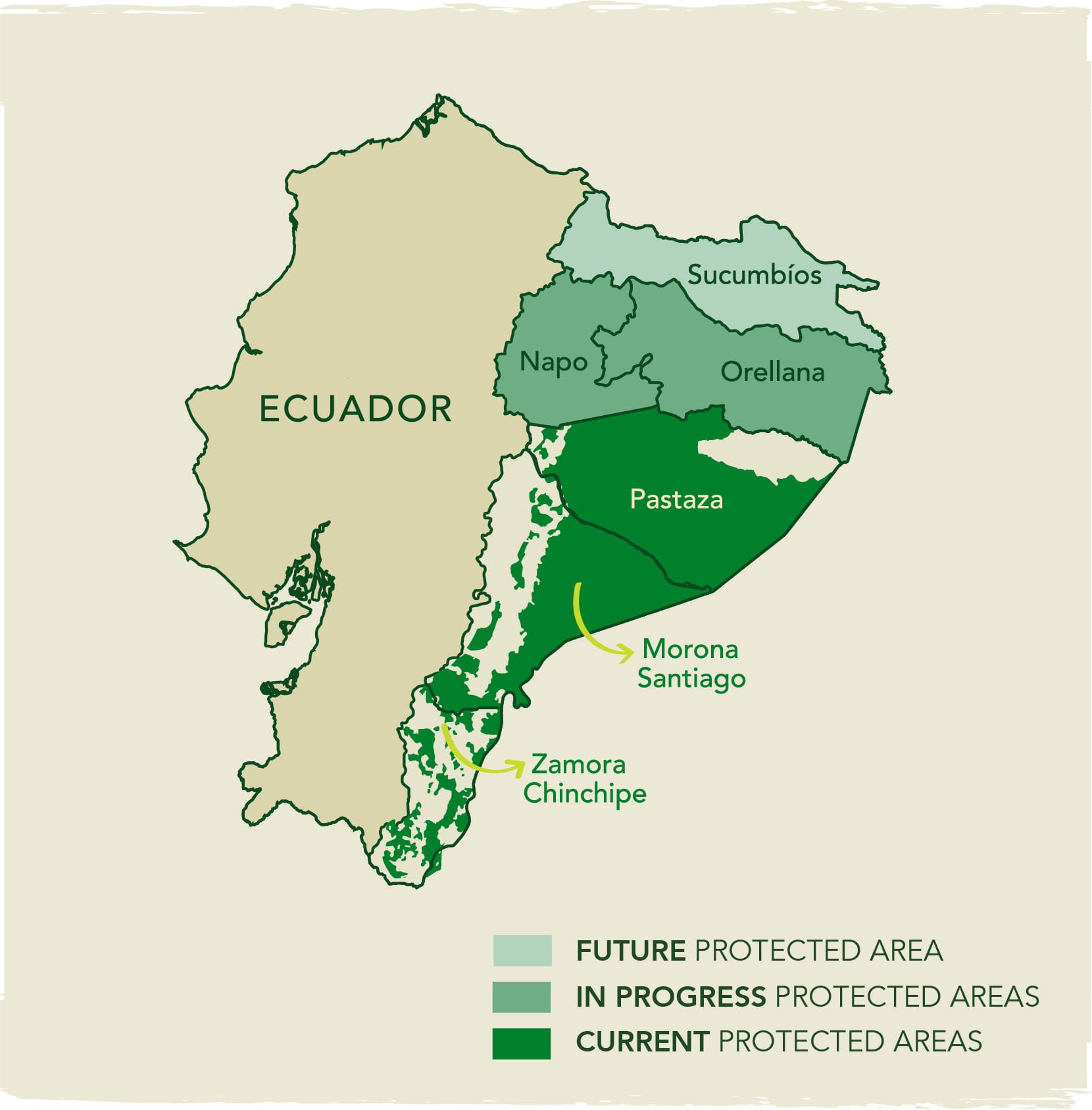
## **Learn more about the Amazon Future Fund**
## **COP30 schedule**
### Round Table Discussion
**11th of November, 11:30 am \| Blue Zone (Side Event Room 4)**
#### Revaluing Ecosystem Stewardship: Global and Territorial Perspectives on Direct Climate Finance
**Tiyua Uyunkar (Keynote speaker)** and **Matt Clark (Round Table)** share the Amazon Future Fund as a model of direct, co-governed finance.
[www.natureandculture.org/amazon-future-fund/](https://www.natureandculture.org/amazon-future-fund/)
**Nature and Culture, Alianza Mesoamericana de Pueblos y Bosques (AMPB), SAMA Health In Harmony**
### Panel Discussion
**11th of November, 4:30 pm \| Abema House**
#### From the Amazon to the Pacific: Forest Protection, Community Engagement, and Jurisdictional Governance in Colombia & Ecuador.
**Tiyua Uyunkar** joins other GCF governors and representatives to discuss forest protection in Colombia and Ecuador.
**GCF Task Force, Nature and Culture, Earth Innovation Institute**
### Panel Discussion
**12th of November, 4:30 pm \| Abema House**
#### Advancing the New Forest Economy: Governors’ Roundtable on Scaling Subnational Leadership & Investment in Tropical Forests.
**Tiyua Uyunkar**, along with governors from Bolivia, Brazil, Perú, and Mexico, discuss how they bring financing to their jurisdictions to advance jurisdictional approaches.
**GCF Task Force, Regions**
### Panel Discussion
**13th of November, 11:30 am \| Blue Zone (Side Event Room 3)**
#### Driving Climate Impact from the Ground Up: Implementing New Forest Economies, Climate Finance, Indigenous Digital Sovereignty, and Climate Communications at the Subnational Level.
**Tiyua Uyunkar**, along with other governors, will discuss bioeconomy and territorial funds.
**GCF Task Force**

If you’d like to schedule a meeting, please write **Matt Clark** at <mclark@natureandculture.org>.
## Meet With Us at COP30
### We’d love to meet with you while in Belém, reach out and say hello!
[Email us](mailto:hello@natureandculture.org)
**Strategic Area:** Climate
**Country:** Bolivia, Colombia, Ecuador, Mexico, Peru
**Content Type:** Event
---
### [Op-Ed: To Fight Climate Change, Let Indigenous People Lead the Effort to Protect Tropical Forests](https://www.natureandculture.org/directory/op-ed-to-fight-climate-change-let-indigenous-people-lead-the-effort-to-protect-tropical-forests/)
**Published:** October 12, 2022
**Author:** Heather Thomas
**Content:**
By Mathew Clark
### President and CEO of Nature and Culture International
###### Matt started with Nature and Culture in 2015, as an advisor in the Loja, Ecuador office. For seven years prior to that, he was the Executive Director of the Johnson Creek Watershed Council, a conservation organization in his native Portland, Oregon and also served as treasurer on the board of an Oregon-wide network of conservation entities. Additionally, he’s worked extensively for Native American tribal governments in the US, supporting their treaty fishing and water rights. Matt first fell in love with Latin America — its vibrant cultures, stunning landscapes and incredible biodiversity — while in Honduras in the 1990s as a Peace Corps volunteer. He has a BA from Stanford University in English Literature and Human Biology and a Master’s in Environmental Management from Yale University.
Tropical forests have been in the headlines a lot recently, for all the wrong reasons. Wildfires, illegal deforestation, difficult politics, and the list goes on. However, amidst all the doom and gloom, there are also reasons for hope. One such bright spot is the multi-stakeholder efforts gaining traction in the Pastaza region of Ecuador.
But first, a step back. Why tropical forests? Because, at the moment, tropical deforestation puts only slightly less carbon pollution into the atmosphere than does the United States (and more than the entire European Union combined). Stopping tropical deforestation means keeping carbon out of the atmosphere and is one of the best nature-based solutions we have against climate change. By one estimate, tropical forests could contribute more than 20% of the climate mitigation needed to keep average global temperature rise below two degrees Celsius, the target agreed to in the Paris Climate Agreement.
Thankfully, the global community is taking action on tropical deforestation. For example, the Leaf Coalition, a public – private partnership of governments, businesses, and non-governmental organizations (including among the world’s largest) recently pledged $1 billion to protect tropical forests. The idea that tropical forests are critical to maintaining a livable, or at least comfortable, future on this planet is mainstream now, as it should be.
Despite the urgency, it behooves us to pause and consider not just why to protect tropical forests but how to do so most effectively. Otherwise, we risk pouring money into strategies that don’t work. There’s a saying that the Amazon rainforest is where conservation projects go to die. While I don’t take such a pessimistic view, conservation in the Amazon is complex for myriad reasons: conflicting legal systems, global commodity pressures, dams, roads and other infrastructure, corruption, gold-mining mafias. The list goes on.
> *“Indigenous peoples have lived on their lands, including those in tropical forests, since time immemorial and they know how to take care of them.”*
To save tropical rainforests, let Indigenous peoples lead the effort. That’s the punchline of this essay. Indigenous peoples have lived on their lands, including those in tropical forests, since time immemorial and they know how to take care of them. When RAISG, a consortium of non-governmental organizations mapped and analyzed deforestation trends in the Amazon rainforest, they found that Indigenous territories there had lower deforestation rates even than protected areas. Indigenous peoples truly are nature’s greatest guardians.
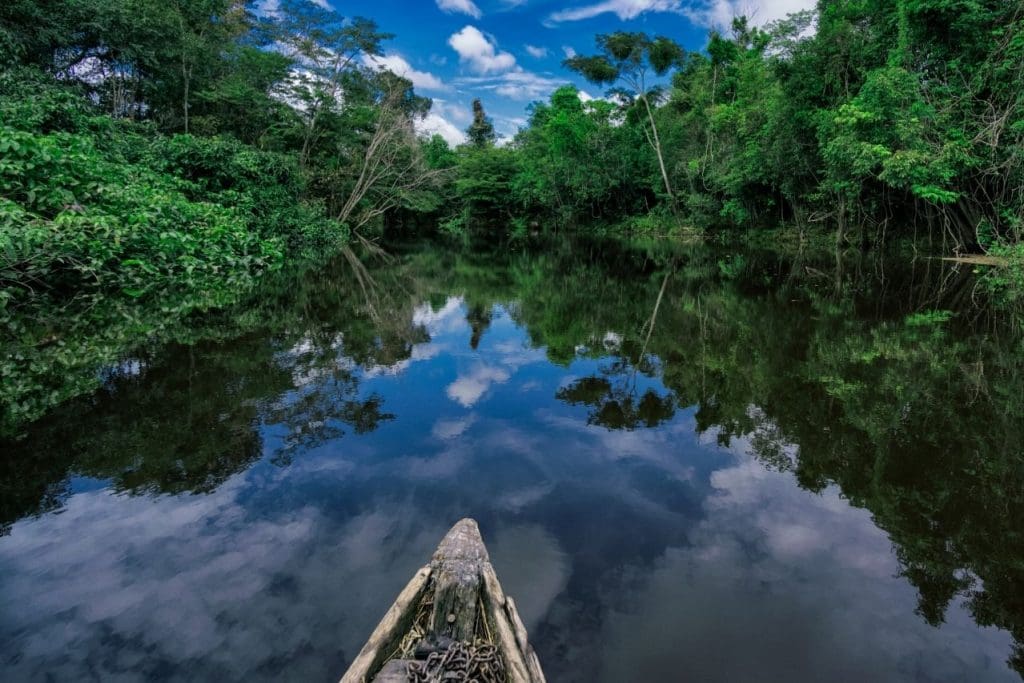
This is easy to say but much harder to put into practice. There are entrenched political and economic interests that are indifferent or even hostile to meaningful, rights-based participation by Indigenous peoples because that would disrupt lucrative activities on Indigenous lands (that Indigenous peoples often don’t benefit from). Even when intentions are good, it’s a challenge to foster participatory decision-making that centers Indigenous needs, wants, and worldviews. It can be done though. Pastaza, a province in the Ecuadorian Amazon, shows how.
More than a decade ago, the Pastaza Provincial Government began incorporating conservation principles into the province’s Zoning and Development Plan. Concurrently, several of Pastaza’s Indigenous nationalities began, with Nature and Culture International’s support, enrolling portions of their lands into Ecuador’s SocioBosque program, which pays communities for conserving their communal forests.
These early achievements set the stage (more below on how) for the creation, in 2017, of a 6.2-million-acre provincial protected area. Subsequently, the partners in this effort — the provincial government, Pastaza’s seven Indigenous nationalities, the Confederation of Indigenous Nationalities of the Ecuadorian Amazon (CONFENIAE), and several conservation NGOs — developed and are now implementing a REDD+ plan to reduce deforestation and create a conservation-based economy in the protected area.
Reducing Emissions from Deforestation and Forest Degradation (REDD+ for short) is a United Nations framework intended to guide and fund developing countries in reducing greenhouse gas emissions from tropical deforestation. There’s a lively ongoing debate as to REDD+’s pros and cons. Some criticisms about REDD+ are ideological: nature shouldn’t be commodified. Some are practical: REDD+ payments are linked to reducing deforestation rates so areas with historically low deforestation have limited ability to secure REDD+ credits. In other words, REDD+ rewards improvement, not being good in the first place. One of the most salient criticisms is that, by and large, REDD+ benefits haven’t reached the Indigenous peoples who do the most to save tropical forests.
Although REDD+ has shortcomings, we should improve, not abandon it. And there are exciting advances creating REDD+ models that include Indigenous peoples in decision-making and ensure that Indigenous communities see real benefits. That’s what happening in Pastaza.
As a member of the Governors’ Climate and Forests (GCF) Task Force, the Pastaza Provincial Government has formally endorsed GCF’s Guiding Principles for Collaboration between Subnational Governments, Indigenous Peoples and Local Communities, as has CONFENIAE. These 13 principles, based on Indigenous rights recognition and security, participation, and benefits sharing lay out a collaborative framework between sub-national governments and Indigenous peoples to protect forests and mitigate climate change.
To operationalize these principles in Pastaza, an inclusive governance structure has been created to oversee and manage the provincial protected area and the REDD+ plan being implemented within. The governing consortium includes a Consultative Council comprising representatives of the seven Indigenous nationalities in Pastaza, each of whom have a vote, as well as a technical working group comprising 10 conservation non-profits. The Consultative Council recently forged an agreement that outlines a Free Prior and Informed Consent process before any REDD+ implementation activities proceed in indigenous territories. In terms of benefit sharing, the government, Indigenous and NGO partners in Pastaza are committed to incorporating Indigenous territorial life plans into the provincial area management plan. These life plans will be funded through REDD+.
Three other factors have contributed greatly to Pastaza’s success. First, we received generous funding support from several entities, including the Governors’ Climate Fund, the United Nations Development Programme, and Norway’s International Climate and Forest Initiative to develop the REDD+ Plan. Second, unlike many other Latin American countries, Ecuador has completed a national REDD+ Implementation Plan, which served as a support and guide for Pastaza’s subnational plan. And as mentioned above, efforts are being made to align provincial plans and Indigenous territorial life plans in meaningful ways. This is not to say that national, subnational and Indigenous conservation visions and policies always align, but when they do, it can have a positive amplifying effect. Last, Pastaza enjoys the peer support of the 39 other state and provincial members of the Governors’ Climate Fund.
Formal structures are important, but successful partnerships are based on trust. Twenty years ago, I heard a tribal leader from the Confederated Tribes of the Umatilla Indian Reservation say in a meeting with a US government agency, “Paper doesn’t talk to me.” What he meant was that there’s no substitute for face-to-face human connections to build trust: eating together, laughing together, just sitting together.
That’s why the early activities in Pastaza were important. We phased the milestones in Pastaza sequentially and achieved them gradually. Slowly but surely, we layered success atop success. This was deliberate, to build trust. In our world of fleeting attention spans and instant gratification, this kind of patience is hard to muster and rarely aligns with short funding and political cycles. But it’s necessary if we are to achieve the lasting results we want.
[Read more about our work in Pastaza.](https://www.natureandculture.org/reddplan-pastaza/)
**Tags:** Biodiversity, Conservation
**Strategic Area:** Biodiversity, Climate, Forests, Local Communities, Water
**Country:** Ecuador, Peru
**Content Type:** Blog
---
### [Cuando el fuego amenaza, las comunidades responden](https://www.natureandculture.org/es/directorio/cuando-el-fuego-amenaza-las-comunidades-responden/)
**Published:** April 21, 2026
**Author:** Nora Sanchez
**Content:**
## **Brigadas comunitarias protegen los bosques y el agua en el sur del Ecuador**
En los territorios donde nacen los ríos y crecen los bosques que sostienen la vida, el fuego no es solo una amenaza ambiental: es un riesgo para el agua, la biodiversidad y el bienestar de las comunidades.
Pero también es en esos mismos territorios donde surgen las respuestas más fuertes. Y siempre, vienen de la gente.
En el sur del Ecuador, hombres y mujeres de distintas comunidades están dando un paso al frente para proteger sus hogares y su entorno formando brigadas comunitarias de manejo integral del fuego.
### **Cuidar el territorio desde adentro**
Las Brigadas Comunitarias de Manejo Integral del Fuego (BRICOM) nacen desde la convicción de que nadie conoce ni cuida el territorio mejor que quienes viven en él.
El proceso de conformación de estas brigadas se impulsa en el marco de un convenio de cooperación entre Naturaleza y Cultura Internacional (NCI) y el Fondo de Agua para la Conservación de la Cuenca del Río Paute (FONAPA), firmado el 27 de enero de 2026, que, entre sus líneas de acción, apuesta por fortalecer las capacidades locales frente a los incendios forestales.
A través de espacios de formación práctica, las y los brigadistas aprenden sobre prevención, control inicial de incendios forestales y coordinación en situaciones de emergencia. Pero más allá de la técnica, se fortalece algo igual de importante: **el trabajo colectivo.**
El proceso de conformación de estas brigadas apuesta por fortalecer las capacidades locales frente a los incendios forestales.
## **Comunidades que se organizan**
Entre marzo y junio de 2026, se conformarán cinco brigadas en comunidades de los cantones Sígsig, Gualaceo, Chordeleg y Azogues, territorios estratégicos del Corredor de Conectividad Sangay – Podocarpus y de la Reserva de Biosfera Macizo del Cajas.
[Sangay Podocarpus: El primer corredor de conectividad oficialmente reconocido en Ecuador](https://www.natureandculture.org/es/directorio/sangay-podocarpus-el-primer-corredor-de-conectividad-oficialmente-reconocido-en-ecuador/)
En total, alrededor de 132 personas, entre comuneros, miembros de juntas de agua, guardabosques y actores locales, serán parte de este esfuerzo.
El Corredor de Conectividad Sangay – Podocarpus es parte del Corredor de Conservación Transfronterizo Andino Amazónico
### **Un esfuerzo compartido**
Este proceso es posible gracias a la articulación entre comunidades, gobiernos locales, cuerpos de bomberos, el Ministerio del Ambiente y Energía, el Fondo de Agua para la Conservación de la Cuenca del Río Paute (FONAPA) y Naturaleza y Cultura Internacional con el apoyo del proyecto **BLF Andes Amazónico**, que impulsa soluciones sostenibles para la conservación en la región.
Porque la conservación no ocurre en aislamiento: se construye en conjunto, sumando esfuerzos y conocimientos.
### **Prevenir también es proteger**
Adicionalmente, como parte de esta iniciativa, se desarrollará una campaña de prevención de incendios forestales en los territorios donde se conforman las brigadas.
El objetivo es claro: generar conciencia, reducir riesgos y fortalecer una cultura de cuidado que empiece mucho antes de que aparezca el fuego.


### **Donde hay comunidad, hay esperanza**
Frente a desafíos como los incendios forestales, las soluciones más efectivas no siempre son las más complejas. A veces, empiezan con algo tan esencial como la organización comunitaria.
Las BRICOM son un recordatorio de que la conservación no es solo una tarea técnica o institucional. Es, sobre todo, un compromiso colectivo.
---
**Más información:**
Nora Sánchez Luzardo
**Coordinadora de Comunicación para América Latina**
<nsanchez@naturalezaycultura.org>
**Tags:** Biodiversidad, Ecuador, Personas
**Strategic Area:** Bosques, Comunidades Locales
**Country:** Ecuador
**Content Type:** Blog
---
### [Fortalecen capacidades locales para la prevención de incendios forestales en los Andes del Norte](https://www.natureandculture.org/es/directorio/fortalecen-capacidades-locales-para-la-prevencion-de-incendios-forestales-en-los-andes-del-norte/)
**Published:** April 17, 2026
**Author:** Nora Sanchez
**Content:**
Con el objetivo de fortalecer la gestión comunitaria frente a los incendios forestales y reducir sus impactos sobre la biodiversidad y la conectividad ecológica en las áreas de conservación de los andes del norte, se desarrolló el **“Taller para el fortalecimiento de la gestión comunitaria e institucional en la prevención de incendios forestales a través de la plataforma Global Forest Watch – GFW”.**
La actividad liderada por Naturaleza y Cultura Internacional, en el marco del proyecto que financia el Plan Binacional capítulo Perú, con la colaboración del Proyecto del Fondo de Paisajes Biodiversos Andes Amazónicos (BLF Andes Amazónicos) durante el tercer año fiscal de su ejecución; teniendo como objetivo el fortalecimiento de capacidades sobre el uso y manejo de la plataforma Global Forest Watch para la detección de alertas tempranas de deforestación e incendios, dirigida a miembros de comités de gestión de áreas naturales protegidas y representantes de la sociedad civil dentro del Corredor de Conservación Andes del Norte.
Representantes del Área de Conservación Regional Páramos y Bosques Montanos de Jaén y Tabaconas, Área de Conservación Regional Bosques del Chaupe, Cunía y Chinchiquilla, Área de Conservación Privada Chicuate Chinguelas, Área de Conservación Privada San Miguel de Tabaconas, Área de Conservación Privada San Felipe, Área de Conservación Privada Huaricancha y representantes de las rondas campesinas, y funcionarios de las municipalidades distritales y el Servicio Nacional de Áreas Naturales Protegidas por el Estado (SERNANP) se dieron cita para el taller.


## **Aprendizaje teórico y práctico**
Durante la primera jornada se desarrolló el componente teórico del taller, orientado a introducir a los participantes sobre la importancia de contar con herramientas tecnológicas para el monitoreo, control y vigilancia de sus áreas de conservación. Fortaleciendo sus capacidades en el uso y manejo de la plataforma Global Forest Watch y su herramienta Forest Watcher. Global Forest Watch es un sistema internacional que permite identificar alertas tempranas de incendios y pérdida de cobertura forestal mediante información satelital.
Así mismo se realizó un taller práctico en campo, donde los participantes identificaron una alerta de deforestación y de incendio forestal, logrando generar su reporte utilizando el aplicativo Forest Watcher.

Al cierre de la jornada, se informó a los asistentes que a partir del mes de abril, será el Plan Binacional de Prevención de Incendios Forestales, implementado por Naturaleza y Cultura Internacional, el encargado de dar continuidad a las acciones y capacidades fortalecidas durante este proceso.
El señor Eriberto Altamirano, guardabosque voluntario, manifestó que durante el taller aprendieron bastante al explorar el uso de herramientas de Sistemas de Información Geográfica (SIG). Señaló que ahora pueden interpretar información satelital para identificar focos de calor y reconocer zonas que podrían ser vulnerables a incendios forestales. Asimismo, destacó que estas herramientas les permitirán mejorar la vigilancia de las Áreas naturales protegidas y actuar con mayor rapidez ante posibles emergencias que pongan en riesgo la biodiversidad y los medios de vida de las comunidades.
## **Comunidades preparadas para proteger sus bosques**
“Este proceso formativo representa un paso importante para fortalecer la articulación entre comunidades, autoridades y organizaciones de conservación en el Corredor de Conservación Andes del Norte, un territorio estratégico que alberga ecosistemas clave para la regulación hídrica, la biodiversidad y la conectividad ecológica entre los Andes y la Amazonía” señaló Jorge Antoni Gil de la municipalidad de San Felipe.
Con herramientas tecnológicas y aplicativos accesibles, con el compromiso de los actores locales, municipalidades distritales a través de sus áreas de defensa civil y las rondas campesinas, se constituye iniciativas como esta, para anticipar riesgos, mejorar la respuesta frente a incendios forestales y proteger los bosques que sostienen la vida y el bienestar de las comunidades.
---
Más información:
Gabriela Gives
Comunicación Perú
<comunicacion.peru@naturalezaycultura.org>
**Strategic Area:** Biodiversidad, Comunidades Locales
**Country:** Perú
**Content Type:** Blog
---
### [Primer encuentro binacional del Corredor de Conservación Transfronterizo Andino Amazónico](https://www.natureandculture.org/es/directorio/primer-encuentro-binacional-del-corredor-de-conservacion-transfronterizo-andino-amazonico/)
**Published:** April 17, 2026
**Author:** Nora Sanchez
**Content:**
Tras su reconocimiento oficial por parte de los presidentes de Perú y Ecuador, el Corredor de Conservación Transfronterizo Andino Amazónico (CCTAA) entra en una nueva etapa hacia una gestión efectiva, articulada y sostenible. Este espacio de más de dos millones de hectáreas protege bosques y páramos andinos ubicados en las cabeceras de tres cuencas hidrográficas compartidas por estos países, de cuya conservación dependen múltiples poblaciones y sistemas productivos.
[Conoce más de esta iniciativa binacional de conservación](https://www.natureandculture.org/es/conservation_initiatives/corredor-de-conservacion-transfronterizo-andino-amazonico/)
En ese contexto, autoridades y actores clave de Ecuador y Perú se reunieron en el Evento Técnico Binacional del CCTAA, desarrollado en Lima el último 18 y 19 de marzo. El encuentro buscó sentar las bases de una gobernanza sólida que permita enfrentar de manera conjunta los desafíos ambientales que trascienden fronteras, como la pérdida de biodiversidad, la fragmentación de ecosistemas y el cambio climático.
Así, en cumplimiento de lo establecido en el Compromiso Presidencial y Plan de Acción de Quito 2025, se inició la construcción participativa del Plan de Trabajo Quinquenal, instrumento clave que orientará la gestión del corredor en los próximos cinco años. Basado en un análisis estratégico, este plan definirá las prioridades de acción y establecerá mecanismos de coordinación, seguimiento y toma de decisiones entre ambos países, fortaleciendo así la gobernanza transfronteriza.
Durante el encuentro, los participantes construyeron los objetivos del CCTAA, validaron la estructura del Plan, revisaron aspectos clave para la gobernanza y establecieron una hoja de ruta para los siguientes pasos.

Deyvis Huamán, del Servicio Nacional de Áreas Naturales Protegidas por el Estado, destacó que el reconocimiento del corredor representó un logro histórico para ambos países, pero subrayó que el verdadero desafío radica ahora en su implementación efectiva.
En la misma línea, Cristhian Acurio, del Ministerio de Ambiente y Energía del Ecuador, resaltó que el corredor permitirá mantener el flujo migratorio de las especies y conservar el buen estado de los ecosistemas, lo que exige fortalecer la gestión de los espacios naturales que lo integran.
Los próximos pasos serán, según explicó Fabián Rodas de Naturaleza y Cultura Internacional, implementar el Plan Quinquenal del CCTAA y asegurar el cumplimiento de metas anuales, como parte de compromisos presidenciales recurrentes. Esto implica fortalecer y poner en marcha un modelo de gobernanza transfronterizo, desarrollar una plataforma de gestión de datos que facilite la toma de decisiones, impulsar procesos de fortalecimiento de capacidades en los territorios y gestionar oportunidades de financiamiento alineadas a las prioridades del corredor.
Finalmente, el presidente ejecutivo del SERNANP, José Carlos Nieto, subrayó el valor del intercambio y reafirmó que este primer encuentro marca un hito, consolidando una agenda conjunta basada en la cooperación y la confianza para la conservación de los ecosistemas andino-amazónicos.
El encuentro binacional consolidó un espacio de articulación y hermanamiento entre Perú y Ecuador, marcando el inicio de una etapa prometedora para el CCTAA.

## **Articulación interinstitucional para la gestión**
La articulación institucional es uno de los pilares de esta iniciativa. En el evento participaron representantes del Servicio Nacional de Áreas Naturales Protegidas, el Ministerio del Ambiente del Perú, el Servicio Nacional Forestal y de Fauna Silvestre, el Ministerio de Ambiente y Energía del Ecuador, junto a los gobiernos regionales de Piura y Cajamarca, prefectura de Loja, además de Plan Binacional Capítulo Ecuador y el Plan Binacional Capítulo Perú y Naturaleza y Cultura Internacional.
El encuentro contó con el soporte financiero del proyecto BLF Andes Amazónico, a través de Practical Action y Naturaleza y Cultura Internacional, evidenciando el rol clave de la cooperación para viabilizar procesos de gestión a escala de paisaje.
---
**Más información:**
Gabriela Gives
**Comunicación Perú**
<comunicacion.peru@naturalezaycultura.org>
**Strategic Area:** Bosques
**Country:** Ecuador, Perú
**Content Type:** Blog
---
### [Entre la laguna, el bosque y la vida silvestre de Huamantanga y Chorro Blanco ](https://www.natureandculture.org/es/directorio/entre-la-laguna-el-bosque-y-la-vida-silvestre-de-huamantanga-y-chorro-blanco/)
**Published:** April 17, 2026
**Author:** Nora Sanchez
**Content:**
Durante un recorrido por el Área de Conservación Regional (ACR) Bosques Montanos de Huamantaga y Chorro Blanco, nuestro compañero Dalí Díaz logró capturar en instantáneas a algunas aves del lugar, entre ellas estuvo la amazona (*Amazona mercenarius*), la pava (P*enelope barbata*), el carpintero (*Campephilus haematogaster*) y el colibrí (*Coeligena torquata*), especies que llenan de vida y color estos bosques montanos.

La travesía incluyó una visita a la Laguna Negra, ubicada en el caserío de San Luis de Nuevo Retiro, a pocas horas de Jaén. Este importante ecosistema es fuente de agua para toda la ciudad, recordándonos que la conservación de estos territorios sostiene la vida mucho más allá del bosque.
“No hay nada mejor que ver a las especies en su hábitat natural”, nos comparte Dalí, mientras continúa su labor de monitoreo de aves en dos sectores del ACR, entre ellos el caserío San Luis de Nuevo Retiro. Estas acciones forman parte del proyecto Conserva Aves, impulsado por American Bird Conservancy y Profonanpe.
Dalí Diaz, señaló que las aves cumplen un rol fundamental en estos ecosistemas, dispersando semillas y ayudando a mantener el equilibrio ecológico del bosque.

Dato: El Área de Conservación Regional Huamantanga y Chorro Blanco protege 14,022.65 hectáreas, ubicadas en la provincia de Jaén, en Cajamarca. En este territorio nacen las quebradas La Rinconada, San José de la Alianza y La Cascarilla, que alimentan la cuenca del río Amojú y abastecen de agua a la población de la ciudad de Jaén y Bellavista y a la agricultura de la provincia de Jaén.
---
**Más información:**
Gabriela Gives
**Comunicación Perú**
<comunicacion.peru@naturalezaycultura.org>
**Strategic Area:** Biodiversidad
**Country:** Perú
**Content Type:** Blog
---
### [A Win for Nature: Nature and Culture Secures Water and Life in Northern Peru ](https://www.natureandculture.org/directory/a-win-for-nature-nature-and-culture-secures-water-and-life-in-northern-peru/)
**Published:** April 8, 2026
**Author:** Heather Thomas
**Content:**
In a landmark moment for the **Andes-Amazon Conservation Corridor**, **Nature and Culture** has achieved a major victory for biodiversity: the official establishment of the **Huamantanga and Chorro Blanco Regional Conservation Area**. Spanning over **34,500 acres** in northern Peru, this new protected area represents a coordinated effort to protect some of the **most ecologically significant** water sources and cloud forest ecosystems in the region.
“This is an environmental achievement and a commitment to the future of our people,” stated the Regional Governor of Cajamarca, Roger Guevara. The establishment of this area demonstrates a firm determination to protect the water sources that sustain life and **sustainable development** in Jaén.
## ****A Forest that Sustains Life and Secures Water****
The headwaters of the La Rinconada, San José de la Alianza, and La Cascarilla **streams** are located within this territory. **These** waters feed the Amojú River basin, supplying drinking water to the populations of Jaén and Bellavista and supporting the farms that feed the surrounding province.
Beyond its hydrological importance, the forest is a refuge for the iconic spectacled bear (*Tremarctos ornatus*), the Andean cock-of-the-rock (*Rupicola peruvianus*), and the red brocket deer (*Mazama rufina*). It also protects flora of immense historical value, such as **Cinchona** (*Cinchona* spp., the famous quinine bark tree, national tree of Peru and the origin of tonic water) and **Romerillo** (*Podocarpus* genus, a rare native conifer found in Andean cloud forests). These woods also host threatened and migratory birds, including the Black-and-chestnut Eagle (*Spizaetus isidori*) and the Canada Warbler (*Cardellina canadensis*).
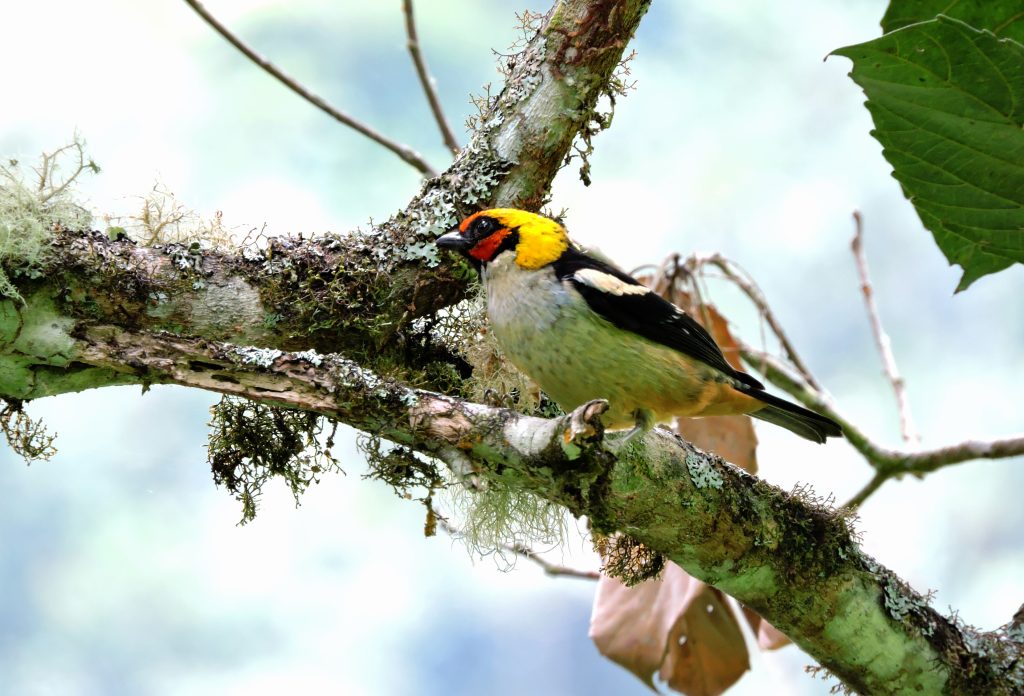Flame-faced tanager (Tangara parzudakii)
## ********Four Years of Relationship-Building and Cooperation********
Since 2021, **Nature and Culture** has led this participatory process with technical support and funding from the Andes Amazon Fund. Other key partners joined the effort, including **Proyecto CUIDAR** and **Proyecto BLF Andes Amazónico and the Conserva Aves Initiative with support from the Government of Canada.**
“This declaration is the result of a shared vision with local communities who understand that protecting the forest also means protecting their own way of life,” commented Iván Mejía, **Nature and Culture Project Manager**. Before the area **was** officially established, our team **worked with local communities to assess conditions and develop hands-on action plans**, ensuring that those living near the forest are their primary guardians.

## ********Forests for the Future********
This victory consolidates a key piece of the **Andes-Amazon Conservation Corridor**, connecting vital natural areas across Peru and Ecuador. The work is already yielding results; through conservation agreements, **20 acres of romerillo** (*Podocarpus* genus) are already recovering in two local communities. This pilot model has proven that reforestation with native species can thrive and is now ready to be scaled across the new protected area.
“With this step, we consolidate a key piece within the Andes del Norte Conservation Corridor,” explained Auner Medina, **Andes del Norte Coordinator**, who highlighted the importance of this milestone for ecological connectivity and the regulation of the hydrological cycle.

## ****A Legacy Built to Last****
The new conservation area shows what’s possible when protection and people’s livelihoods are treated as the same goal. It guarantees the protection of Andean ecosystems while opening doors for sustainable tourism and scientific research.
As Sergio Sánchez Ibáñez, Regional Manager of Natural Resources, noted: “Protecting the forest is also protecting the life and culture of those who depend on it. This is a firm step toward a more sustainable future.” This is conservation built to last—protecting water, wildlife, and communities for generations to come.
**Tags:** Amazon, Biodiversity, Peru, Protected Area
**Strategic Area:** Forests
**Country:** Peru
**Content Type:** News
---
### [Se encamina la gestión participativa del Área de Conservación Regional San Pedro de Chonta](https://www.natureandculture.org/es/directorio/se-encamina-la-gestion-participativa-del-area-de-conservacion-regional-san-pedro-de-chonta/)
**Published:** April 7, 2026
**Author:** Nora Sanchez
**Content:**
- *La Gerencia de Recursos Naturales y Gestión Ambiental del Gobierno Regional de Huánuco (GOREHCO) junto al equipo técnico de Naturaleza y Cultura Internacional (NCI) organizaron la 1era serie de charlas informativas sobre la conformación del Comité de Gestión del área.*
El Área de Conservación Regional (ACR) San Pedro de Chonta (Huánuco – Perú) propone un modelo de gestión innovador que involucrará la participación de las autoridades y representantes de las localidades aledañas a su territorio. El espacio de diálogo pertinente para lograr este objetivo común será la conformación del Comité de Gestión, el cual establecerá los objetivos y estrategias prioritarias de conservación a través de la elaboración del Plan Maestro del ACR San Pedro de Chonta.
GOREHCO y Naturaleza y Cultura Internacional organizaron una estrategia de comunicación precisa, periódica y transparente dirigida a las localidades a través de la ***1era Serie de Charlas Informativas sobre la Conformación del Comité de Gestión,*** efectuada desde el 12 hasta el 21 de marzo de 2026, en un total de 10 localidades adyacentes al ACR. Así también, se establecieron reuniones con autoridades en el Municipio Distrital de Cholón y la Municipalidad Provincial de Marañón y la Agencia Agraria de Marañón. Este proceso informativo continuará a lo largo del presente año en todas las localidades priorizadas.
Trabajo articulado entre el Gobierno Regional de Huánuco y Naturaleza y Cultura Internacional
## **Información clave para decidir**
El equipo liderado por la Ing. Judith Trujillo Meza, especialista en Recursos Naturales de la Gerencia Regional de Recursos Naturales y Gestión Ambiental del GOREHCO resaltó la factibilidad de consolidar asociaciones y/o cooperativas fortalecidas. “En estas charlas informativas se ha invitado a las autoridades y población local a ser parte del comité de gestión porque organizándonos vamos a formar más asociaciones y se encontrarán más oportunidades”, dijo Trujillo Meza
Representantes de la localidad Santillán reciben cartillas informativas sobre la conformación del comité de gestión del ACR San Pedro de Chonta
Por su parte, el Blgo. Nicolas Mamani Cabana, jefe de proyectos de Naturaleza y Cultura Internacional, precisó los tres puntos abordados en las charlas informativas “primero, hemos resocializado los linderos que comprenden todo el perímetro del ACR San Pedro de Chonta, luego, hemos hablado sobre la zonificación del área y las actividades que se van a realizar a futuro de acuerdo con planes de manejo y finalmente hemos brindado información para la conformación del comité de gestión”.
Nicolás Mamani, jefe de proyectos Naturaleza y Cultura, explicó el cronograma del presente año para la gestión participativa del ACR
Desde Rio Blanco hasta Huacrachuco, en cada una de las localidades visitadas, se hizo entrega de material informativo a los participantes con la **Cartilla Informativa N° 2 sobre la conformación del comité de gestión del ACR San Pedro de Chonta**. Además, se adjuntó la propuesta del Reglamento de Sesiones y Funciones del Comité de Gestión, así como, el formato de carta de acreditación el cual será dirigido al representante del GOREHCO y formalizará la participación del actor en el comité de gestión.
Localidades reciben información oportuna sobre los requisitos y funciones del comité de gestión del ACR San Pedro de Chonta
## **Herramientas tecnológicas de contraste**
Para afianzar la transparencia, el equipo técnico de NCI proporcionó a la población información geoespacial impresa y en digital, principalmente a través de la **visualización e interpretación de imágenes satelitales sobre los puntos de referencia de cada una de las localidades visitadas respecto del ACR San Pedro de Chonta**. Asimismo, se presentó GeoTracker, un aplicativo móvil – o*ffline* en el que los moradores, previa descarga del archivo kmz que es un formato comprimido usado por [Google Earth](https://earth.google.com/web) y [Google Maps](https://maps.google.com/) para visualizar datos geográficos; de esta manera, puedan visualizar los límites del ACR, así como su zonificación.
A través de mapas impresos, la población identificó la zonificación del ACR San Pedro de Chonta
El Blgo. Wilmer Ortiz Herrera, coordinador de la PACR Yanajanca en NCI, explicó los límites del ACR y resaltó **su importancia para la seguridad hídrica de la región al resguardar 74 lagunas altoandinas que benefician a 120 mil personas**. Además, instó a considerarla como una ventana para el presente y futuro, que permita articular más oportunidades que fortalezcan las actividades productivas vigentes.
Visualización en imágenes satelitales de los puntos de referencia de las localidades
Próximamente, el GOREHCO y NCI seguirán impulsando más información sobre el proceso de conformación del comité de gestión, la comisión ejecutiva del comité de gestión y la elaboración del primer Plan Maestro del ACR. Para tales fines, los técnicos de campo desplegados en el ámbito del ACR seguirán coordinando con las diferentes localidades para brindar más información y recabar los documentos de acreditación de los actores que deseen ser parte de tan importante comité de gestión del ACR.
Autoridades regionales también son informadas e invitadas a la conformación del comité de gestión
Estas acciones de la gestión del ACR San Pedro de Chonta serán posibles gracias a nuestros cooperantes [Rainforest Trust](https://www.rainforesttrust.org/), [Andes Amazon Fund](https://www.andesamazonfund.org/). Además, forman parte de la iniciativa [Conserva Aves](https://conserva-aves.org/), que protege territorios de vida para las aves y las comunidades, con el acompañamiento de [American Bird Conservancy](https://abcbirds.org/).
---
**Más información:**
Carolina Flores
**Comunicación Huánuco**
<cflores@naturalezaycultura.org>
**Strategic Area:** Bosques, Comunidades Locales
**Country:** Perú
**Content Type:** Noticias
---
### [La evolución de una estrategia de conservación ](https://www.natureandculture.org/es/directorio/la-evolucion-de-una-estrategia-de-conservacion/)
**Published:** April 7, 2026
**Author:** Nora Sanchez
**Content:**

### **De áreas aisladas a paisajes conectados en 30 años**
Conversamos con Renzo Paladines, uno de los fundadores de Naturaleza y Cultura Internacional y actual Director de Conservación, para reconstruir los inicios de la organización hace ya 30 años y entender cómo su estrategia de conservación se ha ido transformando con el tiempo.
[Conoce nuestro enfoque y visión ](https://www.natureandculture.org/es/nuestro-enfoque-y-vision/)
## **30 años construyendo conservación desde lo local**
A veces, las grandes ideas van tomando forma con el tiempo: nacen de momentos de inspiración y crecen a partir de la experiencia.
*“Fue casi mágico”*, recuerda Renzo, uno de los fundadores de Naturaleza y Cultura Internacional, al hablar de los primeros pasos de la organización. *“Estábamos recorriendo un pequeño bosque con unos donantes. Había mariposas, una luz especial… y alguien preguntó: **¿qué podemos hacer para proteger esto?”.***
La pregunta parecía simple, pero marcó un punto de inflexión.
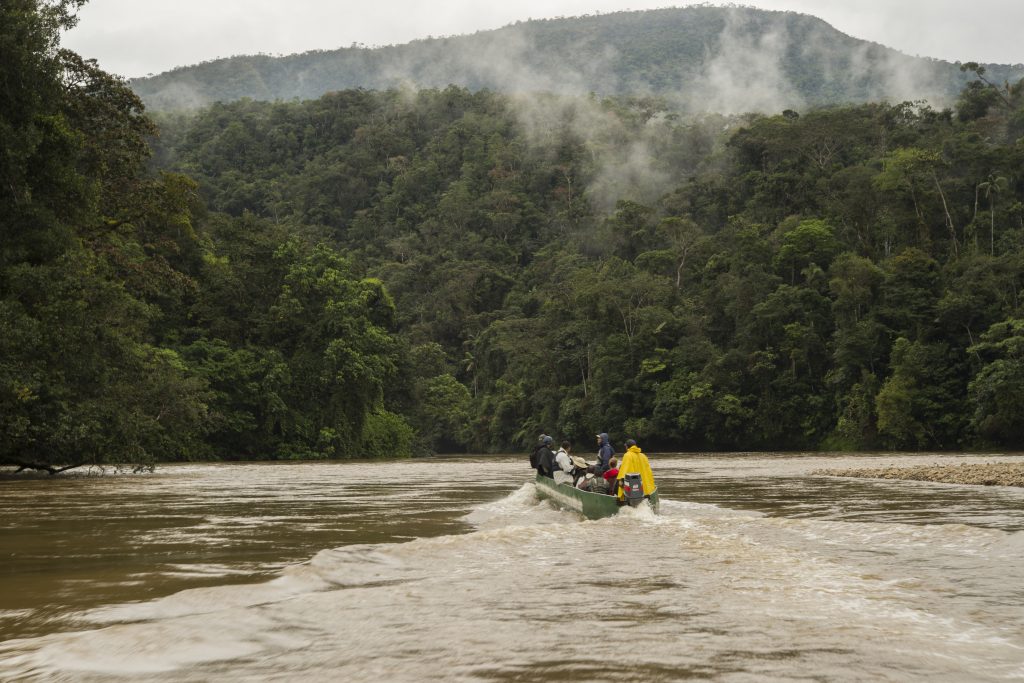
### **De pequeños bosques a grandes aprendizajes**
Ese pequeño bosque nos enseñó algo crucial: los fragmentos de bosque, aunque reducidos, son fundamentales. No solo por su biodiversidad, sino porque protegen algo esencial para las comunidades: el agua.
*“Ahí entendimos que esas áreas pequeñas eran prioritarias para la gente local. Son las que producen agua, las que sostienen la vida”.*
Ese aprendizaje nos llevó a explorar un camino nuevo: trabajar con gobiernos locales para crear áreas de conservación. Así nacieron las primeras iniciativas a nivel municipal en Loja, en un contexto donde aún no existía una legislación específica como la que hoy respalda las Áreas de Conservación y Uso Sostenible (ACUS).
[Accede al mapa de las ACUS](https://www.natureandculture.org/es/geovisor-del-mapa-nacional-de-acus/)
No fue una estrategia planificada desde el inicio, sino una respuesta a una necesidad real.
## **El giro: conservar con la gente**
Si hay algo que define nuestra esencia, es una convicción que ha guiado nuestro trabajo durante tres décadas:
*“La conservación es un trabajo local. No se puede hacer desde una oficina. La hacen las personas que viven en el territorio”.*
Ttrotsky Viera, Técnico de Zamora Chinchipe en el Centro Shuar el Kim
Esta idea marcó una diferencia frente a modelos tradicionales de conservación que buscaban crear áreas protegidas a distancia. **Para nosotros, el enfoque era, y sigue siendo, conservar junto a las personas.**
Gobiernos locales, comunidades indígenas y propietarios privados comparten algo en común, explica Renzo: la territorialidad. Son quienes viven, gestionan y dependen directamente de estos espacios.
*“Si no tienes involucradas a las comunidades, no puedes hacer conservación”.*
### **De áreas aisladas a paisajes conectados**
Durante varios años, nuestro trabajo se centró en la creación de áreas individuales. Pero con el tiempo, surgieron nuevos desafíos.
El manejo de múltiples áreas dispersas se volvió complejo. Y, más importante aún, la evidencia científica empezó a mostrar que conservar espacios aislados no era suficiente: las especies necesitan conectividad para sobrevivir.
*“Ahí entendimos que no bastaba con crear áreas. Había que conectarlas”.*
Así nació el concepto de mosaicos de conservación: territorios donde conviven diferentes tipos de áreas protegidas: nacionales, subnacionales, privadas y comunitarias, que, juntas, contribuyen a la conservación de un paisaje más amplio.
Este enfoque no solo facilitó el manejo, sino que permitió dar un paso más: escalar hacia iniciativas aún más ambiciosas.
## **Pensar en grande: el Corredor Transfronterizo y la Plataforma Amazónica**
Con el tiempo, incluso los mosaicos comenzaron a quedarse cortos frente a los retos de la conservación.
De forma natural, evolucionamos hacia programas más amplios, como el [Corredor de Conservación Transfronterizo Andino Amazónico](https://www.natureandculture.org/es/conservation_initiatives/corredor-de-conservacion-transfronterizo-andino-amazonico/ "Corredor de Conservación Transfronterizo Andino Amazónico") y la [Plataforma Amazónica por los Bosques, el Clima y el Bienestar Humano](https://www.natureandculture.org/es/conservation_initiatives/plataforma-amazonica-por-los-bosques-el-clima-y-el-bienestar-humano/ "Plataforma Amazónica por los Bosques, el Clima y el Bienestar Humano "), que integran múltiples paisajes y actores.

*“Fue una evolución. Los mosaicos ayudan al manejo, pero cuando hablas de conectividad y escala, necesitas una visión de programa”.*
Así se consolidaron estas iniciativas, que reúnen a gobiernos locales, organizaciones indígenas y otros actores en torno a un objetivo común.
### **Aprender haciendo: una evolución constante**
Nuestra historia no es lineal. Es, como la describe Renzo, un proceso de evolución.
*“Empezamos creando áreas. Luego entendimos que necesitábamos financiamiento sostenible, y así nacieron los fondos de agua. Después vimos que la gobernanza era clave. Todo ha sido aprendizaje”.*
[Conoce sobre el Fondo Futuro Amazónico](https://www.natureandculture.org/es/conservation_initiatives/fondo-futuro-amazonico/)
## **Lo que no esperábamos**
No todas las apuestas funcionaron. Los proyectos productivos, por ejemplo, representaron uno de los mayores desafíos.
*“El problema no es producir, es comercializar. Ahí se caen casi todos los proyectos”.*
Lejos de insistir en lo que no funcionaba, optamos por enfocarnos en aquello donde podemos generar mayor impacto: creación de áreas, gobernanza y mecanismos de financiamiento.
Hoy, estos tres pilares definen nuestra estrategia.
[Nuestro enfoque y visión](https://www.natureandculture.org/es/nuestro-enfoque-y-vision/)
Andes del Norte en Perú
Cuando mira hacia atrás, hay algo que sorprende a Renzo: *“No pensé que íbamos a poder crecer a otros países”.*
Lo que comenzó en Ecuador encontró eco en otros territorios. Las conversaciones con autoridades locales en Perú, Colombia o México resultaron ser, en esencia, las mismas. *“Al final, todo se reduce a lo mismo: la dependencia que tenemos de los ecosistemas”.*
El futuro, sin embargo, no es sencillo.
Renzo menciona tres grandes preocupaciones: la presión creciente sobre los recursos naturales, el debilitamiento de la cooperación internacional y el impacto del cambio climático, incluso en ecosistemas aparentemente intactos.
*“Puedes tener un bosque bien cuidado, con guardaparques y financiamiento… y aun así perder especies por el cambio climático”.*
Renzo y Bruno Paladines
### **Una construcción colectiva de nuestra estrategia de conservación**
Si algo queda claro en esta conversación, es que Naturaleza y Cultura Internacional se ha construido colectivamente.
*“Ha sido una construcción colectiva”,* dice Renzo. Una suma de experiencias, aprendizajes, errores y aciertos que, con el tiempo, han dado forma a una manera distinta de hacer conservación: desde lo local, con múltiples actores y con una mirada de largo plazo.
Treinta años después, esa esencia sigue intacta.
Y quizás todo empezó con una pregunta sencilla en medio de un bosque mágico:
**¿qué podemos hacer para proteger esto?**
[Celebra con nosotros 30 años](https://www.natureandculture.org/es/comprometidos-con-la-naturaleza/)
**Tags:** Agua, Areas de Protección Hídrica, Biodiversidad, Ecuador, Mexico, Personas, Perú, Reservas naturales
**Strategic Area:** Bosques
**Country:** Bolivia, Colombia, Ecuador, México, Perú
**Content Type:** Blog
---
### [The Evolution of a Conservation Strategy: Connecting Landscapes over 30 Years](https://www.natureandculture.org/directory/the-evolution-of-a-conservation-strategy-connecting-landscapes-over-30-years/)
**Published:** April 7, 2026
**Author:** Heather Thomas
**Content:**
### *A conversation with Renzo Paladines, Co-founder and Chief Conservation Officer, Nature and Culture*
Some of the most important ideas don’t arrive fully formed. They take shape through experience, through small moments that turn out to matter more than anyone expected.
“It felt almost magical,” Renzo Paladines recalls, thinking back to the earliest days of Nature and Culture. “We were walking through a small forest with some donors. There were butterflies. The light was something else. And someone asked, ‘What can we do to protect this?'”
A simple question. But it changed everything.

## Small Forests, Big Lessons: How Water Protection Shaped Our Strategy
That walk didn’t just spark an idea; it revealed something fundamental. Small forest fragments, even ones easy to overlook, carry outsized importance. Not just for the wildlife within them, but for the people living alongside them. These patches of forest are where water comes from. They are, in a very practical sense, what keeps communities alive.
“We understood that these small areas were a priority for local communities. They’re the ones that produce water. They sustain life.”
From that understanding came a new direction. Nature and Culture began partnering with local governments to protect these areas, in some cases, before the laws to do so even existed. The organization’s first municipal protected areas took shape in Loja, Ecuador, pioneering a model of community-anchored conservation that eventually helped lay the groundwork for what Ecuador now formally recognizes as Areas of Conservation and Sustainable Use (ACUS).
There was no master plan. The work in Loja wasn’t a strategy designed in advance; it was a direct response to a real need, in a real place, with real communities.
## Why Community-Led Conservation Outperforms Top-Down Models
If there’s one conviction that has defined Nature and Culture across three decades, it’s that conservation is local work. It can’t be done from a desk. It’s done by the people who live on the land.
For Nature and Culture, that has never been a philosophy statement — it’s been a practical commitment that shapes every partnership we build. Rather than treating protected areas as something imposed from the outside, our model has always been to protect alongside communities, not instead of them.
Local governments, Indigenous communities, and private landowners share something fundamental, Renzo explains. They live in these territories, they manage them, and they depend on them directly.
“If communities aren’t involved, you can’t do conservation.”
Ttrotsky Viera, Zamora Chinchipe Technical Coordinator, Shuar el Kim Center
## From Protected Areas to Connected Landscapes **Across the Andes and Amazon**
For years, the work focused on creating individual protected areas. But over time, the challenge evolved.
Managing dozens of scattered areas became complex. And science was making it clear that isolated patches aren’t enough — species need connectivity to survive and adapt.
“We realized that creating areas wasn’t sufficient. We had to connect them.”
That’s how the mosaic approach was born — landscapes where national protected areas, subnational zones, private reserves, and Indigenous territories work together as a unified system. Conservation at the scale that nature actually needs.
## The Amazonian Platform and Andes Amazon Conservation Corridor: Scaling Forest Protection Across Borders
Mosaics solved the management problem. But connectivity at true Andes-Amazon scale required something larger. Nature and Culture’s two most ambitious programs grew from that recognition. The [Amazonian Platform ](https://www.natureandculture.org/conservation_initiatives/the-amazonian-platform-a-bold-vision-to-protect-14-million-acres/)and the [Andes Amazon Conservation Corridor ](https://www.natureandculture.org/conservation_initiatives/the-andes-amazon-conservation-corridor/)bring together local governments, Indigenous organizations, and civil society across national borders, spanning ecosystems from the high Andes down through the Amazon basin, in pursuit of a shared goal.
“It was an evolution. Mosaics help with management. But when you’re talking about true connectivity and scale, you need a program vision.”

## 30 Years of Adaptive Conservation Strategy: What Worked, What Didn’t, and Why It Matters
Nature and Culture’s story isn’t a straight line. Renzo describes it as a process of constant evolution. “We started by creating areas. Then we understood we needed sustainable financing, so water funds emerged. Then we realized governance was the key piece. All of it has been a learning process.”
Not every approach worked. Productive development projects proved harder than expected, not at the production level, but at market access. “The problem isn’t producing. It’s getting products to market. That’s where almost every project falls apart.”
Rather than persist with what wasn’t working, Nature and Culture sharpened its focus on where it could generate the greatest impact — creating and managing protected areas, strengthening governance, and building sustainable financing mechanisms. Those three pillars define the strategy today.
One of the clearest expressions of that financing work is the [Amazon Future Fund](https://www.natureandculture.org/conservation_initiatives/the-amazon-future-fund/). Built on the foundation of the Amazonian Platform, the fund places decision-making power equally in the hands of Indigenous nationalities and provincial governments, channeling resources directly to the people protecting the forest rather than filtering them through distant institutions. It is an early but significant step toward durable, locally owned conservation financing at Amazon scale.
## Scaling Community-Based Conservation From Ecuador Across Latin America
“I never thought we’d be able to grow into other countries,” Renzo admits.
What began in Ecuador’s forests found resonance in Peru, Colombia, Mexico, and beyond — not because the model was imposed, but because the conversations with local leaders in each new country turned out to be, at their core, the same conversation about forests, water, and the communities that depend on both.
“It always comes back to our dependence on ecosystems.”
And the same three pillars that shaped the strategy in Ecuador — creating protected areas, strengthening local governance, and building sustainable financing — proved just as relevant everywhere else. Thirty years of applying that approach across Latin America has added up to 26.8 million acres protected and 3.9 billion tons of CO₂ equivalent stored — a contribution to climate stability that could only have been built from the ground up.
## Forest Conservation in the Next 30 Years: Why the Stakes Have Never Been Higher
The future, without a doubt, won’t be simple.
Renzo names three pressing concerns going forward: growing pressure on natural resources, the weakening of international cooperation, and the accelerating impact of climate change, even in forests that appear intact and well-managed. “You can have a healthy forest, with rangers, with funding, and still lose species to climate change.”
That honesty is part of what thirty years of conservation work produces. Not cynicism, but clarity about what’s actually at stake — and what it takes to meet the moment. The threats are real. So is the foundation that’s been built to face them: millions of acres under protection, Indigenous and local governments with real governance power, and financing models designed to outlast any single donor cycle.
The question now isn’t whether this work matters. It’s whether it can grow fast enough.

## A Collective Conservation Model, Built to Last
What comes through most clearly in this conversation is that Nature and Culture has never operated from the top-down. Every protected area, every governance structure, every financing mechanism has been built collectively — through relationships, through failures, through the hard-won trust of communities who had every reason to be skeptical of outside organizations.
“It’s been a collective effort. Experiences, learning, failures, and successes — all of it has shaped a different way of doing conservation. From the local level, with many partners, and with a long view.”
Thirty years later, that core is still intact.
And maybe it all started with a simple question, asked by someone standing in a small forest, watching the light come through the trees:
*What can we do to protect this?*
The answer, it turns out, takes thirty years to build. And it’s not finished yet.
[Celebrate 30 years ](https://www.natureandculture.org/30-years-conservation/)
**Strategic Area:** Forests
**Country:** Bolivia, Colombia, Ecuador, Mexico, Peru
**Content Type:** Blog
---
### [Las historias de la conservación que Ecuador necesita contar ](https://www.natureandculture.org/es/directorio/las-historias-de-la-conservacion-que-ecuador-necesita-contar/)
**Published:** March 31, 2026
**Author:** Nora Sanchez
**Content:**
En un contexto ambiental cada vez más complejo para el Ecuador —marcado por la pérdida de biodiversidad, la degradación de los bosques y múltiples presiones antrópicas—, **contar las historias de conservación se vuelve una tarea urgente.**
En este escenario, Naturaleza y Cultura Internacional impulsa «Narrar lo que se conserva» una beca de periodismo ambiental dirigida a periodistas y comunicadores interesados en visibilizar los procesos que protegen la vida en el sur del país.
La iniciativa busca fortalecer propuestas periodísticas que aborden temas como la conservación de ecosistemas, la protección de fuentes de agua y el trabajo de las comunidades que protegen sus territorios y las fuentes de agua.
La beca combina un proceso formación, intercambio y acompañamiento especializado, la beca apuesta por mejorar la calidad y el impacto de las historias ambientales en Ecuador.

## **Una experiencia inmersiva para contar historias**
La beca incluye un taller presencial de dos días en la Estación Científica San Francisco, ubicada en el Abra de Zamora una de las zonas más biodiversas del país.
Durante este espacio, las personas seleccionadas podrán fortalecer sus propuestas, intercambiar aprendizajes y profundizar en la construcción de historias con enfoque ambiental.
Posteriormente, las mejores propuestas accederán a una beca de producción periodística, que incluye acompañamiento editorial para el desarrollo de sus trabajos.
## **Cómo se sostiene la conservación en Ecuador**

Entender cómo se conserva en Ecuador implica mirar más allá de los ecosistemas y reconocer los procesos, alianzas y esfuerzos que lo hacen posible. La protección de las fuentes de agua y de los territorios que las resguardan es parte central de esta tarea.
En este camino, Naturaleza y Cultura Internacional ha logrado sostener procesos y alianzas estratégicas a nivel nacional, en articulación con el Estado ecuatoriano y los gobiernos locales, incluso en contextos desafiantes.
En este marco, a través de su programa de conservación de fuentes de agua y en coordinación con el Ministerio del Ambiente y Energía, se ha contribuido a la identificación y establecimiento de 24 de las 38 Áreas de Protección Hídrica (APH) existentes en el país. Asimismo, junto a gobiernos locales, se ha promovido el establecimiento de más de 144 Áreas de Conservación y Uso Sostenible (ACUS).
Solo en 2025, estos esfuerzos conjuntos permitieron la creación o fortalecimiento de más de 109.000 hectáreas de ecosistemas estratégicos, beneficiando a más de 474.000 personas mediante la protección de fuentes de agua y contribuyendo a conservar el hábitat de más de 1.000 especies.
Detrás de cada una de estas áreas existen procesos de gobernanza, trabajo comunitario y conservación que merecen ser documentados y difundidos con rigor periodístico. Esta beca busca precisamente eso: impulsar nuevas narrativas que acerquen estas historias a la sociedad y visibilicen a quienes sostienen la conservación en el territorio.
## **Postula a la beca: conoce el proceso y cómo participar**
Si eres periodista o comunicador y quieres aportar a la conservación desde la comunicación, esta es una oportunidad para desarrollar historias con impacto.
### **Pasos para postular:**
1. Descarga el documento de Excel con el formato de propuesta:
<https://drive.google.com/drive/folders/1UP4qWJTkpB-sdL0qgUX2X6cEO_8MqgRG?usp=sharing>
2. Completa tu propuesta periodística en el archivo
3. Adjunta el documento en el formulario de inscripción:
<https://natureandculture.typeform.com/to/XQ1eAyU8>
### Ten presente las fechas importantes:
| ETAPA | FECHA |
|---|---|
| Apertura de convocatoria | 23 de marzo a 05 de abril de 2026 |
| Cierre de postulaciones | 05 de abril de 2026 |
| Anuncio de los 15 seleccionados | 13 a 17 de abril de 2026 |
| Taller presencial | 7 y 8 de mayo de 2026 |
**Una vez enviados estos pasos, tu postulación estará completa.**
Si tienes dudas o necesitas información adicional, puedes contactar a través de los canales oficiales en redes sociales.
**Tags:** Agua, Biodiversidad, Ecuador, Personas
**Strategic Area:** Agua, Biodiversidad
**Country:** Ecuador
**Content Type:** Noticias
---
### [Why Do We Celebrate Earth Day?](https://www.natureandculture.org/directory/why-do-we-celebrate-earth-day/)
**Published:** March 30, 2026
**Author:** Heather Thomas
**Content:**
# **When is Earth Day?**
**Mark your calendars! Earth Day is celebrated every year on April 22nd.**
---
# **What is Earth Day?**
Earth Day is an annual event celebrated worldwide to demonstrate support for environmental protection. It serves as a reminder of our responsibility to safeguard our planet for future generations.
---
## **Why do we celebrate Earth Day?**
Earth Day is celebrated to raise awareness about environmental issues such as pollution, deforestation, climate change, and endangered species. It encourages individuals, communities, and governments to take action to preserve and protect the Earth’s natural resources.
---
## **Why is Earth Day important?**
Earth Day is crucial because it brings people together to advocate for sustainable practices and policies. By promoting environmental awareness and activism, Earth Day plays a vital role in inspiring positive change and fostering a deeper connection between humanity and the planet.
---
### **Earth Day Facts**
- The first Earth Day was celebrated on April 22, 1970, and is credited with launching the modern environmental movement.
- Earth Day is now observed in over 190 countries, making it one of the largest secular observances in the world.
- The theme for Earth Day 2026 is “Our Power, Our Planet,” the campaign focuses on accelerating clean energy, increasing accountability for environmental damage, and promoting community-scale climate solutions.
---
This Earth Day, your gift to Nature and Culture International helps protect some of the most biodiverse and threatened ecosystems on the planet. From the Amazon rainforest to Andean cloud forests, we work hand-in-hand with Indigenous peoples, local communities, and governments to conserve millions of acres of vital habitat. Every donation—big or small—drives lasting, locally led solutions for our planet’s future. Join us in safeguarding nature, culture, and life on Earth.
**Join Us in Celebrating Earth Day Together, Let’s Make a Difference for Our Planet.**
[Give today to protect our planet!](https://give.natureandculture.org/campaign/773718/donate)
**Strategic Area:** Biodiversity, Climate, Forests, Water
**Country:** Bolivia, Colombia, Ecuador, Mexico, Peru
---
### [Capacitan a gestores del Corredor de Conservación Andes del Norte en monitoreo de parcelas permanentes de muestreo](https://www.natureandculture.org/es/directorio/capacitan-a-gestores-del-corredor-de-conservacion-andes-del-norte-en-monitoreo-de-parcelas-permanentes-de-muestreo/)
**Published:** March 20, 2026
**Author:** Nora Sanchez
**Content:**
En el marco del Día Mundial de los Bosques, iniciativas de monitoreo científico como la instalación de Parcelas Permanentes de Muestreo (PPM) cobran especial relevancia para comprender y proteger los ecosistemas forestales del país.
Gestores de áreas protegidas del Corredor de Conservación Andes del Norte participaron recientemente en un taller de capacitación orientado a fortalecer sus capacidades para la instalación y monitoreo de Parcelas Permanentes de Muestreo (PPM), una herramienta clave para generar información científica sobre la dinámica de los bosques montanos.
Los resultados de esta actividad resaltan la importancia de invertir en conocimiento científico para asegurar la conservación de los bosques, ecosistemas fundamentales para la biodiversidad, la regulación del agua y la mitigación del cambio climático.
El taller tuvo como objetivo fortalecer las capacidades técnicas y operativas de los gestores de áreas de conservación mediante la actualización metodológica, la práctica en campo y el intercambio de experiencias entre instituciones y especialistas que trabajan en la gestión de estos ecosistemas estratégicos.
Durante la capacitación, los participantes profundizaron en los procedimientos para establecer parcelas permanentes dentro del bosque, donde se registran y monitorean de manera periódica variables como el crecimiento de los árboles, la diversidad de especies y los cambios en la estructura del ecosistema.

## **Ciencia para entender los cambios en el bosque**
La instalación de parcelas permanentes de monitoreo, bajo protocolos estandarizados como los propuestos por la Red Amazónica de Inventarios Forestales (RAINFOR) —metodología que también es utilizada por la Red Global de Parcelas Permanentes de Monitoreo promovida por la Universidad de Leeds—, es una herramienta para cerrar las brechas de información sobre los bosques montanos.
Estas parcelas permiten medir y analizar cambios a largo plazo en variables clave como productividad, diversidad de especies y estructura del bosque, además de evaluar la influencia del clima, el suelo y las perturbaciones naturales o humanas. Gracias a estos datos, los gestores pueden comprender con mayor precisión cómo evolucionan los bosques y qué medidas de manejo son necesarias para garantizar su conservación.
## **Ecosistemas vulnerables frente al cambio climático**
El Dr. José Luis Marcelo Peña, especialistas en el monitoreo de árboles tropicales, la dendroanatomía y dendrocronología de plantas leñosas, precisó que “Los bosques montanos nublados estudiados exhiben una elevada riqueza local, con hasta 105 especies por hectárea, y se sitúa en el rango superior reportado para bosques nublados andinos, destacando la importancia regional de estas áreas como refugios de biodiversidad”. Así mismo, revela alta diversidad beta, que es típica de los Andes tropicales, donde cada parcela representa un ensamblaje florístico único, lo que refleja la influencia de gradientes microclimáticos y topográficos característicos de estas montañas.
La urgencia de generar información científica en estos ecosistemas es cada vez mayor. Los bosques montanos se encuentran entre los más vulnerables al cambio climático y a la fragmentación de su hábitat, lo que hace indispensable contar con herramientas de monitoreo que permitan anticipar y responder a los cambios que están ocurriendo.
Karla Vega, especialista de Naturaleza y Cultura Internacional, destacó que las parcelas permanentes de monitoreo cumplen un rol clave dentro de las áreas naturales protegidas.
“Las Parcelas Permanentes de Monitoreo en Áreas Naturales Protegidas son esenciales para evaluar el estado del bosque, detectar nuevas especies y comprender el funcionamiento de un ecosistema frágil y amenazado. Permiten analizar la dinámica del bosque, crecimiento, mortalidad y reclutamiento, medir el impacto de factores ambientales y humanos y generar datos de largo plazo para la conservación”, señaló.

## **Un aporte al monitoreo climático del país**
El monitoreo de los bosques también forma parte de los compromisos climáticos del Perú. Leslie Anco, especialista del Servicio Nacional de Áreas Naturales Protegidas por el Estado (SERNANP), resaltó que comprender los efectos del cambio climático en los ecosistemas forestales es fundamental para fortalecer la resiliencia de las áreas protegidas.
“Comprender los efectos del cambio climático en nuestros bosques es fundamental para diseñar e implementar estrategias de gestión que nos permitan adaptarnos a sus impactos”, señaló.
Actualmente, el sistema nacional de áreas protegidas cuenta con 169 parcelas de monitoreo de la vegetación boscosa. Dentro del Corredor de Conservación Andes del Norte, considerado prioritario por su diversidad y complejidad ecológica, se han instalado 10 parcelas permanentes en áreas nacionales, regionales y privadas, gracias al apoyo de Naturaleza y Cultura Internacional y el proyecto BLF Andes Amazónico.
## **Construyendo conocimiento para la conservación**
Además de la instalación de parcelas, el proceso ha incluido la capacitación de gestores de distintas modalidades de conservación, con el objetivo de asegurar la continuidad del monitoreo a largo plazo. Este enfoque busca garantizar que la información científica generada quede registrada y sea utilizada para mejorar la gestión de los territorios.
El taller representó un paso importante para consolidar un sistema de monitoreo forestal en el Corredor de Conservación Andes del Norte, que permita comprender mejor la dinámica de sus bosques y fortalecer las estrategias de conservación frente a los desafíos del cambio climático.
En el contexto del Día Mundial de los Bosques, este tipo de iniciativas pone en valor la importancia de la ciencia, el monitoreo y la colaboración entre instituciones para proteger uno de los paisajes más biodiversos del país, donde la información generada en campo se convierte en una herramienta fundamental para asegurar el futuro de los bosques.
### **Acerca del proyecto BLF Andes Amazónico**
El Proyecto BLF Andes Amazónico busca contribuir a la transformación de los sistemas actuales en el Paisaje Andes Amazónico, un territorio transfronterizo (Perú-Ecuador) de gran biodiversidad y riqueza cultural. El proyecto realizará intervenciones estratégicas en conservación de la biodiversidad, gobernanza, género, financiamiento climático, fortalecimiento de cadenas de valor con el fin de impulsar medios de vida sostenibles, frenar la deforestación y la pérdida de biodiversidad y favorecer la adaptación y mitigación del cambio climático.
BLF Andes Amazónico es financiado por Desarrollo Internacional del Reino Unido, a través del Fondo de Paisaje Biodiversos y es implementado por un consorcio conformado Naturaleza y Cultura Internacional, AIDESEP, WWF, TERRA NUOVA y COSPE, liderado por Practical Action.
---
**Más información:**
Gabriela Gives
**Comunicación Perú**
<comunicacion.peru@naturalezaycultura.org>
**Tags:** Biodiversidad, Personas, Perú
**Strategic Area:** Bosques, Comunidades Locales
**Country:** Perú
**Content Type:** Blog
---
### [Leadership Transition at Nature and Culture: Celebrating Matt Clark’s Eight Years of Impact](https://www.natureandculture.org/directory/leadership-transition-at-nature-and-culture/)
**Published:** March 12, 2026
**Author:** Heather Thomas
**Content:**
### A Message from the Board Chair:
#### After eight years of remarkable leadership, Matt will be moving on from Executive Director of Nature and Culture International. While this is a moment of transition, it’s also a moment to celebrate everything he has helped build.
When Matt joined NCI, the organization looked very different. Over the years that followed, he helped shape and elevate NCI’s programmatic vision, launching regional, even binational conservation initiatives like the Andes-Amazon Conservation Corridor, the Amazonian Platform, the Amazon Future Fund, and the Water Protection Areas program. And with Matt’s leadership, we built the internal foundations that allow Nature and Culture to do its work well: the systems, structures, and culture. Through periods of growth, challenge, and change, Matt has led with steadiness, integrity, sensitivity and humor, and that has made a lasting difference.
After careful deliberation, Matt and the NCI Board of Directors agree that this is the right moment to transition executive leadership and usher in a new chapter for the organization. This decision reflects a shared confidence in the enduring strength of what Matt and the entire NCI team have built, and a collective commitment to ensuring that NCI continues to grow, innovate, and deliver on its mission. The groundwork laid over the past eight years provides an exceptional foundation from which incoming leadership can drive the organization’s next phase of strategic success.
Over the next four weeks, Matt will hand off day-to-day leadership to NCI’s Chief Development Officer, Karina Copen. He’ll then stay connected in an advisory role for three more months to help ensure a smooth transition and provide continuity during the handover. In parallel, the Board of Directors will launch a formal executive search to identify NCI’s next Executive Director, a leader who will be well-positioned to build upon the organization’s achievements and advance its mission with vision and purpose.
*Charles Smith, Board Chair*
### Message from Matt:
It has truly been the privilege of a lifetime to lead Nature and Culture over the past eight years. When I reflect on what we have accomplished together — the programs we have built, the landscapes we have protected, and the partnerships we have forged — I am filled with an immense sense of gratitude and pride. I cannot imagine more meaningful or important work, and I am deeply thankful to each and every one of you for being part of it. And I am deeply grateful to the NCI Board of Directors, current and past, for having entrusted me with such a wonderful organization.
As Charles mentioned, I will be here for the next four months, fully committed to ensuring a smooth and stable transition for Karina and the entire NCI team. There is important work still to do in that regard, and I intend to give it everything I have.
But I also want to say this: long after my formal role here has concluded, I will always be one of NCI’s biggest fans. I lived and worked for NCI in Loja, Ecuador for three years before I became Executive Director. I know firsthand how incredible NCI staff, all NCI staff, are. They are the most committed people I know and among the kindest. I consider them not just colleagues but dear friends.
I have watched this organization grow, adapt, and rise to meet some of the most complex conservation challenges of our time. I have no doubt that the best for NCI is yet to come. I already look forward to cheering loudly as NCI moves boldly into its next 30 years. The mission is too important, and the people carrying it forward are too talented, for anything less than extraordinary things to come.
Thank you all, from the bottom of my heart. And I look forward to keeping in touch!
*Matt Clark, Executive Director*
---
### [Conociendo las Áreas de Conservación Regional](https://www.natureandculture.org/es/directorio/conociendo-las-areas-de-conservacion-regional/)
**Published:** March 16, 2026
**Author:** Nora Sanchez
**Content:**
El Gobierno Regional de Huánuco impulsa la iniciativa “Conociendo mi Área de Conservación Regional (ACR)”, un proyecto que busca acercar a la ciudadanía a la importancia de estos territorios estratégicos para el desarrollo sostenible de la región.
La iniciativa cuenta con el acompañamiento de Naturaleza y Cultura Internacional, en el marco de la iniciativa Conserva Aves, coliderada por American Bird Conservancy.
El proyecto promoverá visitas guiadas y acciones informativas para que más personas conozcan los beneficios ambientales, sociales y económicos que generan el Área de Conservación Regional San Pedro de Chonta y la propuesta del ACR Yanajanca.

Estas áreas protegen cuencas hidrográficas que benefician a más de 120.000 usuarios de agua, además de resguardar cerca de 100 lagunas altoandinas, fundamentales para la seguridad hídrica y la resiliencia frente al cambio climático.
El establecimiento y manejo del ACR San Pedro de Chonta y la propuesta del ACR Yanajanca cuentan con el apoyo de Rainforest Trust, Andes Amazon Fund, Re:wild y la iniciativa Conserva Aves.
---
**Más información:**
Gabriela Gives
**Comunicación Perú**
<comunicacion.peru@naturalezaycultura.org>
**Strategic Area:** Comunidades Locales
**Country:** Perú
**Content Type:** Blog
---
### [La Reserva Nacional Mar Tropical de Grau ya cuenta con Plan Maestro 2026–2031](https://www.natureandculture.org/es/directorio/la-reserva-nacional-mar-tropical-de-grau-ya-cuenta-con-plan-maestro-2026-2031/)
**Published:** March 16, 2026
**Author:** Nora Sanchez
**Content:**
La Reserva Nacional Mar Tropical de Grau inicia una nueva etapa, luego de que el Estado peruano apruebe su Plan Maestro 2026–2031, el documento de planificación de más alto nivel que orientará la gestión integral de esta Área Natural Protegida (ANP) durante los próximos cinco años.
Con una superficie de 115 675.89 hectáreas, la Reserva se extiende frente a las costas de Piura y Tumbes, abarca cuatro sectores de gran valor ecológico y pesquero para el Perú: Isla Foca, Cabo Blanco – El Ñuro, Arrecifes de Punta Sal y Banco Máncora. En estos espacios confluyen corrientes marinas que dan origen a ecosistemas marino-costeros únicos en el país, favoreciendo una extraordinaria diversidad biológica. Aquí encuentran refugio especies emblemáticas, recursos hidrobiológicos de importancia comercial, hábitats clave para la reproducción y alimentación de fauna marina.
## **Instrumento clave para la conservación y el desarrollo sostenible**
El Plan Maestro es la hoja de ruta que define la visión, los objetivos estratégicos y las líneas de acción para asegurar la conservación de la biodiversidad y el aprovechamiento sostenible de los recursos.
Anthony Llapapasca, jefe de la Reserva Nacional explica que entre sus principales ejes destacan la protección de ecosistemas y especies marinas, el fortalecimiento de la pesca artesanal sostenible, la promoción de la investigación científica y la participación de comunidades locales.
Además, el instrumento establece la zonificación y los lineamientos de manejo, así como mecanismos de gobernanza que permitirán consolidar la articulación entre el Estado, la sociedad civil y los actores locales.
## **Financiamiento que fortalece la conservación**
Desde el proceso de establecimiento del área hasta esta nueva etapa de implementación, la Reserva ha contado con el respaldo financiero de Re:wild y Andes Amazon Fund, organizaciones que canalizan recursos a través de Naturaleza y Cultura Internacional.
Este apoyo ha sido fundamental para consolidar la creación del área, fortalecer capacidades locales, impulsar procesos participativos y asegurar condiciones adecuadas para su manejo efectivo a largo plazo. La continuidad del financiamiento permitirá poner en marcha las acciones priorizadas en el Plan Maestro, vinculando la conservación con el bienestar de las poblaciones costeras.

## **Dato**
La Reserva Nacional Mar Tropical de Grau es la primera área natural protegida del país que protege de manera específica el mar tropical peruano, una zona de transición biogeográfica donde confluyen la corriente cálida ecuatoriana y la fría corriente de Humboldt. Esta condición convierte al área en un punto clave para la biodiversidad y en un espacio estratégico para la economía pesquera artesanal del norte del Perú.
[Conoce más sobre la Reserva Mar de Grau](https://www.natureandculture.org/es/directorio/nueva-reserva-protege-paraiso-marino-unico-en-peru/ "Nueva reserva protege paraíso marino único en Perú")
---
**Más información:**
Gabriela Gives
**Comunicación Perú**
<comunicacion.peru@naturalezaycultura.org>
**Strategic Area:** Biodiversidad
**Country:** Perú
**Content Type:** Noticias
---
### [Cajamarca celebra el establecimiento del ACR “Bosque Montano de Huamantanga y Chorro Blanco” ](https://www.natureandculture.org/es/directorio/cajamarca-celebra-el-establecimiento-del-acr-bosque-montano-de-huamantanga-y-chorro-blanco/)
**Published:** March 16, 2026
**Author:** Nora Sanchez
**Content:**
En un hito para la conservación de la biodiversidad y el desarrollo sostenible de Cajamarca, el Estado peruano estableció el Área de Conservación Regional (ACR) “Bosques Montanos de Huamantanga y Chorro Blanco”. Esta nueva área, que abarca más de 14 000 hectáreas distribuidos en los distritos de Colasay, San José del Alto, Chontalí, Huabal y Jaén de la provincia de Jaén, representa un esfuerzo articulado para conservar fuentes de agua estratégicas y ecosistemas representativos de bosques montanos en el norte del Perú.
***“Este es un logro ambiental, un compromiso con el futuro de nuestros pueblos. El establecimiento del Área de Conservación Regional Huamantanga y Chorro Blanco demuestra nuestra voluntad para proteger las fuentes de agua que sostienen la vida y la producción en Jaén”***, afirmó el gobernador regional de Cajamarca, Roger Guevara, destacando el impacto social y ecológico de este logro.
## **Un bosque que da vida para asegurar la provisión de agua**
En este territorio nacen las quebradas La Rinconada, San José de la Alianza y La Cascarilla, que alimentan la cuenca del río Amojú y abastecen de agua a la población de la ciudad de Jaén y Bellavista y a la agricultura de la provincia de Jaén.
Además de su importancia hídrica, el bosque alberga una importante diversidad de especies emblemáticas como el oso de anteojos, el gallito de las rocas y el venado colorado, así como flora de alto valor ecológico como romerillo, cedro, cascarilla, orquídeas, bromelias y aves amenazadas y migratorias como la tangara carafuego (*Tangara parzudakii*), el Águila Andina (Spizaetus isidori )y la Reinita de Canadá (Cardellina canadensis).
La tangara carafuego (*Tangara parzudakii*) habita en los bosques montanos de Huamantanga
## **Un proceso que une a la comunidad y la cooperación**
Desde 2021, el proceso participativo ha sido liderado por el Gobierno Regional de Cajamarca con el apoyo técnico de Naturaleza y Cultura Internacional (NCI) con el financiamiento de Andes Amazon Fund, al cual se sumaron otras colaboraciones más recientes como las del proyecto CUIDAR: Derechos, Agua y Resiliencia, Proyecto BLF Andes Amazónico y la Iniciativa Conserva Aves con el apoyo del gobierno de Canadá.
***“Esta declaratoria es el resultado de una visión compartida con las comunidades locales que entienden que proteger el bosque también significa proteger su propia manera de vivir”,*** comentó Iván Mejía, jefe de proyecto de Naturaleza y Cultura Internacional. ***“Desde el inicio, este ha sido un esfuerzo colectivo donde la conservación y el bienestar de la gente van de la mano”,*** puntualizó.
Durante el proceso previo al establecimiento, el equipo del Gobierno Regional de Cajamarca y Naturaleza y Cultura Internacional, desarrollaron diagnósticos y discutieron acciones concretas como la producción de plantones de romerillo, reforestación y protección de fuentes de agua, junto a la población de las localidades que forman parte del Área de Conservación Regional Bosques Montanos de Huamantanga y Chorro Blanco.

## **Bosques para el futuro**
La nueva Área de Conservación Regional complementa las iniciativas existentes en la zona. Los casos piloto desarrollados con la Junta de Regantes de Jaén y San Ignacio a través del Fondo del Agua de los Andes del Norte muestran el potencial de los acuerdos de conservación para impulsar la reforestación con especies nativas.
A través de este mecanismo, se ha apoyado la recuperación de 8 hectáreas de romerillo en las localidades de Nuevo Jerusalén y San José de La Alianza, acciones que contribuyen a restaurar la parte alta de la microcuenca Miraflores, conocida como Amojú, que abastece de agua a la población de Jaén. Se espera que estas experiencias exitosas puedan replicarse en otros espacios del Área de Conservación Regional Huamantanga y Chorro Blanco, fortaleciendo así la gestión sostenible del paisaje.
El ACR es una pieza clave del Corredor de Conservación Andes del Norte
***“Con este paso, consolidamos una pieza clave dentro del Corredor de Conservación Andes del Norte ubicado en Piura y Cajamarca, que conecta áreas naturales fundamentales tanto en Perú como en Ecuador, dentro del [Corredor Transfronterizo Andino Amazónico](https://www.natureandculture.org/es/all_projects/corredor-de-conservacion-transfronterizo-andino-amazonico/ "Corredor de Conservación Transfronterizo Andino Amazónico")”,*** explicó Auner Medina, coordinador del Mosaico Andes del Norte, quien también destacó la importancia de este hito para la conectividad ecológica, la protección de suelos frente a la erosión y la regulación del ciclo hidrológico.
Actualmente, se impulsa la conformación del comité impulsor, que integrará a las instituciones públicas y privadas y la población aledaña al área de conservación. Este espacio multiactor, será clave para coordinar acciones de conservación a largo plazo.
## **Un legado para Jaén y el país**
La nueva ACR garantiza la protección de los ecosistemas andinos y abre la puerta a nuevas oportunidades: turismo sostenible, investigación científica, fortalecimiento de la identidad cultural y mejora de la calidad de vida.
El establecimiento del Área de Conservación Regional “Bosques Montanos de Huamantanga y Chorro Blanco” se convierte así en lugar que promueve el equilibrio entre conservación y desarrollo.
***“Proteger el bosque es también proteger la vida y la cultura de quienes dependen de él. Este es un paso firme hacia un futuro más sostenible para Cajamarca y para el Perú”,*** expresó Sergio Sánchez Ibáñez, Gerente Regional de Recursos Naturales y Gestión del Medio Ambiente, con la convicción de que la conservación es tarea de todos.
## **Retos y prioridades para una gestión efectiva**
El establecimiento del Área de Conservación Regional (ACR) Bosques Montanos de Huamantanga y Chorro Blanco marca un paso importante, como la quinta ACR para Cajamarca. No obstante, el proceso enfrenta desafíos relevantes. Una de las principales amenazas es la expansión de actividades agrícolas y pecuarias y apertura de trochas, que comprometen la calidad del agua, la integridad de los bosques naturales, los servicios ambientales que sostienen los medios de vida locales.
Para avanzar en su implementación, el Gobierno Regional de Cajamarca, con el apoyo de Naturaleza y Cultura Internacional priorizará la conformación del comité de gestión, la dotación de un equipo técnico básico y la elaboración del Plan Maestro.
---
**Más información:**
Gabriela Gives
**Comunicación Perú**
<comunicacion.peru@naturalezaycultura.org>
**Tags:** Áreas de Conservación Regional, Biodiversidad, Perú
**Strategic Area:** Bosques
**Country:** Perú
**Content Type:** Noticias
---
### [Cambio de liderazgo en Naturaleza y Cultura Internacional](https://www.natureandculture.org/es/directorio/cambio-de-liderazgo-en-naturaleza-y-cultura-internacional/)
**Published:** March 12, 2026
**Author:** Elevation Support
**Content:**
### Un mensaje del presidente del Directorio
*Después de ocho años de un liderazgo extraordinario, Matt Clark dejará su cargo como Director Ejecutivo de Naturaleza y Cultura Internacional. Si bien este es un momento de transición, también es una oportunidad para reconocer y celebrar todo lo que él ha contribuido a construir.*
Cuando Matt se incorporó a Naturaleza y Cultura Internacional, la organización era muy distinta. En los años que siguieron, ayudó a definir y fortalecer nuestra visión programática, impulsando iniciativas de conservación regionales e incluso binacionales como el Corredor de Conservación Transfronterizo Andino Amazónico, la Plataforma Amazónica, el Fondo Futuro Amazónico y el programa de Conservación de Fuentes de Agua. Bajo su liderazgo también se consolidaron las bases que permiten a Naturaleza y Cultura llevar adelante su trabajo con solidez: sistemas, estructuras y una cultura organizacional fortalecida. A lo largo de períodos de crecimiento, desafíos y cambios, Matt ha liderado con serenidad, integridad, sensibilidad y buen humor, dejando una huella duradera en la organización.
Tras una cuidadosa reflexión, Matt y el Directorio de NCI coincidieron en que este es el momento adecuado para iniciar una transición en el liderazgo ejecutivo y abrir un nuevo capítulo para la organización. Esta decisión refleja la confianza compartida en la fortaleza del trabajo construido por Matt junto a todo el equipo de NCI, así como el compromiso colectivo de asegurar que la organización continúe creciendo, innovando y cumpliendo su misión. Las bases establecidas durante estos ocho años ofrecen una plataforma excepcional desde la cual el nuevo liderazgo podrá impulsar la siguiente etapa de éxito estratégico de la organización.
Durante las próximas cuatro semanas, Matt transferirá gradualmente las responsabilidades operativas a Karina Copen, Directora de Desarrollo de Naturaleza y Cultura Internacional. Posteriormente, continuará vinculado a la organización durante tres meses más en un rol de asesoría, para apoyar una transición ordenada y asegurar la continuidad durante el proceso. De forma paralela, el Directorio iniciará un proceso formal de búsqueda para identificar al próximo Director o Directora Ejecutiva de NCI, una persona que estará en una posición privilegiada para consolidar los logros alcanzados y seguir impulsando la misión de la organización con visión y propósito.
**Charles Smith**
Presidente del Directorio
---
### Un mensaje de Matt
Ha sido, sin duda, el privilegio de mi vida liderar Naturaleza y Cultura durante estos últimos ocho años. Cuando reflexiono sobre todo lo que hemos logrado juntos —los programas que hemos construido, los paisajes que hemos protegido y las alianzas que hemos fortalecido— siento una enorme gratitud y orgullo. No puedo imaginar un trabajo más significativo ni más importante, y estoy profundamente agradecido con cada uno de ustedes por haber sido parte de este camino. También quiero expresar mi sincero agradecimiento al Directorio de NCI, tanto a sus miembros actuales como a los anteriores, por haber depositado en mí la confianza de liderar una organización tan extraordinaria.
Como mencionó Charles, durante los próximos cuatro meses seguiré aquí, plenamente comprometido con asegurar una transición ordenada y estable para Karina y para todo el equipo de NCI. Aún queda trabajo importante por hacer en ese proceso, y pondré en ello todo mi esfuerzo.
Pero también quiero decir algo más: incluso cuando mi rol formal aquí haya concluido, siempre seguiré siendo uno de los mayores admiradores de NCI. Viví y trabajé para Naturaleza y Cultura Internacional en Loja, Ecuador, durante tres años antes de asumir la Dirección Ejecutiva, y sé de primera mano lo extraordinario que es el equipo de la organización. Todo el personal de NCI está formado por personas profundamente comprometidas y, además, de una enorme calidad humana. Para mí no son solo colegas, sino también grandes amigos.
He visto a esta organización crecer, adaptarse y responder a algunos de los desafíos de conservación más complejos de nuestro tiempo. No tengo ninguna duda de que lo mejor para NCI aún está por venir. Ya espero con entusiasmo el momento de celebrar y aplaudir mientras la organización avanza con determinación hacia sus próximos 30 años. La misión es demasiado importante, y las personas que la llevan adelante son demasiado talentosas, como para esperar algo menos que logros extraordinarios.
Gracias a todos, de todo corazón.
¡Espero que sigamos en contacto!
---
### [Cedro del Marañón: recuperando el bosque con especies endémicas](https://www.natureandculture.org/es/directorio/recuperando-el-bosque-con-especies-endemicas/)
**Published:** March 9, 2026
**Author:** Nora Sanchez
**Content:**
En los Bosques Secos del Marañón, la reforestación con especies nativas es una estrategia fundamental para recuperar hábitats, conservar la biodiversidad endémica y fortalecer el compromiso comunitario con el territorio.
Esta vez, se realizó la plantación de 200 árboles de cedro del Marañón (*Cedrela kuelapensis*) en el ámbito del [Área de Conservación Privada (ACP) Utco](https://www.natureandculture.org/es/directorio/nuevas-areas-de-conservacion-en-peru-protegen-mas-de-siete-mil-hectareas-de-bosque/ "Nuevas áreas de conservación en Perú protegen más de siete mil hectáreas de bosque"), en una jornada liderada por la comunidad campesina de Utco. La actividad contó con el acompañamiento de la Agencia Agraria de Celendín, en su calidad de miembro del comité de gestión del ACP, el soporte técnico de Naturaleza y Cultura Internacional y el financiamiento de American Bird Conservancy y Re:wild.

## **¿Por qué reforestar con especies nativas?**
Elvis Allauja, jefe de proyectos de Naturaleza y Cultura Internacional, explica que el valle del Marañón alberga una gran diversidad biológica, con altos niveles de endemismo. Muchas de sus especies no existen en ningún otro lugar del planeta ni del Perú. Sin embargo, la presión por el cambio de uso del suelo, la expansión agrícola y la tala han reducido considerablemente la cobertura boscosa.
“Reforestar con especies nativas como el cedro del Marañón (*Cedrela kuelapensis*) es clave porque ayuda a restaurar el equilibrio ecológico, ya que las especies nativas están adaptadas a las condiciones climáticas del bosque estacionalmente seco. Además, protege el hogar de los animales, ya que estas especies dependen de árboles nativos para alimentarse, refugiarse y reproducirse” precisó.

## **Trabajo articulado por la conservación**
La jornada de reforestación en Utco refleja la importancia de la colaboración entre la población y las instituciones aliadas. La comunidad campesina asumió un rol protagónico en la reforestación, mientras que la Agencia Agraria Celendín brindó soporte técnico y Naturaleza y Cultura Internacional acompañó el proceso dentro de su enfoque de conservación de paisaje.
El respaldo financiero de [American Bird Conservancy](https://abcbirds.org/) y [Re:wild](https://www.rewild.org/) permite impulsar acciones concretas en territorio, contribuyendo a la recuperación de ecosistemas estratégicos para salvaguardar el hábitat de especies únicas a nivel mundial
---
**Más información:**
Gabriela Gives
Comunicación Perú
<comunicacion.peru@naturalezaycultura.org>
**Strategic Area:** Bosques
**Country:** Perú
**Content Type:** Blog
---
### [This month we're in awe of the Hyacinth Macaw](https://www.natureandculture.org/directory/hyacinth-macaw/)
**Published:** May 18, 2018
**Author:** Heather Thomas
**Content:**
# This month we’re in awe of the Hyacinth Macaw
05/18/2018
**As Nature and Culture continues to celebrate [**Year of the Bird**](https://www.natureandculture.org/field-notes/2018-is-the-year-of-the-bird/), we dedicate May to an intelligent creature with striking features**
Soaring through the canopies of the Pantanal like a flash of sapphire light, the **hyacinth macaw** is a spectacular creature measuring about three feet long. It is the largest parrot in the world and easily one of the most impressive, possessing the ability to problem solve and an intelligence level comparable to that of a human toddler!

Hyacinth macaws (Anodorhynchus hyacinthinus) reside in grasslands, in dry thorn forest and in palm stands. Photography: Fabian Rodas
Hyacinth macaws are found in north central and south central Brazil, eastern Bolivia and northeastern Paraguay. **They are completely dependent on the fruits of a number of palm species**, and are equipped with a powerful bill to crack open otherwise inaccessible nuts and seeds. Macaws are also able to eat poisonous seeds and unripe fruits that no other animals can digest.

Hyacinth macaws can reach flight speeds of up to 35 miles per hour. Photography: Fabian Rodas
These striking creatures frequently travel together in small flocks of 1-8 pairs, using loud calls to keep in constant contact with one another. **The birds typically mate for life**, and nest in pre-existing holes in trees.

Macaws can have a wingspan of 5 feet. Photography: Fabian Rodas
**Unfortunately**, **the hyacinth macaw is vulnerable to extinction due to habitat loss and over-collection for the pet trade**. In the 1980s, it is estimated that at least 10,000 birds were taken from the wild. Though international trade is now prohibited, habitat loss due to cattle ranching, mechanized agriculture and the development of hydroelectric schemes continues to create shortages of nesting sites and destroy the native palms macaws need for food. Only about 2,000-6,500 hyacinth macaws remain in the wild today.
[**Help build a better world for the hyacinth macaw and all birds**](https://www.natureandculture.org/give-to-nci/)
[**by supporting Nature and Culture.**](https://www.natureandculture.org/give-to-nci/)

Brazil’s Pantanal. Photography: Fabian Rodas
Nature and Culture International is currently working with local NGOs to increase protected areas in Brazil, with particular emphasis on the interface between terrestrial and aquatic systems. **We recently helped save the Pantanal Biosphere Reserve**, protecting charismatic species such as the hyacinth macaw, the giant river otter and giant anteater. Brazil’s Pantanal is the world’s largest tropical wetland and renowned for its wildlife. With our in-country partners and government officials, we are collaborating on a potential expansion of the reserve by several million acres. To learn more about our work in Brazil, **[visit our page on Brazil](https://www.natureandculture.org/partner-areas/#1502744211653-63ed6928-673c).**
Have a few more minutes for our winged friends? [**Check out our blog post about this year’s World Big Day**](https://t.e2ma.net/click/okscab/8vi8j2/gy1yd2), a friendly competition as to which country can register the most bird species in one day. This year, our Director of Latin America Renzo Paladines joined forces with renowned ornithologists Juan Freile and Manuel Sánchez to participate.
---
### [Four remarkable plants of the Amazon](https://www.natureandculture.org/directory/amazon-plants/)
**Published:** June 30, 2020
**Author:** Heather Thomas
**Content:**
### **Remarkable Plants of the Amazon**
To inspire awe of the planet’s extraordinary biodiversity, Nature and Culture is glad to share our monthly series: *12 Strange Miracles of the Rainforest and Beyond.*
Last time we featured the [*coolest*](https://t.e2ma.net/click/8rn1yd/4k316u/we1xebb)[ miracle](https://t.e2ma.net/click/8rn1yd/4k316u/c71xebb). Check out this month’s remarkable gift from nature.
**“Miracle” #5: Nature’s Pharmacy**
The Amazon rainforest is the most abundant greenhouse on the planet with more than 150,000 species of plants. Rich in beneficial nutrients, phytochemicals and active elements, Amazonian plants are often used for traditional medicinal purposes, and many are the inspiration behind modern pharmaceuticals.
Biological surveys in the Amazon rainforest have revealed hundreds of herbal plant remedies used for traditional medicine. For example, malaria, one of the most lethal diseases in the tropics, can be treated (to varying degrees) with no less than 41 different species of plants in the Brazilian Amazon.
While there are many medicinal plants that are currently unknown – or known exclusively to local indigenous people – here are four known plants used to treat all sorts of ailments.
### Jaborandi
Jaborandi is the common name for *Pilocarpus* species, which comes from the Tupi-Guarani language ya-mbor-endi, meaning “what causes slobbering.” Pilocarpine, an important drug for the treatment of glaucoma and xerostomia, is derived from the jaborandi plant.
There are a number of species of the jaborandi plant. *Pilocarpus microphyllus*, which produces a substantial amount of pilocarpine, is primarily reported in the northern region of Brazil (comprising the states of Pará, Maranhão and Piauí) and some locations in Suriname.
The species *Pilocarpus pennatifolius* is traditionally used by the Guarani people of Brazil, Bolivia, Paraguay, and Argentina (outside of the Amazon) to treat mouth ulcers, and stave off colds and the flu.
### Achiote
Achiote is a shrub or tree that produces pink flowers along with pods filled with red, pigmented seeds.
Achiote’s vibrant pigmentation made it a popular ingredient in many cosmetic and culinary products. However, its fruit and seeds have long been used by indigenous people for ritual body painting, sunscreen, insect repellent, and more. Additionally, achiote leaves are boiled to treat fevers and heal wounds.
### Curare
The curare plant makes tubocurarine, formerly extracted for use as a muscle relaxant.
Indigenous people originally used curare as a paralyzing poison in blow darts. It was an effective hunting tool because, due to the properties of curare, an animal shot with the poison was still safe to ingest.
Tubocurarine was introduced into anesthesia in the early 1940s, paving the way for other muscle relaxants to be used in modern medical practices.
### Cat’s Claw
Cat’s claw attaches itself around tree trunks with tiny green thorns — hence its name. It has anti-inflammatory and antioxidant effects, and has been shown to decrease clinical signs of knee arthritis and rheumatoid arthritis in humans.
Indigenous people traditionally use its roots to cure everything from rheumatism and toothaches to cuts and bruises.
Ethnobotanists are currently studying traditional methods of using plants for medical solutions in the Amazon rainforest. However, as deforestation continues and indigenous lifestyles are threatened, these species and their medicinal properties may be lost to us forever.
*The variety of life on the planet is our greatest treasure. Yet one million of the estimated eight million plant and animal species on Earth are at risk of extinction. Nature and Culture hopes that by sharing these ***12 Strange Miracles*** you’ll be filled with wonder and gratitude for each species that enriches the planet. Stay tuned for next month’s feature!*
**Tags:** Amazon, Biodiversity, plants, species
**Strategic Area:** Biodiversity
**Content Type:** Blog
---
### [Saving wildlife & wild places](https://www.natureandculture.org/directory/wildlife/)
**Published:** March 2, 2020
**Author:** Heather Thomas
**Content:**
**Saving wildlife and wild places for a healthy planet.**
Have you ever seen a blue morpho butterfly? The blue morpho is among the largest butterflies on the planet. Its vibrant blue wings span from five to eight inches!
Considered one of the most beautiful and impressive butterflies in the world, the blue morpho surely has value beyond, and apart from, any practical worth to humans. But this species is also one small component that contributes to a healthy Amazon ecosystem, and a healthy planet.
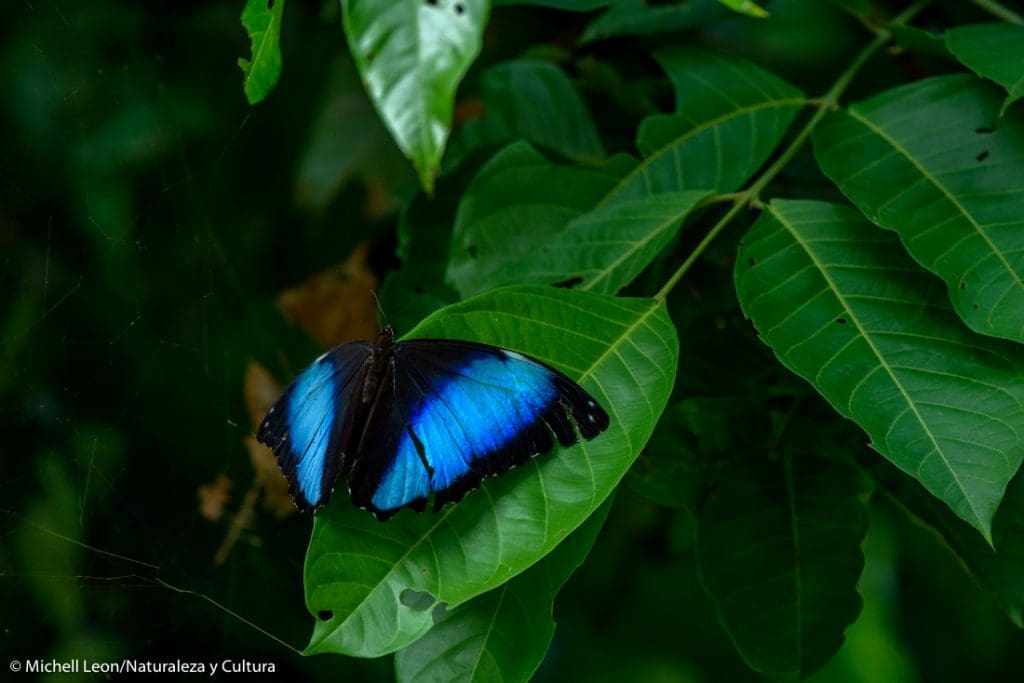
*Due to their size and striking beauty, blue morpho butterflies are one of the most emblematic of all Amazon species.*
The plants and animals that live in the wild are vital to sustaining all life on Earth. We depend on wildlife and the planet’s rich biodiversity for the air we breathe, the food we eat, the energy we use, the materials we need, for our survival and wellbeing.
Nature and Culture International helps save endangered plants and animals – like the blue morpho – by protecting habitats across Latin America. By conserving wildlife and wild places, we ensure that future generations can enjoy the natural world and the incredible species that live within it.
Because of the generosity of donors, Nature and Culture saves habitats that are home to thousands of plants and animals. Here are just a few of the awe-inspiring species that Nature and Culture protects.
### Jaguar
Jaguars once roamed from the southern tip of South America north to the region surrounding the U.S.-Mexico border. Today significant numbers are found only in remote regions of the Americas – particularly in the Amazon Basin. At Nature and Culture, you play a key role in protecting jaguars throughout Latin America. From Bolivia’s Chaco to Mexico’s tropical dry forest, your support safeguards vast areas of land so that jaguars and other far-ranging species can thrive. Learn more about the jaguar [here](https://www.natureandculture.org/field-notes/jaguar/).
[](https://www.natureandculture.org/field-notes/2018-is-the-year-of-the-bird/)
### Spectacled Bear
Spectacled bears – also known as Andean bears – make their home in the dense Andean jungles of South America. Conservation threats have caused the spectacled bear’s IUCN status to reach ‘vulnerable’, meaning the species is at high risk of extinction in the wild. Learn more about South America’s only bear species [here](https://www.natureandculture.org/field-notes/mammals-spectacled-bear/).
[](https://www.natureandculture.org/field-notes/2018-is-the-year-of-the-bird/)
### Andean Condor
Andean condors play a key role in a healthy, well-balanced environment because of their important role as nature’s recyclers. Consuming wild animal carcasses helps reduce the spread of diseases. Yet Andean condors are threatened over most of their range. According to the last national census, fewer than 100 individuals remain in Ecuador. Learn more about the Andean condor [here](https://www.natureandculture.org/field-notes/2018-is-the-year-of-the-bird/).
[](https://www.natureandculture.org/field-notes/2018-is-the-year-of-the-bird/)
### Goode’s Thornscrub Tortoise
Recently discovered on Nature and Culture’s Monte Mojino Reserve, this desert tortoise lives in thorn scrub and tropical deciduous forest ecosystems. First recorded in 2016, it is already listed as vulnerable. Learn more about Monte Mojino [here](https://www.natureandculture.org/reserves-completed/monte-mojino-reserve/).
[](https://www.natureandculture.org/reserves-completed/monte-mojino-reserve/)
### Cinchona Tree
The cinchona tree grows to the east of the Andes in the high jungles of the Amazon Basin. It is well-known globally as the source of quinine, a medication used to treat malaria. Learn more about this special tree [here](https://www.natureandculture.org/field-notes/cinchona-tree/).
[](https://www.natureandculture.org/reserves-completed/monte-mojino-reserve/)
**An important time for biodiversity**
An intergovernmental panel of scientists recently said one million animal and plant species are now threatened with extinction. Unsustainable human activities and overexploitation of wildlife and wild places are destroying the planet’s biodiversity.
The stakes have never been higher. But you can fight extinction and save the planet’s biodiversity.
**[Protect the brilliant blue morpho, South America’s only bear species, and all life on Earth with Nature and Culture.](https://www.natureandculture.org/give-to-nci)**
Together we can save wildlife and wild places for a healthy planet.
*“Never in a million years could I create a songbird, a pink river dolphin, or a blue morpho butterfly. That has helped me to dedicate my time and resources to help conserve the variety of life on earth.” Ivan Gayler, Founder of Nature and Culture International*
**Strategic Area:** Biodiversity, Forests
**Content Type:** Blog
---
### [Protecting intact habitat in the Tropical Andes](https://www.natureandculture.org/directory/tropical-andes-conservation/)
**Published:** March 10, 2021
**Author:** Heather Thomas
**Content:**
## A new conservation area protects one of the most biodiverse places on the planet.
Nature and Culture is excited to announce the declaration of a new conservation area in the Andes of southern Ecuador! The newly established *Conservation and Sustainable Use Area of the Municipality of Santiago (Santiago)* protects intact habitat in the [*Sangay-Podocarpus Connectivity Corridor*](https://www.natureandculture.org/sangay-podocarpus/), the first of its kind in the country.
Santiago spans 34,051 acres of montane forests and paramo grasslands within the Tropical Andes.
*Santiago* encompasses 34,051 acres of montane forests and paramo grasslands within the Tropical Andes, one of the most biodiverse places on our planet. This global hotspot is known for its extensive flora and fauna and unmatched levels of endemism (species found nowhere else on Earth). Wildlife found in *Santiago* includes 47 species of mammals, 152 species of birds, 57 amphibian species, 344 plant species, and 11 species of reptiles. The area is home to endangered animals, such as the black-and-chestnut eagle (*Spizaetus isidori*) and mountain tapir (*Tapirus pinchaque*), and unique species, including 30 endemic amphibian species and 22 endemic plant species.
Adjacent to [*Rio Negro-Sopladora National Park*](https://www.natureandculture.org/ecuador-declares-rio-negro-sopladora-national-park/), *Santiago* establishes habitat connectivity essential for far-ranging animals like the jaguar (*Panthera onca*) and the spectacled bear (*Tremarctos ornatus*). Additionally, it enhances the protection of critical resources in the region, including water sources. The new area contains water sources for hydropower plants and for more than 15,000 people living in nearby cities and communities.
Santiago contains water sources for hydropower plants and for more than 15,000 people living in nearby cities and communities.
Fortunately, most of *Santiago’s* natural habitat has remained intact due to the steep topography of mountains in the area and the region’s low population density. However, cattle ranching is continuously transforming forest in the region into pasture lands. Growing international demand for wood from the balsa tree (*Ochroma pyramidale*) also threatens the region’s habitat, as it motivates local people to cut down the tree.
Forest loss due to agricultural expansion and logging results in millions of tons of carbon being released into the atmosphere. *Santiago* stores around 5 million tons of carbon, contributing to the mitigation of climate change.
Nature and Culture has worked on the creation of Santiago since 2017, preparing maps, technical studies, and legal documents.
In partnership with the local municipality, the FONAP water fund, and Ecuador’s Ministry of Environment and Water, Nature and Culture has worked on the creation of Santiago since 2017, preparing maps, technical studies, and legal documents. This work was possible thanks to generous donors like you and the financial support of World Land Trust, Moxie Foundation, Bobolink Foundation, Andes Amazon Fund, and Natura International.
With your help, Nature and Culture’s team in Ecuador will continue to work with local governments to ensure effective and lasting conservation impact in the Ecuadorian Andes.
Thank you for making this achievement possible! We hope that this bit of good news inspires you to continue fighting for nature and culture.
*Did you hear about the first Water Protection Area in southern Ecuador? Learn more [here](https://www.natureandculture.org/santa-rosa/).*
**Strategic Area:** Biodiversity, Forests
**Country:** Ecuador, Peru
**Content Type:** Blog
---
### [Chilla: Forest, Water, and Biodiversity Conservation in the Highlands of El Oro](https://www.natureandculture.org/directory/chilla-forest-water-and-biodiversity-conservation-in-the-highlands-of-el-oro/)
**Published:** May 13, 2025
**Author:** Heather Thomas
**Content:**
## The establishment of the Chilla Municipal Conservation and Sustainable Use Area protects unique ecosystems in the Sierra–Coast transition zone.
In a landmark decision for the conservation of its natural heritage, the canton of Chilla, in El Oro Province, has established the Chilla Municipal Conservation and Sustainable Use Area. This area aims to safeguard more than 19,000 hectares (46,950 acres) of Andean forests and páramo ecosystems, which are vital for biodiversity and the provision of essential ecosystem services.
Within the area, seasonal evergreen piedmont shrublands, montane shrublands, and expanses of Andean páramo are conserved, ecosystems that play a fundamental role in maintaining biological diversity and regulating regional hydrology through processes such as water capture, storage, and gradual release, all of which are essential for the stability of water supply systems.
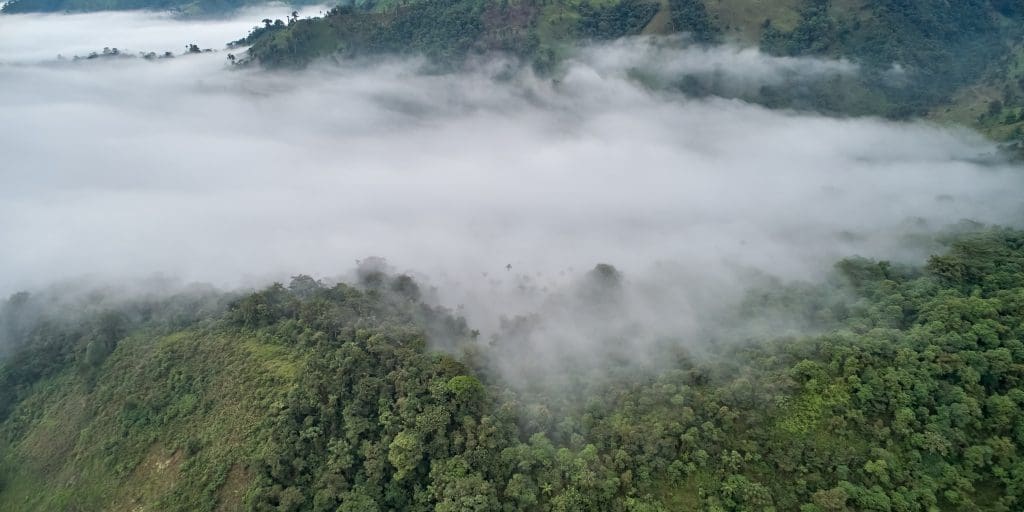
One of the greatest contributions of the Chilla Municipal Conservation and Sustainable Use Area is the protection of essential water sources. Tributaries such as the Casacay River originate in this **territory**, serving as the primary water supply for the cantons of Machala, El Guabo, and Pasaje. Conserving these sources ensures the operation of the La Esperanza Intermunicipal Water System, benefiting more than 470,000 people across the province.
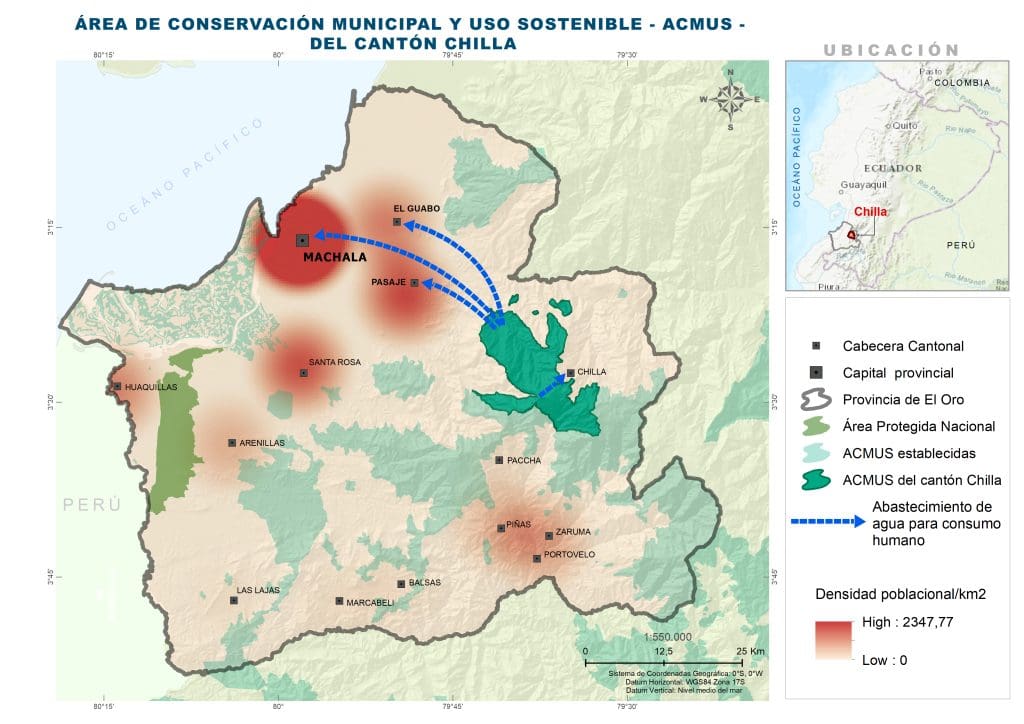Prepared by Nature and Culture International
Currently, El Oro has eleven Municipal Conservation and Sustainable Use Areas, distributed across the cantons of Arenillas, El Guabo, Piñas, Portovelo, Santa Rosa, Zaruma, Las Lajas, Huaquillas, Balsas, Atahualpa, and Chilla. Together, they total more than 123,000 hectares (303,940 acres) under local protection, thanks to the leadership of local governments, with technical support from Nature and Culture International and financial support from Andes Amazon Fund.
### **Biodiversity: Endemic Richness and Strategic Ecosystems**
Although specific biodiversity inventories have not yet been conducted in Chilla, studies by the National Institute of Biodiversity (INABIO) indicate that the piedmont forests of El Oro are the richest and most diverse in the province. This richness includes numerous endemic and threatened species, such as the El Oro Parakeet (*Pyrrhura orcesi*), the El Oro Tapaculo (*Scytalopus robbinsi*), the Pacific Royal Flycatcher (*Onychorhynchus coronatus*), and the Ochraceous Attila (*Attila torridus*), as well as mammals such as the Spectacled Bear (*Tremarctos ornatus*) and the White-tailed Deer (*Odocoileus virginianus*).
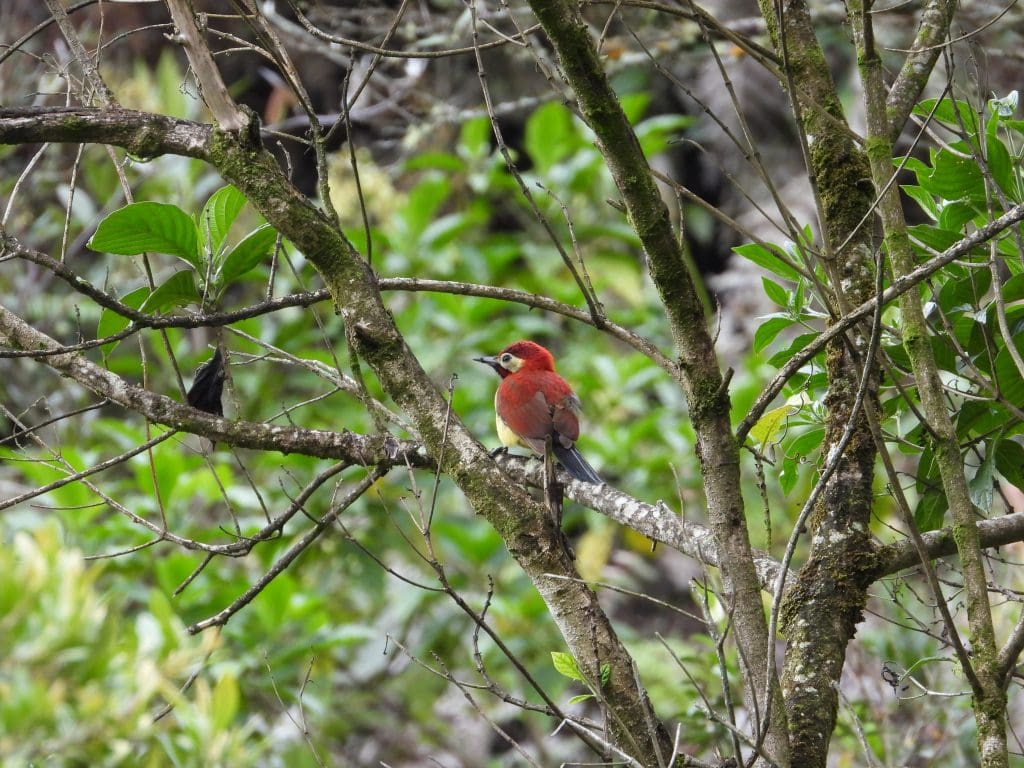Birds of Southern EcuadorBirds of Southern EcuadorBirds of Southern Ecuador
### ****Persistent Threats: Mining, Deforestation, and Wildfires****
Like other Andean ecosystems in Ecuador, Chilla faces ongoing threats from activities such as mining, deforestation, and forest fires. These pressures not only cause the direct loss of vegetation cover but also fragment habitats, isolate biological populations, and increase the risk of species extinction.
Ecological connectivity between natural areas is essential for maintaining genetic diversity and the viability of populations in fragmented landscapes. In this context, the Chilla Municipal Conservation and Sustainable Use Area plays a strategic role, serving as the core area of the El Oro Parakeet (*Pyrrhura orcesi*) corridor and incorporating its páramo into the Southern Ecuador Water Protection Area. In doing so, it makes a decisive contribution to ecosystem resilience and regional water security.
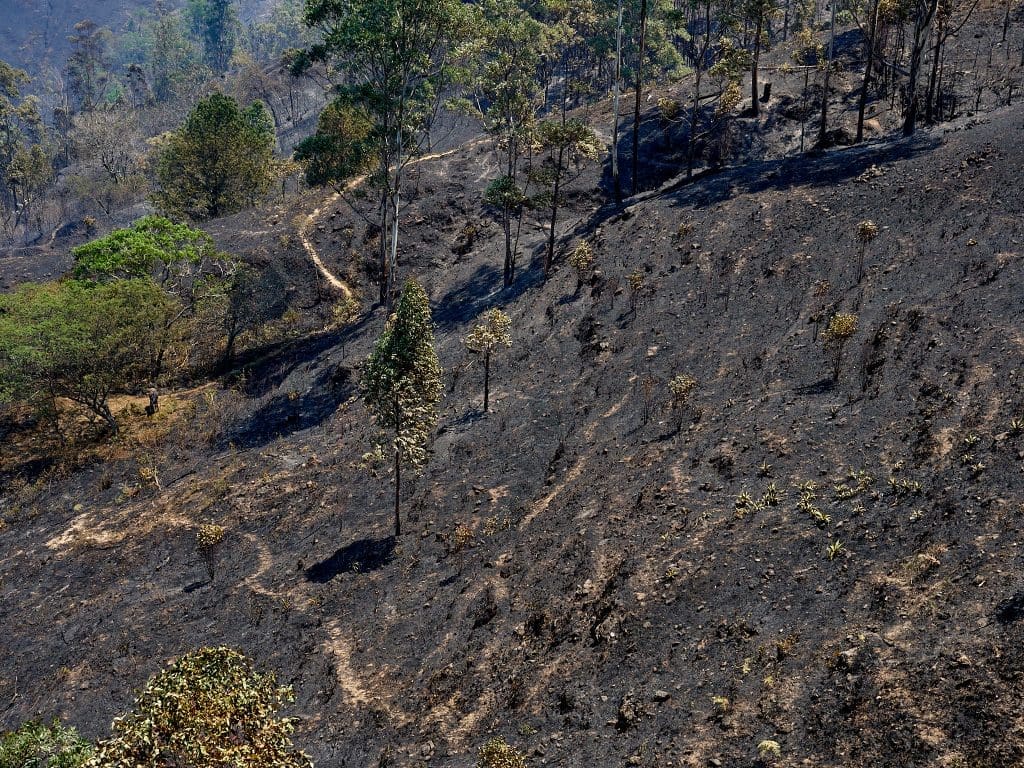Landscape impacted by forest fire in southern Ecuador
### ****A Territory that Also Safeguards Natural and Tourism Heritage****
The Chilla Municipal Conservation and Sustainable Use Area not only protects forests and water sources; it also preserves high-value natural and tourism sites such as Lecher Waterfall, Cerro Portete, Cerro Yayurco, Ruisicocha Lagoon, Chillacocha Lagoon, and the El Panecillo Viewpoint, strengthening local identity and creating opportunities for sustainable tourism.
**Chilla Commits to Long-Term Conservation**
The establishment was supported by technical assistance from Nature and Culture International, which, beginning in 2020, promoted key activities for its official designation. These included field data collection to diagnose water systems and map their boundaries, legal advisory support for drafting the municipal ordinance, community outreach and engagement processes, and technical guidance throughout the process.
Luis López, a technician with Nature and Culture International, notes that field data collection was essential to support the establishment of the new area and to prepare technical and legal assessments. In the immediate future, efforts are focused on creating the Management Committee, developing the area’s Management Plan, and engaging water users in the governance of this important conserved territory.
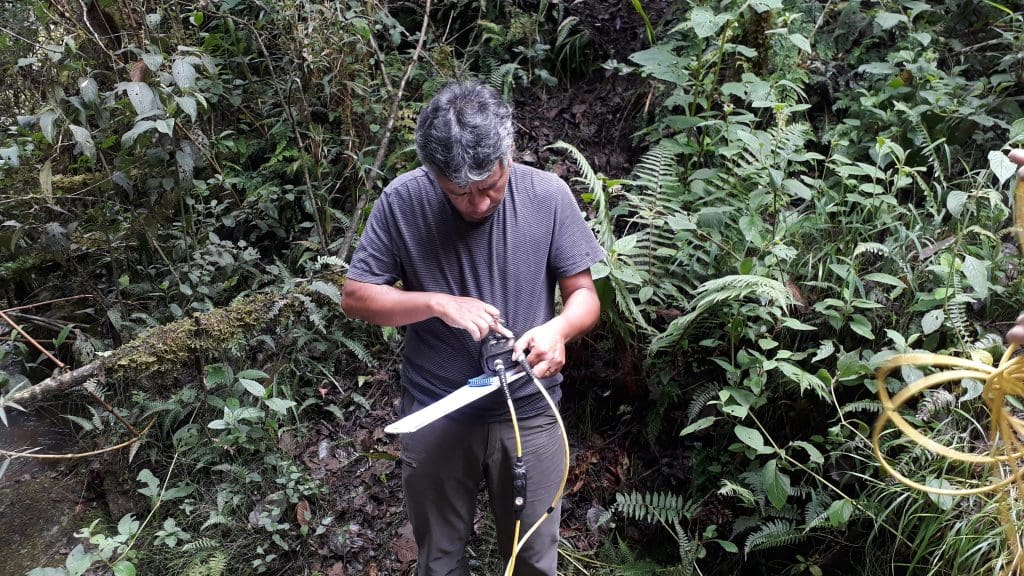Luis López, Nature and Culture Field Technician
The conservation of forests, water sources, and biodiversity in Chilla not only benefits the local region but also strengthens the ecological resilience of the entire province of El Oro, preserving key habitats and strategic water sources, and also enhancing regional ecological connectivity—an essential element for maintaining the resilience of Andean ecosystems in the face of climate change and human pressures.
**Tags:** Agua, Biodiversidad, Ecuador
**Strategic Area:** Forests
**Country:** Ecuador
**Content Type:** News
---
### [Pasaje Protects Water Security and Ecological Diversity ](https://www.natureandculture.org/directory/pasaje-protects-water-security-and-ecological-diversity/)
**Published:** June 13, 2025
**Author:** Heather Thomas
**Content:**
## *A New Municipal Conservation Area Protects Water and Forests in Southern Ecuador*
The local government of Pasaje, in the province of El Oro, has established a new **Municipal Conservation and Sustainable Use Area** spanning more than 42,000 acres (17,000 hectares). Located on the western slopes of the Andes, where mountain forests transition into coastal lowlands, this landscape protects vital water sources and diverse ecosystems found only in this unique ecological corridor.
### ****Water Security for People and Nature****
At the heart of this new conservation area is the lower Casacay River watershed, a critical source of drinking water for three municipalities, including the regional hub of Machala. Protecting these forests means protecting clean, reliable water for tens of thousands of people, along with the wildlife and farms that depend on it.
By conserving the forests that regulate rainfall, prevent erosion, and filter water naturally, local governments are investing in long-term water security and climate resilience.
### A Shared Commitment to Stewardship
Efforts are currently underway to establish a management committee that will bring together the three municipal governments of Pasaje, El Guabo, and Machala (as water users), along with Chilla, within whose territory 86% of the Casacay River watershed is located. This multi-stakeholder governance platform will be key to coordinating and sustaining long-term conservation actions.

### **A Mosaic of Critical Ecosystems**
The ecological diversity of the Pasaje Municipal Conservation and Sustainable Use Area is one of its greatest strengths. Within its boundaries are unique and representative ecosystems, including remnants of semi-deciduous and deciduous lowland forests, seasonal evergreen foothill forests, and evergreen montane forests along the western slopes of the Andes.
This ecological complexity supports a rich array of native plant and animal life. It also provides essential environmental services: regulating the water cycle, protecting soils from erosion, and maintaining ecological connectivity between higher-elevation forests and lowland habitats. These connected landscapes are vital for wildlife movement, climate resilience, and long-term ecosystem health.
### **Biodiversity of High Ecological Value**
The conservation area shelters a remarkable diversity of species. Notable examples include the South American motmot (*Momotus subrufescens*), the El Oro parakeet (*Pyrrhura orcesi*), a species found only in this region of Ecuador, and the masked tree frog (*Smilisca phaeota*), whose presence along riverbanks is widely recognized as an indicator of healthy, well-preserved ecosystems. While detailed amphibian studies have not yet been conducted within the conservation area itself, records from nearby territories underscore its importance as habitat for tropical amphibians and other species that are highly sensitive to environmental degradation.

### **Technical Process and Community Participation**
The creation of the Pasaje Municipal Conservation and Sustainable Use Area was the result of a participatory technical process carried out in 2023. The effort was led by the Pasaje Municipal Government, with support from Nature and Culture International and funding from Andes Amazon Fund. It is part of a broader provincial strategy to strengthen a network of locally managed conservation areas that protect water sources, ecosystems, and biodiversity across El Oro Province.
The process began with baseline studies to assess biodiversity, water resources, and land use. Multi-criteria spatial analyses were then conducted to define the proposed boundaries of the conservation area. The results were reviewed and validated with technical experts and local stakeholders to ensure both scientific rigor and community alignment.
### **Moving Toward Effective Management: Challenges and Priorities**
The formal establishment of the Pasaje Municipal Conservation and Sustainable Use Area marks an important milestone for conservation in southern Ecuador. However, significant challenges remain. One of the most pressing threats is the expansion of illegal mining activities, which jeopardize water quality, forest integrity, and the ecosystem services that support local livelihoods.
To ensure effective implementation, priority actions include forming a multi-stakeholder management committee, creating a dedicated technical management unit, and developing a comprehensive management plan. According to Luis López, a technical specialist with Nature and Culture International, these steps will strengthen environmental governance and build shared responsibility around protecting the water sources and forests that define the Pasaje conservation area.
**Tags:** Biodiversidad, Ecuador
**Strategic Area:** Forests
**Country:** Ecuador
**Content Type:** News
---
### [A Conservation Area Receives Highest Level of Legal Protection in Ecuador](https://www.natureandculture.org/directory/mazan-upgraded/)
**Published:** July 2, 2021
**Author:** Heather Thomas
**Content:**
### **Thanks to donors like you, *Mazán Municipal Conservation and Sustainable Use Area* was upgraded to Ecuador’s National System of Protected Areas.**
Earlier this year, the Nature and Culture Community supported the establishment of a new conservation area in Cuenca, Ecuador. The declaration of *Mazán Municipal Conservation and Sustainable Use Area* protected nearly 5,000 acres in the Andes, including fragile ecosystems and critical water supplies.
The area’s municipal conservation status safeguarded its habitat from threats like forest fires and cattle ranching. However, the reserve still required a national protected status to permanently prevent all exploitation activities, like mining, in the area.
With help from caring people like you, *Mazán Municipal Conservation and Sustainable Use Area* has officially been incorporated into Ecuador’s National System of Protected Areas! The declaration of *Mazán Decentralized Autonomous Protected Area (Mazán)* provides the reserve with the highest level of legal protection in the country.
Mazán protects nearly 5,000 acres in the Andes, including fragile ecosystems and critical water supplies.
85% of *Mazán* has been identified as a priority biodiversity conservation area because it conserves two of the least protected ecosystems in Ecuador’s National System of Protected Areas: high montane evergreen forest and páramo evergreen forest.
Wildlife in the area includes threatened species such as the Andean condor (*Vultur gryphus*), glass frog (*Centrolene buckleyi*), and red-faced parrot (*Hapalopsittaca pyrrhops*), and unique species like the grizzled Ecuadorian shrew (*Cryptotis montivagus*). The municipal water company ETAPA EP monitors large mammals using camera traps in the region. These cameras previously recorded for the first time wild spectacled bears (*Tremarctos ornatus*) breeding and discovered a rare mountain tapir (*Tapirus pinchaque*) population in the nearby foothills of the *Cajas Massif Biosphere Reserve*.
*Mazán* is also home to a critically endangered amphibian, the Mazán jambato frog (*Atelopus exiguous*). The declaration of *Mazán* and subsequent management plan will increase resources and research efforts to avoid the extinction of this species. Resources will likely come from ETAPA EP, the Municipality of Cuenca, and the water fund FONAPA.
[](https://www.natureandculture.org/wp-content/uploads/2021/07/MazanWebsite3-1024x768.jpg)Mazán jambato frog (Atelopus exiguous)[](https://www.natureandculture.org/wp-content/uploads/2021/07/MazanWebsite4-1024x768.jpg)Grizzled Ecuadorian shrew (Cryptotis montivagus)
The protected area is located within Ecuador’s remarkable *Cajas Massif Biosphere Reserve,* the first biosphere reserve in the western Andes of Ecuador, created as a result of collaboration between Nature and Culture and local institutions. Adjacent to additional protected areas like *Cajas National Park* and *Yunguilla Protected Vegetation and Forest Area*, *Mazán* secures critical habitat connectivity in the region.
*Mazán* also secures clean and abundant water for nearby populations. The protected area sits in the Mazán River micro basin. This basin supplies water to the Tomebamba River, which provides water for the city of Cuenca, Ecuador’s third largest city.
Mazán sits in the Mazán River micro basin. This basin supplies water to the Tomebamba River, which provides water for the city of Cuenca.
According to Nature and Culture conservationist Mónica Pesantez, the declaration of *Mazán Decentralized Autonomous Protected Area* recognizes conservation work that began almost 40 years ago. In 1984, the Public Drinking Water Company of Ecuador recognized the area’s ecological and biological importance and purchased land within *Mazán*. Since then, the Public Drinking Water Company has managed the land with the Municipality of Cuenca.
More recently, Nature and Culture played a leading role in declaring *Mazán*, working with partner organizations to map the area’s boundaries, develop the technical documents, and build social and political will to protect the area. The area was upgraded with the financial support of the Andes Amazon Fund and generous people like you!
“Thanks to the collaborative work of multiple institutions, we have been able to provide this area with the highest level of legal protection in Ecuador,” says Mónica.
With your help, Nature and Culture will support the Municipality of Cuenca and Public Drinking Water Company in sustainably managing Mazan for lasting and effective conservation impact.
Thank you for making this achievement possible! We hope that this bit of good news inspires you to continue fighting for nature and culture.
*Read the Spanish news release [here](https://www.natureandculture.org/wp-content/uploads/2021/07/BOLETIN_NCI_MAZAN_SNAP.pdf).*
*Did you hear? Part of Yacuambi Ecological Reserve has also been incorporated into Ecuador’s National System of Protected Areas! Learn more [here](https://www.natureandculture.org/yacuambi/).*
**Tags:** Biodiversidad, Biodiversity
**Strategic Area:** Biodiversity, Forests
**Country:** Ecuador
**Content Type:** News
---
### [Protecting Wildlife Keeps Ecosystems Healthy](https://www.natureandculture.org/directory/wildlife-and-ecosystems/)
**Published:** March 2, 2022
**Author:** Heather Thomas
**Content:**
### Defining wildlife and ecosystems and how they’re linked
The term, “Wildlife” refers to all *life* in the *wild*. It encompasses all living things, including mammals, fish, reptiles, and birds, collectively known as fauna, and sometimes includes plants or flora. These are the components of habitat and play an important role within them.
In contrast, ecosystems are more like a network that includes all wildlife and living parts of the system (biotic factors), but also non-living parts of the environment (abiotic factors), including weather and landscape. Everything in this network is interlinked and is interacting with one another. Ecosystems can be either very small, such as a singular tide pool, or very large, such as a forest. The world is made up of many interlinking ecosystems and, in a few cases, the world itself is referred to as a singular ecosystem.
### Why is wildlife so important to its ecosystem?
Picture 1: Food chain with fox as predator (top), rabbit as prey (center), and grass as rabbits’ food source (bottom).
So far, we’ve established that wildlife lives within an ecosystem, but why is it so important to the ecosystem, and why is there a push to protect individual species when whole ecosystems are threatened?
Imagine a simple food chain. In **Picture 1**, we have a fox as the predator, the rabbits as the prey, and the grass as the rabbits’ food source, also known as the primary producer. Each of these levels (more scientifically known as trophic levels) have a role to play in the chain. The grazing of the rabbits on the grass prevents too much vegetation growth, but the rabbit population is kept in check by the foxes who predate upon them.
Now, if we take one of these levels out, you end up with an interruption, which ripples through the rest of the food chain. For example, in **Picture 2a**, the grass has been removed. This could happen as a result of drought, or potentially habitat loss through human development. The result of this is that the rabbits do not have enough food and so many may die. This of course will pass on further up the chain and cause issues for the foxes since their food source is low, and it may result in the foxes dying.
Another example, in **Picture 2b**, is from the top-down, whereby the foxes may be removed or reduced from the chain. This is often seen in the wild when predators are hunted to near extinction or a fatal disease passes through the species. For this example, the rabbits have less predatory pressure and so their numbers increase dramatically. This may be good for the rabbits in the short-term, but if left to their own devices they could overgraze the area. Over time the grass would suffer since it would not be able to regenerate quick enough. Once the rabbits have overgrazed their food source, they then would not have enough food, would compete with one another, and many would be at risk of starvation.
Picture 2a (left) and 2b (right): Food chain where the red cross shows which level has been removed or reduced and images shaded in red show potentially threatened as a result.
### The ecosystem network: Yellowstone National Park and the reintroduction of gray wolves
The food chain example is incredibly simple and does not consider the vast array of other wildlife and non-living parts of the ecosystem that could be affected by the loss of a single species like the fox. To truly understand how an ecosystem works, and why wildlife is so important to it, we need to expand further.
The most notorious case of how an entire ecosystem was altered by a singular species is the reintroduction of gray wolves into Yellowstone National Park. In the 1930s, the wolves in this world-renowned location were eliminated from the park through over-hunting, mostly due to the fear of them attacking people or killing livestock. Once wolves were gone, the elk, which had been important prey for the wolves, were able to thrive. With the elk under much less predatory pressure, their numbers increased dramatically and the changes in the ecosystem began.
In **Picture 3**, you can see a simple idea of what the Yellowstone National Park ecosystem looked like, with the elk at the center of the network. The elks’ increase in number caused a series of indirect consequences for the ecosystem (otherwise known as a trophic cascade) because they were over-grazing and over-browsing the land, including many of the berries that also fed the songbirds and grizzly bears. The elk’s browsing on young plant shoots prevented the growth of shrubs resulting in prey species, such as rabbits, having fewer areas to hide from their own predators. If you think back to the example of the food chain with the fox and rabbit, you should now understand how that would affect all the levels.
The elk were not afraid of staying for long periods at the riverbanks, where previously they could have been attacked by the wolves. They overgrazed young vegetation along the rivers, which weakened the banks and caused riverbank erosion, resulting in the rivers widening. The water also became warmer since the lack of trees and vegetation at the bank meant that there were fewer shaded areas cooling the water down. These changes to the river caused a biodiversity shift in the fish populations. Beavers were also suffering because willow trees on the riverbanks could not grow past shoots. Willows provide beavers with food as well as being the resource that beavers use to create their dams. Without larger willow trees, the beavers were unable to survive winters and so in Yellowstone the population reduced to just one beaver colony.
In 1995, wolves were reintroduced to Yellowstone National Park. As expected, the wolves started to predate on the elk, which kept the elk on the move and so reduced the pressure the elk were putting on riverbanks and other young plants. Suddenly, things began to change and there were berries for the birds and bears, and shrubs for the rabbits and other prey species. Riverbanks were stronger as they held more vegetation, this prevented bank erosion and created more shaded areas, which provided cooler water for fish. However, by far the most remarkable change was due to the growth of willows allowing beavers to use them to create dams to survive the winter. The beavers began to return to Yellowstone and the dams they built raised the water table, so water was available more consistently throughout the year to surrounding vegetation. Since 1995, beaver colonies have been increasing and their dams have changed the course of rivers in Yellowstone National Park.
The whole ecosystem has benefitted from the reintroduction of wolves to Yellowstone because the wolves are what is known as a keystone species, which is an important species, without which, can cause the collapse of their ecosystem. Without the wolves, the elk were not controlled, and the network was falling apart. Now with the wolves returned to the park, the course of the rivers has been altered.
Picture 3: Yellowstone National Park network showing the connectivity of species in the park.
### Protecting wildlife at Nature and Culture International
At Nature and Culture International, we believe in protecting wildlife and ecosystems. We are currently working on multiple conservation projects to protect endangered species, such as the [spectacled bear](https://www.natureandculture.org/field-notes/mammals-spectacled-bear/) in Peru and the Jaguar in Bolivia. Like the gray wolf in Yellowstone, these species are important to their ecosystems so, who’s to say what the consequences of their loss to the habitat would be? You can [check out more of our ongoing work.](https://www.natureandculture.org/in-progress/)
All wildlife is vital to keep the scales of life balanced. The IUCN estimates approximately 40,000 species globally are threatened with extinction: including mammals, amphibians, sharks and rays, birds, and plants. Our global biodiversity is declining so we all need to come together to prevent our ecosystems from collapsing by protecting every last species.
**Strategic Area:** Biodiversity, Forests
**Country:** Bolivia, Colombia, Ecuador, Mexico, Peru
**Content Type:** Blog
---
### [A Visit to the Peruvian Side of the Andes–Amazon Conservation Corridor ](https://www.natureandculture.org/directory/a-visit-to-the-peruvian-side-of-the-andes-amazon-conservation-corridor/)
**Published:** December 23, 2025
**Author:** Heather Thomas
**Content:**
### *Nature and Culture LatAm Comms Coordinator Nora Sánchez travels from Ecuador to northern Peru to explore the Peruvian side of the Andes–Amazon Conservation Corridor*
Earlier this month, the governments of [Ecuador and Peru officially recognized](https://www.natureandculture.org/directory/ecuador-and-peru-grant-historic-recognition-to-the-andes-amazon-conservation-corridor/) the [Andes–Amazon Conservation Corridor](https://www.natureandculture.org/the-andes-amazon-conservation-corridor/), a major binational conservation initiative designed to protect more than **five million acres of connected Andean–Amazonian ecosystems** from southern Ecuador to northern Peru.
To better understand this huge undertaking, I traveled to Peru with the goal of getting to know the Peruvian side and, finally, seeing with my own eyes the Andean–Amazonian landscapes we have been talking about for so long.
*Nature and Culture LatAm Comms Coordinator Nora Sánchez travels from Ecuador to northern Peru to explore the Peruvian side of the Andes–Amazon Conservation Corridor*
## Crossing the border
My route began in Quito, Ecuador, flying south to the city of Loja. I then continued overland, moving little by little until I reached the border.
As I traveled, I thought about borders as an entirely human concept. They do not exist for animals or for nature. A jaguar, for example, does not see the border between Ecuador and Peru. It sees connected or fragmented forests and looks for large, healthy spaces where it can move and live.
With that in mind, I began a seven-day journey through the regions of Piura and Cajamarca in northern Peru. Each day, the landscape transformed: from páramo to cloud forest, from the dry cold of the Andes to the humid heat of the low Amazon.
Chicuate Chingelas Private Conservation AreaJaen y Tabaconas Regional Conservation Area, Photo: Mateo TassaraLaguna Shimbe, Huaringas Regional Conservation Area
This diversity in the landscape is no coincidence. The Andes–Amazon Conservation Corridor connects ecosystems ranging from approximately 2,000 feet above sea level to more than 13,000 feet, creating a continuous altitudinal gradient. This variation in elevation is precisely what allows species to move and adapt to temperature changes, and enables key processes—such as water and climate regulation—to be maintained across the entire landscape of the Corridor.
## Communities at the Heart of Conservation
The Peruvian side of the Corridor is known as the Andes del Norte Corridor, with an area of **1.8 million acres,** of which 370,658 are protected under some form of conservation.
During my visit, I had the opportunity to travel through five of these areas, speak with their inhabitants, and marvel at their landscapes. And although each place faced different challenges, I found **one common element in all of them: people’s commitment to their territory.**
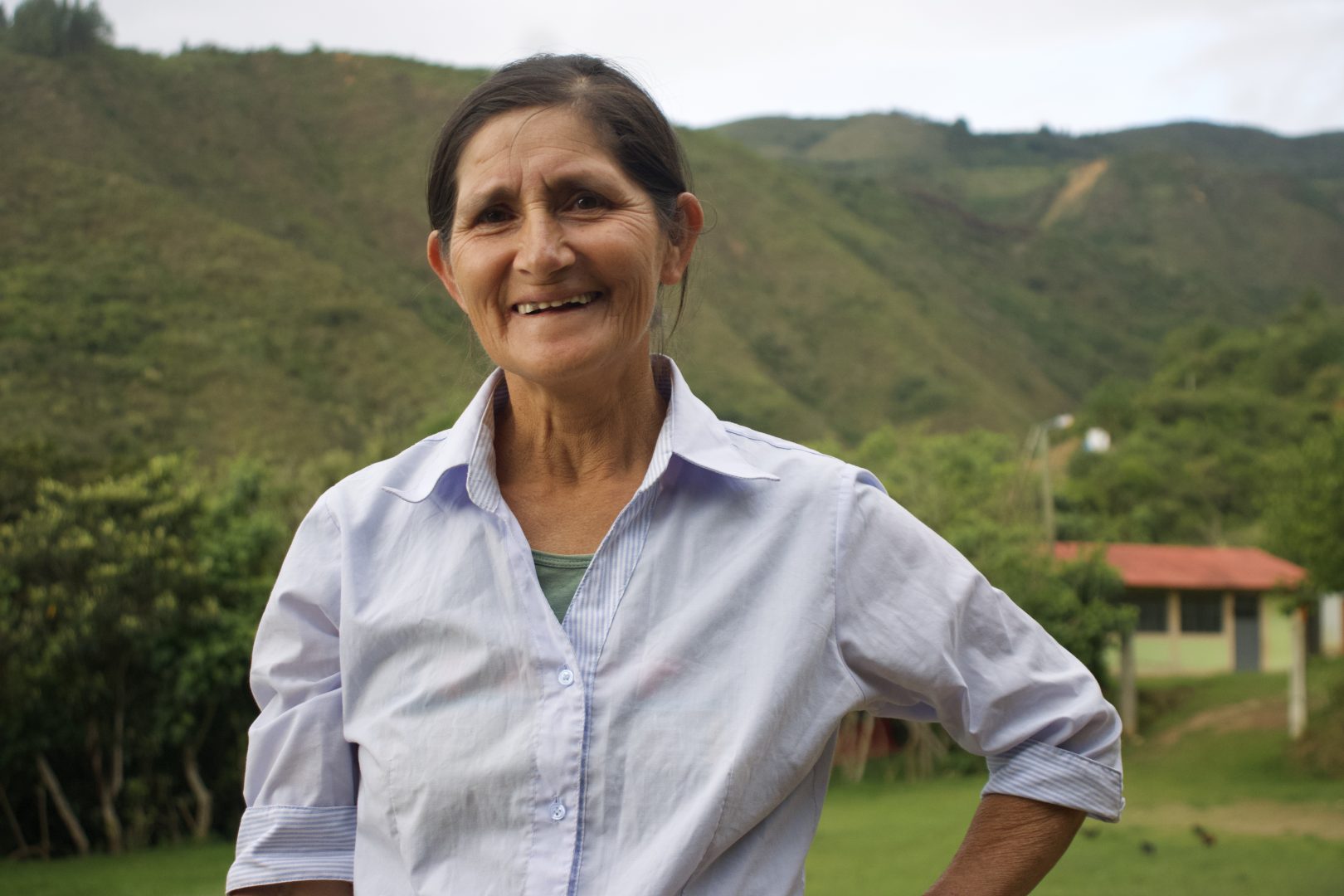
I spoke with **Esmilda**, in the community of Pumurco, who told me about the richness of her land for producing organic coffee, something that motivated her to leave behind polluting practices and learn to farm sustainably.
*“What makes Pumurco special is the quality of our coffee and our forest. We also have waterfalls with crystal-clear water that are unique. That’s our concern: taking care of the environment so that our water is not contaminated.”*

I also met **Angie Melendres**, who first volunteered as a forest ranger in her community and is now part of Nature and Culture’s technical team.
*“For me, conserving this ecosystem comes from my family. My parents have always fought to protect it. We are facing a challenge with a mining company that wants to take over our forests, but from a young age, we learned that caring for our ecosystem is fundamental, because even our productive activities depend on it.”*

In the forests of Tabaconas, **Lideimer Flores** gave me one of the simplest and most powerful explanations of the trip. When I asked him why it was important to protect the forest, he replied:
*“The forest is like air conditioning; when there is forest, there is coolness.”*
His words summed up a profound truth. Forests not only sustain wildlife and the habitats of the Andean tapir, the spectacled bear, or the Andean eagle, but they also regulate the climate, protect the soil, and secure the water that communities depend on.
The stories of each of these individuals reaffirmed something essential: **the value of the territory has always been clear to those who live there**. Today, through the purpose of the Corridor, that commitment is strengthened by a broader vision, conserving what connects us, for present and future generations.
## **A great puzzle built by people**
A conservation corridor, also known as an ecological corridor, is a conservation method that **maintains and restores connections between ecosystems**, even when roads, productive activities, or other land uses have fragmented them. At Nature and Culture, together with many other actors, we have spent several years promoting this vision to build a corridor based on a network of protected areas, while advancing toward collaborative management models between Ecuador and Peru.
I like to think of the Corridor as a great puzzle, where every piece is indispensable, where the work that Esmilda, Angie, and Lideimer do is just as important as that of local governments or of our own organization.
And although we are still “building” that puzzle, through the establishment of new conservation areas that contribute to landscape connectivity and strengthening management in existing protected areas, during this trip, I witnessed real progress in connecting this vast territory, which spans more than 5 million acres across Ecuador and Peru.
One of those moments came when residents of the Puerta El Edén community took me to a point where the boundaries of two areas converge: the Bosques Montanos Regional Conservation Area and the proposed Huamantanga Regional Conservation Area.
Puerta El Edén community
Although the fragmentation of the ecosystem caused by human activity was evident, so too were the connections: the forest continuing from one side to the other, birds flying overhead without recognizing borders, and people—like us—moving from one area to the next.
## A new perspective on the Andes-Amazon Conservation Corridor
I returned to Ecuador convinced that conservation only works when the people who live in the forest lead the way.
I saw it in every community, in every conversation, and in every corner of the Corridor. This territory is a natural bridge between two countries, but it is also a human bridge among those who live in it, care for it, and project it into the future.
And although the challenges remain enormous, there is also an immense opportunity: to continue building this network that sustains water, biodiversity, cultures, and well-being for thousands of people on both sides of the border.
This journey was a reminder that our work matters. That every acre conserved, every area strengthened, and every local alliance adds up. And that, in the end, protecting this corridor is protecting life itself.
***Nora Sánchez is the Latin America Communications Coordinator at Nature and Culture International, focusing on community-led conservation in the Andes and Amazon.***
**Strategic Area:** Forests
**Country:** Peru
**Content Type:** Blog
---
### [Nuevas ranas del bambú andino revelan la evolución en los Andes](https://www.natureandculture.org/es/directorio/nuevas-ranas-del-bambu-andino-revelan-la-evolucion-en-los-andes/)
**Published:** February 2, 2026
**Author:** Heather Thomas
**Content:**
En los Andes del sur del Ecuador, la ciencia sigue revelando los secretos de la evolución de algunas especies. Un [reciente estudio científico](https://academic.oup.com/zoolinnean/article/206/1/zlaf194/8423383) documenta la descripción de **tres nuevas ranas del género *Pristimantis*** (Amphibia: Anura: Strabomantidae), especializadas en bambú andino, un hallazgo que aporta evidencia clave sobre los procesos de evolución paralela en ecosistemas andinos.
Pristimantis chusquea (Créditos: MUTPL)
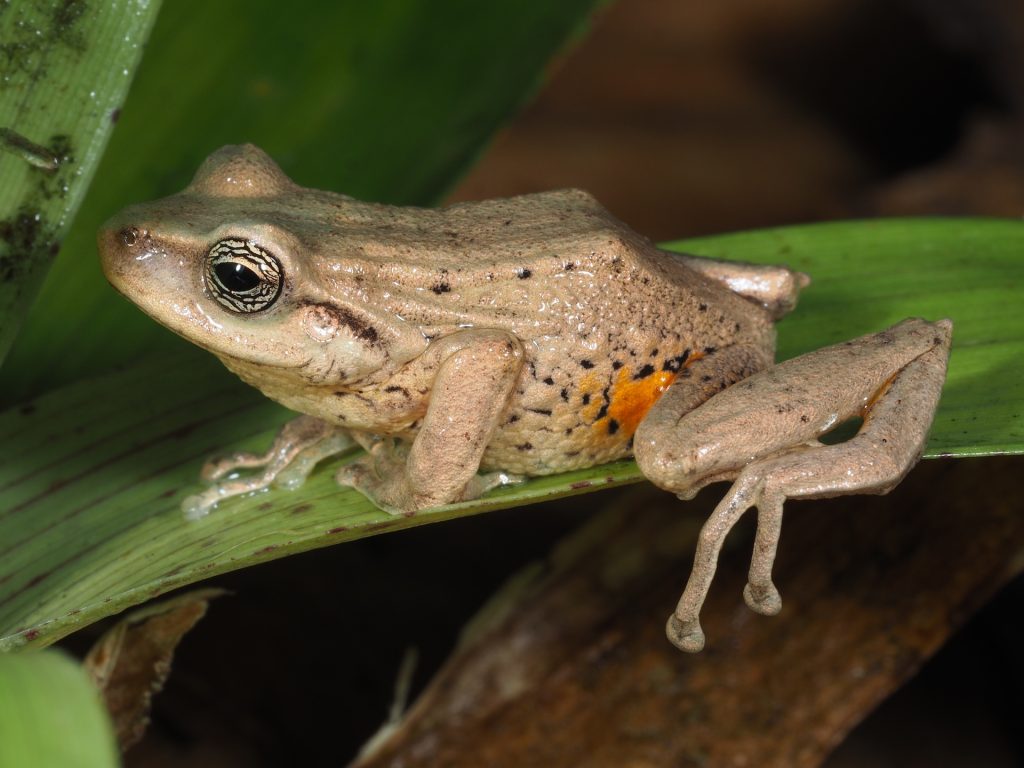Pristimantis oculolineatus (Créditos: MUTPL)
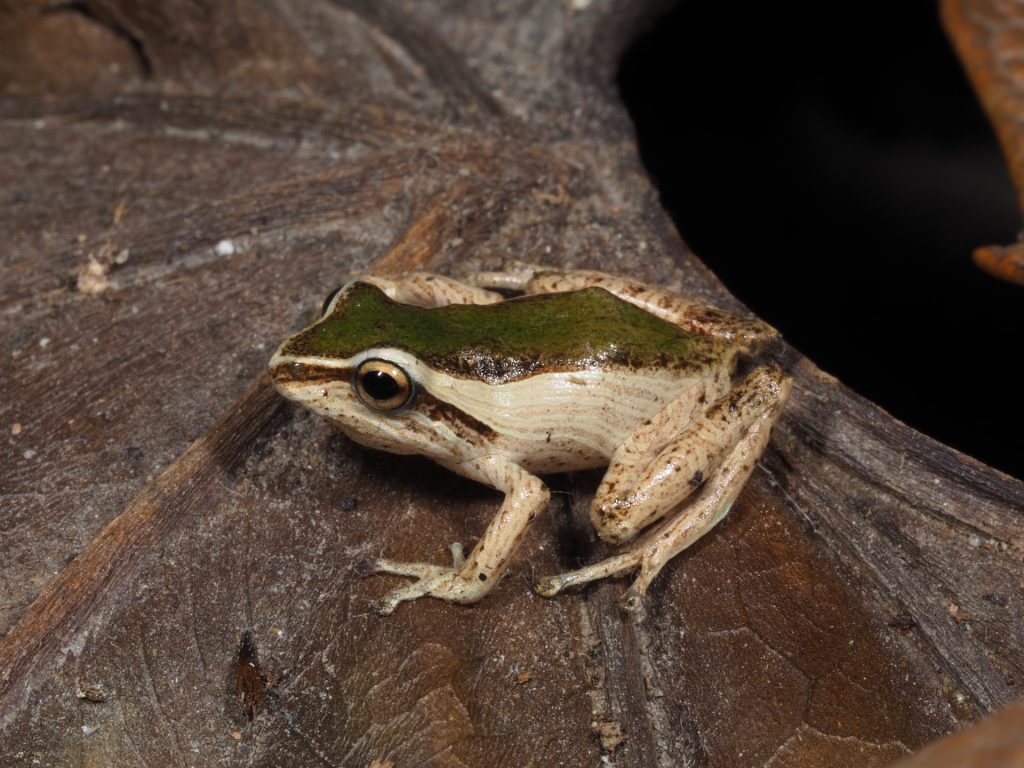Pristimantis translucidus (Créditos: MUTPL)
Los registros de estas especies abarcan varias áreas protegidas del sur del país. *Pristimantis chusquea* fue registrada en el Abra de Zamora. Asimismo, *Pristimantis oculolineatus* se encontró en Cajanuma (Parque Nacional Podocarpus), la Reserva Numbala, de Naturaleza y Cultura Internacional, y el Parque Nacional Yacuri. Por su parte, *Pristimantis translucidus* incluye registros en la Reserva Tapichalaca, administrada por la Fundación Jocotoco.
Mapa de áreas y reservas naturales. Elaborado por: Naturaleza y Cultura Internacional
La descripción de las nuevas ranas del bambú andino fue publicada en el *Zoological Journal of the Linnean Society*, una de las revistas zoológicas más antiguas y prestigiosas del mundo, editada por Oxford University Press. El artículo, titulado ***“Three new bamboo-specialist frogs of the genus Pristimantis (Amphibia: Anura: Strabomantidae) from southern Ecuador reveal patterns of parallel evolution”***, presenta los resultados de una investigación desarrollada por un equipo de científicos de la Universidad Técnica Particular de Loja, asociados también al Instituto Nacional de Biodiversidad y la Universidad Ovidius de Constanza.
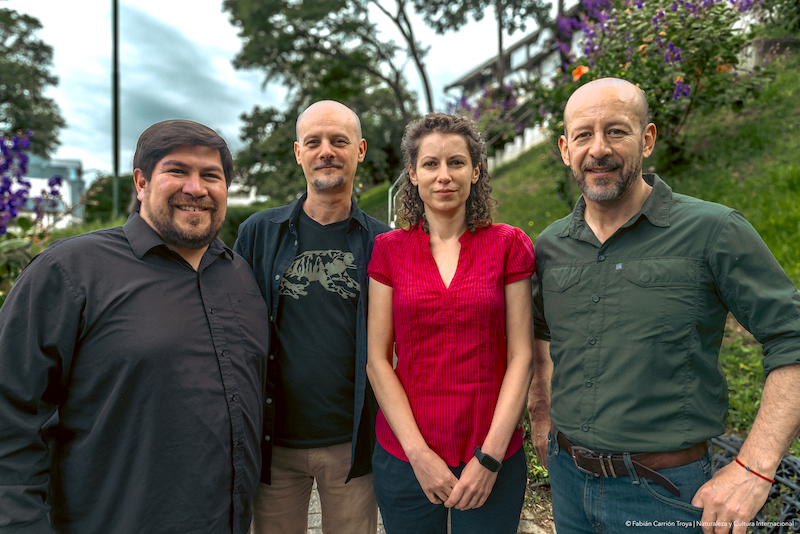Diego Armijos, Paul Székely, Diana Székely, Leornardo Ordóñez (Créditos: Fabián Carrión – Naturaleza y Cultura Internacional)
[El estudio](https://academic.oup.com/zoolinnean/article/206/1/zlaf194/8423383) fue liderado por Paul Székely, junto a los investigadores Diego Armijos-Ojeda, Leonardo Ordóñez-Delgado y Diana Székely, y documenta evidencia científica sobre la evolución paralela de estas ranas en los ecosistemas andinos del sur del país.
La investigación fue posible gracias al apoyo financiero de [Rainforest Trust](https://www.rainforesttrust.org/) y de Naturaleza y Cultura Internacional, así como al respaldo de la [Fundación Jocotoco](https://jocotoco.org.ec/web2#/ES/inicio), que facilitó el trabajo de campo en la Reserva Tapichalaca.

## Este esfuerzo conjunto demuestra cómo la cooperación entre ciencia, conservación y cooperación internacional es clave para generar conocimiento y proteger la biodiversidad en regiones prioritarias para el planeta.
## **Cómo se estudió la evolución de las ranas del bambú andino**
La investigación se basó en un enfoque taxonómico integrador que combinó análisis de ADN, estudios detallados de la morfología externa y análisis bioacústicos, a partir del estudio de los cantos de los machos. Esta aproximación permite diferenciar especies que, a simple vista, pueden parecer muy similares, pero que en realidad representan linajes evolutivos distintos y únicos.
Estas ranas presentan una notable especialización ecológica, ya que habitan casi exclusivamente en bosques dominados por bambú andino. Sus cuerpos, colores y formas están finamente adaptados para camuflarse entre las hojas del bambú, lo que les permite evitar depredadores y desplazarse en un entorno vertical y dinámico.
Uno de los aspectos más relevantes del hallazgo es la evidencia de evolución paralela. Las adaptaciones morfológicas similares observadas en dos especies previamente descritas y en estas nuevas ranas muestran que evolucionaron de manera independiente en distintos lugares, a ambos lados de la cordillera de los Andes. Este patrón demuestra cómo la selección natural puede conducir a soluciones semejantes frente a desafíos ambientales similares.
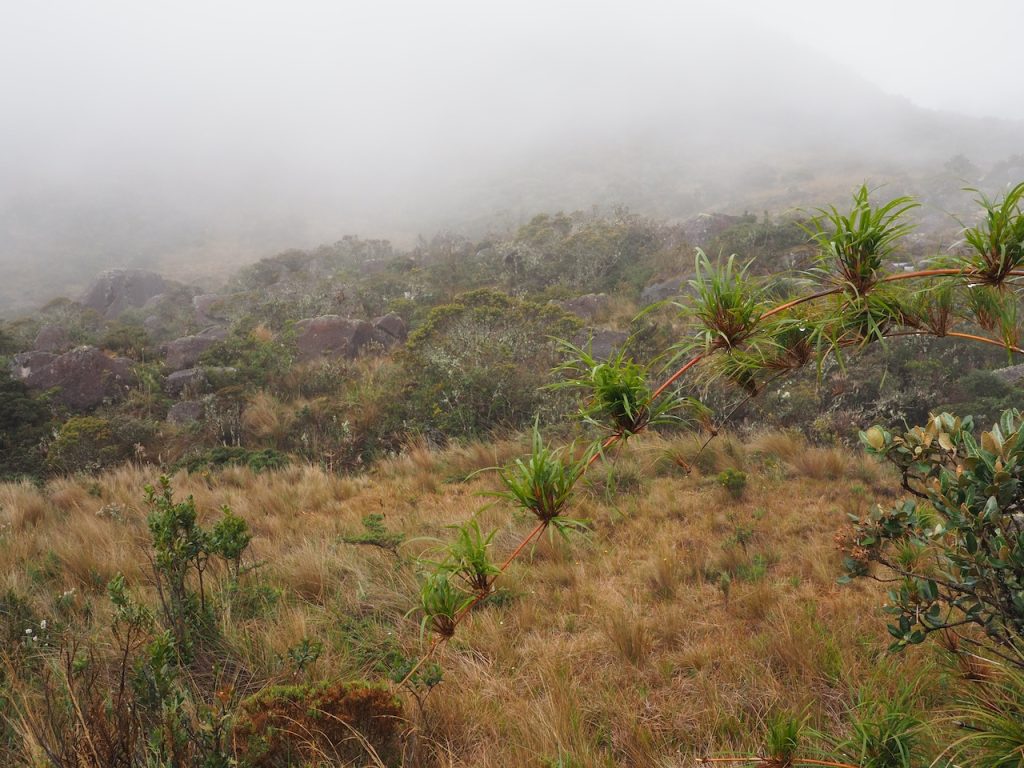Bambú andino en el Parque Nacional Yacuri (Créditos: MUTPL)
Diego Armijos-Ojeda explica que el artículo documenta un total de cinco especies de ranas que viven de forma exclusiva en las hojas del bambú andino. Al respecto, señala:
***“En diferentes lugares de la cordillera, estas especies enfrentaron condiciones ambientales similares y, de manera independiente, desarrollaron adaptaciones muy parecidas. Evolucionaron cuerpos, colores y formas que les permiten camuflarse entre las hojas del bambú y protegerse de los depredadores, como si cada una hubiera resuelto, de igual forma, el mismo problema evolutivo por su cuenta”.***
El estudio también resalta la importancia de los bosques montanos y de la vegetación dominada por bambú como refugios naturales y escenarios clave para la evolución de nuevas especies. En esta región, los deslizamientos de tierra —una característica estructural común— generan mosaicos de hábitats donde el bambú se establece con facilidad, favoreciendo la especialización ecológica y la aparición de adaptaciones específicas.
Por su parte, Diana Székely destaca el valor integral de la investigación científica desarrollada en Ecuador y su relación directa con la conservación:
***“La ciencia tiene un valor intrínseco, similar al arte: nos permite comprender mejor el mundo natural. Pero también tiene implicaciones prácticas. En la piel de algunas especies de ranas, por ejemplo, existen compuestos con potencial e interés para la salud pública. Cuando perdemos una especie, no solo desaparece un organismo, sino también todas las funciones y beneficios que podría aportar. Cada especie cumple un rol, y como sociedad debemos invertir en conservación y avanzar hacia un desarrollo que no vaya en contra de la naturaleza, sino que se construya junto a ella, protegiendo los ecosistemas que nos brindan agua, aire y bienestar”.***
Abra de Zamora[Accede al artículo completo aquí](https://academic.oup.com/zoolinnean/article/206/1/zlaf194/8423383)
## **Ranas del bambú andino: claves para conservar agua y vida**
La descripción de estas tres nuevas especies de ranas tiene importantes implicaciones para la conservación. Por ejemplo, estas ranas podrían actuar como especies paraguas, ya que su protección contribuiría al cuidado de otros organismos y de los hábitats donde viven.
En este contexto, su conservación permitiría resguardar ecosistemas dominados por bambú andino, fundamentales para la regulación y provisión de recursos hídricos en la región.
Las especies estudiadas habitan en [el Corredor de Conservación Transfronterizo Andino Amazónico (CCTAA),](https://www.natureandculture.org/es/corredor-de-conservacion-transfronterizo-andino-amazonico/ "Corredor de Conservación Transfronterizo Andino Amazónico") una iniciativa binacional entre Ecuador y Perú que conecta más de 50 unidades de conservación y busca proteger ecosistemas estratégicos, así como garantizar la conectividad ecológica que sostiene la vida entre los Andes y la Amazonía.
---
**Más información:**
Aida Maldonado Quezada
Comunicación Ecuador
<amaldonado@naturalezaycultura.org>
Ximena Vaca
Fundación Jocotoco
**Strategic Area:** Biodiversidad
**Country:** Ecuador
**Content Type:** Noticias
---
### [Three New Frog Species Discovered in the Andes–Amazon Corridor](https://www.natureandculture.org/directory/three-new-frog-species-discovered-in-the-andes-amazon-corridor/)
**Published:** February 5, 2026
**Author:** Heather Thomas
**Content:**
### **Scientists find evidence of parallel evolution among three bamboo frogs in the rugged slopes of the Andes.**
A [recent scientific study](https://academic.oup.com/zoolinnean/article/206/1/zlaf194/8423383) describing three new frog species of the genus *Pristimantis* offers a powerful example of how collaboration between conservation organizations and research institutions supports both biodiversity protection and scientific discovery in regions vital to the planet’s health.
*Pristimantis translucidus* (Photo: MUTPL)
*Pristimantis chusquea* (Photo: MUTPL)
*Pristimantis oculolineatus* (Photo: MUTPL)
## Partners Behind the Discovery
Collaboration is key to biodiversity protection, and conservation organizations like ours support scientific research not only to protect ecosystems today, but to better understand the region’s long-term health and future conservation needs. This discovery was made possible by decades of long-term conservation, the maintenance of connected protected areas, and a robust partnership between international research institutions.
The description of these new Andean bamboo frogs was published in the *Zoological Journal of the Linnean Society* (Oxford University Press). The article, titled *“Three new bamboo-specialist frogs of the genus Pristimantis (Amphibia: Anura: Strabomantidae) from southern Ecuador reveal patterns of parallel evolution,”* presents research carried out by scientists from the Universidad Técnica Particular de Loja, in collaboration with the National Institute of Biodiversity and Ovidius University of Constanța.

The study was led by Paul Székely, together with researchers Diego Armijos-Ojeda, Leonardo Ordóñez-Delgado, and Diana Székely. The research was made possible thanks to financial support from [Rainforest Trust](https://www.rainforesttrust.org/) and Nature and Culture International, as well as the support of [Fundación Jocotoco](https://jocotoco.org.ec/web2#/ES/inicio), which facilitated fieldwork at the Tapichalaca Reserve.
[Full scientific article](https://academic.oup.com/zoolinnean/article/206/1/zlaf194/8423383)
## Decoding the DNA
The team used an **integrative taxonomic approach** that combined DNA sequencing, detailed physical measurements (morphology), and **bioacoustic analysis** of male frog calls. This allows scientists to distinguish between species that may appear very similar at first glance, but in reality, represent distinct and unique evolutionary lineages.
## Where These Frogs Call Home
Records of these species span several protected areas in southern Ecuador, all of which are part of the **[Andes–Amazon Conservation Corridor](https://www.natureandculture.org/the-andes-amazon-conservation-corridor/)**, a binational initiative between Ecuador and Peru that connects more than 50 conservation areas and reserves, connecting headwater ecosystems in the Andes with the Amazon lowlands. *Pristimantis chusquea* was recorded in Abra de Zamora and Cerro Toledo; *Pristimantis oculolineatus* was found in Cajanuma, the Numbala Reserve, and Yacuri National Park, and *Pristimantis translucidus* in the Tapichalaca Reserve.
Map of protected areas and natural reserves – Nature and Culture International
## The Breakthrough: Parallel Evolution in Action
In the steep, vertical landscapes of the Andes, where landslides and rugged terrain create a mosaic of isolated habitats, bamboo establishes easily, creating conditions that favor ecological specialization. One of the most striking findings of this study is the evidence of **parallel evolution**. In different pockets of the Andes, bamboo-dwelling frogs evolved independently, yet arrived at nearly identical physical solutions to survive the same environmental pressures.
The fact that these frogs share similar physical traits—even though they evolved in different locations on both sides of the Andes—shows how species can independently develop similar adaptations when they face the same environmental challenges.
Andean bamboo in Yacuri National Park (Photo: MUTPL)
As researcher Diego Armijos-Ojeda explains, the study documents a total of five frog species that live exclusively on Andean bamboo leaves:
***“In different parts of the mountain range, these species faced similar environmental conditions and independently developed very similar adaptations. They evolved bodies, colors, and shapes that allow them to camouflage among bamboo leaves and protect themselves from predators, as if each had solved the same evolutionary problem on its own.”***
## Why These Frogs Matter to Us
These frogs are considered **habitat specialists.** They live almost exclusively in Andean bamboo forests and are acutely adapted to this environment. Their colors and body shapes allow them to camouflage among bamboo leaves, to avoid predators, and move through vertical and dynamic environments.
The description of these three new frog species has important implications for conservation. These frogs could help function as umbrella species, since protecting them would also help conserve other organisms and the habitats they depend on. In other words, protecting these frogs also helps safeguard Andean bamboo–dominated ecosystems, which play a critical role in regulating and supplying water across the region.
According to researcher Diana Székely, scientific discovery is closely tied to conservation outcomes:
***“Science has intrinsic value, similar to art: it allows us to better understand the natural world. But it also has practical implications. In the skin of some frog species, for example, there are compounds with potential relevance for public health. When we lose a species, we not only lose an organism, but also all the functions and benefits it could provide. Each species plays a role, and as a society we must invest in conservation and move toward development that does not go against nature, but is built alongside it, protecting the ecosystems that provide us with water, air, and well-being.***“
Abra de Zamora
This discovery is a reminder that **conservation works best when it is connected, collaborative, and forward-looking**. By protecting headwater landscapes and strengthening partnerships today, conservation efforts are not only safeguarding known biodiversity but also creating the conditions for discoveries that have yet to be made.
**Strategic Area:** Biodiversity
**Country:** Ecuador
**Content Type:** News
---
### [This month's mammal is not like the otters...](https://www.natureandculture.org/directory/giant-otter/)
**Published:** September 25, 2019
**Author:** Heather Thomas
**Content:**
**This month’s mammal is an Amazonian giant, measuring up to six feet long! Check out the world’s largest otter species.**
As the name suggests, the **giant otter** (*Pteronura brasiliensis)* is the largest member of the mustelid family, which includes otters, weasels, and ferrets. With a streamlined body and webbed feet, this mammal is an excellent swimmer well adapted to both terrestrial and freshwater environments. It is endemic to South America, living only in the Amazon, Orinoco, and La Plata river systems.
The giant otter resides along **slow-moving rivers or creeks**, especially in areas adjacent to wetlands. It prefers habitat with high banks for denning, thick vegetation for cover, and high fish densities.
This mammal eats mostly fish and crustaceans, but will sometimes catch small caimans (a reptile related to alligators) and snakes. Their whiskers allow them to detect vibrations in the water column, helping them to locate prey. Efficient predators, the otters typically **consume 6-9 pounds of food each day**!
Giant otters live in family groups, which include monogamous parents and offspring. They den by burrowing into banks or under fallen logs, establishing a home territory that they will **aggressively defend**.
A top predator in aquatic systems, this otter controls prey species population sizes to help keep river ecosystems in balance. It is also a good **“indicator” species**, meaning the population health of the giant otter is representative of the health of the entire ecosystem.
The **giant otter is endangered** and considered extinct in Uruguay. The main threats to populations are habitat degradation, river contamination due to mining and agriculture, overharvesting of fish, and hunting for its skin.
**Fires** **in the Amazon threaten the giant otter** and other endangered species. As the Brazilian rainforest burns, ash is produced and makes its way into bodies of water, along with sediment. Rivers lose forest cover, and water temperatures rise. The increased sedimentation, altered nutrients, water temperature, and dissolved oxygen changes the chemistry of the water, which can have profound effects on otters, their food source, and other aquatic organisms.
**Experts expect a significant loss of wildlife due to recent fires.**

*As flames burn through the Amazon, its inhabitants are at risk of losing their homes.*
The fires in the Amazon are a direct result of **increased deforestation**. In fact, a scientific reportreleased this month by the Monitoring of the Andean Amazon Project (MAAP) reveals critical overlap between deforestation and fire alerts**.**
The good news? **You can fight deforestation today.** Protecting habitat and preventing deforestation is one of Nature and Culture’s main priorities. And we’ve protected 21 million acres to date.
*Join us in protecting habitat for the giant otter and other endangered creatures at [natureandculture.org/give](https://www.natureandculture.org/give).*
**Tags:** endangered species, Giant otter, mammal
**Strategic Area:** Biodiversity
**Content Type:** Blog
---
### [A tree that treats malaria](https://www.natureandculture.org/directory/cinchona-tree/)
**Published:** February 26, 2020
**Author:** Heather Thomas
**Content:**
**Do** **you know where your medicine comes from?**
This year, Nature and Culture introduced ***12 Strange Miracles of the Rainforest and Beyond****,* a monthly feature looking at remarkable gifts from nature.
January featured antibiotics from [a small but mighty source!](https://www.natureandculture.org/field-notes/12-miracles/) This month’s *miracle* is a little bigger…
**Miracle #2: A tree that treats malaria**
Do you know where your medicine comes from? Most of the prescription medicines we use today came from plants originally.
**Some** **experts estimate that there are more than 21,000 medicinal plants in the world’s remaining tropical forest ecosystems!**
Perhaps the most historically important medicinal plant family of all is the tree genus known to science as cinchona. This genus has approximately 40 species of evergreen trees and shrubs which are native to western South America.
While you may not be familiar with the cinchona genus, it is likely you’ve heard of quinine, the antimalarial drug extracted from its bark.

*The cinchona tree grows to the east of the Andes in the high jungles of the Amazon Basin. It is well-known globally as the source of quinine, a medication used to treat malaria. [Photo by W.H. Hodge.](https://www.britannica.com/plant/Cinchona)*
The pre-Columbian peoples of Peru, Colombia, Ecuador, and Venezuela had already been using quinine for generations when in the 17th century it was used to treat the Spanish Countess of Chinchon for malaria. Returning to Spain with the bark, she introduced quinine to Europe in 1638 and, in 1742, botanist Carl Linnaeus called the tree “Cinchona” in her honor.
**Quinine remains an important anti-malarial drug almost 400 years after its effectiveness was first documented**
In treating malaria, the drug may be both antipyretic (anti-fever) and antimicrobial; meaning quinine might be treating the symptoms of the infection (the fever), while also combating the microorganism itself.
Quinine has also been used to traditionally treat blood and cardiac disorders, digestive problems, and muscle spasms.
Peru is home to 20 of the world’s cinchona species. Unfortunately, due to historic over-exploitation and habitat destruction, all species are endangered.
*Cinchona officinalis,* the species featured so prominently on the nation’s coat-of-arms, is said to be on the verge of extinction.
**Last week, your support nearly doubled a special conservation area in the northern Andes of Peru, protecting one of the few places in the country where the cinchona tree (*Cinchona officinali)* grows. Learn more about *Bosques Montanos y Páramos Huaricancha Private Conservation Area*** [**here**](https://www.natureandculture.org/huaricancha/)**.**

*Bosques Montanos y Páramos Huaricancha Private Conservation Area now spans 14,617 acres of cloud forests and paramo grasslands.*
Increasingly, medicinal species that reside in natural areas have received scientific attention. But we still know little about the treasure trove inhabiting our wild places. The potential for new and diverse medicines will continue to grow!
*You can protect the variety of life on the planet with Nature and Culture. Make more strange miracles possible **[here.](https://t.e2ma.net/click/8z5w9c/8vi8j2/4kbgj9)***
*The variety of life on the planet is our greatest treasure. Yet 1 million of the estimated 8 million plant and animal species on Earth are at risk of extinction. Nature and Culture hopes that by sharing these **12 Strange Miracles** you’ll be filled with wonder and gratitude for each species that enriches the planet. Stay tuned for next month’s feature!*
**Strategic Area:** Biodiversity
**Content Type:** Blog
---
### [David Attenborough: A Life on Our Planet](https://www.natureandculture.org/directory/a-life-on-our-planet/)
**Published:** November 25, 2020
**Author:** Heather Thomas
**Content:**
### **As Attenborough shows us, we are entirely out of moments to lose.**
Fifteen years ago, I had one of my peak life experiences — enjoying a glass of wine with David Attenborough at the Scripps Institution of Oceanography (SIO). We were celebrating his winning the Nierenberg Prize, given annually by SIO to the most influential scientists or those who excelled at bringing science into public consciousness. He was, just as you’d expect, buoyant and energetic. You could tell that here was a man of grace and dignity who wanted the people around him to feel like they belonged.
For sixty years, Sir David’s films have expressed his passion for the living world, perhaps like none other. Looking back, one realizes that he was always trying to get us to feel the utter astonishment that is nature’s creativity. How wondrous the forms she has wrought. How nuanced and intricate the behaviors she has sculpted over deep time. He never pointed out the threats much, although surely he knew they were growing. Perhaps he’d concluded that a focus on the beauty and wonder would make humanity want to protect such grandeur. And for some of us, that happened. But not for enough of us.
And so now, given the state of the living world, his demeanor has turned melancholy, but with a remaining glimmer of hope. In [*A Life on Our Planet*](https://www.ourplanet.com/en/video/david-attenborough-a-life-on-our-planet-trailer/), Attenborough shows how much has been lost just in his lifetime. As the human population grows exponentially since his birth, wildlife diminishes by a staggering amount. Now we have reached a point where humans and the animals we raise for food account for 96% of the mass of all the animals inhabiting Earth. A mere 4% of the world’s animals are wildlife as the living world has fallen to deforestation, palm oil plantations, industrial-scale agriculture, and meat production.
Attenborough suggests that our dominance is an illusion, a fleeting moment when it looks like we have mastered the planet. But climate change will move the deserts to the farmlands, withering crops. Water will become scarce in some parts, and drying forests will lead to even more uncontrollable fires. Attenborough touches on the fact that topsoil is eroding from farms. He points out that the planet’s water cycle is contingent on an intact Amazon, where trees pass water one to another for a thousand miles and around the Earth.
Nevertheless, he shows us that reasons for hope remain. Even at this late date, if we make the right moves now, we can avoid a ruined planet followed by inexorable human decline. Attenborough imagines that humanity can thrive if we act now. Stop eating meat, and you can be healthier. Stop burning oil, and cities will be cleaner and quieter. Start regenerating the world’s degraded forests, and they can absorb 2/3 of the carbon we’ve put in the atmosphere.
The good people at Nature and Culture International saw this coming decades ago and heeded the warnings. I don’t know of another organization that’s conserved [21 million acres of extraordinary wildlands](https://www.natureandculture.org/reserves-completed/), yet we surely must accelerate our efforts. As Attenborough shows us as only he can, we are entirely out of moments to lose.
With hope for our planet,
Charles J. Smith, Board Member, Nature and Culture International
*In his 93 years, David Attenborough has visited every continent on the globe, exploring the wild places of our planet and documenting the living world in all its variety and wonder. Now, for the first time he reflects upon both the defining moments of his lifetime as a naturalist and the devastating changes he has seen. [Watch ‘A Life on Our Planet’ now streaming on Netflix. ](https://www.ourplanet.com/en/video/david-attenborough-a-life-on-our-planet-trailer/)*
**Strategic Area:** Biodiversity, Forests
**Content Type:** Blog
---
### [The coolest (and slowest) mammal on the planet!](https://www.natureandculture.org/directory/sloths/)
**Published:** October 21, 2019
**Author:** Heather Thomas
**Content:**
**In honor of International Sloth Day, this month’s mammal is one of the coolest *(and slowest)* on the planet. Join us in celebrating the adorable and lethargic sloth.**
Sloths inhabit the rainforest of Central and South America. They spend much of their lives in the canopy, hanging from branches with a powerful grip aided by their long claws. **Sloths even sleep in trees – up to 15-20 hours every day!** At night, they eat leaves, shoots, and fruit, and get almost all of their water from juicy plants.
**These** **mammals are the world’s slowest**, so sedentary that algae grows on their furry coats. Though they are slow on land, sloths are surprisingly good swimmers. They sometimes fall directly from trees into rivers and stroke efficiently with their long arms.
Sloths are identified by the number of **long, prominent claws** that they have on each front foot. Three-toed sloths have an advantage that few other mammals possess: they have extra neck vertebrae that allows them to turn their heads some 270 degrees.
These creatures are **integral components of the rainforest.** Species in the Amazon foster a symbiotic relationship with a species of algae found only on sloths! The relationship is beneficial to both: the algae gains shelter and water in the animal’s hair, while providing the sloth with camouflage, protecting it from predators. Algae aren’t the only opportunists taking up residence in sloths – recent research has discovered that a number of fungi inhabiting sloths have disease-fighting properties.

*Algae gives the sloth’s hair a green tint that is useful camouflage in the trees.*
Though not all sloths are endangered, some of the six species are **threatened by habitat loss**. Deforestation in the tropical forests of South and Central America jeopardize the trees sloths rely on for food and shelter.
Three-toed sloths **reside** **in many of Nature and Culture’s project areas** in South America. We’re currently working in Esmeraldas, a province in the Choco wet forest ecosystem in Ecuador, so the sloth’s can keep hangin’!
Celebrate #SlothDay and your favorite slow mammal. [**Fight deforestation today**](https://www.natureandculture.org/give-to-nci).

*Brown-throated sloth spotted by a Nature and Culture staff member in Esmeraldas.*
**Did *you catch last month’s mammal? Check out the [world’s largest otter species](https://www.natureandculture.org/field-notes/giant-otter/), found in the Amazon.***
**Tags:** endangered species, mammals, Sloths
**Strategic Area:** Biodiversity
**Content Type:** Blog
---
### [The "Walking" Palm Tree](https://www.natureandculture.org/directory/walking-palm-trees/)
**Published:** July 19, 2024
**Author:** Heather Thomas
**Content:**
Our planet’s extraordinary biodiversity thrives in the tropical forests of South America, where Nature and Culture is dedicated to stopping deforestation and [protecting the complex ecosystems](https://www.natureandculture.org/biodiverse-ecosystems/) that support all life. One remarkable example of the unique flora native to these forests is the walking palm *(Socratea exorrhiza)* a palm species with roots that extend several feet above the ground.
## Can Trees Walk?
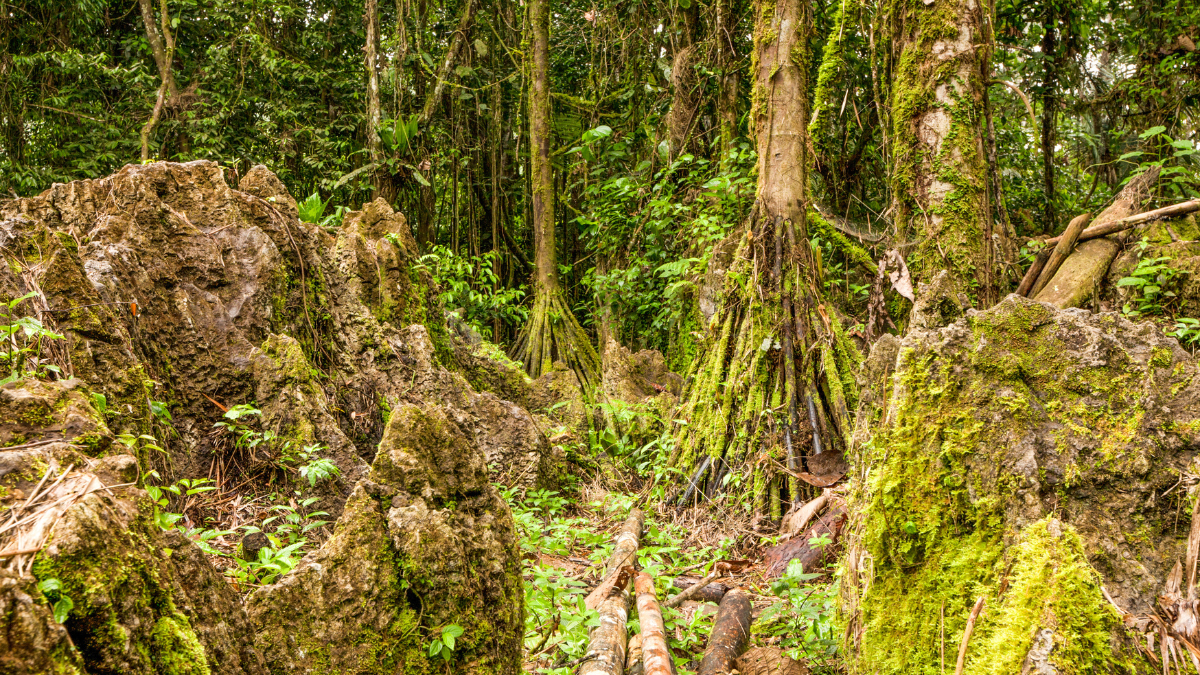
Some people claim that a certain species of tree can walk. The “walking” palm reportedly moves across the forest as the growth of new roots gradually relocates it. This palm’s roots extend beyond the soil, giving the tree the appearance of standing on stilts or walking. The scientific name for the tree in question is *Socratea exorrhiza*, nicknamed the “walking palm.”
*Socratea exorrhiza* is a palm native to [tropical rainforests](https://www.natureandculture.org/biodiverse-ecosystems/amazon-rainforest/) in Central and South America. The tree supposedly “walks” from shade to sunlight by growing roots in the direction it wants to travel, then allowing the old roots to lift into the air and die. Some say the process takes a couple of years, while one paleobiologist suggests the tree moves two or three centimeters per day.
The story of the walking palm has been shared by rainforest guides for years. It was first suggested in science by John H. Bodley in 1980. In a journal of The Association for Tropical Biology and Conservation, Dr. Bodley reported that the palm uses its roots to “walk away” from its germination point if another tree falls on the seedling and knocks it over. This way, the tree can move away from obstacles that are major hazards for immature palms.
More recently, Peter Vrsansky, a paleobiologist from the Earth Science Institute of the Slovak Academy of Sciences Bratislava, claims to have seen this phenomenon first-hand. However, other scientists insist the walking palm is a myth. Biologist Gerardo Avalos published a detailed study on *Socratea exorrhiza* where he observed that the tree does not walk because its roots don’t move.
## The question seems to *stem* from the tree’s unique root system
Unlike other trees that have roots fully hidden underground, the walking palm has a higher root system that grows outwards from the base of the tree, several feet off the ground. Over time, as soil erodes, some of these roots die off, and new roots form.
Do these roots *actually* shift the tree’s location? Sadly, research like Avalos’ suggests the trees stay put. Scientists continue to study the walking palm and its unique root system. Some believe that the roots allow the tree to be more stable in swampy areas. Others suggest that stilt roots allow the palm to grow taller to reach light without having to increase the diameter of the stem, thus investing in less biomass in underground roots than other palms.
[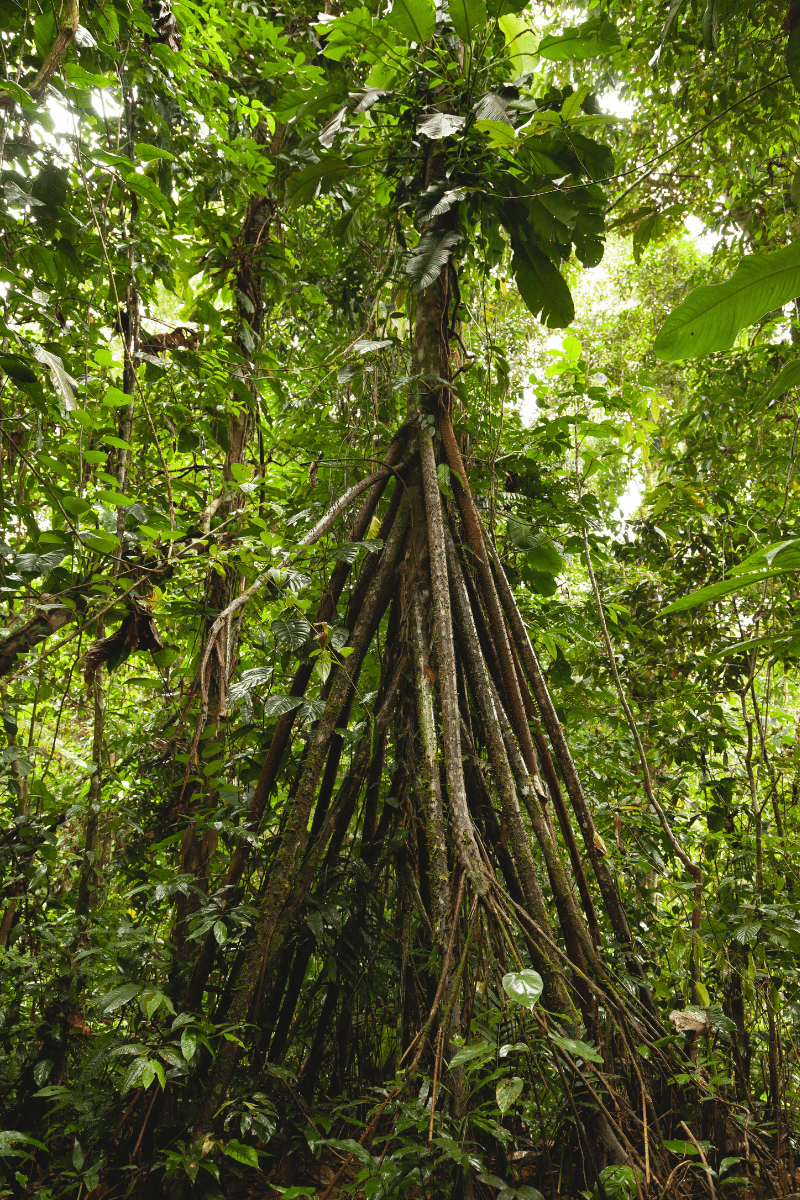](https://creativecommons.org/licenses/by-sa/2.0/)
The variety of life on the planet is our greatest treasure. Yet one million of the estimated eight million plant and animal species on Earth are at risk of extinction. This is just [one unique species](https://www.natureandculture.org/protect-biodiversity/) you can find in our protected areas in the Amazon Rainforest.
You can protect the planet’s extraordinary biodiversity, including the walking palm, by donating to protect forests today!
[SAVE FORESTS](https://www.natureandculture.org/donate/)
**Strategic Area:** Biodiversity
**Country:** Ecuador
**Content Type:** Blog
---
### [Conoce los Bosques Secos del Marañón, un lugar único en el mundo](https://www.natureandculture.org/es/directorio/conoce-los-bosques-secos-del-maranon-un-lugar-unico-en-el-mundo/)
**Published:** January 29, 2026
**Author:** Nora Sanchez
**Content:**
En el norte del Perú, se extiende uno de los ecosistemas más singulares y menos conocidos del país, se trata de los Bosques Secos del Marañón. Estos bosques cubren una superficie aproximada de 22,936 km² y conforman un paisaje de contrastes, donde la aridez y la vida dan lugar a especies únicas en el mundo.
Los Bosques Secos del Marañón son un paisaje singular
## Un hotspot de biodiversidad y endemismo en el norte del Perú
La compleja fisiografía del valle, marcada por cañones profundos, pendientes escarpadas y bosques secos mezclados con matorral andino ha sido el escenario de procesos evolutivos únicos.
A lo largo de miles de años, estas condiciones han dado origen a una extraordinaria diversidad biológica, con especies que no existen en ningún otro lugar del planeta. Hoy, los Bosques Secos del Marañón albergan 143 especies endémicas de flora leñosa, 4 especies de anfibios, 28 de reptiles, 13 de aves y 5 de mamíferos, muchas de ellas restringidas a este territorio (Marcelo-Peña et al., 2016; Guzmán et al., 2021).
Esta riqueza biológica tiene un valor científico excepcional; también sostiene la vida de las poblaciones locales. Los bosques proveen bienes y servicios ecosistémicos esenciales, como regulación hídrica, provisión de recursos y soporte para actividades productivas tradicionales. Además, su conexión con la cuenca amazónica convierte al Marañón en un eslabón clave para el equilibrio ecológico a escala regional y continental (Rubio et al., 2017; Guzmán, 2023).
## Conservación, desarrollo local y conectividad ecológica en el valle del Marañón
Desde el año 2012, Naturaleza y Cultura Internacional trabaja de manera sostenida en la conservación de los Bosques Secos del Marañón, en los departamentos de Cajamarca, Amazonas y La Libertad. Este esfuerzo se ha construido junto a aliados estratégicos, gobiernos regionales, municipalidades y, sobre todo, las poblaciones locales que habitan y cuidan el territorio. Como resultado, a junio de 2025 se han establecido tres áreas de conservación regional y tres áreas de conservación privada, que en conjunto protegen 65,609.37 hectáreas de esta ecorregión única.
Este avance ha permitido incrementar de manera significativa la representatividad de los Bosques Secos del Marañón dentro del Sistema Nacional de Áreas Naturales Protegidas por el Estado. Mientras que en 2009 apenas el 0.1 % de la ecorregión contaba con algún tipo de protección, hoy esa cifra alcanza el 2.86 %, marcando un hito importante para la conservación de estos ecosistemas.
Logo del Área de Conservación Privada Utco
El valle del río Marañón no es solo un paisaje imponente; es un territorio donde la vida ha aprendido a adaptarse y persistir. Entre sus bosques secos habitan aves endémicas que representan uno de los mayores tesoros naturales del país. Cada una de estas especies es el resultado de una historia evolutiva íntimamente ligada al clima, al relieve y a la cultura del valle. Proteger su hábitat es, en esencia, proteger la singularidad del Marañón.
Con esta visión, el apoyo de principal de Andes Amazon Fund (AAF), Re:wild, la contribución de American Bird Conservancy (ABC), se fortalece la gestión de las áreas de conservación privada comunales Cujillo y Utco, así como del Área de Conservación Regional Bosques Interandinos de Cutervo. Paralelamente, con apoyo de AAF y la reciente contribución de ABC se avanza en el proceso para el establecimiento de una nueva área protegida: Bosques Interandinos del Marañón–Bolívar, una iniciativa clave para asegurar la conservación de los hábitats más frágiles y valiosos del valle.
La gestión integral del paisaje permite conservar la biodiversidad y mantener la conectividad natural de los ecosistemas, también impulsar actividades productivas sostenibles que mejoren la calidad de vida de las familias locales. En el Marañón, conservación y desarrollo son caminos complementarios.
Actividades de apicultura en ACP UtcoActividades de apicultura en ACP Utco
### Proteger los Bosques Secos del Marañón es mucho más que conservar aves.
Es resguardar identidad, memoria y esperanza. Es asumir un compromiso con las generaciones futuras, para que puedan seguir reconociendo este valle como un lugar vivo, donde el canto de aves únicas en el mundo continúe resonando entre cañones y laderas, recordándonos que cuidar la naturaleza es cuidar nuestro propio futuro.
---
**Más información:**
Gabriela Gives
**Comunicación Perú**
<comunicacion.peru@naturalezaycultura.org>
**Tags:** Aves, Biodiversidad, Perú, Reservas naturales
**Strategic Area:** Bosques
**Country:** Perú
**Content Type:** Blog
---
### [Witnessing A Fragile Forest in Full Bloom: the Guayacan Trees of Ecuador's Dry Forest](https://www.natureandculture.org/directory/witnessing-a-fragile-forest-in-full-bloom-guayacan-trees-of-ecuadors-dry-forest/)
**Published:** January 28, 2026
**Author:** Heather Thomas
**Content:**
### *Nature and Culture Latin America Communications Specialist Aida Maldonado travels to southern Ecuador to witness the once-a-year guayacan bloom in the country’s fragile dry forest.*
This is the second time I have witnessed the blooming of the guayacan trees in the province of Loja, in southern Ecuador, and without a doubt, every time reaffirms the magic of this place. However, on this occasion, what surprised me most was the realization that this natural phenomenon—one that occurs only once a year—is not only enjoyed by those of us who visit, but also by the many species that inhabit and depend on this ecosystem.
## More Than a Spectacle: Why the Bloom Matters for the Dry Forest
The [American crocodile](https://www.natureandculture.org/directory/crocodilemonitoring/) *(Crocodylus acutus)*, birds that fill the forest with song, squirrels, howler monkeys, pumas, and many other species are an essential part of this natural wonder. The blooming is not just a visual spectacle; it is a crucial moment for the life of the dry forest. It provides shelter, food, and favorable conditions for the regeneration of an ecosystem that has learned to endure.
American crocodile (*Crocodylus acutus*) Photo: Aida Maldonado
## A Fragile Ecosystem Under Pressure
It was at this moment that I more clearly understood that the blooming of the guayacan trees occurs in one of the most fragile and top priority ecosystems in mainland Ecuador. As I walked through the area, I encountered other visitors who, like me, had questions about what was happening around us. We walked attentively, watching the landscape turn yellow as a gentle rain began to fall and wrapped us in the night, reminding us that this phenomenon depends on a seasonal balance and only occurs at the first rainfall of the year.
Each season, the increase in visitors to these areas—especially the Cazaderos Natural Reserve—brings greater pressure on the dry forest. For this reason, I chose to move through it slowly and quietly, trying to observe without disturbing and to listen without interrupting. Many of the impacts we cause are not always immediately visible, but they are permanent. If we are not aware of our impact, we may cause irreversible damage: leaving designated trails can destroy seedlings; excessive noise alters wildlife behavior; removing flowers, seeds, or branches disrupts essential natural processes; and even feeding wild animals affects their health and changes their habits.
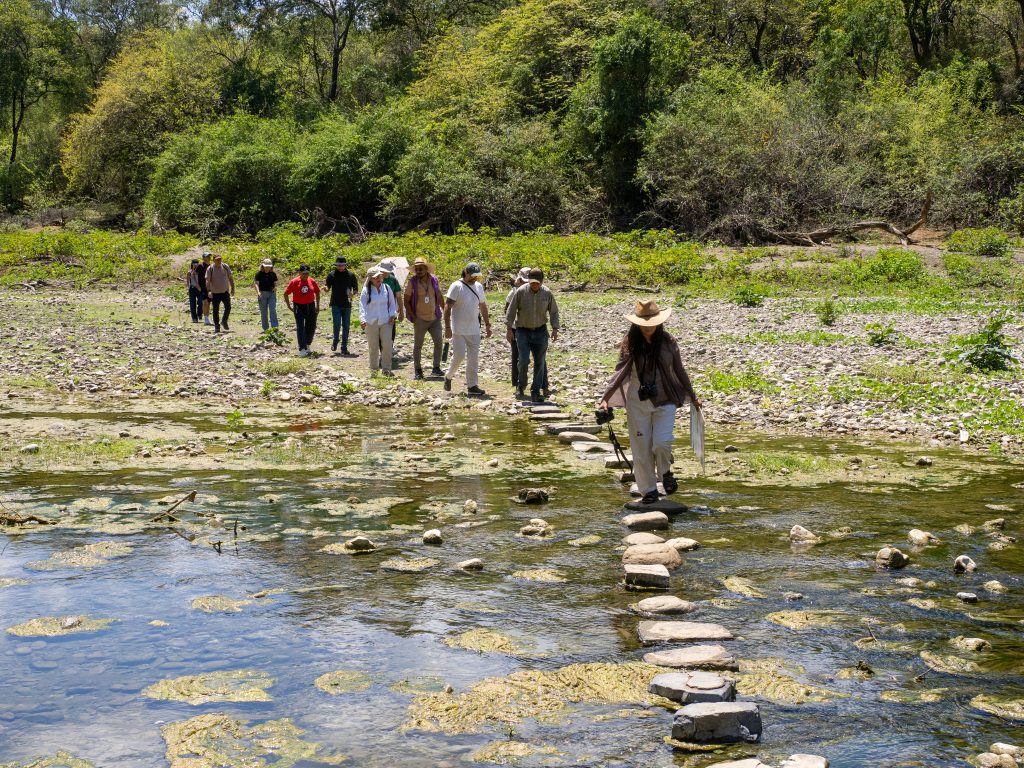
## When the Forest Turns Yellow
The blooming of the guayacan trees transports us into a yellow forest and, at times, it feels like being inside a Studio Ghibli film. It’s almost unreal. In that moment alone, as I contemplate the beauty of the guayacan’s yellow flowers, I’m reminded that we still can—and must—continue working to protect areas such as La Ceiba Protected Forest, the [Cazaderos Natural Reserve](https://www.natureandculture.org/directory/cazaderos-nature-reserve/), and the Los Guayacanes Municipal Ecological Area.
For those who have not yet experienced this extraordinary natural event, I invite you to explore it through a selection of photographs we took alongside Daniel Sanmartín, a passionate biologist who cares for and protects these areas. In these images, the guayacan bloom is proof of sustained efforts carried out by communities and institutions that care deeply for this treasure.
Photo: Daniel Sanmartín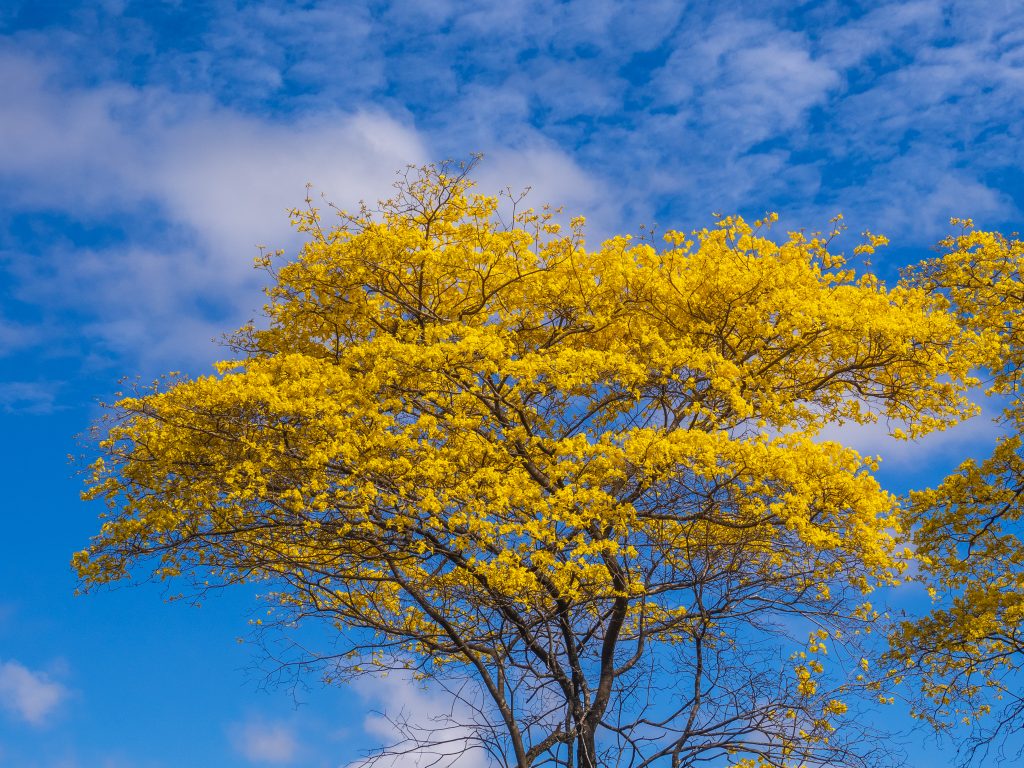Photo: Daniel SanmartínPhoto: Aida Maldonado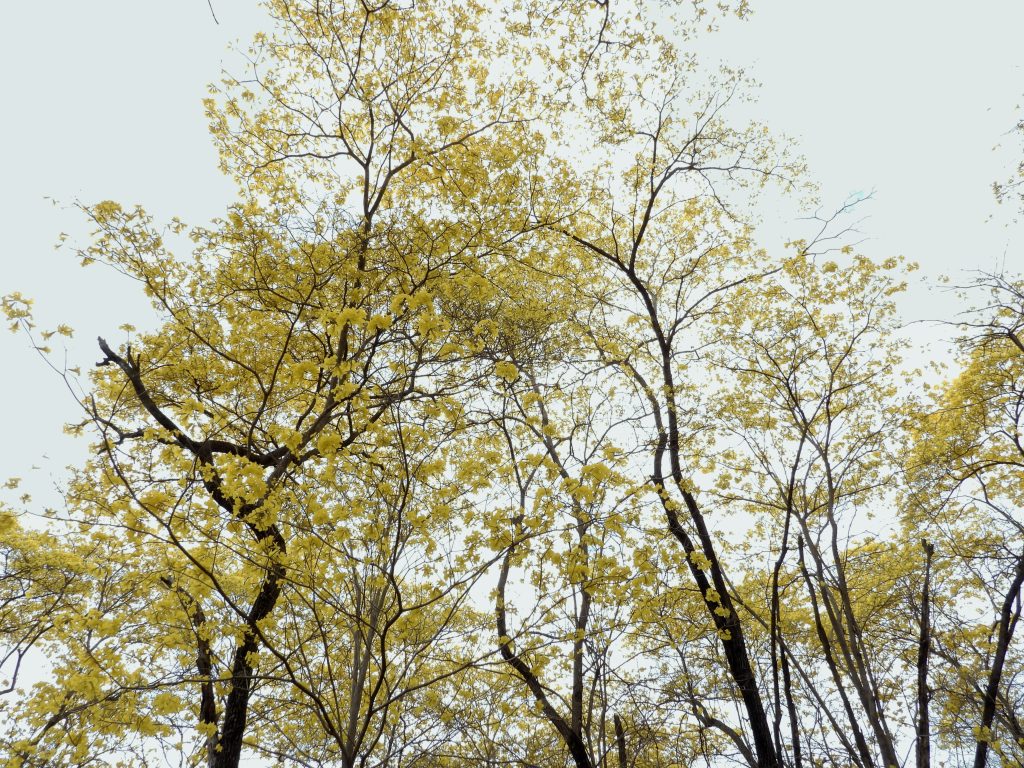Photo: Aida Maldonado
## A Landscape of Global Importance
For all these reasons, UNESCO has recently reaffirmed this area—part of the [Dry Forest Biosphere Reserve](https://www.natureandculture.org/our-reserves/bosque-seco/)—as one of the planet’s unique sites, recognized for both its natural and cultural richness.
Witnessing this blooming is not only a privilege, but also an invitation to view the dry forest with love and respect, and to understand that we are temporary visitors in a territory that sustains far more life than we might imagine.
**Tags:** Biodiversity, Conservation, Ecuador, Field Visit, Guayacan Bloom, Protected Area
**Strategic Area:** Forests
**Country:** Ecuador
**Content Type:** Blog
---
### [Cuando florecer también es un acto de resistencia](https://www.natureandculture.org/es/directorio/cuando-florecer-tambien-es-un-acto-de-resistencia/)
**Published:** January 27, 2026
**Author:** Nora Sanchez
**Content:**
### *Este relato fue escrito por Aida Maldonado, comunicadora de Naturaleza y Cultura Internacional en Ecuador, quien nos comparte su experiencia al presenciar el florecimiento de los guayacanes y su reflexión sobre la belleza, fragilidad y urgencia de conservar el bosque seco.*
Esta es la segunda vez que presencio el florecimiento de los guayacanes y, sin duda, cada experiencia reafirma que este es un lugar mágico. Sin embargo, en esta ocasión lo que más me sorprendió fue comprender que este evento natural —que ocurre solo una vez al año— no es disfrutado únicamente por quienes lo visitamos, sino también por todas las especies que habitan y dependen de este ecosistema.
El cocodrilo americano (*Crocodylus acutus*), las aves que llenan el bosque con sus cantos, las ardillas, el mono aullador, el puma y muchas otras especies forman parte esencial de este acontecimiento natural. El florecimiento no es solo un espectáculo visual; es un momento clave para la vida del bosque seco, pues ofrece refugio, alimento y condiciones propicias para la regeneración de un ecosistema que ha aprendido a resistir.
Cocodrilo americano (*Crocodylus acutus*) (Créditos: Aida Maldonado)
Fue entonces cuando comprendí con mayor claridad que el florecimiento de los guayacanes ocurre en uno de los ecosistemas más frágiles y prioritarios para la conservación del Ecuador continental: el bosque seco. Mientras recorría el lugar, me encontraba con otros visitantes que, como yo, tenían mil preguntas sobre lo que estaba sucediendo a nuestro alrededor. Caminábamos atentos, observando cómo el paisaje se transformaba en amarillo, mientras la lluvia empezaba a caer suavemente y nos arropaba en la noche, recordándonos que este fenómeno depende de un delicado equilibrio natural: las lluvias.
Cada temporada, el aumento de visitantes en estas zonas —sobre todo en la Reserva Natural Cazaderos— implica mayores presiones sobre el bosque seco. Por eso decidí recorrerlo con calma y en silencio, intentando observar sin alterar y escuchar sin interrumpir. Muchos de los impactos que generamos no siempre son evidentes, pero sí permanentes. Como turistas desinformados, a veces provocamos daños irreversibles: al salirnos de los senderos autorizados podemos destruir plántulas; el ruido excesivo altera el comportamiento de la fauna; extraer flores, semillas o ramas interrumpe procesos naturales fundamentales; e incluso alimentar a los animales silvestres afecta su salud y modifica sus hábitos. Respetar los senderos, no extraer elementos naturales y no alterar la flora ni la fauna es parte fundamental de una visita responsable.
Recorrido por el bosque seco (Créditos: Daniel Sanmartín)
La floración de los guayacanes nos transporta a un bosque amarillo y, por momentos, se siente como estar dentro de una película de Studio Ghibli. Es casi irreal. Solo en ese instante, al contemplar la belleza de las flores amarillas del guayacán, pienso que aún podemos y debemos seguir trabajando para proteger áreas como el Bosque Protector La Ceiba, la Reserva Natural Cazaderos y el Área Ecológica Municipal Los Guayacanes.
Para quienes aún no han podido disfrutar de este maravilloso evento natural, que se registra en el cantón Zapotillo, provincia de Loja, al sur del Ecuador —específicamente en las parroquias Bolaspamba, Mangahurco y Cazaderos—, los invito a recorrerlo a través de algunas fotografías que tomamos junto a Daniel Sanmartín, un biólogo apasionado que cuida y protege estas áreas. En ellas, el florecimiento refleja los resultados de los esfuerzos sostenidos que comunidades e instituciones han venido realizando durante los últimos años.
Foto: Daniel SanmartínFoto: Daniel SanmartínFoto: Aida MaldonadoFoto: Aida Maldonado
Es por todo esto que recientemente la UNESCO ratificó a esta zona —parte de la Reserva de Biosfera Bosque Seco— como uno de los sitios únicos del planeta, tanto por su riqueza natural como cultural.
Ser testigo de este florecimiento no solo es un privilegio, sino también una invitación a mirar el bosque seco con amor y respeto, y a entender que somos visitantes temporales en un territorio que sostiene mucha más vida de la que imaginamos.
---
**Más información:**
Aida Maldonado Quezada
Comunicación Ecuador
<amaldonado@naturalezaycultura.org>
**Tags:** Biodiversidad, Bosque Seco, Guayacanes
**Strategic Area:** Bosques
**Country:** Ecuador
**Content Type:** Blog
---
### [Impulsamos la apicultura junto a comuneros del ACP Utco](https://www.natureandculture.org/es/directorio/impulsamos-la-apicultura-junto-a-comuneros-del-acp-utco/)
**Published:** January 27, 2026
**Author:** Nora Sanchez
**Content:**
*La iniciativa fortalece los medios de vida locales, promueve la conservación del ecosistema y resalta el rol clave de las abejas en la naturaleza.*
En el marco del proyecto ***“Protegiendo el Bosque Seco del Marañón para especies amenazadas, endémicas y hábitat en el Perú”*** financiado por [American Bird Conservancy](https://abcbirds.org/), el equipo de Naturaleza y Cultura Internacional trabaja de manera articulada con los apicultores del Área de Conservación Privada (ACP) Utco, para fortalecer y promover actividades productivas complementarias que contribuyan a la conservación de los recursos naturales del territorio y al bienestar de las familias locales.

El proyecto en mención busca apoyar los esfuerzos de conservación y manejo de las áreas de conservación del Mosaico Bosques Secos del Marañón. Como parte de estas acciones, Naturaleza y Cultura Internacional realizó la entrega de kits de apicultura en la comunidad campesina de Utco, con el objetivo de mejorar y tecnificar la producción de miel. Esta actividad se desarrolla en el marco de la gestión del ACP Utco, orientadas a diversificar los ingresos locales y fortalecer la economía de las familias que apuestan por la conservación.
Liesly Herrera, técnico de campo de Naturaleza y Cultura Internacional destaca el rol fundamental que cumplen las abejas en el ecosistema, ya que son esenciales para la polinización y el mantenimiento de la biodiversidad.

En ese sentido, la apicultura representa una práctica clave para la conservación de áreas naturales, al tiempo que aporta beneficios directos a las comunidades. La miel de abeja, por su alto valor nutricional, se posiciona también como un producto saludable con potencial en los mercados locales y regionales.
Con estas acciones, Naturaleza y Cultura Internacional reafirma su compromiso con la conservación, promoviendo iniciativas productivas sostenibles que fortalecen los medios de vida, protegen los ecosistemas y contribuyen al desarrollo integral del ACP Utco.

### Sobre el Área de Conservación Privada ACP Utco
El [Área de Conservación Privada (ACP) Utco](https://www.natureandculture.org/es/directorio/nuevas-areas-de-conservacion-en-peru-protegen-mas-de-siete-mil-hectareas-de-bosque/ "Nuevas áreas de conservación en Perú protegen más de siete mil hectáreas de bosque") está ubicada en el Distrito de Utco, provincia de Celendín, departamento de Cajamarca, Perú y protege más de tres mil hectáreas de bosques secos del Marañón, un ecosistema único con gran biodiversidad y especies endémicas como la Parkinsonia peruviana y aves emblemáticas como el cóndor andino.
---
**Más información:**
Gabriela Gives
Comunicadora Perú
<comunicacion.peru@naturalezaycultura.org>
**Strategic Area:** Comunidades Locales
**Country:** Perú
**Content Type:** Blog
---
### [Conociendo el lado peruano del Corredor de Conservación Transfronterizo Andino Amazónico ](https://www.natureandculture.org/es/directorio/conociendo-el-lado-peruano-del-corredor-de-conservacion-transfronterizo-andino-amazonico/)
**Published:** January 5, 2026
**Author:** Nora Sanchez
**Content:**
El 12 de diciembre, los gobiernos de Ecuador y Perú reconocieron oficialmente al Corredor de Conservación Transfronterizo Andino Amazónico, una estrategia binacional orientada a proteger más de dos millones de hectáreas de ecosistemas andino-amazónicos que se extienden desde el sur del Ecuador hasta el norte del Perú.
[Accede a la nota sobre el reconocimiento del Corredor de Conservación Transfronterizo Andino Amazónico](https://www.natureandculture.org/es/directorio/ecuador-y-peru-reconocen-oficialmente-el-corredor-de-conservacion-transfronterizo-andino-amazonico/)
Un corredor de conservación o corredor ecológico es una forma de gestionar el territorio para mantener y recuperar la conexión entre ecosistemas, incluso cuando estos han sido fragmentados por carreteras, actividades productivas u otros usos del suelo.
En Naturaleza y Cultura Internacional, junto a otros actores como el Plan Binacional, SERNANP y las autoridades ambientales de ambos países, llevamos varios años impulsando esta visión: construir un corredor transfronterizo a partir de una red de áreas protegidas, nacionales y subnacionales, y avanzar hacia modelos de gestión colaborativos entre Ecuador y Perú.
Para entenderlo mejor, viajé a Perú con el objetivo de conocer de cerca el lado peruano del Corredor de Conservación Transfronterizo Andino Amazónico y, finalmente, ver con mis propios ojos los paisajes andino-amazónicos de los que venimos hablando desde hace tanto tiempo.
Nora Sánchez, Coordinadora de Comunicación para América Latina
## **Cruzando la frontera**
Mi ruta inició en Quito, Ecuador, desde donde tomé un avión hacia Loja. Desde allí continué el trayecto por tierra, avanzando poco a poco hasta llegar a la frontera.
Mientras viajaba pensaba en las fronteras como un concepto enteramente humano. No existen para los animales ni para la naturaleza. El jaguar, por ejemplo, no ve la frontera entre Ecuador y Perú. Ve bosques conectados o fragmentados, y busca espacios amplios y saludables donde pueda desplazarse y vivir.
Con esa idea en mente, comencé un recorrido de siete días por las regiones de Piura y Cajamarca. Cada día el paisaje se transformaba: del páramo al bosque nublado, del frío seco de los Andes al calor húmedo de la Amazonía baja.
Área de Conservación Regional Chicuate ChingelasÁrea de Conservación Regional Jaén y Tabaconas (Foto: Mateo Tassara)Propuesta de ACR Huaringas
Esta diversidad en el paisaje no es casual. El Corredor de Conservación Transfronterizo Andino Amazónico conecta ecosistemas que van aproximadamente desde los 600 metros sobre el nivel del mar hasta más de 4.000 metros, creando un gradiente altitudinal continuo. Justamente esta variedad de alturas es la que permite que especies se desplacen y puedan adaptarse a cambios de temperatura, y que procesos clave, como la regulación del agua y del clima, se mantengan a lo largo de todo el paisaje del Corredor.
## **Personas que sostienen el territorio**
El lado peruano del Corredor Transfronterizo es conocido como el Corredor de Conservación Andes del Norte, un territorio de 729 mil hectáreas, de las cuales 150 mil se encuentran protegidas bajo alguna forma de conservación.
Durante mi visita tuve la oportunidad de recorrer cinco de estas áreas, conversar con sus habitantes y maravillarme con sus paisajes. Y aunque cada lugar enfrentaba desafíos distintos, en todos encontré un elemento en común: el compromiso de la gente con su territorio.

Conversé con Esmilda, en la comunidad de Pumurco, quien me habló de la riqueza de su tierra para la producción de café orgánico, lo que la motivó a dejar prácticas contaminantes y aprender a sembrar de manera sostenible.
*“A Pumurco lo que lo hace especial es la calidad del café y nuestro bosque. También tenemos cataratas con aguas cristalinas que son especiales. Esa es nuestra inquietud: cuidar el ambiente para que nuestras aguas no se contaminen.”*
También conocí a Angie Melendres, que fue guardabosque voluntaria en su comunidad y hoy forma parte del equipo técnico de Naturaleza y Cultura Internacional.
*“Para mí la conservación de este ecosistema nace de mi familia. Mis padres siempre han luchado por conservar. Tenemos el problema de una minera que quiere apoderarse de nuestros bosques, pero desde pequeños aprendimos que cuidar nuestro ecosistema es fundamental, porque incluso nuestras actividades productivas dependen de eso.”*
[Conoce más sobre Angie en esta nota](https://www.natureandculture.org/es/directorio/angie-melendres-de-guardabosque-del-futuro-a-defensora-del-bosque/?_kx=HQIGW8u0xJwqiFBu8O50q61OcUyruC9b-YkU4QwzP_B5sG56njQ0xiwgg6zKZlJM.XsZs7m "Conoce más sobre Angie en esta nota")


En los bosques de Tabaconas, Lideimer Flores me dio una de las explicaciones más sencillas y poderosas del viaje. Cuando le pregunté por qué era importante proteger el bosque, respondió:
*“El bosque es como aire acondicionado; cuando hay bosque, hay frescura.”*
[Conoce la historia de Lideimer, aquí](https://www.natureandculture.org/es/directorio/de-los-bosques-de-tabaconas-al-corazon-de-los-andes-del-norte/)
Sus palabras resumían una verdad profunda. Los bosques no solo sostienen la vida silvestre, y los hábitats del tapir andino, del oso de anteojos o del águila andina. Los bosques regulan el clima, protegen el suelo y aseguran el agua de la que dependen las comunidades.
Las historias de cada una de estas personas reafirmaron algo esencial: el valor del territorio siempre ha estado claro para quienes lo habitan. Hoy, con el propósito del Corredor, ese compromiso se fortalece con una visión más amplia: conservar aquello que nos conecta para estas y las futuras generaciones.
## **Un gran rompecabezas construido por la gente**
Me gusta pensar en el corredor como un gran rompecabezas, donde cada pieza es indispensable. Donde el trabajo que Esmilda, Angie y Lideimer hacen es tan importante como el de los gobiernos locales o el de nosotros.
Y aunque todavía estamos “construyendo” ese rompecabezas, a través del establecimiento de nuevas áreas de conservación que aporten a la conectividad del paisaje y del fortalecimiento del manejo de las áreas ya existentes, durante este viaje pude ser testigo de avances concretos para conectar este vasto territorio, que entre Ecuador y Perú suma más de 2 millones de hectáreas.
Uno de esos momentos fue cuando los pobladores de la comunidad Puerta el Edén me llevaron a un punto donde convergen los límites de dos áreas: el Área de Conservación Regional Bosques Montanos y la propuesta de Área de Conservación Regional Huamantanga.

A pesar de que la fragmentación del ecosistema causada por la actividad humana era evidente, también lo eran las conexiones: el bosque que continuaba de un lado a otro, las aves sobrevolando sin reconocer límites y las personas, como nosotros, transitando de un área a la siguiente.
## **Una nueva perspectiva sobre el corredor**
Regresé a Ecuador convencida de que la conservación solo funciona cuando las personas que habitan el bosque son protagonistas.
Lo vi en cada comunidad, en cada conversación y en cada rincón del Corredor. Este territorio es un puente natural entre dos países, pero también un puente humano entre quienes lo viven, lo cuidan y lo proyectan hacia el futuro.
Y aunque los desafíos siguen siendo enormes también existe una oportunidad inmensa: seguir construyendo esta red que sostiene agua, biodiversidad, culturas y bienestar para miles de personas en ambos lados de la frontera.
Este viaje fue un recordatorio de que nuestro trabajo importa. Que cada hectárea conservada, cada área fortalecida y cada alianza local suma. Y que, al final, proteger este corredor es proteger la vida misma.
---
**Más información:**
Nora Sánchez Luzardo
**Coordinador de Comunicación para América Latina**
<nsanchez@naturalezaycultura.org>
**Tags:** Biodiversidad, Ecuador, Personas, Perú
**Strategic Area:** Bosques
**Country:** Perú
**Content Type:** Blog
---
### [Impulsando el liderazgo femenino en el ACR Huamantanga](https://www.natureandculture.org/es/directorio/impulsando-el-liderazgo-femenino-en-el-acr-huamantanga/)
**Published:** December 2, 2025
**Author:** Nora Sanchez
**Content:**
En el marco de la Iniciativa Conserva Aves, ya se implementan acciones buscan fortalecer el manejo de la futura **Área de Conservación Regional (ACR) Bosques Montanos de Huamantanga y Chorro Blanco** y garantizar que las comunidades vecinas se involucren en la conservación de su entorno.
Uno de los primeros caseríos donde se ha iniciado fortalecimiento para el liderazgo, género e inclusión ha sido el caserío **El Mirador**, uno de los puntos más cercanos al área propuesta en el distrito de Colasay.
La jornada fue calificada como positiva por los participantes, destacando la masiva asistencia, especialmente de las mujeres del caserío. Neri Díaz González, una de las asistentes, compartió su experiencia con entusiasmo: ***“Me ha gustado el taller, he aprendido bastante. Me encantó que la mayoría de las mujeres en el caserío El Mirador se hayan unido”,** afirmó Díaz González, calificando el tema como “excelente”.*

Entre los conocimientos adquiridos, Neri Díaz González resaltó el aprendizaje sobre **liderazgo, trabajo en grupo** y la **importancia de la unidad**. Subrayó, además, que la **conservación está ligada directamente a la reforestación**, la cual traerá beneficios tangibles a la comunidad.
***“La conservación implica la siembra de plantas y la creación de más bosques. Si se conserva el bosque, la comunidad tendrá más recursos: habrá más cosechas, más animales y también más lluvias, porque las plantas llamarían a las lluvias”,*** explicó Díaz González, añadiendo que esto permitirá a la gente “progresar”.
### Sobre la propuesta de ACR Bosques Montanos de Huamantanga y Chorro Blanco
El proceso para establcer el ACR Huamantanga busca proteger más de 14 mil hectáreas de los distritos de Colasay, San José del Alto, Chontalí, Jaén y Huabal cuenta con el respaldo de 22 localidades aledañas. El proceso iniciado en junio de 2021 ha sido liderado por la Gerencia de Recursos Naturales del Gobierno Regional de Cajamarca, con el apoyo técnico de Naturaleza y Cultura Internacional y desde el 2021 con el financiamiento de Andes Amazon Fund.

### **Un llamado desde el caserío más alejado**
Díaz González aprovechó la oportunidad para hacer un llamado a las entidades que apoyan el proceso. Siendo El Mirador el último caserío de Colasay, y por ende uno de los más alejados, las visitas y capacitaciones son escasas. Este taller subraya el compromiso de las comunidades de Colasay con el proceso de establecimiento del ACR Huamantanga, un paso fundamental para asegurar la protección de los ecosistemas montanos de la región.
### **La Iniciativa Conserva Aves**
Es una alianza hemisférica liderada por American Bird Conservancy (ABC), National Audubon Society (Audubon), BirdLife International, Birds Canadá y la Red de Fondos Ambientales de Latinoamérica y el Caribe (RedLAC). En el Perú, cuenta con el apoyo de PROFONANPE y ECOAN, con financiamiento del Gobierno de Canadá. Su trabajo busca crear y fortalecer áreas protegidas gestionadas por comunidades locales y gobiernos subnacionales, promoviendo el desarrollo sostenible y el empoderamiento local.
---
**Más información:**
Gabriela Gives
**Comunicación Perú**
<comunicacion.peru@naturalezaycultura.org>
**Tags:** Biodiversidad, Personas, Perú
**Strategic Area:** Comunidades Locales
**Country:** Perú
**Content Type:** Noticias
---
### [Guardians of the Forest: Following the Spectacled Bear's Footprints ](https://www.natureandculture.org/directory/guardians-of-the-forest-following-the-spectacled-bear-s-footprints/)
**Published:** December 17, 2025
**Author:** Heather Thomas
**Content:**
In the misty montane forests of northern Cajamarca, the silence is broken by the crunch of dry leaves under the firm steps of local **community rangers**. Their disciplined presence conveys both security and deep commitment. Organized into specialized brigades, they stealthily patrol the boundaries of the conservation areas they dedicate themselves to protecting. Their primary tools are the ancestral knowledge inherited from life in the forest, combined with the technical skills they have strengthened through the support of **Nature and Culture.**
**Community rangers are the true heroes of this story**
In the **Andes del Norte Conservation Corridor**, **community rangers** from the San Miguel de Tabaconas Private Conservation Area recently joined forces with park rangers from the Páramos y Bosques Montanos de Jaén y Tabaconas Regional Conservation Area. Together, they traversed their shared boundaries, united by the critical mission of safeguarding a territory that serves as both a sanctuary for unique species and a vital source of life for local communities.
Along the patrol route, nature offered a remarkable sight. High in the hills, they successfully documented the spectacled bear *(Tremarctos ornatus)* and deep in the forest, the red howler monkey *(Alouatta seniculus)*, both iconic species of the Northern Peruvian Andes. The air was filled with bird songs, while the native trees stood in majestic silence. These species play a crucial ecological role as natural dispersers within the ecosystem.
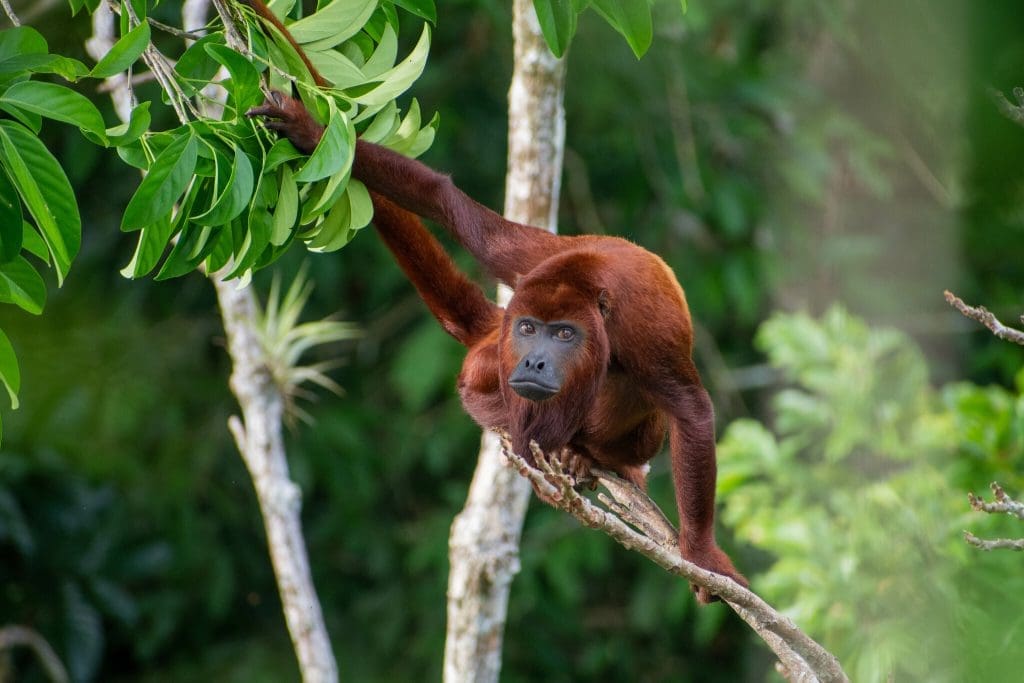Red howler monkey (David Torres \| iNaturalist)Spectacled bear
For Karla Vega, **specialist at Nature and Culture**, these patrols extend far beyond simple vigilance. “These are actions that prevent or provide early alerts regarding threats to the forest. More importantly, they demonstrate crucial **community coordination and leadership**, where locals take active control in managing their areas, regardless of allied institutional support. This fills us with pride, confirming that together we are building a lasting legacy.
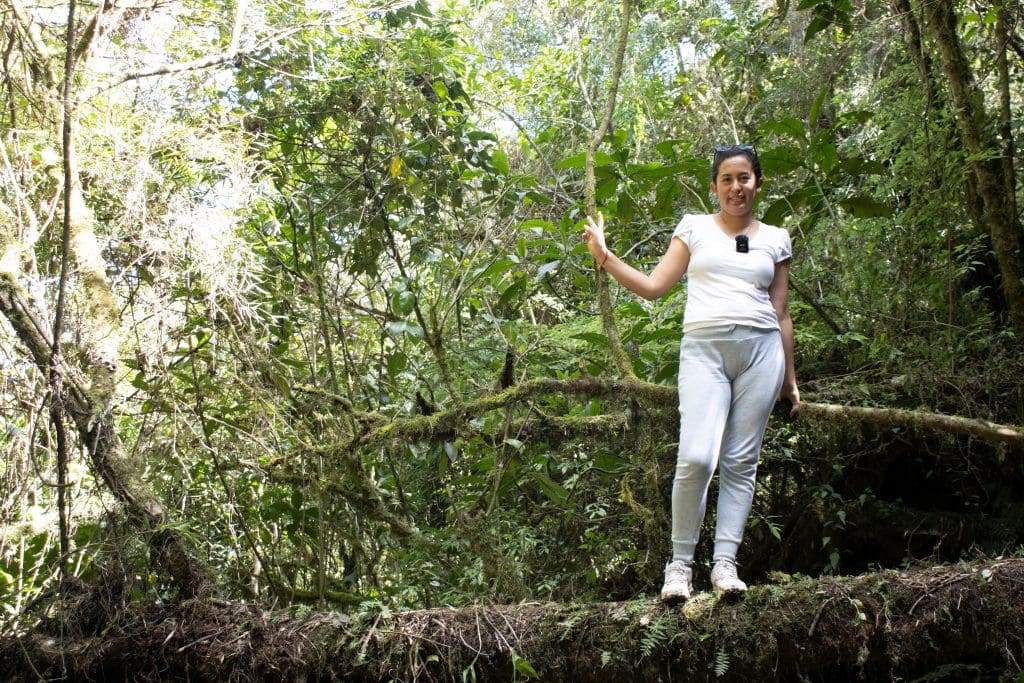**Karla Vega, specialist at Nature and Culture**
This coordinated effort secures a massive corridor: the San Miguel de Tabaconas Private Conservation Area protects **43,371.32 acres**, while the [Páramos y Bosques Montanos Regional Conservation Area](https://www.natureandculture.org/es/directorio/gobierno-regional-de-cajamarca-aprueba-plan-maestro-del-acr-paramos-y-bosques-montanos-de-jaen-y-tabaconas/) covers **77,930.29 acres**. Both are essential components of the **Andes del Norte Conservation Corridor** and form a vital part of the broader **Andes-Amazon Conservation Corridor**, a robust network of protected areas.
**San Miguel de Tabaconas Conservation Area**
This corridor serves as the **primary water source** for the Chira, Chamaya, and Chinchipe river basins, upon which thousands of families depend. The effective management of this area is currently made possible by funding from the [Biodiverse Landscapes Fund (BLF)](https://latam.practicalaction.org/projects/fondo-de-paisajes-biodiversos-paisaje-andes-amazonico/), channeled through **Nature and Culture**, which prioritizes actions benefiting both biodiversity and local communities.
**Community rangers at work installing camera traps**
**With every patrol and every registered track of the bear or the monkey, a fundamental truth is reaffirmed: **conservation is not solely the task of institutions; it is a shared mission** where community members, driven by their deep connection to the land, prove to be the most steadfast guardians of the future.**
**Tags:** Biodiversidad, Perú
**Strategic Area:** Biodiversity, Local Communities
**Country:** Peru
**Content Type:** Blog
---
### [Encuentro de vigilantes fortifica la defensa del territorio ](https://www.natureandculture.org/es/directorio/encuentro-de-vigilantes-fortifica-la-defensa-del-territorio/)
**Published:** December 17, 2025
**Author:** Nora Sanchez
**Content:**
- *Vigilantes de las cuencas del Tigre, Nanay, Ampiyacu y Apayacu se reunieron en Mishana para compartir aprendizajes y fortalecer estrategias de vigilancia frente a las amenazas al uso sostenible de los recursos naturales.*
Del 4 al 6 de diciembre, la Comunidad Campesina de Mishana, en el río Nanay, fue escenario de un encuentro que reunió a vigilantes comunales de las cuencas Tigre, Nanay, Ampiyacu y Apayacu, con el objetivo de fortalecer las acciones de control y vigilancia frente a las crecientes amenazas que afectan sus territorios, entre ellas la minería ilegal y el uso inadecuado de los recursos naturales. Durante tres días, las y los participantes intercambiaron experiencias orientadas a preservar especialmente los recursos pesqueros, fundamentales para la alimentación diaria de las familias y una fuente clave de ingresos que contribuye a la canasta básica familiar.

El evento fue organizado por Naturaleza y Cultura Internacional en coordinación con el Instituto del Bien Común (IBC), en el marco del proyecto TerrIndígena II, financiado por la Agencia Francesa de Desarrollo (AFD). Asimismo, contó con la participación de representantes de la DIREPRO, la Reserva Nacional Pucacuro (RNPUC), la Reserva Nacional Allpahuayo Mishana (RNALM) y el Área de Conservación Regional Alto Nanay Pintuyacu Chambira (ACR ANPC), así como de delegados de la Federación de Comunidades Nativas del Ampiyacu (FECONA), la Federación de Pueblos Yaguas del Río Apayacu (FEPYRA) y del Comité de Gestión del ACR Ampiyacu–Apayacu.
La inclusión de representantes del Ampiyacu–Apayacu respondió a la necesidad de compartir y tomar como referencia su experiencia en control y vigilancia comunal, considerada un modelo valioso para fortalecer las acciones que se vienen desarrollando en el Mosaico Nanay–Tigre. La participación de las federaciones indígenas, por su parte, reafirmó la importancia de la gobernanza territorial y de la articulación entre organizaciones comunales para enfrentar de manera conjunta las amenazas que afectan a las cuencas.
El evento inició con un espacio cultural destinado a conectar saberes y generar confianza entre los participantes. Para varios vigilantes, fue la primera oportunidad de dialogar cara a cara con colegas de otras cuencas. ***“Participar en estas reuniones es muy valioso: intercambiamos experiencias, aprendemos de diferentes realidades y encontramos mejores maneras de hacer nuestro trabajo”,*** comentó expresó Flor de Azalia López, vigilante comunal de la cuenca del Nanay.
A lo largo del segundo día, los grupos revisaron cómo la vigilancia ha ayudado a ordenar el uso de los recursos y a reducir prácticas que antes ponían en riesgo la fauna y el sustento de las familias. ***“Antes, actividades como la pesca o la caza se hacían sin control; por eso varias especies disminuyeron. Ahora vigilamos para que las normas se respeten y podamos aprovechar los recursos de manera responsable”,*** señaló Leydi Cahuachi Vasquez, vigilante de la cuenca Apayacu.
Por la tarde, las y los vigilantes realizaron un patrullaje comunal especial en la cocha Yarana, donde analizaron rutas, huellas e indicadores de presión sobre la fauna. Este ejercicio práctico permitió comparar métodos de vigilancia entre cuencas y reforzar la importancia del trabajo articulado. La experiencia también renovó el compromiso de varios asistentes: ***“La información recibida y las dinámicas renovaron mi compromiso de cuidar los recursos por el bien de mi pueblo y de las futuras generaciones”,*** Jony Diaz Prado, vicepresidente del Comité de Gestión del Área de Conservación Regional Ampiyacu Apayacu y vigilante comunal.

Para Naturaleza y Cultura Internacional, estos espacios son esenciales para fortalecer la gobernabilidad territorial y el cumplimiento de acuerdos construidos desde las propias comunidades. Como señaló Claudia Del Águila, jefa de proyecto: ***“la participación activa de la población en el manejo de sus recursos es indispensable para el bienestar de las familias y del ambiente. Este encuentro en Mishana fortalece la organización territorial y asegura un futuro más sostenible para todos”.***
El encuentro concluyó el 6 de diciembre con el retorno de los vigilantes a sus comunidades y centros poblados, llevando consigo nuevas herramientas, aprendizajes y un renovado sentido de alianza entre cuencas.
---
**Más información:**
Gabriela Gives
**Comunicación Perú**
<comunicacion.peru@naturalezaycultura.org>
**Strategic Area:** Bosques
**Country:** Perú
**Content Type:** Blog
---
### [A New Conservation Area in the Peruvian Andes](https://www.natureandculture.org/directory/jaen-y-tabaconas/)
**Published:** May 6, 2021
**Author:** Heather Thomas
**Content:**
## The newly established Regional Conservation Area “*Páramos y Bosques Montanos de Jaén y Tabaconas*” secures biodiverse habitat and critical water sources in Cajamarca, Peru.
Nature and Culture International is excited to announce the declaration of a new conservation area! The newly established *Páramos y Bosques Montanos de Jaén y Tabaconas Regional Conservation Area* (*Jaen y Tabaconas*) protects 78,915 acres within a bi-national corridor in the Andes, connecting Colambo Yacuri National Park in Ecuador with several conservation areas in northern Peru.
*Jaén y Tabaconas* sits in the highly biodiverse yungas ecoregion, a band of forest on the east slope of the Andes Mountains. Its montane forests and páramos contain an abundance of wildlife, with *Jaén y Tabaconas c*onfirmed so far to host 256 species of birds, 31 species of mammals, 8 species of amphibians, and 6 species of reptiles. Species in the area include the white-fronted capuchin (*Cebus albifrons)* and the newly-recorded lizard species *Pholidobolus ulisesi.*
In linking conservation areas in Ecuador and Peru, *Jaén y Tabaconas* establishes habitat connectivity essential for the long-term survival of far-ranging species such as the vulnerable spectacled bear (*Tremarctos ornatus*) and endangered mountain tapir (*Tapirus pinchaque*).
The area is also home to at least 519 plant species, including the threatened cinchona tree (*Cinchona officinalis)*. The cinchona tree is well-known globally as the source of quinine, a medication used to treat malaria.
Jaen y Tabaconas is a result of collaboration between the Regional Government of Cajamarca, local communities and authorities, the Peruvian Service for Natural Protected Areas, and Nature and Culture International. Photo by Michell León.
*Jaén y Tabaconas* encompasses one of Peru’s most fragile yet important ecosystems: the páramos. Sometimes referred to as “water factories,” páramos act like sponges, absorbing rain and moisture from the air. They are essential for providing clean, abundant water for surrounding communities. The area protects nearly 20,000 acres of páramos, the largest extension of páramos in Cajamarca, including 17 streams that discharge water to the main rivers of Huancabamba in Piura, Peru, and Tabaconas in Cajamarca, Peru.
The Olmos Hydropower Project, a high-priority regional water development project, is currently being implemented thanks in part to abundant water provided by *Jaén y Tabaconas.* This project will benefit regional agriculture and generate 28,000 jobs with direct labor.
“The páramos and montane forests of *Jaén y Tabaconas* are a source of life for present and future generations,” says José Huamán Mantilla, Deputy Manager of the Regional Government of Cajamarca. “Their conservation is a high priority for the Cajamarca region.”

*Jaen y Tabaconas* was created in response to growing threats in the region, including logging, unsustainable livestock activities, and fires. “\[Local communities\] are fighting every day to protect our páramos,” says Alexar Bermea of Sallique, Jaen.
The area is a result of collaboration between the Regional Government of Cajamarca, local communities and authorities, the Peruvian Service for Natural Protected Areas, and Nature and Culture International. *Jaen y Tabaconas* was established thanks to financial support from Andes Amazon Fund and generous donors like you!
With your help, Nature and Culture will continue to work with local communities and authorities to develop the area’s Management Plan to ensure lasting and effective conservation impact.
Thank you for making this achievement possible! We hope that this bit of good news inspires you to continue fighting for nature and culture.
*Learn more about your impact in Peru [here.](https://www.natureandculture.org/lajalcaexpansion/)*
**Strategic Area:** Forests
**Country:** Peru
**Content Type:** News
---
### [De los bosques de Tabaconas al corazón de los Andes del Norte ](https://www.natureandculture.org/es/directorio/de-los-bosques-de-tabaconas-al-corazon-de-los-andes-del-norte/)
**Published:** December 17, 2025
**Author:** Nora Sanchez
**Content:**
### *Conoce a Lideimer Flores, colaborador de Naturaleza y Cultura Internacional, y su vocación con la protección de los Andes del Norte de Perú.*
En la comunidad campesina de San Miguel de Tabaconas, en la provincia de San Ignacio, Cajamarca, creció Lideimer Flores Flores, rodeado entre imponentes y fuertes árboles del bosque, que crecieron durante años, junto a él.
Desde pequeño, su vida estuvo entrelazada con los árboles, los ríos y la fauna que habita en los ecosistemas andinos. ***“Desde niño aprendí a querer el bosque junto a mi familia. Era parte de nuestro día a día, lo respetábamos y cuidábamos como algo propio”,*** recuerda Lideimer.
A medida que crecía, esa conexión con la naturaleza se convirtió en un propósito. ***“Me di cuenta de que quería hacer algo diferente, algo que contribuyera a conservar ese bosque que tanto quería desde niño”,*** cuenta. Fue así como decidió estudiar Ingeniería Forestal en la Universidad Nacional de Cajamarca, convencido de que la ciencia y la educación son caminos para proteger los ecosistemas que lo habían visto crecer.
Lideimer Flores (Créditos: Mateo Tassara \| Naturaleza y Cultura Internacional)
Su primera experiencia en el campo llegó en 2019, cuando realizó sus prácticas preprofesionales en el proyecto de Conservación de los Ecosistemas Andinos de Piura y Cajamarca. ***“Fue una etapa muy importante, porque aprendí a trabajar directamente con las comunidades y comprendí que la conservación permite mejorar la vida de las personas que viven cerca del bosque”***, explica.
Poco después, se integró como voluntario en el mismo proyecto y su entusiasmo lo llevó a asumir nuevos retos. Su dedicación fue reconocida, y pronto se convirtió en guardaparque oficial del [Área de Conservación Regional Bosques El Chaupe, Cunía y Chinchiquilla](https://www.facebook.com/watch/?v=494381305924958), la primera ACR de Cajamarca. Durante más de tres años, Lideimer fortaleció sus conocimientos en vigilancia y control, apoyó la implementación del plan maestro del área, lideró el manejo de viveros forestales para la producción de plantas nativas y participó en el monitoreo de fauna y flora silvestre.
***“Ser guardaparque me permitió entender el valor del trabajo en equipo y del compromiso con la naturaleza. Cada día en el campo era una oportunidad para aprender, servir y entender que cada ser vivo tiene un rol crucial en el planeta”,*** afirma con orgullo.
Su vocación y liderazgo lo llevaron a un nuevo desafío profesional. Naturaleza y Cultura Internacional lo acogió como parte del equipo del proyecto [Cuidar: Derechos, Agua y Resiliencia](https://www.natureandculture.org/es/directorio/cuidar-cooperacion-transfronteriza-para-la-proteccion-de-la-cuenca-mayo-chinchipe/ "CUIDAR: Cooperación transfronteriza para la protección de la cuenca Mayo-Chinchipe "). Desde allí, trabaja de cerca con las poblaciones locales, promoviendo la conservación, la gestión sostenible de los recursos naturales y la equidad de género. ***“Creo firmemente que el involucramiento de la mujer es indispensable para la conservación. Cuando las mujeres participan, las comunidades se fortalecen y las acciones son más sostenibles”,*** sostiene.
Hoy, Lideimer continúa su labor en las áreas de conservación regional Páramos y Bosques Montanos de Jaén y Tabaconas, y en los Bosques El Chaupe, Cunía y Chinchiquilla. Este territorio forma parte del Corredor de Conservación Andes del Norte, que a su vez se integra al [Corredor de Conservación Transfronterizo Andino Amazónico,](https://www.natureandculture.org/es/directorio/ecuador-y-peru-reconocen-oficialmente-el-corredor-de-conservacion-transfronterizo-andino-amazonico/ "Ecuador y Perú reconocen oficialmente el Corredor de Conservación Transfronterizo Andino Amazónico") una de las iniciativas más importantes para la protección de la biodiversidad entre Perú y Ecuador.
Conoce más del Corredor de Conservación Transfronterizo Andino Amazónico [aquí](https://www.natureandculture.org/es/corredor-de-conservacion-transfronterizo-andino-amazonico/ "Corredor de Conservación Transfronterizo Andino Amazónico")
Pasaje de ACR Páramos y Bosques Montanos (Créditos: Mateo Tassara \| Naturaleza y Cultura Internacional)
La historia de Lideimer Flores es un ejemplo de cómo el amor por la naturaleza puede transformarse en una carrera y una misión de vida. Desde los bosques que lo vieron crecer, hoy inspira a nuevas generaciones a cuidar la tierra que les da sustento. ***“Quien nace junto a la naturaleza, aprende a quererla y respetarla. Esa es una lección que nunca se olvida”,*** dice con una sonrisa, mientras sigue caminando los mismos senderos que lo formaron, pero ahora con una visión más grande: la de conservarlos para el futuro.
---
**Más información:**
Gabriela Gives
**Comunicación Perú**
<comunicacion.peru@naturalezaycultura.org>
**Tags:** Biodiversidad, Corredor de Conservación Andes del Norte, Corredor de Conservación Transfronterizo Andino Amazónico, Personas, Perú
**Strategic Area:** Bosques, Comunidades Locales
**Country:** Perú
**Content Type:** Blog
---
### [Ecuador y Perú reconocen oficialmente el Corredor de Conservación Transfronterizo Andino Amazónico](https://www.natureandculture.org/es/directorio/ecuador-y-peru-reconocen-oficialmente-el-corredor-de-conservacion-transfronterizo-andino-amazonico/)
**Published:** December 15, 2025
**Author:** Nora Sanchez
**Content:**
### *Los presidentes Daniel Noboa y José Jerí suscribieron la declaración conjunta durante el Encuentro Presidencial y XVI Gabinete Binacional en Quito.*
Quito/Lima, 15 de diciembre.– **Los Gobiernos de Ecuador y Perú oficializaron este viernes el reconocimiento del Corredor de Conservación Transfronterizo Andino Amazónico (CCTAA),** un espacio de más de 2 millones de hectáreas que conecta más de 50 unidades de conservación entre ambos países y que alberga algunos de los ecosistemas más biodiversos y estratégicos del planeta, como una iniciativa de integración binacional diseñada para la protección de ecosistemas clave. Con este acto, ambos Estados instruyeron a sus instituciones competentes a coordinar e implementar acciones permanentes de cooperación interinstitucional y bilateral que impulsen la investigación científica, la conectividad ecológica y el desarrollo armónico en beneficio de los habitantes de este territorio.
[](https://www.facebook.com/share/p/17mfmZt9gK/)Presidentes de Perú y Ecuador firmando Declaración Presidencial de Quito 2025 ([Tomado de Facebook Presidencia de Ecuador](https://www.facebook.com/share/p/17mfmZt9gK/))
La declaración fue suscrita en el marco del Encuentro Presidencial y XVI Gabinete Binacional Ecuador-Perú, realizado el 12 de diciembre en la ciudad de Quito con la participación del presidente peruano José Jerí, el presidente ecuatoriano Daniel Noboa, ministros de Estado y altos representantes de ambos gobiernos.
## **Un paisaje vital para la biodiversidad y el desarrollo económico de las comunidades**
El Corredor Transfronterizo es una estrategia de conservación promovida por los gobiernos de Ecuador y Perú, el Ministerio del Ambiente y Energía de Ecuador, el Ministerio del Ambiente del Perú, el Servicio Nacional de Áreas Naturales Protegidas por el Estado (SERNANP) en Perú, los capítulos Ecuador y Perú de Plan Binacional de Desarrollo de la Región Fronteriza, Naturaleza y Cultura Internacional, gobiernos subnacionales y varias organizaciones sociales.
**El CCTAA se extiende desde el sur del Ecuador, entre las provincias de Azuay, Loja, Morona Santiago y Zamora Chinchipe, hasta el norte del Perú, entre las regiones de Piura y Cajamarca.** Este paisaje protege las zonas altas de tres cuencas hidrográficas transfronterizas (Santiago, Mayo-Chinchipe y Catamayo-Chira), donde se generan recursos hídricos que alimentan ríos amazónicos y del Pacífico. Además, articula tres iniciativas nacionales interdependientes: el Corredor de Conectividad Sangay-Podocarpus, el Corredor de Conectividad Podocarpus-Yacuri y el Corredor de Conservación Andes del Norte; conformando mosaicos de ecosistemas, entre páramos, bosques montanos y bosques tropicales, que permiten el movimiento de especies, la provisión de agua y el mantenimiento de procesos ecológicos esenciales para la vida.
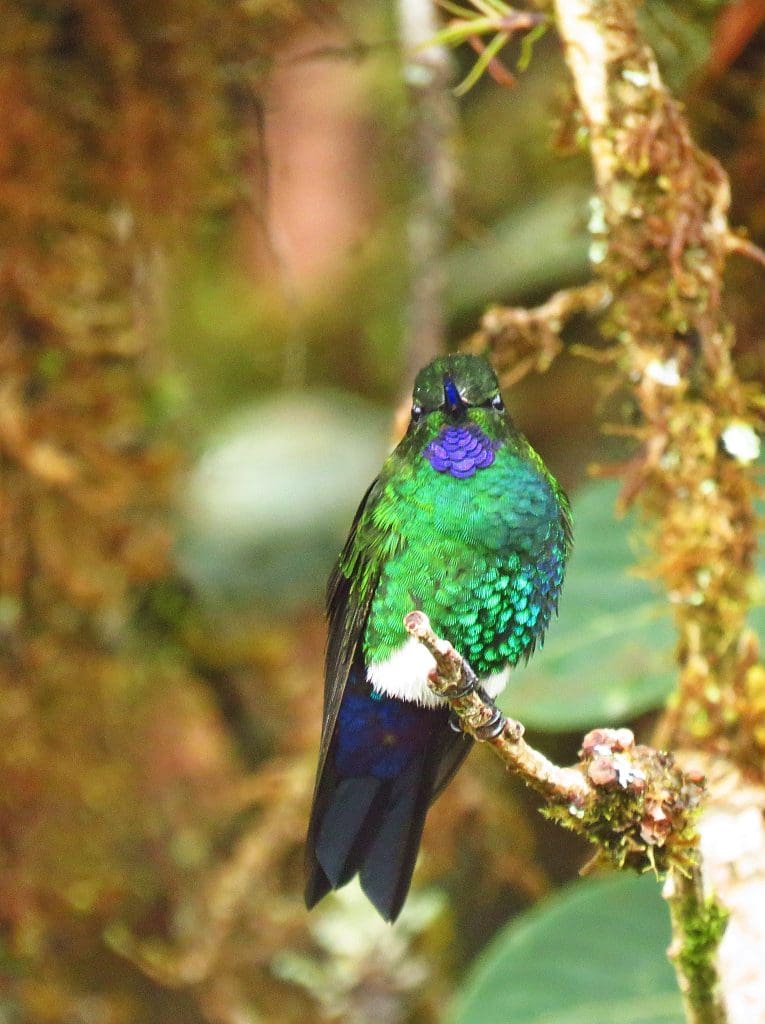Colibrí de Neblina (Metallura odomae) Créditos: Elio NuñezJaguar (Panthera onca) Créditos: Fabián Rodas \| Naturaleza y Cultura Internacional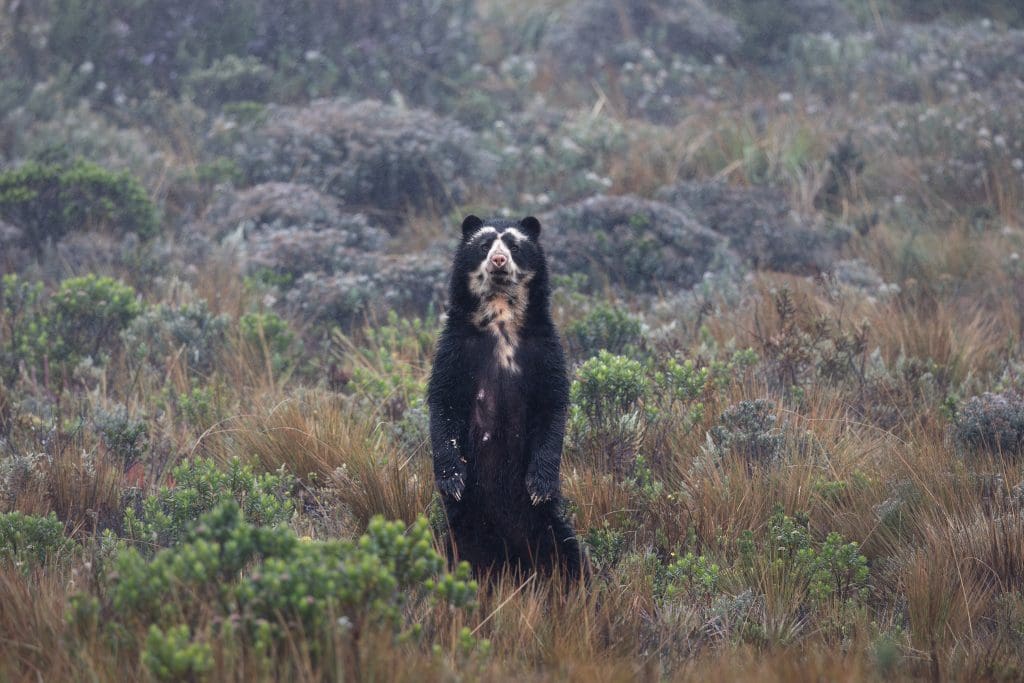Oso de anteojos (Tremarctos ornatus)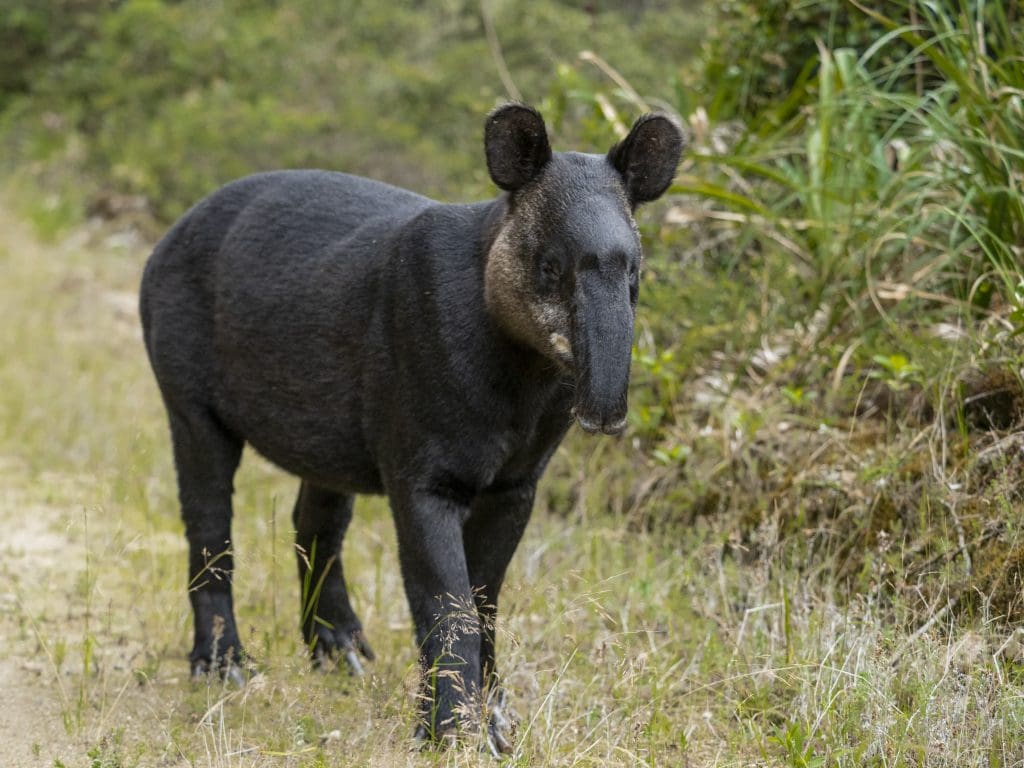Tapir andino (Tapirus pinchaque)
Este amplio territorio forma parte del Hotspot Andes Tropicales, reconocido globalmente por su extraordinaria riqueza biológica y, a la vez, por su alta vulnerabilidad ante los cambios de origen humano. Es el hogar de fauna emblemática como el oso de anteojos, el tapir andino, el jaguar y numerosas aves migratorias que necesitan de espacios conectados para vivir. Asimismo, sostiene la vida y las actividades económicas de cientos de miles de personas en Ecuador y Perú a través de la regulación de los ciclos climático e hídrico para la provisión de agua y otros servicios ambientales clave para la agricultura, la energía y el bienestar humano.
## **La importancia de una visión compartida**
Aunque ambos países cuentan con marcos normativos que permiten resguardar áreas de conservación, la sola existencia de estas zonas no garantiza su conectividad ecológica. El enfoque de corredor —basado en el manejo a escala de paisaje y la articulación suprarregional— constituye una estrategia esencial para asegurar que estas funciones ecosistémicas se mantengan en el largo plazo.
Andes del Norte en Perú (Mateo Tassara \| Naturaleza y Cultura Internacional)
“El reconocimiento oficial del Corredor Transfronterizo refuerza un compromiso histórico entre ambos países para proteger su biodiversidad, promover la investigación científica y asegurar que las comunidades locales se beneficien de un desarrollo sostenible en estos ecosistemas compartidos, basado en la conservación y gobernanza de las cuencas transfronterizas”, señaló Fernando Iñiguez Celi, Director Ejecutivo del Capítulo Ecuador del Plan Binacional de Desarrollo de la Región Fronteriza Ecuador – Perú.
Por su parte, el Embajador Javier Yépez Verdeguer, Director Ejecutivo del Capítulo Perú del Plan Binacional Perú-Ecuador destacó que “este corredor refleja la voluntad política de cooperación e integración entre Perú y Ecuador, conforme al espíritu recogido en el Acuerdo Amplio suscrito por ambos países en Brasil, en octubre de 1998, abriendo una oportunidad para fortalecer la gobernanza compartida, la gestión conjunta del agua y la conservación de ecosistemas que no conocen fronteras”.
## **Un esfuerzo colectivo sostenido**
El expediente técnico del CCTAA advierte que la fragmentación de hábitats, la expansión de la frontera agropecuaria y la sobreexplotación de recursos continúan amenazando estos ecosistemas. La puesta en marcha del Corredor busca enfrentar estos retos mediante una gestión integrada del territorio que articule a gobiernos, comunidades, academia, sector productivo y organizaciones de conservación.
Con su reconocimiento oficial, **el CCTAA se convierte en un referente regional de conservación transfronteriza, siendo el primer corredor binacional formalmente reconocido en América Latina por las máximas autoridades del Estado.**
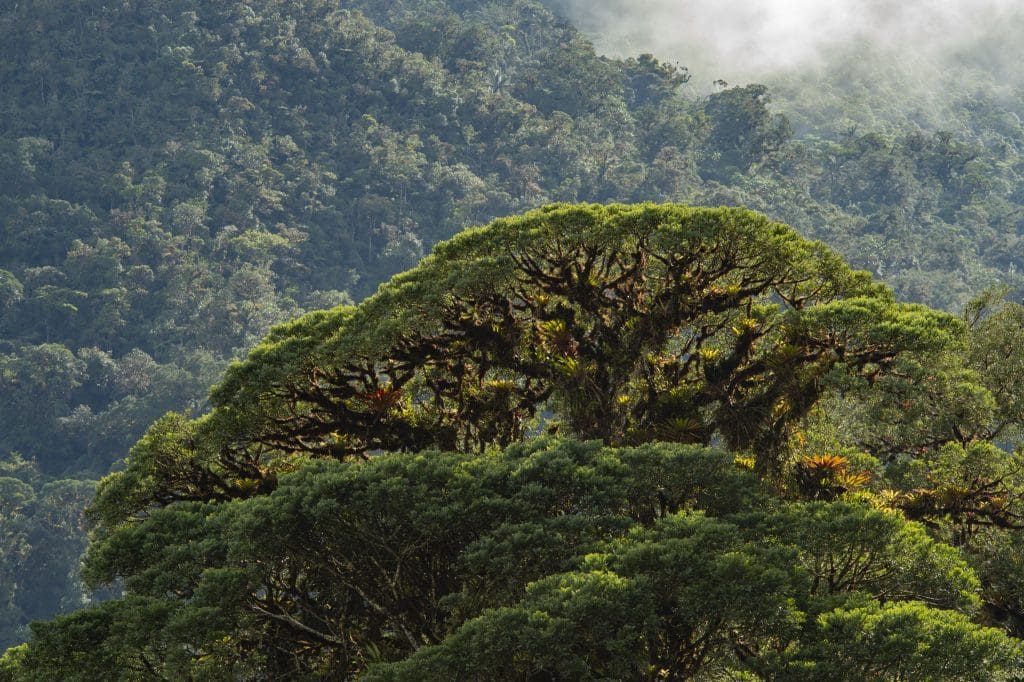Andes ecuatorianos (Fabián Rodas \| Naturaleza y Cultura Internacional)
“Contar con un reconocimiento binacional de este tipo —el primero en la historia de nuestra región— abre la puerta a una mayor colaboración y al aporte de la cooperación internacional comprometida con enfrentar el cambio climático y proteger la biodiversidad. Este proceso, además, cuenta con el financiamiento de la cooperación del Reino Unido a través del proyecto BLF Andes Amazónico”, señaló Fabián Rodas, coordinador de Naturaleza y Cultura Internacional para el Corredor de Conservación Transfronterizo Andino Amazónico.
## **Campaña binacional**
Como parte del proceso de sensibilización pública, organizaciones aliadas impulsan la campaña binacional “***Conectados por el corredor, unidos por la vida***”, que pone a disposición del público información y contenido audiovisual sobre la relevancia ecológica, social y cultural del Corredor. El material incluye animaciones, videos informativos, reels, carruseles y un folleto ilustrado que explica de manera sencilla por qué este territorio es vital para ambos países.
Los materiales pueden explorarse en las redes sociales de las instituciones participantes y en el siguiente enlace: **<https://bit.ly/KitdeprensaCCTAA>**
---
**Más información:**
Nora Sánchez
Coordinadora de Comunicación para América Latina
<nsanchez@naturalezaycultura.org>
**Tags:** Binacional, Biodiversidad, Conectividad ecológica, Corredores ecológicos, Ecuador, Encuentro presidencial, Perú
**Strategic Area:** Bosques
**Country:** Ecuador, Perú
**Content Type:** Noticias
---
### [Aprendizajes para el fortalecimiento de gobernanza comunitaria en Loreto](https://www.natureandculture.org/es/directorio/aprendizajes-para-el-fortalecimiento-de-gobernanza-comunitaria-en-loreto/)
**Published:** December 17, 2025
**Author:** Nora Sanchez
**Content:**
- *Representantes de federaciones y comités de gestión compartieron aprendizajes clave para consolidar modelos de gobernanza comunitaria frente a amenazas comunes en Loreto.*
La semana inició durante la Asamblea de la Coordinadora de Comunidades Nativas y Campesinas de la Cuenca del Nanay (CONACCUNAY), donde las autoridades del Nanay presentaron su herramienta de planificación para los próximos 5 años y sostuvieron un diálogo directo con las delegaciones visitantes. En este espacio también se abordaron problemáticas que actualmente afectan a las comunidades del Nanay, como la presencia de minería ilegal en zonas críticas, lo que permitió contrastar enfoques de gobernanza y recoger aportes valiosos desde las experiencias del Ampiyacu–Apayacu.
En los días posteriores, el intercambio continuó en la reunión del Comité de Gestión de la Reserva Nacional Allpahuayo Mishana, donde las autoridades del Nanay pudieron mostrar el funcionamiento de su comité y recibir retroalimentación desde la experiencia de gestión territorial de otra cuenca indígena.

El 4 de diciembre, ambas delegaciones participaron en el encuentro de vigilantes desarrollado en la comunidad campesina de Mishana. Este espacio reunió a vigilantes del Nanay, Tigre, Ampiyacu y Apayacu, quienes compartieron prácticas de control y vigilancia relacionadas con el manejo responsable de los recursos pesqueros y otros recursos naturales. Para la CONACCUNAY y las autoridades del Nanay, este intercambio permitió conocer estrategiasreplicables para el fortalecimiento del control comunitario del territorio.
La agenda concluyó con la participación en la reunión informativa del Comité de Gestión del ACR Alto Nanay–Pintuyacu–Chambira realizada en la comunidad nativa de San Antonio de Pintuyacu, donde autoridades locales presentaron sus avances y, a la vez, recogieron aprendizajes sobre cómo otras cuencas organizan sus procesos de toma de decisiones, coordinación intercomunal y gestión territorial.
Para la CONACCUNAY y autoridades del Nanay, la visita representó una oportunidad para fortalecer su gobernanza, validar avances y proyectar nuevas alianzas con cuencas vecinas que comparten desafíos comunes. Las delegaciones del Ampiyacu–Apayacu expresaron su satisfacción por el intercambio e invitaron a las autoridades del Nanay a visitar su territorio para continuar aprendiendo conjuntamente.

El intercambio fue organizado por Naturaleza y Cultura Internacional en coordinación con el Instituto del Bien Común (IBC) en el marco del proyecto TerrIndígena II, financiado por la Agencia Francesa de Desarrollo (AFD).
---
**Más información:**
Gabriela Gives
**Comunicación Perú**
<comunicacion.peru@naturalezaycultura.org>
**Tags:** gobernanza comunitaria, Loreto, Nanay Tigre, Perú
**Strategic Area:** Comunidades Locales
**Country:** Perú
**Content Type:** Blog
---
### [Ecuador and Peru Grant Historic Recognition to the Andes–Amazon Conservation Corridor](https://www.natureandculture.org/directory/ecuador-and-peru-grant-historic-recognition-to-the-andes-amazon-conservation-corridor/)
**Published:** December 16, 2025
**Author:** Heather Thomas
**Content:**
## The first binational conservation corridor recognized in the region’s history
### *Presidents Daniel Noboa and José Jerí signed the joint declaration at the Presidential Meeting and the 16th Binational Cabinet in Quito.*
The governments of Ecuador and Peru officially recognized the [**Andes-Amazon Conservation Corridor**](https://www.natureandculture.org/the-andes-amazon-conservation-corridor/) last Friday. This area spans over **5 million acres** and connects more than 50 conservation units across both countries. It encompasses some of the planet’s most biodiverse and strategically important ecosystems, and represents a **binational initiative to protect key landscapes**.
[](https://www.facebook.com/share/p/17mfmZt9gK/)Peru and Ecuador Presidents sign Declaración Presidencial de Quito 2025 ([Facebook post from the office of the president](https://www.facebook.com/share/p/17mfmZt9gK/))
The declaration was signed in the framework of the **Encuentro Presidencial y XVI Gabinete Binacional Ecuador-Perú**, held on **December 12, 2025, in Quito,** with the participation of Peruvian President José Jerí, Ecuadorian President Daniel Noboa, ministers of state, and senior representatives from both governments. Through this act, both countries instructed their relevant institutions to coordinate and implement ongoing inter-institutional and bilateral cooperation to advance scientific research, strengthen ecological connectivity, and promote sustainable development for the people who live in this region.
## **A Strategic Landscape for Biodiversity and Sustainable Development**
The corridor is a conservation strategy promoted by the governments of Ecuador and Peru, the Ministry of Environment and Energy, Ecuador, the Ministry of Environment, Peru, the National Service of State-Protected Natural Areas (SERNANP) in Peru, the Ecuador and Peru chapters of the Binational Plan for the Development of the Border Region (*Plan Binacional de Desarrollo de la Región Fronteriza)*, Nature and Culture, subnational governments, and various social organizations.
The **Andes-Amazon Conservation Corridor** extends from southern Ecuador, among the provinces of **Azuay, Loja, Morona Santiago, and Zamora Chinchipe**, to northern Peru, between the regions of **Piura and Cajamarca**. This landscape protects the upper reaches of three binational river basins (Santiago, Mayo-Chinchipe, and Catamayo-Chira), which serve as the headwaters that feed both the Amazon River and the Pacific.
The corridor also brings together **three interdependent national initiatives**: the **Sangay-Podocarpus Connectivity Corridor**, the **[Podocarpus-Yacuri Connectivity Corridor](https://www.natureandculture.org/directory/conservation-corridor-podocarpus-yacuri-a-vital-refuge-for-biodiversity/)**, and the **Andes del Norte Conservation Corridor**, forming mosaics of ecosystems, including páramos, montane forests, and tropical forests. Together, these ecosystems enable species movement, sustain water supplies, and maintain the ecological processes essential for life.
Colibrí de Neblina *(Metallura odomae)* Photo: Elio NuñezJaguar *(Panthera onca)* Photo: Fabián Rodas Spectacled bear *(Tremarctos ornatus)*Andean tapir *(Tapirus pinchaque)*
This extensive territory forms part of the **Tropical Andes Hotspot**, globally recognized for its extraordinary biological richness as well as its high vulnerability to human-driven change. It is home to emblematic species such as the **spectacled bear, Andean tapir, jaguar**, and numerous migratory birds that depend on connected landscapes to survive. The corridor also sustains the lives and livelihoods of **hundreds of thousands of people** in Ecuador and Peru by regulating climate and water cycles, **protecting critical headwaters**, and providing essential ecosystem services that support agriculture, energy production, and human well-being.
## **The Importance of a Shared Vision**
While both countries have regulatory frameworks in place to protect conservation areas, the presence of protected sites alone does not ensure ecological connectivity. The corridor approach—grounded in landscape-scale management and cross-regional coordination—is therefore essential to maintaining these ecosystem functions over the long term.
Andes del Norte Connectivity Corridor in Peru (Mateo Tassara \| Nature and Culture International)
“The official recognition of the binational corridor strengthens a historic commitment between both countries to protect their biodiversity, promote scientific research, and ensure that local communities benefit from sustainable development in these shared ecosystems—grounded in the conservation and governance of binational watersheds,” said **Fernando Iñiguez Celi, Executive Director of the Ecuador Chapter of *Plan Binacional***.
For his part, **Ambassador Javier Yépez Verdeguer, Executive Director of the Peru Chapter of *Plan Binacional***, emphasized that “this corridor reflects the political will for cooperation and integration between Peru and Ecuador, in keeping with the spirit of the Comprehensive Agreement (*Acuerdo Amplio*) signed by both countries in Brazil in October 1998. It also opens an opportunity to strengthen shared governance, joint water management, and the conservation of ecosystems beyond borders.”
## **The Power of Collective Action**
The **Andes-Amazon Conservation Corridor** technical report warns that habitat fragmentation, the expansion of the agricultural frontier, and the overexploitation of natural resources continue to threaten these ecosystems. The implementation of the Corridor seeks to address these challenges through integrated territory management that brings together governments, communities, academia, the productive sector, and conservation organizations.
With its official recognition, the Andes–Amazon Conservation Corridor becomes a regional benchmark for transboundary conservation, as the first binational corridor in Latin America to be formally recognized by the highest state authorities.
Ecuadorian Andes (Fabián Rodas \| Naturaleza y Cultura Internacional)
“Receiving this kind of binational recognition—the first in our region’s history—opens the door to deeper collaboration and support from international cooperation committed to addressing climate change and protecting biodiversity. This process is also supported by funding from the UK through the *proyecto BLF Andes Amazónico*,” said **Fabián Rodas, Andes-Amazon Conservation Corridor Coordinator at Nature and Culture.**
**Strategic Area:** Forests
**Country:** Ecuador, Peru
**Content Type:** News
---
### [New 178,000-Acre Water Protection Area Strengthens the Andes–Amazon Conservation Corridor](https://www.natureandculture.org/directory/new-178000-acre-water-protection-area-strengthens-the-andes-amazon-conservation-corridor/)
**Published:** December 9, 2025
**Author:** Heather Thomas
**Content:**
*In the municipality of Gualaquiza, Morona Santiago province, the Runahurco protected area has been established, a key territory for the conservation of Andean-Amazonian ecosystems and local and national water security.*
**Runahurco** is a vital reservoir, harboring outstanding biodiversity and crucial water resources. Cuyes and Cuchipamba rivers originate in this area, converging to form the Bomboiza River. The waters of the Bomboiza will serve as the foundation for four future hydroelectric projects, generating clean energy and significantly bolstering the country’s energy security.
Runahurco Water Proteccion Area
Spanning **178,065.7 acres**, the area covers the following communities: **Gualaquiza (urban), Nueva Tarqui, Chigüinda, San Miguel de Cuyes, Amazonas, Bermejos, and Bomboiza**. Due to its size and ecological relevance, the **Runahurco Water Protection Area** is consolidated as the second-largest water protection area in Ecuador, only preceded by the **Aguarico Chingual Cofanes Water Protection Area**.

## **Communities Connected to the Runahurco Water Protection Area**
The name **Runahurco**, which means ***“Mountain of the Runa”* in Kichwa**, evokes the ancestral relationship between humankind and nature. It represents the Runa, the being who walks, works, and lives in balance with nature and water.

> *“I felt immense joy when they announced that the new area was finally approved. We were afraid because of the ecological threats, but now we know that our water sources will be protected. Runahurco is a spectacular place, with so much fauna and flora that it is worth conserving every last bit.”*, comments Giomayra Lalvay Jarro, from the La Florida community, Nueva Tarqui.
The creation of the **Runahurco** **Water Protectio Area** began with **local comunity initiative.** They motivated the Municipal Government of Gualaquiza to start the processes to guarantee the protection of water sources. With key support from the **Sole Water Authority**, technical guidance from **Nature and Culture**, and funding from **Re:wild, the Andes Amazon Fund**, and the **Stockel Family Foundation**, the Water Protection Area was created. This designation serves as an effective tool to link conservation efforts with better local water source management.
The **community is the heart of the Runahurco**. Their participation was decisive in driving the establishment process and guaranteeing the legal protection of the ecosystems.
*“To speak of Runahurco is to speak of water, and to speak of water is to speak of the continuity of life,”* highlights Patricio Guzmán, technical expert for Zone 10 of the Ministry of the Environment and Water.
Runahurco protects the water sources that **supply more than 14,200 people** in the municipality of Gualaquiza.

*“This has long been a share priority for of all Gualaquiza residents. \[…\] Our greatest concern has always been how to protect our water. With the Runahurco Water Protection Area, we can ensure a better quality of life for our eight communities and contribute to the entire Amazon region, since the sources that feed major rivers and the national hydroelectric system originate here,”*, said Francis Pavón, Mayor of Gualaquiza.
The recognition of **Runahurco** has renewed the communities’ **sense of belonging** and their commitment protecting water sources and forests. In this area, **more than 90% of its 177,910 acres** remain almost intact—a mosaic of **páramos** (high-altitude grasslands), **cloud forests**, and rivers that maintain the ecological balance of the entire region.

*“Water protection areas safeguard the sources that sustain water, agriculture, and food security in the country. As an organization, we have provided technical and financial support to 24 of the 37 existing Water Protection Areas in Ecuador”*, highlights José Romero, coordinator of the Water Source Conservation program at Nature and Culture.
## **Ecological Framework and Conservation Challenges**
The ecosystems of the **Runahurco** are home to emblematic species such as the Andean bear (*Tremarctos ornatus*), the lowland South American tapir (*Tapirus terrestris*), and the Black-and-chestnut Eagle (*Spizaetus isidori*), which is considered **critically endangered** in Ecuador, where the population is estimated at just 200 individuals.
**“The Runahurco is today one of the most important refuges for the Black-and-chestnut Eagle in southern Ecuador—the jaguar of the skies. Its presence confirms the ecological quality of the area and its key role as a biological corridor between the Andes and the Amazon,”** notes Nicolás Astudillo of the Fundación Cóndor Andino.

*“The Runahurco water protection area is today one of the most important refuges for the Black-and-chestnut Eagle in southern Ecuador—the jaguar of the skies. Its presence confirms the ecological quality of the area and its key role as a biological corridor between the Andes and the Amazon”*, notes Nicolás Astudillo of the Fundación Cóndor Andino.
Furthermore, the Runahurco APH is configured as a core area within the ****[Corredor de Conectividad Sangay–Podocarpus](https://www.natureandculture.org/es/directorio/sangay-podocarpus-el-primer-corredor-de-conectividad-oficialmente-reconocido-en-ecuador/ "Sangay Podocarpus: El primer corredor de conectividad oficialmente reconocido en Ecuador")****, which is fundamental for maintaining ecological processes such as genetic flow and the mobility of species between the Andes and the Amazon.
**Importance of Water Protection Areas**
Water Protection Areas (APHs), established by the **Sole Water Authority** in compliance with Article 12 of the Water Resources, Uses, and Exploitation Law, grant **legal protection** to water sources declared of public and collective interest. This designation guarantees their conservation against activities that may compromise their ecological integrity or their function as providers of the vital resource for communities.
Gualaquiza has decided to ensure the continuity of the hydrological processes that sustain the ecosystems and the communities. The Runahurco APH represents a **permanent commitment** from the relevant authorities to guarantee water of sufficient quantity and quality, securing the present and future well-being of the entire population.
**Tags:** Agua, Areas de Protección Hídrica, Biodiversidad, Ecuador, Reservas naturales
**Strategic Area:** Water
**Country:** Ecuador
**Content Type:** News
---
### [Narrativas Visuales de la Cuenca Mayo–Chinchipe](https://www.natureandculture.org/es/directorio/narrativas-visuales-de-la-cuenca-mayo-chinchipe/)
**Published:** December 4, 2025
**Author:** Nora Sanchez
**Content:**
La exposición fotográfica *Narrativas Visuales de la Cuenca Mayo–Chinchipe* es una muestra que invita a mirar la cuenca binacional desde la conexión profunda entre las personas y la naturaleza.
En los rostros de sus protagonistas —mujeres y hombres cuidadores del agua, del bosque y de la vida— se refleja una nueva forma de entender la conservación: una cosmología y antropología del cuidado, donde la naturaleza y los seres humanos conviven en reciprocidad, cooperación y amor por el agua.
Las fotografías retratan a quienes cultivan café y cacao libres de deforestación, protegen los bosques, impulsan escuelas del agua y lideran procesos comunitarios de conservación.

Así, esta exposición se convierte al mismo tiempo en un homenaje y un llamado a la acción, porque cuidar la cuenca binacional Mayo–Chinchipe es una misión compartida, profundamente arraigada en el compromiso con la vida de las presentes y futuras generaciones de las comunidades que la habitan.
## **Visita la exposicion fotográfica [aquí ](https://www.natureandculture.org/es/narrativas-visuales-de-la-cuenca-mayo-chinchipe/)**
En abril de 2022, con el respaldo del Gobierno de Bélgica, el Gobierno Flamenco y Join For Water, Protos Andes, en alianza con Naturaleza y Cultura Internacional (Ecuador y Perú), la Universidad Nacional de Loja y la Universidad Nacional de Jaén, inició la ejecución del proyecto CUIDAR: Derechos, Agua y Resiliencia, enfocado en la gestión sostenible de los recursos hídricos en la cuenca Mayo–Chinchipe.
Desde entonces, el proyecto CUIDAR ha desarrollado diversas estrategias orientadas a la conservación de los ecosistemas hídricos, con el propósito de fortalecer la resiliencia socioecológica de las comunidades locales y garantizar la disponibilidad de agua para el consumo humano.
---
**Más información:**
Aida Maldonado Quezada
**Comunicación Ecuador**
<amaldonado@naturalezaycultura.org>
**Strategic Area:** Comunidades Locales
**Country:** Ecuador
**Content Type:** Noticias
---
### [Nuevo paso para la conservación en el ACR Huamantanga](https://www.natureandculture.org/es/directorio/nuevo-paso-para-la-conservacion-en-el-acr-huamantanga/)
**Published:** December 2, 2025
**Author:** Nora Sanchez
**Content:**
## ***Se conforma Comité Impulsor del ACR Bosques Montanos de Huamantanga y Chorro Blanco*** en Jaén
Gracias a la Iniciativa Conserva Aves y Naturaleza y Cultura Internacional, se concretó un importante avance en el proceso de conservación de los ecosistemas naturales en Cajamarca. Se conformó el Comité Impulsor de la propuesta de Área de Conservación Regional (ACR) Bosques Montanos de Huamantanga y Chorro Blanco.

Este comité cuenta con actores clave y será la crucial para lograr el reconocimiento oficial del área que garantiza la protección de más de 14mil hectáreas de bosques montanos, con el liderazgo del Gobierno Regional de Cajamarca, el apoyo técnico de Naturaleza y Cultura Internacional y el financiamiento de Andes Amazon Fund desde 2021. Durante el último trimestre, Profonanpe y Conserva Aves se sumaron a la iniciativa.
La protección del área asegura que el servicio de regulación hídrica se mantenga en beneficio de 9 microcuencas que proveen agua para Jaén, Bellavista, San José del Alto, Chontalí, Huabal y Colasay.
Tras una elección democrática, la Municipalidad Distrital de Colasay fue elegida para presidir el comité impulsor. La Ing. Marielena Cruz Huancas, Gerente de Servicios Municipales y Gestión Ambiental, asumió el cargo en representación del gobierno local, siendo respaldada por la mayoría de los votos de los actores involucrados.
El comité directivo se completa con la Municipalidad de San José del Alto, representada por el Ing. Luis Manuel Villalobos Ramírez, en la Vicepresidencia, y la Municipalidad Provincial de Jaén, con el Ing. Wilson Carrasco Barturen a cargo de la Secretaría Técnica. Una vez establecida formalmente el ACR Huamantanga, este comité impulsor podrá integrarse al comité de gestión definitivo del área.

## **Conserva Aves y la Protección de Ecosistemas Vitales**
El evento de conformación, promovido por la Iniciativa Conserva Aves, convocado por el Gobierno Regional de Cajamarca congregó a funcionarios, dirigentes y asociaciones de los distritos de Colasay, Chontalí, San José del Alto, Huabal y Jaén, todos involucrados en la iniciativa.
Conserva Aves impulsa la conservación de territorios de vida, no solo por su rica biodiversidad, sino también por el rol vital de las aves como bioindicadores y su importancia en el monitoreo de la salud del ecosistema. La iniciativa promueve actividades que utilizan las poblaciones de aves para evaluar el estado de los hábitats, asegurando que la gestión de la futura ACR Huamantanga se base en información científica y el conocimiento local.

La protección de estas 14,000 hectáreas es crucial, ya que los bosques montanos actúan como reguladores hídricos esenciales. Su conservación garantiza el abastecimiento de agua para más de 120,000 habitantes de la ciudad de Jaén y las poblaciones aledañas, protegiéndolas de los impactos de los deslizamientos e inundaciones.
### **Una Alianza Global por la Conservación**
**Conserva Aves** es una alianza hemisférica liderada por American Bird Conservancy (ABC), National Audubon Society (Audubon), BirdLife International, Birds Canada y la Red de Fondos Ambientales de Latinoamérica y el Caribe (RedLAC). En Perú, sus socios nacionales son Profonanpe y ECOAN, con apoyo financiero del gobierno de Canadá. El Socio local en Jaén es Naturaleza y Cultura Internacional.
Su objetivo es crear y fortalecer áreas protegidas gestionadas por comunidades locales y gobiernos subnacionales, garantizando la conservación de hábitats esenciales para las aves y otras especies amenazadas, a la vez que se promueven oportunidades de desarrollo sostenible, fortalecimiento y empoderamiento local.
---
**Más información:**
Gabriela Gives
**Comunicación Perú**
<comunicacion.peru@naturalezaycultura.org>
**Strategic Area:** Bosques
**Country:** Perú
**Content Type:** Noticias
---
### [Mural colectivo celebra el ACR San Pedro de Chonta ](https://www.natureandculture.org/es/directorio/mural-colectivo-celebra-el-acr-san-pedro-de-chonta/)
**Published:** November 27, 2025
**Author:** Nora Sanchez
**Content:**
- *El espacio creativo de gran visibilidad pública muestra especies importantes que habitan en el ACR San Pedro de Chonta como el mono choro cola amarilla, jacamar y orquídeas de la regiónde Huánuco (Perú).*
**El arte inspirado en la naturaleza puede sensibilizar y movilizar a la ciudadanía hacia la conservación.** Con esta consigna, escolares destacados de la I.E Rómulo Soto Carrillo junto al artista huanuqueño Roberto Alania (Mrober) realizaron una intervención creativa en un espacio de gran visibilidad pública en las instalaciones del Gobierno Regional de Huánuco sobre el reciente establecido [ACR San Pedro de Chonta](https://www.natureandculture.org/es/directorio/primera-acr-en-conservar-los-bosques-secos-del-maranon-en-huanuco/ "Primera ACR en conservar los bosques secos del Marañón en Huánuco").
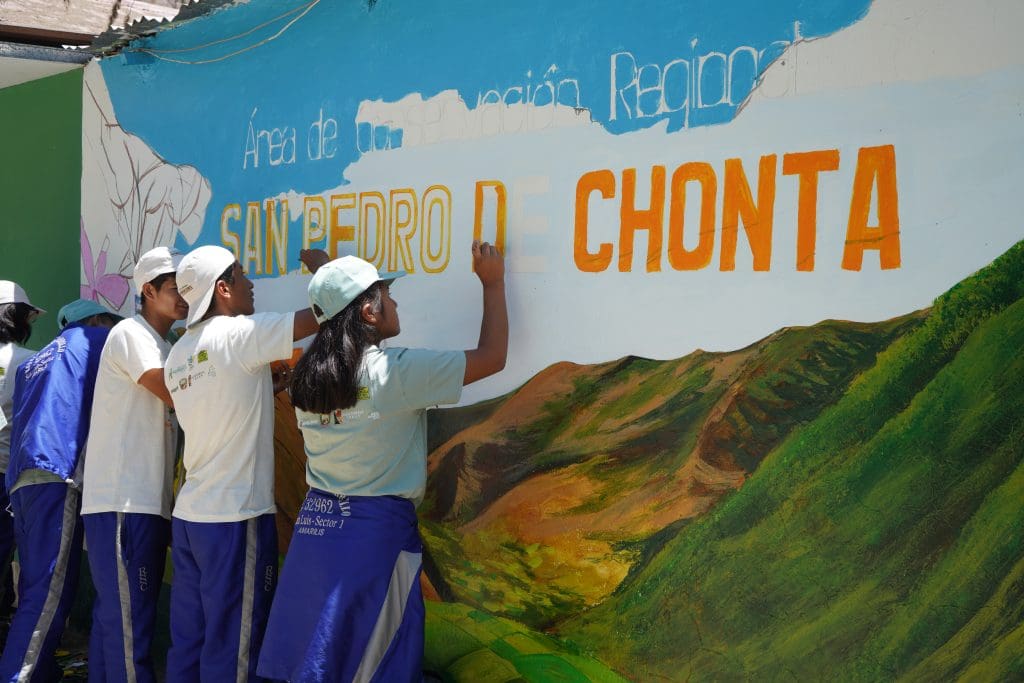Estudiantes destacados del nivel secundario muestran su talento a favor de la conservación.
Este mural participativo tiene un mensaje potente transmitido desde los más jóvenes hacia la gran ciudadanía de la región: la importancia de preservar la flora y fauna del Área de Conservación Regional (ACR) San Pedro de Chonta. **La reciente área natural protegida creada para proteger tres ecorregiones como: páramos, bosques secos del marañón y yungas peruanas.**
El Gobierno Regional de Huánuco desde la Gerencia de Recursos Naturales y Gestión Ambiental junto a su aliado estratégico Naturaleza y Cultura Internacional (NCI) consideran que la conservación es un esfuerzo colectivo. Por ello, se busca que más personas conozcan estos grandes espacios naturales y los servicios ecosistémicos que brindan para toda la población.
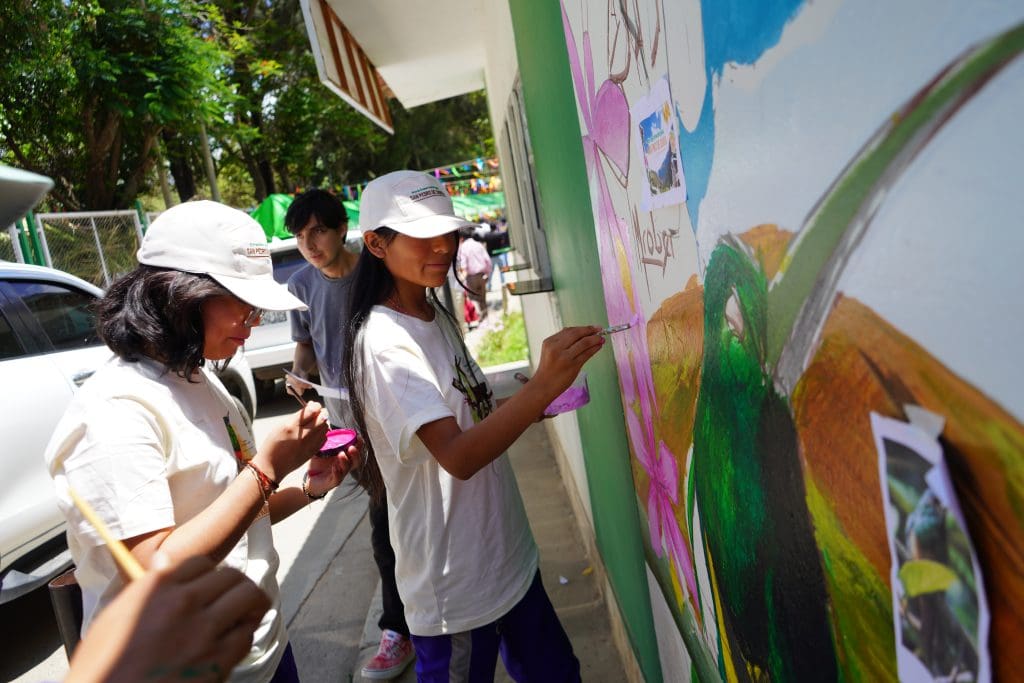En el mural están representados especies de aves como el jacamar.
## **Un mensaje multiplicador** sobre el ACR San Pedro de Chonta
Los participantes del mural fueron parte de una charla sobre el Área de Conservación Regional San Pedro de Chonta, con información clave de las especies más emblemáticas como el mono choro de cola amarilla, jaguar, oso andino, aves y orquídeas endémicas.
Se puntualizó también que un ACR tiene como fin la conservación de espacios de alta relevancia ecológica que permiten el desarrollo de actividades productivas compatibles con la conservación y el desarrollo local. **En el ACR San Pedro de Chonta destaca la producción del café de especialidad reconocido internacionalmente.**
Con esta antesala, los estudiantes y el artista pudieron enmarcar su arte hacia la conservación. Durante el proceso creativo reconocían las especies y se sintieron parte del cambio, como multiplicadores del mensaje hacia sus pares cuando retornen a la escuela.
Los participantes son portavoces en sus escuelas del valor de preservar especies endémicas.
El Ing. Luis Rodríguez Infante, gerente Regional de Recursos Naturales y Gestión Ambiental del GOREHCO remarcó que **el mural representará el valor de las áreas de conservación de la región y así más personas se preocuparán en protegerlas.** De esta manera, se entregó diplomas de reconocimiento al artista y a los estudiantes.
Reconocimiento oficial a los estudiantes y al artista del mural.
El Gobierno Regional de Huánuco ha logrado el establecimiento del ACR San Pedro de Chonta gracias al trabajo técnico de la Gerencia Regional De Recursos Naturales Y Gestión Ambiental con el acompañamiento de la institución aliada Naturaleza y Cultura Internacional (NCI), y financiamiento de Rainforest Trust y Andes Amazon Fund. Este proyecto también es parte de la iniciativa Conserva Aves, co-liderada por American Bird Conservancy.
---
**Más información:**
Carolina Flores
**Comunicación Mosaico Carpish Abiseo**
<cflores@naturalezaycultura.org>
**Tags:** Biodiversidad, Perú
**Strategic Area:** Bosques, Comunidades Locales
**Country:** Perú
**Content Type:** Blog
---
### [Tracking the Path of the Jaguar](https://www.natureandculture.org/directory/tracking-the-path-of-the-jaguar/)
**Published:** November 29, 2025
**Author:** Heather Thomas
**Content:**
### **Nature and Culture’s Role in Mexico’s National Jaguar Census**
In the state of Sonora, between the Sierra Madre Occidental mountain range and the tropical dry forest, a silent roar signals the presence of one of the Americas’ great cats: the jaguar.
As we mark **International Jaguar Day**, understanding where jaguars live, how many remain, and what threatens them is more important than ever. Following the jaguar’s tracks is vital for its conservation. This symbol of strength and ecological balance is the focus of the National Jaguar Census, an initiative conducted in 2010 and 2018 to determine how many jaguars remain in Mexico, where they roam, and how to secure their future.
At Nature and Culture in Mexico, [we are part this nationwide effort](https://www.natureandculture.org/directory/jaguar-monitoring-in-mexico/), coordinated by the National Alliance for Jaguar Conservation and considered **the most ambitious wildlife monitoring initiative in the Americas.**

## A Natural Guardian of Ecological Health
The jaguar is far more than a symbol of beauty and power. As the apex predator of tropical and subtropical ecosystems, its presence signals the health of the forests it inhabits. To survive, it needs large, intact forests, abundant prey, and clean water. When jaguars thrive, ecosystems thrive. Yet their future is threatened by habitat loss, poaching, and human–wildlife conflict.
### *****Counting to Conserve: Inside Mexico’s National Jaguar Census*****
The Third National Jaguar Census was carried out in 15 states with the participation of academic institutions, civil society organizations, and local communities. Sonora was one of the key regions in this nationwide effort.
We participated through our [Monte Mojino Reserve](https://www.natureandculture.org/our-reserves/monte-mojino-reserve/), located inside the Sierra de Álamos–Río Cuchujaqui Flora and Fauna Protection Area, home to one of the northernmost jaguar populations in the Americas.
For several years, Nature and Culture has contributed to protecting the jaguar and its natural prey, and now in partnership with research organizations, we are providing data that strengthens our understanding of the species and informs long-term conservation strategies.
Our work in the region made it possible for us to contribute to the Third National Jaguar Census, highlighting ongoing conservation efforts in the Monte Mojino Reserve and the Río Mayo watershed. This collaborative work with CONANP, Naturalia A.C., neighboring ranchers, and the Monte Mojino team, also paved the way for us to join the National Alliance for Jaguar Conservation in August 2025.
***“Participating in the national census was an opportunity to show that jaguar conservation yields far greater results when we unite efforts—from local communities and civil organizations to national institutions,”*** said Miguel Ángel Ayala, Nature and Culture’s Mexico Country Director.
Between July 2023 and July 2024, field teams installed 40 camera-trap stations across the Sierra de Álamos. They recorded 40 jaguar detections and possibly identified six different individuals (three females and three males), along with numerous records of pumas, ocelots, and tigrillos.
Individual jaguar captured in a camera trap
The results show an average density of **1.83 jaguars per 100 km² (38.6 square miles),** the highest recorded so far in Sonora. Nearly **90% of detections occurred in tropical dry forest**, a key ecosystem linking the Nearctic and Neotropical regions and home to other threatened species such as the **military macaw** *(Ara militaris)* and the **Sinaloan desert tortoise** *(Gopherus evgoodei)*.
### *****Beyond the Jaguar: A Vibrant Ecosystem*****
Camera traps detected more than 20 wildlife species, from large carnivores to small mammals and ground-dwelling birds, the **puma** *(Puma concolor)*, **ocelot** *(Leopardus pardalis),* **margay** *(Leopardus wiedii)*, **bobcat** *(Lynx rufus)*, and the **Wagler’s chachalaca** *(Ortalis wagleri)*—all indicators of a healthy ecosystem where predators help maintain population balance.
White-tailed deer (*Odocoileus virginianus*)Wild Turkey *(Meleagris gallopavo)*Puma *(Puma concolor)*White-tailed deer (*Odocoileus virginianus*)Tigrillo *(Leopardus wiedii)*Collared peccary (*Pecari tajacu*)
Prey species were also observed, such as the **white-tailed deer** *(Odocoileus virginianus)*, **collared peccary** *(Pecari tajacu)*, and **wild turkey** *(Meleagris gallopavo)*, which reflect the ecological functionality and good conservation status of the habitat.
Their presence reveals that the **Sierra de Álamos–Río Cuchujaqui** remains a vital refuge for the biodiversity of northwestern Mexico.
### *****The Monte Mojino Reserve: A Key Space for the Jaguar*****
Much of this work took place in the **Monte Mojino Reserve**, a private conservation area managed by Nature and Culture. This site plays a critical role in jaguar connectivity, acting as a bridge between habitats within the Sierra de Álamos–Río Cuchujaqui Protection Area.
Monte Mojino Reserve
In Monte Mojino and neighboring ranches, our wildlife monitoring is paired with sustainable livestock practices, ecological restoration, community patrols, and environmental education that promotes coexistence between local communities and wildlife. **The census results show these actions are working: jaguars and their prey are present and coexisting with the livelihoods of local residents.**
***“Our experience in Monte Mojino has shown us that jaguar conservation cannot be achieved from a single place, but through collaboration among all who share the territory. Being part of the National Alliance for Jaguar Conservation reaffirms our commitment to continue working collectively so that this species and its landscapes remain alive,”*** added Miguel Ángel Ayala.
## ****An Unprecedented National Effort****
The Third National Jaguar Census is the largest wildlife monitoring initiative in the history of Mexico and Latin America. It involved more than **49 researchers**, **23 sampling sites**, and **920 camera traps**, covering more than **400,000 hectares** (988,422 acres) across 15 states.
National results estimate a [**total population of 5,326 jaguars, a 10% increase compared to 2018**](https://forbes.com.mx/la-poblacion-de-jaguares-de-mexico-aumento-un-30-desde-2010-pero-aun-esta-en-riesgo/). The regions with the largest numbers of individuals are the Yucatán Peninsula (1,699) and the Southern Pacific (1,541), followed by the Northeast and Central region (813) and the **Northern Pacific (733), where the state of Sonora is located.**
Despite this clear population growth, the jaguar remains **endangered**, underscoring the need to strengthen biological corridors, consolidate protected areas, and deepen collaboration with local communities—as has been done in Monte Mojino and the Sierra de Álamos–Río Cuchujaqui.
## **Why This Matters on International Jaguar Day**
International Jaguar Day is a reminder of both the beauty of this species and the urgency of protecting it. The findings from Mexico’s National Jaguar Census show that jaguars still have strongholds like the Monte Mojino Reserve but also highlight ongoing threats that require coordinated action.
By supporting long-term monitoring, strengthening habitat corridors, and working alongside local communities, Nature and Culture is helping ensure that jaguars continue to roam across northern Mexico for generations to come.

### *****A Future Built on Steady Footsteps*****
**“Counting jaguars is much more than a scientific exercise; it’s a way to ensure that the forests, rivers, and the communities that depend on them continue to thrive,”** says Adriana Álvarez a member of the Nature and Culture team.
The study’s findings are a hopeful sign: jaguar populations appear stable and even show signs of recovery, thanks to the joint efforts of communities, institutions, and local organizations. With every image captured by the cameras and every community that joins the effort, the jaguar—and the entire ecosystem that depends on it—gains one more ally on its path toward survival.
***“Each record, each paw print, and each image of the jaguar reminds us why it’s worth protecting these landscapes: because within them, wildlife, culture, and the hope for a more balanced future are all intertwined,”*** concludes Miguel Ángel Ayala—a message that resonates deeply on **International Jaguar Day** and every day we work to protect this species.
**Tags:** Biodiversidad, Cámaras trampa, Mexico
**Strategic Area:** Biodiversity
**Country:** Mexico
**Content Type:** Blog
---
### [Miel por Bosque: Abejas sin aguijón y meliponicultura en Puyango ](https://www.natureandculture.org/es/directorio/miel-por-bosque-abejas-sin-aguijon-y-meliponicultura-en-puyango/)
**Published:** November 25, 2025
**Author:** Nora Sanchez
**Content:**
Las abejas sin aguijón de la tribu Meliponini se distribuyen en los trópicos y subtrópicos del mundo. En Ecuador se han identificado más de 200 especies, y cumplen un rol clave en los ecosistemas tropicales como polinizadoras fundamentales en la reproducción de plantas silvestres y cultivadas.
A pesar de su importancia, sus poblaciones enfrentan crecientes amenazas: la deforestación, la expansión de la frontera agrícola, el uso de agroquímicos, la reforestación con especies no autóctonas y la introducción de abejas europeas y africanas (*Apis mellifera*).
En el 2015, tres parroquias rurales del cantón Puyango —Ciano, El Arenal y Vicentino— decidieron crear la Mancomunidad Las Meliponas (MLM) con el objetivo de establecer un modelo de gestión y fortalecimiento del manejo de las abejas sin aguijón, práctica conocida como meliponicultura, considerada además una actividad ancestral. Con este propósito, se han establecido acuerdos de conservación orientados a la protección de ecosistemas forestales y fuentes hídricas.
Hasta la fecha, se han implementado 64 acuerdos, que abarcan 285 hectáreas de bosque conservadas y 63 hectáreas bajo restauración ecológica y productiva. Entre 2022 y 2024, 93 meliponicultores han sido fortalecidos técnicamente dentro de la Mancomunidad. Actualmente, se han documentado alrededor de 89 especies en la zona, y en Puyango, dentro de la Mancomunidad Las Meliponas, se manejan 14 de ellas.
Entre 2022 y 2024, 93 meliponicultores han sido fortalecidos técnicamente dentro de la Mancomunidad.
Un diagnóstico realizado en 2021 por el Departamento de Economía de la UTPL, en convenio con Naturaleza y Cultura Internacional, identificó 326 hogares involucrados en la producción de miel de abejas sin aguijón en el territorio de la MLM: el 43 % en El Arenal (139 hogares), el 39 % en Ciano (126 hogares) y el 19 % en Vicentino (61 hogares). En total se registraron 5.013 cajas entre tradicionales, tecnificadas y troncos, estos últimos representando el conocimiento ancestral meliponícola.
La especie más común es la catana (*Scaptotrigona vitorum*), con 4.502 nidos, seguida por la pirunga (*Paratrigona sp.*), con 309 nidos, y el cananambo (*Melipona indecisa*), con 202 nidos, además de otras especies que se integran progresivamente a los procesos de investigación locales.
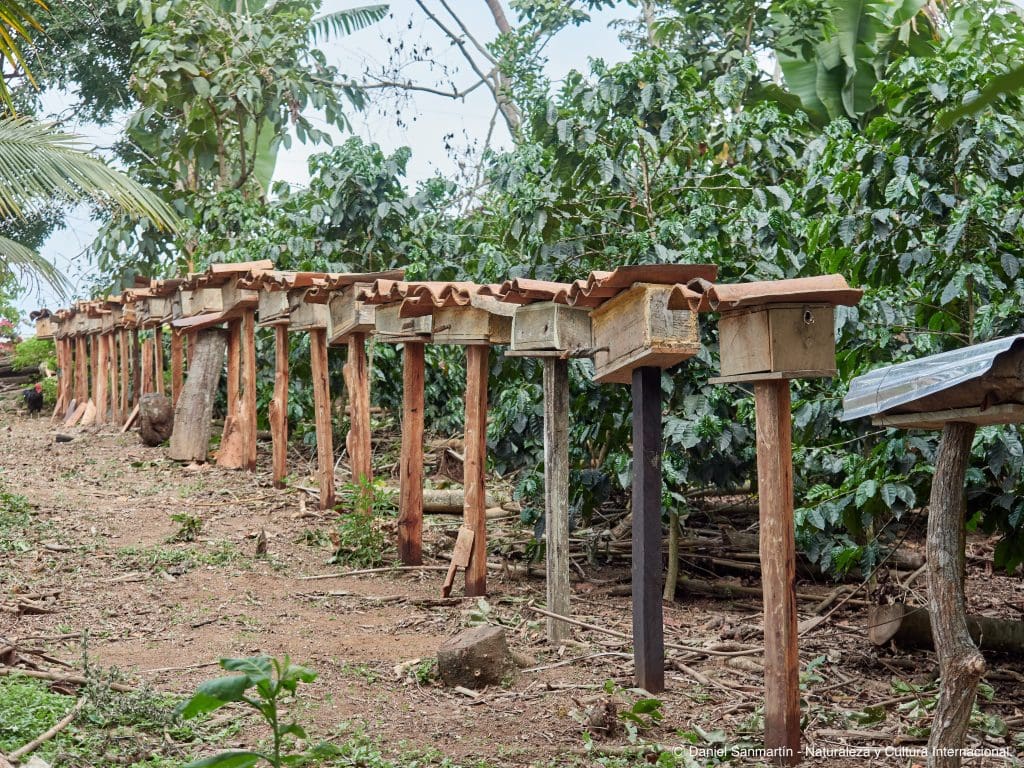326 hogares involucrados en la producción de miel de abejas sin aguijón
En Puyango, la meliponicultura se ha articulado con cultivos de café y sistemas agroforestales propios de la región, lo cual ha generado mejoras en los ingresos familiares y en la productividad de las fincas. Este trabajo también ha promovido la participación de mujeres, jóvenes y personas de la tercera edad, ampliando su rol en los espacios productivos y en la toma de decisiones comunitarias.
Como parte de su enfoque de conservación, Naturaleza y Cultura Internacional ha acompañado a los Gobiernos Autónomos Descentralizados municipales en la creación de Áreas de Conservación y Uso Sostenible Municipal (ACMUS). Un ejemplo emblemático es el ACMUS de Puyango, creado a finales de 2021, con 28.984,75 hectáreas, hoy parte del área núcleo de la Reserva de Biosfera del Bosque Seco (RBBS).
Sobre la importancia de recuperar prácticas nativas, Bruno Paladines, de Naturaleza y Cultura Internacional, señala:
***«Uno de los errores recurrentes en el desarrollo rural y la gestión de recursos naturales en países tropicales ha sido priorizar alternativas foráneas en detrimento de las soluciones nativas. Hemos olvidado que las abejas sin aguijón, nativas de las regiones tropicales, y su manejo, han estado históricamente vinculados a la cultura de nuestros antepasados, a su cosmovisión y a su soberanía alimentaria. Recuperar esta práctica es fundamental para mantener viva una tradición milenaria de uso responsable y conservación del patrimonio natural.»***
Desde 2016, Naturaleza y Cultura Internacional, con el apoyo financiero de la Cooperación Belga al Desarrollo (DGD) BOS+, trabaja junto a la Mancomunidad Las Meliponas y la Asociación de Meliponicultores de Puyango (ASOPROMELPUY) para conservar bosques e impulsar procesos de tecnificación e innovación que permitan una cosecha adecuada de miel y la protección de la vida de las abejas nativas sin aguijón.
Desde diciembre del 2022, se realiza el Festival Internacional de Abejas Nativas sin Aguijón en el cantón Puyango. Este evento fortalece la comercialización y las cadenas de valor con fines de conservación en la zona núcleo de la Reserva de Biosfera Bosque Seco, posicionando a Puyango como referente nacional en meliponicultura.
la meliponicultura no solo es una actividad productiva, sino también una estrategia de restauración ecológica
En el cantón la meliponicultura no solo es una actividad productiva, sino también una estrategia de restauración ecológica y un camino para fortalecer la conservación y la tradición vinculada a las abejas sin aguijón del bosque seco.
***«En Puyango protegemos a las abejitas y a sus bosques, porque de ellos depende la vida de nuestras abejas y la deliciosa miel que producen.»*** — Diana Granda, meliponicultora.
La iniciativa “**Miel por Bosque**” refleja el compromiso de las comunidades de Ciano, Vicentino y El Arenal, que conforman la Mancomunidad Las Meliponas, para proteger a las abejas sin aguijón y los bosques que las sostienen.
---
**Más información:**
Aida Maldonado Quezada
**Comunicación Ecuador**
<amaldonado@naturalezaycultura.org>
**Strategic Area:** Biodiversidad
**Country:** Ecuador
**Content Type:** Blog
---
### [Gualaquiza resguarda una de las áreas de protección hídrica más grande del Ecuador](https://www.natureandculture.org/es/directorio/aph-runahurco/)
**Published:** November 21, 2025
**Author:** Nora Sanchez
**Content:**
*En el cantón Gualaquiza, provincia de Morona Santiago, se ha establecido el Área de Protección Hídrica APH Runahurco, un territorio clave para la conservación de los ecosistemas andino-amazónicos y la seguridad hídrica local y nacional.*
**El APH Runahurco** alberga una destacada biodiversidad y valiosos recursos hídricos. En esta área nacen los ríos Cuyes y Cuchipamba, que se unen para formar el río Bomboiza, cuyas aguas serán la base de cuatro futuros proyectos hidroeléctricos orientados a generar energía limpia y fortalecer la seguridad energética del país.
APH Runahurco
Con una extensión de 72.061 hectáreas, el área abarca las parroquias Gualaquiza (urbana), Nueva Tarqui, Chigüinda, San Miguel de Cuyes, Amazonas, Bermejos y Bomboiza. Por su tamaño y relevancia ecológica, el APH Runahurco se consolida como la segunda área de protección hídrica más grande del Ecuador, solo precedida por el APH Aguarico Chingual Cofanes, que cubre 101.017 hectáreas.

## **Comunidades conectadas con el APH Runahurco**
El nombre del Runahurco, que en kichwa significa *“Montaña del Runa”*, evoca la relación ancestral entre el ser humano y la naturaleza. Representa al Runa, el ser que camina trabaja y vive en equilibrio con la naturaleza y el agua.

> *“Sentí una alegría inmensa cuando dijeron que el APH ya fue aprobada. Teníamos miedo por las amenazas, pero ahora sabemos que nuestras fuentes de agua estarán protegidas. El APH Runahurco es un lugar espectacular, con tanta fauna y flora que vale conservar hasta el último pedacito”*, comenta Giomayra Lalvay Jarro, de la comunidad La Florida, parroquia Nueva Tarqui.
La historia del APH Runahurco comenzó con la iniciativa de las propias comunidades, que motivaron al Gobierno Municipal de Gualaquiza a iniciar los procesos para garantizar la protección de las fuentes hídricas. Con la orientación y directrices de la Autoridad Única del Agua, el apoyo técnico de Naturaleza y Cultura Internacional y el respaldo financiero de Re:wild, Andes Amazon Fund y the Stockel Family Foundation, se promovió la figura de Área de Protección Hídrica, una herramienta eficiente para articular la conservación con la gestión local del agua y las microcuencas.
La comunidad es el corazón del APH Runahurco. Su participación fue decisiva para impulsar el proceso de establecimiento y garantizar la protección legal de los ecosistemas.
*“Hablar de Runahurco es hablar de agua, y hablar del agua es hablar de la continuidad de la vida”,* destaca Patricio Guzmán, técnico de la zonal 10 del Ministerio del Ambiente y Energía.
El APH Runahurco protege las fuentes que abastecen a más de 14.200 personas del cantón Gualaquiza.

*“Este ha sido un anhelo de todos los gualaquicenses. \[…\] Nuestra gran preocupación era cómo cuidar el agua. Con el APH Runahurco garantizamos calidad de vida para nuestras ocho parroquias y aportamos también a toda la Amazonía, porque desde aquí nacen fuentes que alimentan grandes ríos y el sistema hidroeléctrico nacional”*, afirma Francis Pavón, alcalde de Gualaquiza.
El reconocimiento del APH Runahurco ha renovado el sentido de pertenencia de las comunidades y su compromiso con la defensa del agua y los bosques. En esta área aún se conservan casi intactas más del 90 % de sus 72 mil hectáreas, un mosaico de páramos, bosques nublados y ríos que mantienen el equilibrio ecológico de toda la región.

*“Las áreas de protección hídrica resguardan las fuentes que sostienen el agua, la agricultura y la seguridad alimentaria del país. Como organización hemos acompañado técnica y financieramente 24 de las 37 APH existentes en Ecuador”*, destaca José Romero, coordinador del programa Conservación de Fuentes de Agua en Naturaleza y Cultura Internacional.
**Desafíos y contexto ecológico**
Los ecosistemas del APH Runahurco albergan especies emblemáticas como el oso andino (*Tremarctos ornatus*), el tapir amazónico de tierras bajas (*Tapirus terrestres***)** y el águila andina (S*pizaetus isidori*), considerada *en peligro crítico de extinción* en Ecuador, donde se estima una población de apenas 200 individuos.
*“El APH Runahurco es hoy uno de los refugios más importantes para el águila andina en el sur del Ecuador, el**jaguar de los cielos**. Su presencia confirma la calidad ecológica del área y su rol clave como corredor biológico entre los Andes y la Amazonía”,* señala Nicolás Astudillo, de la Fundación Cóndor Andino.

*“El APH Runahurco es hoy uno de los refugios más importantes para el águila andina en el sur del Ecuador, el jaguar de los cielos. Su presencia confirma la calidad ecológica del área y su rol clave como corredor biológico entre los Andes y la Amazonía”*, señala Nicolás Astudillo, de la Fundación Cóndor Andino.
Asimismo, el APH Runahurco se configura como un área núcleo dentro del **[Corredor de Conectividad Sangay–Podocarpus](https://www.natureandculture.org/es/directorio/sangay-podocarpus-el-primer-corredor-de-conectividad-oficialmente-reconocido-en-ecuador/ "Sangay Podocarpus: El primer corredor de conectividad oficialmente reconocido en Ecuador")**, fundamental para mantener procesos ecológicos como el flujo genético y la movilidad de especies entre los andes y la Amazonía.
**Importancia de las Áreas de Protección Hídrica**
Las Áreas de Protección Hídrica (APH), establecidas por la Autoridad Única del Agua en cumplimiento del artículo 12 de la Ley de Recursos Hídricos, Usos y Aprovechamiento del Agua, otorgan un blindaje jurídico a las fuentes de agua declaradas de interés público y colectivo. Esta figura garantiza su conservación frente a actividades que puedan comprometer su integridad ecológica o su función como proveedoras del recurso vital para las comunidades.
Gualaquiza decidió asegurar la continuidad de los procesos hidrológicos que sostienen a los ecosistemas y a las comunidades. El APH Runahurco representa un compromiso permanente de las autoridades competentes para garantizar agua de calidad y en cantidad suficiente, asegurando el bienestar presente y futuro de toda la población.
---
**Más información:**
Aida Maldonado Quezada
**Comunicación Ecuador**
<amaldonado@naturalezaycultura.org>
**Tags:** Agua, Areas de Protección Hídrica, Biodiversidad, Ecuador, Reservas naturales
**Strategic Area:** Agua
**Country:** Ecuador
**Content Type:** Noticias
---
### [Siguiendo el rastro del jaguar ](https://www.natureandculture.org/es/directorio/siguiendo-el-rastro-del-jaguar/)
**Published:** November 19, 2025
**Author:** Nora Sanchez
**Content:**
*Naturaleza y Cultura participa en el Tercer Censo Nacional del Jaguar en México*
En el corazón del sur de Sonora, entre la Sierra Madre Occidental y las selvas bajas caducifolias, un rugido silencioso advierte sobre la presencia de uno de los grandes felinos de América: el jaguar.
Seguirlo y rastrear sus huellas es clave para protegerlo. Por eso, este símbolo de fuerza y equilibrio ecológico es el protagonista del Censo Nacional del Jaguar, un esfuerzo científico y comunitario realizado anteriormente en 2010 y 2018 en México, con el fin de conocer cuántos jaguares quedan, dónde habitan y cómo asegurar su futuro.
Desde Naturaleza y Cultura Sierra Madre (NCSM) [nos sumamos a este esfuerzo nacional,](https://www.natureandculture.org/es/directorio/somos-parte-del-censo-del-jaguar-en-mexico/) coordinado por la Alianza Nacional para la Conservación del Jaguar (ANCJ), que se considera **el ejercicio de monitoreo de fauna más ambicioso del continente americano.**

## **El guardián del ecosistema**
El jaguar es más que un símbolo de fuerza y belleza. Es el depredador tope de los ecosistemas tropicales y subtropicales del continente, su presencia refleja la salud de los bosques donde habita y una de sus funciones es mantener el equilibrio. Para sobrevivir necesita grandes extensiones de bosque bien conservado, abundancia de presas y fuentes de agua limpias; por eso, cuando un jaguar prospera, también lo hace todo el ecosistema que lo rodea. Sin embargo, su supervivencia sigue amenazada por la pérdida de hábitat, la cacería furtiva y los conflictos humano-vida silvestre (HWC, por sus siglas en inglés).
### **Contar para conservar**
El Tercer Censo Nacional del Jaguar se realizó en 15 estados del país, con la participación de instituciones académicas, organizaciones civiles y comunidades locales. Sonora destacó como uno de los territorios clave dentro de este esfuerzo nacional de monitoreo.
Desde Naturaleza y Cultura, participamos a través de la Reserva Monte Mojino, administrada por nuestra organización y ubicada dentro del Área de Protección de Flora y Fauna Sierra de Álamos–Río Cuchujaqui (APFF-SARC), **la cual alberga una de las poblaciones de jaguar más norteñas del continente americano.**
Desde hace varios años, Naturaleza y Cultura ha contribuido a la protección del jaguar y de sus presas naturales, y ahora, de la mano con organizaciones de investigación, aporta información científica que fortalece la comprensión de la especie y orienta las estrategias de conservación a largo plazo.
Nuestra trayectoria nos permitió ser parte del Tercer Censo Nacional del Jaguar, poniendo en el mapa el trabajo que realizamos en la Reserva Monte Mojino y la Cuenca del Río Mayo. Este esfuerzo se construyó de manera colaborativa junto con la Comisión Nacional de Áreas Naturales Protegidas, Naturalia A.C., vecinos propietarios de ranchos ganaderos y el equipo de la Reserva Monte Mojino y nos abrió la puerta para integrarnos a la Alianza Nacional para la Conservación del Jaguar desde agosto de 2025.
***“Participar en el censo nacional fue una oportunidad para mostrar que la conservación del jaguar tiene mayores frutos cuando unimos esfuerzos, desde las comunidades locales y las organizaciones civiles, hasta las instituciones nacionales”***, destacó Miguel Ángel Ayala, Director de Naturaleza y Cultura en Sonora.
Entre julio de 2023 y julio de 2024, los equipos en territorio, realizaron cuatro periodos de muestreo, con la instalación de 40 estaciones de foto–trampeo en distintos puntos de la Sierra de Álamos. Las cámaras captaron 40 registros de jaguares, identificando posiblemente seis individuos diferentes (tres hembras y tres machos), además de numerosos registros de pumas, ocelotes y tigrillos.
Individuo de jaguar captado en cámara trampa
**Los resultados muestran una densidad promedio de 1.83 jaguares por cada 100 km², la más alta registrada hasta ahora para el estado de Sonora.** Casi el 90 % de los registros se localizaron en selva baja caducifolia, un ecosistema clave que conecta las regiones Neártica y Neotropical, y que también alberga especies amenazadas como la guacamaya verde *(Ara militaris)* y la tortuga sinaloense de matorral *(Gopherus evgoodei).*
### **Más allá del jaguar: un ecosistema vibrante**
Las cámaras trampa registraron más de 20 especies de fauna silvestre, desde grandes carnívoros hasta pequeños mamíferos y aves terrestres. Entre ellas destacan el puma *(Puma concolor)*, el ocelote *(Leopardus pardalis)*, el tigrillo *(Leopardus wiedii),* el gato montés (*Lynx rufus*) y la chachalaca vientre castaño (*Ortalis wagleri*) todas indicadoras de un ecosistema saludable donde los depredadores mantienen el equilibrio de las poblaciones.
Venado cola blanca (*Odocoileus virginianus*)Guajolote silvestre *(Meleagris gallopavo)*Puma *(Puma concolor)*Venado cola blanca (*Odocoileus virginianus*)Tigrillo *(Leopardus wiedii)*Pecarí de collar (*Pecari tajacu*)
También se observaron especies presa, como el venado cola blanca (*Odocoileus virginianus*), el pecarí de collar (*Pecari tajacu*) y el guajolote silvestre (*Melagris gallopavo*), que reflejan la funcionalidad ecológica y el buen estado de conservación del hábitat.
Su presencia revela que la Sierra de Álamos–Río Cuchujaqui sigue siendo un refugio vital para la biodiversidad del noroeste de México.
### **La Reserva Monte Mojino: espacio clave para el jaguar**
Gran parte de este esfuerzo se desarrolló en la Reserva Monte Mojino, un espacio privado de conservación administrado por Naturaleza y Cultura. Este sitio constituye una pieza fundamental para la conectividad ecológica del jaguar y otras especies, al funcionar como un puente entre distintos hábitats dentro del Área de Protección de Flora y Fauna Sierra de Álamos–Río Cuchujaqui.
La Reserva Monte Mojino
En Monte Mojino y en los ranchos vecinos en los que colaboramos, el monitoreo de fauna va de la mano de buenas prácticas ganaderas, restauración ecológica, vigilancia comunitaria y concientización ambiental, que promueven la convivencia entre las comunidades locales y la vida silvestre. **Los resultados del censo demuestran que estas acciones están funcionando: los felinos y sus presas habitan la región y conviven con los medios de vida de los pobladores locales.**
***“Nuestra trayectoria en Monte Mojino nos ha mostrado que la conservación del jaguar no se logra desde un solo lugar, sino desde la colaboración entre quienes comparten el territorio. Ser parte de la Alianza Nacional para la Conservación del Jaguar reafirma nuestro compromiso de seguir trabajando de manera colectiva para que esta especie y sus paisajes sigan vivos”***, agregó Miguel Ángel Ayala, Director de Naturaleza y Cultura en Sonora.
## **Un esfuerzo nacional sin precedentes**
El Tercer Censo Nacional del Jaguar es el ejercicio de monitoreo de fauna más grande en la historia de México y Latinoamérica. En él participaron más de 49 investigadores, 23 sitios de muestreo y 920 cámaras trampa, cubriendo más de 400 mil hectáreas en 15 estados del país.
[**Los resultados nacionales estiman una población total de 5326 jaguares, lo que representa un incremento del 10 % respecto a 2018**](https://forbes.com.mx/la-poblacion-de-jaguares-de-mexico-aumento-un-30-desde-2010-pero-aun-esta-en-riesgo/)**.** Las regiones con mayor número de individuos son la Península de Yucatán (1,699) y el Pacífico Sur (1,541), seguidas por el Noreste y Centro (813) y **el Pacífico Norte (733), donde se ubica el estado de Sonora.**
A pesar del evidente crecimiento poblacional, el jaguar sigue en peligro de extinción, lo que subraya la necesidad de fortalecer los corredores biológicos, consolidar las áreas protegidas y profundizar la colaboración con las comunidades locales, tal como se ha hecho en la Reserva Monte Mojino y el APFF Sierra de Álamos y Río Cuchujaqui.

### **Un futuro que camina sobre huellas firmes**
***“Contar jaguares es mucho más que un ejercicio científico: es una manera de asegurar que las selvas, los ríos y las comunidades que dependen de ellos sigan prosperando”***, comenta Adriana Álvarez, del equipo de Naturaleza y Cultura.
Los hallazgos del estudio son una señal esperanzadora: las poblaciones de jaguar parecen mantenerse estables e incluso mostrar signos de recuperación, gracias al trabajo conjunto entre comunidades, instituciones y organizaciones locales. Con cada imagen captada por las cámaras y con cada comunidad que se suma al esfuerzo, el jaguar, y todo el ecosistema que lo acompaña, encuentra un aliado más en su camino hacia la supervivencia.
***“Cada registro, cada huella y cada imagen del jaguar nos recuerdan por qué vale la pena proteger estos paisajes: porque en ellos se entrelazan la vida silvestre, la cultura y la esperanza de un futuro más equilibrado”,*** finaliza Miguel Ángel Ayala, Director de Naturaleza y Cultura en Sonora.
---
**Más información:**
Nora Sánchez Luzardo
**Coordinadora de Comunicación para América Latina**
<nsanchez@naturalezaycultura.org>
**Tags:** Biodiversidad, Cámaras trampa, Mexico
**Strategic Area:** Biodiversidad
**Country:** México
**Content Type:** Blog
---
### [Celebramos el Día Mundial de la Biodiversidad en Ucayali ](https://www.natureandculture.org/es/directorio/celebramos-el-dia-mundial-de-la-biodiversidad-en-ucayali/)
**Published:** May 28, 2025
**Author:** Nora Sanchez
**Content:**
Naturaleza y Cultura Internacional (NCI) participó en el Festival de la Biodiversidad, realizado los días 24 y 25 de mayo en el Boulevard de Yarinacocha, como parte de las celebraciones por el Día Mundial de la Biodiversidad. Este evento, organizado por el Ministerio del Ambiente, reunió a más de 100 emprendedores amazónicos, artesanos y portadoras de saberes ancestrales, en un espacio dedicado a la conservación y el reconocimiento de la riqueza natural y cultural del país.
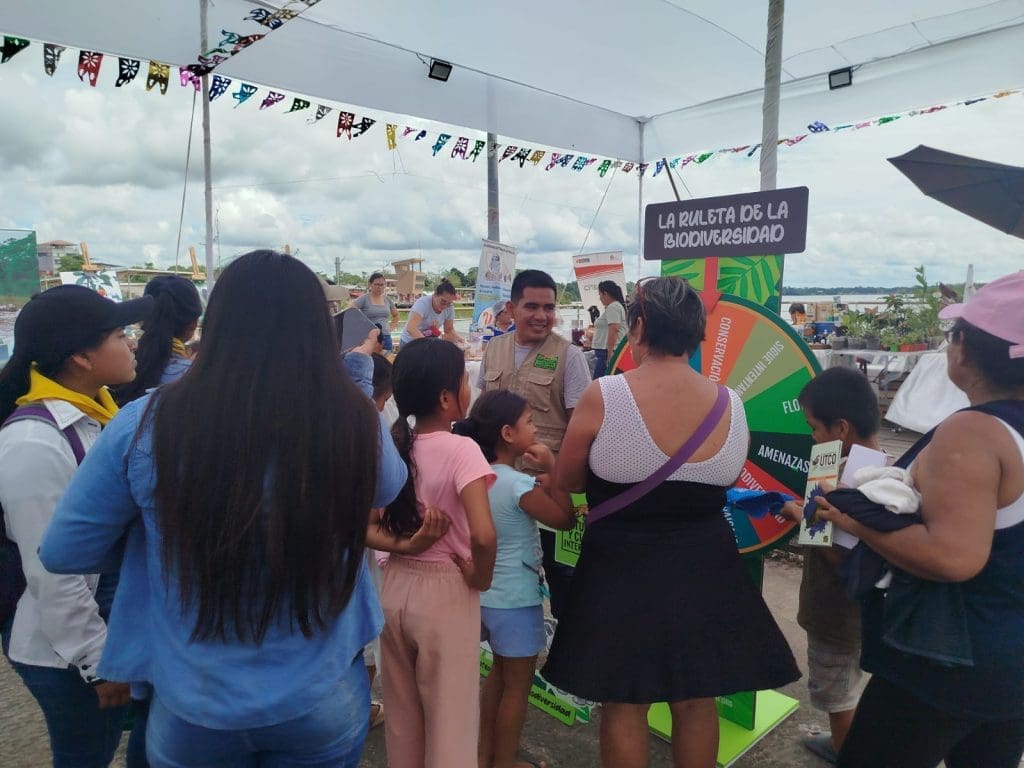Sensibilizamos a adultos, jóvenes y niños sobre la importancia de conservar la biodiversidad
Durante su participación, Naturaleza y Cultura Internacional presentó el trabajo que realiza en Perú para la protección de la biodiversidad y el fortalecimiento de las comunidades locales. A través de una exposición interactiva, los visitantes conocieron las principales especies que habitan los ecosistemas donde trabaja la organización, como los Mosaicos Andes del Norte, Carpish Río Abiseo, Bosques Secos del Marañón y Nanay Tigre, así como los Programas Especiales Utcubamba y Ucayali.
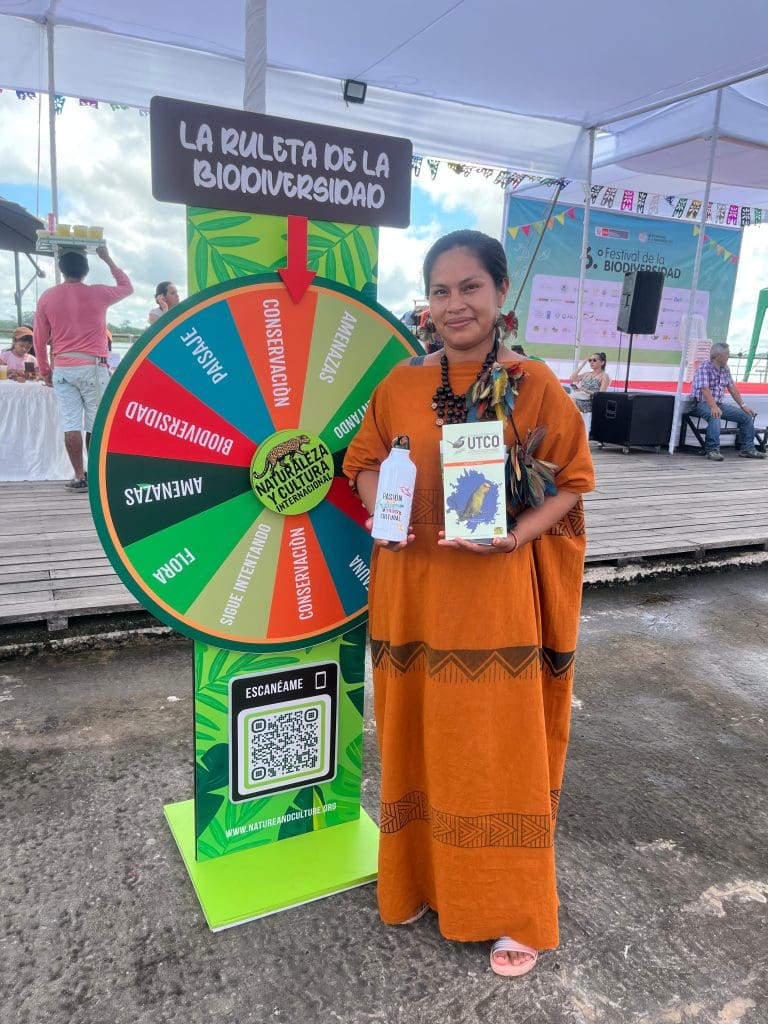Los participantes conocieron el trabajo de NCI en el Perú 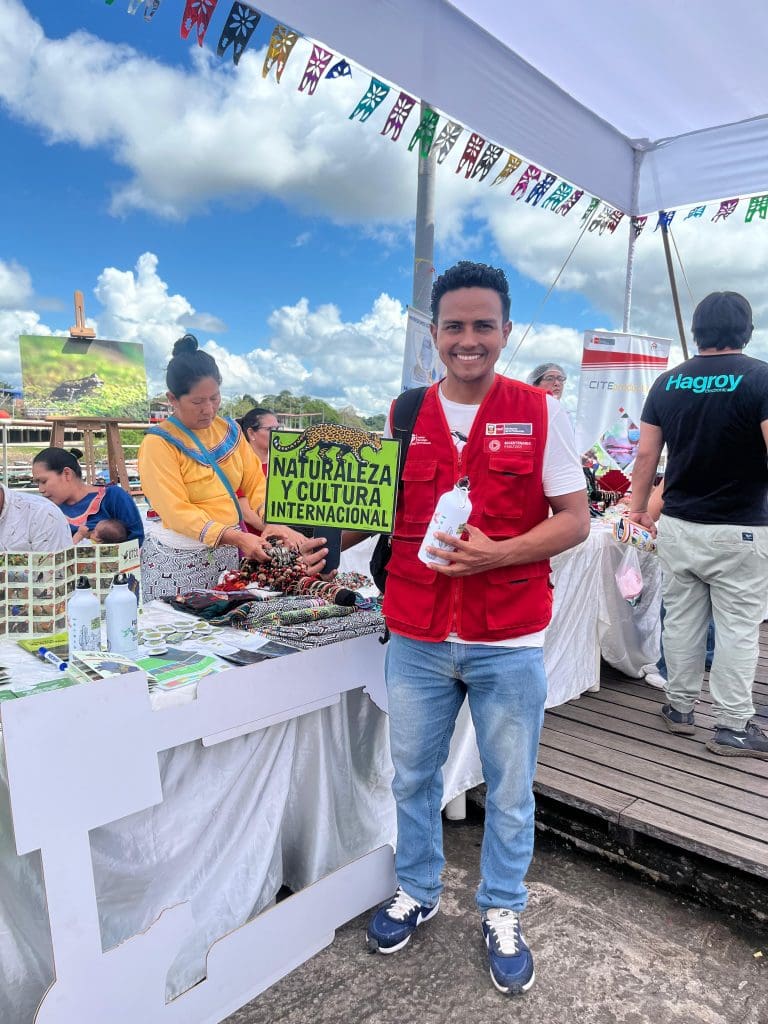Los participantes conocieron el trabajo de NCI en el Perú
Cristy Díaz, Jefa de Proyectos de Naturaleza y Cultura Internacional, explica que, mediante dinámicas lúdicas y educativas, se promovió un mensaje claro: la conservación de los ecosistemas es clave para el bienestar de las personas y la sostenibilidad del planeta. El stand de Naturaleza y Cultura Internacional ofreció actividades diseñadas para sensibilizar al público sobre los servicios ambientales que proveen nuestros bosques, como la regulación del clima, el agua y la preservación de especies emblemáticas.
El evento también fue una vitrina para la diversidad cultural y productiva de la Amazonía peruana. Artesanos de los pueblos asháninka, yanesha y shipibo-konibo mostraron sus obras, mientras que maestras de la gastronomía ucayalina deleitaron a los asistentes con sabores únicos de la región.
Naturaleza y Cultura Internacional también presentó una exhibición de productos derivados de sus proyectos de conservación comunitaria. Entre ellos destacó la participación de la OSPA Los Delfines, gracias al trabajo articulado entre la jefatura de la Reserva Nacional Pucacuro y el equipo de NCI en el Mosaico Nanay Tigre. NCI apoyó con los costos logísticos, implementos de seguridad e higiene, y asistencia técnica para el manejo sostenible del paiche a través del PROMAPE. La organización llevó a la feria productos elaborados en su planta artesanal en Intuto, como hamburguesas, chorizos ahumados y carne empacada al vacío.
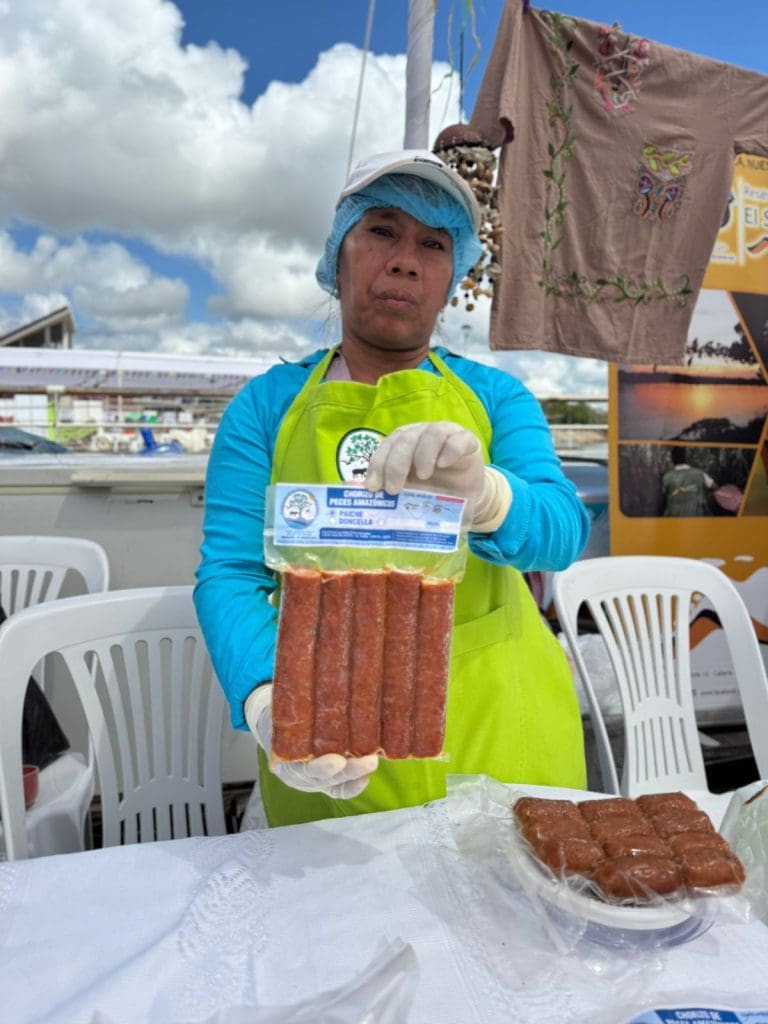También presentó una exhibición de bioemprendimientos, como hamburguesas, chorizos ahumados y carne empacada al vacío de paiche.
Naturaleza y Cultura Internacional reafirma su compromiso con la protección de la biodiversidad y la promoción del desarrollo sostenible en la Amazonía, trabajando de la mano con comunidades, autoridades y organizaciones aliadas para asegurar un futuro más resiliente para todos.
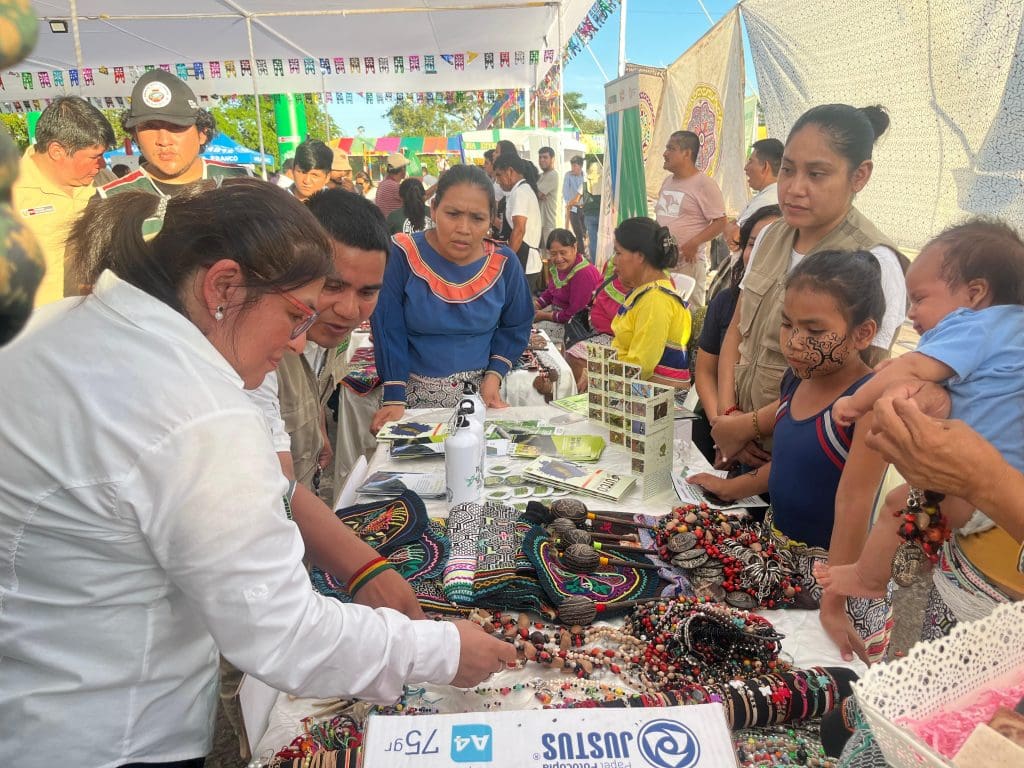El Festival de la Biodiversidad fue una oportunidad para que las comunidades que protegen sus ecosistemas posicionen sus bioemprendimientos en el mercado.
---
**Más informacion:**
Gabriela Gives
<comunicacion.peru@naturalezaycultura.org>
Comunicación Perú
**Strategic Area:** Comunidades Locales
**Country:** Perú
**Content Type:** Noticias
---
### [Tres ranas nuevas para la ciencia en Perú](https://www.natureandculture.org/es/directorio/tres-ranas-nuevas-para-la-ciencia-en-peru/)
**Published:** June 26, 2025
**Author:** Nora Sanchez
**Content:**
## Tres ranas nuevas para la ciencia llevan nombres que honran a un biólogo, un cerro sagrado y una bebida tradicional
Esta vez, el Corredor de Conservación de los Andes del Norte fue escenario para el registro de tres nuevas especies de ranas, descritas para la ciencia desde el corazón del Área de Conservación Privada (ACP) Chicuate Chinguelas, en la provincia de Huancabamba, Piura.
### **Tres historias de supervivencia**
El hallazgo liderado por el herpetólogo Germán Chávez y un equipo de especialistas, es fruto de cinco años de exploración meticulosa. Este logro científico representa un acto de resistencia en un ecosistema amenazado por las quemas, la deforestación y proyectos extractivos.
*“Sabíamos que en los páramos de Huancabamba algo nos esperaba. No fue una sorpresa absoluta, pero sí una enorme satisfacción”*, cuenta Germán Chávez. El descubrimiento publicado en un artículo científico confirma que este espacio natural es un lugar para exploración científica.
Durante la expedición científica también participaron Wilmar Aznaran, Iván Wong, Karen Y. Victoriano-Cigüeñas, Luis A. García-Ayachi, Juan D. Valencia-Málaga, Jesús R. Ormeño, Michael Gulman, Ronal Sumiano-Mejía, Michelle E. Thompson, Alessandro Catenazzi.
### **Las protagonistas: *Pristimantis chinguelas, P. nunezcortezi y P. yonque***
***Pristimantis chinguelas******P. nunezcortezi******P. yonque***
Cutin de Chingulas (*Pristimantis chinguelas)* es una habitante del cerro Chinguelas. Se distingue por unos tubérculos largos a los lados del cuerpo, una característica morfológica que salta a la vista y que hace que sea fácil de reconocer. Su nombre rinda homenaje a donde fue encontrada, unos de los lugares de gran importancia por la diversidad que alberga y por ser un espacio clave para la conectividad de los andes del norte, el cerro Chinguelas, en la comunidad campesina Segunda y Cajas
Cutin de Elio (*Pristimantis nunezcortezi),* en cambio, es una especie más esquiva, localizada en quebradas boscosas. Su rasgo más distintivo es unas ingles negras que la diferencian rápidamente de otras. Pero más allá de su anatomía, su nombre honra al conservacionista Elio Iván Núñez Cortez, Coordinador de Campo de Naturaleza y Cultura Internacional en Perú y un apasionado defensor de la cordillera de Huancabamba que ha trabajado por más de una década por conservar los páramos y bosques montanos; siempre dispuesto a seguir el rastro de las aves más raras de la zona. *“Elio conoce la zona, la recorre, la cuida, la sueña. Era justo que su nombre quedara inmortalizado en una de sus especies”*, afirma Iván Wong, otro de los científicos que participó en la expedición.
Y luego está Cutin del yonque (*Pristimantis yonke)*, una rana que vive entre bromelias. Su cuerpo aplanado, su cabeza en forma de punta y su textura granulada le dan una apariencia única. Su nombre, lejos de los términos académicos clásicos, es un homenaje a una bebida tradicional andina: el “yonke”, un aguardiente de caña infaltable en caminatas, campamentos y celebraciones rurales. *“Queríamos un nombre que hablara también del vínculo cultural con el territorio”,* explica el investigador, Iván Wong.
### **Huancabamba, una joya biológica**
Los páramos de Huancabamba, junto a los bosques de neblina que los rodean, son parte del Corredor de Conservación Andes del Norte, el cual se integra al Corredor de Conservación Transfronterizo Andino Amazónico que conecta Perú con Ecuador. Esta continuidad ecológica explica por qué las nuevas especies de *Pristimantis* tienen mayor relación genética especies ecuatorianas.
*“Si ves algo en un cerro, no puedes asumir que está en el siguiente. Por eso hemos decidido caminarlo todo: cada cresta, cada ladera. Queremos asegurarnos de que no quede ni un centímetro sin explorar”*, sostiene Wilmar Aznaran, investigador presente en el registro.
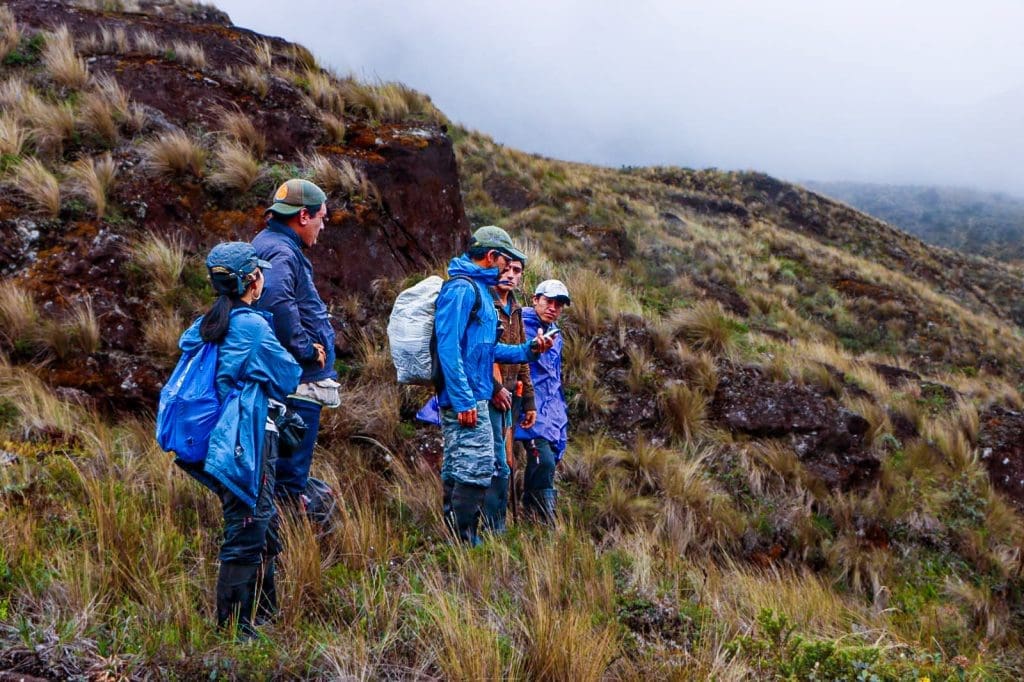
El trabajo de campo en zonas remotas como el cerro Chinguelas es tan exigente como inspirador. Las expediciones han sido posibles gracias a un equipo comprometido de herpetólogos, y a aliados locales como Angie Meléndres y Eswin Jibaja, quienes han abierto caminos y ofrecida hospitalidad.
Instituciones como Naturaleza y Cultura Internacional (NCI) y el Fondo para Especies en Peligro de Extinción de la Junta de Comercio de Chicago (CBOT) han sido claves para hacer posible esta investigación. También se contó con el respaldo de la Fundación para la Biodiversidad E.O. Wilson, Consultores Asociados en Naturaleza y Desarrollo (CANDES), y el apoyo logístico de la Cafetería Pajarero, el Restaurante La Cortez y muchas manos amigas.
Un reconocimiento especial merece la comunidad que impulsó el establecimiento del Área de Conservación Privada Chicuate Chinguelas, área que hoy se consolida como un refugio no solo de biodiversidad, sino también de esperanza científica.
### **El desafío de conservar lo que apenas empezamos a conocer**
Estas nuevas especies viven en un entorno frágil, amenazado principalmente por las quemas agrícolas. Aunque actualmente controlado, representa una sombra persistente sobre una región que, por su singular historia geológica, no puede ser fragmentada sin perder especies únicas.
*“El ecosistema no respeta fronteras políticas. No podemos asumir que, si destruimos una cresta, la misma especie está segura en la de al lado. Eso es un error”,* advierte Karen Victoriano, científica presente durante los días de expedición.
### **Más allá del laboratorio: ciencia con identidad**
El equipo investigador ha apostado por una ciencia cercana, sensible a la cultura local. Desde bautizar a una rana en honor al “yonke” hasta involucrar a los pobladores en la investigación, hay un mensaje claro: proteger la biodiversidad también es reconocer a las personas y prácticas que han convivido con ella durante siglos.
*“Queremos que la gente sienta orgullo de saber que estas especies existen en su tierra, porque son parte de su identidad, de su historia. Y ahora también, de su futuro”*, concluye Germán Chávez.
**Dato:** El Área de Conservación Privada Chicuate-Chinguelas se encuentra en la comunidad campesina Segunda y Cajas, en la provincia de Huancabamba, Piura. Su establecimiento se hizo realidad el 4 de junio de 2016, mediante la Resolución Ministerial N.º 138-2016-MINAM. Desde entonces, protege 27,107.45 hectáreas de ecosistemas de páramo y bosque montano, que albergan especies emblemáticas como el oso de anteojos y el tapir andino, así como muchas otras que aún están por descubrir.
Naturaleza y Cultura Internacional acompañó el proceso de reconocimiento, así como su gestión y manejo, con el financiamiento de Anne Dunne.
---
**Más informacion:**
Gabriela Gives
**Comunicación Perú**
<comunicacion.peru@naturalezaycultura.org>
**Strategic Area:** Biodiversidad
**Country:** Perú
**Content Type:** Noticias
---
### [Participamos del IV Congreso Regional de la Mujer Cajamarquina ](https://www.natureandculture.org/es/directorio/participamos-en-congreso-de-la-mujer-cajamarquina/)
**Published:** November 12, 2025
**Author:** Nora Sanchez
**Content:**
En el marco de las acciones de sensibilización en el Área de Conservación Privada (ACP) Utco, **Naturaleza y Cultura Internacional participó en la Feria del IV Congreso Regional de la Mujer Cajamarquina,** realizada en la provincia de Celendín.
Desde un stand informativo, el equipo de Naturaleza y Cultura Internacional compartió con la población celendina, en especial con las mujeres, niñas y niños, diversas actividades didácticas y recreativas que promovieron el conocimiento sobre la flora y fauna del ACP Utco, ubicado en la Comunidad Campesina de Utco.
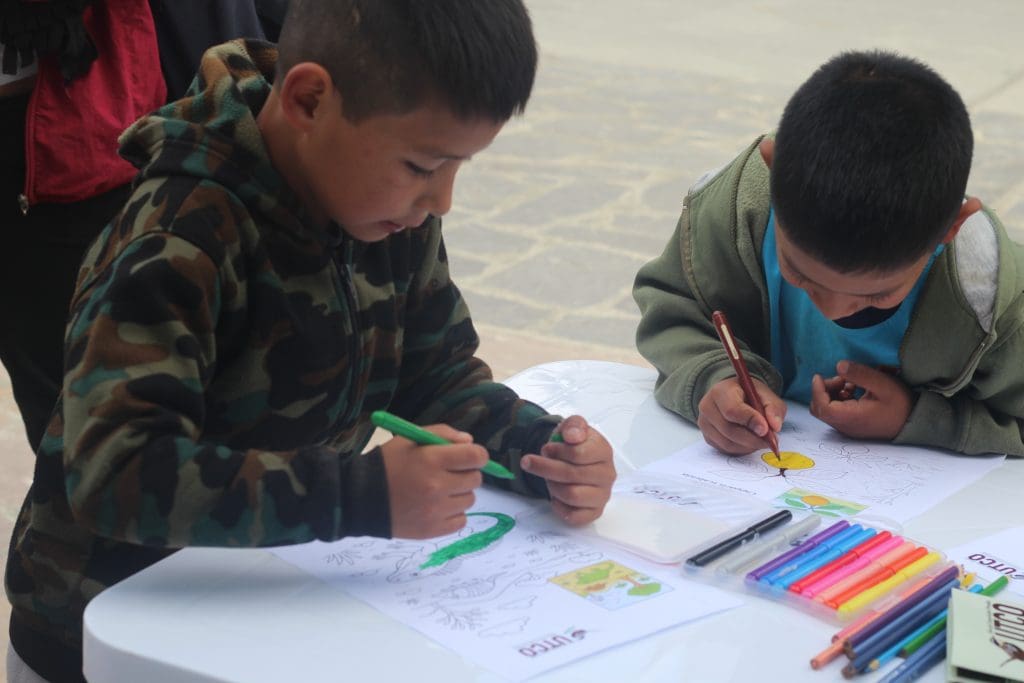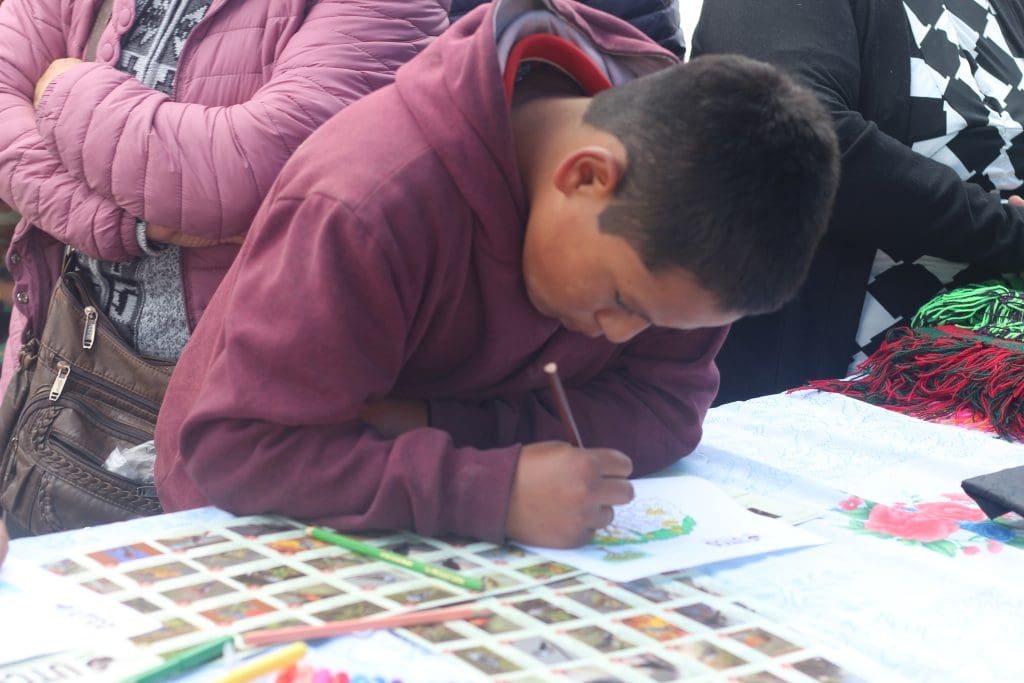
A través de pintura, juegos y dinámicas educativas, las y los participantes reflexionaron sobre **la importancia de conservar los ecosistemas locales y de integrar a las mujeres como protagonistas en las acciones de conservación y educación ambiental.**
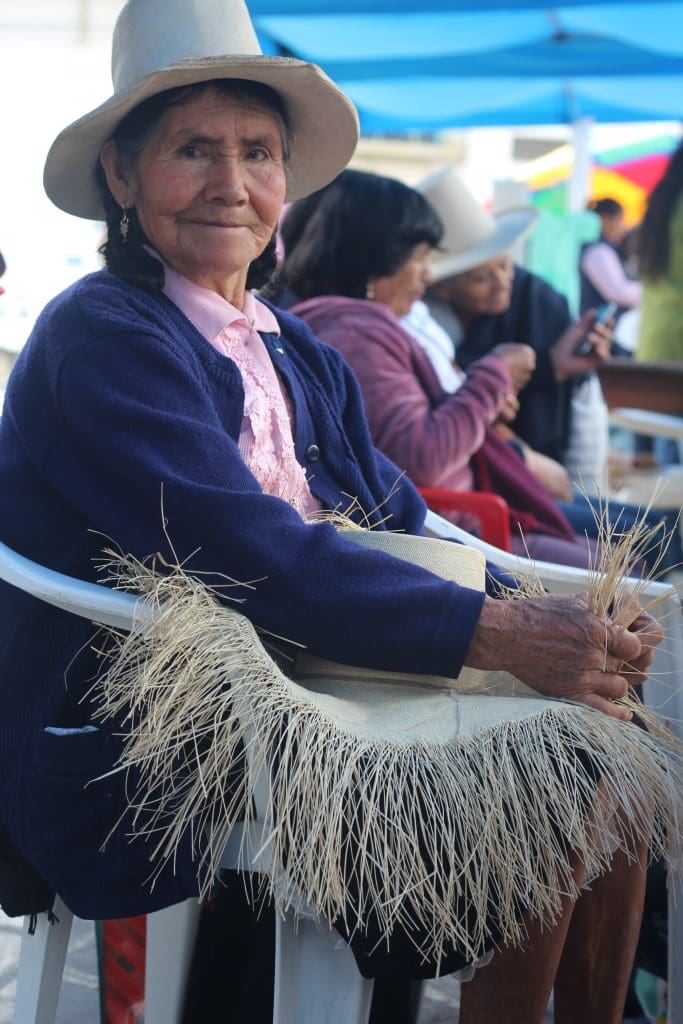
El Congreso se consolidó como un espacio de empoderamiento femenino, donde mujeres emprendedoras y lideresas locales compartieron experiencias y conocimientos orientados a fortalecer el desarrollo sostenible de la región.
La participación de Naturaleza y Cultura Internacional reafirma su compromiso con la conservación de la biodiversidad, la equidad de género y la educación ambiental, acercando el mensaje de cuidado y respeto por la naturaleza a toda la comunidad, especialmente a las nuevas generaciones.

## Sobre el ACP Utco
El área de conservación Utco protege 3,060.36 hectáreas de la ecorregión bosques secos del Marañón, conocida por ser un epicentro de biodiversidad, gracias al importante índice de endemismo de flora y fauna silvestre que alberga.
En el lugar se han reportado 9 especies de aves endémicas, 9 especies de reptiles endémicos, un anfibio endémico; es decir que solo se encuentran en este lugar. Entre ellas destaca *Incaspiza ortizi, Phyllodactylus thompsoni,* *Rhinella vellardi*.
---
**Más información:**
Gabriela Gives
**Comunicadora Perú**
<comunicacion.peru@naturalezaycultura.org>
**Strategic Area:** Comunidades Locales
**Country:** Perú
**Content Type:** Noticias
---
### [Arte y tradición en la Fiesta de la Yuca Verde Maijuna ](https://www.natureandculture.org/es/directorio/arte-y-tradicion-en-la-fiesta-de-la-yuca-verde-maijuna/)
**Published:** October 27, 2025
**Author:** Nora Sanchez
**Content:**
- *El pueblo Maijuna, en la comunidad nativa de Sucusari, celebró con un mural participativo y danza la fuerza de las mujeres en la transmisión de saberes ancestrales y la complementariedad entre hombres y mujeres en el trabajo por su cultura y territorio.*
En Sucusari, una comunidad rodeada de bosque y río, un mural comenzó a tomar forma en la pared de la escuela: en él aparece **doña Victoria**, una de las sabias más queridas, sosteniendo un cuenco de masato —la bebida tradicional preparada a base de yuca verde—. A su lado, una huangana y hojas verdes que envuelven la escena y aluden a la naturaleza que alimenta y protege a las familias maijuna.
La **Fiesta de la Yuca Verde**, una celebración ancestral que volvió a la vida gracias al arte y al trabajo colectivo de mujeres, jóvenes, sabios y líderes comunitarios, comenzó con un taller reflexivo donde la comunidad compartió recuerdos y significados en torno a la festividad. Durante seis días, las familias se reunieron para recordar cómo se celebraba esta fiesta, preparar masato, ensayar danzas tradicionales y cosechar juntos la yuca verde en la chacra.
A lo largo de esos días, el mural fue tomando forma como reflejo de las conversaciones, la cosecha y las memorias compartidas.
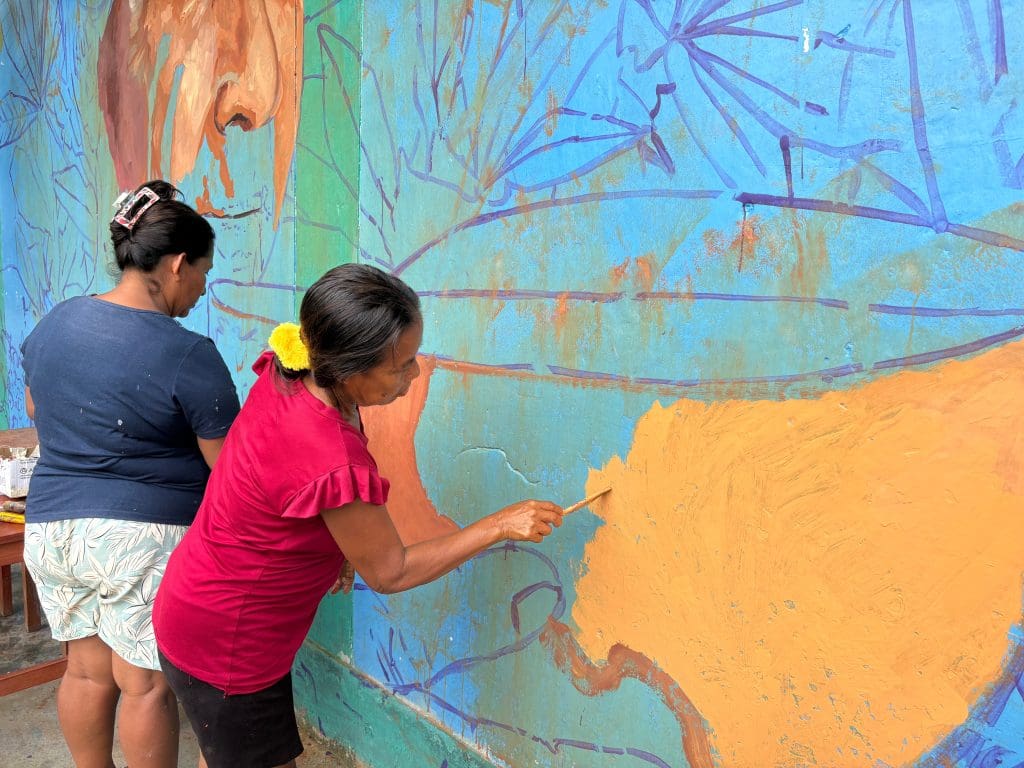Mujeres maijuna pintando el mural
El mural, creado de manera participativa y con enfoque de género, rinde homenaje al papel de las mujeres en la vida maijuna: su fuerza en la chacra y su sabiduría en el hogar, al mismo tiempo que destaca la cooperación entre hombres y mujeres en la vida cotidiana y en la defensa del territorio.
“*Para no perder nuestras costumbres, que antes se hacía esta clase de actividad. Para no perder nuestra cultura ni nuestras costumbres, por eso es muy importante para nosotros. Más que todo para enseñarle a los niños, para que sigan ellos aprendiendo*”, cuenta **Miriam Ríos Papa**, mujer líder de Sucusari.
Sus palabras resumen el sentido profundo de esta celebración: mantener viva la cultura para las nuevas generaciones. “*Es importante porque es divertido* —agrega Miriam—. *Además, de la yuca verde se prepara nuestro masato, nuestra bebida. Es para nosotros una bebida muy importante que nosotros bastante acá le tomamos*.”
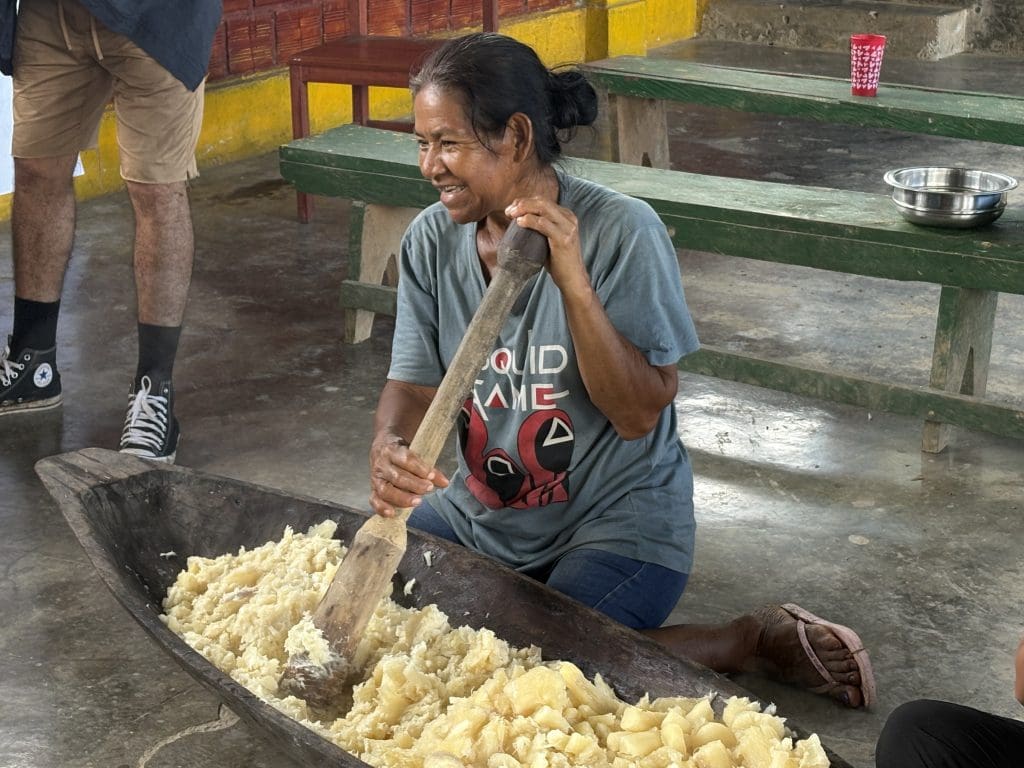*Mujeres maijuna preparando masato, bebida tradicional cuyo rol es esencial en la fiesta de la yuca verde.* 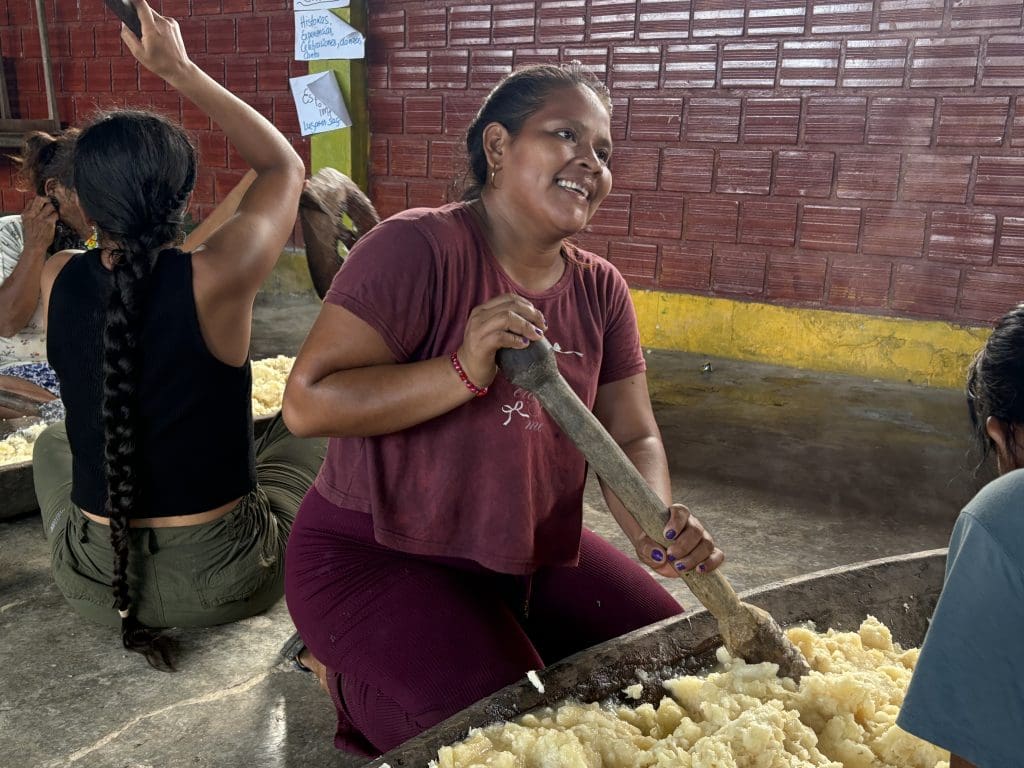*Mujeres maijuna preparando masato, bebida tradicional cuyo rol es esencial en la fiesta de la yuca verde.*
El proceso fue también un encuentro de generaciones. Las y los abuelos contaron cómo se hacía antes la Fiesta de la Yuca Verde, los jóvenes escucharon y aportaron ideas para el mural. Así, se unieron las memorias del pasado con las esperanzas del futuro.
“*Me he sentido contenta, alegre*”, dice Miriam mientras observa el mural terminado, una obra que ahora forma parte del corazón de su comunidad.
La celebración culminó con la **danza de la huangana**, que llenó el espacio de alegría y orgullo, reafirmando que la cultura maijuna sigue viva y se fortalece en la voz de sus comuneros.
El artista Frank Machuca, acompañó este proceso creativo, promoviendo la participación de niños, jóvenes y mujeres de la comunidad con el apoyo de Explorama Lodge, que se sumó a esta iniciativa.
Este proceso se realizó en coordinación con la **Federación de Comunidades Nativas Maijuna (FECONAMAI)**, **OnePlanet, Fondo Socioambiental del Perú** y contó con el acompañamiento de **Naturaleza y Cultura Internacional** en el marco del proyecto TerrIndígena II financiado por AFD, en el marco del trabajo conjunto por la conservación del territorio, el fortalecimiento de la gobernanza indígena y la revitalización cultural maijuna.
---
**Más información:**
Francesca Baxerias
**Comunicación Mosaico Nanay Tigre**
<fbaxerias@naturalezaycultura.org>
**Tags:** Personas, Perú
**Strategic Area:** Comunidades Locales
**Country:** Perú
**Content Type:** Blog
---
### [Bosques montanos de Jaén avanzan hacia su protección](https://www.natureandculture.org/es/directorio/bosques-montanos-de-jaen-avanzan-hacia-su-proteccion/)
**Published:** October 8, 2025
**Author:** Nora Sanchez
**Content:**
### *Más de 14 mil hectáreas de bosques montanos que albergan especies únicas y amenazadas buscan ser protegidas a través del ACR Huamantanga y Chorro Blanco*
La Municipalidad Provincial de Jaén viene impulsando con éxito el proceso de socialización de la propuesta de Área de Conservación Regional (ACR) Bosques Montanos de Huamantanga y Chorro Blanco. A través de reuniones informativas en los distritos de San José del Alto, Chontalí, Colasay, Huabal y Jaén, se vienen generando espacios de diálogo directo con las comunidades del ámbito de esta iniciativa.
Con el propósito de garantizar la protección de más de 14mil hectáreas de bosques montanos, el Gobierno Regional de Cajamarca lidera el proceso de establecimiento junto a la Gerencia de Servicios Municipales y Gestión Ambiental. **Este proceso ha contado con el apoyo técnico de Naturaleza y Cultura Internacional (NCI) y el financiamiento de Andes Amazon Fund desde 2021. Durante el último trimestre, Profonanpe y la iniciativa Conserva Aves se sumaron a la iniciativa.**
**La zona es reconocida por albergar una gran biodiversidad, incluyendo especies amenazadas y endémicas, y es considerada fundamental para la conectividad y la mitigación del cambio climático.**
Durante estos encuentros, Wilson Carrasco Barturen, Gerente de Servicios Municipales y Gestión Ambiental de la Municipalidad Provincial de Jaén, reafirmó el compromiso de la municipalidad para priorizar el establecimiento del ACR y trabajar de la mano con los actores involucrados, compartiendo información y sumando esfuerzos.
*La presentación oficial de la iniciativa Conserva Aves de PROFONANPE, cuenta con el involucramiento del Ing. Wilsón Carrasco Barturén actual gerente ambiental de Jaén* (Créditos: Alberto Genaro)
## **Iniciativa Conserva Aves**
Conserva aves es **protección de territorios de vida.** Se trata de una iniciativa hemisférica clave, centrada en la protección de especies de aves en peligro de extinción, endémicas y migratorias. La iniciativa se enfoca en la protección de estas especies, en la protección, estudio y monitoreo de sus hábitats, lo que permite conocer la situación y la salud general de nuestros ecosistemas forestales. En la región de Jaén, se ha priorizado el trabajo con tres especies de aves que son nativas de estos ecosistemas.
Esta iniciativa innovadora se enfoca en la protección de la biodiversidad, busca fomentar el desarrollo sostenible y fortalecer las capacidades locales de hombres y mujeres en la gestión ambiental, conservación hemisférica, liderazgo, género e inclusión y aviturismo.
*La iniciativa Conserva Aves permitirá obtener mayor información del Andígena Nigrirostris, importante dispersor de semillas en los bosques montanos de Jaén en Cajamarca* (Créditos: Juan José Arango)
El monitoreo continuo de aves y sus hábitats es una herramienta clave, como lo explicó el ornitólogo Antonio García Bravo, para entender y salvaguardar los ecosistemas. **Con lo que se espera un impacto positivo y duradero en la conservación de la riqueza natural de Jaén, garantizando un futuro más sostenible para sus habitantes y sus ecosistemas.**
La Iniciativa Conserva Aves es liderada por American Bird Conservancy (ABC), National Audubon Society (Audubon), Bird Life International, Birds Canada y la Red de Fondos Ambientales de Latinoamérica y el Caribe (RedLAC). Los socios nacionales son Profonanpe y ECOAN, líderes de la ejecución en Perú, con financiamiento del gobierno de Canadá.
---
**Más información:**
Gabriela Gives
**Comunicación Perú**
<comunicacion.peru@naturalezaycultura.org>
**Tags:** Biodiversidad, Perú
**Strategic Area:** Bosques
**Country:** Perú
**Content Type:** Blog
---
### [Participamos en el Congreso Regional Forestal en La Libertad ](https://www.natureandculture.org/es/directorio/participamos-en-el-congreso-regional-forestal-en-la-libertad/)
**Published:** October 21, 2025
**Author:** Nora Sanchez
**Content:**
Naturaleza y Cultura Internacional participó en el IX Congreso Regional Forestal, organizado por el Gobierno Regional de La Libertad, que reunió a representantes de los gobiernos regionales de Cajamarca, Piura, Tumbes y Lambayeque.
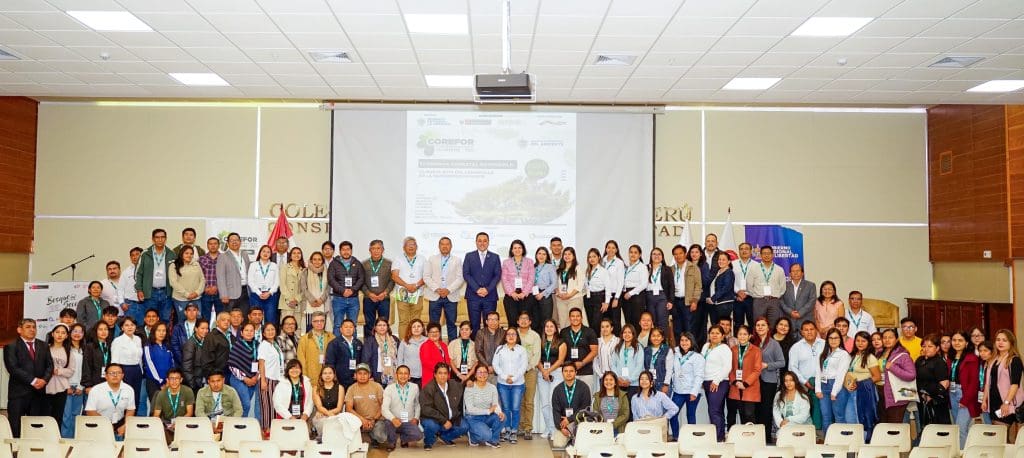
El encuentro tuvo como propósito promover la conservación, restauración y manejo sostenible de los bosques secos del norte del Perú, a través del intercambio de conocimientos, experiencias locales, fortalecimiento de capacidades y la formulación de acuerdos estratégicos de acción frente al cambio climático.
Durante el evento, el ingeniero Elvis Allauja, jefe de proyectos de Naturaleza y Cultura Internacional, desarrolló **la ponencia “Área de Conservación Regional Bosques Interandinos del Marañón – Bolívar: Estrategia de conservación y enfoque de gobernanza”.** Esta exposición abordó la propuesta del Área de Conservación Regional (ACR) que impulsa el Gobierno Regional de La Libertad, con el acompañamiento técnico de Naturaleza y Cultura Internacional, el financiamiento de Andes Amazon Fund y American Bird Conservancy.
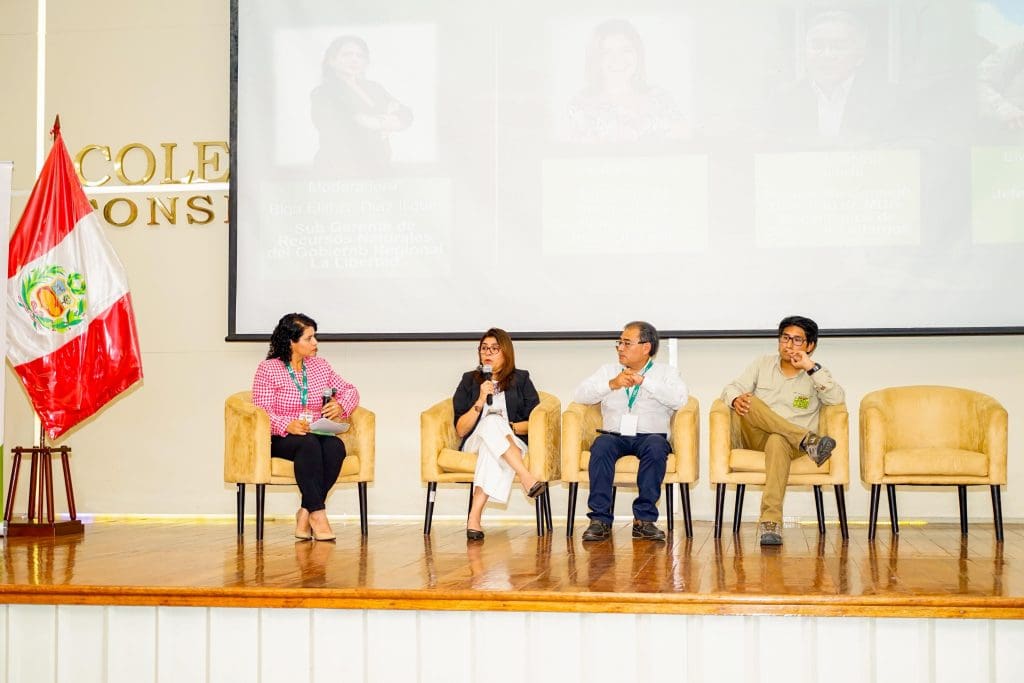
El objetivo de esta iniciativa es proteger los ecosistemas únicos del bosque seco del Marañón, donde habitan especies endémicas y amenazadas, además de fortalecer la conectividad ecológica con otras áreas de conservación ubicadas en Cajamarca,Amazonas y San Martín.
Durante su intervención, el ingeniero señaló que conservar los bosques secos del Marañón significa asegurar el equilibrio ecológico, la disponibilidad de agua y la continuidad de la vida para las comunidades que dependen de estos ecosistemas. Su protección requiere compromiso regional y una gestión basada en la colaboración y el conocimiento local promoviendo una gobernanza solida desde las poblaciones locales
Además, Elvis participó en el panel fórum “Financiamiento e innovación para la sostenibilidad en los bosques secos”, junto a la Dirección de Innovación y Gestión Estratégica de PROFONANPE y al presidente del Consejo Directivo del Mecanismo de Desarrollo Alternos, en un espacio moderado por la Subgerenta de Recursos Naturales del Gobierno Regional de La Libertad.
*“Es fundamental que las comunidades cuenten con iniciativas de financiamiento sostenibles, así como brindar herramientas a los Gobierno Regionales incluido La Libertad para que puedan gestionar de manera sostenible sus áreas de conservación. Asimismo, señalo que es importante que cada proyecto este alineado a los documentos estratégicos de los gobiernos regionales y nacional con resultados tangibles”* señaló Elvis.
**La participación de Naturaleza y Cultura Internacional en este congreso reafirma su compromiso de impulsar la conservación y gestión sostenible de los ecosistemas más representativos del Perú,** fortaleciendo alianzas y promoviendo acciones conjuntas frente a los desafíos del cambio climático.
---
**Más información:**
Gabriela Gives
**Comunicación Perú**
<comunicacion.peru@naturalezaycultura.org>
**Strategic Area:** Comunidades Locales
**Country:** Perú
**Content Type:** Noticias
---
### [Juventud que siembra futuro](https://www.natureandculture.org/es/directorio/juventud-que-siembra-futuro/)
**Published:** October 21, 2025
**Author:** Nora Sanchez
**Content:**
Con palanas y mucho entusiasmo, los alumnos de la Institución Educativa 17633 – Señor Cautivo se convirtieron en los protagonistas durante una **jornada de reforestación cerca de la zona de influencia del Área de Conservación Regional Bosques El Chaupe, Cunía y Chinchiquilla.**
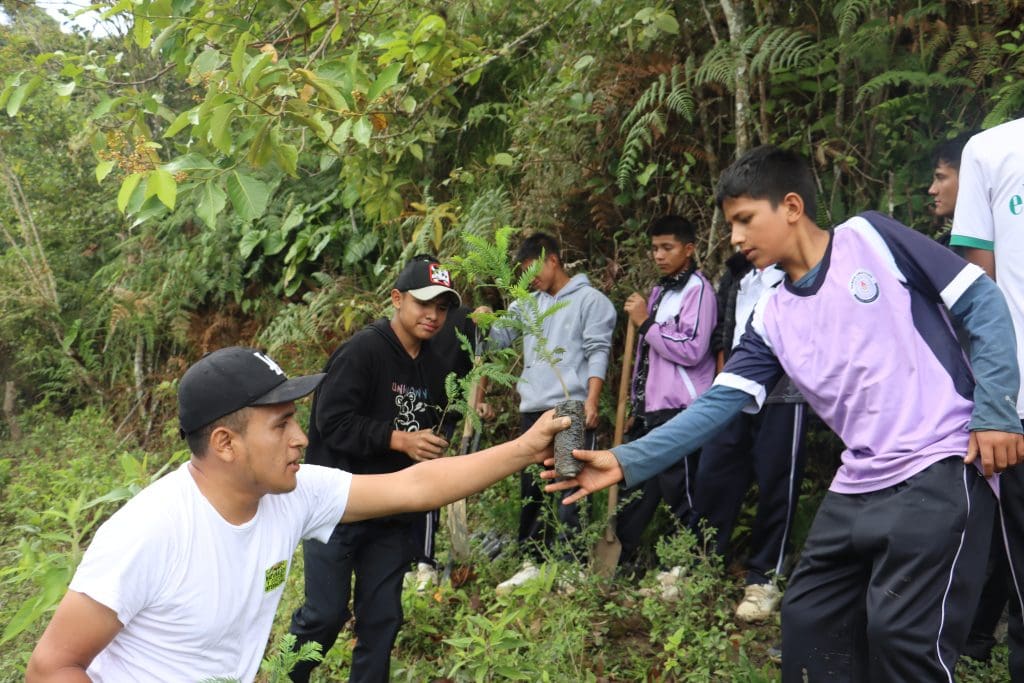
El trabajo comenzó con la siembra de 300 plantones de romerillo (*Retrophyllum rospigliosii.),* una especie nativa que ayuda a conservar el suelo, proteger las fuentes de agua y mantener la biodiversidad propia de los páramos y bosques montanos. ***“Reforestar con especies nativas es esencial para que el ecosistema recupere su equilibrio natural y siga brindando servicios como la regulación hídrica”***, explica Lideimer Flores, especialista de Naturaleza y Cultura Internacional.
Esta iniciativa forma parte del proyecto **CUIDAR: Derechos, Agua y Resiliencia, implementado por Naturaleza y Cultura Internacional Perú y Ecuador, junto a Protos Andes, la Universidad Nacional de Jaén, la Universidad Nacional de Loja y con el respaldo de Join For Water.** El objetivo es claro: fortalecer la participación comunitaria y juvenil en la conservación de los páramos,como fuentes vitales de agua en la cuenca binacional Mayo – Chinchipe.
Conoce más del proyecto CUIDAR [aquí](https://www.natureandculture.org/es/directorio/cuidar-cooperacion-transfronteriza-para-la-proteccion-de-la-cuenca-mayo-chinchipe/)
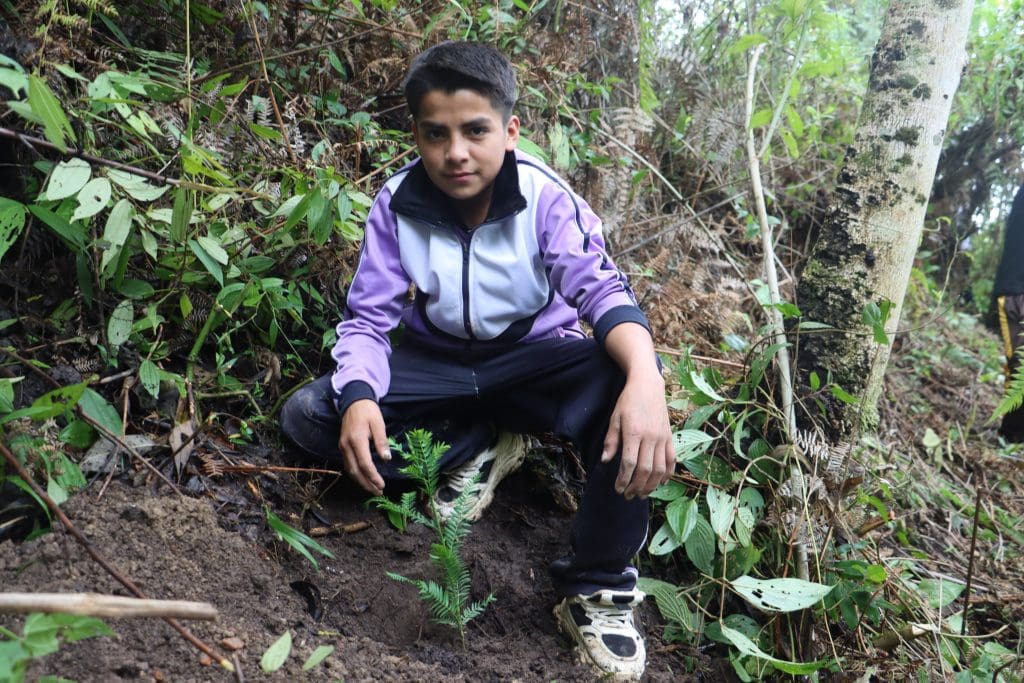
Además de la reforestación, los jóvenes y docentes, en coordinación con Naturaleza y Cultura Internacional, trabajan en la implementación de un sistema de riego para su biohuerto escolar, impulsando prácticas sostenibles que mejoran la seguridad alimentaria. También se han sumado a campañas ambientales junto a brigadieres escolares, para reforzar la educación ambiental y el compromiso comunal para el cuidado de sus recursos naturales.
Para Lideimer Flores, es importante involucrar a los jóvenes en estas acciones *“Cuando los estudiantes plantan un árbol nativo, están sembrando también esperanza. Ellos serán los futuros guardianes de los bosques y páramos en los próximos años”.*
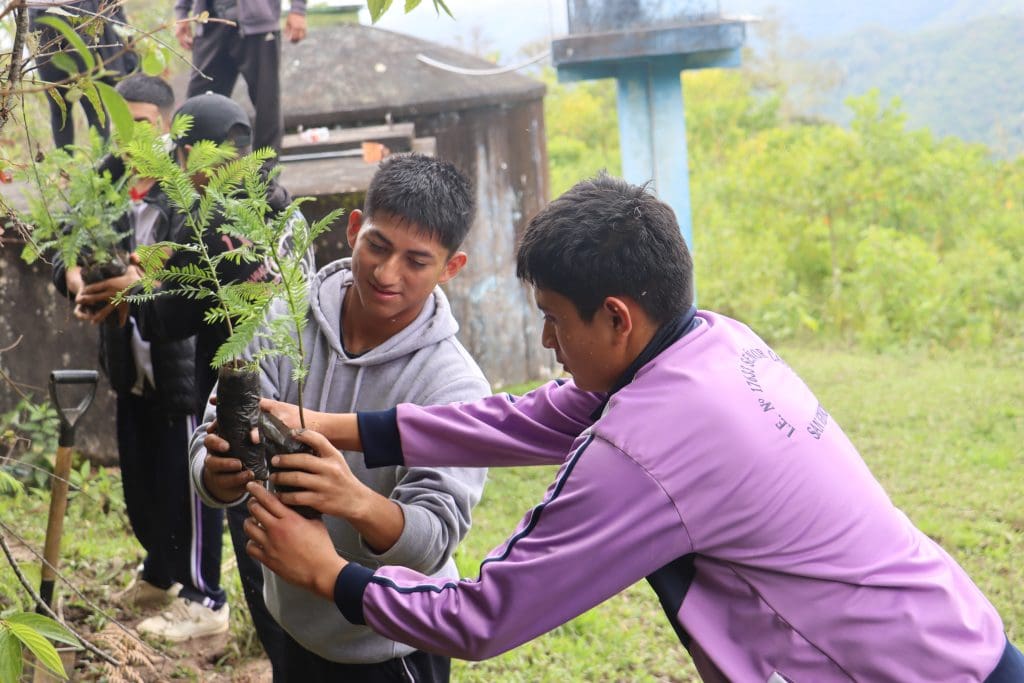
El esfuerzo de estos jóvenes demuestra que **la restauración de ecosistemas es una tarea compartida y que las nuevas generaciones ya están listas para liderar, cooperar y apoyar el cuidado del agua, la biodiversidad y el futuro de sus comunidades.**
---
Más informacion:
Gabriela Gives
Comunicación Perú
<comunicacion.peru@naturalezaycultura.org>
**Strategic Area:** Comunidades Locales
**Country:** Perú
**Content Type:** Blog
---
### [Communities Restoring Life: The Paltas Model for Climate Resilience ](https://www.natureandculture.org/directory/communities-restoring-life-the-paltas-model-for-climate-resilience/)
**Published:** October 3, 2025
**Author:** Heather Thomas
**Content:**
The climate crisis poses a direct threat to **forests and water**, two intrinsically linked systems. Forests regulate water cycles, maintain river flows, and protect springs; in turn, water sustains life in the forest. When one system is weakened, the other deteriorates rapidly, and the communities dependent on them face severe, direct impacts.
Recognizing this interdependence, the **Paltas Municipal Government and local communities** in Loja Province, Ecuador, established two core strategies for the Paltas Municipal Protected Area back in 2012: **ecological restoration and conservation agreements.** This model is a concrete, community-driven investment in climate resilience.
## **Restoration in** **the Pisaca Natural Reserve**
The Pisaca Nature Reserve **(406 hectares or 1,003 acres within ACMUS Paltas)** serves as a successful restoration hub where communities actively plant trees every year. Thanks to this active restoration, over 86 acres of degraded land have already been recovered.
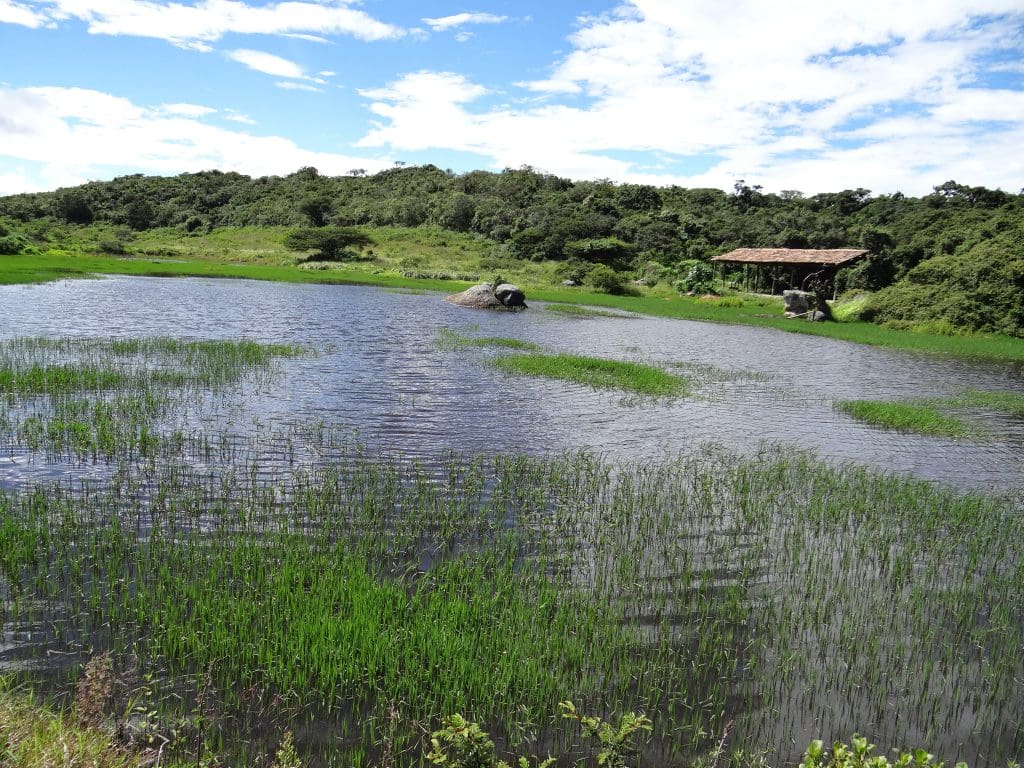Pisaca Natural ReserveThis work received significant international validation in 2018 when **UNESCO declared Pisaca as Ecuador’s first demonstration site for ecohydrology**. This recognition underscored the immense value of the **ancestral knowledge** of the pre-Inca **Paltas people**, who developed water management practices perfectly adapted to the region’s dry climate.
The project’s longevity is secured by including **the next generation**. Initially, local schools joined the effort, with students “adopting” 20 plants and committing to care for them multiple times a year. Restoration quickly became a collective experience involving teachers, families, and youth. In 2025 alone, 650 seedlings were added to Pisaca as part of the annual replenishment.
## **A Model Built on Partnerships**
The success of this comprehensive effort is built on strong **technical and financial alliances**. The **Nature and Culture Foundation** and **Nature and Culture International**, with support from the **Belgian Development Cooperation (DGD)** and **BOS+**, began supporting the recovery of degraded areas in Pisaca as early as 2011.
In recent years, **Andes Amazon Fund** joined to ensure long-term sustainability through conservation agreements with landowners near water sources. Most recently, the **Italian Ecuadorian Fund for Sustainable Development (FIEDS)** invested through the project “Shared Governance for Resilient Territories in Forest Landscapes of the Western Andes of Ecuador,” in collaboration with the **Bosque Seco Commonwealth**, Nature and Culture, the **Ecuadorian Populorum Progressio Fund (FEPP)**, and **CONDESAN**.
## **Conservation Agreements: Securing Water and Ecosystems**
**Conservation agreements** are voluntary, non-monetary commitments between communities and the local government that formalize land stewardship. To date, **more than 200 families** from rural and urban areas of Paltas have directly benefited from these incentives.
The process begins with a technical assessment—including zoning, identifying forest remnants, and mapping degraded areas. Based on this, they implement a combination of **active restoration** (the direct planting of native species) and **passive restoration** (allowing the forest to heal naturally). These efforts are strategically integrated with **agroforestry systems in productive zones**, where trees are combined with crops to improve soil health, secure high-value harvests, and provide reliable income.
And the evidence is clear: it works. In areas left to **passive restoration**—**the strategy of removing disturbances and letting nature heal itself naturally**— forests have begun to regenerate on their own, recovering ecological functions without costly human intervention. This vital process maintains water cycles, securing the supply of springs for both ecosystems and local communities.
**Active restoration** involves planting native species such as **jacaranda** (*Jacaranda mimosifolia*), **guararo** (*Lafoensia acuminata*), **chachacomo** (*Escallonia sp.*), **fig trees** (*Ficus sp.*), and **sanguilamo** (*Styrax sp.*). These species are chosen because they **maximize water retention, protect the soil, and make the regenerated forests less susceptible to wildfires**—a costly and rising threat under increasingly unpredictable climate conditions.
## **Agroforestry: Planting Water**
A key element of the conservation agreements is the focus on **agroforestry systems**, supporting farming methods that grow trees and crops together, helping people earn a living while also protecting nature. The cultivation of **tara** (*Caesalpinia spinosa*) is an emblematic example: this tree not only improves soil fertility but also provides a **sustainable income source** for rural families.
Vainillo o tara (*Caesalpinia spinosa*)Similarly, **coffee production combined with fruit trees** in diversified systems has proven to be highly productive, delivering quality harvests and meaningful income for local farmers.
## ***Valuing and Marketing Medicinal Plants***
The integration of **medicinal plants and flowers** into agroforestry systems creates an opportunity to diversify income and make the farm more resilient. In the Lauro Guerrero parish, women over 50 revitalized their home gardens to produce **“La Laureñita” *horchata***—a traditional pink herbal tea known for its digestive and relaxing properties. This enterprise has generated **local employment and strengthened family economies.**


This powerful initiative demonstrates how **forest restoration and water protection are direct pathways to economic and social resilience.** The women behind La Laureñita now aim to scale up production, intentionally linking business growth to conservation efforts.
## **Restoration in Times of Crisis**
The urgency of this work was tragically highlighted in 2024 when southern Ecuador faced severe droughts and widespread wildfires, underscoring the vital importance of these conservation agreements.
Since 2012, agreements have also been signed with local water boards, and between 2021 and 2024, **47 new agreements were formalized to protect critical forests and water sources** within Paltas Municipal Protected Area.
## ***Voices of Conservation***
The voices of the agreement signatories articulate the profound human and environmental impact of these projects:
 **Jorge Francisco Gallegos**, a forest guardian: *“We are protecting 15 acres of forest. That’s where water is born, and we cannot stop. We must continue protecting our springs. We’ve also received support through **tara cultivation**, which makes it even more important to keep this conservation work alive.”*
 **Jaime Orlando Díaz** emphasized teamwork: *“Working with NGOs has been very positive. We’ve worked side by side, and that has benefited us. We are here today to reaffirm that protecting water and forests is what brings us together.”*
 **Juan Yanangomez** highlighted cultural identity: *“Water is life. The forest is life. That’s why we will continue caring for the mountains. I am Palta, and I consider myself a protector of the mountains.”*
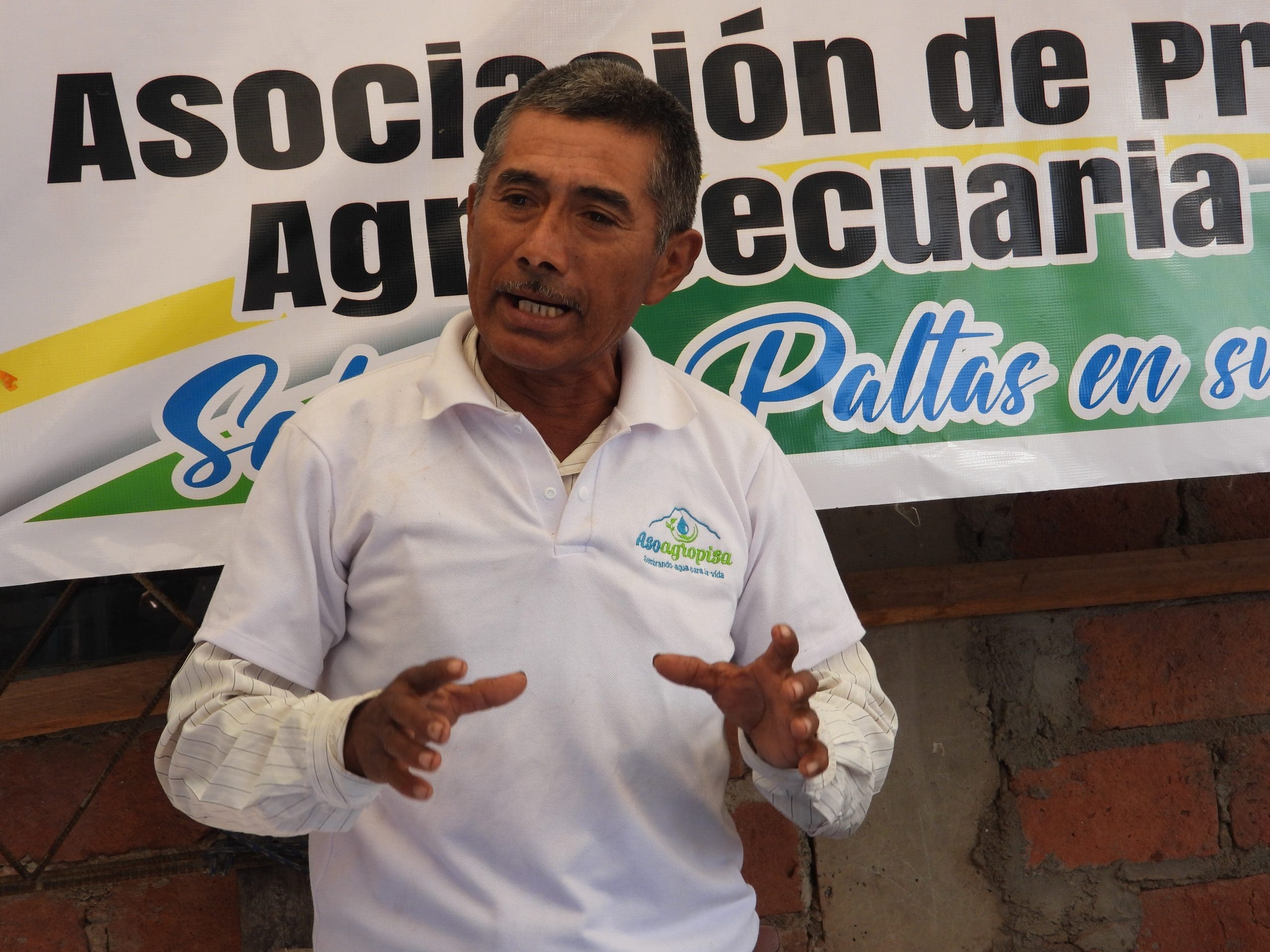 **Segundo Ludeña**, president of ASOAGROPISA, framed the stark choice: *“Water is a global problem today. Conserving forests is the only hope we have to leave something for future generations… If we don’t protect it, we will be forced to migrate and abandon these beautiful lands.”*
For Ludeña, conservation is a **shared responsibility** between local government, international cooperation, and communities.
In Paltas, the bond between communities, forests, and water is solid. Faced with the climate crisis, the people of Paltas have shown that forest conservation is not only about protecting nature—it is an **effective, long-term strategy to secure water, restore degraded ecosystems, and build resilience for generations to come.**
**Tags:** Agua, Biodiversidad, Ecuador, Reservas naturales
**Strategic Area:** Forests, Local Communities
**Country:** Ecuador
**Content Type:** Blog
---
### [Mujeres Maijuna ganan premio de emprendimiento regional](https://www.natureandculture.org/es/directorio/mujeres-maijuna-ganan-premio-de-emprendimiento-regional/)
**Published:** October 2, 2025
**Author:** Nora Sanchez
**Content:**
*Las Mujeres Maijuna de la Asociación Artesanal Chambira Maijuna (AACHAMAI), de la comunidad nativa Nueva Vida en Loreto, fue reconocida como ganadora de la Estrategia de Emprendimiento de la Mujer Rural e Indígena 2025. Su propuesta integra conservación del bosque, identidad cultural y empoderamiento de mujeres y jóvenes, con el acompañamiento técnico de Naturaleza y Cultura Internacional.*
La Asociación Artesanal Chambira Maijuna (AACHAMAI) fue una de las experiencias ganadoras de la **Estrategia de Emprendimiento de la Mujer Rural e Indígena (EEMRI) 2025**, organizada por **AGROIDEAS** del Ministerio de Desarrollo Agrario y Riego (MIDAGRI).
Gracias a este reconocimiento, AACHAMAI accederá a un financiamiento de **S/ 102,290.00**, que permitirá fortalecer sus procesos organizativos, productivos y comerciales.
## **AACHAMAI, mujeres Maijuna y la cosecha sostenible de chambira**
El proyecto premiado, **“AACHAMAI, mujeres Maijuna y la cosecha sostenible de chambira: Fortaleciendo el liderazgo femenino en el manejo forestal y comercialización de la fibra de chambira en la comunidad Nueva Vida en el distrito de Maynas en la provincia de Napo, Loreto”,** plantea un modelo económico comunitario que articula el manejo sostenible de la palma de chambira, la recuperación de saberes ancestrales y la apertura de mercados para productos con identidad cultural.
En este proceso, **Naturaleza y Cultura Internacional** brindó un acompañamiento sólido, apoyando la formulación y presentación del plan de emprendimiento, y continuará con la asistencia técnica y el fortalecimiento de las capacidades organizativas y comerciales de AACHAMAI.
Además, este caso se enmarca dentro del convenio interinstitucional entre Naturaleza y Cultura Internacional y AGROIDEAS, que permite que bioemprendimientos en áreas de conservación con los que trabaja Naturaleza y Cultura Internacional, incluyendo artesanías de chambira, puedan acceder a las convocatorias de financiamiento de AGROIDEAS.
*“Estoy bien emocionada, feliz de llevar esto a mi comunidad y a mis socias. Dar ese ánimo para que ellas sigan fortaleciéndose y yo también, y salir más adelante. Este apoyo nos va a dar para hacer el aprovechamiento de chambira”*, señaló **Nuria Mosoline Tamayo, presidenta de AACHAMAI**.
Con este reconocimiento, las mujeres y jóvenes Maijuna reafirman su papel como **gestoras de redes para conservar su territorio y ciudadanas titulares de derechos**, mientras que la alianza con Naturaleza y Cultura Internacional demuestra cómo el trabajo conjunto entre comunidades indígenas y organizaciones de la sociedad civil puede generar **impactos sostenibles en conservación, desarrollo económico y fortalecimiento cultural**.

### **Sobre AACHAMAI**
La Asociación Artesanal Chambira Maijuna está integrada por 19 socias mujeres de la comunidad nativa Nueva Vida, pueblo Maijuna (Loreto). Su trabajo se centra en la recolección y transformación de la fibra de chambira en productos artesanales, con un enfoque en la conservación de los bosques amazónicos y la revalorización de la identidad cultural.
---
**Más información:**
Francesca Baxerias
Comunicación Nanay Tigre
<fbaxerias@naturalezaycultura.org>
**Strategic Area:** Comunidades Locales
**Country:** Perú
**Content Type:** Noticias
---
### [Conservation Corridor Podocarpus-Yacuri: A Vital Refuge for Biodiversity](https://www.natureandculture.org/directory/conservation-corridor-podocarpus-yacuri-a-vital-refuge-for-biodiversity/)
**Published:** September 24, 2025
**Author:** Heather Thomas
**Content:**
### ***Southern Ecuador is now home to the country’s largest conservation corridor: Podocarpus–Yacuri***
On August 29, 2025, Ecuadorian authorities officially recognized the **Podocarpus–Yacuri Conservation Corridor**. This achievement marks a significant step in bridging the northern and southern sections of the larger **[Andean Bi-National Corridor](https://www.natureandculture.org/the-andean-corridor/)**, a joint conservation initiative across Ecuador and Peru that will safeguard over 5 million acres along the Andes.
Led by Nature and Culture, in partnership with the provincial governments of Loja and Zamora Chinchipe, and the Shuar Indigenous nationality, the **Podocarpus–Yacuri** Corridor has an area of **1.8 million acres,** making it the largest connectivity corridor in Ecuador. It spans the provinces of Zamora Chinchipe (80.27%) and Loja (19.73%) in southern Ecuador, and strengthens ecological connectivity across ecosystems.
Video Responsive
### ******An Andes-to-Amazon Region Critical for Conservation******
With **28 distinct natural ecosystems**, the Podocarpus–Yacuri Corridor is essential for water supply, biodiversity, and carbon capture, therefore serving a crucial role in climate change mitigation.
Safeguarding this corridor directly impacts the well-being of more than **304,000 people** who rely on its rivers, forests, and fertile soils. Rising from **2,231 feet in Zamora Chinchipe to 12,730 feet in Loja**, this corridor’s sweeping altitudinal range creates a diversity of climates and unique ecosystems, further enhancing the region’s biological richness and its value for conservation.
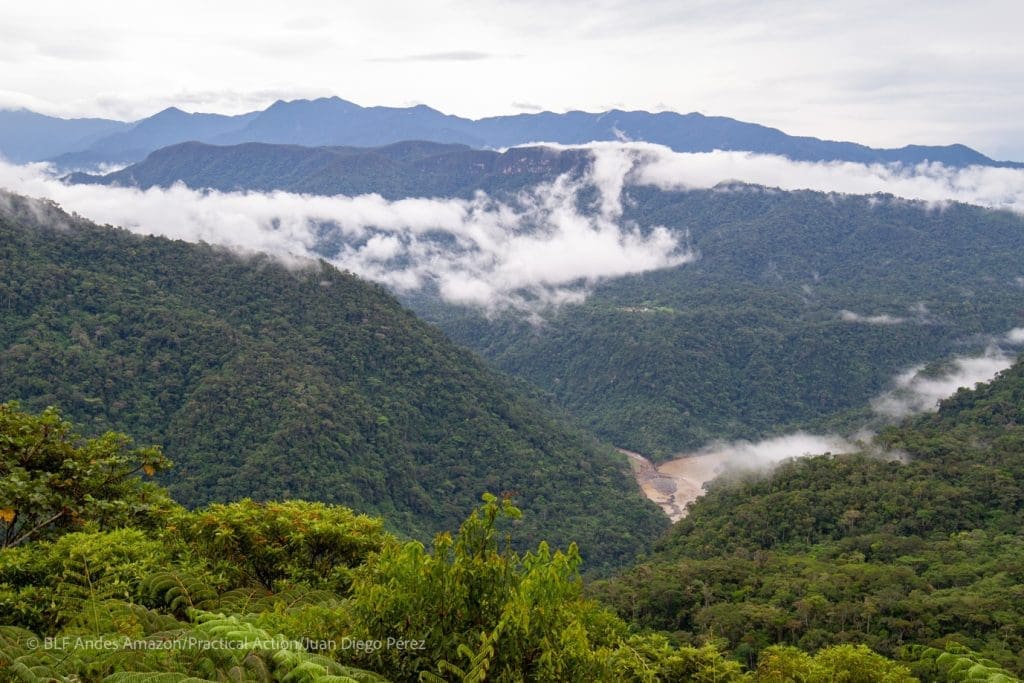
### **Podocarpus-Yacuri Corridor: Home to Emblematic Species**
The Podocarpus–Yacuri Corridor shelters a remarkable variety of species, many threatened or found nowhere else, underscoring its vital importance for biodiversity. Among its most iconic inhabitants are:
the Andean bear *(Tremarctos ornatus)*, Mountain Tapir *(Tapirus pinchaque)*, Northern pudu *(Pudella mephistophila)*, Puma *(Puma concolor)*, Jocotoco antpitta *(Grallaria ridgelyi)*, Royal sunangel hummingbird *(Heliangelus regalis)*, Torrente del Cóndor frog *(Hyloscirtus condor)*
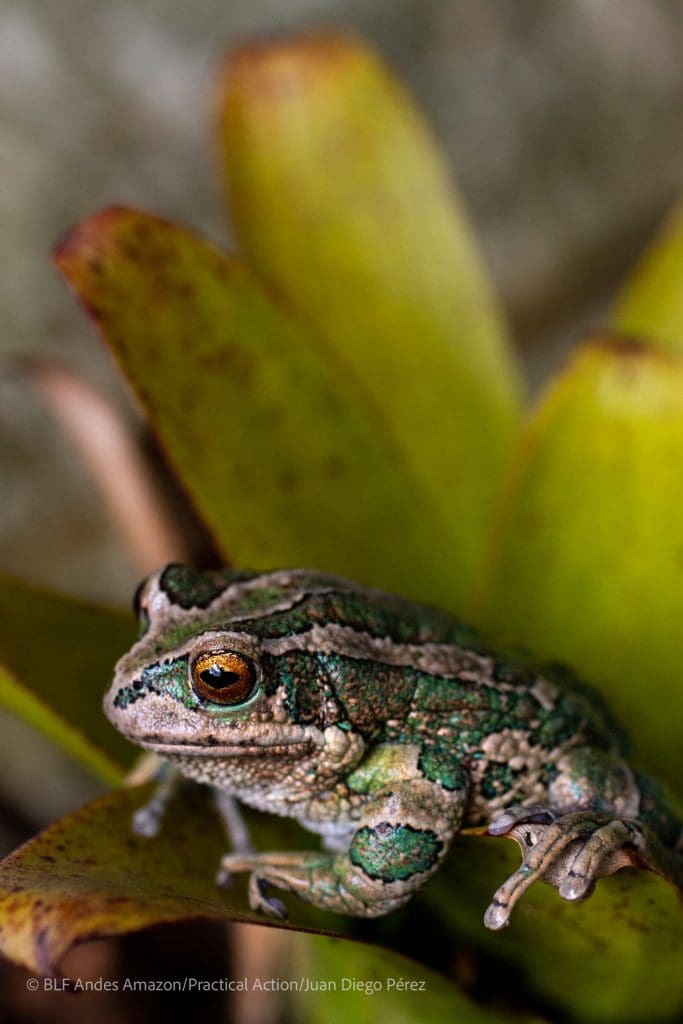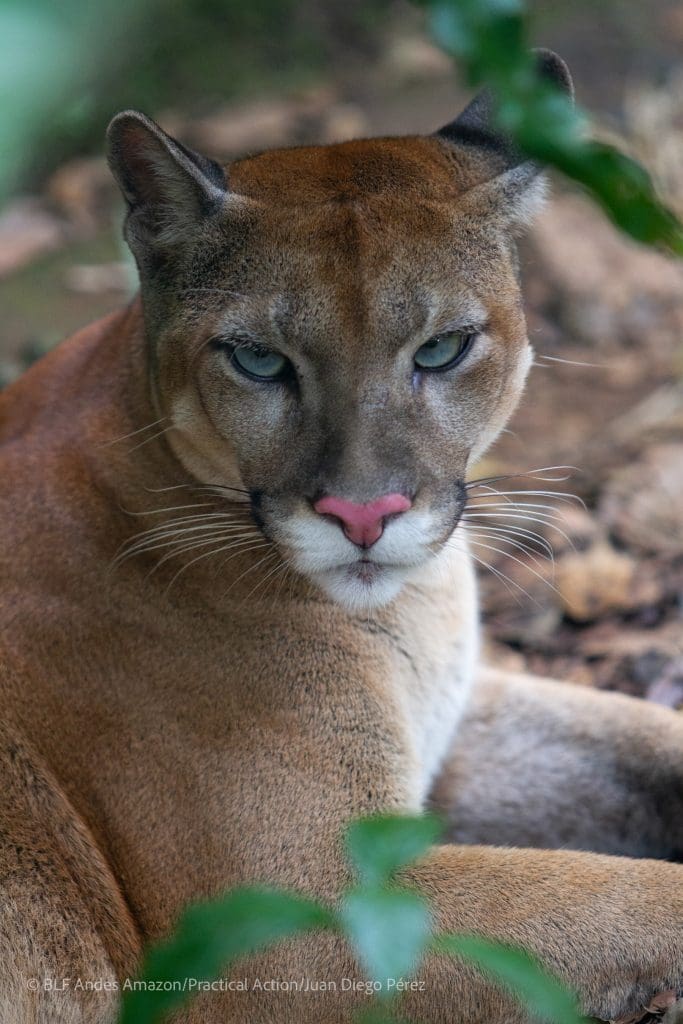
Each of these species plays a vital role in maintaining ecosystem balance, serving as key indicators of the corridor’s environmental health. Their protection ensures not only their own survival but also the continued functionality of the entire ecosystem.
### ****A Regional Conservation Effort****
Currently, 73.51% of the Podocarpus–Yacuri Corridor is under some form of conservation designation, reflecting a strong commitment to protecting the natural environment. Within its boundaries are three core areas of Ecuador’s National System of Protected Areas (SNAP)—Podocarpus National Park, Yacuri National Park, and Cerro Plateado Biological Reserve—along with nine Sustainable Conservation Areas.
Its strategic location makes it a key link in a network of protected areas that strengthens ecological connectivity across the region. The corridor borders the montane forests and páramos of the Sangay–Podocarpus Corridor to the north and connects with the Andes del Norte Conservation Corridor in Peru. This natural linkage of **over 5 million acres** across both countries expands the territory available for species to move freely, reinforces transboundary conservation commitments, and ensures the protection of water sources that benefit both Peru and Ecuador.

### ****Andean Bi-National Corridor****
The **Andean Bi-National Corridor** represents a joint effort to safeguard more than **5 million acres** of strategic ecosystems. Stretching from southern Ecuador to northern Peru, this corridor protects a diversity of ecosystems—including páramo, cloud forest, and Amazonian forest—all part of the **Tropical Andes Hotspot**, the most biodiverse in the world.

Its protection is essential to ensure the survival of iconic species such as the spectacled bear, the Andean condor, the mountain tapir, and the jaguar, as well as to maintain the flow of critical ecosystem services—including the provision of water for more than 1.5 million people and the operation of hydroelectric systems vital for development.
The **Podocarpus–Yacuri Conservation Corridor** is not only a natural space, but a bridge of life that connects landscapes, species, and communities—demonstrating the importance of conserving territories for present and future generations.
The recognition of the Podocarpus–Yacuri Conservation Corridor was made possible thanks to the commitment of multiple local actors, especially the provincial governments of Loja and Zamora Chinchipe, the Federation of the Shuar Nationality of Zamora Chinchipe (FEPNASH ZCh), farming communities, municipalities, the Technical University of Loja (UTPL), and NGOs. It was also supported technically by **Nature and Culture International (NCI)**, made official by the **Ministry of Environment, Water, and Ecological Transition (MAATE)**, and financially by the **BLF Andes Amazon Project** and the **Weeden Foundation**. This effort was also made possible thanks to **Re:wild** and its support in strengthening the technical and institutional capacity of MAATE in fulfilling its commitment to Target 3 of the Global Biodiversity Framework.
**Tags:** Biodiversity, Conservation, Ecuador, Protected Area
**Strategic Area:** Forests
**Country:** Ecuador
**Content Type:** News
---
### [Pueblos indígenas de Loreto compartieron sus miradas sobre el cambio climático](https://www.natureandculture.org/es/directorio/pueblos-indigenas-de-loreto-compartieron-sus-miradas-sobre-el-cambio-climatico/)
**Published:** September 29, 2025
**Author:** Nora Sanchez
**Content:**
- *Durante tres días, lideresas y líderes de comunidades amazónicas participaron en un taller que recogió sus experiencias sobre los impactos ambientales y las estrategias locales de adaptación frente a la crisis climática.*
Entre el 23 y el 25 de septiembre se realizó en la ciudad de Iquitos el taller **“Miradas Indígenas sobre las transformaciones en los territorios”**, un espacio de encuentro en el que representantes de pueblos indígenas y comunidades locales compartieron sus percepciones sobre cómo los cambios en el clima están transformando sus territorios y su vida cotidiana.
El evento se desarrolló en el marco de la **Alianza NorAmazónica**, a través del proyecto **TerrIndígena II**, con la participación del **Instituto del Bien Común (IBC)**, **Naturaleza y Cultura Internacional** y la **Fundación Gaia Amazonas**.
El objetivo central del taller fue explorar y conceptualizar cómo los pueblos indígenas perciben las alteraciones de los ciclos que regulan el clima —como la creciente y la vaciante del río—, y cómo estos cambios impactan la región norte del río Amazonas.
“Me llevo bastante experiencia y diferentes ideas para mi comunidad”. señaló Nuria Mosoline Tamayo, de la comunidad nativa Nueva Vida correspondiente al pueblo Maijuna.
Durante las jornadas de trabajo se aplicaron metodologías participativas que permitieron:
- Identificar y documentar las afectaciones en los territorios y la vida cotidiana.
- Conocer las estrategias de adaptación y mitigación que las comunidades han desarrollado frente a los cambios ambientales.
- Reflexionar sobre rutas de acción conjunta para enfrentar los desafíos del cambio climático.
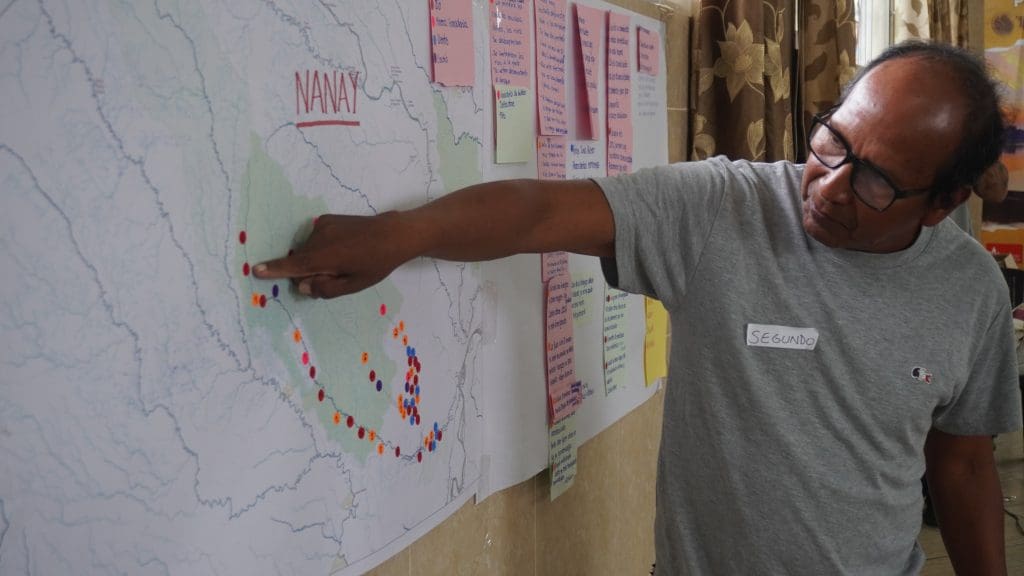*Segundo Sangama de la comunidad nativa San Antonio de Pintuyacu, de la etnia Ikiitu, señalando los cambios en el ambiente que han percibido en la cuenca del Nanay*
El taller reunió a lideresas y líderes indígenas de diversas comunidades, quienes aportaron su conocimiento y experiencia para enriquecer la comprensión de los procesos de transformación ambiental que vive la Amazonía.
*“Este taller nos permitió conocer a profundidad las alteraciones derivadas del cambio climático en territorios como el Putumayo, el Ampiyacu, el Napo y el Nanay Tigre, así como las estrategias que las comunidades vienen implementando desde su conocimiento del territorio. Son ejemplos de resiliencia que complementan otras formas de medir y mitigar el calentamiento global”,* señaló Patricia Navas, Coordinadora Técnica Regional TerrIndígena II.
*“Además, este espacio nos brinda una primera línea base para pensar cómo abordar este tema de manera participativa con las comunidades de Perú, Ecuador, Brasil, Colombia y Venezuela, y qué acciones de incidencia conjunta podremos realizar en el marco de la Alianza NorAmazónica”,* agregó.
---
**Más información:**
Francesca Baxerias
**Comunicación Nanay Tigre**
<fbaxerias@naturalezaycultura.org>
**Tags:** Biodiversidad, Personas, Perú
**Strategic Area:** Comunidades Locales
**Country:** Perú
**Content Type:** Noticias
---
### [Nueva guía para pescadores busca fortalecer la pesca sostenible y el cuidado de los ríos ](https://www.natureandculture.org/es/directorio/nueva-guia-para-pescadores-busca-fortalecer-la-pesca-sostenible-y-el-cuidado-de-los-rios/)
**Published:** September 1, 2025
**Author:** Nora Sanchez
**Content:**
## *Elaborada por la Dirección Regional de la Producción, con la colaboración de Naturaleza y Cultura Internacional, y junto a la experiencia de más de 30 comunidades, la Guía del Pescador ofrece herramientas prácticas para promover la pesca responsable y la vigilancia comunitaria de cuerpos de agua.*
Con el objetivo de promover fortalecer la gobernanza comunitaria en la Amazonía loretana para garantizar la seguridad alimentaria de miles de familias ribereñas, la Dirección Regional de la Producción de Loreto (DIREPRO) y Naturaleza y Cultura Internacional publicaron la ***Guía del Pescador en el Mosaico Nanay Tigre***, una herramienta práctica dirigida a pescadores artesanales, líderes comunales y autoridades locales.
La guía brinda información clara y sencilla sobre normas pesqueras, derechos y deberes de los pescadores, buenas prácticas de manejo, así como orientaciones para la conformación de Comités Locales de Vigilancia Pesquera Artesanal (COLOVIPAs). También resalta la importancia de la organización comunitaria para la protección de los recursos hidrobiológicos, vitales para la seguridad alimentaria y el bienestar de más de 30 comunidades que habitan las cuencas del Nanay y el Tigre.

“*La riqueza de este material no sólo se debe al contenido de todas las normas sobre pesquerías, sino principalmente, a la experiencia que incorporan los vigilantes de decenas de comunidades*”, destacó Ricardo Rivera, Coordinador del Mosaico Nanay Tigre.
El documento también aborda los impactos de actividades ilegales como la minería en los ríos, subrayando la necesidad de fortalecer la vigilancia comunal y la acción coordinada con las autoridades para frenar estas amenazas.
La ***Guía del Pescador en el Mosaico Nanay Tigre*** está disponible para descarga gratuita [aquí. ](https://www.natureandculture.org/es/guia-del-pescador-en-el-mosaico-nanay-tigre/)
---
**Más información:**
Gabriela Gives
**Comunicación Perú**
<comunicacion.peru@naturalezaycultura.org>
**Strategic Area:** Bosques
**Country:** Perú
**Content Type:** Noticias
---
### [Del río a la mesa: productos amazónicos que cuidan la Reserva Nacional Pucacuro](https://www.natureandculture.org/es/directorio/del-rio-a-la-mesa-productos-amazonicos-que-cuidan-la-reserva-nacional-pucacuro/)
**Published:** September 16, 2025
**Author:** Nora Sanchez
**Content:**
- *Chorizos, hamburguesas y pescado fresco de la Organización Social de Pescadores Artesanales (OSPA) Los Delfines son mucho más que alimentos: son el resultado de planes de manejo pesquero que garantizan la sostenibilidad del río Pucacuro y fortalecen la economía local con el acompañamiento de Naturaleza y Cultura Internacional.*
La OSPA Los Delfines, una organización de pescadores artesanales de la cuenca del río Pucacuro, en Loreto, desarrolla productos como hamburguesas y chorizos de pescado que buscan diversificar la alimentación local y abrir nuevos mercados. Lo que distingue a estos productos es que provienen de un modelo de **pesca responsable**, basado en planes de manejo pesquero que garantizan el respeto a los ciclos reproductivos de las especies y el uso sostenible de los recursos.
La Reserva Nacional Pucacuro, que protege más de 600 mil hectáreas de bosques y ríos, trabaja junto con las comunidades de la zona para promover este tipo de prácticas. De esta manera, se asegura la conservación de especies clave y, a la vez, se generan alternativas económicas para las familias.

Con apoyo de **Naturaleza y Cultura Internacional**, los pescadores de la OSPA Los Delfines han participado en capacitaciones en el **CITE Productivo**, donde fortalecieron sus técnicas de transformación y estandarizaron procesos de calidad. También han tenido la oportunidad de mostrar sus productos en ferias locales y regionales, como la **Expo Amazónica**, espacios que les han permitido posicionar su trabajo frente a consumidores de la región.

Actualmente, se está desarrollando la marca **“Challwa”**, que busca dar identidad a los productos de la OSPA y destacar su origen responsable. Este esfuerzo incluye la creación de un branding que les permitirá acceder a mejores oportunidades de comercialización.
El trabajo conjunto entre la OSPA Los Delfines, la Reserva Nacional Pucacuro y Naturaleza y Cultura Internacional refleja cómo la gestión participativa de los recursos pesqueros puede contribuir tanto a la conservación de la Amazonía como al bienestar de las comunidades que la habitan.
---
**Más información:**
Francesca Baxerias
**Comunicación Mosaico Nanay Tigre**
<fbaxerias@naturalezaycultura.org>
**Strategic Area:** Comunidades Locales
**Country:** Perú
**Content Type:** Blog
---
### [Angie Melendres, From Volunteer Forest Ranger to Guardian of Peru’s Forests](https://www.natureandculture.org/directory/from-volunteer-forest-ranger-to-guardian-of-perus-forests/)
**Published:** September 25, 2025
**Author:** Heather Thomas
**Content:**
When Angie Melendres Velasco remembers her childhood in the rural community of Segunda y Cajas, in Huancabamba, Piura, her eyes light up enthusiastically. ***“I’m from Sapalache, and what inspired me to become a Future Forest Ranger was my father’s passion for exploring nature. He always went to new places, like Chinguelas, and told us what he found—plants and little animals. That’s where my curiosity was born to explore and protect biodiversity,”*** she recalls.
She was only 16 when she joined the *Future Forest Rangers*, a Nature and Culture initiative that supports youth to discover, care for, and monitor local ecosystems. Excursions with *Future Forest Rangers* helped strengthen her training. Angie learned to watch birds, identify species, recognize threats, and above all, to look at the forest with respect and a sense of belonging.
> ***“Being a Future Forest Ranger taught me that our forests are a source of life and of our future; it was there that I understood that every tree and every bird is part of us,”* she remembers.**

At 25, Angie has already built a wide range of experience. She volunteered at the Tumbes Mangrove National Sanctuary, where she learned about managing coastal ecosystems. Through the Women in Nature Network (WiNN Perú) project, implemented by Nodo Conservation, she received a fellowship to monitor emblematic species such as the mountain tapir (*Tapirus pinchaque*) and the Andean bear (*Tremarctos ornatus*). She also earned a fellowship to study primates at the Cocha Cashu Biological Station.
These opportunities deepened Angie’s passion for nature. Today, that passion drives her to spend hours walking through the forests and páramos of Sapalache—an ecosystem she knows like the back of her hand.
***“Now I’m confident enough to venture out alone,” she says, “I can walk for hours, put my knowledge into practice, and contribute to the technical work that conservation demands.”***
Her love of nature runs in the family. Her father is a farmer, her mother an artisan and defender of ancestral knowledge. ***“My mom is a lover of plants and also a conservationist. She helped me choose my career in environmental engineering,”*** Angie explains, noting that her mother’s example as a community leader shaped her path as much as her father’s adventures did.
One of Angie’s fondest memories is the day she got lost in the forest as a child while chasing butterflies. ***“I wasn’t afraid—I was curious,”*** she recalls. ***“Instead of looking for my grandfather, I climbed a big tree. From there, I could see everything around me, and it was wonderful.”*** That same spirit of discovery stayed with her years later, when her community, Segunda y Cajas, celebrated the creation of the **[Chicuate Chinguelas Private Conservation Area](https://es.mongabay.com/2016/06/peru-una-nueva-area-conservacion-privada-reune-lo-mejor-la-sierra-la-selva/)**—a community-led protected area. With more than 66,000 acres of forest and páramo, it is one of the largest in Piura, established with technical support from Nature and Culture International and funding from World Land Trust.
**Neblina Metaltail – Photo by Steve Sánchez:** This hummingbird of the northern Andes is her favorite species.
### **She has a deep connection to wildlife.**
***“My favorite species is the Neblina Metaltail hummingbird, because of its energy, joy, and the way it symbolizes freedom. It goes from flower to flower but always has a place to return to,”*** she says with a smile. She also dreams of one day seeing the mountain tapir, ***“a species that plays a vital role in our ecosystem. That’s why I work to protect its habitat—to help safeguard its home.”***
Today, Angie walks the same trails that amazed her as a child and that, as a Future Forest Ranger, she learned to value. But now she does it with a firmer conviction: **to protect them forever.**
### **From Future Forest Ranger to Forest Defender**
As an environmental engineer, Angie is now a part of the Nature and Culture team and is working in partnership with the Regional Government of Piura to establish the **Andean Páramos of Huaringas Regional Conservation Area**, with financial support from Andes Amazon Fund. This proposed area will connect to the Andes del Norte Corridor, which in turn connects to the larger **Andean Bi-national Corridor** between Peru and Ecuador—a living corridor of biodiversity, and hope.
Covering more than 39,000 acres, the proposed *Andean Páramos of Huaringas* Protected Area is a source of inspiration for Angie.
Angie’s journey has been one of continuous learning—starting out as a volunteer park ranger, then working as a field technician to help create a Private Conservation Area, and now contributing to the establishment of a Regional Conservation Area. Each step has built on the last, shaping her into the leader she is today.
Angie’s experience is becoming an inspiring example for students and women leaders in her community to engage in ecosystem conservation, a legacy tied to their culture and traditions.
Angie Meléndres Velasco’s story inspires new generations
The curious girl who once climbed trees has grown into a young leader inspiring new generations to love and protect nature.
> ### *“I grew up seeing my community united to protect our ecosystems. Now I am the one defending them”.*
**Strategic Area:** Local Communities
**Country:** Peru
**Content Type:** Blog
---
### [Comunidades que restauran vida: el modelo de Paltas frente a la crisis climática](https://www.natureandculture.org/es/directorio/comunidades-que-restauran-vida-el-modelo-de-paltas-frente-a-la-crisis-climatica/)
**Published:** September 24, 2025
**Author:** Nora Sanchez
**Content:**
La crisis climática también afecta a los bosques y al agua. Ambos sistemas guardan una relación estrecha: **los bosques regulan el ciclo hídrico, mantienen caudales y protegen las fuentes hídricas; la disponibilidad de agua sostiene la vida en el bosque.** Cuando uno de los sistemas pierde funciones, el otro también se deteriora, y las comunidades que dependen de ellos sufren impactos directos.
A partir de esta interdependencia, desde 2012 **el Municipio de Paltas y la comunidad, en la provincia de Loja, establecieron dentro del Área de Conservación Municipal y Uso Sostenible (ACMUS Paltas)** dos procesos centrales para recuperar las áreas degradadas: **la restauración ecológica y los acuerdos de conservación.**
## Restauración ecológica en la Reserva Natural Pisaca
En la Reserva Natural Pisaca, que abarca 406 hectáreas y forma parte del ACMUS Paltas, las comunidades realizan cada año siembras de plantas. **Este proceso de restauración activa ha permitido recuperar 35 hectáreas de zonas degradadas.**
Reserva Natural Pisaca
Un reconocimiento fundamental llegó en 2018, cuando la UNESCO declaró a la Reserva Natural Pisaca como el primer sitio demostrativo de ecohidrología en Ecuador y destacó el valor de los saberes ancestrales del pueblo preincaico Paltas, originario de Loja, quienes desarrollaron prácticas de manejo del agua adaptadas al clima seco de la región.
Lee más en [El agua de Catacocha que volvió gracias a un sistema indígena milenario en Ecuador](https://es.mongabay.com/2024/02/ecuador-agua-catacocha-sistema-indigena-conservacion/)
En los inicios del proceso de restauración, la Unidad Educativa Fiscomisional Marista de Catacocha se sumó a la iniciativa: cada estudiante apadrinaba 20 plantas y realizaba al menos tres mantenimientos al año. De esta manera, la restauración se convirtió en una experiencia comunitaria que integró a docentes, familias y jóvenes. En 2025, como parte de la reposición anual, se sembraron 650 plantas en la reserva.
El modelo también ha requerido alianzas técnicas y financieras. Fundación Naturaleza y Cultura Ecuador y Naturaleza y Cultura Internacional, con apoyo de la Cooperación Belga al Desarrollo (DGD) y de BOS+, apoyaron desde enero de 2011 fecha en la que se inició la recuperación de las áreas degradadas en la Reserva Natural Pisaca.
En años recientes, Andes Amazon Fund se incorporó para consolidar la sostenibilidad mediante acuerdos de conservación con propietarios de predios asociados a fuentes hídricas. Recientemente, se integró a este esfuerzo comunitario el Fondo Ítalo Ecuatoriano (FIEDS) en el proyecto «Gobernanza Mancomunada para la construcción de territorios resilientes en paisajes forestales en los Andes occidentales del Ecuador», en consorcio con la Mancomunidad Bosque Seco, Naturaleza y Cultura Internacional, el Fondo Ecuatoriano Populorum Progressio (FEPP) y el Consorcio para el Desarrollo Sostenible de la Ecorregión Andina (CONDESAN).
## Acuerdos de conservación para la restauración de bosques
Los **acuerdos de conservación** son compromisos voluntarios y no monetarios entre comunidades y gobierno local. Hasta la fecha, más de 200 familias de áreas rurales y urbanas de Paltas han recibido beneficios directos. Estos acuerdos parten de un diagnóstico técnico que incluye la **zonificación del área**, la **identificación de remanentes de bosque** y la **localización de áreas degradadas**. Con esa base, se aplican procesos de restauración activa y pasiva, además de sistemas agroforestales en zonas productivas.
**¿Funciona este modelo?** La evidencia indica que sí.
**En los sitios con restauración pasiva**\*, el bosque ha comenzado a recuperar cobertura y funciones ecológicas sin necesidad de intervención. Esto permite mantener el ciclo del agua y asegura que las fuentes de agua continúen abasteciendo tanto a los ecosistemas, como a las comunidades locales.
**La restauración activa**\*\* ha implicado la plantación de especies como arabisco (*Jacaranda mimosifolia*), guararo (*Lafoensia acuminata*), chachacomo (*Escallonia sp.),* higuerón (*Ficus sp.)* y sanguilamo (*Styrax sp.),* entre otras. Estas especies favorecen la retención de agua, protegen el suelo y contribuyen a que los bosques regenerados sean menos vulnerables a incendios forestales, una amenaza creciente bajo un clima más impredecible.
\***La restauración pasiva** se base en la capacidad de la naturaleza de recuperarse por si sola.
\*\*En contraste, la **restauración activa** implica una intervención humana directa mediante acciones como la siembra de especies nativas y la revegetación.
### **Sistemas agroforestales: sembrando agua**
Uno de los principales avances de los acuerdos de conservación ha sido la implementación de sistemas agroforestales. Un caso emblemático es el cultivo de vainillo o tara (*Caesalpinia spinosa*), que ha transformado el paisaje y fortalecido la economía local. Este cultivo mejora la fertilidad del suelo y, al mismo tiempo, constituye una fuente sostenible de ingresos para las familias rurales.
Vainillo o tara (*Caesalpinia spinosa*)
Dentro de este mismo proceso de restauración, el café asociado con especies frutales en sistemas diversificados ha mostrado alto potencial productivo y de calidad, además de aportar ingresos significativos a los agricultores locales
### **El valor de las plantas medicinales**
Las plantas medicinales y flores se integran en sistemas agroforestales, generando valor agregado. En la parroquia Lauro Guerrero, mujeres mayores de 50 años revitalizaron sus huertas cultivando hierbas medicinales para producir la horchata “La Laureñita”, una infusión tradicional de Loja con propiedades digestivas y relajantes y color rosado. Este proyecto creó empleo local y fortaleció la economía familiar.

Este emprendimiento evidencia cómo la restauración forestal y la protección del agua se relacionan directamente con la resiliencia económica y social de las comunidades. Las mujeres que lideran el proyecto buscan expandir la producción y venta de la horchata, de modo que el crecimiento del emprendimiento esté ligado a la conservación de los bosques, demostrando que proteger los recursos naturales garantiza tanto el acceso al agua como el fortalecimiento económico de pequeños pueblos como Lauro Guerrero.
### **La importancia de la restauración en tiempos de crisis climática**
En 2024, la región sur enfrentó intensas sequías y varios bosques cercanos fueron afectados por incendios forestales, lo que evidenció la urgencia de los acuerdos de conservación. **Desde 2012, se han firmado acuerdos de conservación con Juntas de Agua Potable, y entre 2021 y 2024 se formalizaron 47 acuerdos para proteger bosques y fuentes hídricas en el ACMUS Paltas.**
## **Voces de la conservación**
Las palabras de los firmantes de los acuerdos de conservación permiten apreciar directamente cómo estos proyectos impactan tanto la vida de las personas como la protección de los recursos naturales
Jorge Francisco GallegosJaime Orlando DíazJuan YanangomezSegundo Ludeña
**Jorge Francisco Gallegos,** uno de los protectores del bosque, destacó lo esencial de su labor: *“Estamos protegiendo seis hectáreas de bosque. Allí nace el agua, y no podemos detenernos, debemos seguir protegiendo nuestras vertientes. Además, hemos recibido apoyo con el cultivo de vainillo, por eso es crucial que esta labor de conservación continúe.”*
**Jaime Orlando Díaz** señaló que el trabajo comunitario es crucial: *“Trabajar con las ONG ha sido muy positivo. Hemos trabajado de la mano, y eso nos ha beneficiado. Hoy estamos aquí para reafirmar que debemos seguir protegiendo el agua y los bosques, esto es lo que nos convoca.”*
**Juan Yanangomez,** subrayó la importancia cultural y comunitaria de la conservación: *“El agua es vida. El bosque es vida. Por eso continuaremos cuidando la montaña. Soy parte de una comuna, soy descendiente de los Paltas. Soy Palta, y me considero un protector de la montaña.”*
**Segundo Ludeña,** presidente de la Asociación de Producción Agropecuaria Pisaca, ASOAGROPISA, destacó los retos futuros: *“El tema del agua es hoy un problema a nivel mundial. Conservar los bosques es la única esperanza que nos queda para ofrecerles a las futuras generaciones. Cada día se nos pone más difícil cuidar el agua. Si no la protegemos, tendremos que emigrar y dejar estas hermosas tierras.”* Ludeña también enfatizó la importancia de la cooperación entre el Municipio del cantón Paltas, la cooperación internacional y las comunidades, recordando que la conservación es una responsabilidad compartida.
**En el Área de Conservación Municipal y Uso Sostenible se observa que el vínculo entre comunidades, bosque y agua es sólido.** Frente a la crisis climática, las comunidades de Paltas han encontrado en la conservación forestal una estrategia efectiva para proteger recursos hídricos y restaurar ecosistemas degradados.
Esta nota es una actualización de [“Restaurando bosques, un modelo de conservacion para mitigar la crisis climática”](https://www.natureandculture.org/es/directorio/restaurando-bosques-un-modelo-de-conservacion-para-mitigar-la-crisis-climatica/)
---
**Más información:**
Aida Maldonado
**Comunicación Ecuador**
<amaldonado@naturalezaycultura.org>
**Tags:** Agua, Biodiversidad, Ecuador, Reservas naturales
**Strategic Area:** Bosques, Comunidades Locales
**Country:** Ecuador
**Content Type:** Blog
---
### [Mujeres indígenas fortalecen sus voces en la II Capacitación Práctica de Vocerías](https://www.natureandculture.org/es/directorio/mujeres-indigenas-fortalecen-sus-voces-en-la-ii-capacitacion-practica-de-vocerias/)
**Published:** September 23, 2025
**Author:** Nora Sanchez
**Content:**
- *Catorce lideresas amazónicas consolidaron sus capacidades comunicativas en un espacio práctico que refuerza sus liderazgos y asegura que sus voces sigan resonando desde sus comunidades.*
El reciente proceso de capacitación en vocerías indígenas en Iquitos marcó un nuevo paso en la construcción de liderazgos femeninos en la Amazonía. Catorce mujeres indígenas del Paisaje Putumayo–Amazonas y el Mosaico Nanay–Tigre participaron en la **II Capacitación Práctica de Vocerías Indígenas**, organizada por el **Programa Mujer de ORPIO**, con el acompañamiento del Instituto del Bien Común (IBC), Naturaleza y Cultura Internacional y el financiamiento de la Agencia Francesa de Desarrollo (AFD) a través del proyecto **TerrIndígena II**.
Durante el encuentro, las lideresas fortalecieron sus capacidades comunicativas con un enfoque práctico: produjeron videos cortos, grabaron entrevistas en cabina, realizaron reportajes en vivo y exploraron nuevas formas de comunicar a través de redes sociales. También vivieron la experiencia de ser parte de programas en **Radio La Voz de la Selva**, poniendo en práctica sus primeras intervenciones como voceras indígenas.
Este proceso no solo aportó herramientas técnicas, sino también confianza y seguridad en sí mismas. *“Esta capacitación nos ha permitido expresarnos más y perder el miedo a hablar en público. Hemos aprendido mucho entrevistando personas y trabajando en cabina de radio.”* destacó Melba Mosoline, mujer líder de la FECONAMAI.
El taller concluyó con la entrega de credenciales oficiales a las voceras indígenas y la elaboración de un cronograma de reportes desde sus comunidades, asegurando que sus voces seguirán resonando.
Naturaleza y Cultura Internacional reafirma su compromiso de seguir acompañando a las mujeres indígenas, reconociendo en ellas liderazgos fundamentales para la defensa de la Amazonía y la construcción de un futuro sostenible y justo para sus territorios.
**Tags:** Perú
**Strategic Area:** Comunidades Locales
**Country:** Perú
**Content Type:** Noticias
---
### [Angie Meléndres: de guardabosque del futuro a defensora del bosque ](https://www.natureandculture.org/es/directorio/angie-melendres-de-guardabosque-del-futuro-a-defensora-del-bosque/)
**Published:** September 18, 2025
**Author:** Nora Sanchez
**Content:**
Cuando Angie Meléndres Velasco recuerda su infancia en la comunidad campesina Segunda y Cajas, en el distrito de Carmen de la Frontera (Huancabamba, Piura), sus ojos brillan de entusiasmo. ***“Soy natal de Sapalache y lo que me impulsó a ser guardabosque del futuro fue ese entusiasmo por explorar en la naturaleza que tiene mi papá. Él siempre iba a lugares nuevos, a Chinguelas, y nos contaba lo que encontraba, tanto de las plantas como de los animalitos. De ahí nació mi curiosidad de también explorar y proteger la biodiversidad”***, relata.
Tenía apenas 16 años cuando se unió a los Guardabosques del Futuro, una iniciativa de Naturaleza y Cultura Internacional que les permitía a los jóvenes descubrir, cuidar y vigilar sus ecosistemas. Ser Guardabosque le ayudaron afianzar su formación, en esos recorridos, Angie aprendió a observar aves, identificar especies, reconocer amenazas y, sobre todo, a mirar el bosque con respeto y sentido de pertenencia.
***“Ser guardabosque me enseñó que nuestros bosques son fuente de vida y futuro; allí comprendí que cada árbol, cada ave, es parte de nosotros”**,* recuerda.

Hoy, a sus 25 años, Angie ha logrado apoyar y enriquecer sus conocimientos participando como voluntaria en el Santuario Nacional de los Manglares de Tumbes, donde adquirió conocimientos sobre la gestión de ecosistemas costeros; participó como becaria en el monitoreo de especies emblemáticas como el tapir de montaña (*Tapirus pinchaque*) y el oso andino (*Tremarctos ornatus*), en el marco del proyecto Women in Nature Network WiNN Perú, implementado por Nodo Conservation; también accedió a una beca para el estudio de primates en la Estación Biológica Cocha Cashu.
Estas oportunidades le dieron el entusiasmo que hoy la incentivan a recorrer durante horas el bosque y los páramos de Sapalache, un ecosistema que conoce como la palma de su mano.
***“Ahora me atrevo a sumergirme sola, a caminar durante horas y poder aplicar mis conocimientos así aportar en las actividades técnicas para la conservación de la biodiversidad y lo que mi cargo me solicita”*,** cuenta con orgullo.
Su amor por la naturaleza viene de familia. Su padre es agricultor, su madre artesana y defensora de los saberes ancestrales. ***“Mi mamá es amante de las plantas y también es una conservacionista. Ella me ayudó a elegir mi carrera de ingeniería ambiental”,*** comenta Angie, reconociendo que la inspiración materna, de una mujer líder de su comunidad, fue tan decisiva como las aventuras de su padre.
Entre los recuerdos que más atesora está el día en que, de niña, se perdió en el bosque mientras perseguía mariposas. ***“No me dio miedo, sino curiosidad de explorar. En lugar de buscar a mi abuelito, me subí a un árbol grande y fue lindo porque pude contemplar todo lo que me rodeaba”,*** rememora. Ese espíritu de descubrimiento la acompañó años después, cuando su comunidad Segunda y Cajas celebró el reconocimiento del [Área de Conservación Privada Chicuate Chinguelas](https://es.mongabay.com/2016/06/peru-una-nueva-area-conservacion-privada-reune-lo-mejor-la-sierra-la-selva/), una de las más grandes de Piura, con más 27 mil hectáreas de bosque y páramo, que contó con el acompañamiento técnico de Naturaleza y Cultura Internacional y el financiamiento de World Land Trust.
Neblina Metaltail (Créditos: Steve Sánchez)
### **Su conexión con la fauna es profunda.**
***“Mi especie favorita es el colibrí de neblina, por su energía, su alegría y la representatividad de libertad. Va de flor en flor, pero siempre tiene un lugar a donde volver”, dice con una sonrisa. También sueña con encontrarse algún día con el tapir andino, “que cumple una gran función en nuestro ecosistema y por eso cuido su hábitat, para conservar su hogar”.***
Hoy Angie recorre los mismos senderos que la maravillaron de niña y que, como guardabosque del futuro, aprendió a valorar. Pero ahora lo hace con una convicción más firme: **protegerlos para siempre.**
### De guardabosque del futuro a defensora del bosque
Ahora trabaja como parte del equipo de Naturaleza y Cultura Internacional, junto al Gobierno Regional de Piura, en el establecimiento de la futura Área de Conservación Regional “Páramos Andinos Huaringas”, con el apoyo financiero de Andes Amazon Fund.
Con una extensión de más de 16,000 hectáreas, la propuesta de ACR “Páramos Andinos Huaringas”**,** es un lugar de inspiración para Angie.
Su camino ha sido un constante proceso de aprendizaje: de guardaparque voluntaria a técnica de campo en la creación de un ACP, y hoy en el proceso de un ACR. Esta zona forma parte del Corredor de Conservación Andes del Norte, que a su vez integra el Corredor de Conservación Transfronterizo Andino Amazónico entre Perú y Ecuador, un verdadero territorio de vida, agua y esperanza.
La experiencia de Angie se convierte en un ejemplo inspirador para estudiantes y mujeres líderes de su comunidad, a involucrarse en la conservación de sus ecosistemas, un legado ligado a su cultura y tradición.
La historia de Angie inspira a las nuevas generaciones
La niña curiosa que se subía a los árboles se convirtió en una mujer joven líder que inspira a nuevas generaciones a amar y proteger la naturaleza.
> ### *“Crecí viendo a mi comunidad unida para proteger sus ecosistemas. Ahora soy yo quien los defiende”.*
---
**Más información:**
Gabriela Gives
**Comunicación Perú**
<comunicacion.peru@naturalezaycultura.org>
**Strategic Area:** Comunidades Locales
**Country:** Perú
**Content Type:** Blog
---
### [Reconocimiento Corredor de Conectividad Podocarpus Yacuri](https://www.natureandculture.org/es/directorio/reconocimiento-corredor-de-conectividad-podocarpus-yacuri/)
**Published:** September 18, 2025
**Author:** Nora Sanchez
**Content:**
## *Un refugio vital para la biodiversidad*
El Corredor de Conectividad Podocarpus Yacuri fue reconocido por el Ministerio del Ambiente, Agua y Transición Ecológica el 29 de agosto de 2025. Este hito marca un avance significativo en la consolidación del [Corredor de Conservación Transfronterizo Andino Amazónico](https://www.natureandculture.org/es/corredor-de-conservacion-transfronterizo-andino-amazonico/), un esfuerzo binacional para la protección de un espacio clave del Hotspot Andes Tropicales.
Con una superficie de 738,296.50 hectáreas, el Corredor de Conectividad Podocarpus Yacuri (CCPY) es el más grande del Ecuador. Se extiende por la provincia de Zamora Chinchipe (80.27%) y la provincia de Loja (19.73%), reforzando la conectividad ecológica entre los ecosistemas de Ecuador y Perú.
### **Un ecosistema clave para la conservación**
El Podocarpus Yacuri alberga 28 ecosistemas naturales, esenciales para la disponibilidad de agua, el mantenimiento de la biodiversidad y la captura de carbono, desempeñando un papel crucial en la mitigación del cambio climático.
Su conservación impacta directamente en la vida de aproximadamente 304,017 habitantes, quienes dependen de los recursos naturales que este territorio provee. La variación altitudinal, que oscila entre los 680 m s.n.m. en Zamora Chinchipe y los 3,880 m s.n.m. en Loja, genera una diversidad de climas y ecosistemas únicos, reforzando la riqueza biológica de la región y su valor para la conservación.
El Podocarpus Yacuri alberga 28 ecosistemas naturales, esenciales para la disponibilidad de agua, el mantenimiento de la biodiversidad y la captura de carbono.
### **El Corredor de Conectividad Podocarpus Yacuri: hogar de especies emblemáticas**
El CCPY es un santuario para una rica variedad de especies, muchas de ellas amenazadas o endémicas, lo que resalta su importancia en la preservación de la biodiversidad. Algunas de las especies más emblemáticas incluyen:
Oso andino *(Tremarctos ornatus)*, Tapir andino *(Tapirus pinchaque)*, Pudu del norte *(Pudella mephistophila)*, Puma *(Puma concolor)*, Hormiguero jocotoco *(Grallaria ridgelyi)*, Colibrí negro real *(Heliangelus regalis)*, Rana de torrente del Cóndor *(Hyloscirtus condor)*

Cada una de estas especies cumple un papel vital en el equilibrio de los ecosistemas, actuando como indicadores clave de la salud ambiental del corredor. Su protección no solo asegura su supervivencia, sino que también mantiene la funcionalidad ecológica del paisaje.
### **Un esfuerzo de conservación regional**
Actualmente, el 73.51% del CCPY se encuentra bajo alguna categoría de conservación, reflejando un compromiso significativo con la protección del entorno natural. Dentro de sus límites se encuentran 3 áreas núcleos del Sistema Nacional de Áreas Protegidas (Parque Nacional Podocarpus, Parque Nacional Yacuri y Reserva Biologica Cerro Plateado), ademas de 9 Áreas de Conservación Sostenible.
Su ubicación estratégica lo convierte en un eslabón clave dentro de una red de áreas protegidas que fortalece la conectividad ecológica en la región. Este corredor limita con los bosques montanos y páramos del Corredor Sangay Podocarpus al norte y con el Corredor de Conservación Andes del Norte en Perú. La conexión natural de 2 millones de hectáreas entre ambos países amplía el territorio disponible para el libre desplazamiento de especies, refuerza los compromisos de conservación transfronteriza y asegura la protección de fuentes de agua que benefician tanto a Perú como a Ecuador.

## **Corredor de Conservación Transfronterizo Andino Amazónico**
El Corredor de Conservación Transfronterizo Andino Amazónico representa un esfuerzo conjunto para salvaguardar más de 2 millones de hectáreas de ecosistemas estratégicos. Ubicado entre el sur de Ecuador y el norte de Perú, este corredor protege ecosistemas diversos como páramo, bosque nublado y bosque amazónico, todos ellos parte del Hotspot Andes Tropicales, el más biodiverso del mundo.

Su protección es esencial para garantizar la supervivencia de especies icónicas como el oso de anteojos, el cóndor andino, el tapir de montaña y el jaguar, así como para mantener el flujo de servicios ecosistémicos críticos, incluyendo la provisión de agua para más de 1.5 millones de personas y el funcionamiento de sistemas hidroenergéticos fundamentales para el desarrollo.
---
Así, el Corredor de Conservación Podocarpus-Yacuri no solo es un espacio natural, sino un puente de vida que conecta paisajes, especies y comunidades, demostrando la importancia de conservar nuestros territorios para las generaciones presentes y futuras.
El reconocimiento del Corredor de Conservación Podocarpus-Yacuri fue posible gracias a la voluntad de múltiples actores locales, en especial los GAD provinciales de Loja y Zamora Chinchipe, Federación de la Nacionalidad Shuar de Zamora Chinchipe (FEPNASH ZCh), comunidades campesinas, municipios, Universidad Técnica Particular de Loja (UTPL) y ONG, con el apoyo técnico Naturaleza y Cultura Internacional (NCI), el respaldo del Ministerio de Ambiente, Agua y Transición Ecológica (MAATE), y el apoyo financiero del proyecto BLF Andes Amazónico y la Fundación Weeden. Este esfuerzo también fue posible gracias a Re:wild y su apoyo al fortalecimiento técnico e institucional del MAATE en su compromiso frente a la Meta 3 del Marco Mundial de Biodiversidad.
#### **Acerca del proyecto BLF Andes Amazónico**
El Proyecto BLF Andes Amazónico busca contribuir a la transformación de los sistemas actuales en el Paisaje Andes Amazónico, un territorio transfronterizo (Perú-Ecuador) de gran biodiversidad y riqueza cultural. El proyecto realizará intervenciones estratégicas en conservación de la biodiversidad, gobernanza, género, financiamiento climático, fortalecimiento de cadenas de valor con el fin de impulsar medios de vida sostenibles, frenar la deforestación y la pérdida de biodiversidad y favorecer la adaptación y mitigación del cambio climático.
BLF Andes Amazónico es financiado por Desarrollo Internacional del Reino Unido, a través del Fondo de Paisaje Biodiversos y es implementado por un consorcio conformado Naturaleza y Cultura Internacional, AIDESEP, WWF, TERRA NUOVA y COSPE, liderado por Practical Action.
---
**Más informacion:**
Nora Sánchez Luzardo
**Coordinadora de Comunicación para América Latina**
<nsanchez@naturalezaycultura.org>
**Tags:** Biodiversidad, Ecuador
**Strategic Area:** Bosques
**Country:** Ecuador
**Content Type:** Noticias
---
### [Tras las huellas del oso: guardianes comunitarios del bosque ](https://www.natureandculture.org/es/directorio/tras-las-huellas-del-oso-guardianes-comunitarios-del-bosque/)
**Published:** September 15, 2025
**Author:** Nora Sanchez
**Content:**
En los lluviosos bosques montanos del norte de Cajamarca, el silencio se rompe con el crujir de las hojas secas bajo los pasos firmes de los guardianes comunitarios. Su presencia transmite seguridad y compromiso. Organizados en brigadas, patrullan con sigilo los límites de las áreas de conservación que protegen. Sus armas son el conocimiento ancestral heredado de la vida en el bosque, sumado a los saberes técnicos que han fortalecido gracias al acompañamiento de Naturaleza y Cultura Internacional.
Los guardianes comunitarios son los protagonistas de esta historia
Esta vez, los protagonistas fueron los vigilantes comunales del Área de Conservación Privada San Miguel de Tabaconas, en San Ignacio quienes se unieron a los guardaparques del Área de Conservación Regional Páramos y Bosques Montanos de Jaén y Tabaconas. Juntos recorrieron los límites que los conectan, compartiendo una misión común: proteger el territorio que es hogar de especies únicas y fuente de vida para las comunidades.
En el camino, la naturaleza les dio una recompensa. Entre el bosque, lograron registrar al coto mono (*Alouatta seniculus*) y al oso de anteojos (*Tremarctos ornatus*), especies emblemáticas en los andes del norte del Perú. El aire se llenaba del canto de las aves, mientras los árboles nativos erguían su majestuosidad como testigos silenciosos de la jornada. Estas especies cumplen un importante rol en el ecosistema, como dispersores naturales en el ecosistema.
Coto Mono (David Torres \| iNaturalist)Oso de Anteojos
Para Karla Vega, especialista de Naturaleza y Cultura Internacional, **estos patrullajes son mucho más que recorridos de vigilancia**: *“Son acciones que permiten prevenir o alertar amenazas en el bosque. Pero lo más importante es la coordinación y el liderazgo comunal, donde los comuneros toman el control en la gestión de sus áreas, con o sin acompañamiento de instituciones aliadas. Eso nos llena de orgullo, porque sabemos que junto a ellos hemos construido un legado para el presente y el futuro”.*
Karla Vega, especialista de Naturaleza y Cultura Internacional
Karla señala que el Área de Conservación Privada San Miguel de Tabaconas protege 17,555.95 hectáreas, mientras que el [Área de Conservación Regional Páramos y Bosques Montanos de Jaén y Tabaconas](https://www.natureandculture.org/es/directorio/gobierno-regional-de-cajamarca-aprueba-plan-maestro-del-acr-paramos-y-bosques-montanos-de-jaen-y-tabaconas/) abarca 31,537.23 hectáreas. Ambas forman parte del Corredor de Conservación Andes del Norte, una red de áreas protegidas que también incluye seis áreas de conservación privadas, otra área de conservación regional, dos áreas de conservación ambiental y el Santuario Nacional Tabaconas Namballe.
ACP San Miguel de Tabaconas
Este corredor es la gran despensa de agua para las cuencas Chira, Chamaya y Chinchipe, de las cuales dependen miles de familias. Hoy, su gestión es posible gracias al financiamiento del [Biodiverse Landscapes Fund (BLF)](https://latam.practicalaction.org/projects/fondo-de-paisajes-biodiversos-paisaje-andes-amazonico/) a través de Naturaleza y Cultura Internacional, que ha permitido priorizar acciones en las áreas de conservación, en beneficio de la biodiversidad y de las comunidades locales.
Guardianes comunitarios en la instalación de cámaras trampa
**En cada patrullaje, en cada huella del oso y el mono registrada, se reafirma una verdad, la conservación no es solo tarea de instituciones, sino una misión compartida donde los comuneros, con su amor por la tierra, se convierten en los más firmes guardianes del futuro.**
### **Sobre el proyecto BLF Andes Amazónico**
Desde el Fondo de Paisajes Biodiversos (BLF) se implementa el Proyecto BLF Andes Amazónico en Perú y Ecuador, financiado por Desarrollo Internacional del Reino Unido. El Proyecto es implementado por un consorcio liderado por Practical Action y conformado por Naturaleza y Cultura Internacional junto a otros socios y busca promover medios de vida sostenibles, frenar la deforestación y fortalecer la gobernanza en dicho territorio transfronterizo.
---
**Más información:**
Gabriela Gives
**Comunicación Perú**
<comunicacion.peru@naturalezaycultura.org>
**Tags:** Biodiversidad, Perú
**Strategic Area:** Biodiversidad, Comunidades Locales
**Country:** Perú
**Content Type:** Blog
---
### [Sangay Podocarpus: El primer corredor de conectividad oficialmente reconocido en Ecuador](https://www.natureandculture.org/es/directorio/sangay-podocarpus-el-primer-corredor-de-conectividad-oficialmente-reconocido-en-ecuador/)
**Published:** July 18, 2020
**Author:** Nora Sanchez
**Content:**
En el marco del Simposio “Avances en la investigación, gestión y conservación del corredor de conectividad Sangay-Podocarpus”, el 17 de julio de 2020, la subsecretaria de Patrimonio Natural del Ministerio del Ambiente y Agua, Laura Altamirano, anunció el establecimiento oficial del corredor de conectividad Sangay Podocarpus. **Se trata del primer corredor de conectividad establecido según la normativa legal ecuatoriana.**
El corredor Sangay Podocarpus conecta al Parque Nacional Sangay con el Parque Nacional Podocarpus, integrando a otras áreas protegidas a nivel nacional y local que han sido establecidas en los últimos 10 años al sur del país. Con una superficie de 567.097 ha. incluye parte de las provincias de Morona Santiago, Azuay, Loja y Zamora Chinchipe. *“Alrededor del 75% del territorio está bajo alguna categoría de conservación, con un total de 14 áreas protegidas creadas”*, dijo, durante el simposio, Monica Pesántez, técnica de Naturaleza y Cultura Internacional Ecuador.
El corredor de conectividad, está cubierto por ecosistemas frágiles como bosque andino, páramo, humedales y cuerpos de agua que albergan gran diversidad biológica representada por al menos 101 especies de mamíferos, 580 de aves, 162 de anfibios, 45 de reptiles y 31 especies de peces. Estos ecosistemas son el hogar de especies emblemáticas como el jaguar, el oso de anteojos, el tapir andino, el cóndor andino, el águila andina, entre otras. En la zona de influencia se estima que habitan cerca de 350.000 personas, representados por mestizos y nacionalidades Shuar y Kichwa de la Sierra. El corredor de conectividad es el hogar de especies emblemáticas como el jaguar, el oso de anteojos, el tapir andino, el cóndor andino, el águila andina, entre otras.
**Normativa para el reconocimiento de Corredores de Conectividad**
La iniciativa para establecer el Corredor de Conectividad Sangay Podocarpus, comenzó en 2010 cuando, con el ánimo de forjar y llevar a la práctica soluciones ambientales, se unieron Naturaleza y Cultura Internacional, la Corporación Alemana para la Cooperación Internacional (GIZ) y las zonales 6 y 7 del Ministerio del Ambiente (MAE). Es así como en el 2012 se generó el documento técnico con la propuesta conceptual del Corredor Sangay Podocarpus. A partir de ese momento Naturaleza y Cultura Internacional ha trabajado fuertemente con cada municipio para el establecimiento de áreas de conservación, en investigaciones con la Universidad Técnica Particular de Loja y la Universidad del Azuay, y en políticas con el Ministerio del Ambiente.
Con la vigencia del Código Orgánico del Ambiente desde abril de 2018, los corredores de conectividad son reconocidos en la norma como áreas especiales para la conservación de la biodiversidad. En complemento a este marco jurídico, el Ministerio del Ambiente y Agua, con el apoyo de Naturaleza y Cultura Internacional, desarrolló el Acuerdo Ministerial Nro. 0019 que detalla los lineamientos y criterios técnicos para el diseño, establecimiento y gestión de los corredores de conectividad en Ecuador, expedido el pasado 22 de mayo.
**Importancia del Corredor de Conectividad Sangay Podocarpus**
El establecimiento del Corredor de Conectividad Sangay Podocarpus cristalizó el anhelo de más de 10 años de trabajo de muchas instituciones locales. La subsecretaria de Patrimonio Natural del Ministerio del Ambiente y Agua, Laura Altamirano fue quien informó de la buena nueva y agradeció la gestión de varias instituciones, entre ellos a Naturaleza y Cultura Internacional. Fabián Rodas, coordinador del programa Austro de Naturaleza y Cultura Internacional mencionó que este es un logro para el país, pero especialmente para las instituciones locales, ya que han sido años de esfuerzo. *“Llegar a esta meta ha implicado un sostenido proceso colaborativo, impulsado por la participación de los gobiernos locales, universidades, comunas, ONGs, empresas hidroeléctricas, entre otros actores. El establecimiento oficial del Corredor Sangay Podocarpus fortalece e impulsa el trabajo conjunto para los próximos años”.* Además agradeció al Critical Ecosystem Partneship Fund, quien ha financiando las gestiones para el establecimiento del CCSP, y mencionó que este es un logro para el país, pero especialmente para las instituciones locales, ya que han sido años de esfuerzo.
*En el Ecuador se han identificado 11 espacios naturales como corredores de conectividad, mismos que permiten la movilidad de las especies, la regulación del clima y la provisión de servicios ambientales a las poblaciones aledañas.*
---
**Más información:**
Nora Sánchez Luzardo
**Coordinadora de Comunicación Regional**
nsanchez@naturalezaycultura.org
**Strategic Area:** Bosques
**Country:** Ecuador
**Content Type:** Noticias
---
### [ACR San Pedro de Chonta respaldada por autoridades nacionales](https://www.natureandculture.org/es/directorio/acr-san-pedro-de-chonta-respaldada-por-autoridades-nacionales/)
**Published:** September 4, 2025
**Author:** Nora Sanchez
**Content:**
- *Juan Carlos Castro, ministro del Ambiente, hizo la presentación oficial junto a representantes del Gobierno Regional de Huánuco y autoridades estatales.*
- *La nueva ACR para Huánuco contribuye a los compromisos nacionales para conservar espacios representativos de alto valor ambiental, a través de la gestión sostenible del territorio.*
Los bosques secos del Marañón, las yungas peruanas y páramos son ecorregiones que confluyen y se protegen gracias al reciente establecimiento del Área de Conservación Regional (ACR) San Pedro de Chonta en la región de Huánuco. Con este hito, se suma el área n° 36 para el sistema nacional de ACR y la tercera ACR para Huánuco.
En ese sentido, autoridades nacionales se reunieron en la presentación oficial del ACR San Pedro de Chonta en Palacio de Gobierno. En este acto estuvieron presentes Dina Boluarte, presidenta del Perú; Juan Carlos Castro, ministro del Ambiente; José Carlos Nieto, jefe del Servicio de Áreas Naturales Protegidas por el Estado (SERNANP); Antonio Pulgar Lucas, Gobernador Regional de Huánuco (GOREHCO) y Vilma Vilcas Melchor, Gerente Regional de Recursos Naturales y Gestión Ambiental del GOREHCO, entre otras autoridades e invitados.
*Antonio Pulgar Lucas, Gobernador Regional de Huánuco (GOREHCO), recibe el certificado oficial de la creación del Área de Conservación Regional. © Ministerio del Ambiente.*
### **Impulsando el modelo de conservación regional**
Durante el acto protocolar, las autoridades nacionales y regionales remarcaron la gestión colaborativa de esta ACR. Además, pusieron énfasis en los beneficios ecosistémicos y la seguridad hídrica que este espacio asegura para población de la región de Huánuco.
En su intervención, Juan Carlos Castro, ministro del Ambiente mencionó *“estamos apoyando a los gobiernos regionales en la creación de sus áreas de creación regional. Todo esto apunta a que podamos mantener nuestros recursos naturales, nuestra diversidad biológica porque la diversidad biológica es el motor del desarrollo de nuestro país”.*
Juan Carlos Castro, ministro del Ambiente, mencionó que el Perú está fortaleciendo el sistema de áreas de conservación regional. © Ministerio del Ambiente.
Por su parte, Antonio Pulgar Lucas, Gobernador Regional de Huánuco (GOREHCO) acotó *“estamos contentos por estas casi 52 mil hectáreas conservadas en San Pedro de Chonta, esto es un ejemplo de cómo debemos cuidar y proteger la naturaleza”.*
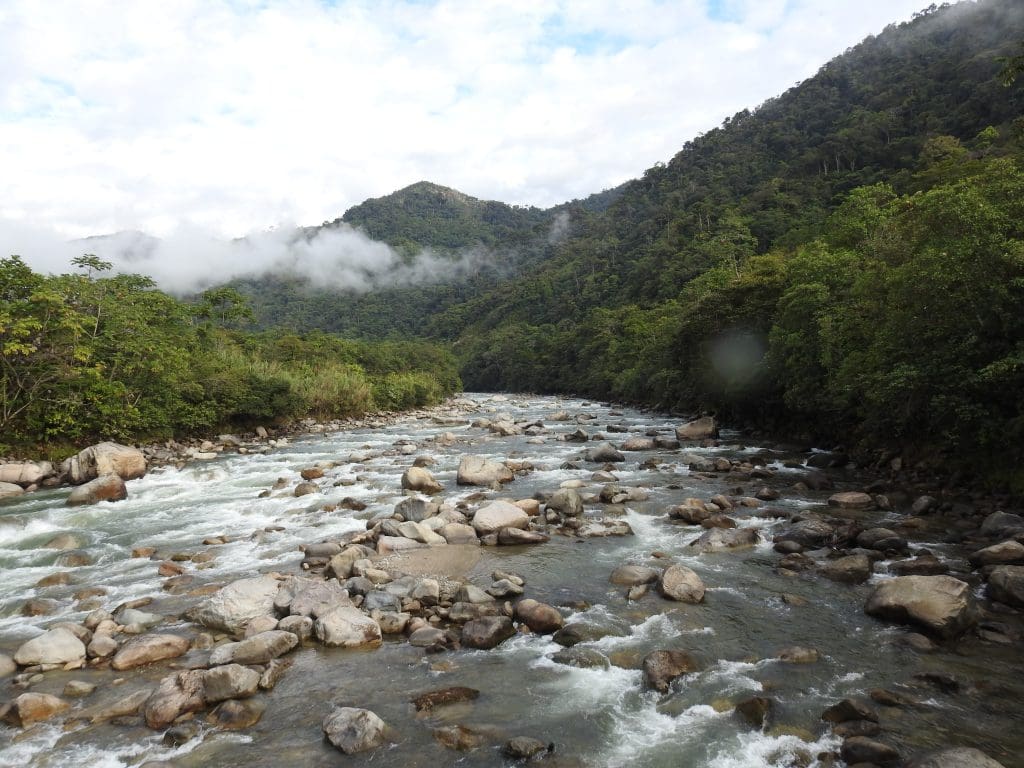*JEsta nueva ACR protege las cuencas de los ríos Huanchay, Tingo y Chontayacu, en Huánuco. © Ministerio del Ambiente.*
### **Compromisos a largo plazo**
De acuerdo con José Carlos Nieto, jefe del SERNANP, el ACR San Pedro de Chonta, “contribuye a los esfuerzos del país por conservar espacios representativos de alto valor ambiental, en armonía con las políticas de gestión sostenible del territorio y los compromisos internacionales asumidos por el Estado peruano”.
*El reconocimiento del ACR Chonta es respaldado por autoridades nacionales como el Sernanp y Profonanpe. © Ministerio del Ambiente.*
Los esfuerzos por conservar el ecosistema del Área de Conservación Regional San Pedro de Chonta fueron liderados por el [Gobierno Regional de Huánuco](https://www.regionhuanuco.gob.pe/), con el apoyo técnico del Sernanp, [Naturaleza y Cultura Internacional](https://www.natureandculture.org/es/) y el financiamiento de [Rainforest Trust ](https://www.rainforesttrust.org/urgent-projects/?utm_source=google-grant&utm_medium=search&utm_campaign=rt-branded&utm_term=rainforest%20trust&gad_source=1&gad_campaignid=18854014015&gbraid=0AAAAADv9VdNaMKt3d2ef0CiqlsiXG891U&gclid=Cj0KCQjwzOvEBhDVARIsADHfJJTpzBIWCRASADTllp-I5fPQ0oNPcnYzpbRf4TzHPWIjAy2tgozrRngaArcYEALw_wcB)y [Andes Amazon Fund](https://www.andesamazonfund.org/). Este proyecto es también parte de la iniciativa [Conserva Aves](https://conserva-aves.org/), co-liderada por [American Bird Conservancy.](https://abcbirds.org/)
## **5 datos sobre el ACR San Pedro de Chonta**
- Tiene una extensión de 51,888.92 hectáreas y abarca los distritos Cholón y Huacrachuco; ubicados hacia el norte de la región de Huánuco, en la provincia del Marañón.
- Chonta es la primera ACR en Huánuco en proteger **los bosques secos del Marañón**.
- Protege las cuencas de los ríos **Huanchay, Tingo y Chontayacu.**
- Se han identificado **39 lagunas** como fuentes fundamentales de agua.
- Récords en biodiversidad: 296 aves registradas, incluyendo 15 especies endémicas del Perú. Además, se han registrado 575 especies de flora.
---
**Más información:**
Carolina Flores Mormontoy
**Comunicadora Mosaico Carpish-Abiseo**
<cflores@naturalezaycultura.org>
**Tags:** Biodiversidad, Perú
**Strategic Area:** Bosques
**Country:** Perú
**Content Type:** Noticias
---
### [The Andes del Norte Corridor is Home to the Andean Tapir](https://www.natureandculture.org/directory/the-andes-del-norte-corridor-is-home-to-the-andean-tapir/)
**Published:** August 29, 2025
**Author:** Heather Thomas
**Content:**
At more than **11,500 feet** above sea level, a silent solitary species roams the highlands. The mountain tapir (*Tapirus pinchaque*), known locally as “ante”, a name rooted in the ancestral languages of the Andes. In northern Peru, this elusive species is more than just a part of the landscape; it helps shape it, dispersing seeds and supporting forest regeneration with every step.
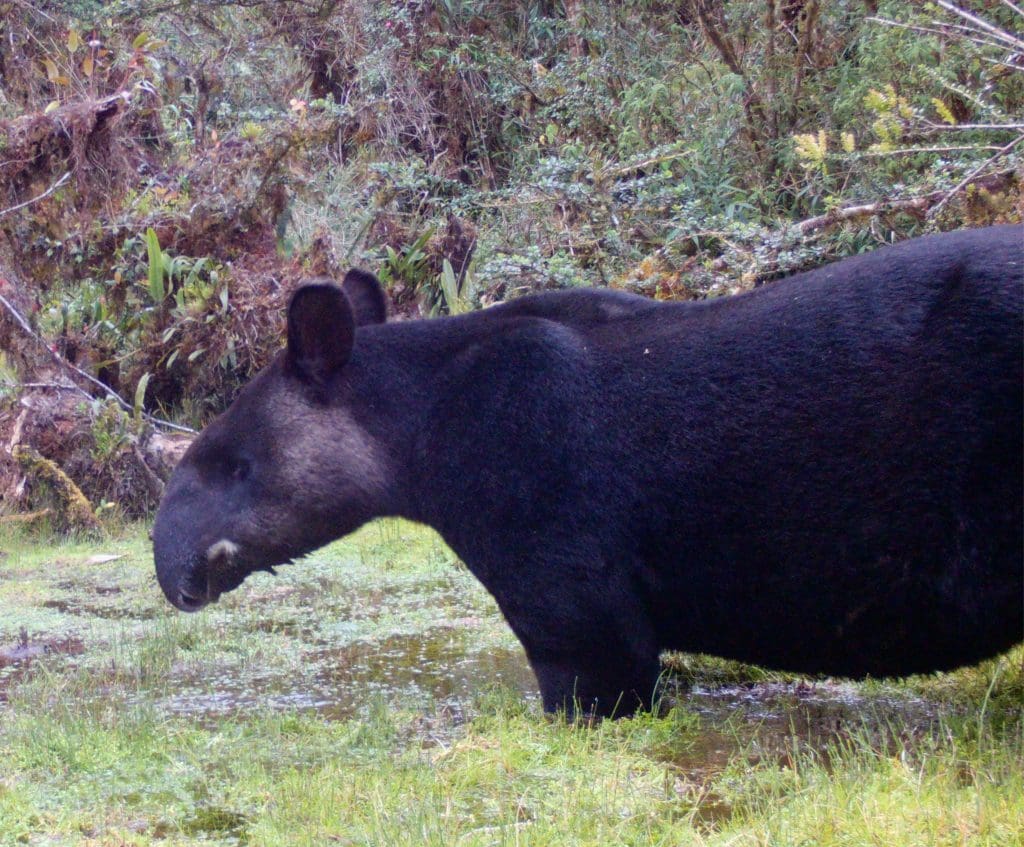The mountain tapir *(Tapirus pinchaque*), known for its important role in the ecosystem of the Northern Andes.
Credit: Nodo Conservation
### **Life Springs Forth Where the Tapir Walks,**
Katty Carrillo, Biologist and Nature and Culture Project Manager, explains that there are only five species of tapir in the world, two of which are found in Peru. One is the Andean tapir (*Tapirus pinchaque*), and the other is the Amazonian tapir (*Tapirus terrestris*), known in the rainforest as the *sachavaca*.
Biologist, Katty Carrillo, Nature and Culture Project Manager highlights the mountain tapir as one of the five tapir species that exist in the world.
The Andean tapir is the only tapir species adapted to life at high altitudes. In Peru, it is found in Ayabaca and Huancabamba in the Piura region; San Ignacio and Jaén in Cajamarca; and there is an isolated population in Lambayeque. The Andean tapir is critically endangered due to the expansion of human activity.
“Its role is so vital that its presence is considered an indicator of a healthy ecosystem. It needs well-preserved forests, clean water, and large natural areas,” explained Katty. “Protecting the tapir means protecting the water consumed by hundreds of families and the soil that supports crops and livestock.” She added, “Through its herbivorous diet and movement, the tapir transports seeds that help regenerate vegetation, ensuring the survival of native species and maintaining biodiversity.”
The Andean tapir has been called the architect of the forest because of its vital work as a seed disperser. (Credits: SBC)
### **The Northern Andes Conservation Corridor: Home of the Andean Tapir**
Since 2018 Nature and Culture, in partnership with local communities and regional authorities has brought the Andes del Norte Corridor to life. This network includes seven private conservation areas, two environmental conservation areas, two regional conservation areas in Cajamarca, and the Tabaconas Namballe National Sanctuary—together protecting around 150,000 hectares that make up the Northern Andes Conservation Corridor.
This corridor is more than a geographical area—it’s a living bridge. Its purpose is to link ecosystems, enabling tapirs and other species to move freely and ensuring their survival. This connectivity also benefits local communities by providing fundamental ecosystem services, such as water regulation and soil conservation.
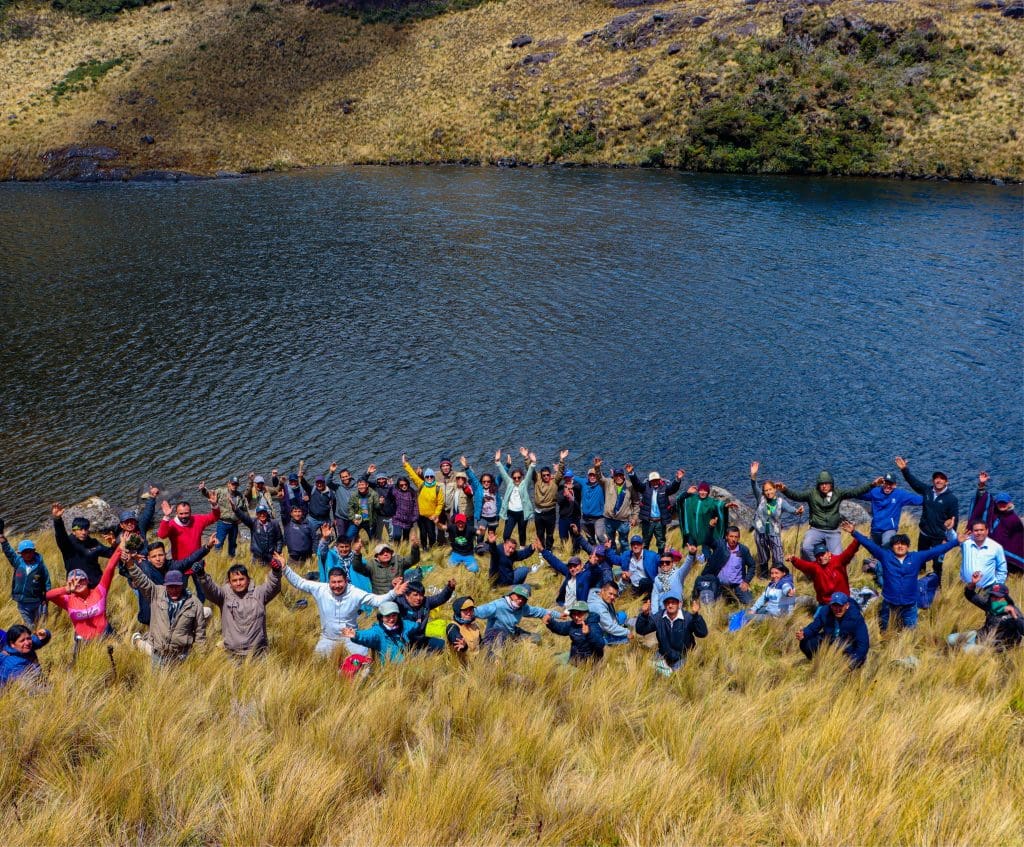Rural communities are **joining** the Andes del Norte Corridor to collectively protect their territory.
### **BiodiBiodiversity extends beyond international borders**
According to Katty Carrillo, tapir conservation is boundless. For this reason, she highlights that Nature and Culture International are **joining** the Ministries of the Environment of Peru and Ecuador, **SERNANP**, the Binational Plan, and local and regional governments. With the support of the BLF Andean-Amazonian Project and other organizations, they are promoting the recognition of the **[Andean Bi-National Corridor](https://www.natureandculture.org/the-andean-corridor/) (CCTAA)**, which integrates the **Andes del Norte Corridor.**
***“This binational initiative seeks to protect 5 million acres, from Sangay National Park in Ecuador to the Tabaconas Namballe Sanctuary in Peru,”*** she said***.***
Currently in the process of official recognition, the **CCTAA** is shaping up to be a key tool for regional cooperation. By promoting ecosystem connectivity and the **collaborative management** of natural resources, it has become a living expression of the commitment signed between Ecuador and Peru in the Tumbes Presidential Declaration.
### **A vision for the future**
The tapir’s footprint is also being felt in planning offices. In Peru, the National Andean Tapir Conservation Plan (2018-2028, SERFOR) articulates scientific, community, and governmental efforts to protect this endangered species.
Building on this, and as part of the implementation and in collaboration with national technical specialists on the species, we have formed the Northern Andes Mountain Tapir and Spectacled Bear Technical Group, together with organizations like Nodo Conservation, SBC, WWF, and BIOS. This demonstrates that conservation is a joint, inter-institutional, and long-term commitment. The group’s objective is to establish a solid scientific foundation that allows it to coordinate with the IUCN Specialist Group, through the Ministry of the Environment (MINAM).
In this context, local authorities are joining this coordinated effort, promoting collaboration with civil society to strengthen informed decision-making in the region. This includes efforts by regional governments, who are working on an ordinance to declare the protection of the mountain tapir a matter of public interest. “***By taking an integrated approach, we can move toward the effective conservation of these emblematic species of the Andes and their ecosystems***,” says Katty.
<https://www.natureandculture.org/wp-content/uploads/2025/08/Tapir-Camera-Video.mp4>
**Tags:** Biodiversidad, Perú
**Strategic Area:** Biodiversity
**Country:** Peru
**Content Type:** Blog
---
### [Primera ACR en conservar los bosques secos del Marañón en Huánuco](https://www.natureandculture.org/es/directorio/primera-acr-en-conservar-los-bosques-secos-del-maranon-en-huanuco/)
**Published:** August 12, 2025
**Author:** Nora Sanchez
**Content:**
En lo alto de la cordillera, donde se forman las lagunas que alimentan los ríos y la vida, **nace el Área de Conservación Regional (ACR) San Pedro de Chonta, una iniciativa clave para la protección de ecosistemas únicos en el corazón del Perú.** Ubicada en los distritos de Cholón y Huacrachuco, en la provincia del Marañón, **la nueva ACR protege más de 51 mil hectáreas** que alberga una gran biodiversidad.
*“Esta área representa un avance significativo en los esfuerzos por conservar ecorregiones altamente amenazadas como los Páramos y los Bosques Secos del Marañón, este último ecosistema hasta ahora no contaban con ninguna medida formal de protección en el departamento de Huánuco”*, indica la Ing. Vilma Vilcas Melchor, gerente regional de Recursos Naturales y Gestión Ambiental del Gobierno Regional Huánuco.
Los esfuerzos por conservar el ecosistema del Área de Conservación Regional San Pedro de Chonta fueron liderados por el [Gobierno Regional de Huánuco](https://www.regionhuanuco.gob.pe/), con el apoyo técnico de [Naturaleza y Cultura Internacional](https://www.natureandculture.org/es/) y el financiamiento de [Rainforest Trust ](https://www.rainforesttrust.org/urgent-projects/?utm_source=google-grant&utm_medium=search&utm_campaign=rt-branded&utm_term=rainforest%20trust&gad_source=1&gad_campaignid=18854014015&gbraid=0AAAAADv9VdNaMKt3d2ef0CiqlsiXG891U&gclid=Cj0KCQjwzOvEBhDVARIsADHfJJTpzBIWCRASADTllp-I5fPQ0oNPcnYzpbRf4TzHPWIjAy2tgozrRngaArcYEALw_wcB)y [Andes Amazon Fund](https://www.andesamazonfund.org/). Este proyecto es también parte de la iniciativa [Conserva Aves](https://conserva-aves.org/), co-liderada por [American Bird Conservancy](https://abcbirds.org/).
### **Una riqueza que emerge entre montañas y lagunas**
El ACR San Pedro de Chonta protege sectores clave de las cuencas de Chontayacu y Huacrachuco, que incluyen a los ríos Chontayacu, Tingo y Huanchay, además de 39 lagunas altoandinas que proveen agua a más de 41 mil personas. La zona garantiza la seguridad hídrica de las poblaciones locales.

Jorge Gálvez, jefe de proyectos de Naturaleza y Cultura Internacional, una de las organizaciones que ha acompañado el proceso de establecimiento del ACR, explica que la importancia del ACR es más que hídrica.
*“Un diagnóstico biológico liderado por expertos ha revelado una biodiversidad excepcional: se han identificado 296 especies de aves, incluyendo 15 especies endémicas del Perú. Entre ellas destaca la tangara de montaña de dorso dorado (Cnemathraupis aureodorsalis), una especie considerada en peligro y cuya conservación depende de la protección de su hábitat específico”* informó.
En cuanto a los mamíferos, se han registrado 29 especies, cinco de ellas endémicas del país. La riqueza herpetológica tampoco pasa desapercibida: ocho especies de reptiles han sido identificadas, siendo el género *Potamites* el más diverso. Aunque la mayoría de estas especies están catalogadas como de “Preocupación Menor” por la UICN, su presencia reafirma la función ecológica del territorio.
Estas especies comparten hábitat con 570 especies de plantas, que representan el refugio y alimento para la diversidad de fauna, dentro de ellas el “romerillo” *Podocarpus oleifolius.* La zona, es conocida por sus singulares orquídeas, a la fecha se reportan 131 especies.
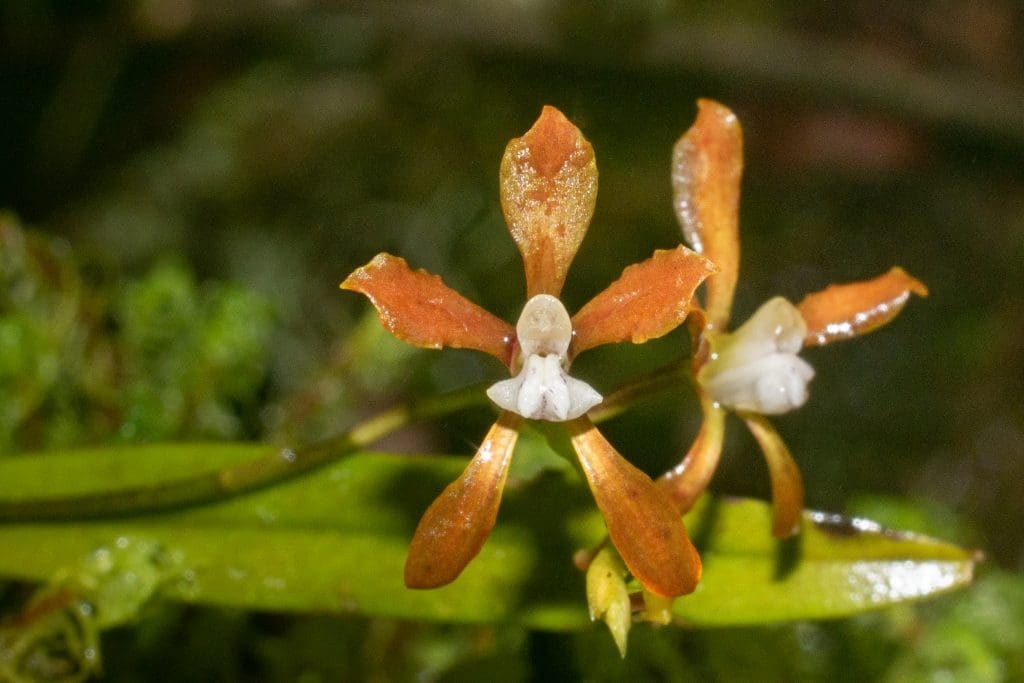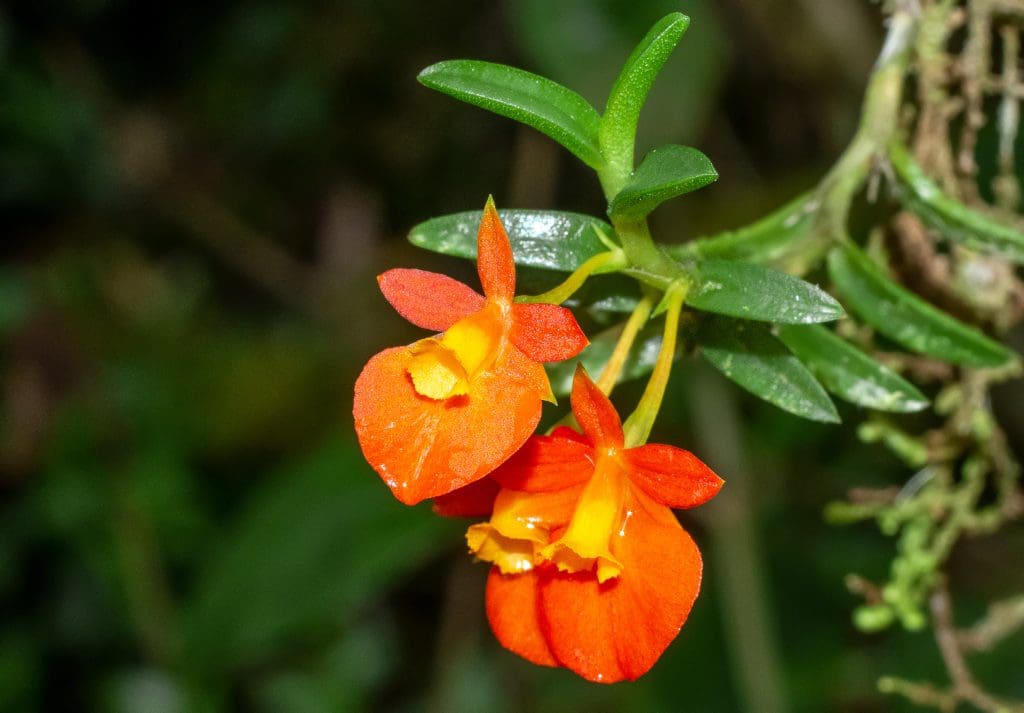
### **Apuesta por la conectividad**
El ACR San Pedro de Chonta cumple una función estratégica en la conectividad ecológica. Esta nueva área se suma a un mosaico de conservación que incluye el ACR Bosques de Shunte y Mishollo, los Bosques de Producción Permanente de San Martín; el Parque Nacional Río Abiseo y la propuesta de ACR Yanajanca en Huánuco. Juntas, estas áreas forman un corredor biológico esencial para el desplazamiento de especies.
*“La conectividad entre áreas protegidas permite que los ecosistemas funcionen como un todo, lo que es fundamental para la adaptación al cambio climático y la conservación a largo plazo”*, enfatiza Jorge Gálvez de Naturaleza y Cultura Internacional.
## Conservar para el futuro
El establecimiento del ACR San Pedro de Chonta no solo es un paso crucial para la biodiversidad, sino también un reconocimiento a las comunidades y autoridades locales que han apostado por un modelo de desarrollo sostenible. **En un país megadiverso como el Perú, cada hectárea protegida cuenta**, y esta nueva área de conservación es una muestra de que aún es posible conectar el desarrollo con la naturaleza.

*“Proteger nuestros ecosistemas no es una opción: es una responsabilidad histórica con Huánuco y con las futuras generaciones. Desde el Gobierno Regional, i**mpulsamos con firme decisión el Área de Conservación Regional San Pedro de Chonta, un espacio vital para la defensa de nuestras ecorregiones más amenazadas, como los Páramos y los Bosques Secos del Marañón.** Este esfuerzo no solo conserva nuestra biodiversidad única, también fortalece nuestra identidad, promueve el desarrollo sostenible y honra el compromiso que tenemos con el bienestar de nuestras comunidades. Seguiremos trabajando con aliados locales y nacionales para asegurar que San Pedro de Chonta se convierta en un símbolo de esperanza, resiliencia y orgullo para todos los huanuqueños”*, manifestó el gobernador regional de Huánuco, Antonio Pulgar.
---
**Más información:**
Gabriela Gives
**Comunicadora Perú**
<comunicacion.peru@naturalezaycultura.org>
**Tags:** Biodiversidad, Perú, Reservas naturales
**Strategic Area:** Bosques
**Country:** Perú
**Content Type:** Noticias
---
### [Revive lo que fue el II Congreso Nacional de Intercambio de Experiencias entre Áreas de Conservación Regional ](https://www.natureandculture.org/es/directorio/revive-lo-que-fue-el-ii-congreso-nacional-de-intercambio-de-experiencias-entre-areas-de-conservacion-regional/)
**Published:** August 28, 2025
**Author:** Nora Sanchez
**Content:**
Con la participación de los 26 gobiernos regionales del Perú, el **II Congreso Nacional de Intercambio de Experiencias entre Áreas de Conservación Regional (ACR)** se consolidó como el espacio más importante del país para el fortalecimiento de la gestión de las áreas naturales protegidas de administración regional.
Durante tres días, **Cajamarca se convirtió en el punto de encuentro** de autoridades nacionales y subnacionales, especialistas, líderes comunales e indígenas, organizaciones de la sociedad civil y cooperación internacional, quienes compartieron experiencias y propuestas para asegurar la conservación de la biodiversidad y los servicios ecosistémicos que sostienen la vida y el desarrollo en el Perú.
### **Un espacio para el diálogo**
El evento inició el miércoles 13 de agosto y combinó exposiciones técnicas con actividades culturales que permitieron a los visitantes conocer la riqueza cultural e histórica de Cajamarca y fue organizado por el Gobierno Regional de Cajamarca, con nuestra colaboración y de nuestro socio Andes Amazon Fund.
*“El Gobierno Regional de Cajamarca ha marcado un hito importante, hemos logrado convocar y tener presente a todos los gobiernos regionales de nuestro país, entorno a un solo objetivo: el cuidado y protección de espacios representativos de flora y fauna”*, expresó Sergio Sánchez Ibáñez, gerente de Recursos Naturales y Medio Ambiente del Gobierno Regional de Cajamarca.
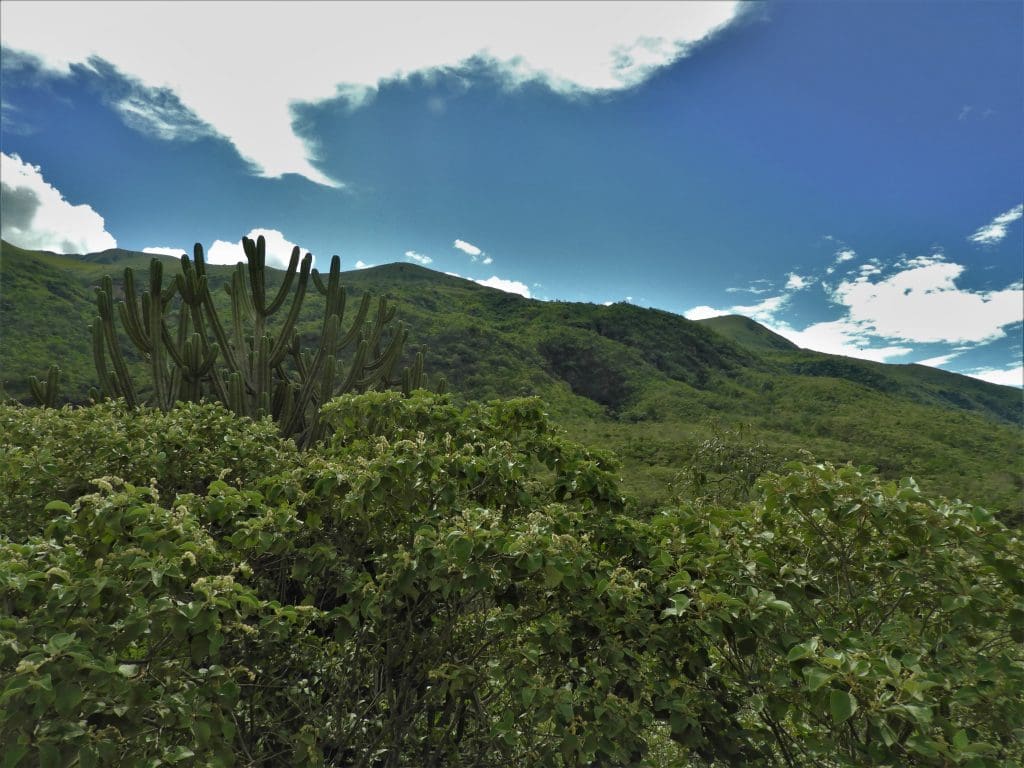ACR CutervoACR Velo de la Novia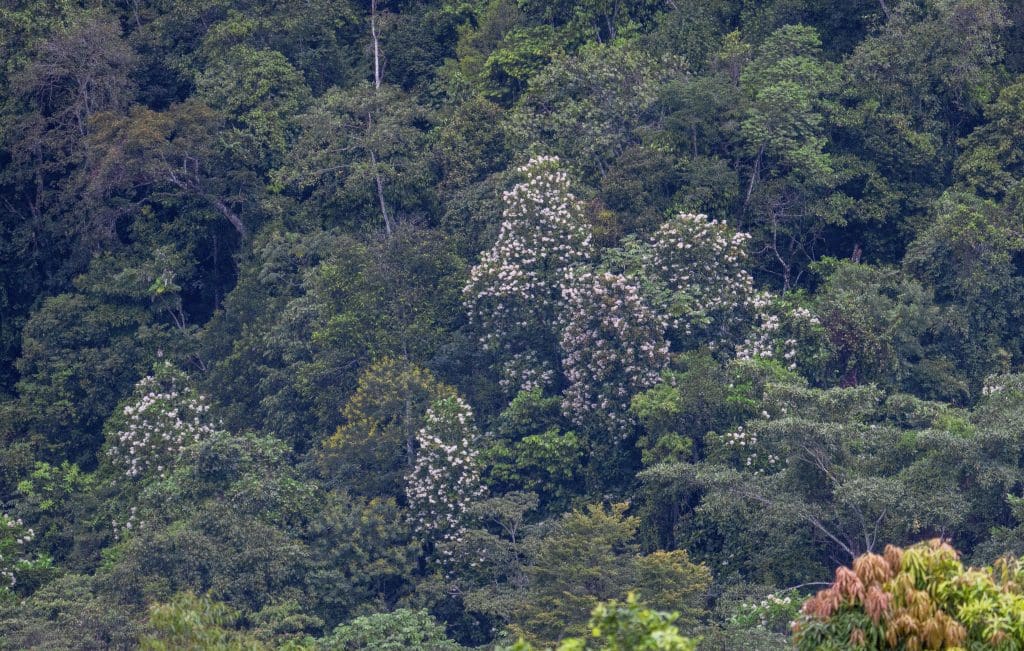ACR San Pedro de Chonta
Durante la participación de los gobiernos regionales de Cajamarca, Ucayali y Huánuco se felicitó los recientes establecimientos de las Áreas de Conservación Regional Bosques Secos Interandinos de Cutervo en Cajamarca, Velo de la Novia de Ucayali y San Pedro de Chonta en Huánuco, establecidas en lo que va del año con el apoyo técnico de Naturaleza y Cultura Internacional. Así como los avances en las propuestas de Área de Conservación Regional como Yanajanca en Huánuco, Bosques Interandinos del Marañón – Bolívar en La Libertad, Bosques Montanos de Huamantanga y Chorro Blanco en Cajamarca y Páramos Andinos Huaringas en Piura.
### **La voz de Naturaleza y Cultura Internacional**
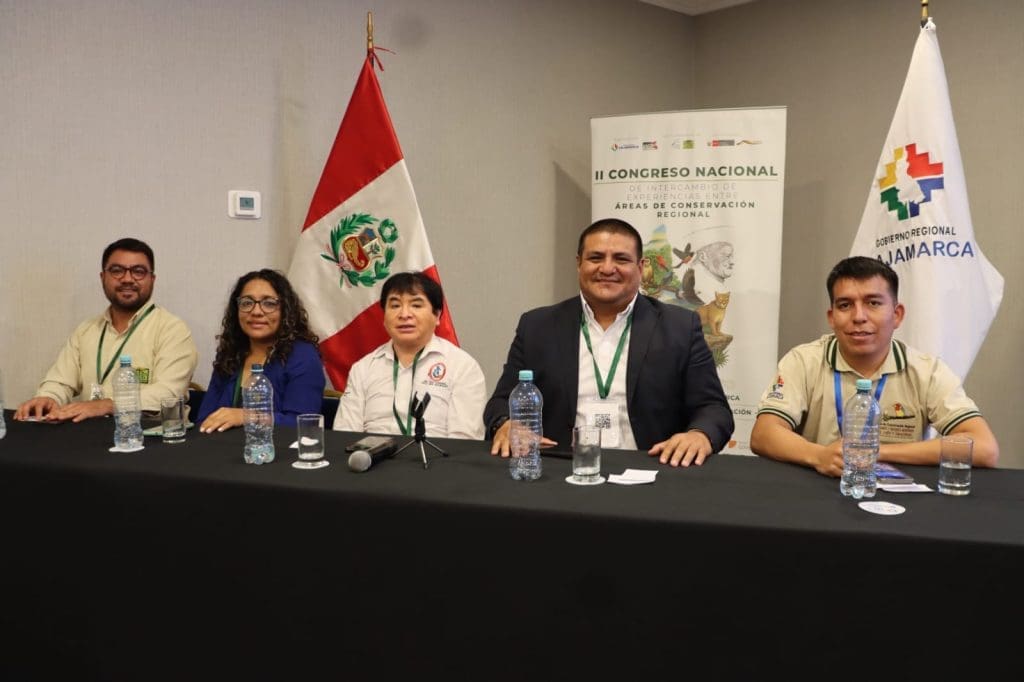Participantes ddel Eje de sostenibilidad económica y financiera
Nuestro equipo participó en el eje de sostenibilidad económica y financiera para la conservación, compartiendo experiencias y propuestas que aportan a la gestión efectiva de las ACR.
Katty Carrillo presentó al Corredor de Conservación Andes del Norte el cual es parte del Corredor de conservación Transfronterizo Andino-Amazónico, una estrategia de conectividad ecológica, social y cultural que protege más de 150 mil hectáreas, asegurando la conservación de cabeceras de cuenca como Chinchipe, Chamaya y Quiroz.
*“Es importante brindar una mirada integradora de la conservación a nivel de paisaje. Por ello, es fundamental que los gobiernos regionales a través de sus sistemas regionales de conservación gestionen mosaicos o corredores de conservación donde las Áreas de Conservación Regional, áreas de conservación privadas u otras medidas de conservación sean la zona núcleo que garantizan y fortalecen los servicios ecosistémicos y la sostenibilidad de estos espacios de gran importancia”* indicó Katty Carrillo.
Ricardo Rivera, coordinador del mosaico Nanay Tigre de Naturaleza y Cultura Internacional presentó la experiencia de construcción de un fideicomiso como mecanismo de sostenibilidad financiera, orientado a fortalecer la participación de los pueblos indígenas en las modalidades de conservación que forman parte del Sistema Regional de Conservación de Loreto, en particular en las Áreas de Conservación Regional.
*“Esta propuesta que trabajamos junto al Gobierno Regional y aliados como el Instituto del Bien Común y Wildife Conservation Society, busca además apoyar en el futuro a los enfoques de cogestión territorial que se desarrollan principalmente en las áreas de conservación regional de Loreto”* precisó Ricardo.
### **Diez compromisos para el futuro de la conservación**
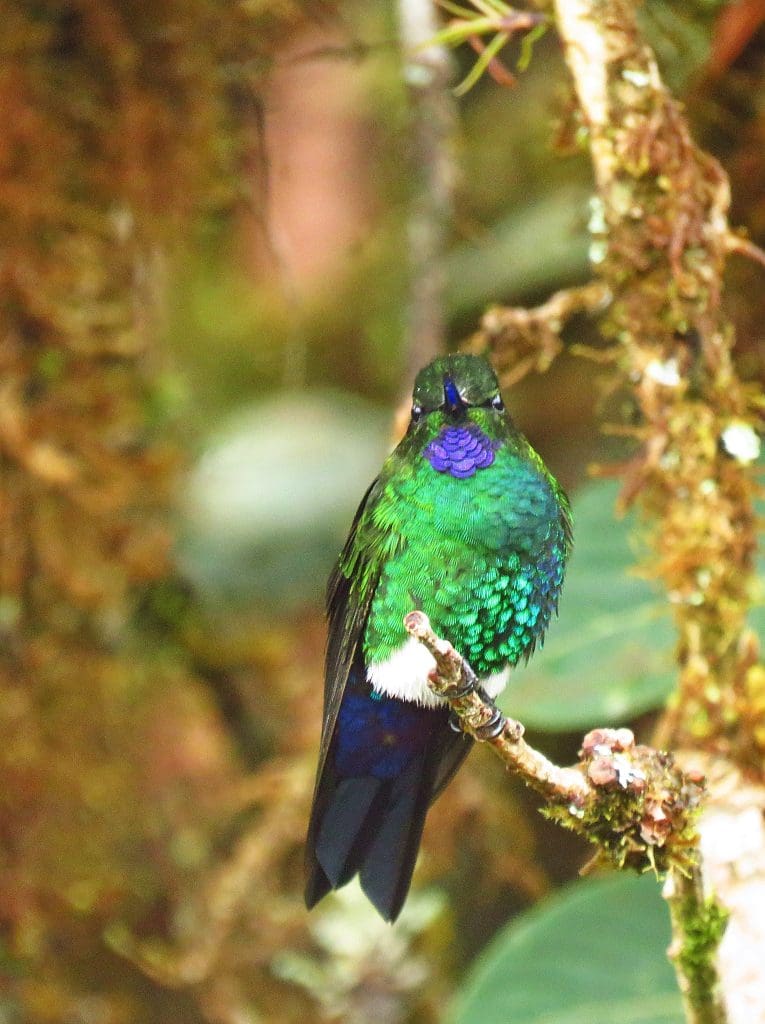*Metallura odomae* \| Crédito: Elio Nuñez
Representantes de los gobiernos regionales, autoridades nacionales y subnacionales, cooperación internacional y representantes de las áreas de conservación regional suscribieron 10 compromisos para fortalecer la gestión de las ACR en el Perú:
1. Elaborar y actualizar instrumentos de gestión y planificación de la biodiversidad regional, articulados a la Estrategia Nacional de Diversidad Biológica.
2. Garantizar la participación progresiva y efectiva de las mujeres en la toma de decisiones en las comunidades locales y organizaciones de base.
3. Consolidar mecanismos de coordinación entre gobiernos regionales, nacionales y locales a través de la Red de Áreas de Conservación Regional.
4. Se anunció el respaldo al pronunciamiento de la Asamblea Nacional de Gobiernos Regionales (ANGR) para rechazar el proyecto de ley N° 11822/2024-CR, que busca modificar la ley de áreas naturales protegidas y busca abrir la puerta a la exploración y extracción de gas y petróleo.
5. Crear un grupo técnico que evalúe y proponga mejoras al marco normativo de las áreas protegidas.
6. Impulsar el reconocimiento formal de la Red de ACR desde la Asamblea Nacional de Gobiernos Regionales.
7. Solicitar al Ministerio del Ambiente (Minam) información clara sobre la participación de los gobiernos regionales en el mercado jurisdiccional de carbono.
8. Crear una mesa técnica con el Minam y cooperación internacional para evaluar la comercialización de bonos de carbono y otros mecanismos financieros.
9. Fortalecer la gestión de corredores y mosaicos de conservación en el país.
10. Promover fondos recurrentes y autónomos, como fideicomisos comunitarios, que garanticen recursos estables para la gestión de las ACR.
**Los compromisos asumidos marcan un rumbo claro hacia una gestión más sólida y participativa**, que reconozca el rol de las comunidades, asegure mecanismos financieros sostenibles e integre a los gobiernos, sociedad civil y cooperación internacional en acciones para proteger la biodiversidad y los servicios ecosistémicos que sostienen la vida y el desarrollo del país.
---
**Más información:**
Gabriela Gives
**Comunicadora Perú**
<comunicacion.peru@naturalezaycultura.org>
**Tags:** Biodiversidad, Perú
**Strategic Area:** Bosques
**Country:** Perú
**Content Type:** Evento
---
### [New Sighting Confirms Presence of Grey-bellied Night Monkey in Abra de Zamora ](https://www.natureandculture.org/directory/new-sighting-confirms-presence-of-grey-bellied-night-monkey-in-abra-de-zamora/)
**Published:** August 27, 2025
**Author:** Heather Thomas
**Content:**
In southern Ecuador’s Abra de Zamora, scientists at the Nature and Culture’s San Francisco Scientific Station have just documented a new resident of the montane forests: the **grey-bellied night monkey** *(Aotus lemurinus)*. This new sighting adds to our understanding of where the species lives and highlights the region as one of the most biodiverse areas of the Andes.
Night monkey (*Aotus lemurinus*) Photo: David Monroy R
Located within the páramo linking the Andes with the Amazon, between the provinces of Loja and Zamora Chinchipe, this region is part of a larger network of protected areas. Together with Podocarpus National Park, Nature and Culture’s San Francisco Scientific Station, and nearby municipal reserves, it forms a strategic ecological corridor. Though relatively small in size, the Abra de Zamora mountain pass overflows with life, sheltering an incredible variety of species found nowhere else. It’s especially rich in amphibians and plants, making it one of [Ecuador’s most vibrant corners of biodiversity](https://www.natureandculture.org/directory/southern-ecuador-a-wellspring-of-species/).
The night monkey had never before been recorded at the San Francisco Scientific Station. This elusive species is notoriously hard to spot, thanks to its nocturnal habits and discreet behavior. It lives in well-preserved cloud and lowland forests like those in Abra de Zamora, feeding on fruits, flowers, sap, insects, and small vertebrates. In doing so, it plays a vital ecological role as a seed disperser and helps drive the natural regeneration of Andean montane forests.
The night monkey is difficult to spot due to its discreet behavior. Photo: Gonzalo Nazati
*“The presence of this species in Abra de Zamora had not been previously documented. This is an important data point that helps us understand its current distribution in Ecuador’s Andes,”* says Diego Armijos, professor and researcher at the Zoology Museum of the Universidad Técnica Particular de Loja (UTPL), who has led numerous fauna studies in the area.
### A vulnerable species under pressure
While the sighting of the night monkey marks an important scientific milestone, it has also highlighted emerging threats to its survival. The confirmation of its presence coincided with the discovery of a dead individual, electrocuted after coming into contact with high-voltage power lines running through its habitat. This incident underscores the direct impact human infrastructure can have on sensitive species inhabiting high-biodiversity ecosystems.
Classified as *Vulnerable (VU)* by the International Union for Conservation of Nature (IUCN), the night monkey faces increasing pressure from hunting, wildlife trafficking, and the loss of its natural habitat due to deforestation, agricultural expansion, and infrastructure development without proper mitigation measures. These combined threats endanger the long-term viability of its populations—even in seemingly well-conserved areas like the Abra de Zamora.
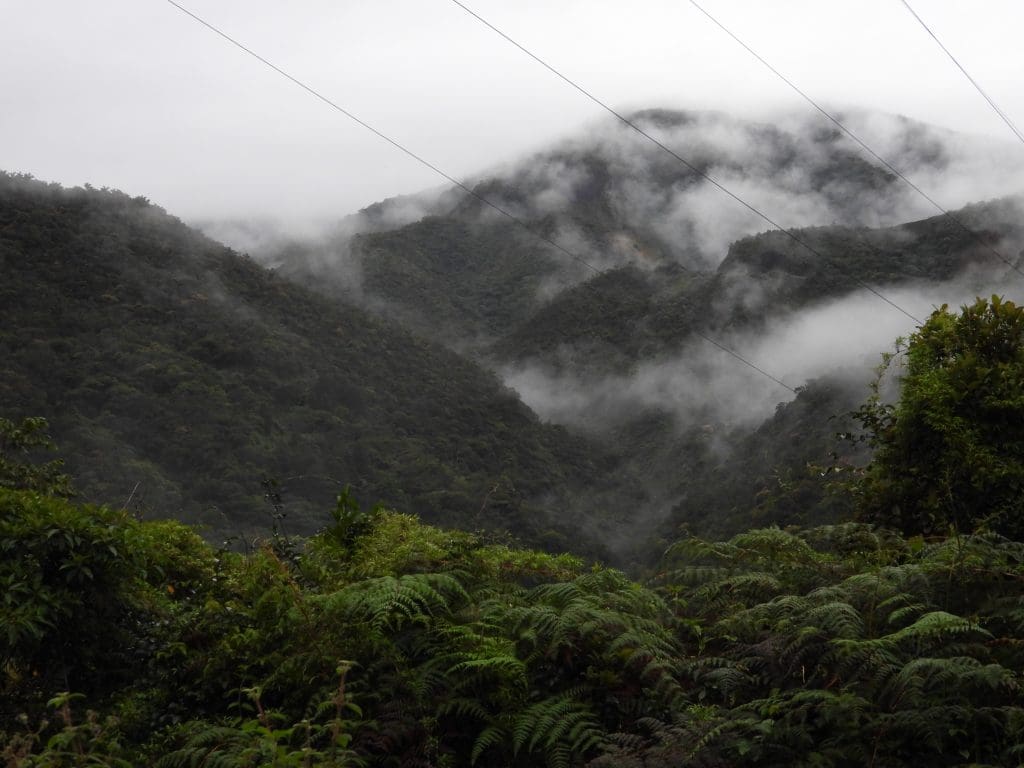Electric cables within the Abras de Zamora landscape
*“This incident should serve as a call to implement strategies to reduce wildlife mortality, such as preventative tree trimming or the use of insulated coverings on power lines,”* adds Armijos.
### **Science-Based Conservation**
The recording of the night monkey in Abra de Zamora demonstrates the positive impact of protected areas and nature reserves. Podocarpus National Park, the San Francisco Scientific Station, and the [Municipal Conservation Areas of Zamora](https://www.natureandculture.org/directory/zamora/) are actively protecting the habitats of key species like the grey-bellied night monkey. Thanks to support from organizations like Rainforest Trust and Nature and Culture International, and the ongoing work of UTPL’s Zoology Museum, essential scientific data continues to be generated. Other [recent discoveries](https://www.natureandculture.org/directory/new-species-of-glass-frog-discovered-in-the-andes/) include endemic species new to science, such as *Pristimantis matildae*, *Pristimantis samaniegoi*, and *Pristimantis sagedunnae*.
“Each new record strengthens the case for prioritizing protection of this ecosystem. The Abra de Zamora remains a natural laboratory for science, where fragile species still find refuge,” says Armijos.
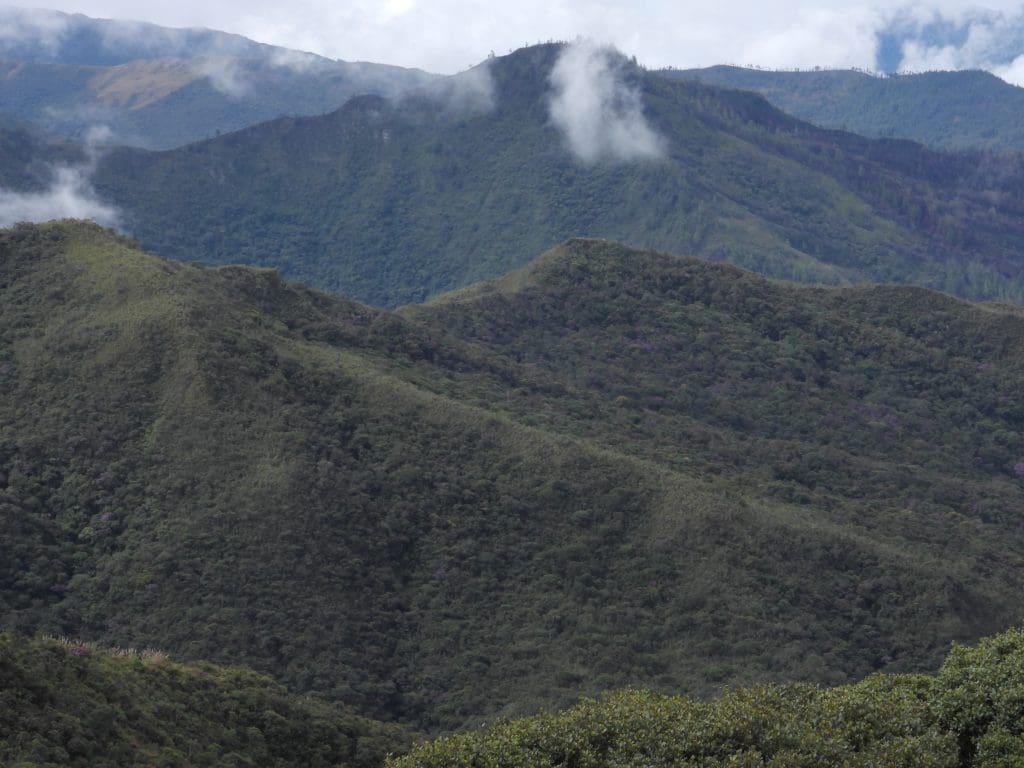Podocarpus National Park, San Francisco Scientific Station and the Municipal Conservation Areas of Zamora protect the habitat of various key species.
Biologist Felipe Serrano notes that night monkeys of the genus *Aotus* live in small family groups and have low population densities, occupying territories between 5 and 20 acres. He warns that forest conversion to pasture or infrastructure development poses significant threats to their habitat. Despite nearly three decades of intensive research, scientists continue to discover new species in the region.
Serrano describes the Abra de Zamora and its surrounding conservation areas as a true ‘species factory,’ where every organism plays a crucial role in keeping ecosystems healthy. He emphasizes the urgent need to conserve, study, and learn from these species through collaboration among local communities, government agencies, conservation groups, and academic institutions.
**Tags:** Biodiversidad, Ecuador
**Strategic Area:** Biodiversity
**Country:** Ecuador
**Content Type:** News
---
### [San Pedro de Chonta: Safeguarding Peru's Marañón Dry Forest](https://www.natureandculture.org/directory/primera-acr-en-conservar-los-bosques-secos-del-maranon-en-huanuco/)
**Published:** August 12, 2025
**Author:** Nora Sanchez
**Content:**
A new **Regional Conservation Area** has been created in **San Pedro de Chonta**, located in Peru’s Marañón province. Perched high in the Andean Highlands, this landscape is where lakes give rise to rivers and life flourishes in abundance. The sanctuary safeguards **126,023 acres (51,000 hectares)** of ecosystems **rich in biodiversity and home to species found nowhere else on Earth. This designation marks a vital step in protecting one of central Peru’s most unique and irreplaceable natural treasures.**
*“This area represents a significant step forward in the efforts to conserve highly threatened ecoregions like the páramos and the Marañón Dry Forests. The Marañon ecosystem had, until now, no formal protection measures in the Huánuco department,” according to Vilma Vilcas Melchor, Huanuco Natural Resources and Environmental Regional Manager.*
The creation of San Pedro de Chonta was driven by the [Regional Government of Huánuco](https://www.regionhuanuco.gob.pe/ "Regional Government of Huanuco"), with technical help from Nature and Culture International and funding from [Rainforest Trust](https://www.rainforesttrust.org/urgent-projects/?utm_source=google-grant&utm_medium=search&utm_campaign=rt-branded&utm_term=rainforest%20trust&gad_source=1&gad_campaignid=18854014015&gbraid=0AAAAADv9VdNaMKt3d2ef0CiqlsiXG891U&gclid=Cj0KCQjwzOvEBhDVARIsADHfJJTpzBIWCRASADTllp-I5fPQ0oNPcnYzpbRf4TzHPWIjAy2tgozrRngaArcYEALw_wcB "Rainforest Trust") and [Andes Amazon Fund](https://www.andesamazonfund.org/ "Andes Amazon Fund"). This project is also part of the [Conserva Aves](https://conserva-aves.org/en/home-english/) initiative, led by the [American Bird Conservancy](https://abcbirds.org/).
### ****Species Richness Emerging Between Mountains and Lakes****
The San Pedro de Chonta Protected Area safeguards key zones of the Chontayacu and Huacrachuco river basins, which include the Chontayacu, Tingo, and Huanchay rivers. This area is a vital water supply for more than 41,000 people guaranteeing water security for local populations.

Nature and Culture’s Field Technician, Jorge Gálvez, explained that the new area is about more than protecting water sources.
“A biological assessment led by experts has revealed exceptional biodiversity: 296 species of birds have been identified, including 15 species endemic to Peru. Among these, the golden-backed mountain-tanager *(Cnemathraupis aureodorsalis)* stands out—a species considered endangered whose conservation depends on the protection of its specific habitat,” he reported.
Researchers have also documented **29 species of mammals**, including **five found only in Peru**. It is also home to **eight reptile species**, with a remarkable concentration of those in the *Potamites* genusm or semi-aquatic lizards.
All of these animals depend on the sanctuary’s **570 plant species**, including the romerillo tree that provides food and shelter. For plant lovers, the discovery of **131 orchid species** makes San Pedro de Chonta a true biodiversity treasure.

### **A Vital Biological Corridor**
The San Pedro de Chonta Regional Conservation Area plays a strategic role in ecological connectivity. Together with the Bosques de Shunte and Mishollo Protected Area, the Río Abiseo National Park, the proposed Yanajanca Protected Area in Huánuco, and the Permanent Production Forests of San Martín (sustainably managed forest zones), it forms part of a larger conservation mosaic. Collectively, these areas create a vital biological corridor that allows species to move freely across landscapes.
*“Connectivity between protected areas allows ecosystems to function as a whole, which is fundamental for adapting to climate change and for long-term conservation,” emphasizes Gálvez.*
## A Legacy for Nature
The creation of San Pedro de Chonta is not only a big step for biodiversity, but also a victory for local communities and authorities who have been supporting a sustainable development model. **Peru is a country so rich in biodiversity that every protected acre is a major victory**. This new sanctuary is proof that we can both safeguard our natural world and continue to make progress.

“Protecting our ecosystems isn’t an option; it’s a historical responsibility to Huánuco and future generations. From the Regional Government, we are firmly moving forward with the San Pedro de Chonta Regional Conservation Area, a vital space for the defense of our most threatened ecoregions, such as the páramos and the Marañón Dry Forests. This effort not only conserves our unique biodiversity but also strengthens our identity, promotes sustainable development, and honors our commitment to the well-being of our communities. We will continue to work with local and national allies to ensure that San Pedro de Chonta becomes a symbol of hope, resilience, and pride for all of Huánuco,” said Antonio Pulgar, the regional governor of Huánuco.
**Tags:** Biodiversity, Perú, Protected Area
**Strategic Area:** Forests
**Country:** Peru
**Content Type:** News
---
### [Facing Wildfires: Communities in the Tropical Andes Protect Life](https://www.natureandculture.org/directory/facing-wildfires-communities-in-the-tropical-andes-protect-life/)
**Published:** August 18, 2025
**Author:** Heather Thomas
**Content:**
#### ****The Andean Bi-National Corridor, spanning Ecuador and Peru, protects communities and some of the Andes’ most important ecosystems. In 2024, this lifeline—crucial for both water and biodiversity—was hit by one of its greatest threats: forest fires.****
**In [2024, forest fires](https://www.natureandculture.org/directory/record-breaking-fires-highlight-the-importance-of-protected-area-management/) caught us off guard.** A prolonged drought period in the region increased the scale and speed at which the flames spread, outpacing the measures we had in place to respond. They were difficult days, marked by the concern of hundreds of local communities whose livelihoods, water sources, and natural landscapes were suddenly at risk.
But it was also a year of learning. *“At Nature and Culture International, we came to understand that wildfire prevention and mitigation activities can only work if they’re done collaboratively, starting at the local level.”* — Ángel Jaramillo, Project Coordinator.
In 2025, we are working alongside local governments, state entities, academia, and local communities in Ecuador and Peru to take action, creating community brigades, running awareness campaigns, and promoting safer, sustainable ways of using and managing fire. Together, these efforts are laying the groundwork for stronger, more resilient management models, built on local knowledge and collaboration.
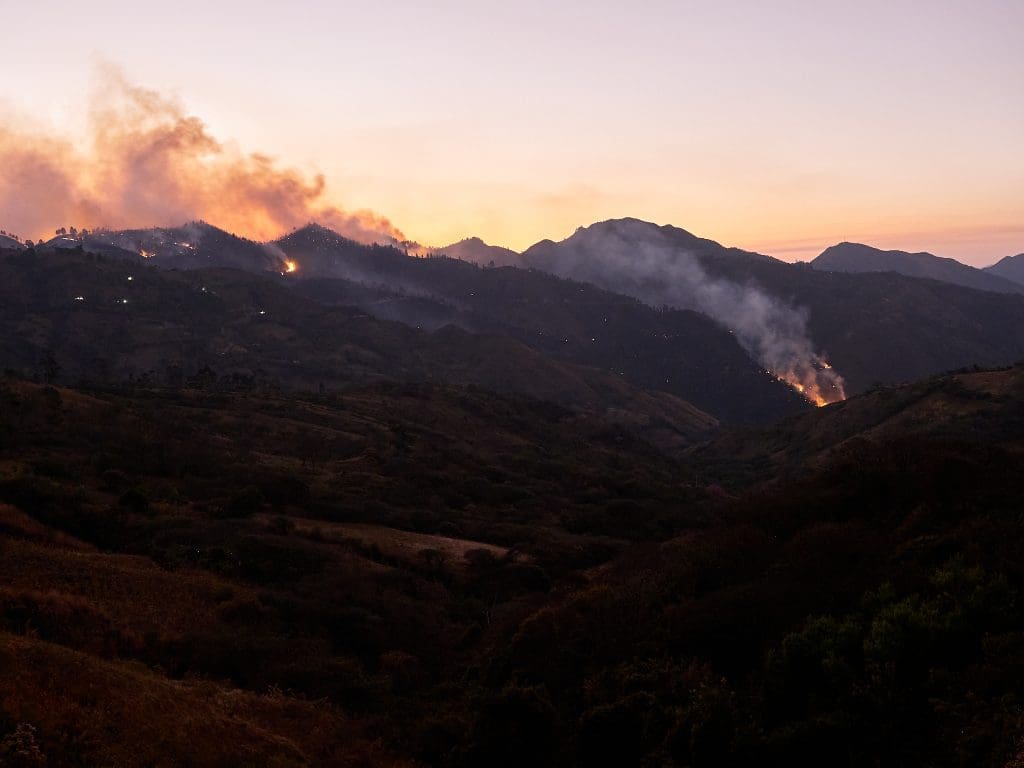Photo by: Daniel Sanmartín
## **Fire Threats Are Increasing in the Tropical Andes**
According to the [World Resources Institute](https://www.wri.org/news/release-global-forest-loss-shatters-records-2024-fueled-massive-fires), **in 2024 the tropics lost 16.6 million acres** (6.7 million hectares) of primary forest (a record figure), with fire responsible for nearly half of this loss. The consequences were **devastating billions of tons of CO₂ emissions**, soil erosion, reduced ecosystem regeneration capacity, and the acceleration of climate change impacts.
In the Tropical Andes, **long dry seasons, flammable vegetation, strong winds, and steep terrain make it easy for fires to spread**, making wildfires a constant and growing threat. In recent years, they’ve become more frequent and more severe, fueled by climate change, farming practices, and growing pressure on the land.
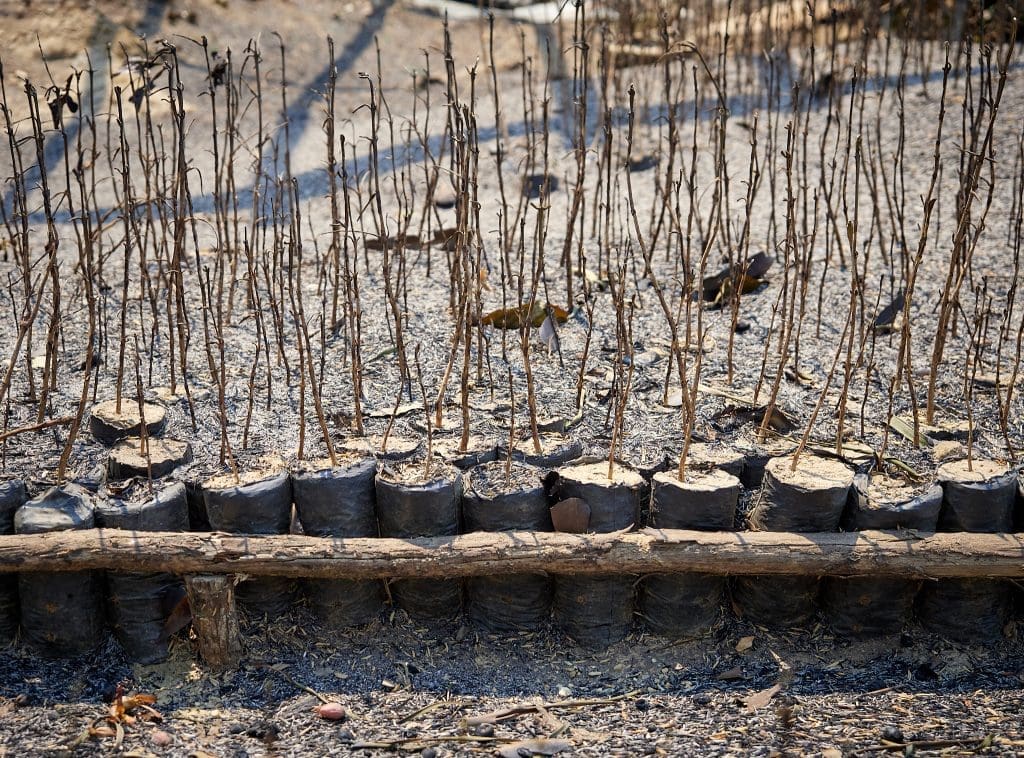Photo by: Daniel Sanmartín
At Nature and Culture, we felt these impacts firsthand: the Andean Bi-National Corridor—a collaborative initiative to protect important ecosystems down the spine of the Andes in Ecuador and Peru—was affected, endangering its biodiversity, the ecological connectivity it safeguards, and the livelihoods of the communities that depend on these ecosystems.
### **Ecuador: Over 205,000 Acres Affected in 2024**
In 2024, Ecuador recorded 5,815 forest fires that destroyed more than 205,000 acres of vegetation nationwide. **Loja and Azuay—both part of the Andean Bi-National Corridor—were among the hardest hit.** In Loja alone, over 81,000 acres burned, accounting for more than 40% of the national total.
These fires damaged national parks, municipal conservation areas, and vital water sources. This emergency showed just how vulnerable the region is to fire, and how urgent it is to plan, fund, and coordinate action locally.
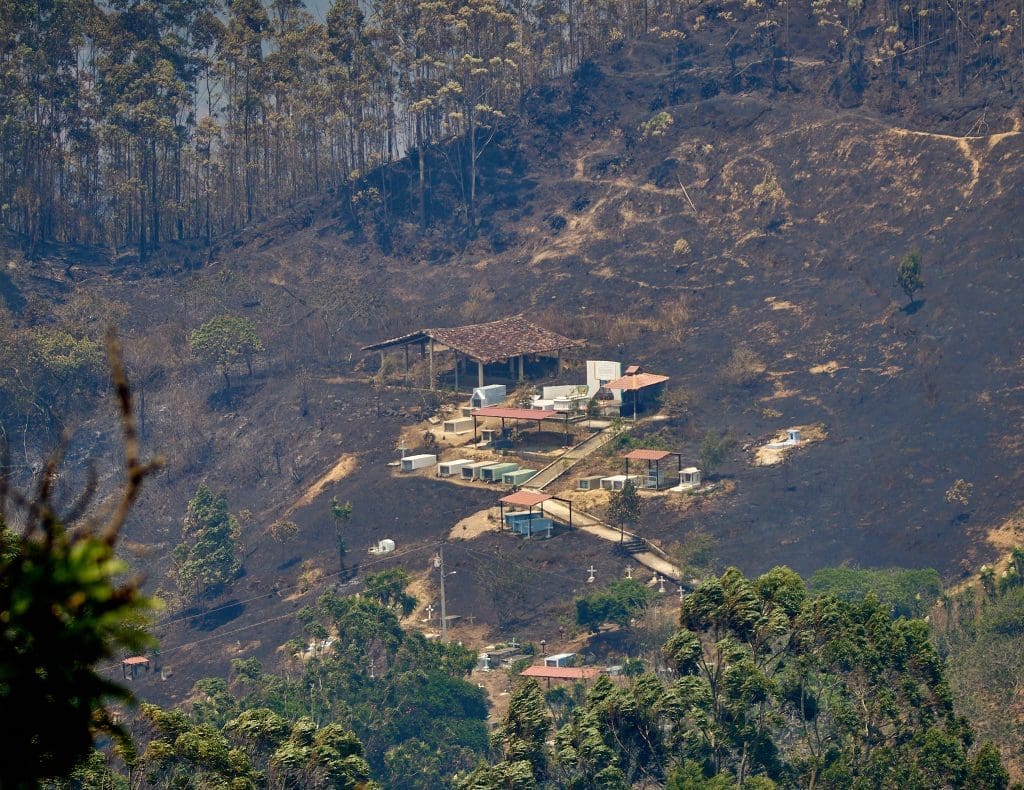Photo by: Daniel Sanmartín
### **Peru: Fragmented Ecosystems, Communities under Pressure**
The situation in Peru was no different. According to a recent [MapBiomas report](https://peru.mapbiomas.org/en/2024/11/25/la-amazonia-peruana-fue-el-epicentro-de-los-incendios-en-el-pais-en-2024-revela-investigacion-cientifica/), September 2024 registered the highest number of fires in the country since 2015. Two out of three fires affected natural ecosystems such as montane forests and páramos, while the remaining third occurred in agricultural areas. Between July and October, more than 220 wildfires were documented across 20 regions of the country.
The Andes del Norte Corridor—an important link between Peru’s tropical rainforests and high Andean páramos—was among the hardest hit. Satellite data from Nature and Culture show that at least 1,000 acres burned, with the San Juan de Sallique Private Conservation Area suffering the most damage. The fires displaced emblematic species like the spectacled bear, and some wild cats were killed after being trapped by the flames.
## **Local Actions to Confront Wildfires in Southern Ecuador**
The 2024 emergency served as a starting point for joint action and prevention. Various institutions have been working to ensure that southern Ecuador does not experience a similar scenario again.
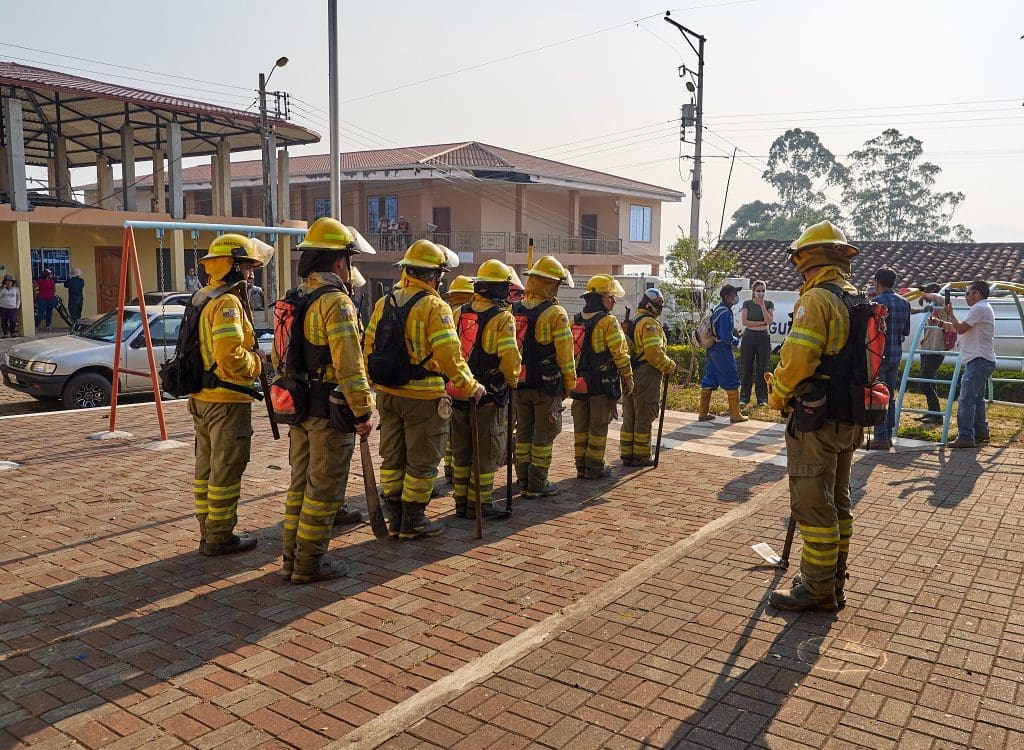
### **Inter-Institutional Collaboration**
We created inter-institutional technical committees in several towns within the province of Loja province (Quilanga, Espíndola, Catamayo, and Loja). These spaces bring together key actors such as the Environmental Authority, the Amazon Without Fire Program, the National Secretariat for Risk Management, municipal and provincial governments, citizen groups, universities, fire departments, and international partners. **The goal has been clear: to build prevention strategies from the ground up, based on dialogue, shared responsibility, and technical expertise.**
**These committees have set out several key priorities:**
- **Strengthening community brigades**: In the towns of Loja, Quilanga, and Espíndola three brigades have been created, training and equipping more than 100 brigade members for risk management and wildfire response.
- **Prevention through awareness and communication:** A prevention campaign is underway to highlight the dangers of unsafe fire use, promote sustainable agroecological practices as alternatives, and encourage community involvement through the implementation of the Early Warning System that combines monitoring, local alerts, and community response protocols to help prevent small fires from becoming large wildfires.
- **Promoting alternatives to fire use:** Through Farmer Field Schools, communities are learning sustainable farming practices that replace fire as a tool for agriculture.
### **Early Warning Systems, Ordinances, and Risk Maps**
Two local universities have created wildfire vulnerability maps and a color-coded system to indicate fire risk. These tools will form the basis of an Early Warning System. In addition, proposals for new municipal ordinances are being advanced to align with the upcoming Provincial Inter-Institutional Wildfire Plan, led by the Loja Provincial Government.
## **Northern Andes in Peru Takes Action**
### **A Community-Based Plan for Prevention and Preparedness**
In northern Peru, the lessons of 2024 have laid the foundation for building a stronger preventive approach. In areas such as Sallique, San Felipe, and Tabaconas, communities that had already begun organizing are now leading efforts to strengthen local capacities for more effective fire response.

In 2025, Nature and Culture continues to back these efforts, focusing on building long-term solutions together with communities, local authorities, Peru’s National Forest Service, and fire brigades. Current priorities include:
- **Strengthening and equipping community brigades** so they can put out fires quickly with fast, local action.
- **Developing awareness campaigns** tailored to each community, focused on prevention, safe fire management in farming, and shared responsibility.
- **Improving participatory monitoring and early alerts,** using satellite tools and local conservation networks to detect risks sooner.
- **Promoting local ordinances and public policies** that formally recognize the key role communities play in preventing and responding to wildfires.
### **2024 Left Us Valuable Lessons: Community Organization Makes the Difference**
The events of 2024 left us with important lessons learned: *“Where there are active community processes, local organization, and coordination with authorities, fires were easier to contain and their impacts significantly lower.”* — Auner Medina, Northern Andes Mosaic Coordinator.
From southern Ecuador to northern Peru, communities have shown that it is possible to move from reaction to prevention—and that these strategies are effective when rooted in local knowledge, collective commitment, and inter-institutional collaboration.
The **Andean Bi-National Corridor** is an example of how cooperation beyond borders and coordination between communities and institutions can protect critical territories. Safeguarding its biodiversity, water sources, and livelihoods means strengthening the resilience of ecosystems and the people who depend on them—reminding us that joint and planned management is the best way to face threats such as wildfires.
---
**More information:**
Nora Sánchez Luzardo
**LatAm Communications Coordinator**
<nsanchez@naturalezaycultura.org>
**Tags:** Agua, Areas de Protección Hídrica, Biodiversidad, Ecuador, Personas, Perú, Reservas naturales
**Strategic Area:** Forests
**Country:** Ecuador, Peru
**Content Type:** Blog
---
### [Three New Frog Species Discovered—One Honors a Nature and Culture Hero ](https://www.natureandculture.org/directory/three-new-frog-species-discovered-one-honors-a-nature-and-culture-hero/)
**Published:** August 13, 2025
**Author:** Heather Thomas
**Content:**
## *On the Peruvian side of the Andean Bi-National Corridor, scientists have discovered three new frog species, each named in tribute to the land, its people, and local traditions.*
Last month, a team of biologists described three new frog species in the [Chicuate Chinguelas Protected Area](https://www.natureandculture.org/directory/66000-acre-reserve-declared-in-northern-peru/), a 66,983-acre expanse of páramo and montane forest in Huancabamba Province, Piura. Nature and Culture International helped establish this community-led reserve in 2016, securing a refuge for emblematic wildlife like the spectacled bear and mountain tapir, along with countless species yet to be documented. This protected area is within a vital ecological corridor that links Peru’s mountain forests with those of Ecuador, the [Andean Bi-National Corridor](https://www.natureandculture.org/the-andean-corridor/).

Chicuate Chinguelas is managed in partnership with the community of Segunda y Cajas, who fought for its creation and continue to safeguard it. For generations, their livelihoods, traditions, and cultural identity have been intertwined with the páramos and forests they now protect—making the reserve both a refuge for rare species and a living expression of the deep bond between people and nature.
The discovery—five years in the making and led by herpetologist Germán Chávez—represents an act of resilience in an ecosystem threatened by fires, deforestation, and resource-based activities such as mining and logging.
> “We knew something was waiting for us in the Huancabamba páramos. It wasn’t a complete surprise, but it was an immense satisfaction,” says Germán Chávez. The discovery, [published in a scientific article](https://evolsyst.pensoft.net/article/148522/), confirms that this natural area is a prime location for scientific exploration.
### The Names Behind the Frog Species
Each of the three newly described frog species carries a name that honors the region. In northern Peru, *cutin* is a colloquial term for small frogs or toads—a familiar word in rural communities that reflects the region’s connection to its amphibians. Paired with a second descriptor, each name tells its own story.
***Pristimantis chinguelas******P. nunezcortezi******P. yonque***
***Cutin de Chinguelas*** (*Pristimantis chinguelas*) inhabits the Chinguelas Mountain. It is distinguished by long tubercles along the sides of its body—a striking morphological feature that makes it easy to identify. Its name pays tribute to the place where it was found.
**Cutin de Elio** (*Pristimantis nunezcortezi*) is a more elusive species, found in the shaded ravines of mountain forests. Its most distinctive feature is the black coloring on the inner thighs, which sets it apart from other frogs in the region. Its name honors conservationist Elio Iván Núñez Cortez, a field technician with Nature and Culture International in Peru and a passionate defender of the Huancabamba mountain range. For more than a decade, Elio has worked to protect the region’s páramos and montane forests—always ready to set out in search of the rarest birds in the area. “Elio knows the land, walks it, protects it, dreams it. It was only right that his name be immortalized in one of its species,” says fellow expedition scientist Iván Wong.
And then there’s **Cutin del Yonke** (*Pristimantis yonke*), a frog that lives among bromeliads. Its flattened body, pointed head, and granular texture give it a unique appearance. Its name, far from classical academic terms, is a tribute to a traditional Andean drink: “yonke,” a sugarcane spirit that’s a staple for hikes, camps, and rural celebrations. “We wanted a name that also spoke of the cultural bond with the territory,” explains researcher Iván Wong.
### Huancabamba, A Biological Treasure
The Huancabamba páramos, together with the surrounding cloud forests, are part of the Andes del Norte Corridor, which connects with the Andean Bi-National Corridor linking Peru and Ecuador. This continuity explains why the new *Pristimantis* species have closer genetic ties to their Ecuadorian relatives.
“If you see something on one mountain, you can’t assume it’s on the next. That’s why we’ve decided to walk it all—every ridge, every slope. We want to make sure no centimeter goes unexplored,” says researcher Wilmar Aznaran.
> 
These new species live in a fragile environment, threatened mainly by seasonal fires set to clear fields for crops and pasture—a long-standing farming practice in the region. While currently under control, these burns remain a persistent shadow over a landscape whose unique geological history means it cannot be fragmented without losing irreplaceable species.
“The ecosystem doesn’t respect political borders. We can’t assume that if we destroy one ridge, the same species is safe on the next. That’s a mistake,” warns scientist Karen Victoriano.
### Beyond the Lab: Science with Identity
The research team embraces a science that is close to and sensitive to local culture. From naming a frog after yonke to involving community members in fieldwork, the message is clear: protecting biodiversity also means recognizing the people and traditions that have coexisted with it for centuries.
> > “We want people to feel proud knowing that these species exist in their land, because they’re part of their identity, their history—and now, their future.”
> >
> > Germán Chávez
### Partners in Discovery
This research was made possible through the dedication of herpetologists Germán Chávez, Wilmar Aznaran, Iván Wong, Karen Y. Victoriano-Cigüeñas, Luis A. García-Ayachi, Juan D. Valencia-Málaga, Jesús R. Ormeño, Michael Gulman, Ronal Sumiano-Mejía, Michelle E. Thompson, and Alessandro Catenazzi.
Fieldwork in remote areas like Chinguelas Mountain would not have been possible without local allies such as Angie Meléndres and Eswin Jibaja, who opened trails and offered hospitality. Support came from Nature and Culture International, the Chicago Board of Trade Endangered Species Fund, the E.O. Wilson Biodiversity Foundation, Consultants in Nature and Development (CANDES), Cafetería Pajarero, Restaurante La Cortez, and many friends.
Special recognition goes to the community that championed the creation of the Chicuate Chinguelas Protected Area—today a refuge not only for biodiversity, but also for the promise of future discoveries.
**Tags:** Biodiversity, Conservation, endangered species, New Species, Peru
**Strategic Area:** Biodiversity
**Country:** Peru
**Content Type:** News
---
### [Frente al fuego: comunidades de los Andes tropicales protegen la vida y el territorio ](https://www.natureandculture.org/es/directorio/frente-al-fuego-comunidades-de-los-andes-tropicales-protegen-la-vida-y-el-territorio/)
**Published:** August 14, 2025
**Author:** Nora Sanchez
**Content:**
#### *En el corazón de los Andes Tropicales, el Corredor de Conservación Transfronterizo Andino Amazónico protege ecosistemas y comunidades en Ecuador y Perú. En 2024, este espacio natural, clave para el agua y la biodiversidad, enfrentó una de sus mayores amenazas: los incendios forestales.*
**El 2024, los incendios forestales nos tomaron desprevenidos.** La sequía prolongada incrementó la magnitud y velocidad con la que se propagaron las llamas, superando cualquier preparación previa. Fueron días difíciles, marcados por la preocupación de cientos de comunidades locales que vieron comprometidos sus medios de vida, fuentes de agua y paisajes naturales.
Pero también fue un año de aprendizaje. “*Desde Naturaleza y Cultura Internacional, comprendimos que las actividades de prevención, remediación o mitigación de incendios forestales solo pueden ser efectivas si se construyen colaborativamente, desde lo local.”* Ángel Jaramillo, Coordinador de Proyectos.
Durante 2025, en coordinación con gobiernos subnacionales, entidades del Estado, academia y comunidades locales de Ecuador y Perú, hemos promovido acciones como la conformación de brigadas comunitarias, campañas de sensibilización y comunicación, y alternativas sostenibles para el manejo y uso integral del fuego, sentando las bases de modelos de gestión más resilientes, construidos a partir del conocimiento local y la colaboración interinstitucional.
Créditos: Daniel Sanmartín
## **Incendios forestales: una amenaza creciente para los Andes Tropicales**
Según el World Resources Institute, en 2024 **se perdieron 6,7 millones de hectáreas de bosque primario en los trópicos** (una cifra récord), siendo el fuego responsable de casi la mitad de esta pérdida. **Las consecuencias fueron devastadoras:** emisión de miles de millones de toneladas de CO₂, erosión de suelos, reducción de la capacidad de los ecosistemas para regenerarse y aceleración de los efectos del cambio climático.
En los Andes Tropicales, **la combinación de temporadas secas prolongadas, vegetación altamente inflamable, vientos fuertes y su topografía favorecen la propagación del fuego,** convirtiendo a los incendios en una amenaza constante y creciente. Su frecuencia y severidad se han disparado en los últimos años, impulsadas por el cambio climático, las prácticas agropecuarias, y la presión demográfica sobre los territorios.
Créditos: Daniel Sanmartín
Como Naturaleza y Cultura Internacional sentimos las consecuencias de cerca: el Corredor de Conservación Transfronterizo Andino Amazónico, una iniciativa de conservación que promovemos junto a instituciones gubernamentales, comunidades locales y otros actores de Ecuador y Perú, se vio afectado, poniendo en riesgo su biodiversidad, la conectividad ecológica que protege y los medios de vida de las comunidades que dependen de estos ecosistemas.
### **Ecuador: más de 83.000 hectáreas afectadas en 2024**
En 2024, Ecuador registró un total de 5.815 incendios forestales, con una pérdida acumulada de más de 83.000 hectáreas de cobertura vegetal a nivel nacional. **Entre las provincias más afectadas se encuentran Loja y Azuay, que forman parte del Corredor de Conservación Transfronterizo Andino Amazónico.** Según la Secretaría Nacional de Gestión de Riesgos, la provincia de Loja registró más de 33.000 hectáreas afectadas, representando el 40,7 % del total nacional.
El área afectada alberga ecosistemas estratégicos de alto valor ambiental, incluyendo parques nacionales, áreas de conservación municipal (ACMUS) y zonas de recarga hídrica, esenciales para el suministro de agua, riego y la conservación ambiental. Esta emergencia evidenció la fragilidad del territorio frente al fuego y la urgencia de actuar con planificación estratégica, recursos sostenidos y articulación local.
Créditos: Daniel Sanmartín
### **Perú: ecosistemas fragmentados, comunidades bajo presión**
La situación en Perú no fue distinta. Según un reciente reporte de MapBiomas, septiembre de 2024 registró el mayor número de incendios en el país desde 2015. Dos de cada tres incendios afectaron ecosistemas naturales, como bosques montanos y páramos, mientras que el tercio restante ocurrió en áreas agropecuarias. Entre julio y octubre se documentaron más de 220 incendios forestales en 20 regiones del país.
**El Corredor de Conservación Andes del Norte, clave para la conectividad entre bosques húmedos tropicales y páramos altoandinos de Perú, fue de las zonas más impactadas.** Según datos satelitales de Naturaleza y Cultura Internacional, al menos 419 hectáreas resultaron afectadas aquí, siendo el Área de Conservación Privada de San Juan de Sallique la más golpeada. Se reportaron desplazamientos de especies emblemáticas como el oso de anteojos y la muerte de felinos silvestres atrapados por el fuego.
## **Acciones locales para enfrentar los incendios forestales en el sur de Ecuador**
La emergencia del 2024 también sirvió como punto de partida para la acción conjunta y prevención. Diversas instituciones hemos venido trabajando para que el sur del Ecuador no vuelva a vivir un escenario similar.

### **Colaboración interinstitucional para la acción**
Conformamos mesas técnicas interinstitucionales en algunos cantones de la provincia de Loja (Quilanga, Espíndola, Catamayo y Loja). Estos espacios reúnen a actores clave como la Autoridad Ambiental, Programa Amazonía sin Fuegos (PASF), la Secretaría Nacional de Gestión de Riesgos, gobiernos municipales y provinciales, colectivos ciudadanos, universidades, cuerpos de bomberos y la cooperación internacional. **La apuesta ha sido clara: construir estrategias de prevención desde el territorio, con diálogo, corresponsabilidad y compromiso técnico.**
**Estas mesas han definido varias líneas estratégicas de trabajo:**
- **Fortalecimiento de al menos 3 brigadas comunitarias:** Los cantones de Loja, Quilanga y Espíndola han conformado brigadas comunitarias (BRICOM) para fortalecer la prevención y el manejo integral del fuego. Sumando más de 100 brigadistas formados y equipados para la gestión del riesgo y atención de incendios.
- **Prevención a través de sensibilización y comunicación:** Desarrollo de una campaña de sensibilización y comunicación para la prevención de incendios forestales, que enfatiza los riesgos vinculados al uso inapropiado del fuego, fomenta prácticas agroecológicas sostenibles como alternativas y promueve la participación comunitaria mediante la implementación del Sistema de Alerta Temprana (SAT).
- **Promoción de alternativas al uso del fuego:** A través de Escuelas de Campo (ECAs), se impulsa el uso de prácticas agrícolas sostenibles en reemplazo del fuego como herramienta productiva.
### **Semaforización, ordenanzas y sistemas de alerta temprana**
- Dos universidades locales han desarrollado mapas de vulnerabilidad a incendios forestales y un esquema de semaforización por cantón, que servirá como base para un Sistema de Alerta Temprana (SAT).
- Además, se están impulsando propuestas de ordenanzas municipales alineadas al futuro Plan Provincial Interinstitucional de Incendios Forestales, liderado por el Gobierno Provincial de Loja.
## **Andes del Norte también se organiza**
### **Hacia una estrategia comunitaria de prevención y preparación**
En el norte del Perú, las lecciones del 2024 han servido como base para construir un enfoque preventivo más sólido. En zonas como Sallique, San Felipe y Tabaconas, comunidades que ya habían iniciado procesos de organización hoy están liderando el fortalecimiento de capacidades locales para enfrentar el fuego con mayor preparación.
Créditos: Naturaleza y Cultura Internacionales
En 2025, Naturaleza y Cultura Internacional continúa acompañando estos esfuerzos, con énfasis en articular soluciones de largo plazo junto a comunidades, autoridades locales, SERFOR y cuerpos de bomberos. Algunas de las prioridades actuales incluyen:
- **Consolidación y equipamiento de brigadas comunitarias** para apagar incendios tempranamente, con acción local inmediata**.**
- **Desarrollo de campañas de sensibilización** adaptadas al contexto comunal, enfocadas en la prevención, el manejo y uso integral del fuego en la agricultura y la corresponsabilidad comunitaria.
- **Fortalecimiento del monitoreo participativo y el uso de tecnología** para reportar alertas tempranas, con el apoyo de herramientas satelitales y redes locales de conservación.
- **Promoción de ordenanzas y políticas públicas locales**, que reconozcan el rol activo de las comunidades en la prevención y respuesta ante incendios forestales.
### **El 2024 nos dejó aprendizajes valiosos: la organización comunitaria marca la diferencia**
Lo vivido en 2024 nos dejó importantes lecciones aprendidas: “*donde existen procesos comunitarios activos, organización local y articulación con autoridades, los incendios fueron más fáciles de contener y sus impactos, significativamente menores.”* Auner Medina, Coordinador Mosaico Andes del Norte.
Desde el sur del Ecuador hasta el norte del Perú, las comunidades han demostrado que es posible pasar de la reacción a la prevención, y que estas estrategias son efectivas cuando parten del conocimiento local, el compromiso colectivo y la articulación interinstitucional.
Créditos: Daniel Sanmartín
El **Corredor de Conservación Transfronterizo Andino Amazónico** es un ejemplo de cómo la cooperación más allá de las fronteras y la articulación entre comunidades e instituciones pueden proteger territorios críticos. Cuidar su biodiversidad, fuentes de agua y medios de vida significa fortalecer la resiliencia de los ecosistemas y de quienes dependen de ellos, recordándonos que la gestión conjunta y planificada es la mejor manera de enfrentar amenazas como los incendios forestales.
---
**Más información:**
Nora Sánchez Luzardo
**Coordinadora de Comunicación para América Latina**
<nsanchez@naturalezaycultura.org>
**Tags:** Agua, Areas de Protección Hídrica, Biodiversidad, Ecuador, Personas, Perú, Reservas naturales
**Strategic Area:** Bosques
**Country:** Ecuador, Perú
**Content Type:** Blog
---
### [Gobernanza indígena en el Tarímiat Pujutaí Nunka](https://www.natureandculture.org/es/directorio/gobernanza-indigena-en-el-tarimiat-pujutai-nunka/)
**Published:** August 4, 2025
**Author:** Nora Sanchez
**Content:**
**Morona Santiago, la segunda provincia más grande del país, destaca por su extraordinaria riqueza natural y cultural.** Con vastas selvas tropicales, ríos caudalosos, cuevas mágicas y una biodiversidad inigualable, es uno de los bastiones de conservación del país. Además, es hogar de las nacionalidades Shuar y Achuar, guardianes ancestrales de la Amazonía. En 2023, esta provincia amazónica reconoció oficialmente, mediante ordenanza provincial, al [Territorio de Vida y Uso Ancestral Tarímiat Pujutaí Nunka](https://www.natureandculture.org/es/directorio/creacion-historica-de-la-reserva-tarimiat-pujutai-nu%E1%B9%89ka/), el cual nació de un acuerdo inédito entre el gobierno provincial y las cuatro organizaciones: Federación Interprovincial de Centros Shuar (FICSH), Nación Shuar del Ecuador (NASHE), Nacionalidad Achuar de Ecuador (NAE) y Pueblo Shuar Arutam (PSHA).
Vista aérea de la provincia de la provincia de Morona Santiago (Créditos: Gandy Grefa)
Los Territorios de Vida tienen como función principal contribuir activamente a la conservación de la diversidad biológica y cultural, a la preservación de los servicios ecosistémicos y a la prevención de la contaminación; la protección y restauración de las fuentes de agua vinculadas a ecosistemas frágiles, especialmente en zonas que abastecen de este recurso vital a la población. Al mismo tiempo, promueven el uso sostenible de los recursos naturales y resguardan la estrecha interrelación entre los derechos de la Naturaleza y los derechos colectivos de los pueblos y nacionalidades.
### **Acuerdos de conservación: compromiso comunitario con la protección del Tarímiat Pujutaí Nunka**
**Los acuerdos de conservación son compromisos voluntarios establecidos entre las comunidades y los gobiernos provinciales,** construidos desde el respeto a los derechos colectivos y mediante procesos de consulta previa, libre e informada. Se formalizan a través de convenios que reconocen, mediante incentivos no monetarios, a los pueblos y nacionalidades como custodios del Territorio de Vida que cohabitan y protegen desde su concepción ancestral.
Dentro de los incentivos contemplados se incluyen la implementación de sistemas alternativos de ***agua segura***; el fortalecimiento del manejo integral de la agricultura familiar, como el ***Aja Shuar**;* la provisión de ***transporte fluvial*** en centros turísticos comunitarios o en territorios de nacionalidades ribereñas; así como el acceso a ***servicios de internet*** y la instalación de ***paneles solares***, entre otros. Mediante estos acuerdos, se busca ayudar al bienestar y dignificar la vida de las comunidades que habitan el territorio, contribuyendo con el desarrollo de sus capacidades y posibilidades de respuesta ante las amenazas externas.
Para la entrega formal de los acuerdos en la provincia de Morona Santiago, **el Gobierno Provincial elaboró la Guía de Acuerdos de Conservación**, un instrumento metodológico que garantiza la implementación de acciones en territorio de forma clara, participativa y transparente, junto a todos los actores claves que se encuentran en la provincia. Esta guía, institucionalizada mediante la Resolución Administrativa 090, establece un marco técnico y normativo tanto para el reconocimiento de las prácticas de conservación como para la entrega de estos incentivos no monetarios.
Firma de los Acuerdos de Conservación (Créditos: Gandy Grefa)
El 27 de junio se firmaron **los primeros siete acuerdos con comunidades Shuar y Achuar:** Yuwints, Tarímiat, Wachirpas e Ipiak, del cantón Taisha; y, Numpaktaim, Unkuch y Kunkuk, del cantón Limón Indanza. Este hecho reafirma el compromiso colectivo con la conservación del Tarímiat Pujutaí Nunka y el fortalecimiento del bienestar integral de las poblaciones locales.
Como parte del cumplimiento de los compromisos establecidos en los acuerdos de conservación, se han llevado a cabo acciones concretas en las comunidades beneficiadas. En Yuwints y Tarímiat, por ejemplo, se instaló conectividad mediante internet satelital alimentado por energía solar, mientras que en Numpaktaim se entregaron 10 kits solares para uso familiar. Además, Wachirpas e Ipiak contarán con un sistema comunitario alternativo de acceso a agua segura. Estas iniciativas reflejan el doble propósito de los acuerdos: conservar los ecosistemas y mejorar el bienestar local.
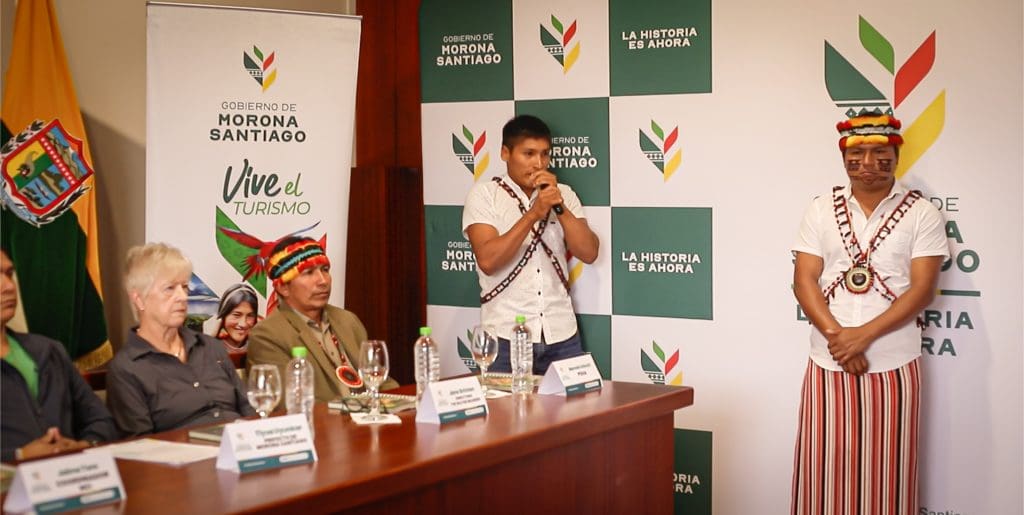
En este contexto, Juan Kukush Vidal Tsukanaka, presidente del Centro Shuar Yuwints, señaló: *“El Tarímiat Pujutaí Nunka es fundamental para la Amazonía. Es importante proteger este Territorio de Vida y toda la Naturaleza. Por eso, señor prefecto, le animo a continuar con la conservación de nuestro Tarímiat Pujutaí Nunka”.*
Por su parte, Wakiach Kuja, presidente de la Nacionalidad Achuar del Ecuador (NAE), expresó:
*“Me siento feliz por la firma de estos acuerdos de conservación. Felicito a todos los hermanos shuar y achuar a quienes pertenecemos a las nacionalidades. Cada uno de nosotros cuida su territorio como parte de las enseñanzas de nuestros ancestros. Gracias a todas las instituciones que se han sumado al cuidado de nuestra Naturaleza”.*

### **Sistema innovador de purificación de agua en Wachirpas**
En el marco de los acuerdos de conservación del Territorio de Vida y Uso Ancestral “Tarimiat Pújutai Nunka”, el personal técnico del GAD Provincial de Morona Santiago y Naturaleza y Cultura Internacional, emprendieron un recorrido fluvial para instalar el sistema innovador de purificación de agua de lluvia con filtros UV en la comunidad de Wachirpas. Esta tecnología, vital para comunidades de difícil acceso, beneficiará a más de 45 familias Achuar, sembrando salud, dignidad y futuro.
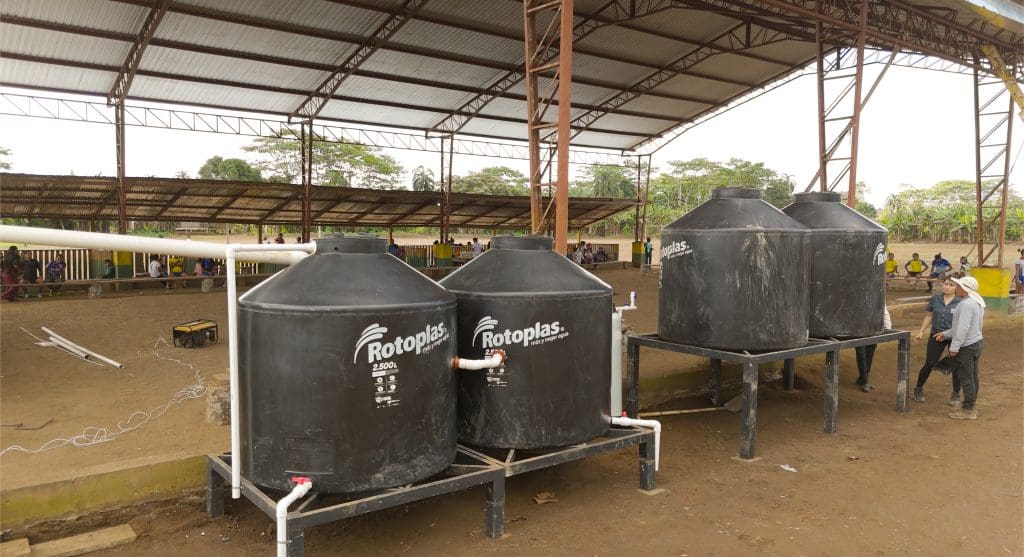Sistema de purificación de agua en Wachirpas (Créditos: Gandy Grefa)
La conservación del Territorio de Vida y Uso Ancestral Tarímiat Pujutaí Nunka representa un claro ejemplo de gestión colaborativa entre el Gobierno Provincial de Morona Santiago y las cuatro organizaciones indígenas. Esta alianza se basa en un modelo de gobernanza que reconoce a los pueblos y nacionalidades como gestores legítimos del territorio, entendiendo que un Territorio de Vida trasciende lo físico para integrar cultura, espiritualidad y un vínculo profundo con la selva Amazónica.
La gestión del Tarímiat Pujutaí Nunka se fortalece con el respaldo técnico de Naturaleza y Cultura Internacional y el apoyo financiero de Andes Amazon Fund y la cooperación noruega – NORAD, asegurando un manejo eficiente y sostenible.
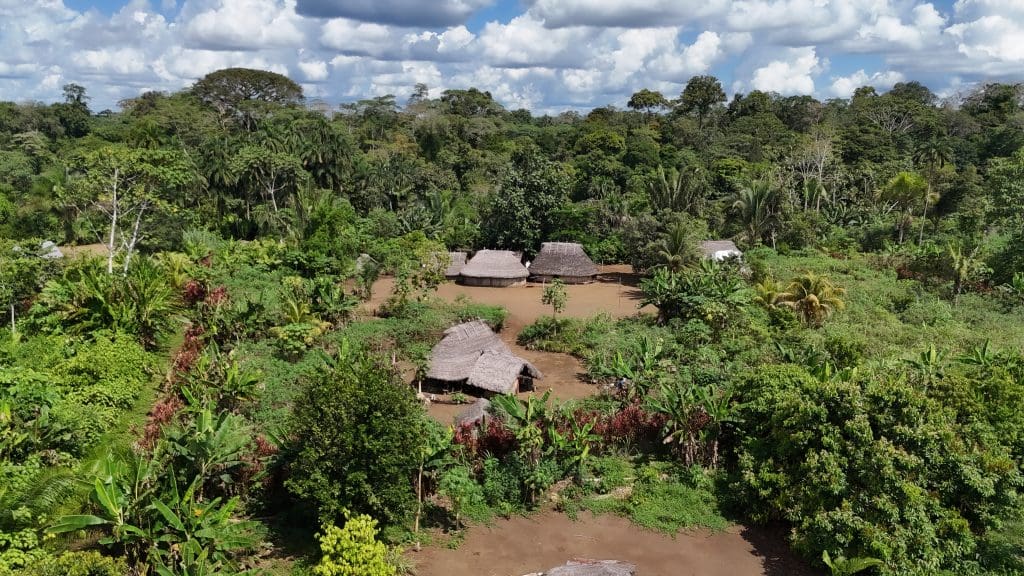Vista aérea de la comunidad de Wachirpas (Créditos: Gandy Grefa)
Este territorio de Morona Santiago forma parte de la Plataforma Amazónica por los Bosques, el Clima y el Bienestar Humano, un esfuerzo colaborativo entre los gobiernos provinciales amazónicos y los pueblos y nacionalidades para proteger el patrimonio natural y cultural de la Amazonía y promover medios de vida sostenibles para el bienestar de su gente.
Conoce más sobre la Plataforma Amazónica [aquí](https://www.natureandculture.org/es/ecuador/la-plataforma-amazonica/)
---
**Más información:**
Aida Maldonado
**Comunicadora Ecuador**
<amaldonado@naturalezaycultura.org>
**Tags:** Agua, Biodiversidad, Ecuador, Personas
**Strategic Area:** Agua, Bosques, Comunidades Locales
**Country:** Ecuador
**Content Type:** Blog
---
### [Registro de especies reflejan el buen estado de ACP Utco](https://www.natureandculture.org/es/directorio/registro-de-especies-reflejan-el-buen-estado-de-acp-utco/)
**Published:** August 1, 2025
**Author:** Nora Sanchez
**Content:**
Durante una jornada de patrullaje, los guardaparques comunales del Área de Conservación Privada – ACP Utco, ubicada en el distrito de Utco, provincia de Celendín, región Cajamarca, registraron **la presencia de dos especies que habitan el área:** el zorro de Sechura (*Lycalopex sechurae*) y el zorrillo (*Conepatus chinga*). Además, continuaron vigilando las especies de flora endémica que alberga el área como la cucharilla (*Clusia rigida*) y el cacho de venado (*Maraniona lavinii)*.
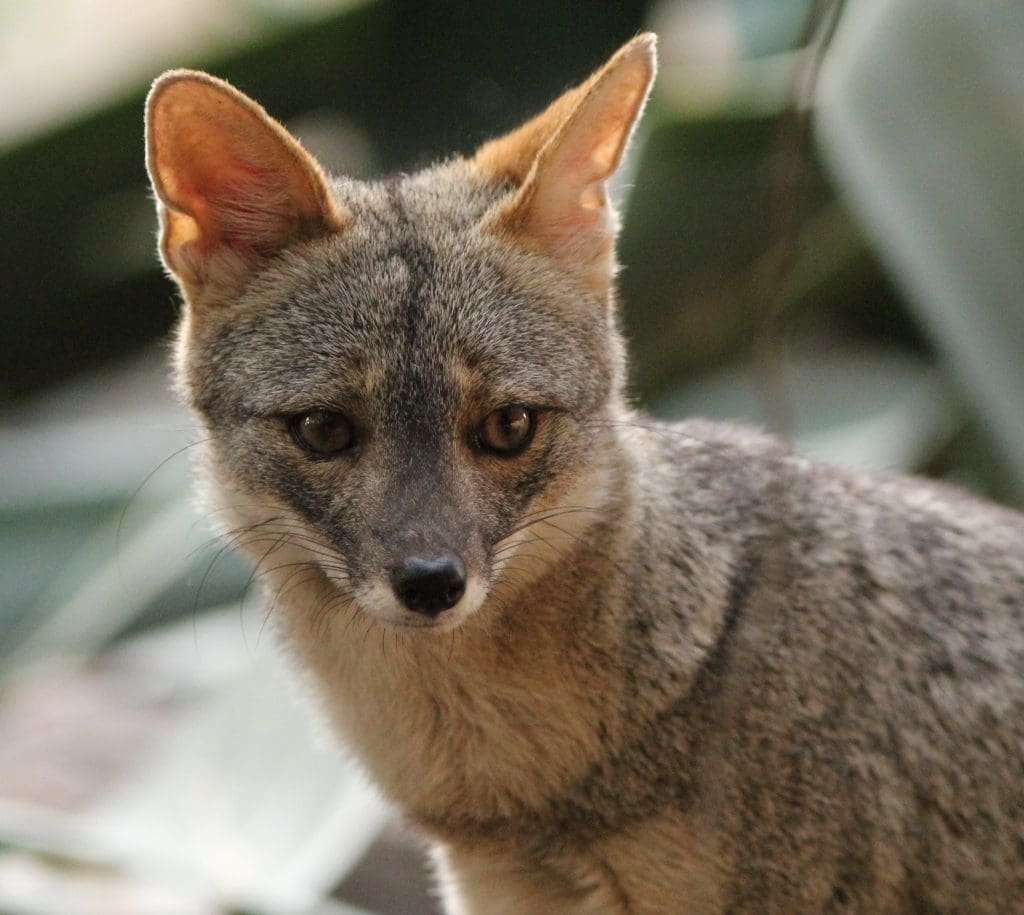Zorro de Sechura (*Lycalopex sechurae*) Créditos: Rich Hoyer / iNaturalist
**Estos hallazgos refuerzan la importancia de este territorio como refugio de vida silvestre** y constituyen una evidencia concreta de que esta zona, que forma parte de la ecorregión Bosques Secos del Marañón, mantiene condiciones saludables para la biodiversidad
El registro de estas especies no solo enriquece el recuento de fauna y flora del área, sino que también confirma que los distintos ecosistemas de los Bosques Secos presentes en el ACP Utco se mantienen funcionales, capaces de ofrecer alimento, refugio y condiciones adecuadas para la supervivencia de especies propias de este entorno natural, tan singular como frágil.
### **ACP Utco: Conservación desde la comunidad**
El ACP Utco fue reconocida oficialmente por el Ministerio del Ambiente mediante la Resolución Ministerial N.º 067-2023-MINAM, emitida el 20 de febrero de 2023, y comprende una extensión de 3,060.36 hectáreas pertenecientes a la Comunidad Campesina de Utco.
#### Conoce más sobre el ACP Utco [aquí](https://www.natureandculture.org/es/directorio/nuevas-areas-de-conservacion-en-peru-protegen-mas-de-siete-mil-hectareas-de-bosque/)
Esta área tiene como objetivo general conservar la diversidad de flora y fauna silvestre de los Bosques Secos del Marañón presentes al interior del ACP Utco, de la Comunidad Campesina de Utco.
El compromiso de la Comunidad Campesina de Utco es fundamental para la conservación del área. Los patrullajes realizados por los propios comuneros cumplen un doble rol: proteger el territorio y monitorear la biodiversidad que alberga. Gracias a esta labor constante, se mantiene un control efectivo que permite conocer y proteger las especies que habitan el área.

### **Donde hay cuidado, hay vida**
**La protección comunitaria constante y comprometida** es la base para conservar el ACP Utco. Los registros obtenidos no solo aportan datos valiosos para la gestión del área, sino que demuestran que esta vigilancia activa liderada por la comunidad produce resultados concretos y visibles.
El ACP Utco no es solo un territorio delimitado en un mapa, sino un espacio vivo y resiliente, cuyo equilibrio depende directamente del cuidado que su gente le brinda día a día. **Estos hallazgos confirman que proteger es, en efecto, vital para la supervivencia de la naturaleza que allí habita.**
---
**Más información:**
Gabriela Gives
**Comunicadora Perú**
<comunicacion.peru@naturalezaycultura.org>
**Strategic Area:** Biodiversidad, Bosques
**Country:** Perú
**Content Type:** Blog
---
### [21 años de Naturaleza y Cultura Internacional en Perú](https://www.natureandculture.org/es/directorio/21-anos-de-naturaleza-y-cultura-internacional-en-peru/)
**Published:** August 1, 2025
**Author:** Nora Sanchez
**Content:**
## *Un legado de conservación, gobernanza y sostenibilidad*
Naturaleza y Cultura Internacional (NCI) celebra **21 años de trabajo en Perú,** y se posiciona como una de las instituciones más fortalecidas en la conservación de la biodiversidad del país. La organización vive un año clave: consolida lo avanzado, renueva su estrategia institucional y apuesta por una forma de trabajo articulada, territorial y sostenible.
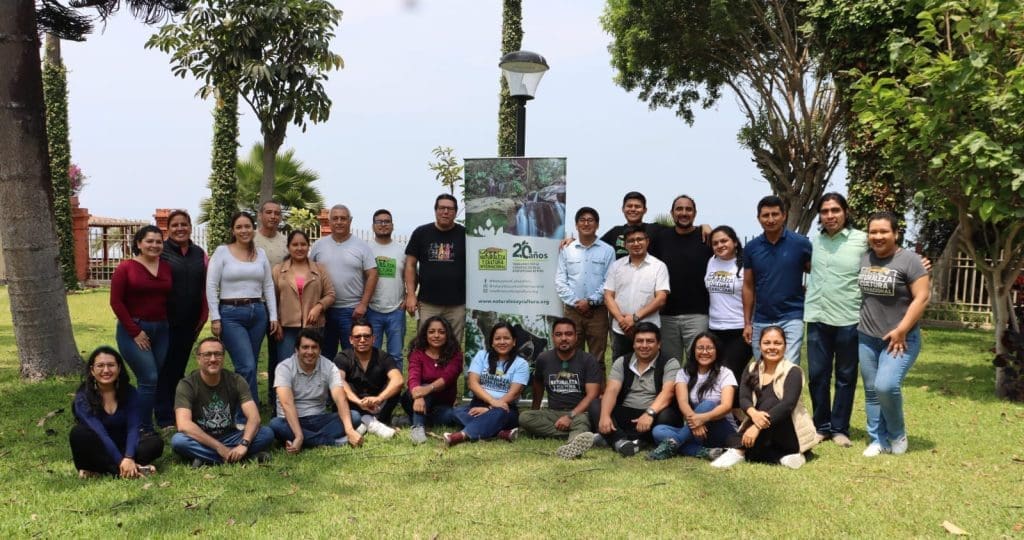
*“Estamos consolidando procesos, avanzando en nuevas áreas de conservación y trabajando en alianza con otros actores para enfrentar los desafíos que la conservación requiere”* afirma Guillermo Maraví Vega Centeno, director ejecutivo de Naturaleza y Cultura Internacional en el Perú.
### **Un nuevo enfoque para un nuevo tiempo**
Durante el último año, la organización ha culminado su plan estratégico anterior y ha trazado una nueva hoja de ruta. La apuesta es clara: **un modelo de trabajo anclado en tres pilares estratégicos: Creación de áreas de conservación, fortalecimiento de la gobernanza de los mosaicos de conservación y diseño e implementación de mecanismos de sostenibilidad financiera.**

Este enfoque se despliega en siete departamentos del país: **Piura, Cajamarca, Amazonas, La Libertad, Huánuco, Loreto y Ucayali**; a través del modelo de mosaicos de conservación, que integran ecosistemas, comunidades y gobiernos en un esfuerzo común.
Con más de dos décadas de experiencia, Naturaleza y Cultura Internacional es una de las organizaciones líderes en brindar soporte técnico a los Gobiernos Regionales en el establecimiento de Áreas de Conservación Regional (ACR) en el Perú. **Hoy, se estima que cerca del 60 % del total de hectáreas protegidas bajo esta modalidad han sido impulsadas por su trabajo.**
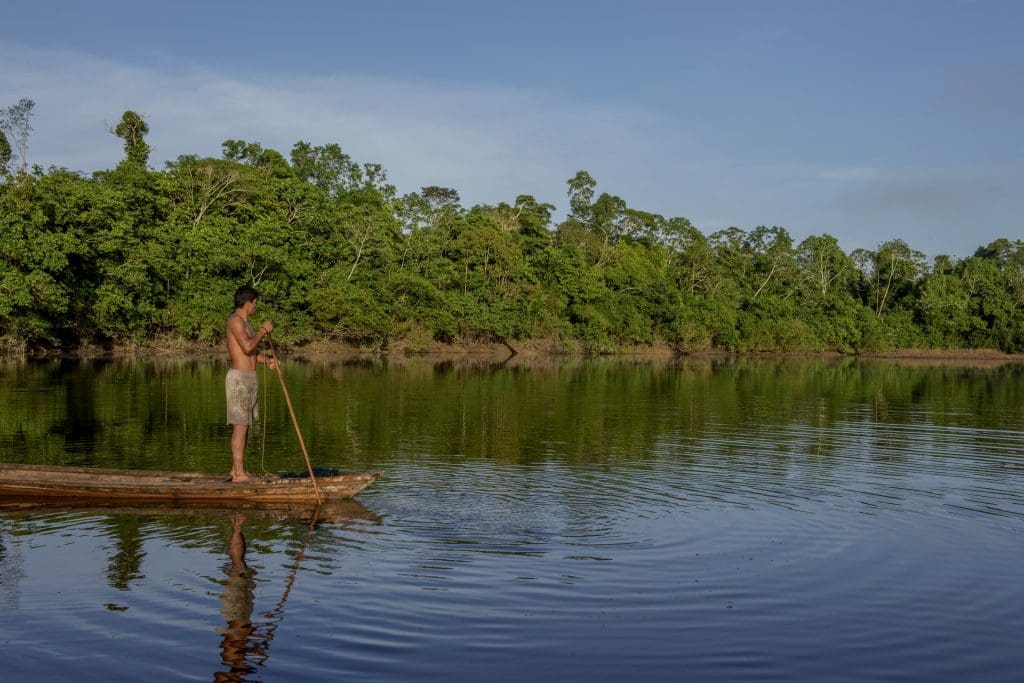
En este mes de aniversario, recordamos los [dos últimos logros](https://www.natureandculture.org/es/directorio/nuevas-areas-de-conservacion-en-peru-protegen-mas-de-siete-mil-hectareas-de-bosque/) en el establecimiento del ACR Bosques Secos Interandinos de Cutervo en Cajamarca, con 18,410.94 hectáreas, protege más de 475 especies de flora y fauna, muchas de ellas endémicas y en peligro de extinción. Así como del [ACR Velo de la Novia en Ucayali](https://www.natureandculture.org/es/directorio/ucayali-celebra-el-establecimiento-de-su-tercera-acr-velo-de-la-novia/), que abarca más de 14,000 hectáreas de las ecorregiones de yungas peruanas y bosques húmedos, asegurando la conservación de cabeceras de cuenca y especies emblemáticas.
Ambos procesos, que tomaron años de trabajo conjunto con comunidades y con el liderazgo de gobiernos regionales, **reflejan el compromiso detrás de cada nuevo territorio conservado.**
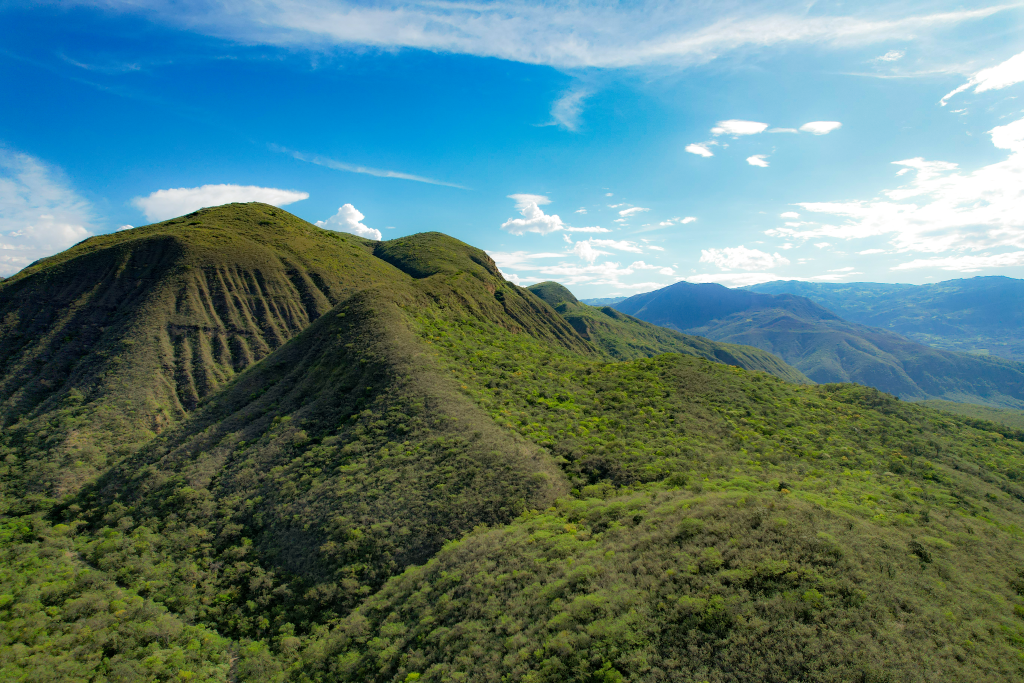
### **Gobernanza desde el territorio**
Naturaleza y Cultura Internacional ha apostado por generar y fortalecer espacios de gobernanza territorial, como el Corredor de Conservación Andes del Norte, que se encuentra dentro del **Corredor de Conservación Transfronterizo Andino Amazónico,** que une los ecosistemas proveedores de agua de Perú y Ecuador. Allí confluyen gobiernos regionales, comunidades, ONGs, entre otras instituciones; bajo una visión común de conectividad ecológica y bienestar humano.
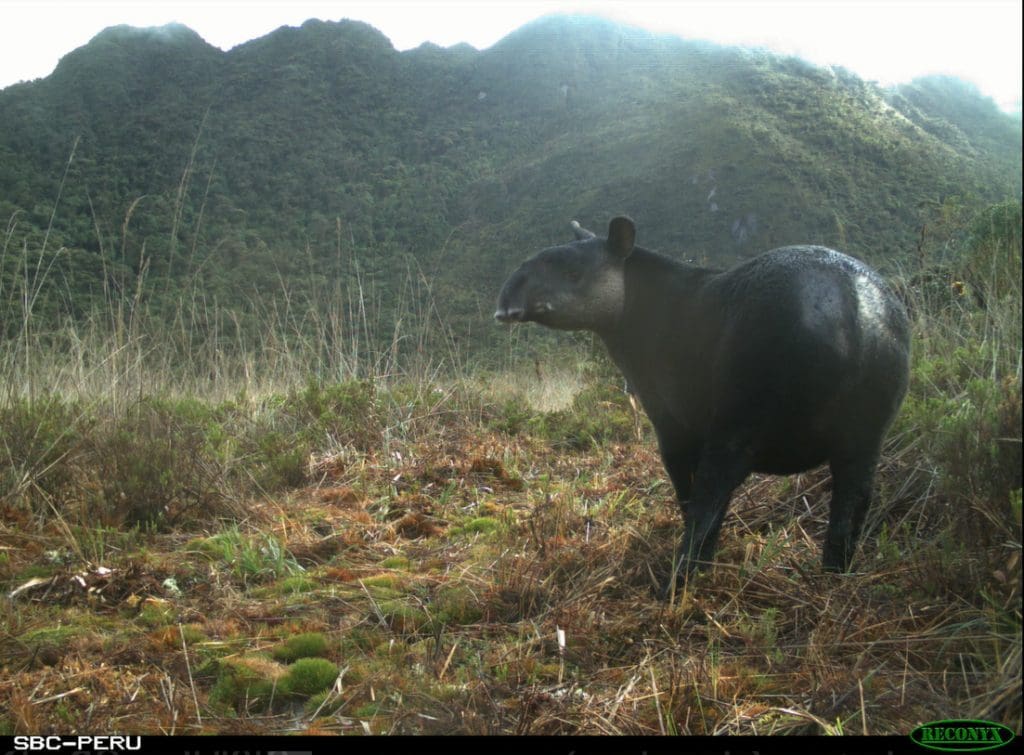Crédito de [Spectacled Bears Conservation Society](https://sbc-peru.org/es/acerca-de-nosotros/)
*“En este espacio se protege el hábitat del oso de anteojos y el tapir de montaña; también se cuidan las fuentes de agua de tres grandes cuencas: Chira, Chamaya y Chinchipe”*, destaca Maraví.
### **Financiamiento para el futuro**
Conservar también significa asegurar recursos para el mañana. En esa línea, se trabaja en el **diseño de mecanismos financieros innovadores.** Uno de los más avanzados es la creación de un fideicomiso regional en Loreto, en alianza con la Wildlife Conservation Society – WCS, el Instituto del Bien Común – IBC y el Gobierno Regional de Loreto, que permitirá financiar diversas formas de conservación en la Amazonía loretana.
Además, en los Andes del Norte, la organización promueve el **fortalecimiento del Fondo del Agua de los Andes del Norte**, un instrumento clave para garantizar servicios ecosistémicos y responder a la creciente demanda hídrica en la producción de alimentos de exportación y consumo directo en el norte del país.
### **La clave del futuro**
Uno de los cambios más profundos en este nuevo ciclo es la forma de trabajo. Naturaleza y Cultura Internacional no actúa sola, sino en consorcio con organizaciones que complementan su expertise.

*“Las necesidades en los territorios son múltiples y complejas. No podemos abordarlas solo desde la conservación. Por eso trabajamos con socios especializados en producción sostenible, incidencia política, acceso a mercados. Se trata de construir respuestas integrales junto a las comunidades”*, explica Maraví.
Este modelo colaborativo ya se refleja en alianzas activas con instituciones públicas y privadas, nacionales e internacionales, que confían en la organización para la gestión transparente y técnica de proyectos y fondos.
### **Celebrando 21 años en Perú**
*“La conservación ya no puede ser solo una isla dentro de los territorios. Debe estar conectada con las necesidades reales de las personas. Y para lograrlo, debemos ver el territorio de manera conjunta, trabajando en red, con aliados, con respeto y con visión de futuro. Eso es lo que estamos haciendo”* puntualiza Guillermo Maraví.
A 21 años de su llegada al Perú, Naturaleza y Cultura Internacional celebra su historia. Se reinventa, se articula, y reafirma su compromiso con un modelo de conservación que nace en el territorio, se construye con las comunidades y se sostiene con alianzas. **Porque conservar no es un objetivo: es un camino colectivo hacia el bienestar y la vida.**
---
**Más informacion:**
Gabriela Gives
**Comunicación Perú**
<comunicacion.peru@naturalezaycultura.org>
**Tags:** Biodiversidad, Perú
**Strategic Area:** Bosques
**Country:** Perú
**Content Type:** Blog
---
### [Conservar desde lo urbano: colectivo Raíces busca proteger el Bosque Santa Inés](https://www.natureandculture.org/es/directorio/conservar-desde-lo-urbano-colectivo-raices-busca-proteger-el-bosque-santa-ines/)
**Published:** August 1, 2025
**Author:** Nora Sanchez
**Content:**
Como parte del proceso de gestión y socialización de las Áreas de Conservación y Uso Sostenible (ACUS) en la provincia de El Oro, se lanzó la Primera Convocatoria de Iniciativas Juveniles, con el objetivo de fomentar la participación activa de la juventud en la conservación de la biodiversidad local. Esta convocatoria cuenta con el respaldo técnico de Naturaleza y Cultura Internacional y el apoyo financiero de Andes Amazon Fund.
Tomado de: Universidad Técnica de Machala
Una de las propuestas seleccionadas fue la del colectivo juvenil ambientalista Raíces, que impulsa un proyecto enfocado en la señalización y conservación del Bosque Santa Inés, ubicado dentro del área urbana de la ciudad de Machala. La iniciativa busca visibilizar el valor ecológico y social de este espacio natural, promover su protección y fortalecer el sentido de apropiación comunitaria mediante la instalación de señalética interpretativa y la realización de actividades de educación ambiental con enfoque participativo.
El Bosque Santa Inés es uno de los pocos remanentes de vegetación nativa en zona urbana dentro de la provincia. Cumple una función clave como corredor ecológico, espacio de aprendizaje ambiental y pulmón verde para la ciudad, albergando biodiversidad y ofreciendo servicios ecosistémicos esenciales en un contexto donde la expansión urbana amenaza estos ecosistemas estratégicos.
Tomado de: Universidad Técnica de Machala
La articulación entre jóvenes, comunidad local e instituciones públicas fortalece el modelo de gobernanza colaborativaque sustenta el enfoque de las ACUS. Además, esta experiencia se vincula con los esfuerzos del cantón Machala por avanzar en el establecimiento de su propia Área de Conservación y Uso Sostenible, integrando la conservación urbana en la planificación territorial y ambiental del cantón.
---
**Más información:**
Aida Maldonado
Comunicadora Ecuador
<amaldonado@naturalezaycultura.org>
**Tags:** Biodiversidad, Ecuador
**Strategic Area:** Bosques
**Country:** Ecuador
**Content Type:** Blog
---
### [Ñembi Guasu: liderazgo indígena frente a incendios récord](https://www.natureandculture.org/es/directorio/nembi-guasu-liderazgo-indigena-frente-a-incendios-record/)
**Published:** July 31, 2025
**Author:** Nora Sanchez
**Content:**
## ***En 2024, el fuego se convirtió en la principal causa de deforestación, pero el liderazgo indígena y el trabajo colaborativo mantuvieron a salvo el Área Protegida Ñembi Guasu, en Bolivia.***
Escrito por: Heather Thomas \| Traducido por: Nora Sánchez
Según el *[Global Forest Review](https://gfr.wri.org/latest-analysis-deforestation-trends)*, el 2024 marcó un peligroso hito para los bosques del mundo: los incendios forestales se convirtieron en la principal causa de pérdida de bosques tropicales primarios, responsables de casi la mitad de la deforestación global. Este cambio refleja una crisis climática en aumento, que amenaza la biodiversidad, acelera las emisiones de carbono y resalta la urgente necesidad de una gestión forestal proactiva, que involucre a las comunidades que habitan el territorio.
Este patrón fue especialmente evidente en Bolivia, que registró un preocupante aumento del 200 % en la pérdida de bosques primarios, alcanzando el **segundo nivel más alto del mundo en 2024**, solo detrás de Brasil.
En medio de esta situación, el Área Protegida Ñembi Guasu desafió la tendencia nacional. Por segundo año consecutivo, logró prevenir tanto la pérdida de bosques como los daños por incendios: **es el único caso documentado de su tipo en Bolivia.**

### **Un área protegida que resiste las llamas**
Ñembi Guasu se ubica en la ecorregión del Gran Chaco, en el sur de Bolivia, una de las regiones ecológica y culturalmente más importantes del país. Reconocida oficialmente en 2019, **abarca más de 1,2 millones de hectáreas**, lo que la convierte en la segunda área protegida más grande de la región y un refugio vital para la biodiversidad. Es el hogar de especies como jaguares, armadillos gigantes, tapires y más de 1 000 especies de plantas endémicas.

El área protegida se encuentra dentro del territorio de **Charagua Iyambae** —la primera autonomía indígena reconocida de Bolivia— y posee una profunda importancia ecológica y cultural. Es hogar de los últimos pueblos indígenas no contactados fuera de la Amazonía: **familias Ayoreo que viven en aislamiento voluntario y han cuidado estas tierras por generaciones.**
En un año en el que los incendios arrasaron los bosques bolivianos, **Ñembi Guasu se destacó como el único caso documentado en el país donde se evitó exitosamente la pérdida de bosque y los daños por fuego.** Según el *Global Forest Review*, representa un inspirador ejemplo de **prevención eficaz liderada localmente.**
El periódico *The Guardian* también destacó esta victoria:
> “Bolivia vivió su peor temporada de incendios registrada… pero el territorio indígena de Charagua Iyambae resistió con éxito gracias a políticas de uso del suelo y sistemas de alerta temprana.”
> [Lee el artículo](https://www.theguardian.com/environment/article-link)
### **Fortalecimiento local: un modelo para la protección de bosques**
El éxito de Ñembi Guasu no es casualidad. Es el resultado de años de inversión en **el fortalecimiento de capacidades locales, gobernanza indígena y estrategias coordinadas de prevención**, especialmente ante amenazas persistentes como la quema ilegal, la expansión del agronegocio y la construcción de carreteras. Este trabajo ha sido posible gracias a la **colaboración estrecha entre el gobierno indígena de Charagua Iyambae, la ONG boliviana Fundación Nativa y Naturaleza y Cultura Internacional**.
En el centro de este modelo están **los guardaparques guaraníes y el personal comunitario para la conservación**, que monitorean el bosque todo el año. Capacitados en prevención y detección temprana de incendios, patrullan el territorio, identifican señales de riesgo y reportan amenazas tanto a las autoridades indígenas como a los gobiernos municipales. Esta coordinación permite una acción colectiva y rápida antes de que los incendios se propaguen o que se agraven las incursiones ilegales.
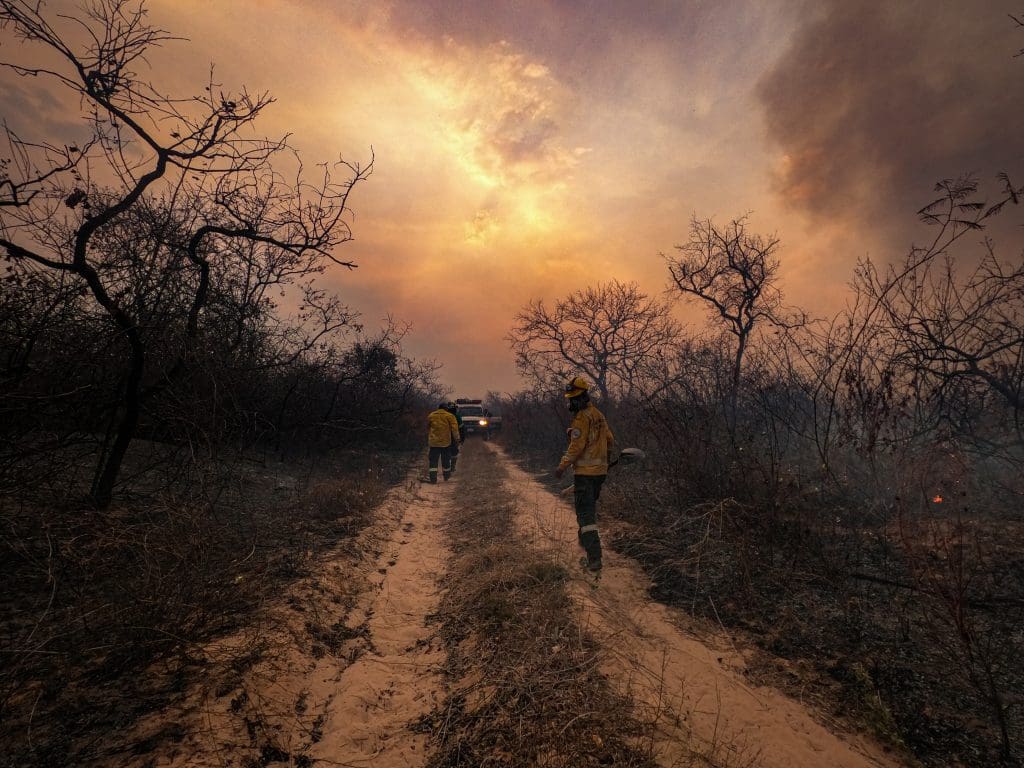
Su trabajo se apoya en sistemas de monitoreo GPS y satelital, además de herramientas y capacitaciones diseñadas para ayudar a la autonomía indígena de Charagua Iyambae a **documentar la deforestación, defender sus derechos territoriales y aplicar planes de uso del suelo.** La vigilancia local se guía por planes de conservación culturalmente arraigados, basados en conocimientos ecológicos y marcos legales.
Como explica Iván Arnold, director de Fundación Nativa:
> *“Este logro no es accidental ni resultado de menor presión externa. La diferencia está en el enfoque. Durante años, el gobierno indígena de Charagua Iyambae ha liderado su propio modelo de manejo territorial, uno basado en la comunidad, con raíces culturales profundas y guiado por un conocimiento íntimo del territorio.”*
Ñembi Guasu demuestra que, con las herramientas, alianzas y liderazgo adecuados, **incluso los bosques más vulnerables al fuego pueden ser protegidos.**
### **El modelo de Ñembi Guasu: un ejemplo a seguir**
El caso de Ñembi Guasu ofrece una respuesta poderosa al desafío global de la deforestación y la crisis climática. **El liderazgo indígena y la colaboración local son esenciales para proteger los bosques.**
Naturalezza y Cultura Internacional centra su trabajo en la conservación liderada por comunidades. Trabajamos junto a pueblos indígenas y comunidades locales para fortalecer la gestión de áreas protegidas en toda América Latina, incluidas aquellas más vulnerables a los incendios. En estos paisajes de alto riesgo, el liderazgo local, combinado con políticas coordinadas y capacitación técnica, **no solo previene incendios devastadores, sino que ofrece un camino comprobado y escalable frente a las amenazas climáticas crecientes.**
A medida que aumentan las amenazas climáticas, la conservación liderada por las comunidades ofrece no solo esperanza, **sino un camino hacia adelante.**
---
**Más información:**
Nora Sánchez Luzardo
**Coordinadora de Comunicación para América Latina**
<nsanchez@naturalezaycultura.org>
**Tags:** Biodiversidad, Personas
**Strategic Area:** Clima
**Country:** Bolivia
**Content Type:** Blog
---
### [Amid Record Fires, One Bolivian Forest Stands Strong ](https://www.natureandculture.org/directory/amid-record-fires-one-bolivian-forest-stands-strong/)
**Published:** July 31, 2025
**Author:** Heather Thomas
**Content:**
## ****In 2024, fire became the main driver of deforestation, but Indigenous leadership and collaboration kept Bolivia’s Ñembi Guasu Protected Area safe****
According to the [Global Forest Review](https://gfr.wri.org/latest-analysis-deforestation-trends), 2024 marked a dangerous new milestone for the world’s forests: **wildfires became the leading cause of tropical primary forest loss**, responsible for nearly half of global tropical deforestation. This shift reflects a growing crisis fueled by climate change that threatens biodiversity, accelerates carbon emissions, and underscores the urgent need for proactive forest management, especially by communities on the frontlines.
Nowhere was this trend more evident than in Bolivia, which saw a staggering 200% increase in primary forest loss—climbing to the second-highest level worldwide in 2024, behind only Brazil.
Amid this destruction, the [Ñembi Guasu Protected Area](https://www.natureandculture.org/directory/nembi-guasu/) defied the national trend. It **prevented both forest loss and fire damage for the second year in a row**—the only documented case of its kind in Bolivia.

### **Protected Area Resists the Flames**
**Ñembi Guasu** is located in southern Bolivia’s Gran Chaco ecoregion, one of the most ecologically and culturally important regions in Bolivia. Officially recognized in 2019, Ñembi Guasu spans nearly 3 million acres, making it the second-largest protected area in the region and a vital refuge for biodiversity, home to threatened species such as jaguars, giant armadillos, tapirs, and over 1,000 endemic plant species.

The protected area lies within the territory of Charagua Iyambae (Bolivia’s first Indigenous autonomy) and holds deep cultural and ecological significance for the last uncontacted Indigenous Peoples outside of the Amazon — Ayoreo families who live in voluntary isolation and have cared for this land for generations.
In a year when fire ravaged Bolivia’s forests, **Ñembi Guasu stood out as the only documented case in the country where forest loss and fire damage were successfully prevented**. According to the [Global Forest Review](https://gfr.wri.org/latest-analysis-deforestation-trends), it’s a rare example of effective, locally driven prevention in the face of overwhelming pressure.
*The Guardian* also highlighted this rare victory in its coverage of the global forest crisis:
> *“Bolivia experienced its worst fire season on record… but the Charagua Iyambae Indigenous territory successfully resisted fires through land‑use policies and early‑warning systems.”*
> [Read the article ›](https://www.theguardian.com/global-development/2025/may/23/global-forest-loss-record-high-latin-america-heart-inferno)
### ****Building Local Capacity: A Model for Forest Protection****
Ñembi Guasu’s success is no accident. It’s the result of years of investment in local capacity, Indigenous governance, and coordinated prevention strategies—especially in the face of ongoing threats from illegal burning, agribusiness expansion, and road construction. This work has been made possible through close **collaboration** between the **Charagua Iyambae Indigenous government**, the Bolivian NGO [**Fundación Nativa**](https://nativabolivia.org/), and **Nature and Culture International**.
At the center of this model are **Guaraní park rangers and community conservation staff**, who monitor the forest year-round. Trained in **fire prevention and early detection**, they patrol the landscape, identify signs of risk, and report threats to both **Indigenous authorities and local municipal governments**. This coordination enables **fast, collective action** before fires can spread or illegal incursions escalate.

Their work is supported by **GPS and satellite monitoring systems**, as well as tools and training developed to help the **Charagua Iyambae Indigenous autonomy** document deforestation, defend territorial rights, and enforce land-use plans. Local enforcement is guided by **culturally grounded conservation plans**, rooted in ecological knowledge and legal frameworks.
> As Iván Arnold, Director of Fundación Nativa, explains:
> *“This achievement is neither accidental nor the result of less external pressure. The difference lies in the approach. For years, the Indigenous government of Charagua Iyambae has led its own model of land management—one that’s community-based, culturally grounded, and guided by deep knowledge of the territory.”*
Ñembi Guasu shows that with the right tools, partnerships, and leadership, **even the most fire-prone forests can be protected**.
### **The Urgency to Replicate Success**
Ñembi Guasu’s success offers a powerful answer to the global challenge of the rise of wildfires as the primary cause of tropical forest loss. **Indigenous leadership** and **locally rooted collaboration** are essential to protecting forest landscapes.
Nature and Culture centers its work on community-led conservation. We work alongside local and Indigenous partners to strengthen protected areas across Latin America, including those most vulnerable to fire. In these high-risk landscapes, local leadership—combined with coordinated policy and technical training—does more than prevent devastating fires. It offers a proven, scalable path forward in the face of mounting climate threats.
As climate threats grow, **community-led conservation** offers not just hope—but a clear path forward.
**Tags:** Bolivia, Community-Led Conservation, Fire Prevention, Indigenous, Protected Area
**Strategic Area:** Climate
**Country:** Bolivia
**Content Type:** Blog
---
### [Nuevo registro de mono nocturno en el Abra de Zamora ](https://www.natureandculture.org/es/directorio/nuevo-registro-de-mono-nocturno-en-el-abra-de-zamora/)
**Published:** July 21, 2025
**Author:** Nora Sanchez
**Content:**
Registran al mono nocturno (*Aotus lemurinus*) en la Estación Científica San Francisco, ubicada en el Abra de Zamora. Este registro amplía el conocimiento sobre la distribución de esta especie y refuerza la importancia biológica de esta zona, reconocida por albergar uno de los ecosistemas montanos más diversos del país.
Mono nocturno (*Aotus lemurinus*) Foto: David Monroy R
Este ecosistema, situado en la Depresión del Huancabamba, entre las provincias de Loja y Zamora Chinchipe, conforma un corredor ecológico estratégico y una zona de amortiguamiento del Parque Nacional Podocarpus, conectando los Andes con la Amazonía. A pesar de su extensión relativamente reducida, el Abra de Zamora alberga una alta concentración de biodiversidad y endemismo, destacándose especialmente por su riqueza en anfibios y plantas.
El mono nocturno no había sido registrado previamente en la Estación Científica San Francisco. Esta especie es muy difícil de registrar debido a su comportamiento discreto y hábitos nocturnos. Habita en bosques nublados y de tierras bajas bien conservados, como los presentes en el Abra de Zamora. Su dieta incluye frutos, flores, savia, insectos y pequeños vertebrados, lo que le confiere un rol ecológico fundamental como dispersor de semillas y facilitador de procesos de regeneración en los bosques montanos andinos.
El mono nocturno es difícil de registrar debido a su comportamiento discreto. Foto: Gonzalo Nazati
*“El registro de esta especie en el Abra de Zamora no había sido documentado previamente. Se trata de un dato relevante que ayuda a entender su distribución actual en los Andes de Ecuador”*, señala Diego Armijos, docente e investigador del Museo de Zoología de la Universidad Técnica Particular de Loja (UTPL), quien ha liderado estudios de fauna en la zona.
### **Una especie vulnerable bajo presión**
Aunque el registro del mono nocturno constituye un avance relevante para la ciencia, también ha puesto de manifiesto nuevas amenazas para su supervivencia. La confirmación de su presencia en el Abra de Zamora coincidió con un individuo hallado muerto por electrocución tras entrar en contacto con cables de alta tensión que atraviesan su hábitat. Este incidente evidencia el impacto directo que pueden tener las infraestructuras humanas en especies sensibles que habitan ecosistemas de alta biodiversidad.
Los cables de electricidad son parte del paisaje en Abras de Zamora
Catalogado como Vulnerable (VU) por la Unión Internacional para la Conservación de la Naturaleza (UICN), el mono nocturno enfrenta además presiones crecientes por cacería, tráfico de fauna, y por la pérdida de su hábitat natural, resultado de la deforestación, la expansión agrícola y el desarrollo de infraestructuras sin medidas de mitigación. Estos factores, combinados, amenazan la viabilidad de sus poblaciones a largo plazo, incluso en zonas aparentemente bien conservadas como el Abra de Zamora.
*“Este evento debe servir como un llamado a implementar estrategias para reducir la mortalidad de fauna silvestre, como la poda preventiva de árboles o el uso de coberturas aislantes en cables”*, agrega Armijos.
### **Conservación basada en ciencia**
El registro del mono nocturno en el Abra de Zamora refleja el impacto positivo de las áreas protegidas o reservas naturales. El Parque Nacional Podocarpus, la Estación Científica San Francisco y las Areas de Conservación Municipal de Zamora están protegiendo el hábitat de varias especies claves como el mono nocturno lemurino. Gracias al apoyo de organizaciones como Rainforest Trust, Mycorrhizal Fund, Fundación Alemana para la Investigación y Naturaleza y Cultura Internacional, y el trabajo del Museo de Zoología de la UTPL, se han generado datos científicos esenciales, como en este caso, y en otros que incluyen el hallazgo de especies endémicas y nuevas para la ciencia, como *Pristimantis matildae*, *Pristimantis samaniegoi y Pristimantis sagedunnae*.
*“Cada nuevo dato refuerza la necesidad de proteger prioritariamente este ecosistema. El Abra de Zamora sigue siendo un laboratorio natural para la ciencia, donde especies frágiles aún encuentran refugio”*, señala Armijos.
El Parque Nacional Podocarpus, la Estación Científica San Francisco y las Areas de Conservación Municipal de Zamora están protegiendo el hábitat de varias especies claves.
De acuerdo con el biólogo Felipe Serrano, Director Ejecutivo de Naturaleza y Cultura Internacional en Ecuador, los monos nocturnos del género Aotus se organizan en pequeños grupos familiares y presentan poblaciones escasas que ocupan territorios limitados, con una extensión entre 1,5 y 9 hectáreas. Señala que la conversión de bosques en pastizales o la construcción de infraestructura representa una amenaza significativa para su hábitat. A pesar de casi tres décadas de investigación exhaustiva, los científicos siguen descubriendo nuevas especies y registros en la región.
Serrano destaca que el Abra de Zamora y sus áreas de conservación actúan como una verdadera “fábrica de especies”, donde cada una cumple un papel esencial para el adecuado funcionamiento de los ecosistemas. Finalmente, enfatiza la urgencia de mantener, estudiar y aprovechar la presencia de estas especies mediante un trabajo coordinado entre comunidades locales, autoridades, organizaciones y el ámbito académico.
---
**Más información:**
Aida Maldonado
**Comunicadora Ecuador**
<amaldonado@naturalezaycultura.org>
**Tags:** Biodiversidad, Ecuador
**Strategic Area:** Biodiversidad
**Country:** Ecuador
**Content Type:** Noticias
---
### [Somos parte de proyecto para fortalecer el acceso a mercado de los bionegocios y promover el valor de los bosques tropicales y turberas del Perú ](https://www.natureandculture.org/es/directorio/somos-parte-de-proyecto-para-fortalecer-el-acceso-a-mercado-de-los-bionegocios-y-promover-el-valor-de-los-bosques-tropicales-y-turberas-del-peru/)
**Published:** July 21, 2025
**Author:** Nora Sanchez
**Content:**
Con el respaldo de la Embajada del Reino Unido en el Perú y en el marco de la cooperación del programa UK PACT Amazon Regional Fund, se lanzó oficialmente el proyecto Fortalecimiento de Bionegocios para el acceso a mercados internacionales: agregando valor a los bosques tropicales y turberas del Perú, liderado por Rainforest Alliance, en alianza con Terra Nuova, Naturaleza y Cultura Internacional, la Asociación de Exportadores (ADEX) y Amazonia Impact Ventures (AIV) como aliados ejecutores.
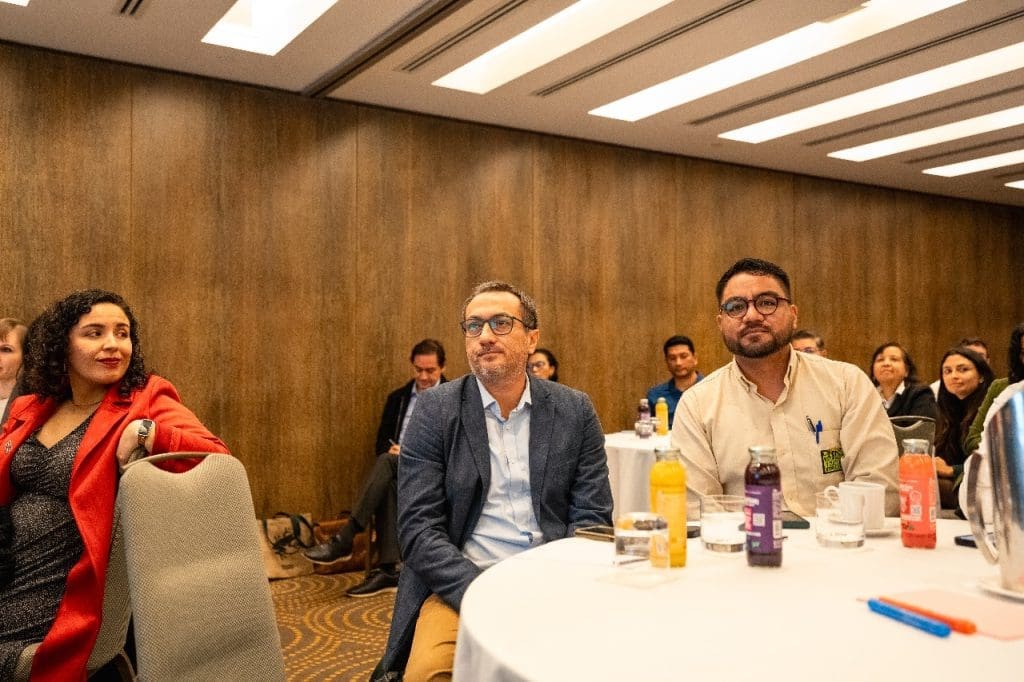Fernando Pérez y Ricardo Rivera representaron a Naturaleza y Cultura Internacional durante el evento de lanzamiento
El evento de lanzamiento, realizado en el Hotel Hilton Lima Miraflores, reunió a autoridades del Ministerio del Ambiente (MINAM), representantes del sector privado, organizaciones de la sociedad civil y diversos actores clave vinculados a la bioeconomía nacional.
### **Un proyecto para fortalecer cadenas de valor sostenibles**
El proyecto tiene como objetivo fortalecer el acceso al mercado internacional de productos no maderables del bosque (NTFPs, por sus siglas en inglés) y productos de biodiversidad, mejorando los procesos de producción y la competitividad de las cadenas de valor del aguaje, camu camu, sangre de grado y otros. Se busca asegurar acuerdos comerciales de cobeneficio y establecer alianzas estratégicas con compradores locales e internacionales, promoviendo la conservación de la biodiversidad y el desarrollo económico sostenible en comunidades amazónicas.
Para ello, el proyecto brindará asistencia técnica en buenas prácticas, acceso a mercados y financiamiento, así como herramientas a comunidades y productores locales que dependen del bosque, para que puedan abastecer a empresas ancla con productos de calidad y con estándares ambientales. Además, se acompañará a estas empresas para que se conecten con compradores internacionales, especialmente en Europa, con énfasis en el Reino Unido.
El proyecto también tiene previsto fortalecer espacios participativos que permitan establecer sinergias y alianzas interinstitucionales. En ese marco, ya se firmó un acuerdo de colaboración entre Rainforest Alliance y la empresa Candela Perú, y se prevé concretar nuevos acuerdos con actores clave del sector para fortalecer las cadenas de valor y facilitar su articulación con mercados estratégicos.
## **Resultados esperados**
El proyecto apunta a alcanzar los siguientes resultados concretos:
- Mejora de la competitividad y del posicionamiento comercial de las PYMES y cooperativas prioritarias del sector de la bioeconomía, facilitando su acceso a mercados nacionales e internacionales.
- Ampliación de áreas de gestión sostenible, que suministren productos forestales no madereros a través de cadenas de valor competitivas, inclusivas y con enfoque en conservación.
- Comercialización exitosa en mercados nacionales e internacionales de productos y subproductos de la biodiversidad amazónica provenientes de empresas ancla, PYMES y cooperativas de Pueblos Indígenas y comunidades locales (IPLC).
### **Liderazgo y articulación para la bioeconomía amazónica**
Durante la ceremonia, el Embajador del Reino Unido en el Perú, Gavin Cook, ofreció un mensaje destacando la cooperación bilateral en favor del clima y la biodiversidad. Miguel Pacheco, Director de Rainforest Alliance en Perú, compartió la visión de la organización sobre la conexión entre biodiversidad y mercados sostenibles, mientras que Javier Martinez, gerente del proyecto, presentó la hoja de ruta del proyecto, sus objetivos estratégicos y su potencial de impacto.
Diana Del Águila, Directora de Financiamiento Ambiental del MINAM, valoró la iniciativa como una herramienta clave para promover modelos de desarrollo bajo en emisiones, inclusivos y compatibles con la conservación.
El evento concluyó con un espacio participativo para recoger recomendaciones sobre articulación entre sectores, seguido de una sesión de *networking* para explorar oportunidades de colaboración entre los actores presentes.
---
**Más información:**
Gabriela Gives
Comunicación Perú
<comunicacion.peru@naturalezaycultura.org>
**Tags:** Perú
**Strategic Area:** Comunidades Locales
**Country:** Perú
**Content Type:** Noticias
---
### [Conoce Las Huaringas, donde se unen la cultura y la vida ](https://www.natureandculture.org/es/directorio/conoce-las-huaringas-donde-se-unen-la-cultura-y-la-vida/)
**Published:** July 17, 2025
**Author:** Nora Sanchez
**Content:**
En lo más alto de los Andes del Norte, se fortalece una nueva esperanza para la conservación: la propuesta de creación del Área de Conservación Regional (ACR) Páramos Andinos Huaringas. Con una extensión de más de 16,000 hectáreas, esta iniciativa del Gobierno Regional de Piura busca proteger un ecosistema único en el mundo y un paisaje ligado a la identidad de los pueblos andinos.
Ubicadas entre las provincias de Ayabaca y Huancabamba, las Huaringas son un conjunto de lagunas, territorio sagrado para los curanderos tradicionales y pobladores locales, quienes desde tiempos ancestrales han peregrinado a sus orillas para practicar el chamanismo, sanar con el agua, usar sus plantas medicinales, usar su energía y dialogar con la naturaleza. Los páramos, son una importante fuente natural de agua y conservan un legado espiritual que persiste en el tiempo.
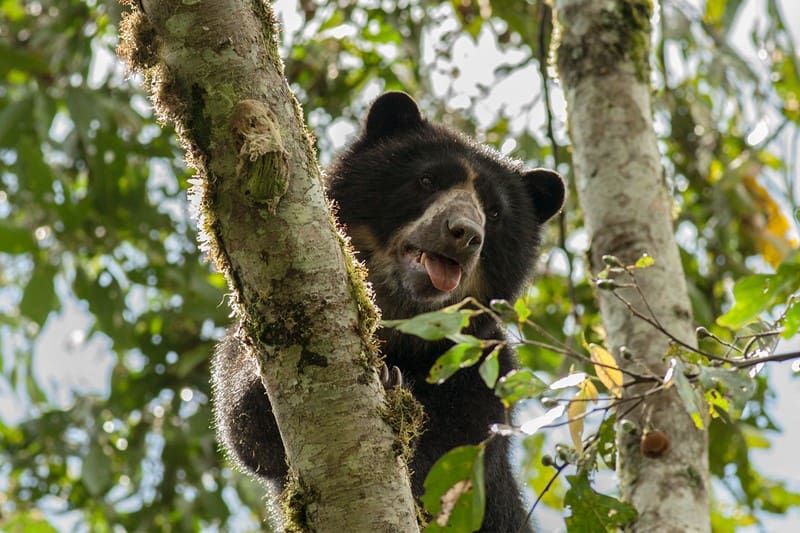Foto de Santiago R. Ron
*“No es solo la cultura la que encuentra refugio en las Huaringas. También lo hacen dos de las especies más emblemáticas y amenazadas de los Andes del Norte: el oso de anteojos (Tremarctos ornatus), único oso sudamericano, y el tapir andino (Tapirus pinchaque), especie que vive solo en estos páramos y una de las dos especies de tapires que viven en el Perú. Ambos animales, esquivos y simbólicos, dependen de los bosques montanos y páramos para sobrevivir. Y las Huaringas, como parte de un corredor que une el norte del Perú con el sur del Ecuador, les ofrecen un libre desplazamiento”* explica Iván Mejía, jefe de proyectos de Naturaleza y Cultura Internacional.
La propuesta del ACR Páramos Andinos – Huaringas, se encuentra en la tercera de cuatro etapas previas a su establecimiento y es impulsada por la Gerencia Regional de Recursos Naturales y el Sistema Regional de Conservación de Áreas Naturales (SRCAN) del Gobierno Regional de Piura, en colaboración con Naturaleza y Cultura Internacional y con el financiamiento de Andes Amazon Fund, siendo el resultado de años de trabajo técnico.
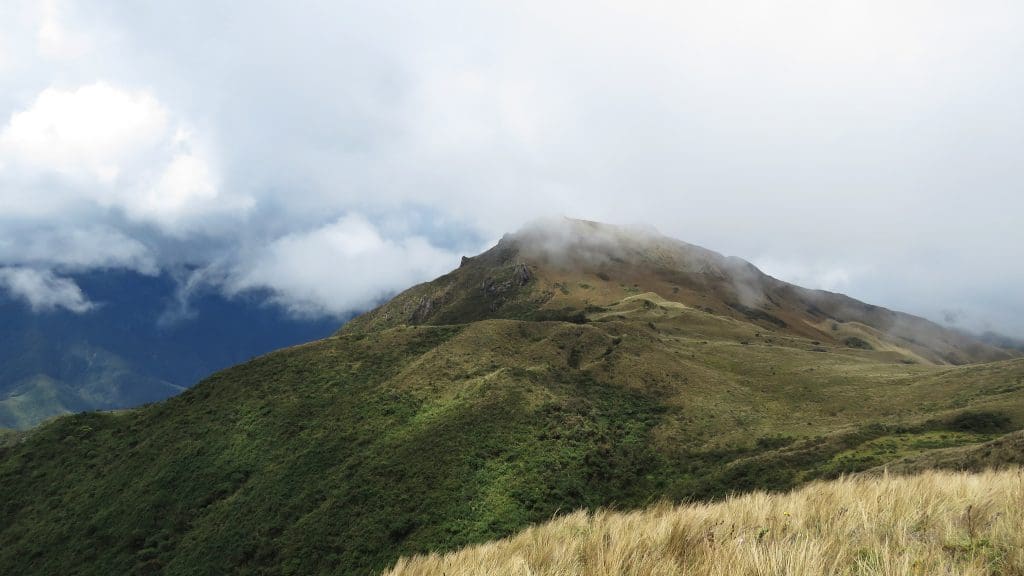Foto de Elio Nuñez
*“Conservar las Huaringas es proteger la cultura, biodiversidad y asegurar el agua para el futuro”,* explica Abel Calle. En efecto, los páramos funcionan como esponjas naturales: capturan la humedad de la neblina y liberan el agua lentamente, alimentando ríos y quebradas que a su vez riegan los valles del Chira, Piura, Alto Piura y del proyecto Olmos. Su degradación tendría consecuencias directas en el abastecimiento hídrico de miles de personas.
### **Una visión transfronteriza**
La propuesta forma parte del Corredor de Conservación Andes del Norte (CCAN) que, a su vez, está dentro del Corredor de Conservación Transfronterizo Andino Amazónico, un esfuerzo que busca unir los esfuerzos de conservación de los ecosistemas andinos del norte del Perú con el sur de Ecuador. De consolidarse, este esfuerzo permitirá el libre desplazamiento de fauna silvestre en más de dos millones de hectáreas, asegurar la provisión del servicio ecosistémico hídrico y fortalecería los vínculos de cooperación entre ambos países.
En un contexto de crisis climática y pérdida acelerada de especies, conservar las Huaringas es una estrategia no solo ecológica, social, sino también política. Es reconocer que la naturaleza no es solo un recurso, sino un legado.
### **Cultura viva, territorio en resistencia**
Las Huaringas, con más de 20 lagunas principales, sus montañas de pajonales y sus mitos vivos, son un ejemplo claro de cómo la conservación puede y debe articularse con la cultura.
Por eso, la propuesta de convertir este territorio en Área de Conservación Regional es asegurar que el oso de anteojos siga dejando huellas en el húmedo de los páramos. Que el tapir se desplace libremente. Que el agua siga abasteciendo a los pueblos. Y que, al pie de las lagunas, los curanderos sigan invocando a los espíritus de la naturaleza.
---
**Más información:**
Gabriela Gives
**Comunicadora Perú**
<comuncacion.peru@naturalezaycultura.org>
**Strategic Area:** Bosques
**Country:** Perú
**Content Type:** Blog
---
### [2025 Summer Newsletter](https://www.natureandculture.org/directory/2025-summer-newsletter/)
**Published:** July 14, 2025
**Author:** Heather Thomas
**Content:**
## Welcome to Nature and Culture’s 2025 Newsletter
### ***A conservation update on our wins across Latin America, and a look at the impact you’ve made on some of our biggest projects so far in 2025.***
We have a lot to celebrate! You’ve helped create five new protected areas, including [*Corazón de la Amazonía*](https://www.natureandculture.org/directory/the-heart-of-the-amazon-a-community-protects-the-headwaters-of-a-great-river/) and *[Cutervo](https://www.natureandculture.org/directory/peru-protects-one-of-the-worlds-rarest-forests-with-new-regional-conservation-area/)* in the [Andean Bi-National Corridor](https://www.natureandculture.org/the-andean-corridor/) linking key ecosystems in Ecuador and Peru. In Bolivia’s Chaco, communities are advancing wildfire prevention in one of the region’s most threatened landscapes.
Thank you for making this impact real.
**Tags:** Amazon, Biodiversity, Conservation, Ecuador, endangered species, Indigenous, Peru, Protected Area
**Strategic Area:** Biodiversity, Climate, Forests, Local Communities, Water
**Country:** Bolivia, Colombia, Ecuador, Mexico, Peru
**Content Type:** News
---
### [Guardaparques voluntarios de la comunidad campesina de San Felipe, realizan patrullaje comunitario en su ACP ](https://www.natureandculture.org/es/directorio/guardaparques-voluntarios-de-la-comunidad-campesina-de-san-felipe-realizan-patrullaje-comunitario-en-su-acp/)
**Published:** July 10, 2025
**Author:** Nora Sanchez
**Content:**
Como parte de sus acciones para la protección del ecosistema, los guardaparques voluntarios del Área de Conservación Privada (ACP) Páramos y Bosques Montanos, Paraíso de la Comunidad Campesina San Felipe, realizaron un patrullaje preventivo en su territorio ubicado en el distrito de San Felipe, provincia de Jaén, Cajamarca.
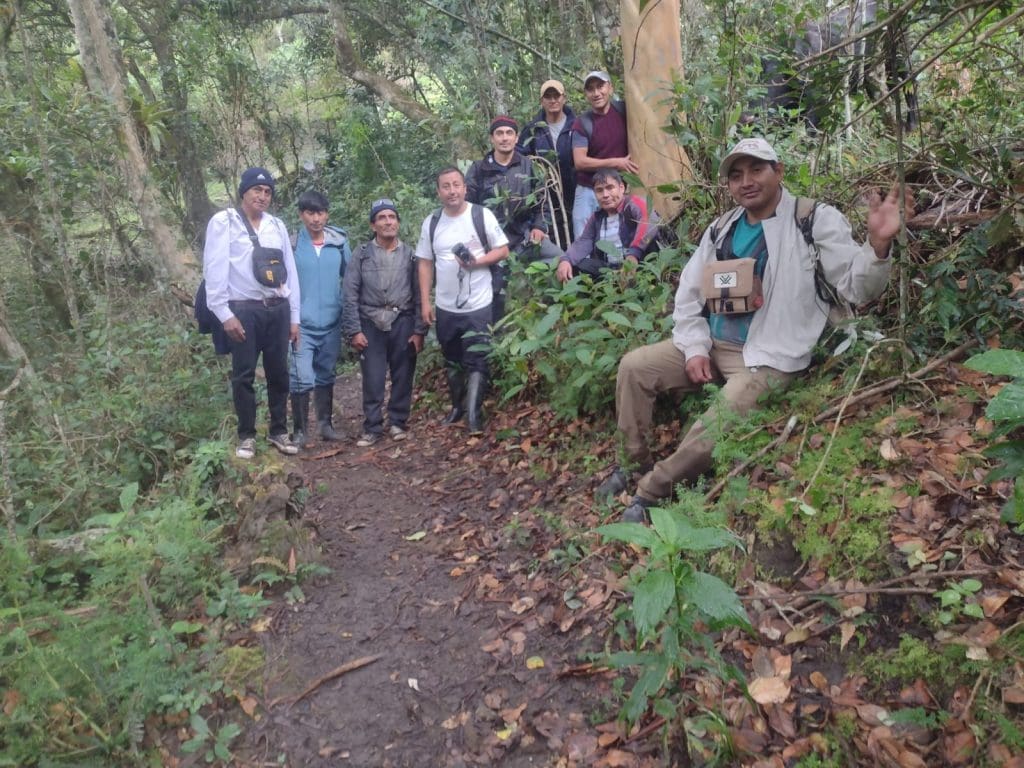
Durante la jornada, los acompañó Daniel Yrigoín, Técnico de Naturaleza y Cultura Internacional, quien informó que durante el recorrido se logró avistar diversas especies de aves como el chuquiaque (*Turdus* sp.), la Perdiz *(Nothoporcta curvirostris)*y la turca (*Patagioenas fasciata*), así como varias especies de colibríes y una serpiente (*Dipsas Sp.) la cual ha llamado la atención de los especialistas, al ser nuevo registro en estos ecosistemas*. Además, se identificaron huellas de oso de anteojos (*Tremarctos ornatus*), lo que evidencia la presencia de esta emblemática especie en el área.
Perdiz *(Nothoporcta curvirostris)*Serpiente (*Dipsas Sp.)*
Los patrullajes contribuyen a registrar la biodiversidad presente, también permiten detectar posibles amenazas que puedan poner en riesgo el ecosistema.
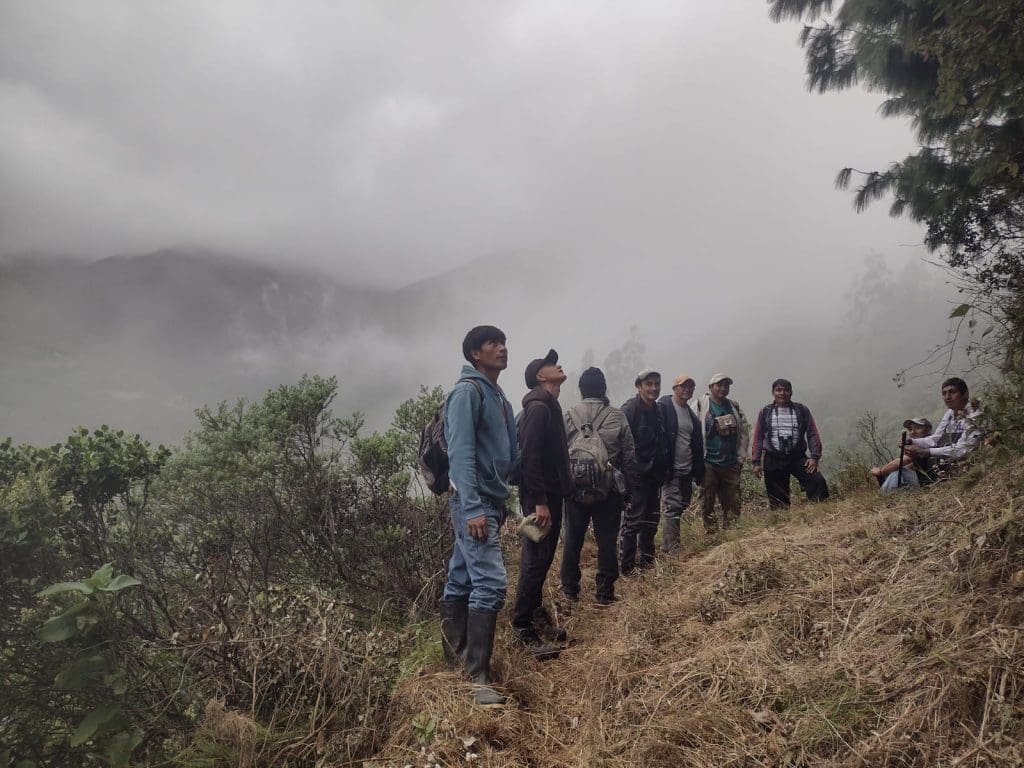
**Dato:** Área de Conservación Privada (ACP) Páramos y Bosques Montanos, Paraíso de la Comunidad Campesina San Felipe protege 1 957.75 hectáreas de páramos y bosques montanos que brindan agua a la quebrada Piquijaca, afluente a la rio Huacambamba y esto a su vez a la represa Limón, que beneficia a los cultivos agrícolas y de exportación del Valle Olmos en Lambayeque.
---
**Más informacion:**
Gabriela Gives
**Comunicación Perú**
<comunicacion.peru@naturalezaycultura.org>
**Tags:** Biodiversidad, Perú
**Strategic Area:** Comunidades Locales
**Country:** Perú
**Content Type:** Noticias
---
### [Record Breaking Fires Highlight the Importance of Protected Area Management](https://www.natureandculture.org/directory/record-breaking-fires-highlight-the-importance-of-protected-area-management/)
**Published:** September 19, 2024
**Author:** Heather Thomas
**Content:**
#### **Early Fire Season is Devastating South America, Nature and Culture provides technical expertise and equipment for wildfire prevention and response**
South America is facing a devastating fire season that started unusually early this year. Typically starting in October, one of the most extreme droughts in decades and extreme heat have led to an early onset of fire season and record-breaking loss. Shifted rainfall patterns from El Niño, increased temperatures due to climate change, and reduced humidity from deforestation all contributed to the problem.
Brazil and Bolivia are facing the worst of the fire season. By mid-September 2024, the [Brazilian Amazon has recorded over 94,000 fires](https://terrabrasilis.dpi.inpe.br/queimadas/situacao-atual/estatisticas/estatisticas_estados/), while Bolivia has recorded nearly 10 million acres (4 million hectares) affected by wildfires this year.
Our team is acutely aware of the wildfire crisis impacting South America. In areas like the Bolivian Chaco and the Páramo in Peru and Ecuador, we work with local communities to develop wildfire prevention and response skills. By building a strong network for coordination and support, we can better contain and mitigate larger, more intense blazes. This proactive approach has been crucial in managing this year’s fires.

#### **Impact on Wildlife and Human Health**
Fires are destroying forests, threatening endangered species, and disrupting entire ecosystems for species like the Andean bear, the Wooly monkey, and the Ecuadorian vizcacha. The widespread loss of forest cover accelerates soil erosion and degrades water sources. Not only are we seeing critical biodiversity loss, but the degraded air quality from the smoke poses an extreme threat to human health. Local communities that depend on agriculture face economic challenges and food insecurity, and entire lives are disrupted as schools are closed and families are forced to evacuate away from fire-affected areas.
Katy Carrillo, Andes del Norte Mosaic Coordinator for Nature and Culture in Peru, [emphasized the severity of the situation](https://larepublica.pe/sociedad/2024/09/16/bosques-de-peru-danados-por-incendios-forestales-tardarian-hasta-100-anos-para-su-restauracion-1499312), noting that the fires require immediate action by both the State and the population. “The restoration of affected ecosystems is a long and complex process, which could extend for decades or even centuries in serious cases,” she said highlighting the long-term impact of the fires as well as the urgency of an effective, collaborative response.
#### **Threats to Nature and Culture’s Protected Areas**
In Peru, fires have impacted protected areas supported by Nature and Culture in the Amazonas, Cajamarca, and Piura regions. Our team’s efforts to form and train forest fire prevention brigades have proven crucial in responding to these challenges. Equipped with the necessary tools and materials, these brigades have been on the front lines, taking immediate action to control the burning and minimize forest loss. Katty Carrillo emphasized the importance of these local firefighters’ rapid response, stating, “It is these brigades who have acted immediately and have managed to control the burning protecting large areas of forest.” Local communities have the most important role in fire prevention and control.
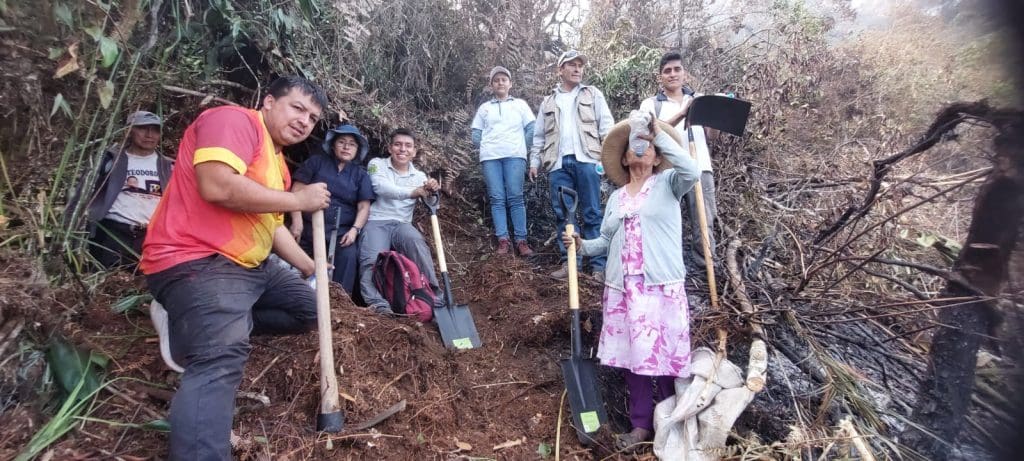ACR Páramos y Bosques Montanos de Jaén y Tabaconas in Peru
Ongoing fires in Quilanga and Loja, Ecuador, have already devastated over 24,000 acres, threatening vital ecosystems like dry forests and páramo, both of which store significant amounts of carbon. The region’s high winds and rugged mountainous terrain make firefighting efforts difficult, allowing fires to spread rapidly. Communications Coordinator Aida Maldonado noted that “the fires in Ecuador are causing profound damage to ecosystems, leading to severe biodiversity loss and directly threatening wildlife. There is concern that populations like the Ecuadorian vizcacha are among the most affected.”


Fires moved into our Ñembi Guasu protected area on August 1st, affecting approximately 1,850 acres of tall transition forest from the Chaco to the Chiquitano ecosystems. The park rangers in Ñembi Guasu, trained and prepared for such events, utilized their skills in creating defense lines, backfires, and direct combat to manage the fires and prevent further damage. Additionally, the rangers grow species of plants from fire-affected areas in a greenhouse at their headquarters to regenerate the burned areas. These efforts, supported by Nature and Culture, have made a marked difference.
#### **Long-term Management and Community Engagement**
Training and preparedness have drastically reduced the damage in comparison to previous years in our protected areas. For instance, fires in 2019 caused devastation over 400,000 acres in Ñembi Guasu, while this year, thanks to the training and quick response, only 1,850 acres were affected, showcasing the effectiveness of bolstering local capacities and investing in long-term management strategies.
Our approach to protecting areas extends far beyond the initial declaration. Effective long-term management requires a continuous commitment to maintaining and defending these ecosystems. This includes employing park guards who are trained to monitor and protect the land, providing ongoing technical support, and fostering collaboration with local government. This proactive engagement is crucial for safeguarding forests and ecosystems for the long term, and it reinforces the importance of local involvement in environmental conservation. Through this holistic approach, we are not only protecting vital ecosystems but also building a foundation for sustainable conservation efforts.

#### **The Importance of Continued Support and a Call to Action**
The scale of the current challenge reminds us that our work is far from over. The increasing frequency and severity of wildfires underscores the urgent need for continued support and expansion of our efforts in forest management, community training, and ecological restoration. Every donation helps us equip local fire brigades, train park rangers, and implement strategies that can mitigate the devastating impact of these fires. By supporting long-term management of protected areas, we can ensure these vital ecosystems are not only preserved but actively defended against future threats. Your gift enables us to provide the necessary resources and expertise to those on the front lines of conservation.
We invite you to join us in this vital work, whether through donations, advocacy, or spreading awareness. Together, we can make a difference in the fight against these unprecedented fires and protect the rich biodiversity of our planet for generations to come.
**Tags:** Conservation, Protected Area, South America, Wildfires
**Strategic Area:** Forests
**Country:** Bolivia, Ecuador, Peru
**Content Type:** News
---
### [New Species of Glass Frog Discovered in the Andes](https://www.natureandculture.org/directory/new-species-of-glass-frog-discovered-in-the-andes/)
**Published:** September 5, 2024
**Author:** Heather Thomas
**Content:**
### **Research in the Key Biodiversity Area (KBA) of Abra de Zamora uncovered a new species of glass frog within Nature and Culture’s San Francisco Reserve.**
The glass frog, belonging to the Centrolenidae family, is named for its translucent skin, which makes its internal organs, including its beating heart, visible. Recent research has shown that what was once thought to be a single species are actually several distinct species, each with differences in appearance, vocalizations, and even genetics.
Researchers from the Technical University of Loja described two new species within the *C. buckleyi* amphibian group, and the [findings were published](https://www.natureandculture.org/a-taxonomic-review-of-c-buckleyi-and-description-of-two-new-species/) on August 20th, 2024. **The Marco Reyes’ Glassfrog *(Centrolene marcoreyesi)* was found in Nature and Culture’s San Francisco Reserve in the southern Andes of Ecuador.**
[View the full publication here](https://www.natureandculture.org/a-taxonomic-review-of-c-buckleyi-and-description-of-two-new-species/)

Although glass frogs are found across the tropics of Central and South America, recent studies have shown that the highest concentrations are in the Andean region, [an area with incredibly rich biodiversity](https://www.natureandculture.org/directory/southern-ecuador-a-wellspring-of-species/). Most Andean glass frogs have very limited distribution, but Buckley’s glass frog *(Centrolene buckleyi)* is an exception. This species covers a large region in the tropical Andes. Species that cover such wide areas often turn out to be groups of similar species, especially in complex regions like the Andes.
Abra de Zamora cloud forests where healthy populations of *C. marcoreyesi* have been found
This first specimen of *C. marcoreyesi* was identified in 2012 at Nature and Culture’s San Francisco Research Station (SFRS) in the Zamora Chinchipe province in Ecuador. SFRS is part of Nature and Culture’s founding story, and home to the world’s largest tropical montane forest ecology research program. 667 scientific publications have been generated from research conducted here and our team continues to partner with Ecuadorian and German university counterparts to implement ongoing research in the region.
Field Herpetologist Paul Székely noted that unfortunately, this species might already be extinct where it was initially discovered. Recent research, however, has found *C. marcoreyesi* in three additional locations, including Nature and Culture’s San Francisco Reserve and Podocarpus National Park. Székély believes that these populations are healthy and is currently conducting monitoring to gather data on this endangered species. Due to its limited range, researchers estimate that only a small number of individuals remain and recommend classifying it as Endangered (EN) according to IUCN criteria.
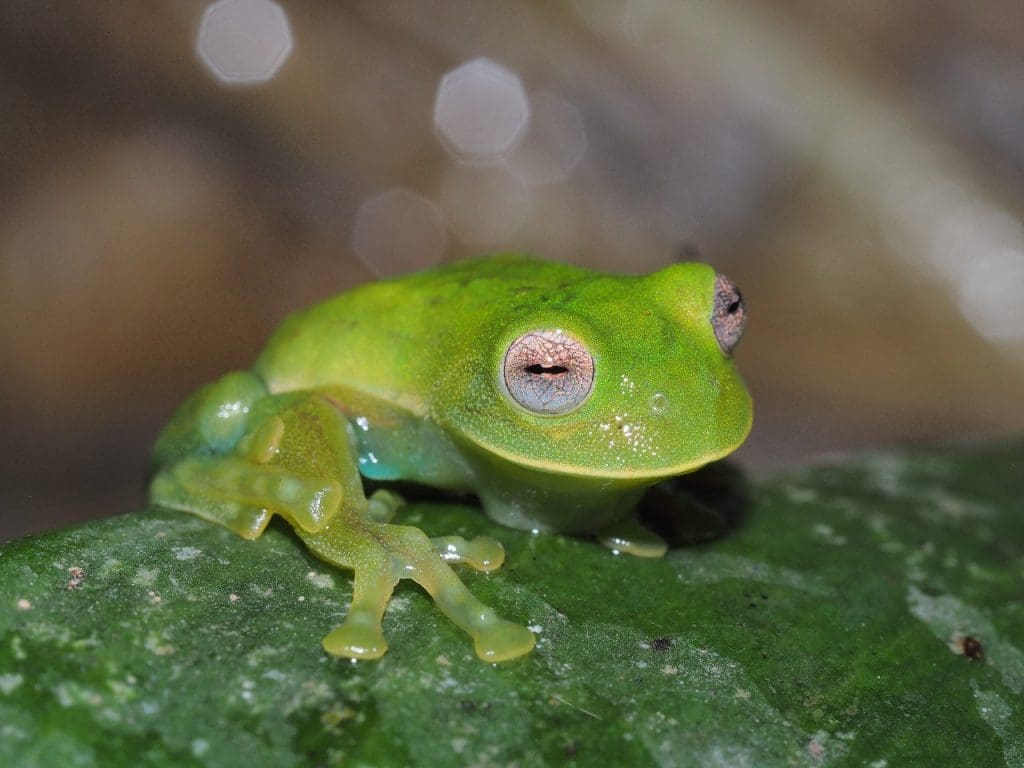
*C. marcoreyesi* is described as having a lavender tint to its eyes and a clear belly. The species name “marcoreyesi” is a Latin term used to honor Marco M. Reyes-Puig, a well-known herpetologist from the National Institute of Biodiversity in Ecuador, paying tribute to his work and memory, as well as to his family and friends. Marco first collected this new species during a field trip to the Ecuadorian province of Zamora-Chinchipe.
*C. marcoreyesi* recording of vocalizations
Although species such as this one face the ongoing threat of habitat loss from cattle farming, invasive species, and mining, it is crucial that our protected areas allow biodiversity to thrive. The protection of the San Francisco Reserve would not be possible without the invaluable support of [Rainforest Trust](https://www.rainforesttrust.org/) whose collaboration has been instrumental in conserving this Key Biodiversity Area. The research team included Daniela Franco-Mena, Ignacio De la Riva, Mateo A. Vega-Yánez, Paul Székely, Luis Amador, Diego Batallas, Juan P. Reyes-Puig, Diego F. Cisneros-Heredia, Khristian Venegas-Valencia, Sandra P. Galeano, Jaime Culebras and Juan M. Guayasamin.
---
**For more information:**
Kristen Heard
**Director of Marketing and Communications**
<kheard@natureandculture.org>
**Tags:** Biodiversity, Ecuador, endangered species, New species, Tropical Andes
**Strategic Area:** Biodiversity
**Country:** Ecuador
**Content Type:** News
---
### [What Are Territories of Life? Indigenous-Led Conservation in the Amazon](https://www.natureandculture.org/directory/what-are-territories-of-life-indigenous-led-conservation-in-the-amazon/)
**Published:** June 5, 2025
**Author:** Heather Thomas
**Content:**
## Territories of Life are key to global conservation efforts, but they represent more than just land protection
Referred to as *Territorios de Vida*, the term is a more accurate way of describing the lands governed, managed, and conserved by Indigenous Peoples. For the communities who live within them, they are much more than conservation areas, they are **living landscapes**, rooted in culture, identity, and care.
*“The territory is life itself. I see myself as that forest—something to be cared for, not harmed.”*
These words from Lineth Calapucha, Vice Governor of the Ecuadorian province of Pastaza, capture what *Territorios de Vida* mean to so many Indigenous women and communities in the Amazon.
In a recent interview, Lineth spoke with Gandy Grefa, a Kichwa filmmaker and communicator for [Nature and Culture’s Amazonian Platform project](https://www.natureandculture.org/the-amazonian-platform-project/). Gandy’s powerful storytelling has helped bring Amazonian voices to the forefront through beautifully crafted, community-centered shorts like this one.
### **Watch the video →**
### What Are Territories of Life?
“Territories of Life” are lands and waters governed, managed, and conserved by Indigenous Peoples. Many Indigenous communities have shaped and sustained biodiverse landscapes through generations of traditional knowledge and management systems. Therefore, this conservation method is increasingly recognized as essential to the health of our planet. Across all continents, hundreds of thousands of these systems protect vast areas of biodiversity while sustaining traditional knowledge, culture, and livelihoods.
In Ecuador, these areas are recognized as subnational conservation areas, where provincial governments formally acknowledge the leadership of Indigenous communities in protecting these lands, and their rightful ownership of them. This collaborative model strengthens legal protection while centering ancestral knowledge and self-determination.
These territories safeguard water sources, store carbon, protect endangered species, and uphold Indigenous ways of life. They are not untouched or unused lands—they are actively lived in and cared for through ancestral practices like [chakras: multi-species traditional Indigenous gardens](https://www.natureandculture.org/directory/forest-restoration-in-the-ecuadorian-amazon-using-ancestral-practices/) that integrate food production, biodiversity, and spiritual connection to the land.

### Why Names Matter: Recognizing Territories of Life
The phrase Territorios de Vida isn’t just a poetic description. It reflects a way of understanding the world. For many Indigenous communities, the land is not separate from the self. It is sacred, alive, and deserving of care.
At Nature and Culture, we recognize that naming matters. That’s why we use the term Territorios de Vida when referring to these areas because it honors the worldview and self-determination of the people who protect them.
### Conservation Rooted in Identity and Self-Determination
Through the Amazonian Platform, a political coalition between the six provinces of the Ecuadorian Amazon, we support Indigenous Peoples and local governments in securing long-term protections for their territories. This includes:
- Strengthening territorial governance and planning
- Supporting legal recognition of Indigenous-led conservation areas
- Connecting communities with sustainable financing tools to support durable protected areas
- Backing strategies that blend traditional knowledge with modern conservation approaches
Pastaza was the first province in Ecuador to join the Amazonian Platform, and leaders like Lineth are showing how conservation can be inclusive, rooted in justice, and led by the people who know the land best.

### A Moment to Listen and Reconnect
On this World Environment Day, as we reflect on our relationship with nature, we invite you to listen to Lineth’s voice and stand with the communities who protect the Amazon not just as a place, but as a way of life.
Whether we live in the Amazon or in a city far from it, we all depend on healthy ecosystems for clean air, safe water, and a stable climate. For many Indigenous Peoples, this connection goes even further, rooted in generations of knowledge, responsibility, and care. As Lineth Calapucha reminds us, the forest is not separate from us. It’s part of the systems that sustain life and protecting it is essential to ensuring a healthier future for all.
**Tags:** Amazon, Conservation, Indigenous, Protected Area
**Strategic Area:** Local Communities
**Country:** Ecuador
**Content Type:** Blog
---
### [Registros de fauna silvestre en cámaras trampa en ACP Utco](https://www.natureandculture.org/es/directorio/registros-de-fauna-silvestre-en-camaras-trampa-en-acp-utco/)
**Published:** January 7, 2025
**Author:** Heather Thomas
**Content:**
*Los registros corresponden a los meses entre marzo a diciembre del 2024.*
Imágenes y videos captados a través de cámaras trampa en el Área de Conservación Privada (ACP) Utco, registraron especies de fauna silvestre como gato de las pampas (*leopardus garleppi*) venado de cola blanca (*Odocoileus virginianus*), zorro de sechura (*Lycalopex sechurae*), oso hormiguero (*Tamandua tetradactyla*), zorrillo (*Conepatus chinga*), león de montaña o puma (*Puma concocolor*), entre otras especies.
Además, durante las salidas de campo para el mantenimiento de las cámaras trampa, los guardaparques comunales del ACP y el equipo de Naturaleza y Cultura Internacional, han reportado especies como el condór andino (*Vultur gryphus*), el espinero dorsicastaño (*Phacellodomus dorsalis*), fringilo inca de ala gris (*Incaspiza ortizi*), lechuza de Koepcke (*Megascops koepckeae*), entre otros.
### **Un trabajo colaborativo**
Elvis Allauja, jefe de proyectos de Naturaleza y Cultura Internacional, menciona que es importante colaborar con la comunidad campesina de Utco en la gestión de su ACP, para conservar su diversidad biológica y porque limita con otros espacios protegidos; es decir, están conectadas y esto permite que las especies se desplacen por grandes territorios, se reproduzcan y continúen cumpliendo su rol en el ecosistema.
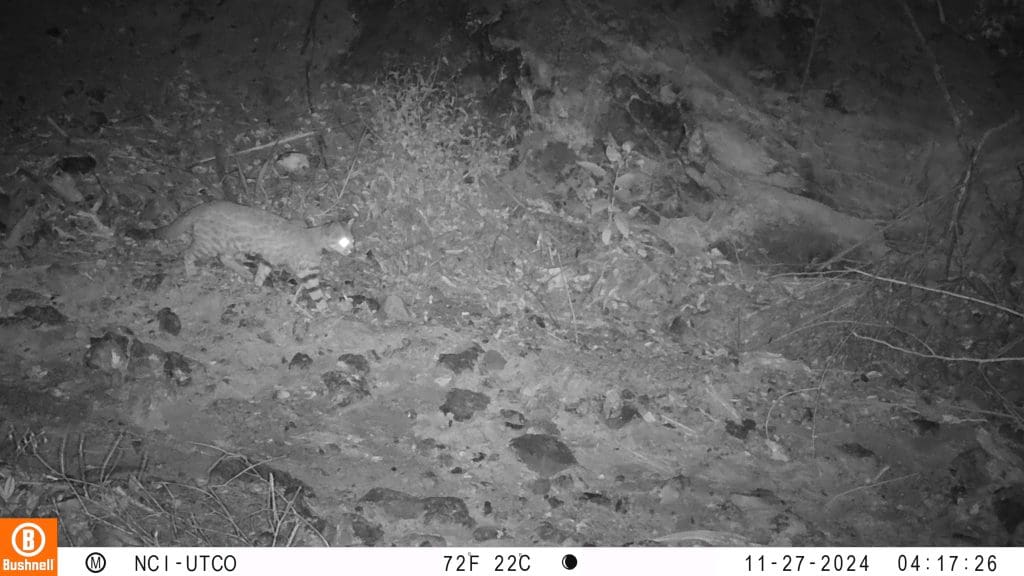Gato de las pampas (*leopardus garleppi*) capturado en visión nocturna de cámara trampa
Asimismo, Jhonatan Rodriguez, coordinador de campo de Naturaleza y Cultura Internacional, destaca el rol de la comunidad campesina en estas iniciativas *“Es importante involucrar a la comunidad, son los mismos pobladores quienes nos acompañan al campo para la instalación de las cámaras trampa, ellos conocen a las especies y les entusiasma verlos inmortalizados en fotografías. Esto es un impulso para ellos, para cuidar el bosque y que las futuras generaciones también lo disfruten”.*
### Acerca de la ACP Utco
El ACP Utco se ubica en el distrito de Utco, provincia de Celendín, Cajamarca; y fue reconocida el 20 de febrero de 2023 mediante Resolución Ministerial Nº 067-2023-MINAM y, además, es la tercera Área de Conservación Privada comunal a nivel nacional en la ecorregión Bosques Secos del Marañón y la primera en la provincia de Celendín.
Actualmente, la comunidad campesina de Utco colabora con Naturaleza y Cultura Internacional y Re:wild en la gestión efectiva de su Área de Conservación Privada, para ello cuentan con su plan de manejo del ACP y vienen realizando actividades de control, vigilancia y monitoreo de la fauna silvestre a través de cámaras trampa.
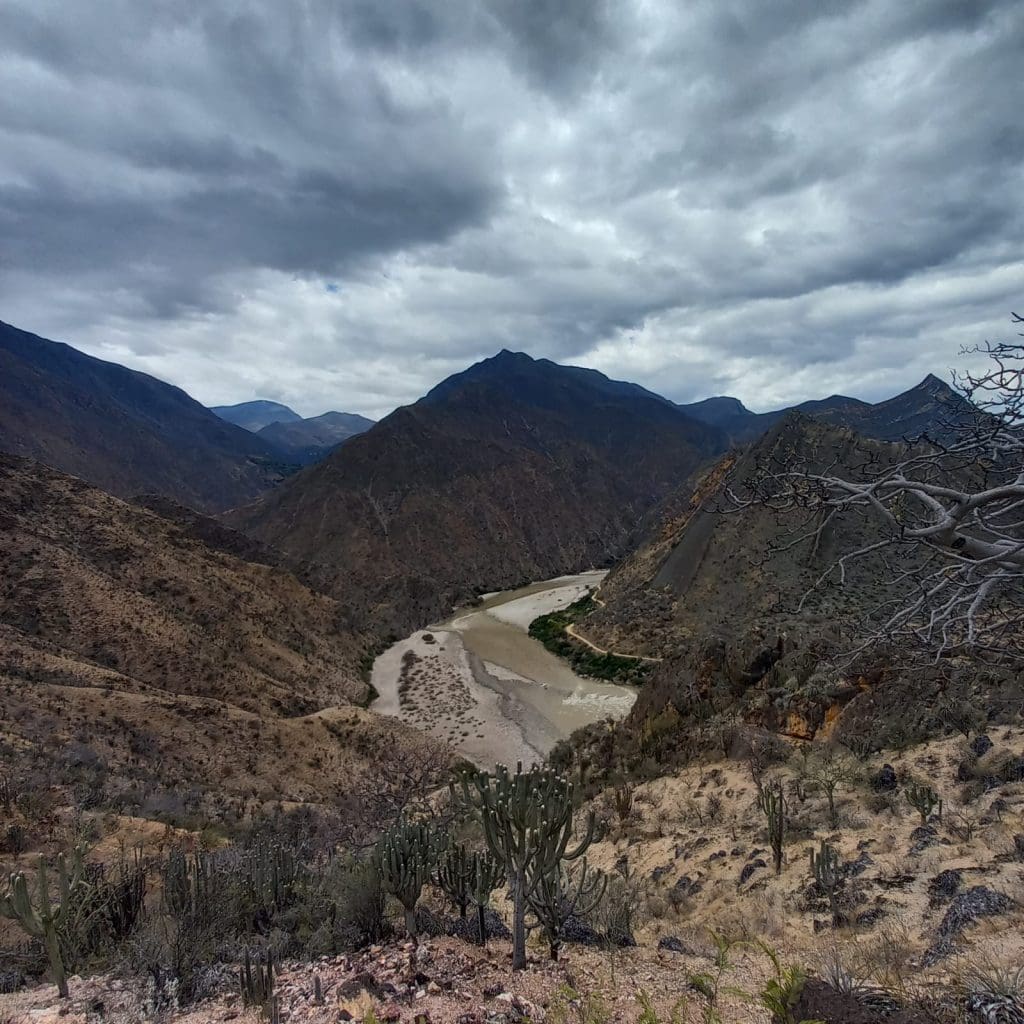Foto: Elvis Allauja
---
**Más informacion:**
Gabriela Gives
**Comunicacion Perú**
[comunicación.peru@naturalezaycultura.org](http://comunicación.peru@naturalezaycultura.org)
**Tags:** Biodiversidad, Perú
**Strategic Area:** Biodiversidad
**Country:** Perú
**Content Type:** Noticias
---
### [Plan Sembrando Vida en Zamora Chinchipe](https://www.natureandculture.org/es/directorio/plan-sembrando-vida-en-zamora-chinchipe/)
**Published:** June 30, 2025
**Author:** Nora Sanchez
**Content:**
## **UN MODELO INCLUSIVO PARA LA CONSERVACIÓN Y GESTIÓN SOSTENIBLE DE NUESTROS BOSQUES Y EL COMBATE AL CAMBIO CLIMÁTICO DESDE EL SUR DE LA AMAZONÍA ECUATORIANA**
El 6 de marzo de 2025, mediante carta de registro **PdIREDD+Ecu-2025-001**, el Ministerio del Ambiente, Agua y Transición Ecológica del Ecuador (MAATE) aprobó y oficializó el Plan de Implementación de Medidas y Acciones REDD+ de la provincia de Zamora Chinchipe, denominado por la propia provincia como “Plan Sembrando Vida”. Con este hito, Zamora Chinchipe se convierte en la segunda provincia del país en contar con un Plan REDD+ jurisdiccional (Pastaza cuenta con su Plan REDD+ jurisdiccional desde 2021).
Este proceso se destacó por su enfoque participativo e intercultural, al haber contado con la activa participación de cerca de mil representantes de instituciones públicas, pueblos y nacionalidades indígenas, sociedad civil organizada, universidades y asociaciones de productores. Gracias a este esfuerzo colectivo, se consolidó una visión compartida de desarrollo sostenible, centrada en la conservación de los bosques. Los actores involucrados plasmaron sus sueños y compromisos con las futuras generaciones, apostando por un territorio próspero a través de buenas prácticas de conservación y producción.
Algunos datos sobre el PdI REDD+ de Zamora Chinchipe o Plan Sembrando Vida:
### Conservacion con Justicia Social
El Plan “Sembrando Vida” en Zamora Chinchipe, Ecuador, representa una experiencia pionera en la implementación de estrategias REDD+ que integran la igualdad de género, interculturalidad, comunicación y educación ambiental como enfoques transversales. Su objetivo: *detener la deforestación, restaurar los ecosistemas y construir una* ***nueva economía forestal*** *sostenible e inclusiva, sin dejar a nadie atrás.*
Mediante la activa participación de comunidades locales, especialmente de mujeres rurales e indígenas, el plan impulsa soluciones sostenibles con impactos positivos tanto ambientales como sociales.
Este plan se convierte en una herramienta oficial de la provincia al integrarse al Plan de Desarrollo y Ordenamiento Territorial de la provincia; y, se fortalece al articularlo con la *Plataforma Amazónica por los Bosques**,* *el Clima y Bienestar Humano*** y la colaboración de diversos cooperantes y donantes que operan en el territorio, quienes aportan asistencia técnica, recursos y experiencia para potenciar el alcance e impacto del plan Sembrando Vida.
Conoce más sobre la Plataforma Amazónica [aquí](https://www.natureandculture.org/es/ecuador/la-plataforma-amazonica/)
## El PDI como herramienta de planificacion participativa
El **PDI es un instrumento articulador** que, a partir de la identificación de actores y su relación con los bosques, analiza y plantea alternativas de gestión, producción, conservación y manejo forestal sostenible dentro del territorio. De esta forma,
permite diseñar e implementar medidas en función de las diferentes causas y agentes de la deforestación y degradación. Estas acciones deben ser definidas, priorizadas y ejecutadas de manera colaborativa para contribuir eficazmente a **reducir la deforestación**, **promover la conservación** y **recuperar los bosques**.
Paisaje de las Áreas de Conservacion y Uso Sustentable de la Biodiversidad en Zamora Chinchipe
El Plan “Sembrando Vida” se construye como un **instrumento técnico y político** que será integrado al **Plan de Desarrollo y Ordenamiento Territorial Provincial (PDOT)**, consolidando una visión de desarrollo basada en sostenibilidad e inclusión.
#### **PROCESO DE CONSTRUCCIÓN TERRITORIAL Y PARTICIPACIÓN ACTIVA**
La construcción del Plan fue liderada por el Gobierno Autónomo Descentralizado Provincial de Zamora Chinchipe y apoyado, de manera técnica y financiera, por Naturaleza y Cultura Internacional, recogiendo las voces de actores diversos que se involucraron en su construcción.
Talleres de construccion participativa del Plan Sembrando Vida
También participaron activamente Gobiernos Municipales y Parroquiales, la Mesa Provincial por el Clima, los Bosques y el Bienestar Humano, pueblos y nacionalidades indígenas, sociedad civil organizada, universidades y asociaciones de productores.
#### **COMPONENTES ESTRATÉGICOS DEL PLAN “SEMBRANDO VIDA”**
El PDI se estructura en torno a **cuatro ejes estratégicos** clave:
**1. Políticas y Gestión Institucional para REDD+**
La gobernanza es fundamental. Se trabajará en el desarrollo e implementación de ordenanzas provinciales, municipales y resoluciones parroquiales que alineen las acciones REDD+ a la política pública nacional y provincial, garantizando un marco jurídico coherente que permita la acción climática desde lo local.
**2. Transición a Sistemas Productivos Sostenibles**
Se busca transitar hacia una producción agropecuaria libre de deforestación, con base en prácticas diversificadas y respetuosas con los ecosistemas.
Santa Ana-La Florida, Palanda (Zamora Chinchipe): origen ancestral y evidencia más antigua del uso del cacao hace 5.500 años
Casos como ser el origen de la domesticación del cacao nativo evidencian el potencial productivo del territorio y su capacidad para generar valor desde las huertas y saberes locales.
**3. Manejo Forestal Sostenible**
Las comunidades dependen del bosque para vivir, y reconocen que conservarlo es clave para mejorar su calidad de vida. El plan promueve modelos de manejo sostenible, respetando los usos tradicionales y generando medios de vida compatibles con la conservación.
**4. Conservación y Restauración**
La conservación activa es imprescindible. El plan prioriza acciones sobre las **cuatro Áreas de Conservación y Uso Sustentable (ACUS)** de Zamora Chinchipe, como núcleos territoriales desde los cuales se proyecta una nueva visión de desarrollo local. La restauración ecológica de áreas degradadas también es clave para fortalecer la resiliencia del territorio.
Mapa de las Áreas de Conservación y Uso Sustentable de la Biodiversidad en Zamora Chinchipe
### **Inclusión y liderazgo desde la diversidad territorial**
Las mujeres amazónicas enfrentan múltiples barreras: acceso limitado a tierras, oportunidades económicas reducidas y una sobrecarga de trabajo doméstico no remunerado. Frente a esta realidad, el Plan REDD+ Sembrando Vida, ha desarrollado un **Plan de Acción de Género,** que prioriza su liderazgo, autonomía económica y participación en la gobernanza ambiental. Este enfoque reconoce que no puede haber justicia climática sin justicia de género.
Primer encuentro de mujeres rurales de la provincia de Zamora Chinchipe
#### **Equidad, juventudes e innovación rural**
Aunque el enfoque de género es transversal, el PDI también da prioridad a otros grupos históricamente marginados como las juventudes rurales e indígenas. Se promueve su inclusión activa mediante formación técnica, acceso a recursos y participación en procesos de gobernanza, como la por el Clima, los Bosques y el Bienestar Humano.
El PDI apoya además el emprendimiento comunitario basado en prácticas agroecológicas, turismo sostenible, y cadenas de valor de productos forestales no maderables.
Mujer shuar, productora de cacao orgánico y libre de deforestación
### **Seguimiento con enfoque de género**
En el marco de los 71 años de vida política de la provincia de Zamora Chinchipe, la actual prefecta, Ing. Karla Reátegui, se destaca como la primera mujer en ocupar este cargo. Bajo su liderazgo, se ha promovido con determinación la incorporación del enfoque de género y el fortalecimiento del trabajo con las mujeres rurales.
En este contexto, el plan provincial contempla un sistema robusto de monitoreo, reporte y verificación (MRV), que incluye indicadores sociales, económicos y ambientales. Este sistema permite evaluar los avances, identificar desafíos y ajustar las estrategias de manera oportuna y participativa. Además, los datos se desagregan por sexo y edad, garantizando así una medición equitativa y representativa del impacto en los distintos grupos poblacionales.
Karla Reategui, Prefecta de la Provincia de Zamora Chinchipe
### **Alineación con compromisos globales**
Esta iniciativa se enmarca en compromisos internacionales clave como:
- Agenda 2030 – ODS 5, 13 y 15
- Marco Mundial de Biodiversidad de Kunming-Montreal (Metas 22 y 23)
- Acuerdo de Escazú sobre derechos ambientales
- CConvención sobre la Eliminación de Todas las Formas de Discriminación contra la Mujer (por sus siglas en ingles CEDAW ) y Convención de Belém do Pará
A nivel nacional, responde a políticas como la **Agenda Nacional de Igualdad de Género** y el **Plan Nacional REDD+**.
### **Un modelo desde la Amazonía para el mundo**
Zamora Chinchipe demuestra que es posible integrar la conservación de los bosques, el desarrollo rural, el conocimiento ancestral y la participación local en un solo proceso de planificación territorial.
“Sembrando Vida” es más que un plan: es un **modelo vivo de transición justa y resiliente**, que puede ser adaptado y replicado por otros territorios de la Amazonía y más allá, para construir una **nueva economía forestal** que incluya a todas las personas y respete los límites planetarios.
**Autor: Oficina de Cooperación Internacional del Gobierno Provincial de Zamora Chinchipe en colaboración con Naturaleza y Cultura Internacional.**
---
**Más informacion:**
Nora Sánchez Luzardo
**Coordinadora de Comunicación para América Latina**
<nsanchez@naturalezaycultura.org>
**Tags:** Biodiversidad, Ecuador
**Strategic Area:** Bosques
**Country:** Ecuador
**Content Type:** Blog
---
### [New Protected Area in Ucayali Safeguards Rare Yungas Ecosystem](https://www.natureandculture.org/directory/first-protected-area-in-perus-ucayali-province-to-safeguard-the-rare-yungas-ecosystem/)
**Published:** June 24, 2025
**Author:** Heather Thomas
**Content:**
### The *Velo de la Novia* or “Bride’s Veil” protected area conserves a highly diverse transition zone between the Andes and Amazon and strengthens ecological connectivity with five nearby protected areas.
The Amazonian province of Ucayali in eastern Peru is celebrating a major conservation milestone with the creation of the *Velo de la Novia* protected area, named after its iconic 275-foot “Bride’s Veil” waterfall. This new protected area spans 35,583 acres (14,399.75 hectares) and conserves one of the most ecologically important regions in the country: a rare transition zone where the Andes mountains meet the Amazon rainforest.
This zone, part of the Peruvian Yungas ecosystem, is a global biodiversity hotspot, home to a remarkable variety of species found nowhere else on Earth. The new designation ensures long-term legal protection for these foothill forests, helping to preserve critical habitats, support climate resilience, and maintain a natural corridor for wildlife between five nearby protected areas.
“The creation of *Velo de la Novia* is a big step forward, not just for Ucayali, but for all of Peru,” said Nelson Seijas Valderrama, Executive Director of the Regional Environmental Authority of the Ucayali Regional Government. “It’s the first protected area in the region focused on preserving the Yungas ecosystem, helping to protect important habitats and iconic wildlife.”
(Photo: Gustavo Carrasco \| Nature and Culture International)
Seijas Valderrama explained that this achievement is the result of years of effort. In 2021, the regional government officially recognized the site as a conservation priority. As part of the planning process, the area was designated a fragile ecosystem, laying the groundwork for its protection. Later, Peru’s National Forestry and Wildlife Service (SERFOR) formally recognized it as critical habitat and added it to the country’s list of fragile ecosystems—key steps that led to its final designation as a protected area.
### A natural paradise with incredible biodiversity
Cristy Díaz, Nature and Culture Project Manager, explained that the area is located between the districts of Padre Abad and Boquerón, in the province of Padre Abad. “The ecological value of this area is incredible,” said Díaz. “Its forests are home to unique plant species like the bright red-seeded huayruro tree (*Ormosia coccinea*), the elegant Andean wax palm (*Ceroxylon echinulatum*), and the highly valued Spanish cedar (*Cedrela odorata*). As for wildlife, it’s a haven for remarkable species such as the Andean cock-of-the-rock (*Rupicola peruvianus*), the military macaw (*Ara militaris*), the rainbow boa (*Epicrates cenchria*), and even the jaguar (*Panthera onca*)—all of which are considered at risk. The area also shelters three primates listed in Peru’s national conservation plan and rare amphibians found nowhere else, like the red-bellied frog (*Ameerega rubriventris*) and the reticulated harlequin toad *(Atelopus reticulatus)*.”
In total, scientists have recorded 46 plant species, 29 types of mammals, 26 birds, 11 reptiles, 2 amphibians, and 15 species of fish—highlighting just how biologically rich this place truly is.
(Photo: Gustavo Carrasco \| Nature and Culture International)(Photo: Gustavo Carrasco \| Nature and Culture International)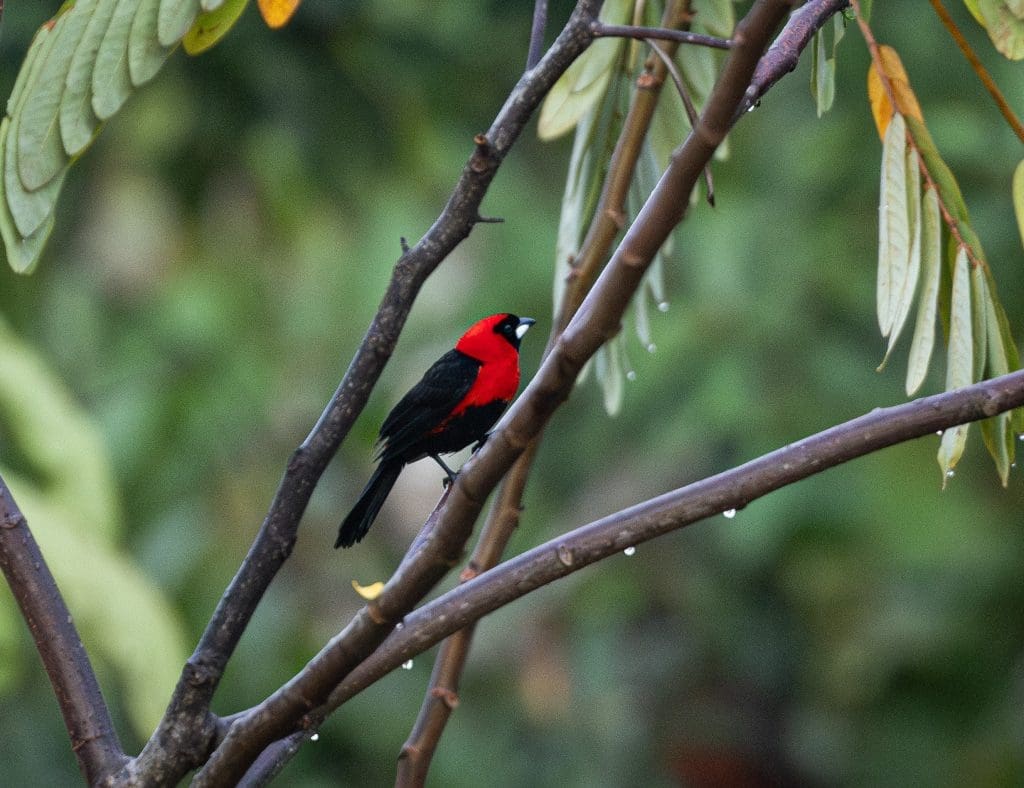(Photo: Gustavo Carrasco \| Nature and Culture International)
Cristy highlighted the leadership of the Regional Government of Ucayali, supported technically and logistically by Nature and Culture, with funding from Andes Amazon Fund, Re:wild, Conservation International, and UNDP. “The collaboration between the Regional Government and its conservation partners has been essential in making this new protected area in Ucayali a reality,” she said.
### Conservation and Ecotourism: Benefits for Nature and Communities
The creation of the *Velo de la Novia* protected area brings lasting benefits not only for nature, but for local people as well. It helps safeguard vital ecosystem services—like clean water, carbon storage, and climate regulation—that support surrounding communities and the city of Aguaytía, home to almost 30,000 inhabitants. The area also presents exciting opportunities to expand sustainable tourism, offering visitors the chance to experience its natural beauty while encouraging conservation and the responsible use of local resources.
Velo de la Novia iconic waterfall (Photo: Gustavo Carrasco \| Nature and Culture International)(Photo: Gustavo Carrasco \| Nature and Culture International)(Photo: Gustavo Carrasco \| Nature and Culture International)
### **A Stronger Conservation Network Across the Amazon**
The creation of *Velo de la Novia* also strengthens a growing network of protected areas across the north-central Peruvian Amazon. By connecting with five nearby protected areas—including Cordillera Escalera in San Martín, Cordillera Azul National Park, the Kakataibo Indigenous Reserve, Alto Shambillo Local Forest, and Codo del Pozuzo—the area helps form a larger conservation mosaic. This connectivity is vital for wildlife movement, ecosystem health, and long-term climate resilience.
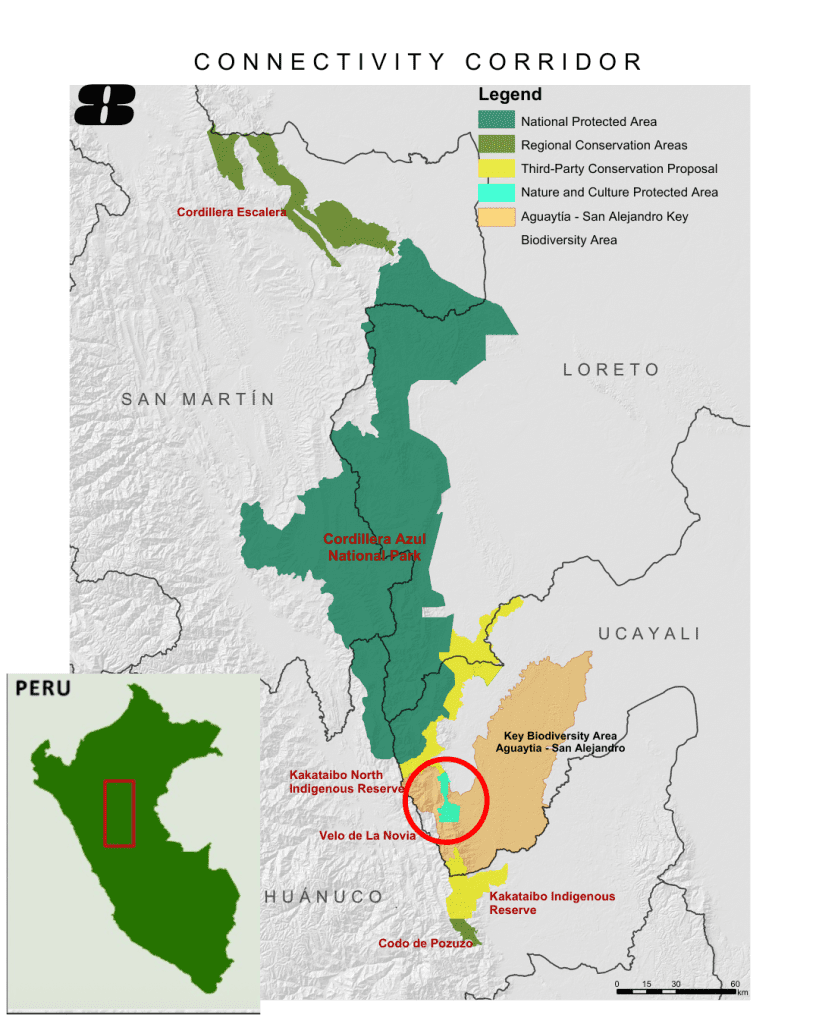
“This is a victory for biodiversity and for the people who rely on these forests,” said Cristy Díaz. “We’ll continue working to protect these ecosystems and support sustainable ways to care for them.”
With the declaration of the *Velo de la Novia* protected area, Ucayali strengthens its commitment to conservation, ensuring the protection of its ecosystems and promoting a sustainable future for generations to come.
**Tags:** Biodiversidad, Perú
**Strategic Area:** Forests
**Country:** Peru
**Content Type:** News
---
### [Celebrando el establecimiento del ACR Bosques Secos Interandinos de Cutervo ](https://www.natureandculture.org/es/directorio/celebrando-el-establecimiento-del-acr-bosques-secos-interandinos-de-cutervo/)
**Published:** June 23, 2025
**Author:** Nora Sanchez
**Content:**
Durante un evento local se conmemoró el [establecimiento del Área de Conservación Regional (ACR) Bosques Secos Interandinos de Cutervo](https://www.natureandculture.org/es/directorio/protegiendo-lo-irremplazable-establecimiento-del-area-de-conservacion-regional-bosques-secos-interandinos-de-cutervo/), una iniciativa liderada por el Gobierno Regional de Cajamarca, que representa un hito en la protección de los ecosistemas frágiles y biodiversos de esta región.

El evento se desarrolló en la Institución Educativa José Carlos Mariátegui, en el distrito de Choros, y contó con actores clave en el proceso de establecimiento del ACR, entre ellos representantes de las 18 localidades, de las Municipalidades de Cutervo, Choros, Toribio Casanova y Santo Tomás; así como representantes de Naturaleza y Cultura Internacional (NCI) y Andes Amazon Fund, aliados estratégicos que brindaron asistencia técnica y financiera para hacer realidad esta iniciativa.

Sergio Sánchez, Gerente Regional de Recursos Naturales y Gestión del Medio Ambiente, destacó que el establecimiento del ACR es resultado de años de trabajo articulado entre el Gobierno Regional de Cajamarca, las poblaciones locales y las instituciones aliadas, consolidando un compromiso colectivo con la protección de los bosques secos interandinos.
Por su parte, Fernando Pérez, coordinador de proyectos de Naturaleza y Cultura Internacional, señaló que este espacio alberga una gran diversidad de especies únicas en el mundo. *“El establecimiento del ACR es un logro que se concreta y es un primer paso para la gestión a perpetuidad de la zona, que está muy cerca de áreas protegidas como el Parque Nacional de Cutervo y el Área de Conservación Privada Comunal Cujillo, lo que fortalece el libre desplazamiento de las especies”* puntualizó.
Naturaleza y Cultura Internacional y Andes Amazon Fund realizaron una entrega simbólica al Gobierno Regional de Cajamarca del Decreto Supremo que establece el ACR Bosques Secos Interandinos de Cutervo.
Por otro lado, Margarita Medina, coordinadora de Andes Amazon Fund en Perú, felicitó el rol del Gobierno Regional de Cajamarca, como uno de los departamentos más eficientes en la gestión y manejo de sus áreas de conservación regional. Además, hizo sentir su orgullo por ser parte del proceso de establecimiento, de la mano con su socio Naturaleza y Cultura Internacional.
La celebración también tuvo un emotivo componente cultural. Estudiantes y pobladores locales expresaron su vínculo con el territorio a través de presentaciones de poesía, danzas tradicionales y presentación de bioemprendimientos, recordando que la conservación también es un acto de identidad y herencia cultural.

Jaime Linares Alarcón, director de la institución educativa José Carlos Mariátegui, asumió el compromiso de instaurar en los estudiantes conocimientos sobre el área de conservación regional, con el objetivo de que conozcan y valoren la biodiversidad existente.
El ACR Bosques Secos Interandinos de Cutervo se establece como un espacio clave para la conservación ambiental y el desarrollo sostenible en 18,410.94 hectáreas, asegurando la protección de servicios ecosistémicos esenciales como la regulación del agua, el mantenimiento de suelos y la conservación de especies endémicas.

Elvis Allauja, jefe de proyectos de Naturaleza y Cultura Internacional, informó que los bosques secos interandinos de Cutervo albergan por lo menos 475 especies, entre flora y fauna y en adelante, se espera continuar con la implementación de acciones de conservación del área bajo el liderazgo del Gobierno Regional de Cajamarca, promoviendo el uso sostenible de los recursos naturales para el mantenimiento de los bienes y servicios, y mitigando al cambio climático.
*“Este logro es un paso firme hacia un futuro en el que las generaciones actuales y futuras puedan seguir beneficiándose de un entorno sano y equilibrado, y un ejemplo de cómo el liderazgo regional, la participación ciudadana y la cooperación institucional pueden transformar el territorio en beneficio de todos”* finalizó Raquel Quijano, pobladora local.
---
**Más información:**
Gabriela Gives
**Comunicación Perú**
<comunicacion.peru@naturalezaycultura.org>
**Tags:** Biodiversidad, Personas, Perú
**Strategic Area:** Biodiversidad
**Country:** Perú
**Content Type:** Noticias
---
### [The Amazonian Platform Gains Momentum at Annual GCF Conference ](https://www.natureandculture.org/directory/the-amazonian-platform-gains-momentum-at-annual-gcf-conference/)
**Published:** June 18, 2025
**Author:** Heather Thomas
**Content:**
## **Progress, Partnerships, and a Collective Voice from the Amazonian state of Acre, Brazil**
Last month, our Ecuador team joined partners from the [Amazonian Platform](https://www.natureandculture.org/the-amazonian-platform/) for a major gathering of regional leaders driving forest protection and climate resilience. Together, they brought a strong, united voice to the 15th Annual Meeting of the Governors’ Climate and Forests Task Force (GCF-TF), held May 19–23 in Rio Branco, Brazil. The event marked an important moment to strengthen collaboration, showcase regional leadership, and build momentum for the future of the Amazon.
The Ecuadorian delegation included leaders from provincial governments, Indigenous organizations, and our team at Nature and Culture. Together, we represented the Amazonian Platform—a powerful alliance working to protect 14+ million acres of intact forest, strengthen local governance, and promote community wellbeing across the Ecuadorian Amazon. Nature and Culture serves as the official GCF coordinator in Ecuador and a key technical partner in this effort.
### ****What is the GCF Task Force?****
The Governors’ Climate and Forests Task Force (GCF-TF) is a global alliance of subnational governments from tropical forest regions. Its goal is to protect forests and reduce emissions from deforestation while supporting sustainable development in local communities. The GCF-TF fosters collaboration among governments, Indigenous organizations, and international partners to create policies that benefit both people and the planet.
### **Key Advances from Orellana, the Newest Member of the Amazonian Platform**
One of the key milestones from the event was the unanimous decision to welcome **Orellana** as a full member of the GCF-TF. This recognition gives the province a stronger voice in regional climate and forest policy and greater access to technical and financial support through the network. It also reinforces the Amazonian Platform’s role in shaping new models for climate and territorial governance across the Amazon.
### **Collective Vision, Shared Leadership: Progress from the Amazonian Platform**
During the meeting, the Ecuador team shared significant progress in three key areas: strengthening territorial governance, protecting forests, and promoting sustainable livelihoods. Highlights included Indigenous-led models for governance and forest management, the expansion of Conservation and Sustainable Use Areas (ACUS) and [Territorios de Vida](https://www.natureandculture.org/directory/what-are-territories-of-life-indigenous-led-conservation-in-the-amazon/), and the development of the Amazon Future Fund as an innovative tool that provides direct, participatory, and locally tailored conservation financing.
**Bilateral meetings between donors and Amazonian representatives****GCF Task Force session with Ecuador at the main table**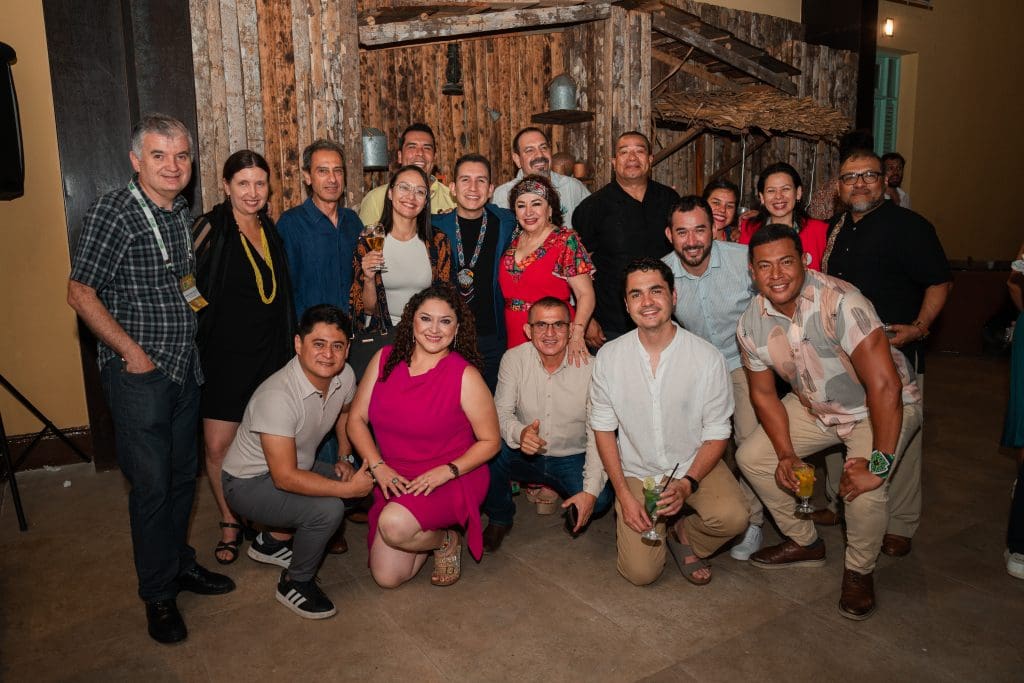**Ecuadorian Amazon represented in Rio Branco****Ecuadorian delegation at the institutional booth with the national flag**
The Ecuadorian delegation also helped shape broader conversations on the future of the Amazon. They promoted stronger collaboration among provincial governments, Indigenous Peoples, and key partners—emphasizing the value of ancestral knowledge and collective rights in the fight against climate change.
### **A Unified Commitment for the Andean Amazon**
A major outcome of the event was the signing of the **Declaration of the Governors of the Andean Amazon Region** by leaders from **Colombia, Ecuador, Peru, and Bolivia**. This joint statement reaffirmed their shared commitment to protecting forests and advancing sustainable development across the Andean Amazon.
The declaration also set the stage for a new **Andean-Amazon Alliance**—a regional effort to implement commitments made in past GCF meetings (including San Francisco, Rio Branco, and Cancun). The goal is to build a **shared action plan** that addresses climate change, deforestation, and rural development—rooted in local leadership but designed for global impact.
Ecuador’s active role in this process strengthens its position in regional conservation leadership and builds momentum toward **COP30**, to be held in **Belém do Pará, Brazil**.
### ****Institutional Acknowledgments****
We thank the active participation of the Provincial Governments and Indigenous Peopls that make up the Amazonian Platform for Forests, Climate, and Human Wellbeing, as well as the financial support from World Land Trust, NORAD-NICFI, Andes Amazon Fund, and Re:wild.
**Tags:** Biodiversidad, Ecuador
**Strategic Area:** Local Communities
**Country:** Ecuador
**Content Type:** News
---
### [Ucayali celebra el establecimiento de su tercera ACR "Velo de la Novia"](https://www.natureandculture.org/es/directorio/ucayali-celebra-el-establecimiento-de-su-tercera-acr-velo-de-la-novia/)
**Published:** June 20, 2025
**Author:** Nora Sanchez
**Content:**
Ucayali celebra un importante avance en la conservación de su biodiversidad, con la creación del Área de Conservación Regional (ACR) “Velo de la Novia”. Este reconocimiento otorga el respaldo legal para la protección de una muestra representativa de las ecorregiones de yungas peruanas y bosques húmedos, así como una singular diversidad de especies de flora y fauna.
La creación del ACR Velo de la Novia es un logro importante para Ucayali y para el país. Es la primera ACR en Ucayali que protegerá la ecorregión de yungas, garantizando la conservación de ecosistemas clave y la protección de especies emblemáticas, expresó Nelson Seijas Valderrama, director ejecutivo de la Autoridad Regional Ambiental Gobierno Regional de Ucayali (GOREU).
Nelson Seijas Valderrama recordó que el camino hacia la consolidación del ACR ha estado respaldado por declaraciones a nivel regional que destacan la importancia de proteger el área. En 2021, el Gobierno Regional de Ucayali emitió la ordenanza regional, reconociendo la zona como sitio prioritario para la conservación. Como parte del proceso de zonificación, el GOREU apoyó a declarar esa zona como ecosistema frágil en Ucayali como parte del proceso, cuyo trabajo conjunto permitió que se establezca en ACR con la nueva zonificación. Además, el Servicio Nacional Forestal y de Fauna Silvestre -Serfor declaró el área como hábitat crítico mediante resolución ejecutiva e incluyó al ACR en el listado de ecosistemas frágiles.
(Foto: Gustavo Carrasco \| Naturaleza y Cultura Internacional)
### **Un paraíso natural con gran biodiversidad**
Cristy Díaz, jefa de proyectos de Naturaleza y Cultura Internacional, explica que la nueva ACR está ubicada entre los distritos de Padre Abad y Boquerón, en la provincia de Padre Abad, la nueva área de conservación protege 14 399.75 hectáreas, este ecosistema da vida a la catarata “Velo de la Novia”, con 84 metros de altura, es de esta catarata que nace el nombre del ACR.
*“El valor biológico de la zona es indiscutible. En sus bosques habitan especies de flora como el huayruro (Ormosia coccinea), la palmera andina (Ceroxylon echinulatum) y el cedro colorado (Cedrela odorata). En cuanto a fauna, destacan el gallito de las rocas andino (Rupicola peruvianus), el guacamayo militar (Ara militaris), la boa arcoíris (Epicrates cenchria) y el jaguar (Panthera onca), todas ellas bajo categorías de amenaza. Además, el área alberga tres especies incluidas en el Plan Nacional de Conservación de los Primates Amenazados del Perú (Serfor, 2020) y cuenta con especies endémicas como la rana vientre roja (Ameerega rubriventris) y la rana arlequín reticulada (Atelopus reticulatus)”* puntualizó Cristy.
En total, se han registrado 46 especies de flora, 29 especies de mamíferos, 26 especies de aves, 2 especies de anfibios, 11 de reptiles y 15 especies de peces, reafirmando la riqueza ecológica del área.
(Foto: Gustavo Carrasco \| Naturaleza y Cultura Internacional)(Foto: Gustavo Carrasco \| Naturaleza y Cultura Internacional)(Foto: Gustavo Carrasco \| Naturaleza y Cultura Internacional)
Cristy destacó el trabajo que ha liderado el Gobierno Regional de Ucayali, con el soporte técnico y logístico de Naturaleza y Cultura Internacional, el financiamiento de Andes Amazon Fund, Re:wild, Conservación Internacional y PNUD. “El soporte entre el Gobierno Regional y la cooperación ha sido fundamental para que Ucayali cuente hoy con una nueva ACR”.
### **Beneficios para la conservación y el desarrollo**
El establecimiento del ACR “Velo de la Novia” asegura la provisión de múltiples servicios ecosistémicos, entre ellos la regulación del clima, la captura de carbono y la conservación de fuentes de agua que benefician a las comunidades locales y a la ciudad de Aguaytía. Asimismo, se abre una oportunidad para potenciar el turismo existente en el área, promoviendo un modelo de conservación basado en el aprovechamiento sostenible de los recursos naturales.
Además, la creación del ACR fortalece la conectividad ecológica en la Amazonía centro-norte del Perú, formando un mosaico de conservación junto con áreas naturales protegidas como el ACR Cordillera Escalera en San Martín, el Parque Nacional Cordillera Azul entre San Martín, Loreto, Huánuco y Ucayali, la Reserva Indígena Kakataibo entre Ucayali, Loreto y Huánuco, el Bosque Local Alto Shambillo en Ucayali y el ACR Codo del Pozuzo en Huánuco.
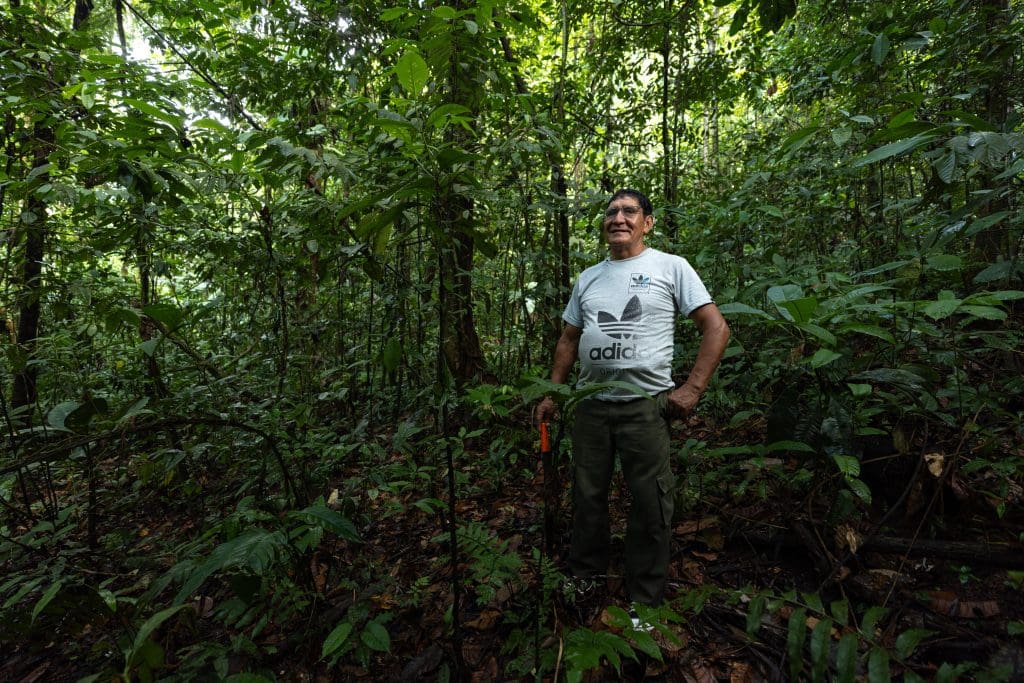(Foto: Gustavo Carrasco \| Naturaleza y Cultura Internacional)
*“Este es un logro para la biodiversidad y para la población que dependen de estos bosques. Seguiremos trabajando en fortalecer su conservación y promover alternativas sostenibles para su manejo”*, concluyó Cristy Díaz.
Con la consolidación del ACR “Velo de la Novia”, Ucayali refuerza su compromiso con la conservación, asegurando la protección de sus ecosistemas y promoviendo un futuro sostenible para las generaciones venideras.
---
**Más información:**
Gabriela Gives
**Comunicacion Perú**
<comunicacion.peru@naturalezaycultura.org>
**Tags:** Biodiversidad, Perú
**Strategic Area:** Bosques
**Country:** Perú
**Content Type:** Noticias
---
### [Participamos en el XIV Congreso de Ornitología en Cajamarca ](https://www.natureandculture.org/es/directorio/participamos-en-el-xiv-congreso-de-ornitologia-en-cajamarca/)
**Published:** June 19, 2025
**Author:** Nora Sanchez
**Content:**
Celendín, Cajamarca fue sede del XIV Congreso Peruano de Ornitología 2025, un evento que reunió a especialistas, investigadores y conocedores de las aves de todo el país y el mundo. Entre los participantes estuvo el equipo de Naturaleza y Cultura Internacional (NCI), que durante sus presentaciones abordaron la diversidad y trabajo de conservación de aves en las áreas de conservación de Piura, Cajamarca y Huánuco.
Elio Núñez, representante del Mosaico Andes del Norte de Naturaleza y Cultura Internacional, presentó la ponencia sobre la “Ruta de Aves de los Andes del Norte”, donde destacó la protección de especies emblemáticas como el águila andina (*Spizaetus isidori)*, Chusquea tapaculo (*Scytalopus parkeri)*, Tororoi de Cajamarca (*Grallaria cajamarcae)* y Colibrí de neblina (*Metallura odomae)*.
Elio Nuñez destaca la importancia de conservar los andes del norte para asegurar el libre desplazamiento de las especies
Este paisaje, que conecta áreas de conservación y remanentes de boscosos existentes, conforma de manera natural el Corredor de Conservación Andes del Norte. Este corredor limita con los corredores al sur del Ecuador: Podocarpus-Yacuri y Sangay-Podocarpus, juntos forman parte de un Corredor Transfronterizo que garantiza la conectividad ecológica y la seguridad hídrica para comunidades locales de ambos países.
Es importante destacar que, en el Mosaico Andes del Norte, se impulsa la Ruta de Aves como una iniciativa clave para fortalecer la investigación científica y dinamizar la economía local de las comunidades que viven cerca de las áreas de conservación. En este esfuerzo, se trabaja de manera conjunta con la población local para explorar y visibilizar la diversidad de aves que habita en la zona.
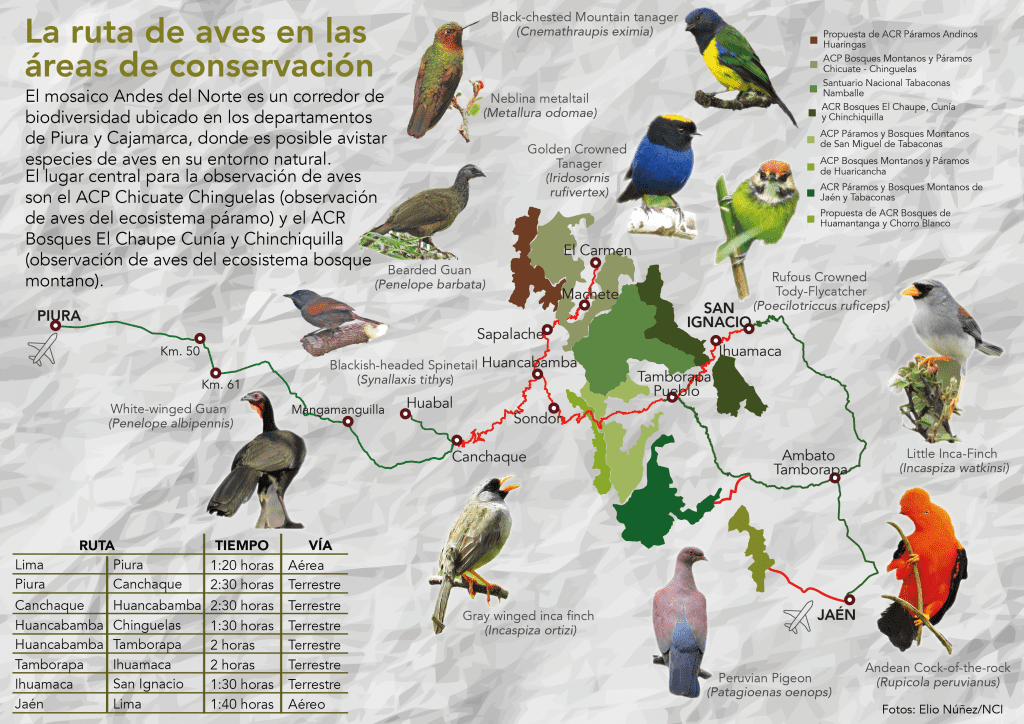Conoce algunas de las especies que alberga el Mosaico Andes del Norte
Por su parte, Elvis Allauja, del Mosaico Bosques Secos del Marañón, presentó la importancia ecológica de estos bosques y la protección de hábitats de aves en el valle interandino del Marañón. Durante su intervención, subrayó la presencia de especies endémicas como la paloma peruana (*Patagioenas oenops*), el espinero de dorso castaño (*Phacellodomus dorsalis*) y diversas especies del género *Incaspiza*, conocidos por sus hábitats restringidos. Este ecosistema es conocido por su alto nivel de endemismo, por lo cual, es un destino para fortalecer la exploración científica y promover el aviturismo.
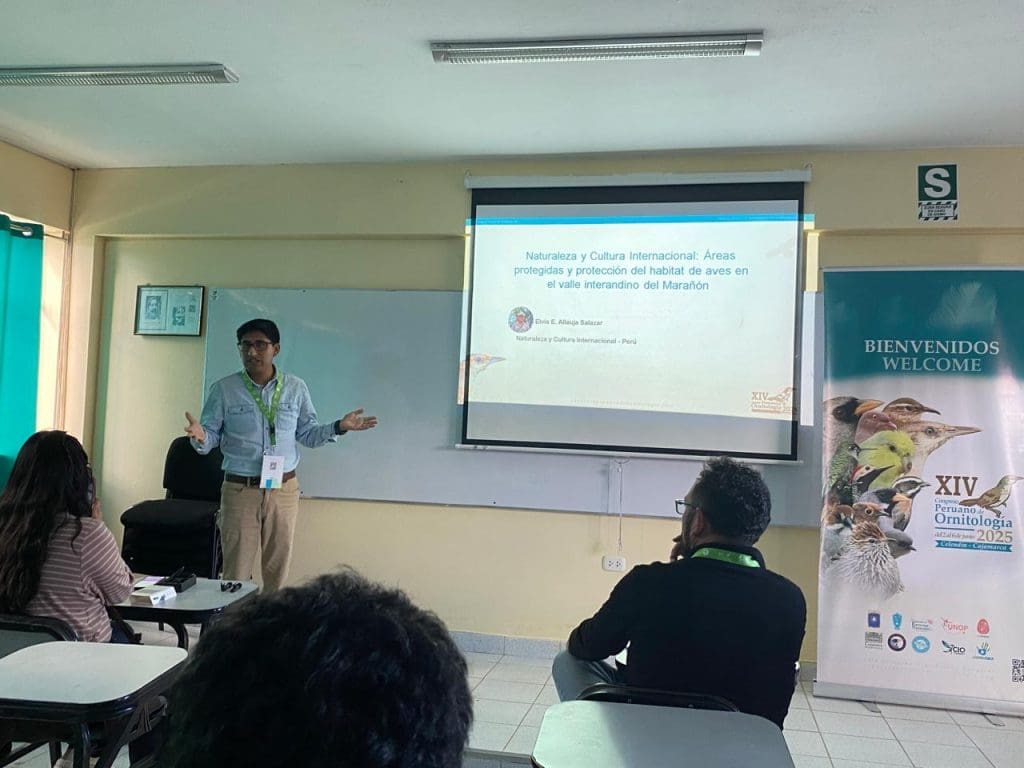Elvis Allauja expresa que los bosques secos del Marañón son un lugar único para especies endémicas y en peligro
Asimismo, Michell Cotrina y Wilmer Ortiz, del Mosaico Carpish – Río Abiseo, compartieron la presentación en investigación sobre la riqueza ornitológica en Huánuco, principalmente de las localidades que forman parte de las propuestas de Áreas de Conservación Regional Yanajanca y San Pedro de Chonta, que protegerán más de 260 mil hectáreas, además de las aves del ACR Bosque Montano de Carpish, donde destacan más de 25 especies endémicas de Perú y en categorías de amenaza, como el colibrí cobrizo (*Metallura theresiae*) y el escurridizo tororoi de Chachapoyas (*Grallaria gravesi*), Tangara de dorso dorado (Cnemathraupis aureodorsalis) entre otras.
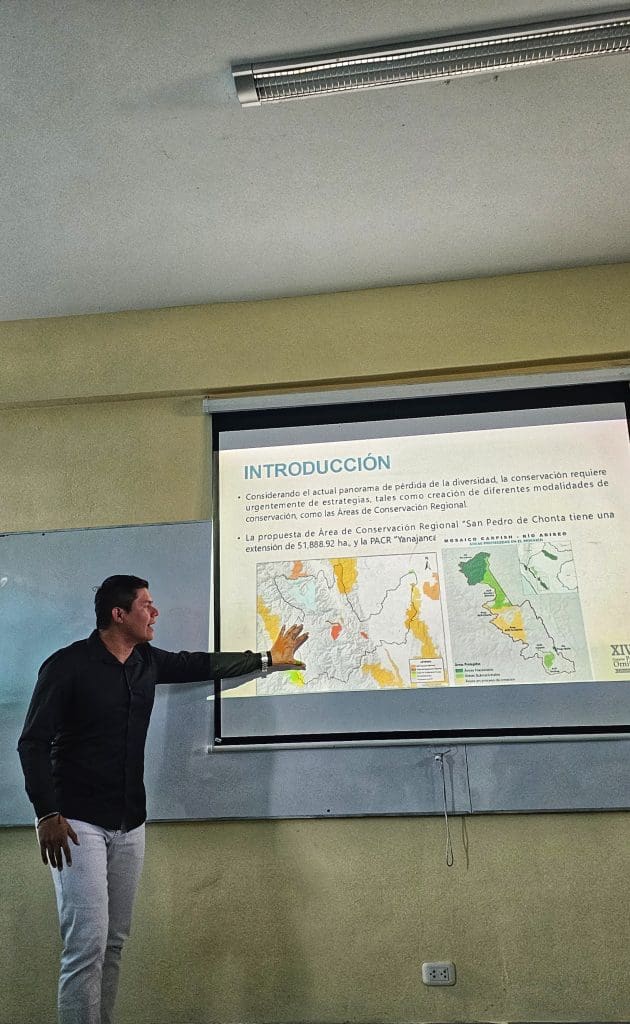Wilmer OrtizMichell Cotrina
La participación de NCI en este evento refuerza el compromiso de la organización con la conservación de la biodiversidad, desarrollando estrategias, promoviendo la ciencia como herramienta clave para proteger Hábitats de especies y la participación de las comunidades.
---
**Más información:**
Gabriela Gives
**Comunicación Perú**
<comunicacion.peru@naturalezaycultura.org>
**Tags:** Biodiversidad, Perú
**Strategic Area:** Biodiversidad
**Country:** Perú
**Content Type:** Noticias
---
### [La Amazonía nos une: Ecuador y Perú construyen rutas comunes para el financiamiento climático](https://www.natureandculture.org/es/directorio/la-amazonia-nos-une-ecuador-y-peru-construyen-rutas-comunes-para-el-financiamiento-climatico/)
**Published:** June 18, 2025
**Author:** Nora Sanchez
**Content:**
Desde distintos lugares del paisaje andino amazónico de Ecuador y Perú, líderes indígenas, representantes de instituciones públicas y de la cooperación internacional, llegaron a Macas para participar en el Intercambio de Pueblos y Nacionalidades denominado “Gobernanza Territorial y Financiamiento Climático para la Amazonía”.
Durante las palabras de bienvenida, Tiyua Uyunkar, Prefecto de la provincia de Morona Santiago, recordó que *“no podemos hablar de desarrollo mientras nuestras nacionalidades, que son los dueños del territorio, no estén tomados en cuenta”*. Por otro lado, Julio Cusurichi, representante de la Asociación Interétnica de Desarrollo de la Selva Peruana (AIDESEP), insistió en fortalecer las organizaciones indígenas: *“debemos caminar juntos, con capacidad organizativa y administrativa”.*
Julio Cusurichi (AIDESEP) durante sus palabras de bienvenida (Créditos: Aida Maldonado \| Naturaleza y Cultura Internacional)
### **Financiamiento para iniciativas de conservación y desarrollo sostenible**
El primer día se enfocó en las oportunidades y desafíos para conseguir financiamiento para iniciativas de conservación y desarrollo sostenible. Esteban Morales de AIDESEP presentó un panorama sobre el financiamiento climático en territorios indígenas, marcando oportunidades y desafíos. Con ese antecedente, se abrió el primer panel del encuentro que reunió a representantes del Ministerio del Ambiente, Agua y Transición Ecológica, el Ministerio del Ambiente de Perú, Profonanpe y SocioBosque, quienes compartieron mecanismos para canalizar financiamiento climático. Felipe Serrano, moderador del espacio, resumió que aunque hay avances persiste una urgencia de asegurar la llegada efectiva de recursos a las comunidades.
*“Ni los Estados, ni los pueblos indígenas ni la cooperación lograrán solos un modelo eficiente. Es urgente construir mecanismos conjuntos para garantizar el financiamiento que nuestros territorios necesitan”*, concluyó Felipe Serrano.
Durante la tarde del primer día, el panel sobre *“Mecanismos de financiamiento climático para los pueblos y nacionalidades”* continuó con nuevas propuestas y enfoques. Renzo Paladines presentó el Fondo Regional Amazónico, una iniciativa que busca canalizar recursos de manera directa y con gobernanza compartida entre las 11 nacionalidades indígenas y los gobiernos provinciales amazónicos del Ecuador y Sebastián Valdivieso, de WCS, compartió la experiencia del Legacy Landscape Fund, impulsado por el Ministerio de Cooperación Económica y Desarrollo de Alemania, enfocado en asegurar financiamiento a largo plazo para la conservación en el Sur Global.
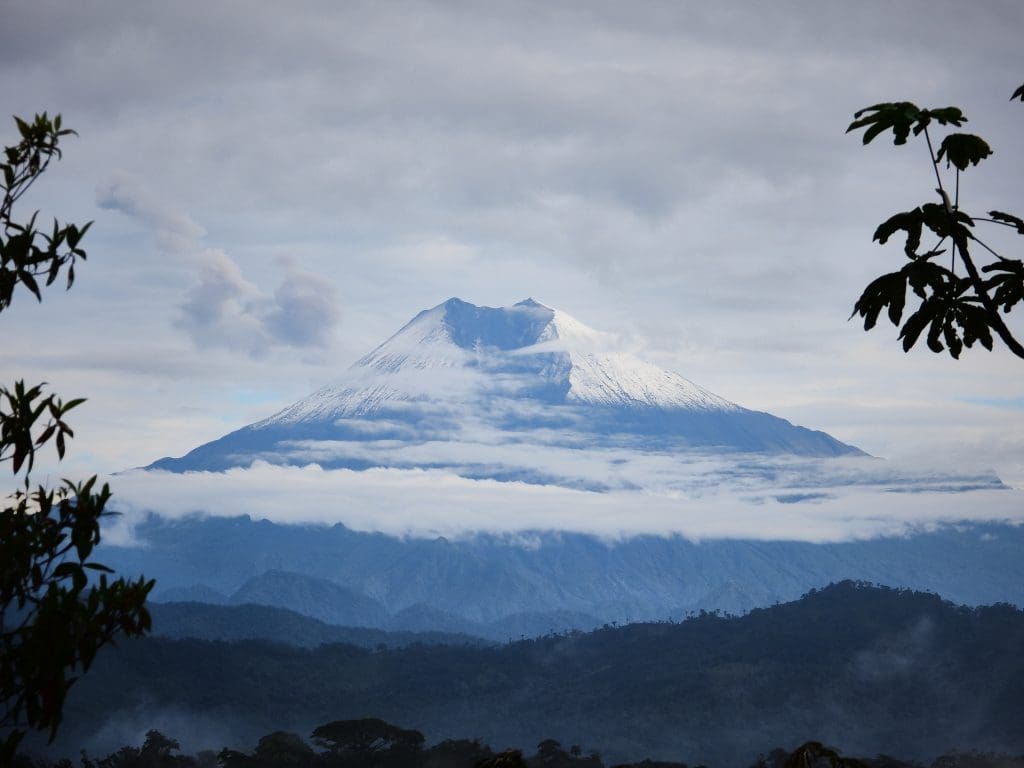El volcán deleitó a los participantes del Intercambio de Pueblos y Nacionalidades (Créditos: Aida Maldonado \| Naturaleza y Cultura Internacional)
Desde el proyecto BLF Andes Amazónico, Balvanera Cruz expuso los avances concretos sobre cómo conectar la planificación territorial indígena con oportunidades reales de financiamiento climático. Las intervenciones generaron un intercambio activo entre los participantes, quienes pudieron plantear preguntas y comentarios.
La jornada cerró con mesas de trabajo en las que los asistentes comenzaron a construir propuestas conjuntas para mecanismos de financiamiento que respondan a las realidades de sus territorios y respeten sus formas de vida.

El segundo día del Intercambio inició con dos voces fundamentales: Julio Cusurichi, de AIDESEP (Perú), y Camilo Huamani, de CONFENIAE (Ecuador), quienes ofrecieron un panorama profundo sobre los logros y los retos que enfrentan las organizaciones indígenas en la gestión y gobernanza de sus territorios. Sus intervenciones marcaron el tono del día: hablar desde la experiencia.
El segundo panel, titulado *“Voces de la Gobernanza Territorial: experiencias y aprendizajes”*, recogió prácticas concretas desde los territorios. Daniel Dagua, presidente de la nacionalidad Andwa, presentó el Modelo de Gestión y Gobernanza Territorial Ancestral Wawirka Nakwa (Selva Sabia), mientras que Juan Carlos Ruiz, presidente de la nacionalidad Sapara, compartió el proceso de construcción del modelo Rapala Nakujinia (Selva para vivir). Ambos modelos reflejan una gestión que no solo protege el bosque, sino que lo entiende como un ser vivo y un hogar.
La viceprefecta de Morona Santiago, Daniela Vintimilla, presentó la experiencia del Territorio de Vida y Uso Ancestral Tarímiat Pujutai Nunka, destacando cómo se articula la gestión territorial con las necesidades y derechos de las cuatro nacionalidades que lo habitan. A su vez, Bruno Paladines compartió los avances y aprendizajes de la Plataforma Amazónica por los Bosques, el Clima y el Bienestar Humano, un esfuerzo articulador entre pueblos indígenas, gobiernos subnacionales y cooperación.
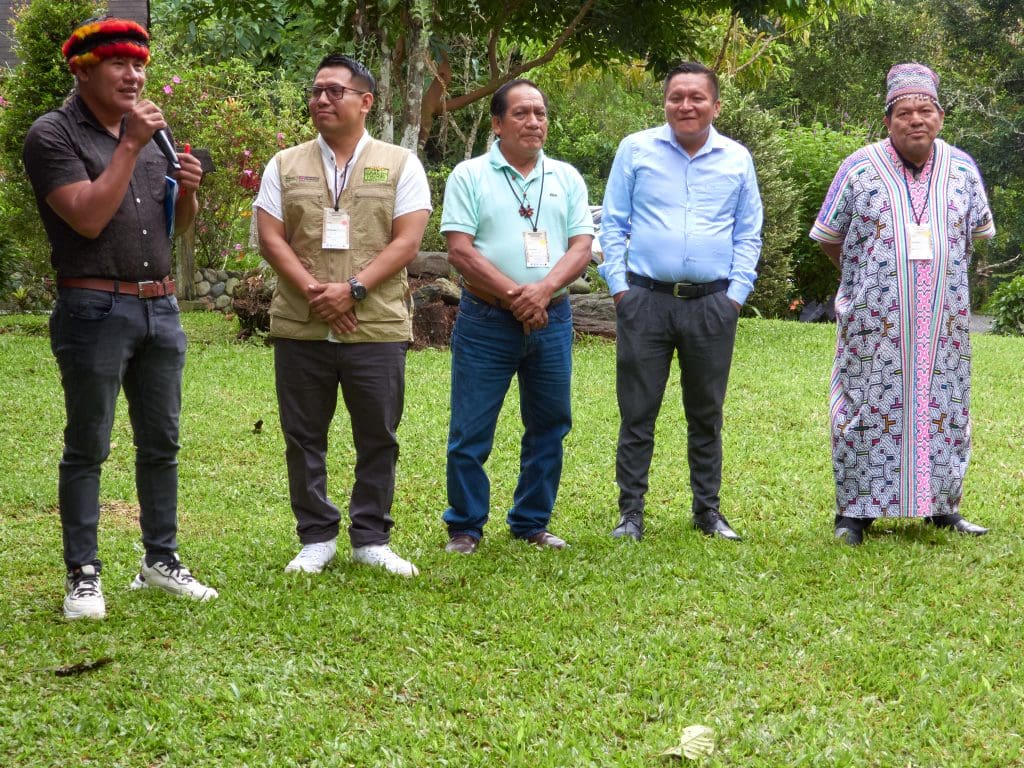 Participantes de ambos países intercambiaron sus experiencias (Créditos: Aida Maldonado \| Naturaleza y Cultura Internacional)
En la segunda parte del panel, María José Andrade profundizó en el proceso de construcción del PDI REDD+ de CONFENIAE, y se sumaron testimonios valiosos desde Perú, como el de los pueblos Wampís y Kandozi. También se presentó el PDI de la provincia de Pastaza, expuesto por María Augusta Cajas, parte del equipo técnico de la prefectura, como ejemplo de planificación territorial pensada para conectar y fortalecer a los pueblos y nacionalidades.
Conversatorio sobre el *liderazgo de las mujeres y la juventud en la gobernanza territorial* (Créditos: Aida Maldonado \| Naturaleza y Cultura Internacional)
Por la tarde, el diálogo cambió de escenario para abrir un conversatorio sobre el *liderazgo de las mujeres y la juventud en la gobernanza territorial*. A través de preguntas abiertas, las y los participantes compartieron sus perspectivas sobre los avances, desafíos y caminos por recorrer para garantizar una participación más justa y representativa tanto en espacios nacionales como internacionales, con miras a la COP30.
*“Esta generación debe trabajar porque haya una gestión territorial en donde no tengamos que pelear por cambio climático, por las empresas extractivas, sino dar a conocer cómo estamos viviendo bien en nuestro territorios sin ninguna de estas amenazas”,* reflexionó María José Andrade, CONFENIAE
### **Rumbo a la COP30: propuestas desde los territorios amazónicos**
En la última jornada, el foco estuvo puesto en el futuro. Las delegaciones de Ecuador y Perú trabajaron de manera conjunta para construir propuestas que reflejan sus prioridades y visiones sobre financiamiento climático, gobernanza territorial y salvaguardas. El objetivo fue claro: llegar a la COP30 con una agenda construida desde territorio, que fortalezca la participación directa de los pueblos y nacionalidades en los debates y decisiones globales sobre el clima.
Las mesas de trabajo recogieron insumos clave sobre el rol de los territorios indígenas en la conservación, la necesidad de una planificación conjunta con los Estados y la cooperación, y la urgencia de crear mecanismos financieros que reconozcan las formas propias de gobernanza y uso del territorio. Fue un ejercicio colectivo de pensamiento estratégico, pero también de afirmación cultural y política.
### **Un camino común desde la Amazonía**
Durante tres días, Macas se convirtió en un espacio de escucha, intercambio y construcción entre pueblos indígenas, gobiernos subnacionales, instituciones estatales y cooperación internacional. Ecuador y Perú tejieron puentes desde sus territorios para defender un paisaje común.
El Intercambio dejó una convicción compartida: la gobernanza territorial y el financiamiento climático no pueden diseñarse sin la participación directa de quienes habitan y protegen los bosques. Lo que comenzó como un encuentro, hoy se proyecta como una ruta compartida hacia la COP30 y más allá.
–
Este encuentro es un esfuerzo conjunto de la CONFENIAE y AIDESEP con el apoyo técnico de Naturaleza y Cultura Internacional en el marco del Proyecto BLF Andes Amazónico.
El proyecto BLF Andes Amazónico es liderado por Practical Action en América Latina y financiado por Desarrollo Internacional de Reino Unido, en el marco del Fondo de Paisajes Biodiversos (más información: [www.blfandesamazonico.org](http://www.blfandesamazonico.org/))
---
**Más informacion:**
Nora Sánchez
Coordinadora de Comunicación para América Latina
<nsanchez@naturalezaycultura.org>
**Tags:** Biodiversidad, Ecuador, Personas, Perú
**Strategic Area:** Comunidades Locales
**Country:** Ecuador, Perú
**Content Type:** Evento
---
### [Pasaje protege el agua y su biodiversidad ](https://www.natureandculture.org/es/directorio/pasaje-protege-el-agua-y-su-biodiversidad/)
**Published:** June 13, 2025
**Author:** Nora Sanchez
**Content:**
## Una nueva Área de Conservación Municipal y Uso Sostenible en El Oro
En la provincia de El Oro, el cantón Pasaje ha dado un paso decisivo hacia la protección de sus recursos naturales con el establecimiento del Área de Conservación Municipal y Uso Sostenible (ACMUS). Esta nueva área, que abarca más de 17.000 hectáreas distribuida en las parroquias Casacay, Progreso y Uzhcurrumi, representa un esfuerzo articulado por conservar fuentes de agua estratégicas y ecosistemas representativos de la región andino-costera del sur del Ecuador. Pasaje se encuentra en la parte baja de la vertiente occidental de los Andes, donde las estribaciones andinas descienden hacia la llanura costera, conformando una zona de transición ecológica de alto valor.
### **Conservación para asegurar la provisión de agua**
Uno de los principales objetivos del ACMUS de Pasaje es la protección de la cuenca baja del río Casacay, fuente esencial para el abastecimiento de agua potable en los cantones Pasaje, El Guabo y Machala, lo que otorga a su conservación un carácter estratégico no solo desde lo ecológico, sino también en términos de seguridad hídrica regional.
Actualmente se impulsa la conformación de un comité de gestión, que integrará a los tres gobiernos municipales Pasaje, El Guabo y Machala (usuarios del agua) y el Chilla en cuyo territorio se encuentra el 86% de la cuenca del río Casacay. Este espacio de gobernanza multiactor será clave para coordinar y sostener acciones de conservación a largo plazo.

### **Un mosaico de ecosistemas clave**
La diversidad ecológica del ACMUS de Pasaje es uno de sus principales atributos. El área conserva ecosistemas únicos, como remanentes de bosque semideciduo y deciduo de tierras bajas del Jama-Zapotillo, bosque siempreverde estacional piemontano del Catamayo-Alamor y bosque siempreverde montano de la Cordillera Occidental de los Andes.
Esta complejidad ecosistémica no solo sustenta una alta riqueza de flora y fauna nativa, sino que también desempeña funciones ecológicas críticas como la regulación del ciclo hidrológico, la protección de suelos frente a la erosión y la conectividad ecológica entre zonas altas y bajas del territorio.
### **Biodiversidad con alto valor ecológico**
Los ecosistemas del ACMUS albergan una notable diversidad de especies. Entre las más representativas se encuentran el momoto sudamericano (*Momotus subrufescens*), el perico de Orcés *(Pyrrhura orcesi)*, endémico de la provincia de El Oro, y la rana arborícola enmascarada (*Smilisca phaeota)*, cuya presencia en zonas ribereñas es un indicador de ecosistemas conservados. Aunque no se dispone de estudios específicos sobre esta rana en el área, su identificación en territorios cercanos refuerza la importancia del ACMUS como espacio de conservación de anfibios tropicales y otros grupos sensibles al deterioro ambiental.

### **Proceso técnico y participación social**
La creación del ACMUS fue resultado de un proceso técnico participativo desarrollado en 2023 liderado por el Gobierno Municipal del cantón Pasaje, con el acompañamiento de Naturaleza y Cultura Internacional y el financiamiento de Andes Amazon Fund. La iniciativa forma parte de una estrategia provincial para consolidar un sistema de áreas municipales de conservación que protejan fuentes de agua, ecosistemas y biodiversidad en la provincia de El Oro.
El proceso incluyó estudios de línea base para caracterizar la biodiversidad, las fuentes hídricas y el uso del suelo. Luego se aplicaron análisis cartográficos multicriterio, para delimitar el área propuesta, cuyos resultados fueron validados con actores técnicos y territoriales.
### **Hacia una gestión efectiva: retos y prioridades**
El establecimiento del Área de Conservación Municipal y Uso Sostenible (ACMUS) de Pasaje marca un paso importante para la conservación en El Oro. No obstante, el proceso enfrenta desafíos relevantes. Una de las principales amenazas es la expansión de actividades mineras ilegales, que comprometen la calidad del agua, la integridad de los ecosistemas forestales y los servicios ambientales que sostienen los medios de vida locales.
Para avanzar en su implementación, se prioriza la conformación del comité de gestión, la creación de una unidad técnica operativa y la elaboración del Plan de Manejo. Luis López, técnico de Naturaleza y Cultura Internacional, señala que estas acciones permitirán fortalecer la gobernanza ambiental y consolidar mecanismos de corresponsabilidad local en torno a la protección de las fuentes de agua y los bosques que conforman el ACMUS Pasaje.
---
**Más información:**
Aida Maldonado
**Comunicación Ecuador**
<amaldonado@naturalezaycultura.org>
**Tags:** Biodiversidad, Ecuador
**Strategic Area:** Bosques
**Country:** Ecuador
**Content Type:** Noticias
---
### [La Plataforma Amazónica se posiciona en el GCF-Task Force](https://www.natureandculture.org/es/directorio/la-plataforma-amazonica-se-posiciona-en-el-gcf-task-force/)
**Published:** June 11, 2025
**Author:** Nora Sanchez
**Content:**
## *Avances, alianzas y voz colectiva desde Río Branco, Brasil*
Del 19 al 23 de mayo de 2025, una destacada delegación de la Amazonía ecuatoriana participó activamente en la 15.ª Reunión Anual del Governors’ Climate and Forests Task Force (GCF-TF), celebrada en la ciudad de Río Branco, Estado de Acre, Brasil. La delegación estuvo conformada por prefectos, viceprefectos y delegados técnicos de los Gobiernos Autónomos Descentralizados Provinciales de Pastaza, Morona Santiago, Zamora Chinchipe y Orellana, así como de la Confederación de Nacionalidades Indígenas de la Amazonía Ecuatoriana (CONFENIAE); y, de Naturaleza y Cultura Internacional, institución coordinadora del GCF en Ecuador, y socio técnico de los GADs provinciales y de las organizaciones de pueblos y nacionalidades, en el marco de la Plataforma Amazónica por los Bosques, el Clima y el Bienestar Humano, con el apoyo técnico y financiero de Naturaleza y Cultura Internacional.
### **¿Qué es el GCF Task Force?**
El GCF Task Force (siglas en inglés de Governor’s Climate and Forests Task Force) es una alianza internacional que reúne a gobiernos subnacionales (como estados, gobernaciones y provincias) de regiones con bosques tropicales. Su objetivo es proteger los bosques y reducir las emisiones causadas por la deforestación, al tiempo que se apoya el desarrollo sostenible de las comunidades locales. Promueven la cooperación entre gobiernos, organizaciones indígenas y actores nacionales e internacionales, para crear políticas que beneficien tanto al clima como a las personas que viven en estos territorios.
Uno de los hitos más relevantes del evento fue **la incorporación de la provincia de Orellana como miembro pleno del GCF-TF**, decisión adoptada por unanimidad de los gobiernos subnacionales que integran esta red global. Este hecho consolida el posicionamiento del Ecuador –y de la Plataforma Amazónica- como referente regional en materia de co-gobernanza climática y territorial desde la Amazonía.
Durante el encuentro, la delegación ecuatoriana presentó avances sustanciales en la implementación de mecanismos de gobernanza territorial, conservación de bosques y promoción de medios de vida sostenibles. Se destacaron los modelos de gestión y gobernanza impulsados por pueblos y nacionalidades indígenas, la consolidación de Áreas de Conservación y Uso Sostenible (ACUS) y Territorios de Vida, y el desarrollo del Fondo Regional Amazónico como un mecanismo innovador de financiamiento directo, participativo y contextualizado.
Reuniones bilaterales entre donantes y representantes amazónicosSesión plenaria del GCF Task Force con presencia de Ecuador en la mesa principalAmazonía ecuatoriana presente en Río BrancoDelegación ecuatoriana en el stand institucional con la bandera del país
En los espacios de diálogo político, técnico y de cooperación internacional, los delegados promovieron **la articulación entre gobiernos subnacionales, pueblos indígenas y aliados estratégicos,** reafirmando el valor de los saberes ancestrales y los derechos colectivos en la lucha contra el cambio climático. Asimismo, aportaron activamente a la construcción de la propuesta denominada *nueva economía forestal*, basada en cuatro pilares: restauración de tierras degradadas, fortalecimiento de la bioeconomía, mantenimiento de infraestructuras naturales y la intensificación sostenible de actividades económicas existentes. Esta visión busca catalizar inversiones que generen empleo digno, reduzcan la deforestación y mejoren el bienestar de las comunidades locales e indígenas, a través de instrumentos financieros flexibles, inclusivos y adaptados a cada contexto territorial.
Un momento clave del evento fue la firma de la “**Declaración de los Gobernadores de la Región Andino Amazónica**” por parte de los gobernadores de Colombia, Ecuador, Perú y Bolivia, quienes reafirmaron su compromiso con la conservación de los bosques y el desarrollo sostenible de la región andino-amazónica. En dicha declaración se acordó consolidar una *Alianza Andino-Amazónica* para implementar los compromisos establecidos en las Declaraciones de San Francisco, Río Branco y Cancún, alcanzadas por el GCF en encuentros anteriores. Esta alianza buscará construir una agenda común frente al cambio climático, la deforestación y la transformación rural, impulsando un Plan de Acción Regional con enfoque desde lo local, pero con impacto regional y global.
Con esta participación estratégica, Ecuador se va consolidando como un referente de iniciativas de conservación subnacional rumbo a la COP30, que se llevará a cabo en Belém do Pará, Brasil.
### **Agradecimientos institucionales**
Agradecemos la participación activa de los Gobiernos Provinciales y organizaciones indígenas que integran la Plataforma Amazónica por los Bosques, el Clima y el Bienestar Humano y el apoyo financiero de World Land Trust, NORAD-NICFI, Andes Amazon Fund y Re:wild.
### **Acerca de la Plataforma Amazónica por los Bosques, el Clima y el Bienestar Humano**
La Plataforma Amazónica por los Bosques, el Clima y el Bienestar Humano es una iniciativa regional de gobernanza colaborativa entre los gobiernos subnacionales y los pueblos y nacionalidades de la Amazonía ecuatoriana.
Esta propuesta innovadora articula esfuerzos para conservar y gestionar más de 5 millones de hectáreas del bosque continuo más grande del Ecuador, a escala provincial y de paisaje, e impulsar medios de vida sostenibles.
Conoce más [aquí](https://www.natureandculture.org/es/ecuador/la-plataforma-amazonica/)
---
**Más informacion:**
Nora Sánchez Luzardo
**Coordinadora de Comunicación para América Latina**
<nsanchez@naturalezaycultura.org>
**Tags:** Biodiversidad, Ecuador
**Strategic Area:** Comunidades Locales
**Country:** Ecuador
**Content Type:** Noticias
---
### [San Luis del Nuevo Retiro, el Bosque Perdido ](https://www.natureandculture.org/es/directorio/san-luis-del-nuevo-retiro-el-bosque-perdido/)
**Published:** June 6, 2025
**Author:** Nora Sanchez
**Content:**
## *Una Lección para el Futuro en Huamantanga*
San Luis del Nuevo Retiro, es uno de esos pueblitos mágicos de Jaén en Perú, donde la hospitalidad sigue viva. Este caserío es un lugar de extremos. Se ubica en el último punto desde su capital, el distrito de Huabal. Es también uno de los asentamientos humanos **“límite”** antes de llegar al territorio de la actual propuesta de “ACR” Área de Conservación Regional Bosques Montanos de Huamantanga y Chorro Blanco.
Con su clásico **“sombrero chotano”**, aquella prenda tradicional de borde redondeado, encontramos a doña Clara Vásquez Cieza. Ella a sus 83 años permanece funcional, y aun dirige las tareas de su hogar. Según nos relata en 1967 se estableció en San Luis del Nuevo retiro. Era aquella una época donde los bosques nublados cubrían todas las montañas de extremo a extremo. El clima por tanto era más mucho más estable y frio a la vez.
San Luis del Nuevo Retiro no ha escapado de la **“devastación”** para la extracción de fina madera. La data oficial confirma que el gran bosque de Huamantanga ha sido talado sin control de las autoridades y sin conciencia de la población. Pasó de tener más de 70 mil hectáreas en 1980 a solo 2 mil 800 en 2025.
### **Naturaleza resiliente**
El hogar de doña Clara está rodeado por árboles de fuste y copa ancha. Aunque todos hacen sombra- “solo dos”- son muestra del tamaño de todos aquellos ejemplares que ya no están. ***“A nosotros nos pesa haber cortado el bosque, pues muchas personas hoy no tienen ni siquiera para sacar leña”,*** indica.
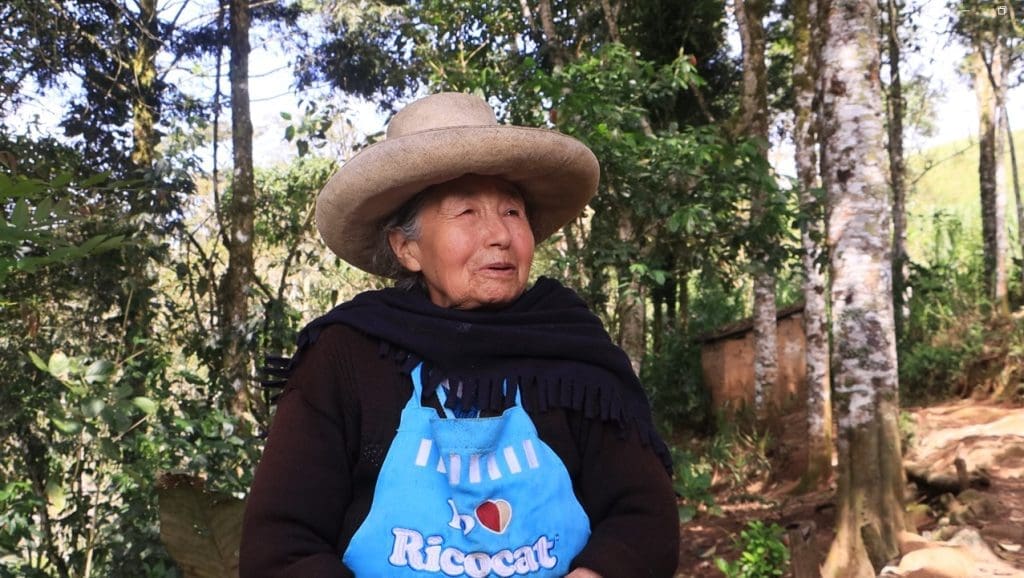Doña Clara, evidencia la gran capacidad de resiliencia del bosque para volver a crecer.
Seguimos escuchándola y nos revela que gran parte de los árboles que ahora resguardan su casa, no tienen más de 25 años. En el año 2000 sus hijos Roberto, Mauro, Daniel, empezaron a plantar romerillos y otras especies. Hoy ya tienen entre 7 a 10 metros de altura, así logran brindar un microclima cálido, solo en ese espacio. Son una muralla contra el viento, y un paradero para la avifauna local: ***“Nosotros no pensábamos que fueran a crecer tan grandes, tanto que da miedo de que se puedan caer”,*** comenta sonriendo doña Clarita.
Su relato evidencia la gran capacidad de resiliencia del bosque para volver a crecer. Lo cual es destacable, aunque no brinden los mismos niveles de captura de carbono y otros servicios de sus predecesores. A pesar de eso, siempre necesitarán de la mano humana para regenerarse.
Es ese mismo brazo que impulsó el hacha para tumbar, es el mismo que puede (si así se quiere) plantar y cuidar a nuevos individuos nativos del bosque de neblina. Sería esta no solo una reivindicación, sino un compromiso con los futuros habitantes de los bosques montanos de Jaén.
### **Propuesta de Huamantanga**
La propuesta técnica para que el Estado Peruano establezca como (ACR) Área de Conservación Regional) a 14 mil hectáreas de los Bosques de Huamantanga y Chorro Blanco, se encuentra a punto de ver la luz. Ha sido un proceso de campo, técnico y de socialización que ha involucrado el compromiso de líderes y autoridades de los distritos de Colasay, Chontalí, San José del Alto, Jaén y Huabal. La acción ha sido liderada por la Gerencia de Recursos Naturales y Gestión del Medio Ambiente de Cajamarca, con el respaldo de Andes Amazon Fund, a través Naturaleza y Cultura Internacional en Perú.
---
**Más informacion:**
Gabriela Gives
**Comunicación Perú**
<comunicacion.peru@naturalezaycultura.org>
**Strategic Area:** Bosques
**Country:** Perú
**Content Type:** Blog
---
### [Lanzamiento del podcast "Acciones por la Amazonía"](https://www.natureandculture.org/es/directorio/lanzamiento-del-podcast-acciones-por-la-amazonia/)
**Published:** April 16, 2025
**Author:** Nora Sanchez
**Content:**
En un evento que congregó a representantes de diversas nacionalidades de Pastaza y actores clave de la sociedad civil, se llevó a cabo el lanzamiento oficial del podcast **“ACCIONES POR LA AMAZONÍA”**. Esta innovadora iniciativa comunicacional es el resultado de la colaboración estratégica entre Fundación EcoCiencia, Fundación Pachamama, Naturaleza y Cultura Internacional (NCI) y la Confederación de Nacionalidades Indígenas de la Amazonía Ecuatoriana (CONFENIAE).
El evento de presentación tuvo lugar en la Casa de la Cultura, núcleo de Pastaza, espacio que se convirtió en un punto de encuentro para líderes indígenas, técnicos de las organizaciones cooperantes y público interesado en las temáticas amazónicas. La jornada no solo sirvió como plataforma para dar a conocer el podcast, sino que también ofreció a los asistentes la oportunidad de interactuar directamente con proyectos apoyados por las ONGs involucradas. Se dispusieron diversos stands donde se exhibieron productos elaborados por iniciativas que promueven la conservación y el desarrollo sostenible en la región.
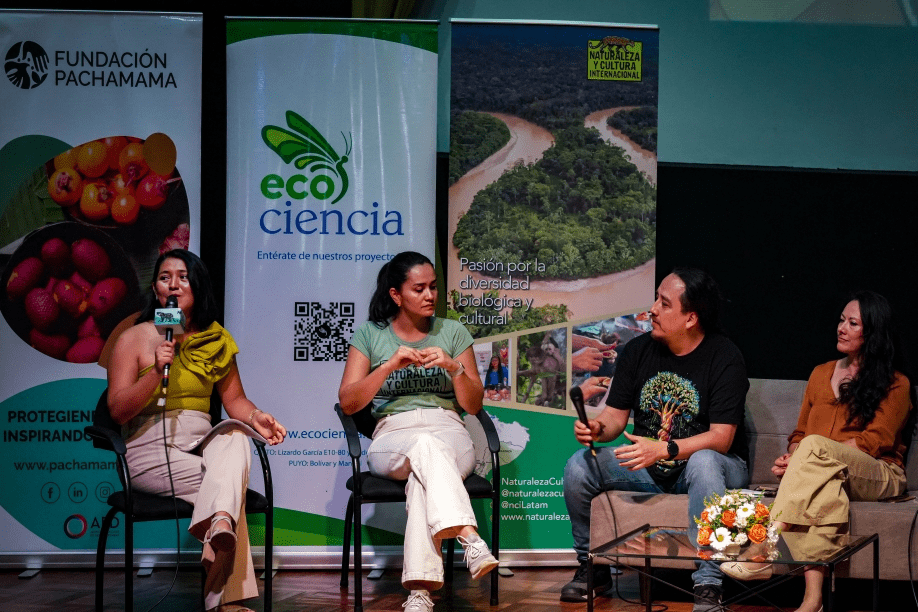Durante el evento se realizó la grabación en vivo de un episodio del podcast
José Esach, presidente de la Confeniae, señaló en su discurso inaugural del evento*: “Nuestra luchas no han sido fáciles, pero tampoco imposibles. Las asambleas, los consejos ampliados y acciones de mujeres y jóvenes, de conservacionistas, sociedad civil, aliados, todos hemos estado comprometidos aquí en la Amazonía, acciones por la Amazonía, acciones pequeñas pero de corazón, acciones concretas, es lo que necesitamos nosotros”.*
“ACCIONES POR LA AMAZONÍA” se presenta como un espacio de diálogo y difusión de información relevante sobre los desafíos y las oportunidades que enfrenta la Amazonía ecuatoriana. A través de entrevistas, análisis y reportajes, el podcast busca amplificar las voces de quienes trabajan en la primera línea de la conservación, destacando las acciones concretas que se están llevando a cabo para proteger este ecosistema vital y promover los derechos de sus habitantes.
Para asegurar un amplio alcance, el podcast **“ACCIONES POR LA AMAZONÍA” estará disponible en plataformas populares como Spotify y YouTube**, facilitando su acceso a una audiencia global. Adicionalmente, se podrá escuchar a través de la **página web de la Radio Voz de la CONFENIAE**, fortaleciendo así su conexión con las comunidades amazónicas y el público interesado en la región.
La colaboración entre Fundación EcoCiencia, Fundación Pachamama, Naturaleza y Cultura Internacional y la CONFENIAE subraya la importancia de la articulación de esfuerzos entre organizaciones de la sociedad civil y la representación indígena para abordar la complejidad de la problemática amazónica. Se espera que este nuevo medio de comunicación contribuya significativamente a la sensibilización y al involucramiento de un público más amplio en la defensa y el futuro de la Amazonía.
Rossana Manosalvas, coordinadora de Acciones por la Amazonía, comentó la importancia de este consorcio: *“Es muy emocionante estar sentados aquí, hace 4 años me invitaron a coordinar este proyecto. y estamos en este proceso de juntarnos por primera vez ONG ecuatorianas junto a tres socias de organizaciones indígenas, esto es un consorcio inédito en el Ecuador”.*
Bruno Paladines, Coordinador de la Plataforma Amazónica, recalcó que este es uno de los esfuerzos que estamos impulsando para tener estrategias de comunicación mejor articuladas y más estrategicas para compartir las iniciativas de conservación en la Amazonía.
Bruno Paladines, Coordinador de la Plataforma Amazónica
Con este lanzamiento y su disponibilidad en diversas plataformas, las organizaciones colaboradoras reafirman su compromiso con la promoción de la conciencia ambiental y el fortalecimiento de las voces amazónicas.
La realización de este proyecto es posible gracias a la colaboración estratégica de **Fundación EcoCiencia, Fundación Pachamama, Naturaleza y Cultura Internacional (NCI) y la Confederación de Nacionalidades Indígenas de la Amazonía Ecuatoriana (CONFENIAE)**, gracias al financiamiento principal de la **Agencia Noruega de Cooperación al Desarrollo (NORAD),** a través de su programa **NICFI.**
---
**Más informacion:**
Nora Sánchez Luzardo
**Coordinadora de Comunicacion para Améerica Latina**
<nsanchez@naturalezaycultura.org>
**Tags:** Ecuador
**Strategic Area:** Bosques
**Country:** Ecuador
**Content Type:** Blog
---
### [Gracias, Amazonas: Doce años conservando vida y sembrando cultura ](https://www.natureandculture.org/es/directorio/gracias-amazonas-doce-anos-conservando-vida-y-sembrando-cultura/)
**Published:** June 4, 2025
**Author:** Nora Sanchez
**Content:**
Después de más de una década de trabajo, nos despedimos de nuestro Programa Especial Utcubamba llenos de gratitud y orgullo. En estos doce años, Naturaleza y Cultura Internacional, junto a comunidades campesinas, gobiernos locales, el Gobierno Regional de Amazonas y diversas instituciones aliadas, ha logrado proteger más de 60 mil hectáreas de ecosistemas únicos en uno de los departamentos más biodiversas del Perú.
Desde el 2012, el Programa Especial Utcubamba ha articulado esfuerzos entre comunidades, autoridades e instituciones, para consolidar áreas de conservación y proteger su ecosistema.
### **Un legado de conservación: 63,132 hectáreas protegidas**
Gracias al trabajo conjunto con las comunidades campesinas, hemos ayudado a proteger espacios claves como las Áreas de Conservación Privadas Llamapampa-La Jalca, San Pedro de Chuquibamba, Catarata Gocta y Yasgolca-Santa Lucía. Estas zonas son refugio de importantes especies como el colibrí cola de espátula, el oso de anteojos y el mono choro de cola amarilla; también fuente de agua, alimento y cultura para miles de personas.
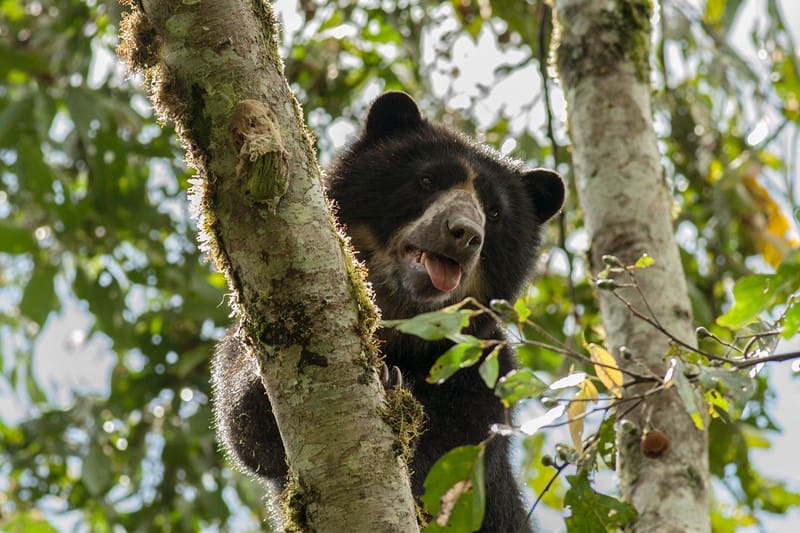Durante doce años, en Amazonas, hemos protegido el hogar de importantes especies, como el oso de anteojos.
*“En 2022, se inició el trabajo para contar con un Corredor de Conectividad al sur de Amazonas, una estrategia de conservación que integra estas áreas protegidas, ubicadas en las cabeceras de cuencas del del río Utcubamba, el principal afluente del Marañón. Se espera contar con la publicación en el diario El Peruano de la ordenanza regional N°002-2025 GOBIERNO REGIONAL AMAZONAS/CR que respalda la iniciativa, ahora queda bajo liderazgo del Gobierno Regional de Amazonas”* explica Lleydy Alvarado, jefa de proyectos del Programa Especial Utcubamba.
### **Aviturismo: un vuelo hacia la sostenibilidad**
El corredor también tiene un gran potencial para el aviturismo, una actividad que contribuye a la conservación y dinamiza la economía local. Se ha identificado una ruta aviturística en 16 localidades de la cuenca del río Utcubamba, que albergan 506 especies de aves, incluyendo 129 especies clave para el aviturismo. Esta ruta ha sido socializada y ha despertado el interés de la Dirección de Turismo de Amazonas, PROAMAZONAS, Ministerio de Comercio Exterior y Turismo y PROMPERÚ, marcando un camino claro hacia el desarrollo del turismo sostenible.
El aviturismo ayuda a dinamizar la economía local. Por ello, es importante proteger el hábitat de las aves. El aviturismo ayuda a dinamizar la economía local. Por ello, es importante proteger el hábitat de las aves.
Es decir, Amazonas ya cuenta con una ruta turística para conocer y explorar las aves más significativas de la zona.
[Accede a la ruta aviturística de la Cuenca del Río Utcubamba ](https://www.natureandculture.org/es/ruta-avituristica-de-la-cuenca-del-rio-utcubamba)
### **Ampliando la protección: ACP Los Chilchos**
En diciembre de 2022, la comunidad Leymebamba decidió ampliar el Área de Conservación Privada Los Chilchos en 10,088 hectáreas adicionales; es decir, el área protegería 56 088 hectáreas y aseguraría su conservación a perpetuidad. Este hito también incluyó el cambio de nombre a ACP Los Chilchos – Comunidad Leymebamba, fortaleciendola identidad y el compromiso local con la conservación.
Como parte del trabajo por conservar los espacios más biodiversos, el Programa Especial Utcubamba, acompañó en el proceso a la comunidad campesina, quienes se encuentran a la espera del reconocimiento oficial.
### **Restaurando el bosque con manos campesinas**
Naturaleza y Cultura Internacional a través del programa especial Utcubamba ha trabajado con las comunidades y se han reforestado 10.49 hectáreas con especies nativas como quinual, taya y nogal. Este trabajo incluyó la participación voluntaria de los pobladores de las comunidades.
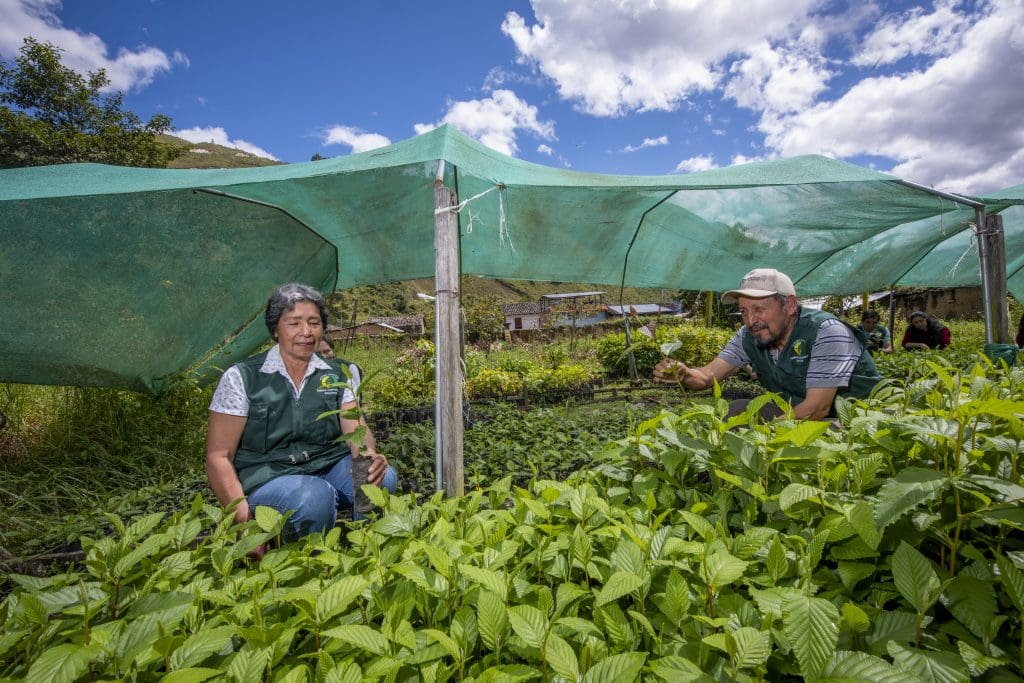Hemos trabajado de la mano con las comunidades campesinas para restaurar la vida en el bosque.
Además, se sembraron 20 hectáreas adicionales en zonas deforestadas, especialmente en los paisajes que se encuentran alrededor de las cataratas y sus rutas de acceso en San Pablo y Cuispes.
### **Prevenidos frente a las amenazas**
Como parte del compromiso por fortalecer la resiliencia comunitaria frente a las amenazas ambientales, el Programa Especial Utcubamba impulsó la formación y el equipamiento de brigadas comunitarias contra incendios forestales.
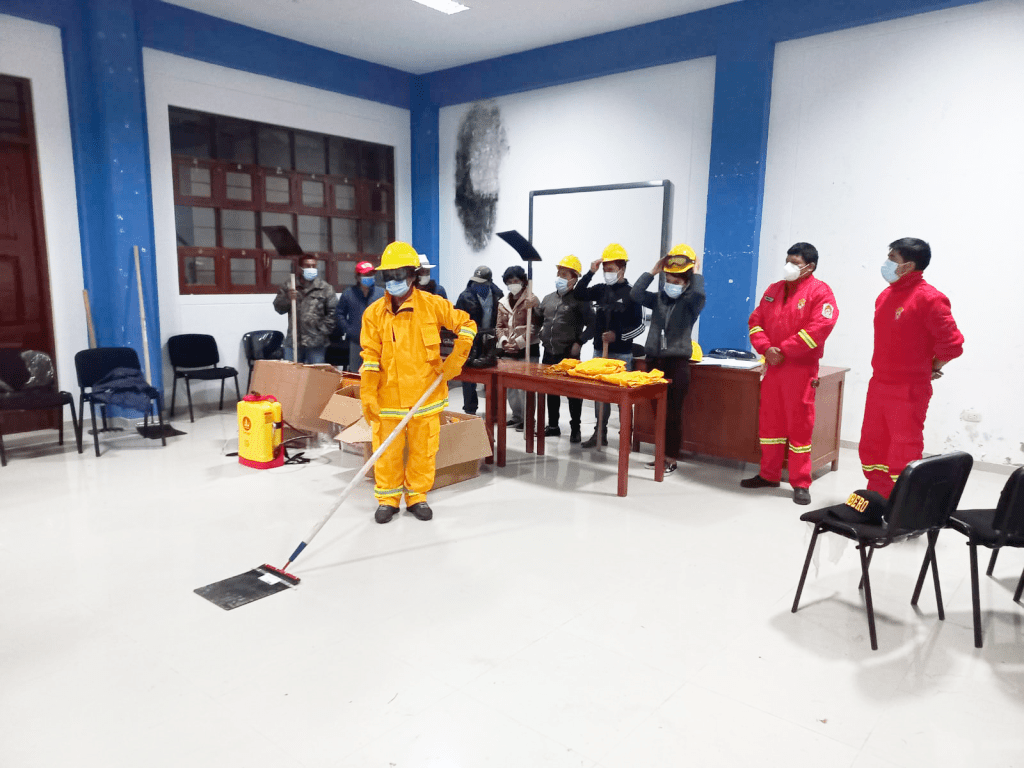Apoyamos a las comunidades a implementar las brigadas comunitarias contra incendios forestales.
En 2023, donamos equipamiento e indumentaria ignífuga a las comunidades campesinas de Montevideo, La Jalca, Chuquibamba, Leymebamba y San Pablo, implementando a ocho brigadistas por comunidad con los implementos necesarios para responder ante incendios forestales.
Este esfuerzo se complementó con un taller teórico-práctico, con el apoyo de los especialistas forestales del Servicio Nacional de Áreas Naturales Protegidas por el Estado – Sernanp, para enseñarles el comportamiento del fuego, técnicas de prevención, organización de brigadas, manejo de herramientas y construcción de líneas de defensa. Ahora, se cuenta con brigadas locales que lideran la prevención y atención de incendios forestales en sus territorios, en coordinación con las Municipalidades Provinciales, con quienes se trabajará en adelante para reducir las amenazas, como incendios forestales.
### **Turismo e identidad en Leymebamba**
En la comunidad de Leymebamba, hemos impulsado el turismo comunitario como herramienta de conservación. Elaboramos un inventario con 53 registros de patrimonio natural y cultural, diseñamos un mapa turístico, materiales de promoción y una documentación audiovisual, presentados a la Dirección Regional de Turismo.
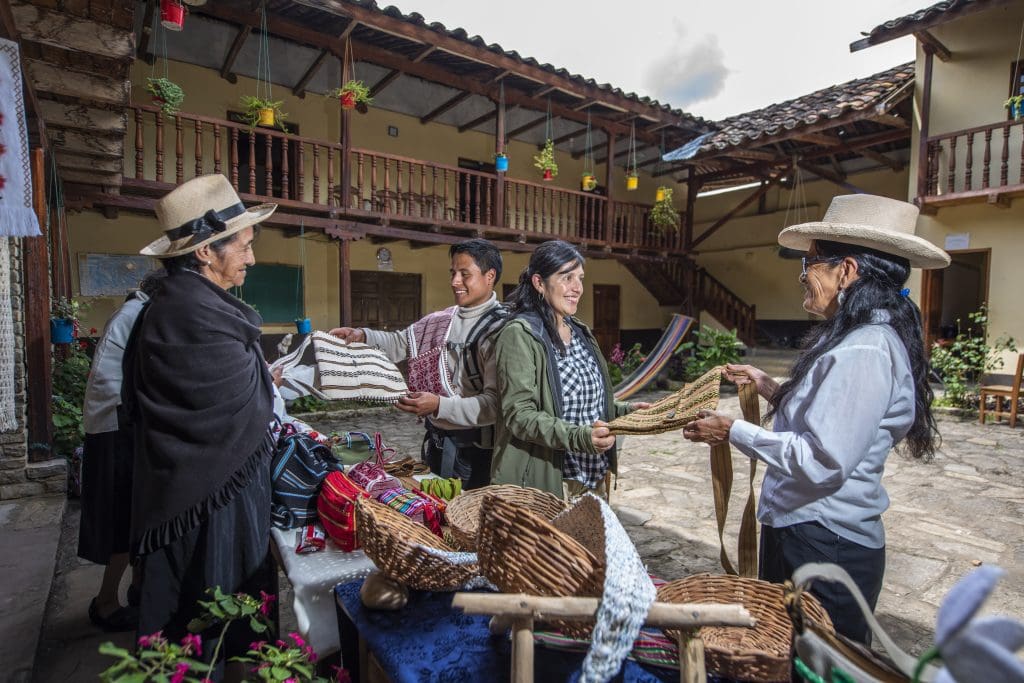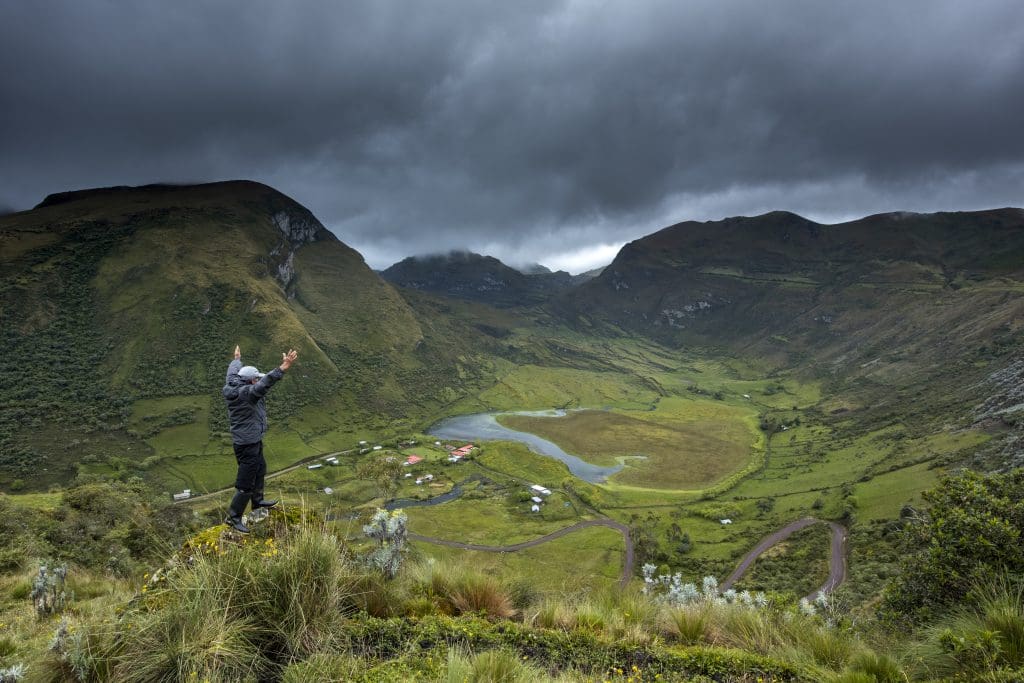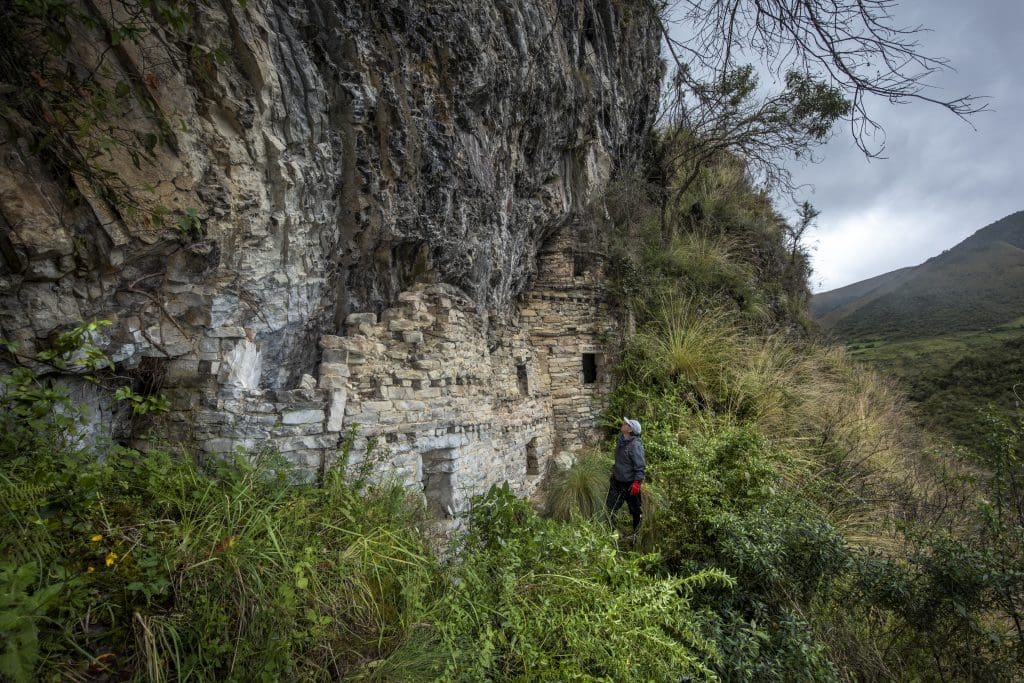
### Apostamos junto a la comunidad de Leymebamba por el turismo comunitario
Hoy, Leymebamba forma parte de la marca regional Mundo Chachapoyas y del programa de Turismo Rural Comunitario del Ministerio de Comercio Exterior y Turismo del Perú – MINCETUR, recibiendo capacitación continua. Además, ha sido reconocida por la Organización Mundial del Turismo (UNWTO) como uno de los 55 mejores pueblos rurales que definen el futuro del turismo sostenible en el mundo.
Estamos orgullosos de haberlos acompañado en la consolidación de su potencial turístico, que hoy en adelante trabajarán de la mano con la Dirección Regional de Turismo y MINCETUR para potenciar el turismo en la comunidad y ayudar a generar ingresos económicos.
### **Ciencia para conservar**
El trabajo científico también dejó huella. Realizamos un inventario biológico en la KBA PER-84 en San Pablo y Cuispes, identificando especies detonadoras como el colibrí cola de cola espátula, el perico de mejilla amarilla y la rana de cristal de Rioja. También elaboramos una guía de biodiversidad, entregada y explicada a las comunidades en talleres para fomentar el avistamiento de aves y la educación ambiental.
Este esfuerzo fue plasmado en el artículo científico *“Rediscovering the Richness and Endemism of the Tetrapod Fauna within the Utcubamba River Key Area for Biodiversity”*, publicado en la revista *Biodiversity* y presentado en la conferencia internacional IECD 2022.
### **Promoviendo comunidades conservacionistas**
Las asociaciones comunales de turismo de San Pablo y Cuispes recibieron apoyo con materiales promocionales, señalética e imagen institucional para potenciar las rutas hacia las cataratas de Gocta y Yumbilla, integrándolas en una oferta turística, cada vez más valorada.
## **Un adiós con raíces profundas**
Guillermo Maraví Vega Centeno, Director Ejecutivo de Naturaleza y Cultura Internacional Perú, asegura que las bases que deja el Programa Especial Utcubamba, permitirán a las comunidades campesinas, autoridades e instituciones aliadas, continuar con el trabajo de conservación y de sostenibilidad, para hacer de estos espacios naturales un escenario único; así como asegurar los servicios ecosistémicos esenciales para la vida, como el agua y aire de calidad.
*“El cierre del Programa Especial Utcubamba se da en un contexto de limitaciones financieras, debido a recientes disposiciones políticas del gobierno de Estados Unidos, respecto al financiamiento de organizaciones no gubernamentales. Sin embargo, las semillas están sembradas, las comunidades empoderadas y los logros hablan por sí solos”* explica Guillermo.
Nos despedimos agradeciendo a cada persona, comunidad e institución que caminó con nosotros. Amazonas sigue siendo un faro de biodiversidad y cultura. Confiamos en que el legado de conservación seguirá floreciendo, como lo hacen los bosques que juntos ayudamos a proteger.
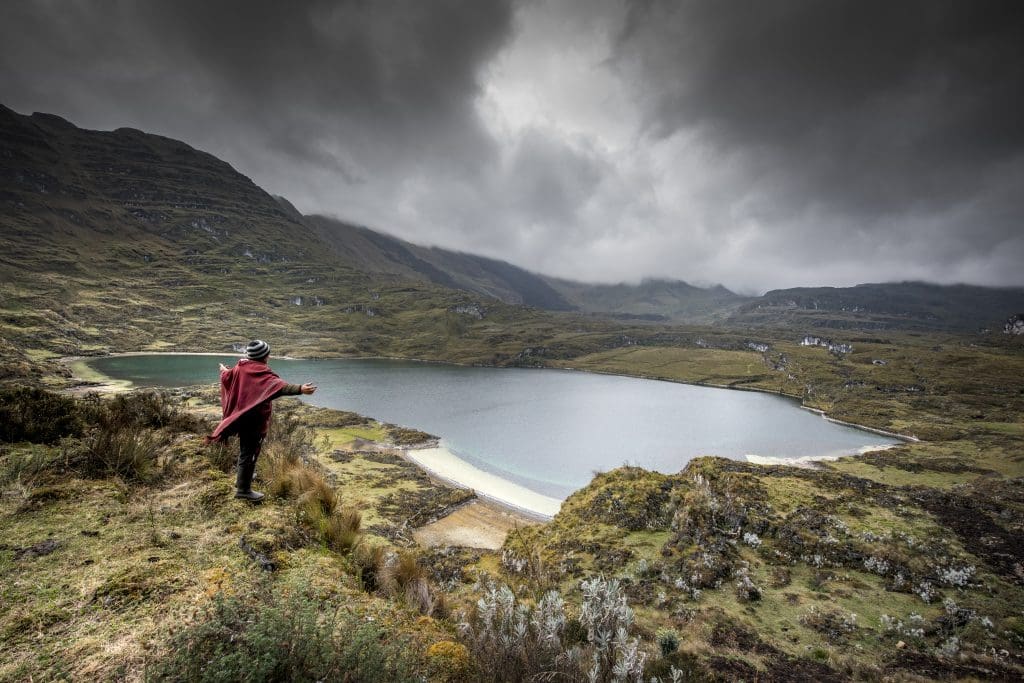
Después de 12 años de trabajo conjunto, el Programa Especial Utcubamba de Naturaleza y Cultura Internacional cierra un ciclo, dejando en manos de las comunidades, autoridades e instituciones aliadas la continuidad de este legado de conservación que construimos juntos. Sabemos que el camino de la conservación nos volverá a reencontrar, y cuando eso suceda, esperamos ver florecer y consolidarse todo el esfuerzo que sembramos juntos a lo largo de estos años.
---
**Más informacion:**
Gabriela Gives
**Comunicación Perú**
<comunicacion.peru@naturalezaycultura.org>
**Tags:** Biodiversidad, Perú
**Strategic Area:** Bosques
**Country:** Perú
**Content Type:** Blog
---
### [Capacitación técnica fortalece el rol militar en la protección de ecosistemas frágiles en la frontera sur ](https://www.natureandculture.org/es/directorio/capacitacion-tecnica-fortalece-el-rol-militar-en-la-proteccion-de-ecosistemas-fragiles-en-la-frontera-sur/)
**Published:** May 19, 2025
**Author:** Nora Sanchez
**Content:**
Con el propósito de fortalecer la gobernanza ambiental en la frontera sur del Ecuador, sesenta efectivos del Batallón de Infantería Motorizado N.º 19 “Carchi” —con sede en Celica y jurisdicción en los cantones Pindal, Puyango, Celica y Zapotillo, en la provincia de Loja— participaron en un taller técnico enfocado en los Derechos de la Naturaleza y los delitos ambientales, con énfasis en la protección de ecosistemas frágiles del cantón Zapotillo.
Taller en la sede del Batallón de Infantería Motorizado N.º 19 “Carchi” (Créditos: Daniel Sanmartín)
Esta capacitación especializada respondió a la necesidad de mejorar las capacidades operativas y legales del personal militar que cumple funciones de patrullaje y control en áreas de alta biodiversidad y fragilidad ecológica, como la Reserva Natural La Ceiba y la Reserva Natural Cazaderos.
Recorridos en la Reserva Natural La Ceiba (Créditos: Daniel Sanmartín)
En este contexto, el taller se desarrolló como parte de un mecanismo de cooperación interinstitucional diseñado para reforzar la aplicación de la normativa ambiental y promover la articulación entre entidades públicas, organizaciones especializadas y cooperación internacional.
La intervención se centró en fortalecer el rol del personal militar en la conservación del patrimonio natural en el sur del Ecuador, donde se localizan dos reservas naturales y un Área de Conservación Municipal y Uso Sostenible del cantón Zapotillo. Estas áreas forman parte de uno de los remanentes de bosque seco tropical más extensos y mejor conservados del país. Este ecosistema, compartido con Perú, constituye un bloque continuo de alta representatividad ecológica en la región tumbesina, destacado por su elevada biodiversidad, endemicidad y vulnerabilidad frente a presiones antrópicas.
Control de vigilancia en la Reserva Natural la Ceiba (Créditos: Daniel Sanmartín)
Durante el taller, también se abordaron los principios constitucionales que consagran los derechos de la naturaleza, los tipos penales asociados a delitos ambientales y los procedimientos legales aplicables. Entre los temas tratados, se destacó el análisis de la deforestación, la caza y pesca ilegales, la ocupación indebida de áreas protegidas y el tráfico de especies silvestres.
Pablo Idrobo, abogado especialista en derechos ambientales de la Fundación Naturaleza y Cultura Ecuador (FUNACE), expuso los principios constitucionales que consagran los derechos de la naturaleza y el rol del Estado en la protección y restauración de los ecosistemas. En su intervención, enfatizó la vulnerabilidad del bosque seco tropical como ecosistema frágil y subrayó la necesidad de mantener espacios técnicos de capacitación como parte de una estrategia integral frente a la complejidad creciente de los delitos ambientales.
Idrobo, recalcó que la prevención, investigación y sanción efectivas requieren una coordinación sostenida entre el sistema judicial, las entidades ambientales y los cuerpos de seguridad, para garantizar la defensa del patrimonio natural del país.
Pablo Idrobo, FUNACE (Créditos: Daniel Sanmartín)
Asimismo, el biólogo Daniel Sanmartín, técnico de FUNACE, ofreció una presentación detallada sobre la Reserva Cazaderos y el Bosque Protector La Ceiba, así como sobre las categorías de conservación reconocidas por el Estado, como los bosques protectores y el Sistema Nacional de Áreas Protegidas (SNAP), destacando el valor ecológico de estos territorios esenciales para la biodiversidad del país.
Daniel Sanmartín, FUNACE (Créditos: Daniel Sanmartín)
Por su parte, el ingeniero Juan Carlos Barrazueta, responsable de la oficina técnica del Ministerio de Ambiente Agua Transición Ecológica de Zapotillo, brindó una charla sobre la zona de veda, las especies condicionadas, los permisos y el manejo de flora y fauna silvestre, aplicando el Código Orgánico Ambiental (COA) en el contexto local y su influencia en las políticas de conservación.
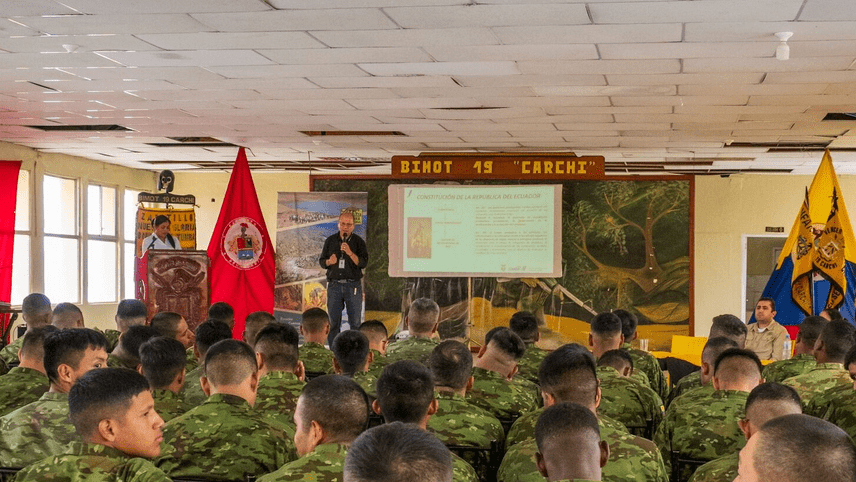Juan Carlos Barrazueta, MAATE-Zapotillo (Créditos: Daniel Sanmartín)
El agente William Narváez, de la Unidad Nacional de Investigación de Delitos Contra el Ambiente y la Naturaleza (UN-IDCAN), durante el taller presentó casos reales, metodologías de investigación y protocolos de intervención. Su intervención permitió al personal militar comprender la articulación entre la labor preventiva en territorio y los procesos judiciales, subrayando la importancia de una coordinación efectiva entre las entidades judiciales, ambientales y de seguridad para enfrentar los delitos ambientales de manera integral.
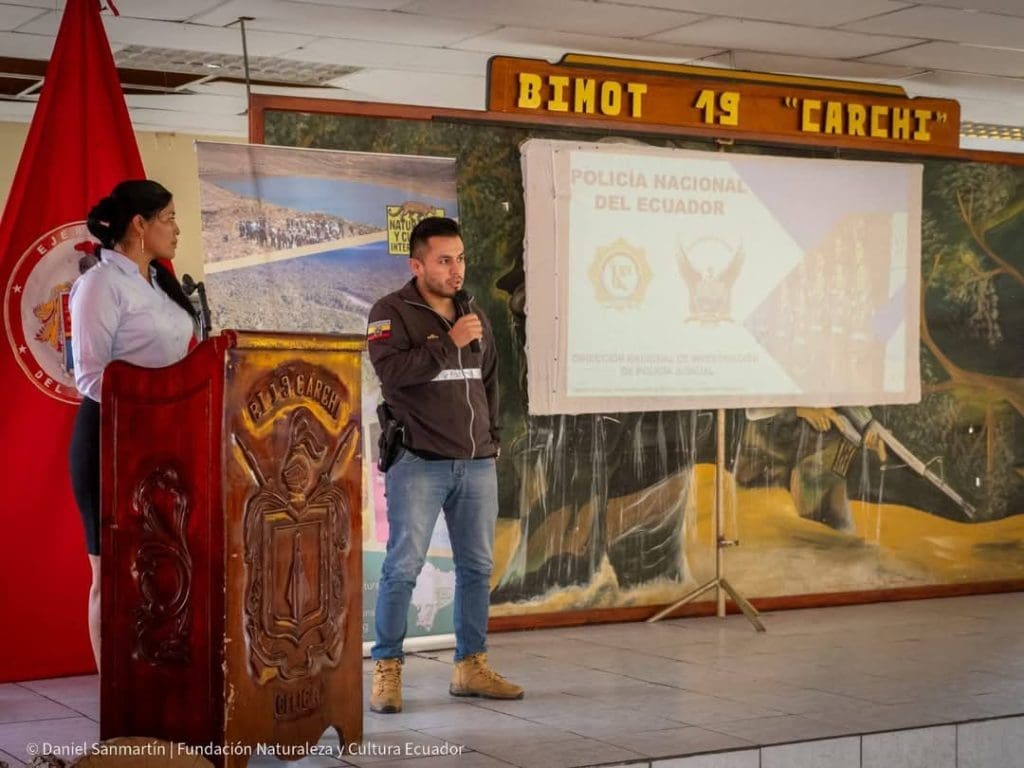Agente William Narváez, UN-IDCAN (Créditos: Daniel Sanmartín)
El taller se desarrolló como parte de una estrategia de fortalecimiento de capacidades operativas y jurídicas en zonas de frontera, impulsada por la Fundación Naturaleza y Cultura Ecuador y Naturaleza y Cultura Internacional, con el respaldo financiero de Rainforest Trust.
La iniciativa integró enfoques ecológicos y normativos en los procesos de control territorial, promoviendo una respuesta más eficaz frente a las amenazas que enfrentan ecosistemas prioritarios del suroccidente del país, y fortaleciendo el rol de las fuerzas armadas en la conservación de la integridad ecológica regional.
---
**Más información:**
Aida Maldonado
<amaldonado@naturalezaycultura.org>
Comunicación Ecuador
**Strategic Area:** Bosques
**Country:** Ecuador
**Content Type:** Noticias
---
### [Alianza por el agua y los ecosistemas del Ecuador ](https://www.natureandculture.org/es/directorio/alianza-por-el-agua-y-los-ecosistemas-del-ecuador/)
**Published:** May 26, 2025
**Author:** Nora Sanchez
**Content:**
Ante la creciente presión sobre las fuentes de agua y los ecosistemas estratégicos del país, se requiere adoptar enfoques integrales y diferenciados para su gestión. La gestión integrada de los recursos hídricos, como enfoque técnico y sistémico, permite articular la conservación ecológica con el uso sostenible del agua, priorizando áreas clave para el abastecimiento humano y las actividades productivas.
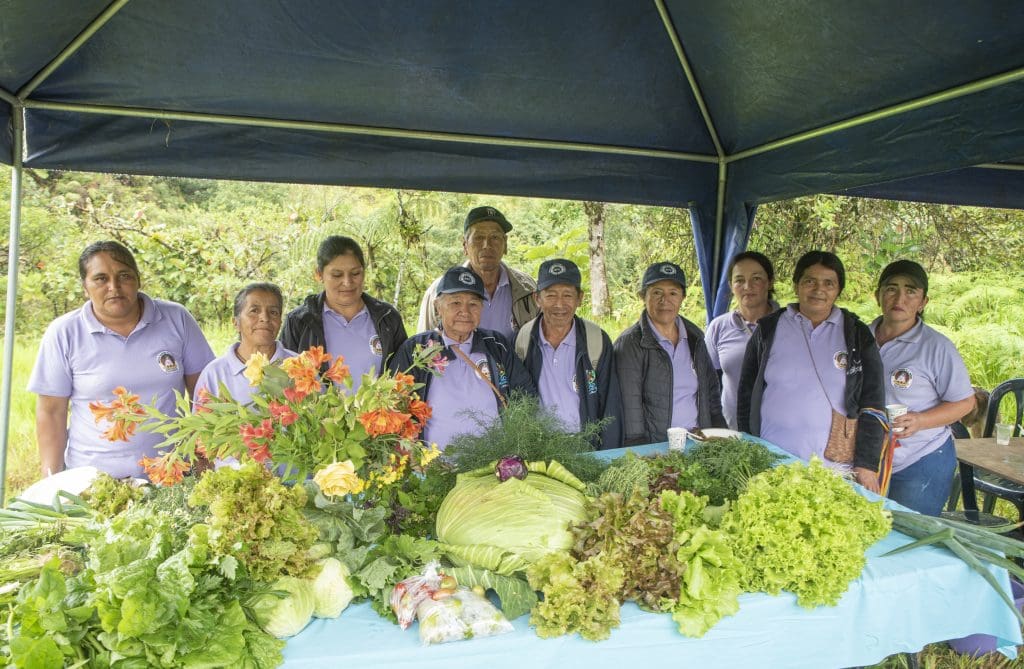**Productores orgánicos de la Parroquia Valladolid**
En este contexto, ecosistemas como páramos, humedales, bosques montanos y áreas de recarga hídrica desempeñan funciones hidrológicas fundamentales, como la regulación del ciclo del agua, la conservación de la biodiversidad y la mitigación de los impactos del cambio climático.
En respuesta a esta necesidad, desde el año 2024 el Viceministerio del Agua del Ministerio del Ambiente, Agua y Transición Ecológica (MAATE) ha establecido mecanismos de cooperación técnica con Naturaleza y Cultura Internacional (NCI), con el apoyo financiero de Re:wild y Andes Amazon Fund a NCI. Esta articulación interinstitucional ha permitido definir acuerdos operativos que viabilizan acciones concretas en territorio.
El apoyo técnico ha sido clave para avanzar en procesos como la elaboración de expedientes para nuevas Áreas de Protección Hídrica (APH), el desarrollo de estudios de campo y el fortalecimiento de espacios de diálogo con comunidades locales. Todo ello se realiza bajo principios constitucionales que garantizan la participación ciudadana y los derechos colectivos de Pueblos y Nacionalidades, reconociendo su rol en la protección de las fuentes de agua.
Uno de los hitos más relevantes de esta colaboración fue el establecimiento del Área de Protección Hídrica Corazón de la Amazonía, en la parroquia Valladolid de la provincia de Zamora Chinchipe, creada a partir de un proceso participativo impulsado por actores locales para resguardar sus fuentes de agua.
APH Corazón de la Amazonía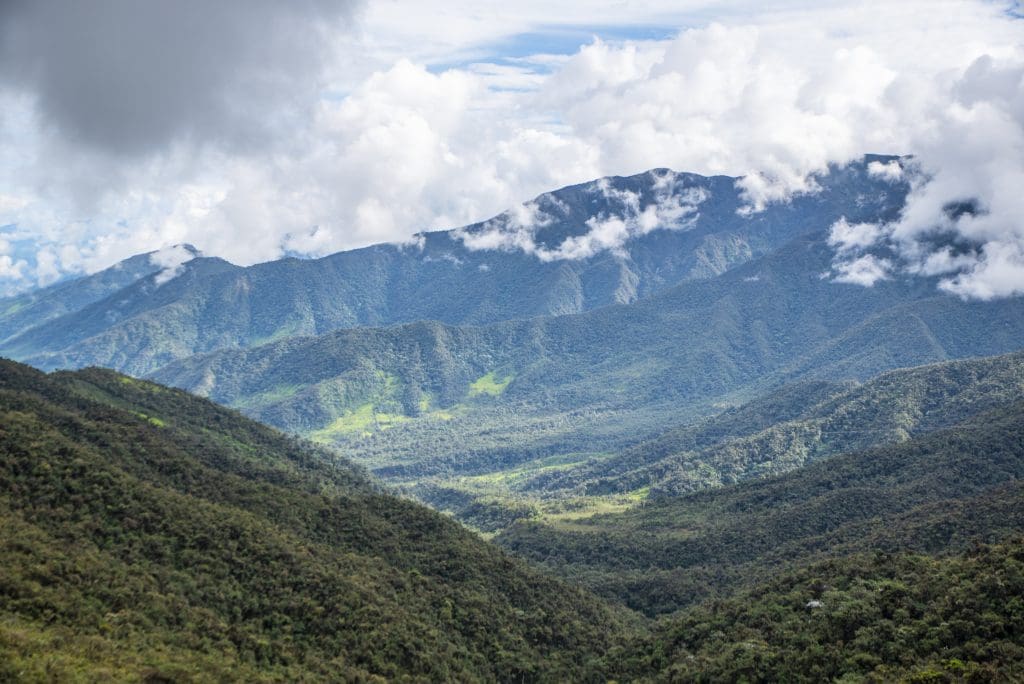APH Corazón de la Amazonía
A esto se suma la actualización de la guía para la delimitación y establecimiento de APH, así como la publicación del primer Atlas de Áreas de Protección Hídrica del Ecuador en 2024; ambos constituyen insumos técnicos que aportan al ordenamiento territorial y a la gestión sostenible del agua.
Actualmente, el Viceministerio del Agua trabaja en la formulación de los lineamientos para los planes de gestión hídrica de las APH, así como en la elaboración del manual de procedimientos para su establecimiento.
Estos mecanismos de gestión han sido construidos mediante talleres interinstitucionales, promoviendo un modelo colaborativo con enfoque de conservación, planificación participativa y gobernanza local del agua.
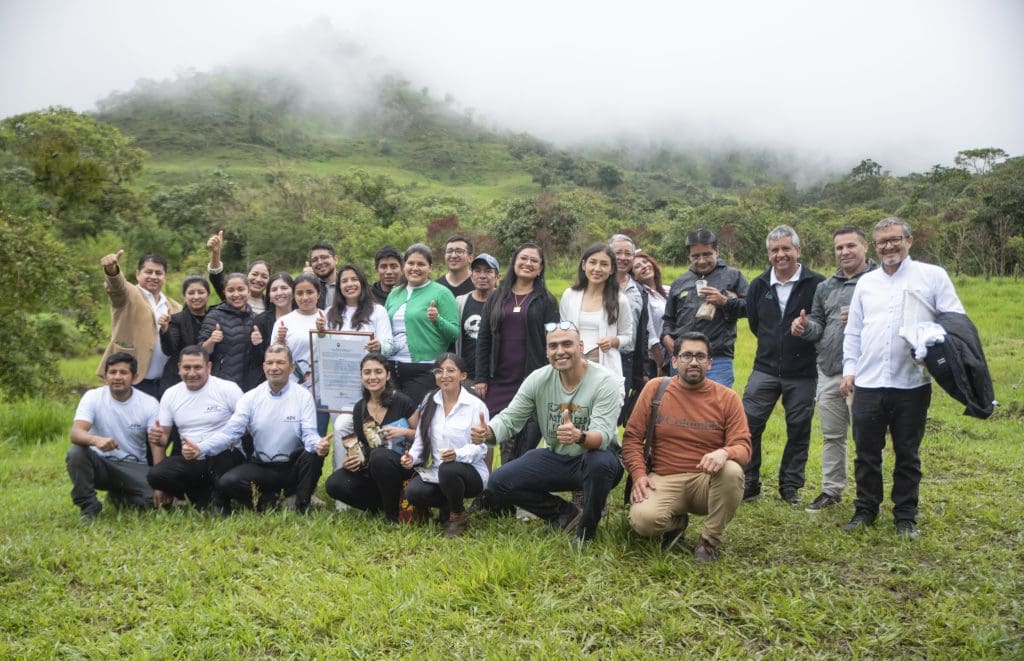**Comunidad de Valladolid, MAATE, y Naturaleza y Cultura Internacional**
De manera complementaria, la asistencia técnica también se ha orientado a la generación de información cartográfica especializada y a la definición de redes de monitoreo de calidad del agua en zonas estratégicas del país.
Este esfuerzo articulado consolida una alianza orientada a fortalecer la gestión hídrica nacional mediante planificación territorial, participación local y cooperación internacional. La acción conjunta del Estado y las comunidades demuestra que la conservación de los ecosistemas y las fuentes de agua en Ecuador requiere soluciones integradas y un compromiso sostenido con su gestión responsable.
---
**Más informacion:**
Aida Maldonado
**Comunicación Ecuador**
<amaldonado@naturalezaycultura.org>
**Tags:** Agua, Areas de Protección Hídrica, Biodiversidad, Ecuador
**Strategic Area:** Agua
**Country:** Ecuador
**Content Type:** Blog
---
### [Peru Protects One of the World’s Rarest Forests with New Regional Conservation Area ](https://www.natureandculture.org/directory/peru-protects-one-of-the-worlds-rarest-forests-with-new-regional-conservation-area/)
**Published:** May 22, 2025
**Author:** Heather Thomas
**Content:**
## *****The Cutervo Regional Conservation Area in the Inter-Andean Dry Forests is part of the Marañón Dry Forest, a globally unique and highly threatened ecoregion.*****

#### **This International Day for Biological Diversity, a rare bird’s song calls us to act for endangered species and irreplaceable ecosystems**.
“Piu, piu, piu, piu” echoes through the Inter-Andean Dry Forests of Cutervo, carried on the wind beneath the bright Andean sun. It’s the [call of the Marañón spinetail](https://ebird.org/species/marspi3) (*Synallaxis maranonica*), a small, elusive bird with soft gray feathers and chestnut-colored back, wings, and tail. It lives hidden among dense vines in steep ravines and along forested streams. Its sharp, repetitive song seems almost like a cry, a haunting lament for how close it is to disappearing from the wild. **The International Union for Conservation of Nature (IUCN) lists the Marañón spinetail as Critically Endangered, meaning it faces an extremely high risk of extinction.**
The species and many other **critically endangered, endemic species** like *Mimosa lamolina*, face threats primarily from **deforestation and forest fires** that destroy their habitat to make way for agricultural expansion. A lack of awareness about the importance of conserving these species only worsens the situation.
*“It’s crucial to protect these species because birds and plants like these play key roles in maintaining ecological balance through their interactions with the environment, for example, as seed dispersers and oxygen producers. Establishing this regional conservation area is not just about protecting land—it’s about protecting life in its natural state, benefiting both present and future generations.”*
Elvis Allauja Salazar, Project Manager at Nature and Culture
**Marañón spinetail** (*Synallaxis maranonica)*, photo by Elvis Allauja**Peruvian Bush-Anole** (*Polychrus peruvianus*), photo by Elvis Allauja*Mimosa lamolina*, photo by Elvis Allauja
Thanks to the joint efforts of Nature and Culture, Andes Amazon Fund, and the Regional Government of Cajamarca, the Cutervo Regional Conservation Area has been established to preserve this incredibly unique ecosystem.
Spanning **45,494** **acres** (18,410.94 hectares), this new conservation area protects a rich mosaic of **475 species of flora and fauna**. Located in the districts of **Choros, Toribio Casanova, and Santo Tomás**, in the province of **Cutervo**, Cajamarca region, its aim is to conserve a critical regional sample of the **Marañón Inter-Andean Seasonally Dry Forest ecosystem**. Not only will the area help **safeguard the habitats of endemic and threatened species**, but it also promotes the **sustainable use of natural resources** and contributes to **climate change mitigation**.

### Protecting Ecosystems that Protect Us
Establishing conservation areas is essential not only for protecting biodiversity, but also for preserving critical ecosystem services, like water cycle regulation and soil conservation. It also promotes sustainable economic development through responsible resource management and developing long-term economic activities without depleting them.
*“This area provides vital ecosystem services, such as climate regulation, soil conservation, carbon capture, and water supply for both household consumption and agricultural use,”* said **Daryl Briones Longa**, Deputy Manager of Natural Resources and Protected Natural Areas at the **Regional Government of Cajamarca**, highlighting the importance of conserving this area. Briones also emphasizes that the area is part of Cajamarca’s **Regional System of Natural Areas** and fulfills institutional goals aligned with regional and national conservation priorities. Notably, it is the **third regional conservation area in Peru** dedicated to protecting the **Marañón Dry Forests**, a globally unique ecoregion.
### Communities at the Heart of Conservation
Local communities living within the boundaries of this new protected area have long recognized the importance of protecting their forests and wildlife in the face of threats like illegal logging and wildfires.

*“I want these forests to be conserved because they purify the environment and allow the survival of many plants and animals. This is essential for ecological balance and life itself.”*
**Lilia Tarrillo Arévalo**, Resident of Malleta.
### A Legacy of Conservation for Cajamarca and Beyond
This new conservation area builds on a growing network of conservation across Cajamarca.
**Nature and Culture** also supported the establishment of three other Regional Conservation Areas in the region:
- [El Chaupe, Cunía y Chinchiquilla Regional Conservation Area](https://www.natureandculture.org/directory/chauperca/)
- Montane Forests of [Jaén and Tabaconas Regional Conservation Area](https://www.natureandculture.org/directory/jaen-y-tabaconas/)
- [Marañón Dry Forests Regional Conservation Area ](https://www.natureandculture.org/directory/maranon-rca/)
The establishment of the Cutervo Regional Conservation Area is part of a growing, coordinated effort to protect Peru’s most endangered ecosystems before it’s too late. It’s more than the protection of land; it’s a shared commitment to safeguarding life in its natural state, for current and future generations.
On this International Day for Biological Diversity, the cry of the Marañón spinetail reminds us what’s at stake. This new protected area stands as one of the last strongholds for dozens of endemic and threatened species, and as a powerful example of what’s possible when communities, governments, and supporters like you come together to protect the irreplaceable.
**Tags:** Biodiversidad, Perú
**Strategic Area:** Forests
**Country:** Peru
**Content Type:** News
---
### [Protegiendo lo irremplazable: Establecimiento del Área de Conservación Regional Bosques Secos Interandinos de Cutervo](https://www.natureandculture.org/es/directorio/protegiendo-lo-irremplazable-establecimiento-del-area-de-conservacion-regional-bosques-secos-interandinos-de-cutervo/)
**Published:** May 19, 2025
**Author:** Heather Thomas
**Content:**
Piu, piu, piu, piu, se escucha en los bosques secos interandinos de Cutervo, donde el viento sopla y el sol resplandece; es el sonido del ave cola espina del Marañón *Synallaxis maranonica*, ave de plumaje mayormente gris, con espalda, alas y cola castañas, que habita en densas enredaderas dentro del bosque, a menudo en barrancos húmedos o cerca de arroyos, y que parece que cuando canta, con un sonido agudo y repetitivo, estuviese llorando por su situación actual en el mundo: Está categorizada como En Peligro Crítico en la Lista Roja de Especies Amenazadas por la International Union for the Conservation of Nature (Unión Internacional para la Conservación de la Naturaleza, en español), lo que significa que se enfrenta a un riesgo de extinción extremadamente alto.
La cola espinosa del Marañón se enfrenta a este riesgo debido a varios factores, entre ellos, la deforestación y quemas de bosques, que destruyen su hábitat natural para la ampliación de la frontera agrícola, y la falta de conciencia y sensibilización en muchas personas por conservar esta especie, pero, afortunadamente, sí hay otras personas, y, además, organizaciones que se preocupan por conservar esta y otras especies de los bosques secos interandinos de Cutervo: El Gobierno Regional de Cajamarca con el apoyo de Naturaleza y Cultura Internacional, y Andes Amazon Fund logró establecer la cuarta Área de Conservación Regional Bosques Secos Interandinos de Cutervo, mediante el **Decreto Supremo N° 008-2025-MINAM**

Esta área tiene una superficie de 18,410.94 hectáreas, que alberga una riqueza de 475 especies, entre flora y fauna. Se encuentra ubicada en los distritos de Choros, Toribio Casanova y Santo Tomás, provincia de Cutervo, departamento de Cajamarca y tiene el objetivo de conservar una importante muestra a nivel regional del ecosistema Bosques Estacionalmente Secos Interandinos del Marañón en dicha provincia, contribuyendo así a la conservación de hábitats de especies endémicas que se encuentran en esta área, promoviendo el uso sostenible de los recursos naturales para el mantenimiento de los bienes y servicios, y mitigando al cambio climático.
***“Esta área provee varios servicios ecosistémicos, como la regulación del clima y conservación del suelo, la captura de carbono y la provisión de agua para el consumo poblacional y uso agrícola”,*** menciona Daryl Briones Longa, Subgerente de Recursos Naturales y Áreas Naturales Protegidas del Gobierno Regional de Cajamarca, quien evidencia la importancia de conservar esta área. Asimismo, Briones comenta que esta área forma parte del Sistema Regional de Conservación de las Áreas Naturales de Cajamarca y su establecimiento, parte de las metas institucionales, teniendo en cuenta la zonificación ecológica y económica, y los sitios prioritarios para la conservación a nivel regional y nacional, resaltando que es la tercera área de conservación regional en el Perú en proteger los Bosques Secos del Marañón, una ecorregión única a nivel nacional y mundial.
Al igual que el subgerente, la población de las localidades de esta área de conservación regional, que son La Ciruela, Monte Redondo, Sanaque, Carrisillo, El Caimito, El Puquio, La Perla, La Primavera, Santa Lucía, Mesarrume, Celendín, El Cruce, Caracoles, Huajango, Malleta, El Frayle, Viza y Las Catahuas; conoce también de la importancia de contar con esta área para proteger sus bosques y conservar sus recursos forestales y de fauna silvestre, frente a amenazas como la deforestación, quemas de bosques y tráfico de tierras; así lo reflejan a través de Lilia Tarrillo Arévalo, pobladora de Malleta, quién comenta lo siguiente: ***“Quiero que se conserven estos bosques porque es necesario para purificar el medio ambiente y permite la conservación de muchos animales y plantas, esto es importante para el equilibrio ecológico y la vida”.***

Establecer áreas de conservación tiene una importancia fundamental para la protección de la biodiversidad, asegurar los servicios ecosistémicos como la regulación del ciclo del agua y protección del suelo, y también promover el desarrollo económico sostenible; es decir, protegiendo los recursos naturales y desarrollando actividades económicas a largo plazo sin agotar estos recursos. Además, estas áreas protegen especies en peligro crítico, como es el caso del ave cola espina del Marañón y la planta uña de gato *Mimosa lamolina*, especies endémicas del Área de Conservación Regional Bosques Secos Interandinos de Cutervo; que, a su vez, es importante cuidar su existencia, pues las aves y plantas como estas especies tienen un papel importante en el equilibrio ecológico al interactuar con su entorno de diversas maneras, por ejemplo, como dispersoras de semillas y producción de oxígeno, respectivamente, menciona, Elvis Allauja Salazar, jefe de proyectos de Naturaleza y Cultura Internacional.
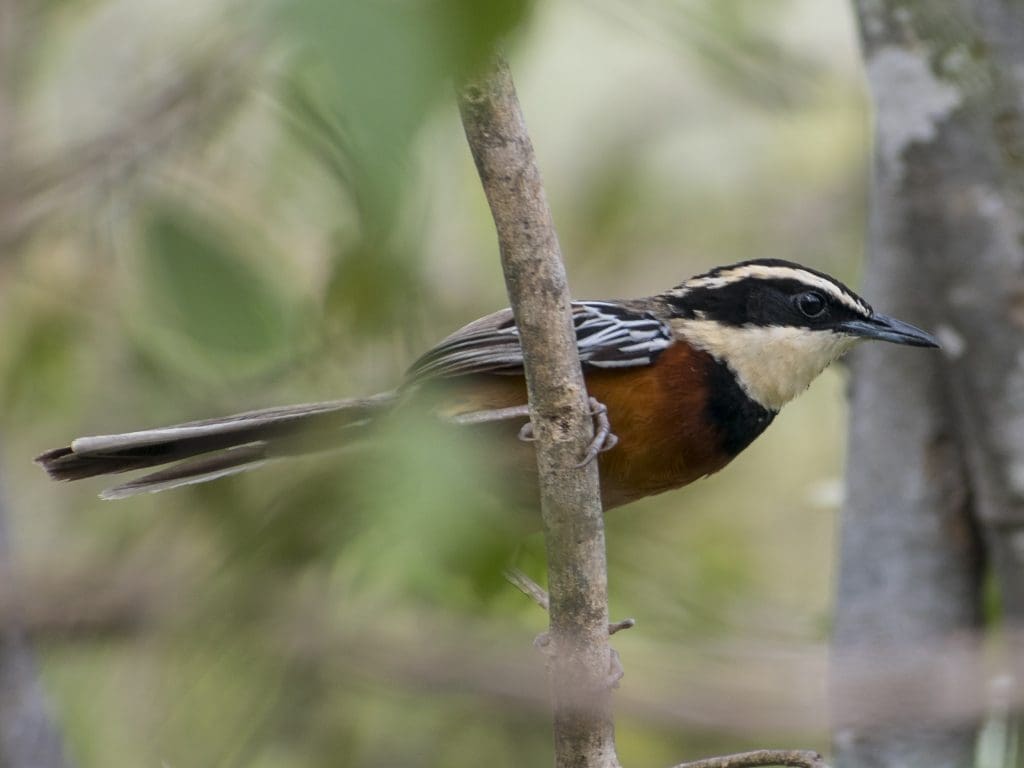
El establecimiento de esta área de conservación regional es un compromiso para todos, no solo se está protegiendo un territorio, sino el cuidado de la vida en su estado natural, que trae beneficios a la población actual y a las generaciones futuras.
**Datos adicionales:**
- Esta área de conservación es la única a nivel regional y nacional en proteger las dos especies en mención (ave cola espina del Marañón y la planta uña de gato) así como otras más de fauna silvestre: el gorrión jaeno *Incaspiza watkinsi*, fringilo de ala gris *Incaspiza ortizi*, pecho de luna del Marañón *Melanopareia maranonica*, largartija del Marañón *Amevia nodam*, que también se encuentran amenazadas y son endémicas, y flora silvestre, como el cacho de venado *Maranonia lavinii*, especie y género botánico endémico, también.
- Naturaleza y Cultura Internacional ha apoyado también en el establecimiento de las otras tres áreas de conservación regional de Cajamarca: Área de Conservación Regional El Chaupe, Cunía y Chinchiquilla, Área de Conservación Regional Bosques Montanos de Jaén y Tabaconas, y Área de Conservación Regional Bosques Secos del Marañón.
---
**Más informacion:**
Gabriela Gives
**Comunicacion Perú**
<comunicacion.peru@naturalezaycultura.org>
**Tags:** Biodiversidad, Perú
**Strategic Area:** Bosques
**Country:** Perú
**Content Type:** Noticias
---
### [Así fue el Global Big Day en nuestros mosaicos Carpish Río Abiseo y Andes del Norte ](https://www.natureandculture.org/es/directorio/asi-fue-el-global-big-day-en-nuestros-mosaicos-carpish-rio-abiseo-y-andes-del-norte/)
**Published:** May 15, 2025
**Author:** Nora Sanchez
**Content:**
En el marco del Global Big Day, una jornada mundial de observación de aves, los Mosaicos Carpish – Río Abiseo y Andes del Norte, de Naturaleza y Cultura Internacional (NCI), fueron escenarios para el avistamiento de especies endémicas y de distribución restringida.
Estos espacios naturales resguardan la biodiversidad y también se posicionan como rutas para el turismo especializado en avifauna, aportando al desarrollo sostenible de las comunidades locales.
### **Unchog: un paraíso oculto en Carpish – Río Abiseo**
**Desde muy temprano los especialistas salieron en busca de las aves más importantes de la zona.**
En los bosques de Unchog, ubicados en la zona sur del Área de Conservación Regional (ACR) Bosque Montano de Carpish y el Área de Conservación Privada (ACP) Unchog, parte del Mosaico Carpish – Río Abiseo, se desarrolló una intensa jornada de avistamiento liderada por el biólogo Wilmer Ortiz, con el apoyo del personal del ACR Carpish, del Gobierno Regional de Huánuco.
“A pesar de la constante lluvia, el equipo logró registrar 32 especies de aves, destacando la importancia del área como hábitat esencial para especies endémicas. Se registraron ocho especies exclusivas del Perú, entre ellas el emblemático Colibrí Cobrizo (*Metallura theresiae*) y el escurridizo Tororoi de Chachapoyas (*Grallaria gravesi*), aves que convierten a Unchog en un destino imperdible para observadores especializados” explica Wilmer.
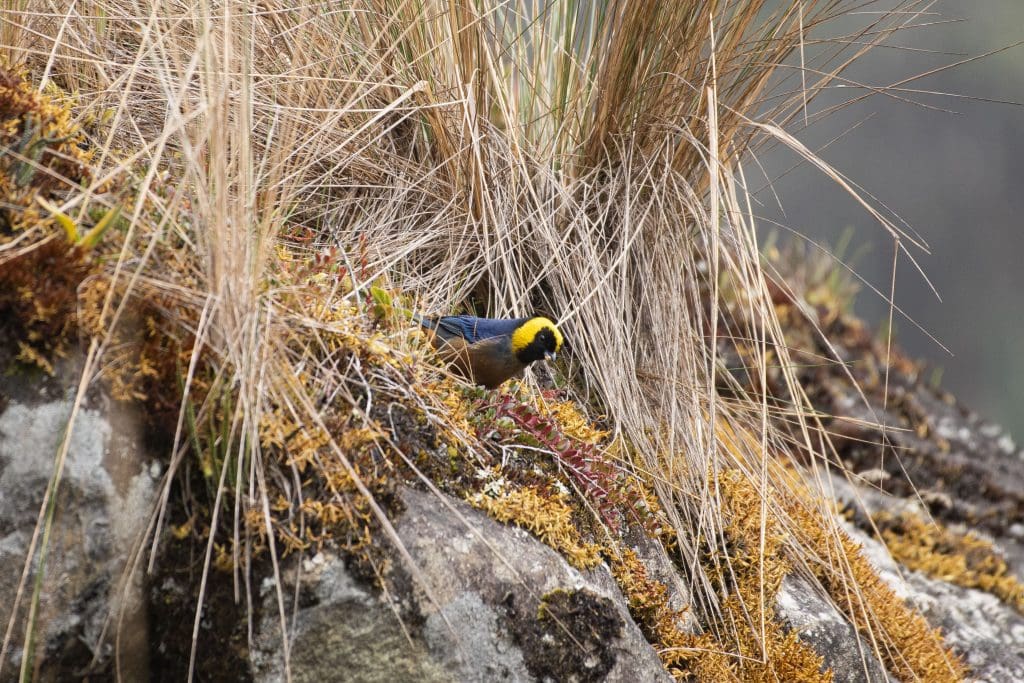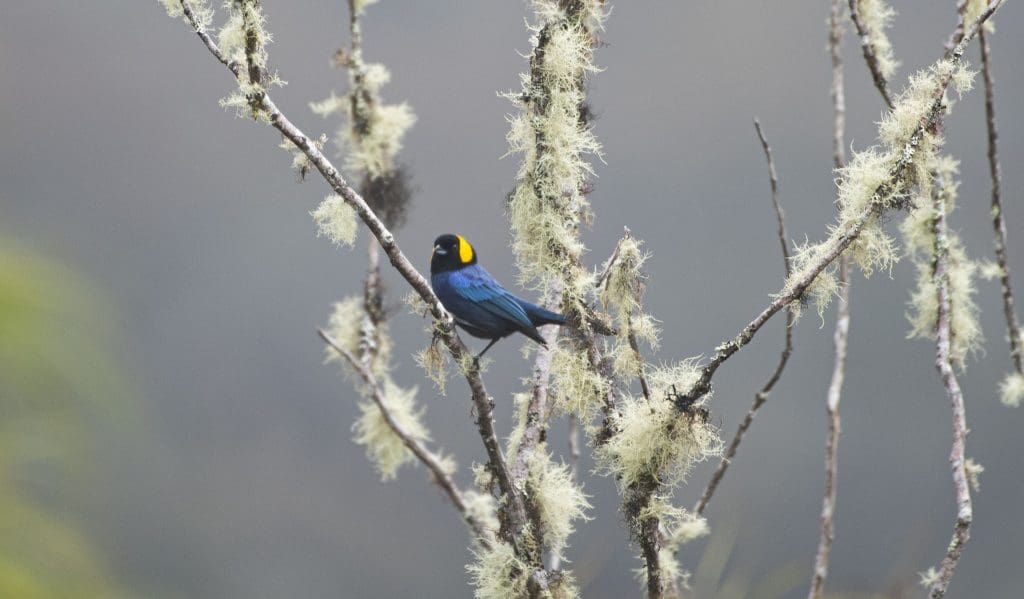
*La lluvia no fue impedimento para registrar las mejores aves de la zona, en Huánuco.*
Este resultado no solo contribuye al inventario nacional de aves, sino que afianza a Unchog como una de las rutas más importantes para el aviturismo en el país, fortaleciendo la necesidad de mantener y promover áreas naturales protegidas como refugios vitales para estas especies altamente vulnerables.
### **Andes del Norte: un corredor de biodiversidad**
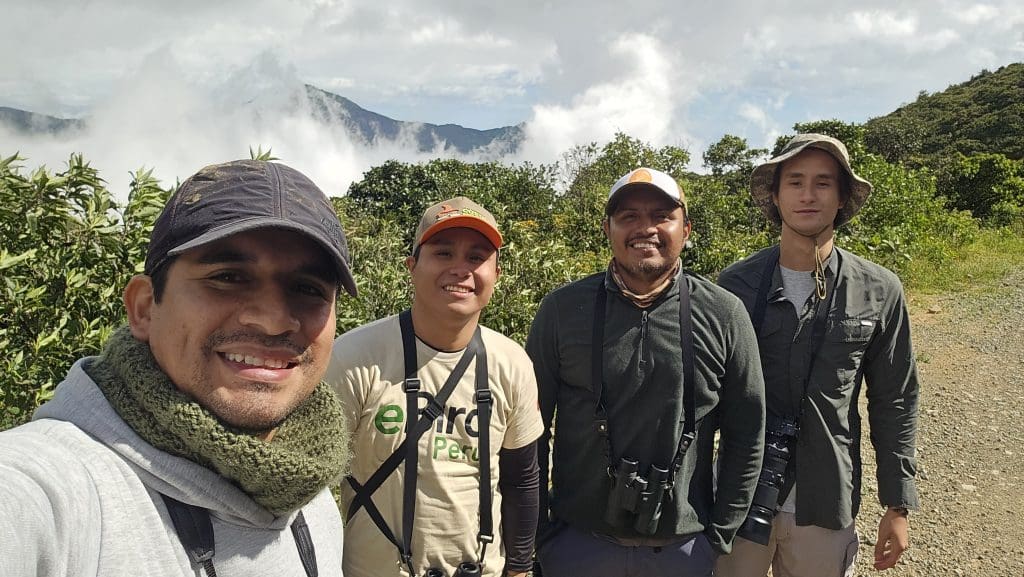**Los ornitólogos visitaron las áreas de conservación de Piura para captar el mayor número de aves**
En simultáneo, el Mosaico Andes del Norte, en la zona de Piura, el biólogo Elio Núñez, junto a un equipo de ornitólogos recorrieron áreas de conservación claves como Chicuate Chinguelas, Huaricancha, y la propuesta de ACR Huaringas, en Huancabamba; así como el ACP Andanjo, un área estratégica de conexión del mosaico.
“Durante la jornada, que inició a las 6:00 a.m. y culminó con la puesta del sol, se registraron 101 especies de aves, cumpliendo el objetivo de la jornada. Entre las especies más relevantes destacan aquellas con distribución restringida y endémicas de los Andes del Norte, como el *Scytalopus parkeri*, *Grallaria cajamarcae* y *Metallura odomae”* explicó Elio.
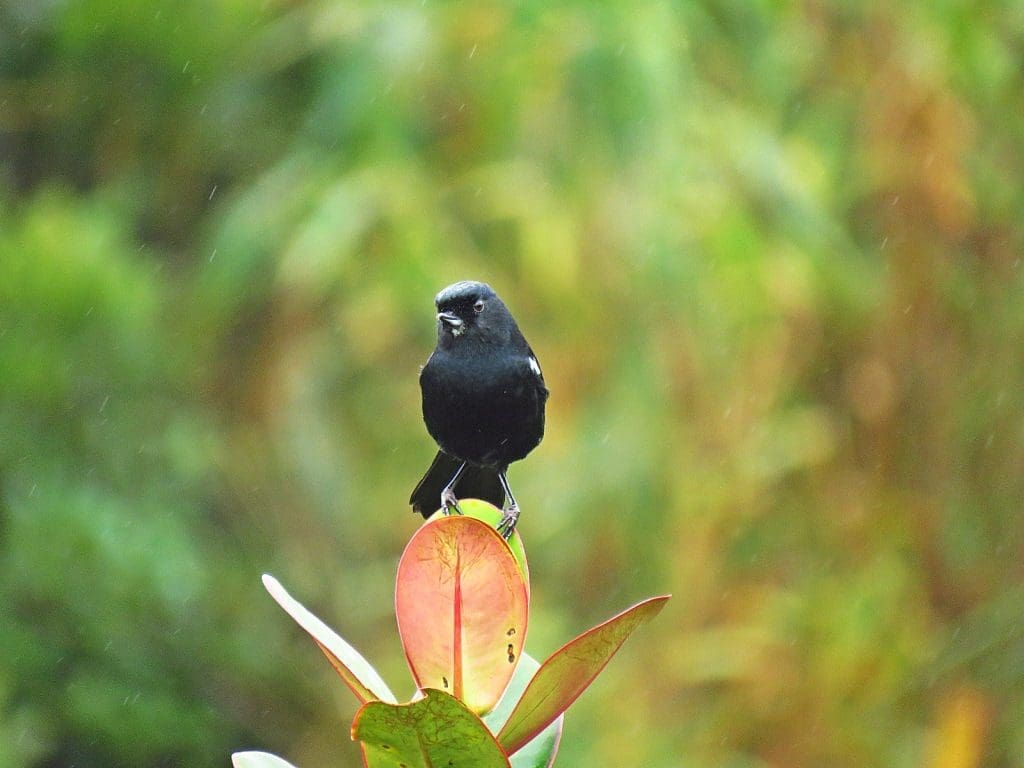
*Las áreas de conservación de los Andes del Norte son un importante refugio de aves.*
Como parte del recorrido, el equipo extendió su expedición a los bosques secos del Marañón en Sóndor, en Huancabamba y a los bosques secos de colina en Canchaque, donde además utilizaron las instalaciones de la familia Meléndrez, quienes lideran una iniciativa local de turismo de observación de aves, demostrando cómo las áreas protegidas también pueden ser motores de desarrollo económico sostenible.
Un dato interesante es que esta zona se une a los páramos y bosques montanos de Cajamarca, formando de manera natural el Corredor de Conservación Andes del Norte; el mismo que limita con los corredores Yacuri Podocarpus y Sangay Podocarpus, del Ecuador, juntos forman la propuesta del Corredor de Conservación Transfronterizo Andino Amazónico.
### **La importancia de conservar y conectar áreas protegidas**
Estas acciones ponen en evidencia la trascendencia de contar con áreas naturales protegidas y corredores de conectividad, esenciales para asegurar la supervivencia de aves amenazadas por la pérdida de hábitat, la fragmentación de los ecosistemas y el cambio climático.
El esfuerzo conjunto entre organizaciones, gobiernos regionales, comunidades locales y científicos, como el impulsado por Naturaleza y Cultura Internacional en ambos mosaicos, no solo aporta valiosa información científica, sino que también sienta las bases para fortalecer el turismo en espacios naturales, como una herramienta poderosa para promover la conservación a largo plazo.
En este contexto, el Fondo del Agua Andes del Norte, impulsa la conservación de ecosistemas frágiles como los páramos y bosques montanos, que son hábitat de numerosas especies endémicas. A través de sus acciones, contribuye activamente a la protección de la biodiversidad.
Gracias al trabajo conjunto con comunidades e instituciones aliadas, actualmente se protegen las cuencas Quiroz, Chira, Huancabamba-Chamaya, Chinchipe y Alto Marañón, fortaleciendo la seguridad hídrica en el norte del Perú y conservando más de 155 mil hectáreas de ecosistemas estratégicos.
---
**Más informacion:**
Gabriela Gives
**Comunicadora Perú**
<comunicacion.peru@naturalezaycultura.org>
**Strategic Area:** Biodiversidad
**Country:** Perú
**Content Type:** Blog
---
### [Ante del páramo: un festival por la vida y el agua en los Andes del Norte](https://www.natureandculture.org/es/directorio/ante-del-paramo-un-festival-por-la-vida-y-el-agua-en-los-andes-del-norte/)
**Published:** May 14, 2025
**Author:** Nora Sanchez
**Content:**
Las provincias de Piura, Huancabamba y Jaén se pintaron de colores durante el I Festival “Ante del Páramo: Tapires Hoy, Agua Mañana”, un evento pionero que combinó cultura, ciencia y compromiso social para destacar la importancia del tapir de montaña (*Tapirus pinchaque*), una especie emblemática y críticamente amenazada que habita los bosques y páramos de los Andes del Norte.
Este festival, que convocó a autoridades, organizaciones ambientales, comunidades locales y ciudadanía en general, se desarrolló con el objetivo de promover la protección del tapir andino y la conservación de su hábitat, reconociendo su papel fundamental en la conservación de los ecosistemas altoandinos y, en particular, en la regulación del agua, un recurso vital para miles de familias en Piura y Cajamarca.
**Un guardián del bosque en peligro**
El tapir de montaña no solo es el mamífero terrestre, sino también uno de sus más eficaces aliados ecológicos. “Es una especie no solamente emblemática, sino vital para el ecosistema. Son los ingenieros del bosque, ya que dispersan semillas y regeneran los hábitats que sostienen la biodiversidad”, explica Vania Tejeda, especialista de Nodo Conservation.
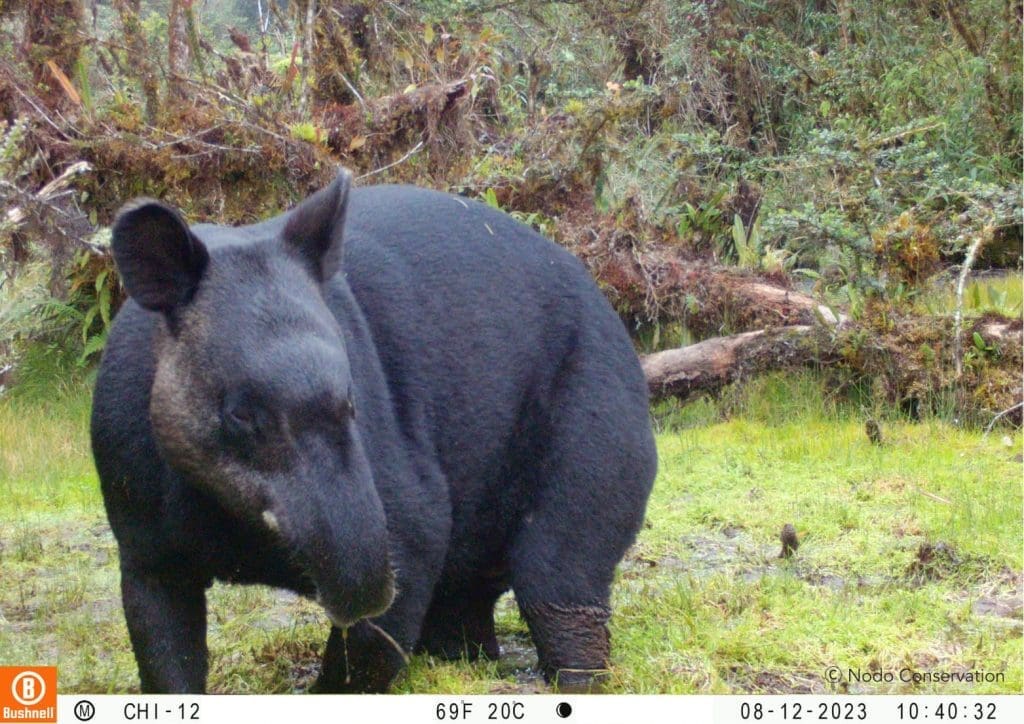
Pese a su importancia ecológica, la situación del tapir andino es crítica. Se estima que en Perú quedan entre 250 y 300 individuos, y a nivel mundial solo en Ecuador, Colombia y Perú, la población no supera los 2,500 ejemplares. “Probablemente tenemos cerca del 10% de la población global, lo que nos da una gran responsabilidad en su conservación”, alerta Tejeda.
Las evidencias indirectas, como huellas y heces encontradas por las comunidades locales, permiten a los técnicos instalar cámaras trampa que capturan imágenes del tapir y ayudan a estimar su número. El animal habita principalmente en las regiones de Piura, Cajamarca y una pequeña muestra en Lambayeque.
### **La unión por el tapir de montaña**
Katty Carrillo, jefa de proyectos de Naturaleza y Cultura Internacional, explica que el festival también sirvió como plataforma para anunciar que los Andes del Norte cuenta con el Grupo Técnico del Tapir de Montaña en los Andes del Norte, un espacio interinstitucional integrado por organizaciones como Naturaleza y Cultura Internacional, Nodo Conservation, SBC, WWF y BIOS.
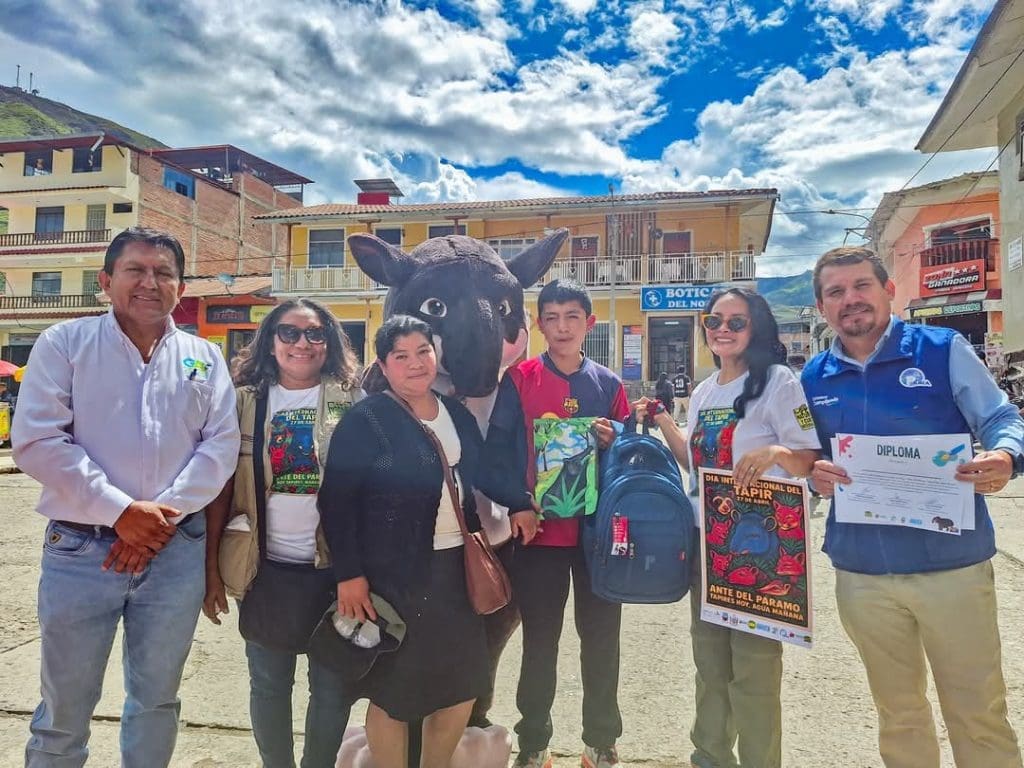
Este grupo busca establecer una base científica sólida para guiar las políticas públicas y acciones de conservación en el largo plazo. “Con un enfoque integrador y participativo, podremos avanzar hacia la conservación efectiva de esta especie emblemática y sus ecosistemas”, aseguró Carrillo.
Katty también explicó que el tapir de montaña no conoce de fronteras y en ese sentido, en el Perú se impulsa la creación del primer corredor de conservación en los Andes del Norte, que limita con los corredores del Ecuador: Podocarpus Yacuri y Sangay Podocarpus, juntos forman el **Corredor de Conservación Transfronterizo Andino Amazónico.**
### **Un festival para educar, sensibilizar y actuar**
El festival realizado del 26 al 29 de abril de 2025 congregó a instituciones como Naturaleza y Cultura Internacional, Nodo Conservation, el SERFOR, los gobiernos regionales de Piura y Cajamarca, las municipalidades provinciales de Piura, Huancabamba y Jaén, el Programa Educca, el Fondo del Agua de los Andes del Norte, el Santuario Nacional Tabaconas Namballe, y las Áreas de Conservación Regional Páramos y Bosques Montanos de Jaén y Tabaconas, así como Bosques El Chaupe Cunía y Chinchiquilla.
A través de presentaciones culturales, exposiciones fotográficas, juegos educativos y charlas informativas, el festival logró acercar a la ciudadanía al conocimiento y valoración del tapir como símbolo de vida y sostenibilidad.
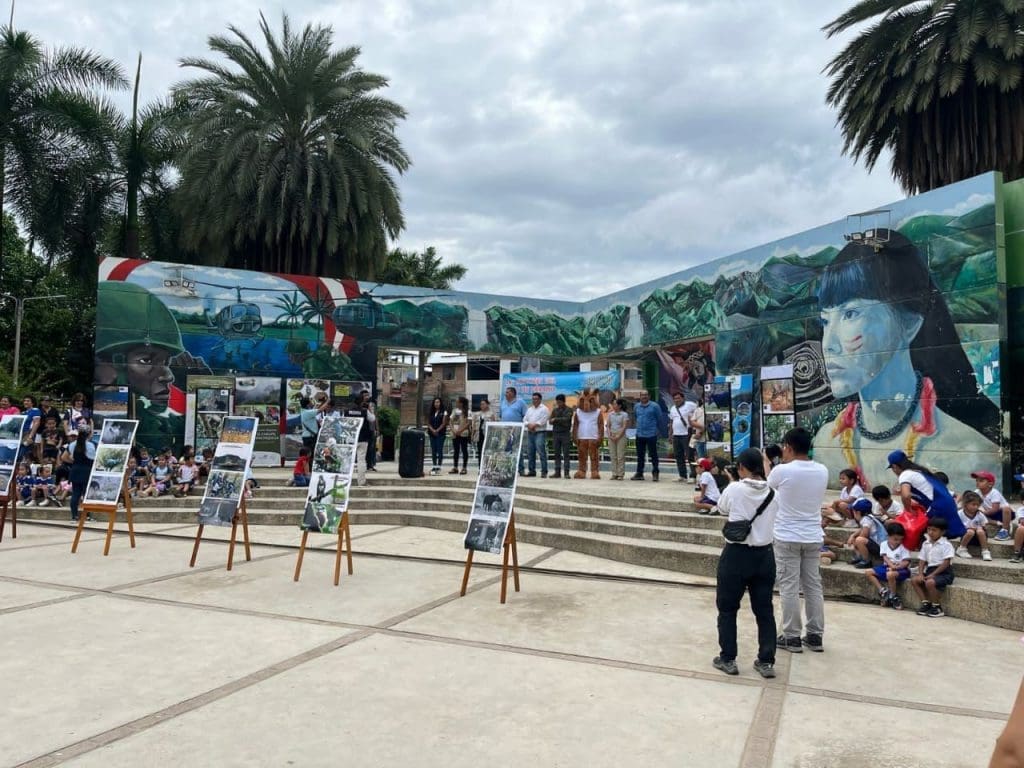
**“Tapires Hoy, Agua Mañana”** no es solo un lema, es una advertencia y una promesa. Cuidar de esta especie es proteger los ecosistemas que sostienen la vida en las alturas andinas y que proveen agua y otros servicios ecosistémicos que sostienen la economía de este territorio. Y en ese camino, la participación de todos gobiernos, comunidades, organizaciones y ciudadanos será clave para que el tapir no solo sea parte del pasado, sino del futuro de nuestros bosques.
Este fue un esfuerzo conjunto entre Naturaleza y Cultura Internacional, junto al Ministerio del Ambiente de Perú y Ecuador, SERNANP, Plan Binacional, los gobiernos regionales y provinciales, con el apoyo del **Proyecto BLF Andes Amazónico**, entre otras organizaciones.
El proyecto BLF Andes Amazónico es financiado por Desarrollo Internacional de Reino Unido, en el marco del Fondo de Paisajes Biodiversos (más información: [www.blfandesamazonico.org](http://www.blfandesamazonico.org/) )
---
**Más informacion:**
Gabriela Gives
**Comunicadora Perú**
[comunicación.peru@naturalezaycultura.org](mailto:comunicacion.peru@naturalezaycultura.org)
**Tags:** Biodiversidad, Perú
**Strategic Area:** Biodiversidad
**Country:** Perú
**Content Type:** Evento
---
### [Chilla: Conservación de Bosques, Agua y Biodiversidad en las Alturas de El Oro](https://www.natureandculture.org/es/directorio/chilla-conservacion-de-bosques-agua-y-biodiversidad-en-las-alturas-de-el-oro/)
**Published:** May 13, 2025
**Author:** Nora Sanchez
**Content:**
## **El establecimiento del Área de Conservación Municipal y Uso Sostenible (ACMUS Chilla) protege ecosistemas únicos en la transición sierra–costa**
En una decisión trascendental para la conservación de su patrimonio natural, el cantón Chilla, en la provincia de El Oro, ha establecido el Área de Conservación Municipal y Uso Sostenible (ACMUS Chilla). Este espacio busca resguardar más de 19 000 hectáreas de bosques andinos y páramos, claves para la biodiversidad y la provisión de servicios ecosistémicos fundamentales.
Dentro del ACMUS Chilla se conservan arbustales siempreverdes estacionales piemontanos, arbustales montanos y extensiones de páramo andino, ecosistemas que desempeñan un papel fundamental en el mantenimiento de la diversidad biológica y en la regulación hidrológica regional, a través de procesos como la captura, el almacenamiento y la liberación gradual del agua, esenciales para la estabilidad de los sistemas de abastecimiento hídrico.

Uno de los mayores aportes del ACMUS Chilla es la protección de fuentes de agua esenciales. Desde este territorio nacen afluentes como el río Casacay, principal abastecedor de agua para los cantones de Machala, El Guabo y Pasaje. La conservación de estas fuentes permite el funcionamiento del sistema de agua de la Mancomunidad La Esperanza, beneficiando a más de 470 000 personas en la provincia.
Elaboración de Naturaleza y Cultura Internacional
Actualmente, El Oro cuenta con once Áreas de Conservación Municipal y Uso Sostenible, distribuidas en los cantones de Arenillas, El Guabo, Piñas, Portovelo, Santa Rosa, Zaruma, Las Lajas, Huaquillas, Balsas, Atahualpa y Chilla, sumando más de 123 000 hectáreas bajo protección local, gracias al impulso de los gobiernos locales, con el apoyo técnico de Naturaleza y Cultura Internacional, y el financiero de Andes Amazon Fund.
### **Biodiversidad: Riqueza endémica y ecosistemas estratégicos**
Aunque todavía no se cuenta con inventarios específicos de biodiversidad en Chilla, estudios del Instituto Nacional de Biodiversidad (INABIO) indican que los bosques piemontanos de El Oro son los más ricos y diversos de la provincia. Esta riqueza incluye numerosas especies endémicas y amenazadas, como el Periquito de Orcés (*Pyrrhura orcesi*), el tapacola de El Oro (*Scytalopus robbinsi*), el mosquero real del Pacífico (*Onychorhynchus coronatus*) y el atila ocráceo (*Attila torridus*), además de mamíferos como el oso de anteojos (*Tremarctos ornatus*) y el venado de cola blanca (*Odocoileus virginianus*).
Aves de la región sur del EcuadorAves de la región sur del EcuadorAves de la región sur del Ecuador
### **Amenazas persistentes: Minería, deforestación e incendios**
Al igual que otros ecosistemas andinos del Ecuador, el ACMUS Chilla enfrenta amenazas constantes derivadas de actividades como la minería, la deforestación y los incendios forestales. Estas presiones no solo provocan la pérdida directa de cobertura vegetal, sino que también fragmentan los hábitats, aíslan a las poblaciones biológicas y elevan el riesgo de extinción de especies.
Se ha demostrado que la conectividad ecológica entre áreas naturales es esencial para mantener la diversidad genética y la viabilidad de las poblaciones en paisajes fragmentados. En este contexto, el ACMUS Chilla adquiere un papel estratégico, al constituir la zona núcleo del corredor del Periquito de Orcés (*Pyrrhura orcesi*) y al integrar su páramo dentro del Área de Protección Hídrica del Sur del Ecuador, contribuyendo de manera decisiva a la resiliencia de los ecosistemas y a la seguridad hídrica de la región.
Incendio forestal en la región sur de Ecuador
### **Un territorio que también conserva el patrimonio natural y turístico**
El ACMUS Chilla no solo protege bosques y fuentes de agua; también resguarda sitios turísticos y naturales de alto valor como la Cascada Lecher, el Cerro Portete, el Cerro Yayurco, la Laguna de Ruisicocha, la Laguna de Chillacocha y el Mirador El Panecillo, fortaleciendo la identidad local y las oportunidades de turismo sostenible.
### **Chilla apuesta por la conservación a largo plazo**
El establecimiento del ACMUS Chilla contó con el acompañamiento técnico de Naturaleza y Cultura Internacional, que, a partir de 2020, impulsó actividades fundamentales para su declaratoria, como levantamientos de información en campo orientados al diagnóstico de los sistemas de agua y a su delimitación cartográfica, asesoría legal para la formulación de la ordenanza municipal, procesos de socialización comunitaria y seguimiento técnico en todas las etapas del proceso.
Luis López, técnico de Naturaleza y Cultura Internacional, señala que la obtención de información de campo fue fundamental para sustentar el establecimiento del ACMUS Chilla, junto con la elaboración de diagnósticos técnicos y legales. Para el futuro inmediato, los esfuerzos se concentran en la creación del **Comité de Gestión**, la elaboración del **Plan de Manejo** del área, y el involucramiento de los usuarios del agua en la gobernanza de este importante territorio conservado.
Luis López, técnico de Naturaleza y Cultura Internacional
La conservación de bosques, fuentes de agua y biodiversidad en Chilla no solo beneficia al propio cantón, sino que fortalece la resiliencia ecológica de toda la provincia de El Oro. El establecimiento del ACMUS Chilla no solo preserva hábitats clave y fuentes hídricas estratégicas, sino que también fortalece la conectividad ecológica regional, elemento fundamental para mantener la resiliencia de los ecosistemas andinos frente al cambio climático y las presiones antrópicas
---
**Más información:**
Aida Maldonado
**Comunicación Ecuador**
<amaldonado@naturalezaycultura.org>
**Tags:** Agua, Biodiversidad, Ecuador
**Strategic Area:** Bosques
**Country:** Ecuador
**Content Type:** Noticias
---
### [Innovadores productos a base de una pesca responsable ](https://www.natureandculture.org/es/directorio/innovadores-productos-a-base-de-una-pesca-responsable/)
**Published:** May 5, 2025
**Author:** Nora Sanchez
**Content:**
**Iquitos, abril de 2025.**
La Organización Social de Pescadores Artesanales (OSPA) **Los Delfines del Río Pucacuro** participó con éxito en las ferias del pescado realizadas por Semana Santa en las ciudades de **Nauta** e **Iquitos**, ofreciendo a la población productos frescos, de calidad y elaborados de manera sostenible.
*Organización pesquera artesanal ofreció pescado fresco y productos innovadores en las ferias de Semana Santa en Nauta e Iquitos, promoviendo el manejo sostenible de los recursos pesqueros.*
La OSPA está conformada por pescadores artesanales comprometidos con el **aprovechamiento sostenible** de los recursos hidrobiológicos de la cuenca del río Pucacuro, en Loreto. Su trabajo se basa en prácticas de **pesca responsable**, siguiendo un **plan de manejo sostenible**, respetando los periodos de veda, promoviendo la conservación de las especies locales y colaborando con las estrategias del Servicio Nacional de Áreas Naturales Protegidas – SERNANP.
Además del pescado fresco, la organización presentó una variedad de **productos innovadores**, como **chorizos y hamburguesas de pescado**, que buscan diversificar el consumo y agregar valor a la producción artesanal, contribuyendo así a la **seguridad alimentaria** y a la **generación de ingresos** para las familias pesqueras.
Su participación en estas ferias resalta la importancia del trabajo de las organizaciones pesqueras en la promoción de una pesca que beneficia tanto a la **naturaleza** como a las **comunidades locales**. Asimismo, se destaca el valor de la colaboración entre instituciones como Gobierno Regional de Loreto, el SERNANP y **Naturaleza y Cultura Internacional**.
---
**Más informacion:**
Gabriela Gives
Comunicación Perú
<comunicacion.peru@naturalezaycultura.org>
**Tags:** Biodiversidad, Perú
**Strategic Area:** Comunidades Locales
**Country:** Perú
**Content Type:** Noticias
---
### [El guardián de las alturas: el tapir andino y su rol vital en los bosques del norte del Perú ](https://www.natureandculture.org/es/directorio/el-guardian-de-las-alturas-el-tapir-andino-y-su-rol-vital-en-los-bosques-del-norte-del-peru/)
**Published:** April 25, 2025
**Author:** Nora Sanchez
**Content:**
A más de 3500 metros sobre el nivel del mar camina un ser silencioso y solitario. Se le conoce como tapir de montaña (*Tapirus pinchaque)*, aunque los habitantes de las comunidades lo llaman “ante”. En los páramos y bosques montanos del norte del Perú, este animal se convierte en más que un habitante, es un arquitecto natural y un dispersor de semillas.
El tapir de montaña (*Tapirus pinchaque*), conocido por su importante rol en el ecosistema de los Andes del Norte. Crédito: Nodo Conservation
### **Donde pisa el tapir, brota la vida**
La bióloga Katty Carrillo, jefa de proyectos de Naturaleza y Cultura Internacional explica que en el mundo solo existen cuatro especies de tapir, dos de las cuales se encuentran en el Perú. Uno es el tapir andino (*Tapirus pinchaque*), y el otro el tapir amazónico *(Tapirus terrestris*) o “sachavaca” como se le conoce en la selva.
La bióloga Katty Carrillo, jefa de proyectos de Naturaleza y Cultura Internacional destaca al tapir de montaña como una de las cinco especies que existen en el mundo.
El tapir andino es la única especie de tapir adaptada a la vida en las alturas. En Perú, se lo encuentra entre Ayabaca, Huancabamba en Piura; San Ignacio y Jaén en Cajamarca, y hay una población aislada en Lambayeque. El tapir andino se encuentra en peligro crítico de extinción debido al avance de la civilización humana.
***“Su rol es tan determinante que su presencia se considera un indicador del buen estado del ecosistema. Requiere bosques bien conservados, agua limpia y amplios espacios naturales. Proteger al tapir es proteger el agua que consumen cientos de familias y los suelos que alimentan cultivos y ganado”*** puntualizó Katty. ***“A través de su dieta herbívora y desplazamiento, el tapir transporta semillas que ayudan a regenerar la vegetación, asegurando la continuidad de especies nativas y la diversidad biológica”*** indicó.
Al tapir andino se le conoce como el arquitecto del bosque por su rol como dispersor de semillas. (Créditos: SBC)
### **El Corredor de Conservación Andes del Norte: el hogar del tapir andino**
En el norte del Perú, Naturaleza y Cultura Internacional (NCI), en alianza con comunidades campesinas y autoridades locales y regionales de Piura y Cajamarca, han dado vida desde el 2018 a la Red de Conservación de los Andes del Norte, que agrupa 7 áreas de conservación privadas, 2 áreas de conservación ambiental, 2 áreas de conservación regional en Cajamarca y el Santuario Nacional Tabaconas Namballe, juntas protegen alrededor de 150 mil hectáreas que dan vida al Corredor de Conservación Andes del Norte.
Más que un espacio geográfico, el corredor es un puente de vida. Su objetivo es conectar ecosistemas para que especies como el tapir puedan desplazarse libremente y asegurar así su supervivencia. Esta conectividad también beneficia a las comunidades, debido a que el espacio provee de servicios ecosistémicos fundamentales como la regulación del agua y la conservación de suelos.
Las comunidades campesinas se unen en la Red de Áreas de Conservación de los Andes del Norte, para proteger de manera conjunta su territorio.
### **La biodiversidad no conoce fronteras**
Para Katty Carrillo la conservación del tapir no conoce de límites. Por ello, señala que Naturaleza y Cultura Internacional Perú y Ecuador, junto al Ministerio del Ambiente de Perú y Ecuador, SERNANP, Plan Binacional, los gobiernos regionales y provinciales, con el apoyo del Proyecto BLF Andes Amazónico entre otras organizaciones, impulsan el reconocimiento del Corredor de Conservación Transfronterizo Andino Amazónico (CCTAA), que integra al Corredor de Conservación Andes del Norte Piura-Cajamarca.
***“Esta iniciativa binacional busca proteger dos millones de hectáreas desde el Parque Nacional Sangay en Ecuador hasta el Santuario Tabaconas Namballe en Perú”*** refirió.
El CCTAA, en proceso de reconocimiento oficial, se perfila como una herramienta clave de cooperación regional. Al promover la conectividad ecosistémica y la gestión conjunta de los recursos naturales, se convierte en una expresión viva del compromiso firmado entre Ecuador y Perú en la Declaración Presidencial de Tumbes.
### **Un plan para el futuro**
Los pasos del tapir también se escuchan en las oficinas de planificación. En el Perú, se cuenta con el Plan Nacional de Conservación del Tapir Andino (2018-2028, SERFOR) articula esfuerzos científicos, comunitarios y gubernamentales para proteger esta especie en peligro.
Bajo ese contexto, y como parte de la implementación y en colaboración con especialistas técnicos en la especie a nivel nacional, hemos conformado el Grupo Técnico del Tapir de Montaña y del Oso de Anteojos de los Andes del Norte junto a organizaciones como Naturaleza y Cultura Internacional, Nodo Conservation, SBC, WWF y BIOS demostrando que la conservación es un trabajo conjunto, interinstitucional y comprometido con el largo plazo. Este espacio tiene como objetivo establecer una base científica sólida que permita articularse con el Grupo de Especialistas de la UICN, a través del Ministerio del Ambiente (MINAM).
En este marco, se han unido autoridades locales a sumarse a este esfuerzo articulado, promoviendo un trabajo conjunto con la sociedad civil para fortalecer la toma de decisiones informadas en la región, así tenemos los esfuerzos de los gobiernos regionales quienes vienen trabajando en una ordenanza que declare de interés la protección del tapir de montaña. ***“Con un enfoque integrador podremos avanzar hacia la conservación efectiva de estas especies emblemáticas de los Andes y sus ecosistemas”*** asegura Katty.
Por su parte, el Fondo del Agua Andes del Norte ve en esta articulación una oportunidad para impulsar la conservación desde un enfoque sostenible y colaborativo. Como mecanismo financiero. Busca desarrollar acciones permanentes que aseguren la protección de la diversidad biológica y la regulación hídrica en las cabeceras de cuenca en el norte del Perú.
El 27 de abril de cada año se conmemora el día del tapir, como una fecha para recordar la importancia de la especie y el ecosistema donde habita. (Créditos: SBC)
### **Celebrar al tapir**
Este Día Internacional del Tapir, más que conmemorar una especie, celebramos su legado. Cada paso que da en el bosque, cada semilla que transporta es un acto de resistencia natural y de equilibrio ecológico. En un mundo que enfrenta una crisis climática y de biodiversidad, el tapir andino nos recuerda que la naturaleza tiene sus propios guardianes. Solo debemos escucharlos, protegerlos y caminar con ellos.
---
**Más información:**
Gabriela Gives
**Comunicación Perú**
<comunicacion.peru@naturalezaycultura.org>
**Tags:** Biodiversidad, Perú
**Strategic Area:** Biodiversidad
**Country:** Perú
**Content Type:** Blog
---
### [Nueva ranita lleva nombre de la Reserva Maycú](https://www.natureandculture.org/es/directorio/nueva-ranita-lleva-nombre-de-la-reserva-maycu/)
**Published:** April 24, 2025
**Author:** Nora Sanchez
**Content:**
## **En lo más profundo de la Amazonía ecuatoriana, en la provincia de Zamora Chinchipe, una pequeña pero asombrosa nueva especie de rana ha sido descrita.**
El herpetólogo ecuatoriano Santiago Ron, junto a un equipo de investigadores de la Pontificia Universidad Católica del Ecuador, en colaboración con el Museo de Historia Natural de Londres, anunció la descripción de tres nuevas especies de ranas de torrente pertenecientes al género Hyloscirtus, entre las que destaca la rana de torrente de Maycú *(Hyloscirtus maycu sp. nov.)* que lleva el nombre de la Reserva Maycú en honor a la labor de conservación de Naturaleza y Cultura Internacional.
*El artículo completo está disponible en acceso abierto en ZooKeys y puede consultarse* [aquí](https://zookeys.pensoft.net/article/124926/)

El camino para identificar a esta ranita como una nueva especie tomó casi diez años de estudio y análisis. ***“Encontramos los primeros individuos en 2014, pero no fue hasta después de múltiples expediciones y estudios genéticos que pudimos confirmar que se trataba de una especie completamente nueva para la ciencia”**,* comenta Ron. Este largo proceso refleja la dedicación, paciencia y financiamiento que requiere la investigación científica en la Amazonía.
### **La ranita de Maycú y su canto singular**
Pequeña pero fascinante, la ranita de torrente de Maycú es una especie que ha evolucionado para pasar desapercibida en su entorno. Su coloración con patrones irregulares le permite camuflarse entre la hojarasca del bosque, una estrategia esencial para evitar a los depredadores. Sin embargo, si hay algo que realmente la distingue, es su canto: un sonido agudo y repetitivo que resuena en las noches amazónicas.
Estas ranas habitan un microhábitat muy particular, pueden encontrarse a lo largo de riachuelos y arroyos dentro del bosque, posadas sobre la vegetación durante la noche. **“*Tienen un canto bastante fuerte que se puede escuchar a distancias relativamente largas. Son los machos los que cantan para cortejar a las hembras”***, explica el herpetólogo Santiago Ron.
*Escucha el canto de la ranita de Maycú [aquí](https://bioweb.bio/faunaweb/amphibiaweb/Canto/Especie/Hyloscirtus%20maycu)*
Fue precisamente este sonido lo que alertó a los investigadores sobre su singularidad. ***“Gracias al canto, nos dimos cuenta de que esta especie era distinta a todas las otras que se habían descrito previamente. Luego, los estudios genéticos confirmaron que lo que encontramos en Maycú era algo que no se había visto en ningún otro lugar del mundo”**,* añade Ron.
La ranita de torrente de Maycú es un recordatorio de cuán desconocida sigue siendo la biodiversidad de la Amazonía, sobre todo en la Cordillera del Cóndor, y la importancia de seguir explorando, documentando y protegiendo estos frágiles ecosistemas.
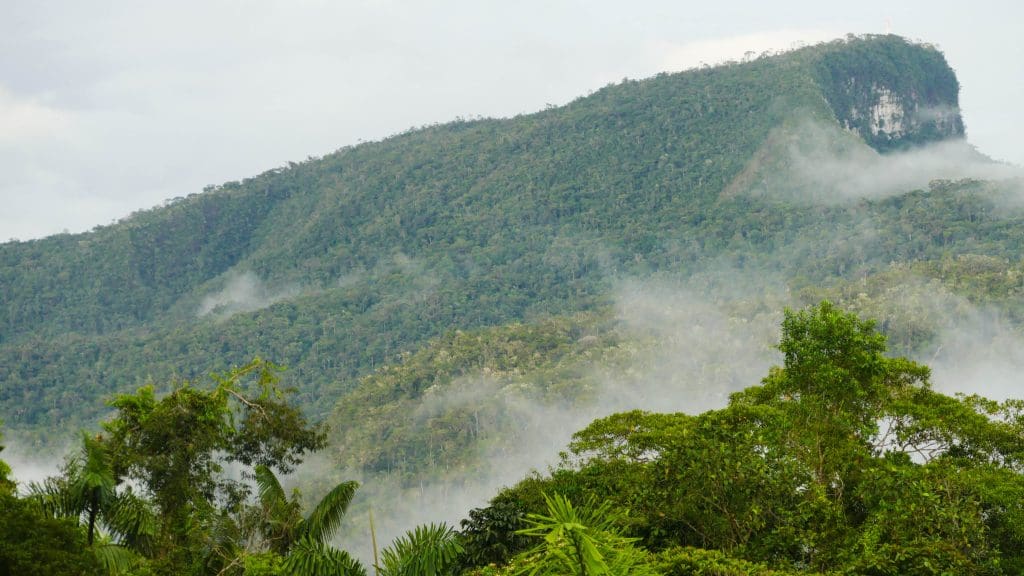Tepuyes del Alto Nangaritza (Crédito: Fabián Rodas)
### **La Amazonía sur del Ecuador, un mundo por descubrir**
El sur de Ecuador, particularmente la convergencia entre los Andes y la Amazonía alberga un ecosistema único con un alto nivel de endemismo. En el caso de los anfibios, este fenómeno es aún más evidente: basta cruzar un valle o un río para encontrar una comunidad completamente distinta de la que habita en la montaña vecina. Esta extraordinaria diversidad hace que cada rincón del bosque esconda especies aún desconocidas para la ciencia.
Chironius Scurrulus (Créditos: Jaime Culebras)Antelopus sp. (Créditos: Jaime Culebras)
Durante décadas, la mayoría de las expediciones científicas se dirigieron a los Andes del norte y centro, en gran parte debido a la proximidad de Quito, dejando vastas áreas del sur del país prácticamente inexploradas.
Sin embargo, el potencial de las cordilleras sub-andinas del sur es innegable. El descubrimiento de la ranita torrente de Maycú es una prueba de ello: una nueva especie que ha pasado inadvertida por siglos.
### **Reserva Maycú, un santuario de biodiversidad**
La Reserva Natural Maycú se encuentra al sur de la Amazonía ecuatoriana, en la parroquia Zurmi, cantón Nangaritza, provincia de Zamora Chinchipe. Limita al este con Perú y abarca una extensión aproximada de más de dos mil hectáreas. Justo en el último corredor donde los Andes se unen con la Amazonía y la Cordillera del Cóndor.

Naturaleza y Cultura Internacional (NCI) inició su protección en 2012 como parte de un área de conservación privada, administrada por la Fundación Naturaleza y Cultura Ecuador y gracias al apoyo de la ONG World Land Trust de Reino Unido. Después, la reserva se reconoció, mediante ordenanza, como parte del área de conservación y uso sostenible de la provincia de Zamora Chinchipe. Además, se inscribió como área de conservación en el registro forestal de la Autoridad Ambiental Nacional.
Maycú, junto con el Parque Nacional Podocarpus, el Área Shuar de Caza, Pesca y Recolección, el Área de Conservación Los Tepuyes, y el Área de Conservación y Uso Sustentable de la Biodiversidad de la provincia, constituyen un bloque megadiverso con un altísimo grado de endemismo que une ecosistemas andinos, amazónicos y de la Cordillera del Cóndor. Esta configuración garantiza la conectividad entre estos ecosistemas, permitiendo la interacción y conservación de su biodiversidad.
### **La minería ilegal: una amenaza para la ranita torrente de Maycú**
El hallazgo de la ranita torrente de Maycú es un descubrimiento valioso para la ciencia, pero su futuro es incierto. Su hábitat, los riachuelos y arroyos dentro de la Reserva Maycú y sus alrededores, está bajo una creciente amenaza: la minería ilegal.
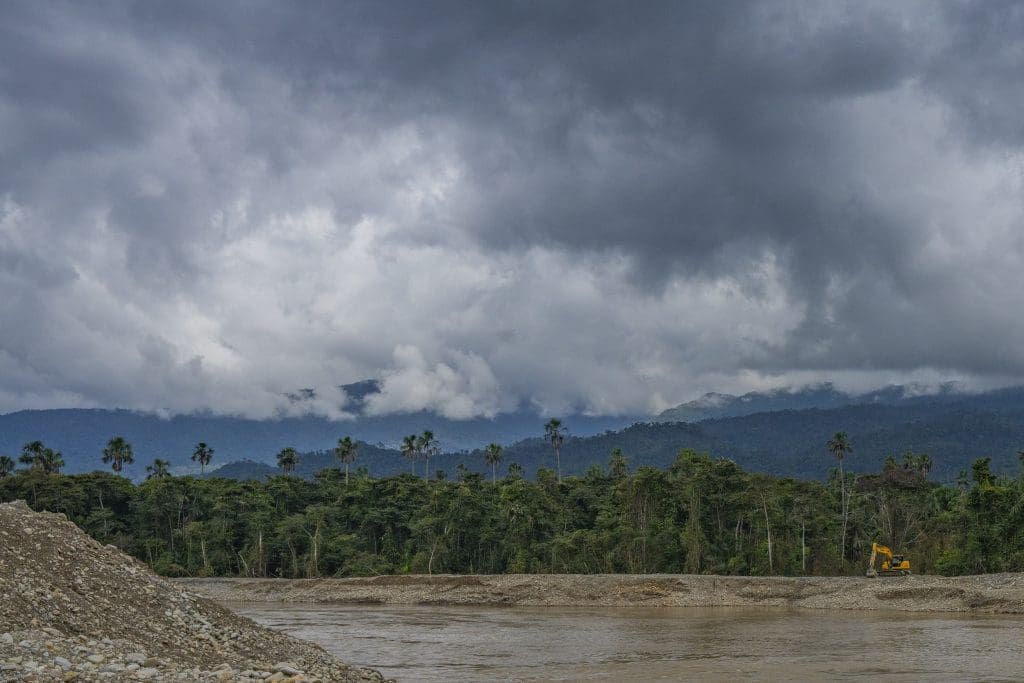
***“La cantidad de retroexcavadoras que había en la orilla del río era una cosa demencial. Estaban acabando el bosque, y obviamente es de muchísima preocupación”**,* advierte el herpetólogo Santiago Ron. La deforestación y contaminación generadas por la minería destruyen ecosistemas frágiles y afectan directamente a especies con distribución limitada, como esta rana.
De hecho, la ranita torrente de Maycú solo ha sido encontrada en dos localidades separadas por apenas 30 kilómetros. Esto significa que cualquier alteración en su hábitat puede ser catastrófica. ***“Si desaparecen Maycú, la especie podría extinguirse”,*** enfatiza Ron.
Este riesgo no es exclusivo de la ranita torrente de Maycú. Los anfibios son el grupo de vertebrados más amenazado del mundo, y la destrucción de su hábitat es una de las principales causas de su declive. Proteger espacios como la Reserva Maycú es fundamental para evitar que especies únicas desaparezcan antes incluso de ser completamente comprendidas por la ciencia.
### **Un reconocimiento al esfuerzo de Naturaleza y Cultura Internacional**
El nombrar a esta ranita como la Reserva Maycú es una declaración de la importancia de estos espacios protegidos. ***“Es una forma de promover el trabajo de conservación que hacen, y promover la conservación de esta reserva que es tan importante. Desde mi punto de vista, pocas iniciativas de conservación son tan efectivas como la protección de los bosques directamente. No hay otra estrategia de conservación que sea más efectiva para países como el Ecuador.”** –* manifiesta Ron.
### **El futuro de la ranita de Maycú está en nuestras manos**

El descubrimiento de la ranita torrente de Maycú es un recordatorio de lo poco que aún conocemos sobre la Amazonía y de lo mucho que estamos perdiendo a causa de la actividad humana. La pregunta del millón no es solo qué se puede hacer, sino qué estamos dispuestos a hacer. Porque el canto de la ranita torrente de Maycú puede seguir resonando, pero solo si elegimos actuar por proteger su hábitat y de otras especies.
*Agradecemos a Santiago Ron por su apertura en compartir el trabajo detrás de la descripción de la ranita torrente de Maycú. Y reconocemos el trabajo incansable de guardabosques, investigadores, biólogos y equipo técnico por proteger el invaluable bosque de Nangaritza.*
---
**Más informacion:**
Nora Sánchez Luzardo
**Coordinadora de Comunicación Regional**
<nsanchez@naturalezaycultura.org>
**Tags:** Anfibios, Biodiversidad, Ecuador, Reservas naturales
**Strategic Area:** Biodiversidad
**Country:** Ecuador
**Content Type:** Noticias
---
### [New Frog’s Call Echoes the Need for Protection in the Amazon](https://www.natureandculture.org/directory/new-frogs-call-echoes-need-for-protection-in-the-amazon/)
**Published:** April 24, 2025
**Author:** Heather Thomas
**Content:**
## **In the heart of the Ecuadorian Amazon, in the province of Zamora Chinchipe, scientists have described a small but extraordinary new frog species.**
Ecuadorian herpetologist Santiago Ron and a team of researchers from the Pontificia Universidad Católica del Ecuador, in collaboration with the Natural History Museum of London, announced the discovery of three new torrent frog species from the *Hyloscirtus* genus. Among them is the standout Maycú Torrent Frog *(Hyloscirtus maycu sp. nov.)*, a species adapted to fast-flowing mountain streams and named in honor of Nature and Culture’s Maycú Reserve.
The full article is open access in *ZooKeys* and can be viewed [here](https://zookeys.pensoft.net/article/124926/).

Identifying this tiny frog, a species so small that even the larger females measure under two inches, took nearly a decade of research. ***“We found the first individuals in 2014, but it wasn’t until after multiple expeditions and genetic studies that we confirmed it was a species entirely new to science,”*** says Ron. The years-long process underscores the dedication, patience, and resources needed to conduct scientific research in the Amazon.
### The Maycú Frog **and Its Unique Call**
Small but mighty, the Maycú Torrent Frog has evolved to remain hidden in its environment. Its irregularly patterned coloration allows it to blend into the forest leaf litter—an essential strategy for evading predators. But what truly sets it apart is its high-pitched, repetitive call that echoes through the Amazon night forest.
These frogs inhabit a very specific microhabitat and can be found along forest streams and creeks, perched on vegetation at night. ***“They have a rather loud call that can be heard relatively far away. It’s the males that sing to court females,”*** explains Ron.
Listen to the call of the Maycú frog [here](https://bioweb.bio/faunaweb/amphibiaweb/Canto/Especie/Hyloscirtus%20maycu)
It was this very sound that alerted researchers to the species’ uniqueness. **“It was the frog’s call that tipped us off. We realized this was something different from all previously described species. Later, genetic studies confirmed that what we found in Maycú had never been seen anywhere else in the world,”** adds Ron.
The Maycú Torrent Frog is a powerful reminder of how much remains unknown about Amazonian biodiversity, especially in the Cordillera del Cóndor, a sub-Andean mountain range along the Ecuador–Peru border that ranks among the most biodiverse and ecologically vital regions on Earth. It underscores the urgent need to keep exploring, documenting, and protecting these fragile ecosystems.

### ****Southern Ecuador’s Amazon, A World to Be Discovered****
Southern Ecuador, where the Andes meet the Amazon, is home to a unique ecosystem with exceptionally high levels of endemism. This phenomenon is especially pronounced among amphibians: crossing a single valley or river can reveal an entirely different community than on a neighboring mountain. This extraordinary diversity means that every corner of the forest could still be hiding species unknown to science.
*Chironius Scurrulus**Antelopus sp.*
For decades, most scientific expeditions focused on northern and central Andes—largely due to their proximity to Quito, Ecuador’s capital, leaving vast areas in the south relatively unexplored.
The southern sub-Andean ranges still hold vast, untapped potential, and the discovery of the Maycú Torrent Frog is living proof. This species remained hidden from science for centuries, a testament to how much remains to be discovered.
### The Maycú Reserve is **a Sanctuary for Biodiversity**
The Maycú Nature Reserve is located in the southern Ecuadorian Amazon, in the province of Zamora Chinchipe. It borders Peru to the east and spans close to 5,000 acres, within the last conservation corridor where the Andes meet the Amazon and the Cordillera del Cóndor.

Nature and Culture began protecting the area in 2012, with support from the NGO World Land Trust. It was later officially recognized as part of the Zamora Chinchipe Protected Area and registered in Ecuador’s national environmental authority’s forest registry.
The Maycú Reserve connects to four nearby protected areas, including the Podocarpus National Park, the Shuar Hunting, Fishing and Gathering Area, and Los Tepuyes Conservation Area, forming a megadiverse block. This area boasts a high degree of endemism and connects Andean, Amazonian, and Cordillera del Cóndor ecosystems, ensuring ecological connectivity and biodiversity conservation.
### ****Illegal Mining: A Threat to the Maycú Frog****
The discovery of the Maycú Torrent Frog is a scientific milestone, but its future remains uncertain. Its habitat—streams and creeks in and around the Maycú Reserve—is under increasing threat from illegal mining.

***“The number of backhoes along the riverbank was insane. They were destroying the forest, and it’s deeply worrying,”*** warns herpetologist Santiago Ron. The deforestation and pollution caused by mining devastate fragile ecosystems and directly impact species with very limited ranges, like this frog.
The Maycú Torrent Frog has only been found in two localities, separated by about 18 miles. Any disruption to its habitat could be catastrophic. ***“If Maycú disappears, the species could go extinct,”*** Ron emphasizes.
This risk is not unique to the Maycú frog. Amphibians are the most threatened group of vertebrates globally, and habitat destruction is one of the main drivers of their decline. Protecting places like Maycú Reserve is essential to prevent the disappearance of unique species, some not even fully understood by science yet.
### ****A Tribute to Nature and Culture’s Efforts****
Naming this frog after the Maycú Reserve highlights and celebrates the importance of protected areas. ***“It’s a way to promote the conservation work being done and to support the protection of this incredibly important reserve. In my opinion, few conservation strategies are as effective as forest protection. For countries like Ecuador, there is no better approach,”*** says Ron.
### ****The Future of the Maycú Frog Is in Our Hands****

The discovery of the Maycú Torrent Frog is a powerful reminder of how much we still don’t know about the Amazon—and how much we are losing from land-use change and other human-driven forces.
The real question isn’t just what we *can* do, but what we’re *willing* to do. Because the Maycú frog’s song may continue to echo through the night—but only if we choose to protect its habitat and the countless other species that share it.
*We thank Santiago Ron for openly sharing the story behind the discovery of the Maycú Torrent Frog and recognize the tireless efforts of forest rangers, researchers, biologists, and technical staff working to protect the irreplaceable forests of Nangaritza.*
---
**More Information:**
Nora Sánchez Luzardo
**Regional Comminications Coordinator**
<nsanchez@naturalezaycultura.org>
**Tags:** Anfibios, Biodiversidad, Ecuador, Reservas naturales
**Strategic Area:** Biodiversity
**Country:** Ecuador
**Content Type:** News
---
### [ “Si protegemos nuestros bosques, tendremos menos impactos en la ciudad” ](https://www.natureandculture.org/es/directorio/si-protegemos-nuestros-bosques-tendremos-menos-impactos-en-la-ciudad/)
**Published:** April 22, 2025
**Author:** Nora Sanchez
**Content:**
Los Bosques de Huamantanga y Chorro Blanco también nos protegen contra deslizamientos e inundaciones. La propuesta de conservación abarca 14 mil ha territorios de Huabal, Jaén, San José del Alto, Chontalí, y Colasay. El ACR de Huamantanga y Chorro Blanco podría establecerse en Jaén en los próximos meses del 2025.
Existen dos razones que generan desastres a nivel global: La pérdida de bosques, y el cambio climático que presenta lluvias y sequías cada vez más intensas y frecuentes. Contrario a eso, la cobertura en pie de los bosques solo nos ayuda. Estabiliza los suelos, disminuyendo deslizamientos y la escorrentía superficial. La cual genera desastres como derrumbes en las laderas, y el aislamiento de transportistas y pasajeros en los caminos rurales de la provincia. Este es uno de los impactos que se podrían evitar conservando nuestros bosques.
**“Al cortar la cobertura del bosque, se generan múltiples impactos como la erosión de suelos, se colmatan las cunetas, se afectan las carreteras y se genera gran acumulación de agua en las partes bajas”. “Este es el rol clave que cumple la cobertura boscosa”,** Así lo señaló el Ing. Auner Medina Rafael, coordinador del Mosaico Andes del Norte de Naturaleza y Cultura Internacional **(NCI-Perú).**
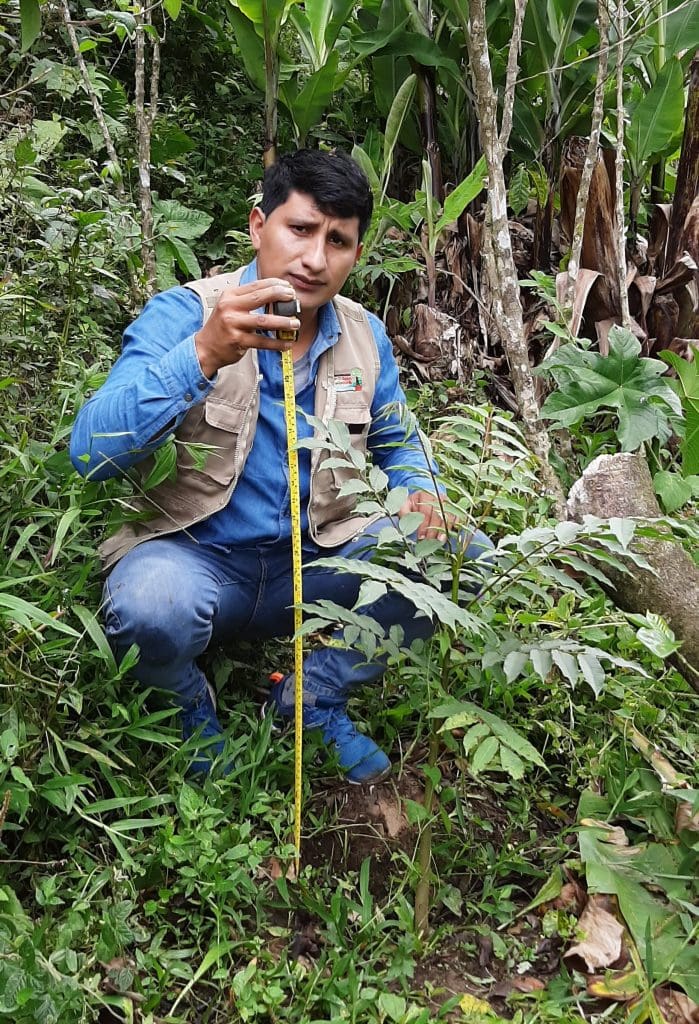Auner Medina Rafael, Coordinador del Mosaico Andes del Norte
El tema viene a colación pues el Ing. Medina Rafael, se refirió también a la actual propuesta en marcha para conservar más de 14 mil hectáreas de bosques montanos en Huamantanga y Chorro Blanco, lo cual beneficia directamente a la ciudad de Jaén, y a las poblaciones de los distritos de San José de la Alianza, Colasay, Chontalí, Huabal y Jaén.
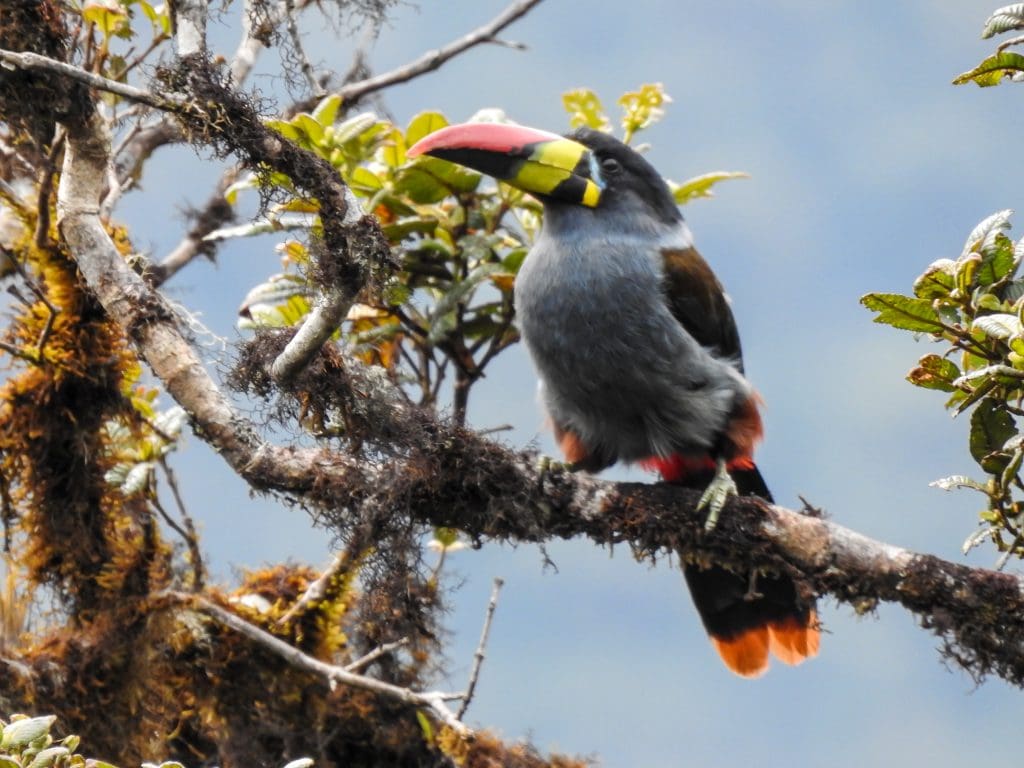Los bosques de Huamantanga y Chorro Blanco es el refugio de una importante diversidad de flora y fauna
*“Desde el año 2021 y gracias al respaldo de (AAF) Andes Amazon Fund, acompañamos al Gobierno Regional de Cajamarca, en el proceso técnico y social para lograr el reconocimiento oficial de la que convertiría en la quinta Área de Conservación Regional: ACR Bosques Montanos de Huamantanga y Chorro Blanco”*, precisó Auner.
La iniciativa regional busca preservar el último fragmento en pie, de los bosques montanos de la **Ecorregión** de la **Cordillera Real Oriental** en Cajamarca, y con ello conservar los beneficios que brinda. Preservar el agua para consumo humano para más de 100 mil habitantes de Jaén, es otra de las razones que se promueve con esta iniciativa.
---
**Más información**:
Gabriela Gives
**Comunicadora Perú**
<comunicacion.peru@naturalezaycultura.org>
**Tags:** Biodiversidad, Perú
**Strategic Area:** Bosques
**Country:** Perú
**Content Type:** Blog
---
### [2024 Annual Impact Report](https://www.natureandculture.org/directory/2024-annual-impact-report/)
**Published:** April 15, 2025
**Author:** Heather Thomas
**Content:**
## **Protecting Nature and Going Big for the Planet**
In 2024, we deepened our impact across some of the most biodiverse and threatened regions of Latin America. From expanding protected areas in the Andes to advancing Indigenous-led conservation in the Amazon, our work was guided by one powerful belief: conservation must work for nature *and* for people.
Our annual impact report reflects the collective efforts of local communities, partners, and supporters like you. Together, we’re not just protecting landscapes—we’re shaping a future where ecosystems thrive and communities lead the way.
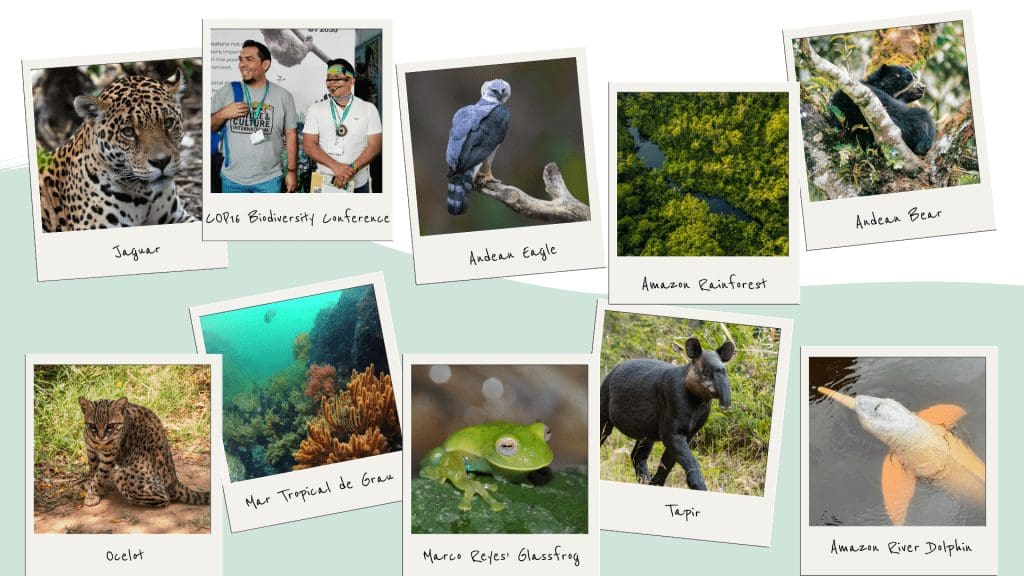[DONATE](https://www.natureandculture.org/donate/)
**Tags:** Amazon, Andes, Annual Report, Biodiversity, Conservation, endangered species, Protected Area
**Strategic Area:** Forests
**Country:** Bolivia, Colombia, Ecuador, Mexico, Peru
**Content Type:** News
---
### [The Heart of the Amazon: A Community Protects the Headwaters of a Great River](https://www.natureandculture.org/directory/the-heart-of-the-amazon-a-community-protects-the-headwaters-of-a-great-river/)
**Published:** April 8, 2025
**Author:** Heather Thomas
**Content:**
### Over a decade of grassroots conservation leads to the creation of a new Water Protection Area in southern Ecuador
On December 24, 2024, Ecuador officially declared the **Corazón de la Amazonía** (“Heart of the Amazon”) **Water Protection Area** (WPA)**.** This is a major milestone in the ongoing effort to safeguard water sources, biodiversity, and the integrity of Andean-Amazonian ecosystems. Spanning **46,950 acres**, the new area responds to an urgent need to secure clean water, preserve native forests, and support sustainable land use.
Corazón de la Amazonía is located in southern Ecuador in the province of Zamora Chinchipe. Approximately 80% of its area lies within the rural municipality of Valladolid, while the remaining portion is in the urban municipality of Palanda.

This marks the country’s 35th Water Protection Area, with Nature and Culture providing essential technical and financial support for 23 of them. In partnership with the Vice Ministry of Water and the Department of Environmental and Water Education, 85 more potential areas have been identified for potential to expand this national strategy.
[See our Water Protection Areas Atlas](https://www.natureandculture.org/es/atlas-de-areas-de-proteccion-hidrica/)
### ****A Decade of Community-Led Conservation****
The roots of this achievement stretch back to 2008, when a school in Valladolid helped establish the Ciudad de Loyola Reserve, and the community created the Corazón de la Amazonía Parish Reserve. Ten years later, these efforts merged into the Palanda Municipal Conservation and Sustainable Use Area.
“The WPA Corazón de la Amazonía represents a long-held dream and years of struggle to protect our water,” said **Ana Rodríguez, president of the Valladolid Municipal Government.** “It was named through a democratic process and reflects more than a decade of community commitment.”
Ana Rodríguez, **president of the Valladolid Municipal Government**
The WPA’s creation was made possible through the collaboration of local and national governments, Nature and Culture International, the Ministry of Environment, Water and Ecological Transition (MAATE), and international partners Re:wild and Join For Water, as part of the CUIDAR Project.
[Learn more about the CUIDAR Project here](https://www.natureandculture.org/directory/cross-border-cuidar-initiative-protects-mayo-chinchipe-watershed/)
> “Our partners’ support not only helped create this WPA, but it also laid the foundation for its long-term protection,” said **José Romero, Watershed Protection Program Coordinator at Nature and Culture**. “Protecting water is everyone’s responsibility.”
### ****Vital Ecosystems, Rare Wildlife****
Corazón de la Amazonía spans Andean páramo and cloud forest ecosystems, both essential for the ecological functions they provide, including water regulation, carbon capture, soil conservation, and regional bioclimate stability. They are also home to a rich biodiversity, including endemic species that are highly sensitive to environmental changes. One notable species is the Jocotoco antpitta *(Grallaria ridgelyi),* an emblematic bird and bioindicator species whose presence helps assess the health of habitat and environmental changes.
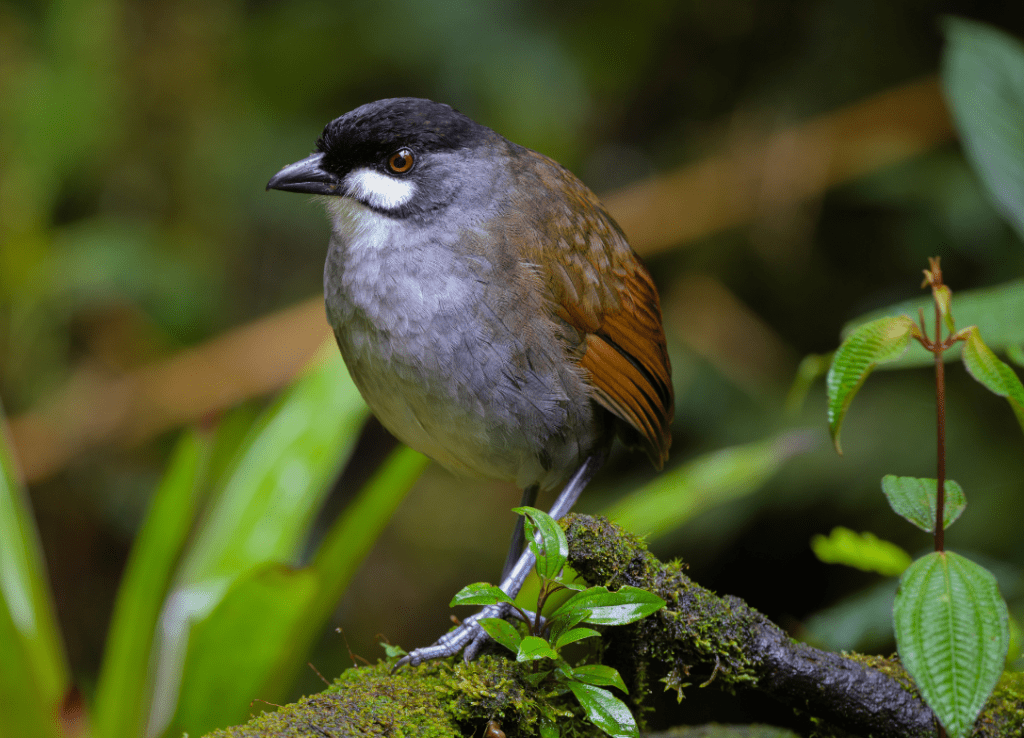Jocotoco antpitta *(Grallaria ridgelyi),* an emblematic bird and bioindicator species
### ****Laying the Groundwork for Long-term Protection****
While the WPA’s management plan is still in development, initial steps are already underway. Local and national authorities are working together to tackle threats like mining, deforestation, and agricultural expansion.
Progress is already being made through conservation agreements with locals, particularly near water sources. These agreements set commitments for sustainable land use, native vegetation protection, and conservation of key ecosystem services.
The Corazón de la Amazonía WPA spans ecosystems known for their essential ecosystem services
At the same time, local teams are developing tools like zoning maps, community patrol protocols, and participatory monitoring systems to support a comprehensive land management model that helps prevent deforestation, extractive pressures, and unsustainable land use.
### ****Sustainable Production and Impact Monitoring****
The WPA supports conservation-friendly livelihoods, including agroforestry, deforestation-free silvopasture, and traditional farming of crops like plantain, cassava, maize, sweet potato, taro, and cacao. Monitoring of these practices—led by local governments with support from Nature and Culture and funding from Re:wild—tracks indicators like water quality, stream flow, and forest cover to guide future land management.
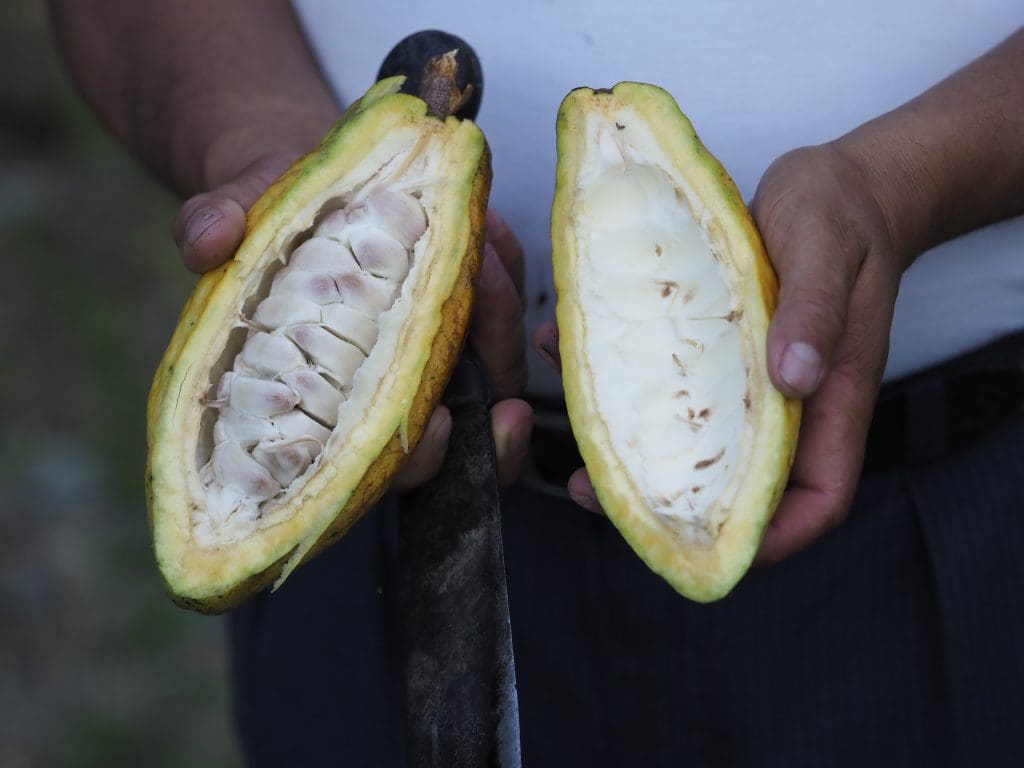Cacao is a sustainable crop compatible with conservation
*“Everyone knows Palanda is the global origin of cacao, and that should be a source of pride,* said **Felipe Serrano**, Executive Director of Nature and Culture in Ecuador. “*But there’s another equally important element that should live in the hearts of all Ecuadorians: Palanda and Valladolid are also the origin of water. From this watershed flows the water that feeds the Marañón and the Amazon rivers. The water in these rivers exists thanks to the cloud forests and to a community that had the strength to protect these ecosystems.”*
The WPA Corazón de la Amazonía is vital for water security not only in Palanda, but throughout the Mayo-Chinchipe watershed, as part of the Andean Binational Corridor – a conservation initiative led by Nature and Culture that connects ecosystems across Ecuador and Peru.
Cuencas hidrografícas en el Corredor de Conservacion Transfronterizo Andino Amazónica
*“This WPA* not only protects water, but unites a region to conserve diverse ecosystems and the life they support, forming part of a natural heritage for a just and sustainable future.” *said Segundo Jaramillo, Mayor of Palanda.*
The Heart of the Amazon beats thanks to the commitment of a community that, for over ten years, has worked together to conserve its water sources and biodiversity.

---
**More information:**
Kristen Heard
**Director of Marketing and Communications**
<kheard@natureandculture.org>
**Tags:** Agua, Areas de Protección Hídrica, Biodiversidad, Ecuador
**Strategic Area:** Water
**Country:** Ecuador
**Content Type:** News
---
### [Cross-border CUIDAR Initiative Protects Mayo-Chinchipe Watershed ](https://www.natureandculture.org/directory/cross-border-cuidar-initiative-protects-mayo-chinchipe-watershed/)
**Published:** April 10, 2025
**Author:** Heather Thomas
**Content:**
### **The CUIDAR Project: Rights, Water, and Resilience** supports sustainable water resource management, ecological resilience, and community participation across Ecuador and Peru.
The Mayo-Chinchipe watershed originates in southern Ecuador’s Zamora-Chinchipe province and stretches into the border regions of San Ignacio and Jaén in northern Peru. As a key tributary of the Marañón River—one of the main sources feeding the Amazon—it is a vital ecosystem for both biodiversity and water access in the region.
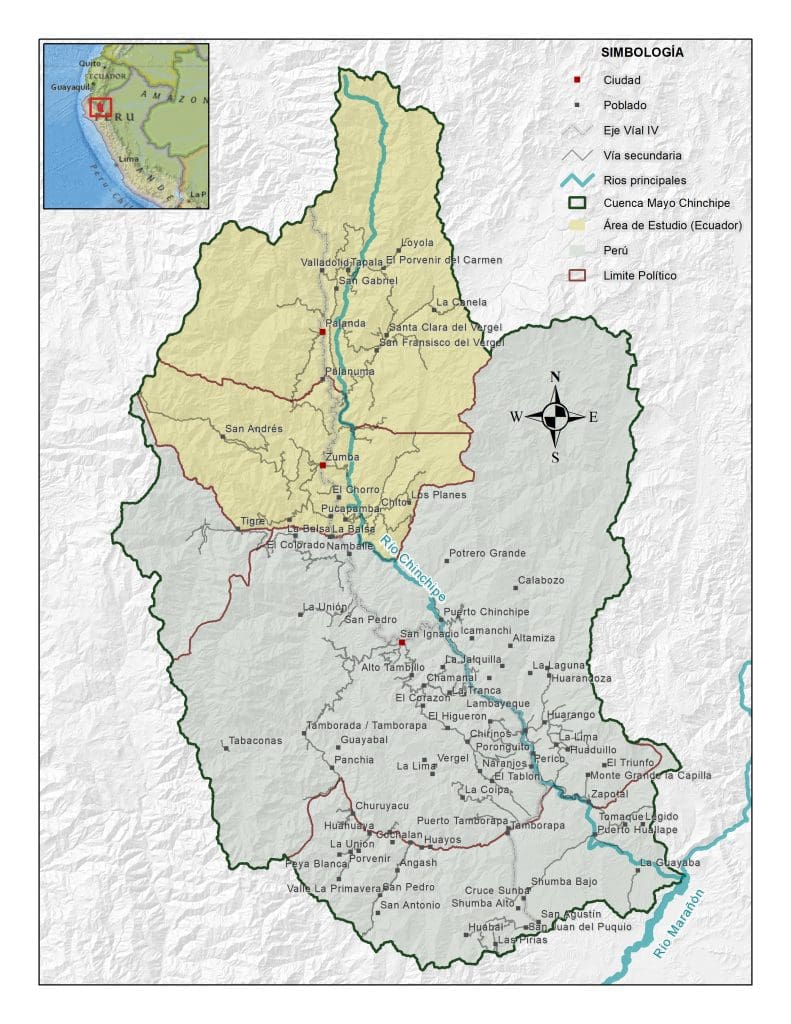
Launched in April 2022, the CUIDAR Project is supported by the Belgian and Flemish governments, Join For Water, and Protos Andes, in partnership with Nature and Culture International, the National University of Loja, and the National University of Jaén.
The project focuses on conserving water ecosystems to strengthen local communities’ socio-ecological resilience and ensure sustainable access to clean water, especially for those most vulnerable to water scarcity. As part of this work, the team has implemented improvements to water supply systems in the communities of Palanda, Chinchipe, San Ignacio, and Jaén.
*Photo: Water Treatment Plant, El Porvenir del Carmen – Ecuador*
The Mayo-Chinchipe watershed is a cross-border system that connects both ecological and social processes, directly linking communities in Ecuador and Peru to the water resources they depend on. This deep interconnection has been essential in promoting an integrated water management approach, where the conservation of both aquatic and terrestrial ecosystems is key to ensuring the long-term sustainability of the watershed.
The CUIDAR project team recently carried out a field visit to the Mayo-Chinchipe watershed to assess progress after three years of implementation. The evaluation confirmed that the project is on track, strengthening both environmental conservation efforts and the well-being of the communities that rely on these water sources.
### **Water Management and Ecosystem Protection**
A key focus of the CUIDAR Project has been to improve water infrastructure, protect strategic ecosystems, and restore degraded areas to ensure reliable access to clean water for human consumption.
Origin of the Mayo-Chinchipe – Cerro Toledo Watershed, Palanda – Ecuador
In the communities of Palanda, Chinchipe, San Ignacio, and Jaén, the project has prioritized upgrades to water supply systems, especially in areas most vulnerable to water scarcity.
At the same time, conservation efforts are being carried out in partnership with local communities to protect critical ecosystems such as páramos, montane evergreen forests, and inter-Andean dry forests—all essential for climate regulation and water retention.
In the lower Jaén area, where the Chinchipe River meets the Marañón, specific strategies have been implemented to combat soil degradation and maintain vegetation cover, helping to reduce the impacts of land use change on the landscape.
### **Restoration and Water Protection in the Mayo-Chinchipe Watershed**
To safeguard water quality and availability, the CUIDAR Project takes a comprehensive approach that combines water source protection, reforestation, and community-led governance.
As part of this effort, restoration activities have been carried out to protect key water sources, helping to sustain the water cycle and reduce environmental degradation.
A major focus has been on reforestation through productive conservation. In partnership with the Valladolid Parish Government and the Ecological Coffee Growers Association of Palanda (APECAP), the project has restored 82 hectares using agroforestry systems with coffee, which both rebuild vegetation cover and promote sustainable farming practices among local coffee producers in Ecuador.
In addition, conservation agreements with local organic producers committed to forest conservation, have helped protect 381 hectares of native forest in Ecuador. These agreements support sustainable land management and long-term ecological stability in communities that depend on the watershed.
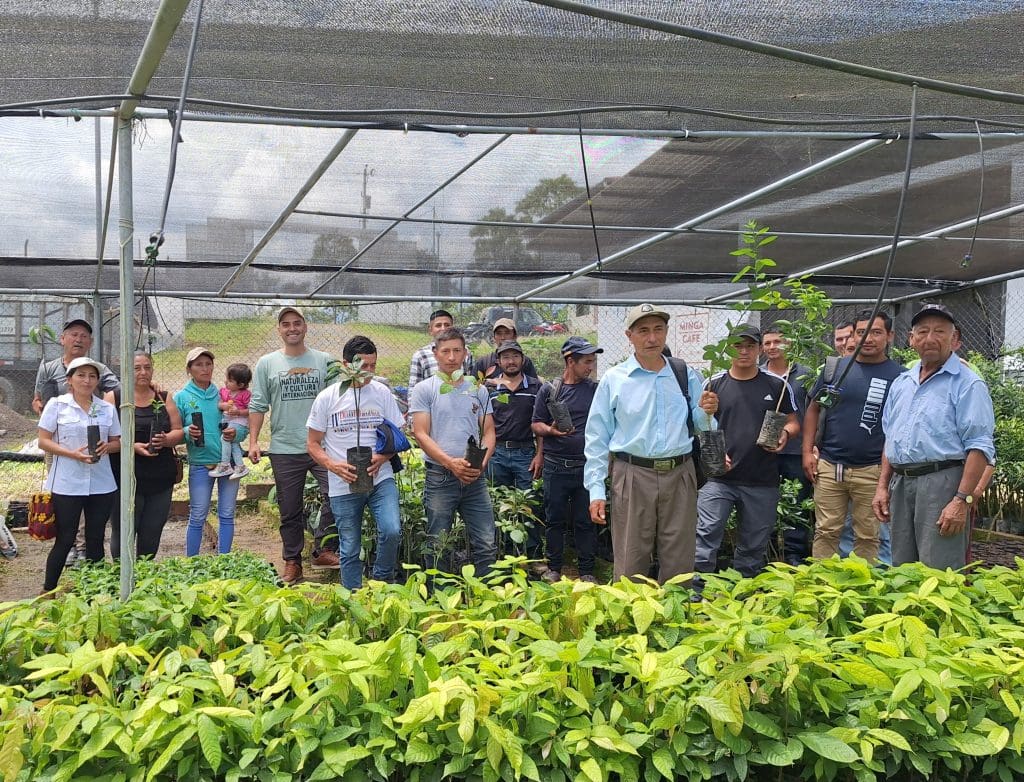Acuerdos de conservaciónAcuerdos de conservaciónAcuerdos de conservación
In Peru, the CUIDAR Project has partnered with coffee cooperatives La Prosperidad de Chirinos, Valle del Café, and Los Lirios to improve sustainable production systems. These efforts have resulted in nine conservation and compensation agreements, protecting 2,042 hectares of forest in collaboration with local communities.
As part of this partnership, 29 hectares of agroforestry systems have been established in the districts of La Coipa and Chirinos, along with the reforestation of 3 hectares of montane forest. This reforested area helps connect the northern and southern sections of the El Chaupe, Cunía, and Chinchiquilla Regional Conservation Area in San Ignacio.
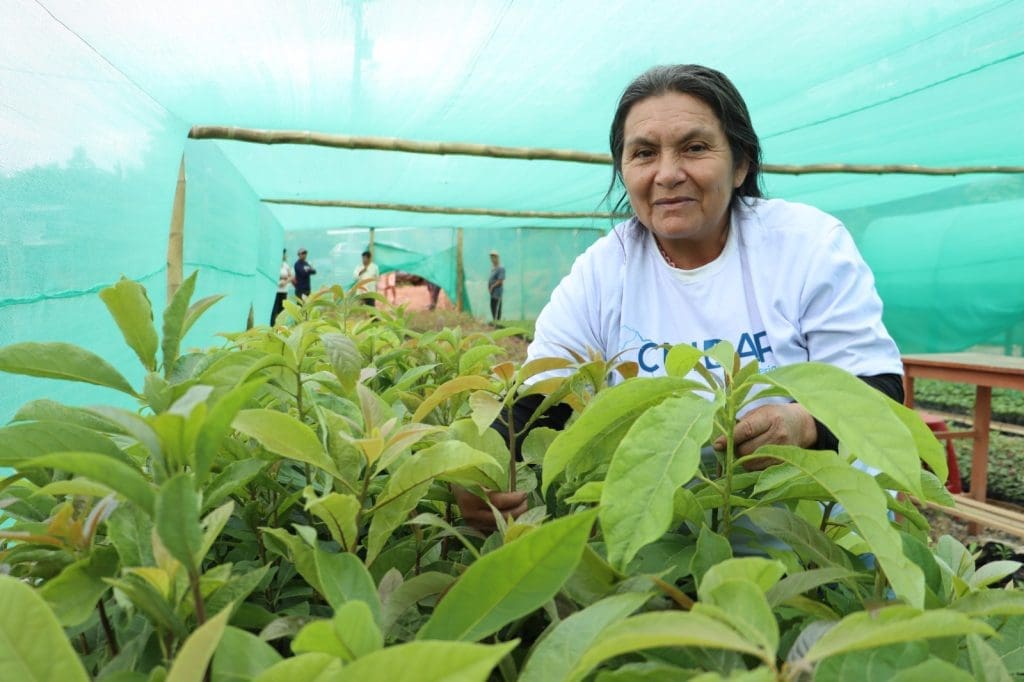
In parallel, water resource management has been strengthened through the creation of the Water School, which provides training for local government technicians. Additionally, new binational committees have been formed to promote community leadership and participation in water governance and conservation.
Victoria Alberca, president of the La Chacra Organic Producers Association (Ecuador), shared:
“If we want a sustainable and equitable world, we must protect water and safeguard the Mayo-Chinchipe watershed. This is more than just a process; it’s a collective journey that requires the involvement of women, men, and diverse communities. Protecting water also means recognizing and strengthening women’s leadership, which is key to the fair protection of this vital resource.”
Cindy Díaz Horna, representative of the Chontalí Integrated Development Association (Peru), shared:
“The Water School brings together many people committed to conservation, but what inspires me most is teaching young people—especially girls and boys—that protecting our biodiversity not only transforms our environment, it also empowers us, especially women. This is what true development looks like: actively caring for our water and our lands.”
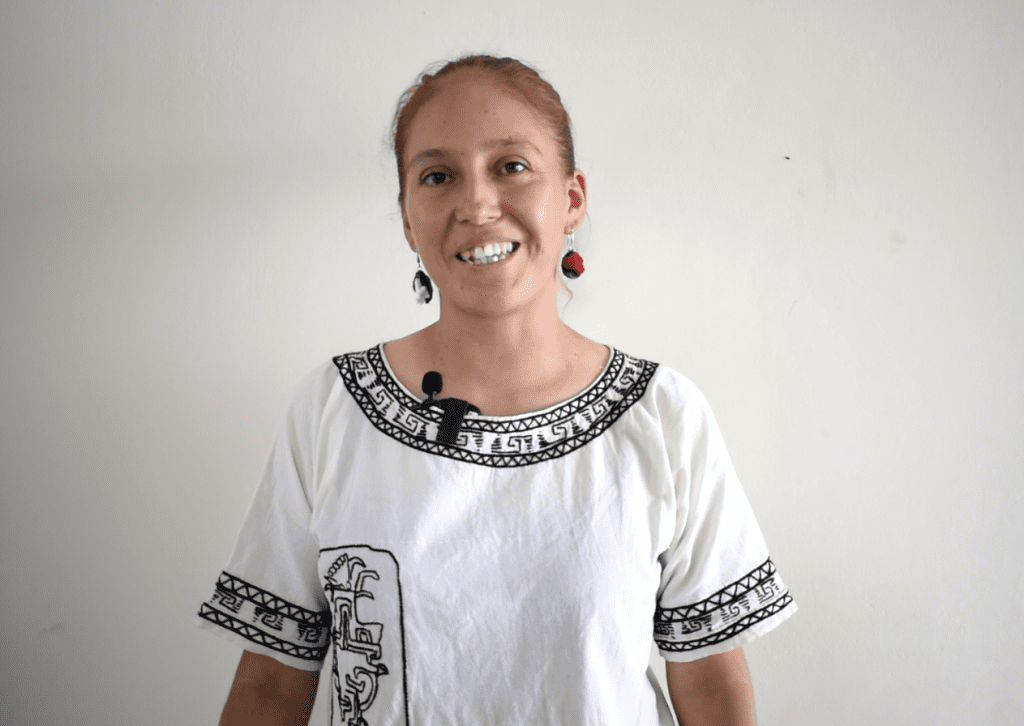Cindy Díaz Horna, Asociación para el Desarrollo Integral de Chontalí (Perú)*Victoria Alberca, President of La Chacra Organic Producers Association (Ecuador)*
As the CUIDAR Project moves forward, these efforts are shaping a replicable model for water restoration and management in cross-border ecosystems. They demonstrate that conservation is not only possible—it’s essential for ensuring equitable access to water across the region.
### **Binational Cooperation for Water Conservation**
Patricio Jaramillo, Nature and Culture International’s CUIDAR Project Coordinator in Ecuador, emphasized:
“The union of local efforts and international cooperation through the CUIDAR Project reaffirms our commitment to protecting fragile and degraded ecosystems.”
He added:
“This collaborative work has not only improved access to water—both in quantity and quality—but has also strengthened cooperation between Ecuador and Peru, supporting the well-being of border communities and the natural environments they depend on.”
*Patricio Jaramillo, CUIDAR Project Coordinator – Ecuador, Segundo Jaramillo, Mayor of Palanda – Ecuador, Bart Dewaele, Director General of Join For Water*
In Peru, work is underway on the Binational Watershed Plan, led by the National University of Jaén, to better understand the shared water systems between Peru and Ecuador. The plan identifies major threats to these ecosystems—such as illegal mining, logging, and burning—which increase the vulnerability of montane forests and páramos.
This document will serve as a key tool for informed decision-making and the development of cross-border cooperation projects, focusing on building technical capacity and restoring degraded areas in collaboration with local communities.
“It is crucial to work in an integrated way and with the active participation of the Local Water Authority,” said Iván Mejía, Project Manager at Nature and Culture International Peru.
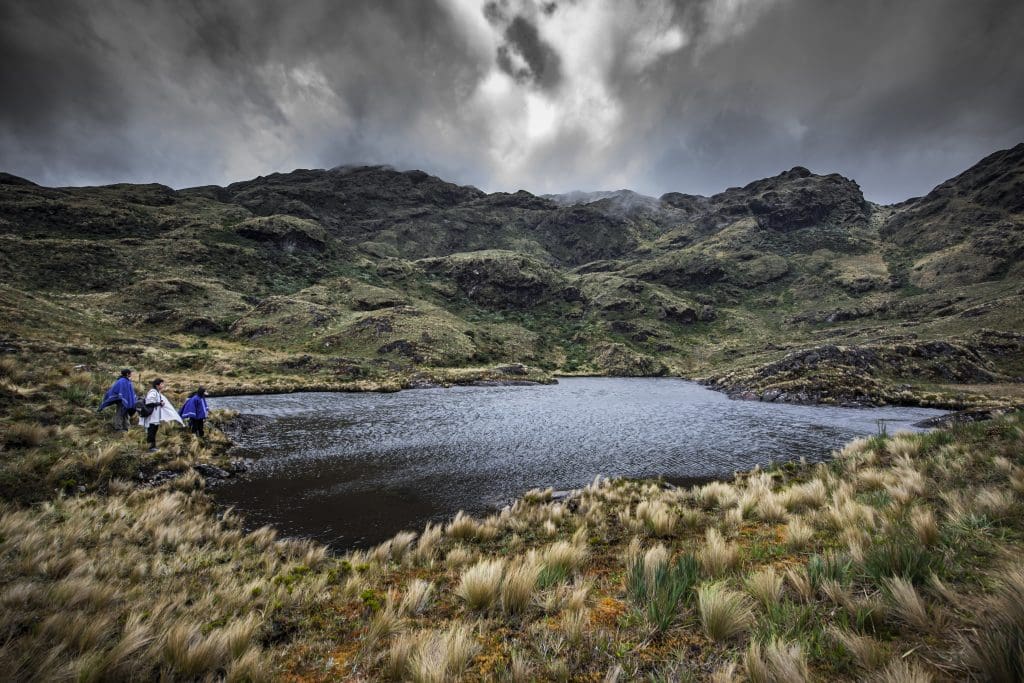
“This area is part of the Andean-Amazonian Transboundary Conservation Corridor, covering over two million hectares of páramos and montane forests in Peru and Ecuador. Through projects like CUIDAR and funding initiatives such as the Northern Andes Water Fund, we have managed to integrate local communities, authorities, and international cooperation in protecting and restoring these natural water sources,” added Mejía.
The Mayo-Chinchipe watershed is a clear example of how cross-border water management and ecosystem conservation are possible when countries and communities cooperate. The strategies of the CUIDAR project could serve as a replicable model in other Latin American watersheds facing similar challenges.
Felipe Serrano, Ecuador Country Director for Nature and Culture, emphasized that the community has much to be proud of—not only is this the place where cacao was first domesticated, but it’s also the source of the Mayo-Chinchipe watershed. These water sources are vital for maintaining the region’s hydrological and ecological balance, supporting both biodiversity and local livelihoods.
During his visit to communities in the Mayo-Chinchipe watershed, Bart Dewaele, Director of Join For Water, praised the CUIDAR Project for staying true to its goals and effectively coordinating with local stakeholders. He also highlighted that involving women from the outset not only gives them a voice but also strengthens community support.
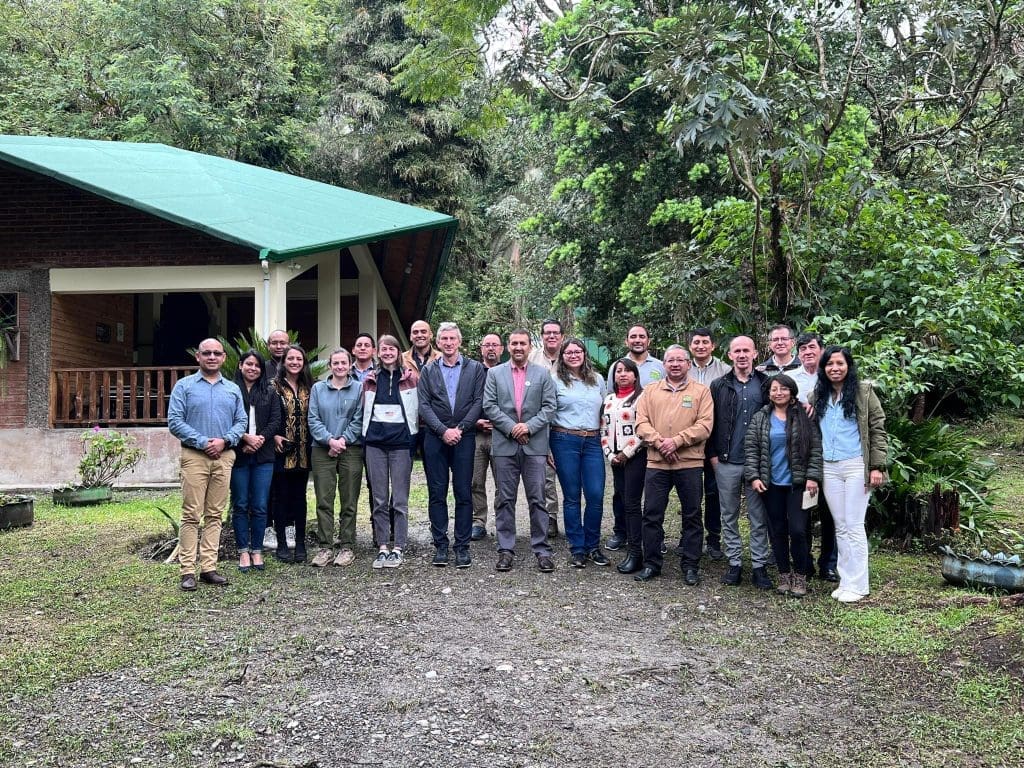Equipo binacional del proyecto CUIDAR
“The CUIDAR Project is a powerful example of international solidarity because it aligns the water needs of people with those of nature,” said Dewaele. “It’s also a binational initiative, spanning the Mayo and Chinchipe watersheds, which flow across both Ecuador and Peru. This project unites two peoples who were once in conflict. In that sense, CUIDAR is a peace project—built through shared care for water.”
Indeed, water knows no borders. But its conservation depends on the collective action of communities, governments, and organizations working together to protect this vital resource for both current and future generations.
**Tags:** Agua, Areas de Protección Hídrica, Biodiversidad, Ecuador, Personas, Perú
**Strategic Area:** Water
**Country:** Ecuador, Peru
**Content Type:** Blog
---
### [Corazón de la Amazonía: compromiso comunitario con la protección del agua](https://www.natureandculture.org/es/directorio/corazon-de-la-amazonia-compromiso-comunitario-con-la-proteccion-del-agua/)
**Published:** April 7, 2025
**Author:** Nora Sanchez
**Content:**
La declaratoria oficial del Área de Protección Hídrica (APH) Corazón de la Amazonía, el 24 de diciembre de 2024, marcó un hito fundamental en la consolidación de esta estrategia de conservación. Con más de 19.000 hectáreas, esta APH responde a una necesidad urgente: garantizar la seguridad hídrica, conservar la biodiversidad y fomentar el manejo sostenible de los ecosistemas andino-amazónicos.
El Área de Protección Hídrica (APH) Corazón de la Amazonía se encuentra ubicada en el cantón Palanda, en la provincia de Zamora Chinchipe. Aproximadamente el 80 % de su extensión corresponde a la parroquia rural Valladolid, mientras que el porcentaje restante se localiza en la parroquia urbana Palanda.

Con esta declaratoria, el país suma 35 Áreas de Protección Hídrica, de las cuales 23 han contado con el apoyo clave de Naturaleza y Cultura Internacional, que ha brindado asistencia técnica y financiera en su creación. Además, en coordinación con el Viceministerio del Agua y la Dirección de Educación e Información Ambiental e Hídrica, se ha identificado 85 nuevas áreas con alto potencial para integrarse a esta estrategia nacional de conservación.
[Más información en el Atlas de Áreas de Protección Hídrica](https://www.natureandculture.org/es/atlas-de-areas-de-proteccion-hidrica/)
### **Valladolid: más de 10 años de conservación desde la comunidad**
La historia de conservación en la parroquia Valladolid, cantón Palanda (Zamora Chinchipe), refleja el esfuerzo articulado y colectivo de actores locales e institucionales. En 2008, la Unidad Educativa Valladolid impulsó la creación de la Reserva Ciudad de Loyola, mientras que la comunidad conformó la Reserva Parroquial Corazón de la Amazonía. Diez años más tarde, ambas iniciativas fueron integradas en el Área de Conservación Municipal y Uso Sostenible de Palanda (ACMUS Palanda), marcando un hito en la gobernanza ambiental a nivel local.
Ana Rodríguez, presidenta del GAD Parroquial de Valladolid, expresó:
***“El APH Corazón de la Amazonía representa un sueño anhelado y una lucha constante por la protección de nuestros recursos hídricos, forjado desde 2008 por líderes, jóvenes y comunidad. Su nombre nació en un acto democrático y su existencia refleja más de una década de compromiso con la protección del agua y la naturaleza.”***
Ana Rodríguez, presidenta del GAD Parroquial de Valladolid
La consolidación de esta figura legal fue posible gracias a la coordinación entre el GAD Parroquial de Valladolid, el GAD Municipal de Palanda, Naturaleza y Cultura Internacional (NCI), el Ministerio de Ambiente, Agua y Transición Ecológica (MAATE Zona 10), así como el apoyo financiero de aliados estratégicos como Re:wild y Join For Water, este último vinculado a través del proyecto CUIDAR.
[Conoce más sobre el proyecto CUIDAR aquí](https://www.natureandculture.org/es/directorio/cuidar-cooperacion-transfronteriza-para-la-proteccion-de-la-cuenca-mayo-chinchipe/)
***“El compromiso de nuestros aliados permitió no solo la creación de esta APH, sino también sentar las bases para su manejo efectivo. La protección del agua es una tarea de todos, y contar con su respaldo fue fundamental para seguir avanzando”***, señaló José Romero, coordinador del proyecto Conservación de Fuentes de Agua en Naturaleza y Cultura Internacional.
### **Funciones ecosistémicas y monitoreo de biodiversidad**
El APH Corazón de la Amazonía se extiende por ecosistemas de páramo y bosque siempreverde montano, ambos reconocidos por sus funciones ecológicas esenciales. Estos tipos de cobertura vegetal cumplen roles como la regulación hídrica, la captura de carbono, la conservación de suelos y la estabilidad del bioclima regional. Además, albergan una alta diversidad biológica, con presencia de especies endémicas y sensibles a las alteraciones del entorno. Entre ellas destaca el Jocotoco (*Grallaria ridgelyi),* un ave emblemática considerada bioindicadora, cuya presencia permite evaluar la salud ecológica del hábitat y los efectos del cambio ambiental.

### **Control territorial frente a amenazas socioambientales**
Aunque el plan de manejo del APH aún se encuentra en proceso de construcción participativa, ya se han iniciado acciones de articulación entre la autoridad ambiental nacional, el GAD Parroquial de Valladolid y GAD Municipal de Palanda para hacer frente a amenazas como la minería, la deforestación y el avance de la frontera ganadera.
Sin embargo, se evidencian los primeros avances, en la suscripción de acuerdos de conservación con propietarios de predios estratégicos, especialmente aquellos vinculados a fuentes hídricas. Estos acuerdos funcionan como instrumentos de gobernanza ambiental y territorial, mediante los cuales se definen compromisos de uso sostenible del suelo, protección de cobertura vegetal nativa y la protección de servicios ecosistémicos clave.
El APH Corazón de la Amazonía se extiende por ecosistemas reconocidos por sus funciones ecológicas esenciales.
Actualmente, la zonificación ecológica y funcional, los protocolos de patrullaje comunitario y los sistemas de monitoreo participativo de biodiversidad e indicadores ambientales están en fase de planificación y validación técnica. Estas herramientas apuntan a consolidar un modelo integral de manejo del territorio, orientado a prevenir las presiones derivadas del uso no sostenible del suelo, la expansión de actividades extractivas y la pérdida de cobertura vegetal.
### **Producción sostenible y monitoreo de impactos**
En el APH Corazón de la Amazonía se promueven actividades productivas compatibles con la conservación, tales como sistemas agroforestales de café, silvopasturas libres de deforestación y mosaicos agropecuarios con cultivos tradicionales como plátano, yuca, maíz, camote, papa china y cacao. Estas prácticas están siendo evaluadas a través de indicadores como: calidad del agua, el caudal hídrico y la cobertura de la tierra. El monitoreo es liderado por el GAD parroquial y cantonal, con el apoyo técnico de Naturaleza y Cultura Internacional y el financiamiento de Re:wild, permitiendo identificar buenas prácticas y ajustar las estrategias de manejo territorial en función de los resultados obtenidos.
El cacao es una práctica productiva compatible con la conservación
Felipe Serrano, director ejecutivo de Naturaleza y Cultura Internacional, destacó:
> ***“Todos sabemos que Palanda es el origen mundial del cacao, y ese hecho debe formar parte de la identidad de los palandenses y vallesoletanos. Pero hay otro elemento igual de importante que debe estar en el corazón de todos los ecuatorianos: Palanda y la parroquia Valladolid también son origen del agua. En esta cuenca nace el agua que alimenta el río Marañón y el Amazonas. El agua que fluye en estos ríos existe gracias a los bosques nublados y a una comunidad que tuvo la entereza de conservar estos ecosistemas. La gratitud es para los ciudadanos de este cantón y esta parroquia: sus autoridades, productores y estudiantes, que hicieron posible esta APH.”***
El APH Corazón de la Amazonía es clave para la seguridad hídrica, no solo del cantón Palanda, sino de toda la cuenca Mayo-Chinchipe, al formar parte del Corredor de Conservación Transfronterizo Andino Amazónico (CCTAA), una estrategia de conservación binacional entre Ecuador y Perú.
Cuencas hidrografícas en el Corredor de Conservacion Transfronterizo Andino Amazónica
En este contexto, el alcalde de Palanda, Segundo Jaramillo, finalizó señalando:
***“Cada gota de agua cuenta una historia. Esta APH no solo protege el agua, sino que fue el alma de una región que se conectó para conservar diversos ecosistemas y la vida que dependía de ellos, y que es parte de un patrimonio natural para un futuro justo y sostenible.”***
El AHP Corazón de la Amazonía late gracias al compromiso de una comunidad que, por más de diez años, trabajó unida para conservar sus fuentes de agua y su biodiversidad.

---
**Más información:**
Aida Maldonado
**Comunicación Ecuador**
<amaldonado@naturalezaycultura.org>
**Tags:** Agua, Areas de Protección Hídrica, Biodiversidad, Ecuador
**Strategic Area:** Agua
**Country:** Ecuador
**Content Type:** Noticias
---
### [II Foro Nacional de ACUS y Territorios de Vida ](https://www.natureandculture.org/es/directorio/ii-foro-nacional-de-acus-y-territorios-de-vida/)
**Published:** March 26, 2025
**Author:** Nora Sanchez
**Content:**
El cantón Loja fue la sede del II Foro Nacional de ACUS y Territorios de Vida. Más de 200 representantes de gobiernos autónomos descentralizados (GAD) provinciales y municipales de todo el país, junto con líderes de los Territorios de Vida de la Amazonía ecuatoriana, representantes de organizaciones productivas, investigadores y representantes de cooperación internacional como Naturaleza y Cultura Internacional, Acting for Life, Altrópico, Andes Amazon Fund y la Unión Europea, se reunieron en el sur del país para intercambiar experiencias y analizar los principales retos y estrategias en torno a la conservación subnacional del patrimonio natural y cultural en Ecuador. El evento tuvo lugar en el centro de convenciones de la Universidad Técnica Particular de Loja (UTPL).
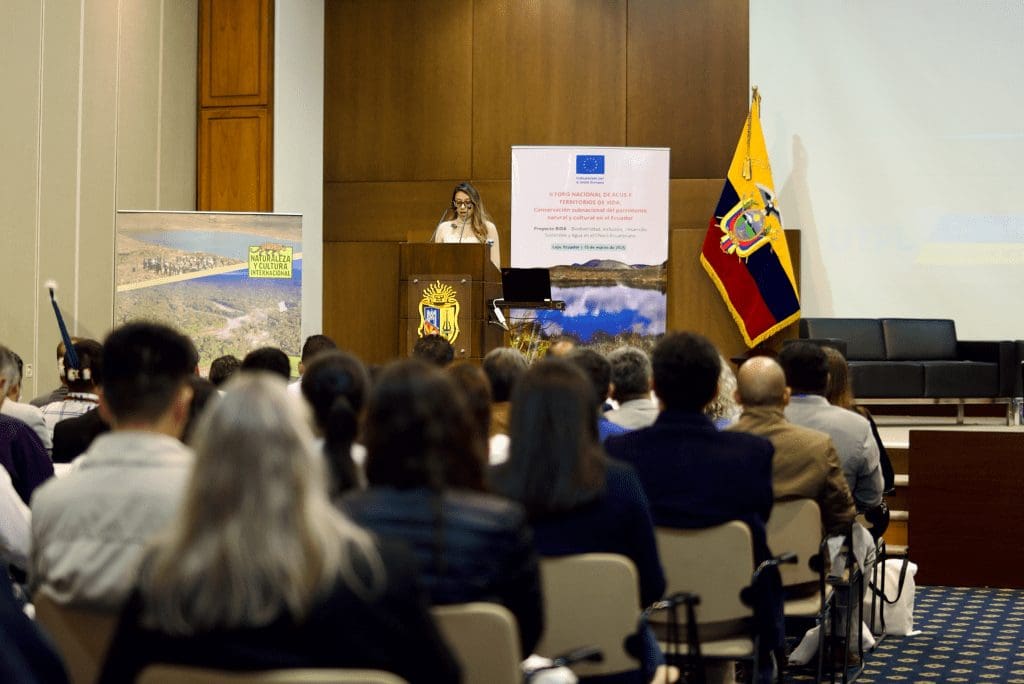El II Foro de ACUS y Territorios de Vida reunió a representantes de gobiernos locales, instituciones gubernamentales, organizaciones sociales y Academia
### **Desafíos ante el cambio climático y la conservación territorial**
El foro abordó el impacto del calentamiento global en 2024, un año marcado por temperaturas récord y eventos climáticos extremos que afectaron la estabilidad ambiental y económica. En Ecuador, la sequía, los incendios forestales y la crisis hidroenergética expusieron la vulnerabilidad del país ante un clima cada vez más impredecible.
Frente a esta realidad, el biólogo Felipe Serrano Montesinos, director de Naturaleza y Cultura Internacional en Ecuador, subrayó la urgencia de fortalecer el apoyo técnico y financiero a los gobiernos subnacionales para ampliar y manejar adecuadamente las áreas protegidas dentro de las ACUS y los Territorios de Vida. “Nuestro trabajo ha contribuido a la conservación de más de cinco millones de hectáreas en la Amazonía y el sur del país, fortaleciendo alianzas con gobiernos locales, comunidades y, Pueblos y Nacionalidades indígenas”, señaló Serrano Montesinos.
Felipe Serrano, director ejecutivo de Naturaleza y Cultura Internacional en Ecuador
Asimismo, se destacó que las ACUS y los Territorios de Vida cumplen un papel crucial en el ordenamiento territorial, garantizando la conservación de la biodiversidad y los recursos hídricos mediante normativas específicas y una planificación integral. Actualmente, 70 de los 91 ecosistemas existentes en Ecuador están dentro de estas áreas, incluyendo más de 800 fuentes de agua georreferenciadas para consumo humano. Además, de los seis millones de hectáreas protegidas en estos territorios, más de tres millones de hectáreas corresponden a las denominadas “Áreas Claves para la Biodiversidad” (KBA), incrementando la superficie protegida del país y el Índice de Protección de Especies.
### **El rol de los gobiernos locales en la conservación**
Durante el foro se evidenció el impacto de los GAD en la conservación: hasta marzo de 2025, 73 GAD municipales y 13 GAD provinciales han establecido 144 ACUS, junto con 2 Territorios de Vida ubicados en Pastaza y Morona Santiago. Estas iniciativas protegen más de seis millones de hectáreas, lo que representa el 26 % de la superficie terrestre del país, en comparación con el 18,46 % del territorio nacional cubierto por el Sistema Nacional de Áreas Protegidas (SNAP), que resguarda más de cuatro millones de hectáreas en el Ecuador continental.
[Geovisor del Mapa Nacional de ACUS.](https://www.natureandculture.org/es/geovisor-del-mapa-nacional-de-acus/)
### **Manejo y gestión de las ACUS y Territorios de Vida**
Uno de los mayores desafíos tras la declaración de estas áreas es su manejo y gestión efectiva. En este sentido, el alcalde de Cuenca, Cristian Zamora, destacó que el 70 % de la superficie de su cantón corresponde a áreas naturales protegidas, con alrededor de 60.000 hectáreas bajo diferentes figuras de conservación, entre ellas el Refugio de Vida Silvestre Machángara-Tomebamba (16.291,85 ha) y la ACUS Yanuncay-Zhucay. “A pesar de los esfuerzos por consolidar un sistema integral de gestión ambiental, la sostenibilidad financiera y la aplicación de normativas efectivas, seguimos enfrentando amenazas como la minería, la deforestación, el cambio de uso de suelo, el turismo no sostenible y el cambio climático”, enfatizó Zamora.
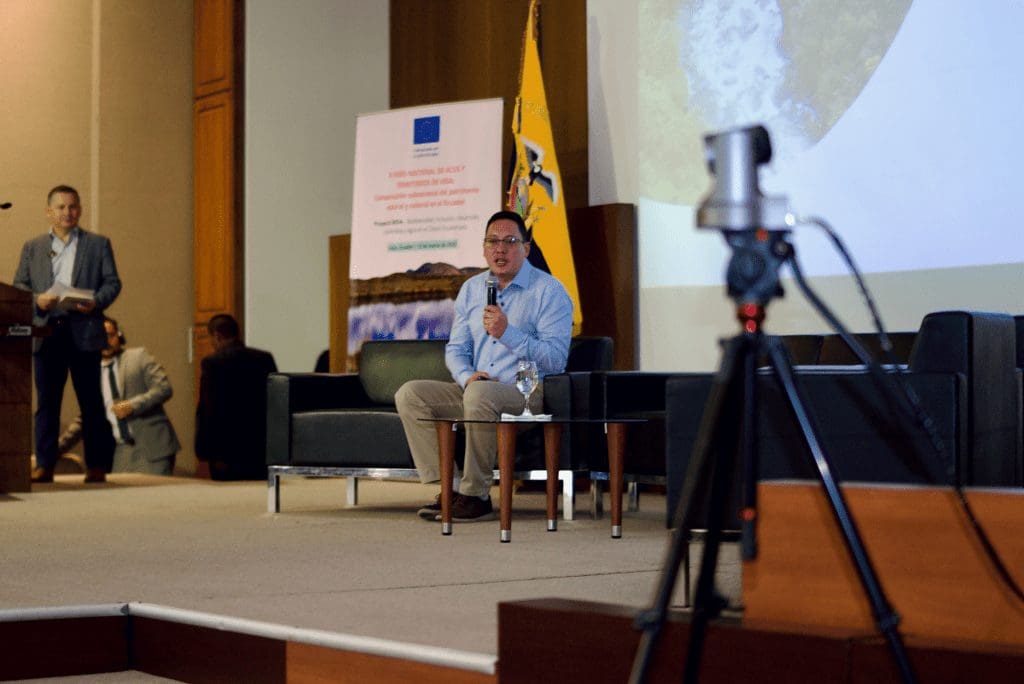Cristian Zamora, alcalde de Cuenca
Por su parte, Renzo Paladines, director de Conservación de Naturaleza y Cultura Internacional, resaltó que el financiamiento es un factor crítico para la gestión sostenible de estas áreas. Explicó que actualmente se trabaja en la creación del fideicomiso del Fondo Amazónico, un mecanismo de financiamiento para los Territorios de Vida y las ACUS de la Amazonía vinculado a la Plataforma Amazónica por los Bosques, el Clima y el Bienestar Humano. Este fondo busca garantizar la sostenibilidad y el manejo efectivo de estas áreas mediante la gestión y blindaje de recursos públicos, la movilización de inversión privada y cooperación internacional, y el fortalecimiento de la administración de los recursos destinados a comunidades indígenas y campesinas. “Este fideicomiso permitirá asegurar la gobernanza paritaria por primera vez”, afirmó Paladines.
Renzo Paladines, director de Conservación en Naturaleza y Cultura Internacional
### **Plataforma Amazónica: un modelo de co gobernanza territorial**
En el foro, Karla Reátegui, prefecta de Zamora Chinchipe, presentó la Plataforma Amazónica, una iniciativa regional de co gobernanza territorial. “Esta plataforma involucra a los GAD de Pastaza, Morona Santiago, Zamora Chinchipe y Orellana, junto con pueblos y nacionalidades indígenas, para conservar y gestionar más de cinco millones de hectáreas de bosque que están dentro de ACUS y Territorios de Vida, la implementación de un fondo regional amazónico y el desarrollo colaborativo de herramientas de planificación”, explicó Reátegui.
Zamora Chinchipe es la segunda provincia del país en implementar un plan de acción contra la deforestación y degradación de bosques a través del PdI REDD+, denominado Plan Sembrando Vida. “Esta estrategia combina la conservación con la producción sostenible, asegurando que la provincia mantenga su liderazgo en la adopción de mecanismos ambientales innovadores”, señaló Reátegui. Como parte de este enfoque, la provincia impulsa la producción de cacao y café libre de deforestación, promoviendo una bioeconomía sostenible.
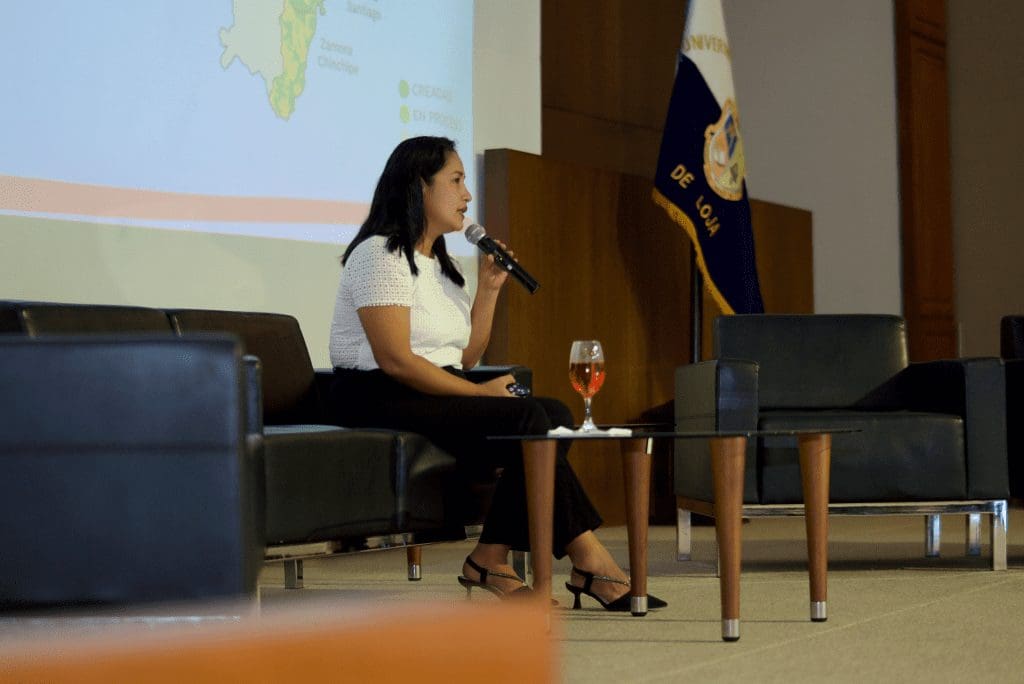Karla Reategui, prefecta de la provincia de Zamora Chinchipe
### **Conclusiones del II Foro Nacional de ACUS y Territorios de Vida**
El foro reafirmó la importancia de fortalecer la gobernanza ambiental subnacional mediante la articulación entre GAD, comunidades, Pueblos y Nacionalidades indígenas y organismos internacionales para la gestión de ecosistemas estratégicos.
Se enfatizó la necesidad de establecer mecanismos de financiamiento sostenible que garanticen la inversión en conservación y la transparencia en la administración de recursos.
Así mismo, se resaltó el papel de los Territorios de Vida como modelos de conservación basados en conocimientos ancestrales y autodeterminación, con el reto de consolidar su reconocimiento legal e integración en la planificación territorial.
Además, se impulsó la co gobernanza territorial, destacando la Plataforma Amazónica como un modelo clave para la gestión sostenible en coordinación con Pueblos y Nacionalidades indígenas.
Finalmente, se promovió la creación de la Red Nacional de ACUS y Territorios de Vida, consolidando un espacio de cooperación técnica, incidencia política y acceso a financiamiento para garantizar la sostenibilidad a largo plazo de estos territorios.
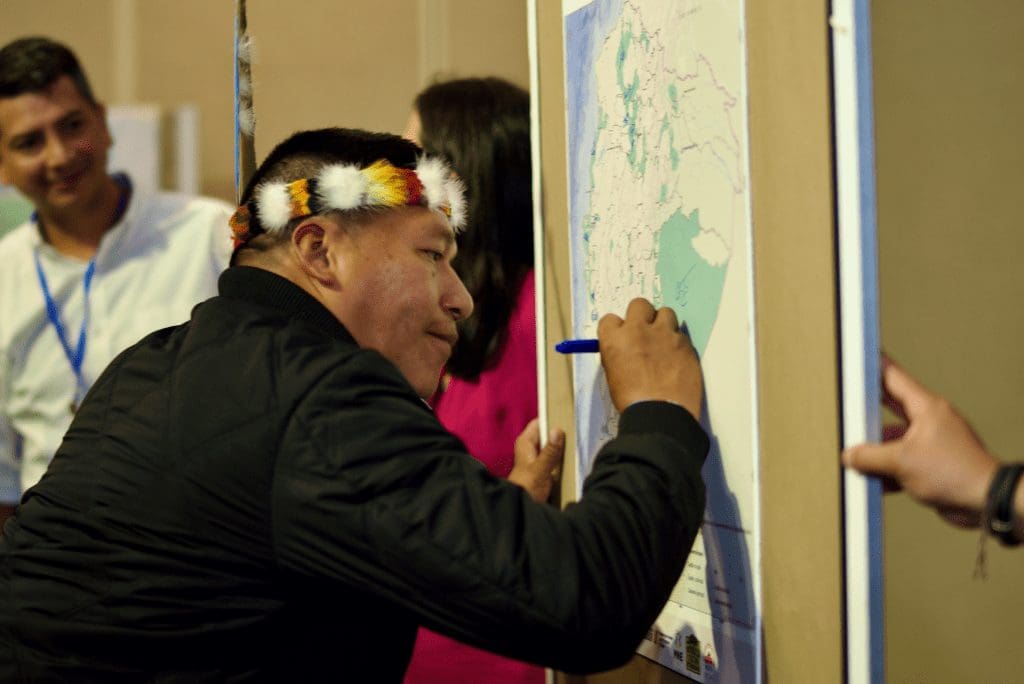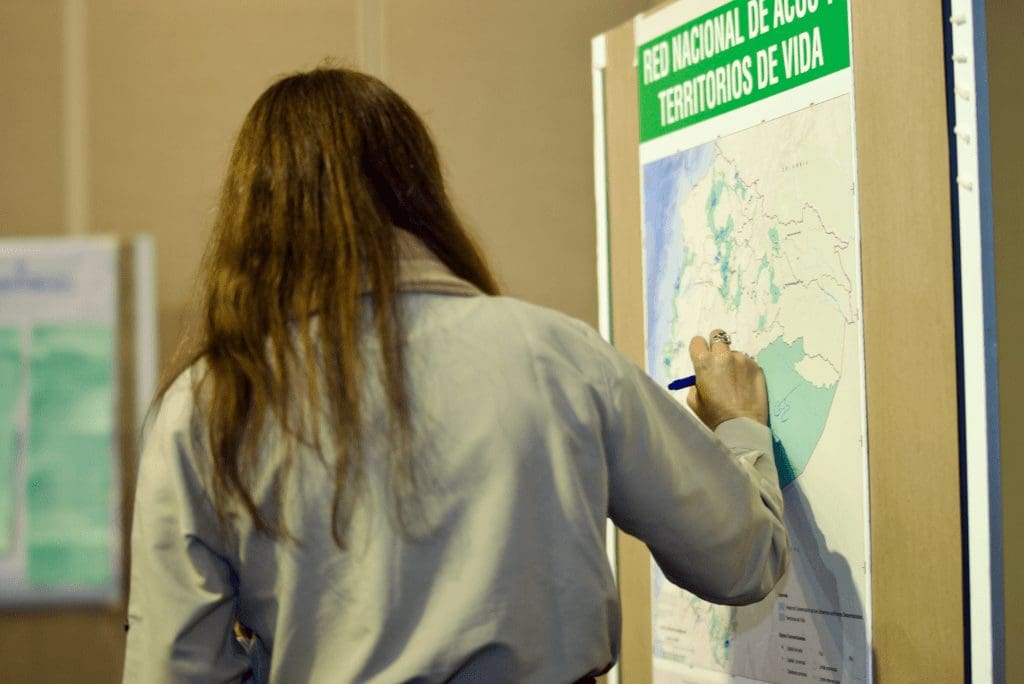
El II Foro de ACUS y Territorios de Vida, es una estrategia enmarcada en el proyecto BIDA: Biodiversidad, Inclusión, Desarrollo Sostenible y Agua en el Chocó Ecuatoriano, cofinanciado por la Unión Europea. En esta iniciativa participan actores como Acting For Life, el Ministerio del Ambiente, Agua y Transición Ecológica (MAATE), Naturaleza y Cultura Internacional (NCI), Fundación Altrópico, la Mancomunidad del Norte y la Universidad Técnica del Norte, en colaboración con la Asociación de Municipalidades del Ecuador (AME) y el Consorcio de Gobiernos Autónomos Provinciales del Ecuador (CONGOPE).
[Resumen del I Foro Nacional de Áreas de Conservacion y Uso Sostenible](https://www.natureandculture.org/es/directorio/presentacion-oficial-de-mapa-nacional-de-areas-de-conservacion-y-uso-sostenible-acus-durante-foro-nacional/)
[Revisa el press kit del II Foro Nacional de ACUS y Territorios de Vida](https://drive.google.com/drive/folders/1W--Q5xgVEyH2S5SssqWL8e5G-ec3_YlF?usp=sharing)
---
**Más informacion:**
Aida Maldonado Quezada
**Comunicadora Ecuador**
<amaldonado@naturalezaycultura.org>
**Strategic Area:** Bosques
**Country:** Ecuador
**Content Type:** Noticias
---
### [Documental "Mujeres por la Vida y la Justicia Climática"](https://www.natureandculture.org/es/directorio/documental-mujeres-por-la-vida-y-la-justicia-climatica/)
**Published:** March 25, 2025
**Author:** Nora Sanchez
**Content:**
Como parte de las actividades del *Plan de Acción PdI REDD+* de Zamora Chinchipe – Plan “Sembrando Vida”, produjimos en co autoría con la Prefectura de Zamora Chinchipe el documental “Mujeres por la Vida y la Justicia Climática”.
*El documental visibiliza la lucha y el liderazgo de las mujeres rurales de Zamora Chinchipe en la defensa de sus territorios y la conservación de los bosques amazónicos.*
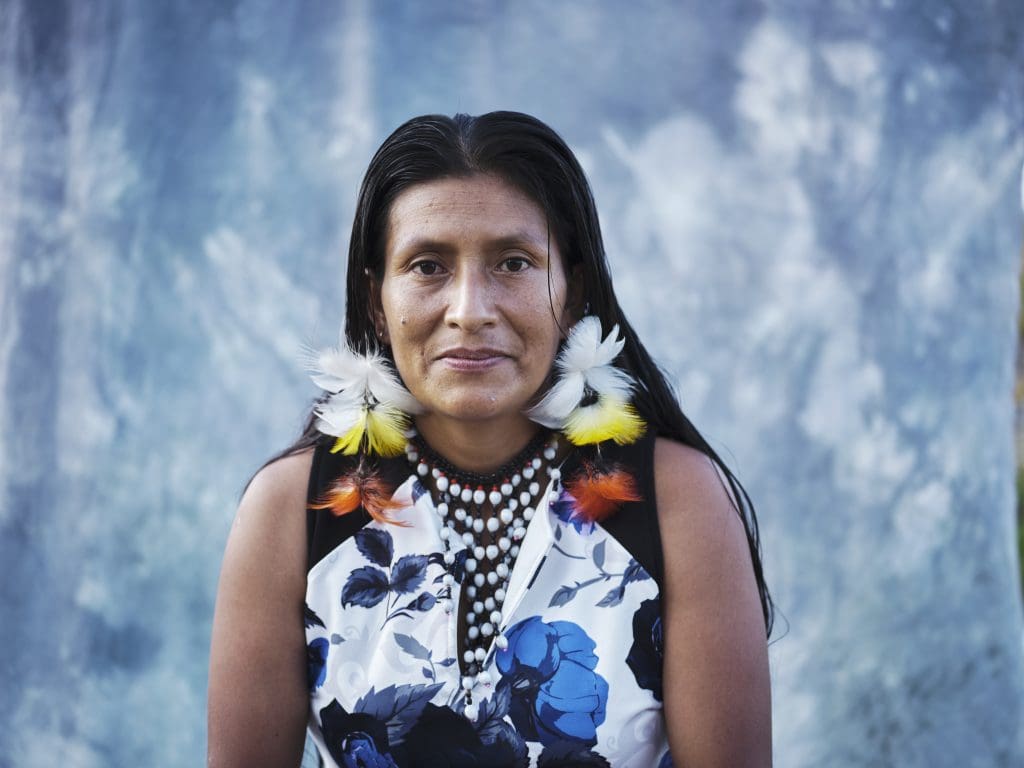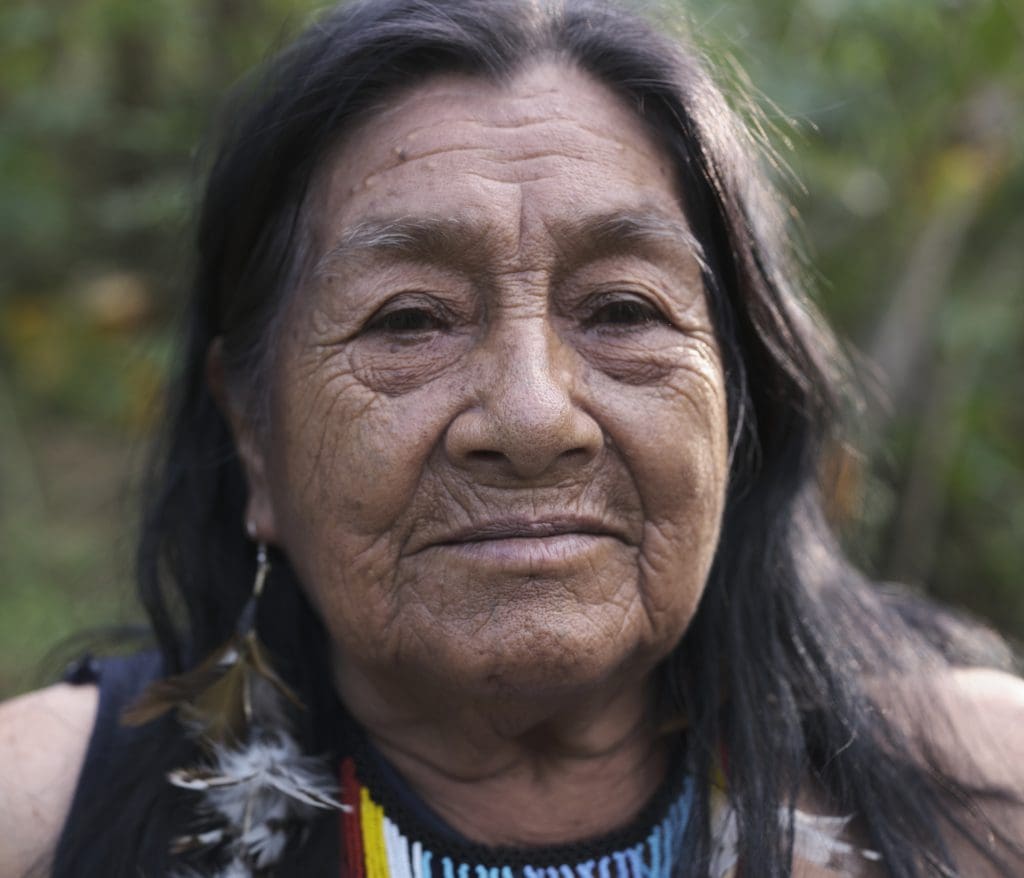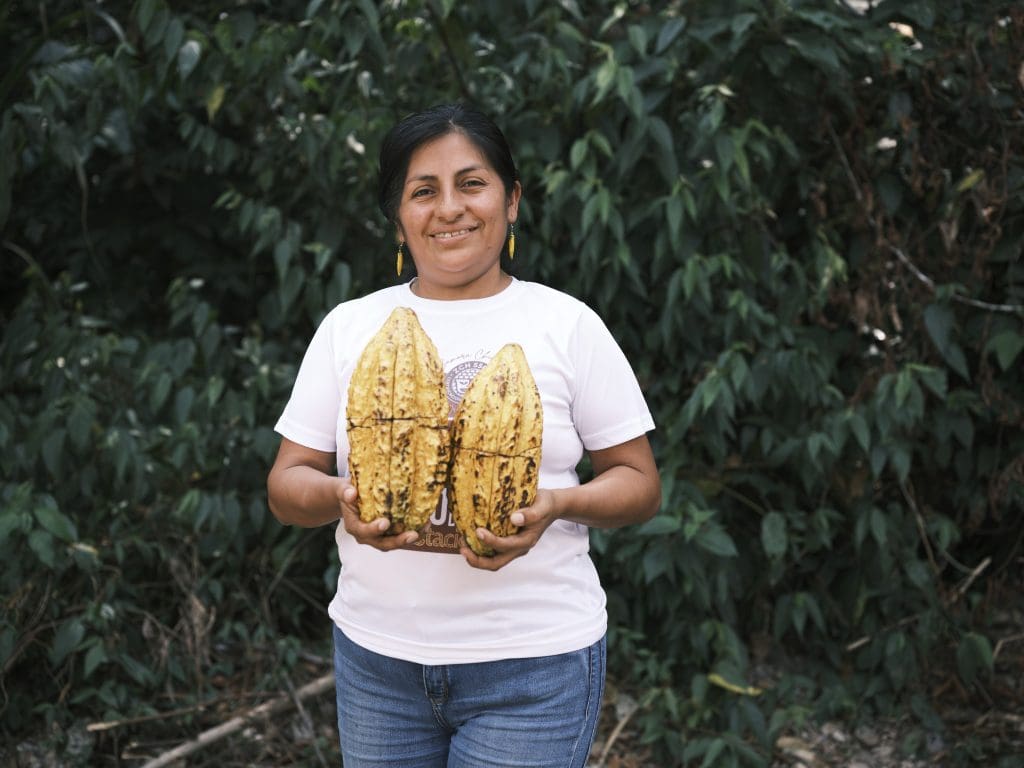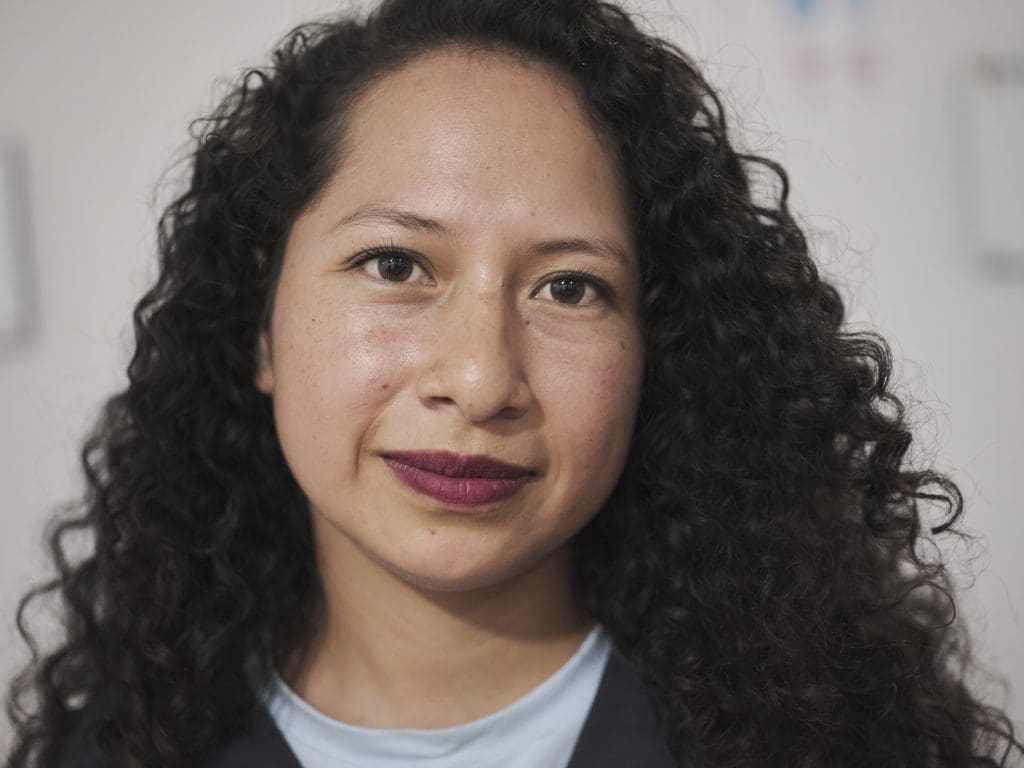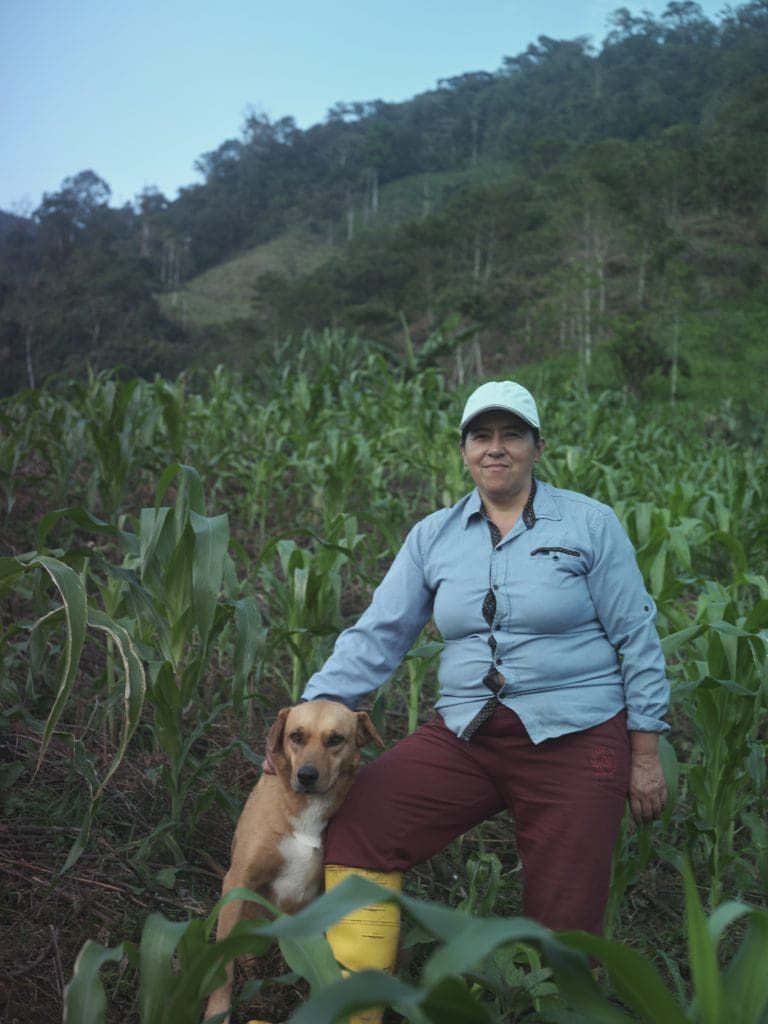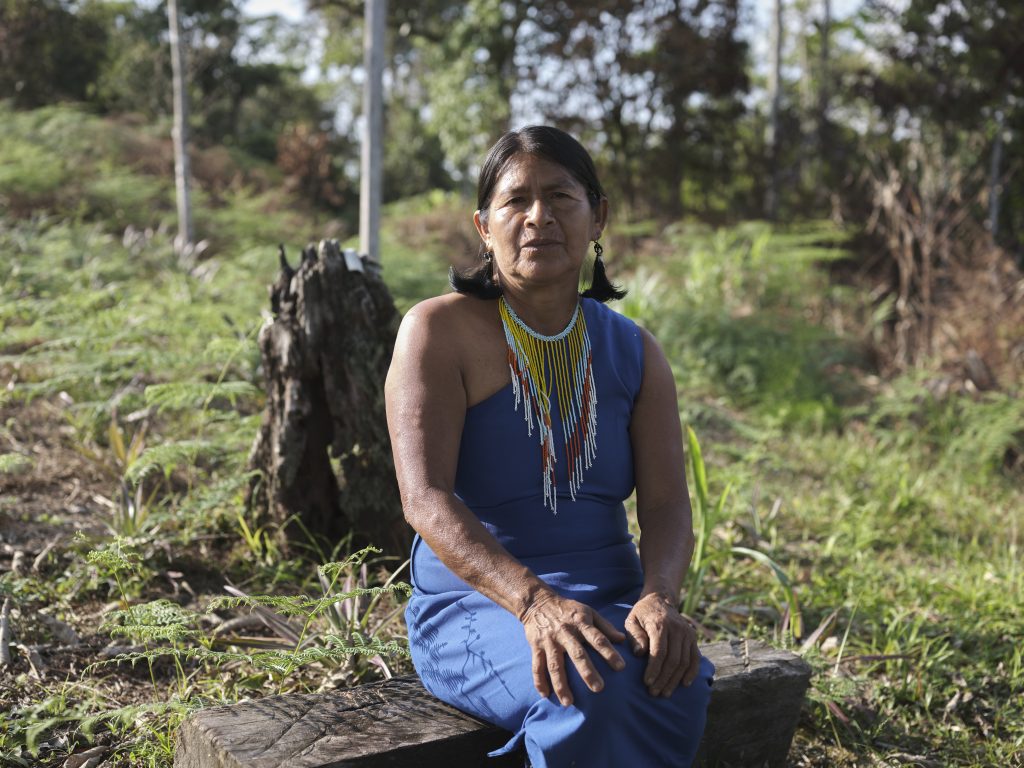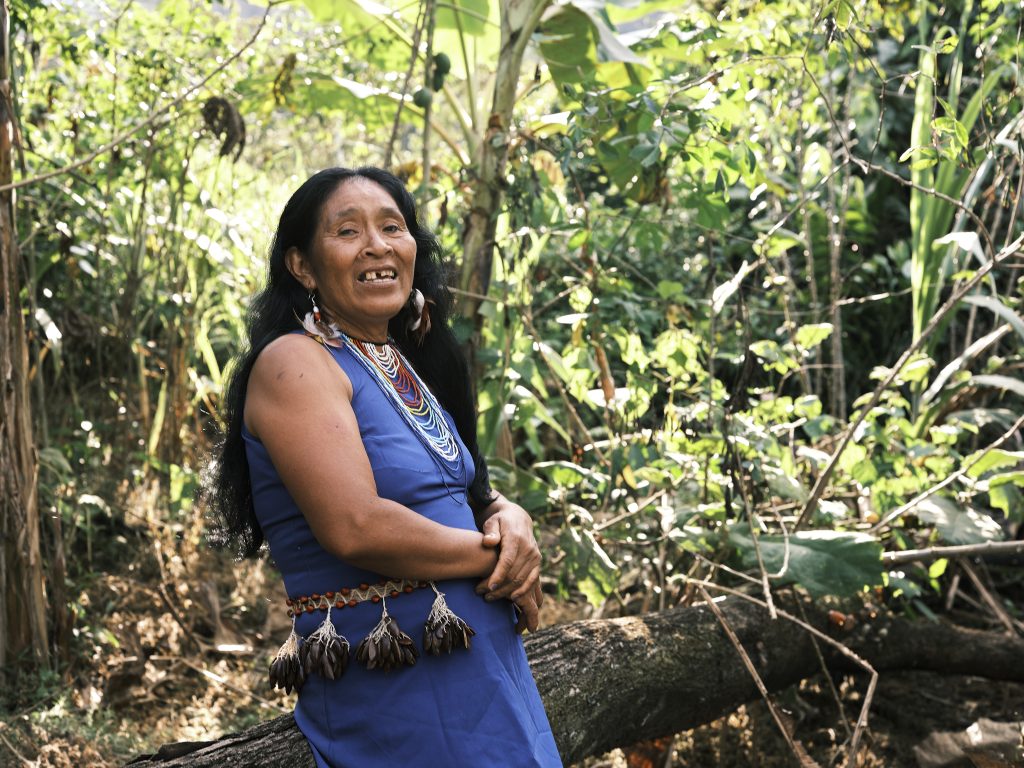
*Sus testimonios evidencian que la crisis climática y las actividades extractivistas las afectan de manera diferenciada, incrementando su vulnerabilidad económica y social. Sin embargo, no solo resisten, sino que también construyen soluciones basadas en el conocimiento y sabiduría ancestral, la producción sostenible y la autonomía económica.*
*El relato enfatiza la relación inseparable entre territorios, identidades y derechos, destacando que la conservación no es solo una cuestión ambiental, sino un acto de justicia social y cultural.*
*Karla Reátegui, primera mujer prefecta, ha logrado que Zamora Chinchipe sea la segunda provincia de Ecuador en implementar el Plan de Acción PdI REDD+ para proteger sus bosques y combatir el cambio climático, al que ha denominado «Plan Sembrando Vida».*
Este proyecto fue posible gracias al apoyo de Re:wild.
**Tags:** Biodiversidad, Ecuador, Personas
**Strategic Area:** Comunidades Locales
**Country:** Ecuador
**Content Type:** Evento
---
### [CUIDAR: Cooperación transfronteriza para la protección de la cuenca Mayo-Chinchipe ](https://www.natureandculture.org/es/directorio/cuidar-cooperacion-transfronteriza-para-la-proteccion-de-la-cuenca-mayo-chinchipe/)
**Published:** March 22, 2025
**Author:** Nora Sanchez
**Content:**
La cuenca binacional Mayo-Chinchipe nace en el sur del Ecuador, en la provincia de Zamora Chinchipe, parroquia Valladolid, y atraviesa los cantones de Palanda y Chinchipe, extendiéndose hacia las provincias transfronterizas de San Ignacio y Jaén, en el departamento de Cajamarca, al norte del Perú. Su importancia radica en ser un afluente esencial del río Marañón, uno de los principales tributarios del Amazonas, consolidándola como un ecosistema clave para la biodiversidad y el acceso al agua en la región fronteriza.

En abril de 2022, con el respaldo del Gobierno de Bélgica, el Gobierno Flamenco y Join For Water, Protos Andes, en alianza con Naturaleza y Cultura Internacional Ecuador y Perú, la Universidad Nacional de Loja y la Universidad Nacional de Jaén, inició la ejecución del Proyecto CUIDAR: Derechos, Agua y Resiliencia, enfocado en la gestión sostenible de los recursos hídricos en la cuenca Mayo-Chinchipe.
El Proyecto CUIDAR ha desarrollado estrategias orientadas a la conservación de los ecosistemas hídricos, con el propósito de fortalecer la resiliencia socioecológica de las comunidades locales y garantizar la disponibilidad del agua para el consumo humano. En este marco, se han implementado acciones para mejorar y optimizar los sistemas de abastecimiento de agua en las poblaciones de Palanda, Chinchipe, San Ignacio y Jaén, priorizando aquellas con mayor vulnerabilidad hídrica.
Planta de Tratamiento de Agua Potable, El Porvenir del Carmen – Ecuador
La cuenca Mayo-Chinchipe, al ser un sistema transfronterizo, integra procesos ecológicos y sociales, lo que vincula directamente a las comunidades de Ecuador y Perú con sus recursos hídricos. Esta interconexión ha sido determinante para la adopción de un enfoque de gestión integral del agua, donde la conservación de los ecosistemas acuáticos y terrestres se establece como pilar fundamental para garantizar la sostenibilidad del recurso a largo plazo.
Recientemente, el equipo del Proyecto CUIDAR realizó un recorrido por la cuenca Mayo-Chinchipe para evaluar los avances alcanzados tras tres años de implementación. El análisis determinó que el proyecto avanza conforme a lo planificado, consolidando su impacto en la conservación ambiental y el bienestar de la población que depende de estos recursos hídricos.
### **Gestión del agua y protección de ecosistemas**
Uno de los ejes fundamentales del proyecto CUIDAR ha sido el fortalecimiento de la infraestructura hídrica, la conservación de ecosistemas estratégicos y la restauración de áreas degradadas, asegurando el acceso al agua para consumo humano.
Origen de la cuenca Mayo-Chinchipe – Cerro Toledo, Palanda – Ecuador
Además, se ha trabajado en la mejora y repotenciación de los sistemas de abastecimiento, priorizando comunidades con mayor vulnerabilidad hídrica en Palanda, Chinchipe, San Ignacio y Jaén. Paralelamente, junto con las comunidades locales, se han implementado medidas de conservación en ecosistemas estratégicos, como páramos, bosques siempre verdes montanos y bosques secos interandinos, fundamentales para la regulación del clima y la provisión de agua.
En la zona baja de Jaén, donde el Chinchipe desemboca en el Marañón, se han establecido estrategias específicas para reducir la degradación del suelo y preservar la cobertura vegetal, minimizando los efectos del cambio en los usos del suelo.
### Restauración y protección del agua en la cuenca Mayo-Chinchipe
Para garantizar la calidad y disponibilidad del agua en esta región, el proyecto CUIDAR ha desarrollado un enfoque integral que combina protección de fuentes hídricas, reforestación y gobernanza comunitaria.
En este contexto, se han establecido procesos de restauración y resguardo de fuentes de agua, asegurando su disponibilidad para el consumo humano. Estas acciones han sido esenciales para mantener el ciclo del agua y mitigar la degradación ambiental.
Además, se ha trabajado en la reforestación y conservación productiva, restaurando 82 hectáreas mediante sistemas agroforestales asociados con café. Este esfuerzo, desarrollado en convenio con el Gobierno Parroquial de Valladolid y la Asociación de Cafetaleros Ecológicos de Palanda (APECAP), no solo recupera la cobertura vegetal, sino que también fortalece prácticas agrícolas sostenibles entre los productores locales de Ecuador.
A esto se suma la implementación de acuerdos de conservación, mediante los cuales se han protegido 381 hectáreas de bosque nativo en Ecuador, vinculando a productores orgánicos comprometidos con la conservación forestal y el manejo sostenible del territorio. De esta manera, se garantiza la permanencia del bosque en los territorios que dependen de la cuenca, asegurando su estabilidad ecológica a largo plazo.
Acuerdos de conservaciónAcuerdos de conservaciónAcuerdos de conservación
En el Perú se ha trabajado con las cooperativas cafetaleras La Prosperidad de Chirinos, Valle del Café y Los Lirios para optimizar sus sistemas de producción. Como resultado, se han firmado nueve acuerdos de conservación y compensación, permitiendo la protección de 2,042 hectáreas de bosque en acuerdo con la población local.
Estas asociaciones han establecido 29 hectáreas de sistemas agroforestales en los distritos de La Coipa y Chirinos, además de impulsar la reforestación de tres hectáreas de bosque montano que conecta el norte y el sur del Área de Conservación Regional Bosques El Chaupe, Cunía y Chinchiquilla, en San Ignacio.

Asimismo, a través del proyecto CUIDAR, se ha fortalecido las capacidades en el desarrollo de la Escuela de Agua dirigido a los funcionarios técnicos de los gobiernos locales en el tema de la gestión de los recursos hídricos.La gestión comunitaria del agua ha sido otro pilar clave en este proceso. Se han conformado comités binacionales de manejo del agua, en los que líderes y lideresas comunitarias han recibido capacitación y participan activamente en la toma de decisiones sobre la administración y uso sostenible del recurso hídrico.
Cindy Díaz Horna, representante de la Asociación para el Desarrollo Integral de Chontalí (Perú), afirmó: ***“La Escuela del Agua convoca a diversos actores comprometidos con la conservación, pero lo que más me inspira es poder enseñar a niñas, niños y adolescentes que proteger nuestra biodiversidad no solo transforma nuestro entorno, sino que también nos empodera, especialmente a las mujeres. Ese es el verdadero desarrollo integral: asumir un rol activo en el cuidado del agua y de los territorios.”***
Cindy Díaz Horna, Asociación para el Desarrollo Integral de Chontalí (Perú)Victoria Alberca, Asociación de Productores Orgánicos La Chacra (Ecuador)
> Victoria Alberca, presidenta de la Asociación de Productores Orgánicos La Chacra (Ecuador), señaló: ***“Si queremos tener un mundo sostenible y equitativo, debemos cuidar el agua y proteger la cuenca Mayo-Chinchipe. Esto es más que un proceso, es un camino colectivo que requiere la participación de mujeres, hombres y diversidades. Cuidar el agua implica también visibilizar y fortalecer el liderazgo de las mujeres, porque su participación protagónica es clave para garantizar la protección justa de este recurso vital”***
A medida que el proyecto CUIDAR avanza, estas acciones se consolidan como un modelo de restauración y manejo del agua en ecosistemas transfronterizos. En otras palabras, la conservación no solo es viable, sino esencial para garantizar el acceso equitativo a este recurso en la región.
### **Cooperación binacional para la conservación del agua**
***“La unión de esfuerzos locales y la cooperación internacional reafirma el compromiso de proteger los ecosistemas frágiles y degradados a través del proyecto CUIDAR”***, señaló Patricio Jaramillo, coordinador de Naturaleza y Cultura Internacional para el proyecto en Ecuador. ***“Este trabajo conjunto no solo ha permitido mejorar los accesos al agua en cantidad y calidad, sino que también ha consolidado la cooperación entre Ecuador y Perú, garantizando el bienestar de las comunidades fronterizas y la protección de su entorno natural”***, agregó.
Patricio Jaramillo (Naturaleza y Cultura Internacional), Segundo Jaramillo (alcalde de Palanda) y Bart Dewaele (Join for Water)
En Perú, se ha trabajado en el Plan de Cuencas Binacional, liderado por la Universidad Nacional de Jaén, con el objetivo de comprender el contexto hídrico compartido entre Perú y Ecuador, así como las principales amenazas que afectan estos ecosistemas, como la minería ilegal, la tala y la quema. Estas actividades incrementan la vulnerabilidad de los bosques montanos y páramos. Este documento servirá como una herramienta clave para la toma de decisiones y el desarrollo de proyectos de cooperación, orientados a fortalecer capacidades técnicas y recuperar espacios degradados junto con la población. «Es fundamental trabajar de manera integral y con la participación de la Autoridad Local del Agua», explicó Iván Mejía, jefe de proyectos de Naturaleza y Cultura Internacional Perú.

***“Esta zona forma parte del Corredor de Conservación Transfronterizo Andino Amazónico, que abarca más de dos millones de hectáreas de páramos y bosques montanos en Perú y Ecuador. A través de proyectos como CUIDAR y con iniciativas de financiamiento, como el Fondo del Agua de los Andes del Norte, hemos logrado integrar a las comunidades campesinas, las autoridades y la cooperación internacional en la protección y recuperación de estas fuentes naturales de agua”***, agregó Mejía.
La cuenca Mayo-Chinchipe es un claro ejemplo de cómo la gestión transfronteriza del agua y la conservación de ecosistemas son posibles cuando hay cooperación entre países y comunidades. Las estrategias del proyecto CUIDAR pueden constituir un modelo replicable en otras cuencas de América Latina que enfrentan desafíos similares.
Felipe Serrano, director Naturaleza y Cultura Internacional (Ecuador), señaló que la comunidad debe sentirse orgullosa, ya que esta zona, además de ser el lugar de origen, domesticación y uso del cacao, es también el lugar donde nace la cuenca Mayo-Chinchipe. Sus nacientes de agua son fundamentales para el equilibrio hidrológico y ecológico de la región, favorecen la biodiversidad y fortalecen las actividades productivas locales.
Bart Dewaele, director general de Join For Water, destacó durante su visita a las comunidades que dependen de la cuenca Mayo-Chinchipe que el proyecto CUIDAR ha cumplido con la planificación establecida hasta la fecha, en coordinación con todos los actores locales. Además, subrayó que la inclusión de las mujeres desde el inicio no solo les otorga voz, sino que también fortalece el respaldo comunitario.
Equipo binacional del proyecto CUIDAR
***“El proyecto CUIDAR es una valiosa expresión de solidaridad internacional, pues armoniza los intereses del agua para las personas con los de la naturaleza. Además, es un proyecto binacional, ya que abarca la cuenca hidrográfica del Mayo y del Chinchipe, que se extiende entre dos países. De este modo, también une a dos pueblos que, no hace mucho, estuvieron en guerra. Por ello, CUIDAR es, en esencia, un proyecto de paz a través del cuidado compartido del agua”***, señaló Dewaele.
El agua no reconoce fronteras. Su conservación, en cambio, depende de esfuerzos colectivos, donde comunidades, gobiernos y organizaciones trabajen en conjunto para garantizar la permanencia de este recurso vital para las presentes y futuras generaciones.
---
**Más información:**
Aida Maldonado
**Comunicación Ecuador**
<amaldonado@naturalezaycultura.org>
Gabriela Gives
**Comunicación Perú**
<comunicacion.peru@naturalezaycultura.org>
**Tags:** Agua, Areas de Protección Hídrica, Biodiversidad, Ecuador, Personas, Perú
**Strategic Area:** Agua
**Country:** Ecuador, Perú
**Content Type:** Blog
---
### [Farming with the Forest: Palmer’s Story from the Northern Andes](https://www.natureandculture.org/directory/farming-with-the-forest-palmers-story-from-the-northern-andes/)
**Published:** March 21, 2025
**Author:** Heather Thomas
**Content:**
### **Celebrating International Day of Forests 2025**
This International Day of Forests highlights how restoring forest landscapes and supporting local economies can secure a thriving future for people and nature alike.
In the highlands of Pacaipampa, Peru, Palmer Chuquihuanga Román has found more than just a livelihood in the land—he’s found his mission. A 42-year-old father of two, Palmer has dedicated his life to sustainable agriculture and livestock, growing plantains, cassava, corn, and coffee, and raising cattle. He’s also a conservationist at heart.
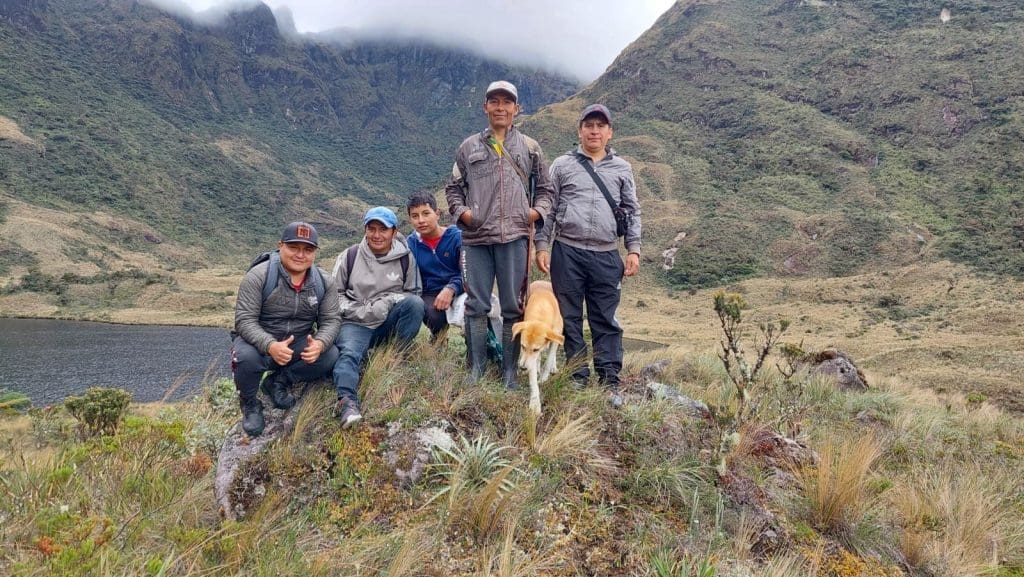Palmer Chuquihuanga Román and his community are committed to conserving natural water sources.
Over the last two years, Palmer’s commitment to conservation has deepened through a collaborative project focused on strengthening organic coffee production across the Northern Andes Conservation Corridor. Supported by the **Northern Andes Water Fund**, the **Binational Plan for Border Development Ecuador–Peru**, **Nature and Culture International**, and the **District Municipality of Pacaipampa**, this initiative helps farmers like Palmer improve coffee quality, increase income, and protect vital ecosystems.
As an agricultural specialist, Palmer not only cultivates conservation-grown coffee—he also provides technical assistance and training to fellow producers, helping improve their crops and forest nurseries.
> “It’s not just about producing—it’s about doing it right,” he says. “We need to take care of our water and ecosystems, because without them, there’s no future for our agriculture, livestock, or families.”
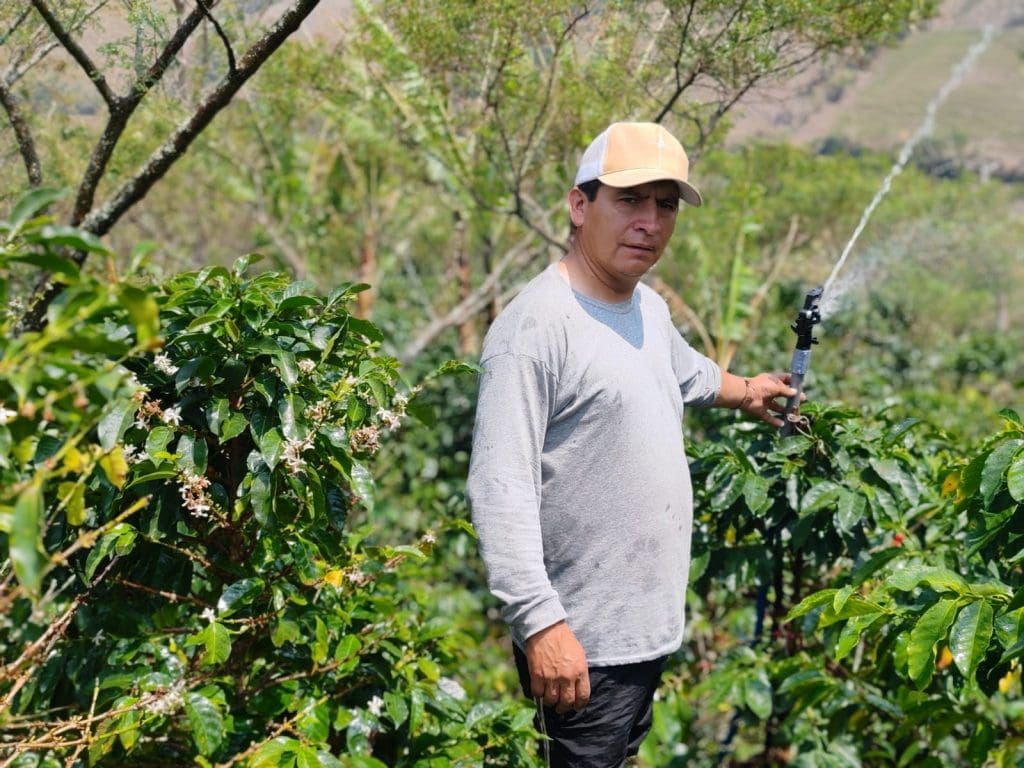Palmer Chuquihuanga Román has found not only his livelihood in the land, but also his purpose.
This work directly supports the conservation of the **“Páramos and Cloud Forests of Cachiaco and San Pablo” Protected Area**, 10,655 acres of highland ecosystems essential for water regulation and biodiversity. These forests and páramos act as natural water towers, sustaining both people and nature downstream.
“This is a great opportunity and support,” Palmer explains. “Besides improving our income, we’re planting trees that protect the soil and help retain water.”
**Palmer and his neighbors are showing that responsible agriculture and forest conservation can go hand in hand. By strengthening local economies and restoring forest landscapes, they’re helping to secure a future where their families, communities, and the ecosystems that sustain them can thrive for generations to come.**
**Tags:** Biodiversidad, Personas, Perú
**Strategic Area:** Local Communities
**Country:** Peru
**Content Type:** Blog
---
### [Machángara Tomebamba Wildlife Refuge](https://www.natureandculture.org/directory/machangara-tomebamba-declared-a-wildlife-refuge/)
**Published:** March 20, 2025
**Author:** Heather Thomas
**Content:**
- On September 22, 2023, Ecuador’s Ministry of Environment, Water, and Ecological Transition declared the Machángara Tomebamba Wildlife Refuge.
- On November 14, 2024, the Machángara-Tomebamba Wildlife Refuge was officially **expanded by 41,667 acres**.
- The area protects **103,339** **acres of fragile high Andean ecosystems**.
- Its conservation is essential for the local water supply, providing **more than 60% of drinking water to the region**.
The Machángara Tomebamba Wildlife Refuge, an invaluable natural treasure spanning **103,339** acres in Ecuador, was included in the National System of Protected Areas under the ‘Wildlife Refuge’ category in 2023 to ensure its long-term protection and conserve its rich biodiversity and expanded in 2024 to enhance the ecological connectivity of its landscapes. Located between the provinces of Azuay and Cañar in southern Ecuador, Machángara Tomebamba is a new core area of the [Cajas Massif Biosphere](https://www.natureandculture.org/protected-areas/cajas-massif-biosphere-reserve/), recognized by UNESCO on May 29, 2013.
Machángara Tomebamba Páramos **Credits**: Fabián Rodas \| Nature and Culture International
Since 1985, Machángara Tomebamba has been recognized as an “Area of Forest and Vegetation Protection” due to its vital role in providing essential services to the region. These services include supplying water for human use, irrigation, maintaining ecological balance, supporting industrial activities, and enabling hydroelectric power generation.
Over the past 25 years, various organizations have collaborated through the ‘Machángara River Basin Conservation Committee’ to implement a range of strategies to effectively manage the area and ensure the sustainable use of its natural resources. These efforts include promoting responsible agricultural practices, raising environmental awareness among the local population, conducting scientific research, monitoring the area, and fostering social responsibility. All of these endeavors are aimed at achieving the goal of harnessing the natural wealth of the area while preserving its ecological integrity.
The declaration of the Machángara Tomebamba Wildlife Refuge as part of the National System of Protected Areas reflects the strong commitment at both local and national levels to safeguard these high Andean ecosystems. Furthermore, its protection is particularly important for the city of Cuenca, since it supplies more than 60% of drinking water.
Machángara Tomebamba body of water **Credits**: Fabián Rodas \| Nature and Culture International
## **Connecting to Nearby Protected Areas**
The Machángara Tomebamba Wildlife Refuge improves the connection between ecosystems by linking with Cajas National Park (established in 1977), the Mazán Decentralized Autonomous Protected Area (established in 2021), and the Curiquingue – Gallocantana Decentralized Autonomous Protected Area (established in 2022). This connectivity is vital for ensuring the long-term sustainability of essential environmental services like supplying drinking water, regulating water flow, storing carbon, and supporting ecological processes.
## **A Biodiverse Paradise**
The Machángara Tomebamba Wildlife Refuge is home to an astonishing diversity of flora and fauna, with a total of 522 identified species, including some that are endemic to the region. Of these, 5 species are critically endangered, 13 are endangered, 31 are vulnerable, and 21 are near-threatened. Additionally, 28 species are listed in Appendices I and II of the Convention on International Trade in Endangered Species of Wild Fauna and Flora (CITES). In essence, this listing in CITES signifies that international measures and protections are in place to safeguard these 28 species and prevent their exploitation through trade, helping to protect their populations and conserve biodiversity.
Prominent species that rely on this habitat include the Andean bear (*Tremarctos ornatus*), the Andean condor (*Vultur gryphus*), the white-tailed deer (*Odocoileus virginianus*), as well as several amphibian species. Preserving these species is crucial for safeguarding Ecuador’s biodiversity and their contribution to maintaining the equilibrium of local ecosystems.
Camera Trap Image Credits: ETAPA EPCamera Trap Image Credits: ETAPA EP
An interesting fact is that in 2018, the species known as the ‘Sange Cutín’ (*Pristimantis erythros*) was described. This amphibian is distinguished by its bright red coloration, which is due to its poisonous skin. It exclusively inhabits the Machángara Tomebamba páramos, with a very limited distribution, which classifies it as ‘Endangered.’
Sange Cutín (*Pristimantis erythros*) Credits: Juan Carlos Sánchez
## **A Milestone for the Conservation of Machángara Tomebamba**
Despite existing conservation efforts, the Machángara Tomebamba Wildlife Refuge faces constant threats that endanger its future. Therefore, it is imperative to provide it with a legal status that ensures its long-term protection and supports ongoing conservation efforts.
The designation as a ‘Wildlife Refuge’ marks a significant step towards the protection and conservation of this natural treasure and reinforces Ecuador’s commitment to biodiversity and the well-being of local communities.
“With this declaration, the city of Cuenca now has 5 protected areas within the National System, as part of a strategy that adds to local efforts to preserve its páramos and forests, which are crucial for its present and future.”
Fabián Rodas, Coordinator at Nature and Culture International
Machángara Tomebamba Wildlife Refuge **Credits**: Nature and Culture International
## **ENHANCING ECOLOGICAL CONNECTIVITY**
On November 14, 2024, the Ministry of Environment, Water, and Ecological Transition approved the expansion of 41,667 acres to the Machángara-Tomebamba Wildlife Refuge, bringing it to **103,339** acres and creating a connectivity corridor with El Cajas National Park.

This achievement, which involves the provinces of Azuay and Cañar, presents an incredible opportunity to strengthen conservation efforts in southern Ecuador and enhance the ecological connectivity of its landscapes.
## **COLLABORATION FOR LONG-TERM CONSERVATION**
The Machángara Tomebamba Wildlife Refuge is a precious corner of Ecuadorian biodiversity, home to unique species, and a key provider of essential environmental services. Its designation as a “Wildlife Refuge” strengthens its conservation status as a legacy for future generations.
This declaration is the result of collaborative work involving the Ministry of Environment, Water, and Ecological Transition, the Machángara River Basin Conservation Committee, ElecAustro, ETAPA EP, the Environmental Management Commission, the Machángara Irrigation and Drainage Board, and the Socio Bosque Project. With technical support from Nature and Culture International and funding from the Andes Amazon Fund.
**Strategic Area:** Forests
**Country:** Ecuador
**Content Type:** News
---
### [Río Negro-Sopladora: Corridor Expansion in the Andes](https://www.natureandculture.org/directory/rio-negro-sopladora-expansion-corridor-in-the-andes/)
**Published:** January 31, 2025
**Author:** Heather Thomas
**Content:**
*On November 13, 2024, the Ministry of Environment, Water, and Ecological Transition approved the expansion of Río Negro Sopladora National Park, nearly doubling its size.*
The recent expansion added **79,363 acres** from the Tinajillas Río Gualaceño Protective Forest (declared in 2002), bringing the park’s total area to ****162,741 acres****, spanning the provinces of **Azuay** and **Morona Santiago**.
### Strengthening the Sangay-Podocarpus Corridor
Expansion of this national park strengthens a **major ecological corridor** in the Andes, securing vital ecosystems and species.
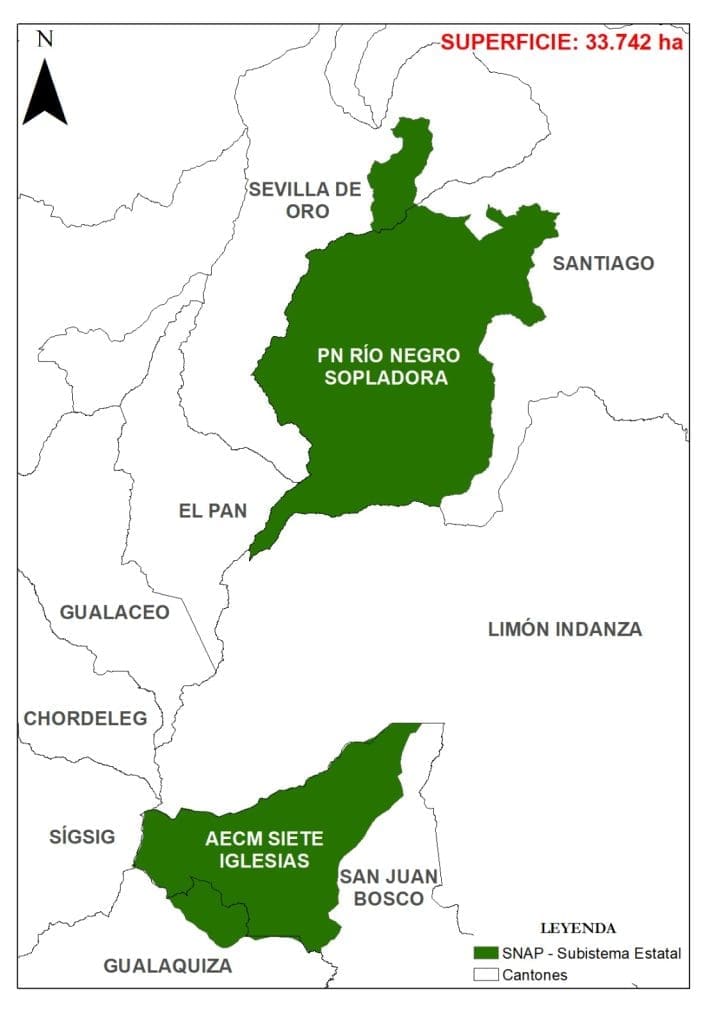
### Protecting Iconic Wildlife
The Río Negro-Sopladora National Park is a core area of the **Sangay–Podocarpus Connectivity Corridor**. This expansion strengthens connectivity between fragile ecosystems such as the parámos and cloud forests. The park is home to rare and threatened species like **spectacled bears, mountain tapirs, and Andean condors**—keystone species that need large, connected landscapes. It also connects at its southern limit with the Siete Iglesias Municipal Ecological Conservation Area.
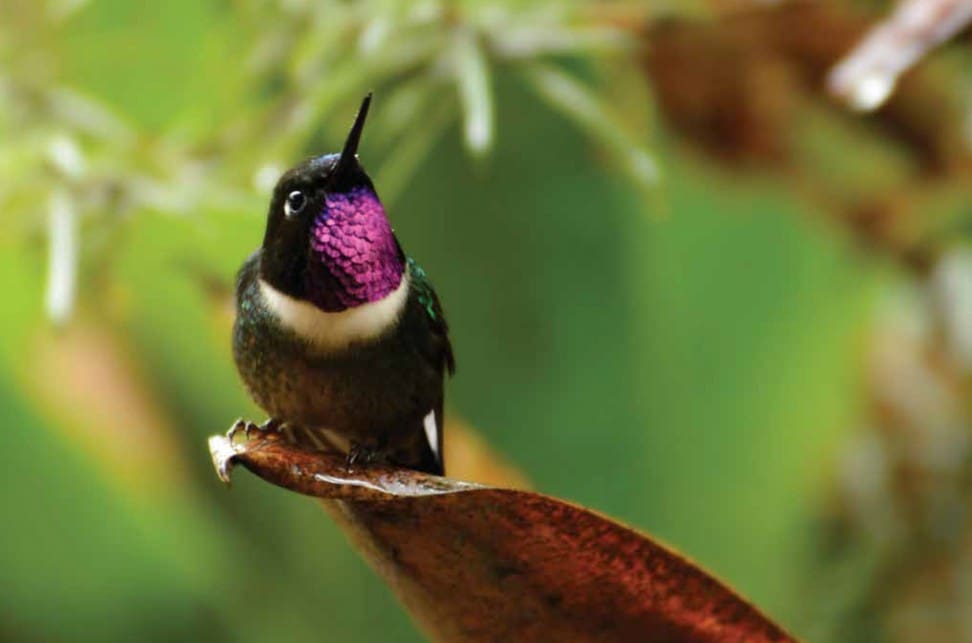
### A natural treasure at the service of all
Río Negro-Sopladora Park not only harbors **exceptional biodiversity**, with **344 vascular plant species, 136 bird species, 43 mammals, and 23 amphibians and reptiles** recorded so far but also provides **crucial ecosystem services** for surrounding communities. These include **water regulation** for hydroelectric projects like **Paute Integral and San Bartolo**, as well as **water supply for lowland communities**. The park safeguards **carbon storage** helping to **mitigate the effects of climate change** at both local and global levels, reinforcing conservation’s role in climate resilience.
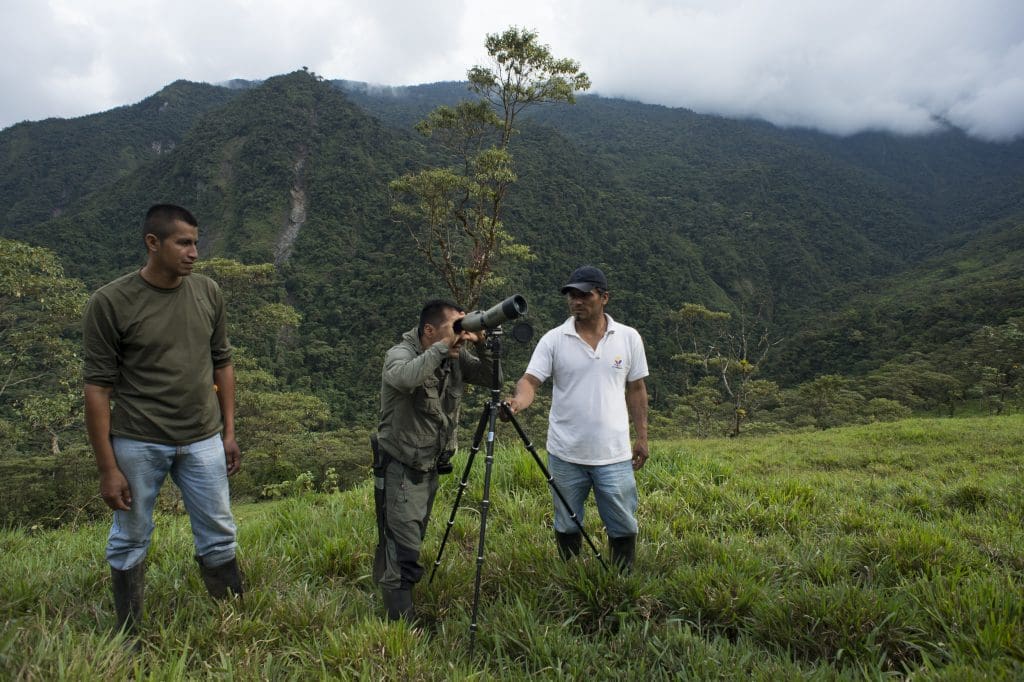
The expansion of this protected area strengthens **conservation tools** to tackle the challenges of **climate change, poaching, deforestation, and illegal mining**, aiming to **ensure the sustainability of ecosystem services for future generations** and **safeguard the livelihoods of local communities**.
### Collaboration for Conservation
The **expansion of Río Negro-Sopladora National Park** was made possible thanks to the commitment of the **Ecuador** **Ministry of Environment,** and the **Municipality of Limón Indanza**. The technical support of **Nature and Culture International** was generously funded by the **BLF Andes Amazónico project** and **The Stockell Family Foundation**.
These contributions build on the prior support of other organizations that recognize the **immense natural value** of this area and the **urgency of its protection**. The declaration of this protected area in **2018** and its first expansion in **2020** received support from the **Andes Amazon Fund**, which, along with **Re:wild, CEPF, and World Land Trust**, has provided key resources to strengthen its management.
The **Tinajillas Río Gualaceño Protective Forest**, where the park was recently expanded, has been managed by the **Municipality of Limón Indanza** through an agreement with the Ministry of Environment. To enhance its management, the municipality issued an ordinance in **2013** establishing a **Municipal Ecological Conservation Area**, which was updated in **2022** to create the **Tinajillas Río Gualaceño Conservation and Sustainable Use Area**. The **Municipality of Limón Indanza** has **consistently contributed** by funding **park administration and a corps of rangers** who carry out control, surveillance, monitoring, research, and environmental education activities. With **GIZ’s support**, infrastructure has been built for **park management, research, and sustainable tourism**, strengthening conservation efforts.
### About the BLF Andes Amazónico project
The **BLF Andes Amazónico Project** aims to transform **current systems in the Andes-Amazon landscape**, a **biodiversity-rich** and **culturally significant** transboundary region spanning **Peru and Ecuador**. The project focuses on **strategic interventions** in **biodiversity conservation, governance, gender equity, climate financing, and value chain development** to promote **sustainable livelihoods**, halt **deforestation and biodiversity loss**, and support **climate change adaptation and mitigation**.
**BLF Andes Amazónico** is funded by **UK International Development** through the **Biodiverse Landscapes Fund** and is implemented by a **consortium** led by **Practical Action**, which includes **Nature and Culture International, AIDESEP, WWF, TERRA NUOVA, and COSPE**.
**Tags:** Biodiversity, Connectivity, Conservation, Ecuador, Nature and Culture International
**Strategic Area:** Forests
**Country:** Ecuador
**Content Type:** Blog
---
### [Apicultura sostenible para la conservación del ACP "Comunal Cujillo” ](https://www.natureandculture.org/es/directorio/apicultura-sostenible-para-la-conservacion-del-acp-comunal-cujillo/)
**Published:** March 18, 2025
**Author:** Nora Sanchez
**Content:**
Talleres de apicultura sostenible se han implementado por parte de Naturaleza y Cultura Internacional (NCI) a los pobladores del distrito Cujillo, provincia Cutervo, departamento Cajamarca, a fin de fomentar una actividad productiva sostenible, que promueva el desarrollo económico de la comunidad y la conservación de la biodiversidad en el ACP “Comunal Cujillo”.
Cintya Lesbi Díaz, Técnico de campo de NCI, comenta que el desarrollo de estos talleres reafirma el compromiso de los cujillanos con la protección del ACP “Comunal Cujillo” y, además, significa una oportunidad para mejorar sus medios de vida: ***“Naturaleza y Cultura Internacional impulsa la apicultura como una alternativa sostenible que beneficia tanto a las áreas de conservación como a las comunidades locales fortaleciendo su economía local mediante la producción de miel y otros derivados”.***
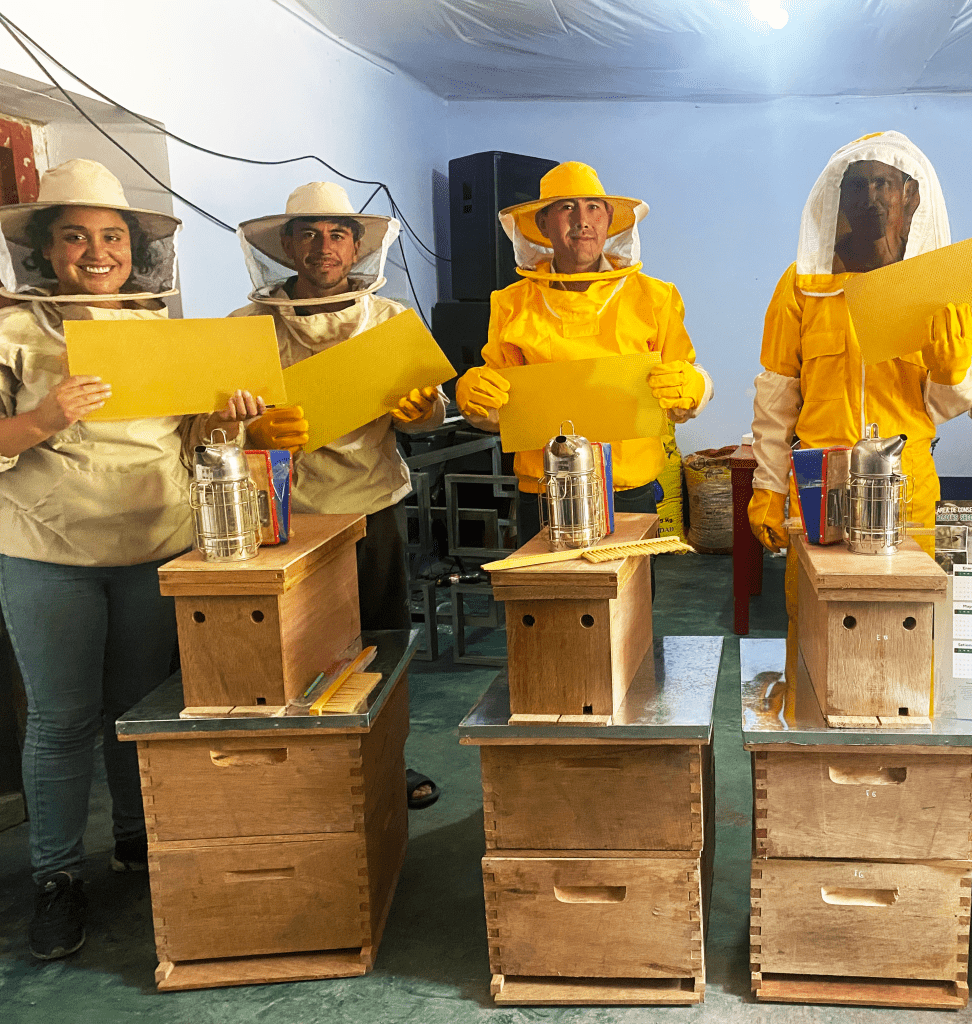Foto grupal de los pobladores participantes de los talleres
Los pobladores participantes de estos talleres se sienten agradecidos con esta iniciativa, así lo expresan a través del señor Isaías Gálvez Delgado, comunero de la Comunidad Campesina de Cujillo: ***“Nosotros estamos agradecidos con esta iniciativa para poder desarrollar esta actividad que nos ayudará económicamente y a la vez, preservando las abejas por el bienestar de nuestro medio ambiente, ellas cumplen un rol muy importante para conservar los recursos naturales de nuestra ACP”.***
### **Datos:**
- Esta área fue reconocida el día 23 de agosto del 2018 a través de la resolución ministerial N° 298-2018-MINAM y tiene como objetivo general conservar la cobertura vegetal de los bosques secos del Marañón presentes al interior del Área de Conservación Privada “Comunal Cujillo” ubicada en los distritos de Santo Tomás y Cujillo, provincia Cutervo, departamento de Cajamarca.
- Los talleres se continuarán realizando periódicamente hasta lograr los objetivos planteados, como la producción de miel de abeja.
---
**Más informacion:**
Gabriela Gives
**Comunicacion Perú**
<comunicacion.peru@naturalezaycultura.org>
**Tags:** Biodiversidad, Perú
**Strategic Area:** Comunidades Locales
**Country:** Perú
**Content Type:** Noticias
---
### [Aniversario ACR Alto Nanay Pintuyacu Chambira](https://www.natureandculture.org/es/directorio/aniversario-acr-alto-nanay-pintuyacu-chambira/)
**Published:** March 17, 2025
**Author:** Nora Sanchez
**Content:**
## *Compromiso con la Amazonía*
- *El ACR Alto Nanay Pintuyacu Chambira es hogar de más de 100 especies de mamíferos y 400 tipos de aves, y protege más de 954,000 hectáreas de bosques y fuentes de agua esenciales para la ciudad de Iquitos.*
- Fue creada con el objetivo de conservar la biodiversidad de la región y garantizar el uso sostenible de sus recursos.
Este 18 de marzo, el Área de Conservación Regional (ACR) Alto Nanay Pintuyacu Chambira celebra un aniversario más de su creación, reafirmando su compromiso con la protección de la biodiversidad. Pese a las amenazas que enfrenta, como la minería ilegal y la contaminación y deforestación que ésta conlleva, a lo largo de estos años se han impulsado diversas iniciativas de conservación en alianza con las comunidades ubicadas en su zona de influencia.
El ACR Alto Nanay Pintuyacu Chambira alberga una gran variedad de especies de flora y fauna, muchas de ellas endémicas y en peligro de extinción. Su gestión se lleva a cabo en colaboración con comunidades locales y diversas organizaciones, asegurando la conservación del ecosistema para las generaciones futuras.
En este esfuerzo, Naturaleza y Cultura Internacional (NCI) ha desempeñado un papel fundamental, brindando apoyo técnico y estratégico para la consolidación del área protegida. A través de proyectos con actividades de vigilancia y control, gobernanza y bionegocios, NCI ha contribuido activamente a la conservación de este ecosistema clave en la Amazonía peruana.
Un aspecto significativo en la gestión del ACR es el fortalecimiento de la vigilancia y el control de los recursos naturales. En este sentido, se destaca el rol de los Comités Locales de Vigilancia Pesquera Artesanal (COLOVIPAS), organizaciones comunitarias que protegen los recursos pesqueros mediante patrullajes y la prevención de infracciones, como la sobre pesca o sobre aprovechamiento de fauna. Su labor es clave para la conservación de la biodiversidad, la seguridad alimentaria y el bienestar de las comunidades locales. Además, ayudan a resolver conflictos pesqueros estableciendo acuerdos intercomunales sobre el uso sostenible de dichos recursos, promoviendo así prácticas de pesca responsables y la gestión comunitaria de los ecosistemas.
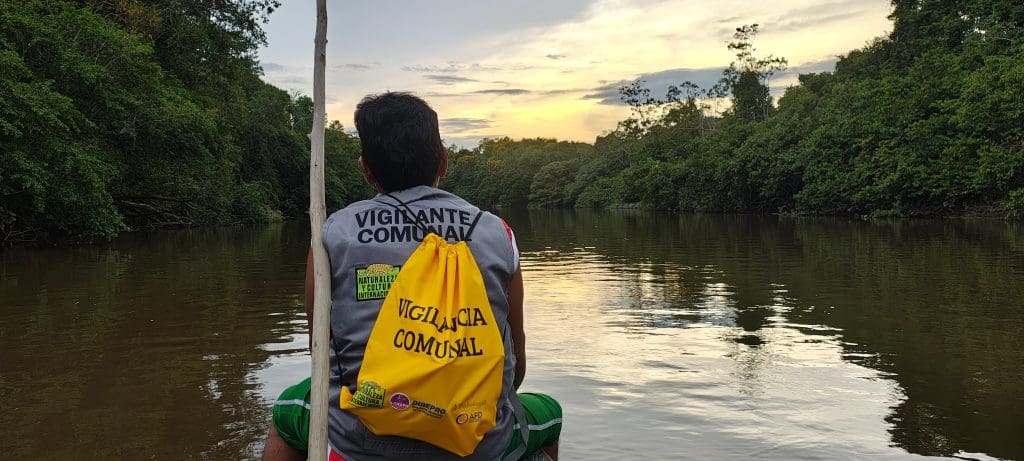Vigilante de COLOVIPA
En cuanto a la gobernanza del territorio, Naturaleza y Cultura Internacional ha promovido un enfoque participativo en la construcción e implementación del Mosaico Nanay-Tigre. Esta estrategia busca fortalecer la co-gestión de las comunidades en las cuencas del Nanay y del Tigre, articulando esfuerzos con instituciones del Estado y la sociedad civil. A través de acciones colectivas, se trabaja en la garantía de la seguridad hídrica y alimentaria, la lucha contra actividades ilegales y la promoción del desarrollo sostenible. Esta estrategia de gobernanza refuerza el compromiso de las comunidades con la conservación de los recursos, el bienestar comunal, la participación de la mujer y la conectividad de los ecosistemas.
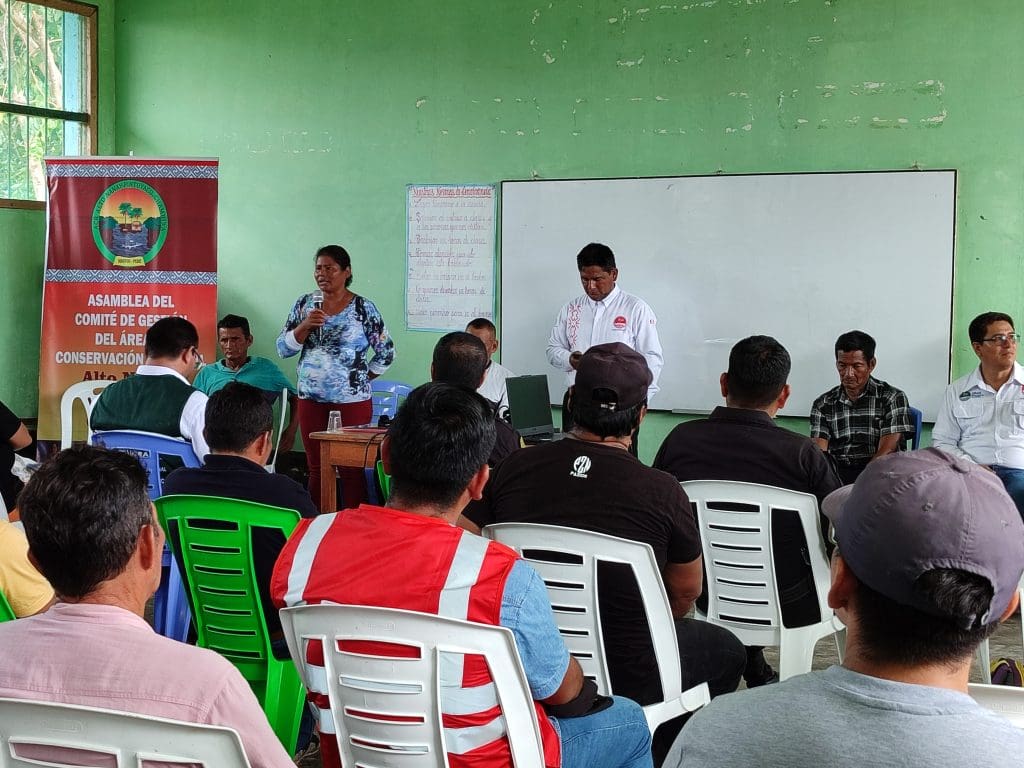Asamblea del Comité de Gestión 2024
Asimismo, las comunidades nativas de la etnia Ikiitu, cuyos miembros han habitado ancestralmente esta zona del Nanay, desempeñan un papel crucial en la conservación del ACR. A través de su participación en iniciativas de vigilancia comunitaria, las comunidades refuerzan la protección de los ecosistemas y fortalecen su identidad cultural.
[LEER: Ikíitu: El último Kuraka](https://www.natureandculture.org/es/ikiitu-el-ultimo-karaka/)
Adicionalmente, junto a comunidades aledañas al ACR, la etnia Ikiitu forma parte de la cooperativa “Bosques de la Amazonía”, en la cual utilizan materiales naturales extraídos de manera sostenible, como la chambira, para elaborar tejidos, cestería y artesanías en madera dura, entre otros productos. Estas piezas contribuyen no solo a la economía local, sino también a la conservación de los recursos naturales y el fomento de prácticas sostenibles.
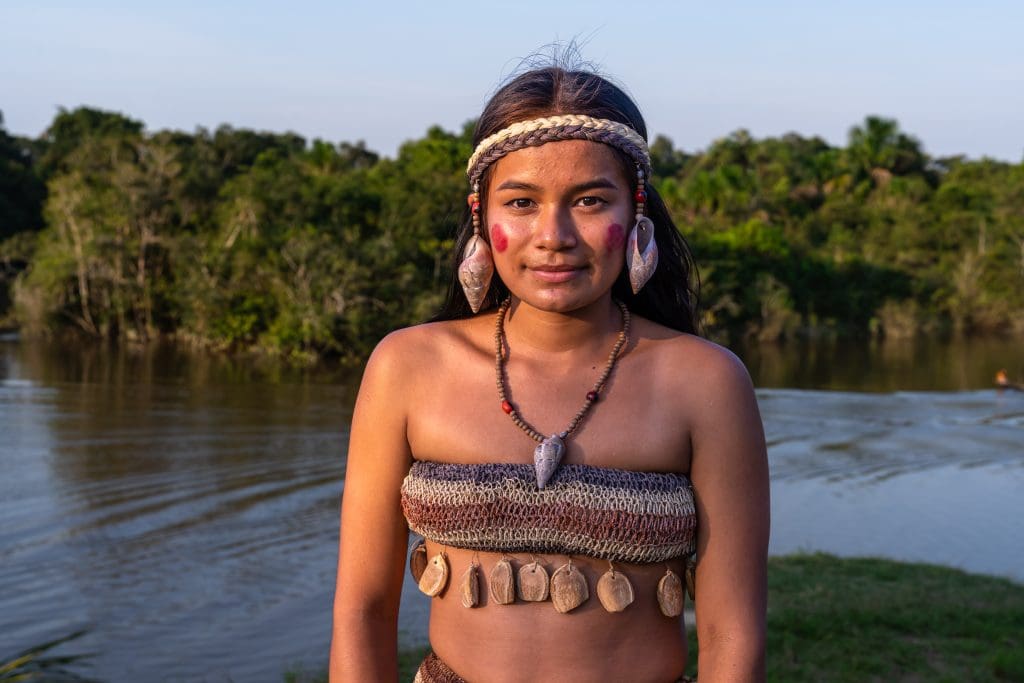Mujer luciendo artesanías Ikiitu
La conmemoración de este aniversario es una oportunidad para reflexionar sobre los logros alcanzados y los desafíos futuros en la gestión del área protegida. La conservación del ACR Alto Nanay Pintuyacu Chambira es un esfuerzo colectivo que involucra a comunidades, organizaciones y autoridades, demostrando que la protección de la biodiversidad y el desarrollo sostenible pueden ir de la mano. En este nuevo año de trabajo, el compromiso sigue firme: garantizar que este ecosistema invaluable continúe brindando beneficios a la región de Loreto y al planeta, asegurando un legado de naturaleza y vida para las futuras generaciones.
---
**Más informacion:**
Gabriela Gives
**Comunicación Perú**
<comunicacion.peru@naturalezaycultura.org>
**Tags:** Biodiversidad, Perú
**Strategic Area:** Bosques
**Country:** Perú
**Content Type:** Blog
---
### [Palmer, un conservacionista de corazón en Pacaipampa ](https://www.natureandculture.org/es/directorio/palmer-un-conservacionista-de-corazon-en-pacaipampa/)
**Published:** March 14, 2025
**Author:** Nora Sanchez
**Content:**
En Pumurco, Pacaipampa, Palmer Chuquihuanga Román ha encontrado en la tierra no solo su sustento, sino también su misión. Con 42 años y dos hijos, este productor ha dedicado su vida a la agricultura y ganadería, cultivando plátano, yuca, maíz, café, ganado vacuno, entre otros.
Palmer Chuquihuanga Román y su comunidad está comprometido con la conservación de las fuentes naturales de agua.
Desde hace 20 meses, su compromiso con la conservación se ha fortalecido gracias al proyecto ***“Incorporación de Innovaciones Tecnológicas para Fortalecer la Producción, Calidad y Comercialización de Café Orgánico en Tres Asociaciones del Corredor de Conservación Andes del Norte”*,** desarrollado por el Fondo del Agua Andes del Norte, Plan Binacional de Desarrollo Fronterizo Ecuador-Perú Capítulo Perú, junto con Naturaleza y Cultura Internacional y la Municipalidad Distrital de Pacaipampa.
Palmer, técnico agropecuario, además de producir café de conservación, apoya brindando asistencia técnica y capacitación para mejorar sus cultivos y fortalecer sus viveros forestales. ***“No se trata solo de producir, sino de hacerlo bien. Necesitamos cuidar el agua y nuestros ecosistemas porque sin ellos no hay futuro para nuestra agricultura, ganadería ni para nuestras familias”,*** afirma con convicción.
El Fondo del Agua Andes del Norte es un aliado clave en esta transformación. ***“Es una gran oportunidad y apoyo, porque además de mejorar nuestros ingresos, estamos sembrando árboles que protegen los suelos y retienen el agua”***, explica Palmer.
Palmer Chuquihuanga Román ha encontrado en la tierra no solo su sustento, sino también su misión.
Palmer y sus vecinos no solo están impulsando una agricultura más sostenible, sino que también están contribuyendo a la conservación de su Área de Conservación Ambiental (ACA) *“Páramos y Bosques Nublados de Cachiaco y San Pablo”*, que abarca 4,312.47 hectáreas. Ecosistemas fundamentales para la producción, regulación hídrica y la preservación de su biodiversidad.
Palmer y los demás productores saben que el futuro de sus familias depende del agua, y su esfuerzo diario es prueba de que es posible producir de manera responsable, asegurando el bienestar de su comunidad y de las generaciones venideras.
---
**Más informacion:**
Gabriela Gives
Comunicación Perú
<comunicacion.peru@naturalezaycultura.org>
**Tags:** Biodiversidad, Personas, Perú
**Strategic Area:** Comunidades Locales
**Country:** Perú
**Content Type:** Blog
---
### [Three Amazonian Provinces take the first step to create the largest biological corridor of continuous forest in Ecuador](https://www.natureandculture.org/directory/three-amazonian-provinces-take-the-first-step-to-create-the-largest-biological-corridor-of-continuous-forest-in-ecuador/)
**Published:** January 14, 2022
**Author:** Heather Thomas
**Content:**


# Three Amazonian Provinces take the first step to create the largest biological corridor of continuous forest in Ecuador
01/14/2022
**Strategic Area:** Climate - Forests -
**Content Type:** News
**Country:** Ecuador -
\[vc\_row\]\[vc\_column\]\[vc\_column\_text css=””\]
### Nature and Culture International and Governors of central-southern Amazon sign proposal to collaborate with Indigenous organizations committing to manage and protect over 11 million acres of continuous forest.
\[/vc\_column\_text\]\[/vc\_column\]\[/vc\_row\]\[vc\_row\]\[vc\_column\]\[vc\_column\_text\]
On December 28, 2021, Nature and Culture International and the governors of Morona Santiago, Pastaza, and Zamora Chinchipe signed an agreement to begin building and implementing the proposed “Amazonian Platform for Forests, Climate and Human Wellbeing.” The idea behind the Amazonian Platform is to form a collaborative agreement between the governors of the Ecuadorian Amazon and indigenous organizations to promote strategies that reduce CO2 emissions from deforestation and forest degradation, and conserve biodiversity. While originally conceived in 2017, three governors of the central-southern Amazon have now committed to take up and implement these strategies jointly and in alliance with the native peoples of the Amazon.
\[/vc\_column\_text\]\[/vc\_column\]\[/vc\_row\]\[vc\_row\]\[/vc\_row\]\[vc\_column\]\[/vc\_column\]\[vc\_column\_text css=””\] Signing Amazonian Platform proposal
By signing this proposal local authorities are committing to manage and protect the Conservation and Sustainable Use Areas (ACUS) of Pastaza, Zamora Chinchipe and Morona Santiago, which in total are around 11 million acres, making up the largest biological corridor of continuous forest in Ecuador. Nature and Culture International is working with the Province of Morona Santiago to declare almost 2.5 million acres as Conservation and Sustainable Use Areas. Last November, the governor of Morona Santiago [signed an agreement with the Shuar and Achuar indigenous nationalities and Nature and Culture](https://www.natureandculture.org/field-notes/new-horizons-almost-2-5-million-acres-of-intact-amazon-forest/), which ensured the creation of their Conservation and Sustainable Use Area that will protect biodiverse ecosystems such as the Kutukú and Condor Mountain ranges.
Representing the Shuar Provincial Federation of Zamora Chinchipe, Washinton Tiwi said that it is important to build and implement the proposal of the “Amazonian Platform for Forests, Climate and Human Wellbeing” together with indigenous communities, not only because they have proven to be the best guardians of the forests but also because indigenous communities have been affected by climate change. Tiwi added that it is important to complement this proposal with the life plans that the different nationalities have developed. He added that the exploration of local bioeconomies and the empowerment of women and youth are one of the main contributions the Shuar nationality would like to make to the Amazonian Platform proposal.

 From left to right, project coordinator for Nature and Culture International-Ecuador, Bruno Paladines, Zamora Chinchipe Governor Clever Jimenez, Morona Santiago Governor Rafael Antuni and Pastaza Governor, Jaime Guevara
“We must give more support to subnational governments and native peoples, and that is what is happening after years of struggle,” said Bruno Paladines, project coordinator for Nature and Culture International-Ecuador. Nature and Culture has been working since 2020 with the Pastaza government to developed its first REDD+ Implementation Plan jointly with the seven Amazonian nationalities of the province. This province is also part of the Governors’ Climate Forum, a forum made up of authorities from 38 states and provinces around the world who protect forests, reduce emissions, and enhance livelihood across one-third of the world’s tropical forests. Nature and Culture is also working to have Morona Santiago and Zamora Chinchipe included in the Governors’ Climate Forum.
 Pastaza rainforest, one of the three provinces protected with this proposal and part of the Governors’ Climate Forum, a forum made up of authorities from 38 states and provinces around the world who protect forests, reduce emissions, and enhance livelihood across one-third of the world’s tropical forests.
Local governments and indigenous nationalities have committed to reduce the carbon emission from deforestation and degradation of their forest by restoring degraded areas, implementing bioeconomy projects, promoting environmental education, enhancing sustainable livelihood projects, incorporating sustainable mobility, and managing conservation areas, among other initiatives. The governor of Pastaza, Jaime Guevara, emphasized during his speech that the agreement signed between the three provinces on December 28 is only the first stage. “The provinces of Sucumbios, Orellana, and Napo are expected to join the agreement at a later date”, he added.
These achievements have been made possible thanks to the support of the Norwegian cooperation and donors like you.\[/vc\_column\_text\]\[vc\_btn title=”Give Now” style=”custom” custom\_background=”#0f7d3f” custom\_text=”#ffffff” shape=”square” size=”lg” align=”center” link=”url:https%3A%2F%2Fgive.natureandculture.org%2Fgive%2F372763%2F#!%2Fdonation%2Fcheckout\|target:\_blank”\]\[vc\_column\]\[/vc\_column\]
**Strategic Area:** Climate, Forests
**Country:** Ecuador
**Content Type:** News
---
### [NCI Celebrates 20th Anniversary in Quito, Ecuador](https://www.natureandculture.org/directory/nci-celebrates-20th-anniversary-in-quito-ecuador/)
**Published:** December 28, 2016
**Author:** Heather Thomas
**Content:**
## *Nature and Culture International celebrates 20 years of conservation success with anniversary events in both North America and South America, bringing together the founders, partners, and supporters who have made NCI’s work possible.*
 Eugenio Espejo Convention Center in Quito, Ecuador.
Earlier this year, Nature and Culture International celebrated its [20th Anniversary in Del Mar](http://www.sandiegouniontribune.com/sdut-nature-and-culture-international-20th-anniversary-celebration-20161007-photogallery.html), CA. On 29 November 2016, NCI Ecuador commemorated the 20th Anniversary at the Eugenio Espejo Convention Center in Quito, Ecuador. The anniversary commemorated the institutional accomplishments of NCI from 1996 to 2016.
NCI was founded on 15 September 1996, with the establishment of the San Francisco Scientific Research Station (ECSF) in Zamora County of the Zamora Chinchipe province in Ecuador. With the aid of the German Foundation for Scientific Research, (DFG) along with Ecuadorian and German university counterparts, the world’s largest tropical montane forest ecology research program was launched in the form of ECSF.
During its 20 years, ECSF has implemented more than 80 research projects that have been funded by the German Foundation for Scientific Research. Six hundred and sixty-seven scientific publications of the highest caliber have been generated with research conducted at the ECSF, resulting in 40 Ecuadorian researchers obtaining Ph.D. and post doctorate degrees.
Three important agreements were signed at the anniversary celebration. The first was a letter of commitment between the Water Fund for the conservation of the Paute River (FONAPA) and NCI. Through this agreement, NCI will support FONAPA in the implementation of water and biodiversity conservation activities in the municipalities of Sígsig, Santiago, and Sevilla de Oro. All of these areas are within the Sangay-Podocarpus Conservation Corridor.
The second agreement was an interagency cooperative agreement between the Municipal Government of Gualaquiza and NCI. NCI will fund management activities of the Runahurco Municipal Ecological Conservation Area and the watersheds of the Yumaza and San Francisco rivers.
The third document signed was an inter-institutional cooperation agreement between the Municipal Government of San Felipe de Oña, the Rural Parish Government of Susudel and NCI. NCI will help to finance management of the newly created municipal conservation areas and sustainable activities in Oña and Susudel.
 NCI Vice President, Renzo Paladines and Mayor of Gualaquiza, Patricio Ávila.
For having supported NCI in its first 20 years of institutional life, NCI presented Certificates of Recognition to the Ministry of Environment, the German Program of Scientific Research; World Land Trust; Bos+ Tropen; Private Technical University of Loja (UTPL); United Nations Educational, Scientific and Cultural Organization (UNESCO); Ministry of Foreign Affairs and Regional Fund of Water (FORAGUA).
At the end of the night, NCI presented three painted clay statuettes of the Pacific Hornero (a species of bird native to southern Ecuador to: Dr. Roswitha Schönwitz, ex-director of the Plant Sciences Program of the DFG, Marcelo Pino provincial director of the Ministry of the Environment in Chimborazo Province, and to Zone 7 of the Environmental Ministry.
**Tags:** 20th Anniversary, Ecuador
---
### [Pueblo Maijuna traza su camino para el 2025 ](https://www.natureandculture.org/es/directorio/pueblo-maijuna-traza-su-camino-para-el-2025/)
**Published:** February 28, 2025
**Author:** Nora Sanchez
**Content:**
- *El pueblo Maijuna está conformado por cuatro comunidades: Sucusari, Puerto Huamán, Nueva Vida y Totolla, y según el último censo nacional (2017) solo 197 personas en todo el Perú se han autoidentificado como parte de la etnia Maijuna.*
- *La Federación de Comunidades Nativas Maijuna (FECONAMAI) llevó a cabo su encuentro anual para fortalecer su autonomía, evaluar su trabajo y planificar el futuro de su pueblo en el 2025.*
Con la mirada puesta en el futuro, el pueblo Maijuna se reunió para evaluar su camino recorrido y trazar nuevas estrategias que fortalezcan su autonomía y desarrollo en 2025. Durante dos días de intensa planificación, líderes y representantes de sus comunidades discutieron los principales retos y oportunidades para su pueblo.
El pueblo Maijuna es uno de los grupos indígenas más pequeños y vulnerables de la Amazonía peruana, con una población estimada de menos de 600 personas. Habitan principalmente en la región de Loreto y han luchado durante décadas por el reconocimiento de sus derechos territoriales y la conservación de su entorno natural, enfrentando amenazas como la deforestación, la minería ilegal y la expansión de proyectos extractivos.
Durante el encuentro, líderes y representantes de las comunidades Maijuna analizaron los principales desafíos que enfrenta su pueblo y establecieron objetivos prioritarios en ámbitos como la defensa territorial, la gestión de proyectos productivos, la educación intercultural y la salud comunitaria. Asimismo, reafirmaron su compromiso con la defensa de su territorio ancestral y la promoción de sus derechos como pueblo indígena.
Además, se evaluó el nivel de avance y cumplimiento del plan de trabajo 2024 de la federación representativa del pueblo Maijuna, del programa de liderazgo de mujeres Maijuna, así como del instrumento de gestión del área de conservación regional que impulsaron establecer, área de conservación regional “Maijuna- Kichwa”.
La reunión se desarrolló en un ambiente de diálogo y colaboración, con la participación de actores clave y aliados estratégicos comprometidos con la conservación y el fortalecimiento de la autonomía Maijuna. Se destacó la importancia de la planificación participativa como herramienta fundamental para la autodeterminación y el desarrollo sostenible de la comunidad.
El rol de Naturaleza y Cultura Internacional (NCI) en el trabajo con los Maijuna también fue destacado durante la reunión. En el marco de la planificación, Rusbel Tangoa, presidente de la FECONAMAI, enfatizó la contribución de NCI en diversas iniciativas comunitarias: “NCI está colaborando con el pueblo Maijuna en las actividades del Comité de Gestión, control y vigilancia, y alternativas económicas”.
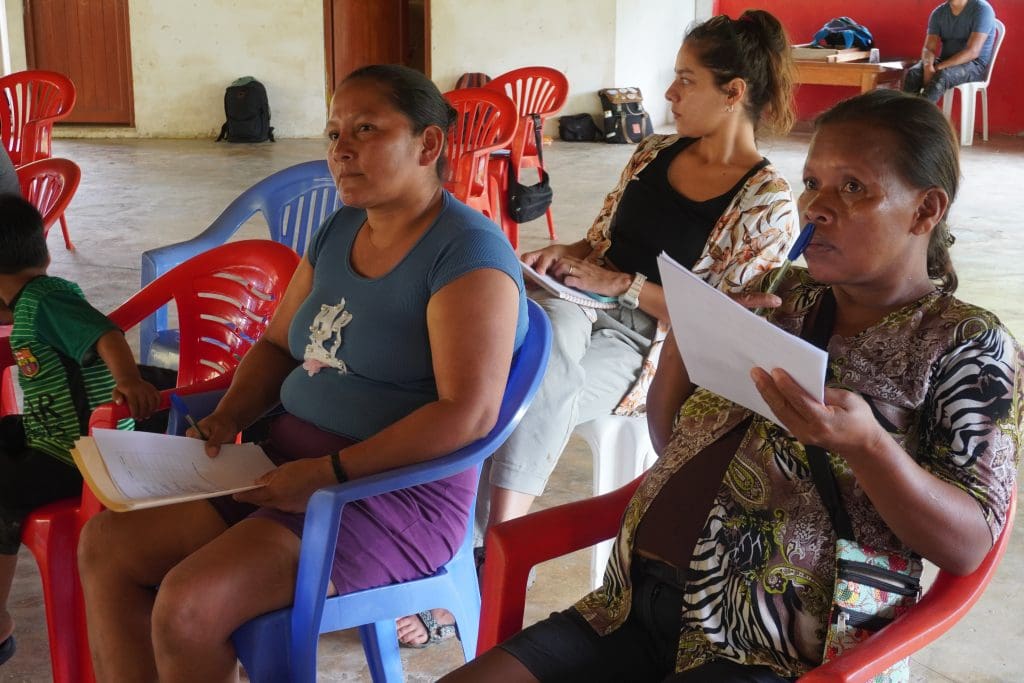Mujeres maijuna evaluando lo desarrollado del plan 2024
El empoderamiento de las mujeres en la comunidad también fue un tema clave en la reunión. Melba, una de las mujeres líderes Maijuna, hizo un llamado a la participación femenina: “Que todas las mujeres participen y opinen. A veces tienen vergüenza, tienen timidez. Alentar a las mujeres de que debemos salir a participar en toda reunión”.
FECONAMAI continúa liderando la lucha por la preservación de la cultura, el territorio y los derechos del pueblo Maijuna, buscando garantizar un futuro digno para las generaciones venideras.
---
**Más información:**
Gabriela Gives
**Comunicación Perú**
<comunicacion.peru@naturalezaycultura.org>
**Tags:** Perú
**Strategic Area:** Comunidades Locales
**Country:** Perú
**Content Type:** Noticias
---
### [Sernanp recibe expediente técnico del ACR Velo de la Novia ](https://www.natureandculture.org/es/directorio/sernanp-recibe-expediente-tecnico-del-acr-velo-de-la-novia/)
**Published:** February 24, 2025
**Author:** Nora Sanchez
**Content:**
El Gobierno Regional de Ucayali entregó el expediente técnico de la propuesta de Área de Conservación Regional (ACR) Velo de la Novia al Servicio Nacional de Áreas Naturales Protegidas por el Estado (Sernanp).
Durante el encuentro, el jefe de Sernanp, José Nieto, destacó la importancia de este esfuerzo para la protección de los bosques y su biodiversidad.
La propuesta del ACR Velo de la Novia, ubicada en la provincia de Padre Abad, busca garantizar la conservación de 16,585.53 hectáreas de bosques que albergan una gran diversidad de flora y fauna. Este esfuerzo contribuirá a la protección del ecosistema, asegurando la sostenibilidad de los servicios ambientales que brinda la zona y la mitigación del cambio climático.
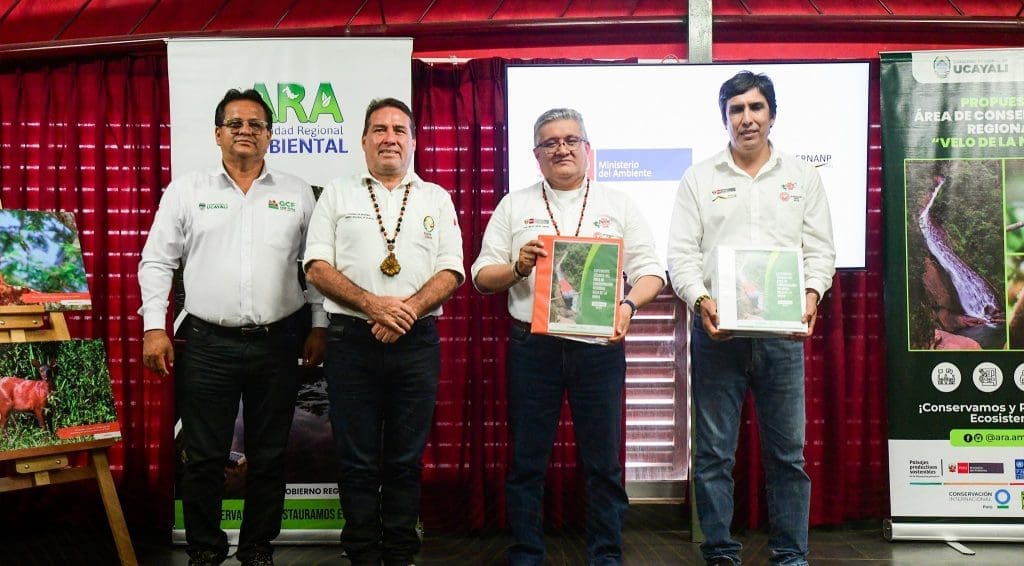El Gobierno Regional de Ucayali realizó entregó al Sernanp el expediente técnico de la propuesta de ACR Velo de la Novia
Es importante resaltar que el proceso para el establecimiento del ACR Velo de la Novia cuenta con el soporte técnico de Naturaleza y Cultura Internacional, organización que ha brindado asistencia en la elaboración del expediente técnico y en la articulación con actores clave para la oficialización de esta nueva área de conservación.
“La iniciativa del Gobierno Regional de Ucayali es fundamental para fortalecer la red de áreas protegidas y garantizar la conservación de la biodiversidad en la región. Con esta tercera ACR en Ucayali, se refuerza el compromiso con el desarrollo sostenible y la mitigación del cambio climático”, señaló Cristy Diaz, jefa de proyectos de Naturaleza y Cultura Internacional.
La creación del ACR Velo de la Novia representa un hito en la gestión ambiental del departamento de Ucayali y un avance en la protección de los bosques amazónicos, promoviendo un equilibrio entre el desarrollo y la conservación de los recursos naturales.
---
**Más informacion:**
Gabriela Gives
**Comunicación Perú**
comunicación.peru@naturalezaycultura.org
**Tags:** Biodiversidad, Perú
**Strategic Area:** Bosques
**Country:** Perú
**Content Type:** Noticias
---
### [Alianza para la protección de los páramos y bosques montanos de Piura](https://www.natureandculture.org/es/directorio/alianza-para-la-proteccion-de-los-paramos-y-bosques-montanos-de-piura/)
**Published:** February 20, 2025
**Author:** Nora Sanchez
**Content:**
El Gobierno Regional de Piura, a través de la Gerencia Regional de Recursos Naturales y Gestión del Medio Ambiente, sostuvo una reunión con Naturaleza y Cultura Internacional (NCI) con el objetivo de fortalecer las estrategias de protección y conservación de los páramos y bosques montanos de Piura, por ser importantes ecosistemas de regulación y provisión de agua.
Durante el encuentro, se abordaron temas esenciales como la protección de los ecosistemas frágiles, la gestión sostenible de los recursos naturales y las oportunidades de colaboración entre ambas instituciones.
Entre los puntos de mayor relevancia, destacó el reconocimiento oficial del Corredor de conservación Transfronterizo Andino Amazónico y el proceso de establecimiento del Área de Conservación Regional (ACR) Huaringas, una iniciativa desarrollada de manera colaborativa con los gobiernos y comunidades locales para garantizar la protección de este valioso territorio.
El Gerente Regional de Recursos Naturales y Gestión del Medio Ambiente subrayó la importancia de esta alianza, destacando que la reunión permite articular esfuerzos en beneficio de los ecosistemas de Piura. Por su parte, Guillermo Maraví, director ejecutivo de Naturaleza y Cultura Internacional, reafirmó el compromiso mutuo a través del convenio marco que rige la cooperación entre ambas entidades.
El equipo de Naturaleza y Cultura Internacional y de la Gerencia Regional de Recursos Naturales y Gestión del Medio Ambiente fortalecen estrategias de conservación de los ecosistemas andinos.
Uno de los aspectos clave mencionados por Guillermo Maraví fue la importancia del Corredor de Conservación “Andes del Norte”, una iniciativa que mejora la conectividad de los páramos y bosques montanos de Piura y la zona norte de Cajamarca, y a nivel transfronterizo, con los corredores Podocarpus-Yacuri y Sangay-Podocarpus en Ecuador, formandonoslos un Corredor Transfronterizo. **Este corredor de conectividad entre ambos países no solo protege la biodiversidad, sino que también garantiza la seguridad hídrica para las comunidades locales en el norte del Perú y el sur de Ecuador.**
Un dato interesante es que, en los Andes del Norte del Perú, se implementa el Mecanismo de Retribución por Servicios Ecosistémicos **“Fondo del Agua de los Andes del Norte”**, una iniciativa de conservación que busca la sostenibilidad financiera para proteger los ecosistemas que son fuente de agua para las cuencas Quiroz, Huancabamba – Chamaya, Alto Marañón y Chinchipe.
La alianza entre el Gobierno Regional de Piura y Naturaleza y Cultura Internacional representa un paso significativo en la gestión integral del territorio y la consolidación de iniciativas de conservación a largo plazo. Con estrategias conjuntas y el respaldo legal de la Ordenanza Regional emitida en 2024 que declara de interés el corredor de conservación Andes del Norte, ambas entidades reafirman su compromiso con la protección de los ecosistemas y el bienestar de las comunidades que dependen de ellos.
---
**Más informacion:**
Gabriela Gives
**Comunicacion Perú**
<comunicacion.peru@naturalezaycultura.org>
**Tags:** Biodiversidad, Perú
**Strategic Area:** Bosques
**Country:** Perú
**Content Type:** Noticias
---
### [Balsas Protected Area Expands, Strengthening Ecological Corridor](https://www.natureandculture.org/directory/balsas-protected-area-expands-strengthening-ecological-corridor/)
**Published:** November 19, 2024
**Author:** Kristen Heard
**Content:**
The **expansion of the Balsas Protected Area** in **El Oro province** is a significant step toward strengthening a **regional ecological corridor** that connects diverse and fragile ecosystems across southern Ecuador. What began in **2016 with 741 acres** has now grown to **6,096 acres**, enhancing the long-term protection of **water sources, biodiversity, and critical wildlife habitats**, while supporting the communities that rely on these landscapes.

### ****Part of a Larger Ecological Corridor****
This area is part of a larger effort to create a **regional ecological corridor**, linking the **dry forests of the Puyango Petrified Forest** with the **foothill and lowland Andean forests of the Buenaventura and Moromoro Reserves**. Covering more than **300,000 acres across 10 cantons** (similar to U.S. counties), this expanding conservation network **safeguards biodiversity, supports wildlife movement, and enhances climate resilience**.
### ****Protecting Wildlife and Critical Water Sources****
Within the **Catamayo-Alamor ecosystem**, the **Balsas Protected Area** preserves **vital evergreen forests** across both **piedmont and seasonal tropical zones**. These forests provide a safe haven for unique wildlife, including the **yellow-throated toucan (*Ramphastos ambiguus*)** and the **whooping motmot (*Momotus subrufescens*)**.
Great antshrike *(Taraba major)*Yellow-throated toucan (*Ramphastos ambiguus)*Gartered trogon *(Trogon caligatus)*
## Yellow-throated toucan call
In addition to providing habitat for wildlife, this area is essential for **securing clean drinking water** for local communities. It protects important water sources—including the **Acacias, Santa Elena, El Milagro, and San Roquillo micro-watersheds**—which provide fresh water to **Balsas and nearby towns like Bellamaría and El Palmal**.
### **Threats and Challenges**
The **Balsas Protected Area** faces threats from **deforestation, land-use changes, and expanding pig and poultry farms**. To address these issues, the **Municipal Government** is developing a **sustainable management plan** that balances **conservation, restoration, and responsible land use**. **Citizen contributions, collected through the potable water billing system, help fund this initiative.**

### **Next Steps for Conservation**
According to **Nature and Culture technician Luis López**, several priority actions have been outlined to **strengthen the management of the Balsas Protected Area**. A **Management Committee** of **municipal authorities** and **community members** will oversee conservation efforts. Additionally, **strategic signage** will be installed to mark the protected area and raise public awareness. **Zoning plans** will be implemented to designate areas for **strict conservation, restoration, and sustainable production**, ensuring responsible land use. Finally, **conservation agreements** with landowners will help **protect vital water sources and restore sensitive ecosystems**, reinforcing long-term sustainability.
### **Strengthening Conservation Through Collaboration**
Since **2016, Nature and Culture** has worked alongside the **Balsas Municipal Government** to strengthen conservation efforts in the region. This collaboration has been essential in **identifying and mapping priority areas**, developing **municipal ordinances** to guide conservation, and engaging local communities to **foster awareness and long-term stewardship**.
This initiative demonstrates how **partnerships between local governments, communities, and international organizations create lasting conservation impacts**. As part of a **larger regional effort**, the **Balsas Protected Area** contributes to a **sustainable conservation network**, ensuring **both biodiversity protection and community well-being for generations to come**.
The establishment of the Balsas Protected Area was made possible by the Municipal Government of Balsas, Nature and Culture, and with financial support from Andes Amazon Fund.
**Tags:** Biodiversidad, Ecuador
**Strategic Area:** Forests
**Country:** Ecuador
**Content Type:** News
---
### [Dry Forest Conservation and Water Protection: New Junín Protected Area ](https://www.natureandculture.org/directory/dry-forest-conservation-and-water-protection-new-sub-national-area-junin/)
**Published:** December 18, 2024
**Author:** Heather Thomas
**Content:**
#### With the establishment of the **Junín Protected Area**, the region takes a major step toward **protecting critical water sources and preserving fragile ecosystems**, reinforcing its commitment to conservation and sustainability.
The Junín Protected Area, established on December 16, 2024, marks a pivotal step in conserving the Pacific’s river confluence zone (*Estrella hídrica del Pacífico*) within Ecuador’s Manabí province. Spanning 28,402 acres of dry and evergreen forests along the Pacific coastal range, this area safeguards ten vital water sources that supply clean water to over 26,000 local residents.
The **“Estrella Hídrica del Pacífico”** (Pacific’s River Confluence Zone) refers to a **hydrological convergence area** where multiple rivers originate and flow toward the **Pacific Ocean**. These regions are **critical for water security**, as they provide fresh water for communities, agriculture, and ecosystems. They also support **rich biodiversity**, including species that depend on healthy watersheds and intact forests.
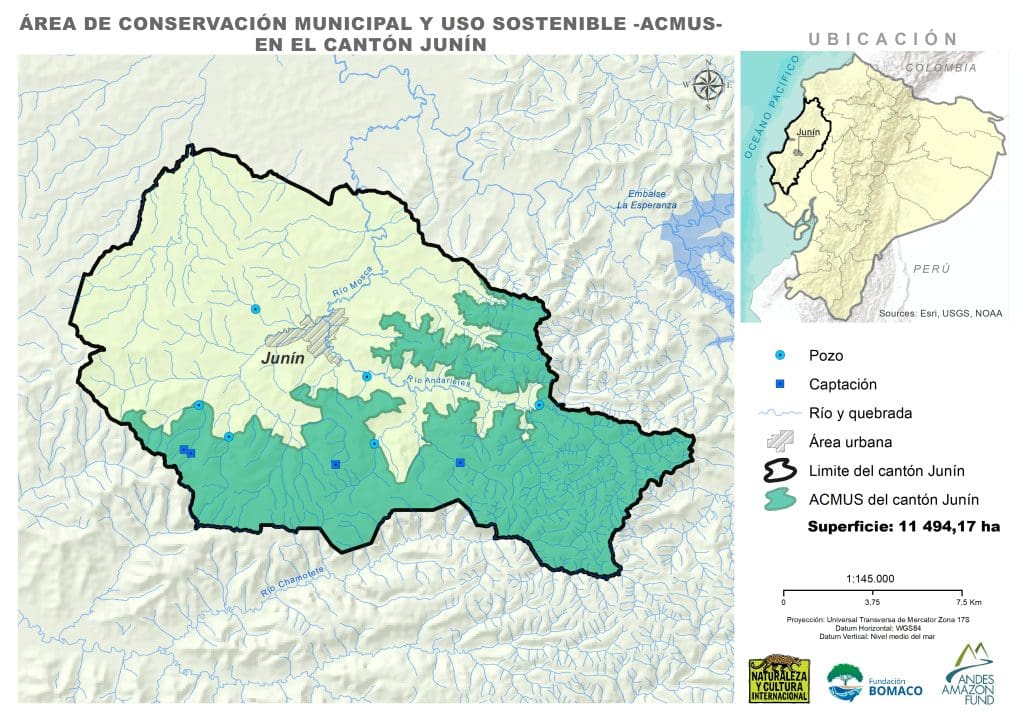
## Local **Biodiversity**
Junín is home to remarkable biodiversity. Notably, it provides critical habitat for threatened species such as the nationally critically endangered brown-headed spider monkey (*Ateles fusciceps*) and the endangered, endemic Esmeraldas woodstar (*Chaetocercus berlepschi*), a rare, tropical hummingbird found only in this region. These species highlight the ecological richness of the area, which faces urgent threats from deforestation.
## **Partnerships for Conservation**
The establishment of this protected area was a collaborative effort involving the Provincial Government of Manabí, local communities, and associations like the Santa Marta Women’s Group, with support from Nature and Culture and la Fundación Bosques, Mares y Comunidades (BOMACO). This initiative underscores the importance of community engagement and inter-organizational partnerships in achieving sustainable conservation outcomes. Key areas with high conservation potential were identified and validated through technical studies conducted with input from local communities.
Nature and Culture team with la Fundación Bosques, Mares y Comunidades (BOMACO)
According to José Romero, Project Coordinator for Nature and Culture, this milestone is just the beginning. It is the first of four planned subnational protected areas in Manabí, with future sites in Portoviejo, Bolívar, and Chone. “The designation of Junín is a major accomplishment that protects natural heritage and safeguards vital water sources for the communities that depend on them,” Romero stated.
## **Challenges and Next Steps**
Despite its ecological significance, the Junín region faces challenges from deforestation driven by agricultural and livestock expansion. To combat these threats, a sustainable management plan is being developed in partnership with local communities and government authorities. This plan aims to enhance land stewardship, promote sustainable practices, and ensure the long-term conservation of the area’s natural resources through active community engagement.
José Palma, a resident of Andarieles in Junín, emphasized the importance of this initiative:
*“With the creation of the Junín Protected Area, we can preserve these vital water resources that so many people depend on*. *We are pleased to have Nature and Culture here and to personally contribute to improving conservation, sustainability, and ecosystem protection.”*
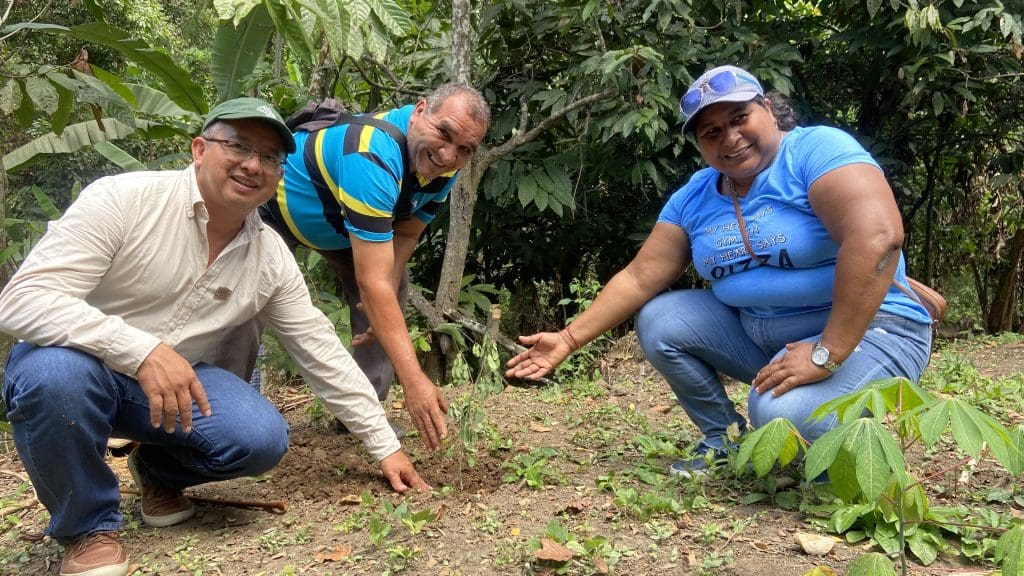
Lourdes Cusme, from the Cañas community and a member of the Santa Marta Women’s Group in Zone 11, shared a passionate plea for action:
*“Times are changing, and people have been cutting down trees, which is why we are raising awareness. We have important water sources, but they haven’t been adequately managed. We must protect them because, in the future, we will face serious problems. Now is the time to act, planting native trees and committing as a community to their care. The water sources are there, but we don’t take care of them as we should. Let’s raise awareness and protect our water sources because if we don’t, in the future, they may only exist in photos.”*
*“Times are changing, and deforestation is a growing problem. We have critical water sources, but they haven’t been cared for as they should be. We must act now, planting native trees and working together as a community to protect them. If we don’t, we’ll face serious problems in the future. Let’s raise awareness and protect our water—for if we don’t, it may only exist in photos someday.”*
## **A Collective Effort**
The Junín Protected Area serves as a model for future conservation efforts in Manabí, highlighting the critical role of protecting water sources and fragile ecosystems for the well-being of both wildlife and human communities. The establishment of the Junín Protected Area was made possible by the Municipal Government of Junín, Nature and Culture, local stakeholders, environmental institutions, community organizations, and with financial support from Andes Amazon Fund.
**Tags:** Ecuador, Protected Area
**Strategic Area:** Forests
**Country:** Ecuador
**Content Type:** News
---
### [Sistemas productivos ancestrales en la Amazonía ecuatoriana](https://www.natureandculture.org/es/directorio/sistemas-productivos-ancestrales-en-la-amazonia-ecuatoriana/)
**Published:** February 20, 2025
**Author:** Nora Sanchez
**Content:**
**Escrito por:** Gandy Grefa
### **¿Qué son los sistemas productivos ancestrales?**
Para cada una de las nacionalidades amazónicas, los sistemas productivos ancestrales tienen un significado especial, enraizado en su pueblo, realidad, vivencias y cultura. Aunque cada nacionalidad tiene su propio término —AJA en shuar y achuar, CHAKRA en kichwa, GÖNEA en waorani y TSIO en siona y siekopai— todos estos términos comparten la esencia de lo que son los sistemas productivos.
Al reflexionar con mujeres de las diferentes nacionalidades, coinciden en que los sistemas productivos ancestrales no se limitan al concepto genérico que se ha manejado a nivel regional, nacional y mundial. Este concepto ha sido construido desde una perspectiva externa a sus formas de vida y reduce la esencia de estos sistemas a “un pedazo de tierra que se utiliza para sembrar”.
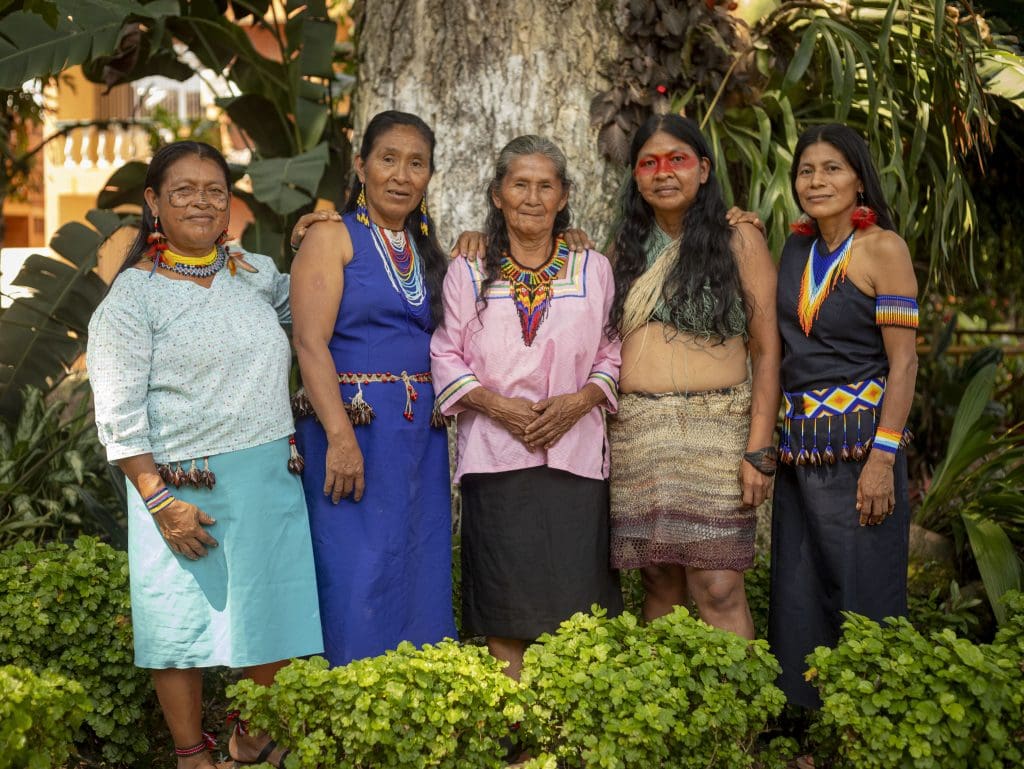Mujeres de distintas nacionalidades de la Amazonía ecuatoriana
La verdadera esencia de los sistemas productivos ancestrales trasciende lo físico y se manifiesta en un entramado de relaciones interpersonales, espirituales y generacionales. No puede reducirse a una simple definición o valor económico, pues su verdadero valor radica en su complejidad. Estas prácticas abarcan dimensiones culturales, espirituales y sociales que varían no solo entre las nacionalidades, sino también dentro de cada una de las familias que las componen. Las relaciones familiares, la interacción con los animales, los espíritus sagrados y el aprendizaje intergeneracional enriquecen su significado, creando espacios únicos que desafían cualquier intento de encapsularlos en conceptos simples.
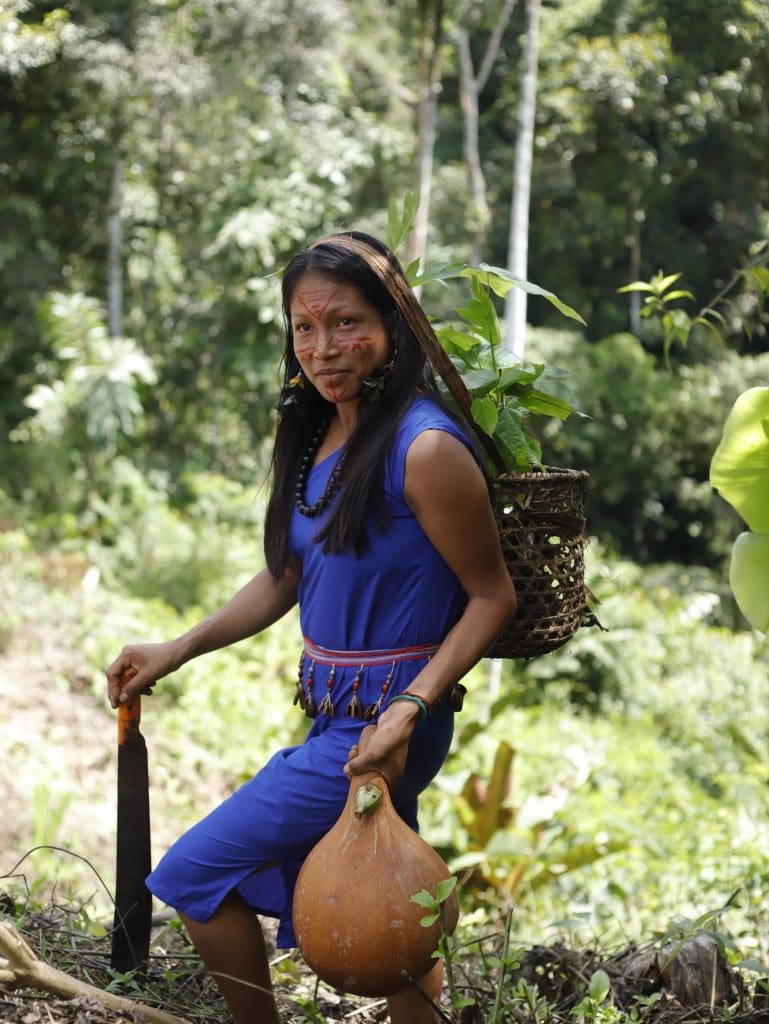
### **Cantos sagrados a los sistemas productivos ancestrales**
Las mujeres de las nacionalidades amazónicas son las verdaderas guardianas de los sistemas productivos, lo que les permite establecer una conexión profunda con su tierra. Para ellas, el canto es un medio sagrado que les permite comunicarse con los seres espirituales que habitan a su alrededor. Existen diversos cantos que acompañan sus rituales, como los de preparación del suelo, siembra, limpieza de las plantas y cosecha.
Sin embargo, en la actualidad, también resuenan cantos melancólicos que reflejan su lucha contra la creciente invasión extractivista de sus territorios. Estas melodías se convierten en poderosas herramientas de protesta, una forma de defender su hogar y preservar su legado cultural.
### **Amenazas a los sistemas productivos ancestrales**
Los sistemas productivos ancestrales se ven fuertemente amenazados por varios factores, siendo uno de los más graves la presión del desarrollo económico. Este desarrollo, llevado a cabo de forma acelerada, ha obligado a muchas comunidades amazónicas a adoptar métodos de agricultura intensiva, olvidando las prácticas sostenibles que han protegido a sus familias durante generaciones.
### **La lucha de las “Guardianas de la Semilla: La Resistencia de las Mujeres Shuar”**
El centro shuar El Kiim, ubicado en el área protegida comunitaria “Tiwi Nunka” en la provincia de Zamora Chinchipe, en la Amazonía ecuatoriana, enfrenta un desafío crucial: defender su visión del “buen vivir”, donde la convivencia armónica con la naturaleza y todos los seres vivos es esencial. La visión del territorio que promueve Tiwi Nunka, se fortalece en el contexto de defensa y conservación que lleva adelante el centro shuar El Kiim. Esta perspectiva es fundamental para asegurar la preservación de sus recursos naturales y su cultura.
Rosa Tiwi, líder de la comunidad, enfatiza la relación que los animales endémicos de su territorio tienen con el AJA: “*Los animales no son vistos como un daño, sino como parte integral de nuestro ecosistema”*. Sin embargo, la expansión de la frontera agrícola, la industria ganadera y la minería, que destruyen bosques y tierras sagradas, representan una amenaza inminente. Estas actividades han causado desequilibrios devastadores, como la proliferación de plagas (El desequilibrio ecológico causado por actividades humanas ha provocado la proliferación de especies que afectan la producción, sin ser culpa de los animales) que destruyen la producción local. Cada árbol talado y cada río contaminado no solo afecta la biodiversidad, sino que también destruye las formas de vida de las familias originarias.
*Rosa Tiwi exponiendo la importancia del “Aja Shuar”,* *en el V taller de la Plataforma Amazónica.*
Ante esta crisis, Rosa lidera una iniciativa con las mujeres shuar de su comunidad, impulsando un proyecto vital para la soberanía alimentaria. Han establecido un banco de semillas, recopilando, sembrando y repartiendo más de 170 variedades de plantas ancestrales entre las comunidades shuar. Este esfuerzo no solo busca preservar la biodiversidad, sino también fortalecer la economía local, diversificar la agroecología y garantizar la seguridad alimentaria. Además, organizan ferias donde comparten y celebran su herencia agrícola.
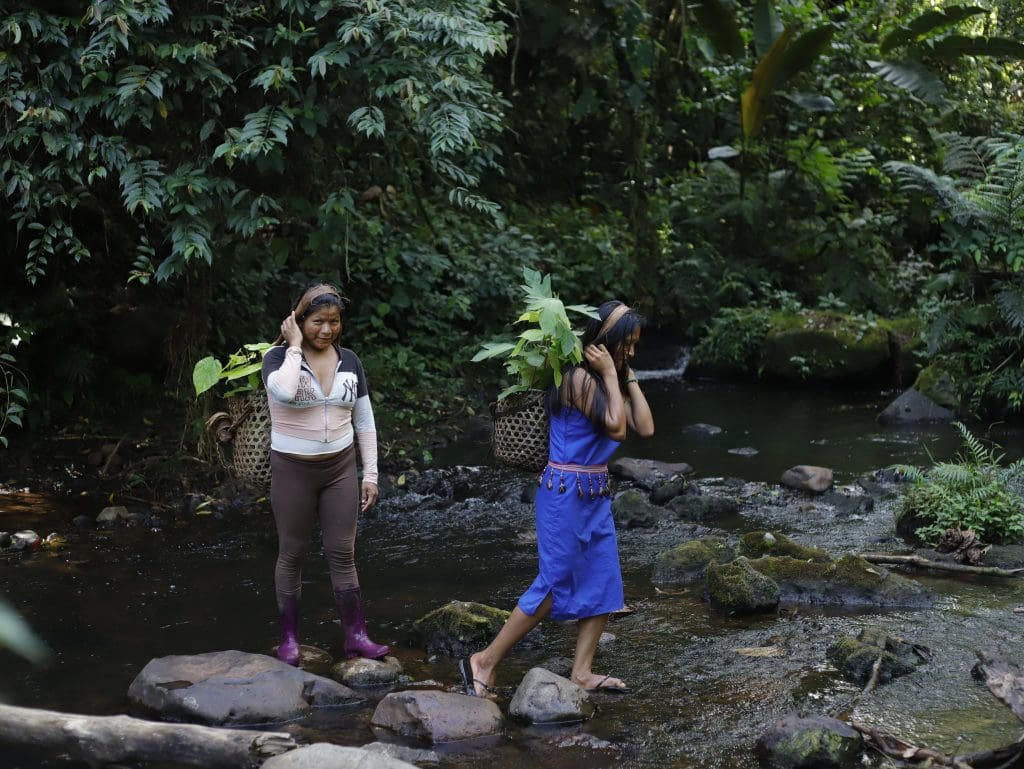
### **Apropiación del conocimiento ancestral**
Sin embargo, la lucha no termina ahí. Existe una creciente preocupación por la apropiación de sus conocimientos ancestrales por parte de las grandes industrias, quienes promueven monocultivos y ponen en peligro la existencia de las “AJAS”. Esta apropiación no sólo amenaza su sistema productivo ancestral, sino que también pone en riesgo su identidad cultural y acelera la crisis climática.
Las mujeres shuar de Zamora Chinchipe, como guardianas de sus tradiciones, se alzan con determinación, defendiendo no solo su hogar, sino también un modo de vida que respeta la tierra y todo lo que habita en ella. A través de la resiliencia y la organización, estas mujeres luchan no solo por su comunidad, sino que se han convertido en un faro de esperanza para quienes creen en la importancia de vivir en armonía con el entorno. Su historia es un llamado a la acción, recordándonos que el buen vivir es posible, siempre que estemos dispuestos a escuchar y aprender de quienes han protegido la tierra durante milenios.
### **Protegiendo el patrimonio natural y cultural de la Amazonía ecuatoriana**
La Plataforma Amazónica por los Bosques, el Clima y el Bienestar Humano es una iniciativa regional de co-gobernanza territorial entre los gobiernos subnacionales y los pueblos y nacionalidades de la Amazonía ecuatoriana para conservar y gestionar más de 5 millones de hectáreas del bosque continuo más grande del Ecuador, a escala provincial y de paisaje, e impulsar medios de vida sostenibles.
A través de esta alianza para proteger los territorios de vida de las nacionalidades, se implementan diversas propuestas destinadas a fortalecer su cultura y proteger el patrimonio . En la visión de la Plataforma Amazónica para los territorios amazónicos, la conservación y apoyo a los sistemas productivos ancestrales son una prioridad, ya que las nacionalidades sienten la urgente necesidad de salvaguardar saberes y prácticas que se están perdiendo de manera acelerada.
***Son espacios de resistencia y conservación, que sin duda hay que conocer, respetar y proteger.***
V Taller técnico de la Plataforma Amazónica por los Bosques, el Clima y el Bienestar Humano
---
**Más informacion**
Nora Sánchez
**Coordinadora de Comunicacion para América Latina**
<nsanchez@naturalezaycultura.org>
**Tags:** Biodiversidad, Ecuador
**Strategic Area:** Comunidades Locales
**Country:** Ecuador
**Content Type:** Blog
---
### [Se conforma Comité de Gestión del Corredor de Conservación Andes del Norte ](https://www.natureandculture.org/es/directorio/se-conforma-comite-de-gestion-del-corredor-de-conservacion-andes-del-norte/)
**Published:** February 13, 2025
**Author:** Nora Sanchez
**Content:**
En el Salón de Actos de la Municipalidad de Ayabaca se realizó una reunión con representantes del Gobierno Regional de Piura, autoridades locales, comunidades campesinas y Naturaleza y Cultura Internacional.
El objetivo fue socializar y conformar el Comité de Gestión del Corredor de Conservación Andes del Norte, ubicado en las provincias de Ayabaca y Huancabamba. Esta iniciativa responde al cumplimiento de la Ordenanza Regional N° 506-2024-GRP-CR, que declara de **interés regional** **su reconocimiento.**
Si bien, nuestro país no cuenta con una legislación que establezca corredores de conservación, es importante que los Gobiernos Regionales se comprometan con la protección del ecosistema bajo un respaldo legal.
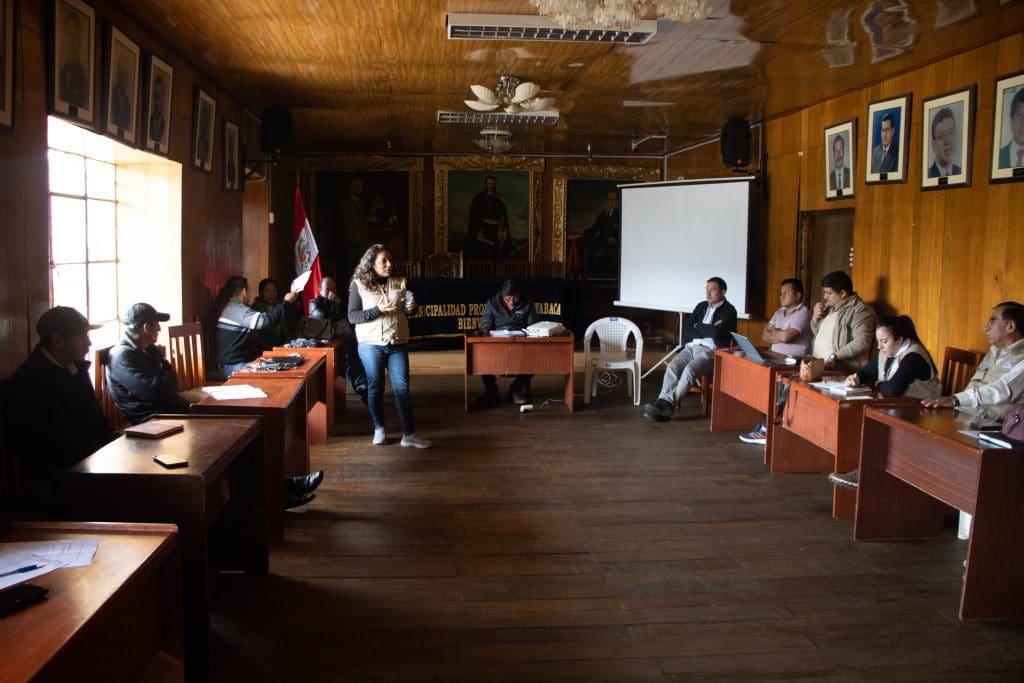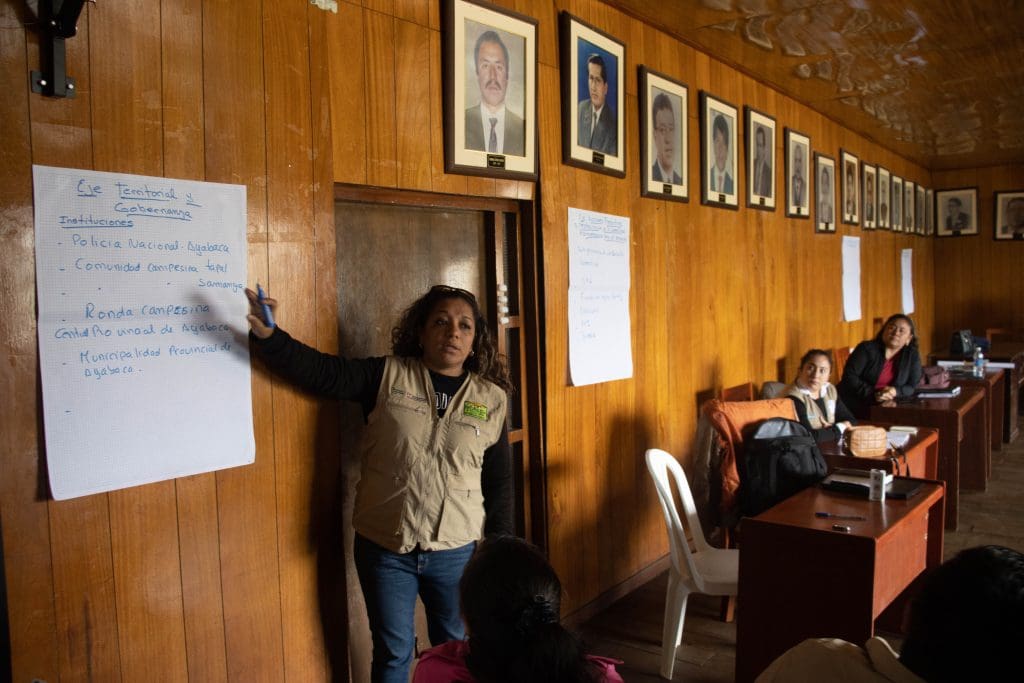
En ese sentido, la ingeniera Lucy Riojas, de la Subgerencia de Recursos Naturales y Gestión del Medio Ambiente del Gobierno Regional de Piura, expuso la ordenanza que reconoce al Corredor de Conservación Andes del Norte; por su parte, la bióloga Katty Carrillo presentó el Corredor de Conservación Transfronterizo Andino-Amazónico entre Perú y Ecuador, del cual forma parte el Corredor Andes del Norte.
Durante la reunión, se resaltó la importancia de contar con un comité de gestión sólido para la construcción e implementación de un plan de acción que garantice la sostenibilidad del corredor. Este plan de acción buscará articular esfuerzos entre diversos actores y promover iniciativas de conservación en la región, a favor de las fuentes naturales de agua y del hábitat de especies como el oso de anteojos y el tapir de montaña.
Los participantes trabajaron en la propuesta del modelo de gestión y eligieron a los representantes del Comité de Gestión. Se establecieron cuatro ejes temáticos con sus respectivos representantes (i) Eje Gestión territorial y gobernanza: Gerencia de Desarrollo Económico y Rondas Campesinas; (ii) Eje Acciones productivas y restauración de la conectividad ecosistémica: Subgerencia de Desarrollo Productivo y el Fondo del Agua de los Andes del Norte; (iii) Eje Acciones para la conservación de los recursos naturales: ACP Samanga y Naturaleza y Cultura Internacional y (iv) Eje Gestión del conocimiento con enfoque de género: UGEL Ayabaca y DEMUNA.
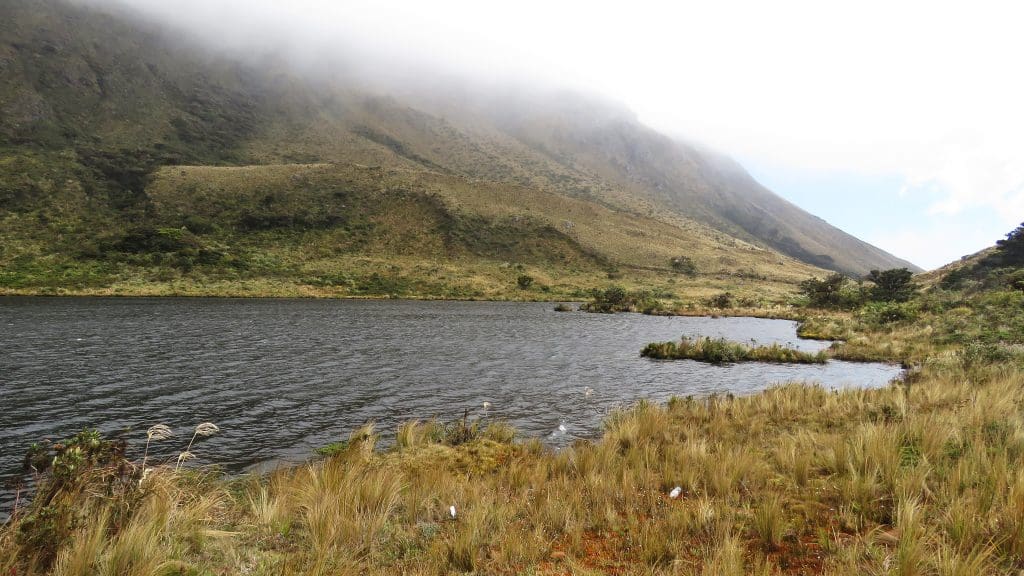
### **Un compromiso compartido**
Naturaleza y Cultura Internacional reafirmó su compromiso con la consolidación del Comité de Gestión y el desarrollo del Plan de Acción. La organización trabajará junto a las comunidades y entidades locales para fortalecer la gestión del corredor y asegurar la conservación de los ecosistemas andinos. Su participación será clave para la ejecución de estrategias que permitan la conectividad ecológica y el desarrollo sostenible en la región.
Las autoridades locales y la población de Ayabaca manifestaron su apoyo a la iniciativa, destacando la importancia del corredor para la gestión sostenible de los recursos naturales. Asimismo, se comprometieron a respaldar las acciones orientadas a la conservación y a participar activamente en futuras reuniones para la implementación de la ordenanza. Con estos esfuerzos conjuntos, se busca consolidar un modelo de gestión que garantice la preservación de la biodiversidad y el bienestar de las comunidades locales.
---
**Más informacion:**
Gabriela Gives
**Comunicacion Perú**
[comunicación.peru@naturalezaycultura.org](http://comunicación.peru@naturalezaycultura.org)
**Tags:** Biodiversidad, Perú
**Strategic Area:** Bosques
**Country:** Perú
**Content Type:** Noticias
---
### [Se fortalece la conservación en las comunidades Tapal y Samanga ](https://www.natureandculture.org/es/directorio/se-fortalece-la-conservacion-en-las-comunidades-tapal-y-samanga/)
**Published:** February 6, 2025
**Author:** Nora Sanchez
**Content:**
La conservación de los ecosistemas en Tapal y Samanga ha dado un paso fundamental con la elaboración de los planes de gestión 2023-2028 para sus Áreas de Conservación Privadas (ACP). Gracias al impulso de Naturaleza y Cultura Internacional (NCI), en el marco del proyecto Bos+, y al trabajo conjunto con la Municipalidad Provincial de Ayabaca, las comunidades campesinas y el Fondo del Agua Andes del Norte, estas herramientas permitirán garantizar la sostenibilidad de 908 ha en Tapal y 2,888.03 ha en Samanga.
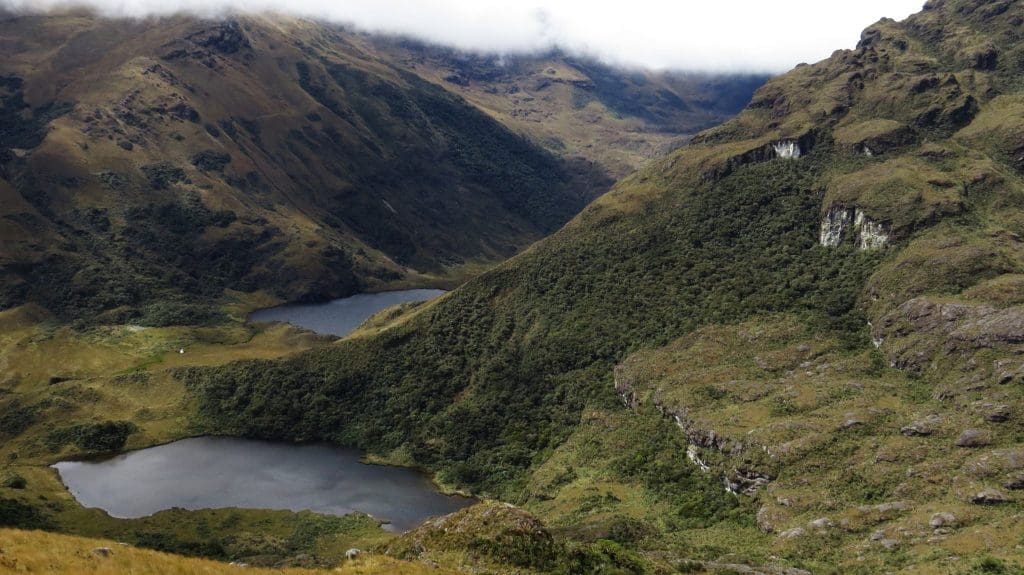Área de Conservacion Privada Tapal
Estos planes de gestión están estructurados en tres ejes fundamentales: ambiental, económico y sociocultural. Con su implementación, las comunidades mejoraran sus oportunidades de desarrollo haciendo un uso sostenible de sus ecosistemas frágiles. Además, estos instrumentos fortalecen el trabajo de la **Comisión Ambiental Municipal (CAM) de la Provincia de Ayabaca**, asegurando su compromiso con la conservación.
Para el Ing. Abel Calle, jefe de proyectos de Naturaleza y Cultura Internacional, estos documentos representan un compromiso real con la gestión territorial sostenible: “Este trabajo no solo fortalece la conservación, sino que también permite que las comunidades mejoren sus condiciones de vida sin comprometer con presiones negativas a sus ecosistemas. La CAM debe hacer suyo estos instrumentos y asegurarse de que se implementen eficazmente”.
Por su parte, la teniente alcaldesa de la Municipalidad Provincial de Ayabaca, Jovany Chuquimarca, destacó la importancia de la articulación con las comunidades y autoridades de la Provincia de Ayabaca. “Estos instrumentos son importantes para orientar nuestras acciones de conservación y desarrollo. Se alinean con el plan de trabajo de la CAM y permitirán que el municipio y las comunidades campesinas sigan avanzando juntos en la protección de nuestros ecosistemas”.
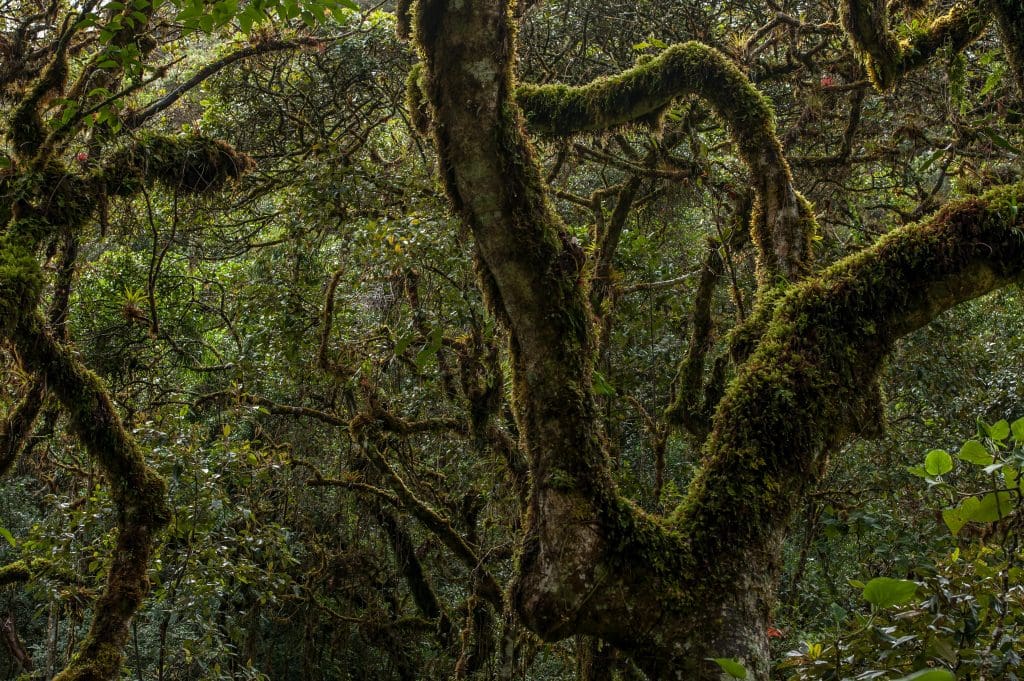Área de Conservacion Privada Samanga
El evento de socialización, realizado con el autoridades, regidores, líderes comunales y aliados estratégicos, marca un hito para continuar con el proceso de la conservación de los ecosistemas en Ayabaca. Gracias a iniciativas como estas, promovidas por Naturaleza y Cultura Internacional, Bos+, la Municipalidad Provincial de Ayabaca y El Fondo del Agua Andes del Norte, se refuerza la protección de los bosques y páramos, garantizando no solo la conservación de la biodiversidad, sino también la seguridad hídrica y el bienestar de las presentes y futuras generaciones.
---
**Más informacion:**
Gabriela Gives
Comunicacion Perú
[comunicación.peru@naturalezaycultura.org](http://comunicación.peru@naturalezaycultura.org)
**Tags:** Biodiversidad, Perú
**Strategic Area:** Bosques
**Country:** Perú
**Content Type:** Noticias
---
### [Humedales de Loreto: Tesoros Naturales en Peligro ](https://www.natureandculture.org/es/directorio/humedales-de-loreto-tesoros-naturales-en-peligro/)
**Published:** January 31, 2025
**Author:** Nora Sanchez
**Content:**
- *Hoy se conmemora el Día Mundial de los Humedales, una fecha clave para destacar la importancia de estos ecosistemas esenciales para la vida en el planeta.*
- *Estas áreas son el hogar de especies únicas y una fuente de vida y esperanza para las generaciones presentes y futuras.*
En Loreto, Perú, hogar de una vasta red de humedales y aguajales, el Día Mundial de los Humedales adquiere un significado especial debido al papel fundamental que desempeñan en la preservación de la biodiversidad y en el sustento de las comunidades locales.
### **Los humedales de Loreto: un pulmón vital para la Amazonía y el mundo**
Loreto cuenta con extensas áreas de humedales, incluidos pantanos, ríos, lagunas y aguajales, que se consideran una de las reservas más importantes de carbono del mundo. Estos ecosistemas no solo almacenan grandes cantidades de carbono, ayudando a mitigar el cambio climático, sino que también regulan el ciclo del agua y son el hábitat de una rica diversidad de especies de flora y fauna.
### **El aguaje y el huasaí: frutos de vida y sostenibilidad**
Entre los recursos más emblemáticos de los humedales de Loreto destacan el aguaje (*Mauritia flexuosa)* y el huasaí (*Euterpe precatoria*). El aguaje, conocido como el “oro de los humedales”, es una fruta rica en vitaminas y antioxidantes, altamente valorada tanto por sus propiedades nutritivas como por sus usos en la medicina tradicional. Su cultivo sostenible ofrece una fuente de ingresos para las comunidades locales, promoviendo la conservación de los aguajales.
**Foto:** Gino Tuesta / Naturaleza y Cultura Internacional
Por su parte, el huasaí, también llamado açaí amazónico, es otro recurso vital. Su jugo, conocido por su energía y propiedades beneficiosas para la salud, está ganando popularidad en los mercados internacionales, abriendo nuevas oportunidades para la economía local.
### **Amenazas y esfuerzos de conservación**
A pesar de su importancia, los humedales de Loreto enfrentan amenazas como la deforestación, la contaminación y el cambio de uso del suelo. La extracción no sostenible de recursos como el aguaje ha llevado a la degradación de muchos aguajales, poniendo en peligro los ecosistemas y los medios de vida que dependen de ellos.
Organizaciones como Naturaleza y Cultura Internacional (NCI) trabajan activamente en la conservación de los humedales en Loreto, promoviendo la gestión sostenible de los aguajales mediante iniciativas como la restauración ecológica, la capacitación a las comunidades locales y la implementación de buenas prácticas para la cosecha de aguaje. Estos esfuerzos buscan garantizar la salud de estos ecosistemas y el bienestar de las comunidades que dependen de ellos.
Por otro lado, organizaciones locales, junto con las comunidades de Loreto, están trabajando para proteger estos valiosos ecosistemas. Iniciativas como la cosecha sostenible de aguaje mediante el uso de técnicas que evitan la tala de árboles, así como programas de educación ambiental y restauración de humedales, están marcando la diferencia.
---
**Más información:**
Gabriela Gives
**Comunicación Perú**
<comunicacion.peru@naturalezaycultura.org>
**Tags:** Biodiversidad, Perú
**Strategic Area:** Bosques
**Country:** Perú
**Content Type:** Blog
---
### [Giving It Our All for Nature in 2025](https://www.natureandculture.org/directory/giving-it-our-all-for-nature-in-2025/)
**Published:** January 30, 2025
**Author:** Heather Thomas
**Content:**
> [@naturculturintl](https://www.tiktok.com/@naturculturintl?refer=embed "@naturculturintl")
>
> Giving It Our All for Nature in 2025
>
> [♬ original sound – Nature & Culture International](https://www.tiktok.com/music/original-sound-7465836540184677166?refer=embed "♬ original sound - Nature & Culture International")
With January drawing to a close, we’re looking ahead to a crucial year for conservation. Here’s how we plan to strengthen our mission in 2025 and beyond.
There’s no denying that 2024 was a challenging year. Communities around the world felt the effects of climate change firsthand: devastating floods, prolonged droughts, uncontrolled wildfires, and record-breaking temperatures. If there were ever a sign to act, 2024 gave it to us loud and clear.
But challenges are not roadblocks; they are calls to action. And action is what we do best.
#### 2025 is a critical year for nature. It is a year for bold action, for strengthening alliances, and for doubling down on our commitment to the planet’s most biodiverse places.
Over the last 25 years, Nature and Culture has worked to protect large, intact, and interconnected forests that sustain life, safeguard biodiversity, and help combat climate change. We believe that conservation is most effective when led by those closest to the land—local communities, Indigenous peoples, and regional governments. And in 2025, we are prepared to strengthen our efforts and expand our impact like never before!
## Our goals for 2025 onward
- **Expanding protected areas:** We will continue working with local and Indigenous partners to establish new protected areas, particularly in vital regions like the Amazon rainforest and the Andean-Amazonian Transboundary Conservation Corridor.
- **Strengthening long-term conservation efforts:** Creating a protected area is just the beginning. We are committed to safeguarding these landscapes for generations. This means implementing funding mechanisms and long-term strategies that guarantee effective conservation and management.
- **Fostering collaboration:** The challenges facing our planet cannot be solved alone. Conservation requires coordinated efforts from governments, local communities, Indigenous groups, and partner organizations. Together, we can scale up our impact and protect more land than ever before.
#### Together, let’s give it our all for nature!
**Tags:** Amazon, Conservation, Indigenous, Protected Area
**Strategic Area:** Forests
**Country:** Bolivia, Colombia, Ecuador, Mexico, Peru
**Content Type:** Blog
---
### [¡Démoslo todo por la Naturaleza en 2025!](https://www.natureandculture.org/es/directorio/demoslo-todo-por-la-naturaleza-en-2025/)
**Published:** January 30, 2025
**Author:** Nora Sanchez
**Content:**
Con enero llegando a su fin, nos preparamos para un año crucial para la conservación. En el 2025, redoblaremos esfuerzos para proteger la biodiversidad, fortalecer alianzas y garantizar que los paisajes que sostienen la vida permanezcan protegidos en el futuro.
La ayuda internacional y los contextos políticos pueden cambiar, pero nuestra misión sigue firme. Nos impulsan quienes están en el territorio y trabajan por él: líderes locales, conservacionistas, pueblos y nacionalidades indígenas.
**2024 fue un año desafiante.** Comunidades de todo el mundo sintieron de cerca los efectos del cambio climático: inundaciones, sequías prolongadas, incendios incontrolables y temperaturas récord. Si alguna vez hubo una señal de que debemos actuar con urgencia, el 2024 nos la dio con absoluta claridad.
*Pero los desafíos no son barreras, sino llamados a la acción. Y actuar es lo que mejor sabemos hacer.*
**El 2025 es un año clave para la naturaleza. Es el momento de tomar decisiones audaces, fortalecer la protección de ecosistemas vitales y trabajar de la mano con quienes mejor conocen y cuidan la tierra.**
> [@naturculturintl](https://www.tiktok.com/@naturculturintl?refer=embed "@naturculturintl")
>
> Giving It Our All for Nature in 2025
>
> [♬ original sound – Nature & Culture International](https://www.tiktok.com/music/original-sound-7465836540184677166?refer=embed "♬ original sound - Nature & Culture International")
Durante más de 25 años, Naturaleza y Cultura Internacional ha trabajado para proteger paisajes interconectados que sostienen la vida, resguardan la biodiversidad y ayudan a combatir el cambio climático. Creemos que la conservación es más efectiva cuando es liderada por quienes mejor conocen el territorio: comunidades, pueblos y nacionalidades y gobiernos locales. **Y este año, estamos listos para multiplicar nuestro impacto como nunca antes.**
### **Nuestros objetivos para 2025 y más allá:**
**Ampliar las áreas protegidas:** Seguiremos colaborando con socios locales para establecer nuevas áreas protegidas, con especial atención en regiones clave como la Amazonía y el Corredor de Conservación Transfronterizo Andino-Amazónico.
**Garantizar la conservación a largo plazo:** Establecer un área protegida es solo el primer paso. Implementaremos mecanismos de financiamiento y estrategias de manejo sostenibles para asegurar que estos ecosistemas permanezcan protegidos para las generaciones futuras.
**Fomentar la colaboración y la acción colectiva:** Los desafíos que enfrenta nuestro planeta no pueden resolverse en solitario. La conservación requiere esfuerzos coordinados entre gobiernos, comunidades locales, pueblos indígenas y organizaciones aliadas. Juntos, podemos ampliar nuestro impacto y proteger más territorio que nunca.
**¡Démoslo todo por la naturaleza, juntos!**
**Tags:** Biodiversidad, Ecuador
**Strategic Area:** Bosques
**Country:** Bolivia, Colombia, Ecuador, México, Perú
**Content Type:** Blog
---
### [Río Negro-Sopladora: ampliación estratégica de un corredor para la vida en los Andes](https://www.natureandculture.org/es/directorio/rio-negro-sopladora-ampliacion-estrategica-de-un-corredor-para-la-vida-en-los-andes/)
**Published:** January 28, 2025
**Author:** Nora Sanchez
**Content:**
*El 13 de noviembre de 2024, el Ministerio de Ambiente, Agua y Transición Ecológica aprobó la ampliación del Parque Nacional Río Negro Sopladora, casi duplicando su superficie.*
La reciente ampliación sumó una extensión de 32.117 ha del bosque protector Tinajillas Río Gualaceño (declarado en 2002) con lo que actualmente el Parque Nacional cuenta con una superficie total de **65.859 hectáreas**, distribuidas entre las provincias de **Azuay** y **Morona Santiago.**
### **El Corredor Sangay – Podocarpus se fortalece**

El Parque Nacional Río Negro Sopladora – Tinajillas Río Gualaceño es una zona núcleo del **Corredor de Conectividad Sangay – Podocarpus**. Esta ampliación fortalece la conectividad entre ecosistemas frágiles como páramos y bosques nublados, asegurando el tránsito de especies emblemáticas como el **oso de anteojos**, el **tapir de montaña,** el **cóndor** y el **águila andina,** así como su funcionalidad ecológica. Además, conecta, en su límite sur, con el Área Ecológica de Conservación Municipal Siete Iglesias.
### **Un tesoro natural al servicio de todos**

El Parque Río Negro Sopladora – Tinajillas Río Gualaceño no solo alberga una diversidad excepcional, con **344 especies de plantas vasculares**, **136 aves**, **43 mamíferos** y **23 anfibios y reptiles** registrados hasta ahora, sino que también proporciona servicios ecosistémicos cruciales para las poblaciones aledañas. Entre ellos, la **regulación hídrica**, vital para proyectos hidroeléctricos como **Paute Integral** y **San Bartolo**, y el **abastecimiento de agua** para las comunidades en las zonas bajas.
Su conservación también contribuye al **almacenamiento de carbono**, ayudando a mitigar los efectos del cambio climático a nivel local y global.

La ampliación de esta área protegida refuerza las herramientas de conservación para enfrentar los desafíos que presenta el cambio climático, la cacería furtiva, la deforestación, y la minería ilegal, buscando asegurar la sostenibilidad de los servicios ecosistémicos para las generaciones futuras y salvaguardar los medios de vida de la población local.
### **Colaboración para la conservación
La ampliación del Parque Nacional Río Negro Sopladora – Tinajillas Río Gualaceño fue posible gracias a la voluntad del Ministerio de Ambiente, Agua y Transición Ecológica y el Municipio de Limón Indanza. El respaldo técnico de **Naturaleza y Cultura Internacional** tuvo el gentil apoyo financiero del proyecto **BLF Andes Amazónico** y **The Stockell Family Foundation**.
Estas contribuciones se suman al aporte previo de otras organizaciones que comprenden el inmenso valor natural de este espacio y la urgencia por lograr su protección. Así, la declaratoria de esta área protegida en 2018 y su primera ampliación en 2020 recibió el apoyo Andes Amazon Fund, quien junto a Re:wild, CEPF y World Land Trust han aportado diferentes elementos para fortalecer su manejo.
El Bosque Protector Tinajillas Río Gualaceño, hacia donde se amplió recientemente el parque nacional, ha estado bajo la responsabilidad del Municipio de Limón Indanza mediante convenio con el MAATE. Para fortalecer su gestión, en 2013 este municipio expidió la Ordenanza mediante la cual se creó un Área Ecológica de Conservación Municipal, y en 2022, su actualización creando el Área de Conservación y Uso Sostenible Tinajillas Río Gualaceño. Así, el Municipio de Limón Indanza, ha contribuido de forma permanente y significativa financiando la administración y un cuerpo de guardaparques que implementan las actividades de control, vigilancia, monitoreo, investigación y sensibilización ambiental. En este espacio, con el aporte de GIZ se ha construido infraestructura para el control, investigación y turismo, fortaleciendo las capacidades para su manejo.
## **Acerca del proyecto BLF Andes Amazónico**
El Proyecto BLF Andes Amazónico busca contribuir a la transformación de los sistemas actuales en el Paisaje Andes Amazónico, un territorio transfronterizo (Perú-Ecuador) de gran biodiversidad y riqueza cultural. El proyecto realizará intervenciones estratégicas en conservación de la biodiversidad, gobernanza, género, financiamiento climático, fortalecimiento de cadenas de valor con el fin de impulsar medios de vida sostenibles, frenar la deforestación y la pérdida de biodiversidad y favorecer la adaptación y mitigación del cambio climático.
BLF Andes Amazónico es financiado por Desarrollo Internacional del Reino Unido, a través del Fondo de Paisaje Biodiversos y es implementado por un consorcio conformado Naturaleza y Cultura Internacional, AIDESEP, WWF, TERRA NUOVA y COSPE, liderado por Practical Action.
---
**Más información:**
Nora Sánchez Luzardo
**Coordinadora de Comunicación para América Latina**
<nsanchez@naturalezaycultura.org>
**Tags:** Biodiversidad, Ecuador
**Strategic Area:** Bosques
**Country:** Ecuador
**Content Type:** Blog
---
### [The Blooming Guayacanes at Cazaderos Nature Reserve](https://www.natureandculture.org/directory/the-guayacanes-cazaderos-nature-reserve/)
**Published:** January 23, 2025
**Author:** Heather Thomas
**Content:**
### The Blooming Guayacanes in Southern Ecuador are a Natural Wonder
In the [dry forests](https://www.natureandculture.org/wild-places/tropical-dry-forests/) of southern Ecuador, the annual blooming of the guayacanes transforms Nature and Culture’s Cazaderos Reserve into a breathtaking spectacle. Following months of dry conditions, these vibrant yellow blossoms emerge with the first rains of January, signaling the start of the rainy season. This year, the bloom peaked during the second week of January, creating a dazzling display and an incredible moment for the region.
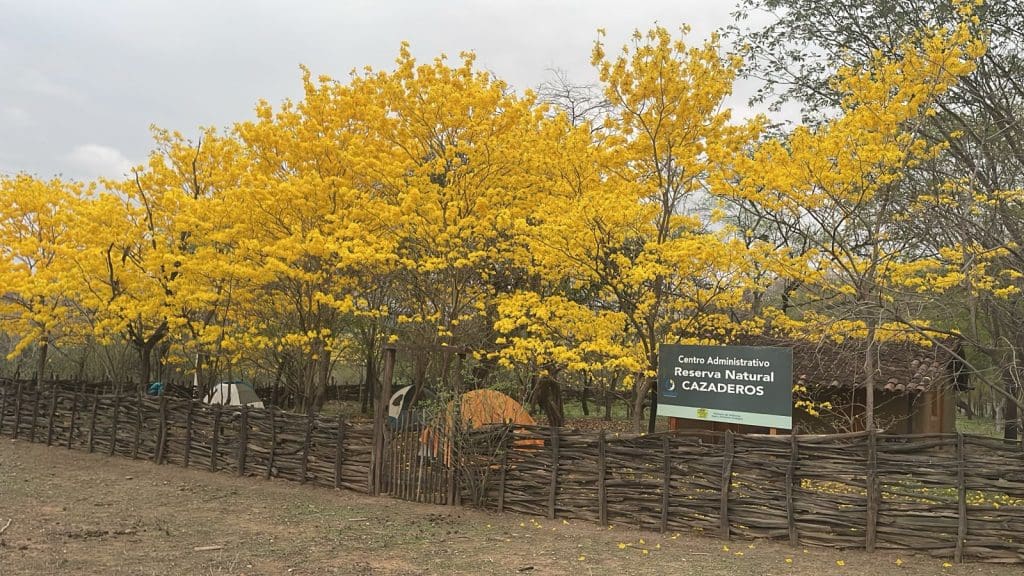January 9th Cazaderos Nature Reserve guayacanes trees in full bloom
## The Significance of the Cazaderos Nature Reserve
The **Cazaderos Nature Reserve**, officially incorporated into Ecuador’s National System of Protected Areas (SNAP) in 2022, plays a critical role in preserving the guayacanes and their unique habitat. Spanning over 12,000 acres, this reserve is a haven for the tropical dry forest, one of Ecuador’s most endangered ecosystems. The guayacanes trees thrive here, creating one of the best-preserved examples of this ecosystem, alongside other key species such as the American crocodile (*Crocodylus acutus*), puma (*Puma concolor*), and golden-mantled howler monkey (*Alouatta palliata*).
Nature and Culture in Ecuador, with funding provided by BOS+ and Andes Amazon Fund, provide technical support to The Guayacanes Communal Partnership, an initiative uniting local authorities and communities to protect the environment and biodiversity of the tropical dry forest. This collaboration demonstrates how community-driven conservation, combined with technical and financial support, can safeguard vital ecosystems for future generations.
### A Biodiversity Hotspot and UNESCO Recognition
The dry forest of the Guayacanes Communal Partnership is one of the best-preserved and most extensive remnants of tropical [dry forests in Ecuador](https://www.natureandculture.org/a-hidden-gem-in-the-tumbesian-dry-forest-in-southern-ecuador/). It forms part of the **Transboundary Biosphere Reserve Forests of Peace**, linking northern Peru and southern Ecuador, and the **Dry Forest Biosphere Reserve**, designated by UNESCO in 2014. Together with Peruvian forests, this represents the most significant block of flora and fauna in the Tumbesion region, making it a global conservation priority.
## Enhancing Conservation Through Species Monitoring and Tourism
Besides being a visual wonder, the Cazaderos Nature Reserve provides essential ecosystem services such as clean air, water, and pollination. It is also home to endangered species such as the golden-mantled howler monkey and the American crocodile, a species that has inhabited the planet for over 200 million years.


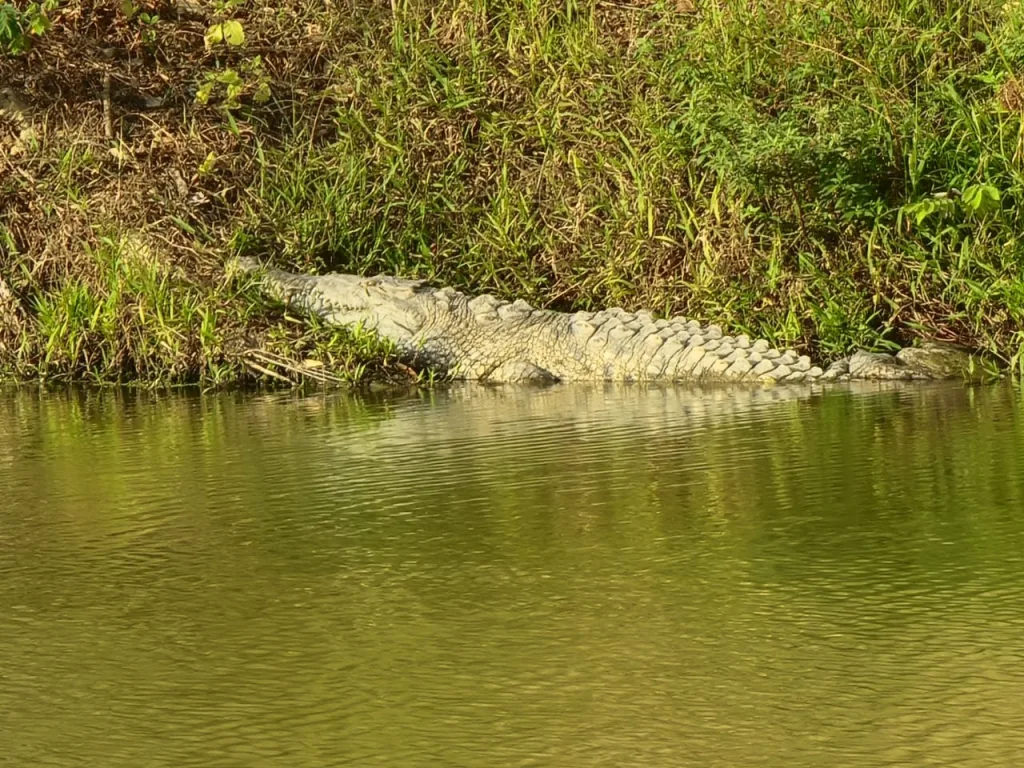
To promote sustainable conservation, programs have been developed to strengthen research, training, and tourism. Local guides are trained to offer eco-friendly tours, introducing visitors to the reserve’s unique biodiversity. Daniel Sanmartín, a Nature and Culture technician, highlights one such initiative: *“We have worked with local communities and guides to promote herpetological tourism. The program included night outings to learn about crocodiles, amphibians, and snakes in a non-invasive and friendly way.”*
Nature and Culture Ecuador Team
## Challenges Facing the Cazaderos Ecosystem
Despite its significance, the Cazaderos ecosystem faces serious threats. Historical overexploitation of guayacan wood has led to widespread deforestation, and ongoing pressures from agriculture, illegal logging, and climate change put additional strain on the forest. Many species are now at risk of extinction, highlighting the urgent need for conservation efforts.
### Protecting Cazaderos for Future Generations
Preserving the Cazaderos Nature Reserve is essential for ensuring the survival of its unique biodiversity and the iconic guayacanes bloom. The reserve’s cultural and ecological significance underscores the need for continued local and international collaboration.
By supporting conservation initiatives, visiting responsibly, and advocating for the protection of this vital ecosystem, we can secure the future of the Cazaderos Nature Reserve and its treasures. Together, we can celebrate its beauty and ensure that it thrives for generations to come.
**Tags:** Biodiversity, Ecuador, endangered species, Protected Area
**Strategic Area:** Forests
**Country:** Ecuador
**Content Type:** Blog
---
### [Vota por Allpahuayo Mishana: Preserva la Biodiversidad Peruana](https://www.natureandculture.org/es/directorio/vota-por-allpahuayo-mishana-preserva-la-biodiversidad-peruana/)
**Published:** January 23, 2025
**Author:** Nora Sanchez
**Content:**
- *La Reserva Nacional Allpahuayo Mishana, un verdadero tesoro de biodiversidad ubicado en la región de Loreto, Perú, ha sido seleccionada como una de las candidatas para los* [***Green Destinations 2025***](https://www.greendestinations.org/top-100-destinations/?fbclid=IwY2xjawH_L8xleHRuA2FlbQIxMAABHfcQZUrZC7XY01rjGUO21VsHHjnDeyok5gsC-y_d5GMn8yrYbOtCWssW9A_aem_Yh1w7cPLg0qwVlwbpJBPIA)*.*
- *Este concurso internacional busca reconocer y promover a los destinos que destacan por su compromiso con la sostenibilidad y la conservación del medio ambiente.*
La Reserva Nacional Allpahuayo Mishana es conocida por su rica diversidad biológica, que alberga innumerables especies de flora y fauna, muchas de las cuales son exclusivas de esta región amazónica. Con un área de más de 500,000 hectáreas, la reserva no solo juega un papel crucial en la conservación de ecosistemas únicos, sino que también se erige como un símbolo del esfuerzo peruano por proteger su patrimonio natural.
Naturaleza y Cultura Internacional (NCI), una organización comprometida con la conservación de los ecosistemas más importantes del mundo desempeña un papel clave en la gestión y protección de esta reserva. A través de iniciativas como el monitoreo de biodiversidad, programas de educación ambiental y el desarrollo de estrategias sostenibles para las comunidades locales, NCI contribuye activamente a preservar los ecosistemas únicos de Allpahuayo Mishana.
La participación de la Reserva Nacional Allpahuayo Mishana en los Green Destinations 2025 es una oportunidad para destacar el incansable trabajo de conservación que realizan organizaciones como NCI y para subrayar la importancia de preservar los recursos naturales de Perú.
Hacemos un llamado a todos los ciudadanos y amantes de la naturaleza a votar por la Reserva Nacional Allpahuayo Mishana en el concurso. Su apoyo no solo contribuirá a visibilizar la importancia de esta área protegida, sino que también fomentará la conciencia sobre la necesidad de proteger nuestros ecosistemas.
Para votar, haz clic [**aquí**](https://opavote.com/en/vote/5100820134100992). Cada voto cuenta y puede marcar la diferencia en la promoción de la sostenibilidad y la conservación en Perú.
**Tags:** Biodiversidad, Perú
**Strategic Area:** Bosques
**Country:** Perú
**Content Type:** Noticias
---
### [The Cazaderos Nature Reserve protects one of the most important remnants of tropical dry forest in Ecuador ](https://www.natureandculture.org/directory/cazaderos-nature-reserve/)
**Published:** July 25, 2023
**Author:** Heather Thomas
**Content:**
The Cazaderos Nature Reserve was declared a protected area within Ecuador’s National System of Protected Areas (SNAP), on November 9, 2022. This territory, which covers 12,108.16 acres, is located at the heart of one of the best preserved and largest remnants of [tropical dry forest in Ecuador](https://www.natureandculture.org/a-hidden-gem-in-the-tumbesian-dry-forest-in-southern-ecuador/) which, together with the Peruvian forests, constitute the most representative block of dry forest of flora and fauna of the Tumbesian region.
The impressive flowering of the Guayacanes, an event that happens every year at the beginning of the winter season, the presence of animals such as the crocodile (*Crocodylus acutus*), puma (*Puma concolor*), howler monkey (*Alouatta palliata*), several species of migratory and endemic birds, as well as the colorful and diverse species of tumbesian flora, make it a priority for conservation. Currently in Cazaderos a model of sustainable management of the territory is being built, jointly with the population and local authorities that seeks to take advantage of the attractions of the Reserve and the surrounding areas.
Howler Monkey (*Alouatta palliata*)
This sustainable management model will identify areas that are threatened by land use change for agricultural activities, logging, and hunting. It is estimated that currently, only 5% of the original dry forest in Ecuador is in a good state of conservation. Catalina Quintana, a researcher at the Catholic University of Ecuador, in an interview for Mongabay magazine, explains the value of the reserve: **“There is a genetic potential, a representation of plants unique to our country.”**
In addition, the Reserve is considered a natural laboratory to develop permanent research. The organization BirdLife Conservation (2009), due to the presence, abundance and endemism of birds, considers this territory as an area of global importance.
This declaration strengthens and will increase collaboration with the Ministry of Environment, Water and Ecological Transition, MAATE, in order to follow up on the construction and implementation of the management plan of the Reserve. In addition, the Dry Forest of southern Ecuador is positioned on the national map of protected areas; With this, it is expected that public and private organizations will increase their support for the conservation of these ecosystems and the local communities that inhabit them.
The management of the Cazaderos Reserve is in charge of the Nature and Culture Foundation Ecuador FUNACE, which seeks to promote a model of co-management of the area, together with the neighboring communities of the Reserve.
## Species monitoring in the Cazaderos Nature Reserve
[The crocodile](https://www.natureandculture.org/directory/crocodilemonitoring/) is one of the emblematic animals of Cazaderos. Therefore, programs have been developed to strengthen research, training, and tourism around this species, one of the southernmost and continental populations of the country and at the same time very, little known.
American Crocodile (*Crocodylus acutus*)
The first studies carried out in this area reveal that there are approximately 97 individuals in the area of influence of the Reserve. “We have worked with local communities and guides to promote herpetological tourism (science that studies amphibians and reptiles). The program consisted of night outings to learn about crocodiles, amphibians and snakes in a non-invasive and friendly way,” explains Daniel Sanmartín, FUNACE technician.
A similar program is being carried out together with the Nature and Art Foundation/Washu Project to encourage research and conservation of the golden-mantled howler monkey (*Alouatta palliata aequatorialis*). The first preliminary study in the Reserve has identified 119 individuals.
Sanmartín says that, as with crocodiles, through the training of local tour guides, the opportunity to develop sustainable tourism is encouraged in order to offer visitors the possibility of responsibly becoming familiar with the sites where this species is found.
FUNACE Team
FUNACE is working together with the Parish Government of Cazaderos, the organized Veconas communities and institutions and people interested in supporting in order to improve capacities and build infrastructure that allow promoting this area as a sustainable tourism offer. Ángela Piedad Rueda, president of the organization Guardians of the Border, believes that this new declaration will help promote all the attributes of this area.
**Strategic Area:** Forests
**Country:** Ecuador
**Content Type:** Blog
---
### [Machángara Tomebamba declarada "Refugio de Vida Silvestre" para garantizar su conservación a largo plazo](https://www.natureandculture.org/es/directorio/area-protegida-machangara-tomebamba/)
**Published:** September 22, 2023
**Author:** Nora Sanchez
**Content:**
- El 22 de septiembre de 2023, el Ministerio del Ambiente, Agua y Transición Ecológica declara oficialmente el Refugio de Vida Silvestre Machángara Tomebamba abarcando 24.958,24 hectáreas.
- El 14 de noviembre de 2024, el Ministerio del Ambiente Agua y Transicion Ecológica amplía más de 16 mil hectáreas al Refugio de Vida Silvestre Machángara Tomebamba.
- El área protege una superficie de 41.820 hectáreas de ecosistemas frágiles altoandinos.
- Su conservación es especialmente importante para el abastecimiento de agua para el cantón Cuenca.
*El Área Protegida Machángara Tomebamba, un invaluable tesoro natural, ha sido incluida en el Sistema Nacional de Áreas Protegidas bajo la categoría “Refugio de Vida Silvestre”, en un esfuerzo por garantizar su protección a largo plazo y conservar su rica biodiversidad.*
*Páramos Machángara Tomebamba* ***Créditos:*** *Fabián Rodas \| Naturaleza y Cultura Internacional*
Ubicada entre las provincias de Azuay y Cañar al sur del Ecuador, Machángara Tomebamba se convierte en una nueva área núcleo de la Biósfera Macizo del Cajas, reconocida por la UNESCO el 29 de mayo de 2013.
Desde 1985, Machángara Tomebamba fue declarada Área de Bosque y Vegetación Protectora por ser generadora de agua para consumo humano, riego, caudal ecológico, producción industrial, generación de hidroenergía, entre otros servicios ecosistémicos. A través del trabajo interinstitucional, por más de 25 años el “Comité de conservación de la cuenca del río Machángara”, ha apostado por estrategias como buenas prácticas agrícolas, educación ambiental, investigación científica, vigilancia y corresponsabilidad social, para el manejo del área y el aprovechamiento sostenible de su riqueza natural.
El compromiso local y nacional por la protección de estos ecosistemas altoandinos se ve reflejado hoy en la declaratoria del Refugio de Vida Silvestre Machángara Tomebamba como parte del Sistema Nacional de Áreas Protegidas.
*Cuerpo hídrico del Machángara Tomebamba* ***Créditos:*** *Fabián Rodas \| Naturaleza y Cultura Internacional*
### **Conectividad y servicios ambientales cruciales**
El Refugio de Vida Silvestre Machángara Tomebamba incrementa la conectividad ecosistémica con: Parque Nacional Cajas (1977), Área Protegida Autónoma Descentralizada Mazán (2021) y Área Protegida Autónoma Descentralizada Curiquingue – Gallocantana (2022), lo que es esencial para la sostenibilidad de servicios ambientales como la oferta de agua para consumo humano, regulación hídrica, almacenamiento de carbono y el sostenimiento de procesos ecológicos.
Además, su protección es de particular importancia para Cuenca, ya que abastece con más del 60% del suministro de agua potable para este cantón.
### **Un paraíso biodiverso**
El Área Protegida Machángara Tomebamba es hogar de una asombrosa diversidad de flora y fauna, con un total de 522 especies identificadas, incluyendo algunas que son endémicas de la región. De estas, 5 especies se encuentran en Peligro Crítico, 13 En Peligro, 31 Vulnerables y 21 Casi Amenazadas. Además, 28 especies están incluidas en los Apéndices I y II de la Convención sobre el Comercio Internacional de Especies Amenazadas de Fauna y Flora Silvestres (CITES).
Entre las especies notables que dependen de este hábitat se encuentran el oso andino *(Tremarctos ornatus),* el cóndor andino *(Vultur gryphus),* el venado de cola blanca *(Odocoileus virginianus)* y diversas especies de anfibios. La conservación de estas especies es esencial para la diversidad biológica de Ecuador y su papel en mantener el equilibrio de los ecosistemas.
Imagen cámara trampa Créditos: ETAPA EPImagen cámara trampa Créditos: ETAPA EP
Un dato interesante es que, en 2018, se describió la especie Cutín de sange (*Pristimantis erythros)*, un anfibio que se distingue por su coloración roja brillante, debido a que su piel es venenosa. Habita únicamente en los páramos del Machángara Tomebamba, con una distribución muy limitada, por lo que se la considera “En Peligro” de extinción.
*Cutín de sangre (Pristimantis erythros)* ***Créditos****: Juan Carlos Sánchez*
### **Un hito para la conservación del Machángara Tomebamba**
A pesar de los esfuerzos de conservación existentes, el Área Protegida Machángara Tomebamba enfrenta constantes amenazas que ponen en peligro su condición. Por lo tanto, es imperativo dotarla de una figura legal que garantice su protección a largo plazo y respalde los esfuerzos de conservación en curso.
La designación como “Refugio de Vida Silvestre” marca un paso significativo hacia la protección y conservación de este tesoro natural, y refuerza el compromiso de Ecuador con la biodiversidad y el bienestar de las comunidades locales.
> *“Con esta declaratoria, el cantón Cuenca cuenta con 5 áreas protegidas dentro del Sistema Nacional, como parte de una estrategia que suma a los esfuerzos locales para cuidar sus páramos y bosques, de los que depende su presente y futuro.”*
>
> Fabián Rodas, Coordinador Naturaleza y Cultura Internacional
*Refugio de Vida Silvestre Machángara Tomebamba* ***Créditos:*** *Naturaleza y Cultura Internacional*
### **Ampliación del Machángara Tomebamba**
El 14 de noviembre de 2024, el Ministerio del Ambiente, Agua y Transición Ecológica aprobó la ampliación de 16 mil hectáreas al Refugio de Vida Silvestre Machángara Tomebamba, sumando casi 42,000 hectáreas y formando un corredor de conectividad con el Parque Nacional El Cajas.
Antes de la ampliaciónDespues de la ampliación
Este logro, que involucra a las provincias de Azuay y Cañar, es una oportunidad increíble para fortalecer los esfuerzos de conservación en el sur de Ecuador y aumentar la conectividad ecológica de sus paisajes.
## **Acerca del Refugio de Vida Silvestre Machángara Tomebamba**
El Área Protegida Machángara Tomebamba es un rincón preciado de la biodiversidad ecuatoriana, hogar de especies únicas y un espacio clave en la provisión de servicios ambientales esenciales. Su designación como “Refugio de Vida Silvestre” fortalece su estatus de conservación como un legado para las generaciones futuras.
Su declaratoria es el resultado del trabajo colaborativo del Ministerio del Ambiente, Agua y Transición Ecológica, el Comité de Conservación de la Cuenca del Río Machángara, ElecAustro, ETAPA EP, Comisión de Gestión Ambiental, Junta de Riego y Drenaje Machángara, y el Proyecto Socio Bosque. Con el apoyo técnico de Naturaleza y Cultura Internacional y gracias al financiamiento de Andes Amazon Fund.
*Conoce más del Refugio de VIda Silvestre Machángara Tomebamba en este video:*
---
**Para más información:**
Nora Sánchez Luzardo
**Coordinadora de Comunicación para América Latina**
<nsanchez@naturalezaycultura.org>
**Tags:** Biodiversidad, Cámaras trampa, Ecuador
**Strategic Area:** Bosques
**Country:** Ecuador
**Content Type:** Noticias
---
### [Niños de Leymebamba fortalecen su compromiso con la biodiversidad](https://www.natureandculture.org/es/directorio/ninos-de-leymebamba-fortalecen-su-compromiso-con-la-biodiversidad/)
**Published:** January 21, 2025
**Author:** Nora Sanchez
**Content:**
- *El equipo de Naturaleza y Cultura Internacional desarrolló una iniciativa de educación ambiental en la comunidad de Leymebamba y sus anexos.*
Gracias al trabajo coordinado entre los directores de las escuelas locales y la ONG Gaia -Linc, cerca de 59 niñas y 41 niños recibieron capacitaciones sobre el cuidado de la biodiversidad y la importancia del Corredor de Conectividad Utcubamba-Huayabamba, ubicado al sur de Amazonas.
Las charlas se desarrollaron en las escuelas de Leymebamba, así como en las localidades de Palmira, Dos de Mayo e Ipaña, abarcando diferentes grados de nivel primario. En total, se impartieron siete talleres dinámicos, que no solo educaron, sino que también inspiraron a los niños a actuar como guardianes de su entorno.
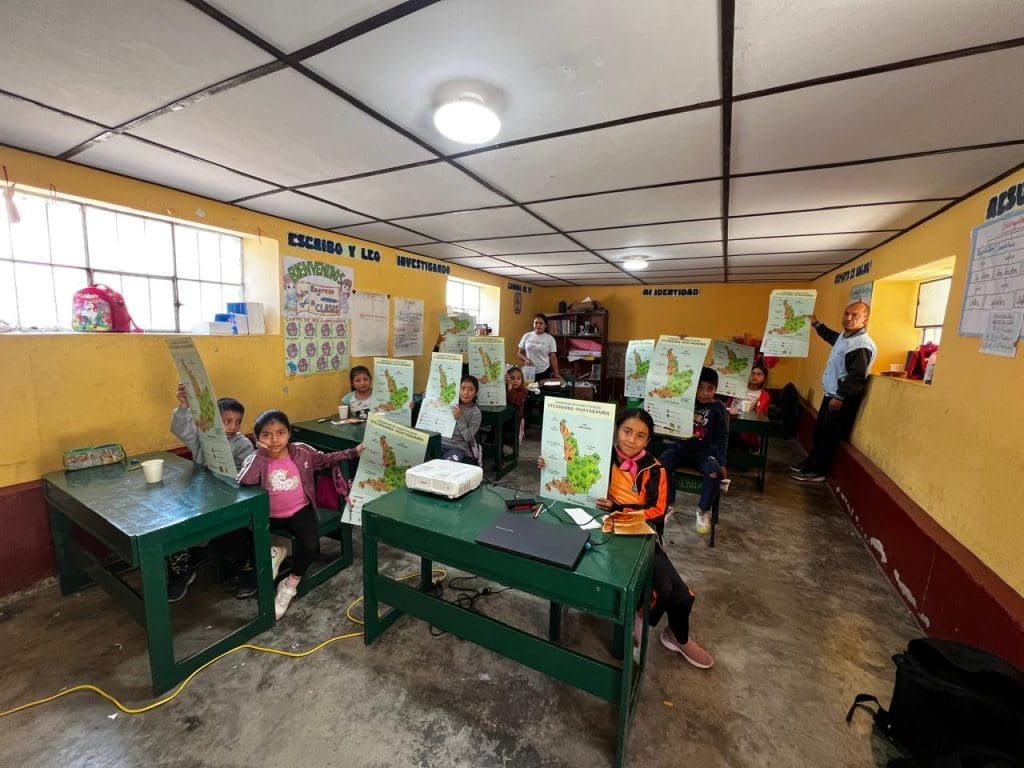Los niños y niñas conocen sobre el cuidado de la biodiversidad de su localidad y la importancia del Corredor de Conectividad Utcubamba-Huayabamba.
La participación de los niños fue un elemento destacado de esta actividad, evidenció su gran interés en conocer y proteger su ecosistema. Estas iniciativas no solo refuerzan el aprendizaje académico, sino que también promueven valores de cuidado y respeto hacia los recursos naturales que sostienen la vida en su comunidad; así como el cuidado de las fuentes naturales de agua que los abastece para sus actividades domésticas y agropecuarias de ahora y el futuro.
Con esfuerzos como estos, se fortalece la conciencia ambiental desde temprana edad, asegurando un futuro sostenible para la biodiversidad y las generaciones venideras.
### **Dato**
El corredor de conectividad Utcubamba – Huayabamba tiene una extensión de 208 268.48 hectáreas; de las cuales, 124 428.60 hectáreas de bosques y pajonales andinos se encuentran bajo alguna modalidad de conservación.
Se ubica en el ámbito de las provincias de Chachapoyas y Rodríguez de Mendoza, sur de Amazonas, incluyendo áreas de conservación como ACP Tilacancha, ACP Llamapampa – La Jalca, ACP Los Chilchos-Comunidad Leymebamba, ACP San Pedro de Chuquibamba, CC Montealegre y ACP Yasgolga – Santa Lucía Montevideo.
---
**Más información:**
Gabriela Gives
**Comunicación Perú**
<comunicacion.peru@naturalezaycultura.org>
**Tags:** Biodiversidad, Perú
**Strategic Area:** Bosques
**Country:** Perú
**Content Type:** Noticias
---
### [21º Aniversario de la Reserva Nacional Allpahuayo Mishana](https://www.natureandculture.org/es/directorio/21o-aniversario-de-la-reserva-nacional-allpahuayo-mishana/)
**Published:** January 15, 2025
**Author:** Nora Sanchez
**Content:**
- *Ubicada a tan solo 45 minutos de la Plaza de Armas de Iquitos, la Reserva Nacional Allpahuayo Mishana celebra hoy, 15 de enero, su 21º aniversario, reafirmando su compromiso con la protección de la biodiversidad amazónica y el desarrollo sostenible en la región Loreto.*
Establecida el 15 de enero de 2004, la Reserva Nacional Allpahuayo Mishana (RNAM) protege un paisaje único de 57,667 hectáreas que incluye los únicos bosques de varillal y chamizal sobre arena blanca, además de bosques inundables de aguas negras. Este espacio alberga una biodiversidad invaluable, destacando especies emblemáticas como el mono tocón *(Plecturocebus oenanthe*), la perlita de Iquitos (*Polioptila clementsi*) y el hormiguero de Allpahuayo (*Myrmoborus ochrolaemus*), todas ellas endémicas y en peligro de extinción.
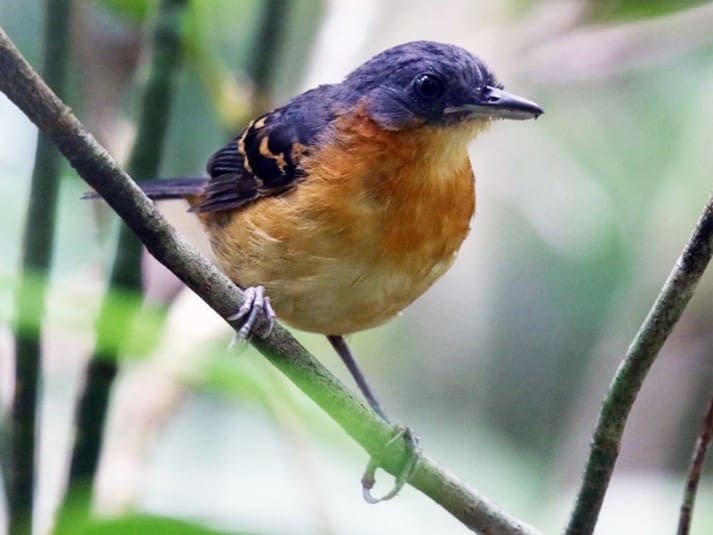Perlita de Iquitos (*Polioptila clementsi*) Créditos: Noah Strycker / eBird.org
La RNAM es pionera al haber sido la primera área protegida del Mosaico Nanay-Tigre, un conjunto estratégico de áreas dedicadas a la conservación de la cuenca alta de estos importantes ríos amazónicos.
### **Compromiso con la conservación**
Naturaleza y Cultura Internacional (NCI), en colaboración con el Gobierno Regional de Loreto y las comunidades locales, ha liderado iniciativas para garantizar la protección y el uso sostenible de los recursos naturales en la RNAM.
Sin embargo, este santuario natural enfrenta desafíos significativos que amenazan su biodiversidad y la calidad de vida de las comunidades cercanas. Entre los principales problemas destacan la tala y la minería ilegales, actividades que destruyen hábitats únicos, contaminan los recursos hídricos y degradan los suelos de la región.
En palabras de Ricardo Rivera, Coordinador del Mosaico Nanay-Tigre de NCI: “La Reserva Nacional Allpahuayo Mishana no solo es vital para la biodiversidad, sino también para las comunidades locales que dependen de sus recursos. Desde Naturaleza y Cultura Internacional, trabajamos para fortalecer la gobernanza participativa, generar alternativas económicas sostenibles y diseñar estrategias colectivas que permitan enfrentar amenazas como la minería en la cuenca alta del Nanay. Este aniversario es un recordatorio de que la colaboración entre diversos actores es clave para proteger este invaluable ecosistema”.
### **Celebrando 21 años de conservación**
En el marco de este aniversario, se han organizado diversas actividades para sensibilizar a la comunidad y resaltar el valor del patrimonio natural que protege la reserva:
- **Caminatas guiadas:** Recorridos interpretativos por los senderos del área para apreciar los ecosistemas protegidos.
- **Exposiciones sobre biodiversidad:** Muestras educativas que destacan la importancia de conservar especies endémicas.
- **Talleres de educación ambiental:** Actividades interactivas para niños, fomentando en ellos el cuidado del medio ambiente.
- **Maratón de avistamiento de aves:** Una experiencia única para observar algunas de las más de 475 especies de aves que habitan la RNAM, promoviendo el ecoturismo responsable.
- **Charlas sobre conservación:** Sesiones informativas dirigidas a la comunidad local y visitantes interesados en la preservación ambiental.
Estas iniciativas buscan fortalecer el vínculo entre la comunidad y la reserva, promoviendo la sostenibilidad y la conservación de los recursos naturales.
Para más información sobre las actividades del aniversario, visita la [página oficial de Facebook de la RNAM](https://www.facebook.com/ReservaNacionalAllpahuayoMishana?_rdc=1&_rdr).
---
**Más información:**
Gabriela Gives
**Comunicacion Perú**
<comunicacion.peru@naturalezaycultura.org>
**Tags:** Biodiversidad, Perú
**Strategic Area:** Bosques
**Country:** Perú
**Content Type:** Noticias
---
### [Una historia de juventud y conservacion productiva](https://www.natureandculture.org/es/directorio/una-historia-de-juventud-y-conservacion-productiva/)
**Published:** January 13, 2025
**Author:** Nora Sanchez
**Content:**
Biam Ney Cruz Chanta, un joven de 24 años, nacido en el caserío Tauma, del predio San Pablo, Pacaipampa, en la provincia de Ayabaca del departamento de Piura, se destaca por haber elegido un camino poco común entre los jóvenes de su comunidad: quedarse en su tierra para labrar su propio futuro en la agricultura.
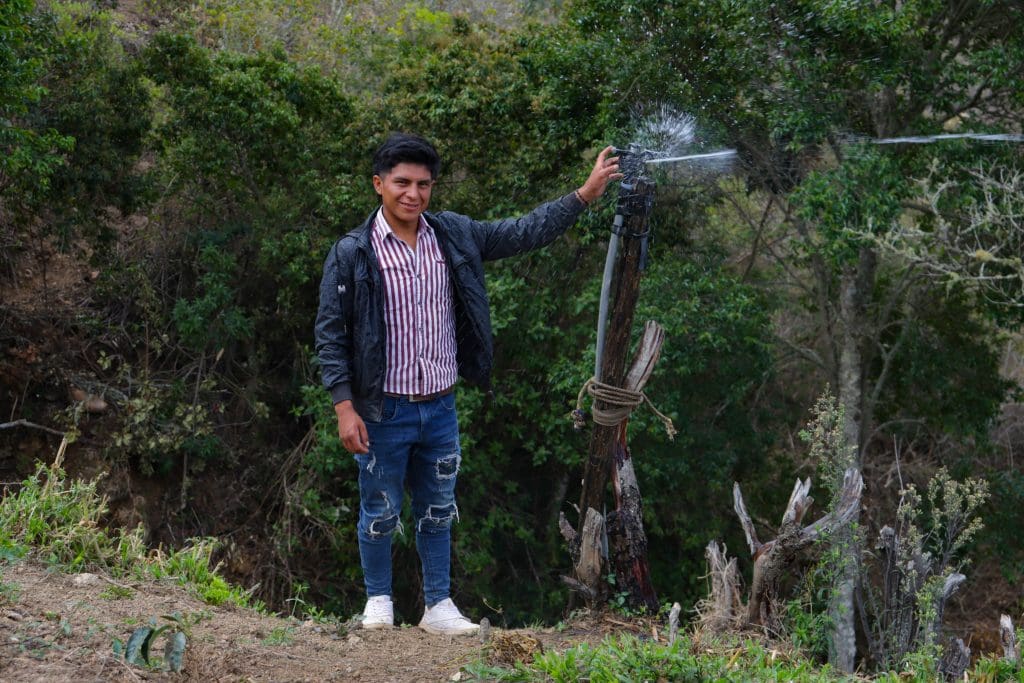Biam Ney Cruz Chanta, aporta al crecimiento de su caserío y muestra el compromiso de la juventud con la conservación de sus páramos y bosques montanos.
Mientras otros optan por buscar oportunidades en otros lugares, Biam decidió desarrollar el cultivo de café, siendo socio de la Asociación de Agricultores Conservacionistas de los Bosques y Páramos de Neblina del Predio San Pablo de Pacaipampa (AGROCOPABOSPA).
**Con el proyecto el proyecto “Incorporación de Innovaciones Tecnológicas para Fortalecer la Producción, Calidad y Comercialización de Café Orgánico” cofinanciado por Plan Binacional de Desarrollo de la Región Fronteriza Perú – Ecuador Capitulo Perú**, Naturaleza y Cultura Internacional, y el Fondo del Agua Andes del Norte, Biam no solo se cuenta con equipos como sistemas de riego, despulpadoras, tanques tina, pozos de aguas mieles, , sino que también ha aprendido a diversificar sus cultivos, integrando yuca y frutales como palta en su sistema de siembra; además ha aprendido a cuidar su ecosistema, para asegurar el agua de calidad que irriga sus plantaciones de café y otros usos.
Para él, su tierra y su trabajo en la agricultura representan una oportunidad de desarrollo personal y comunitario, una visión que impulsa con esfuerzo y dedicación cada día; pero también una oportunidad para sumarse a los esfuerzos de conservar los páramos y bosques montanos de su Área de Conservación Ambiental Páramos y Bosques Nublados de Cachiaco y San Pablo en beneficio de las generaciones de hoy y el futuro.
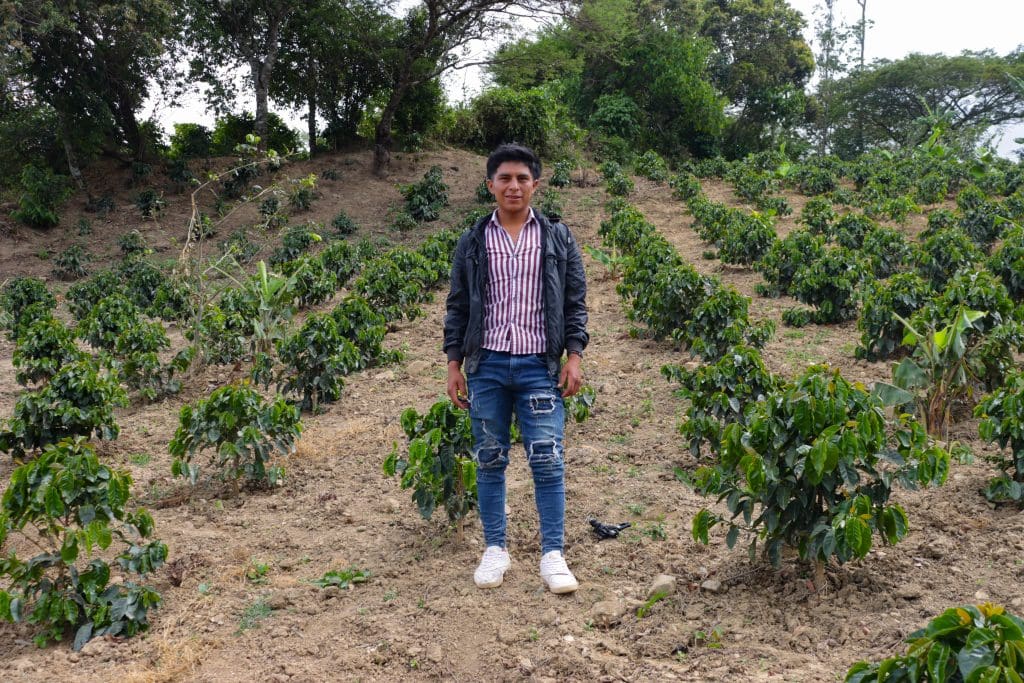Para Biam su tierra y su trabajo en la agricultura representan una oportunidad de desarrollo personal y comunitario.
Biam Ney, se convierte así en un ejemplo de perseverancia para los jóvenes del distrito de Pacaipampa donde de los 32 socios del sector Tauma, solo 10 son jóvenes. Su decisión de quedarse y aportar al crecimiento de su caserío muestra el poder de la juventud comprometida con la tierra que los vio nacer.
> “A los jóvenes les digo que no tengan miedo de quedarse y trabajar la tierra. Aquí también hay oportunidades para salir adelante y tener un futuro. Es un esfuerzo que vale la pena y beneficia a nuestras familias”
>
> Biam Ney Cruz Chanta
El proyecto de conservación productiva de café es una iniciativa que busca mejorar la producción y comercialización con el fin de mejorar las condiciones socioeconómicas de las familias, así mismo, promueve la participación de jóvenes mujeres, Promoviendo un desarrollo integral demostrando que, con el compromiso de las asociaciones y el respaldo de instituciones comprometidas, es posible transformar el futuro en su propio territorio.
---
Más información:
Gabriela Gives
**Comunicadora Perú**
<comunicacion.peru@naturalezaycultura.org>
**Tags:** Biodiversidad, Personas, Perú
**Strategic Area:** Comunidades Locales
**Country:** Perú
**Content Type:** Blog
---
### [ACUS Junín: Un hito para la conservación del bosque seco y las fuentes hídricas de Manabí ](https://www.natureandculture.org/es/directorio/acus-junin-un-hito-para-la-conservacion-del-bosque-seco-y-las-fuentes-hidricas-de-manabi/)
**Published:** December 18, 2024
**Author:** Heather Thomas
**Content:**
El 16 de diciembre de 2024, se estableció oficialmente el Área de Conservación y Uso Sostenible (ACUS) de Junín, un paso fundamental en la protección de los ecosistemas y fuentes hídricas de la provincia de Manabí, Ecuador. La nueva ACUS, ubicada en el cantón Junín, abarca **11.494,17 hectáreas** de bosques secos y siempre verdes de la cordillera costera del Pacífico, hábitats de especies emblemáticas y en peligro de extinción.
Con el ACUS de Junín, Manabí da un paso firme hacia la protección de su **estrella hídrica del Pacífico**, reafirmando su compromiso con la conservación y la sostenibilidad.
## **Biodiversidad y protección hídrica**
El ACUS Junín alberga una biodiversidad única, entre la que destacan especies como el mono araña (*Ateles fusciceps*), en estado vulnerable, y el colibrí de Esmeraldas (*Chaetocercus berlepschi*), endémico de la región. Estas especies son representativas del valor ecológico de la zona, cuya conservación resulta vital ante las crecientes amenazas de la deforestación.
El ACUS también protege 10 fuentes de agua que abastecen a más de 26.000 habitantes de las comunidades de Balsa Tumbada, Pita Grande, El Algodón, Piquigua, Las Piedras, Cañas, Andarieles y la cabecera cantonal Junín. Con esta ACUS se refuerza el papel de Junín como parte de la estrella hídrica del Pacífico, un sistema estratégico para la seguridad hídrica de la provincia y la región.
## **Alianzas para la conservación**
El proceso de creación del ACUS Junín inició en 2024, impulsado por una alianza entre Naturaleza y Cultura Internacional (NCI), la Fundación Bosques, Mares y Comunidades (BOMACO) y el Gobierno Provincial de Manabí. Los estudios técnicos, realizados en colaboración con las comunidades locales, permitieron identificar y validar las áreas con potencial de conservación.

Para José Romero, coordinador del proyecto por parte de NCI, este hito representa la primera de cuatro ACUS planificadas en Manabí, que abarcarán también las zonas de Portoviejo, Bolívar y Chone. “La declaratoria del ACUS Junín es un logro significativo que garantiza la conservación del patrimonio natural y la protección de las fuentes de agua que sostienen a las comunidades”, señaló Romero.
Equipo BOMACO y NCI
## **Retos y próximos pasos**
A pesar de su importancia, el ACUS Junín enfrenta desafíos significativos, como la deforestación provocada por la expansión agrícola y pecuaria. En respuesta, los próximos esfuerzos se centrarán en consolidar un plan de manejo sostenible, trabajado en conjunto con las comunidades locales y el GAD Municipal. Esta iniciativa tiene como objetivo fortalecer la gestión del territorio y asegurar su conservación a largo plazo, integrando prácticas sostenibles y el compromiso comunitario.
**José Palma**, de la comunidad Andarieles del cantón Junín, señaló:
*“Con la creación del ACUS Junín vamos a conservar esos recursos hídricos, fundamentales para la ciudadanía que se beneficia de este líquido vital. Para nosotros, es un gusto contar con su presencia aquí y contribuir a mejorar la conservación, sostenibilidad y protección del ecosistema.”*
Por su parte, **Lourdes Cusme,** de la comunidad Cañas y miembro del grupo de Mujeres Santa Marta zona 11, destacó:
*“Debido a los tiempos que van cambiando, la gente se ha dedicado a talar, y por eso estamos generando conciencia. Tenemos fuentes de agua importantes, pero no ha habido control, y debemos cuidarlas, porque a futuro tendremos serios problemas. Ahora es el momento de protegerlas a través de la siembra de plantas nativas y del compromiso de toda la comunidad para su cuidado. Las fuentes de agua están ahí, pero no las estamos cuidando como deberíamos. Hagamos conciencia y protejamos el agua, porque si no lo hacemos, en el futuro solo la veremos en las fotos.”*

El establecimiento del ACUS Junín fue posible gracias al financiamiento de **Andes Amazon Fund (AAF)** y al esfuerzo conjunto del **GAD Municipal de Junín**, actores locales, instituciones ambientales y organizaciones comunitarias. Este logro no solo garantiza la conservación de ecosistemas frágiles y de las fuentes hídricas, sino que también impulsa el desarrollo sostenible y fortalece el bienestar de las comunidades de Junín.
**Tags:** Agua, Ecuador, NCI
**Strategic Area:** Bosques
**Country:** Ecuador
**Content Type:** Noticias
---
### [Atlas de Áreas de Protección Hídrica: Herramienta para conservar el agua en Ecuador](https://www.natureandculture.org/es/directorio/atlas-de-areas-de-proteccion-hidrica-herramienta-para-conservar-el-agua-en-ecuador/)
**Published:** December 10, 2024
**Author:** Nora Sanchez
**Content:**
El **Atlas de Áreas de Protección Hídrica (APH)**, elaborado por el **Ministerio de Ambiente, Agua y Transición Ecológica (MAATE)** y **Naturaleza y Cultura Internacional (NCI)**, es una herramienta científica que recopila información geográfica y estadística sobre las APH en Ecuador. Su objetivo principal es evidenciar cómo el establecimiento de figuras de conservación contribuye a la protección de las fuentes de agua que abastecen a la población y protegen la biodiversidad asociada a estas áreas.
Lanzamiento del Atlas de Áreas de Proteccion Hídrica en Quito, Ecuador
El Atlas de Áreas de Proteccion Hídrica está disponible aquí: [Atlas de Áreas de Protección Hídrica](https://www.natureandculture.org/es/atlas-de-areas-de-proteccion-hidrica/ "Atlas de Áreas de Protección Hídrica")
En Ecuador se han establecido 34 Áreas de Protección Hídrica (APH), entre las que se destacan: Ponce Paluguillo, Kayambi, Chini Deleg, Río Pindo Grande, Mojandita Curubí, Mojanda, Huambaló La Moya, Río Garrapata, Norte del Ecuador, San Jorge de Patate, Teligote, Quinllunga de San Simón, Santa Elena, Simiatug, Aquepi, Aguarico-Chingual y Cofanes, Cuturiví Chico, Río Suno, Otavalo Mojanda, Atacazo, Shaushi-Pueblo Viejo-San Vicente, Flor del Valle, Verdún, Balsa Tumbada, El Pangui, Yantzaza, Retén Ichubamba, Imantag, El Airo Tundurama, Pisaca, Sur del Ecuador, Polo-Polo, Baquerizo Moreno y San Pedro–Zambi–Guayquichuma. Estas áreas, que abarcan más de 276 mil hectáreas, son esenciales para garantizar el acceso al agua de más de 1.18 millones de personas en todo el territorio nacional.
**NCI** ha desempeñado un papel clave en el establecimiento de 23 de estas áreas, brindando asistencia técnica y financiera. Además, en un esfuerzo conjunto con el Viceministerio del Agua y la Dirección de Educación e Información Ambiental e Hídrica, se ha identificado el potencial para proteger 85 nuevas áreas en el país.
APH Huambaló La MoyaAPH Norte del EcuadorAPH SimiatugAPH Mojanda Curubi
Las más de 276 mil hectáreas declaradas como APH se complementan con las Áreas Protegidas del Sistema Nacional de Áreas Protegidas (SNAP) y con más de 140 Áreas de Conservación y Uso Sostenible establecidas por más de 90 Gobiernos Autónomos Descentralizados municipales y provinciales. Estas iniciativas posicionan a Ecuador como pionero en la región en la implementación de figuras innovadoras de conservación, con garantías normativas para la protección del agua y sus ecosistemas.
Los datos se han convertido en uno de los mayores insumos para construir políticas públicas, estrategias y acciones que impacten positivamente en el ambiente y en la economía. Con la información y los datos es posible medir la efectividad de las decisiones tomadas; por ello, es fundamental mejorar la calidad de estos. *“Contar con data confiable es indispensable para tomar decisiones, y es importante que todos tengamos acceso a la misma. Por ello, este Atlas representa una herramienta fundamental para todos y refleja nuestro compromiso ambiental”,* señaló la ministra Inés María Manzano
### **Urgencia de proteger las fuentes de agua en Ecuador**
> *“Hoy más que nunca debe priorizarse la inversión en la conservación de las áreas de interés hídrico, ya que ninguna iniciativa de desarrollo social o económico será viable sin garantizar la protección de los ecosistemas que sostienen la estabilidad y la supervivencia de los ecuatorianos.”*
>
> **Felipe Serrano, Director Ejecutivo de Naturaleza y Cultura Internacional**
En un contexto donde los ecosistemas hídricos desempeñan roles esenciales como la regulación del clima, el soporte de biodiversidad y la purificación natural del agua, su deterioro pone en riesgo la supervivencia de millones de personas. Los páramos, bosques, humedales y ríos de Ecuador, fuente principal de agua dulce, enfrentan desafíos cada vez mayores debido a la crisis climática.
La plataforma Global Forest Watch ha registrado más de 1,300 incendios significativos en Ecuador durante este año, siendo las provincias de Loja y Azuay las más afectadas, al concentrar más de un tercio de estos incendios. A esto se suman las sequías prolongadas que han reducido drásticamente la disponibilidad de agua para consumo humano, agricultura e hidroenergía. Estas evidencias de la crisis climática han superado la capacidad de respuesta del país, exponiendo la falta de preparación para enfrentar problemas de esta magnitud.
Frente a este escenario, la gestión y protección sostenible de las áreas críticas que sustentan los recursos naturales del país se vuelven imperativas. Iniciativas como el **Atlas de Áreas de Protección Hídrica**, que priorizan la identificación y planificación de estos espacios vitales, son pasos cruciales para mitigar los efectos del cambio climático y garantizar la estabilidad ecológica y social en Ecuador.
### **Un llamado a la acción colectiva**
Representantes de las organizaciones involucradas en el desarrollo del Atlas de Áreas de Proteccion Hídrica
La conservación de los ecosistemas proveedores de agua es un deber colectivo que requiere atención y acción inmediata. Las Áreas de Protección Hídrica son fundamentales para asegurar el recurso más vital del planeta y garantizar un futuro en equilibrio con la naturaleza.
El Atlas de Áreas de Protección Hídrica evidencia el impacto del trabajo conjunto entre comunidades, gobiernos subnacionales y la sociedad civil, con el apoyo clave de la cooperación internacional. En ese sentido, destaca el rol de aliados estratégicos como Re:wild, cuya contribución ha sido esencial para fortalecer estas iniciativas de conservación y sostenibilidad hídrica.
### **Proteger el agua es proteger la vida. Cada esfuerzo cuenta.**
---
**Más informacion:**
Aida Maldonado
**Comunicación Ecuador**
<amaldonado@naturalezaycultura.org>
**Tags:** Agua, Biodiversidad, Ecuador
**Strategic Area:** Agua
**Country:** Ecuador
**Content Type:** Noticias
---
### [Restaurando bosques: un modelo de conservación para mitigar la crisis climática ](https://www.natureandculture.org/es/directorio/restaurando-bosques-un-modelo-de-conservacion-para-mitigar-la-crisis-climatica/)
**Published:** December 10, 2024
**Author:** Nora Sanchez
**Content:**
En el cantón Paltas, entre 2012 y 2019, se firmaron 12 acuerdos de conservación con las Juntas de Agua Potable. En el período comprendido entre 2021 y 2024, se han formalizado 47 nuevos acuerdos como parte de la gestión del Área de Conservación y Uso Sostenible (ACMUS) Paltas. Estos acuerdos buscan contribuir directamente a la protección de los ecosistemas forestales y las fuentes hídricas, elementos clave para la mitigación del cambio climático.
Naturaleza y Cultura Internacional, con el apoyo financiero de la Cooperación Belga al Desarrollo (DGD) BOS+, ha dedicado más de 20 años a la conservación de los bosques y el agua. Andes Amazon Fund también se ha integrado a esta iniciativa, contribuyendo al fortalecimiento de las estrategias para la protección de estos ecosistemas frágiles.
La interdependencia entre los ecosistemas forestales y las fuentes de agua es un principio fundamental en la ecología: la degradación de los bosques afecta negativamente la disponibilidad y calidad del agua, lo que repercute en la calidad de vida de las comunidades locales. Este concepto ha sido la base que impulsa la implementación de acuerdos de conservación en Paltas.
Los acuerdos involucran a propietarios de terrenos asociados a fuentes hídricas, y han beneficiado directamente a más de 200 familias tanto en áreas rurales como urbanas del cantón. El objetivo principal de estos acuerdos es garantizar la protección y sostenibilidad de los bosques y el agua, recursos fundamentales para enfrentar los desafíos del cambio climático.
> *“Este es un acuerdo para trabajar unidos en la conservación de los bosques y las fuentes de agua. Recuperar nuestras fuentes hídricas es fundamental para lograr espacios de productividad sostenibles. Sin bosques no hay agua, y sin estos servicios, no se puede garantizar la vida de esta comunidad.”*
>
> **Bruno Paladines, Naturaleza y Cultura Internacional**
Los compromisos de conservación se basan en un enfoque técnico que incluye la zonificación y la identificación de áreas degradadas y remanentes de bosque. A partir de estos estudios, se implementan procesos de restauración activa y pasiva, así como la creación de sistemas agroforestales. Pero **¿funciona realmente este enfoque?**
### **La evidencia demuestra que sí.**
En el caso de la **restauración pasiva**, el bosque ha comenzado a regenerarse de manera natural en varias zonas, lo que significa que los ecosistemas están recuperando su vitalidad sin necesidad de intervención directa. Esto permite que el ciclo del agua se mantenga, asegurando que las fuentes hídricas continúen alimentando tanto a la naturaleza como a las comunidades locales.
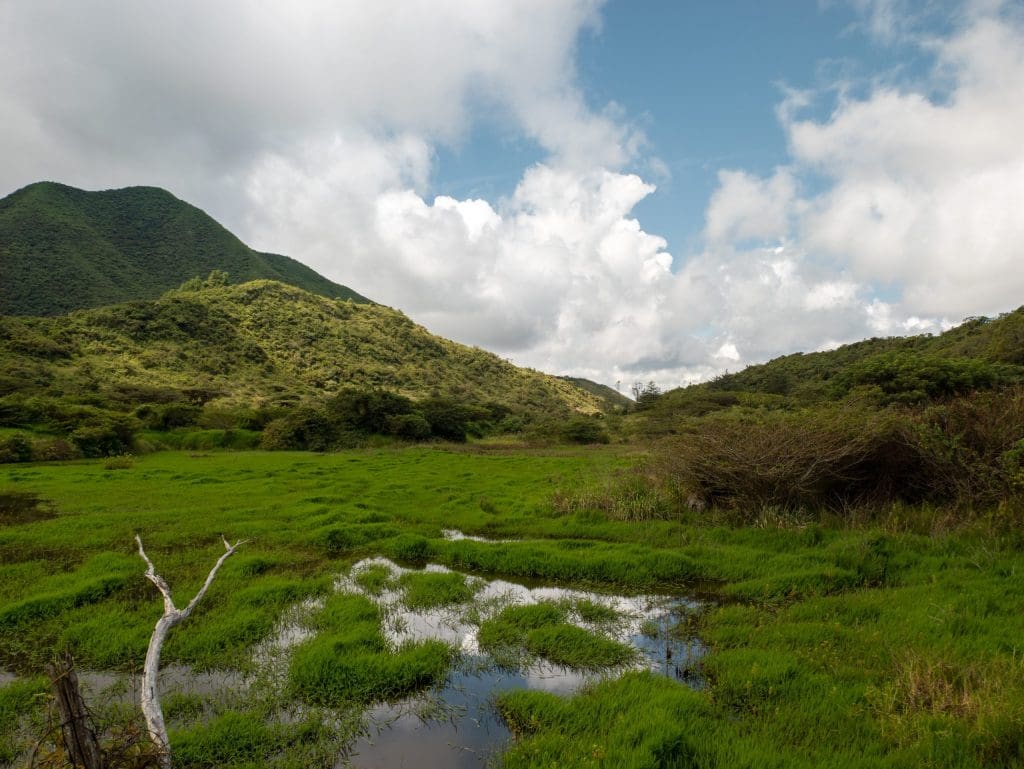Ejemplo de restauracion pasiva en Pisaca
Por otro lado, la restauración activa ha implicado la plantación de especies nativas como arabisco (*Jacaranda mimosifolia*), guararo (*Lafoensia acuminata*), chachacomo (*Escallonia sp.),* higuerón (*Ficus sp.)* y sanguilamo (*Styrax sp.),* entre otras. Estos árboles no solo ayudan a retener agua y proteger el suelo, sino que los bosques que se regeneran con estas especies son menos propensos a incendios forestales, una amenaza cada vez mayor en un clima más impredecible.
### **Los sistemas agroforestales: sembrando agua**
Uno de los logros más destacados de los acuerdos de conservación ha sido la implementación de estos sistemas productivos. Un ejemplo emblemático es el cultivo de vainillo o tara (*Caesalpinia spinosa*), que ha transformado el paisaje y la economía local. Este cultivo no solo contribuye a la mejora del suelo, sino que también proporciona una fuente de ingresos a las familias que dependen de él.
Vainilla (*Caesalpinia spinosa*)
Otro ejemplo exitoso es el cultivo de café. Combinado con plantas frutales, el café de altura que se produce en las zonas de conservación ha alcanzado una calidad sobresaliente, generando ingresos significativos para los agricultores locales.
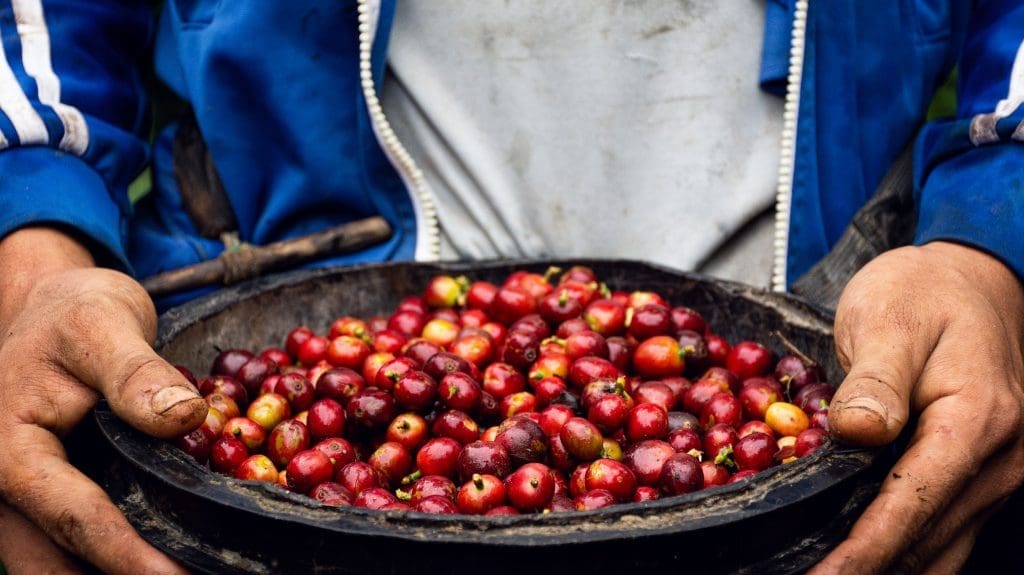
Estos sistemas agroforestales no solo mejoran la salud del suelo y del ecosistema, sino que también aseguran una fuente de agua constante al mantener los bosques, reforzando así el ciclo hidrológico en la región.
### **El valor de las plantas medicinales**
Las plantas medicinales y las flores también se integran en los sistemas agroforestales, proporcionando un valor adicional. En la parroquia Lauro Guerrero, un grupo de mujeres mayores de 50 años ha revitalizado sus huertas a través del cultivo de hierbas medicinales para producir la horchata “La Laureñita”. Esta bebida, conocida en Ecuador como horchata lojana, es una infusión de hierbas y flores con propiedades digestivas y relajantes, caracterizada por su color rosado. Este proyecto no solo ha generado fuentes de empleo para estas mujeres, sino que también ha fortalecido la economía familiar.
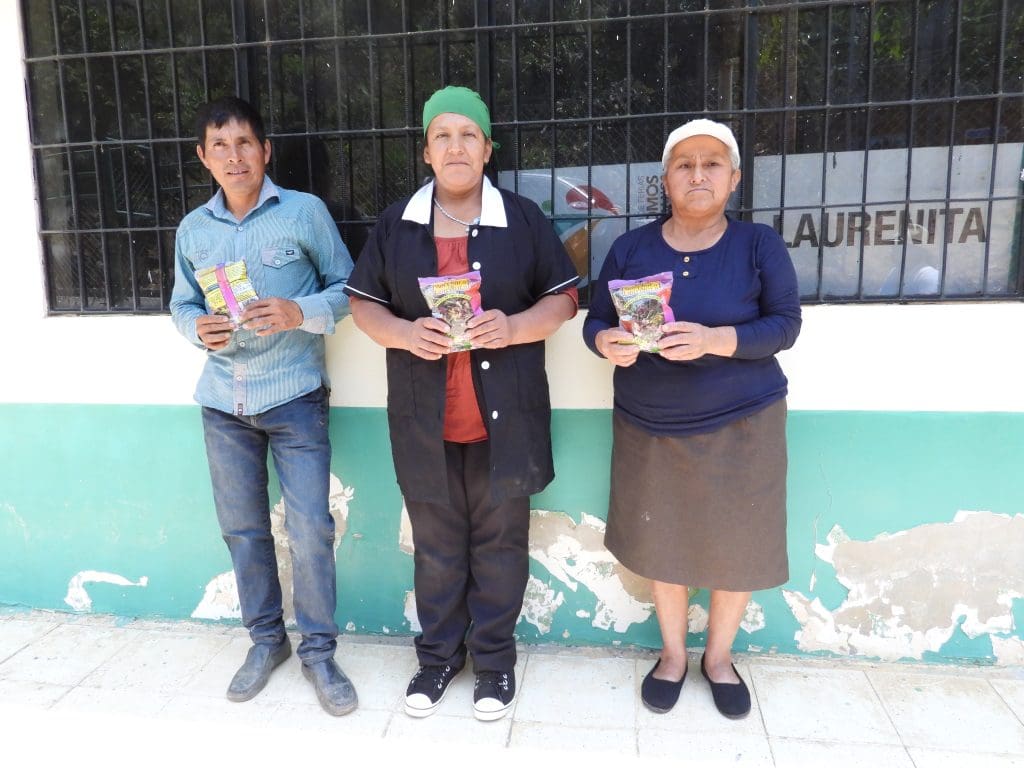Horchata La Laureñita
Este emprendimiento simboliza cómo la restauración de los bosques y la protección del agua están intrínsecamente vinculadas a la resiliencia económica y social de las comunidades. Las mujeres detrás de este proyecto sueñan con su expansión y con que se reconozca que la protección de los bosques no solo garantiza el acceso al agua, sino que también fortalece la economía de pequeños pueblos como Lauro Guerrero.
### **La importancia de la restauración en tiempos de crisis climática**
En septiembre de 2024, mientras la región enfrentaba intensas sequías y varios bosques cercanos eran devorados por incendios, los firmantes de los acuerdos de conservación revisaron sus compromisos. Este contexto adverso hizo aún más evidente la urgencia de su misión: sembrar agua a través de la restauración de los bosques. A medida que avanza la crisis climática, la conservación de estos ecosistemas se convierte en una acción vital para garantizar la sostenibilidad de las comunidades.
> *“El agua es vida. El bosque es vida. Por eso continuaremos cuidando la montaña. Soy parte de una comuna, soy descendiente de los Paltas.*
> *Soy Palta, y me considero un protector de la montaña.”*
>
> **Juan Yanangomez**
---
**Más informacion:**
Aida Maldonado
Comunicacion Ecuador
<amaldonado@naturalezaycultura.org>
**Tags:** Ecuador
**Strategic Area:** Bosques
**Country:** Ecuador
**Content Type:** Blog
---
### [Naturaleza y Cultura Internacional celebra 20 años de compromiso con la conservación en Perú con evento conmemorativo en Iquitos ](https://www.natureandculture.org/es/directorio/nci-celebra-aniversario-en-iquitos/)
**Published:** December 4, 2024
**Author:** Nora Sanchez
**Content:**
> Naturaleza y Cultura Internacional Perú celebró su vigésimo aniversario con una ceremonia especial en Iquitos, un espacio de reflexión sobre su impacto en el país, sus avances en la conservación y los desafíos futuros. Además, se mostró el estado actual y las perspectivas de la conservación en los Andes Tropicales, una región clave por su biodiversidad y servicios ecosistémicos.
Desde su llegada a Loreto hace 19 años, la organización ha trabajado con comunidades indígenas, gobiernos locales y regional, así como con instituciones comprometidas con la conservación de los lugares más biodiversos.
Durante el evento, Ricardo Rivera, coordinador del Mosaico Nanay Tigre, enfatizó los objetivos estratégicos para Loreto *“El corazón de nuestra labor se encuentra en las cuencas de los ríos Nanay, Tigre y Napo. Nuestro enfoque está en garantizar la seguridad hídrica, fortalecer la gobernanza, combatir actividades ilegales e impulsar el desarrollo sostenible”.*
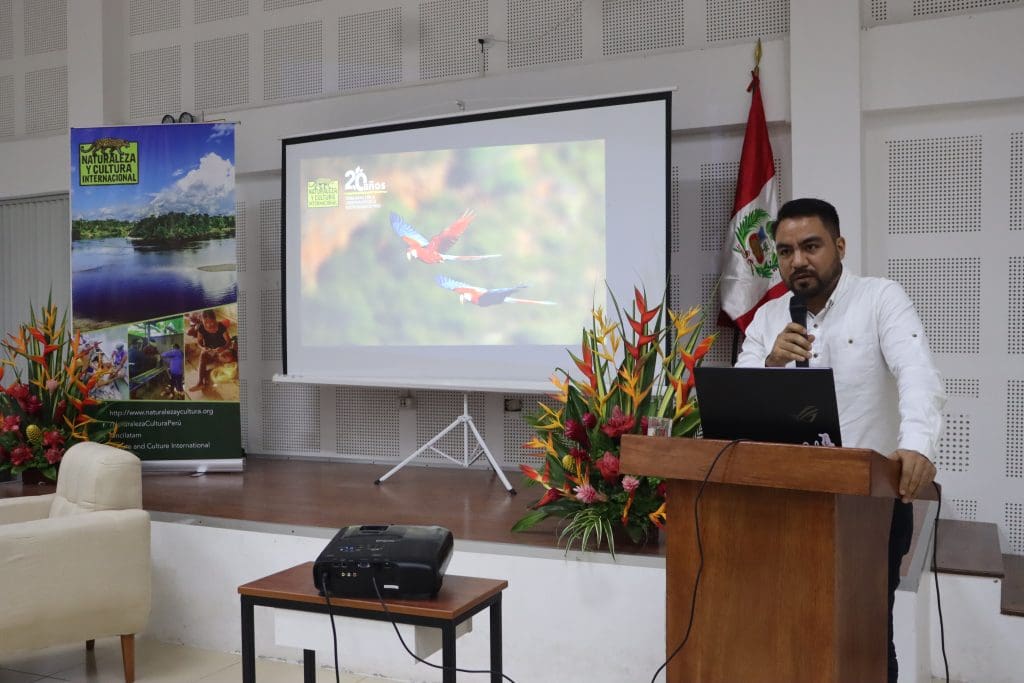Ricardo Rivera, coordinador del Mosaico Nanay Tigre
La ceremonia contó con representantes del Gobierno Regional de Loreto, el Servicio de Áreas Naturales Protegidas por el Estado, Municipalidades locales, aliados estratégicos de diversas instituciones y representantes de las comunidades del ámbito de intervención del Mosaico Nanay Tigre.
### **Nuevos retos para la conservación en Loreto**
Ricardo, también mencionó que, a pesar de los grandes logros alcanzados, Loreto enfrenta retos significativos. Naturaleza y Cultura Internacional planea promover un fideicomiso indígena para fortalecer la gestión territorial, promover la conectividad ecológica en corredores biológicos, combatir los efectos del cambio climático y establecer alianzas multisectoriales que potencien estos esfuerzos.
### **Apoyo a la gestión de Áreas de Conservación**
A nivel nacional, la organización ha sido clave en el establecimiento del 65% de las Áreas de Conservación Regional del país, consolidando su compromiso con la sostenibilidad a largo plazo.
Guillermo Maraví, director ejecutivo de Naturaleza y Cultura Internacional Perú, subrayó que las acciones incluyen capacitación y asesoría técnica al personal de las áreas protegidas, la formulación de planes de gestión y el diseño de mecanismos financieros innovadores.
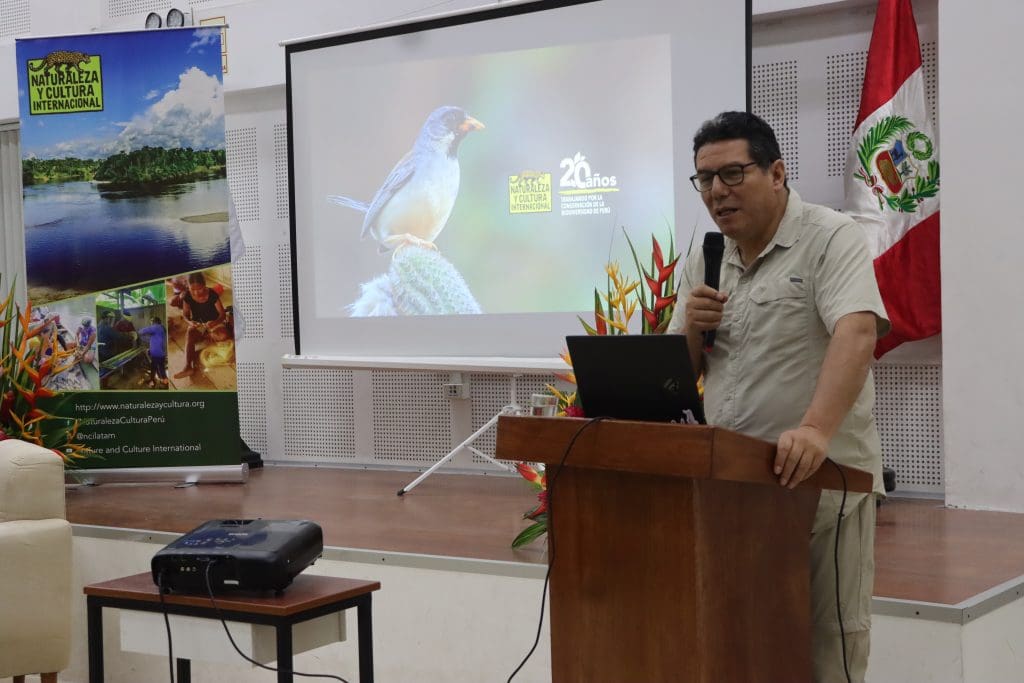Guillermo Maraví, director ejecutivo de Naturaleza y Cultura Internacional Perú
Maraví también destacó el modelo de “mosaicos” como un enfoque estratégico para conectar grandes territorios de alto valor biológico, cultural y ecosistémico. La organización centra sus esfuerzos en mosaicos como Andes del Norte, Bosques Secos del Marañón, Carpish – Río Abiseo, Nanay – Tigre, y en programas especiales en Ucayali y Utcubamba. A la fecha, Naturaleza y Cultura Internacional ha apoyado el reconocimiento de 36 áreas de conservación que abarcan más de 2.4 millones de hectáreas.
Con dos décadas de trabajo, Naturaleza y Cultura Internacional reafirma su compromiso con la conservación de los paisajes más biodiversos del país, trabajando con comunidades y actores clave para asegurar los servicios ecosistémicos para la humanidad.
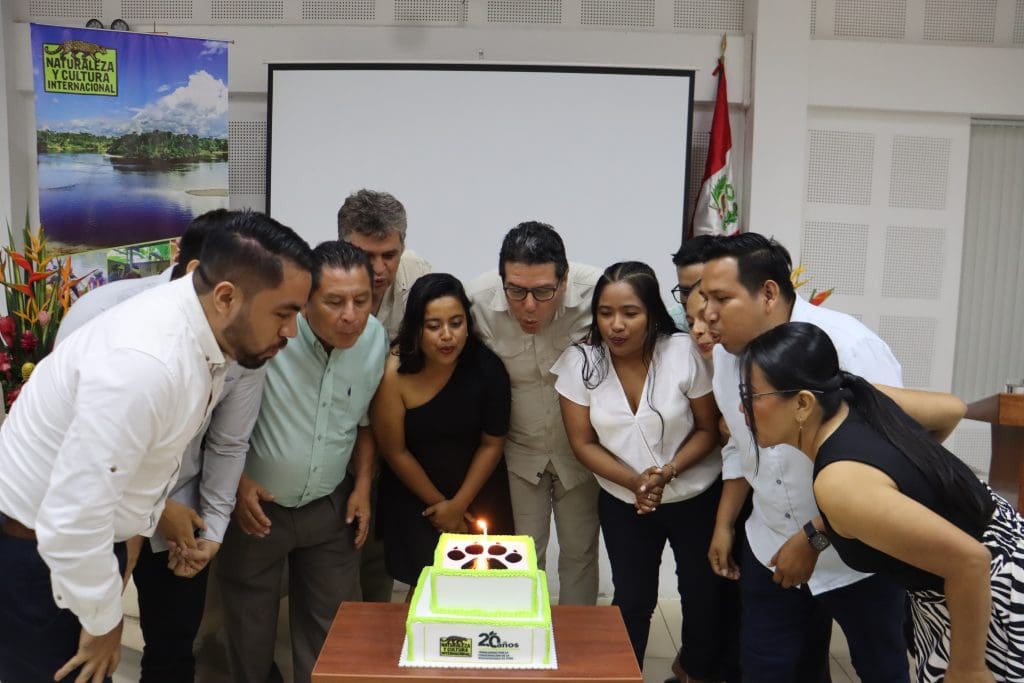Naturaleza y Cultura Internacional Perú cumplio 20 años trabajando por la conservacion del país
### **Un reconocimiento por la conservación**
El evento fue clausurado con el reconocimiento a diversos actores involucrados en la conservación del territorio loretano. Se conmemoró el compromiso de la Coordinadora de Comunidades Nativas y Campesinas de la Cuenca del Nanay, Federación de Comunidades Nativas Maijuna, Cooperativa servicios múltiples bosques de la Amazonía, Asociación de manejo de recursos naturales maquisapa, Organización social de pescadores artesanales los delfines de Pucacuro, Gerencia Regional del Ambiente y a Cesar Augusto Ipensa Peralta.
Además, se reconoció a dos miembros del Mosaico Nanay Tigre, por su inigualable trabajo y larga trayectoria en la institución, fue a Carmen Magnolia Vela Hernández y Félix Jesús Honorio Vásquez.
---
**Más informacion:**
Gabriela Gives
**Comunicacion Perú**
<comunicacion.peru@naturalezaycultura.org>
**Tags:** Biodiversidad, Perú
**Strategic Area:** Bosques
**Country:** Perú
**Content Type:** Noticias
---
### [Bartolo Guerrero: un líder que inspira y conserva ](https://www.natureandculture.org/es/directorio/bartolo-guerrero-un-lider-que-inspira-y-conserva/)
**Published:** November 29, 2024
**Author:** Nora Sanchez
**Content:**
En el caserío de Pumurco, ubicado en el predio San Pablo, distrito de Pacaipampa, provincia de Ayabaca, vive Bartolo Guerrero, un agricultor y líder comunitario cuya historia refleja la lucha y la perseverancia por un futuro mejor para su familia y su entorno. A sus 75 años, don Bartolo no solo trabaja la tierra con dedicación, sino que también lidera esfuerzos para proteger el Área de Conservación Ambiental “Páramos y Bosques Nublados de Cachiaco y San Pablo”, un ecosistema vital para las comunidades que viven en zonas adyacentes a esta área y para la región Piura.
Don Bartolo, junto a otros agricultores, cultiva café orgánico de alta calidad. Este logro es fortalecido con el proyecto “Incorporación de Innovaciones Tecnológicas para Fortalecer la Producción, Calidad y Comercialización de Café Orgánico”, impulsado por el Plan Binacional de Desarrollo de la Región Fronteriza Perú – Ecuador Capítulo Perú, en articulación con Naturaleza y Cultura Internacional y el Fondo del Agua Andes del Norte. Sin embargo, su mayor orgullo radica en haber formado a 14 hijos, quienes, como él dice, “son el fruto más grande que la vida me ha dado”.

### **Defensor de la tierra y el agua**
Desde muy joven, don Bartolo entendió que la relación con la tierra va más allá de sembrar y cosechar. Junto a su comunidad y con el apoyo de Naturaleza y Cultura Internacional y el Fondo del Agua Andes del Norte, organizan mingas donde reforestan con alisos, protegen las fuentes de agua y velan por la conservación de los bosques y páramos que les dan sustento. Para él, cuidar el agua es una misión personal: “El agua es nuestro tesoro. Sin ella, no hay cultivos, no hay vida. Tenemos que cuidarla como cuidamos a nuestros hijos”, reflexiona con sabiduría.
Su liderazgo y compromiso lo han convertido en un referente, trabajando para que las Juntas de Usuarios, gobiernos locales y las comunidades valoren y protejan su área de conservación, inspirándolos a sumar esfuerzos por el desarrollo sostenible y la preservación de los recursos naturales.
### **Un llamado a la conservación productiva**
Con la determinación de quien ha enfrentado innumerables desafíos, don Bartolo hace un llamado a las autoridades y a las instituciones: “Queremos más proyectos que nos ayuden a trabajar mejor la tierra y a conservar nuestros páramos. Sabemos que podemos producir sin destruir, pero necesitamos apoyo para seguir adelante. El agua para las partes bajas en el departamento de Piura viene de nuestros páramos; por eso debemos conservarlos, ya que es lo más importante que tenemos”, indicó.

### **Un esfuerzo colectivo por la conservación**
Las acciones lideradas por el Fondo del Agua andes del Norte, con sus socios y aliados estratégicos han sido fundamentales para que historias como la de don Bartolo se multipliquen en las comunidades altoandinas. Quienes, junto a líderes como él, están demostrando que el trabajo en conjunto puede transformar vidas y preservar la naturaleza.
Desde los páramos de Pacaipampa, Bartolo Guerrero no solo cultiva café, sino esperanza. Su experiencia fortalece a más socios y enseña con el ejemplo, porque es un líder que inspira y conserva.
---
**Más informacion:**
Gabriela Gives
**Comunicacion Perú**
[comunicación.peru@naturalezaycultura.org](http://comunicación.peru@naturalezaycultura.org)
**Tags:** Biodiversidad, Personas, Perú, Reservas naturales
**Strategic Area:** Comunidades Locales
**Country:** Perú
**Content Type:** Blog
---
### [Municipios de El Oro, Loja y Zamora Chinchipe se reunieron para intercambiar experiencias sobre las ACUS ](https://www.natureandculture.org/es/directorio/municipios-de-el-oro-loja-y-zamora-chinchipe-se-reunieron-para-intercambiar-experiencias-sobre-las-acus/)
**Published:** November 28, 2024
**Author:** Nora Sanchez
**Content:**
## La Universidad Técnica de Machala (UTMACH) fue la sede del Primer Foro Regional de Áreas de Conservación y Uso Sostenible (ACUS) de la Zona 7.
Johnny Pérez Rodríguez, rector de la UTMACH, destacó que la educación es clave para promover proyectos sostenibles y advirtió sobre la creciente escasez de agua para consumo humano y la falta de conciencia sobre la protección de bosques y fuentes hídricas. En su intervención, enfatizó que el foro era una oportunidad esencial para abordar los desafíos ambientales y subrayó el rol de la academia en la preservación del patrimonio natural, particularmente en la protección de recursos hídricos y ecosistemas forestales.
El evento tuvo como objetivo promover el intercambio de conocimientos, experiencias y buenas prácticas entre los actores clave de la región sur de Ecuador, con el fin de analizar estrategias y políticas efectivas para la protección y gestión sostenible de las ACUS en la Región 7.
En los últimos años, los Gobiernos Autónomos Descentralizados Municipales (GAD) de la Región 7 han establecido más de 647 mil hectáreas como Áreas de Conservación y Uso Sostenible, fundamentales para regular el uso del suelo, proteger fuentes de agua, conservar la biodiversidad y mitigar los efectos del cambio climático, contribuyendo a la sostenibilidad de los ecosistemas frágiles.
### **Ecuador: un compromiso con la conservación**
Durante la fase inicial del foro, se compartieron experiencias clave sobre la gestión de las ACUS. Francisco Gordillo, del Fondo Regional del Agua (FORAGUA), presentó los mecanismos de financiamiento disponibles para las ACUS en la Región 7. César Aguirre, de Naturaleza y Cultura Internacional (NCI), expuso sobre los aspectos jurídicos que respaldan la figura de las ACUS, mientras que César Garzón Santomaro, del Instituto Nacional de Biodiversidad (INABIO), analizó el estado de conservación de la biodiversidad en la provincia de El Oro.
Ecuador ha establecido más de 136 Áreas de Conservación y Uso Sostenible, bajo la gestión de los GAD provinciales y municipales, abarcando más de 6 millones de hectáreas. Las ACUS son esenciales para el ordenamiento territorial y la gestión de recursos naturales mediante ordenanzas específicas.
### **Funciones y relevancia de las ACUS**
Las Áreas de Conservación y Uso Sostenible (ACUS) son fundamentales para la protección del patrimonio natural de Ecuador, especialmente en la provincia de El Oro. Los manglares, bosques nublados y páramos son ecosistemas clave para la protección de las ciudades costeras como Machala frente a los efectos del cambio climático. Sin ellos, la disponibilidad de agua superficial y subterránea se vería gravemente comprometida. Felipe Serrano Montesinos, director ejecutivo de NCI, destacó la necesidad de conservar estos ecosistemas para garantizar la sostenibilidad hídrica y climática de la provincia, señalando que:

*“Los manglares son el único escudo que protegerá a las principales ciudades costeras de El Oro frente a los embates y crisis del cambio climático. Sin estos ecosistemas, Machala y otras ciudades costeras estarán en riesgo. Asimismo, sin los bosques nublados y páramos, la disponibilidad de agua superficial y subterránea se verá gravemente comprometida. Es crucial conservar y proteger estos ecosistemas para garantizar la sostenibilidad hídrica y climática de la provincia.”*
> Las ACUS desempeñan un rol esencial en la creación de corredores biológicos y zonas de amortiguamiento que conectan áreas protegidas y fomentan la resiliencia de los ecosistemas ante el cambio climático. Felipe Serrano Montesinos agregó:
> *“Más del 25% del territorio continental ecuatoriano se encuentra protegido bajo la figura de Áreas de Conservación y Uso Sostenible (ACUS), establecidas por los Gobiernos Autónomos Descentralizados (GAD) provinciales y municipales para salvaguardar el patrimonio natural.”*
Además, las ACUS son fundamentales para la conectividad ecológica, actuando como corredores entre áreas protegidas del Sistema Nacional de Áreas Protegidas (SNAP) y ecosistemas relictos. Esta conectividad es clave para mantener la integridad de los ecosistemas, facilitando el flujo genético entre poblaciones y asegurando la interacción de especies, lo que fortalece la biodiversidad. Ejemplos destacados incluyen el Corredor de Conectividad Sangay-Podocarpus, que enlaza parques nacionales clave, y las ACUS de los GAD municipales del occidente de Loja, que establecen conexiones entre áreas protegidas locales y las ubicadas en el norte del Perú.
Las ACUS no solo protegen la biodiversidad y los recursos hídricos, sino que también permiten una planificación estratégica para la gestión de los recursos naturales. Estas áreas abarcan más de 4 millones de hectáreas de alta importancia hídrica, con más de 800 fuentes abastecedoras de agua para consumo humano, esenciales para garantizar servicios ecosistémicos. En la provincia de El Oro, los manglares, bosques nublados y páramos desempeñan un papel crucial en la mitigación del cambio climático y el suministro de agua, protegiendo a las ciudades costeras de eventos climáticos extremos y asegurando la sostenibilidad hídrica regional.
Durante el foro, se discutieron las amenazas que enfrentan los paisajes y el patrimonio natural debido a las actividades humanas. A nivel nacional, las Áreas de Conservación y Uso Sostenible (ACUS) protegen una gran diversidad de especies, incluyendo el 40% de los anfibios, el 57% de los reptiles, casi el 80% de las aves y el 60% de los mamíferos del país. Sin embargo, muchas de estas especies dentro de las ACUS se encuentran amenazadas.
En este contexto, Juan Carlos Santín, alcalde de Quilanga y presidente de la Asociación de Municipalidades de la Región 7 (AME), destacó la importancia de la colaboración entre los diferentes actores para restaurar los bosques afectados por incendios forestales y condenó las quemas controladas por sus impactos negativos en el medio ambiente. Además, subrayó la relevancia de las ACUS como herramienta clave para trabajar con las comunidades y generar conciencia sobre la urgente necesidad de conservar los bosques y las fuentes hídricas.
### **Intercambio de experiencias**
En la plenaria de cierre, Alexandra Jaramillo, del GAD de Zaruma, destacó el trabajo en su jurisdicción, enfatizando la protección de las fuentes de agua con la participación comunitaria. José Guachizaca, del GAD de Loja, resaltó la articulación entre el gobierno local, jóvenes de ecoclubs, Naturaleza y Cultura Internacional (NCI) y la Universidad Técnica Particular de Loja en la campaña “El agua no viene del grifo, viene de la naturaleza”.
Victoria Alberca, del GAD de Palanda, compartió experiencias sobre iniciativas locales apoyadas por la cooperación internacional. Robinson Guachagmira, del Consejo de Cuencas del ACUS Intag-Toisán (ACUSMIT) del GAD de Cotacachi, subrayó el papel de la comunidad en la conservación del área, mientras que Diana Domínguez, secretaria técnica del ACUSMIT, presentó avances en la administración del área gracias a la colaboración entre gobierno local y comunidad para proteger la biodiversidad.
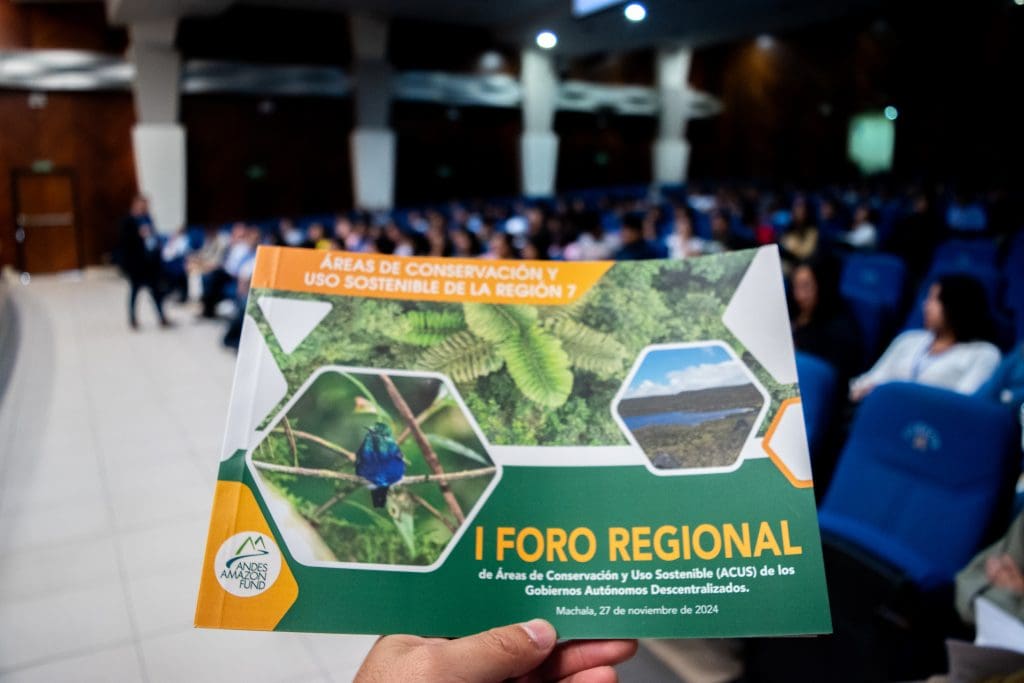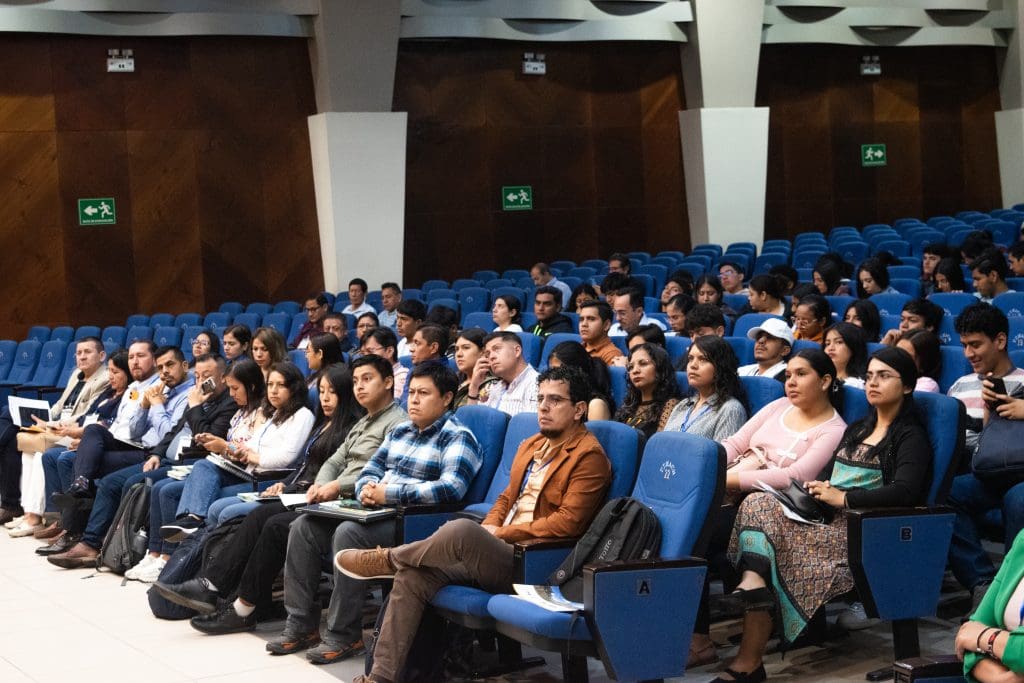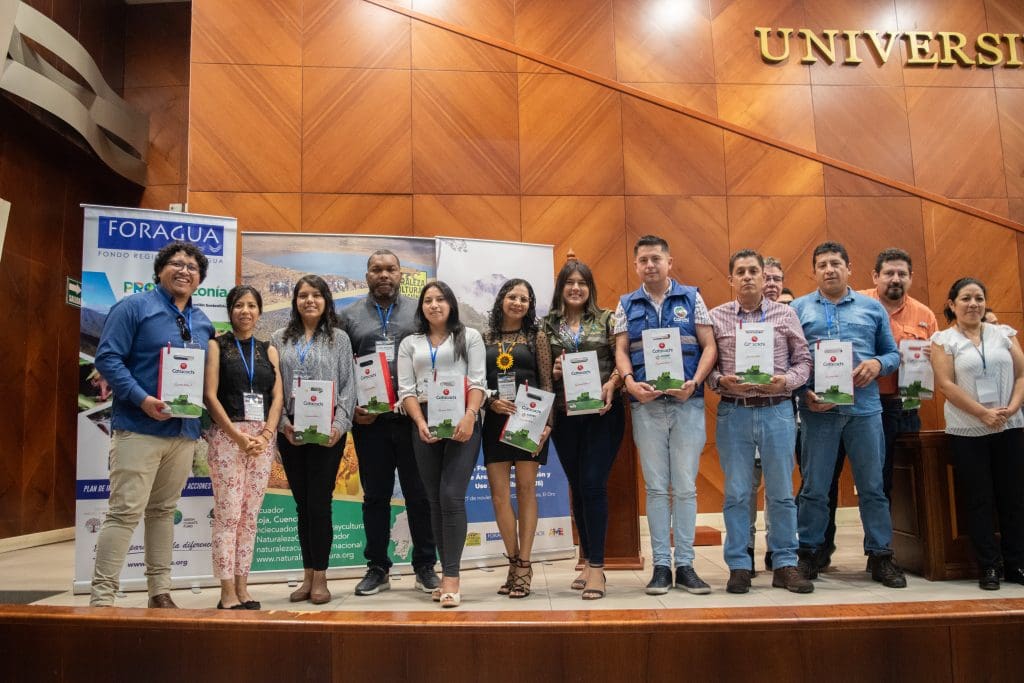
### **Conclusiones**
En el Primer Foro Regional de Áreas de Conservación y Uso Sostenible (ACUS) de la Zona 7, se subrayó la importancia de gestionar las ACUS para la conservación del patrimonio natural. Además, se destacó la necesidad de contar con mecanismos financieros, como el Fondo Regional del Agua (FORAGUA), para garantizar su sostenibilidad. El evento fortaleció la cooperación entre actores locales, técnicos de los GAD y la comunidad, promoviendo la gestión eficiente y el uso sostenible de los recursos.
Asimismo, se abordó la urgencia de avanzar en políticas que protejan los recursos naturales, con énfasis en el monitoreo de fauna, la preservación de fuentes hídricas y la colaboración con las comunidades. Este proceso cuenta con el apoyo de Andes Amazon Fund, quien respalda estos esfuerzos en la región sur de Ecuador.
---
**Más informacion:**
Aida Maldonado Quezada
**Comunicacion Ecuador**
<amaldonado@naturalezaycultura.org>
**Tags:** Biodiversidad, Ecuador
**Strategic Area:** Bosques
**Country:** Ecuador
**Content Type:** Noticias
---
### [Destaca en Feria Internacional el esfuerzo de las comunidades cafetaleras del Perú ](https://www.natureandculture.org/es/directorio/destaca-en-feria-internacional-el-esfuerzo-de-las-comunidades-cafetaleras-del-peru/)
**Published:** November 26, 2024
**Author:** Nora Sanchez
**Content:**
La ciudad de Tingo María, en Huánuco, fue el epicentro de la cultura cafetera peruana durante la **Feria Internacional de Cafés Especiales – FICAFE 2024.**
Esta feria, consolidada como una de las principales plataformas para el impulso de la caficultura, permitió a miles de visitantes conocer las tradiciones y el arduo trabajo de las comunidades cafetaleras, quienes dedican su vida a la producción de cafés especiales de alta calidad y a conservar el entorno natural.

Durante cuatro días, FICAFE 2024 reunió a productores, comerciantes, expertos y aficionados al café de diversas regiones del país, fortaleciendo el vínculo entre consumidores y los guardianes de esta milenaria tradición. Muchos de los cafetaleros que participaron provienen de áreas de conservación, donde suman esfuerzos por proteger y recuperar el ecosistema que les provee de recursos esenciales como el agua, para continuar produciendo un café de calidad.
Además de las exhibiciones de productos y variedades de café, FICAFE 2024 incluyó charlas y talleres con expertos en el tema, generando un espacio de aprendizaje e intercambio de conocimientos sobre técnicas de cultivo, innovación en producción y tendencias del mercado de cafés especiales.
---
**Más informacion:**
Gabriela Gives
Comunicación Perú
comunicacion.peru@naturalezaycultura.org
**Tags:** Biodiversidad, Perú
**Strategic Area:** Comunidades Locales
**Country:** Perú
**Content Type:** Noticias
---
### [Balsas: Un compromiso sostenible para conservar sus fuentes de agua y ecosistemas frágiles](https://www.natureandculture.org/es/directorio/balsas-un-compromiso-sostenible-para-conservar-sus-fuentes-de-agua-y-ecosistemas-fragiles/)
**Published:** November 19, 2024
**Author:** Nora Sanchez
**Content:**
La creación del Área de Conservación Municipal y Uso Sostenible (ACMUS) en Balsas, provincia de El Oro, representa un paso fundamental en la protección de recursos hídricos, biodiversidad y conectividad ecológica. Este proyecto, iniciado en 2016 con 300 hectáreas y expandido a 2,466.84 hectáreas, busca preservar las fuentes de agua y los ecosistemas frágiles del cantón. El esfuerzo ha sido liderado por el Gobierno Autónomo Descentralizado (GAD) de Balsas, en colaboración con Naturaleza y Cultura Internacional (NCI) con el apoyo financiero de Andes Amazon Fund (AAF).

### **Importancia ecológica del ACMUS**
El ACMUS Balsas protege áreas críticas de bosque siempreverde, tanto en las zonas piemontanas como estacionales del ecosistema Catamayo-Alamor, hábitat de especies como el tucán goliamarillo (*Ramphastos ambiguus*) y el momoto gritón (*Momotus subrufescens).* Asimismo, protege microcuencas clave, como las de Acacias, Santa Elena, El Milagro y San Roquillo, asegurando el abastecimiento de agua potable para Balsas y localidades aledañas como Bellamaría, y El Palmal.
Tucán goliamarillo (*Ramphastos ambiguus*)
Este esfuerzo, junto con las áreas protegidas en cantones vecinos como Las Lajas y Piñas, forma un corredor ecológico que conecta el bosque seco del Bosque Petrificado de Puyango con los bosques piemontanos de la Reserva Buenaventura y Moromoro.
### **Desafíos y amenazas actuales**
El ACMUS Balsas enfrenta amenazas como la deforestación por cambio de uso de suelo y la expansión de granjas porcinas y avícolas. Para mitigar estos impactos, el Gobierno Municipal trabaja en el desarrollo de un modelo de gestión que integra producción sostenible, restauración de áreas estratégicas y conservación de la vegetación natural, financiado en parte por contribuciones ciudadanas a través de la planilla de agua potable.
### **Rol de Naturaleza y Cultura Internacional**
Desde 2016, NCI ha apoyado al GAD Municipal de Balsas en la priorización, delimitación y análisis cartográfico del área, desarrollo de ordenanzas y socialización comunitaria. Con el respaldo de Andes Amazon Fund, este proceso resalta la importancia de la colaboración entre comunidades y autoridades para fortalecer la gestión de áreas protegidas.
### **Próximos pasos dentro del ACMUS**
Según Luis López, técnico de NCI, se han definido las siguientes acciones prioritarias para fortalecer la gestión del ACMUS Balsas:
**Constitución de un Comité de Gestión:** Equipo liderado por el GAD Municipal e integrado por propietarios de predios, usuarios del agua y productores para coordinar las acciones de conservación del ACMUS Balsas.
**Señalización del ACMUS**: Instalación de señalización estratégica como parte del proceso de socialización y para delimitar el ACMUS Balsas.
**Zonificación**: Delimitación de áreas de manejo —intangible, restauración y producción sostenible— para orientar el uso del suelo de acuerdo con la ordenanza del ACMUS Balsas.
**Acuerdos de conservación:** Compromisos con propietarios de terrenos ligados a fuentes de agua, para incentivar prácticas sostenibles y restaurar áreas sensibles.

### **Impacto regional**
El ACMUS Balsas se integra al sistema de conservación de El Oro, que abarca más de 123 000 hectáreas en 10 cantones. Este sistema no solo asegura el suministro de agua para consumo y producción, sino que también mitiga riesgos como inundaciones y deslaves, y refuerza la conectividad ecológica y la protección de especies vulnerables.
Asumir este compromiso refleja cómo la colaboración entre la cooperación internacional y los gobiernos seccionales refuerza la gestión sostenible de los recursos naturales, generando beneficios duraderos para la biodiversidad y el bienestar de las comunidades.
---
**Más informacion:**
Aida Maldonado
Comunicación Ecuador
<amaldonado@naturalezaycultura.org>
**Tags:** Biodiversidad, Ecuador
**Strategic Area:** Bosques
**Country:** Ecuador
**Content Type:** Noticias
---
### [Entregan Ordenanza Provincial de la creación del ACA "Bosques Nublados y Páramos del Predio Ambulco” ](https://www.natureandculture.org/es/directorio/entregan-ordenanza-provincial-de-la-creacion-del-aca-bosques-nublados-y-paramos-del-predio-ambulco/)
**Published:** November 15, 2024
**Author:** Nora Sanchez
**Content:**
En un trabajo conjunto con autoridades y representantes del Predio Ambulco, Municipio Provincial de Ayabaca, Gobierno Regional de Piura, Fondo del Agua Andes del Norte, ODS SUNASS Piura, EPS GRAU, comunidades vecinas; celebraron la entrega de la ordenanza provincial N° 019 – 2021 – MPA -CM, que oficializa la creación del Área de Conservación Ambiental “Bosques Nublados y Páramos del Predio Ambulco”.
La ordenanza provincial representa un valor importante en la conservación de los ecosistemas de páramos y bosques nublados, áreas esenciales para la regulación hídrica, la biodiversidad y la calidad de vida de las comunidades locales. La zona abarca 1,186.71 hectáreas en el distrito y provincia de Ayabaca.
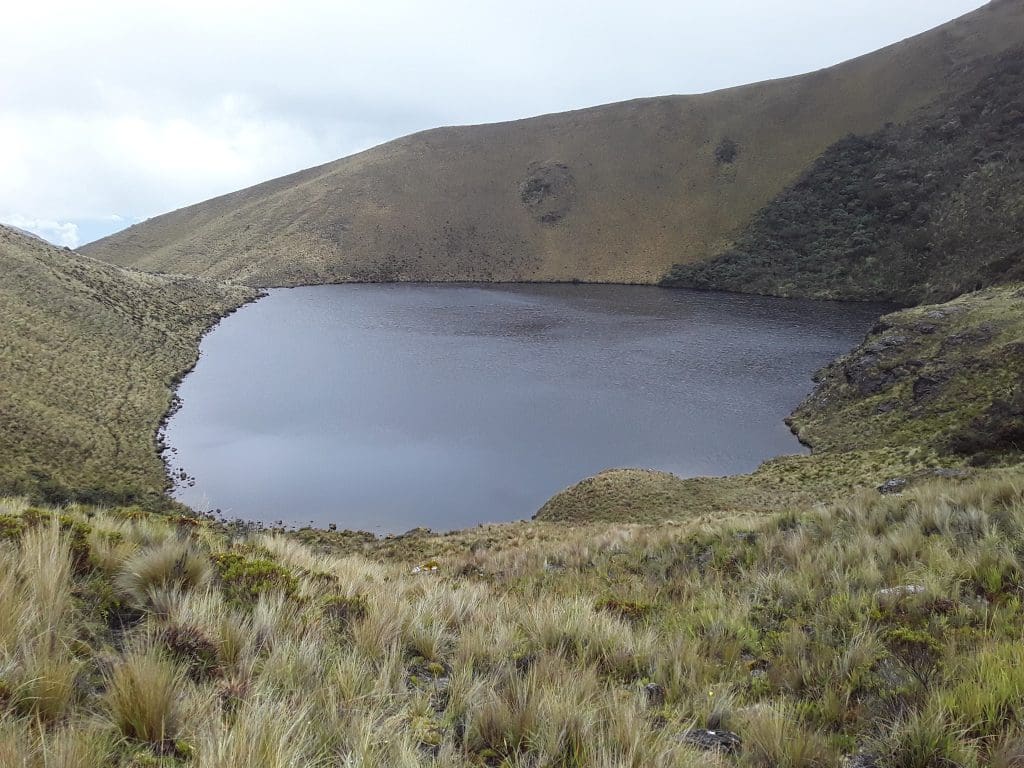
El Blgo. Iván Mejía, Jefe de proyectos de Naturaleza y Cultura Internacional, manifestó que estas iniciativas de conservación se realizan en estrecha colaboración con las comunidades, para que ellas mismas lideren la protección de su territorio y los recursos que sostienen su vida cotidiana.
Por su parte, la Ing. Lucy Riojas, Subgerente de Recursos Naturales del Gobierno Regional de Piura, resaltó el compromiso del gobierno en estos esfuerzos y la importancia de las alianzas estratégicas: *“*Como Gobierno Regional, nuestra responsabilidad es garantizar que estas áreas de conservación tengan un impacto duradero y sostenible. Lograrlo solo es posible trabajando de la mano con las instituciones aliadas”, indicó.
En el evento, la ODS SUNASS – Piura, juntamente con la EPS GRAU, desarrollarón el taller “Los MERESE y su Contribución a la Conservación de los Páramos Andinos del Departamento de Piura”, en el predio de Huamba, donde se resaltó la importancia para el financiamiento y la sostenibilidad de estas zonas.
## **Apoyo a la conservación productiva**
Como parte de los compromisos en pro del desarrollo y conservación de estas áreas, el Fondo del Agua Andes del Norte, entregó 400 plantones de palta injertada, variedad fuerte, a los pobladores de los predios Huamba y Ambulco. Este apoyo busca no solo fortalecer la economía local a través de una agricultura sostenible, sino también contribuir a la protección del suelo y la conservación del agua.
Con la nueva Área de Conservación Ambiental, el predio Ambulco se suma al esfuerzo colectivo para preservar los páramos andinos y sus valiosos servicios ecosistémicos, dentro del Mosaico Andes del norte que involucra 12 áreas de conservación de diversa modalidad.
---
**Más informacion:**
Gabriela Gives
**Comunicación Perú**
[comunicación.peru@naturalezaycultura.org](http://comunicación.peru@naturalezaycultura.org)
**Strategic Area:** Bosques
**Country:** Perú
**Content Type:** Noticias
---
### [Educación ambiental y reforestación en Amazonas ](https://www.natureandculture.org/es/directorio/educacion-ambiental-y-reforestacion-en-amazonas/)
**Published:** November 7, 2024
**Author:** Nora Sanchez
**Content:**
Durante el mes de octubre, el equipo de Naturaleza y Cultura Internacional (NCI) del programa especial Utcubamba, en Amazonas, desarrolló una serie de talleres ambientales y de prevención de incendios en las escuelas de nivel primario y secundario de las comunidades de San Isidro de Mayno y Levanto, del Área de Conservación Privada (ACP) Tilacancha en Amazonas.
Estas actividades están diseñadas para involucrar a niños y adolescentes en acciones de conservación, promoviendo su participación en el cuidado de su entorno.
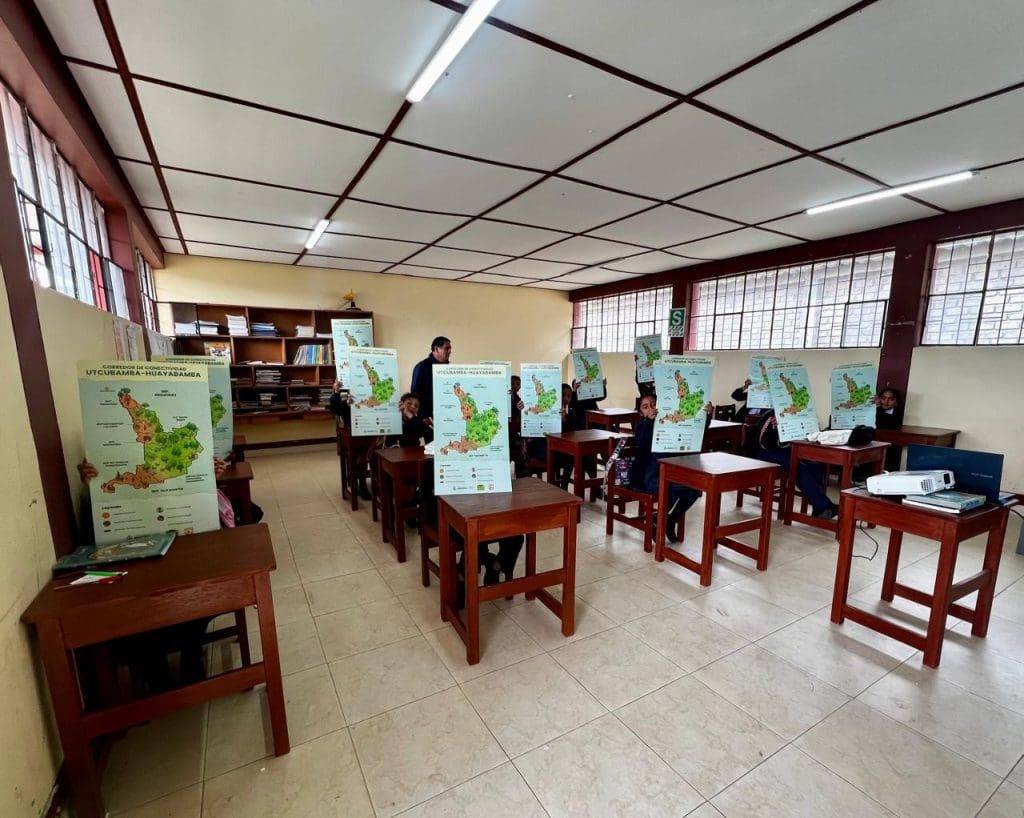
A través de estos talleres, los estudiantes también conocieron la propuesta y la importancia del Corredor de Conectividad Utcubamba-Huayabamba, un corredor ecológico ubicado en el sur de Amazonas, que incluye una concesión de conservación y cinco Áreas de Conservación Privada (ACP), entre las que destaca el ACP Tilacancha, de las comunidades de San Isidro de Mayno y Levanto.
Como parte de las actividades, se realizó la siembra de especies nativas en áreas afectadas por los incendios que acontecieron en el mes de septiembre, con el valioso apoyo de la Municipalidad Distrital de Levanto. Esta iniciativa busca restaurar los espacios degradados, impulsar la recuperación del ecosistema y prevenir futuros riesgos de incendios en las zonas vulnerables.
Desde Naturaleza y Cultura Internacional se continuará desarrollando talleres en diferentes anexos de las comunidades dentro del Corredor de Conectividad Utcubamba-Huayabamba, fortaleciendo así los conocimientos de los más jóvenes. La educación ambiental, sumada a acciones prácticas como la reforestación, son pasos esenciales para preservar la biodiversidad, mantener los servicios ecosistémicos y fomentar una cultura de conservación en las nuevas generaciones.
---
**Más información:**
Gabriela Gives
**Comunicación Perú**
<comunicacion.peru@naturalezaycultura.org>
**Tags:** Perú
**Strategic Area:** Comunidades Locales
**Country:** Perú
**Content Type:** Noticias
---
### [Comunidad lidera reforestación con especies nativas en su Área de Conservación ](https://www.natureandculture.org/es/directorio/comunidad-lidera-reforestacion-con-especies-nativas-en-su-area-de-conservacion/)
**Published:** November 5, 2024
**Author:** Nora Sanchez
**Content:**
La comunidad de San Pablo, donde se encuentra el Área de Conservación Privada (ACP) Comunal San Pablo – Catarata Gocta, ha iniciado una importante campaña de reforestación para recuperar áreas degradadas con especies nativas, como el cedro.
Este esfuerzo reafirma su compromiso con la conservación de los ecosistemas locales y la preservación del paisaje que da vida al atractivo turístico de la Catarata Gocta, una de las caídas de agua más altas del mundo.
La reforestación forma parte de los compromisos asumidos por la comunidad campesina, como parte de una campaña de adopción de árboles que lideró Conservemos por Naturaleza, donde el público en general tuvo la oportunidad de apadrinar un árbol. Este apadrinamiento contribuye directamente a la protección del bosque y a la recuperación de áreas degradadas, que a su vez asegura la continuidad de los servicios ecosistémicos esenciales, como la regulación del agua, la protección del suelo y la captura de carbono. Asimismo, la campaña busca fortalecer el vínculo entre la conservación del entorno natural y el desarrollo turístico sostenible en la región.
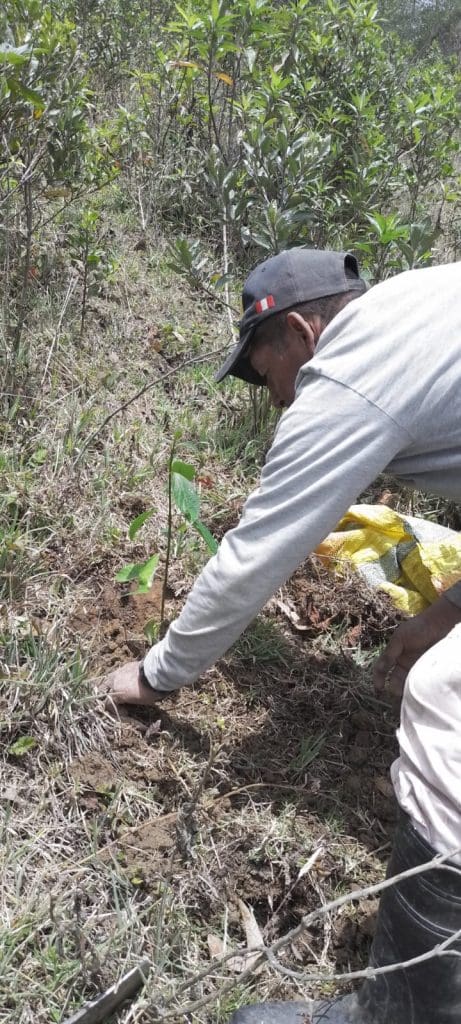
*“Están reforestando con especies nativas que históricamente formaban parte de estos bosques, lo cual es fundamental para mantener el equilibrio ecológico y garantizar que la naturaleza siga brindando beneficios a las futuras generaciones”,* expresó Lleydy Alvarado, jefa de proyectos de Naturaleza y Cultura Internacional.
```
Gracias a este esfuerzo colectivo y al apoyo de los padrinos de árboles, la comunidad de San Pablo continúa demostrando su liderazgo en la conservación ambiental.
```
**Dato:**
El Área de Conservación Privada Comunal San Pablo – Catarata Gocta está ubicada en Amazonas y es reconocida por su riqueza biológica y su impresionante paisaje natural. La catarata Gocta, con más de 770 metros de altura, es uno de los principales atractivos turísticos de la zona, atrae a visitantes de todo el mundo que buscan disfrutar de su belleza y explorar los ecosistemas únicos que rodean el área.
El establecimiento del ACP fue por decisión e iniciativa de la comunidad campesina y contó con el apoyo técnico de Naturaleza y Cultura Internacional.
---
Más informacion:
Gabriela Gives
**Comunicacion Perú**
<comunicacion.peru@naturalezaycultura.org>
**Tags:** Biodiversidad, Perú
**Strategic Area:** Bosques
**Country:** Perú
**Content Type:** Blog
---
### [4ta escuela del agua por la cuenca binacional Mayo-Chinchipe](https://www.natureandculture.org/es/directorio/se-desarrollo-cuarta-escuela-del-agua-por-la-cuenca-binacional-mayo-chinchipe/)
**Published:** October 30, 2024
**Author:** Nora Sanchez
**Content:**
*Continúa la capacitación a funcionarios de gobiernos locales fronterizos de Perú y Ecuador en el marco del proyecto **CUIDAR**.* *Se busca fortalecer sus capacidades para mejorar la gobernanza y la conservación del agua.* *El objetivo es constituir una red binacional de trabajo para una gestión sostenible del recurso hídrico.*
Durante dos días se reunieron funcionarios de las municipalidades distritales, provinciales y Gobierno Regionales del Perú y los gobiernos descentralizados, cantones y parroquias de Ecuador, del ámbito de la cuenca binacional Mayo Chinchipe. El objetivo ha sido proporcionarles herramientas y conocimientos para mejorar la gobernanza del agua en sus localidades y a lo largo de toda la cuenca.
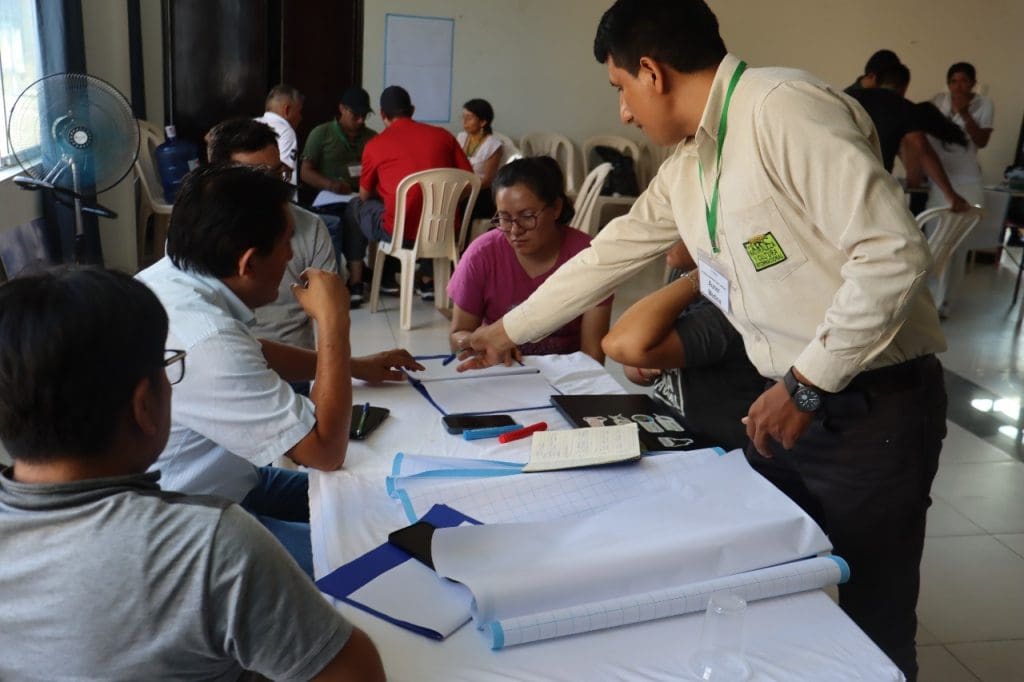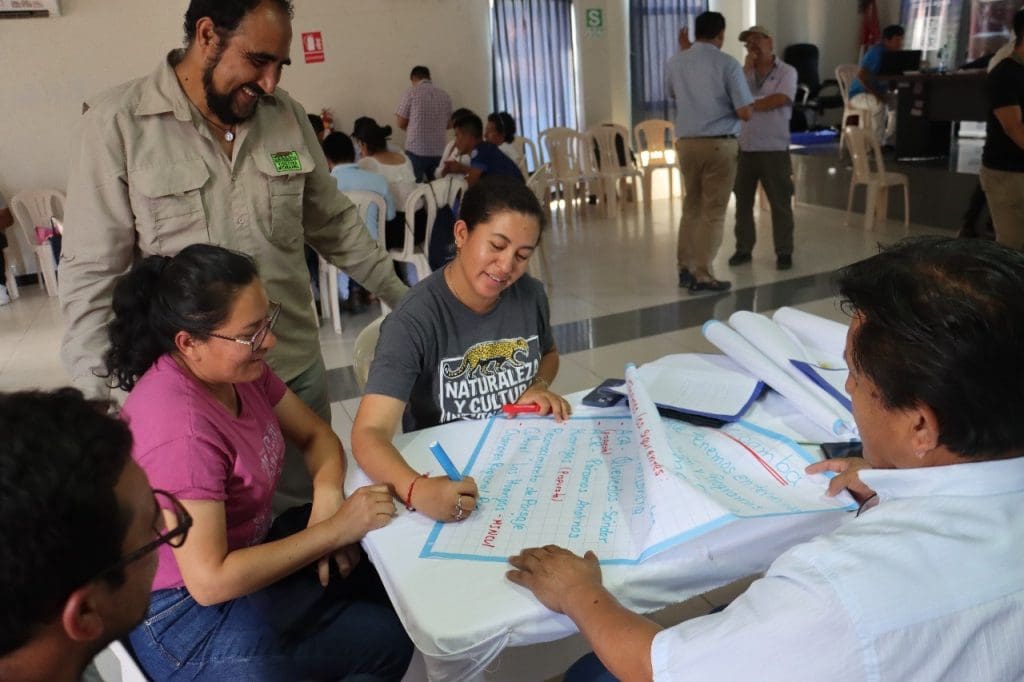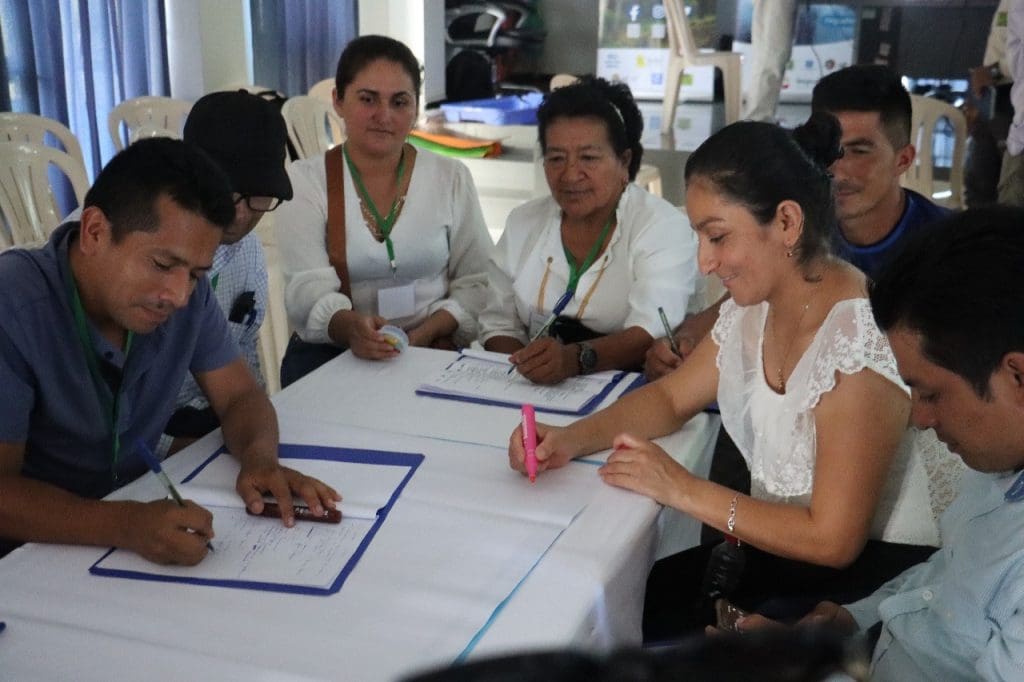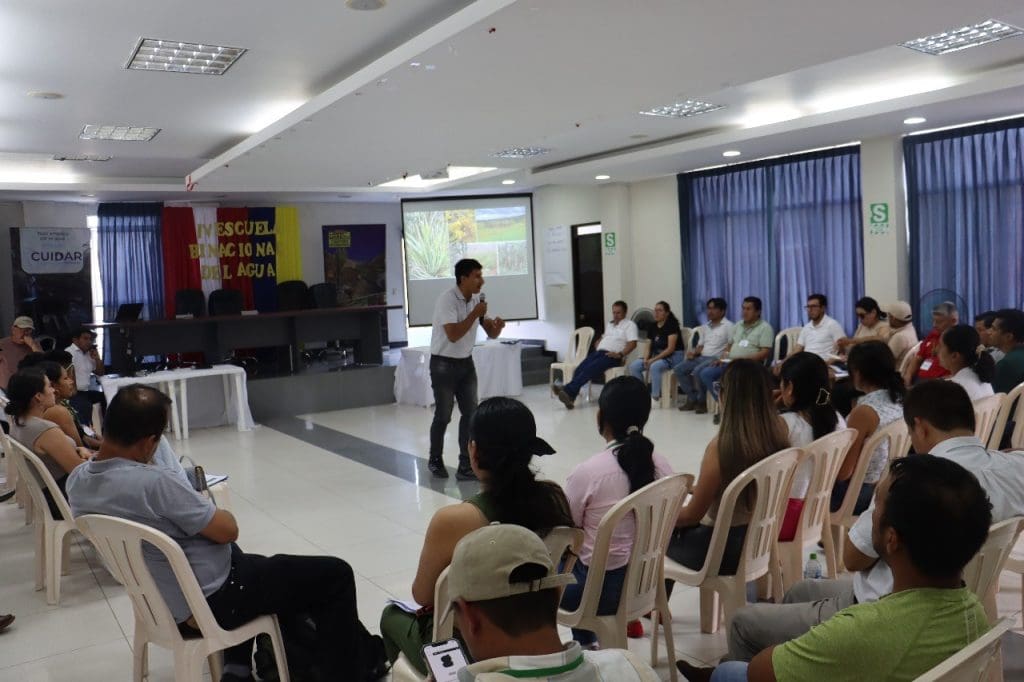
La cuarta Escuela del Agua capacitó en la identificación de fuentes de financiamiento, implementación y ejecución de proyectos sostenibles para la conservación del agua que se genera en los ecosistemas de bosque húmedo de montaña y bosque amazónico de ambos países.
Algunas participantes de la cuarta escuela del Agua dejaron sentir sus impresiones respecto a esta actividad. **Vanessa Ancajima Larreategui** funcionaria de la Municipalidad Distrital de Namballe en San Ignacio, indicó que la Escuela del Agua les ha permitido encontrarse e interactuar con sus pares del otro lado de la frontera.

***“Nos está dando la oportunidad de brindar nuestro conocimiento y experiencia tanto a Perú como Ecuador. Este es un tema en el que el Estado no se ha involucrado”***
Otra de las participantes fue **Verónica Vargas Macao**, técnica de recursos naturales del Municipio de Palanda en la provincia de Zamora, se refirió a la Escuela del Agua como un espacio muy importante para la capacitación de funcionarios en cuanto a ordenanzas locales que buscan proteger el agua a lo largo de la cuenca compartida.
***“Me pareció muy importante porque regresamos a nuestros gobiernos descentralizados con la idea estas iniciativas. Tenemos una responsabilidad de ambas partes entendiendo que es una sola cuenca, por lo que debemos trabajar mancomunadamente”***
**Yesmin Falla Reyes**, técnica de la división de gestión ambiental de la Municipalidad de Bellavista provincia de Jaén, manifestó que el encuentro de la Escuela del Agua les ayuda mucho para fortalecer la legislación en el manejo de la cuenca, para cuidar nuestras fuentes en unidad.
***“Tenemos una relación muy cercana, es necesario que tanto Perú y Ecuador olvidemos nuestras fronteras y unamos nuestras fuerzas para generar un compromiso unificado”***
Por su parte, Iván Mejía, jefe de proyectos de Naturaleza y Cultura Internacional, explicó que la cuarta Escuela del Agua del Proyecto CUIDAR tiene 3 módulos de capacitación, cuyas temáticas son: derecho humano al agua y saneamiento, financiamiento público y privado para la protección y recuperación de los servicios ecosistémicos relacionados con el agua y por último, agenda de los gobiernos locales para la protección y conservación de la cuenca Mayo- Chinchipe. Iván destacó que los participantes que logren aprobar serán certificados por la Universidad Nacional de Jaén.
El proyecto **CUIDAR** se ejecuta en ambos lados de la frontera de Perú y Ecuador, gracias a la alianza entre Protos Andes y Naturaleza y Cultura Internacional Perú y Ecuador, la Universidad Nacional de Loja y la Universidad Nacional de Jaén con el patrocinio de Join For Water de Bélgica (Unidos por el Agua).
**Dato:** La cuenca del río Mayo – Chinchipe nace en la cordillera de Sabanilla, en la provincia de Zamora en el sur de Ecuador. El río Mayo se une en la línea fronteriza binacional con el río Canchis, formando el río Chinchipe, cuyo recorrido es alimentado en territorio peruano por los ríos Chirinos y Tabaconas, para finalmente integrarse al cauce del río Marañón.
El ámbito de la cuenca del río Chinchipe pertenece a la vertiente del Atlántico, a donde llegan sus aguas luego de discurrir por el Marañón y el Amazonas. La cuenca tiene una extensión “aproximada de 9000 Km2 (67% en Perú y 33% en Ecuador) y es una de las principales cuencas que vinculan el bosque amazónico entre los dos países” de los cuales 3 148 km2 están de lado ecuatoriano y 6 539 km2 en el peruano.
---
**Más informacion:**
Gabriela Gives
**Comunicacion Perú**
<comunicacion.peru@naturalezaycultura.org>
**Tags:** Agua, Biodiversidad, Ecuador, Perú
**Strategic Area:** Agua
**Country:** Ecuador, Perú
**Content Type:** Noticias
---
### [Atahualpa Expanded Protected Area](https://www.natureandculture.org/directory/atahualpa-expanded-protected-area/)
**Published:** October 17, 2024
**Author:** Heather Thomas
**Content:**
In the southernmost coastal provinces of Ecuador, regional authorities have approved the expansion of the Atahualpa Protected Area. The decision to add an impressive 25,000 acres comes after thorough threat assessments conducted by the Nature and Culture team, alongside local officials. Deforestation, livestock expansion, and mining activities all called for urgent action to broaden existing conservation efforts in the area. With this ordinance, the protected area has grown from 3,301 acres to 28,369 acres of evergreen forest and páramo.

## **Water resource protection**
The expansion will protect against significant threats to biodiversity while also ensuring the protection of ecosystems that are essential for regulating and conserving water sources. This new territory protects water resources that supply the region’s capital, Paccha, and surrounding parishes. It also incorporates the Yacuviña archaeological site, a natural and historical heritage site of great significance to the province of El Oro.
The name “Yacuviña” is derived from two words of Quechua origin: “Yacu,” meaning “water” or “river,” and “Viña,” which translates to “forever.” The name emphasizes the importance of this area for its collection of springs and other underground water sources.
Orcés Parakeet *(Pyrrhura orcesi)*, an endemic species of Ecuador
## **An essential biological corridor**
The expansion of the area enhances regional ecological connectivity by linking the protected areas of the Piñas, Zaruma, and Chilla. Together they create an essential ecological corridor for biodiversity in the province of El Oro. This corridor, in turn, integrates with the Fierro Urco water protection area, strengthening the region’s protected areas and ensuring greater ecological functionality of the landscape.


Among the species that inhabit the area is the Orcés Parakeet (Pyrrhura orcesi), an endemic species of Ecuador that is endangered. Although specific results on biodiversity monitoring in this area are not yet available, the Jocotoco Foundation has begun bird monitoring studies and restoration of degraded areas, which will help assess the conservation status of local flora and fauna.
## **Nature and Culture Supports Sub-National Protected Areas for Biodiversity and Water Conservation**
Since 2018, the Nature and Culture team has worked with the local government of Atahualpa, providing technical assistance with financial support from Andes Amazon Fund. Our support includes mapping and cartographic analysis, legal assistance, and field visits. The next steps include the creation of a management committee, signing conservation agreements with local stakeholders, and marking the protected area’s boundaries. Furthermore, the ordinance regulating the expansion includes provisions for increasing environmental financial contributions, which will generate the necessary resources to sustain management and conservation activities within the area.
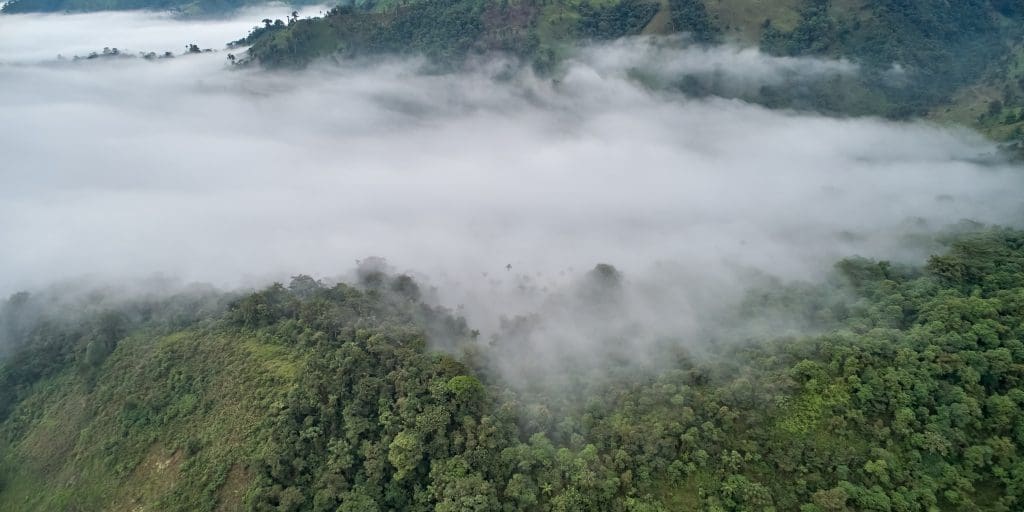
**Tags:** Biodiversity, Conservation, Ecuador, Protected Area
**Strategic Area:** Forests
**Country:** Ecuador
**Content Type:** News
---
### [Avanzamos en la protección de ecosistemas y restauración de suelos en Huancabamba y Ayabaca](https://www.natureandculture.org/es/directorio/avanzamos-en-la-proteccion-de-ecosistemas-y-restauracion-de-suelos-en-huancabamba/)
**Published:** October 14, 2024
**Author:** Nora Sanchez
**Content:**
El proyecto Bos+ continúa progresando en sus esfuerzos por restaurar suelos degradados y proteger las fuentes de agua en las provincias de Ayabaca, Huancabamba Bajo el marco del proyecto “Protección de Ecosistemas y Producción Sostenible de Tara para Aportar a la Mitigación y Adaptación del Clima en el Corredor de Conservación Transfronterizo Andino Amazónico”, se trabaja en la protección de los ecosistemas de páramos y bosques montanos a través de la restauración de áreas y el fortalecimiento de la cadena productiva de tara *(Caesalpinia spinosa).*
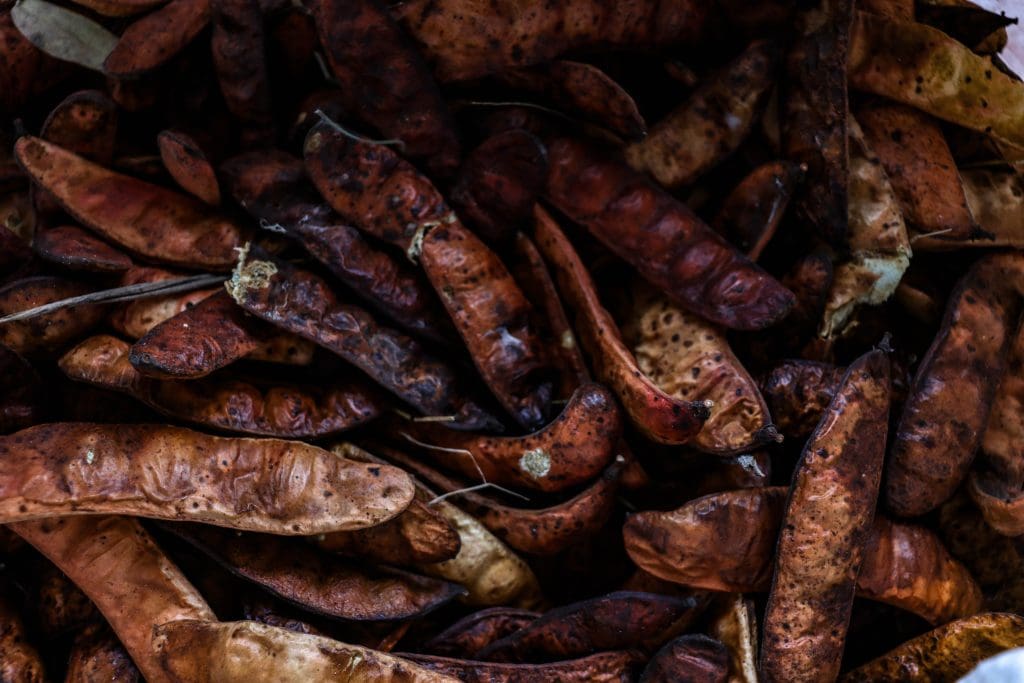Tara *(Caesalpinia spinosa)*
La tara desempeña un papel fundamental en este proyecto, ya que no solo ayuda a mejorar la calidad del suelo, sino también a conservar los ecosistemas locales. Además, contribuye a la mitigación del cambio climático al prevenir la erosión y mejorar la fertilidad del suelo.
Como parte de las acciones implementadas, la Comunidad Campesina de Tapal ha sido beneficiada con la entrega de 50 sillas plásticas para mejorar su local comunal, así como con 12 rollos de alambre de púas y 12 kilos de grapas para proteger las fuentes de agua en los sectores de Tapal medio, Culcapampa y Chinchinal.
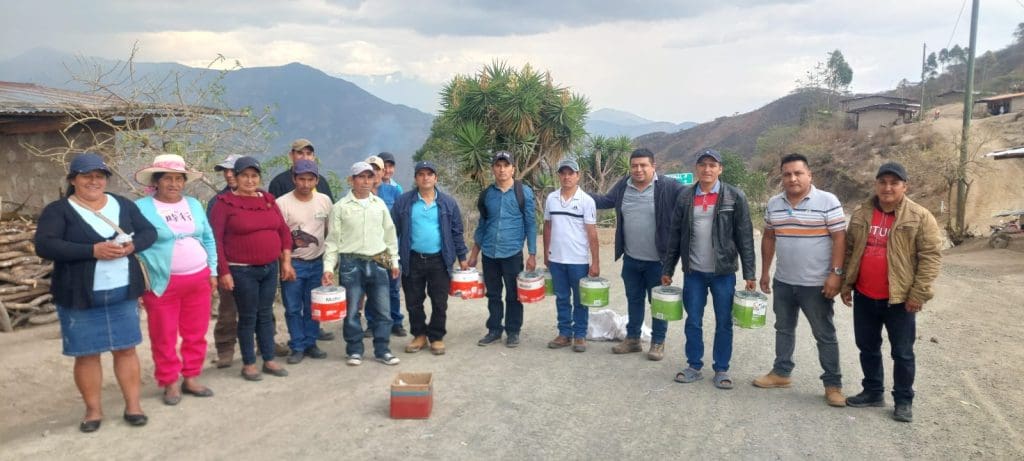
Este proyecto, financiado por Bos+, con el apoyo de Naturaleza y Cultura Internacional y el Fondo del Agua Andes del Norte, tiene como objetivo fomentar la sostenibilidad de las comunidades involucradas. generando ingresos sostenibles para los socios de las comunidades campesinas, reforzando su resiliencia ante el cambio climático y garantizando un futuro más próspero para las generaciones venideras.
---
**Más información:**
Gabriela Gives
<comunicacion.peru@naturalezaycultura.org>
**Tags:** Biodiversidad, Perú
**Strategic Area:** Bosques
**Country:** Perú
**Content Type:** Noticias
---
### [Atahualpa amplía su Área de Conservación](https://www.natureandculture.org/es/directorio/atahualpa-amplia-su-area-de-conservacion/)
**Published:** October 8, 2024
**Author:** Nora Sanchez
**Content:**
*El cantón Atahualpa, ubicado en la provincia de El Oro, ha decidido extender su Área de Conservación Municipal y Uso Sostenible (ACMUS), con el objetivo de garantizar la protección tanto de su biodiversidad como de sus fuentes hídricas.*
El Gobierno Autónomo Descentralizado (GAD) Municipal de Atahualpa aprobó la ampliación del ACMUS, incrementando su superficie de 1.336 hectáreas a 11.480,56 hectáreas. Esta decisión se sustenta en el diagnóstico realizado por los técnicos del GAD y de la organización Naturaleza y Cultura Internacional (NCI), quienes identificaron como principales amenazas para la zona la deforestación causada por el cambio de uso del suelo, la expansión de la ganadería y las actividades mineras. En respuesta a estos desafíos, la ampliación del área protegida busca fortalecer las acciones de protección ya existentes y mitigar los impactos ambientales negativos, asegurando la continuidad en el resguardo de los ecosistemas críticos.

Esta expansión refuerza la gestión integral de la conservación, con el fin de mantener y ampliar la protección de ecosistemas clave, tales como el bosque montano siempreverde, el bosque estacional y los páramos, que son esenciales para la regulación y conservación de las fuentes hídricas. La ampliación no solo consolida la protección de los recursos hídricos que suministran agua a la cabecera cantonal de Paccha y a las parroquias de Ayapamba, Cordoncillo, Milagro, San José y San Juan de Cerro Azul, sino que también incorpora el sitio arqueológico de Yacuviña, un patrimonio natural e histórico de gran relevancia para la provincia de El Oro.
En cuanto al financiamiento para las actividades de manejo y conservación del ACMUS, la ordenanza que regula la ampliación prevé un aumento en las contribuciones ambientales, lo que generará los recursos económicos necesarios para sostener dichas acciones.
### **Conectividad ecológica y biodiversidad en riesgo**
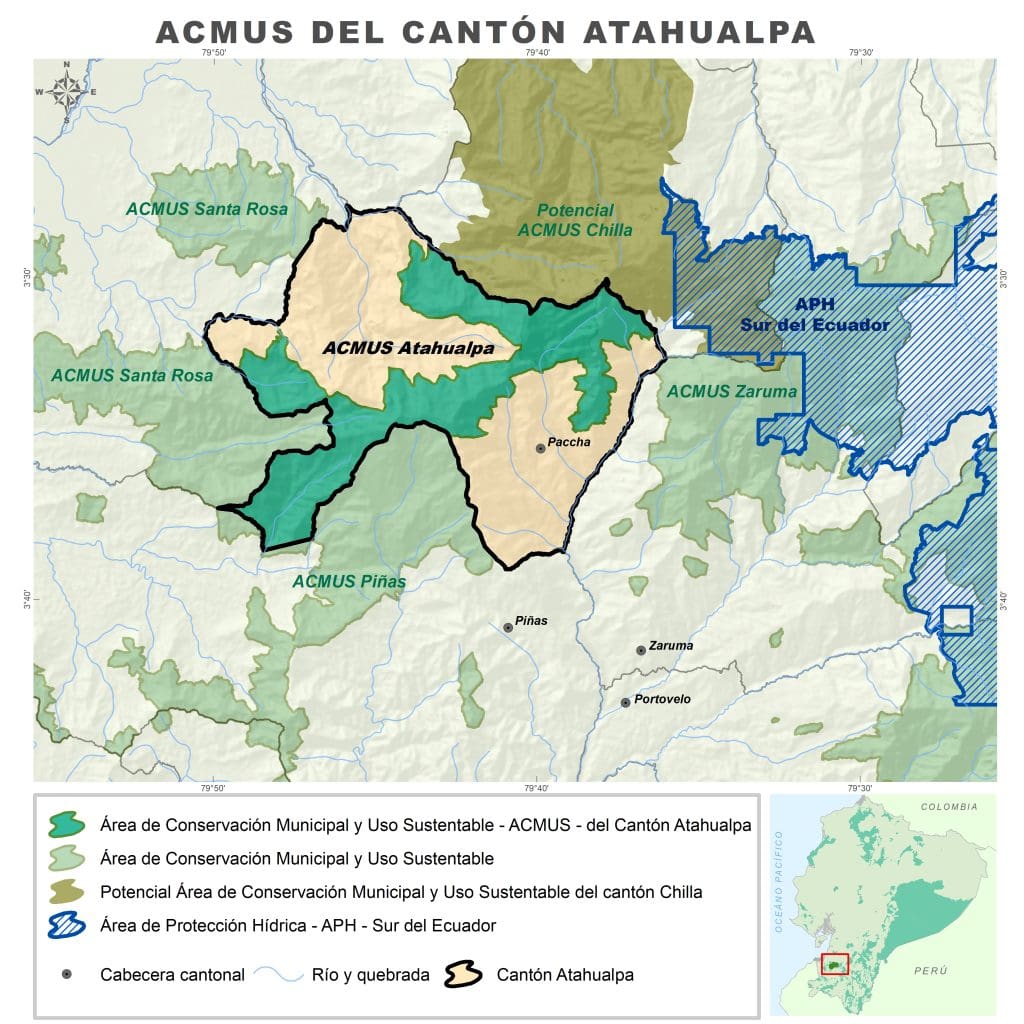
La expansión del ACMUS no solo tiene implicaciones a nivel local, sino que también favorece la conectividad ecológica regional. Al conectar las áreas protegidas de los cantones Piñas, Zaruma y Chilla, se consolida un corredor ecológico esencial para la conservación de la biodiversidad en la provincia de El Oro. Este corredor, a su vez, se integra con el área de protección hídrica Fierro Urco, lo que fortalece la red de áreas protegidas en la región y asegura una mayor funcionalidad ecológica del paisaje.
Perico de Orcés (*Pyrrhura orcesi)*, una especie endémica de Ecuador
Entre las especies que habitan en el área destaca el Perico de Orcés (*Pyrrhura orcesi)*, una especie endémica de Ecuador que se encuentra en peligro de extinción. Si bien aún no se dispone de resultados específicos sobre el monitoreo de biodiversidad en esta zona, la Fundación Jocotoco ha iniciado estudios de monitoreo de aves y la restauración de áreas degradadas, los cuales permitirán evaluar el estado de conservación de la fauna y flora locales.
### **Gestión del ACMUS: asesoría y próximos pasos**
Desde 2018, Naturaleza y Cultura Internacional (NCI) ha proporcionado asesoría técnica al Gobierno local de Atahualpa, con el apoyo financiero del Andes Amazon Fund. Las actividades realizadas incluyen el levantamiento y análisis cartográfico, asistencia legal para la elaboración de la ordenanza que regula el ACMUS, y recorridos técnicos para validar la información en campo.
Los próximos pasos en la gestión del ACMUS incluyen la creación de un comité de gestión del área, la firma de acuerdos de conservación con actores locales, la señalización del territorio protegido y otras acciones determinadas por el GAD Municipal. Estas medidas son esenciales para garantizar la protección de los recursos naturales, así como para asegurar el suministro de agua a las comunidades que dependen de estas fuentes hídricas.
### **El cantón Atahualpa amplía su Área de Conservación Municipal y Uso Sostenible (ACMUS) para proteger bosques y fuentes de agua**
El cantón Atahualpa en la provincia de El Oro ha decidido incrementar la extensión de su Área de Conservación Municipal y Uso Sostenible (ACMUS) con el objetivo de preservar sus bosques y cuidar las fuentes abastecedoras de agua para consumo humano del cantón.
Con esta decisión, el área protegida de 1336 hectáreas pasan a abarcar 11.480,56 ha de bosque montano siempreverde y estacional y páramo.
Con la ampliación del ACMUS, los técnicos del GAD Municipal y de Naturaleza y Cultura Internacional (NCI) identificaron las principales amenazas para el área, como la deforestación por el cambio de uso del suelo, la ganadería y las actividades mineras.
Se podrán cuidar las principales fuentes de agua que abastecen a la cabecera cantonal, Paccha, y a las parroquias Ayapamba, Cordoncillo, Milagro, San José y San Juan de Cerro Azul. Otro dato importante es que en el ACMUS incluye la zona de Yacuviña, un sitio arqueológico y patrimonio natural de la provincia de El Oro.
Además, dentro de la ordenanza que establece esta ampliación del ACMUS, se incrementaó el valor de la tasza ambiental, lo que significará el incremento de fondos para financiar las actividades de manejo y gestión del ACMUS.
Esta ampliación también favorece la conectividad entre las ACMUS de los cantones de Piñas, Zaruma y Chilla, consolidando así un corredor ecológico clave para la provincia de El Oro. Además, esta área se conecta con el área de protección hídrica Fierro Urco.

El cantón Atahualpa, ubicado en el centro de la provincia, alberga una variedad de especies de flora y fauna de gran importancia, incluida una especie endémica de Ecuador que se encuentray en peligro de extinsión: el Perico de Orcés (*Pyrrhura orcesi*).

Aunque en esta zona aún no se cuenta con resultados específicos de monitoreo de biodiversidad, la Fundación Jocotoco está realizando estudios en diversas áreas de la provincia, como monitoreo de aves y procesos de áreas degradadas.
Desde 2018, NCI ha brindado asesoría técnica al Gobierno local con el apoyo financiero del Andes Amazon Fund para la aprobación de esta ampliación. Entre las actividades llevadas a cabo se incluyen el levantamiento y análisis cartográfico, la asistencia legal para el desarrollo de la Ordenanza y recorridos técnicos para validar la información en el terreno.
Los próximos pasos en la gestión del ACMUS de Atahualpa incluyen la creación de un comité de gestión del área, la firma de acuerdos de conservación, la señalización, y otras acciones determinadas por el GAD Municipal para garantizar el suministro de agua a las comunidades de la región.
---
**Más información:**
Aida Maldonado
**Comunicación Ecuador**
<amaldonado@naturalezaycultura.org>
**Tags:** Ecuador
**Strategic Area:** Bosques
**Country:** Ecuador
**Content Type:** Noticias
---
### [Naturaleza y Cultura Internacional visita Bélgica ](https://www.natureandculture.org/es/directorio/naturaleza-y-cultura-internacional-visita-belgica/)
**Published:** October 4, 2024
**Author:** Nora Sanchez
**Content:**
Con la participación de 25 expertos de diversas organizaciones de 7 países, entre ellos Burundi, Mali, Uganda, República Democrática del Congo, Perú y Ecuador, participamos en una reunión organizada por Join For Water, en Bélgica.
El encuentro permitió realizar una evaluación institucional de Join For Water y entre los asistentes plantear estrategias, para consolidar sistemas sostenibles de agua en los territorios involucrados, atendiendo a las necesidades de las comunidades y promoviendo prácticas de conservación que integren múltiples sectores.
Cabe indicar que, la participación de Naturaleza y Cultura Internacional fue como socio del proyecto Cuidar, que tiene como ámbito de acción la cuenca Mayo – Chinchipe, desde Ecuador hasta Perú. El espacio también fue propicio para intercambiar experiencias con las diversas organizaciones y socios de Join For Water. Guillermo Maraví, director ejecutivo de Naturaleza y Cultura Internacional Perú explicó que, durante la reunión, se discutieron estrategias globales en conservación y gestión del agua y destacó la relevancia de algunas de estas estrategias.
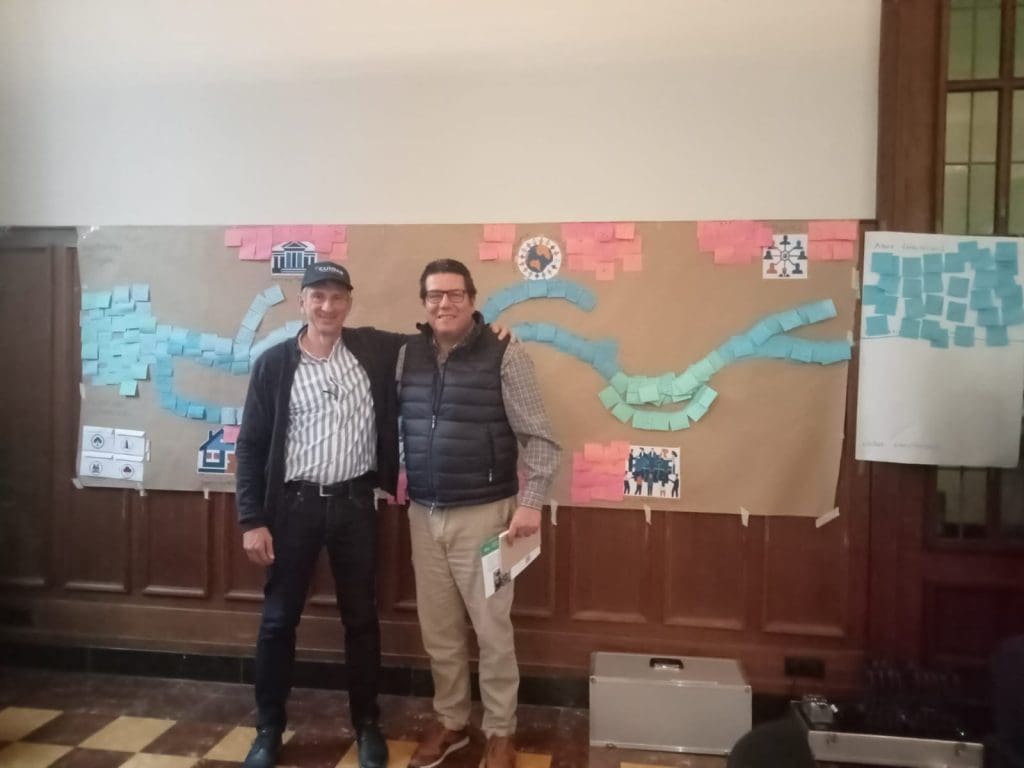Guillermo Maravi durante su visita a Bélgica
“Una de las ideas más relevantes que surgió durante las conversaciones fue la necesidad de fortalecer la articulación entre las organizaciones dedicadas a la conservación ambiental y otros sectores, como la agricultura y producción” destacó Guillermo.
Otro punto importante fue la participación de los jóvenes en la conservación. “Es crucial involucrar a las nuevas generaciones como protagonistas de los esfuerzos ambientales, desarrollando estrategias y actividades específicamente orientadas a ellos” explica Maraví.
Finalmente, resaltó la importancia de mejorar los medios y herramientas de comunicación. La implementación de estrategias de comunicación efectivas puede ayudar a sensibilizar a un público más amplio y fomentar la participación en iniciativas ambientales y conservación de las fuentes naturales de agua.
Es importante resaltar que el evento ha proporcionado valiosas ideas que Naturaleza y Cultura Internacional Perú considera fundamentales para sus futuros proyectos, promoviendo un enfoque integral y colaborativo en la gestión sostenible del agua y la conservación de los ecosistemas no solo de los Andes del Norte, donde se ubica la cuenca Mayo – Chinchipe; si no también en los otros paisajes donde trabaja, como los Bosques Secos del Marañón, Carpish – Río Abiseo, Nanay Tigre; así como en los ecosistemas de Amazonas y Ucayali.
Guillermo Maraví junto al equipo de BOS+
Guillermo aprovecho la visita a Bélgica para sostener una reunión con la plana mayor de BOS+ y evaluar futuras posibilidades de proyectos, sobre la base del trabajo conjuntamente los últimos años.
---
**Más información:**
Gabriela Gives
Comunicadora Perú
[comunicación.peru@naturalezaycultura.org](http://comunicación.peru@naturalezaycultura.org)
**Tags:** Perú
**Strategic Area:** Agua
**Country:** Perú
**Content Type:** Noticias
---
### [Un paso más cerca del reconocimiento del Corredor Andes del Norte ](https://www.natureandculture.org/es/directorio/un-paso-mas-cerca-del-reconocimiento-del-corredor-andes-del-norte/)
**Published:** September 26, 2024
**Author:** Nora Sanchez
**Content:**
## En una reciente sesión de concejo del Gobierno Regional de Piura aprobó la Ordenanza Regional que declara de interés regional el reconocimiento del corredor de conservación Andes del Norte, que conecta a los Páramos y Bosques montanos de los Andes del Norte en Piura
Durante la sesión, el presidente de la comisión del medio ambiente y consejero regional de Ayabaca, Milker Castro, sustento el informe técnico de la ordenanza regional, quien destacó que el corredor de conservación abarca áreas estratégicas y será en un modelo de conectividad ecológica que protegerá los valiosos ecosistemas de la región que proveen el recurso hídrico a la región.
Foto aérea de la Laguna Rey
Paolo Villegas, especialista del Gobierno Regional de Piura informó que el corredor de conservación en Piura abarca 175,541 hectáreas ubicadas en las provincias de Ayabaca y Huancabamba, en las comunidades de Samanga, Tapal, Predios Ambulco, San Juan de Cachiaco, San Pablo, comunidad Huaricancha y Segunda y Cajas.
En ese contexto, la bióloga Katty Carrillo, de Naturaleza y Cultura Internacional destacó el compromiso de las comunidades campesinas, quienes a través de sus áreas de conservación promueven el cuidado del ecosistema, el fortalecimiento de capacidad para hacerle frente a las amenazas y asegurar un ecosistema de calidad.
Por su parte, Karina Morales Andrade, Concejera Regional de Morropón destacó el trabajo con las comunidades “esto genera una sostenibilidad a todos los procesos en materia de desarrollo del ecosistema”. Además, resaltó el trabajo a favor de la biodiversidad de Naturaleza y Cultura Internacional.
### **Biodiversidad emblemática**
**Tapir Andino** (*Tapirus pinchaque*)
Estos ecosistemas albergan una gran diversidad de flora y fauna, representa el hogar de especies como el **Tapir Andino** (*Tapirus pinchaque*) y el **Oso de Anteojos** (*Tremarctos ornatus*). Además, alberga una gran variedad de aves únicas que hacen de estos ecosistemas un importante refugio de vida silvestre.
### **Servicios ecosistémicos**
La función de los páramos y bosques montanos es crucial para el abastecimiento de agua. En Piura, esta zona provee a las cuencas de los ríos Chira y Chamaya, de las cuales dependen tanto las comunidades locales como las actividades agrícolas y económicas para Piura.
En ese sentido, el Ingeniero Raul Cevallos, director del Sistema Regional de Piura, Gerencia de Recursos Naturales del Gobierno Regional de Piura, explicó la importancia de contar con una ordenanza que proteja las fuentes hídricas de la región y que alimentan a la cuenca Quiroz-Chira beneficiando a un total de 47,492 agricultores y cubre una superficie de riego de 76,829.96 hectáreas. Mientras que la cuenca Huancabamba-Chamaya, abastece por lo menos a 157,985 habitantes y cubre una superficie de riego de 38,000 hectáreas en el departamento de Lambayeque, y alimentaría al Proyecto Alto Piura, que busca integrar 20,000 nuevas hectáreas de cultivo y reactivar 30,000 hectáreas en las provincias de Morropón y Huancabamba, aseguró.
### **Un esfuerzo birregional**
Aunque la ordenanza respalda la conexión de los páramos y bosques montanos de Piura, la zona se une al mismo ecosistema que alberga Cajamarca, abarcando un total de 729,000 hectáreas. Entre ambos departamentos se conectan 7 Áreas de Conservación Privada Comunales, 2 Áreas de Conservación Ambiental y 2 Áreas de Conservación Regional y el Santuario Nacional Tabaconas Namballe, cuyo objetivo es la conservación de la biodiversidad y asegurar los servicios ecosistémicos que brindan a todos los peruanos.
Equipo de NCI, GORE de Piura y SERNANP
Por su parte, la bióloga Katty Carrillo de Naturaleza y Cultura Internacional resalta la necesidad de que Perú cuente con una legislación que favorezca la creación de corredores de conectividad, una estrategia clave para garantizar la protección de estos recursos a largo plazo.
### **Conexión transfronteriza para la conservación**
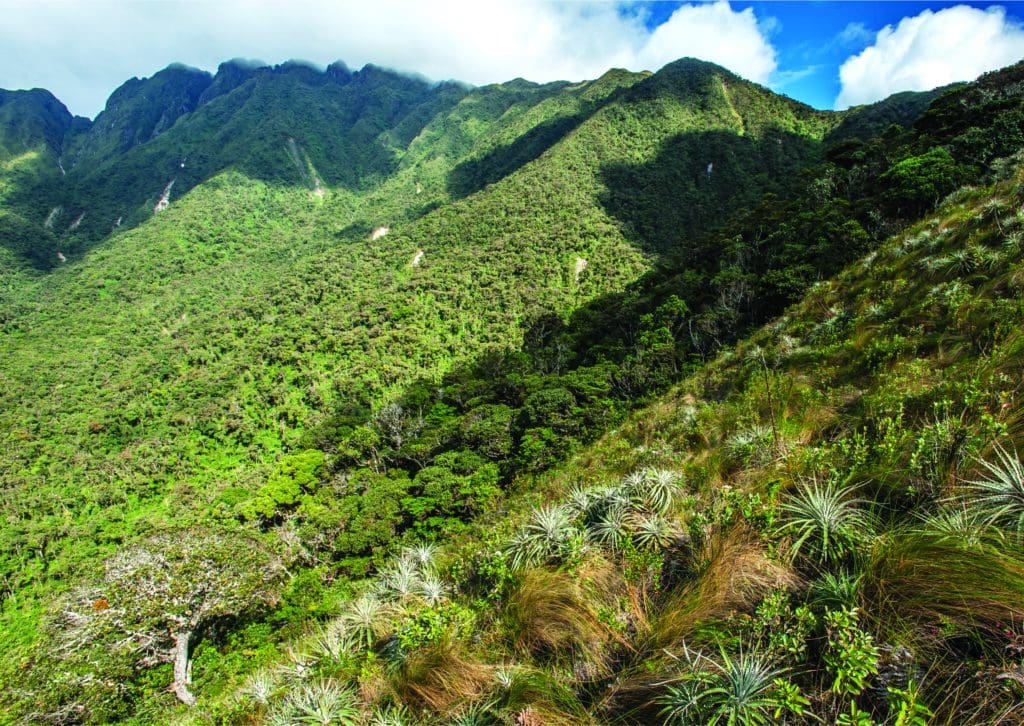Huaricancha
Este corredor limita con los bosques montanos y páramos del sur de Ecuador, formando parte del Corredor Podocarpus-Yacuri y el Corredor Sangay-Podocarpus. Esta unión natural, en más de 2 millones de hectáreas entre ambos países amplía el territorio disponible para el libre desplazamiento de especies, reforzando los compromisos de conservación a nivel transfronterizo y asegurando la protección de las fuentes de agua que benefician a Perú y Ecuador.
Naturaleza y Cultura Internacional continuará apoyando iniciativas como esta, que contribuyen a la conservación de nuestros ecosistemas más valiosos y aseguran un futuro sostenible para las generaciones venideras.
---
**Más información:**
Gabriela Gives
**Comunicacion Perú**
<comunicacion.peru@naturalezaycultura.org>
**Tags:** Biodiversidad, Perú
**Strategic Area:** Bosques
**Country:** Perú
**Content Type:** Noticias
---
### [Nueva especie de rana de cristal en los Andes](https://www.natureandculture.org/es/directorio/nueva-especie-de-rana-de-cristal-en-los-andes/)
**Published:** September 24, 2024
**Author:** Nora Sanchez
**Content:**
*Investigaciones en Abra de Zamora revelaron una nueva especie de rana de cristal dentro de la Reserva San Francisco de Naturaleza y Cultura Internacional*
La rana de cristal, perteneciente a la familia *Centrolenida*e, es conocida por su piel translúcida, que permite ver sus órganos internos, incluido su corazón. Investigaciones recientes han demostrado que lo que antes se pensaba que era una sola especie, en realidad son varias especies distintas, cada una con características especiales en su apariencia, vocalizaciones e incluso genética.
Investigadores de la Universidad Técnica Particular de Loja, la Universidad San Francisco de Quito y otras instituciones académicas describieron dos nuevas especies dentro del grupo de anfibios *C. buckleyi*, y [los hallazgos fueron publicados el 20 de agosto de 2024](https://www.natureandculture.org/es/revision-taxonomica-de-c-buckleyi-y-descripcion-de-dos-nuevas-especies/). **La rana de cristal de Marco Reyes (*Centrolene marcoreyesi*) fue encontrada en la Reserva San Francisco de Naturaleza y Cultura, al sur de Ecuador.**

Aunque las ranas de cristal se encuentran comúnmente en los trópicos de América Central y del Sur, estudios recientes han demostrado que las concentraciones más altas están en la región andina, una zona con una biodiversidad increíblemente rica.
La mayoría de las ranas de cristal andinas tienen una distribución muy limitada, pero la rana de cristal de Buckley (*Centrolene buckleyi*) es una excepción. Esta especie cubre una gran región en los Andes tropicales. Las especies que cubren áreas tan amplias a menudo resultan ser grupos de especies similares, especialmente en regiones complejas como los Andes.
### **Abra de Zamora**
Bosques nublados de Abra de Zamora donde se han encontrado poblaciones saludables de *C. marcoreyesi*
El primer espécimen de *C. marcoreyesi* fue identificado en 2012 en la Estación de Investigación San Francisco (SFRS) de Naturaleza y Cultura, en la provincia de Zamora Chinchipe en Ecuador. La SFRS es parte de la historia de fundación de Naturaleza y Cultura, y alberga el programa de investigación ecológica más grande del mundo sobre bosques montanos tropicales. Se han generado 667 publicaciones científicas a partir de las investigaciones realizadas aquí, y nuestro equipo continúa colaborando con universidades ecuatorianas y alemanas para implementar investigaciones en la región.
El herpetólogo de campo Paul Székely señaló que, desafortunadamente, esta especie podría ya estar extinta en el lugar donde se descubrió inicialmente. Sin embargo, investigaciones recientes han encontrado *C. marcoreyesi* en tres ubicaciones adicionales, incluida la Reserva San Francisco de Naturaleza y Cultura y el Parque Nacional Podocarpus. Székely cree que estas poblaciones están saludables y actualmente está realizando un monitoreo para recopilar datos sobre esta especie en peligro de extinción. Debido a su rango limitado, los investigadores estiman que solo queda un pequeño número de individuos y recomiendan clasificarla como En Peligro (EN) según los criterios de la UICN.
EcoSs-Lab UTPLEcoSs-Lab UTPL
*C. marcoreyesi* se describe como una rana con un tinte lavanda en sus ojos y un vientre translúcido. El nombre de la especie “marcoreyesi” es un término en latín que honra a Marco M. Reyes-Puig, un reconocido herpetólogo del Instituto Nacional de Biodiversidad en Ecuador, en tributo a su trabajo y memoria, así como a su familia y amigos. Marco fue quien recolectó por primera vez esta nueva especie durante un viaje de campo a la provincia ecuatoriana de Zamora-Chinchipe.
Grabación de vocalizaciones de *C. marcoreyesi* (Créditos: EcoSs-Lab UTPL)
Aunque especies como esta enfrentan la amenaza constante de la pérdida de hábitat debido a la ganadería, especies invasoras y la minería, es crucial que nuestras áreas protegidas permitan que la biodiversidad prospere.
La protección de la Reserva San Francisco no sería posible sin el invaluable apoyo de Rainforest Trust, cuya colaboración ha sido instrumental en la conservación de esta Área Clave para la Biodiversidad. El equipo de investigación incluyó a Daniela Franco-Mena, Ignacio De la Riva, Mateo A. Vega-Yánez, Paul Székely, Luis Amador, Diego Batallas, Juan P. Reyes-Puig, Diego F. Cisneros-Heredia, Khristian Venegas-Valencia, Sandra P. Galeano, Jaime Culebras y Juan M. Guayasamin.
---
**Más información:**
Aida Maldonado
Comunicacion Ecuador
<amaldonado@naturalezaycultura.org>
**Tags:** Biodiversidad, Ecuador
**Strategic Area:** Biodiversidad
**Country:** Ecuador
**Content Type:** Noticias
---
### [Control y Vigilancia en el ACP Huaricancha](https://www.natureandculture.org/es/directorio/control-y-vigilancia-en-el-acp-huaricancha/)
**Published:** September 3, 2024
**Author:** Nora Sanchez
**Content:**
### Un Esfuerzo Conjunto para la Conservación de Nuestros Bosques
En una muestra de compromiso con la conservación de nuestros recursos naturales, se llevó a cabo una importante actividad de control y vigilancia en el Área de Conservación Privada (ACP) Huaricancha, ubicada en la comunidad campesina de Huaricancha, en Huancabamba – Piura.
La jornada contó con la participación de autoridades de la comunidad, el comité de gestión, guardabosques voluntarios, y representantes locales de los caseríos de Shumaya y Mancucur.
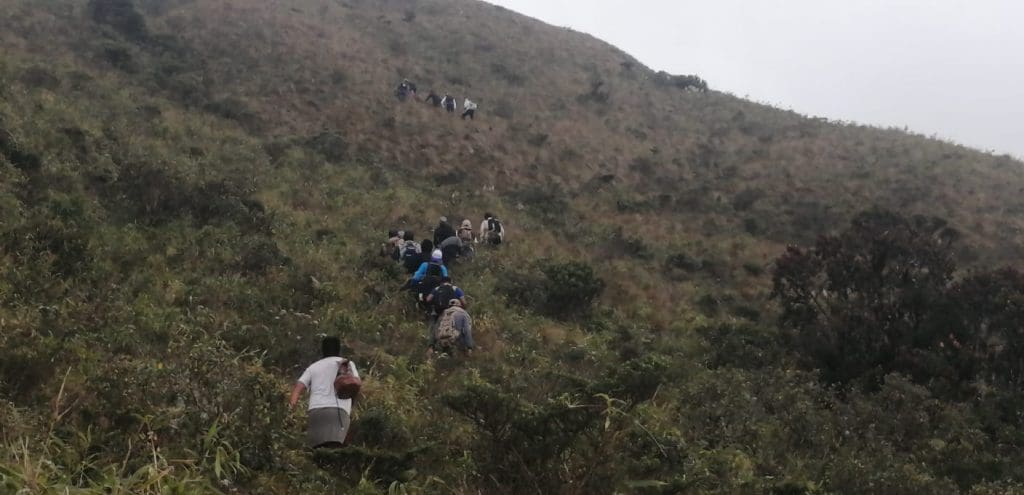
David García, de Naturaleza y Cultura Internacional, explica que la iniciativa buscaba patrullar rutinario para evaluar el estado actual del ACP y fortalecer la conciencia ambiental entre los habitantes de la zona.
Durante el recorrido, se destacó la importancia crucial de los bosques montanos y páramos, especialmente por su papel en la provisión de recursos hídricos, fundamentales para la vida y el bienestar de las comunidades aledañas.
***“Es alentador informar que no se observaron amenazas en el área, lo cual reafirma el compromiso de todos los involucrados en seguir protegiendo estos valiosos ecosistemas. Los bosques montanos y páramos del ACP Huaricancha son una fuente importante de biodiversidad y servicios ecosistémicos, es nuestra responsabilidad colectiva asegurar su protección para las generaciones futuras”*** expresó David.
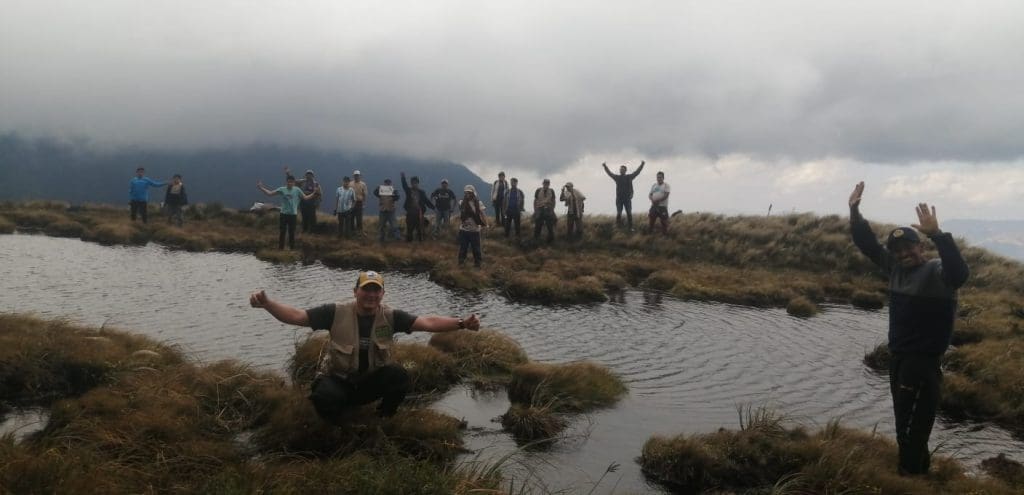
Por su parte, Pedro Alvarado Neyra, secretario del comité de gestión del ACP, menciona que realizan cuatro patrullajes al año y, además, la población de la comunidad se organiza para realizar jornadas de limpieza, se capacitan en control de incendios forestales y realizan jornadas de restauración con plantas nativas porque saben que desde su ACP nace el agua para la población y riego.
Cabe resaltar que, las autoridades y voluntarios de la comunidad campesina han ratificado el compromiso de continuar con estas actividades de control y vigilancia, para garantizar la protección continua de este importante espacio natural. Estas acciones cuentan con el apoyo financiero de World Land Trust.
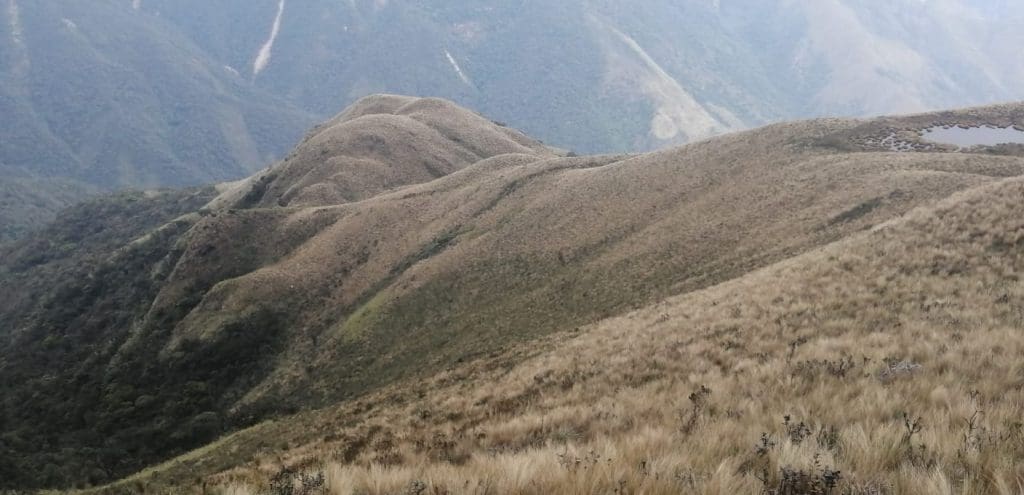
Dato:
El Área de Conservación Privada (ACP) Huaricancha protege 5915.35 hectáreas de páramo y bosque montano. La zona forma parte del Mosaico Andes del Norte y su ecosistema permite asegurar la provisión de agua para uso doméstico, agrícola y ganadero de Huancabamba. Además, es el refugio de diversas plantas como el árbol de la quina y animales como el tapir de montaña.
---
**Más información:**
Gabriela Gives
**Comunicación Perú**
<comunicacion.peru@naturalezaycultura.org>
**Tags:** Biodiversidad, Perú, Reservas naturales
**Strategic Area:** Bosques
**Country:** Perú
**Content Type:** Noticias
---
### [Cosechando esperanza: La historia de Santos Ríos y su compromiso con la tierra ](https://www.natureandculture.org/es/directorio/cosechando-esperanza-la-historia-de-santos-rios-y-su-compromiso-con-la-tierra/)
**Published:** September 3, 2024
**Author:** Nora Sanchez
**Content:**
En el sector Chinchinal, del predio Culcapampa en Ayabaca, vive Santos Ríos García, un productor de 63 años que ha dedicado su vida a trabajar la tierra. Con esfuerzo y dedicación, ha logrado transformar sus hectáreas con plantaciones de tara, en un símbolo de trabajo duro y esperanzador para su familia; aunque el camino no ha sido fácil, hoy, su labor es un ejemplo de perseverancia y visión.
Santos Ríos y su hijo Efrén
En la campaña pasada, Don Santos cosechó y comercializó 65 quintales de tara, un logro significativo, que se ha visto superado este año con una producción de 85 quintales. Pero el camino hacia esta producción no fue sencillo. Santos tuvo que esperar cuatro años para que sus plantaciones de tara comenzaran a dar frutos en su máxima capacidad. Mientras tanto, ha diversificado su economía cultivando productos como arveja, frijol y yuca. Esta diversificación le ha permitido sostener a su familia mientras la tara crecía y se desarrollaba.
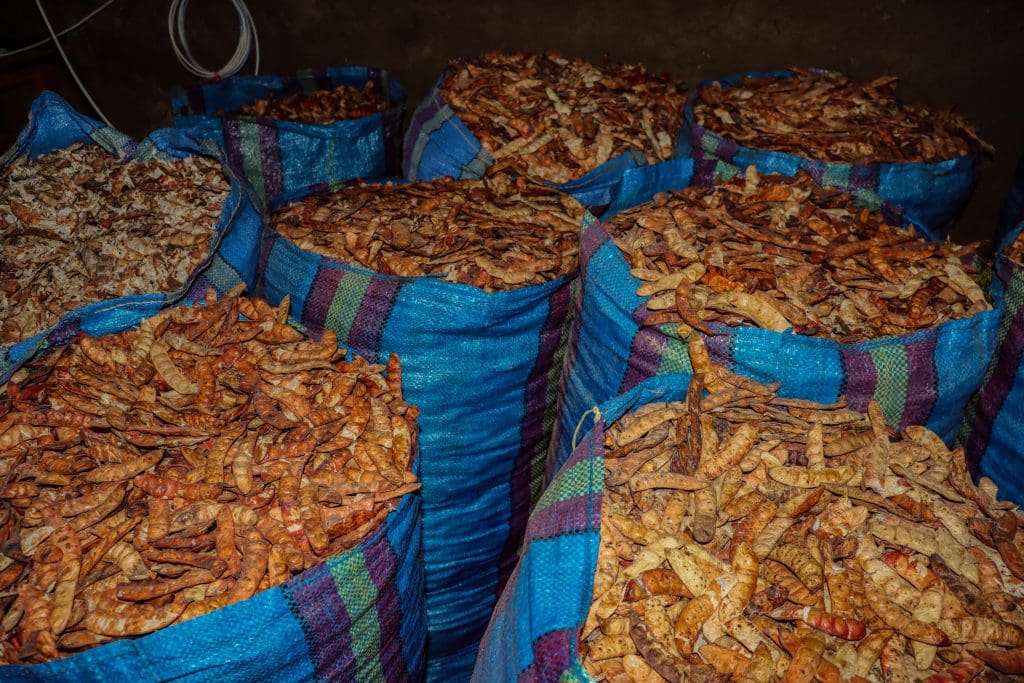Cosecha de tara
Su hijo Elfer Ríos, de 22 años, sigue sus pasos en el campo, ayudándolo en la producción. A la fecha cuenta con 850 plantones de tara instalados, y es uno de los pocos jóvenes que han decidido quedarse a trabajar en el campo, mientras que la mayoría de los jóvenes de la zona se marchan a la ciudad en busca de otras oportunidades.
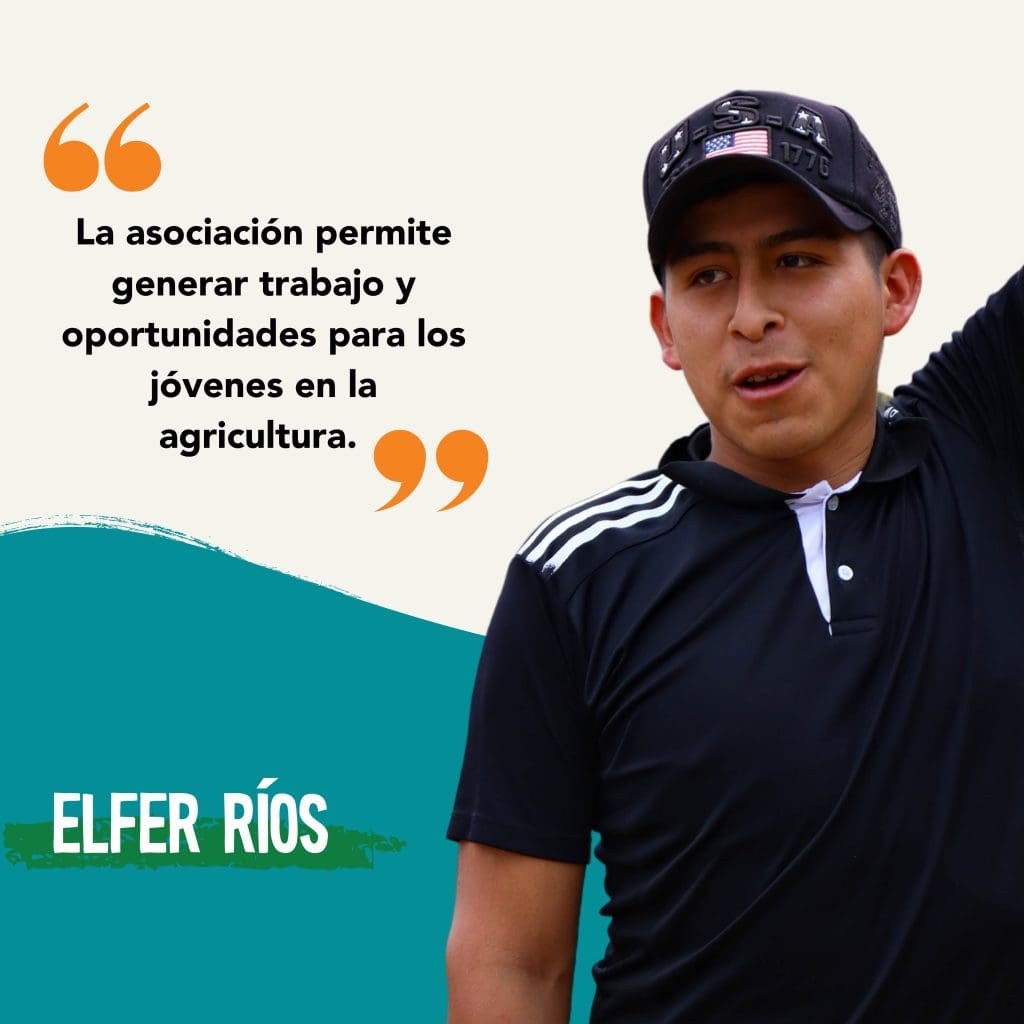“La asociación permite generar alternativas de trabajo y oportunidades para los jóvenes en la agricultura” menciona con entusiasmo Elfer.
Santos y Elfer cuentan que, con el equipo técnico de Naturaleza y Cultura internacional Perú, trabajan en el proyecto buscando mejorar la producción, mejorar la organización y conservar los ecosistemas; participando en actividades como la georreferenciación de parcelas, escuelas de campo, protección de vertientes, producción de plantones en vivero, manejo de sistemas agroforestales, entre otros. Acciones que les permite planificar y mejorar el uso de la tierra, para mejorar sus recursos y asegurar que su trabajo tenga un impacto positivo en el medio ambiente.
Al final del día, lo que motiva a Santos no es solo la producción de tara o la diversificación de sus cultivos. Es el deseo de dejar un legado para su familia, de enseñar a su hijo y a otros jóvenes de la comunidad que el trabajo en el campo tiene valor y futuro.
Santos y Elfer saben que la tara es una especie que ayuda en la restauración de suelos y que tiene múltiples propiedades para la salud, porque contiene gran cantidad de minerales. Además, se utiliza en grandes industrias para fabricación de resinas, protección de metales, cosmetología, componente de las pinturas; e entre otros.

**“El beneficio lo vamos a ver más tarde”**, dice Santos con esperanza. Y mientras sigue trabajando junto a su familia y su asociación, sabe que cada esfuerzo cuenta y que, con el tiempo, la cosecha será positiva, no solo en productos, sino en oportunidades para todos.
Santos y Elfer pertenecen a la Asociación Agropecuaria Culcapampa – AGROPEC, y no solo se enfocan en la producción, sino también en el fortalecimiento de capacidades a través de metodologías participativas como el aprender haciendo y escuelas de campo. Dicho apoyo es gracias al cofinanciamiento de Plan Binacional de Desarrollo de la Región Fronteriza Perú-Ecuador – Capítulo Perú, Naturaleza y Cultura Internacional y el soporte del Fondo del Agua Andes del Norte en el Programa Quiroz Chira.
Estas acciones son parte del proyecto “Producción sostenible de tara para aportar a la mitigación y adaptación del cambio climático en el Corredor de Conservación de los Andes del Norte” en las provincias de Ayabaca y Huancabamba, departamento Piura.
---
**Más información:**
Gabriela Gives
**Comunicación Perú**
<comunicacion.peru@naturalezaycultura.org>
**Tags:** Biodiversidad, Personas, Perú
**Strategic Area:** Comunidades Locales
**Country:** Perú
**Content Type:** Blog
---
### [Talleres, cine y pasacalle para promover la conservación ](https://www.natureandculture.org/es/directorio/talleres-cine-y-pasacalle-para-promover-la-conservacion/)
**Published:** September 3, 2024
**Author:** Nora Sanchez
**Content:**
En el marco del sexto aniversario del Área de Conservación Privada Comunal Cujillo (ACP Comunal Cujillo), se desarrollaron una serie de actividades dirigidas a fortalecer la conciencia ambiental y promover la conservación de los recursos naturales del área. Las celebraciones incluyeron talleres teóricos y prácticos, cine ambiental y un pasacalle, que convocaron a diversos actores de la comunidad.
El evento contó con la activa participación del Comité de Gestión del ACP Comunal Cujillo, la Junta Directiva de la Comunidad Campesina de Cujillo, SERNANP, SERFOR, la Municipalidad Distrital de Cujillo, Qengos Aventura, y varias instituciones educativas de nivel inicial, primario y secundario de la localidad. Las actividades se desarrollaron en la Comunidad Campesina de Cujillo, así como en los Caseríos de San Francisco y El Paraíso, en el distrito de Cujillo, provincia de Cutervo.
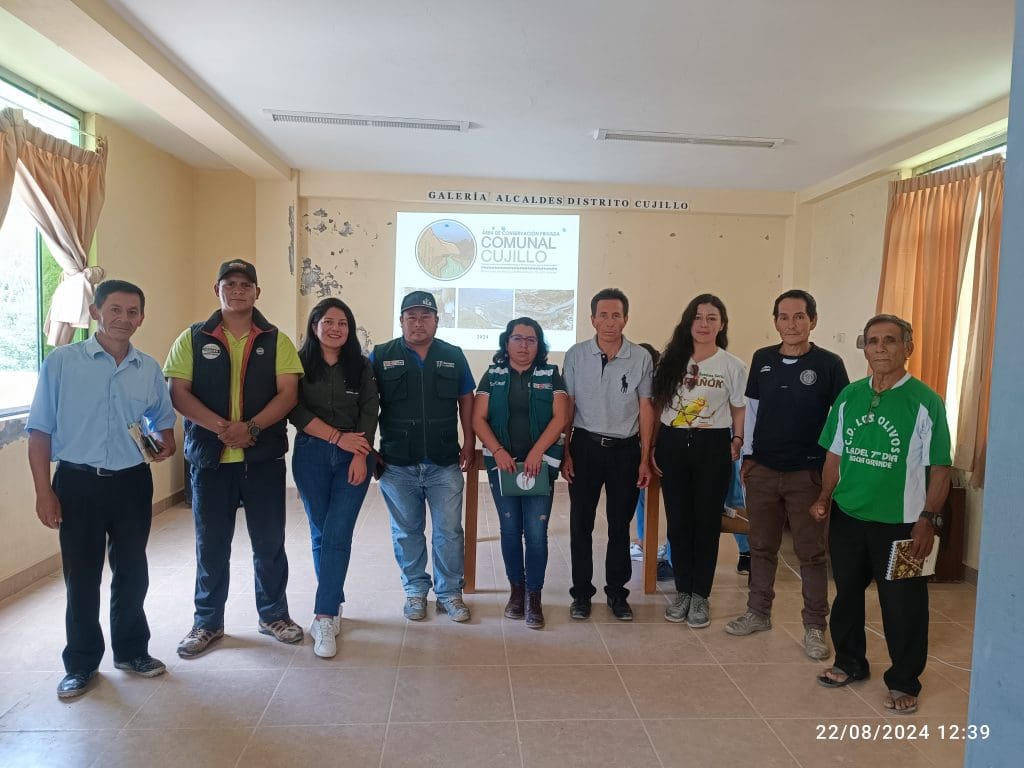
El objetivo central de este evento fue sensibilizar y fortalecer a la comunidad en la conservación de los recursos naturales que alberga el ACP Comunal Cujillo, un área clave para la protección de los Bosques Secos del Marañón. A lo largo de las actividades, los participantes tuvieron la oportunidad de aprender sobre la importancia de la conservación, interactuar con expertos y disfrutar de una jornada que combinó educación, cultura y entretenimiento.
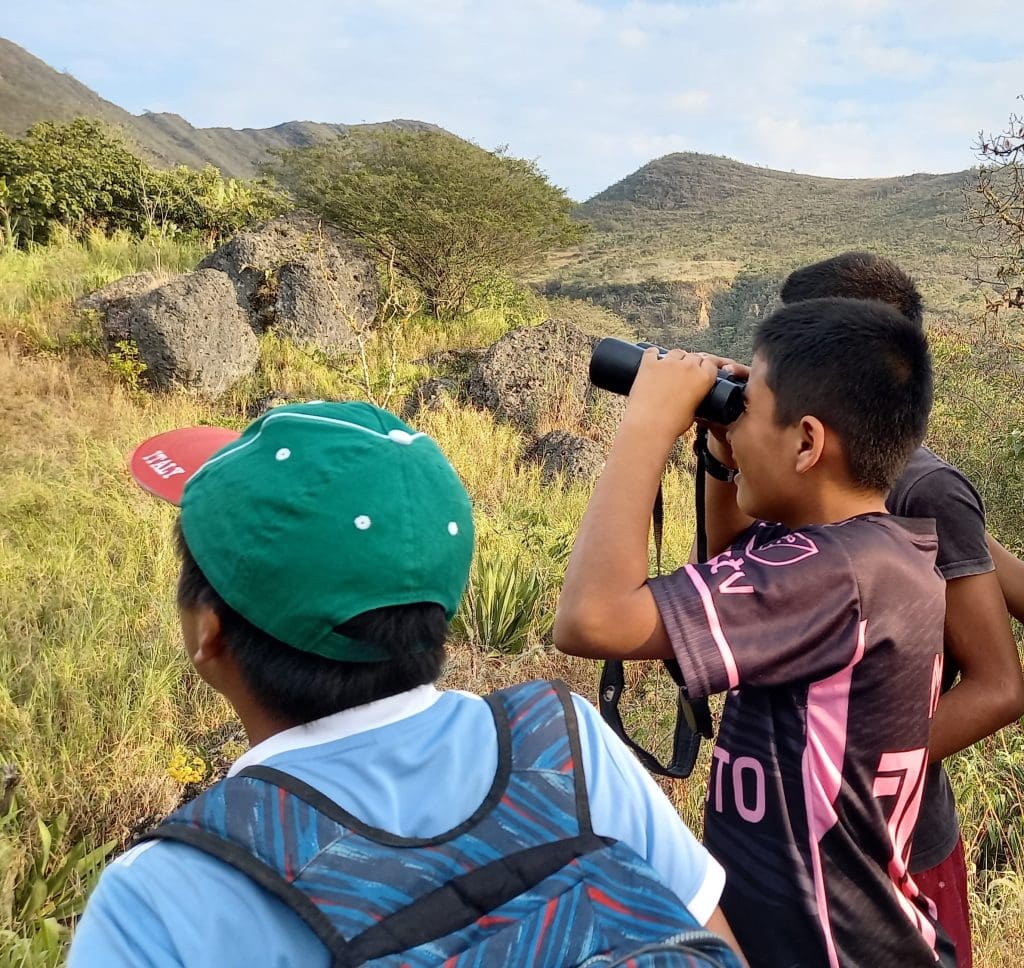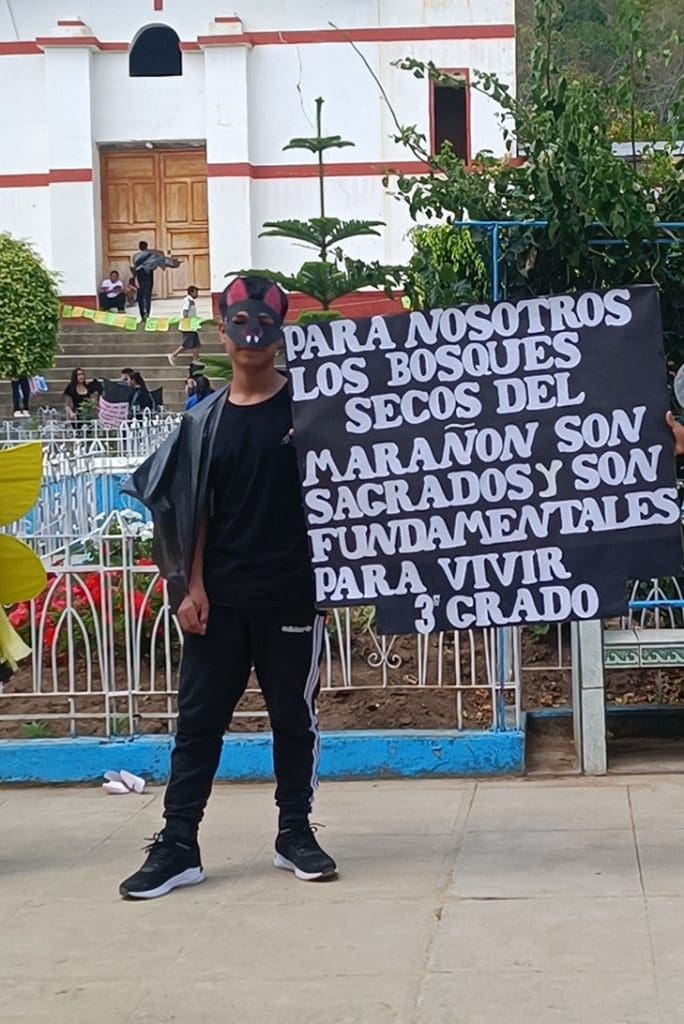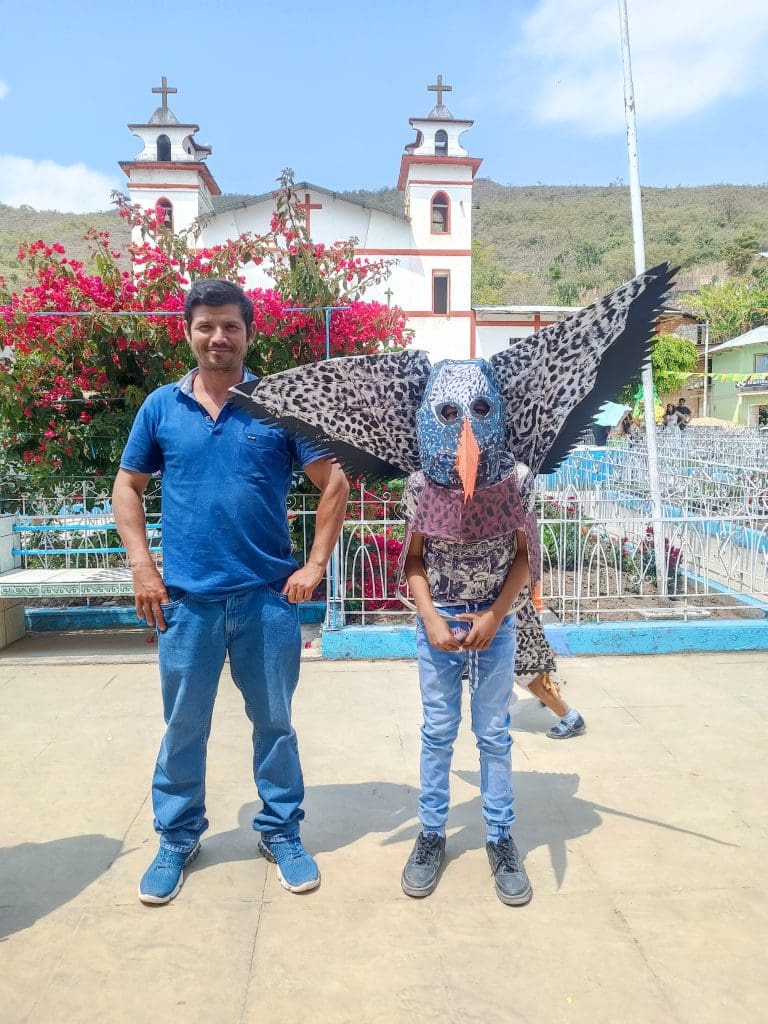
Desde Naturaleza y Cultura Internacional se reafirma el compromiso de apoyar al ACP Comunal Cujillo en la conservación de los Bosques Secos del Marañón. Este apoyo se materializa a través de acciones de sensibilización, gestión, integración, difusión, promoción y empoderamiento, lideradas por el Comité de Gestión del área natural y la Junta Directiva de la Comunidad Campesina.
Elvis Allauja, jefe de proyectos de Naturaleza y Cultura Internacional, destacó la participación y el compromiso de la comunidad campesina de Cujillo en la protección de sus bosques secos. ***“Es alentador ver el interés y la dedicación con los que la comunidad se involucra en la conservación de sus recursos. Además, valoramos el apoyo de las instituciones que nos acompañaron en este importante evento”***. Asimismo, subrayó que en el ACP Comunal Cujillo, es la primera área de conservación privada donde se han realizado la propagación y enriquecimiento de áreas con plantas de *Esenbeckia cornuta* y *Mimosa lamolina*, especies de flora endémica en peligro crítico, con el apoyo de la UNJ y la Fundación Franklinia.
---
**Más información:**
Gabriela Gives
**Comunicación Perú**
<comunicacion.peru@naturalezaycultura.org>
**Tags:** Biodiversidad, Personas, Perú
**Strategic Area:** Bosques
**Country:** Perú
**Content Type:** Evento
---
### [Indigenous Leadership in Climate Action: Nature and Culture at COP27](https://www.natureandculture.org/directory/indigenous-leadership-in-climate-action-nature-and-culture-at-cop27/)
**Published:** November 16, 2022
**Author:** Heather Thomas
**Content:**


# Indigenous Leadership in Climate Action: Nature and Culture at COP27
11/16/2022
**Strategic Area:** Climate - Local Communities -
**Content Type:** Blog
**Country:** Ecuador -
\[vc\_row\]\[vc\_column\]\[vc\_column\_text\]
## Nature and Culture attends COP27, the U.N. climate conference held in Sharm El Sheikh, Egypt, November 6 – 18, 2022.
The opportunity for Nature and Culture to attend COP, participate in the climate conversation and amplify Indigenous voices in climate action is a significant milestone for the organization.
Nature and Culture’s President & CEO, Matt Clark and Lolita Piyahuaje, Vice President of the Confederation of Indigenous Nationalities of the Ecuadorian Amazon’s (CONFENIAE) attended the conference, speaking together on a panel about Indigenous leadership within Pastaza Province’s [jurisdictional REDD+](https://www.natureandculture.org/reddplan-pastaza/) program. This program is the first of its kind in Ecuador, bringing together 7 Indigenous nationalities, the local provincial government, CONFENIAE, and Nature and Culture International to implement activities to reduce deforestation.\[/vc\_column\_text\]\[vc\_single\_image image=”26946″ img\_size=”large” add\_caption=”yes” alignment=”center”\]\[vc\_column\_text\]The project provides a new set of insights into the processes and structures that allow for meaningful Indigenous participation, equitable benefit sharing, and free and prior consent, all major themes of this year’s conference.
Watch the full presentation below.\[/vc\_column\_text\]\[vc\_column\_text\]
## COP27 Presentation: Indigenous Leadership in Amazonian REDD+ Program
\[/vc\_column\_text\]\[vc\_raw\_html\]JTNDaWZyYW1lJTIwd2lkdGglM0QlMjIxMjk2JTIyJTIwaGVpZ2h0JTNEJTIyNzI5JTIyJTIwc3JjJTNEJTIyaHR0cHMlM0ElMkYlMkZ3d3cueW91dHViZS1ub2Nvb2tpZS5jb20lMkZlbWJlZCUyRmpVbGN5d21iTE5RJTNGc2klM0RHbkdid1h4WEFoeE9TZDFIJTIyJTIwdGl0bGUlM0QlMjJDT1AyNyUzQSUyMEluZGlnZW5vdXMlMjBMZWFkZXJzaGlwJTIwaW4lMjBBbWF6b25pYW4lMjBSRUREJTJCJTIwUHJvZ3JhbXMlMjIlMjBmcmFtZWJvcmRlciUzRCUyMjAlMjIlMjBhbGxvdyUzRCUyMmFjY2VsZXJvbWV0ZXIlM0IlMjBhdXRvcGxheSUzQiUyMGNsaXBib2FyZC13cml0ZSUzQiUyMGVuY3J5cHRlZC1tZWRpYSUzQiUyMGd5cm9zY29wZSUzQiUyMHBpY3R1cmUtaW4tcGljdHVyZSUzQiUyMHdlYi1zaGFyZSUyMiUyMHJlZmVycmVycG9saWN5JTNEJTIyc3RyaWN0LW9yaWdpbi13aGVuLWNyb3NzLW9yaWdpbiUyMiUyMGFsbG93ZnVsbHNjcmVlbiUzRSUzQyUyRmlmcmFtZSUzRQ==\[/vc\_raw\_html\]\[vc\_column\_text\]
## COP27 Major Themes Related to our work
\[/vc\_column\_text\]\[vc\_column\_text\]**Providing carbon funding directly to Indigenous Peoples**
The U.N.’s Intergovernmental Panel on Climate Change (IPCC) said earlier this year that Indigenous Peoples are “critical” to addressing climate change. Their report cited the fundamental importance of recognizing their land tenure, knowledge systems, and management of forests.
Reducing tropical deforestation can contribute as much as 20 percent of the solution to reach the U.N. Paris Accord target of halting the average global temperature to 1.5° Celsius above pre-industrial levels. Indigenous Peoples live on about 60 percent of the world’s tropical forests. And they are not receiving fair compensation for the sustainable management of these forests. Of the 1.7 billion that was pledged at COP26 to support Indigenous Peoples and local communities’ forest tenure, only about 7 percent, of the 19 percent already delivered, has gone directly to Indigenous-led organizations.
Although a theme from years prior, the slow pace of carbon funding reaching Indigenous nationalities received particular attention at this year’s climate meeting. Lolita addressed the issue in her remarks as did numerous Indigenous speakers on other panels and workshops. Among potential solutions, they highlighted the need for two-way knowledge exchange between Indigenous and non-Indigenous actors and a joint commitment to create funding and administrative structures consistent with Indigenous forms of governance. They also stressed the importance of building the technical, administrative and financial capacity of all actors in order to facilitate direct funding to Indigenous Peoples.
On the complex nature of providing timely carbon funding directly to Indigenous Peoples Matt Clark explains, “On one hand, there’s this urgency to combat climate change. We’re rapidly blasting past the Paris Climate Accord. That goal will soon be unattainable if we don’t take drastic actions now. There’s also clearly an urgency that Indigenous Peoples feel to be compensated for conserving their forests. They’re tired of waiting. On the other hand, it’s critical to take the time to build trust and mutual understanding. Carbon markets are technically, socially, and politically COMPLICATED and the free, prior, and informed consent that Indigenous Peoples demand and deserve cannot be completed quickly.”\[/vc\_column\_text\]\[vc\_single\_image image=”26947″ img\_size=”large” add\_caption=”yes” alignment=”center”\]\[vc\_column\_text\]
## Pastaza: a case study for Indigenous Inclusion in climate mitigation.
Nature and Culture has long-established relationships with Indigenous communities that are crucial to ensuring transparency and mutual benefit. Though a work in progress, the multi-stakeholder REDD+ Pastaza project is a good example of this.
The partnership Nature and Culture established with the provincial government of Pastaza, 7 Indigenous nationalities, and the Indigenous Confederation, CONFENIAE has led to a shared framework where all parties have endorsed guiding principles that recognize Indigenous rights.
The collaborative framework also utilizes a trust fund that accepts and channels funds to Indigenous and non-Indigenous actors alike with control and oversight from a board of directors that includes representatives of the 7 Indigenous nationalities, the Indigenous confederation, and the provincial and other local governments.
These funds are used to implement four actionable activities: restoration, conservation, sustainable livelihoods, and improvements to governance mechanisms. Throughout this process, local Indigenous communities are consulted and their Planes de Vida, or community development and territorial zoning plans according to an Indigenous worldview are incorporated into the project design.
These Planes de Vida are overseen by Indigenous representatives who understand the Indigenous worldview and can encourage further community participation.
It is important to empower women and youth. Revenues from this project may also support gender equality training, as well as improve healthcare, housing, education, better living conditions, and clean water.
Chakras, or multi-species traditional gardens, are another way funds are used which provide food security and a means for additional income. Medicinal, and/or culturally important crops can be harvested and brought to market. Furthermore, there is an interest in developing a bigger market for forest products. Products would use a ‘green seal’ that signals they are sustainably sourced from the tropical rainforests.
To have a real climate impact, Indigenous Peoples must be consulted, considered, and invited to participate as equal partners. This project in Pastaza is beginning to show that not only is that possible, but it also has direct and lasting conservation impacts.\[/vc\_column\_text\]\[vc\_btn title=”MAKE A GIFT TODAY” style=”custom” custom\_background=”#0f7d3f” custom\_text=”#ffffff” shape=”square” link=”url:https%3A%2F%2Fgive.natureandculture.org%2Fcampaign%2Ffight-climate-change-save-wild-places%2Fc438048%3Futm\_source%3Demail2%26utm\_medium%3Dblog%26c\_src%3Demail2%26c\_src2%3Dblog”\]\[/vc\_column\]\[/vc\_row\]
**Tags:** Carbon Funding, Climate Change, Climate Mitigation, COP27, indigenous rights, Pastaza
**Strategic Area:** Climate, Local Communities
**Country:** Ecuador
**Content Type:** Blog
---
### [Ecuadorian Vizcacha Conservation Project](https://www.natureandculture.org/directory/ecuadorian-vizcacha-conservation-project/)
**Published:** May 31, 2022
**Author:** Heather Thomas
**Content:**


# Ecuadorian Vizcacha Conservation Project
05/31/2022
**Strategic Area:** Biodiversity -
**Content Type:** Blog
**Country:** Ecuador -
\[vc\_row\]\[vc\_column\]\[vc\_column\_text\]
## Safeguarding the habitat of a unique mammal with Researcher Jimmy Japón
\[/vc\_column\_text\]\[vc\_column\_text\]We’d like to introduce Jimmy Japón, a researcher we’ve partnered with who is studying the critically endangered vizcacha (Lagidium ahuacaense) in the province of Loja, Ecuador. Jimmy’s been passionate about wildlife and specifically the vizcacha since he was a young boy. In 2019, when multiple fires destroyed five populations of the vizcacha, Jimmy reached out to Nature and Culture for help.\[/vc\_column\_text\]\[vc\_column\_text\]Until recently, Jimmy and his small team were some of the only people working to protect the vizcacha in this area. Now, he’s asking everyone to join him in the effort to save this special animal. Jimmy is losing his vision and will not be able to continue his work in the field, as the vizcacha is hard to access, living in small crevasses along steep rockfaces. His goal now is to share his research so that others can join the fight to protect this animal.\[/vc\_column\_text\]\[vc\_btn title=”Give Now” style=”custom” custom\_background=”#0f7d3f” custom\_text=”#ffffff” shape=”square” size=”lg” align=”center” link=”url:https%3A%2F%2Fgive.natureandculture.org%2F\|target:\_blank”\]\[vc\_single\_image image=”21587″ img\_size=”large” alignment=”center”\]\[vc\_column\_text\]Little is known about the Ecuadorian vizcacha. The mountain-dwelling rodent is often seen as a mix between a rabbit and a chinchilla and is endemic to southern Ecuador. Its habitat consists of low montane semi-deciduous forest, semi-deciduous shrubland, and montane evergreen forest. First discovered in 2006, the Ecuadorian vizcacha was described as a species for the first time in 2016.\[/vc\_column\_text\]\[vc\_single\_image image=”21953″ img\_size=”large” alignment=”center”\]\[vc\_column\_text\]Threats to vizcacha habitat have been exacerbated in the last decade, mainly due to fires and land conversion to pasture for cattle grazing or agricultural use. In addition, pine tree plantations for timber extraction have been established in several sites, limiting the growth of native plants on which the vizcacha feeds.
Nature and Culture, together with Jimmy and his colleagues at the Technical University of Loja, are working to protect the vizcacha’s threatened habitat and help existing populations recover.\[/vc\_column\_text\]\[vc\_column\_text\]
### Since the filming, we are proud to share that we have succeeded in establishing three new protected areas that provide critical habitat for the endangered vizcacha.
\[/vc\_column\_text\]\[vc\_column\_text\]On February 9, 2022, the Espíndola Municipal Conservation and Sustainable Use Area was established, and on February 10th, the Municipal Conservation and Sustainable Use Area of Catamayo followed suit. Together they protect 95,060 acres of grassland, native forest and important water sources, and provide protection for the natural habitat of the endangered vizcacha.
On May 6, 2022 the [Municipal Conservation and Sustainable Use Area of Quilanga](https://www.staging10.natureandculture.org/new-municipal-conservation-area-quilanga-preserves-water-sources-and-biodiversity/) was also established protecting 26,250 acres in southern Ecuador. The Quilanga municipality has the greatest distribution of the vizcacha and is the site where most documentation of the species has been made.\[/vc\_column\_text\]\[vc\_btn title=”Give Now” style=”custom” custom\_background=”#0f7d3f” custom\_text=”#ffffff” shape=”square” size=”lg” align=”center” link=”url:https%3A%2F%2Fgive.natureandculture.org%2F\|target:\_blank”\]\[/vc\_column\]\[/vc\_row\]\[vc\_row\]\[vc\_column\]\[vc\_video link=”https://www.youtube.com/watch?v=6oH\_8NcPUz4″\]\[/vc\_column\]\[/vc\_row\]
**Strategic Area:** Biodiversity
**Country:** Ecuador
**Content Type:** Blog
---
### [Promoviendo la producción sostenible de la tara en Perú](https://www.natureandculture.org/es/directorio/promoviendo-la-produccion-sostenible-de-la-tara-en-peru/)
**Published:** August 27, 2024
**Author:** Nora Sanchez
**Content:**
En el marco del proyecto “Producción sostenible de tara para aportar a la mitigación y adaptación del cambio climático en el Corredor de Conservación de los Andes del Norte” en las provincias de Ayabaca y Huancabamba, departamento Piura, miembros de Plan Binacional de Desarrollo de la Región Fronteriza Perú-Ecuador – Capítulo Perú y Naturaleza y Cultura Internacional (NCI), visitaron el predio Culcapampa en la provincia de Ayabaca, para conocer los avances.
El objetivo del proyecto es mejorar los niveles de productividad y competitividad de la cadena productiva de tara con la implementación de innovaciones tecnológicas en producción, postcosecha y en el tema organizacional, comercial de los productores, fortaleciendo acciones de conservación, que permita realizar un manejo sostenible de los recursos naturales.
### **Intercambio de experiencias**
Durante la visita, los representantes de Plan Binacional recorrieron las parcelas de los socios de AGROPEC, donde se han implementado nuevas plantaciones de tara incorporando cultivos asociados como maíz, yuca, café, así mismo, riegos tecnificados, además de ver el manejo silvicultural en el cultivo.
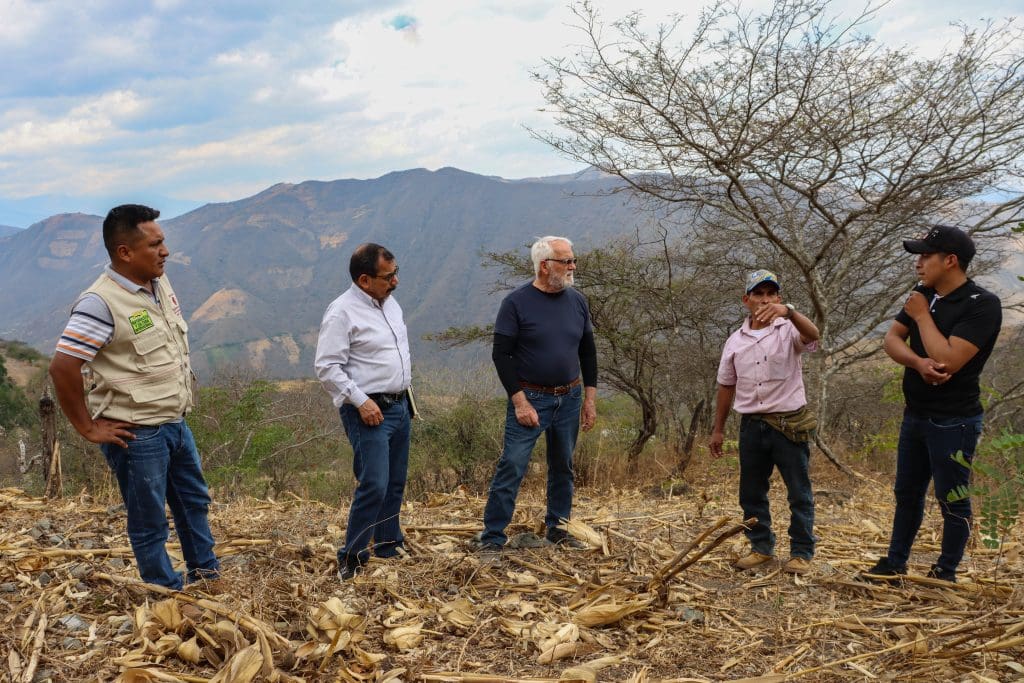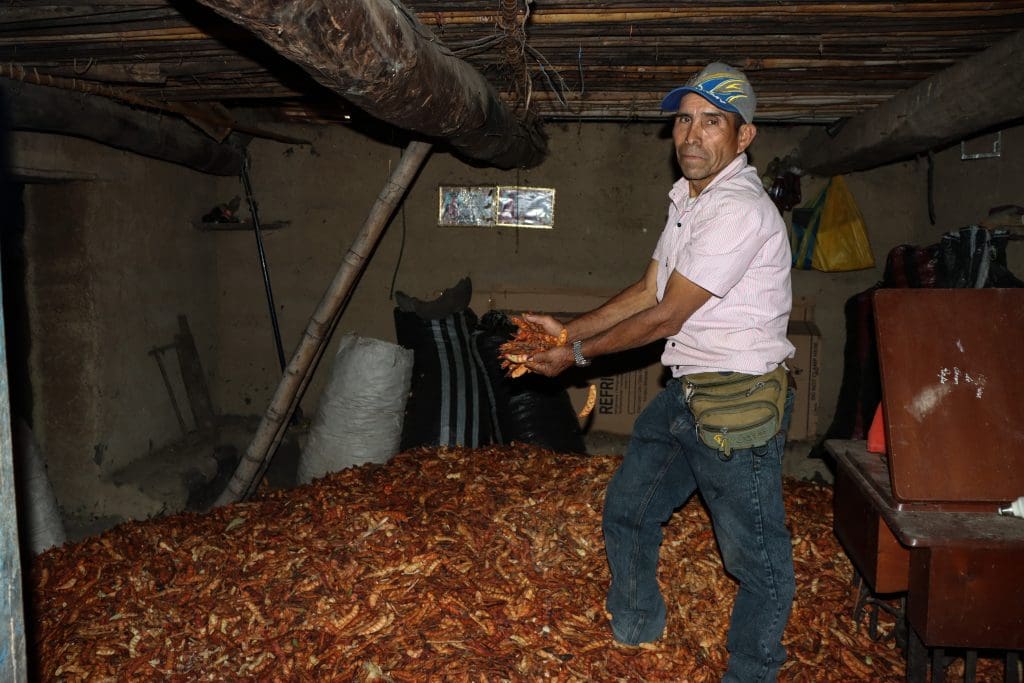
Además, se tuvo un conversatorio con socios con el fin de conocer sus experiencias y expectativas a nivel organizacional, ambiental y comercial. La tara es un cultivo con gran potencial para la economía local y la conservación de ecosistemas.
Carlos Mora, director del área de Desarrollo Productivo y Asuntos Ambientales de Plan Binacional para el desarrollo de la Región Fronteriza Perú-Ecuador – Capítulo Perú, destacó el compromiso de los productores, reconociendo el trabajo en conjunto dentro de sus comunidades.
*“Es alentador ver cómo madres e hijos participan activamente en la producción, no solo de tara, sino también de otros cultivos como café, maíz, yuca, alverja y frijol. Además, cuentan con ganado, lo que les permite diversificar sus ingresos y asegurar su sustento. Es notable ver cómo el proyecto ha impulsado no solo el fortalecimiento de la producción agrícola, sino también la cohesión familiar y el trabajo comunitario”*, expresó Mora.
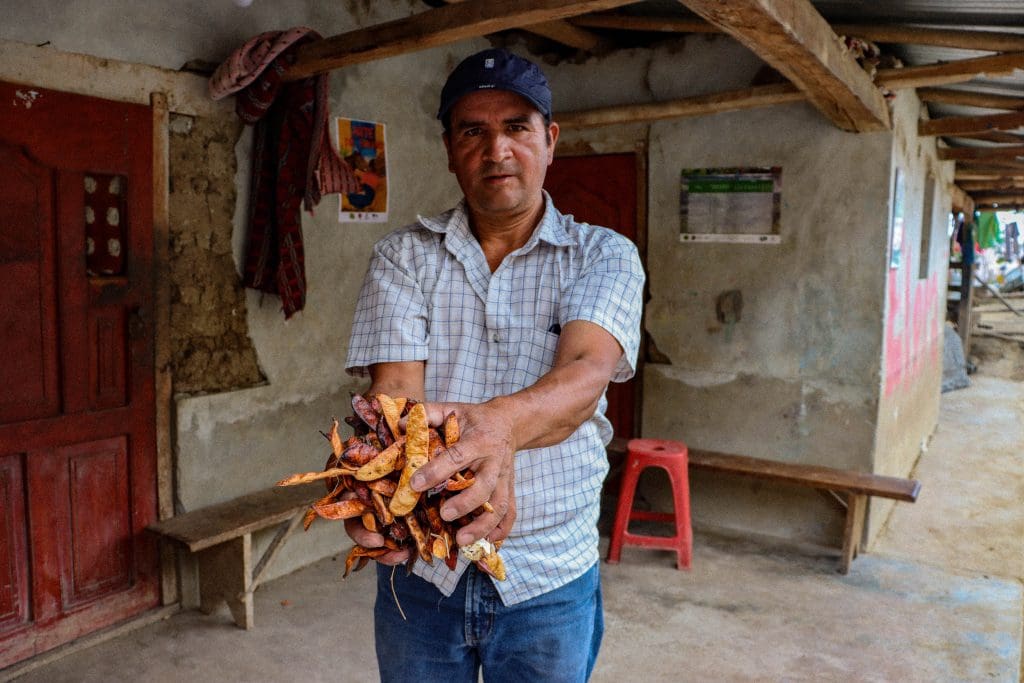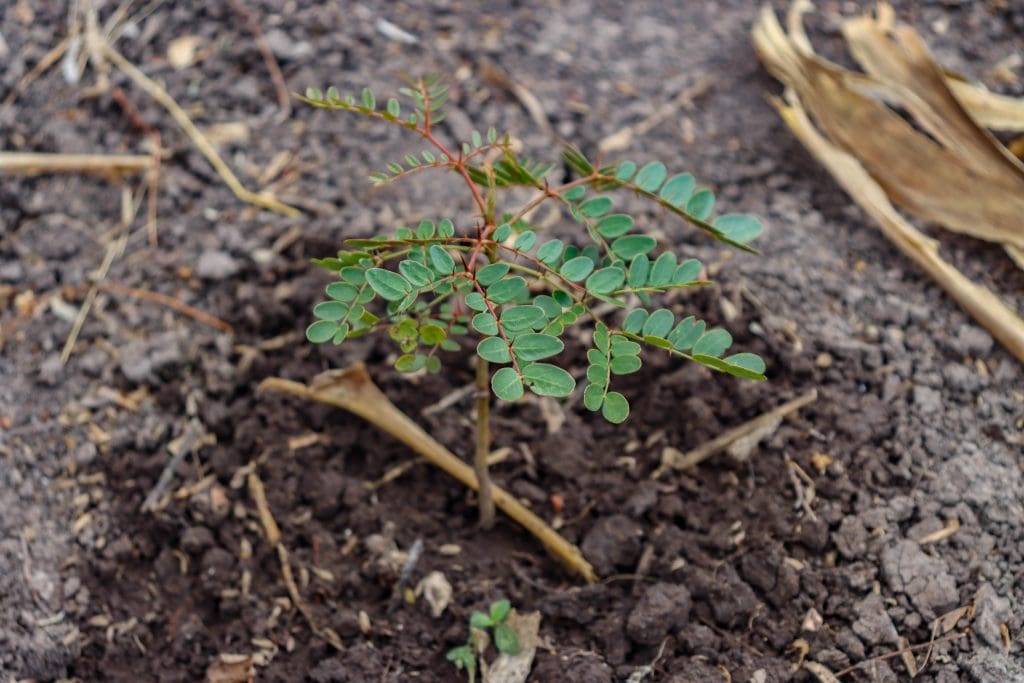
Por su parte, Servio Córdova, presidente de la Asociación Agropecuaria Culcapampa, compartió su satisfacción con los avances logrados gracias al apoyo brindado por Naturaleza y Cultura Internacional y Plan Binacional. “La finalidad es que nuestras comunidades mejoren su producción, dinamicen su economía y, al mismo tiempo, disminuyan el impacto negativo en el ecosistema”, explicó.
### **Un compromiso compartido**
La intervención de Naturaleza y Cultura Internacional, no solo se centra en brindar asistencia técnica para mejorar la economía de estas familias, sino también en la protección de fuentes de agua y áreas de conservación como las Áreas de Conservación Privada – ACP “Lagunas y Páramos Andinos de San José de Tapal” y “Bosques de Neblina y Páramos de Samanga”, ubicadas en Ayabaca. El acompañamiento brindado a los productores tiene una visión integral, que busca armonizar el desarrollo económico con la conservación.

Este proyecto es un ejemplo claro de cómo la colaboración entre comunidades, organizaciones y autoridades puede generar un impacto positivo en la vida de las personas y en ambiente. A través de la producción sostenible de tara con otros cultivos, los productores de Culcapampa están construyendo un futuro más resiliente frente al cambio climático, mientras fortalecen su economía familiar y preservan sus tierras para las futuras generaciones.
Además, no solo aporta al desarrollo local, sino que se convierte en un modelo a seguir para otras comunidades que también enfrentan grandes desafíos del cambio climático.
---
**Más información:**
Gabriela Gives
**Comunicadora Perú**
<comunicacion.peru@naturalezaycultura.org>
**Tags:** Biodiversidad, Perú
**Strategic Area:** Comunidades Locales
**Country:** Perú
**Content Type:** Noticias
---
### [Nuevo convenio entre Naturaleza y Cultura Internacional y el Gobierno Regional La Libertad](https://www.natureandculture.org/es/directorio/nuevo-convenio-entre-naturaleza-y-cultura-internacional-y-el-gobierno-regional-la-libertad/)
**Published:** August 27, 2024
**Author:** Nora Sanchez
**Content:**
En un paso significativo hacia la protección de los ecosistemas en el norte del Perú, Naturaleza y Cultura Internacional (NCI) y el Gobierno Regional La Libertad suscriben un convenio marco, el cual permitirá desarrollar actividades en conjunto orientados al establecimiento de la primera Área de Conservación Regional (ACR) en el departamento.
Guillermo Maraví, director ejecutivo de Naturaleza y Cultura Internacional – Perú explica que esta nueva ACR se ubicará en la provincia de Bolívar, con el objetivo de conservar una muestra representativa de la ecorregión Bosques Secos del Marañón, en la provincia de La Libertad y contribuir a la representatividad en el Sistema Nacional de Áreas Naturales Protegidas.
Además, esta nueva ACR “limitaría con otras áreas de conservación ubicadas entre los departamentos de Cajamarca y Amazonas, que protegen el mismo ecosistema; lo cual permitirá el libre desplazamiento de las especies en grandes territorios” señaló Elvis Allauja, jefe de proyectos.
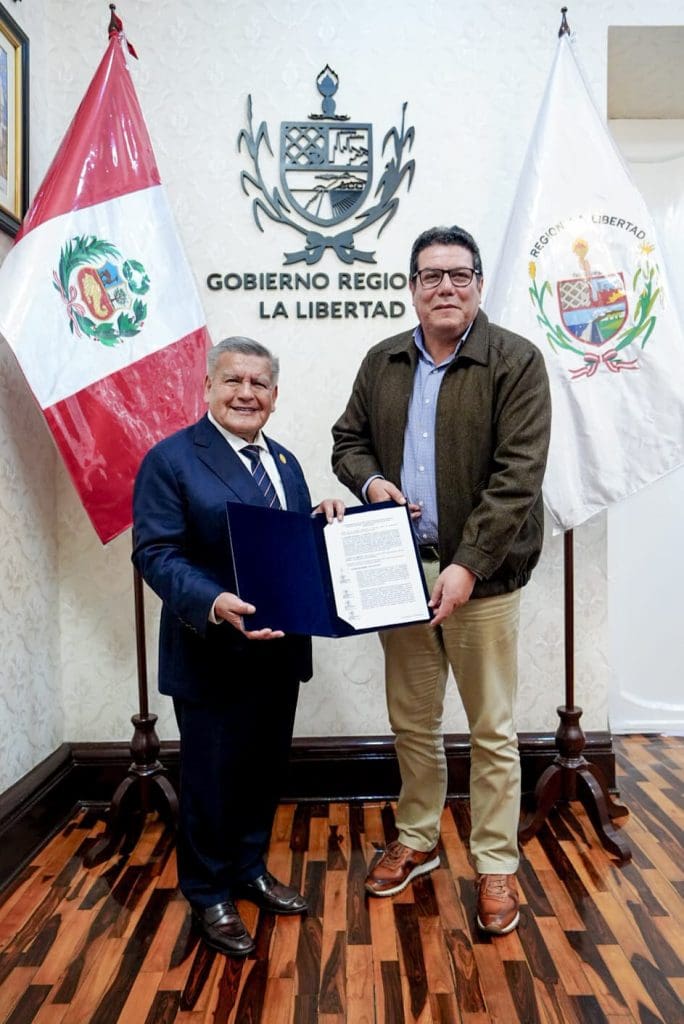
El convenio fue suscrito en una ceremonia que contó con la presencia de autoridades regionales, incluyendo al Gobernador Regional de La Libertad, la Vicegobernadora Regional, el Gerente General, el Gerente Regional del Ambiente, la Subgerente de Recursos Naturales y su equipo técnico, así como representantes de Naturaleza y Cultura Internacional.
Este acuerdo marca un hito en los esfuerzos conjuntos por la conservación de los Bosques Secos del Marañón, un ecosistema de alta biodiversidad y crucial para el equilibrio ecológico de la región. El establecimiento de esta ACR no solo protegerá especies endémicas y recursos hídricos vitales, sino que también fortalecerá la sostenibilidad ambiental en la provincia de Bolívar y el departamento de La Libertad.
---
**Más información:**
Gabriela Gives
**Comunicadora Perú**
<comunicacion.peru@naturalezaycultura.org>
**Tags:** Personas, Perú
**Strategic Area:** Bosques
**Country:** Perú
**Content Type:** Noticias
---
### [10 datos interesantes sobre la meliponicultura en el Ecuador ](https://www.natureandculture.org/es/directorio/10-datos-interesantes-sobre-la-meliponicultura-en-el-ecuador/)
**Published:** February 15, 2024
**Author:** Nora Sanchez
**Content:**
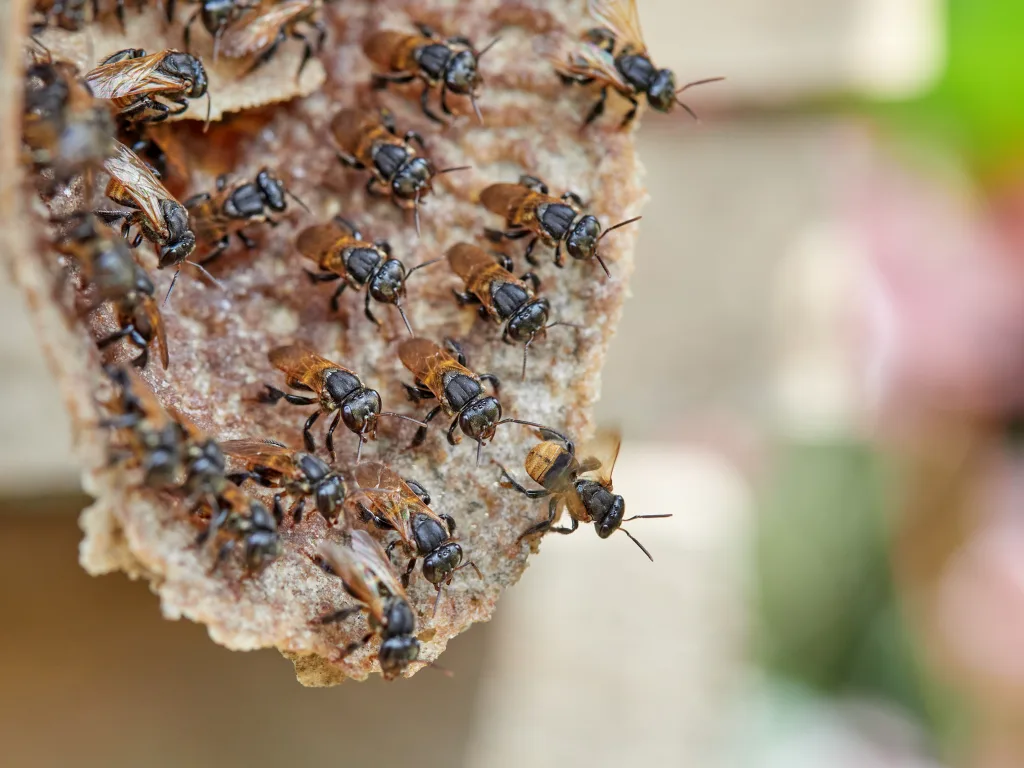
Las abejas nativas, también conocidas como abejas sin aguijón de la Tribu meliponini, se distribuyen en los trópicos y subtrópicos del mundo.
**Foto:** Catana (*Scaptotrigona vitorum)*
En Ecuador se han identificado más de 200 especies de abejas nativas sin aguijón, que son fundamentales en la polinización de plantas con flores silvestres y cultivadas, contribuyendo así a los procesos ecológicos y a la producción de alimentos.
**Foto:** Bermejo (*Melipona mimetica*)


Además de su papel en la polinización, las abejas nativas sin aguijón producen miel y otros derivados que generan ingresos para las familias dedicadas a su cuidado, lo que contribuye a la seguridad alimentaria y a la salud humana.
**Foto:** Miel de Catana. Actualmente, la Mancomunidad Las Meliponas comercializa su miel en varias provincias del Ecuador.
Las poblaciones de abejas nativas sin aguijón se encuentran amenazadas por la deforestación, la expansión de la frontera agrícola, el uso de agroquímicos, la reforestación con especies no autóctonas y la introducción de la abeja europea y africana (*Apis mellifera)*.
**Foto:** Expansión de cultivo de maíz y sus afectaciones.


En el año 2015, en el cantón Puyango, al sur del Ecuador, tres parroquias: **Ciano, El Arenal y Vicentino**, decidieron crear la Mancomunidad las Meliponas con el objetivo de establecer un modelo de gestión y fortalecimiento del manejo de las abejas nativas sin aguijón, conocido como meliponicultura.
**Foto:** Meliponicultores de la Asociación de Puyango ASOPROMELPUY
La meliponicultura es la crianza y manejo de las abejas nativas sin aguijón, y se considera una práctica ancestral. El objetivo principal de esta práctica es la conservación de los bosques. Para lograr este propósito, se han establecido, hasta la fecha, 45 acuerdos de conservación con los meliponicultores de esta región.
**Foto**: Trasiego del nido, desde el tronco a la caja tecnificada.
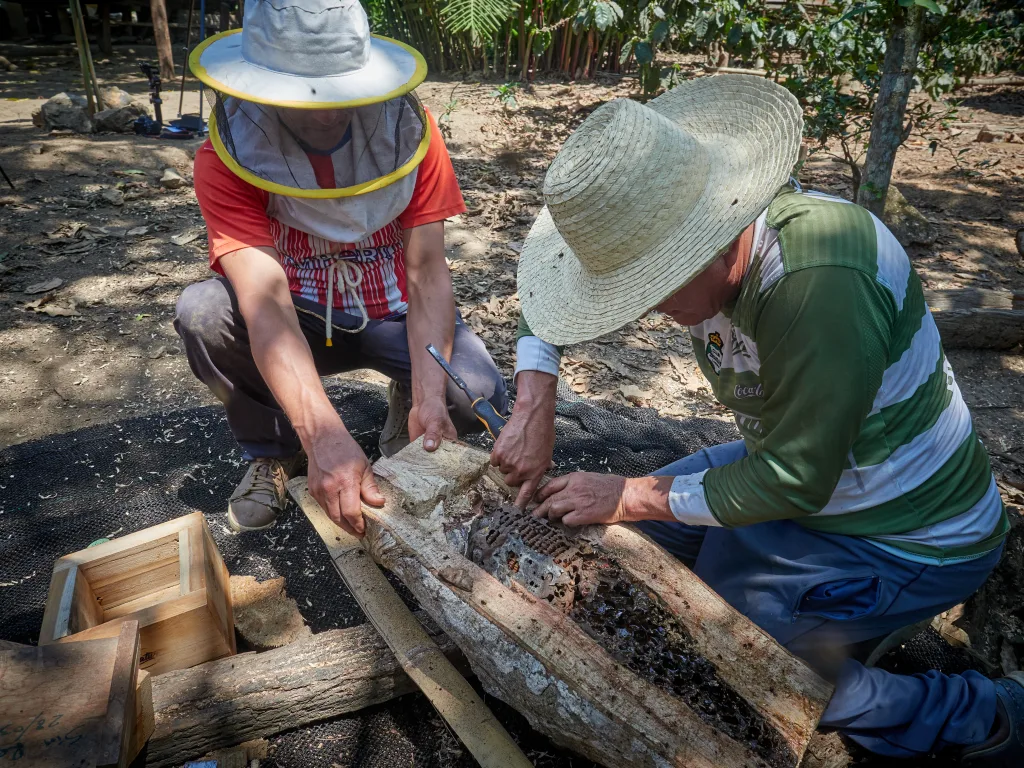

La Mancomunidad Las Meliponas lleva el nombre de la especie de abeja nativa sin aguijón *(Melipona indecisa),* comúnmente conocida como Cananambo.
**Foto:** Especimen de la especie Cananambo (*Melipona indecisa*)
La Mancomunidad Las Meliponas es la primera institución en Ecuador que, a través de la meliponicultura, contribuye a la protección del Área de Conservación Municipal de Puyango. Se enfoca en mejorar la infraestructura de los meliponarios, promueve la siembra de plantas melícolas nativas para la producción de néctar y polen, así como facilita la comercialización de la miel.
**Foto:** Construcción de cajas tecnificadas


Desde el año 2016, Naturaleza y Cultura Internacional (NCI), con el apoyo financiero de la Cooperación Belga al Desarrollo (DGD) BOS+, ha estado trabajando en colaboración con la Mancomunidad Las Meliponas y la Asociación de Meliponicultores de Puyango (ASOPROMELPUY) para conservar los bosques e implementar procesos de tecnificación e innovación que permitan una adecuada cosecha de la miel y protección de la vida de las abejas nativas sin aguijón.
**Foto:** Tecnificación de meliponarios
Desde diciembre del 2022, se lleva a cabo el **Festival Internacional de Abejas Nativas** en el cantón Puyango, esto fortalece la comercialización y cadenas de valor con fines de conservación en la zona núcleo de la Reserva de Biosfera Bosque Seco.
**Foto:** Exposición de derivados de la miel de abejas nativas sin aguijón, en el Festival Internacional de Abejas Nativas

**Dato:** El festival es organizado por el Gobierno Municipal de Puyango y la Mancomunidad Las Meliponas, con el apoyo del Fondo Ítalo Ecuatoriano (FIEDS) en el proyecto “Gobernanza Mancomunada para la construcción de territorios resilientes en paisajes forestales en los Andes occidentales del Ecuador”, en consorcio con la Mancomunidad Bosque Seco, NCI, el Fondo Ecuatoriano Populorum Progressio (FEPP) y el Consorcio para el Desarrollo Sostenible de la Ecorregión Andina (CONDESAN).
Descubre más datos fascinantes sobre las abejas nativas y el arte de la meliponicultura en Ecuador en este increíble video:
---
**Más información:**
Aida Maldonado Quezada
**Comunicadora Ecuador**
<amaldonado@naturalezaycultura.org>
**Tags:** Biodiversidad, Ecuador
**Strategic Area:** Biodiversidad
**Country:** Ecuador
**Content Type:** Blog
---
### [VI Encuentro de la Red de Conservación Andes del Norte: Un Compromiso Renovado con la Biodiversidad](https://www.natureandculture.org/es/directorio/vi-encuentro-de-la-red-de-conservacion-andes-del-norte-un-compromiso-renovado-con-la-biodiversidad/)
**Published:** August 23, 2024
**Author:** Nora Sanchez
**Content:**
Desde el 2018, las comunidades de las áreas de conservación de Cachiaco y San Pablo, Samanga, Tapal, Huaricancha, Chicuate-Chinguelas en Piura; así como Sallique, San Felipe y Tabaconas en Cajamarca, han conformado la Red de Conservación Andes del Norte. Esta iniciativa surgió como un compromiso para proteger las fuentes de agua y preservar el hogar de cientos de especies de plantas y animales.
Cada año, las comunidades se reúnen para asumir acciones concretas y ejecutarlas de manera coordinada, a favor de los páramos y bosques montanos de Piura y Cajamarca. En esta ocasión, el VI encuentro de la Red de Conservación Andes del Norte – Páramo, se desarrolló en el caserío de Totora, en el distrito de Pacaipampa, Piura.
Katty Carrillo, Jefa de proyecto de Naturaleza y Cultura Internacional
Katty Carrillo, jefa de proyectos de Naturaleza y Cultura Internacional, explica que, durante el encuentro se abordaron temas cruciales, como el establecimiento de estrategias de sostenibilidad, la consolidación de alianzas regionales para fortalecer el monitoreo del tapir de montaña y del oso de anteojos, por ser especies clave para la regeneración de los bosques; así como el fortalecimiento del compromiso local con la biodiversidad.
*“Como red podemos actuar de manera conjunta, ejecutando protocolos de monitoreo para analizar nuestras especies dentro de nuestras áreas y realizar más actividades de conservación. Como Área de conservación realizamos actividades de monitoreo y vigilancia, donde participa la comunidad Segunda y Cajas, asimismo otras instituciones comprometidas con la conservación”* señaló Angié Lizeth Melendres Velasco, representante del Área de Conservación Privada Chicuate Chinguelas.
Además de las comunidades, el evento contó con la participación de representantes de los Gobiernos Regionales de Piura y Cajamarca, Nodos Conservation, el Santuario Nacional Tabaconas Namballe, la Red Amazonía que Late, entre otros.
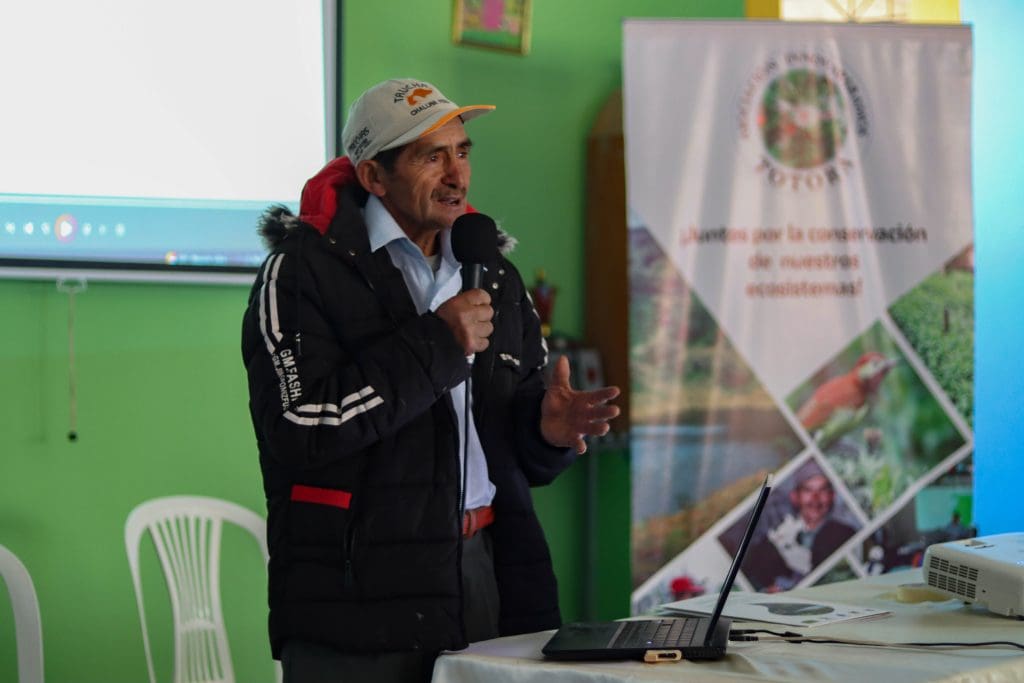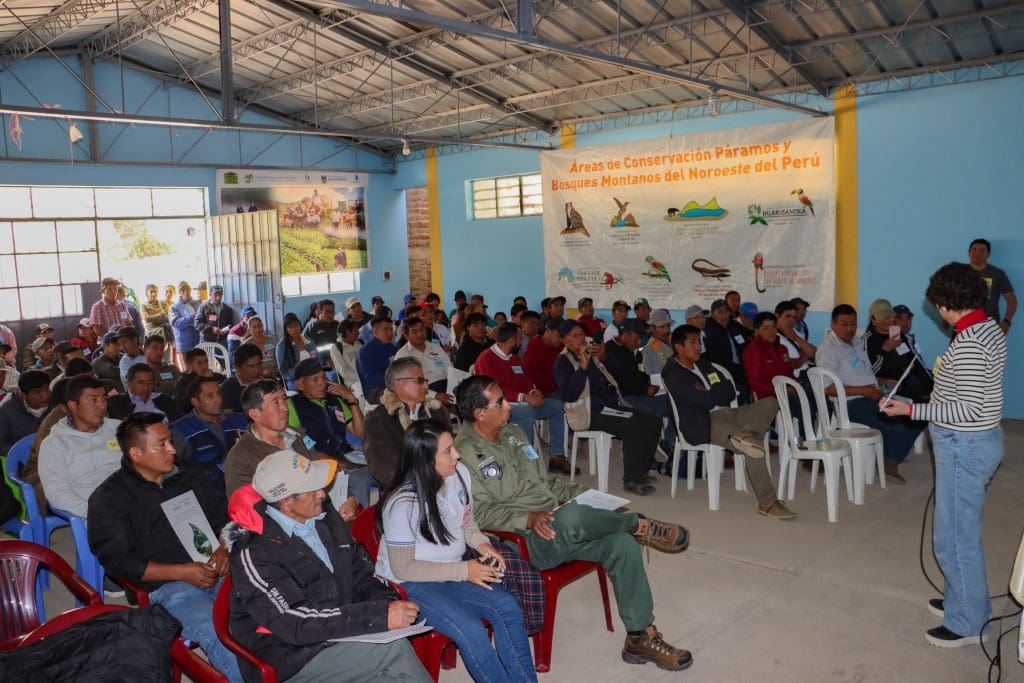
### **Acuerdos compartidos**
Entre los acuerdos destacan la solicitud al Ministerio del Ambiente para impulsar la propuesta norma de reconocimiento de Corredores de Conservación en el Perú; así como la participación de la Red en el proceso de la reglamentación de la Ley de Humedales.
Además, respaldar la promulgación de la Ley Ambiente Sano por Impuestos y la Ley que reconoce el día la conservación voluntaria, iniciativas impulsadas desde la Red Nacional de Conservación Voluntaria y Comunal “Amazonía Que Late” colectivo que reúne a más de 180 áreas de conservación en 11 regiones del Perú, con más de 2 millones de hectáreas manejadas desde comunidades, pueblos indígenas, rondas campesinas, asociaciones de productores, sociedad civil organizada, gobiernos locales y familias comprometidas en el resguardo del patrimonio natural y cultural del país.
Equipo de Naturaleza y Cultura Internacional durante el VI Encuentro de la Red de Conservación Andes del Norte
Otro acuerdo importante para la protección de la biodiversidad fue apoyar en la elaboración e implementación del protocolo de monitoreo del tapir en las áreas que conforman la Red Páramo, así como implementar acciones que asegure mantener población es viables en estos ecosistemas. Paralelo a ello, el grupo técnico del tapir de montaña y del oso de anteojos brindará soporte en el monitoreo y procesamiento de datos.
La integración de las áreas a través de una iniciativa sólida como la Red de Áreas de Conservación, permite que acciones como los bio emprendimientos de café, panela, miel, artesanías, derivados lácteos, tengan un valor agregado, al salir de un espacio conservado da la certeza de cumplir con altos estándares de calidad.
En ese sentido, otro de los acuerdos más destacados del encuentro fue la implementación de una estrategia de comercialización de productos con un sello que garantice su procedencia de un área natural protegida, lo que contribuirá a dinamizar la economía en las áreas de conservación que forman parte de la Red.
### **Compromiso**
Este VI encuentro reafirma el compromiso de las comunidades y sus aliados en la protección de los páramos y bosques montanos de los andes del norte, marcando un paso significativo hacia la sostenibilidad y la conservación de la biodiversidad.
Participantes del VI Encuentro de la Red de Conservación Andes del Norte
### **Dato:**
En esta zona, a la fecha se ha logrado conservar más de 150 mil hectáreas de páramos y bosques montanos, gracias al compromiso de las comunidades campesinas, gobiernos locales y regionales y SERNANP, que dan vida a 12 áreas de conservación; entre nacional, regionales, privadas y municipales. Establecidas con el soporte financiero de donantes como World Land Trust y Andes Amazon Fund.
Estas áreas están ubicadas entre los andes del norte de Piura y Cajamarca, unidas por un mosaico de conservación e indispensables suministradores de agua para las cuencas del: Quiroz, Chira, Huancabamba, Chamaya y Chinchipe.
---
**Más información:**
Gabriela Gives
**Comunicación Perú**
<comunicacion.peru@naturalezaycultura.org>
**Tags:** Biodiversidad, Perú
**Strategic Area:** Bosques
**Country:** Perú
**Content Type:** Evento
---
### [Celebramos 20 años de Naturaleza y Cultura Internacional en Perú](https://www.natureandculture.org/es/directorio/celebramos-20-anos-de-naturaleza-y-cultura-internacional-en-peru/)
**Published:** August 12, 2024
**Author:** Nora Sanchez
**Content:**
## *El pasado 4 de agosto celebramos con orgullo nuestros primeros 20 años de vida institucional en el Perú.*
Naturaleza y Cultura Internacional en Perú trabaja en las regiones de Piura, Cajamarca, Amazonas, Huánuco, Loreto y Ucayali, donde hemos apoyado la conservación de **2,4 millones de hectáreas en 36 áreas de conservación.** Desde los bosques secos del valle del río Marañón hasta los bosques nublados de los Andes en Huánuco y la majestuosidad de los bosques tropicales en Loreto, hemos protegido algunos de los ecosistemas más valiosos del Perú.
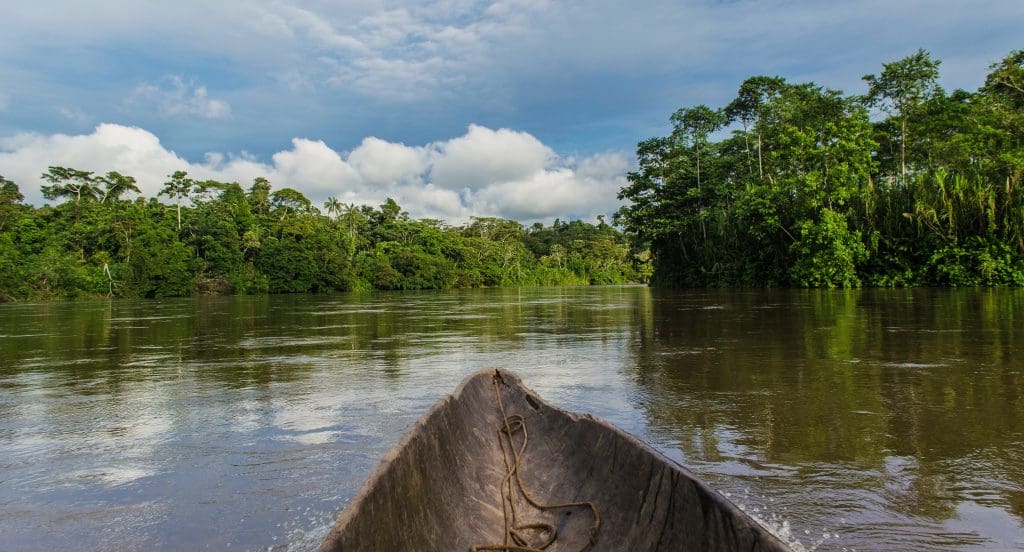Hemos apoyado a proteger algunos de los paisajes más biodiversos del Perú
> **El 65% de la superficie de las Áreas de Conservación Regional del país han sido establecidas con nuestro apoyo, un testimonio de nuestro compromiso durante dos décadas para preservar el entorno natural del Perú.**
### Los orígenes
Nuestra historia en Perú comenzó con “Bosques sin Fronteras”, un grupo de varias ONG de Ecuador y Perú que en 2001 se unieron para proteger los bosques secos de ambos países mediante estrategias de educación ambiental, desarrollo sostenible y conservación.
Tres años después, en 2004, surgió la idea de establecer Naturaleza y Cultura Internacional en Perú, y abrimos nuestra primera oficina en Sullana, junto a la Fundación Proaves. Desde entonces, hemos enfocado nuestros esfuerzos en apoyar el establecimiento de Áreas de Conservación Regional (ACR), Áreas de Conservación Privada (ACP) y otras modalidades reconocidas por el Estado peruano.
### Protegiendo uno de los países más biodiversos del mundo
Perú es uno de los cinco países más biodiversos del mundo, con más de 1800 especies de aves, de las cuales dos tercios habitan en espacios naturales que hemos ayudado a proteger. En los lugares donde trabajamos, se encuentran especies emblemáticas como la tangara de dorso dorado, el colibrí de cola espátula y el pachaloro, quienes han encontrado un hogar seguro para desplazarse y alimentarse. Además, en los ecosistemas que priorizamos, habitan el tapir de montaña, el oso de anteojos y el coto mono, especies claves para la regeneración de bosques, que comparten hábitat con el árbol de la quina, los cedros, el romerillo, entre otros.


### Estrategias para la gestión de Áreas de Conservación
Uno de nuestros mayores retos es la gestión de las Áreas de Conservación, y por ello reafirmamos nuestro compromiso con la sostenibilidad a largo plazo de estas áreas. Promovemos la gestión a través de la capacitación y asesoría al personal, la formulación de documentos de gestión y el diseño de mecanismos para la sostenibilidad financiera.
Además, apostamos por la conectividad ecosistémica, como una herramienta esencial para salvaguardar la biodiversidad. **Al conectar áreas protegidas y otras figuras de conservación, permitimos el libre desplazamiento de las especies y aseguramos el flujo de los procesos naturales que sustentan la vida.** En ese sentido, apoyamos al Estado y a los gobiernos regionales en la promoción de normativas que favorezcan el establecimiento oficial de corredores de conservación en el país. Y estamos promoviendo el establecimiento del **primer corredor de conservación transfronterizo** junto a organizaciones sociales y gubernamentales de Ecuador y Perú.
### El trabajo continúa…
En este vigésimo aniversario, reafirmamos nuestro compromiso con la conservación, con el mismo entusiasmo con el que celebramos la primera Área de Conservación Regional en nuestra historia, “Tamshiyacu-Tahuayo”, y la más reciente, la Reserva Nacional Mar Tropical de Grau.
Nos sentimos honrados de contar con un equipo excepcional conformado por administradores, contadores, economistas, biólogos, ingenieros ambientales, comunicadores, abogados, y más, todos unidos por la convicción de que las pequeñas acciones de conservación permitirán construir un mundo con mejores oportunidades, acceso a recursos básicos como el agua y la producción de alimentos de calidad, entre otros beneficios.
### Eventos de aniversario
El 8 y 9 de agosto celebramos nuestro aniversario en Cajamarca y Lima, respectivamente. Durante estos eventos, compartimos nuestros principales logros, reflexionamos sobre el futuro y reafirmamos nuestro compromiso con los ecosistemas más biodiversos del Perú, en colaboración con las comunidades, nuestros donantes e instituciones aliadas.
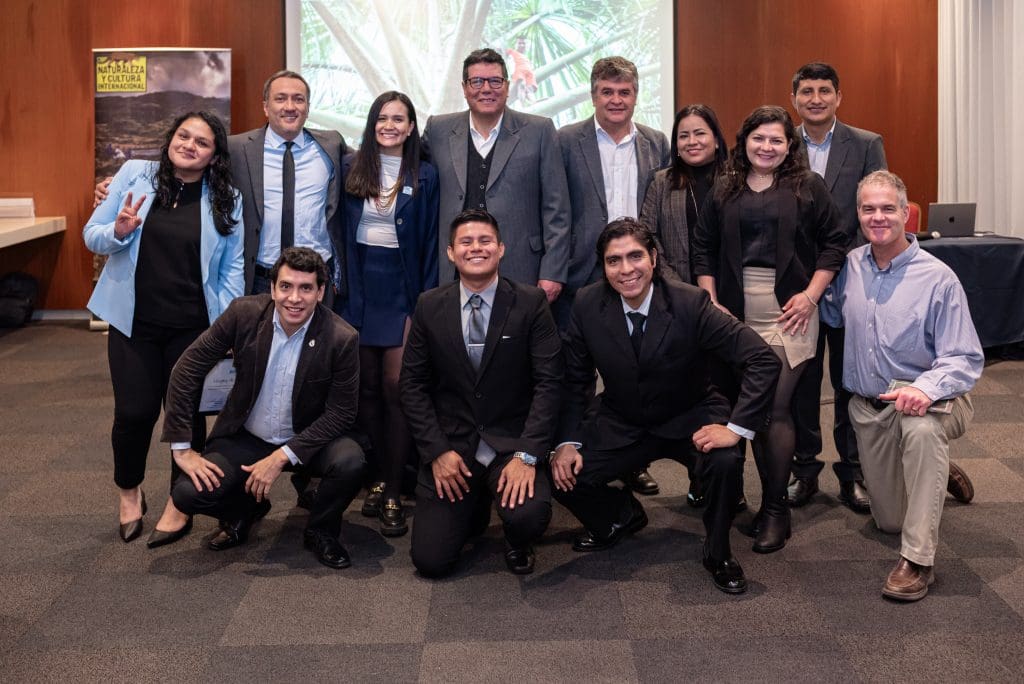El equipo de Naturaleza y Cultura Internacional durante el evento de Lima
En el evento de Cajamarca, se rindió homenaje al incansable trabajo de las comunidades campesinas de Utco y Cujillo, del Mosaico Bosques Secos del Marañón; así como a las comunidades campesinas de Samanga, Segunda y Cajas, Sallique, San Felipe, Tabaconas y Huaricancha, del Mosaico Andes del Norte.
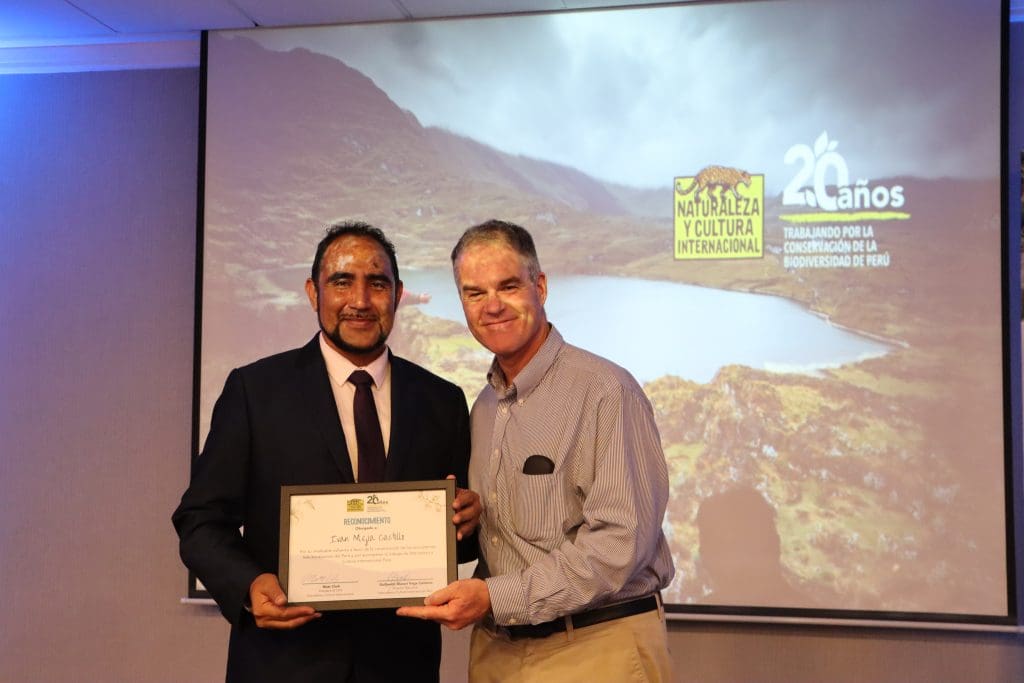Matt Clark entregando reconocimiento a Iván MejíaMatt Clark entregando reconocimiento a Katty Carrillo
Además, se reconoció la valiosa labor de los biólogos Katty Carrillo e Iván Mejía, del equipo de Naturaleza y Cultura Internacional, quienes han acompañado importantes procesos en el establecimiento y gestión de áreas de conservación en los páramos y bosques montanos de Piura y Cajamarca.
Durante este evento, el Gobernador Regional de Cajamarca, Roger Guevara, otorgó un reconocimiento a Naturaleza y Cultura Internacional Perú, por ser un gran aliado en la conservación de los páramos, bosques montanos y bosques secos que alberga Cajamarca.
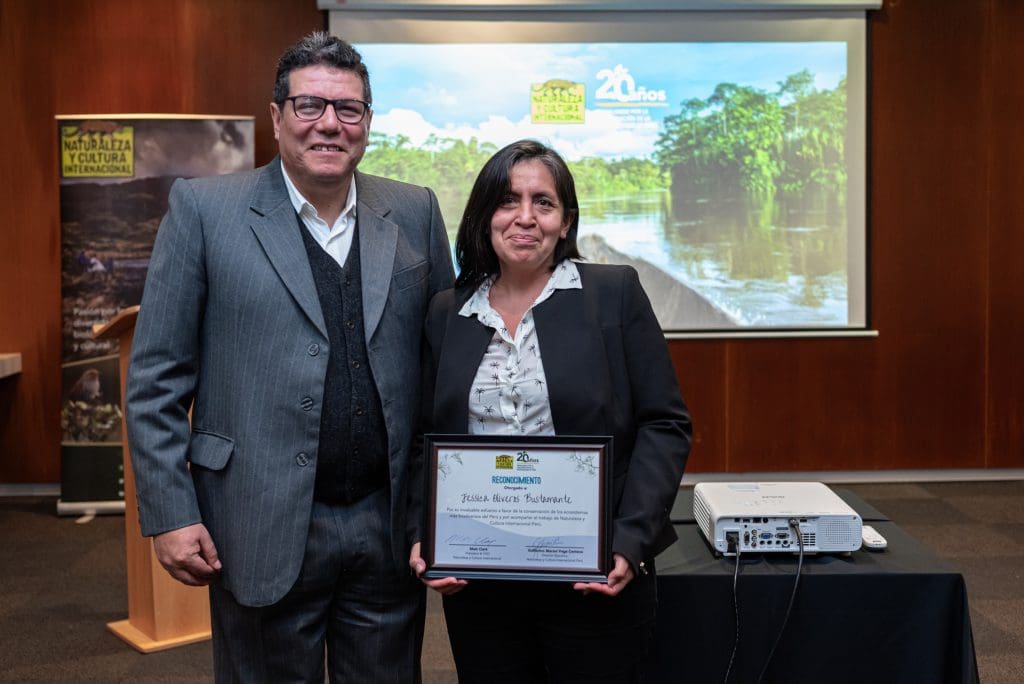Guillermo Maraví, entregando reconocimiento a SERNANP
Por otro lado, en el evento de Lima, junto a nuestros donantes y aliados, destacamos el invaluable apoyo en el proceso de establecimientos de áreas de conservación a Jessica Espinoza, especialista del Servicio Nacional de Áreas Naturales Protegidas (SERNANP). Asimismo, reconocimos el trabajo de Xiomy Reátegui y Lleydy Alvarado, integrantes del equipo de Naturaleza y Cultura Internacional.
### *¡Por muchos años más de conservación y colaboración por un Perú más sostenible!*
---
**Más información:**
Gabriela Gives
**Comunicación Perú**
<comunicacion.peru@naturalezaycultura.org>
**Tags:** Biodiversidad, Perú
**Strategic Area:** Bosques
**Country:** Perú
**Content Type:** Noticias
---
### [Nature and Culture Celebrates 20 Years in Peru](https://www.natureandculture.org/directory/nature-and-culture-celebrates-20-years-in-peru/)
**Published:** August 14, 2024
**Author:** Heather Thomas
**Content:**
#### **This month we proudly celebrate our first 20 years of conservation in Peru! We have supported the conservation of 4.9 million acres across 36 protected areas**.
Nature and Culture International operates in five Latin American countries. Our journey in [Peru](https://www.natureandculture.org/peru/), however, began through a collaboration between several NGOs from Ecuador and Peru, united to protect the dry forests along both sides of the border using environmental education, sustainable development, and conservation strategies.
**From the dry forests of the [Marañón River valley ](https://www.natureandculture.org/directory/maranon-rca/)to the cloud forests of the [Andes in Huánuco](https://www.natureandculture.org/directory/carpish/) and the majestic [tropical forests in Loreto](https://www.natureandculture.org/directory/nci-peru-press-release-maijuna-kichwa-reserve/), we have safeguarded some of Peru’s most valuable ecosystems.**
We’ve supported the protection of some of the most biodiverse places in Peru.
**65% of Peru’s Regional Conservation Areas have been established with Nature and Culture’s support, underscoring our two decades of dedicated commitment to preserving Peru’s natural landscape.**
#### **Protecting A Biodiverse Hotspot**
Peru is among the top five most biodiverse countries in the world. It is home to over **1,800 bird species, two-thirds of which inhabit protected areas supported by Nature and Culture**. The areas where we work are vital to the survival of species like the golden-backed tanager, the spatula-tailed hummingbird, and the yellow-faced parrotlet. The ecosystems we’ve prioritized are also home to emblematic mammals like the spectacled bear, mountain tapir and the red mantled howler monkey, which play essential roles in forest regeneration.


#### **Looking Ahead**
Nature and Culture advocates for ecosystem connectivity as a crucial tool for safeguarding biodiversity in all of the countries where we operate. By linking protected areas, we facilitate species movement and ensure the flow of natural processes that sustain life. That is why we are working towards the establishment of the first [bi-national conservation corridor](https://www.natureandculture.org/the-andean-corridor/) in collaboration with social and governmental organizations from Ecuador and Peru.
On this twentieth anniversary, our enthusiasm for conservation is as strong as ever, from our very first protected area, “Tamshiyacu-Tahuayo,” to the most recent, the Marine National Reserve, [Mar Tropical de Grau. ](https://www.natureandculture.org/directory/a-biodiverse-marine-paradise-in-peru-is-now-protected/)
We are grateful to have an exceptional team of administrators, accountants, economists, biologists, environmental engineers, communicators, lawyers, and more, all united by the belief that small conservation actions will help build a better world.
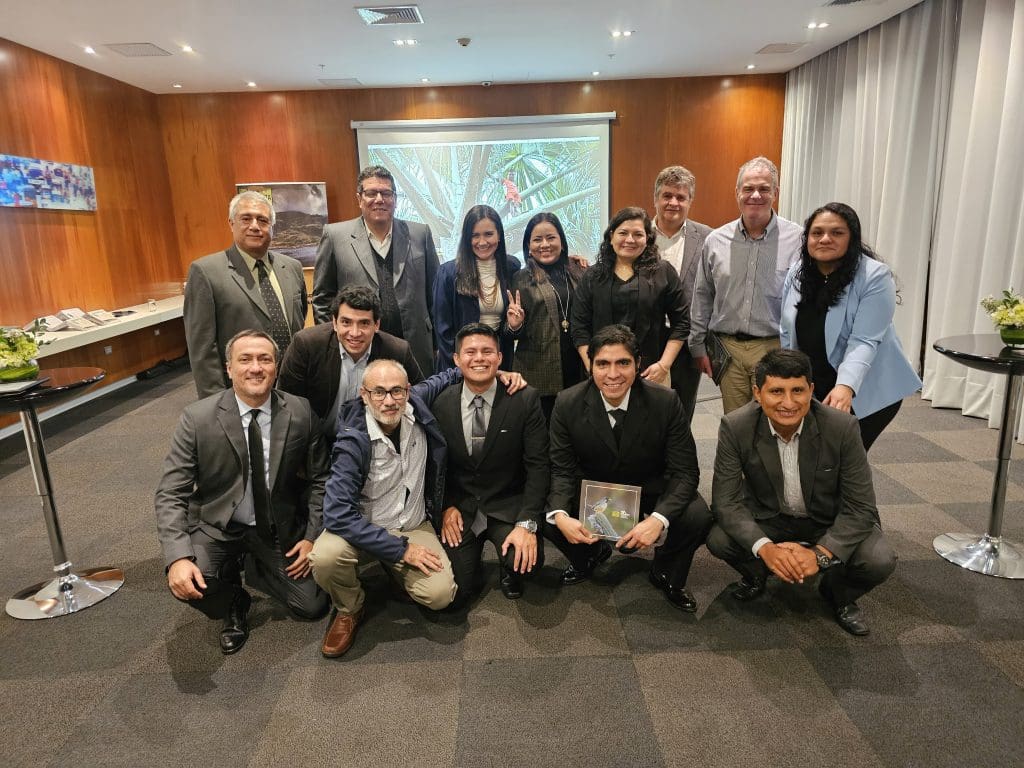Nature and Culture Peru Team celebrating in Lima, Peru
Here’s to many more years of conservation and collaboration, congratulations to our team in Peru!
**Tags:** Conservation, Peru
**Strategic Area:** Forests
**Country:** Peru
**Content Type:** News
---
### [Forest restoration in the Jambué Reserve brings new life](https://www.natureandculture.org/directory/forest-restoration-in-the-jambue-reserve/)
**Published:** July 30, 2024
**Author:** Heather Thomas
**Content:**
#### Jambué, a word from the Indigenous Shuar language, means hummingbird river. It is also the name of a nature reserve that has shown the potential of restoring an ecosystem degraded by livestock, agriculture, and logging activities.
> “At first, people said we were crazy, that those plants would be useless. But time showed us the opposite; they were fundamental in having a forest.” **– Ángel Andrade, Forest Ranger of the Jambué Natural Reserve.**
>
> Aerial view of the Jambué Reserve
Nature and Culture established the Jambué Reserve in 2010. Located in the Zamora Chinchipe province of southern Ecuador, it spans 3,566 acres and protects the Nea River micro-basin, vital for the communities of the Jambué Valley.
Felipe Serrano, Nature and Culture Ecuador Country Director highlighted that because of its strategic location, Jambué acts as a shield for Podocarpus National Park, helping to reduce the pressure of human activities in the region. He emphasized the importance of protecting the forests surrounding Podocarpus National Park, particularly surrounding the Numbala and Jambué River basins, which are key areas facing significant deforestation.
**Over the last 90 years, livestock, logging, and productive activities have decreased soil productivity and ecosystem services in this region. These practices caused deforestation and forced farmers to move to forested areas, perpetuating a cycle of degradation.**
To confront this problem, in October 2011, we launched a **pilot project to restore Amazonian forests** on abandoned pastures in the Jambué Reserve, with financial support from World Land Trust.
### **My Life in the Forest:** The Story of Ángel Andrade and the Restoration of the Jambué Natural Reserve
Ángel Andrade clearly remembers how his work in the Jambué Reserve began. His story begins with the planting of trees in an area that was once only grass. “They were local plants and easy to plant; I remember the tunash (*Pictocoma discolor*), achotillo (*Vismia sp.*), cedar (*Cedrela sp.*), and sierrilla (*Miconia sp.*),” he says. In this restoration process, Ángel not only learned about planting native species but also discovered that some required special care and had to be started in a nursery.
Ángel Andrade, Jambué Reserva Forest Ranger
In this crucial nursery work, Ángel was not alone. Four women, Lida, Esperanza, Olga, and Rosa, were part of the team. “Together, we were responsible for overseeing various procedures in the nursery,” says Ángel, recalling the collective effort with admiration. Collaboration was fundamental since the restoration process was a mixed model of planting native trees with assisted natural regeneration. This approach removed obstacles like weeds or invasive species, freeing up existing saplings in the area, and contributing to a more robust ecosystem.
By 2013, 39,500 plants had been planted and freed, totaling eighty Amazonian species. These species included timber and non-timber trees and those considered for conditional use, covering an area of 66 acres. “I remember we did this work in several phases. We respected the plants that were already here and planted others considered intermediate succession species, like achotillo, tunash, and balsa (*Ochroma pyramidales*), and finally, climax species like cedar, guayacán (*Handroanthus sp.*), and seique (*Cedrelinga cateniformes*),” explains Ángel. This strategy demonstrates the importance of a progressive and balanced ecosystem recovery.
Aerial view of the Jambué Reserve
Restoration in Jambué also included maintenance tasks, like weeding and replanting for three years, along with a long-term follow-up commitment of ten years. These actions were crucial to ensuring the project’s success and sustainability. Ángel shares his initial impressions of the work: “At first, it was hard to believe we were going to plant trees since we are used to clearing (cutting down a forest area for crops or pastures). But what surprised me most was the guarumo (*Cecropia obtusifolia*). Although it seemed like an ordinary plant, its seeds are a favorite among the birds, providing them a valuable food source.”
#### Ángel’s dedication to the forest and passion for photography
“Before I had a camera, I captured images with my eyes. I’ve been taking photos for three years, and although I don’t know much, it seems my pictures are turning out well. I would like to learn more about photography since I am only self-taught.” Recently, Ángel observed the yellow-bellied spider monkey. This monkey, which Ángel describes, is the Ateles belzebuth, an endangered species according to the IUCN Red List (2008).
### Restoration has brought new life to the forest
Ángel shares how he documents all of the life returning to the forest: “In the camera traps, I’ve seen several pumas. With my own eyes, I’ve seen two. I’ve asked them to take care of me and accompany me on my forest walks.” He also enjoys photographing birds. “I love them because they are very beautiful. There’s one in particular that has wings that look like hands.”

“I saw a bear a year ago; they always leave trees scratched and traces of the bromeliads they eat. When I met the bear, we greeted each other. I’m not afraid of meeting these gardeners; I’m looking for them.” For Ángel, being in the forest is more than a job; it is his life. “I wouldn’t mind dying in the middle of the forest. Being a Forest Ranger is not difficult for me. I walk a lot and don’t get tired; I only stop when I take photos and watch the birds.”
Before the restoration, there were about 700 acres of pastures. Now, that space has become forest again. “After the restoration, we’ve seen several animals return, like bears, pumas, birds of all colors, and recently several peccaries and tayras (*Eira bárbara*).” Ángel recalls that “the animals started returning around 2015, but the puma arrived recently. I saw it on a tree we planted, a cedar. Look at the photo.”
Puma *(Puma concolor)* photo taken by Ángel Andrade
Ángel has several cherished photos, part of his dedication and love for the forest he cares for daily. He also mentions that restoration has brought significant changes to the community. “Today, many people from the Jambué Valley who worked in the planting say they no longer cut down trees,” explains Ángel. “They realize the great effort it takes to grow a plant and how quickly everything can be lost by cutting down a tree.”
Ángel Andrade shares his story through photographs, drawing inspiration from the vibrant life of the forest. As a Forest Ranger dedicated to the restoration and conservation of his environment, he has become a quiet guardian of wildlife and a passionate nature lover, finding his purpose in the Jambué Reserve.
**Tags:** Biodiversity
**Strategic Area:** Forests
**Country:** Ecuador
**Content Type:** Blog
---
### [Engagement with the communities of El Pitayal](https://www.natureandculture.org/directory/engagement-with-the-communities-of-pitayal/)
**Published:** February 14, 2024
**Author:** Heather Thomas
**Content:**
**Families from the community of Bachoco in Sonora, Mexico learned about the importance of the Pitayal and local biodiversity during a birdwatching day with the Nature and Culture team.**
To strengthen ties with the Yoreme Mayo Indigenous communities in southern Sonora, Nature and Culture organized a nature trek to share insights on the area’s natural wealth of biodiversity. As the region undergoes a proposal process to establish the El Pitayal Protected Area, our strategy includes building relationships with the local residents and gaining their full support in the creation of this new area.
### **Proposal for a Protected Area in El Pitayal**
The Pitayal is the coastal thorn scrub with the highest density of sweet pitaya *(Stenocereus thurberi)* in the world. This species of columnar cactus, endemic to North America, is distributed in the Sonoran Desert, from southern Arizona in the United States to parts of Baja California, Sonora, and Sinaloa in Mexico.
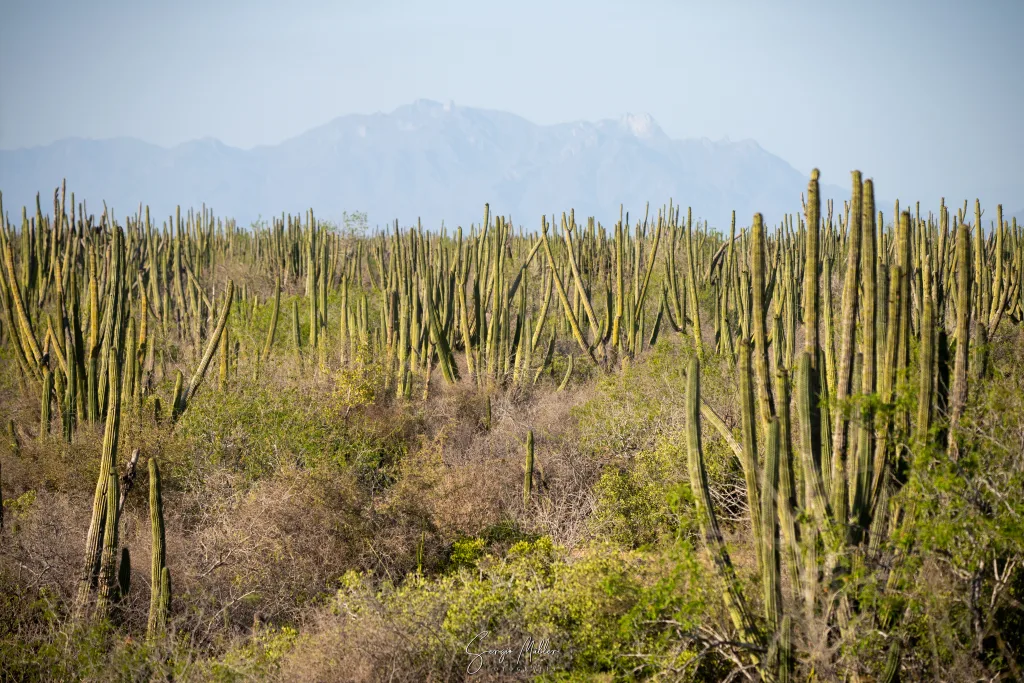The Pitayal seeks to protect the last remaining remnants of pitayas in the world. \| **Image Credits:** Sergio Muller
Nature and Culture is working to protect 192,742 acres of threatened pitaya forest, which will facilitate connectivity between coastal mangroves and terrestrial pitaya forests. This initiative aims to protect the diverse flora and fauna reliant on these ecosystems’ health. Collaboration with authorities and local communities has been crucial in strengthening the proposal and incorporating local knowledge into initial documents.
### **Nature trek with the Nature and Culture Team**
At the end of January 2024, members of the Bachoco community, mostly women and children, joined the Nature and Culture team for a nature trek, where they participated in birdwatching in the coastal area of the Pitayal.
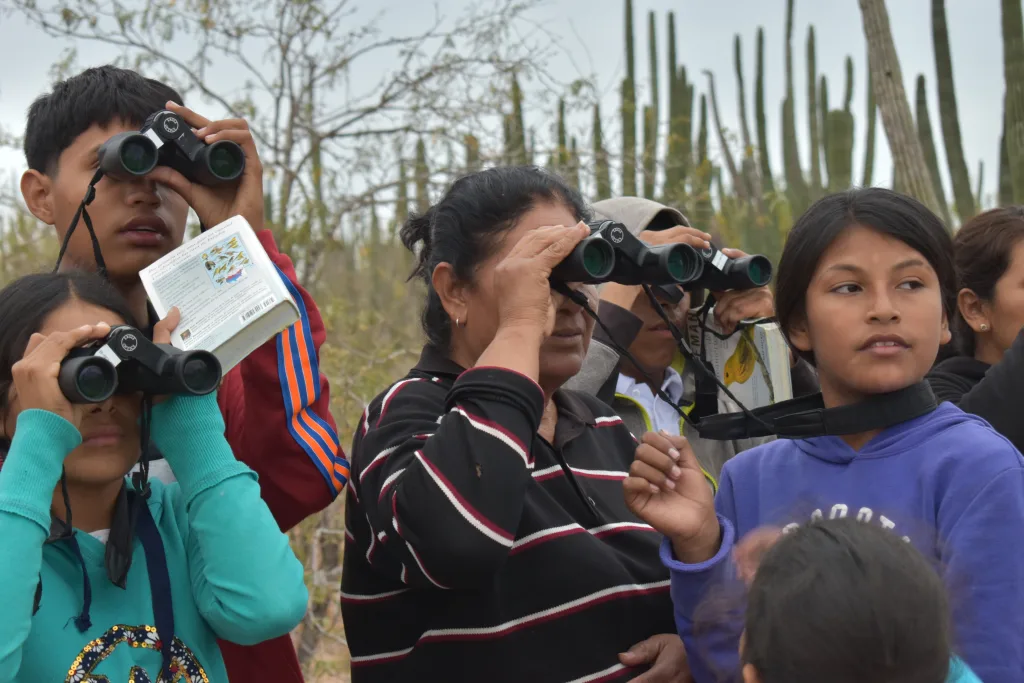Birdwatching in El Pitayal \| **Image Credits**: Gilberto Díaz
With the help of binoculars and guidance from members of Nature and Culture’s Mexico Team, Gilberto Díaz and Cinthia Mireles, participants observed a diverse array of resident and migratory birds. The Roseate Spoonbill (*Platalea ajaja)* and the Whimbrel (*Numenius phaeopus)* were prominent among them, traveling long distances to winter in Pitayal’s wetlands.
Another important species that can be found in Pitayal is the Brant Goose (*Branta bernicla*). It is a bird that breeds in territories with low temperatures such as the Arctic, Canada, Alaska, and Greenland, and migrates to spend the winter on the Pacific coast of Pitayal, where it enjoys good weather and feeds on the characteristic seagrasses (*Zostera marina*) of the Gulf of California.
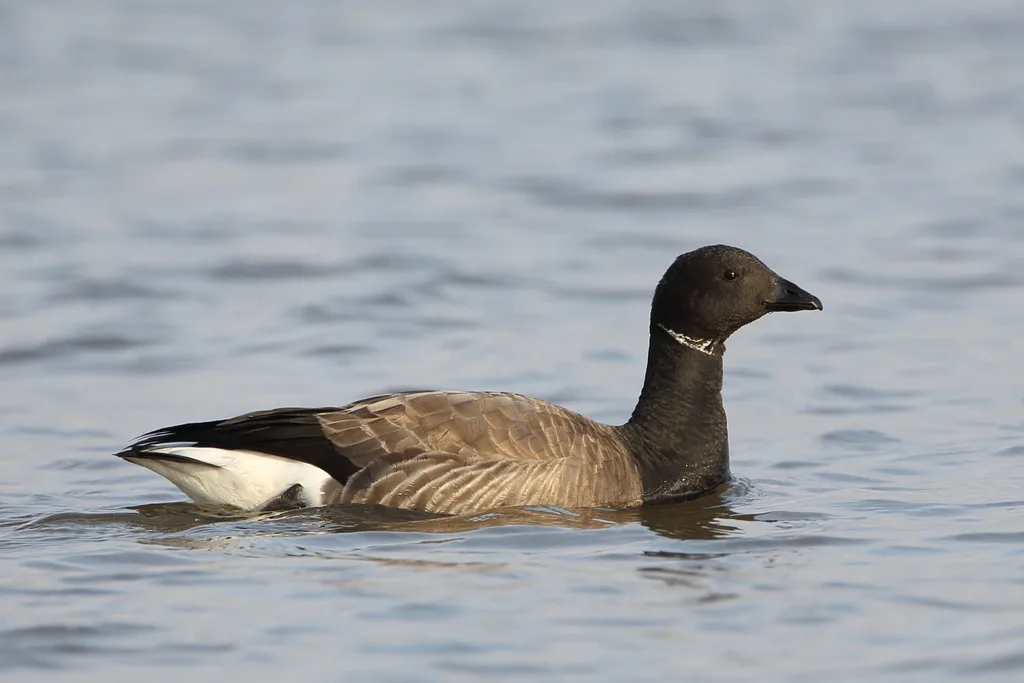Brant Goose (*Branta bernicla*) **Image Credits**: Alexey NesmelovWhimbrel (*Numenius phaeopus*) **Image Credits**: Paul CoolRoseate Spoonbill (*Platalea ajaja*) **Image Credits**: Nigel Voaden
### **The Importance of Protecting El Pitayal**
Throughout the trek, our team provided information about the habits of various species and emphasized the importance of safeguarding El Pitayal’s ecosystems, including the wetlands, to ensure their survival.
**Image Credits:** Gilberto Díaz**Image Credits:** Gilberto Díaz
Gilberto expressed surprise at the depth of knowledge and connection that children have with their surroundings. “I believe these activities are incredibly valuable for children to learn about biodiversity. It’s a chance for them to disconnect from social media. I was genuinely pleased to see how happy the children were,” he shares.
In addition to bird recognition, the women showed great interest in the plants, identifying them and sharing their traditional uses, such as making rosaries for prayers or preparing medicinal teas.
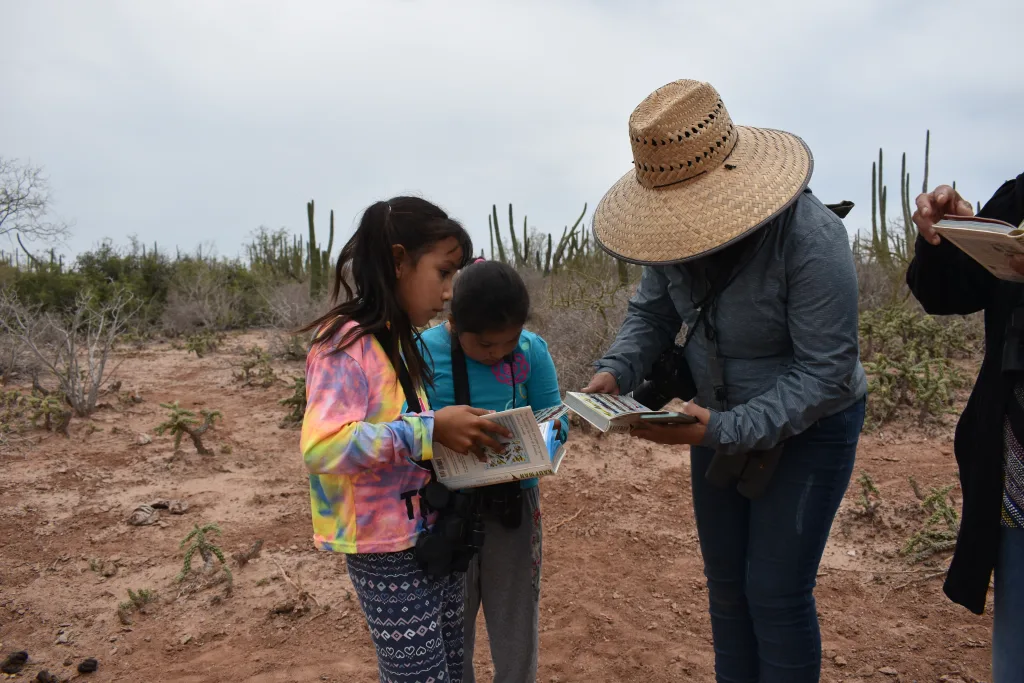Cinthia searching for the specifications of a bird species. \| **Image Credits**: Gilberto Díaz.
“I found it fascinating that children possess knowledge alongside adults. This indicates that valuable knowledge is indeed passed down to the next generations. It’s crucial for maintaining cultural strength and ensuring that ancestral wisdom persists among younger generations,” comments Cinthia Mireles.
Engaging in activities like this enhances people’s relationship with their environment by helping them comprehend the link between a thriving ecosystem, protected species, and thriving communities.
This activity and engagement, scheduled to continue until June, will take place at a total of 34 localities, offering communities the chance to share their knowledge of the fauna and flora in El Pitayal, as well as their traditional uses. The collected information will be invaluable, enriching the Justificatory Preliminary Study required to support the creation of the area and to develop a management plan once the Protected Area designation is established.
### **The Key Role of Wetlands**
The proposal to create the El Pitayal Protected Area includes Yavaros Bay, home to Laguna Moroncárit, a wetland of significant importance. Wetlands, characterized by their shallow depth, function as transitional zones between terrestrial and aquatic ecosystems.
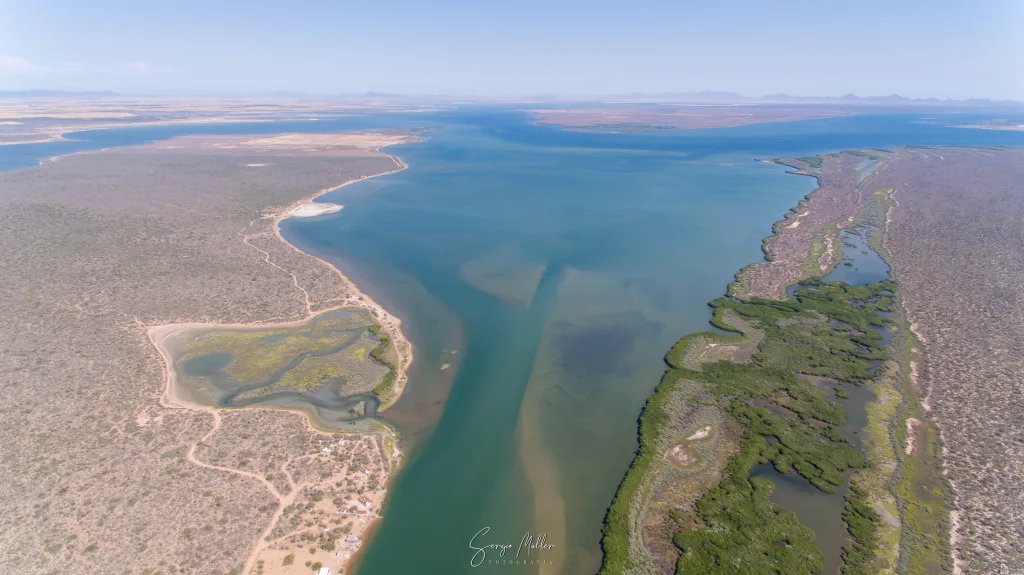El Pitayal and the Sea \| **Image** **Credits**: Sergio Muller.
Water plays a crucial role in these wetlands, serving as the primary factor that regulates the ecosystem, its flora, and fauna. Consequently, the soil must retain water, whether stagnant or flowing, for extended periods to prevent desiccation throughout the year. During this process, water fosters ideal conditions for plant growth, thereby creating a suitable habitat for the local fauna.
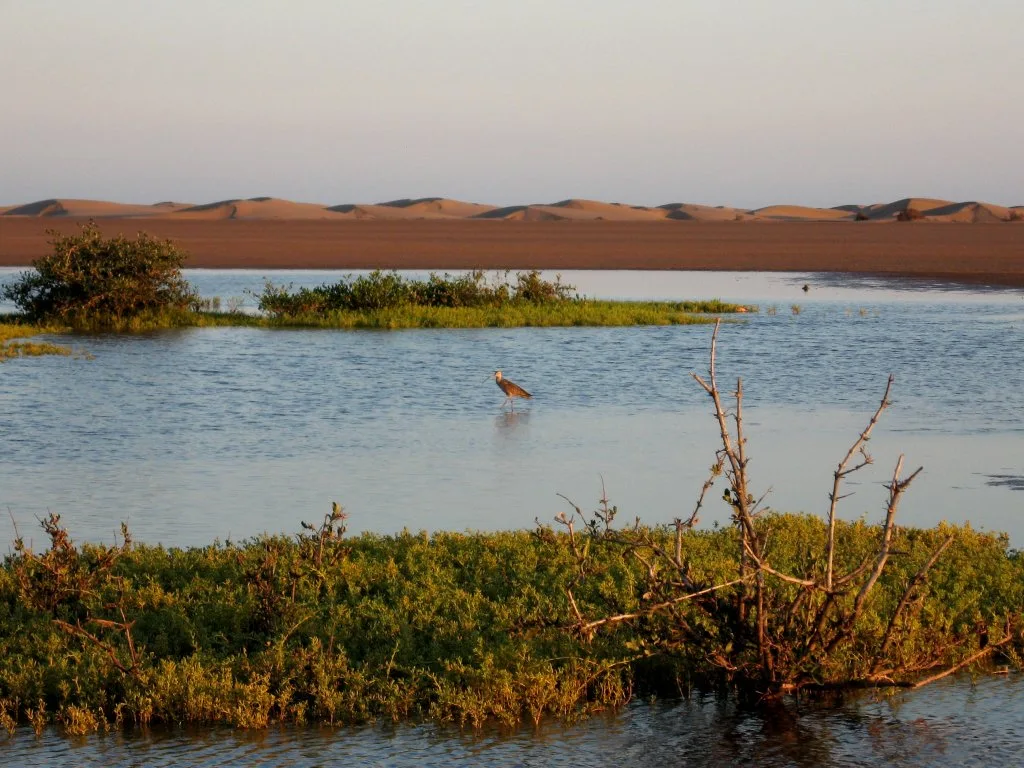Yavaros Bay. Taken from: <https://obson.wordpress.com/>
We are very excited to be working alongside these local communities, learning from their ancestral knowledge, and joining forces to protect this unique area.
Learn more about the the El Pitayal Protected Area Proposal in the Mongabay Latam report: “[Building a reserve to conserve the largest remnant of pitayas in the world](https://es.mongabay.com/2023/11/la-construccion-de-una-reserva-para-conservar-el-mayor-remanente-de-pitayas-en-el-mundo-mexico/).”
**Strategic Area:** Local Communities
**Country:** Mexico
**Content Type:** Blog
---
### [Restaurando la Reserva Natural Jambué ](https://www.natureandculture.org/es/directorio/restaurando-la-reserva-natural-jambue/)
**Published:** July 30, 2024
**Author:** Nora Sanchez
**Content:**
#### Jambué, una palabra shuar que significa “río del picaflor”, es el nombre de esta reserva natural donde se ha demostrado que restaurar un ecosistema degradado es posible.
*“Al principio, la gente decía que estábamos locos, que esas plantas no servirían para nada. Pero el tiempo nos demostró todo lo contrario; fueron fundamentales para tener bosque.”* – **Ángel Andrade, Guardabosque de la Reserva Natural Jambué.**
Vista aérea de la Reserva Natural Jambué
La Reserva Natural Jambué fue creada en 2010 por Naturaleza y Cultura Internacional (NCI). Ubicada en la parroquia Timbara del cantón Zamora, abarca 1,443 hectáreas y protege la microcuenca del río Nea, vital para las familias del Valle de Jambué.
Felipe Serrano, director ejecutivo de NCI, destacó que esta reserva, debido a su ubicación estratégica, actúa como un blindaje para el Parque Nacional Podocarpus, ayudando a reducir la presión de las actividades humanas en la región. Además, subrayó la importancia de proteger los bosques adyacentes al Parque Nacional Podocarpus debido a dos frentes principales de deforestación: la cuenca del río Numbala y la cuenca del río Jambué.
Durante los años 90, las actividades ganaderas, madereras y productivas han provocado la pérdida de productividad de los suelos y el deterioro de los servicios ecosistémicos en esta región. Estas prácticas no solo causaron deforestación, sino que también obligaron a los agricultores a trasladarse a áreas boscosas, perpetuando un ciclo de degradación.
Para abordar esta problemática, en octubre de 2011, Naturaleza y Cultura Internacional lanzó un **proyecto piloto de restauración de bosques amazónicos en pastizales abandonados** en la Reserva Natural Jambué, con el apoyo financiero de World Land Trust.
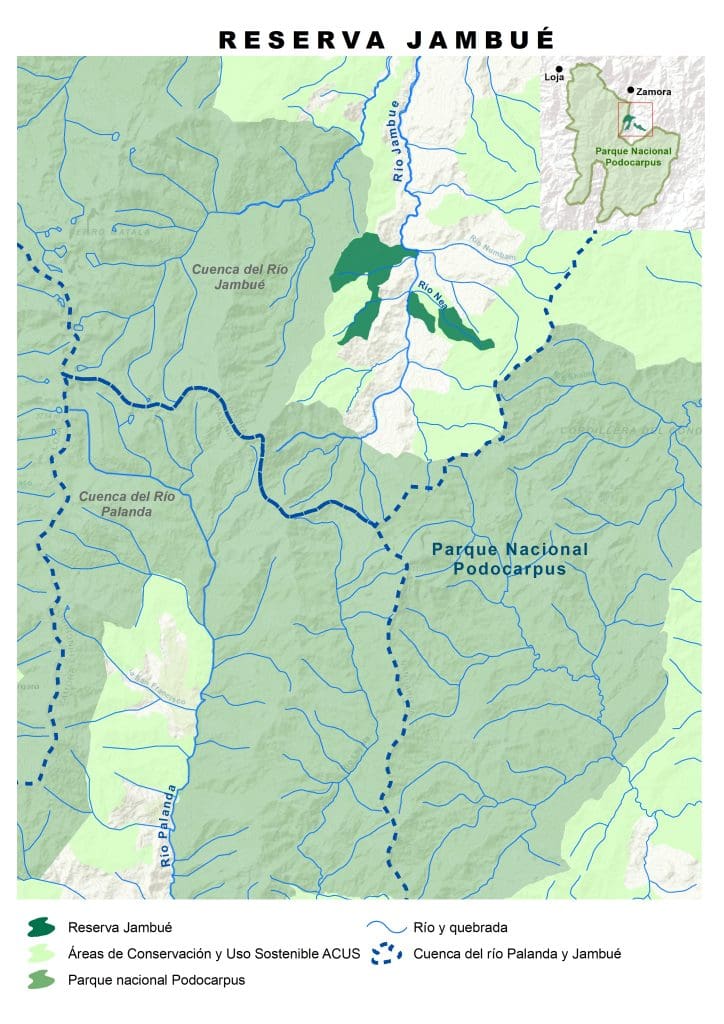Mapa de la Reserva Natural Jambué \| Elaborado por NCI
### **Mi vida entre el bosque: La historia de Ángel Andrade, en la restauración de la Reserva Natural Jambué**
Ángel Andrade recuerda con claridad cómo comenzó su labor en la Reserva Natural Jambué. Su historia comenzó sembrando árboles en un paisaje que antes solo presentaba pasto. *“Eran plantas propias del lugar y fáciles de sembrar; me acuerdo del tunash (pictocoma discolor) achotillo (Vismia sp.), cedro (Cedrela sp.) y sierrilla (Miconia sp.)”*, comenta. En este proceso de restauración, Ángel no solo aprendió sobre la siembra de especies nativas, sino que también descubrió que algunas requerían un cuidado especial y debían iniciarse en un vivero.
Ángel Andrade, Guardabosque de la Reserva Natural Jambué
En este crucial trabajo en el vivero, Ángel no estaba solo. Cuatro mujeres, Lida, Esperanza, Olga y Rosa, formaron parte del equipo. “Juntos, nos encargábamos de supervisar varios procedimientos dentro del vivero”, dice Ángel, recordando con admiración el esfuerzo colectivo. La colaboración fue fundamental, ya que la restauración de la reserva implementó un modelo mixto que combinaba la plantación de árboles nativos con la regeneración natural asistida. Este enfoque permitió no solo sembrar nuevas plantas, sino también liberar arbolitos que ya existían en el área, contribuyendo a un ecosistema más robusto.
Hasta 2013, ya se habían plantado y liberado 39,500 plantas, abarcando ochenta especies amazónicas. Estas especies incluían tanto árboles maderables como no maderables, y aquellas consideradas de aprovechamiento condicionado, cubriendo una superficie de 27 hectáreas. “Recuerdo que este trabajo lo hicimos en varias fases. Respetamos las plantas que ya estaban aquí y luego sembramos otras que son consideradas especies de sucesión intermedia, como achotillo (*Vismia* sp.), tunash (*Piptocoma discolor*) y balsa (*Ochroma pyramidale)*, y finalmente, especies de sucesión clímax como cedro, guayacán (*Handroanthus* sp.) y seique (*Cedrelinga cateniformis)*“, explica Ángel. Esta estrategia demuestra la importancia de una recuperación progresiva y equilibrada del ecosistema.
Vista área de la Reserva Natural Jambué
La restauración en Jambué no solo implicó la siembra de nuevas plantas, sino también labores de mantenimiento, como coronamiento y reposición durante tres años, además de un compromiso de seguimiento a largo plazo por diez años. Estas acciones fueron cruciales para asegurar el éxito y la sostenibilidad del proyecto. Ángel comparte sus primeras impresiones sobre el trabajo: “Al inicio, era difícil creer que íbamos a sembrar plantas, ya que aquí estamos acostumbrados a rozar (talar un área de bosque para realizar cultivos o pastizales). Pero lo que más me sorprendió fue el guarumo *(Cecropia obtusifolia).* Aunque parecía una planta común, sus semillas son las favoritas de las aves, que encuentran en ellas una fuente de alimento.”
La dedicación de Ángel al bosque es evidente no solo en su labor como guardabosque, sino también en su pasión por la fotografía. “Antes de tener una cámara, tomaba fotos con mis ojos. Llevo tres años en esto y aunque no sé mucho, parece que mis fotos están saliendo bien. Me gustaría aprender más sobre fotografía, ya que lo que hago es desde mi propio conocimiento.”
Recientemente, observé al mono araña de vientre amarillo. Este mono, que Ángel describe, es el *Ateles belzebuth,* una especie en peligro de extinción según la Lista Roja de la UICN (2008).
Para Ángel, el bosque es un lugar de pertenencia. “Me siento bien en el bosque. En la ciudad me aburro. Cuando tengo que salir, solo estoy tranquilo un rato y luego ya extraño el bosque”.
Una experiencia que destaca en su trayectoria es su colaboración con la investigadora Eva Filipczyková, quien desarrolla su trabajo de doctorado sobre el comportamiento de marcaje de los osos andinos (*Tremarctos ornatus)* en la reserva Jambué.
Rodrigo Cisneros, biólogo investigador en proyectos clave de diseño y creación de áreas protegidas, menciona que sin un guardabosques no hay investigación. “Un investigador, por más experiencia que tenga, no conoce el bosque como un guardabosque. Tienen un bagaje de conocimiento que a menudo es invisibilizado por los científicos”, explica. Cisneros resalta la importancia del guardabosque, quien, con su conocimiento del territorio, puede ahorrar tiempo y recursos, y hasta salvar vidas al evitar lugares peligrosos.
La restauración ha traído vida nueva al bosque, como menciona Ángel mientras muestra algunas de sus fotografías. “En las cámaras trampa he visto varios pumas. Con mis propios ojos, he visto dos. Les he pedido que me cuiden y me acompañen en mis recorridos por el bosque.” También disfruta fotografiando aves. “Me encantan porque son muy bonitas. Hay una en particular que tiene alas que parecen manos”.

“Vi un oso hace un año; siempre dejan los árboles rasguñados y huellas de las bromelias que comen. Cuando me encontré con el oso, nos saludamos. No me da miedo encontrarme con estos jardineros; los ando buscando.” Para Ángel, estar en el bosque es más que un trabajo; es su vida. “No me importaría morir en medio del bosque. Ser guardabosque no es difícil para mí. Camino bastante y no me canso; solo me detengo cuando tomo fotos y me quedo observando las aves.”
Antes de la restauración, había unas 300 hectáreas de pastizales. Ahora, ese espacio ha vuelto a ser bosque. “Después de la restauración, hemos visto varios animales, como osos, pumas, aves de todos los colores, y últimamente varios sajinos y cabeza de mate (*Eira bárbara*).” Ángel recuerda que “los animales comenzaron a regresar por el 2015, pero el puma llegó hace poco. Lo vi en una planta que nosotros sembramos, un cedro. Mire la foto.”
Foto de un puma *(Puma concolor)* tomada por Ángel Andrade
Ángel tiene varias fotos reservadas, que son parte de su dedicación y amor por el bosque que cuida día a día. Además, menciona que la restauración ha generado cambios significativos en la comunidad. “Hoy, muchas personas del Valle de Jambué que trabajaron en la plantación dicen que ya no tumban árboles”, explica Ángel. “Se dan cuenta del gran esfuerzo que toma hacer crecer una planta y lo rápido que se puede perder todo al cortar un árbol.”
Este guardabosque, comprometido con la restauración y conservación de su entorno, se convierte en un defensor silencioso de la vida silvestre y un apasionado de la naturaleza que ha encontrado su propósito en la Reserva Natural Jambué. Ángel Andrade narra su historia a través de fotografías, donde la vida del bosque se convierte en su inspiración.
---
La protección de la Reserva Natural Jambué no sería posible sin el invaluable apoyo de [World Land Trust](https://www.worldlandtrust.org/), cuya colaboración ha sido fundamental para conservar esta área vital de biodiversidad. Gracias a su apoyo, héroes como Ángel pueden seguir luchando por un futuro en el que la naturaleza y las comunidades vivan en armonía.
**Más información:**
Aida Maldonado
**Comunicación Ecuador**
<amaldonado@naturalezaycultura.org>
**Tags:** Biodiversidad, Ecuador
**Strategic Area:** Bosques
**Country:** Ecuador
**Content Type:** Blog
---
### [Making Great Strides in Protecting Ecuador’s Amazon Rainforest through SocioBosque](https://www.natureandculture.org/directory/making-great-strides-in-protecting-ecuadors-amazon-rainforest/)
**Published:** September 21, 2015
**Author:** NCI STAFF
**Content:**


# Making Great Strides in Protecting Ecuador’s Amazon Rainforest through SocioBosque
09/21/2015
\[vc\_row\]\[vc\_column\]\[vc\_column\_text\]
Since its inception in 2008, NCI has been an official partner of the Ecuadorian government’s innovative SocioBosque program, which combines forest conservation with sustainable economic development. To date, NCI has helped communities from seven of Ecuador’s 13 indigenous groups join the program, resulting in the protection of hundreds of thousands of acres of Amazon rainforest. In addition, SocioBosque makes over $7 million in annual payments to communities enrolled in the program to help them achieve their sustainable development goals.
At the helm of SocioBosque is Max Rodrigo Lascano Vaca, whom we sat down with recently to talk about the program’s successes and what he envisions for the future.
**NCI:** How many acres have been protected so far?
**Lascano:** Approximately 3.5 million acres have been protected to date with communities and private landowners. And this month we are entering another 250,000 acres into the program.
**NCI:** Considering its impressive results, what new goals does the program have?
**Loscano:** This year, we want to reach our annual goal of protecting 450,000 acres. We hope to meet this goal by October or November, which we are on track to do with NCI’s help. Next year, and until 2017, the goal will be the same. It is hard work, but we believe that we will achieve it.
**NCI:** How has the relationship been between NCI and SocioBosque?
**Loscano:** We have been working with NCI for many years, and it has been a very positive and beneficial relationship, with each institution contributing its capabilities and expertise. I believe that we have done a good job, particularly in the way our respective field staff have collaborated. The truth is that NCI is, perhaps, our main NGO partner currently. We are happy to continue working together for the benefit of the country’s ecosystems and people.
**NCI:** Specifically, how has NCI helped SocioBosque?
**Lascano:** Mainly, NCI has facilitated the entry of communities and landowners into the program. They’ve also helped reduce the costs associated with entering the program – which indigenous communities often cannot cover on their own. In certain cases, entering the program is more complicated, such as when communities don’t have the title to their land. NCI has helped resolve these issues. NCI is also mapping areas for enrollment, which is required to enter the program.
**NCI:** How do communities benefit from this program?
**Lascano:** To be part of the program, communities must propose a detailed investment plan for the funds they will receive in exchange for protecting their forest, which, in the case of indigenous communities, must be developed and formally approved by their Community Association \[made up of indigenous leaders and community members who help plot the course of their community’s development\]. Once enrolled, the Community Association also oversees plan implementation, ensuring that the economic benefits are realized. In general, resources are invested in sustainable development initiatives and community infrastructure, including health and education as well as conservation activities and compensation for park rangers.
**NCI:** How do you verify that the conservation and investment benefits are being realized?
**Lascano:** We have two mechanisms. The first is monitoring vegetation cover with satellite imagery and data. The second is field visits to areas where there is a greater threat of deforestation.
With respect to the investments plans, communities must submit a report twice a year detailing the implementation of their funds. They must also submit a final report in which the Community Associations verify the investments made.
**NCI:** Have the beneficiaries met their commitments?
**Lascano:** In general, we have a high percentage of fulfillment. There always will be some communities that have problems, or internal conflicts. If they are not in agreement about their investment plan, or aren’t enforcing it properly, we suspend the funds until they resolve their conflict. However, there have been few cases of this. Most of our members fully comply with their planned activities.
*Through SocioBosque, we’ve been able to help protect the Amazon rainforest for as little as $5 per acre.* \[/vc\_column\_text\]\[/vc\_column\]\[/vc\_row\]
---
### [A Roadmap to Hope: Ecuador Approves REDD+ Implementation Plan to Reduce Deforestation and Forest Degradation in Pastaza](https://www.natureandculture.org/directory/reddplan-pastaza/)
**Published:** June 11, 2021
**Author:** Kristen Heard
**Content:**


# A Roadmap to Hope: Ecuador Approves REDD+ Implementation Plan to Reduce Deforestation and Forest Degradation in Pastaza
06/11/2021
**Strategic Area:** Climate - Forests - Local Communities -
**Content Type:** Blog
**Country:** Ecuador -
On May 22, 2021, the Provincial Government of Pastaza officially received the Letter of Approval for the REDD+¹ Measures and Actions Implementation Plan of the Province. The Ministry of Environment and Water of Ecuador (MAAE) issued the letter as the National REDD+ Authority and will contribute towards national efforts to reduce deforestation and forest degradation through conservation, sustainable forest management, and the optimization of other land uses to reduce pressure on forests. Pastaza is the first province in Ecuador to obtain an Implementation Plan approved by MAAE.
The Implementation Plan (Plan) is a planning and implementation instrument designed for the execution of the REDD+ Action Plan “Forests for Good Living” 2016-2025 in Ecuador. It offers actions for conservation and sustainable production while incorporating the worldview, needs, and input of the indigenous nationalities of Pastaza. The Plan aims to [decrease deforestation](https://www.natureandculture.org/directory/serranias-de-iguembe/) in Pastaza as the population adopts sustainable production practices that conserve biodiversity and ecosystem services.
\[/vc\_column\_text\]\[/vc\_column\]\[/vc\_row\]\[vc\_row\]\[vc\_column\]\[vc\_column\_text\]
This groundbreaking achievement is the result of successful collaboration between the Provincial Government of Pastaza, several municipal governments, seven indigenous nationalities of Pastaza, MAAE, the United Nations Development Programme (UNDP), and Nature and Culture International. The Plan marks the first time a provincial government and indigenous communities signed agreements to work together to implement actions and measures to reduce deforestation and forest degradation.
\[/vc\_column\_text\]\[/vc\_column\]\[/vc\_row\]\[vc\_row\]\[vc\_column\]\[vc\_column\_text\]
“We know that we are taking the right steps together and dreaming big. Our joint vision is the conservation and maintenance of the Amazon and its native peoples,” says Felipe Serrano, Executive Director of Nature and Culture in Ecuador.
\[/vc\_column\_text\]\[/vc\_column\]\[/vc\_row\]\[vc\_row\]\[vc\_column\]\[vc\_column\_text\]
Thanks to donors like you, the Plan serves as a roadmap to hope: outlining actions to protect nature and empower cultures in Pastaza and serving as a planning template for other provinces, for example Morona Santiago and Zamora Chinchipe, to replicate throughout Ecuador.
\[/vc\_column\_text\]\[/vc\_column\]\[/vc\_row\]\[vc\_row\]\[vc\_column\]\[vc\_single\_image image=”20243″ img\_size=”full” add\_caption=”yes”\]\[/vc\_column\]\[/vc\_row\]\[vc\_row\]\[vc\_column\]\[vc\_column\_text\]
Nature and Culture has supported conservation and management efforts in Pastaza for the past ten years. In 2017, we helped establish the 6.3-million-acre *Pastaza Ecological Area of Sustainable Development* in the center of the Ecuadorian Amazon region. Shortly after, we supported the province in joining the Governors’ Climate and Forest Task Force (GCF), a subnational collaboration between 38 states, provinces, and regions from 11 countries to protect forests, reduce emissions, and promote sustainable development.
\[/vc\_column\_text\]\[/vc\_column\]\[/vc\_row\]\[vc\_row\]\[vc\_column\]\[vc\_column\_text\]
Through GCF membership, Pastaza received funds for the REDD+ Measures and Actions Implementation Plan. Noted for its development with indigenous communities, the Plan is one of five projects selected from around the world to receive funding for implementation!
\[/vc\_column\_text\]\[/vc\_column\]\[/vc\_row\]\[vc\_row\]\[vc\_column\]\[vc\_column\_text\]
During the ceremony of the delivery of the Letter of Approval of the Plan, UNDP Geneva Program Officer, Alexis Arthur, highlighted the collaboration between the Prefecture of Pastaza and the indigenous people as a real and unique partnership in the world.
\[/vc\_column\_text\]\[/vc\_column\]\[/vc\_row\]\[vc\_row\]\[vc\_column\]\[vc\_single\_image image=”20244″ img\_size=”full” add\_caption=”yes”\]\[/vc\_column\]\[/vc\_row\]\[vc\_row\]\[vc\_column\]\[vc\_column\_text\]
The province of Pastaza spans paramo grasslands, montane forests, and Amazon rainforest in northern Ecuador. It is the largest and best-conserved province in the country with forests occupying 94% of the province. Pastaza’s forests are excellent buffers against the climate crisis, capturing the largest amount of carbon in Ecuador. However, road construction in the area provides access for illegal logging, animal trafficking, agricultural expansion, and other development. Nature and Culture estimates that from 2016 to 2018, over 3,000 acres of forest in Pastaza were deforested each year, primarily due to agricultural expansion.
\[/vc\_column\_text\]\[/vc\_column\]\[/vc\_row\]\[vc\_row\]\[vc\_column\]\[vc\_column\_text\]
The approval marks the starting point for the implementation of proposed protective actions, including conservation and restoration of degraded areas, sustainable forest management, sustainable productive activities, and coordination between governments. The Plan will be implemented in a coordinated manner between the Municipal and Parochial Governments and the seven indigenous nationalities of Pastaza.
\[/vc\_column\_text\]\[/vc\_column\]\[/vc\_row\]\[vc\_row\]\[vc\_column\]\[vc\_column\_text\]
Jaime Guevara, Provincial Prefect of Pastaza, explains that it took ten years to reach this milestone. Efforts leading up to the development of the Plan included the construction and formalization of provincial environmental policies, the creation of *Pastaza Ecological Area of Sustainable Development*, the organization of the Consortium involving three levels of government, and the participation of seven indigenous nationalities.
\[/vc\_column\_text\]\[/vc\_column\]\[/vc\_row\]\[vc\_row\]\[vc\_column\]\[vc\_single\_image image=”20245″ img\_size=”full” add\_caption=”yes”\]\[/vc\_column\]\[/vc\_row\]\[vc\_row\]\[vc\_column\]\[vc\_column\_text\]
Nature and Culture will work in partnership with the Provincial Government of Pastaza and indigenous communities to implement the planned actions for conservation and sustainable production in the Ecuadorian Amazon. With help from donors like you, we will replicate efforts to reduce emissions from deforestation and forest degradation in other provinces in Ecuador.
\[/vc\_column\_text\]\[/vc\_column\]\[/vc\_row\]\[vc\_row\]\[vc\_column\]\[vc\_column\_text\]
*¹REDD+ is a United Nations-backed framework that aims to curb climate change by reducing emissions from deforestation and forest degradation. It creates a financial value for the carbon stored in forests by offering incentives for participating countries to reduce emissions from forested lands and invest in low-carbon paths to sustainable management and development.*
\[/vc\_column\_text\]\[/vc\_column\]\[/vc\_row\]\[vc\_row\]\[vc\_column\]\[vc\_column\_text\]
Learn more about Pastaza Ecological Area of Sustainable Development [here](https://www.natureandculture.org/nature-culture-international-helps-ecuador-establish-a-6-3-million-acre-conservation-corridor-in-amazon-rainforest/).
\[/vc\_column\_text\]\[/vc\_column\]\[/vc\_row\]\[vc\_column\]\[/vc\_column\]
**Strategic Area:** Climate, Forests, Local Communities
**Country:** Ecuador
**Content Type:** Blog
---
### [Clausura de la III Escuela Binacional del Agua en la Cuenca Binacional Mayo-Chinchipe ](https://www.natureandculture.org/es/directorio/clausura-de-la-iii-escuela-binacional-del-agua-en-la-cuenca-binacional-mayo-chinchipe/)
**Published:** July 22, 2024
**Author:** Nora Sanchez
**Content:**
El 12 y 13 de julio en la ciudad de San Ignacio, Perú se realizó la clausura de la III Escuela Binacional de Agua, la cual tuvo como propósito fortalecer las capacidades técnicas de 64 operadores de agua de las Juntas Administrativas de Agua (JAAS) de la cuenca binacional Mayo – Chinchipe, representantes de la provincia de San Ignacio en Perú y los cantones de Zumba y Palanda en Ecuador.
Los participantes recibieron instrucción y formación sobre la gestión local y gestión comunitaria del agua, operación y mantenimiento de los sistemas comunitarios, plomería y gasfitería.

Este esfuerzo conjunto fue liderado por Protos Andes en coordinación con Naturaleza y Cultura Internacional, gracias al apoyo de la Cooperación Técnica Belga (DGD) y Join Fort Water (JFW), durante las sesiones se ha reflejado el compromiso de los participantes para gestionar los recursos hídricos de mejor manera en los distritos de San Ignacio y parroquias de la parte sur del Ecuador, promoviendo el desarrollo sostenible, la conservación de los bosques y el recurso hídrico en la cuenca binacional.
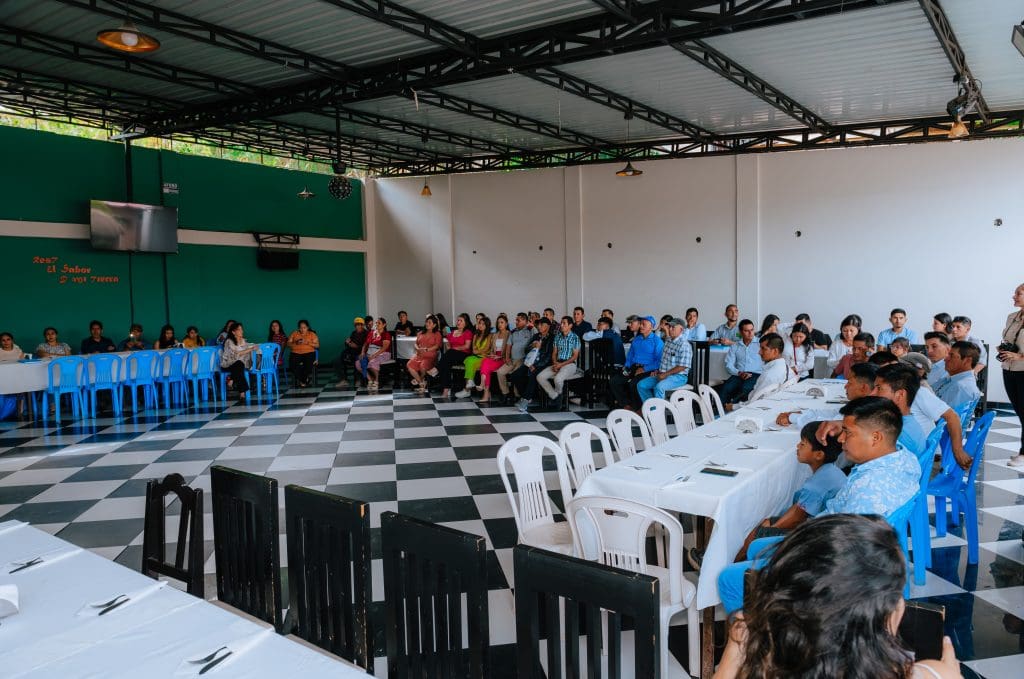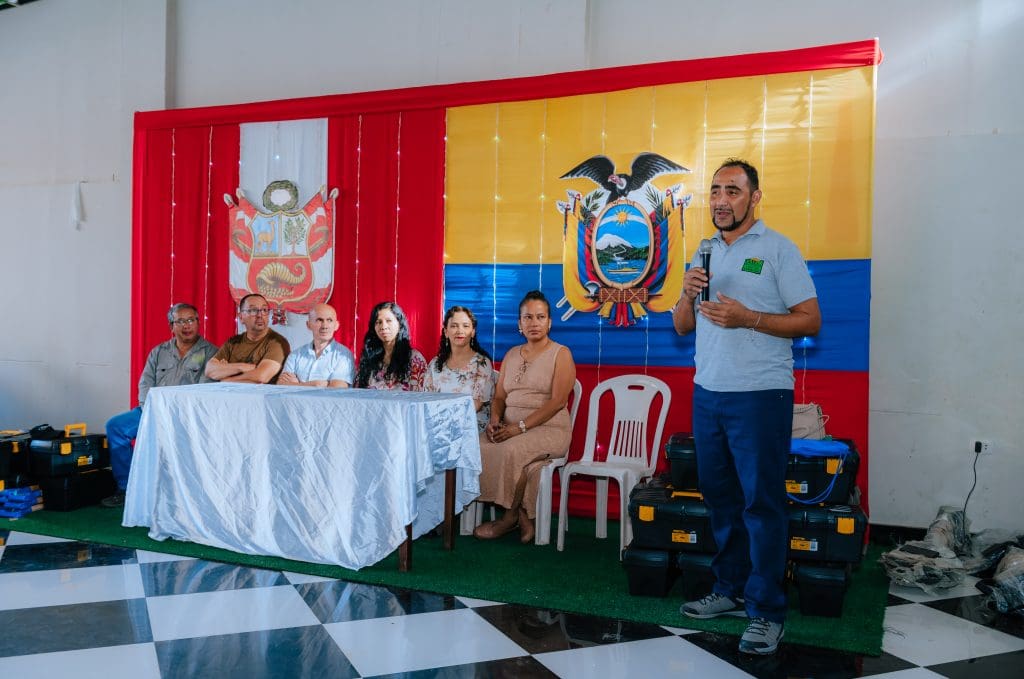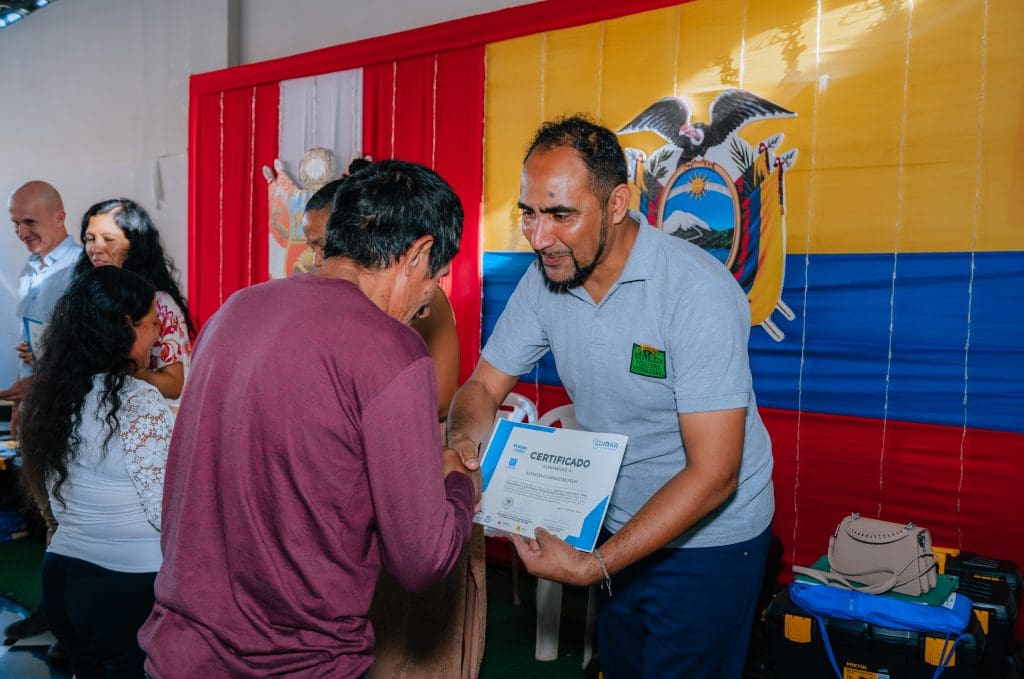
Esta iniciativa contó con la colaboración de diversas organizaciones regionales e internacionales, incluyendo a la Universidad Nacional de Jaén (UNJ), la Universidad Nacional de Loja (UNL), Naturaleza y Cultura Internacional Perú y Ecuador y Protos Andes, quienes implementan el Programa: Derechos, agua y resiliencia en cuencas amazónicas – CUIDAR. Además, participaron el Área de Conservación Regional “Bosques El Chaupe, Cunía y Chinchiquilla” (ACR BCHCCH) y el Servicio Nacional de Áreas Naturales Protegidas por el Estado (SERNANP).
Por su parte, el Fondo del Agua de los Andes del Norte (FAAN), donó con kits de herramientas a los operadores de los sistemas de agua potable, contribuyendo de manera significativa al éxito de este proceso formativo de los participantes.
---
**Más información:**
Gabriela Gives
**Comunicación Perú**
<comunicacion.peru@naturalezaycultura.org>
**Tags:** Agua, Ecuador, Personas, Perú
**Strategic Area:** Agua
**Country:** Ecuador, Perú
**Content Type:** Noticias
---
### [Diagnóstico participativo de fauna en ACR Maijuna Kichwa ](https://www.natureandculture.org/es/directorio/diagnostico-participativo-de-fauna-en-acr-maijuna-kichwa/)
**Published:** July 22, 2024
**Author:** Nora Sanchez
**Content:**
El Área de Conservación Regional (ACR) Maijuna Kichwa, cogestionado por las federaciones de ambas etnias junto al Gobierno Regional de Loreto, es una de las pocas que aún no cuentan con un instrumento formal de manejo de recursos de fauna, a pesar de que las comunidades aprovechan este recurso sumamente importante para garantizar la seguridad alimentaria de sus familias.
Por ello, Naturaleza y Cultura Internacional junto a ambas federaciones y el Gobierno Regional de Loreto, desarrollaron un diagnóstico participativo de la fauna del área. Los resultados serán el sustento para la aprobación de un Plan de Manejo que permita monitorear el estado del recurso que aporta a la alimentación familiar y, eventualmente, formalizar iniciativas de manejo con fines comerciales.
La evaluación se realizó en las comunidades nativas Nueva Vida, Nueva Unión, Puerto Huamán y Orejones, ubicadas en los distritos de Mazán y del Napo en la cuenca del río Napo, del ámbito del ACR. Los resultados preliminares registraron la presencia de diversas especies silvestres, como el venado colorado (*Mazama americana),* sajino (*Dicotyles tajacu)* y majaz (*Cuniculus paca).*
## **Importancia** de las especies registradas
Una de las especies registradas más importantes, fue el sajino, que destaca por su rol crucial en el ecosistema como dispersor de semillas, lo que contribuye a la remodelación y regeneración del bosque. Está categorizada en Preocupación Menor (LC) por la Unión Internacional para la Conservación de la Naturaleza.
Toma de cámara trampa del Sajino (*Dicotyles tajacu)*
Ángel Pérez, de Naturaleza y Cultura Internacional explica *“El diagnóstico de fauna silvestre será una herramienta valiosa para la gestión del ACR Maijuna Kichwa, promoverá un uso ordenado y sostenible de los recursos naturales en beneficio de las comunidades locales y la conservación del ecosistema amazónico”*.
## **La población se compromete**
Cabe resaltar que la evaluación destacó por la activa participación de los pobladores de las comunidades mencionadas, quienes asistieron a talleres participativos y en actividades de campo, actuando como guías y asistentes de los profesionales encargados del estudio. Este involucramiento directo ha fortalecido la identificación y el compromiso de la población local con la conservación de su entorno natural.

Ricardo Rivera, coordinador de Naturaleza y Cultura Internacional señala que la evaluación permite conocer el estado del bosque, del cual dependen las comunidades. Además, brinda justificación científica sobre el reporte de nuevas especies y en ese sentido, permite tomar mejores decisiones en la gestión y manejo del área. *“Los esfuerzos de las comunidades juntamente con el Gobierno Regional de Loreto y el apoyo de Naturaleza y Cultura Internacional están sirviendo para demostrar la recuperación de la fauna silvestre con el establecimiento del ACR*” señaló.
---
**Más información:**
Gabriela Gives
**Comunicación Perú**
<comunicacion.peru@naturalezaycultura.org>
**Tags:** Biodiversidad, Perú
**Strategic Area:** Biodiversidad
**Country:** Perú
**Content Type:** Noticias
---
### [Summer Newsletter 2024](https://www.natureandculture.org/directory/summer-newsletter-2024/)
**Published:** July 12, 2024
**Author:** Heather Thomas
**Content:**
A conservation update on our efforts across Latin America, and a deeper look at some of our biggest projects yet.
Welcome to the summer edition of Nature and Culture’s Newsletter. We have a lot to celebrate! From Peru’s [Mar Tropical de Grau](https://www.natureandculture.org/directory/a-biodiverse-marine-paradise-in-peru-is-now-protected/) to the rain-soaked [Chocó rainforest of Colombia](https://www.natureandculture.org/directory/new-protected-area-in-choco-driven-by-afro-colombian-communities/), journey with us as we explore thriving landscapes and the communities that protect them.
**Tags:** Biodiversity, Conservation, endangered species, News, Peru, Protected Area
**Strategic Area:** Biodiversity, Climate, Forests, Local Communities, Water
**Country:** Bolivia, Colombia, Ecuador, Mexico, Peru
**Content Type:** News
---
### [Lideramos proceso de restauración con romerillo en Cajamarca](https://www.natureandculture.org/es/directorio/lideramos-proceso-de-restauracion-con-romerillo-en-cajamarca/)
**Published:** July 11, 2024
**Author:** Nora Sanchez
**Content:**
### *1200 plantas de romerillo fueron plantadas en la propuesta de ACR Bosques Montanos de Huamantanga y Chorro Blanco*
Como parte de las acciones de gestión, el equipo de Naturaleza y Cultura Internacional lideró la siembra a campo definitivo de 1200 plantones de romerillo (*Retrophyllum rospigliosii*), en el caserío San Juan de Dios del distrito de Chontali, que forma parte de la propuesta Área de Conservación Regional (ACR) “Bosques Montanos de Huamantanga y Chorro Blanco”, en Cajamarca.
La jornada de restauración tuvo como objetivo desarrollar actividades a favor del ecosistema de la propuesta de creación del ACR. En ese sentido, Naturaleza y Cultura Internacional reafirmó su compromiso en el asesoramiento técnico para mantener el buen estado de los romerillos, luego de haber apoyado, gestionado y coordinado con la Subgerencia de Recursos Naturales y Medio Ambiente del Gobierno Regional de Cajamarca, la donación de plantones de romerillo de estado y tamaño adecuado para ser plantadas en áreas cercanas al bosque.

Por su parte, los pobladores del caserío, quienes realizaron los trabajos de acondicionamiento del terreno, repique, riego, abonamientos y labores culturales, se comprometieron a restaurar espacios deforestados en el bosque de su localidad.
Según explicó Daniel Yrigoín, especialista de Naturaleza y Cultura Internacional, la propuesta de ACR Bosques Montanos de Huamantanga y Chorro Blanco se ubica entre dos cuencas: la cuenca del Chinchipe y Chamaya. “El buen estado del ecosistema es fundamental para mantener la provisión y calidad de agua” afirmó.

**Dato:** El romerillo es una especie de alto valor ambiental, ayuda a captar y regular el agua; además, es alimento para animales silvestres, aunque está vulnerable según la Unión Internacional para la Conservación de la Naturaleza, por su afectación por la tala y quema. Es por ello, que propagar a la especie es fundamental para asegurar la vitalidad del ecosistema y así asegurar los servicios ambientales que brinda, como el agua y aire de calidad.
Cabe resaltar, que la propuesta de ACR es un lugar ideal para la propagación de la especie. Un dato interesante es que la propuesta de ACR se encuentra en la etapa 3, de 4, previas a su establecimiento.
---
**Más información:**
Gabriela Gives
**Comunicación Perú**
<comunicacion.peru@naturalezaycultura.org>
**Tags:** Biodiversidad, Perú
**Strategic Area:** Biodiversidad
**Country:** Perú
**Content Type:** Noticias
---
### [Jaguar Monitoring in Mexico ](https://www.natureandculture.org/directory/jaguar-monitoring-in-mexico/)
**Published:** July 11, 2024
**Author:** Heather Thomas
**Content:**
For the third time, the National Commission of Protected Areas in Mexico is organizing the National Jaguar Census (CENJAGUAR), an effort by various social and governmental organizations, including Nature and Culture. The goal is to determine the conservation status of this iconic species and to disseminate information that will enable the design of public policies and conservation initiatives.
### **An iconic feline under threat**
The jaguar is the only big cat of the Panthera genus found in the Americas. Also known as onza, yaguar, balam, or tecuán, this species holds irreplaceable cultural significance for the Latin American countries where it resides.
Although it is found in 19 countries from the United States to Argentina, (including the five countries where we work), its habitats and population have suffered severe reductions. According to various sources, it is estimated that jaguars have disappeared from 46% of their original territories and are now extinct in El Salvador and Uruguay.
In Mexico, the decline in the jaguar population has led to it being classified as Endangered. In the early 2000s, there were around 20,000 jaguars in this country; however, during the first edition of CENJAGUAR in 2010, only 4,000 were recorded. By the second census in 2018, this number had slightly increased to 4,800.
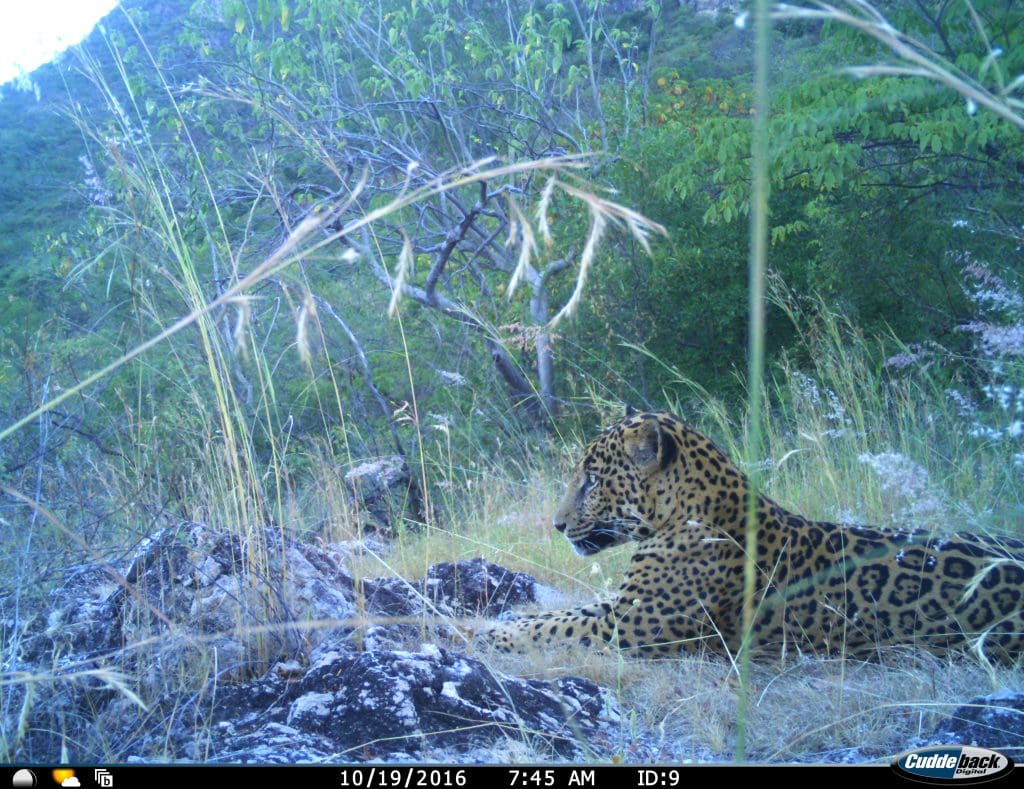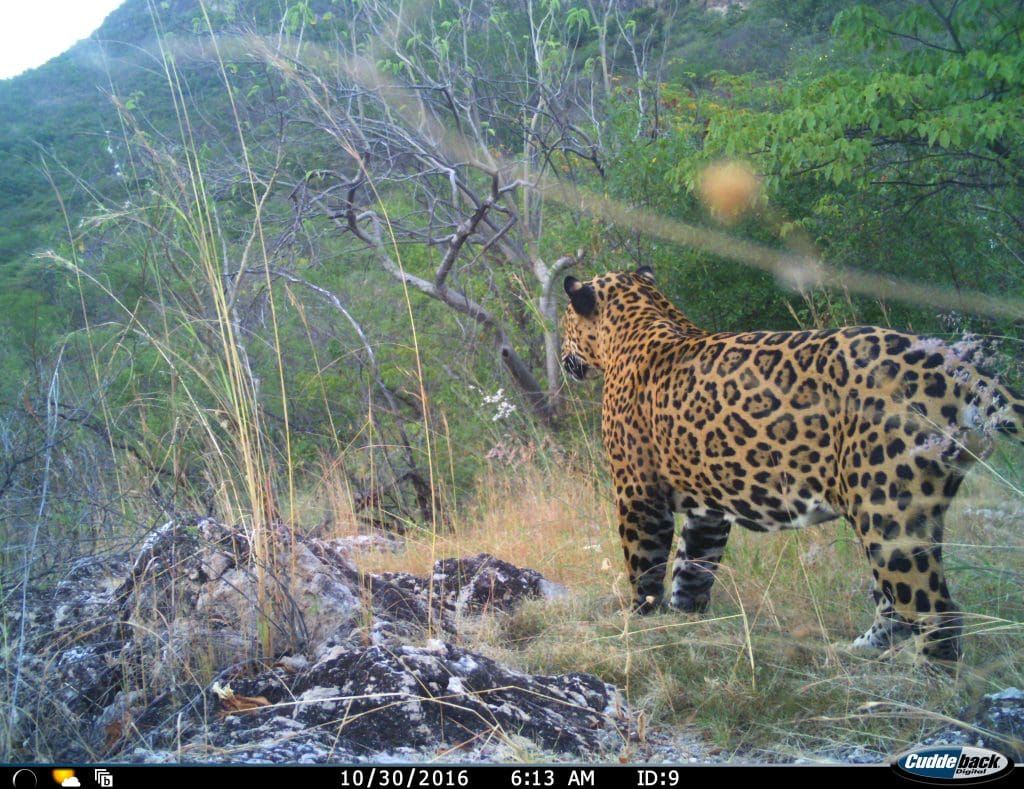
This alarming population decline is mainly due to habitat loss and degradation. The jaguar needs large expanses of territory to survive; however, threats such as the expansion of agricultural frontiers have reduced and degraded their habitats, diminishing the conditions necessary for their survival.
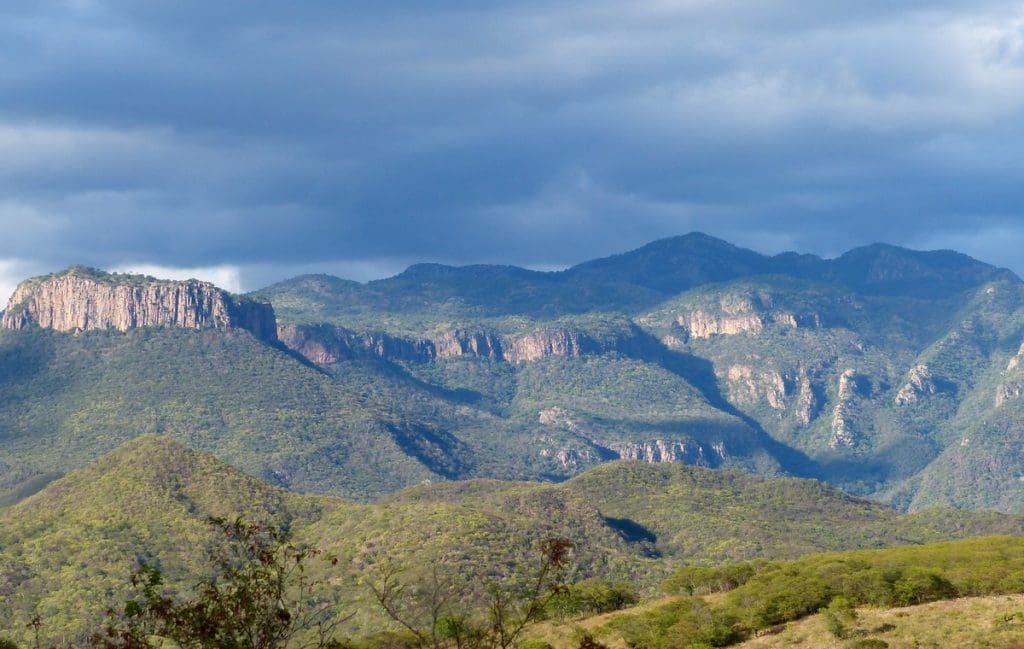View from the Monte Mojino Reserve
### **Nature and Culture contribute to the Jaguar Census**
The third CENJAGUAR began in March and will extend until August. Our technical team will participate in this initiative by installing 13 monitoring stations in the Monte Mojino Reserve, which will contribute to the count of the Sierra de Álamos – Río Cuchujaqui Flora and Fauna Protection Area. The results, available from August, will allow us to determine the conservation status of jaguar populations and compare the results with previous censuses to identify population growth trends.
Since 2013, Nature and Culture has participated in monitoring this feline, providing relevant data for the conservation of the species in northwestern Mexico. Now, with our participation in CENJAGUAR, we will be contributing valuable information at the national level.
We are optimistic about the results. In April 2021, during monitoring activities around the Monte Mojino Reserve, we captured a female jaguar named ‘La Abuela’ on camera, a specimen that hadn’t been seen in 10 years. Residents collectively agreed to name her “la abuela” or grandmother, as a symbol of wisdom and hope for the community. This sighting filled us with enthusiasm because it demonstrates that conservation efforts are effective, as they help maintain and protect the habitats of essential species for ecosystem balance, such as the jaguar.
“La abuela”, documented in 2021 in the Monte Mojino Reserve
> “Seeing a jaguar is very important because it indicates a healthy ecosystem, but seeing a female jaguar is hopeful, as it means reproduction is possible.”
>
> Gilberto Díaz, Nature and Culture technician
Learn more about this sighting here: [The True Meaning of Spotting a Jaguar](https://www.natureandculture.org/es/directorio/the-true-meaning-of-spotting-a-jaguar/)
Our participation in the Jaguar Census is made possible by the financial support of our donors.
**Tags:** Biodiversity, Conservation, Jaguar, Mexico
**Strategic Area:** Biodiversity
**Country:** Mexico
**Content Type:** News
---
### [Nuevo convenio para articular la conservación de la naturaleza con los bioemprendimientos](https://www.natureandculture.org/es/directorio/nuevo-convenio-para-articular-la-conservacion-de-la-naturaleza-con-los-bioemprendimientos/)
**Published:** July 4, 2024
**Author:** Nora Sanchez
**Content:**
### Los espacios naturales son una importante fuente de alimento e insumos para el desarrollo de bioemprendimientos. En ese sentido, Naturaleza y Cultura Internacional y Agroideas, firmaron un convenio interinstitucional.
El convenio permitirá a las asociaciones de las áreas de conservación del ámbito de intervención de Naturaleza y Cultura Internacional (NCI), postular a financiamientos a través de las convocatorias que agroideas ofrece, como entidad adscrita al Ministerio de Desarrollo Agrario y Riego.
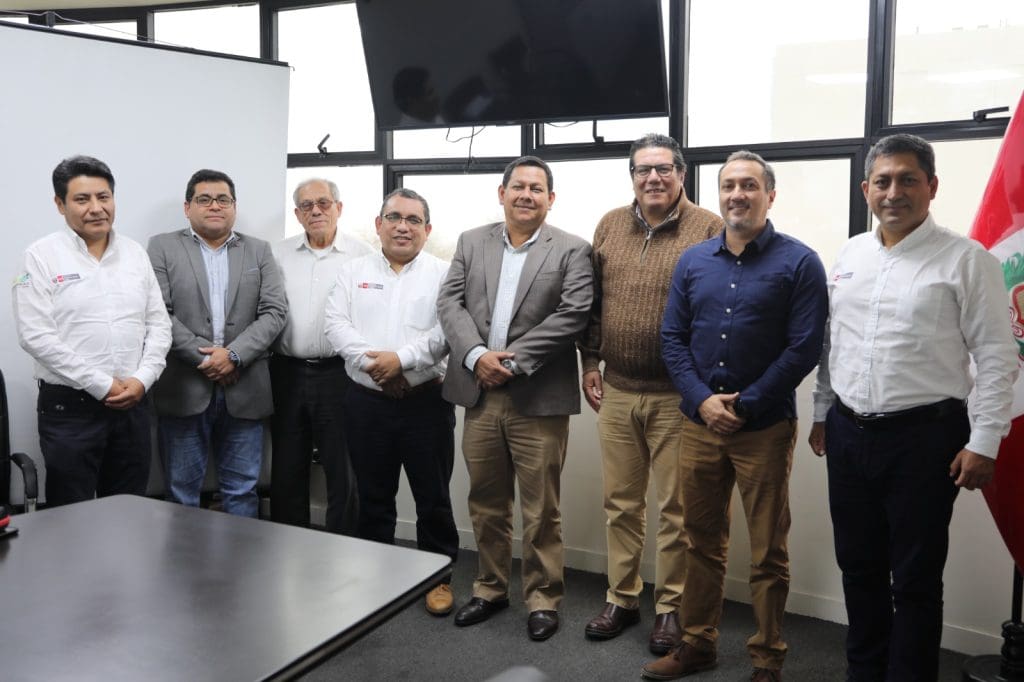
Guillermo Maraví, director ejecutivo de Naturaleza y Cultura Internacional, destacó que este convenio representa una oportunidad para dinamizar la economía en las comunidades comprometidas con la conservación y la implementación de emprendimientos respetuosos con el ecosistema.
Los bioemprendimientos de panela, miel de abeja, café, derivados lácteos y artesanías de madera y fibra de chambira; entre otros, de los departamentos de Piura, Cajamarca, Amazonas, Huánuco, Loreto y Ucayali, donde NCI trabaja, podrán acceder a estas oportunidades financieras de desarrollo sostenible.

De esta manera, Agroideas cumpliría con una de sus metas, la cual establece financiar proyectos que busquen fomentar y promover el desarrollo competitivo, sostenible y descentralizado del sector agrario, articulándolo al mercado nacional e internacional y así ayudar al crecimiento económico, conservación, seguridad alimentaria y reducción de la pobreza rural del país.
---
**Más información:**
Gabriela Gives
**Comunicación Perú**
<comunicacion.peru@naturalezaycultura.org>
**Tags:** Perú
**Strategic Area:** Comunidades Locales
**Country:** Perú
**Content Type:** Noticias
---
### [Innovaciones tecnológicas impulsan la producción y comercialización de café orgánico](https://www.natureandculture.org/es/directorio/innovaciones-tecnologicas-impulsan-la-produccion-y-comercializacion-de-cafe-organico/)
**Published:** July 1, 2024
**Author:** Nora Sanchez
**Content:**
En el marco del proyecto “Incorporación de Innovaciones Tecnológicas para Fortalecer la Producción, Calidad y Comercialización de Café Orgánico”, el equipo de Naturaleza y Cultura Internacional brinda asistencia técnica a tres asociaciones de productores agropecuarios conservacionistas en el distrito de Pacaipampa, provincia de Ayabaca, Piura.
Este proyecto, cofinanciado por Plan Binacional de Desarrollo de la Región Fronteriza Perú-Ecuador (Capítulo Perú) y el Fondo del Agua Andes del Norte, programa Quiroz Chira, busca mejorar la producción y calidad del café orgánico en la región.
Las tres asociaciones beneficiadas, involucran a 136 socios de los predios San Pablo y San Juan de Cachiaco, abarcan seis caseríos del Área de Conservación Ambiental (ACA) “Páramos y Bosques Nublados de Cachiaco y San Pablo del distrito de Pacaipampa”.
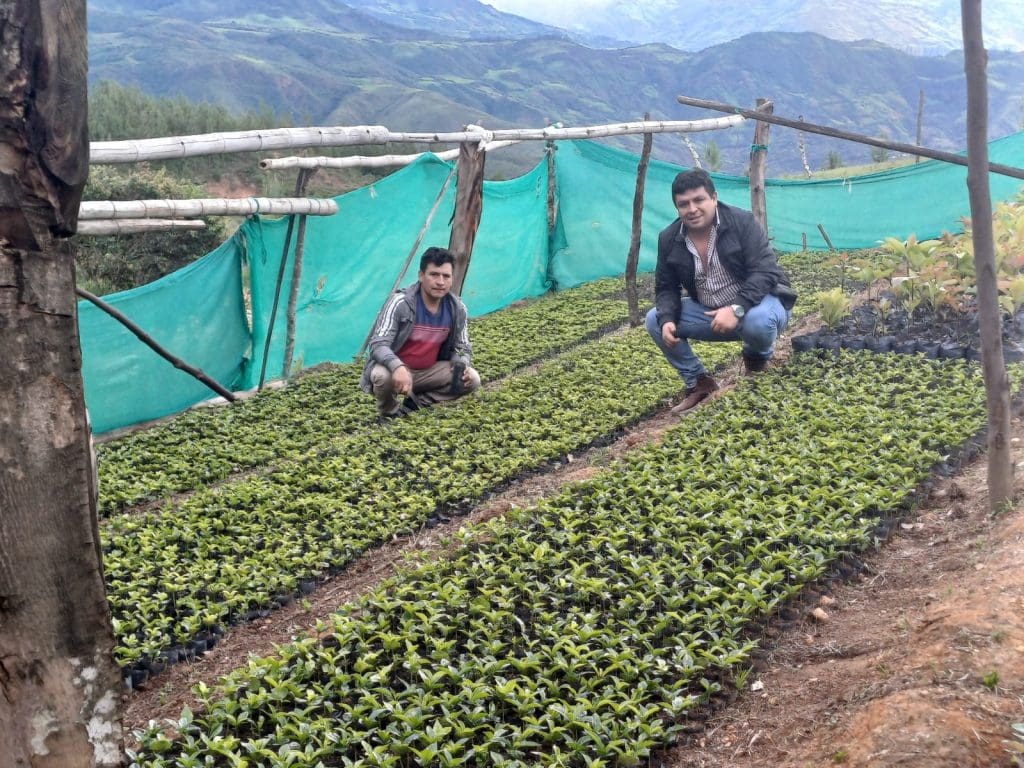
En el marco de este proyecto, se han entregado un total de 117,500 plantones: 92, 000 mil plantones de café y 25,500 entre plantones nativos como aliso, zurumbo, sauce, y plantas exóticas pino y eucalipto
El objetivo principal de este proyecto es fortalecer la producción y calidad del café orgánico, así como mejorar la comercialización de este producto en el mercado. La incorporación de innovaciones tecnológicas y la asistencia técnica especializada son pilares fundamentales para alcanzar estos objetivos y asegurar el desarrollo de las comunidades beneficiadas.
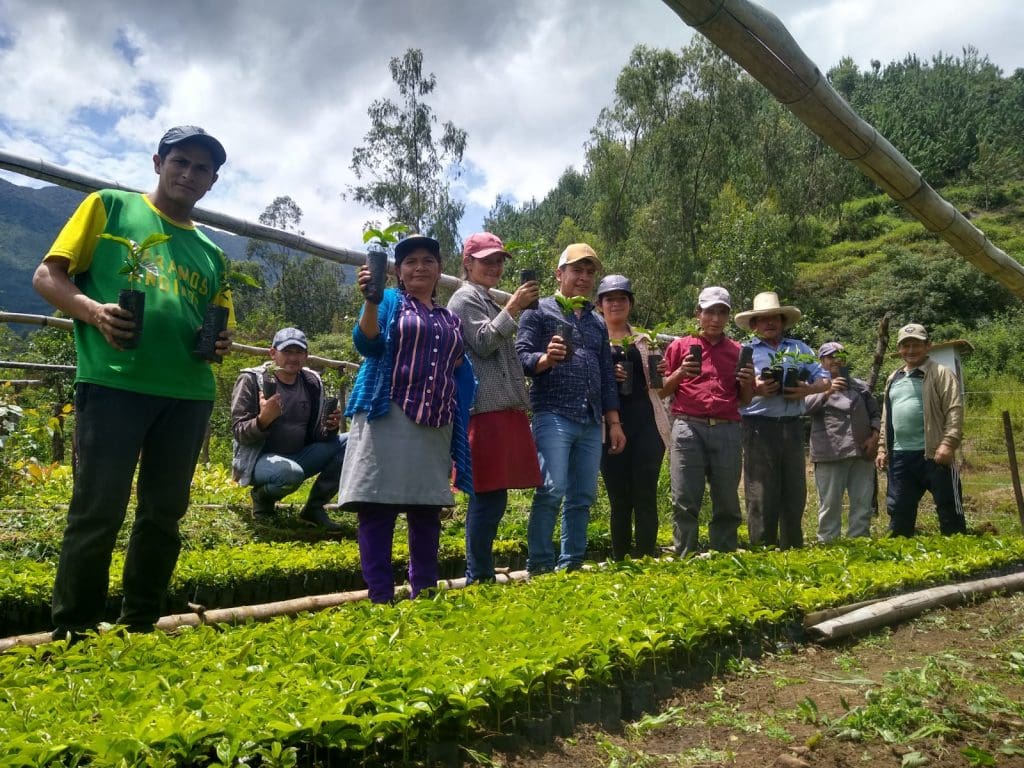
Plan Binacional de Desarrollo de la Región Fronteriza Perú-Ecuador, Naturaleza y Cultura internacional y el Fondo del Agua Andes del Norte reafirman su compromiso con la conservación ambiental y el desarrollo socioeconómico de las comunidades. Con esta iniciativa, se espera no solo mejorar la calidad de vida de los productores de café, sino también contribuir a la preservación de los valiosos ecosistemas de páramos y bosques montanos de Pacaipampa.
---
**Más información:**
Gabriela Gives
**Comunicación Perú**
<comunicacion.peru@naturalezaycultura.org>
**Tags:** Perú
**Strategic Area:** Comunidades Locales
**Country:** Perú
**Content Type:** Noticias
---
### [A Day in the Life of A Forest Ranger](https://www.natureandculture.org/directory/a-day-as-a-forest-ranger/)
**Published:** June 21, 2024
**Author:** Heather Thomas
**Content:**
Often overlooked in the fight against deforestation, the forest ranger is critical to preserving nature worldwide. These unsung heroes perform tasks and take on challenges beyond what you may imagine. Joel Vélez Berrú, a ranger at Nature and Culture’s Maycú Reserve, is one of these heroes. Today, as the world celebrates our rainforests for World Rainforest Day, we honor forest rangers’ vital role in preserving our planet’s biodiversity by spending a day in the life with Ranger Joel.
## **Meet Joel Vélez, Forest Ranger at Nature and Culture’s Maycú Reserve**
Joel Vélez, collaborating in the monitoring of the species *(Atelopus sp.)*
Photograph by Diego Armijos, Museum of the Universidad Técnica Particular de Loja (MUTPL)
Joel began working as a Forest Ranger at the Maycú Reserve three years ago. His work includes conducting two to three-mile daily patrols, ecological restoration, research, and organizing community activities.
## **Explore the Maycú Reserve** of the Ecuadorian Amazon
The Maycú Reserve is located in the southern Ecuadorian Amazon, in Nangaritza, a region of Zamora Chinchipe. It borders Peru to the east and covers an area of more than 4,900 acres. It protects a megadiverse block that unites Andean and Amazonian ecosystems.
Nature and Culture began protecting this area in 2012 as part of a private conservation area, managed by the Nature and Culture Ecuador Foundation. Later, the reserve was recognized by ordinance as a conservation and sustainable use area in the province of Zamora Chinchipe. It was also registered as a conservation area in the National Environmental Authority’s forest register.
Maycú, together with Podocarpus National Park, the Shuar Area of Hunting, Fishing, and Gathering, the Los Tepuyes Conservation Area, and the Biodiversity Conservation and Sustainable Use Area of the province, is a region with a very high degree of endemism that connects Andean, Amazonian, and Condor Mountain Range ecosystems. This configuration ensures connectivity between these ecosystems, allowing for the interaction and conservation of their biodiversity.
Nangaritza River in the Maycú Reserve
## **A Day as a Park Ranger**
Joel begins his day early in the morning with the first birdsong. His aptitude as a forest ranger did not happen overnight. Joel explains that his connection with nature started at a young age, having been born and raised very close to the Maycú Reserve. The knowledge he acquired over time allowed him to develop a relationship with the forest, the river, and his surroundings. It is a continuous task that combines observational skills, feelings, and respect for the wildlife and ecosystem of the reserve.
Monitoring along the boundaries of Maycú Nature Reserve
Photograph by Daniel Sanmartín, Nature and Culture
> *“Before starting my patrol, I plan my day. I equip myself with boots, pants, a shirt, a machete, and a backpack. In it, I carry food, a GPS, and my cellphone. My meals vary, from rice and yuca to eggs or chicken, and when I need to use the machete, I prepare to spend entire days in the forest.”*
>
> – Joel Vélez
#### Species monitoring to measure ecological health
After many years on patrol, Joel has developed an ability to identify indicator species that reveal something about a forest’s conservation status. Among them stands out a rare species of harlequin frog (*Atelopus sp.*), whose identity is still being studied by scientists. Harlequin frogs of the genus Atelopus are among the most threatened amphibians in the world. According to Joel, the presence of this frog is a clear sign of a well-preserved ecosystem.
> *“What I like the most is learning about frogs, snakes, and birds, like the glass frog ‘charapita’ and the Atelopus. In Maycú stream, there used to be more frogs; now, mining and its waste have affected their habitat.”*
>
> *– Joel Vélez*
Jaguar footprint in Maycú Reserve Photo by Carlos Rosales, Nature and CultureLong-tailed Hermit Hummingbird (*Phaethornis malaris*)
Photograph by Joel Vélez, Nature and Culture
He walks many miles a day, maintaining trails along the way. He checks that the signage in each area is in good condition; if not, he reports the damage and indicates necessary changes. Above all, he assists in recording the existing wildlife in the reserve:
> *“During my patrols, I encounter snakes; I always come across the Bothrops (fer-de-lance, Bothrops atrox). I also see small mammals like agoutis, pacas, or deer, and I frequently see tracks of spectacled bears and jaguars, although I have never actually seen one yet. I’ve seen common birds like thrushes and tanagers. Those are the animals most abundant here.”*
>
> *– Joel Vélez*
Amphibian monitoring in Maycú Nature Reserve. Herpetologist Diego Armijos observes the charapita glass frog (*Centrolene charapita*).
Photograph by Jorge Córdova, MUTPL
#### Reforestation Efforts in Degraded Grasslands
In 2016, the restoration team led by Carlos Rosales from Nature and Culture initiated an ecological recovery process in the Maycú Reserve, intervening in 100 acres of degraded grasslands and planting 52,000 Amazonian trees.
Joel mentions that they worked with 46 species: “We planted various trees such as oriental mangrove (*Calophyllum sp.*), cedar (*Cedrela sp.*), seike (*Cedrelinga catenaeformis*), pituca (*Clarisia racemosa*), bella maría (*Vochysia sp.*), achotillo (*Vismia baccifera*), balsa (*Ochroma pyramidale*), pigue (*Piptocoma discolor*), and remo (*Aspidosperma sp.*), those are the ones I remember now.”

However, the restoration work doesn’t end with planting; management is the crucial phase that ensures the long-term sustainability of the restoration efforts. This management involves controlling introduced grasses, previously planted for cattle grazing. Joel mentions that this activity is conducted before planting and then every four months for at least three years after planting until the plant is large enough to compete with the grass.
Joel and Carlos measure planted native plants.
Photograph by Daniel Sanmartín, Nature and Culture
While this cleaning process is underway, small trees that haven’t been planted are identified, known as initial succession plants. This is called natural regeneration plant release. Grass and other nearby shrubs are also cut so native plants can grow without competition for light or nutrients. Joel emphasizes that not all plants survive in every phase of restoration, so dead plants must be replaced to allow the forest to regenerate as quickly as possible.
#### Biggest Challenges as a Forest Ranger
“The biggest threat I face is mining. That’s the biggest challenge because you’re in danger. Maybe someday it will calm down. Since I’ve been a forest ranger, there has been mining. I’ve been unlucky.”
Illegal mining camp on the banks of the Nangaritza River.
Photograph by Daniel Sanmartín, Nature and Culture
The mining pressure on the Maycú Reserve is strong; everyday activities increase from people interested in extracting gold from what could be the last riparian forests remaining along the Nangaritza River.
Illegal mining on the Nangaritza River.
Photograph by Daniel Sanmartín, Nature and Culture
Joel’s routes have changed since illegal mining has intensified; now he is afraid to go out as he used to. According to the Ecociencia report, mining intensified in Nangaritza between 2021 and 2022, coinciding with Joel’s start as a forest ranger. Mining continues to this day.
“Nature is the most important thing, we live for it. Once I encountered a deer, it was really beautiful. It saw me and stood there for about four minutes, not leaving.” – Joel Vélez
At the end of the day, whether he has walked a trail, supported researchers, or led restoration activities, tired but deeply satisfied, Joel returns home where his family waits to hear the day’s experiences. He gets some rest before the next day begins again with the songs of the birds that seem to know he needs to hear them to start his day well.
The protection of the Maycú Natural Reserve would not be possible without the invaluable support of the [World Land Trust](https://www.worldlandtrust.org/), whose collaboration has been essential in conserving this vital area of biodiversity. Thanks to their commitment, heroes like Joel can continue to fight for a future where nature and communities live in harmony.
**Tags:** Amazon, Biodiversity, Conservation, Ecuador, Forest Ranger, Protected Area
**Strategic Area:** Forests
**Country:** Ecuador
**Content Type:** Blog
---
### [Un día en la vida de un guardabosque](https://www.natureandculture.org/es/directorio/un-dia-en-la-vida-de-un-guardabosque/)
**Published:** June 21, 2024
**Author:** Nora Sanchez
**Content:**
En el corazón de la naturaleza están los guardabosques, hérores sin capa que a menudo pasan desapercibidos, pero cuya labor y compromiso son fundamentales para la conservación de nuestro planeta. **Joel Vélez Berrú, guardabosque de la Reserva Natural Maycú, personifica este compromiso.**
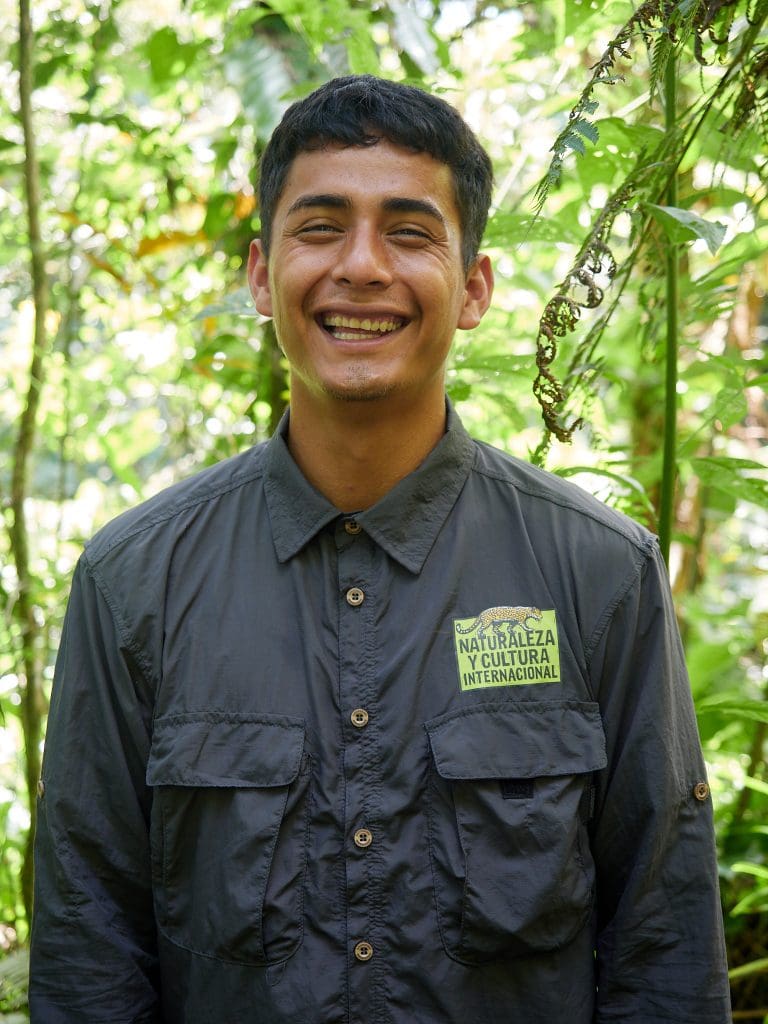
Joel empezó como guardabosque de la Reserva Natural Maycú a los 21 años. Ahora, con 24, nos comparte detalles sobre cómo organiza y desarrolla su trabajo diario. Su labor incluye la realización de recorridos de control y vigilancia de tres a cuatro kilómetros diarios, la restauración ecológica, el apoyo en investigación y la organización de actividades comunitarias.
***“Lo que más me gusta es el recorrido de la montaña, porque te da una tranquilidad y con eso te olvidas de lo cotidiano de la vida. Yo me siento contento de cuidar el ecosistema que hay acá.”***
## **La Reserva Maycú**
La Reserva Natural Maycú se encuentra al sur de la Amazonía ecuatoriana, en la parroquia Zurmi, cantón Nangaritza, provincia de Zamora Chinchipe. Limita al este con Perú y abarca una extensión aproximada de más de dos mil hectáreas.

Naturaleza y Cultura Internacional (NCI) inició su protección en 2012 como parte de un área de conservación privada, administrada por la Fundación Naturaleza y Cultura Ecuador. Después, la reserva se reconoció, mediante ordenanza, como parte del área de conservación y uso sostenible de la provincia de Zamora Chinchipe. Además, se inscribió como área de conservación en el registro forestal de la Autoridad Ambiental Nacional.
Maycú, junto con el Parque Nacional Podocarpus, el Área Shuar de Caza, Pesca y Recolección, el Área de Conservación Los Tepuyes, y el Área de Conservación y Uso Sustentable de la Biodiversidad de la provincia, constituyen un bloque megadiverso con un altísimo grado de endemismo que une ecosistemas andinos, amazónicos y de la Cordillera del Cóndor. Esta configuración garantiza la conectividad entre estos ecosistemas, permitiendo la interacción y conservación de su biodiversidad.
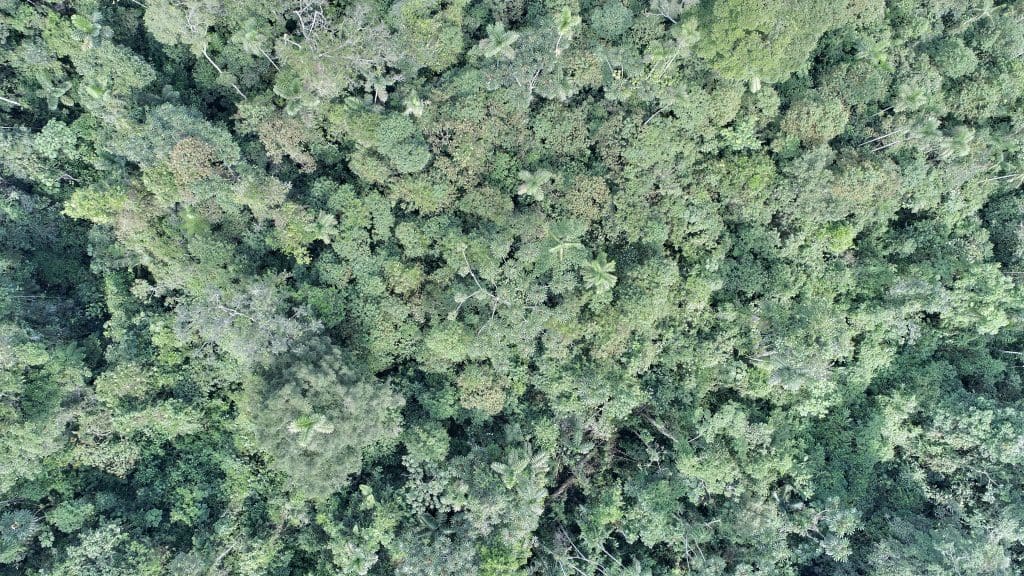Vista aérea de la Reserva Maycú (Foto: Daniel Sanmartin)
## **Un día como guardabosque**
Muy temprano por la mañana, Joel inicia su jornada; su rutina se sincroniza con el canto madrugador de las aves. Esta habilidad no se adquiere de la noche a la mañana. Joel explica que se trata de una conexión con la naturaleza que ha tenido desde pequeño, ya que nació y creció muy cerca de Maycú. Los conocimientos adquiridos le han permitido desarrollar una especie de relación con el bosque, el río y su entorno. Es una tarea permanente que combina habilidades de observación, sentires y respeto por la vida silvestre y el ecosistema de la reserva.
***“Antes de iniciar mi recorrido, planifico mi día. Me equipo con botas, pantalón, camisa, machete y una mochila. En ella llevo comida, GPS y mi celular. Mi alimentación varía, desde arroz y yuca hasta huevos o pollo, y cuando debo machetear, me preparo para pasar días enteros en el bosque”***
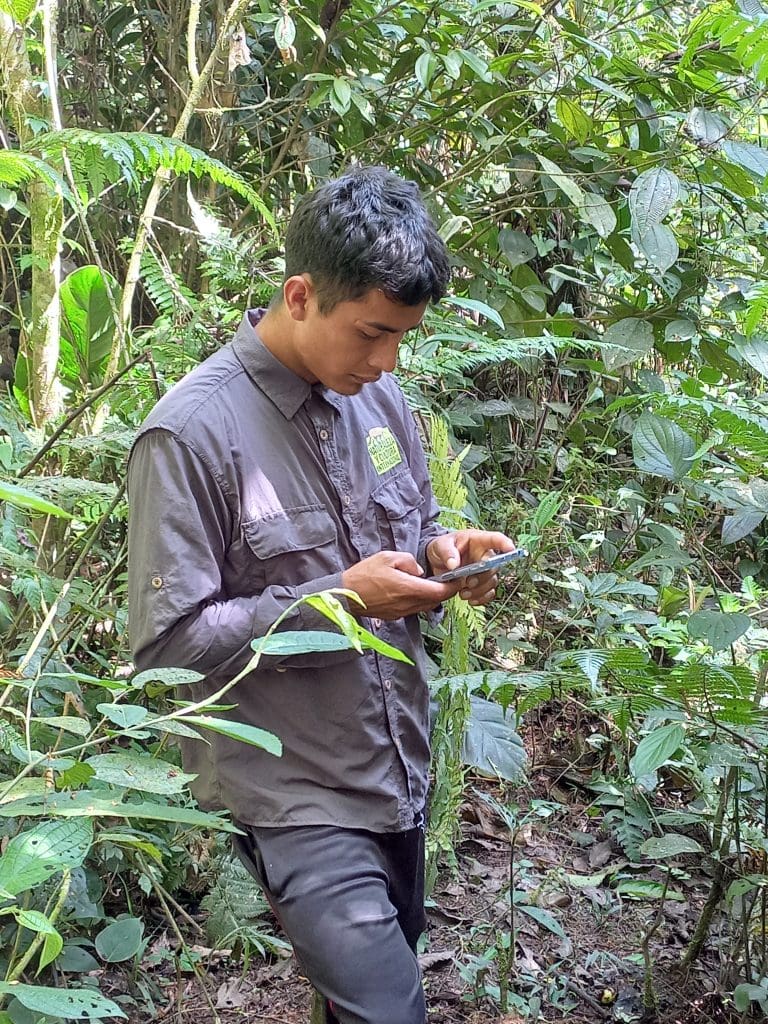
A lo largo de sus recorridos, Joel ha desarrollado una importante habilidad para identificar especies indicadoras del estado de conservación del bosque. Entre ellas destaca una rara especie de rana arlequín (*Atelopus* sp.), cuya identidad todavía está siendo estudiada por los científicos. Las ranas arlequín del género *Atelopus,* están entre los anfibios más amenazados del mundo. Según Joel, la presencia de este sapo es un signo claro de un ecosistema bien conservado. ***“Me gusta aprender sobre los sapos, las culebras y las aves, como la rana de cristal charapita y el Atelopus. En la quebrada Maycú antes había más sapos; ahora, la minería y sus desechos han afectado su hábitat.”***
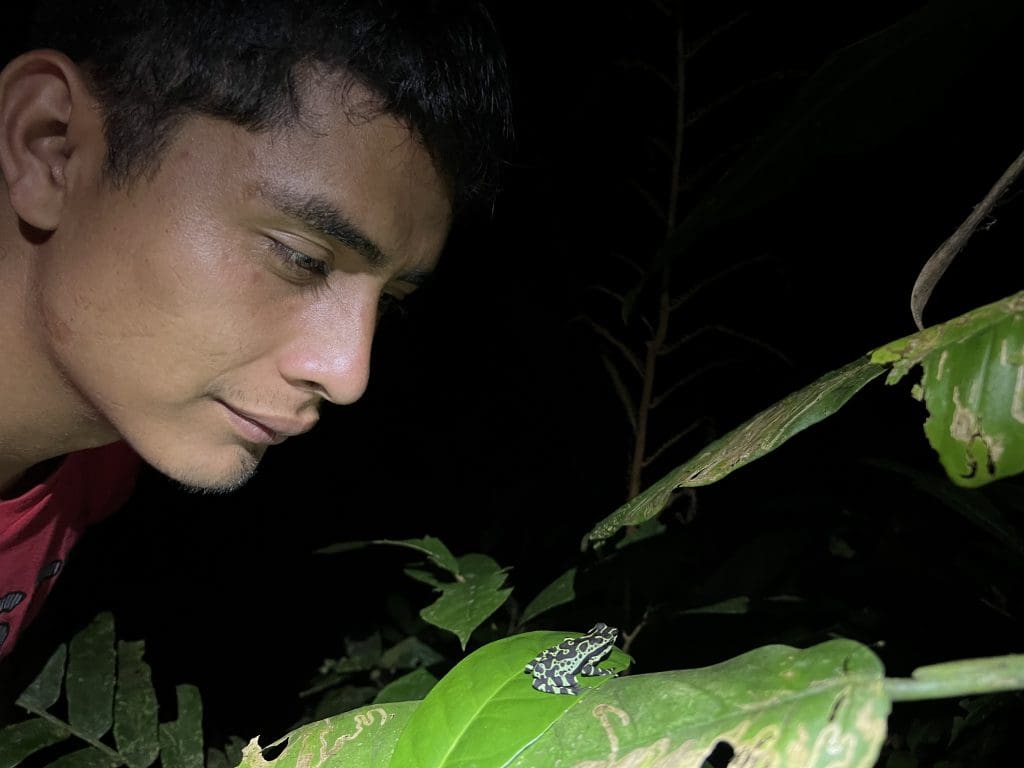Joel fotografiado con una rara especie de rana arlequín, (*Antelopus* sp.), que aún está siendo investigada
El guardabosque recorre varios kilómetros a pie diariamente, en su trayecto realiza el mantenimiento de senderos. Verifica que la señalética en cada sector esté en buenas condiciones; de no ser así, reporta los daños y señala los cambios necesarios. Pero, sobre todo, ayuda en el registro de fauna que existe en la reserva. ***“Mientras hago mis recorridos, me encuentro con culebras; a la Bothrops (Bothrops atrox) siempre me la encuentro. También me topo con mamíferos pequeños como la guatusa, yamala o venados, e incluso veo frecuentemente huellas de oso de anteojos y de jaguar, aunque todavía no los he visto directamente. He visto aves comunes como los mirlos y las tangaras. Esos son los animales que más hay acá”.***
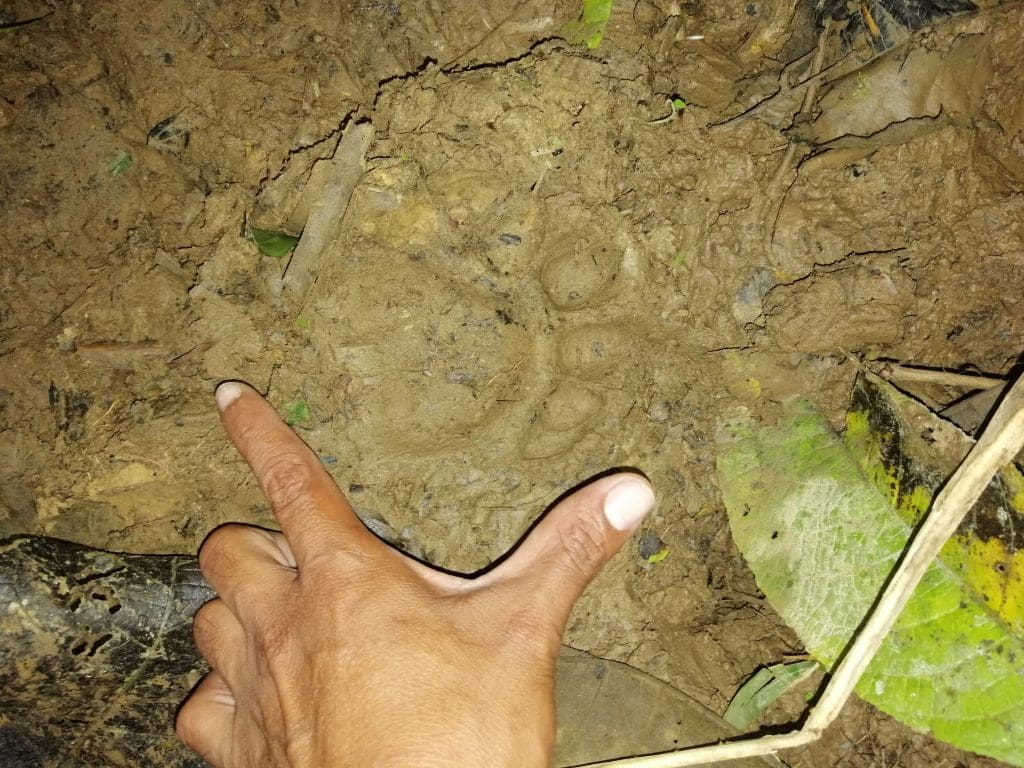Huella de jaguar *(Panthera onca)* vista en uno de los recorridos de Joel.
## Restauración ecológica de la Reserva Maycú
En 2016, el equipo de restauración liderado por Carlos Rosales de NCI inició un proceso de recuperación ecológica en la Reserva Natural Maycú, interviniendo 42 hectáreas de pastizales degradados y plantando 52.000 árboles amazónicos.
Joel menciona que trabajaron con 46 especies: ***“Sembramos varios árboles de mangle del oriente (Calophyllum sp.), cedro (Cedrela sp.), seike (Cedrelinga catenaeformis), pituca (Clarisia racemosa), bella maría (Vochysia sp.), achotillo (Vismia baccifera), balsa (Ochroma pyramidale), pigue (Piptocoma discolor) y remo (Aspidosperma sp.), son los que recuerdo ahora”.***
Sin embargo, el trabajo de restauración no termina con la siembra; el manejo es la fase crucial que permite que la restauración se sostenga a largo plazo. Este manejo consiste en el control de los pastos introducidos, que fueron sembrados anteriormente para la crianza de vacas. Joel comenta que esta actividad se realiza antes de la siembra y luego de sembrada la planta, cada cuatro meses por al menos tres años, hasta que sea lo suficientemente grande y pueda competir con el pasto.
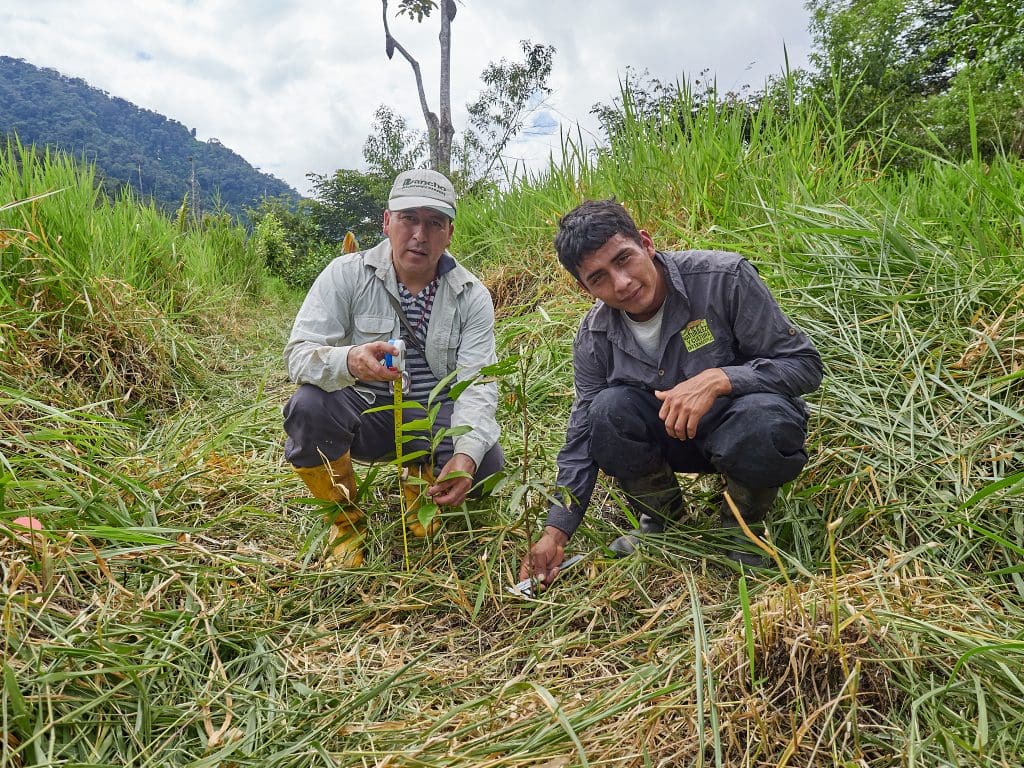Joel y Carlos en la medición de las plantas nativas liberadas y sembradas.
(Foto: Daniel Sanmartín)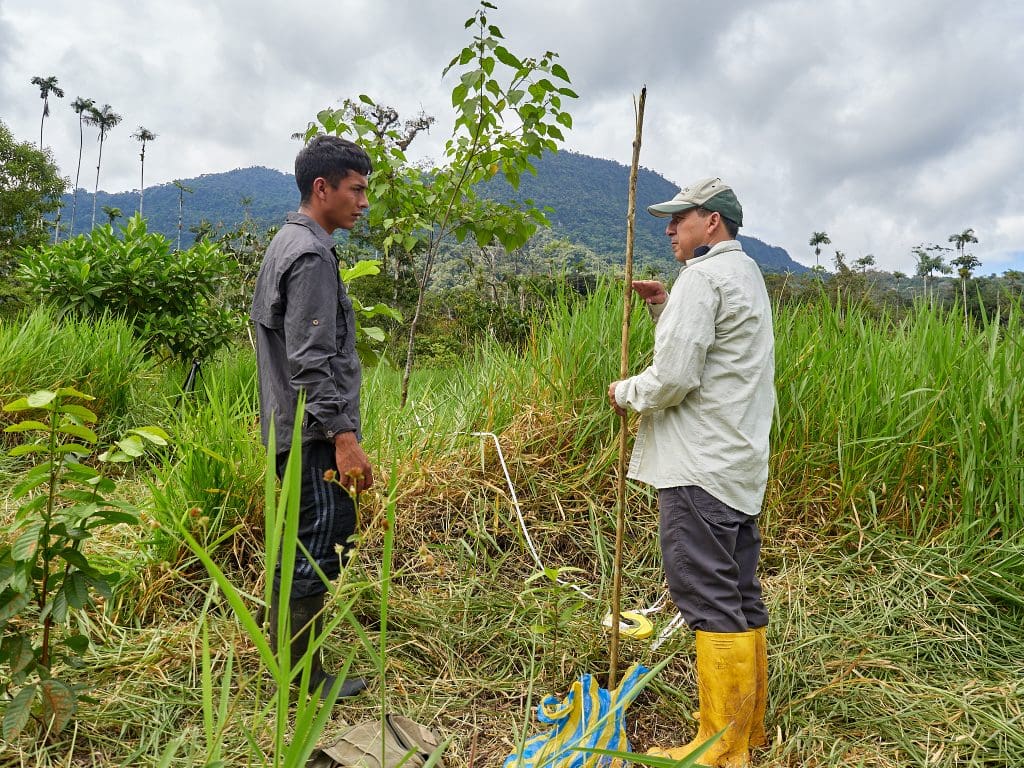Joel y Carlos en la medición de las plantas nativas liberadas y sembradas.
(Foto: Daniel Sanmartín)
Mientras se realiza la limpieza, se identifican arbolitos que no han sido sembrados, a esto se le denomina liberación de plantas de regeneración natural. También se corta el pasto y otros arbustos cercanos para que la planta nativa crezca sin competencia por luz o nutrientes. Joel resalta que en toda fase de restauración no todas las plantas sobreviven, por lo que se debe realizar la reposición de plantas muertas para permitir que el bosque se regenere lo más pronto posible.
## Desafíos en la conservación de la Reserva Maycú
La mayor amenaza que Joel siente es la minería. ***“Ese es el desafío más grande, porque corres peligro. Quizás algún día se calme. Desde que soy guardabosque hay minería. He tenido mala suerte yo”.***
La presión minera sobre la Reserva Natural Maycú es fuerte; día a día aumentan las actividades de personas interesadas en realizar extracción de oro en lo que podrían ser los últimos bosques de ribera que quedan en el río Nangaritza.
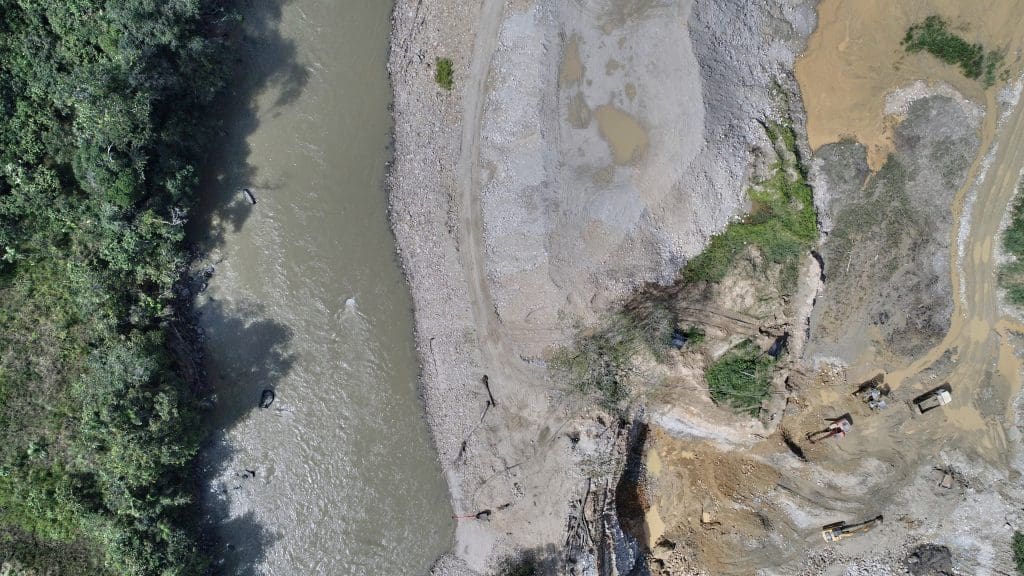Toma aérea que muestra el avance de la minería ilegal en Nangaritza (Foto: Daniel Sanmartin)
Las rutas que recorre Joel han cambiado desde que la minería ilegal se ha intensificado, ahora le provoca temor salir como solía hacerlo antes. Según el informe de Ecociencia, Nangaritza se intensificó entre los años 2021 y 2022, coincidiendo con el inicio del trabajo de Joel como guardabosque. La minería continúa hasta hoy. Realmente su trabajo es muy inspirador. ******“Lo más importante es la naturaleza, por ella vivimos. Una vez me encontré con un venado, fue súper lindo. Él me vio y estuvo parado como cuatro minutos, no se iba.”******
>
Al final de la tarde, ya sea que recorrió un sendero, apoyó a los investigadores o lideró las actividades de restauración, cansado, pero con mucha satisfacción, Joel regresa a su casa donde lo espera su familia para compartir las vivencias del día y descansar para al siguiente día volverse a encontrar con los cantos de las aves que parecieran saber que él necesita escucharlas para iniciar bien su día.
>
---
La protección de la Reserva Natural Maycú no sería posible sin el invaluable apoyo de [World Land Trust](https://www.worldlandtrust.org/), cuya colaboración ha sido fundamental para conservar esta área vital de biodiversidad. Gracias a su apoyo, héroes como Joel pueden seguir luchando por un futuro en el que la naturaleza y las comunidades vivan en armonía.
**Más información:**
Aida Maldonado
**Comunicadora Ecuador**
<amaldonado@naturalezaycultura.org>
**Tags:** Biodiversidad, Ecuador, Reservas naturales
**Strategic Area:** Bosques
**Country:** Ecuador
**Content Type:** Blog
---
### [Reportan Cóndor Andino en el ACP Utco](https://www.natureandculture.org/es/directorio/reportan-condor-andino-en-el-acp-utco/)
**Published:** June 17, 2024
**Author:** Nora Sanchez
**Content:**
En reciente expedición al Área de Conservación Privada (ACP) Utco (Utco, Celendín), con el propósito de realizar patrullajes para el control y vigilancia de los recursos naturales, así como la instalación de cámaras trampa, se avistó al cóndor andino (*Vultur gryphus*).
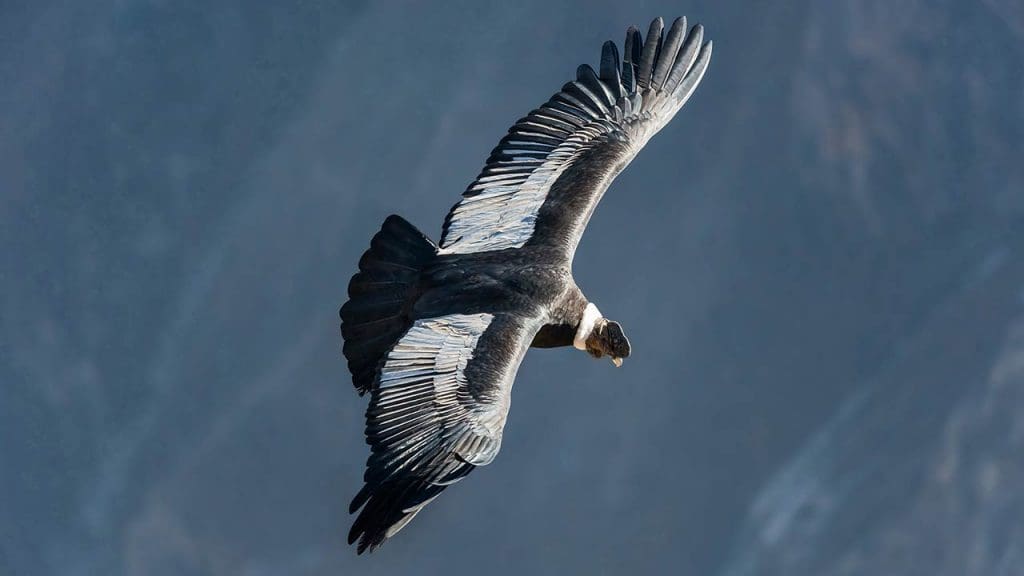El cóndor está categorizada como vulnerable por la Unión Internacional para la Conservación de la Naturaleza (IUCN) y en peligro por el Servicio Nacional Forestal y de Fauna Silvestre del Perú (SERFOR).
*Se conoce que el cóndor andino cumple un importante rol en el ecosistema, ya que se alimenta de carroña, esto ayuda a prevenir la proliferación de bacterias y a controlar la población de otras especies carroñeras.*
Según los guardaparques comunales de esta Área de Conservación Privada y Mariela Pereyra, miembro del equipo técnico de campo del mosaico Bosques Secos del Marañón de Naturaleza y Cultura Internacional (NCI), en las zonas más empinadas existirían individuos que habitan estos espacios y posiblemente áreas de anidación.
Este es el segundo registro del cóndor andino (*Vultur gryphus*) a nivel regional en los Bosques Secos del Marañón y el primero en la provincia de Celendín. El primer registro se realizó en el Área de Conservación Regional (ACR) Bosques Secos del Marañón ubicada en la provincia de San Marcos y Cajabamba. Área gestionada por el Gobierno Regional de Cajamarca con el apoyo de Naturaleza y Cultura Internacional y Andes Amazon Fund.
Esto subraya la importancia del área conservación privada, que abarca 3,060.36 hectáreas, en la preservación de especies endémicas de flora y fauna silvestre únicas en Perú y el mundo, además de especies amenazadas.
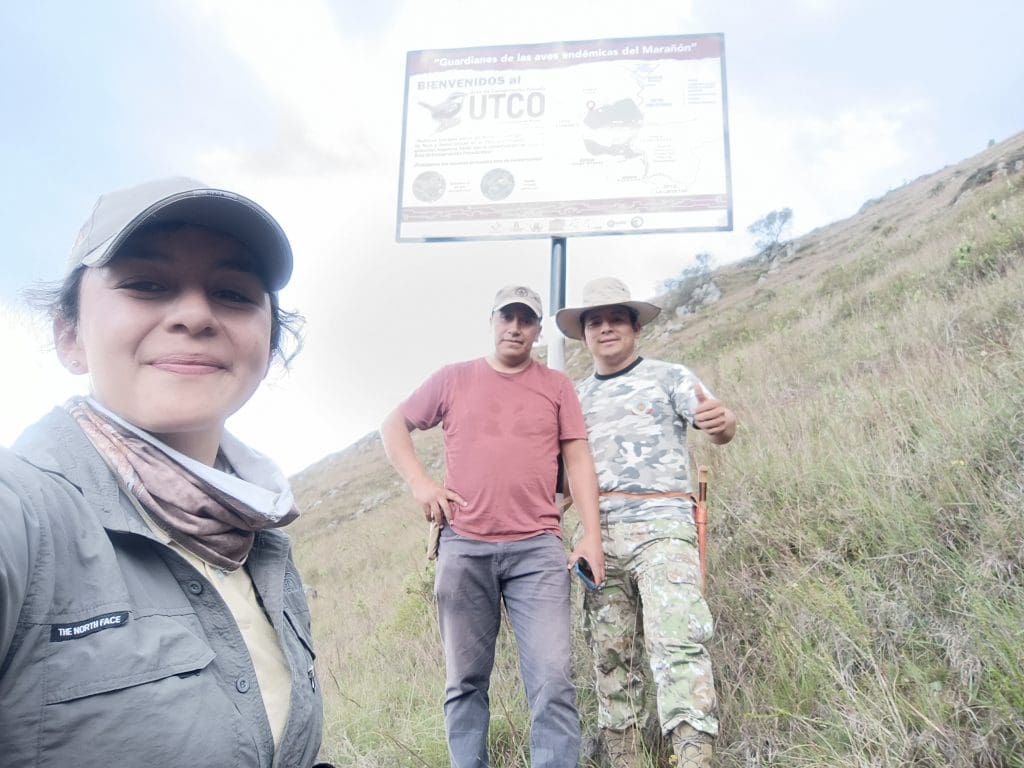
*“El avistamiento del cóndor andino nos entusiasma y reafirma nuestro compromiso con la conservación de esta área natural protegida, que pertenece a la comunidad campesina de Utco”* señaló la especialista Mariela Pereyra.
Asimismo, Elvis Allauja, jefe de proyectos de NCI, menciona que es importante conservar los Bosques Secos del Marañón a través de diferentes modalidades de conservación o paisajes que presenten una conectividad, esto permite conservar el hábitat de las especies endémicas y amenazadas; además, de realizar un trabajo articulado con las poblaciones locales y autoridades.
**Dato:** Cabe destacar que el Área de Conservación Privada Utco fue reconocida el 20 de febrero de 2023 mediante Resolución Ministerial Nº 067-2023-MINAM. Además, es la tercera área de conservación privada comunal a nivel nacional en la ecorregión Bosques Secos del Marañón y la primera en la provincia de Celendín.
---
**Más información:**
Gabriela Gives
**Comunicación Perú**
<comunicacion.peru@naturalezaycultura.org>
**Tags:** Biodiversidad, Perú
**Strategic Area:** Biodiversidad
**Country:** Perú
**Content Type:** Noticias
---
### [Capacitamos a pobladores de las áreas de conservación de San Ignacio y Jaén para reducir la expansión agrícola a las áreas protegidas ](https://www.natureandculture.org/es/directorio/capacitamos-a-pobladores-de-las-areas-de-conservacion-de-san-ignacio-y-jaen-para-reducir-la-expansion-agricola-a-las-areas-protegidas/)
**Published:** June 14, 2024
**Author:** Nora Sanchez
**Content:**
El equipo de Naturaleza y Cultura Internacional en coordinación con el INIA- Cajamarca desarrolló capacitaciones en la transferencia de tecnología de análisis y técnicas de muestreo de suelos.
El evento contó con la participación de 130 personas pertenecientes a los comités de conservación de los caseríos Nuevo Lima, Nueve de Octubre, El Progreso Chinchiquilla, Sauce y Los Lirios del Área de Conservación Regional (ACR) Bosques el Chaupe, Cunía y Chinchiquilla en la provincia de San Ignacio; así como Santa Rosa de la Propuesta de ACR Huamantanga y Chorro Blanco y El Porvenir del ACR Páramos y Bosques Montanos de Jaén y Tabaconas en la provincia de Jaén.
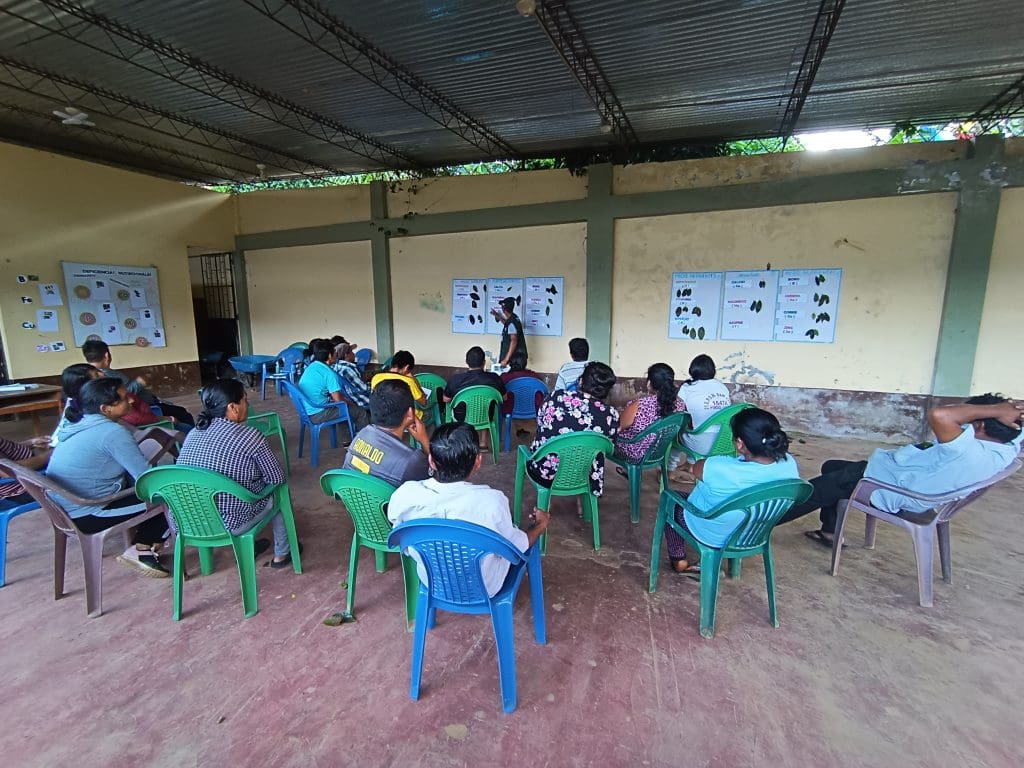
Las actividades forman parte de los acuerdos de conservación entre las ACR y los comités de conservación, con el objetivo proporcionar conocimientos y habilidades a los pobladores locales sobre la importancia del análisis de suelos y las técnicas adecuadas para su muestreo, con el fin de mejorar el manejo de los cultivos agrícolas y reducir la expansión a las áreas protegidas
Por parte del Instituto Nacional de Innovación Agraria (INIA), a través del Proyecto Integral Yanayacu -Jaén-San Ignacio (PI Yanayacu), será el encargado de entregar los resultados de los análisis de suelos y los planes de fertilización para los cultivos de cada agricultor participante.
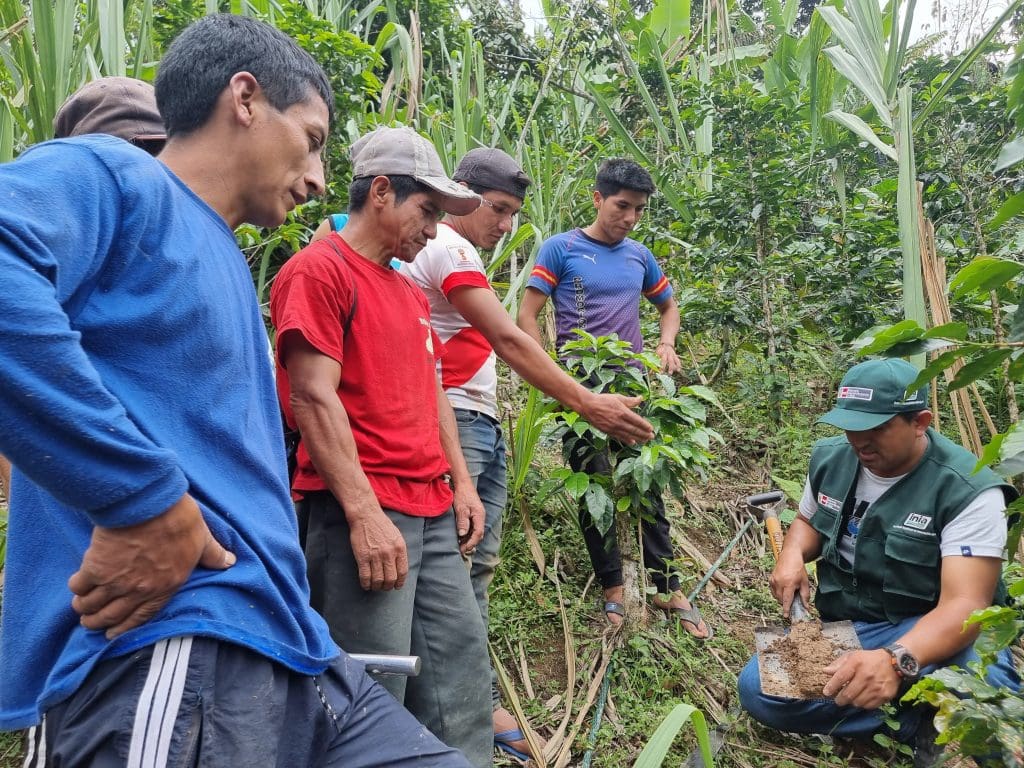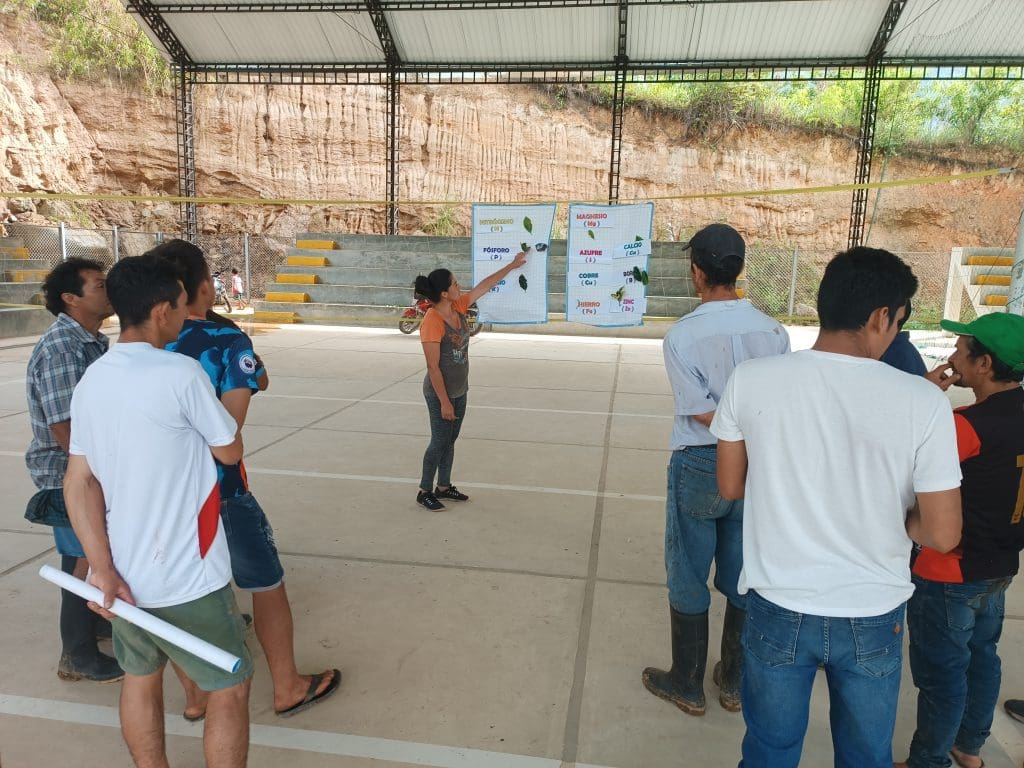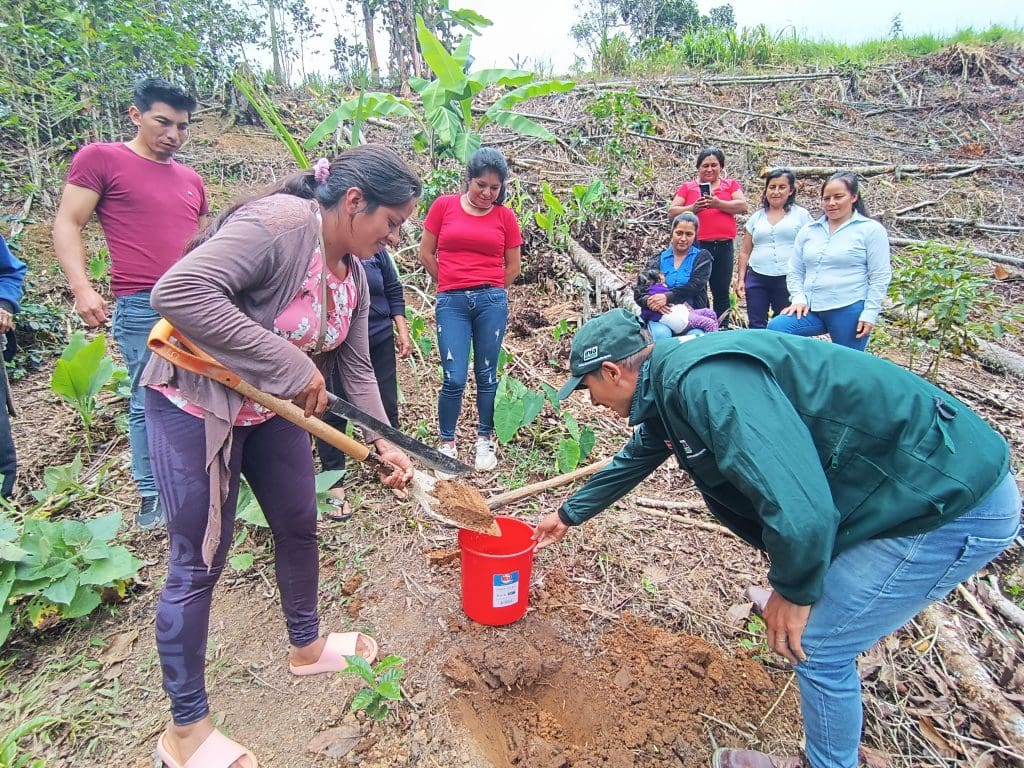
La jornada forma parte del proyecto CUIDAR, bajo la iniciativa Fortalecimiento de las capacidades de los agricultores de la cuenca binacional Mayo – Chinchipe el cual no solo busca mejorar las técnicas agrícolas, sino también establecer alianzas estratégicas con diversas instituciones para fomentar conocimientos que promuevan la conservación de los bosques naturales y fuentes de agua de la cuenca.
---
**Más información:**
Gabriela Gives
**Comunicación Perú**
<comunicacion.peru@naturalezaycultura.org>
**Tags:** Personas, Perú
**Strategic Area:** Comunidades Locales
**Country:** Perú
**Content Type:** Noticias
---
### [Inauguran centros de acopio para miel y derivados en Áreas de Conservación de Jaén y Huancabamba ](https://www.natureandculture.org/es/directorio/inauguran-centros-de-acopio-para-miel-y-derivados-en-areas-de-conservacion-de-jaen-y-huancabamba/)
**Published:** June 8, 2024
**Author:** Nora Sanchez
**Content:**
Plan Binacional de Desarrollo de la Región Fronteriza Perú- Ecuador, Capítulo Perú junto con Naturaleza y Cultura Internacional (NCI) impulsan la cadena de valor de miel de abeja (nativa y doméstica) en las poblaciones fronterizas. La iniciativa forma parte del proyecto “**Desarrollo de la cadena de valor de la miel y productos derivados de la colmena en tres comunidades del Corredor de Conservación Andes del Norte, departamentos de Piura y Cajamarca”.**
Como parte de las actividades el pasado 25 y 26 de mayo de 2024 se realizó la inauguración de dos centros de acopio de la asociación agropecuaria “Los Guardianes del Páramo” ubicado en el caserío Buenos Aires de Sallique en Jaén y de La Cooperativa Tres Fronteras ubicado en el caserío Hormigueros en Huancabamba, organizaciones comprometidos en la conservación y protección de sus páramos y bosques montanos presentes en sus territorios comunales de las Áreas de Conservación Privadas (ACP) Sallique y Chicuate Chinguelas, respectivamente.
El objetivo principal de los centros de acopio de miel y derivados es promover el aprovechamiento sostenible de los recursos naturales, miel y derivados, provenientes de áreas de conservación, garantizando productos competitivos articulados a mercados locales y regionales; así como elevar los estándares de calidad, inocuidad de la miel de abeja procedente de las ACP Sallique y Chicuate Chinguelas.
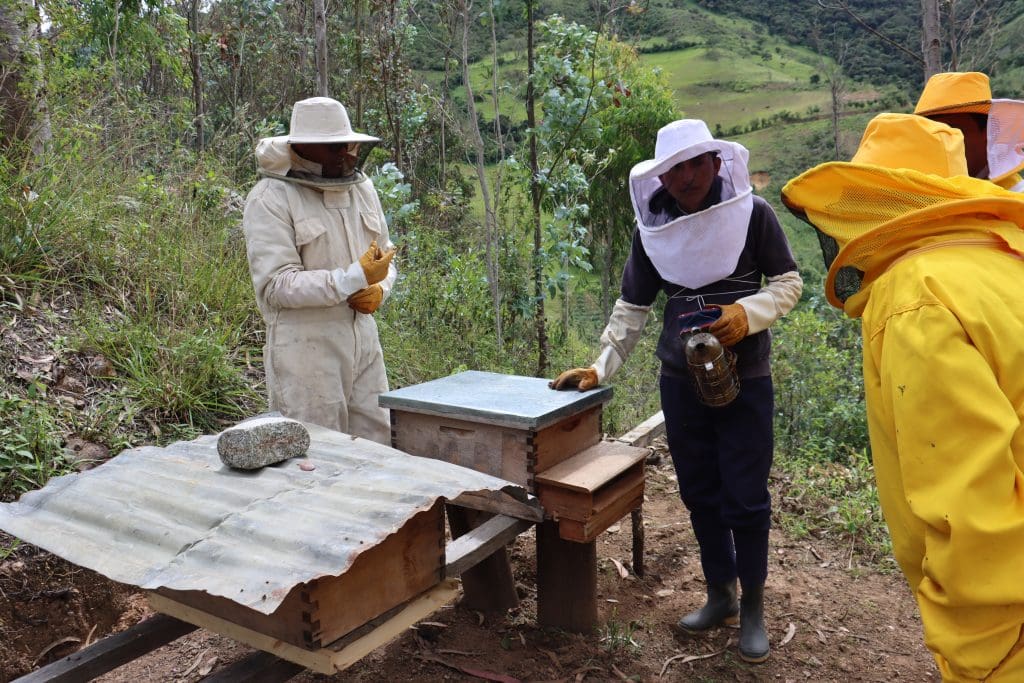
Durante la ceremonia de inauguración, el representante de Plan Binacional, Ing. Daniel Gonzales Ormeño, indicó que la construcción del **centro de acopio** **y transformación** de Buenos Aires y Hormigueros es un logro de tres actores: La cooperación internacional, la comunidad campesina y la población local.
“***Este es un logro de todos ustedes, siéntanse orgullosos de este centro de acopio”,*** indicó Gonzales Ormeño***.*** El funcionario agregó que, gracias a la alianza con Naturaleza y Cultura Internacional como ejecutor, ha sido posible concretar este paso importante para mejorar las condiciones de vida de la población local.
Por su parte Auner Medina Rafael, coordinador del Mosaico de Conservación de Naturaleza y Cultura Internacional, dijo que con esta infraestructura no solo beneficiara a los socios del proyecto, sino que también a los demás pobladores vecinos que se dedican al manejo de la miel nativa y doméstica y la conservación de las fuentes de agua. *“Se afianza la actividad productiva de la cadena de la miel de abeja como producto que nace de los bosques. Sumando acciones conjuntas y fomentando la conservación principalmente de las abejas nativas se espera promover esta actividad para obtener beneficios en el clima, biodiversidad y bienestar de la población local”,* señaló.
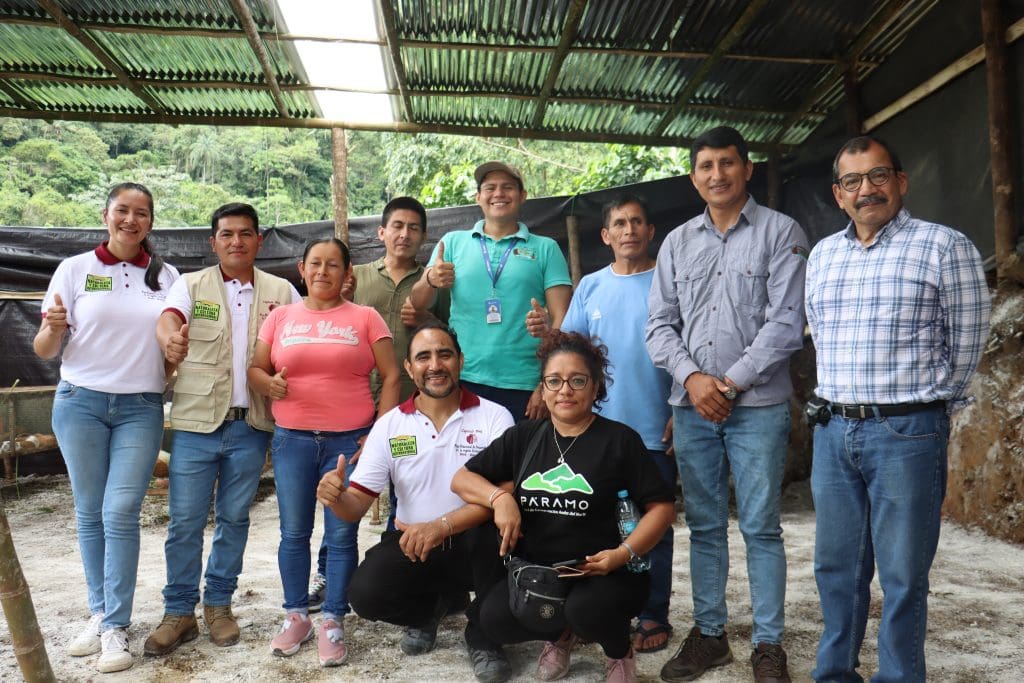
La alianza entre Naturaleza y Cultura Internacional y Plan Binacional fortalece el desarrollo de la cadena de valor sostenible de la miel de abeja, un producto que representa una gran oportunidad de inversión, que garantiza la conservación de los bosques y páramos, que proveen y regulan el recurso hídrico para el beneficio de las comunidades y las poblaciones en la cuenca baja.
**Tags:** Perú
**Strategic Area:** Comunidades Locales
**Country:** Perú
**Content Type:** Noticias
---
### [Nos sumamos al festival de la biodiversidad en Perú](https://www.natureandculture.org/es/directorio/nos-sumamos-al-festival-de-la-biodiversidad-en-peru/)
**Published:** June 3, 2024
**Author:** Nora Sanchez
**Content:**
Durante el 25 y 26 de mayo, asistimos al Festival de la Biodiversidad, organizado por el Ministerio del Ambiente. En este evento, la población conoció la gran riqueza natural, los servicios ecosistémicos y el patrimonio cultural de nuestro país.
En nuestro espacio de entretenimiento y conocimiento, mostramos a través de diversos juegos el trabajo de conservación que realizamos en los lugares priorizados: los Mosaicos Andes del Norte, Bosques Secos del Marañón, Carpish – Río Abiseo y Nanay Tigre, así como en los proyectos especiales Utcubamba y Ucayali.
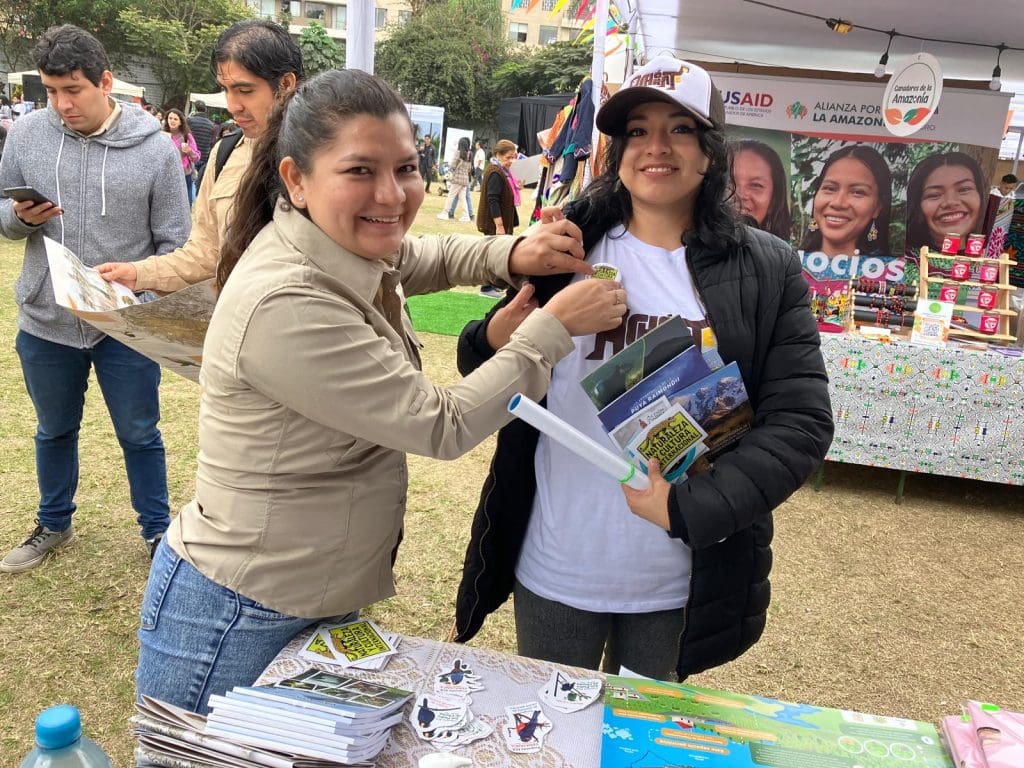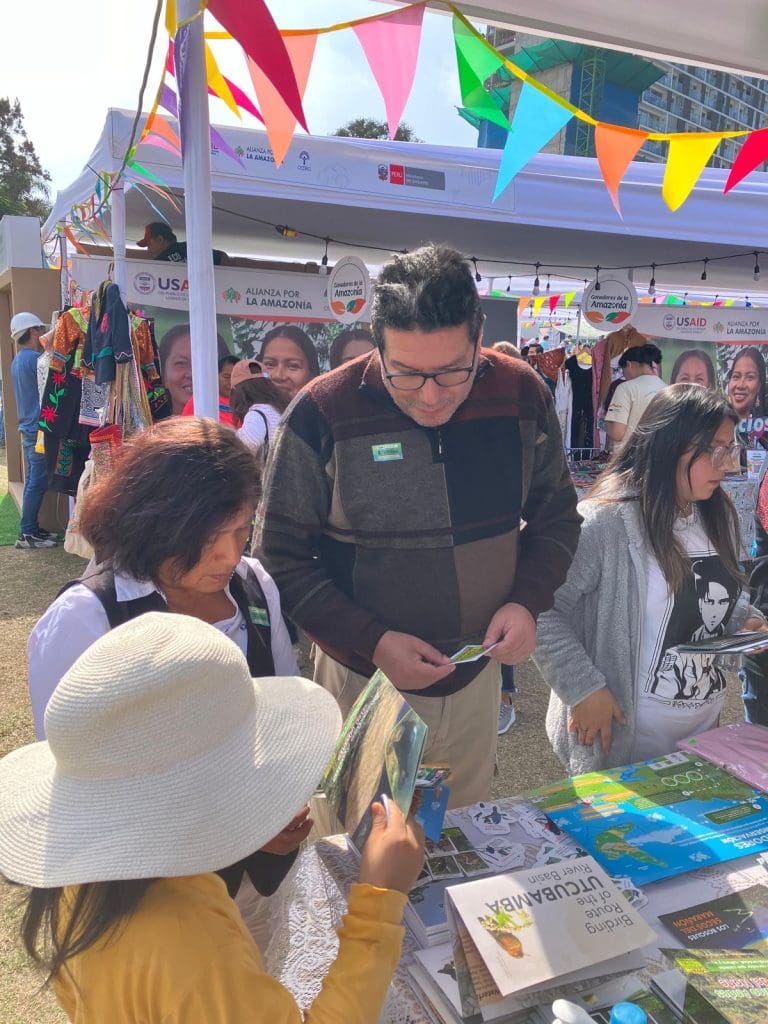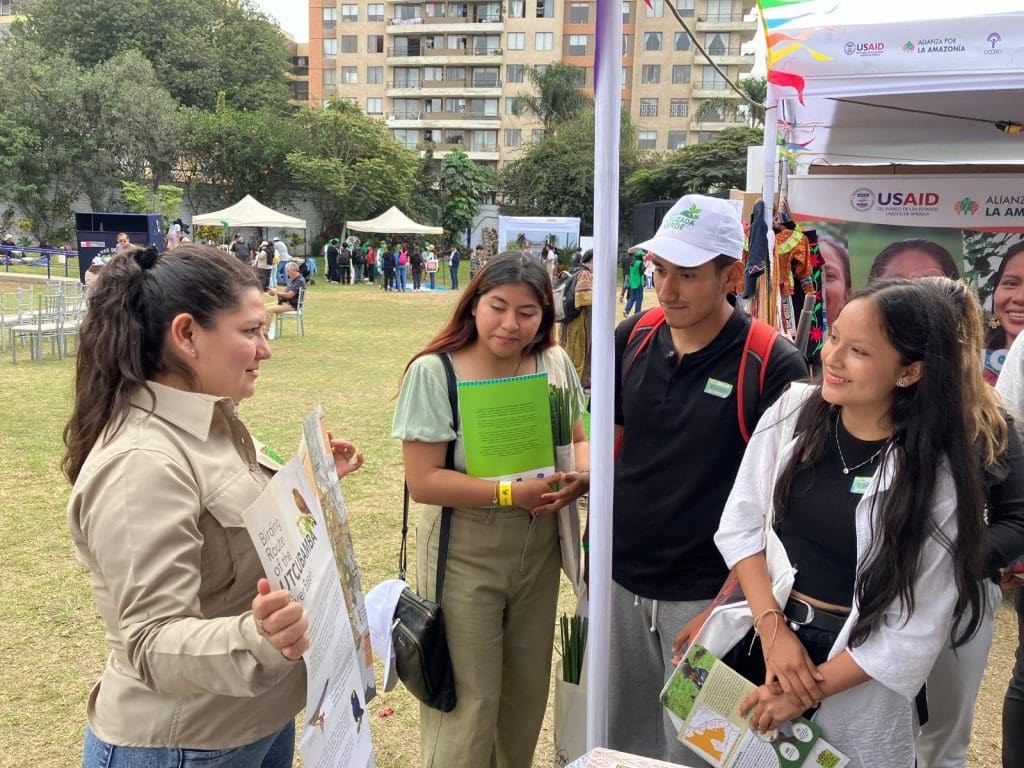
Además, presentamos productos provenientes de las áreas de conservación de nuestros mosaicos, como miel de abeja, café, cóctel de mora y polos bordados a mano. A estos se sumaron otros 150 emprendedores de todas las partes del país, ofreciendo productos derivados de nuestra diversidad biológica.
El evento destacó el rol fundamental de la biodiversidad en el bienestar de las personas, la alimentación, la salud y el desarrollo económico sostenible de Perú, además de mostrar experiencias y emprendimientos exitosos asociados a su uso sostenible y conservación.
---
**Más información:**
Gabriela Gives
**Comunicadora Perú**
comunicacion.peru@naturalezaycultura.org
**Tags:** Biodiversidad, Perú
**Strategic Area:** Comunidades Locales
**Country:** Perú
**Content Type:** Noticias
---
### [A biodiverse marine paradise in Peru is now protected! ](https://www.natureandculture.org/directory/a-biodiverse-marine-paradise-in-peru-is-now-protected/)
**Published:** April 25, 2024
**Author:** Kristen Heard
**Content:**
A significant step towards marine conservation, the creation of the Mar Tropical de Grau National Reserve. Over a decade of concerted effort orchestrated by Nature and Culture has brought together the local governments and coastal communities along Piura’s shores to work to protect a key marine sanctuary. This collaboration has led to the creation of a new protected area, announced on April 24th, 2024, by the Peruvian government, marking a significant milestone in marine conservation. Spanning an impressive 286,059 acres (about the area of San Antonio, Texas), this reserve safeguards the intricate tapestry of Peru’s marine ecosystem.
According to the International Union for Conservation of Nature (IUCN), we are now protecting one of the world’s most critical areas for preserving marine biodiversity.
## **A paradise of marine biodiversity**
The coast of Piura, in northern Peru, is one of the most extraordinary places in the Pacific due to the uniqueness of what happens beneath its waters: the meeting of two large marine ecosystems, one dominated by the cold waters of the Peru (Humboldt) Current and the other by the warm waters of the Southern Equatorial Current. Some of the species that can be found in this exceptional ecosystem include the rare Humboldt penguin *(Spheniscus humboldti)*, the Pacific seahorse *(Hippocampus ingens)*, humpback whales (Megaptera novaeangliae) that travel to this area especially to give birth, the hammerhead shark *(Sphyrna mokarran)* which is endangered, all species of Pacific marine turtles, as well as hundreds of species of fish and corals. Additionally, being a transition zone, it has a high concentration of endemic species and species new to science.

On land, this region features a desert ecosystem with tropical dry forests that are unique in the world, where gigantic wetlands of great importance for biodiversity develop, as they host some of the most important habitats for migratory birds on the coast of Peru.
The ecosystem faces significant threats from mining, industrial fishing, and marine pollution, particularly from oil spills. However, with the establishment of the newly declared protections for this vital marine sanctuary, the wildlife inhabiting this area can finally breathe a sigh of relief, as these threats are now alleviated.
## **A long road to conservation**
Although Nature and Culture has worked primarily in the Andes and Amazon regions of Peru, for more than 10 years we worked on the conservation and sustainable management of marine resources along the Peruvian coast. It all began in 2009, when together with the Cayetano Heredia Peruvian University (UPCH) and the National Service of Natural Protected Areas by the State (SERNANP), we presented the proposal for the creation of the Foca Island National Reserve. By 2014, SERNANP merged this proposal with three others: El Ñuro-Cabo Blanco, Punta Sal Reefs, and the Mancora Bank, to create what is now the Grau Tropical Sea National Reserve.
The views from Foca Island
From there, and for 10 years, Nature and Culture contributed to the creation of the National Reserve through scientific research, socialization workshops, photographic exhibitions, among other activities aimed at raising awareness among the local communities. Our collaboration extended to the regional and local governmental partners, SERNANP, and the Ministry of the Environment. Together, we championed the government’s vision to establish Peru’s inaugural protected marine area within the Tropical Pacific Sea ecosystem.
Additionally, together with the Regional Directorate of Production of Piura and the artisanal fishing communities of the region, we supported an initial effort to inventory the artisanal fishing fleet, establishing spaces for dialogue and training to develop a co-management plan for sustainable artisanal fishing. In 2020, we trained 45 artisanal fishermen from Foca Island, promoting the leading role of fishermen in the administration, control, and surveillance of fishing activity in their seas.
*“We have learned and understand that one of the most important challenges to reduce the gap in marine conservation in the country is to strengthen the alliance with the communities that inhabit the northern coast of Peru,”* said Mónica Alzamora, Coordinator of the Coastal-Marine Program (2014-2018) at the time.
The creation of the Grau Tropical Sea National Reserve allows for the sustainable use of resources, optimizing artisanal fishing techniques and the development of environmental tourism. This conservation status guarantees the permanence of a unique ecosystem, its species, its underwater landscapes, and the environmental services it provides to the fishing and coastal communities of the Piura coast.

#### ***We are proud to have been part of this important conservation milestone for Peru’s marine ecosystem!***
Our contribution to the establishment of the Mar Tropical de Grau National Reserve would not have been possible without the collaborative work of SERNANP, the regional governments of Piura and Tumbes, and the Ministry of the Environment, and the financial support of Andes Amazon Fund, Paul M. Angell Family Foundation, Environmental Defense Fund, Walton Family Foundation, Re:wild and other funders.
---

N MEMORIAM
In memory of Mónica Alzamora (d. 2022)
We remember with deep gratitude Mónica Alzamora, who left an indelible mark on the conservation of Peru’s natural landscape. At Nature and Culture, she worked tirelessly alongside the fishing communities of the Peruvian coast to protect Mar de Grau.
Her dedication and leadership were instrumental in achieving today’s declaration of the Mar Tropical de Grau National Reserve. We honor her memory and legacy, recognizing her valuable contribution to the protection of the marine ecosystem of the Peruvian coast. As she used to say, “Without blue, there is no green, and without green, there is no us!”
Rest in peace, Mónica.
**Strategic Area:** Forests
**Country:** Peru
**Content Type:** News
---
### [Nueva reserva protege paraíso marino único en Perú](https://www.natureandculture.org/es/directorio/nueva-reserva-protege-paraiso-marino-unico-en-peru/)
**Published:** April 25, 2024
**Author:** Nora Sanchez
**Content:**
Perú da un gran paso hacia la conservación marina con la creación de la Reserva Nacional Mar Tropical de Grau. Tras más de 10 años de trabajo colaborativo entre organizaciones sociales, instituciones gubernamentales y las comunidades locales de la costa de Piura, el gobierno peruano estableció oficialmente esta **reserva que protege 115, 675 hectáreas del ecosistema marino peruano.**
Desde Naturaleza y Cultura Internacional apoyamos el establecimiento de esta área desde su origen y hoy celebramos este hito para la protección de uno de los 70 lugares más importantes del mundo para conservar la biodiversidad marina, según la Unión Internacional para la Conservación de la Naturaleza (UICN).
## **Un paraíso de biodiversidad marina**
El litoral de Piura, en el norte de Perú, es uno de los lugares más extraordinarios del Pacifico por la peculiaridad de lo que ocurre bajo sus aguas: el encuentro de dos grandes ecosistemas marinos, uno dominado por las aguas frías de la Corriente del Perú (Humboldt) y otro por las aguas cálidas de la Corriente Ecuatorial del Sur.
Algunas de las especies que pueden ser encontradas en este ecosistema excepcional incluye al raro pingüino de Humboldt *(Spheniscus humboldti)*, el caballito de mar del Pacífico *(Hippocampus ingens),* las ballenas jorobadas *(Megaptera novaeangliae)* que viajan a este lugar especialmente para dar a luz*,* el tiburón martillo *(Sphyrna mokarran)* que se encuentra en peligro de extinción, todas las especies de tortugas marinas del pacífico, así como cientos de especies de peces y corales. Además, al ser una zona de transición, tiene una gran concentración de especies endémicas y especies nuevas para la ciencia.
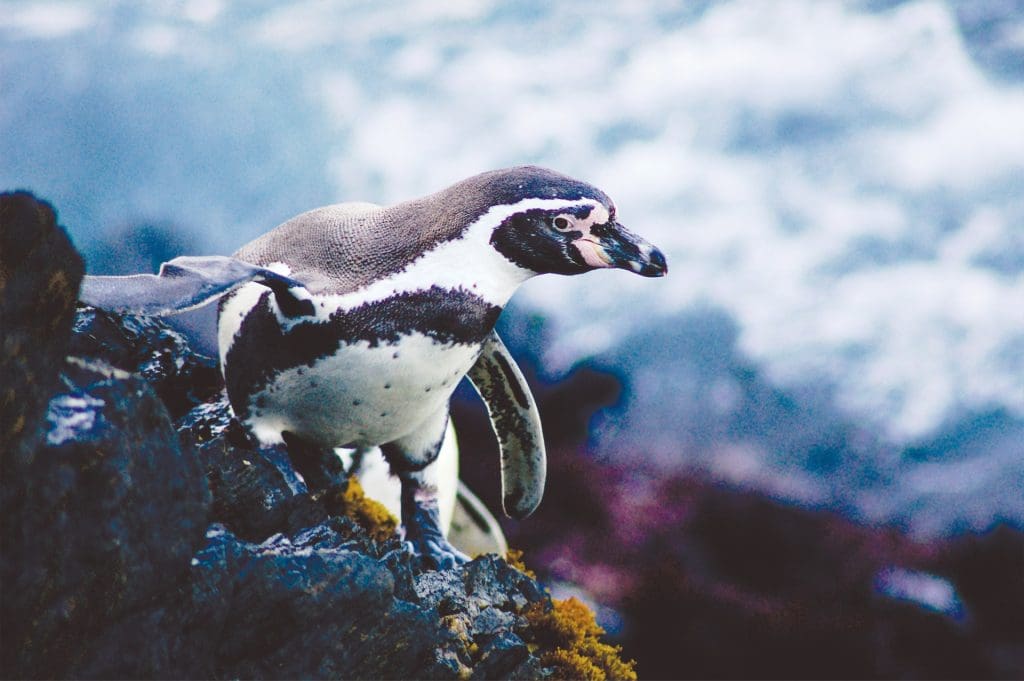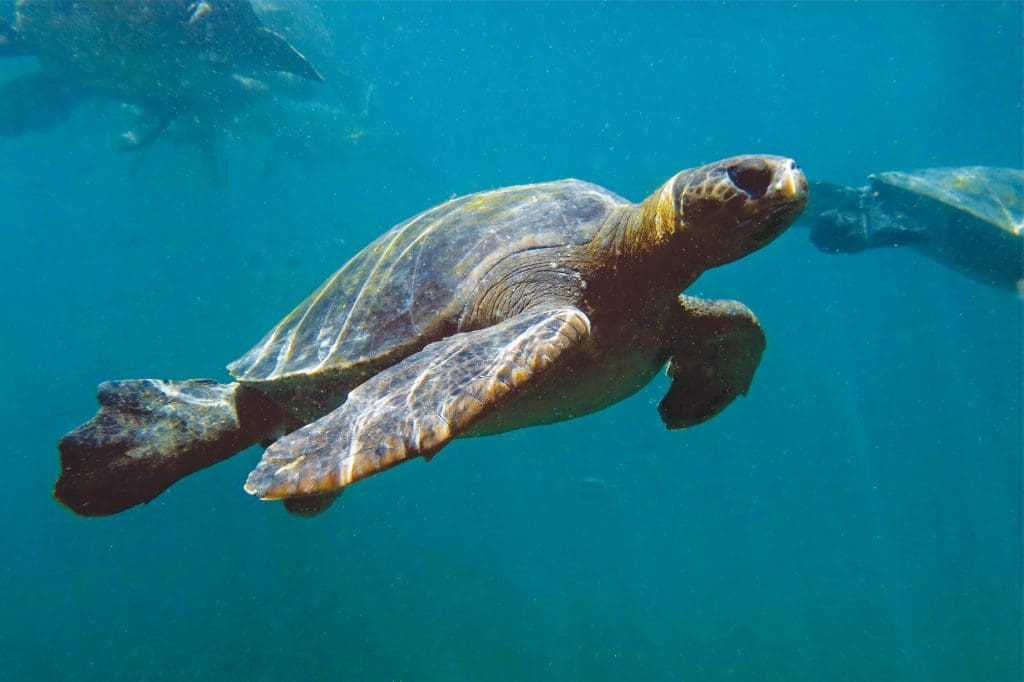
Sobre tierra, esta región presenta un ecosistema de desierto con bosques secos tropicales de características únicas en el mundo, donde se desarrollan gigantescos humedales de gran importancia para la biodiversidad ya que alberga algunos de los puntos más importantes para las aves migratorias en la costa de Perú.
La minería, la pesca industrial y de arrastre, además de la contaminación marina por derrames petroleros son las principales amenazas a las que se enfrenta este ecosistema. Hay grandes expectativas que la Reserva permita controlar estas actividades y sus afectaciones a este espacio natural.
## **Un largo camino hacia la conservación**
A pesar de que Naturaleza y Cultura Internacional cerró su programa Costero-Marino en Perú en el 2020, durante más de 10 años trabajamos en la conservación y manejo sostenible de los recursos marinos del litoral peruano, incluyendo la propuesta de creación de la Reserva Nacional Mar Tropical de Grau.
Todo comenzó en 2009, cuando junto a la Universidad Peruana Cayetano Heredia (UPCH) y el Servicio Nacional de Áreas Naturales Protegidas por el Estado (SERNANP), presentamos la propuesta de creación de la Reserva Nacional de Isla Foca. Para 2014 el SERNANP fusionó dicha propuesta con otras 3: El Ñuro-Cabo Blanco, Arrecifes de Punta Sal y el Banco de Mancora, para la creación de lo que hoy es la Reserva Nacional Mar Tropical de Grau.

A partir de ahí y durante 10 años, desde Naturaleza y Cultura contribuimos al establecimiento de la Reserva Nacional a través de investigación científica, talleres de socialización, exposiciones fotográficas, entre otras actividades con el fin de sensibilizar a la población. De igual forma, colaboramos con el gobierno regional de Piura y Tumbes, con los gobiernos locales, el SERNANP y el Ministerio del Ambiente en la promoción de la agenda del gobierno para la creación de **la primera área marina protegida en el ecosistema Mar Pacífico Tropical del Perú.**
Además, junto a la Dirección Regional de la Producción de Piura y las comunidades pesqueras artesanales de la región apoyamos un primer esfuerzo para inventariar la flota artesanal, estableciendo espacios de diálogo y capacitación para desarrollar un plan de co-manejo de la pesca artesanal. En 2020, capacitamos a 45 pescadores artesanales de Isla Foca, promoviendo el rol protagónico de los pescadores en la administración, control y vigilancia de la actividad pesquera en sus mares.
*“Hemos aprendido y entendido que uno de los retos más importantes para reducir la brecha en la conservación marina del país es fortalecer la alianza con las comunidades que habitan en la costa norte del Perú”,* dijo en su momento Mónica Alzamora, Coordinadora del Programa Marino Costero (2014-2018)
El establecimiento de la Reserva Nacional Mar Tropical de Grau permite el uso sostenible de los recursos, optimizando las técnicas de la pesca artesanal y el desarrollo del turismo ambiental. Este estatus de conservación garantiza la permanencia de un ecosistema único, sus especies, sus paisajes submarinos y los servicios ambientales que brindan a las comunidades pesqueras y costeras del litoral de Piura.

#### *¡Nos enorgullece haber sido parte de este paso hacia adelante para la conservación del ecosistema marino del Perú!*
Nuestro aporte al establecimiento de la Reserva Nacional Mar Tropical de Grau no hubiera sido posible sin el trabajo colaborativo del SERNANP, el gobierno regional de Piura y Tumbes y el Ministerio del Ambiente y el apoyo financiero de Andes Amazon Fund, Paul M. Angell Family Foundation, Environmental Defense Fund, Walton Family Foundation, Re:wild y otros donantes.
---

**IN MEMORIAM**
En memoria de Mónica Alzamora (m. 2022)
Recordamos con profunda gratitud a Mónica Alzamora, quien dejó una marca imborrable en la conservación del paisaje natural de Perú. Desde Naturaleza y Cultura, trabajó incansablemente junto a las comunidades pesqueras del litoral peruano para proteger el Mar de Grau.
Su dedicación y liderazgo fueron fundamentales para alcanzar hoy el establecimiento de la Reserva Nacional Mar Tropical de Grau. Honramos su memoria y legado, reconociendo su valioso aporte a la protección del ecosistema marino del litoral peruano. Como decía ella *¡Sin azul no hay verde, y sin verde no hay nosotros!*
Descansa en paz, Mónica.
**Tags:** Agua, Biodiversidad, Perú, Reservas naturales
**Strategic Area:** Bosques
**Country:** Perú
**Content Type:** Noticias
---
### [Your Generosity at work in El Sabinito Sur, Mexico](https://www.natureandculture.org/directory/mexico-covid-support/)
**Published:** June 4, 2020
**Author:** Kristen Heard
**Content:**


# Your Generosity at work in El Sabinito Sur, Mexico
06/04/2020
**Strategic Area:** Forests -
**Content Type:** Blog
**Country:** Mexico -
\[vc\_row\]\[vc\_column\]\[vc\_column\_text\]
### **Supporting our partners in conservation in El Sabinito Sur**
\[/vc\_column\_text\]\[/vc\_column\]\[/vc\_row\]\[vc\_row\]\[vc\_column\]\[vc\_column\_text\]
Last month, I wrote to you about indigenous and rural communities struggling because of COVID-19. Because of compassionate people like you, a community in northern Mexico has received the help they so desperately needed.
\[/vc\_column\_text\]\[/vc\_column\]\[/vc\_row\]\[vc\_row\]\[vc\_column\]\[vc\_column\_text\]
The Sabinito Sur community has been isolated since March 21 when a national shelter-at-home emergency was declared in Mexico. Of Sabinito Sur’s 33 families, 21 found themselves with no income due to the pandemic.
\[/vc\_column\_text\]\[/vc\_column\]\[/vc\_row\]\[vc\_row\]\[vc\_column\]\[vc\_column\_text\]
“We can no longer go out to work,” said Natalia Murillo, a mother of two. Her husband previously worked in Alamos, located a few hours from Sabinito Sur.
\[/vc\_column\_text\]\[/vc\_column\]\[/vc\_row\]\[vc\_row\]\[vc\_column\]\[vc\_column\_text\]
With your support, Nature and Culture has provided food supplies to families in Sabinito Sur, including boxes full of eggs, milk, beans, cornmeal, rice, and other items.
\[/vc\_column\_text\]\[/vc\_column\]\[/vc\_row\]\[vc\_row\]\[vc\_column\]\[vc\_column\_text\]
Additionally, Nature and Culture has hired workers from Sabinito Sur on projects to repair roads and fence lines within the Monte Mojino Reserve, located one mile from the community, to provide an alternative source of income during the pandemic.
\[/vc\_column\_text\]\[/vc\_column\]\[/vc\_row\]\[vc\_row\]\[vc\_column\]\[vc\_single\_image image=”17700″ img\_size=”full” add\_caption=”yes”\]\[/vc\_column\]\[/vc\_row\]\[vc\_row\]\[vc\_column\]\[vc\_single\_image image=”17701″ img\_size=”full” add\_caption=”yes”\]\[/vc\_column\]\[/vc\_row\]\[vc\_row\]\[vc\_column\]\[vc\_single\_image image=”17699″ img\_size=”full” add\_caption=”yes”\]\[/vc\_column\]\[/vc\_row\]\[vc\_row\]\[vc\_column\]\[vc\_column\_text\]
Rural and indigenous communities are the last defense for many endangered ecosystems against increasing threats like cattle ranching and logging. The Sabinito Sur community has been working with Nature and Culture since 2013 to save Mexico’s tropical dry forest.
\[/vc\_column\_text\]\[/vc\_column\]\[/vc\_row\]\[vc\_row\]\[vc\_column\]\[vc\_column\_text\]
Mexico’s tropical dry forest is home to extraordinary biodiversity including big cats like the jaguar and special migratory bird species. Unfortunately, it is one of the most threatened ecosystems in Mexico. Nature and Culture’s Monte Mojino Reserve protects the best remaining tropical dry forest of southern Sonora in collaboration with local communities like Sabinito Sur.
\[/vc\_column\_text\]\[/vc\_column\]\[/vc\_row\]\[vc\_row\]\[vc\_column\]\[vc\_single\_image image=”17702″ img\_size=”full” add\_caption=”yes”\]\[/vc\_column\]\[/vc\_row\]\[vc\_row\]\[vc\_column\]\[vc\_single\_image image=”17703″ img\_size=”full” add\_caption=”yes”\]\[/vc\_column\]\[/vc\_row\]\[vc\_row\]\[vc\_column\]\[vc\_column\_text\]
Clara Enrique, one of Nature and Culture’s local conservationists, shared that “we were all so happy to support our partners in conservation. The families from Sabinito Sur were incredibly thankful. The supplies and income are serving them, helping them, and supporting them.”
\[/vc\_column\_text\]\[/vc\_column\]\[/vc\_row\]\[vc\_row\]\[vc\_column\]\[vc\_column\_text\]
Thank you for sending help to nature’s guardians! You are making a difference for these communities – and for the planet.
\[/vc\_column\_text\]\[/vc\_column\]\[/vc\_row\]\[vc\_row\]\[vc\_column\]\[vc\_column\_text\]
*You can still send help to communities in need because of COVID-19. Visit [**natureandculture.org/help**](https://t.e2ma.net/click/0dzasd/s3xc6u/o4v8sab) to make a difference today.*
\[/vc\_column\_text\]\[/vc\_column\]\[/vc\_row\]\[vc\_row\]\[vc\_column\]\[/vc\_column\]\[/vc\_row\]
**Strategic Area:** Forests
**Country:** Mexico
**Content Type:** Blog
---
### [Your impact in Roraima, Brazil](https://www.natureandculture.org/directory/roraima-support/)
**Published:** August 13, 2020
**Author:** Kristen Heard
**Content:**


# Your impact in Roraima, Brazil
08/13/2020
**Strategic Area:** Forests -
**Content Type:** Blog
\[vc\_row\]\[vc\_column\]\[vc\_column\_text\]
### **A piece of good news about how your generosity has helped communities struggling because of COVID-19.**
\[/vc\_column\_text\]\[/vc\_column\]\[/vc\_row\]\[vc\_row\]\[vc\_column\]\[vc\_column\_text\]
Because of compassionate people like you, indigenous communities in Roraima, Brazil have received the help they so desperately needed.
\[/vc\_column\_text\]\[/vc\_column\]\[/vc\_row\]\[vc\_row\]\[vc\_column\]\[vc\_column\_text\]
Indigenous and rural communities are likely more susceptible to COVID-19 and often are the farthest from government and healthcare services. In some places, like where Nature and Culture International works in northern Brazil, the infection rate for indigenous people has been 130% higher than the general population.
\[/vc\_column\_text\]\[/vc\_column\]\[/vc\_row\]\[vc\_row\]\[vc\_column\]\[vc\_column\_text\]
**Thanks to you, Nature and Culture has provided aid to indigenous Macuxi, Wapichana, Patamona, Taurepang, and Wai Wai communities in Roraima. In partnership with the Roraima Indigenous Council (CIR), we have safely delivered 100 emergency kits with food, protective and cleaning equipment, and fuel to families**.
\[/vc\_column\_text\]\[/vc\_column\]\[/vc\_row\]\[vc\_row\]\[vc\_column\]\[vc\_column\_text\]
You have also supported the production and distribution of critical COVID-19 materials in the Wai Wai language. The materials will educate and help prevent the spread of the virus among the Wai Wai people, many whom does not speak Portuguese.
\[/vc\_column\_text\]\[/vc\_column\]\[/vc\_row\]\[vc\_row\]\[vc\_column\]\[vc\_column\_text\]
“Supporting indigenous communities during these rough times of the COVID-19 pandemic in Amazonia reflects the strength of our partnership,” says Reinaldo Lourival, Nature and Culture Project Coordinator in Roraima. “It reinforces the commitment of our field team to the mission of ensuring the protection of ancestral territories and their biodiversity… I am very grateful to our donors for their generosity.”
\[/vc\_column\_text\]\[/vc\_column\]\[/vc\_row\]\[vc\_row\]\[vc\_column\]\[vc\_single\_image image=”17917″ img\_size=”full” add\_caption=”yes”\]\[/vc\_column\]\[/vc\_row\]\[vc\_row\]\[vc\_column\]\[vc\_single\_image image=”17916″ img\_size=”full” add\_caption=”yes”\]\[/vc\_column\]\[/vc\_row\]\[vc\_row\]\[vc\_column\]\[vc\_single\_image image=”17915″ img\_size=”full” add\_caption=”yes”\]\[/vc\_column\]\[/vc\_row\]\[vc\_row\]\[vc\_column\]\[vc\_single\_image image=”17914″ img\_size=”full” add\_caption=”yes”\]\[/vc\_column\]\[/vc\_row\]\[vc\_row\]\[vc\_column\]\[vc\_column\_text\]
Your generosity is making a difference in the lives of these families, and helping ensure the protection of endangered ecosystems.
\[/vc\_column\_text\]\[/vc\_column\]\[/vc\_row\]\[vc\_row\]\[vc\_column\]\[vc\_column\_text\]
Indigenous communities have shaped forests and other landscapes around the world for thousands of years, accumulating unparalleled knowledge of the land and understanding of ecosystem management. Today, these communities are the last defense for many endangered ecosystems against increasing threats like logging, cattle ranching, and mining.
\[/vc\_column\_text\]\[/vc\_column\]\[/vc\_row\]\[vc\_row\]\[vc\_column\]\[vc\_column\_text\]
For four years, Nature and Culture has been working with indigenous communities in Roraima, Brazil to protect their home – the forested mountains of Raposa Serra do Sol. This unique area encompasses 1.6 million acres of Amazon forest and native savanna grasslands in northwest Brazil.
\[/vc\_column\_text\]\[/vc\_column\]\[/vc\_row\]\[vc\_row\]\[vc\_column\]\[vc\_column\_text\]
Together we have prioritized the development and implementation of Community Conservation Agreements within the area. The agreements will protect the area’s incredible biodiversity and assist indigenous people in sustainably managing their lands.
\[/vc\_column\_text\]\[/vc\_column\]\[/vc\_row\]\[vc\_row\]\[vc\_column\]\[vc\_column\_text\]
With your support, Nature and Culture continues to work with in-country partners to establish additional conservation agreements to reduce fire threats, fight climate change, and secure sustainable livelihoods for Roraima’s indigenous communities.
\[/vc\_column\_text\]\[/vc\_column\]\[/vc\_row\]\[vc\_row\]\[vc\_column\]\[vc\_column\_text\]
“\[Nature and Culture has\] added strength to \[the Roraima Indigenous Council\],” says Enock Taurepang, CIR Coordinator. “It is comforting to know that we have people on our side that support us during good and bad times, to face the challenges ahead. We will keep on fighting!”
\[/vc\_column\_text\]\[/vc\_column\]\[/vc\_row\]\[vc\_row\]\[vc\_column\]\[vc\_column\_text\]
**Thank you for sending help to nature’s guardians! You are making a difference for these communities – and for the planet.**
\[/vc\_column\_text\]\[/vc\_column\]\[/vc\_row\]\[vc\_row\]\[vc\_column\]\[vc\_column\_text\]
*If you haven’t yet made a gift to Nature and Culture’s COVID-19 Relief Fund, you can still send help to communities in need. Visit [**natureandculture.org/help**](https://t.e2ma.net/click/0dzasd/s3xc6u/o4v8sab) to make a difference today.*
\[/vc\_column\_text\]\[/vc\_column\]\[/vc\_row\]\[vc\_row\]\[vc\_column\]\[/vc\_column\]\[/vc\_row\]
**Strategic Area:** Forests
**Content Type:** Blog
---
### [Your generosity at work in the Bolivian Chaco](https://www.natureandculture.org/directory/donate-to-heal/)
**Published:** September 10, 2020
**Author:** Kristen Heard
**Content:**


# Your generosity at work in the Bolivian Chaco
09/10/2020
**Strategic Area:** Forests -
**Content Type:** Blog
**Country:** Bolivia -
\[vc\_row\]\[vc\_column\]\[vc\_column\_text\]
### **A piece of good news about how your generosity has helped communities struggling because of COVID-19.**
\[/vc\_column\_text\]\[/vc\_column\]\[/vc\_row\]\[vc\_row\]\[vc\_column\]\[vc\_column\_text\]
Because of compassionate people like you, vulnerable communities in Bolivia have received the help they so desperately needed.
\[/vc\_column\_text\]\[/vc\_column\]\[/vc\_row\]\[vc\_row\]\[vc\_column\]\[vc\_column\_text\]
Rural and indigenous communities are likely more susceptible to this coronavirus and often are the farthest from government and healthcare services. In the Bolivian Chaco, communities have been fighting to prevent the rapid spread of COVID-19 while also struggling with lack of equipment and medicine.
\[/vc\_column\_text\]\[/vc\_column\]\[/vc\_row\]\[vc\_row\]\[vc\_column\]\[vc\_column\_text\]
With your support, Nature and Culture International has joined “Donar para Sanar” or “Donate to Heal,” a campaign providing aid to communities in the Chaco region. Thanks to you, we have recently delivered supplies to the municipalities of Entre Ríos, Monteagudo, Caraparí, and Villa Vaca Guzmán, including protective glasses, safety suits, face shields, and medicine.
\[/vc\_column\_text\]\[/vc\_column\]\[/vc\_row\]\[vc\_row\]\[vc\_column\]\[vc\_column\_text\]
“The municipal governments are going through an economic crisis where we don’t have funding to purchase, when it is available, and it’s often not available, these supplies and equipment,” says Omar Velasquez, Secretary of Productive Development. “From the Municipality of Monteagudo, we are grateful for Nature and Culture International’s support.”
\[/vc\_column\_text\]\[/vc\_column\]\[/vc\_row\]\[vc\_row\]\[vc\_column\]\[vc\_column\_text\]
Donate to Heal was launched by Fundación Natura Bolivia to help rural and indigenous communities prevent and recover from COVID-19. The campaign aims to support the most vulnerable communities in Bolivia, many of whom have been our partners in conservation.
\[/vc\_column\_text\]\[/vc\_column\]\[/vc\_row\]\[vc\_row\]\[vc\_column\]\[vc\_single\_image image=”18234″ img\_size=”full”\]\[/vc\_column\]\[/vc\_row\]\[vc\_row\]\[vc\_column\]\[vc\_single\_image image=”18236″ img\_size=”full”\]\[/vc\_column\]\[/vc\_row\]\[vc\_row\]\[vc\_column\]\[vc\_single\_image image=”18233″ img\_size=”full”\]\[/vc\_column\]\[/vc\_row\]\[vc\_row\]\[vc\_column\]\[vc\_single\_image image=”18235″ img\_size=”full”\]\[vc\_column\_text\]
*Donated supplies in the municipalities.*
\[/vc\_column\_text\]\[/vc\_column\]\[/vc\_row\]\[vc\_row\]\[vc\_column\]\[vc\_column\_text\]
Your generosity is making a difference in these communities, and helping ensure the protection of endangered ecosystems.
\[/vc\_column\_text\]\[/vc\_column\]\[/vc\_row\]\[vc\_row\]\[vc\_column\]\[vc\_column\_text\]
Rural and indigenous communities are the last defense for many endangered ecosystems against increasing threats like logging, cattle ranching, and mining. In the Bolivian Chaco, communities have been working with Nature and Culture since 2014 to protect the region’s forest and water resources.
\[/vc\_column\_text\]\[/vc\_column\]\[/vc\_row\]\[vc\_row\]\[vc\_column\]\[vc\_column\_text\]
Stretching across Argentina, Paraguay, Bolivia and a bit of Brazil, the Chaco constitutes the largest forest mass in South America, after the Amazon. The ecoregion holds huge reserves of water, energy, and cultivable land, and a great diversity of indigenous peoples, including the Ayoreo, the only South American native population that remains in voluntary isolation outside the Amazon.
\[/vc\_column\_text\]\[/vc\_column\]\[/vc\_row\]\[vc\_row\]\[vc\_column\]\[vc\_column\_text\]
Despite its natural richness and socio-cultural diversity, the Chaco is one of the most exploited areas in South America. Its diversity, land, and resources are increasingly threatened by climate change and an expanding agricultural frontier.
\[/vc\_column\_text\]\[/vc\_column\]\[/vc\_row\]\[vc\_row\]\[vc\_column\]\[vc\_column\_text\]
With your support, Nature and Culture has protected various areas in the Bolivian Chaco in collaboration with rural and indigenous communities. Most recently, we conserved [three million acres](https://www.natureandculture.org/nembi-guasu/) with the indigenous Guaraní.
\[/vc\_column\_text\]\[/vc\_column\]\[/vc\_row\]\[vc\_row\]\[vc\_column\]\[vc\_column\_text\]
**Thank you for sending help to nature’s guardians! You are making a difference for these communities – and for the planet.**
\[/vc\_column\_text\]\[/vc\_column\]\[/vc\_row\]\[vc\_row\]\[vc\_column\]\[vc\_column\_text\]
*If you haven’t yet made a gift to Nature and Culture’s COVID-19 Relief Fund, you can still send help to communities in need. Visit [**natureandculture.org/help**](https://t.e2ma.net/click/0dzasd/s3xc6u/o4v8sab) to make a difference today.*
\[/vc\_column\_text\]\[/vc\_column\]\[/vc\_row\]\[vc\_row\]\[vc\_column\]\[/vc\_column\]\[/vc\_row\]
**Strategic Area:** Forests
**Country:** Bolivia
**Content Type:** Blog
---
### [Spotted! Endangered tapir in Conservation Area](https://www.natureandculture.org/directory/tapir-spotted/)
**Published:** September 18, 2020
**Author:** Kristen Heard
**Content:**


# Spotted! Endangered tapir in Conservation Area
09/18/2020
**Strategic Area:** Biodiversity -
**Content Type:** Blog
**Country:** Ecuador - Peru -
\[vc\_row\]\[vc\_column\]\[vc\_column\_text\]
### **Endangered Mountain Tapir Spotted in *Chicuate-Chinguelas Private Conservation Area***
\[/vc\_column\_text\]\[/vc\_column\]\[/vc\_row\]\[vc\_row\]\[vc\_column\]\[vc\_column\_text\]
This summer, aspiring conservationist Juan Pusma Coello led a group of young rangers into *Chicuate-Chinguelas*, a private conservation area established with your support in 2016. The group planned to record flora and fauna within the area’s biodiverse montane forests and paramo grasslands.
\[/vc\_column\_text\]\[/vc\_column\]\[/vc\_row\]\[vc\_row\]\[vc\_column\]\[vc\_column\_text\]
After 13 hours of exploration, the rangers encountered a rare and special species – an endangered mountain tapir! Juan managed to capture a few photos before the creature disappeared into the forest.
\[/vc\_column\_text\]\[/vc\_column\]\[/vc\_row\]\[vc\_row\]\[vc\_column\]\[vc\_single\_image image=”18309″ img\_size=”full” add\_caption=”yes”\]\[/vc\_column\]\[/vc\_row\]\[vc\_row\]\[vc\_column\]\[vc\_single\_image image=”18310″ img\_size=”full” add\_caption=”yes”\]\[/vc\_column\]\[/vc\_row\]\[vc\_row\]\[vc\_column\]\[vc\_single\_image image=”18308″ img\_size=”full” add\_caption=”yes”\]\[/vc\_column\]\[/vc\_row\]\[vc\_row\]\[vc\_column\]\[vc\_column\_text\]
Mountain tapirs play a particularly important role in shaping and maintaining healthy ecosystems. Known as “Gardeners of the Forest,” they consume a variety of plants and fruits, and disperse the seeds through their scat. This helps maintain the genetic diversity of plants in the forest. It also spreads the seeds of slow-growing trees with dense wood – the very trees most important for storing carbon.
\[/vc\_column\_text\]\[/vc\_column\]\[/vc\_row\]\[vc\_row\]\[vc\_column\]\[vc\_column\_text\]
The species is classified as endangered primarily due to habitat destruction and hunting. Some experts estimate that there might be no more than 3,000 individuals left in the wild.
\[/vc\_column\_text\]\[/vc\_column\]\[/vc\_row\]\[vc\_row\]\[vc\_column\]\[vc\_column\_text\]
*Chicuate-Chinguelas* is just one area established with your support that helps protect their habitat! Created in 2016 in collaboration with local communities and World Land Trust, *Chicuate-Chinguelas* spans 66,954 acres. It is the largest conservation area in the Piura region of northern Peru.
\[/vc\_column\_text\]\[/vc\_column\]\[/vc\_row\]\[vc\_row\]\[vc\_column\]\[vc\_column\_text\]
The forests and paramo ecosystems of *Chicuate-Chinguelas* are part of the Tropical Andes Corridor and lie between *Tabaconas Namballe National Sanctuary* in Peru and *Yacuri National Park* in Ecuador. The creation of conservation areas protect the corridor and its remarkable wildlife from threats such as logging and illegal mining.
\[/vc\_column\_text\]\[/vc\_column\]\[/vc\_row\]\[vc\_row\]\[vc\_column\]\[vc\_single\_image image=”18306″ img\_size=”full” add\_caption=”yes”\]\[/vc\_column\]\[/vc\_row\]\[vc\_row\]\[vc\_column\]\[vc\_single\_image image=”18307″ img\_size=”full” add\_caption=”yes”\]\[/vc\_column\]\[/vc\_row\]\[vc\_row\]\[vc\_column\]\[vc\_column\_text\]
*Chicuate-Chinguelas* is protected and managed by the local community of Segunda y Cajas with support from Nature and Culture. As part of management efforts, Nature and Culture created “Rangers of the Future,” a program to train emerging conservation leaders like Juan to ensure the area remains protected and sustainably managed. The young rangers participate in wildlife excursions and discussions about the area’s biodiversity, and help in the community’s gardens and nurseries.
\[/vc\_column\_text\]\[/vc\_column\]\[/vc\_row\]\[vc\_row\]\[vc\_column\]\[vc\_column\_text\]
“I decided to be part of this program because I really want to help my community to continue protecting its mountains and its biodiversity,” says Juan. He hopes to one day become a nature guide to teach visitors about the natural wonders within *Chicuate-Chinguelas*.
\[/vc\_column\_text\]\[/vc\_column\]\[/vc\_row\]\[vc\_row\]\[vc\_column\]\[vc\_column\_text\]
We’re excited to see future discoveries made by Juan and his peers in *Chicuate-Chinguelas*!
\[/vc\_column\_text\]\[/vc\_column\]\[/vc\_row\]\[vc\_row\]\[vc\_column\]\[vc\_column\_text\]
*Check out more updates from the field [here](https://t.e2ma.net/click/ktgaae/8vi8j2/cv08kdb).*
\[/vc\_column\_text\]\[/vc\_column\]\[/vc\_row\]\[vc\_row\]\[vc\_column\]\[/vc\_column\]\[/vc\_row\]
**Strategic Area:** Biodiversity
**Country:** Ecuador, Peru
**Content Type:** Blog
---
### [Your generosity at work in the Amazon Rainforest](https://www.natureandculture.org/directory/pakayaku-support/)
**Published:** October 7, 2020
**Author:** Kristen Heard
**Content:**


# Your generosity at work in the Amazon Rainforest
10/07/2020
**Strategic Area:** Local Communities -
**Content Type:** Blog
**Country:** Ecuador -
\[vc\_row\]\[vc\_column\]\[vc\_column\_text\]
### **Because of compassionate people like you, the community of Pakayaku received the help they so desperately needed.**
\[/vc\_column\_text\]\[/vc\_column\]\[/vc\_row\]\[vc\_row\]\[vc\_column\]\[vc\_column\_text\]
Sacha Casha, President of the Kichwa Ancestral People of Pakayaku, recalls being at home, happy because she had finally connected to the internet (no easy feat when you’re in the Amazon rainforest), when she saw her sister running towards her, screaming in despair. The Bobonaza River was rising.
\[/vc\_column\_text\]\[/vc\_column\]\[/vc\_row\]\[vc\_row\]\[vc\_column\]\[vc\_column\_text\]
After 20 minutes, her entire community was submerged under water and mud.
\[/vc\_column\_text\]\[/vc\_column\]\[/vc\_row\]\[vc\_row\]\[vc\_column\]\[vc\_column\_text\]
“It happened so fast that we couldn’t collect anything,” says Sacha. “We were left in shock, traumatized, scared.”
\[/vc\_column\_text\]\[/vc\_column\]\[/vc\_row\]\[vc\_row\]\[vc\_column\]\[vc\_column\_text\]
The Kichwa Ancestral People of Pakayaku is an indigenous community located on the banks of the Bobonaza River, in the province of Pastaza, Ecuador. The community is home to 794 people. Its territory spans 98,800 acres in the Amazon rainforest.
\[/vc\_column\_text\]\[/vc\_column\]\[/vc\_row\]\[vc\_row\]\[vc\_column\]\[vc\_column\_text\]
Earlier this year, extreme flooding in the Ecuadorian Amazon left hundreds of indigenous people without food and shelter. In Pakayaku, flooding destroyed homes, crops, water systems, roads, and the only bridge connecting the community to hospitals and schools across the river. It left the community’s health center without electricity, and made it nearly impossible to obtain basic provisions, cleaning equipment, and supplies.
\[/vc\_column\_text\]\[/vc\_column\]\[/vc\_row\]\[vc\_row\]\[vc\_column\]\[vc\_column\_text\]
This disaster occurred in the midst of the COVID-19 pandemic, making the situation even more serious.
\[/vc\_column\_text\]\[/vc\_column\]\[/vc\_row\]\[vc\_row\]\[vc\_column\]\[vc\_column\_text\]
Due to lack of food and clean water, skin and stomach diseases increased among Pakayaku’s community members. According to local doctor Sebastián Roldán, more than 85% of the community’ children suffered from malnutrition.
\[/vc\_column\_text\]\[/vc\_column\]\[/vc\_row\]\[vc\_row\]\[vc\_column\]\[vc\_single\_image image=”18401″ img\_size=”full”\]\[vc\_column\_text\]
*Donated supplies to the Pakayaku community.*
\[/vc\_column\_text\]\[/vc\_column\]\[/vc\_row\]\[vc\_row\]\[vc\_column\]\[vc\_column\_text\]
Because of compassionate people like you, the community of Pakayaku received the help they so desperately needed.
\[/vc\_column\_text\]\[/vc\_column\]\[/vc\_row\]\[vc\_row\]\[vc\_column\]\[vc\_column\_text\]
With your support, Nature and Culture International safely supplied the community with food kits, cleaning supplies, and medicine. Additionally, we provided tools to rebuild damaged structures and equipment for the medical center.
\[/vc\_column\_text\]\[/vc\_column\]\[/vc\_row\]\[vc\_row\]\[vc\_column\]\[vc\_column\_text\]
“Thanks to you, we are able to help the Pakayaku community rebuild their water systems and reconstruct their homes,” says Jaime Toro, Nature and Culture conservationist. “You have provided critical support in response to the flooding and COVID-19 emergencies.”
\[/vc\_column\_text\]\[/vc\_column\]\[/vc\_row\]\[vc\_row\]\[vc\_column\]\[vc\_single\_image image=”18399″ img\_size=”full”\]\[/vc\_column\]\[/vc\_row\]\[vc\_row\]\[vc\_column\]\[vc\_single\_image image=”18400″ img\_size=”full”\]\[/vc\_column\]\[/vc\_row\]\[vc\_row\]\[vc\_column\]\[vc\_single\_image image=”18398″ img\_size=”full”\]\[vc\_column\_text\]
*Donated supplies to the Pakayaku community.*
\[/vc\_column\_text\]\[/vc\_column\]\[/vc\_row\]\[vc\_row\]\[vc\_column\]\[vc\_column\_text\]
Your generosity is making a difference in the Pakayaku community, and helping ensure the protection of endangered ecosystems.
\[/vc\_column\_text\]\[/vc\_column\]\[/vc\_row\]\[vc\_row\]\[vc\_column\]\[vc\_column\_text\]
Indigenous communities have shaped forests and other landscapes around the world for thousands of years, accumulating unparalleled knowledge of the land and understanding of ecosystem management. Today, these communities are the last defense for many endangered ecosystems against increasing threats like logging, cattle ranching, and mining.
\[/vc\_column\_text\]\[/vc\_column\]\[/vc\_row\]\[vc\_row\]\[vc\_column\]\[vc\_column\_text\]
Pakayaku is one of the 13 indigenous communities that make up the Pastaza Kichwa Nationality – PAKKIRU, an organization dedicated to protecting and managing Pastaza’s forests. Communities within PAKKIRU care for their land under the concept “Kawsak Sacha” or “Living Forests,” which supports living in harmony with the natural world.
\[/vc\_column\_text\]\[/vc\_column\]\[/vc\_row\]\[vc\_row\]\[vc\_column\]\[vc\_column\_text\]
Despite recent challenges, Pakayaku and other indigenous communities remain committed to conservation. With support from Nature and Culture, Pastaza’s local government and indigenous nationalities are developing sustainable management and implementation plans that include Kawsak Sacha.
\[/vc\_column\_text\]\[/vc\_column\]\[/vc\_row\]\[vc\_row\]\[vc\_column\]\[vc\_column\_text\]
Just this month, Pastaza delivered a plan to reduce deforestation and degradation in the Amazon rainforest. Developed in collaboration with Nature and Culture, PAKKIRU, and other indigenous nationalities of Pastaza , the REDD+ Implementation Plan includes ways to protect Pastaza’s forests and fight climate change through conservation, effective management, and sustainable land use. It is the first time a local government in Ecuador has developed its own implementation plan in collaboration with indigenous nationalities
\[/vc\_column\_text\]\[/vc\_column\]\[/vc\_row\]\[vc\_row\]\[vc\_column\]\[vc\_single\_image image=”18404″ img\_size=”full”\]\[vc\_column\_text\]
*The Plan was developed by local authorities and indigenous communities.*
\[/vc\_column\_text\]\[/vc\_column\]\[/vc\_row\]\[vc\_row\]\[vc\_column\]\[vc\_single\_image image=”18403″ img\_size=”full”\]\[vc\_column\_text\]
*The Plan includes ways to protect Pastaza’s forests and fight climate change through conservation, effective management, and sustainable land use.*
\[/vc\_column\_text\]\[/vc\_column\]\[/vc\_row\]\[vc\_row\]\[vc\_column\]\[vc\_column\_text\]
**Thank you for sending help to nature’s guardians! You are making a difference for these communities – and for the planet.**
\[/vc\_column\_text\]\[/vc\_column\]\[/vc\_row\]\[vc\_row\]\[vc\_column\]\[vc\_column\_text\]
*If you haven’t yet made a gift to Nature and Culture’s COVID-19 Relief Fund, you can still send help to communities in need. Visit [**natureandculture.org/help**](https://t.e2ma.net/click/0dzasd/s3xc6u/o4v8sab) to make a difference today.*
\[/vc\_column\_text\]\[/vc\_column\]\[/vc\_row\]\[vc\_row\]\[vc\_column\]\[/vc\_column\]\[/vc\_row\]
**Strategic Area:** Local Communities
**Country:** Ecuador
**Content Type:** Blog
---
### [The first state reserve in Sinaloa, Mexico](https://www.natureandculture.org/directory/sierra-de-tacuichamona/)
**Published:** October 16, 2020
**Author:** Kristen Heard
**Content:**


# The first state reserve in Sinaloa, Mexico
10/16/2020
**Strategic Area:** Forests -
**Content Type:** News
**Country:** Mexico -
\[vc\_row\]\[vc\_column\]\[vc\_column\_text\]
### ****A Milestone for Conservation in Mexico****
\[/vc\_column\_text\]\[/vc\_column\]\[/vc\_row\]\[vc\_row\]\[vc\_column\]\[vc\_column\_text\]
Thanks to you, the first state reserve in Sinaloa, Mexico was just created! The newly declared *Sierra de Tacuichamona State Reserve* will protect habitat for animals like the jaguar and safeguard critical water supplies in the region.
\[/vc\_column\_text\]\[/vc\_column\]\[/vc\_row\]\[vc\_row\]\[vc\_column\]\[vc\_column\_text\]
Spanning 110,394 acres and three municipalities, *Sierra de Tacuichamona* conserves oak forest, tropical dry forest, and river ecosystems in Sinaloa, Mexico. These diverse habitats are home to unique and threatened species, including the margay (*Leopardus wiedii*), jaguar (*Panthera onca*), northern potoo bird (*Nyctibius jamaicensis*), and orange-fronted parakeet (*Eupsittula canicularis*). The area also contains the endangered cacti species *Stenocereus martinezii.*
\[/vc\_column\_text\]\[/vc\_column\]\[/vc\_row\]\[vc\_row\]\[vc\_column\]\[vc\_column\_text\]
According to Nature and Culture – Mexico’s Country Director Lydia Lozano, “***Sierra de Tacuichamona*** **has been recognized worldwide as a unique site of diversity, of species that do not exist in other parts of the world or in Mexico.**”
\[/vc\_column\_text\]\[/vc\_column\]\[/vc\_row\]\[vc\_row\]\[vc\_column\]\[vc\_column\_text\]
Nearby communities rely on water sources within the reserve for drinking and small-scale agriculture. Conserving the area will safeguard this important natural resource from expanding agriculture, cattle ranching, and other threats, and also protect important carbon sinks and archaeological sites.
\[/vc\_column\_text\]\[/vc\_column\]\[/vc\_row\]\[vc\_row\]\[vc\_column\]\[vc\_single\_image image=”18440″ img\_size=”full” add\_caption=”yes”\]\[/vc\_column\]\[/vc\_row\]\[vc\_row\]\[vc\_column\]\[vc\_single\_image image=”18437″ img\_size=”full” add\_caption=”yes”\]\[/vc\_column\]\[/vc\_row\]\[vc\_row\]\[vc\_column\]\[vc\_single\_image image=”18439″ img\_size=”full” add\_caption=”yes”\]\[/vc\_column\]\[/vc\_row\]\[vc\_row\]\[vc\_column\]\[vc\_column\_text\]
*Sierra de Tacuichamona* is a result of five years of collaboration between Nature and Culture International, local communities, the municipalities of Culiacán, Elota, and Cosalá, and the Sinaloa State Government. Because of you, Nature and Culture played a critical role in the creation process, working with communities, developing the technical file for declaration with the state government, and providing financial support.
\[/vc\_column\_text\]\[/vc\_column\]\[/vc\_row\]\[vc\_row\]\[vc\_column\]\[vc\_column\_text\]
Although there are three protected natural areas in Sinaloa, ***Sierra de Tacuichamona* is the first new reserve in 16 years, and the first to reach the category of State Reserve.** The reserve and declaration process will serve as an example for future state reserves in Sinaloa.
\[/vc\_column\_text\]\[/vc\_column\]\[/vc\_row\]\[vc\_row\]\[vc\_column\]\[vc\_column\_text\]
“For the first time, after 16 years, we were able to work together to make this reserve happen, along with three different municipalities,” says Carlos Gandarilla, Secretary of Sustainable Development of the State Government of Sinaloa. “More than \[110,000 acres\] and a huge diversity of plants and endemic species, including emblematic Mexican and continental species like the jaguar, will \[be protected\].”
\[/vc\_column\_text\]\[/vc\_column\]\[/vc\_row\]\[vc\_row\]\[vc\_column\]\[vc\_single\_image image=”18441″ img\_size=”full” add\_caption=”yes”\]\[/vc\_column\]\[/vc\_row\]\[vc\_row\]\[vc\_column\]\[vc\_single\_image image=”18438″ img\_size=”full” add\_caption=”yes”\]\[/vc\_column\]\[/vc\_row\]\[vc\_row\]\[vc\_column\]\[vc\_column\_text\]
With your help, Nature and Culture will continue to work with partners to develop the area’s Management Plan to ensure lasting and effective conservation impact.
\[/vc\_column\_text\]\[/vc\_column\]\[/vc\_row\]\[vc\_row\]\[vc\_column\]\[vc\_column\_text\]
**Thank you for making this achievement possible! We hope that this bit of good news inspires you to continue fighting for nature and culture.**
\[/vc\_column\_text\]\[/vc\_column\]\[/vc\_row\]\[vc\_row\]\[vc\_column\]\[vc\_column\_text\]
Read the news in Spanish [here](https://www.natureandculture.org/wp-content/uploads/2020/10/Sinaloa-cuenta-con-su-primera-Área-Natural-Protegida-estatal.pdf).
\[/vc\_column\_text\]\[/vc\_column\]\[/vc\_row\]\[vc\_row\]\[vc\_column\]\[vc\_column\_text\]
*Learn more about your impact in Mexico [here](https://t.e2ma.net/click/sz2lde/8vi8j2/oofxceb).*
\[/vc\_column\_text\]\[/vc\_column\]\[/vc\_row\]\[vc\_column\]\[/vc\_column\]
**Strategic Area:** Forests
**Country:** Mexico
**Content Type:** News
---
### [We have mammals on our mind...](https://www.natureandculture.org/directory/mammals-tapir/)
**Published:** January 29, 2019
**Author:** Kristen Heard
**Content:**


# We have mammals on our mind…
01/29/2019
\[vc\_row\]\[vc\_column\]\[vc\_column\_text\]
#### This year we have mammals on our mind.
\[/vc\_column\_text\]\[/vc\_column\]\[/vc\_row\]\[vc\_row\]\[vc\_column\]\[vc\_column\_text\]
Last year, Nature and Culture joined nature lovers around the world to celebrate Year of the Bird. We showcased spectacular birds found in our project areas, from the [**largest flying bird in South America**](https://t.e2ma.net/click/kp1job/8vi8j2/403s85) to one of the **[most threatened species in the Neotropical regio](https://t.e2ma.net/click/kp1job/8vi8j2/kt4s85)[n](https://t.e2ma.net/click/kp1job/8vi8j2/kt4s85)**.
Today we bring you a new monthly feature. This year we marvel at the **magnificent world of mammals.**
From marsupials to bats to carnivores to cetaceans, **one-fourth of the world’s mammals can be found on the South American continent.** To commemorate the wonder of our warm-blooded friends, and raise awareness about the crucial role these animals play in caring for our planet, we will feature a unique mammal found in our project areas each month.
Today we celebrate a peculiar creature that inhabits the forests of South America. Considered a “living fossil,” **this species has been around for 20 million years** and has changed very little.
**Join us in celebrating the terrific tapir.**
*Even though there are differences in habitat and geography, all tapir calves have the same color pattern*
Tapirs live in wetlands, forests and savanna, and have a range that includes Central America, South America and Southeast Asia. The areas where Nature and Culture works are home to two (out of five) species\* of tapir– the **lowland tapir** (*Tapirus terrestris*) and **mountain tapir** (*Tapirus pinchaque*). Found from Colombia to Paraguay and Brazil, the lowland tapir prefers living where it’s warm, rainy and humid. Mountain (or woolly) tapirs live in the high northern Andes, in the páramos and cloud forests of Peru, Ecuador and Colombia.
Closely related to horses and rhinos, tapirs have an odd number of toes (four toes on each front foot, three on each back foot). However, **their most notable feature is a prehensile snout.** Tapirs use their snout – which is really an extended nose and upper lip – to grab branches, leaves and fruit. It can also be used as a snorkel when the animal is underwater and as a tool to detect odors.
Tapirs are shy, docile animals that frighten easily. They are **primarily solitary and highly territorial.** When two tapirs come in contact, they become highly aggressive towards each other. Males will often fight for a female prior to mating.
Fond of water, tapirs are **excellent swimmers**. Mountain tapirs spend much of their time bathing to regulate body temperature and to escape from predators. These animals can remain submerged for minutes, poking their trunk above water to breathe.
Tapirs are vital components of their ecosystems. As large, herbivorous mammals, they play an **important role as seed dispersers**. When they eat fruits and berries in one area and travel to the next, they take those seeds with them in their digestive tract and disperse them as they defecate, helping maintain the genetic diversity of plants in the forest. Additionally, when foraging, tapirs often snap branches and knock over trunks. This behavior makes more food available for smaller herbivores.
All species of tapir are threatened to some degree. The greatest threat to populations is extensive habitat destruction, including habitat fragmentation and encroachment. Illegal poaching by local hunters is also a problem for mountain tapirs. With fewer than 2,000 individuals, **the mountain tapir is one of the most endangered mammals in the world**.
In order to protect tapirs it is essential to conserve large portions of intact habitat. At Nature and Culture, we’re working to protect their home and increase habitat connectivity across northern South America. In Colombia, we joined forces with the Humboldt Institute to protect mountain tapir populations near Nevados National Park. **Check out this video of a rare mountain tapir sighting!**
We recently established a new reserve in central Ecuador, adding to a network of **protected areas in the region spanning 7.5 million acres**. Huamboya Municipal Conservation Area establishes critical habitat connectivity for the lowland tapir, spectacled bear, jaguar and more. **[Learn more about this incredible area here](https://www.natureandculture.org/huamboya)**.
\*One of the species, the baird (*Tapirus bairdi)*, is the tapir species with the northernmost distribution in the Americas (i.e. Central America and Southeast Mexico). Deforestation and hunting are significant threats to this unique species.
\[/vc\_column\_text\]\[/vc\_column\]\[/vc\_row\]
---
### [Do you know about South America's ONLY bear species?](https://www.natureandculture.org/directory/mammals-spectacled-bear/)
**Published:** June 20, 2019
**Author:** Kristen Heard
**Content:**


# Do you know about South America’s ONLY bear species?
06/20/2019
\[vc\_row\]\[vc\_column\]\[vc\_column\_text\]*This month’s mammal is the only wild bear species in South America, and one of the most symbolic mammals of the tropical Andes. Join us in celebrating the elusive spectacled bear.*
Spectacled bears – also known as Andean bears – make their home in the dense Andean jungles of South America. They are **named for the rings that encircle their eyes**, resembling large spectacles. These markings often extend down their chest, giving each bear a unique appearance.
Intensely shy bears, they **prefer the lush, isolated cloud forests** on the slopes of the Andes. They will descend to lower elevation forests to search for food, and have been seen in widely differing habitats such as rainforests, páramo grasslands and scrublands.
Spectacled bears are primarily vegetarian, consuming fruit, berries, cacti, bromeliads and honey. Agile climbers, they have been known to **sit in a tree for days waiting for fruit to ripen**. They have extremely strong jaws and wide, flat molars to chew tough vegetation such as tree bark and orchid bulbs. At times, spectacled bears will supplement their diet with meat, eating insects, rodents, birds and even small cows.
Solitary animals, **adult spectacled bears are normally seen together only during mating season**. Females usually give birth to one or two small cubs, which remain with the mother for up to one year, often hitching a ride on the mother’s back.
**
*Cubs are black in color and already show the white or yellowish ‘spectacle’ markings*
The spectacled bear inspired Michael Bond’s beloved Paddington book series. However, **little is known about this rare, charismatic species**. Lack of knowledge about spectacled bears considerably compromises conservation management for the species.
As with many species, loss of habitat is a major reason why the spectacled bear population is declining. They are also illegally hunted for their meat and body parts, and occasionally killed by farmers protecting their livestock and crops. These conservation threats have caused the spectacled bear’s IUCN status to reach ‘vulnerable’, meaning **the species is at high risk of extinction in the wild**.

*Agile climbers, spectacled bears have been known to sit in trees for days while fruit ripen*
With the support of our donors, Nature and Culture International is working to establish a vast corridor down the spine of the Andes, protecting highly diverse ecosystems that are home to the spectacled bear. Most recently, our donors protected nearly [**1.1 million acres in the Andes of Ecuador!**](https://t.e2ma.net/click/wm77gc/8vi8j2/k51yk7)
We are also assisting researchers with implementation of early alert bear monitoring systems to reduce conflicts between bears and farmers, and are implementing a public outreach campaign on the importance of the **bear’s role in maintaining forest ecosystems**. Check out the spectacled bear below, captured on one of our research project’s camera traps.
Together we can **protect South America’s only bear species**. With your support, Nature and Culture continues to work in the Andes, establishing new protected areas, strengthening existing reserves and supporting sustainable management.
\[/vc\_column\_text\]\[/vc\_column\]\[/vc\_row\]\[vc\_row\]\[vc\_column\]\[vc\_column\_text\]
*Did you catch last month’s featured mammal? [**Gander at the guanaco, master of survival**](https://www.natureandculture.org/field-notes/mammals-guanaco/).*
\[/vc\_column\_text\]\[/vc\_column\]\[/vc\_row\]
---
### [PBS, 20 Million & More!](https://www.natureandculture.org/directory/2019-mid-year/)
**Published:** July 11, 2019
**Author:** Kristen Heard
**Content:**


# PBS, 20 Million & More!
07/11/2019
\[vc\_row\]\[vc\_column\]\[vc\_column\_text\]\[/vc\_column\_text\]\[/vc\_column\]\[/vc\_row\]\[vc\_row\]\[vc\_column\]\[vc\_column\_text\]
### We’re about half way through the year, and our donors have already accomplished SO much. Check out your main achievements of the year to date!
\[/vc\_column\_text\]\[/vc\_column\]\[/vc\_row\]\[vc\_row\]\[vc\_column\]\[vc\_separator\]\[/vc\_column\]\[/vc\_row\]\[vc\_row\]\[vc\_column\]\[vc\_column\_text\]
### **20 Million Acres for the Planet**
\[/vc\_column\_text\]\[/vc\_column\]\[/vc\_row\]\[vc\_row\]\[vc\_column\]\[vc\_single\_image image=”16742″ img\_size=”large” alignment=”center”\]\[/vc\_column\]\[/vc\_row\]\[vc\_row\]\[vc\_column\]\[vc\_column\_text\]
Five years ago, facing climate change, deforestation and other threats, we pledged to conserve 20 million acres in Latin America by the year 2020. And we are thrilled to announce, you did it! In May – a year ahead of schedule – **we exceeded 20 million acres**, nearly the size of South Carolina.
\[/vc\_column\_text\]\[/vc\_column\]\[/vc\_row\]\[vc\_row\]\[vc\_column\]\[vc\_separator\]\[/vc\_column\]\[/vc\_row\]\[vc\_row\]\[vc\_column\]\[vc\_column\_text\]
### ***Guardians of the Forest* on PBS**
\[/vc\_column\_text\]\[/vc\_column\]\[/vc\_row\]\[vc\_row\]\[vc\_column\]\[vc\_single\_image image=”16747″ img\_size=”large” alignment=”center”\]\[/vc\_column\]\[/vc\_row\]\[vc\_row\]\[vc\_column\]\[vc\_column\_text\]
The award-winning documentary series *Visionaries* highlights nonprofits around the world that are working to make a difference. We are very proud that **[Visionaries selected Nature and Culture ](https://youtu.be/xZzPvhMjqK8)**as part of their 2019 season! Our episode *Guardians of the Forest* is airing on select PBS stations.
\[/vc\_column\_text\]\[/vc\_column\]\[/vc\_row\]\[vc\_row\]\[vc\_column\]\[vc\_separator\]\[/vc\_column\]\[/vc\_row\]\[vc\_row\]\[vc\_column\]\[vc\_column\_text\]
### **Cultural and Biodiversity in Central Ecuador**
\[/vc\_column\_text\]\[/vc\_column\]\[/vc\_row\]\[vc\_row\]\[vc\_column\]\[vc\_single\_image image=”15037″ img\_size=”large” alignment=”center”\]\[/vc\_column\]\[/vc\_row\]\[vc\_row\]\[vc\_column\]\[vc\_column\_text\]
Together we created a new protected area linking the Andes Mountains with the Ecuadorian Amazon. [**Huamboya Municipal Conservation Area**](https://t.e2ma.net/click/0poqmc/8vi8j2/w6iys7) safeguards priority ecosystems and cultural diversity in central Ecuador, adding to a network of protected areas in the region spanning 7.5 million acres.
\[/vc\_column\_text\]\[/vc\_column\]\[/vc\_row\]\[vc\_row\]\[vc\_column\]\[vc\_separator\]\[/vc\_column\]\[/vc\_row\]\[vc\_row\]\[vc\_column\]\[vc\_column\_text\]
### **And a few more…**
\[/vc\_column\_text\]\[/vc\_column\]\[/vc\_row\]\[vc\_row\]\[vc\_column width=”1/2″\]\[vc\_single\_image image=”16498″ img\_size=”medium”\]\[/vc\_column\]\[vc\_column width=”1/2″\]\[vc\_column\_text\]
With your support, the Autonomous Indigenous Campesino Government of Charagua declared the **second largest conservation area in Bolivia**! Ñembi Guasu is home to the Ayoreo, the only native population in South America outside the Amazon that remains uncontacted.
\[/vc\_column\_text\]\[/vc\_column\]\[/vc\_row\]\[vc\_row\]\[vc\_column width=”1/2″\]\[vc\_single\_image image=”16751″ img\_size=”medium”\]\[/vc\_column\]\[vc\_column width=”1/2″\]\[vc\_column\_text\]
Our Water School in Ecuador won the prestigious **Red de Educación Continua de Latinoamérica y Europa (RECLA) Award** for its innovative work! We also worked with partners and experts around the world to develop **Ecuador’s first book on Ecohydrology**.
\[/vc\_column\_text\]\[/vc\_column\]\[/vc\_row\]\[vc\_row\]\[vc\_column width=”1/2″\]\[vc\_single\_image image=”16384″ img\_size=”medium”\]\[/vc\_column\]\[vc\_column width=”1/2″\]\[vc\_column\_text\]
You protected 6,500 acres in the Peruvian Andes! **San Pablo-Catarata Gocta Conservation Area** protects habitat for endangered species such as the yellow-tailed woolly monkey and secures critical water sources like Gocta Falls, the third highest waterfall in Peru.
\[/vc\_column\_text\]\[/vc\_column\]\[/vc\_row\]\[vc\_row\]\[vc\_column width=”1/2″\]\[vc\_single\_image image=”14163″ img\_size=”medium”\]\[/vc\_column\]\[vc\_column width=”1/2″\]\[vc\_column\_text\]
Our team in Mexico expanded our **Monte Mojino Reserve** by nearly 1,300 acres. This land lies within the Cuchujaqui Watershed, which provides 70% of the water used in the nearby community of Alamos.
\[/vc\_column\_text\]\[/vc\_column\]\[/vc\_row\]\[vc\_row\]\[vc\_column width=”1/2″\]\[vc\_single\_image image=”16752″ img\_size=”medium”\]\[/vc\_column\]\[vc\_column width=”1/2″\]\[vc\_column\_text\]
We helped launch the **100% natural Bio Drinks** with our partner AJE. The drinks are made from aguaje and camu-camu, Amazonian fruits collected sustainably by communities near protected reserves in Loreto.
\[/vc\_column\_text\]\[/vc\_column\]\[/vc\_row\]\[vc\_row\]\[vc\_column width=”1/2″\]\[vc\_single\_image image=”16753″ img\_size=”medium”\]\[/vc\_column\]\[vc\_column width=”1/2″\]\[vc\_column\_text\]
Your support expanded **Yacuambi Municipal Reserve** in Zamora Chinchipe, Ecuador. This is the first step towards upgrading a portion of the reserve into the National System of Protected Areas, which would give that area the highest level of protection.
\[/vc\_column\_text\]\[/vc\_column\]\[/vc\_row\]\[vc\_row\]\[vc\_column\]\[vc\_column\_text\]
Thank you for making our shared conservation dream possible. Your support allows us to finish 2019 with a continued spirit of hope and vigor to defend Life on Earth!
\[/vc\_column\_text\]\[/vc\_column\]\[/vc\_row\]\[vc\_row\]\[vc\_column\]\[vc\_column\_text\]
*PS – Did you see what we accomplished together last year? **Check out the newly released 2018 Impact Report.***
\[/vc\_column\_text\]\[/vc\_column\]\[/vc\_row\]\[vc\_column\]\[/vc\_column\]
---
### [This month's mammal is fang-tastic!](https://www.natureandculture.org/directory/monthlymammal-bats/)
**Published:** November 25, 2019
**Author:** Kristen Heard
**Content:**


# This month’s mammal is fang-tastic!
11/25/2019
**Strategic Area:** Biodiversity -
**Content Type:** Blog
\[vc\_row\]\[vc\_column\]\[vc\_column\_text\]November’s monthly mammal gets a pretty bad rap – often feared as sinister creatures of the night. In reality, they are **wonderfully beneficial**, providing invaluable services to both natural ecosystems and human economies around the world.
**This month, we celebrate bats!**
The Earth without bats would be a different *(and poorer)* place. **More than 1,390 species of bats around the world are playing ecological roles that are vital to the planet**. Many consume vast amounts of insects, including some of the most damaging agricultural pests. Others pollinate valuable plants, ensuring the production of fruits that support ecosystems and local economies. Even bat droppings are valuable as a rich natural fertilizer.
Mexico boasts one of the world’s greatest diversities of bat species. **Here are a few found on our *Monte Mojino Reserve* in Sonora!**
**Mexican Long-Tongued Bat**
The Mexican long-tongued bat (*Choeronycteris mexicana*) is found in the southwestern United States through most of Mexico, and in El Salvador and Honduras. It lives in a variety of habitats, but is most common in semi-desert and desert environments.
The species feeds on nectar and pollen from agaves and other plants. **Its tongue can extend up to a third of its body length, a feature which makes it uniquely equipped to reach nectar deep inside an agave or cactus blossom.**
The Mexican long-tongued bat is considered a keystone species because of its role in helping pollinate various plants and cacti within its habitat. **The species pollinates and disperses seeds for about 60 species of agave plants!**

*Yuma myotis by [Daniel Neal.](https://www.flickr.com/people/107455359@N08) [Licensed under the terms of the cc-by-2.0.](https://commons.wikimedia.org/wiki/File:Myotis_yumanensis_(Yuma_myotis)_(11362476624).jpg)*
**Yuma Myotis**
The Yuma myotis (*Myotis yumanensis*) is found in western North America in habitats ranging from juniper and riparian woodlands to desert regions near open water.
The species is an efficient insectivorous feeder that begins foraging at dusk and usually finishes two hours after sunset. Like most bats, it locates insects in flight by emitting ultrasonic sounds (echolocation).
All insectivorous species of bats are a safe and sensible means of pest control. **The Yuma myotis can consume up to half of its weight every night feeding on moths, beetles, flies, and other insects.**

*Nature and Culture’s Monte Mojino Reserve*
**Lesser Long-Nosed Bat**
The lesser long-nosed bat (*Leptonycteris yerbabuenae*) is one of three North American species that feeds exclusively on the fruit and nectar of night-blooming cacti including organ pipe, as well as many species of agave. The species is found in southern Arizona and southwestern New Mexico, and throughout Mexico and Baja California.
These bats are the main pollinators of Century Plants (*Agave* sp.), which are used to make tequila and other products. The relationship between bats and tequila may seem obscure at first, but the **bat-plant association is so strong that the disappearance of one would threaten the survival of the other.**
We hope our monthly mammal changed your mind about these fang-tastic animals. After all, the scariest thing of all would be if bats disappeared!
*This* *season, you can protect Latin America’s bats and other mammals – with twice the impact! We invite you to join our [**end-of-year campaign**](https://t.e2ma.net/click/gq754c/8vi8j2/s3l3y8) where your gift will be matched dollar-for-dollar through December 31.*
\[/vc\_column\_text\]\[/vc\_column\]\[/vc\_row\]\[vc\_row\]\[vc\_column\]\[vc\_column\_text\]\[/vc\_column\_text\]\[/vc\_column\]\[/vc\_row\]
**Tags:** bats, mammals, species
**Strategic Area:** Biodiversity
**Content Type:** Blog
---
### [Can you *spot* our final monthly mammal?](https://www.natureandculture.org/directory/jaguar/)
**Published:** December 16, 2019
**Author:** Kristen Heard
**Content:**


# Can you \*spot\* our final monthly mammal?
12/16/2019
**Strategic Area:** Biodiversity -
**Content Type:** Blog
\[vc\_row\]\[vc\_column\]\[vc\_column\_text\]Our final Monthly Mammal holds many titles: the main predator in the Amazon, the largest big cat species in the Americas, and the third largest in the world.\[/vc\_column\_text\]\[/vc\_column\]\[/vc\_row\]\[vc\_row\]\[vc\_column\]\[vc\_column\_text\]**We dedicate December to the powerful and mysterious jaguar.** \[/vc\_column\_text\]\[/vc\_column\]\[/vc\_row\]\[vc\_row\]\[vc\_column\]\[vc\_column\_text\]This year, Nature and Culture marveled at the magnificent world of mammals. To commemorate the wonder of our warm-blooded friends, and to raise awareness about the **crucial role these animals play in caring for our planet**, we featured unique mammals found in our project areas. We celebrated a “[living fossil](https://t.e2ma.net/click/cfo05c/8vi8j2/cnu648),” [South America’s only bear species](https://t.e2ma.net/click/cfo05c/8vi8j2/sfv648), and more!\[/vc\_column\_text\]\[/vc\_column\]\[/vc\_row\]\[vc\_row\]\[vc\_column\]\[vc\_column\_text\]As our monthly mammals come to a close, we dedicate December to a majestic creature found in every country that we work in. Sleek, powerful, and elusive, **the jaguar is one of the most iconic mammals in the Americas.**
\[/vc\_column\_text\]\[/vc\_column\]\[/vc\_row\]\[vc\_row\]\[vc\_column\]\[vc\_column\_text\]
*Most jaguars are tan or orange with distinctive black spots, dubbed “rosettes” because they are shaped like roses. Some jaguars are so dark they appear to be spotless, though their markings can be seen on closer inspection.*
\[/vc\_column\_text\]\[/vc\_column\]\[/vc\_row\]\[vc\_row\]\[vc\_column\]\[vc\_column\_text\]Jaguars once roamed from the southern tip of South America north to the region surrounding the U.S.-Mexico border. Today **significant numbers are found only in remote regions of the Americas** – particularly in the Amazon Basin.\[/vc\_column\_text\]\[/vc\_column\]\[/vc\_row\]\[vc\_row\]\[vc\_column\]\[vc\_column\_text\]With muscular limbs and large paws, **jaguars are built for life in the tropical rainforest**. Unlike many other cats, they enjoy a good dip and are strong swimmers. The species can also survive in other habitats, from grasslands to deserts.\[/vc\_column\_text\]\[/vc\_column\]\[/vc\_row\]\[vc\_row\]\[vc\_column\]\[vc\_column\_text\]**Researchers have counted over 85 species in the jaguar diet**, including aquatic creatures and terrestrial animals. Their large jaw muscles even allow them to eat spectacled caimans and hard-shelled reptiles.\[/vc\_column\_text\]\[/vc\_column\]\[/vc\_row\]\[vc\_row\]\[vc\_column\]\[vc\_column\_text\]
**
*These beautiful beasts have captured the imagination of humans since ancient times. The name jaguar is derived from the Native American word yaguar, which means “he who kills with one leap.”*
\[/vc\_column\_text\]\[/vc\_column\]\[/vc\_row\]\[vc\_row\]\[vc\_column\]\[vc\_column\_text\]As a top-level carnivore, **the big cat helps maintain a diversity of species**, regulating prey numbers and competing with smaller carnivores. Jaguars are also important in human culture, frequently playing a central role in stories, songs, and prayers of indigenous people.\[/vc\_column\_text\]\[/vc\_column\]\[/vc\_row\]\[vc\_row\]\[vc\_column\]\[vc\_column\_text\]Yet today, jaguars face extinction. **Populations in the Americas are falling due to habitat destruction, hunting, and conflict with humans.** \[/vc\_column\_text\]\[/vc\_column\]\[/vc\_row\]\[vc\_row\]\[vc\_column\]\[vc\_column\_text\]At Nature and Culture, **you play a key role in protecting jaguars** throughout Latin America. From Bolivia’s Chaco to Mexico’s tropical dry forest, your support safeguards vast areas of land so that jaguars and other far-ranging species can thrive.\[/vc\_column\_text\]\[/vc\_column\]\[/vc\_row\]\[vc\_row\]\[vc\_column\]\[vc\_column\_text\]
*Our Monte Mojino Reserve in Mexico conserves 18,211 acres for the northernmost jaguar population in Sonora. Until a few years ago, researchers thought jaguars only passed through the area. However, after starting a monitoring program, one of our camera traps snapped a photo of pregnant jaguar, La Meche. That’s a sign of a resident population!*
\[/vc\_column\_text\]\[/vc\_column\]\[/vc\_row\]\[vc\_row\]\[vc\_column\]\[vc\_column\_text\]**Thank you for celebrating the world of mammals with us!** As 2020 approaches, we remain committed to building a better world for all mammals, but with a new monthly feature… Stay tuned! \[/vc\_column\_text\]\[/vc\_column\]\[/vc\_row\]\[vc\_row\]\[vc\_column\]\[vc\_column\_text\]*This* *season, you can protect Latin America’s jaguars and other mammals – with twice the impact! We invite you to join our [**end-of-year campaign**](https://t.e2ma.net/click/gq754c/8vi8j2/s3l3y8) where your gift will be matched dollar-for-dollar through December 31.*\[/vc\_column\_text\]\[/vc\_column\]\[/vc\_row\]\[vc\_row\]\[vc\_column\]\[vc\_column\_text\]\[/vc\_column\_text\]\[/vc\_column\]\[/vc\_row\]
**Tags:** endangered species, Jaguar, mammals
**Strategic Area:** Biodiversity
**Content Type:** Blog
---
### [Do you believe in miracles?](https://www.natureandculture.org/directory/12-miracles/)
**Published:** January 29, 2020
**Author:** Kristen Heard
**Content:**


# Do you believe in miracles?
01/29/2020
**Strategic Area:** Biodiversity -
**Content Type:** Blog
\[vc\_row\]\[vc\_column\]\[vc\_column\_text\]Do you believe in ***miracles***?\[/vc\_column\_text\]\[/vc\_column\]\[/vc\_row\]\[vc\_row\]\[vc\_column\]\[vc\_column\_text\]Last year, Nature and Culture marveled at the magnificent world of mammals. We featured mammals found in the unique habitats generous supporters are protecting.\[/vc\_column\_text\]\[/vc\_column\]\[/vc\_row\]\[vc\_row\]\[vc\_column\]\[vc\_column\_text\]As 2020 begins, we bring you a new monthly feature: ***12 Strange Miracles of the Rainforest and Beyond*.** \[/vc\_column\_text\]\[/vc\_column\]\[/vc\_row\]\[vc\_row\]\[vc\_column\]\[vc\_column\_text\]Scientific discovery often comes from unexpected sources and in surprising ways. Even breakthroughs after rigorous research and testing can seem miraculous!\[/vc\_column\_text\]\[/vc\_column\]\[/vc\_row\]\[vc\_row\]\[vc\_column\]\[vc\_column\_text\]**In this series, we’ll look at 12 strange yet remarkable gifts from nature.**
\[/vc\_column\_text\]\[/vc\_column\]\[/vc\_row\]\[vc\_row\]\[vc\_column\]\[vc\_column\_text\]
*The cinchona tree grows to the east of the Andes in the high jungles of the Amazon Basin. It is well-known globally as the source of quinine, a medication used to treat malaria.*
\[/vc\_column\_text\]\[/vc\_column\]\[/vc\_row\]\[vc\_row\]\[vc\_column\]\[vc\_column\_text\]These 12 gifts are a tiny representation of the **incredible richness of plants and animals all over the planet**, and in our rainforests in particular.\[/vc\_column\_text\]\[/vc\_column\]\[/vc\_row\]\[vc\_row\]\[vc\_column\]\[vc\_column\_text\]As we feature new miracles each month, please share with friends and family! Together we can appreciate the variety of life that holds untold mysteries.\[/vc\_column\_text\]\[/vc\_column\]\[/vc\_row\]\[vc\_row\]\[vc\_column\]\[vc\_column\_text\]**Miracle #1: Antibiotics from… Ants!**\[/vc\_column\_text\]\[/vc\_column\]\[/vc\_row\]\[vc\_row\]\[vc\_column\]\[vc\_column\_text\]We tend to think of biologically-based medicines as coming from plants. But there are clinical drugs that come from worms, like leeches. Some surgical drugs come from scorpions or wasps. All kinds of animals are beginning to show us new ways to heal humans.\[/vc\_column\_text\]\[/vc\_column\]\[/vc\_row\]\[vc\_row\]\[vc\_column\]\[vc\_column\_text\]**Ants are proving to be a promising source of antibiotics.**\[/vc\_column\_text\]\[/vc\_column\]\[/vc\_row\]\[vc\_row\]\[vc\_column\]\[vc\_column\_text\]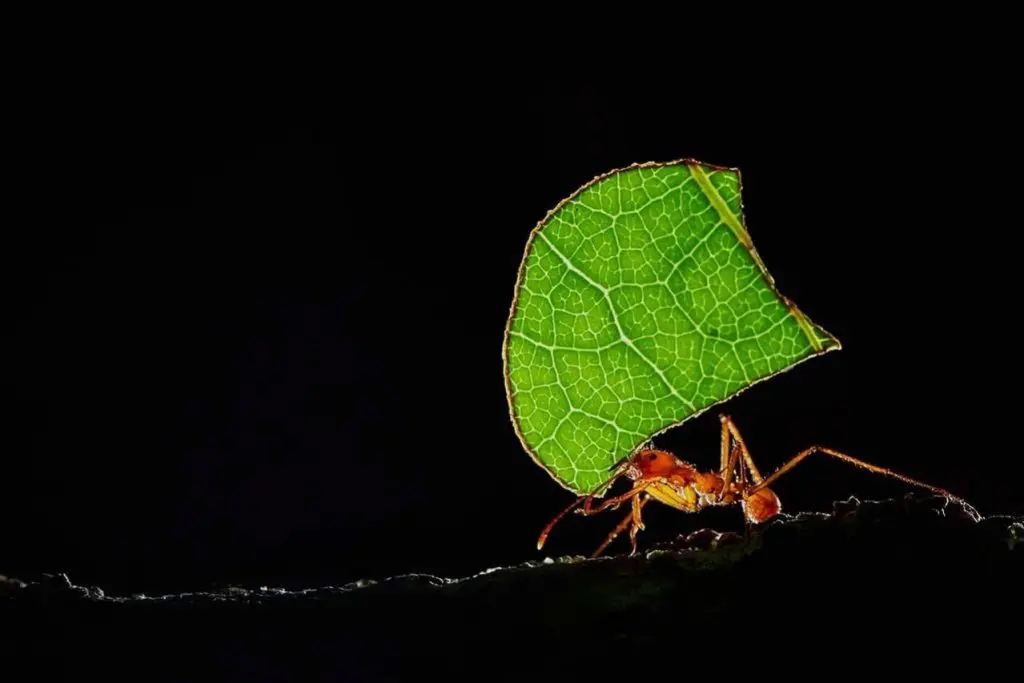
*The Amazon region contains more than 1,000 species of ants, many still formally undescribed.*
\[/vc\_column\_text\]\[/vc\_column\]\[/vc\_row\]\[vc\_row\]\[vc\_column\]\[vc\_column\_text\]Like any other animal, ants have to fight off diseases. Some have developed the ability to produce their own antibiotics.\[/vc\_column\_text\]\[/vc\_column\]\[/vc\_row\]\[vc\_row\]\[vc\_column\]\[vc\_column\_text\]A [recent study](https://t.e2ma.net/click/8z5w9c/8vi8j2/osagj9 "https://t.e2ma.net/click/8z5w9c/8vi8j2/osagj9") found that about 60% of the ant species they looked at make their own powerful antimicrobial agents. **These findings suggest that ants could be a future source of new antibiotics to help fight human diseases.**\[/vc\_column\_text\]\[/vc\_column\]\[/vc\_row\]\[vc\_row\]\[vc\_column\]\[vc\_column\_text\]But what we can borrow from ants doesn’t stop there.\[/vc\_column\_text\]\[/vc\_column\]\[/vc\_row\]\[vc\_row\]\[vc\_column\]\[vc\_column\_text\]Ants are very social animals. Large groups of them live and work together in very close quarters. Furthermore, a colony of ants has high levels of genetic relatedness, sometimes all born of a single queen. This makes ants naturally vulnerable to pathogens and infections. \[/vc\_column\_text\]\[/vc\_column\]\[/vc\_row\]\[vc\_row\]\[vc\_column\]\[vc\_column\_text\]Some types of ants have not only developed their own ability to produce antibiotics but also have created **public health strategies to cut down on the spread of infections through specific hygiene and grooming practices.** \[/vc\_column\_text\]\[/vc\_column\]\[/vc\_row\]\[vc\_row\]\[vc\_column\]\[vc\_column\_text\]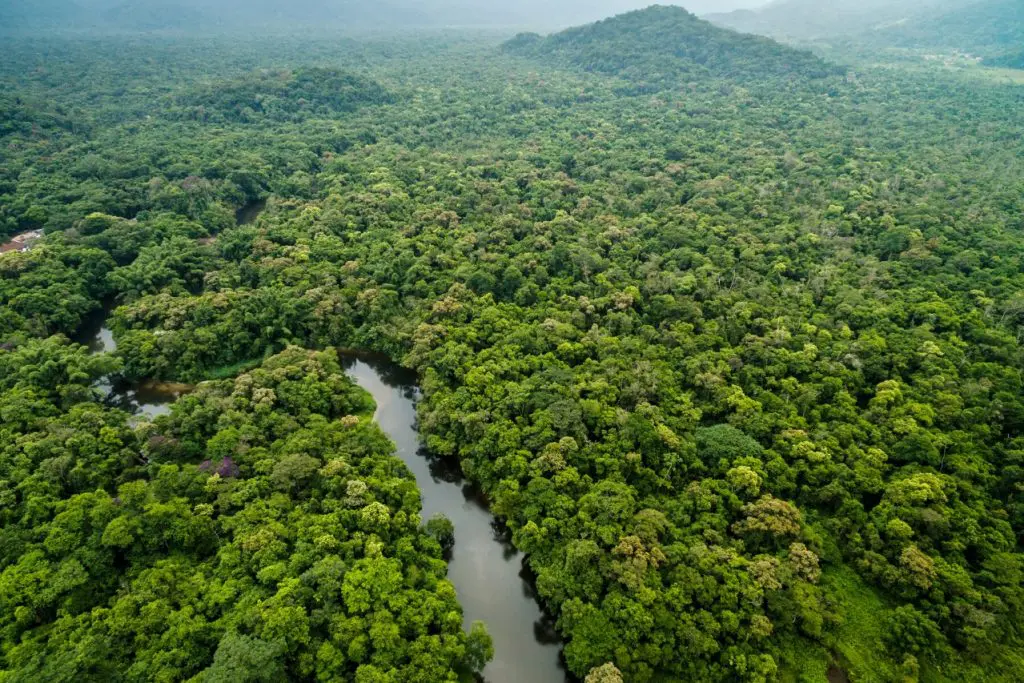
*The variety of life on the planet is our greatest treasure. But what the future could hold is vastly bigger than what humanity has uncovered thus far.*
\[/vc\_column\_text\]\[/vc\_column\]\[/vc\_row\]\[vc\_row\]\[vc\_column\]\[vc\_column\_text\]**We are just beginning to understand what creatures like ants can teach us!** The potential for new and diverse antibiotics will continue to grow. \[/vc\_column\_text\]\[/vc\_column\]\[/vc\_row\]\[vc\_row\]\[vc\_column\]\[vc\_column\_text\]*You can protect the variety of life on the planet with Nature and Culture. Make more strange miracles possible at **[natureandculture.org.](https://t.e2ma.net/click/8z5w9c/8vi8j2/4kbgj9)***\[/vc\_column\_text\]\[/vc\_column\]\[/vc\_row\]\[vc\_row\]\[vc\_column\]\[vc\_separator\]\[/vc\_column\]\[/vc\_row\]\[vc\_row\]\[vc\_column\]\[vc\_column\_text\]*The variety of life on the planet is our greatest treasure. Yet 1 million of the estimated 8 million plant and animal species on Earth are at risk of extinction. Nature and Culture hopes that by sharing these **12 Strange Miracles** you’ll be filled with wonder and gratitude for each species that enriches the planet. Stay tuned for next month’s feature!*\[/vc\_column\_text\]\[/vc\_column\]\[/vc\_row\]\[vc\_row\]\[vc\_column\]\[vc\_column\_text\]\[/vc\_column\_text\]\[/vc\_column\]\[/vc\_row\]
**Tags:** ants, Biodiversity
**Strategic Area:** Biodiversity
**Content Type:** Blog
---
### [New Study on Monte Mojino Reserve](https://www.natureandculture.org/directory/remm-study/)
**Published:** February 7, 2020
**Author:** Kristen Heard
**Content:**


# New Study on Monte Mojino Reserve
02/07/2020
**Strategic Area:** Forests -
**Content Type:** News
**Country:** Mexico -
\[vc\_row\]\[vc\_column\]\[vc\_column\_text\]
**New Study on *Monte Mojino Reserve* Provides Insight Into Protecting Tropical Dry Forests**
Tropical dry forests are among the most threatened habitats on the planet. They are home to a great diversity of species, and essential for healthy ecosystem services that nearby human populations rely on, including water.

Our 18,211-acre Monte Mojino Reserve is focused on protecting the best remaining tropical deciduous forests of southern Sonora.
The two main causes of tropical dry forest loss and degradation are agriculture expansion and livestock grazing (most often cattle). However, the effects of cattle on the regeneration of tropical dry forest in Mexico are poorly understood, largely because it is difficult to locate forest without livestock.
Nature and Culture’s *Monte Mojino Reserve* offered a special opportunity for researchers to study a tropical dry forest in Mexico that has effectively kept agriculture and livestock out of its borders.
**[Newly published results from this study](https://www.natureandculture.org/wp-content/uploads/2020/02/Quisehuatl_Medina-et-al-2020-Biotropica-Removal-of-cattle.pdf) reveal that properly managed lands that exclude livestock safeguard animals, plants, and ecosystems that are essential to human health and well-being.**
Results provide important data to conserve this endangered ecosystem in northwest Mexico, and other tropical dry forests across the globe!
Learn more about Nature and Culture’s *Monte Mojino Reserve* [here.](https://t.e2ma.net/click/snhdbd/8vi8j2/sf38n9)
**Strategic Area:** Forests
**Country:** Mexico
**Content Type:** News
---
### [Nature's cleanup crews](https://www.natureandculture.org/directory/natures-cleanup/)
**Published:** March 25, 2020
**Author:** Kristen Heard
**Content:**


# Nature’s cleanup crews
03/25/2020
**Strategic Area:** Biodiversity -
**Content Type:** Blog
\[vc\_row\]\[vc\_column\]\[vc\_column\_text\]Stay **positive with this month’s *miracle* from nature.**\[/vc\_column\_text\]\[/vc\_column\]\[/vc\_row\]\[vc\_row\]\[vc\_column\]\[vc\_column\_text\]With all the unsettling things that are happening in the world as a result of COVID-19, here is a dose of inspiration from nature to brighten your day. \[/vc\_column\_text\]\[/vc\_column\]\[/vc\_row\]\[vc\_row\]\[vc\_column\]\[vc\_column\_text\]To inspire awe of the planet’s extraordinary biodiversity, Nature and Culture is glad to share our monthly series: ***12 Strange Miracles of the Rainforest and Beyond***.\[/vc\_column\_text\]\[/vc\_column\]\[/vc\_row\]\[vc\_row\]\[vc\_column\]\[vc\_column\_text\]February featured [a tree that treats malaria](https://t.e2ma.net/click/gq7djd/8vi8j2/01hpaab). Check out this month’s remarkable gift from nature\[/vc\_column\_text\]\[/vc\_column\]\[/vc\_row\]\[vc\_row\]\[vc\_column\]\[vc\_column\_text\]**Miracle #3: Nature’s cleanup crews**\[/vc\_column\_text\]\[/vc\_column\]\[/vc\_row\]\[vc\_row\]\[vc\_column\]\[vc\_column\_text\]Picture a toxic dump — the kind that’s so terrible it kills every living thing for miles around, and turns the local drinking water into a deadly soup. Sadly, there are more than a few such places.\[/vc\_column\_text\]\[/vc\_column\]\[/vc\_row\]\[vc\_row\]\[vc\_column\]\[vc\_column\_text\]While we can take the waste somewhere else, that does little more than transfer the problem from one community to another.\[/vc\_column\_text\]\[/vc\_column\]\[/vc\_row\]\[vc\_row\]\[vc\_column\]\[vc\_column\_text\]Today, there are biodiversity-based industries developing what’s called **bioremediation**. They are transforming highly toxic sites into relatively benign areas that can be used again in other ways. A more advanced version of this, **ecological restoration**, is now going even further to recreate the ecosystems that once existed.\[/vc\_column\_text\]\[/vc\_column\]\[/vc\_row\]\[vc\_row\]\[vc\_column\]\[vc\_column\_text\]**That’s right. Communities destroyed by killer oil spills, mining waste, and chemical dumping disasters are being returned to their original natural state.**\[/vc\_column\_text\]\[/vc\_column\]\[/vc\_row\]\[vc\_row\]\[vc\_column\]\[vc\_column\_text\]There are microbes, fungi, and invertebrates that not only thrive in these toxic chemicals, but they also eat pollutants, metabolize them, and transfer it all back into safe, organic material.\[/vc\_column\_text\]\[/vc\_column\]\[/vc\_row\]\[vc\_row\]\[vc\_column\]\[vc\_column\_text\]White rot fungus, found in the rainforest and other temperate forests, is one hero in industrial waste cleanup. It comes with its own personal bank of chemical systems that break down some of the toughest and most intractable materials.\[/vc\_column\_text\]\[/vc\_column\]\[/vc\_row\]\[vc\_row\]\[vc\_column\]\[vc\_column\_text\]The U.S. Department of Energy’s National Renewable Energy Laboratory has identified a variety of microorganisms that leech harsh chemicals out of the soil. Mealworms have gut microbes that eat polystyrene. Waxworm caterpillars can break down plastic in a matter of hours.\[/vc\_column\_text\]\[/vc\_column\]\[/vc\_row\]\[vc\_row\]\[vc\_column\]\[vc\_column\_text\]**The known list of our planet’s garbage eaters continues to grow.** \[/vc\_column\_text\]\[/vc\_column\]\[/vc\_row\]\[vc\_row\]\[vc\_column\]\[vc\_column\_text\]With the help of nature’s cleanup crews, the hope of a more livable world continues to become a stronger reality.\[/vc\_column\_text\]\[/vc\_column\]\[/vc\_row\]\[vc\_row\]\[vc\_column\]\[vc\_column\_text\]*You can protect the variety of life on the planet with Nature and Culture. Make more strange miracles possible **[here.](https://t.e2ma.net/click/8z5w9c/8vi8j2/4kbgj9)***\[/vc\_column\_text\]\[/vc\_column\]\[/vc\_row\]\[vc\_row\]\[vc\_column\]\[vc\_separator\]\[/vc\_column\]\[/vc\_row\]\[vc\_row\]\[vc\_column\]\[vc\_column\_text\]*The variety of life on the planet is our greatest treasure. Yet 1 million of the estimated 8 million plant and animal species on Earth are at risk of extinction. Nature and Culture hopes that by sharing these **12 Strange Miracles** you’ll be filled with wonder and gratitude for each species that enriches the planet. Stay tuned for next month’s feature!*\[/vc\_column\_text\]\[/vc\_column\]\[/vc\_row\]\[vc\_row\]\[vc\_column\]\[vc\_column\_text\]\[/vc\_column\_text\]\[/vc\_column\]\[/vc\_row\]
**Strategic Area:** Biodiversity
**Content Type:** Blog
---
### [Have you ever seen a blue morpho butterfly?](https://www.natureandculture.org/directory/earthday2020/)
**Published:** April 21, 2020
**Author:** Kristen Heard
**Content:**


# Have you ever seen a blue morpho butterfly?
04/21/2020
**Strategic Area:** Biodiversity -
**Content Type:** Blog
\[vc\_row\]\[vc\_column\]\[vc\_column\_text\]**COVID-19 has changed a lot – from how we work and learn to how we take action. Luckily, Earth Day is a great time for us to make a difference.**\[/vc\_column\_text\]\[/vc\_column\]\[/vc\_row\]\[vc\_row\]\[vc\_column\]\[vc\_column\_text\]***Have you ever seen a blue morpho butterfly?***\[/vc\_column\_text\]\[/vc\_column\]\[/vc\_row\]\[vc\_row\]\[vc\_column\]\[vc\_column\_text\]The blue morpho is among the largest and most impressive butterflies on the planet. Their vibrant blue wings span from five to eight inches! The species also contributes to a healthy Amazon ecosystem, and a healthy planet.\[/vc\_column\_text\]\[/vc\_column\]\[/vc\_row\]\[vc\_row\]\[vc\_column\]\[vc\_column\_text\]The variety of animals, plants, and other species found in nature are vital to sustaining all life on Earth. Humans depend on this variety, or *biodiversity*, for the air we breathe, the food we eat, traditional and modern medicines, and so much more.\[/vc\_column\_text\]\[/vc\_column\]\[/vc\_row\]\[vc\_row\]\[vc\_column\]\[vc\_column\_text\]**Nature and Culture International protects biodiversity – including the blue morpho! – by saving endangered habitats across Latin America.** By conserving wildlife and wild places, we ensure that future generations can enjoy the natural world and the incredible species that also call this planet home.\[/vc\_column\_text\]\[/vc\_column\]\[/vc\_row\]\[vc\_row\]\[vc\_column\]\[vc\_column\_text\]Right now we all are experiencing significant disruptions to our lives. As we weather these complicated times together, Nature and Culture’s work becomes even more urgent.\[/vc\_column\_text\]\[/vc\_column\]\[/vc\_row\]\[vc\_row\]\[vc\_column\]\[vc\_column\_text\]**The coronavirus pandemic serves as an important reminder that human health is inextricably linked to biodiversity and the health of our planet.** As habitat and biodiversity loss increase, we lose clean air, clean water, and many other benefits that allow people to thrive. Additionally, destruction of wild places through deforestation creates conditions for new viruses and diseases.\[/vc\_column\_text\]\[/vc\_column\]\[/vc\_row\]\[vc\_row\]\[vc\_column\]\[vc\_column\_text\]To protect our health, we need to combat the biggest threats to our planet, including deforestation and, increasingly, climate change. Now more than ever, Nature and Culture needs your support to continue our important work.\[/vc\_column\_text\]\[/vc\_column\]\[/vc\_row\]\[vc\_row\]\[vc\_column\]\[vc\_column\_text\]**[Today – on Earth Day – you can make a difference. Join Nature and Culture in protecting the brilliant blue morpho and all life on Earth.](https://t.e2ma.net/click/ge6gnd/8vi8j2/gypljab "https://t.e2ma.net/click/ge6gnd/8vi8j2/gypljab")**\[/vc\_column\_text\]\[/vc\_column\]\[/vc\_row\]\[vc\_row\]\[vc\_column\]\[vc\_column\_text\]**Together we can save wildlife and wild places for a healthy planet.**\[/vc\_column\_text\]\[/vc\_column\]\[/vc\_row\]\[vc\_row\]\[vc\_column\]\[vc\_btn title=”Make A Difference Today” color=”blue” size=”lg” align=”center” link=”url:http%3A%2F%2Fwww.natureandculture.org%2Fgive-to-nci\|\|\|”\]\[/vc\_column\]\[/vc\_row\]\[vc\_row\]\[vc\_column\]\[vc\_column\_text\]\[/vc\_column\_text\]\[/vc\_column\]\[/vc\_row\]\[vc\_row\]\[vc\_column\]\[vc\_column\_text\]*Learn more about biodiversity and your health [here](https://www.natureandculture.org/biodiversity-covid-19/).*\[/vc\_column\_text\]\[/vc\_column\]\[/vc\_row\]
**Tags:** Biodiversity, blue morpho, butterfly, threatened species, Wildlife
**Strategic Area:** Biodiversity
**Content Type:** Blog
---
### [A fisherman’s fight against COVID-19](https://www.natureandculture.org/directory/covid-19-piura/)
**Published:** May 20, 2020
**Author:** Kristen Heard
**Content:**


# A fisherman’s fight against COVID-19
05/20/2020
**Strategic Area:** Local Communities -
**Content Type:** Blog
**Country:** Mexico -
\[vc\_row\]\[vc\_column\]\[vc\_column\_text\]
### **A fisherman’s fight against COVID-19**
\[/vc\_column\_text\]\[/vc\_column\]\[/vc\_row\]\[vc\_row\]\[vc\_column\]\[vc\_column\_text\]
**For the past five years, Nature and Culture International has worked with fishermen in Piura, Peru to protect one of the most biodiverse marine ecosystems in the world. Now more than ever, it is the people of Piura – our partners in conservation – who need our help.**
\[/vc\_column\_text\]\[/vc\_column\]\[/vc\_row\]\[vc\_row\]\[vc\_column\]\[vc\_column\_text\]
For Marcelino Gonzales, COVID-19 changed everything. Instead of spending his days fishing and with friends and family, Marcelino is fighting to keep his community safe.
\[/vc\_column\_text\]\[/vc\_column\]\[/vc\_row\]\[vc\_row\]\[vc\_column\]\[vc\_column\_text\]
Marcelino is from the rural fishing community Ñuro, in Piura, Peru. His community depends on tourism and fish sales. Because of the pandemic, both are practically nonexistent.
\[/vc\_column\_text\]\[/vc\_column\]\[/vc\_row\]\[vc\_row\]\[vc\_column\]\[vc\_column\_text\]
In the midst of an economic crisis, what worries Marcelino most is the spread of COVID-19 in his community. “The challenge is so great that we do not have the slightest bit of security in health matters. We are not prepared if a case should come, we would not know where to go, ” said Marcelino.
\[/vc\_column\_text\]\[/vc\_column\]\[/vc\_row\]\[vc\_row\]\[vc\_column\]\[vc\_column\_text\]
The community has been in desperate need of basic provisions like soap, masks, thermometers, and food, and is far from government and healthcare services. The closest hospital, located about 20 miles north, is already full with COVID-19 patients.
\[/vc\_column\_text\]\[/vc\_column\]\[/vc\_row\]\[vc\_row\]\[vc\_column\]\[vc\_column\_text\]
Concerned that the virus will reach Ñuro, Marcelino and other fishermen have organized to restrict entry and exit into their community. Wearing uniforms and homemade masks, the fishermen patrol 24/7 to keep their families safe. They know the spread of COVID-19 to Ñuro would be devastating.
\[/vc\_column\_text\]\[/vc\_column\]\[/vc\_row\]\[vc\_row\]\[vc\_column\]\[vc\_single\_image image=”17618″ img\_size=”full” add\_caption=”yes”\]\[/vc\_column\]\[/vc\_row\]\[vc\_row\]\[vc\_column\]\[vc\_single\_image image=”17622″ img\_size=”full” add\_caption=”yes”\]\[/vc\_column\]\[/vc\_row\]\[vc\_row\]\[vc\_column\]\[vc\_column\_text\]
**Thanks to your support during Nature and Culture’s COVID-19 relief campaign last week, Marcelino and his community are now receiving help they so desperately need.**
\[/vc\_column\_text\]\[/vc\_column\]\[/vc\_row\]\[vc\_row\]\[vc\_column\]\[vc\_column\_text\]
Your gift and funds from the Walton Family Foundation are supplying Nature and Culture’s community partners in Piura with essential equipment, including 500 masks, four digital thermometers, a fumigator, 20 gallons of bleach, and 20 gallons of soap.
\[/vc\_column\_text\]\[/vc\_column\]\[/vc\_row\]\[vc\_row\]\[vc\_column\]\[vc\_single\_image image=”17623″ img\_size=”full” add\_caption=”yes”\]\[/vc\_column\]\[/vc\_row\]\[vc\_row\]\[vc\_column\]\[vc\_single\_image image=”17620″ img\_size=”full” add\_caption=”yes”\]\[/vc\_column\]\[/vc\_row\]\[vc\_row\]\[vc\_column\]\[vc\_column\_text\]
**“Even in these moments, Nature and Culture has supported us. We are very grateful,” said Marcelino.**
\[/vc\_column\_text\]\[/vc\_column\]\[/vc\_row\]\[vc\_row\]\[vc\_column\]\[vc\_column\_text\]
Communities like Marcelino’s are the last defense for many endangered ecosystems. Thank you for sending help to nature’s guardians. You are making a difference for these communities, and for the planet.
\[/vc\_column\_text\]\[/vc\_column\]\[/vc\_row\]\[vc\_row\]\[vc\_column\]\[vc\_column\_text\]
*You can still send help to communities in need because of COVID-19. Visit [**natureandculture.org/help**](https://t.e2ma.net/click/0dzasd/s3xc6u/o4v8sab) to make a difference today.*
\[/vc\_column\_text\]\[/vc\_column\]\[/vc\_row\]\[vc\_row\]\[vc\_column\]\[/vc\_column\]\[/vc\_row\]
**Tags:** covid-19, Fisherman
**Strategic Area:** Local Communities
**Country:** Mexico
**Content Type:** Blog
---
### [New hummingbird species discovered in Ecuador](https://www.natureandculture.org/directory/blue-throated-hillstar/)
**Published:** October 1, 2018
**Author:** Heather Thomas
**Content:**
**Perched in a creek bed in the Ecuadorian Andes, a striking bird with a brilliant blue throat has revealed itself to science for the first time.**
Dr. Francisco Sornoza-Molina of Ecuador’s Instituto Nacional de Biodiversidad and colleagues first observed an unidentified hummingbird during fieldwork in the páramos of southwest Ecuador in April 2017. After the initial expedition, the team returned to study the possible new species and confirm the finding. They dubbed the hummingbird the **blue-throated hillstar** (*Oreotrochilus cyanolaemus*), for its dazzling blue throat.
Photography: Roger Ahlman <http://www.pbase.com/ahlman>
Hillstars, of the genus *Oreotrochilus*, are **native to the Andes of South America**. They reside in high-elevation habitats and have special adaptations to cold temperatures. However, prior to Sornoza-Molina’s discovery, none were known to have an iridescent blue throat. Small **differences in appearance, genetics and calls suggests that the blue-throated hillstar is a species new to science**, researchers report September 26 in [*The Auk: Ornithological Advances*](https://t.e2ma.net/click/wmfyeb/8vi8j2/44m6a4).
The blue-throated hillstar is restricted to the west Andean mountain ranges, in the southwestern highlands of Ecuador, an area historically poorly explored by ornithologists. Within its small range, the species is found only along bush-lined creeks in an area of about 100 square kilometers. Researchers estimate **there are fewer than 750 individuals in the wild**.
Blue-throated hillstar feeding on nectar from chuquiraga plants. Photography: F. Sornoza-Molina
Published on September 26, 2018, the unexpected discovery is the first of its kind in almost twenty years — the last new bird species from Ecuador was described in 1999. However, **scientists fear the blue-throated hillstar is already close to extinction**.
The hillstar’s home faces serious threats, including ranching, agriculture, mining and fires. The new species is listed as **critically endangered** due to its restricted distribution, low population size and threatened habitat.
F. Sornoza-Molina and colleagues discovered the species in the páramos of Cerro de Arcos in southwest Ecuador. Photography: Matt Clark
Nature and Culture is currently working in the southwest Andes of Ecuador to establish a new conservation area. The proposed area – spanning around 175,000 acres in Cerro de Arcos – **will** **protect the blue-throated hillstar’s entire habitat** in addition to critical páramo and cloud forest ecosystems, wetlands and important water sources. The area will also preserve portions of the Inca trail, an ancient trail used by the Inca empire to connect Cuzco with its northern capital, Quito.
Over the past year, we have been working with Ecuador’s Ministry of Environment, Ministry of Tourism, Water Secretary, municipalities of Saraguro and Zaruma, Kawsay Foundation and local and indigenous communities to conduct biological and geographical assessments and gain community support for the proposed conservation area. **We are in the process of securing funding** to continue and complete the declaration.
**Congratulations** **to Sornoza-Molina, his colleagues and all who contributed to this incredible discovery!** We can’t wait to legally protect the blue-throated hillstar’s home.
**[Click here](https://www.natureandculture.org/places/ecuador/)** to learn more about our work in Ecuador.
---
### [Our final feathered feature doesn't disappoint...](https://www.natureandculture.org/directory/andean-cock-of-the-rock/)
**Published:** December 21, 2018
**Author:** Heather Thomas
**Content:**
**Our final Year of the Bird doesn’t disappoint. We dedicate December to the spectacularly bizarre Andean cock-of-the-rock.**
This year, Nature and Culture joined nature lovers around the world to celebrate **Year of the Bird**. To commemorate the wonder of our feathered friends, and raise awareness about the crucial role birds play in caring for our planet, we featured unique birds found in our project areas. We celebrated the **largest parrot** in the world, [**waddling creatures**](https://t.e2ma.net/click/c7d3ib/8vi8j2/8f20q5) from Peru, a newly-discovered [**hummingbird species**](https://t.e2ma.net/click/c7d3ib/8vi8j2/o820q5) and more!
As Year of the Bird comes to a close, we dedicate December to a spectacularly bizarre bird found in almost every country that we work in. Sporting a fan-shaped crest, bright orange plumage and black wings, the **Andean cock-of-the-rock** (*Rupicola peruvianus*) is one of the most iconic birds of the Andes Mountains.
Native to the Andean cloud forests of South America, the Andean cock-of-the-rock ranges from Venezuela to Bolivia, and is recognized as the **national bird of Peru**. It typically inhabits the lower and middle forest levels, but can be found foraging in the canopy for fruit. Generally shy, the species avoids contact with humans.
The birds are easiest to see when gathering for their **impressive courtship display**. When it comes time to mate, male cocks-of-the-rock gather at a lek (a communal display ground) and compete as females look on. The males show off their bright plumage and make loud calls while “dancing” and jumping. The best “dancer” gets his pick of the females.
However, their display is all for show, as the male cock-of-the-rock is a negligent father. **Only the females are involved in nest-building, incubation and raising their young**. The female’s subtle coloration – brown feathers and a smaller crest – allows her to conceal herself and her nest from threats.
This peculiar species plays a key role in a healthy, well-balanced environment, consuming fruit and **promoting forest growth through seed dispersal**. Though populations are believed to be stable, droughts and destruction of their forest homes have threatened the future of the cock-of-the-rock. Additionally, its striking appearance has led to **significant levels of capture for the international pet trade**.
[**Build a better world for** ](https://www.natureandculture.org/give-to-nci/)[**all birds** ](https://www.natureandculture.org/give-to-nci/)[**by supporting Nature and Culture. Make 2X the impact through December 31!**](https://www.natureandculture.org/give-to-nci/)
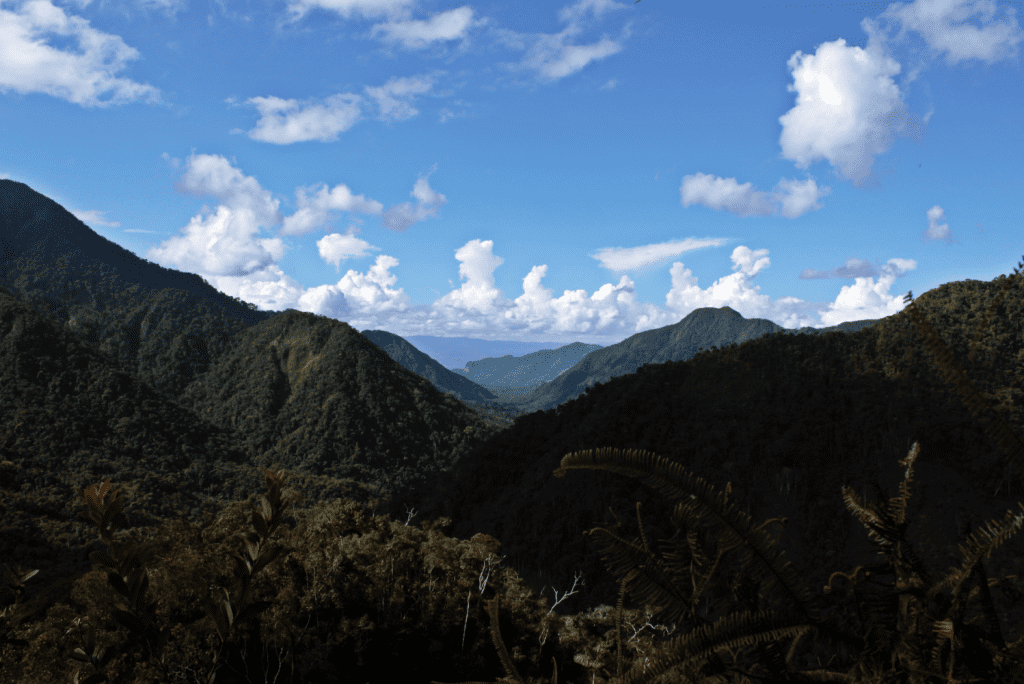Located in North-Central Peru, Boshumi lies in the transitional zone between Peru’s puna grasslands and montane forest.
Nature and Culture has been working in South America’s Andean cloud forest for over twenty years, protecting the home of the Andean cock-of-the-rock and many other unique and threatened species. Just last week, we established a new Regional Conservation Area in the Peruvian region of San Martín. **Bosques de Shunte y Mishollo – also known as Boshumi – will permanently protect 472,973 acres** in a region previously devastated by deforestation.
Located in the Peruvian Andes, Boshumi adds to a critical conservation corridor between adjacent parks and protected areas, including the 6.2-million-acre Gran Pajatén Biosphere Reserve. **Boshumi protects almost 2,000 species** such as the Andean cock-of-the-rock, the threatened spectacled bear and critically endangered yellow-tailed woolly monkey. Learn more about this exciting achievement [**on our website.**](https://t.e2ma.net/click/c7d3ib/8vi8j2/kt40q5)
Thank you for celebrating Year of the Bird with us! As 2019 approaches, we remain committed to building a better world for all birds, ***but with a new monthly feature***…Stay tuned!
Did you miss our last featured bird? [**Learn about the Brazilian merganser here**](https://www.natureandculture.org/field-notes/brazilian-merganser/).
---
### [2 weeks. 2 countries. 3 NEW protected areas.](https://www.natureandculture.org/directory/dec-2018-protected-areas/)
**Published:** December 27, 2018
**Author:** Heather Thomas
**Content:**
**2 weeks. 2 countries. 3 new protected areas.**
As forest loss continues and climate change intensifies, it’s easy to feel overwhelmed. At Nature and Culture, we stay motivated thanks to donors like you. **Your support allows us to work our hardest** to protect some of the most incredible ecosystems in the world.
And we are thrilled to share that hard work pays off.
Join us in celebrating the declaration of **three NEW protected areas** (in two weeks!) in critical Andean and Amazonian ecosystems. Check out the exciting conservation news below.

**Boshumi Regional Conservation Area**
Following six years of collaboration with the Peruvian government and local communities, Nature and Culture celebrates the declaration of a new Regional Conservation Area in the Peruvian region of San Martín. Bosques de Shunte y Mishollo – also known as Boshumi – will permanently **protect 472,973 acres in a region previously devastated by deforestation**.
Boshumi adds to a critical conservation corridor between adjacent parks and protected areas, including the 6.2-million-acre Gran Pajatén Biosphere Reserve. Rich in biodiversity, **Boshumi protects almost 2,000** **species** such as the threatened spectacled bear (*Tremarctos ornatus*), critically endangered yellow-tailed woolly monkey (*Oreonax flavicauda*) and Andean cock-of-the-rock (*Rupicola peruvianus*).
**More than 69,000 people rely on water that flows through Boshumi** for drinking, agriculture and other activities. Protecting the area will safeguard water supplies from outside threats as well as prevent droughts and floods, both of which are becoming more common with climate change.
The Regional Government of San Martín led this conservation effort with support from Nature and Culture, Asociación Amazónicos por la Amazonia and Sociedad Peruana de Derecho Ambiental. Boshumi was created with the generous financial support of the Andes Amazon Fund and Robert Wilson Charitable Trust.
**[Click here](https://www.natureandculture.org/boshumi)** to learn more.
****
**Páramos y Bosques Montanos San Miguel de Tabaconas Private Conservation Area**
Together with Peru’s Minister of Environment, Nature and Culture established Páramos y Bosques Montanos San Miguel de Tabaconas conservation area in northern Peru. Encompassing 43,379 acres of threatened forest, San Miguel de Tabaconas is the **largest private conservation area in the department of Cajamarca**.
San Miguel de Tabaconas adds to a 370,000-acre corridor between the departments of Piura and Cajamarca. The newly established area is important not just for its biological significance – the **area contains numerous unique species** such as the night monkey (*Aotus SP*), cedar (*Cedrela Montana*) and mountain tapir (*Tapirus pinchaque*) – but also because it **protects critical water supplies** for nearby communities, including the headwaters of the Quiroz, Huancabamba, Samaniego, Tabaconas and Chinchipe rivers.
San Miguel de Tabaconas was established with the generous support of World Land Trust. We look forward to continuing to work in the corridor and strengthen the role of local communities in protecting their home’s biodiversity.
****
**Cascales Municipal Conservation Area**
In collaboration with the municipality of Cascales, Andes Amazon Fund and the MacArthur Foundation, Nature and Culture created Cascales Municipal Conservation Area in the critical upper Napo River watershed in Ecuador. The new area protects **152,021 acres of threatened forest** along the highly diverse eastern slope of the Andes Mountains.
Located close to Cayembe Coca, Sumaco Napo-Galeras and Cofán Bermejo national protected areas, Cascales will **establish critical connectivity** in the region. Specifically, the area will maintain migration corridors for vulnerable and endangered species, such as the northern pudu deer (*Pudu mephistophiles*), vulnerable spectacled bear (*Tremarctos ornatus*) and jaguar (*Panthera onca*).
Cascales is one of six municipalities in the Water Route Association, formed to support and promote water-based recreation and tourism on the Napo River. Nature and Culture is supporting the association with **large-landscape conservation** which includes creating municipal protected areas and **establishing a local water fund**, similar to our [FORAGUA](https://t.e2ma.net/click/g2gtib/8vi8j2/sjalp5) model, that will provide long-term protection to the area’s ecosystems.
**These** **successes are ours to share because of the generosity of people like you. We hope that this bit of news inspires you to continue fighting for *nature and culture*.**
---
### [This month's mammal is over-whale-ming!](https://www.natureandculture.org/directory/humpback-whale/)
**Published:** February 15, 2019
**Author:** Heather Thomas
**Content:**
Today – on World Whale Day – we marvel at the oceans’ most iconic mammals. Join us in celebrating a serenader of the sea….
#### **The Humpback Whale**
.
*A giant creature leaps from the ocean’s surface off the coast of northern Peru. About the size of a school bus, the animal is surprisingly acrobatic**,** jumping out of the water, turning belly up, arching back and diving back in.*
The **magnificent humpback whale** *(Megaptera novaeangliae)* – or ballena jorobada in Spanish – is one of the largest species of [baleen (or toothless) whales](https://t.e2ma.net/click/we9brb/8vi8j2/k5x3d6). Its flippers alone can grow up to 16 feet long, which is the largest appendage in the world, and its tail can measure 18 feet wide.
Black on the upper (dorsal) side and mottled black and white on the under (ventral) side, the **shape and color pattern on the ventral side is unique to each individual whale**, like human fingerprints. Contrary to popular belief, humpbacks do not typically have a hump on their back; the name comes from the large hump that forms when they arch their backs before making a deep dive into the ocean.
*Humpbacks can grow to 60 feet long, and they can weigh a whopping 40 tons*
Humpbacks are found near coastlines, feeding on krill, plankton and small fish. The species **migrates farther than any other mammal on Earth**. Each year they migrate from summer feeding grounds near the poles to winter breeding waters closer to the Equator. Many give birth to calves and rear their young in the warm waters of northern Peru, off the coast of Piura.
The whales are **powerful swimmers**, using their massive fin (called a fluke) to propel themselves through and above the water. They are also known for their haunting songs, which travel for great distances through the world’s oceans. The complex sequences of cries, howls and other noises can continue for hours on end. Scientists are studying these sounds to decipher their meaning, but it is most likely that humpbacks sing to communicate with each other and attract potential mates.
These massive mammals play an important role in our oceans. They balance the food chain and ensure that certain animal species, such as krill, do not overpopulate the ocean. Humpbacks also act like a pump that **recirculates the fish and zooplankton** that they’ve ingested toward the ocean’s surface in the form of nitrogen-rich fecal matter.
*Humpback tale off the coast of Piura, Peru*
As recently as 1988, humpbacks were listed as endangered by the International Union for Conservation of Nature. Populations have now recovered, due to the introduction of commercial whaling bans. However, like other large whales, humpbacks may be harmed by pollution, ships and entanglement in fishing gear. **Offshore oil and gas development is also a serious threat.**
Nature and Culture International is working to provide a safe haven for humpbacks near Piura, Peru. We’ve joined forces with Peruvian fishermen and local communities in an effort to establish the **Grau Tropical Sea National Reserve,** conserving habitat for humpbacks and other species, and protecting threatened artisanal fishing activity for around 5,000 families.
The proposed reserve will encompass coastal and marine ecosystems in Peru’s Eastern Tropical Pacific Ocean, including the humpback’s breeding area. Learn more about this historic initiative and the fishermen defending Peru’s northern sea [**here**](https://t.e2ma.net/click/we9brb/8vi8j2/0xy3d6).
Join us in protecting humpback whales and mammals across South America. [**Support Nature and Culture today.**](https://www.natureandculture.org/give-to-nci/)
---
### [Conservation area nearly doubled in northern Peru](https://www.natureandculture.org/directory/huaricancha/)
**Published:** February 21, 2020
**Author:** Kristen Heard
**Content:**


# Conservation area nearly doubled in northern Peru
02/21/2020
**Strategic Area:** Forests -
**Content Type:** News
**Country:** Peru -
\[vc\_row\]\[vc\_column\]\[vc\_column\_text\]
**We have exciting news, thanks to donors like you!**
This week, **your support nearly doubled a special conservation area** in northern Peru. *Bosques Montanos y Páramos Huaricancha Private Conservation Area* now spans 14,617 acres of cloud forests and paramo grasslands, protecting additional habitat and resources.
Nestled in the Andes, *Bosques Montanos y Páramos Huaricancha* is home to an impressive array of wildlife, including the mountain tapir and grey-breasted mountain toucan. Alongside endangered mammals and Andean birds stands the quina, known worldwide for its medicinal uses. By extending *Bosques Montanos y Páramos Huaricancha*, **the region has ensured a more sustainable future for all species in the area.**
The area’s trees and paramos are vital for the regulation, collection, and storage of water. In fact, **Andean forests and slopes in northern Peru are a source of water for about two million people!**
*Bosques Montanos y Páramos Huaricancha* secures critical water supplies for nearby communities. **The expansion will assure water availability for additional people south of the conservation area** – and prevent droughts and floods, both of which are becoming more common with climate change.
Established in 2016, *Bosques Montanos y Páramos Huaricancha* is located in territory belonging to the community of Huaricancha. Recognizing increasing threats in the region, including deforestation and fires, **the community led efforts to expand the conservation area**. Huaricancha is the first *campesina* (or rural) community in Peru to request an extension of a private conservation area.
“Protecting our forests and paramos, we protect the wealth of our country and the water sources of \[northern Peru\],” said Jorge Zurita Yajahuanca, President of the Huaricancha Campesina Community.

Nature and Culture is supporting the implementation of the area’s Management Plan.
***Bosques Montanos y Páramos Huaricancha* is a result of collaboration** between the municipal government, local leaders and communities, Nature and Culture International, and the Peruvian Protected Area Service (SERNANP). The area was created with the financial support of World Land Trust and generous people like you.
With your help, Nature and Culture’s team in Peru will continue to work with the Huaricancha community, updating and implementing the area’s Management Plan to **ensure effective and lasting conservation impact**.
**Thank** **you for making this achievement possible!** We hope that this bit of good news inspires you to continue fighting for *nature and culture*.
*Check out a map of the area [here](https://www.natureandculture.org/wp-content/smush-webp/2020/02/Mapa-de-Vertices-ACP-y-Ampliacion-Dos-Ambitos-2.jpg.webp). Learn more about your impact in Andean cloud forests here.*
**Tags:** Protected Area
**Strategic Area:** Forests
**Country:** Peru
**Content Type:** News
---
### [2023 Annual Impact Report](https://www.natureandculture.org/directory/2023-annual-impact-report/)
**Published:** April 4, 2024
**Author:** Heather Thomas
**Content:**
#### The effectiveness of our collaborative efforts is remarkable, and none of this would have been possible without you, our Nature and Culture Community! Since our founding, in total we have **protected 26 million acres,** preventing **3.9 billion tons of CO2 emissions!**
### [JUMP TO FULL REPORT](#Impactreport2023)
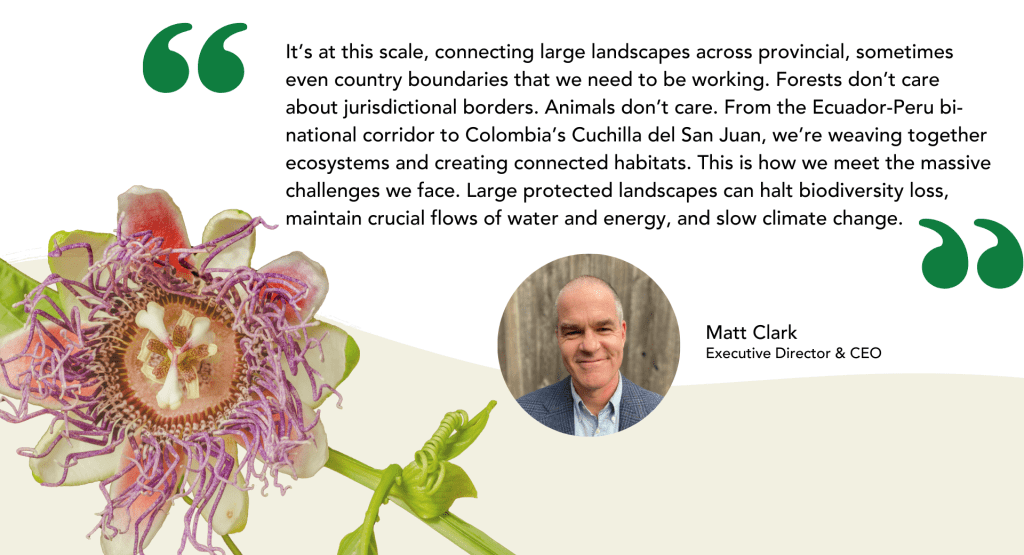
#### As you read through our Impact Report, we invite you to join us in celebrating our achievements.
Here’s a look at some of the incredible work you helped support over the last year.
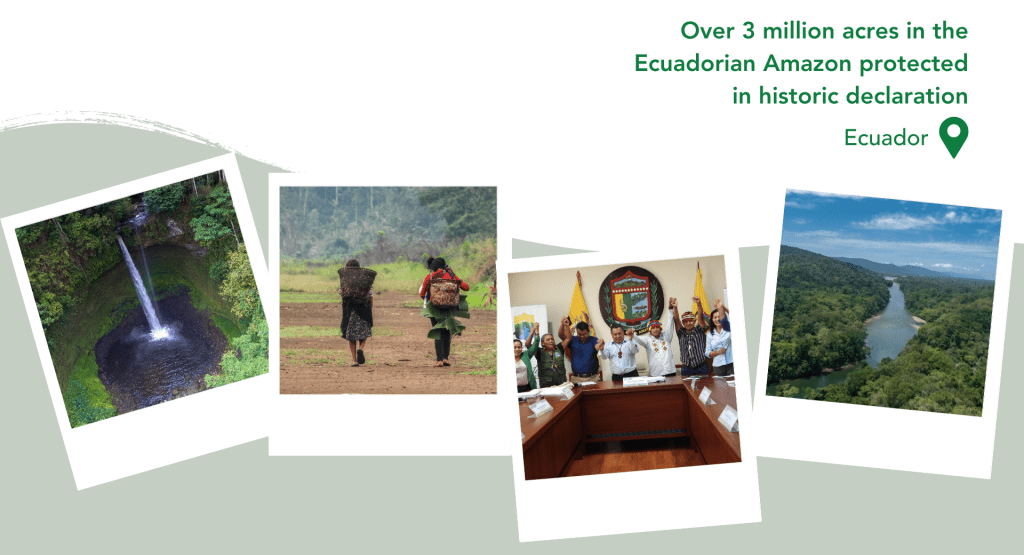
On February 1, 2023, **two Indigenous nationalities** came together with the Provincial Government of Morona Santiago, Ecuador to create the **3,057,670-acre reserve**, named [ Tarímiat Pujutaí Nunka](https://www.natureandculture.org/directory/historic-creation-of-the-tarimiat-pujutai-nunka-reserve/) in Shuar, which roughly translates to “Territory of Good Living.”
With the generous support of our donors and partners, Nature and Culture has been working since 2021, to facilitate a participatory process that led to the protection of this massive connected Amazonian forest. This process involved hosting **21 community meetings**, during which **893 community members** shared their traditional ecological knowledge, worldviews, and visions for a sustainable future within their ancestral territory to **preserve natural and cultural resources for future generations.**
The declaration of this area aims to **improve the quality of life for local communities through sustainable development opportunities, while safeguarding its 744 million tons of above-ground carbon stores.**
Tarímiat Pujutaí Nunka joins as the centerpiece of the Amazonian Platform, a collaborative alliance uniting 7 Indigenous nationalities and 3 Provincial Governments in protecting 11 million acres of continuous Amazonian rainforest. About the size of West Virginia, U.S. in total, this impressive biological corridor collectively sequesters an estimated 2.3 billion tons of above-ground carbon.
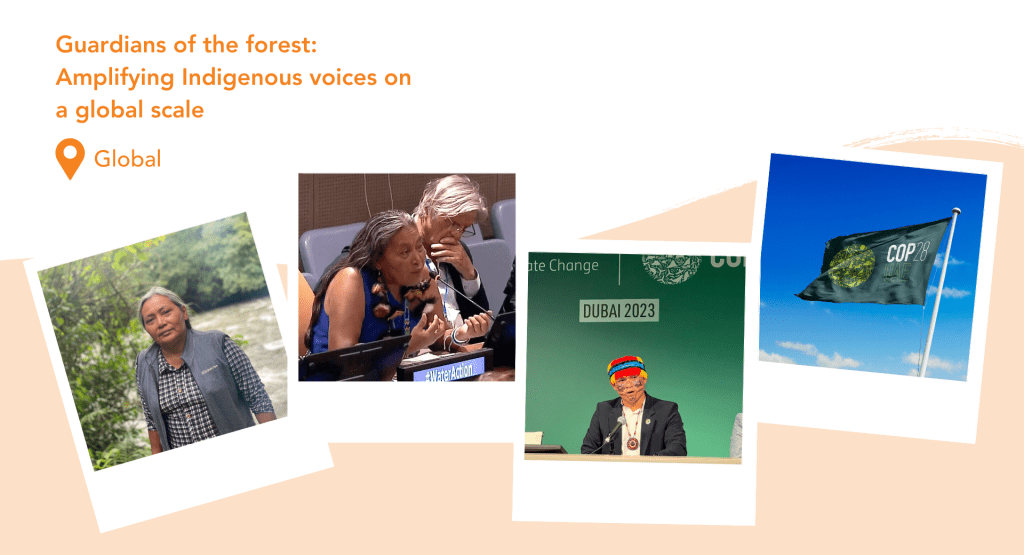
The opportunity for Nature and Culture to attend the international climate conference, COP27, in 2022, and amplify Indigenous voices in climate action was a significant milestone for the organization. **In 2023, we continued to build on the momentum and champion the presence of Indigenous leaders in pivotal international forums.**
In March 2023, [Josefina Tunki, former President of the Shuar Arutam Nationality, journeyed to the United Nations Water Conference](https://www.natureandculture.org/directory/amplifying-the-voices-of-indigenous-women-leaders/) in New York alongside Nature and Culture, Executive Director, Matt Clark. Josefina delivered a compelling presentation on the **critical issue of water resources in the Amazon. Josefina’s perspective was enriched by her deep connection to the land,** stemming from her leadership in safeguarding the 3-million-acre protected area, Tarímiat Pujutaí Nunka. She is fighting to keep her ancestral territory free of mining activities that have devastated her community.
Later in the year, our esteemed partners, **Governor of Morona Santiago, Tiyua Uyunkar and Pastaza Governor André Granda, took the stage at COP28, proudly representing the Amazonian Platform—a testament to the collaborative efforts between Nature and Culture, subnational governments, and local Indigenous communities**. They shared the remarkable successes achieved in protecting the Ecuadorian Amazon. Together, we’re safeguarding an astonishing 11 million acres of pristine forest, forming the largest biological corridor in Ecuador.
By facilitating the participation of Indigenous leaders in global dialogues, we are supporting them in reshaping the narrative on conservation and climate action. Their invaluable insights, rooted in millennia of lived experience, are indispensable in shaping policies and solutions. **As we forge ahead, Nature and Culture remains steadfast in our resolve to amplify Indigenous voices**, ensuring that their rightful place at the forefront of the environmental movement is acknowledged and respected on a global scale.
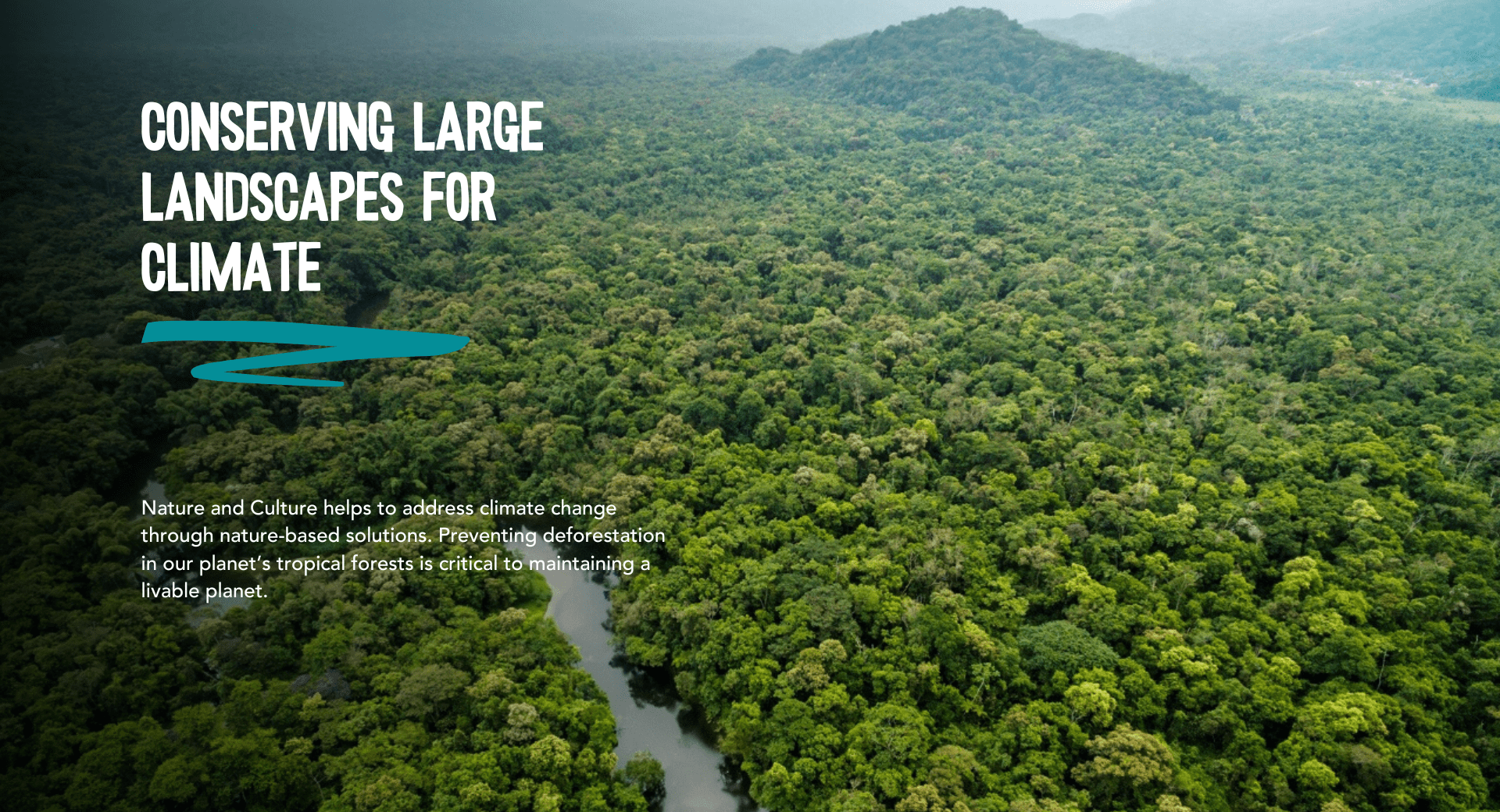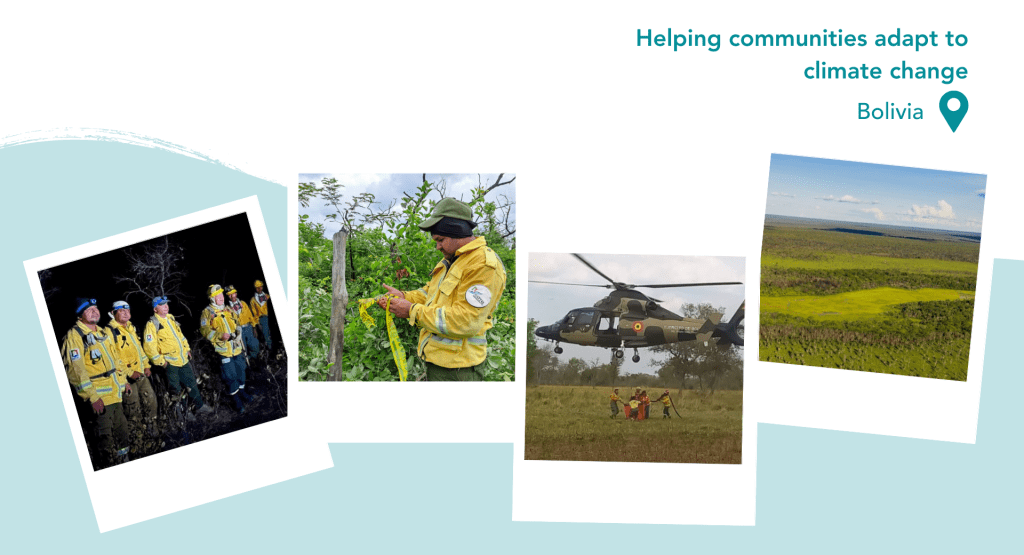
In 2019, we celebrated the establishment of the Ñembi Guasu protected area, safeguarding 3 million acres in the Bolivian Gran Chaco. That same year, the world watched in horror as **wildfires ravaged the country’s southern region of Santa Cruz**.
Since then, Nature and Culture and one of our local implementation partners, have been working to ensure the long-term health of the Ñembi Guasu area. We’re doing this in several ways, including the creation of a management framework and sustainable finance mechanism, the development of a firefighting patrol, and post-wildfire reforestation projects. Recognizing the growing risk of fire in Bolivia’s precious dry forests, we have provided firefighting tools, conducted fire safety awareness campaigns, and devised emergency firefighting strategies to mitigate future disasters.
**Helping communities adapt to climate change is crucial because, despite efforts to mitigate its causes, the impacts of climate change are already being felt globally**. These impacts often disproportionately affect vulnerable communities. By supporting adaptation measures, such as building resilience, enhancing infrastructure, and implementing early warning systems, communities can better withstand the effects of climate change and minimize associated risks to livelihoods, health, and well-being.
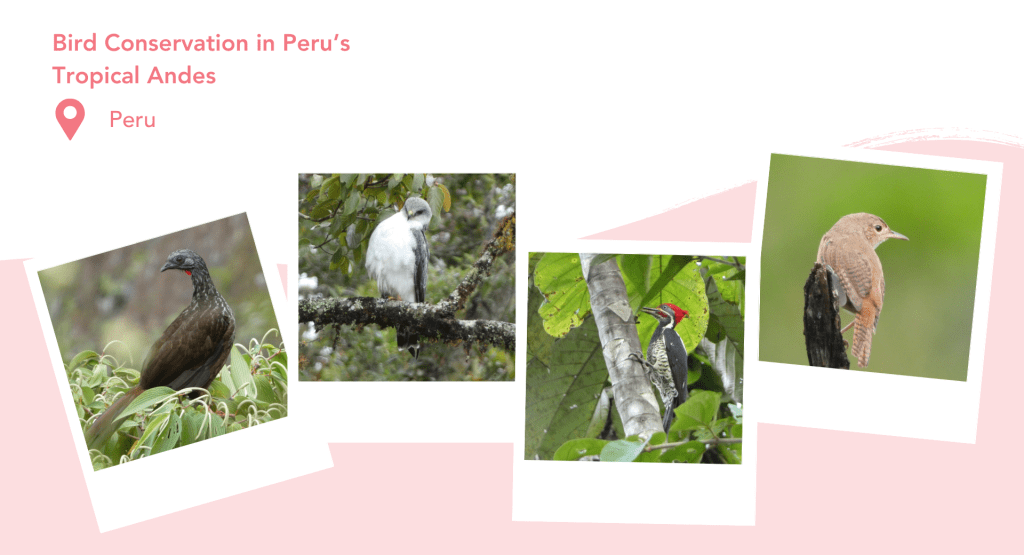
In the last eight years, Nature and Culture has [documented more than 450 species of birds in areas we protect](https://www.natureandculture.org/directory/birders-paradise-peru/) in the northern Tropical Andes of Peru, **24 percent of the country’s recognized avian species**. Our work here spans a 3,763,481-acre ecoregion of high-altitude grasslands and cloud forests.
Two new subnational areas are in the works which will join to surrounding protected areas between the departments of Huánuco and San Martín, Peru. This ecoregion provides critical habitat connectivity and food resources to birds and other wildlife in the region.
**Monitoring wildlife within the areas we protect is just one way we gauge the efficacy of our work**. It also allows us to prioritize new areas for conservation as species’ ranges shift in response to climate change.

In Ecuador, [Water Protection Areas (WPAs)](https://www.natureandculture.org/directory/protecting-critical-water-sources-in-ecuador/) are a unique conservation measure aimed at safeguarding water resources for local populations and protecting key watersheds and their surrounding ecosystems. These areas legally shield forests and natural ecosystems from harmful activities like mining, ensuring a clean water supply and food security for local communities. From 2019 to 2022, our team in Ecuador spearheaded a comprehensive national-level hydrological study. This effort culminated in the creation of a Priority Map of Hydric Zones covering approximately 17.3 million acres. The study was instrumental in aiding the Ecuadorian government in prioritizing its watershed conservation projects, called Water Protection Areas.
Since the inception of this conservation mechanism, **32 Water Protection Areas have been established, 20 with Nature and Culture’s support**. **In 2023 alone, 12 areas were established, protecting 150,000 acres**, and bringing positive change to the lives of 85,000 residents.
---
### 2023 Annual Impact Report
[MAKE A GIFT](https://www.natureandculture.org/donate/)
**Tags:** Biodiversity, Conservation, impact report, Nature and Culture International
**Strategic Area:** Biodiversity, Climate, Forests, Local Communities, Water
**Country:** Bolivia, Colombia, Ecuador, Mexico, Peru
**Content Type:** News
---
### [Somos parte del Censo del Jaguar en México ](https://www.natureandculture.org/es/directorio/somos-parte-del-censo-del-jaguar-en-mexico/)
**Published:** April 23, 2024
**Author:** Nora Sanchez
**Content:**
Por tercera ocasión, la Comisión Nacional de Áreas Protegidas en México organiza el Censo Nacional del Jaguar (CENJAGUAR), un esfuerzo de diversas organizaciones sociales y gubernamentales del país, entre las que está incluida Naturaleza y Cultura. El objetivo es determinar el estado de conservación de esta emblemática especie y difundir información que permita diseñar políticas públicas e iniciativas de conservación para la especie.
### **Un felino emblemático bajo amenaza**
El jaguar es el único felino del género Panthera que se encuentra en el continente americano. También conocido como onza, yaguar, balam o tecuán, esta especie tiene un significado irremplazable para la cultura de los países latinoamericanos donde habita.
Aunque se encuentra en 17 países del continente (incluidos los cinco países en los que trabajamos) sus hábitats y su población han sufrido graves reducciones. Según diversas fuentes, se estima que los jaguares han desaparecido del 46% de sus territorios originales y ya se encuentran extintos en El Salvador y Uruguay.
En México, la reducción de la población del jaguar ha llevado a que se lo clasifique como En Peligro de Extinción. A principios de los 2000, habían alrededor de 20 mil ejemplares del jaguar en este país; sin embargo, durante la primera edición del CENJAGUAR, en 2010, ya solo se registraron 4 mil. Y en el segundo censo, en el 2018, este número aumentó ligeramente a 4 mil 800.

Esta preocupante reducción de su población se debe en su mayoría a la pérdida y degradación de su hábitat. El jaguar necesita de grandes extensiones de territorio para sobrevivir; sin embargo, amenazas como la expansión de la frontera agropecuaria han reducido y degradado sus hábitats, disminuyendo las condiciones necesarias para su supervivencia.
Vista panorámica de la Reserva Monte Mojino
### **Naturaleza y Cultura contribuye al Censo del Jaguar**
El tercer CENJAGUAR empezó en marzo y se extenderá hasta agosto. Nuestro equipo técnico participará de esta iniciativa instalando 13 estaciones de monitoreo en la Reserva Monte Mojino que sumará al conteo del Área de Protección de Flora y Fauna Sierra de Álamos – Río Cuchujaqui. Sus resultados, que estarán disponibles a partir de agosto, nos permitirán determinar el estado de conservación de las poblaciones del jaguar y comparar los resultados a los censos anteriores para determinar la tendencia de crecimiento de sus poblaciones.
Desde 2013 Naturaleza y Cultura ha participado en el monitoreo de este felino aportando datos relevantes para la conservación de la especie en el noroeste de México, ahora con la participación en el CENJAGUAR estaremos aportando información de relevancia a nivel nacional.
Estamos optimistas de los resultados. En abril de 2021, en actividades de monitoreo en los alrededores de la Reserva Monte Mojino, pudimos capturar en cámara a un jaguar hembra llamada “La Abuela”, espécimen que no había sido vista en 10 años. Ese avistamiento nos llenó de entusiasmo porque evidencia que los esfuerzos de conservación tienen resultado, ya que permiten mantener y proteger los hábitats de especies indispensables para el equilibrio del ecosistema como el jaguar.
“La abuela”, registrada en 2021 en la Reserva Monte Mojino
> *“Ver un jaguar es muy importante, ya que es indicador de un ecosistema sano, pero ver un jaguar hembra es esperanzador, ya que significa que es posible la reproducción”*
>
> Gilberto Díaz, técnico de Naturaleza y Cultura
Conoce más sobre ese avistamiento aquí: <https://www.natureandculture.org/es/directorio/the-true-meaning-of-spotting-a-jaguar-es/>
Nuestra participación en el Censo del Jaguar es posible gracias al apoyo financiero de nuestros donantes.
---
**Más información:**
Nora Sánchez Luzardo
**Coordinadora de Comunicación Regional**
<nsanchez@naturalezaycultura.org>
**Tags:** Biodiversidad, Cámaras trampa, Mexico
**Strategic Area:** Biodiversidad
**Country:** México
**Content Type:** Noticias
---
### [Presentación oficial de Mapa Nacional de Áreas de Conservación y Uso Sostenible (ACUS) durante foro nacional](https://www.natureandculture.org/es/directorio/presentacion-oficial-de-mapa-nacional-de-areas-de-conservacion-y-uso-sostenible-acus-durante-foro-nacional/)
**Published:** April 19, 2024
**Author:** Nora Sanchez
**Content:**
En un esfuerzo por resaltar el compromiso y el trabajo colaborativo de los Gobiernos Autónomos Descentralizados (GAD) y las comunidades locales con la conservación del entorno natural ecuatoriano, el país celebró el I Foro Nacional de Áreas de Conservación y Uso Sostenible (ACUS).
**El I Foro de Áreas de Conservación y Uso Sostenible (ACUS) se realiza en el marco del proyecto BIDA:** Biodiversidad, Inclusión, Desarrollo Sostenible y Agua en el Chocó Ecuatoriano; **cofinanciado por la Unión Europea,** en donde intervienen actores como la ONG francesa Acting For Life, el Ministerio del Ambiente, Agua y Transición Ecológica (MAATE), Naturaleza y Cultura Internacional (NCI), Fundación Altrópico, Mancomunidad del Norte, y la Universidad Técnica del Norte; en colaboración con la Asociación de Municipalidades del Ecuador (AME), el Consorcio de Gobiernos Autónomos Provinciales del Ecuador (CONGOPE).
Este evento, que reunió a 170 asistentes, entre representantes del Ministerio del Ambiente, Agua y Transición Ecológica, la AME, el CONGOPE, alrededor de 40 gobiernos locales, organizaciones sociales, la Embajada de Francia, la Agencia Francesa de Desarrollo y otros actores de la cooperación internacional, se realizó en el hotel Sheraton de Quito el jueves 18 de abril.
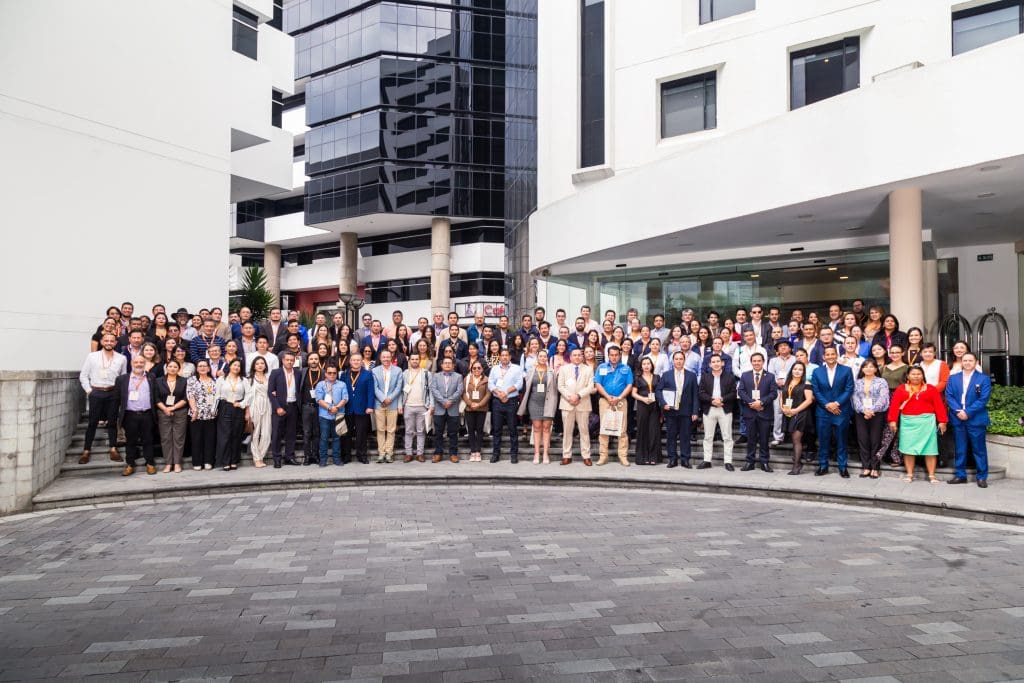170 participantes tuvo el I Foro de Áreas de Conservación y Uso Sostenible, incluyendo representantes de 40 gobiernos locales **Créditos:** Peacock Films
Durante el evento, se presentó el **Mapa Nacional de Áreas de Conservación y Uso Sostenible,** que incluye las 136 ACUS, establecidas hasta febrero de 2024, gracias a la colaboración de 72 GAD Municipales y 11 GAD Provinciales.
### ****¿Qué son las Áreas de Conservación y Uso Sostenible (ACUS)?****
Las Áreas de Conservación y Uso Sostenible (ACUS) son espacios reservados oficialmente por los Gobiernos Autónomos Descentralizados (GAD) provinciales y municipales para proteger el patrimonio natural, preservar y regular los espacios naturales y hacer efectivo el derecho a la conservación del ambiente; proteger y restaurar las fuentes de agua asociadas a ecosistemas frágiles, especialmente las zonas productoras de agua destinadas al consumo humano; promover la protección de la diversidad biológica y los servicios ecosistémicos; prevenir la contaminación y fomentar el uso sostenible de los recursos naturales.
### **¿Qué función cumplen las ACUS?**
Se destacan como funciones clave de las Áreas de Conservación y Uso Sostenible (ACUS):
- **Ordenamiento territorial:** Las ACUS permiten el ordenamiento territorial y la creación de ordenanzas para proteger la biodiversidad y los recursos hídricos.
- **Planificación a largo plazo:** La gestión del agua, los bosques y el patrimonio natural requiere estrategias a corto, mediano y largo plazo para garantizar su permanencia en términos de cantidad y calidad.
- **Conectividad de áreas:** Las ACUS conectan con otras áreas protegidas e iniciativas de conservación, generando corredores biológicos. Además, actúan como zonas de amortiguamiento para los parques nacionales y proveen importantes reservas de agua para la población.
- **Contribución a metas de conservación:** La existencia de ACUS a nivel nacional contribuye al cumplimiento de la meta 30×30 (30% del territorio nacional bajo protección para el año 2030).
## **Presentación del Mapa Nacional de Áreas de Conservación y Uso Sostenible**
El I Foro de Áreas de Conservación y Uso Sostenible (ACUS) resaltó el papel fundamental que desempeñan los gobiernos locales en la preservación de los recursos naturales dentro de sus jurisdicciones, además de destacar su labor en la conservación del patrimonio natural.
Durante su intervención, el embajador de la Unión Europea en Ecuador, Charles-Michel Geurts, señaló que la cooperación internacional europea está comprometida a generar alianzas estratégicas para proteger las fuentes hídricas que están dentro de áreas de conservación en el Ecuador.
A través de un intercambio de experiencias, representantes de Naturaleza y Cultura Internacional e Instituto Humboldt, los GAD municipales de Gualaceo, Puyango, y los GAD provinciales de Pichincha, Carchi y Pastaza dieron a conocer avances, retos y aprendizajes para el establecimiento y manejo de ACUS, e identificar oportunidades futuras que permitan desarrollar programas y proyectos de conservación del patrimonio natural en sus territorios.
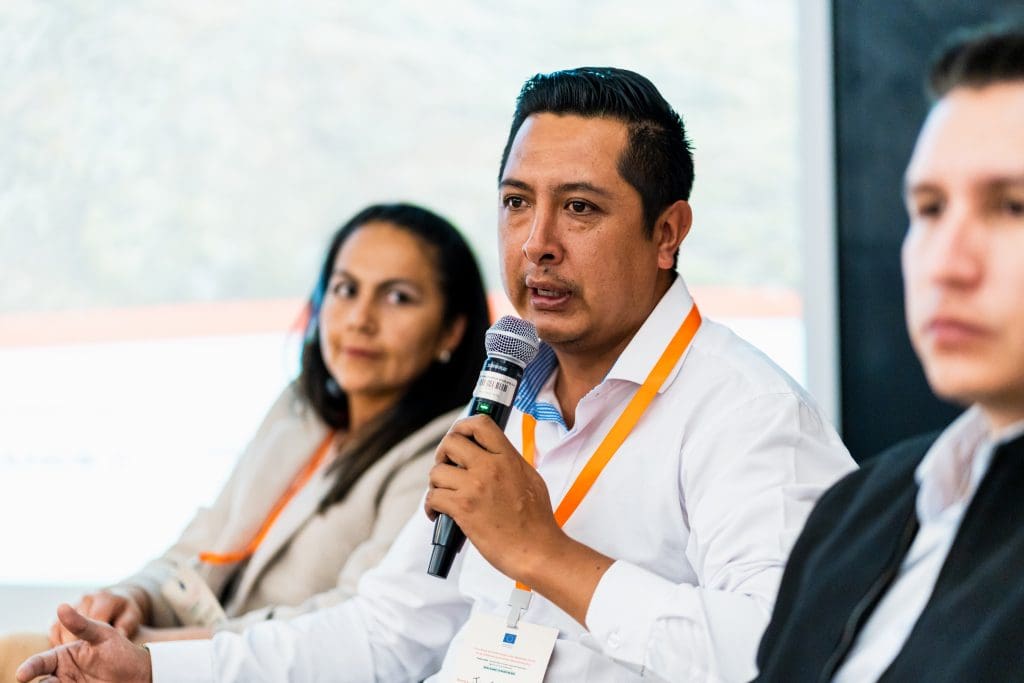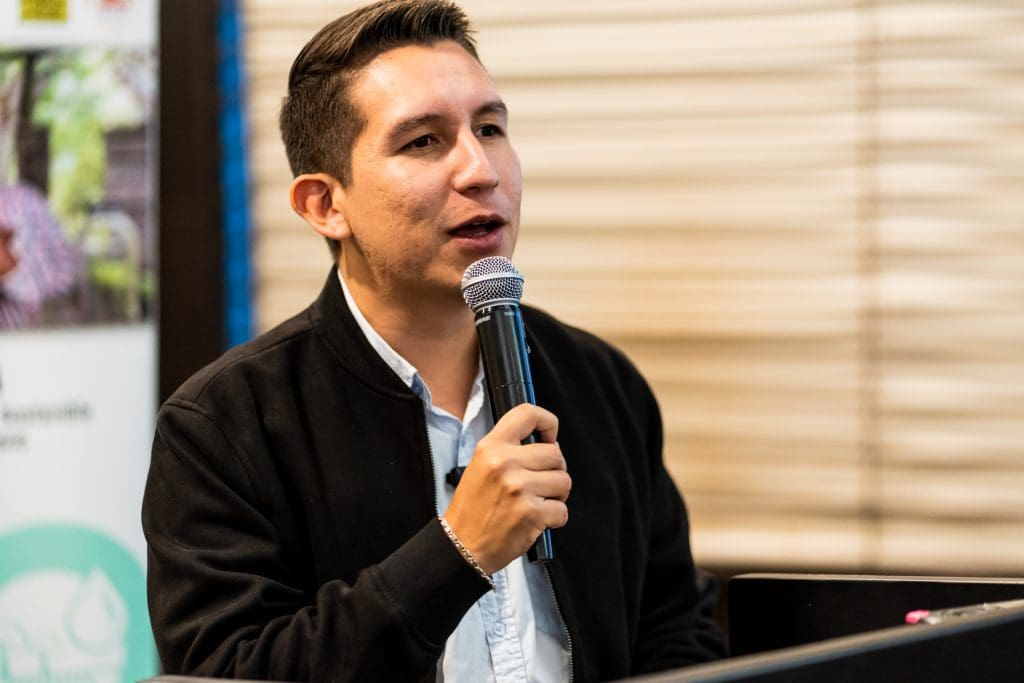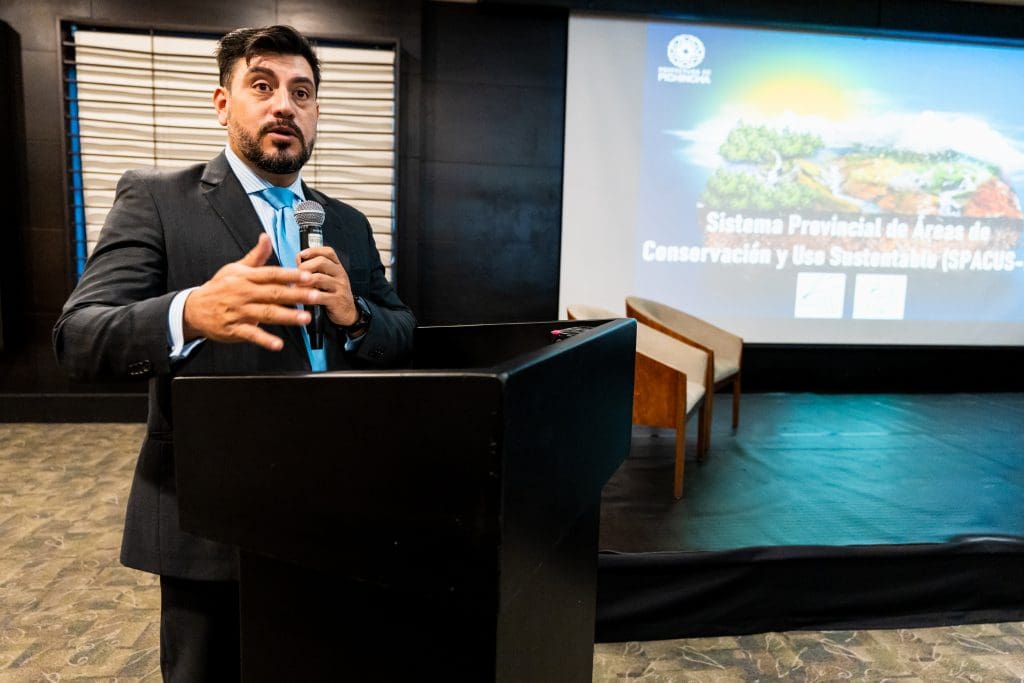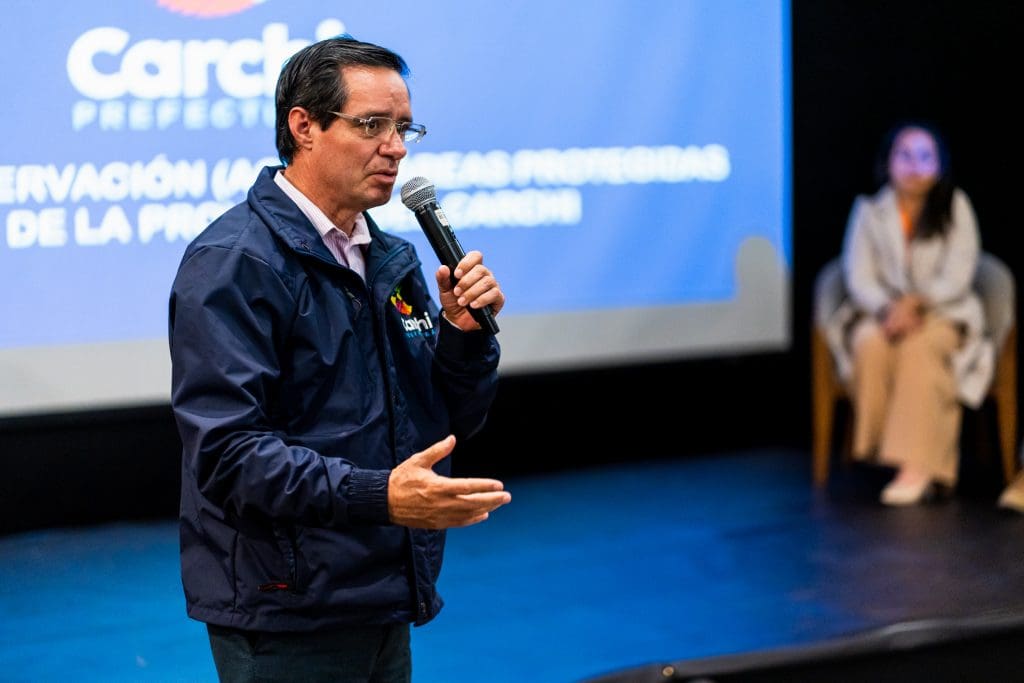
*“Conservar y usar de manera sostenible los ecosistemas estratégicos ecuatorianos es un objetivo fundamental para el país, esto solamente se puede lograr a través de la cooperación entre los diferentes actores institucionales y de la sociedad civil, que están comprometidos con el medioambiente y en la lucha contra el cambio climático. Este primer foro nacional es entonces una gran oportunidad para destacar los aprendizajes y construir sinergias, a partir del trabajo realizado por los gobiernos locales”* menciona Angelo Consoli, Encargado de programas América Latina y Referente Clima de la ONG francesa Acting for Life.
Un hito del I Foro de Áreas de Conservación y Uso Sostenible (ACUS) fue la presentación del **Mapa Nacional de Áreas de Conservación y Uso Sostenible (ACUS) de los Gobiernos Autónomos Descentralizados.** El mapa será una herramienta crucial para orientar los esfuerzos de conservación en el país y determinar las áreas que necesitan atención prioritaria.
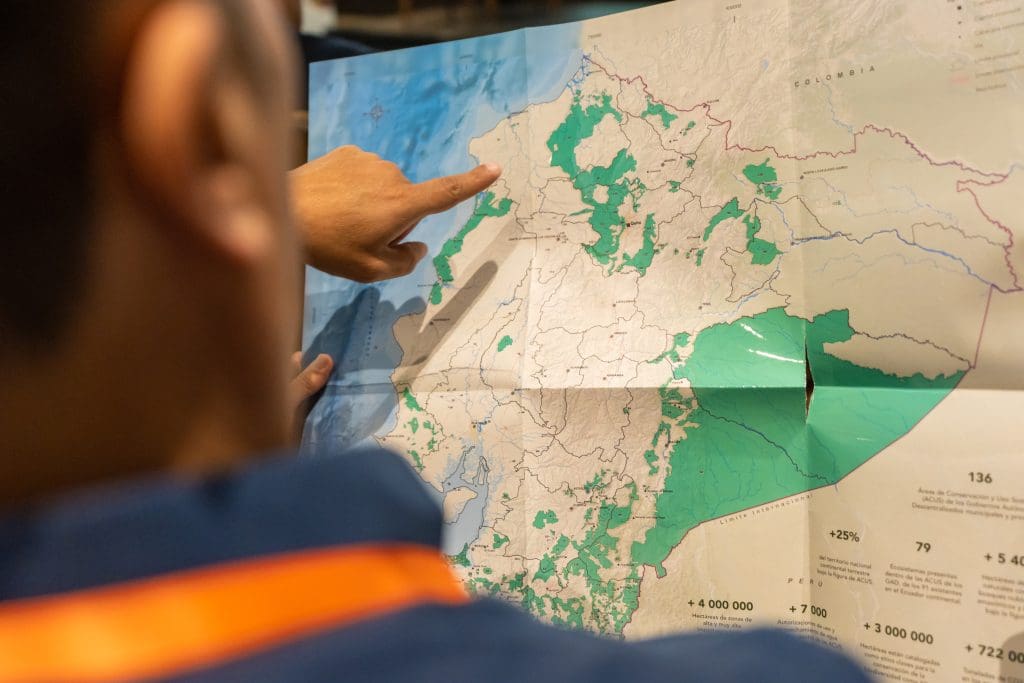El Mapa Nacional de ACUS es una herramiental crucial en la conservación del país. **Créditos:** Peacock Films
Visualiza el **Mapa Nacional de Áreas de Conservación y Uso Sostenible (ACUS) de los Gobiernos Autónomos Descentralizados aquí:** [**https://bit.ly/mapaacus**](https://bit.ly/mapaacus)
Felipe Serrano, director ejecutivo de NCI, menciona que uno de los objetivos del primer foro es impulsar un movimiento nacional que identifique y proteja los ecosistemas críticos para la conservación y el desarrollo del país. *“NCI, en colaboración con los GAD, ha trabajado durante más de 17 años para identificar y proteger estos sitios en sus jurisdicciones. La información recopilada en el mapa refleja este esfuerzo conjunto, proporcionando un inventario detallado de las ACUS en el país, junto con los instrumentos jurídicos y otros datos relevantes que destacan el valor de los GAD en la conservación”*, comentó.
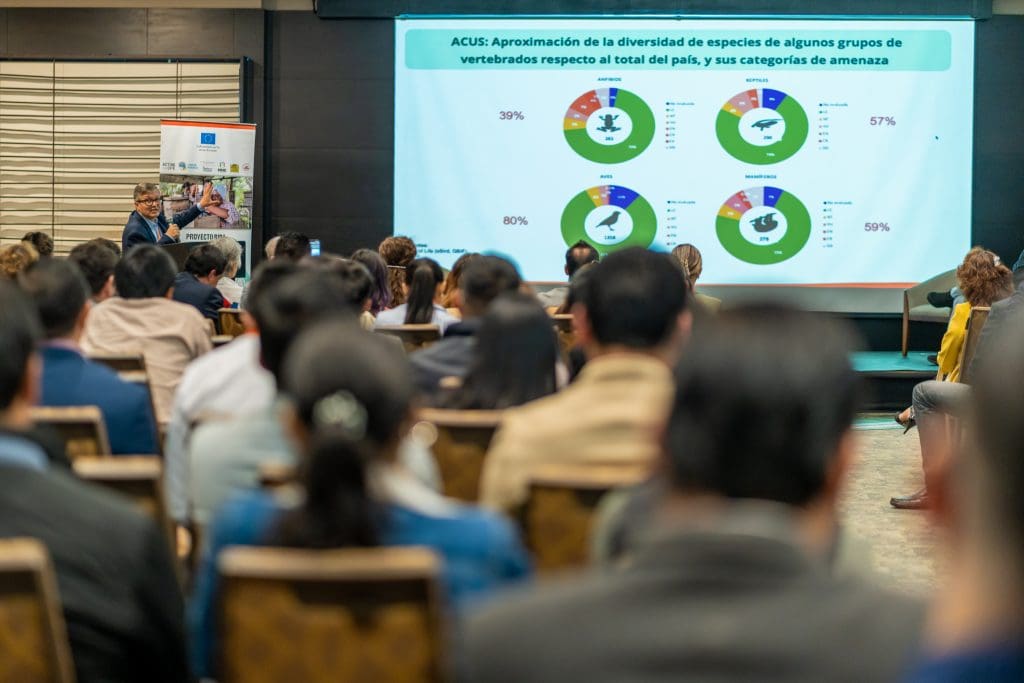Felipe Serrano, director ejecutivo de NCI, expone sobre la importancia de las ACUS para la conservación
**Créditos:** Peacock Films
En el evento además, se presentó el módulo de las ACUS dentro del GeoVisor del CONGOPE, que servirá como repositorio de información en tiempo real sobre las ACUS contando con sus ordenanzas, archivos cartográficos y planes de manejo que contribuirán a la planificación territorial.
Adicionalmente, se analizaron mecanismos de financiamiento para la gestión y manejo de las ACUS. Por su parte, el Ministerio de Ambiente, Agua y Transición Ecológica entregó reconocimientos a los GAD que han apoyado a la conservación de los ecosistemas proveedores de agua, biodiversidad y el uso sostenible de recursos naturales en el país a través del establecimiento de ACUS.
---
**Más información:**
**Nora Sánchez Luzardo**
Coordinadora de Comunicación Naturaleza y Cultura Internacional
+593 998215617
<nsanchez@naturalezaycultura.org>
**Aida Maldonado Quezada**
Comunicadora Naturaleza y Cultura Internacional
+593996359568
<amaldonado@naturalezaycultura.org>
**Tags:** Ecuador
**Strategic Area:** Bosques
**Country:** Ecuador
**Content Type:** Noticias
---
### [Las mujeres maijunas y su lucha por la reivindicación de su cultura e idioma](https://www.natureandculture.org/es/directorio/las-mujeres-maijunas-y-su-lucha-por-la-reivindicacion-de-su-cultura-e-idioma/)
**Published:** April 11, 2024
**Author:** Nora Sanchez
**Content:**
***En la cuenca del río Napo, espacio donde vive el pueblo indígena Maijuna, la necesidad de una educación que respete la lengua y cultura originarias, y la participación activa de las mujeres indígenas son deudas del Estado frente a una etnia en grave riesgo de extinción. Naturaleza y Cultura Internacional está acompañándolos en el fortalecimiento de la gobernanza territorial a través de su federación y con el protagonismo de las mujeres.***
“*Todos aprendíamos en maijɨki: los saludos al ingresar a un nuevo lugar, las despedidas para ir a dormir, para comer con los amigos o con la familia también. Desde los 8 años todo fue en maijɨki, gracias a mi padre y a mi madre*”, recuerda Dorcas Ríos Ushiñahua, profesora bilingüe reconocida por el Estado peruano del idioma originario del pueblo Maijuna. Esa situación fue hace más de tres décadas. Ahora Dorcas tiene 47 años y nada de lo que recuerda es igual.
Dorcas Ríos, profesora bilingüe reconocida por el Estado e integrante del comité de mujeres maijunas. Crédito: Milton L. Tarabochia/NCI.
La población maijuna vive a lo largo de la cuenca del Napo en 4 comunidades: Sucusari, Puerto Huamán, Nueva Vida y Totolla. Y de escuchar a todas las generaciones comunicarse en la lengua maijɨki, en la actualidad solo se tienen registrados 121 hablantes de este idioma originario, según la Base de Datos de los Pueblos Indígenas (BDPI) del Ministerio de Cultura. No es coincidencia que este mismo ministerio califique al maijɨki como una lengua en peligro de extinción.
Frente a dicha situación, en el último congreso anual de los Maijuna en diciembre del año pasado, Dorcas Ríos, junto a otras mujeres maijuna y la población asistente, agremiada en la Federación de Comunidades Nativas Maijunas (FECONAMAI), se organizaron con el objetivo de recuperar la práctica de la lengua maijɨki y los saberes maijunas que se han ido dejando desatendidos.
Naturaleza y Cultura Internacional (NCI) está acompañando a la federación Maijuna en una estrategia para el rescate de los saberes ancestrales con la identificación y sistematización de prácticas culturales a partir de entrevistas a los sabios y sabias, recolección y organización de bibliografía bilingüe producida en español – maijɨki; y el desarrollo de espacios de diálogo necesarios con otros actores vinculados a los servicios públicos con pertinencia cultural.
La Jefe de Proyecto y Responsable en Gobernanza Territorial de NCI, Jean Carla Rojas, coordina junto al comité de mujeres del pueblo maijuna. Crédito: Milton L. Tarabochia/NCI.
Pero, ¿cómo la recuperación de los saberes ancestrales en los pueblos indígenas puede ayudar en la conservación de los bosques? Desde el enfoque de NCI, trabajar con las federaciones indígenas, aquellas figuras de gobierno de los pueblos mediante la cual se ejerce gobernanza de los bosques y los recursos naturales, es una apuesta al reconocimiento de sus derechos y prácticas consuetudinarias, aquellas que han permitido mantener el bosque en pie, a pesar de las amenazas que subsisten.
En el contexto de nuestra intervención en la zona del área de conservación regional “Maijuna Kichwa” en el río Napo, la FECONAMAI se encuentra conformada por toda la población maijuna, que incluye cuatro comunidades únicamente. La federación está identificada con su territorio fuertemente. Es por eso que mientras se tenga una federación activa que ejerza control, se tendrá un territorio protegido.
Paisaje del ACR Maijuna Kichwa
*“Al trabajar con las comunidades nativas en el rescate de sus conocimientos, no solo significa reconstruir su historia, sino también recuperar sus prácticas ancestrales de caza, pesca, agricultura y demás, todas estas actividades productivas no solo ayudaban a la sobrevivencia del pueblo, sino que lo hacían sin afectar a la naturaleza, es decir, de manera sostenible”*, explica Alejandro Barrios, responsable de actividades productivas y vigilancia comunitaria en el equipo de NCI en Loreto.
### **Una maestra dedicada a su pueblo**
No es coincidencia que en Sucusari la federación haya identificado a Dorcas como una de las cuatro mujeres líderes. Desde hace 10 años Dorcas se dedica a la docencia de la lengua maijɨki. Todo comenzó en el 2013, recuerda, cuando los investigadores sociales Christine Beier y Leo Michael de la Universidad de Berkeley – California, visitaron las comunidades nativas Maijuna. Los investigadores de Estados Unidos la convocaron como profesora para recuperar los saberes maijunas.
*“En ese año (2013) ya no había maestros maijunas. Solo estaban los mayores que hablaban para comunicarse entre ellos, pero ya no escribían maijɨki. En el 2014 decidimos recuperar nuestro idioma y cultura. (Los jóvenes) deben saber qué letras usar y qué expresiones. Por eso es que ahora en el 2024 nos estamos organizando todas las comunidades para mejorar las escuelas con nuestra cultura”*, menciona Dorcas.
En un papelógrafo, el comité de mujeres escribe cuáles serán sus actividades a lo largo del año 2024. Crédito: Milton L. Tarabochia/NCI.
*“Necesitamos hacer la señalización para que los niños se acostumbren a nombrar las cosas en idioma indígena. Así irán aprendiendo, también queremos hacer un listado de plantas medicinales para que las nuevas generaciones no se olviden de nuestros saberes”*, agrega Dorcas.
---
**Más información:**
Milton López
**Comunicador Nanay Tigre**
<mlopez@naturalezaycultura.org>
**Tags:** Personas, Perú
**Strategic Area:** Comunidades Locales
**Country:** Perú
**Content Type:** Blog
---
### [Un anfibio fascinante que revela los secretos de la biodiversidad ](https://www.natureandculture.org/es/directorio/un-anfibio-fascinante-que-revela-los-secretos-de-la-biodiversidad/)
**Published:** March 20, 2024
**Author:** Nora Sanchez
**Content:**
En las áridas tierras de la costa del Pacífico, se encuentra una especie de anfibio verdaderamente fascinante: **el Sapo Bocón del Pacífico (*Ceratophrys stolzmanni*)** de la familia Ceratophryidae. Este sapo habita en los ecosistemas de matorral seco y bosque deciduo en el suroccidente de Ecuador, específicamente en las provincias de Manabí, Santa Elena, Guayas y El Oro.
Durante gran parte del año, estos sapos permanecen bajo tierra en hibernación conocida como estivación. Sin embargo, cuando llega la temporada de lluvias, entre los meses de enero y marzo, el Sapo Bocón del Pacífico emerge de su letargo. Este fenómeno se debe a su necesidad de reproducirse y aprovechar las condiciones óptimas para su supervivencia.
El Sapo Bocón emerge en temporada de lluvias. \| Créditos: Daniel Sanmartín
Dotado de una poderosa mandíbula, este sapo presenta una dieta diversa. Su menú incluye otros anfibios, serpientes del género *Leptodeira,* insectos, caracoles, arañas y ciempiés.
En febrero de 2024, gracias a las precipitaciones en el cantón Zapotillo, ubicado en la provincia de Loja, se volvió a observar al Sapo Bocón del Pacífico en la Reserva Natural Cazaderos y en la Reserva Municipal Los Guayacanes. Es relevante mencionar que el cantón Zapotillo es el único lugar de la provincia de Loja donde se ha registrado la presencia de esta especie.
Sin embargo, según la lista roja de anfibios del Ecuador, el estado de conservación de esta especie es Vulnerable. Esto resalta la importancia de proteger y conservar su hábitat para garantizar su supervivencia.
Créditos: Daniel Sanmartín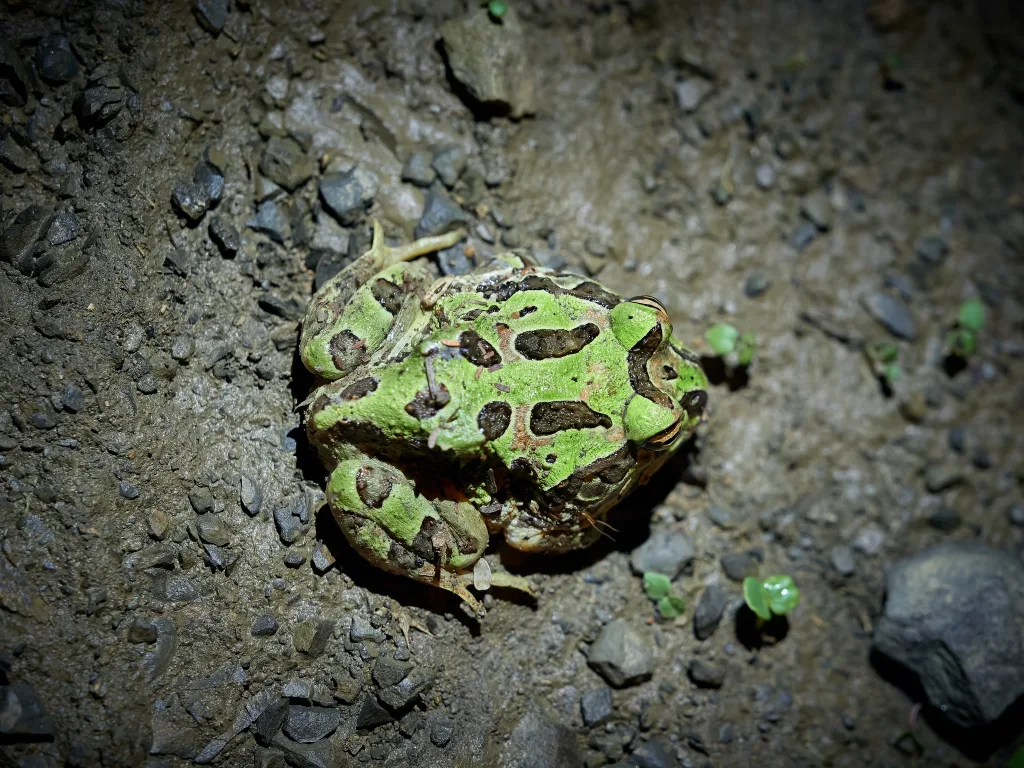Créditos: Daniel Sanmartín
Desde los paisajes costeros hasta los bosques secos, el Sapo Bocón del Pacífico nos invita a adentrarnos en su fascinante mundo. Nos enseña la importancia de adaptarse a los cambios y aprovechar los momentos oportunos para prosperar.
Su historia nos recuerda que cada criatura desempeña un papel vital en el entramado de la naturaleza.
---
Reserva Cazaderos
**La Reserva Natural Cazaderos**, ubicada en la parroquia Cazaderos, cantón Zapotillo de la provincia de Loja, se convierte en un escenario clave para la conservación de esta especie única. Con una extensión de 4 925,74 hectáreas, esta reserva ha sido incorporada al Sistema Nacional de Áreas Protegidas y se encuentra en el corazón de uno de los remanentes de Bosque Seco Tropical más grandes y mejor conservados del Ecuador.
Más información aquí: [Reserva Natural Cazaderos protege remanente de bosque seco tropical](https://www.natureandculture.org/es/directorio/la-reserva-natural-cazaderos-protege-uno-de-los-remanentes-del-bosque-seco-tropical-mas-importantes-del-ecuador/)
La Fundación Naturaleza y Cultura Ecuador, en colaboración con gobiernos locales y la comunidad, establece estrategias de conservación para proteger este valioso ecosistema y las especies representativas que alberga. Entre ellas se encuentran los majestuosos Guayacanes, el imponente cocodrilo (*Crocodylus acutus*), el llamativo mono aullador (*Alouatta palliata*) y, por supuesto, el icónico Sapo Bocón del Pacífico.
Mono aullador (*Alouatta palliata*) \| Créditos: Daniel Sanmartín
---
**Más información:**
Aida Maldonado
**Comunicadora Ecuador**
<amaldonado@naturalezaycultura.org>
**Tags:** Biodiversidad, Ecuador, FUNACE, Reservas naturales
**Strategic Area:** Biodiversidad
**Country:** Ecuador
**Content Type:** Blog
---
### [Simposio ecuatoriano-alemán: 27 años de cooperación ](https://www.natureandculture.org/es/directorio/simposio-ecuatoriano-aleman-27-anos-de-cooperacion/)
**Published:** March 18, 2024
**Author:** Nora Sanchez
**Content:**
El Programa de la Fundación Alemana de Investigación, DFG-RESPECT, en el sur del Ecuador cuenta con una trayectoria de más de dos décadas de exitosa cooperación entre instituciones académicas alemanas y ecuatorianas. RESPECT, es un programa multidisciplinario que estudia la funcionalidad del bosque tropical de montaña. Esta colaboración ha generado logros significativos en el desarrollo de capacidades, destacando la formación de investigadores que han contribuido al avance del conocimiento en diversos campos.
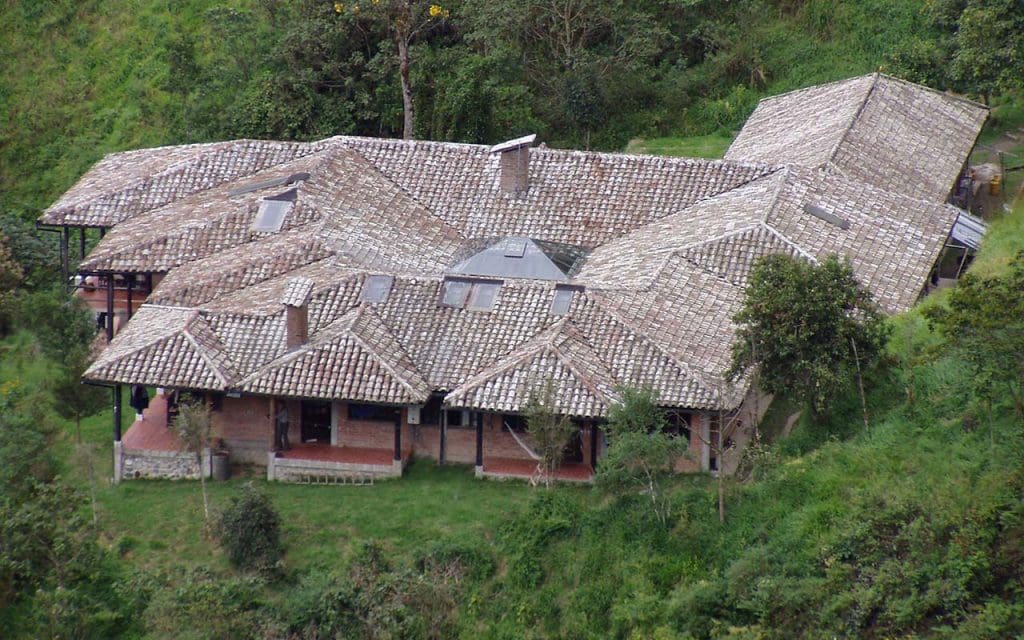Estación Científica San Francisco
Esta cooperación se remonta a los años 80 y 90, cuando hubo un interés mundial por los bosques tropicales. Científicos de universidades alemanas, al conocer el Parque Nacional Podocarpus y sus alrededores, se entusiasmaron con los bosques tropicales de montaña, generando un alto interés en responder múltiples preguntas relacionadas con la ecología de estos bosques. Esto condujo a la creación de la Estación Científica San Francisco en el lugar actual.
La DFG se vinculó con Naturaleza y Cultura Internacional por el interés de científicos alemanes en sitios excepcionales en el planeta por su diversidad biológica, endemismo, calidad de hábitats y retos de la investigación científica de aquel tiempo. En 1997, la DFG y universidades alemanas y ecuatorianas iniciaron un programa de investigación en la Estación Científica San Francisco.
En 2007, ampliaron su capacidad de producción científica para comprender los componentes y procesos del ecosistema bosque tropical de montaña. Los investigadores también estudian posibles estrategias de uso sostenible del suelo y desarrollan modelos para la evaluación de diversos escenarios de conservación, cambio climático y desarrollo. Posteriormente, este interés se trasladó a los Bosques Secos, lo que llevó al establecimiento de la Estación Laipuna en el Bosque Seco en Macará, en 2003; administrada actualmente por Naturaleza y Cultura Internacional.
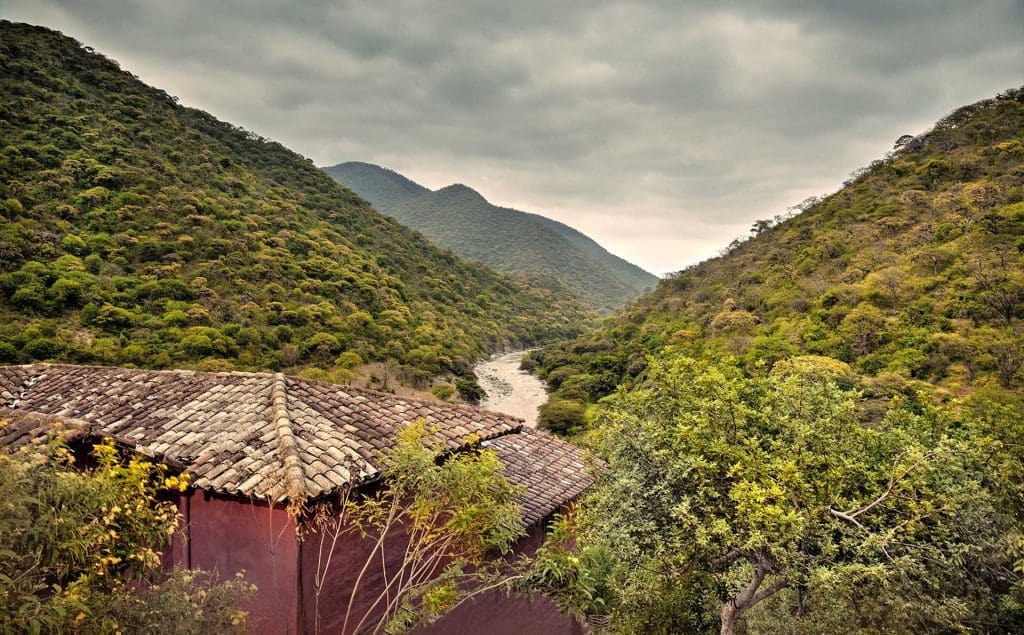Vista desde la Reserva Laipuna
Los principales resultados de este programa, según el director ejecutivo de Naturaleza y Cultura Internacional, Felipe Serrano, se reflejan en la abundante información científica sobre las ciencias básicas del bosque tropical de montaña y de los bosques secos. Además, Serrano señala que los resultados están en centenas de publicaciones científicas en revistas de alto impacto y publicaciones más populares dirigidas a los tomadores de decisiones en el país.
El Dr. Jürgen Homeier, investigador RESPECT, destaca que los resultados son visibles en las universidades de la región, con muchos investigadores ecuatorianos que regresaron con sus experiencias en universidades alemanas y siguen trabajando en el país.
DFG-RESPECT ha permitido la formación de más de 50 PhD ecuatorianos, en múltiples ramas de las ciencias naturales, científicos locales de las principales universidades del sur del país.
Además, esta cooperación ha dado lugar a grandes proyectos de investigación, publicaciones científicas y mejoras en la infraestructura universitaria. Ha promovido una cultura de acogida en Ecuador, evidente en iniciativas como simposios e intercambios científicos, fortaleciendo los lazos entre instituciones e investigadores y contribuyendo al avance científico y la comprensión de los ecosistemas tropicales secos y de montaña.
El simposio programado para el 21 y 22 de marzo de 2024 en la UTPL (aula Magna) será un evento destacado que mostrará los resultados de estas investigaciones, promoviendo el intercambio científico entre universidades alemanas y ecuatorianas en todos los niveles académicos. El tema de este simposio es: “Ecología de los bosques lluviosos y secos del Ecuador”.
Asiste al evento y obtén tu certificado de participación.
Enlace de inscripción y agenda: <https://eventos.utpl.edu.ec/ecologia-de-los-bosques-lluviosos-y-secos-del-sur-del-ecuador>
---
**Para más información:**
Aida Maldonado Quezada
**Comunicadora Ecuador**
<amaldonado@naturalezaycultura.org>
**Tags:** Ecuador
**Strategic Area:** Bosques
**Country:** Ecuador
**Content Type:** Evento
---
### [El florecimiento de los Guayacanes: Un espectáculo único en el Bosque Seco del sur de Ecuador](https://www.natureandculture.org/es/directorio/el-florecimiento-de-los-guayacanes-un-espectaculo-unico/)
**Published:** January 5, 2024
**Author:** Nora Sanchez
**Content:**
En el sur de Ecuador se encuentra el bosque seco, un ecosistema que toma su nombre debido a una larga estación seca que puede durar de cuatro a nueve meses en comparación con las estaciones lluviosas. Este tesoro natural alberga un evento maravilloso y único: el conmovedor florecimiento de los Guayacanes. Cada año, al iniciarse la temporada invernal, por lo general en enero, este bosque se transforma en un espectáculo de colores y fragancias que cautiva los sentidos y deja una huella imborrable en quienes tienen la oportunidad de vivirlo.

Para presenciar este fenómeno natural, es necesario adentrarse en las parroquias Bolaspamba, Mangahurco y Cazaderos, que forman parte de la Mancomunidad Los Guayacanes. En estas comunidades se considera al bosque seco como un tesoro compartido, un hogar que merece ser protegido y valorado. Por esta razón, desde junio de 2021, han dado un paso trascendental para la gestión y administración de sus territorios, trabajando en conjunto con la población y las autoridades locales.
### **Juntos, para conservar el territorio de la Mancomunidad**
Actualmente, la Mancomunidad Los Guayacanes implementa un modelo de gestión sostenible del territorio, con el apoyo técnico de organizaciones como Naturaleza y Cultura Internacional (NCI) y Fundación Naturaleza y Cultura (FUNACE), así como el financiamiento del BOS+ y Andes Amazon Fund. Este enfoque busca aprovechar los atractivos de la Mancomunidad, incluyendo el florecimiento de los Guayacanes, al tiempo que se protege y conserva este valioso ecosistema.
El bosque seco de la Mancomunidad Los Guayacanes es uno de los remanentes mejor conservados y más extensos del bosque seco tropical en Ecuador. Junto con los bosques peruanos, forma el bloque más representativo de flora y fauna de la región tumbesina.
### **Más que el florecimiento de Guayacanes**
En esta zona, donde florecen los Guayacanes, también se encuentran otras especies emblemáticas como el cocodrilo (*Crocodylus acutus*), el puma (*Puma concolor*), el mono aullador (*Alouatta palliata*) y una variedad de aves migratorias y endémicas. Además, la diversidad de flora tumbesina añade un toque de color y belleza a este ecosistema, que nos recuerda la importancia de conservar, proteger y cuidar nuestro planeta y sus tesoros, como el maravilloso florecimiento de los Guayacanes.

La magnífica biodiversidad de esta región puede ser explorada y conocida. Sin embargo, es esencial comprender su verdadero valor para protegerla adecuadamente. Durante muchos años, la madera del guayacán fue explotada en la industria maderera, lo que tuvo graves consecuencias, como la deforestación y la tala indiscriminada. En la actualidad, muchas especies que coexisten en este ecosistema están en diferentes categorías de amenaza y enfrentan el inminente riesgo de extinguirse. Por tanto, es fundamental trabajar de manera conjunta para conservar, preservar y utilizar de forma sostenible este valioso patrimonio natural.
Es importante destacar que, en el año 2014, la UNESCO declaró Reserva de Biosfera Bosque Seco a los territorios de los cantones de Celica, Macará, Pindal, Paltas, Puyango y Zapotillo, pertenecientes a la provincia de Loja, así como el cantón Las Lajas de la provincia de El Oro. El territorio de la Mancomunidad Los Guayacanes también forma parte de la Reserva de la Biosfera Transfronteriza Bosques de Paz.
### **La influencia del cambio climático en el florecimiento de los Guayacanes del 2024**
El florecimiento de los Guayacanes alcanzará su máximo esplendor los días sábado 6 y domingo 7 de enero del 2024, lo que representa una oportunidad única para visitar este hermoso lugar y ser testigo de este espectáculo natural.

Sin embargo, es importante mencionar que los efectos del cambio climático, como el fenómeno del niño, han influido en la floración de este evento maravilloso. Las comunidades locales indican que, debido a las irregularidades del clima, en el 2023 ha habido tres eventos de florecimiento de los guayacanes: febrero, agosto y diciembre. Por lo que la floración del año 2024 no se ha presentado en todo su esplendor.
---
**Más información:**
Aida Maldonado
**Comunicación Ecuador**
<amaldonado@naturalezaycultura.org>
**Strategic Area:** Bosques
**Country:** Ecuador
**Content Type:** Noticias
---
### [A Unique Horned Frog Emerges for the Rainy Season](https://www.natureandculture.org/directory/a-unique-horned-frog-emerges-for-the-rainy-season/)
**Published:** March 27, 2024
**Author:** Heather Thomas
**Content:**
In the tropical dry forests of southern Ecuador, the unique Pacific Horned Frog *(Ceratophrys stolzmanni)* was observed during its brief emergence during the region’s rainy season in our Cazaderos Reserve. Nature and Culture technician, Daniel Sanmartín, photographed this rare occurrence, capturing the unique look of this carnivorous frog.
These frogs typically remain underground in a hibernation-like state called estivation for much of the year. However, with the onset of the rainy season, usually between January and March, they awaken to reproduce while taking advantage of the more favorable wet conditions.
The Pacific Horned Frog emerges during the rainy season. \| Credits: Daniel Sanmartín
Found among the arid landscapes of the South American Pacific coast, the Pacific Horned Frog is a captivating amphibian belonging to the Ceratophryidae family. This species is recognized for its large head and gaping mouth. Endowed with a powerful jaw, this frog consumes a diverse diet, including other amphibians, rodents, snakes of the genus Leptodeira, insects, snails, spiders, and centipedes.
### **Centralized habitat on the Pacific Coast of South America**
Its natural habitat is dry shrubland and deciduous forest ecosystems in southwestern Ecuador, specifically in the provinces of Manabí, Santa Elena, Guayas, and El Oro. However, according to the Red List of Amphibians of Ecuador, the conservation status of this species is listed as “Vulnerable” and their habitats are increasingly fragmented due to human activities. This highlights the importance of protecting and conserving its habitat to ensure its survival.
### **Species monitoring in the Cazaderos Reserve**
Located in the Zapotillo region of Loja, the Cazaderos Reserve, managed by Nature and Culture, serves as a crucial site for safeguarding the conservation of this rare species. This February when the rains began, several sightings occurred in the Zapotillo region of Loja, Ecuador in both the Cazaderos Reserve and the Los Guayacanes Municipal Reserve. The Zapotillo region is the only place within the province of Loja where this species has been recorded. The reserve spans over 12 thousand acres and last year was incorporated into the National System of Protected Areas. It is situated in the heart of one of the largest and best-preserved remnants of the Tropical Dry Forest in Ecuador.
Credits: Daniel SanmartínCredits: Daniel Sanmartín
The Pacific Horned Frog offers an opportunity to explore its fascinating world. Its story underscores the importance of every creature’s role within the complex ecosystem of nature.
Pretino Tree in Nature and Culture’s Cazaderos Reserve.
Read more about the Cazaderos Reserve [here](https://www.natureandculture.org/directory/cazaderos-nature-reserve/).
The Nature and Culture Foundation Ecuador, in collaboration with local governments and the community, establishes conservation strategies to protect this valuable ecosystem and the representative species it harbors. Among them are the[ majestic Guayacan trees](https://www.natureandculture.org/directory/guayacanes-in-bloom/), the imposing American crocodile *(Crocodylus acutus)*, the striking howler monkey *(Alouatta palliata*), and, of course, the iconic Pacific Horned Frog.
Howler monkey *(Alouatta palliata*) \| Credits: Daniel Sanmartín
**Tags:** Biodiversity, Conservation, Ecuador, Frog, Protected Area, species
**Strategic Area:** Biodiversity
**Country:** Ecuador
**Content Type:** Blog
---
### [The Ikitu people and the path to reclaiming their culture ](https://www.natureandculture.org/directory/the-ikitu-people-and-the-path-to-reclaiming-their-culture/)
**Published:** March 14, 2024
**Author:** Heather Thomas
**Content:**
In the heart of the Peruvian Amazon Rainforest lies the community of the Indigenous Ikitu people. Nature and Culture International has established a longstanding relationship with this community located east of the capital city of Loreto, Iquitos. Recently, Milton López, a local communicator for Nature and Culture, journeyed to speak with Marcelo Inuma, the great-grandson of the last chief of the Ikitu people.
According to Peru’s Ministry of Culture, there are just 693 Indigenous Ikitu individuals left in all of Peru. An elder from the Ikitu community lamented that since the passing of their last Kuraka, or chief, in 1940s, the Ikitu have gradually lost touch with their identity and traditional customs due to the encroachment of loggers and land traffickers. Today, they are striving to reclaim their heritage through the strengthening of local organizations and community governance. Nature and Culture International is backing their initiative to revitalize their culture.
While gathering the last irapay leaves for the new hut that will house an Ikitu statue, Marcelo Inuma, an elder from the San Antonio de Pintuyacu Native Community shares, “I am of Ikitu descent; my great-grandfather was Súkani. He was a very powerful man. Invincible.” The sculpture has been part of the community since 1987, but it was abandoned and began deteriorating due to exposure from the elements. Building a hut for the sculpture marks the beginning of a series of activities through which the Ikitu people are striving to reclaim their Indigenous identity in San Antonio.
Preserving cultural heritage for indigenous communities is integral to our conservation efforts. It is essential for building community resilience to encroaching extractive activities and the effects of climate change. It helps to sustain biodiversity, maintain ecological balance, and promote sustainable resource management because Indigenous communities possess traditional knowledge and practices that have been developed over generations for living in harmony with their natural environment.
### **The Ikitu and a colonialist past**
Marcelo Inuma recalls his ancestry as the great-grandson of the last kuraka of the Amazonian Indigenous Ikitu people. According to the Ministry of Culture’s Indigenous Peoples Database, the Ikitu inhabited the Nanay, Pintuyacu, and Chambira river basins in the Loreto region for centuries. However, in the 17th and 18th centuries, Jesuit missionaries forced them to evangelize. Between 1740 and 1767, their populations were consolidated into eight designated settlements or missions. One of these concentrated settlements was San Pablo del Napeano, later known as the Settlement of the Ikitu, which eventually lent its name to the present-day capital of Loreto, Iquitos.
In 2022, Nature and Culture backed the development of a bilingual graphic novel (in Spanish and Ikitu) titled “The Last Kuraka.” The comic tells the tale of Súkani, the renowned leader of the Ikitu people who was captured by colonial traffickers aiming to take control of their land.
View “El último Karaka” [here](https://www.natureandculture.org/ikiitucomic/).
### **A cultural revival of the Ikitu**
“We planned to build this hut as a community. The statue of César Paico is already here; we had it, but it was abandoned. Now that the hut is built, we are going to place the statue beneath it, for everyone to see. Here, people can also rest, this little shelter is going to have all the comforts for our community,” adds Marcelo Inuma, who was also a community leader or “apu” of San Antonio, situated in the Pintuyacu basin.
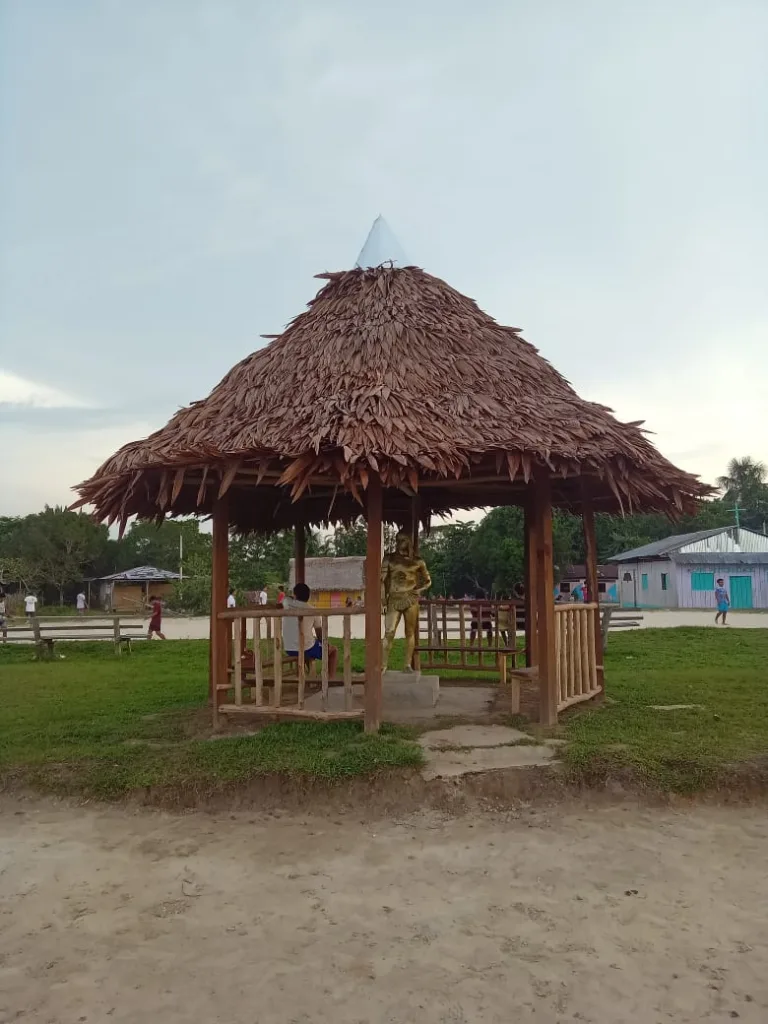Hut that shelters the Ikitu statue.
Confronted with the loss of their ancestral knowledge, the elders and leaders of the Ikitu community in San Antonio, along with their political representatives, decided to form a Culture Committee. Marcelo Inuma is a member of this committee, tasked with the important responsibility of gathering and preserving songs and cultural artifacts. In doing so, he plays a role in revitalizing the rich cultural legacy passed down by his great-grandfather, Súkani.
Other members of the committee include Inés Pacaya Inuma (Historian); Silvia Díaz Saboya (Dance and Traditional Clothing); and Nelson Pacaya Inuma (Bilingual Hand-Lettering Specialist).
Nature and Culture collaborated with the Culture Committee to create a comprehensive plan aimed at reclaiming Ikitu culture and reinvigorating the use of their language. This plan includes various strategies to ensure that the entire community embraces the Ikitu language and culture once more. These strategies involve organizing instructional workshops, providing bilingual teachers and Ikitu learning materials to the community’s children to help them become proficient in their native language, and broadcasting radio programs about their people to raise awareness of their cultural significance among the population of Loreto.
In the long journey of recovering Ikitu knowledge in San Antonio, the responsibility falls not only on the Culture Committee but also on the entire community. For example, another advocate for Ikitu culture is César Paico Llona, who, at 17 years old, served as the model for the very sculpture now housed in the hut. Crafted by artist Felipe Lettersten in 1987, the sculpture symbolizes the community’s dedication to preserving their heritage.
César Paico Llona next to the statue made in his likeness.
### **Ancestral knowledge for future generations**
Despite being one of the most recognized Indigenous groups in the Peruvian Amazon, the Ikitu population is still among the most vulnerable and least populous. The situation is compounded by the fact that very few people speak their language. According to a national census from 2017, only 519 individuals reported speaking the Ikitu language.
However, this was not always the case. In the year the Ikitu statue was built, the situation was different. “We’re talking about 1987. More people spoke Ikitu back then. San Antonio was much smaller, the area behind it was not inhabited, and the main port that exists today did not exist, nor did the staircases; they were elsewhere. It was common knowledge that there was a statue and that it was tucked away. Originally, I personally erected it to be at the port,” recalls César Paico.
On October 12th of last year, Nature and Culture supported the Fourth Amazonian Ancestral Knowledge Gathering in Iquitos, an event that brought together elders from seven Indigenous Peoples of Loreto. At this gathering, Marcelo Inuma and his niece Margarita Beuzeville were present and the Ikitu elder shared his story: “I come from a mother who spoke Ikitu and understood Spanish, and grandparents who spoke Ikitu exclusively. My grandfather never spoke Spanish. I was raised speaking the language and using natural medicines with them. No one was ever lacking during their “minga” (collective work). Everyone shared.”
Currently, in the Ikitu village, only two wise men are recognized by the Peruvian state. “But they are already old; they are over 70 years old. I am left as the only wise man and interpreter-translator of this language. I write, speak, translate. What we want is to revitalize all these customs we had before, and for me not to be alone,” concludes the wise Marcelo Inuma.
Communal authorities and Ikitu wise men hope that with the realization of the various mentioned activities such as teaching Indigenous culture and language, the production of bilingual materials, and the revitalization of the language through radio transmission, Peru and the world will learn about the existence and importance of the Ikitu in the past, present, and future of national history.
**Strategic Area:** Local Communities
**Country:** Peru
**Content Type:** Blog
---
### [Los Ikitu y su lucha por recuperar su historia](https://www.natureandculture.org/es/directorio/los-ikitu-y-su-lucha-por-recuperar-su-historia/)
**Published:** March 11, 2024
**Author:** Nora Sanchez
**Content:**
*En todo el Perú, solo 693 personas pertenecen al pueblo indígena Ikitu, según información del Ministerio de Cultura. Desde la pérdida de su último kuraka\* en 1940, los Ikitu han ido olvidando su identidad y prácticas culturales debido a la invasión de traficantes de madera y tierras, según recuerda uno de sus sabios. En la actualidad, autoridades comunales, sabios y sabias están intentando rescatar lo perdido a través de sus propias organizaciones locales y representativas. Naturaleza y Cultura Internacional los está apoyando en esta iniciativa de revitalizar su cultura.*
*\*Kuraka: líder máximo que gobernaba sobre los Ikitu y sus territorios ancestrales a lo largo de las cuencas del Nanay, Pintuyacu y Chambira.*
*“Soy de descendencia Ikitu, mi bisabuelo fue Súkani. Él fue un hombre muy poderoso. Invencible*”, cuenta Marcelo Inuma, sabio de la Comunidad Nativa San Antonio de Pintuyacu, mientras junto a comuneros está terminando de recoger las hojas de irapay para techar la nueva caseta para la estatua Ikitu. La escultura la tienen desde 1987, pero permanecía abandonada y comenzó a deteriorarse por la inclemencia de la lluvia y el sol. La construcción de una caseta para la escultura es solo la cima de una serie de actividades en la que el pueblo Ikitu, junto a Naturaleza y Cultura Internacional (NCI), han estado trabajando con el fin de recuperar la identidad indígena en San Antonio.
### **Los ikitu y su pasado de colonialismo**
Marcelo Inuma recuerda que es bisnieto del último kuraka de la etnia amazónica de los Ikitu. Según información de la Base de Datos de Pueblos Indígenas del Ministerio de Cultura, por siglos, los Ikitu vivieron a lo largo de las cuencas de los ríos Nanay, Pintuyacu y Chambira de la región de Loreto. Durante los siglos XVII y XVIII, la Orden Jesuita tomó contacto forzoso con ellos para evangelizarlos, hasta reducirlos a 8 misiones entre los años 1740 y 1767. Una de esas reducciones fue San Pablo del Napeano, que luego pasaría a llamarse popularmente como Caserío de los Ikitu. Por eso el nombre actual de la capital de Loreto, Iquitos.
En 2022, Naturaleza y Cultura Internacional apoyó la iniciativa de un grupo de sabios para realizar un cómic bilingüe (español – ikitu) que relata de manera gráfica la historia de Súkani, el líder histórico ikitu fue apresado por traficantes colonialistas para apoderarse de su territorio. Se llamó “El último kuraka”.
Descarga “El último Karaka” [aquí.](https://www.natureandculture.org/es/ikiitu-el-ultimo-karaka/)
### **El renacer cultural de los Ikitu**
*“Habíamos planificado como comunidad hacer una caseta. Ya está aquí la estatua de César Paico, la teníamos, pero abandonada. La caseta ya está construida y vamos a colocar ahí a la estatua, para que todos puedan mirarla. Para que también puedan tomar un descanso porque esta casita va a tener todas las facilidades para nuestro pueblo”,* agrega Marcelo Inuma, quien también fue líder comunal o apu de San Antonio, ubicada en la cuenca del Pintuyacu.
Caseta que resguarda la estatua Ikitu
Frente al abandono de los saberes ancestrales, los sabios y las sabias Ikitu de San Antonio, así como sus autoridades políticas decidieron escoger a su nuevo comité de cultura. Justamente Marcelo Inuma lo integra y tiene como responsabilidad la recopilación y registro de los cantos y materiales culturales. De alguna manera recoge la gran herencia cultural que le legó su bisabuelo Súkani.
Otros integrantes del comité cultural son Inés Pacaya Inuma (Historiadora); Silvia Díaz Saboya (Danzas y Vestimentas) y Nelson Pacaya Inuma (Rotulista bilingüe).
Naturaleza y Cultura Internacional acompañó al comité cultural en la elaboración del plan de trabajo para la recuperación de la cultura Ikitu y la revitalización del uso de su lengua, el cual tiene los siguientes objetivos: lograr que la comunidad entera vuelva a apropiarse de la lengua y cultura Ikitu mediante clases de aprendizaje; que los niños y niñas siempre tengan profesores bilingües ideales y materiales de aprendizaje Ikitu para que dominen el idioma originario; darse a conocer mediante transmisiones radiales sobre su pueblo, para que así la población loretana sea consciente de su presencia cultural.
En la larga jornada de la recuperación de saberes Ikitu en San Antonio, no solo trabajará el comité de cultura, sino que será una responsabilidad de toda la comunidad. Por ejemplo, otro voluntario en favor de la cultura Ikitu es César Paico Llona, quien a sus 17 años fue el modelo de la misma escultura que ahora tiene una caseta. La escultura fue elaborada por el artista Felipe Lettersten en 1987.
César Paico Llona junto a la estatua hecha a su semejanza
### **Saberes ancestrales para el futuro**
La población Ikitu es uno de los pueblos indígenas más vulnerables y con menos población de la Amazonía peruana, pese a ser uno de los más representativos. Y si pensamos en hablantes de su lengua, la situación es más difícil. Según el último censo nacional del 2017, solo 519 personas han manifestado que hablan la lengua Ikitu.
Sin embargo, no siempre fue así, en el año en que la estatua Ikitu fue construida, la situación era diferente. “Estamos hablando de 1987. Había más gente hablando en Ikitu. San Antonio era mucho más pequeño, atrás no estaba poblado y el puerto principal de ahora no existía ni las escalinatas, estaban en otro lado. Era muy conocido de que tenía una estatua y que estaba arrinconada. Yo mismo la había levantado en un inicio para que esté en el puerto”, recuerda César Paico.
El 12 de octubre del año pasado, Naturaleza y Cultura apoyó la realización del IV Encuentro de Saberes Ancestrales Amazónicos en la ciudad de Iquitos, un evento que reunió a sabios y sabias de siete pueblos originarios de Loreto. En dicho encuentro Marcelo Inuma junto a su sobrina Margarita Beuzeville estuvieron presentes. Entonces el sabio Ikitu contó su historia: “Yo vengo de una madre hablante, que entendía el español, y de abuelos hablantes. Mi abuelo jamás habló castellano. Yo me críe con ellos hablando el idioma y de medicinas naturales. Nunca les faltaba nada a nadie durante su minga. Todos compartían”.
En la actualidad, en el pueblo Ikitu solo quedan reconocidos por el Estado peruano dos sabios. “Pero ya están viejitos, son mayores de 70 años en adelante. Yo me quedó como el único sabio e intérprete-traductor de esta lengua. Yo escribo, hablo, traduzco. Lo que queremos es revitalizar todas estas costumbres que hemos tenido antes y que yo no me quede solo”, finaliza el sabio Marcelo Inuma.
Las autoridades comunales y los sabios ikitu esperan que con la realización de las distintas actividades mencionadas como las de enseñanza de la cultura y lengua originarias, la producción de material bilingüe y la revitalización de la lengua a partir de la transmisión radial, Perú y el mundo conozca de la existencia e importancia de los ikitu en el pasado, presente y futuro de la historia nacional.
---
**Para más información:**
Milton López
**Comunicador Nanay Tigre**
<mlopez@naturalezaycultura.org>
**Tags:** Perú
**Strategic Area:** Comunidades Locales
**Country:** Perú
**Content Type:** Blog
---
### [Connectivity Across Large Landscapes with Our Mosaic Model](https://www.natureandculture.org/directory/connectivity-across-large-landscapes-with-our-mosaic-model/)
**Published:** April 4, 2022
**Author:** Heather Thomas
**Content:**


# Connectivity Across Large Landscapes with Our Mosaic Model
04/04/2022
**Strategic Area:** Biodiversity - Forests -
**Content Type:** Blog
**Country:** Bolivia - Colombia - Ecuador - Mexico - Peru -
\[vc\_row\]\[vc\_column\]\[vc\_column\_text\]
## Our Mosaic Model is part of our conservation strategy to connect protected areas.
\[/vc\_column\_text\]\[/vc\_column\]\[/vc\_row\]\[vc\_row\]\[vc\_column\]\[vc\_column\_text\]Although protecting each individual [ecosystem](https://www.natureandculture.org/field-notes/wildlife-and-ecosystems/) is important, whether it be the habitat of an endangered species or an ecosystem that [stores large quantities of carbon](https://www.natureandculture.org/field-notes/irrecoverable-carbon/), our Mosaic Model emphasizes connecting and protecting larger eco-regions which we call “mosaics.” This strategy considers the connectivity and dynamic processes ***across*** ecosystems and large landscapes. Helping to improve ecological flows and species movement in more dynamic conserved areas makes long-term protection more likely.\[/vc\_column\_text\]\[vc\_column\_text\]**So, what exactly are mosaics?** \[/vc\_column\_text\]\[vc\_column\_text\]In what is traditionally considered an “art mosaic,” an individual tile may be beautiful on its own, but when integrated with other tiles, working with varying colors, shapes and patterns a striking image emerges.
In the field of conservation ecology, “landscape mosaics” work similarly in that they combine varying ecosystems, or patches of land, ultimately coming together to form a networking, functioning landscape. While incredibly wonderful on its own, each ecosystem still relies on surrounding ecosystems to maintain full health.\[/vc\_column\_text\]\[vc\_column\_text\]**Why are mosaics important? And what do they have to do with connectivity?**\[/vc\_column\_text\]\[vc\_column\_text\]By combining ecosystems together in these landscape mosaics, networks of wildlife movement are formed. This helps maintain whole species’ survival. The movement of individuals is important for genetic flow, which allows for more adaptation to a changing climate and building resistance to degrading ecosystems. Some wildlife travel long distances to migrate seasonally, others need to disperse away from their natal groups to find new home ranges to prevent inbreeding and competition. For many animals, their movement across landscapes also pollinates or disperses seeds, which increases biodiversity.
Unfortunately, deforestation, development, and other extractive activities, are causing ecosystems or small areas of land to be isolated from surrounding ecosystems, thus making it harder for wildlife to roam. These ecological islands isolate wildlife, reducing landscape biodiversity and species’ genetic pools. Overall, the disruption of connectivity stifles ecological processes essential to the well-being of our planet – including clean air and water, nutrient cycling, food security, and climate regulation.
It is therefore vital to keep ecosystems interconnected and interacting, rather than just protecting individual ecosystems or small isolated habitats.\[/vc\_column\_text\]\[vc\_column\_text\]**Our Mosaic Model**\[/vc\_column\_text\]\[vc\_column\_text\]Our approach is unique in that we not only consider the dynamic web of nature across ecosystems but also work alongside communities and Indigenous groups, as well as national and subnational governments, to define and achieve conservation goals.\[/vc\_column\_text\]\[vc\_single\_image image=”21476″ img\_size=”large” add\_caption=”yes” alignment=”center”\]\[vc\_column\_text\]
## This model allows us to approach each new protected area with a number of factors in mind, including: connectivity, intact forest, jurisdictional boundaries, shared cultural values, and/or economic similarities, just to name a few.
\[/vc\_column\_text\]\[/vc\_column\]\[/vc\_row\]\[vc\_row\]\[vc\_column\]\[vc\_column\_text\]**Partnering with local communities, Indigenous nationalities and local governments for long-term management of our protected areas.**\[/vc\_column\_text\]\[vc\_column\_text\]Gaining protection for these areas is just half the battle; our work is ongoing, and we must continue to ensure these areas maintain their protected status. In our 22 years, our [strategy](https://www.natureandculture.org/our-process/) of partnering and building relationships with Indigenous communities and local governments has paid off, as we have not had a single protected area reversed. By working with [Indigenous communities directly](https://www.natureandculture.org/indigenous-communities/), we have a better chance of conserving these important landscapes for the long term. By protecting ancestral culture and the land they live on we are also helping [mitigate climate change](https://www.natureandculture.org/field-notes/how-indigenous-peoples-are-key-to-climate-change-mitigation/) since millions of tons of carbon is stored in these ecosystems. \[/vc\_column\_text\]\[vc\_column\_text\]**Monitoring our Mosaics by examining “Vital Signs”**\[/vc\_column\_text\]\[vc\_single\_image image=”21474″ img\_size=”large” add\_caption=”yes” alignment=”center”\]\[vc\_column\_text\]Nature and Culture has developed long-term strategies for the continued protection of our landscape mosaics. After an area is officially protected, it requires continuous monitoring and evaluation. In order to maintain healthy mosaics, we provide ongoing supervision, planning, and funding. We assess all our mosaics for “Vital Signs,” in the same way a doctor would for her patient. If the Vital Signs are in good health, we can protect the mosaic for the long haul. \[/vc\_column\_text\]\[vc\_column\_text\]To demonstrate that the mosaic is healthy, the Vital Signs it must have are:
1. An official recognition of the mosaic by a state entity or international body.
2. A clear and recognized legal status of conservation areas by the corresponding state, through its different levels of government.
3. A governance mechanism and natural resource plans ensures that there is an entity responsible for the management of the conservation areas, those entities could be public, community, Indigenous and /or private.
4. A multi-year action plan aimed at guaranteeing conservation of the mosaic’s reserve areas.
5. A financial mechanism, such as conservation funds or water funds, that guarantees economic resources for the conservation and management of its protected areas.
6. A monitoring and control mechanism tracks the conservation status of natural ecosystems and assesses the effectiveness of the conservation measures that are implemented.
By evaluating these Vital Signs, we can make sure that the work we do has maximum impact and that your donations go to the most valuable causes, to protect important landscapes and the communities that rely on them. You can assist with our ongoing work and help our continued protection of these extraordinary landscape mosaics by giving now using the link below.\[/vc\_column\_text\]\[vc\_column\_text\]\[vc\_btn title=”Give Now” style=”custom” custom\_background=”#0f7d3f” custom\_text=”#ffffff” shape=”square” size=”lg” align=”center” i\_align=”right link=”url:https%3A%2F%2Fgive.natureandculture.org%2Fprotectlargelandscapes%2F\|target:\_blank”\]\[/vc\_column\_text\]\[/vc\_column\]\[/vc\_row\]\[vc\_row\]\[vc\_column\]\[vc\_column\_text\]
## **Nature and Culture’s 13 Large-Scale, Eco-Regional Mosaics**
\[/vc\_column\_text\]\[vc\_column\_text\]Nature and Culture International understands the importance of protecting these large landscape mosaics and we work hard to protect combinations of ecosystems to conserve the world’s most amazing wildlife and safeguard the communities that rely on them.
We currently concentrate our efforts on 13 large-scale eco-regional landscape mosaics, encompassing about 30 million acres across Ecuador, Peru, Mexico, Columbia, and Bolivia. We work to protect these amazing landscape mosaics for the long term, making sure that the policies put in place to protect them are enforced, which is why your support for our ongoing work in these areas is so important. Below are some highlights from the 13 mosaics that we currently protect across Latin America.
\[/vc\_column\_text\]\[/vc\_column\]\[/vc\_row\]\[vc\_row\]\[vc\_column\]\[vc\_column\_text\]
## Ecuador
\[/vc\_column\_text\]\[vc\_column\_text\]***Podocarpus – El Cóndor Mosaic*** \[/vc\_column\_text\]\[vc\_column\_text\]
- Spans the [paramo grasslands](https://www.natureandculture.org/ecosystems/paramo-grasslands/), montane forests, and cloud forest ecosystems.
- The eastern end of the mosaic is very rich in plant diversity. Forty percent of its plant species are only found in this region.
- It is home to Indigenous populations, principally the [Shuar](https://www.natureandculture.org/empowering-the-shuar/) and Saraguro nationalities, who help protect the landscape.
\[/vc\_column\_text\]\[vc\_column\_text\]***Dry Forest Mosaic*** \[/vc\_column\_text\]\[vc\_column\_text\]
- This mosaic encompasses part of Ecuador’s remaining tropical dry forest.
- It is home to 59 endemic bird species (found nowhere else on the planet), and almost 20% of plant species found in this region are also endemic.
\[/vc\_column\_text\]\[vc\_column\_text\]***Corredor Sangay – Podocarpus Mosaic*** \[/vc\_column\_text\]\[vc\_column\_text\]
- This mosaic is the country’s first connectivity corridor.
- Extending 1.4 million acres, this mosaic is home to 101 mammal species, 580 bird species, 182 amphibian species, 45 reptile species, and 31 fish species, with new species still being discovered.
- Contains important water resources for populations and contributes to climate change mitigation by storing 125 million tons of carbon.
\[/vc\_column\_text\]\[vc\_column\_text\]***Morona Santiago Mosaic*** \[/vc\_column\_text\]\[vc\_column\_text\]
- Contains the UNESCO World Heritage Site, Sangay National Park, and contains everything from tropical forests to glaciers.
- Encompasses more than 30 ecosystems, including tropical lowland evergreen forest, which stores large amounts of carbon.
- Holds cultural significance and resources that indigenous populations rely on.
\[/vc\_column\_text\]\[vc\_column\_text\]***Pastaza Mosaic*** \[/vc\_column\_text\]\[vc\_column\_text\]
- Spans nearly 5 million acres including parts of the Amazon rainforest.
- Considered one of the most biodiverse areas on Earth, and is home to multiple Indigenous nationalities, including Achuar, Shuar, and Andwa.
- Captures 946 million tons of carbon, so assists in mitigating climate change.
\[/vc\_column\_text\]\[vc\_column\_text\]
## Peru
\[/vc\_column\_text\]\[vc\_column\_text\]***North Andes Mosaic*** \[/vc\_column\_text\]\[vc\_column\_text\]
- Encompasses some of the most diverse, fragile, and complex cloud forests on Earth. Connectivity between its ecosystems is important for species, such as the [mountain tapir](https://www.natureandculture.org/field-notes/new-map-mountain-tapir-distribution/) and the [spectacled bear](https://www.natureandculture.org/field-notes/mammals-spectacled-bear/).
- An important water source for 2 million people and over 1.2 million acres of agricultural land.
- Much is unexplored so additional expeditions for research, which NCI aims to support, are planned.
\[/vc\_column\_text\]\[vc\_column\_text\]***Carpish – Rio Abiseo Mosaic*** \[/vc\_column\_text\]\[vc\_column\_text\]
- Spanning 3.6 million acres, and encompassing forest and paramo ecosystems, this mosaic is one of the most biodiverse places on Earth.
- Contains a vast array of endemic bird species, including black-bellied tanager and endangered golden-backed mountain tanager.
- Creates atmospheric moisture and rainfall and stores carbon, which helps with climate change mitigation.
- Local communities rely on this area for freshwater and plants for medicinal purposes.
\[/vc\_column\_text\]\[vc\_column\_text\]***Dry Forest of the Marañon Mosaic*** \[/vc\_column\_text\]\[vc\_column\_text\]
- About one million acres of dry forest, savannah grassland, and montane forest located along the Marañon River between the Andean peaks.
- Contains the most biodiverse area within the Tropical Andes Hotspot, known as the Grand Canyon of South America.
- Home to hundreds of threatened and endemic species due to its unique microclimate and landscape.
\[/vc\_column\_text\]\[vc\_column\_text\]***Nanay – Tigre Mosaic*** \[/vc\_column\_text\]\[vc\_column\_text\]
- Comprises of large forest areas with 1.2 billion tons of Carbon stored and contains incredible biological and ethnic diversity.
- Located in Loreto, which has the second-highest deforestation rate in Peru.
- Habitat to endangered species, such as the Giant River Otter and the Harpy Eagle.
- NCI is assisting indigenous people with creating a sustainable fruit harvesting business, which increases the value of standing forest.
\[/vc\_column\_text\]\[vc\_column\_text\]
## Mexico
\[/vc\_column\_text\]\[vc\_column\_text\]***Southern Sonora Mosaic***
\[/vc\_column\_text\]\[vc\_column\_text\]
- Spans 1.7 million acres and contains a unique combination of arid and tropical ecosystems, including one of the last remaining Pitayal forests.
- Creates a wildlife corridor that is used by a variety of endangered species, such as the jaguar.
- Provides important water stores for several communities, cities, and agricultural land.
\[/vc\_column\_text\]\[vc\_column\_text\]
## Colombia
\[/vc\_column\_text\]\[vc\_column\_text\]***Southern Chocó Mosaic*** \[/vc\_column\_text\]\[vc\_column\_text\]
- Includes the world’s wettest rainforest, mangroves, rocky cliffs, and coastal plains.
- One of the most biologically rich areas in the world. Many species here cannot be found anywhere else on Earth, such as the golden poison frog from the Chocó rainforests.
\[/vc\_column\_text\]\[vc\_column\_text\]
## Bolivia
\[/vc\_column\_text\]\[vc\_column\_text\]***Guaraní Mosaic*** \[/vc\_column\_text\]\[vc\_column\_text\]
- This 18-million-acre mosaic encompasses the Chaco dry forest, Pantanal forest, and Andean Yungas forest, which the Guaraní people rely on for resources.
- 80% of the mosaic is forest, storing large amounts of Carbon, and is important for species like jaguars (potentially 1000!), peccaries, and lowland tapirs.
- Under the constant threat of deforestation from agriculture and cattle ranching.
\[/vc\_column\_text\]\[vc\_column\_text\]***Iñao – Tariquia Water Corridor Mosaic*** \[/vc\_column\_text\]\[vc\_column\_text\]
- An important biodiversity corridor for species, such as the military macaw, ocelot and spectacled bear.
- Secures water for nearly half a million people, protected under the Reciprocal Agreements for Water.
- Contains endemic plant species found nowhere else on Earth, such as the cactus Cleistocactus candelilla and the Guabiyu fruit tree.
\[/vc\_column\_text\]\[/vc\_column\]\[/vc\_row\]
**Strategic Area:** Biodiversity, Forests
**Country:** Bolivia, Colombia, Ecuador, Mexico, Peru
**Content Type:** Blog
---
### [Informe de Impacto Ecuador 2022](https://www.natureandculture.org/es/directorio/informe-de-impacto-ecuador-2022/)
**Published:** April 28, 2023
**Author:** Heather Thomas
**Content:**
**Amigos y amigas,**
*Durante el año 2022, alrededor de 200 países aprobaron el Marco Mundial de Biodiversidad, que busca* *revertir la crisis de la pérdida de biodiversidad que enfrenta la humanidad. El acuerdo planetario contempla* *23 metas para el 2030, entre ellas la de conservar el 30 % de la superficie del planeta, restaurar* *30 % de los territorios naturales degradados y movilizar al menos 200 mil millones de dólares anuales* *para la biodiversidad. Por otra parte, la Convención Mundial de Cambio Climático del 2022, no trajo* *consigo nuevos o más estrictos compromisos, salvo ciertos avances en “justicia climática”.*
*Los avances internacionales y las nuevas metas en materia* *ambiental parecen ser muy discretas. No estamos haciendo* *lo suficiente. Entonces, debemos asegurarnos de* *asumir nuestras responsabilidades individuales, colectivas* *e institucionales para garantizar y exigir el cumplimiento* *de los compromisos.*
*En el 2022, Naturaleza y Cultura Internacional ha acelerad*o *su trabajo. Hemos ampliado la cobertura de nuestros* *programas en Ecuador y hemos fortalecido nuestras* *alianzas especialmente con los gobiernos locales, los* *pueblos y nacionalidades. Además, nos hemos preparado* *para asumir más compromisos, la situación del país y* *del mundo así lo requiere. Esperamos estar a la altura de* *las expectativas y, sobre todo, que nuestras acciones* *estén contribuyendo efectivamente a mitigar la crisis* *global.*
**Felipe Serrano Montesinos**
Director Ejecutivo en Ecuador
**Tags:** Ecuador
**Strategic Area:** Bosques
**Country:** Ecuador
**Content Type:** Noticias
---
### [Your impact in 2019](https://www.natureandculture.org/directory/2019-impact/)
**Published:** March 23, 2020
**Author:** Kristen Heard
**Content:**


# Your impact in 2019
03/23/2020
**Strategic Area:** Biodiversity - Climate - Forests - Local Communities - Water -
**Content Type:** News
**Country:** Bolivia - Colombia - Ecuador - Mexico - Peru -
\[vc\_row\]\[vc\_column\]\[vc\_column\_text\]
**Good news to share: Your impact in 2019**
During this time of uncertainty, it’s only natural to worry about our well-being and safety, and that of our loved ones.
The coronavirus pandemic is real, and it is hard. Our hearts go out to those who are sick, anxious, or isolated. But it will not last forever and we will weather the storm together. Meanwhile, there is hope, and there is good news to share.
**Today Nature and Culture is glad to share how you made the world a better place in 2019.**
Nature and Culture is incredibly grateful for the work that has been accomplished thanks to your generosity. Together we protected 3,316,421 acres of precious wild places in Latin America in 2019.
From lush rainforest in Ecuador to Bolivia’s dry forest, you saved habitat for birds and bears alike, secured essential water supplies, and protected indigenous peoples’ way of life.
Nature and Culture’s latest **Impact Report** shows just some of the ways you protected our planet’s most special places in 2019.
**Thank you for helping nature and culture thrive.**
Thanks to you, Nature and Culture started 2020 with a great success! [Check out the first Regional Conservation Area in Huánuco, Peru. ](https://www.natureandculture.org/carpish/)
**Tags:** impact report
**Strategic Area:** Biodiversity, Climate, Forests, Local Communities, Water
**Country:** Bolivia, Colombia, Ecuador, Mexico, Peru
**Content Type:** News
---
### [Donor Impact Report: Spring 2021](https://www.natureandculture.org/directory/report-spring2021/)
**Published:** April 15, 2021
**Author:** Kristen Heard
**Content:**


# Donor Impact Report: Spring 2021
04/15/2021
**Strategic Area:** Biodiversity - Climate - Forests - Local Communities - Water -
**Content Type:** News
**Country:** Bolivia - Colombia - Ecuador - Mexico - Peru -
\[vc\_row\]\[vc\_column\]\[vc\_column\_text\]
### **New protected areas, species discoveries, and more in Nature and Culture’s latest donor impact report.**
\[/vc\_column\_text\]\[/vc\_column\]\[/vc\_row\]\[vc\_row\]\[vc\_column\]\[vc\_column\_text\]
Nature and Culture International’s strength is in people who share the same dreams: of diverse vibrant cultures; of forests and savannas alive with birds, plants, and frogs; of clean water and air and a livable climate. Our strength is in 66 local staff and the 275 rural and indigenous communities we collaborate with in Latin America.
\[/vc\_column\_text\]\[/vc\_column\]\[/vc\_row\]\[vc\_row\]\[vc\_column\]\[vc\_column\_text\]
Our strength is in hundreds of dedicated supporters like you who protected more than one million acres in 2020. This number is higher than our annual average over the last 25 years!
\[/vc\_column\_text\]\[/vc\_column\]\[/vc\_row\]\[vc\_row\]\[vc\_column\]\[vc\_column\_text\]
Even in a global pandemic, your gifts have enabled Nature and Culture to do incredible things. All we can say is thank you
\[/vc\_column\_text\]\[/vc\_column\]\[/vc\_row\]\[vc\_row\]\[vc\_column\]\[vc\_column\_text\]
Our latest **Donor Impact Report** shares just a few recent victories for our planet that you have made possible.
\[/vc\_column\_text\]\[/vc\_column\]\[/vc\_row\]\[vc\_row\]\[vc\_column\]\[vc\_column\_text\]\[/vc\_column\_text\]\[/vc\_column\]\[/vc\_row\]\[vc\_row\]\[vc\_column\]\[vc\_column\_text\]
As exciting as our accomplishments are, they also underscore our urgent race against time. Scientists predict that climate change and habitat loss could drive more than one million species to extinction within the next fifty years. We risk losing myriad plants and animals before we even learn they exist, which is heartbreaking to contemplate.
\[/vc\_column\_text\]\[/vc\_column\]\[/vc\_row\]\[vc\_row\]\[vc\_column\]\[vc\_column\_text\]
We are confident that the Nature and Culture Community can take on these challenges together. With dedicated supporters like you, using a combination of the innovative and the tried-and-true, we can protect nature and empower cultures for generations to come.
\[/vc\_column\_text\]\[/vc\_column\]\[/vc\_row\]\[vc\_row\]\[vc\_column\]\[vc\_btn title=”Support Nature and Culture” color=”success” link=”url:https%3A%2F%2Fnatureandculture.org%2Fgive”\]\[/vc\_column\]\[/vc\_row\]\[vc\_row\]\[vc\_column\]\[vc\_column\_text\]\[/vc\_column\_text\]\[/vc\_column\]\[/vc\_row\]\[vc\_row\]\[vc\_column\]\[vc\_column\_text\]
*A special thank you to our partners Andes Amazon Fund, Earth Innovation Institute, Gordon and Betty Moore Foundation, Partnerships for Forests, Tinker Foundation, and World Land Trust whose generous financial support helped us achieve the goals highlighted in this donor impact report.*
\[/vc\_column\_text\]\[/vc\_column\]\[/vc\_row\]\[vc\_row\]\[vc\_column\]\[vc\_column\_text\]
*Did you see Nature and Culture’s Annual Impact Report?* [*Check it out here.*](https://www.natureandculture.org/2020-annual-impact-report/?doing_wp_cron=1618349942.1097950935363769531250)
\[/vc\_column\_text\]\[/vc\_column\]\[/vc\_row\]\[vc\_column\]\[/vc\_column\]
**Strategic Area:** Biodiversity, Climate, Forests, Local Communities, Water
**Country:** Bolivia, Colombia, Ecuador, Mexico, Peru
**Content Type:** News
---
### [Nature is calling, our spring newsletter is here!](https://www.natureandculture.org/directory/springnewsletter2018/)
**Published:** April 3, 2018
**Author:** Heather Thomas
**Content:**
Nature is calling to thank you for your continued support. Our **second ever newsletter** shares how you have made the protection of millions of acres of biodiverse ecosystems possible.
We hope that with this little bit of news, you will be inspired by the programs that you have supported that help **nature and culture thrive**.
**Strategic Area:** Biodiversity, Climate, Forests, Local Communities, Water
**Country:** Bolivia, Colombia, Ecuador, Mexico, Peru
**Content Type:** News
---
### [Nature is Calling: 2018 Fall Newsletter](https://www.natureandculture.org/directory/2018-fall-newsletter/)
**Published:** October 24, 2018
**Author:** Heather Thomas
**Content:**
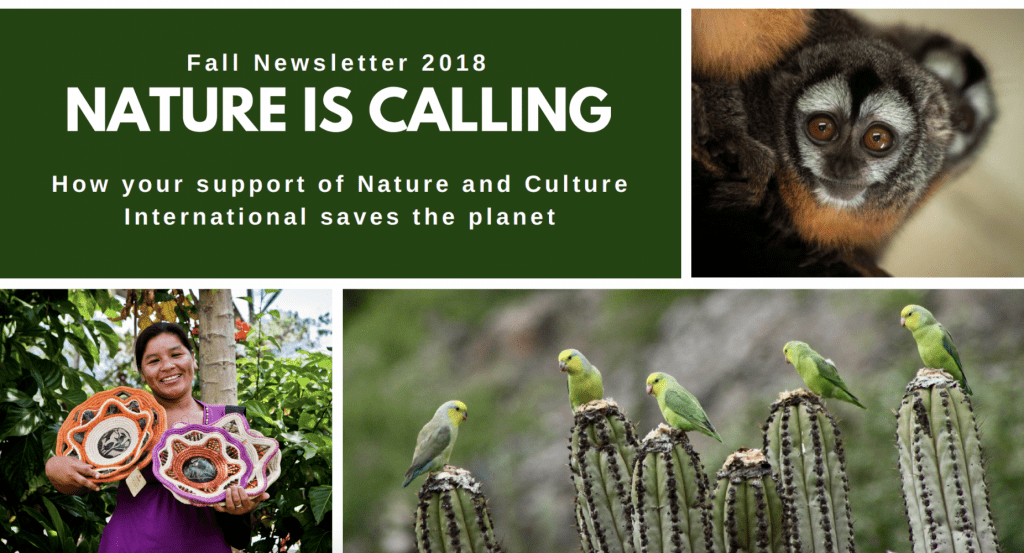
Nature and Culture International’s strength is in people who share the same dreams: of diverse vibrant cultures; of forests and savannas alive with birds, plants and frogs; of clean water and air and a livable climate. Our strength is in 60 local staff and the 300 rural and indigenous communities we collaborate with in Latin America. Our strength is in hundreds of dedicated supporters like you who, in 20 years, have helped us **protect more than 15 million acres of the most biological and culturally diverse ecosystems on the planet.** Together we have protected a total area almost seven times the size of Yellowstone National Park.
Nature is calling to thank you for your continued support. Our latest newsletter shares how you have made the protection of **millions of acres of biodiverse ecosystems** possible.
A **special thank you** to our partners Andes Amazon Fund, Stiefel Behner Charitable Fund, Robert Wilson Charitable Trust, Tinker Foundation, the Gordon and Betty Moore Foundation and Nature and Culture’s Board whose generous financial support helped us achieve the goals highlighted in this newsletter.
We hope that with this little bit of news, you will be inspired by the programs that you have supported that help **nature and culture thrive**.
---
### [Nature is Calling: 2019 Fall Newsletter](https://www.natureandculture.org/directory/fall-newsletter-2019/)
**Published:** November 13, 2019
**Author:** Heather Thomas
**Content:**

As we look back on what has been a remarkable year for the protection of biological and cultural diversity in Latin America, we are filled with hope for the future. **And that’s because of dedicated friends like you.**
This year, you established the second largest conservation area in Bolivia with the indigenous Guaraní. You supported Ecuador’s first Water School, safeguarding water sources for 27 municipalities. You protected one of the last remaining Pitayal forests in the world. **You achieved 20 million acres of protected acres in Latin America – the heart of the planet’s biodiversity.**
Our latest newsletter shares how your support of Nature and Culture International is saving the planet.
A **special thank you** to our partners Andes Amazon Fund, Stiefel Behner Charitable Fund, Robert Wilson Charitable Trust, Tinker Foundation, the Gordon and Betty Moore Foundation, World Land Trust, Critical Ecosystems Partnership Fund, the Moxie Foundation, and Nature and Culture’s Board whose generous financial support helped us achieve the goals highlighted in this newsletter.
We hope that with this little bit of news, you will be inspired by the programs that you have supported that help **nature and culture thrive**.
**Tags:** Newsletter
**Strategic Area:** Biodiversity, Climate, Forests, Local Communities, Water
**Country:** Bolivia, Colombia, Ecuador, Mexico, Peru
**Content Type:** News
---
### [Nature Is Calling: The Climate Issue](https://www.natureandculture.org/directory/2020-spring-newsletter/)
**Published:** April 8, 2020
**Author:** Kristen Heard
**Content:**

# Nature Is Calling: The Climate Issue
04/08/2020
**Strategic Area:** Biodiversity - Climate - Forests - Local Communities - Water -
**Content Type:** News
**Country:** Bolivia - Colombia - Ecuador - Mexico - Peru -
\[vc\_row\]\[vc\_column\]\[vc\_column\_text\]
**Learn how your support is fighting climate change in Nature and Culture’s latest newsletter.**
Nature and Culture is with you during this uncertain time. The COVID-19 pandemic is on all our minds and with good reason. Ironically, as we have all distanced physically, we have come together.
In humanity’s collective response to COVID-19, Nature and Culture sees qualities emerging that we need against another global threat: climate change. We see resilience and rapid innovation. We see a sense of shared burden and commitment, that we are all in this together. Only when we come together can we can solve the biggest threats to humanity – and our planet.
Nature and Culture is extremely grateful for hundreds of supporters like you who have come together to protect the planet’s wildlife and wild places. To date, you have protected more than 20 million acres that store *3.3 billion tons of carbon.*
**This latest newsletter *The Climate Issue* shares just a few recent victories for our planet in the fight against climate change that you have made possible.**
As we experience global threats, there is hope. That hope is you and people around the world who are committed to keeping our planet healthy.
Thank you for being a part of Nature and Culture’s community.
**Tags:** Climate, Newsletter
**Strategic Area:** Biodiversity, Climate, Forests, Local Communities, Water
**Country:** Bolivia, Colombia, Ecuador, Mexico, Peru
**Content Type:** News
---
### [Donor Impact Report: Nature’s Greatest Guardians](https://www.natureandculture.org/directory/fall2020-donorimpactreport/)
**Published:** October 20, 2020
**Author:** Kristen Heard
**Content:**
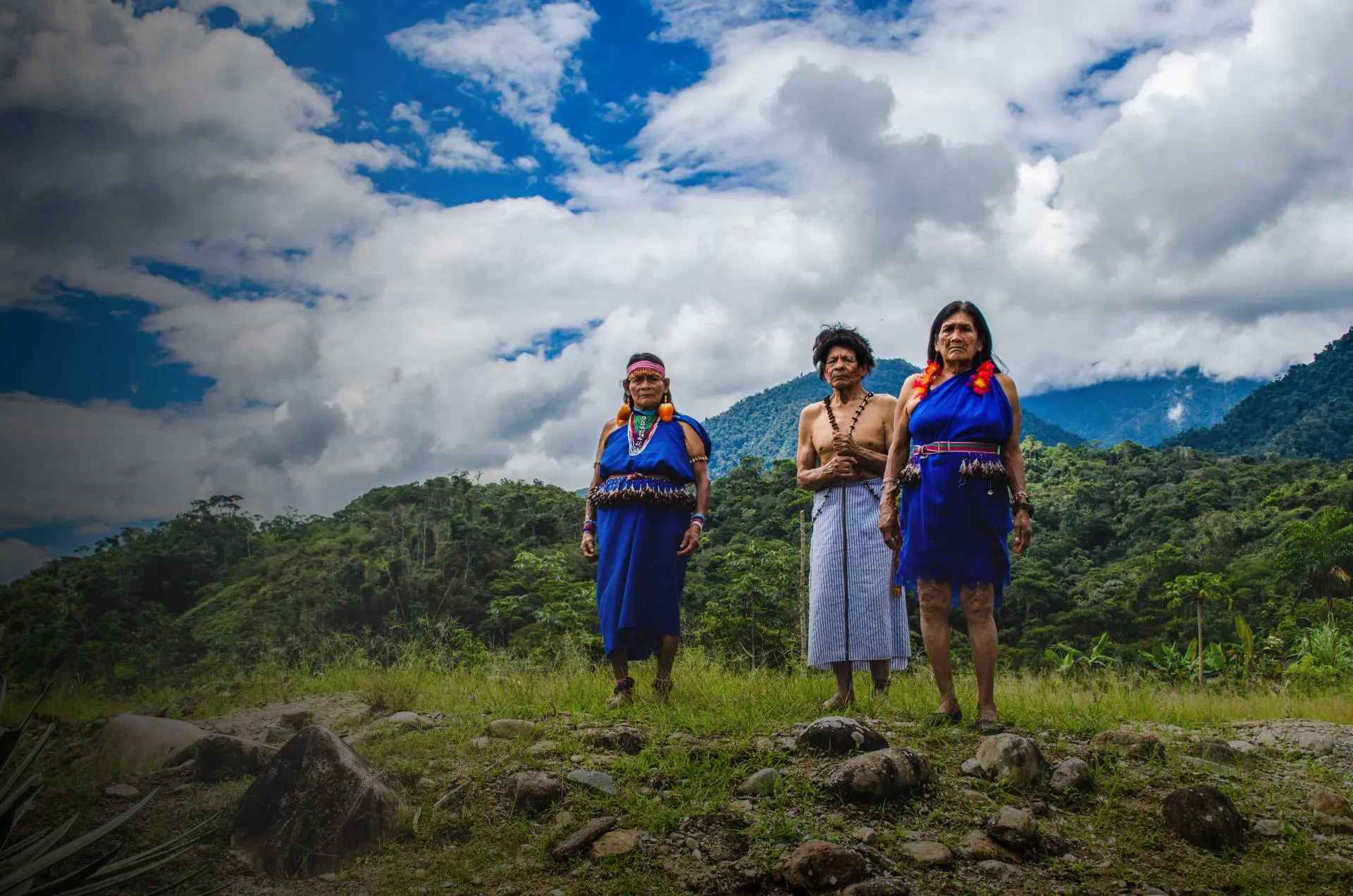

# Donor Impact Report: Nature’s Greatest Guardians
10/20/2020
**Strategic Area:** Biodiversity - Climate - Forests - Local Communities - Water -
**Content Type:** News
**Country:** Bolivia - Colombia - Ecuador - Mexico - Peru -
\[vc\_row\]\[vc\_column\]\[vc\_column\_text\]
**Celebrating Nature’s Greatest Guardians in Our Latest Donor Impact Report**
Around the world, indigenous people have lived in harmony with nature for generations, living off the land and its resources while maintaining the integrity of the ecosystem itself.
Traditional knowledge and practices have been so successful that, although indigenous lands account for less than 22% of the world’s land area, their traditional territories are home to approximately 80% of the world’s biodiversity.
Indigenous people are nature’s greatest guardians.
Thanks to caring people like you, Nature and Culture International partners with indigenous people to safeguard our planet’s wildlife and wild places. Together we have protected over 20 million acres – conserving habitat, saving species, and fighting climate change.
Nature and Culture’s latest **Donor Impact Report** shares just a few recent victories for our planet that you have made possible. By supporting indigenous people, you are protecting wild places and the people who guard them.
We hope that with this little bit of news, you will be inspired by the programs that you have supported that help nature and culture thrive.
Thank you for being a part of the Nature and Culture Community.
A special thank you to our partners the Critical Ecosystem Partnership Fund, the Moxie Foundation, the Andes Amazon Fund, the. Waterloo Foundation, and BOS+ whose generous financial support helped us achieve the goals highlighted in this newsletter.
**Strategic Area:** Biodiversity, Climate, Forests, Local Communities, Water
**Country:** Bolivia, Colombia, Ecuador, Mexico, Peru
**Content Type:** News
---
### [Your impact in 2020](https://www.natureandculture.org/directory/2020-annual-impact-report/)
**Published:** February 25, 2021
**Author:** Kristen Heard
**Content:**


# Your impact in 2020
02/25/2021
**Strategic Area:** Biodiversity - Climate - Forests - Local Communities - Water -
**Content Type:** News
**Country:** Bolivia - Colombia - Ecuador - Mexico - Peru -
\[vc\_row\]\[vc\_column\]\[vc\_column\_text\]
### **Today we are glad to share how you made the world a better place in 2020.**
\[/vc\_column\_text\]\[/vc\_column\]\[/vc\_row\]\[vc\_row\]\[vc\_column\]\[vc\_column\_text\]\[/vc\_column\_text\]\[/vc\_column\]\[/vc\_row\]\[vc\_row\]\[vc\_column\]\[vc\_column\_text\]
As we look back on 2020, what stands out is the extraordinary outpouring of care and community in response to unprecedented challenges. This year highlighted the resilience of the Nature and Culture Community and our shared values of innovation, adaptability, and perseverance. In 2020, that made all the difference!
\[/vc\_column\_text\]\[/vc\_column\]\[/vc\_row\]\[vc\_row\]\[vc\_column\]\[vc\_column\_text\]
During a year of uncertainty, the Nature and Culture Community came together to achieve powerful victories for conservation.
\[/vc\_column\_text\]\[/vc\_column\]\[/vc\_row\]\[vc\_row\]\[vc\_column\]\[vc\_column\_text\]
You supported local conservationists and indigenous communities, ensuring the health and safety of nature’s greatest guardians. You protected wildlife and threatened habitats, fighting extinction and global climate change.
\[/vc\_column\_text\]\[/vc\_column\]\[/vc\_row\]\[vc\_row\]\[vc\_column\]\[vc\_column\_text\]
And you saved more than 1 million acres of our planet’s wild places. These lands store an estimated 89 million tons of carbon and are home to precious plants and animals found nowhere else on Earth.
\[/vc\_column\_text\]\[/vc\_column\]\[/vc\_row\]\[vc\_row\]\[vc\_column\]\[vc\_column\_text\]
Nature and Culture’s latest **Annual Impact Report** shares these victories and more – how you made the world a better place in 2020.
\[/vc\_column\_text\]\[/vc\_column\]\[/vc\_row\]\[vc\_row\]\[vc\_column\]\[vc\_column\_text\]
Because of committed supporters like you, Nature and Culture is able to do what we do best: protect wild places for all life on Earth.
\[/vc\_column\_text\]\[/vc\_column\]\[/vc\_row\]\[vc\_row\]\[vc\_column\]\[vc\_column\_text\]
Check out some of [the protected areas you helped establish](https://www.natureandculture.org/news/).
\[/vc\_column\_text\]\[/vc\_column\]\[/vc\_row\]\[vc\_column\]\[/vc\_column\]
**Strategic Area:** Biodiversity, Climate, Forests, Local Communities, Water
**Country:** Bolivia, Colombia, Ecuador, Mexico, Peru
**Content Type:** News
---
### [Nature and Culture's Fall Newsletter](https://www.natureandculture.org/directory/fall-newsletter/)
**Published:** September 14, 2023
**Author:** Heather Thomas
**Content:**
#### Welcome to Nature and Culture’s latest conservation update, a direct glimpse into our ongoing efforts across Latin America.
We’re excited to share updates on our latest initiatives and projects, including a 360 view of one of our very first protected areas, the[ Cazaderos Reserve](https://www.natureandculture.org/directory/cazaderos-nature-reserve/), a brand [new protected area in Bolivia](https://www.natureandculture.org/directory/bolivian-community-unites-to-establish-the-quebracho-y-condor-nature-reserve/), and [amazing avian biodiversity in Peru](https://www.natureandculture.org/directory/birders-paradise-peru/).
Our commitment to safeguarding the rich biodiversity and cultural heritage of this remarkable region remains unwavering, and it is thanks to supporters like you that our projects continue to thrive. Thank you for joining us on this journey!
## Real Stories. Real Impact.
**Tags:** Biodiversity, Conservation, Newsletter, Protected Area
**Strategic Area:** Biodiversity, Climate, Forests, Local Communities, Water
**Country:** Bolivia, Colombia, Ecuador, Mexico, Peru
**Content Type:** News
---
### [Nature and Culture's Spring Newsletter](https://www.natureandculture.org/directory/2023-spring-newsletter/)
**Published:** April 5, 2023
**Author:** Heather Thomas
**Content:**
## Real Stories. Real Impact.
New protected areas, beekeeping for conservation, and gender equity in reforestation are a few of the stories you’ll explore in our 2023 Spring Newsletter!
### Make a donation today to continue supporting projects like these!
[GIVE NOW](https://www.natureandculture.org/donate/)
**Strategic Area:** Biodiversity, Climate, Forests, Local Communities, Water
**Country:** Bolivia, Colombia, Ecuador, Mexico, Peru
**Content Type:** News
---
### [Nature and Culture's June 2022 Newsletter: A Roundup of Conservation in Action](https://www.natureandculture.org/directory/2022-biannual-newsletter-a-roundup-of-conservation-in-action/)
**Published:** June 2, 2022
**Author:** Heather Thomas
**Content:**


# Nature and Culture’s June 2022 Newsletter: A Roundup of Conservation in Action
06/02/2022
**Strategic Area:** Biodiversity - Climate - Forests - Local Communities - Water -
**Content Type:** News
**Country:** Bolivia - Colombia - Ecuador - Mexico - Peru -
\[vc\_row\]\[vc\_column\]\[vc\_column\_text\]
### **New protected areas, bioeconomy projects, environmental education, and some of our largest conservation efforts to date in Nature and Culture’s first round of highlights from 2022.**
\[/vc\_column\_text\]\[/vc\_column\]\[/vc\_row\]\[vc\_row\]\[vc\_column\]\[vc\_column\_text\]
Nature and Culture International’s strength is in people who share the same dreams: of diverse vibrant cultures; of forests and savannas alive with plants and animals; of clean water and air and a livable climate.
\[/vc\_column\_text\]\[/vc\_column\]\[/vc\_row\]\[vc\_row\]\[vc\_column\]\[vc\_column\_text\]Our latest Newsletter shares just a few recent victories for our planet that you have made possible.
\[/vc\_column\_text\]\[vc\_column\_text\]As exciting as our accomplishments are, they also underscore our urgent race against time. Scientists predict that climate change and habitat loss could drive more than one million species to extinction within the next fifty years. We risk losing myriad plants and animals before we even learn they exist, which is heartbreaking to contemplate.\[/vc\_column\_text\]\[vc\_column\_text\]The work is urgent, but there is so much to be hopeful for. Because of you, biodiverse eco-systems and Indigenous culture and way of life are being protected for the long term in partnership with local communities throughout Latin America.\[/vc\_column\_text\]\[vc\_btn title=”GIVE NOW” style=”custom” custom\_background=”#0f7d3f” custom\_text=”#ffffff” shape=”square” size=”lg” align=”center” link=”url:https%3A%2F%2Fgive.natureandculture.org%2F\|target:\_blank”\]\[vc\_column\_text\]*Did you see Nature and Culture’s 2021 Annual Impact Report?* [*Check it out here.*](https://www.natureandculture.org/directory/2022-annual-impact-report/)\[/vc\_column\_text\]\[/vc\_column\]\[/vc\_row\]
**Strategic Area:** Biodiversity, Climate, Forests, Local Communities, Water
**Country:** Bolivia, Colombia, Ecuador, Mexico, Peru
**Content Type:** News
---
### [Nature and Culture's Fall Newsletter: A Roundup of Conservation in Action](https://www.natureandculture.org/directory/nature-and-cultures-october-2022-newsletter/)
**Published:** October 13, 2022
**Author:** Heather Thomas
**Content:**


# Nature and Culture’s Fall Newsletter: A Roundup of Conservation in Action
10/13/2022
**Strategic Area:** Biodiversity - Climate - Forests - Local Communities - Water -
**Content Type:** News
**Country:** Bolivia - Colombia - Ecuador - Mexico - Peru -
\[vc\_row\]\[vc\_column\]\[vc\_column\_text\]
### **Climate change adaptation, species discovery, and newly declared protected areas in Nature and Culture’s latest round-up of news from 2022.**
\[/vc\_column\_text\]\[vc\_column\_text\]
Our strength as an organization lies within the passion of people around the globe who share our same dream. As part of the Nature and Culture community, you help us achieve so much — diverse vibrant cultures; wild places alive with plants and animals, and clean water and other ecosystem services for communities throughout Latin America. Thank you!
\[/vc\_column\_text\]\[vc\_column\_text\]Our latest Newsletter shares just a few recent victories for our planet that you have made possible.
\[/vc\_column\_text\]\[vc\_column\_text\]Consider a monthly gift of $25 today to continue supporting projects like these.\[/vc\_column\_text\]\[/vc\_column\]\[/vc\_row\]\[vc\_row\]\[vc\_column\]\[vc\_btn title=”MAKE A MONTHLY GIFT” style=”custom” custom\_background=”#0f7d3f” custom\_text=”#ffffff” shape=”square” size=”lg” align=”center” link=”url:https%3A%2F%2Fgive.natureandculture.org%2Fgive%2F372763%2F%23!%2Fdonation%2Fcheckout%3Futm\_source%3DNewsletter%26utm\_medium%3DDigitalNewsletter%26c\_src%3DFallNewsletter%26c\_src2%3DNewsletterWebLanding%26amount%3D25%26recurring%3D1″\]\[/vc\_column\]\[/vc\_row\]
**Tags:** Conservation, Newsletter, Stories from the field
**Strategic Area:** Biodiversity, Climate, Forests, Local Communities, Water
**Country:** Bolivia, Colombia, Ecuador, Mexico, Peru
**Content Type:** News
---
### [Nature and Culture 2022 Annual Impact Report](https://www.natureandculture.org/directory/2022-annual-impact-report/)
**Published:** March 16, 2023
**Author:** Heather Thomas
**Content:**
## As a supporter of Nature and Culture, take a moment to review our impact in 2022!
Our 2022 Annual Impact Report is a testament to our commitment to community-based conservation. As trailblazers in this field, the well-being of local communities is as important as protecting and conserving natural resources. For us, those go hand in hand.
Our work is organized into 5 key strategy areas: [wild places](https://www.natureandculture.org/wild-places/), [climate](https://www.natureandculture.org/climate/), [water](https://www.natureandculture.org/water/), [people](https://www.natureandculture.org/people/), and [species](https://www.natureandculture.org/species/). As you read through this report, you’ll see how our team approaches our projects through these lenses, ensuring the long term overall health of the areas we protect.
Please remember that none of this would be possible without the generous support we’ve received from so many of you!
**Tags:** 2022 Annual Report, Annual Report, Biodiversity, impact report, Indigenous, Nature and Culture International, NCI, Protected Area
**Strategic Area:** Biodiversity, Climate, Forests, Local Communities, Water
**Country:** Bolivia, Colombia, Ecuador, Mexico, Peru
**Content Type:** News
---
### [Three new frog species discovered in Southern Ecuador](https://www.natureandculture.org/directory/three-new-frog-species-discovered-in-southern-ecuador/)
**Published:** June 5, 2023
**Author:** Heather Thomas
**Content:**
### ***New study describes three new species of rain frogs found in the cloud forests of Southern Ecuador.***
Cloud forests are hotspots of biodiversity
The Tropical Andes encompass some of the most important areas on Earth when it comes to biodiversity conservation. These majestic mountain ranges host an astounding array of species across various groups of vertebrates, making them **a global hotspot for biodiversity.**
Within the Andes, the cloud forests of Southern Ecuador, situated in the provinces of Loja and Zamora Chinchipe, stand out as particularly remarkable in terms of their ecological richness. These unique habitats are characterized by a persistent mist or cloud cover that blankets the forest, creating a cool and moist environment conducive to the growth of a diverse array of plant and animal life.
**Scientists Paúl Székely, Diana Székely, Diego Armijos-Ojeda, Santiago Hualpa-Vega, and Judit Vörös, discovered three new species of rain frogs in these high elevation Andean ecosystems.** Their research was recently published in the journal, Herpetological Monographs, under the name of *Molecular and Morphological Assessment of Rain Frogs in the Pristimantis orestes Species Group with the Description of Three New Cryptic Species from Southern Ecuador.*
[Access the research paper here](https://www.natureandculture.org/description-of-three-new-cryptic-species-from-southern-ecuador/)
The study took place within the Podocarpus National Park and its surroundings, in Southern Ecuador. The park comprises an area of 358,285.51 acres and has a very irregular topography covering altitudes from 1,000 to 3,800 meters (3,280 to 12,467 feet), with large areas of diverse natural habitats. These high-altitude Andes are known for the endemism and speciation of anuran fauna (frogs).
**These three new-to-science species of rain frogs** have very compelling stories that inspire the scientific community to continue working toward research, species monitoring, and conservation.
Prismantis sagedunneae Photo: Museo de Zoología, UTPL
**Sage Dunne’s Rain Frog** *(Pristimantis sagedunneae)*
*Pristimantis sagedunneae* is one of 12 species recently discovered in Abra de Zamora, currently being described. It was found at 2,800 and 3,000 meters in sub-paramo ecosystems and it is believed to be a rare species.
The specific name sagedunneae honors Anne Dunne, in recognition of her passion for Andean wildlife and her family’s invaluable support of conservation work in Ecuador. Of particular importance is their contribution to the amphibian conservation in the Sangay-Podocarpus connectivity corridor, Ecuador’s first ecological corridor, which protects 1,401,253.074 acres of high-elevation paramo grasslands and cloud forest ecosystems, as well as chains of lakes and wetlands, with unique biological diversity and endemism.
Pristimantis paladines Photo: Museo de Zoología, UTPL
**Paladines Rain Frog** (*Pristimantis paladines)*
*Pristimantis paladines* was recorded in Cerro Toledo within the Podocarpus National Park and surroundings at an altitudinal range between 2,800 and 3,100 m in sub-paramo ecosystems. The species is common and abundant in this region.
The specific name paladines honors the Paladines family from the city of Loja in Ecuador, in particular Felix Humberto Paladines Paladines for his valuable contribution to academic and cultural endeavors and for safeguarding the history and identity of Southern Ecuadorian people. In addition, this naming recognizes the remarkable work carried out by his children, Renzo, Bruno, Pedro, and Maria Gabriela, who created the nongovernmental organization Nature and Culture International (NCI).
Pristimantis numbala Photo: Museo de Zoología, UTPL
**Numbala Rain Frog** *(Pristimantis numbala)*
*Pristimantis numbala* has only been found in the Numbala Natural Reserve. The reserve, which gives the species its name, is an important private protected area managed by Nature and Culture International. It protects 4,448 acres of sub-paramo and montane cloud forest and is home to an important diversity of birds, amphibians, mammals, and plants. It is located between the two isolated extensions of the southern part of the Podocarpus National Park, guaranteeing the connectivity needed for the preservation of the biological diversity of the national park and its area of influence.
As described, all three species were found within or in the immediate vicinity of protected areas, hence, the study considers that these protected areas act as refuges for the permanence of this very special lineage of frogs. **The study also reveals that at least 57% of amphibian species are under threat** due to habitat loss, the expansion of the agricultural/cattle-raising frontier, and climate change. In this context, it is especially important to increase the research efforts toward the description of new species, to correctly evaluate extinction risks and implement adequate conservation actions.
---
### **Supporting research for conservation**
For the past 6 years, we have coordinated efforts between Nature and Culture International (NCI) and the Private Technical University of Loja (UTPL) **to study the biodiversity of the southern region of Ecuador and combat threats to tropical ecosystems in this area.**
**Thanks to the support of the Rainforest Trust**, an organization dedicated to promoting the conservation of threatened wildlife and the protection of habitats, we conducted a biodiversity study in the Numbala Natural Reserve (managed by NCI). The study aimed to explore priority sites and collect samples of faunal and floral species. During this study, we collected specimens of the species now known as *Pristimantis numbala* for the first time.
Similarly, with the support of the Rainforest Trust, we have been implementing a project to protect endemic amphibian species since April 2022. The project focuses on safeguarding the natural ecosystems of Abra de Zamora, located in the buffer zone of the Podocarpus National Park.
Also, thanks to the support of the Andes Amazon Fund, we launched a book on the biological wealth of [Río Negro-Sopladora](https://www.natureandculture.org/protected-areas/rio-negro-sopladora/ "Río Negro-Sopladora National Park") that opened the possibility for new research and the creation of protected areas in the region.
In 2019, the conservation and management measures established between the Critical Ecosystem Partnership Fund (CEPF) and NCI led to **the establishment of the Sangay-Podocarpus Connectivity Corridor (CCSP), the first ecological corridor in Ecuador.** The corridor spans an area of 567,097 hectares and is distributed among the provinces of Morona Santiago, Azuay, Loja, and Zamora Chinchipe.
With the support of the Wild Wisdom Foundation, **we have promoted research on new amphibian species within the corridor and its surroundings.** This research aims to increase the conservation profile of these species through the Key Biodiversity Areas (KBAs) program. The KBAs program enables identification, mapping, monitoring, and conservation efforts to safeguard species and their habitats.
[DONATE TODAY](https://www.natureandculture.org/donate/)
**Tags:** Biodiversity, Conservation, Ecuador, Nature and Culture International, Protected Area
**Strategic Area:** Biodiversity
**Country:** Ecuador
**Content Type:** News
---
### [Nueva área protegida en el Chocó impulsada por comunidades afrodescendientes](https://www.natureandculture.org/es/directorio/nueva-area-protegida-en-el-choco-impulsada-por-comunidades-afrodescendientes/)
**Published:** January 30, 2024
**Author:** Nora Sanchez
**Content:**
¡Nos complace anunciar la creación del Distrito Regional de Manejo Integrado (DRMI) Selva Pluvial Central Las Siete Sabias-Esperanza de Vida en el Chocó colombiano! Esta joya natural y cultural, se encuentra en el territorio colectivo de comunidades afrodescendientes y abarca 30398 hectáreas en la selva pluvial centralde Colombia, **una de las regiones más lluviosas de América y la tercera a nivel mundial** situada en el Chocó-Tumbes-Magdalena, conocido por su gran biodiversidad.
## **Maravillas naturales del Bosque Húmedo Tropical del Chocó**
Una de sus características de esta región del Chocó es que los bosques alcanzan una gran altura, que junto con la humedad favorece a la formación de varias capas de bosque, algunas alcanzando hasta los 38 metros, que permite la formación de una variedad de hábitats para animales y plantas.
Rana cocoi *(Oophaga histrionica)* \| Créditos: COCOMACIA Tamarino de Geoffroy (*Saguinus geoffroyi*) \| Créditos: COCOMACIASaltarían Cabeza Roja (*Ceratopipra mentalis)* \| Créditos: COCOMACIA
Los análisis adelantados en la región indican una gran riqueza en fauna y flora: 90 especies de plantas, 479 especies de fauna (210 de aves, 117 mamíferos, 44 anfibios, 75 reptiles y 33 peces), aunque se estima que hay muchas más. Esta zona, además, **ha sido reconocida internacionalmente como un Área de Importancia para la Conservación de Murciélagos (AICOM).**
Murciélago frutero común (*Carollia perspicillata*) \| **Créditos:** Felipe Villegas
En el territorio del área, destacan también los ríos Pacurita, Tutunendo, Guadalupe y el Cabí. Este último es de vital importancia, ya que abastece acueductos locales, beneficiando cerca de 108 mil personas.
Vista del Río Tutuendo \| **Créditos:** CODECHOCÓ
## **Un compromiso comunitario con la conservación**
El nombre de esta nueva área fue escogido por las comunidades. “Siete Sabias” en honor a los siete consejos locales comunitarios afrodescendientes que conforman el área protegida y que han participado de manera activa en el proceso de declaratoria; y “Esperanza de vida” en representación del progreso regional que va a aportar este DRMI.
En el 2019, se iniciaron diálogos con las comunidades a través del Consejo Comunitario Mayor (COCOMACIA), permitiendo la realización de estudios en la región. Inicialmente, la propuesta de declaración contemplaba 5000 hectáreas, pero el interés de la comunidad por organizar el territorio logró ampliar la propuesta de delimitación a más de 30000.
Socializaciones con las comunidades \| **Créditos:** Santiago Castillo, Instituto HumboldtSocializaciones con las comunidades \| **Créditos:** Santiago Castillo, Instituto Humboldt
*“Estamos realmente felices, no solo porque el área es importante para la biodiversidad del país, en donde habitan diversidad de especies endémicas y otras emblemáticas como los murciélagos; sino porque esta declaratoria se logró con la participación de varias entidades y de los consejos comunitarios, por lo que esto se constituye en una decisión colectiva”,* menciona Santiago Castillo investigador del Instituto Humboldt y socio implementador de NCI en Colombia.
## **DRMI: Una categoría de protección que permite el uso sotenible de recursos naturales**
Distrito Regional de Manejo Integrado (DRMI) es una categoría que se le otorga a los paisajes y ecosistemas que mantienen su composición y función natural. Es un área protegida a nivel regional que permite el uso sostenible de los recursos por parte de las comunidades locales, contribuyendo a la lucha contra la deforestación, la minería informal, la contaminación del suelo y del agua, así como la gestión de asentamientos humanos en zonas de riesgo.
Puerto Quibdó \| **Créditos:** Santiago Castillo, Instituto Humboldt
La declaratoria del DRMI Selva Pluvial Central Las Siete Sabias – Esperanza de Vida fue posible gracias a la coordinación de Codechocó como autoridad ambiental, la implementación de CORPARIEN y COCOMACIA, el apoyo técnico del Instituto Humboldt y el apoyo financiero de Naturaleza y Cultura Internacional, Andes Amazon Fund y Art into Acres en asociación con Re:wild.
---
**Más información:**
Nora Sánchez Luzardo
**Coordinadora de Comunicación Regional**
<nsanchez@naturalezaycultura.org>
**Tags:** Biodiversidad, Colombia
**Strategic Area:** Bosques
**Country:** Colombia
**Content Type:** Noticias
---
### [Vinculación con las comunidades del Pitayal](https://www.natureandculture.org/es/directorio/vinculacion-con-las-comunidades-del-pitayal/)
**Published:** February 2, 2024
**Author:** Nora Sanchez
**Content:**
*Mujeres y niños de la comunidad de Bachoco conocieron sobre la importancia del Pitayal y su biodiversidad durante una jornada de avistamiento de aves con el equipo de Naturaleza y Cultura.*
Como parte de nuestro trabajo de socialización de la propuesta de creación de un Área Natural Protegida (ANP), Reserva Estatal El Pitayal, hemos planificado jornadas de vinculación con las comunidades Yoreme Mayo, en el sur de Sonora, para intercambiar conocimientos sobre la riqueza natural y cultura de este espacio natural.
### **Propuesta de ANP en El Pitayal**
El Pitayal es el matorral espinoso costero con la más alta densidad de la pitaya dulce *(Stenocereus thurberi)* en el mundo. Esta especie de cactus columnar endémico de Norteamérica se distribuye en el desierto sonorense, desde el sur de Arizona, en Estados Unidos, hasta una parte de Baja California, Sonora y Sinaloa, en México.
El Pitayal busca proteger el último remanente de pitayas en el mundo. **Créditos:** Sergio Muller
Desde Naturaleza y Cultura estamos promoviendo la creación de un Área Natural Protegida (ANP) de 78mil hectáreas que permitirá la conectividad entre la zona costera (los manglares) y terrestre (pitayales) y la protección de la fauna y flora que dependen de la buena condición de estos ecosistemas. El trabajo con las autoridades y las comunidades locales ha sido clave para fortalecer la propuesta e involucrar el conocimiento local en los documentos preparatorios.
Conoce más de la propuesta de ANP en El Pitayal en el reportaje de Mongabay Latam: [La construcción de una reserva para conservar el mayor remanente de pitayas en el mundo.](https://es.mongabay.com/2023/11/la-construccion-de-una-reserva-para-conservar-el-mayor-remanente-de-pitayas-en-el-mundo-mexico/)
### **Una jornada de conexión con la naturaleza
A finales de enero, miembros de la comunidad de Bachoco, en su mayoría mujeres y niños, se sumaron al equipo de Naturaleza y Cultura para una jornada de vinculación, en la que realizaron avistamiento de aves en la zona costera del Pitayal.
Avistamiento de aves en el Pitayal **Créditos:** Gilberto Díaz
Con la ayuda de binoculares y el acompañamiento de Gilberto Díaz y Cinthia Mireles, miembros del equipo técnico de Naturaleza y Cultura en México, los participantes de la jornada pudieron visibilizar una gran diversidad de aves residentes y migratorias. Entre ellas, destacaron la Espátula rosada *(Platalea ajaja)* y el Zarapito pico corto *(Numenius phaeopus)* aves migratorias que viajan largas distancias para pasar el invierno en los humedales del Pitayal*.*
Otra especie importante que puede ser encontrada en el Pitayal es el Ganso de collar *(Branta bernicla),* es un ave que cría en territorios de temperaturas bajas como el Ártico, Canadá, Alaska y Groenlandia, y migra para pasar el invierno en la costa pacífica del Pitayal, donde disfruta del buen clima y se alimenta de los pastos marinos *(Zoostera marina)* característicos del Golfo de California*.*
Ganso de collar *(Branta bernicla)* **Créditos:** Alexey NesmelovEspátula rosada *(Platalea ajaja) **Créditos:** Nigel Voaden*Zarapito pico corto *(Numenius phaeopus)* **Créditos:** Paul Cool
### **El rol clave de los humedales**
La propuesta para crear el Área Natural Protegida (ANP) en el Pitayal incluye la Bahía de Yavaros, donde está la Laguna Moroncárit, un humedal de gran importancia según la Convención Ramsar. Los humedales, caracterizados por su baja profundidad, funcionan como zonas de transición entre los ecosistemas terrestres y acuáticos.
El Pitayal y el mar **Créditos:** Sergio Muller
En estos humedales, el agua juega un papel crucial, siendo el factor principal que controla el ecosistema, su flora y fauna. Por lo tanto, el suelo debe ser capaz de retener agua, ya sea estancada o en movimiento, durante periodos significativos para evitar la desecación a lo largo del año. Durante este ciclo, el agua crea las condiciones óptimas para el crecimiento de especies vegetales, contribuyendo así a formar un hábitat adecuado para la fauna que reside en el área.
Bahía de Yavaros. Tomada de: <https://obson.wordpress.com/>
### **Entendiendo la importancia de proteger el Pitayal**
Durante la jornada, nuestro equipo compartió datos sobre los hábitos de las especies y la necesidad de proteger los ecosistemas del Pitayal, como los humedales, para garantizar su supervivencia.
Gilberto mencionó que le sorprendió el conocimiento y la conexión que los niños tienen sobre su entorno. *“Creo que son actividades muy valiosas para que los niños conocen sobre la biodiversidad. Yo lo veo como una oportunidad de desconectarte de las redes sociales. A mi me gusta mucho esa parte de que los niños se miraban muy contentos”,* recuerda.
Cinthia buscando las especificaciones de una especie de ave **Créditos:** Gilberto Díaz
Además del reconocimiento de aves, las mujeres mostraron gran interés por las plantas e iban reconociéndolas y compartiendo los usos tradicionales que tienen, por ejemplo, para hacer rosarios para rezar o para preparar tés medicinales.
*“Se me hizo muy interesante, además de los conocimientos que tienen los adultos, que los niños también saben, eso significa que hay conocimientos que sí se van pasando a las siguientes generaciones, y eso es muy importante porque favorece a que la cultura siga fuerte, y que ese conocimiento ancestral siga permaneciendo en las generaciones más jóvenes”,* menciona Cinthia Mireles.
**Créditos:** Gilberto Díaz**Créditos:** Gilberto Díaz
Actividades como esta fortalecen la relación de las personas con su entorno, pues les permite conocer la conexión entre un ecosistema saludable con especies protegidas y comunidades prósperas.
Este ejercicio, que se extenderá hasta el mes de junio visitando un total de 34 localidades, brindará la oportunidad a las comunidades de compartir sus conocimientos acerca de la fauna y flora presentes en El Pitayal, así como los usos tradicionales que le han dado a lo largo del tiempo. La información recopilada será invaluable, ya que contribuirá a enriquecer el Estudio Previo Justificativo (EPJ) necesario para respaldar la creación del área, así como para el desarrollo del programa de manejo una vez que se haya establecido la figura de ANP.
---
**Más información:**
Nora Sánchez Luzardo
**Coordinadora Regional de Comunicación**
<nsanchez@naturalezaycultura.org>
**Tags:** El Pitayal, Mexico
**Strategic Area:** Comunidades Locales
**Country:** México
**Content Type:** Blog
---
### [New protected area in Chocó driven by Afro-Colombian communities](https://www.natureandculture.org/directory/new-protected-area-in-choco-driven-by-afro-colombian-communities/)
**Published:** January 31, 2024
**Author:** Heather Thomas
**Content:**
#### Great news for conservation in Colombia! A new protected area, Las Siete Sabias-Esperanza de Vida, has been declared, spanning 75,115 acres of Colombian Chocó rainforest.
We are pleased to announce the creation of this area, which is considered an Integrated Management Regional District, a category of protected area that gives communities who live in the area the right to sustainable development activities.
This natural and cultural gem is collectively managed by the Afro-Colombian communities in the central rainforest of Colombia. This area is **one of the rainiest regions in the Americas and the third rainiest globally**. It is situated in the Chocó-Tumbes-Magdalena region known for its abundant biodiversity.
## Natural Wonders of the Chocó Tropical Rainforest
In the Chocó region, the forests reach remarkable heights, with some reaching up to 125 feet. This, coupled with high humidity creates a unique forest with many layers that become diverse habitats for both animals and plants.
Cocoi poison dart frog *(Oophaga histrionica)* \|
Image credits: COCOMACIAGeoffroy’s tamarin *(Saguinus geoffroyi)* \|
Image credits: COCOMACIARed-capped manakin *(Ceratopipra mentalis)* \|
Image credits: COCOMACIA
Research carried out in the region has revealed a rich diversity of fauna and flora, **including 90 plant species and 479 animal species** (210 birds, 117 mammals, 44 amphibians, 75 reptiles, and 33 fish), though the actual numbers are likely higher. This area has also gained international recognition as **a crucial site for bat conservation known as an Important Area for Bat Conservation** (AICOM).
Common fruit bat *(Carollia perspicillata)* \| **Image credits**: Felipe Villegas
Within the area, notable rivers include Pacurita, Tutunendo, Guadalupe, and Cabí. The latter is of vital importance as it supplies local water systems, benefiting approximately 108 thousand people.
View of the Tutuendo River \| **Image credits**: CODECHOCÓ
## A community commitment to conservation
The name for this area, ‘Siete Sabias’, was selected by the local communities and pays homage to the seven Afro-Colombian community councils within the protected area that have played a vital role in the declaration process. The second half of the name, ‘Esperanza de Vida’ or lifespan in English, symbolizes the regional progress that this protected area has contributed to.
In 2019, the communities, through the Greater Community Council (COCOMACIA), started a dialog allowing for studies in the region. Initially, the declaration proposal included 12,000 acres, but the community’s interest in organizing the territory led to an expanded proposal of more than 74,000 acres.
Community meetings \| Image credits: Santiago Castillo, Humboldt InstituteCommunity outreach sessions \| Image credits: Santiago Castillo, Humboldt Institute
*“We are truly happy, not only because the area is important for the country’s biodiversity, hosting a variety of endemic species and other emblematic ones such as bats, but also because this declaration was achieved through the participation of various entities and community councils. Therefore, it represents a collective decision,”* says Santiago Castillo, a researcher at the Humboldt Institute and implementing partner of NCI in Colombia.
## DRMI: A protection category that allows sustainable use of natural resources
District of Integrated Management (DRMI) is a category granted to landscapes and ecosystems that maintain their natural composition and function. It is a regionally protected area that allows for the sustainable use of resources by local communities, contributing to the fight against deforestation, informal mining, soil and water pollution, as well as the management of human settlements in risk zones.
Puerto Quibdó \| **Image credits:** Santiago Castillo, Humboldt Institute
The declaration of the DRMI Central Rainforest Las Siete Sabias – Esperanza de Vida was possible thanks to the coordination of Codechocó as the environmental authority, the implementation of CORPARIEN and COCOMACIA, the technical support of the Humboldt Institute, and the financial support of Nature and Culture International, Andes Amazon Fund, and Re:wild.
---
**More information:**
Kristen Heard
**Director of Communications**
<kheard@natureandculture.org>
**Tags:** Afro-Colombian Communities, Biodiversity, Choco, Colombia, Conservation, Protected Area
**Strategic Area:** Forests
**Country:** Colombia
**Content Type:** News
---
### [Photographic Exhibition Shows Devastating Effects of Illegal Mining in Madre de Dios](https://www.natureandculture.org/directory/photographic-exhibition-shows-devastating-effects-of-illegal-mining-in-madre-de-dios/)
**Published:** January 26, 2024
**Author:** Heather Thomas
**Content:**
*Nature and Culture International supported a recent photographic exhibition that sheds light on the environmental and social impacts of illegal mining on the Madre de Dios region of the Peruvian Amazon.*
From December 21st to January 6th, a series of photographs was exhibited at the Parish Hall of the Main Church of Iquitos, Peru. These images illustrate the devastating impacts of illegal mining in the Madre de Dios region over the years. The impacts are not only environmental; they also result in a breakdown of the connection between people and the surrounding natural landscapes that are slowly disappearing.
Effects of illegal mining in Madre de Dios \| Credits: Pavel Martiarena
### A warning of the consequences of illegal mining
Photographer and climate activist, Pavel Martiarena, is from Puerto Maldonado, the capital city of the Madre de Dios region in southeast Peru. He traveled to Iquitos to exhibit more than 20 photographs that detail the harmful effects of illegal mining in his region. The photographic exhibition not only summarizes the fatal impacts of mercury on the natural landscape of the Amazon Rainforest but also exposes the irreparable marks mining has left on the population: domestic violence, drug trafficking, alcoholism, and human trafficking, among other crimes.
In this sense, Pavel Martiarena’s exhibition was received in Iquitos as a warning of the negative impacts of illegal mining in an Amazonian landscape. This reality could be repeated in Loreto, especially in the basins of the Chambira and Nanay rivers, both of which supply potable water for the city of Iquitos with over 400 thousand inhabitants.
The photographic exhibition featured more than 20 photographs illustrating the devastating results of illegal mining \| Credits: Pavel Martiarena
Nature and Culture worked together with organizations like the Frankfurt Zoological Society, Derecho, Ambiente y Recursos Naturales, and the Center for Amazonian Scientific Innovation to handle the organization and logistics required for the exhibition.
The photographic exhibition was presented by the Apostolic Vicariate of Iquitos and the management committees of the protected areas affected by illegal mining in Loreto: the Regional Conservation Area “Alto Nanay Pintuyacu Chambira” and the National Reserve “Allpahuayo Mishana.” The exhibition opening was attended by representatives of the Vicariate, the “Allpahuayo Mishana” National Reserve, and regional and national authorities, including the Minister of the Environment, Albina Ruiz.
**Strategic Area:** Forests
**Country:** Peru
**Content Type:** News
---
### [Two new species of lizard discovered in Amazonas, Peru](https://www.natureandculture.org/directory/two-new-species-of-lizard-discovered-in-amazonas-peru/)
**Published:** January 23, 2024
**Author:** Heather Thomas
**Content:**
### **Recently, a scientific publication in the Amphibian & Reptile Conservation journal announced two new species of reptile in Peru, specifically in the Amazonas department.**
Meet the Petracola amazonensis and Petracola shurugojalcapi lizards – the “rock lizard of Amazonas” and the “Rock lizard of La Jalca.” These remarkable creatures have been uncovered in the Chiliquin and La Jalca districts, deep within the Amazonas department.
*Petracola amazonensis* \| photo credits: Chaparro Auza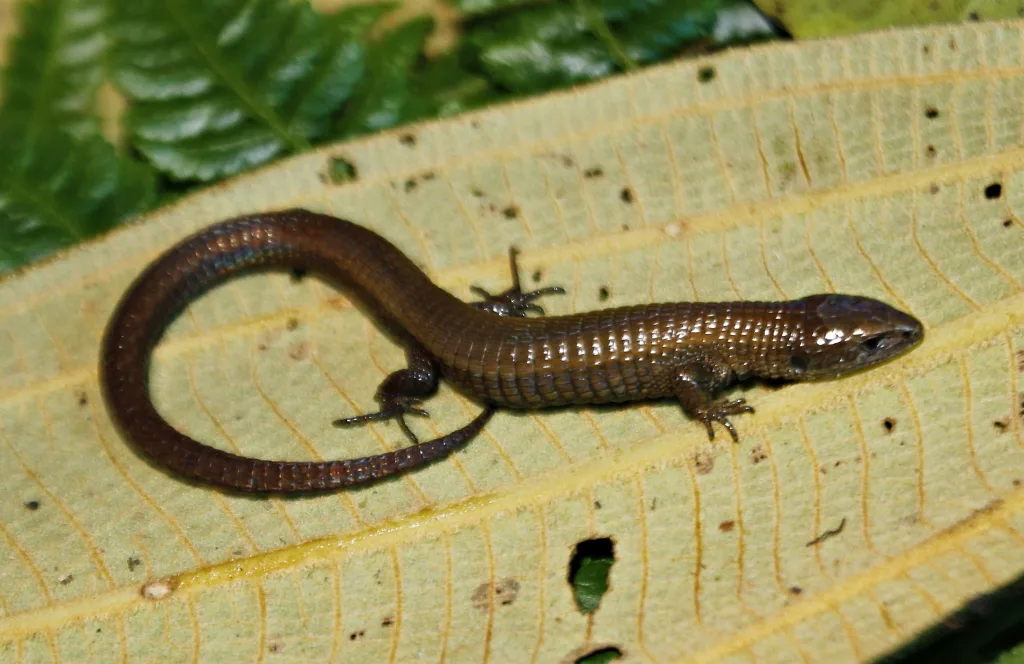*Petracola shurugojalcapi* \| photo credits: Victor Vargas García
These discoveries are not just fascinating from a biological standpoint; they shed light on the critical need to protect untouched areas in Amazonas with undiscovered biodiversity.
Leading the research are scientists like Luis Mamani, Juan Carlos Chaparro, Alessandro Catenazzi, and Víctor Vargas, who have dedicated their efforts to unraveling these mysteries.
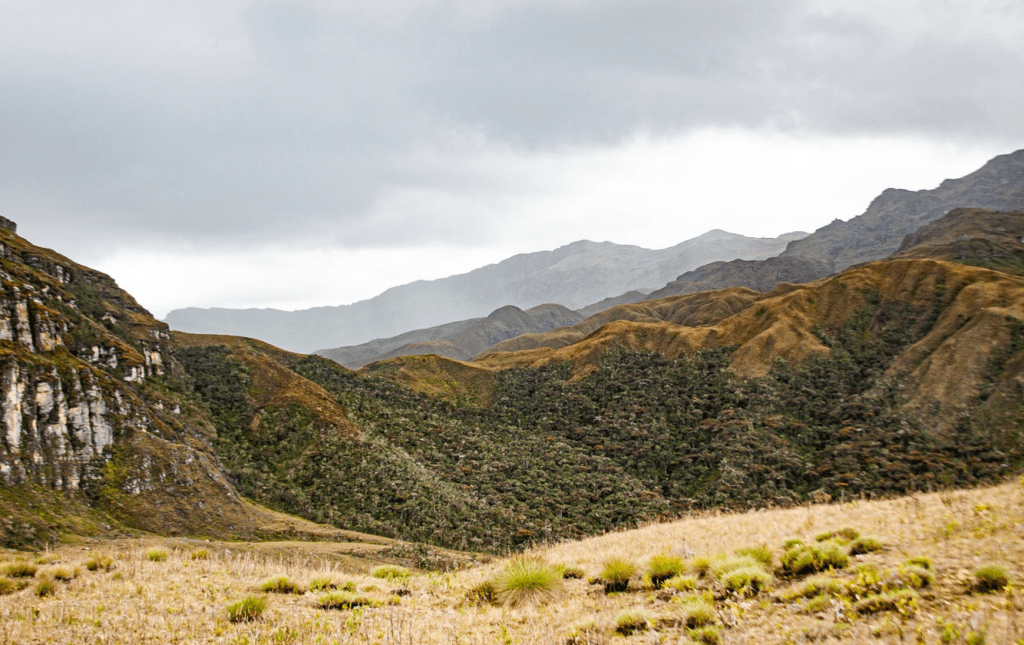The lizard *Petracola amazonensis* got its name in honor Amazonas region \| **photo credits:** Chaparro Auza
The species’ names reflect their origins – “Petracola amazonensis” honors the Amazonas region, while “Petracola shurugojalcapi” blends the Quechua words “shurugo” (the local name for the lizard) and “jalcapi” (meaning “of Jalca”).
### Research on new species
Biologist Víctor Vargas shares the incredible journey of discovering these species, highlighting that they’ve been known for over a decade but have only recently been studied with advanced scientific methods.
### The importance of conservation
The La Jalca community’s conservation efforts are also noteworthy. With support from Nature and Culture International, they’ve expanded their protected area from 43,248 acres to an impressive 64,781 acres in just six years.
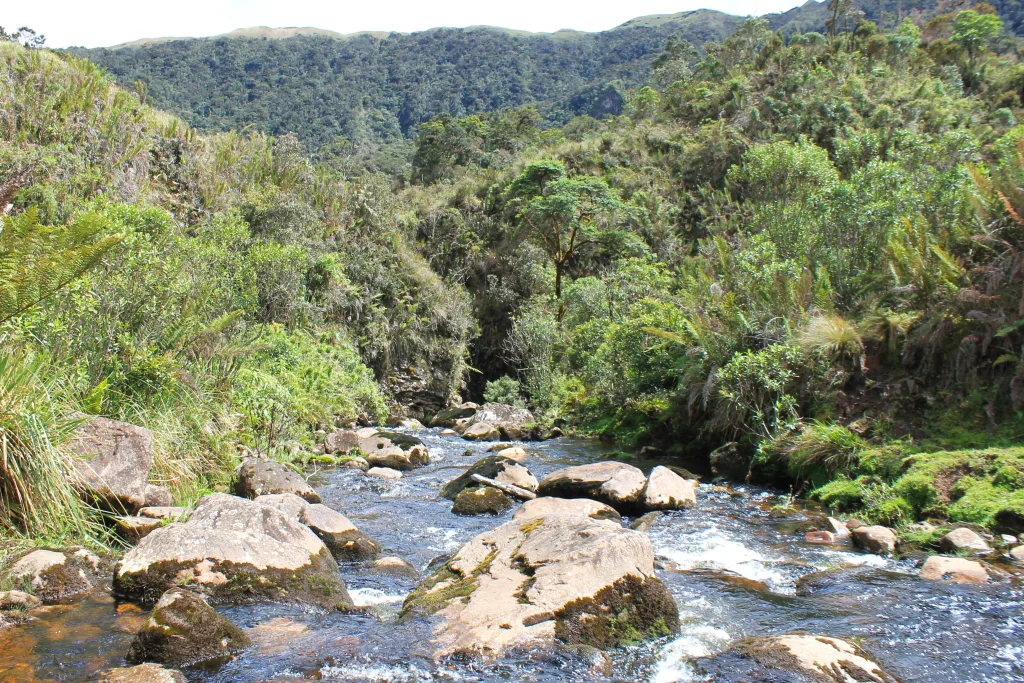La Jalca landscape \| photo credits: Victor Vargas GarcíaLa Jalca protects important water sources \| photo credits: Victor Vargas García
Beyond wildlife preservation, this area plays a vital role as a water source for human consumption and local economic activities. It’s a lifeline for communities and a driving force for Amazonas’ development.
In summary, these discoveries and conservation endeavors in Amazonas are both scientifically intriguing and vital for the region’s well-being.
**Tags:** Biodiversity, Conservation, new species, Peru, Protected Area, Water
**Strategic Area:** Biodiversity
**Country:** Peru
**Content Type:** News
---
### [New Protected Area in the Amazon is Home to Incredible Biodiversity](https://www.natureandculture.org/directory/new-protected-area-in-the-amazon-is-home-to-incredible-biodiversity/)
**Published:** January 17, 2024
**Author:** Heather Thomas
**Content:**
- The local governments and communities of the Sucúa region in Ecuador have established the Sucúa Conservation and Sustainable Use Area.
- This lush area, spanning 43,840 acres, is home to a unique diversity of Amazonian and Andean ecosystems.
- The area protects crucial water sources for the urban and rural communities of the Sucúa region.
The Sucúa Municipal Conservation and Sustainable Use Area, spanning 43,840 acres, has been established in the southern Ecuadorian Amazon. Due to its location, bridging the [Amazon Rainforest](https://www.natureandculture.org/wild-places/amazon-rainforest/) with the eastern slope of the Andes, it contains a range of ecosystems, including lowland montane forests and [cloud forests](https://www.natureandculture.org/wild-places/andean-cloud-forest/) of the Andes Mountain Range.
The Sucúa Municipal Conservation and Sustainable Use Area spans a range of ecosystems \| **photo credits**: Fabián Rodas
### Habitat for threatened species
The area, which serves as a “connectivity buffer zone” for the nearby Sangay National Park, contains remarkable biodiversity, including the iconic *Cuniculus paca*, commonly known as the lowland paca. This rodent plays a crucial role by dispersing seeds across Amazonian ecosystems encouraging forest regeneration and ensuring the preservation of the area’s biodiversity. Another critically important species in the area is the jaguar (*Panthera onca*). The jaguar, an essential predator in the Amazon ecosystem, regulates the populations of other species and maintains the food chain balance.
Species like the jaguar are found within the Sucúa Conservation Area
Birds such as the Andean Cock-of-the-rock (*Rupicola peruvianus*) and the White-throated Toucan (*Ramphastos tucanus*) are also Sucúa natives and play crucial ecological roles in seed dispersal and vegetation regeneration within the Amazon rainforest.
Although there is currently no species monitoring in the Sucúa Conservation Area, this area harbors vulnerable species that are considered crucial for immediate protection. For example, the Humboldt’s woolly monkey (*Lagothrix lagothricha*) is listed as vulnerable due to habitat destruction, hunting, illegal trade, and population growth. According to reports from the Nature and Culture technical team, species monitoring should be included in the future management plan for the area.
### Protection of water sources
The area also safeguards crucial water sources and preserves local water supplies for the residents of Sucúa, Santa Marianita de Jesús, and Asunción.
Tutanangoza river \| **photo credits**: GAD Sucúa
Protecting water sources is essential for the Indigenous communities of the area, such as the Shuar communities of Km 20, San Marcos, and Uwe. These communities contribute to the care and preservation of the conservation area daily, working diligently to mitigate the major threats to the area, including deforestation from the expansion of agricultural and livestock activities.
Upano River \| **photo credits**: GAD Sucúa
### Significant Progress in Conservation and Sustainable Use in Sucúa Region
This new protected area has been a work in progress since May 2022. The Municipal Government of Sucúa, with technical support from Nature and Culture and financing from Andes Amazon Fund, led the process of identifying potential areas for conservation and sustainable use within the region. This process included the involvement of key stakeholders in the territory, such as local and Indigenous communities. The team designed a technical document and ordinance, and pre-legislative consultations were conducted with the different local communities and Indigenous nationalities.
As a result, on December 14, 2023, the council unanimously decided to establish the Sucúa Conservation and Sustainable Use Area. Nature and Culture technician, Lizbeth Abarca, highlighted the importance of this area for the region and emphasized the need to implement a management plan and protect and conserve the natural resources of the area.
> “When we spoke to the communities during the initial phases of the project, different people mentioned that the conservation of the area was important to them. They have all witnessed a decrease in the flow of rivers and streams that they have known their whole lives. Therefore, the protection of water sources is key for this area, as well as ensuring the quality of water reaching the homes in the Sucúa region.”
>
> Lizbeth Abarca
**Tags:** Biodiversity, Conservation, Ecuador, Protected Area
**Strategic Area:** Forests
**Country:** Ecuador
**Content Type:** News
---
### [Chordeleg Conservation Area Protects A Natural Treasure](https://www.natureandculture.org/directory/chordeleg-conservation-area-protects-a-natural-treasure/)
**Published:** January 18, 2024
**Author:** Heather Thomas
**Content:**
The Chordeleg Municipal Conservation and Sustainable Use Area has been established in southern Ecuador, achieving a historic milestone for the region of Chordeleg. The area encompasses 16,283 acres of protected páramo and montane forest across the Azuay province.
This new protected area, located in the Eastern Cordillera Real near the towns of Principal Delegsol, Puzhío, and La Unión, is strategically positioned at the meeting point of the eastern slope of the Andes and the Amazon Rainforest. It encompasses diverse ecosystems and remarkable biodiversity, alongside the protective zones of Río Shío-Santa Bárbara and Collay. Additionally, it is part of the internationally recognized Sangay Podocarpus Connectivity Corridor, designated as a Key Biodiversity Area (KBA).
Although little is known about this area in the scientific community, experts are quick to highlight its ecological uniqueness and natural richness. The Chordeleg Conservation Area is considered a biodiversity hotspot and it harbors a wide variety of flora, avifauna (bird species), mastofauna (mammal species), and herpetofauna (amphibian and reptile species) in its extensive páramos and forests.
**photo credit:** Fabián Rodas
### Chordeleg protects endemic and endangered species
The Chordeleg Conservation Area’s natural ecosystems serve as a refuge for wild species, many of which are unique to the region and are at risk of extinction.
According to the book “[Chordeleg, Una Joya Natural](https://www.natureandculture.org/chordaleg/)” (Córdova et al., 2023), the first publication on the biodiversity of the area, a total of 314 species have been recorded: 213 plant species, including 3 new orchid species, 26 mammals, 68 birds, 5 amphibians, and 2 reptiles. Of these, 12.7% are endemic, meaning they are found exclusively in this region or country.


**Download the book here:** [**“Chordeleg, Una Joya Natural**“](https://www.natureandculture.org/chordaleg/)
This publication also analyzes the conservation status of species, determining their risk of extinction.
The species facing the greatest threat are amphibians, mainly due to the Rainbow Trout and diseases like chytridiomycosis. For instance, the Cuenca Stubfoot Toad (*Atelopus bomolochos*) is categorized as Critically Endangered and believed to be extinct. Sadly, for reptiles, the limited understanding of their biology has resulted in their decline due to their perceived venomous nature.
*Pleurothallis carmensotoana.* One of the three species of orchid that were discovered in the Chordeleg Conservation Area \| **photo credit:** Henry Garzón
Other vulnerable and Endangered species include the Andean bear (*Tremarctos ornatus*), the mountain tapir (*Tapirus pinchaque*), the white-tailed deer (*Odocoileus virginianus*), the puma (*Puma concolor*), the northern pampas cat (*Leopardus garleppi*), the reddish mountain mouse (*Thomasomys auricularis*), the oncilla (*Leopardus tigrinus*), the Andean fox (*Lycalopex culpaeus*), and the small red brocket deer (*Mazama rufina*). As for birds, three are considered Endangered, and the remaining 65 species are classified as Least Concern according to the Red List of birds in Ecuador (Freile et al., 2018). Regarding flora, two have been categorized as Endangered, six as Vulnerable, and six as Near Threatened.
### Conservation of Natural and Cultural Wealth
Jewelry designed and crafted in gold is an important local art form in the Chordeleg region and has been passed down through the generations. Local artisans are world-renowned for their beautifully-crafted gold jewelry and many now incorporate natural motifs into their craft, acknowledging the unique biodiversity of the region.
“*Here, you find tourist spaces, precious water sources, and the many species we coexist with. The opportunities for development and the viability of our cities increasingly depend on the protection of the natural ecosystems they are connected to*,” Fabián Rodas of Nature and Culture shares.
The Municipal Decentralized Autonomous Government of Chordeleg established the Conservation and Sustainable Use Area in collaboration with Nature and Culture and the Collay Consortium, thanks to the financial support of Rainforest Trust. The ordinance approved by the Chordeleg Cantonal Council on January 9, 2024, includes the official limits of the area, incentive and penalty mechanisms, as well as financing for continuous monitoring, surveillance, and management.
Maylas \| **photo credits:** Gonzalo Córdova
Utilizing this strategy, the Chordeleg region will conserve its páramo and forests and provide critical ecosystem services such as water regulation, water supply for nearby populations, climate regulation, carbon capture, and soil protection, among others, ensuring its legacy for future generations.
**Strategic Area:** Forests
**Country:** Ecuador
**Content Type:** News
---
### [Nueva ACUS en la Amazonía protege una gran diversidad natural](https://www.natureandculture.org/es/directorio/acus-sucua-protege-una-gran-diversidad-natural/)
**Published:** January 2, 2024
**Author:** Heather Thomas
**Content:**
- ***Sucúa establece el Área de Conservación y Uso Sostenible ***(ACUS)*** de Sucúa***.
- ***Este área abarca una extensión de 17.741,28 hectáreas y alberga una gran diversidad de ecosistemas.***
- ***El ACUS Sucúa protege las fuentes de agua del sector urbano y rural del cantón Sucúa.***
El cantón Sucúa, ubicado en la provincia de Morona Santiago, ha establecido el Área de Conservación y Uso Sostenible de Sucúa (ACUS). Este área abarca una extensión de 17.741,28 hectáreas y alberga una gran diversidad de ecosistemas como bosque siempreverde montano bajo, bosque siempreverde montano y bosque siempreverde piemontano del sur de la Cordillera Oriental de los Andes.
Ubicación del ACUS Sucúa
## **Especies que están dentro del ACUS**
La maravillosa diversidad del ACUS alberga a especies icónicas como la *Cuniculus paca* conocida comúnmente como guanta. Este roedor desempeña un rol fundamental en los ecosistemas amazónicos, ya que se convierte en un valioso dispersor de semillas. Su labor contribuye directamente a la biodiversidad y a la regeneración de los bosques, asegurando así la preservación del invaluable patrimonio natural.
Especies como el jaguar se encuentran dentro del ACUS Sucúa
Otra especie de gran importancia es el *Panthera onca,* más conocido como jaguar. Este felino es esencial en el ecosistema amazónico al regular las poblaciones de otras especies y mantener el equilibrio de la cadena alimentaria. Además, las aves como el Gallo de la Peña Andino *(Rupicola peruvianus*) y el Tucán Goliblanco *(Ramphastos tucanus)* desempeñan una función ecológica importante en la dispersión de semillas y la regeneración de la vegetación en la selva amazónica.
Río Tutanangoza \| Créditos: GAD Sucúa
Como se describe, esta área alberga varias especies que, debido a su estado de vulnerabilidad, se considera crucial su protección inmediata. Por ejemplo, el mono lanudo de Humboldt (*Lagothrix lagothricha)* contribuye a la conservación del ecosistema, pero se encuentra en estado vulnerable debido a la destrucción de su hábitat, la caza y el comercio ilegal, así como al crecimiento poblacional.
Actualmente, no se realiza monitoreo de especies en el área de conservación de Sucúa. Sin embargo, esta podría ser una de las actividades a incluir en el plan de manejo, según los reportes técnicos de Naturaleza y Cultura Internacional (NCI).
## **Protección de fuentes de agua**
Una característica de esta área es la protección de fuentes de agua, ya que se preservan las principales captaciones de agua de la cabecera cantonal y de tres parroquias: Sucúa, Santa Marianita de Jesús y Asunción. Esto convierte al ACUS en una zona de vital importancia para la conservación del agua.
Además, el ACUS de Sucúa, por su ubicación, se convierte en el protector de la zona de amortiguamiento del Parque Nacional Sangay.
La protección de las fuentes de agua se considera esencial debido a que dentro del ACUS Sucúa se encuentran comunidades indígenas, como las comunidades shuar, incluyendo Km 20, San Marcos y Uwe. Estas comunidades tienen una relación cercana con el área de conservación y contribuyen a su cuidado y preservación. No obstante, los principales problemas que afectan al área son la deforestación, la expansión de la frontera agrícola y pecuaria, las quemas y el cambio de uso de suelo.
Río Upano \| Créditos: GAD Sucúa
## **Avances destacados en conservación y uso sostenible en el cantón Sucúa**
El trabajo para establecer esta área de conservación comenzó en mayo del 2022. El Gobierno Municipal de Sucúa, con el apoyo técnico de Naturaleza y Cultura Internacional (NCI) y el financiamiento de Andes Amazon Fund, lideró la identificación de potenciales áreas de conservación y uso sostenible en la jurisdicción cantonal; y para su establecimiento se promovió la participación de actores clave del territorio. Se diseñó un documento técnico y una ordenanza, y se llevaron a cabo consultas prelegislativas con las comunidades de pueblos y nacionalidades.
Como resultado, el 14 de diciembre de 2023, el cabildo decide por unanimidad establecer el Área de Conservación y Uso Sostenible de Sucúa (ACUS). Lizbeth Abarca, técnica de NCI, destaca la importancia vital de esta área para la región y enfatiza la necesidad de construir un plan de manejo, implementar acciones de conservación y proteger los recursos en riesgo dentro del ACUS.
> “En la fase inicial, las comunidades de pueblos y nacionalidades mencionaron que es importante establecer acciones de conservación. Han sido testigos de la disminución de los caudales de ríos y quebradas que ellos conocen. Por lo tanto, dentro de las características principales del ACUS se destaca la protección de las fuentes hídricas, así como la calidad del agua que llega a los hogares del cantón Sucúa”.
>
> Lizbeth Abarca
---
**Más información:**
Aida Maldonado
**Comunicación Ecuador**
<amaldonado@naturalezaycultura.org>
**Tags:** Biodiversidad, Ecuador, Reservas naturales
**Strategic Area:** Bosques
**Country:** Ecuador
**Content Type:** Noticias
---
### [Chordeleg: una joya natural, establecida como área de conservación](https://www.natureandculture.org/es/directorio/chordeleg-una-joya-natural-establecida-como-area-de-conservacion/)
**Published:** January 15, 2024
**Author:** Nora Sanchez
**Content:**
*El cantón Chordeleg, en la provincia del Azuay, ha logrado un hito histórico en el sur del Ecuador al establecer el Área de Conservación Municipal y Uso Sostenible (ACMUS Chordeleg) sumando 6.589,36 hectáreas de páramos y bosques protegidos.*
El ACMUS Chordeleg se encuentra en la Cordillera Real Oriental, específicamente en las parroquias: Principal Delegsol, Puzhío y la Unión. Su ubicación estratégica coincide con la presencia de las áreas de bosque y vegetación protectora Río Shío-Santa Bárbara y Collay, cuya gestión está a cargo de la Mancomunidad del Collay, de la cual el Municipio de Chordeleg forma parte.
Se encuentra dentro del Corredor de Conectividad Sangay – Podocarpus (CCSP), el cual en su totalidad es considerado internacionalmente como Área Clave para la Biodiversidad (KBA por sus siglas en inglés), lo cual da cuenta de su importancia.
Aunque esta área es poco conocida en el ámbito científico, expertos resaltan su singularidad ecológica y su riqueza natural. El ACMUS Chordeleg es considerada un enclave de biodiversidad, ya que alberga una gran variedad de especies de flora, avifauna (especies de aves), mastofauna (especies de mamíferos) y herpetofauna (especies de anfibios y reptiles) en sus extensos páramos y bosques.
**Créditos:** Fabián Rodas
## **El ACMUS Chordeleg en la conservación de especies endémicas y en peligro de extinción**
En parte, la importancia de los ecosistemas naturales de Chordeleg radica en su papel como refugio para las especies silvestres, muchas de las cuales son endémicas y se encuentran en peligro de extinción.
Según el libro [Chordeleg, una joya natural](https://www.natureandculture.org/es/chordeleg-una-joya-natural/) (Córdova et al., 2023), primera publicación sobre la biodiversidad del ACMUS de Chordeleg, se han registrado un total de 314 especies: 213 especies de plantas, entre las cuales se reportan 3 especies nuevas de orquídeas, 26 de mamíferos, 68 de aves, 5 de anfibios y dos de reptiles. De estas, el 12,7% son endémicas, lo que significa que solo se encuentran en esta región o país.

**Descarga el libro “Chordeleg, una joya natural”** [**aquí**.](https://www.natureandculture.org/es/chordeleg-una-joya-natural/)
El documento también analiza el estado de conservación de las especies, determinando su riesgo de extinción. En cuanto a la flora, se han categorizado dos En Peligro, seis como Vulnerables, seis como Casi Amenazadas. Entre los mamíferos, tres se encuentran en En Peligro, incluyendo el oso andino (*Tremarctos ornatus*), la danta (*Tapirus pinchaque*) y el ciervo de cola blanca *(Odocoileus virginianus*); seis especies son Vulnerables, incluyendo al puma (*Puma concolor*), el gato de las pampas norteño (*Leopardus garleppi*), el ratón andino rojizo (*Thomasomys auricularis*), el tigrillo (*Leopardus tigrinus*), el zorro andino (*Lycalopex culpaeus*) y la corzuela roja pequeña (*Mazama rufina*). Respecto a las aves, tres se consideran En Peligro y las 65 especies restantes están clasificadas como Preocupación Menor según la Lista Roja de aves en Ecuador (Freile et al., 2018).
*Pleurothallis carmensotoana.* Una de las tres especies de orquídeas que se descubrieron en el área del ACMUS Chordeleg \| **Créditos:** Henry Garzón
Las especies que presentan mayor condición de amenaza son los anfibios, debido a la Trucha Arcoíris y enfermedades como la quitridiomicosis. Por ejemplo, el Jambato de Cuenca (*Atelopus bomolochos)* se encuentra en la categoría Críticamente Amenazado y se creía extinto. En el caso de los reptiles, la falta de conocimiento sobre su biología ha llevado a su eliminación por considerarlos venenosos.
## **Chordeleg: conservación de la riqueza natural y cultural**
Chordeleg es un cantón reconocido por su orfebrería, donde se diseñan y fabrican hermosas joyas que tienen reconocimiento a nivel nacional e internacional. Esta tradición, transmitida de generación en generación, ahora se enriquecerá con el reconocimiento de su singular biodiversidad, en la cual sus artesanos se inspiran con las formas y motivos de la naturaleza.
*“Ahí se encuentran sus espacios turísticos, fuentes de agua y las muchas especies con las que convivimos. Las oportunidades de desarrollo y la viabilidad de nuestras ciudades dependen cada vez más de la protección de los ecosistemas naturales con los que están relacionadas”* según Fabián Rodas, coordinador de NCI.
El Gobierno Autónomo Descentralizado Municipal de Chordeleg estableció el Área de Conservación y Uso Sustentable, en colaboración con Naturaleza y Cultura Internacional y la Mancomunidad del Collay, gracias al apoyo financiero de Rainforest Trust. La Ordenanza aprobada por el Concejo Cantonal de Chordeleg el 09 de enero de 2024, incluye la delimitación del área, el mecanismo de incentivos y sanciones, así como el financiamiento para el control, vigilancia y gestión permanente.
Maylas \| **Créditos:** Gonzalo Córdova
Con esta estrategia, el cantón Chordeleg conservará sus páramos y bosques que ofrecen diversos servicios ecosistémicos, como la regulación hídrica, provisión de agua para poblaciones cercanas, regulación del clima, captura de carbono, protección del suelo, entre otros, asegurando su legado para las futuras generaciones.
---
**Más información:**
Aida Maldonado
**Comunicadora Ecuador**
<amaldonado@naturalezaycultura.org>
**Tags:** Biodiversidad, Ecuador
**Strategic Area:** Bosques
**Country:** Ecuador
**Content Type:** Noticias
---
### [The Annual Guayacanes Bloom Impacted by Irregular Weather Patterns](https://www.natureandculture.org/directory/guayacanes-in-bloom/)
**Published:** January 11, 2024
**Author:** Heather Thomas
**Content:**
In the dry forest of southern Ecuador, the annual blossoming of the Guayacanes is a spectacular event that follows the first rains of the year. This [unique ecosystem](https://www.natureandculture.org/wild-places/tropical-dry-forests/) endures an extended dry season, lasting from four to nine months, in contrast to the rainy seasons. Typically, as the rainy season begins, usually in January, the forest transforms into a vibrant display of captivating colors and fragrances, leaving an unforgettable impression on those fortunate enough to witness it. The bloom this year reached its peak last week on January 6th and 7th. However, irregular weather patterns have impacted the full splendor of the flowering.

### Conserving the Dry Forest Together: The “Los Guayacanes” Communal Partnership
In June 2021, authorities and local populations of three rural parishes—Bolaspamba, [Cazaderos](https://www.natureandculture.org/directory/cazaderos-nature-reserve/), and Mangahurco—united to establish the “Los Guayacanes” Communal Partnership with the aim of conserving, preserving, and protecting the environment and biodiversity of the dry forest. In these communities, the dry forest is collectively cherished as a home deserving protection and appreciation. Since the partnership’s establishment, significant progress has been achieved in the management and administration of the region’s natural spaces.
Presently, the Guayacanes Communal Partnership is implementing a sustainable territory management model, receiving technical support from organizations such as Nature and Culture and FUNACE, with funding provided by BOS+ and Andes Amazon Fund. This approach seeks to harness local attractions like the blossoming of the Guayacanes to safeguard and conserve this valuable ecosystem.
The dry forest of the Guayacanes Communal Partnership stands as one of the best-preserved and most extensive remnants of tropical dry forest in Ecuador. Together with the Peruvian forests, it constitutes the most representative block of flora and fauna in the Tumbesian region. The
### The Dry Forest is home to a Variety of Species
In this region where Guayacanes flourish, you can find other emblematic species like the American crocodile (*Crocodylus acutus*), puma (*Puma concolor*), howler monkey (*Alouatta palliata*), and various migratory and endemic birds. Furthermore, the diversity of Tumbesian flora enhances the ecosystem with color and beauty, emphasizing the significance of preserving and protecting our planet and its treasures, including the blossoming of the Guayacanes.

It is clear that the region is home to remarkable biodiversity and this emphasizes the need for effective protection. Over the years, guayacan wood exploitation in the timber industry has resulted in severe consequences such as deforestation and indiscriminate logging. Currently, several species in this ecosystem are categorized as under threat, facing the imminent risk of extinction. Therefore, collaborative efforts are imperative to conserve, preserve, and sustainably utilize this valuable natural heritage.
The territory of the Los Guayacanes Communal Partnership is also part of the [Transboundary Biosphere Reserve Forests of Peace](https://en.unesco.org/biosphere/lac/bosques-de-paz) which crosses the international border connecting northern Peru and southern Ecuador. Also, in the nearby territories of Celica, Las Lajas, Macará, Pindal, Paltas, Puyango, and Zapotillo, is the [Dry Forest Biosphere Reserve](https://www.natureandculture.org/protected-areas/bosque-seco/) declared by UNESCO in 2014.
### Climate Change has affected this year’s bloom
The blossoming of the guayacanes reached its peak splendor on Saturday, the 6th, and Sunday, the 7th of 2024. However, it is important to mention that the effects of climate change, such as the El Niño phenomenon, have influenced the flowering of this marvelous event. Local communities indicate that, due to climate irregularities, there have been three blooming events of the guayacanes in 2023: February, August, and December. Therefore, the blossoming in the year 2024 has not occurred in all its splendor.

**Tags:** Biodiversity, Ecuador, endangered species, Guayacanes
**Strategic Area:** Forests
**Country:** Ecuador
**Content Type:** News
---
### [Dos lagartijas nuevas para la ciencia descubiertas en el departamento de Amazonas ](https://www.natureandculture.org/es/directorio/dos-especies-nuevas-para-la-ciencia-descubiertas-en-el-departamento-de-amazonas/)
**Published:** January 10, 2024
**Author:** Nora Sanchez
**Content:**
*Recientemente se dio conocer la publicación científica en la revista Amphibian & Reptile Conservation en la que se describe dos especies nuevas de reptiles para el Perú, específicamente para el departamento de Amazonas.*
Se trata de las lagartijas *Petracola amazonensis o “lagartija de las rocas de Amazonas” descubierto en el distrito de Chiliquin y Petracola shurugojalcapi o “Lagartija de las rocas de La Jalca” descubierta en el Área de Conservación de Llamapampa – La Jalca en el distrito de La Jalca.”*
*Petracola amazonensis* \| Créditos: Chaparro Auza*Petracola shurugojalcapi* \| Créditos: Victor Vargas García
Estos hallazgos no solo enriquecen nuestro conocimiento de la diversidad biológica, sino que también subrayan la importancia de preservar lugares naturales, con gran diversidad biológica que hay por descubrir en el departamento de Amazonas.
Los investigadores responsables del estudio son Luis Mamani, Juan Carlos Chaparro del Museo de Biodiversidad del Perú, Alessandro Catenazzi de la Universidad Internacional de Florida de Estados Unidos y Víctor Vargas de la Asociación Pro Fauna Silvestre Ayacucho.
La lagartija *Petracola amazonensis* recibe su nombre en honor al departamento Amazonas \| **Créditos:** Chaparro Auza
Los nombres asignados a estas especies corresponden a *Petracola amazonensis* en honor al departamento donde fue encontrado, Amazonas, y *Petracola shurugojalcapi* el cual es una combinación de dos palabras quechua “shurugo” que es el nombre local de la lagartija y “jalcapi” que significa “de Jalca”, este último fue propuesto por la misma comunidad La Jalca Grande, con la finalidad de revalorar su biodiversidad y el idioma quechua del departamento de Amazonas.
## **La investigación** de nuevas especies
El biólogo Víctor Vargas, uno de los especialistas que participó en el registro de la “lagartija de las rocas de La Jalca” reportada en el ACP Llamapampa – La Jalca, señala que el descubrimiento de estas especies de lagartijas nuevas para la ciencia confirma la gran diversidad que alberga nuestro país y sobre todo de los ecosistemas montañosos, el mismo que, fue un gran reto, debido a que esta especie fue encontrada hace más de 10 años y recientemente fueron estudiadas en las colecciones científicas, con metodologías actuales.
## **La importancia de conservar**
Un dato interesante es que la comunidad campesina de La Jalca, por iniciativa propia decidió conservar su territorio en un ACP, por ser un lugar único, con biodiversos bosques y yungas proveedoras de agua. Con el apoyo de Naturaleza y Cultura Internacional, en el 2015 lograron el reconocimiento de 17.502 y fue hasta el 2021 que lograron ampliar el área protegida a 26,216 hectáreas.
Paisaje de La Jalca \| **Créditos:** Victor Vargas GarcíaLa Jalca protege importantes fuentes de agua \| **Créditos:** Victor Vargas García
Lleydy Alvarado, especialista de Naturaleza y Cultura Internacional señala que la importancia del territorio, no se limita a la preservación de la vida silvestre. Estas hectáreas son una fuente vital de agua, proporcionan un recurso esencial para el consumo humano y para una serie de actividades económicas. El flujo de agua que nace en estos bosques alimenta ríos importantes, brindan sustento a comunidades locales y sirven como motor de desarrollo para Amazonas.
El artículo puede ser descargado en: <https://bit.ly/Registroespecies>
---
**Más información:**
Gabriela Gives
**Comunicación Perú**
<comunicacion.peru@naturalezaycultura.org>
**Tags:** Biodiversidad, Especies, Perú
**Strategic Area:** Biodiversidad
**Country:** Perú
**Content Type:** Noticias
---
### [Exposición fotográfica muestra efectos devastadores de la minería ilegal en Madre de Dios](https://www.natureandculture.org/es/directorio/exposicion-fotografica-muestra-efectos-de-mineria-ilegal-en-madre-de-dios/)
**Published:** January 10, 2024
**Author:** Nora Sanchez
**Content:**
*Naturaleza y Cultura Internacional apoyó la realización de una muestra fotográfica evidencia la crisis ambiental y social que sufre la región de Madre de Dios debido a la minería ilegal.*
Entre el 21 de diciembre y el 6 de enero se expusieron en el Salón Parroquial de la Iglesia Matriz de Iquitos una serie de fotografías que presentaron lo que la minería ilegal dejó en la región de Madre de Dios a lo largo de estos años: una crisis ambiental y la ruptura de una paz social entre las personas y su ecosistema que poco a poco está por desaparecer.
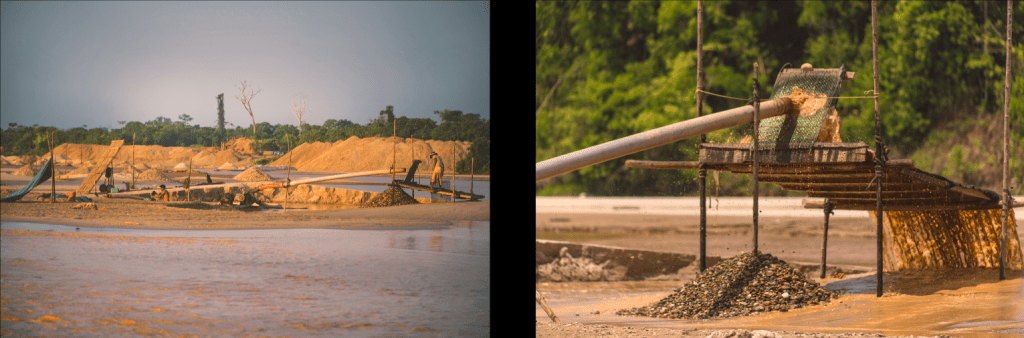Efectos de minería ilegal en Madre De Dios \| Créditos: Pavel Martiarena
El fotógrafo y activista climático Pavel Martiarena viajó desde Puerto Maldonado a Iquitos para mostrar, a partir de una puesta de más de 20 fotografías, los efectos nocivos que ha tenido la minería ilegal en su región. Sin embargo, la exhibición fotográfica no solo resumió los impactos fatales del mercurio en la naturaleza amazónica, sino expuso las marcas irreparables que ha dejado en la población: violencia doméstica, narcotráfico, alcoholismo, trata de personas, entre otros delitos.
En ese sentido, la muestra de Pavel Martiarena se inauguró en Iquitos como un llamado de atención frente a los impactos que causa la minería ilegal en un ambiente amazónico. Realidad que podría repetirse en Loreto, en especial en las cuencas de los ríos Chambira y Nanay, siendo ambas las proveedoras de agua para consumo humano en la ciudad de Iquitos con más de 400 mil habitantes.
La exposición fotográfica contó con más de 20 fotografías que ilustran los devastadores resultados de la minería ilegal \| Créditos: Pavel Martiarena
Naturaleza y Cultura Internacional colaboró con la organización y logística necesaria en un esfuerzo colaborativo con otras organizaciones como Sociedad Zoológica de Frankfurt, Derecho, Ambiente y Recursos Naturales y el Centro de Innovación Científica Amazónica.
La exposición fotográfica fue organizada por el Vicariato Apostólico de Iquitos y los comités de gestión de las áreas protegidas afectadas por la minería ilegal en Loreto: el Área de Conservación Regional “Alto Nanay Pintuyacu Chambira” y la Reserva Nacional “Allpahuayo Mishana”. Para la inauguración participaron representantes del Vicariato, de la Reserva Nacional “Allpahuayo Mishana” y autoridades regionales y nacionales como la ministra del Ambiente, Albina Ruiz.
---
**Más información:**
Milton López
**Comunicación Loreto**
<mlopez@naturalezaycultura.org>
**Tags:** Perú
**Strategic Area:** Bosques
**Country:** Perú
**Content Type:** Noticias
---
### [El arte ancestral de las mujeres Achuar ](https://www.natureandculture.org/es/directorio/el-arte-ancestral-de-las-mujeres-achuar/)
**Published:** December 14, 2023
**Author:** Nora Sanchez
**Content:**
En las provincias amazónicas de Morona Santiago y Pastaza ha surgido la iniciativa denominada ‘Renovación y Empoderamiento en Cerámica Achuar’. Esta iniciativa nace en el marco de la gestión y manejo del **Territorio de Vida y Uso Ancestral “Tarímiat Pujutaí Nunka”** de Morona Santiago y el **Área Ecológica de Desarrollo Sostenible Provincial** de Pastaza.
Este proyecto tiene un objetivo claro y poderoso: preservar la rica cultura de la nacionalidad Achuar, a través de la revitalización de habilidades ancestrales de cerámica, entre mujeres de comunidades achuar de Pastaza y Morona Santiago.
Para hacer realidad esta visión, nos hemos unido a las Prefecturas de Pastaza y Morona Santiago, la Fundación ATASIM y Naturaleza y Cultura Internacional como apoyo económico y técnico, en coordinación con la dirigencia de la Nacionalidad Achuar del Ecuador y la Asociación de Mujeres Achuar Productoras Agroecológicas ‘Arak’. Gracias a esta colaboración se ha trazado un plan de aprendizaje: una serie de talleres para fortalecer capacidades y potenciar la marca y venta de las increíbles creaciones de estas mujeres ceramistas.
La historia comenzó a finales de 2023 con el primer taller de habilidades cerámicas, nivel básico. Durante tres días y con seis horas diarias de dedicación, las participantes se sumergieron en el mundo de la cerámica. Se abordaron temas esenciales, desde la selección de materiales y herramientas hasta las técnicas de amasado, modelado manual y pulido. Cada movimiento, cada gesto, fue un paso más en el camino de aprendizaje colectivo.
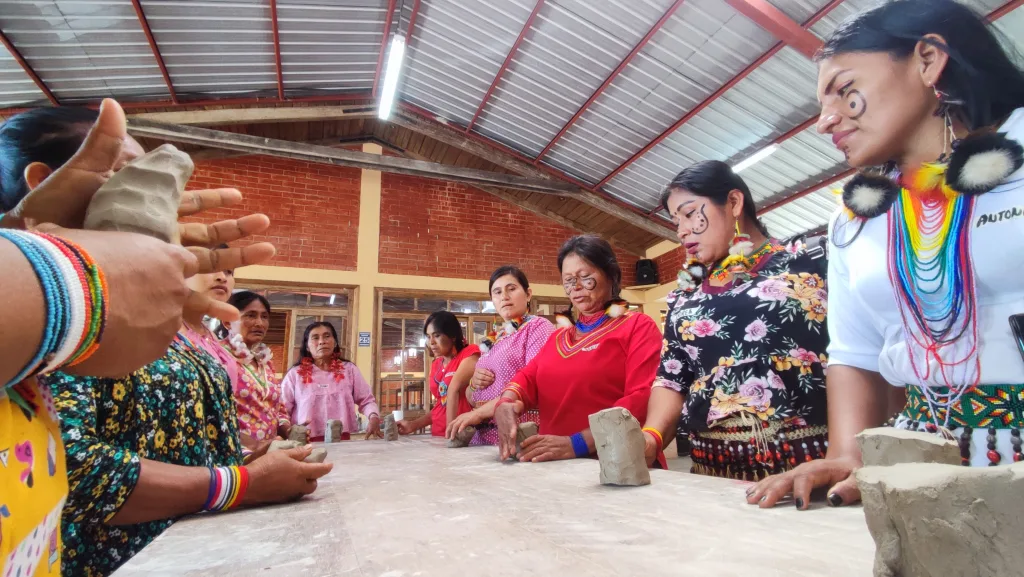
Pero este espacio no se detiene allí. Las mujeres achuar de Pastaza y Morona Santiago volverán a encontrarse en 2024 para continuar con el aprendizaje en habilidades cerámicas, nivel avanzado y formación avanzada en técnicas de cocción.
Así empieza la historia de estas mujeres valientes y talentosas, cuyas manos forjan un camino hacia la renovación y el empoderamiento a través de la cerámica. Una historia de resiliencia, de amor por la cultura y de un futuro lleno de posibilidades.

El proyecto de Renovación y Empoderamiento en Cerámica Achuar abre las puertas al crecimiento económico y a la promoción de su trabajo. Las cerámicas elaboradas con amor y dedicación son ahora un testimonio vivo de la riqueza y la belleza del pueblo Achuar.
El Área Ecológica de Desarrollo Sostenible Provincial de Pastaza y el Tarimiat Pujutaí Nunka suman a la Plataforma Amazónica por los Bosques, el Clima y el Bienestar Humano, una alianza entre las provincias amazónicas que está fortaleciendo la protección de los bosques y el bienestar de las comunidades en toda la región.
---
**Más información:**
Aida Maldona Quezada
**Comunicadora Ecuador**
<amaldonado@naturalezaycultura.org>
**Strategic Area:** Comunidades Locales
**Country:** Ecuador
**Content Type:** Blog
---
### [Conservación sin fronteras ](https://www.natureandculture.org/es/directorio/conservacion-sin-fronteras/)
**Published:** December 4, 2023
**Author:** Nora Sanchez
**Content:**
Vivimos en un momento clave, donde los corredores de conectividad son un mecanismo para asegurar los servicios ambientales, mitigar el cambio climático y proteger los ecosistemas de los que dependemos hoy y en el futuro.
En los Andes del Norte del Perú, siete áreas de conservación privada, dos áreas de conservación regional, dos áreas de conservación ambiental y el Santuario Nacional Tabaconas Namballe, se conectan de manera natural entre Piura y Cajamarca. Estas áreas protegen más de 150 mil hectáreas de páramos y bosques montanos, cruciales para garantizar los servicios ecosistémicos y dar vida al Corredor de Conservación Andes del Norte del Perú, que limita con los bosques montanos y páramos del sur de Ecuador, parte del Corredor Sangay – Podocarpus. Al estar unidas de manera natural, incrementan el territorio para el libre desplazamiento de especies y conservación de las fuentes naturales de agua para estos dos países.
## **El acuerdo Presidencial**
Por la importancia natural y social de los ecosistemas de este territorio, los gobiernos de Perú y Ecuador se han comprometido a fortalecer la conectividad, mediante un corredor diseñado como una estrategia para garantizar los bienes y servicios ambientales, el “Corredor de Conservación Transfronterizo Andino Amazónico”, plasmados en un acuerdo presidencial, firmado en 2019, en el marco del acuerdo de paz entre los dos países.
Conoce más sobre el Corredor de Conservación Transfronterizo en este video:
Bajo ese contexto, explicó Katty Carrillo de Naturaleza y Cultura Internacional, que, en Perú, las comunidades campesinas, rondas campesinas, autoridades locales, y regionales realizan acciones de conservación integradoras a nivel de paisaje, por ello es importante contar con una legislación que reconozca corredores de conservación, conectividad o ecológicos, que permita el reconocimiento oficial del corredor de conservación Andes del Norte, el cual formará parte del corredor de conservación Transfronterizo Andino Amazónico que uniría los páramos y bosques montanos de Perú y Ecuador.
Katty Carrillo, indicó que se ha conformado un grupo impulsor integrado por los gobiernos regionales de Piura y Cajamarca, Servicio de Áreas Naturales Protegidas por el Estado, Plan Binacional y Naturaleza y Cultura Internacional, quienes trabajan para que se cumpla el acuerdo presidencial, el mismo que enfatiza que se debe contar con una norma que regule el establecimiento de corredores de conectividad o conservación a nivel nacional.
## **El encuentro de Piura y Cajamarca**
Bajo ese contexto, durante el 23 y 24 de noviembre, el grupo impulsor, junto a aliados claves del territorio se dieron cita en el “Encuentro Birregional para establecer del Corredor de Conservación Andes del Norte en el Perú – CCAN”.
Entre los actores claves se destaca al Gobierno Regional de Piura, Gobierno Regional de Cajamarca, Servicio Nacional de Áreas Naturales Protegidas por el estado, Plan Binacional – Capítulo Perú, Naturaleza y Cultura Internacional, Municipalidades Provinciales y Distritales de Ayabaca, Huancabamba, Jaén y San Ignacio; Chontalí ; comunidades campesinas y federación de rondas campesinas de Piura y Cajamarca; así como las Juntas de regantes de Jaén, San Ignacio, San Lorenzo, entre otros.
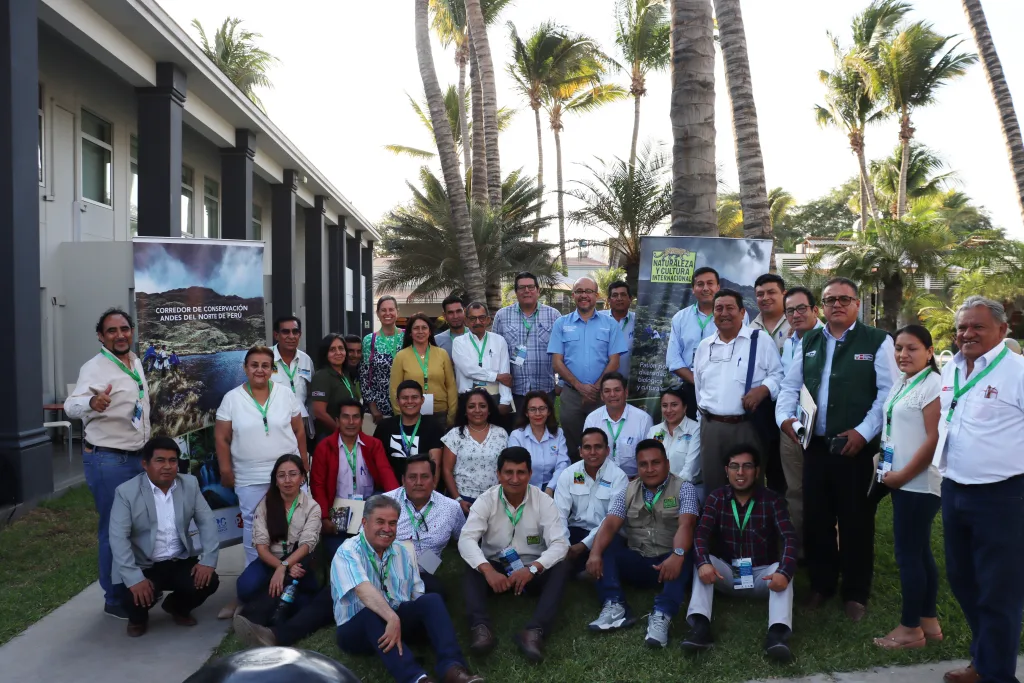
Durante el evento, los asistentes se comprometieron a contar con un expediente técnico que incorpore los aportes brindados por los aliados, este es un insumo indispensable para el reconocimiento del Corredor de Conservación Andes del Norte; otro de los acuerdos fue contar con la estructura para la gestión del corredor, constituido por la plataforma birregional. Además, se estableció una hoja ruta para aprobar las ordenanzas regionales de reconocimiento del CCAN por parte de los gobiernos regionales de Piura y Cajamarca.
## **Oportunidades conectadas**
La bióloga Coral Calvo Vargas, directora general de Diversidad Biológica del Ministerio del Ambiente, quien estuvo presente durante el encuentro birregional, destaca como ecosistemas estratégicos a los páramos y bosques montanos de los andes del norte, por ser fuente importante de servicios ecosistémicos.
Carol Calvo, resalta que existen diversas iniciativas de corredores en el territorio nacional, “queremos aglutinar todos los esfuerzos para salvaguardar estos ecosistemas a través de corredores”, enfatizó.
Asimismo, indicó que actualmente se trabaja por implementar un análisis técnico de corredores, entre los actores involucrados a la gestión, para abordar el marco de planificación de espacios naturales, para que puedan ser atendidos.

## **Una fuente de oportunidades**
El Gerente de Recursos Naturales del Gobierno Regional de Piura, Juan Aguilar, enfatizó la unión interinstitucional como una oportunidad para salvaguardar la infraestructura natural de los Andes del Norte, importantes proveedores de agua para las zonas bajas y refugio indispensable para la vida silvestre.
“Los corredores de conservación son una oportunidad para desarrollar proyectos de inversión pública, orientados a iniciativas de recuperación de espacios degradados”, concluyó Juan Aguilar.
Por su parte, el Gerente de Recursos Naturales del Gobierno Regional de Cajamarca, Sergio Sánchez, aseguró que, promover la gestión de áreas de conservación establecidas y la protección de nuevos espacios prioritarios en los Andes del Norte, ayudará a mantener la cantidad y calidad de agua que es aprovechada para la agricultura de los valles de Piura, zona norte de Cajamarca y consumo humano, además de asegurar el abanico de atractivos que alberga Piura y Cajamarca.
---
**Más información:**
Gabriela Gives
Comunicación Perú
<comunicacion.peru@naturalezaycultura.org>
**Tags:** Perú
**Strategic Area:** Bosques
**Country:** Ecuador, Perú
**Content Type:** Evento
---
### [Send critical funds to communities fighting wildfire in Ecuador](https://www.natureandculture.org/directory/send-critical-funds-to-communities-fighting-wild-fire-in-ecuador/)
**Published:** September 26, 2023
**Author:** Heather Thomas
**Content:**
#### Wildfires in Southern Ecuador are destroying habitat for numerous species including the rare Ecuadorian Vizcacha.
We urgently need your support to help the communities and wildlife that call this area home. In the mountainous forests between the regions of Espíndola and Quilanga, in the province of Loja, Ecuador the fires continue to spread. Local volunteers like Diana Granda, Group Coordinator of “Sembrando Vida” are working to stop the blaze. While on the frontlines she regrets, “it is consuming a lot, a lot of hectares of wildlife and flora.”
Nature and Culture works closely with the local community and has facilitated the declaration of three protected areas in the region. The [Quilanga Municipal Conservation Area](https://www.natureandculture.org/directory/new-municipal-conservation-area-quilanga-preserves-water-sources-and-biodiversity/), the Espíndola Municipal Conservation Area, and the Catamayo Municipal Conservation Area which cover a little over 120,000 acres. It is in this region that the critically endangered vizcacha (*Lagidium ahuacaense*) was first described in 2016. This unique mammal is endemic to southern Ecuador and our team works together with the Techincal University of Loja and local researchers in the [Ecuadorian Vizcacha Conservation Project](https://www.natureandculture.org/directory/ecuadorian-vizcacha-conservation-project/) to protect the vizcacha’s threatened habitat and help existing populations recover.
The Vizcacha is a critically endangered mammal endemic to the canton of Quilanga.
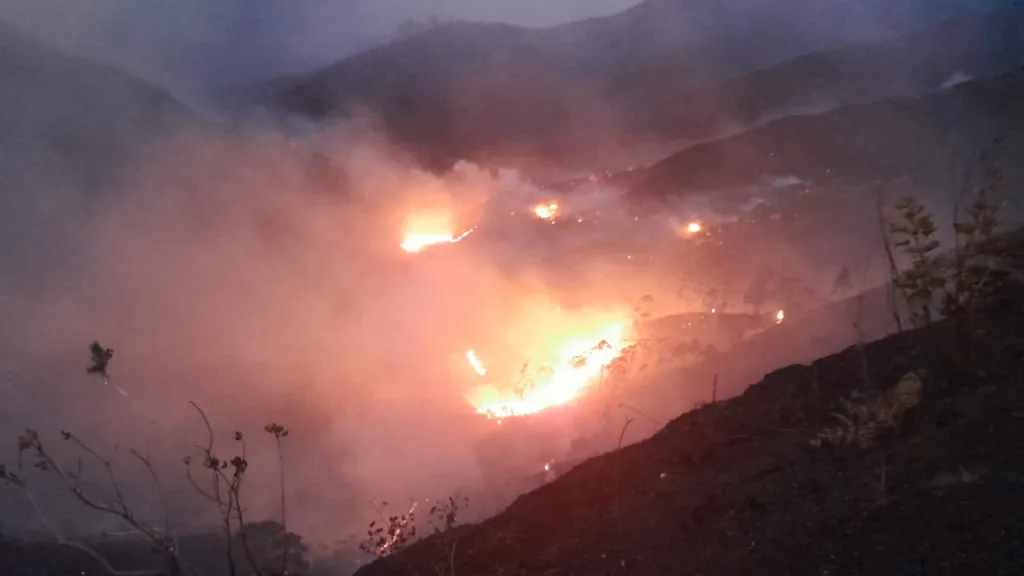
Our team in Ecuador is supplying volunteer firefighters with food and medicine, but we need your support. There is so much at stake. Additionally, these Municipal Conservation Areas secure areas of hydric importance and critical water sources for local communities.
#### Over 2,000 acres were reported to be affected by the wildfires as of September 21, 2023.
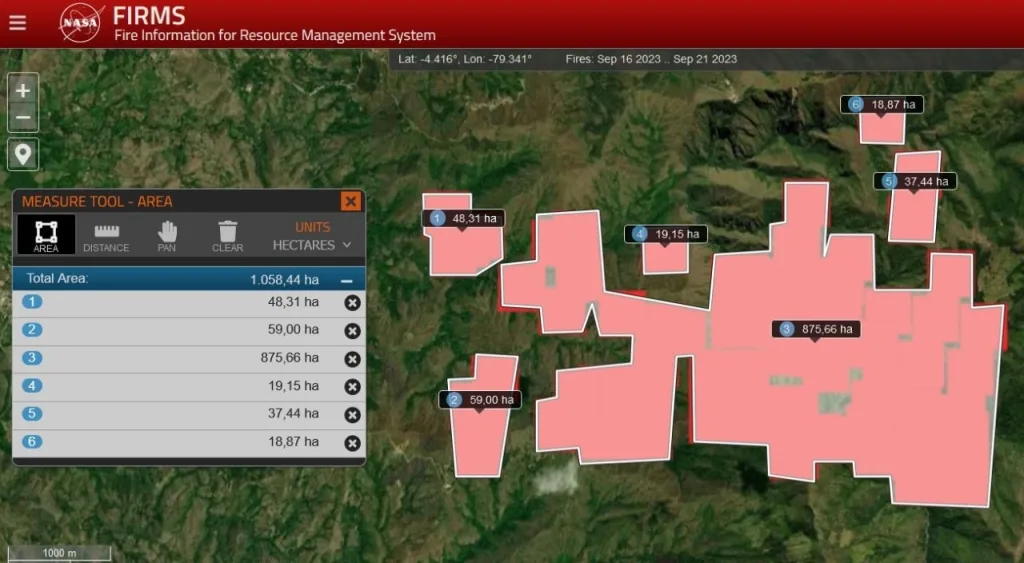
**Tags:** Conservation, Ecuador, endangered species, wild fire
**Strategic Area:** Forests, Local Communities
**Country:** Ecuador
**Content Type:** News
---
### [International Day of the World's Indigenous People](https://www.natureandculture.org/directory/worlds-indigenous-people/)
**Published:** August 9, 2022
**Author:** Heather Thomas
**Content:**


# International Day of the World’s Indigenous People
08/09/2022
**Strategic Area:** Local Communities -
**Content Type:** Blog
**Country:** Bolivia - Colombia - Ecuador - Mexico - Peru -
\[vc\_row\]\[vc\_column\]\[vc\_column\_text\]
## The best defenders of nature, Indigenous nationalities live sustainably within the most biodiverse places on the planet.
That is why Nature and Culture prioritizes people in our conservation efforts. We provide extensive technical and legal support for communities to define and achieve their own conservation goals. From land protection and sustainable use of the land to the documentation of Indigenous culture, our conservation process examines all components of a potential project.
\[/vc\_column\_text\]\[/vc\_column\]\[/vc\_row\]\[vc\_row\]\[vc\_column\]\[vc\_video link=”https://youtu.be/OXVvIxTKZqo”\]\[vc\_btn title=”MAKE A GIFT TODAY” style=”custom” custom\_background=”#0f7d3f” custom\_text=”#ffffff” shape=”square” size=”lg” align=”center” link=”url:https%3A%2F%2Fgive.natureandculture.org%2Fgive%2F372763%2F%23!%2Fdonation%2Fcheckout\|target:\_blank”\]\[/vc\_column\]\[/vc\_row\]\[vc\_row\]\[vc\_column\]\[vc\_column\_text\]
### Conserving ancestral territories ensures long-term conservation.
Indigenous peoples have lived on their lands for countless generations. Over centuries, they have shaped and been shaped by the surrounding ecosystems. Their cultures and livelihoods are inextricably woven into the fabric of nature around them.
In July of this year, the Tiwi Nunka Protected Area was announced as Ecuador’s first Indigenous-led nationally protected conservation area. Protecting their ancestral territory and the ecosystems found within it, protects the strong link that the Shuar nationality has with biodiversity, which has been transmitted for centuries between generations.
[Read more about the Tiwi Nunka Community Protected Area](https://www.natureandculture.org/field-notes/tiwi-nunka-indigenous-protected-area/).\[/vc\_column\_text\]\[vc\_single\_image image=”22152″ img\_size=”large” add\_caption=”yes” alignment=”center”\]\[vc\_column\_text\]
### Supporting Indigenous cultures, preserves traditional knowledge.
Nature and Culture has been working with the Andwa nationality to document their language in a dictionary. “Thanks to Nature and Culture International, we as the Andwa nationality have begun to build a dictionary. We are going to have our own instrument to conserve our language that at this moment is in danger of extinction. I will always be grateful to Nature and Culture. \[…\] We as a nationality have always said that we want to be part of this project to sign conservation agreements and revitalize our culture. For us, the most important thing in our Indigenous organization is to conserve and give value to our handicrafts, ceramics, languages.” -Daniel Dahua, Andwa President
[Watch the story of the Andwa](https://www.youtube.com/watch?v=QqL6Gcuyt5Q) in the first filmed documentary on their culture.\[/vc\_column\_text\]\[vc\_single\_image image=”22150″ img\_size=”large” alignment=”center”\]\[vc\_column\_text\]
### Promoting sustainable livelihoods supports human well-being.
Securing a sustainable source of income for Indigenous and local communities where we work is an important component of what we do. Nature and Culture partners with biologists from local universities to determine sustainable methods of the harvesting of natural resources, and then assists with the technical implementation, production, and selling of resources to buyers that are committed to best practices.
In Peru, the Ikítu nationality harvests the buriti or aguaje fruit from a native palm species that grows in the swamps of the Peruvian Amazon and sells this super fruit, high in vitamins A and C, to local producers.
[See other projects Nature and Culture has supported](https://www.natureandculture.org/our-process/sustainable-development/) to secure sustainable livelihoods.\[/vc\_column\_text\]\[vc\_single\_image image=”22155″ img\_size=”large” add\_caption=”yes” alignment=”center”\]\[/vc\_column\]\[/vc\_row\]\[vc\_row\]\[vc\_column\]\[/vc\_column\]\[/vc\_row\]
**Strategic Area:** Local Communities
**Country:** Bolivia, Colombia, Ecuador, Mexico, Peru
**Content Type:** Blog
---
### [Bolivian Community Unites to Establish the Quebracho and Condor Nature Reserve](https://www.natureandculture.org/directory/bolivian-community-unites-to-establish-the-quebracho-y-condor-nature-reserve/)
**Published:** September 12, 2023
**Author:** Kristen Heard
**Content:**
#### The Laderas Norte Community, the NATIVA Foundation, and Nature and Culture International established the first rural municipal protected area in Bolivia’s Southeastern Tarija Province that will protect important nesting ground for the emblematic condor.
On August 24, 2023, the City Council unanimously approved the law establishing the Quebracho and Condor Nature Reserve, covering 8,144.57 acres. The reserve is particularly special because of its role in the preservation of the Andean condor (*Vultur Gryphus*) and the rare white Quebracho tree (*Aspidosperma quebracho blanco*).
#### **A tragic background**
In February 2021, a devastating incident struck the Laderas Norte community [in Bolivia](https://www.natureandculture.org/directory/donate-to-heal/). Thirty-four majestic condors perished after consuming poisoned meat. This incident had a profound impact on both the local area and the entire nation.
34 Andean condors were tragically killed in 2021 leading to a communal effort to protect this magnificent bird
The condor is a [symbol of South America](https://www.natureandculture.org/directory/serrania-incahuasi/) and holds a special place as Bolivia’s national bird. Beyond its symbolic importance, this majestic bird serves as a crucial component of ecosystems. As a scavenger, it plays a vital role in preventing the spread of harmful bacteria that can pose health risks to humans. Additionally, it aids in regulating the populations of various species, contributing to the overall balance and harmony of local ecosystems.
However, its population has experienced a rapid decline, going from being listed as “Near Threatened” to “Vulnerable” on the IUCN Red List in December 2020.
Condor flying over newly established protected area.
The community of Laderas Norte, known for its commitment to conservation, donated 141 acres to the municipality a decade ago to protect the condor and the only white quebracho forest in the Central Valley of Tarija. It was in this very place that the lifeless condors were found, worrying the local population, and prompting them to take action.
The only white quebracho forest in the Central Valley of Tarija.
#### **A turning point toward conservation**
The community, in its eagerness to avoid future tragedies and protect its environment, requested support from the authorities and social organizations to improve their quality of life through conservation and sustainable development projects. In addition, they expressed their concern about the illegal exploitation of timber in the area, a threat to valuable species such as cedar (*Cedrela lilloi*), red quina (*Myroxylon peruiferum*), walnut (*Junglas australis*), tipa (*Tipuana tipu*), among others.
Thus began the collaboration between the community of Laderas Norte, the NATIVA Foundation, our implementing partner in Bolivia, and Nature and Culture. Despite the challenges, such as border conflicts and misinformation, the creation of the Quebracho and Condor Nature Reserve was achieved.

#### **Reserve highlights**
The reserve is notable for several key reasons: it plays a critical role in preserving the Andean condor, protecting the white quebracho tree, conserving vital ecosystems spanning from the Central Valley of Tarija to the Bolivian Tucuman Jungle, safeguarding water sources, and ensuring the safety of endangered species like the quirusilla plant (*Gunnera apiculata*). Furthermore, it serves as a picturesque destination, making it an excellent choice for adventure tourism.
This achievement is a testament to the commitment and determination of the Laderas Norte community. By declaring their territory a “municipal protected area in perpetuity,” they have taken a bold step toward conservation.
This milestone has been made possible thanks to more than two years of collaboration between the community of Laderas del Norte, the NATIVA Foundation, the Municipal Government of Tarija, the Ministry of Environment, the Directorate of Tourism and the Municipal Council, with the Environment and Tourism commissions, backed by the financial support of Nature and Culture International and Andes Amazon Fund.
Congratulations to the community of Laderas del Norte and all the organizations that made it possible!
**Tags:** Andean Condor, Bolivia, Condor, Conservation, endangered species, Protected Area
**Strategic Area:** Biodiversity, Forests
**Country:** Bolivia
**Content Type:** Blog
---
### [The true meaning of "spotting a jaguar" ](https://www.natureandculture.org/directory/the-true-meaning-of-spotting-a-jaguar/)
**Published:** March 2, 2023
**Author:** Kristen Heard
**Content:**
“La abuela”, a female [jaguar that had not been seen](https://www.natureandculture.org/directory/jaguar-sighting-near-nci-mexico/) for almost 10 years, made a hopeful appearance on the outskirts of Ejido of Munihuaza, in Sonora, Mexico.
The inhabitants of Ejido of Munihuaza had not seen jaguars on their land for a long time. The increase of livestock and open-range grazing in the area had significantly reduced jaguar habitat due to continuous conflict between the animal and ranchers who take action out of fear that the cat would hunt their livestock.
*“There is a lack of community awareness,”* says Gilberto Díaz, a Nature and Culture technician in Mexico, *“there is a lack of knowledge about the importance of caring for the jaguar’s habitat since its survival is closely tied to the integrity of the ecosystem,”* he points out.
Ejido de Munihuaza is in the protected area of Sierra de Álamos-Río Cuchujaqui, in northwest Mexico. There, the thorny scrub, pine and oak forests, and riparian vegetation intermingle, creating an excellent biodiversity corridor that is home to hundreds of species of flora and fauna, among them the jaguar and other felines such as the puma, and the ocelot.
Thus, in an effort to protect the northernmost corridor of jaguar habitat, Nature and Culture joined the “Borderlands Linkages Initiative”, a project led by the Wildlands Network involving eight organizations from Mexico and the United States. This initiative includes monitoring the activities of the jaguar as well as assessing the restoration needs in the Sonora region.
Nature and Culture chose to monitor the cat in Ejido de Munihuaza because it is adjacent to the Monte Mojino Reserve, a private reserve of the organization, and because it provided an opportunity to collaborate with locals on community projects with an environmental focus. *“For us, it was essential that community members of Ejido participate in the activities,”* says Gilberto. This is how he, Anselmo Palomares, Alejo Palomares, and José Bojórquez formed the monitoring team and worked together from August 2021 to April 2022 in the training, installation, and maintenance of camera traps to make the mythical jaguar visible.
Alejandro’s family got very involved in the project
In total, they installed 22 camera traps that covered 90% of Ejido. For the location of the monitoring stations, the team surveyed the area, cleaned it, and placed each camera strategically to avoid “junk images”, that is, photos activated by the wind, leaves, etc. Díaz highlights that, although it was the first time that José, Anselmo, and Alejo carried out wildlife monitoring, they took to the task quickly. *“They were coming up with ways to make sure the camera traps worked, like walking like a jaguar,”* he says.
One of the park rangers mimics a Jaguar to activate the camera trap.
The installation work was arduous, not only because of the irregular topography of the region that goes from sea level to almost 4,000 feet above sea level but also because of the summer season. *“We worked from 5 in the morning to noon and from 3 in the afternoon to 6 in the afternoon, avoiding the hottest hours,”* says Díaz. They also helped themselves with mules to be able to travel long distances and reach the objectives of the day. Gilberto warmly remembers that the families of the community made him feel at home, offering him lodging and food when the days did not allow him to return home.
Now all that was left to do was wait. The park rangers had to periodically monitor each of the monitoring stations, review the photographic record of the cameras, download the data, and delete it before reinstalling the cameras. Each of the rangers received economic compensation for this activity contributing to improving their home life. *“The support is noticeable at the table,”* said one of them, *“this support allows us to buy gas,”* added another.
Months passed and the jaguar did not appear in the image. They saw, among other species, deer, pumas, squirrels, and many cows, but the characteristic black spots of the feline did not appear on the recordings. Every day of monitoring, the team looked for the jaguar enthusiastically, but as the project’s closing approached, it still had not appeared. It was not until the last shift that they saw her, in one of the cameras located in the best-preserved area of Ejido.
Recording of the jaguar in one of the camera traps
With the recordings, the Northern Jaguar Reserve confirmed that it was not only a jaguar but that it was the second oldest female recorded in the region, an individual that had not been seen in the area since 2013. *“Seeing a jaguar is very important since it is an indicator of a healthy ecosystem. But seeing a female jaguar brings hope since it means that reproduction is possible”,* explains Gilberto. The people of Ejido were filled with emotion upon hearing the news and collectively agreed to name her “la abuela” or grandmother, as a symbol of wisdom and hope for the community.
Thanks to the monitoring of the species, the community of Ejido de Munihuaza understood the importance of protecting the habitat of species such as the jaguar. But the effort must continue, as Díaz mentions, *“It is essential to strengthen monitoring strategies and disseminate information so that the people of the communities take ownership and take care of what is theirs”,* because *“conservation is not only about protecting habitat, it is also the social environment”,* he concludes.
**Tags:** Biodiversity monitoring, Jaguar, Mexico, Nature and Culture International, species, Wildlife
**Strategic Area:** Biodiversity
**Country:** Mexico
**Content Type:** Blog
---
### [New protected area supplies water for 30% of Cuenca population and connects to neighboring protected areas](https://www.natureandculture.org/directory/new-protected-area-provides-water-and-connects-other-protected-acres/)
**Published:** December 7, 2023
**Author:** Kristen Heard
**Content:**
On November 9, 2023, the city of Cuenca declared the Yanuncay-Zhucay Conservation and Sustainable Use Area, spanning over 66 thousand acres. This area will safeguard the Yanuncay River, a precious natural gem that runs through the city. The area rivals the size of Cajas National Park. Positioned between the parishes of Baños, San Joaquín, Chaucha, and Tarqui, it ensures the preservation of vital ecosystems.
## What are Conservation and Sustainable Use Areas?
Conservation and Sustainable Use Areas are established by local governments, communities, or private owners to preserve biodiversity and engage in sustainable activities, ensuring the continued provision of ecosystem services that enhance human well-being.
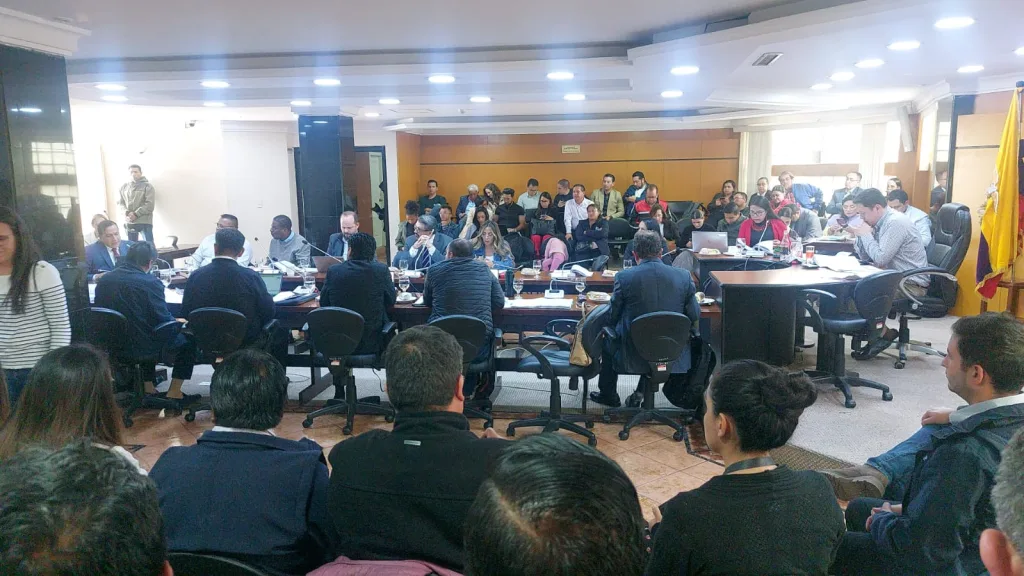Cuenca Regional Council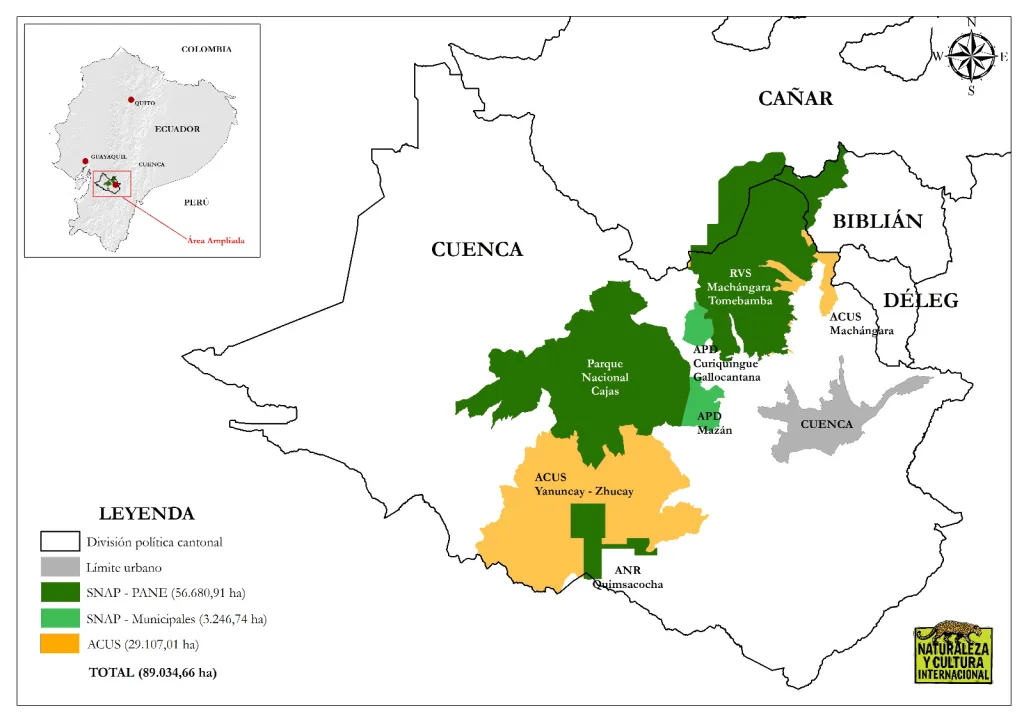Yanuncay Zhucay Protected Area map
This area encompasses fragile ecosystems such as páramo and montane forest, providing various ecosystem services, including water regulation that ensures the supply of drinking water to more than 180,000 people in the city of Cuenca the third largest population in the country. Additionally, it serves as an ecosystem connectivity space between Cajas National Park and the Quimsacocha National Recreation Area.
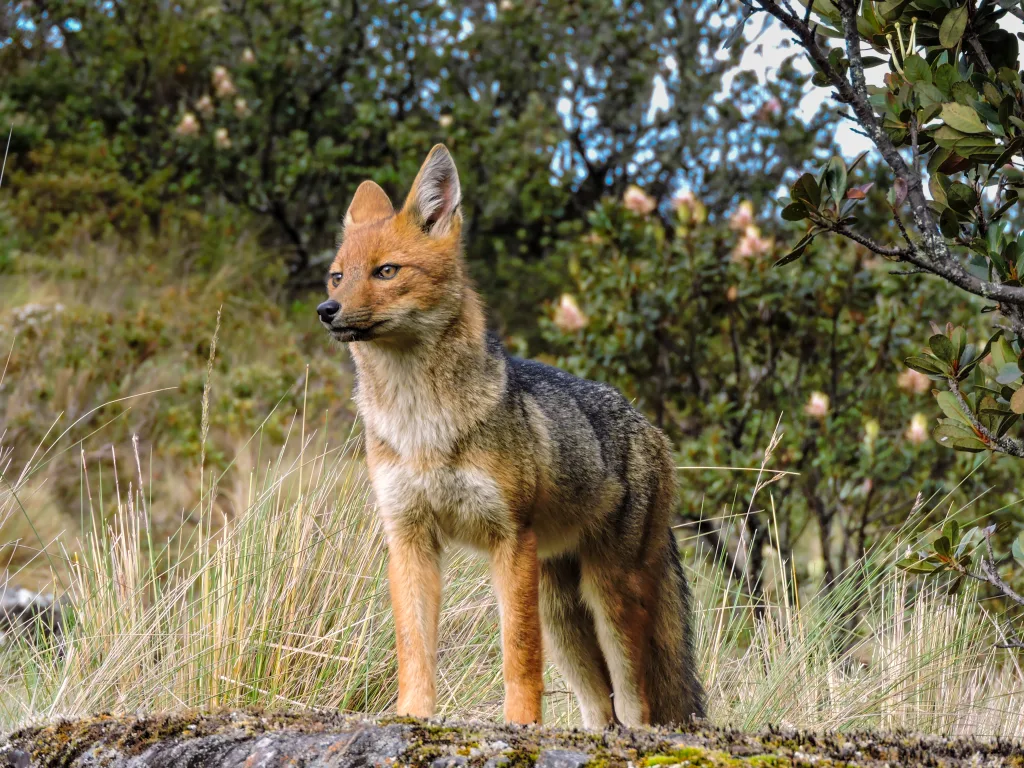*Lycalopex culpaeus**Trogon personatus*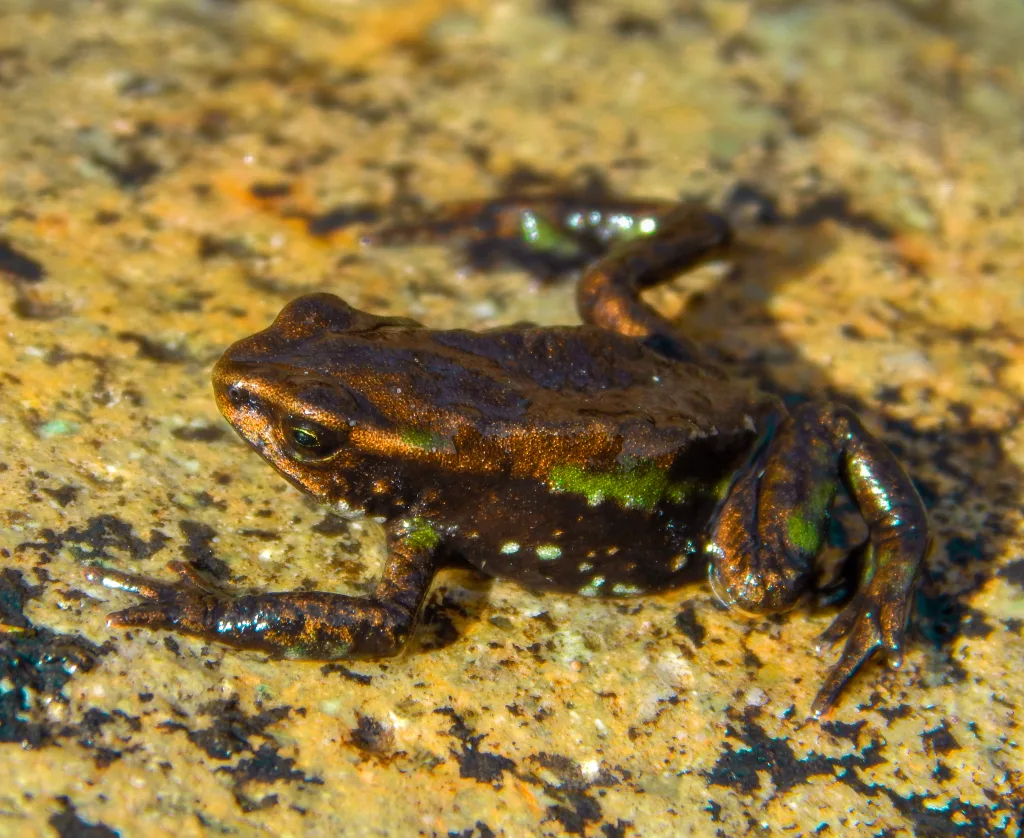*Atelopus nanay*
The Yanuncay-Zhucay Conservation and Sustainable Use Area houses an impressive variety of fauna and flora, including the majestic Andean condor, the Azuay Metaltail hummingbird, endangered amphibians, deer, páramo wolves, porcupines, and many other recorded species. In addition to its ecological value, this area is an important center for tourism development, as well as a vital source of agricultural and livestock production for the city.
[](https://www.natureandculture.org/protected-areas/)The protected area is used for tourism development and agricultural and livestock production \| Image by: QUILICO DRONES
The Yanuncay-Zhucay Conservation and Sustainable Use Area represents an opportunity to safeguard the ecosystem services it provides, the biodiversity it harbors, and the future of Cuenca and its residents.
“We are certain and confident that with this ordinance, we will be able to coordinate activities and protect our water sources, ensuring water for many more years, for our children, for the future.”
*Luiz Quinde, President of the Administrative Board of Drinking Water Project Nero*
This conservation effort was possible thanks to the collaborative work of the Municipal Government of Cuenca, the Parish Governments of Baños, San Joaquín, Chaucha, and Victoria del Portete, the Administrative Board of Drinking Water of Nero, the Environmental Management Commission, ETAPA EP, FONAPA, and the University of Azuay; with technical assistance from Nature and Culture International and financial support from Andes Amazon Fund.
Yanuncay-Zhucay protects key páramos and montane forests for Cuenca’s water security \| Image by: QUILICO DRONES
**Tags:** Conservation, Ecuador, endangered species, Protected Area
**Strategic Area:** Forests
**Country:** Ecuador
**Content Type:** News
---
### [Three New Frog Species, Critical Water Sources & More Protected in El Guabo Municipal Conservation and Sustainable Use Area](https://www.natureandculture.org/directory/elguabo/)
**Published:** June 22, 2021
**Author:** Kristen Heard
**Content:**


# Three New Frog Species, Critical Water Sources & More Protected in El Guabo Municipal Conservation and Sustainable Use Area
06/22/2021
**Strategic Area:** Biodiversity - Forests -
**Content Type:** News
**Country:** Ecuador -
\[vc\_row\]\[vc\_column\]\[vc\_column\_text\]
### **Thanks to donors like you, there is a new Municipal Conservation and Sustainable Use Area in Ecuador.**
\[/vc\_column\_text\]\[/vc\_column\]\[/vc\_row\]\[vc\_row\]\[vc\_column\]\[vc\_column\_text\]
Nature and Culture International celebrates the protection of 31,812 acres in southwestern Ecuador. The newly declared *El Guabo Municipal Conservation and Sustainable Use Area (El Guabo)* conserves critical water sources and biodiverse ecosystems – including habitat for three recently described frog species.
\[/vc\_column\_text\]\[/vc\_column\]\[/vc\_row\]\[vc\_row\]\[vc\_column\]\[vc\_column\_text\]
*El Guabo* spans cloud and montane forests, paramo grasslands, and wetlands in the province of El Oro. The area contains one of the last remnants of humid piedmont forest in the region, a moist montane forest increasingly threatened by logging and expanding agriculture. Found between the Chaguana and Pagua rivers within *El Guabo*, this forest type holds a sample of biodiversity from the western foothills of the Andean mountain range.
\[/vc\_column\_text\]\[/vc\_column\]\[/vc\_row\]\[vc\_row\]\[vc\_column\]\[vc\_column\_text\]
The area’s diverse habitats are home to a spectacular array of wildlife with *El Guabo* confirmed so far to host 45 species of amphibians, 74 species of reptiles, and 556 species of birds. A recent study by Nature and Culture identified mammals such as the oncilla (*Leopardus tigrinus*), Central American agouti (*Dasyprocta punctata*), and lowland paca (*Cuniculus paca*) in the area.
\[/vc\_column\_text\]\[/vc\_column\]\[/vc\_row\]\[vc\_row\]\[vc\_column\]\[vc\_column\_text\]
*El Guabo* is also home to three recently described species of terrestrial frogs. The species, belonging to the genus *Pristimantis*, were discovered in 2016 during an investigation carried out by the National Institute of Biodiversity – Ecuador. We are hopeful that further biological evaluations will identify even more special species.
\[/vc\_column\_text\]\[/vc\_column\]\[/vc\_row\]\[vc\_row\]\[vc\_column\]\[vc\_single\_image image=”20288″ img\_size=”full” add\_caption=”yes”\]\[/vc\_column\]\[/vc\_row\]\[vc\_row\]\[vc\_column width=”1/2″\]\[vc\_single\_image image=”20282″ img\_size=”full” add\_caption=”yes”\]\[/vc\_column\]\[vc\_column width=”1/2″\]\[vc\_single\_image image=”20283″ img\_size=”full” add\_caption=”yes”\]\[/vc\_column\]\[/vc\_row\]\[vc\_row\]\[vc\_column\]\[vc\_column\_text\]
Part of *El Guabo* lies within the *Macizo del Cajas Biosphere Reserve*. Established in 2013, the *Macizo del Cajas Biosphere Reserve* spans 2,400,000 acres and includes *El Cajas National Park* and the *Quimsacocha National Recreation Area*, which play an important role in water provision and regulation.
\[/vc\_column\_text\]\[/vc\_column\]\[/vc\_row\]\[vc\_row\]\[vc\_column\]\[vc\_column\_text\]
In linking protected areas, *El Guabo* establishes additional habitat connectivity in the region. Connectivity allows wildlife to move and migrate, boosts biodiversity and resilience in degraded ecosystems, safeguards genetic flow between populations, and ensures species are better able to adapt to the changing climate.
\[/vc\_column\_text\]\[/vc\_column\]\[/vc\_row\]\[vc\_row\]\[vc\_column\]\[vc\_column\_text\]
Additionally, *El Guabo* secures critical water sources for the local population. The area regulates, collects, and stores water for consumption, production, and irrigation. Protecting water sources within the area will benefit 50,000 inhabitants in the region.
\[/vc\_column\_text\]\[/vc\_column\]\[/vc\_row\]\[vc\_row\]\[vc\_column\]\[vc\_single\_image image=”20284″ img\_size=”full” add\_caption=”yes”\]\[/vc\_column\]\[/vc\_row\]\[vc\_row\]\[vc\_column\]\[vc\_column\_text\]
*El Guabo* was created in response to growing threats in El Oro province, including deforestation, fires, and mining. According to Ecuador’s Ministry of Environment, between 2008 and 2014, 15,000 acres of forest in the province were lost each year due to deforestation.
\[/vc\_column\_text\]\[/vc\_column\]\[/vc\_row\]\[vc\_row\]\[vc\_column\]\[vc\_column\_text\]
Mining is a primary concern of community members in the region. Local farmer Manuel Cabrera witnessed the devastating impacts of mining in a neighboring municipality, including water contamination and water scarcity. He has been working to secure safeguards to prevent a similar situation in El Guabo ever since.
\[/vc\_column\_text\]\[/vc\_column\]\[/vc\_row\]\[vc\_row\]\[vc\_column\]\[vc\_column\_text\]
Nature and Culture joined forces with Manuel and the municipal government in 2020 to protect this special place. Last year we finished a [comprehensive study](https://www.natureandculture.org/el-oro-study/) on biodiversity and ecosystem services in the province of El Oro. We’ve also supported Manuel and other farmers in obtaining land titles to secure property rights.
\[/vc\_column\_text\]\[/vc\_column\]\[/vc\_row\]\[vc\_row\]\[vc\_column\]\[vc\_single\_image image=”20285″ img\_size=”full” add\_caption=”yes”\]\[/vc\_column\]\[/vc\_row\]\[vc\_row\]\[vc\_column\]\[vc\_column\_text\]
Declared on June 15, 2021, *El Guabo* is a result of collaboration between the Provincial Government of El Oro, the Municipal Government of El Guabo, the Ministry of Environment and Water of Ecuador, and the Management Committee of *Macizo del Cajas Biosphere Reserve,* and Nature and Culture International. Funding for the project was provided by Andes Amazon Fund and generous donors like you!
\[/vc\_column\_text\]\[/vc\_column\]\[/vc\_row\]\[vc\_row\]\[vc\_column\]\[vc\_column\_text\]
With your help, Nature and Culture will continue to work with local communities and authorities to develop the area’s Management Plan to ensure lasting and effective conservation impact. We will also support local partners in upgrading *El Guabo* to Ecuador’s National System of Protected Areas. This national status will provide the reserve with the highest level of legal protection in the country and permanently prevent mining in the area.
\[/vc\_column\_text\]\[/vc\_column\]\[/vc\_row\]\[vc\_row\]\[vc\_column\]\[vc\_column\_text\]
Thank you for making this achievement possible. We hope that this bit of good news inspires you to continue fighting for nature and culture.
\[/vc\_column\_text\]\[/vc\_column\]\[/vc\_row\]\[vc\_row\]\[vc\_column\]\[vc\_column\_text\]
[Read the Spanish news release.](https://149860939.v2.pressablecdn.com/wp-content/uploads/2021/07/BOLETIN_NCI_ACMUS_EL_GUABO.pdf)
\[/vc\_column\_text\]\[/vc\_column\]\[/vc\_row\]\[vc\_row\]\[vc\_column\]\[vc\_column\_text\]
Did you hear about the declaration of *Yacuambi Ecological Reserve* as a Decentralized Autonomous Protected Area? [Learn more here.](https://www.natureandculture.org/yacuambi/)
\[/vc\_column\_text\]\[/vc\_column\]\[/vc\_row\]\[vc\_column\]\[/vc\_column\]
**Strategic Area:** Biodiversity, Forests
**Country:** Ecuador
**Content Type:** News
---
### [Irrecoverable Carbon: Fighting Climate Change by Protecting Our Natural Areas](https://www.natureandculture.org/directory/irrecoverable-carbon/)
**Published:** March 22, 2022
**Author:** Heather Thomas
**Content:**


# Irrecoverable Carbon: Fighting Climate Change by Protecting Our Natural Areas
03/22/2022
**Strategic Area:** Climate - Forests -
**Content Type:** Blog
**Country:** Bolivia - Colombia - Ecuador - Peru -
\[vc\_row\]\[vc\_column\]\[vc\_column\_text\]When we think about the release of carbon dioxide (CO2) into the atmosphere, we often associate it with the burning of fossil fuels and not much else. When we see cars’ exhausts releasing black smoke or power stations puffing clouds into the sky, it’s as though we can see the CO2 accumulating in the air. However, there is another major contributor to CO2 emissions that is less often discussed — the destruction of ecosystems with irrecoverable carbon stores.\[/vc\_column\_text\]\[/vc\_column\]\[/vc\_row\]\[vc\_row\]\[vc\_column\]\[vc\_column\_text\]
## What is **‘Irrecoverable Carbon’**?
\[/vc\_column\_text\]\[/vc\_column\]\[/vc\_row\]\[vc\_row\]\[vc\_column\]\[vc\_column\_text\]Natural landscapes hold on to carbon in their [ecosystems](https://www.natureandculture.org/ecosystems/) like air trapped in a balloon. When ecosystems are destroyed, it’s like popping that balloon. Just as the air in a balloon escapes, the carbon sequestered in an ecosystem will be released when the landscape is destroyed.
As vegetation such as trees grow, CO2 from the atmosphere is absorbed by the plant through the process of photosynthesis. This is then converted into carbon which is used by the plant like building blocks. Carbon helps them grow and build biomass like trunks, roots, and leaves.
When plants, which naturally store carbon are destroyed, CO2 is released. This is the plant’s biomass decomposing, or in some cases burning when mass areas are cleared. As we see more ecosystems destroyed to make way for agriculture, development, or mining, among other human activities, we see more of this carbon escape and a huge CO2 increase in the atmosphere.\[/vc\_column\_text\]\[/vc\_column\]\[/vc\_row\]\[vc\_row\]\[vc\_column\]\[vc\_single\_image image=”21390″ img\_size=”large” alignment=”center”\]\[/vc\_column\]\[/vc\_row\]\[vc\_row\]\[vc\_column\]\[vc\_column\_text\]
## Certain ecosystems such as **peatlands and rainforests become an even bigger climate threat when destroyed** because of the vast amount of carbon they store.
\[/vc\_column\_text\]\[/vc\_column\]\[/vc\_row\]\[vc\_row\]\[vc\_column\]\[vc\_column\_text\]The increase in CO2 emissions from activities like deforestation in ecosystems where large amounts of carbon are stored would not be reversible in time to reach the 2050 net-zero emissions goal and prevent the significant impacts of climate change. In this case, we call the carbon stored in these ecosystems “irrecoverable carbon.” Meaning, it is vital to protect the ecosystems that hold large amounts of carbon to avoid irreversible damage to our world.
The Amazon rainforest is one of the most iconic rainforests in the world and is well known for being the “lungs of the planet.” With the amount of irrecoverable carbon trapped in its trees, vegetation, and soil, it doesn’t just have the potential for removing CO2 from the atmosphere, but also must be protected to prevent huge amounts of carbon from being released. \[/vc\_column\_text\]\[/vc\_column\]\[/vc\_row\]\[vc\_row\]\[vc\_column\]\[vc\_column\_text\]
## What does this mean for our world?
\[/vc\_column\_text\]\[/vc\_column\]\[/vc\_row\]\[vc\_row\]\[vc\_column\]\[vc\_column\_text\]The whole planet is facing threats from human expansion and destructive activities, so it is difficult to know where to start with conservation. [Forests](https://www.natureandculture.org/field-notes/globalforests/) are incredibly important to life on this planet. They provide habitat for plants, animals, and humans. They secure fresh water, release oxygen, and — of course — store carbon.
Threatened ecosystems that hold irrecoverable carbon stores include peatlands, mangroves, old-growth forests, and marshes. The protection of these ecosystems must be a priority in order to prevent major impacts from climate change.
It is estimated that fifteen billion trees are cut down each year globally and this [deforestation](https://www.natureandculture.org/carbon/) is adding to the impact we are seeing from climate change. As we mentioned earlier, this puts irrecoverable carbon trapped in ecosystems at risk of being released. This is particularly true for old-growth forests, which are difficult to replenish. Simply planting trees will not recover the lost carbon from deforestation.
What makes the situation worse is the fact that the Amazon rainforest is now showing reduced resilience. In other words, it has a decreased ability to replenish lost areas of forest due to deforestation and extractive activities. As the rainforest loses resilience, we see more, larger-scale disasters, such as uncontrollable [forest fires](https://www.natureandculture.org/amazon-fires-2020/), causing further forest dieback.
With so much forest destruction, particularly in the Amazon, we are continuously seeing increases in CO2 levels in our atmosphere. This needs to stop if we are going to be able to reverse the effects of climate change and prevent the resulting disasters caused by changing weather patterns, famine and loss of [biodiversity](https://www.natureandculture.org/biodiversity-covid-19/).\[/vc\_column\_text\]\[/vc\_column\]\[/vc\_row\]\[vc\_row\]\[vc\_column\]\[vc\_single\_image image=”21391″ img\_size=”large” alignment=”center”\]\[/vc\_column\]\[/vc\_row\]\[vc\_row\]\[vc\_column\]\[vc\_column\_text\]
## At Nature and Culture, **we strive to safeguard large areas of forest, particularly in the Amazon**.
\[/vc\_column\_text\]\[/vc\_column\]\[/vc\_row\]\[vc\_row\]\[vc\_column\]\[vc\_column\_text\]We work tirelessly with local communities and governments to establish [protected areas](https://www.natureandculture.org/in-progress/) to help retain irrecoverable carbon storage, so it doesn’t make it into the atmosphere. We also partner with [Indigenous communities](https://www.natureandculture.org/indigenous-communities/) to help protect their land and their ancestral sustainability practices. The best protectors of forests and other threatened ecosystems are the Indigenous communities that live within them. By protecting the rights of Indigenous communities, we can also defend natural areas threatened by human activities. This in turn will help prevent future climate change impacts through preserving irrecoverable carbon storage in these ecosystems.\[/vc\_column\_text\]\[/vc\_column\]\[/vc\_row\]\[vc\_row\]\[vc\_column\]\[vc\_single\_image image=”21392″ img\_size=”large” alignment=”center”\]\[/vc\_column\]\[/vc\_row\]\[vc\_row\]\[vc\_column\]\[vc\_column\_text\]
## There are many things you can do to help **stop the destruction of irrecoverable carbon-storing ecosystems**.
\[/vc\_column\_text\]\[/vc\_column\]\[/vc\_row\]\[vc\_row\]\[vc\_column\]\[vc\_column\_text\]You can begin by buying sustainably and not purchasing products produced in threatened areas like the Amazon. Check labels and research companies to be sure that they are working towards more sustainable goals. Don’t buy from companies that encourage logging and clearance of land in these vital ecosystems.
You can [donate](https://give.natureandculture.org/give/372763/#!/donation/checkout) to our work to protect important ecosystems holding irrecoverable carbon, which helps prevent the potential for uncontrollable consequences of climate change in our future. [Find out more about our previous projects](https://www.natureandculture.org/reserves-completed/) and the 22 million acres we have successfully protected so far. By contributing to our cause, you will be helping ecosystems, people, and the planet.\[/vc\_column\_text\]\[/vc\_column\]\[/vc\_row\]
**Strategic Area:** Climate, Forests
**Country:** Bolivia, Colombia, Ecuador, Peru
**Content Type:** Blog
---
### [Protecting critical water sources in Ecuador](https://www.natureandculture.org/directory/protecting-critical-water-sources-in-ecuador/)
**Published:** November 1, 2023
**Author:** Kristen Heard
**Content:**
In Ecuador, Water Protection Areas (WPAs) are a unique conservation measure aimed at safeguarding water resources for local populations and protecting key watersheds and their surrounding ecosystems. These areas legally shield forests and natural ecosystems from harmful activities like mining, ensuring a clean water supply and food security for local communities. By prioritizing water source protection, we also engage local populations in conservation and ensure the preservation of the remarkable biological and cultural diversity in these regions.
### **Recent Achievements**: Four New WPA’s in the last month
In October of 2023, four new WPAs were declared in the Amazon and Southern Sierra regions of Ecuador, thanks to the collaborative efforts of the Ministry of Environment, Water, and Ecological Transition, Nature and Culture International, and local organizations. On October 3rd, **the Verdun Water Protection Area** was declared, becoming the first water protection area in the province of Loja and the 23rd at the national level. With an area of just over 20,000 acres, the water protection area benefits approximately 8,000 residents, both directly and indirectly.
Similarly, on October 12, 2023, **two key Water Protection Areas were established that protect water in the Amazon: Yantzaza and El Pangui**.
With these two WPAs, the total number of areas in Ecuador reached 26. The Yantzaza Water Protection Area covers an area of 7,845 acres and benefits over 19,000 people in the region. On the other hand, the El Pangui Water Protection Area benefits around 1,280 people and spans 10,410 acres.
Finally, on October 20th, the **Retén Ichubamba Water Protection Area** was declared, the 27th in the country, covering 11,104 acres, ensuring access to water and food sovereignty for 4,109 residents of the Guamote region in the province of Chimborazo.
### NATURE AND CULTURE’S ROLE IN ESTABLISHING WATER PROTECTION AREAS IN ECUADOR
Between 2019 and 2022, Nature and Culture International led a national-level hydrological study, resulting in a **Map of Zones of Hydric Importance** by level of priority that spans approximately 17.3 million acres. This study served to help the government of Ecuador prioritize the protection of their watershed projects.
Map of Zones of Hydric Importance in Continental Ecuador. Prepared by Nature and Culture International.
To date, 27 Water Protection Areas have been established, **with Nature and Culture contributing to the creation and management of at least fifteen of these areas, covering a total of 156,404 acres.**
The Ecuadorian environmental water authority requested the support of strategic allies such as Nature and Culture to achieve a goal of 445,000 acres protected under its Water Protection Plan before the end of 2023, but they have already surpassed that goal with 476,382 acres designated as Water Protection Areas and there are at least 5 more WPAs expected to be announced with Nature and Culture in 2023.
Verdun WaterfallPucará Waterfall
> “Since 2018, Nature and Culture has been committed to supporting the Ministry of Environment and Water in identifying strategic and high-priority areas to sustain water resources. The national prioritization map for the protection of water resources was updated, and based on this, **we have collaborated with the ministry in establishing 15 WPAs in the country**. Delivering a clear message to local communities and organized groups has been crucial in gaining their support for these initiatives and ensuring the success of the project”
>
> says José Romero, Water Protection Areas Coordinator at Nature and Culture.
Water Protection Areas map of continental Ecuador. Prepared by Nature and Culture International.
### Community Effort and Ongoing Work
Nature and Culture’s work in protecting critical water sources has been made possible thanks to the financial support of Re:wild, which has allowed us to assist in the creation of 7 WPAs this year, with a few more in the final stages of their creation.
Nature and Culture has been a key partner, supporting Ecuador’s constitutional mandates to ensure water security and food sovereignty for the country. Our unwavering commitment to safeguarding Ecuador’s water resources is fortified by the invaluable support and collaboration of local communities, our partners in the Ecuadorian government, and our donors, who make this important work possible.
**Strategic Area:** Water
**Country:** Ecuador
**Content Type:** Blog
---
### [Latest IPCC Report on Climate Crisis Calls for Swift Action](https://www.natureandculture.org/directory/latest-ipcc-report-on-climate-crisis-calls-for-swift-action/)
**Published:** March 23, 2023
**Author:** Kristen Heard
**Content:**
The [6th Assessment Synthesis Report](https://www.ipcc.ch/report/sixth-assessment-report-cycle/) from the Intergovernmental Panel on Climate Change (IPCC) warns that despite progress in climate mitigation efforts, the current pace of action is insufficient to keep global temperatures below the threshold of 1.5°C. That is the threshold beyond which scientists say climate impacts increase significantly and damage becomes rapidly irreversible. Below is a summary of the report’s findings.
#### Action needs to happen now, this is the decisive decade
To ensure temperatures do not exceed the threshold of 1.5°C, global greenhouse gas (GHG) emissions will need to peak within this decade, decline by 43% by 2030, and 60% by 2035. Adverse climate impacts are already far more extreme than initial reports anticipated. The current global surface temperature has already warmed 1.1°C above preindustrial levels. With this alone, there has been an increase in biodiversity loss, drought, extreme heat, and flooding, among other impacts. Despite a decrease in the cost of green energy, improved technologies, and national commitments to reduce GHG emissions. These measures have continued to increase and will fall short. Unsustainable energy use, land use, lifestyles and patterns of consumption and production all contribute to the GHG emissions. A rapid scaling of policy and increased funding to climate is needed to achieve climate stabilization.
#### Even small increases in overall temperature matter
The report defines the risks, adverse impacts, and related losses and damages from climate change at varying degrees of temperature rises. At each tier, the loss of biodiversity increases, access to clean water and food decreases, and sea levels rise. There is no question that any positive changes to keep global warming in check will help to avoid further loss of life and encourage ecosystem health. At a certain point, it is no longer reversible. As certain losses and damage occur, reversal and adaptation options are far less feasible, if even effective at all. It is important to take every action possible at this very moment. Hope lies in the prevention of further tipping the warming scales.
A member of the Shuar Indigenous nationality in the province of Morona Santiago, Ecuador.
#### Biggest impacts threaten those who have historically contributed the least to climate change
According to the IPCC, nearly half of the global population lives in areas where their lives or livelihoods are under threat of climate change. It is said that between 3.3 billion and 3.6 billion people live in countries that are highly vulnerable to climate impacts, including those within Central and South America where Nature and Culture operates. In addition, many of these areas face extreme poverty, governance challenges, and limited access to financial resources or technical support. In this 6th Assessment Report, the IPCC also notes that climate adaptation challenges are often “exacerbated by inequity and marginalization linked to gender, ethnicity, low income or combinations thereof, especially for many Indigenous Peoples and local communities.”
Data on the global inequalities of CO2 emissions reveals that higher-earning countries as well as higher-earning individuals produce more of the world’s GHGs and yet it is those who are producing the least who are most heavily impacted. The highest income-earning households [contribute around 45% of the world’s consumption-based CO2 emissions](https://ourworldindata.org/co2-emissions#global-inequalities-by-consumption), while the bottom 50% account for only around 15%.
The threats of climate change weigh more heavily on regions that are not historically responsible for the production of GHGs; however, the world is looking to many of these areas for quick adaptation efforts or asking for limitation on development that could provide an immediate higher standard of living. That is why it is important to allow these most vulnerable groups or regions inclusive governance, and transparent and participatory decision-making for mitigation and adaptation efforts.
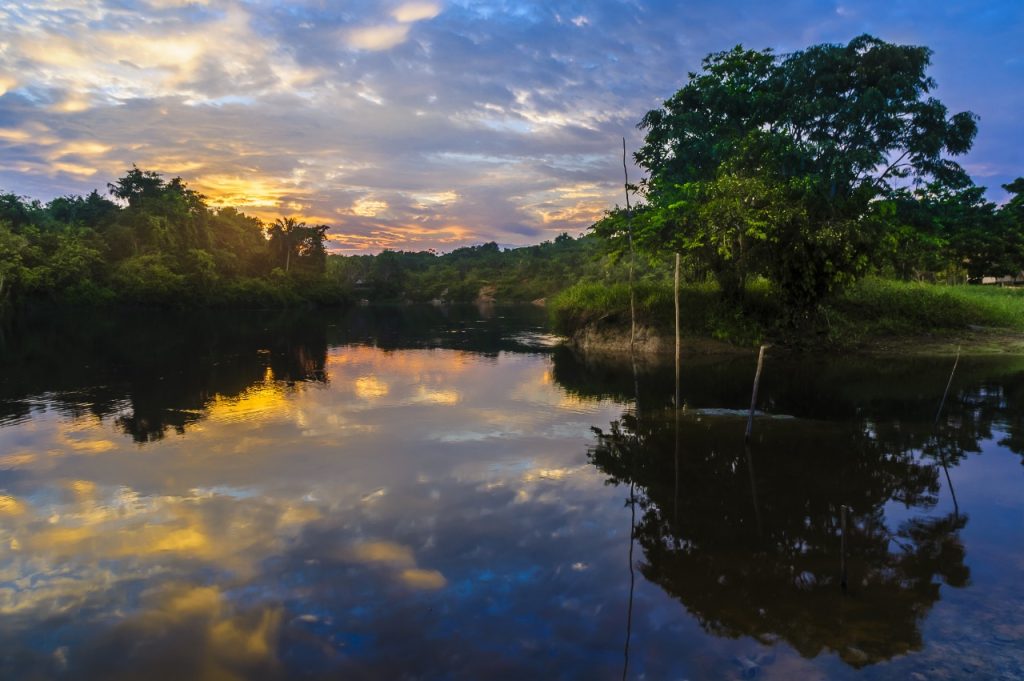Tropical forests provide ecosystem services such as food security and clean water and air.
## What is Nature and Culture’s role?
Protecting Earth’s remaining oceans, plants, animals, and soils is the most cost-effective climate adaptation option. The most potential exists in preventing deforestation in tropical regions. For Nature and Culture that means maintaining tropical forests in the Amazon and Andes. Long-term management of our protected areas supports biodiversity resilience in the region and supports ecosystem services at a global scale, including the sequestration of billions of tons of carbon. Beyond the protection and management of these threatened forests, reforestation and agroforestry (or sustainably cultivating native crops) also contribute to climate mitigation. All these efforts can positively affect local communities if they are done in coordination with the people who live in these areas. Reforestation can improve air quality, access to clean water and food, and agroforestry techniques include economic benefits that have potential to reduce poverty and improve local livelihoods.
The Amazon Rainforest stores billions of tons of carbon and provides ecosystem services to the entire planet. Protection and long-term management of these tropical forests benefits all life on the planet.
#### Many climate adaptation solutions already exist and positively impact global well-being
According to the report, there are feasible, effective, low-cost, low-trade-off options already available, and many include wider societal benefits. A major conclusion of the synthesis is the need to prioritize equity, climate justice, social justice, and inclusion in the near-term actions to mitigate climate change.
Focusing on societal enhancements like education, hunger, poverty, gender, and energy access can support regions and people with the highest climate change vulnerabilities. It not only supports overall societal well-being, but it can also scaffold climate adaptation development programs. Recognition of the inherent rights of Indigenous Peoples is also crucial to successful adaptation across forests and other ecosystems, according to the report. This has always been a cornerstone of Nature and Culture’s work, prioritizing the needs of the local communities we work with.
#### Looking to communities, governments and businesses for leadership
Cooperative climate mitigation is essential. This means including climate adaptation practices that are informed by Indigenous Peoples and local communities. Truly effective climate action will involve coordination among many stakeholders. A prime example of this in action is in our work on the[ Amazonian Platform](https://www.natureandculture.org/directory/amazonian-platform/), This is a agreement between 7 Indigenous nationalities and local governments to manage 11 million acres of the Amazon rainforest. Nature and Culture supports projects that require buy-in from varying levels of government and marketplaces and include frameworks that hear a multitude of voices, including Indigenous Peoples and local communities.
At the Shuar El Kiim Center, the first Indigenous-managed, nationally recognized conservation area is celebrated by members of the Shuar community with Nature and Culture technician, Trotsky Riera.
The climate adaptation measures we implement are done in close collaboration with Indigenous Peoples and local communities and in partnership with local government. These types of projects put people at the heart of the outcome and provide access to finance and technology that would otherwise be unavailable. They often also provide other economic benefits, such as food and water security and improve the overall health of the human populations while safeguarding biodiversity and promoting carbon sequestration.
Please join us in safeguarding our climate future by making a donation today!
**Strategic Area:** Climate, Local Communities
**Country:** Bolivia, Colombia, Ecuador, Mexico, Peru
**Content Type:** Blog
---
### [A Birder's Paradise in the Peruvian Tropical Andes](https://www.natureandculture.org/directory/birders-paradise-peru/)
**Published:** July 27, 2023
**Author:** Kristen Heard
**Content:**
#### More than 450 bird species identified over 8 years!
**Since 2015, research and fieldwork carried out by our technical team has led to the registering of more than 450 species of birds in one of the areas we’re working to protect in the northern tropical Andes. According to our research, 24% of all the bird species in Peru can be found in this region!** More than 30 of these species are endemic, or found no where else in the world.
#### A Brief History of the Region’s Conservation Efforts
Following the creation of the [Carpish Montane Forest Regional Conservation Area](https://www.natureandculture.org/directory/a-milestone-for-the-protection-of-perus-birding-hotspot/) and the [Unchog Private Conservation Area](https://www.natureandculture.org/directory/unchog/), Nature and Culture, with the support of the Critical Ecosystem Partnership Fund, conducted a Rapid Biological Study to determine the distribution of endemic species of the Carpish Montane Forest. This study served as a baseline for the development of monitoring and evaluation plans that help to track the health of the ecosystems in these areas.
The study also helped to prioritize other areas nearby in need of protection. Nature and Culture, together with the Huánuco Regional Government and funding from Andes Amazon Fund, began negotiations for the creation of two new Regional Conservation Areas in the department of Huánuco, Peru: Regional Conservation Area Yanajanca, and Regional Conservation Area San Pedro de Chonta.

In 2021, the American Bird Conservancy joined the effort. They generated information on the behavior of birds and determined the conservation status of the forests that provide them with food and shelter.
At the end of 2021, Rainforest Trust joined Nature and Culture’s initiative with the Huánuco Regional Government, to conserve the work towards conserving proposed San Pedro de Chonta and Yanajanca Regional Conservation Areas.
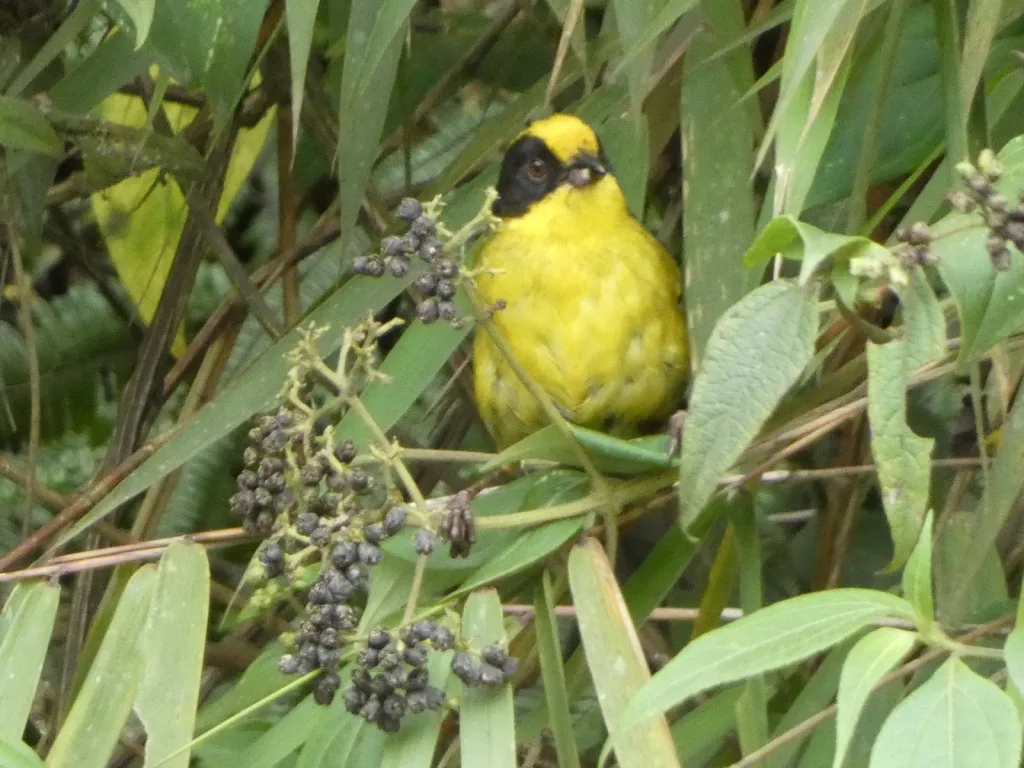Tricolored brushfinch (*Atlapetes tricolor*)
House wren (*Troglodytes aedon*)
Plumbeous sierra finch (*Geospizopsis unicolor*)
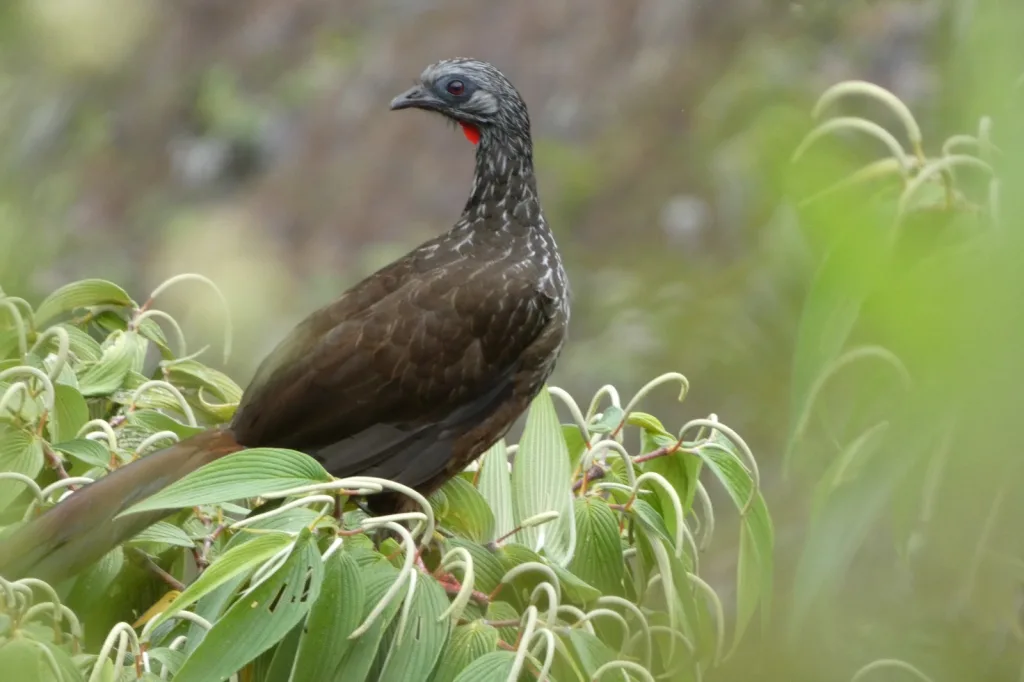Andean Guan (*Penelope montagnii*)
#### Our work in the Carpish-Río Abiseo Mosaic
The Carpish-Río Abiseo Mosaic is 3,763,481.26 acres of very fragile ecosystems of biological and environmental importance located between the departments of Huánuco and San Martín. It also provides valuable ecosystem services to local populations.
The 3.7 million acres are divided into National Areas (Tingo María National Park and Río Abiseo National Park), Sub National Areas (Regional Conservation Areas Shunté and Mishollo, Regional Conservation Area Montane Forest of Carpish and Private Conservation Area Unchog), and Areas in the process of creation (Proposal of Regional Conservation Area Yanajanca and Proposal of Regional Conservation Area San Pedro de Chonta).
**Connecting and protecting these areas, and all of the key ecosystems and endemic spieces that live within the region is at the heart of what Nature and Culture International does.**

#### Want to read more about Nature and Culture’s Carpish-Río Abiseo Mosaic in the News?
[Read local report here](https://www.inforegion.pe/310644/huanuco-identifican-cerca-de-450-especies-de-aves-en-el-mosaico-carpish-rio-abiseo/)
**Tags:** Biodiversity, endangered species, Peru, Protected Area
**Strategic Area:** Biodiversity
**Country:** Peru
**Content Type:** News
---
### [Amazonian Platform For Forests, Climate, and Human Wellbeing](https://www.natureandculture.org/directory/amazonian-platform/)
**Published:** March 16, 2022
**Author:** Heather Thomas
**Content:**


# Amazonian Platform For Forests, Climate, and Human Wellbeing
03/16/2022
**Strategic Area:** Climate - Forests - Local Communities -
**Content Type:** Blog
**Country:** Ecuador -
\[vc\_row\]\[vc\_column\]\[vc\_column\_text\]
## **The Amazonian Platform is a partnership linking local governments and Indigenous Nationalities to effectively manage large swaths of the Amazon rainforest.**
\[/vc\_column\_text\]\[/vc\_column\]\[/vc\_row\]\[vc\_row\]\[vc\_column\]\[vc\_column\_text\]The country of Ecuador is home to only about 2% of the Amazon rainforest, and yet the water from this location feeds the entire Amazon basin. Here, the provinces of Pastaza, Zamora Chinchipe, Morona Santiago and seven Indigenous nationalities from the Ecuadorian Amazon have begun to work together to show the world that deforestation and degradation of the largest rainforest on the planet can be reversed.
The Amazonian Platform for Forests Climate and Human Wellbeing is a collaborative agreement among the six provinces of the Ecuadorian Amazon and the Confederation of Indigenous Nationalities of the Amazon of Ecuador. In the first phase of this pact, three provinces are committing to effectively manage and protect 11 million acres of continuous forest (about twice the area of New Jersey), making up the largest biological corridor of continuous forest in Ecuador and sequestering 2.3 billion tons of carbon. \[/vc\_column\_text\]\[vc\_single\_image image=”21398″ img\_size=”large” add\_caption=”yes” alignment=”center”\]\[/vc\_column\]\[/vc\_row\]\[vc\_row\]\[vc\_column\]\[vc\_btn title=”Give Now” style=”custom” custom\_background=”#0f7d3f” custom\_text=”#ffffff” shape=”square” size=”lg” align=”center” link=”url:https%3A%2F%2Fgive.natureandculture.org%2F\|target:\_blank”\]\[/vc\_column\]\[/vc\_row\]\[vc\_row\]\[vc\_column\]\[vc\_column\_text\]The collective effort between local governments and Indigenous nationalities comes at a critical moment, as threats to the Ecuadorian Amazon from deforestation, mining, agricultural expansion, and development increase daily. With technical assistance from Nature and Culture International, this unification of conservation efforts will set an example for an effective means of protecting more of the Amazon rainforest. \[/vc\_column\_text\]\[vc\_video link=”https://youtu.be/wxF06ZOCxzU” align=”center”\]\[/vc\_column\]\[/vc\_row\]\[vc\_row\]\[vc\_column\]\[vc\_column\_text\]On December 28, 2021, Nature and Culture International and the governors of Morona Santiago, Pastaza, and Zamora Chinchipe signed an agreement that advances the construction of the proposed “Amazonian Platform for Forests, Climate and Human Wellbeing” together with the Indigenous communities. The leadership of these three provinces decided to take a crucial step forward to combat climate change and advance the well-being of their population, based on both progress generated in the field of conservation and agreements made with local and Indigenous Peoples and Nationalities.
This union is a commitment to sustainably manage and protect the largest biological corridor of continuous forest in Ecuador in provincial conservation areas. It will generate opportunities for the implementation of a National Strategy and Provincial Strategies for Climate Change, REDD+ and RIA, including reducing deforestation, restoring degraded areas, implementing sustainable livelihood projects, and management of existing conservation areas, among other initiatives.
7 of the 14 Indigenous Nationalities of the Ecuadorian Amazon – Shuar, Achuar, Kichwa, Waorani, Sápara, Andoa and Shiwiar – these areas are currently protected within the subnational conservation system (as Provincial ACUS – Conservation and Sustainable Use Areas) and cover an area larger than all the protected areas within the National System of Protected Areas of the Ecuadorian Amazon.
This area is also home to an incredible biodiversity of life forms, distributed in 28 Ecosystems officially recognized by the Ecuadorian Ministry of Environment and Water, making it one of the most diverse places in the entire Amazon.\[/vc\_column\_text\]\[vc\_column\_text\]
## Nature and Culture has supported conservation and management efforts in Pastaza for **over ten years.**
\[/vc\_column\_text\]\[vc\_column\_text\]In 2017, Nature and Culture helped establish the 6.2 million acre Pastaza Ecological Area of Sustainable Development in the central Ecuadorian Amazon region. Shortly after, we supported its participation in the Governors’ Climate and Forests Task Force (GCF); a subnational collaboration between 38 states, provinces, and regions from 11 countries to protect forests, reduce emissions, and promote sustainable development.
Since 2020, Nature and Culture International has worked with the Pastaza government to develop its first REDD+ Implementation Plan jointly with the seven Amazonian nationalities of the province. The REDD+ Implementation plan sets sustainable management goals and opens the door for more climate funding to be sent directly to the region.
In 2021 Pastaza became the first provincial government in the Amazon region to have an Implementation Plan to Reduce Deforestation and Degradation of its forests, which was built together with the seven Amazonian nationalities of the province. \[/vc\_column\_text\]\[vc\_column\_text\]
## Zamora Chinchipe and Morona Santiago follow suit.
\[/vc\_column\_text\]\[vc\_column\_text\]In 2018, with the help of Nature and Culture, Zamora Chinchipe declared a 1.1 million acre provincial protected area and is in the process of building its Implementation Plan to Reduce Deforestation and Degradation of its forests.
In 2021, the governor of Mornona Santiago signed an agreement with the Shuar and Achuar Indigenous nationalities to declare the proposed 2.5 million acres of Conservation and Sustainable Use Areas. This sets the stage for these two provincial governments to follow in Pastaza’s footsteps and implement REDD+ plans of their own. Soon, both Zamora Chinchipe and Morona Santiago, will also be part of the GCF Task Force.\[/vc\_column\_text\]\[/vc\_column\]\[/vc\_row\]
**Strategic Area:** Climate, Forests, Local Communities
**Country:** Ecuador
**Content Type:** Blog
---
### [CEO Statement on the Amazon Fires](https://www.natureandculture.org/directory/amazon-fires-2020/)
**Published:** November 6, 2020
**Author:** Kristen Heard
**Content:**


# CEO Statement on the Amazon Fires
11/06/2020
**Strategic Area:** Climate - Forests -
**Content Type:** Blog
**Country:** Bolivia -
\[vc\_row\]\[vc\_column\]\[vc\_column\_text\]
### ****The Amazon rainforest is suffering the worst fires in a decade.****
\[/vc\_column\_text\]\[/vc\_column\]\[/vc\_row\]\[vc\_row\]\[vc\_column\]\[vc\_column\_text\]
In July and August of last year, forest fires caught international headlines as flames blazed across the Amazon rainforest. While our attention has understandably shifted to other events, the problem hasn’t diminished. In fact, the fires this year could be even more devastating than in 2019.
\[/vc\_column\_text\]\[/vc\_column\]\[/vc\_row\]\[vc\_row\]\[vc\_column\]\[vc\_column\_text\]
Over the past few months, thousands of fires have erupted in the Amazon rainforest. When the burning of the Amazon was at its peak in August, there were thousands of individual fires, almost three times as many that month – 30,901 – compared with the same period last year. October – traditionally a month when rains bring some relief – also experienced an increase in fires. The Institute of Space Research said there were 17,326 fires in the Amazon, compared to 7,855 in October 2019.
\[/vc\_column\_text\]\[/vc\_column\]\[/vc\_row\]\[vc\_row\]\[vc\_column\]\[vc\_column\_text\]
**Historically, fires in the Amazon have been linked to deforestation due to the expansion of agricultural activity. This occasion is no exception.**
\[/vc\_column\_text\]\[/vc\_column\]\[/vc\_row\]\[vc\_row\]\[vc\_column\]\[vc\_column\_text\]
The [Monitoring of the Andean Amazon Project (MAAP)](https://maaproject.org/en/) has used an archive of satellite data to track deforestation across the Brazilian Amazon and found that most of last year’s fires occurred on recently deforested land. MAAP has detected several large areas in Brazil that have been recently deforested and will likely be the sites of the most devastating Amazon fires in 2020.
\[/vc\_column\_text\]\[/vc\_column\]\[/vc\_row\]\[vc\_row\]\[vc\_column\]\[vc\_column\_text\]
The consequences of this destruction are dire. Fires not only threaten the existence of the world’s largest tropical forest, but also put biodiversity at risk of extinction, threaten indigenous communities, and hinder ecosystem services we all depend on.
\[/vc\_column\_text\]\[/vc\_column\]\[/vc\_row\]\[vc\_row\]\[vc\_column\]\[vc\_column\_text\]
**The immediate impact of fires on biodiversity is the death of wildlife that inhabit these forests, including animals of great ecological importance such as the jaguar**. Burning also causes a loss of habitat that threatens the survival of species.
\[/vc\_column\_text\]\[/vc\_column\]\[/vc\_row\]\[vc\_row\]\[vc\_column\]\[vc\_column\_text\]
With an infection rate from COVID-19 130% higher than the general population, Brazil’s indigenous people are already more vulnerable. Smoke from fires will put their respiratory systems at even higher risk. [Recent studies ](https://www.medrxiv.org/content/10.1101/2020.04.05.20054502v2)suggest a link between exposure to air pollution and more severe cases of COVID-19, and seasonal increases in malaria and dengue will put additional pressure on remote regions where hospital beds are hard to come by.
\[/vc\_column\_text\]\[/vc\_column\]\[/vc\_row\]\[vc\_row\]\[vc\_column\]\[vc\_column\_text\]
**In addition to affecting the biodiversity and communities of the area, fires worsen the climate crisis.** Fires and climate change operate in a vicious cycle: as fires increase, greenhouse gas emissions increase, increasing our planet’s overall temperature and the occurrence of extreme weather events like droughts.
\[/vc\_column\_text\]\[/vc\_column\]\[/vc\_row\]\[vc\_row\]\[vc\_column\]\[vc\_column\_text\]
Deforestation also reduces the capacity of ecosystems to absorb carbon dioxide, contributes to a change in rainfall patterns in the affected regions, and compromises air quality for near and distant cities.
\[/vc\_column\_text\]\[/vc\_column\]\[/vc\_row\]\[vc\_row\]\[vc\_column\]\[vc\_single\_image image=”18563″ img\_size=”full” add\_caption=”yes”\]\[/vc\_column\]\[/vc\_row\]\[vc\_row\]\[vc\_column\]\[vc\_column\_text\]
Currently, fires are consuming areas of forest in the Amazon, and in other important ecoregions such as the Pantanal in Brazil and Chaco in Bolivia.
\[/vc\_column\_text\]\[/vc\_column\]\[/vc\_row\]\[vc\_row\]\[vc\_column\]\[vc\_column\_text\]
To prevent these fires, we must fight deforestation. **It is clear that Nature and Culture International’s mission to save our planet’s most biologically diverse places remains as urgent and important as ever.**
\[/vc\_column\_text\]\[/vc\_column\]\[/vc\_row\]\[vc\_row\]\[vc\_column\]\[vc\_column\_text\]
With the support of our donors, Nature and Culture is currently working to prevent fires in the Amazon, Chaco, dry forest, and other critical ecoregions. We are helping indigenous and local communities create new protected areas, which is key to preventing deforestation. We recently supported the declaration of [Serranías de Igüembe Municipal Integrated Management Natural Area](https://www.natureandculture.org/serranias-de-iguembe/) in Bolivia, safeguarding 302,242 acres from logging, agricultural expansion, and other threats. We are also establishing and strengthening effective management for existing protected areas.
\[/vc\_column\_text\]\[/vc\_column\]\[/vc\_row\]\[vc\_row\]\[vc\_column\]\[vc\_column\_text\]
Additionally, Nature and Culture is training local park rangers and community members in forest fire prevention and containment to prevent future devastation. In October, we trained 25 community members in Ecuador’s dry forest to strengthen prevention, control, and management measures.
\[/vc\_column\_text\]\[/vc\_column\]\[/vc\_row\]\[vc\_row\]\[vc\_column\]\[vc\_column\_text\]
Nature and Culture is committed to the conservation of our planet’s wildlife and wild places in collaboration with local and indigenous partners. **With the support of our donors, we will continue to protect nature and culture in the Amazon and other critical ecoregions for the well-being of our planet.**
\[/vc\_column\_text\]\[/vc\_column\]\[/vc\_row\]\[vc\_row\]\[vc\_column\]\[vc\_btn title=”Fight Deforestation Today” color=”danger” align=”center” link=”url:http%3A%2F%2Fgive.natureandculture.org”\]\[/vc\_column\]\[/vc\_row\]\[vc\_column\]\[/vc\_column\]
**Strategic Area:** Climate, Forests
**Country:** Bolivia
**Content Type:** Blog
---
### [Spectacled bear and puma camera trap sightings in protected area in Peru](https://www.natureandculture.org/directory/spectacled-bear-and-puma-camera-trap-sightings/)
**Published:** December 4, 2023
**Author:** Heather Thomas
**Content:**
Researchers recently recorded notable wildlife sightings in the Páramos and Montane Forests of Jaén and Tabaconas Protected Area in Peru. Camera traps in the region documented the presence of the impressive puma (*Puma concolor*) and the symbolic spectacled bear (*Tremarctos ornatus*) as they moved through the area.
**These findings are especially meaningful because they serve as biological indicators of the healthy conservation status of the area.**
Analu Fernández Rafael, head of the Páramos and Montane Forests of Jaén and Tabaconas Protected Area, emphasizes that these discoveries highlight the importance of joint efforts between governmental entities and non-governmental organizations in the conservation of our ecosystems. They ensure a balance that benefits both wildlife and local communities, reaffirming the need to strengthen research in the páramo and montane forest ecosystems of Cajamarca.
## Spectacled bear
Biologist Iván Mejía from Nature and Culture International explains that the spectacled bear, besides being an emblematic species, is a seed disperser. For this reason, it plays a key role in the functioning of high mountain ecosystems.
Additionally, the spectacled bear is endangered according to the IUCN (International Union for Conservation of Nature), in the “vulnerable” category.
## Puma
In contrast, the puma ranked as the fourth-largest feline in the world, plays a crucial role in the health, regulation, and balance of other species in mountain ecosystems. It keeps other species in check given that it is a top predator. It is a born controller of the food local food chain. According to biologist Mejía, the presence of the puma is key to maintaining the harmony and sustainability of the ecosystems it calls home.
[GIVE TODAY!](https://give.natureandculture.org/give/514063/#!/donation/checkout?amount=100)
These revelations underscore the importance of understanding and preserving interactions between species, recognizing their valuable contribution not only to biodiversity but also to the dynamic balance of high mountain ecosystems.
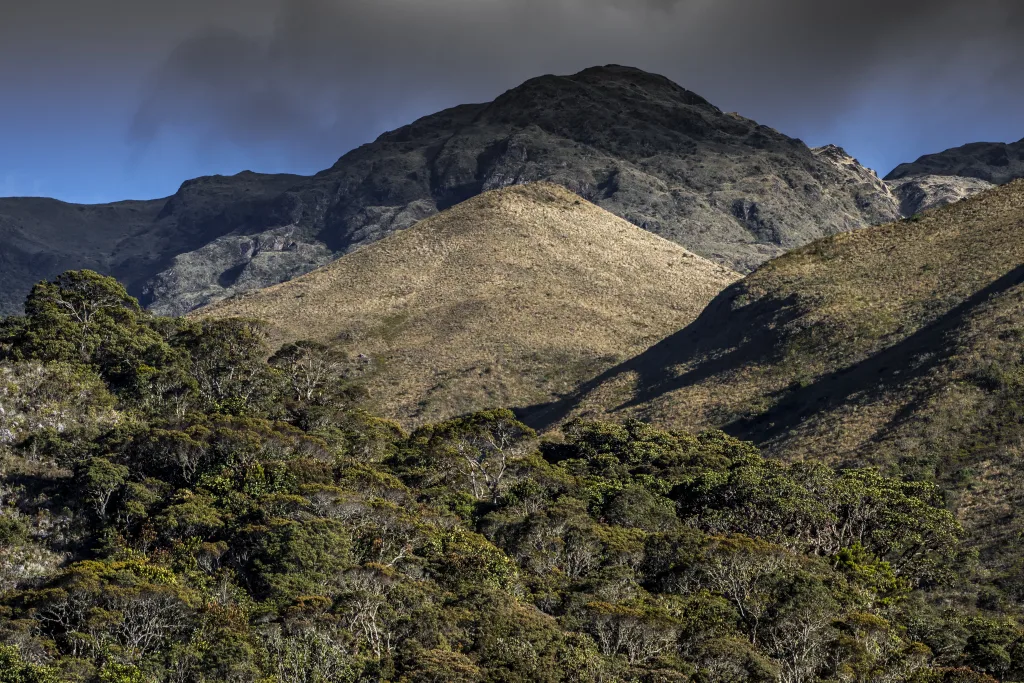The passage from the Páramos and Montane Forests of Jaén and Tabaconas Protected Area
## A shared commitment
These monitoring activities are led with dedication and commitment by the technical team of the Páramos and Montane Forests of Jaén and Tabaconas Protected Area, part of the Submanagement of Natural Resources and Protected Natural Areas of the Regional Government of Cajamarca (RENAMA). This work is carried out in close collaboration and strategic partnership with Nature and Culture International and Andes Amazon Fund, thus strengthening the protection and preservation of this protected natural area, which has the largest coverage of the páramo ecosystem in the department.
**Tags:** Biodiversity, endangered species, Peru, Puma, Spectacled bear
**Strategic Area:** Biodiversity
**Country:** Peru
**Content Type:** News
---
### [II Festival Internacional de Abejas Nativas](https://www.natureandculture.org/es/directorio/ii-festival-internacional-de-abejas-nativas/)
**Published:** November 30, 2023
**Author:** Nora Sanchez
**Content:**
El Gobierno Municipal de Puyango junto a la Mancomunidad Las Meliponas y Naturaleza y Cultura Internacional (NCI) invitan al “II Festival Internacional de Abejas Nativas” los días 1 y 2 de diciembre del 2023, en el cantón Puyango. Este evento cuenta con el apoyo del Fondo Ítalo Ecuatoriano (FIEDS) y forma parte del proyecto “Gobernanza Mancomunada para la construcción de territorios resilientes en paisajes forestales en los Andes occidentales del Ecuador”, el cual es realizado por la Mancomunidad Bosque Seco en colaboración con NCI, el Fondo Ecuatoriano Populorum Progressio (FEPP) y el Consorcio para el Desarrollo Sostenible de la Ecorregión Andina (CONDESAN).
Asimismo, la Cooperación Belga al Desarrollo (DGD) ha estado implementando esfuerzos para mejorar la resiliencia de los paisajes forestales como sistemas socio-ecológicos, generando beneficios en términos de clima, biodiversidad y bienestar para las personas. Sumando acciones y fomentando la meliponicultura y la conservación de las abejas nativas.
El objetivo principal de este festival es promover la meliponicultura y la conservación de las abejas nativas, así como los ecosistemas naturales asociados, Además, se promoverán emprendimientos y la comercialización de la miel y sus derivados.

Dentro de la agenda de actividades del festival, el 1 de diciembre se llevará a cabo una feria de comercialización, diversidad y conservación. En esta feria participarán más de 300 meliponicultores de la Asociación de Puyango (ASOPROMELPUY). Además, la Universidad Técnica Particular de Loja (UTPL), a través de la carrera de Gastronomía, ofrecerá un masterclass donde se podrán degustar los diferentes tipos de miel producidos por las abejas nativas.
Durante el intercambio de experiencias, diversos expositores de nivel nacional e internacional compartirán información sobre el aprovechamiento sostenible de las abejas nativas y su conservación frente a las amenazas que enfrentan, como la deforestación, la expansión de la frontera agrícola, el uso de agroquímicos, la minería y la reforestación con especies introducidas.
Además, esperamos compartir vivencias y levantar lazos de confraternidad en la noche cultura del 01 de diciembre en la Plaza cívica de El Arenal, para lo cual hacemos extensiva la invitación para que participe de este evento en calidad de artista invitado.
El Festival se llevará a cabo en la ciudad de Alamor y en la Mancomunidad Las Meliponas, siguiendo la siguiente agenda:
[Agenda\_IIFAN\_](https://www.natureandculture.org/wp-content/uploads/2023/11/Agenda_IIFAN_.pdf)[Download](https://www.natureandculture.org/wp-content/uploads/2023/11/Agenda_IIFAN_.pdf)
**¡Te invitamos a ser parte de este importante evento que promueve la conservación de las abejas nativas y los ecosistemas naturales asociados!**
**Tags:** Ecuador
**Strategic Area:** Biodiversidad
**Country:** Ecuador
**Content Type:** Evento
---
### [Oso de anteojos y Puma enternecen por su aparición en cámaras trampa ](https://www.natureandculture.org/es/directorio/oso-de-anteojos-y-puma-enternecen-por-su-aparicion-en-camaras-trampa/)
**Published:** November 28, 2023
**Author:** Nora Sanchez
**Content:**
En el marco del monitoreo biológico en el Área de Conservación Regional “Páramos y Bosques Montanos de Jaén y Tabaconas” en Cajamarca, se han registrado avistamientos notables de fauna, destacando la presencia del imponente puma (*Puma concolor*) y el emblemático oso de anteojos (*Tremarctos ornatus*), mientras se desplazaban por la zona.
Estos registros adquieren especial relevancia al ser considerados como indicadores biológicos del buen estado de conservación del área.
## **Conoce a las especies**
El biólogo Iván Mejía, de Naturaleza y Cultura Internacional, explica que el oso de anteojos, además de ser una especie emblemática, es un dispersor de semillas. Por esta razón, se le atribuye un rol clave en el funcionamiento de los ecosistemas de alta montaña, desempeñando una función moduladora del paisaje.
Además, se debe mencionar que se encuentra en peligro de extinción según la UICN (Unión Internacional para la Conservación de la Naturaleza), en la categoría “vulnerable”.
En contraste, el puma, considerado el cuarto felino más grande del mundo, desempeña un papel crucial para la salud, regulación y equilibrio para la presencia de otras especies en los ecosistemas de montaña. Dada su dieta centrada en estos, se convierte en un controlador natural. La presencia del puma, según las explicaciones del biólogo Mejía, se traduce en una pieza clave para la armonía y sostenibilidad de los ecosistemas donde habita.
Estas revelaciones subrayan la importancia de comprender y preservar las interacciones entre las especies, reconociendo la valiosa contribución no solo a la biodiversidad, sino también al equilibrio dinámico de los ecosistemas de alta montaña.
## **Un compromiso compartido**
Estas actividades de monitoreo son lideradas con dedicación y compromiso por el equipo técnico del ACR Páramos y Bosques Montanos de Jaén y Tabaconas, de la Subgerencia de Recursos Naturales y Áreas Naturales Protegidas del Gobierno Regional de Cajamarca (RENAMA). Esta labor se realiza en estrecha colaboración y alianza estratégica con Naturaleza y Cultura Internacional (NCI) y Andes Amazon Fund (AAF), fortaleciendo así la protección y preservación de esta área natural protegida que posee la mayor cobertura del ecosistema de páramo en el departamento.
Pasaje del ACR Páramos y Bosques Montanos de Jaén y Tabaconas
Analu Fernández Rafael, responsable del ACR Páramos y Bosques Montanos de Jaén y Tabaconas, resalta que estos descubrimientos evidencian la importancia de los esfuerzos conjuntos entre entidades gubernamentales y organizaciones no gubernamentales en la conservación de nuestros ecosistemas, aseguran un equilibrio que beneficia tanto a la fauna silvestre como a las comunidades locales y reafirma la necesidad de fortalecer la investigación en los ecosistemas de páramos y bosques montanos de Cajamarca.
**Tags:** Biodiversidad, Cámaras trampa, Perú
**Strategic Area:** Biodiversidad
**Country:** Perú
**Content Type:** Noticias
---
### [Comité de Gestión del ACR Alto Nanay, Pintuyacu y Chambira se renueva y fortalece con incorporación de más actores contra la minería ilegal](https://www.natureandculture.org/es/directorio/comite-de-gestion-del-acr-alto-nanay-pintuyacu-y-chambira-se-renueva-y-fortalece-con-incorporacion-de-mas-actores-contra-la-mineria-ilegal/)
**Published:** November 21, 2023
**Author:** Nora Sanchez
**Content:**
*Naturaleza y Cultura Internacional (NCI) apoyó al Comité de Gestión del Área de Conservación Regional Alto Nanay, Pintuyacu y Chambira en la realización de esta segunda asamblea del 2023. El tema de la minería ilegal en la cuenca del Nanay fue uno de los temas medulares durante la asamblea.*
Entre el 11 y el 12 de noviembre se realizó la segunda asamblea comunal del Comité de Gestión del Área de Conservación Regional Alto Nanay, Pintuyacu y Chambira (ACR ANPCH) en la Comunidad Nativa de San Antonio, ubicada en el distrito de Alto Nanay (región Loreto) que convocó a más de 50 asistentes representantes de las comunidades ubicadas en la cuenca, instituciones públicas y de sociedad civil que apoyan en la gestión del área.
Como parte de los objetivos que motivaron la realización de esta segunda asamblea en el año 2023 se informó sobre los logros y dificultades del trabajo del Comité de Gestión, sobre los proyectos que vienen impulsando y la elección de la nueva comisión ejecutiva periodo 2023 – 2025.
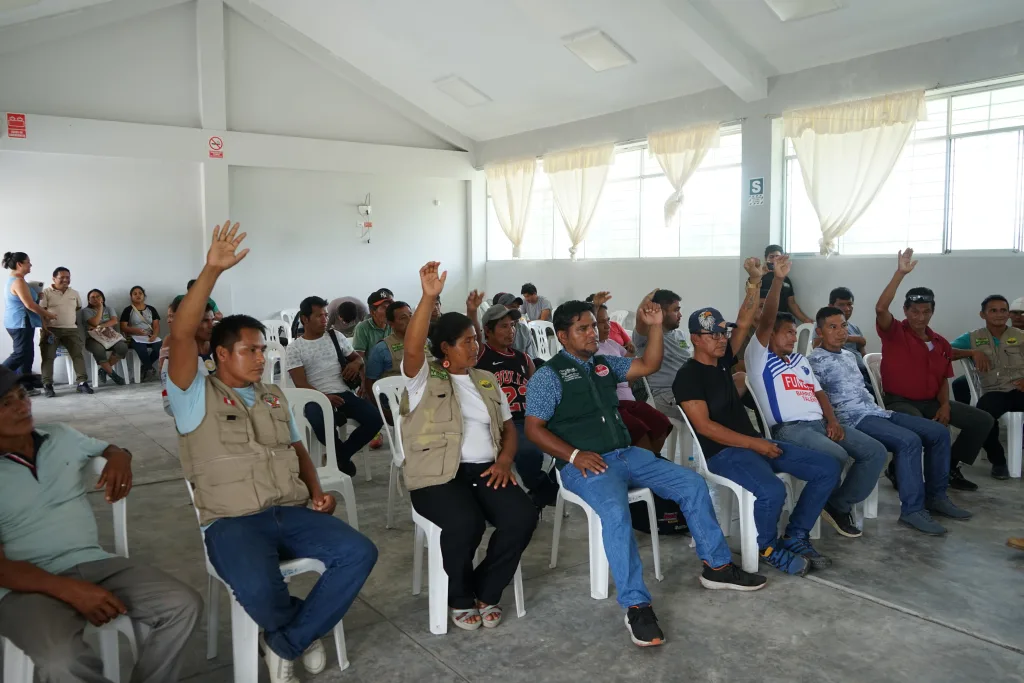
En esta ocasión, la asamblea convocó además a la alcaldesa distrital de Santa María de Alto Nanay, Kelly Ferreyra Tuesta, quien participó activamente durante los dos días de la asamblea, brindando información sobre su gestión y manifestando su interés en continuar su colaboración para fortalecer la gestión e iniciativas de manejo de recursos para el bienestar de las comunidades.
Naturaleza y Cultura Internacional apoyó al comité de gestión en la organización de esta segunda asamblea en la que se logró la importante adhesión de los comités de gestión de la Reserva Nacional Allpahuayo Mishana y la Reserva Nacional Pucacuro. De esta forma, se conformó un espacio de gobernanza para gestionar las amenazas que afectan a las tres áreas protegidas que conforman el mosaico Nanay Tigre.
## **Juntos contra la minería ilegal**
Uno de los temas que más se debatió entre las partes asistentes en la asamblea fue la aprobación por parte del Instituto Geológico, Minero y Metalúrgico (INGEMMET) de una concesión minera en la cuenca del Nanay y el incremento de mineros ilegales en las cuencas de los ríos Nanay, Pintuyacu y Chambira.
Asimismo, la presidenta del comité de gestión, Marcelina Angulo, agregó que asambleas como esta son espacios idóneos para acceder a información y coordinar con las autoridades. Por eso la asistencia de la alcaldesa distrital del Alto Nanay, Kelly Ferreyra, fue de “vital importancia”. “Esta reunión fue histórica porque es primera vez que se unen instituciones de varios sectores para enfrentar el avance de la minería ilegal en la cuenca del Alto Nanay”, agregó.
Respecto a la aprobación del INGEMMET de la concesión minera en el Nanay, el abogado especialista en materia ambiental, César Ipenza, participó mediante una videoconferencia y dijo que “su aprobación no quiere decir que se le otorgó licencia de funcionamiento, falta un estudio de impacto ambiental y una serie de requisitos que debe conseguir antes de iniciar cualquier operación”.
Por su parte, representantes del Comité de Gestión de la Reserva Nacional Tambopata (Madre de Dios) enfatizaron frente a la asamblea sobre la crisis ambiental que sufre la región debido a la minería ilegal. El presidente del comité de gestión invocó a las comunidades: “Si no se juntan todos y no actúan efectivamente, la tragedia socioambiental que pasa en La Pampa, va a pasar en el Nanay”, advirtió Víctor Zambrano.
---
**Más información:**
Gabriela Gives
**Comunicación Perú**
<comunicacion.peru@naturalezaycultura.org>
**Tags:** Perú
**Strategic Area:** Bosques
**Country:** Perú
**Content Type:** Noticias
---
### [Prefectos ratifican su compromiso con la Plataforma Amazónica ](https://www.natureandculture.org/es/directorio/prefectos-ratifican-su-compromiso-con-la-plataforma-amazonica/)
**Published:** November 20, 2023
**Author:** Nora Sanchez
**Content:**
- Prefectos de Pastaza, Morona Santiago y Zamora Chinchipe se reunieron en Puyo en el marco de la Plataforma Amazónica.
- Durante el encuentro, las prefecturas de las tres provincias y Naturaleza y Cultura Internacional firmaron un acuerdo que sienta las bases para la implementación de la Plataforma Amazónica en los próximos años.
La Plataforma Amazónica por los Bosques, el Clima y el Bienestar Humano es una iniciativa que nace entre las provincias de la Amazonía del Ecuador, en común acuerdo con los Pueblos y Nacionalidades. Esta propuesta de nivel subnacional busca **conservar y gestionar eficazmente 6 millones de hectáreas del corredor biológico de bosque continuo más grande del Ecuador**, fuera del Sistema Nacional de Áreas Protegidas (SNAP). Con el acompañamiento de Naturaleza y Cultura Internacional, esta unificación de esfuerzos de conservación y desarrollo sostenible representa un mecanismo efectivo e innovador para proteger el territorio y el hogar de los pueblos y nacionalidades: Kichwa; Waorani; Sapara; Andwa: Shuar; Achuar; Shiwiar; Siona; Siekopai; A’i Cofan; Quijos; y, pueblos en aislamiento voluntario. Además, de impulsar alternativas productivas sostenibles que mejoren la calidad de vida de quienes habitan en la Amazonía.
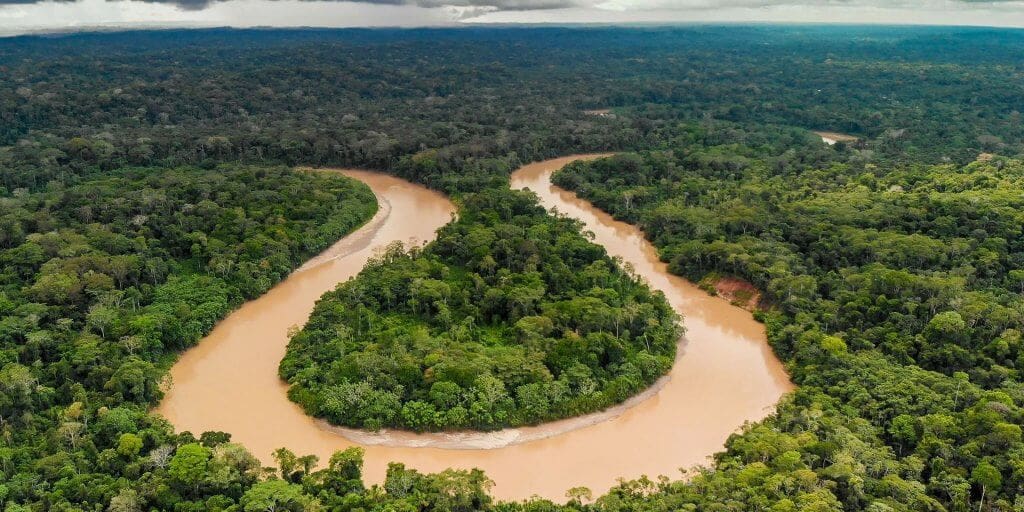
Con el propósito de conocer sobre los avances de la iniciativa y sentar las bases para los próximos pasos en su implementación, se celebró el **“Encuentro de Prefectos de la Plataforma Amazónica”**, el pasado 17 de noviembre en las instalaciones de la Prefectura de Pastaza, con la presencia de los Prefectos de Pastaza, André Granda, Morona Santiago, Tiyua Uyunkar, y el Viceprefecto de Zamora Chinchipe, Victor Sarango, los equipos técnicos de sus respectivos gobiernos provinciales y el equipo técnico de Naturaleza y Cultura Internacional.
Para dar inicio a la sesión, Felipe Serrano, director ejecutivo de Naturaleza y Cultura Internacional habló sobre la pertinencia de la Plataforma Amazónica y la voluntad política de los gobiernos provinciales, como respuesta a la crisis climática a la que se enfrenta el planeta.
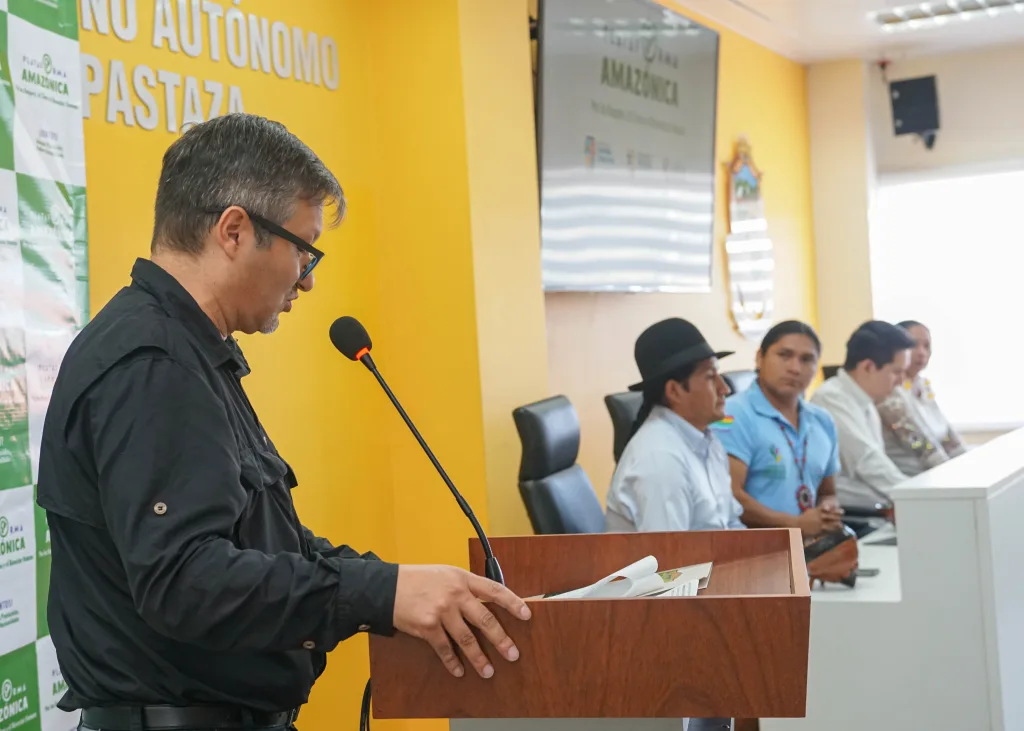
> “Los gobiernos provinciales de la Amazonía del Ecuador están planteando, desde su experiencia, una solución a la crisis global. Esto ya no se trata solamente de una propuesta. Las provincias de Pastaza, Morona Santiago y Zamorqa Chinchipe han tomado acción y están invirtiendo desde hace algunos años en medidas prácticas para reducir la deforestación y por ende las emisiones globales de CO2”
>
> Felipe Serrano, director ejecutivo NCI
Además, realizó una presentación sobre la Plataforma Amazónica, en la que resumió sus antecedentes e hitos de implementación desde 2017, entre ellos:
- El establecimiento, a través de ordenanzas provinciales, de las tres Áreas de Conservación y Uso Sostenible provinciales más grandes en el territorio ecuatoriano: el Área Ecológica de Desarrollo Sostenible Provincial de Pastaza, el Área de Conservación y Uso Sustentable de la Biodiversidad de Zamora Chinchipe y el Territorio de Vida y Uso Ancestral Tarímiat Pujutaí Nunka en Morona Santiago, que suman 4.2 millones de hectáreas bajo figuras de conservación.
- La construcción e implementación de los planes de gestión de estas áreas.
- La construcción e implementación de los planes de Implementación de Medidas y Acciones, para reducir las emisiones producidas por la deforestación y la degradación de los Bosques: los PdI REDD+ provinciales.
- La incorporación, de manera inédita, de las provincias de Pastaza, Zamora Chinchipe y Morona Santiago en el Grupo de Trabajo de los Gobernadores sobre Clima y Bosques (GCF por sus siglas en inglés), que permite movilizar financiación y fondos dirigidos a la gestión sostenible de sus bosques.
Para finalizar su presentación, Felipe Serrano compartió que se está trabajando en la construcción de un mecanismo financiero para dar sostenibilidad a la gestión de las Áreas de Conservación y Uso Sostenible provinciales y a los PdI REDD+. Actualmente, se ha elaborado el borrador de contrato de este mecanismo financiero que será puesto a consideración de los gobiernos provinciales y los pueblos y nacionalidades, para que a posterioridad sean constituyentes originarios de dicho mecanismo.
Autoridades provinciales de Zamora Chinchipe, Morona Santiago y Pastaza durante intervención de NCI
Posteriormente, los Prefectos participantes de este importante encuentro reconocieron el rol de la Plataforma Amazónica como articuladora de acciones provinciales y regionales en común acuerdo con los pueblos y nacionalidades indígenas para la protección y gestión sostenible de la Amazonía:
> “Lo que queremos dejar, junto con mis hermanos prefectos, es una huella, un legado. Nosotros entramos en la política no por un interés personal sino para servir a nuestra provincia. Y creo que precisamente, la lucha por la Plataforma Amazónica, por lo que estamos haciendo aquí, es parte de ese legado que queremos dejar*.”*
>
> André Granda, Prefecto de la provincia de Pastaza

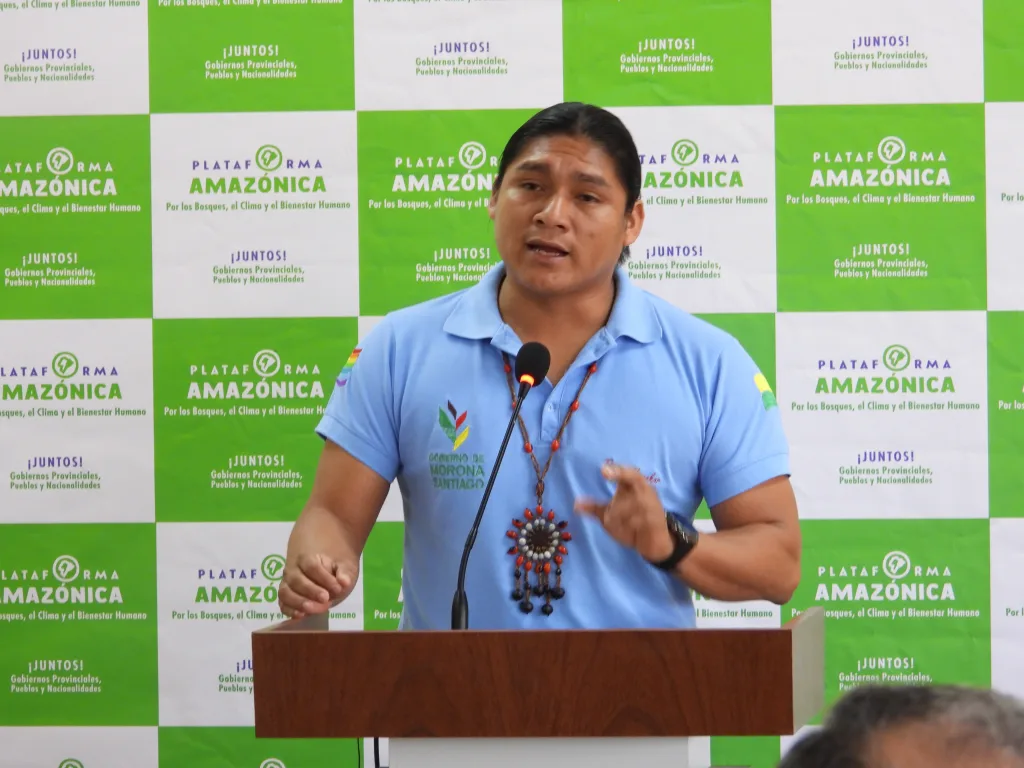
> *“*Si nosotros luchamos por la conservación sin luchar por un cambio de actitudes en el ser humano, es una lucha en vano. Hay que dejar de pensar que ellos (los pueblos indígenas) son y nosotros somos aparte si de verdad vamos a luchar por la Amazonía. Luchar por la Amazonía no significa luchar por los bosques, sino también luchar por las personas y los seres vivos que habitan en esa casa.*”*
>
> Tiyua Uyunkar, Prefecto de la provincia de Morona Santiago
La Prefecta Karla Reátegui, que se conectó de manera virtual, reiteró el compromiso de su provincia para la implementación de esta iniciativa, *“*para nosotros es un honor ser parte de la Plataforma Amazónica que nos vincula a las tres provincias en una iniciativa innovadora que permite la conservación de nuestros bosques, que permite sobre todo garantizar agua, garantizar aire para nuestra población*.”*
Además, se contó con la participación virtual de Jason Gray, en representación del Foro de Gobernadores por el Clima -GCF-, quien dio a conocer las actividades a desarrollarse en la Conferencia de las Partes (*COP* 28), a celebrarse a finales de este año en Dubai; así como otras actividades programadas para el siguiente año en las que la participación de los Prefectos es estratégica para dirigir apoyo a las acciones implementadas en sus provincias.
Intervención virtual de Jason Gray (GCF) en el Encuentro de Prefectos
*“*Esperamos poder reunirnos con ustedes (los Prefectos), en Dubai (COP28) y en las otras reuniones, para poder apoyar sus acciones y sus estrategias.*”* mencionó Jason Gray durante su intervención.
Finalmente, se firmó el **Acuerdo de Prefectos de la Plataforma Amazónica**, que ratifica el compromiso de los Gobiernos Provinciales de trabajar conjuntamente a los pueblos y nacionalidades de la Amazonía ecuatoriana en la implementación de la Plataforma Amazónica, a través de los siguientes enunciados:
1. *Reafirmar el compromiso de apoyo y trabajo para continuar implementando y fortaleciendo la Plataforma Amazónica, como propuesta a ser impulsada por las tres provincias de manera conjunta, junto a pueblos y nacionalidades, en el ámbito nacional e internacional.*
2. *Explorar la posibilidad de sumar a las provincias del norte de la Amazonía ecuatoriana, apegados a la Declaratoria de Pastaza, la cual fue firmada por las seis provincias en el año 2017.*
3. *Continuar, las tres provincias, en la búsqueda de recursos que permitan implementar proyectos de alcance interprovincial hacia toda la Plataforma Amazónica.*
4. *Avanzar en la construcción de un mecanismo financiero de nivel subnacional constituido por los GADs Provinciales, Nacionalidades, y, Cooperación Internacional, a fin de dar sostenibilidad financiera a la gestión de las áreas provinciales de conservación y uso sostenible, así como a los planes de implementación REDD+ provinciales.*
5. *Trabajar de manera articulada en la representación y participación dentro del GCF Task Force, a fin de fortalecer la presencia de cada provincia y, de las tres en su conjunto, logrando un mayor impacto y oportunidades de escala, para acceder directamente a recursos financieros que permitan implementar acciones de conservación, restauración, política pública, gobernanza y producción sostenible libre de deforestación, en sus respectivas jurisdicciones.*
Firma del Acuerdo de Prefectos de la Plataforma Amazónica
El Encuentro de Prefectos y el acuerdo firmado marca un hito en la consolidación de la Plataforma Amazónica por los Bosques, el Clima y el Bienestar Humano. Avanzamos en su implementación juntos: Gobiernos Provinciales, Pueblos y Nacionalidades.
---
**Más información:**
Nora Sánchez Luzardo
Coordinadora de Comunicación para América Latina
<nsanchez@naturalezaycultura.org>
Bruno Paladines
Coordinador Plataforma Amazónica
<bpaladip@naturalezaycultura.org>
**Tags:** Plataforma Amazónica
**Strategic Area:** Bosques
**Country:** Ecuador
**Content Type:** Noticias
---
### [Municipalidad de Huabal respalda el establecimiento del ACR Bosques de Huamantanga y Chorro Blanco ](https://www.natureandculture.org/es/directorio/municipalidad-de-huabal-respalda-el-establecimiento-del-acr-bosques-de-huamantanga-y-chorro-blanco/)
**Published:** November 20, 2023
**Author:** Nora Sanchez
**Content:**
Autoridades de Huabal en la provincia de Jaén, mostraron su respaldo al proceso de socialización de zonificación preliminar en marcha, y que busca establecer la que sería la cuarta ACR de Cajamarca, en los Bosques Montanos de Huamantanga y Chorro Blanco.
En reunión oficial realizada en el municipio distrital de Huabal, el Alcalde Dr. Ronald Sandoval Vílchez, así como el Gerente de la Dirección de Desarrollo Económico y Medio Ambiente Ing. Darwin Olivera Quispe, junto al equipo técnico de la Sub-Gerencia de Recursos Naturales del Gobierno Regional de Cajamarca, integrado por el Ing. Germán Alcántara Boñón y Blga. Claudia Morillo Ninatanta.
Durante la reunión se acordó respaldar la propuesta de conservación en marcha. Por su parte, el equipo técnico de Naturaleza y Cultura Internacional – NCI, conformado por Iván Mejía Castillo, y Daniel Yrigoín Vásquez, sustentaron la propuesta ante autoridades y funcionarios.
Al finalizar la reunión se establecieron compromisos mutuos para facilitar la información oficial, para contribuir con la difusión masiva de la propuesta. Se pretende proteger un promedio de 10 mil hectáreas de los bosques de Huamantanga y Chorro Blanco, con el fin de mantener el servicio hídrico, para un poco más de 90 mil habitantes de la ciudad de Jaén.
El proceso es liderado por el Gobierno Regional de Cajamarca, con la anuencia de las poblaciones locales, y municipios distritales de Jaén, Huabal, Chontalí, Colasay, San José de la Alianza, y el respaldo técnico de Naturaleza y Cultura Internacional NCI y Andes Amazon Fund AAF.
**Tags:** Perú
**Strategic Area:** Bosques
**Country:** Perú
**Content Type:** Noticias
---
### [Municipalidad de Jaén apoya establecimiento de ACR en los Bosques de Huamantanga y Chorro Blanco ](https://www.natureandculture.org/es/directorio/municipalidad-de-jaen-apoya-establecimiento-de-acr-en-los-bosques-de-huamantanga-y-chorro-blanco/)
**Published:** November 20, 2023
**Author:** Nora Sanchez
**Content:**
La Municipalidad Provincial de Jaén-Cajamarca, avaló el proceso de socialización y difusión para proteger los últimos Bosques de Huamantanga. Se busca proteger un poco más de 10 mil hectáreas de los Bosques de Huamantanga, que por su importancia biológica y de generación de servicios ambientales, sostiene la provisión de agua para la agroindustria y el consumo humano en beneficio de más de 90 mil habitantes de la ciudad de Jaén.
El acuerdo se realizó en las oficinas de la Municipalidad de Jaén y participaron el Gerente de Servicios Municipales y Gestión Ambiental, Ing. Francisco Guillermo Silva Aldas, el Sub-Gerente Ambiental Ing. Javier Valderrama Tapia; además del Sub-Gerente de recursos naturales de RENAMA Cajamarca Daryl Briones Longa y el equipo técnico de Áreas Naturales Protegidas del Gobierno Regional de Cajamarca, Ing. Germán Alcántara Boñón y Blga. Claudia Morillo Ninatanta. Acompañaron la reunión Iván Mejía Castillo, jefe de proyectos y J. Daniel Yrigoín Vásquez especialista de Naturaleza y Cultura Internacional.
## **Proceso oficial**
El proceso impulsado por el Gobierno Regional de Cajamarca se encuentra ahora en la fase de **socialización de la zonificación preliminar** y se realiza con éxito en los caseríos y gobiernos locales que forman parte de la propuesta, entre ellos las Municipalidades distritales de Chontalí, San José del Alto, Colasay, Huabal, y Jaén.
El establecimiento de un Área de Conservación de carácter regional exige contar con el visto bueno de los diversos Ministerios del Ejecutivo, pero además se sostiene en la socialización, y el respeto a los derechos preexistentes, antes de llegar al Ministerio del Ambiente y el Servicio Nacional de Áreas Naturales Protegidas por el Estado SERNANP.
## **Conservación del agua para Jaén**
El próximo establecimiento del ACR en mención, representa la protección para de la última muestra representativa en esta latitud, del ecosistema **bosque montano de la cordillera real oriental,** la cual permite el abastecimiento con el recurso agua, para la agroindustria, y el consumo humano en beneficio de poco más de 90 mil habitantes de la ciudad de Jaén.
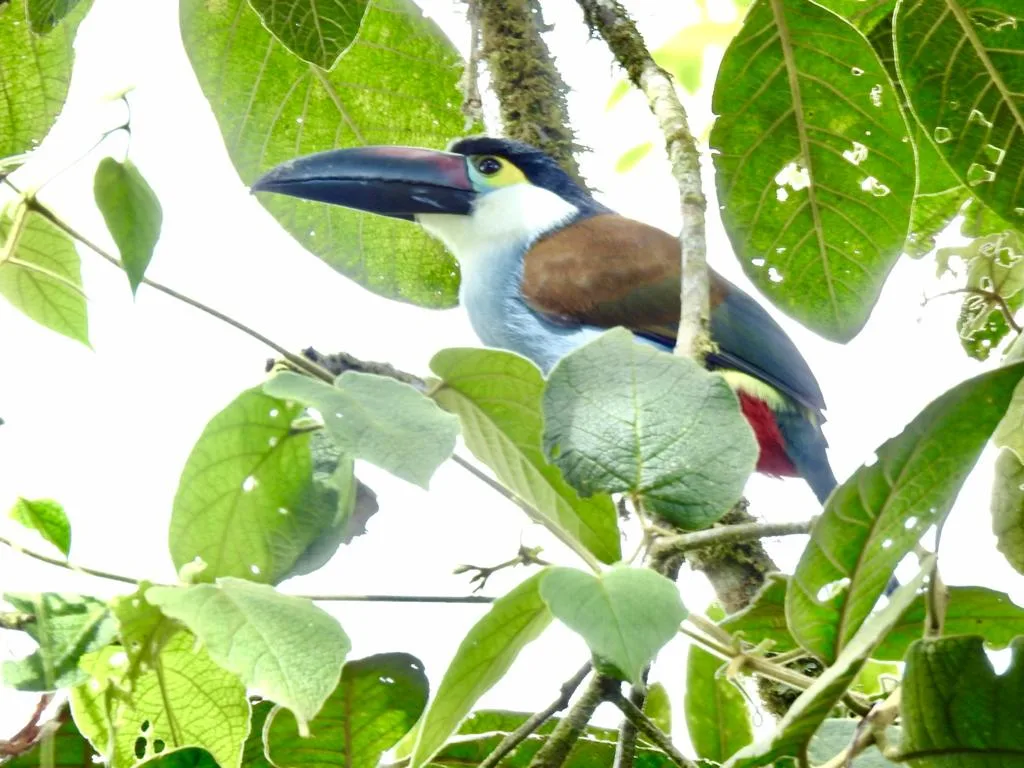Tucán de pico negro (*Andigena nigrirostris*)
## **Tucán de pico negro**
El **ACR** Bosques Montanos de Huamantanga y Chorro Blanco, protegerá al **tucán de pico negro,** **“*andigena nigrirostris”***, una especie que hace poco fue registrada en el ACR Bosques el Chaupe Cunía y Chinchiquilla en San Ignacio, y que curiosamente ha sido captada por segunda vez, en los **Bosques de Huamantanga y Chorro Blanco**. Ambos hallazgos, se respaldan en diversos portales científicos de distribución mundial de aves [https://ebird.org](https://ebird.org/)
---
**Más información:**
Gabriela Gives
**Comunicadora Perú**
<comunicacion.peru@naturalezaycultura.org>
**Tags:** Biodiversidad, Perú
**Strategic Area:** Bosques
**Country:** Perú
**Content Type:** Noticias
---
### [Agencia Francesa de Desarrollo visita intercambio de experiencias entre pueblos de cuencas del Ampiyacu y del Nanay](https://www.natureandculture.org/es/directorio/agencia-francesa-de-desarrollo-participa-en-intercambio-de-experiencias/)
**Published:** November 14, 2023
**Author:** Nora Sanchez
**Content:**
*Entre el 16 y el 18 de octubre miembros de la Agencia Francesa de Desarrollo (AFD), junto a equipos de Naturaleza y Cultura Internacional y el Instituto del Bien Común, presenciaron el compartir de experiencias en materia de control y vigilancia del territorio comunal y la gobernanza indígena entre diferentes pueblos originarios en el Área de Conservación Regional Ampiyacu Apayacu y el Área de Conservación Regional Alto Nanay, Pintuyacu y Chambira.*
*Área de Conservación Regional Alto Nanay, Pintuyacu y Chambira.*
Especialistas y representantes de la Agencia Francesa de Desarrollo visitaron la Comunidad Nativa de Pucaurquillo, perteneciente al área de influencia del Área de Conservación Regional (ACR) Ampiyacu Apayacu, donde dirigentes indígenas provenientes de las cuencas de los ríos Nanay, Tigre, Pintuyacu y Chambira se juntaron con líderes similares del ACR en la región de Loreto. El compartir se dio en el marco de la fase inicial del proyecto Terra Indígena II.
El proyecto Terra Indígena II es financiado por la Agencia Francesa de Desarrollo (AFD) y el Fondo Francés para el Medio Ambiente Mundial (FFEM) con una subvención de 12,72 millones de euros. Dicho proyecto contribuye a los esfuerzos realizados para proteger la Amazonía, su biodiversidad y garantizar los derechos de los pueblos indígenas que la habitan. El objetivo es fortalecer la protección de más de 50 millones de hectáreas de tierra en Brasil, Colombia, Ecuador y Perú, en colaboración con 60 organizaciones indígenas.
Los representantes de AFD que visitaron la Amazonía de Loreto fueron Charles Berthon, responsable de Proyecto en la Agencia Francesa de Desarrollo con sede en Lima (Perú) y Marie Martine Aveillan, Responsable Perú con la sede en París (Francia). La AFD es el banco público del Estado francés que financia y apoya al Gobierno peruano como a la sociedad civil con proyectos de desarrollo. “Los proyectos que financiamos en la Amazonia, a través de la sociedad civil, se enfocan tanto en la lucha contra el cambio climático, como en el desarrollo de las poblaciones”, explicó Charles Berthon, responsable de Proyecto en la Agencia Francesa de Desarrollo con sede en Lima (Perú).
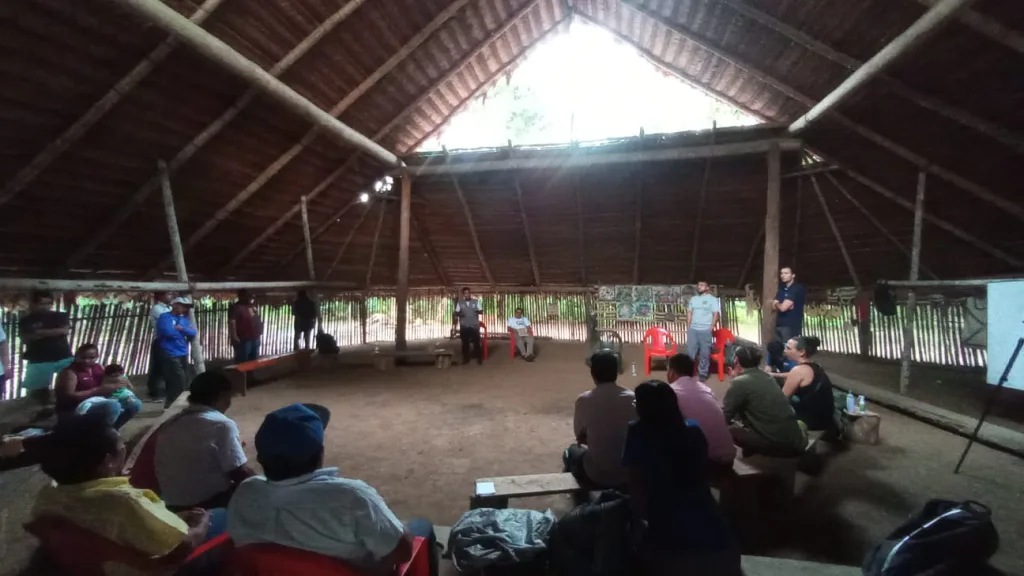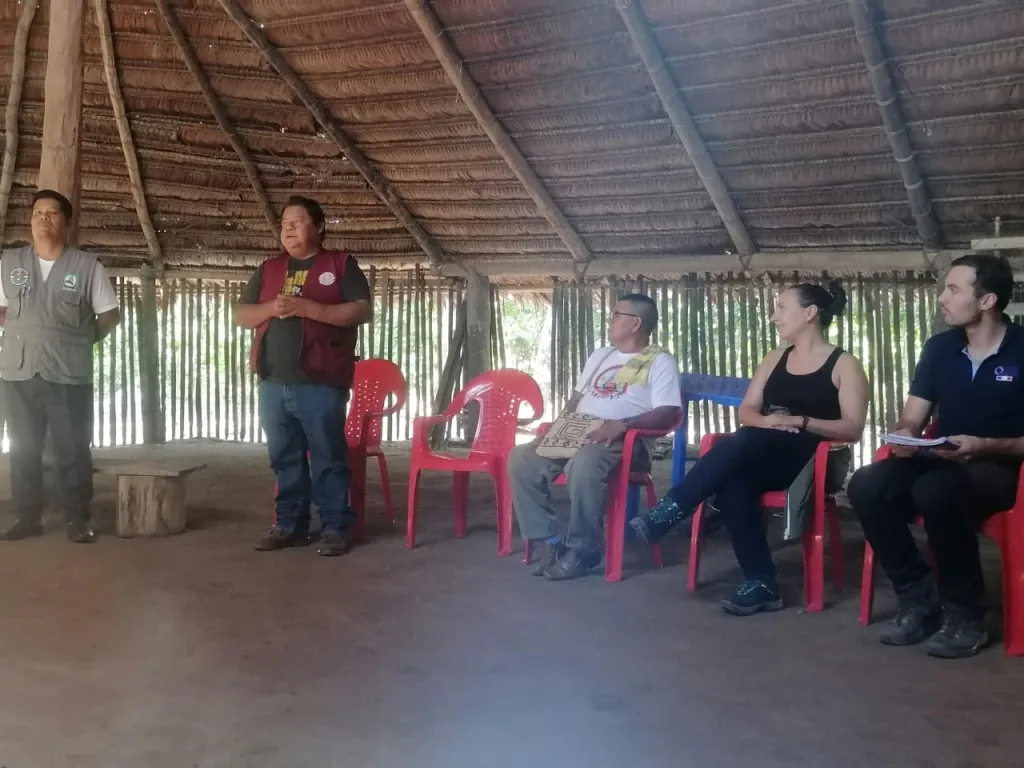
El compartir de experiencias entre las comunidades se desarrolló dentro de la gran maloka comunal. En una primera etapa el evento trató el tema de la “Vigilancia Comunal: alcances y retos” y luego el de la “Buena gobernanza de paisajes Putumayo Amazonas y Mosaico Nanay Tigre”.
“Los objetivos del programa Terra Indígena 2 es fortalecer la gobernanza de las comunidades; el segundo objetivo es fortalecer el control y la vigilancia del bosque por la comunidad, y el tercer objetivo es desarrollar los recursos económicos de las comunidades de la región”, agregó por su parte, Marie Martine Aveillan, Responsable Perú con la sede en París (Francia).
## **Un día para compartir**
Durante el 17 de octubre los representantes de AFD compartieron diálogos, comidas y experiencias con líderes indígenas de todo Loreto. “Para empezar me gustaría agradecer a la comunidad (Pucaurquillo), a las organizaciones (NCI e IBC) con las cuales trabajamos porque nos dieron la oportunidad de vivir un día con ellos. Fue un real placer y un honor compartir este momento de diálogo y ver cómo las comunidades pueden compartir sus experiencias”, enfatizó Marie Aveillan de AFD.
“Quién mejor que las personas que viven en la Amazonía, que son los dueños de la tierra, para apoyarlos directamente, a través de NCI e IBC, a quienes agradezco mucho su trabajo, es un gran compromiso de ellos al estar con las comunidades”, finalizó Charles Berthon de AFD.
---
**Más información:**
Gabriela Gives
**Comunicadora Perú**
<comunicacion.peru@naturalezaycultura.org>
**Tags:** Perú
**Strategic Area:** Comunidades Locales
**Country:** Perú
**Content Type:** Noticias
---
### [Nueva área de conservación y uso sustentable protege casi 27 mil hectáreas de páramo en Cuenca](https://www.natureandculture.org/es/directorio/nueva-area-de-conservacion-y-uso-sustentable-protege-casi-27-mil-hectareas-de-paramo-en-cuenca/)
**Published:** November 9, 2023
**Author:** Nora Sanchez
**Content:**
En un esfuerzo por preservar al río Yanuncay, uno de los tesoros naturales más significativos de la ciudad de Cuenca, el 09 de noviembre de 2023, su Concejo Cantonal aprobó la ordenanza que crea el Área de Conservación y Uso Sustentable (ACUS) Yanuncay – Zhucay.
Concejo Cantonal de CuencaMapa del ACUS Yanuncay Zhucay
Con una extensión de 26.965,27 hectáreas, una superficie casi tan grande como la del Parque Nacional Cajas, el ACUS Yanuncay – Zhucay está ubicado entre las parroquias Baños, San Joaquín, Chaucha y Tarqui.
Esta área abarca ecosistemas frágiles como páramo y bosque montano que brindan varios servicios ecosistémicos, entre ellos la regulación hídrica que permite la dotación de agua potable a más de 180.000 personas del cantón Cuenca. Además, constituye un espacio de conectividad ecosistémica entre el Parque Nacional Cajas y el Área Nacional de Recreación Quimsacocha.
*Atelopus nanay**Lycalopex culpaeus**Trogon personatus*
El ACUS Yanuncay – Zhucay alberga una impresionante variedad de fauna y flora, incluyendo el majestuoso Cóndor Andino, el colibrí Metalura de Azuay, anfibios en peligro de extinción, venados, lobos de páramo, puercoespines, y muchas otras especies registradas. Adicional a su valor ecológico, esta área es un importante centro de desarrollo turístico, así como una fuente vital de producción agrícola y ganadera para la ciudad.
El ACUS es una zona de desarrollo turístico y de producción agrícola y ganadera \| Créditos: QUILICO DRONES
Sin embargo, este territorio enfrenta amenazas significativas, como incendios forestales, quemas de páramo, actividades extractivas, explotación de bosques y deportes extremos, que ponen en peligro su frágil equilibrio natural. Así, la creación del Área de Conservación y Uso Sustentable Yanuncay – Zhucay representa una oportunidad para salvaguardar los servicios ecosistémicos que provee, la biodiversidad que alberga y el futuro de Cuenca y sus habitantes.
> “Tenemos la certeza y la confianza de con esta ordenanza vamos a poder articular actividades y vamos a tener protegidas nuestras fuentes hídricas y garantizar el agua para muchos años más, para nuestros hijos, para el futuro”.
>
> Luiz Quinde, Presidente Junta Administradora de Agua Potable Proyecto Nero
Este esfuerzo de conservación fue posible gracias al trabajo colaborativo del Gobierno Municipal de Cuenca, los Gobiernos Parroquiales de Baños, San Joaquín, Chaucha y Victoria del Portete, la Junta Administradora de Agua Potable de Nero, la Comisión de Gestión Ambiental, ETAPA EP, FONAPA y la Universidad del Azuay; con la asistencia técnica de Naturaleza y Cultura Internacional y el apoyo financiero de Andes Amazon Fund.
El ACUS Yanuncay Zhucay protege páramos y bosques montanos claves para la seguridad hídrica de Cuenca \| Créditos: QUILICO DRONES
## **Acerca de las Áreas de Conservación y Uso Sustentable**
Son áreas creada por los gobiernos autónomos descentralizados, comunidades o propietarios privados, de importancia local, cuyo fin es el de conservación de la biodiversidad y desarrollo de actividades sustentables para garantizar el mantenimiento de los servicios ecosistémicos que beneficien a la vida humana.
---
**Más información:**
Nora Sánchez Luzardo
Coordinadora Regional de Comunicación
<nsanchez@naturalezaycultura.org>
Fabián Rodas
Coordinador Mosaico Sangay – Podocarpus
<frodas@naturalezaycultura.org>
**Strategic Area:** Bosques
**Country:** Ecuador
**Content Type:** Noticias
---
### [Inauguramos Escuela de comunicadores comunitarios amazónicos](https://www.natureandculture.org/es/directorio/inauguramos-escuela-de-comunicadores-comunitarios-amazonicos/)
**Published:** November 6, 2023
**Author:** Nora Sanchez
**Content:**
El pasado 19 de octubre de 2023, se inauguró la “Escuela de Comunicación para la Protección del Territorio Amazónico”, una iniciativa para formar jóvenes comunicadores comunitarios de la provincia de Morona Santiago, fortaleciendo la comunicación intercultural y plurinacional, y las iniciativas de conservación ambiental de la provincia.
Algunos de los estudiantes de la Escuela de Comunicación durante la inauguración \| Créditos: Lluvia Comunicación
La Escuela es una iniciativa del Comité Interfederacional Shuar-Achuar que reúne a las cuatro organizaciones indígenas de la provincia de Morona Santiago: Nacionalidad Shuar del Ecuador (NASHE), Federación Interprovincial de Centros Shuar (FICSH), Nacionalidad Achuar del Ecuador (NAE), y Pueblo Shuar Arutam PSHA-, junto a Lluvia Comunicación, colectivo de educación y comunicación comunitaria.
*“Esta Escuela de Comunicación nos va a fortalecer bastante para hacer un pronunciamiento desde nuestros territorios”*, enfatiza Felipe Mashiant, presidente NASHE, y presidente del Comité Interfederacional.
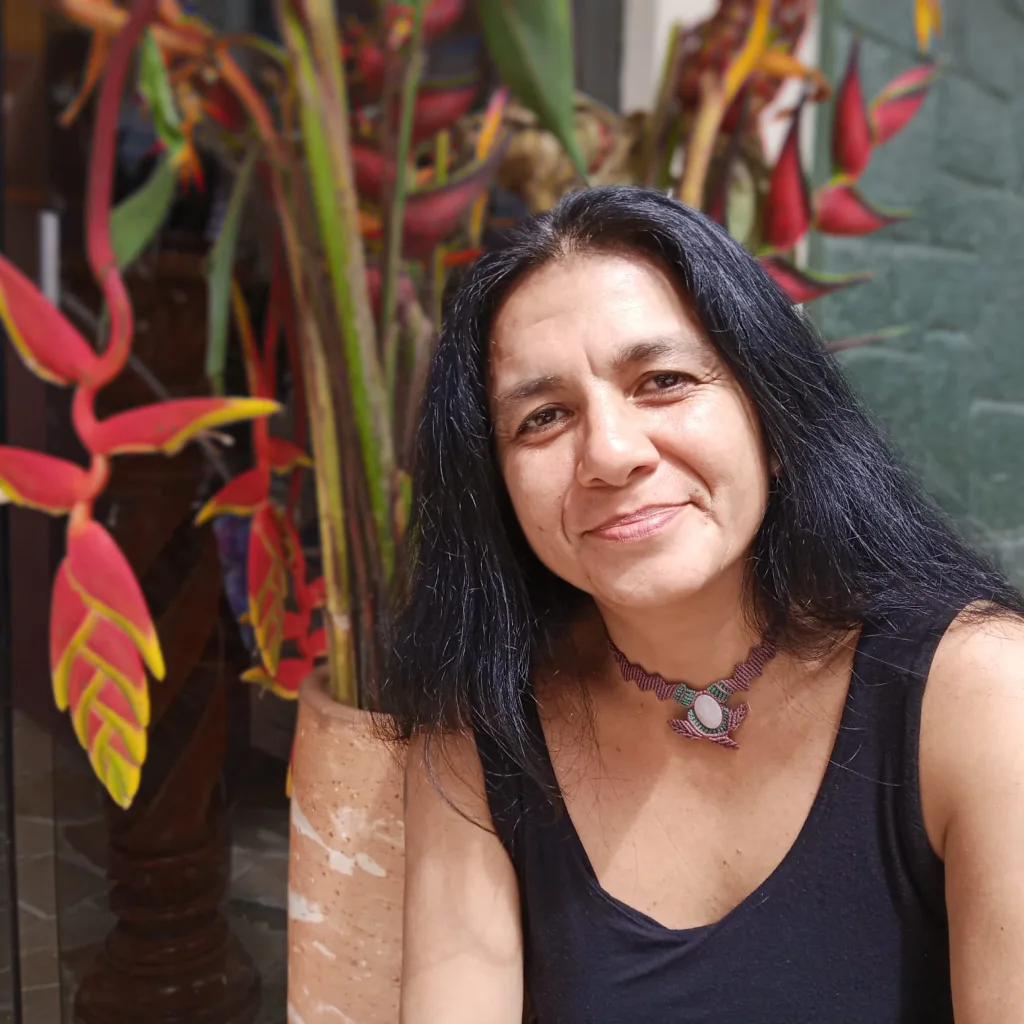
Ante la pregunta de los orígenes de la Escuela, Tania Laurini, co-fundadora del colectivo Lluvia Comunicación, comenta que responde a: *“La convocatoria de las cuatro organizaciones Shuar y Achuar de la provincia de Morona Santiago, que tienen un acuerdo que se llama Comité Interfederacional, y la voluntad de este acuerdo de actuar con la comunicación en el territorio y fortalecer su unidad como organizaciones en la acción, en el trabajo conjunto”.*
Además, menciona que la Escuela da continuidad a una experiencia anterior vinculada al Pueblo Shuar Arutam (PSHA), a través de la cual hubo un proceso formativo de comunicadores comunitarios para informar y vincular a las comunidades con los procesos organizativos alrededor de defensa territorial.
## **Comunicadores comunitarios vinculados al territorio**
Para la conformación de la escuela, cada organización del Comité Interfederacional nominó a 5 comunicadores (incluido su dirigente de comunicación), para ser parte de la Escuela. Así, suman 20 comunicadores, entre hombres y mujeres, de las nacionalidades Shuar y Achuar, que han firmado un compromiso con la Escuela, que consistirá en asistir presencialmente a los talleres una vez al mes durante un año, y continuar el trabajo en territorio.
*“Se ha hecho un mapa como ejercicio práctico del primer taller en donde se ubicó a los comunicadores comunitarios en los vastos territorios Achuar y Shuar y tuvimos el gusto de visibilizar que está prácticamente cubierto el territorio”*, comenta con entusiasmo Tania.
Rio Yaupi en Morona Santiago \| Créditos: Naturaleza y Cultura Internacional
## **La Escuela y el Tarimiat Pujutai Nunka**
*“La Escuela lleva el nombre “Escuela de Comunicación para la Protección de los Territorios Amazónicos”, porque ese es su sentido fundamental. Aunque sea largo, en este caso el sentido es clave porque es eso lo que nos conjuga: la conservación de los territorios, y por eso es que se ha logrado la vinculación con el proceso del Tarímitiat Pujutaí Nunka”*, comenta Tania, refiriéndose al acuerdo entre el GAD provincial de Morona Santiago, y las cuatro organizaciones de las Nacionalidades Shuar y Achuar, con el acompañamiento de Naturaleza y Cultura Internacional, para la creación del **Territorio de Vida y Uso Ancestral Tarímiat Pujutaí Nunka,** un Área de Conservación y Uso Sostenible de la provincia de Morona Santiago que cubre una extensión de 1’237.395.41 de hectáreas de bosque amazónico.
Conoce más del **Territorio de Vida y Uso Ancestral Tarímiat Pujutaí Nunka** [aquí](https://www.natureandculture.org/es/directorio/creacion-historica-de-la-reserva-tarimiat-pujutai-nuṉka/)
La propuesta busca que sean los jóvenes comunicadores, que se formarán en la Escuela, quienes comuniquen, desde su cosmovisión, respecto a los atributos naturales y culturales del Tarímiat Pujutaí Nunka; así como los logros que se vayan alcanzando en la gestión del Territorio.
*“Lo vamos a apoyar porque es necesario para la conservación del territorio visibilizar que existe un acuerdo, firmado este año, en base a una consulta realizada en todo el territorio de las cuatro organizaciones, en donde más de 700 representante de comunidades han decidido por la conservación”*, enfatiza Tania.
En ese sentido, la Escuela de Comunicación, que cuenta con el aval de la Confederación de Nacionalidades Indígenas de la Amazonía Ecuatoriana (CONFENIAE), relaciona diversas iniciativas de conservación, lo que ha permitido el involucramiento de aliados como Naturaleza y Cultura Internacional, el GAD Provincial de Morona Santiago, Witness, Niatero e Interpueblos.
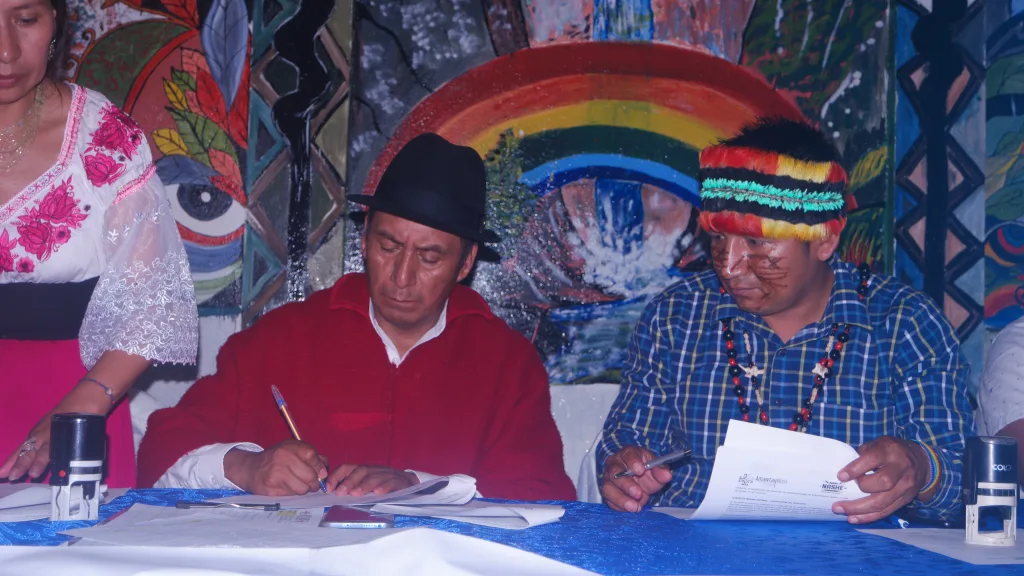Pablo Pomposa, rector de la Universidad Amawtay Wasi y Felipe Mashiant, presidente NASHE \| Créditos: Lluvia Comunicación
Además, la Universidad de los Pueblos y Nacionalidades Amawtay Wasi avala académicamente a la Escuela, para que los comunicadores comunitarios reciban una certificación al culminar el proceso.
*“La comunicación cumple un rol estratégico para difundir las bondades que tiene el territorio, así como también denunciar procesos extractivos no permitidos que puedan darse en estos territorios. Desde la Universidad Amawtay Wasi es fundamental y nos complace ser parte de esta iniciativa”*, dice Pablo Pomboza, rector de la Universidad de los Pueblos y Nacionalidades.
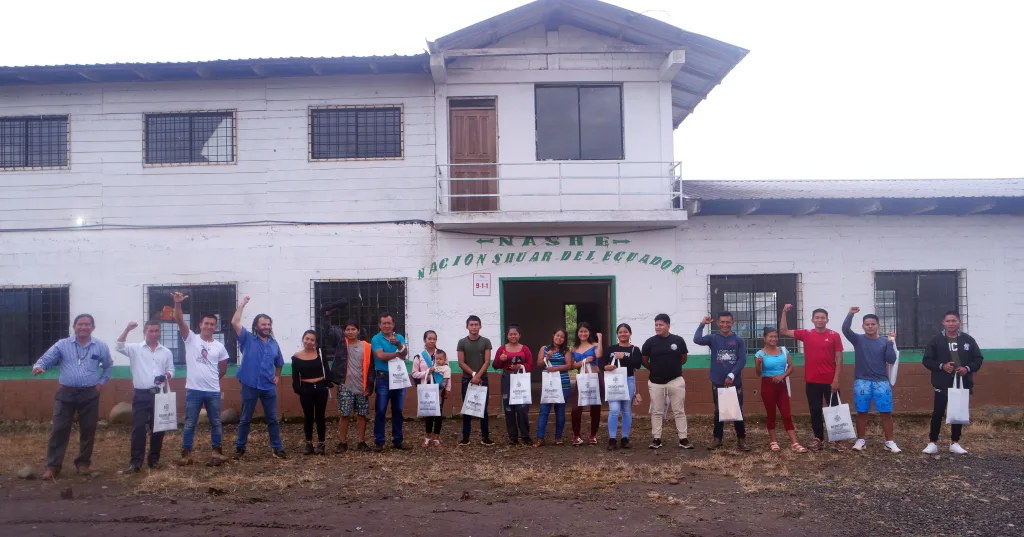Estudiantes de la Escuela de Comunicación para la Protección del Territorio Amazónico \| Créditos: Lluvia Comunicacion
## **Una iniciativa replicable en toda la Amazonía**
Para Tania Laurini la Escuela de Comunicación no se limita a la provincia de Morona Santiago y por eso se ha decidido el nombre de “Territorios Amazónicos”. Es “una experiencia multiplicadora”, que permitirá hacer uso de la comunicación como una herramienta de protección para la Amazonía y los pueblos indígenas y comunidades locales que la llaman su hogar.
---
Naturaleza y Cultura Internacional impulsa esta iniciativa como parte de la implementación de la Plataforma Amazónica, gracias al apoyo financiero de Re:wild y a través de acuerdos con el GAD provincial de Morona Santiago y las organizaciones de las Nacionalidades Shuar y Achuar para la gestión del Territorio de Vida y Uso Ancestral Tarímiat Pujutaí Nunka.
**Para más información:**
Nora Sánchez Luzardo
**Comunicadora Regional para América Latina**
<nsanchez@naturalezaycultura.org>
**Strategic Area:** Comunidades Locales
**Country:** Ecuador
**Content Type:** Noticias
---
### [Ecuador apuesta por la protección de sus recursos hídricos ](https://www.natureandculture.org/es/directorio/ecuador-apuesta-por-la-proteccion-de-sus-recursos-hidricos/)
**Published:** October 30, 2023
**Author:** Nora Sanchez
**Content:**
En Ecuador, las Áreas de Protección Hídrica (APH) son una figura de conservación que asegura la protección de los recursos hídricos para las poblaciones locales y salvaguarda las cuencas hidrográficas claves y sus ecosistemas circundantes.
Entre 2019 y 2022, Naturaleza y Cultura Internacional dirigió un estudio hidrológico a nivel nacional que resultó en el mapa nacional de áreas prioritarias de importancia hídrica con alrededor de 7 millones de hectáreas, así como la actualización de la guía técnica para la declaración de las APHs.
Mapa de zonas de importancia hídrica en Ecuador continental. Elaborado por Naturaleza y Cultura Internacional
La designación de Áreas de Protección Hídrica protege legalmente los bosques y otros ecosistemas naturales de actividades de explotación como la minería, asegurando el suministro de agua limpia para las comunidades locales. Al centrarnos en la protección de las fuentes de agua, también protegemos la increíble diversidad biológica y cultural que se encuentra en estas áreas.
Cascada VerdunCascada Pucará
La Constitución de Ecuador respalda la protección hídrica del país. En el artículo 411 señala que será el Estado el encargado de garantizar la conservación, recuperación y manejo integral de los recursos hídricos, cuencas hidrográficas y caudales ecológicos asociados al ciclo hidrológico.
En ese sentido, el Ministerio de Ambiente, Agua y Transición Ecológica (MAATE), en su rol de Autoridad Única del Agua, se ha planteado alcanzar 180.000 ha del territorio ecuatoriano bajo el esquema de protección hídrica en el 2023, para lo cual ha solicitado el apoyo de aliados estratégicos como Naturaleza y Cultura Internacional.
**Apoyo estratégico para el establecimiento de APHs en Ecuador**
Hasta la fecha se han establecido 27 APHs en el país sumando 192.785,23 hectáreas de protección hídrica. De ese total, el equipo técnico de Naturaleza y Cultura Internacional ha colaborado en la creación y manejo de al menos quince áreas de protección hídrica, con un total de 63.294,44 hectáreas. NCI ha colaborado con el 55,55% de las APHs creadas hasta el momento por parte del MAATE.
*“Desde el 2018 nos comprometimos con la Secretaría del Agua, ahora MAATE, en apoyar a identificar zonas estratégicas y de alta prioridad para sostener las fuentes de agua. Se actualizó el mapa nacional de priorización de zonas para la protección de los recursos hídricos y a partir de este hemos colaborado con el ministerio en el establecimiento de 15 APHs en el país. Llegar con el discurso claro a las comunas y grupos organizados locales ha sido clave para que decidan apoyar estas iniciativas y lograr el respaldo para que los procesos tengan éxito”,* menciona José Romero, Coordinador del proyecto de Áreas de Protección Hídrica en NCI.
Solamente en los últimos meses, se han declarado cuatro nuevas APHs en la Amazonía y la Sierra Sur del Ecuador, como resultado del trabajo colaborativo del MAATE, Naturaleza y Cultura Internacional y las organizaciones locales.
Mapa de territorio continental del Ecuador protegido con la figura de APH. Elaborado por Naturaleza y Cultura Internacional
**Logros recientes**
El 03 de octubre se declaró el **Área de Protección Hídrica Verdun**, la primera área de protección hídrica de la provincia de Loja, y la número 23 a nivel nacional. Con una superficie de 8.096,72 hectáreas, el APH beneficia alrededor de 8.000 habitantes de forma directa e indirecta.
De igual manera, y siguiendo la ruta de la gestión de los recursos hídricos de la autoridad ambiental, el 12 de octubre se establecieron en la provincia de Zamora Chinchipe, **dos APHs claves para proteger el agua en la Amazonía**: Yantzaza y El Pangui.
Con estas dos APH, sumaron 26 áreas en el Ecuador. El **Área de Protección Hídrica Yantzaza** tiene una superficie de 3.174.65 hectáreas y genera un beneficio a más de 19 mil personas de la zona. Por otro lado, el **Área de Protección Hídrica El Pangui** beneficia alrededor de 1280 personas y tiene una extensión de 4.212,79 hectáreas.
Finalmente, el 20 de octubre se declaró el **Área de Protección Hídrica Retén Ichubamba,** la número 27 del país, que abarca 4.493,59 hectáreas, asegurando el acceso al agua y la soberanía alimentaria de 4109 habitantes del cantón Guamote en la provincia de Chimborazo.
Evento establecimiento APH VerdunEvento establecimiento APH Yantzaza
Nuestra asistencia técnica ha sido posible gracias al apoyo financiero de Re:wild, que ha permitido que en este año podamos ayudar al establecimiento de 7 APHs y que 3 más estén en el proceso final para su creación.
Así, la experiencia técnica de Naturaleza y Cultura Internacional ha sido clave en el cumplimiento de mandatos constitucionales del Ecuador para garantizar la seguridad hídrica y la soberanía alimentaria del país. Estamos comprometidos en nuestro trabajo por la protección del recurso hídrico, gracias al apoyo y colaboración de las comunidades y organizaciones locales, así como al liderazgo del Ministerio de Ambiente, Agua y Transición Ecológica.
---
**Más información:**
Nora Sánchez Luzardo
**Coordinadora Regional de Comunicación**
<nsanchez@naturalezaycultura.org>
**Strategic Area:** Agua
**Country:** Ecuador
**Content Type:** Blog
---
### [Una alternativa ecoamigable en la conservación de los bosques de Jaén ](https://www.natureandculture.org/es/directorio/una-alternativa-ecoamigable-en-la-conservacion-de-los-bosques-de-jaen/)
**Published:** October 27, 2023
**Author:** Nora Sanchez
**Content:**
Como parte del proyecto de “Fortalecimiento de la cadena productiva del cuy en asociaciones del corredor de conservación de los Andes del Norte” se implementa módulos de crianza tecnificada de cuyes en los distritos de Chontalí y Sallique, del ámbito del Área de Conservación Regional Páramos y Bosques Montanos de Jaén y Tabaconas.
La iniciativa ha logrado beneficiar a 28 familias de ambos distritos, que además de dedicarse a la crianza sostenible de cuyes, han decidido proteger su ecosistema de bosque montano y páramo, por ser una importante fuente natural de agua.
Paisaje de bosque montano en el Área de Conservación Regional Páramos y Bosques Montanos de Jaén y Tabaconas.
El proyecto es ejecutado por Naturaleza y Cultura Internacional, cofinanciado por Plan Binacional Capítulo Perú, a través del cual se busca implementar acuerdos de conservación para la protección de las fuentes naturales del agua, recuperación de áreas deforestadas y uso sostenible de los bosques del área de conservación regional; de esta manera los asociados mejoren su calidad de vida, generen ingresos económicos y fortalezcan su seguridad alimentaria.
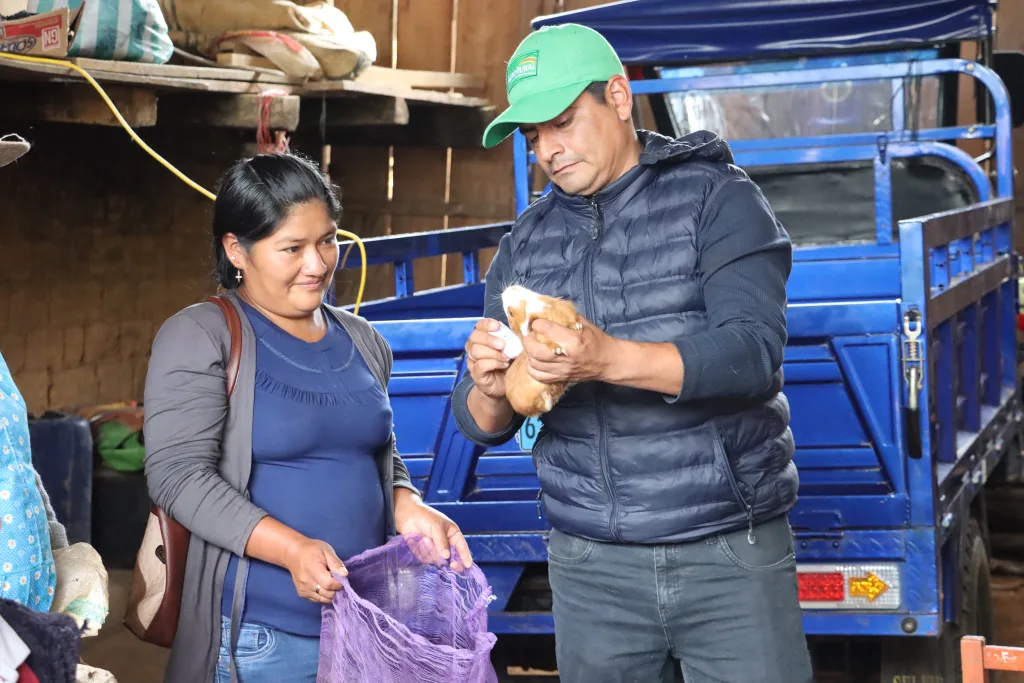
!! Un dato interesante es que los cuyes se reproducen muy rápido, no requieren gran extensión de espacio para su alimentación, evitando la deforestación del bosque. Además, se comercializan muy rápido para el consumo de carne porque aporta calcio, fósforo, zinc y hierro al organismo del ser humano, este último es necesario para combatir la anemia, especialmente en la población infantil y el estiércol contiene nutrientes, materia orgánica y microrganismos para el mejoramiento de suelos.
---
**Más información:**
Gabriela Gives
**Comunicadora Perú**
<comunicacion.peru@naturalezaycultura.org>
**Tags:** Personas, Perú
**Strategic Area:** Comunidades Locales
**Country:** Perú
**Content Type:** Blog
---
### [La apicultura: un dulce tesoro de la naturaleza en Tabaconas ](https://www.natureandculture.org/es/directorio/la-apicultura-un-dulce-tesoro-de-la-naturaleza-en-tabaconas/)
**Published:** October 25, 2023
**Author:** Nora Sanchez
**Content:**
La apicultura, una actividad milenaria dedicada a la crianza de las abejas y al cuidado de estos valiosos insectos, despierta un interés creciente debido a los múltiples beneficios que ofrece para las comunidades. Su principal producto, la miel, no solo deleita nuestros paladares con su dulzura natural, sino que también aporta numerosos beneficios para la salud humana.
En ese sentido, la comunidad de Tabaconas, donde se encuentra el **Área de Conservación Privada Páramos y Bosques Montanos San Miguel de Tabaconas**, es parte de la Red Apícola de Tabaconas, la misma que inicia actividades desde este mes, fue impulsada y adscrita a la Red Apícola Regional de Cajamarca.
Un dato interesante es que la Red Regional tiene como tarea organizar y promocionar la actividad apícola, una de sus primeras actividades fue la conformación de La Red Apícola Del Tabaconas.
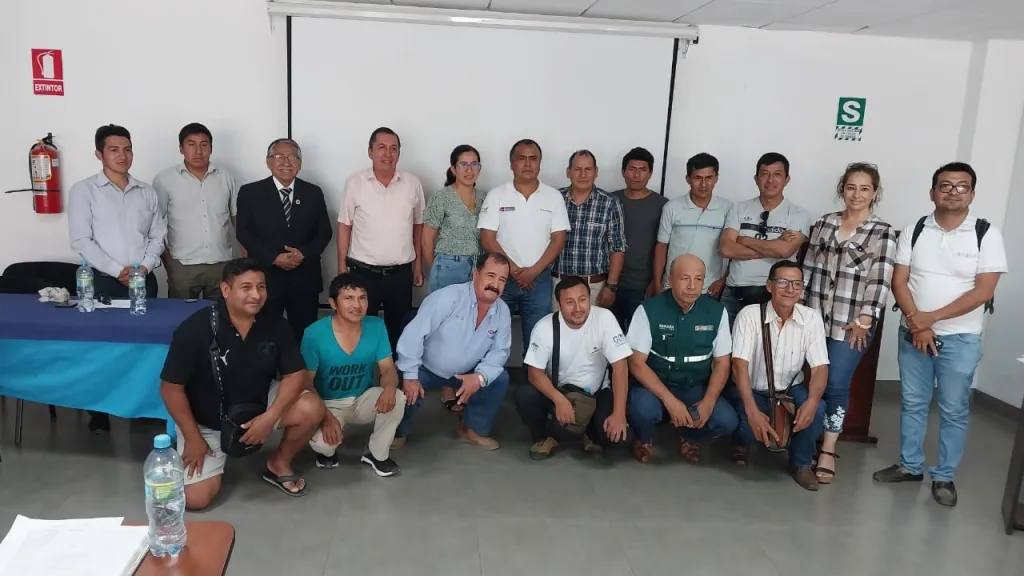Red Apícola Regional de Cajamarca
Jorge Sampertegui, consultor externo para Naturaleza y Cultura Internacional explica que, al contar con la red apícola de Tabaconas, favorecerá a las asociaciones ubicadas en la cuenca del Tabaconas a lograr volúmenes de miel fortaleciendo la comercialización y fortaleciendo la organización.
Además, destaca la importancia de que la Red Apícola Regional de Cajamarca agrupe a instituciones como la Municipalidad Provincial de Jaén, Ministerio de Agricultura – SENASA, Proyecto Especial Jaén – San Ignacio – Bagua; así como la Universidad Nacional de Jaén, AGROIDEAS, Naturaleza y Cultura Internacional y productores de las diversas localidades de las Provincias de Jaén, San Ignacio y sus Distritos.
*“Uno de los pasos a seguir será trabajar en el diseño de proyectos que incorpore, por ejemplo, la compra de miel por parte de los municipios para los programas sociales; con esta iniciativa se mejoraría la seguridad alimentaria para los beneficiarios de dichos programas”* puntualizó.
Un dato interesante es que si bien, Naturaleza y Cultura Internacional forma parte de la Red Apícola de Jaén, es gracias al proyecto que implementa con el apoyo de Plan Binacional, el Área de Conservación Privada San Miguel de Tabaconas, que trabaja con las asociaciones Los Emprendedores de Yuscapampa, en el fortalecimiento de capacidades para mejorar la producción de miel de abeja.
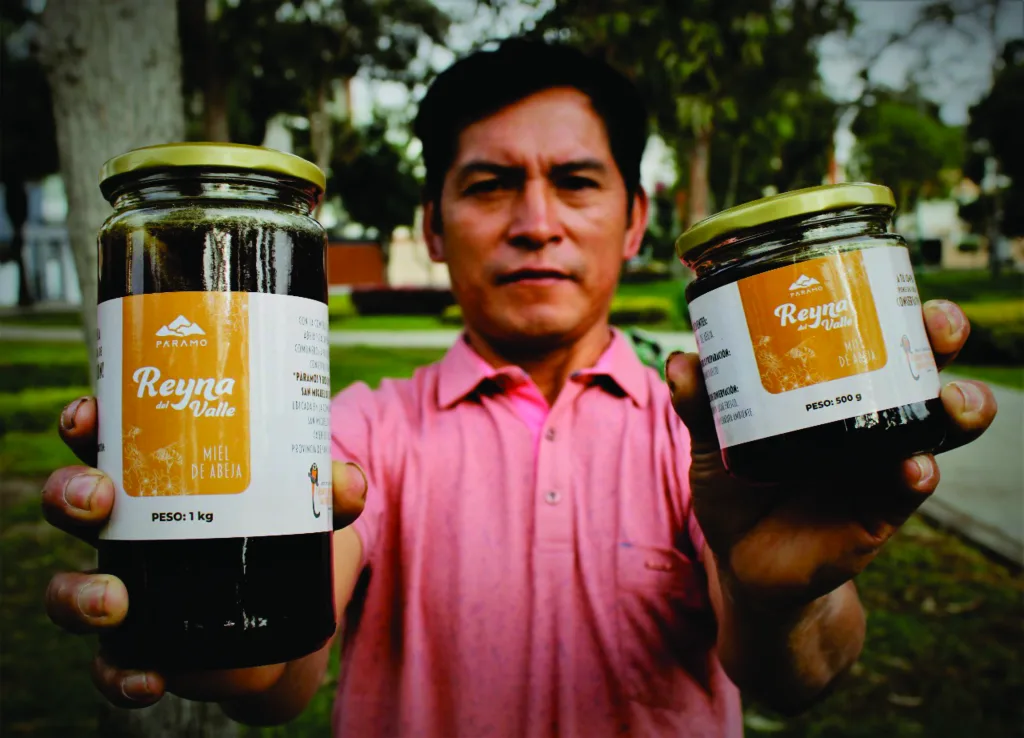
Cabe indicar que la apicultura sostenible y la conciencia sobre la conservación de las abejas son fundamentales para garantizar la continuidad de esta valiosa actividad y la disponibilidad de sus productos en el futuro. La apicultura no solo nos brinda el regalo de la miel, sino que también promueve la preservación de un eslabón crucial en la cadena alimentaria y el equilibrio ecológico.
**En un mundo donde la sostenibilidad y la salud son prioridades, la apicultura se erige como una práctica esencial que merece nuestra atención y apoyo.**
---
**Más información:**
Gabriela Gives
Comunicación Perú
<comunicacion.peru@naturalezaycultura.org>
**Tags:** Perú
**Strategic Area:** Comunidades Locales
**Country:** Perú
**Content Type:** Blog
---
### [Los Maijuna: en búsqueda de la identidad cultural de los hijos de la Luna](https://www.natureandculture.org/es/directorio/los-maijuna-en-busqueda-de-la-identidad-cultural-de-los-hijos-de-la-luna/)
**Published:** October 19, 2023
**Author:** Nora Sanchez
**Content:**
*Desde la época del Virreinato español hasta luego de la llegada de los crueles caucheros, la población indígena maijuna siempre vivió migrando forzadamente hacia territorio peruano. En la actualidad, los pocos maestros maijunas luchan por rescatar sus saberes ancestrales del olvido y su territorio de una carretera no consultada. Naturaleza y Cultura Internacional los está apoyando en ese largo camino. De acuerdo a información del Ministerio de Cultura, la etnia Maijuna tiene una población estimada de 278 personas a lo largo de todas sus comunidades en el Perú.*
***Por:** Milton López Tarabochia*
Cada vez que un sabio maijuna cuenta la historia de su pueblo, recuerda que siempre estuvieron huyendo de algo: primero, en el siglo XVII, de las encomiendas españolas; luego, con el ingreso de los primeros misioneros católicos, fueron migrando forzadamente desde los bosques de Brasil y Colombia hasta territorio peruano, de acuerdo con información de la antropóloga estudiosa de los Maijuna, la francesa Irene Bellier. Finalmente, los caucheros terminaron por someterlos para la extracción y transporte del látex más preciado en Europa a finales del siglo XIX e inicios del XX.
La esclavitud a la que los maijunas fueron sometidos durante la “fiebre del caucho” diezmó su población que en un inicio alcanzó las 16 000 personas (solo en el bajo Río Napo, según testimonios jesuitas) hasta niveles cercanos a la extinción en el presente. Según el último censo nacional (2017) solo 197 personas en todo el Perú se han autoidentificado como parte de la etnia Maijuna.
*“Todos salimos de La Chorrera (Colombia) y migramos para acá (Perú) por el caucho”*, dice protegido bajo la sombra de su maloka, Liberato Mussolini Mujica, quien ahora no es solo uno de los últimos sabios Maijuna, sino también profesor de la lengua originaria Maijɨki, idioma que es testimonio vivo de los últimos sobrevivientes de su pueblo.
“Don Liberato”, maestro maijuna, saluda desde el puesto de vigilancia comunal de la Comunidad Nativa de Nueva Vida. Créditos: Milton L. Tarabochia
El grado de vulnerabilidad en la que se encuentra el pueblo indígena es tal que solo 121 personas en todo el territorio nacional declaran tener el idioma Maijuna como lengua materna, en otras palabras, representan el 0,002% del total de población que habla lenguas originarias del Perú.
“Don Liberato”, como se le conoce popularmente, es natural de la Comunidad Nativa de Puerto Huamán, pero vive en la comunidad vecina, Nueva Vida. *“Como Maijuna queremos un desarrollo de nuestra cultura porque los niños no saben nada, además no hablan nuestro idioma. Los docentes no les enseñan nuestra cultura”,* cuenta mientras observa a los jóvenes de su comunidad jugar fútbol debajo del sol abrasador que caracteriza al clima tropical de la cuenca del río Napo.
El idioma Maijɨki, pertenece a la familia lingüística Tucano. Según el Ministerio de la Educación, debido a su nula transmisión a generaciones más jóvenes “es una lengua en serio peligro de extinguirse”. En la actualidad, el pueblo Maijuna cuenta con 3 intérpretes y traductores registrados en el Ministerio de Cultura (Mincul).
## **Los hijos de Maineno**
*“Maiji es la luna, y juna, somos nosotros, la población, indica pluralidad. Todos hemos venido de la Luna, por eso decimos que nuestro dios es la Luna. La Luna era antes un ser humano como nosotros”*, explica el sabio Liberato Mussolini.
En una reunión pasada del 18 de setiembre junto a otros sabios de otras etnias indígenas de la región de Loreto, Don Liberato expuso que para ellos el territorio indígena es cielo, tierra y agua, todo es un espacio integrado. *“Antiguamente la tierra era de los Maijuna y lo es hasta ahora”*, agrega el maestro. Los Maijuna dicen provenir de un gran héroe, Maineno, quien encarna a su héroe cultural primordial, La Luna. Dicho personaje de la mitología maijuna compartió con sus ancestros conocimientos sobre cultivo de plantas y demás artes, según el primer tomo del libro “El temblor y la luna. Ensayos sobre las relaciones entre las mujeres y los hombres mai huna” de la antropóloga Irene Bellier.
Don Liberato recuerda que antiguamente los sabios tenían un rol espiritual y político en la sociedad Maijuna, la cual no vivía en las riberas de los ríos, como en la actualidad, sino que habitaba las zonas interfluviales. En ese entonces, su dieta alimenticia consistía en carne en su mayoría. Los maijuna cazaban con lanza en el monte boscoso y pescaban con anzuelos y barbasco.
*“Los maijunas nunca vivían en el río. Siempre en las cuencas de las quebradas. No tenían chacra al inicio, no tenían hacha. Hacían caer los árboles y luego en ese desmonte hacían huertos”,* complementa el maestro.
En el presente, las autoridades maijunas son elegidas mediante elecciones democráticas en una asamblea comunal. La Federación de Comunidades Nativas Maijunas (FECONAMAI) es la organización que reúne a las 4 comunidades nativas de dicho pueblo. Hablamos de las comunidades nativas Sucusari, Nueva Vida, Puerto Huamán y San Pablo de Totolla, las cuales se encuentran a lo largo del río Napo. La población total en las comunidades del pueblo Maijuna se calcula en 278 personas.
Río Napo, principal acceso para el ingreso al territorio histórico del pueblo maijuna. Créditos: Milton L. Tarabochia
Si bien la administración del poder en los Maijuna ha cambiado con el pasar de los años, su devoción por la protección de su territorio se mantiene intacta. Tanto así que su etnia, junto al pueblo kichwa, fueron protagonistas del primer proceso de Consulta Previa a pueblos originarios, en donde los pueblos mencionados dieron su opinión favorable en el 2015 para la creación del **Área de Conservación Regional Maijuna Kichwa.**
Sin embargo, cuando el pueblo Maijuna se empoderó de su espacio al lograr crear el ACR, también empezaron a darse cuenta de los grandes retos que debían afrontar para mantener su territorio protegido. Por ejemplo, existe la carretera Bellavista-Mazán-Salvador-El Estrecho, la cual tiene 188 kilómetros de extensión. Su tramo II atravesaría el medio del ACR, e incluso afectaría el territorio de otra comunidad maijuna, San Pablo de Totolla, la cual ya tiene presencia de mineros y taladores ilegales, según Don Liberato. En ningún momento se sometió el proyecto de la carretera a la consulta previa de las comunidades afectadas.
## **Un futuro para los Maijuna**
El área de conservación señalada no solo se caracteriza por resguardar un total de 391,039.82 ha, sino por interconectar las áreas naturales protegidas entre los ríos Napo y Putumayo, según información del Servicio Nacional de Áreas Naturales Protegidas por el Estado (SERNANP).
La mencionada ACR además permite el desarrollo de actividades productivas beneficiosas para las comunidades indígenas. *“Se han identificado recursos potenciales de acuerdo a las principales actividades realizadas por comunidades maijunas y kichwas, establecidas en zona de influencia del ACR Maijuna Kichwa. Estos recursos son: carne de monte, chambira (artesanías) y madera dura (productos utilitarios)”*, precisa el ecólogo Eduardo Morales, Técnico de Campo de Naturaleza y Cultura Internacional (NCI), quien visita constantemente las comunidades maijunas.
Eduardo Morales, técnico de NCI, registra inscripciones de nuevos miembros a una asociación de productores indígenas. Créditos: Milton L. Tarabochia
Actualmente las comunidades de la etnia maijuna están en proceso de formalización a partir de la elaboración de documentos y herramientas de gestión, lo cual permitirá a los comuneros y comuneras el aprovechamiento sostenible y la generación de ingresos económicos.
Don Liberato no solo desea que el pueblo Maijuna crezca económicamente, sino en su memoria histórica. *“Construyamos una casita para enseñar a niños y adultos, para el que quiera aprender nuestra cultura. Quiero dejar mi sabiduría antes de que me vaya a la otra parte. Todo: cantos, leyendas, mitos, relatos, porque alguien debe tener ese conocimiento para el futuro. Una casa museo”.*
Integrantes de asociaciones productivas maijunas junto al equipo de NCI, Eduardo Morales (izquierda) y Bruno Tuesta (derecha). Créditos: Milton L. Tarabochia
La casa museo no solo exhibiría el patrimonio histórico de los Maijuna (vestimenta, objetos rituales, utensilios, entre otros), sino también su patrimonio inmaterial como sus historias y ceremonias. *“Yo preparo ayahuasca, tomo y comienzo a cantar. Todos cantamos y sale bonito. Pero si no cantamos juntos, voy a cantar yo solito y eso no está bien”*, enfatiza el maestro Liberato.
**Tags:** Personas, Perú
**Strategic Area:** Comunidades Locales
**Country:** Perú
**Content Type:** Blog
---
### [Café y conservación, la inspiradora historia de Karen Rojas](https://www.natureandculture.org/es/directorio/cafe-y-conservacion-la-inspiradora-historia-de-karen-rojas/)
**Published:** October 11, 2023
**Author:** Nora Sanchez
**Content:**
Karen Rojas, originaria de la pintoresca localidad de Alto Catarata, en la provincia de Marañón, en Huánuco, Perú, tiene una historia que nos inspira a todos. En su camino hacia el éxito, Karen se convirtió en una apasionada agricultora de café que, con esfuerzo y dedicación, encontró una forma de mantener a su familia y proteger su entorno.
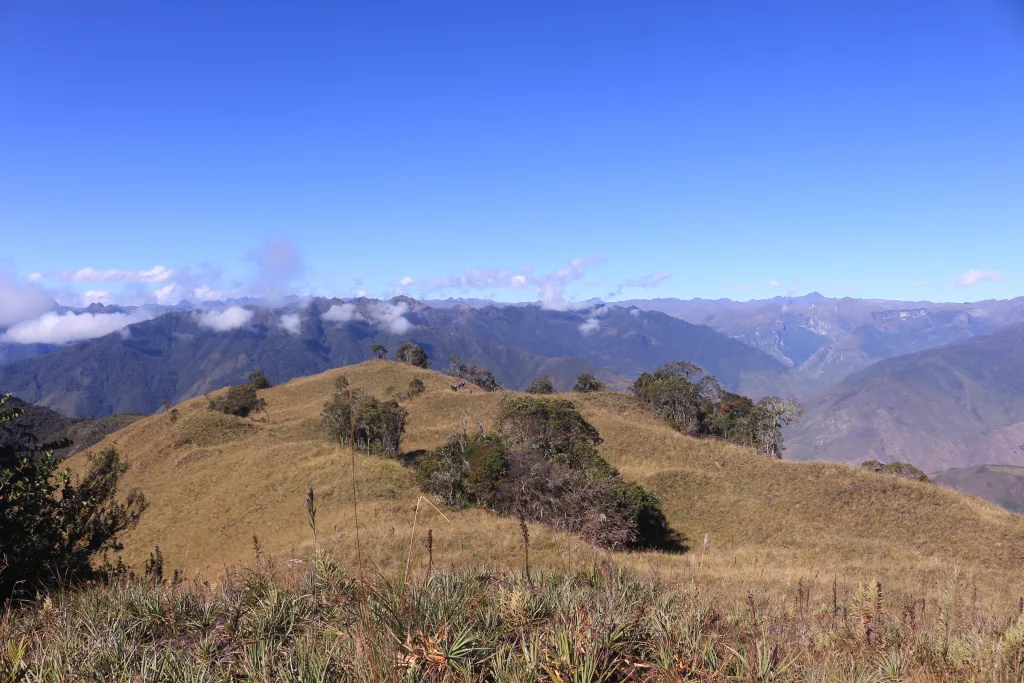Páramos de Chonta \| Créditos: Micheel Cotrina
En Alto Catarata, la tierra es generosa, pero Karen y sus compañeros agricultores comprendieron la importancia de cuidar su ecosistema. Protegen con celo el territorio que se convertirá en el **Área de Conservación Regional San Pedro de Chonta**, que alberga diversos ecosistemas y es vital para la conservación de fuentes de agua. Para ellos, la relación entre el agua, la agricultura y la vida es innegable.
Karen y los pobladores de su localidad, trabajan de la mano con el Gobierno Regional de Huánuco y Naturaleza y Cultura Internacional, aprendiendo a proteger su entorno mientras se benefician de él. Las majestuosas cataratas de la región son un símbolo de su compromiso, y como agricultores, se enorgullecen de preservar esta belleza natural.
El café se convirtió en la joya de su producción, y Karen lidera el camino en la producción de café 100% orgánico como parte de la Asociación Agropecuaria Kimsasisa – San Pedro de Chonta.
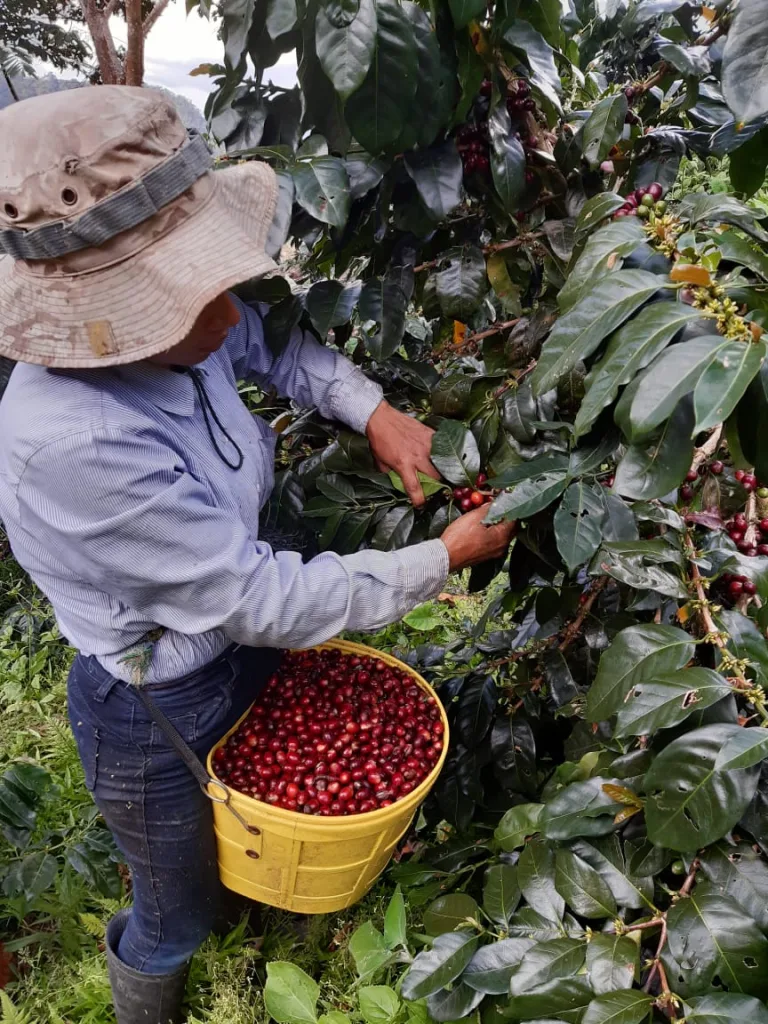Proceso de producción del café \| Créditos: Edwin RamosProceso de producción del café \| Julián Saavedra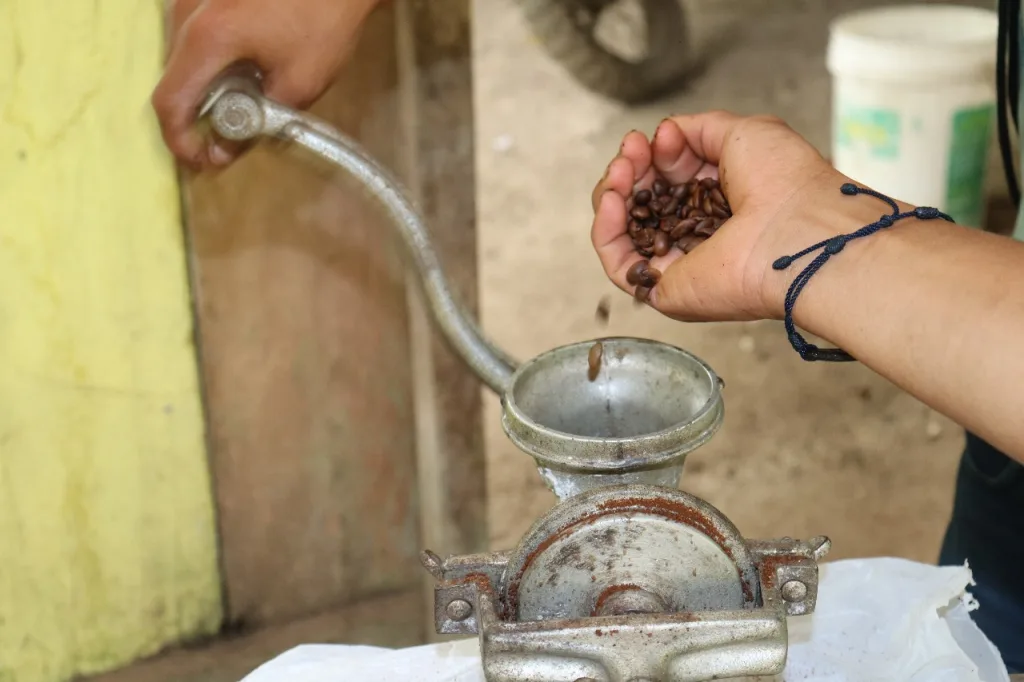Proceso de producción del café \| Créditos: Julián Saavedra
Pero lo que hace que su historia sea aún más especial es el papel activo de las mujeres en su localidad. Las mujeres no solo recolectan cuidadosamente los granos maduros, sino que también se **capacitan para cosechar sin dañar las plantas.** Su minuciosidad en la selección y el abono asegura que el café sea de la más alta calidad.
Los hombres, por su parte, se encargan del proceso de lavado y secado, sabiendo que el café debe alcanzar su punto perfecto. Karen, que hace cinco años era ama de casa, ha encontrado en el campo su verdadera pasión y su forma de contribuir al bienestar de su familia y su localidad. Antes, ella preparaba comida para los trabajadores, pero ahora es una pieza fundamental en la producción de alimentos y la protección del ecosistema.
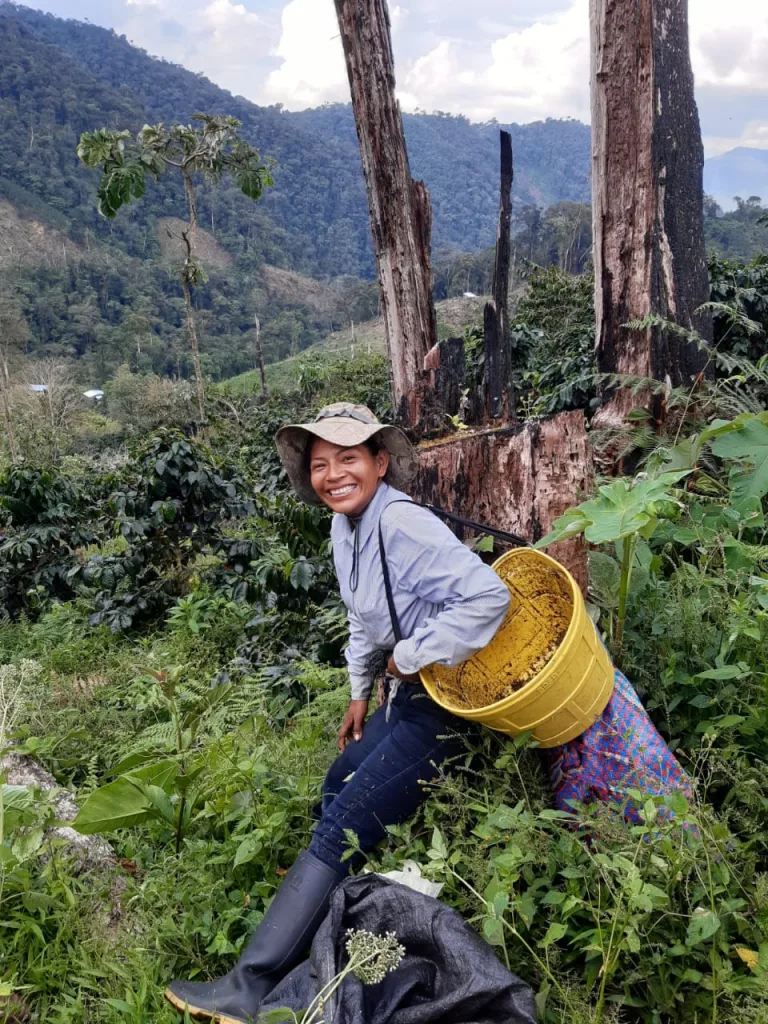Karen nos enseña a comprometernos con el cuidado de la tierra \| Créditos: Edwin Ramos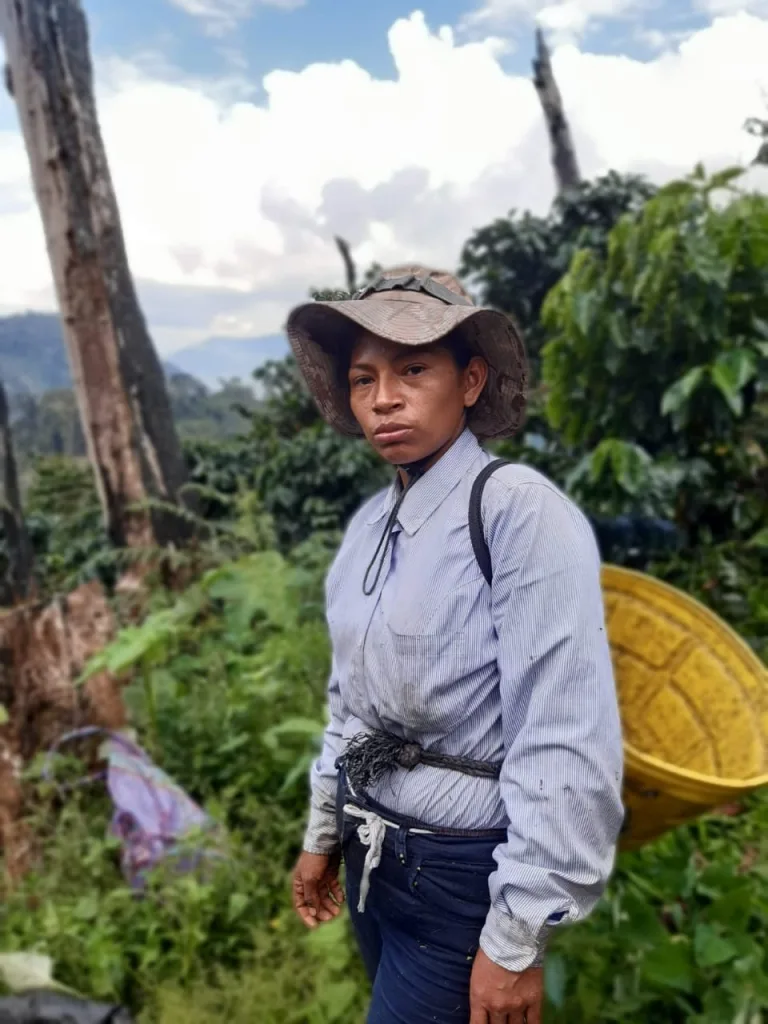Karen es una caficultora en Alto Catarata, Huánuco \| Créditos: Edwin Ramos
La historia de éxito de Karen Rojas es un testimonio del poder de la asociatividad, la dedicación a la tierra y la importancia de cuidar el entorno. Su experiencia nos enseña que cuando nos comprometemos con la naturaleza y trabajamos juntos, podemos cosechar los frutos del éxito mientras protegemos nuestro mundo para las generaciones futuras.
---
**Más información:**
Gabriela Gives
**Comunicadora Perú**
<comunicacion.peru@naturalezaycultura.org>
**Tags:** Personas, Perú
**Strategic Area:** Comunidades Locales
**Country:** Perú
**Content Type:** Blog
---
### [Plataforma Amazónica para los Bosques, el Clima y el Bienestar Humano](https://www.natureandculture.org/es/directorio/plataforma-amazonica/)
**Published:** March 16, 2022
**Author:** Heather Thomas
**Content:**


# Plataforma Amazónica para los Bosques, el Clima y el Bienestar Humano
16/03/2022
**Area Estratégica:** Bosques - Clima - Comunidades Locales -
**Tipo de Contenido:** Blog
**País:** Ecuador -
\[vc\_row\]\[vc\_column\]\[vc\_column\_text\]
## La Plataforma Amazónica es una alianza entre gobiernos locales y nacionalidades indígenas para gestionar eficazmente grandes extensiones de la selva amazónica.
\[/vc\_column\_text\]\[/vc\_column\]\[/vc\_row\]\[vc\_row\]\[vc\_column\]\[vc\_column\_text\]Ecuador alberga solamente el 2% de la selva amazónica y, sin embargo, el agua de este lugar alimenta a toda la cuenca amazónica. Aquí, las provincias de Pastaza, Zamora Chinchipe, Morona Santiago y siete nacionalidades indígenas de la Amazonía ecuatoriana han comenzado a trabajar juntas para mostrarle al mundo que la deforestación y la degradación de la selva tropical más grande del planeta pueden revertirse.
**La Plataforma Amazónica por los Bosques, el Clima y el Bienestar Humano** es un acuerdo de colaboración entre las seis provincias de la Amazonía ecuatoriana y la Confederación de Nacionalidades Indígenas de la Amazonía del Ecuador (CONFENIAE). En la primera fase de este pacto, tres provincias se comprometieron a gestionar y proteger eficazmente más de 4 millones de hectáreas, conformando el corredor biológico de bosque continuo más grande del Ecuador y secuestrando 2.300 millones de toneladas de carbón.\[/vc\_column\_text\]\[vc\_single\_image image=»21398″ img\_size=»large» add\_caption=»yes» alignment=»center»\]\[/vc\_column\]\[/vc\_row\]\[vc\_row\]\[vc\_column\]\[vc\_btn title=»Give Now» style=»custom» custom\_background=»#0f7d3f» custom\_text=»#ffffff» shape=»square» size=»lg» align=»center» link=»url:https%3A%2F%2Fgive.natureandculture.org%2F\|target:\_blank»\]\[/vc\_column\]\[/vc\_row\]\[vc\_row\]\[vc\_column\]\[vc\_column\_text\]El esfuerzo colectivo entre los gobiernos locales y las nacionalidades indígenas llega en un momento crítico, ya que las amenazas a la Amazonía ecuatoriana por la deforestación, la minería, la expansión agrícola y el desarrollo aumentan a diario. **Con la asistencia técnica de Naturaleza y Cultura Internacional,** esta unificación de los esfuerzos de conservación será un ejemplo de un medio efectivo para proteger la selva amazónica.\[/vc\_column\_text\]\[vc\_video link=»https://youtu.be/wxF06ZOCxzU» align=»center»\]\[/vc\_column\]\[/vc\_row\]\[vc\_row\]\[vc\_column\]\[vc\_column\_text\]El 28 de diciembre de 2021, Naturaleza y Cultura Internacional y los prefectos de las provincias de Morona Santiago, Pastaza y Zamora Chinchipe firmaron un acuerdo que avanza en la construcción de la propuesta “Plataforma Amazónica por los Bosques, el Clima y el Bienestar Humano” junto con las comunidades indígenas. **El liderazgo de estas tres provincias es un paso crucial para combatir el cambio climático y promover en el bienestar de su población,** basado tanto en los avances generados en el campo de la conservación como en los acuerdos alcanzados con los pueblos indígenas y las comunidades locales.
Esta alianza es un compromiso para gestionar y **proteger de manera sostenible el corredor biológico de bosque continuo más grande del Ecuador** en áreas de conservación provinciales. Generará oportunidades para la implementación de una Estrategia Nacional y Estrategias Provinciales de Cambio Climático, REDD+ y RIA, incluyendo la reducción de la deforestación, la restauración de áreas degradadas, la implementación de proyectos de medios de vida sostenibles y la gestión de áreas de conservación existentes, entre otras iniciativas.
Estas áreas están actualmente protegidas dentro del sistema de conservación subnacional (como ACUS Provincial – Áreas de Conservación y Uso Sostenible) y cubren un área más grande que todas las áreas protegidas dentro del Sistema Nacional de Áreas Protegidas de la Amazonía Ecuatoriana.
Esta zona es el hogar de 7 de las 14 Nacionalidades Indígenas de la Amazonía Ecuatoriana: Shuar, Achuar, Kichwa, Waorani, Sápara, Andoa y Shiwiar y también alberga una increíble biodiversidad de formas de vida, distribuidas en 28 Ecosistemas reconocidos oficialmente por el Ministerio de Ambiente y Agua de Ecuador, lo que la convierte en uno de los lugares más diversos de toda la Amazonía.\[/vc\_column\_text\]\[vc\_column\_text\]
## Naturaleza y Cultura ha apoyado los esfuerzos de conservación y manejo en Pastaza por más de diez años.
\[/vc\_column\_text\]\[vc\_column\_text\]En 2017, Naturaleza y Cultura ayudó a establecer el Área Ecológica de Desarrollo Sostenible de Pastaza de 2,5 millones de hectáreas en la región central de la Amazonía ecuatoriana. Poco después, apoyamos su participación en el Grupo de Trabajo de Gobernadores sobre Clima y Bosques (GCF, por sus siglas en inglés); una colaboración subnacional entre 38 estados, provincias y regiones de 11 países para proteger los bosques, reducir las emisiones y promover el desarrollo sostenible.
Desde 2020, Naturaleza y Cultura Internacional ha trabajado con el gobierno de Pastaza para desarrollar su primer Plan de Implementación REDD+ en conjunto con las siete nacionalidades amazónicas de la provincia. El plan de implementación de REDD+ establece objetivos de gestión sostenible y abre la puerta para que se envíe más financiamiento climático directamente a la región.
En 2021 Pastaza se convirtió en el primer gobierno provincial de la región amazónica en contar con un Plan de Implementación para Reducir la Deforestación y Degradación de sus bosques, el cual fue construido en conjunto con las siete nacionalidades amazónicas de la provincia.\[/vc\_column\_text\]\[vc\_column\_text\]
## Zamora Chinchipe y Morona Santiago siguen su ejemplo.
\[/vc\_column\_text\]\[vc\_column\_text\]En 2018, con la ayuda de Naturaleza y Cultura, Zamora Chinchipe declaró un área protegida provincial de 1,1 millones de hectáreas y está en proceso de construcción de su Plan de Implementación para Reducir la Deforestación y Degradación de sus bosques.
En 2021, el gobernador de Morona Santiago firmó un acuerdo con las nacionalidades indígenas Shuar y Achuar para declarar las 2.5 millones de hectáreas propuestas de Áreas de Conservación y Uso Sostenible. Esto prepara el escenario para que estos dos gobiernos provinciales sigan los pasos de Pastaza e implementen sus propios planes REDD+. Próximamente, tanto Zamora Chinchipe como Morona Santiago, también formarán parte del Grupo de Trabajo del GCF.\[/vc\_column\_text\]\[/vc\_column\]\[/vc\_row\]
**Strategic Area:** Bosques, Clima, Comunidades Locales
**Country:** Ecuador
**Content Type:** Blog
---
### [Café producido con apoyo de NCI es protagonista de la Expo Amazónica](https://www.natureandculture.org/es/directorio/cafe-100-ecologico-en-expo-amazonica/)
**Published:** October 10, 2023
**Author:** Nora Sanchez
**Content:**
Complacidos y entusiasmados quedaron los integrantes de la Asociación Agropecuaria Kimsasisa – San Pedro de Chonta, de la localidad de Alto Catarata, tras su participación con su café 100% ecológico en la Expo Amazónica 2023 Edición Bicentenario.

Motivado por los resultados en la venta de sus productos y la experiencia vivida en la Expo Amazónica 2023, Edwin Ramos Tarazona integrante de la Asociación Agropecuaria Kimsasisa – San Pedro de Chonta, resaltó los trabajos que realiza el Gobierno Regional de Huánuco a través de la Gerencia de Recursos Naturales y el apoyo de Naturaleza y Cultura Internacional, en la propuesta de Área de Conservación Regional San Pedro de Chonta, a la vez que agradeció por el asesoramiento y la apoyo técnico que les brinda NCI a sus asociados y caficultores en la producción de café 100% ecológico, producto que supera el 83% de calidad en taza.
La Asociación Agropecuaria Kimsasisa – San Pedro de Chonta además de promocionar sus actividades emprendedoras a base de café producido de manera ecológica, dentro de la referida propuesta de ACR, compartió con el público y autoridades, las actividades que realizan sensibilizando a la población para que se comprometan en la conservación de nuestros recursos.
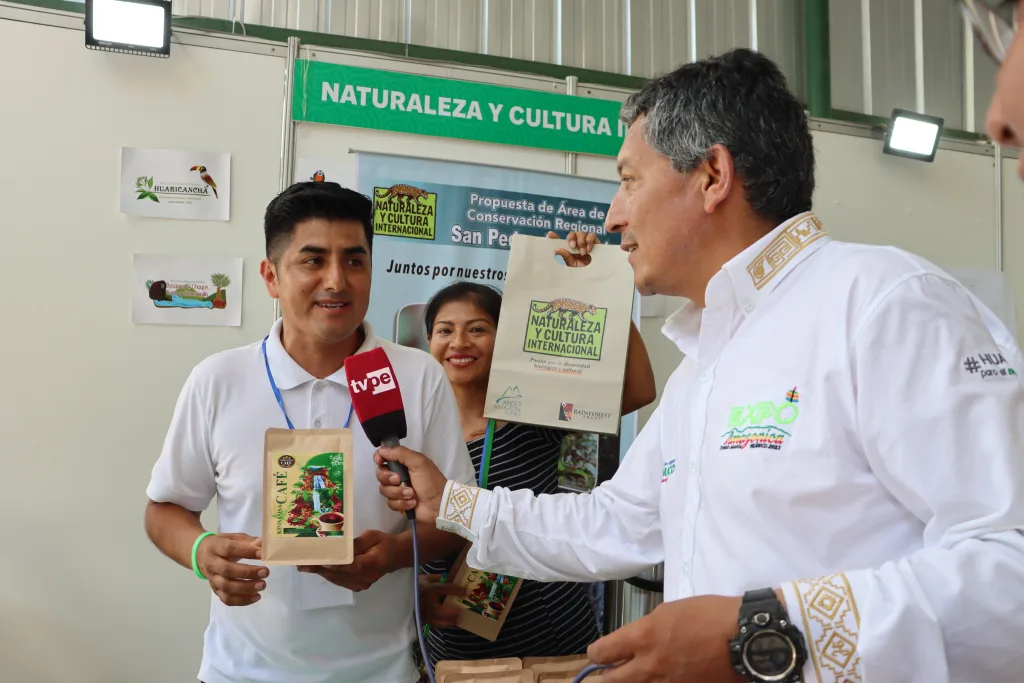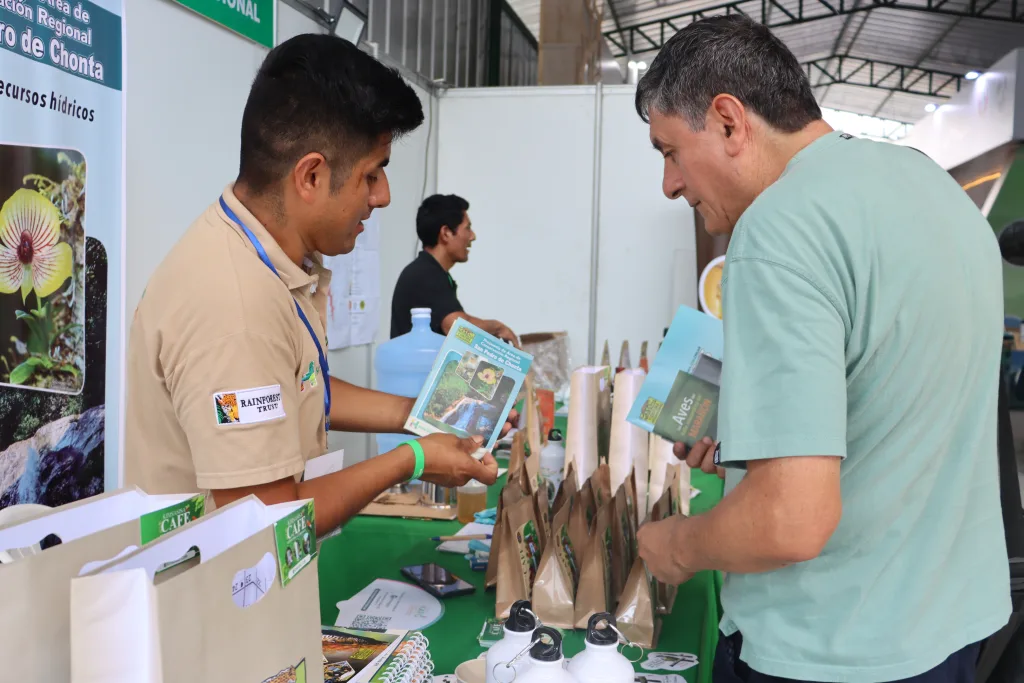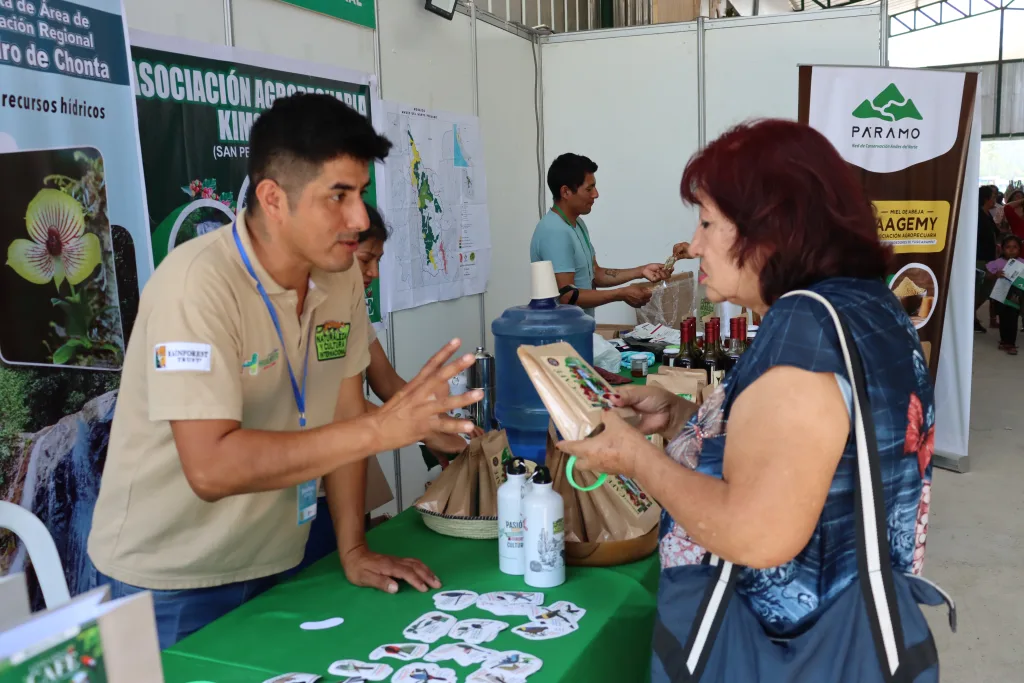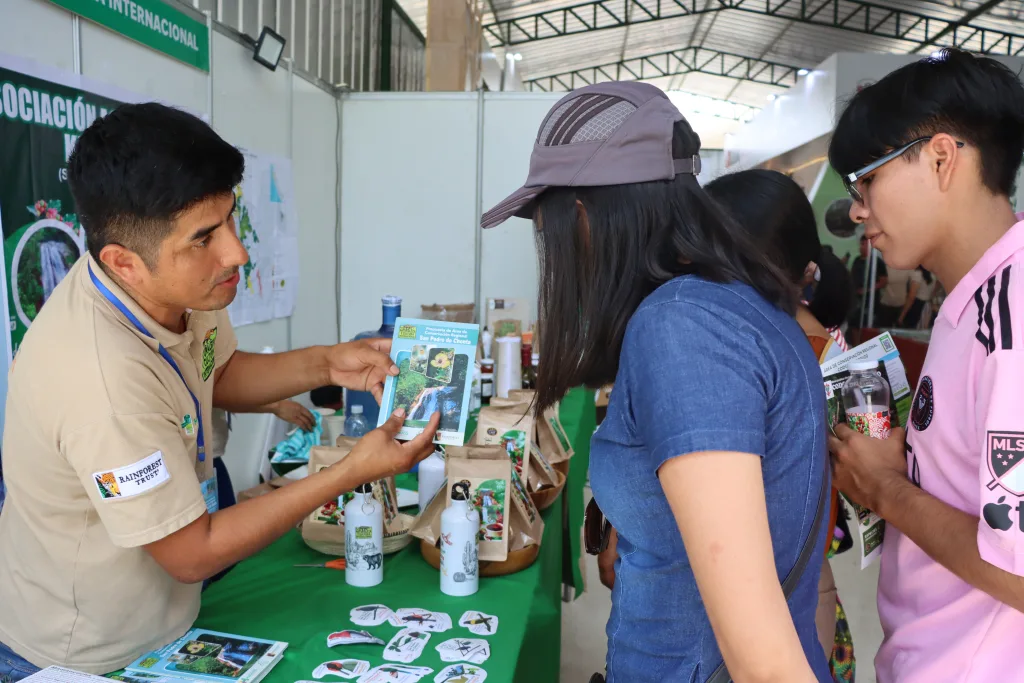
El valle del Cholón, de un tiempo a esta parte se ha convertido en la mejor zona cafetalera de la región, donde sus productos superan los estándares de calidad. *“Sin duda es uno de los mejores cafés de la región que viene de la localidad de Alto Catarata a 1,700 m.s.n.m., en el distrito de Cholón, nuestros productores del Valle del Cholón llegaron a ganar el concurso de cafés especiales con un 89% de calidad en taza y como somos parte de ello, nosotros también venimos promocionando nuestro café”*, remarcó Ramos Tarazona.
---
**Más información:**
Gabriela Gives
Comunicadora Perú
<comunicacion.peru@naturalezaycultura.org>
**Tags:** Biodiversidad, Personas, Perú
**Strategic Area:** Comunidades Locales
**Country:** Perú
**Content Type:** Noticias
---
### [La provincia de Loja crea su primera área de protección hídrica](https://www.natureandculture.org/es/directorio/la-provincia-de-loja-crea-su-primera-area-de-proteccion-hidrica/)
**Published:** October 5, 2023
**Author:** Nora Sanchez
**Content:**
> “El agua es la vida de nosotros, sinceramente sin agua ningún ser vivo podría haber vivido, entonces para mí lo más importante que tiene que existir en el planeta es el agua”.
>
> ***Luis Fabián Palta, presidente de la Junta de Riego el Verdun***
En el sur del Ecuador, en la provincia de Loja, se creó la primera área de protección hídrica y, a nivel nacional es la número 23. Se denomina **Área de Protección Hídrica (APH) Verdun,** cuyo nombre se relaciona con la cascada Verdun, una de las fuentes de agua que están dentro de la zona de importancia hídrica. Territorialmente, el APH Verdun está ubicada en la parroquia El Tambo, perteneciente al cantón Catamayo, provincia de Loja.
La superficie del APH Verdun es de **8.096,72** **hectáreas** y provee de líquido vital a los barrios y pobladores de: Bellavista, la Palma, El Blanquillo, Las Achiras, la Florida, El Capulí, Paycapamba, La Argentina, El Tambo, La Capilla, San Francisco, La Era, La Merced, Naranjo Dulce, San Agustín y Juanes. En total, se benefician alrededor de 8000 mil habitantes de forma directa e indirecta.
Cascada PucaraCascada Verdun
## **¿Qué es un Área de Protección Hídrica y por qué es urgente protegerla?**
El artículo 411 de la Constitución de la República del Ecuador señala que el Estado garantizará la conservación, recuperación y manejo integral de los recursos hídricos, cuencas hidrográficas y caudales ecológicos asociados al ciclo hidrológico –proceso de circulación del agua en el planeta Tierra-.
**Un área de protección hídrica** abarca zonas de interés hídrico que proveen de agua a los sistemas comunitarios rurales, poblaciones urbanas y garantizan la seguridad y soberanía alimentaria de los territorios. Por ejemplo, un APH sirve para mantener la agrobiodiversidad, pues permite asegurar el suministro de agua adecuada, para que los agricultores cultiven alimentos de manera sostenible. Es decir, se garantiza que haya suficiente agua disponible para el riego de cultivos y la producción de alimentos. Así, la creación de áreas de protección hídrica son una forma de cumplir con esta responsabilidad constitucional. Adicionalmente, las áreas de protección hídrica son importantes para proteger y conservar los cuerpos de agua que fluyen hacia quebradas, ríos y mares.
> “La importancia del agua que es para nosotros como seres humanos, como personas, como mujeres, especialmente, ya que día a día la necesitamos para el hogar, para hacer las cosas, para la producción como es el riego, es para todo. O sea, el agua es un líquido vital que es sumamente indispensable y necesario que yo creo que todos los seres humanos somos imprescindibles de ella”
>
> ***Rosa Abrigo, presidenta de la Asociación de Mujeres Jesús del Gran Poder, parroquia El Tambo***
## **Una inminente crisis global del agua
En la actualidad, las alertas están levantadas y se habla de la urgencia de proteger las fuentes de agua. Algunos estudios señalan que de no hacer algo, la población mundial se enfrentaría a graves consecuencias irreversibles. La Organización Meteorológica Mundial (OMM), en octubre de 2021, advirtió sobre la preocupante situación del agua y llamó a tomar conciencia de la *“inminente crisis global del agua”.*
Se espera que el cambio climático haga estragos en el futuro cercano provocando una escasez de agua en todo el mundo. Fuente: AgroLatam
La revista *National Geographic* señala que para el 2050, aproximadamente 5,000 millones de personas no tendrán suficiente agua para satisfacer sus necesidades básicas. El cambio climático, la sobreexplotación de recursos hídricos y la contaminación ambiental son algunos de los factores que favorecen esta crisis. El aumento de las temperaturas y los patrones de lluvia irregulares están afectando la disponibilidad de agua dulce en muchas regiones del mundo
Además, el crecimiento demográfico y el desarrollo económico demandan más consumo de agua, lo que agudiza aún más la situación. Tal es así que, el crecimiento económico contemporáneo a menudo implica un aumento en la producción industrial, agrícola y comercial, lo que puede llevar a un mayor uso de recursos naturales no renovables, incluida el agua.
Sin embargo, el desarrollo económico y el consumo de agua no son necesariamente incompatibles. Es posible lograr un desarrollo económico sostenible que tenga en cuenta la conservación y el uso eficiente del agua; y, para lograr esto se requieren, entre otras cosas, decisiones de los líderes de gobiernos que permitan la implementación y promoción de políticas y regulaciones que fomenten el uso sostenible del agua.
## **Acciones claves para establecer el APH Verdun**
En el Ecuador, el Ministerio de Ambiente, Agua y Transición Ecológica, MAATE, en su rol de autoridad ambiental del agua, acogiéndose a los lineamientos constitucionales y, conforme el artículo 18 de la Ley Orgánica de Recursos Hídricos, usos y aprovechamientos del agua (LORHUyAA), facilita y desarrolla de manera mancomunada el mantenimiento, conservación y recuperación del agua y ecosistemas naturales.
Por otra parte, el MAATE, con el objetivo de promover la gestión integral de los recursos hídricos, se ha planteado, para el 2025, alcanzar 284.000 ha del territorio ecuatoriano bajo el esquema de protección hídrica.
Una de las acciones claves en este proceso es la participación de la comunidad, en el camino hacia la declaratoria del APH Verdun, participaron en los diversas estapas de socialización, el Gobierno Municipal de Catamayo, el Gobierno parroquial El Tambo, los propietarios de los predios ubicados en el área delimitada, las Juntas administradoras de agua potable y las Juntas de riego y drenaje.
El ministro de Ambiente, José Dávalos, menciona que para lograr el establecimiento de esta nueva APH el trabajo con la comunidad fue escencial: *“estas APH se trabajan con la comunidad, con los GAD, de hecho es posible gracias a la cooperación que tenemos, en este caso particular, como casi siempre Re:wild con su apoyo financiero y técnico, a través de Naturaleza y Cultura Internacional, nos ayudaron en la construcción y a retomar esta APH que era un deseo de la zona desde el 2019”.*
Ministro del Ambiente y comitiva durante el evento de establecimiento de la APH Verdun
En el evento de oficialización del APH Verdun, realizado en la Parroquia El Tambo, Felipe Serrano, director ejecutivo de Naturaleza y Cultura Internacional, habló de unidad: *“el agua nos une”*, señaló; y con esta frase destacó el compromiso de los agricultores y de las autoridades locales quienes han venido trabajando en la protección de las 12 fuentes de agua que son parte del APH Verdun. *“Nos tiene que unir la urgencia del proteger el agua”*, puntualizó Serrano; además, mencionó que la provincia de Loja es quizá una de las más vulnerables del país a los efectos del cambio climático, en la disminución de la oferta hídrica. Uno de los ejemplos que Serrano compartió es que, casi la misma superficie que se protege en el APH Verdun es la que se afectó por los incendios forestales ocurridos en lo que va del 2023 en la provincia de Loja.
Serrano señaló que el equipo técnico de Naturaleza y Cultura Internacional ha colaborado en el establecimiento de al menos catorce áreas de protección hídrica, siete áreas de protección del Sistema Nacional de Áreas Protegidas, SNAP; y, además, se financian y asesora técnicamente seis procesos adicionales de APH y dos áreas protegidas del SNAP, ubicadas, en su mayoría, en el sur del país.
José Romero, presidente de la Junta de Agua Potable El Tambo, agradeció a todas las Juntas de agua potable y de riego, a las asociaciones y a los propietarios de los predios ubicados en la zona delimitada del APH Verdun, y los llamó apasionados conservacionistas que buscan mejores días para la Parroquia y para la casa grande llamada planeta Tierra. Romero mencionó que unidos y en minga pidieron al MAATE se declare el APH Verdun: *“el Tambo es eminemente agrícola, de aquí salen toneladas de alimentos frescos, por eso la denominación de la alacena agrícola del Sur. Nuestras fuentes de agua necesitan intervención y estamos convencidos que este es el primer paso para recuperar las áreas degradadas y conservar los bosques que aún nos quedan”.*
Finalmente, Romero indicó que al declarar el APH Verdun se garantiza agua de calidad y cantidad para 16 Juntas de agua potable y riego de la parroquia El Tambo.
Conoce más sobre el APH Verdun:
---
**Más información:**
Aida Maldonado Quezada
**Comunicación Ecuador**
<comunicacion@naturalezaycultura.org>
**Tags:** Agua, Areas de Protección Hídrica, Ecuador
**Strategic Area:** Agua
**Country:** Ecuador
**Content Type:** Noticias
---
### [Mujeres emprendedoras de Pirushto revaloran sus costumbres ancestrales en la Expo Amazónica 2023 ](https://www.natureandculture.org/es/directorio/mujeres-emprendedoras-revaloran-sus-costumbres-ancestrales/)
**Published:** September 29, 2023
**Author:** Nora Sanchez
**Content:**
Con el objetivo de revalorar las costumbres de la mujer andina, Naturaleza y Cultura Internacional promueve el desarrollo de actividades con costumbres ancestrales en la Comunidad Campesina de Pirushto, provincia de Huacaybamba, en Huánuco.
Una de esas costumbres que ha pasado de generación en generación entre las mujeres de Pirushto es el bordado de sus prendas, que, con mucho talento, paciencia e imaginación representan de manera artística las flores, aves y paisajes de su localidad.
Este emprendimiento radica también en la enseñanza de sus prácticas ancestrales a las nuevas generaciones, a la vez que busca empoderarlas y generar ingresos económicos para mejorar su canasta familiar y calidad de vida.
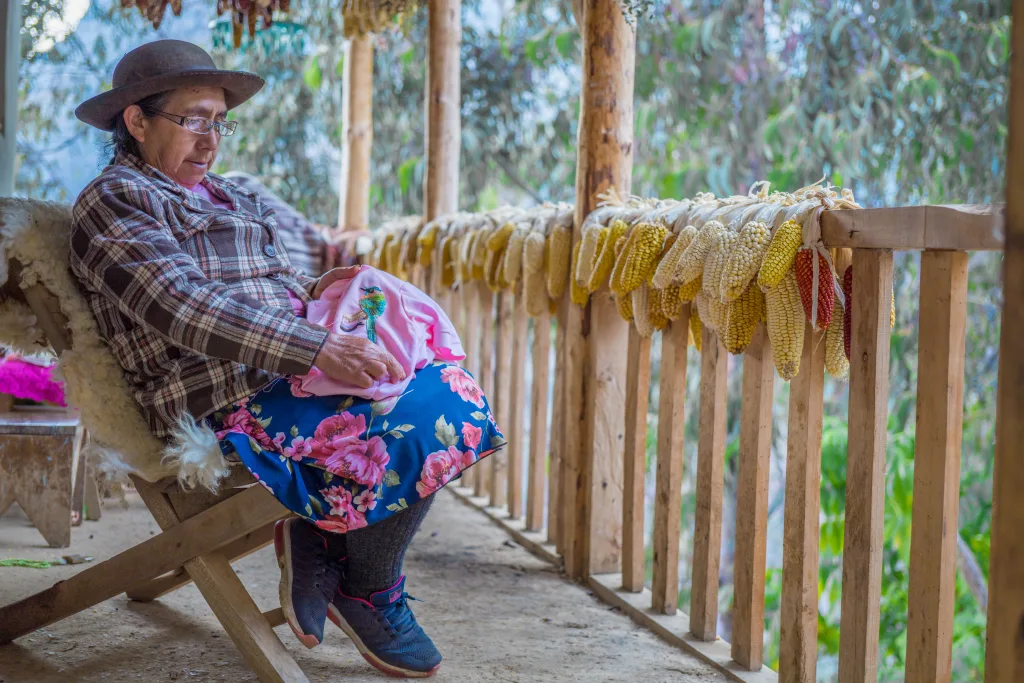Santiaga Garro compartiendo su experiencia con el bordado
En ese sentido, Santiaga Garro Gerónimo (61), emocionada relata: *“Cuando era niña, todas las señoras bordaban y usaban sus ropas con hermosos diseños de flores, aves y paisajes, ahora esa costumbre se estaba perdiendo de empieza a revalorizar, agradezco a Naturaleza y Cultura Internacional, por darnos la oportunidad a las mujeres de Pirushto de recuperar nuestras costumbres del bordado.”*
Mujeres emprendedoras de Pirushto durante la Expo Amazónica Huánuco 2023
Cabe mencionar que Pirushto es una comunidad vecina al Área de Conservación Regional Yanajanca, donde sus habitantes por lo general se dedican a la agricultura y ganadería, conservando sus costumbres y tradiciones en armonía con la naturaleza. Las mujeres emprendedoras y empoderadas mostraron sus trabajos de prendas bordadas en la Expo Amazónica Huánuco 2023, edición Bicentenario.
---
**Para más información:**
Gabriela Gives
**Comunicadora Perú**
<comunicacion.peru@naturalezaycultura.org>
**Tags:** Personas, Perú
**Strategic Area:** Comunidades Locales
**Country:** Perú
**Content Type:** Noticias
---
### [Aprueban segunda etapa de la propuesta de ACR Yanajanca ](https://www.natureandculture.org/es/directorio/aprueban-segunda-etapa-de-la-propuesta-de-acr-yanajanca/)
**Published:** October 4, 2023
**Author:** Nora Sanchez
**Content:**
Durante la reunión de asistencia técnica liderada por el Servicio Nacional de Áreas Naturales Protegidas por el Estado – Sernanp, el Gobierno Regional de Huánuco y la participación de Naturaleza y Cultura Internacional, se aprobó la segunda etapa de la propuesta de Área de Conservación Regional (ACR) Yanajanca, ubicada en Huánuco.

Como se conoce, la segunda de las cuatro etapas que forman parte del establecimiento de cualquier ACR consiste en realizar el estudio de análisis costo – beneficio y financiamiento de la propuesta, descripción de las características económicas y socioculturales, análisis de derechos reales, elaboración de la zonificación preliminar de la propuesta, descripción del proceso Informativo llevado a cabo por el Gobierno Regional de Huánuco y Naturaleza y Cultura Internacional, en más de 30 localidades ubicadas cerca a los límites de la propuesta.
Al tratarse de un Área de Conservación Regional, fue el Gobierno Regional de Huánuco quien presentó la evidencia efectuada durante esta etapa y el Sernanp, por su parte, revisó y aprobó el cumplimiento de los requisitos correspondientes, los mismos que deberán ser incluidos en el expediente técnico final.
Cabe indicar, que de establecerse el ACR Yanajanca protegería 300 hectáreas de espejo de agua, donde se almacena alrededor de 75 millones de metros cúbicos de agua para uso doméstico, ganadero y agrícola. Además, se conservaría “Mamancocha”, la tercera laguna más extensa del departamento de Huánuco; así como, el hogar de especies importantes de flora y fauna silvestre.
**Tags:** Perú
**Strategic Area:** Bosques
**Country:** Perú
**Content Type:** Noticias
---
### [Naturaleza y Cultura Internacional inicia trabajos de seguridad hídrica en Huacaybamba ](https://www.natureandculture.org/es/directorio/naturaleza-y-cultura-internacional-inicia-trabajos-de-seguridad-hidrica-en-huacaybamba/)
**Published:** September 26, 2023
**Author:** Nora Sanchez
**Content:**
Mediante la instalación de viveros forestales de especies nativas, **Naturaleza y Cultura Internacional inicia acciones de remediación ambiental para la mitigación de cambio climático**, siendo este el primer paso para una campaña de siembra y cosecha de agua en 3 localidades del ámbito de influencia de la Propuesta de Área de Conservación Regional (ACR) Yanajanca que impulsa el Gobierno Regional de Huánuco.

Estas actividades tienen como objetivo beneficiar a los agricultores y familias de escasos recursos económicos colindantes a la propuesta de Área de Conservación Regional Yanajanca, en la provincia de Huacaybamba.
**Estas acciones favorecerán a casi 3 mil beneficiarios directos e indirectos de los distritos de Huacaybamba, Pinra y Canchabamba** de la provincia de Huacaybamba, quienes tendrán que desarrollar actividades de **siembra de alrededor de 8 mil plantas de alisos y queñoales, especies nativas de zonas altoandinas.**

Las especies nativas tiene una función muy importante en la captación y almacenamiento de las aguas de lluvia, regulando su flujo dentro del suelo, subsuelo, permitiendo un mejor abastecimiento y aprovechamiento del recurso hídrico cada vez se hace más escaso en nuestras zonas altoandinas.
Un dato interesante es que en la propuesta de ACR Yanajanca, se encuentran 75 lagunas altoandinas que constituyen una fuente de agua limpia y constante para las poblaciones ubicadas en las zonas bajas. Cuenta también con 12 cabeceras de cuencas, tributarios de los ríos Huallaga y Marañón, que beneficia a 118 mil pobladores. Sus aguas son utilizadas para la agricultura, ganadería, consumo humano, entre otros.
---
**Más información:**
Gabriela Gives
**Comunicadora Perú**
<comunicacion.peru@naturalezaycultura.org>
**Tags:** Agua, Perú
**Strategic Area:** Agua
**Country:** Perú
**Content Type:** Noticias
---
### [Zamora Chinchipe construye su plan de medidas y acciones para combatir la deforestación y degradación de sus bosques ](https://www.natureandculture.org/es/directorio/zamora-chinchipe-construye-el-plan-sembrando-vida/)
**Published:** September 13, 2023
**Author:** Nora Sanchez
**Content:**
La provincia de Zamora Chinchipe, liderada por la Prefectura, es la segunda provincia del Ecuador que ha decidido establecer acciones planificadas para cuidar sus bosques y comprometerse en la lucha por el cambio climático. Esta provincia del sur del Ecuador se encuentra trabajando, participativamente, en la construcción del ***Plan de Implementación de Medidas y Acciones* para combatir la deforestación y degradación de bosques, PdI *REDD+. Su Prefecta, Karla Reátegui, ha propuesto denominarlo “Plan Sembrando Vida”.***
Karla Reátegui, prefecta de Zamora ChinchipeLa prefecta de Zamora Chinchipe ha denominado al Plan Sembrando VIda
El PdI es un instrumento articulador que, a partir de la identificación de actores y su relación con los bosques, analiza y plantea alternativas de gestión, producción, conservación y manejo forestal sostenible dentro del territorio, para diseñar e implementar medidas y acciones en función de las diferentes causas y agentes de la deforestación y degradación de los bosques. Es decir, estas medidas y acciones requieren de una identificación, definición y priorización de actividades que, de manera articulada contribuyan a reducir las causas de la deforestación, promover la conservación y recuperación de los bosques.
**El Plan Sembrando Vida** se construye como un instrumento de planificación que será integrado al *Plan de Desarrollo y Ordenamiento Provincial*. En este Plan se recogen las voces de diversos actores del territorio quienes participarán en talleres participativos como parte de un proceso que es acompañado por el Ministerio de Ambiente Agua y Transición Ecológica Además. **El Plan Sembrando Vida** es construido junto a los Gobiernos Municipales y Parroquiales en coordinación con la *Mesa Provincial por el Clima, los Bosques y Bienestar Humano, Pueblos y Nacionalidades Indígenas*, actores de la sociedad civil, Universidades, grupos y asociaciones de productores; con el apoyo técnico y financiero de Naturaleza y Cultura Internacional, Ecuador.
Taller participativo en el cantón El Pangui
## **Construcción participativa del Plan Sembrando Vida**
La primera fase de talleres participativos iniciaron el 29 de agosto y culminaron el 6 de septiembre del presente año. En esta ocasión se socializaron los objetivos del plan de acción REDD+ y se levantó información para la identificación de los focos de deforestación, de manera que se pueda construir un diagnóstico socioeconómico productivo en las áreas desforestadas de la provincia.
La participación de los diferentes actores, líderes y lideresas de la provincia ha sido crucial en este primer espacio participativo; durante los primeros seis talleres han participado más de 360 personas. Así mismo, los talleres se han venido desarrollando desde un enfoque y visión de género y juventud, con la finalidad de obtener una mirada integral que identifique información sobre la realidad de Zamora Chinchipe, frente a los principales impactos de la deforestación.
Karla Reátegui, prefecta de la provincia, señala que, luego de identificar los focos de deforestación, se tomarán medidas y acciones para hacer frente a las causas de la deforestación e impulsar políticas que promuevan la conservación y el manejo forestal sostenible, es por eso que la participación de la ciudadanía es clave, pues de ella depende la definición de acciones oportunas, enfatiza Reátegui.
Participantes del taller en el cantón El PanguiParticipantes del taller en el cantón Nangaritza
Bruno Paladines, coordinador de la Plataforma Amazónica y de este proyecto, menciona que este plan se enmarca en Plan Nacional REDD+ y cuenta con el acompañamiento de la Subsecretaría de Cambio Climático, autoridad a cargo de su implementación a nivel Nacional; y, que, una vez concluido el plan y aprobado por el MAATE, se iniciará la gestión de recursos para apoyar a la provincia en la implementación de las acciones que permitan atacar las causas o razones de la deforestación de los bosques.
Bruno Paladines, coordinador de la Plataforma Amazónica, Naturaleza y Cultura Internacional
Paladines, señala que las acciones se enfocan en cuatro componentes estratégicos que se desglosan a continuación:
1. **Políticas y Gestión Institucional para REDD+.** La política pública es clave para la conservación de los bosques de la provincia de Zamora Chinchipe y que su gestión sea direccionada desde las ordenanzas provinciales o municipales y resoluciones parroquiales en concordancia con la política nacional es necesaria, enfatiza Bruno Paladines.
Participantes del taller en el cantón Zamora
2. **Transición a Sistemas Productivos Sostenibles.** Karla Reátegui, menciona que están **c**onscientes de que se deben conservar los bosques y las fuentes de agua que aún quedan, de esta manera, asegura que es necesario buscar acciones que permitan transitar hacia ese nuevo sistema de producción sostenible libre de deforestación que, a su vez, caminen de la mano de una producción más acorde con la diversidad, con el agua y la conservación de los bosques. Por ejemplo, comenta Paladines, la domesticación del cacao representa para esta provincia un descubrimiento trascendental que puede permitir gestionar recursos que sirvan de inversión para fortalecer todo ese conocimiento ancestral y el potencial productivo de toda la provincia desde las ajas y huertas que ya se manejan en este lugar.
3. **Manejo Forestal Sostenible.** Una de las preguntas que se planteó en los talleres participativos es la de manejo, la consulta se enfocó en ¿cómo manejar los bosques que aún quedan? Paladines, sostiene que estas preguntas hablan de las necesidades de la gente, los habitantes de estos territorios necesitan los bosques para vivir, pero, sobre todo, necesitan conservarlos para garantizar el mejoramiento de su calidad de vida.
Participantes del taller en el cantón Palanda
4. **Conservación y restauración**. Conservar los bosques que nos quedan es vital, no se puede seguir perdiendo bosques y no hacer nada, aclara Paladines. En este sentido, un componente fundamental del PdIREED+ será la gestión de las cuatro Áreas de Conservación y Uso Sustentable ACUS, de la provincia de Zamora Chinchipe, y , a partir de ahí plantearse el nuevo modelo de desarrollo deseado.
Participantes del taller en el cantón Zamora
Estos procesos participativos, permitirán identificar cuáles son las causas y razones que han provocado la pérdida de bosques en la provincia de Zamora Chinchipe y, sobre ello, plantear las acciones para recuperarlos y conservarlos. Según el informe preliminar, esta provincia amazónica presenta elevados índices de deforestación.
El próximo paso en la construcción del **Plan Sembrando Vida**, es la validación de las acciones y propuestas establecidas en los talleres. Además, se realizará un encuentro de mujeres rurales para conocer los impactos diferenciados entre hombres y mujeres en el uso de los recursos naturales que provocan la deforestación de los bosques.
---
**Más información:**
Aida Maldonado Quezada
**Comunicadora Ecuador**
<comunicacion@naturalezaycultura.org>
**Tags:** Biodiversidad, Deforestación, Ecuador, Personas
**Strategic Area:** Bosques
**Country:** Ecuador
**Content Type:** Noticias
---
### [La Reserva Natural del Quebracho y el Cóndor en la Cordillera de Laderas es una realidad](https://www.natureandculture.org/es/directorio/la-reserva-natural-del-quebracho-y-el-condor-en-la-cordillera-de-laderas-es-una-realidad/)
**Published:** September 12, 2023
**Author:** Nora Sanchez
**Content:**
## **Un trágico antecedente**
En febrero de 2021, un trágico suceso sacudió a la comunidad de Laderas Norte, en la provincia Cercado del departamento de Tarija, Bolivia. Treinta y cuatro majestuosos cóndores perecieron tras consumir carne envenenada, un acto que conmovió profundamente al país y a la región.
El cóndor *(Vultur Gryphus)*, es una especie emblemática en Suramérica y símbolo nacional de Bolivia. Además, cumple un rol invaluable en los ecosistemas. Al ser carroñero, evita la proliferación de bacterias que pueden generar enfermedades en los humanos. Además, ayuda a controlar la población de otras especies contribuyendo a mantener el equilibrio del ecosistema.
Sin embargo, su población ha experimentado un rápido declive, pasando de estar catalogada como “Casi Amenazada” a “Vulnerable” en la Lista Roja de la UICN en diciembre de 2020.
La comunidad de Laderas Norte, conocida por su compromiso con la conservación, donó hace una década 57 hectáreas al municipio para proteger al cóndor y al único bosque de quebracho blanco *(Aspidosperma quebracho blanco*) en el Valle Central de Tarija. Fue en este mismo lugar donde se encontraron los cóndores sin vida, creando una profunda conmoción y un llamado a la acción.

## **Un punto de inflexión hacia la conservación**
La comunidad, en su afán por evitar futuras tragedias y proteger su entorno, solicitó apoyo a las autoridades y organizaciones sociales para mejorar su calidad de vida a través de proyectos de conservación y desarrollo sostenible. Además, expresaron su preocupación por la explotación ilegal de madera en la zona, una amenaza para especies valiosas como el cedro *(Cedrela lilloi),* quina colorada *(Myroxylon peruiferum),* nogal *(Junglas australis),* tipa *(Tipuana tipu),* entre otras.
Es en este punto donde empieza la colaboración entre la comunidad de Laderas Norte, y la Fundación NATIVA, nuestro socio implementador en Bolivia. A pesar de los desafíos, como conflictos limítrofes y desinformación, se logró la creación de la “Reserva Natural del Quebracho y el Cóndor en la Cordillera de Laderas”.

## **La creación de la Reserva Natural, un compromiso a largo plazo con la conservación**
El 24 de agosto de 2023, el Concejo Municipal aprobó por unanimidad la ley que establece la Reserva Natural del Quebracho y el Cóndor en la Cordillera de Laderas, un área protegida municipal rural de 3,295.99 hectáreas.
La reserva destaca por su papel en la preservación del cóndor andino, la protección del quebracho blanco, la conservación de ecosistemas cruciales entre el Valle Central de Tarija y la Selva Boliviana Tucumana, la salvaguardia de fuentes de agua y la protección de especies en peligro como la quirusilla *(Gunnera apiculata)*. Además, ofrece un atractivo escénico y paisajístico ideal para el turismo de aventura.
Este logro es un testimonio del compromiso y la determinación de la comunidad de Laderas Norte. Al declarar su territorio como “área protegida municipal a perpetuidad”, han dado un paso audaz hacia la conservación.

Este hito ha sido posible gracias a la colaboración de más de dos años entre la comunidad de Laderas del Norte, la Fundación NATIVA, el Gobierno Municipal de Tarija, la Secretaría de Medio Ambiente, la Dirección de Turismo y el Concejo Municipal, con las comisiones de Medio Ambiente y Turismo, respaldados por el apoyo financiero de Naturaleza y Cultura Internacional (NCI) y Andes Amazon Fund.
***¡Felicitaciones a la comunidad de Laderas del Norte y todas las organizaciones que lo hicieron posible!***
**Tags:** Bolivia, Reservas naturales
**Strategic Area:** Bosques
**Country:** Bolivia
**Content Type:** Noticias
---
### [Gran distribución de especies de orquídeas en bosques de yungas del Perú](https://www.natureandculture.org/es/directorio/gran-distribucion-de-especies-de-orquideas-en-propuesta-de-acr-san-pedro-de-chonta-peru/)
**Published:** September 7, 2023
**Author:** Nora Sanchez
**Content:**
La propuesta de Área de Conservación Regional San Pedro de Chonta es un espacio con una gran diversidad florística atractiva para el estudio y registro de especies de la famili*a Orchidaceae* (orquídeas).
Los especialistas de Naturaleza y Cultura Internacional – Huánuco, tomaron en cuenta ecosistemas de bosques de yungas en diferentes niveles de altitud en las localidades de: San Antonio de Padua, Santa Rosa de Oso, Ututo y San Pedro de Chonta, para acopio de información de línea de base para determinar la diversidad de orquídeas.
Como primer resultado se obtuvo **un registro de 181 especies** distribuidos en 47 géneros, lo cual evidencia la gran riqueza de orquídeas que existe en la zona.
*Pleurothallis sp.*
En Ututo y San Pedro de Chonta se alcanzó 113 especies, en San Antonio de Padua 21 y en Santa Rosa de Oso 47 especies, de ellos un 67% presentan crecimiento epífito, 22% terrestre, 1% litófito, y los otros 10% de las especies poseen más de un hábito de crecimiento.
Por otra parte, los géneros con mayor representatividad son *Epidendrum, Pleurothallis, Maxillaria y Lepanthes, mientras que, Xylobium, Dichaea, Cleistes, Pseudocentrum* solo presentan una especie registrada.

“Estos resultados muestran el destacable potencial de orquídeas dentro de la propuesta de Área de Conservación Regional San Pedro de Chonta, así mismo, se denota el registro de especies que amplían su distribución al departamento de Huánuco, es decir, son nuevos registros para el departamento, entre estas citamos a: *Telipogon ariasii, Pleurothallis dunstervillei, Epidendrum hemiscleria, Pseudocentrum aff. silvicola* entre otros”
Luis Enrique Egoavil Arroyo, especialista del equipo técnico de NCI.
La propuesta de Área de Conservación Regional San Pedro de Chonta tiene una extensión de 53,390.00 hectáreas y está ubicada en la jurisdicción de los distritos de Cholón y Huacrachuco en la provincia del Marañón, del departamento de Huánuco, en el margen izquierdo de la cuenca del río Chontayacu, tributario del Huallaga, en los límites de los departamentos de Huánuco y San Martín.
---
**Para más información:**
Gabriela Gives
**Comunicadora Perú**
<comunicacion.peru@naturalezaycultura.org>
**Tags:** Biodiversidad, Perú
**Strategic Area:** Biodiversidad
**Country:** Perú
**Content Type:** Noticias
---
### [Dos departamentos unidos por la conservación ](https://www.natureandculture.org/es/directorio/dos-departamentos-unidos-por-la-conservacion/)
**Published:** September 8, 2023
**Author:** Nora Sanchez
**Content:**
A 3300 metros sobre el nivel del mar, donde las plantas y el vaivén de las nubes nos indican la dirección del viento, se extienden los bosques montanos y páramos de Piura y Cajamarca, inmensos para la vista humana, pero que apenas ocupan 829 km2 en Perú del territorio peruano, según el Ministerio del Ambiente.

En esta zona se ha logrado conservar más de 150 mil hectáreas de páramos y bosques montanos, gracias al compromiso de las comunidades campesinas, gobiernos locales y regionales y SERNANP que dan vida a 11 áreas de conservación; entre nacional, regionales, privadas y municipales. Todas ubicadas entre los andes del norte de ambos departamentos, unidas por un mosaico de conservación e indispensables suministradores de agua para las cuencas del: Quiroz, Chira, Huancabamba, Chamaya y Chinchipe.
**Un llamado a la acción**
Desde el 2018 las comunidades de las áreas de conservación de Cachiaco y San Pablo, Samanga, Tapal, Huaricancha, Chicuate – Chinguelas de Piura; así como, Sallique, San Felipe y Tabaconas de Cajamarca, conformaron la Red de Conservación Andes del Norte, una iniciativa que nació ese mismo año en respuesta a su compromiso con la conservación de las fuentes de agua y hogar de cientos de plantas y animales.
Este año se suman nuevos aliados de las Áreas de Conservación Regional Bosques El Chaupe, Cunía y Chinchiquilla y Páramos y Bosques Montanos de Jaén y Tabaconas del Gobierno Regional Cajamarca.

Es en ese sentido, durante el 25 y 26 de agosto, más de 100 personas, entre autoridades y comuneros, se reunieron en el “V encuentro de la Red de Conservación Andes del Norte” en el distrito de Sapalache, provincia de Huancabamba, en Piura, para presentar avances y renovar compromisos a favor de la conservación.
**El agua de hoy y el futuro**
Adrián Recalde, presidente de la comunidad campesina de San Felipe y próxima sede del encuentro de la Red, menciona que para él la conservación es una forma de vida. Argumenta que los ecosistemas de su comunidad forman parte de un importante circuito de páramos y bosques montanos indispensables para la vida, la agricultura y sobre todo el agua para hoy y el futuro.
Por su parte, Matilde Neyra de la comunidad campesina de Huaricancha, expresa que los ecosistemas proveedores de agua son una oportunidad para mejorar la economía de su familia. “Es desde los páramos de donde nace el agua para mis cultivos de yuca, maíz, camote y café, que sirve como alimento para mi familia”, enfatizó.
**Traspasando fronteras**
La bióloga Katty Carrillo, representante de Naturaleza y Cultura Internacional, detalla que la zona de bosque montano y páramo de Piura y Cajamarca limita con el corredor de conservación Sangay Podocarpus, ubicado en al sur de Ecuador. Al limitar con un área que tiene el mismo ecosistema, se asegura un libre desplazamiento para las especies más emblemáticas y amenazadas de estos ecosistemas, como el tapir andino, oso de anteojos; entre otras que son materia de investigación.

Asimismo, indica que, la integración de las áreas a través de una iniciativa sólida como la Red de Áreas de Conservación, permite que acciones como los bio emprendimientos de café, panela, miel, artesanías, derivados lácteos, tengan un valor agregado, al salir de un espacio conservado da la certeza de cumplir con altos estándares de calidad.
Katty Carrillo destacó la participación durante el evento del Santuario Nacional Tabaconas Namballe, Gobiernos Regionales de Piura y Cajamarca, Rondas Campesinas, Municipalidades locales de Sapalache, San Ignacio, Jaén, Huancabamba y la Compañía de Bomberos N° 69 “Manuel Ugarte y Moscoso” de Jaén; porque es la sinergia entre autoridades y comunidades la que fortalece la gestión.
Por su parte Lucy Rioja Rivera, subgerente Regional de Gestión de Recursos Naturales del Gobierno Regional de Piura, señala que están comprometidos con una ordenanza regional que reconozca los corredores de áreas de conservación para ecosistemas de bosques secos, páramos y zona marino-costera. “Como región, somos privilegiados por tener estos ecosistemas. Es por ello que estamos trabajando a través del Sistema Regional de Conservación de Áreas Naturales (SRCAN)”.
Del mismo modo, el ingeniero Daryl Briones Longa, Sub-Gerente de Recursos Naturales y Áreas Naturales Protegidas del Gobierno Regional de Cajamarca señaló que, existe el interés de presentar una propuesta regional que establezca la importancia de los corredores. Además, reafirmó su compromiso con la gestión de las áreas de conservación regional del departamento.
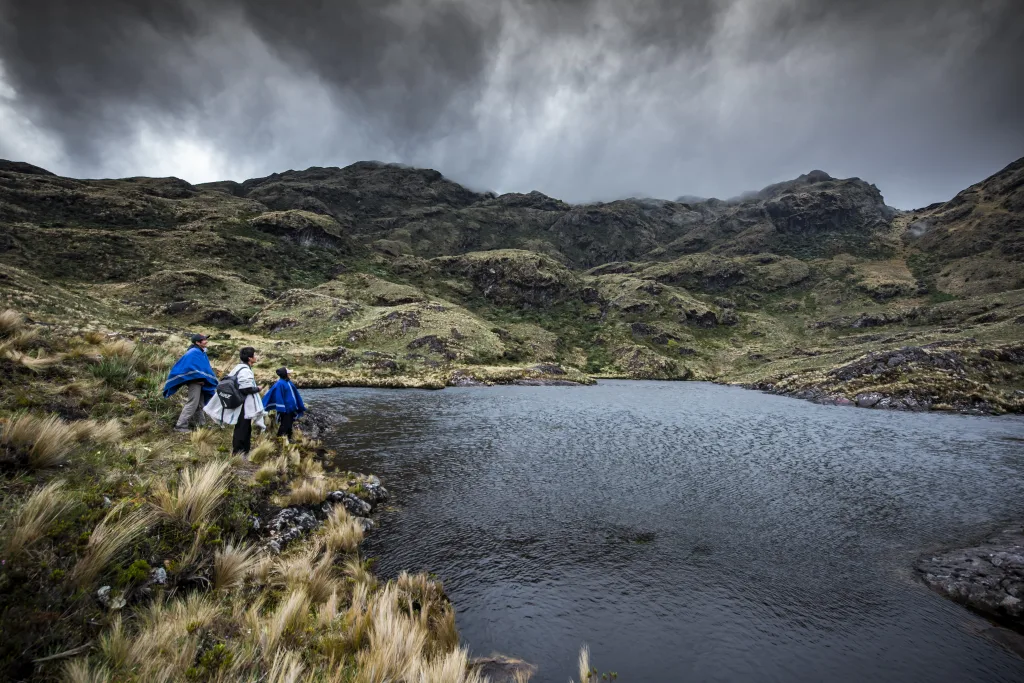
**Un horizonte de largo plazo**
El compromiso para conservar las fuentes de agua por parte de las comunidades es indispensable para asegurar el recurso. Sin embargo, se necesita de mecanismos de sostenibilidad para asegurar los recursos económicos que cristalice las actividades de recuperación y protección de los bosques montanos y páramos, así lo mencionó el ingeniero Auner Medina, de Naturaleza y Cultura Internacional.
Auner, mencionó que el en los ecosistemas de Piura y Cajamarca se implementa el Fondo del Agua de los Andes del Norte, un Mecanismo de Retribución por Servicios Ecosistémicos que trabaja de la mano con las comunidades campesinas, municipios y juntas de riego. Si bien, los avances han permitido empoderar a las comunidades y generar acciones concretas de restauración de ecosistema, aún queda un largo camino por recorrer y compromisos por fortalecer.
---
**Más información:**
Gabriela Gives
**Comunicadora Perú**
<comunicacion.peru@naturalezaycultura.org>
**Tags:** Personas, Perú
**Strategic Area:** Bosques
**Country:** Perú
**Content Type:** Blog
---
### [Economías Amazónicas: Combatiendo la deforestación y fomentando la conservación ](https://www.natureandculture.org/es/directorio/economias-amazonicas-combatiendo-la-deforestacion-y-fomentando-la-conservacion/)
**Published:** September 5, 2023
**Author:** Nora Sanchez
**Content:**
En un mundo donde la interconexión entre la economía y el ambiente se vuelve cada vez más evidente, es imperante redefinir nuestros enfoques económicos para abordar los desafíos ambientales más apremiantes. **Uno de estos desafíos es la deforestación,** una amenaza global que afecta no solo a la biodiversidad y los ecosistemas, sino también a la estabilidad climática y al bienestar humano.
En este contexto, las economías sostenibles emergen como una estrategia fundamental en la lucha contra la deforestación, ofreciendo un camino de concordancia entre el desarrollo económico y la conservación ambiental, hacia un futuro más equilibrado.
## **Intercambios de conocimientos para fortalecer las economías amazónicas**
A mediados de agosto, nuestro equipo de Ecuador y Perú participó en “Conversaciones de la Amazonía”, un encuentro convocado por la Alianza NorAmazónica (ANA), una iniciativa de la cual formamos parte. El evento reunió a más de 40 representantes indígenas y comunidades locales, de 5 países amazónicos, junto a la sociedad civil, con el objetivo de pensar y repensar economías locales desde y para la Amazonía.
Desde Naturaleza y Cultura Internacional viajamos junto a representantes de iniciativas de producción sostenible, entre ellas Sistemas Agro Alimentarios Ancestrales y Superfrutos Amazónicos. Cada experiencia presente hizo reflexiones a través de sus protagonistas sobre los vínculos entre las “economías amazónicas” y la conservación de la biodiversidad.
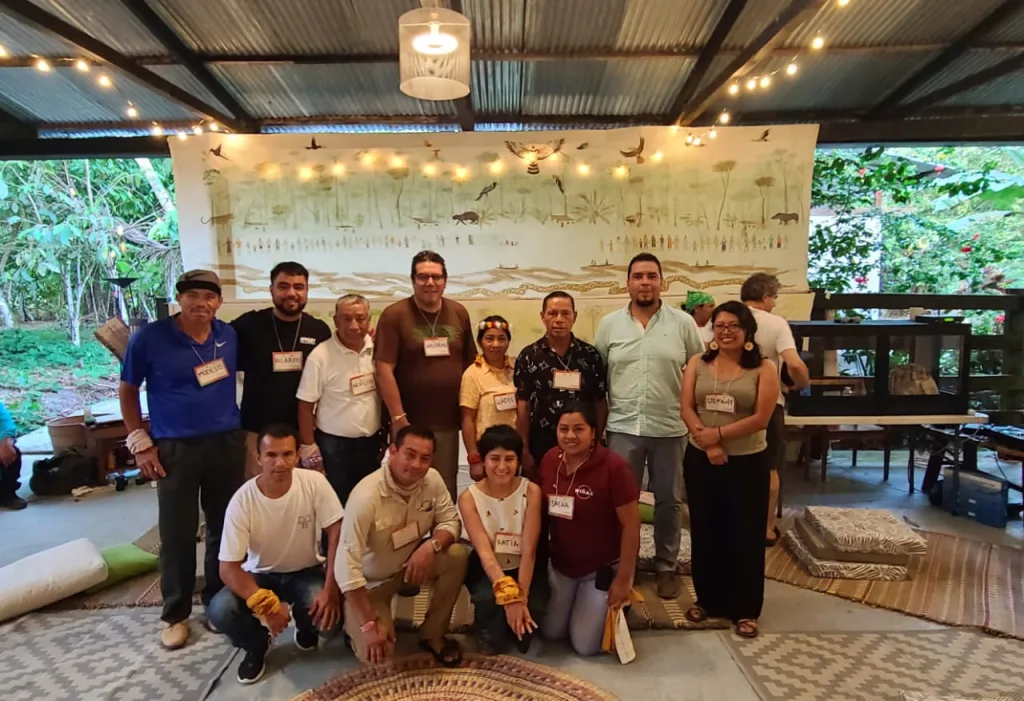Equipo de Naturaleza y Cultura Internacional con representantes de “Superfrutos Amazónicos” y “Sistemas Agro Alimentarios Ancestrales”.
## **Mitigando el cambio climático a través de “Superfrutos”**
Uno de los ejemplos de los que aprendimos fue “Superfrutos que Conservan Bosques”, proyecto que se desarrolló en 2017, con el financiamiento de Partnership for Forests (P4F) y el apoyo técnico de Naturaleza y Cultura Internacional (NCI), en la región de Loreto, basado en el aprovechamiento de superfrutos. El enfoque reside en la extracción sostenible de productos del bosque como el aguaje y huasaí, que crece en humedales que albergan valiosas reservas de carbono en los suelos de los bosques amazónicos de Perú.
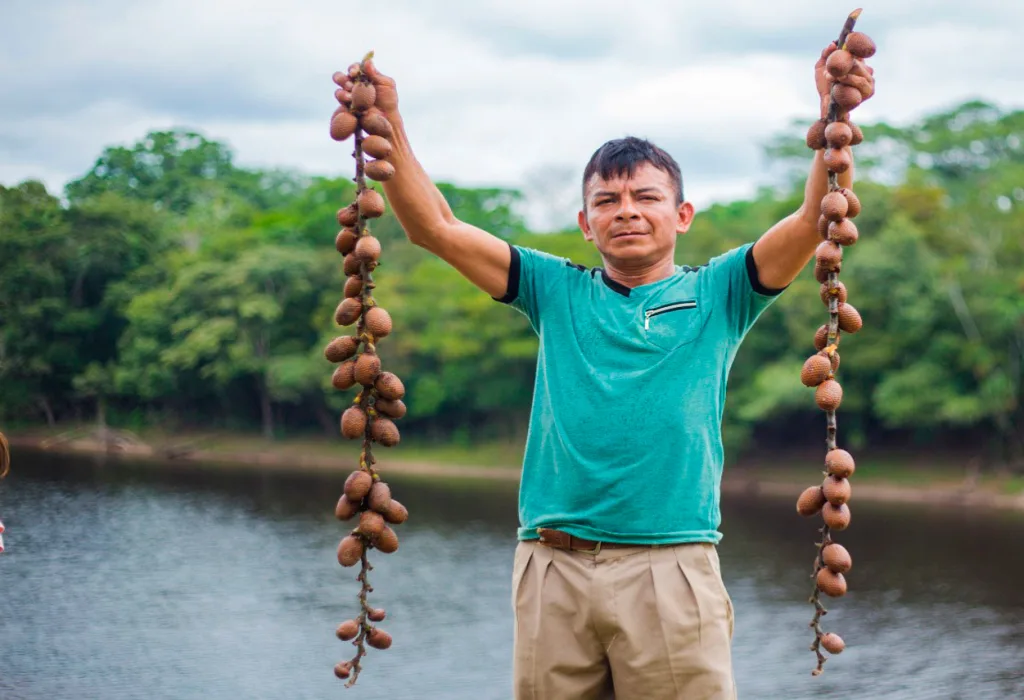
A través de ese esfuerzo, se logró un impresionante aumento en los ingresos económicos de 349 productores de 16 comunidades involucradas, quienes adaptaron una cadena de valor orientada hacia la conservación y el aprovechamiento sostenible de los frutos. Además, se redujo la tala de las palmeras de aguaje y prolongado su aprovechamiento por más de 50 años.
Más allá de proyectos específicos, se busca incluir nuevos frutos de palmeras silvestres como el huasaí, ungurahui, entre otros. Al adoptar prácticas apropiadas para la recolección de frutos, se asegura la preservación de los bosques y se refuerza el compromiso de estas comunidades como aliados valiosos en la lucha contra los efectos del cambio climático.
Conoce más sobre los “Superfrutos amazónicos” en este video
## **Fomentando la conservación a través de la producción artesanal**
Por otro lado, en la provincia de Pastaza, las mujeres Waorani de la comunidad Daipare han diseñado sistemas de producción artesanales con el uso de especies nativas como el jengibre, la cúrcuma y la vainilla.
A través de un estudio sobre el valor agregado de los recursos disponibles en sus territorios, las mujeres eligieron al jengibre y a la cúrcuma por sus propiedades curativas, orientándose a la elaboración de cremas faciales y corporales.
De esta manera surge la iniciativa “Daipare: Esencias del bosque”, la cual no solo contribuye a una producción sostenible, sino que brinda una alternativa que contrarresta la deforestación de bosques. Esto se logra al tener en cuenta la idoneidad del suelo y el modelo territorial de la provincia de Pastaza. El proceso beneficia directamente a 18 familias y es liderado por mujeres.

El desarrollo de Daipare ha contado con el respaldo técnico proporcionado por la Prefectura de Pastaza y Naturaleza y Cultura Internacional. Esta colaboración ha servido para fortalecer el proceso productivo, proporcionando equipamiento y capacidades mejoradas para las fases de maceración, empaquetado y etiquetado de los productos.
Actualmente, las cremas ya cuentan con una identidad visual, y, las mujeres han establecido legalmente su asociación para la comercialización de sus productos, contando con los registros sanitarios requeridos.

Todas estas acciones están enmarcadas en la gestión y administración del Área Ecológica Provincial de Pastaza, subrayando el compromiso y la contribución positiva de la comunidad Daipare a la conservación y uso sostenible de los recursos naturales.
## **Apostando por las economías amazónicas**
En un momento en el que los desafíos medioambientales son más apremiantes que nunca, la convergencia entre economía y conservación se ha convertido en una necesidad innegable. Las economías locales han surgido como una estrategia poderosa para combatir la deforestación y sus impactos, demostrando que el desarrollo económico y la preservación ambiental no son mutuamente excluyentes.
La sinergia entre economías sostenibles y conservación no solo está demostrando ser un camino viable, sino que también está generando resultados concretos. Desde la reducción de la tala de árboles hasta la prolongación de los ciclos de aprovechamiento de recursos, estas prácticas están forjando una conexión más profunda y armoniosa entre las necesidades humanas y la salud del planeta. Al fomentar la comprensión y la valoración de los ecosistemas naturales, estas iniciativas están allanando el camino hacia un futuro más equitativo y sostenible.
Desde Naturaleza y Cultura Internacional estamos comprometidos en apoyar el desarrollo, consolidación y réplica de proyectos como “Superfrutos que Conservan Bosques” y “Daipare: Esencias del Bosque”, que visibilizan el rol de las comunidades locales como protagonistas en la lucha contra el cambio climático y la pérdida de biodiversidad.
---
**Más información:**
Nora Sánchez Luzardo
Coordinadora de Comunicación para América Latina
[nsanchez@naturalezaycultura.org ](mailto:nsanchez@naturalezaycultura.org)
**Tags:** Biodiversidad, Economías sostenibles, Ecuador, Personas, Perú
**Strategic Area:** Comunidades Locales
**Country:** Ecuador, Perú
**Content Type:** Blog
---
### [People Are Choosing Nature for a Better Climate](https://www.natureandculture.org/directory/people-are-choosing-nature-for-a-better-climate/)
**Published:** August 30, 2023
**Author:** Heather Thomas
**Content:**
#### Two recent climate wins driven by local citizens highlight the strength of local communities in protecting nature.
In the ongoing effort to combat climate change, there are events that highlight the potential for progress. Today, we invite you to take a closer look at two significant climate victories, on opposite sides of the globe but connected by a common thread: the tangible outcomes achievable when people work together for the betterment of our planet.
#### Ecuadorians proved that they care deeply about the environment with the passage of the Yasuní referendum.
Something incredible has taken place in Ecuador’s elections earlier this month. Over 5 million people came together to pass a referendum to protect the Yasuní National Park in the Ecuadorian Amazon from any further oil extraction. This is huge step towards mitigating climate change. This passed referendum will block oil extraction in Indigenous territories, in one of the most biodiverse places on the planet. The resounding “yes” vote marked a monumental victory for environmental preservation and the rights of Indigenous communities.
#### The Yasuní National Park is much more than a natural treasure.
Protected areas such as the Yasuní National Park are key tools to guarantee ecosystem services like clean air and fresh water, and help to mitigate climate change. That is why we must protect them and ensure their long-term sustainability. Ecuadorians made a choice for the future of Yasuní and showed that they care deeply for nature. This sets a precedent for the country and the world in the fight against climate change.
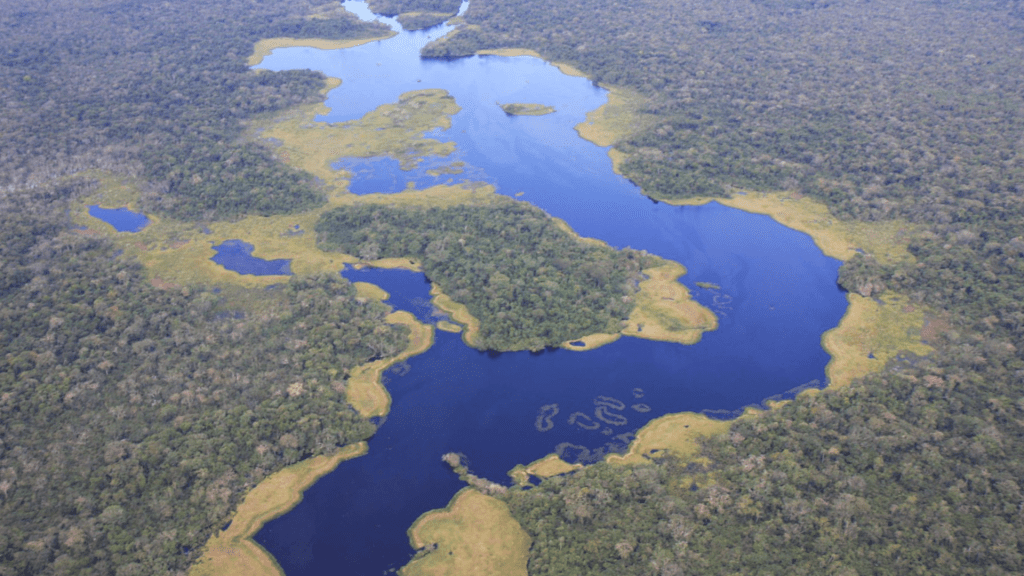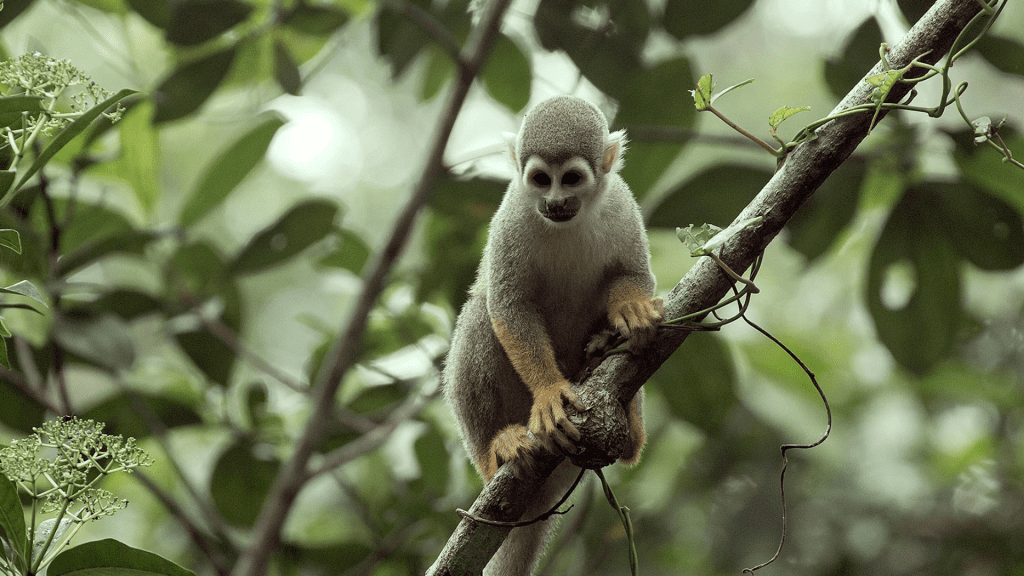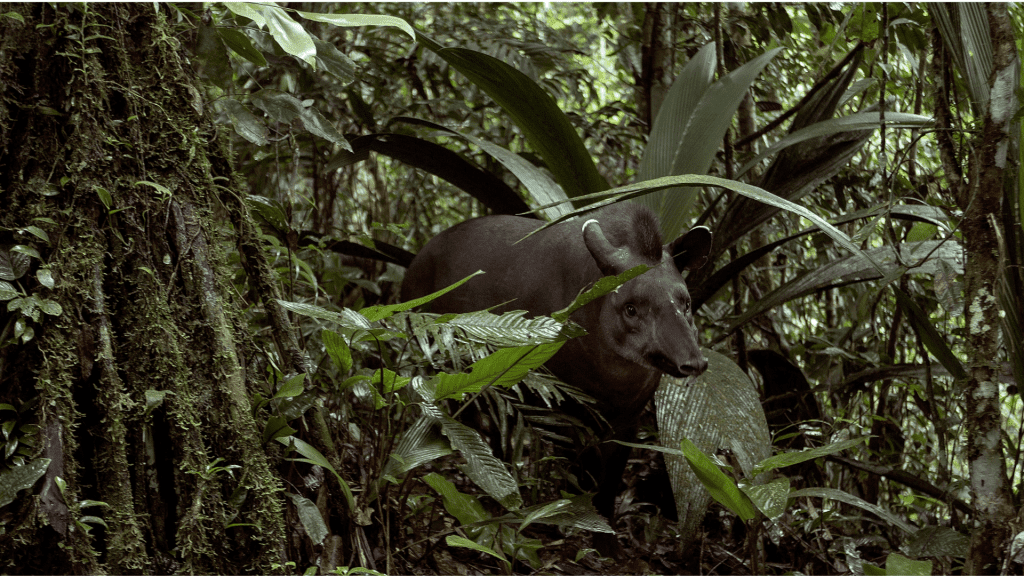
While this achievement was not a result of Nature and Culture’s efforts, it has major implications for the future of the Ecuadorian Amazon and resonates deeply with [our unique approach to conservation](https://www.natureandculture.org/our-process/). At our core, we believe in fostering solutions that originate with local communities and believe in the transformative power of community involvement.
#### In the U.S., the recent court ruling, in favor of local students, will require the state of Montana to consider climate change when deciding whether to approve or renew fossil fuel projects
The Yasuní victory is just one example of how community-centered conservation can lead to remarkable change. The recent Montana Climate Lawsuit in the United States similarly demonstrates that when communities take the lead and have a stake in decisions affecting their environment, they can achieve extraordinary outcomes.
## Hear from Nature and Culture CEO on these recent climate wins
**Tags:** Amazon, Climate, Conservation, Nature and Culture International, Protected Area
**Strategic Area:** Climate
**Country:** Ecuador
**Content Type:** Blog
---
### [Suscribimos convenio con el Gobierno Regional de Ucayali ](https://www.natureandculture.org/es/directorio/suscribimos-convenio-con-el-gobierno-regional-de-ucayali/)
**Published:** August 28, 2023
**Author:** Nora Sanchez
**Content:**
Con el objetivo de trabajar por la conservación de la biodiversidad de Ucayali, Naturaleza y Cultura Internacional (NCI) y el Gobierno Regional de Ucayali, suscribieron un convenio interinstitucional.
El documento sostiene el interés de ambas instituciones para establecer los mecanismos e instrumentos de colaboración interinstitucional a fin de promover el desarrollo de actividades, estudios y proyectos conjuntos orientados a la conservación de la diversidad biológica en el ámbito de intervención de Naturaleza y Cultura Internacional en el departamento de Ucayali.
El convenio incluye la gestión y manejo del Área de Conservación Regional (ACR) Comunal Alto Tamaya Abujao, lo cual genera las condiciones para la donación y recepción de fondos financieros que serán articulados al Programa Presupuestal 0057. Esto contribuye con la contratación del personal del ACR y el desarrollo de las actividades de vigilancia y control, así como la realización de talleres de coordinación y planificación para la implementación y seguimiento del Plan Maestro.
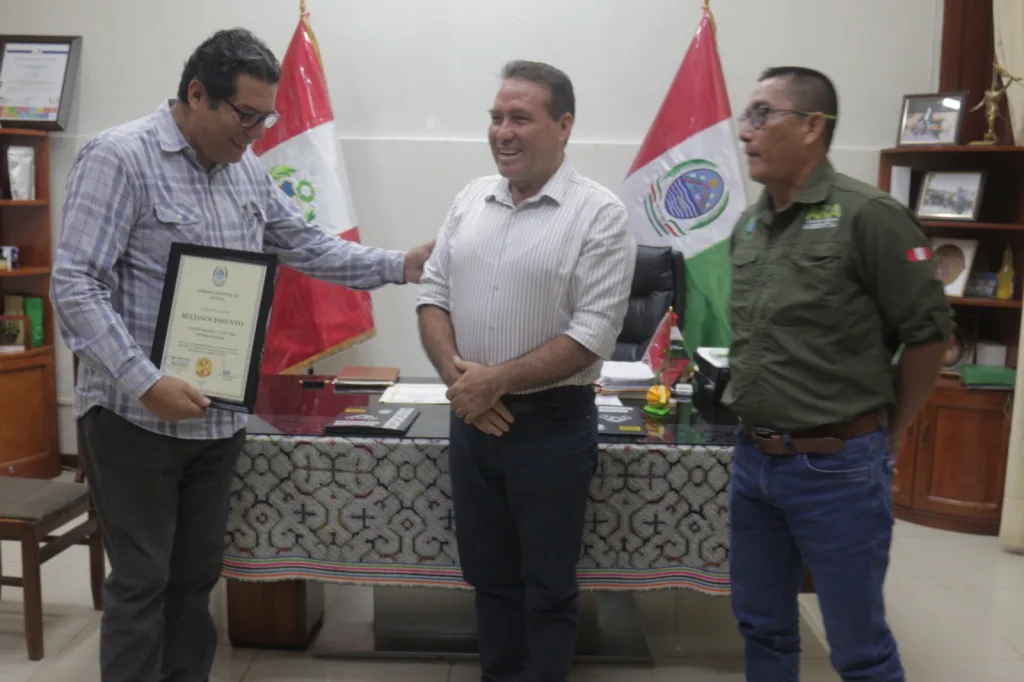
Cabe destacar que esta no es la primera vez que ambas instituciones suscriben un convenio. El 23 de septiembre del 2010 el convenio de Cooperación Interinstitucional entre el Gobierno Regional de Ucayali, el Instituto de Investigaciones de la Amazonia Peruana y Naturaleza y Cultura Internacional, con la finalidad de establecer alcances, términos y condiciones para elaborar el diseño e implementación de un modelo institucional para la gestión de la conservación de la diversidad biológica de Ucayali, en beneficio de las comunidades locales.
En ese sentido, Guillermo Maraví Vega Centeno, director ejecutivo NCI Perú, destacó que la suscripción de estos convenios es muy significativa, no solo por darle sostenibilidad de apoyo a la población ubicada en el ámbito del Área de Conservación Regional Comunal Alto Tamaya Abujao, con actividades productivas sostenibles, sino porque representa el interés del Gobierno Regional por el cuidado y la conservación de sus ecosistemas.
---
**Más información:**
Gabriela Gives
Comunicadora Perú
<comunicacion.peru@naturalezaycultura.org>
**Tags:** Perú
**Strategic Area:** Bosques
**Country:** Perú
**Content Type:** Noticias
---
### [Gobierno Regional de Cajamarca aprueba plan maestro del ACR Páramos y bosques montanos de Jaén y Tabaconas.](https://www.natureandculture.org/es/directorio/gobierno-regional-de-cajamarca-aprueba-plan-maestro-del-acr-paramos-y-bosques-montanos-de-jaen-y-tabaconas/)
**Published:** August 28, 2023
**Author:** Nora Sanchez
**Content:**
Con D.S. N°005-2021-MINAM, se crea el Área de Conservación Regional “Páramos y Bosques Montanos de Jaén y Tabaconas”, con una extensión de 31mil 594.37 hectáreas, y se encuentra ubicada parcialmente en los distritos de Sallique, Chontalí, San José del Alto en la provincia Jaén, y el distrito de Tabaconas provincia de San Ignacio, en el departamento de Cajamarca.
ACR Páramos y bosques montanos de Jaén y Tabaconas
El objetivo de creación de la referida ACR, es proteger una importante muestra representativa de las ecorregiones de los Bosques Montanos Occidentales de los Andes del Norte, Cordillera Real Oriental y Páramo, contribuyendo en la conservación de los procesos ecológicos, promoción al uso sostenible de los recursos naturales y mitigación al cambio climático.
Esta Área de Conservación Regional se caracteriza por ser hábitat de distribución de especies indicadoras del buen estado de conservación como Oso de anteojos *(Tremarctos ornatus)* y Tapir de montaña *(Tapirus pinchaque*), asimismo, es un centro hidrológico cuyas aguas son principales tributarios en las cuencas de los ríos Tabaconas, Huayllabamba o Chunchuca y Huancabamba.

En mérito a disponer de un principal instrumento técnico que oriente la gestión efectiva del ACR por un periodo de 05 años, con Resolución Gerencial Regional N° D4-2023-GR.CAJ-GRRNGMA, se aprobó el Plan Maestro del Área de Conservación Regional “Páramos y Bosques Montanos de Jaén y Tabaconas”.
La gestión de esta importante área de conservación se da por la Gerencia de Recursos Naturales y Gestión del medio Ambiente -RENAMA, a través de la Jefatura del ACR. Se cuenta con el valioso apoyo de Naturaleza y Cultura Internacional y el financiamiento de Andes Amazon Fund.
---
**Más información:**
Gabriela Gives
Comunicadora Perú
<comunicacion.peru@naturalezaycultura.org>
**Tags:** Área de Conservación Regional, Perú
**Strategic Area:** Bosques
**Country:** Perú
**Content Type:** Noticias
---
### [NCI Assists in Colombia's Declaration of Two New Cloud Forest Reserves](https://www.natureandculture.org/directory/nci-assists-in-colombias-declaration-of-two-new-cloud-forest-reserves/)
**Published:** September 21, 2015
**Author:** NCI STAFF
**Content:**


# NCI Assists in Colombia’s Declaration of Two New Cloud Forest Reserves
09/21/2015
\[vc\_row\]\[vc\_column\]\[vc\_column\_text css=”.vc\_custom\_1464804947078{padding-left: 25px !important;}”\][](https://www.natureandculture.org/wp-content/smush-webp/2015/09/Colombia-Monkeys.jpg.webp)
**Totaling nearly 150,000 acres, the two new reserves declared in Antioquia, Colombia protect rich Andean cloud forests home to stunning biodiversity – including a species of monkey found nowhere else in the world. NCI’s partnership with CORNARE, the regional environmental authority that declared the reserves, has enabled them to more than double the number of acres protected by regional reserves in southern Antioquia.**
In July 2015, two new reserves totaling nearly 150,000 acres were declared in Colombia’s species-rich state of Antioquia by CORNARE, the state’s southeastern regional environmental authority. The Melcócho-Santo Domingo Reserve (65,538 acres) and Tigre-Calón-La Osa Reserve (76,224 acres) were created in part through NCI’s funding and collaboration on the technical work needed to declare the protected areas.
[](https://www.natureandculture.org/wp-content/smush-webp/2015/09/Colombia-forest-e1442866420780.jpg.webp)These declarations will have a significant impact on local people, as they protect the headwaters of the Samaná River, ensuring a clean and steady water supply for four municipalities. In the municipality of Carmen de Viboral, community members celebrated the declaration of the reserve after strongly advocating for the protection of their water supply.
Both reserves protect rich Andean cloud forests home to stunning biodiversity, and are particularly unique as they fall within the Nechí Nare Endemism Center – an area where many species survived during the last ice age (known as a Pleistocene refuge). Key species include the Silvery-brown Bare-face Tamarin (a species of monkey found nowhere else in the world) and the endangered Mountain Tapir, as well as 330 species of birds.
[](https://www.natureandculture.org/wp-content/smush-webp/2015/09/Colombia-Map-e1442866389161.jpg.webp)Just under one year ago, NCI and CORNARE formed a partnership to establish new reserves in the regional protected areas system. With NCI’s support, CORNARE contracted a team of professionals from the Darién Foundation and a local university to conduct the technical work required. This partnership with NCI has enabled CORNARE to more than double the number of acres protected by regional reserves in southern Antioquia – a major accomplishment for a country so rich in biodiversity.
NCI is continuing to partner with a number of regional environmental authorities in Colombia to support the creation of new protected areas. Major opportunities exist to achieve such declarations, as there is a mandate by the national government to designate regional reserve systems and mining exclusion zones. Although these regional authorities receive funding from the national government, additional funds are needed to create strong reserve systems and ensure their ongoing management. NCI is filling this gap by providing matching funds to speed the declaration of protected areas while there is still time, and is currently facilitating the creation of an additional 175,000 acres of protected areas in Antioquia and Nariño, with more to follow.\[/vc\_column\_text\]\[/vc\_column\]\[/vc\_row\]
**Tags:** Colombia
---
### [Celebrating the National Declaration of Peru's 977,600 Acre Maijuna-Kichwa Reserve After 8 Years of NCI's Support](https://www.natureandculture.org/directory/maijuna-kichwa-reserve-declared/)
**Published:** June 18, 2015
**Author:** Heather Thomas
**Content:**
[](https://www.natureandculture.org/wp-content/uploads/2015/06/IMG_4249-e1434658081818.jpg)
[](https://www.natureandculture.org/wp-content/uploads/2015/06/PeruMaijuna200w.jpg)**June 18, 2015** – Yesterday, President Humala of Peru officially granted national recognition to the Maijuna-Kichwa Regional Conservation Area in the Amazon rainforest of northern Peru. Bigger than California’s Yosemite National Park, this vast reserve protects nearly one million acres of rainforest and its extraordinary biodiversity, as well as the indigenous Maijuna and Kichwa’s ancestral homeland. The national recognition of this reserve will allow their way of life to continue for generations to come and ensure that the rainforest’s rich natural resources are protected in perpetuity.
The story of the Maijuna-Kichwa reserve began in 2008 when Romero Ríos, a Maijuna chief, walked into NCI’s office in Iquitos, Peru with a remarkable request – to help establish a conservation area that would protect the rainforest connecting the four remaining villages in their ancestral homeland. Numbering fewer than 590 people, the Maijuna are one of Peru’s most vulnerable ethic groups.
Since 2008, Nature and Culture International’s local team has been working alongside the regional government of Loreto and communities from the Maijuna and Kichwa indigenous groups to make this declaration a reality. Our efforts would not have been possible without the ongoing support of the Gordon and Betty Moore Foundation, Robert Wilson Charitable Trust and Blue Moon Fund.
In the words of Romero Ríos, President of the Maijuna Indigenous Federation,
> “Nature and Culture International provides us with support on productive projects such as reforestation and fish repopulation, by bringing our lakes back to life. With Nature and Culture International, we are working on improving our handicrafts, such as the chambira baskets. The NCI field staff works in coordination with our people. In this way we continue to progress.”
[](https://www.natureandculture.org/wp-content/uploads/2015/06/Manuel-Pulgar-Vidal-Minister-of-Environment-of-Peru-showing-the-national-decree-for-the-reserve.-e1434658870767.jpg) Manuel Pulgar-Vidal, Minister of Environment of Peru, showing the national decree for the reserve.
This conservation dream was made a reality by the vision of the government of Loreto and their conservation program PROCREL, our technical assistance and support over eight years, and because these indigenous communities held firmly to the unbreakable bond between their ancient culture and their natural environment – and acted to preserve both.
Read the full press release by NCI-Peru here: <https://www.natureandculture.org/nci-peru-press-release-maijuna-kichwa-reserve/>
**Tags:** Peru
---
### [NCI Commemorates Expanded Partnership with Mexico's National Park Service](https://www.natureandculture.org/directory/nci-commemorates-expanded-partnership-in-mexico/)
**Published:** April 13, 2016
**Author:** Heather Thomas
**Content:**
 *NCI’s Lydia Lozano with CONANP officials.*
In anticipation of Earth Day on April 22nd, Nature and Culture International’s team in Mexico celebrated their renewed partnership with CONANP, Mexico’s National Park Service, which began in 2013 and has now grown to encompass the entire northwest region of Sonora and Sinaloa. Through this collaboration, NCI-Mexico is working to preserve key habitats that have been identified by CONANP as top conservation priorities due to their wealth of species and important role in sustaining the regions’ water supply.
NCI-Mexico’s work focuses on the highland areas on the slopes of the Sierra Madre mountain range, where the Sierra Madre Biological Corridor initiative is being implemented by NCI in collaboration with CONANP and an alliance of NGOs. NCI also collaborates with CONANP on the protection of Sonora and Sinaloa’s globally-important wetlands, which are designated RAMSAR sites. NCI-Mexico’s work extends beyond its collaboration with CONANP to sites that, while not under CONANP’s jurisdiction, are critical to the connectivity of protected areas between Sonora and Sinaloa.
NCI began its work in Alamos, Mexico in 2004 through the creation of [Monte Mojino](https://www.natureandculture.org/places/mexico/monte-mojino-reserve/), a private reserve that now spans over 15,000 acres of tropical deciduous forest habitat, which provides a safe haven for keystone species including the [jaguar](https://www.natureandculture.org/jaguar-sighting-near-nci-mexico/) as well as migratory birds of global importance.
This celebration recognized the progress that has been made toward preserving Mexico’s natural beauty and resources, while kicking off another year of close work between NCI and CONANP. Present at the celebration were Lydia Lozano, Coordinator of NCI-Mexico; Carlos Castillo Sánchez, Director of the Northwest Region of CONANP; and Congresswoman Ana Luisa Valdes, Secretariat of the Committee on Energy, Environment and Climate Change; as well as other officials from the three levels of government, academia, private sector and civil society organizations.
Through this partnership, NCI-Mexico and CONANP are addressing pressing threats to the environment and acting to preserve habitats that are key to the survival of species, as well as the health and economic wellbeing of local people.
*[Learn more about NCI’s work in Mexico here.](https://www.natureandculture.org/places/mexico/monte-mojino-reserve/)*
**Tags:** Mexico, Monte Mojino Reserve
---
### [Boshumi Regional Conservation Area Protects Nearly 500,000 Acres of Critical Habitat in North-Central Peru](https://www.natureandculture.org/directory/boshumi/)
**Published:** December 17, 2018
**Author:** Heather Thomas
**Content:**

**Nature and Culture International **plays leading role in protecting a vital source of water for more than 69,000 Peruvians****
Following six years of collaboration with the Peruvian government and local communities, Nature and Culture celebrates the declaration of a new Regional Conservation Area in the Peruvian region of San Martín. The Bosques de Shunte y Mishollo – also known as Boshumi – will **permanently protect 472,973 acres in a region previously devastated by deforestation**, safeguarding wildlife and clean water for downstream communities.
Located in North-Central Peru, Boshumi Regional Conservation Area lies in the transitional zone between Peru’s *puna* grasslands and montane forest. It adds to a critical conservation corridor between adjacent parks and protected areas, including the 6.2-million-acre Gran Pajatén Biosphere Reserve. Increased connectivity in the area will both **mitigate the effects of climate change** – on average, tropical intact forest landscapes store triple the amount of non-intact tropical forests – and also **provide habitat for the long-term survival of such far-ranging species** as the threatened spectacled bear (*Tremarctos ornatus*) and lowland tapir (*Tapirus terrestris).*
Boshumi adds to a conservation corridor that includes Río Abiseo National Park, Los Chilcos Private Conservation Area, and more than 6 conservation concessions.
The Regional Government of San Martín identified Boshumi as a social and environmental priority, as **more than 69,000 people rely on water that flows through the area** for drinking, agriculture and other activities. Protecting the area will safeguard water supplies from outside threats as well as prevent droughts and floods, both of which are becoming more common with climate change.
Rich in biodiversity, Boshumi **protects almost 2,000 species** including the critically endangered Peruvian yellow-tailed woolly monkey (*Oreonax flavicauda*) and the Andean cock-of-the-rock (*Rupicola peruvianus*). The area has great potential to boost local economies through tourism, in particular through hiking and birdwatching. An **increase in tourism will benefit local communities** by creating jobs, encouraging sustainable development and providing additional economic opportunities.
\[Best\_Wordpress\_Gallery id=”16″ gal\_title=”Boshumi”\]
“Boshumi is an important result of the long and fruitful collaboration between the Regional Government of San Mártin, local communities and Nature and Culture,” said Alex More, Director of Nature and Culture Peru. “It is the **largest subnational protected area** that has been created in the last three years in Peru, protecting unique biodiversity and clean water for tens of thousands of community members. Conserving Boshumi is **critical for both people and nature.**”
The Regional Government of San Martín led this conservation effort with support from Nature and Culture, Asociación Amazónicos por la Amazonia (AMPA) and Sociedad Peruana de Derecho Ambiental (SPDA). Boshumi was created with the generous financial support of the Andes Amazon Fund and Robert Wilson Charitable Trust.
**[Click here](https://www.natureandculture.org/wp-content/uploads/2018/12/Nature-and-Culture_Boshumi-Conservation-Area_Final.pdf)** to read the press release.
---
### [New Reserve in Ecuador Protects Key Andean Ecosystems Along with Local Water Supply](https://www.natureandculture.org/directory/new-reserve-in-ecuador-protects-key-andean-ecosystems-along-with-local-water-supply/)
**Published:** September 21, 2015
**Author:** NCI STAFF
**Excerpt:** The 215,000 acre Gualaquiza Municipal Reserve is the most recent in a long line of declarations brought about by the work of our office in Cuenca, Ecuador. This new reserve is twice the size of the nearby Cajas National Park, and protects pristine cloud forests while ensuring both the quality and quantity of the water supply for local communities.
**Content:**


# New Reserve in Ecuador Protects Key Andean Ecosystems Along with Local Water Supply
09/21/2015
\[vc\_row\]\[vc\_column\]\[vc\_column\_text\][](https://www.natureandculture.org/wp-content/smush-webp/2015/09/Flower.jpg.webp)
**The 217,360 acre Gualaquiza Municipal Reserve is the most recent in a long line of declarations brought about by the work of our office in Cuenca, Ecuador. This new reserve is twice the size of the nearby Cajas National Park, and protects pristine cloud forests while ensuring both the quality and quantity of the water supply for local communities.**
[](https://www.natureandculture.org/wp-content/smush-webp/2015/09/FRL3948_v2-e1443046873931.jpg.webp)The Andes Mountains are home to an extraordinary number of species, many of which are found nowhere else in the world, making this one of our top priorities for biodiversity conservation. In the past month alone, two different frog species that were previously believed to be extinct (the Azuay Stubfoot-Toad and more recently, Atelopus bomolochos) were discovered in Sigsig, one of the areas we are working to protect.
The cloud forests of the Andes also play a vital role in the water supply, making their preservation crucial to the health and prosperity of the local people. Despite this, the Andes’ vital ecosystems are threatened by unsustainable practices that provide poor economic returns, including deforestation for cattle grazing. Today, just 5% to 25% of the original forest cover remains in most areas.
[](https://www.natureandculture.org/wp-content/smush-webp/2015/09/NCI-Cuenca-Map-e1442867167609.jpg.webp)We are working with local communities and governments to create a corridor of protected areas extending 600 miles down the spine of the Andes. In the past 5 years we have helped protect 350,000 acres, and are well on our way to saving another 200,000 by the end of 2016.
The most recent in a long line of declarations brought about by the work of our office in Cuenca is the Gualaquiza Municipal Reserve, officially declared in June 2015. This reserve protects 217,360 acres of pristine cloud forest, and ensures both the quality and quantity of the water supply for the municipality’s 17,000 inhabitants. This declaration comes after two years of close work with the municipal government, Ministry of Environment, and local communities.
[](https://www.natureandculture.org/wp-content/smush-webp/2015/09/FRL1783-e1443046916983.jpg.webp)Now, our office in Cuenca is working with the nearby municipalities of Santiago de Méndez, Sigsig, El Pan and Sevilla de Oro to protect another 200,000 acres, creating habitat connectivity for endangered species and conserving the region’s water supply. We are seeking $40,000 per municipality to match our investment and expedite their entry into the regional water fund, which generates ongoing funding for conservation.
*To learn more about our ambitious Andean corridor project, visit: <https://www.natureandculture.org/places/ecuador/andean-corridor/>*\[/vc\_column\_text\]\[/vc\_column\]\[/vc\_row\]
**Tags:** Ecuador
---
### [Check out this creature found in the Chaco](https://www.natureandculture.org/directory/chaco-eagle/)
**Published:** October 29, 2018
**Author:** Heather Thomas
**Content:**
As we continue to celebrate Year of the Bird, we dedicate October to a powerful raptor…
# **The Chaco Eagle**
In the vast dry forest of the Gran Chaco, a large, gray raptor sits perched in a tree seeking out its next meal. The impressive creature is the **Chaco eagle**, a crested eagle with a six-foot wing span.
Formerly known as the crowned solitary eagle, the Chaco eagle ranges from eastern Brazil and Bolivia south to central Argentina. It inhabits open and semiopen habitats consisting of grassland, savannah, marsh and open woodland areas, unlike its closest relative, the montane solitary eagle, which lives only in dense mountain forest. In the southern portion of its range, the Chaco eagle is **dependent on large trees**, which are used for nesting and resting.
Chaco eagle distribution.
The Chaco eagle feeds primarily on small to medium-sized mammals, including armadillos and skunks, and reptiles, hunting from a low perch near dawn or dusk. In fact, the bird of prey is known for its **sluggish behavior during the day**, and is believed to be largely **crepuscular** in activity (active primarily during twilight).
Considered a relatively tame species, the Chaco eagle is usually found solitary **in pairs or in groups of three individuals**. It nests in trees, building a large platform-like nest of sticks lined with leaves. During incubation, the female eagle spends most of her time caring for the chick while the male provides the food to the nest. Once hatched **both parents care for the chick** until it leaves the nest.
This striking species plays a key role in a healthy-well balanced environment. Feeding at the top of many food chains, the Chaco eagle balances populations, and helps manage diseases by consuming carcasses and weak or sick animals. Yet the species is **listed as endangered due to low population density and number of threats faced by the species**. The most prevalent threats to its survival appear to be increasing rates of deforestation, ranching and agriculture.
Nature and Culture International is working towards protecting the Gran Chaco, one of the Chaco eagle’s principal habitats – and we’ve made significant progress! Last year, with our partner Fundación Natura, we created **Heroes of the Chaco reserve protecting more than 600,000 acres of Chaco dry forest** in southern Bolivia. In addition to the Chaco eagle, this area protects habitats of animals such as the guanaco, tapir, jaguar and anteater.
Now, we’re working with Nativa Bolivia to establish a new reserve in Santa Cruz, Bolivia. The reserve will protect more than 2.5 million acres of dry Chaco forest, and establish critical connectivity between two existing national parks.
Chaco forest in Bolivia.
[**Build a better world for** ](https://www.natureandculture.org/give-to-nci/)[**all birds** ](https://www.natureandculture.org/give-to-nci/)[**by supporting Nature and Culture.**](https://www.natureandculture.org/give-to-nci/)
Did you miss our last featured bird? [**Learn about the recently discovered blue-throated hillstar here**](https://www.natureandculture.org/blue-throated-hillstar/).
---
### [Peru Declares New Conservation Area Protecting Almost 200 Species Found Nowhere Else on the Planet](https://www.natureandculture.org/directory/maranon-dry-forests/)
**Published:** June 22, 2018
**Author:** Heather Thomas
**Content:**
**New Conservation Area protects biodiversity hotspot in Peru**
Hairy long-nosed armadillo. Marañón pigeon. Peruvian night monkey. What do these three unique species have in common?
You can only find them in the **Marañón Dry Forests ecoregion and northern Peru**.
This week, with Nature and Culture’s support, **Peru created Bosques Tropicales Estacionalmente Secos del Marañón Regional Conservation Area** (Seasonally Dry Tropical Forests of the Marañon in English), protecting almost 200 endemic species found nowhere else in the world.
The Seasonally Dry Tropical Forests of the Marañon protects a unique area where the Eastern Andes meet the Amazon lowlands.
Endemic species, or species found in only one location on the planet, are essential to an ecosystem. **These rare species have not only developed unique characteristics to survive, but they support a critical web of interactions in their surrounding environment**. Unfortunately, endemic species are vulnerable to extinction due to their limited geographic range and usually small population size. Because they often only exist in a single region or even a single site, a sudden catastrophic event (e.g. a forest fire) can drive an entire species to extinction.
Nestled between breathtaking Andean peaks, the Seasonally Dry Tropical Forests of the Marañon encompasses 34,420 acres of dry forest along the Marañón River. The deep and rugged canyon, known as the Grand Canyon of South America, is recognized as **the most biologically diverse area within the Tropical Andes Hotspot** (in other words, a hotspot within a hotspot).
The Seasonally Dry Tropical Forests of the Marañon is located in Amazonas, Peru.
The area’s high level of endemism is attributed to its unique microclimate and landscape, as well as the fact that the region served as a refuge for many species during the last ice ages. **More than half of the birds and reptiles found within these dry forests are endemic to the area**, and more than 143 species of plants solely exist in this ecoregion.
Endemic buff-bridled Inca finch (*Incaspiza laeta*) in the ecoregion.
Endemic lagartija (*Microlophus stolzmanni*) in the ecoregion.
The **newly established conservation area has great potential to boost local economies through tourism.** The Marañon dry forest is the perfect place for birdwatchers to find rare species, for explorers to walk among unique plants and for adventurers to trek down the river. An increase in tourism will benefit local communities by creating jobs, encouraging sustainable development and providing additional economic opportunities.
Approximately 68% of the tourists that visit Peru are interested in nature and adventure.
**The Seasonally Dry Tropical Forests of the Marañon is one of the first two Regional Conservation Areas in the region of Amazonas**, and a result of six years of collaboration between Nature and Culture International, local communities, the Amazonas Regional Government, the Peruvian Protected Area Service (SERNANP), and the Ministry of the Environment (MINA).
**Nature and Culture played a leading role throughout the creation process**, providing legal, technical and logistical support to successfully complete all requirements for the technical dossier, including biological and social studies. Our field staff also developed strong relations with local communities and municipalities, which translated into support for the creation of Seasonally Dry Tropical Forests of the Marañon and conservation efforts at large.
Endemic cacti (*Browningia pilleiferain*) in the ecoregion. Catci in the area are locally known as pischoles.
The Seasonally Dry Tropical Forests of the Marañon Conservation Area was created with the generous financial support of the **Andes Amazon Fund, Robert Wilson Charitable Trust, Phil May, and Earth’s Birthday**.
With your help, Nature and Culture-Peru will continue to collaborate with the Amazonas Regional Government, developing and implementing the area’s Management Plan **to ensure effective and lasting conservation impact**.
***[Click here](https://www.natureandculture.org/places/peru/)** to learn more about our work in dry forests.*
---
### [The Orange-throated Tanager: A Jewel of South American Birding](https://www.natureandculture.org/directory/orange-throated-tanager/)
**Published:** July 25, 2018
**Author:** Heather Thomas
**Content:**
A spectacular creature with a fiery-orange throat and brilliant indigo wings rests in the canopy of southeast Ecuador’s humid forest. The resident is the aptly named **orange-throated tanager**, a crown jewel of South American birding. Though spotting this tanager is a complicated endeavor, requiring patience, time and a little luck, the stunningly beautiful species is unmistakable, even if only seen at a distance.
The orange-throated tanager is restricted to the **humid forests of northernmost Peru and extreme southeast Ecuador**. This rare species was first described to science in the mid-1960s after a collecting expedition to the remote reaches of northeast Peru. It was not until 1990 that the orange-throated tanager was discovered in Ecuador in the Nangaritza Valley.
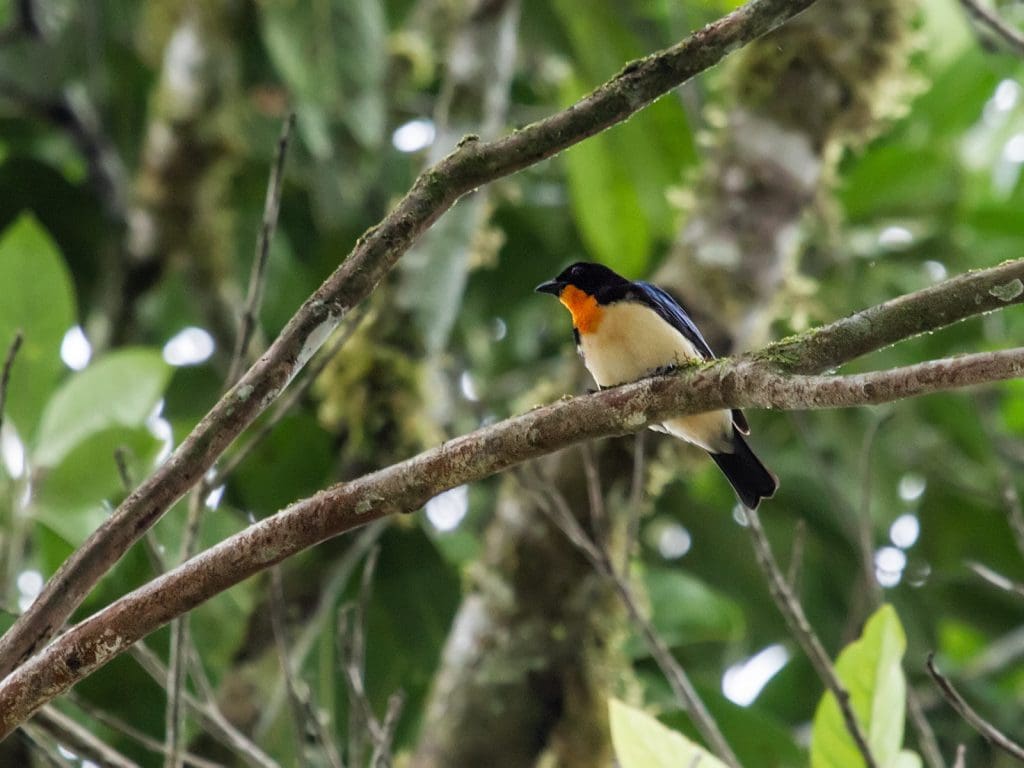
Orange-throated tanagers are usually found in small flocks, sometimes with other species.
Photography: [Nick Athanas.](https://www.flickr.com/photos/antpitta/ "Go to Nick Athanas's photostream") [CC BY-SA 2.0](https://creativecommons.org/licenses/by-sa/2.0/)
Orange-throated tanagers **play a key role in a healthy, well-balanced environment**, consuming insects such as beetles and promoting forest growth through seed dispersal. However, these bright beauties are threatened by deforestation. Listed as **vulnerable due to their very limited range and declining habitat**, the species is suspected to lose approximately 6% of its habitat over the next decade, based on a model of Amazonian deforestation.
[**Help build a better world for the orange-throated tanager and all birds** ](https://www.natureandculture.org/give-to-nci/)[**by supporting Nature and Culture.**](https://www.natureandculture.org/give-to-nci/)
Nangaritza Valley in Ecuador.
**Nature** **and Culture International is currently working to protect the lush foothill rainforests of the Nangaritza Valley**. Nangaritza is an incredibly unique ecosystem, home to the charismatic spectacled bear, rare orange-throated tanager, among thousands of other species, and connects some of the largest blocks of intact forest that remain in southern Ecuador.
We are collaborating with the government and local communities to create protected areas and develop sustainable industries. **Our main allies in this quest are the indigenous Shuar communities** that have lived in the Nangaritza Valley for generations.
Nature and Culture conservationists in the Maycú Reserve.
Photography: Matt Clark
Nature and Culture is also actively purchasing land in the cloud forests of Nangaritza to create a protected corridor between the Andes mountains and Amazon lowlands. Through the help of World Land Trust and generous donors, **we have established the 2,250-acre Maycú Reserve that protects the rare orange-throated tanager’s only habitat in Ecuador.**
Learn more about our critical work in the Nangaritza Valley **[here](https://www.natureandculture.org/places/ecuador/nangaritza-valley/)**.
---
### [NCI-Peru Press Release: Celebrating the Declaration of the Maijuna-Kichwa Reserve in Peru's Amazon](https://www.natureandculture.org/directory/nci-peru-press-release-maijuna-kichwa-reserve/)
**Published:** June 17, 2015
**Author:** Heather Thomas
**Content:**
[](https://www.natureandculture.org/wp-content/uploads/2015/06/Manuel-Pulgar-Vidal-Minister-of-Environment-of-Peru-showing-the-national-decree-for-the-reserve.1.jpg) Manuel Pulgar-Vidal, Minister of Environment of Peru, showing the national decree for the reserve. *Photo Credit: SERNANP*
**NCI-PERU: We salute the declaration of the supreme decree that creates the Maijuna-Kichwa Regional Conservation Area (RCA).**
> >> Nature and Culture International congratulates the indigenous Maijuna and Kichwa people on the creation of the Maijuna-Kichwa Regional Conservation Area on June 17, 2015 through DS 008-2015-MINAM.
> >> Furthermore, we salute the decision of the National Government of Peru and in particular the Ministry of Environment for the completion of this important process.
> >> The new RCA is the result of a long and challenging process led by the indigenous Maijuna and Kichwa people in order to ensure their rights to preserve and manage the natural resources in their forests, their ancestral territories and their culture.
On Wednesday June 17, 2015, the Supreme Decree 008-2015-MINAM was published under the headline “Establishment of the Maijuna-Kichwa Regional Conservation Area, located in the Department of Loreto”.
The protected area encompasses 391,039.82 hectares (nearly 977,600 acres) of tropical rainforest in the districts of Putumayo, Napo, Mazán and Las Amazonas (province of Maynas) and Pebas (Mariscal Ramón Castilla), in the department of Loreto, on the border with Colombia.
With the creation of the Maijuna-Kichwa RCA, a long process that was initiated almost ten years ago in 2006 is reaching its end. This process began when representatives of the Maijuna people sent a petition to the former Regional President of Loreto requesting management authority to oversee their ancestral territories, located between the Napo and Putumayo river basins.
As part of the process, in June of 2013 the first Prior Consultation Law, which seeks to secure indigenous rights on all public processes, was successfully developed in the country, marking a milestone in the history of Peru. The same year, the Kichwa people from the Napo River joined the petition for the creation of the RCA, and the name of the proposed reserve changed to become the “Maijuna-Kichwa Regional Conservation Area”.
The conservation initiative was led by the Federation of Natives Communities Maijuna (FECONAMAI), the Federation of Native Communities from the Mid-Napo, Curaray and Arabela (FECONAMNCUA) and the Regional Government of Loreto through their Program for the Conservation, Management and Use of the Biodidiversity of Loreto (PROCREL).
Since the beginning of this process, Nature and Culture International acknowledged first-hand the efforts of the indigenous Maijuna and Kichwa to conserve their forest and culture and provided most of the technical support required by the communities, the regional and the national authorities.
We would like to thank the valuable support of the following allied institutions: Instituto de Investigaciones de la Amazonía Peruana (IIAP), Gordon and Betty Moore Foundation, Blue Moon Fund, The Field Museum of Chicago, George Mason University, particularly Dr. Michael Gilmore, Asociación Interétnica de Desarrollo de la Selva Peruana (AIDESEP), Organización Regional de Pueblos Indígenas del Oriente (ORPIO), Instituto del Bien Común (IBC), Sociedad Peruana de Derecho Ambiental (SPDA), Vicariato San José del Amazonas, Municipalidad Distrital de Mazan, Municipalidad Distrital del Napo and the Municipalidad Provincial del Putumayo.
Furthermore, we would like to salute the important support of the Defensoría del Pueblo, congressman Víctor Isla, Loreto Regional Governor Lic. Fernando Melendez, Natural Protected Areas National Service of Peru (SERNANP), Ministry of Culture and Ministry of Education.
>>> **Nature and Culture International** is a non-profit organization with a presence in eight regions in Peru that seeks to harmonize the development of local people with the conservation of nature.
Lima, Peru, June 17th, 2015
NATURALEZA Y CULTURA INTERNACIONAL
*Translated from Spanish.*
**Tags:** Peru
---
### [Colombia Declares New Natural Park Protecting Water for 116,000 People](https://www.natureandculture.org/directory/paramo-ovejas-tauso-park/)
**Published:** June 15, 2018
**Author:** Heather Thomas
**Content:**

**New Natural Park in Colombia secures clean water for more than 116,000 people**
Prior to the 2016 Peace Accord, it was considered too dangerous to go into certain remote regions of Colombia and establish protected areas. In recent years, the country has made significant strides in and a serious commitment to advancing peace, growing its economy, and conserving its biodiversity. However, **sourcing clean water for the large population remains a problem**, as many natural sources of water have been contaminated from illegal and legal mining activities, industrial waste, cattle ranching and agricultural activities.
*According to WaterAid Global, in rural areas, one in four Colombians do not* *have clean water to drink.*
With Nature and Culture’s support, one of Colombia’s regional environmental authorities, Corponariño, recently established **Páramo Ovejas Tauso Regional Natural Park**, protecting 37,000 acres of high elevation páramos and cloud forests and securing clean water for more than 116,000 people!
Lake in Ovejas Páramo Ovejas Tauso Natural Park.
Located in southern Colombia, **Páramo Ovejas Tauso Regional Natural Park protects the main sources of water for the municipalities of Pasto, Tangua and Funes**, including 11 lakes and the origins of several major rivers. The area holds one of the main populations of the frailejon plant (*Espeletia pycnophilla*), an iconic and endemic species from southern Colombia and northern Ecuador. **Frailejones and the Colombian páramos are essential for the Colombian population**, playing a major role in the water cycle. The plants’ hairy leaves and thick spongy trunks trap water vapor from the air and release it through their roots. About 85% of the fresh water in Colombia is processed by plants like the frailejon and released into lakes, rivers and streams.
The endemic frailejon plants in Ovejas Tausó.
In addition to securing clean water, Páramo Ovejas Tauso Regional Natural Park also protects hundreds of plants and animal species. **The reserve establishes critical habitat connectivity that is essential for the long-term survival of far-ranging and charismatic species** such as the threatened spectacled bear and the near-threatened mountain toucan.
Corponariño established Páramo Ovejas Tauso Regional Natural Park last month with Nature and Culture’s financial and technical support. The reserve is part of a large corridor extending from the southern Andes of Colombia to northern Ecuador. Thanks to our dedicated donors, **we are continuing to work with Corponariño to establish multiple protected areas along this corridor**, including three protected areas currently in the declaration process.
Regional Conservation System (Páramo Ovejas Tauso Regional Natural Park outlined in red).
**Many thanks to all who were involved in this area’s creation! We couldn’t do this without you.**
Páramo Ovejas Tauso Regional Natural Park would not have been possible without the generous financial support of the Humboldt Institute.
Nature and Culture’s conservationist Felipe Serrano, Corponariño staff, local farmer, and Humboldt Institute staff together in the park.
**[Click here](https://www.natureandculture.org/partner-areas/#1502744215906-e6108407-d227)** to learn more about our work in Colombia.
---
### [Staff Spotlight: How Fabián Rodas found conservation](https://www.natureandculture.org/directory/staff-spotlight-how-fabian-rodas-found-conservation/)
**Published:** August 28, 2015
**Author:** NCI STAFF
**Excerpt:** What comes to mind when I think of an NCI staff member? Humble, passionate, undeterred. Fabián Rodas López, the Cuenca Region Coordinator in southern Ecuador, is no exception.
**Content:**


# Staff Spotlight: How Fabián Rodas found conservation
08/28/2015
\[vc\_row\]\[vc\_column\]\[vc\_column\_text\]
*By Sheldon Engelhorn, Nature and Culture Board of Directors*
What comes to mind when I think of a Nature and Culture staff member? Humble, passionate, undeterred. Fabián Rodas López, the Cuenca Region Coordinator in southern Ecuador, is no exception.
His family has lived in Cuenca for several generations, where his early years were spent traversing its lush mountains. His father was a civil engineer engaged in road construction projects around Ecuador, which took them to the coast, where Fabián spent his free time fishing and enjoying the outdoors. By high school, he had returned to Cuenca where he planned to study engineering. But during a visit back to his coastal haunts, he discovered that the streams he loved had been degraded by road construction, mining and oil extraction.
Saddened by this, but motivated to explore his power to protect the environment, he pursued biology and was later accepted to a master’s program in Canada. When he didn’t receive the scholarship he needed, his disappointment was short lived. He had met the staff of Nature and Culture-Ecuador’s headquarters office in Loja, who said, “Why not stay and take advantage of the conservation opportunities here?”
[](https://www.natureandculture.org/wp-content/smush-webp/2014/08/Slide2.jpg.webp)After serving as a senior staff member for nearly a decade, Fabián moved back to Cuenca, where for the past five years he has been at the helm of Nature and Culture’s strategy to quell deforestation and preserve water supplies in the Andean corridor – known as a global biodiversity hotspot. On a recent trip to Ecuador, I got to see him work his magic firsthand. To date, Fabián and his team have protected nearly 350,000 acres and played an integral role in creating the 2.4 million acre UNESCO Biosphere Reserve. Just last month, the 215,000 acre Gualaquiza Municipal Reserve was declared, shielding a stunning array of biodiversity from the pressures of deforestation.
I am no longer surprised by the remarkable capacity of Nature and Culture staff to achieve great things while operating with incredible efficiency. For Fabián and his team, it’s just business as usual.
Best regards,
Sheldon Engelhorn
Board of Directors\[/vc\_column\_text\]\[/vc\_column\]\[/vc\_row\]
---
### [Safeguarding Water Supplies for 500,000 People](https://www.natureandculture.org/directory/cuenca-acmus/)
**Published:** January 20, 2021
**Author:** Kristen Heard
**Content:**


# Safeguarding Water Supplies for 500,000 People
01/20/2021
**Strategic Area:** Forests - Water -
**Content Type:** News
**Country:** Ecuador -
\[vc\_row\]\[vc\_column\]\[vc\_column\_text\]
## Thanks to you, three new conservation areas protect critical water supplies and extraordinary biodiversity in the Ecuadorian Andes.
\[/vc\_column\_text\]\[/vc\_column\]\[/vc\_row\]\[vc\_row\]\[vc\_column\]\[vc\_column\_text\]
Nature and Culture International celebrates the establishment of three Municipal Conservation and Sustainable Use Areas in Cuenca, Ecuador! The newly declared *Machángara, Mazán, and Curiquingue-Gallocantana Municipal Conservation and Sustainable Use Areas* (or *Cuenca Municipal Conservation and Sustainable Use Areas)* protect 48,277 acres, including water supplies for over 500,000 people in Cuenca and surrounding communities.
\[/vc\_column\_text\]\[/vc\_column\]\[/vc\_row\]\[vc\_row\]\[vc\_column\]\[vc\_column\_text\]
Located in the southwestern Andes of Ecuador, *Cuenca Municipal Conservation and Sustainable Use Areas* will protect the municipality’s wildlife and wild places from threats like mining, forest fires, and extensive cattle ranching. The conservation areas will safeguard intact and fragile ecosystems such as montane forests and paramo grasslands, which are home to hundreds of species of native flora and fauna.
\[/vc\_column\_text\]\[/vc\_column\]\[/vc\_row\]\[vc\_row\]\[vc\_column\]\[vc\_single\_image image=”19018″ img\_size=”full” add\_caption=”yes”\]\[/vc\_column\]\[/vc\_row\]\[vc\_row\]\[vc\_column\]\[vc\_column\_text\]
Wildlife in the conservation areas include threatened species such as the Andean condor (*Vultur gryphus*), glass frog (*Centrolene buckleyi*), and red-faced parrot (*Hapalopsittaca pyrrhops*), and unique species like the grizzled Ecuadorian shrew (*Cryptotis montivagus*). The municipal water company ETAPA EP monitors large mammals using camera traps in the region. These cameras previously recorded wild spectacled bears (*Tremarctos ornatus*) breeding for the first time, and discovered a rare mountain tapir (*Tapirus pinchaque*) population in the nearby foothills of the *Cajas Massif Biosphere Reserve*.
\[/vc\_column\_text\]\[/vc\_column\]\[/vc\_row\]\[vc\_row\]\[vc\_column\]\[vc\_column\_text\]The montane forests of Mazán are home to a critically endangered amphibian, the Mazán jambato frog (*Atelopus exiguous*). The establishment of this conservation area will increase resources and research efforts to avoid the extinction of this species in the near future.\[/vc\_column\_text\]\[/vc\_column\]\[/vc\_row\]\[vc\_row\]\[vc\_column\]\[vc\_single\_image image=”19024″ img\_size=”full” add\_caption=”yes”\]\[/vc\_column\]\[/vc\_row\]\[vc\_row\]\[vc\_column\]\[vc\_column\_text\]
*Cuenca Municipal Conservation and Sustainable Use Areas* are located within Ecuador’s remarkable *Cajas Massif Biosphere Reserve*, the first biosphere reserve in the western Andes of Ecuador, created as a result of collaboration between Nature and Culture and local institutions. Additionally, the new conservation areas include Important Bird and Biodiversity Areas, which are places of international significance for the conservation of birds and other biodiversity.
\[/vc\_column\_text\]\[/vc\_column\]\[/vc\_row\]\[vc\_row\]\[vc\_column\]\[vc\_column\_text\]
Nature and Culture played a leading role in the creation of *Cuenca Municipal Conservation and Sustainable Use Areas*, working with partner organizations on the delimitations of the areas, development of technical documents, and social and political outreach. The conservation areas were established with the financial support of Andes Amazon Fund and generous people like you!
\[/vc\_column\_text\]\[/vc\_column\]\[/vc\_row\]\[vc\_row\]\[vc\_column\]\[vc\_column\_text\]
With your support, Nature and Culture will continue working with the Municipality of Cuenca and Ecuador’s Ministry of the Environment to ensure the incorporation of *Cuenca Municipal Conservation and Sustainable Use Areas* in the country’s National System of Protected Areas. This will permanently protect the conservation areas from all exploitation activities.
\[/vc\_column\_text\]\[/vc\_column\]\[/vc\_row\]\[vc\_row\]\[vc\_column\]\[vc\_single\_image image=”19028″ img\_size=”full” add\_caption=”yes”\]\[/vc\_column\]\[/vc\_row\]\[vc\_row\]\[vc\_column\]\[vc\_column\_text\]
The future of Cuenca’s people and wildlife depends on the conservation of the region’s forests and paramos. Conserving these ecosystems and their resources will protect extraordinary biological diversity, safeguard water supplies, and secure a sustainable future for present and future generations.
\[/vc\_column\_text\]\[/vc\_column\]\[/vc\_row\]\[vc\_row\]\[vc\_column\]\[vc\_column\_text\]Thank you for making this achievement possible! We hope that this bit of good news inspires you to continue fighting for *nature and culture*.\[/vc\_column\_text\]\[/vc\_column\]\[/vc\_row\]\[vc\_row\]\[vc\_column\]\[vc\_column\_text\]
Check out a map of the areas [here](https://www.natureandculture.org/wp-content/smush-webp/2021/01/Cuenca-Areas_Map-1.jpg.webp).
\[/vc\_column\_text\]\[/vc\_column\]\[/vc\_row\]\[vc\_row\]\[vc\_column\]\[vc\_column\_text\]
*Learn more about your impact in the Andes [here](https://www.natureandculture.org/ecosystems/andean-cloudforests/).*
\[/vc\_column\_text\]\[/vc\_column\]\[/vc\_row\]\[vc\_column\]\[/vc\_column\]
**Strategic Area:** Forests, Water
**Country:** Ecuador
**Content Type:** News
---
### [Autonomous Indigenous Government Protects Three Million Acres in Bolivia's Chaco](https://www.natureandculture.org/directory/nembi-guasu/)
**Published:** May 9, 2019
**Author:** Kristen Heard
**Content:**


# Autonomous Indigenous Government Protects Three Million Acres in Bolivia’s Chaco
05/09/2019
\[vc\_row\]\[vc\_column\]\[vc\_column\_text\]
**Nature and Culture International supports the creation of the largest conservation corridor in the Gran Chaco.**
Stretching across Argentina, Paraguay, Bolivia and a bit of Brazil, the Gran Chaco Americano constitutes the largest forest mass in South America, after the Amazon. The ecoregion holds huge reserves of water, energy and cultivable land, and a great diversity of indigenous peoples, including the Ayoreo, the only native population that remains in voluntary isolation outside the Amazon.
Despite its natural richness and socio-cultural diversity, the Gran Chaco is one of the most neglected areas in South America. Its diversity, land and resources are increasingly threatened by climate change and an expanding agricultural frontier.
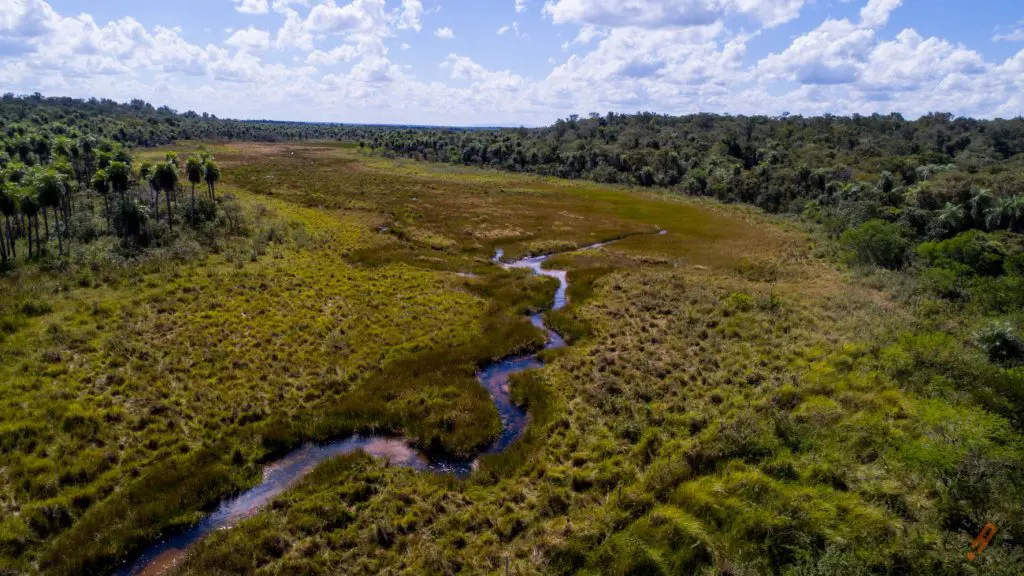
*Ñembi Guasu protects three million acres in the municipality of Charagua.*
An Indigenous Autonomous Government in the Gran Chaco of Bolivia recognized the urgency to protect their land. In collaboration with Nature and Culture International and Nativa Bolivia, the Autonomous Indigenous Campesino Government of Charagua (GAIOC) declared Ñembi Guasu, the second largest conservation area in Bolivia.
Ñembi Guasu spans three million acres in the municipality of Charagua, home to an indigenous Guaraní population. After occupying parts of eastern Bolivia for hundreds of years, the Guaraní achieved autonomy in 2017. Now, the GAIOC, the governing body within Charagua, intend to create a system of conservation areas to protect their land and the wellbeing of the Guaraní people.
“For us, when establishing conservation areas, we are conserving our home and that of our children and all of its generations,” said Adhemar Flores, a member of the GAIOC’s legislative body.
The area will also maintain land for the Ayoreo population, thought to be the only uncontacted indigenous people south of the Amazon. Traditionally hunter-gatherers, the small group is increasingly threatened by loss of territory.

*Only 300 Chacoan guanaco are left in the wild.*
Ñembi Guasu adds to existing national parks Kaa Iya in Bolivia and Defensores del Chaco in Paraguay, creating the largest conservation corridor (connected protected areas) in the Gran Chaco. Increased connectivity in the region will mitigate the effects of climate change and provide habitat for Ñembi Guasu’s abundant wildlife, including armadillos, giant anteaters, jaguars and Chacoan guanaco. The area will also secure essential non-timber resources for nearby communities, including clean water sources and local plants with great medicinal value.
“Ñembi Guasu consolidates 15 million acres of the Gran Chaco’s most cultural and biologically diverse forests,” said Renzo Paladines, Nature and Culture’s Executive Director of Latin America. “This is critical for protecting this ecoregion’s unique biodiversity, and the home and way of life of the Guaraní and Ayoreo peoples.”
*Ñembi Guasu adds to Kaa Iya and Defensores del Chaco national parks, creating a critical conservation corridor spanning 15 million acres.*
Ñembi Guasu is a result of collaboration between the GAIOC, Nativa Bolivia, Nature and Culture International, The World Land Trust and IUCN National Committee of The Netherlands. The area was created with the generous financial support of individual donors to Nature and Culture.
To learn more about this declaration, [read a joint press release](https://www.natureandculture.org/wp-content/uploads/2019/05/Nature-and-Culture_Nembi-Guasu_Joint-Final-Release.pdf) by partners IUCN Netherlands, The World Land Trust and Nature and Culture.
With the support of our donors and partners, Nature and Culture will assist Nativa Bolivia and the GAIOC in managing Ñembi Guasu and establishing additional reserves in their territory.
---
### [Protecting a Biological Hotspot from Mining](https://www.natureandculture.org/directory/yacuambi/)
**Published:** May 19, 2021
**Author:** Kristen Heard
**Content:**


# Protecting a Biological Hotspot from Mining
05/19/2021
**Strategic Area:** Forests - Water -
**Content Type:** News
**Country:** Ecuador -
\[vc\_row\]\[vc\_column\]\[vc\_column\_text\]
### **People from Yacuambi, Ecuador, dreamt of protecting their forest home from mining and other destructive activities for nearly thirty years. Thanks to donors like you, this dream just became reality!**
\[/vc\_column\_text\]\[/vc\_column\]\[/vc\_row\]\[vc\_row\]\[vc\_column\]\[vc\_column\_text\]
The Ministry of Environment, Water, and Ecological Transition of Ecuador recently declared 73,917 acres of *Yacuambi Ecological Reserve* as a Decentralized Autonomous Protected Area. This national status provides the reserve with the highest level of legal protection in the country and permanently prevents mining in the area.
\[/vc\_column\_text\]\[/vc\_column\]\[/vc\_row\]\[vc\_row\]\[vc\_column\]\[vc\_column\_text\]
Yacuambi sits in the Ecuadorian Andes, a region known for its remarkable biodiversity and water resources. However, gold deposits lie beneath its forests and paramo grasslands, making this area a target for mining projects.
\[/vc\_column\_text\]\[/vc\_column\]\[/vc\_row\]\[vc\_row\]\[vc\_column\]\[vc\_column\_text\]
Angel, from the Kichwa Saraguro community in Yacuambi, has been defending this special place against mining for years. Growing up, he experienced the devastating effects of mining, including fragmented forests, divided communities, and unsafe water.
\[/vc\_column\_text\]\[/vc\_column\]\[/vc\_row\]\[vc\_row\]\[vc\_column\]\[vc\_column\_text\]
He and his community secured some protections for Yacuambi when it was established as an Ecological Reserve in 2012. However, the area still required a national protected status to permanently prevent all mining activities.
\[/vc\_column\_text\]\[/vc\_column\]\[/vc\_row\]\[vc\_row\]\[vc\_column\]\[vc\_column\_text\]
With help from caring people like you, part of *Yacuambi Ecological Reserve* has finally been incorporated into Ecuador’s National System of Protected Areas! The newly upgraded *Yacuambi Decentralized Autonomous Protected Area* (*Yacuambi DAPA*) permanently prevents mining in the area, ensuring safe water for 7,900 people like Angel.
\[/vc\_column\_text\]\[/vc\_column\]\[/vc\_row\]\[vc\_row\]\[vc\_column width=”1/2″\]\[vc\_single\_image image=”20140″ img\_size=”full” onclick=”img\_link\_large”\]\[/vc\_column\]\[vc\_column width=”1/2″\]\[vc\_single\_image image=”20141″ img\_size=”full” onclick=”img\_link\_large”\]\[/vc\_column\]\[/vc\_row\]\[vc\_row\]\[vc\_column\]\[vc\_column\_text\]
*Yacuambi DAPA* connects paramo grasslands and the tropical Amazon rainforest in southern Ecuador. Its diverse habitat is home to an abundance of wildlife including the dwarf red brocket (*Mazama rufina*), red howler monkey (*Alouatta seniculus*), and northern pudu (*Pudu mephistophiles*).
\[/vc\_column\_text\]\[/vc\_column\]\[/vc\_row\]\[vc\_row\]\[vc\_column\]\[vc\_column\_text\]
Adjacent to *Podocarpus National Park*, the area fills an unprotected gap between the *Yacuambi- Podocarpus* and the *Sangay-Podocarpus* connectivity corridors. In linking protected areas, *Yacuambi DAPA* establishes habitat connectivity that is essential for the survival of such far-ranging and charismatic species as the endangered mountain tapir (*Tapirus pinchaque*) and vulnerable spectacled bear (*Tremarctos ornatus*).
\[/vc\_column\_text\]\[/vc\_column\]\[/vc\_row\]\[vc\_row\]\[vc\_column\]\[vc\_single\_image image=”20142″ img\_size=”full” add\_caption=”yes”\]\[/vc\_column\]\[/vc\_row\]\[vc\_row\]\[vc\_column\]\[vc\_column\_text\]
*Yacuambi DAPA* also protects important water supplies from mining, unsustainable agriculture, and other threats. The area’s forests and paramo grasslands maintain sources of water for thousands of people living in nearby cities and communities, including Kichwa and Shuar indigenous communities.
\[/vc\_column\_text\]\[/vc\_column\]\[/vc\_row\]\[vc\_row\]\[vc\_column\]\[vc\_column\_text\]
“The natural ecosystems of Yacuambi ensure life,” says Trotsky Riera, a local conservationist at Nature and Culture International. “They provide us with fresh, clean water, help us mitigate and adapt to climate change, and are home to many species that only live there. By protecting these ecosystems, we are protecting our water and plants and animals that do so much for us.”
\[/vc\_column\_text\]\[/vc\_column\]\[/vc\_row\]\[vc\_row\]\[vc\_column\]\[vc\_single\_image image=”20143″ img\_size=”full” add\_caption=”yes”\]\[/vc\_column\]\[/vc\_row\]\[vc\_row\]\[vc\_column\]\[vc\_column\_text\]
The declaration of *Yacuambi DAPA* is a result of more than ten years of collaboration between the local government, the Ministry of Environment, Water, and Ecological Transition, local institutions, and local and indigenous communities. Thanks to funding from Andes Amazon Fund and generous people like you, Nature and Culture has provided technical and financial support since 2019.
\[/vc\_column\_text\]\[/vc\_column\]\[/vc\_row\]\[vc\_row\]\[vc\_column\]\[vc\_column\_text\]
“The declaration of \[*Yacuambi DAPA*\] is great news. It follows many years of hard work, successes, and failures, and reflects the community, local governments, and the national government’s joint commitment to protect biodiversity,” says Angel. “With this declaration, we will protect \[Yacuambi’s\] natural resources for current and future generations.”
\[/vc\_column\_text\]\[/vc\_column\]\[/vc\_row\]\[vc\_row\]\[vc\_column\]\[vc\_column\_text\]
With your help, Nature and Culture will support sustainable management in *Yacuambi DAPA* for lasting and effective conservation impact. Management activities include installing signage, providing equipment and training for local rangers, and implementing wildlife monitoring and ecotourism projects.
\[/vc\_column\_text\]\[/vc\_column\]\[/vc\_row\]\[vc\_row\]\[vc\_column\]\[vc\_column\_text\]
Thank you for making this achievement possible! We hope that this bit of good news inspires you to continue fighting for nature and culture.
\[/vc\_column\_text\]\[/vc\_column\]\[/vc\_row\]\[vc\_row\]\[vc\_column\]\[vc\_column\_text\]
Did you hear about the new conservation area in South America’s Grand Canyon? Learn about *Bosques Secos del Marañón Regional Conservation Area* [here](https://www.natureandculture.org/maranon-rca/).
\[/vc\_column\_text\]\[/vc\_column\]\[/vc\_row\]\[vc\_column\]\[/vc\_column\]
**Strategic Area:** Forests, Water
**Country:** Ecuador
**Content Type:** News
---
### [A milestone for conservation in Peru](https://www.natureandculture.org/directory/milestone-in-peru/)
**Published:** July 17, 2020
**Author:** Kristen Heard
**Content:**


# A milestone for conservation in Peru
07/17/2020
**Strategic Area:** Forests -
**Content Type:** News
**Country:** Peru -
\[vc\_row\]\[vc\_column\]\[vc\_column\_text\]
### ****Thanks to you, Nature and Culture International reached a milestone for conservation in Peru!****
\[/vc\_column\_text\]\[/vc\_column\]\[/vc\_row\]\[vc\_row\]\[vc\_column\]\[vc\_column\_text\]
For the first time, the Peruvian National Forest and Wildlife Service approved the resizing of a Permanent Production Forest (PPF) for the creation of a protected area in Ucayali. This groundbreaking decision paves the way for the establishment of a new regional conservation area in the Peruvian Amazon.
\[/vc\_column\_text\]\[/vc\_column\]\[/vc\_row\]\[vc\_row\]\[vc\_column\]\[vc\_column\_text\]
Nature and Culture International has been working for seven years to create *CATA Regional Conservation Area* in Ucayali, Peru. Despite support from local communities and authorities, Nature and Culture faced an immense barrier: 70% of the proposed area was under government control as a PPF. This meant forest within the area was open to timber concessions for logging.
\[/vc\_column\_text\]\[/vc\_column\]\[/vc\_row\]\[vc\_row\]\[vc\_column\]\[vc\_single\_image image=”17857″ img\_size=”full” add\_caption=”yes”\]\[/vc\_column\]\[/vc\_row\]\[vc\_row\]\[vc\_column\]\[vc\_column\_text\]
With your support, Nature and Culture conducted biological assessments and produced technical reports to catalyze the first-ever reduction of a PPF for the creation of a protected area in Peru. The Peruvian National Forest and Wildlife Service agreed to officially reduce the PPF by 259,460 acres last week!
\[/vc\_column\_text\]\[/vc\_column\]\[/vc\_row\]\[vc\_row\]\[vc\_column\]\[vc\_column\_text\]
“We had to demonstrate that the proposed area has greater potential for conservation than for wood extraction,” said Cristy Diaz, Technical Assistance from Nature and Culture Peru.
\[/vc\_column\_text\]\[/vc\_column\]\[/vc\_row\]\[vc\_row\]\[vc\_column\]\[vc\_column\_text\]
Located in the Peruvian Amazon, the proposed *CATA Regional Conservation Area* spans fragile and biodiverse ecosystems such as isolated mountain ranges. Its forests are home to a spectacular array of wildlife, including the bald uakari *(Cacajao calvus)*, the scarlet macaw *(Ara macao)*, and the shihuahuaco *(Dipteryx micrantha)*, a tree standing 160 feet tall.
\[/vc\_column\_text\]\[/vc\_column\]\[/vc\_row\]\[vc\_row\]\[vc\_column\]\[vc\_column\_text\]
Additionally, the area is critical for the regulation, collection, and storage of water. Its forests deliver water to the Abujao, Yucanya, Inamapuya, and Pichaya basins, and provide water to more than 1,475 inhabitants of Ucayali.
\[/vc\_column\_text\]\[/vc\_column\]\[/vc\_row\]\[vc\_row\]\[vc\_column\]\[vc\_single\_image image=”17858″ img\_size=”full” add\_caption=”yes”\]\[/vc\_column\]\[/vc\_row\]\[vc\_row\]\[vc\_column\]\[vc\_column\_text\]
The proposed *CATA Regional Conservation Area’s* wildlife and resources are increasingly threatened by deforestation. Between 2001 and 2018, 609 acres of forest were lost in the proposed conservation area, and more than 61,776 acres were lost in Ucayali in 2018 alone. According to Diaz, loggers frequently used their permits from the PPF to justify wood extraction from nearby forest, resulting in illegal logging outside of the PPF.
\[/vc\_column\_text\]\[/vc\_column\]\[/vc\_row\]\[vc\_row\]\[vc\_column\]\[vc\_column\_text\]
The reduction of the PPF paves the way for the creation of *CATA Regional Conservation Area*, ensuring lasting conservation impact in Peru’s Amazon. Stay tuned for the official declaration!
\[/vc\_column\_text\]\[/vc\_column\]\[/vc\_row\]\[vc\_row\]\[vc\_column\]\[vc\_column\_text\]
**Thank you for making this achievement possible. We hope that this bit of good news inspires you to continue fighting for nature and culture.**
\[/vc\_column\_text\]\[/vc\_column\]\[/vc\_row\]\[vc\_row\]\[vc\_column\]\[vc\_column\_text\]
Learn more about the areas you support [here](https://www.natureandculture.org/ecosystems/).
\[/vc\_column\_text\]\[/vc\_column\]\[/vc\_row\]\[vc\_row\]\[vc\_column\]\[vc\_column\_text\]
This achievement was made possible with generous financial support from Andes Amazon Fund and Robert Wilson Charitable Trust.
\[/vc\_column\_text\]\[/vc\_column\]\[/vc\_row\]\[vc\_column\]\[/vc\_column\]
**Strategic Area:** Forests
**Country:** Peru
**Content Type:** News
---
### [Ocelot photos a first in Podocarpus National Park](https://www.natureandculture.org/directory/ocelot-photos/)
**Published:** April 17, 2012
**Author:** Heather Thomas
**Content:**
**[](https://www.natureandculture.org/4176/ocelot-photos/)April 15, 2012** \| The mammals of Ecuador’s Podocarpus National Park are notoriously hard to record or observe in the field, and as a result, it can be very difficult to understand their habitat range. Scientists at the Institute of Ecology of the Universidad Técnica Particular de Loja (UTPL), placed camera traps provided by Nature and Culture International in the northern and eastern flanks of the park, near NCI’s *El Tiro* and *Numbami* reserves to help monitor and identify the wildlife in this protected area. So far the findings are very interesting: about 15 species have been recorded including paramo fox and ocelot. The latter has been registered the first time in the Podocarpus Park.
“We thought there was a possibility it could be in the park, but this is the first time we have actual evidence that the Ocelot is in the protected area,” said biologist Rodrigo Cisneros of UTPL.
 The Paramo Fox, camera-trapped at night
 Another ocelot view
**Tags:** Camera trap, Conservation, Ecuador, endangered species, Habitat, Nature and Culture International, NCI, Ocelot, Podocarpus National Park, Reserve
**Strategic Area:** Biodiversity
**Country:** Ecuador
**Content Type:** Blog
---
### [Study by Nature and Culture identifies priority conservation areas](https://www.natureandculture.org/directory/el-oro-study/)
**Published:** June 19, 2020
**Author:** Kristen Heard
**Content:**


# Study by Nature and Culture identifies priority conservation areas
06/19/2020
**Strategic Area:** Forests -
**Content Type:** News
**Country:** Ecuador -
\[vc\_row\]\[vc\_column\]\[vc\_column\_text\]
### **A newly-completed study by Nature and Culture will support local governments in identifying and creating priority conservation areas.**
\[/vc\_column\_text\]\[/vc\_column\]\[/vc\_row\]\[vc\_row\]\[vc\_column\]\[vc\_column\_text\]
Nature and Culture International’s team in Ecuador just finished a comprehensive study on biodiversity and ecosystem services in the province of El Oro. The study will be used to identify and create priority conservation areas in the region.
\[/vc\_column\_text\]\[/vc\_column\]\[/vc\_row\]\[vc\_row\]\[vc\_column\]\[vc\_column\_text\]
Located in southern Ecuador, El Oro comprises 19 diverse ecosystems, including cloud and montane forests, paramo grasslands, and mangroves. Each ecosystem is home to an array of plants and animals – just one hectare (or 2.5 acres) of cloud forest holds between 100 and 180 species of trees.
\[/vc\_column\_text\]\[/vc\_column\]\[/vc\_row\]\[vc\_row\]\[vc\_column\]\[vc\_column\_text\]
Ecosystems within the province also provide essential provisioning and regulating services. For example, El Oro’s montane forests supply water to 90% of the province’s population and play an important role in the regulation of local climate.
\[/vc\_column\_text\]\[/vc\_column\]\[/vc\_row\]\[vc\_row\]\[vc\_column\]\[vc\_single\_image image=”17730″ img\_size=”full” add\_caption=”yes”\]\[/vc\_column\]\[/vc\_row\]\[vc\_row\]\[vc\_column\]\[vc\_column\_text\]
Despite their significance, these ecosystems are highly threatened. According to Ecuador’s Ministry of Environment, between 2008 and 2014, 15,000 acres of forest in El Oro were lost each year due to deforestation.
\[/vc\_column\_text\]\[/vc\_column\]\[/vc\_row\]\[vc\_row\]\[vc\_column\]\[vc\_column\_text\]
Thanks to donors and partners like Andes Amazon Fund, Nature and Culture conducted a comprehensive study of the province’s ecosystems to help identify and create priority conservation areas. In the study, 288,780 acres were identified as potential areas to add to El Oro’s Conservation Areas System.
\[/vc\_column\_text\]\[/vc\_column\]\[/vc\_row\]\[vc\_row\]\[vc\_column\]\[vc\_column\_text\]
The study will be included in local governments’ Planning and Territorial Development Plans, serving as an important tool to protect southern Ecuador’s biodiversity.
\[/vc\_column\_text\]\[/vc\_column\]\[/vc\_row\]\[vc\_row\]\[vc\_column\]\[vc\_column\_text\]
**Thank you for helping nature and culture thrive!**
\[/vc\_column\_text\]\[/vc\_column\]\[/vc\_row\]\[vc\_row\]\[vc\_column\]\[vc\_column\_text\]
Learn more about the ecosystems you support [here](https://www.natureandculture.org/ecosystems/).
\[/vc\_column\_text\]\[/vc\_column\]\[/vc\_row\]\[vc\_column\]\[/vc\_column\]
**Tags:** Conservation, Scientific Study
**Strategic Area:** Forests
**Country:** Ecuador
**Content Type:** News
---
### [Saving Peru's Unique Grassland Paramos](https://www.natureandculture.org/directory/saving-perus-grassland-paramos/)
**Published:** May 17, 2010
**Author:** Heather Thomas
**Content:**
[](https://www.natureandculture.org/2978/saving-perus-grassland-paramos/)**May 17, 2010 \|** Over the last two years, Nature and Culture International has made significant progress in helping to protect Peru’s paramos – unique alpine grassland ecosystems boasting unusually high numbers of endemic species. Due to the high altitude of paramos, species in this ecosystem have had to adapt to low atmospheric pressure, intense ultraviolet radiation, and the drying effects of Andean winds. So far, NCI has submitted the necessary technical documents for the recognition of the new Samanga 3,700 acre Private/Communal Conservation Area, which will protect 2,200 acres of forest and 1,500 acres of paramo. The community has already approved the plan, and we are currently working with the National Service of Protected Natural Areas (SERNANP) to attain official recognition. Additional funds have also been invested in the implementation of paramo management plans in the Samanga and Cachiaco communities.
The Andean Paramos Project has invested $50,000 in the area, and NCI is currently managing a $100,000 budget as part of the Binational Catamayo Chira project, which seeks to protect the Catamayo Chira watershed, the source of water for thousands of Ecuadorians and Peruvians. Additionally in the region, we have completed a detailed map of the Peruvian paramos in Piura, Ayabaca and Pacaipampa, which will help with management activities in the area. And finally, we have recently helped to install monitoring equipment in the paramos of Pacaipampa that will monitor the effects of climate change as part of the international GLORIA (www.gloria.ac.at) Climate Change Program.
**Tags:** Nature and Culture International, Paramos, Peru
**Strategic Area:** Forests
**Country:** Peru
**Content Type:** Blog
---
### [Ecuadorian Government Supports New Biosphere Reserve Alongside NCI](https://www.natureandculture.org/directory/ecuador-biosphere-reserve/)
**Published:** June 17, 2012
**Author:** Heather Thomas
**Excerpt:** August, 2012 | One of the world’s most endangered ecosystems received a boost last week when the Ecuadorian government and local municipalities announced they would seek the declaration of a 780,000-acre Biosphere Reserve to protect the country's tropical seasonal forests. The new biosphere reserve will build on a decade of our work alongside local actors to protect the best remaining forests in this threatened ecosystem.
**Content:**
[](https://www.natureandculture.org/4308/ecuador-biosphere-reserve/)**August 14, 2012** \| One of the world’s most endangered ecosystems received a boost last week when the Ecuadorean Government and local municipalities announced they would seek the declaration of a 780,000-acre Biosphere Reserve to protect the country’s tropical seasonal forests.
These forests, confined to only a small portion of Ecuador and Peru, are unusual for a tropical country as they are dry half the year and brimming with lush vegetation the other half. High numbers of endangered species that are endemic, or found only in this ecosystem, are also present. Sadly, these forests are also extremely threatened, and the region is considered one of the world’s highest conservation priorities as a result.
The new biosphere reserve will build on a decade of work by Nature and Culture International and other local actors to protect the best remaining forests of this threatened ecosystem. It would also connect to Peru’s Noroeste Biosphere Reserve – thereby creating an immense bi-national area dedicated to “environmental, economic and social sustainability.” We are proud that the proposed core regions of the new area will center around three NCI reserves: Cazaderos, La Ceiba and Laipuna.
We have been active here since 2001, purchasing over 50,000 acres for protection in reserves and working closely with local communities to enact land management and economic strategies. The latter include honey cultivation from native bees, the production of goat milk cheeses and yogurts, and the creation of an internationally-marketed perfume from the fruit of the Palo Santo tree; all oriented to promoting forest conservation while increasing economic well being.
The idea for a new biosphere reserve was endorsed by NCI and local municipalities after a visit by Rafael Correa, President of Ecuador, during the annual flowering of the brilliant Guayacán trees, which bloom across the region in a spectacular sea of yellow every January.
Now, we will increase efforts to protect and expand the core areas and assist in preparing the official technical proposal for the Guayacanes Biosphere Reserve – for approval by the Government of Ecuador and then the United Nations.
Renzo Paladines, Director of Nature and Culture International in Ecuador, credited the group’s successful work in the region to its flexibility and dedication. “By taking advantage of strategic opportunities, we can achieve incredible conservation results – while significantly improving the lives of local people,” he said.
Biosphere reserves are a vital tool for governments and NGOs seeking to carry out regional planning for sustainable development. The Guayacanes Biosphere Reserve will be Ecuador’s 5th biosphere reserve, and the second that builds off the efforts of Nature and Culture International. In 2007, the Podocarpus-El Condor Biosphere Reserve was declared by UNESCO, capping several years of intensive field work and on-the-ground coordination by Nature and Culture International.
Are you passionate about saving the natural world? Your gift to Nature and Culture International will conserve land at an average cost of only $30 per acre, and will help protect this unique ecosystem forever. Please help by donating toady.
**Tags:** Biosphere Reserve, Conservation, Ecuador, Nature and Culture International, NCI, Peru
**Strategic Area:** Forests
**Country:** Ecuador, Peru
**Content Type:** Blog
---
### [Celebrating Monte Alegre: 50,000 acres protected in the Amazon rainforest of Peru](https://www.natureandculture.org/directory/declaration-of-monte-alegre/)
**Published:** December 14, 2015
**Author:** Heather Thomas
**Content:**
[](https://www.natureandculture.org/wp-content/uploads/2015/12/Monte-Allegre.jpg)
In the lush Amazon rainforest of northern Peru, coffee growers and conservationists have come together with the regional government to create the fourth protected area declared in Amazonas with the support of Nature & Culture in the past two years. Nature & Culture’s local team has worked steadily to help bring this vision to life by providing key technical support and coordinating diverse stakeholders.
The Monte Alegre Conservation Concession spans 52,700 acres and completes a corridor of four protected areas in the Amazon-Andes region of southern Amazonas. In addition to preserving pristine Amazon rainforest, it safeguards charismatic species such as the spectacled bear, hairy anteater, and the yellow-tailed woolly monkey – an endangered species found only in this area.
Monte Alegre and the neighboring protected areas – Dase Nain, [Tijae Nain](https://www.natureandculture.org/tijae-nain-declared-in-peru/), and [Pamau Nain](https://www.natureandculture.org/places/peru/pamau-nain/) – are playing a key role in the advancement of sustainable industries that enhance the economic wellbeing of local people while preserving the globally important forests of Amazonas. In Monte Alegre, coffee has emerged as the leading industry to unite goals for conservation and economic prosperity.
Nature & Culture’s ongoing partner in Monte Alegre, the Flor de Café Coffee Cooperative, works with local growers on the production of organic coffee sold in Europe. The 220 families involved in the region receive direct economic benefits and are active promoters of forest conservation. The cooperative will also fund the development of nurseries that coexist alongside forest conservation, including bamboo, fine hardwoods, and stevia.
Like those that preceded it, the declaration of Monte Alegre proves once again that conservation is achieved when the needs of diverse stakeholders are met. In the lush region of Amazonas, this means protecting vital ecosystems while developing sustainable industries that enable local people to prosper as guardians of the forest.
In the words of Lleydy Alvarado, an Nature & Culture-Amazonas staff member who worked closely on this initiative, “With the declaration of Monte Alegre we are protecting a forest with a high degree of biodiversity and endemism, as well as the ecosystem services that sustain the local people.”
**Tags:** Amazon rainforest, Monte Allegre Conservation Concession, Organic Coffee, Peru, Sustainable Development
---
### [Desarrollamos taller en control de incendios forestales y conformamos brigadas para la prevención ](https://www.natureandculture.org/es/directorio/desarrollamos-taller-en-control-de-incendios-forestales-y-conformamos-brigadas-para-la-prevencion/)
**Published:** August 10, 2023
**Author:** Nora Sanchez
**Content:**
El equipo del Programa Especial Utcubamba en Amazonas, de Naturaleza y Cultura Internacional, el financiamiento de U.S. Fish & Wildlife Service, y el apoyo técnico del SERNANP desarrollaron un curso teórico práctico **“Fortalecimiento de capacidades en la gestión del riesgo por incendios forestales dentro de Áreas de Conservación”** durante tres días, con el objetivo de brindar conocimientos para la prevención y control de incendios forestales.
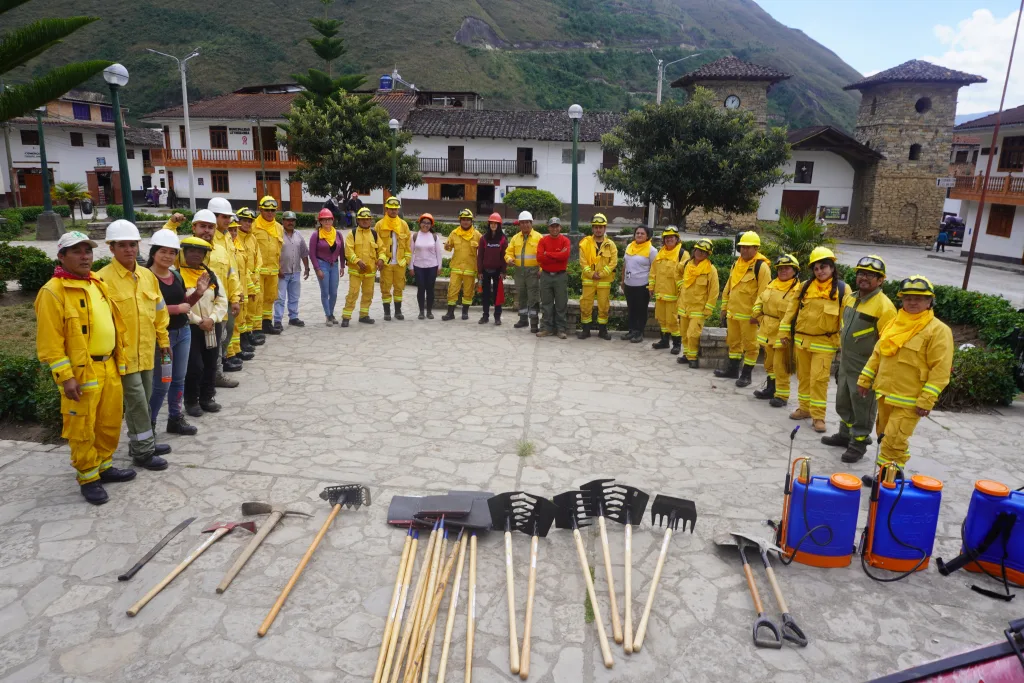
En el taller participaron un total de 35 personas entre pobladores de las Comunidades Campesinas de Leymebamba, Montevideo, La Jalca y Chuquibamba, quienes cuentan con Áreas de Conservación Privada en sus territorios comunales, ubicadas en el ámbito de la propuesta del Corredor de Conservación al sur de Amazonas. Además, se tuvo la participación del personal del Santuario Nacional Cordillera de Colán.
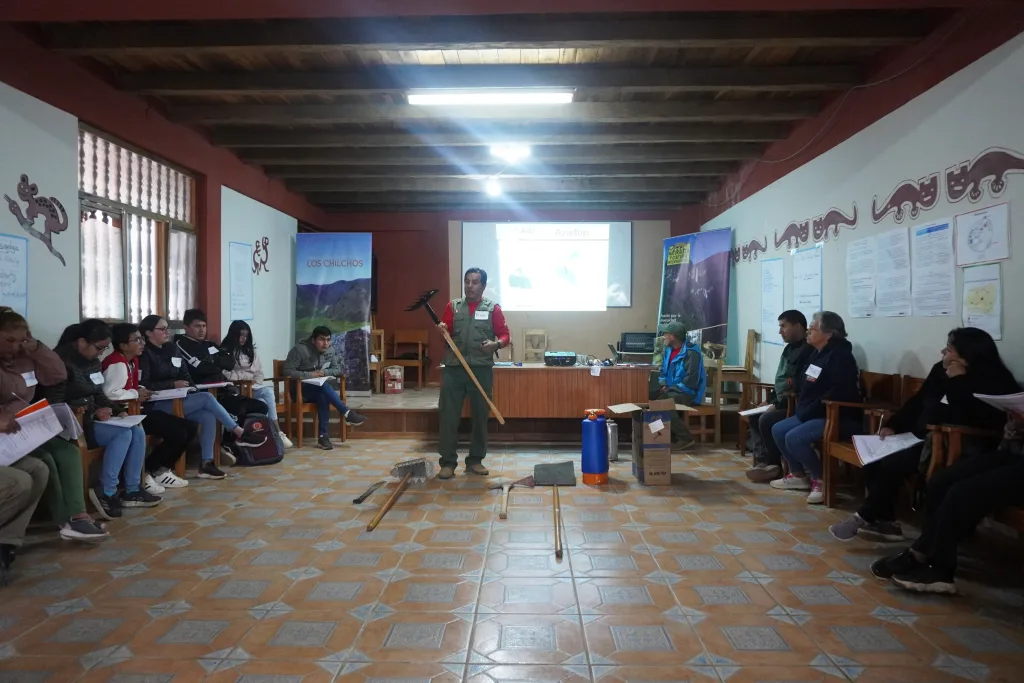
Los asistentes, tomaron conocimiento de temas como el fuego y su comportamiento, las nociones básicas sobre la prevención de incendios forestales, la función y la organización del bombero forestal, seguridad personal, manejo de herramientas y equipos, establecimiento de la línea de control y construcción de la línea de defensas; entre otros.
Durante el evento se conformaron brigadas para la prevención de incendios forestales y la atención de emergencias en el ámbito de las comunidades asistentes, quienes cuentan con herramientas para el control de incendios forestales, gracias al financiamiento de U.S. Fish & Wildlife Service.
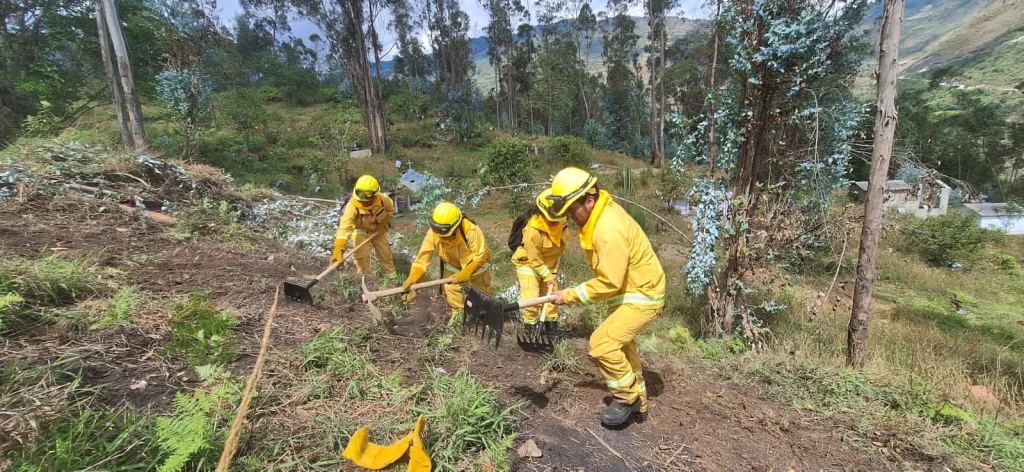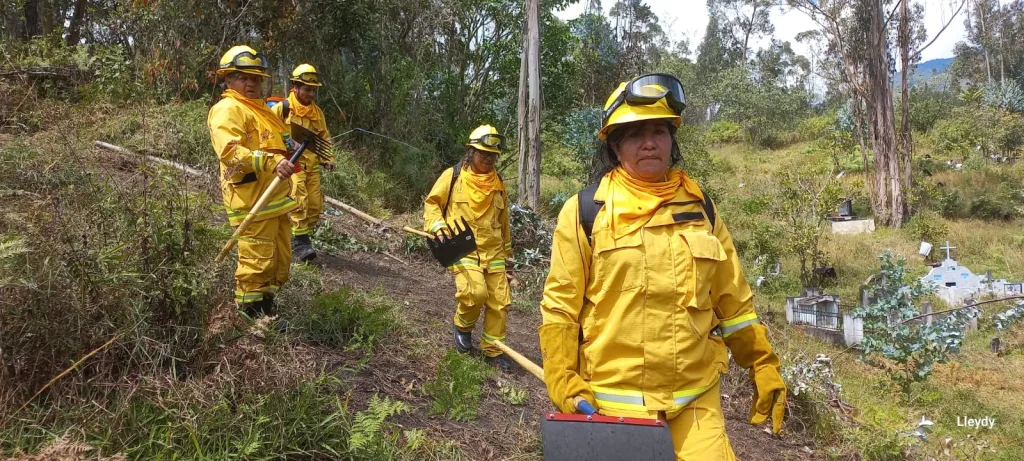
Como se sabe, los incendios forestales son un verdadero riesgo para la pérdida de la biodiversidad, donde viven diversos animales silvestres. Con ello, se pone en juego los servicios ecosistémicos que brindas los espacios naturales, como el agua. **En ese sentido, la prevención de incendios forestales es fundamental.**
---
**Más información:**
Gabriela Gives
**Comunicación Perú**
comunicacion.peru@naturalezaycultura.org
**Tags:** Biodiversidad, Perú, Prevención
**Strategic Area:** Bosques
**Country:** Perú
**Content Type:** Noticias
---
### [Celebrating World Indigenous People's Day With A Comic Book](https://www.natureandculture.org/directory/celebrating-world-indigenous-peoples-day-with-a-comic-book/)
**Published:** August 9, 2023
**Author:** Heather Thomas
**Content:**
#### Ikíitu Indigenous youth connect to their culture, language and ancestral customs with Nature and Culture’s publication of the comic, “El Último Kuraka.”
Each year on August 9th, people around the world celebrate Indigenous Peoples. It’s an important time to raise awareness around Indigenous autonomy and equal rights to their ancestral lands, native languages, and traditional customs. This year’s theme centers around Indigenous youth who have so much at stake in the struggle to maintain their cultural identity. That is why Nature and Culture, together with the Ikíitu people of the Indigenous community, San Antonio, Pintuyacu river, Loreto, Peru, produced and published the comic, “El Último Kuraka,” or “The Last Chief.”
Margarita Beuzeville Panduro, Ikíitu community member
#### Nature and Culture hopes to raise awareness around the Indigenous Peoples of the Amazon by sharing their traditional knowledge.
Alongside our efforts to conserve forests, our team provides opportunities to strengthen the Indigenous identity of the local communities that help keep the forest standing. In this way, forest management is imbued with local understandings and experiences that have persisted for centuries. Written in both Spanish and the Ikíiitu native language, “El Último Kuraka” serves as written documentation of the cultural history of the Peruvian city of Iquitos (named after the Ikíitu people), the capital of the Maynas Province. We hope that this history is not only shared amongst the Ikíitu youth but spread to youth across the region and throughout Peru!
In the comic, hero Súkani, a leader with supernatural powers, is imprisoned by colonialists attempting to seize his people’s land. This traditional story was adapted by Nature and Culture from collected facts from the oral tradition of the Ikíitu people. During the 17th and 18th centuries, many Ikíitu were forced to join missions and displaced from their ancestral territories. The city of present day Iquitos bears the name of the Ikíitu people, in homage to the first residents of the area, although it is not known exactly when and who settled on the plateau surrounded by the Nanay, Amazon, Itaya and Lake Moronacocha rivers. The true story of the death of “El Última Kuraka”, Alejandro Inuma, in the the 1940s was decisive moment for the Ikíitu people because the language ceased to be used as a primary language and many customs began to be lost. According to data obtained by the Ministry of Culture, it is estimated that today there are only 519 people from the communities of the Ikíitu people remaining.
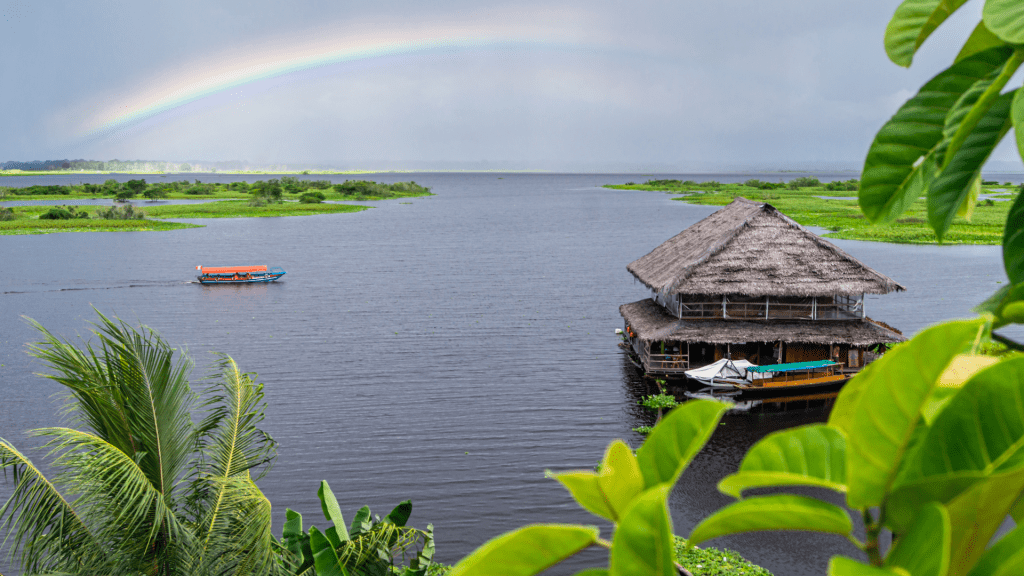A view of the Peruvian city of Iquitos
In the comic’s prologue, Inter-cultual Specialist, Elena Burga Cabrera affirms that “Amazonian Indigenous peoples have their own stories about who they are, where they came from, who were their leaders, how their first contact with ‘mestizos’ went and about the events they have experienced, generally with a lot of violence and suffering, and that has generated changes in their way of life and in the characteristics of the territories they occupy.”
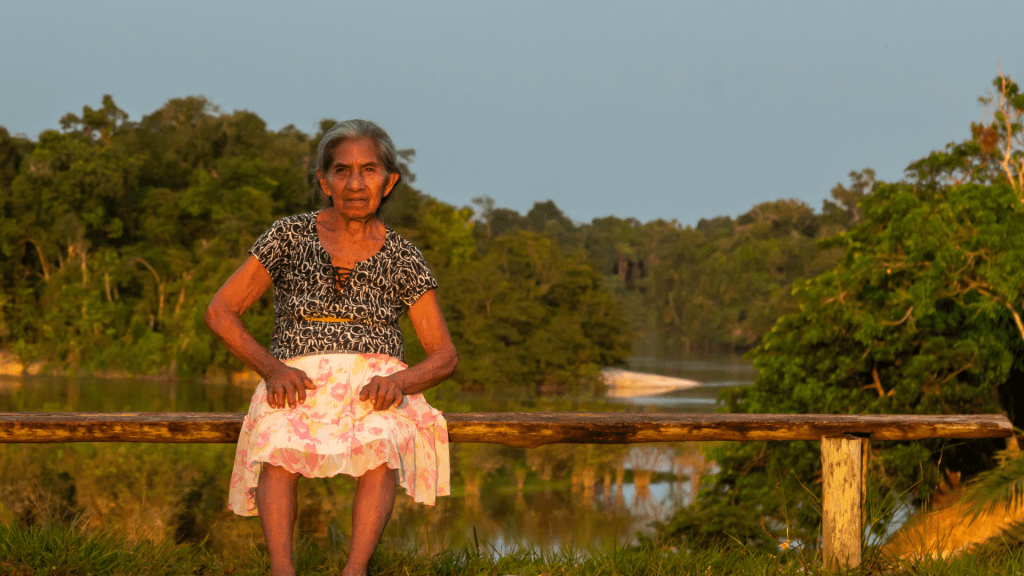Ema Llona Yareja, bilingual Ikíitu community member asserts, “(Children) must learn, so that our language is not lost, from an early age they should receive education in the Ikíitu language”.
The identity of Indigenous Peoples is attached to the land, language, traditional livelihoods, ceremonies, arts, crafts, and family members and society as a whole. The elders of the Ikíitu community, like Ema Llona Yareja, pictured above, provide a connection between generations, a crucial aspect of Indigenous Peoples’ wellbeing. She asserts, “(children) must learn, so that our language is not lost, from an early age they should receive education in the Ikíitu language”. In areas of high cultural and economic exchange like the Nanay river basin, Indigenous cultures are at risk of being lost. “The Nanay basin, where the community of San Antonio is located, is subjected to processes of cultural and economic exchange with western society. The pressures riverside communities face create challenges that must be confronted to safeguard the well-being of their families, the forest, water and, above all, the right to stand firm before illegal actions,” says former Nature and Culture Peru Country Director, Patricia Ochoa.
## View the full comic here!
#### The Ikíitu people have a cultural richness, which to this day persists in their daily customs.
Utensils and tools, fishing techniques, knowledge of medicinal plants, knowledge of the forest for hunting, cultivation of their farms are all pieces of knowledge that are preserved in the rich culture of the Ikíitu people. In addition to documenting their native language, the “El Última Kuraka” comic also records some of the customs and artifacts that are used to this day, including garments, pottery and cooking utensils.
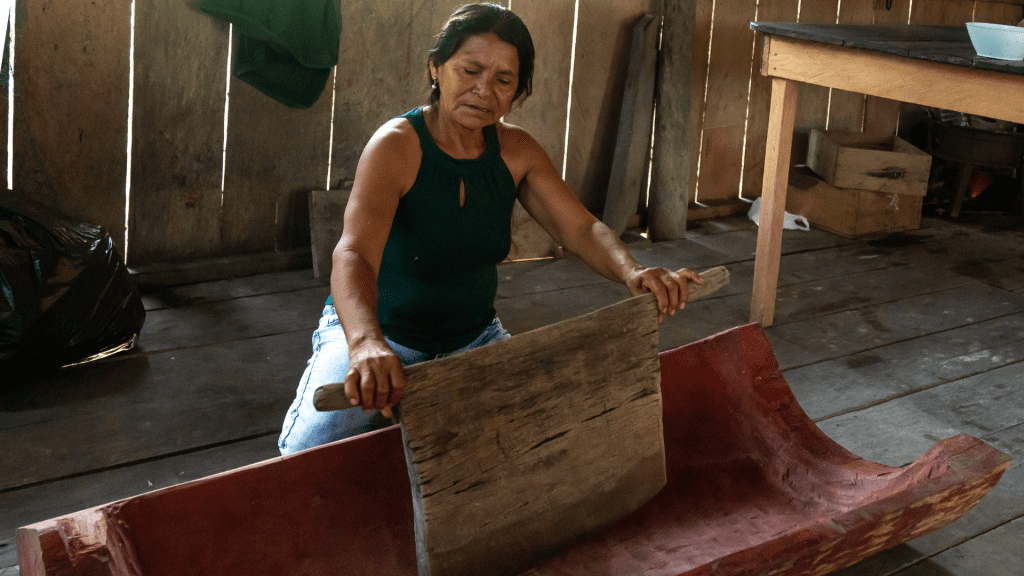Adith Pacaya Inuma, Ikíitu community member, demonstrating the use of a batán, one of the most important utensils for making a traditional drink made from fermented cassava.
Supporting Indigenous communities in conserving nature in their lands requires recognition of their lived experiences and world visions. By documenting the culture and history of the Ikíitu people, we are helping to preserve not only their way of life, but also the sustainable practices that have been passed down through generations. They have been great stewards of their ancestral lands and we are working alongside the elders in the community to ensure future generations will have the same local knowledge and support to continue to protect these sacred places.
If you’d like to support our efforts [please give today](https://www.natureandculture.org/donate/).
**Strategic Area:** Local Communities
**Country:** Peru
**Content Type:** Blog
---
### [Soñar y gestionar el territorio: Tiwi Nunka, un territorio colectivo protegido por la nacionalidad shuar ](https://www.natureandculture.org/es/directorio/sonar-y-gestionar-el-territorio-tiwi-nunka-un-territorio-colectivo-protegido-por-la-nacionalidad-shuar/)
**Published:** August 9, 2023
**Author:** Nora Sanchez
**Content:**
*“Tenemos el temor que los proyectos extractivistas puedan dañar nuestros hábitats y estamos pensando no solamente en la humanidad, sino en todos los seres vivos, en todo el ecosistema”* Washington Tiwi Asamat, presidente de la Federación Provincial de la Nacionalidad Shuar de Zamora Chinchipe (FEPNASH-ZCH).
Paisaje de Tiwi Nunka \| Foto: Trotsky Riera-Vite
Luego de 22 años, los habitantes del centro shuar Kiim lograron garantizar que Tiwi Nunka se conserve para siempre. La declaratoria de su territorio como área protegida comunitaria, fue la tercera a nivel nacional y es la primera manejada por una nacionalidad, en este caso por la nacionalidad shuar de la provincia de Zamora Chinchipe.
La declaratoria oficializada en el Acuerdo Ministerial Nro. SPN-2022-052 el 19 de mayo de 2022, incorpora a Tiwi Nunka en el Sistema Nacional de Áreas protegidas (SNAP), específicamente, en el subsistema comunitario, marcando un hito en la declaración de áreas protegidas en el Ecuador.
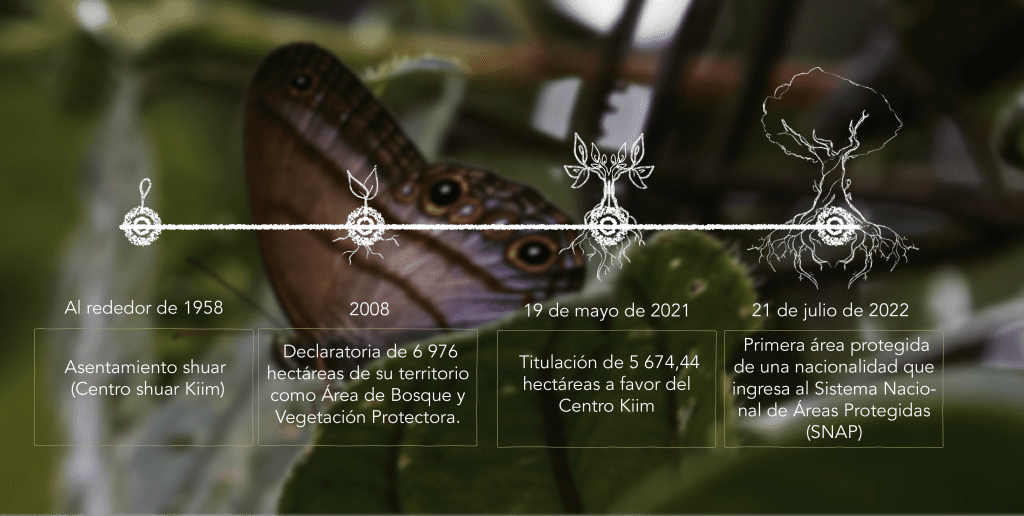Cronología para la declaratoria del Área protegida comunitaria Tiwi Nunka
## Un año desde la declaratoria del Área protegida comunitaria Tiwi Nunka
Al cumplirse un año de esta oficialización, regresamos al centro shuar Kiim, con la finalidad de conocer los procesos organizativos que se están implementando, para manejar el área protegida comunitaria Tiwi Nunka.
Desde la provincia de Loja salimos a las 6 am para tomar la carretera con destino al cantón Zamora. Luego de 50 minutos llegamos hasta la ciudad de las aves y cascadas, para desayunar “tigrillo”, un plato típico del Sur del Ecuador, cuyos ingredientes como el plátano verde, huevo, queso o chicharrón (cerdo frito) son parte de la alimentación diaria de los hogares amazónicos. Después, nos movilizamos hasta la parroquia la Paz, ubicada en el cantón Yacuambi. El viaje fue corto, tomó alrededor de 45 minutos. En la ruta se puede observar el paisaje verde de las grandes montañas y los ríos majestuosos como el río Zamora; luego, para llegar a Kiim, se debe cruzar un puente colgante, es aquí donde caminar y escuchar el río Yacuambi suponen una primera aventura para los que aún no conocen esta provincia.
Cruzar el puente colgante supone una primera aventura para quienes visitan la provincia de Zamora Chinchipe
Los pobladores del centro shuar Kiim son grandes anfitriones. Además, son muy buenos contando historias que reflejan cómo está organizado su territorio, su casa, su consejo de gobierno. Una de las historias, es la que cuenta cómo se construyó la iglesia en el centro poblado. Oswaldo Tiwi menciona que en Kiim todos son unidos: “para construir la iglesia pasamos cada piedra y otros materiales por el río y por ese puente colgante”. La edificación de la iglesia les recuerda que son más fuertes en unidad.
Otro ejemplo de unidad, según Oswaldo, es la lucha de 22 años, “creo que a la larga hubo una luz verde, primero para que se reconozca este territorio a través de una titulación a nombre del Centro Shuar Kiim”.
Después de caminar por el centro conociendo la iglesia, la escuela, la casa comunal, nos brindaron un almuerzo. La gastronomía shuar es una mezcla entre ingredientes propios como el pescado, el palmito, la yuca, col de monte que se sirven envueltos en hoja de bijao (C*alathea lueta*) y otros introducidos como el pan, la avena y la Coca Cola que se comercializan en las tiendas del centro shuar.

Las familias de la nacionalidad shuar solían vivir aisladas. Ahora, forman parte de asentamientos nucleados que se integran por familias, los denominados centros shuar. Los habitantes de Kiim comentan que estos cambios fueron propiciados, principalmente, por la invasión de su territorio, proceso que estuvo a cargo de los misioneros evangelizadores. Debido a la insipiente intervención del Estado en esta región del país, en la época de los años ochenta y noventa del siglo pasado, la iglesia, el ejército ecuatoriano y colonizadores mestizos invadieran y ocuparan las zonas de mayor productividad.
El plan de vida de la comunidad servirá como paraguas en la construcción del plan de manejo, pues en su plan de vida ya se recogen algunas ideas de gobernanza territorial. “El territorio es un tema fundamental para nosotros, estamos en este rato recogiendo del plan de vida las ideas y traspasando al plan de manejo para Tiwi Nunka”, recalca Washington. Además, una de sus prioridades es resolver cómo se manejarán alrededor de 1300 hectáreas de su territorio que no han podido ser declaradas como área protegida.
## Las mujeres shuar y la educación intercultural
La escuela se ha convertido en otro espacio de encuentro de la comunidad. Aquí se organizan capacitaciones como las que Naturaleza y Cultura Internacional coordina con la directiva del centro, en temas como el aprendizaje de mecanismos financieros para la ejecución de fondos, como parte del manejo del área comunitaria.
En la escuela estudian alrededor de 22 niños y niñas, y cuenta con dos maestras y un profesor de inglés que da sus clases los jueves y viernes de cada semana.
Mujeres shuar durante sesiones de capacitación
Mientras conocemos la escuela, Nancy Chinguñi, mujer del centro shuar Kiim y presidenta de padres y madres de familia de la escuela de educación básica Daniel Martínez, comenta que los cambios en el clima de meses anteriores provocaron la pérdida total del techo de la escuela. “Hace unos meses el viento y la tempestad nos botó todo el techo de la escuela”, esto impidió que los niños y niñas puedan tomar clases en su aula cotidiana y tuvieron que trasladarse temporalmente hasta la iglesia.
El día de nuestra visita vimos que un nuevo techo fue colocado y se disponían a continuar con otros arreglos en la infraestructura de la escuela, esta gestión, menciona Nancy, la han venido coordinando con Naturaleza y Cultura Internacional, apoyados por Andes Amazon Fund.
***“La comunidad ha venido trabajando con esta organización y pudimos arreglar el techo, entre todos hicimos una minga colectiva, tenemos un techo para que los niños vuelvan a tomar clases aquí, porque estaban en un espacio de la iglesia”.***
La escuela del centro shuar Kiim
Para Nancy, el verdadero trabajo comunitario es con los niños, niñas y jóvenes del centro shuar. Mi visión, menciona Nancy, es lograr que todos los espacios del centro sean amigables y que se estructuren en relación con lo que los rodea: Tiwi Nunka. “De ello depende la eficiencia de aprendizaje de niños”:
> > “Realmente nosotros apostamos por nuestros niños y jóvenes, ellos tienen que prepararse y conocer nuestra cultura, nuestra forma de convivencia, para que sean ellos quienes enrumben el destino de la comunidad.”
> >
> > Nancy Chinguñi
>
> La apuesta a la que Nancy se refiere es pasar de una educación en español a una educación intercultural. Los diálogos sobre educación se han considerado en la construcción del plan de manejo del área comunitaria: “estamos conversando con la comunidad para articular el aprendizaje de nuestro idioma, de nuestra cultura. La escuela es hispana, no es bilingüe, pero queremos, como comunidad, insertar una actividad para nuestros niños se fortalezcan en el tema cultural”, resalta Nancy.
>
> ## **Cuidar el entorno para el futuro sostenible del Tiwi Nunka**
>
> ***“Nosotros como comunidad, primeramente, hemos conservado nuestro bosque, nuestro medio ambiente, para hacer planes de trabajo juntamente con la directiva de nuestra comunidad”*** Miriam Tiwi, mujer del centro shuar Kiim.
Miriam Tiwi es parte de la directiva del centro shuar Kiim y, actualmente, se capacita para ayudar en la contabilidad, como parte de la implementación de proyectos del plan de manejo de Tiwi Nunka. Ella profundiza sobre el proyecto de educación con los niños y niñas y señala que el principal enfoque, por ahora, es enseñarles a cuidar el entorno natural, y agrega con énfasis que es necesario “proteger los ríos y no contaminarlos”.
Para Mirian, su labor como madre es ayudar a conservar el ambiente: “Como madre me siento sumamente bien porque nosotros aquí en el oriente tenemos el aire puro, no lo tenemos contaminado. Podemos trabajar con nuestros hijos ayudándoles para conservar nuestro ambiente”. La protección de los ríos y afluentes de agua es una prioridad en la que ya están trabajando. “Estamos haciendo el proyecto de reciclaje en nuestro entorno, para cuidar nuestro río y no botar basura o contaminarlo, porque en el futuro cercano queremos continuar nuestra labor en el tema de turismo”:
> “La parte baja que nos rodea a nuestra comunidad la utilizamos para trabajos agrícolas, ganadería y producción, cuidando el medio ambiente. Trabajamos una cierta cantidad que avancemos a sembrar, cuando ya se va terminando el ciclo de la producción nosotros lo dejamos remontar y ocupamos otro lugar, lo limpiamos y preparamos la tierra y volvemos nuevamente a nuestros sembríos y así cuidamos nuestro medio ambiente.”
>
> Miriam Tiwi
Coatí \| Nombre científico: Nasua Nasua
## **Tiwi Nunka: territorio de Tiwi**
Tiwi fue el primer shuar que llegó a este lugar que hoy se conoce como el Área Protegida Comunitaria Tiwi Nunka.
Tiwi Nunka tiene una superficie de 5 497,85 hectáreas. Esta área tiene gran importancia a nivel regional, al formar parte de un micro-corredor de aproximadamente 200.000 hectáreas, conformado por el Parque Nacional Podocarpus, el Área de Conservación parroquial Tres Picachos, los Bosques Protectores Tukupi Nunke y Micha Nunka, el Área Protegida Comunitaria Marcos Pérez de Castilla y el Área Protegida Autónoma Descentralizada Yacuambi. Además, es parte del Corredor de Conectividad Sangay-Podocarpus.
En todas estas áreas se aprecian extensos bosques y páramos, ecosistemas necesarios para garantizar la regulación climática, la regulación de la cantidad y calidad de agua que abastece de este a varios cantones de las provincias de Azuay, Loja y Zamora Chinchipe.
Tiwi Nunka, se constituye un refugio de biodiversidad. En el área se pueden identificar mamíferos como el oso de anteojos, el tapir de montaña y el puma. A este lugar se lo ha considerado un patrimonio hídrico comunitario, pues es aquí donde nace el río Kiim, fuente de agua y peces para todos los habitantes del centro shuar.
Pero no solo la biodiversidad o el patrimonio hídrico es lo que se pretende cuidar en Tiwi Nunka, la ritualidad ancestral es un elemento muy importante, las cascadas, ríos y bosques son el entorno de los seres misteriosos que dan fuerza, sabiduría y visión a la nacionalidad shuar como *Shakaim, Tsunki* o *Nunkui.*
Actualmente, Tiwi Nunka, como área protegida comunitaria, es el referente a nivel nacional e internacional para pensar en territorio. Aquella visión de territorio se fortalece en el contexto de defensa y de conservación que lleva adelante el centro shuar Kiim.
Esta comunidad propone una transición ecológica y cultural que abarca lo humano y no humano, un caminar hacia un co-existir; es decir, trasciende el modelo de desarrollo moderno y mira al territorio como la diferencia. **El curso de esa transición es pensar en territorio.**

---
Agradecemos a toda la comunidad del centro shuar Kiim por acogernos nuevamente, y por compartir la experiencia para sentipensar Tiwi Nunka.
**Más información:**
Aida Maldonado Quezada
**Comunicación para Ecuador**
comunicacion@naturalezaycultura.org
Trotsky Riera-Vite
**Coordinador Zamora Chinchipe**
triera@naturalezaycultura.org
**Tags:** Ecuador, Personas
**Strategic Area:** Comunidades Locales
**Country:** Ecuador
**Content Type:** Blog
---
### [Convenio de cooperación interinstitucional para la gestión del Área de Conservación Regional Bosque Montano de Carpish](https://www.natureandculture.org/es/directorio/convenio-de-cooperacion-interinstitucional-para-la-gestion-del-area-de-conservacion-regional-bosque-montano-de-carpish/)
**Published:** August 7, 2023
**Author:** Nora Sanchez
**Content:**
Con el objetivo de implementar mecanismos de cooperación interinstitucional para la gestión sostenible del Área de Conservación Regional Bosque Montano de Carpish, Naturaleza y Cultura Internacional (NCI) y el [Gobierno Regional de Huánuco](https://www.facebook.com/gobiernoregionalhuanuco?__cft__%5b0%5d=AZWtsQzgkmTiSDo6TSAbAva29Ut0bZCIiikD748I0vK7YsY3ABeRlvwFAnWoNvgfI-hkGjLROBm9C1wHHGHcllLxyVc6q07ZFSJ9znEvjShD2j0oS3UyNFVzM2jDAH066d-nBBHBaigwzchMo83PExXtJrdTGChFzFDxVWBTCtq4VoQ2HqVAhmiH_Wh1drCxaWg&__tn__=-%5dK-R) , firman un convenio interinstitucional.
La suscripción del convenio generará las condiciones necesarias para la donación y recepción de fondos financieros otorgados por Naturaleza y Cultura Internacional, que serán articulados al Programa Presupuestal del Gobierno Regional Huánuco, que contribuirá con la contratación del personal del Área de Conservación Regional Bosque Montano de Carpish, por un periodo de 7 meses, entre ellos un jefe y dos guardaparques, señalización de los límites.
Además, el desarrollo de las actividades de control y vigilancia en el Área de Conservación Regional y en su ámbito de influencia; así como el seguimiento del Plan Maestro, la realización de reuniones, talleres de coordinación y planificación para la implementación de actividades productivas sostenibles del ACR.
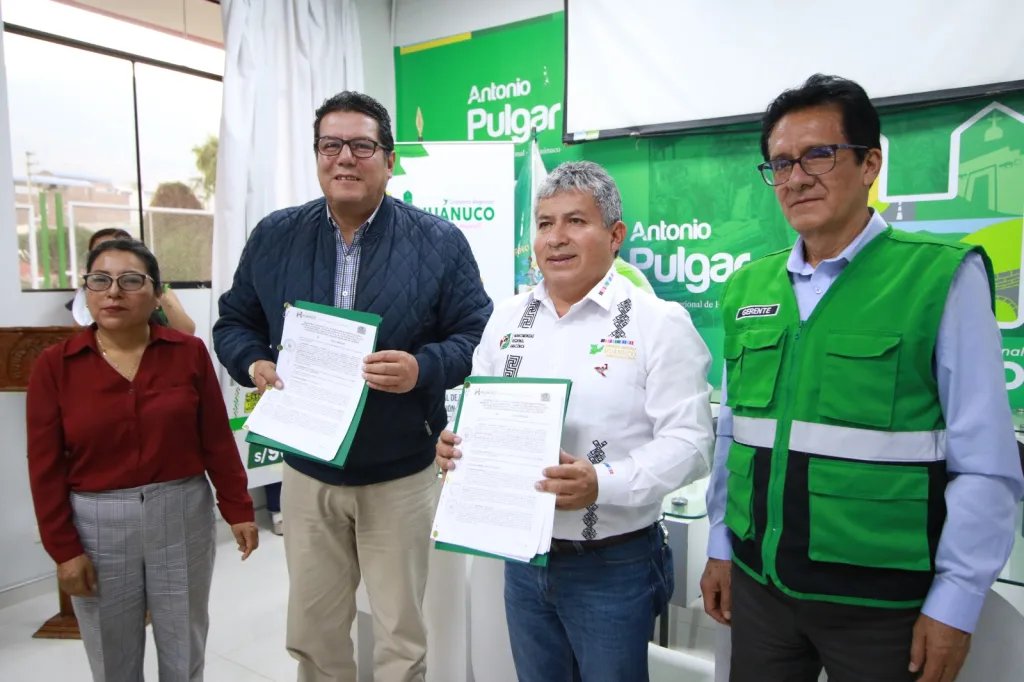La suscripción del convenio apoyará la gestión sostenible del Área de Conservación Regional Bosque Montano de Carpish
Cabe destacar que, Naturaleza y Cultura Internacional y el Gobierno Regional Huánuco, firmaron el primer Convenio Marco de Cooperación Interinstitucional, el 30 de junio de 2014 con la finalidad de establecer las bases de cooperación entre las instituciones, uniendo esfuerzos de manera coherente, conjunta y coordinada que permita el logro de objetivos comunes, participando en la implementación de la estrategia de Desarrollo Sostenible y Conservación de la Diversidad Biológica, a través de la ejecución de proyectos de conservación, procesos ecológicos y evolutivos y protección del medio ambiente, en beneficio de la Región Huánuco.
ACR Bosque Montano de Carpish
### **Área de Conservación Regional Bosque Montano de Carpish**
Luego de un largo proceso, mediante Decreto Supremo N° 014-2019-MINAM, publicado en el Diario Oficial El Peruano, el 01 de enero de 2020, se establece el Área de Conservación Regional Bosque Montano de Carpish, con una superficie de 50,559.21 ha.
Dicha Área de Conservación Regional se establece con el objetivo conservar una muestra representativa de las Yungas Peruanas y Punas Húmedas de los Andes Centrales, así como de la biodiversidad asociada a la Cordillera de Carpish, garantizando la provisión de servicios ecosistémicos en beneficio de las poblaciones locales, el uso de recursos naturales y la reducción de los efectos del cambio climático.
Guillermo Maraví, director ejecutivo NCI Perú
Guillermo Maraví Vega Centeno, director ejecutivo NCI Perú, destacó que la firma de este nuevo convenio es muy significativo, no solo por darle sostenibilidad de apoyo a la población del Área de Conservación Regional Bosque Montano de Carpish, con actividades productivas sostenibles, sino porque representa que Huánuco está a la cabeza de todo los procesos de conservación, a la vez emprender la conectividad entre diferentes áreas a través del mosaico que trabajamos con las dos nuevas propuestas del áreas de conservación regional: Yanajanca y San Pedro de Chonta.
**Tags:** Perú
**Strategic Area:** Bosques
**Country:** Perú
**Content Type:** Noticias
---
### [Registran más de 450 especies de aves en el mosaico Carpish – Río Abiseo – Huánuco](https://www.natureandculture.org/es/directorio/registran-mas-de-450-especies-de-aves-en-el-mosaico-carpish-rio-abiseo-huanuco/)
**Published:** July 13, 2023
**Author:** Heather Thomas
**Content:**
Con la finalidad de establecer una línea de base biológica que sirva para la creación, establecimiento y gestión de Áreas Naturales Protegidas, Naturaleza y Cultura Internacional (NCI), desde el año 2015 implementa y desarrolla trabajos de conservación de las muestras representativas de los ecosistemas del departamento de Huánuco y su biodiversidad.
En el año 2020, tras el establecimiento del Área de Conservación Regional (ACR) Bosque Montano de Carpish y el reconocimiento del Área de Conservación Privada (ACP) Unchog, NCI con el apoyo de Critical Ecosystem Partnership Fund (CEPF) realizaron un Estudio Biológico Rápido para determinar la distribución de “especies detonadoras” y endémicas del Bosque Montano de Carpish.
Este estudio sirvió de insumo para la elaboración del Plan de Maestro del ACR y el Plan de Monitoreo del ACP. Ese mismo año, NCI junto con el Gobierno Regional Huánuco y el financiamiento de Andes Amazon Fund (AAF), inician las gestiones para el establecimiento de dos nuevas Áreas de Conservación Regional en el departamento de Huánuco, ACR Yanajanca y ACR San Pedro de Chonta, respectivamente.

En el 2021, se suma a este esfuerzo, American Bird Conservancy (ABC), con la finalidad de generar información del comportamiento de las aves y determinar el estado de conservación que tienen los bosques que les proveen de alimento y refugio, datos que contribuyen a la gestión efectiva del ACP y del ACR.
A finales del 2021, Rainforest Trust (RFT) se suma a la iniciativa de NCI y el Gobierno Regional Huánuco, para conservar los ecosistemas de punas húmedas, matorrales andinos, yungas, bosques de terraza de las propuestas de Área de Conservación Regional San Pedro de Chonta y Yanajanca.
Como resultado de las investigaciones y trabajos de campo realizadas por el equipo técnico de profesionales, consultores y aliados estratégicos de Naturaleza y Cultura Internacional, se registraron hasta la fecha más de 450 especies de aves en el ámbito de la región Huánuco, de dentro del Mosaico Carpish-Río Abiseo.
Matorralero tricolor (Atlapetes tricolor)Cucarachero común (Troglodytes aedon)Fringilo plomizo (Geospizopsis unicolor)Pava andina (Penelope montagnii)
La cifra representa el 24% del total de aves del Perú y de ellas más de 30 especies son endémicas, haciendo un 25.6% de las aves endémicas de Perú. Según Manuel A. Plenge (Lista de las Aves del Perú), se han registrado 1892 especies de aves.
**Acerca del Mosaico Carpish-Río Abiseo**
El Mosaico Carpish-Río Abiseo, se encuentra ubicado entre los departamentos de Huánuco y San Martín y abarca ecosistemas de mucha fragilidad y de importancia biológica y ambiental.
Además provee diversos servicios ecosistémicos a las poblaciones locales, asentadas en el ámbito del Mosaico. Tiene una extensión de 1,523,026.83 ha. divididos en Áreas Nacionales (Parque Nacional de Tingo María y el Parque Nacional Río Abiseo), Áreas Sub Nacionales (ACR Shunté y Mishollo, ACR Bosque Montano de Carpish y ACP Unchog) y Áreas en proceso de creación (Propuesta de ACR Yanajanca y Propuesta de ACR San Pedro de Chonta).

**Tags:** Aves, Biodiversidad, Perú
**Strategic Area:** Biodiversidad
**Country:** Perú
**Content Type:** Noticias
---
### [Combatting Climate Change through the Protection of Hydric Areas in Ecuador](https://www.natureandculture.org/directory/conserving-water-sources/)
**Published:** July 26, 2023
**Author:** Heather Thomas
**Content:**
In 2007, the municipal government of Loja, Ecuador approved the ordinance for the protection of micro-watersheds and other areas of hydric importance. Updated in 2020, the ordinance was issued for the **protection and restoration of water sources, fragile ecosystems, biodiversity and environmental services through the creation and management of the Municipal Conservation and Sustainable Use Area.** These local conservation areas protect the natural state of forests, páramos, and other fragile ecosystems, ultimately recovering ecosystem functionality in areas that have been altered in some way.
To date, Loja has 182,858 acres in Municipal Conservation and Sustainable Use Areas, of which 71,660 acres are areas of hydric importance or protect local water sources. Areas that were selected were determined a priority for the provision of environmental services, especially water, ecological connectivity, and biodiversity protection.
Jipiro Ravine, Loja
Nature and Culture has identified 72 water sources which are the primary source of potable water for the province of Loja, 13 of them provide water to the urban sector and 18 areas of hydric importance provide water to the capitals. Some of the areas identified have a high degree of degradation, mainly due to the change of land use due to agricultural activities.
Map of the 72 sources \| Prepared by: Patricio Jaramillo
### How local governments support the maintenance of natural ecosystems that provide water to their citizens
José Romero, Nature and Culture’s Coordinator for Areas of Hydric Importance, states that it is a **priority to support local governments and establish conservation measures to protect the ecosystems that provide water to population centers**. In the province of Loja, this process has been developed together with the Regional Water Fund (FORAGUA) and the Municipal Government, which has recently identified 7 areas of water interest with high priority for intervention: El Sauce, Cachipirca, El Cisne, San Lucas, Chantaco, Taquil, and Tenería. Within these areas, there are 6,819.14 acres of natural forests that store and release water, yet they have been deforested and converted into pastures. The land use has altered significantly, jeopardizing the quantity and quality of water available.
Tambo Blanco water catchment, Los Leones stream
Faced with these results, the Municipal Government of Loja, as part of the management of water sources, is promoting Conservation Agreements for Water and Forests among the owners of the properties settled in these areas of hydric importance, Water Management Boards, cooperation agencies and the local government.
These agreements aim to ensure conservation, recover degraded areas and comprehensively manage forests and water resources located in the water sources and Municipal Conservation and Sustainable Use Areas of the province. This is part of the process of reversing degradation and recovering ecological functionality, in other words, improving the capacity of water sources in this area.
Currently, 10 additional conservation agreements have been signed between private owners and Drinking Water Management Boards of the Jimbilla, San Lucas, Taquil, Malacatos parishes and buffer zones of the Municipal Conservation and Sustainable Use Areas.
Ángel Jaramillo, Nature and Culture Project Coordinator, stated that the 10 conservation agreements signed will allow the conservation and recovery of 336.48 acres. They include the active and passive restoration of around 74 acres, through agroforestry systems, silvopastoral systems and block planting of native forest species, which allows ecological succession processes to be carried out; and 262.57 acres of primary and secondary forest are committed to being conserved and maintained.
Municipal Government Authorities, Water Management Boards, FORAGUA and Nature and Culture International
Francisco Gordillo, technical secretary of FORAGUA, points out that **areas that are not covered by native forest erode, degrade, and in the face of climate change, the dragging of sediments into streams and rivers occurs violently, and creates problems at lower elevations including floods and other harmful damage to local populations**.
**Gordillo states that for these reasons it is recommended that municipalities have ordinances to conserve and protect nearby ecosystems, and thus reduce the risk and vulnerability to global warming.** In addition, Gordillo points out that, by establishing these ordinances, local governments will be able to count on Municipal Conservation and Sustainable Use Areas, and invest economic resources to take care of water sources together with the farmers. In addition, he mentioned that the financial sustainability of this model is based on the environmental tax and on measures to regulate land use and occupation. Above all, he points out that when defining this regulation, incentives should be considered for the owners who reside in the upper parts of the basins, to guarantee the protection of water sources.
Jipiro Waterfall
Within this cooperation process, Felipe Serrano, Nature and Culture’s Ecuador Country Director, commented that everyone, including aid workers, are moved by the sense of urgency, in his message he expressed his concern about the consequences and effects of climate change, “We do not know what is going to happen, the levels of deforestation in the country maintain the same trend, every year around 247,105.38 acres are deforested in Ecuador and the trend of forest reduction in Loja has been the same, that is, deforestation has not stopped.”
Likewise, Serrano explained that areas of water importance, such as the micro-basins that supply drinking water and irrigation to the province of Loja, are in a constant process of transformation due to the change in land use.
Within these global phenomena of climate change and with the transformation of forests, the so-called water buffers and before the announcement of the arrival of the El Niño Phenomenon, Serrano spoke of the uncertainty that the population is going through and raised the following question, “What will happen to the city and the flows of the rivers if we do not have buffer forests? The only infrastructure that will defend us from these phenomena are the forests and grasslands of the headwaters.”
Finally, he called for the joint search for mechanisms to protect the natural infrastructure of the forests that provide water and defend us from the onslaught of climate change, collaborations and coordination that must be sustained over time, he stressed.
Conservation agreements in the ACMUS-Loja
Luís Gutiérrez, president of the Drinking Water Board, San Francisco Belén of the Malacatos parish, mentions that it is essential to protect the environment, in an articulated way with the boards of water administrators, to have drinking water in Lojan homes. “We are 900 users distributed in 11 neighborhoods and thanks to institutions such as FORAGUA, the Municipality of Loja, Nature and Culture International and Andes Amazon Fund, for these agreements that have motivated us to continue protecting and caring for water.”
Incentives for water boards and private property owners
At the signing event of the conservation agreements for water and forests, Loja Mayor, Franco Quezada Montesinos stated, “We must protect water. We must conserve forests. And this must be done with management and in common agreements with those who take care of water.” The mayor focused on the need to improve institutional work through local, national and international cooperation, to establish comprehensive projects that serve citizens, and pointed out that this management must be carried out honestly and quickly.
If everyone learned to protect water, we would achieve great changes. That is why mitigating the social and environmental crisis to a large extent is everyone’s task, of citizens in both sectors: urban and rural; landowners in micro-watersheds and communities living near water sources; drinking water boards; and public and private institutions; in addition to international cooperation that allows the consolidation of collective agreements.
**Strategic Area:** Water
**Country:** Ecuador
**Content Type:** Blog
---
### [La Reserva Natural Cazaderos protege uno de los remanentes del Bosque Seco tropical más importantes del Ecuador ](https://www.natureandculture.org/es/directorio/la-reserva-natural-cazaderos-protege-uno-de-los-remanentes-del-bosque-seco-tropical-mas-importantes-del-ecuador/)
**Published:** July 18, 2023
**Author:** Heather Thomas
**Content:**
La Reserva Natural Cazaderos se declaró como área protegida dentro del Sistema Nacional de Áreas Protegidas (SNAP), el 9 de noviembre de 2022. Este territorio, que abarca alrededor de 4 900 hectáreas, se encuentra en el corazón de uno de los remanentes de Bosque Seco Tropical mejor conservados y más grande del Ecuador que, junto a los bosques peruanos constituyen el bloque de Bosque Seco más representativo de flora y fauna de la región tumbesina.
El conmovedor florecimiento de los Guayacanes, evento que sucede cada año al iniciarse la temporada invernal, la presencia de animales como el cocodrilo *(Crocodylus acutus)*, puma (*Puma concolor*), mono aullador (*Alouatta palliata*), varias especies de aves migratorias y endémicas, así como las coloridas y diversas especies de flora tumbesina, la convierten en una prioridad para la conservación. Actualmente en Cazaderos se está construyendo un modelo de gestión sostenible del territorio, de manera conjunta con la población y autoridades locales que busca aprovechar los atractivos de la Reserva y de las zonas aledañas.
Mono aullador (Alouatta palliata)
Este modelo de gestión sostenible permitirá identificar zonas que se encuentren amenazadas por el cambio de uso de suelo para actividades agropecuarias, tala y cacería. Se estima que en la actualidad solo el 5% del Bosque Seco original en Ecuador se encuentra en buen estado de conservación. Catalina Quintana, investigadora de la Universidad Católica del Ecuador, en entrevista para la revista *Mongabay,* explica el valor de la reserva: **“*ahí hay un potencial genético, una representación de plantas únicas de nuestro país”.***
Además, la Reserva es considerada un laboratorio natural para desarrollar investigaciones permanentes. La organización *BirdLife Conservation* (2009), debido a la presencia, abundancia y endemismo de aves, considera a este territorio como un área de importancia mundial.
Con esta declaratoria se fortalece e incrementará la colaboración con el Ministerio de Ambienta, Agua y Transición Ecológica, MAATE, a fin de dar seguimiento a la construcción e immplementación del plan de manejo de la Reserva. Además, se posiciona al Bosque Seco del sur del Ecuador en el mapa nacional de áreas protegidas; con lo que se espera que los organismos públicos y privados incremmente su apoyo a la conservación de estos ecosistemas amanezados y de las comunidades locales que los habitan
El manejo de la Reserva Cazaderos se encuentra a cargo de la Fundación Naturaleza y Cultura Ecuador FUNACE, la cual busca impulsar un modelo de co-gestión del área, junto a las comunidades vecinas de la Reserva.
### **Monitoreo de especies en la Reserva Natural Cazaderos**
El cocodrilo es uno de los animales emblemáticos de Cazaderos. Por eso, se han desarrollado programas para fortalecer la investigación, capacitación y turismo en torno a esta especie, una de las poblaciones más sureñas y continentales del país y a la vez muy, poco conocida.
Cocodrilo (Crocodylus acutus)
Los primeros estudios realizados en esta zona revelan que existen 97 individuos, aproximadamente, en la zona de influencia de la Reserva. “Se ha trabajado con las comunidades y guías locales para fomentar el turismo herpetológico (ciencia que estudia los anfibios y reptiles). El programa consistió en realizar salidas nocturnas para aprender sobre los cocodrilos, anfibios y serpientes de una forma no invasiva y amigable”, explica Daniel Sanmartín, técnico de FUNACE.
Un programa similar se está llevando a cabo junto con la Fundación Naturaleza y Arte/ Proyecto Washu para fomentar la investigación y conservación del mono aullador de manto dorado (*Alouatta palliata aequatorialis*). El primer estudio preliminar en la Reserva ha identificado 119 individuos.
Sanmartín cuenta que, al igual que con los cocodrilos, se fomenta, a través de la capacitación a los guías turísticos locales, la oportunidad de desarrollar un turismo sostenible a fin de ofrecer a los visitantes la posibilidad de conocer de manera responsable los sitios donde se encuentra esta especie.
Equipo de FUNACE
FUNACE está trabajando junto al Gobierno Parroquial de Cazaderos,con las comunidades veconas organizadas e instituciones y personas interesadas en apoyar a fin de mejorar las capacidades y construir infraestructura que permitan promocionar esta área como una oferta de turismo sostenible. Ángela Piedad Rueda, presidenta de la organización “Guardianes de la Frontera”, considera que esta nueva declaratoria ayudará a promocionar todos los atributos de esta zona.
Descarga [aquí](http://natureandculture.org/es/postales-de-la-reserva-natural-cazaderos/) postales de la Reserva Natural Cazaderos.
---
**Más información:**
Aida Maldonado
**Comunicadora NCI Ecuador**
<comunicacion@naturalezaycultura.org>
Bruno Paladines
**Director Ejecutivo FUNACE**
<Bpaladip@naturalezaycultura.org>
**Tags:** Ecuador, Reservas naturales
**Strategic Area:** Bosques
**Country:** Ecuador
**Content Type:** Blog
---
### [¡Miel de abeja de los bosques secos del Marañón, iniciativa productiva de conservación!](https://www.natureandculture.org/es/directorio/miel-de-abeja-de-los-bosques-secos-del-maranon-iniciativa-productiva-de-conservacion/)
**Published:** July 21, 2023
**Author:** Nora Sanchez
**Content:**
Los miembros de la Asociación de Productores Agroecológicos Bosques Secos de Yomblón, impulsan su emprendimiento de producción de miel de abeja en el **Área de Conservación Regional Bosques Tropicales Estacionalmente Secos del Marañón**, con manejo y uso sostenible de los recursos naturales.
Como parte de las actividades productivas que promueve el Gobierno Regional Amazonas, en alianza estratégica con Naturaleza y Cultura Internacional, se entregaron módulos de colmenas con su respectiva cámara de cría, alza, reja excluidora y marcos; además de indumentaria para el adecuado manejo de abejas.

La entrega de este apiario con sus colmenas de abejas es muy oportuna para la conservación de los bosques secos del Marañón, ya que permite beneficios económicos a nuestros socios locales, mejora la fuente alimenticia y se conserva la diversidad biológica que alberga.
Con el acompañamiento técnico y el equipamiento necesario, de forma permanente, se recolectaría la primera cosecha en cuatro meses, cuya producción por cosecha sería de 15 a 20 kilos. Con un manejo adecuado, los productores podrán obtener tres cosechas de miel al año, una diferencia más alta de producción en comparación a la extracción empírica que se realizaba.

**Dato:** La miel de abeja de los productores de los bosques secos del Marañón provienen de la floración de especies endémicas como la Cedrela kuelapensis y Maranonia lavinii, además de la palta, la taya y chichirilla.
**Tags:** Perú, Sostenibilidad de áreas protegidas
**Strategic Area:** Bosques
**Country:** Perú
**Content Type:** Blog
---
### [Gobierno Regional de Piura y Naturaleza y Cultura Internacional reafirman su compromiso por la conservación de la biodiversidad ](https://www.natureandculture.org/es/directorio/gobierno-regional-de-piura-y-naturaleza-y-cultura-internacional-reafirman-su-compromiso-por-la-conservacion-de-la-biodiversidad/)
**Published:** July 19, 2023
**Author:** Nora Sanchez
**Content:**
El equipo de Naturaleza y Cultura Internacional se reunió con el Gobierno Regional de Piura para reafirmar su compromiso con la conservación de los ecosistemas de páramo y bosque montano, que incluye el proceso de establecimiento de la que sería la segunda Área de Conservación Regional (ACR) de Piura, se trata de “Páramos Andinos – Huaringas, Ayabaca y Huancabamba”.
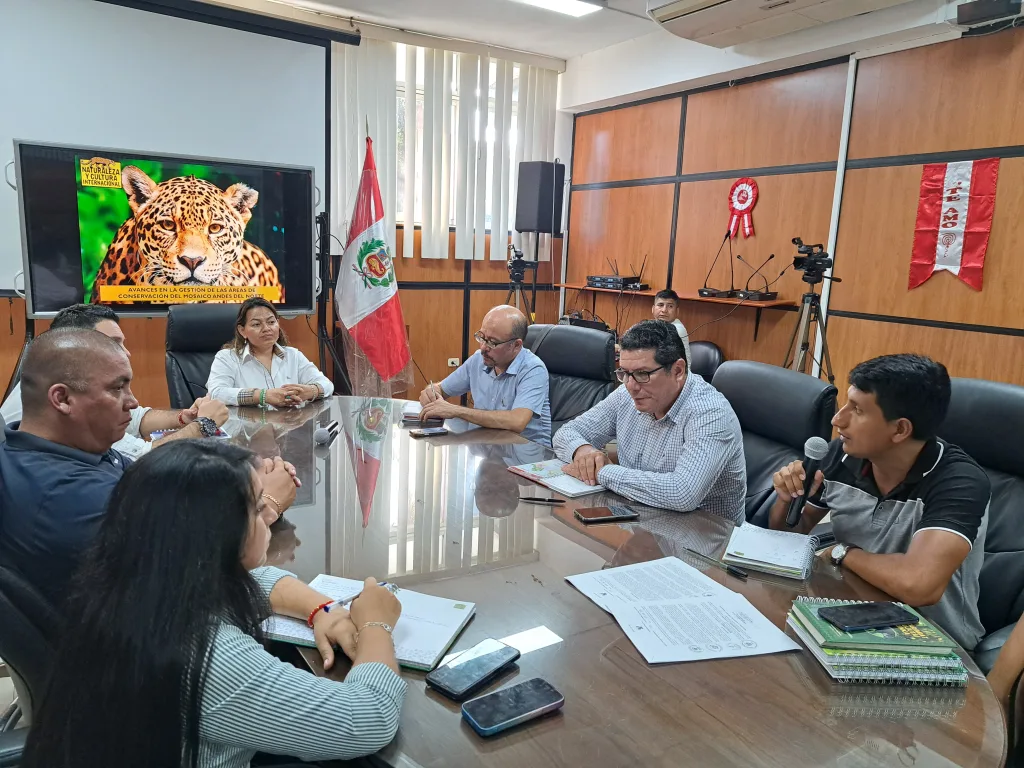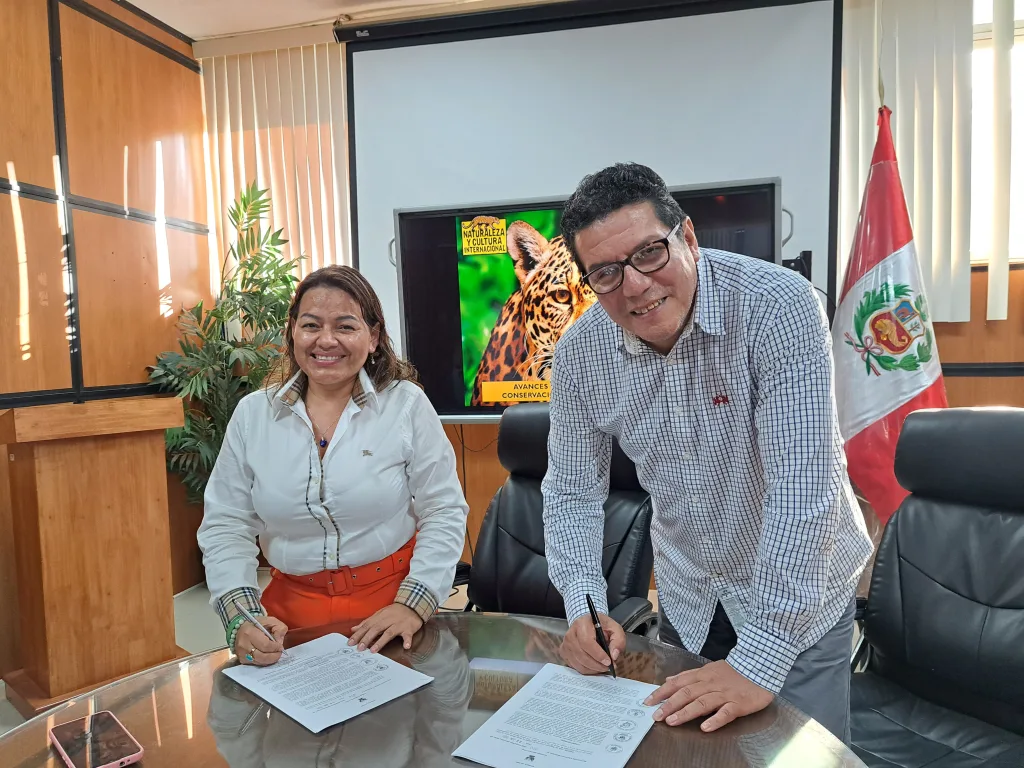
Durante la reunión se ratificó la firma del convenio marco entre ambas instituciones, donde reafirman su alianza, con el objetivo de continuar trabajando de manera articulada en la sostenibilidad de los ecosistemas de Piura, garantizar los servicios ecosistémicos en beneficio de las comunidades y población piurana; así como promover la gestión y manejo en las áreas de conservación de los Andes del Norte.
En la reunión estuvo presente la vicegobernadora de Piura, consejeros regionales, Gerencia de Recursos Naturales; así como el director ejecutivo, coordinador de mosaico y jefa de proyectos de Naturaleza y Cultura Internacional.
Un dato interesante es que Piura cuenta con 28 áreas de conservación de diferentes modalidades, lo cual representa el 6% de su territorio bajo conservación. Con el establecimiento del ACR Páramos Andinos – Huaringas, Ayabaca y Huancabamba se espera conservar 17 mil hectáreas.
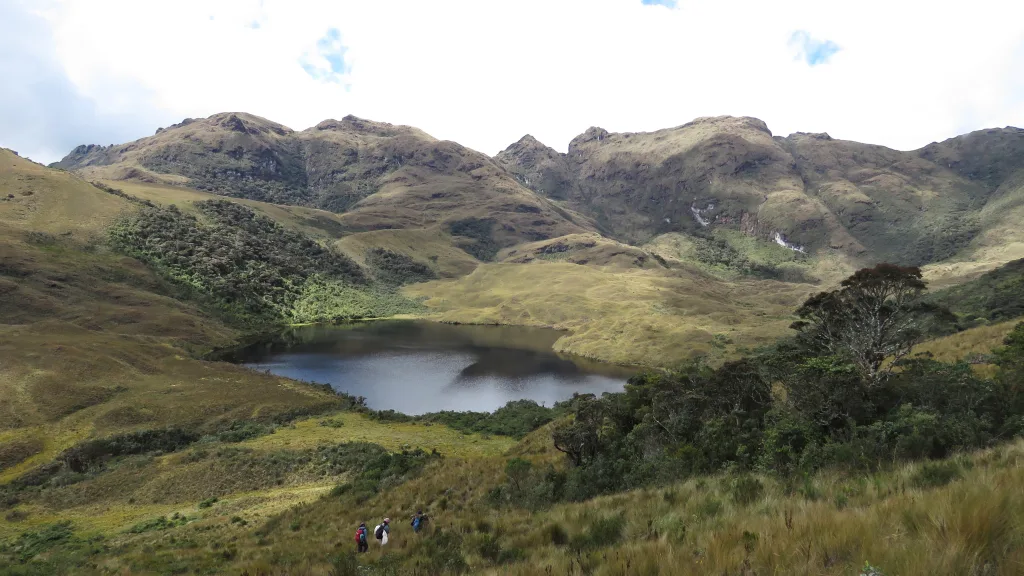Foto: Elio Nuñez
Cabe resaltar que los Andes del Norte limita con la zona de bosque montano y páramo del Corredor de Conservación Sangay-Podocarpus de Ecuador que, conectado a las áreas de conservación ambiental, privadas y regionales de los Andes del Norte formarían el Conservación Transfronterizo Andino Amazónico.
Nuestro país a través del Ministerio del Ambiente trabaja por contar con una norma que permita el reconocimiento de corredores de conservación. A este esfuerzo se suman instituciones como el Servicio Nacional de Áreas Naturales Protegidas por el Estado (Sernanp), los Gobiernos Regionales de Piura y Cajamarca y Naturaleza y Cultura Internacional suman esfuerzos para lograr concretizarlo.
**Tags:** Áreas Protegidas, Biodiversidad, Conservación, Perú
**Strategic Area:** Bosques
**Country:** Perú
**Content Type:** Noticias
---
### [Cultura, color y creatividad en el ACR Maijuna Kichwa ](https://www.natureandculture.org/es/directorio/cultura-color-y-creatividad-en-el-acr-maijuna-kichwa/)
**Published:** July 24, 2023
**Author:** Nora Sanchez
**Content:**
Durante cinco días, estudiantes de primaria de las escuelas de cinco comunidades nativas del ámbito de Área de Conservación Regional (ACR) Maijuna Kichwa plasmaron lo mejor de sus paisajes, culturas y visión sobre la biodiversidad en el concurso denominado **“Dibujando la Conservación”,** en el marco del octavo aniversario del área protegida.

La actividad se desarrolló con el fin promover la identidad con la gestión del ACR, reconociendo la flora, fauna y sus conocimientos ancestrales en el cuidado y la gestión de espacios naturales. El evento que fue impulsado por Naturaleza y Cultura Internacional tuvo la participación de los docentes y autoridades comunales, la organización One Planet y la jefatura del ACR.
La actividad duró 05 días y tuvo como objetivo valorizar la importancia del área de conservación regional Maijuna Kichwa. El equipo se inspiró en los elementos de conservación del ACR Maijuna Kichwa para desarrollar las acciones de sensibilización en las cinco comunidades intervenidas, como la flora y fauna presente en el área. Se rescata la predisposición de los docentes y autoridades comunales para la realización de la actividad.
### Acerca de la ACR Maijuna
Como se conoce, el ACR Maijuna Kichwa encuentra en el departamento de Loreto y protege una extensión de 391 039.82 hectáreas. Naturaleza y Cultura Internacional apoyó al Gobierno Regional de Loreto en el establecimiento del Área de Conservación Regional y en la actualidad ayuda a fortalecer la gestión y manejo. Además esta ACR es producto del primer proceso de Consulta Previa para el establecimiento de las ACR en el Perú.

**Strategic Area:** Comunidades Locales
**Country:** Perú
**Content Type:** Noticias
---
### [Biohuertos familiares son parte de la propuesta de ACR San Pedro de Chonta](https://www.natureandculture.org/es/directorio/biohuertos-familiares-son-parte-de-la-propuesta-de-acr-san-pedro-de-chonta/)
**Published:** July 18, 2023
**Author:** Nora Sanchez
**Content:**
Como parte del proceso de establecimiento del Área de Conservación Regional (ACR) San Pedro de Chonta y con la finalidad de promover mecanismos y alternativas de mejora en la alimentación familiar en el ámbito de la propuesta de ACR, **Naturaleza y Cultura Internacional junto a la población, impulsan la instalación de biohuertos familiares para la producción orgánica de hortalizas.**
Esta actividad se ha iniciado en enero del presente año, con los trabajos de sensibilización, bajo la denominación de escuelas de campo para la instalación de biohuertos, la misma que beneficia a más de 300 familias de las comunidades de Ututo, Ajenjo, San Antonio de Padua, Santa Rosa de Oso, Antaquero, Huanchay, Cochag, de los distritos de Cholón y Huacrachuco, provincia de Marañón.
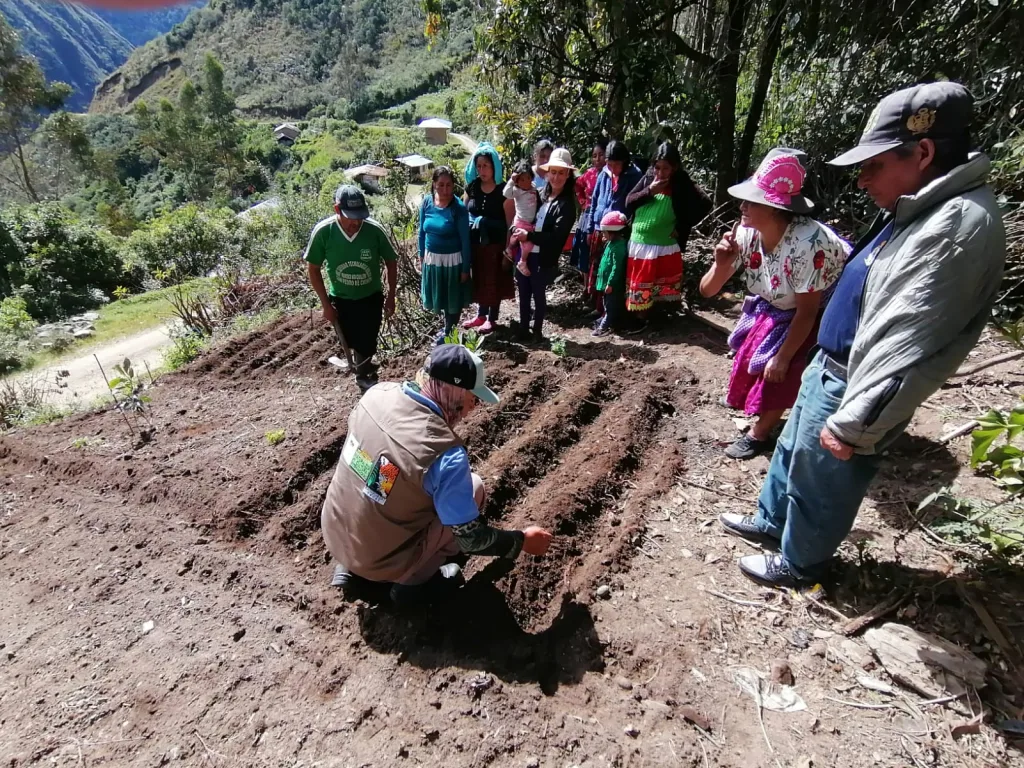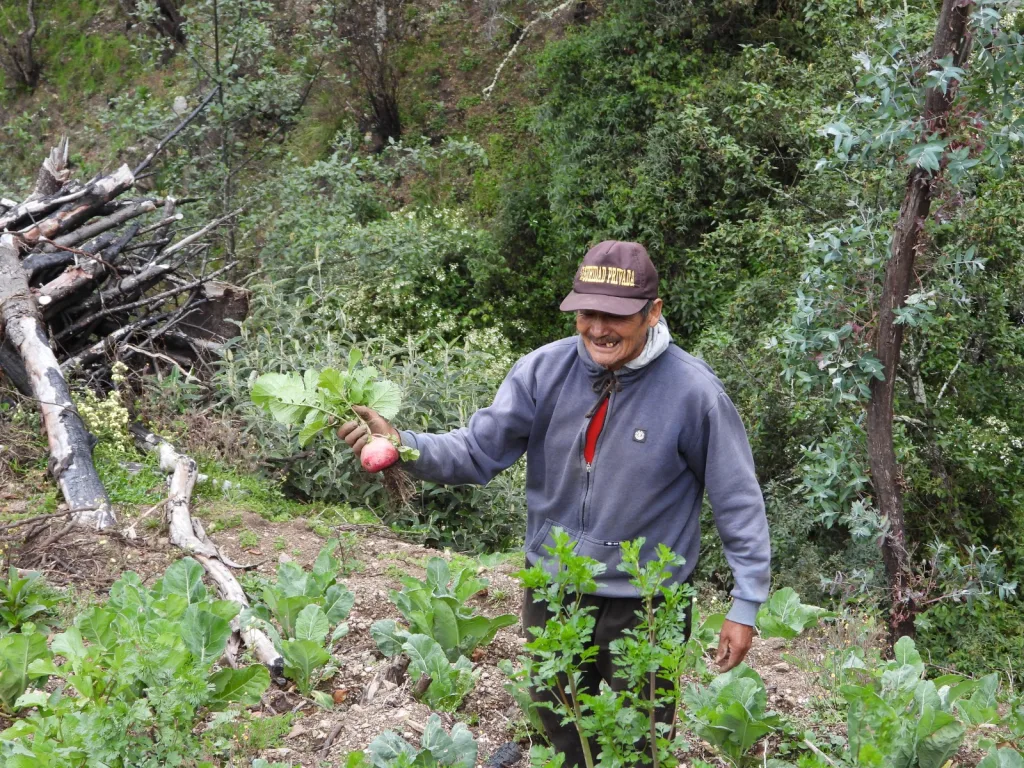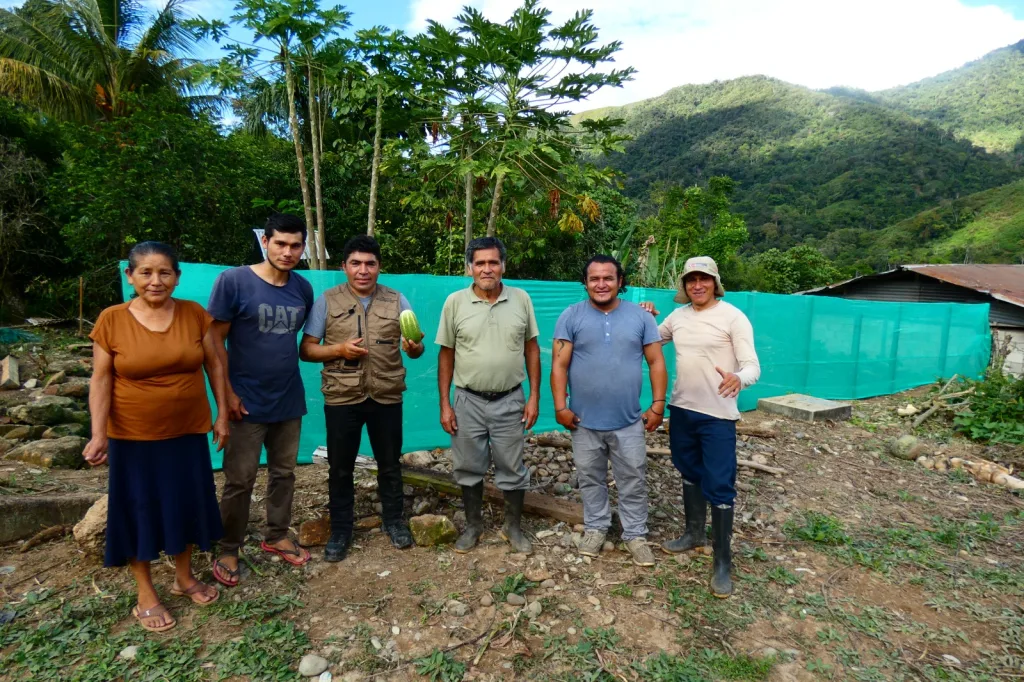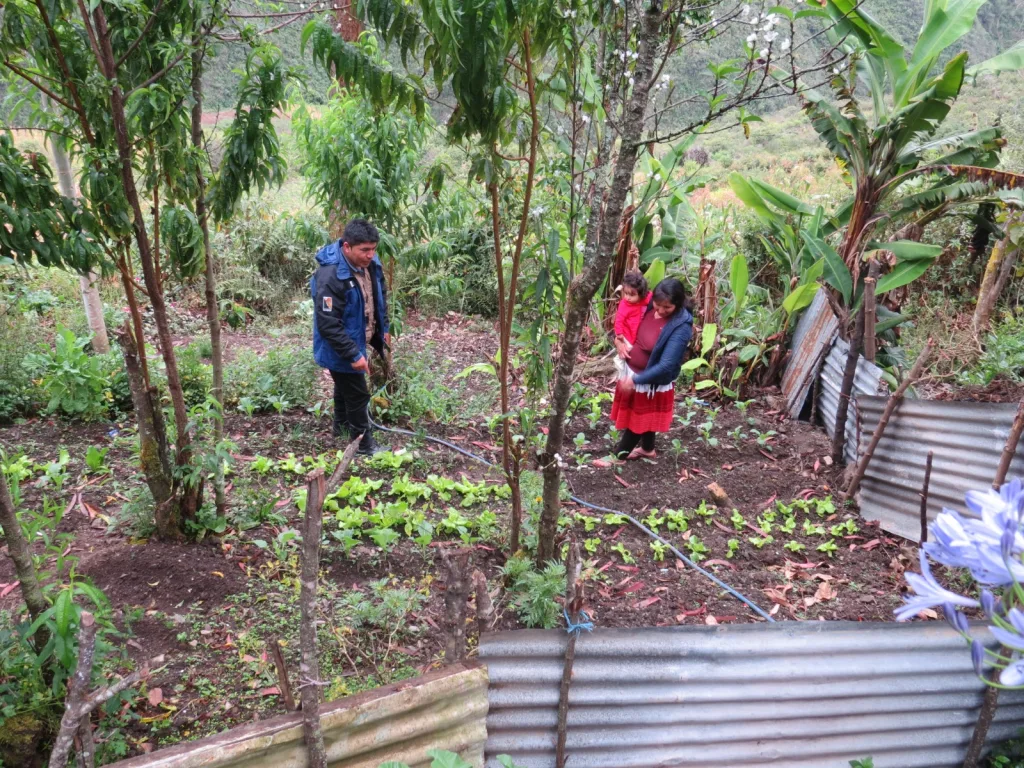
Naturaleza y Cultura Internacional, con el apoyo de Rainforest Trust y Andes Amazon Fund, tras brindar capacitación técnica, implementación y habilitación de las áreas, hizo entrega de módulos de semillas de rabanito, zanahoria, lechuga, col, culantro, entre otras verduras.
Esta actividad se consolida con la población, quienes toman conciencia sobre la producción orgánica de las hortalizas, sin el uso de agroquímicos. De esta manera, producen alimentos sanos, con abonos orgánicos, cuya importancia radica en la mejora de la alimentación familiar.
---
**Más información:**
Gabriela Gives
Comunicación Perú
<comunicacion.peru@naturalezaycultura.org>
**Tags:** Personas, Perú
**Strategic Area:** Bosques, Comunidades Locales
**Country:** Perú
**Content Type:** Noticias
---
### [Aprueban el plan maestro del ACR Comunal Alto Tamaya Abujao para el periodo 2023-2028](https://www.natureandculture.org/es/directorio/aprueban-el-plan-maestro-del-acr-comunal-alto-tamaya-abujao-para-el-periodo-2023-2028/)
**Published:** July 17, 2023
**Author:** Nora Sanchez
**Content:**
El Gobierno Regional de Ucayali aprobó a través del Consejo Regional el primer Plan Maestro del Área de Conservación Regional- ACR Comuna Alto Tamaya Abujao, con Ordenanza Regional N°007-2023-GRU-CR.
Gracias a este documento de gestión de más alto nivel del ACR, se priorizará el mantenimiento de la cobertura vegetal de los ecosistemas para la mitigación del cambio climático, el mantenimiento de la dinámica poblacional de las especies de flora y fauna, aprovechamiento sostenible de los recursos naturales y el desarrollo de la investigación científica; entre otras oportunidades.
Durante la elaboración del plan maestro liderado por el Gobierno Regional de Ucayali a través de la Autoridad Regional Ambiental y la Dirección de Conservación y Diversidad Biológica, también participó el equipo de Naturaleza y Cultura Internacional. El documento incluye enfoques de género, intergeneracional e intercultural.
Foro: Michell León
Este proceso contó con la participación de las comunidades nativas ubicadas en el ámbito del ACR y los diversos actores involucrados en la gestión del ACR, mediante talleres presenciales en los años 2021 y 2022.
Naturaleza y Cultura Internacional ha apoyado al Gobierno Regional de Ucayali en el proceso de establecimiento del ACR, con el financiamiento de Andes Amazon Fund. En la actualidad contribuye en la gestión y manejo del ACR.
**Tags:** Perú
**Strategic Area:** Bosques
**Country:** Perú
**Content Type:** Noticias
---
### [Integrar nuestro trabajo para responder a los desafíos de la conservación regionalmente ](https://www.natureandculture.org/es/directorio/integrar-nuestro-trabajo-para-responder-a-los-desafios-de-la-conservacion-regionalmente/)
**Published:** July 11, 2023
**Author:** Nora Sanchez
**Content:**
El pasado mes de junio, los directores de Naturaleza y Cultura Internacional de México y Perú visitaron al equipo técnico de la organización en Ecuador, para una jornada de intercambio de experiencias, retos y estrategias de implementación de nuestro trabajo en cada uno de estos países.
Ecuador es el país en el que más experiencia tiene Naturaleza y Cultura Internacional, no sólo porque fue en la provincia de Loja donde nació la organización hace más de 25 años, sino también porque es el país en donde mayor cantidad de proyectos y procesos ha llevado a cabo NCI desde su origen.
Los directores de México y Perú visitaron los 5 mosaicos en los que trabaja Naturaleza y Cultura Internacional en Ecuador (Bosque Seco, Podocarpus-El Cóndor, Sangay-Podocarpus, Morona Santiago y Pastaza), nutriéndose de recorridos por proyectos emblemáticos para la institución como son la Estación Científica San Francisco, FORAGUA, el Corredor Sangay-Podocarpus, la Plataforma Amazónica, entre otros. Además, tuvieron la oportunidad de reunirse con varios miembros del equipo técnico de Ecuador, organizaciones aliadas y líderes indígenas con los que trabajamos localmente.
Directores NCI junto a Secretario Técnico de FORAGUAEquipo de NCI visitando el Museo de Abejas VivasEquipo de NCI visitando PisacaDirectores de México y Perú conociendo las oficinas de NCI en Puyo
La ocasión también permitió que los tres directores de país se reunieran e intercambien estrategias para la integralidad del trabajo de la organización a nivel regional. Es la primera vez que los directores se conocen en persona. Felipe Serrano, director de Ecuador lleva más de 20 años en la institución, mientras que Miguel Ayala, director de México, se incorporó hace un poco más de un año. Por su parte, Guillermo Maravi, director de Perú, es una de las últimas adiciones a la organización, sumándose a finales del 2022.
Durante su estadía en las oficinas de Loja, hablamos acerca de sus motivaciones para trabajar en Naturaleza y Cultura Internacional a lo que todos coincidieron en reconocer que la organización ha sido una gran escuela.
***“NCI para mí ha sido una escuela trascendental en mi vida que me ha ayudado a cumplir con esos compromisos que uno hace cuando empieza su carrera. Contribuir en proteger, en mantener los ecosistemas naturales tan importantes de los sitios en donde vivimos para las futuras generaciones”***, mencionó Felipe Serrano.
Mientras que Guillermo Maravi, dijo: ***“Comprendo que uno nunca deja de aprender. Yo estoy aprendiendo un montón y me siento satisfecho porque de esa manera siento que estoy subiendo un peldaño más en mi aprendizaje y mi compromiso por hacer un mundo mejor”* .**
Y Miguel agregó: ***“Me apasiona que la estructura que se tiene es muy diversa, y con eso el nivel de aprendizaje que se tiene y la visión que se tiene en diferentes proyectos puede ser muy nutrida. Y también, otro punto muy importante es que, a través de los años, NCI va recogiendo experiencias que va capitalizando en este momento y lo está proyectando hacia el futuro. Es decir, la experiencia de NCI viene sumando, sumando, sumando y ahora que estamos aquí nosotros nos toca ver esa historia y ver como la proyectamos hacia los nuevos paradigmas y los nuevos retos que trae la conservación”***
Directores de NCI en las oficinas de la organización en Loja
Además de tener la oportunidad de aprender sobre la experiencia ecuatoriana, los directores de Perú y México también presentaron iniciativas que se están implementando en sus países y las oportunidades y desafíos que acompañan esos procesos. Así, Guillermo compartió sobre las áreas de conservación que se espera establecer este año en Perú y Miguel profundizó sobre las estrategias de establecimiento de la Reserva Estatal El Pitayal, un proyecto de conservación que busca proteger el bosque con mayor densidad de pitaya dulce (*Stenocereus thurberi*), un ecosistema de gran importancia natural y cultural.
Aunque Ecuador y Perú tienen similitudes e incluso comparten algunos procesos (como la iniciativa del Corredor Transfronterizo o la Cuenca Mayo-Chinchipe), México se encuentra más distante en el mapa y presenta ciertas particularidades como las formas de conservación existentes y los ecosistemas en los que trabajamos en ese país. De todas formas, los directores concuerdan en que los desafíos a los que se enfrentan los países para la conservación son similares y, por ende, abordarlos conjuntamente, nos hace más fuertes como organización.
***“Yo noto que tenemos desafíos inmensos relacionados con la conservación y que esos desafíos son muy similares. Yo siento con esos pares de México y Perú que podemos ganar mucho si los podemos abordar en conjunto. El potencial de NCI es inmenso por su característica de ser una organización internacional, que podemos aprender mucho de las experiencias que tenemos en los distintos países y que es fundamental que caminemos hacia integrar más ese trabajo internacional, porque el impacto que podemos tener en conjunto es muy superior a lo que podemos hacer en nuestros entornos de cada país. Es urgente esa integración por los evidentes problemas de cambio climático. Los problemas planetarios exigen que trabajemos más y que nos integremos más en el trabajo. Yo siento ese compromiso, siento ese respaldo”*** dijo Felipe Serrano.
> La visita permitió fortalecer vínculos e integrar el trabajo de Naturaleza y Cultura entre países, además de identificar posibilidades de escalamiento de algunos procesos a nivel regional, tal como lo mencionaba Miguel, ***“el tener ya cara a cara a los otros directores y espejearte un poquito y ver eso que tenemos en común, eso que estamos en proceso de tener y aquello que no tenemos ayuda también a que como país podamos definir la ruta para abonar a los objetivos como organización. Es muy nutritivo en mi caso el platicar con todo el equipo porque justo nos llevó a experiencias que en algunos casos se pudieran implementar en México”.***
Hay mucha fortaleza en el trabajo en equipo y es algo que se reconoció y destacó de esta visita. Tal como recalcó Guillermo: ***“uno se da cuenta que hay un compromiso mutuo de apoyar, de ayudar, y eso también a uno le permite tener mayor oportunidad de expresar su opinión, de expresar sus propuestas e ir construyendo procesos. Todos estamos aprendiendo y eso creo que en Naturaleza y Cultura es una práctica gracias a la solidez profesional, pero también gracias al gran compromiso y actitud de las personas”.***
Conoce más sobre nuestro trabajo para la conservación de los paisajes más biodiversos de la región en [NUESTRA MISIÓN E IMPACTO](https://www.natureandculture.org/es/nuestra-mision-e-impacto/ "NUESTRA MISIÓN E IMPACTO")
---
**Para más información:**
Nora Sánchez Luzardo
Coordinadora de Comunicación
<nsanchez@naturalezaycultura.org>
**Strategic Area:** Comunidades Locales
**Country:** Ecuador, México, Perú
**Content Type:** Blog
---
### [The Cuchilla del San Juan Protected Area gains over 45 thousand acres](https://www.natureandculture.org/directory/the-cuchilla-del-san-juan-protected-area-gains-over-45-thousand-acres/)
**Published:** June 21, 2023
**Author:** Heather Thomas
**Content:**
#### Great news for conservation in Colombia! The Integrated Management Regional District, Cuchilla del San Juan extends its protection zone, now totaling 73,273.91 acres.
- Integrated Management Regional District, (DRMI) is a category of protected area that gives communities who live in the area the right to sustainable development activities.
- Cuchilla del San Juan supplies water to 33 community aqueducts, 1,919 direct users, and 68 villages with around 8,000 residents.
- Approximately 92.3% of the land cover of the protected area is Andean and sub-Andean forest in a good state of conservation.
The initiative to conserve Cuchilla del San Juan began in the early 1990s. In 2000, the area was officially declared an Integrated Management Regional District (DRMI) protected area. This declaration included an expansion of 27,277.96 acres. The DRMI category of protected areas in Colombia includes an action plan and regulates the use and management of renewable natural resources and economic activities that take place within them. Cuchilla del San Juan is home to communities whose main economic activity is agriculture; mainly sugarcane, plantain, cocoa, livestock, and fish farming.
In February 2020, Nature and Culture began the process of another expansion in coordination with the Humboldt Institute, Wildlife Conservation Society, and communities that live within the protected area and its surroundings. Today 45,993.72 acres have been added to the area, totaling 73,273.91 acres of protected Andean and sub-Andean forests.
Panoramic of Cuchilla del San Juan \| Photo: Humboldt Institute
### A key area for conserving water and biodiversity
#### Located in west-central Colombia, Cuchilla del San Juan supplies potable water to 33 community aqueducts, 1,919 direct users, and 68 villages with around 8,000 inhabitants.
The most abundant river (96,091 ft3/sec) that empties into the Pacific Ocean in America is born in Cuchilla del San Juan: the San Juan River. This river is very important for the Afro-Colombian and Indigenous communities of the Chocó since they live on its banks and use it for fishing and navigation.
Because it is located at the confluence of the Andean Chocó and the Tropical Andes, Cuchilla del San Juan is key to Colombia’s ecosystem connectivity and a hotspot for biodiversity. Findings from biological expeditions carried out in the expanded area recorded 1,636 species of both plants and animals; among them, the Andean bear *(Tremarctos ornatus)*, the puma *(Puma concolor)* and birds of interest for ecological tourism such as the aurinegra tanager *(Bangsia melanochlamys)* and the Tatamá bangsia (*Bangsia aureocincta*).
Puma (Puma concolor) Photo: Humboldt Institute
Of the identified species, 116 are endemic. Among plants, it is estimated that there are 47 endemic species; of which, 14 are threatened, including the *Magnolia jardinensis* (endemic and Critically Endangered) and *Magnolia urraoensis* (endemic and Endangered) trees.
Of the species registered, 307 are declining in population. According to the International Union for Conservation of Nature Red List of Threatened Species (IUCN), 53 are Threatened, 8 are Critically Endangered, 13 are Endangered, and 27 are Vulnerable.
> *“We were blind to the wealth we have because we see it every day. We were unaware of its potential, not only for our environment but globally. It is a corridor that covers us from the south of Antioquia to Tatamá. We have a pantry rich in fauna and flora”.*
>
> – Luis Elías Grajales, Community Resident
**Thanks to the expansion of the protected area of Cuchilla del San Juan, species in the area grow in status as Conservation Object Values (COV), demanding a management plan to maintain and increase the number of existing individuals and prevent their decline.**
### Long-term protection of the area and local challenges
#### The abundance of life and richness within the protected area of Cuchilla del San Juan may increase its potential for threats.
Pressures on the health of the area include negative interactions between people and wildlife, such as cats and eagles, unplanned agricultural activities, and monoculture systems. It will also be a challenge to regulate local communities’ use of natural resources in the area and for the local environmental authority to minimize negative effects on the protected area through surveillance and control strategies.
With the declaration of this expansion, the management plan of the area will be updated, identifying opportunities for local benefit that contribute to the conservation, such as activities to strengthen governance, sustainable production systems, sustainable tourism, ecological restoration, and biodiversity monitoring.
### A collaborative effort
Photo: Humboldt Institute
The expansion process of the DRMI Cuchilla del San Juan was made possible thanks to the active participation and commitment of the communities of the municipalities of Pueblo Rico and Mistrató, the articulated work of the Humboldt Institute, WCS, Carder, the environmental authority, Fecomar and the support of Nature and Culture International and Andes Amazon Fund.
> *“Social dialogue is key to being able to consolidate a protected area project. Partnering with local social and environmental organizations is strategic to build capacities around conservation and thus give it sustainability over time. The communities that inhabit this area will also benefit through support for projects to promote sustainable ecological tourism and the strengthening of their capacities.”*
>
> -Luis Santiago Castillo, Researcher at the Humboldt Institute and Nature and Culture partner
**Tags:** Biodiversity, Colombia, Water protection
**Strategic Area:** Forests
**Country:** Colombia
**Content Type:** News
---
### [A New Conservation Area in South America’s “Grand Canyon”](https://www.natureandculture.org/directory/maranon-rca/)
**Published:** May 14, 2021
**Author:** Kristen Heard
**Content:**


# A New Conservation Area in South America’s “Grand Canyon”
05/14/2021
**Strategic Area:** Forests -
**Content Type:** News
**Country:** Ecuador -
\[vc\_row\]\[vc\_column\]\[vc\_column\_text\]
### **Peru’s new Regional Conservation Area “Bosques Secos del Marañón” protects rare dry forests in one of the most biodiverse places on Earth.**
\[/vc\_column\_text\]\[/vc\_column\]\[/vc\_row\]\[vc\_row\]\[vc\_column\]\[vc\_column\_text\]
Nature and Culture International celebrates the declaration of a new conservation area in one of Peru’s most special yet threatened ecosystems. The newly established *Bosques Secos del Marañón Regional Conservation Area* (or *Dry Forests of the Marañon RCA*) protects 53,855 acres of tropical dry forest along the Marañon River in Cajamarca, Peru. The deep and rugged canyon, known as the Grand Canyon of South America, is recognized as one of the most biologically diverse areas within the Tropical Andes Hotspot.
\[/vc\_column\_text\]\[/vc\_column\]\[/vc\_row\]\[vc\_row\]\[vc\_column\]\[vc\_column\_text\]
Nestled between Andean peaks, the *Dry Forests of the Marañon RCA* boasts a unique microclimate and landscape. The Andes mountains act as a barrier, preventing humid air from the Amazon from reaching the Marañon. The conditions in the region have allowed unique species to adapt and evolve along the canyon and mountain slopes.
\[/vc\_column\_text\]\[/vc\_column\]\[/vc\_row\]\[vc\_row\]\[vc\_column width=”1/2″\]\[vc\_single\_image image=”20128″ img\_size=”full” add\_caption=”yes” onclick=”img\_link\_large”\]\[/vc\_column\]\[vc\_column width=”1/2″\]\[vc\_single\_image image=”20130″ img\_size=”full” add\_caption=”yes” onclick=”img\_link\_large”\]\[/vc\_column\]\[/vc\_row\]\[vc\_row\]\[vc\_column\]\[vc\_column\_text\]
The *Dry Forests of the Marañon RCA* contains one of the highest rates of endemism of plant and animal species in Peru. Endemic species, or species found in only one location on the planet, are essential to an ecosystem. These rare species have developed unique characteristics to survive and also support a critical web of interactions in their surrounding environment. Unfortunately, endemic species are vulnerable to extinction due to their limited geographic range and usually small population size. Because they often only exist in a single region or even a single site, a sudden catastrophic event (for example, a forest fire) can drive an entire species to extinction.
\[/vc\_column\_text\]\[/vc\_column\]\[/vc\_row\]\[vc\_row\]\[vc\_column\]\[vc\_column\_text\]
Initial biological inventories reveal that the *Dry Forests of the Marañon RCA* is home to at least 65 species of plants of which half are endemic to the Marañon River Valley, 55 species of birds of which nine are endemic to the area, and five species of mammals. Unique and threatened species include the yellow-faced parrotlet (*Forpus xanthops*), the chestnut-backed thornbird (*Phacellodomus dorsalis*), and the endemic Marañon Ameiva lizard (*Ameiva aggerecusans*). Additionally, the area contains one of the last remnants of endangered Palo Verde (*Parkinsonia peruviana*) forests. We are hopeful that further biological evaluations will identify even more special species!
\[/vc\_column\_text\]\[/vc\_column\]\[/vc\_row\]\[vc\_row\]\[vc\_column\]\[vc\_column\_text\]
The area’s plant diversity helps maintain biological equilibrium in the Marañon, reducing soil erosion and regulating the region’s climate. The Marañon River and its tributaries, the Crisnejas and Miriles Rivers, provide water for agriculture in the region, ensuring food security.
\[/vc\_column\_text\]\[/vc\_column\]\[/vc\_row\]\[vc\_row\]\[vc\_column\]\[vc\_single\_image image=”20129″ img\_size=”full” add\_caption=”yes”\]\[/vc\_column\]\[/vc\_row\]\[vc\_row\]\[vc\_column\]\[vc\_column\_text\]
The *Dry Forests of the Marañon RCA* is part of the Tropical Andes biodiversity hotspot, meaning that it is one of the most biodiverse places on Earth. However, it is also one of the most threatened. The area is increasingly threatened by unsustainable farming and cattle ranching in the area.
\[/vc\_column\_text\]\[/vc\_column\]\[/vc\_row\]\[vc\_row\]\[vc\_column\]\[vc\_column\_text\]
“My parents and grandparents always took care of the birds and plants of the Marañon, but some people would destroy the forest. I don’t want that to happen. I want this special place to be preserved,” says José Medrano, born and raised in a community near the dry forest.
\[/vc\_column\_text\]\[/vc\_column\]\[/vc\_row\]\[vc\_row\]\[vc\_column\]\[vc\_column\_text\]
Now that the *Dry Forests of the Marañon RCA i*s established, the local government of Cajamarca will promote sustainable production activities to protect the area’s rich biodiversity. Additionally, the area has great potential to boost local economies through tourism. The Marañon is the perfect place for birdwatchers to find rare species, for explorers to walk among unique plants, and for adventurers to trek down the river. An increase in tourism will benefit local communities by creating jobs, encouraging sustainable development, and providing additional economic opportunities.
\[/vc\_column\_text\]\[/vc\_column\]\[/vc\_row\]\[vc\_row\]\[vc\_column\]\[vc\_column\_text\]
Jose dreams of promoting ecotourism in the Marañon to show the world this unique and incredible canyon.
\[/vc\_column\_text\]\[/vc\_column\]\[/vc\_row\]\[vc\_row\]\[vc\_column\]\[vc\_single\_image image=”20127″ img\_size=”full” add\_caption=”yes”\]\[/vc\_column\]\[/vc\_row\]\[vc\_row\]\[vc\_column\]\[vc\_column\_text\]
The *Dry Forests of the Marañon RCA* is a result of seven years of collaboration between Nature and Culture, the Regional Government of Cajamarca, local communities and authorities, and the Peruvian Service for Natural Protected Areas. Our local team played a leading role in the creation process, supporting local leaders, working on the area’s zoning, and providing legal, technical, and logistical support. The area was established thanks to financial support from the Andes Amazon Fund and generous donors like you.
\[/vc\_column\_text\]\[/vc\_column\]\[/vc\_row\]\[vc\_row\]\[vc\_column\]\[vc\_column\_text\]
With your help, Nature and Culture will continue to work with the Regional Government of Cajamarca to develop the area’s Management Plan and train local communities on sustainable resource management and conservation. We will also partner with local universities to conduct additional research on the unique plants and animals found in the area.
\[/vc\_column\_text\]\[/vc\_column\]\[/vc\_row\]\[vc\_row\]\[vc\_column\]\[vc\_column\_text\]
Thank you for making this achievement possible! We hope that this bit of good news inspires you to continue fighting for nature and culture.
\[/vc\_column\_text\]\[/vc\_column\]\[/vc\_row\]\[vc\_row\]\[vc\_column\]\[vc\_column\_text\]
Did you hear about the new conservation area in the Peruvian Andes? Read about Páramos y Bosques Montanos de Jaén y Tabaconas Regional Conservation Area [here](https://www.natureandculture.org/jaen-y-tabaconas/).
\[/vc\_column\_text\]\[/vc\_column\]\[/vc\_row\]\[vc\_column\]\[/vc\_column\]
**Strategic Area:** Forests
**Country:** Ecuador
**Content Type:** News
---
### [30+ New Plant Species Discovered in Ecuador](https://www.natureandculture.org/directory/dozens-of-new-plants-discovered/)
**Published:** May 7, 2011
**Author:** Heather Thomas
**Content:**
[](https://www.natureandculture.org/2612/dozens-of-new-plants-discovered/)**May 3, 2011 \|** Over the last five years, 32 new plant species have been discovered at our San Francisco Scientific Station – an impressive number according to David Neill, former curator at the Missouri Botanical Garden and coauthor of a new book cataloging Ecuador’s plant diversity. Many of these 32 new species are not known to occur anywhere else in the world. These discoveries demonstrate the great conservation value of the San Francisco Scientific Station as well as its cutting-edge research.
The new book documents 1,547 new additions to the Ecuadorian flora, including 719 new species described from Ecuadorian material, 421 new country records for Ecuador, and 407 taxonomic changes. The new total for the identified flora of Ecuador is 18,198 species of vascular plants (17,683 native species), of which approximately 5,400 species are considered endemic to Ecuador.
**Tags:** Ecuador, Nature and Culture International, Research, San Francisco Science Station
**Strategic Area:** Biodiversity
**Country:** Ecuador
**Content Type:** News
---
### [93,000 Acres of Amazon Rainforest Protected in Peru with the Indigenous Awajun](https://www.natureandculture.org/directory/tijae-nain-declared-in-peru/)
**Published:** October 2, 2015
**Author:** Heather Thomas
**Content:**
[](https://www.natureandculture.org/wp-content/uploads/2015/10/Tijae-Nain-Header3.jpg)
***A traditional gathering place in the community of Unkum, deep in the Amazon rainforest.***
**[](https://www.natureandculture.org/wp-content/uploads/2011/09/PamauNain21.jpg)October 2, 2015** – Today, the Regional Government of Amazonas declared the 93,000 acre Tijae Nain Conservation Concession. This area protects some of the world’s most biodiverse and beautiful Amazon rainforests in northern Peru and helps preserve the indigenous Awajun culture, which is deeply embedded in these vital forests. The Tijae Nain Conservation and Production Association and Nature & Culture’s own Awajun staff have worked together for the past 18 months to make today’s declarations a reality.
The Awajun communities of Unkum and Ankaish are well off the beaten path, and trips to meet with them required two to three days of boat travel. During these trips, our staff frequently stayed at a traditional home in Unkum where they were hosted by the 90-year-old mother of the Unkum community’s leader, also known as the Apu. The Awajun people living in Unkum and Ankaish are far enough removed from Peru’s mainstream jungle towns that many of their cultural traditions and customs are still observed in daily life.
Now, our work with the communities of Unkum and Ankaish will continue to develop sustainable industries such as cacao, and ensure that their protection of the forest is ongoing. Our team is also supporting the development and governance of the Awajun Federation, and collaborating with member communities on sustainable cacao, bamboo and fine hardwood production.
This follows the May 2014 declaration of the nearby [Pamau Nain Conservation Concession](https://www.natureandculture.org/places/peru/pamau-nain/), spanning 114,006 acres of Amazon rainforest in Amazonas. To achieve this declaration, Nature & Culture’s local office hired several Awajun leaders to support their work with 11 communities. As trusted leaders, they played an integral role by working alongside our staff to explain the process and benefits of creating a protected area in their native language – something no NGO had done before.
Now, our team is proposing the creation of the Dase Nain Conservation Concession, which would become the third protected area declared alongside the Awajun in three years.
Funds for this initiative were provided in part though the generous support of the Amazon Andes Fund and the Robert W. Wilson Charitable Trust.
**Tags:** Amazon rainforest, Awajun, Indigenous, Peru
---
### [Indigenous Shuar Gain Title to 14,000 Acres of Ancestral Territory](https://www.natureandculture.org/directory/shuar-titling/)
**Published:** May 28, 2021
**Author:** Kristen Heard
**Content:**


# Indigenous Shuar Gain Title to 14,000 Acres of Ancestral Territory
05/28/2021
**Strategic Area:** Forests - Local Communities -
**Content Type:** News
**Country:** Ecuador -
\[vc\_row\]\[vc\_column\]\[vc\_column\_text\]
### **The indigenous Shuar have lived in and cared for Ecuador’s rainforest for centuries. Thanks to your support, the Shuar Kiim Center community finally gained title to their land.**
\[/vc\_column\_text\]\[/vc\_column\]\[/vc\_row\]\[vc\_row\]\[vc\_column\]\[vc\_column\_text\]
Protecting land in collaboration with local cultures is at the heart of Nature and Culture International’s mission. With your support, we conserve our planet’s wild places so that nature and culture can thrive.
\[/vc\_column\_text\]\[/vc\_column\]\[/vc\_row\]\[vc\_row\]\[vc\_column\]\[vc\_column\_text\]
In a remarkable victory for conservation and the Shuar people, Nature and Culture is thrilled to announce **the titling of 14,021 acres of Tiwi Nunka forest to the Shuar Kiim Center** in southern Ecuador. The titling follows 21 years of effort and secures ancestral territory and resources for 33 families within the community.
\[/vc\_column\_text\]\[/vc\_column\]\[/vc\_row\]\[vc\_row\]\[vc\_column\]\[vc\_column\_text\]
Tiwi Nunka spans paramo grasslands, tropical mountain forest, and the Amazon rainforest in Zamora, Ecuador. Its diverse habitat is home to an abundance of plant and animal species including the threatened mountain tapir (*Tapirus pinchaque)*, the vulnerable spectacled bear (*Tremarctos ornatus*), and trees belonging to the Podocarpus genus. Its paramos and forests capture, retain, and store water from mist and rain, ensuring the provision of water resources for the Shuar people.
\[/vc\_column\_text\]\[/vc\_column\]\[/vc\_row\]\[vc\_row\]\[vc\_column\]\[vc\_column\_text\]
The Shuar Kiim Center, located within Tiwi Nunka, plays an integral role in protecting the area and managing its resources. **Tiwi Nunka is not only an important source of water, food, medicine, and material for the Shuar but also culturally significant as their ancestral homeland.** The community lives according to their ancestral customs, relating their vision of life to the natural environment.
\[/vc\_column\_text\]\[/vc\_column\]\[/vc\_row\]\[vc\_row\]\[vc\_column\]\[vc\_column\_text\]
“We want to protect the forests of Tiwi Nunka because they hold our last resources,” says Marta Kayuk, President of the Shuar Kiim Center.
\[/vc\_column\_text\]\[/vc\_column\]\[/vc\_row\]\[vc\_row\]\[vc\_column\]\[vc\_single\_image image=”20190″ img\_size=”full” add\_caption=”yes”\]\[/vc\_column\]\[/vc\_row\]\[vc\_row\]\[vc\_column\]\[vc\_column\_text\]
Tiwi Nunka was declared in 2008 by the Ministry of Environment and Water of Ecuador as a Protective Forest and Vegetation Area. However, the Shuar Kiim Center did not legally own the land. Without ownership, the land was vulnerable to invaders and unsustainable activities.
\[/vc\_column\_text\]\[/vc\_column\]\[/vc\_row\]\[vc\_row\]\[vc\_column\]\[vc\_column\_text\]
Recognizing land rights and partnering with indigenous people are important in and of themselves, but also are crucial for conservation efforts. Research consistently shows that **forests where indigenous peoples have secure land rights have significantly lower deforestation rates and release less carbon dioxide** than adjacent lands.
\[/vc\_column\_text\]\[/vc\_column\]\[/vc\_row\]\[vc\_row\]\[vc\_column\]\[vc\_column\_text\]
Families within the Shuar Kiim Center began the process to secure title to their land 21 years ago. According to Kirup Washington Tiwi, President of the Provincial Federation of the Shuar Nationality of Zamora Chinchipe, “it has been a long process with struggles, but when we work in unity, everything is possible.”
\[/vc\_column\_text\]\[/vc\_column\]\[/vc\_row\]\[vc\_row\]\[vc\_column\]\[vc\_column\_text\]
Nature and Culture began supporting the Shuar Kiim Center in gaining title to their land in 2019. Thanks to support from donors like you, land title resolutions were just enacted by the Ministry of Environment and Water of Ecuador on May 19, 2021. **The resolutions officially secure 14,021 acres within Tiwi Nunka for protection and management by the Shuar Kiim Center.**
\[/vc\_column\_text\]\[/vc\_column\]\[/vc\_row\]\[vc\_row\]\[vc\_column\]\[vc\_single\_image image=”20204″ img\_size=”full” add\_caption=”yes”\]\[/vc\_column\]\[/vc\_row\]\[vc\_row\]\[vc\_column\]\[vc\_column\_text\]
Working in collaboration with indigenous leaders and the Ministry of Environment and Water, Nature and Culture provided community, technical, and legal support. Our work was carried out with funding from the Andes Amazon Fund and generous donors like you!
\[/vc\_column\_text\]\[/vc\_column\]\[/vc\_row\]\[vc\_row\]\[vc\_column\]\[vc\_column\_text\]
With your help, **Nature and Culture will support the Shuar in upgrading their protective forest to Ecuador’s National System of Protected Areas.** This national status will provide the reserve with the highest level of legal protection in the country and permanently prevent mining in the area.
\[/vc\_column\_text\]\[/vc\_column\]\[/vc\_row\]\[vc\_row\]\[vc\_column\]\[vc\_column\_text\]
Trotsky Riera Vite, a local conservationist at Nature and Culture, recalls his stay in the Shuar Kiim Center ten years ago. “One of the first phrases \[the community\] taught me in Shuar Chicham was’ iruntrarik kakarmaitji ‘, or ‘united we are stronger.”
\[/vc\_column\_text\]\[/vc\_column\]\[/vc\_row\]\[vc\_row\]\[vc\_column\]\[vc\_column\_text\]
“\[Nature and Culture\] will move forward together \[with the Shuar\] until we obtain the declaration as a Community Protected Area within the National System of Protected Areas,” says Trotsky.
\[/vc\_column\_text\]\[/vc\_column\]\[/vc\_row\]\[vc\_row\]\[vc\_column\]\[vc\_single\_image image=”20188″ img\_size=”full” add\_caption=”yes”\]\[/vc\_column\]\[/vc\_row\]\[vc\_row\]\[vc\_column\]\[vc\_column\_text\]
Thank you for making this achievement possible! Your support has defended the Shuar’s way of life for generations to come and ensured wildlife and resources within Tiwi Nunka are protected in perpetuity.
\[/vc\_column\_text\]\[/vc\_column\]\[/vc\_row\]\[vc\_row\]\[vc\_column\]\[vc\_column\_text\]
Nature and Culture recently supported the Kichwas of Napo in gaining title to their land in Peru. Learn more [here](https://www.natureandculture.org/napokichwa-land-titles/).
\[/vc\_column\_text\]\[/vc\_column\]\[/vc\_row\]\[vc\_column\]\[/vc\_column\]
**Strategic Area:** Forests, Local Communities
**Country:** Ecuador
**Content Type:** News
---
### [Five Cat Species Found in Monte Mojino Reserve](https://www.natureandculture.org/directory/five-cat-species-found-on-alamos-reserve/)
**Published:** March 1, 2014
**Author:** Heather Thomas
**Excerpt:** March 1, 2014 | We purchased an additional 1,000 acres for the Monte Mojino Reserve in Alamos, Mexico, which now totals 14,500 acres and conserves some of America’s northernmost tropical deciduous forests. We have been purchasing land here since 2003 to protect this vanishing ecosystem, which contains a rich assemblage of species representative of the western Sierra Madres – including five recently documented cat species.
**Content:**
[](https://www.natureandculture.org/wp-content/uploads/2014/03/cat-alamos-reserve-300x224.jpg)**March 1, 2014 \|** We purchased an additional 1,000 acres for the Monte Mojino Reserve in Alamos, Mexico, which now totals 14,500 acres and conserves some of America’s northernmost tropical deciduous forests. We have been purchasing land here since 2003 to protect this vanishing ecosystem, which contains a rich assemblage of species representative of the western Sierra Madres – including five recently documented cat species.
In the Monte Mojino Reserve, Mexico’s national park service and the University of Querétaro recently completed a monitoring survey using camera traps and discovered the presence of five cat species – jaguar, ocelot, bobcat, margay and mountain lion – as well as a diversity of prey species.
Jaguars and other large carnivores are keystone species whose presence is critical to maintaining the integrity and balance of all living things within the surrounding landscape. Remove the keystone species and the ecosystem is at risk of unraveling. Using camera trap data, biologists determine if the population of jaguar or other cat species is stable or declining, which in turn can help in the protection of wildlife corridors.
**Tags:** Alamos, Conservation, endangered species, Jaguar, Mexico, Monte Mojino Reserve, Nature and Culture International, Ocelot
**Strategic Area:** Biodiversity
**Country:** Mexico
**Content Type:** Blog
---
### [Securing Clean Water for 46 Communities](https://www.natureandculture.org/directory/paramo-de-vida/)
**Published:** October 28, 2019
**Author:** Kristen Heard
**Content:**


# Securing Clean Water for 46 Communities
10/28/2019
**Strategic Area:** Biodiversity - Local Communities - Water -
**Content Type:** News
**Country:** Colombia -
\[vc\_row\]\[vc\_column\]\[vc\_column\_text\]
**New protected area in Colombia’s Andes secures clean water for 46 communities.**
Your support created a NEW protected area in the Andes of Colombia. Páramo de Vida Maitamá-Sonsón Regional Protected Area conserves one of Colombia’s most critical ecosystems – **the source of water for 46 communities**.
Spanning 100,400 acres, *Páramo de Vida* safeguards paramo grasslands in Antioquia, Colombia. Sometimes referred to as “water factories,” paramos act like sponges, absorbing rain and moisture from the air. **They are essential for providing clean, abundant water for surrounding communities**. In fact, researchers have estimated that 40 million people depend directly on Andean paramos for their water resources.

Páramo de Vida spans over 100,000 acres of Andean forests and paramo grasslands.
**Páramo de Vida also secures habitat for an array of wildlife**, including the endangered white-footed tamarin, the threatened red-bellied grackle, and the endemic Colombian chachalaca. These species are increasingly threatened by deforestation and agricultural expansion in the region.
“This area **marks an important milestone** – 500,000 hectares \[1.2 million acres\] have now been protected in Colombia with Nature and Culture’s support. In particular, the paramos and cloud forests of Maitamá-Sonsón are irreplaceable, providing refuge for more than 160 species of endemic flora and fauna (found nowhere else),” said Felipe Serrano, Nature and Culture Country Director.
In order to create this new reserve, extensive community buy-in was needed. With the support of our donors, Nature and Culture provided a **training program for local communicators** to develop materials to promote the declaration of the area and sustainable activities.
In collaboration with Nature and Culture and the Regional Environmental Authorities (CORNARE), local communities declared *Páramo de Vida* a protected area and committed to sustainable development activities so that **all life can flourish in the region** – human and white-footed tamarin alike.

*Nature and Culture worked with local communities and the Regional Environmental Authorities (CORNARE) to declare the area.*
**Nature and Culture is grateful to our donors for making this achievement possible! We hope that this bit of good news inspires you to continue fighting for nature and culture.**
*Check out a map of the area [here](https://www.natureandculture.org/wp-content/uploads/2019/10/Map-of-Paramo-de-Vida.pdf). You can also learn more about our [work in the paramos.](https://www.natureandculture.org/ecosystems/paramo-grasslands/)*
**Strategic Area:** Biodiversity, Local Communities, Water
**Country:** Colombia
**Content Type:** News
---
### [New Protected Area Ambulco to Form Part of Conservation Corridor](https://www.natureandculture.org/directory/protected-area-ambulco-peru/)
**Published:** January 7, 2022
**Author:** Heather Thomas
**Content:**


# New Protected Area Ambulco to Form Part of Conservation Corridor
01/07/2022
**Strategic Area:** Biodiversity - Forests -
**Content Type:** News
**Country:** Peru -
\[vc\_row\]\[vc\_column\]\[vc\_column\_text\]
### This newly approved conservation area will add to and unite with two other nearby protected areas.
\[/vc\_column\_text\]\[/vc\_column\]\[/vc\_row\]\[vc\_row\]\[vc\_column\]\[vc\_column\_text\]On Monday, December 20, 2021, the Environmental Conservation Area of Cloud Forests and Páramos of Ambulco, was approved unanimously in a session of councilors from the Provincial Municipality of Ayabaca. Nature and Culture International worked with the Regional Government of Piura and the municipal councilors of Ayabaca to demonstrate the importance of the cloud forest and páramo ecosystems.
This new conservation area is located between the Samanga and Tapal communities in Ayabaca, Peru and will protect close to 3,000 acres of land. The protected territory will form part of a conservation corridor that connects the nearby páramos and cloud forests. The effectiveness of protected areas depends not only on whether they are intact and managed, but also on whether they are connected to other protected areas.\[/vc\_column\_text\]\[vc\_single\_image image=”21083″ img\_size=”large” add\_caption=”yes” alignment=”center”\]\[vc\_column\_text\]Nature and Culture International and the Regional Government of Piura, together with the local population of Ambulco, developed various field trips for the collection of information to delineate the protected area and carry out biological studies.
It is also noteworthy that both the regional manager of Natural Resources and Environmental Management Engineer, Yony Rivera Córdova and the Director of the SRCAN Engineer Raúl Cevallos Encalada, mentioned that this protected area represents an opportunity to generate sustainable tourist attractions for the benefit of local inhabitants.\[/vc\_column\_text\]\[/vc\_column\]\[/vc\_row\]\[vc\_row\]\[vc\_column\]\[vc\_single\_image image=”21082″ img\_size=”large” alignment=”center”\]\[vc\_column\_text\]Iván Mejía Nature & Culture’s Coordinator for the Amazonas and Cajamarca areas indicated that the new environmental conservation area is home to at least 80 species of flora, 46 birds, 6 mammals and 18 insects. The biodiversity in the area contributes to ensuring environmental services and mitigating climate change in the long run.\[/vc\_column\_text\]\[/vc\_column\]\[/vc\_row\]\[vc\_row\]\[vc\_column\]\[vc\_single\_image image=”21081″ img\_size=”large” alignment=”center”\]\[/vc\_column\]\[/vc\_row\]
**Strategic Area:** Biodiversity, Forests
**Country:** Peru
**Content Type:** News
---
### [Protecting Rare Bamboo Forests and Threatened Wildlife in Peru’s Amazon](https://www.natureandculture.org/directory/cata-declaration/)
**Published:** July 28, 2021
**Author:** Kristen Heard
**Content:**


# Protecting Rare Bamboo Forests and Threatened Wildlife in Peru’s Amazon
07/28/2021
**Strategic Area:** Forests -
**Content Type:** Blog
**Country:** Peru -
\[vc\_row\]\[vc\_column\]\[vc\_column\_text\]
### **Thanks to your support, there is a new conservation area in the Peruvian Amazon.**
\[/vc\_column\_text\]\[/vc\_column\]\[/vc\_row\]\[vc\_row\]\[vc\_column\]\[vc\_column\_text\]
Nature and Culture International celebrates the declaration of a new conservation area in the department of Ucayali in central Peru. The newly established *Alto Tamayo Communal Regional Conservation Area (CATA)* protects 370,684 acres of threatened habitat, including the last remnants of bamboo forest in Ucayali.
\[/vc\_column\_text\]\[/vc\_column\]\[/vc\_row\]\[vc\_row\]\[vc\_column\]\[vc\_column\_text\]
Located in the Peruvian Amazon, *CATA* spans fragile and biodiverse ecosystems such as bamboo forests and isolated mountain ranges with elevations spanning from 2,600 – 4,900 feet. Its forests contain a spectacular array of wildlife. Charismatic species include the endangered white-bellied spider monkey (*Ateles belzebuth*), the vulnerable bald uakari monkey (*Cacajao calvus*), and the vulnerable giant anteater (*Myrmecophaga tridactyla*). *CATA* is also home to the endangered wattled curassow (*Crax globulosa)*, the vulnerable yellow-spotted river turtle (*Podocnemis unifilis*), and the shihuahuaco (*Dipteryx micrantha*), a tree standing 160 feet tall.
\[/vc\_column\_text\]\[/vc\_column\]\[/vc\_row\]\[vc\_row\]\[vc\_column\]\[vc\_column\_text\]
Additionally, the area is critical for the regulation, collection, and storage of water. Its forests deliver water to the Abujao, Yucanya, Inamapuya, and Pichaya basins and directly provide water to 237 families. The protection of these resources will indirectly benefit more than 18,000 families by securing safe and abundant water for consumption, irrigation, and agriculture.
\[/vc\_column\_text\]\[/vc\_column\]\[/vc\_row\]\[vc\_row\]\[vc\_column\]\[vc\_column\_text\]
The headwaters of the Abujao and Tamaya Rivers within *CATA* are crucial for the reproduction of tropical freshwater fish, which local populations rely on for sustenance.
\[/vc\_column\_text\]\[/vc\_column\]\[/vc\_row\]\[vc\_row\]\[vc\_column width=”1/2″\]\[vc\_single\_image image=”20270″ img\_size=”full” add\_caption=”yes” onclick=”img\_link\_large”\]\[/vc\_column\]\[vc\_column width=”1/2″\]\[vc\_single\_image image=”20273″ img\_size=”full” add\_caption=”yes” onclick=”img\_link\_large”\]\[/vc\_column\]\[/vc\_row\]\[vc\_row\]\[vc\_column\]\[vc\_column\_text\]
*CATA* is an important new link in a binational corridor of protected areas. It connects directly to the *Serra do Divisor National Park* across the border in Brazil, but it also expands a mosaic of other indigenous lands and conservation areas in Peru that include the *Imiría Regional Conservation Are*a to the west and the *Ishconahua* and *Yavari Tapiche Indigenous Reserves* and the *Sierra del Divisor National Park* to the north. These areas form a continuous belt of intact forests that will help safeguard indigenous populations including those living in voluntary isolation.
\[/vc\_column\_text\]\[/vc\_column\]\[/vc\_row\]\[vc\_row\]\[vc\_column\]\[vc\_single\_image image=”20495″ img\_size=”full” add\_caption=”yes”\]\[/vc\_column\]\[/vc\_row\]\[vc\_row\]\[vc\_column\]\[vc\_column\_text\]
*CATA* was created in response to increasing deforestation in the region. More than 61,776 acres were lost in Ucayali in 2018 alone.
\[/vc\_column\_text\]\[/vc\_column\]\[/vc\_row\]\[vc\_row\]\[vc\_column\]\[vc\_column\_text\]
Nature and Culture had been working for eight years to create *CATA*. Despite support from local communities and authorities, we faced an immense barrier: 70% of the proposed area was under government control as a Permanent Production Forest (PPF). This meant forest within the area was open to timber concessions for logging.
\[/vc\_column\_text\]\[/vc\_column\]\[/vc\_row\]\[vc\_row\]\[vc\_column\]\[vc\_column\_text\]
With your support, Nature and Culture conducted biological assessments and produced technical reports to catalyze the first-ever reduction of a PPF for the creation of a protected area in Peru. The Peruvian National Forest and Wildlife Service agreed to officially reduce the PPF by 259,460 acres last year!
\[/vc\_column\_text\]\[/vc\_column\]\[/vc\_row\]\[vc\_row\]\[vc\_column\]\[vc\_column\_text\]
“We had to demonstrate that the proposed area has greater potential for conservation than for wood extraction,” said Cristy Diaz, Nature and Culture Peru staff member.
\[/vc\_column\_text\]\[/vc\_column\]\[/vc\_row\]\[vc\_row\]\[vc\_column\]\[vc\_single\_image image=”20271″ img\_size=”full” add\_caption=”yes”\]\[/vc\_column\]\[/vc\_row\]\[vc\_row\]\[vc\_column\]\[vc\_column\_text\]
The high rate of deforestation in the region is closely linked to the lack of options for sustainable income-generating activities. To combat this problem, Nature and Culture has been supporting local community members in sustainably harvesting the Amazonian aguaje fruit. This initiative will protect the area’s habitat and rich biodiversity by increasing the value of standing forest and securing sustainable livelihoods of communities.
\[/vc\_column\_text\]\[/vc\_column\]\[/vc\_row\]\[vc\_row\]\[vc\_column\]\[vc\_column\_text\]
To date, Nature and Culture has trained one local community in sustainable harvesting. The community historically cut the palm tree to collect aguaje fruit. With training, community members now safely climb the tree and pick the fruit. This project has benefitted ten families near *CATA* so far.
\[/vc\_column\_text\]\[/vc\_column\]\[/vc\_row\]\[vc\_row\]\[vc\_column\]\[vc\_single\_image image=”20272″ img\_size=”full” add\_caption=”yes”\]\[/vc\_column\]\[/vc\_row\]\[vc\_row\]\[vc\_column\]\[vc\_column\_text\]
The area is a result of collaboration between the Regional Government of Ucayali, local communities and authorities, the Peruvian Service for Natural Protected Areas, and Nature and Culture International. *CATA* was established thanks to financial support from Andes Amazon Fund and generous donors like you!
\[/vc\_column\_text\]\[/vc\_column\]\[/vc\_row\]\[vc\_row\]\[vc\_column\]\[vc\_column\_text\]
With your help, Nature and Culture will continue to work with local communities and authorities to develop the area’s Management Plan to ensure lasting and effective conservation impact. We also plan to support biological studies in this remote region and help communities with additional sustainable development activities.
\[/vc\_column\_text\]\[/vc\_column\]\[/vc\_row\]\[vc\_row\]\[vc\_column\]\[vc\_column\_text\]
Thank you for making this achievement possible. We hope that this bit of good news inspires you to continue fighting for nature and culture.
\[/vc\_column\_text\]\[/vc\_column\]\[/vc\_row\]\[vc\_row\]\[vc\_column\]\[vc\_column\_text\]
Learn more about the reduction of the Permanent Production Forest in CATA [here](https://www.natureandculture.org/milestone-in-peru/).
\[/vc\_column\_text\]\[/vc\_column\]\[/vc\_row\]\[vc\_column\]\[/vc\_column\]
**Strategic Area:** Forests
**Country:** Peru
**Content Type:** Blog
---
### [An Expedition into the Aliwa Rainforest: Safeguarding the Biocultural Heritage of the Aliwa-Cupepe Indigenous Community](https://www.natureandculture.org/directory/safeguarding-the-biocultural-heritage-of-the-aliwa-indigenous-community/)
**Published:** December 10, 2021
**Author:** Heather Thomas
**Content:**


# An Expedition into the Aliwa Rainforest: Safeguarding the Biocultural Heritage of the Aliwa-Cupepe Indigenous Community
12/10/2021
**Strategic Area:** Biodiversity - Forests - Local Communities -
**Content Type:** Blog
**Country:** Colombia -
\[vc\_row\]\[vc\_column\]\[vc\_column\_text\]
### The Aliwa rainforest, a unique ecosystem that emerged from a crater 30 million years ago.
\[/vc\_column\_text\]\[/vc\_column\]\[/vc\_row\]\[vc\_row\]\[vc\_column\]\[vc\_column\_text\]
The Aliwa forests of Colombia are home to the Sikwani people of the Aliwa-Cupepe indigenous community. The area is abundantly diverse with at least 1,500 species of animals and about 1,100 species of plants. This unique forest was formed when a crater hit the earth over 30 million years ago. Initial research expeditions have led researchers to believe there is much still to be discovered in terms of the variety of species of plants and animals. It is a common occurrence worldwide, that in areas where asteroids have made impact, biodiversity is found to be uniquely different from the rest of the region.
\[/vc\_column\_text\]\[/vc\_column\]\[/vc\_row\]\[vc\_row\]\[vc\_column\]\[vc\_column\_text\]
 Field expedition to the Aliwa-Cupepe Forest
\[/vc\_column\_text\]\[/vc\_column\]\[/vc\_row\]\[vc\_row\]\[vc\_column\]\[vc\_column\_text\]
Earlier this year, the project (named *Salvaguardando la herencia biocultural del territorio indígena Aliwa-Cupepe*) to safeguard the biocultural heritage of the Aliwa-Cupepe was initiated. This project is a joint effort between Humbodt Institute, WCS-Colombia, Traditional Indigenous Authorities, Nature and Culture International, and Re:Wild. The expedition will study the uniquely diverse range of flora and fauna found within this ancient crater. The team will also work to strengthen participatory planning for the 90 indigenous families that live in the region.
\[/vc\_column\_text\]\[/vc\_column\]\[/vc\_row\]\[vc\_row\]\[vc\_column\]\[vc\_column\_text\]
 Vichada River in the Aliwa forest
HUMBOLDT INSTITUTE
\[/vc\_column\_text\]\[/vc\_column\]\[/vc\_row\]\[vc\_row\]\[vc\_column\]\[vc\_column\_text\]
This crater, approximately 30 miles in diameter contains an ecosystem of both the savannas of Orinoquia, and the tropical rainforest of the Amazon. It is located within the region Vichada in Cumaribo municipality of eastern Colombia. Researchers believe that there are 144 species of butterflies, 331 fish, 64 amphibians, 163 reptiles, 684 birds, and 183 mammals. Of these, it is estimated that 33 species are in danger of extinction, including the Orinoco crocodile, the morrocoy turtle, the spider monkey, the giant armadillo, the pink dolphin, the jaguar, and the Chestnut tree.
[/vc_column_text][/vc_column][/vc_row][vc_row][vc_column][vc_column_text]
 More than 90 families of the Aliwa-Cupepe community live in the region of the crater
HUMBOLDT INSTITUTE
[/vc_column_text][/vc_column][/vc_row][vc_row][vc_column][vc_column_text]
With this incredible group of international organizations, including the Indigenous Traditional Authorities, Nature and Culture International’s objective is to use this project as a biological expedition and participatory planning opportunity for territory conservation. Safeguarding the Aliwa forests and its biocultural heritage will protect the diverse wildlife and traditional knowledge of the region. The region is currently under threat of colonization for extractive activities.
[/vc_column_text][/vc_column][/vc_row][vc_row][vc_column][vc_column_text]
*Read the Spanish news release [here](https://elpais.com/ciencia/2021-03-22/la-selva-amazonica-que-emergio-de-un-crater-de-hace-30-millones-de-anos.html).*
**Strategic Area:** Biodiversity, Forests, Local Communities
**Country:** Colombia
**Content Type:** Blog
---
### [A Message from Nature and Culture International on the Current Situation and Recent Events in Ecuador](https://www.natureandculture.org/directory/naturaleza-y-cultura-sobre-eventos-actuales-ecuador/)
**Published:** July 7, 2022
**Author:** Heather Thomas
**Content:**


# A Message from Nature and Culture International on the Current Situation and Recent Events in Ecuador
07/07/2022
**Strategic Area:** Local Communities -
**Content Type:** News
**Country:** Ecuador -
\[vc\_row\]\[vc\_column\]\[vc\_column\_text\]
### A Message from Nature and Culture International on the Current Situation and Recent Events in Ecuador
After 18 days of national protest and strike in Ecuador, the government, the Confederation of Indigenous Nationalities of Ecuador (CONAIE), the Council of Indigenous Evangelical Peoples and Organizations of Ecuador (FEINE), and the National Confederation of Campesinos, Indigenous and Ecuadorian African Organizations (FENOCIN) reached an agreement on June 30 of this year to end the national strike and begin discussions. In response, Nature and Culture International is releasing the following manifesto: \[/vc\_column\_text\]\[vc\_column\_text\]
1. We express our condolences to the families of the deceased and our solidarity with the victims of violence during the mobilizations. We deeply regret the loss of human life.
2. We also express our gratitude to those who did everything possible to stop the escalation of violence, in a social conflict that arose from a plea for justice and equity from Indigenous territories.
3. We recognize the willingness of those parties that wished to resolve differences through dialogue and to establish agreements to examine and review social, economic, and environmental policies in favor of all Ecuadorians.
4. We believe that the legal framework, the technical and scientific criteria, the consultation processes, and the social agreement are the fundamental elements on which territorial planning, the use of natural resources, and the administration of territories should be based, with a longview of achieving the sustainable use of natural resources, the conservation of megabiodiversity and the proper administration of territories.
5. Compliance with agreements and the efficient management of strategic ecosystems, protected areas, ancestral territories, areas declared as intangible, archaeological zones, and water-protected areas, require today more than ever the support of academic institutions, civil society organizations, and the State as a whole. We call for urgent collective action.
6. Regarding the conflict between mining and hydrocarbon activities with the use of hydrologic resources, the identification and protection of Areas of Hydrologic Importance and strategic ecosystems for the provision of this ecosystem service for the country is urgent. According to our approximations, more than 17 million acres have priority as “Areas of very high hydrological importance”. Likewise, more than 70 Decentralized Autonomous Governments have already identified and established special management frameworks in their respective Areas of Hydrologic Importance. The National Environmental Authority has so far established 16 Water Protection Areas. This knowledge and experience can be very useful in the framework of the development and fulfillment of the agreements signed on June 30.
7. The health of cities, the sustainability of industries, and the development of the country, in general, will be possible only through the adequate protection of nature and its ecosystem services, valuing the wisdom and the determining role of Indigenous communities, peoples, and nationalities, and providing facilities for adequate food production.
8. We send a message of hope to Ecuadorians for the future of their people and their extraordinary natural landscapes. May the agreements they have reached, and those that will be built by the parties, be an opportunity to renew trust, to put institutions and organizations at the service of the public. May this be the time to jointly develop peaceful solutions to the crisis that the country is experiencing, within the framework of the recognition of plurinationality and true inclusion, in a society free of prejudices and stigmatizations.
9. We commit ourselves as Nature and Culture International to continue to collaborate with communities, peoples and nationalities, NGOs, universities, and local and central government, with the aim of building a more equitable, productive, supportive, and sustainable nation.
\[/vc\_column\_text\]\[/vc\_column\]\[/vc\_row\]
**Strategic Area:** Local Communities
**Country:** Ecuador
**Content Type:** News
---
### [New Quilanga Municipal Conservation Area Preserves Water Sources and Biodiversity](https://www.natureandculture.org/directory/new-municipal-conservation-area-quilanga-preserves-water-sources-and-biodiversity/)
**Published:** May 12, 2022
**Author:** Heather Thomas
**Content:**


# New Quilanga Municipal Conservation Area Preserves Water Sources and Biodiversity
05/12/2022
**Strategic Area:** Biodiversity - Forests - Local Communities - Water -
**Content Type:** News
**Country:** Ecuador -
\[vc\_row\]\[vc\_column\]\[vc\_column\_text\]
**\[Español abajo\]**
On Friday, May 6, 2022, the declaration for the establishment of the Municipal Conservation and Sustainable Use Area of Quilanga was approved. This measure will protect 26,250 acres of native forest and páramos in the province of Loja, Ecuador. This area is of great importance in ensuring the protection of local water sources of the canton and unique species of flora and fauna.\[/vc\_column\_text\]\[vc\_single\_image image=”21584″ img\_size=”large” add\_caption=”yes” alignment=”center”\]\[vc\_column\_text\]This area is habitat for mammals such as the Andean bear, the tigrillo and the mountain tapir. In addition, Quilanga is the area of greatest distribution of the vizcacha. It is the site where most documentation of the species has been done.\[/vc\_column\_text\]\[vc\_column\_text\]This small rodent is endemic to the province of Loja. In fact, this is the only place on the planet where it can be found. “The location maps of the vizcacha populations were used to delineate the borders of this conservation areas,” says Rodrigo Cisneros, a researcher at the Universidad Técnica Particular de Loja (UTPL).\[/vc\_column\_text\]\[vc\_single\_image image=”21587″ img\_size=”large” add\_caption=”yes” alignment=”center”\]\[vc\_column\_text\]The declaration will help protect the home of this rodent, which is critically endangered, according to the Red List of Mammals of Ecuador 2021.\[/vc\_column\_text\]\[vc\_column\_text\]José Romero, Mosaic Coordinator at Nature and Culture International Ecuador, explains that, with this measure, the last remnants of forest and paramo of the canton will also be preserved, as well as important archaeological sites for the country.\[/vc\_column\_text\]\[vc\_single\_image image=”21589″ img\_size=”large” alignment=”center”\]\[vc\_column\_text\]Romero says that this Municipal Conservation and Sustainable Use Area will protect areas of water interest for the largest number of urban and rural population of Quilanga.
Anthropic events, such as fires, are some of the most relevant threats in this area. In 2019, 17,000 acres of forest were burned. Other factors that endanger these ecosystems include the indiscriminate extraction of wood, the change of land use and the expansion of the agricultural frontier.\[/vc\_column\_text\]\[vc\_column\_text\]The creation of the Municipal Conservation and Sustainable Use Area is a step towards protecting the territory from these threats. Nature and Culture has worked with the Municipality of Quilanga since 2020 towards the establishment of this zone through the baseline study and in the delineation of the habitat of the vizcacha and the municipality’s water sources.
The Quilanga Municipal Conservation and Sustainable Use Area also protects bird species such as the sparrowhawk, quillico, hornero or chilalo and tanagers. In addition, there is a wide diversity of flora including the higerón, arupo, guayacán, arabisco and arrayán.
This area joins other conservation areas that exist in the canton such as the Colambo Yacurí Protective Forest that together, contribute to protecting the region’s abundant natural wealth.\[/vc\_column\_text\]\[vc\_column\_text\]**\[Español\]**
**Quilanga Establece Una Nueva Área Para Conservar Sus Fuentes De Agua Y Su Biodiversidad**
Este viernes 6 de mayo de 2022 se aprobó la declaratoria para el establecimiento del Área de Conservación Municipal y Uso Sostenible de Quilanga. Con esta medida se protegerán 10 623,22 hectáreas de bosque nativo y páramos de la provincia de Loja. Esta zona es de gran importancia para asegurar el cuidado de las fuentes de agua del cantón y de especies de flora y fauna únicas en el mundo.
En esta área se pueden encontrar mamíferos como el oso andino, el tigrillo y el tapir. Además, Quilanga es la zona de mayor distribución de la vizcacha o el sitio donde se han obtenido más registros de esta especie.
Este pequeño roedor es endémico de la provincia de Loja. Es decir, este es el único sitio en el planeta donde se lo puede encontrar. “Justamente para la delimitación de las zonas de conservación se utilizaron los mapas de ubicación de las poblaciones de vizcacha”, cuenta Rodrigo Cisneros, investigador de la Universidad Técnica Particular de Loja (UTPL).
La declaratoria ayudará a proteger el hogar de este roedor, que se encuentra en peligro crítico de extinción, según la Lista Roja de los Mamíferos del Ecuador 2021.
José Romero, coordinador de Mosaico de Naturaleza y Cultura Internacional (NCI) Ecuador, explica que, con esta medida, también se conservará los últimos remanentes de bosque y páramos del cantón, al igual que sitios arqueológicos importantes para el país.
Romero cuenta que esta ACMUS protegerá áreas de interés hídrico para la mayor cantidad de población urbana y rural de Quilanga.
Los eventos antrópicos, como los incendios, son algunas de las amenazas más relevantes en esta zona. En 2019, se quemaron 7 000 hectáreas de bosque. A esto se suman otros factores que ponen en peligro a estos ecosistemas como la extracción indiscriminada de madera, el cambio de uso de suelo y la expansión de la frontera agrícola.
La creación de las Áreas de Conservación Municipal y Uso Sostenible busca proteger el territorio de sus amenazas. Para el establecimiento de esta zona, desde el 2020 NCI trabaja con el Municipio de Quilanga en el estudio de línea base y en la delimitación del hábitat de la vizcacha y de sus fuentes de agua.
El Área de Conservación Municipal y Uso Sostenible Quilanga también protege a especies de aves como el gavilán, quillico, hornero o chilalo y tangaras. Además, existe una amplia diversidad de flora que incluye al higerón, arupo, guayacán, arabisco y arrayán.
Esta ACMUS se suma a otras zonas de conservación que existen en el cantón como el Bosque Protector Colambo Yacurí que contribuyen a proteger su abundante riqueza natural.\[/vc\_column\_text\]\[/vc\_column\]\[/vc\_row\]\[vc\_row\]\[vc\_column\]\[/vc\_column\]\[/vc\_row\]
**Strategic Area:** Biodiversity, Forests, Local Communities, Water
**Country:** Ecuador
**Content Type:** News
---
### [Tercera laguna más grande de la región Huánuco está en la propuesta de ACR Yanajanca](https://www.natureandculture.org/es/directorio/tercera-laguna-mas-grande-de-la-region-huanuco-esta-en-la-propuesta-de-acr-yanajanca/)
**Published:** July 6, 2023
**Author:** Nora Sanchez
**Content:**
Mamancocha, es la tercera laguna más extensa de la región Huánuco, luego de Lauricocha y Carpa. Situada en el distrito de Pinra, en la provincia de Huacaybamba, a una altitud de 4,000 m.s.n.m., en los pajonales de puna húmeda. Su espejo de agua tiene una superficie aproximada de 300 hectáreas.
Mamancocha es la tercera laguna más extensa de Huánuco \| Foto: Jhon Camones
Mamancocha constituye una de las principales fuentes de agua dentro de la propuesta del Área de Conservación Regional (ACR) Yanajanca y garantiza el desarrollo de la agricultura y ganadería local, permitiendo dinamizar su economía, fortalecer la seguridad alimentaria y el consumo humano.
Sus aguas discurren por el río Pinra, beneficiando a las poblaciones asentadas en sus márgenes, como Pinra, Pampa Hermosa, Mañinco, Huaracillo, San Francisco, Pueblo Viejo, Caján, Rura y muchas otras, hasta desembocar en el río Marañón.
Las aguas de Mamancocha desembocan en el río Marañón \| Foto: Jhon Camones
El Ing. Christian Pérez Vera, Coordinador del Mosaico Carpish Río Abiseo, de Naturaleza y Cultura Internacional informó que con el establecimiento del Área de Conservación Regional Yanajanca, el Gobierno Regional de Huánuco garantiza la conservación de 75 lagunas y 12 cabeceras de cuencas que proveen agua para la agricultura, ganadería y consumo humano de más de 80 mil personas, en 11 distritos de 4 provincias de la región Huánuco.
Por lo que esta propuesta de ACR, suma a su riqueza biológica en flora y fauna, con especies endémicas para Perú, su importancia hídrica para las poblaciones actuales y futuras de Huánuco acotó el Ing. Christian Pérez Vera, Coordinador del Mosaico Carpish-Río Abiseo de Naturaleza y Cultura Internacional.
Un dato interesante es que la propuesta de Área de Conservación Regional Yanajanca tiene una extensión de 212,192.97 hectáreas, está conformado por ecosistemas de pajonales de puna húmeda, matorrales andinos, bosques montanos de yunga, bofedales, lagos y lagunas. Alberga 75 lagunas donde habitan especies de flora y fauna silvestres, nativas y endémicas, sus aguas puras y cristalinas son tributarios de los ríos Huallaga y Marañón.
---
Más información:
Gabriela Gives
Comunicación Perú
<comunicacion.peru@naturalezaycultura.org>
**Tags:** ACR, Agua, Áreas Protegidas, Perú
**Strategic Area:** Agua, Bosques
**Country:** Perú
**Content Type:** Noticias
---
### [¡Una sola tierra!](https://www.natureandculture.org/es/directorio/una-sola-tierra/)
**Published:** April 22, 2023
**Author:** Nora Sanchez
**Content:**
El 22 de abril conmemoramos el Día de la Tierra, una oportunidad para reconocer nuestro rol en el cuidado del planeta y todas las formas de vida que habitan en ella.
Para nuestro director ejecutivo, Guillermo Maraví, es necesario crear acciones inmediatas para detener la acelerada pérdida de biodiversidad y generar acciones eficaces, de forma colaborativa para hacer frente al cambio climático.

En ese sentido, destaca que Naturaleza y Cultura Internacional, además de promover el establecimiento de áreas de conservación que estén conectadas a otras iniciativas de conservación, se involucra en su gestión y manejo, con el objetivo de que sean sostenibles en el tiempo.
Para Guillermo, ese trabajo que sólo es posible porque lo realizamos en colaboración con las comunidades locales, campesinas e indígenas debe prevalecer, porque es allí donde los conocimientos acumulados durante años sobre el cuidado de la tierra tienen muchas de las soluciones a la crisis climática y de biodiversidad del mundo.
Además, en Perú ayudamos a que las especies en peligro y endémicas tengan un lugar seguro para alimentarse y desplazarse. Protegemos el hábitat de animales como el colibrí de cola espátula en Amazonas, conocido por ser uno de los colibrís más hermosos del mundo o también el emblemático oso de anteojos que hemos registrado en Piura, Cajamarca, Amazonas y Huánuco.
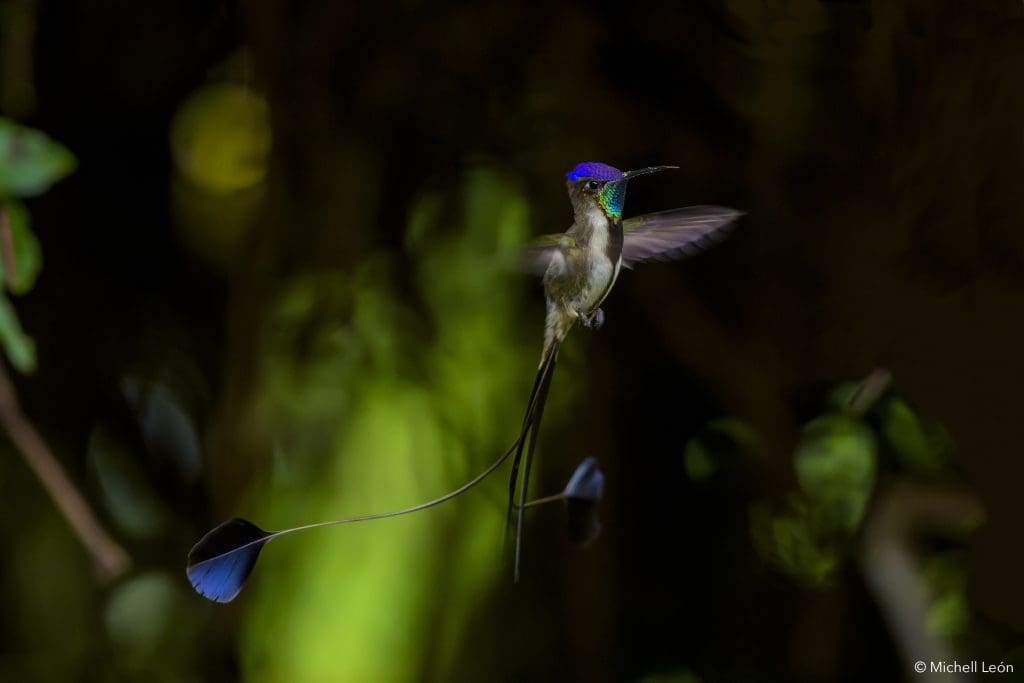Loddigesia mirabilis, una especie de colibrí endémica del norte de Perú.
¡Perú es hogar de miles de especies cuyos hábitats debemos proteger y rehabilitar! Nuestras acciones dejan huella. Tenemos un solo planeta para vivir, con cientos de plantas y animales que, como nosotros, dependen del buen estado de los ecosistemas, del aire puro, del agua fresca, y tantos otros servicios nos provee la madre tierra.
**Tags:** Perú
**Strategic Area:** Biodiversidad, Clima
**Country:** Perú
**Content Type:** Blog
---
### [One Earth! A message from Peru Country Director for Earth Day](https://www.natureandculture.org/directory/one-earth-a-message-from-peru-country-director-for-earth-day/)
**Published:** April 21, 2023
**Author:** Nora Sanchez
**Content:**
On April 22th we commemorate Earth Day, an opportunity to recognize our role in caring for the planet and all the forms of life that inhabit it.
For our Peru Country Director, Guillermo Maraví, it is necessary to create immediate actions to stop the accelerated loss of biodiversity and generate effective actions collaboratively to address climate change.
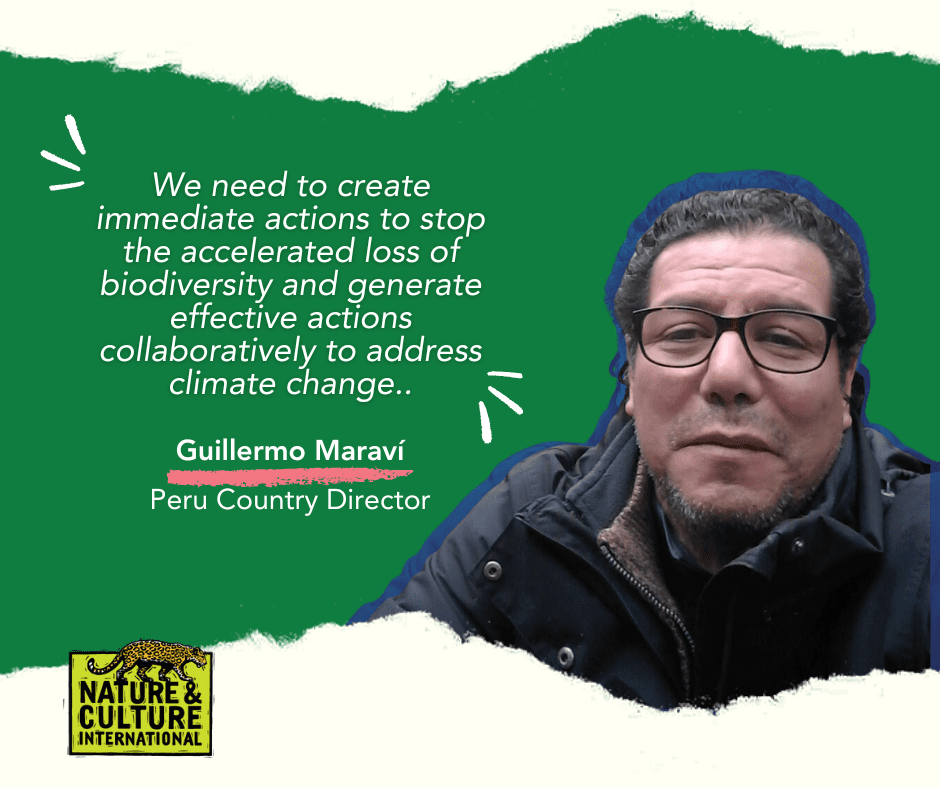English quote of Peru Country DirectorCita en español del Director Ejecutivo Perú
In this sense, he emphasizes that Nature and Culture International, in addition to promoting the establishment of conservation areas connected to other conservation initiatives, also engages in their management and handling, with the aim of making them sustainable over time. For Guillermo, this work, which is only possible because we do it in collaboration with local, peasant and indigenous communities, must prevail, because it is there where the accumulated knowledge for years about caring for the land has many of the solutions to the world’s climate and biodiversity crisis.
In addition, in Peru, we help endangered and endemic species have a safe place to feed and move. We protect the habitat of animals such as the spatuletail hummingbird in Amazonas, known for being one of the most beautiful hummingbirds in the world, or the emblematic spectacled bear that we have registered in Piura, Cajamarca, Amazonas, and Huánuco.
Marvelous spatuletail (Loddigesia mirabilis), an endangered species of hummingbird endemic to northern Peru.
Peru is home to thousands of species whose habitats we must protect and rehabilitate! Our actions matter. Let’s be responsible! We have only one planet to live on, with hundreds of plants and animals that, like us, depend on the good condition of ecosystems, pure air, fresh water, and so many other services provided by Mother Earth.
**Strategic Area:** Biodiversity, Climate
**Country:** Peru
**Content Type:** Blog
---
### [La Nacionalidad Andwa lanzó oficialmente su Diccionario Kupukwano](https://www.natureandculture.org/es/directorio/la-nacionalidad-andwa-lanzo-oficialmente-su-diccionario-kupukwano/)
**Published:** February 23, 2023
**Author:** Nora Sanchez
**Content:**
### *El lanzamiento oficial del Diccionario de la Lengua Andwa, Kupukwano, se realizó en el auditorio de la Universidad Estatal Amazónica, con la participación de representantes, líderes, lideresas y jóvenes pertenecientes a la Nacionalidad Andwa, de la provincia de Pastaza.*
El evento coordinado por el presidente de la Nacionalidad Andwa, Daniel Dagua Cadena, inició con un conversatorio, donde participaron Felipe Serrano, director de Naturaleza y Cultura Internacional Ecuador (NCI), quien moderó el espacio, junto a los expositores Jorge Gómez Rendón, investigador y académico; Efrén Nango, dirigente de Educación, Ciencia e investigación de la CONFENIAE; y, Trostky Riera-Vite, técnico de NCI.
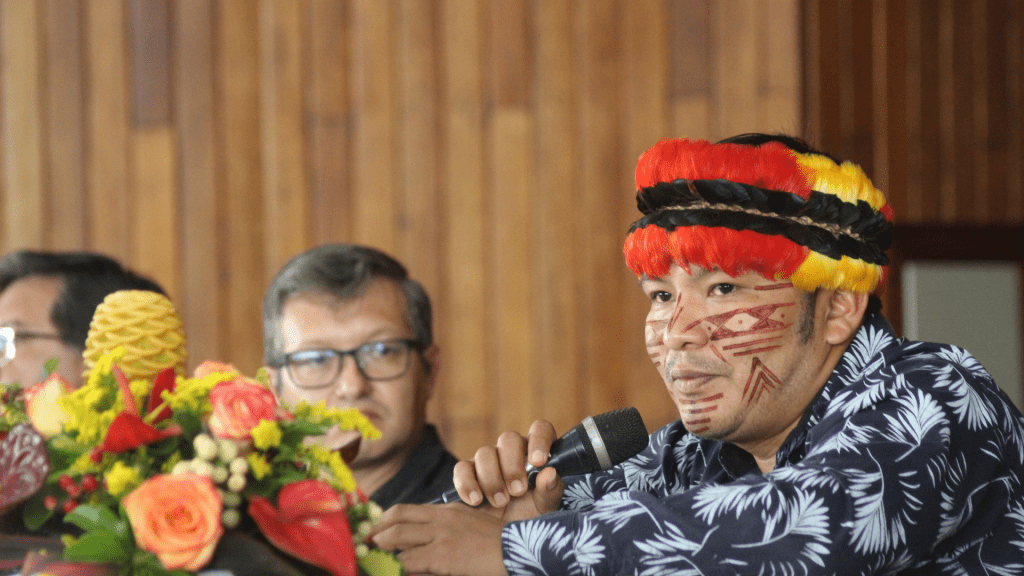Efrén Nango, dirigente de la CONFENIAE participó en el panel moderado por Felipe Serrano, director de NCI Ecuador \| Foto: Lanceros Digitales
En la introducción del conversatorio, se resaltó la importancia de fortalcer las lenguas ancestrales. De esta manera, el moderador mencionó que “el conocimiento de los ancestros se transmite con la lengua”, su mensaje se enfocó en la relación entre naturaleza y cultura: “es indisoluble y no se puede separar la naturaleza de la cultura y, sobre todo, en el entorno amazónico, en donde la selva depende de la gente y la gente depende de la selva.”, enfatizó Felipe Serrano.
Con esta introducción, Serrano inició el dialogó con Trostky Riera-Vite, para conocer la investigación que se realizó en el libro *Nunkán Náari. Topónimos shuar de Zamora Chinchipe.* Riera-Vite, autor del libro, basó su exposición en el caso de Zamora Chinchipe, donde muchos nombres de montañas, ríos, pueblos, animales y plantas provienen o su origen es del *shuar-chicham.* “Al rescatar los nombres tradicionales y los nombres acentrales, se reconstruye la identidad y se reivindica de los derechos linguísticos y territoriales”, todo esto, señaló Riera-Vite, forma parte de recuperar el lenguaje.
Después, Efrén Nango, inició su intervención para aclarar que si bien la lengua está siendo amanezada dentro de las once nacionalidades de la Amazonía, durante los últimos cinco años se ha visto una reacción de parte de los Pueblos y Nacionalidades para recuperar, revitalizar y reintroducir, de ser el caso, su lengua. Para él, existe un signficado detrás de cada letra, y se relaciona no solamente con la identidad cultural, sino con la cosmogonía, cosmovisión, derechos de la naturaleza y defensa del territorio.
Una mirada al diccionario Andwa \| Foto: Lanceros Digitales
## **Pero ¿Qué pasará con las lenguas ancestrales amazónicas en el futuro?**
Esta pregunta realizada por Felipe Serrano, permitió pasar a la siguiente fase del evento.
Jorge Gómez Rendón, investigador y académico de la Pontificia Universidad Católica del Ecuador, respondió la pregunta y describió que desde un punto de vista lingüístico, se observa un panorama desalentador. La pérdida y el desplazamiento lingüístico es cada vez más rápido, “de una generación a otra se pierden las lenguas”, aseguró Gómez Rendón.
Sin embargo, frente a esta realidad se declaró optimista, considerando que el problema o la vitalidad de las lenguas no es exclusivamente lingüístico, sino que tiene otras aristas.
> “Me declaro optimista en la medida en que políticamente los Pueblos y las Nacionalidades están empezando a darle el valor que tiene la lengua, como un elemento no solo de su identidad sino de su poder y por eso es político”
>
> puntualizó Jorge Gómez Rendón.
El Diccionario de la Lengua Andwa, como parte de un proceso de reintroducción y no revitalización, pues en este caso no existen hablantes nativos de la Lengua, ha sido posible gracias a la voluntad política de la dirigencia de la Nacionalidad Andwa. Para Gómez Rendón, esta es la única forma posible de que las lenguas ancestrales no mueran.
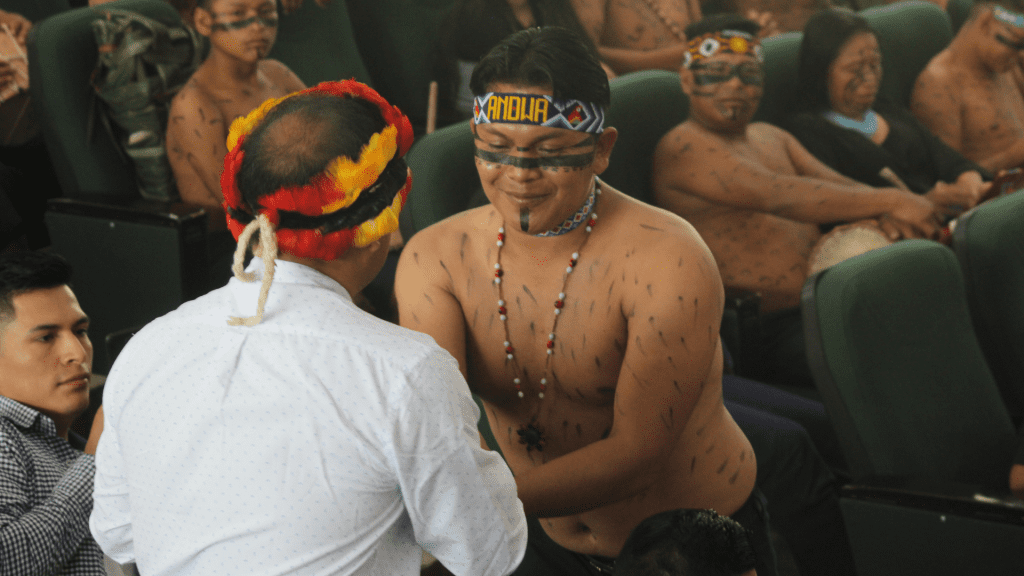Daniel Dagua, presidente de la nacionalidad Andwa
En un discurso en el que enfatizó su amor a su lengua *katsakati-Andwa*, Daniel Dagua, en su calidad de presidente de la Nacionalidad Andwa, presentó oficialmente a Kupukwano, Diccionario de la Lengua Andwa. Explicó que la iniciativa del diccionario tuvo un proceso de consulta dentro del Consejo de Gobierno, la misma que responde a una investigación que inició en el 2018; propuesta que se reforzó con el apoyo de Naturaleza y Cultura Internacional Ecuador.
> “Somos jóvenes que hemos empezado con el rescate de nuestro idioma que está en peligro de extinción, pero nosotros vamos a seguir empoderando”
>
> Daniel Dagua
El evento finalizó con una muestra de danza y música de la Nacionalidad Andwa. Además, el espacio de la Universidad permitió que todos los participantes degustaran de una variedad de chichas de piña, camote, yuca y chonta.
El diccionario de la Lengua Andwa, Kupukwano, está disponibles [aquí](https://www.natureandculture.org/es/andwa-dictionary/ "Diccionario Andwa")
---
Para más información:
Aida Maldonado Quezada
Comunicación Ecuador
<comunicacion@naturalezaycultura.org>
**Strategic Area:** Comunidades Locales
**Country:** Ecuador
**Content Type:** Noticias
---
### [Ministerio del Ambiente reconoce a Naturaleza y Cultura Internacional](https://www.natureandculture.org/es/directorio/ministerio-del-ambiente-reconoce-a-naturaleza-y-cultura-internacional/)
**Published:** April 20, 2023
**Author:** Nora Sanchez
**Content:**
El mes pasado, los Gerentes de Proyectos de Naturaleza y Cultura, Lleydy Alvarado y Elvis Allauja asistieron a la reunión anual del Servicio Nacional de Áreas Naturales Protegidas (SERNANP), en la que se presentó la declaratoria oficial de dos nuevas Áreas de Conservación Privada (ACP) Yasgolca-Santa Lucía, Montevideo en Amazonas y Utco en Cajamarca. Ambas áreas fueron declaradas en febrero de este año y juntas protegen más de 7,000 hectáreas de bosques secos de Marañón, Yungas y bosques montanos.
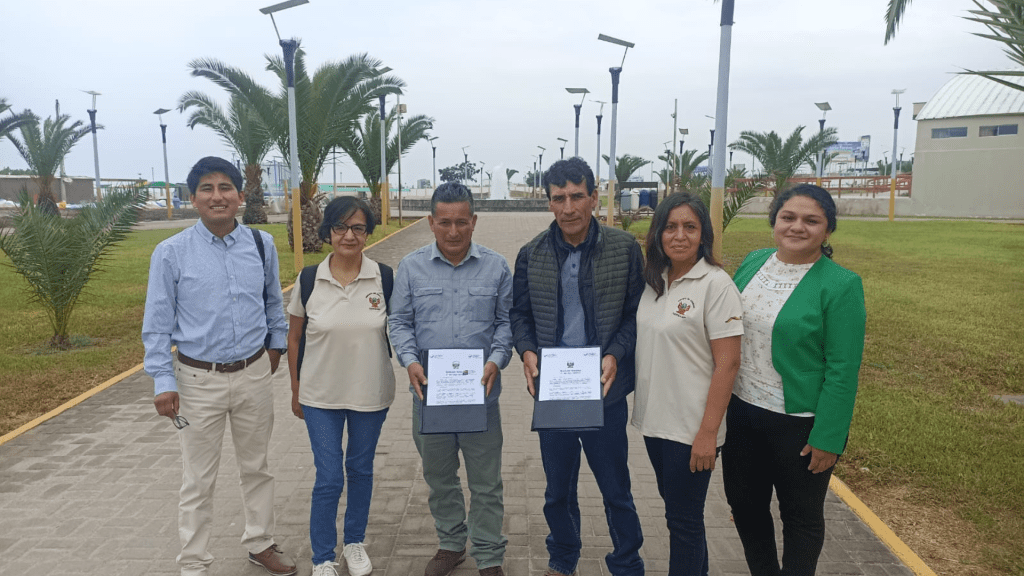Reunión del SERNANP en Perú donde se reconoció al equipo de NCI por su trabajo.
Nuestro equipo en Perú fue reconocido junto con los presidentes de las nuevas Áreas de Conservación Privada, por su importante aporte a la declaratoria de ambas áreas y por ser un aliado para la conservación en los departamentos de Piura, Cajamarca, Amazonas, Huánuco, Loreto y Ucayali.
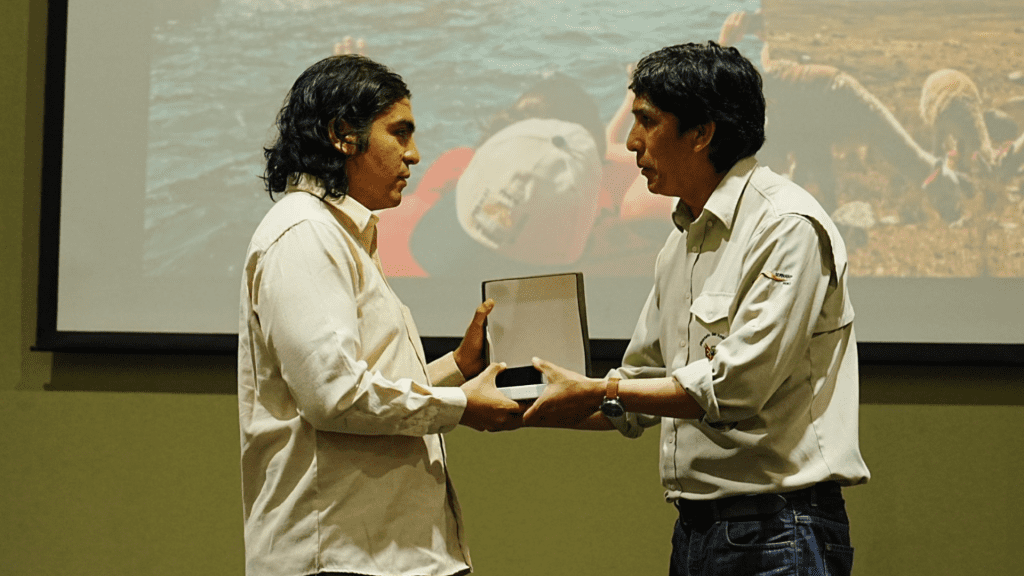Alan Sánchez, Coordinador de Derecho Ambiental, acepta el reconocimiento en nombre del equipo de NCI
### Dos nuevas áreas protegidas en Perú
El Área de Conservación Privada Yasgolca-Santa Lucía, Montevideo, protege 4,725.69 hectáreas y es una importante fuente de agua para las comunidades en la región de Amazonas en el norte de Perú. El establecimiento de esta área protegida fue crucial para la comunidad local porque juega un papel fundamental en la regulación del agua. Además, este ecosistema tiene una significante captura de carbono y se conecta con otras áreas protegidas cercanas. Según Lleydy Alvarado, ambas áreas recién declaradas se conectan con otras áreas de conservación, lo que crea un hábitat de vida silvestre más grande. No es suficiente simplemente establecer áreas, dice Lleydy, deben estar conectadas para que los servicios ambientales sean más efectivos.
Área de Conservación Privada Yasgolca-Santa Lucía, Montevideo
El Área de Conservación Privada de Utco protege 3,060.36 hectáreas de bosque seco. Este ecosistema único es conocido por ser un epicentro de la biodiversidad. Es el hogar de una gran cantidad de aves endémicas, reptiles, anfibios y plantas. Juntas, estas dos nuevas áreas protegen más de 7,786 hectáreas y son fundamentales para el bienestar de los habitantes locales.
Área de Conservación Privada de Utco
Felicitaciones a nuestro equipo en Perú y a las comunidades de Utco y Montevideo por su determinación y compromiso con la conservación de sus ecosistemas.
**Tags:** Perú
**Strategic Area:** Bosques
**Country:** Perú
**Content Type:** Blog
---
### [Planta un árbol y siembra vida](https://www.natureandculture.org/es/directorio/planta-un-arbol-y-siembra-vida/)
**Published:** March 21, 2023
**Author:** Nora Sanchez
**Content:**
Perú es un país resiliente, unido, fuerte y orgullosamente biodiverso. Hemos demostrado que juntos somos capaces de sumar pequeñas acciones y generar grandes cambios. **Por el Día Internacional del Bosque** queremos reconocer el esfuerzo de los peruanos que se sumaron a la campaña “Planta un árbol y siembra vida”.
Hace algunos meses involucramos al público en general de Perú a la campaña “Planta un árbol y siembra vida” con el objetivo de devolverle su espacio al bosque de las comunidades campesinas de Llamapampa La Jalca y San Pedro de Chuquibamba, en Amazonas y con ello recuperar los servicios ecosistémicos como control del clima, regulación de agua y control de inundaciones.
Esta campaña nació como parte de un convenio entre la Red de Conservación Voluntaria de Amazonas – AMA, que agrupa iniciativas de conservación voluntaria y Naturaleza y Cultura Internacional, quien trabaja en las Áreas de Conservación Privada de ambas comunidades.
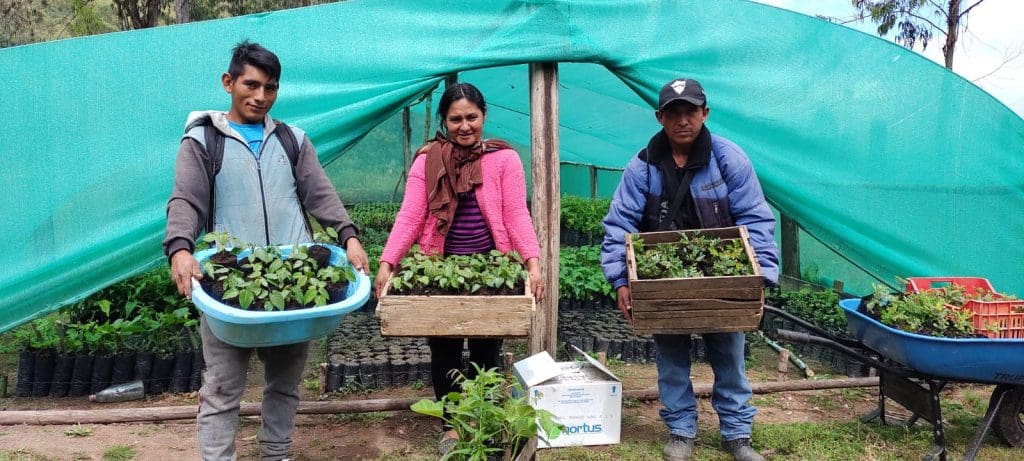Residentes de las comunidades de Llamapampa La Jalca y San Pedro de Chuquicamba en Amazonas
Durante la campaña, los principales protagonistas fueron los pobladores de las comunidades, quienes cuidaron de las plantas nativas en los viveros comunales, hasta ser adoptados y contar con los recursos para trasladarlos al bosque y sembrarlos en áreas degradadas. Ahora, estos árboles son monitoreados y reciben el cuidado necesario para desarrollarse.
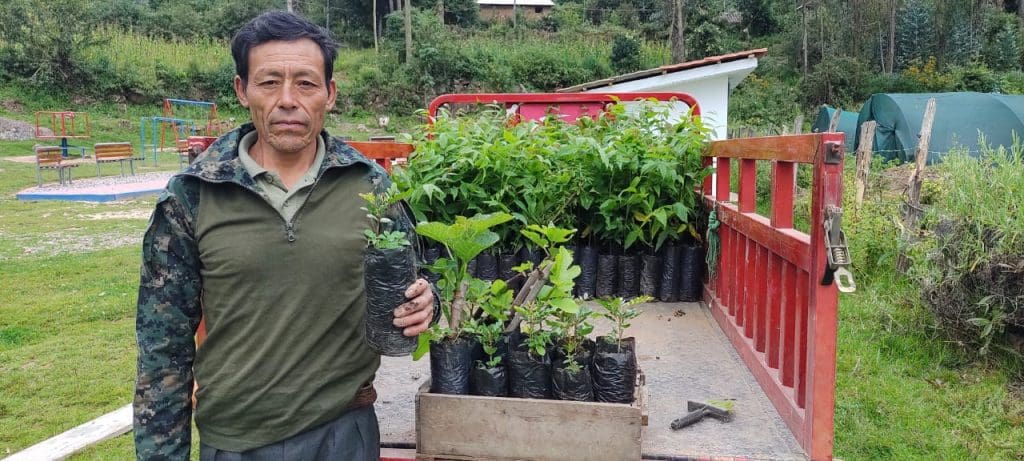Napoleón Vega Escobedo
Conversamos con Napoleón Vega Escobedo, presidente de la Asociación Agrícola forestal turística de Palmira, en el distrito de Leymebamba y describe a la campaña como una oportunidad para fortalecer la propagación de especies nativas y medicinales, estas últimas con un valor agregado para la comercialización.
Gracias a la campaña “Planta un árbol y siembra vida”, decenas de peruanos pusieron su granito de arena para mantener el buen estado del bosque, mejorar las condiciones climáticas para la humanidad y los cientos de animales que habitan en ambas ACP, porque allí encuentran alimento necesario y escenario ideal para reproducirse.
**Tags:** Perú
**Strategic Area:** Clima
**Country:** Perú
**Content Type:** Blog
---
### [DiCaprio y Sheth nombran nuevas especies de serpientes arborícolas amenazadas por la minería en Ecuador](https://www.natureandculture.org/es/directorio/dicaprio-y-sheth-nombran-nuevas-especies-de-serpientes-arboricolas-amenazadas-por-la-mineria-en-ecuador/)
**Published:** January 23, 2023
**Author:** Nora Sanchez
**Content:**
Cinco nuevas especies de serpientes arborícolas han sido descubiertas en las selvas de Ecuador, Colombia y Panamá. Los conservacionistas Leonardo DiCaprio, Brian Sheth y la organización [*Naturaleza y Cultura Internacional*](https://www.natureandculture.org/) eligieron los nombres de tres de las especies en honor a sus seres queridos y a la vez crear conciencia sobre la destrucción de los bosques tropicales a causa de la minería de oro. La investigación fue realizada por el biólogo ecuatoriano Alejandro Arteaga y el biólogo panameño Abel Batista.

*Sibon irmelindicaprioae*, llamada así en honor a la madre de Leonardo DiCaprio. Habita en el bosque de Chocó-Darién en el este panameño y oeste colombiano. Fotografía de [Alejandro Arteaga](https://www.instagram.com/alejandroarteagath/) de la [Fundación Khamai.](https://www.khamai.bio/)
Tanto las zonas montañosas de la Alta Amazonía como el bosque Chocó-Darién son reconocidos mundialmente por la riqueza de nuevas especies descubiertas en la región. Sin embargo, también albergan algunos de los depósitos de oro y cobre más grandes del mundo. Durante la pandemia de COVID-19, la proliferación de operaciones mineras ilegales de oro y cobre a cielo abierto en la selva de Ecuador, Colombia y Panamá afectó particularmente a un grupo de cinco nuevas especies de serpientes arborícolas: las caracoleras.

Operaciones de minería ilegal en las costas del Río Nangaritza, al sureste del Ecuador, hábitat de al menos cinco especies de serpientes, incluyendo la serpiente caracolera Welborn (*Dipsas welborni*), nombrada por Naturaleza y Cultura Internacional. Fotografía de [Alejandro Arteaga](https://www.instagram.com/alejandroarteagath/).

En un período de cuatro meses, mineros tomaron control de un área de 70 hectáreas a lo largo del río Jatunyacu, destruyendo un importante hábitat de selva ribereña y contaminando uno de los afluentes más importantes del Río Amazonas. Fotografía de [Iván Castaneira](https://www.instagram.com/i_chido/).
Las serpientes neotropicales caracoleras (géneros *Sibon* y *Dipsas*) tienen un estilo de vida único que las hace particularmente propensas a los efectos de la minería de oro y cobre. Primero, son arborícolas, por lo que no pueden sobrevivir en áreas desprovistas de vegetación, como es el caso de las minas a cielo abierto. Además, se alimentan exclusivamente de babosas y caracoles, presas de cuerpo blando que se encuentran principalmente a lo largo de arroyos y ríos y, presumiblemente, están disminuyendo debido a la contaminación del agua.

*Sibon marleyae*, que lleva el nombre de la hija del conservacionista Brian Sheth, fue descubierta en el bosque húmedo del Chocó de Ecuador y Colombia. Fotografía de [José Vieira](https://www.instagram.com/josevieirafrog/).
“Cuando exploré por primera vez las selvas del río Nangaritza en 2014, recuerdo haber pensado que el lugar era un paraíso virgen y sin descubrir”, dijo Alejandro Arteaga, autor del estudio de investigación de estas serpientes, publicado en la revista *ZooKeys.* “De hecho, el lugar se llama Nuevo Paraíso en español, pero ya no es un paraíso. Cientos de mineros ilegales de oro se han apoderado de los márgenes del río con sus retroexcavadoras, destruyéndolos y convirtiéndolos en escombros.”
La presencia de un área de conservación puede no ser suficiente para mantener a las serpientes caracoleras a salvo. En el sureste del Ecuador, los mineros ilegales se están acercando a la Reserva Maycu, ignorando los derechos de los terratenientes y amenazando violentamente a cualquiera que se oponga a la extracción de oro. Incluso los guardabosques y sus familias se ven tentados a dejar sus trabajos para dedicarse a la minería ilegal, ya que es mucho más lucrativa.
Un guardaparques local comenta que al extraer oro del río Nangaritza, la población local puede ganar el salario de un año en solo unas pocas semanas. “Claro, es ilegal y está fuera de control, pero las autoridades tienen demasiado miedo de intervenir”, dice el guardaparques. “Los mineros son demasiado violentos e impredecibles”.

*Dipsas welborni* lleva el nombre de David Welborn, ex miembro de la junta directiva de la organización Naturaleza y Cultura Internacional. La ONG administra la Reserva Maycu, un área de conservación privada donde habita esta serpiente y muchas otras especies nuevas. Fotografía de [Alejandro Arteaga](https://www.instagram.com/alejandroarteagath/).

La bióloga ecuatoriana Amanda Quezada durante el descubrimiento de la nueva especie *Dipsas welborni* en la Reserva Maycu, al sureste del Ecuador. Fotografía de [Alejandro Arteaga](https://www.instagram.com/alejandroarteagath/).
En Panamá, la minería de cobre a gran escala está afectando el hábitat de dos especies nuevas: *Sibon irmelindicaprioae* y *S. canopy*. A diferencia de la minería ilegal de oro en Ecuador y Colombia, la extracción en este caso es legal y está a cargo de una sola corporación: Minera Panamá S.A., subsidiaria de la empresa canadiense de minería y metales First Quantum Minerals Ltd. Aunque la destrucción del bosque en las minas panameñas es mayor y se puede ver fácilmente desde el espacio, sus límites están claramente definidos y la empresa está bajo la supervisión de las autoridades ambientales locales.

La minería ilegal en la Alta Amazonía ecuatoriana se duplicó entre 2021 y 2022. Fotografía de [Jorge Anhalzer](https://www.instagram.com/jorge_anhalzer/).
“Tanto las minas a cielo abierto legales como las ilegales son inhabitables para las serpientes comedoras de caracoles”, dice Arteaga, “pero las minas legales pueden ser el menor de dos males. Como mínimo, respetan el límite de las áreas protegidas cercanas, responden a una autoridad superior y, es poco probable que ejerzan violencia contra los guardaparques, investigadores y conservacionistas”.

*Sibon canopy* fue nombrada en honor a los hostales ecológicos de [*Canopy Family*](https://canopytower.com/), particularmente el Canopy Lodge ubicado en el Valle de Antón, provincia de Coclé, Panamá. Fotografía de [Alejandro Arteaga](https://www.instagram.com/alejandroarteagath/).
*Sibon canopy*, una de las especies descritas recientemente, parece tener poblaciones bastante estables dentro de las áreas protegidas de Panamá, aunque en otros lugares casi el 40% de su hábitat ha sido destruido. En el Parque Nacional Omar Torrijos, donde se encuentra, se ha reducido el número de guardaparques (muy pocos para un área protegida tan grande). Esto facilita que los madereros y los cazadores furtivos lleguen a hábitats previamente vírgenes, esenciales para la supervivencia de las serpientes.

En la Amazonía ecuatoriana, mineros de oro se esconden en el bosque durante controles militares y reanudan sus actividades días después. Fotografía de [Jorge Anhalzer](https://www.instagram.com/jorge_anhalzer/).

Una minera ecuatoriana muestra el oro que ha recolectado y que utilizará para pagar cualquier emergencia familiar. Fotografía de [Iván Castaneira](https://www.instagram.com/i_chido/).
La falta de empleo y el alto precio del oro agravan la situación. Ninguna actividad legal puede competir contra la “bonanza del oro”. Cada vez con más frecuencia, campesinos, guardabosques y pueblos indígenas recurren a actividades ilegales para proveer para sus familias, particularmente durante situaciones de crisis como la pandemia de COVID-19, cuando la financiación de las ONG estaba en su punto más bajo.

*Sibon ayerbeorum*, una especie previamente conocida solamente en Colombia fue encontrada también en Ecuador. Fotografía de [José Vieira](https://www.instagram.com/josevieirafrog/).
“Estas nuevas especies de serpientes son solo la punta del iceberg en términos de descubrimientos de nuevas especies en la región, pero si la minería ilegal continúa a este ritmo, es posible que no haya una oportunidad para hacer descubrimientos futuros,” concluye Alejandro Arteaga.
Afortunadamente, tres ONGs en Ecuador y Panamá (Naturaleza y Cultura Internacional, Khamai, y Adopta Bosque) tienen como misión salvar el hábitat de las serpientes de la fiebre del oro. Apoyar a estas organizaciones es vital, porque su búsqueda de medidas inmediatas de protección para la naturaleza es la única forma de salvar a las serpientes de la extinción.
Apoya a **Naturaleza y Cultura Internacional:** [https://www.natureandculture.org](https://www.natureandculture.org/)
Apoya a **Fundación Adopta Bosque:** [https://adoptabosque.org](https://adoptabosque.org/)
Apoya a **Fundación Khamai**: <https://www.khamai.bio/save_amazon_rainforest_from_gold_mining.html>
**Strategic Area:** Biodiversidad, Bosques, Comunidades Locales
**Country:** Ecuador
**Content Type:** Noticias
---
### [Ecuador's Zamora Chinchipe and Morona Santiago provinces accepted into GCF, advancing Amazonian Platform](https://www.natureandculture.org/directory/ecuadors-zamora-chinchipe-and-morona-santiago-provinces-accepted-into-gcf-advancing-amazonian-platform/)
**Published:** March 18, 2022
**Author:** Heather Thomas
**Content:**
\[vc\_btn title=”Give Now” style=”custom” custom\_background=”#0f7d3f” custom\_text=”#ffffff” shape=”square” size=”lg” align=”center” i\_align=”right link=”url:https%3A%2F%2Fgive.natureandculture.org%2F\|target:\_blank”\]
**\[Español abajo\]**
On March 16, the Ecuadorian provinces of Zamora Chinchipe and Morona Santiago were accepted by unanimous member vote into the Governors’ Climate and Forests Task Force (GCF), joining Pastaza (Ecuador’s first GCF member) and 37 states and provinces from 11 countries in a subnational collaboration to protect forests, reduce carbon emissions, and promote sustainable development. The vote took place at the annual GCF meeting in Manaus, Brazil.

After the vote, the governor of Morona Santiago, Rafael Antuni, addressed meeting representatives: “Morona Santiago, and the south-central Ecuadorian Amazon, will be with you. That forest of 11 million acres will be at the service and conservation of humanity.” Zamora Chinchipe’s governor, Cléver Jiménez also spoke to GCF members stating “The consequences of climate change are a problem that we are already experiencing locally, regionally and globally. For this reason, allow me to ask for and thank you for supporting Zamora Chinchipe as a member of this important initiative that seeks to conserve our natural places, which are being affected by human mismanagement.”
The two newly minted GCF member provinces then joined with their neighbor, Pastaza province to share the Amazonian Platform for Forests Climate and Human Wellbeing. The Amazonian Platform is a plan to protect and manage 11 million acres of intact continuous forest in collaboration with seven of Ecuador’s indigenous nationalities and Nature and Culture International, which is providing technical support coordinating efforts for the Amazonian Platform initiative
The Amazonian Platform was established in December 2017 by the six provinces of the Ecuadorian Amazon plus two consortiums of indigenous nationalities, the Coordinator of Indigenous Organizations of the Amazon Basin (COICA), and the Confederation of Indigenous Nationalities of the Amazon of Ecuador (CONFENIAE). The Platform will support the implementation of national, provincial, and indigenous strategies to reduce deforestation (REDD+ Plans) in the Ecuadorian Amazon, mitigating climate change and preserving biodiversity.

In December 2021, the three current GCF members (Pastaza, Morona Santiago, and Zamora Chinchipe) signed an agreement to kick off implementation of Phase One of the Platform with the other three provinces, Napo, Orellana, and Sucumbios expected to begin active participation soon.

These three provinces will soon be able to access international funds to accelerate the implementation of the Amazonian Platform. “This is not only an opportunity to access funds but also an opportunity to accelerate a process of sustainable development in the Amazon,” said Bruno Paladines, project coordinator of Nature and Culture International.
****
\[vc\_btn title=”Give Now” style=”custom” custom\_background=”#0f7d3f” custom\_text=”#ffffff” shape=”square” size=”lg” align=”center” i\_align=”right link=”url:https%3A%2F%2Fgive.natureandculture.org%2F\|target:\_blank”\]
**\[Español\]**
**Por unanimidad Zamora Chinchipe y Morona Santiago son parte del grupo de trabajo de Gobernadores para el Clima y los Bosques**
El 16 de marzo, la provincia de Zamora Chinchipe se suma a Pastaza y a otros 37 estados y provincias internacionales que conforman el grupo de trabajo de Gobernadores Para el Clima y los Bosques (GCF), mientras que la provincia de Morona Santiago fue aceptada como miembro observador. Estas decisiones se dieron por votación unánime durante la Reunión Anual del GCF, “Bosques, Sociedad y Economía Verde: Nuevos modelos de desarrollo para el futuro del planeta”, que se celebra el 16, 17 y 18 de Marzo en Manaos Brasil.
El grupo de trabajo de GCF es una colaboración subnacional de 38 estados y provincias que trabajan para proteger los bosques tropicales, reducir las emisiones por deforestación y degradación forestal, y promover el desarrollo rural sostenible que mantenga los bosques. Esta red conecta a los estados y provincias con procesos que promueven la buena gobernanza ambiental; financiación verde; derechos territoriales y el bienestar de los pueblos indígenas y comunidades locales; y que promueven estrategias económicas sostenible y bajas en emisiones de gases de efecto invernadero.
En el evento anual del GCF, las provincias de Pastaza, Zamora Chinchipe y Morona Santiago, están visibilizando al mundo su propuesta interprovincial que pretende proteger y manejar, junto a siete nacionalidades amazónicas y la asistencia técnica de Naturaleza y Cultura Internacional, 4.5 millones de hectáreas de bosque continuo, el más grande conformado por Áreas de Conservación y Uso Sustentable Provinciales en Ecuador. Esta propuesta se enmarca bajo un mismo espacio de colaboración llamado “Plataforma amazónica para los bosques, el clima y el bienestar humano”.
La Plataforma Amazónica fue establecida en diciembre de 2017 por las seis provincias de la Amazonía ecuatoriana: Zamora Chinchipe, Morona Santiago, Pastaza, Napo, Orellana y Sucumbíos, junto con la Coordinadora de Organizaciones Indígenas de la Cuenca Amazónica (COICA) y la Confederación de Nacionalidades Indígenas de la Amazonía de Ecuador (CONFENIAE), con el objetivo de generar oportunidades para la implementación de la Estrategia Nacional y las Estrategias Provinciales de Cambio Climático, REDD+ y REDD Indígena Amazónico (RIA), incluyendo estrategias forestales y de biodiversidad.
El 28 de diciembre de 2021, los prefectos de Pastaza, Morona Santiago y Zamora Chinchipe firmaron un acuerdo que marca una primera etapa de la Plataforma Amazónica. Más adelante se espera involucrar a las provincias de Sucumbios, Orellana y el Napo para que se sumen a estas estrategias de conservación, que promueve acciones que reduzcan las emisiones de CO2 por deforestación y degradación de los bosques y que conserven la diversidad cultural y biológica.
Durante la reunión anual del GCF, el prefecto de Morona Santiago, Rafael Antuni, se dirigió a los representantes de estados y provincias internacionales: “Morona Santiago, y el centro sur de la Amazonía ecuatoriana, estará con ustedes. Esa selva de 4.5 millones de hectáreas estará al servicio y la conservación para la humanidad”.
Por su parte, el prefecto de Zamora Chinchipe, Cléver Jiménez, agradeció a los miembros del GCF “las consecuencias del cambio climático, es un problema que ya lo estamos viviendo a nivel local y, regional y mundial. Por tal razón, permítame solicitar y agradecer su apoyo para que Zamora Chinchipe sea miembro de esta importante iniciativa que busca conservar nuestra naturaleza, que se ve afectada por el mal manejo de los seres humanos con nuestra casa grande.”
Con Pastaza y Zamora Chinchipe como miembros del GCF y Morona Santiago como observador (y próximamente miembro también), la propuesta interprovincial de proteger y manejar 4.5 millones de hectáreas en la Amazonía, podrá acceder a fondos internacionales que permitan acelerar su implementación y así convertirse en un ejemplo nacional e internacional de gestión interprovincial entre los GADs y pueblos y nacionalidades, por la conservación y el bienestar humano.
“Esta no es solo una oportunidad para acceder a fondos, sino que es principalmente una oportunidad para acelerar un proceso de desarrollo sostenible en la Amazonía”, aseguró Bruno Paladines, coordinador de proyecto de Naturaleza y Cultura Internacional.
La participación de los prefectos en el evento anual del GCF y la construcción de la Plataforma Amazónica se desarrolla con apoyo del Proyecto “Pueblos indígenas y sociedad civil en acción para proteger la Amazonía” apoyado por la cooperación Noruega.
**Strategic Area:** Climate, Local Communities
**Country:** Ecuador
**Content Type:** News
---
### [Opportunities for Expansion in Colombia](https://www.natureandculture.org/directory/opportunities-for-expansion-in-colombia/)
**Published:** August 13, 2014
**Author:** Heather Thomas
**Content:**
[](https://www.natureandculture.org/wp-content/uploads/2014/08/7680636292_223aed04ab_z.jpg) Laguna Verde, one of Colombia’s many spectacular natural sites.
Ecuador’s neighbor to the north, Colombia is home to more vertebrate species than any other country on Earth, and ranks number one in the world in terms of bird, amphibian and butterfly species. Roughly 10% of the planet’s species are found amid its many ecosystems, which range from the Andes Mountains and Amazon rainforest to grasslands and coral reefs. Colombia is also home to more than 90 different indigenous groups.
Despite this miraculous array of cultural and biological diversity, Colombia’s unique species and indigenous people face great threats. Extractive industries such as oil, mining and logging continue to degrade and fragment ecosystems. Now, we are seeking opportunities for partnerships with regional governments and local conservation groups to preserve these irreplaceable cultures and ecosystems.
[](https://www.natureandculture.org/wp-content/uploads/2014/08/Felipe-y-Fabian.jpg) From left: Felipe Serrano and Fabián Rodas
In July, two members of our NCI-Ecuador team, Felipe Serrano and Fabián Rodas, attended the Congress for Protected Areas in Bogotá, Colombia. In Felipe’s words:
> “Thirty five million acres of natural areas have been prioritized by scientists and the Colombian government to ensure the conservation of the biodiversity in this mega-diverse country. Any initiative that can help Colombians meet this goal is urgent, and even better if these protected areas contribute to peace in this wonderful country. NCI’s support can be very timely and determining.”
**Tags:** Biodiversity, Colombia, Expansion
**Strategic Area:** Forests
**Country:** Colombia
**Content Type:** Blog
---
### [Interview with Lydia Lozano, Project Coordinator for NCI-Mexico](https://www.natureandculture.org/directory/interview-with-lydia-lozano-from-nci-mexico/)
**Published:** July 18, 2014
**Author:** NCI STAFF
**Excerpt:** “Seeing the path of Nature and Culture in Ecuador has given me the understanding to know where to go from here.”
**Content:**


# Interview with Lydia Lozano, Project Coordinator for NCI-Mexico
07/18/2014
**Content Type:** Blog
**Country:** Mexico -
\[vc\_row\]\[vc\_column width=”1/1″\]\[vc\_column\_text el\_class=”margl25″\]
[](https://www.natureandculture.org/wp-content/smush-webp/2011/09/lydia_big.jpg.webp)“Seeing the path of Nature and Culture in Ecuador has given me the understanding to know where to go from here.”
A few weeks ago, Lydia Lozano, the Project Coordinator for NCI-Mexico, visited our staff in Ecuador to learn from their work with local communities and governments. Because both Ecuador and Mexico are home to unique but severely threatened dry forest ecosystems, we are learning from our successes to strengthen our work.
**What do you do for NCI-Mexico?** I coordinate the conservation activities and management of the Monte Mojino Reserve, and work in our office in Alamos disseminating information and providing environmental education to community members.
**Can you tell me about the reserve?** NCI’s Monte Mojino Reserve protects a pristine area of beautiful but endangered tropical deciduous forest. It is the northernmost area of such forest in the Americas. Currently our reserve is 14,500 acres, and is located in the state of Sonora in northwestern Mexico within the Protected Wildlife Area Sierra de Alamos – Río Cuchujaqui, a federal reserve that covers 232,225 acres. However, this federal reserve is not subject to regulation, especially of cattle grazing. That’s why NCI’s Monte Mojino Reserve is focused on preservation, conservation and a higher level of management. Our goal is to expand the reserve to 25,000 acres by purchasing private lands, and strengthen conservation activities throughout the federal reserve.
**What struck you about the programs of NCI-Ecuador?** I visited many of NCI’s reserves, but the Bosque Seco or dry forest program was the most similar to our program in Mexico in terms of biodiversity and the problems we face. I loved talking to members of the Association of Palo Santo project, which helps build sustainable community businesses by using the oil of the palo santo tree. I was told about all of the difficulties they had in the beginning, which is precisely the state in which we are in, building relationships with the community. They told me how to build trust, what we should or should not do. Now, the communities in Ecuador see NCI as a partner in everything, and feel supported, and many people want to join the Association.
**So, coming to Ecuador has been helpful?** Of course, because I learned about everything NCI-Ecuador has done so we can apply lessons here in Mexico. In conservation, it is important to standardize things by tuning in to what is being done successfully elsewhere. If not, we would be running completely isolated programs. NCI’s programs in Ecuador, Mexico and Peru are conserving many of the same ecosystems. NCI’s conservation efforts take a very comprehensive approach.
**What kinds of species are you protecting?** We have some great species here, from Military Macaws to Jaguars. We also have beautiful trees species, like the guayacán (Tabebuia chrysantha) that we share with Ecuador and the Tabebuia palmeri, which we call amapa. We also have a a bird in Mexico called chorlito-plover (Charadrius collaris), which I spotted in NCI’s Cazaderos Reserve in Zapotillo, Ecuador. Many migratory species, like songbirds, also pass through northwestern Mexico. Pumas and jaguars also live here, and we have the same conflicts between these species and livestock that you have in Ecuador.
**What do NCI’s reserves in Ecuador have in common with Monte Mojino?** Just like we do in Mexico, the San Francisco Science Station and Laipuna Reserve have partnered with different universities for research purposes. San Diego Zoo Global is conducting research alongside us in Alamos as well as in Ecuador. Last year we signed an agreement with the Technological Institute of Sonora, and already they are collaborating with us to study the carbon, nitrogen, and water quality. We are now seeking funds to create a field laboratory and research station.
**What will be the next step in Mexico?** I started by guiding our office through working with the Mexican government on conservation, because I had not worked outside of Mexico. But, seeing the path of Nature and Culture in Ecuador has given me the light to know where to go from here. Since I’ve come here I’ve had quite a few ideas about projects we could replicate in Mexico by adapting them to our unique environment.
*Translated from an original publication in the regional Loja newspaper. Interview by José Rodrigo Sánchez, NCI-Ecuador.*
[](https://www.natureandculture.org/wp-content/smush-webp/2014/08/mapa_predio_total_incluido-llanos-1024x723.jpg.webp)\[/vc\_column\_text\]\[/vc\_column\]\[/vc\_row\]
**Tags:** Alamos Federal Reserve, Conservation, Dry forest, Jaguar, Land Purchase, Lydia Lozano, Mexico, Monte Mojino Reserve, Our Staff, Tropical deciduous forest
**Country:** Mexico
**Content Type:** Blog
---
### [Protecting Water Sources in Ecuador for Conservation](https://www.natureandculture.org/directory/protecting-water-sources-in-ecuador-for-conservation/)
**Published:** July 12, 2022
**Author:** Heather Thomas
**Content:**


# Protecting Water Sources in Ecuador for Conservation
07/12/2022
**Strategic Area:** Water -
**Content Type:** Blog
**Country:** Ecuador -
\[vc\_row\]\[vc\_column\]\[vc\_column\_text\]
## Focusing on water source protection simultaneously preserves sites of hydrologic importance and surrounding biological, and cultural diversity.
**Water connects people to conservation.**
Access to clean water is a basic human necessity and preserving important water sources is a powerful tool for encouraging overall ecosystem health. Nature and Culture leverages local interest in preserving access to clean, abundant [water to drive conservation](https://www.staging10.natureandculture.org/our-process/water/). Ultimately this leads to the preservation of local biodiversity, nearby forests, ecosystems, and food security for local populations.
<!–more–>
**In Ecuador, a Water Protection Area (WPA) is a nationally recognized, legally protected territory that conserves these precious water sources.**\[/vc\_column\_text\]\[vc\_single\_image image=”21885″ img\_size=”large” add\_caption=”yes” alignment=”center”\]\[vc\_column\_text\]WPAs ban exploitative activities, ensuring clean water supplies for local communities and preserving surrounding wildlife.
These areas are established based on their strategic importance as water sources for human consumption and/or to guarantee food security. Once an area achieves this status, it is legally protected from activities like mining and other destructive activities such as unsustainable agricultural practices which can inhibit or drastically limit groundwater stores.\[/vc\_column\_text\]\[vc\_single\_image image=”21892″ img\_size=”large” add\_caption=”yes” alignment=”center”\]\[vc\_column\_text\]**Early in 2021, Nature and Culture developed a national water protection planning map in coordination with the National Water Authority of Ecuador.**
This [map](https://www.staging10.natureandculture.org/water-map/) establishes areas of hydrologic importance for human consumption and food security in the country.
In order to identify and prioritize areas of water importance, Nature and Culture conducted technical studies using multi-criteria analysis and geographic information systems (GIS) to map the data. 48,368 square miles, primarily in the Sierra (mountain region) and the central and northern Amazon of Ecuador were determined to be of high value for their water resources.
As of the declaration of the [Quilanga WPA](https://www.staging10.natureandculture.org/new-water-protection-area-safeguards-water-for-indigenous-guarancas-kichwa/) early this year, we have protected 9 of 10 areas that the Ministry of Environment and Water has invited Nature and Culture to support, with many more in the early planning stages for the near future.\[/vc\_column\_text\]\[vc\_single\_image image=”21893″ img\_size=”large” alignment=”center”\]\[/vc\_column\]\[/vc\_row\]\[vc\_row\]\[vc\_column\]\[vc\_column\_text\]Important water sources have been gaining attention due to recent protests in Ecuador. Many Indigenous leaders held a strike to ask the Ecuadorian government to stop all mining concessions near important water sources, among other demands. In June 2022, a peace agreement between the Ecuadorian government and the country’s leading Indigenous organizations was brokered. Part of this agreement proposes a stop to all mining activity in protected areas and ancestral territories, national parks and Water Protection Areas. This is the beginning of an important dialog around environmental policies in favor of all Ecuadorians.
The findings from our Water Protection Area National Planning Map can support discussions between Indigenous leaders and the Minister of Environment to continue to protect remaining areas of high and very high water importance.\[/vc\_column\_text\]\[vc\_column\_text\]Read more on our response to current events in Ecuador [*here*](https://www.staging10.natureandculture.org/naturaleza-y-cultura-sobre-eventos-actuales-ecuador/).\[/vc\_column\_text\]\[/vc\_column\]\[/vc\_row\]
**Tags:** Water
**Strategic Area:** Water
**Country:** Ecuador
**Content Type:** Blog
---
### [Loja Expands its Municipal Conservation and Sustainable Use Areas](https://www.natureandculture.org/directory/loja-expanded-conservation-area/)
**Published:** June 23, 2022
**Author:** Heather Thomas
**Content:**


# Loja Expands its Municipal Conservation and Sustainable Use Areas
06/23/2022
**Strategic Area:** Forests -
**Content Type:** News
**Country:** Ecuador -
\[vc\_row\]\[vc\_column\]\[vc\_column\_text\]
**\[Español abajo\]**
\[/vc\_column\_text\]\[vc\_column\_text\]
### The Municipality of Loja announced the expansion of its Conservation and Sustainable Use Areas, protecting 72 fundamental water sources for local populations
\[/vc\_column\_text\]\[vc\_single\_image image=”21813″ img\_size=”large” alignment=”center”\]\[/vc\_column\]\[/vc\_row\]\[vc\_row\]\[vc\_column\]\[vc\_column\_text\]On Saturday, June 18, 2022, with the support of Nature and Culture International, the Municipality of Loja announced the expansion of its Municipal Conservation and Sustainable Use Areas. This expansion adds an additional 109,279 acres to the 73,700 previously protected acres.
The Conservation and Sustainable Use Areas of Loja protect 72 different water sources and are home to iconic species such as the spectacled bear and [blue-throated hummingbird](https://www.natureandculture.org/blue-throated-hillstar/).
Conservation and Sustainable Use Areas are protected natural spaces that have been established by local and/or provincial governments. They aim to promote the conservation and recovery of ecosystems and local wildlife. These areas also focus on the maintenance of rivers and water sources, ensuring sustainable use of the area’s natural resources by local communities.
The process to establish these Conservation and Sustainable Use Areas began in 2019 when the municipal administration made the decision to update the legal regulations to protect water sources in the municipality.
In November 2020, decision makers approved the Ordinance for the Protection and Restoration of Water Sources, Fragile Ecosystems, Biodiversity, and Environmental Services in Loja, by unanimous vote. At that time, 73,700 acres were established as protected Municipal Conservation and Sustainable Use Areas.\[/vc\_column\_text\]\[vc\_single\_image image=”21814″ img\_size=”large” alignment=”center”\]\[vc\_column\_text\]This Saturday, June 18, 2022, with the technical and legal support of Nature and Culture International, 109,277 acres were added.
“A large part of these Municipal Conservation and Sustainable Use Areas are areas of water interest because of the location of the surface water catchments as they provide water to different populations,” says Ángel Jaramillo, Project Coordinator at Nature and Culture’s Podocarpus-El Cóndor Mosaic.
In this territory, there are 72 water sources that supply the city of Loja, its peri-urban neighborhoods, parish capitals, and other rural neighborhoods of the parishes.
In addition, these Municipal Conservation and Sustainable Use Areas will protect territories where a variety of exceptional species are found, among them the spectacled bear, the blue-throated hummingbird, as well as endemic amphibians stand out.
Nature and Culture, together with Andes Amazon Fund and the Regional Water Fund (FORAGUA) supported the Municipal GAD of Loja in the preparation of the technical file to add these 109,277 acres in forest spaces, paramo, and shrub vegetation to their conservation areas.\[/vc\_column\_text\]\[vc\_single\_image image=”21815″ img\_size=”large” alignment=”center”\]\[/vc\_column\]\[/vc\_row\]\[vc\_row\]\[vc\_column\]\[vc\_column\_text\]**LOJA AMPLÍA SUS ÁREAS DE CONSERVACIÓN Y USO SOSTENIBLE**
- *Las Áreas de Conservación y Uso Sostenible de Loja suman 74 099,37 hectáreas. Este sábado se añadieron* 44 223,63 hectáreas a las ya existentes con el apoyo de Naturaleza y Cultura Internacional.
- *Las ACMUS de Loja albergan 72 fuentes de agua y son el hogar de especies emblemáticas como el oso de anteojos y el colibrí de garganta azul.*
El Municipio de Loja entregó este sábado 18 de junio del 2022 la resolución de la ampliación de las Áreas de Conservación Municipal y Uso Sostenible (ACMUS) de Loja. Con el apoyo de Naturaleza y Cultura Internacional, el cantón ahora cuenta con 74 099,37 hectáreas que están bajo esta figura.
Las Áreas de Conservación y Uso Sostenible o ACUS constituyen espacios naturales establecidos por los gobiernos provinciales, cantonales o parroquiales, destinados a promover la conservación y recuperación de los ecosistemas y su vida silvestre, mantener los ríos y fuentes de agua, y garantizar el uso sustentable de los recursos naturales por parte de las comunidades locales.
El proceso para establecer estas ACMUS se inició a partir del 2019, cuando la administración municipal tomó la decisión de actualizar la normativa jurídica para llevar a cabo procesos de conservación de las fuentes de agua en todo el cantón.
En noviembre de 2020 se aprobó por decisión unánime del Cabildo la Ordenanza para la Protección y Restauración de Fuentes de Agua, Ecosistemas Frágiles, Biodiversidad y Servicios Ambientales del cantón Loja. En ese momento se establecieron 29 825, 74 ha como ACMUS.
Este sábado 18 de junio del 2022, con el apoyo técnico y legal de Naturaleza y Cultura Internacional, se sumaron 44 223,63 hectáreas a las ACMUS, las cuales están divididas en 42 bloques.
“Gran parte de estas ACMUS son areas de interés hídrico donde se sitúan las captaciones de agua superficiales que sirven para dotar del servicio a diferentes poblaciones”, cuenta Ángel Jaramillo, coordinador de Proyectos en el Mosaico Podocarpus- El Cóndor de Naturaleza y Cultura Internacional Ecuador.
En este territorio se encuentran 72 fuentes de agua que abastecen a la ciudad de Loja, sus barrios periurbanos, cabeceras parroquiales y otros barrios rurales de las parroquias.
Además, en estas ACMUS se protegerán áreas donde habitan especies excepcionales entre las que se destacan el oso de anteojos, el colibrí garganta azul y muchas variedades de anfibios endémicos.
Naturaleza y Cultura Internacional, junto con Andes Amazon Fund y el Fondo Regional del Agua (FORAGUA) apoyaron al GAD Municipal de Loja en la elaboración del expediente técnico para sumar estas 44 223,63 hectáreas en espacios de bosque, páramos y vegetación arbustiva a sus áreas de conservación.\[/vc\_column\_text\]\[/vc\_column\]\[/vc\_row\]
**Strategic Area:** Forests
**Country:** Ecuador
**Content Type:** News
---
### [Southern Ecuador: A wellspring of species](https://www.natureandculture.org/directory/southern-ecuador-a-wellspring-of-species/)
**Published:** May 11, 2022
**Author:** Heather Thomas
**Content:**


# Southern Ecuador: A wellspring of species
05/11/2022
**Strategic Area:** Biodiversity -
**Content Type:** Blog
**Country:** Ecuador -
\[vc\_row\]\[vc\_column\]\[vc\_column\_text\]
## Ecuador is among the richest countries on the planet for its diversity of species.
\[/vc\_column\_text\]\[/vc\_column\]\[/vc\_row\]\[vc\_row\]\[vc\_column\]\[vc\_column\_text\]The scientific community agrees that Ecuador is perhaps the most biodiverse country in the world if we also consider the Galapagos Islands. This immense variety of flora, fauna, microorganisms, and genes has developed over millions of years of biological evolution thanks to the particular conditions of the location, terrain, and climate. In addition to the environmental services provided by the diversity of species as a whole, the food, medicines, fibers, some construction materials, drugs, industrial products that are used in the country all come directly from our biodiversity. Certain species native to the south of the country, for example, have saved humanity from serious epidemics such as Malaria, whose cure came from the bark of the Quina or Cinchona trees still present in the forests of Loja. Or the flourishing industry of derivatives of tara (*Caesalpinea spinosa*), a tree native to Loja and the dry valleys of the country, whose seeds are one of the most recent products of national export (in the last 5 years more than 210 tons have been exported to foreign markets). Biodiversity is therefore a fundamental strategic resource for the development of the country.\[/vc\_column\_text\]\[/vc\_column\]\[/vc\_row\]\[vc\_row\]\[vc\_column\]\[vc\_column\_text\]Knowing how many and which species are in the country is one of the most challenging questions of national science. Biologists from Ecuador and around the world are racing against time to record the country’s species. In recent years in southern Ecuador, particularly in the provinces of Zamora Chinchipe, Loja and El Oro, there have been multiple finds of great importance for the thickening of the national catalog of species.\[/vc\_column\_text\]\[/vc\_column\]\[/vc\_row\]\[vc\_row\]\[vc\_column\]\[vc\_column\_text\]
### Near Podocarpus National Park, at the **San Francisco Nature and Culture International Research Station 32 new plant species have been discovered.**
\[/vc\_column\_text\]\[vc\_column\_text\]32 new plant species have been discovered in the cloud forests near the San Francisco Station over the past 20 years – an impressive number according to David Neill, co-author of a book cataloguing Ecuador’s plant species diversity. and former curator of the Missouri Botanical Garden. This includes new species for science, as well as “new country records.” Among the species are several epiphytic plants but also unique trees such as the “Meriania de San Francisco” (*Meriania* *franciscana*), named after the botanists who discovered it (Carmen Ulloa and Juergen Homeier) in honor of the river and the Scientific Station where it was found.\[/vc\_column\_text\]\[/vc\_column\]\[/vc\_row\]\[vc\_row\]\[vc\_column\]\[vc\_single\_image image=”21541″ img\_size=”large” add\_caption=”yes” alignment=”center”\]\[/vc\_column\]\[/vc\_row\]\[vc\_row\]\[vc\_column\]\[vc\_column\_text\]
### A few kilometers from the Scientific Station, in the páramos that divide Zamora Chinchipe and Loja, is **Abra de Zamora.**
\[/vc\_column\_text\]\[vc\_column\_text\]**Abra de Zamora** also stands out at a place of importance for the cataloging of new species. Scientists from the Laboratory of Tropical Ecology and Ecosystem Services of the Particular Technical University of Loja (UTPL) have found a total of 12 new species of amphibians in the last 5 years, which include two glass frogs, a salamander and two marsupial frogs, which are currently being formally described. Among them are the Samaniego frog (*Pristimantis* *samaniegoi*) and the Matilde frog (*Pristimantis matildae),* named in honor of a Lojana woman who was the first woman in Latin America to exercise the right to vote.\[/vc\_column\_text\]\[vc\_single\_image image=”21553″ img\_size=”large” add\_caption=”yes” alignment=”center”\]\[/vc\_column\]\[/vc\_row\]\[vc\_row\]\[vc\_column\]\[vc\_column\_text\]Likewise, to the south of the Podocarpus National Park in the **Numbala Nature Reserve**, administered by Nature and Culture International, the same group of biologists from UTPL found 5 species of amphibians considered new to science that are in the process of description, one of them, according to its descriptors Diego Armijos and Paul Szekely will be named as the reserve in which they found it (*Pristimantis numbala*).\[/vc\_column\_text\]\[/vc\_column\]\[/vc\_row\]\[vc\_row\]\[vc\_column\]\[vc\_column\_text\]
### The **FierroUrco** mountain range, between the provinces of El Oro and Loja has also been the scene of several very important scientific findings.
\[/vc\_column\_text\]\[vc\_column\_text\]A unique hummingbird was observed in 2017 by ornithologist Francisco Sornoza. The scientists Juan Freile and Elisa Bonaccorso confirmed the exceptional discovery and published the finding of the [blue-throated star hummingbird](https://www.natureandculture.org/blue-throated-hillstar/) (*Oreotrochilus cyanolaemus*), one of the most outstanding novelties of world ornithology. They estimate that only 750 individuals of this species survive in these magical páramos of the mountain range, but they are threatened by the transformation of habitats and mining concessions.
FierroUrco is also an amphibian-rich area, 16 potentially new species were documented in a report by the UTPL Laboratory of Tropical Ecology and Ecosystem Services. Likewise, in this same mountain range, the discovery of a new species of tree, Polylepis loxensis, was published in 2020. The trees of the genus Polylepis are among the few that can grow in extreme conditions such as those of the Andean páramo.\[/vc\_column\_text\]\[vc\_single\_image image=”21549″ img\_size=”large” add\_caption=”yes” alignment=”center”\]\[/vc\_column\]\[/vc\_row\]\[vc\_row\]\[vc\_column\]\[vc\_column\_text\]
### Another exceptional place in the south of the country is the **Nangaritza** River basin in Zamora Chinchipe.
\[/vc\_column\_text\]\[vc\_column\_text\]New species of plants, reptiles, amphibians, rodents and insects have been found in the riverside forests of the Nangaritza and on the summits of the sandstone plateaus called “Mura Nunka” by the Shuar people just in the last decade. To study potential new species of Nangaritza, two scientific expeditions sponsored by Conservation International and Nature and Culture International respectively, in 2009 and 2015, found 28 new species within a 15-day time period. These expeditions described new plants, amphibians, reptiles, insects and small rodents. Soon to be published by the herpetologist Alejandro Arteaga, a new species of snake – the snail eating snake of the genus Dipsas was found in Nature and Culture’s Maycú Natural Reserve. This impressive biodiversity is being permanently threatened by the destruction of riparian forests by illegal mining activities.\[/vc\_column\_text\]\[vc\_single\_image image=”21547″ img\_size=”large” add\_caption=”yes” alignment=”center”\]\[/vc\_column\]\[/vc\_row\]\[vc\_row\]\[vc\_column\]\[vc\_column\_text\]To conclude, these scientific discoveries have not only included the discovery of new species, but have also identified populations of known species that are threatened with extinction, such as the American crocodile (*Crocodylus acutus*) and the golden-mantled howler monkey (*Allouatta palliata aequatorialis*) located in Nature and Culture’s **Cazaderos Reserve** in the dry forests of Loja. [Darwin Nuñez of Nature and Culture International recorded](https://www.natureandculture.org/field-notes/crocodilemonitoring/) around 97 crocodiles along 35 km of the Puyango River and the Cazaderos stream, probably the most important continental population reported in the country. Stefany Vega of Nature and Culture reported the discovery of 12 groups of the golden-mantled howler monkey in the dry forests of the reserve with a total of 119 individuals, a relatively healthy population for a species that is listed as endangered in the country.\[/vc\_column\_text\]\[/vc\_column\]\[/vc\_row\]\[vc\_row\]\[vc\_column\]\[vc\_single\_image image=”16548″ style=”vc\_box\_circle\_2″\]\[vc\_column\_text\]Felipe Serrano
Executive Director, Nature and Culture International Ecuador\[/vc\_column\_text\]\[/vc\_column\]\[/vc\_row\]\[vc\_row\]\[vc\_column\]\[vc\_column\_text\]**\[Español\]**
## El Sur de Ecuador: Una fábrica de especies
\[/vc\_column\_text\]\[/vc\_column\]\[/vc\_row\]\[vc\_row\]\[vc\_column\]\[vc\_column\_text\]El Ecuador se encuentra entre los países más ricos del planeta por su diversidad de especies. La comunidad científica coincide en que es quizá el más biodiverso del mundo si consideramos su extensión territorial. Esta variedad inmensa de flora, fauna, microorganismos y genes ha sido fabricada durante millones de años a través de la evolución biológica y gracias a las particulares condiciones de ubicación, relieve y clima del país. Además de los servicios ambientales que nos proveen las especies en su conjunto, los alimentos, medicinas, fibras, algunos materiales de construcción, fármacos, productos industriales que se utilizan en el país provienen directamente de nuestra biodiversidad. Ciertas especies originarias del sur del país por ejemplo han salvado a la humanidad entera de epidemias graves como la Malaria, cuya cura provino de la corteza de los árboles de Quina o Cinchona todavía presente en los bosques de Loja. O la floreciente industria de los derivados de la Tara (*Caesalpinea spinosa*), un árbol nativo de Loja y de los valles secos del país, cuyas semillas son uno de los productos mas recientes de exportación nacional (en los últimos 5 años se han exportado mas de 210 toneladas a los mercados externos). La biodiversidad es entonces un recurso estratégico fundamental para el desarrollo del país.\[/vc\_column\_text\]\[/vc\_column\]\[/vc\_row\]\[vc\_row\]\[vc\_column\]\[vc\_column\_text\]Conocer cuántas y cuáles son las especies del país es una de las preguntas más desafiantes de la ciencia nacional. Los biólogos de Ecuador y del mundo mantienen una carrera contra el tiempo para registrar las especies del país. En los últimos años, el sur de Ecuador, particularmente las provincias de Zamora Chinchipe, Loja y el Oro, se han convertido en el espacio de múltiples hallazgos de suma importancia para el engrosamiento del catálogo nacional de especies.
En los alrededores del Parque Nacional Podocarpus, en la **Estación Científica San Francisco** de Naturaleza y Cultura Internacional, 32 nuevas especies de plantas han sido descubiertas en los bosques nublados de esta área de Investigación en los últimos 20 años – un número impresionante según David Neill, coautor de un libro que cataloga la diversidad en especies de plantas de Ecuador, y ex curador del Jardín Botánico de Missouri-. Esto incluye nuevas especies para la ciencia, así como “nuevos registros del país”. Entre las especies destacan varias plantas epífitas pero también árboles únicos como la “Meriania de San Francisco” (Meriania franciscana), denominada así por los botánicos que la descubrieron (Carmen Ulloa y Juergen Homeier) en honor al río y la Estación Científica donde la hallaron.\[/vc\_column\_text\]\[/vc\_column\]\[/vc\_row\]\[vc\_row\]\[vc\_column\]\[vc\_column\_text\]A pocos kilómetros de la Estación Científica, en los páramos que dividen Zamora Chinchipe de Loja se destaca también el lugar denominado **Abra de Zamora**, donde científicos del Laboratorio de Ecología Tropical y Servicios Ecosistémicos de Universidad Técnica Particular de Loja (UTPL) han hallado un total de 12 nuevas especies de anfibios en los últimos 5 años, que incluyen dos ranas de cristal, una salamandra y dos ranas marsupiales, las que están siendo descritas formalmente en la actualidad. Entre ellas están la rana de Samaniego (*Pristimantis samaniegoi*) y la rana de Matilde (*Pristimantis matildae*) (nombre en honor a la mujer lojana que ejerció por primera vez el derecho voto en Latinoamérica).
Así mismo, hacia el sur del Parque Nacional Podocarpus en la **Reserva Natural Numbala**, administrada por Naturaleza y Cultura Internacional, el mismo grupo de biólogos de la UTPL hallaron durante el 2021, 5 especies de anfibios consideradas nuevas para la ciencia que están en proceso de descripción, uno de ellos, según sus descriptores Diego Armijos y Paul Szekely será denominado como la reserva en la que lo hallaron (*Pristimantis numbala*).
La cordillera de **FierroUrco**, entre las provincias de El Oro y Loja también ha sido el escenario de varios hallazgos científicos muy importantes. Un colibrí distinto a todos los conocidos, fue observado en 2017 por el ornitólogo Francisco Sornoza. Los científicos Juan Freile y Elisa Bonaccorso confirmaron el excepcional descubrimiento con los estudios científicos del caso y publicaron el hallazgo del colibrí estrella garganta azul (*Oreotrochilus cyanolaemus*), una de las novedades mas destacadas de la ornitología mundial. Estiman que solamente 750 individuos de esta especie sobreviven en estos páramos mágicos de la cordillera, pero están amenazados por la transformación de los hábitats y las concesiones mineras. FierroUrco es también una zona rica en anfibios, 16 especies potencialmente serían nuevas y fueron reportadas en un informe del Laboratorio de Ecología Tropical y Servicios ecosistémicos de la UTPL. Así mismo en esta misma cordillera se publicó en el 2020 el hallazgo de una nueva especie de árbol, Polylepis loxensis. Los árboles del género Polylepis son de los pocos que pueden crecer en condiciones extremas como las de los páramos andinos.
Otro lugar excepcional del sur del país, es la cuenca del río **Nangaritza** en Zamora Chinchipe. Nuevas especies de plantas, reptiles, anfibios, roedores e insectos han sido halladas en los bosques de ribera de este río y en las cumbres de las mesetas de arenisca llamadas por el pueblo shuar como “Mura Nunka”, en la última década. Para dimensionar el potencial de especies nuevas del Nangaritza mencionar que en dos expediciones científicas, patrocinadas por Conservación Internacional y Naturaleza y Cultura Internacional respectivamente, desarrolladas en los años 2009 y 2015, se encontraron coincidencialmente en cada una de ellas, 28 especies nuevas en tan solo 15 días de exploraciones. En estas expediciones se describieron nuevos hallazgos de plantas, anfibios, reptiles, insectos y pequeños roedores. Estos descubrimientos siguen. Recientemente está a punto de ser publicado por el herpetólogo Alejandro Arteaga, el caso de una serpiente caracolera del género Dipsas ubicada en la Reserva Natural Maycú. Esta impresionante biodiversidad está siendo amenazada permanentemente por la destrucción de los bosques de ribera por actividades de minería ilegal.
Para concluir, los descubrimientos científicos no solamente han incluido el hallazgo de nuevas especies. También se han encontrado poblaciones de especies conocidas pero amenazadas con desaparecer, tal es el caso de las poblaciones del cocodrilo americano (*Crocodylus acutus*) y del mono aullador de manto dorado (*Allouatta palliata aequatorialis*) ubicadas en la **Reserva Cazaderos** en los bosques secos de Loja, y estudiadas por biólogos de Naturaleza y Cultura Internacional y del proyecto Washu. Darwin Nuñez explica que se registraron alrededor de 97 cocodrilos a lo largo de 35 km del río Puyango y la quebrada Cazaderos, probablemente la población continental mas importante reportada en el país. De la misma manera, Stefany Vega reporta el hallazgo de 12 grupos del mono aullador de manto dorado en los bosques secos de la reserva con un total de 119 individuos, población relativamente saludable para una especie que está catalogada como en peligro de extinción en el país.\[/vc\_column\_text\]\[/vc\_column\]\[/vc\_row\]
**Strategic Area:** Biodiversity
**Country:** Ecuador
**Content Type:** Blog
---
### [Serranía Incahuasi Natural Area: Protecting Bolivia's Diverse & Threatened Habitat](https://www.natureandculture.org/directory/serrania-incahuasi/)
**Published:** April 19, 2021
**Author:** Kristen Heard
**Content:**


# Serranía Incahuasi Natural Area: Protecting Bolivia’s Diverse & Threatened Habitat
04/19/2021
**Strategic Area:** Forests -
**Content Type:** News
**Country:** Bolivia -
\[vc\_row\]\[vc\_column\]\[vc\_column\_text\]
### **Thanks to dedicated supporters like you, there is a new protected area in southern Bolivia.**
\[/vc\_column\_text\]\[/vc\_column\]\[/vc\_row\]\[vc\_row\]\[vc\_column\]\[vc\_column\_text\]
The Bolivian Andes contains incredible wildlife and essential water sources, but deforestation is rapidly destroying its ecosystems. Recent data reveal Bolivia is currently experiencing one of the highest rates of deforestation in the world.
\[/vc\_column\_text\]\[/vc\_column\]\[/vc\_row\]\[vc\_row\]\[vc\_column\]\[vc\_column\_text\]
Your support is making a difference. It is with great pleasure we announce the creation of a new protected area in southern Bolivia!
\[/vc\_column\_text\]\[/vc\_column\]\[/vc\_row\]\[vc\_row\]\[vc\_column\]\[vc\_column\_text\]
The newly declared *Serranía Incahuasi Natural Area of Integrated and Community Water and Biodiversity Management (Serranía Incahuasi)* conserves 71,776 acres in the Bolivian Andes, spanning humid and submontane forests. Its vast landscape contains a variety of wildlife including 141 species of plants, of which 14 are considered endangered or vulnerable species. Among the endangered species is *Cedrela angustifolia*, a species of tree in the mahogany family. Serranía Incahuasi is also home to 67 species of birds including the stunning and vulnerable military macaw (*Ara militaris*).
\[/vc\_column\_text\]\[/vc\_column\]\[/vc\_row\]\[vc\_row\]\[vc\_column\]\[vc\_column\_text\]
The new area sits between *Serranías del Inao National Park* to the north and *Serranías de Igüembe Municipal Integrated Management Natural Area* to the south. In linking protected areas, *Serranía Incahuasi* establishes critical connectivity in the region for far-ranging and threatened animals like the spectacled bear (*Tremarctos ornatus*), cougar (*Puma concolor*), and Andean condor (*Vultur gryphus*).
\[/vc\_column\_text\]\[/vc\_column\]\[/vc\_row\]\[vc\_row\]\[vc\_column\]\[vc\_single\_image image=”20034″ img\_size=”full” add\_caption=”yes”\]\[/vc\_column\]\[/vc\_row\]\[vc\_row\]\[vc\_column\]\[vc\_column\_text\]
The area’s forests contain sources of water for rural and indigenous communities and inhabitants of the municipal capital Villa Vaca Guzman – approximately 3,500 people. *Serranía Incahuasi* will safeguard this important natural resource from expanding agriculture, logging, and other threats.
\[/vc\_column\_text\]\[/vc\_column\]\[/vc\_row\]\[vc\_row\]\[vc\_column\]\[vc\_column\_text\]
Additionally, its forests capture and store carbon dioxide, mitigating climate change. According to studies in the region, each hectare (2.47 acres) of forest captures 254 tons of carbon dioxide from the atmosphere.
\[/vc\_column\_text\]\[/vc\_column\]\[/vc\_row\]\[vc\_row\]\[vc\_column\]\[vc\_column\_text\]
“Local authorities are eager to protect water sources and establish areas like *Serranía Incahuasi,*” says Renzo Paladines, Executive Director of Latin America at Nature and Culture. “With the support of donors, we can protect large areas of land in the Bolivian Andes which will be protected and managed by communities because the areas safeguard their water sources.”
\[/vc\_column\_text\]\[/vc\_column\]\[/vc\_row\]\[vc\_row\]\[vc\_column\]\[vc\_column\_text\]
Indigenous Guaraní communities reside in the region, just south of the protected area. These communities have lived in harmony with nature for hundreds of years, using ancestral knowledge, values, and practices to care for the land. The declaration of *Serranía Incahuasi* recognizes and preserves the rights, culture, and territorial management of the Guaraní people.
\[/vc\_column\_text\]\[/vc\_column\]\[/vc\_row\]\[vc\_row\]\[vc\_column\]\[vc\_single\_image image=”20035″ img\_size=”full” add\_caption=”yes”\]\[/vc\_column\]\[/vc\_row\]\[vc\_row\]\[vc\_column\]\[vc\_column\_text\]
*Serranía Incahuasi* is a result of collaboration between Nature and Culture, Fundación Natura Bolivia, the Municipality of Villa Vaca Guzmán, local communities, and indigenous Guaraní communities in the region. Nature and Culture played an important role in the area’s creation, developing maps and reports, consulting with communities, and supporting municipal initiatives.
\[/vc\_column\_text\]\[/vc\_column\]\[/vc\_row\]\[vc\_row\]\[vc\_column\]\[vc\_column\_text\]
“We are very grateful for the work of Natura Bolivia and Nature and Culture International,” shares Franklin Barrietos, President of the Municipal Council of Villa Vaca Guzmán.
\[/vc\_column\_text\]\[/vc\_column\]\[/vc\_row\]\[vc\_row\]\[vc\_column\]\[vc\_column\_text\]
The creation of *Serranía Incahuasi* is part of larger conservation efforts in Bolivia. With your support, Nature and Culture will continue working with Fundación Natura Bolivia and local communities and authorities to ensure sustainable management in *Serranía Incahuasi* and two other recently declared areas: *Serranías de Igüembe* and *Cuanca Alta Río Parepeti Municipal Natural Area*.
\[/vc\_column\_text\]\[/vc\_column\]\[/vc\_row\]\[vc\_row\]\[vc\_column\]\[vc\_column\_text\]
Thank you for making this achievement possible! We hope that this bit of good news inspires you to continue fighting for nature and culture.
\[/vc\_column\_text\]\[/vc\_column\]\[/vc\_row\]\[vc\_row\]\[vc\_column\]\[vc\_column\_text\]
*Learn more about your impact in Bolivia [here.](https://www.natureandculture.org/serranias-de-iguembe)*
\[/vc\_column\_text\]\[/vc\_column\]\[/vc\_row\]\[vc\_column\]\[/vc\_column\]
**Strategic Area:** Forests
**Country:** Bolivia
**Content Type:** News
---
### [Documenting the Andwa Indigenous language preserves ancestral knowledge](https://www.natureandculture.org/directory/documenting-the-andwa-indigenous-language-for-conservation/)
**Published:** February 23, 2023
**Author:** Heather Thomas
**Content:**
#### The Andwa nationality of the Ecuadorian Amazon released the Andwa Language Dictionary, *Kupukwano* in partnership with Nature and Culture International
The [release of this stunning publication](https://www.natureandculture.org/directory/the-andwa-nationality-officially-launched-its-dictionary-kupukwano/) took place Thursday, February 16, 2023, during an event at Amazon State University, in the province of Pastaza.
Representatives, leaders, and young people of the Andwa Nationality attended. Nature and Culture Director of Ecuador, Felipe Serrano, moderated a conversation with panelists on the importance of strengthening ancestral languages.
> **“Nature cannot be separated from culture, even more in the Amazon, where the jungle depends on the people and the people depend on the jungle.”**
>
> Felipe Serrano, Director of Nature and Culture Ecuador
**Language plays an important role in identity and culture**, and many Indigenous languages are disappearing. In the Ecuadorian Amazon, 11 of the existing Indigenous languages are threatened with extinction. Once lost, traditional practices and ancestral knowledge begin to disappear as well.
In a speech emphasizing his love for his Katsakati-Andwa language, Daniel Dagua, President of the Andwa Nationality, officially introduced Kupukwano, the Andwa Language Dictionary.
> **“We are young people who have started to rescue our language which is in danger of extinction.”**
>
> Daniel Dagua, President of the Andwa Nationality
**Tags:** Amazon, Conservation, Culture, dictionary, Ecuador, Indigenous, Nature and Culture International, people, publication
**Strategic Area:** Local Communities
**Country:** Ecuador
**Content Type:** Blog
---
### [Milestone National Park: A Critical Span In Ecuador’s 100-Mile Bridge of Protected Mountaintop Ecosystems](https://www.natureandculture.org/directory/ecuador-declares-rio-negro-sopladora-national-park/)
**Published:** February 1, 2018
**Author:** Kristen Heard
**Content:**


# Milestone National Park: A Critical Span In Ecuador’s 100-Mile Bridge of Protected Mountaintop Ecosystems
02/01/2018
\[vc\_row\]\[vc\_column\]\[vc\_column\_text\]
**Nature and Culture International plays leading role in creating “untouched” stronghold for spectacled bear and other threatened species.**
\[/vc\_column\_text\]\[/vc\_column\]\[/vc\_row\]\[vc\_row\]\[vc\_column\]\[vc\_column\_text\]

Cheers erupted among the 600 attendees as Ecuador declared Río Negro – Sopladora National Park, Ecuador’s first national park in nearly a decade. Río Negro will eliminate a significant unprotected gap in the Sangay – Podocarpus Corridor, a 100-mile bridge of highly diverse and protected mountain ecosystems connecting Sangay and Podocarpus national parks.
Río Negro – Sopladora National Park is in the eastern Andes of southern Ecuador.
Río Negro’s new protections will establish uninterrupted habitat connectivity that is essential for the long-term survival of such far-ranging and charismatic species as the spectacled bear (globally threatened), Andean tapir (critically endangered within Ecuador) and Andean condor (critically endangered within Ecuador). The park is also rich in flora and fauna and its remarkably pristine ecosystems remain almost entirely intact and free from human intervention.
Nature and Culture International provided a leading and essential role throughout the seven-year process of establishing Río Negro – Sopladora National Park. Nature & Culture worked with municipal governments, the Ministry of Environment, and local communities to secure community and political support. Nature & Culture also carried out a Rapid Biological Assessment showing this 75,654-acre region of páramo and cloud forest ecosystems to be unique for its biodiversity and endemism, and also for having dramatic altitude changes over short distances. These dramatic altitude gradients encourage the evolution of diverse species and provide what some have called a critical “escape valve” for climate change – an upward migration path to cooler temperatures to help species survive as the Earth warms.
The amethyst-throated sunangel (*Heliangelus amethysticollis*) is one of the 136 species of birds recorded in the Rapid Biological Assessment.
“This is a historic milestone,” said Tarsicio Granizo, Ecuador´s Minister of Environment, at the formal declaration ceremony in Macas. “Creating \[this\] National Park is a serious matter of great importance and responsibility for current and future generations.”
Nature & Culture’s Rapid Biological Assessment in 2017 registered 546 species of plants, birds, amphibians, reptiles and mammals in the area, including threatened and uncommon species, and high levels of endemism. Among the species registered, there are three entirely new species of amphibians – a frog, a salamander, and a caecilian (a type of limbless serpentine amphibian). The study, conducted in a few days and under poor weather conditions, reflects only a small portion of the National Park’s expected biodiversity.
Newly discovered Bolitoglossa sp.
In addition to the area’s biodiversity, Roberto Villarreal, mayor of Morona Canton, recognizes the National Park as a critical source of water. “We are aware of the importance of this natural area since it will benefit the neighboring communities and guarantee water for various hydroelectric projects, namely Paute Integral and San Bartolo,” said Roberto Villarreal.
Conservation of the region will also contribute to the local and global efforts aimed at mitigating and adapting to climate change.
Renzo Paladines, Nature & Culture’s Executive Director of Latin America, said, “This new National Park is one of the most important results of the long and fruitful collaboration between the Ministry of Environment, Nature & Culture and the local communities and authorities in conserving the Sangay – Podocarpus Corridor, one of the most biodiverse areas on the planet.”
Río Negro – Sopladora National Park would not have been possible without the generous financial support of the Andes Amazon Fund and the Bobolink Foundation.
*To read the Press Release click here: [Milestone National Park: A Critical Span In Ecuador’s 100-Mile Bridge of Protected Mountaintop Ecosystems](https://www.natureandculture.org/wp-content/uploads/2015/11/Río-Negro-Sopladora-National-Park-Press-Release_Final-v2.pdf)*
*[To read more about the species found in this area click here](https://www.natureandculture.org/wp-content/uploads/2018/05/Frenkel-y-Rodas_2017_Río-Negro-Sopladora_el-descubrimiento-de-un-tesoro-natural.pdf). Please note the book is in Spanish with an English summary.*
*Check out the news posted on [Mongabay](https://news.mongabay.com/2018/02/ecuador-announces-a-new-national-park-in-the-andes/) and learn more!*
\[/vc\_column\_text\]\[/vc\_column\]\[/vc\_row\]
**Tags:** Andes, Conservation, Ecuador, Ecuador Successes, montane forests
---
### [Zamora Chinchipe Provincial Reserve Protects Nearly 1.1 Million Acres in Southern Ecuador](https://www.natureandculture.org/directory/zamora-chinchipe/)
**Published:** January 4, 2019
**Author:** Heather Thomas
**Content:**

**Nature and Culture International **plays leading role in protecting wildlife, habitat and ecosystem services in an area rapidly losing its forests.****
Nature and Culture International celebrates the declaration of **Zamora Chinchipe Provincial Reserve** in southern Ecuador. Zamora Chinchipe will protect 1,098,611 acres of forest, shrub and grasslands in a region threatened by rapid deforestation and burgeoning mining concessions, safeguarding wildlife and clean water for nearby communities.
Zamora Chinchipe lies within the Huancabamba Depression of the Andes, a transition zone from the humid north to the drier central Andes. Due to the area’s diversity of geological features and environmental conditions, **the reserve harbors an enormous variety of habitats**, from high-elevation páramos to lush foothill forests. Species abound including the red-faced parrot *(*Hapalopsittaca pyrrhops)**, endangered white-bellied spider monkey *(*Ateles belzebuth*)* and vulnerable spectacled bear *(*Tremarctos ornatus).** The province’s dramatic altitude changes encourage the evolution of diverse species and provide a **critical escape valve for climate change** – an upward migration path to cooler temperatures to help species survive as the Earth warms.
*The reserve comprises four conservation areas: Yawi Sumak, Cordillera del Cóndor, Bracamoros and Fuentes de Agua*
The Cordillera del Cóndor along the Peru-Ecuador border, part of which is included within the reserve, is extremely high in plant diversity. It may have the “**richest flora of any similar-sized area anywhere in the New World**” (according to a rapid bio-assessment done by Schulenberg & Awbrey in 1997), and one of the highest concentrations of vascular plant species still unknown to science. The area is also home to a wealth of fauna – almost every scientific expedition to the Cordillera del Cóndor records a number of [new species](https://www.sciencedaily.com/releases/2019/01/190103110608.htm).
\[Best\_Wordpress\_Gallery id=”18″ gal\_title=”Zamora Chinchipe”\]
An estimated **91,000 people rely on water** that flows through Zamora Chinchipe for drinking, irrigation and agriculture. Protecting the area will safeguard water supplies from threats such as mining – Zamora Chinchipe Province currently has the highest density of mining concessions in Ecuador – as well as mitigate droughts and flooding, both of which are becoming more common with climate change. The reserve will also preserve the home and ancestral practices of a **significant indigenous population**, principally members of the Shuar Nationality.
*Shuar family*
Nature & Culture worked with the Zamora Chinchipe Provincial Government and the nine municipal governments within the province to establish the reserve, providing legal, technical and logistical support. **Special recognition is due to Zamora Chinchipe’s Prefect**, Salvador Quishpe for his environmental leadership. The reserve was created with the generous financial support of Andes Amazon Fund.
Zamora Chinchipe is the third provincial reserve in Ecuador, after Carchi and Pastaza, establishing permanent protection for an area previously devastated by deforestation. The province loses approximately 29,400 acres per year to deforestation, the second highest rate in Ecuador.
[**Click here**](https://www.natureandculture.org/wp-content/uploads/2019/01/Nature-and-Culture_Zamora-Chinchipe_Final-2.pdf) to read the press release.
---
### [Huamboya Municipal Conservation Area Protects Critical Ecosystems in Central Ecuador](https://www.natureandculture.org/directory/huamboya/)
**Published:** January 25, 2019
**Author:** Kristen Heard
**Content:**


# Huamboya Municipal Conservation Area Protects Critical Ecosystems in Central Ecuador
01/25/2019
\[vc\_row\]\[vc\_column\]\[vc\_column\_text\]
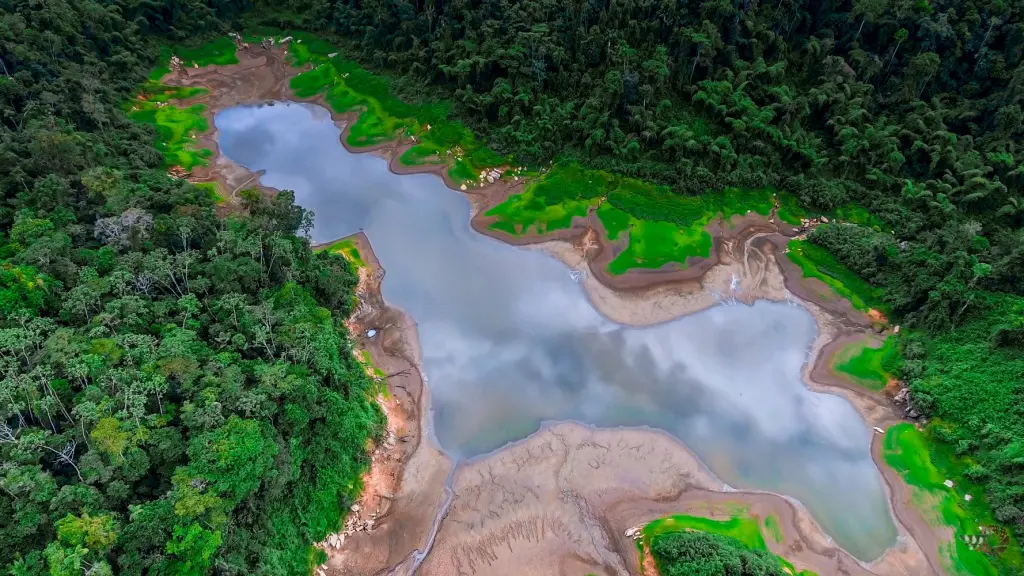
**Nature and Culture International plays leading role in protecting cultural and biodiversity in an area rapidly losing its forests.**
Nature and Culture International celebrates the creation of a new protected area linking the Andes Mountains with the Ecuadorian Amazon. **Huamboya Municipal Conservation Area** safeguards priority ecosystems and cultural diversity in central Ecuador, adding to a network of protected areas in the region spanning 7.5 million acres.
Huamboya protects 103,082 acres of sub-tropical montane forest\* along the eastern slope of the Andes Mountains. In recent years, this region has suffered extensive deforestation due to agricultural development – **an estimated 47 percent of the Huamboya Municipality has been converted to pasture and croplands**. This new area eliminates a significant unprotected gap between Sangay National Park and other protected areas, namely Pastaza Provincial Reserve and Río Upano Municipal Conservation Area.
\*Sub-tropical montane forest is a major natural habitat found in the Andean region, occurring in a zone from about 1,200 to 2,400 m. It serves as an important bird habitat.
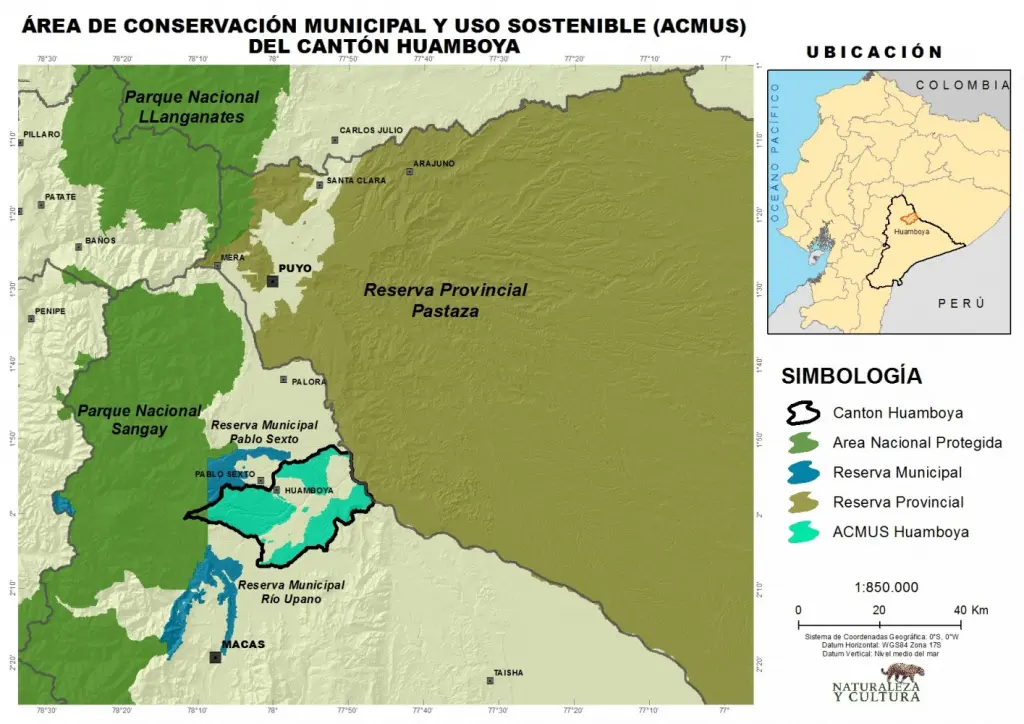*Located in the province of Morona Santiago in Ecuador, this area increases connectivity between Sangay National Park, Pastaza Provincial Reserve, and Río Upano Municipal Conservation Area– a network of protected areas spanning 7.5 million acres*
In linking protected areas, Huamboya establishes habitat connectivity essential for the long-term survival of such far-ranging species as the vulnerable spectacled bear (Tremarctos ornatus), lowland tapir (Tapirus terrestris) and near threatened Jaguar (Panthera onca). The area is also an **Endemic Bird Area with 36 range-restricted species**, including the vulnerable Ecuadorian piedtail (Phlogophilus hemileucurus) and near-threatened wattled guan (Aburria aburri). Ranging between 2,000 to 5,600 feet above sea level, Huamboya fills an elevation gap in the country’s national protected area system; the four national parks on the Ecuadorian east slope are generally higher than 3,000 feet above sea level.
To date 586 endemic plant species – or species found nowhere else on the planet – have been recorded in adjacent Sangay National Park, or approximately 20 percent of Ecuador’s total. Based on proximity, scientists estimate that Huamboya also has a **high level of plant endemism**.
Nearby communities rely on water that flows through the area for drinking, agriculture and other activities. Protecting the area will safeguard water supplies from outside threats as well as prevent droughts and floods, both of which are becoming more common with climate change. Huamboya will also preserve the **home and ancestral practices of a significant indigenous population**, principally members of the Shuar Nationality.
*Huamboya will safeguard important water resources for local communities*
Huamboya Municipal Conservation Area is a result of **collaboration between Nature and Culture International, local communities and the Municipal Government of Huamboya**. The area was created with the generous financial support of the Andes Amazon Fund.
With your help, Nature & Culture-Ecuador will continue to collaborate with the community and municipal government, developing and implementing the area’s Management Plan to ensure **effective and lasting conservation impact**.
Check out this video to learn more about this incredible area.
\[/vc\_column\_text\]\[/vc\_column\]\[/vc\_row\]
---
### [The First Water Protection Area in Southern Ecuador](https://www.natureandculture.org/directory/santa-rosa/)
**Published:** January 27, 2021
**Author:** Kristen Heard
**Content:**


# The First Water Protection Area in Southern Ecuador
01/27/2021
**Strategic Area:** Forests - Water -
**Content Type:** News
**Country:** Ecuador -
\[vc\_row\]\[vc\_column\]\[vc\_column\_text\]
## Thanks to you, a new Water Protection Area conserves 11,527 acres in southern Ecuador.
\[/vc\_column\_text\]\[/vc\_column\]\[/vc\_row\]\[vc\_row\]\[vc\_column\]\[vc\_column\_text\]
On Friday, January 22, Ecuador’s National Government declared *Santa Rosa Water Protection Area* (*Santa Rosa*), the first Water Protection Area in southern Ecuador, and seventh in the country! Located in the southwestern Andes, in the province of El Oro, the new area protects water sources from the Santa Rosa River, which provides drinking water to more than 80,000 people.
\[/vc\_column\_text\]\[/vc\_column\]\[/vc\_row\]\[vc\_row\]\[vc\_column\]\[vc\_column\_text\]
A “Water Protection Area” status legally safeguards wild places and water sources from all exploitation activities, ensuring clean water supplies for human consumption and domestic use. The declaration of *Santa Rosa* will legally protect the area’s water sources from threats like mining and unsustainable agricultural practices.
\[/vc\_column\_text\]\[/vc\_column\]\[/vc\_row\]\[vc\_row\]\[vc\_column\]\[vc\_single\_image image=”19105″ img\_size=”full” add\_caption=”yes”\]\[/vc\_column\]\[/vc\_row\]\[vc\_row\]\[vc\_column\]\[vc\_column\_text\]
*Santa Rosa* will also protect one of the last remnants of howler monkey habitat in the region. According to Ecuador’s Minister of Environment, between 2008 and 2014, an average of 15,500 acres of forest were lost each year in El Oro due to deforestation, threatening the survival of this species.
\[/vc\_column\_text\]\[/vc\_column\]\[/vc\_row\]\[vc\_row\]\[vc\_column\]\[vc\_column\_text\]In fact, the region’s cloud forests are an important refuge for a diversity of plants and animals! Just one hectare (or 2.5 acres) of cloud forest in El Oro can hold between 100 and 180 species of trees. Additionally, previous studies by Nature and Culture International and the National Institute of Biodiversity have identified 629 species of birds in the region, including the endemic El Oro parakeet (*Pyrrhura orcesi*) and threatened yellow-throated toucan *(Ramphastos ambiguus).*\[/vc\_column\_text\]\[/vc\_column\]\[/vc\_row\]\[vc\_row\]\[vc\_column\]\[vc\_single\_image image=”19106″ img\_size=”full” add\_caption=”yes”\]\[/vc\_column\]\[/vc\_row\]\[vc\_row\]\[vc\_column\]\[vc\_column\_text\]
Nature and Culture developed technical documents to justify the creation of *Santa Rosa*, including studies related to the area’s ecosystem services and water sources. The Water Protection Area was established with the financial support of Tinker Foundation and generous people like you!
\[/vc\_column\_text\]\[/vc\_column\]\[/vc\_row\]\[vc\_row\]\[vc\_column\]\[vc\_column\_text\]
With your help, in partnership with Ecuador’s Minister of Environment, Nature and Culture will continue to work on the creation of ten additional Water Protection Areas in the country! These areas are of ecological and hydrological importance for Ecuador and the world.
\[/vc\_column\_text\]\[/vc\_column\]\[/vc\_row\]\[vc\_row\]\[vc\_column\]\[vc\_column\_text\]Thank you for making this achievement possible! We hope that this bit of good news inspires you to continue fighting for *nature and culture*.\[/vc\_column\_text\]\[/vc\_column\]\[/vc\_row\]\[vc\_row\]\[vc\_column\]\[vc\_column\_text\]
*Did you hear about a new conservation area in Cuenca, Ecuador? Learn more [here](https://www.natureandculture.org/cuenca-acmus/).*
\[/vc\_column\_text\]\[/vc\_column\]\[/vc\_row\]\[vc\_column\]\[/vc\_column\]
**Strategic Area:** Forests, Water
**Country:** Ecuador
**Content Type:** News
---
### [A New Protected Area Secures Water Supplies for 39,000 People](https://www.natureandculture.org/directory/mojanda/)
**Published:** July 21, 2021
**Author:** Kristen Heard
**Content:**


# A New Protected Area Secures Water Supplies for 39,000 People
07/21/2021
**Strategic Area:** Forests - Local Communities - Water -
**Content Type:** News
**Country:** Ecuador -
\[vc\_row\]\[vc\_column\]\[vc\_column\_text\]
### **Thanks to donors like you, there is a new Water Protection Area in the Ecuadorian Andes.**
\[/vc\_column\_text\]\[/vc\_column\]\[/vc\_row\]\[vc\_row\]\[vc\_column\]\[vc\_column\_text\]
Nature and Culture International has supported the creation of a new Water Protection Area in northern Ecuador! The newly declared *Mojanda Water Protection Area* conserves 15,066 acres and secures safe and abundant water for 39,000 people.
\[/vc\_column\_text\]\[/vc\_column\]\[/vc\_row\]\[vc\_row\]\[vc\_column\]\[vc\_column\_text\]
The “Water Protection Area” is a new national-level conservation figure in Ecuador. These areas are defined by their strategic importance as water sources for human consumption and/or to guarantee food security and the rights of nature.
\[/vc\_column\_text\]\[/vc\_column\]\[/vc\_row\]\[vc\_row\]\[vc\_column\]\[vc\_column\_text\]
This conservation figure legally safeguards forests and other habitats from exploitation activities, like mining, ensuring clean water supplies for human consumption and other use. By focusing on source water protection, we can also protect the incredible biological and cultural diversity found in these areas.
\[/vc\_column\_text\]\[/vc\_column\]\[/vc\_row\]\[vc\_row\]\[vc\_column\]\[vc\_single\_image image=”20424″ img\_size=”full” add\_caption=”yes”\]\[/vc\_column\]\[/vc\_row\]\[vc\_row\]\[vc\_column\]\[vc\_column\_text\]
The newly declared *Mojanda Water Protection Area (Mojanda)* includes parts of the Ambi and Guayllabamba river basins, protecting 60 water sources that provide water to 39,144 people.
\[/vc\_column\_text\]\[/vc\_column\]\[/vc\_row\]\[vc\_row\]\[vc\_column\]\[vc\_column\_text\]
Páramo ecosystems make up more than 71% of *Mojanda*. Sometimes referred to as “water factories,” páramos act like sponges, absorbing rain and moisture from the air. They capture, store, and slowly release this water to the lower parts of the river basins.
\[/vc\_column\_text\]\[/vc\_column\]\[/vc\_row\]\[vc\_row\]\[vc\_column\]\[vc\_column\_text\]
One of the largest volcanoes in northern Ecuador stands amid the páramos in *Mojanda*. Volcán Mojanda is a twin volcano, consisting of two active stratovolcanoes (volcanoes consisting of alternate layers of lava and ash) called Mojanda and Fuya Fuya. An eruption thousands of years ago created a caldera at the summit of the volcanoes, now occupied by three turquoise lakes.
\[/vc\_column\_text\]\[/vc\_column\]\[/vc\_row\]\[vc\_row\]\[vc\_column\]\[vc\_column\_text\]
Additionally, the area is home to an impressive variety of wildlife. Animal species in *Mojanda* include the endangered royal sunangel (*Heliangelus regalis*), long-tailed sylph (*Aglaiocercus kingii*), Andean fox (*Lycalopex culpaeus*), and cougar (*Puma concolor*).
\[/vc\_column\_text\]\[/vc\_column\]\[/vc\_row\]\[vc\_row\]\[vc\_column\]\[vc\_single\_image image=”20458″ img\_size=”full” add\_caption=”yes”\]\[/vc\_column\]\[/vc\_row\]\[vc\_row\]\[vc\_column\]\[vc\_column\_text\]
In coordination with the National Water Authority of Ecuador, Nature and Culture conducted technical studies to determine the water quality, water demand, and conservation status of the area and identified areas of water importance that led to the establishment of *Mojanda*.
\[/vc\_column\_text\]\[/vc\_column\]\[/vc\_row\]\[vc\_row\]\[vc\_column\]\[vc\_column\_text\]
According to José Romero, project coordinator at Nature and Culture – Ecuador, the establishment of *Mojanda* will help state and local governments better manage the region and ensure the protection and sustainable use of natural resources.
\[/vc\_column\_text\]\[/vc\_column\]\[/vc\_row\]\[vc\_row\]\[vc\_column\]\[vc\_single\_image image=”20426″ img\_size=”full” add\_caption=”yes”\]\[/vc\_column\]\[/vc\_row\]\[vc\_row\]\[vc\_column\]\[vc\_column\_text\]
*Mojanda* was established thanks to financial support from the Tinker Foundation and generous donors like you! The area is a result of collaboration between Nature and Culture International, the Ministry of Environment, Water, and Ecological Transition of Ecuador, regional governments, and local communities.
\[/vc\_column\_text\]\[/vc\_column\]\[/vc\_row\]\[vc\_row\]\[vc\_column\]\[vc\_column\_text\]
The Ministry of Environment, Water, and Ecological Transition of Ecuador asked Nature and Culture to support the declaration of ten Water Protection Areas this year. Our local conservationists have protected five areas to date.
\[/vc\_column\_text\]\[/vc\_column\]\[/vc\_row\]\[vc\_row\]\[vc\_column\]\[vc\_column\_text\]
With your help, we will establish five additional Water Protection Areas in 2021. These areas are of ecological and hydrological importance for the country – and the world!
\[/vc\_column\_text\]\[/vc\_column\]\[/vc\_row\]\[vc\_row\]\[vc\_column\]\[vc\_column\_text\]
Read the Spanish news release [here](https://www.natureandculture.org/wp-content/uploads/2021/07/BOLETIN_NCI_APH_MOJANDA.pdf).
\[/vc\_column\_text\]\[/vc\_column\]\[/vc\_row\]\[vc\_row\]\[vc\_column\]\[vc\_column\_text\]
Did you hear? Part of Yacuambi Ecological Reserve has also been incorporated into Ecuador’s National System of Protected Areas! Learn more [here](https://www.natureandculture.org/yacuambi/).
\[/vc\_column\_text\]\[/vc\_column\]\[/vc\_row\]\[vc\_column\]\[/vc\_column\]
**Strategic Area:** Forests, Local Communities, Water
**Country:** Ecuador
**Content Type:** News
---
### [Expanding protected habitat for wildlife in the Peruvian Andes](https://www.natureandculture.org/directory/lajalcaexpansion/)
**Published:** March 31, 2021
**Author:** Kristen Heard
**Content:**


# Expanding protected habitat for wildlife in the Peruvian Andes
03/31/2021
**Strategic Area:** Biodiversity -
**Content Type:** Blog
**Country:** Peru -
\[vc\_row\]\[vc\_column\]\[vc\_column\_text\]
### ****With support from donors like you, a Peruvian community expanded a private conservation area in one of the world’s most biodiverse ecoregions.****
\[/vc\_column\_text\]\[/vc\_column\]\[/vc\_row\]\[vc\_row\]\[vc\_column\]\[vc\_column\_text\]
The community-owned *Llamapampa – La Jalca Private Conservation Area* has been enlarged by 21,530 acres, saving essential habitat for the spectacled bear and a critically-endangered primate. The expansion means the area is now protecting a total of 64,700 acres in one of the world’s most biodiverse ecoregions.
\[/vc\_column\_text\]\[/vc\_column\]\[/vc\_row\]\[vc\_row\]\[vc\_column\]\[vc\_column\_text\]
Located in the Peruvian Andes, *Llamapampa – La Jalca* was created in 2015 as a private conservation area, owned and managed by the rural community La Jalca. At the time, a nearby mining concession restricted the area’s perimeter. When the mining concession expired in 2018, Nature and Culture seized an opportunity for additional protection and began supporting La Jalca with the expansion.
\[/vc\_column\_text\]\[/vc\_column\]\[/vc\_row\]\[vc\_row\]\[vc\_column\]\[vc\_column\_text\]
Declared on March 19, the expansion comes at a critical time, as activities like unsustainable agricultural practices rapidly devastate the region’s forest and rich biodiversity.
\[/vc\_column\_text\]\[/vc\_column\]\[/vc\_row\]\[vc\_row\]\[vc\_column\]\[vc\_single\_image image=”19891″ img\_size=”full” add\_caption=”yes”\]\[/vc\_column\]\[/vc\_row\]\[vc\_row\]\[vc\_column\]\[vc\_column\_text\]
*Llamapampa – La Jalca* sits in the highly biodiverse yungas ecoregion, a band of forest wedged between the Peruvian Andes to the west and the Amazon rainforest to the east. Its forest and paramo grasslands contain an abundance of wildlife, with *Llamapampa – La Jalca* confirmed so far to host 130 species of flora, 65 species of birds, and 29 mammal species. Charismatic species in the area include the vulnerable spectacled bear (*Tremarctos ornatus)* and critically-endangered yellow-tailed woolly monkey (*Oreonax flavicauda*), found only in Peru.
\[/vc\_column\_text\]\[/vc\_column\]\[/vc\_row\]\[vc\_row\]\[vc\_column\]\[vc\_column\_text\]
The expanded area will preserve a water source key to populations along the nearby tributaries, cities like department capital Chachapoyas. According to Lleydy Alvarado, a project coordinator at Nature and Culture, *Llamapampa – La Jalca* is also an ideal landscape for ecotourism.
\[/vc\_column\_text\]\[/vc\_column\]\[/vc\_row\]\[vc\_row\]\[vc\_column\]\[vc\_column\_text\]
“Thanks to the establishment and expansion of *Llamapampa – La Jalca*, together with the committed La Jalca community, we can conserve critical ecosystems services that the yungas and paramos provide to humanity,” says the specialist.
\[/vc\_column\_text\]\[/vc\_column\]\[/vc\_row\]\[vc\_row\]\[vc\_column\]\[vc\_single\_image image=”19892″ img\_size=”full” add\_caption=”yes”\]\[/vc\_column\]\[/vc\_row\]\[vc\_row\]\[vc\_column\]\[vc\_column\_text\]
Since 2015, La Jalca has handled the protection and management of the private conservation area with technical support and trainings from Nature and Culture. Additionally, our team supports community members with sustainable agriculture and livelihood alternatives such as ecotourism. This support and the expansion of *Llamapampa – La Jalca* was made possible thanks to World Land Trust, Andes Amazon Fund, and generous donors like you.
\[/vc\_column\_text\]\[/vc\_column\]\[/vc\_row\]\[vc\_row\]\[vc\_column\]\[vc\_column\_text\]
With your help, Nature and Culture’s team in Peru will continue to work with local communities to ensure effective and lasting conservation impact in the Peruvians Andes.
\[/vc\_column\_text\]\[/vc\_column\]\[/vc\_row\]\[vc\_row\]\[vc\_column\]\[vc\_single\_image image=”19893″ img\_size=”full” add\_caption=”yes”\]\[/vc\_column\]\[/vc\_row\]\[vc\_row\]\[vc\_column\]\[vc\_column\_text\]
Thank you for making this achievement possible! We hope that this bit of good news inspires you to continue fighting for nature and culture.
\[/vc\_column\_text\]\[/vc\_column\]\[/vc\_row\]\[vc\_row\]\[vc\_column\]\[vc\_column\_text\]
*Learn more about your impact in the Andes [here.](https://www.natureandculture.org/ecosystems/andean-cloudforests/)*
\[/vc\_column\_text\]\[/vc\_column\]\[/vc\_row\]\[vc\_column\]\[/vc\_column\]
**Strategic Area:** Biodiversity
**Country:** Peru
**Content Type:** Blog
---
### [Connecting Ecosystems from the Andes to the Amazon](https://www.natureandculture.org/directory/palora/)
**Published:** December 16, 2020
**Author:** Kristen Heard
**Content:**


# Connecting Ecosystems from the Andes to the Amazon
12/16/2020
**Strategic Area:** Forests -
**Content Type:** Blog
**Country:** Ecuador - Peru -
\[vc\_row\]\[vc\_column\]\[vc\_column\_text\]
### ****Thanks to you, 56,327 acres are now protected in the Amazon.****
\[/vc\_column\_text\]\[/vc\_column\]\[/vc\_row\]\[vc\_row\]\[vc\_column\]\[vc\_column\_text\]
Nature and Culture International celebrates the creation of a new protected area in the Ecuadorian Amazon! Encompassing 56,327 acres, Palora Municipal Conservation and Sustainable Use Area connects two important ecosystems: the cloud forests of the eastern Andes and the Amazon plains.
\[/vc\_column\_text\]\[/vc\_column\]\[/vc\_row\]\[vc\_row\]\[vc\_column\]\[vc\_column\_text\]
Spanning paramo grassland, cloud forest, and rainforest, Palora Municipal Conservation and Sustainable Use Area contains an impressive variety of wildlife, including significant bird populations of tanagers and hummingbirds. Its vast landscape is home to unique and threatened plant and animal species such as the coppery-chested jacamar (Galbula pastazae), red-hooded tanager (Piranga rubriceps), and cedar tree (Cedrela odorata).
\[/vc\_column\_text\]\[/vc\_column\]\[/vc\_row\]\[vc\_row\]\[vc\_column\]\[vc\_single\_image image=”18837″ img\_size=”full” add\_caption=”yes”\]\[/vc\_column\]\[/vc\_row\]\[vc\_row\]\[vc\_column\]\[vc\_column\_text\]
Palora Municipal Conservation and Sustainable Use Area is divided into two blocks in southeast Ecuador. One of the blocks is adjacent to Sangay National Park – known for its majestic volcano. The national park contains over 300 lagoons fed by the volcano’s glaciers. Some of this water is stored in the paramo grassland found in the new conservation area, which flows through the cloud forest and feeds the Amazon River basin. During this journey, the water is used by more than 4,000 inhabitants of the cities of Palora and Cumanda.
\[/vc\_column\_text\]\[/vc\_column\]\[/vc\_row\]\[vc\_row\]\[vc\_column\]\[vc\_column\_text\]
The new area is part of the Llanganates- Sangay Ecological Corridor, connecting Sangay National Park with the Provincial Reserve of Pastaza. In linking protected areas, Palora Municipal Conservation and Sustainable Use Area establishes habitat connectivity essential for the long-term survival of far-ranging species such as the jaguar (Panthera onca), ocelot (Leopardus pardalis), giant anteater (Myrmecophaga tridactyla), and brown woolly monkey (Lagothrix lagotricha).
\[/vc\_column\_text\]\[/vc\_column\]\[/vc\_row\]\[vc\_row\]\[vc\_column\]\[vc\_single\_image image=”18840″ img\_size=”full” add\_caption=”yes”\]\[/vc\_column\]\[/vc\_row\]\[vc\_row\]\[vc\_column\]\[vc\_column\_text\]
The creation of Palora Municipal Conservation and Sustainable Use Area will legally prevent agricultural expansion in the region. It will protect the area’s forests from deforestation, and safeguard water supplies from pollution from pesticides and fertilizers.
\[/vc\_column\_text\]\[/vc\_column\]\[/vc\_row\]\[vc\_row\]\[vc\_column\]\[vc\_column\_text\]
“Thanks to your support, we are able to protect Palora from agricultural expansion and mining activities,” says Jaime Toro, Nature and Culture conservationist. “With the creation of *Palora Municipal Conservation and Sustainable Use Area*, we are now able to plan the area’s land use and sustainable management to mitigate threats and protect water sources.”
\[/vc\_column\_text\]\[/vc\_column\]\[/vc\_row\]\[vc\_row\]\[vc\_column\]\[vc\_single\_image image=”18839″ img\_size=”full” add\_caption=”yes”\]\[/vc\_column\]\[/vc\_row\]\[vc\_row\]\[vc\_column\]\[vc\_column\_text\]
Palora Municipal Conservation and Sustainable Use Area is a result of collaboration between Nature and Culture, the Municipal Decentralized Government of Palora, and local communities. The area was created thanks to financial support from the Andes Amazon Fund, and generous supporters like you!
\[/vc\_column\_text\]\[/vc\_column\]\[/vc\_row\]\[vc\_row\]\[vc\_column\]\[vc\_column\_text\]
With your help, Nature and Culture will continue to work with local communities and authorities to develop the area’s management plan to ensure lasting and effective conservation impact. We are currently planning to restore degraded land and install signage in Palora Municipal Conservation and Sustainable Use Area in the near future.
\[/vc\_column\_text\]\[/vc\_column\]\[/vc\_row\]\[vc\_row\]\[vc\_column\]\[vc\_column\_text\]
Thank you for making this achievement possible! We hope that this bit of good news inspires you to continue fighting for nature and culture.
\[/vc\_column\_text\]\[/vc\_column\]\[/vc\_row\]\[vc\_row\]\[vc\_column\]\[vc\_column\_text\]
[Read the news release in Spanish.](https://www.natureandculture.org/wp-content/uploads/2020/12/BOLETIN_NCI_ACMUS_PALORA_Final.pdf)
\[/vc\_column\_text\]\[/vc\_column\]\[/vc\_row\]\[vc\_row\]\[vc\_column\]\[vc\_column\_text\]
*You can view the map of the area [here](https://www.natureandculture.org/wp-content/smush-webp/2020/12/MAPA_PALORA_ACMUS_English.jpg.webp). Learn more about your impact in the Amazon [here.](https://www.natureandculture.org/ecosystems/amazon-rainforest/)*
\[/vc\_column\_text\]\[/vc\_column\]\[/vc\_row\]\[vc\_column\]\[/vc\_column\]
**Strategic Area:** Forests
**Country:** Ecuador, Peru
**Content Type:** Blog
---
### [New Beginnings: NCI Expands to Protect Colombia’s Biodiversity](https://www.natureandculture.org/directory/new-beginnings-nci-expands-to-protect-colombias-biodiversity/)
**Published:** April 14, 2015
**Author:** NCI STAFF
**Content:**


# New Beginnings: NCI Expands to Protect Colombia’s Biodiversity
04/14/2015
**Strategic Area:** Forests -
**Content Type:** Blog
**Country:** Colombia -
\[vc\_row\]\[vc\_column\]\[vc\_column\_text el\_class=”margin-left\_10px”\]In response to growing threats to the forests that sustain our planet, we plan to double our impact by expanding into Colombia and Bolivia from our existing operations in Ecuador, Peru and Mexico. To date we have entered into partnerships with two of Colombia’s regional environmental authorities and are funding the creation of protected areas to conserve more than 200,000 acres of tropical forests that play a vital role in maintaining the water supply and climate.
[](https://www.natureandculture.org/wp-content/smush-webp/2015/04/Cuaca-Guan.jpg.webp)Why Colombia? Over 300 different ecosystems are found in Colombia. It houses nearly 10% of the planet’s biodiversity on less than 1% of its land mass, and leads the world in a number of categories. For instance it is home to an astonishing 1,900 bird species – double that of the U.S. and more than any other country – making the conservation of Colombia’s ecosystems a global priority.
In the Colombian province of Antioquia, the ecosystems are “just packed,” according to NCI staff member, Felipe Serrano. Within a few hundred miles, you can travel from the Pacific coast to the Andes Mountains, with numerous ecosystems in between. NCI recently signed an agreement with CORNARE, one of Antioquia’s regional environmental authorities, to fund the creation of two protected areas. Through these efforts, 150,000 acres of tropical forest will be conserved along with the water supply.
We are also seeking to maintain habitat connectivity. In Ecuador’s neighboring province of Carchi, we are working with the Cofán Survival Fund and Altropico Foundation to protect the striking páramo and cloud forest ecosystems. Just across the border is Colombia’s Nariño province, where NCI is funding the protection of more than 70,000 acres. NCI’s Felipe Serrano summarizes the rationale: “Ecosystems don’t respect jurisdictional boundaries; it makes sense that we would cross the border from Carchi to Nariño.”
Over half of the country’s forests are intact – 53% according to the Convention on Biological Diversity, and the national government has mandated that each region create a system of protected areas. As peace takes hold after years of conflict, we see a major opportunity for conservation by working at the regional level to establish protected areas in the country’s highest priority ecosystems. NCI and Colombia’s regional environmental authorities are seizing this opportunity together.
[](https://www.natureandculture.org/wp-content/smush-webp/2013/11/Volcan-Colombia.jpg.webp)Local people are focused on conservation, recognizing that the forests are important sources of water for their crops, as well as for domestic use and energy production, as one-third of Colombia’s hydroelectric power comes from Antioquia.
Carlos Betancourt, who works for CORNARE, and his family have lived in El Retiro, near one of the proposed protected areas, since he was eight years old. Now, Carlos is concerned about water quality. “El Retiro’s farmers know that the Melcocho River watershed has a special richness,” he says, “and that richness is its biodiversity and its water. The people here are ready to protect that.”\[/vc\_column\_text\]\[/vc\_column\]\[/vc\_row\]
**Tags:** Colombia
**Strategic Area:** Forests
**Country:** Colombia
**Content Type:** Blog
---
### [First Indigenous-Led Conservation Area in Ecuador Announced](https://www.natureandculture.org/directory/first-indigenous-conservation-area-announced/)
**Published:** July 22, 2022
**Author:** Heather Thomas
**Content:**


# First Indigenous-Led Conservation Area in Ecuador Announced
07/22/2022
**Strategic Area:** Forests - Local Communities -
**Content Type:** News
**Country:** Ecuador -
\[vc\_row\]\[vc\_column\]\[vc\_column\_text\]
### The Shuar nationality will be in charge of the management of Ecuador’s newest protected area, “Tiwi Nunka”.
In a ceremony, which took place on July 20th at the Shuar Kiim Center, the Ministry of Environment, Water and Ecological Transition (MAATE) officially announced that Tiwi Nunka will be the first protected area managed by an Indigenous nationality to enter the National System of Protected Areas (SNAP).
Located at the southeastern end of the Amazon basin, the province of Zamora Chinchipe is the 69th area in Ecuador’s SNAP. Ecuador’s Ministry of Environment, Gustavo Manrique said, Thursday, “Nature and Culture International is an important accelerator in realizing achievements like todays.”\[/vc\_column\_text\]\[vc\_single\_image image=”22047″ img\_size=”large” add\_caption=”yes” alignment=”center”\]\[vc\_column\_text\]The Tiwi Nunka Community Protected Area spans 13,585.48 acres and is located at the junction of the Yacuambi and Kiim rivers, in Zamora Chinchipe. The Shuar Kiim Center, part of this conservation area, is home to 200 people, including 35 families who will protect this territory.
This noteworthy achievement is the result of the collective effort and perseverance of the inhabitants of the Shuar Kiim Center, with the support of Nature and Culture International, the Provincial Federation of the Shuar Nationality of Zamora Chinchipe, MAATE and the financing of Andes Amazon Fund.\[/vc\_column\_text\]\[vc\_column\_text\]Nature lends us many elements for human life, that is why we want to conserve this protected area. Our elders left us a legacy to care for nature and all species. We want to conserve water, plants, and all that contains life,” says Milton Asamat, president of the Shuar Kiim Center.
The name of this protected area means “Territory of Tiwi” and pays homage to the first Shuar to settle in this area. Until the 1960s, members of this nationality had a semi-nomadic lifestyle. This changed, as the most productive parts of its territory were occupied by settlers. Thus, Shuar families began to form settlements, later known as Centros. Around 1958, Tiwi settled with his partner Shama at the site of this protected area.\[/vc\_column\_text\]\[vc\_column\_text\]In order to ultimately protect this territory from threats such as mining, the community, with the support of Nature and Culture International, asked MAATE to incorporate this territory into the National System of Protected Areas. This would ensure the highest level of protection. “We carried out a process of community consultation, everyone participating at their own level. Then, in a participatory way, the necessary documents were built for the recognition of the Protected Area. And finally, with the help of the MAATE technicians, the respective procedures were carried out to achieve approval,” explains Trotsky Riera-Vite, Nature and Culture’s Zamora Chinchipe Coordinator. This is how 13,585 acres were gained in the National System.\[/vc\_column\_text\]\[vc\_single\_image image=”22043″ img\_size=”large” add\_caption=”yes” alignment=”center”\]\[vc\_column\_text\]
### This declaration is important to preserve both nature and culture.
“At the regional level, this area is very important because a micro-corridor is being created with the Podocarpus National Park, the Tres Picachos Parish Reserve and the Yacuambi Decentralized Protected Area,” explains Riera-Vite. This area protects vital ecosystems such as páramo and the Amazon Rainforest.
The protection of the region also provides ecosystem services to the entire population of Zamora Chinchipe and the nearby province of Loja. “At a more local level it is fundamental for the people of the parish of La Paz and specifically for the Shuar Kiim Center because that is the head of the Kiim River, which provides the main source of protein \[from fishing\] for these communities,” adds Riera-Vite.
This area is also of great cultural importance for the Shuar. There are many waterfalls within this area, which are fundamental to the nationality’s culture. Water is the space through which the life force that they know as Arutam moves. In addition, it is essential for the survival of this Indigenous nationality since it is closely linked to their territories.\[/vc\_column\_text\]\[vc\_single\_image image=”22054″ img\_size=”large” add\_caption=”yes” alignment=”center”\]\[vc\_column\_text\]Furthermore, this declaration will help protect biodiversity. In this area there are records of the Andean bear, tapir and puma. These species use the territory of the Shuar Kiim Center, as they move between the Podocarpus National Park and the Yacuambi Decentralized Autonomous Protected Area.
With Nature and Culture’s support, and the determined will of MAATE, Tiwi Nunka is now the 69th protected area incorporated into the National System and the first to be managed by an Indigenous nationality in Ecuador, in this case the Shuar nationality. Now, Nature and Culture International Ecuador, in coordination with the MAATE, and with the financing of Andes Amazon Fund will accompany the community in the management of its territory.\[/vc\_column\_text\]\[vc\_column\_text\][Leer en Español](https://www.natureandculture.org/tiwi-nunka-se-convierte-en-la-primera-area-de-conservacion-manejada-por-una-nacionalidad-en-el-snap/)\[/vc\_column\_text\]\[/vc\_column\]\[vc\_column\]\[/vc\_column\]\[/vc\_row\]
**Tags:** Conservation, El Kiim, Indigenous, Protected Area, Shuar, Tiwi Nunka
**Strategic Area:** Forests, Local Communities
**Country:** Ecuador
**Content Type:** News
---
### [New Map of Mountain Tapir Distribution in Peru Promotes Conservation](https://www.natureandculture.org/directory/new-map-mountain-tapir-distribution/)
**Published:** February 2, 2022
**Author:** Heather Thomas
**Content:**


# New Map of Mountain Tapir Distribution in Peru Promotes Conservation
02/02/2022
**Strategic Area:** Biodiversity - Forests -
**Content Type:** Blog
**Country:** Peru -
\[vc\_row\]\[vc\_column\]\[vc\_column\_text\]
### Recent documentation of the distribution, population density, and habitat use of the tapir in Peru’s Northern Andes will aid in the conservation of one of the largest and most threatened mammals in the region.
\[/vc\_column\_text\]\[/vc\_column\]\[/vc\_row\]\[vc\_row\]\[vc\_column\]\[vc\_column\_text\]The mountain tapir (*Tapirus pinchaque*) is categorized as a [globally endangered species](https://www.iucnredlist.org/species/21473/45173922) according to the International Union for the Conservation of Nature, despite its wide distribution in Colombia, Ecuador, and northern Peru. The population of this unique mammal has decreased in recent years due to habitat loss caused by forest fires, deforestation, cattle ranching, and agricultural activities. The global population is estimated at less than 2,500 mature individuals.\[/vc\_column\_text\]\[/vc\_column\]\[/vc\_row\]\[vc\_row\]\[vc\_column\]\[vc\_single\_image image=”21179″ img\_size=”large” add\_caption=”yes” alignment=”center”\]\[/vc\_column\]\[/vc\_row\]\[vc\_row\]\[vc\_column\]\[vc\_column\_text\]Nature and Culture International Biologists in Peru, Elio Núñez and Katty Carrillo, gathered information on the distribution and conservation status of the mountain tapir in Peru along with professionals from the Spectacled Bear Conservation Society (SBC Peru), Research Center of Biodiversity and Sustainability (BioS), and the Catholic University of Peru. Studies on the distribution of the tapir in Peru were previously lacking and obtaining an updated review of its preferred habitats would help with conservation efforts.
Based on the occurrence of the species from local sightings and camera trap records, between 2016 and 2018, the scientists expanded on a map of current tapir distribution in the northern Andes of Peru. The Study Area covers a total of 468,814 acres of páramo and montane forest in the provinces of Ayabaca and Huancabamba in Piura; as well as in the provinces of Jaén and San Ignacio in Cajamarca and in the province of Ferreñafe in Lambayeque, of which approximately 60% is within protected areas supported by Nature and Culture International.
This research was recently published in the Journal for Nature Conservation and thanks to this scientific article, recommendations were obtained for the conservation of the montane forests, páramo, and Yungas, all habitats of the mountain tapir. In addition, binational initiatives have been proposed to guarantee connectivity with the populations between Ecuador and Peru. With this new research, the tapir is promoted as a key species in the protection of mountain ecosystems and their water sources.\[/vc\_column\_text\]\[vc\_btn title=”Click here to read the publication” style=”custom” custom\_background=”#0f7d3f” custom\_text=”#ffffff” shape=”square” size=”lg” align=”center” link=”url:https%3A%2F%2Fwww.sciencedirect.com%2Fscience%2Farticle%2Fabs%2Fpii%2FS1617138122000036%23\|target:\_blank”\]\[vc\_single\_image image=”21180″ img\_size=”large” alignment=”center”\]\[/vc\_column\]\[/vc\_row\]\[vc\_row\]\[vc\_column\]\[vc\_column\_text\]In a recent interview, Biologist Carrillo shared, “It is important to generate scientific information in order to provide tools for communities and public institutions to continue protecting Peruvian highlands and montane forests, the habitat of the species in our region.” According to Carrillo, Nature and Culture’s mosaic of conservation areas in the Andes of northern Peru and southern Ecuador protect the mountain tapir habitat, and conservation actions for the species are being promoted.
She also mentioned that the team is currently working in coordination with the Ministry of the Environment, the National Service of Protected Areas, the Binational Plan, the Regional Governments of Piura and Cajamarca, and the local governments to achieve official recognition of the Northern Andes Conservation Corridor. This initiative aims to reduce habitat degradation, forest loss, and fragmentation through connectivity to protect endangered species such as the mountain tapir, one of the emblematic species of the northern Peruvian Andes.
Read more about the mountain tapir by clicking [here](https://www.natureandculture.org/field-notes/mammals-tapir/).\[/vc\_column\_text\]\[/vc\_column\]\[/vc\_row\]
**Strategic Area:** Biodiversity, Forests
**Country:** Peru
**Content Type:** Blog
---
### [Jaguar Sighting Near NCI's Monte Mojino Reserve in Mexico](https://www.natureandculture.org/directory/jaguar-sighting-near-nci-mexico/)
**Published:** April 12, 2016
**Author:** NCI STAFF
**Content:**


# Jaguar Sighting Near NCI’s Monte Mojino Reserve in Mexico
04/12/2016
\[vc\_row\]\[vc\_column\]\[vc\_column\_text\]Last week our team in Mexico celebrated the sighting of this incredible jaguar, caught on camera by the camera traps installed in and near our [Monte Mojino Reserve](https://www.natureandculture.org/places/mexico/monte-mojino-reserve/), which protects over 15,000 acres of tropical deciduous forest habitat for the iconic jaguar, along with countless other species.\[/vc\_column\_text\]\[vc\_single\_image image=”11410″ img\_size=”full”\]\[vc\_single\_image image=”11409″ img\_size=”full”\]\[vc\_single\_image image=”11411″ img\_size=”full”\]\[vc\_single\_image image=”11412″ img\_size=”full”\]\[/vc\_column\]\[/vc\_row\]
**Tags:** Camera Traps, Jaguar, Mexico, Monte Mojino Reserve
---
### [Newly Declared Coastal Conservation Area in Ecuador Protects Primary Water Source for Entire Province](https://www.natureandculture.org/directory/newly-declared-santa-elena-protected-area/)
**Published:** September 22, 2022
**Author:** Heather Thomas
**Content:**


# Newly Declared Coastal Conservation Area in Ecuador Protects Primary Water Source for Entire Province
09/22/2022
**Strategic Area:** Water -
**Content Type:** News
**Country:** Ecuador -
\[vc\_row\]\[vc\_column\]\[vc\_column\_text\]On August 31st, 2022 the Santa Elena Provincial Protected Area was approved. The process to establish this area was led by the Provincial Government of Santa Elena and the Sustainable Landscapes Foundation, with support from Nature and Culture and Andes Amazon Fund.
The Provincial Council of Santa Elena unanimously approved the declaration of the Provincial System of Conservation and Sustainable Use Areas (PSCSUA) of Santa Elena. With this measure, by the end of the year, 277,870 acres of both dry and humid forest, will be protected. This area is high in biodiversity of plants and animals and protects the main source of water for the entire province. “It is very important for us to have these Areas of Conservation and Sustainable Use since Santa Elena does not have its own water source. The only water source is the forest,” said Bertha Carpio, Director of Environmental Management of the Province of Santa Elena.\[/vc\_column\_text\]\[vc\_single\_image image=”22287″ img\_size=”large” add\_caption=”yes” alignment=”center”\]\[/vc\_column\]\[/vc\_row\]\[vc\_row\]\[vc\_column\]\[vc\_column\_text\]The PSCSUA covers 80.7% of the province’s native forest. This includes the protective forest of the Cordillera Choncón Colonche and the remnants of eight biodiverse terrestrial ecosystems. According to studies carried out in this protective forest, there are about 171 species of birds and 37 species of mammals. Scientists estimate that the number of species is probably more, as there is still much to study.\[/vc\_column\_text\]\[/vc\_column\]\[/vc\_row\]\[vc\_row\]\[vc\_column\]\[vc\_column\_text\]
## Bird Lovers Flock to Santa Elena
Santa Elena attracts thousands of tourists a year for its natural landscapes and beaches. Among these tourists, bird lovers visit Santa Elena to find species that are not found anywhere else in the world. This new provincial protected area is within the Tumbesian Bird Endemism Area, an area with one of the highest number of endemic bird species in the world. 56 unique species of birds have been recorded in the Tumbesian Bird Endemism Area. It is also home to iconic species, such as the Esmeraldas hummingbird (*Chaetocercus* *berlepshi*), and critically endangered species such as the Guayaquil Parrot (*Ara* *ambiguus*).\[/vc\_column\_text\]\[/vc\_column\]\[/vc\_row\]\[vc\_row\]\[vc\_column\]\[vc\_column\_text\]
## A Corridor in the Coastal Forest
The expansion of the agricultural frontier has left a fragmented landscape of forests on Ecuador’s coast, isolating populations of animals such as the jaguar, puma, and capuchin monkey. These species depend on wide-ranging habitats to survive. “The coast of Ecuador is the region that has the fewest terrestrial protected areas, and the most worrying thing is that there is less and less forest, everything there is very fragmented. Santa Elena is home to one of the last remnants of the coastal forest,” says Max Lascano, Executive Director of the Sustainable Landscapes Foundation (PASOS). Thanks to the establishment of the PSCSUA, large mammals and other animals will be able to move from the Machalilla National Park located in the province of Manabí, to the Loma Alta Communal Ecological Reserve and the Chongón Colonche Protective Forest in Santa Elena, without danger.\[/vc\_column\_text\]\[/vc\_column\]\[/vc\_row\]\[vc\_row\]\[vc\_column\]\[vc\_column\_text\]
## Conservation to Ensure Long-Term Water Access
According to the National Drought Plan 2021-2030, Santa Elena is one of the provinces with the highest susceptibility to droughts due to climate change. The PSCSUA, in addition to storing 17 million tons of carbon and contributing to the mitigation of global climate change, protects 97.5% of Santa Elena’s water sources. The conservation measures of the PSCSUA are intended to ensure the long-term quantity and quality of water for local inhabitants. According to Renzo Paladines, Director of Conservation at Nature and Culture International, “the water sources that supply most cities and towns in the province and all hotels, holiday resorts and other tourist and industrial enterprises of Santa Elena are in these conservation areas, so their protection is fundamental.”\[/vc\_column\_text\]\[vc\_single\_image image=”22290″ img\_size=”large” add\_caption=”yes” alignment=”center”\]\[/vc\_column\]\[/vc\_row\]\[vc\_row\]\[vc\_column\]\[vc\_column\_text\]To establish the PSCSUA, the PASOS Foundation and Nature and Culture, worked together with the Provincial Government of Santa Elena and 32 communities to develop the plan and delineation of these new protected areas. To ensure the area’s long-term conservation, management activities will be implemented. This includes control and monitoring, research, restoration, reforestation, and sustainable production. According to Carpio, activities such as agro-ecology and bio-enterprises will be implemented to allow communities to grow while continuing to conserve their forests.\[/vc\_column\_text\]\[/vc\_column\]\[/vc\_row\]
**Strategic Area:** Water
**Country:** Ecuador
**Content Type:** News
---
### [Monitoring the Last American Crocodile Population in Southern Ecuador](https://www.natureandculture.org/directory/crocodilemonitoring/)
**Published:** July 16, 2021
**Author:** Kristen Heard
**Content:**


# Monitoring the Last American Crocodile Population in Southern Ecuador
07/16/2021
**Strategic Area:** Biodiversity -
**Content Type:** Blog
**Country:** Ecuador -
\[vc\_row\]\[vc\_column\]\[vc\_column\_text\]
## ****A team of scientists embarks on a risky but rewarding adventure to save the American crocodile.****
\[/vc\_column\_text\]\[/vc\_column\]\[/vc\_row\]\[vc\_row\]\[vc\_column\]\[vc\_column\_text\]
“Working with crocodiles is not just for the brave but for experts,” says Darwin Núñez, a scientist at Nature and Culture International, who recalls a crocodile nearly biting his face. When handling crocodiles, one small mistake can mean the difference between life and death.
\[/vc\_column\_text\]\[/vc\_column\]\[/vc\_row\]\[vc\_row\]\[vc\_column\]\[vc\_column\_text\]
But for Darwin, a leading herpetologist in Ecuador, the risk is worth the reward. He is working to save one of the last populations of the American crocodile (*Crocodylus sp.*) in the dry forests of southern Ecuador.
\[/vc\_column\_text\]\[/vc\_column\]\[/vc\_row\]\[vc\_row\]\[vc\_column\]\[vc\_single\_image image=”20434″ img\_size=”large” add\_caption=”yes”\]\[/vc\_column\]\[/vc\_row\]\[vc\_row\]\[vc\_column\]\[vc\_column\_text\]
The American crocodile is distributed from the southern tip of Florida in the United States to the Pacific coast of Colombia, Ecuador, and Peru. Despite its wide distribution, the animal is considered vulnerable by the International Union for Conservation of Nature.
\[/vc\_column\_text\]\[/vc\_column\]\[/vc\_row\]\[vc\_row\]\[vc\_column\]\[vc\_column\_text\]
Its populations were seriously depleted from 1930 through 1970 due to the high commercial value of the crocodile’s skin. Approximately 200,000 skins were exported from Ecuador alone during this period. Now, however, the greatest threats to the American crocodile are the destruction and contamination of its habitat due to agricultural expansion, mining, and urbanization.
\[/vc\_column\_text\]\[/vc\_column\]\[/vc\_row\]\[vc\_row\]\[vc\_column\]\[vc\_column\_text\]
In Ecuador, the American crocodile is found in Guayas, El Oro, Esmeraldas, and Loja provinces. Very little is known about the population in Loja, specifically in the municipality of Zapotillo. To learn more about this population and its dry forest habitat, Nature and Culture began monitoring American crocodiles in Zapotillo’s Puyango River and Cazaderos Creek, in Loja, with support from the Technical University of Loja, the AMARU Zoo, and the Ministry of Environment, Water, and Ecological Transition of Ecuador.
\[/vc\_column\_text\]\[/vc\_column\]\[/vc\_row\]\[vc\_row\]\[vc\_column\]\[vc\_single\_image image=”20435″ img\_size=”large” add\_caption=”yes”\]\[/vc\_column\]\[/vc\_row\]\[vc\_row\]\[vc\_column\]\[vc\_column\_text\]
Over the past few months, Darwin and his team made 18 trips to survey the crocodiles, record phenotypic data (or observable physical properties), extract tissue and saliva samples, and take water samples from the Puyango River.
\[/vc\_column\_text\]\[/vc\_column\]\[/vc\_row\]\[vc\_row\]\[vc\_column\]\[vc\_column\_text\]
The chase begins at sundown. The biologists venture down to Puyango River in search of the creature. Using flashlights, they scan the riverbanks for the glowing eyes of a lone crocodile hiding in the darkness of night.
\[/vc\_column\_text\]\[/vc\_column\]\[/vc\_row\]\[vc\_row\]\[vc\_column\]\[vc\_column\_text\]
After spotting an individual, the team uses a cable to catch the crocodile’s snout. When it tires of struggling with the cable, one scientist covers the reptile’s eyes with a t-shirt, others hold its tail and snout, and Darwin gets on the animal’s back to take samples.
\[/vc\_column\_text\]\[/vc\_column\]\[/vc\_row\]\[vc\_row\]\[vc\_column\]\[vc\_column\_text\]
The team of experts takes tissue and saliva samples, identifies whether the crocodile is male or female, extracts phenotypic data, releases the crocodile, and returns to the boat – all in 15 minutes or less! The process requires precision and concentration.
\[/vc\_column\_text\]\[/vc\_column\]\[/vc\_row\]\[vc\_row\]\[vc\_column\]\[vc\_column\_text\]
“The most difficult moment is the release. The crocodile can quickly turn around and give \[you\] a strong tail,” explains Darwin.
\[/vc\_column\_text\]\[/vc\_column\]\[/vc\_row\]\[vc\_row\]\[vc\_column\]\[vc\_single\_image image=”20437″ img\_size=”large” add\_caption=”yes”\]\[/vc\_column\]\[/vc\_row\]\[vc\_row\]\[vc\_column\]\[vc\_column\_text\]
Darwin and his team have monitored 97 individuals over 35 kilometers along the Puyango River and Cazaderos Creek. Some individuals reach five meters (or 16 feet) long.
\[/vc\_column\_text\]\[/vc\_column\]\[/vc\_row\]\[vc\_row\]\[vc\_column\]\[vc\_column\_text\]
The team found an average of 2.8 individuals per kilometer, which worries Darwin. He says “there should be five individuals per kilometer for a healthy population.” This specific population is at risk because their river habitat is contaminated with heavy metals from mining.
\[/vc\_column\_text\]\[/vc\_column\]\[/vc\_row\]\[vc\_row\]\[vc\_column\]\[vc\_column\_text\]
The extinction of a top predator like the American crocodile would cause serious ecosystem and food web changes. Additionally, according to Darwin, it could result in the disappearance of water resources in the dry forests of Zapotillo. The herpetologist explains the crocodiles dig holes in the arid soil of dry forests in search of water, creating small lakes. These lakes feed larger lakes and rivers and can become important habitats where other species find a place to live.
\[/vc\_column\_text\]\[/vc\_column\]\[/vc\_row\]\[vc\_row\]\[vc\_column\]\[vc\_single\_image image=”20436″ img\_size=”large” add\_caption=”yes”\]\[/vc\_column\]\[/vc\_row\]\[vc\_row\]\[vc\_column\]\[vc\_column\_text\]
Monitoring efforts and subsequent genetic testing have shown that this population may be a different species of American crocodile than the one previously registered in Ecuador (*Crocodylus acutus*). We are excited to discover more as we continue to study the population.
\[/vc\_column\_text\]\[/vc\_column\]\[/vc\_row\]\[vc\_row\]\[vc\_column\]\[vc\_column\_text\]
With your support, Darwin and his team plan to continue surveying the American crocodile and conduct additional research on crocodile genetics and water pollution. The results of their monitoring will indicate the status of the population in Loja, the health of the individuals, and the degree of contamination of their habitat. Results will inform conservation efforts in the region.
\[/vc\_column\_text\]\[/vc\_column\]\[/vc\_row\]\[vc\_row\]\[vc\_column\]\[vc\_column\_text\]
Together we can protect the American crocodile and its threatened habitat. Stay tuned for more updates from the field!
\[/vc\_column\_text\]\[/vc\_column\]\[/vc\_row\]\[vc\_row\]\[vc\_column\]\[vc\_column\_text\]
*Did you hear? The Municipality of Loja recently declared Loja Municipal Conservation and Sustainable Use Area. Divided into 13 blocks throughout Loja, the new area saves wildlife and water sources for 200,000 people. **[Learn more here.](https://www.natureandculture.org/loja-area/)***
\[/vc\_column\_text\]\[/vc\_column\]\[/vc\_row\]\[vc\_row\]\[vc\_column\]\[/vc\_column\]\[/vc\_row\]
**Strategic Area:** Biodiversity
**Country:** Ecuador
**Content Type:** Blog
---
### [Santa Elena: Coastal Forest and Bird Lover Paradise is Declared Protected Nearly 30 Years After Ted Parker and Al Gentry's Passing](https://www.natureandculture.org/directory/santa-elena-coastal-forest-and-bird-lover-paradise-protected-ted-parker-al-gentry/)
**Published:** September 28, 2022
**Author:** Heather Thomas
**Content:**


# Santa Elena: Coastal Forest and Bird Lover Paradise is Declared Protected Nearly 30 Years After Ted Parker and Al Gentry’s Passing
09/28/2022
**Strategic Area:** Biodiversity - Forests -
**Content Type:** Blog
**Country:** Ecuador -
\[vc\_row\]\[vc\_column\]\[vc\_column\_text\]
## Nearly 30 years after the passing of two prominent conservation scientists, the Santa Elena Provincial Protected Area has been declared.
On August 31st, 2022, the Provincial System of Protected Areas of Santa Elena was approved. This area protects 277,870 acres of both dry and humid forest and one of the last remnants of coastal forest in Ecuador. It also provides water regulation services for the entire province of Santa Elena. In addition to protecting 97.5% of Santa Elena’s water sources, the area stores 17 million tons of carbon and contributes to the mitigation of global climate change.\[/vc\_column\_text\]\[vc\_row\_inner\]\[vc\_column\_inner width=”1/2″\]\[vc\_single\_image image=”22343″ img\_size=”large” add\_caption=”yes” alignment=”center”\]\[/vc\_column\_inner\]\[vc\_column\_inner width=”1/2″\]\[vc\_column\_text\]**Nature and Culture would like to celebrate this achievement in remembrance of ornithologist Ted Parker and botanist Al Gentry who reported deforestation in the area since the 1990s.**
Ted Parker and Al Gentry were killed in a plane crash surveying these very forests. In fact, they were on a Rapid Assessment Program when they crashed. Their work in conservation, with members of MacArthur Foundation and Conservation International, inspired the development of the Rapid Assessments Program in 1989 which has led to the creation of many protected areas.
This new assessment model was an important milestone for helping to prioritize ecosystems for conservation.\[/vc\_column\_text\]\[/vc\_column\_inner\]\[/vc\_row\_inner\]\[vc\_row\_inner\]\[vc\_column\_inner\]\[vc\_column\_text\]The evaluation examines areas based on several factors including, uniqueness, total biodiversity, degree of endemism, and degree of risk. The Santa Elena Protected area is a prime example of a high priority landscape with positive conservation potential.
### The Santa Elena Provincial Protected Area has one of the highest numbers of endemic bird species in the world.
56 unique species of birds have been recorded here. Parker was considered one of the world’s top ornithologists. He was among the first to realize the importance of using acoustics and behavior to identify birds in neotropical forests. In his lifetime, he contributed over 10,000 recordings to the Cornell Lab of Ornithology’s Macaulay Library of Natural Sounds.\[/vc\_column\_text\]\[/vc\_column\_inner\]\[/vc\_row\_inner\]\[/vc\_column\]\[/vc\_row\]\[vc\_row\]\[vc\_column width=”1/2″\]\[vc\_column\_text\]Al Gentry, a field botanist, published close to 200 scientific papers and collected nearly 80,000 plant specimens. He prioritized South America and collected data in several of the areas Nature and Culture still works to this day, including Nangaritza in Ecuador and Allpahuayo in Peru.
One of his studies focuses on plants of Northwest South America. In it, he describes woody plants in a new way, using vegetative characteristics (such as leaves, bark and odor) for identification, rather than relying only on fruits or flowers.
Within the country of Ecuador, the coastal region currently has the fewest terrestrial protected areas and increasingly fragmented coastal forest which leads to loss of biodiversity.\[/vc\_column\_text\]\[/vc\_column\]\[vc\_column width=”1/2″\]\[vc\_single\_image image=”22348″ img\_size=”large” add\_caption=”yes” alignment=”center”\]\[/vc\_column\]\[/vc\_row\]\[vc\_row\]\[vc\_column\]\[vc\_column\_text\]
### The Santa Elena Provincial Protected Area is home to one of the last remnants of coastal forest in Ecuador.
Furthermore, it will establish connectivity with nearby national parks and other legally protected areas in the region.\[/vc\_column\_text\]\[vc\_single\_image image=”22367″ img\_size=”large” add\_caption=”yes” alignment=”center”\]\[vc\_column\_text\]
The Santa Elena Provincial Protected Area is an incredibly unique and important landscape for conservation. Field scientists Parker and Gentry did not get to see this land protected; however, the Provincial Government of Santa Elena and the Sustainable Landscapes Foundation, with support from Nature and Culture and Andes Amazon Fund, will uphold the long-term control and monitoring, research and restoration to conserve this area for years to come.
\[/vc\_column\_text\]\[/vc\_column\]\[/vc\_row\]
**Tags:** Birds, Conservation, Protected Area
**Strategic Area:** Biodiversity, Forests
**Country:** Ecuador
**Content Type:** Blog
---
### [FORAGUA Water Fund Receives $500,000 for Reforestation](https://www.natureandculture.org/directory/water-fund-to-receive-500000-for-reforestation/)
**Published:** January 17, 2011
**Author:** Heather Thomas
**Content:**
[](https://www.natureandculture.org/2691/water-fund-to-receive-500000-for-reforestation/)**January 8, 2011 \|** FORAGUA, the Southern Ecuador Regional Water Trust Fund spearheaded by NCI, received close to $500,000 thanks to an agreement with the Ecuadorian National Secretariat of Water (SENAGUA). The grant is earmarked for reforestation and restoration of native vegetation on 2,500 acres critical to the protection of water resources for several regional cities including Alamor, Celica, Loja, Macara, Pindal, and Zumba. The funds are being invested in the improvement, expansion, and construction of municipal and community tree nurseries, the protection of municipal reserves, the planting of native species, and the enrichment of secondary vegetation. Additional resources are being managed by FORAGUA to expand the coverage of this program and to promote the planning and implementation of similar activities in other municipalities in the region.
FORAGUA was formed in July 2009 as a mechanism for municipal governments to fund and implement conservation and restoration of watersheds in southern Ecuador. Currently nine municipalities are part of the fund in this region with a water deficit of nearly 80%. Ordinances issued to date have created more than 86,000 acres of municipal reserves that protect water resources for human populations and preserve the unique ecosystems of the region. Among the activities undertaken by the municipalities are reforestation and natural forest regeneration, compensation for environmental services, the purchase of properties in watersheds to be dedicated to conservation, incentives for landowners to conserve and the declaration of municipal reserves.
**Tags:** Ecuador, FORAGUA, Municipal Reserve, Nature and Culture International, Reforestation, Watershed Conservation
**Strategic Area:** Water
**Country:** Ecuador
**Content Type:** Blog
---
### [New Map Identifies Areas of Water Importance in Ecuador](https://www.natureandculture.org/directory/water-map/)
**Published:** April 8, 2021
**Author:** Kristen Heard
**Content:**


# New Map Identifies Areas of Water Importance in Ecuador
04/08/2021
**Strategic Area:** Water -
**Content Type:** News
**Country:** Ecuador -
\[vc\_row\]\[vc\_column\]\[vc\_column\_text\]
### **Nature and Culture International develops a national map for the protection of water resources for human consumption and food security in Ecuador.**
\[/vc\_column\_text\]\[/vc\_column\]\[/vc\_row\]\[vc\_row\]\[vc\_column\]\[vc\_column\_text\]
On March 26, 2021, at a ceremony for the newly declared *Huambaló La Moya Water Protection Area*, Nature and Culture International presented a new map to the Ministry of Environment and Water to support the protection of water resources in Ecuador. The map identifies areas of water importance for human consumption and food security in the country.
\[/vc\_column\_text\]\[/vc\_column\]\[/vc\_row\]\[vc\_row\]\[vc\_column\]\[vc\_column\_text\]
Ecuador has sufficient water resources to ensure the supply of water to its population. However, water sources are deteriorating at a rapid pace, highlighting the urgent need for sustainable and integrated management of water resources in the country.
\[/vc\_column\_text\]\[/vc\_column\]\[/vc\_row\]\[vc\_row\]\[vc\_column\]\[vc\_column\_text\]
With funding from the Tinker Foundation, Nature and Culture developed a national planning map to identify and prioritize areas of water importance. Multi-criteria analysis using geographic information systems identified 77,842 square kilometers of high-priority areas of water resources, primarily in the Sierra (mountain region) and the central and northern Amazon of Ecuador.
\[/vc\_column\_text\]\[/vc\_column\]\[/vc\_row\]\[vc\_row\]\[vc\_column width=”1/3″\]\[vc\_single\_image image=”19914″ img\_size=”full” onclick=”img\_link\_large”\]\[/vc\_column\]\[vc\_column width=”1/3″\]\[vc\_single\_image image=”19915″ img\_size=”full” onclick=”img\_link\_large”\]\[/vc\_column\]\[vc\_column width=”1/3″\]\[vc\_single\_image image=”19916″ img\_size=”full” onclick=”img\_link\_large”\]\[/vc\_column\]\[/vc\_row\]\[vc\_row\]\[vc\_column\]\[vc\_column\_text\]
To prioritize areas of water importance, Nature and Culture considered a study previously carried out by the BIOFIN Initiative. This study looked at areas of water importance that exist within Ecuador’s Municipal Conservation and Sustainable Use Areas and areas within the country’s National System of Protected Areas. According to the analysis, 55% of areas of very high water importance still need to be protected.
\[/vc\_column\_text\]\[/vc\_column\]\[/vc\_row\]\[vc\_row\]\[vc\_column\]\[vc\_column\_text\]
Additionally, Nature and Culture considered a national prioritization of 32 areas previously carried out by Ecuador’s Single Water Authority. To date, six of these areas have been established by resolution and 26 are being considered as Water Protection Areas. The Ministry of Environment and Water has invited Nature and Culture to support the establishment of ten additional Water Protection Areas in the country this year.
\[/vc\_column\_text\]\[/vc\_column\]\[/vc\_row\]\[vc\_row\]\[vc\_column\]\[vc\_column\_text\]
The new national planning map defines areas by their strategic importance as water sources for human consumption and/or to guarantee food security and the rights of nature. Ecuador’s environmental authority will use this map to shield areas of water importance from destructive activities like deforestation and mining.
\[/vc\_column\_text\]\[/vc\_column\]\[/vc\_row\]\[vc\_row\]\[vc\_column\]\[vc\_column\_text\]
By focusing on source water protection, Nature and Culture can also safeguard the incredible biological and cultural diversity found in these areas.
\[/vc\_column\_text\]\[/vc\_column\]\[/vc\_row\]\[vc\_row\]\[vc\_column\]\[vc\_single\_image image=”19912″ img\_size=”full” add\_caption=”yes”\]\[/vc\_column\]\[/vc\_row\]\[vc\_row\]\[vc\_column\]\[vc\_column\_text\]
### **Declaration of *Huambaló La Moya Water Protection Area***
\[/vc\_column\_text\]\[/vc\_column\]\[/vc\_row\]\[vc\_row\]\[vc\_column\]\[vc\_column\_text\]
With support from Nature and Culture, the Ministry of Environment and Water recently established *Huambaló La Moya Water Protection Area (Huambaló)* in central Ecuador. Spanning 390 acres, Huambaló contains critical water sources that directly benefit more than 33,000 inhabitants of nearby cities, and indirectly benefit more than 80,000 people.
\[/vc\_column\_text\]\[/vc\_column\]\[/vc\_row\]\[vc\_row\]\[vc\_column\]\[vc\_column\_text\]
Marco Vinicio Martínez, Director of Administration and Quality of Water Resources at the Ministry of Environment and Water, shares that the process to protect this important area began in 2015 at the request of seven local communities. The declaration is a result of collaboration between local communities and authorities, the Ministry of Environment and Water, NGO Protos, and Nature and Culture.
\[/vc\_column\_text\]\[/vc\_column\]\[/vc\_row\]\[vc\_row\]\[vc\_column\]\[vc\_column\_text\]
Management plans for the area will include the protection and recovery of water sources by integrating conservation and sustainable development activities. Nature and Culture will support the management of *Huambaló* and the establishment of at least ten additional water protection areas this year!
\[/vc\_column\_text\]\[/vc\_column\]\[/vc\_row\]\[vc\_row\]\[vc\_column\]\[vc\_column\_text\]
*Learn about the first Water Protection Area in southern Ecuador [here.](https://www.natureandculture.org/santa-rosa)*
\[/vc\_column\_text\]\[/vc\_column\]\[/vc\_row\]\[vc\_column\]\[/vc\_column\]
**Strategic Area:** Water
**Country:** Ecuador
**Content Type:** News
---
### [Andean Corridor to Cross International Border and Provide Connectivity for Wide-Ranging Species](https://www.natureandculture.org/directory/andean-connectivity-corridor/)
**Published:** August 16, 2022
**Author:** Heather Thomas
**Content:**


# Andean Corridor to Cross International Border and Provide Connectivity for Wide-Ranging Species
08/16/2022
**Strategic Area:** Biodiversity - Forests -
**Content Type:** Blog
**Country:** Ecuador - Peru -
\[vc\_row\]\[vc\_column\]\[vc\_column\_text\]
## Nature and Culture is working to develop a connectivity corridor that spans 5 million acres, protecting key ecosystems and diverse habitats.
We are working with community partners and government officials to develop the first “bi-national” corridor in South America. The proposed Andean Corridor will connect mountain habitats in southern Ecuador and northern Peru, creating an intact biological corridor that crosses international borders. The end result will unite three of our existing [landscape mosaics](https://www.natureandculture.org/field-notes/connectivity-across-large-landscapes-with-our-mosaic-model/). With this corridor, wide-ranging species that traverse the area will have unencumbered mobility in their natural habitat.\[/vc\_column\_text\]\[vc\_column\_text\]
## Nature and Culture Spotlights Connectivity
The Andean Corridor was initially set in motion fifteen years ago with the establishment of our [Sangay Podocarpus mosaic](https://www.natureandculture.org/sangay-podocarpus/), Ecuador’s first connectivity corridor. The impetus for this mosaic was a noteworthy gap in protected areas between Sangay National Park and Podocarpus National Park in the southern Ecuadorian Andes. Because our conservation model values connectivity, we partner with local expert conservationists to customize conservation areas based on the needs of endangered species.
Since the establishment of the Sangay Podocarpus mosaic, we’ve added 11 protected areas in the region. The Andean Corridor will expand this area even further to 236 miles along the Andes thus linking a chain of protected areas.\[/vc\_column\_text\]\[vc\_single\_image image=”22203″ img\_size=”large” add\_caption=”yes” alignment=”center”\]\[vc\_column\_text\]
## Three of our Landscape Mosaics Already Contribute to the Andean Corridor
The Sangay Podocarpus and Podocarpus El Cóndor mosaics in Ecuador span the páramo grasslands, montane forests, and cloud forest ecosystems. Whereas the North Andes mosaic in Peru encompasses some of the most diverse, fragile, and complex cloud forests on Earth.
Overall this region encompasses some of the most biologically diverse places on our planet. The Tropical Andes are a global biodiversity hotspot. For example, the area contains about one-sixth of all plant life in the world and boasts the largest variety of amphibian, bird, and mammal species. Its ecosystems help to regulate the natural cycles that produce and renew the planet’s air, water, and climate.\[/vc\_column\_text\]\[vc\_column\_text\]
## Species Monitoring to Improve Conservation Efforts
Habitat range is a strong indicator of species’ vulnerability. By combining ecosystems together into landscape mosaics, networks of wildlife movement are protected. This helps maintain whole species’ survival.
Some wildlife travel long distances to migrate seasonally, others need to disperse away from their natal groups to find new home ranges to prevent inbreeding and competition. For these wide-ranging species, like the [Andean bear](https://www.natureandculture.org/field-notes/mammals-spectacled-bear/) that can traverse up to 150 miles of terrain a day, protecting these far-reaching ecosystems means giving these animals adequate room to roam.\[/vc\_column\_text\]\[vc\_column\_text\]To learn more about how we are partnering with local wildlife specialists, watch our panel discussion, [Conserving Habitat for Wide-Ranging Species in the Andes](https://youtu.be/nbhAHKdAPik). Our team and local species specialists presented on the conservation needs of three wide-ranging, endemic species — the Andean bear, black-and-chestnut eagle, and the pampas cat.\[/vc\_column\_text\]\[vc\_video link=”https://youtu.be/nbhAHKdAPik”\]\[/vc\_column\]\[/vc\_row\]
**Strategic Area:** Biodiversity, Forests
**Country:** Ecuador, Peru
**Content Type:** Blog
---
### [Shuar Nationality Achieves Victory in First Ever Indigenous-Managed Protected Area](https://www.natureandculture.org/directory/tiwi-nunka-indigenous-protected-area/)
**Published:** July 27, 2022
**Author:** Heather Thomas
**Content:**


# Shuar Nationality Achieves Victory in First Ever Indigenous-Managed Protected Area
07/27/2022
**Strategic Area:** Forests - Local Communities -
**Content Type:** Blog
**Country:** Ecuador -
\[vc\_row\]\[vc\_column\]\[vc\_column\_text\]
## The Shuar Kiim Center has fought for 22 years to establish the Tiwi Nunka Protected Area in their ancestral territory.
Not only is this area rich in biological diversity, a valuable connectivity corridor, and hydrologically important, but the most meaningful resource in this area is the ancestral wisdom of the people that live here.
Protecting this territory and the ecosystems found within it, protects the strong link that the Shuar nationality of Kiim has with biodiversity, which has been transmitted for centuries between generations.\[/vc\_column\_text\]\[/vc\_column\]\[/vc\_row\]\[vc\_row\]\[vc\_column\]\[vc\_video link=”https://www.youtube.com/watch?v=apknZHrl2ho” align=”center”\]\[/vc\_column\]\[/vc\_row\]\[vc\_row\]\[vc\_column\]\[vc\_column\_text\]**A brief history of Tiwi Nunka**
Although the Shuar nationality ancestrally had a semi-nomadic lifestyle and dispersed throughout the forest, this changed between the 1950s and 60s as much of their productive territory began to be occupied by settlers.
It was at this point that Shuar families began to form nucleated settlements, known as Centers. Around 1958, the first Shuar couple to settle in what is now the Shuar Kiim Center were Tiwi and Shama. Tiwi Nunka means “Territory of Tiwi” and pays homage to the first Shuar to settle in this area.
In 2008, at the request of the inhabitants of the Shuar Kiim Center, that the national environmental authority first declared the 17,238 acres of the land known as Tiwi Nunka as a Forest and Protective Vegetation Area.
This legal declaration did little to effectively protect their territory. Burning and invasion of their territory had intensified. A long process of mediation was developed with the invaders, however, there were no positive results.\[/vc\_column\_text\]\[vc\_single\_image image=”22079″ img\_size=”large” add\_caption=”yes” alignment=”center”\]\[vc\_column\_text\]After many years of management, in 2021, the Ministry of Environment, Water, and Ecological Transition announced **the [titling of 14,021 acres of Tiwi Nunka](https://www.natureandculture.org/shuar-titling/) forest to the Shuar Kiim Center.**
Now, in 2022, in a ceremony which took place on July 20th at the Shuar Kiim Center, the Ministry of Environment, Water and Ecological Transition (MAATE) officially announced that [Tiwi Nunka will be the first protected area managed by an Indigenous nationality](https://www.natureandculture.org/first-indigenous-conservation-area-announced/) to enter the National System of Protected Areas (SNAP).
The Tiwi Nunka Community Protected Area spans 13,585.48 acres and is the first to involve the territory of an ancestral nationality. This marks a milestone in the declaration of protected areas since traditionally protected areas have been created on territories without the consent of their inhabitants.\[/vc\_column\_text\]\[/vc\_column\]\[/vc\_row\]\[vc\_row\]\[vc\_column\]\[vc\_single\_image image=”22069″ img\_size=”large” add\_caption=”yes” alignment=”center”\]\[vc\_column\_text\]The Tiwi Nunka Community Protected Area is of enormous importance both regionally and locally. On the one hand, it is part of a micro-corridor of approximately 500,000 acres, made up of various other protected areas in the region. All these areas include páramos and key forests to guarantee climate regulation, and the regulation of the quantity and quality of water for nearby inhabitants. In addition, it is a refuge for large mammals such as the Andean bear, mountain tapir, and the puma.\[/vc\_column\_text\]\[vc\_column\_text\]For the inhabitants of the Shuar Kiim Center, the protection of Tiwi Nunka protects the headwaters of the Kiim River, which is a source of protein. In summer, community members gather on its margins to fish, this reinforces the community unity and passes wisdom to the next generation. The area is also of spiritual value for the members of the Kiim Center because nearby waterfalls are considered sacred by the nationality.
This achievement may be an example, not only for Ecuador but for the entire Amazon Rainforest in the protection of Indigenous territories. That is why Nature and Culture will continue to work alongside the Shuar Kiim to ensure that this strategy bears fruit in terms of conservation of biological and cultural diversity, but also in the reduction of poverty and access to opportunities for those who live and protect the forest.\[/vc\_column\_text\]\[vc\_column\_text\]**We are grateful to all our donors who give us the opportunity to work with Indigenous communities. If you’re interested in supporting our work, please consider making a [donation today](https://give.natureandculture.org/)!**\[/vc\_column\_text\]\[/vc\_column\]\[/vc\_row\]
**Tags:** Amazon, Biodiversity, Conservation, Ecuador, Indigenous
**Strategic Area:** Forests, Local Communities
**Country:** Ecuador
**Content Type:** Blog
---
### [How Indigenous Peoples are Key to Climate Change Mitigation](https://www.natureandculture.org/directory/how-indigenous-peoples-are-key-to-climate-change-mitigation/)
**Published:** December 14, 2021
**Author:** Heather Thomas
**Content:**


# How Indigenous Peoples are Key to Climate Change Mitigation
12/14/2021
**Strategic Area:** Climate - Forests - Local Communities -
**Content Type:** Blog
**Country:** Bolivia - Colombia - Ecuador - Mexico - Peru -
\[vc\_row\]\[vc\_column\]\[vc\_column\_text\]
## Indigenous communities are the best defenders of carbon rich ancestral territories in the face of extractive activities such as mining and deforestation.
\[/vc\_column\_text\]\[/vc\_column\]\[/vc\_row\]\[vc\_row\]\[vc\_column\]\[vc\_column\_text\]Indigenous people remain in small numbers all over the world. [According to the FAO](https://www.fao.org/zhc/detail-events/en/c/1028010/), although indigenous groups only make up 5% of the world’s population, their territories contain more than 80% of the world’s biodiversity. Understanding that indigenous territories encompass such a large amount of the earth’s remaining biodiversity, is the first step to realizing how these frontline communities can be a part of the management plan for the earth. \[/vc\_column\_text\]\[/vc\_column\]\[/vc\_row\]\[vc\_row\]\[vc\_column\]\[vc\_column\_text\]
### What is climate change?
\[/vc\_column\_text\]\[/vc\_column\]\[vc\_column\]\[vc\_column\_text\]Climate change has been a topic of interest for several decades, but at the end of October 2021, the COP26 (Conference of the Parties) in Glasgow propelled this issue back to center stage. Climate change is the result of Greenhouse Gases emitted into the atmosphere, most notably Carbon Dioxide (CO2) and Methane (CH4). These gases are produced when burning fossil fuels, through large-scale livestock farming, and other big industrial processes. When these gases remain in the atmosphere, they prevent heat from escaping the earth and so cause a “Greenhouse effect,” causing the planet to warm. This increase may only be a few degrees, but these changes have disastrous consequences for the earth as weather patterns become unstable and wildlife struggles to keep up with rapid changes to their environment.
It would be easy to believe that significant climate change mitigation can only come from behavioral and policy change from large industries and national governments. However, including indigenous people in the decision-making is crucial. \[/vc\_column\_text\]\[/vc\_column\]\[/vc\_row\]\[vc\_row\]\[vc\_column\]\[vc\_single\_image image=”21015″ img\_size=”full” alignment=”center”\]\[vc\_column\_text\]
### Indigenous Peoples and climate change
\[/vc\_column\_text\]\[vc\_column\_text\]So, how does such a small population have such a dramatic impact on climate change? It’s actually really simple. Much of indigenous territory, especially the Amazon rainforest, is considered a major carbon sink. This means that these areas absorb carbon and reduce the amount of CO2 in the atmosphere, hence reducing the warming of the planet.
Indigenous cultures and traditions are built around sharing nature’s resources rather than exploiting them. These communities depend on their natural environment, and protect their territories to secure their own survival. Indigenous Peoples work to maintain a symbiotic relationship by only taking what they need. This allows the ecosystem to replenish itself, and resources remain secure. Therefore, these vital territories are much more likely to be protected from extractive activities, such as deforestation and mining.
We have a lot to learn from Indigenous Peoples and we will need to, if we are to have a chance at combatting climate change. In the Amazon rainforest, an area the size of a football-pitch is destroyed every minute, meaning less CO2 will be stored and removed from the atmosphere. By protecting forests and other ecosystems, indigenous communities are also protecting the world. This is the reason why having the unique and valuable insight of indigenous community leaders in the decision-making process is so important to secure the earth’s future. \[/vc\_column\_text\]\[/vc\_column\]\[/vc\_row\]\[vc\_row\]\[vc\_column\]\[vc\_column\_text\]
### Outcomes of COP26
\[/vc\_column\_text\]\[vc\_column\_text\]COP26 was the 26th United Nations Climate Change Conference, which aimed to address and to produce answers to slow, and even reverse climate change. Key outcomes from the COP26 for mitigating climate change included:
- [153 countries](https://ukcop26.org/the-conference/cop26-outcomes/) pledging to cut emissions by 2030.
- [91% of world’s forests](https://www.britishecologicalsociety.org/your-guide-to-the-cops-what-happened-at-cop26/) to be protected under new initiatives by 137 countries.
- Speed up transition to electric vehicles.
- Reducing methane emissions.
These were steps forward, but the conference was attended by many hoping for immediate action for a better future, and they left dissatisfied. A major criticism of the COP26 was the lack of presence from indigenous community leaders at the conference, who arguably know a lot more about the natural areas many countries are pledging to protect. \[/vc\_column\_text\]\[/vc\_column\]\[/vc\_row\]\[vc\_row\]\[vc\_column\]\[vc\_single\_image image=”21017″ img\_size=”full” alignment=”center”\]\[vc\_column\_text\]
### Why are Indigenous Leaders a focus of COP26?
\[/vc\_column\_text\]\[vc\_column\_text\]Indigenous communities continue to fight for full ownership of ancestral territories, and policies that protect their rights. These rights have proven to decrease destructive practices [such as deforestation](https://www.pnas.org/content/pnas/117/34/20495.full.pdf). Indigenous Peoples can protect their land more effectively than anyone else, however, [most funding goes to parks or conventional protected areas.](https://documents1.worldbank.org/curated/en/995271468177530126/pdf/443000WP0BOX321onservation01PUBLIC1.pdf) Conflicting laws and policies still allow indigenous territories to be exploited.
Indigenous Peoples will need a lot more support if they are going to be able to conserve the earth’s most valuable territories. By sending indigenous leaders to COP26, there was hope that finally indigenous voices would be heard, and they could help protect their critical land and, in turn, the planet.
The President of the COP26, Alok Sharma, encouraged indigenous leaders to attend the conference and be included in discussions, raising hopes that this conference would be more productive than previous ones. Indigenous leaders who were able to attend COP26 were, for the first time, in the zones where discussions took place instead of the general public areas. This meant they could talk to world leaders and be part of the conversation about climate change rather than watch from the sidelines. Leaders from the [Arctic, the Americas and Caribbean](https://unfccc.int/sites/default/files/resource/PLOP_COP26.pdf) were more represented than other groups, however, this was still not enough. Many indigenous leaders were not able to participate due to COVID-19 restrictions, visa complications and lack of funding to travel to the conference, meaning it was not a fully representative event.
For the future of our planet, much more needs to be done to ensure that indigenous communities have their place at the table. There is so much ancestral knowledge and insight yet to be learned. If we can open opportunities for this small percentage of the population to show us how they have thrived for thousands of years, our planet may just have a chance. \[/vc\_column\_text\]\[/vc\_column\]\[/vc\_row\]\[vc\_row\]\[vc\_column\]\[/vc\_column\]\[/vc\_row\]
**Strategic Area:** Climate, Forests, Local Communities
**Country:** Bolivia, Colombia, Ecuador, Mexico, Peru
**Content Type:** Blog
---
### [The Andwa Nationality officially launches “Kupukwano” dictionary](https://www.natureandculture.org/directory/the-andwa-nationality-officially-launched-its-dictionary-kupukwano/)
**Published:** February 23, 2023
**Author:** Heather Thomas
**Content:**
#### The official launch of the Andwa Language Dictionary, Kupukwano, was held at the emblematic Amazon State University, in the province of Pastaza, with the participation of representatives, leaders, and young people of the Andwa Nationality.
The event was organized by the President of the Andwa Nationality, Daniel Dagua. It began with a conversation, attended by Felipe Serrano, Director of Nature and Culture International Ecuador, who moderated the space, together with the panelists Jorge Gómez Rendón, researcher and academic; Efrén Nango, leader of Education, Science and Research at the Confederation of Indigenous Nationalities of the Ecuadorian Amazon (CONFENIAE); and Trotsky Riera-Vite, Nature and Culture technician.
Felipe Serrano, Director of Nature and Culture International Ecuador moderated a conversation with the panelists, including Efrén Nango from the Confederation of Indigenous Nationalities of the Ecuadorian Amazon (CONFENIAE). Photo by Lanceros Digitales
#### The conversation started by emphasizing the importance of strengthening ancestral languages.
The moderator mentioned that “the knowledge of the ancestors is transmitted through language”, focusing on the relationship between nature and culture: “nature cannot be separated from culture, even more in the Amazon, where the jungle depends on the people and the people depend on the jungle,” Felipe Serrano stressed.
With this introduction, Serrano began the dialogue with Trotsky Riera-Vite, to learn about the research that the latter carried out in the book Nunkán Náari. Shuar place names of Zamora Chinchipe. Riera-Vite, based his presentation on the case of Zamora Chinchipe, where many names of mountains, rivers, towns, animals, and plants come from or originate from Shuar-Chicham. “By rescuing traditional names, identity is reconstructed, and linguistic and territorial rights are claimed”, all of this, Riera-Vite pointed out, is part of recovering language.
Then, Efrén Nango, began his speech clarifying that although the languages of the eleven nationalities of the Ecuadorian Amazon are being threatened, he has witnessed a reaction from the nationalities to recover, revitalize and reintroduce their language. For him, there is a meaning behind each letter, and it is related not only to cultural identity, but also to cosmogony, worldview, rights of nature and defense of the territory.
A view of an interior page of the Andwa Language Dictionary. Photo by Lanceros Digitales
#### But what will happen to the ancestral Amazonian languages in the future?
Jorge Gómez Rendón, researcher and academic at the Pontificia Universidad Católica del Ecuador, answered the question and described that from a linguistic point of view, a discouraging panorama is observed. The loss of language and linguistic displacement is faster and faster, “languages are lost from one generation to the next,” said Gómez Rendón.
However, faced with this reality, he is optimistic, because he considers that the vitality of languages is not exclusively linguistic, but rather has other aspects. “I declare myself an optimist because the nationalities are beginning to give the political value that language has, as an element not only of their identity but of their power,” said Jorge Gómez Rendón.
> ## “I declare myself an optimist because the nationalities are beginning to understand the political value that language has, as an element not only of their identity but of their power.”
>
> Jorge Gómez Rendón.
The Andwa Dictionary is part of a process of reintroduction, not revitalization, since there are no longer native speakers of the language, and has only been possible thanks to the political will of the leadership of the Andwa Nationality. For Gómez Rendón, this is the only possible way that ancestral languages can survive.
#### In a speech emphasizing his love for his *Katsakati-Andwa language,* Daniel Dagua, President of the Andwa Nationality, officially introduced Kupukwano, the Andwa Language Dictionary.
He explained that the dictionary initiative had a consultation process within the Governing Council, that responded to an investigation that began in 2018 with the support of Nature and Culture International.
Daniel Dagua, President of the Andwa Nationality
“We are young people who have started to rescue our language which is in danger of extinction. We are going to continue empowering it,” mentioned Dagua.
The event ended with a sample of dance and music of the Andwa Nationality. In addition, the participants shared a variety of pineapple, sweet potato, yucca and chonta chichas.
The Andwa Language Dictionary, Kupukwano, is available on our website: <https://www.natureandculture.org/kupukwano-dictionary/>
**Tags:** Amazon, Culture, dictionary, Ecuador, language, publication
**Strategic Area:** Local Communities
**Country:** Ecuador
**Content Type:** News
---
### [The Declaration of the Portovelo Municipal Protected Area Raises Hope to Minimize Threats in the Region](https://www.natureandculture.org/directory/portovelo-municipal-protected-area/)
**Published:** October 14, 2022
**Author:** Heather Thomas
**Content:**


# The Declaration of the Portovelo Municipal Protected Area Raises Hope to Minimize Threats in the Region
10/14/2022
**Strategic Area:** Forests - Local Communities - Water -
**Content Type:** News
**Country:** Ecuador -
\[vc\_row\]\[vc\_column\]\[vc\_column\_text\]The Municipal Conservation and Sustainable Use Area of Portovelo was established by its Municipal Government on September 30, 2022. This area is part of the Fierro Urco Water Protection Area and is located at the head of the Puyango River Basin. The area was approved through the Protection and Restoration of Water Sources, Fragile Ecosystems, Biodiversity, and Environmental Services of Portovelo ordinance. It promotes the management of municipal conservation areas and sustainable use that protect 29,305 acres of territory.\[/vc\_column\_text\]\[/vc\_column\]\[/vc\_row\]\[vc\_row\]\[vc\_column\]\[vc\_single\_image image=”22428″ img\_size=”large” add\_caption=”yes” alignment=”center”\]\[/vc\_column\]\[/vc\_row\]\[vc\_row\]\[vc\_column\]\[vc\_column\_text\]The Portovelo Municipal Protected Area conserves páramo grasslands where important rivers such as the Guayabal, Santiago, Tenta, Ambocas, and San Luis are born. The area, therefore, protects and conserves the water sources for the consumption of approximately 13 thousand inhabitants, distributed in three rural parishes: Morales, Curtincapac, and Salatí; and Portovelo, an urban parish.
A major objective in the creation of this area is to initiate strategic work to minimize threats in the reserve and the region, such as deforestation by livestock, agriculture, vegetation burns, and mining concessions. Luís López, Nature and Culture International Project Technician, says that there is a feeling of urgency in the Municipal Government of Portovelo. The hope is to protect and manage the conservation area so that the mining concessions in the area can be faced. These concessions put the water sources of this biodiverse area at risk.\[/vc\_column\_text\]\[/vc\_column\]\[/vc\_row\]\[vc\_row\]\[vc\_column\]\[vc\_column\_text\]The establishment of this new area in Portovelo together with the Zaruma, Atahualpa, and Piñas protected areas form an ecosystem and biodiverse connectivity corridor in the Puyango river basin. These areas combined cover 154,517 acres of forests, páramos, water sources, and endemic species, including the endangered blue-throated hillstar hummingbird (*Oreotrochilus* *cyanolaemus*).\[/vc\_column\_text\]\[vc\_single\_image image=”22437″ img\_size=”large” add\_caption=”yes” alignment=”center”\]\[/vc\_column\]\[/vc\_row\]\[vc\_row\]\[vc\_column\]\[vc\_column\_text\]This declaration is an inter-institutional achievement that began in 2019, after directing permanent coordination between the Municipal Government of Portovelo and the support and advice of Nature and Culture International. As a result of this joint work, the area of conservation, construction of the ordinance, and socialization with the Municipal Council, was delineated for subsequent approval.
In this process, the work led by the Municipal Government of Portovelo, its councilors, and its technical team, with the support of Nature and Culture International, and Andes Amazon Fund, has been fundamental.\[/vc\_column\_text\]\[/vc\_column\]\[/vc\_row\]
**Tags:** Conservation, Protected Area, water protection
**Strategic Area:** Forests, Local Communities, Water
**Country:** Ecuador
**Content Type:** News
---
### [Children's Activity Book: Del Bosque al Aula](https://www.natureandculture.org/directory/delbosquealaula/)
**Published:** February 25, 2022
**Author:** Heather Thomas
**Content:**


# Children’s Activity Book: Del Bosque al Aula
02/25/2022
**Strategic Area:** Forests - Local Communities -
**Content Type:** Blog
**Country:** Ecuador -
\[vc\_row\]\[vc\_column\]\[vc\_column\_text\]
### Valeria Sorgato, Nature and Culture International’s Communication Coordinator for Latin America, Introduces Her New Publication, *Del Bosque al Aula* to Educators in Ecuador.
*Del Bosque al Aula* is a new workbook created for educators to help their students learn about ecosystems in southern Ecuador and specific threats to biodiversity in their communities. The workbook also highlights how the children can help steward and protect their natural surroundings. The workbook was accepted as part of the required curriculum in southern Ecuador to support youth environmental education in the region.
[](https://www.natureandculture.org/wp-content/uploads/2022/04/Libro-de-actividades-para-nin%CC%83os_final.pdf)Take a look at the publication by clicking below.
\[vc\_btn title=”View Activity Book” style=”custom” custom\_background=”#0f7d3f” custom\_text=”#ffffff” shape=”square” size=”lg” align=”center” i\_align=”right link=”url:https%3A%2F%2Fnature.mystagingwebsite.com%2Fwp-content%2Fuploads%2F2022%2F04%2FLibro-de-actividades-para-nin%CC%83os\_final.pdf\|target:\_blank”\]
Valeria Sorgato helped to develop this workbook for local educators. In the video below she is at NCI’s San Francisco Scientific Station in Ecuador, providing teacher training on the unique cloud forest ecosystem.\[/vc\_column\_text\]\[/vc\_column\]\[/vc\_row\]\[vc\_row\]\[vc\_column\]\[vc\_video link=”https://youtu.be/HytA0ZYeqdk”\]\[/vc\_column\]\[/vc\_row\]
**Strategic Area:** Forests, Local Communities
**Country:** Ecuador
**Content Type:** Blog
---
### [The Story of Chakishca: A Puma Cub Rescued in Ecuador](https://www.natureandculture.org/directory/chakishca/)
**Published:** April 20, 2021
**Author:** Kristen Heard
**Content:**


# The Story of Chakishca: A Puma Cub Rescued in Ecuador
04/20/2021
**Strategic Area:** Biodiversity -
**Content Type:** Blog
**Country:** Ecuador -
\[vc\_row\]\[vc\_column\]\[vc\_column\_text\]
### **Check out the story of Chakishca, an injured puma cub rescued in the dry forests of Ecuador.**
\[/vc\_column\_text\]\[/vc\_column\]\[/vc\_row\]\[vc\_row\]\[vc\_column\]\[vc\_column\_text\]\[/vc\_column\_text\]\[/vc\_column\]\[/vc\_row\]\[vc\_row\]\[vc\_column\]\[vc\_column\_text\]
In March, an injured puma cub was rescued in the dry forests of Loja in southern Ecuador. Frankling Jiménez, of the Saucillo community, discovered the cub and immediately called Nature and Culture International for help.
\[/vc\_column\_text\]\[/vc\_column\]\[/vc\_row\]\[vc\_row\]\[vc\_column\]\[vc\_column\_text\]
“She was full of ticks and very malnourished. She couldn’t hunt, and she couldn’t run,” shares Frankling.
\[/vc\_column\_text\]\[/vc\_column\]\[/vc\_row\]\[vc\_row\]\[vc\_column\]\[vc\_column\_text\]
Nature and Culture has been working in Ecuador’s dry forests for more than 20 years, partnering with local communities and authorities. Our local conservationists have gained the trust of community members, who view Nature and Culture as a reliable partner dedicated to community-based conservation in the region.
\[/vc\_column\_text\]\[/vc\_column\]\[/vc\_row\]\[vc\_row\]\[vc\_column\]\[vc\_column\_text\]
Nature and Culture’s conservationist reported the cub, called Chakishca, to Ecuador’s Ministry of Environment and Water. While being treated at Planeta Vida Veterinary Hospital, veterinarians concluded that Chakishca was most likely a victim of wildlife trafficking. She is now recovering at the Ilitío Animal Recovery Center.
\[/vc\_column\_text\]\[/vc\_column\]\[/vc\_row\]\[vc\_row\]\[vc\_column\]\[vc\_column\_text\]
With help from caring people like you, Nature and Culture is working to protect wildlife habitat and prevent human-wildlife conflicts in the dry forest so that cubs like Chakishca will thrive in their forest home.
\[/vc\_column\_text\]\[/vc\_column\]\[/vc\_row\]\[vc\_row\]\[vc\_column\]\[vc\_column\_text\]
Learn more about this touching story in the video above.
\[/vc\_column\_text\]\[/vc\_column\]\[/vc\_row\]\[vc\_row\]\[vc\_column\]\[vc\_column\_text\]
Support Nature and Culture’s work to protect wildlife and wild places [here](https://www.natureandculture.org/give).
\[/vc\_column\_text\]\[/vc\_column\]\[/vc\_row\]\[vc\_column\]\[/vc\_column\]
**Strategic Area:** Biodiversity
**Country:** Ecuador
**Content Type:** Blog
---
### [Supporting community partners in Cazaderos, Ecuador](https://www.natureandculture.org/directory/cazaderos-support/)
**Published:** May 28, 2020
**Author:** Kristen Heard
**Content:**


# Supporting community partners in Cazaderos, Ecuador
05/28/2020
**Strategic Area:** Forests -
**Content Type:** Blog
**Country:** Ecuador -
\[vc\_row\]\[vc\_column\]\[vc\_column\_text\]
### **Your generosity at work in Cazaderos, Ecuador**
\[/vc\_column\_text\]\[/vc\_column\]\[/vc\_row\]\[vc\_row\]\[vc\_column\]\[vc\_column\_text\]
**Two weeks ago, Nature and Culture wrote to you about indigenous and rural communities struggling because of COVID-19. These communities have been in desperate need of basic provisions.**
\[/vc\_column\_text\]\[/vc\_column\]\[/vc\_row\]\[vc\_row\]\[vc\_column\]\[vc\_column\_text\]
Because of compassionate people like you, communities in Cazaderos, Ecuador are now receiving the help they so desperately needed.
\[/vc\_column\_text\]\[/vc\_column\]\[/vc\_row\]\[vc\_row\]\[vc\_column\]\[vc\_column\_text\]
Nature and Culture’s community partners in Cazaderos have been fighting to prevent the spread of COVID-19 while also struggling with a severe drought. Lack of medicine and food has been a growing concern.
\[/vc\_column\_text\]\[/vc\_column\]\[/vc\_row\]\[vc\_row\]\[vc\_column\]\[vc\_column\_text\]
“The economic situation has affected us most,” a community member told Darwin Martinez, Nature and Culture’s local conservationist in the region. “We lack food and medicine. We don’t have necessary medicine if we get ill.”
\[/vc\_column\_text\]\[/vc\_column\]\[/vc\_row\]\[vc\_row\]\[vc\_column\]\[vc\_column\_text\]
With your support, Nature and Culture is providing food supplies to 40 families in Cazaderos, including boxes full of rice, tuna, oil, and other items. Your generosity is making a difference in the lives of these families, and helping ensure the protection of endangered ecosystems.
\[/vc\_column\_text\]\[/vc\_column\]\[/vc\_row\]\[vc\_row\]\[vc\_column\]\[vc\_single\_image image=”17678″ img\_size=”full” add\_caption=”yes”\]\[/vc\_column\]\[/vc\_row\]\[vc\_row\]\[vc\_column\]\[vc\_single\_image image=”17679″ img\_size=”full” add\_caption=”yes”\]\[/vc\_column\]\[/vc\_row\]\[vc\_row\]\[vc\_column\]\[vc\_column\_text\]
Rural and indigenous communities are the last defense for many endangered ecosystems against increasing threats like logging, cattle ranching, and mining. In Cazaderos, communities have been working with Nature and Culture since 2009 to save the last remnants of tropical dry forest in southwestern Ecuador.
\[/vc\_column\_text\]\[/vc\_column\]\[/vc\_row\]\[vc\_row\]\[vc\_column\]\[vc\_column\_text\]
The tropical dry forests of southwestern Ecuador are home to extraordinary biodiversity including plant and animal species found nowhere else in the world. Unfortunately, over 95% of this forest has already been lost to human activity. Safeguarded by local communities, Nature and Culture’s *Cazaderos Reserve* forms a critical corridor between the *La Ceiba Reserve*, nearby community reserves, and the *Biosphere Reserve of Northwestern Peru*.
\[/vc\_column\_text\]\[/vc\_column\]\[/vc\_row\]\[vc\_row\]\[vc\_column\]\[vc\_single\_image image=”17681″ img\_size=”full” add\_caption=”yes”\]\[/vc\_column\]\[/vc\_row\]\[vc\_row\]\[vc\_column\]\[vc\_single\_image image=”17680″ img\_size=”full” add\_caption=”yes”\]\[/vc\_column\]\[/vc\_row\]\[vc\_row\]\[vc\_column\]\[vc\_column\_text\]
Darwin shared that, “because of the strong relationships we have with these communities we were able to organize the purchase and delivery of basic provisions following strict safety protocols. It was very gratifying to be able to offer support to our friends and allies in the conservation of the Ecuador’s tropical dry forests.”
\[/vc\_column\_text\]\[/vc\_column\]\[/vc\_row\]\[vc\_row\]\[vc\_column\]\[vc\_column\_text\]
Thank you for sending help to nature’s guardians! You are making a difference for these communities – and for the planet.
\[/vc\_column\_text\]\[/vc\_column\]\[/vc\_row\]\[vc\_row\]\[vc\_column\]\[/vc\_column\]\[/vc\_row\]\[vc\_row\]\[vc\_column\]\[/vc\_column\]\[/vc\_row\]
**Tags:** Cazaderos, Cocid-19, Dry forest
**Strategic Area:** Forests
**Country:** Ecuador
**Content Type:** Blog
---
### [Indigenous Shuar and Kichwa Communities Protect Over 100,000 Acres of Amazon Rainforest in Ecuador](https://www.natureandculture.org/directory/nci-helping-indigenous-communities-protect-amazon-rainforest-in-ecuador/)
**Published:** December 12, 2014
**Author:** NCI STAFF
**Content:**


# Indigenous Shuar and Kichwa Communities Protect Over 100,000 Acres of Amazon Rainforest in Ecuador
12/12/2014
**Strategic Area:** Forests - Local Communities -
**Content Type:** News
**Country:** Ecuador -
\[vc\_row\]\[vc\_column\]\[vc\_column\_text\][](https://www.natureandculture.org/wp-content/uploads/2015/03/FRL_0353_v2.jpg)In the Ecuadorian rainforest of Pastaza and Morona-Santiago, NCI is working with indigenous communities to conserve their land while earning needed funds for their sustainable development programs. We are working with the Shuar communities of Tumpaim and Kaank Grande, the Achuar community of Mashumar, and the Kichwa ancestral village of Kawsak Sacha in this effort. Altogether, the areas will conserve 113,000 acres of virgin rainforests, to be protected and managed by the communities under Ecuador’s Socio Bosque program.
Socio Bosque is an innovative “payment for ecosystem services” program launched in 2008 by the Ecuadorian government with the objective to reduce deforestation while funding the sustainable development. In return for their commitment to conserve their forest for a period of 20 years, the program compensates individual landowners and communities on an annual basis – the funds from which go towards creating sustainable industries, as well as investing in education and health.
NCI provides the technical assistance that communities need to enter the program and helps them create both a conservation management and sustainable development plan. To date, NCI has helped enter nearly 250,000 acres into Socio Bosque by working with 14 communities, as well as individual landowners and local governments.
Our goal is to inscribe one million acres of ecologically sensitive lands into this program in Ecuador, and help expand this concept to other countries to achieve major conservation, watershed protection, and carbon sequestration goals.\[/vc\_column\_text\]\[/vc\_column\]\[/vc\_row\]
**Strategic Area:** Forests, Local Communities
**Country:** Ecuador
**Content Type:** News
---
### [Apostando por una economía sostenible](https://www.natureandculture.org/es/directorio/apostando-por-una-economia-sostenible/)
**Published:** June 28, 2023
**Author:** Nora Sanchez
**Content:**
#### ***Productores de comunidades de los Andes del Norte apuestan por una economía sostenible***
Entre los departamentos de Piura y Cajamarca, donde los páramos y bosques montanos se extienden sin reconocer fronteras, existe un fortalecido compromiso de las comunidades y predios campesinas, quienes promueven una gestión sostenible a través de alternativas productivas eco amigables con la naturaleza.

Las instituciones Plan Binacional capitulo Perú y Naturaleza y Cultura Internacional consolidan una alianza interinstitucional para dar vida a cuatro proyectos de conservación productiva. Se trata del fortalecimiento de la cadena productiva de café, cuyes, miel de abeja y tara.
Los proyectos involucran a las poblaciones de comunidades y predios campesinos en las provincias de Ayabaca y Huancabamba en Piura; Jaén y San Ignacio en Cajamarca, las cuales cuentan con **áreas de conservación que protegen más de 111 860 hectáreas de bosques montanos y páramos.**
CaféCuyes
El ámbito de intervención de los cuatro proyectos forma parte de un corredor de conservación en los Andes del Norte, donde habitan importantes especies que han encontrado un espacio libre para el desplazamiento y reproducción. Además, se ubican las principales fuentes de agua para Piura, Sullana, Olmos, Jaén, San Ignacio; entre otros.
En ese contexto, Carlos Mora, Director del Área de Desarrollo Productivo y Asuntos Ambientales de Plan Binacional de la región fronteriza Perú – Ecuador, capítulo Perú, menciona que es importante brindar soporte financiero a las iniciativas productivas.
De esta manera, los productores incrementarán sus ingresos económicos permitiendo reducir los impactos negativos sobre las áreas de conservación. “Apostar por la conservación sostenible es un compromiso con efectos muy grandes sobre la naturaleza”, precisó Carlos Mora.
MielTara
Por su parte, Abel Calle, jefe de proyectos de Naturaleza y Cultura Internacional, hizo hincapié de que las comunidades involucradas están comprometidas con iniciativas de restauración, monitoreo, control y vigilancia, ya que tienen la convicción de que sus actividades de café, miel, cuyes y tara poseen un valor agregado que las hace singular; al producirse en una zona conservada, dando certeza de que son productos con altos estándares de calidad y con mercado nacional e internacional.
---
**Para más información:**
Gabriela Gives
Comunicación Perú
<comunicacion.peru@naturalezaycultura.org>
**Tags:** Conservación productiva, Economía, Perú
**Strategic Area:** Bosques
**Country:** Perú
**Content Type:** Blog
---
### [Conservar las fuentes de agua](https://www.natureandculture.org/es/directorio/conservar-las-fuentes-de-agua/)
**Published:** June 28, 2023
**Author:** Nora Sanchez
**Content:**
## Una oportunidad para Loja frente al cambio climático
Las Áreas de Conservación Municipal y Uso Sostenible (ACMUS), son una figura de conservación a nivel cantonal que tienen como finalidad conservar el estado natural de los bosques, páramos y otros ecosistemas frágiles y, sobre todo, recuperar la funcionalidad ecosistémica en las zonas alteradas que se determinen prioritarias para la provisión de servicios ambientales, en especial el agua, la conectividad ecológica y la protección de la biodiversidad.
Quebrada de Jipiro, cantón Loja
En el caso de Loja, en 2007 el GAD Municipal aprobó la ordenanza para la protección de las microcuencas y otras áreas de importancia hídrica natural; instrumento que el Concejo Municipal actualiza en 2020 y expide la ordenanza para la protección y restauración de fuentes de agua, ecosistemas frágiles, biodiversidad y servicios ambientales a través de la creación y gestión de las ACMUS, donde se singularizan las áreas que se van a proteger.
Actualmente, Loja suma 74 mil hectáreas en áreas de conservación municipal, de las cuales 29 mil has son Áreas de Interés Hídrico (AIH) o fuentes de agua ubicadas en los bosques y páramos del cantón.
El recurso hídrico para consumo humano del cantón Loja proviene de 72 fuentes de agua identificadas por NCI,13 de ellas proveen de agua al sector urbano y 18 AIH dotan de agua a las cabeceras parroquiales del cantón. Algunas de las Áreas de Interés Hídrico identificadas tienen un alto grado de degradación, debido, principalmente, al cambio de uso de suelo por actividades agropecuarias.
Mapa de las 72 fuentes \| Elaborado por Patricio Jaramillo
### **¿Cómo pueden mantener, los gobiernos locales, los ecosistemas naturales que proveen de agua a sus ciudadanos?
José Romero, coordinador de la AIH en Naturaleza y Cultura Internacional Ecuador, menciona que es prioritario apoyar a los Gobiernos locales y establecer medidas de conservación para proteger los ecosistemas que proveen de agua a los centros poblados. En el cantón Loja se viene desarrollando este proceso junto al Fondo Regional del Agua (FORAGUA) y el Gobierno Municipal, lo que ha permitido identificar 7 áreas de interés hídrico con prioridad de intervención alta: El Sauce, Cachipirca, El Cisne, San Lucas, Chantaco, Taquil, y Tenería, dentro de éstas existen 2759,93 hectáreas que cuyos bosques naturales que almacenan y liberan agua han sido deforestados y convertidos en pastizales; es decir, el cambio de uso de suelo ha modificado significativamente, poniendo en peligro la cantidad y la calidad de agua disponible.
Captación de agua Tambo blanco, quebrada Los Leones
Frente a estos resultados, el Gobierno Municipal del cantón Loja, como parte del manejo y gestión de las fuentes de agua, promueve los denominados “Acuerdos de Conservación por el Agua y los Bosques (ACABs)”, entre los propietarios de los predios asentados en las AIH, Juntas Administradoras de Agua, organismos de cooperación y el gobierno local.
Estos acuerdos tienen como objetivo garantizar la conservación, recuperar las áreas degradadas y manejar de manera integral los bosques y recursos hídricos ubicados en las fuentes de agua y ACMUS del cantón, esto es parte del proceso de revertir la degradación y recuperar la funcionalidad ecológica, en otras palabras, mejorar la capacidad de las fuentes de agua de esta zona.
Actualmente, se han firmado 10 acuerdos adicionales de conservación entre propietarios privados y Juntas Administradoras de agua potable de las parroquias Jimbilla, San Lucas, Taquil, Malacatos y zonas de amortiguamiento de las ACMUS.
Ángel Jaramillo, Coordinador de Proyectos NCI, menciona que los 10 acuerdos de conservación firmados permitirán la conservación y recuperación de 136,17 hectáreas ; incluyen la restauración de forma activa y pasiva de alrededor 30 has, mediante sistemas agroforestales, sistemas silvopastoriles y siembra en bloque de especies forestales nativas, lo que permite que se cumplan procesos de sucesión ecológica; y 106,26 hectáreas de bosque primario y secundario se comprometen a ser conservados y mantenidos.
Autoridades del Gobierno Municipal, Juntas administradoras de agua, FORAGUA y Naturaleza y Cultura Internacional
Francisco Gordillo, secretario técnico de FORAGUA, señala que las áreas que no están cubiertas de bosque nativo se erosionan, se degradan, y frente a los fenómenos del cambio climático, el arrastre de sedimentos hacia quebradas y ríos se produce de manera violenta, al y genera problemas en las partes bajas como inundaciones y daños perjudiciales para la ciudadanía.
Gordillo señala que por estas razones se recomienda a los Municipios contar con ordenanzas para conservar y proteger estos ecosistemas, y así disminuir el riesgo y la vulnerabilidad frente al calentamiento global. Además, Gordillo señala que, al establecer estas ordenanzas, los gobiernos locales, podrán contar con ACMUS, e invertir recursos económicos para cuidar las fuentes de agua junto a los finqueros. Además, mencionó que la sostenibilidad financiera de este modelo está basada en la tasa ambiental y en las medidas de regulación del uso y ocupación del suelo; pero, sobre todo, señala que al definir esta regulación se deben considerar incentivos para los propietarios que residen en las partes altas de las cuencas, para garantizar la protección de las fuentes de agua.
Cascada de Jipiro alto
Dentro de este proceso de cooperación, Felipe Serrano, director de Naturaleza y Cultura Internacional en Ecuador, comentó que a todos, incluidos los cooperantes, los mueve el sentido de la urgencia, en su mensaje expresó su preocupación frente a las consecuencias y los efectos del cambio climático: ***“no sabemos qué va a pasar, los niveles de deforestación en el país se mantienen en la misma tendencia, todos los años se deforestan alrededor de 100 mil hectáreas de bosques en el Ecuador y la tendencia de reducción de bosques en Loja viene siendo la misma, es decir, no ha parado la deforestación”*.**
Así mismo, Serrano explicó que las áreas de importancia hídrica, como las microcuencas que abastecen de agua potable y riego al cantón Loja, están en constante proceso de transformación por el cambio de uso de suelo.
Dentro de estos fenómenos globales de cambio de clima y con la transformación de los bosques, los también llamados amortiguadores hídricos y ante el anuncio de la llegada del Fenómeno del Niño, Serrano habló de la incertidumbre que atraviesa la población y planteó lo siguiente **“¿Qué va a pasar con la ciudad y los caudales de los ríos si no tenemos bosques amortiguadores? *“la única infraestructura que nos va a defender de estos fenómenos son los bosques y páramos de las cabeceras”.***
Finalmente, hizo un llamado para buscar, de manera conjunta, mecanismos que permitan proteger la infraestructura natural de los bosques que proveen de agua y nos defienden de los embates del cambio climático, colaboraciones y coordinación que se debe sostener en el tiempo, recalcó.
Acuerdos de conservación en las ACMUS-Loja
Luís Gutiérrez, presidente de la Junta de Agua Potable “San Francisco Belén de la parroquia Malacatos”, menciona que es esencial proteger el medio ambiente, de manera articulada con las juntas de administradoras de agua, para tener agua potable en los hogares lojanos. ***“Somos 900 usuarios distribuidos en 11 barrios y gracias a las instituciones como FORAGUA, el Municipio de Loja, Naturaleza y Cultura Internacional y Andes Amazon Fund, por estos acuerdos que nos han motivado a seguir protegiendo y cuidando el agua, pensamos que nos habían olvidado”.***
Incentivos paras las juntas de agua y propietarios de predios privados
***“Hay que proteger el agua, para eso hay que prevenir, hay que conservar los bosques y esto se debe hacer con gestión y en acuerdos comunes con los que cuidan el agua”.*** Frases que fueron parte del discurso del alcalde de la ciudad de Loja, Franco Quezada Montesinos, en el evento de firma de los acuerdos de conservación por el agua y los bosques. El edil se enfocó en la necesidad de mejorar el trabajo institucional a través de la cooperación local, nacional e internacional, para establecer proyectos integrales que sirvan a la ciudadanía y señaló que esa gestión debe realizarse con honestidad y celeridad.
Franco Quezada Montesinos, Alcalde de Loja
Si cada uno aprendiera a proteger el agua conseguiríamos grandes cambios. Es por eso que mitigar, en gran medida, la crisis social y ambiental es tarea de todos, de los ciudadanos de los dos sectores: urbanos y rurales; de los propietarios de predios que están en las microcuencas y de las comunidades que residen cerca de las fuentes hídricas; de las juntas de agua potable; y de las instituciones públicas y privadas; además de la cooperación internacional que permita consolidar acuerdos colectivos.
---
**Más información:**
Aida Maldonado Quezada
Comunicación para Ecuador
<comunicacion@naturalezaycultura.org>
**Tags:** Agua, Biodiversidad, Ecuador
**Strategic Area:** Agua
**Country:** Ecuador
**Content Type:** Blog
---
### [Forest Restoration in the Ecuadorian Amazon using Ancestral Practices](https://www.natureandculture.org/directory/forest-restoration-in-the-ecuadorian-amazon-using-ancestral-practices/)
**Published:** June 22, 2023
**Author:** Heather Thomas
**Content:**
#### Restoration improves the structure and functionality of forests for local communities
We often hear about the devastating effects of deforestation and degradation in rainforests and ask ourselves, what can be done to stop this? Indigenous communities in the Pastaza province of Ecuador refuse to stand idly by. With the help of Nature and Culture International, they have taken on a forest restoration project to renew their ancestral degraded lands and reinvigorate the local ecosystem.
Nature and Culture, through the “Actions for the Amazon” project, is taking action to prevent and reverse deforestation in the Ecuadorian Amazon. This project will also guarantee the rights and sustainable livelihoods of Indigenous Peoples and local communities through the implementation of the ancestral practice of traditional Chakra gardens.
#### The project began in September 2022, with the goal of restoring 235 acres of degraded land.
Due to the rate of deforestation and the need for intervention in the area, the Shuar Kawa Indigenous community was first selected from a list of priority areas by Ecuador’s Ministry of Environment. Additionally, Nature and Culture seeks to incorporate the Shuar Kawa restoration goals into [Pastaza’s REDD+ Plan for the implementation of measures and actions to reduce emissions from deforestation and forest degradation (PdIPPz REDD+)](https://www.natureandculture.org/directory/reddplan-pastaza/). The REDD+ Plans are part of a framework of the United Nations Development Project and provide long-term climate funding to support Indigenous and local communities’ conservation efforts.
People from the Shuar Kawa community actively participated in the project
#### The Shuar Kawa community was consulted and actively involved in the decision-making process.
With their consent, the Nature and Culture team has focused on educating local communities on the benefits of forest restoration and provided training around reforestation tactics. This way, the local communities will be able to continue the project for years to come. Initially, the team constructed a temporary nursery for the propagation of 63 native species. The seedlings will be established in local watersheds, helping to maintain groundwater and access to clean water in dryer seasons.
#### Seedlings from the nursery will also be used in “Chakras”, or multi-species traditional Indigenous gardens.
Traditionally, the women of the community took care of the Chakra gardens, and their position as conservationists is more important than ever within the project. Men and women have worked together to reforest the gardens using specific trees and plants that provide food security and an additional source of income.
Women are traditionally in charge of caring for the Chakras
> “We did not come just to restore. By sharing and talking with the people of the communities, we have learned a lot, complementing the technical aspect with their culture and traditions”
>
> – Amparo Lima, Restoration Specialist, Nature and Culture
Restoration is important because it allows us to recuperate the structure and functionality of forests, which improves the quality and quantity of water collected for community consumption.
Working at the ChakrasWorking at the ChakrasWorking at the Chakras
#### So far, the team has already restored 190 acres of land.
The communities’ enthusiasm and participation have been crucial in achieving this goal.
This level of community involvement and collaboration should serve as a model for other conservation projects in Ecuador and beyond. By working together, communities and organizations can reforest portions of the Amazon Rainforest and protect the planet. This project serves as an example of what is possible when we work together to restore our natural world.
**Strategic Area:** Climate, Local Communities
**Country:** Ecuador
**Content Type:** Blog
---
### [Cuchilla del San Juan amplía su zona de protección](https://www.natureandculture.org/es/directorio/cuchilla-del-san-juan-amplia-su-zona-de-proteccion/)
**Published:** June 21, 2023
**Author:** Nora Sanchez
**Content:**
### ***¡Grandes noticias para la conservación en Colombia!*** *El Distrito Regional de Manejo Integrado (DRMI) Cuchilla del San Juan, amplía su zona de protección a 29652,9 ha.*
- DRMI es una categoría de área protegida que permite el uso sostenible de la biodiversidad por parte de las comunidades locales que habitan en la zona.
- Cuchilla del San Juan aprovisiona de agua a 33 acueductos comunitarios, 1 919 usuarios directos, y 68 veredas con alrededor de 8 000 pobladores.
- Aproximadamente el 92,3% de la cobertura de la tierra del área protegida son bosques andinos y subandinos en buen estado de conservación.
Cuchilla del San Juan es una iniciativa de conservación promovida desde inicios de los años 1990. En el 2000 se la declaró como área protegida con una extensión de 11039 ha., como Distrito Regional de Manejo Integrado, una figura que se declara bajo el principio de desarrollo sostenible, con el fin de ordenar, planificar y regular el uso y manejo de los recursos naturales renovables y las actividades económicas que allí se desarrollan.
Con el apoyo de Naturaleza y Cultura Internacional, a partir de febrero de 2020 se inicia el proceso de su ampliación en articulación con el Instituto Humboldt, WCS, las comunidades que habitan en el área protegida y su zona de influencia. **Hoy se hace oficial su adición de 18613 ha, sumando un total de 29652,9 ha protegidas de bosques andinos y subandinos.**
El paisaje de Cuchilla del San Juan \| Foto: Instituto Humboldt
### **Un área clave para la conectividad ecosistémica**
Ubicado al centro oeste de Colombia, Cuchilla del San Juan es el hogar y sustento de comunidades campesinas cuya actividad económica principal es la agricultura, principalmente de caña panelera, cultivos de plátano, cacao, fique, actividades pecuarias y piscicultura. El área aprovisiona de agua para el consumo a 33 acueductos comunitarios, 1 919 usuarios directos, y 68 veredas con alrededor de 8 000 pobladores.
Debido a que se encuentra en la confluencia entre el Chocó biogeográfico y los Andes tropicales, Cuchilla del San Juan es clave para la conectividad ecosistémica de Colombia y un punto crítico para la biodiversidad. Además, en Cuchilla del San Juan nace el río más caudaloso (2.721 m3/seg) que desagua al Océano Pacífico en América: el río San Juan. Este río es muy importante para las comunidades afrocolombianas e indígenas del Chocó, ya que viven en sus riberas y lo utilizan para la pesca y la navegación.
> *“Éramos ciegos ante la riqueza que tenemos porque la vemos a diario, pero no sabíamos de su potencial, que no es solo para nuestro entorno, sino a nivel global. Es un corredor que nos cubre desde el sur de Antioquia hasta Tatamá. Tenemos una despensa rica en fauna y flora”.*
>
> – Luis Elías Grajales, habitante de una de las comunidades beneficiarias.
De acuerdo con expediciones biológicas realizadas en el polígono de ampliación, en Cuchilla del San Juan se registraron 1636 especies entre plantas y animales; entre ellas, el oso andino (*Tremarctos ornatus*), el puma (*Puma concolor*) y aves de interés para el turismo ecológico como la tangara aurinegra (*Bangsia melanochlamys*) y la bangsia de Tatamá (*Bangsia aureocincta*).
Puma (Puma concolor) Foto: Instituto Humboldt
De las especies identificadas, 116 son endémicas. En plantas, se estima que existen 47 especies endémicas; de las cuales, 14 están amenazadas, como son los árboles *Magnolia jardinensis* (endémica y en Peligro Crítico, CR) y el *Magnolia urraoensis* (endémica y En Peligro, EN). Del total de especies registradas, 307 tienen tendencia poblacional a decrecer globalmente, 53 están en categoría de Amenaza, 8 especies en Peligro Crítico, 18 en Peligro y 27 Vulnerables, de acuerdo con la lista roja de la Unión Internacional para la Conservación de la Naturaleza, UICN. **Gracias a la ampliación del área protegida de Cuchilla del San Juan, estas especies se fortalecen como Valores Objeto de Conservación (VOC), por lo que se deberá establecer un plan de manejo que permita mantener y aumentar el número de individuos existentes y evitar su decrecimiento.**
### **¿Qué sigue?**
La ubicación privilegiada de Cuchilla del San Juan hace que el área esté expuesta a presiones directas como interacciones negativas especialmente humano-felino y águilas (cacería de retaliación), actividades agropecuarias sin planificación, sistemas de monocultivo y retorno al territorio con la intención de recuperar los predios abandonados por más de 20 años debido al conflicto armado en los años 90 y 2000. Será todo un reto regular el uso de los recursos naturales por parte de los campesinos y desarrollar estrategias de vigilancia y control por parte de la autoridad ambiental para minimizar los efectos negativos hacia el área protegida.
Con la declaratoria de ampliación del área protegida se realizará la actualización del plan de manejo general, identificando oportunidades de beneficio local que aporten a la conservación del DRMI, como actividades de fortalecimiento de la gobernanza, sistemas productivos sostenibles para mejorar medios de vida, la implementación de una ruta de negocios verdes, turismo sostenible, restauración ecológica y monitoreo de la biodiversidad.
### **Un esfuerzo multiactor**
El proceso de ampliación del DRMI Cuchilla del San Juan fue posible gracias a la participación activa y el compromiso de las comunidades de los municipios de Pueblo Rico y Mistrató, el trabajo articulado del Instituto Humboldt, WCS, Carder, Fecomar y el apoyo de Naturaleza y Cultura Internacional y Andes Amazon Fund.
La expansión fue posible gracias al trabajo articulado de diversos actores Foto: Instituto Humboldt
> *“El diálogo social es clave para poder consolidar un proyecto de área protegida. Aliarse con organizaciones sociales y ambientales locales es estratégico para construir capacidades alrededor de la conservación y así darle sostenibilidad en el tiempo. Las comunidades campesinas que habitan esta área también se verán beneficiadas a través del apoyo a proyectos de fomento del turismo ecológico sostenible y el fortalecimiento de sus capacidades”*
>
> – Luis Santiago Castillo, investigador del Centro de soluciones basadas en la naturaleza del Instituto Humboldt.
**Tags:** Biodiversidad, Colombia, Personas
**Strategic Area:** Bosques
**Country:** Colombia
**Content Type:** Noticias
---
### [Revitalizando prácticas ancestrales mediante la restauración forestal](https://www.natureandculture.org/es/directorio/revitalizando-practicas-ancestrales-mediante-la-restauracion-forestal/)
**Published:** April 28, 2023
**Author:** Nora Sanchez
**Content:**
Los efectos de la deforestación y degradación por acciones antrópicas en nuestro planeta han afectado directa e indirectamente nuestro bienestar, razón por la que nos preguntamos qué podemos hacer para contrarrestar estos efectos. Anclados en este fundamento, Naturaleza y Cultura Internacional conjuntamente con las comunidades indígenas de la provincia de Pastaza en Ecuador, han emprendido un proyecto de restauración para recuperar áreas degradadas y recuperar la funcionalidad de estos ecosistemas.
A través del proyecto “*Acciones por la Amazonía”,* apoyado por NORAD, Naturaleza y Cultura Internacional viene ejecutando actividades que buscan evitar y revertir la deforestación en la Amazonía ecuatoriana, garantizando los derechos y medios de vida sostenibles de los pueblos indígenas y comunidades locales.
La comunidad elegida para formar parte de este proyecto, Shuar Kawa, se seleccionó de una lista de áreas prioritarias para la restauración por el Ministerio del Ambiente, Agua y Transición Ecológica del Ecuador, debido a la tasa de deforestación y la necesidad de intervención. A su vez, el Plan de implementación de medidas y acciones para reducir emisiones por deforestación y degradación de bosques de la provincia de Pastaza (PdIPPz REDD+), incorpora metas de restauración, a las que se busca aportar en su complimiento a través de este proyecto.
La comunidad de Shuar Kawa participó activamente en el proyecto
Así, desde septiembre de 2022, se trabaja con el objetivo de restaurar 95 hectáreas de áreas degradadas para recuperar la funcionalidad de estos ecosistemas. Para el efecto, la comunidad involucrada participó en un proceso de consulta previa, libre e informada (CPLI), con el fin de tener su consentimiento para ejecutar este proyecto en su territorio.
Una vez obtenido su consentimiento, el proyecto comenzó con el fortalecimiento de capacidades en restauración de áreas degradadas y sus beneficios alternos, y la construcción de un vivero temporal para la propagación de 63 especies nativas para el abastecimiento de plántulas que posteriormente serán establecidas en áreas de interés hídrico y sistema tradicional “Chakras” – administrado por comunidades indígenas.
Además, en pro de la equidad de género, se enfatizó que las actividades que se ejecutan, deberán incluir a las mujeres de la comunidad, y así, generar otro ingreso económico temporal, dada su tradición ancestral de ser las encargadas del cuidado de las Chakras.
Tradicionalmente, las mujeres son las encargadas de mantener las Chakras
La persona encargada de esta actividad, Amparito Lima, especialista en restauración de NCI, recalca *“No vinimos solo a restaurar. Al compartir y hablar con la gente de las comunidades, hemos aprendido mucho, complementando el aspecto técnico con su cultura y tradiciones, aspectos importantes para el desarrollo satisfactorio de las actividades en campo, siendo inclusivos y respetando los conocimientos ancestrales, compartiendo y difundiendo el empeño y la apertura de las comunidades para este proyecto que ha sido aceptado por la comunidad y ha florecido con la participación activa tanto de hombres como de mujeres”.*
La restauración es importante porque permite recuperar la estructura y funcionalidad de los bosques. Al restaurar las áreas degradadas, se puede mejorar la calidad y cantidad de agua recolectada para el consumo de las comunidades. Hasta ahora, el proyecto ha sido exitoso, ya que ha restaurado 77 hectáreas de áreas degradadas y ha diversificado su producción con la plantación de especies forestal, mismas que se han seleccionado estratégicamente para ser implementadas en áreas de interés hídrico y en sistemas productivos, conocidos como Chakras.
Trabajando en las ChakrasTrabajando en las ChakrasTrabajando en las Chakras
Trabajando juntos, las comunidades y las organizaciones pueden implementar acciones como restaurar áreas degradadas, reforzar el rol de las mujeres, fortalecer comunidades, y proteger el planeta. Este proyecto sirve como ejemplo de lo que es posible cuando colaboramos y tomamos medidas para restaurar nuestro mundo natural.
**Tags:** Biodiversidad, Ecuador, Personas, Restauración forestal
**Strategic Area:** Clima, Comunidades Locales
**Country:** Ecuador
**Content Type:** Blog
---
### [10 datos sobre el Área de Biosfera Macizo del Cajas](https://www.natureandculture.org/es/directorio/10-datos-sobre-el-area-de-biosfera-macizo-del-cajas/)
**Published:** May 29, 2023
**Author:** Nora Sanchez
**Content:**
**El 29 de mayo se celebra el décimo aniversario de la incorporación del Área de Biosfera Macizo del Cajas a la Red Mundial de Reservas de Biosfera,** como un reconocimiento a los procesos y experiencias locales hacia el desarrollo sostenible en esta zona.
**Las Reservas de Biosfera son espacios donde se promueve y desarrolla una relación equilibrada entre los seres humanos y el ambiente natural.** Son zonas reconocidas internacionalmente en el marco del Programa de El Hombre y la Biosfera (MAB) de la Organización de las Naciones Unidas para la Educación, la Ciencia y la Cultura (UNESCO). Para 2022, la Red Mundial de Reservas de Biosfera cuenta con 738 sitios en 134 países, de las cuales 7 están en el Ecuador.
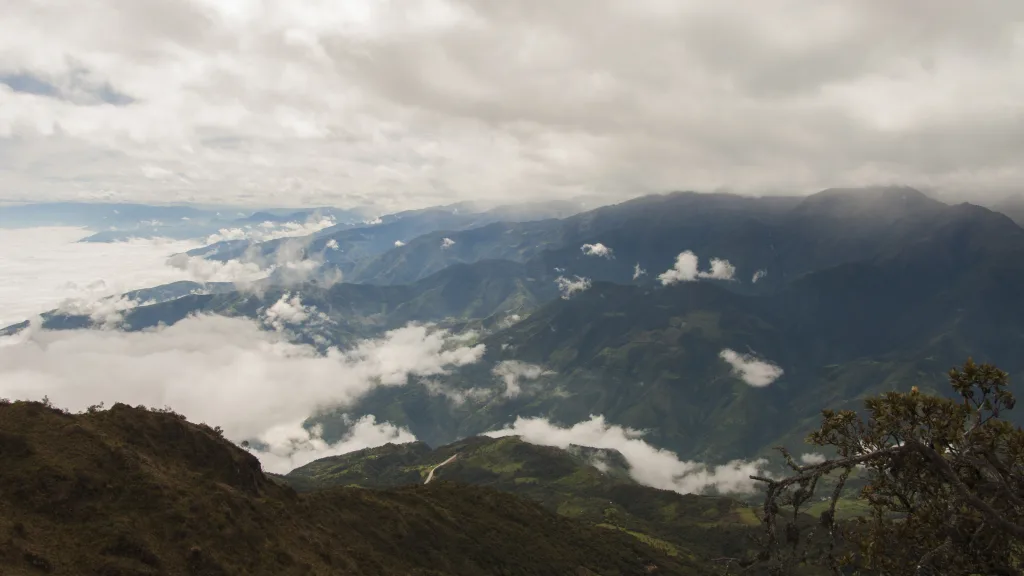Biosfera Macizo del Cajas Foto: Fabián Rodas
Aquí, compartimos 10 datos para conocerla mejor:
1. La Biosfera Macizo del Cajas **tiene una extensión total de 966.880 hectáreas**, en la estribación occidental de los Andes del Ecuador, extendiéndose desde el valle interandino hasta el Océano Pacífico. 889.086,50 ha pertenecen a territorio continental y 77.790,55 ha pertenecen a territorio marino.
2. Está conformada por 64 parroquias y 15 cantones de las provincias de Azuay, Cañar, Guayas y El Oro.
3. Aproximadamente **un millón de personas viven en el área**: el 6,79% habita en la zona de amortiguamiento y el 93,21% vive en la zona de transición.
4. Cuenta con un **mosaico ecosistémico** que incluye páramo (a los 4.450 m s.n.m.), bosque montano, bosque nublado, bosque seco, manglares, hasta una franja marino-costera en el Golfo de Guayaquil.
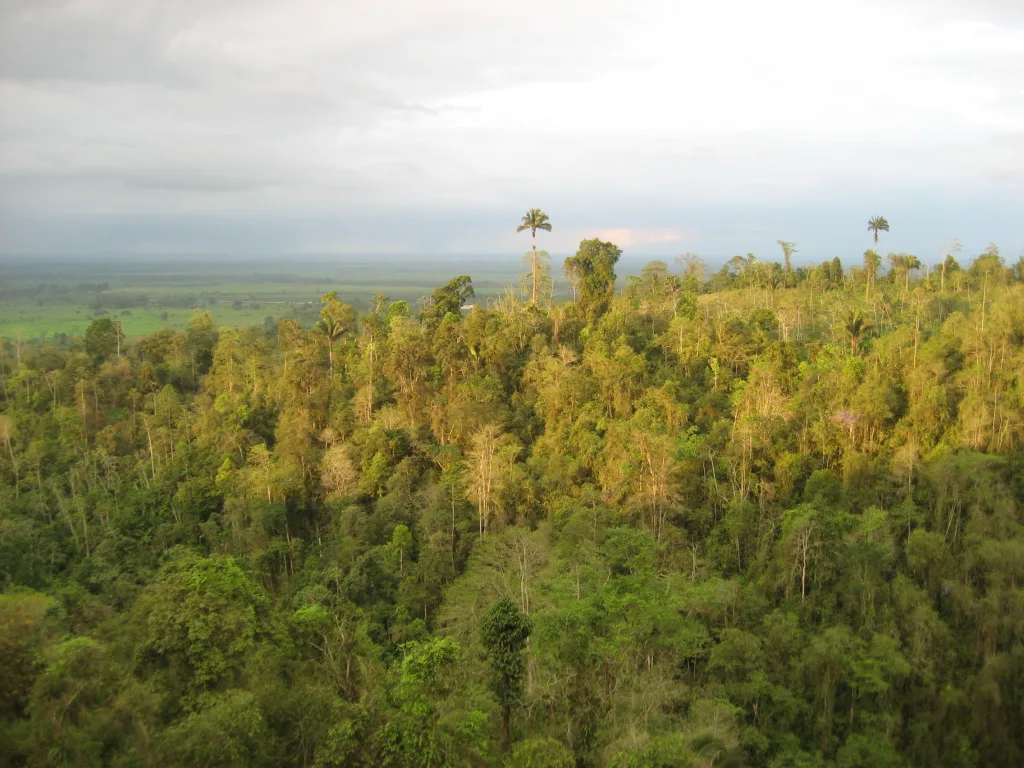
5. Es un **área altamente productiva y genera recursos de importancia nacional** con rubros de exportación como el banano, cacao, camarón, cerca del 30% de la hidroenergía del país, turismo, pesca entre otras actividades económicas.
6. El Macizo del Cajas presenta características topográficas, geológicas y climáticas especiales, por las que posee **un alto grado de biodiversidad y endemismo,** con especies de flora y fauna como el cóndor *(Vultur gryphus)*, el oso andino *(Tremarctos ornatus)*, el tapir (Tapirus pinchaque) y el colibrí endémico del Cajas *(Metalura gorgivioleta)*.
7. Además, incluye una **amplia diversidad cultural**; gastronomía de costa y sierra; patrimonio histórico precolombino, colonial y republicano; y, abundantes atractivos turísticos.
8. Dentro de la Biosfera, hay **5 áreas protegidas reconocidas dentro del Sistema Nacional**: Parque Nacional Cajas, Área Nacional de Recreación Quimsacocha, Franja de 8 millas marino-costeras, Área Ecológica de Conservación Municipal Mazán, Área Ecológica de Conservación Municipal Curiquingue Gallo Cantana, y 1 área en proceso de establecimiento: Machángara – Tomebamba.
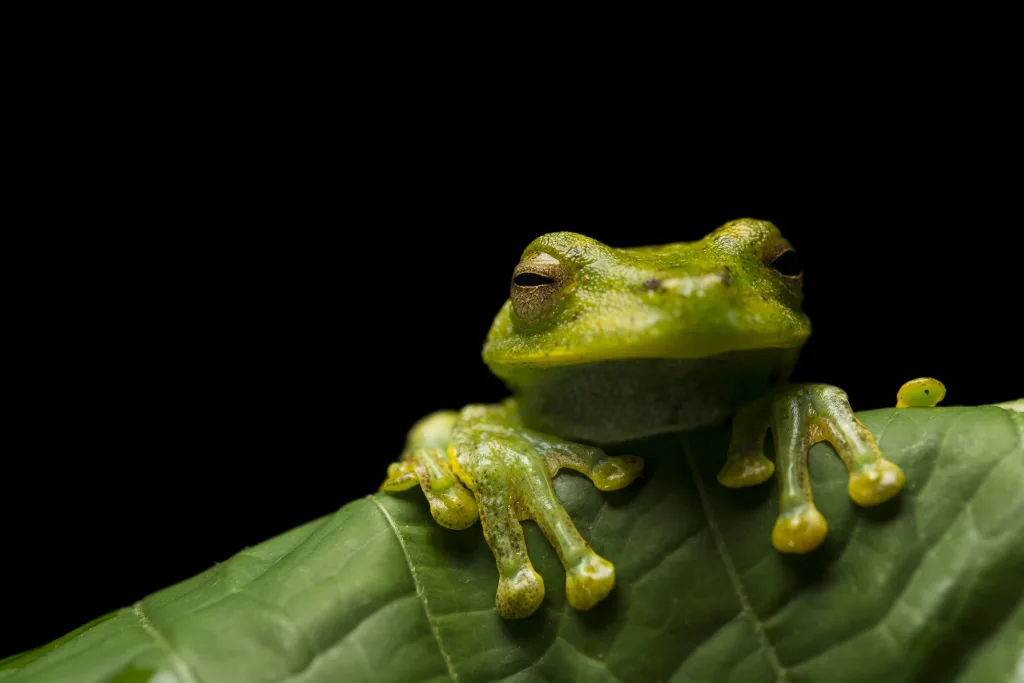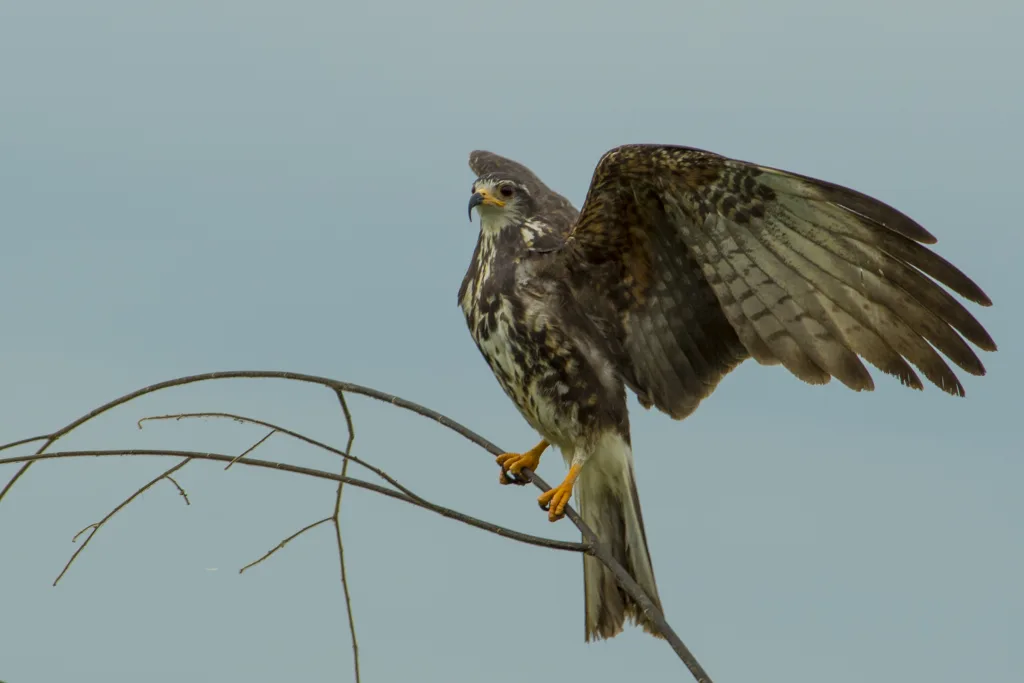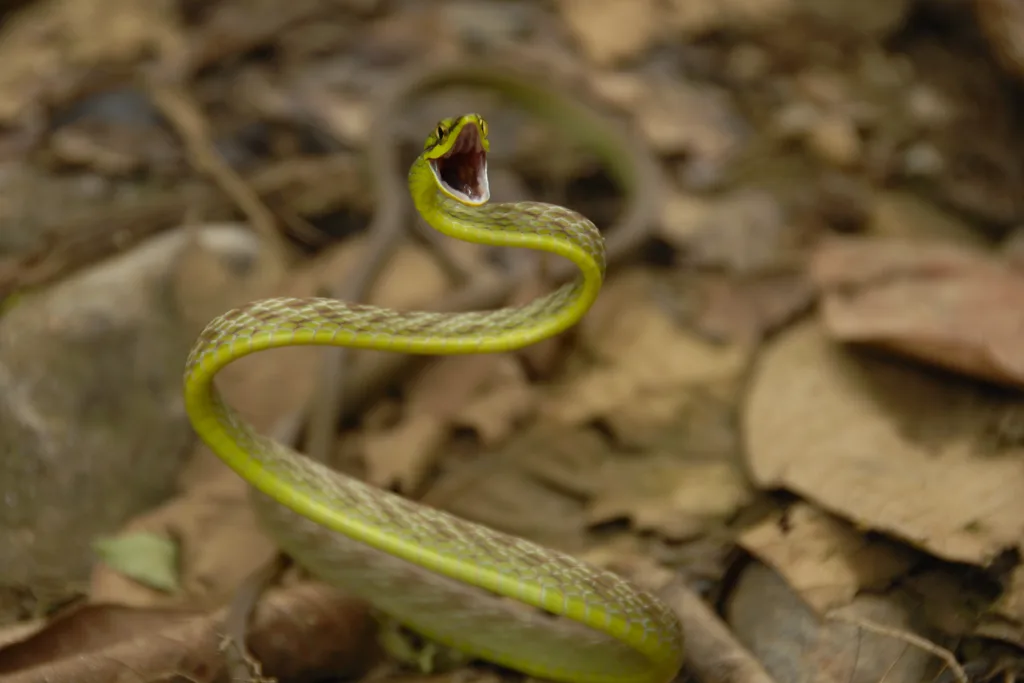
9. También **incorpora esfuerzos locales de protección de ecosistemas en las Áreas de Conservación y Uso Sostenible**: Machángara, Yanuncay – Zhucay, Azogues y el Guabo, sumando una superficie total de 63.105 hectáreas.
10. Y cuenta con **herramientas de planificación y gestión para mejorar la gestión en territorio con el enfoque de desarrollo sostenible:** Plan de gestión y lineamientos estratégicos para la gestión del Área Marino Costera; Plan de manejo del Parque Nacional Cajas; Plan de manejo del Área Nacional de Recreación Quimsacocha; Plan de manejo del Área Ecológica de Conservación Municipal Mazán; Plan de manejo del Área Ecológica de Conservación Municipal Curiquingue Gallo Cantana).
La declaratoria del Área de Biosfera Macizo del Cajas fue el resultado de un proceso ampliamente respaldado por un total 58 instituciones gubernamentales y de la sociedad civil incluido el Gobierno Autónomo Descentralizado Municipal de Cuenca, el Ministerio de Ambiente, Agua y Transición Ecológica (MAATE), la Empresa Pública Municipal de Telecomunicaciones, Agua Potable, Alcantarillado y Saneamiento de Cuenca (ETAPA EP), Naturaleza y Cultura Internacional (NCI), y la Cooperación Alemana / Gesellschaft fuer Internationale Zusammenarbeit – GIZ.
Para conocer más sobre el Área de Biosfera Macizo del Cajas, da clic [aquí](https://www.natureandculture.org/es/biosfera-macizo-del-cajas/ "Biosfera Macizo del Cajas")
**Tags:** Biodiversidad, Ecuador
**Strategic Area:** Bosques
**Country:** Ecuador
**Content Type:** Blog
---
### [Amplifying the Voices of Indigenous Women Leaders](https://www.natureandculture.org/directory/amplifying-the-voices-of-indigenous-women-leaders/)
**Published:** May 25, 2023
**Author:** Heather Thomas
**Content:**
Indigenous women have long been the backbone of their communities, preserving their traditions, culture, and knowledge for generations. However, Indigenous communities across the world are facing unprecedented challenges due to climate change. As the world comes together to address the climate crisis, it is essential that Indigenous female leaders are included in the international climate conversation to ensure that their voices and perspectives are heard. That is why, in the last year, Nature and Culture has supported two of our Indigenous partners in attending United Nations conferences
#### We are committed to amplifying the voices of Indigenous leaders by ensuring their inclusion in the global climate conversation.
In the past year, Nature and Culture sent two Indigenous female leaders, Lolita Piyaguaje of the Siekopai Nationality and Vice President of CONFENIAE and Josefina Tunki of the Shuar Arutam Nationality, to United Nations conferences. In November 2022, [Piyaguaje traveled with Nature and Culture CEO, Matt Clark, to Egypt for the United Nations Climate Conference (COP27)](https://www.natureandculture.org/directory/indigenous-leadership-in-climate-action-nature-and-culture-at-cop27/) **For Piyaguaje, it was “an honor to be in this space giving voice in defense of our territories and the human rights of the people who live in the Ecuadorian Amazon.”** Clark and Piyaguaje attended the conference, [speaking together on a panel ](https://youtu.be/jUlcywmbLNQ)about Indigenous leadership preventing deforestation within the Amazonian province of Pastaza.
Lolita Piyaguaje of the Siekopai nationality and Vice President of CONFENIAE with Nature and Culture CEO, Matt Clark at COP27
Josefina Tunki, who just completed her four-year term as the President of the Shuar Arutam Nationality, traveled to the United Nations Water Conference in New York in March 2023 where she and Clark [presented on water resources in the Amazon](https://media.un.org/en/asset/k17/k175eo0ova). She is from one of four Indigenous nationalities Nature and Culture worked with to create the [3-million-acre protected area, Tarímiat Pujutaí Nunka](https://www.natureandculture.org/directory/historic-creation-of-the-tarimiat-pujutai-nunka-reserve/). She is fighting to keep her ancestral territory free of mining activities that have devastated her community.
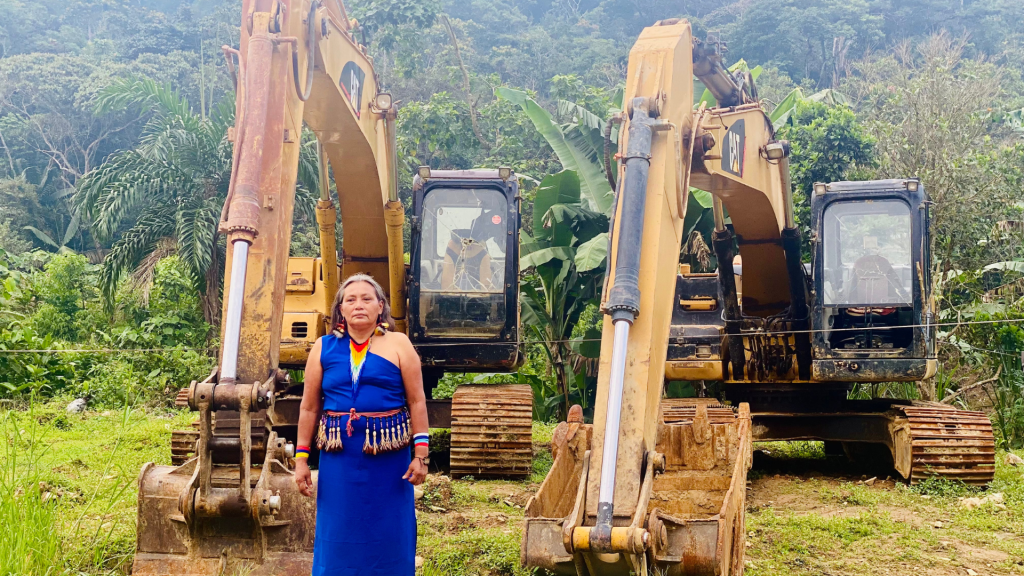Josefina Tunki standing in front of mining excavators in the Amazon, Photo courtesy of Nora Sanchez
Historically, Indigenous peoples have not been included in these critical conversations even though Indigenous territories hold 80% of the world’s biodiversity and Indigenous communities preserve their forests at twice the rate of other protected areas. Nature and Culture is working to change this paradigm and ensure that the voices of the world’s greatest conservationists are heard on the global level.
### Indigenous women are often the primary caretakers of their families and communities, and they depend on the environment for their livelihoods.
Climate change has a direct impact on their way of life, as it can lead to food and water scarcity, displacement, and loss of traditional knowledge. For Tunki and the people of the Shuar Arutam, “The forest is our mother, it sustains us.” In the province of Pastaza in Ecuador, “the forest was our supermarket, but now the fish are contaminated, there’s no more medicine, and we can’t eat.” **According to Piyaguaje, “We want to live without pollution, without destruction, and, above all, to live healthily with our rights, our identity, our culture, our language.”** Sending Indigenous female leaders to international climate conferences ensures that their experiences and concerns are taken into account when developing policies and solutions.
Lolita Piyaguaje shares, “We want to live without pollution, without destruction, and, above all, to live healthily with our rights, our identity, our culture, our language.”
Indigenous women have a deep understanding of their local environments and the impact of climate change on their communities. They have unique perspectives and solutions that can contribute to the development of effective climate policies. In Piyaguaje’s words, “proposals and projects need to be co-designed with the communities and with our needs in mind. If these policies come from the top, they won’t work.” By including Indigenous female leaders in international climate conferences, policymakers can gain valuable insights that can inform their decision-making.
#### Clean water is one of the most important resources in the rainforest and extractive activities are the primary threat.
Tunki has long fought for clean water protection for the 47 communities of the Shuar Arutam Nationality. “Ancestrally, we have always known the value of the rivers and freshwater. Historically, our rivers were never contaminated. An uncontaminated environment gives you a healthy life and helps you live with joy, without epidemics. **We’re now fighting to sustain the fresh water of the Amazon and looking for the best strategies for protection. We invite the whole world to reflect on the fact that it is us, the humans, that are contaminating the planet. Not the animals, not the birds, not the fish, since they respect nature. It’s the humans.”**
Both women agree that the biggest threats to their ancestral lands are petroleum extraction and mining. Extractive activities pollute the rivers and lead to deforestation. They both attest that petroleum and mining companies are not doing enough to mitigate environmental impacts and that the Ecuadorian and other governments are responsible for enforcing mitigation.
### For both Piyaguaje and Tunki, being a woman is key to their leadership.
**“I feel proud to have worthily served as a woman in my organization, demonstrating that women are also capable of representing an organization on the municipal, provincial, national, and international levels,”** says Josefina. Intersectionality and inclusion are key to the future, says Lolita. “It’s important that women participate in these processes, we have to work very hard towards intersectionality. Women should not just be sitting at the meetings, but they should be making decisions.”
“I feel proud to have worthily served as a woman in my organization, demonstrating that women are also capable of representing an organization on the municipal, provincial, national, and international levels,” says Josefina.
**Strategic Area:** Climate, Local Communities
**Country:** Ecuador
**Content Type:** Blog
---
### [Celebrating Earth Day: Nature and Culture Strategizes with Whole Ecosystems in Mind](https://www.natureandculture.org/directory/celebrating-earth-day-nature-and-culture-strategizes-with-whole-ecosystems-in-mind/)
**Published:** April 20, 2023
**Author:** Heather Thomas
**Content:**
There are a number of ways our team works to conserve biodiverse hotspots throughout Latin America. We employ many different strategies to protect wild places, from municipal and local level government protection to national level protection, to land purchase when necessary. No matter the method, we always consider the local communities who live in these areas along with long-term ecosystem health.
### Supporting local communities is key to long-term conservation
In 25+ years, Nature and Culture has never seen a protected area reversed and we believe that is because of our commitment to serving local communities. The relationships we have built with the people who live in the areas we work to protect are key to our success. Our co-management model is what sets us apart. Providing access to legal tools to establish a protected area, technical training for skills such as monitoring a protected area for threats, or investing in a new means of sustainably generating income from local resources are just a few of the ways we support the WHOLE ecosystem.
Our protected areas are living, breathing, dynamic spaces that require fostering relationships and understanding local needs. Indigenous Peoples and local communities are often the initial advocates for the protected areas we support. We simply provide them with the tools they need to safeguard their natural resources like clean water and fresh air. This approach in turn supports the health of the tiniest of species and the health of the entire planet.
### Peru’s Ministry of Environment recognizes Nature and Culture and local communities
Last month Nature and Culture Project Managers, Lleydy Alvarado and Elvis Allauja attended the National Service of Protected Natural Areas (SERNANP) annual meeting. SERNANP, an agency of Peru’s National Ministry of Environment, presented the official declaration of two new Private Conservation Areas (ACP) Yasgolca-Santa Lucia, Montevideo in Amazonas, and Utco in Cajamarca. [Both areas were declared in February of this year](https://www.natureandculture.org/directory/new-conservation-areas-in-peru-protect-more-than-nineteen-thousand-acres-of-forest-in-peru/), and together they protect more than 19,000 acres of the dry forests of Marañón, Yungas, and montane forests.
SERNANP meeting in Peru where the team was recognized for their work with Utco and Montevideo Private Conservation Areas.
Our team in Peru was recognized along with the presidents of each of these two new Private Conservation Areas, with whom Nature and Culture’s technical team collaborated to create the new areas. In response to our team’s dedication to supporting the local effort, SERNANP recognized Nature and Culture for its important contribution to the declaration of both areas and for being an ally in the departments of Piura, Cajamarca, Amazonas, Huánuco, Loreto and Ucayali.
Alan Sánchez, Nature and Culture’s Environmental Legal Coordinator accepted the recognition award on behalf of the team.
### Two new protected areas cover more than 19,000 acres
The Yasgolca-Santa Lucia Private Conservation Area, Montevideo protects 11,677.43 acres and is an important water source for communities in the Amazonas region of Northern Peru. Establishing this protected area was crucial for the local community because it plays a fundamental role in water regulation. This ecosystem is also a significant carbon capture and connects to other nearby protected areas. According to Lleydy Alvarado, both newly declared areas connect with other conservation areas, which creates a larger wildlife habitat. It’s not enough to simply establish areas, says Lleydy, they need to be connected so the team’s environmental services are more effective.
The Yasgolca-Santa Lucia Private Conservation Area, Montevideo protects 11,677.43 acres and is an important water source for communities in Amazonas.
The Utco Private Conservation Area protects 7,562.31 acres of dry forest. This unique ecosystem is known for being an epicenter of biodiversity. It is home to a large number of endemic birds, reptiles, amphibians, and plants. Together these two new areas protect over 19,000 acres and are critical to local inhabitants’ well-being.
View from within the Utco Private Conservation Area that protects 7,562 acres of dry forest. Photo courtesy of Elvis Allauja
Congratulations to our team in Peru and the communities of Utco and Montevideo for their determination to conserve their ecosystems.
**Tags:** Conservation, Earth Day, Environment, Environmentalism, Protected Area
**Strategic Area:** Forests
**Country:** Peru
**Content Type:** Blog
---
### [Una criatura legendaria de la Amazonía](https://www.natureandculture.org/es/directorio/a-legendary-creature-of-the-amazon-es/)
**Published:** December 21, 2020
**Author:** Heather Thomas
**Content:**


# Una criatura legendaria de la Amazonía
21/12/2020
**Area Estratégica:** Biodiversidad -
**Tipo de Contenido:** Blog
\[vc\_row\]\[vc\_column\]\[vc\_column\_text\]
### ¿Sabías que existe un delfín… rosado?
\[/vc\_column\_text\]\[/vc\_column\]\[/vc\_row\]\[vc\_row\]\[vc\_column\]\[vc\_column\_text\]
Este año, Naturaleza y Cultura Internacional presentó «Extraños milagros de la selva tropical y más allá», una publicación mensual que comparte algunos de los más extraordinarios obsequios de la naturaleza.
\[/vc\_column\_text\]\[/vc\_column\]\[/vc\_row\]\[vc\_row\]\[vc\_column\]\[vc\_column\_text\]
Para inspirar admiración por la extraordinaria biodiversidad del planeta, presentamos antibióticos de una fuente poco probable, un árbol que trata la malaria, una superpotencia que salva el clima, ¡y más!
\[/vc\_column\_text\]\[/vc\_column\]\[/vc\_row\]\[vc\_row\]\[vc\_column\]\[vc\_column\_text\]
A medida que nuestros milagros mensuales llegan a su fin, dedicamos diciembre a una criatura legendaria de la Amazonía.
\[/vc\_column\_text\]\[/vc\_column\]\[/vc\_row\]\[vc\_row\]\[vc\_column\]\[vc\_single\_image image=»18894″ img\_size=»full» add\_caption=»yes» onclick=»custom\_link» link=»https://www.perunature.com/the\_wildlife/potoo-bird-facts-html/»\]\[/vc\_column\]\[/vc\_row\]\[vc\_row\]\[vc\_column\]\[vc\_column\_text\]
La mayoría de nosotros estamos familiarizados con el divertido y juguetón delfín nariz de botella llamado Flipper. Pero, pocas personas conocen al primo rosado de Flipper, el delfín rosado de río.
\[/vc\_column\_text\]\[/vc\_column\]\[/vc\_row\]\[vc\_row\]\[vc\_column\]\[vc\_column\_text\]
El delfín rosado de río *(Inia geoffrensis)*, también conocido como delfín del río Amazonas o boto, es el delfín de agua dulce más grande del mundo. Se encuentra en el norte y centro de América del Sur, específicamente en las cuencas del Amazonas, el Orinoco y el río Madeira.
\[/vc\_column\_text\]\[/vc\_column\]\[/vc\_row\]\[vc\_row\]\[vc\_column\]\[vc\_column\_text\]
Manteniendo la reputación de sus parientes que viven en el agua salada, el boto es sociable, amigable y extremadamente inteligente. A diferencia del primo marino de la especie, la criatura tiene una frente bulbosa y un pico largo y delgado. Lo más sorprendente es que los machos pueden ser rosados.
\[/vc\_column\_text\]\[/vc\_column\]\[/vc\_row\]\[vc\_row\]\[vc\_column\]\[vc\_column\_text\]
Se cree que el color es tejido cicatricial de juegos rudos o peleas por conquistas. Cuanto más brillante es el rosa, más atractivos son los machos para las hembras.
\[/vc\_column\_text\]\[/vc\_column\]\[/vc\_row\]\[vc\_row\]\[vc\_column\]\[vc\_column\_text\]
El boto tiene algunas otras características inusuales. Debido a que su columna vertebral no está fusionada, como la mayoría de los otros delfines, puede girar la cabeza de un lado a otro. Esto le permite al delfín nadar fácilmente a través de los bosques inundados.
\[/vc\_column\_text\]\[/vc\_column\]\[/vc\_row\]\[vc\_row\]\[vc\_column\]\[vc\_column\_text\]
Los botos también tienen poderosas aletas y una joroba modificada en lugar de una aleta dorsal. ¡Son los más grandes de las cuatro especies de delfines de río, alcanzando hasta 3 metros de largo y 200 kilos!
\[/vc\_column\_text\]\[/vc\_column\]\[/vc\_row\]\[vc\_row\]\[vc\_column\]\[vc\_single\_image image=»18895″ img\_size=»full» add\_caption=»yes» onclick=»custom\_link» link=»https://www.perunature.com/the\_wildlife/potoo-bird-facts-html/»\]\[/vc\_column\]\[/vc\_row\]\[vc\_row\]\[vc\_column\]\[vc\_column\_text\]
Los científicos ven a los botos como los principales depredadores del ecosistema acuático amazónico, considerándolos los jaguares de los ríos. Las creencias indígenas sostienen que el delfín de río es una criatura mágica. Se dice que tanto machos como hembras tienen la capacidad de transformarse a voluntad en un hombre guapo o una mujer hermosa, para seducir a los aldeanos en la oscuridad de la noche.
\[/vc\_column\_text\]\[/vc\_column\]\[/vc\_row\]\[vc\_row\]\[vc\_column\]\[vc\_column\_text\]
A pesar de la importancia ecológica del boto (y su legendaria reputación), la especie está en peligro debido a la caza, la presión humana y la degradación del hábitat. Especialmente, la construcción de represas hidroeléctricas disminuye el suministro de alimentos disponible y los niveles de oxígeno aguas abajo. Además, la expansión agrícola y la minería contaminan el hábitat del delfín con pesticidas y metales pesados, afectando tanto a los botos como a sus presas.
\[/vc\_column\_text\]\[/vc\_column\]\[/vc\_row\]\[vc\_row\]\[vc\_column\]\[vc\_column\_text\]
Con tu ayuda, Naturaleza y Cultura trabaja para luchar contra estas amenazas y defender el hábitat de la especie. **¡Juntos podemos asegurar que el boto siga llenando de magia los ríos de la Amazonía!**
\[/vc\_column\_text\]\[/vc\_column\]\[/vc\_row\]\[vc\_row\]\[vc\_column\]\[/vc\_column\]\[/vc\_row\]
**Strategic Area:** Biodiversidad
**Content Type:** Blog
---
### [El verdadero significado de ver a un Jaguar ](https://www.natureandculture.org/es/directorio/the-true-meaning-of-spotting-a-jaguar-es/)
**Published:** March 2, 2023
**Author:** Nora Sanchez
**Content:**
## *“La abuela”, un jaguar hembra que no había sido vista hace casi 10 años, hizo una aparición esperanzadora en los lindares del Ejido de Munihuaza.*
Hace mucho tiempo que los pobladores del Ejido de Munihuaza no veían jaguares en sus tierras. El crecimiento de la ganadería y el libre pastoreo en la zona había reducido significativamente su hábitat, debido a un conflicto generado entre el animal y los ganaderos, quienes toman acciones ante el temor de que el felino cace a su ganado.
***“Es falta de conciencia comunitaria”***, dice Gilberto Díaz, técnico de Naturaleza y Cultura Internacional en México, ***“existe desconocimiento sobre la importancia de cuidar el hábitat del jaguar, ya que su supervivencia está íntimamente relacionada a la integridad del ecosistema”***, puntualiza.
El Ejido de Munihuaza es parte de la zona de influencia del área natural protegida Sierra de Álamos-Río Cuchujaqui, al noroeste de México. Ahí, se entremezclan el matorral espinoso, los bosques de pino y encino y la vegetación riparia, creando un óptimo corredor de biodiversidad que alberga cientos de especies de flora y fauna, entre ellas el jaguar y otros felinos como el puma, el ocelote o el gato montés.
Así, en un esfuerzo por proteger el corredor más norteño del hábitat del jaguar, Naturaleza y Cultura Internacional se sumó a “Borderlands Linkages Initiative”, un proyecto liderado por Wildlands Network que involucró a ocho organizaciones de México y Estados Unidos en actividades de monitoreo del jaguar y de evaluación de necesidades de restauración en la región de Sonora.
Naturaleza y Cultura eligió al Ejido de Munihuaza, por ser colindante con la Reserva Monte Mojino, área privada de la organización, y porque representaba una oportunidad para colaborar con la comunidad en proyectos comunitarios con enfoque ambiental. ***“Para nosotros era fundamental que miembros del mismo Ejido participaran en las actividades”,*** cuenta Gilberto. Así fue como, él, y Anselmo Palomares, Alejo Palomares y José Bojórquez formaron el equipo de monitoreo y trabajaron juntos desde agosto de 2021 a abril de 2022 en la capacitación, instalación y mantenimiento de cámaras trampa para visibilizar al mítico jaguar.
La familia de Alejandro se involucró en el proceso
En total, instalaron 22 cámaras trampa que cubrían el 90% del Ejido. Para la ubicación de las estaciones de monitoreo, el equipo reconocía el área, la limpiaba y ubicaba cada cámara estratégicamente para evitar en lo posible “imágenes basura”, es decir, fotos activadas por el viento, hojas, etc. Díaz resalta que, aunque era la primera vez que José, Anselmo y Alejo realizaban monitoreo de vida silvestre, se apropiaron de la actividad. ***“Ideaban formas para asegurar el funcionamiento de las cámaras trampa, como caminar al estilo del jaguar”***, dice.
Los guardaparques imitaban el caminar del jaguar para activiar las cámaras
El trabajo de instalación fue arduo, no sólo por la topografía irregular de la región que va desde los 0 msnm hasta los 1200 msnm, sino también por la temporada de verano. ***“Trabajábamos de 5 de la mañana al medio día y de tres de la tarde a 6 de la tarde, evitando las horas más calientes”,*** menciona Díaz. También se ayudaban de mulas para poder recorrer largas distancias y alcanzar los objetivos del día. Gilberto recuerda cálidamente que, las familias de la comunidad le hicieron sentir como en casa, ofreciéndole hospedaje y alimentación cuando las jornadas no le permitían volver a casa.
Ahora solo quedaba esperar. Los guardaparques debían monitorear periódicamente cada una de las estaciones de monitoreo, revisar el registro fotográfico de las cámaras, descargarlo, borrarlo antes de volver a instalar las cámaras. Cada uno de ellos recibió una compensación económica por esta actividad como un aporte para mejorar su situación familiar. ***“El apoyo se nota en la mesa”*** dijo uno de ellos, ***“este apoyo nos permite comprar gas”,*** complementó otro.
Pasaban los meses y no aparecía el jaguar en imagen. Vieron, entre otras especies, a venados, pumas, ardillas y muchas vacas, pero las características manchas negras del felino no aparecían en el registro. Cada jornada de monitoreo, el equipo lo buscaba con ilusión, pero mientras se acercaba el cierre del proyecto seguía sin aparecer. No fue sino hasta el último turno que lo vieron, en una de las cámaras ubicadas en el área mejor conservada del Ejido.
Imagen del jaguar en una de las cámaras
Con las muestras, la Reserva Jaguar del Norte confirmó que no sólo se trataba de un jaguar, sino que era la segunda hembra más longeva registrada en la región, un individuo que no había sido visto en la zona desde 2013. ***“Ver un jaguar es muy importante, ya que es indicador de un ecosistema sano. Pero ver un jaguar hembra es esperanzador, ya que significa que es posible la reproducción”***, aclara Gilberto. La gente de la comunidad recibió la noticia con emoción y acordaron colectivamente nombrarla “la abuela”, como símbolo de sabiduría y esperanza para la comunidad.
Gracias al monitoreo de la especie, la comunidad del Ejido de Munihuaza comprendió la importancia de proteger el hábitat de especies como el jaguar. Pero el esfuerzo debe ser permanente, como menciona Díaz, ***“Es fundamental fortalecer las estrategias de monitoreo y difundir la información para que la gente de las comunidades se apropie y cuide de lo suyo”,*** porque ***“la conservación no es sólo proteger el hábitat, sino también el entorno social”***, finaliza.
**Tags:** Cámaras trampa, México, Reserva Monte Mojino
**Strategic Area:** Biodiversidad
**Country:** México
**Content Type:** Blog
---
### [Una nueva área protegida asegura el suministro de agua para 39.000 personas](https://www.natureandculture.org/es/directorio/a-new-protected-area-secures-water-supplies-for-39000-people/)
**Published:** July 21, 2021
**Author:** Heather Thomas
**Content:**
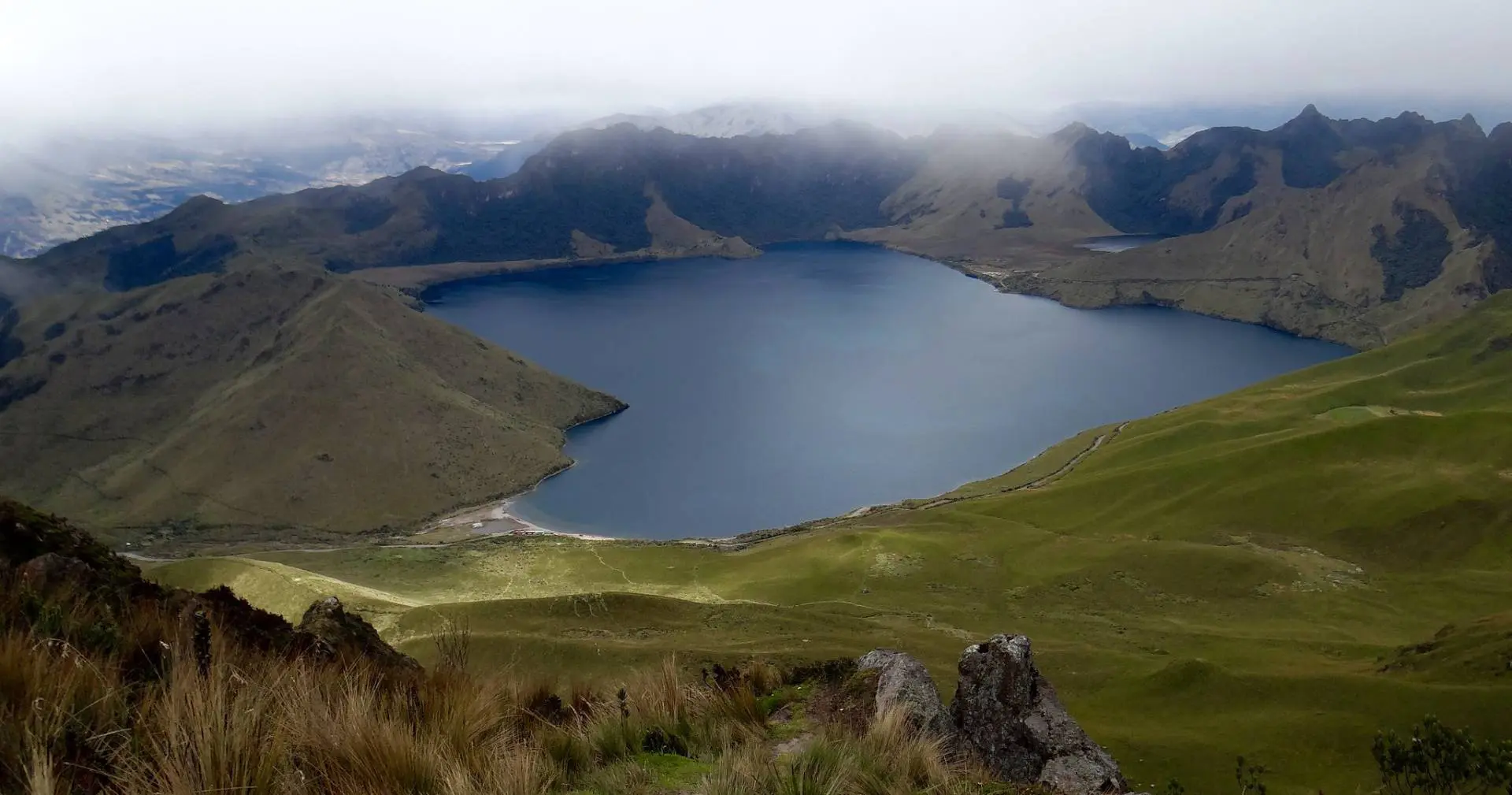

# Una nueva área protegida asegura el suministro de agua para 39.000 personas
21/07/2021
**Area Estratégica:** Agua -
**Tipo de Contenido:** Noticias
**País:** Ecuador -
\[vc\_row\]\[vc\_column\]\[vc\_column\_text\]
### Gracias a donantes como tú, existe una nueva Área de Protección Hídrica en los Andes Ecuatorianos.
\[/vc\_column\_text\]\[/vc\_column\]\[/vc\_row\]\[vc\_row\]\[vc\_column\]\[vc\_column\_text\]
**¡Naturaleza y Cultura Internacional ha apoyado la creación de una nueva Área de Protección Hídrica en el norte de Ecuador!**
El Área de Protección Hídrica de Mojanda recientemente declarada conserva más de 6mil hectáreas y asegura agua segura y abundante para 39,000 personas.
\[/vc\_column\_text\]\[/vc\_column\]\[/vc\_row\]\[vc\_row\]\[vc\_column\]\[vc\_column\_text\]
El “Área de Protección Hídrica” es una nueva figura de conservación a nivel nacional en el Ecuador. Estas áreas se definen por su importancia estratégica como fuentes de agua para el consumo humano y/o para garantizar la seguridad alimentaria y los derechos de la naturaleza.
\[/vc\_column\_text\]\[/vc\_column\]\[/vc\_row\]\[vc\_row\]\[vc\_column\]\[vc\_column\_text\]
Esta figura de conservación salvaguarda legalmente los bosques y otros hábitats de las actividades de explotación, como la minería, asegurando el suministro de agua limpia para el consumo humano y otros usos. Al centrarnos en la protección de las fuentes de agua, también podemos proteger la increíble diversidad biológica y cultural que se encuentra en estas áreas.
\[/vc\_column\_text\]\[/vc\_column\]\[/vc\_row\]\[vc\_row\]\[vc\_column\]\[vc\_single\_image image=»20424″ img\_size=»full» add\_caption=»yes»\]\[/vc\_column\]\[/vc\_row\]\[vc\_row\]\[vc\_column\]\[vc\_column\_text\]
El recién declarado Área de Protección Hídrica de Mojanda (Mojanda) incluye partes de las cuencas de los ríos Ambi y Guayllabamba, protegiendo 60 fuentes de agua que abastecen de agua a 39.144 personas.
\[/vc\_column\_text\]\[/vc\_column\]\[/vc\_row\]\[vc\_row\]\[vc\_column\]\[vc\_column\_text\]
Los ecosistemas de páramo constituyen más del 71% de Mojanda. A veces denominados “fábricas de agua”, los páramos actúan como esponjas, absorbiendo la lluvia y la humedad del aire. Capturan, almacenan y liberan lentamente esta agua a las partes bajas de las cuencas de los ríos.
\[/vc\_column\_text\]\[/vc\_column\]\[/vc\_row\]\[vc\_row\]\[vc\_column\]\[vc\_column\_text\]
Uno de los volcanes más grandes del norte de Ecuador se encuentra en medio de los páramos de Mojanda. Volcán Mojanda es un volcán gemelo, que consta de dos estratovolcanes activos (volcanes que consisten en capas alternas de lava y ceniza) llamados Mojanda y Fuya Fuya. Una erupción hace miles de años creó una caldera en la cima de los volcanes, ahora ocupada por tres lagos turquesas.
\[/vc\_column\_text\]\[/vc\_column\]\[/vc\_row\]\[vc\_row\]\[vc\_column\]\[vc\_column\_text\]
Además, el área alberga una impresionante variedad de vida silvestre. Las especies animales en Mojanda incluyen el ángel del sol real *(Heliangelus regalis)* en peligro de extinción, la sílfide de cola larga *(Aglaiocercus kingii)*, el zorro andino *(Lycalopex culpaeus)* y el puma *(Puma concolor)*.
\[/vc\_column\_text\]\[/vc\_column\]\[/vc\_row\]\[vc\_row\]\[vc\_column\]\[vc\_single\_image image=»20458″ img\_size=»full» add\_caption=»yes»\]\[/vc\_column\]\[/vc\_row\]\[vc\_row\]\[vc\_column\]\[vc\_column\_text\]
En coordinación con la Autoridad Nacional del Agua de Ecuador, Naturaleza y Cultura realizó estudios técnicos para determinar la calidad del agua, la demanda de agua y el estado de conservación del área e identificó áreas de importancia hídrica que llevaron al establecimiento de Mojanda.
\[/vc\_column\_text\]\[/vc\_column\]\[/vc\_row\]\[vc\_row\]\[vc\_column\]\[vc\_column\_text\]
Según José Romero, coordinador de proyecto en Naturaleza y Cultura – Ecuador, el establecimiento de Mojanda ayudará a los gobiernos estatales y locales a administrar mejor la región y garantizar la protección y el uso sostenible de los recursos naturales.
\[/vc\_column\_text\]\[/vc\_column\]\[/vc\_row\]\[vc\_row\]\[vc\_column\]\[vc\_single\_image image=»20426″ img\_size=»full» add\_caption=»yes»\]\[/vc\_column\]\[/vc\_row\]\[vc\_row\]\[vc\_column\]\[vc\_column\_text\]
**¡Mojanda se estableció gracias al apoyo financiero de la Fundación Tinker y generosos donantes como tú!** El área es el resultado de la colaboración entre Naturaleza y Cultura Internacional, el Ministerio de Ambiente, Agua y Transición Ecológica de Ecuador, los gobiernos regionales y las comunidades locales.
\[/vc\_column\_text\]\[/vc\_column\]\[/vc\_row\]\[vc\_row\]\[vc\_column\]\[vc\_column\_text\]
El Ministerio de Ambiente, Agua y Transición Ecológica de Ecuador solicitó a Naturaleza y Cultura apoyar este año la declaratoria de diez Áreas de Protección Hídrica. Nuestros conservacionistas locales han protegido cinco áreas hasta la fecha.
\[/vc\_column\_text\]\[/vc\_column\]\[/vc\_row\]\[vc\_row\]\[vc\_column\]\[vc\_column\_text\]
Con su ayuda, estableceremos cinco Áreas de Protección Hídricas adicionales en 2021. ¡Estas áreas son de importancia ecológica e hidrológica para el país y el mundo!
\[/vc\_column\_text\]\[/vc\_column\]\[/vc\_row\]\[vc\_row\]\[vc\_column\]\[vc\_column\_text\]
Lee la nota de prensa [aquí](https://www.natureandculture.org/wp-content/uploads/2021/07/BOLETIN_NCI_APH_MOJANDA.pdf).
\[/vc\_column\_text\]\[/vc\_column\]\[/vc\_row\]\[vc\_column\]\[/vc\_column\]
**Tags:** Agua, APHs, Areas de Protección Hídrica, Ecuador
**Strategic Area:** Agua
**Country:** Ecuador
**Content Type:** Noticias
---
### [Nuevo mapa identifica áreas de importancia hídrica en Ecuador](https://www.natureandculture.org/es/directorio/new-map-identifies-areas-of-water-importance-in-ecuador/)
**Published:** April 8, 2021
**Author:** Heather Thomas
**Content:**


# Nuevo mapa identifica áreas de importancia hídrica en Ecuador
08/04/2021
**Area Estratégica:** Agua -
**Tipo de Contenido:** Noticias
**País:** Ecuador -
\[vc\_row\]\[vc\_column\]\[vc\_column\_text\]
### Naturaleza y Cultura Internacional desarrolló un mapa nacional para la protección de los recursos hídricos para el consumo humano y la seguridad alimentaria en el Ecuador.
\[/vc\_column\_text\]\[/vc\_column\]\[/vc\_row\]\[vc\_row\]\[vc\_column\]\[vc\_column\_text\]
El 26 de marzo de 2021, en una ceremonia por la recién declarada Área de Protección Hídrica Huambaló La Moya, Naturaleza y Cultura Internacional presentó un nuevo mapa al Ministerio de Ambiente y Agua para apoyar la protección de los recursos hídricos en Ecuador. **El mapa identifica áreas de importancia hídrica para el consumo humano y la seguridad alimentaria en el país.**
\[/vc\_column\_text\]\[/vc\_column\]\[/vc\_row\]\[vc\_row\]\[vc\_column\]\[vc\_column\_text\]
Ecuador cuenta con suficientes recursos hídricos para asegurar el abastecimiento de agua a su población. Sin embargo, las fuentes de agua se están deteriorando a un ritmo acelerado, lo que resalta la urgente necesidad de una gestión sostenible e integrada de los recursos hídricos en el país.
\[/vc\_column\_text\]\[/vc\_column\]\[/vc\_row\]\[vc\_row\]\[vc\_column\]\[vc\_column\_text\]
Con fondos de la Fundación Tinker, **Naturaleza y Cultura desarrolló un mapa de planificación nacional para identificar y priorizar áreas de importancia hídrica.** El análisis multicriterio utilizando sistemas de información geográfica identificó 77.842 kilómetros cuadrados de áreas prioritarias de recursos hídricos, principalmente en la Sierra (región montañosa) y la Amazonía central y norte de Ecuador.
\[/vc\_column\_text\]\[/vc\_column\]\[/vc\_row\]\[vc\_row\]\[vc\_column width=»1/3″\]\[vc\_single\_image image=»19914″ img\_size=»full» onclick=»img\_link\_large»\]\[/vc\_column\]\[vc\_column width=»1/3″\]\[vc\_single\_image image=»19915″ img\_size=»full» onclick=»img\_link\_large»\]\[/vc\_column\]\[vc\_column width=»1/3″\]\[vc\_single\_image image=»19916″ img\_size=»full» onclick=»img\_link\_large»\]\[/vc\_column\]\[/vc\_row\]\[vc\_row\]\[vc\_column\]\[vc\_column\_text\]
Para priorizar áreas de importancia hídrica, Naturaleza y Cultura consideró un estudio realizado previamente por la Iniciativa BIOFIN. Este estudio analizó las áreas de importancia hídrica que existen dentro de las Áreas Municipales de Conservación y Uso Sostenible de Ecuador y las áreas dentro del Sistema Nacional de Áreas Protegidas del país. Según el análisis, el 55% de las áreas de muy alta importancia hídrica aún necesitan ser protegidas.
\[/vc\_column\_text\]\[/vc\_column\]\[/vc\_row\]\[vc\_row\]\[vc\_column\]\[vc\_column\_text\]
Adicionalmente, Naturaleza y Cultura consideró una priorización nacional de 32 áreas previamente realizada por la Autoridad Única del Agua de Ecuador. A la fecha, seis de estas áreas han sido establecidas por resolución y 26 están siendo consideradas como Áreas de Protección Hídrica. El Ministerio de Ambiente y Agua ha invitado a Naturaleza y Cultura a apoyar el establecimiento de diez Áreas de Protección Hídrica adicionales en el país este año.
\[/vc\_column\_text\]\[/vc\_column\]\[/vc\_row\]\[vc\_row\]\[vc\_column\]\[vc\_column\_text\]
El nuevo mapa de planificación nacional define áreas por su importancia estratégica como fuentes de agua para el consumo humano y/o para garantizar la seguridad alimentaria y los derechos de la naturaleza. La autoridad ambiental de Ecuador utilizará este mapa para proteger áreas de importancia hídrica de actividades destructivas como la deforestación y la minería.
\[/vc\_column\_text\]\[/vc\_column\]\[/vc\_row\]\[vc\_row\]\[vc\_column\]\[vc\_column\_text\]
Al centrarse en la protección de las fuentes de agua, Naturaleza y Cultura también puede salvaguardar la increíble diversidad biológica y cultural que se encuentra en estas áreas.
\[/vc\_column\_text\]\[/vc\_column\]\[/vc\_row\]\[vc\_row\]\[vc\_column\]\[vc\_single\_image image=»19912″ img\_size=»full» add\_caption=»yes»\]\[/vc\_column\]\[/vc\_row\]\[vc\_row\]\[vc\_column\]\[vc\_column\_text\]
### Declaratoria del Área de Protección Hídrica Huambaló La Moya
\[/vc\_column\_text\]\[/vc\_column\]\[/vc\_row\]\[vc\_row\]\[vc\_column\]\[vc\_column\_text\]
Con el apoyo de Naturaleza y Cultura, el Ministerio de Ambiente y Agua estableció recientemente el Área de Protección Hídrica Huambaló La Moya en el centro de Ecuador. Con una extensión de más de 150 hectáreas, Huambaló contiene fuentes de agua críticas que benefician directamente a más de 33,000 habitantes de las ciudades cercanas e indirectamente a más de 80,000 personas.
\[/vc\_column\_text\]\[/vc\_column\]\[/vc\_row\]\[vc\_row\]\[vc\_column\]\[vc\_column\_text\]
Marco Vinicio Martínez, director de Administración y Calidad de los Recursos Hídricos del Ministerio de Ambiente y Agua, comparte que el proceso para proteger esta importante área comenzó en 2015 a pedido de siete comunidades locales. La declaración es el resultado de la colaboración entre las comunidades y autoridades locales, el Ministerio de Medio Ambiente y Agua, la ONG Protos y Naturaleza y Cultura.
\[/vc\_column\_text\]\[/vc\_column\]\[/vc\_row\]\[vc\_row\]\[vc\_column\]\[vc\_column\_text\]
Los planes para el manejo del área incluirán la protección y recuperación de las fuentes de agua mediante la integración de actividades de conservación y desarrollo sostenible.
***¡Naturaleza y Cultura apoyará la gestión de Huambaló y el establecimiento de al menos diez áreas de protección de agua adicionales este año!***
\[/vc\_column\_text\]\[/vc\_column\]\[/vc\_row\]\[vc\_column\]\[/vc\_column\]
**Tags:** Agua, APH, Areas de Protección Hídrica, Ecuador
**Strategic Area:** Agua
**Country:** Ecuador
**Content Type:** Noticias
---
### [Avistamiento de jaguar cerca de nuestra reserva en México](https://www.natureandculture.org/es/directorio/avistamiento-de-jaguar-cerca-de-la-reserva-monte-mojino-de-nci-en-mexico/)
**Published:** April 12, 2016
**Author:** Heather Thomas
**Content:**
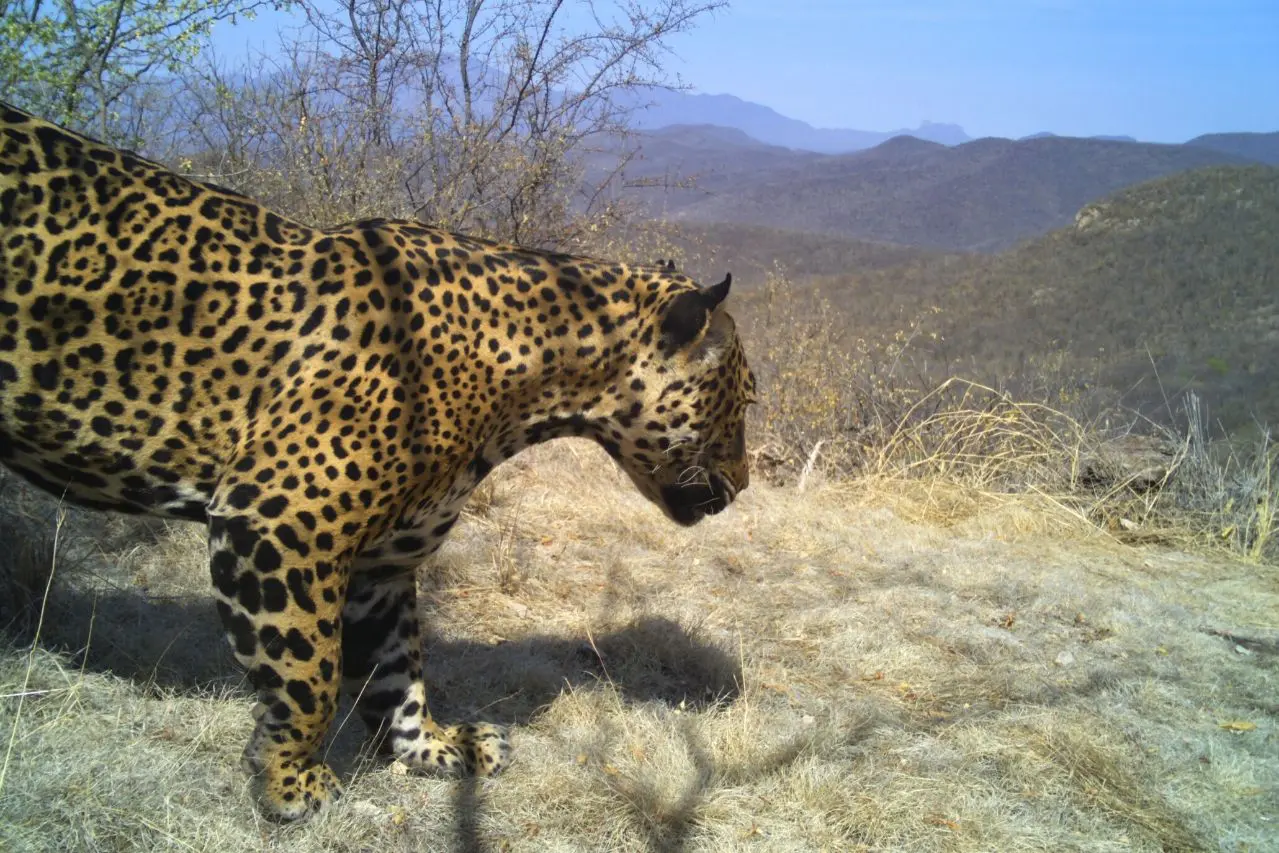

# Avistamiento de jaguar cerca de nuestra reserva en México
12/04/2016
**Area Estratégica:** Biodiversidad -
**Tipo de Contenido:** Blog
**País:** México -
\[vc\_row\]\[vc\_column\]\[vc\_column\_text\]La semana pasada, nuestro equipo en México celebró el avistamiento de un espécimen de jaguar *(Panthera onca)*, captado por las cámaras trampa instaladas en y cerca de nuestra **Reserva Monte Mojino**, que protege más de 6 mil hectáreas de bosque tropical caducifolio, hábitat del icónico jaguar, junto con muchas otras especies.\[/vc\_column\_text\]\[vc\_single\_image image=»11410″ img\_size=»full»\]\[vc\_single\_image image=»11409″ img\_size=»full»\]\[vc\_single\_image image=»11411″ img\_size=»full»\]\[vc\_single\_image image=»11412″ img\_size=»full»\]\[/vc\_column\]\[/vc\_row\]
**Tags:** Cámaras trampa, Jaguar, Mexico, Monitoreo de Especies, Reserva Monte Mojino
**Strategic Area:** Biodiversidad
**Country:** México
**Content Type:** Blog
---
### [Monitoreo de la última población de cocodrilo americano en el sur de Ecuador](https://www.natureandculture.org/es/directorio/monitoreo-de-la-ultima-poblacion-de-cocodrilo-americano-en-el-sur-de-ecuador/)
**Published:** July 16, 2021
**Author:** Heather Thomas
**Content:**


# Monitoreo de la última población de cocodrilo americano en el sur de Ecuador
16/07/2021
**Area Estratégica:** Biodiversidad -
**Tipo de Contenido:** Blog
**País:** Ecuador -
\[vc\_row\]\[vc\_column\]\[vc\_column\_text\]
## Un equipo de científicos se embarca en una aventura arriesgada pero gratificante para salvar al cocodrilo americano.
\[/vc\_column\_text\]\[/vc\_column\]\[/vc\_row\]\[vc\_row\]\[vc\_column\]\[vc\_column\_text\]
***«Trabajar con cocodrilos no es solo para valientes sino para expertos”***, dice Darwin Núñez, científico de Naturaleza y Cultura Internacional, quien recuerda que un cocodrilo casi le muerde la cara. Al manejar cocodrilos, un pequeño error puede significar la diferencia entre la vida y la muerte.
\[/vc\_column\_text\]\[/vc\_column\]\[/vc\_row\]\[vc\_row\]\[vc\_column\]\[vc\_column\_text\]
Pero para Darwin, un destacado herpetólogo en Ecuador, el riesgo vale la pena. Trabaja para salvar una de las últimas poblaciones del cocodrilo americano *(Crocodylus sp.)* en los bosques secos del sur de Ecuador.
\[/vc\_column\_text\]\[/vc\_column\]\[/vc\_row\]\[vc\_row\]\[vc\_column\]\[vc\_single\_image image=»20434″ img\_size=»large» add\_caption=»yes»\]\[/vc\_column\]\[/vc\_row\]\[vc\_row\]\[vc\_column\]\[vc\_column\_text\]
El cocodrilo americano se distribuye desde el extremo sur de Florida en los Estados Unidos hasta la costa del Pacífico de Colombia, Ecuador y Perú. A pesar de su amplia distribución, el animal es considerado vulnerable por la UICN.
\[/vc\_column\_text\]\[/vc\_column\]\[/vc\_row\]\[vc\_row\]\[vc\_column\]\[vc\_column\_text\]
Sus poblaciones se redujeron seriamente desde 1930 hasta 1970 debido al alto valor comercial de la piel de cocodrilo. Aproximadamente 200.000 pieles fueron exportadas solo desde Ecuador durante este período. Ahora, sin embargo, las mayores amenazas para el cocodrilo americano son la destrucción y contaminación de su hábitat debido a la expansión agrícola, la minería y la urbanización.
\[/vc\_column\_text\]\[/vc\_column\]\[/vc\_row\]\[vc\_row\]\[vc\_column\]\[vc\_column\_text\]
En Ecuador, el cocodrilo americano se encuentra en las provincias de Guayas, El Oro, Esmeraldas y Loja. Se sabe muy poco sobre la población en Loja, específicamente en el municipio de Zapotillo. Para conocer más sobre esta población y su hábitat de bosque seco, Naturaleza y Cultura inició el monitoreo de cocodrilos americanos en el río Puyango de Zapotillo y el arroyo Cazaderos, en Loja, con el apoyo de la Universidad Técnica de Loja, el Zoológico AMARU y el Ministerio del Medio Ambiente, Agua. y Transición Ecológica del Ecuador.
\[/vc\_column\_text\]\[/vc\_column\]\[/vc\_row\]\[vc\_row\]\[vc\_column\]\[vc\_single\_image image=»20435″ img\_size=»large» add\_caption=»yes»\]\[/vc\_column\]\[/vc\_row\]\[vc\_row\]\[vc\_column\]\[vc\_column\_text\]
En los últimos meses, Darwin y su equipo realizaron 18 viajes para estudiar cocodrilos, registrar datos fenotípicos (o propiedades físicas observables), extraer muestras de tejido y saliva y tomar muestras de agua del río Puyango.
\[/vc\_column\_text\]\[/vc\_column\]\[/vc\_row\]\[vc\_row\]\[vc\_column\]\[vc\_column\_text\]
La persecución comienza al atardecer. Los biólogos se aventuran hasta el río Puyango en busca de la criatura. Usando linternas, escanean las orillas del río en busca de los ojos brillantes de un cocodrilo solitario que se esconde en la oscuridad de la noche.
\[/vc\_column\_text\]\[/vc\_column\]\[/vc\_row\]\[vc\_row\]\[vc\_column\]\[vc\_column\_text\]
Después de detectar a un individuo, el equipo usa un cable para atrapar el hocico del cocodrilo. Cuando se cansa de luchar con el cable, un científico tapa los ojos del reptil con una camiseta, otros le sujetan la cola y el hocico, y Darwin se sube al lomo del animal para tomar muestras.
\[/vc\_column\_text\]\[/vc\_column\]\[/vc\_row\]\[vc\_row\]\[vc\_column\]\[vc\_column\_text\]
El equipo de expertos toma muestras de tejido y saliva, identifica si el cocodrilo es macho o hembra, extrae datos fenotípicos, libera al cocodrilo y regresa al bote, ¡todo en 15 minutos o menos! El proceso requiere precisión y concentración.
\[/vc\_column\_text\]\[/vc\_column\]\[/vc\_row\]\[vc\_row\]\[vc\_column\]\[vc\_column\_text\]
***«El momento más difícil es la liberación. El cocodrilo puede darse la vuelta rápidamente y darte un fuerte colazo»***, explica Darwin.
\[/vc\_column\_text\]\[/vc\_column\]\[/vc\_row\]\[vc\_row\]\[vc\_column\]\[vc\_single\_image image=»20437″ img\_size=»large» add\_caption=»yes»\]\[/vc\_column\]\[/vc\_row\]\[vc\_row\]\[vc\_column\]\[vc\_column\_text\]
Darwin y su equipo han monitoreado a 97 individuos a lo largo de 35 kilómetros del río Puyango y el arroyo Cazaderos. Algunos individuos alcanzan los cinco metros de largo.
\[/vc\_column\_text\]\[/vc\_column\]\[/vc\_row\]\[vc\_row\]\[vc\_column\]\[vc\_column\_text\]
El equipo encontró un promedio de 2,8 individuos por kilómetro, lo que preocupa a Darwin. Él dice que ***“debería haber cinco individuos por kilómetro para una población saludable”***. Esta población específica está en riesgo porque su hábitat fluvial está contaminado con metales pesados de la minería.
\[/vc\_column\_text\]\[/vc\_column\]\[/vc\_row\]\[vc\_row\]\[vc\_column\]\[vc\_column\_text\]
La extinción de un depredador tope como el cocodrilo americano causaría serios cambios en el ecosistema y en la red alimentaria. Adicionalmente, según Darwin, podría resultar en la desaparición de los recursos hídricos en los bosques secos de Zapotillo. El herpetólogo explica que los cocodrilos cavan hoyos en el suelo árido de los bosques secos en busca de agua, creando pequeños lagos. Estos lagos alimentan lagos y ríos más grandes y pueden convertirse en hábitats importantes donde otras especies encuentran un lugar para vivir.
\[/vc\_column\_text\]\[/vc\_column\]\[/vc\_row\]\[vc\_row\]\[vc\_column\]\[vc\_single\_image image=»20436″ img\_size=»large» add\_caption=»yes»\]\[/vc\_column\]\[/vc\_row\]\[vc\_row\]\[vc\_column\]\[vc\_column\_text\]
Los esfuerzos de monitoreo y las pruebas genéticas posteriores han demostrado que esta población puede ser una especie de cocodrilo americano diferente a la registrada previamente en Ecuador *(Crocodylus acutus)*. Estamos emocionados de descubrir más a medida que continuamos estudiando a la población.
\[/vc\_column\_text\]\[/vc\_column\]\[/vc\_row\]\[vc\_row\]\[vc\_column\]\[vc\_column\_text\]
Con tu apoyo, Darwin y su equipo planean continuar estudiando al cocodrilo americano y realizar investigaciones adicionales sobre la genética del cocodrilo y la contaminación del agua. Los resultados de su seguimiento indicarán el estado de la población en Loja, la salud de los individuos y el grado de contaminación de su hábitat. Los resultados informarán los esfuerzos de conservación en la región.
\[/vc\_column\_text\]\[/vc\_column\]\[/vc\_row\]\[vc\_row\]\[vc\_column\]\[vc\_column\_text\]
Juntos podemos proteger al cocodrilo americano y su hábitat amenazado. **¡Mantente al tanto para más actualizaciones del campo!**
\[/vc\_column\_text\]\[/vc\_column\]\[/vc\_row\]\[vc\_row\]\[vc\_column\]\[/vc\_column\]\[/vc\_row\]
**Strategic Area:** Biodiversidad
**Country:** Ecuador
**Content Type:** Blog
---
### [Proteger la vida silvestre mantiene los ecosistemas saludables](https://www.natureandculture.org/es/directorio/proteger-la-vida-silvestre-mantiene-los-ecosistemas-saludables/)
**Published:** March 2, 2022
**Author:** Heather Thomas
**Content:**
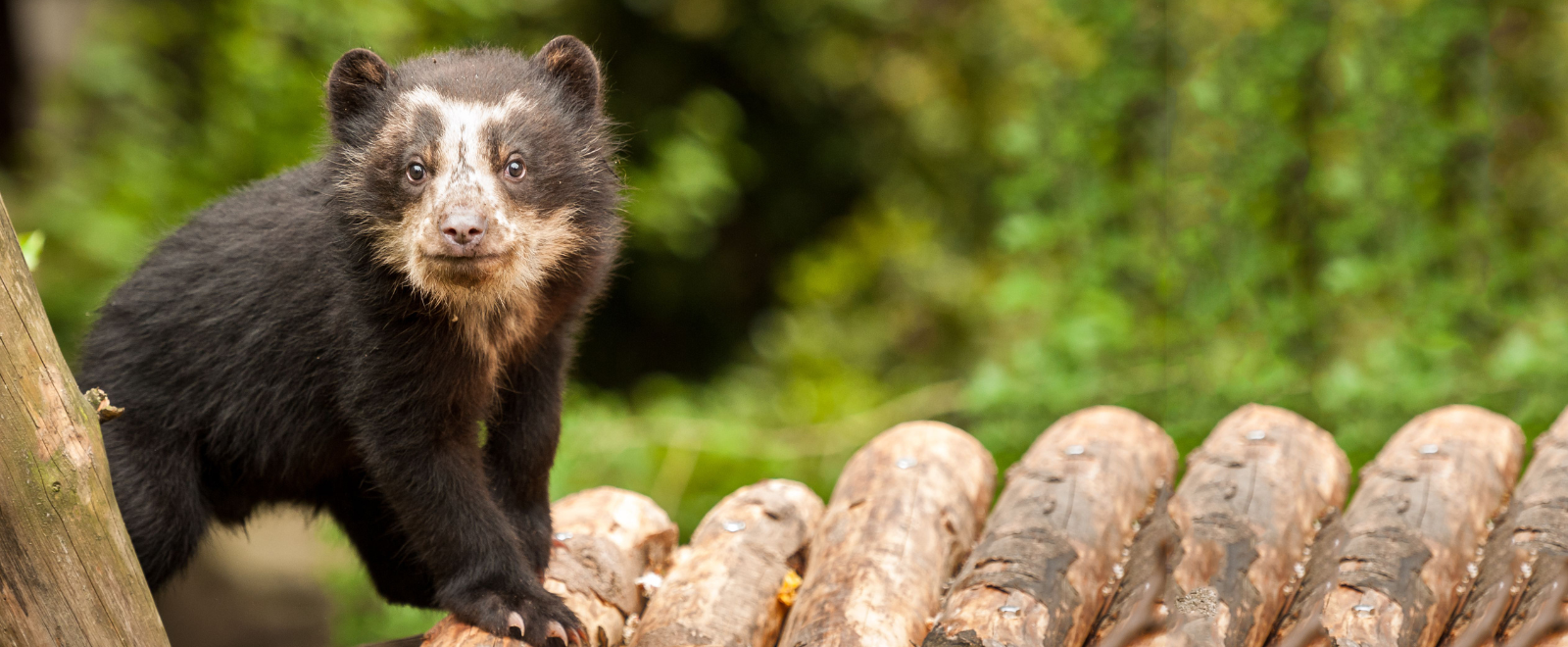

# Proteger la vida silvestre mantiene los ecosistemas saludables
02/03/2022
**Area Estratégica:** Biodiversidad - Bosques -
**Tipo de Contenido:** Blog
**País:** Bolivia - Colombia - Ecuador - México - Perú -
\[vc\_row\]\[vc\_column\]\[vc\_column\_text\]
### ¿Cómo se relaciona la vida silvestre y los ecosistemas?
\[/vc\_column\_text\]\[/vc\_column\]\[/vc\_row\]\[vc\_row\]\[vc\_column\]\[vc\_column\_text\]El término «vida silvestre» se refiere a toda la vida en la naturaleza. Abarca todos los seres vivos, incluidos mamíferos, peces, reptiles y aves, conocidos colectivamente como fauna y, a veces, incluye plantas o flora. Estos son los componentes del hábitat y juegan un papel importante dentro de ellos.\[/vc\_column\_text\]\[/vc\_column\]\[/vc\_row\]\[vc\_row\]\[vc\_column\]\[vc\_column\_text\]Por otro lado, los ecosistemas son más como una red que incluye toda la vida silvestre y las partes vivas del sistema (factores bióticos), pero también las partes no vivas del medio ambiente (factores abióticos), incluidos el clima y el paisaje. Todo en esta red está interconectada y está interactuando entre sí. Los ecosistemas pueden ser muy pequeños, como una poza de marea singular, o muy grandes, como un bosque. El mundo está formado por muchos ecosistemas interconectados y, en unos pocos casos, el mundo en sí mismo se conoce como un ecosistema singular.\[/vc\_column\_text\]\[/vc\_column\]\[/vc\_row\]\[vc\_row\]\[vc\_column\]\[vc\_column\_text\]
### ¿Por qué es la vida silvestre tan importante para su ecosistema?
\[/vc\_column\_text\]\[vc\_single\_image image=»21291″ img\_size=»large» add\_caption=»yes»\]\[/vc\_column\]\[/vc\_row\]\[vc\_row\]\[vc\_column\]\[vc\_column\_text\]Hasta ahora, hemos establecido que la vida silvestre vive dentro de un ecosistema, pero ¿por qué es tan importante para el ecosistema y por qué existe un impulso para proteger especies individuales cuando ecosistemas completos están amenazados?\[/vc\_column\_text\]\[vc\_column\_text\]Imagina una cadena alimenticia simple. En la **Imagen 1**, tenemos un zorro como depredador, los conejos como presa y el pasto como fuente de alimento de los conejos, también conocido como el productor primario. Cada uno de estos niveles (más conocidos científicamente como niveles tróficos) tiene un papel que desempeñar en la cadena. El pastoreo de los conejos en la hierba evita el crecimiento excesivo de la vegetación, pero los zorros que los depredan mantienen controlada la población de conejos.\[/vc\_column\_text\]\[vc\_column\_text\]Ahora, si eliminamos uno de estos niveles, terminas con una interrupción, que se extiende por el resto de la cadena alimenticia. Por ejemplo, en la **Imagen 2a**, se ha quitado el césped. Esto podría suceder como resultado de la sequía o, potencialmente, de la pérdida de hábitat debido al desarrollo humano. El resultado de esto es que los conejos no tienen suficiente comida y muchos pueden morir. Esto, por supuesto, pasará más adelante en la cadena y causará problemas a los zorros, ya que su fuente de alimento es baja.\[/vc\_column\_text\]\[vc\_column\_text\]Otro ejemplo, en la I**magen 2b**, es de arriba hacia abajo, por lo que los zorros pueden eliminarse o reducirse de la cadena. Esto se ve a menudo en la naturaleza cuando los depredadores son cazados hasta casi la extinción o una enfermedad fatal pasa a través de la especie. Para este ejemplo, los conejos tienen menos presión depredadora, por lo que su número aumenta dramáticamente. Esto puede ser bueno para los conejos a corto plazo, pero si se les deja solos, podrían sobrepastorear el área. Con el tiempo, la hierba sufriría, ya que no podría regenerarse lo suficientemente rápido. Una vez que los conejos hayan sobrepastoreado su fuente de alimento, no tendrían suficiente comida, competirían entre sí y muchos correrían el riesgo de morir de hambre.\[/vc\_column\_text\]\[vc\_single\_image image=»21293″ img\_size=»large» add\_caption=»yes» alignment=»center»\]\[/vc\_column\]\[/vc\_row\]\[vc\_row\]\[vc\_column\]\[vc\_column\_text\]
### La red de ecosistemas: el Parque Nacional de Yellowstone y la reintroducción de lobos grises
\[/vc\_column\_text\]\[vc\_column\_text\]El ejemplo de la cadena alimentaria es increíblemente simple y no considera la gran variedad de otras partes silvestres y no vivas del ecosistema que podrían verse afectadas por la pérdida de una sola especie como el zorro. Para comprender realmente cómo funciona un ecosistema y por qué la vida silvestre es tan importante para él, debemos expandirnos aún más.\[/vc\_column\_text\]\[vc\_column\_text\]Uno de los casos más notorios de cómo un ecosistema entero fue alterado por una especie singular es la reintroducción de lobos grises en el Parque Nacional de Yellowstone. En la década de 1930, los lobos de este lugar de renombre mundial fueron eliminados del parque debido a la caza excesiva, principalmente por temor a que atacaran a las personas o mataran al ganado. Una vez que los lobos desaparecieron, los alces, que habían sido una presa importante para los lobos, pudieron prosperar. Con los alces bajo mucha menos presión depredadora, su número aumentó dramáticamente y comenzaron los cambios en el ecosistema.\[/vc\_column\_text\]\[vc\_column\_text\]En la **Imagen 3**, se puede ver una idea simple de cómo se veía el ecosistema del Parque Nacional de Yellowstone, con el alce en el centro de la red. El aumento en el número de alces provocó una serie de consecuencias indirectas para el ecosistema (también conocida como cascada trófica) porque estaban sobrepastoreando y sobreexplotando la tierra, incluidas muchas de las bayas que también alimentaban a los pájaros cantores y los osos pardos. El ramoneo del alce en los brotes de las plantas jóvenes impidió el crecimiento de los arbustos, lo que provocó que las especies de presa, como los conejos, tuvieran menos áreas para esconderse de sus propios depredadores. ***Si recuerdan el ejemplo de la cadena alimenticia con el zorro y el conejo, ahora deberían comprender cómo afectaría eso a todos los niveles.***\[/vc\_column\_text\]\[vc\_column\_text\]Los alces no tenían miedo de permanecer largos períodos en las orillas de los ríos, donde antes podrían haber sido atacados por los lobos. Sobrepastorearon la vegetación joven a lo largo de los ríos, lo que debilitó las riberas y provocó la erosión de las riberas, lo que provocó que los ríos se ensancharan. El agua también se calentó ya que la falta de árboles y vegetación en la orilla significaba que había menos áreas sombreadas para refrescar el agua. Estos cambios en el río provocaron un cambio en la biodiversidad de las poblaciones de peces. Los castores también sufrían porque los sauces en las orillas del río no podían crecer más allá de los brotes. Los sauces proporcionan alimento a los castores, además de ser el recurso que utilizan los castores para crear sus presas. Sin sauces más grandes, los castores no podían sobrevivir los inviernos, por lo que en Yellowstone la población se redujo a una sola colonia de castores.\[/vc\_column\_text\]\[vc\_column\_text\]En 1995, los lobos fueron reintroducidos en el Parque Nacional de Yellowstone. Como era de esperar, los lobos comenzaron a depredar al alce, lo que mantuvo al alce en movimiento y redujo la presión que el alce ejercía sobre las riberas de los ríos y otras plantas jóvenes. De repente, las cosas empezaron a cambiar y hubo bayas para los pájaros y los osos, y arbustos para los conejos y otras especies de presas. Las orillas de los ríos eran más fuertes ya que contenían más vegetación, lo que evitó la erosión de las orillas y creó más áreas sombreadas, lo que proporcionó agua más fresca para los peces. Sin embargo, con mucho, el cambio más notable se debió al crecimiento de los sauces, lo que permitió a los castores usarlos para crear presas para sobrevivir el invierno. Los castores comenzaron a regresar a Yellowstone y las represas que construyeron elevaron el nivel freático, por lo que el agua estuvo disponible de manera más constante durante todo el año para la vegetación circundante. Desde 1995, las colonias de castores han ido en aumento y sus represas han cambiado el curso de los ríos en el Parque Nacional de Yellowstone.\[/vc\_column\_text\]\[vc\_column\_text\]Todo el ecosistema se ha beneficiado de la reintroducción de lobos en Yellowstone porque los lobos son lo que se conoce como una especie clave, que es una especie importante, sin la cual, puede causar el colapso de su ecosistema. Sin los lobos, los alces no estaban controlados y la red se estaba desmoronando. Ahora que los lobos regresaron al parque, el curso de los ríos se ha visto alterado.\[/vc\_column\_text\]\[vc\_single\_image image=»21295″ img\_size=»large» add\_caption=»yes» alignment=»center»\]\[/vc\_column\]\[/vc\_row\]\[vc\_row\]\[vc\_column\]\[vc\_column\_text\]
### Protegiendo la biodiversidad en Naturaleza y Cultura Internacional
\[/vc\_column\_text\]\[vc\_column\_text\]En Naturaleza y Cultura Internacional, que proteger la biodiversidad significa proteger sus hábitats. Actualmente estamos trabajando en múltiples proyectos de conservación para proteger especies en peligro de extinción, como el oso de anteojos *(Tremarctos ornatus)* en Perú y el jaguar *(Panthera onca)* en Bolivia. Al igual que el lobo gris en Yellowstone, estas especies son importantes para sus ecosistemas, entonces, ¿quién puede decir cuáles serían las consecuencias de su pérdida para el hábitat?
\[/vc\_column\_text\]\[vc\_column\_text\]Toda la vida silvestre es vital para mantener equilibrada la balanza de la vida. La UICN estima que aproximadamente 40,000 especies en todo el mundo están en peligro de extinción: incluidos mamíferos, anfibios, tiburones, aves y plantas. ***Nuestra biodiversidad global está disminuyendo, por lo que todos debemos unirnos para evitar que nuestros ecosistemas colapsen protegiendo hasta la última especie.***\[/vc\_column\_text\]\[/vc\_column\]\[/vc\_row\]
**Strategic Area:** Biodiversidad, Bosques
**Country:** Bolivia, Colombia, Ecuador, México, Perú
**Content Type:** Blog
---
### [Tres nuevas especies de ranas y fuentes de agua críticas están protegidas en el Área de Conservación Municipal y Uso Sostenible de El Guabo](https://www.natureandculture.org/es/directorio/tres-nuevas-especies-de-ranas-fuentes-de-agua-criticas-y-mas-estan-protegidas-en-el-area-de-conservacion-municipal-y-uso-sostenible-de-el-guabo/)
**Published:** June 22, 2021
**Author:** Heather Thomas
**Content:**
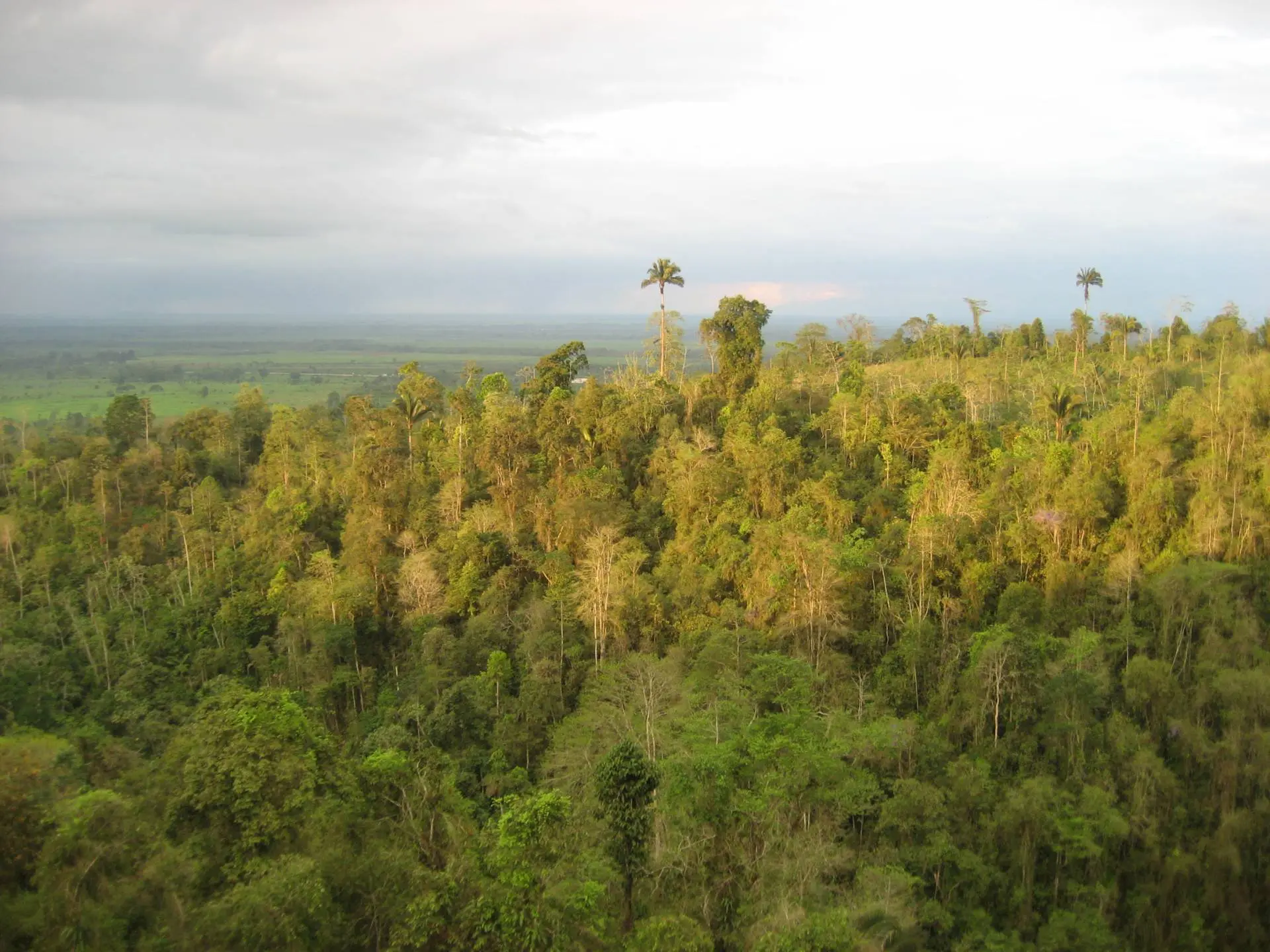

# Tres nuevas especies de ranas y fuentes de agua críticas están protegidas en el Área de Conservación Municipal y Uso Sostenible de El Guabo
22/06/2021
**Area Estratégica:** Biodiversidad -
**Tipo de Contenido:** Noticias
**País:** Ecuador -
\[vc\_row\]\[vc\_column\]\[vc\_column\_text\]
### **Gracias a donantes como tú, hay una nueva Area de Conservación Municipal de Uso Sostenible en Ecuador.**
\[/vc\_column\_text\]\[/vc\_column\]\[/vc\_row\]\[vc\_row\]\[vc\_column\]\[vc\_column\_text\]
Naturaleza y Cultura Internacional celebra la protección de más de 12000 hectáreas en el suroeste de Ecuador. El Área Municipal de Conservación y Uso Sostenible de El Guabo recientemente declarada conserva fuentes de agua críticas y ecosistemas biodiversos, incluido el hábitat de tres especies de ranas recientemente descritas.
\[/vc\_column\_text\]\[/vc\_column\]\[/vc\_row\]\[vc\_row\]\[vc\_column\]\[vc\_column\_text\]
El Guabo abarca bosques nubosos y montanos, pastizales de páramo y humedales en la provincia de El Oro. El área contiene uno de los últimos remanentes de bosque húmedo de piedemonte en la región, un bosque húmedo montano cada vez más amenazado por la tala y la expansión de la agricultura. Ubicado entre los ríos Chaguana y Pagua dentro de El Guabo, este tipo de bosque alberga una muestra de la biodiversidad de las estribaciones occidentales de la cordillera de los Andes.
\[/vc\_column\_text\]\[/vc\_column\]\[/vc\_row\]\[vc\_row\]\[vc\_column\]\[vc\_column\_text\]
Los diversos ecosistemas del área son el hábitat de una variedad espectacular de vida silvestre. Hasta ahora se ha confirmado que El Guabo alberga 45 especies de anfibios, 74 especies de reptiles y 556 especies de aves. Un estudio reciente de Naturaleza y Cultura Internacional identificó mamíferos como la oncilla *(Leopardus tigrinus)*, el agutí centroamericano *(Dasyprocta punctata)* y la paca de las tierras bajas *(Cuniculus paca)* en el área.
\[/vc\_column\_text\]\[/vc\_column\]\[/vc\_row\]\[vc\_row\]\[vc\_column\]\[vc\_column\_text\]
El Guabo es también el hogar de tres especies de ranas terrestres recientemente descritas. La especie, perteneciente al género Pristimantis, fue descubierta en 2016 durante una investigación realizada por el Instituto Nacional de Biodiversidad – Ecuador. Tenemos la esperanza de que más evaluaciones biológicas identifiquen especies aún más raras.
\[/vc\_column\_text\]\[/vc\_column\]\[/vc\_row\]\[vc\_row\]\[vc\_column\]\[vc\_single\_image image=»20288″ img\_size=»full» add\_caption=»yes»\]\[/vc\_column\]\[/vc\_row\]\[vc\_row\]\[vc\_column width=»1/2″\]\[vc\_single\_image image=»20282″ img\_size=»full» add\_caption=»yes» onclick=»img\_link\_large»\]\[/vc\_column\]\[vc\_column width=»1/2″\]\[vc\_single\_image image=»20283″ img\_size=»full» add\_caption=»yes» onclick=»img\_link\_large»\]\[/vc\_column\]\[/vc\_row\]\[vc\_row\]\[vc\_column\]\[vc\_column\_text\]
Parte de El Guabo se encuentra dentro de *la Reserva de la Biosfera Macizo del Cajas.* Establecida en 2013, la Reserva de la Biosfera Macizo del Cajas abarca más de 900 mil hectáreas e incluye el Parque Nacional El Cajas y el Área Recreativa Nacional Quimsacocha, que juegan un papel importante en la provisión y regulación del agua.
\[/vc\_column\_text\]\[/vc\_column\]\[/vc\_row\]\[vc\_row\]\[vc\_column\]\[vc\_column\_text\]
Al conectar áreas protegidas, El Guabo permite la conectividad de hábitats en la región. La conectividad permite que la vida silvestre se mueva y migre, aumenta la biodiversidad y la resiliencia en los ecosistemas degradados, salvaguarda el flujo genético entre las poblaciones y garantiza que las especies puedan adaptarse mejor al cambio climático.
\[/vc\_column\_text\]\[/vc\_column\]\[/vc\_row\]\[vc\_row\]\[vc\_column\]\[vc\_column\_text\]
Además, El Guabo asegura fuentes de agua críticas para la población local. El área regula, recolecta y almacena agua para consumo, producción y riego. La protección de las fuentes de agua dentro del área beneficiará a 50.000 habitantes de la región.
\[/vc\_column\_text\]\[/vc\_column\]\[/vc\_row\]\[vc\_row\]\[vc\_column\]\[vc\_single\_image image=»20284″ img\_size=»full» add\_caption=»yes»\]\[/vc\_column\]\[/vc\_row\]\[vc\_row\]\[vc\_column\]\[vc\_column\_text\]
El Guabo se creó en respuesta a las crecientes amenazas en la provincia de El Oro, incluida la deforestación, los incendios y la minería. Según el Ministerio del Ambiente de Ecuador, entre 2008 y 2014 se perdieron 15.000 hectáreas de bosque en la provincia cada año debido a la deforestación.
\[/vc\_column\_text\]\[/vc\_column\]\[/vc\_row\]\[vc\_row\]\[vc\_column\]\[vc\_column\_text\]
La minería es la preocupación principal de los miembros de la comunidad en la región. El agricultor local Manuel Cabrera fue testigo de los devastadores impactos de la minería en un municipio vecino, incluida la contaminación del agua y la escasez de agua. Ha estado trabajando para asegurar salvaguardas para prevenir una situación similar en El Guabo desde entonces.
\[/vc\_column\_text\]\[/vc\_column\]\[/vc\_row\]\[vc\_row\]\[vc\_column\]\[vc\_column\_text\]
Naturaleza y Cultura unió fuerzas con Manuel y el gobierno municipal en 2020 para proteger este lugar especial. El año pasado finalizamos [un estudio a profundidad](https://www.natureandculture.org/el-oro-study/ "un estudio a profundidad") sobre la biodiversidad y los servicios ecosistémicos en la provincia de El Oro. También hemos apoyado a Manuel y otros agricultores en la obtención de títulos de propiedad para asegurar los derechos de propiedad.
\[/vc\_column\_text\]\[/vc\_column\]\[/vc\_row\]\[vc\_row\]\[vc\_column\]\[vc\_single\_image image=»20285″ img\_size=»full» add\_caption=»yes»\]\[/vc\_column\]\[/vc\_row\]\[vc\_row\]\[vc\_column\]\[vc\_column\_text\]
Declarada el 15 de junio de 2021, El Guabo es el resultado de la colaboración entre el Gobierno Provincial de El Oro, el Gobierno Municipal de El Guabo, el Ministerio de Ambiente y Agua de Ecuador y el Comité de Gestión de la Reserva de la Biosfera Macizo del Cajas, y Naturaleza y Cultura Internacional.
***¡El financiamiento para el proyecto fue proporcionado por Andes Amazon Fund y generosos donantes como tú!***
\[/vc\_column\_text\]\[/vc\_column\]\[/vc\_row\]\[vc\_row\]\[vc\_column\]\[vc\_column\_text\]
Con tu ayuda, Naturaleza y Cultura continuará trabajando con las comunidades y autoridades locales para desarrollar el Plan de Manejo del área para garantizar un impacto de conservación efectivo y duradero. También apoyaremos a los socios locales en la actualización de El Guabo al Sistema Nacional de Áreas Protegidas de Ecuador. Este estatus nacional dotará a la reserva del más alto nivel de protección legal del país y evitará de forma permanente la minería en la zona.
\[/vc\_column\_text\]\[/vc\_column\]\[/vc\_row\]\[vc\_row\]\[vc\_column\]\[vc\_column\_text\]
***¡Gracias por hacer posible este logro!*** Esperamos que esta buena noticia te inspire a seguir luchando por la naturaleza y por la cultura.
\[/vc\_column\_text\]\[/vc\_column\]\[/vc\_row\]\[vc\_row\]\[vc\_column\]\[vc\_column\_text\]
Lee la nota de prensa [aquí](https://www.natureandculture.org/wp-content/uploads/2021/07/BOLETIN_NCI_ACMUS_EL_GUABO.pdf).
\[/vc\_column\_text\]\[/vc\_column\]\[/vc\_row\]\[vc\_column\]\[/vc\_column\]
**Strategic Area:** Biodiversidad
**Country:** Ecuador
**Content Type:** Noticias
---
### [FORAGUA recibe $500.000 para reforestación](https://www.natureandculture.org/es/directorio/foragua-water-fund-receives-500000-for-reforestation/)
**Published:** January 17, 2011
**Author:** Nora Sanchez
**Content:**
[](https://www.natureandculture.org/2691/water-fund-to-receive-500000-for-reforestation/)**Enero de 2011 \|** FORAGUA, el Fondo Fiduciario Regional del Agua del Sur de Ecuador encabezado por NCI, recibió cerca de $500.000 gracias a un acuerdo con la Secretaría Nacional del Agua de Ecuador (SENAGUA). La subvención está destinada a la reforestación y restauración de vegetación nativa en 2500 acres críticos para la protección de los recursos hídricos de varias ciudades regionales, incluidas Alamor, Celica, Loja, Macara, Pindal y Zumba. Los fondos se están invirtiendo en el mejoramiento, ampliación y construcción de viveros municipales y comunitarios, la protección de las reservas municipales, la siembra de especies nativas y el enriquecimiento de la vegetación secundaria.
FORAGUA está gestionando recursos adicionales para ampliar la cobertura de este programa y promover la planificación e implementación de actividades similares en otros municipios de la región.
FORAGUA se formó en julio de 2009 como un mecanismo para que los gobiernos municipales financien e implementen la conservación y restauración de cuencas hidrográficas en el sur de Ecuador. Actualmente nueve municipios forman parte del fondo en esta región con un déficit hídrico de casi el 80%. Las ordenanzas emitidas hasta la fecha han creado más de 34 mil hectáreas de reservas municipales que protegen los recursos hídricos para las poblaciones humanas y preservan los ecosistemas únicos de la región. Entre las actividades que realizan los municipios se encuentran la reforestación y regeneración de bosques naturales, la compensación por servicios ambientales, la compra de predios en cuencas hidrográficas para dedicarlos a la conservación, los incentivos a los propietarios para conservar y la declaratoria de reservas municipales.
**Tags:** Agua, Ecuador, Fondos de Agua
**Strategic Area:** Agua
**Country:** Ecuador
**Content Type:** Noticias
---
### [Titulación del territorio Tiwi Nunka: una victoria importante para los derechos territoriales indígenas](https://www.natureandculture.org/es/directorio/titling-of-the-tiwi-nunka-forest-an-important-win-for-indigenous-land-rights/)
**Published:** November 11, 2021
**Author:** Nora Sanchez
**Content:**
#### VICTORIA para los Shuar, ¡después de 21 años de lucha por su territorio!
<https://www.natureandculture.org/wp-content/uploads/2021/11/2021-Shuar-El-Kiim-Land-Titling_Subtitles_720.mp4>
En mayo de este año, [anunciamos la titulación de 5674 hectáreas del Territorio Tiwi Nunka al Centro Shuar Kiim](https://www.natureandculture.org/shuar-titling/), una comunidad Shuar, conocida como El Kiim. Esta titulación le ha dado a El Kiim la capacidad de proteger este territorio de amenazas, como la minería, el uso de tierras para la ganadería y otras actividades extractivas perjudiciales. Esta es una gran noticia para El Kiim: ¡han estado luchando por la propiedad de su tierra por 21 años!
Desde el 2000, los Shuar han estado trabajando para crear un área de reserva en su territorio ancestral, que es muy importante para la supervivencia de las comunidades. Desde 2005, Naturaleza y Cultura Internacional trabaja con 3 comunidades Shuar para proteger sus bosques ancestrales: Kiim, Kurintsa, Washikiat. Nuestra misión es proteger las culturas indígenas y los paisajes biodiversos dentro de estos territorios.
El pueblo Shuar es una población indígena del sur del Ecuador que mantiene fuertes tradiciones y su propia lengua, comida, mitos, música y danza. La arraigada cultura de los Shuar les dio habilidades para leer las estaciones en el bosque. Esto les permitió predecir el mejor momento para cazar, cuándo desovarían los peces y cuándo florecerían las plantas. La naturaleza está en el corazón de su sociedad y su cultura que se basa en técnicas que son sostenibles y protegen sus recursos. Su religión incluso se basa en el bosque; las cascadas sagradas son sus templos para su dios “Arutam”, quien puede aparecer en muchas formas relacionadas con el bosque, como el viento, la lluvia o incluso un jaguar. Estos templos en cascada son también el lugar donde purifican los espíritus de sus muertos. Desafortunadamente, la cultura y las tradiciones de los Shuar se están perdiendo.
El Kiim reside en el Tiwi Nunka, donde las culturas y tradiciones que valoran dependen de que el bosque se mantenga saludable. El bosque proporciona una importante fuente de agua, alimentos, medicinas y otros recursos para las 33 familias de esta comunidad Shuar.
> “Queremos proteger los bosques de Tiwi Nunka porque contienen nuestros últimos recursos”, dice Marta Kayuk, presidenta del Centro Shuar Kiim.
Este hábitat increíblemente biodiverso también salvaguarda especies importantes, como el amenazado tapir de montaña *(Tapirus pinchaque)* y el vulnerable oso de anteojos *(Tremarctos ornatus)*.
 Las resoluciones de titulación de tierras fueron promulgadas por el Ministerio del Ambiente, Agua y Transición Ecológica (MAATE) de Ecuador el 19 de mayo de 2021. **Foto:** Claudia Román.
[Desde que comenzamos a trabajar con los Shuar en 2005, ](https://www.natureandculture.org/empowering-the-shuar/)hemos apoyado a las mujeres de El Kiim a recuperar semillas y sembrar chakras, cultivando plantas como yuca, plátano, papachina, papaya y caña de azúcar. También hemos trabajado en capacitar a las niñas sobre la diversidad de semillas y técnicas tradicionales de cultivo. La enseñanza de estas prácticas asegura que este conocimiento continúe transmitiéndose a las generaciones futuras.
En 2008, el Tiwi Nunka recibió el estatus de Área de Bosque y Vegetación Protectora por parte del MAATE. Sin embargo, la ley ecuatoriana permite concesiones mineras para bosques protegidos, por lo que este estatus por sí solo no proporcionaba una protección adecuada. Las amenazas a este ecosistema aún estaban presentes, por lo que en 2019 nos involucramos para brindar apoyo legal y técnico a El Kiim para obtener la titulación completa del bosque. Al obtener legalmente el título de propiedad de su tierra, están mejor preparados para proteger su territorio.
Celebramos la noticia de la titulación del Bosque Tiwi Nunka. Continuaremos trabajando con El Kiim y otras comunidades Shuar para garantizar que su territorio esté protegido y su cultura prospere.
**Estamos agradecidos con nuestros donantes que nos dan la oportunidad de trabajar con estas comunidades indígenas. Si estás interesado en apoyar nuestro trabajo con las comunidades indígenas, [¡considera hacer una donación hoy!](http://natureandculture.org/donate)**
**Tags:** Amazonía, Ecuador, Personas, Shuar
**Strategic Area:** Bosques, Comunidades Locales
**Country:** Ecuador
**Content Type:** Noticias
---
### [Memoria Anual de nuestro trabajo en Perú](https://www.natureandculture.org/es/directorio/memoria-anual-de-nuestro-trabajo-en-peru/)
**Published:** April 28, 2023
**Author:** Nora Sanchez
**Content:**
*El 2022, mientras el mundo empezaba a despertar de la pesadilla* *de la pandemia COVID 19 y nuevas amenazas, como la guerra en* *Ucrania, hacían su aparición en la escena global, el Perú pasó por* *un período particularmente convulso, social y políticamente.*
*A pesar de este contexto adverso –en el que todavía perduran los* *atentados contra el medio ambiente generados por el caos, la* *inseguridad y la pobreza post COVID 19, que se ven reflejados en* *el incremento en los niveles de deforestación y la minería ilegal,* *Naturaleza y Cultura Internacional – NCI, no solo pudo continuar* *realizando su misión en el país, sino que redobló esfuerzos para* *ganar el tiempo perdido en los tiempos de la pandemia y la* *inmovilización social.*
*Así, por ejemplo, luego de dos años de estudios y* *coordinaciones, a finales del 2022 se logró dar el primer gran* *paso para replicar la experiencia del Fondo del Agua Quiroz –Chira (FAQCH) a las otras dos grandes cuencas del Mosaico* *Andes del Norte: los ríos Chinchi pe y Huancabamba–Chamaya.* *Este paso consistió en la firma de acuerdos de compensación con* *actores claves de estas cuencas, entre ellos las Municipalidades* *Provinciales de Jaén y San Ignacio, la Plataforma Multiactor del* *Café de Cajamarca y la Junta de Usuarios de Riego de Jaén y San* *Ignacio. Todos ellos serán miembros de un nuevo fondo: el Fondo* *del Agua de los Andes del Norte, que también integrará al* *FAQCH. De esta manera, se ha puesto la primera piedra de lo que* *en el futuro próximo se convertirá en un mecanismo basado en* *servicios ecosistémico hídricos que brindará sostenibilidad* *financiera a la totalidad del mosaico.*
*De otro lado, culminó con éxito el proyecto Superfrutos que* *Conservan Bosques, enfocado en la extracción sostenible de* *productos del bosque en diversas zonas de Loreto, y en particular* *en el Mosaico Nanay – Tigre. El proyecto benefició a 16* *comunidades ubicadas en la zona de amortiguamiento de cuatro* *áreas protegidas, que lograron vender 450 toneladas de aguaje y* *camu camu para la elaboración de bebidas embotelladas que s*e *comercializan en el mercado nacional e internacional. El proyecto* *culminó, pero las iniciativas de conservación productiva continúan.*
*En otro aspecto completamente diferente de las labores que* *realizamos en NCI, dos nuevas especies de orquídeas para la* *ciencia fueron registradas en el Área de Conservación Regional* *(ACR) Bosque Montano de Carpish, ubicado en Huánuco y que* *forma parte del Mosaico Carpish – Abiseo. De manera similar, e*l *equipo de NCI del Programa Especial Utcubamba y especialistas* *aliados reportaron por primera vez dos especies de anfibios y dos* *de reptiles para el Área Clave de Biodiversidad Utcubamba (PER84).*
*Queremos aprovechar este espacio para presentar a nuestro nuevo* *director ejecutivo en Perú, Guillermo Maraví, economista de* *profesión, quien ha dedicado muchos años de su vida laboral en la* *gestión y conservación de los recursos naturales en diverso*s *departamentos de nuestro país, y en estrecha colaboración con el* *Ministerio del Ambiente.*
*A continuación, mostramos algunos de los resultados más* *destacados mostramos los resultados más destacados del 2022.* *Nada de esto hubiera sido posible sin el generoso apoyo de los* *donantes y la participación de la población y autoridades locales.* *Apoyo que es vital para continuar con nuestros esfuerzos por* *conservar la enorme biodiversidad del Perú en las difícile*s *circunstancias por las que atraviesa el país.*
Atentamente,
**Óscar Franco Pardo Figueroa**
Director Ejecutivo en Perú (Período 2022)
**Strategic Area:** Bosques
**Country:** Perú
**Content Type:** Noticias
---
### [¡Así vivimos el Global Big Day en Perú!](https://www.natureandculture.org/es/directorio/asi-vivimos-el-global-big-day-en-peru/)
**Published:** May 24, 2023
**Author:** Nora Sanchez
**Content:**
Durante el pasado sábado 13 de mayo, los equipos de los Mosaicos Carpish – Río Abiseo (Huánuco) y Andes del Norte (Piura y Cajamarca) de Naturaleza y Cultura Internacional participaron del torneo mundial más importante de observación de aves, organizado desde el 2015, se trata del **Global Big Day.**
Nuestro equipo, conformado por Christian Pérez, Jhon Camones, Julián Saavedra, Luis Egoavil, Luis Huamán, Wilinton García, Isabella Monedero salieron con binoculares y cámara en mano para captar la gran diversidad de aves en el Área de Conservación Privada (ACP) Unchog y las propuestas de Áreas de Conservación Regional (ACR) Yanajanca y San Pedro de Chonta en Huánuco; así como Elio Núñez Cortez en las Áreas de Conservación Privada Huaricancha, Segunda y Cajas en Piura, y San Miguel de Tabaconas en Cajamarca.
Equipo de NCI en Perú durante el Global Big Day 2023
Durante el desarrollo del torneo nuestro equipo logró captar a 57 especies de aves en Yanajanca, de las cuales 6 son endémicas de Perú, es decir que solo se encuentran en nuestro pais; en Chonta reportaron 84 especies y 2 endémicas de Perú, en Unchog 14 especies y 2 endémicas de Perú.
Mientras que en la zona de Piura y Cajamarca, en las áreas de Tabaconas, Segunda y Cajas y Huaricancha se reportaron 15 especies, 12 restringidas a los Andes del norte y 03 endémicas.
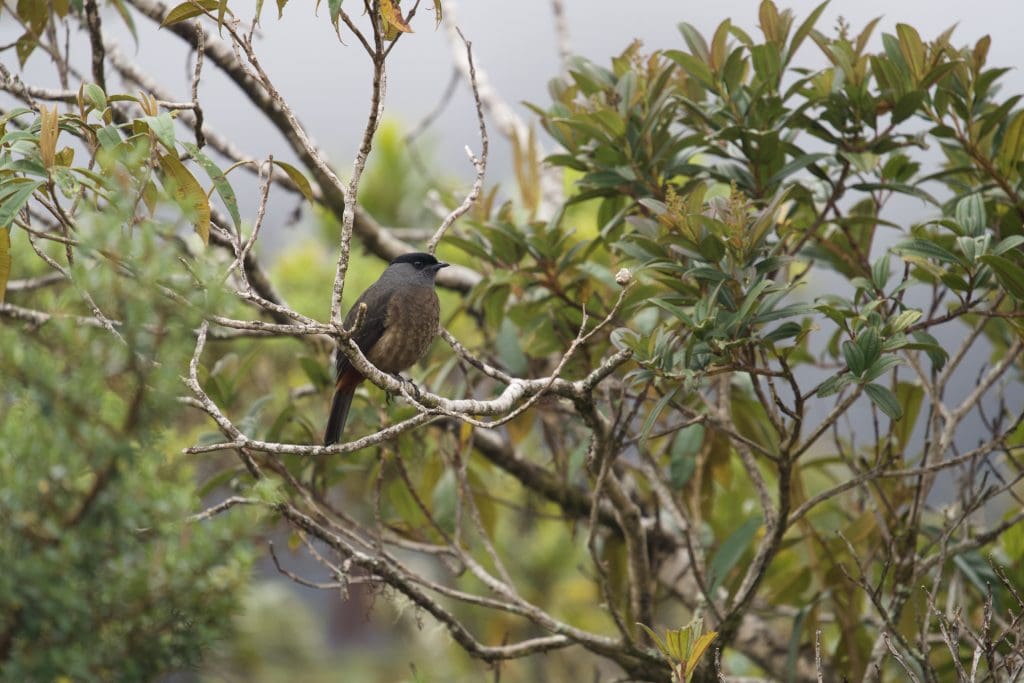Cotinga de subcaudales bayas (Doliornis sclateri) Foto: John Camones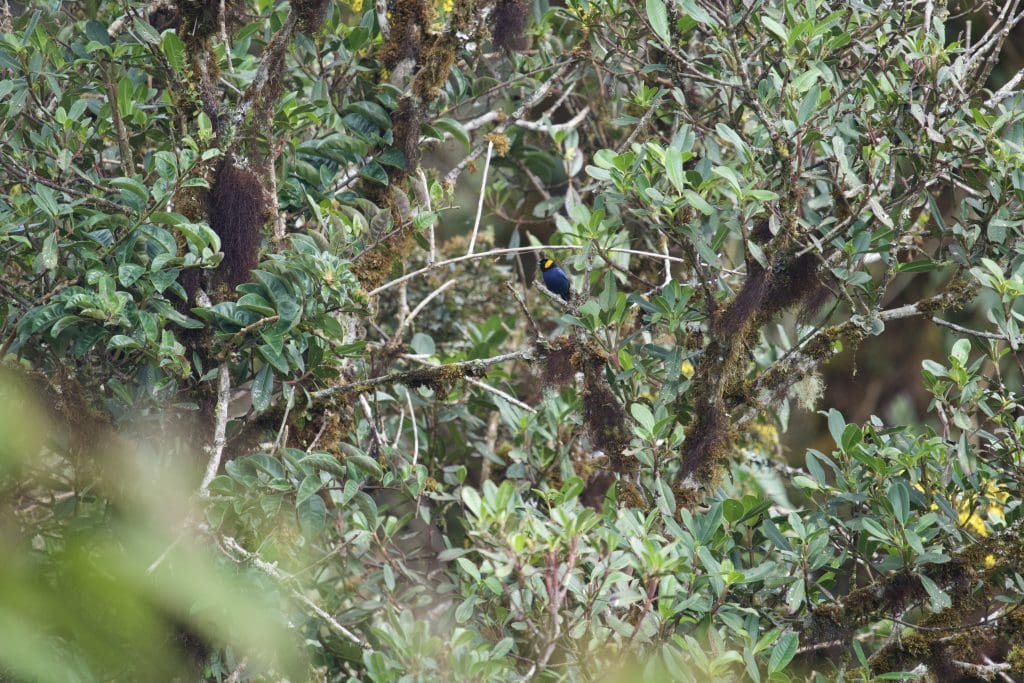Tangara de bufanda amarilla (Iridornis reinhardti) Foto: John Camones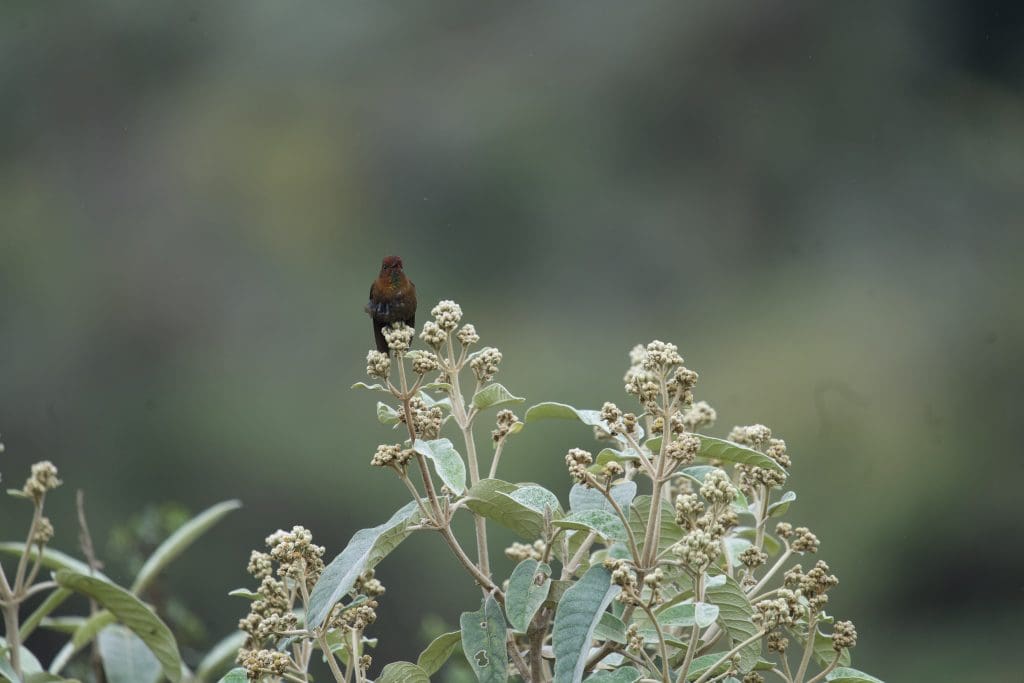Colibrí cobrizo (Metallura theresiae) Foto: Jhon CamonesTorito llano (Uromyias agraphia) Foto: Jhon Camones
Destacaron aves como la tangara de bufanda amarilla *(Iridornis reinhardti)*, torito llano *(Uromyias agraphia)* y colibrí cobrizo *(Metallura theresiae)* en Yanajanca; tangara del Huallaga (*Ramphocelus melanogaster)* y moscareta peruana *(Zimmerius viridiflavus)* en Chonta; cotinga de subcaudales bayas *(Doliornis sclateri)* y colibrí cobrizo *(Metallura theresiae)* en Unchog; inca de ala anteada *(Coeligena lutetiae)*, calzadito reluciente *(Eriocnemis vestita)* y pincha flor satinado *(Diglossa lafresnayii)* entre la zona de Piura y Cajamarca.
También, se logró reportar por primera vez para el ámbito de la propuesta de San Pedro de Chonta a la Aguilucho variable *(Geranoaetus polyosoma)* y a la Pucacunga *(Penelope jacquacu)*.
**¡Una gran experiencia para deslumbrarse con la belleza de las aves y con la variedad de especies existentes en el Perú!**
**Strategic Area:** Biodiversidad
**Country:** Perú
**Content Type:** Noticias
---
### [Tres nuevas especies de anfibios en el Podocarpus](https://www.natureandculture.org/es/directorio/tres-nuevas-especies-de-anfibios-en-el-podocarpus/)
**Published:** May 23, 2023
**Author:** Nora Sanchez
**Content:**
#### **UTPL y Naturaleza y Cultura Internacional Ecuador aportan a la conservación de especies de anfibios en el Podocarpus**
#### *En conmemoración del Día Internacional de la Diversidad Biológica, la Universidad Técnica Particular de Loja y Naturaleza y Cultura Internacional Ecuador desarrollaron el evento de exposiciones magistrales “Biodiversidad, nuevos hallazgos y conservación de especies de anfibios en el Podocarpus”.*
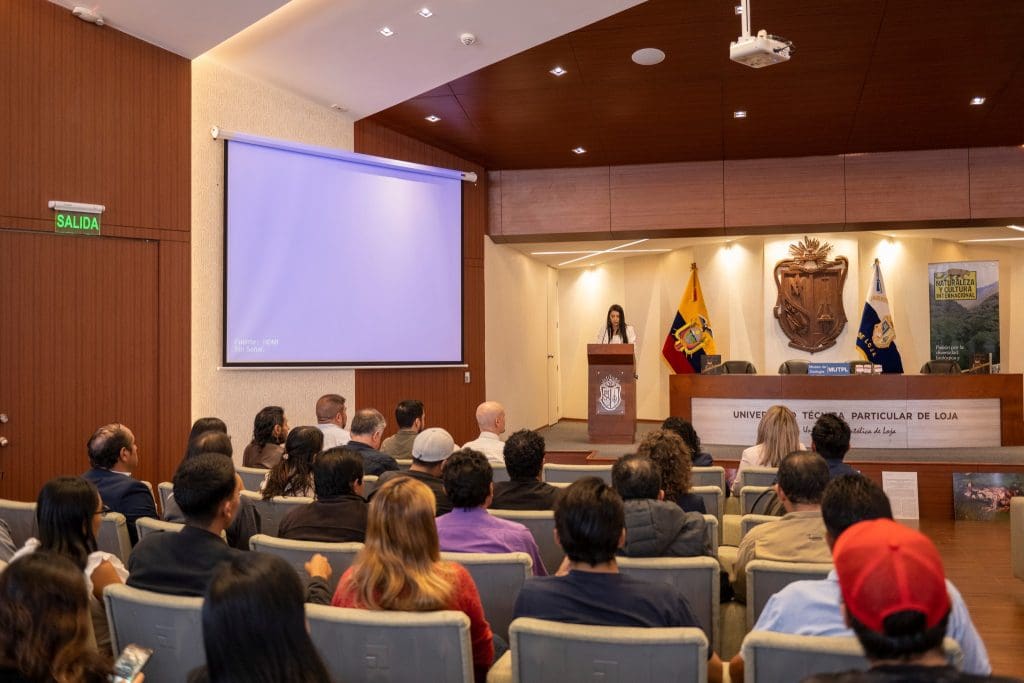Evento “Biodiversidad, nuevos hallazgos y conservación de especies de anfibios en el Podocarpus”.
Desde el 2019, UTPL y Naturaleza y Cultura Internacional Ecuador han trabajado en proyectos de investigación, innovación y vinculación para conservar la vida silvestre, especialmente, anfibios y reptiles del Corredor de Conectividad Sangay – Podocarpus, así como del Parque Nacional Podocarpus y sus alrededores.
Como resultados de estos proyectos, se han generado importantes hallazgos, entre los cuales destacan la descripción de tres nuevas especies de ranas de los ecosistemas altoandinos del sur del Ecuador, denominados: *pristimantis sagedunneae, pristimantis paladines, pristimantis numbala.*

*Pristimantis numbala* ha sido nombrada en honor a la Reserva Natural Numbala, un área manejada por Naturaleza y Cultura Internacional que permite la conectividad ecológica al sur del Parque Nacional Podocarpus, garantizando la conservación de especies únicas de flora y fauna.

*Pristimantis sagedunneae, reconoce la contribución de Anne Dunne, para la conservación de anfibios en el Corredor de Conectividad Sangay – Podocarpus, donde se protegen alrededor de 567 mil hectáreas de ecosistemas altoandinos.*

*Pristimantis paladines, se ha dedicado en honor a Félix Humberto Paladines Paladines,* por su aporte en el ámbito académico y cultural en el sur de Ecuador. Además, reconoce la ardua labor de Naturaleza y Cultura Internacional, para proteger los ecosistemas más biodiversos de Ecuador y el planeta.
Felipe Serrano Montesinos, director ejecutivo de Naturaleza y Cultura Internacional Ecuador señala que, en conmemoración del **Día Internacional de la Diversidad Biológica,** se han sumado esfuerzos en coordinación con la academia para desarrollar el evento exposiciones magistrales **“Biodiversidad, nuevos hallazgos y conservación de especies de anfibios en el Podocarpus”** donde se socializó la situación actual de la conservación de los hábitats de anfibios en el Parque Nacional Podocarpus, la presentación de las nuevas especies de ranas y del libro de Anfibios y Reptiles del Corredor de Conectividad Sangay-Podocarpus.
Diego Armijos Ojeda, investigador de la UTPL, reconoce que el trabajo en equipo ha permitido que diversos grupos de investigación sumen esfuerzos para proteger estos y otros ecosistemas; además, recomienda valorar la biodiversidad que aún está en proceso de ser descrita que, en muchos casos desaparece sin conocerla. Como dato alarmante, Armijos señala, que durante los últimos 30 años se han extinguido al menos tres especies de ranas del Abra de Zamora, un área que está junto al Parque Nacional.
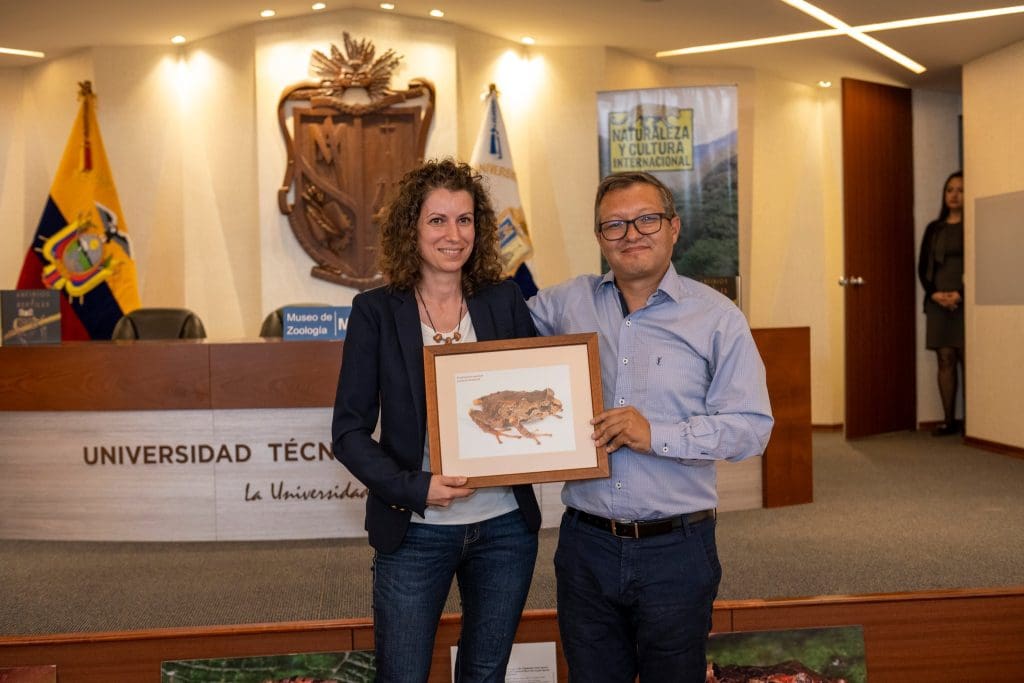Entrega simbólica de cuadro de especies recién descritas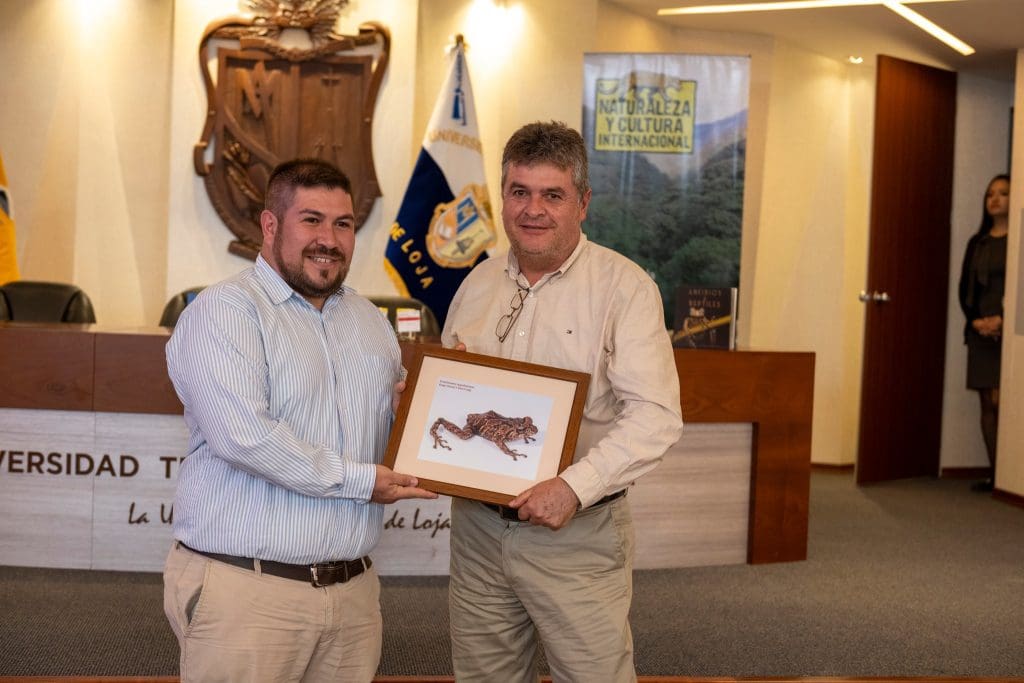Entrega simbólica de cuadro de especies recién descritas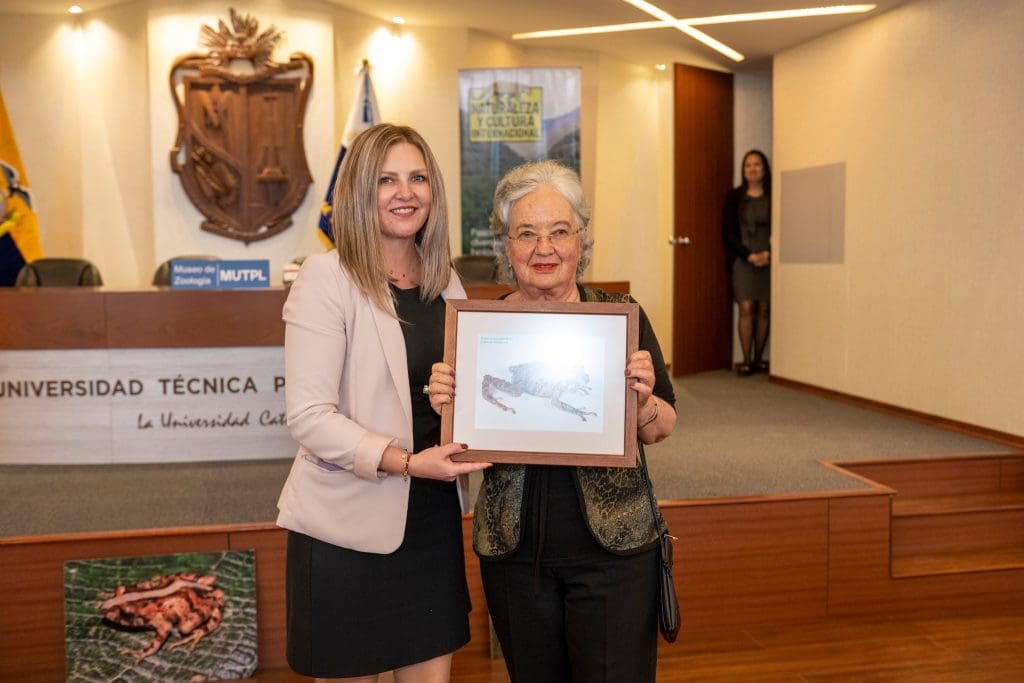Entrega simbólica de cuadro de especies recién descritas
La actual crisis ambiental y ecológica nos enfrenta a una devastadora pérdida de biodiversidad, resultado del cambio climático y la deforestación. En este contexto, es imprescindible enfocar nuestros esfuerzos en promover la investigación y crear espacios de reflexión como prioridades regionales. El objetivo es abordar de manera integral la conservación de la biodiversidad en Ecuador, uniendo fuerzas para encontrar soluciones sostenibles y efectivas frente a esta problemática.
---
Descarga el libro “Anfibios & Reptiles del Corredor de Conectividad Sangay – Podocarpus” aquí: [Anfibios y Reptiles del Corredor de Conectividad Sangay – Podocarpus](https://www.natureandculture.org/es/anfibios-y-reptiles-del-corredor-de-conectividad-sangay-podocarpus/ "Anfibios y Reptiles del Corredor de Conectividad Sangay – Podocarpus")
Conoce más del trabajo del grupo de investigación del Corredor de Conectividad Sangay – Podocarpus en el siguiente video:
**Tags:** Anfibios, Ecuador, Podocarpus
**Strategic Area:** Biodiversidad, Bosques
**Country:** Ecuador
**Content Type:** Evento, Noticias
---
### [Saving Wildlife and Water Resources](https://www.natureandculture.org/directory/loja-area/)
**Published:** October 27, 2020
**Author:** Kristen Heard
**Content:**


# Saving Wildlife and Water Resources
10/27/2020
**Strategic Area:** Biodiversity - Forests - Water -
**Content Type:** Blog
**Country:** Ecuador -
\[vc\_row\]\[vc\_column\]\[vc\_column\_text\]
### ****Loja’s newest conservation area saves wildlife and water resources for 200,000 people!****
\[/vc\_column\_text\]\[/vc\_column\]\[/vc\_row\]\[vc\_row\]\[vc\_column\]\[vc\_column\_text\]
Thanks to you, 73,701 acres are now protected in the Ecuadorian Andes! On October 27, the Municipality of Loja declared Loja Municipal Conservation and Sustainable Use Area. Divided into 13 blocks throughout Loja, the new area saves wildlife and water sources for 200,000 people.
\[/vc\_column\_text\]\[/vc\_column\]\[/vc\_row\]\[vc\_row\]\[vc\_column\]\[vc\_column\_text\]
Encompassing cloud and montane forests and high-elevation paramo grasslands, Loja Municipal Conservation and Sustainable Use Area is located on the southeastern slopes of the Andes. Its vast landscape is home to thousands of species, from large mammals like the spectacled bear (Tremarctos ornatus) to birds such as the rainbow starfrontlet (*Coeligena iris*). Wildlife in the region include threatened and unique species – some of which are recently discovered and new to science.
\[/vc\_column\_text\]\[/vc\_column\]\[/vc\_row\]\[vc\_row\]\[vc\_column\]\[vc\_column\_text\]
Some of the blocks within the conservation area are located near Podocarpus National Park, a park renowned for its biological richness. In linking protected areas, Loja Municipal Conservation and Sustainable Use Area establishes habitat connectivity essential for the long-term survival of far-ranging species.
\[/vc\_column\_text\]\[/vc\_column\]\[/vc\_row\]\[vc\_row\]\[vc\_column\]\[vc\_single\_image image=”18478″ img\_size=”full” add\_caption=”yes”\]\[/vc\_column\]\[/vc\_row\]\[vc\_row\]\[vc\_column\]\[vc\_column\_text\]
The area’s forests and grasslands contain sources of water for 200,000 inhabitants throughout Loja. Loja Municipal Conservation and Sustainable Use Area will safeguard this important natural resource from expanding agriculture, mining, and other threats. It will also help prevent floods, which are becoming more common with climate change.
\[/vc\_column\_text\]\[/vc\_column\]\[/vc\_row\]\[vc\_row\]\[vc\_column\]\[vc\_column\_text\]
Loja Municipal Conservation and Sustainable Use Area was established with FORAGUA, a municipal water fund in southern Ecuador. With support from Nature and Culture, FORAGUA was created 11 years ago to conserve water sources in Loja. The water fund pools the resources of municipalities to ensure clean, abundant water through sustainable watershed management. FORAGUA will fund restoration and management efforts in the new area.
\[/vc\_column\_text\]\[/vc\_column\]\[/vc\_row\]\[vc\_row\]\[vc\_column\]\[vc\_single\_image image=”18475″ img\_size=”full” add\_caption=”yes”\]\[/vc\_column\]\[/vc\_row\]\[vc\_row\]\[vc\_column\]\[vc\_column\_text\]
Loja Municipal Conservation and Sustainable Use Area is a result of collaboration between Nature and Culture, the Municipal Decentralized Government of Loja, FORAGUA, and local communities. The area was created thanks to financial support from the Andes Amazon Fund, and generous supporters like you!
\[/vc\_column\_text\]\[/vc\_column\]\[/vc\_row\]\[vc\_row\]\[vc\_column\]\[vc\_column\_text\]
With your help, Nature and Culture will continue to work with local authorities and FORAGUA to develop the area’s management plan to ensure lasting and effective conservation impact.
\[/vc\_column\_text\]\[/vc\_column\]\[/vc\_row\]\[vc\_row\]\[vc\_column\]\[vc\_column\_text\]
Thank you for making this achievement possible! We hope that this bit of good news inspires you to continue fighting for nature and culture.
\[/vc\_column\_text\]\[/vc\_column\]\[/vc\_row\]\[vc\_row\]\[vc\_column\]\[vc\_column\_text\]
Catch a glimpse of *Loja Municipal Conservation and Sustainable Use Area* in the video below.
\[/vc\_column\_text\]\[/vc\_column\]\[/vc\_row\]\[vc\_row\]\[vc\_column\]\[vc\_column\_text\]\[/vc\_column\_text\]\[/vc\_column\]\[/vc\_row\]\[vc\_row\]\[vc\_column\]\[vc\_column\_text\]
Check out the [area’s map](https://www.natureandculture.org/wp-content/smush-webp/2020/10/Loja-Map-Final.jpg.webp), or read the news in Spanish [here](https://www.natureandculture.org/wp-content/uploads/2020/10/BOLETIN_NCI_ORDENANZA_LOJA_Rd.pdf).
\[/vc\_column\_text\]\[/vc\_column\]\[/vc\_row\]\[vc\_row\]\[vc\_column\]\[vc\_column\_text\]
*Learn more about your impact in the Andes [here.](https://www.natureandculture.org/ecosystems/andean-cloudforests/)*
\[/vc\_column\_text\]\[/vc\_column\]\[/vc\_row\]\[vc\_column\]\[/vc\_column\]
**Strategic Area:** Biodiversity, Forests, Water
**Country:** Ecuador
**Content Type:** Blog
---
### [Nature and Culture International is Recognized as a Highly-Rated Environmental Non-Profit](https://www.natureandculture.org/directory/highly-rated-environmental-nonprofit/)
**Published:** June 30, 2022
**Author:** Heather Thomas
**Content:**


# Nature and Culture International is Recognized as a Highly-Rated Environmental Non-Profit
06/30/2022
**Content Type:** News
\[vc\_row\]\[vc\_column\]\[vc\_column\_text\]Nature and Culture has earned a coveted 4-star rating from Charity Navigator and is shortlisted as a highly-rated environmental non-profit under the category of environmental protection and natural resource conservation.
DEL MAR, THURSDAY, JUNE 30, 2022 – Nature and Culture International’s strong financial health and commitment to accountability and transparency have earned it a [4-star rating from Charity Navigator](https://www.charitynavigator.org/ein/330773524), America’s largest independent charity evaluator. As a 4-star charity, Nature and Culture has met or exceeded industry standards and has performed as well as, or better than, most organizations working towards the same cause.\[/vc\_column\_text\]\[vc\_column\_text\]Furthermore, Nature and Culture has been shortlisted as a [highly-rated environmental non-profit](https://www.charitynavigator.org/index.cfm?bay=content.view&cpid=8636) under the category of Environmental Protection and Natural Resource Conservation. This category specifically highlights charities that work to protect and conserve land, water, and other natural resources, as well as charities that advocate for strong stewardship practices.
Since 2002, Charity Navigator has used objective analysis to award only the most fiscally responsible organizations a 4-star rating. In 2011, Charity Navigator added 17 metrics, focused on governance and ethical practices as well as measures of openness, to its ratings methodology. These Accountability & Transparency metrics, which make up 50% of a charity’s overall rating, reveal which charities operate in accordance with industry best practices and whether they are open with their donors and stakeholders. On June 1, 2016, Charity Navigator upgraded its methodology for rating each charity’s financial health. These enhancements further substantiate the financial health of the 4-star charities.
“Nature and Culture’s exceptional 4-star rating sets it apart from its peers and demonstrates its trustworthiness to the public,” according to Michael Thatcher, President & CEO of Charity Navigator. “Only a quarter of charities rated by Charity Navigator receive the distinction of our 4-star rating. This adds Nature and Culture to a pre-eminent group of charities working to overcome our world’s most pressing challenges. Based on its 4-star rating, people can trust that their donations are going to a financially responsible and ethical charity when they decide to support Nature and Culture.”
Nature and Culture’s rating and other information about charitable giving are available free of charge on www.charitynavigator.org. More detailed information about Nature and Culture’s rating is available to Charity Navigator site visitors who become registered users, another free service.\[/vc\_column\_text\]\[vc\_column\_text\]**About Nature and Culture International**
Nature and Culture International is a 501(c)(3) that works to ensure the conservation of biologically and culturally diverse landscapes in Latin America. Its conservation goals are born within local communities, from the protection of natural habitats to the sustainable use of natural resources, and the preservation of native cultures. Nature and Culture works together with Indigenous groups, local communities, as well as national and subnational governments to protect critical ecosystems. This methodology has been highly successful since the organization’s establishment in 1996. Since our founding, we’ve protected over 22 million acres and not a single area has had its protected status reversed. This success is partly attributed to Nature and Culture’s devotion to the long-term management and technical support of a protected area after establishing its protected status. Nature and Culture International has a committed team of local conservationists, environmental lawyers, and mapping experts, working to save critical ecosystems in Latin America. To learn more, visit [www.natureandculture.org](https://www.natureandculture.org).\[/vc\_column\_text\]\[/vc\_column\]\[/vc\_row\]
**Content Type:** News
---
### [Sustainable Livelihoods Series: Achiote Harvest in Ecuador](https://www.natureandculture.org/directory/achiote-harvest-in-ecuador/)
**Published:** May 10, 2016
**Author:** NCI STAFF
**Content:**


# Sustainable Livelihoods Series: Achiote Harvest in Ecuador
05/10/2016
\[vc\_row css=”.vc\_custom\_1462904752763{padding-right: 15px !important;padding-left: 15px !important;}”\]\[vc\_column\]\[vc\_column\_text\]*This is the first article in our **Sustainable Livelihoods** series, exploring NCI’s work with communities to develop new sources of income based on the sustainable use of natural resources in and around the areas we’ve helped these communities protect. We have seen community incomes increase and deforestation decline as a result of our efforts. Here, we explore a pilot project in the Ecuadorian Andes.*
 *Indigenous Shuar boy with achiote paint. (Photo Credit: Juan Carlos Valarezo)*
**In early April,** NCI-Ecuador staff members visited Santa Cecilia in Ecuador’s Zamora Chinchipe province for the second achiote harvest of the year. Achiote (*Bixa orellana*) is a fast-growing, shrubby tree that is native to South America. Its seeds are used as a spice and food colorant, and it is culturally significant to the indigenous Shuar people, who use achiote (*ipiak* in the Shuar language) to make red paint for their faces and bodies.
 *Achiote capsulas after harvesting.*
**Achiote as a sustainable livelihood and conservation tool**
NCI is developing achiote as a sustainable livelihood project in Santa Cecilia and neighboring villages in the Jambué Valley. Projects like this one promote alternatives to unsustainable land uses – such as clear-cutting for cattle pasture. A primary goal of this pilot project is to help local families diversify their household income by selling achiote.
Achiote cultivation can coexist with conservation, as it can be planted on abandoned cattle pastures and doesn’t require cutting down the additional forest. Not only can achiote and native forest exist side-by-side, but with this project, families are reclaiming and re-using land in this valley.
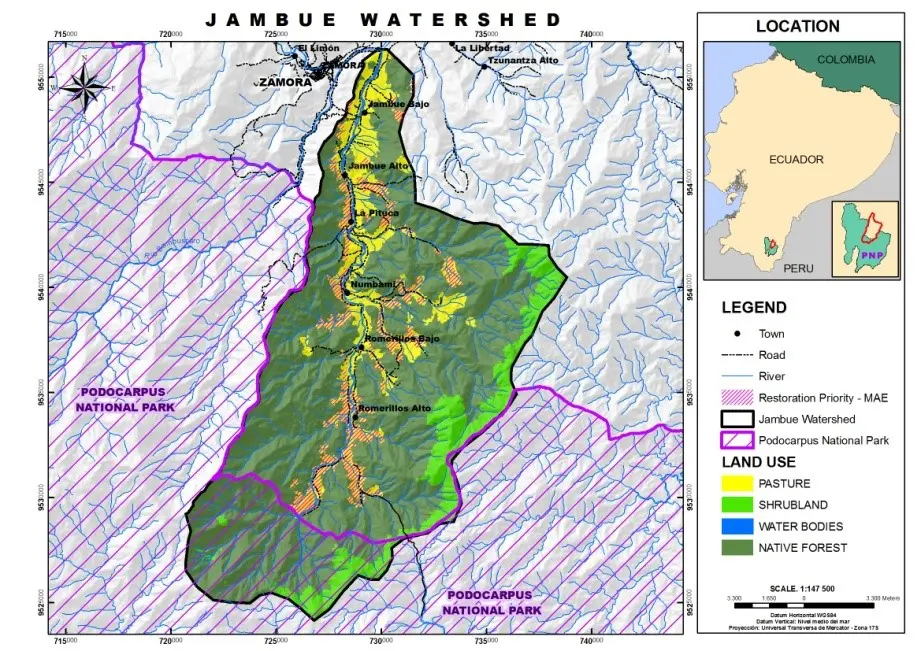 *Ecuador’s Ministry of Environment has identified the red hatch marks (approx. 4,200 acres) as areas for reforestation. Santa Cecilia is between La Pituca and Numbami.*
**The regional conservation context**
The Jambué Valley – like Podocarpus National Park, which surrounds it on three sides – is extremely biodiverse. The tropical Andes (which span much of Ecuador) host one-sixth of the world’s vascular plant species on less than 1% of the world’s land mass. Podocarpus National Park, in turn, has the most endemic plants of any protected area in Ecuador. In other words, this is the world’s epicenter of plant diversity.
Jamboé Valley’s specific location on the landscape is important. It’s an unprotected area jutting into the northern side of Podocarpus National Park (see map above). Our achiote project, with its goals to prevent further deforestation and to restore native forests on degraded lands, is critical to maintaining habitat connectivity between the Jamboé Valley and adjacent areas within the national park.
Ecuador’s Ministry of Environment has identified 4,200 acres in the Jambué watershed, mostly current or former pasture, where native forest restoration would be appropriate. In other words, there is ample land here for NCI to expand this pilot project for significant ecological and economic impact in the valley.
 *Amada Macas, one of four achiote producers in Santa Cecilia. (Photo Credit: Matt Clark)*
**Amada and Elisa Macas, two producers in Santa Cecilia**
There are four producers in Santa Cecilia (15 total currently in NCI’s achiote project), but NCI staff members spent the morning with two sisters, Amada and Elisa Macas. They are Saraguro, a sub-group of the Kichwa, one of Ecuador’s 13 formally-recognized indigenous nationalities. In search of cultivable land, Amada and Elisa’s parents emigrated from the town of Saraguro to Santa Cecilia before Amada and Elisa were born.
**The economics of achiote**
NCI staff were particularly interested in learning about the economics of achiote: why did Doña Amada and Doña Elisa choose to plant achiote and how does it fit into their overall livelihood?
They learned that Amada and Elisa planted achiote seedlings in July 2014, and between the two of them, they have 1,350 plants on three acres. They harvested their first capsulas (seed pods) in February 2016. It’s remarkable that these plants have grown eight to ten feet in just 18 months, and that 25% of their plants are already producing fruit.
 *Achiote buds and flower. (Photo Credit: Matt Clark)*
The Santa Cecilia producers currently sell their achiote in the capsulas (which helps preserve the seeds prior to processing) to Lojano Spice Industries (ILE) for 30 cents a kilo. For their first harvest in February, Amada and Elisa sold 81 and 60 kilos, respectively. Their second harvest was a bit less: 56 and 44 kilos. Each harvest took the better part of two days, for which they made between USD $13 and $24 total, or between $6.50 and $12 for each day’s work. In comparison, the local rate for a day laborer is $15 with three meals provided.
The challenge for producers is that achiote capsulas don’t ripen simultaneously for the first four years after planting. At any given time, an individual plant can have buds, flowers, and both immature and mature capsulas. This makes harvesting inefficient. It also means harvesting up to four times a year. Reportedly, the plants begin to synchronize fruiting during their fourth year, which would likely make harvesting more efficient. The achiote plants also reach full productivity at this time, producing an estimated annual average of 4.8 kilos of capsulas per plant. The plants continue to be productive for twenty years after initial planting of seedlings. For the sisters, gross revenue per hectare at full productivity could amount to $1,620 annually (1,125 plants per hectare X 4.8 kilos per plant X 30 cents per kilo).
The initial costs to establish an achiote plantation are significant for these families: about $3,500 per hectare. In most cases, these start-up costs have been heavily or fully subsidized by NCI. NCI also is providing technical expertise and training in plant establishment, maintenance, and harvesting.
And, achiote plants require periodic weeding and pruning with estimated annual labor costs of about $100. Transport costs to the weigh station and storage facility also need to be factored in.
At this point, Elisa and Amada are reserving judgment as to how financially viable achiote will be for them. Currently, on an hourly basis, they would be making as much or more as day laborers. But that assumes that other work is consistently available, which it isn’t. And the achiote isn’t yet fruiting in synchrony or at full productivity, both of which should significantly influence the economic calculus for the producers.
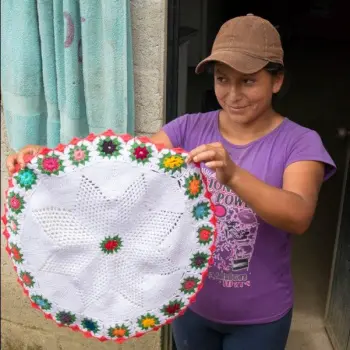 *Elisa with traditional Saraguro crocheted table piece. (Photo Credit: Matt Clark)*
**How achiote compares to other sources of income**
So what else do Amada and Elisa and their families do to generate income, and how does it compare to achiote? Until recently, Elisa’s husband had been working for the Chinese hydroelectric project under construction about 25 km away, making about $16 a day. Elisa cited a lack of other work as a primary reason for planting achiote. “Estamos sin trabajo (we are without work),” she said.
Elisa has some beef cows about two hours walk from Santa Cecilia. She views her cows as a savings account, a place to park her money until she needs it.
A cow purchased for $250 can be sold for $500 to $600 after 18 months. In the meantime, a cow requires about 1.5 hectares (a little over 3 acres) of pasture. In other words, a beef cow generates $111 to $156 of gross revenue per hectare per year, an order of magnitude less than the $1,620 per hectare per year that achiote could generate. A hectare in Santa Cecilia sells for between $1000 and $1500 and rents for $150 a year. Given those land costs, there would certainly be an incentive to find the most efficient and productive land use. That said, beef cows may be less labor intensive than achiote. Elisa checks on her cows every two weeks.
In terms of other activities, Elisa crochets traditional Saraguro table coverings, which she hopes to sell. The community recently cleared a path to Cayamuka, a unique hill near Santa Cecilia, which they hope someday might become a local tourist attraction where they can promote traditional Saraguro cuisine like cuy (guinea pig) and chicha de jora (a low-alcohol corn beer, fermented in large clay jars). They have not had any tourists yet.
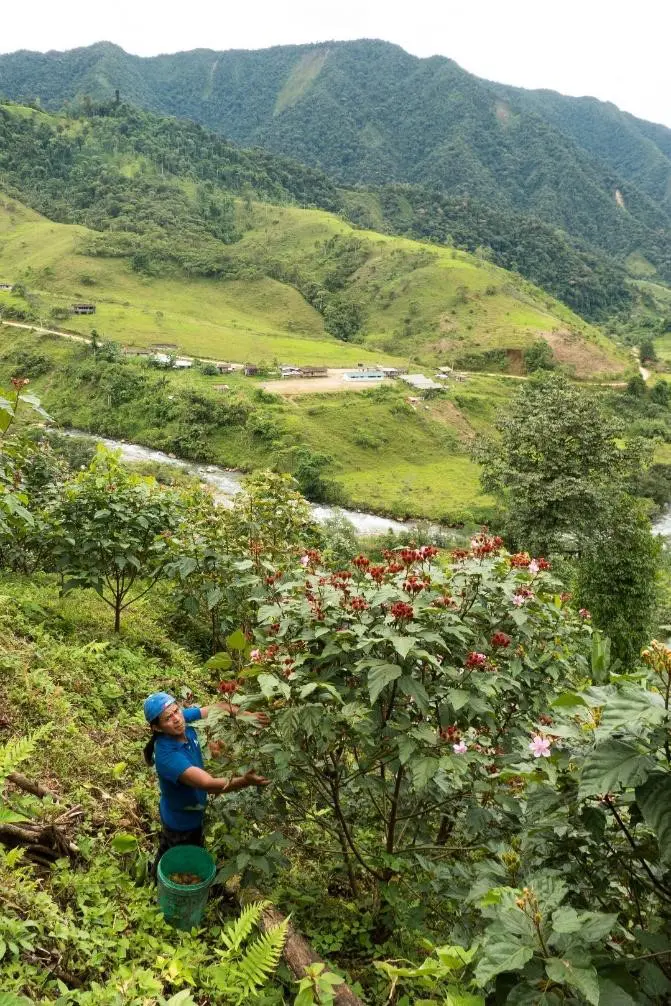 *A Santa Cecilia resident harvesting achiote. Note the town in the background. Most of the deforestation in the picture is cattle pasture. (Photo Credit: Matt Clark)*
**Remaining questions**
This is a pilot project, and as such, there are a number of unanswered and partially-answered questions that NCI is still investigating. NCI staff are collecting data and analyzing the various factors to determine if and how this project would be replicable at a larger scale. As demonstrated by the map above, there is a lot of potential lands in which to expand this project. The scalability of the project will determine how broadly NCI and Jambué residents are able to restore degraded lands and transform the local economy to a more sustainable basis.
There are questions on the supply side. What are the barriers to entry for a potential achiote grower? Clearly, there are significant start-up costs, but does lack of familiarity and knowledge play a role too? Is the type or timing (seasonality) of the work a factor that influences the decision to plant achiote? Related to this, are there tools that NCI could develop to make replication more viable (for example, how-to manuals or a business plan)?
There are questions too on the demand side. For example, would buyers be willing to pay a premium price for environmentally sustainable achiote? This could be a factor in ensuring that it’s profitable for the producers.
NCI will be revisiting these questions as we contemplate the future of this project.\[/vc\_column\_text\]\[/vc\_column\]\[/vc\_row\]
**Tags:** Ecuador, Sustainable Development
---
### [In 2015: 190,000 acres of Amazon rainforest safeguarded in Peru](https://www.natureandculture.org/directory/190000-acres-of-amazon-rainforest-safeguarded-in-peru/)
**Published:** January 19, 2016
**Author:** NCI STAFF
**Content:**


# In 2015: 190,000 acres of Amazon rainforest safeguarded in Peru
01/19/2016
\[vc\_row\]\[vc\_column\]\[vc\_column\_text\][](https://www.natureandculture.org/wp-content/smush-webp/2016/01/Peru-header.jpg.webp)
**Our local team in Amazonas, Peru led the creation of three protected areas in 2015. The Tijae Nain, Dase Nain and Monte Alegre Conservation Concessions span nearly 190,000 acres of rich Amazon rainforest, protecting endangered species alongside indigenous Awajun communities. This is a remarkable achievement, reflecting the dedication of Nature & Culture’s team, their collaboration with local communities, and the conservation vision of the regional government.**
These areas play a key role in the advancement of sustainable industries that enhance the economic wellbeing of local people while preserving the globally important Amazon rainforests of northern Peru. Nature & Culture’s local team has worked steadily to help bring this vision of productive conservation to life by providing technical support and coordinating diverse stakeholders.
In [Monte Alegre](https://www.natureandculture.org/declaration-of-monte-alegre/), the most recent area declared, coffee has emerged as the leading industry to unite goals for conservation and economic prosperity. In addition to preserving pristine Amazon rainforest, it safeguards charismatic species such as the spectacled bear, hairy anteater, and the yellow-tailed woolly monkey – an endangered species found only in this area.
In December 2015, the Regional Government of Amazonas declared the Dase Nain Conservation Concession, which spans another 41,380 acres of Amazon rainforest. This protected area runs along the Cenepa, Marañon and Dominguza Rivers, and is vital to preserving the area’s water quality. Nine indigenous Awajun communities bordering these rivers are collaborating with Nature & Culture to monitor and enforce the protection of Dase Nain while developing sustainable projects such as organic cacao.
This follows the October 2015 declaration of the 93,000 acre [Tijae Nain Conservation Concession](https://www.natureandculture.org/tijae-nain-declared-in-peru/), which protects some of the world’s most biodiverse and beautiful Amazon rainforests and helps preserve the indigenous Awajun culture, which is deeply embedded in these vital forests. Nature & Culture’s work to create both Dase Nain and Tijae Nain was led by Peter Lerche and Eduardo Weepio – representative of the Awajun Federation – along with Miguel Ampush, Nelson Wisum, and Abel Wisum, who are members of the Supayacu Awajun community.\[/vc\_column\_text\]\[/vc\_column\]\[/vc\_row\]
**Tags:** Amazon rainforest, Biodiversity, Indigenous Awajun, Peru
---
### [Helping nature's greatest guardians](https://www.natureandculture.org/directory/supporting-shuar/)
**Published:** July 10, 2020
**Author:** Kristen Heard
**Content:**


# Helping nature’s greatest guardians
07/10/2020
**Strategic Area:** Local Communities -
**Content Type:** Blog
**Country:** Ecuador -
\[vc\_row\]\[vc\_column\]\[vc\_column\_text\]
### **Because of compassionate people like you, indigenous communities in southern Ecuador have received the help they so desperately needed.**
\[/vc\_column\_text\]\[/vc\_column\]\[/vc\_row\]\[vc\_row\]\[vc\_column\]\[vc\_column\_text\]
After two months, Washington Tiwi, President of the Provincial Federation of the Shuar Nationality of Zamora Chinchipe (FEPNASh-ZCh), returned home to join his family. He had left his community, the Shuar Kiim Center, to take care of his father who was infected with COVID-19.
\[/vc\_column\_text\]\[/vc\_column\]\[/vc\_row\]\[vc\_row\]\[vc\_column\]\[vc\_column\_text\]
Like his father, Washington and many Shuar community members suffered the ravages of the disease. By July, more than 80% of the Shuar Kiim Center had been infected with COVID-19.
\[/vc\_column\_text\]\[/vc\_column\]\[/vc\_row\]\[vc\_row\]\[vc\_column\]\[vc\_column\_text\]
The Shuar Kiim Center is a 45-minute drive from Zamora, a city in southern Ecuador. The community isolated themselves in March when COVID-19 began spreading in the country. No longer able to sell the surplus of their crops, families found themselves with no income and limited food sources and supplies. 140 community members were forced to survive on root vegetables, sugar cane, plantains, and papayas.
\[/vc\_column\_text\]\[/vc\_column\]\[/vc\_row\]\[vc\_row\]\[vc\_column\]\[vc\_column\_text\]
Community members were finally able to acquire additional supplies after three months in isolation. However, exposure led to COVID-19 spreading within their community. Lacking basic medicine and far from healthcare services, the Shuar Kiim struggled to respond to the outbreak.
\[/vc\_column\_text\]\[/vc\_column\]\[/vc\_row\]\[vc\_row\]\[vc\_column\]\[vc\_column\_text\]
**Thanks to you, Nature and Culture International together with the FEPNASh-ZCh and the Confederation of Indigenous Nationalities of the Ecuadorian Amazon have provided aid to the Shuar Kiim and other indigenous communities in southern Ecuador. With your support, we have safely supplied 100 families, around 500 people, with food and cleaning equipment.**
\[/vc\_column\_text\]\[/vc\_column\]\[/vc\_row\]\[vc\_row\]\[vc\_column\]\[vc\_column\_text\]
“With help from our donors, we can continue supporting communities that have been our conservation partners,” said Nature and Culture conservationist Trotsky Riera Vite.
\[/vc\_column\_text\]\[/vc\_column\]\[/vc\_row\]\[vc\_row\]\[vc\_column\]\[vc\_single\_image image=”17831″ img\_size=”full” add\_caption=”yes”\]\[/vc\_column\]\[/vc\_row\]\[vc\_row\]\[vc\_column\]\[vc\_single\_image image=”17832″ img\_size=”full” add\_caption=”yes”\]\[/vc\_column\]\[/vc\_row\]\[vc\_row\]\[vc\_column\]\[vc\_single\_image image=”17838″ img\_size=”full” add\_caption=”yes”\]\[/vc\_column\]\[/vc\_row\]\[vc\_row\]\[vc\_column\]\[vc\_column\_text\]
Your generosity is making a difference in the lives of these families, and helping ensure the protection of endangered ecosystems.
\[/vc\_column\_text\]\[/vc\_column\]\[/vc\_row\]\[vc\_row\]\[vc\_column\]\[vc\_column\_text\]
Indigenous communities have shaped forests and other landscapes around the world for thousands of years, accumulating unparalleled knowledge of the land and understanding of ecosystem management. Today, these communities are the last defense for many endangered ecosystems against increasing threats like logging, cattle ranching, and mining.
\[/vc\_column\_text\]\[/vc\_column\]\[/vc\_row\]\[vc\_row\]\[vc\_column\]\[vc\_column\_text\]
Shuar communities have been working with Nature and Culture for 15 years to protect Ecuador’s biodiverse yet threatened tropical forests. In 2008, Nature and Culture supported the Shuar Kiim Center in establishing part of their territory as protected forest.
\[/vc\_column\_text\]\[/vc\_column\]\[/vc\_row\]\[vc\_row\]\[vc\_column\]\[vc\_column\_text\]
Despite recent health and economic challenges, communities remain committed to conservation. Currently, the Shuar Kiim are working towards declaring their territory as a community conservation area within Ecuador’s National System of Protected Areas.
\[/vc\_column\_text\]\[/vc\_column\]\[/vc\_row\]\[vc\_row\]\[vc\_column\]\[vc\_column\_text\]
Washington hopes that everything returns to normal so that he and his people can continue fighting for a single cause: protecting their forest home.
\[/vc\_column\_text\]\[/vc\_column\]\[/vc\_row\]\[vc\_row\]\[vc\_column\]\[vc\_column\_text\]
**Thank you for sending help to nature’s guardians! You are making a difference for these communities – and for the planet.**
\[/vc\_column\_text\]\[/vc\_column\]\[/vc\_row\]\[vc\_row\]\[vc\_column\]\[/vc\_column\]\[/vc\_row\]
**Tags:** Amazon, covid-19, Ecuador, Indigenous
**Strategic Area:** Local Communities
**Country:** Ecuador
**Content Type:** Blog
---
### [Un-BEE-lievable news in Ecuador](https://www.natureandculture.org/directory/puyango-expansion/)
**Published:** November 13, 2020
**Author:** Kristen Heard
**Content:**


# Un-BEE-lievable news in Ecuador
11/13/2020
**Strategic Area:** Biodiversity - Forests -
**Content Type:** News
**Country:** Ecuador -
\[vc\_row\]\[vc\_column\]\[vc\_column\_text\]
### ****We have exciting news, thanks to donors like you!****
\[/vc\_column\_text\]\[/vc\_column\]\[/vc\_row\]\[vc\_row\]\[vc\_column\]\[vc\_column\_text\]
We need bees. We may take them and other pollinators for granted, but they’re vital to stable, healthy food supplies and key to the varied and nutritious diets we need.
\[/vc\_column\_text\]\[/vc\_column\]\[/vc\_row\]\[vc\_row\]\[vc\_column\]\[vc\_column\_text\]
But bees are in trouble. Data shows bee populations dwindling more and more each year. This decline is caused by a combination of stresses – loss of habitat and food sources, exposure to pesticides, and the effects of climate change.
\[/vc\_column\_text\]\[/vc\_column\]\[/vc\_row\]\[vc\_row\]\[vc\_column\]\[vc\_column\_text\]
We are excited to share that your support is making difference. Thanks to you, local communities in Ecuador JUST protected 60,599 acres of habitat for native bee populations in the tropical dry forest!
\[/vc\_column\_text\]\[/vc\_column\]\[/vc\_row\]\[vc\_row\]\[vc\_column\]\[vc\_column\_text\]
On November 12, 2020, the Municipality of Puyango approved the expansion of Puyango Municipal Conservation Area, bringing it to a total size of 71,622 acres. The area protects our planet’s greatest pollinators, as well as sources of water and one of the last populations of howler monkeys in southern Ecuador.
\[/vc\_column\_text\]\[/vc\_column\]\[/vc\_row\]\[vc\_row\]\[vc\_column\]\[vc\_single\_image image=”18627″ img\_size=”full” add\_caption=”yes”\]\[/vc\_column\]\[/vc\_row\]\[vc\_row\]\[vc\_column\]\[vc\_column\_text\]
Puyango Municipal Conservation Area is dominated by humid forest and tropical dry forest. Tropical dry forest is the most threatened ecosystem in Ecuador.
\[/vc\_column\_text\]\[/vc\_column\]\[/vc\_row\]\[vc\_row\]\[vc\_column\]\[vc\_column\_text\]
Puyango’s forests are the most important habitat for nearly 90 native bee species found in southern Ecuador. To protect this endangered area – and its buzzing inhabitants – Nature and Culture worked closely with local communities to provide training and education on the value of their environment and the impact it has on their well-being.
\[/vc\_column\_text\]\[/vc\_column\]\[/vc\_row\]\[vc\_row\]\[vc\_column\]\[vc\_column\_text\]
Puyango’s abundant and diverse bee populations already provided a source of income to communities through the honey they produced. However, community members were not harvesting the honey sustainably and bee populations were at risk.
\[/vc\_column\_text\]\[/vc\_column\]\[/vc\_row\]\[vc\_row\]\[vc\_column\]\[vc\_column\_text\]
Thanks to you, Nature and Culture provided training to communities from the Mancomunidad of Meliponas to improve reforestation efforts, beekeeping, and honey harvesting techniques. Community members were taught how to improve the domestication of bees rather than extract honey from wild beehives. As a result, communities increased their honey production while also protecting these important pollinators for their local agriculture. Community members now have 4,600 domesticated beehives, benefitting approximately 160 families!
\[/vc\_column\_text\]\[/vc\_column\]\[/vc\_row\]\[vc\_row\]\[vc\_column\]\[vc\_column\_text\]
Additionally, community members saw that by caring for their forest, they could protect important resources. They became committed partners for its conservation.
\[/vc\_column\_text\]\[/vc\_column\]\[/vc\_row\]\[vc\_row\]\[vc\_column\]\[vc\_column\_text\]
“Thanks to the bees, people are becoming aware that they should no longer deforest,” says Milton Guaicha, a technician from the Mancomunidad of Meliponas.
\[/vc\_column\_text\]\[/vc\_column\]\[/vc\_row\]\[vc\_row\]\[vc\_column\]\[vc\_single\_image image=”18630″ img\_size=”full” add\_caption=”yes”\]\[/vc\_column\]\[/vc\_row\]\[vc\_row\]\[vc\_column\]\[vc\_column\_text\]
With support from Nature and Culture, the Municipality of Puyango recently identified the habitat of native bee populations so that these areas could be protected. Puyango Municipal Conservation Area was declared as a result – one of the first reserves created in Ecuador to protect our planet’s important pollinators!
\[/vc\_column\_text\]\[/vc\_column\]\[/vc\_row\]\[vc\_row\]\[vc\_column\]\[vc\_column\_text\]
Not only does the area protect bees, but it also conserves habitat home to one of the last populations of mantled howler monkeys in southern Ecuador, as well as the endangered grey-cheeked parakeet (Brotogeris pyrrhoptera) and vulnerable American crocodile (Crocodylus acutus). Additionally, Puyango Municipal Conservation Area safeguards critical water sources for local populations.
\[/vc\_column\_text\]\[/vc\_column\]\[/vc\_row\]\[vc\_row\]\[vc\_column\]\[vc\_column\_text\]
Puyango Municipal Conservation Area was a result of collaboration between Nature and Culture, the Municipality of Puyango, FORAGUA, and communities from the Mancomunidad of Meliponas. The area was expanded thanks to support from the Andes Amazon Fund, BOS+, the Belgium Cooperation, and generous people like you.
\[/vc\_column\_text\]\[/vc\_column\]\[/vc\_row\]\[vc\_row\]\[vc\_column\]\[vc\_column\_text\]
“This is a historic declaration,” says Bruno Paladines, Nature and Culture conservationist. “For the first time, a conservation area is created in Ecuador to protect bees, pollinators highly threatened by climate change and deforestation.”
\[/vc\_column\_text\]\[/vc\_column\]\[/vc\_row\]\[vc\_row\]\[vc\_column\]\[vc\_single\_image image=”18632″ img\_size=”full” add\_caption=”yes”\]\[/vc\_column\]\[/vc\_row\]\[vc\_row\]\[vc\_column\]\[vc\_column\_text\]
With your help, Nature and Culture will continue to work with the Municipality to ensure sustainable management and lasting conservation impact. We will also continue to collaborate with local communities on sustainable beekeeping initiatives.
\[/vc\_column\_text\]\[/vc\_column\]\[/vc\_row\]\[vc\_row\]\[vc\_column\]\[vc\_column\_text\]
**Thank you for making this achievement possible! We hope that this bit of good news inspires you to continue fighting for nature and culture.**
\[/vc\_column\_text\]\[/vc\_column\]\[/vc\_row\]\[vc\_row\]\[vc\_column\]\[vc\_column\_text\]
See a map of the expanded area [here](https://www.natureandculture.org/wp-content/smush-webp/2020/11/mapa_ACMUS_puyango_2020_ajustada.jpg.webp), and a map of the bees’ habitat [here](https://www.natureandculture.org/wp-content/smush-webp/2020/11/mapa_cobertura_cafe_aih.jpg.webp). You can read the Spanish news release [here](https://www.natureandculture.org/wp-content/uploads/2020/11/BOLETIN_NCI_ACUS_PUYANGO.pdf).
\[/vc\_column\_text\]\[/vc\_column\]\[/vc\_row\]\[vc\_row\]\[vc\_column\]\[vc\_column\_text\]
*Learn more about your impact in the tropical dry forest [here.](https://www.natureandculture.org/ecosystems/tropical-deciduous-forests/)*
\[/vc\_column\_text\]\[/vc\_column\]\[/vc\_row\]\[vc\_column\]\[/vc\_column\]
**Strategic Area:** Biodiversity, Forests
**Country:** Ecuador
**Content Type:** News
---
### [Striking the Balance: Nature & Economic Development in Bolivia](https://www.natureandculture.org/directory/striking-the-balance-nature-economic-development-in-bolivia/)
**Published:** March 2, 2017
**Author:** NCI STAFF
**Content:**


# Striking the Balance: Nature & Economic Development in Bolivia
03/02/2017
\[vc\_row\]\[vc\_column\]\[vc\_column\_text\]
[](https://www.natureandculture.org/wp-content/smush-webp/2017/08/guanaco.jpg.webp)
The New York Times just reported that in the last six years over 4 million acres of land in Bolivia have been deforested. It is projected that by 2025 a devastating 14 million acres of forest could be cleared in Bolivia alone.\*
Nature and Culture International in collaboration with its Bolivian partner, Natura Bolivia are making a difference.
On Friday, February 24, it was announced by Nature and Culture International’s partner, Natura Bolivia, that the 280,000 acre Parapetí protected area has been established. Located in southeast Bolivia, this protected area will conserve Bolivian montane forests, a unique landscape and habitat for mammals including the spectacled bear the world’s second most endangered bear species, Geoffroy’s cat, lowland tapir, jaguar and many more.
In 2016, Natura Bolivia announced the establishment of the 600,000+ acre Heroes of the Chaco Reserve in southern Bolivia. Nature and Culture International and Natura Bolivia are looking to establish even more protected areas. These conservation successes are vital as Bolivia faces record breaking deforestation rates.
\*Rigby, C., Tabuchi, H., and White, J. (2017, February 24). Amazon Deforestation, Once Tamed, Comes Roaring Back. New York Times. p. BU1. Retrieved from https://nyti.ms/2mfLlEq\[/vc\_column\_text\]\[/vc\_column\]\[/vc\_row\]
**Tags:** Bolivia, Chaco, Deforestation, montane forests
---
### [Nature and Culture's YouTube Channel](https://www.natureandculture.org/directory/youtube/)
**Published:** November 24, 2020
**Author:** Kristen Heard
**Content:**


# Nature and Culture’s YouTube Channel
11/24/2020
**Strategic Area:** Biodiversity - Forests -
**Content Type:** Blog
\[vc\_row\]\[vc\_column\]\[vc\_column\_text\]
### ****Catch a glimpse of the wildlife and wild places that you can help protect!****
\[/vc\_column\_text\]\[/vc\_column\]\[/vc\_row\]\[vc\_row\]\[vc\_column\]\[vc\_column\_text\]
Nature and Culture International is excited to announce the launch of our new [YouTube channel](https://www.youtube.com/channel/UCXCZPgJuQECRt7KcrZalqMg)!
\[/vc\_column\_text\]\[/vc\_column\]\[/vc\_row\]\[vc\_row\]\[vc\_column\]\[vc\_column\_text\]
From camera trap footage to videos about new protected areas, check out our YouTube channel for a glimpse of the *nature and culture* that YOU can help protect.
\[/vc\_column\_text\]\[/vc\_column\]\[/vc\_row\]\[vc\_row\]\[vc\_column\]\[vc\_column\_text\]
You can subscribe to Nature and Culture’s YouTube channel [here](https://www.youtube.com/channel/UCXCZPgJuQECRt7KcrZalqMg).
\[/vc\_column\_text\]\[/vc\_column\]\[/vc\_row\]\[vc\_row\]\[vc\_column\]\[vc\_column\_text\]
\[/vc\_column\_text\]\[/vc\_column\]\[/vc\_row\]\[vc\_row\]\[vc\_column\]\[vc\_column\_text\]
\[/vc\_column\_text\]\[/vc\_column\]\[/vc\_row\]\[vc\_row\]\[vc\_column\]\[vc\_column\_text\]
*Learn how you can support wildlife and wild places [here.](https://www.natureandculture.org/give)*
\[/vc\_column\_text\]\[/vc\_column\]\[/vc\_row\]\[vc\_column\]\[/vc\_column\]
**Strategic Area:** Biodiversity, Forests
**Content Type:** Blog
---
### [A message on diversity, equity, and inclusion](https://www.natureandculture.org/directory/inclusion/)
**Published:** June 4, 2020
**Author:** Kristen Heard
**Content:**


# A message on diversity, equity, and inclusion
06/04/2020
**Content Type:** Blog
\[vc\_row\]\[vc\_column\]\[vc\_column\_text\]
### **Protecting the planet is also about protecting the people on it.**
\[/vc\_column\_text\]\[/vc\_column\]\[/vc\_row\]\[vc\_row\]\[vc\_column\]\[vc\_column\_text\]
Nature and Culture International is dedicated to protecting our planet’s biological and cultural diversity. This work is impossible to achieve without acknowledging and addressing bias and social injustices
\[/vc\_column\_text\]\[/vc\_column\]\[/vc\_row\]\[vc\_row\]\[vc\_column\]\[vc\_column\_text\]
Protecting the planet is also about protecting the people on it. For those of us who call the United States home, events from the past week are a painful reminder of how much work we have to do to create a planet where all can thrive.
\[/vc\_column\_text\]\[/vc\_column\]\[/vc\_row\]\[vc\_row\]\[vc\_column\]\[vc\_column\_text\]
We must challenge ourselves to do better.
\[/vc\_column\_text\]\[/vc\_column\]\[/vc\_row\]\[vc\_row\]\[vc\_column\]\[vc\_column\_text\]
Nature and Culture International stands in solidarity with communities facing racism, inequity, and injustice. Please stand with us.
\[/vc\_column\_text\]\[/vc\_column\]\[/vc\_row\]\[vc\_row\]\[vc\_column\]\[/vc\_column\]\[/vc\_row\]
**Tags:** Diversity, Equity, Inclusion
**Content Type:** Blog
---
### [2020 Reflections](https://www.natureandculture.org/directory/2020-reflections/)
**Published:** December 21, 2020
**Author:** Kristen Heard
**Content:**


# 2020 Reflections
12/21/2020
**Strategic Area:** Forests -
**Content Type:** Blog
\[vc\_row\]\[vc\_column\]\[vc\_column\_text\]
### ****During times of uncertainty, you brought hope to nature and culture.****
\[/vc\_column\_text\]\[/vc\_column\]\[/vc\_row\]\[vc\_row\]\[vc\_column\]\[vc\_column\_text\]
As the new year approaches, we look back on 2020 – a challenging year for us all. During this year of uncertainty, you brought hope to our planet.
\[/vc\_column\_text\]\[/vc\_column\]\[/vc\_row\]\[vc\_row\]\[vc\_column\]\[vc\_column\_text\]
This year, hundreds of caring people like you came together to achieve powerful victories for conservation. You supported local conservationists and indigenous communities, ensuring the health and safety of nature’s greatest guardians. You protected wildlife and wild places, fighting extinction and global climate change.
\[/vc\_column\_text\]\[/vc\_column\]\[/vc\_row\]\[vc\_row\]\[vc\_column\]\[vc\_column\_text\]
And you created 1,005,217 new acres of protected areas – 1.3 times the size of Yosemite National Park!
\[/vc\_column\_text\]\[/vc\_column\]\[/vc\_row\]\[vc\_row\]\[vc\_column\]\[vc\_column\_text\]
[Loja Municipal Conservation and Sustainable Use Area](https://www.natureandculture.org/loja-area/) was one special area created this year with your support. From the spectacled bear to the sword-billed hummingbird, this protected area is home to many unique and threatened species. The area also safeguards water sources for 200,000 people!
\[/vc\_column\_text\]\[/vc\_column\]\[/vc\_row\]\[vc\_row\]\[vc\_column\]\[vc\_column\_text\]
Take a look at your generosity at work in the video below.
\[/vc\_column\_text\]\[/vc\_column\]\[/vc\_row\]\[vc\_row\]\[vc\_column\]\[vc\_column\_text\]\[/vc\_column\_text\]\[/vc\_column\]\[/vc\_row\]\[vc\_row\]\[vc\_column\]\[vc\_column\_text\]
Right now, you can save even more precious places with 2X the impact! All gifts made until midnight on December 31 will be matched dollar-for-dollar. Please make your gift #ForWildPlaces today at [natureandculture.org/save](https://www.natureandculture.org/save).
\[/vc\_column\_text\]\[/vc\_column\]\[/vc\_row\]\[vc\_row\]\[vc\_column\]\[vc\_column\_text\]
Thank you for being a part of the Nature and Culture Community. Your support protects wildlife and wild places in partnership with local people – and ensures a healthy planet for all.
\[/vc\_column\_text\]\[/vc\_column\]\[/vc\_row\]\[vc\_row\]\[vc\_column\]\[/vc\_column\]\[/vc\_row\]
**Strategic Area:** Forests
**Content Type:** Blog
---
### [Thanks to your support, Ecuador expands its newest national park!](https://www.natureandculture.org/directory/rio-negro-sopladora-expanded/)
**Published:** August 5, 2020
**Author:** Kristen Heard
**Content:**


# Thanks to your support, Ecuador expands its newest national park!
08/05/2020
**Strategic Area:** Forests -
**Content Type:** News
**Country:** Ecuador -
\[vc\_row\]\[vc\_column\]\[vc\_column\_text\]
### ****We have exciting news, thanks to donors like you.****
\[/vc\_column\_text\]\[/vc\_column\]\[/vc\_row\]\[vc\_row\]\[vc\_column\]\[vc\_column\_text\]
Ecuador’s Ministry of Environment and Water just announced the expansion of Río Negro Sopladora National Park, bringing it to a total size of 83,296 acres. The expansion guarantees the conservation of additional biodiverse habitat and natural resources in central Ecuador.
\[/vc\_column\_text\]\[/vc\_column\]\[/vc\_row\]\[vc\_row\]\[vc\_column\]\[vc\_column\_text\]
Because of generous people like you, Nature and Culture International played a critical role in establishing Río Negro Sopladora in February 2018 when it became Ecuador’s first new national park in nearly a decade. The park expansion, also supported by Nature and Culture, connects it with a municipal protected area to the southwest and protects water sources for local populations.
\[/vc\_column\_text\]\[/vc\_column\]\[/vc\_row\]\[vc\_row\]\[vc\_column\]\[vc\_column\_text\]
Río Negro Sopladora, located on the eastern slope of the Andes, falls within the Tropical Andes Biodiversity Hotspot, one of the most biologically rich areas on the planet. Nature and Culture’s Rapid Biological Assessment in 2017 registered 546 species of birds, plants, and other taxonomic groups, including three species of amphibians new to science – a frog, a salamander, and a caecilian (a blind, limbless, serpentine amphibian).
\[/vc\_column\_text\]\[/vc\_column\]\[/vc\_row\]\[vc\_row\]\[vc\_column\]\[vc\_single\_image image=”17891″ img\_size=”full” add\_caption=”yes”\]\[/vc\_column\]\[/vc\_row\]\[vc\_row\]\[vc\_column\]\[vc\_column\_text\]
Ranging in altitude from 800 to 3,900 meters above sea level and connecting to Sangay National Park to the north, this natural area serves as a kind of “escape valve” for climate change. As the Earth warms, species will have an upward migration path to cooler temperatures to survive. This is particularly important for far-ranging animals like the spectacled bear (Tremarctos ornatus), mountain tapir (Tapirus pinchaque), and Andean condor (Vultur gryphus), all of which are vulnerable to or threatened with extinction.
\[/vc\_column\_text\]\[/vc\_column\]\[/vc\_row\]\[vc\_row\]\[vc\_column\]\[vc\_column\_text\]
Río Negro Sopladora also secures critical ecosystem services such as water and climate regulation, public recreation, provision of water for hydroelectric plants, and carbon storage.
\[/vc\_column\_text\]\[/vc\_column\]\[/vc\_row\]\[vc\_row\]\[vc\_column\]\[vc\_column\_text\]
According to Fabián Rodas, Nature and Culture conservationist, “the expansion is a wise decision made by environmental authorities, for the benefit of nature and local populations. Río Negro Sopladora maintains connectivity with other protected areas and strengthens the management of this core area within the Sangay Podocarpus Connectivity Corridor.”
\[/vc\_column\_text\]\[/vc\_column\]\[/vc\_row\]\[vc\_row\]\[vc\_column\]\[vc\_single\_image image=”17893″ img\_size=”full” add\_caption=”yes”\]\[/vc\_column\]\[/vc\_row\]\[vc\_row\]\[vc\_column\]\[vc\_column\_text\]
The expansion area was originally excluded from the park because of a mining concession, which was recently revoked, clearing the way for the park to expand by 10%. As a national park, the entire area is now protected from any extractive activities.
\[/vc\_column\_text\]\[/vc\_column\]\[/vc\_row\]\[vc\_row\]\[vc\_column\]\[vc\_column\_text\]
Río Negro-Sopladora was a result of extensive collaboration over several years between Nature and Culture, Ecuador’s Ministry of Environment, and local communities and authorities. The park was expanded thanks to financial support from Critical Ecosystem Partnership Fund and generous supporters like you.
\[/vc\_column\_text\]\[/vc\_column\]\[/vc\_row\]\[vc\_row\]\[vc\_column\]\[vc\_column\_text\]
**Thank you for making this achievement possible! We hope that this bit of good news inspires you to continue fighting for nature and culture.**
\[/vc\_column\_text\]\[/vc\_column\]\[/vc\_row\]\[vc\_row\]\[vc\_column\]\[vc\_column\_text\]
[Read the news release in Spanish here.](https://www.natureandculture.org/wp-content/uploads/2020/08/2020-MÁS-DE-3-MIL-HECTÁREAS-SE-SUMAN-AL-PARQUE-NACIONAL-RÍO-NEGRO-SOPLADORA-.pdf)
\[/vc\_column\_text\]\[/vc\_column\]\[/vc\_row\]\[vc\_row\]\[vc\_column\]\[vc\_column\_text\]
*Río Negro Sopladora is a core area protected within Ecuador’s first connectivity corridor, declared just last week! Learn more [here.](https://www.natureandculture.org/sangay-podocarpus/)*
\[/vc\_column\_text\]\[/vc\_column\]\[/vc\_row\]\[vc\_column\]\[/vc\_column\]
**Tags:** Protected Area
**Strategic Area:** Forests
**Country:** Ecuador
**Content Type:** News
---
### [Note From The Field: Fabian Rodas, Local Conservationist](https://www.natureandculture.org/directory/fabian2021/)
**Published:** April 21, 2021
**Author:** Kristen Heard
**Content:**


# Note From The Field: Fabian Rodas, Local Conservationist
04/21/2021
**Strategic Area:** Forests -
**Content Type:** Blog
**Country:** Ecuador -
\[vc\_row\]\[vc\_column\]\[vc\_column\_text\]
## ****A note from Ecuadorian conservationist Fabián Rodas López.****
\[/vc\_column\_text\]\[/vc\_column\]\[/vc\_row\]\[vc\_row\]\[vc\_column\]\[vc\_column\_text\]
Dear Friends,
It was a pleasure speaking with the Nature and Culture Community the other day about the *Sangay – Podocarpus Connectivity Corridor*. In case you missed the [webinar](https://www.youtube.com/watch?v=3CuvJFmP_1E&feature=youtu.be), *Sangay – Podocarpus* is the first connectivity corridor in Ecuador and one of the few of its kind in the world! It was officially declared last year thanks to dedicated people like you.
\[/vc\_column\_text\]\[/vc\_column\]\[/vc\_row\]\[vc\_row\]\[vc\_column\]\[vc\_column\_text\]
Spanning 1.4 million acres of diverse and fragile ecosystems, **[*Sangay – Podocarpus* ](https://www.natureandculture.org/sangay-podocarpus/)reflects Nature and Culture’s innovative conservation model focused on connecting protected areas.** The corridor will establish critical ecological connectivity in Ecuador, which boosts biodiversity and resilience in degraded ecosystems, allows wildlife to move and migrate, safeguards genetic flow between populations, and ensures species are better able to adapt to the changing climate.
\[/vc\_column\_text\]\[/vc\_column\]\[/vc\_row\]\[vc\_row\]\[vc\_column\]\[vc\_column\_text\]
As one of Nature and Culture’s local conservationists in Ecuador, I work with communities and other partners to protect, sustainably manage, and secure connectivity in the corridor. Together we’ve made exciting progress! **Approximately 75% of *Sangay – Podocarpus i*s now under protected status in 15 areas declared by national or local governments and communities.**
\[/vc\_column\_text\]\[/vc\_column\]\[/vc\_row\]\[vc\_row\]\[vc\_column\]\[vc\_column\_text\]
Ecuador’s newest National Park, [*Río Negro-Sopladora*](https://www.natureandculture.org/ecuador-declares-rio-negro-sopladora-national-park), is one such area in the corridor. *Río Negro-Sopladora,* located on the eastern slope of the Andes, falls within the Tropical Andes Biodiversity Hotspot, one of the most biologically rich areas on the planet. The natural treasures this park protects have just begun to be discovered and valued in a national and international context. Just last year, scientists discovered ten potential new species in the park– eight frogs, one salamander, and one caecilian.
\[/vc\_column\_text\]\[/vc\_column\]\[/vc\_row\]\[vc\_row\]\[vc\_column\]\[vc\_single\_image image=”20063″ img\_size=”large” add\_caption=”yes”\]\[/vc\_column\]\[/vc\_row\]\[vc\_row\]\[vc\_column\]\[vc\_column\_text\]
A few weeks ago, Nature and Culture achieved the creation of [*Santiago Municipal Conservation and Sustainable Use Area,*](https://www.natureandculture.org/santiago) which will act as a buffer zone for the national park. In linking protected areas, *Santiago* establishes habitat connectivity essential for far-ranging animals like the jaguar (*Panthera onca*) and spectacled bear (*Tremarctos ornatus*). We will continue working with local governments and communities, hydro-power companies, a water fund, and other stakeholders for the sustainable management of connected protected areas within the corridor.
\[/vc\_column\_text\]\[/vc\_column\]\[/vc\_row\]\[vc\_row\]\[vc\_column\]\[vc\_column\_text\]
**As exciting as these achievements are, the threats to wild places like *Sangay – Podocarpus* continue, and our time to save them is short.**
\[/vc\_column\_text\]\[/vc\_column\]\[/vc\_row\]\[vc\_row\]\[vc\_column\]\[vc\_column\_text\]
Scientists predict that human activities could drive more than one million species to extinction within the next fifty years. We risk losing species before we even learn they exist – a devastating reality.
\[/vc\_column\_text\]\[/vc\_column\]\[/vc\_row\]\[vc\_row\]\[vc\_column\]\[vc\_column\_text\]
Forest fires, increasingly frequent and uncontrollable, are affecting various parts of our continent like the Amazon rainforest, where only a few years ago, this was not conceivable. In Ecuador, people depend on rain predictability for their food and livelihoods. These variable conditions are increasing poverty and migration, further driving deforestation and habitat loss.
\[/vc\_column\_text\]\[/vc\_column\]\[/vc\_row\]\[vc\_row\]\[vc\_column\]\[vc\_column\_text\]
The economic crisis caused by the COVID-19 pandemic has forced many countries to reduce their budgets for conservation. Illegal activities such as mining, hunting, and logging have increased due to the lack of adequate patrols and rising prices of gold. **Once these activities, legal or illegal, are established in natural ecosystems, it will take decades or centuries to return them to their original conditions, if ever.**
\[/vc\_column\_text\]\[/vc\_column\]\[/vc\_row\]\[vc\_row\]\[vc\_column\]\[vc\_single\_image image=”20064″ img\_size=”large” add\_caption=”yes”\]\[/vc\_column\]\[/vc\_row\]\[vc\_row\]\[vc\_column\]\[vc\_column\_text\]
**In the nineteen years that I have worked at Nature and Culture, I am more convinced than ever that our community is capable of extraordinary things.**
\[/vc\_column\_text\]\[/vc\_column\]\[/vc\_row\]\[vc\_row\]\[vc\_column\]\[vc\_column\_text\]
The local conservationists you support, including me, have made great progress in planning for the next few years of conservation work in Ecuador, Peru, Brazil, Colombia, Bolivia, and Mexico.
\[/vc\_column\_text\]\[/vc\_column\]\[/vc\_row\]\[vc\_row\]\[vc\_column\]\[vc\_column\_text\]
There is much work to be done, but with your support, we will continue working with communities, governments, universities, and other partners to develop innovative and sustainable processes to protect nature and culture.
\[/vc\_column\_text\]\[/vc\_column\]\[/vc\_row\]\[vc\_row\]\[vc\_column\]\[vc\_column\_text\]
[**Please make a gift today. Your generous support will protect biodiversity and communities, secure clean water, and ensure a stable climate for generations to come.**](https://www.natureandculture.org/give)
\[/vc\_column\_text\]\[/vc\_column\]\[/vc\_row\]\[vc\_row\]\[vc\_column\]\[vc\_column\_text\]
Thank you for supporting local conservationists and communities in this great work to protect our planet.
\[/vc\_column\_text\]\[/vc\_column\]\[/vc\_row\]\[vc\_row\]\[vc\_column width=”1/4″\]\[vc\_single\_image image=”16545″ style=”vc\_box\_circle\_2″\]\[/vc\_column\]\[vc\_column width=”3/4″\]\[vc\_column\_text\]
Saludos,
Fabián Rodas López
Conservationist at Nature and Culture – Ecuador
\[/vc\_column\_text\]\[/vc\_column\]\[/vc\_row\]\[vc\_row\]\[vc\_column\]\[/vc\_column\]\[/vc\_row\]
**Strategic Area:** Forests
**Country:** Ecuador
**Content Type:** Blog
---
### [From Forests to Faucets: Water For People As a Strategy For Conservation](https://www.natureandculture.org/directory/forests-to-faucets/)
**Published:** March 22, 2021
**Author:** Kristen Heard
**Content:**


# From Forests to Faucets: Water For People As a Strategy For Conservation
03/22/2021
**Strategic Area:** Water -
**Content Type:** Blog
**Country:** Ecuador -
\[vc\_row\]\[vc\_column\]\[vc\_column\_text\]
## ****To achieve lasting conservation impact, Nature and Culture strategically harnesses the basic human need for clean, abundant water through water funds.****
\[/vc\_column\_text\]\[/vc\_column\]\[/vc\_row\]\[vc\_row\]\[vc\_column\]\[vc\_column\_text\]
A bright green tree, reaching nearly 200 feet, towers over the dry landscape of southern Ecuador. It’s a ceiba, with green photosynthetic bark that allows the plant to keep growing even when its leaves have dropped.
\[/vc\_column\_text\]\[/vc\_column\]\[/vc\_row\]\[vc\_row\]\[vc\_column\]\[vc\_column\_text\]
Animals, too, have developed adaptations to the challenging dry season in Ecuador’s tropical dry forest. Insects and amphibians burrow into the ground and lie dormant until the rains return, while animals like howler monkeys change their diets with the seasons.
\[/vc\_column\_text\]\[/vc\_column\]\[/vc\_row\]\[vc\_row\]\[vc\_column\]\[vc\_column\_text\]
People, however, struggle with their water supplies; during the eight to nine-month dry season, some communities have less than 30 minutes of water per day.
\[/vc\_column\_text\]\[/vc\_column\]\[/vc\_row\]\[vc\_row\]\[vc\_column\]\[vc\_single\_image image=”19870″ img\_size=”large” add\_caption=”yes”\]\[/vc\_column\]\[/vc\_row\]\[vc\_row\]\[vc\_column\]\[vc\_column\_text\]
Water shortages plague many cities and towns across southern Ecuador because of rapid population growth. Climate change causing both droughts and floods along with poor forest management where water supplies originate has exacerbated the problem. Forests act like sponges, retaining and slowly releasing water for an even supply throughout the year. Unfortunately, agricultural expansion and other land-use changes have resulted in significant deforestation, reducing water quantity and quality.
\[/vc\_column\_text\]\[/vc\_column\]\[/vc\_row\]\[vc\_row\]\[vc\_column\]\[vc\_column\_text\]
FORAGUA was created to solve this problem. The concept of a municipal water fund in southern Ecuador was first introduced by Nature and Culture International in 2007 to fund forest and watershed protection and finance ongoing management. Over the next two years, we actively circulated the concept with local governments, communities, and water users throughout the region. In 2009, local municipalities, together with our team in Ecuador, signed a trust agreement with the National Financial Corporation as trustee, creating FORAGUA.
\[/vc\_column\_text\]\[/vc\_column\]\[/vc\_row\]\[vc\_row\]\[vc\_column\]\[vc\_column\_text\]
The municipal water fund model has been one of our most unique and successful conservation strategies to date. Founded in 1997, Nature and Culture conserves Latin America’s most biologically and culturally diverse ecosystems. Focusing our work in the Andes and Amazon regions of South America, we work with local communities and authorities to create legally protected areas that ensure sustainable, long-term management. To date, Nature and Culture has placed 21 million acres of endangered ecosystems into fully protected status.
\[/vc\_column\_text\]\[/vc\_column\]\[/vc\_row\]\[vc\_row\]\[vc\_column\]\[vc\_single\_image image=”17991″ img\_size=”large” add\_caption=”yes”\]\[/vc\_column\]\[/vc\_row\]\[vc\_row\]\[vc\_column\]\[vc\_column\_text\]
We believe that conservation of vast forests protects vital elements of a better world — species diversity, natural resources, carbon storage, and indigenous cultures. Protecting these elements is not only important for the health of the planet but also our moral obligation to the environment.
\[/vc\_column\_text\]\[/vc\_column\]\[/vc\_row\]\[vc\_row\]\[vc\_column\]\[vc\_column\_text\]
Based on the [Half-Earth Project](https://www.half-earthproject.org) mapping work, a biodiversity conservation effort born from E.O. Wilson’s book “Half-Earth,” there are 2,870 species that call Ecuador home, 352 of which are endemic, meaning they are found only in Ecuador. Currently, only 19% of Ecuador’s lands are under protection, leaving a lot of work to be done to ensure species, the foundation of a healthy environment, are sufficiently protected.
\[/vc\_column\_text\]\[/vc\_column\]\[/vc\_row\]\[vc\_row\]\[vc\_column\]\[vc\_column\_text\]
To achieve lasting conservation impact, Nature and Culture strategically harnesses the basic human need for clean, abundant water through water funds.
\[/vc\_column\_text\]\[/vc\_column\]\[/vc\_row\]\[vc\_row\]\[vc\_column\]\[vc\_column\_text\]
FORAGUA first collects water use fees from municipalities and communities. The funds are then used to protect forested watersheds in the highlands which in turn provide clean and accessible water to communities below.
\[/vc\_column\_text\]\[/vc\_column\]\[/vc\_row\]\[vc\_row\]\[vc\_column\]\[vc\_single\_image image=”19871″ img\_size=”large” add\_caption=”yes”\]\[/vc\_column\]\[/vc\_row\]\[vc\_row\]\[vc\_column\]\[vc\_column\_text\]
To enroll in FORAGUA, a municipality must pass a legal ordinance (1) establishing municipal protected areas within its jurisdiction and (2) establishing the municipality’s ability to collect a fee from water users within its jurisdiction. These water fees are aggregated and passed to the water fund. Municipalities within FORAGUA are also required to prepare an investment plan to invest funds exclusively in conservation and management activities.
\[/vc\_column\_text\]\[/vc\_column\]\[/vc\_row\]\[vc\_row\]\[vc\_column\]\[vc\_column\_text\]
FORAGUA is the first locally-funded water program for watershed management in the country. As of December 2020, the 11 municipalities enrolled in FORAGUA had created 718,046 acres of protected areas. FORAGUA has also raised more than $5 million for conservation and management activities like reforestation and fencing to keep livestock from contaminating water sources.
\[/vc\_column\_text\]\[/vc\_column\]\[/vc\_row\]\[vc\_row\]\[vc\_column\]\[vc\_column\_text\]
The protected areas established under FORAGUA serve several functions for biodiversity: protecting critical remnants of endangered ecosystems, serving as buffer zones that extend protected areas, and increasing landscape connectivity by conserving forested corridors. Some of the reserves protect and restore Andean cloud forests, considered “a biodiversity hotspot,” one of Earth’s richest ecosystems. Other protected areas span the species-rich dry forests of the southern Ecuadorian Andes.
\[/vc\_column\_text\]\[/vc\_column\]\[/vc\_row\]\[vc\_row\]\[vc\_column\]\[vc\_column\_text\]
Last year, Nature and Culture and the Paltas Municipal Council protected 41,040 acres of tropical dry forest, Ecuador’s most threatened ecosystem, under FORAGUA. Paltas Municipal Protected Area conserves habitat for threatened wildlife like the cougar (*Puma concolor*) and grey-cheeked parakeet (*Brotogeris pyrrhoptera*) as well as water sources for 10,000 people. Thanks to funded conservation and management efforts in the region, residents of nearby towns have a water supply for an additional hour each day and have access to clean water year-round.
\[/vc\_column\_text\]\[/vc\_column\]\[/vc\_row\]\[vc\_row\]\[vc\_column\]\[vc\_column\_text\]
\[/vc\_column\_text\]\[/vc\_column\]\[/vc\_row\]\[vc\_row\]\[vc\_column\]\[vc\_column\_text\]
“Now we grow a lot of plants – yucca, plantains, fruits. Now we can water growing areas where it was not possible before,” said Mercedes Omaida Carrión, a local farmer.
\[/vc\_column\_text\]\[/vc\_column\]\[/vc\_row\]\[vc\_row\]\[vc\_column\]\[vc\_column\_text\]
FORAGUA and other water funds supported by Nature and Culture create local mechanisms and capacity that achieves land, water, and biodiversity conservation. In doing so, they build a sustainable response to the growing threats to nature, helping ensure a healthy planet now and for generations to come.
\[/vc\_column\_text\]\[/vc\_column\]\[/vc\_row\]\[vc\_row\]\[vc\_column\]\[vc\_column\_text\]
[Join Nature and Culture in protecting our planet’s most critical ecosystems.](https://www.natureandculture.org/give)
\[/vc\_column\_text\]\[/vc\_column\]\[/vc\_row\]\[vc\_row\]\[vc\_column\]\[/vc\_column\]\[/vc\_row\]
**Strategic Area:** Water
**Country:** Ecuador
**Content Type:** Blog
---
### [Mongabay.com Interviews NCI President Byron Swift on Scaling Bottom-Up Conservation in Latin America](https://www.natureandculture.org/directory/mongabay-interview-with-byron-swift/)
**Published:** July 15, 2015
**Author:** NCI STAFF
**Content:**


# Mongabay.com Interviews NCI President Byron Swift on Scaling Bottom-Up Conservation in Latin America
07/15/2015
\[vc\_row\]\[vc\_column\]\[vc\_column\_text css=”.vc\_custom\_1454027017988{padding-right: 10px !important;padding-left: 10px !important;}”\]
[](https://www.natureandculture.org/wp-content/smush-webp/2015/07/Manejoaguaje-v21-e1437082328787.jpg.webp) NCI’s buriti project will help local communities benefit economically while protecting areas of this wild Amazonian palm, through the sustainable harvesting and sale of the palm’s fruit and extracts.
*By Rhett Butler, Mongabay.com*
**July 15, 2015** – One of the biggest complaints about nature conservation is that the business is often a top-down affair, where decisions are made by officials and NGOs in distant cities, rather than at the local level, where most of the impacts occur and the bulk of heavy lifting needs to be done. Accordingly, the conservation-from-a-distance approach often suffers lack of local buy-in, translating to paper parks, where protected areas exist in name only.
Keenly aware of this issue, Nature and Culture International (NCI) puts local communities at the center of its efforts to support the establishment and expansion of protected areas in Latin America. Focusing on “bottom-up conservation”, NCI has helped protect over 13.3 million acres (5.4 million hectares) of threatened ecosystems in Peru, Ecuador and Mexico since 1997, making it one of the most influential non-profits in the region, despite maintaining a low profile.
NCI is now looking to build on its successes to reach 20 million acres of protected areas by 2020. To do that, it is both expanding in its current range countries and targeting three other countries also known for incredible cultural and biological richness: Bolivia, Colombia, and Brazil.
Leading this effort is NCI President Byron Swift, a former environmental attorney who is one of the handful of NCI team members based outside Latin America. Swift discussed the group’s strategy and plans for the future during an interview with Mongabay.
[](https://www.natureandculture.org/wp-content/smush-webp/2015/07/1-byron.jpg.webp)**Mongabay:** *What inspired your interest in conservation?*
**Byron Swift:** I have been an avid birdwatcher since my youth, age 7, and I think that reflects a part of me that draws inspiration and awe from nature, an emotional connection to the universe. But that is also reinforced by a realization that the natural world that provides us with all our life-support systems is in terrible shape, and the desire, or really a necessity, to do something about it.
**Mongabay:** *How did you come to be part of NCI?*
**Byron Swift:** This was both something natural, as Ivan Gayler (our founder) and I had both created organizations to save tropical forests, but was also completely serendipitous. I was writing a book on the laws of Latin American countries relating to the conservation of private lands, and participating in a conference on the subject in Ecuador. I was to do a case study on the San Francisco reserve there, but my host was organizing the conference and had never quite gotten around to telling me where this reserve was. Finally Renzo Paladines, the head of NCI Ecuador, approached me and said that NCI operated the San Francisco Biological Station in southern Ecuador and I thought that must be the place. I signed up with him to visit the site and see their other projects in the region. Later the owner of the other San Francisco reserve, the one I was actually supposed to see, made contact with me – with some consternation after he found out what I had done. But I was able to accommodate both. Then, in the process of three days talking to Renzo along bouncy rough roads in southern Ecuador, I was introduced to the world of NCI and decided to become first a foundation supporter and then a part of the organization.
[](https://www.natureandculture.org/wp-content/smush-webp/2015/07/3-laipuna.jpg.webp) Threatened tropical deciduous forest in the Tumbesian ecosystem of southeastern Ecuador – a view of NCI’s Laipuna Reserve. Photo by Charles Smith.
**Mongabay:** *You are an environmental lawyer by training. How does that background help with what you do at NCI?*
**Byron Swift:** I chose to become an environmental lawyer in order to work on environmental policy. I first worked for the fish and wildlife division at Interior Department on domestic legal issues, and then after three years decided to devote my life to international conservation work, which I felt was more critical to the planet and where dollars and support would go further. So I took my accumulated retirement of $2000, which one could do at that time, and left Interior to volunteer at a number of positions in Latin America to gain experience. Currently I don’t use my legal skills that much, as my work has more to do with building capacity and managing projects so that they succeed. However, my legal training is an excellent background for decision making and analysis, which I use constantly.
[](https://www.natureandculture.org/wp-content/smush-webp/2015/07/2-quetzal.jpg.webp) A golden-headed quetzal in NCI’s Numbala Valley private reserve, Ecuador. Photo by Charles Smith.
**Mongabay:** *What is NCI’s strategy for conservation?*
**Byron Swift:** NCI has a bottom-up approach to conserving rainforests and the environment, combining local presence, strong legal conservation tools and community participation. We want to help develop the ethic of conservation and sustainability with governments, communities and individuals at the local level.
Therefore, we work at the regional or state level, and now have offices in 13 states in Latin America, and partnership agreements in four more. Working at the state level facilitates a close connection to local communities as well as with regional and local governments. Starting with an overall mission of conserving the ecosystems on which all life depends, our program focus is on creating and strengthening systems of protected areas, and we’re active in every step of the process – from contacting the communities to find out what they want, to conducting the biological and economic studies, to developing and promoting the proposals needed to declare a protected area.
Then, we work extensively to involve local and indigenous communities in a co-management model for management of the area, with productive elements so that communities will benefit concretely from the conservation efforts. So far we have worked with 300 communities, including both farming communities and communities from 13 different indigenous groups such as the Awajun, Kichwa and Shuar.
**Mongabay:** *NCI is most active in the Andean countries, especially Peru, and Ecuador. Why those countries?*
**Byron Swift:** We try to work in the area of greatest possible impact for our mission. There are many reason to focus on the tropics of Latin America. First, biodiversity increases exponentially as you move toward the equator, and so their forests have many times the biodiversity of our temperate forests (tiny Panama for instance has more bird species that the US and Canada combined). The complex geography of the Andes adds to this, making South American the biologically richest continent on earth. Second, tropical forests are up to four times more massive than temperate forests, and so provide the world with greater ecosystem services, such as carbon storage. Third, the opportunity is still fantastic to support efforts in Latin America to conserve their natural heritage and resources, and financial support goes a very long way in these countries, where prices are lower than they are in the U.S.
[](https://www.natureandculture.org/wp-content/smush-webp/2015/07/5-ceiba.jpg.webp) The Ceiba tree with its photosynthesizing bark in Ecuador’s dry forest. Photo by Charles Smith.
**Mongabay:** *What have been some of your most satisfying accomplishments to date?*
**Byron Swift:** Those that build local capacity and create an enduring conservation impact in a region where we are active. It is very satisfying when this process results in concrete declarations of protected areas – like President Humala’s recent declaration of the million acre Maijuna-Kichwa Regional Conservation Area in Peru, which we have been working to establish for eight years with the local communities and the regional government. Or inscribing over 500,000 acres with several indigenous communities into Ecuador’s innovative Socio Bosque ecosystem service payments program, protecting their forests for 20 years while providing them with a steady income source. Or working with a dozen Andean municipalities to create watershed reserves protecting rich cloud forests. All these things give me hope.
**Mongabay:** *Where is NCI looking to expand and why?*
**Byron Swift:** We believe that ensuring the planets health is the greatest issue of our time, and we are dedicated to saving the wild ecosystems that conserve life’s diversity and provide the ecosystems services we utterly depend on for our air, water and climate.
Among all the social issue we as a society face, the conservation of our planet is unique in having a time deadline of only fifteen yeses or so to solve. Roughly speaking, most countries have already lost about 50% of their natural forests and habitats, and are losing the remainder at 1-2% per year. That means there are only 15 years left to conserve any remaining large tracts of land, and 20-30 to conserve anything at all. No other issue faces this kind of urgency.
So we are working to expand our program as fast as possible into neighboring regions where governments are receptive and while there are still major opportunities. Currently we’re expanding into Colombia, Bolivia and Brazil, where we’re seeing the most opportunities for large-scale conservation. For instance, in Colombia the national government has mandated that each region create a system of protected areas, and we’ve already partnered with three regional environmental authorities. In Ecuador, our support has catalyzed partnerships with several municipalities to create 200,000 areas of municipal reserves, specifically for watershed conservation… Simply said, our goal is to protect 20 million acres by 2020, and we’re well on our way.
NCI started in Ecuador in 1997 when our founder Ivan Gayler met Renzo Paladines, an Ecuadorian conservationist, and together they started NCI. We’ve expanded organically from there, throughout Peru and now also to parts of Colombia, Bolivia, Brazil and Mexico. We are working to expand our presence to cover all the highly biodiverse parts of these countries.
[](https://www.natureandculture.org/wp-content/smush-webp/2015/07/4-map.jpg.webp)
**Mongabay:** *Given the scale of NCI’s impact, the organization seems to have a low profile, especially in comparison to some big conservation groups that seem to punch far below their weight. Is there a reason for this low-key approach?*
**Byron Swift:** Our tendency has been to invest heavily in programs in the field instead of PR, communications or development here in the US. As a consequence, only eight of 150 employees are based here in the US. We are trying to avoid the problems some of the larger organizations have had creating very large US staffs. Obviously we have to grow more in the US or people won’t hear about us or have the opportunity to support us, but I have to admit it’s still agony to pay the going salaries for US staff when we can hire excellent program people at good salaries in Latin America for a third the amount.
We see ourselves as a Latin American conservation organization – 95% of our staff are Latin American and consider our mission a personal one – but we operate with the funding strength of a U.S. organization. In fact, in many years we’ve been the largest NGO funder of conservation in Ecuador, and we’ve helped create 25% of Peru’s protected areas in the last 10 years. Our success depends on building and maintaining solid relationships with the governments and communities we work with, so we don’t take credit for accomplishments, as these are really owned by the local people and the countries governments with whom we are working. So we dedicate our time and resources to ensuring our work on the ground is effective.
[](https://www.natureandculture.org/wp-content/smush-webp/2015/07/7-cuenca.jpg.webp) Paramo and upper elevation cloud forest at 11,000 feet near Cuenca, Ecuador. Photo by Charles Smith.
**Mongabay:** *How does NCI go about raising awareness of its work?*
**Byron Swift:** At the local level, we invest heavily in building relationships with communities both local and indigenous, and with officials at every level of government. Thus, for us raising awareness largely happens face to face. In remote areas our staff live in close contact with communities, particularly indigenous ones, to understand their needs and build programs together.
Here in the U.S., much of our awareness activities happens online – on our website and on social media. We are also fortunate to have an outstanding Board of Directors, who are our ambassadors, and help spread the word about our work.
[](https://www.natureandculture.org/wp-content/smush-webp/2015/07/10-maijuna.jpg.webp) NCI team with Maijuna community members and friends at the declaration of the Maijuna-Kichwa RCA in Peru.
[](https://www.natureandculture.org/wp-content/smush-webp/2015/07/9-peru-rainforest.jpg.webp) Rainforest canopy near the 977,600 acre Maijuna-Kichwa Reserve, Loreto, Peru. Photo by Charles Smith.
**Mongabay:** *Do you feel that NCI’s approach is scalable outside of Latin America?*
**Byron Swift:** That’s a good question. We are deeply rooted in Latin America, not only in terms of our presence there but also our understanding of the culture, as well as the legal and political framework. So we have chosen as our current priority the need to replicate our model throughout Latin America, which is challenge enough for the next years. Our goal is to expand from 17 to 60 states in the Amazon-Andes region of Latin America, which will take time and a tripling of our resources.
**Mongabay:** *Have you seen any major changes in the international conservation context during your years in the sector?*
**Byron Swift:** Yes, both positive and negative. On the plus side, there has been rising interest in the US and elsewhere on international environmental issues, fueled by such concerns as climate change. And some counties in the region are scaling up their investment in natural resource and parks conservation, and have set ambitious objectives to reach the conservation goals set by the Biodiversity Convention.
But there are negative trends as well. One particularly distressing one is the steady loss in the number and strength of conservation NGOs in several Latin American countries. This has been due in part to the 2008 recession, but also because the donor community, such as aid agencies, are providing less and less funding for overheads, which is critical to the survival of these local nonprofit groups. There has also been a significant realignment of the funding of the United States conservation groups, away from support of in-country groups and towards international policy work that may or may not be successful. It’s quite frightening, as any policy will have to eventually be implemented in the field, and in many regions there are fewer groups operating and with lower budgets than was true even a few years ago. In about half the states or provinces in which operate, we are the only conservation group with on the ground presence. That’s not a situation we like, we would rather have allies.
**Mongabay:** *Do you feel things are getting better or worse?*
**Byron Swift:** While awareness is growing about the global nature and severity of the threats to our environment, I am increasingly concerned that not enough is being done to address them. I think the world needs to start focusing far more of its efforts to address environmental degradation as it relates to the future of our planet. The loss of natural habitats is especially problematic as they supply us with our basic life support functions – the air we breathe, the water we drink and a stable climate. We need a wartime type of mobilization to conserve nature and our ecosystem processes. Time is running out, so my anxiety level is probably getting worse.
One way of thinking that shows the urgency of this issue is to think what would happen if we gave the thousands of future generations that could exist a vote on what we do or fund today. Generational views on the importance of issues would look like this:
[](https://www.natureandculture.org/wp-content/smush-webp/2015/07/chart.jpg.webp)
The point is that if we care about the future, issues we find so compelling today like our economy and health are not as important as making sure the planet survives ecologically. Certainly public expenditure from government and the non-profit community should be drastically re-oriented to address these environmental issues in the very few years we have left to address them successfully.
[](https://www.natureandculture.org/wp-content/smush-webp/2015/07/12-san-jose-de-tapal.jpg.webp) The San Jose de Tapal community creating a community reserve in Andes of Peru.
**Mongabay:** *How can people help your efforts?*
**Byron Swift:** By supporting our work on the ground. In the field I am constantly encouraged by the results our staff has been able to achieve, as well as the desire of local people to preserve their ecosystems, particularly when they have economic alternatives to deforestation. Working locally we can protect land for as little as $5 per acre, and continue to keep costs low by hiring local staff at good in-country salaries, working intensively with local stakeholders, and being as efficient as possible here in the U.S.
It’s also gratifying that many donors perceive the global picture and want to support work in Latin America and elsewhere – who truly see the value in protecting these ecosystems not only for the benefit of local people, but for the entire planet. All of these things give me hope. We just need to translate awareness into action.
*Rhett A. Butler (July 14, 2015).*
*Scaling bottom-up conservation in Latin America.*
*http://news.mongabay.com/2015/0714-interview-byron-swift-nci.html*\[/vc\_column\_text\]\[/vc\_column\]\[/vc\_row\]
**Tags:** Bolivia, Colombia, Ecuador, Mexico, Peru
---
### [Two New Water Protection Areas in Ecuador](https://www.natureandculture.org/directory/new-wpas/)
**Published:** May 10, 2021
**Author:** Kristen Heard
**Content:**


# Two New Water Protection Areas in Ecuador
05/10/2021
**Strategic Area:** Forests - Water -
**Content Type:** News
**Country:** Ecuador -
\[vc\_row\]\[vc\_column\]\[vc\_column\_text\]
### **Newly declared *Garrapata Water Protection Area* and *Esperanza Chalpatán Water Protection Area* secure clean and abundant water supplies for 131,820 people.**
\[/vc\_column\_text\]\[/vc\_column\]\[/vc\_row\]\[vc\_row\]\[vc\_column\]\[vc\_column\_text\]
Nature and Culture International has supported the creation of two new Water Protection Areas in Ecuador. The newly declared *Garrapata Water Protection Area* and *Esperanza Chalpatán Water Protection Area* protect a total of 78,296 acres and secure clean and abundant water supplies for 132,400 people.
\[/vc\_column\_text\]\[/vc\_column\]\[/vc\_row\]\[vc\_row\]\[vc\_column\]\[vc\_column\_text\]
“Water Protection Areas” is a new national-level conservation figure in Ecuador. These areas are defined by their strategic importance as water sources for human consumption and/or to guarantee food security and the rights of nature.
\[/vc\_column\_text\]\[/vc\_column\]\[/vc\_row\]\[vc\_row\]\[vc\_column\]\[vc\_column\_text\]
The status legally safeguards forests and other habitats from all exploitation activities, like mining, ensuring clean water supplies for human consumption and other use. By focusing on source water protection, we can also protect the incredible biological and cultural diversity found in these areas.
\[/vc\_column\_text\]\[/vc\_column\]\[/vc\_row\]\[vc\_row\]\[vc\_column\]\[vc\_single\_image image=”20108″ img\_size=”full” add\_caption=”yes”\]\[/vc\_column\]\[/vc\_row\]\[vc\_row\]\[vc\_column\]\[vc\_column\_text\]
The newly declared *Esperanza Chalpatán Water Protection Area* encompasses 75,472 acres of diverse ecosystems in northern Ecuador. Established on May 6, 2021, the area is the largest Water Protection Area in the country!
\[/vc\_column\_text\]\[/vc\_column\]\[/vc\_row\]\[vc\_row\]\[vc\_column\]\[vc\_column\_text\]
Páramo ecosystems make up more than 50% of the protected area. Páramos have the ability to capture, store, and slowly release water from mist and rain, ensuring the provision of water resources to the lower parts of the basin. *Esperanza Chalpatán* protects 54 streams and 27 lakes that contribute to the primary rivers in the area. The conservation of these water resources directly benefits 130,000 nearby inhabitants. Additionally, the páramos of *Esperanza Chalpatán* generate water for the Chocó region in Ecuador, one of the most biodiverse places on Earth.
\[/vc\_column\_text\]\[/vc\_column\]\[/vc\_row\]\[vc\_row\]\[vc\_column\]\[vc\_column\_text\]
47% of Esperanza Chalpatán protects forests of frailejones in Ecuador. Frailejones are members of the cosmopolitan sunflower family (Asteraceae), large “daisies” in the genus *Espeletia*. When these plants are standing in the mist, it is easy to understand how they could be mistaken for friars wearing brown, robes. Hence the name Frailejón in Spanish, meaning a “Big Friar.” Due to threats like expanding agriculture, mining, and fires, all species of Espeletia are considered, if not endangered, at least vulnerable or threatened.
\[/vc\_column\_text\]\[/vc\_column\]\[/vc\_row\]\[vc\_row\]\[vc\_column\]\[vc\_single\_image image=”20110″ img\_size=”full” add\_caption=”yes”\]\[/vc\_column\]\[/vc\_row\]\[vc\_row\]\[vc\_column\]\[vc\_column\_text\]
The first Water Protection Area on the Ecuadorian coast, *Garrapata Water Protection Area* was established on April 30, 2021, southwest of *Esperanza Chalpatán*. Spanning 2,824 acres of montane forests and grasslands, the area contains important water resources, including the upper basin of the Garrapata River. The conservation of these resources will directly benefit 1,250 nearby inhabitants.
\[/vc\_column\_text\]\[/vc\_column\]\[/vc\_row\]\[vc\_row\]\[vc\_column\]\[vc\_column\_text\]
*Garrapata* was once a safe haven for wildlife, but many species have disappeared from the area due to deforestation and human activities. Over 81% of the area has been deforested primarily due to unsustainable agricultural expansion. With sustainable management and restoration, Nature and Culture and local partners aim to recover wildlife habitat in the area.
\[/vc\_column\_text\]\[/vc\_column\]\[/vc\_row\]\[vc\_row\]\[vc\_column\]\[vc\_single\_image image=”20111″ img\_size=”full” add\_caption=”yes”\]\[/vc\_column\]\[/vc\_row\]\[vc\_row\]\[vc\_column\]\[vc\_column\_text\]
*Esperanza Chalpatán Water Protection Area* and *Garrapata Water Protection Area* were established thanks to financial support from the Tinker Foundation and generous donors like you! The areas are a result of collaboration between Nature and Culture International, Ecuador’s Ministry of Environment and Water, regional governments, and local communities.
\[/vc\_column\_text\]\[/vc\_column\]\[/vc\_row\]\[vc\_row\]\[vc\_column\]\[vc\_column\_text\]
Ecuador’s Ministry of Environment and Water asked Nature and Culture to support the declaration of ten Water Protection Areas this year. Our local conservationists have protected four areas to date. With your help, we will establish six additional Water Protection Areas in 2021! These areas are of ecological and hydrological importance for the country, and the world.
\[/vc\_column\_text\]\[/vc\_column\]\[/vc\_row\]\[vc\_row\]\[vc\_column\]\[vc\_column\_text\]
Thank you for making these achievements possible! We hope that this bit of good news inspires you to continue fighting for nature and culture.
\[/vc\_column\_text\]\[/vc\_column\]\[/vc\_row\]\[vc\_row\]\[vc\_column\]\[vc\_column\_text\]
Check out a national map developed for the protection of water resources in Ecuador [here](https://www.natureandculture.org/water-map/).
\[/vc\_column\_text\]\[/vc\_column\]\[/vc\_row\]\[vc\_column\]\[/vc\_column\]
**Strategic Area:** Forests, Water
**Country:** Ecuador
**Content Type:** News
---
### [Celebrating Women in Conservation](https://www.natureandculture.org/directory/empowered-women/)
**Published:** March 6, 2020
**Author:** Kristen Heard
**Content:**


# Celebrating Women in Conservation
03/06/2020
**Strategic Area:** Local Communities -
**Content Type:** Blog
\[vc\_row\]\[vc\_column\]\[vc\_column\_text\]
## **Today we celebrate some extraordinary women who are working to protect our planet.**
\[/vc\_column\_text\]\[/vc\_column\]\[/vc\_row\]\[vc\_row\]\[vc\_column\]\[vc\_column\_text\]Every day, women across the globe take on tasks both small and large to help the environment. At Nature and Culture, **we partner with communities and local women** in Latin America to support their involvement in conservation, sustainable development and decision-making.\[/vc\_column\_text\]\[/vc\_column\]\[/vc\_row\]\[vc\_row\]\[vc\_column\]\[vc\_column\_text\]Here’s a look at a few stories: \[/vc\_column\_text\]\[/vc\_column\]\[/vc\_row\]\[vc\_row\]\[vc\_column\]\[vc\_column\_text\]
##### **Erika Catashungo *(pictured above)***
Growing up in the remote rainforest of Peru, Erika Catashungo never imagined she would manage a global business. “**Not even in my dreams**,” she said. Today, Erika is manager of My Forest Hope Cooperative (My Hope), a communal enterprise producing sustainably-crafted artisan goods for an international market.
Together with Nature and Culture and the Department of Loreto’s Regional Park Service, **Erika established My Hope with a group of local women** in 2007. The project involved women using their communities’ ancestral knowledge and fiber from the chambira palm to sustainably weave baskets and other handcrafts, as well as reforesting their lands with chambira plants.
The cooperative has changed the lives of more than **one hundred artisans** from rural communities in the Amazon rainforest of Loreto. Weaving has partially replaced traditional harmful economic activities in the area, such as charcoal making, hunting and timber extraction. Additionally, average income in participating communities has increased about three-fold, and 70% of revenues are reinvested in the family which goes towards children’s education, health and well-being and home repairs.\[/vc\_column\_text\]\[/vc\_column\]\[/vc\_row\]\[vc\_row\]\[vc\_column\]\[vc\_column\_text\]
##### ****
\[/vc\_column\_text\]\[/vc\_column\]\[/vc\_row\]\[vc\_row\]\[vc\_column\]\[vc\_column\_text\]
##### **Katty Carrillo**
Born in Piura, Peru, Katty is a conservation biologist and senior staff member at Nature and Culture. For the past decade, she has devoted her life to the protection of the fragile Andean ecosystems in the regions of Piura and Cajamarca. By working hand-in-hand with local farmers, Katty’s efforts led to the creation of **eight community and municipal protected areas** that form the Andean Corridor of northern Peru.
Katty’s success in the region didn’t come easily. When starting her career, she experienced **several challenges** as a woman in the field. “In many occasions I had to ask my male co-workers to accompany me to the first meeting with local authorities. This would facilitate my introduction, validate my professional credentials and open doors for me,” recalls Katty.
Now, **Katty empowers, inspires and guides the way** for other local women to stand up for conservation. She encourages participation in Nature and Culture’s conservation workshops and assemblies and the inclusion of women in community politics and the pursuit of higher education. Katty hopes “local women will play an important role in ecosystem conservation in the near future.”\[/vc\_column\_text\]\[/vc\_column\]\[/vc\_row\]\[vc\_row\]\[vc\_column\]\[vc\_column\_text\]
##### ****
\[/vc\_column\_text\]\[/vc\_column\]\[/vc\_row\]\[vc\_row\]\[vc\_column\]\[vc\_column\_text\]
##### **Isella Torres Castillo**
Isella Torres Castillo is a leader, poet and mother from the northern Andes in Peru. Working closely with Nature and Culture, including Katty Carrillo, she plays a leading role in conservation efforts in her community, Segunda y Cajas.
In 2016, Isella supported Nature and Culture in creating Chicuate Chinguelas Private Conservation Area. Located in northern Peru, the area safeguards unique plants and animals and critical resources – including the water supply her community depends on.
Since the creation of the reserve, Isella has led efforts to establish a sustainable panela (brown sugar) processing plant in Segunda y Cajas, replacing alcohol production. Most recently, she was elected as council member of the municipality of the district Carmen de la Frontera.
According to Katty Carillo, “Isella has empowered herself and her community. Like many women in the Andes, she finds strength within, is faithful to her origins and Mother Earth. She is a fighter, a defender of the environment.”\[/vc\_column\_text\]\[/vc\_column\]\[/vc\_row\]\[vc\_row\]\[vc\_column\]\[vc\_column\_text\]
*Amada pictured*
\[/vc\_column\_text\]\[/vc\_column\]\[/vc\_row\]\[vc\_row\]\[vc\_column\]\[vc\_column\_text\]
##### **Amada and Elisa Macas**
Sisters Amada and Elisa Macas are **achiote producers** in Santa Cecilia, Ecuador. They are Saraguro, a sub-group of the Kichwa, one of Ecuador’s 13 formally-recognized indigenous nationalities. In search of cultivable land, Amada and Elisa’s parents emigrated from the town of Saraguro to Santa Cecilia before Amada and Elisa were born.
Today, Amada and Elisa are part of Nature and Culture’s achiote project, a sustainable livelihood project in Jambué Valley, Ecuador. Achiote (*Bixa* *orellana*) is a fast-growing, shrubby tree that produces seeds from which the commonly used spice and food colorant achiote (or annatto) is obtained. Because it is able to grow in nutrient-poor soils, achiote has the **potential to generate stable income** from degraded lands that are no longer used by farmers—including the vast abandoned cattle pastures in Jambué Valley. With a grant from UNESCO, Nature and Culture supports the Macas sisters and other community members with cultivation, providing families with seeds and technical assistance.
With Nature and Culture’s support, Amada and Elisa have been able to **reforest land with achiote**, enhance the economic productivity of their lands without further deforestation and diversify their household income. They are currently working towards obtaining organic certification, and hope to start their own business selling organic achiote spices, vegetables and dairy products.
\[/vc\_column\_text\]\[/vc\_column\]\[/vc\_row\]\[vc\_row\]\[vc\_column\]\[vc\_column\_text\]
##### ****
\[/vc\_column\_text\]\[/vc\_column\]\[/vc\_row\]\[vc\_row\]\[vc\_column\]\[vc\_column\_text\]
##### **Lydia Lozano**
Born and raised in Culiacan, Sinaloa, Lydia is Program Director of Nature and Culture – Mexico. For the past six years, Lydia has led the day-to-day operations of Nature and Culture’s Monte Mojino Reserve (ReMM) in Alamos, **protecting Mexico’s tropical deciduous forest**. She works closely with field staff and with our colleagues at the National Commission of Natural Protected Areas (CONANP) to manage the reserve and protect its many species, including the iconic jaguar.
Lydia and Nature and Culture staff members in Mexico (most of whom are women) are passionate about **empowering female community members**. For the past few years, they have worked with women from El Sabinto Sur, a rural community close to ReMM, to professionalize their embroidery work and other crafts, and create opportunities for them to sell their products at events. Additionally, they are working towards establishing a program similar to girl scouts for local girls. The program will promote self-confidence, knowledge, curiosity and a connection to the natural world through nature-based activities.
Lydia said, “We know that by working with women and girls, we can make a strong and lasting impact.”
\[/vc\_column\_text\]\[/vc\_column\]\[/vc\_row\]\[vc\_row\]\[vc\_column\]\[vc\_column\_text\]**It’s** **an honor to meet and work with strong and resilient women to protect our planet.**\[/vc\_column\_text\]\[/vc\_column\]\[/vc\_row\]
**Strategic Area:** Local Communities
**Content Type:** Blog
---
### [Reflections on 2019](https://www.natureandculture.org/directory/2019-reflections/)
**Published:** December 20, 2019
**Author:** Kristen Heard
**Content:**


# Reflections on 2019
12/20/2019
**Content Type:** Blog
\[vc\_row\]\[vc\_column\]\[vc\_single\_image image=”17188″ img\_size=”full” alignment=”center”\]\[/vc\_column\]\[/vc\_row\]\[vc\_row\]\[vc\_column\]\[vc\_column\_text\]As we celebrate the holidays and approach the new year, we look back on 2019 – a remarkable year, by any metric. This year brought challenges with reports of forest fires, climate change, and species threatened with extinction. **But, most importantly, 2019 brought hope.**\[/vc\_column\_text\]\[/vc\_column\]\[/vc\_row\]\[vc\_row\]\[vc\_column\]\[vc\_column\_text\]Every day, more and more people like you faced these challenges head on and took action. Students and concerned citizens participated in climate strikes and around the world. Governments increased investments in renewable energy and transforming infrastructure. **And you supported Nature and Culture International, resulting in powerful victories for our planet.**\[/vc\_column\_text\]\[/vc\_column\]\[/vc\_row\]\[vc\_row\]\[vc\_column\]\[vc\_column\_text\]Together we achieved the milestone of creating 20 million acres of protected areas across Latin America, *nearly nine times the size of Yellowstone National Park*.
\[/vc\_column\_text\]\[/vc\_column\]\[/vc\_row\]\[vc\_row\]\[vc\_column\]\[vc\_column\_text\]With your support, 2019 was one of Nature and Culture’s most impactful years yet.**You fought for biodiversity, climate, and a healthy planet for all.**
\[/vc\_column\_text\]\[/vc\_column\]\[/vc\_row\]\[vc\_row\]\[vc\_column\]\[vc\_column\_text\]**Together we:**
- ***saved*** 3,316,421 new acres of priceless ecosystems in Ecuador, Peru, Colombia, Bolivia, and Mexico;
- ***catalyzed*** the creation of the second largest conservation area in Bolivia;
- ***rescued*** essential habitat for keystone species such as the jaguar, spectacled bear, and Andean condor, as well as for thousands of other lesser known and newly discovered species of plants and wildlife;
- ***protected*** forests that store millions of tons of carbon from release into the atmosphere, buffering the effects of global climate change;
- ***empowered*** the Ayoreo population, thought to be the only uncontacted indigenous people south of the Amazon; and
- ***secured*** clean water for 16 municipalities in Ecuador with the country’s first Water School.
\[/vc\_column\_text\]\[/vc\_column\]\[/vc\_row\]\[vc\_row\]\[vc\_column\]\[vc\_column\_text\]**These efforts have been an investment of hope, of commitment, and of a dream that we can still safeguard the heart of our planet’s greatest biological and cultural diversity.**\[/vc\_column\_text\]\[/vc\_column\]\[/vc\_row\]\[vc\_row\]\[vc\_column\]\[vc\_column\_text\]Thank you for making this possible. Your support allows us to enter 2020 with a continued spirit of hope and vigor to save the planet.\[/vc\_column\_text\]\[/vc\_column\]\[/vc\_row\]\[vc\_row\]\[vc\_column\]\[vc\_column\_text\]Happy holidays!
With warmth & gratitude,
Nature and Culture International\[/vc\_column\_text\]\[/vc\_column\]\[/vc\_row\]\[vc\_row\]\[vc\_column\]\[vc\_column\_text\]\[/vc\_column\_text\]\[/vc\_column\]\[/vc\_row\]\[vc\_row\]\[vc\_column\]\[vc\_column\_text\]\[/vc\_column\_text\]\[/vc\_column\]\[/vc\_row\]
**Content Type:** Blog
---
### [III Congress of Protected Areas of Latin America and the Caribbean](https://www.natureandculture.org/directory/lima-pa-conference/)
**Published:** October 14, 2019
**Author:** Kristen Heard
**Content:**


# III Congress of Protected Areas of Latin America and the Caribbean
10/14/2019
\[vc\_row\]\[vc\_column\]\[vc\_column\_text\]\[/vc\_column\_text\]\[/vc\_column\]\[/vc\_row\]\[vc\_row\]\[vc\_column\]\[vc\_column\_text\]
Nature and Culture International is thrilled to participate in the [III Congress of Protected Areas of Latin America and the Caribbean](https://www.areasprotegidas-latinoamerica.org) this week in Lima. We’re looking forward to sharing our experiences, commitments, and strategies with others.
For those attending, check out one of the [sessions](https://www.natureandculture.org/wp-content/uploads/2019/10/III-Congress-of-Protected-Areas-NCI-Sessions.pdf) led by Nature and Culture’s conservationists.
\[/vc\_column\_text\]\[/vc\_column\]\[/vc\_row\]\[vc\_row\]\[vc\_column\]\[vc\_column\_text\][](https://www.natureandculture.org/wp-content/uploads/2019/10/III-Congress-of-Protected-Areas-NCI-Sessions.pdf)\[/vc\_column\_text\]\[/vc\_column\]\[/vc\_row\]\[vc\_column\]\[/vc\_column\]
---
### [An Interview with Romero Ríos, President of the Indigenous Maijuna Federation](https://www.natureandculture.org/directory/interview-with-romero-rios/)
**Published:** June 18, 2015
**Author:** NCI STAFF
**Content:**


# An Interview with Romero Ríos, President of the Indigenous Maijuna Federation
06/18/2015
**Content Type:** Blog
\[vc\_row\]\[vc\_column\]\[vc\_column\_text\]
[](https://www.natureandculture.org/wp-content/uploads/2014/06/Why-Culture.jpg) Romero Ríos
Below is an interview with Romero Ríos, President of the Maijuna Indigenous Federation, on the national declaration of the Maijuna-Kichwa Regional Conservation Area (RCA) on June 17, 2015. This vast reserve protects 977,600 acres of richly biodiverse Amazon rainforest in Peru’s western Loreto region, as well as the ancestral homeland of the indigenous Maijuna people.
**How long have the Maijuna worked with NCI for, and how has NCI supported their efforts to create this reserve?**
We have been working with NCI since 2008. NCI provide us with workshops and training on capacity building for our leaders. In our communities, NCI has provided technical support in different ways, including helping us to develop several projects such as fisheries management, turtle breeding projects, handcrafts projects and aguaje palm management. NCI has also provided us with legal support like ensuring the recognition of our villages in the national records, which is important to legally identifying ourselves as Maijuna people. NCI has also helped us implement our internal agreements or community regulations for carrying out sustainable development projects.
It has been eight years of close work between the Maijunas and NCI, and I believe that this work has paid off. That is why we can’t detach from each other, because we have a common interest, both NCI and the Maijuna and Kichwa Federations, we are working together toward sustainable development.
[](https://www.natureandculture.org/wp-content/smush-webp/2015/06/Paneras-ACRTT-e1435081009638.jpg.webp) A family of artisans weaving baskets from chambira palm.
**What activities are the Maijuna people developing in their communities with NCI’s support?**
Together we have worked on activities for the sustainable management of the forest and the aguaje palm swamps. We are managing several aguajales areas, monitoring and understanding the productivity of these palms, mapping the extension of aguajales that we have, and recognizing the young species that require more care from us. With NCI, we have also worked on a turtle breeding project and in the use of chambira palm fibers. For this project we planted seedlings of chambira palms that are growing fast, they are big already! With the chambira fibers we produce baskets and other crafts thanks to the training provided by NCI. Once NCI brought expert artisans from the Tamshiyacu Tahuayo Reserve and the Alto Nanay Reserve who guided the artisan mothers, girls and boys of our villages on this art. Also, our artisans received three specialized trainings that focused on improving the quality of their artwork.
**What does the government’s official support of this reserve mean for you and your people?**
With the recognition of the Maijuna-Kichwa reserve by the national government we feel that the doors have been opened. Before we were saying that we had to look through a little window as we could not make any progress toward our goals. Now with this open door, we feel we can propose future projects for the development of the Maijuna and Kichwa people to improve the livelihood our populations, not only to benefit our own people but also for the benefit of the entire Loreto region.
**Why do you believe it is so important to conserve these natural areas now and for future generations?**
We have seven headwater basins within the reserve, and wildlife zones that serve as a refuge for the many animals that live in this environment. These forest resources are our market source, as we have medicinal plants and trees. These resources will sustain us. In the future, the children that are born in our areas will have a secure market source, and secure medicines to use throughout their lives. These kids are going to stay in the villages and finally when they grow up they are going to say “This is my land and I can use these resources because I have a secure market source now.” This way, our youth are not going to be displaced or forced to leave the forest. Securing these areas for the future of our people is our job as the heads of the Maijuna and Kichwa indigenous federations.
[](https://www.natureandculture.org/wp-content/smush-webp/2015/06/Liberació-de-Taricayas-e1435011134508.jpg.webp) Turtle breeding project with Maijuna communities.
**How will the protection of these areas enhance your livelihood and local economy?**
We always strive for development through sustainable projects that generate income for us without disturbing the forest. We envision our future development through projects that improve the quality life for our children without depleting the forest. For example, because of the vast size of the reserve, we could think about doing carbon sequestration projects in the future. However, in minor scale, we also need to think of projects such as electricity that could permit us to form projects of larger scale with improved technology and communication.
**How will the protection of these areas preserve your culture?**
I think that conservation brought us closer to each other. When we started this project, the Maijuna’s processes and aspirations were dispersed, but that has changed, we are now united and we feel this is the way that our culture is going to flourish and grow again. When we started the project, only ten children were able to speak the Maijuna language. Today, we have achieved almost forty or fifty, therefore our activities for cultural development need to be maintained and constantly improved. We will aim for this with the support of the bilingual teachers in our communities as well as the parents that are participating in the cultural workshops.
**How is the national declaration going to change the lives of future generations?**
We want to continuously make changes toward progress. Those years when we started the project we were younger and had no security. But now that we feel secure, we want to continue seeking for more projects for our youth, so they can benefit from the area in many ways. Our Regional Conservation Area hosts such an enormous quantity of natural resources in the environment which means that our young people are going to have a secure source for feeding themselves. It is our duty to oversee the reserve so that it will facilitate economic growth. In the past we had no source of income from the forest, but now we will have enough not only feed our families but also to benefit the regional market, for example the city of Iquitos.
[](https://www.natureandculture.org/wp-content/smush-webp/2015/06/Puerto_Huaman_ADC-e1435082136526.jpg.webp) The Maijuna community of Puerto Huaman.
**Some people might think that this is a huge area for a few number of Maijuna and Kichwas, around 4,500 inhabitants, what do you think?**
I believe that this area of 977,600 acres is not only for the Maijunas, it is for everyone who directly needs the resources from these zones and also for supplying the region, because if outsiders need support, now we can say to them “Here, this is the conservation area, we have resources that we can share.” The Regional Government of Loreto, which is the promoter entity of our conservation area, is part of this management, so both parties, the indigenous and the government, are supervising the use of the area. With an appropriate regulation, for example, outsiders can have a limited quota to use the resources and this is how the Regional Conservation Area is going to serve to the entire regional population of Loreto.
**Can you give us a brief message in your native language?**
\[Message in Maijuna language\]
**Can you translate for us?**
I said that I am grateful for this National Decree that has the signature of the President Humala, and now I am going back to tell the news to my Maijuna communities in Puerto Huaman, Nueva Vida, Sucusari, Totolla and to the Kichwa people, I am going to tell all of them that we got it. We thank President Humala.
\[/vc\_column\_text\]\[/vc\_column\]\[/vc\_row\]
**Tags:** Nature and Culture International, NCI
**Content Type:** Blog
---
### [Protecting the Watershed of the Amazon Rainforest](https://www.natureandculture.org/directory/protecting-watershed-amazon-rainforest/)
**Published:** July 27, 2017
**Author:** NCI STAFF
**Content:**


# Protecting the Watershed of the Amazon Rainforest
07/27/2017
**Content Type:** Blog
\[vc\_row\]\[vc\_column\]\[vc\_row\_inner\]\[vc\_column\_inner\]\[vc\_column\_text\]
[](https://www.natureandculture.org/wp-content/smush-webp/2017/07/Rio-Oyacachi-San-Juan-Ruta-Ciclística.jpg.webp) Rio Oyacachi, El Chaco
Nature and Culture International (NCI) in collaboration with local governments, has achieved the first step for one of the greatest conservation opportunities on earth. The El Chaco Municipal Reserve totaling 167,867 acres was declared in Ecuador on July 25, 2017. This area is located in the Napo watershed in the central Amazon of Ecuador and is one of seven municipal reserves that will constitute the area.
Now that El Chaco has been declared, NCI will host training sessions for El Chaco municipality representatives to develop a watershed protection program. Training sessions will focus on the management of conservation activities and conservation funds.
The municipalities on the map are members of the Mancomunidad de la Ruta de Agua. This is a voluntary association of seven municipalities that was formed to support and promote eco-tourism and conservation activities.
**[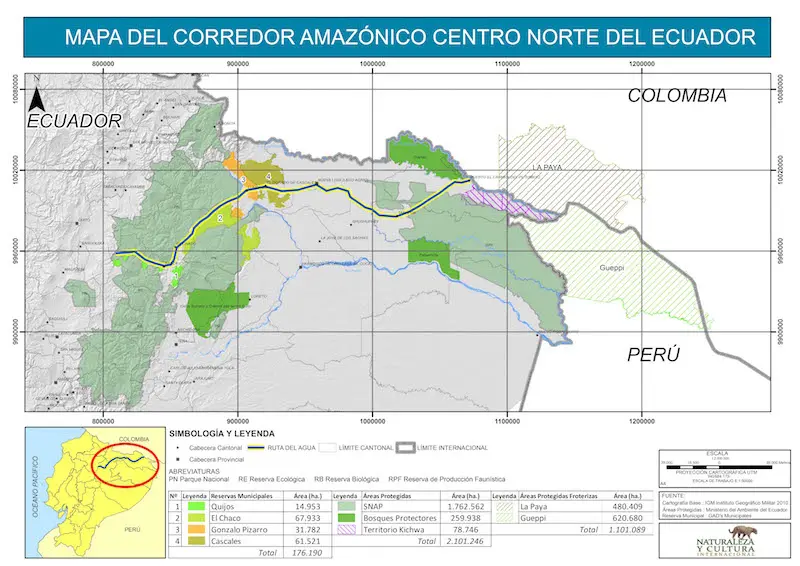](https://www.natureandculture.org/wp-content/smush-webp/2017/07/MAPA_CORREDOR-DE-CONSERVACIÓN-AMAZONÍA-NORTE_11abril17-1.jpg.webp)**
**Biodiversity**
The high mountain forests and páramo of this region are home to endangered Andean animals like the spectacled bear and mountain tapir. The seasonally flooded Amazonian forests are the richest areas in the world in terms of trees, birds, bats, and amphibians. The creation of the Ruta de Agua will also connect Cayembe Coca National Park and Sumaco-Napo-Galeras National Park.
**Culture**
The area is home to six of Ecuador´s 13 indigenous nationalities: the Cofan, Huaorani, Kichwa, Secoya, Shuar, and Siona. The mountainous regions of Napo and Sucumbios also serve as the headwaters for many river systems. These rivers are critical for rich aquatic ecosystems, hydroelectricity, water-based tourism, and potable water sources, including those for Quito, Ecuador´s largest city.
**Threats**
Threats include continued deforestation due to unsustainable agriculture, cattle pastures, timber, and oil extraction, and attendant development (e.g. new roads, and crude oil pipeline). Erosion and high sedimentation in waterways from forest loss is one of the primary threats to potable water sources.
*NCI will continue to work with the Mancomunidad de la Ruta de Agua to develop a shared management and conservation methodology.*
Thank you to our funders supporting the protection of the Napo Watershed in the Amazon Rainforest
\[/vc\_column\_text\]\[/vc\_column\_inner\]\[/vc\_row\_inner\]\[vc\_row\_inner\]\[vc\_column\_inner width=”1/3″\]\[vc\_single\_image image=”10550″\]\[/vc\_column\_inner\]\[vc\_column\_inner width=”1/3″\]\[vc\_single\_image image=”8007″\]\[/vc\_column\_inner\]\[vc\_column\_inner width=”1/3″\]\[vc\_single\_image image=”12847″\]\[/vc\_column\_inner\]\[/vc\_row\_inner\]\[/vc\_column\]\[/vc\_row\]
**Tags:** Nature and Culture International, NCI
**Content Type:** Blog, News
---
### [NCI Announced as 2016 Classy Awards Finalist](https://www.natureandculture.org/directory/nci-announced-as-2016-classy-awards-finalist/)
**Published:** April 19, 2016
**Author:** NCI STAFF
**Content:**


# NCI Announced as 2016 Classy Awards Finalist
04/19/2016
**Content Type:** Blog
\[vc\_row\]\[vc\_column\]\[vc\_column\_text css=”.vc\_custom\_1462903869476{padding-left: 15px !important;}”\]We have some exciting news to share. Our [Andean corridor](https://www.natureandculture.org/places/ecuador/andean-corridor/) program, which is connecting habitats and communities to conserve a biodiversity hotspot, has been named a Classy Awards Finalist. We are in excellent company, among the 100 most innovative nonprofits and social enterprises of 2016! We couldn’t be more excited to share this news with our donors and friends – **thank you for making our work possible**.
The [Classy Awards Finalists](https://www.classy.org/collaborative/awards-finalists-2016) are a prestigious group of nonprofits and social enterprises selected for their excellence in social innovation and ability to solve a social problem. This year, Classy had 1,300 programs across all cause categories submit nominations, and the competition was at an all-time high. The application process was rigorous and intensive, and we were judged using [stringent criteria](https://www.classy.org/collaborative/awards-judging-criteria) that assesses an organization’s potential to solve a problem and innovative solution.
Our program, along with the 99 other Finalists, is now in the running to become a Winner. Our fate is being passed on to the [Leadership Council](https://www.classy.org/collaborative/awards-leadership-council-fellows), a diverse board of experts and thought leaders who will collectively vote to determine the 10 Classy Award Winners.
In the words of Pat Walsh, Classy.org’s co-founder and CIO, “The Classy Awards team spends a year extensively researching social innovations from around the world. We’ve been fortunate to discover some incredible organizations over the past few years, but this year’s pool of nominees is one of the strongest we’ve ever seen! We’re honored to play a role in convening leaders throughout the sector to recognize their efforts.”
**We hope you’ll join us in celebrating this momentous occasion. It’s a great honor to be recognized for our efforts and creative solutions that are making a dramatic impact on the world. If you want to share with your network, here is some copy:**
*For Facebook:*
Congratulations @Nature and Culture International on being a #classyawards Finalist! The 100 most innovative nonprofits of 2016 >> collab.live/finalists-2016
*For Twitter:*
Congratulations @SavingNature on being a #classyawards Finalist! The 100 most innovative nonprofits of 2016 >> collab.live/finalists-2016
So what’s next? Becoming a Classy Awards Finalist means we’ll be traveling to Boston this June 14-16 for the [Collaborative + Classy Awards](https://www.classy.org/collaborative), the largest social innovation event of the year. We’ll have the opportunity to meet and mingle with some amazing people, like leaders from the United Nations Foundation, Bill & Melinda Gates Foundation, Echoing Green, charity:water, and many more. The event ends with the Classy Awards, where the 10 Winners are announced live on stage.
**Stayed tuned for our journey to the Classy Awards!**\[/vc\_column\_text\]\[/vc\_column\]\[/vc\_row\]
**Content Type:** Blog, News
---
### [The Andwa: A Resurging Indigenous Nationality](https://www.natureandculture.org/directory/watch-andwa-recording/)
**Published:** August 10, 2021
**Author:** Kristen Heard
**Content:**


# The Andwa: A Resurging Indigenous Nationality
08/10/2021
**Strategic Area:** Local Communities -
**Content Type:** Blog
**Country:** Ecuador -
\[vc\_row\]\[vc\_column\]\[vc\_column\_text\]
### **Watch the story of the indigenous Andwa Nationality for the first time in the recording below.**
\[/vc\_column\_text\]\[/vc\_column\]\[/vc\_row\]\[vc\_row\]\[vc\_column\]\[vc\_column\_text\]
In the Ecuadorian Amazon, there is an indigenous nationality fighting to keep their culture alive. These ancestral guardians have persevered in the face of threats and conflicts, reclaiming their identity to become one of the 11 recognized indigenous nationalities in the Ecuadorian Amazon. They are the Andwa: a resurging indigenous nationality.
\[/vc\_column\_text\]\[/vc\_column\]\[/vc\_row\]\[vc\_row\]\[vc\_column\]\[vc\_column\_text\]
**Watch the documentary *The Andwa: A Resurging Indigenous Nationality* followed by a Q&A session with Andwa President Daniel Dagua and Nature and Culture conservationist Jaime Toro in the recording below.**\[/vc\_column\_text\]\[/vc\_column\]\[/vc\_row\]\[vc\_row\]\[vc\_column\]\[vc\_column\_text\]
\[/vc\_column\_text\]\[/vc\_column\]\[/vc\_row\]\[vc\_row\]\[vc\_column\]\[vc\_column\_text\]Thanks to caring people like you, Nature and Culture has partnered with more than 30 indigenous nationalities, including the Andwa, who are deeply committed to the protection of their land. We provide extensive technical and legal support that helps them attain their goals of preserving their rich culture and extraordinary ancestral homelands.\[/vc\_column\_text\]\[/vc\_column\]\[/vc\_row\]\[vc\_row\]\[vc\_column\]\[vc\_column\_text\]
**Strategic Area:** Local Communities
**Country:** Ecuador
**Content Type:** Blog
---
### [Saving Habitat in Southern Ecuador](https://www.natureandculture.org/directory/zamora/)
**Published:** December 21, 2020
**Author:** Kristen Heard
**Content:**


# Saving Habitat in Southern Ecuador
12/21/2020
**Strategic Area:** Forests -
**Content Type:** Blog
**Country:** Ecuador -
\[vc\_row\]\[vc\_column\]\[vc\_column\_text\]
## Thanks to supporters of Nature and Culture International, over 140,000 acres of habitat are protected for the spectacled bear, red howler monkey and other special species.
\[/vc\_column\_text\]\[/vc\_column\]\[/vc\_row\]\[vc\_row\]\[vc\_column\]\[vc\_column\_text\]
Nature and Culture International is pleased to announce the creation of a new conservation area in southern Ecuador! Connecting the Andean foothills and the Amazon rainforest, the newly established *Zamora Municipal Conservation and Sustainable Use Are*a protects habitat for a variety of species – from new species of amphibians to the threatened spectacled bear.
\[/vc\_column\_text\]\[/vc\_column\]\[/vc\_row\]\[vc\_row\]\[vc\_column\]\[vc\_column\_text\]
*Zamora Municipal Conservation and Sustainable Use Area* spans 140,372 acres of montane forests and paramo grasslands, including two of Nature and Culture’s private reserves: *Jamboe* and the *San Francisco Scientific Station*. It is located on the eastern slopes of the Ecuadorian Andes, known for its extraordinary biodiversity.\[/vc\_column\_text\]\[/vc\_column\]\[/vc\_row\]\[vc\_row\]\[vc\_column\]\[vc\_single\_image image=”18881″ img\_size=”full” add\_caption=”yes”\]\[/vc\_column\]\[/vc\_row\]\[vc\_row\]\[vc\_column\]\[vc\_column\_text\]Wildlife in the region include unique species of birds like the white-necked parakeet (*Pyrrhura albipectus*), the coppery-chested jacamar (*Galbula pastazae*), and the grey tinamou (*Tinamus tao*). The conservation area is home to new species of amphibians that have recently been discovered – and likely more yet to be found.\[/vc\_column\_text\]\[/vc\_column\]\[/vc\_row\]\[vc\_row\]\[vc\_column\]\[vc\_column\_text\]*Zamora Municipal Conservation and Sustainable Use Area* also contains 30 threatened species of flora. Thanks to the support of donors like you, Nature and Culture has restored more than 150 acres of degraded land with native trees to recover threatened species in the region. We plan on restoring additional acres now that *Zamora Municipal Conservation and Sustainable Use Area* is established.\[/vc\_column\_text\]\[/vc\_column\]\[/vc\_row\]\[vc\_row\]\[vc\_column\]\[vc\_single\_image image=”18882″ img\_size=”full” add\_caption=”yes”\]\[/vc\_column\]\[/vc\_row\]\[vc\_row\]\[vc\_column\]\[vc\_column\_text\]*Zamora Municipal Conservation and Sustainable Use Area* protects forest located in the biological corridor between *Podocarpus National Park* and *Yacuambi Municipal Reserve*. In linking protected areas, the conservation area extends the habitat and allows the mobility of far-ranging species like the threatened spectacled bear (*Tremarctos ornatus*). To protect this mammal, Nature and Culture is working with the Technical University of Loja to monitor the bear’s population and natural behavior in the region using camera traps.\[/vc\_column\_text\]\[/vc\_column\]\[/vc\_row\]\[vc\_row\]\[vc\_column\]\[vc\_column\_text\]In addition to the spectacled bear, the biological corridor is home to nearly 70 mammal species, including the endangered mountain tapir (*Tapirus pinchaque*), red howler monkey (*Alouatta seniculus*), and jaguarundi (*Puma yagouaroundi*).\[/vc\_column\_text\]\[/vc\_column\]\[/vc\_row\]\[vc\_row\]\[vc\_column\]\[vc\_column\_text\]According to Nature and Culture conservationist Trotsky Riera-Vite, “*Zamora Municipal Conservation and Sustainable Use Area* is located in a strategic area for the conservation of *Podocarpus National Park*. The new conservation area covers the entire national park at its limits, creating a buffer which protects animals who live within the park.”\[/vc\_column\_text\]\[/vc\_column\]\[/vc\_row\]\[vc\_row\]\[vc\_column\]\[vc\_single\_image image=”18884″ img\_size=”full” add\_caption=”yes”\]\[/vc\_column\]\[/vc\_row\]\[vc\_row\]\[vc\_column\]\[vc\_column\_text\]Not only does *Zamora Municipal Conservation and Sustainable Use Area* save critical habitat, it also protects important water supplies from unsustainable agriculture, mining, and other threats. The conservation area’s forests and paramos maintain sources of water for more than 210,000 people living in nearby cities and communities, including Saraguro and Shuar indigenous communities.\[/vc\_column\_text\]\[/vc\_column\]\[/vc\_row\]\[vc\_row\]\[vc\_column\]\[vc\_column\_text\]*Zamora Municipal Conservation and Sustainable Use Area* is a result of a close relationship and extensive collaboration between Nature and Culture, the local government, and the Regional Water Fund (FORAGUA). The conservation area was established with the financial support of the U.S. Fish and Wildlife Service and generous people like you!\[/vc\_column\_text\]\[/vc\_column\]\[/vc\_row\]\[vc\_row\]\[vc\_column\]\[vc\_single\_image image=”18885″ img\_size=”full” add\_caption=”yes”\]\[/vc\_column\]\[/vc\_row\]\[vc\_row\]\[vc\_column\]\[vc\_column\_text\]With your help, Nature and Culture will continue working with local governments to ensure effective and lasting conservation impact in the Ecuadorian Andes.\[/vc\_column\_text\]\[/vc\_column\]\[/vc\_row\]\[vc\_row\]\[vc\_column\]\[vc\_column\_text\]
Thank you for making this achievement possible! We hope that this bit of good news inspires you to continue fighting for nature and culture.
\[/vc\_column\_text\]\[/vc\_column\]\[/vc\_row\]\[vc\_row\]\[vc\_column\]\[vc\_column\_text\]*Did you hear about* [*Palora Municipal Conservation and Sustainable Use Area*](https://www.natureandculture.org/palora/)*, established in the Ecuadorian Amazon? Check it out!*\[/vc\_column\_text\]\[/vc\_column\]\[/vc\_row\]\[vc\_column\]\[/vc\_column\]
**Strategic Area:** Forests
**Country:** Ecuador
**Content Type:** Blog
---
### [Critical Páramo Ecosystem Receives Highest Legal Protection in Ecuadorian Andes](https://www.natureandculture.org/directory/gallocantana-conservation-area/)
**Published:** March 9, 2022
**Author:** Heather Thomas
**Content:**


# Critical Páramo Ecosystem Receives Highest Legal Protection in Ecuadorian Andes
03/09/2022
**Strategic Area:** Forests -
**Content Type:** News
**Country:** Ecuador -
\[vc\_row\]\[vc\_column\]\[vc\_column\_text\]
### Curiquingue-Gallocantana Conservation Area provides fundamental water source for local populations and contributes to a biological corridor that is essential for the survival of many Andean species.
\[/vc\_column\_text\]\[/vc\_column\]\[/vc\_row\]\[vc\_row\]\[vc\_column\]\[vc\_column\_text\]Nature and Culture International celebrates the incorporation of the Cuiriquingue-Gallocantana Municipal Conservation Area of Cuenca into Ecuador’s National System of Protected Areas. On February 11, 2022, Curiquingue-Gallocantana was officially declared by the Ministry of Environment, Water and Ecological Transition of Ecuador as a Municipal Decentralized Autonomous Protected Area. This declaration will ensure the maximum protection of 2,965 acres of páramo, wetlands, polylepis or paper trees forests, and critical water supplies.
\[/vc\_column\_text\]\[vc\_single\_image image=”21315″ img\_size=”large” alignment=”center”\]\[/vc\_column\]\[/vc\_row\]\[vc\_row\]\[vc\_column\]\[vc\_column\_text\]Curiquingue-Gallocantana is one of the most important water sources for the more than 500,000 inhabitants of the city of Cuenca. The municipal water company ETAPA EP purchased the area in 2012 to protect the city’s water sources. Last year [Curiquingue-Gallocantana was declared one of Cuenca’s Municipal Conservation and Sustainable Use Areas](https://www.natureandculture.org/cuenca-acmus/) along with two other areas: Mazán and Machángara.
Municipal conservation status safeguards habitat from threats such as forest fires and cattle ranching; however, reserves require national protection status to permanently prevent exploitative activities, such as mining, in the area. With the help of caring people like you, in 2021 [Mazán was officially incorporated into Ecuador’s National System of Protected Areas](https://www.natureandculture.org/mazan-upgraded/), and in February 2022 Curiquingue-Gallocantana followed, providing the reserves with the highest level of legal protection in the country.\[/vc\_column\_text\]\[vc\_video link=”https://youtu.be/A2n6P8iWlMM” align=”center”\]\[/vc\_column\]\[/vc\_row\]\[vc\_row\]\[vc\_column\]\[vc\_column\_text\]“The declaration of the Conservation and Sustainable Use Areas in the Cuenca was a historic milestone in the conservation of environmental resources and services, and today we are pleased to have supported the declaration of Curiquingue-Gallocantana and its integration into the National System of Protected Areas, just as we did with Mazán. This is the only legal way for the area to be protected forever from any type of exploitation,” said Fabián Rodas, coordinator of Nature and Culture International in Cuenca.
Curiquingue-Gallocantana is located within the remarkable Cajas Massif Biosphere Reserve, the first biosphere reserve in Ecuador’s western Andes, created as a result of a collaboration between Nature and Culture and local organizations. Adjacent to other protected areas such as the Cajas National Park and the Machangara-Tomebamba Protected Forest, Curiquingue-Gallocantana ensures critical habitat connectivity in the region for wide-ranging animals such as the Puma (*Puma concolor*) and Andean Bear (*Tremarctos ornatus*). \[/vc\_column\_text\]\[vc\_single\_image image=”21318″ img\_size=”large” add\_caption=”yes” alignment=”center”\]\[/vc\_column\]\[/vc\_row\]\[vc\_row\]\[vc\_column\]\[vc\_column\_text\]Since 2018, Nature and Culture International has played a leading role in the creation and enhancement of Cuenca’s Municipal Conservation and Sustainable Use Areas, working with partner organizations on the mapping of protected areas, technical document development, and social and political outreach. For the Minister of Environment, Gustavo Manrique, the incorporation of this area into the highest category of national protection is crucial because this area offers important ecosystem services such as water generation and purification. During the declaration of Curiquingue-Gallocantana, he made a commitment on behalf of the country’s Ministry of Environment to continue working for the protection of critical ecosystems.
Pedro Palacios, Mayor of Cuenca, hopes that soon the Machángara Municipal Conservation and Sustainable Use Area will also be included in the National System of Protected Areas to ensure its maximum protection.\[/vc\_column\_text\]\[vc\_single\_image image=”21319″ img\_size=”large” add\_caption=”yes” alignment=”center”\]\[/vc\_column\]\[/vc\_row\]\[vc\_row\]\[vc\_column\]\[vc\_column\_text\]With your support, Nature and Culture will continue to work with the Municipality of Cuenca and the Ecuadorian Ministry of Environment to ensure the incorporation of Machángara, the last remaining Municipal Conservation and Sustainable Use Area, into the country’s National System of Protected Areas. We will continue to support the Municipality of Cuenca and the Public Drinking Water Company in the sustainable management of the two new Municipal Decentralized Autonomous Protected Areas.
This achievement was made possible by our partnerships with the Environmental Management Commission of the Municipality of Cuenca, the Ministry of Environment, the Water Fund for the Conservation of the Paute River Basin (FONAPA), the Municipality of Cuenca, and ETAPA EP. \[/vc\_column\_text\]\[/vc\_column\]\[/vc\_row\]
**Strategic Area:** Forests
**Country:** Ecuador
**Content Type:** News
---
### [New Horizons: Almost 2.5 Million Acres of Intact Amazon Forest](https://www.natureandculture.org/directory/new-horizons-almost-2-5-million-acres-of-intact-amazon-forest/)
**Published:** December 14, 2021
**Author:** Heather Thomas
**Content:**


# New Horizons: Almost 2.5 Million Acres of Intact Amazon Forest
12/14/2021
**Strategic Area:** Climate - Forests -
**Content Type:** Blog
**Country:** Ecuador -
\[vc\_row\]\[vc\_column\]\[vc\_column\_text\]
### Earlier this month, a first-of-its-kind meeting took place in Morona Santiago, Ecuador.
\[/vc\_column\_text\]\[/vc\_column\]\[/vc\_row\]\[vc\_row\]\[vc\_column\]\[vc\_column\_text\]Nature and Culture International, along with the Governor of Morona Santiago, and representatives of the Shuar and Achuar nationalities gathered to design a groundbreaking joint initiative to save almost 2.5 million acres of intact Amazon rainforest.
The group spoke openly about the threats of deforestation and mining, and how to address these issues. They also focused on facilitating indigenous land planning and management in order to empower these communities to continue to steward their ancestral territories as only they can.
When their discussion drew to a close, each leader signed their name on a new agreement to create what will be one of the largest conservation areas in Ecuador.
The proposed conservation area is mostly intact, mainly because it has been protected by the indigenous communities that call it home. This proposal will incorporate key measures for a sustainable future while respecting these communities’ traditional practices.
“It is the first time that a prefect convened indigenous organizations to talk about conservation and build a joint proposal at the provincial level,” says Josefina Antonieta Tunki, president of the Shuar Arutam People. \[/vc\_column\_text\]\[/vc\_column\]\[/vc\_row\]\[vc\_row\]\[vc\_column\]\[vc\_single\_image image=”20996″ img\_size=”full” alignment=”center”\]\[/vc\_column\]\[/vc\_row\]\[vc\_row\]\[vc\_column\]\[vc\_column\_text\]This community has been a steward of the forest for thousands of years, and they are all too familiar with the effects of deforestation and improper resource management. The new conservation area will implement these communities’ traditional practices as well as their newly proposed sustainability methods.
At the meeting, the leaders of the Shuar and Achuar people spoke at length about the importance of regulating logging and mining in their territories. \[/vc\_column\_text\]\[/vc\_column\]\[/vc\_row\]\[vc\_row\]\[vc\_column\]\[vc\_single\_image image=”20997″ img\_size=”full”\]\[vc\_column\_text\]Mining not only encroaches on indigenous settlements, but also contaminates the local water supply. The run-off leaves behind heavy metals which are found in fish, get ingested by people, and even end up in the atmosphere to pollute further reaches of the forest.
Logging is a major issue because habitat loss in the form of deforestation is one of the leading drivers of extinction, and because the density of the forest is essential for sequestering carbon from the atmosphere. With commercial logging, agricultural expansion, new roads, and natural disasters affecting the Amazon more each year, these intact areas are more important than ever for regulating the effects of climate change.
Once the new conservation area has officially been declared, the indigenous nationalities will work together with the government to set regulations for the sustainable use of the conservation area’s territories, particularly where extractive practices such as deforestation are concerned. Nature and Culture International will continue to collaborate with the indigenous nationalities and local governments, and we are looking to have the area fully established in 2022. The realization of this initiative will be a huge step forward in our efforts to mitigate climate change by protecting one of our planet’s most powerful carbon sinks.
It is an ambitious goal, but Nature and Culture International saw success with a similar implementation plan that was approved earlier this year in Pastaza, Ecuador. Our experience collaborating with Pastaza’s local government and nationalities will serve as a roadmap to success in Morona Santiago as we race towards new, more sustainable horizons. \[/vc\_column\_text\]\[/vc\_column\]\[/vc\_row\]\[vc\_row\]\[vc\_column\]\[/vc\_column\]\[/vc\_row\]
**Strategic Area:** Climate, Forests
**Country:** Ecuador
**Content Type:** Blog
---
### [New Conservation Area for a New World Monkey](https://www.natureandculture.org/directory/yellow-tailed-woolly-monkey/)
**Published:** April 30, 2019
**Author:** Kristen Heard
**Content:**


# New Conservation Area for a New World Monkey
04/30/2019
\[vc\_row\]\[vc\_column\]\[vc\_column\_text\]Long ago, nearly 40 million years before today, a **raft of monkeys** found themselves adrift in the Atlantic. They had been blown out to sea by an intense storm on the African coast. Floating on a raft of storm-tossed vegetation, they drifted to a new continent – South America.
Sounds like fiction, but **fossil teeth discovered in the Peruvian Amazon** confirm the tale! According to findings from paleontologist Mariano Bond and colleagues, the monkeys that thrive in the Americas today are the descendants of prehistoric primates fortunate enough to survive the journey.
From tamarins to muriquis, the Americas are now home to at least 53 monkey species, or New World monkeys. This month’s mammal is the **yellow-tailed woolly monkey**, found in the recently-declared *San Pablo-Catarata Gocta Conservation Area* in Peru.

*The endangered yellow-tailed woolly monkey (Oreonax flavicauda) by [Platyrrhinus](https://en.wikipedia.org/wiki/Yellow-tailed_woolly_monkey#/media/File:Cola_amarilla.jpg). [CC BY-SA 3.0](https://creativecommons.org/licenses/by-sa/3.0/)*
Yellow-tailed woolly monkeys are endemic to a small area of cloud forest in the Peruvian Andes. They are easily recognizable due to their long, dark coat and white ring of fur around their mouth. However, the most conspicuous feature of this species is the small, **yellow-colored strip on the underside of their tail**. Like many New World monkeys, they have a prehensile tail (able to grasp) to hold onto tree branches.
These primates are social animals, active during the daylight hours. They form groups of 4-30 individuals, including a single dominant male, multiple mature individuals of both genders and young monkeys. Communication between communities is performed through vocalizations such as a **loud, barking call**, which is commonly used as an alarm call or a territorial display.
The tiny natural range of this species covers parts of the Peruvian Andes, namely, the Department of San Martín in the east and Amazonas in the west. Due to deforestation and habitat fragmentation in the area, the yellow-tailed woolly monkey is listed as **Critically Endangered**. The species also suffers from continuous hunting.
Declared just yesterday by Peru’s Ministry of Environment, ***San Pablo-Catarata Gocta Private Communal Conservation Area*** is part of Nature & Culture’s efforts to protect the yellow-tailed woolly monkey and other sympatric species in the Peruvian Andes.

*San Pablo-Catarata Gocta Private Communal Conservation Area*
Spanning 6,500 acres in Amazonas, Peru, *San Pablo-Catarata Gocta* protects critical habitat for the yellow-tailed woolly monkey among other threatened species such as Johnson’s tody-flycatcher (*Poecilotriccus luluae*) and the spectacled bear (*Tremarctos ornatus*). The area will also conserve important **Andean ecosystems and water sources**, including the Gocta Waterfall, the third highest in Peru.
*San Pablo-Catarata Gocta* was established with support from our generous donors and partners, including Critical Ecosystem Partnership Fund and Robert W. Wilson Charitable Trust. We look forward to **working with the local community** of San Pablo de Valera to effectively manage this critical habitat.
*Did you catch last month’s featured mammal? [Check out the fascinating Sechuran fox](https://www.natureandculture.org/field-notes/sechuran-fox/).*
\[/vc\_column\_text\]\[/vc\_column\]\[/vc\_row\]
---
### [Conserving connectivity in Ecuador](https://www.natureandculture.org/directory/ecuador-connectivity-corridors/)
**Published:** May 22, 2020
**Author:** Kristen Heard
**Content:**


# Conserving connectivity in Ecuador
05/22/2020
**Strategic Area:** Biodiversity - Forests -
**Content Type:** Blog
**Country:** Ecuador -
\[vc\_row\]\[vc\_column\]\[vc\_column\_text\]
### **Exciting news for Ecuador’s wildlife!**
\[/vc\_column\_text\]\[/vc\_column\]\[/vc\_row\]\[vc\_row\]\[vc\_column\]\[vc\_column\_text\]
**Despite these chaotic and uncertain times, the Ecuadorian government and Nature and Culture International are making exciting progress in protecting the country’s wildlife and wild places.**
\[/vc\_column\_text\]\[/vc\_column\]\[/vc\_row\]\[vc\_row\]\[vc\_column\]\[vc\_column\_text\]
Yesterday on International Biodiversity Day, Ecuador’s Ministry of Environment and Secretariat of Water signed a special agreement defining guidelines and technical criteria for the design, establishment, and management of connectivity corridors in Ecuador. The guidelines and criteria were created with support from Nature and Culture.
\[/vc\_column\_text\]\[/vc\_column\]\[/vc\_row\]\[vc\_row\]\[vc\_column\]\[vc\_column\_text\]
Connectivity corridors maintain the connection of protected areas to better ensure the long-term survival of species. As habitat continues to be fragmented, degraded, and lost to development, the need for these corridors is growing.
\[/vc\_column\_text\]\[/vc\_column\]\[/vc\_row\]\[vc\_row\]\[vc\_column\]\[vc\_column\_text\]
Better connectivity allows wildlife to move and migrate, boost biodiversity and resilience in degraded ecosystems, safeguard genetic flow between populations, and ensure species are better able to adapt to the changing climate.
\[/vc\_column\_text\]\[/vc\_column\]\[/vc\_row\]\[vc\_row\]\[vc\_column\]\[vc\_single\_image image=”17635″ img\_size=”full” add\_caption=”yes”\]\[/vc\_column\]\[/vc\_row\]\[vc\_row\]\[vc\_column\]\[vc\_column\_text\]
This concept of creating large-scale protected areas that provide connections to other protected areas is central to Nature and Culture’s strategy.
\[/vc\_column\_text\]\[/vc\_column\]\[/vc\_row\]\[vc\_row\]\[vc\_column\]\[vc\_column\_text\]
In Ecuador, 11 areas have been identified as priority connectivity corridors. These areas will help conserve plants and animals, regulate climate, and protect environmental services such as water resources.
\[/vc\_column\_text\]\[/vc\_column\]\[/vc\_row\]\[vc\_row\]\[vc\_column\]\[vc\_column\_text\]
Additionally, the corridors will safeguard Ecuador’s large mammals and birds – far-ranging species most at risk from habitat fragmentation. The corridors will guarantee the survival of species such as the threatened spectacled bear, jaguar, and endangered mountain tapir.
\[/vc\_column\_text\]\[/vc\_column\]\[/vc\_row\]\[vc\_row\]\[vc\_column\]\[vc\_column\_text\]
“The corridors seek to maintain the connectivity and functionality of ecosystems, guaranteeing natural conditions for the survival of species and the provision of ecosystem services for human populations,” explains Fabian Rodas, Nature and Culture conservationist.
\[/vc\_column\_text\]\[/vc\_column\]\[/vc\_row\]\[vc\_row\]\[vc\_column\]\[vc\_single\_image image=”17636″ img\_size=”full” add\_caption=”yes”\]\[/vc\_column\]\[/vc\_row\]\[vc\_row\]\[vc\_column\]\[vc\_column\_text\]
With your support, Nature and Culture will continue working with the Ministry of Environment, local authorities, local communities, and other partners to establish the Sangay – Podocarpus Connectivity Corridor. This corridor will protect 1.4 million acres in southeastern Ecuador and countless extraordinary species found no other place.
\[/vc\_column\_text\]\[/vc\_column\]\[/vc\_row\]\[vc\_row\]\[vc\_column\]\[vc\_column\_text\]
Thanks to the special agreement signed yesterday, the Sangay – Podocarpus Connectivity Corridor will be the first connectivity corridor formally declared in Ecuador. Stay tuned for the official declaration!
\[/vc\_column\_text\]\[/vc\_column\]\[/vc\_row\]\[vc\_row\]\[vc\_column\]\[vc\_column\_text\]
Check out protected areas created by Nature and Culture in Ecuador [here](https://www.natureandculture.org/reserves-completed/).
\[/vc\_column\_text\]\[/vc\_column\]\[/vc\_row\]\[vc\_row\]\[vc\_column\]\[/vc\_column\]\[/vc\_row\]
**Strategic Area:** Biodiversity, Forests
**Country:** Ecuador
**Content Type:** Blog
---
### [Nature's climate-saving superpower!](https://www.natureandculture.org/directory/trees/)
**Published:** May 26, 2020
**Author:** Kristen Heard
**Content:**


# Nature’s climate-saving superpower!
05/26/2020
**Strategic Area:** Biodiversity - Climate -
**Content Type:** Blog
\[vc\_row\]\[vc\_column\]\[vc\_column\_text\]
### ****The *Coolest* Miracle: How Trees Fight Climate Change****
\[/vc\_column\_text\]\[/vc\_column\]\[/vc\_row\]\[vc\_row\]\[vc\_column\]\[vc\_column\_text\]
To inspire awe of the planet’s extraordinary biodiversity, Nature and Culture is glad to share our series: *Strange Miracles of the Rainforest and Beyond.*
\[/vc\_column\_text\]\[/vc\_column\]\[/vc\_row\]\[vc\_row\]\[vc\_column\]\[vc\_column\_text\]
Last time we featured [nature’s cleanup crews](https://www.natureandculture.org/field-notes/natures-cleanup/). Check out this month’s remarkable gift from our planet.
\[/vc\_column\_text\]\[/vc\_column\]\[/vc\_row\]\[vc\_row\]\[vc\_column\]\[vc\_column\_text\]
**Miracle #4: Climate-Saving Superpower**
\[/vc\_column\_text\]\[/vc\_column\]\[/vc\_row\]\[vc\_row\]\[vc\_column\]\[vc\_column\_text\]
Scientists and climate policy experts alike have confirmed that saving and restoring forests are essential to fighting climate change.
\[/vc\_column\_text\]\[/vc\_column\]\[/vc\_row\]\[vc\_row\]\[vc\_column\]\[vc\_column\_text\]
But how exactly does this work?
\[/vc\_column\_text\]\[/vc\_column\]\[/vc\_row\]\[vc\_row\]\[vc\_column\]\[vc\_column\_text\]
**Forests have a climate-saving superpower – trees!**
\[/vc\_column\_text\]\[/vc\_column\]\[/vc\_row\]\[vc\_row\]\[vc\_column\]\[vc\_single\_image image=”17651″ img\_size=”full” add\_caption=”yes”\]\[/vc\_column\]\[/vc\_row\]\[vc\_row\]\[vc\_column\]\[vc\_column\_text\]
Trees survive by performing a process called photosynthesis. During this process, they absorb carbon dioxide, a heat-trapping gas in our atmosphere. Trees convert carbon dioxide into the oxygen we all need to live. Additionally, the carbon from carbon dioxide becomes part of the tree and is stored as wood.
\[/vc\_column\_text\]\[/vc\_column\]\[/vc\_row\]\[vc\_row\]\[vc\_column\]\[vc\_column\_text\]
**One tree can absorb an average of about 48 pounds of carbon dioxide from the air in one year.**
\[/vc\_column\_text\]\[/vc\_column\]\[/vc\_row\]\[vc\_row\]\[vc\_column\]\[vc\_column\_text\]
While all forests have a climate-saving superpower, trees in tropical forests trap larger amounts of carbon dioxide and evaporate more water. In doing so, they produce a thick cloud cover that reflects sunlight back to space, keeping our planet cool.
\[/vc\_column\_text\]\[/vc\_column\]\[/vc\_row\]\[vc\_row\]\[vc\_column\]\[vc\_column\_text\]
**Tropical forests alone could account for as much as 30% of the solution to climate change!**
\[/vc\_column\_text\]\[/vc\_column\]\[/vc\_row\]\[vc\_row\]\[vc\_column\]\[vc\_single\_image image=”17652″ img\_size=”full” add\_caption=”yes”\]\[/vc\_column\]\[/vc\_row\]\[vc\_row\]\[vc\_column\]\[vc\_column\_text\]
**When a tree is protected, its carbon is safely stored for centuries.**
\[/vc\_column\_text\]\[/vc\_column\]\[/vc\_row\]\[vc\_row\]\[vc\_column\]\[vc\_column\_text\]
When a tree is cut down, not only is it no longer absorbing additional carbon dioxide from the air, but all the carbon that was stored in the tree is released into the atmosphere.
\[/vc\_column\_text\]\[/vc\_column\]\[/vc\_row\]\[vc\_row\]\[vc\_column\]\[vc\_column\_text\]
With the help of people who care about our climate, Nature and Culture focuses on creating and protecting reserves that contain enormous quantities of carbon**.** By protecting forests, we prevent the release of millions of tons of carbon into the atmosphere.
\[/vc\_column\_text\]\[/vc\_column\]\[/vc\_row\]\[vc\_row\]\[vc\_column\]\[vc\_column\_text\]
**To date, Nature and Culture has protected 21 million acres of extraordinary ecosystems in Latin America, storing an estimated 3.3 billion tons of carbon.**
\[/vc\_column\_text\]\[/vc\_column\]\[/vc\_row\]\[vc\_row\]\[vc\_column\]\[vc\_column\_text\]
With your support, we can store even more!
\[/vc\_column\_text\]\[/vc\_column\]\[/vc\_row\]\[vc\_row\]\[vc\_column\]\[vc\_column\_text\]
The variety of life on the planet is our greatest treasure. Yet one million of the estimated eight million plant and animal species on Earth are at risk of extinction. Nature and Culture hopes that by sharing these ***Strange Miracles*** you’ll be filled with wonder and gratitude for each species that enriches the planet. Stay tuned for next month’s feature!
\[/vc\_column\_text\]\[/vc\_column\]\[/vc\_row\]\[vc\_row\]\[vc\_column\]\[/vc\_column\]\[/vc\_row\]
**Tags:** Climate, Rainforest, Trees, Tropical Forests
**Strategic Area:** Biodiversity, Climate
**Content Type:** Blog
---
### [Biodiversity & Your Health](https://www.natureandculture.org/directory/biodiversity-covid-19/)
**Published:** April 10, 2020
**Author:** Kristen Heard
**Content:**


# Biodiversity & Your Health
04/10/2020
**Strategic Area:** Biodiversity -
**Content Type:** Blog
\[vc\_row\]\[vc\_column\]\[vc\_column\_text\]
**Biodiversity can keep us healthy – if we let it.**
\[/vc\_column\_text\]\[/vc\_column\]\[/vc\_row\]\[vc\_row\]\[vc\_column\]\[vc\_column\_text\]
Humans and nature are part of one connected system. We rely on nature and biodiversity for the air we breathe, the water we drink, traditional and modern medicines, and so much more. We rely on nature to keep us healthy.
\[/vc\_column\_text\]\[/vc\_column\]\[/vc\_row\]\[vc\_row\]\[vc\_column\]\[vc\_column\_text\]
**BIODIVERSITY PROVIDES**
\[/vc\_column\_text\]\[vc\_single\_image image=”17500″ img\_size=”600×275″ alignment=”center” css=”.vc\_custom\_1586553593432{padding-right: px !important;padding-left: px !important;}”\]\[/vc\_column\]\[/vc\_row\]\[vc\_row\]\[vc\_column\]\[vc\_column\_text\]\[/vc\_column\_text\]\[/vc\_column\]\[/vc\_row\]\[vc\_row\]\[vc\_column\]\[vc\_column\_text\]
As habitat and biodiversity loss increase globally, our health is put at risk. We lose things like clean air and water and many other benefits that allow people to thrive. Additionally, we create conditions for new viruses and diseases such as COVID-19.
\[/vc\_column\_text\]\[/vc\_column\]\[/vc\_row\]\[vc\_row\]\[vc\_column\]\[vc\_column\_text\]
The World Health Organization reports that a bat is the likely source of the coronavirus COVID-19, which has infected more than 1 million people worldwide and placed a strain on the global economy.
\[/vc\_column\_text\]\[/vc\_column\]\[/vc\_row\]\[vc\_row\]\[vc\_column\]\[vc\_column\_text\]
**Coronaviruses are zoonotic, meaning they are transmitted between animals and people. But the problem is not the animals. It’s us.**
\[/vc\_column\_text\]\[/vc\_column\]\[/vc\_row\]\[vc\_row\]\[vc\_column\]\[vc\_column\_text\]
Wild animals have always had viruses coursing through their bodies. Research has found that the wildlife trade and destruction of habitat has brought wild animals into closer contact with humans and domesticated animals. When this happens, diseases like COVID-19 have the opportunity to pass from animal populations to humans.
\[/vc\_column\_text\]\[/vc\_column\]\[/vc\_row\]\[vc\_row\]\[vc\_column\]\[vc\_column\_text\]
**Biodiversity can restrain pathogens that cause diseases before they leave the wild – if we let it.**
\[/vc\_column\_text\]\[/vc\_column\]\[/vc\_row\]\[vc\_row\]\[vc\_column\]\[vc\_column\_text\]
In a 2015 United Nations [state of knowledge review](https://www.cbd.int/health/stateofknowledge/) of biodiversity and human health, scientists wrote that an ecological approach to disease will provide a greater understanding of disease-related outcomes. [Recent research](https://royalsocietypublishing.org/doi/10.1098/rspb.2019.2736) has given more support to the idea that biodiversity protection in one part of the world can prevent diseases from emerging and spreading in another.
\[/vc\_column\_text\]\[/vc\_column\]\[/vc\_row\]\[vc\_row\]\[vc\_column\]\[vc\_column\_text\]
To help prevent coronaviruses and other diseases from emerging, we need to combat threats to habitat and wildlife including deforestation, wildlife trade, and, increasingly, climate change.
\[/vc\_column\_text\]\[/vc\_column\]\[/vc\_row\]\[vc\_row\]\[vc\_column\]\[vc\_column\_text\]
Biodiversity is important for human health, and the health of our planet.
\[/vc\_column\_text\]\[/vc\_column\]\[/vc\_row\]\[vc\_row\]\[vc\_column\]\[vc\_column\_text\]
**Join Nature and Culture International in protecting biodiversity – and our health – today.**
\[/vc\_column\_text\]\[/vc\_column\]\[/vc\_row\]\[vc\_row\]\[vc\_column\]\[vc\_btn title=”Protect Biodiversity” color=”green” size=”lg” align=”center” link=”url:http%3A%2F%2Fwww.natureandculture.org%2Fgive-to-nci\|\|\|”\]\[/vc\_column\]\[/vc\_row\]\[vc\_row\]\[vc\_column\]\[vc\_column\_text\]\[/vc\_column\_text\]\[/vc\_column\]\[/vc\_row\]\[vc\_row\]\[vc\_column\]\[vc\_column\_text\]
*Check out daily updates on COVID-19 from the World Health Organization [here.](https://www.who.int/emergencies/diseases/novel-coronavirus-2019)*
\[/vc\_column\_text\]\[/vc\_column\]\[/vc\_row\]\[vc\_row\]\[vc\_column\]\[/vc\_column\]\[/vc\_row\]
**Tags:** Biodiversity, covid-19, human health
**Strategic Area:** Biodiversity
**Content Type:** Blog
---
### [Women Who Protect Our Planet](https://www.natureandculture.org/directory/women-for-conservation/)
**Published:** March 8, 2021
**Author:** Kristen Heard
**Content:**


# Women Who Protect Our Planet
03/08/2021
**Strategic Area:** Climate - Forests - Local Communities -
**Content Type:** Blog
**Country:** Bolivia - Colombia - Ecuador - Mexico - Peru -
\[vc\_row\]\[vc\_column\]\[vc\_column\_text\]
## ****Today – on International Women’s Day – we celebrate extraordinary women who are working to protect our planet.****
\[/vc\_column\_text\]\[/vc\_column\]\[/vc\_row\]\[vc\_row\]\[vc\_column\]\[vc\_column\_text\]
Every day, women across the globe take on tasks both small and large to help the environment. At Nature and Culture International, we partner with communities and local women in Latin America to support their involvement in conservation, sustainable development, and decision-making.
\[/vc\_column\_text\]\[/vc\_column\]\[/vc\_row\]\[vc\_row\]\[vc\_column\]\[vc\_column\_text\]
A few of these women share their remarkable stories with us:
\[/vc\_column\_text\]\[/vc\_column\]\[/vc\_row\]\[vc\_row\]\[vc\_column\]\[vc\_single\_image image=”16137″ img\_size=”full” onclick=”custom\_link” link=”https://www.perunature.com/the\_wildlife/potoo-bird-facts-html/”\]\[/vc\_column\]\[/vc\_row\]\[vc\_row\]\[vc\_column\]\[vc\_column\_text\]
## **Katty Carillo**
*Project Coordinator at Nature and Culture*
\[/vc\_column\_text\]\[/vc\_column\]\[/vc\_row\]\[vc\_row\]\[vc\_column\]\[vc\_column\_text\]
Born in Piura, Peru, Katty is a conservation biologist and senior staff member at Nature and Culture. For the past decade, she has devoted her life to the protection of the fragile Andean ecosystems in the regions of Piura and Cajamarca. Working hand-in-hand with local farmers, **Katty has supported the creation of seven community and municipal protected areas** that form the Andean Corridor of northern Peru.
\[/vc\_column\_text\]\[/vc\_column\]\[/vc\_row\]\[vc\_row\]\[vc\_column\]\[vc\_column\_text\]
Katty’s success in the region did not come easily. When starting her career, she experienced several challenges as a woman in the field. “On many occasions, I had to ask my male co-workers to accompany me to the first meeting with local authorities. This would facilitate my introduction, validate my professional credentials, and open doors for me,” recalls Katty.
\[/vc\_column\_text\]\[/vc\_column\]\[/vc\_row\]\[vc\_row\]\[vc\_column\]\[vc\_column\_text\]
Now, Katty empowers, inspires, and guides the way for other local women to stand up for conservation. She encourages participation in Nature and Culture’s conservation workshops and assemblies and the inclusion of women in community politics and the pursuit of higher education. **Katty hopes “local women will play an increasingly important role in ecosystem conservation.”**
\[/vc\_column\_text\]\[/vc\_column\]\[/vc\_row\]\[vc\_row\]\[vc\_column\]\[vc\_single\_image image=”19675″ img\_size=”full” onclick=”custom\_link” link=”https://www.perunature.com/the\_wildlife/potoo-bird-facts-html/”\]\[/vc\_column\]\[/vc\_row\]\[vc\_row\]\[vc\_column\]\[vc\_column\_text\]
## **Marcelina Angulo**
**President of the Seis Hermanos Community**
\[/vc\_column\_text\]\[/vc\_column\]\[/vc\_row\]\[vc\_row\]\[vc\_column\]\[vc\_column\_text\]
Marcelina Angulo grew up in Seis Hermanos, a community located in the heart of the Peruvian Amazon. She began pursuing a career in politics at the age of 18 – no easy endeavor at a time when women had no vote or say in decisions made in their community. In 2020, nearly 16 years later, **Marcelina was elected as Seis Hermanos’ first female president**!
\[/vc\_column\_text\]\[/vc\_column\]\[/vc\_row\]\[vc\_row\]\[vc\_column\]\[vc\_column\_text\]
In addition to being president of Seis Hermanos, Marcelina currently leads a committee that manages *Alto Nanay-Pintuyacu-Chambira Conservation Area*. Previously established with support from Nature and Culture, the area protects 2.4 million acres of Amazon rainforest in the region.
\[/vc\_column\_text\]\[/vc\_column\]\[/vc\_row\]\[vc\_row\]\[vc\_column\]\[vc\_column\_text\]
According to Marcelina, the participation of women in the protection and management of *Alto Nanay-Pintuyacu-Chambira* is essential. She finds that women prioritize the productive use of resources to guarantee the livelihoods of their families. **“\[Women\] want a healthy forest and rivers, we want everything we conserve to benefit our growing children. That is why it is very important that women join \[the management of\] this conservation area,”** she says.
\[/vc\_column\_text\]\[/vc\_column\]\[/vc\_row\]\[vc\_row\]\[vc\_column\]\[vc\_column\_text\]
Thanks to Marcelina’s efforts and inter-institutional coordination, the first official management plan of *Alto Nanay-Pintuyacu-Chambira* was recently approved!
\[/vc\_column\_text\]\[/vc\_column\]\[/vc\_row\]\[vc\_row\]\[vc\_column\]\[vc\_single\_image image=”19680″ img\_size=”full” onclick=”custom\_link” link=”https://www.perunature.com/the\_wildlife/potoo-bird-facts-html/”\]\[/vc\_column\]\[/vc\_row\]\[vc\_row\]\[vc\_column\]\[vc\_column\_text\]
## **Nancy Huaca**
**President of the Association of Agricultural Producers of Chuquiribamba, Loja**
\[/vc\_column\_text\]\[/vc\_column\]\[/vc\_row\]\[vc\_row\]\[vc\_column\]\[vc\_column\_text\]
Nancy is a defender of nature and culture in the Cordillera de Fierro Urco. Located in southern Ecuador, Fierro Urco is home to extraordinary biodiversity, including the recently discovered blue-throated hillstar hummingbird. The territory contains 336 lagoons and 36 rivers – critical water sources for more than 395,000 inhabitants of nearby provinces. These lagoons are also sacred places for the indigenous Saraguro people.
\[/vc\_column\_text\]\[/vc\_column\]\[/vc\_row\]\[vc\_row\]\[vc\_column\]\[vc\_column\_text\]
Despite its significance, Fierro Urco is threatened by reckless activities like mining. As a member of a management committee in the region and president of the Association of Agricultural Producers in her community, **Nancy is leading efforts to defend this special place**.
\[/vc\_column\_text\]\[/vc\_column\]\[/vc\_row\]\[vc\_row\]\[vc\_column\]\[vc\_column\_text\]
“It is up to us to take up the baton from our grandparents, to care for life as expressed in the water, soil, and seeds of this ancestral territory, Fierro Urco,” Nancy says.
\[/vc\_column\_text\]\[/vc\_column\]\[/vc\_row\]\[vc\_row\]\[vc\_column\]\[vc\_column\_text\]
With support from community members like Nancy, Ecuador’s Ministry of Environment and Water, and local institutions, **Nature and Culture is working to legally protect over 173,000 acres in Fierro Urco as a Water Protection Area**. Once declared, this area will ensure the protection of water sources and permanently prevent extractive activities like mining.
\[/vc\_column\_text\]\[/vc\_column\]\[/vc\_row\]\[vc\_row\]\[vc\_column\]\[vc\_single\_image image=”16139″ img\_size=”full” onclick=”custom\_link” link=”https://www.perunature.com/the\_wildlife/potoo-bird-facts-html/”\]\[/vc\_column\]\[/vc\_row\]\[vc\_row\]\[vc\_column\]\[vc\_column\_text\]
## **Lydia Lozano**
**Country Director at Nature and Culture**
\[/vc\_column\_text\]\[/vc\_column\]\[/vc\_row\]\[vc\_row\]\[vc\_column\]\[vc\_column\_text\]
Born and raised in Culiacan, Sinaloa, Lydia is Country Director of Nature and Culture – Mexico. For the past eight years, she has led the day-to-day operations of Nature and Culture’s *Monte Mojino Reserve* in Alamos, protecting Mexico’s northern tropical deciduous forest. Along with her team, **Lydia has helped to conserve more than 128,000 acres of threatened forest!**
\[/vc\_column\_text\]\[/vc\_column\]\[/vc\_row\]\[vc\_row\]\[vc\_column\]\[vc\_column\_text\]
Lydia and Nature and Culture staff members in Mexico (most of whom are women) are passionate about protecting the country’s natural and cultural diversity. They work hard to create a network of support for protected areas, engaging community members, researchers, students, and others in conservation efforts.
\[/vc\_column\_text\]\[/vc\_column\]\[/vc\_row\]\[vc\_row\]\[vc\_column\]\[vc\_column\_text\]
Lydia also teaches natural science at a school in her community, where she promotes self-confidence, knowledge, curiosity, and a connection to the natural world. She hopes to inspire young girls to follow in her footsteps and study biology.
\[/vc\_column\_text\]\[/vc\_column\]\[/vc\_row\]\[vc\_row\]\[vc\_column\]\[vc\_column\_text\]
According to Lydia, “**If we want to make a strong and lasting impact, we must inspire the next generation of girls to continue with our mission of protecting the environment.**”
\[/vc\_column\_text\]\[/vc\_column\]\[/vc\_row\]\[vc\_row\]\[vc\_column\]\[vc\_column\_text\]
These stories are inspiring examples of how women in the field overcome unique challenges, and of how female conservationists empower and engage others. We are grateful to our colleagues and partners for sharing their experiences with us! It is an honor to meet and work with strong and resilient women to protect our planet.
\[/vc\_column\_text\]\[/vc\_column\]\[/vc\_row\]\[vc\_row\]\[vc\_column\]\[vc\_column\_text\]
[*Support Katty, Lydia, and other local conservationists working to protect wildlife and empower communities in Latin America.*](https://www.natureandculture.org/give)
\[/vc\_column\_text\]\[/vc\_column\]\[/vc\_row\]\[vc\_row\]\[vc\_column\]\[/vc\_column\]\[/vc\_row\]
**Strategic Area:** Climate, Forests, Local Communities
**Country:** Bolivia, Colombia, Ecuador, Mexico, Peru
**Content Type:** Blog
---
### [What is Biodiversity?](https://www.natureandculture.org/directory/what-is-biodiversity/)
**Published:** May 11, 2022
**Author:** Heather Thomas
**Content:**


# What is Biodiversity?
05/11/2022
**Strategic Area:** Biodiversity - Forests -
**Content Type:** Blog
**Country:** Bolivia - Colombia - Ecuador - Mexico - Peru -
\[vc\_row\]\[vc\_column\]\[vc\_column\_text\]
## The importance of biodiversity and the threats it faces
\[/vc\_column\_text\]\[vc\_column\_text\]
### Biodiversity describes the “biological diversity” of life, whether that be throughout the entire planet or for an individual ecosystem.
It encompasses everything from variations in genetics to all the species in that area, including plants, animals, fungi, and even bacteria. The biodiversity that we know today is the result of billions of years of evolution and it dictates how life interacts with its environment.\[/vc\_column\_text\]\[/vc\_column\]\[/vc\_row\]\[vc\_row\]\[vc\_column\]\[vc\_column\_text\]
### Why is biodiversity so important?
\[/vc\_column\_text\]\[vc\_column\_text\]We are much more reliant on the ecosystem services that biodiversity provides than it may appear. Biodiversity provides us with many services including clean air and freshwater. Biodiversity also acts as a barrier between us and zoonotic diseases and can also provide us with valuable medicines. There is also a great deal of evidence to show that there’s a positive link between increased biodiversity and our mental health. This makes maintaining biodiversity incredibly important for our survival, as well as all life on the planet.\[/vc\_column\_text\]\[/vc\_column\]\[/vc\_row\]\[vc\_row\]\[vc\_column\]\[vc\_column\_text\]Global biodiversity is so rich that we haven’t come close to discovering the number of species there currently is across our planet. There is so much we still don’t know about how these unknown species contribute to their ecosystem. We may lose essential parts of our world before it has even been discovered.\[/vc\_column\_text\]\[vc\_single\_image image=”21556″ img\_size=”large” add\_caption=”yes” alignment=”center”\]\[vc\_column\_text\]This is particularly true for forests, which contain the largest amount of biodiversity on the planet. According to the UN Environmental Program (UNEP) more than 80% of terrestrial animals, plants and fungi species are found in tropical forests. Nature and Culture emphasizes the importance of saving large areas of rainforest to protect these valuable ecosystems. We partner with Indigenous and local communities who live in the areas we work to protect and are best equipped to manage their territory. This leads to more successful biodiversity conservation.\[/vc\_column\_text\]\[vc\_single\_image image=”20204″ img\_size=”large” add\_caption=”yes” alignment=”center”\]\[/vc\_column\]\[/vc\_row\]\[vc\_row\]\[vc\_column\]\[vc\_column\_text\]
### What is threatening biodiversity?
\[/vc\_column\_text\]\[vc\_column\_text\]Human activity is having an extremely negative impact on biodiversity. WWF’s 2018 Living Planet Report estimated that there has been a 60% reduction in global populations of mammals, fish, birds, reptiles and amphibians in last 50 years. When this report was published, it was a major shock to the world and highlighted our fears of how critical the situation is. This loss of life has put many species on the brink of extinction and whole ecosystems are suffering.
Major threats to biodiversity and individual species include habitat degradation, climate change, invasive species, over-exploitation and increased pollution, most of which are a direct result of human activities. In the Amazon rainforest, deforestation is occurring at an unprecedented rate for agriculture (e.g. soy bean and palm oil plantations and cattle ranching), mining, unsustainable logging and development (e.g. roads and infrastructure). This degradation is also exacerbating climate change since the Amazon retains a large proportion of the world’s carbon, which would otherwise be in the atmosphere.
To make matters worse, fires have been increasing across major forested habitat. Even though fires naturally occur in many areas, degraded forests are particularly susceptible. By reshaping the biodiversity in an area, we are restructuring the whole ecosystem and making them less resilient to natural disasters.\[/vc\_column\_text\]\[vc\_single\_image image=”21560″ img\_size=”large” add\_caption=”yes” alignment=”center”\]\[/vc\_column\]\[/vc\_row\]\[vc\_row\]\[vc\_column\]\[vc\_column\_text\]Other risks to biodiversity include the wildlife trade, which pulls large numbers of animals from their natural environment for pets, bushmeat or traditional medicines. These include keystone species that are critically important to the structure of the ecosystem. This trade has dragged animals such as pangolins, multiple primate species, elephants and rhinos to the brink of extinction. Causing the elimination of one species is a tragedy on its own, but it also threatens the biodiversity of the area.\[/vc\_column\_text\]\[/vc\_column\]\[/vc\_row\]\[vc\_row\]\[vc\_column\]\[vc\_column\_text\]
### What can you do to help to conserve it?
\[/vc\_column\_text\]\[vc\_column\_text\]It may seem as if we are on an unavoidable slope toward disaster, but there is still plenty that you can do to help reduce biodiversity loss. Making more sustainable choices is key since most deforestation, over-exploitation, and other destructive activities are driven by demand. Switching to local and in-season foods or checking for sustainable materials on packaging is a first step in helping to reduce the demand for unsustainable goods.\[/vc\_column\_text\]\[vc\_single\_image image=”21573″ img\_size=”large” add\_caption=”yes” alignment=”center”\]\[vc\_column\_text\]You can also help by supporting efforts to return land to Indigenous peoples. It is becoming increasingly apparent that Indigenous communities are better stewards of their land and protect vital ecosystems. Donating to organizations like Nature and Culture will increase resources to help with this transition. By supporting our work, and the work of similar organizations, you can be part of the change to protect our remaining crucial biodiversity, and hence, securing our future.\[/vc\_column\_text\]\[/vc\_column\]\[/vc\_row\]
**Strategic Area:** Biodiversity, Forests
**Country:** Bolivia, Colombia, Ecuador, Mexico, Peru
**Content Type:** Blog
---
### [NCI Leads Creation of Peru's First Private Watershed Conservation Area](https://www.natureandculture.org/directory/nci-helps-create-perus-first-private-watershed-conservation-area/)
**Published:** July 10, 2010
**Author:** Heather Thomas
**Content:**
**July 10, 2010 \|** Nature and Culture International played a crucial role in the creation of the new 17,000-acre Tilacancha Private Conservation Area, which protects the water source for the city of Chacapoyas, the capital of Peru’s Amazonas region. The conservation area, located within the rural communities of Maino and Levanto, is the first PCA in Peru with the explicit objective of conserving a watershed. NCI carried out a number of hydrological studies within the watershed, installing a meteorological station in the region and studying the potential for the implementation of a “payments for environmental services” system.
The creation of this important reserve came after three years of collaborative work between the Provincial Municipality of Chachapoyas, the Institute for Investigation of the Peruvian Amazon, NCI, the Peruvian Association for the Conservation of Nature, the water company EMUSAP SRL, and leaders of the rural communities of Maino and Levanto. Work in the area continues today as a sustainable management system for the area is developed, which may include a water fund or a payments for environmental services scheme.
**Tags:** Amazonas, Ecosystem Services, Municipalities, Nature and Culture International, Peru, Private Conservation Area, Watershed Conservation
**Strategic Area:** Forests, Water
**Country:** Peru
**Content Type:** News
---
### [NCI's Land Purchase Expands Cazaderos Reserve by 4,460 Acres](https://www.natureandculture.org/directory/cazaderos-reserve-expands/)
**Published:** July 2, 2010
**Author:** Heather Thomas
**Content:**
**July 2, 2010 \|** With the support of the Nature and Culture Ecuador Foundation (FUNACE), we recently purchased an additional 4,460 acres in southwestern Ecuador for the Cazaderos Natural Reserve, helping to protect a pristine and endangered area of Tumbesian dry forest. The reserve now totals nearly 13,300 acres and forms a critical corridor between the La Ceiba Reserve, nearby community reserves and the Biosphere Reserve of Northwestern Peru.
This connectivity is important for the survival of endemic flora and fauna that live in this isolated and small area, which are currently threatened due to production of biofuels and other degradation activities. Many iconic species live in this area, including the Mantled howler monkey, the Peccary and the Boa constrictor in addition to deer, pumas and many of the most threatened bird species of the region.
According to our botanist Eduardo Cueva, there are several possibilities in this forest for discovery of new plant species, some of which could have medicinal benefits for humans. We have submitted proposals to the San Diego Zoo and the Rotary Clubs of San Diego in order to raise funds for the management of this area, and meetings have already begun at the community level in this region of southwestern Ecuador with the goal of explaining to the local people our intention of collaboratively protecting and managing these areas.
**Tags:** Cazaderos, Corridor, Ecuador, La Ceiba, Nature and Culture International, Reserve, San Diego Zoo, Tumbesian dry forest
**Strategic Area:** Forests
**Country:** Ecuador
**Content Type:** News
---
### [Natura and NCI Conserve 7,500 Acres in Ecuador](https://www.natureandculture.org/directory/natura-and-nci-conserve-7500-acres-in-ecuador/)
**Published:** May 8, 2010
**Author:** Heather Thomas
**Content:**
**May 7, 2010 \|** This March, Nature and Culture International signed an agreement with Brazilian cosmetics company Natura to support the southwestern Ecuador communities of Malvas, Chaquiro, Totumos and Limones in the management of approximately 7,500 acres of threatened dry forest in Zapotillo County. The resources provided by Natura will help the local community to define the boundaries of the areas to be declared a reserve, in addition to assisting in the creation of a set of regulations for the use of the space and its resources.
Nature and Culture International, Natura, and local communities will also develop a shared management system for the reserve. We have been working with Natura in this region for three consecutive years as part of a sustainable development project in which community members harvest the fruit of the Palo Santo tree and Natura then converts the essential oils into an internationally marketed perfume – [Amor America.](https://www.natureandculture.org/approach/productive-conservation/ "Amor America") This new initiative will complement microcredit, education, and other development activities already taking place in the area.
**Tags:** Ecuador, Nature and Culture International, Palo Santo, Productive conservation, Sustainable Develpment
**Strategic Area:** Local Communities
**Country:** Ecuador
**Content Type:** News
---
### [NCI Signs 5-year Cooperative Agreement with Loreto Regional Government in Peru](https://www.natureandculture.org/directory/5-year-agreement-with-regional-government-in-peru/)
**Published:** May 3, 2010
**Author:** Heather Thomas
**Content:**
**May 3, 2010 \|** In a sign of long-term sustainability, NCI and the Peruvian Program for Conservation, Management and Sustainable Use of Biological Diversity in the Region of Loreto (PROCREL) have signed a 5-year agreement. One of NCI’s most successful programs, PROCREL works to conserve the extraordinary biodiversity of Loreto – Peru’s largest department with 92 million acres of Amazon forest. The program has already helped to protect nearly 4.5 million acres of pristine forest in three newly declared Regional Conservation Areas (RCAs), and has also helped to improve the livelihood of the local people by developing a number of sustainable income generation programs.
During a festive opening ceremony, the Regional President, Mr. Ivan Vasquez, cut the ribbon of “Productive Conservation” auditorium and talked about the need of interiorizing the message of conservation. Sharing office space with the Regional President and the government’s Sustainable Forestry Program, we hope that NCI’s conservation values will become the norm. During the event, “Loreto, the rainforest and its people” was presented; this high quality coffee-table book features Loreto’s biological and cultural diversity, conservation areas, and the “productive conservation” model which has been successfully implemented in the Regional Conservation Areas.
Working together with NCI, the Regional President was also recently honored as a “world champion of water protection” for declaring the PROCREL Alto Nanay-Pintuyacu-Chambira RCA and for signing a historic ordinance protecting headwaters in Loreto. This ordinance is the first of its kind in South America and an important element in the strategy for protection of ecological processes in Loreto. The ordinance gives effective conservation measures to large areas of fragile ecosystems by restricting high impact activities.
**Tags:** Loreto, Nature and Culture International, Peru, PROCREL, Regional Government
**Country:** Ecuador
**Content Type:** News
---
### [NCI Ranked Top Conservation Funder in Ecuador](https://www.natureandculture.org/directory/nci-top-conservation-funder-in-ecuador/)
**Published:** March 22, 2010
**Author:** Heather Thomas
**Content:**
**[](https://www.natureandculture.org/wp-content/uploads/2010/03/Ferns.jpg)March 22, 2010 \|** The Ecuadorian government has ranked Nature and Culture International as the leading non-governmental international donor to conservation and sustainable development projects in Ecuador. From 2007 through 2009, NCI invested a total of nearly $4 million to conserve highly threatened ecosystems in the country – more than any other international NGO including Conservation International, The Nature Conservancy and World Wildlife Fund. We would like to thank our donors for their generous support, and in the years to come our long-term programs will continue to bring about great positive changes in this extraordinary region of the world.
Since 1997, NCI has helped to establish millions of acres of protected areas in the tropics. We’ve worked closely with the Shuar people of the Amazon to preserve their age-old traditions, with communities and municipalities to create their own reserves, and we’ve helped safeguard water supplies for hundreds of thousands of people. We’ve collaborated with some of the poorest communities in the region to help establish sustainable income-generation activities, and we’re empowering new generations of conservationists through our effective environmental education programs. Our talented local staff of conservation professionals uses an effective bottom-up strategy, building close relationships with community stakeholders to accomplish our conservation objectives.
**Tags:** Ecuador, Nature and Culture International
**Country:** Ecuador
**Content Type:** News
---
### [Regional Protected Areas in Peru Conserve Millions of Acres](https://www.natureandculture.org/directory/rcas-in-peru/)
**Published:** August 12, 2011
**Author:** Heather Thomas
**Excerpt:** August, 2011 | Together with a host of local governments and nongovernmental organizations, we are supporting efforts to create a number of regional protected areas in northern Peru that will help protect millions of acres of ecosystems – from rich Amazon rainforests and Andean páramos, to coastal deciduous forests and offshore islands.
**Content:**
[](https://www.natureandculture.org/1717/peru)**August 12, 2011 \|** Together with a host of local governments and nongovernmental organizations, we are supporting efforts to create a number of regional protected areas in northern Peru that will help protect millions of acres of ecosystems – from rich Amazon rainforests and Andean páramos, to coastal deciduous forests and offshore islands.
In the Loreto region of Peru, the national government has just made official the huge Nanay-Pintuyacu-Chambira regional conservation area of nearly 2.4 million acres. This area was created by the regional government two years ago under the PROCREL program that we support, but this latest step makes this vast Amazon rainforest an official part of the national system of protected areas. The conservation area is very important for the protection of the water supply for the city of Iquitos, and will also help protect native flora and fauna used by local populations in a number of sustainable development projects.
Also in Loreto, the Regional Council unanimously declared the ancestral territory of the indigenous Maijuna as a public interest site for biodiversity and cultural conservation proposals. The site has an extension of over 800,000 acres. Romero Rios, chief of the Maijuna nation, added that this ordinance is an important step in the creation process of the Maijuna Regional Conservation Area and will support efforts to manage and protect wildlife, forest and seven headwaters located in the site as well as to rescue the traditions and language of the Maijuna nation with approximately 400 inhabitants. Conservation efforts here are critical to preserve the rich biodiversity of the forest and to guarantee the survival of the Maijuna nation against those threats on their natural resources from outsiders (illegal logging and large scale projects like a road that would cross by their land).
[](https://www.natureandculture.org/wp-content/uploads/2011/06/peru3_big.jpg)In northwestern Peru, we have also had a number of recent achievements and progress in our campaign to create the first six areas within a regional protected area system. Most outstanding is the national government’s recent declaration of the 21,000 acre Angostura-Facial regional protected area that we have been working to create for a number of years. Staff members in our Piura, Peru office are also working with regional authorities to prepare the additional documentation for the national declaration of two other regional protected areas – the complex of coastal lagoons and estuaries at Virilla (111,000 acres) and the endangered tropical dry forest area around Salitral of 86,500 acres. Additionally, the Illescas Hills coastal dry forest area was declared as a national protected area late last year, and NCI is helping to develop a comprehensive management plan.
Offshore, we are working with the regional authorities to develop the documentation for a national declaration of Isla Foca (Seal Island) as part of the Offshore Islands National Reserve, and in the Talara tropical dry forest within the northwest Peru Biosphere reserve we are assisting in the resolution of a number of conflicts due to mining claims in the area. We are also identifying other potential protected area projects in the neighboring state of Lambayeque, and in the highland paramos of Piura where 250,000 acres could be protected with community support, and where water funds could be developed. An emphasis on development in the area by regional government officials has also prompted NCI to help generate sustainable development alternatives for local populations based on a conservation model in and around these areas.
**Tags:** Amazon, Culture, Loreto, Maijuna, Nature and Culture International, Peru, Piura, Rainforest, Regional Conservation Area
**Strategic Area:** Forests
**Country:** Peru
**Content Type:** News
---
### [New Regional Conservation Area Protects 69,000 Acres in Peru](https://www.natureandculture.org/directory/salitral-huarmaca/)
**Published:** October 26, 2011
**Author:** Heather Thomas
**Excerpt:** November, 2011 | Nature and Culture International and its local partners were instrumental in coordinating the designation of the Salitral-Huarmaca Regional Conservation Area, which protects more than 69,000 acres of endangered dry forest in northwestern Peru.
**Content:**
 Salitral-Huarmaca RCA
**November 1, 2011 \|** Nature and Culture International and its local partners were instrumental in coordinating the designation of the Salitral-Huarmaca Regional Conservation Area, which protects more than 69,000 acres of endangered dry forest in northwestern Peru. On July 21, 2011, the Peruvian Natural Protected Area Service (SERNANP) formally announced the new designation after two years of on the ground work by the Piura Regional Government and NCI, which helped prepare the initial formal requests that led to the area’s creation.
This vast new conservation area shelters critical habitat for the White-winged Guan, whose population has dwindled to less than 350 as a result of habitat fragmentation and hunting.
Welcoming the decision of SERNANP, an official release by the government of Piura read:
“Establishing this Regional Conservation Area will contribute not only to the protection of biological diversity but will also serve as a means for promoting the development of local populations. \[It will\] establish a close link between conservation and the fight against poverty.”
Nature and Culture International worked with local communities in the region to ensure that their objectives were represented in the final request to the Peruvian government. The new protected area establishes rules to regulate and guarantee the sustainable use of natural resources.
“This success once again shows that our hard work on behalf of communities and ecosystems alike makes a difference,” said Noam Shany, who coordinates conservation efforts for NCI in the region.
**Tags:** Biodiversity, Conservation, Nature and Culture International, Peru, Piura, Regional Conservation Area, Sustainable Development
**Strategic Area:** Forests
**Country:** Peru
**Content Type:** News
---
### [Ecuador's Government Backs Biosphere Reserve](https://www.natureandculture.org/directory/government-backs-biosphere-reserve/)
**Published:** May 22, 2011
**Author:** Heather Thomas
**Content:**
**May, 2011 \|** Our new office in Ecuador’s Azuay province is helping to guide the process for the declaration of the fifth UNESCO biosphere reserve in that country, and the first located in the extremely threatened western foothills of the Andes.
National support for the Cajas Biosphere Reserve became official in 2011 after the signing of an agreement driven by Nature and Culture International. Signatories include the Ministry of Environment, the Secretary of National Planning, the Provincial Government of Azuay, the Municipality of Cuenca, the Water Supply of Cuenca, GIZ, and NCI, which is committed to providing institutional, technical and political support culminating in the official declaration by UNESCO.
Biosphere reserves are places that seek the promotion of sustainable development and scientific research, the protection of natural resources and local cultures, and the demonstration of practices that can improve the livelihood of local people.
This proposal will include the Cajas National Park as a core area and will seek the protection of biodiversity and environmental services provided by paramo, cloud forest, tropical forest, and mangrove ecosystems. In addition to the spectacular richness and endemism of the flora and fauna in this region, these ecosystems provide water resources for over 1 million people. The area also generates more than 1,100 megawatts of hydroelectric power and provides support for production of cocoa, bananas, and shrimp.
Prior to this agreement, we promoted the formation of a Technical Committee, which worked on the preparation of the official proposal, submitted to UNESCO late last year.
**Tags:** Biodiversity, Cajas Biosphere Reserve, Ecuador, Government, Ministry of Environment, Nature and Culture International, UNESCO
**Strategic Area:** Forests
**Country:** Ecuador
**Content Type:** News
---
### [NCI Helps Expand Río Nea Municipal Reserve](https://www.natureandculture.org/directory/rio-nea-municipal-reserve-expands/)
**Published:** March 1, 2011
**Author:** Heather Thomas
**Content:**
**March, 2011 \|** Nature and Culture International has purchased a well-preserved 700 acre property in the Rio Nea area of Zamora County, enlarging a key municipal reserve that protects a highly biodiverse buffer zone of the Podocarpus National Park. The property’s unique cloud forest ecosystems in the Upper Amazon basin include the headwaters of the Nea River, which is the source of water for 10,000 people in the city of Zamora and surrounding towns. The acquistion was made possible thanks to funding support from the World Land Trust and the Municipality of Zamora.
The property will be transferred to FORAGUA – the Southern Ecuador Regional Water Trust Fund, which was initiated by NCI to preserve watersheds and biodiversity in southern Ecuador. This will secure its long term management and conservation through environmental fees collected by the Municipality of Zamora. The municipality began to implement this payment for environmental services system in 2010 where its residents pay a tax to conserve and manage watersheds, and the local government expects to collect around US $15,000 per year.
The Río Nea property is a key piece of the ecological cloud forest corridor that connects three of the world’s highest priority ecosystems; the Tumbesian Dry, Andean, and Upper Amazonian forests of Ecuador. An outstanding diversity and endemism in several families of flowering plants and ferns can be found here. Epiphytes are especially abundant within the canopy of the area’s 130-foot trees, and scientists in the region have registered more than 100 species of epiphytes in a single tree (Gradstein, 2008), most of them orchids restricted to this kind of habitat. Also, this property is home to such attractive mammal species as the spectacled bear, mountain tapir, ocelot, puma, dwarf deer, woolly monkey and many rare bird species, including the Andean cock-of-the-rock (Rupicola peruviana), White breasted parakeet (Pyrrhura albipectus), Coopery chested jacamar (Galbula pastazae) and more than 30 hummingbird species.
This project will also have a broad educational impact. By reinforcing public perceptions of the importance of conserving forests and demonstrating the importance of ecosystem services in the most direct possible way, the project will help to build and strengthen a conservation ethic in the region. The project could also potentially be highly catalytic, resulting in the conservation of forests in multiple watersheds, which could lead to significant and sustained benefits for the Podocarpus-El Cóndor Biosphere Reserve.
**Tags:** Amazon, Biodiversity, Ecuador, FORAGUA, Land Purchase, Municipal Reserve, Nature and Culture International, Watershed
**Strategic Area:** Forests
**Country:** Ecuador
**Content Type:** News
---
### [New declaration protects nearly 1,000,000 acres of Peruvian Amazon, home to threatened indigenous group](https://www.natureandculture.org/directory/maijuna-reserve/)
**Published:** February 4, 2012
**Author:** Heather Thomas
**Content:**
[](https://www.natureandculture.org/3904/maijunareserve)**February 4, 2012 \|** “When the council members raised their hands in approval, I felt great pride and happiness, and all of our people were happy as well.” With these words, Sebastian Rios Ochoa, a native of the Amazon community of Sucusari described why February 4th had taken on historic significance for the indigenous Maijuna people, as well as for many others in the region. On that day, their petition to create the [Maijuna Regional Conservation Area (RCA)](https://www.natureandculture.org/3674/the-maijuna-conservation-area) was formally approved by Regional Council of Loreto at a ceremony in the remote Amazon community of Sucusari.
Most of the remaining 200 members of the Maijuna tribe, in traditional dress, were in attendance for the ceremony and celebrated this landmark achievement with cheers and applause.
The 970,000-acre rainforest reserve in the Loreto Region of northeastern Peru is 22% larger than California’s Yosemite National Park, and consists of a vast forest wilderness, part of which is the ancestral home of the Maijuna.
The act declaring the area was approved unanimously by the Loreto Regional Council and announced by Ivan Vasquez, Regional President of Loreto. The proposal to create the reserve was prepared by the Regional Government Program for the Conservation, Management and Sustainable Use of Biodiversity in Loreto (PROCREL), in cooperation with Nature and Culture and the Maijuna People.
[](https://www.natureandculture.org/wp-content/uploads/2012/02/Yanayacu-River.jpg)This new declaration designates the 970,000 acres of primary rainforest for the conservation of both biological and cultural diversity and adds to two adjoining reserves, creating a combined protected area of more than 4 million acres. The Loreto Regional Council’s action is a vital step, because it promotes a productive conservation model, protects an indigenous culture in danger of being lost, and helps combat the effects of change climate that threaten the survival of the Amazon and the planet.
The reserve protects most of the Maijuna’s traditional territory, while ensuring the sustainable use of wildlife resources by this tribe and 19 other Kichwa and mestizo communities, resources that form the basis of their diet and economy. This area also houses a very rich biodiversity.
Nature and Culture International, PROCREL and their collaborators, with support from the Gordon and Betty Moore Foundation and the Blue Moon Foundation, have worked with the Maijuna communities since 2008. The Field Museum conducted the biodiversity assessment that supported establishment of the Regional Conservation Area. Research professionals from the San Diego Zoo Global Wildlife Conservancy and George Mason University including Dr. Michael Gilmore, conducted ecological and socio-economic evaluations of key natural resources.[](https://www.natureandculture.org/wp-content/uploads/2012/02/Weaving2.jpg) The San Diego Zoo Global Wildlife Conservancy (www.sandiegozooglobal.org) will partner with Nature and Culture International and the Maijuna People to develop and implement the conservation management plan for the new reserve.
“Congratulations to the Federation of Native Maijuna Communities (FECONAMAI) and its president, Romero Ríos Ushiñahua, and to president Ivan Vasquez and the Loreto Regional Government – for taking action to conserve this remarkable Amazon rainforest,” said Ivan Gayler, founder of Nature and Culture International, an organization known for the productivity of its on-the-ground conservation model. “With the addition of this reserve, Nature and Culture International has been directly involved in catalyzing the protection of more than 8.7 million acres[](https://www.natureandculture.org/wp-content/uploads/2012/02/Mapa_RCA_Maijuna.png) of tropical forest in Latin America – where we plan to conserve at least 25 million acres more during the remainder of this decade.”
Maijuna leaders, recognizing the growing threats to their culture and the forest that sustains them, are committed to preserving their language, cultural traditions and natural environment. This commitment motivated their request for assistance to protect the rainforest that is their homeland.
Nature and Culture International is dedicated to the conservation of biological and cultural diversity. It has offices in the US, Ecuador, Mexico and Peru and provides financial resources and local expertise to advance the conservation of threatened ecosystems that have among the highest levels of species diversity on the planet.
The San Diego Zoo Global Wildlife Conservancy is a conservation organization dedicated to the science of saving endangered species worldwide. In partnership with Nature and Culture International, the zoo will identify ways to apply its research to the development of sustainable patterns by the Maijuna People.
[Learn more about Nature and Culture’s conservation efforts in Peru.](https://www.natureandculture.org/places/peru/ "Peru")

**Tags:** Amazon, Biodiversity, Conservation, Indigenous, Latin America, Maijuna, Nature and Culture International, Peru, Rainforest, San Diego Zoo Global, South America
**Strategic Area:** Forests, Local Communities
**Country:** Peru
**Content Type:** News
---
### [NCI Featured on The Huffington Post](https://www.natureandculture.org/directory/nci-featured-on-huffington-post/)
**Published:** March 4, 2012
**Author:** Heather Thomas
**Content:**
[](http://www.huffingtonpost.com/silvia-usuriaga/new-indigenous-reserve-aims-at-saving-fading-culture_b_1294907.html?ref=green&ir=Green)**March 4, 2012** \| Last week, one member of our dedicated conservation team published [a remarkable and hopeful story over at the Huffington Post](http://www.huffingtonpost.com/silvia-usuriaga/new-indigenous-reserve-aims-at-saving-fading-culture_b_1294907.html?ref=green&ir=Green). Silvia Usuriaga, Nature and Culture International’s Program Coordinator, gives her personal account of the ceremony announcing the declaration of the 970,000-acre Maijuna Reserve. She explains why the reserve is so important to the 500 remaining members of the Maijuna tribe, and why indigenous groups are fighting to save their ancestral lands.
[Read Silvia’s story now.](http://www.huffingtonpost.com/silvia-usuriaga/new-indigenous-reserve-aims-at-saving-fading-culture_b_1294907.html?ref=green&ir=Green)
**Tags:** Conservation, Huffington Post, Indigenous, Maijuna, Maijuna Reserve, Nature and Culture International, NCI
**Strategic Area:** Local Communities
**Country:** Peru
**Content Type:** News
---
### [A Maijuna Family](https://www.natureandculture.org/directory/a-maijuna-family/)
**Published:** November 27, 2013
**Author:** NCI
**Excerpt:** Deep in the Peruvian Amazon, just minutes before the declaration ceremony that would officially create his tribe's first reserve, Sebastian Rios Ochoa, a 62-year-old member of the indigenous Maijuna community spoke with sadness of the illegal logging that devastated his community: “The loggers demolished everything; the woods, the animals, the fish, they even hunted frogs. We were left with nothing but our hunger and our poverty."
**Content:**


# A Maijuna Family
11/27/2013
**Strategic Area:** Local Communities -
**Content Type:** Blog
**Country:** Peru -
\[vc\_row\]\[vc\_column\]\[vc\_column\_text\][](https://www.natureandculture.org/wp-content/uploads/2013/11/3-Million-Acre.jpg)Deep in the Peruvian Amazon, just minutes before the declaration ceremony that would officially create his tribe’s first reserve, Sebastian Rios Ochoa, a 62-year-old member of the indigenous Maijuna community spoke with sadness of the illegal logging that devastated his community:
“The loggers demolished everything; the woods, the animals, the fish, they even hunted frogs. We were left with nothing but our hunger and our poverty.”
But Sebastian’s face brightened as he spoke about how his people began to reclaim their land with the support of Nature and Culture International.
“For three years now we have been taking care of our homeland, and the animals are finally returning. You once again see peccaries and monkeys near the community, the fish are growing in number, our children are eating better.”
The story of the creation of the Maijuna Reserve started when Romero Rios, a Maijuna chief, walked into Nature and Culture International’s office in Iquitos, Peru with a remarkable request. He and his fellow Maijuna, of which only 500 are left, had a vision of establishing a large conservation area that would protect their four remaining villages. They had heard from other indigenous tribes that NCI could help.
We are proud to say that the Maijuna Regional Conservation Area is now established! Nature and Culture International, working alongside the regional government of Loreto and the Maijuna people, created this vast reserve that is larger than California’s Yosemite Park. It now protects extraordinary biological diversity including peccaries, tapirs, monkeys, giant river otters, and several species of cats, including the jaguar. It also protects the Maijuna people’s ancestral homeland, the place they have lived in balance with nature for centuries.
Read more about the Maijuna Reserve in The Huffington Post: <http://www.huffingtonpost.com/silvia-usuriaga/new-indigenous-reserve-aims-at-saving-fading-culture_b_1294907.html?ref=green&ir=Green>\[/vc\_column\_text\]\[/vc\_column\]\[/vc\_row\]
**Tags:** Amazon, Ancestral homeland, Biodiversity, Community based conservation, Conservation, Indigenous, Maijuna, Nature and Culture International, NCI, Peru, Peru Successes, Peruvian Amazon
**Strategic Area:** Local Communities
**Country:** Peru
**Content Type:** Blog
---
### [Shuar Communities Conserve Rainforest and Increase Income](https://www.natureandculture.org/directory/shuar-communities-conserve-rainforest-and-conserve-income/)
**Published:** February 1, 2014
**Author:** NCI
**Excerpt:** February, 2014 | Two years ago, the indigenous Shuar communities of the Nangaritza Valley asked us for help enlisting part of their territory into the Ecuadorian government's innovative Socio Bosque program, and this year, 50,000 acres of their highly biodiverse Amazon rainforest territory was successfully entered for protected status.
**Content:**


# Shuar Communities Conserve Rainforest and Increase Income
02/01/2014
**Strategic Area:** Forests - Local Communities -
**Content Type:** Blog
**Country:** Ecuador -
\[vc\_row\]\[vc\_column\]\[vc\_column\_text\]**[
](https://www.natureandculture.org/wp-content/smush-webp/2014/06/Shuar-family.jpg.webp)February 2014 \|** Two years ago, the indigenous Shuar communities of the Nangaritza Valley asked us for help enlisting part of their territory into the Ecuadorian government’s innovative Socio Bosque program. Socio Bosque provides ecosystem service payments to landowners in return for their agreement to conserve their land for 20 years. We developed the technical documents required for this proposal alongside the indigenous Shuar, and this year, 50,000 acres of their highly biodiverse Amazon rainforest territory was successfully entered for protected status. This will conserve some of the world’s most biodiverse rainforests and safeguard the Shuar’s traditional way of life, including their sustainable hunting practices.
Our key institutional principle is to conserve rainforests and other critical ecosystems through effective conservation measures, which include the local communities and improve their livelihoods. The Socio Bosque program supports this principle where communities use ecosystem service payments to implement both conservation measures and their “better living” plan that is developed through community action.
For example, the Shuar communities will receive $70,000 per year for their conservation and development activities. This will be used to purchase boats to improve communication between villages, enhance small-scale chicken farming to supplement nutritional needs, and create a local fund for medical emergencies and small loans.\[/vc\_column\_text\]\[/vc\_column\]\[/vc\_row\]
**Tags:** Amazon, Community based conservation, Conservation, Ecuador, Ecuador Successes, Indigenous, Nature and Culture International, NCI, Rainforest, Saving Rainforest, Socio Bosque
**Strategic Area:** Forests, Local Communities
**Country:** Ecuador
**Content Type:** Blog
---
### [NCI Acts as Lead Catalyst for Cajas Biosphere Reserve](https://www.natureandculture.org/directory/unesco-declares-the-cajas-biosphere-reserve/)
**Published:** June 14, 2013
**Author:** NCI STAFF
**Excerpt:** May, 2013 | Celebrations were held on May 28th to commemorate UNESCO’s recognition of the two million acre Cajas Biosphere Reserve, where we acted as the lead catalyst. This is the first biosphere reserve in Ecuador's Western Andes - a vast and diverse ecosystem that includes marine areas, mangroves, desert, cloud forest, mountain forest, paramos and inter-Andean valleys.
**Content:**


# NCI Acts as Lead Catalyst for Cajas Biosphere Reserve
06/14/2013
**Strategic Area:** Forests -
**Content Type:** Blog
**Country:** Ecuador -
\[vc\_row\]\[vc\_column\]\[vc\_column\_text\]
**May 28, 2013 \|** Celebrations were held on May 28th to commemorate UNESCO’s recognition of the two million acre Cajas Biosphere Reserve, where we acted as the lead catalyst. This is the first biosphere reserve in Ecuador’s Western Andes – a vast and diverse ecosystem that includes marine areas, mangroves, desert, cloud forest, mountain forest, páramos and inter-Andean valleys.
Now, we are working alongside our local partners to reinforce sustainable conservation practices such as watershed management, mangrove protection and organic production methods.
This Biosphere Reserve includes 2,230,402 acres of land and 211,097 acres of sea surface as well as natural ecosystems as diverse as páramos, montane forest, cloud forest, mangroves, seasonal deciduous forest and desert; the water supply for nearly 850,000 inhabitants, and the production of 50% of hydro-energy of the country, besides large productive areas of cattle, cocoa, banana and other important industries.\[/vc\_column\_text\]\[vc\_video link=”https://vimeo.com/155570469″ el\_class=” margin-right\_25px margin-left\_25px”\]\[/vc\_column\]\[/vc\_row\]
**Tags:** Andes, Biosphere Reserve, Cajas Biosphere Reserve, Conservation, Ecuador, Nature and Culture International, NCI, UNESCO
**Strategic Area:** Forests
**Country:** Ecuador
**Content Type:** Blog, News
---
### [NCI Helps Establish Samanga Community Reserve](https://www.natureandculture.org/directory/protection-for-andean-cloud-forest/)
**Published:** June 15, 2013
**Author:** Heather Thomas
**Content:**
****
**June, 2013 \|** For six years, we have been working with the Samanga community to protect the Andean cloud forest and paramos ecosystems they depend on for survival. The Samanga highlands have been affected by destructive logging that threatens the watershed and this agricultural community’s crops.
With our technical support, 500 families put together a proposal to the government requesting the conservation of the area. The community was recently granted the private reserve, where protection of their watershed, forests, biodiversity and way of life will be possible. Our staff will continue to work with the community on the management of their reserve, working to restore the forest and implement sustainable agriculture practices.
**Tags:** Biodiversity, Conservation, Nature and Culture International, NCI, Peru, Samanga Community Reserve
**Strategic Area:** Forests
**Country:** Peru
**Content Type:** News
---
### [NCI and Indigenous Awajun Work Towards Creation of Reserve](https://www.natureandculture.org/directory/awajun-work-towards-creation-of-a-private-community-reserve/)
**Published:** August 15, 2013
**Author:** Heather Thomas
**Content:**
**July, 2013 \|** With the support of our Amazonas office and local partners, 14 indigenous Awajun communities have begun the process of establishing a community reserve in the rich Amazon rainforest bordering their lands in northern Peru. As part of the agreement, we are working to improve the neighboring communities’ sustainable development needs, including improving a trail that will reduce the time it takes to carry cacao to the marketplace by a full day, and to improve the processing and sale of coffee and other sustainable products.
**Tags:** Amazonas, Awajun, Conservation, Indigenous, Nature and Culture International, NCI, Peru, Rainforest, Saving Rainforest, Sustainable Development
**Strategic Area:** Forests, Local Communities
**Country:** Peru
**Content Type:** Blog
---
### [NCI Proposes Marine Protected Areas in Peru](https://www.natureandculture.org/directory/marine-protected-areas-proposed/)
**Published:** September 1, 2013
**Author:** Heather Thomas
**Excerpt:** September, 2013 | We have achieved a major advance in our work with communities and the government to establish the first Pacific Tropical Marine Reserve Area in northern Peru. This proposed area will help to protect the wildlife and biodiversity of the East Pacific Tropical Ocean, an extremely rich bio-geographic province that is home to 70% of marine biodiversity in Peru.
**Content:**
**[](https://www.natureandculture.org/wp-content/uploads/2013/09/Tortuga.jpg)September 1, 2013 \|** We have achieved a major advance in our work with communities and the government to establish the first Pacific Tropical Marine Reserve Area in northern Peru. This proposed area will help to protect the wildlife and biodiversity of the East Pacific Tropical Ocean, an extremely rich bio-geographic province that is home to 70% of marine biodiversity in Peru.
The three areas to be protected include – Foca Island, home to the northernmost population of endangered Humboldt penguins and extensive seabird colonies. The second, El Nuro, is critical habitat for the endangered giant seahorse and southern populations of giant oyster. It is also a natural habitat for green sea turtles and humpback whales. The Punta Sal Reef is the third area and has the highest number of new marine species in Peru with more being discovered every day! The proposal for this marine protected area is currently under review by the government park service of Peru with hope it will be declared soon.
**Tags:** Biodiversity, Conservation, endangered species, Marine Reserve, Nature and Culture International, NCI, Peru
**Strategic Area:** Forests
**Country:** Peru
**Content Type:** Blog
---
### [NCI, Indigenous Communities, and Pastaza Government Collaborate to Conserve Amazon](https://www.natureandculture.org/directory/nci-communities-pastaza-government-agree-to-conserve-amazon/)
**Published:** February 15, 2014
**Author:** Heather Thomas
**Excerpt:** February, 2014 | We are working with several indigenous communities and the government of Pastaza, Ecuador to establish conservation areas in two highly biodiverse areas of Ecuador’s Amazon rainforest.
**Content:**
[](https://www.natureandculture.org/wp-content/uploads/2014/02/pastazaamazon-300x216.jpg)**February 15, 2014 \|** We are working with several indigenous communities and the government of Pastaza, Ecuador to establish conservation areas in two highly biodiverse areas of Ecuador’s Amazon rainforest. One of the areas is located adjacent to the world-famous Yasuní National Park, and proposes to protect 250,000 acres of Amazon rainforest that is important both biologically and culturally.
The province of Pastaza is located in the Napo ecoregion, one of the world’s most diverse regions with the greatest potential for declaration of large Amazon forest conservation areas. Unfortunately, the area also faces significant threats, as it is under consideration for oil and gas exploitation. The construction of roads by oil companies has resulted in deforestation and colonization of the interior, such as from cattle ranching and logging.
Pastaza is also home to many indigenous peoples, including the Sapara, which are one of the most culturally threatened, with a total population of only 300 individuals. In partnership with the governments of Pastaza and with the technical support of Nature and Culture International, the Sapara people have expressed their desire to declare approximately 250,000 acres of their territory as a Provincial Reserve. The Sapara’s decision to establish a conservation reserve is important because development and logging activities will not be allowed in the area. The conservation area will provide greater protection of the Sapara territory and create a new collaborative model for land conservation in Ecuador.
**Tags:** Amazon, Biodiversity, Conservation, Culture, Ecuador, Ecuador Successes, Indigenous, Nature, Nature and Culture International, NCI, Pastaza, Rainforest
**Strategic Area:** Forests, Local Communities
**Country:** Ecuador
**Content Type:** Blog
---
### [NCI Helps Indigenous Awajun Protect Rainforest](https://www.natureandculture.org/directory/nci-helps-indigenous-awajun-protect-ancestral-rainforest/)
**Published:** May 15, 2014
**Author:** Heather Thomas
**Excerpt:** May, 2014 | With the help of our Amazonas office in Peru and the indigenous Awajun people, the 114,406 acre Pamau Nain Awajun Conservation Concession was declared on Friday, May 23rd by the regional government. This legally protects part of the Awajun’s ancestral homeland of pristine Amazonian rainforest to be managed by the local communities.
**Content:**
**May, 2014 \|** We are pleased to announce that with the help of our Amazonas office in Peru and the indigenous Awajun people, the 114,406 acre Pamau Nain Awajun Conservation Concession was declared on Friday, May 23rd by the regional government. This legally protects part of the Awajun’s ancestral homeland of pristine Amazonian rainforest for a renewable forty year period, to be managed by the local communities.
To ensure the implementation of effective conservation practices, we helped create the Pamau Nain Conservation Association, which unites the leaders of nine Awajun communities to coordinate conservation, cultural and sustainable development activities.
We initiated the Pamau Nain project by visiting each of the neighboring Awajun communities, and prepared all of the necessary biological studies, mapping work and legal rights studies. NCI also drafted the public notification of the area’s creation, and organized a site visit by the environmental authority as part of the process to create the conservation concession. We will continue to assist local communities in implementing successful conservation practices by working with the Pamau Nain Conservation Association.
The Pamau Nain area is comprised of Amazon rainforest, the world’s most biodiverse ecosystem, and home to an incredible wealth of species including tapirs, jaguars and spider monkeys. We are continuing to work with the Awajun people to declare additional protected areas and concessions, as well as with the regional government to protect an even greater variety of ecosystems.
**Tags:** Awajun, Indigenous, Pamau Nain, Peru, Reserve
**Strategic Area:** Forests
**Country:** Peru
**Content Type:** Blog
---
### [NCI Helps Create Two New Reserves Spanning 70,000 Acres in Ecuador](https://www.natureandculture.org/directory/nci-helps-create-two-new-reserves-spanning-70000-acres-in-ecuador/)
**Published:** June 12, 2014
**Author:** Heather Thomas
**Excerpt:** June, 2014 | With the help of our office in Cuenca, two new municipal reserves have been created to protect the habitats of key species and preserve pristine cloud forests and watersheds, which safeguard the water supply for hundreds of thousands of Ecuadorians in the region.
**Content:**
**June, 2014 \|** With the help of our office in Cuenca, Ecuador, two new government reserves have been created at the municipal level, ensuring their protection over the long term. Both reserves protect the habitats of key species and preserve pristine cloud forests and watersheds, which in turn safeguard the water supply for hundreds of thousands of Ecuadorians in the region.
[](https://www.natureandculture.org/wp-content/uploads/2014/06/120-300x200.jpg)The 36,618 acre municipal reserve declared in Azogues preserves pristine cloud forests and includes a buffer zone that traverses the southern portion of Sangay National Park, protecting important populations of the endangered Spectacled bear as well as sources of the region’s drinking water. This water source also supplies the most important hydro-power plant in Ecuador.
The Gualaceo municipal reserve covers 34,550 acres and is a key declaration as it protects paramo and montane forests that are home to rare birds such as the Red-faced Parrot, Crescent-faced Antpitta, Purple-Backed Thornbill, Dusky Piha, and Chestnut-bellied Cotinga, among many others. Its lush forests contain species of incredible orchids and bromeliads, in addition to numerous other plant types. It also protects vital water sources in both natural ecosystems and farming landscapes.
**Tags:** Azogues, Cloud forest, Cuenca, Ecuador, Gualaceo, Nature and Culture International, Watershed
**Strategic Area:** Forests
**Country:** Ecuador
**Content Type:** News
---
### [NCI’s Work Supports Creation of Ecuador’s 6th UNESCO Biosphere Reserve](https://www.natureandculture.org/directory/ncis-work-supports-creation-of-ecuadors-6th-unesco-biosphere-reserve/)
**Published:** June 13, 2014
**Author:** NCI STAFF
**Excerpt:** Declared on June 13th, the new Bosque Seco Biosphere Reserve in southwestern Ecuador extends over 1.25 million acres of the country’s most pristine dry forest, home to one of the highest concentrations of endemic birds in South America and an important population of flagship species.
**Content:**


# NCI’s Work Supports Creation of Ecuador’s 6th UNESCO Biosphere Reserve
06/13/2014
**Strategic Area:** Forests -
**Content Type:** Blog
**Country:** Ecuador -
\[vc\_row\]\[vc\_column\]\[vc\_column\_text el\_class=” margin-right\_25px margin-left\_25px” el\_right\_margin=”margin-right\_25px” el\_left\_margin=”margin-left\_25px”\]Declared on June 13th, the new Bosque Seco Biosphere Reserve in southwestern Ecuador extends over 1.25 million acres of the country’s most pristine dry forest, home to one of the highest concentrations of endemic birds in South America and an important population of flagship species including the American crocodile and mantled howler monkey.
[](https://www.natureandculture.org/wp-content/smush-webp/2014/07/la-ceiba.jpg.webp)Biosphere Reserves are a significant conservation achievement because they remain under national jurisdiction but share their experience and ideas regionally and internationally within the World Network of Biosphere Reserves. Our office in Loja worked extensively with the national government and several non-governmental organizations to prepare the proposal for Bosque Seco, along with eight municipalities, farming communities, and school EcoClubs. In September 2013, after one year of work supported by NCI, the Ecuadorian government presented the proposal for the declaration of Bosque Seco, or the dry forest of Loja, as a new UNESCO Biosphere Reserve.
Just last Friday, on June 13th, UNESCO approved the proposal and inscribed this area as the 6th Biosphere Reserve in Ecuador. For the first time in Ecuador’s history, municipal and private reserves are considered its core conservation areas. These core areas span over 50,000 acres and include our La Ceiba, Cazaderos, and Laipuna Reserves, which we have been managing for the last decade. UNESCO’s global recognition will bring attention to these areas and promote their ongoing protection.
We also assisted in the declaration of the two million acre Cajas Biosphere Reserve in 2013, the first in Ecuador’s Western Andes, and the nearly three million acre Podocarpus-El Condor Biosphere Reserve in 2007. Both reserves are vast and diverse, covering land as well as sea surface and traversing numerous ecosystems. Now, alongside our partners, we are reinforcing good conservation practices such as watershed management, mangrove protection, and organic production methods.
We are now devising a detailed conservation plan alongside the Bosque Seco Biosphere Reserve’s 100,000 inhabitants to ensure its ongoing protection. Meanwhile, we are continuing to work with the Ecuadorian government, including the Ministry of Environment, and several conservation partners to ensure connectivity between southern Ecuador’s many reserves. [Watch this short video by UNESCO to learn more about Biosphere Reserves.](https://www.youtube.com/watch?v=Gkzar079rKI "UNESCO Biosphere Reserves")\[/vc\_column\_text\]\[/vc\_column\]\[/vc\_row\]
**Tags:** Andes, Bosque Seco Biosphere Reserve, Cajas Bios, EcoClub, Ecuador, Loja, Tropical deciduous forest, Tropical Dry Forest, UNESCO
**Strategic Area:** Forests
**Country:** Ecuador
**Content Type:** Blog
---
### [Peruvian Candidates for Regional President Support Environmental and Social Principles](https://www.natureandculture.org/directory/peruvian-candidates-for-regional-president-support-environmental-and-social-principles/)
**Published:** September 16, 2014
**Author:** NCI STAFF
**Excerpt:** September 2014 | We are pleased to announce the product of several months of work alongside the presidential candidates for the 2014 Regional Elections in Loreto and Ucayali, Peru. At events held in Loreto and Ucayali last week, all of the candidates for Regional President signed a mutual agreement confirming their commitment to support principles of environmental and social governance. NCI's local offices organized these events as part of its work to support conservation and sustainable development at the regional level.
**Content:**


# Peruvian Candidates for Regional President Support Environmental and Social Principles
09/16/2014
**Strategic Area:** Forests -
**Content Type:** Blog
**Country:** Peru -
\[vc\_row\]\[vc\_column\]\[vc\_column\_text el\_class=” margin-right\_25px margin-left\_25px” el\_right\_margin=”margin-right\_25px” el\_left\_margin=”margin-left\_25px”\]**[](https://www.natureandculture.org/wp-content/uploads/2014/09/Pacto-2.jpg)September 2014 \|** We are pleased to announce the product of several months of work alongside the presidential candidates for the 2014 Regional Elections in Loreto and Ucayali, Peru. At events held in Loreto and Ucayali last week, all of the candidates for Regional President signed a mutual agreement confirming their commitment to support principles of environmental and social governance. NCI’s local offices organized these events as part of its work to support conservation and sustainable development at the regional level.
In Loreto, the event was held in Iquitos, where the six candidates for Regional President signed a Pact of Social and Environmental Governance, which included commitments to respect indigenous rights and territories, and support land use planning and conservation. The event was organized by NCI’s local office in partnership with the local radio station *Voz de La Selva* (Voice of the Jungle) and the non-profit group *Derecho, Ambiente y Recursos Naturales*.
Gloria Sarmiento of NCI’s Loreto office, who worked alongside the candidates on behalf of NCI, said “For the first time in the democratic history of Loreto, all candidates for the regional government have been able to analyze, discuss and reach consensus on the principles of social and environmental policies that ensure the sustainable and inclusive development for Loreto.”
In Ucayali, a similar event was organized by NCI’s local office, in which eight candidates for the Presidency of the Ucayali Region participated and signed a similar agreement to respect the rights of local communities and promote the conservation of natural resources and headwater basins.
Despite complex issues surrounding development and conservation in the country, it is gratifying to see regional politicians responding to the social and environmental issues affecting their constituents with raised awareness and a public show of support. NCI’s local staff will continue to work alongside community members and politicians to support conservation initiatives that enhance the well-being of local people.\[/vc\_column\_text\]\[/vc\_column\]\[/vc\_row\]
**Tags:** conservation in Peru, indigenous rights, Loreto, Peru, Sustainable Development, Ucayali
**Strategic Area:** Forests
**Country:** Peru
**Content Type:** Blog
---
### [NCI Signs the United Nations' New York Declaration on Forests](https://www.natureandculture.org/directory/nci-joins-the-united-nations-new-york-declaration-on-forests/)
**Published:** February 25, 2015
**Author:** NCI STAFF
**Content:**


# NCI Signs the United Nations’ New York Declaration on Forests
02/25/2015
**Strategic Area:** Forests -
**Content Type:** Blog
\[vc\_row bg\_type=”no\_bg” bg\_grad=”background: -webkit-gradient(linear, left top, left bottom, color-stop(0%, #E3E3E3));background: -moz-linear-gradient(top,#E3E3E3 0%);background: -webkit-linear-gradient(top,#E3E3E3 0%);background: -o-linear-gradient(top,#E3E3E3 0%);background: -ms-linear-gradient(top,#E3E3E3 0%);background: linear-gradient(top,#E3E3E3 0%);” parallax\_style=”vcpb-default” bg\_image\_repeat=”repeat” bg\_image\_size=”cover” bg\_img\_attach=”scroll” parallax\_sense=”30″ animation\_direction=”left-animation” animation\_repeat=”repeat” bg\_override=”0″ parallax\_content\_sense=”30″ fadeout\_start\_effect=”30″ overlay\_pattern\_opacity=”80″ seperator\_type=”none\_seperator” seperator\_position=”top\_seperator” seperator\_shape\_size=”40″ seperator\_svg\_height=”60″ seperator\_shape\_background=”#ffffff” seperator\_shape\_border=”none” seperator\_shape\_border\_width=”1″ icon\_type=”no\_icon” icon\_size=”32″ icon\_style=”none” icon\_color\_border=”#333333″ icon\_border\_size=”1″ icon\_border\_radius=”500″ icon\_border\_spacing=”50″ img\_width=”48″ ult\_hide\_row\_large\_screen=”off” ult\_hide\_row\_desktop=”off” ult\_hide\_row\_tablet=”off” ult\_hide\_row\_tablet\_small=”off” ult\_hide\_row\_mobile=”off” ult\_hide\_row\_mobile\_large=”off”\]\[vc\_column\]\[vc\_column\_text el\_class=”margin-left\_10px”\][](https://www.natureandculture.org/wp-content/smush-webp/2015/02/Climate-Summit.jpg.webp) **February 2015 \|** Nature and Culture International (NCI) is now an official signatory of the New York Declaration on Forests – a declaration unveiled at the United Nations Climate Summit in September 2014. Its stated goals, supported by governments, corporations and NGOs worldwide, are to halve deforestation by 2020 and eliminate it by 2030 – a bold vision in line with NCI’s own plan to protect 20 million acres by 2020.
Having played a pivotal role in the creation of 6.5 million acres of protected areas in Latin America since 1997, with another 6.5 million acres in UNESCO Biosphere Reserves, NCI is well on its way to protecting 20 million acres by 2020. With robust programs throughout Ecuador, Peru and Mexico, NCI is now expanding to Bolivia and Colombia – both hotspots for biodiversity conservation.
[](https://www.natureandculture.org/wp-content/smush-webp/2014/09/pacto-de-gobernanza-e1410904640372.jpg.webp)NCI’s bottom-up approach is to work with communities and governments to create protected areas and advance innovation conservation programs. As an official signatory of the New York Declaration on Forests, NCI will continuing expanding its impact to protect millions of acres of threatened tropical forests and the endangered species they support. Because of the ecosystem services these forests provide – including mitigating climate change and protecting water supplies – their preservation is valuable to the local and indigenous people who depend on them, as well as the global community. [](https://www.natureandculture.org/wp-content/smush-webp/2013/11/NEW-RES-IMG_18509-bear-aFce2-16x24.jpg.webp)
“We are happy to support the New York Declaration on Forests as we work directly to protect these priceless forests, which are being lost at a rate of 2-3% annually, before it is too late,” said Byron Swift, President of Nature and Culture International. “Beyond the countless species we stand to lose at the hands of deforestation, we also risk the end of numerous indigenous cultures. We are proud to work alongside the governments and communities of Latin America to conserve these ecosystems.”\[/vc\_column\_text\]\[/vc\_column\]\[/vc\_row\]
**Tags:** New York Declaration on Forests
**Strategic Area:** Forests
**Content Type:** Blog
---
### [Renowned biologist E.O. Wilson joins Nature and Culture's Board of Directors](https://www.natureandculture.org/directory/e-o-wilson-joins-board-of-directors/)
**Published:** March 4, 2015
**Author:** NCI STAFF
**Content:**


# Renowned biologist E.O. Wilson joins Nature and Culture’s Board of Directors
03/04/2015
**Content Type:** Blog
\[vc\_row\]\[vc\_column\]\[vc\_column\_text el\_class=”margin-left\_10px”\][](https://www.natureandculture.org/wp-content/smush-webp/2015/03/282px-Plos_wilson1.jpg.webp)**March 2015 \|** We are excited to announce that noted biologist, author and Harvard professor E.O. Wilson has joined Nature and Culture International’s Board of Directors. A longtime advocate of NCI’s work to conserve the endangered tropical forests of Latin America, E.O. Wilson officially joined NCI’s Board of Directors this month.
“The program of NCI is powerful because it is grounded in two fundamentals: conservation is achieved acre by acre, and it is most effective and sustainable when it enhances not just the economic, but also the spiritual needs of those who inhabit the land,”
stated Wilson regarding NCI’s extensive conservation programs, which work with local communities and governments to build solutions from the ground up.
Wilson, a University Research Professor Emeritus at Harvard University, is considered the world’s foremost expert on myrmecology, or the study of ants. Among his many scientific achievements, he is also a two-time Pulitzer Prize winning author renowned for his books ranging from biology to environmental advocacy and his secular-humanist ideas on the interplay between religion, ethics and conservation. “E.O. Wilson is an icon in the field of biology, and a staunch supporter of conserving tropical forests for both their biological and aesthetic values,” said Byron Swift, President of NCI. “We are proud and honored to have him on our Board of Directors.”
Having directly supported the creation of 6.5 million acres of protected areas to date, NCI is now expanding to Bolivia and Colombia where it is working with local partners to protect highly threatened ecosystems such as the Andean cloud forest and Chocó dry forest. NCI’s focus on preserving biodiversity through the creation of protected areas dovetails with E.O. Wilson’s own organization, the E.O. Wilson Biodiversity Foundation, which is increasing global awareness of biodiversity and the critical role species play in sustaining our planet.
[Click here](https://www.natureandculture.org/board/ "Board of Directors") to meet our Board of Directors, and [visit our Featured Projects page](https://www.natureandculture.org/reserves-needing-funding/ "Featured Projects") to learn more about our work.\[/vc\_column\_text\]\[/vc\_column\]\[/vc\_row\]
**Tags:** Board of Directors, E.O. Wilson
**Content Type:** Blog
---
### [New Protected Area Declared to Conserve Key Ecosystems in Piura, Peru](https://www.natureandculture.org/directory/new-protected-area-declared-to-conserve-key-ecosystems-in-piura-peru/)
**Published:** April 14, 2015
**Author:** NCI STAFF
**Content:**


# New Protected Area Declared to Conserve Key Ecosystems in Piura, Peru
04/14/2015
**Strategic Area:** Forests -
**Content Type:** News
**Country:** Peru -
\[vc\_row\]\[vc\_column\]\[vc\_column\_text el\_class=”margin-left\_10px”\][](https://www.natureandculture.org/wp-content/smush-webp/2015/04/Watershed.png.webp)The Piura region of Peru now boasts two new protected areas created through a collaboration between NCI, the regional government of Piura, and local communities. On March 31st, Peru’s Ministry of Environment declared the San José de Tapal private community reserve, protecting 2,270 acres of high priority ecosystems in the Andes Mountains. This new protected area will help establish habitat connectivity alongside the 400 mile Andean corridor, protecting endangered species such as the woolly monkey and spectacled bear.
These high-altitude páramos and cloud forests are among the planet’s most biodiverse ecosystems, and play a vital role in maintaining both the quality and quantity of the region’s water supply. This protected area is located at the headwaters of the Quiroz River, which irrigates 100,000 acres of agricultural land downstream.
[](https://www.natureandculture.org/wp-content/smush-webp/2015/04/San-Jose-de-Tapal.png.webp)Despite the important services they provide, just 2% of páramo ecosystems are represented in Peru’s National System of Protected Areas, making this declaration even more significant. The community of San José de Tapal is committed to conservation, and is monitoring the reserve for any illegal activity, particularly involving the reserve’s precious wildlife. They have received the support of surrounding communities, who in 2013 celebrated the declaration of the Samanga private community reserve with the help of NCI. Now, other communities are looking to San José de Tapal and Samanga for guidance in creating additional protected areas.
As part of NCI’s overarching vision to protect these key ecosystems, NCI’s office in Piura is also promoting an innovative mechanism to fund conservation in the region. The Quiroz Water Fund collects water use fees from downstream water users, which fund conservation initiatives in the upstream ecosystems supplying the water. For instance, the Fund has begun implementing a project to improve the agricultural practices of upstream farming communities. The creation of new protected areas and the integration of innovative strategies such as the Quiroz Water Fund are both hopeful steps toward safeguarding the region’s natural resources.\[/vc\_column\_text\]\[/vc\_column\]\[/vc\_row\]
**Tags:** New Protected Area, Peru, Piura, Quiroz Water Fund
**Strategic Area:** Forests
**Country:** Peru
**Content Type:** News
---
### [Rainforest Conservation in Ecuador through the Eyes of an Indigenous Achuar](https://www.natureandculture.org/directory/rainforest-conservation-in-ecuador-through-the-eyes-of-an-indigenous-achuar/)
**Published:** April 14, 2015
**Author:** NCI STAFF
**Content:**


# Rainforest Conservation in Ecuador through the Eyes of an Indigenous Achuar
04/14/2015
**Strategic Area:** Forests - Local Communities -
**Content Type:** Blog
**Country:** Ecuador -
\[vc\_row bg\_type=”no\_bg”\]\[vc\_column\]\[vc\_column\_text el\_class=”margin-left\_10px”\][](https://www.natureandculture.org/wp-content/uploads/2015/04/Screen-shot-2015-04-15-at-9.39.18-AM.png)**As official partners of SocioBosque, we have assisted 28 communities in entering their lands in SocioBosque, 16 of which are indigenous. These efforts have protected more than 500,000 acres of biodiverse forests and numerous threatened species, as well as generated over $1 million in funds.**
Home to some of the most pristine rainforests on the planet, Ecuador is on the frontlines of conservation. Since 2008, Nature & Culture has been working with local communities to protect their land through the government’s SocioBosque program, an innovative “payment for conservation” program that combines forest conservation with enhancing social welfare. In return for their protection, communities obtain economic incentives from the national government in the form of annual funds toward health care, education, clean energy and infrastructure.
[](https://www.natureandculture.org/wp-content/uploads/2015/04/Screen-shot-2015-04-15-at-9.38.21-AM.png)In October 2014, we played a pivotal role in helping the indigenous Achuar join SocioBosque for the first time. Clemente Santi, an Achuar member of the Capahuari community, spoke to us about the changes they are seeing. “We care for our forests. Before we were in the habit of knocking down the trees, but now we want to save our forest.”
Since he was a child, Clemente has seen troubling changes in his forest – a trend of deforestation that is now being reversed by SocioBosque. “People used to destroy our forest for pastures. Now, we are planting trees near our homes. We are giving our children something that they will take care of, that will be planted for their future.”
With an ancient culture deeply rooted in the forest, the Achuar have many traditions that speak to their spiritual relationship with nature. One example is the rituals they perform at waterfalls, which the Achuar consider sacred. Their mists are viewed as physical manifestations of arutam, a supernatural force or dream energy that provides strength to the individuals who receive it. Many of these dream-seeking quests involve taking floripondio, a natural hallucinogen.
[](https://www.natureandculture.org/wp-content/uploads/2015/04/Screen-shot-2015-04-15-at-9.38.57-AM.png)Clemente also told of the “hora de wayusa”, an important communal time in the pre-dawn when families gather to tell and interpret dreams while drinking wayusa, a mild stimulant grown in many family gardens. “At dawn in my forest, I see birds, toucans singing beautifully and all the other animals, and moreover, I see what I love in my forest where there are waterfalls and other beautiful things.”
When asked what impact SocioBosque is going to have on the Capahuari community, Clemente said, “With regards to impact, yes, now it will change, there will be a lot that our members will see. They will live a lot better now with the investments from SocioBosque. There will be work for the children, for the young people. There will be a lot of things that will make a change.”
Our local team is continuing their work with the Achuar and other indigenous groups including the Shuar, Zápara, Kiwcha and Andwa in the provinces of Pastaza and Morona Santiago, home to millions of acres of pristine Amazon rainforest that one of our staff calls an “alfombra verde con rios” – a carpet of green with rivers.\[/vc\_column\_text\]\[/vc\_column\]\[/vc\_row\]
**Tags:** Ecuador, Socio Bosque
**Strategic Area:** Forests, Local Communities
**Country:** Ecuador
**Content Type:** Blog
---
### [Protection of Key Watershed Underway in Peru, Totaling 1,617,000 Acres of Rainforest](https://www.natureandculture.org/directory/key-watershed-protected-in-amazonas-peru-totals-1617000-acres-of-rainforest/)
**Published:** October 20, 2014
**Author:** Heather Thomas
**Excerpt:** October 2014 | With the support of NCI's team in Amazonas, the Regional Government of Amazonas has approved an ordinance protecting the Utcubamba River watershed's environmental values, spanning 1,617,000 acres. Within this critical watershed, ten new protected areas are planned to encompass 535,000 acres, while another 1,082,000 acres will be designated for sustainable development uses such as organic coffee and cacao, which will enhance local economies while supporting conservation efforts.
**Content:**
[](https://www.natureandculture.org/wp-content/uploads/2014/10/gocta-falls-2.jpg)**October 2014 \|** With the support of NCI’s team in Amazonas, the Regional Government of Amazonas has approved an ordinance protecting the Utcubamba River watershed’s environmental values, spanning 1,617,000 acres. Within this critical watershed, ten new protected areas are planned to encompass 535,000 acres, while another 1,082,000 acres will be designated for sustainable development uses such as organic coffee and cacao, which will enhance local economies while supporting conservation efforts.
The Utcubamba River watershed is a high priority for conservation because of the many endemic and endangered species it hosts, including the Wooly Anteater, Spectacled Bear and Marvelous Spatuletail hummingbird. In addition to its significance for biodiversity and mitigating climate change, the watershed is home to 80,000 people, all of whom depend on its clean water for drinking and agriculture.
[](https://www.natureandculture.org/wp-content/uploads/2014/10/gocta-falls-best.jpg)The efforts of our NCI-Amazonas team have been integral to this process, including the expertise of two lawyers, one biologist and a geographer who developed the legal text for the ordinance and determined the highest priority ecosystems within the watershed. In the words of Mike McColm, Director of our Amazonas office,
> “These protected areas will conserve key ecosystems – guaranteeing environmental services like clean water – and provide communities with the opportunity to create sustainable development projects that are in harmony with conservation.”
In Peru, environmental challenges such as illegal logging, oil exploitation and over-fishing have degraded important ecosystems, resulting in a loss of biodiversity as well as social problems such as water pollution. In 2012 alone, Peru lost nearly 400,000 acres of Amazon rainforest, and South America continues to face an annual deforestation rate of 2%. That’s why we are working alongside regional governments and local communities to protect key ecosystems for the people of Peru and for the health of the entire planet.
**Tags:** Amazon rainforest, Amazonas, Peru, Watershed Conservation
**Strategic Area:** Forests, Water
**Country:** Peru
**Content Type:** News
---
### [Planting Seeds for Conservation: An interview with Galo Carrillo](https://www.natureandculture.org/directory/interview-with-galo-carrillo/)
**Published:** June 16, 2015
**Author:** NCI STAFF
**Excerpt:** NCI’s Environmental Education Coordinator, Galo Carrillo, spent his childhood roaming the meadows, streams and mountains surrounding Quito, the capital city of Ecuador.
**Content:**


# Planting Seeds for Conservation: An interview with Galo Carrillo
06/16/2015
**Content Type:** Blog
**Country:** Ecuador -
\[vc\_row bg\_type=”no\_bg”\]\[vc\_column\]\[vc\_column\_text el\_class=”margin-left\_10px”\]
By Matt Clark, Senior Advisor
**“All these things were stirring as conservation seeds inside me. You could say they reached fertile ground: my way of thinking, my way of being, my way of fulfilling myself as a teacher.”**
– Galo Carrillo, Environmental Education Coordinator, NCI-Ecuador
[](https://www.natureandculture.org/wp-content/smush-webp/2015/07/IMG_3525-e1435880013330.jpg.webp)
The experiences we have as children profoundly influence the course of our lives. NCI’s Environmental Education Coordinator, Galo Carrillo, spent his childhood roaming the meadows, streams and mountains surrounding Quito, the capital city of Ecuador. They inspired his lifelong love for nature and his passion for protecting it. He has spent the rest of his life inspiring others, nurturing their curiosity and making sure that nature plays a part in their lives, as it has played such a key part in his.
Reminiscing about his childhood, Galo told me,
“I had a grandfather on my father’s side and during my school vacations, he would take me to his farm. He had a pretty country house and land with fruit trees, barley, and rabbits. I had a close relationship with my grandfather, with the countryside, the orchards. Later, my parents bought a house in Quito. It had a creek that ran behind it where we rinsed sacks of chochos, a popular legume, to remove the bitter flavor before we sold them. The Atahualpa Military Base was also nearby. On our days off, we would rope and ride the army’s horses. So I grew up in the creek, in the hills, intimately connecting with nature, with her defense, with the changes that happened to her later.”
Galo went on to become a science teacher. In his 32 years at Bernardo Valdivieso High School in Loja, he inspired countless students, among them several members of NCI’s staff.
“During my life as a teacher, I was in charge of the Science Club, and I coordinated students’ science and technology projects. We won three national science and technology fairs. In 1992, we represented Ecuador in the Ninth Environmental Youth Congress in Chile. I traveled there with Felipe Sanchez (now a mapping technician in NCI’s Loja office) who was a student at Bernardo Valdivieso. We presented a project related to flower preservation that had won at the national level in Ecuador.
I remember Renzo, who is now NCI’s Vice President, did a research project on orchids. In Renzo’s case, he was always very close to nature. His grandfather, his family’s land in Vilcabamba – I think these created a connection to nature in his core, in his heart and mind, so that conservation took root in him permanently.
Former students of mine recently invited me to give informal lectures at the National University of Loja because I’d been their high school teacher. What I’d taught them stayed with them. Those students have chosen careers in science, as biologists and university professors. And I receive calls from students who have emigrated, who have called me from Madrid to say, ‘I’m grateful to you, Professor. You made an impression on me that I haven’t forgotten.’”
After retiring as a science teacher, Galo began his second career at Natural and Culture International. In his 16 years with NCI to date, he’s created a framework for environmental education that is used throughout the province of Loja and beyond.
“We made the first annual ecological calendar, not just in the province but in all of Ecuador. It expanded the number of annual environmental education activities from three to nearly 30. This helped the Department of Environmental Education design the first environmental curriculum for the grade schools and high schools of the city and province of Loja. It went to the national level. It made such a splash that they called us on the telephone from Guayaquil (Ecuador’s largest city) to ask if they could use it.”
Galo was also the driving force in forming EcoClubs in Loja, which are the primary platforms for students to engage in environmental activities.
“In the ‘90s, I had become interested in the idea of forming an EcoClub because as a high school teacher, I had run the Science Club. I knew about a foundation for EcoClubs in Guayaquil, so I met with the president and asked him how many EcoClubs existed. At that time, there were only two in all of Ecuador. I said, “I’ll tell you what. Within six months, I’ll have ten more in Loja province.
The children and teens that form the EcoClubs are totally independent, and very democratic. They name their EcoClub, and choose a plant or an animal as a mascot. They are proud of their clubs. The kids do projects for the benefit of the environment, generally related to reforestation. Also some research projects related to native plants or fruits.”
Galo’s lasting legacy may be the framework he envisioned and helped create for delivering a comprehensive environmental education program at a large-scale. But his joy clearly comes from the time he spends with students. He has the energy of someone half his age, which he spends on a dizzying array of activities with EcoClubs and schools: ecological fashion shows, battery recycling campaigns, field-trips to the nearby Podocarpus National Park, kite-flying (to name just a few). And he clearly worries that in our increasingly distracted and connected-yet-disconnected world, kids are losing touch with nature and the freedom and desire to explore that defined his own childhood. You get the sense that this is part of what drives him to get kids outside and experience their environment firsthand.
“I value my relationships with children and teenagers: their devotion, their inclination to defend nature. But they’re growing up in a different era with advanced technology. Sometimes, I worry that they don’t know things that we used to learn naturally. For example that milk comes from a cow. I was at an environmental forum and one of the organizers asked where milk comes from. A kid stands up, raises his hand, really extroverted, and says, ‘From the SuperMaxi.’ We all laughed, but that is his reality. We arrange guided tours to our local creeks and watersheds, to the drinking water treatment plant. It’s easier to explain where water comes from when children can observe the reality they live in. So the children of Zapotillo know that their water comes from wells. And Loja’s children know that if the eastern mountain range wasn’t providing water, Loja wouldn’t exist.”
[](https://www.natureandculture.org/wp-content/smush-webp/2015/07/IMG_3536-e1435880106734.jpg.webp)In spite of all he’s already accomplished, Galo is not one to rest on his laurels. There’s too much left to be done to stop now.
“I would like to see the network of EcoClubs strengthened. The field of environmental education is essential in the times we’re living in, with the contamination of the planet, the destruction of the ozone layer, climate change. It’s indispensable that everyone plays their part. I think this can be achieved best by the EcoClubs, where the children can strengthen their spirits and build their knowledge to preserve the planet. We’re on a path with footprints on it. But if we don’t keep walking on it, the weeds will grow and the path is going to disappear.”
\[/vc\_column\_text\]\[/vc\_column\]\[/vc\_row\]
**Tags:** Ecuador
**Country:** Ecuador
**Content Type:** Blog
---
### [Key Water Sources and Archeological Sites Preserved by New Protected Area in Chachapoyas, Peru](https://www.natureandculture.org/directory/new-protected-area-in-chachapoyas-peru/)
**Published:** May 21, 2015
**Author:** Heather Thomas
**Content:**
**May 2015** \| The 42,000 acre La Jalca Private Conservation Area protects a rich area of Andean cloud forest in the Utcubamba watershed, home to páramos (also known as jalcas) and small lagoons at high elevations. This region is important to Peru’s cultural heritage as it has several Chachapoyan archeological sites dating from when La Jalca was one of the larger cities in the Chachapoyan culture. The region is also home to a very active handicrafts culture that is nationally significant. This area is one of three protected areas where NCI helps local communities sell water from the protected area as a sustainable development initiative. Drawn from the protected areas, the community sells it to businesses and government offices in the city of Chachapoyas.
**Strategic Area:** Forests, Water
**Country:** Peru
**Content Type:** News
---
### [Paving the Way for Protection of Peru's Virrilá Estuary](https://www.natureandculture.org/directory/paving-the-way-for-protection-of-perus-virrila-estuary/)
**Published:** November 20, 2015
**Author:** Heather Thomas
**Content:**
[](https://www.natureandculture.org/wp-content/uploads/2015/11/Minutilla-e1448067140432.jpg) The lovely Minutilla.
*By Alex More, Piura Region Coordinator*
Peru is home to nearly 20 million acres of wetlands, located mainly in its Andes and Amazon region. Although the coastal wetlands make up a smaller percentage of the national total, they are critical for the environmental services they provide to the region.
The Sechura wetlands are located in the lower basin of the Piura River, which is strongly influenced by seasonal rains and the El Niño, and can reach up to 120 times its average area. Sechura is the only province in Peru that houses three types of coastal wetlands: an estuary (Virrilá), lagoons (Napique and La Niña) and mangroves (San Pedro and Chulliyache). Each possesses unique ecological features as a result of convergence of the warm Equatorial current and cold Humboldt current that are significant to the economic productivity of Sechura Bay.
**Urgency of conservation**
Of Peru’s 11 coastal wetlands, only four are protected by SERNANP, the national system of protected areas. Meanwhile, the Virrilá estuary is facing myriad threats to its health and stability. These threats include pollution from fishing vessels and dumping of solid waste, the illegal capture of threatened species. It is critical to protect this ecosystem by regulating the pressures on it while enabling local people to draw a livelihood from sustainable industries such as tourism and fishing.
**Biological importance of the Virrilá estuary**
The Virrilá estuary is one of the largest in Peru and is located in the Sechura desert ecoregion, which is the least represented in Peru’s system of protected areas. Virrilá has one of the highest concentrations of shorebirds in Peru and is recognized worldwide as a priority area for bird conservation due to the high concentration of marine and aquatic birds, which can reach more than 50,000 annually. Many of these species migrate every year from North America, usually in the summer months. Thirty species of migratory shorebirds have been identified in the Virrilá estuary, the most important being the sanderling (Calidris alba), the spotted needle (marbled godwit) and the accidental sandpiper (Calidris mauri). These species are globally considered a ‘High concern’ and are a conservation priority for the U.S. government. Virrilá also has one of the highest concentrations of flamingos in Peru, with 12,000 to 15,000 individuals.
The Virrilá estuary meets the requirements to be declared a RAMSAR site as well as become part of the Western Hemisphere Shorebird Reserve Network (WHSRN). The estuary is also important to safeguard for green turtles (Chelonia mydas).
**Economic Importance of Virrilá**
In the Virrilá estuary, fishing has historically been a major part of the region’s economy and many families rely on it for their income. Virrilá is home to more than 27 species of fish, such as mullet, tilapia, carp, flounder and halibut. The fishing industry in Virrilá reaches its peak during the summer with about 17 tons per month, and drops to 3.5 tons per month in the fall.
Virrilá is nationally recognized for its species of flora and fauna (particularly the large flocks of migratory birds present during the summer) as well as its unique landscape, creating an opportunity for tourism. Currently, the Virrilá estuary is part of the tourist route for three local operators in Sechura and draws regular visitors from Lima and Piura. Virrilá is an important part of the local identity for the people of Parachique, La Bocana and Sechura, and provides key environmental services that generate income through fishing, farming and bee-keeping.
**Tags:** Peru, Piura
---
### [In 2015: Nearly 450,000 acres of watershed forests protected in Bolivia and Ecuador](https://www.natureandculture.org/directory/450000-acres-of-watershed-forests-protected/)
**Published:** January 19, 2016
**Author:** Heather Thomas
**Content:**
[](https://www.natureandculture.org/wp-content/uploads/2016/01/Watershed-header.jpg)
**The Ivi Maraei Municipal Watershed Reserve in Chuquisaca, Bolivia and the Gualaquiza Municipal Reserve in Cuenca, Ecuador preserve rich Andean cloud forests, a stunning array of species, and the regions’ water supply. They represent a vision by the local communities and governments to secure clean water now and for generations to come.**
[](https://www.natureandculture.org/wp-content/uploads/2015/09/FRL3948_v2-e1443046873931.jpg)Spanning 217,360 acres, the [Gualaquiza Municipal Reserve](https://www.natureandculture.org/new-reserve-in-ecuador-protects-key-andean-ecosystems-along-with-local-water-supply/) is the most recent in a long line of declarations brought about through the work of our office in Cuenca, Ecuador. This new reserve is twice the size of the nearby Cajas National Park, and protects pristine cloud forests while ensuring both the quality and quantity of the water supply for local communities.
The Andes Mountains are home to an extraordinary number of species, many of which are found nowhere else in the world, making this one of our top priorities for biodiversity conservation. In the past year, two different frog species that were previously believed to be extinct (the Azuay Stubfoot-Toad and more recently, the species *Atelopus bomolochos*) were discovered in the cloud forest of Sigsig, one of the nearby areas we are [now working to protect](https://www.natureandculture.org/places/ecuador/andean-corridor/).
In southern Bolivia, the 226,499 acre Ivi Maraei Municipal Watershed Reserve declared in Chuquisaca marks the first reserve declared in Bolivia with NCI’s support. Through a partnership with the local NGO Natura Bolivia, NCI provided the funding needed to catalyze and guide the creation of this important watershed reserve. Now, NCI is continuing its [expansion into Bolivia](https://www.natureandculture.org/places/vision-for-expansion/) by funding the creation of additional protected areas alongside Natura.
**Tags:** Biodiversity, Bolivia, Ecuador, Water
---
### [In 2015: Four new reserves declared in Colombia preserving over 170,000 acres](https://www.natureandculture.org/directory/four-new-reserves-declared-in-colombia/)
**Published:** January 19, 2016
**Author:** Heather Thomas
**Content:**
[](https://www.natureandculture.org/wp-content/uploads/2016/01/Colombia-header.jpg)
**In 2015 we began our expansion into Colombia, where great opportunities exist to support the regional environmental authorities in protecting the country’s incredible biodiversity. With the assistance of NCI’s funding and support, four new reserves spanning 173,162 acres of tropical mountain and cloud forest were declared in Antioquia and Nariño.**
[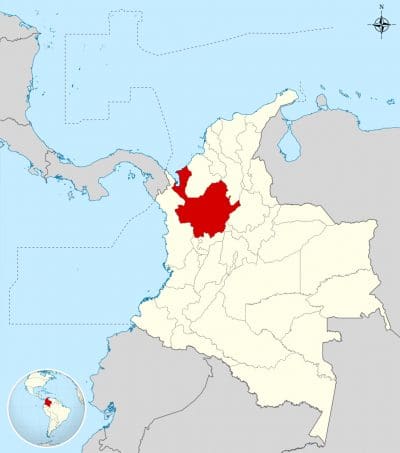](https://www.natureandculture.org/wp-content/uploads/2016/01/Colombia_Antioquia-e1453232868739.jpg) Antioquia, Colombia
Two of the reserves declared in Antioquia, the [Melcócho-Santo Domingo Reserve](https://www.natureandculture.org/nci-assists-in-colombias-declaration-of-two-new-cloud-forest-reserves/) (65,538 acres) and [Tigre-Calón-La Osa Reserve](https://www.natureandculture.org/nci-assists-in-colombias-declaration-of-two-new-cloud-forest-reserves/) (76,224 acres), total nearly 150,000 acres and protect rich Andean cloud forests home to stunning biodiversity, including the Silvery-brown Bare-face Tamarin – a species of monkey found in no other region of the world. NCI’s partnership with CORNARE, the regional environmental authority, has enabled them to more than double the number of acres protected by regional reserves in southern Antioquia. These reserves also protect the headwaters of the Samaná River, ensuring a clean and steady water supply for the local people of four municipalities.
The third protected area declared in Antioquia, the Las Alegrías Regional Reserve (24,000 acres), was declared by the region’s second environmental authority, Corantioquia. Las Alegrías protects key forests that play an integral role in providing water to the nearby city of Medellín, the second-largest city in Colombia after Bogotá.
[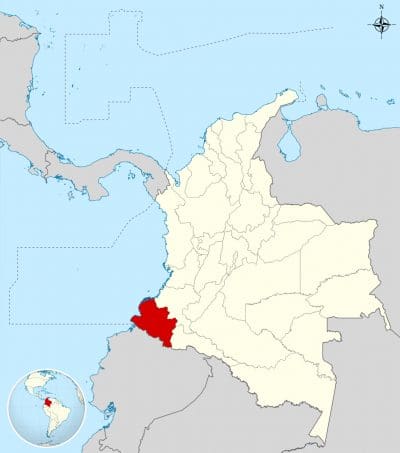](https://www.natureandculture.org/wp-content/uploads/2016/01/Colombia_Narino-e1453232968350.jpg) Nariño, Colombia
Moving to the west, NCI’s funding resulted in the declaration of the Paja Blanca Regional Reserve, protecting 7,400 acres in the region of Nariño, which borders both Ecuador and the Pacific Ocean. CorpoNariño, the regional environmental authority, was [NCI’s first partnership established in Colombia](https://www.natureandculture.org/new-beginnings-nci-expands-to-protect-colombias-biodiversity/).
NCI is continuing to partner with a number of regional environmental authorities in Colombia to support the creation of new protected areas. Major opportunities exist to achieve such declarations, as there is a mandate by the national government to designate regional reserve systems and mining exclusion zones. Although these regional authorities receive funding from the national government, additional funds are needed to create strong reserve systems and ensure their ongoing management. NCI is filling this gap by providing matching funds to speed the declaration of protected areas while there is still time, and is currently facilitating the creation of an additional reserves in Antioquia and Nariño, with more to come.
**Tags:** Biodiversity, Colombia
---
### [Nature and Culture International Names New Chairman of the Board](https://www.natureandculture.org/directory/nature-and-culture-international-names-new-chairman/)
**Published:** March 1, 2016
**Author:** Heather Thomas
**Content:**
[](https://www.natureandculture.org/wp-content/uploads/2016/03/David-Welborn-Ann-Hunter-Welborn.jpg) *David Welborn and Ann Hunter Welborn.*
Nature and Culture International welcomes David Welborn as Chairman of the Board as it enters its 20th year of saving tropical forests and the many plant and animal species that call them home. A former president of San Diego Coastkeeper and avid outdoorsman, David and his wife Ann Hunter Welborn have served on NCI’s Board of Directors for the past 12 years. They have been particularly instrumental in funding NCI’s conservation work in Alamos, Mexico, where NCI owns and operates a 15,000 acre reserve that protects jaguars and other key species, and serves as a beacon of environmental education for the community.
In David’s words, “I have witnessed NCI’s increasing impact as we accelerate toward our goal of protecting 20 million acres by 2020. I am eager to grow NCI’s community of supporters here in San Diego and throughout the United States.”
NCI was founded in 1996 by long-time Del Mar resident Ivan Gayler, who has led NCI’s efforts to protect millions of acres of endangered forests in Latin America. In Ivan’s words, “While my title has changed, my commitment to saving endangered ecosystems and the people who call them home is unwavering. I will continue to stay active on the Board of Directors and with the organization, particularly in the role of attracting additional resources to the cause.”
Nature and Culture International is a 501(c)3 nonprofit whose mission is to protect the tropical forests of Latin America, which play a vital role in sustaining the planet’s biodiversity, climate and water cycle. NCI’s work takes them deep into the Amazon rainforest and high up in the Andes Mountains, where they work alongside indigenous communities and governments. Now, NCI is embarking on an ambitious expansion from Ecuador, Peru and Mexico to new initiatives in Colombia, Bolivia and Brazil. Our ultimate goal is to protect 20 million acres by 2020, and they are well on their way with more than 13 million acres protected to date.
---
### [23,000 Acre Reserve Declared in the Andes of Ecuador](https://www.natureandculture.org/directory/el-pan-municipal-reserve-declared/)
**Published:** February 25, 2016
**Author:** Heather Thomas
**Content:**
Situated in the lush landscape of Ecuador’s Andes mountains, one of the top priorities of our Cuenca office is to protect the high-altitude ecosystems that supply water to millions of people living downstream. We recently celebrated the declaration of the 23,094 acre El Pan Municipal Reserve after a year of close work with El Pan’s Municipal Government, Ecuador’s Electric Corporation, and local communities. Armed with the knowledge that their way of life is made possible by the páramos and cloud forests of the Andes, these stakeholders partnered to protect these fragile ecosystems and the water they provide to local people.
[](https://www.natureandculture.org/wp-content/uploads/2016/03/Mountain-Tapir-Paramo-Ayabaca-v2.jpg) *The endangered mountain tapir*
El Pan, located northeast of the province of Azuay, sits on approximately 32,000 acres of land and is home to a little over 3,000 people. 51% of El Pan’s landscape is fully intact, species-rich montane forests and lush páramos – high-altitude grasslands that play a key role in the water cycle. These ecosystems are vital habitat for endangered species such as the mountain tapir (*Tapirus pinchaque*) and the spectacled bear (*Tremarctos ornatus*).
Our local conservationists worked with community members and completed the extensive technical documents needed to declare the reserve, including geo-mapping and biological studies. On January 21, 2016 the Municipal Government of El Pan officially declared 23,094 acres as municipal reserve.
Moreover, NCI played a key role in integrating the new municipal reserve into the FONAPA Regional Water Fund. FONAPA is an innovative mechanism for funding conservation, and has had overwhelmingly positive results since its revitalization by NCI in 2011. After enrolling in the program, municipalities collect a small fee from water users, which is then used to fund conservation activities ranging from reforestation and environmental education to land purchase and watershed management. Some municipalities have seen as much as an 80% decrease in waterborne disease, and a 30% decrease in water treatment costs after enrolling in FONAPA. Communities have also seen their water supply increase dramatically, from just two to four hours of water a day to over 12 hours.
This declaration is one of many that are part of NCI’s ambitious plan to protect Ecuador’s Andean corridor – a biodiversity hotspot that plays an integral role in sustaining the water cycle and mitigating climate change. With 370,000 acres protected in the Andean corridor to date, NCI’s goal is to protect another 200,000 acres in 2016 by expanding its work with municipalities to declare reserves. Our work is being made possible by the funding of the Moxie Foundation and Bobolink Foundation, as well as generous individual donors.
You can [read more](https://www.natureandculture.org/places/ecuador/andean-corridor/) about our Andean Corridor program, and [meet the director](https://www.natureandculture.org/staff-spotlight-how-fabian-rodas-found-conservation/) of our office in Cuenca.
---
### [Update from Director of NCI-Ecuador](https://www.natureandculture.org/directory/update-from-director-of-nci-ecuador/)
**Published:** April 18, 2016
**Author:** Heather Thomas
**Content:**
 *Map of NCI offices relative to earthquake epicenter.*
> As you likely have heard, Ecuador suffered a severe earthquake on the evening of Saturday, April 16th with its epicenter in the northern coastal region of the country. **Thankfully, we have confirmed that NCI staff and their families are all safe.** However, the situation in the country is grave, particularly in Manabí province on the coast, with hundreds of casualties and serious infrastructure damage. NCI-Ecuador is organizing to help in any way we can.
— Renzo Paladines, Vice President & Director of [NCI-Ecuador](https://www.natureandculture.org/places/ecuador/)
---
### [Exploring the Rivers of the Amazon](https://www.natureandculture.org/directory/sucumbios-travelogue/)
**Published:** March 2, 2016
**Author:** Heather Thomas
**Excerpt:** A group of NCI-Ecuador staff members recently made a trip to the Amazon to explore new conservation opportunities and meet with potential partners in the northeastern province of Sucumbios.
**Content:**
*By Matt Clark, President and CEO*
[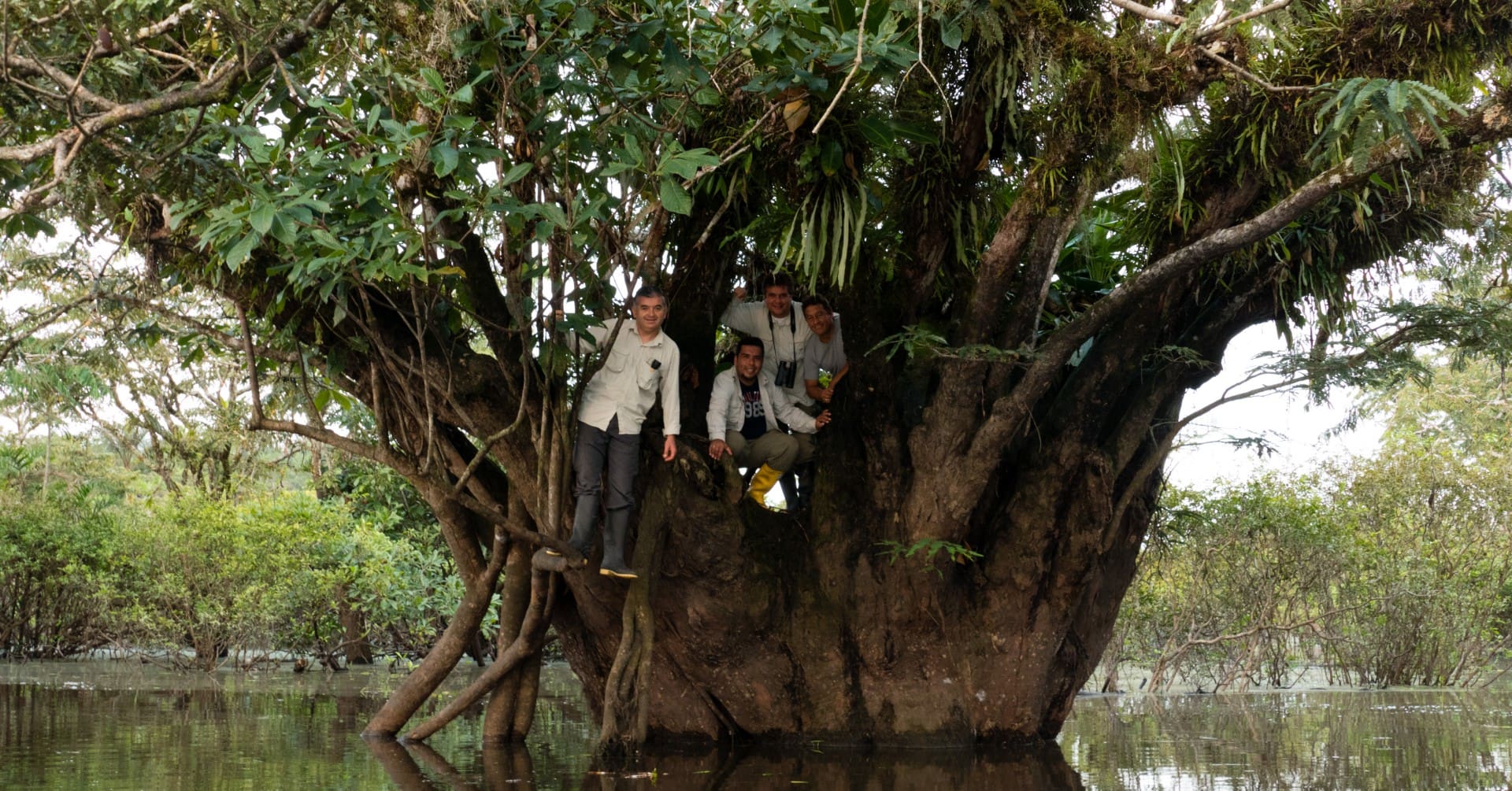](https://www.natureandculture.org/wp-content/uploads/2016/03/Day-2-eve-NCI-Team-Laguna-Grande.jpg) *The Nature and Culture team at Laguna Grande*
A group of Nature and Culture-Ecuador staff members recently made a trip to the Amazon to explore new conservation opportunities and meet with potential partners in the northeastern province of Sucumbios. Our main objective was to familiarize ourselves with Sucumbios’ ecosystems and investigate the possibility of upgrading protection for a number of areas currently designated as “Protected Forests” – a weak category of protection. We are interested in working with municipalities to create municipal reserves, particularly in areas that would connect existing protected areas. For example, the Pañacocha Protected Forest is located between the Cuyabeno Wildlife Reserve (described in detail below) and Yasuní National Park. Together, Cuyabeno and Yasuní total almost 4 millions acres of some of the most biodiverse habitat on the planet.
[](https://www.natureandculture.org/wp-content/uploads/2016/03/Day-2-pm-Trees-in-Laguna-Grande-v21.jpg) *The Cuyabeno River*
Day One
On Tuesday, February 16, we started paddling down the Cuyabeno River in three canoes with our indigenous Siona and Kichwa guides. The Cuyabeno River threads through the Cuyabeno Wildlife Reserve. At just over 1.4 million acres, it’s the second largest of Ecuador’s national protected areas (right behind Yasuní). It is home to many Siona and Kichwa communities – two of Ecuador’s thirteen indigenous nationalities.
[](https://www.natureandculture.org/wp-content/uploads/2016/03/Day-1-noon-Sloth1.jpg) *Sloth*
The river at the launch site is slightly wider than a two-lane highway, overhanging with vegetation and with occasional snags in the water. We saw a sloth and a Saki monkey almost immediately, which got us into the spirit of the afternoon. At about 5 p.m., we reached our campsite, enjoyed a quick swim in the river (and were warned of stinging manta rays if we ventured too far), then another brief paddle down river to enjoy an oropendula nesting colony in a cecropia tree. Their pendent woven nests and gurgling displays are quintessential sights in the trees along the river, as are the macaws that fly across the sky in pairs, announcing themselves raucously long before you see them. That evening, we went on a nocturnal insect walk, seeing large crickets, katydids, whip-scorpions, a wolf spider, and my particular favorite, a Saturniid moth (a great example of mimicry where the “owl eyes” on the moth’s wings make potential predators think twice about eating it).
[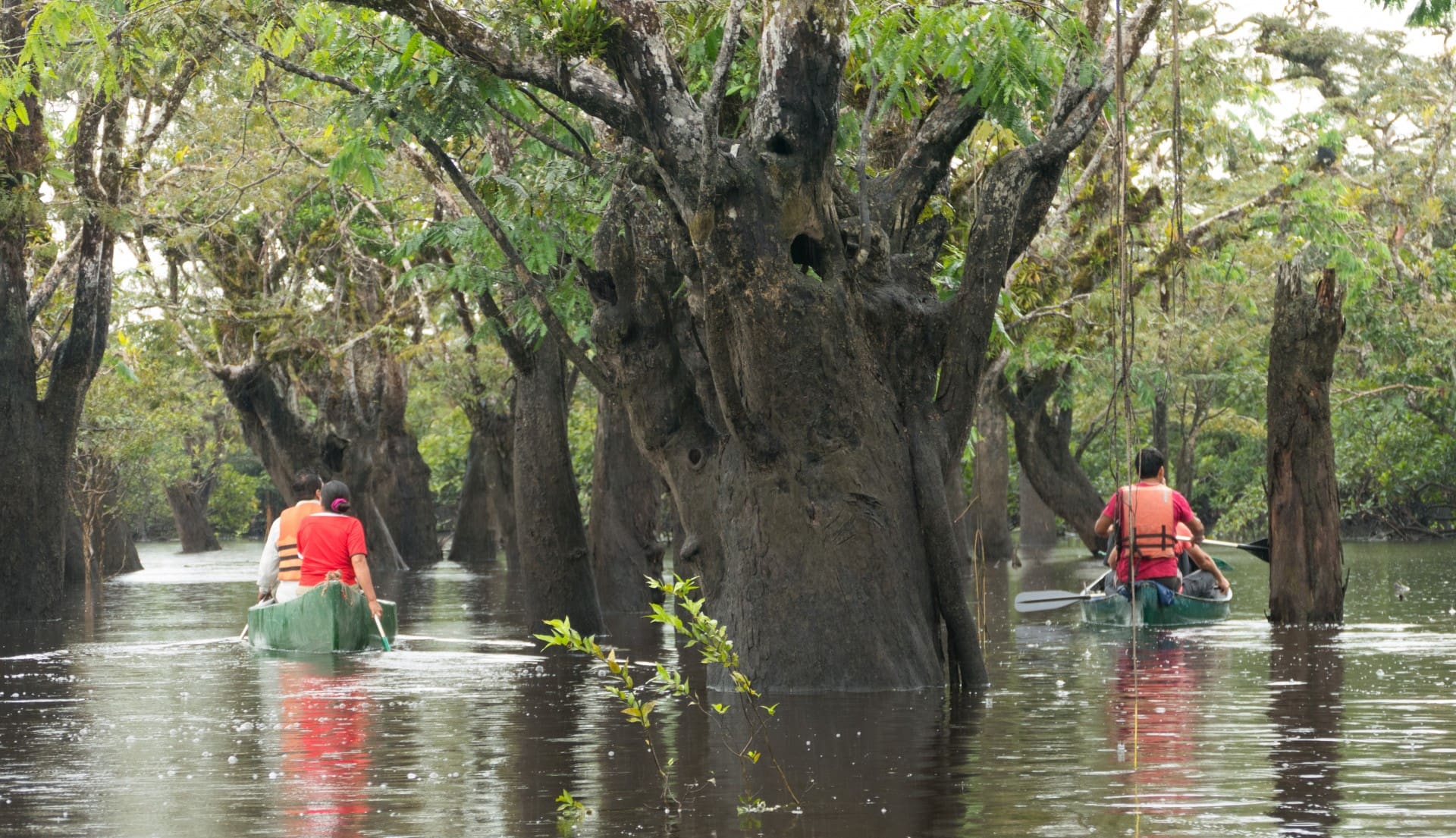](https://www.natureandculture.org/wp-content/uploads/2016/03/Day-2-am-Canoeing-Cuyabeno-v2.jpg) *Canoeing down the Cuyabeno*
Day Two
The next morning, we loaded our canoes into a motorized boat and jetted down river – startling two spectacled owls as we passed – to Cuyabeno’s prime tourist attraction, a series of seasonally flooded interconnected lakes. We spent the morning paddling among the trees, enjoying the many raptors, herons, ibises and hoatzins (disheveled prehistoric-looking birds that ferment vegetation in their crops and whose rank-smelling flesh protects them from poaching). Stopping for a break, we saw a mixed troop of spider and capuchin monkeys as well as surfacing river dolphins (though I can’t in good faith claim that I saw more than bubbles on the water). Then a canoe race, which Bruno and Augusto won only through the worst kind of under-handed skullduggery, swerving at the last minute and causing a two-canoe pile-up that denied rightful victory to Renzo and me. And finally down to lunch at the Magic River Lodge.
[](https://www.natureandculture.org/wp-content/uploads/2016/03/Day-3-pm-eve-Sunset-over-Putumayo-River-Nice-Photo-Agusto.jpg) *Sunset over the Putumayo River*
[](https://www.natureandculture.org/wp-content/uploads/2016/03/Day-2-pm-eve-Renzo-with-Caiman2-Cuyabeno.jpg) *Renzo with a caiman*
Cuyabeno is a tourist destination, primarily for European and North American tourists, though our night at the Magic River Lodge was shared with about 40 Ecuadorian college students studying tourism administration. We watched a gorgeous sunset in the largest of the lakes with six other motorboats zipping around us, which must have been stressful for the wildlife as it certainly made the experience less tranquil for me. Still, it was an amazing site with dusk falling among the back-lit trees. As we made our way back to the lodge in the dusk, we shined our flashlights along the banks. Red eyes of caimans glowed back at us. I’m glad I didn’t see them before swimming on the first day. We didn’t sleep much that night at the lodge, our fellow guests, the Ecuadorian tourism majors, being like most college students, nocturnal and gregarious.
Day Three
[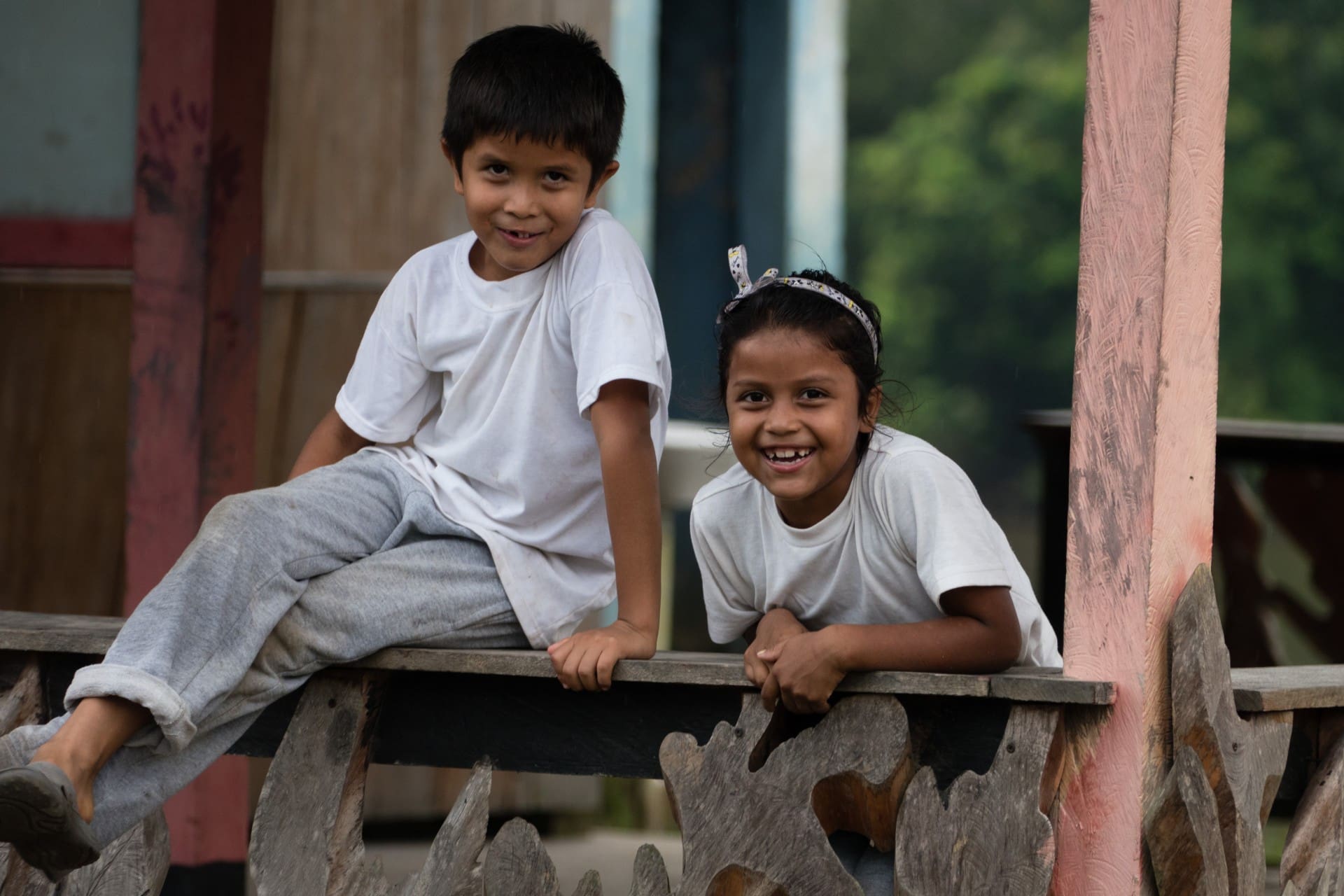](https://www.natureandculture.org/wp-content/uploads/2016/03/Day-3-pm-Putumayo-River.jpg) *Life on the Putumayo River*
The next morning, we jetted back up river, passing a number of hawks, toucans and aracaris (small toucanets) to return to the same point where we launched two days’ prior. From there, we drove north to the town of Puerto el Carmen (government center of Putumayo County) on the Putumayo River, which is the boundary between Ecuador and Colombia. We took a two-hour boat ride up the river with the Municipal Government of Putumayo, paying particular attention to the health of the riverine forest on the left bank (Ecuador’s side) where there is a potential opportunity to create a 250,000 acre municipal reserve called Cuembí. The forest looks in good shape. There are a number of small Siona, Kichwa, and mestizo communities along the riverbanks. I enjoyed watching life on the river, such as people washing clothes, shoveling sand, bailing out canoes, and hauling goods up and down river. The communities don’t extend far beyond the riverbanks, hence the majority of the forest is intact.
Day Four
[](https://www.natureandculture.org/wp-content/uploads/2016/03/Day-4-pm-Titi-Monkey-Parque-Perla-Lago-Agrio-v2.jpg) *Titi monkey*
The next morning we met with Putumayo’s municipal staff to discuss potential next steps toward creating the Cuembí Municipal Reserve, and heard about their interest in establishing a tri-national protected area with neighboring Colombia and Perú, another possible project for Nature and Culture’s support. We then drove back to Lago Agrio, paralleling a roadside oil pipeline the entire way. Sucumbios is one of Ecuador’s oil-producing provinces with infrastructure that dots the landscape. In Lago Agrio, we visited La Perla Municipal Park where we saw squirrel and titi monkeys and Snail and Hooked-billed Kites. Augusto and Jaime drove to Puyo, and Renzo, Bruno and I flew back to Quito and the next morning to Loja. Staring now at my computer screen, I realize how these natural areas nourish my spirit. I need them. I am proud that Nature and Culture will play a part in protecting these wondrous places and others like them.
---
### [66,000 Acre Reserve Declared in Northern Peru](https://www.natureandculture.org/directory/66000-acre-reserve-declared-in-northern-peru/)
**Published:** June 10, 2016
**Author:** Heather Thomas
**Content:**

After three years of work, we are celebrating the declaration of the **66,954 acre Chicuate Chinguelas Private Conservation Area** in northern Peru, which safeguards rich biodiversity and a stunning landscape. Since 2013, NCI’s local team in Piura has worked with the community of Segunda y Cajas, the Municipality of Huancabamba, and the Regional Government of Piura to make this declaration a reality.
From the endemic Andean Night Monkey to the endangered Golden-plumed parakeet and Red-faced parrot, this reserve will safeguard precious habitat for numerous species, and will protect 30% of the Piura region’s montane forests. These montane forests are home to the romerillo or podocarpus tree – an endangered species that is protected under Peruvian law, but still suffers from illegal logging.
The community of Segunda y Cajas knew that by protecting their land, they would also protect their natural resources – including the water supply they depend on. In addition to supporting the declaration, around 190 families have been involved in sustainable development activities including reforestation and the cultivation of passion fruit, sugar cane and coffee. With funding from the Regional Government of Piura, our team is also supporting a group of local producers who are producing “panela”, a type of organic sugar made from sugar cane.
We wish to think our main funders, World Land Trust and the Robert W. Wilson Charitable Trust, for their support of this project. We are overjoyed that the forests and wildlife of this magnificent area will be protected for generations to come.
To learn more about our work in Peru, [click here](https://www.natureandculture.org/places/peru/).
**Tags:** Peru
---
### [Colombia Creates a New Protected Area!](https://www.natureandculture.org/directory/colombia-creates-a-new-protected-area/)
**Published:** December 19, 2016
**Author:** Heather Thomas
**Content:**
 The cloud forests of the new Cacica Noría Regional Protected Area in all its glory! Photo: Adolfo Correa-CorAntioquia
On Wednesday, December 14, 2016, Colombia’s Antioquia regional environmental authority, CorAntioquia, established the 13,000 acre Cacica Noría Regional Protected Area. This area protects rich cloud forests of the Andes, the world’s highest biodiversity ecoregion, together with a diversity of other ecosystems and is the source of three of Colombia’s rivers, the Anorí, Porce and Nechí. Putting these lands under protected area status will safeguard the habitat of many endangered species including a number of frogs, plants and birds. Nature and Culture International partnered with CorAntioquia by providing funds for the biological studies and community outreach needed to create the reserve.
Felipe Serrano who oversees NCI’s work in Colombia says, “This is an amazing place, and it’s been gratifying for us to work in partnership with CorAntioquia to protect this treasure.” Biodiversity indicators include 1,439 species of plants, 21 of which are new to science, an astonishing 92 species of amphibians (17 threatened), over 100 reptiles and more than 400 birds (18 threatened). Many of these are endemic to Colombia, making this a true biodiversity hotspot.
 Location of Cacica Noría
Approximately 90 percent of the area will be under strict protection while the remaining 10 percent will be available for sustainable agriculture and forest restoration activities.
“The area will be co-managed by CorAntioquia and the municipality of Anorí, with the participation of the Anorí Environmental Working Group, that is comprised of local and community stakeholders” says Alejandro Gonzalez, CorAntioquia’s Director. The area also includes a 3,270 acre reserve owned and managed by Colombian group ProAves, that created the area to protect the core habitat of the critically endangered Chestnut-Capped Piha.
Byron Swift, President of NCI notes, “we are very pleased to help CorAntioquia protect this area, that is a wonderful gift to the country, and to the world. It’s also one more step forward towards NCI’s goal of establishing 20 million acres of protected areas by 2020!”
**Tags:** Colombia, Conservation
---
### [Nature and Culture International Announces Appointment of Leading Conservationist, Jose Alvarez, in Peru](https://www.natureandculture.org/directory/nature-and-culture-international-announces-appointment-of-leading-biologist-jose-alvarez-in-peru/)
**Published:** April 24, 2017
**Author:** Heather Thomas
**Content:**
**April 24, 2017**
***Nature and Culture Internation**al (NCI) is de**lighted to announce* *the appointment of* *Jose* *Alvarez* *Alons**o* *as the National Director of Strategy and Sustainability of NCI Peru.***
Alvarez has spent most of his working life dedicated to the conservation of the Peruvian Amazon. He brings 20 years of experience working with government leaders, native communities, scientists and non-profit groups through the region to NCI.
Jose “Pepe” Alvarez is a biologist, researcher and prolific writer. He served from 2012 to 2017 as the General Director of Biodiversity at the Ministry of Environment. In this role, Mr. Alvarez was responsible for strategic planning, environmental policies and conducting national programs to conserve Peru’s most valuable biodiversity. He has held senior management positions with a broad range of responsibilities, including a position with the Institute of Investigation of the Peruvian Amazon (IIAP) working with indigenous and rural communities of the Amazon.
Alvarez has received national and international recognition for his contributions to biodiversity conservation and science. Accolades include the Parker-Gentry prize of the Field Museum of Chicago for his contribution to the science and conservation of the Peruvian Amazon as well as his nomination to a number of Advisory and Board positions of prestigious institutions in Peru.
Alvarez has also won awards for journalism and science. Several species have been named after him, including the Epidendron jose-alvarezzi orchid and Protium alvarezanum tree. He has also discovered several new bird species and has published numerous articles and papers about forest management models, emphasizing inclusive communal approaches through the integration of rural development aspects.
“We are honored that Pepe Alvarez, a founding father of NCI’s Amazon programs, will form part of our team in Peru. We’ve appreciated his deep knowledge of biodiversity and conservation, as well as his charisma and counsel to our senior staff.” said Byron Swift, President of Nature and Culture International. “We know Pepe Alvarez to be a strategic and proactive thinker and are confident that he will contribute significantly to the continued success of our conservation mission in Peru.”
As the National Director of Strategy and Sustainability for Nature and Culture International, Alvarez will be based in Lima. He will work closely with our regional directors and partners from local and national governments to advance lasting ecosystem conservation efforts in harmony with local peoples’ aspirations.
*\* Nature & Culture International is present in ten regions in Peru and has supported the conservation of over 6.2 million acres of invaluable ecosystems.*
**Tags:** Peru, Peru Successes
---
### [Nature and Culture Celebrates World Water Day!](https://www.natureandculture.org/directory/nature-and-culture-celebrates-world-water-day/)
**Published:** March 22, 2018
**Author:** Heather Thomas
**Content:**
**Water is essential to life, that’s why we’re linking water and forest conservation.**
Today, on World Water Day, we want to share how Nature and Culture has been leveraging people’s need for clean, abundant water as a tool to conserve and restore forests and other important ecosystems that provide us with this vital resource.
**The Quiroz Chira Water Fund in Piura, Perú**
In 2014, Nature and Culture´s office in Piura, Perú was instrumental in creating the Quiroz Chira Water Fund. Nature and Culture continues to serve as one of five partners on the fund’s board of directors, as well as provide technical support in implementing projects. The concept is simple. Irrigators in the semi-arid lowlands pay into the water fund, based on their water usage. This money then supports conservation activities upstream – in the high-elevation cloud forests and páramos (moorlands) – where the water comes from.
To date, the fund has generated almost $300,000 for conservation activities. It has contributed to the protection of 21,000 acres, or roughly 10% of the total area of the high elevation ecosystems in Piura where most of the water is generated. The fund has also paid for tree nurseries and reforestation with agroforestry species like avocado, vainillo (a legume used in leather tanning) and romerillo, and installation of drip irrigation systems to conserve water.
Water droplets in the páramo, an ecosystem often called the “water factory” of the Andes because its vegetation and soils store so much water.
**Municipal water funds in Ecuador – FORAGUA AND FONAPA**
Nature and Culture Ecuador has been instrumental in two municipal water funds: [FORAGUA](http://www.foragua.org/) in the three southernmost provinces of Ecuador and [FONAPA](http://fonapa.org.ec/) in the municipalities around Cuenca, Ecuador’s third largest city. Conceptually, these municipal funds are different from the Quiroz Chira fund.
To enroll in FONAPA or FORAGUA, a municipality must pass a legal ordinance a) Establishing municipal protected areas within its jurisdiction (either in areas that provide potable water or are important for biodiversity conservation) and b) Also establishing the municipality’s ability to collect a fee charged to domestic and industrial water users within its jurisdiction. These water fees are aggregated and passed to the water fund. 10% of the fees support administration and technical support services provided to the municipalities by the water fund, which have technical staff. The remaining 90% of the fees go back to the municipality for conservation activities within the protected areas they established by ordinance.
One benefit of this model is it creates economies of scale, allowing small municipalities to access services provided by the water fund that they could not afford were they acting on their own.
To date, the 12 municipalities enrolled in FORAGUA have created 336,000 acres of protected areas. Through 2017, they had raised $2.9 million for conservation and management activities like reforestation and fencing to keep cows away from water sources. Click [here](http://www.ecosystemmarketplace.com/articles/first-person-how-11-ecuadorian-cities-pooled-their-resources-to-support-their-watershed/) to read about FORAGUA in detail. The five municipalities in FONAPA have protected 206,317 acres as municipal reserves.
**The Pisaca Forest Reserve in Paltas, Ecuador**
Pisaca is a forest reserve in southwest Ecuador, owned by Nature and Culture and also established as a municipal reserve of the Paltas Municipality, which is in the final stages of enrolling into the FORAGUA water fund. Pisaca protects a remnant of seasonally-dry tropical deciduous forest. This forest type used to cover much of western Ecuador. Now only about 5% is left; it is a critically-endangered ecosystem.
Not only does it protect a biodiverse forest, but the Paltas Municipality actively manages Pisaca to capture and store water for human use. Specifically, the municipality has revived an ancient practice of the pre-Columbian indigenous peoples, the Paltas, who once lived in the area. The Paltas dug ponds throughout the region to capture and infiltrate water during the four-month rainy season, which recharged springs to provide water in the dry season
The photo below is an infiltration pond recently excavated by the municipality. Pisaca forest is in the background. The municipality has discovered, after excavating a number of infiltration ponds throughout the landscape, that they have more water during the dry season.
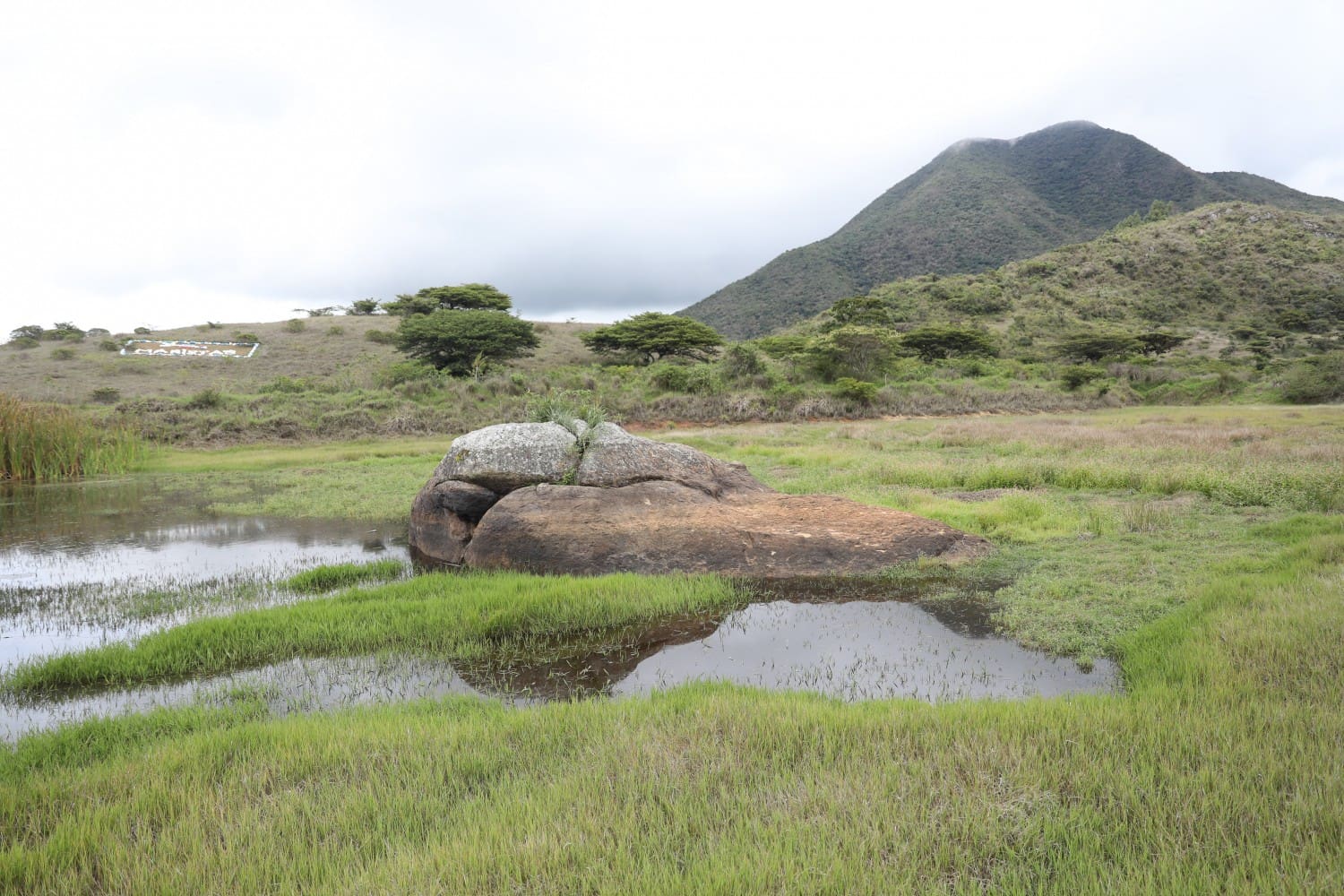An infiltration pond in Pisaca Municipal Reserve in the dry forest region of southwest Ecuador.
Doña Omaida and her family who live in a rural area of Paltas Municipality are benefiting from this newly-revived water management practice. An infiltration pond was recently excavated upslope of their property. Now, a spring on their property produces water long into the dry season. This has enabled them to expand their agricultural production. For example, they now produce sugar cane (see photo below).
Doña Omaida (background) with daughter and grand-daughter extracting raw sugar cane juice with a cane press.
**The Monte Mojino Reserve in Alamos, Mexico**
Nature and Culture’s Monte Mojino Reserve, in addition to preserving critical habitat for jaguars and other feline species, also protects two-thirds of the Cuchujaqui River watershed, which is designated as internationally important wetland. The river also provides water for the nearby town of Alamos.
After purchasing the reserve property, Nature and Culture removed the cows that had been grazing there. What we found, when we collaborated with the Sonora Technological Institute to test the water quality, is that river water within the reserve has substantially lower levels of bacteria than water from outside the reserve, and hence is safer for human consumption. Nature and Culture and the Sonora Technological Institute are researching the possibility of a water fund model in the Alamos region.
Cuchujaqui River, which runs through Nature and Culture’s Monte Mojino Reserve in Alamos, Mexico. Photo credit: James Liu
---
### [March is dedicated to a bird of Mexico...](https://www.natureandculture.org/directory/march-is-dedicated-to-a-bird-of-mexico/)
**Published:** March 28, 2018
**Author:** Heather Thomas
**Content:**
**As Nature and Culture continues to celebrate [**Year of the Bird**](https://www.natureandculture.org/field-notes/2018-is-the-year-of-the-bird/), we dedicate this month to an elegant winged creature found in Mexico.**
In the woodland forests of northwest Mexico, social groups of black-throated magpie-jays move through the trees, foraging for seeds and insects.
The **black-throated magpie-jay is a strikingly long-tailed jay endemic to the Pacific slope of northwestern Mexico.** Distinguished by its long, elegant tail measuring more than twice the length of its body, the jay is found from southern Sonora south to Jalisco and northwestern Colima.
Only a few corvids have a comparable tail length. Photography: David Krueper
These blue beauties play a key role in a healthy, well-balanced environment, consuming insects such as mosquitoes and promoting forest growth through seed dispersal. Though populations are believed to be stable, **their habitats are threatened** due to unsustainable logging, wood harvesting, and clearing for agriculture and livestock grazing, and population trend appears to be decreasing.
Nature and Culture is working to protect the jays and their ecosystems in Mexico. **In 2014, we established our 16,800-acre Monte Mojino Reserve in collaboration with local communities.** The reserve, located within the Alamos Federal Reserve, protects the best remaining tropical deciduous forests of southern Sonora and the many species, including the black-throated magpie-jays, that call them home.
330 species of birds, including six species of parrots, have been documented in the Monte Mojino reserve. It is also an important area for migratory birds during the winter.
Nature and Culture’s Monte Mojino Reserve in Alamos, Mexico.
Our goal is to expand the reserve to encompass additional acres of spectacular scenery and biodiversity by purchasing key land parcels. **This will conserve some of the last and best tropical deciduous or dry forest in North America** – an ecosystem as endangered as the Amazon rainforest.
As part of our continuing effort to help local communities learn about conservation, our office in Alamos started a free weekly environmental education program called **EcoClub Monte Mojino** with local elementary school students. A big part of EcoClub is teaching students about the variety of species living in the region. The nonprofit Optics for the Tropics donated binoculars to our Alamos office, and EcoClub students have begun bird watching with our staff!
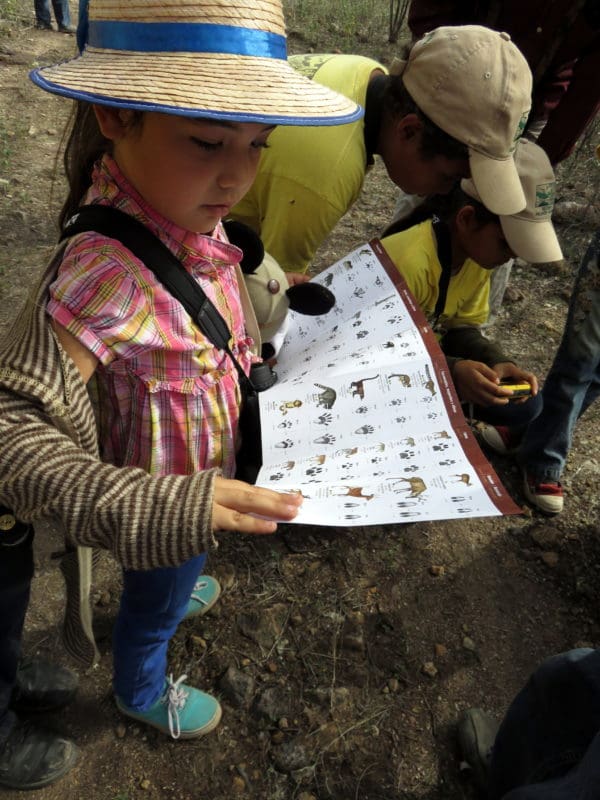As a result of these activities, many of the kids and their parents are developing an enthusiasm for their natural environment.
Learn more about our work in Mexico to protect critical ecosystems and species **[here](https://www.natureandculture.org/places/mexico/)**.
[**Help build a better world for the black-throated magpie-jay and all birds by supporting NCI.**](https://www.natureandculture.org/give-to-nci/)
---
### [Announcing Matt Clark as new President and CEO of Nature and Culture International](https://www.natureandculture.org/directory/matt-clark-president-ceo/)
**Published:** April 9, 2018
**Author:** Heather Thomas
**Content:**

Nature and Culture International’s Board of Directors has appointed Matt Clark as President and CEO of the organization.
**“I am deeply honored to have been chosen to lead Nature and Culture International’s talented, committed staff and board and grateful to our dedicated community of supporters who recognize and value the critical importance of our work protecting the planet.” Matt Clark, President and CEO of Nature and Culture International.**
**About Matt Clark**
Matt and his family have lived in Loja, Ecuador, for the last three years, during which he served as an advisor in Nature and Culture International’s Loja office. Before that, for seven years Matt was the Executive Director of a conservation nonprofit in his native city Portland, Oregon. He has also worked extensively on natural resources issues for Native American tribal governments in New Mexico and Eastern Oregon. He has a master’s degree in Environmental Management from Yale University.
Among other qualities, our Board sought a trusted leader who was a trained conservationist committed to Nature and Culture International’s model of collaborative, entrepreneurial conservation. Matt is that leader. Given the number of groups we work successfully with, we were impressed by Matt’s proven track record in building public – private partnerships and finding common ground among multiple diverse communities to advance shared conservation goals.
Matt and his family will be in Ecuador for three more months, then will move to the United States, though Matt will continue to spend significant time in all the countries where Nature and Culture International has a presence.
Please join us in welcoming Matt in his new role as Nature and Culture International moves into its third decade saving the irreplaceable ecosystems that nourish us all and the vibrant cultures that live hand in hand with those ecosystems.
Click here to read the press release! **[Nature and Culture International Announces Matt Clark as New President and CEO](https://www.natureandculture.org/wp-content/uploads/2018/04/Nature-and-Culture-International-Announces-Matt-Clark-as-New-President-and-CEO_April-2018.pdf)**
---
### [A message from Nature and Culture International's new President](https://www.natureandculture.org/directory/a-message-from-matt-clark/)
**Published:** April 17, 2018
**Author:** Heather Thomas
**Content:**
Dear Friends of Nature and Culture International,
I wanted to take a moment to introduce myself to you personally as the new President and CEO of Nature and Culture International and to thank you for your interest in and support for our work. If ever I am daunted by the challenges ahead, I find resolve and strength knowing you are with Nature and Culture International, helping us conserve the diverse ecosystems and cultures that enrich our planet and ourselves immeasurably.
To briefly share my background, I fell in love with Latin America – its vibrant cultures, stunning landscapes, and beautiful plants and animals – as a Peace Corps volunteer in Honduras in the 1990s. Subsequently, I graduated with a master’s in Environmental Management from Yale University, then worked for four years for Native American tribal governments supporting their treaty rights to water resources and fish. For seven years, I was the Executive Director of Johnson Creek Watershed Council, a conservation nonprofit in Portland, Oregon, where I’m from.
In 2015, my wife, Abby and our two boys, Rowan (11) and Quillan (8) pulled up stakes and moved to Loja, Ecuador. Since then, I’ve been working in Nature and Culture International’s Loja office. On a personal note, I enjoy hiking, nature photography, birdwatching, and playing the guitar.
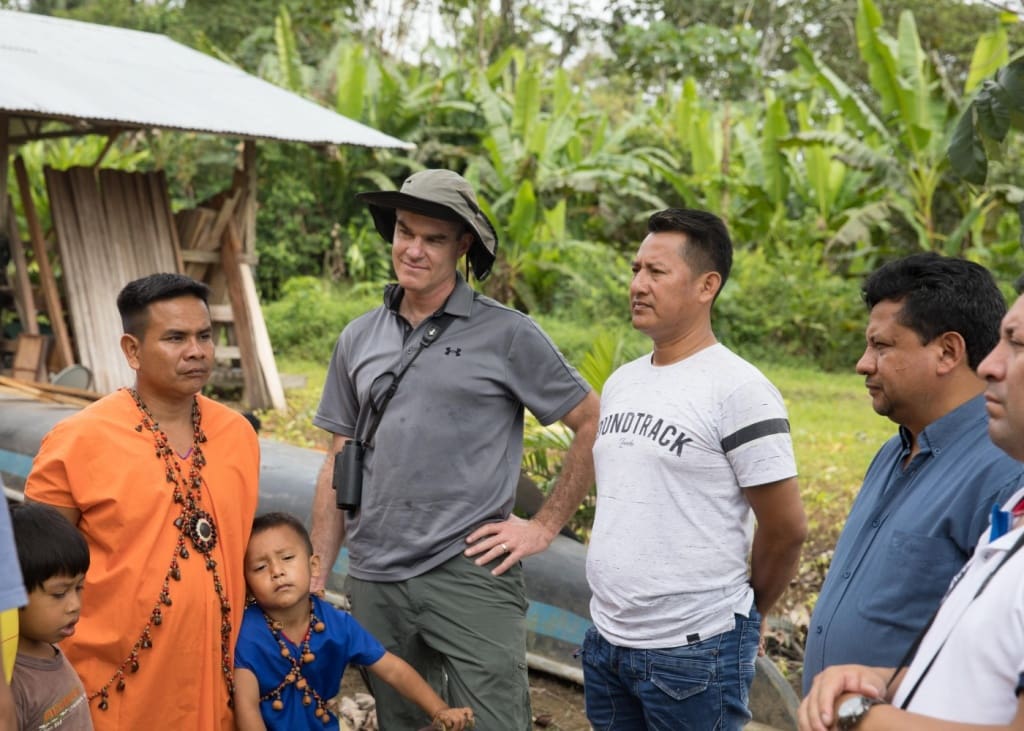
Having helped conserve more than 15 million acres of the most biodiverse areas on the planet, Nature and Culture International has an impressive track record to build on. I’m excited to increase that number substantially in the coming years. I’m also looking forward to exploring new partnerships with other nonprofit organizations, universities, and government agencies to amplify our impact in other arenas such as the sustainable use of forest resources to improve the lives of people who live in and around the areas we help protect. In short, I see a lot of opportunity for Nature and Culture International in the months and years ahead.
Again, thank you for your support and I look forward to meeting many of you personally in the near future.
Warm regards,
Matt Clark, President and CEO
Read the press release announcing Matt Clark as Nature and Culture International’s new President and CEO **[here](https://www.natureandculture.org/wp-content/uploads/2018/04/Nature-and-Culture-International-Announces-Matt-Clark-as-New-President-and-CEO_April-2018.pdf)**.
---
### [Sip a beer, save a bear...Join us on May 12 at Beer for Bears!](https://www.natureandculture.org/directory/beerforbears/)
**Published:** April 30, 2018
**Author:** Heather Thomas
**Content:**

### Together we can protect South America’s only bear species
**You’re invited to Beer for Bears – an event to promote awareness about the Andean bear of South America and raise funds for Nature and Culture International’s work in the Andes Mountains.**
Enjoy Mexican craft beer and tacos and meet Alexander More and Fabián Rodas López, Nature and Culture conservationists working to protect the threatened habitat of the Andean bear, South America’s only bear species.
Tickets are now $50. Included with your donation are three delicious street tacos and four beer tasters! *Ticket price is $60 starting May 6.*
### Purchase tickets **[here](https://ncibeerforbears.eventbrite.com)**
**What**: Beer for Bears
**Where**: Beer Garden at Border X Brewing, 2181 Logan Ave., San Diego, CA 92113
*Street parking or complimentary valet will be available.*
**When**: Saturday, May 12, 1-4 PM
### **Let’s save South America’s only bear species!**
The Andean bear, also known as the spectacled bear, is the only wild bear species in South America. It is an umbrella species, meaning protecting the habitat of this animal brings advantages to the whole ecosystem. The bear is found from Venezuela to Northern Argentina, with the greatest numbers on the borders between Colombia, Ecuador and Peru. Each individual bear requires a minimum of 2,470 acres of connected intact forests and grasslands to sustain a population.
**The spectacled bear is threatened with extinction**, as its habitat is being lost at a rate of approximately two to four percent per year due to mining, agriculture, cattle ranching and lumber operations. We need your help to protect spectacled bear populations and safeguard the biodiverse ecosystems bears need to survive!
### Meet the conservationists:

**Alexander More, Director of NCI – Peru**
Alex is a biologist with extensive expertise in biodiversity research and conservation in Peru. He has supported the Regional Government of Piura in the development of its first Regional System of Natural Protected Areas. Alex has also conducted biodiversity surveys in northwest Peru since 2002. He has played a key role for the establishment of protected areas such as the Salitral and Huarmaca (72,000 acres) that are home to the spectacled bear.

**Fabián Rodas López, Cuenca Region Coordinator, NCI – Ecuador**
Fabián, a biologist, is the regional coordinator for our office in the Cuenca region of southern Ecuador. Over the last five years he has led the coordination to protect a large 100-mile corridor along the Tropical Andes of Ecuador, where the spectacled bear lives. He has published articles on bird conservation and on the use of GIS for protected areas. He also served as a university professor from 2000-2002. Fabián has a post-graduate degree in population ecology from the University of Costa Rica.
### Thank you to our partners!
[](http://borderxbrewing.com/)
[](https://chuaochocolatier.com/)
[](http://obnoodlehouse.com)

[](http://www.pacificcoastgrill.com)
Valet service provided by Brian Smith
### Learn more and purchase tickets **[here](https://ncibeerforbears.eventbrite.com).**
---
### [A Big Day for birding..](https://www.natureandculture.org/directory/globalbigday2018/)
**Published:** May 17, 2018
**Author:** Heather Thomas
**Content:**
**Bird loving conservationists participate in Global Big Day 2018**
How many bird species can be seen (or heard) in one day? That’s the question that drives **Global Big Day** – a friendly competition as to which country can register the most bird species in one day. This year, Nature and Culture Director of Latin America Renzo Paladines joined forces with two of the best ornithologists in Ecuador to participate.
On Friday, May 4, Juan Freile, author of the new book *Birds of Ecuador*, and Manuel Sánchez, president of the Ecuador Bird Network, together with Nature and Culture’s Renzo Paladines traveled to the southern Zamora Chinchipe province to participate in this year’s Global Big Day. This area is uniquely significant for birdwatchers in Ecuador, as it is the only area where you can find endemic species of the Dry Forests of the Marañón.
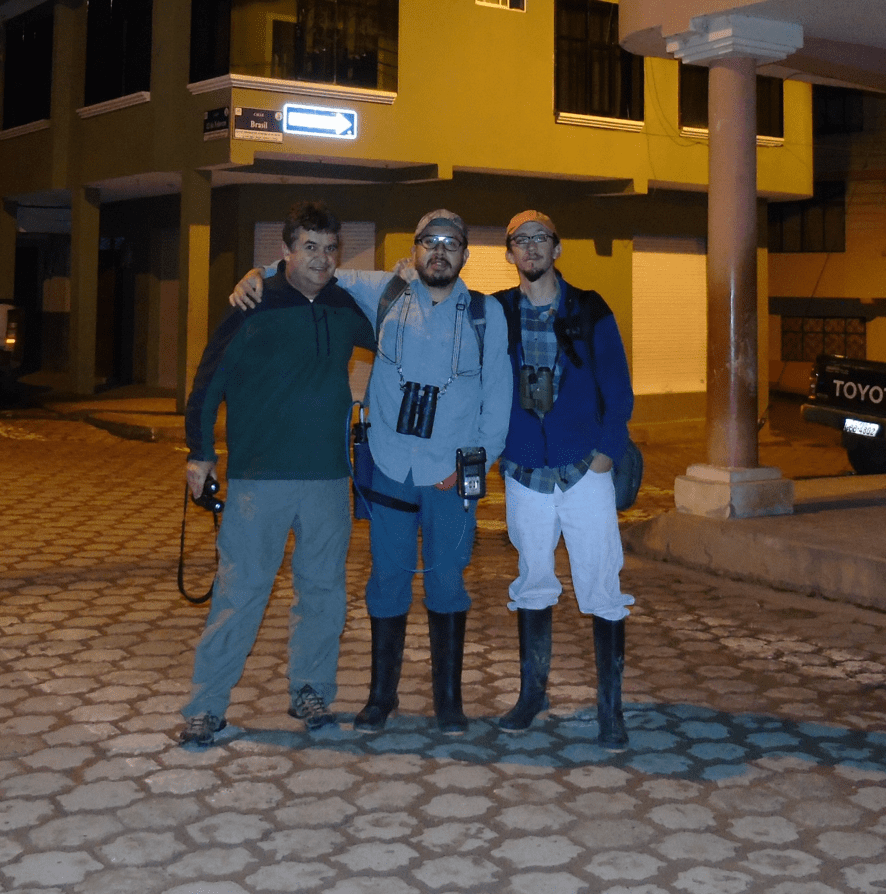Heading out on Global Big Day. Renzo (left), Manuel (middle) and Juan.
The three birdwatchers started their day at 4:30 a.m. on Saturday, May 5. Manuel broke from the group and headed towards Yacuri National Park, while Juan and Renzo traveled to La Balsa, on the border of Peru, in search of endemic birds of the Marañón. After an exciting, albeit rainy, day of birdwatching, Juan and Renzo registered more than 80 species of birds! Registered birds included the Rufous nightjar, Marañon crescentchest, Tataupa tinamou, Russet-crowned crake, Spot-throated hummingbird, Marañon spinetail, Buff-bellied Tanager, Marañon Trush and Wedge-tailed grass finch.
Marañon crescentchest by Derek Kverno.
Manuel registered 89 species in the cloud forests and páramo of Yacuri National Park, including the Neblina metaltail, Andean hillstar, Andean flicker and White-winged brush finch (paynteri).
Many of the birds reported by the three birdwatchers are only found in this part of Ecuador which undoubtedly contributed to Ecuador registering 1160 bird species in this year’s Global Big Day! Colombia and Peru were the only countries to surpass Ecuador, as birdwatchers registered 1534 bird species in Colombia and 1479 in Peru. We are proud to work in all three countries protecting biodiverse habitats and the many species (including many birds!) that depend on them.
---
### [Northern Peru's first marine reserve on the horizon](https://www.natureandculture.org/directory/marine-reserve-peru/)
**Published:** June 8, 2018
**Author:** Heather Thomas
**Content:**
****All life on Earth depends on healthy oceans.****
Oceans cover 72% of the Earth, supply half of its oxygen and provide a range of goods and services, such as food, habitat and medicine, that are an integral part of our health and economies.
Today, on **World Oceans Day**, we celebrate the exceptionally biodiverse coastal region of northern Peru, and the local fishermen’s efforts to protect their waters.
60% of all Peruvian fishermen live near and depend on Peru’s Tropical Pacific Sea.
Peru’s northern sea is one of the richest and most important marine ecosystems in the country. Home to species such as marine turtles, humpback whales and the endangered Humboldt penguin, the area holds roughly **70% of Peru’s marine biodiversity**, including many endemic species, or species that only exist in that region. The coastal waters constitute the greatest upwelling system on the planet and support one of the world’s largest fisheries – accounting for nearly 20% of global fish stocks and 60% of Peru’s seafood consumption.
Despite its high levels of biodiversity, endemism, and economic significance, this ecoregion **lacks legal protection and faces enormous threats** including unsustainable fishing practices, industrial pollution, and unmanaged tourism.
Isla Foca, off the coast of Peru, is home to the peculiar blue-footed booby.
Recognizing the urgent need to protect this area, artisanal fishermen seek to create northern Peru’s first national marine reserve. Nature and Culture International has joined forces with the fishermen, local communities and Peru’s National Park System (SERNANP) in an effort to establish **Grau Tropical Marine Reserve,** protecting 286,642 acres and threatened artisanal fishing activity for around 5,000 families.
The proposed reserve is located off of the coast of Tumbes and Piura, encompassing four critical areas: 1. **Punta Sal Reef**, home to record numbers of fish, corals, marine sponges and echinoderms; 2. **Cabo Blanco-El Ñuro**, a shelter for marine turtles; 3. **Foca Island,** a nursery for fish; and 4. **Banco de Máncora**, home to basaltic rock serving as a “magnet” for underwater life.
With technical support from Nature and Culture, the proposed reserve is now in the third project phase, public consultation. This will be followed by the preparation of the final technical file for the area’s creation.
As declared by Peru’s Minister of Environment Fabiola Muñoz, “**\[Peru is\] putting value on the natural capital of the country not only in the Amazon, but also in our sea.**” Nature and Culture and fishermen are hopeful that this groundbreaking initiative will move to the final phase this year!
Learn more about the **fishermen’s fight** to protect their livelihoods and Peru’s biodiversity in the video below.
Interested in protecting some of the most productive places on our planet? **[Check out Nature and Culture’s work in coastal and marine areas in Latin America. ](https://www.natureandculture.org/ecosystems/marine-coastal-and-wetlands/)**
---
### [A Peak into Pastaza: A "Botanist's Dream"](https://www.natureandculture.org/directory/pastaza-trip-2018/)
**Published:** August 7, 2018
**Author:** Heather Thomas
**Content:**
****Nature and Culture staff and Board of Directors journeyed to the lush\* forests of Pastaza****
Nature and Culture staff and a few members of our Board of Directors recently embarked on a journey to the Pastaza Ecological Sustainable Use Area – a 6.3-million-acre conservation corridor in the Amazon rainforest. Nature and Culture helped the Pastaza provincial government and seven indigenous nationalities establish this reserve last year, protecting an immense swath of eastern Ecuador’s lowland forest.
The area holds world records for a wide array of plant and animal groups, from amphibians to trees to insects. A single hectare (2.47 acres) in the region may contain more tree species than are native to the continental United States and Canada combined, according to a 2010 Texas State University study.
Nature and Culture President Matt Clark described it as “a profound experience to fly for an hour over uninterrupted rainforest. It’s increasingly rare to see a large intact ecosystem like that – I’ve never seen so much forest at one time – and I hope Nature and Culture can help maintain it that way.”
The journey to Pastaza allowed our staff and Board members to experience this extraordinary and diverse forest first-hand, and meet indigenous nationalities residing in the area.
*“To me, it was profoundly encouraging to meet Nature and Culture’s savvy and hard-working staff, indigenous leaders, and elected officials of great integrity, all committed to the environment AND to indigenous rights…*
*And we sure did see the Amazon, in amazing ways!*
*In a plane worthy of troop-transport, we flew long and low over completely intact\* Amazon, where I witnessed how the lush eastern Andes mountains slowly grade down into undulating, jungle-covered hills, for untold miles, before becoming what I’d always thought of as the flat Amazon (this topologic variation apparently contributes to the biodiversity of the Amazon).
*In a dugout canoe, sitting down at the height of the river on backless planks for hours, we were one with the stillness of the Amazon, seeing myriad plants that were a botanist’s dream, being steered by indigenous guides who seemed completely indifferent to the alternating baking sun and tropical downpours (punctuated by rainbows in between).*
*Stopping at tiny indigenous villages, not rigged for tourists, and being invited into dirt-floored cabins shared with chickens, yielded insights and experiences that are just not possible without connecting to the Ecuadorians who are, in these hard-to-access (and thus still richly biodiverse) places, truly doing the work of saving the planet.”*
Marcia Angle, Board Member
Catch a glimpse of Pastaza’s lush forests and incredible culture – check out these breathtaking photos provided by Nature and Culture Board member Charles Smith.
\*Editor’s note: We received useful feedback after posting the article that referring to the forest as “pristine” obscures the profound effect indigenous people have had on the rich biodiversity of these landscapes. Indigenous communities have shaped the Amazon, as well as pre-montane and cloud forest ecosystems, for thousands of years. The current forest structure and array of biodiversity reflects active indigenous management and the work of ancient communities. We have changed “pristine” to “lush” and “intact” to better describe these forests. Learn more here: <https://phys.org/news/2018-07-ancient-farmers-amazon-left-legacy.html>
\[Best\_Wordpress\_Gallery id=”14″ gal\_title=”Pastaza Trip 2018″\]
---
### [Nature's Greatest Stewards](https://www.natureandculture.org/directory/indigenous-people/)
**Published:** August 9, 2018
**Author:** Heather Thomas
**Content:**
****Start by thinking locally and acting locally.****
This idea is at the heart of Nature and Culture International’s conservation model, and has guided us since our start in the early 1990s. We protect the world’s most diverse ecosystems **WITH** the people who live in them.
**Because** **local and indigenous people are key to conservation success.**
Indigenous people have shaped forests and other landscapes around the world for thousands of years, accumulating unparalleled knowledge of the land and understanding of ecosystem management. Current forest structure and biodiversity levels reflect active indigenous management and the work of ancient communities. According to Professor Jose Iriarte, from the University of Exeter, **“the way indigenous communities managed the land thousands of years ago still shapes modern forest ecosystems.”**
*Indigenous people are the original conservationists.* Today, their lands and waters guard 80% of the world’s biodiversity. Recognizing the land rights and partnering with indigenous people are important in and of themselves, but also are crucial for conservation efforts.
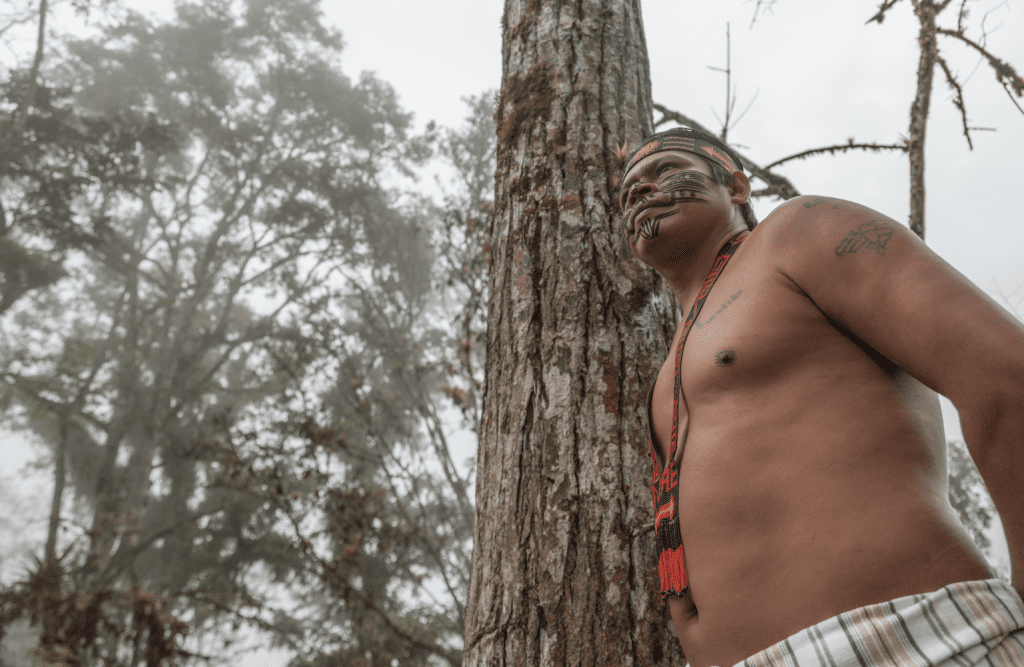We’re working with the indigenous Achuar to protect over 200,000 acres of Amazon rainforest – “alfombra verde con rios”
A recent study conducted by the World Resources Institute (WRI), the Rights and Resources Initiative, and the Woods Hole Research Center found that **titled indigenous lands in three Amazon countries had two to three times lower deforestation rates** over a more than 10-year period than lands without official recognition as indigenous forests.
At Nature and Culture, we work from the ground up, collaborating with and empowering local and indigenous people to protect their forests and natural habitat. Over the past 20 years, **we’ve worked with more than 30 indigenous communities that are deeply committed to the protection of their land**.
Rosendo Pua and his family
You may recall our work with the **Shawi nation** **and Rosendo Pua**, a leader of the Shawi people. The Shawi have lived in harmony with nature in Peru’s Paranapura basin, their ancestral homeland, for centuries. Now, we are collaborating with them to obtain official recognition for their ancestral homeland as a protected area.
This area is a high priority for biodiversity and an important watershed for the inhabitants of the Mayo and Paranapura river basins. Its lush forests and jagged mountains hold countless undiscovered species that could yield new medical and agricultural products. However, in recent years, new colonization of the area and, in particular, **the threat of a new highway, has brought illegal logging and oil and gas exploration**. Without immediate action, the rich biodiversity of the region and the vibrant cultural traditions of the Shawi people face ruin.
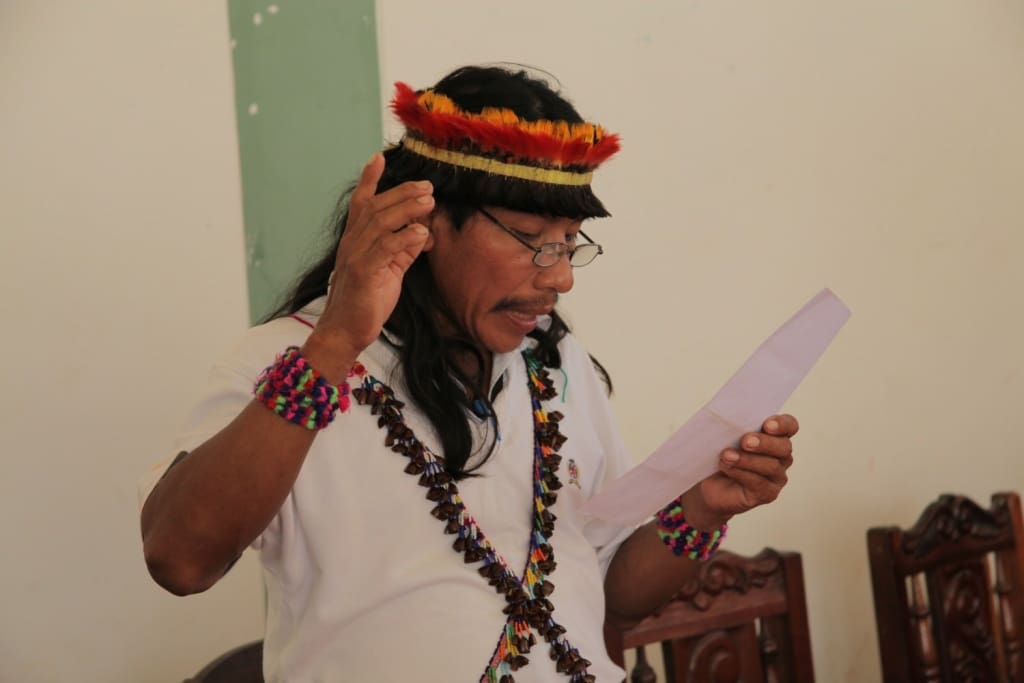Representatives from Peru, Nature and Culture, and 26 Shawi communities agreed to strongly support the new conservation initiatives
Thanks to your support, we have some exciting news! With Nature and Culture’s technical and legal support, **the regional government recently passed an ordinance announcing the conservation of the biological and cultural diversity of the Shawi lands as a matter of public interest in the region**. This is a crucial step towards the Shawi obtaining official recognition.
Now, we are providing technical assistance for the final creation of the **Pueblo Shawi Regional Conservation Area by a Supreme National Decree**, enabling Rosendo and his people to legally defend their land.
“*We want help in protecting our forest so that it is maintained for our children’s future.*” Rosendo Pua
On behalf of our staff and the indigenous communities we work with, **thank you for your support**. We hope you will continue to support the Shawi people and the many other indigenous communities we collaborate with to protect the forests of Latin America.
Learn more about our work with indigenous communities **[here](https://www.natureandculture.org/indigenous-communities/)**.
---
### [The Disappearing (and Reappearing) White-Winged Guan](https://www.natureandculture.org/directory/white-winged-guan/)
**Published:** August 22, 2018
**Author:** Heather Thomas
**Content:**
As we continue to celebrate Year of the Bird, we dedicate August to a spectacular creature with unmistakable features…
# **The White-Winged Guan**
*Och och och*.
*Cau cau cau*.
Loud calls echo through the dry deciduous forest of northwestern Peru. A peculiar creature with a black body, white primary feathers and a red throat emerges in search of its mate. The animal is the aptly named **white-winged guan** – thought extinct for nearly a century!
The white-winged guan is **endemic to the foothills of the Tumbesian region** in northwestern Peru, where it inhabits dry wooded slopes and ravines. First discovered in 1876, **this rare species was feared extinct for nearly a century**. Peruvian Gustavo del Solar and U.S. biologist John O’Neill rediscovered the bird in 1977 in the steep canyons of the lower Andes.

White-winged guan (*Penelope albipennis*)
Photography: [Nick Athanas.](https://www.flickr.com/photos/antpitta/ "Go to Nick Athanas's photostream") [CC BY-NC-SA 2.0](https://creativecommons.org/licenses/by-sa/2.0/)
This unusual species – the size of a hen and resembling a turkey – is typically found in pairs or small family groups. It is a territorial bird, especially during the breeding season, when **it gives loud distinctive calls which can be heard from up to two miles away**. The guan feeds primarily on vegetable material (fruits, flowers, seeds and leaves) from at least 34 species of trees and bushes of the dry forest. It plays a key role in a healthy, well-balanced environment, **promoting forest growth through seed dispersal.**
The initial decline in the white-winged guan was believed to result from overhunting, which continues to be a serious threat today. Though conservation efforts have made some headway in stabilizing its population,**the bird is classified as Critically Endangered, with an estimated population size of around 150 to 250 individuals**. In addition to hunting, the species is threatened by habitat destruction and fragmentation.According to Alliance for Zero Extinction, over 90 percent of the original forest cover of the guan’s habitat may have already been deforested.
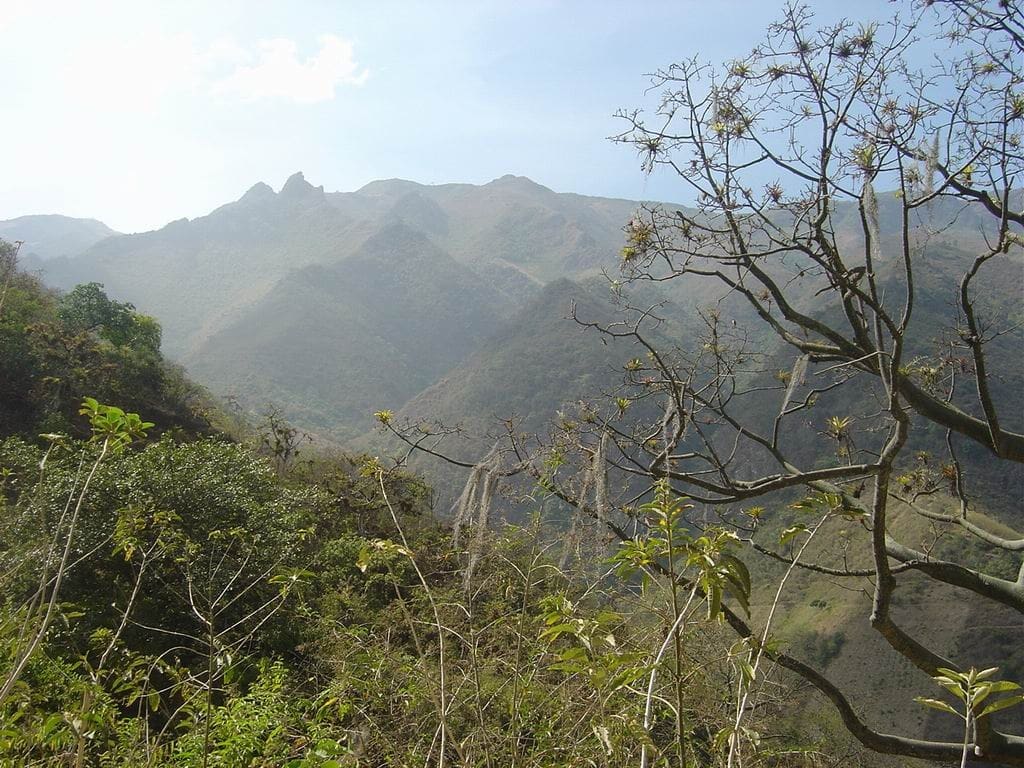Salitral-Huarmaca Regional Conservation Area
Nature and Culture’s **Salitral-Huarmaca Regional Conservation Area** (RCA) protects more than 69,000 acres of endangered dry forest in northwestern Peru. Established in 2011 with our local partners, this vast area **shelters critical habitat for the white-winged guan**, as well as other flora and fauna in the area. The Piura Regional Government currently manages the reserve.
Did you miss our last featured bird? **[Learn about the rare orange-throated tanager here](https://www.natureandculture.org/field-notes/orange-throated-tanager/)**.
---
### [Cujillo Private Conservation Area: Protecting Peru's Incredible Dry Forest](https://www.natureandculture.org/directory/cujillo/)
**Published:** August 28, 2018
**Author:** Heather Thomas
**Content:**

**Newly established Cujillo Private Conservation Area protects one of Peru’s most unique ecosystems and resources for the local people**
Exciting news in Peru’s dry forest! Last week, with Nature and Culture’s support, the Government of Peru created **Cujillo Private Conservation Area**. The new reserve protects the threatened Marañon ecoregion and many endemic species found nowhere else in the world.
Located in the region Cajamarca, Cujillo Private Conservation Area encompasses 9,242 acres of dry forest along the Marañon River. The deep and rugged canyon, known as the Grand Canyon of South America, is recognized as **the most biologically diverse area within the Tropical Andes Hotspot** (in other words, a hotspot within a hotspot). The area’s natural wealth is often compared to that of the Galapagos Islands in Ecuador.
Cujillo Private Conservation Area is located in the region of Cajamarca in northwest Peru.
“**\[The Marañon dry forest\] is a small area, but one of the richest in the world**,” said Iván Mejía, Nature and Culture coordinator for the Amazonas and Cajamarca conservation areas. According to studies from the National Agrarian University – La Molina, the Marañon holds six to eight times more species than other nearby ecosystems. However, despite the ecoregion’s importance, it faces serious threats, including agriculture expansion, logging, hunting and forest fires. It is estimated that **only around 5 percent of Peru’s dry forest remains today.**
The newly established Cujillo Private Conservation Area will protect the vegetation cover of the Marañon dry forest, as well as the flora and fauna that reside there.
Earlier this year, we helped establish the [**Seasonally Dry Tropical Forests of the Marañon Regional Conservation Area** ](https://www.natureandculture.org/maranon-dry-forests/)(BTSM) in Amazonas. We are thrilled to further protect the Marañon dry forest with a second established conservation area.
Similar to BTSM, Cujillo contains more than one hundred plant and animal species. **Its dry forest will protect many endemic and threatened species**, such as the endemic spot-throated hummingbird, endemic black-necked woodpecker and vulnerable (lizard) Peruvian bush anole. **The area will also secure essential non-timber resources for nearby communities**, including clean water sources and local plants with great medicinal value.
The area contains 147 species of plants, including 16 endemic to Peru and six threatened species.
*Ceiba flower pictured.*
The Conservation Area protects 6 species of reptiles, including two endangered reptile species.
*Vulnerable Peruvian bush anole pictured.*
Cujillo’s dry forest is home to 65 species of birds, including 18 important to science and four endangered species.
*Endemic spot-throated hummingbird pictured.*
The **newly established conservation area has great potential to boost local economies through tourism.** The Marañon dry forest is the perfect place for birdwatchers to find rare species, for explorers to walk among unique plants and for adventurers to trek down the river. An increase in tourism will benefit local communities by creating jobs, encouraging sustainable development and providing additional economic opportunities.
Cujillo Private Conservation Area is a result of **collaboration between Nature and Culture International, local communities, the Peruvian Protected Area Service (SERNANP), and the Ministry of the Environment (MINA)**. The area was created with the generous financial support of the Andes Amazon Fund.
Nature and Culture worked with the local Cujillo community to establish this area.
With your help, Nature and Culture-Peru will continue to collaborate with the community and regional government, developing and implementing the area’s Management Plan **to ensure effective and lasting conservation impact**.
**[Click here](https://www.natureandculture.org/places/peru/)** to learn more about our work in Peru.
---
### [Volcán Azufral Natural Park: Protecting Colombia's Páramos](https://www.natureandculture.org/directory/volcan-azufral/)
**Published:** November 5, 2018
**Author:** Heather Thomas
**Content:**

**Newly established Volcán Azufral Natural Park protects one of Colombia’s most critical ecosystems and water for 97,000 people**
Standing 4,000 meters high inside the foothills of the Andes, Volcán Azufral is a stratovolcano located in southern Colombia. Though it is practically dwarfed by giant volcanoes in neighboring Ecuador, Volcán Azufral’s crater holds something spectacular – **a rare lake of turquoise, sulfurous waters**. Moreover, it’s surrounded by thousands of acres of páramo grasslands and charismatic species such as the spectacled bear.
Yet **the** **ecosystem and species associated with the area face imminent threats**, including deforestation, agricultural and livestock expansion, inadequate agricultural practices and a general lack of knowledge and environmental awareness.
With Nature and Culture’s support, CorpoNariño, one of Colombia’s regional environmental authorities, established **Volcán Azufral Natural Park** last week, protecting Volcán Azufral and 18,600 acres of páramo grasslands. It is the third protected area created by CorpoNariño and Nature and Culture in southern Colombia.
Volcán Azufral Natural Park is located in the department of Nariño in southern Colombia.
The park’s páramo grasslands will **secure clean water for 97,000 people** from the Tuquerres and Mallama municipalities, including Pastos indigenous communities. Sometimes referred to as “water factories,” páramos act like sponges, absorbing rain and moisture from the air. They are essential for providing clean, abundant water for surrounding communities. In fact, researchers have estimated that 40 million people depend directly on Andean páramos for their water resources.
Volcán Azufral Natural Park will protect hundreds of plants and animals inhabiting the páramo, including the endemic frailejones plant, endangered lightbulb lizard (*Riama columbiana)* and threatened black-thighed puffleg (*Eriocnemis derbyi).* The reserve establishes **critical habitat connectivity** that is essential for the long-term survival of far-ranging and charismatic species such as the threatened spectacled bear and pudú. Additionally, many of the plants found in the area have great medicinal value, including the páramo plantain (*Plantago ecuadorensis*) and the black nettle (*Urtica longispica).*
Volcán Azufral Natural Park protects 13 threatened plant species.
Volcán Azufral also has a large potential for **eco-tourism**. Though a number of tourists currently visit the crater for its dazzling waters, improved programs and management will increase tourism in a sustainable way. An increase in eco-tourism will **boost local economies and provide new employment opportunities** for communities.
Community member in front of Laguna Verde lake.
CorpoNariño established Volcán Azufral Natural Park with Nature and Culture and the Humboldt Institute’s financial and technical support. The reserve is part of a large corridor extending from the southern Andes of Colombia to northern Ecuador. Thanks to our dedicated donors, **we are continuing to work with CorpoNariño** to establish multiple protected areas along this corridor.
**[Click here](https://www.natureandculture.org/paramo-ovejas-tauso-park/)** to learn about Colombia’s **Páramo Ovejas Tauso Regional Natural Park** established earlier this year!
---
### [Memories of Zamora Chinchipe by Matt Clark](https://www.natureandculture.org/directory/zamora-chinchipe-2/)
**Published:** January 16, 2019
**Author:** Heather Thomas
**Content:**
****President Matt Clark shares his unforgettable experiences in Zamora Chinchipe Province, Ecuador.****
*Dozens of memories welled up when I heard shortly before New Year’s Day that Zamora Chinchipe Province had approved a [1.1-million-acre protected reserve](https://www.natureandculture.org/zamora-chinchipe). My family and I lived in southern Ecuador for three and a half years. In our time there, we came to know and love Zamora Chinchipe: its myriad waterfalls and stunning geology, the seemingly limitless variety of its plants and animals, and most of all, its vibrant, hospitable people.*
*Over the last two weeks, I’ve been looking through my photos and I’ve been hard-pressed to select just a few to share. They number in the thousands, and collectively they represent what makes Zamora Chinchipe special to me. I ultimately chose photos from a single day in March 2017 when my wife, Abby, our boys, Rowan and Quillan and I visited the Shuar village of Kiim for their annual festival celebrating the chonta palm fruit harvest.*
*Like Zamora Chinchipe, all of the places that Nature and Culture works have their unique stories. So many photos still to take, so many stories to learn and share. It’s one of the things I love best about my work with Nature and Culture.*
Matt Clark, President and CEO
---
### [Celebrating Women in Conservation](https://www.natureandculture.org/directory/women-in-conservation/)
**Published:** March 7, 2019
**Author:** Heather Thomas
**Content:**
**Today we celebrate some extraordinary women who are working to protect our planet.**
Every day, women across the globe take on tasks both small and large to help the environment. At Nature and Culture, **we partner with communities and local women** in Latin America to support their involvement in conservation, sustainable development and decision-making.
Here’s a look at a few stories:
##### **Erika Catashungo *(pictured above)***
Growing up in the remote rainforest of Peru, Erika Catashungo never imagined she would manage a global business. “**Not even in my dreams**,” she said. Today, Erika is manager of My Forest Hope Cooperative (My Hope), a communal enterprise producing sustainably-crafted artisan goods for an international market.
Together with Nature and Culture and the Department of Loreto’s Regional Park Service, **Erika established My Hope with a group of local women** in 2007. The project involved women using their communities’ ancestral knowledge and fiber from the chambira palm to sustainably weave baskets and other handcrafts, as well as reforesting their lands with chambira plants.
The cooperative has changed the lives of more than **one hundred artisans** from rural communities in the Amazon rainforest of Loreto. Weaving has partially replaced traditional harmful economic activities in the area, such as charcoal making, hunting and timber extraction. Additionally, average income in participating communities has increased about three-fold, and 70% of revenues are reinvested in the family which goes towards children’s education, health and well-being and home repairs.
##### **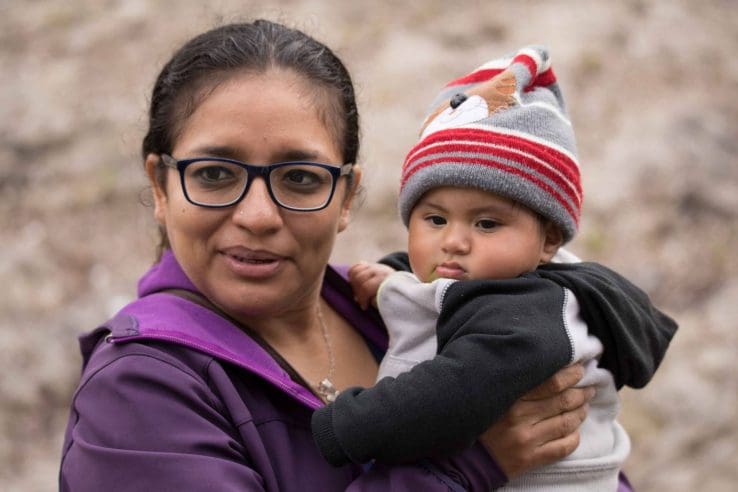Katty Carrillo**
Born in Piura, Peru, Katty is a conservation biologist and senior staff member at Nature and Culture. For the past decade, she has devoted her life to the protection of the fragile Andean ecosystems in the regions of Piura and Cajamarca. By working hand-in-hand with local farmers, Katty’s efforts led to the creation of **eight community and municipal protected areas** that form the Andean Corridor of northern Peru.
Katty’s success in the region didn’t come easily. When starting her career, she experienced **several challenges** as a woman in the field. “In many occasions I had to ask my male co-workers to accompany me to the first meeting with local authorities. This would facilitate my introduction, validate my professional credentials and open doors for me,” recalls Katty.
Now, **Katty empowers, inspires and guides the way** for other local women to stand up for conservation. She encourages participation in Nature and Culture’s conservation workshops and assemblies and the inclusion of women in community politics and the pursuit of higher education. Katty hopes “local women will play an important role in ecosystem conservation in the near future.”
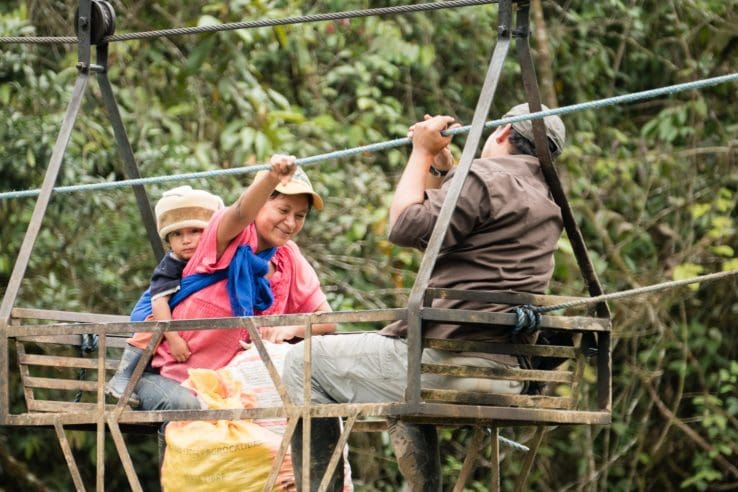*Amada pictured*
##### **Amada and Elisa Macas**
Sisters Amada and Elisa Macas are **achiote producers** in Santa Cecilia, Ecuador. They are Saraguro, a sub-group of the Kichwa, one of Ecuador’s 13 formally-recognized indigenous nationalities. In search of cultivable land, Amada and Elisa’s parents emigrated from the town of Saraguro to Santa Cecilia before Amada and Elisa were born.
Today, Amada and Elisa are part of Nature and Culture’s achiote project, a sustainable livelihood project in Jambué Valley, Ecuador. Achiote (*Bixa* *orellana*) is a fast-growing, shrubby tree that produces seeds from which the commonly used spice and food colorant achiote (or annatto) is obtained. Because it is able to grow in nutrient-poor soils, achiote has the **potential to generate stable income** from degraded lands that are no longer used by farmers—including the vast abandoned cattle pastures in Jambué Valley. With a grant from UNESCO, Nature and Culture supports the Macas sisters and other community members with cultivation, providing families with seeds and technical assistance.
With Nature and Culture’s support, Amada and Elisa have been able to **reforest land with achiote**, enhance the economic productivity of their lands without further deforestation and diversify their household income. They are currently working towards obtaining organic certification, and hope to start their own business selling organic achiote spices, vegetables and dairy products.
##### **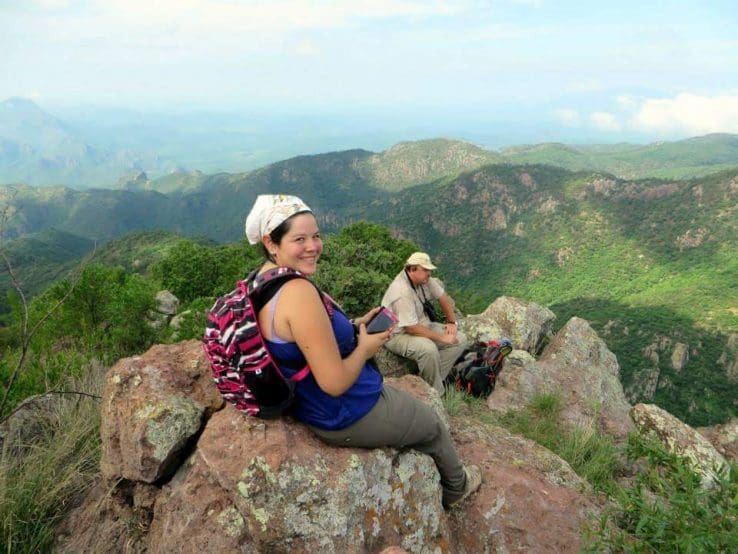Lydia Lozano**
Born and raised in Culiacan, Sinaloa, Lydia is Program Director of Nature and Culture – Mexico. For the past six years, Lydia has led the day-to-day operations of Nature and Culture’s Monte Mojino Reserve (ReMM) in Alamos, **protecting Mexico’s tropical deciduous forest**. She works closely with field staff and with our colleagues at the National Commission of Natural Protected Areas (CONANP) to manage the reserve and protect its many species, including the iconic jaguar.
Lydia and Nature and Culture staff members in Mexico (most of whom are women) are passionate about **empowering female community members**. For the past few years, they have worked with women from El Sabinto Sur, a rural community close to ReMM, to professionalize their embroidery work and other crafts, and create opportunities for them to sell their products at events. Additionally, they are working towards establishing a program similar to girl scouts for local girls. The program will promote self-confidence, knowledge, curiosity and a connection to the natural world through nature-based activities.
Lydia said, “We know that by working with women and girls, we can make a strong and lasting impact.”
**It’s** **an honor to meet and work with strong and resilient women to protect our planet.**
---
### [Celebrating International Day of Forests](https://www.natureandculture.org/directory/forests/)
**Published:** March 20, 2019
**Author:** Heather Thomas
**Content:**
**Today, on International Day of Forests, join us in celebrating our planet’s most critical ecosystems.**
Forests – they produce the vast majority of the **oxygen we need to survive**, they provide **habitat to millions** of animals and plant species, they are essential to not only **mitigating climate change**, but providing fresh water, and they **sustain and enrich the cultures and livelihoods** of hundreds of indigenous communities.
Yet, deforestation continues at an alarming rate. According to the United Nations Food and Agriculture Organization (FAO), an estimated 18 million acres of forest are lost each year. This means one and a half acres of forest are cut down every second, or **20 football fields are destroyed every minute**.
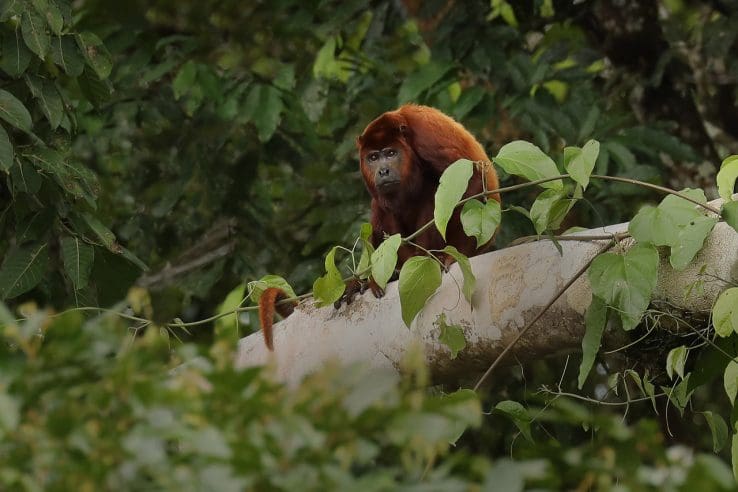For all these reasons, and many more, protecting forests and preventing deforestation is one of Nature and Culture’s main priorities. **We’ve helped protect more than 17 million acres** of threatened ecosystems in Latin America, including, most recently:
- A **[1.1-million-acre reserve](https://t.e2ma.net/click/8nsywb/8vi8j2/snd6m6)** in the Andes of Ecuador
- Critical [**montane forest** ](https://t.e2ma.net/click/8nsywb/8vi8j2/8fe6m6)in north-central Peru
- **[Two conservation areas](https://t.e2ma.net/click/8nsywb/8vi8j2/o8e6m6)** in Peru’s Marañon dry forest, one of the richest dry forests in the world
Proud as we are of our accomplishments, we are in a race against time. Join us in protecting 20 million acres of tropical forest by the year 2020.
[**Protect our planet’s critical ecosystems today.**](https://www.natureandculture.org/give-to-nci)
---
### [Check out this fascinating fox](https://www.natureandculture.org/directory/sechuran-fox/)
**Published:** March 29, 2019
**Author:** Heather Thomas
**Content:**
This month’s mammal is a cunning creature, most often seen by humans slinking about in the low light of dusk and dawn. For centuries, this animal has been regarded as intelligent, sly and *even magical* by cultures around the world.
**Join us in celebrating the fascinating fox.**
Though South America is home to six fox species, today we take a closer look at one of the smallest – and arguably, most mysterious – canids on the continent. Identified first in the Sechura desert, the **Sechuran fox** (*Lycalopex sechurae*), also called the Peruvian desert fox, exists in arid environments in southwestern Ecuador and western Peru. Despite its name, the species is a “false” fox or zorro. Being a zorro means that the Sechuran fox is more closely related to dogs and wolves than to true foxes.
The Sechuran fox is highly adaptable, living in deserts, within dry forests and on beaches. The species’ diet is largely dictated by its natural surroundings and the seasonal availability of food. It is an **opportunistic feeder**, using its small teeth to eat bird eggs, insects, seed pods, berries, dry plants, rodents and even carrion. The species can survive for long periods of time without drinking, subsisting on the water in its food.
Sechuran foxes are **nocturnal and solitary**, though they have been observed traveling in small family groups or pairs. They spend the daylight hours in dens that have been dug into the ground.
Other than the fact that the young are born in October, **little is known about their social life or breeding habits**. Like all foxes, they are intelligent animals and can confuse their predators by doubling back on the tracks they make with their paws
The Sechuran fox is listed as Near Threatened by the IUCN due mostly to its loss of habitat, which has been particularly extensive in Ecuador. It’s thought that there are **less than 15,000 individuals** living in the wild.
Though habitat loss and degradation are considered the biggest factors in the fox’s decline, the species is also **threatened by hunting**. Recognizing the fox’s affinity for small livestock, farmers kill the fox to reduce the number of such attacks. Additionally, the Sechuran fox is poached for its body parts, which are used in local handicrafts, folk medicine and magical rituals.
With the support of our donors, Nature and Culture International is working in the dry forests of southwestern Ecuador, home to the Sechuran fox and many other unique plant and animal species. These forests are **rich in biodiversity, yet highly threatened by deforestation**. We’ve focused our efforts on the creation and consolidation of protected areas in the region, and work with local communities to sustainably manage the land.
We currently manage **four reserves in the area totaling 52,000 acres**, and have plans for additional protection and effective management.[ Learn more about Nature and Culture’s work in the dry forest here](https://www.natureandculture.org/places/ecuador/).
Fancy the fox? **[Join us](https://www.natureandculture.org/give-to-nci) in protecting its home and a wealth of endangered species.**
---
### [We did it! 20 MILLION acres
for the planet.](https://www.natureandculture.org/directory/20-million-acres/)
**Published:** May 10, 2019
**Author:** Kristen Heard
**Content:**


# We did it! 20 MILLION acres
for the planet.
05/10/2019
\[vc\_row\]\[vc\_column\]\[vc\_column\_text\]
**We have BIG news! Together we achieved a milestone. Just how big?**
**20 million acres.**
Nature and Culture was founded on the urgency to protect our planet’s biodiversity. Five years ago, **facing climate change, deforestation and other threats**, we pledged to conserve 20 million acres in Latin America – the heart of the living planet – by the year 2020.
And we are thrilled to announce, we did it! Just last week, **we exceeded 20 million acres** with the declaration of Ñembi Guasu, the second largest conservation area in Bolivia.

*Ñembi Guasu protects three million acres in the municipality of Charagua.*
Created in collaboration with Nativa Bolivia and the indigenous Guaraní peoples of Charagua, **Ñembi Guasu protects three million acres in the Gran Chaco**, a hot and semi-arid lowland region increasingly threatened by climate change and agricultural development. The ecoregion holds a great diversity of indigenous peoples, including the Ayoreo, the only native population in South America outside the Amazon that remains uncontacted.
Ñembi Guasu adds to existing Kaa Iya and Otuquis national parks, creating the **largest conservation corridor in the Gran Chaco**. Increased connectivity in the region will mitigate the effects of climate change and provide habitat for Ñembi Guasu’s abundant biodiversity, including armadillos, giant anteaters, jaguars and Chacoan guanaco.

*Only 300 Chacoan guanaco are left in the wild.*
With Ñembi Guasu, Nature and Culture and supporters have now conserved more than 20 million acres since our start, **nearly the size of South Carolina**. From Bolivia’s Chaco to Mexico’s dry forest, we have protected habitat for birds and bears alike, secured clean water for hundreds of thousands of people and improved the livelihoods of indigenous and local communities.
Together we have saved **20 million acres for the planet** – but we can’t stop there. A dire UN report released Monday found that 1 million species are threatened with extinction, and a primary reason is loss of habitat from land use change. The planet needs many more protected areas to stanch the catastrophic loss of species.
The good news? Logging, mining and other threats motivate the urgency of our work – and **our donors give us hope**.
Thank you to our donors and partners who make our shared conservation dream possible. **Now, who’s [joining us](https://www.natureandculture.org/give-to-nci) for the next 20?**
---
### [2018 Impact Report](https://www.natureandculture.org/directory/impact-report-2018/)
**Published:** May 29, 2019
**Author:** Kristen Heard
**Content:**


# 2018 Impact Report
05/29/2019
\[vc\_row\]\[vc\_column\]\[vc\_column\_text\]
[](https://prezi.com/view/JCShEEceQuVevsFs7gN0)
[**2018 Impact Report**](https://prezi.com/view/JCShEEceQuVevsFs7gN0)
**How your support protects the planet.**
The year **2018 was a remarkable year** – by any metric. On the negative side, hurricanes blasted with unprecedented ferocity, wildfire torched our neighborhoods and tropical forests suffered near-record tree losses.
In these respects, we were happy to leave 2018 behind. However, climate change and other threats motivate the urgency of our work – and our achievements give us hope. We are pleased to report to you that, with the support of our donors and other partners, **2018 was one of Nature and Culture’s most impactful years yet**.
Together we protected more than **2.9 million acres of threatened ecosystems** in Latin America – nearly twice the size of Everglades National Park. From the páramo grasslands of Colombia to Bolivia’s dry forest, we protected habitat for birds and bears alike, secured clean water for hundreds of thousands of people and improved the livelihoods of indigenous and local communities.
Each year brings new opportunities, new challenges and a broader community of supporters. We are grateful that so many of you have chosen to support Nature and Culture. As shown in this [impact report](https://prezi.com/view/JCShEEceQuVevsFs7gN0)\*, **your support can protect the planet**.
\*This year, our impact report is in the form of a Prezi, similar to an online PowerPoint. We recommend opening the Prezi in Google Chrome. From there, you can scroll through the presentation using the advance arrows on the bottom (or on your keyboard). Feel free to call our office at 858-259-0374 with questions.
---
### [The First Regional Conservation Area in Cajamarca, Peru](https://www.natureandculture.org/directory/chauperca/)
**Published:** October 3, 2019
**Author:** Kristen Heard
**Content:**


# The First Regional Conservation Area in Cajamarca, Peru
10/03/2019
**Strategic Area:** Forests -
**Content Type:** News
**Country:** Peru -
\[vc\_row\]\[vc\_column\]\[vc\_column\_text\]
**Cajamarca creates their first Regional Conservation Area, protecting one of the most biodiverse places on the planet.**
Nature and Culture created a new protected area in the Peruvian Andes this week. **Bosques El Chaupe, Cunía and Chinchiquilla** (Chaupe) is the first Regional Conservation Area established in Cajamarca, Peru.
Spanning 54,000 acres, Chaupe protects montane forests and paramo grasslands within one of the **most biodiverse places on our planet** – the Tropical Andes. This global hotspot is known for its extensive flora and fauna and unmatched levels of endemism (species found nowhere else on Earth). Wildlife found in the new protected area include nearly 200 species of birds, the threatened spectacled bear, and Pholidobolus ulisesi– a species of lizard that is new to science!

*Chaupe is home to 180 species of birds.*
Chaupe will also **safeguard critical freshwater basins** for local populations. San Ignacio Province, located in Cajamarca, relies on these water sources for potable water and economic activities such as coffee production.
“This is the first regional conservation area in Cajamarca, **it marks an important milestone** to achieve the effective conservation of natural resources that exist in the region, and ensure the ecosystem services it provides to the local population,” said Iván Mejía, Nature and Culture’s Coordinator in the Andes.
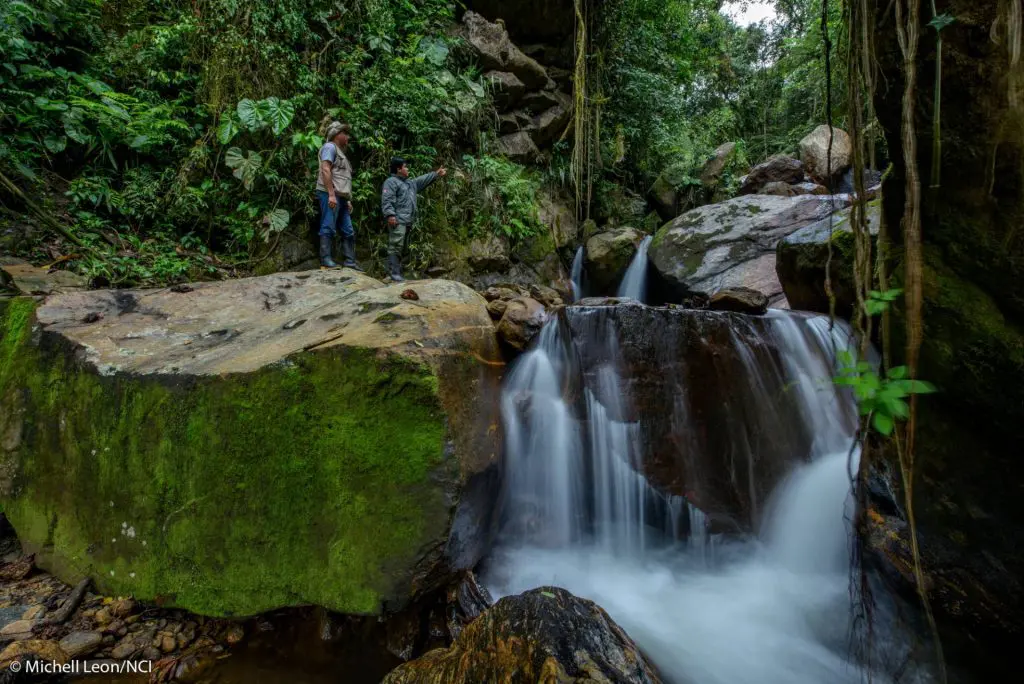
*The population of San Ignacio relies on these water sources.*
Local communities played a leading role in the declaration process, supporting Nature and Culture and **committing to sustainable productive activities**. This area was also supported by the Cajamarca Regional Government, Peru’s Natural Protected Area’s Service, the Municipality of San Ignacio, and Andes Amazon Fund.
“This is the beginning of a long road of participatory management, with the regional government, civil society, non-governmental organizations and local population. We must **unite to achieve the conservation objectives** of our \[Conservation Area\],” said Mesías Guevara, regional governor of Cajamarca.
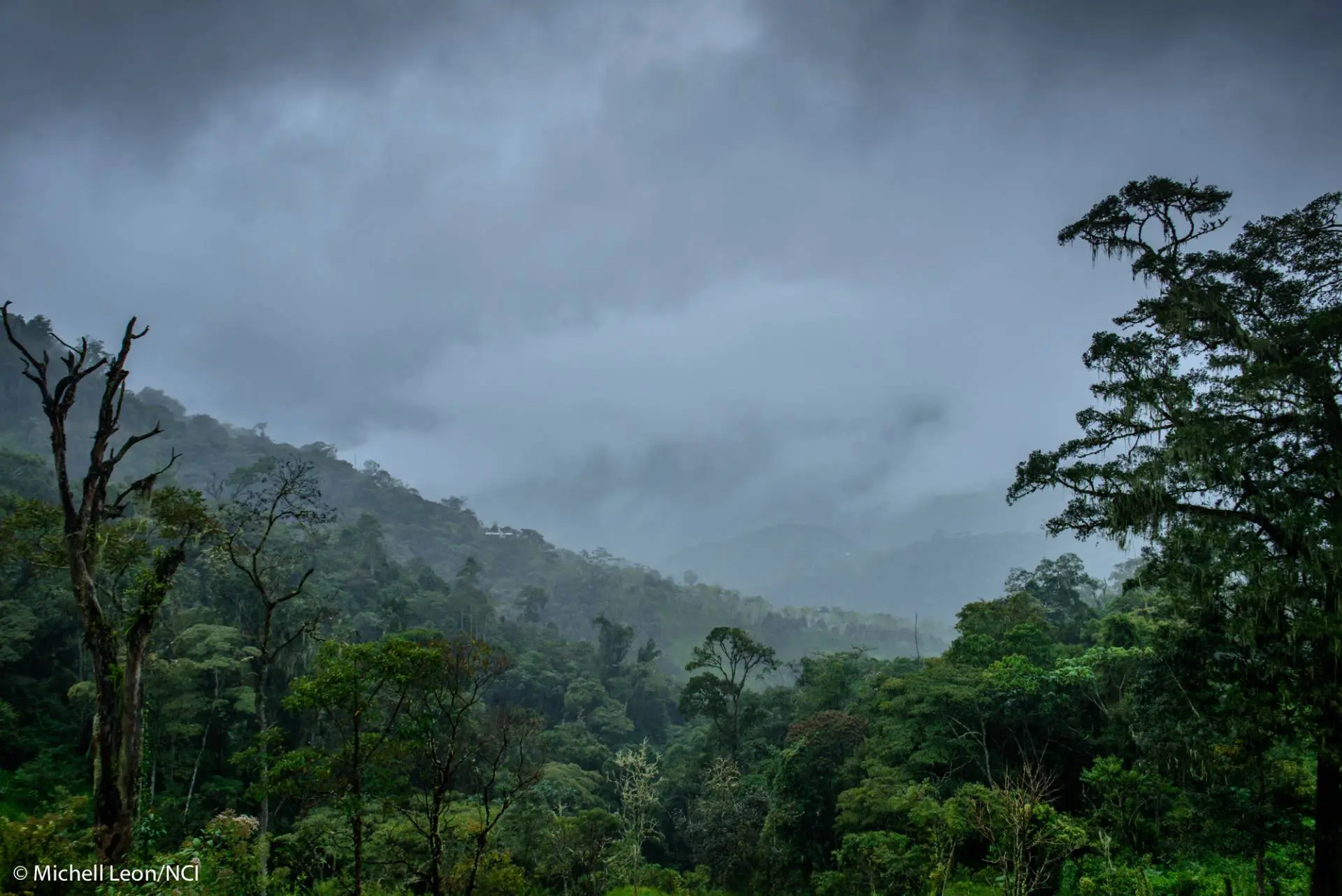
*This area will protect 54,039 acres (21,869 hectares) of montane forests and paramos.*
**Nature and Culture is grateful to our donors for making this achievement possible! We hope that this bit of good news inspires you to continue fighting for nature and culture.**
*Learn more about our work in the Andes [here](https://www.natureandculture.org/ecosystems/andean-cloudforests/).*
**Tags:** Protected Area
**Strategic Area:** Forests
**Country:** Peru
**Content Type:** News
---
### [We are in this together](https://www.natureandculture.org/directory/inthistogether/)
**Published:** March 31, 2020
**Author:** Kristen Heard
**Content:**


# We are in this together
03/31/2020
**Content Type:** Blog
\[vc\_row\]\[vc\_column\]\[vc\_column\_text\]
**A message on the COVID-19 pandemic from Nature and Culture**
Dear Friends of Nature and Culture,
My thoughts are with you during this uncertain time. I hope this note finds you safe and well.
The COVID-19 pandemic is on all our minds and with good reason. It is an unsettling, chaotic time. There are moments of grief and fear. I expected these moments. What I did not expect was the extraordinary outpouring of care and community. Ironically, as we have all distanced physically, we have come together in ways that I could not have imagined.
In humanity’s collective response to COVID-19, I see qualities emerging that we need against another global threat, that of climate change and biodiversity loss. I see resilience and rapid innovation. I see a willingness to rethink business as usual. More than anything, I see a sense of shared burden and commitment, that we are all in this together.
**Only when we come together can we can solve the biggest threats to humanity – and our planet.**
I am extremely grateful for hundreds of supporters like you who have come together to protect our planet’s wildlife and wild places. You are an important part of Nature and Culture’s community. Thanks to you, to date, we have protected more than 20 million acres of extraordinary ecosystems that store 3.3 billion tons of carbon. I know that we will weather this storm together.
At this point, all of our employees throughout Latin America and the US are working from home. We are grateful that with modern technology we can continue the important mission of protecting our planet’s most biodiverse and threatened ecosystems.
Your words of concern and support for our conservationists and the local communities we work with have meant the world to our team. We are deeply grateful for you.
As we experience global threats, there is hope. That hope is you and people around the world who are committed to keeping our planet healthy.
Thank you for continuing to be a part of Nature and Culture’s conservation community. Please stay in touch during this time and take care of yourself and your loved ones.
Kindly,
Matt Clark
President & CEO
**Tags:** CEO, covid-19
**Content Type:** Blog
---
### [COVID-19 Update: Indigenous & Rural Communities](https://www.natureandculture.org/directory/covid19-update/)
**Published:** May 3, 2020
**Author:** Kristen Heard
**Content:**


# COVID-19 Update: Indigenous & Rural Communities
05/03/2020
**Strategic Area:** Local Communities -
**Content Type:** Blog
\[vc\_row\]\[vc\_column\]\[vc\_column\_text\]
**An update on the COVID-19 pandemic from Nature and Culture**
Dear Friends of Nature and Culture,
The COVID-19 pandemic has impacted every part of our society and has reached all corners of the globe. The conservation community is no exception. Though I am tremendously grateful that only one of Nature and Culture International’s staff has had COVID-19 and appears now to be out of danger, we recently lost a fellow conservationist in Loreto, Peru. Many of the communities we work with are gravely affected, facing tremendous hardship now and in the coming months.
The news I share below is sobering. However, every day I see unflagging compassion and care from Nature and Culture staff. Never have our bedrock values shone through so clearly. From the beginning, our local conservationists have asked, “What can we do for our community partners? How can we support them?” It is they who have organized our response, they who are pushing for resources. Our ties with these communities run deep.
***Update from Nature and Culture – Peru***
On April 30, Cristian Gonzalez, a friend and colleague in Loreto, Peru passed away from COVID-19. Cristian who managed the Pucacuro National Reserve within Peru’s National Protected Areas Service was a tireless champion for Amazon ecosystems and indigenous communities. Our hearts go out to Cristian’s family and friends for their tragic loss.
A Nature and Culture staff member in Loreto is currently recovering from COVID-like symptoms. Thankfully, she appears to be out of danger. In general, Loreto communities are struggling (as are many Peruvian communities) with insufficient resources to address the heavy outbreak of cases there.
Nature and Culture and Peruvian nonprofit organizations are responding by pooling resources to bring oxygen tanks, gloves and masks, and basic medicines to Iquitos, Loreto’s capital city. Nature and Culture is also donating resources to the coastal city of Piura where we have a long-term presence.
***Update from Nature and Culture – Ecuador***
In Ecuador, one of our community partners, the indigenous Kichwa community of the Bobonaza River have suffered tremendously from a flood that destroyed their homes. Nature and Culture is donating materials for home reconstruction and for rebuilding the community’s water distribution system as well as masks, gloves, and basic medicines for the community health center.
Our local conservationists are also working to ensure that basic food staples and protective health equipment reach our park guards in our privately-owned reserves in the foothill forests of southeastern Ecuador and in the tropical dry forest of southwestern Ecuador.
***Update from Nature and Culture – Brazil***
In Brazil, Nature and Culture has provided funds to our indigenous partners, enabling them to increase patrols within their territories to minimize invasions by illegal miners and loggers. Now more than ever incursions into their territories are a tremendous threat to the safety of their communities. Illegal miners and loggers not only cause environmental destruction but may expose susceptible communities to COVID-19.
***Update from Nature and Culture – Mexico***
In Sonora, Mexico, the small community of Sabinito Sur near Alamos borders Nature and Culture’s 14,000-acre Monte Mojino Reserve. Community members access Monte Mojino for subsistence fishing and to collect native chile peppers. Nature and Culture’s two rangers for Monte Mojino come from this community and, for years, we have hired community members to repair reserve infrastructure and host and guide researchers and other visitors to the reserve. Our local conservationists have supported the community with vision and hearing screening, pet sterilization campaigns, and notebooks and backpacks for primary school children.
Although there have been no COVID-19 cases in Sabinito nor in nearby Alamos, the Sabinito community has been isolated since March 21 when a national shelter-at-home emergency was declared in Mexico. Of Sabinito’s 27 families, 21 currently find themselves with no income.
In response, Nature and Culture is donating staple food supplies to each of Sabinito’s families and will be hiring 15 workers per day over the next week on projects to repair roads and fence lines within the reserve. We will rotate the work equitably between families, providing $250 of critical earned income to each.
Because of our staff’s close and long-lasting relationships with rural and indigenous communities, Nature and Culture is in a unique position to serve as a bridge to much needed resources and services. One community shared that we are the only outside entity they are still in contact with and that has offered to provide them support during this time
Our local conservationists and the communities you support in Latin America need your help.
**[Please make a gift today to help indigenous and rural communities affected by COVID-19.](https://www.natureandculture.org/help)**
Together we can ensure the planet’s most extraordinary wild places and their guardians are protected.
Kindly,
Matt Clark
President & CEO
**Tags:** covid-19, human health, Indigenous
**Strategic Area:** Local Communities
**Content Type:** Blog
---
### [Titling of the Tiwi Nunka Forest - An Important Win for Indigenous Land Rights](https://www.natureandculture.org/directory/why-the-titling-of-the-tiwi-nunka-forest-to-the-shuar-kiim-center-was-an-important-win-for-indigenous-land-rights/)
**Published:** November 11, 2021
**Author:** Heather Thomas
**Content:**
#### After 21 years of fighting for their land, VICTORY for The Shuar people!
<https://www.natureandculture.org/wp-content/uploads/2021/11/2021-Shuar-El-Kiim-Land-Titling_Subtitles_720.mp4>
In May of this year, [we announced the titling of 14,021 acres of Tiwi Nunka Forest to the Shuar Kiim Center](https://www.natureandculture.org/shuar-titling/), a Shuar community otherwise known as the El Kiim. This titling has given the El Kiim the ability to protect this territory from threats, such as mining, clearing land for cattle ranching, and other detrimental extractive activities. This is great news for the El Kiim – they have been fighting for the title to their land for 21 years!
The Shuar have been working since 2000 to create a reserve area in their ancestral territory, which is highly important to the communities’ survival. Since 2005, we have worked with 3 Shuar communities to protect their ancestral forests: Kiim, Kurintsa, Washikiat. Here at Nature and Culture, our mission is to protect indigenous cultures and the biodiverse landscapes within these territories.
The Shuar people are an indigenous population in southern Ecuador who keep strong traditions and a unique vision of language, food, myths, music, and dance. The Shuar’s deep-rooted culture gave them abilities to read seasons in the forest. This allowed them to predict the best time to hunt, when fish would spawn, and when plants would bloom. Nature is at the heart of their society and their culture is based around techniques that are sustainable and protect their resources. Their religion is even based around the forest; the sacred waterfalls are their temples for their god “Arutam”, who can appear in many forms related to the forest, such as the wind, rain, or even a jaguar. These waterfall temples are also the location where they purify the spirits of their dead. Unfortunately, the culture and traditions that the Shuar have lived by for many years are being lost.
The El Kiim resides in the Tiwi Nunka Forest where the cultures and traditions that they value rely on the forest remaining healthy. The forest provides an important source of water, food, medicine, and other resources for the 33 families within this Shuar community. “We want to protect the forests of Tiwi Nunka because they hold our last resources,” says Marta Kayuk, President of the Shuar Kiim Center. This incredibly biodiverse habitat also safeguards important species, such as the threatened mountain tapir (*Tapirus pinchaque*) and the vulnerable spectacled bear (*Tremarctos ornatus*).
 Land title resolutions were enacted by the Ministry of Environment and Water of Ecuador on May 19, 2021. Photo by Claudia Roman.
[Since we began supporting them in 2005](https://www.natureandculture.org/empowering-the-shuar/), we have helped the El Kiim’s women to recover seeds and grow traditional gardens, cultivating plants such as yucca, plantain, papachina, papaya, and sugar cane. We have also worked to educate younger girls about the diversity of seeds and traditional cultivation techniques. The teaching of these practices ensures this knowledge continues to be passed down to future generations.
In 2008, the Tiwi Nunka was given Protective Forest and Vegetation Area status by the Ministry of Environment and Water of Ecuador. However, Ecuadorian law permits mining concessions for protected forests and so this status alone did not provide adequate protection. The threats to this ecosystem were still present, and so in 2019, we got involved to provide legal and technical support to the El Kiim to gain full titling of the forest. By legally gaining title to their land, they are better prepared to protect their territory.
We celebrate the news of the Shuar Kiim Center gaining ownership of the Tiwi Nunka Forest. We will continue to work with the El Kiim and other Shuar communities to ensure their territory is protected and their culture thrives.
**We are grateful to all our donors who give us the opportunity to work with these indigenous communities and if you’re interested in supporting our work with indigenous communities, please consider making a [donation today](http://natureandculture.org/donate)!**
**Strategic Area:** Climate, Forests, Local Communities
**Country:** Ecuador
**Content Type:** Blog
---
### [A life well lived - in remembrance of E.O. Wilson](https://www.natureandculture.org/directory/a-life-well-lived-in-remembrance-of-e-o-wilson/)
**Published:** December 28, 2021
**Author:** Heather Thomas
**Content:**
With the passing of E.O. Wilson, famous biologist and an honorary member of the Nature and Culture board, we’ve invited a member of our board who knew him personally to write a guest blog honoring his life’s achievements.
Charles Smith is a friend of E.O. “Ed” Wilson and sits on both Nature and Culture International’s Board of Directors, and the E.O. Wilson Biodiversity Foundation Board. Charles is a passionate conservationist who is enthusiastic about our mission to conserve the remaining biodiversity hotspots in the Amazon and beyond, and was a close personal friend of E.O. Wilson.
**Here is a note from Charles about the passing of his friend, E.O. Wilson:**
NCI team,
You have likely heard that E.O. Wilson passed away last night. I have it on good authority that Ed was resting comfortably throughout his departure from this world.
Reading Ed’s mind-expanding books is what changed how I see and understand the world (to the extent I do). There’s a great old saying that says, “We see the world with ideas as much as with our eyes.” Ed’s concepts were as deep as they get (ultimate evolutionary causes, after all), but Ed phrased his ideas in a uniquely poetic manner that conveyed a contagious exuberance for the subject he was explaining. For a reminder of his style and wit, check out this [New Yorker piece](https://www.newyorker.com/magazine/2010/01/25/trailhead "https://www.newyorker.com/magazine/2010/01/25/trailhead") from 2010, written at the age of 81.
Some people think that science is about prediction. It’s not. It’s about explanation. And Ed was the master of explanation. He explained how speciation takes place with his experiments in biogeography. He discovered pheromones and explained how those molecules are the communication medium of the insect world. Ed explained how the sociality of certain animals evolved (including we humans) with his invention of sociobiology. He became the main proponent of group selection theory and explained how the counter-intuitive phenomenon of altruism and the love of non-kin could evolve by natural selection. And he showed us the necessity of nature with the concepts of biodiversity and biophilia. I can’t think of anyone who advocated for the conservation of nature more effectively. There will never be another Ed Wilson, that’s for sure.
Ed loved Nature and Culture. A few years back, I was at a reception in New York waiting for Ed with about 50 folks in a wood-paneled room in a fancy hotel. When Ed entered and caught my eye, he marched straight over to me, passing by all the VIPs, to shake my hand and congratulate me on NCI’s accomplishments. I promise you all; it surely wasn’t about me. It was about you guys and the work you are doing to fulfill Ed’s vision for Earth: half of it protected for nature, if we humans can play our cards right.
I’ve been sending Ed updates on NCI’s successes for years now. Those stories lifted his spirits and helped him grow old with the hope that nature could yet be saved at large-scale. I’m confident that NCI will continue to be guided by Ed’s passion for nature and her extraordinary complexity and beauty. Ed will be sorely missed, and we must carry on.
– Charles
NCI Board with E.O. Wilson.
Biodiversity Days meeting in Durham, 2017.
Ed lecturing at the Harvard Club – a lucky shot that seems to capture the essence of his desire to share what he’d figured out.
Launching the EO Wilson Biodiversity Foundation in 2006 (many moons ago).
**Strategic Area:** Biodiversity
**Content Type:** Blog
---
### [New Water Protection Area safeguards water for Indigenous Guarancas Kichwa](https://www.natureandculture.org/directory/new-water-protection-area-safeguards-water-for-indigenous-guarancas-kichwa/)
**Published:** January 19, 2022
**Author:** Heather Thomas
**Content:**
Newly declared Quinllunga de San Simón-Guaranda Water Protection Area secures clean and abundant water supplies for 683 people.
Nature and Culture International has supported the creation of the first Water Protection Area in Bolivar Province, Ecuador. The newly declared Quinllunga de San Simón-Guaranda Water Protection Area protects a total of 1,375 acres and secures clean and abundant water supplies for indigenous Guaranca Kichwa people.
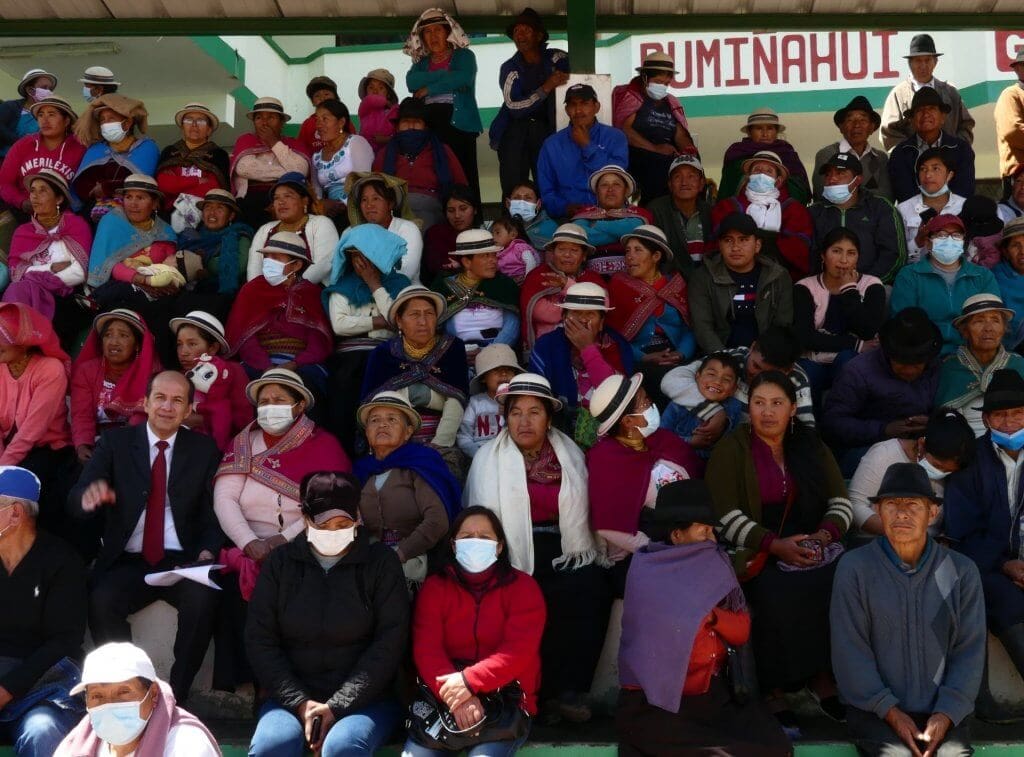“Water Protection Areas” (WPAs) are a new national-level conservation model in Ecuador. These areas are defined by their importance to guarantee water sources for human consumption.
“The process of Quinllunga de San Simón- Guaranda WPA began at the request of the local communities in their desire to safeguard their water resources for the future. They are aware that water is in danger, so it has been a local decision”, explains José Romero, Nature and Culture’s Coordinator of WPAs.
Concerned about water scarcity and climate change effects, around 10 years ago, 19 indigenous communities of Quinllunga, and the Municipality of San Simón, decided to protect 1,375 acres of páramo, grasslands and montane forest to secure their water supply. Nativa Amangandi, former owner of the páramo of Quinllunga remembers that her father bought this land 46 years ago. After he died, she and her brothers decided to sell the land to the community. Every member contributed to the purchase of páramo of Quinllunga with the help of the municipality of San Simón, to protect their main water source. “We can see the effects of climate change and of an increase water demand. Before we had big rivers and lakes. Now they are almost dry”, says Rumiñahui Chela, president of the water board of Gradas community. Although the páramo of Quinllunga was owned by the communities, this land was under the threat of mining concessions since it didn’t have any legal protection.
The newly declared WPA protects almost intact biodiverse ecosystems in northern Andean Ecuador. Páramo ecosystems make up at least 91% of the protected area. Páramos have the ability to capture, retain and store water from mist and rain, ensuring the provision of water resources to the lower parts of the basin. In addition, this ecosystem mitigates the effects of climate change, it can store up to 183 tons of carbon per hectare.
To delineate the Quinllunga de San Simón- Guaranda WPA, Nature and Culture International conducted a technical study of the water quality in different sites, the existing water demand and the conservation status of the area. With the support of the Tinker Foundation, and in coordination with the Water Authority of the Ministry of Environment, Nature and Culture was able to determine the areas of water importance that led to the establishment of the WPA. The Minister of Environment, Water and Ecological Transition of Ecuador, Gustavo Manrrique, mentioned that the joint work with Nature and Culture has been fundamental to move forward on the establishment of the WPA. “It’s an extraordinary partner for the Minister of Environment”, he added.
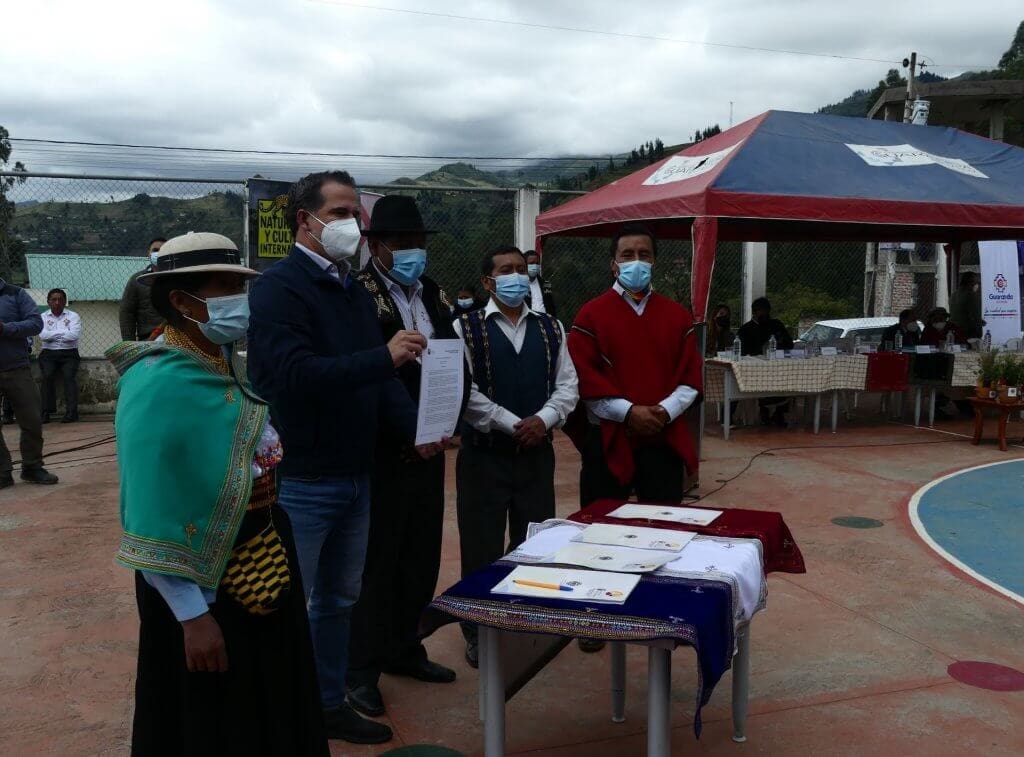Nature and Culture supported the creation of eight WPAs lasts year which add up to 270,333 acres, with two more due to be protected in the upcoming months. These areas are of ecological and hydrological importance for the country, and the world.
**Strategic Area:** Forests, Local Communities, Water
**Country:** Ecuador
**Content Type:** News
---
### [Super Fruits that Conserve Forest](https://www.natureandculture.org/directory/sustainable-harvesting-amazon-superfruits/)
**Published:** September 15, 2022
**Author:** Heather Thomas
**Content:**


# Super Fruits that Conserve Forest
09/15/2022
**Strategic Area:** Forests - Local Communities -
**Content Type:** Blog
**Country:** Ecuador -
\[vc\_row\]\[vc\_column\]\[vc\_column\_text\]
## Sustainable Harvesting of Amazonian Super Fruits in Peru
Açaí, camu camu, and aguaje are just a few of what are called “super fruits” found in the Peruvian Amazon. For centuries, aguaje has been consumed locally for its powerful health benefits, but now our “Super Fruits that Conserve Forests” project supports sales outside of the region. This project will support local conservation efforts as well as provide an improved livelihood for local and Indigenous communities.
\[/vc\_column\_text\]\[/vc\_column\]\[/vc\_row\]\[vc\_row\]\[vc\_column\]\[vc\_video link=”https://youtu.be/aEAjJMXVV7I”\]\[/vc\_column\]\[/vc\_row\]\[vc\_row\]\[vc\_column\]\[vc\_column\_text\]The Aguaje tree grows on over 14 million acres of Amazon land and can be harvested sustainably through a method of climbing the palm rather than cutting it down for its fruit. Yet, this is only possible when sustainable practices are used, and the Indigenous communities have a say over the use of the natural resources in their territories. When left uncut, the aguaje has the capacity of retaining three times the carbon of other trees. The palm spans 7.5 million acres in the western Loreto region of Peru, which is also home to the highest density of Indigenous people in the country.
Nature and Culture has been implementing the “Super Fruits that Conserve Forests” project, with the goal of ensuring sustainable practices in the harvesting of aguaje and camu camu super fruits, as well as the strengthening of organizational and financial structures of 14 Indigenous and local communities located in and around natural protected areas in Loreto, Peru.
We hope to scale this model of sustainable use of super fruits to new communities and with new species such as the huasaí and the ungurahui fruits.\[/vc\_column\_text\]\[/vc\_column\]\[/vc\_row\]
**Strategic Area:** Forests, Local Communities
**Country:** Ecuador
**Content Type:** Blog
---
### [Historic Creation of the Tarímiat Pujutaí Nunka Reserve](https://www.natureandculture.org/directory/historic-creation-of-the-tarimiat-pujutai-nunka-reserve/)
**Published:** February 1, 2023
**Author:** Kristen Heard
**Content:**
#### Indigenous Nationalities and Provincial Government Agree to Protect Over 3 Million Acres in the Ecuadorian Amazon
**PRESS RELEASE**
Macas, 01 February 2023
 Tarímiat Pujutaí Nuṉka Reserve declaration. Photo: Nature and Culture International
On Wednesday, February 1, 2023, The Provincial Government of Morona Santiago, Ecuador, and four Indigenous nationalities agreed to the creation of the **Territorio de Vida y Uso Ancestral “Tarímiat Pujutaí Nunka.”**
Located in the Morona Santiago province, in the southern Ecuadorian Amazon, the Tarímiat Pujutaí Nunka Reserve is 3,057,670 acres and includes the communities of Taisha, Morona, Sucúa, Logroño, Méndez, Tiwintza, Limón Indanza, San Juan Bosco and Gualaquiza.
The Tarímiat Pujutaí Nunka Reserve was created through an inclusive process, facilitated by Nature and Culture International, that began on November 9, 2021, with the signing of an agreement between the Provincial Government, and the four Indigenous nationalities that live within the Tarímiat Pujutaí Nunka Reserve: The Interprovincial Federation of Shuar Centers (FICSH), the Shuar Nation of Ecuador (NASHE), the Achuar Nationality of Ecuador (NAE) and the Shuar Arutam People (PSHA).
 Rio Yaupi Photo: Nature and Culture International
For the creation of this protected territory, an unprecedented Pre-Legislative Consultation process was carried out through 21 gatherings with different actors from the four Indigenous organizations of the province, with an overall participation of 893 people, collecting the various Indigenous nationalities’ visions and contributions, ensuring the protection of this area aligns with their specific Planes de Vida, or “Life Plans.”
The main purpose of the Tarímiat Pujutaí Nunka Reserve is to ensure the preservation, and ancestral and sustainable use of natural and cultural resources, seeking productive alternatives to improve the quality of life of the inhabitants of the area.
In addition, respect for the rights of nature and collective rights, climate and fragile ecosystems regulation, and the protection of biodiversity and ancestral cultures, environmental principles, and the water sources that originate from the Kutukú and Cóndor Mountain Ranges will be guaranteed within the Tarímiat Pujutaí Nunka Reserve.
The president of NASHE, Felipe Mashiant, mentioned that the approval of the Tarímiat Pujutaí Nunka ordinance will allow the centers and associations of his organization to continue protecting the forests in an adequate manner.
For his part, Waakiach Kuja, leader of the NAE, explained that after the Pre-Legislative Consultation in Morona Santiago, it is believed that the establishment of the Tarímiat Pujutaí Nunka Reserve will benefit the entire province.
Josefina Tunki, president of the PSHA, pointed out that after many years, and thanks to the participatory work of many, the construction of the Tarímiat Pujutaí Nunka Reserve is a reality. “We, the organizations, had the opportunity to work together, for the first time, thanks to the current administration of Morona Santiago.”
 Josefina Tunki. Photo: Nature and Culture International
In the same way, the representative of the FICSH commented that after the Pre-Legislative Consultation that was carried out in his territory, they decided to approve the creation of the Tarímiat Pujutaí Nunka Reserve.
Finally, the Governor of Morona Santiago, Rafael Antuni, commented: “This is an initiative that will not only allow us to preserve, but also enjoy our forests and climate, to offer the world a healthy environment.”
Thanks to the political will of Governor Rafael Antuni, the participation of leaders and other representatives of the Shuar and Achuar Nationalities of Morona Santiago, and the support of Nature and Culture International, the approval of the ordinance for the creation of the Tarímiat Pujutaí Nunka Ancestral Life and Use Territory marks a historical milestone in the Ecuadorian Amazon.
This entire process of collective building was developed thanks to the support of Andes Amazon Fund; Norway’s International Climate and Forest Initiative (NICFI); The Norwegian Agency for Development Cooperation (NORAD); and Re:wild.
Nature and Culture International is a 501(c)(3) that works to ensure the conservation of biologically and culturally diverse landscapes in Latin America. Its conservation goals are born within local communities, from the protection of natural habitats to the sustainable use of natural resources, and the preservation of native cultures. Nature and Culture works together with Indigenous groups, local communities, as well as national and subnational governments to protect critical ecosystems. This methodology has been highly successful since the organization’s establishment in 1996. Since our founding, we’ve protected over 22 million acres and not a single area has had its protected status reversed. This success is partly attributed to Nature and Culture’s devotion to the long-term management and technical support of a protected area after establishing its protected status. Nature and Culture International has a committed team of local conservationists, environmental lawyers, and mapping experts, working to save critical ecosystems in Latin America. To learn more, visit [www.natureandculture.org](http://www.natureandculture.org).
**For Media Inquiries:**
p: [+1 858-259-0374](tel:+1%20858-259-0374) e: <hello@natureandculture.org>
**Strategic Area:** Forests
**Country:** Ecuador
**Content Type:** News
---
### [DiCaprio and Sheth name new species of tree-dwelling snakes, threatened by mining](https://www.natureandculture.org/directory/dicaprio-and-sheth-name-new-species-of-tree-dwelling-snakes-threatened-by-mining/)
**Published:** February 23, 2023
**Author:** Kristen Heard
**Content:**
Five new *drop-dead-gorgeous* tree-dwelling snake species were discovered in the jungles of Ecuador, Colombia, and Panama. Conservationists Leonardo DiCaprio, Brian Sheth, and [*Nature and Culture International*](https://www.natureandculture.org) chose the names for three of them in honor of loved ones while raising awareness about the issue of rainforest destruction at the hands of open-pit mining operations. The research was conducted by Ecuadorian biologist Alejandro Arteaga, an [*Explorers Club Discovery Expedition*](https://www.explorers.org/grants/explorers-club-discovery-expedition-grants/) Grantee, and Panamanian biologist Abel Batista.
**
*Sibon irmelindicaprioae*, named after Leonardo DiCaprio’s mother, is the rarest of the lot. It occurs in the Chocó-Darién jungles of eastern Panama and western Colombia. Photo by [Alejandro Arteaga](https://www.instagram.com/alejandroarteagath/) of [Khamai Foundation](https://www.khamai.bio/).
The mountainous areas of the upper-Amazon rainforest and the Chocó-Darién jungles are world-renowned for the wealth of new species discovered in this region. However, it is becoming increasingly clear that they also house some of the largest gold and copper deposits in the world. During the COVID-19 pandemic, the proliferation of illegal open-pit gold and copper mining operations in the jungles of Ecuador, Colombia, and Panama has particularly affected a group of five new species of tree-dwelling snakes: the snail-eaters.

Illegal gold mining operation along the shores of the Nangaritza River, southeastern Ecuador, habitat of at least five species of snail-eating snakes, including the newly described Welborn’s Snail-eating Snake (*Dipsas welborni*) named by Nature and Culture International. Photo by [Alejandro Arteaga](https://www.instagram.com/alejandroarteagath/).
 In a period of four months, miners took control of a 70-hectare area along the Jatunyacu River, destroying important riparian rainforest habitat and polluting one of the most important tributaries of the Amazon River. Photo by [Ivan Castaneira](https://www.instagram.com/i_chido/).
Neotropical snail-eating snakes (genera *Sibon* and *Dipsas*), have a unique lifestyle that makes them particularly prone to the effects of gold and copper mining. First, they are arboreal, so they cannot survive in areas devoid of vegetation, such as in open-pit mines. Second, they feed exclusively on slugs and snails, a soft-bodied type of prey that occurs mostly along streams and rivers and is presumably declining because of the pollution of water bodies.
**
*Sibon marleyae*, named after conservationist Brian Sheth’s daughter was discovered in the most humid and pristine Chocó rainforests of Ecuador and Colombia. Photo by [Jose Vieira](https://www.instagram.com/josevieirafrog/).
“When I first explored the rainforests of Nangaritza River in 2014, I remember thinking the place was an undiscovered and unspoiled paradise,” says Alejandro Arteaga, author of the research study on these snakes, which was published in the journal *ZooKeys*. “In fact, the place is called Nuevo Paraíso in Spanish, but it is a paradise no more. Hundreds of illegal gold miners using backhoe loaders have now taken possession of the river margins, which are now destroyed and turned into rubble.”
The presence of a conservation area may not be enough to keep the snail-eating snakes safe. In southeastern Ecuador, illegal miners are closing in on Maycu Reserve, ignoring landowner rights and even making violent threats to anyone opposed to the extraction of gold. Even rangers and their families are tempted to quit their jobs to work in illegal mining, as it is much more lucrative. A local park ranger reports that by extracting gold from the Nangaritza River, local people can earn what would otherwise be a year’s salary in just a few weeks. “Sure, it is illegal and out of control, but the authorities are too afraid to intervene,” says the park ranger. “Miners are just too violent and unpredictable.”
*Dipsas welborni* is named after David Welborn, former member of the board of foundation Nature and Culture International. This NGO manages Maycu Reserve, a private conservation area where this snake and many other new species inhabit. Photo by [Alejandro Arteaga](https://www.instagram.com/alejandroarteagath/).

Ecuadorian biologist Amanda Queza during the discovery of the new species *Dipsas welborni* in Maycu Reserve, southeastern Ecuador. Photo by [Alejandro Arteaga](https://www.instagram.com/alejandroarteagath/).
In Panama, large-scale copper mining is affecting the habitat of two of the new species: *Sibon irmelindicaprioae* and *S. canopy*. Unlike the illegal gold miners in Ecuador and Colombia, the extraction in this case is legal and at the hands of a single corporation: Minera Panamá S.A., a subsidiary of the Canadian-based mining and metals company First Quantum Minerals Ltd. Although the forest destruction at the Panamanian mines is larger in extent and can easily be seen from space, its borders are clearly defined and the company is under the purview of local environmental authorities.

Illegal mining activity in the upper Ecuadorian Amazon doubled between 2021 and 2022. Photo by [Jorge Anhalzer](https://www.instagram.com/jorge_anhalzer/).
“Both legal and illegal open-pit mines are uninhabitable for the snail-eating snakes,” says Arteaga, “but the legal mines may be the lesser of two evils. At the very least they respect the limit of nearby protected areas, answer to a higher authority, and are presumably unlikely to enact violence on park rangers, researchers, and conservationists.”
*Sibon canopy* is named in honor of the [*Canopy Family*](https://canopytower.com) system of reserves, particularly its Canopy Lodge in Valle de Antón, Coclé province, Panama. Photo by [Alejandro Arteaga](https://www.instagram.com/alejandroarteagath/).
*Sibon canopy*, one of the newly described species, appears to have fairly stable populations inside protected areas of Panama, although elsewhere nearly 40% of its habitat has been destroyed. At Parque Nacional Omar Torrijos, where it is found, there has been a reduction in the number of park rangers (already very few for such a large protected area). This makes it easier for loggers and poachers to reach previously unspoiled habitats that are essential for the survival of the snakes.

In the Ecuadorian Amazon, gold miners hide in the jungle during military controls and resume activities days later. Photo by [Jorge Anhalzer](https://www.instagram.com/jorge_anhalzer/).

An Ecuadorian miner shows the gold she has collected and that she will use to pay for any family emergency. Photo by [Ivan Castaneira](https://www.instagram.com/i_chido/).
Lack of employment and the high price of gold aggravate the situation. No legal activity can compete against the “gold bonanza.” More and more often, farmers, park rangers, and indigenous people are turning to illegal activities to provide for their families, particularly during crisis situations like the COVID-19 pandemic, when NGO funding was at its lowest.
**
*Sibon ayerbeorum*, a species previously known only from Colombia, was now also found in Ecuador. Photo by [Jose Vieira](https://www.instagram.com/josevieirafrog/).
“These new species of snake are just the tip of the iceberg in terms of new species discoveries in this region, but if illegal mining continues at this rate, there may not be an opportunity to make any future discoveries,” concludes Alejandro Arteaga.
Fortunately, three NGOs in Ecuador and Panama (NCI, Khamai, and Adopta Bosque) have already made it their mission to save the snake’s habitat from the emerging gold mining frenzy. Supporting these organizations is vital, because their quest for immediate land protection is the only way to save the snakes from extinction.
Support **NCI:** <https://www.natureandculture.org/donate>
Support **Fundación Adopta Bosque:** <https://adoptabosque.org>
Support **Khamai Foundation**: <https://www.khamai.bio/save_amazon_rainforest_from_gold_mining.html>
**Strategic Area:** Biodiversity, Forests, Local Communities
**Country:** Ecuador
**Content Type:** News
---
### [New conservation areas in Peru protect more than nineteen thousand acres of forest in Peru](https://www.natureandculture.org/directory/new-conservation-areas-in-peru-protect-more-than-nineteen-thousand-acres-of-forest-in-peru/)
**Published:** February 27, 2023
**Author:** Heather Thomas
**Content:**
- There are two new conservation areas located in Cajamarca and Amazonas, Peru which protect 19239.74 acres of dry forest, pajonal, and montane forests.
- The conservation areas will protect these ecosystems, the habitat of important species, and strengthen community organization.
The Ministry of Environment of Peru recognized two areas of private conservation (ACP) this week. The ACP UTCO in Cajamarca and the ACP Yasgolca-Santa Lucia, Montevideo in Amazonas. Both natural spaces have a unique natural wealth.
Utco
The UTCO conservation area protects 7562.31 acres of the dry forest, known for being an epicenter of biodiversity, thanks to the important endemism of flora and wildlife.
9 species of endemic birds, 9 species of endemic reptiles, and an endemic amphibian can only be found in the UTCO conservation area. In addition, *“it is a natural research center, where 20 species of endemic flora have been reported in critical danger, such as Parkinsonia Peruviana, Cedrela Kuelapensis, Caesalpinia Celendiniana, and Piptadenia Weberbaueri,”* said Elvis Allauja, Nature and Culture International.
The Yasgolca-Santa Lucia Private Conservation Area, Montevideo protects 11677.43 acres of pajonal and montane forest. The area is an important natural source of water, providing this vital resource to communities in Amazonas. Also, it is home to 140 species of birds, 9 species of amphibians, and 14 species of mammals.
Aegialomys xanthaeolus
The area protects threatened species, such as Polylepis Racosa and Cedrela. This area is also home to species such as Johnson’s spatulilla (Poecilotriccus luluae), spectacled bear (tremarctos ornatus), and night monkey (Aotus miconax).
### Life and the forest
The officially declared areas connect with other conservation areas, allowing wildlife to have more habitable space, according to Lleydy Alvarado, of Nature and Culture International.
Montevideo’s main ecosystem services are carbon capture and water regulation, which is why Alvarado points out that it is not enough to establish areas, they need to be connected so that their environmental services are more effective.

### Long-term protection
For years, it was believed that ecosystems possessed inexhaustible ecosystem goods and services, which has led to the overexploitation of forests. Due to this, the communities of Utco and Montevideo decided to return to the forest and work to achieve the official recognition of their conservation areas.
 Photo by Michell León
The process to establish both private conservation areas was made possible thanks to the effort and perseverance of both communities, with the technical support of Nature and Culture International and the support of Re:wild, and Andes Amazon Fund in Utco; and U.S. Fish and Wildlife Service in Montevideo.
**Strategic Area:** Forests
**Country:** Peru
**Content Type:** News
---
### [International Forest Day](https://www.natureandculture.org/directory/international-forest-day/)
**Published:** March 21, 2023
**Author:** Nora Sanchez
**Content:**
Peruvians are a resilient, united, strong, and proudly biodiverse country. We have shown that together we are capable of making small actions to generate big changes. On **International Forest Day** we want to recognize the efforts of Peruvians who joined the “Plant a tree and sow life” campaign.
A few months ago, we involved the general public in Peru in the “Plant a tree and sow life” campaign with the aim of giving back to the forest of the peasant communities of Llamapampa La Jalca and San Pedro de Chuquibamba in Amazonas and thereby recovering ecosystem services such as climate control, water regulation, and flood control.
This campaign was born as part of an agreement between the Amazon Voluntary Conservation Network – AMA, which brings together voluntary conservation initiatives, and Nature and Culture International, which works in the Private Conservation Areas of both communities.
\#Residents of the communities of Llamapampa La Jalca and San Pedro de Chuquibamba in Amazonas who took part in the campaign
During the campaign, the main protagonists were the residents of the communities, who took care of the native plants in the community, until they had the resources to move them to the forest and plant them in degraded areas. Now, these trees are monitored and receive the necessary care to develop.
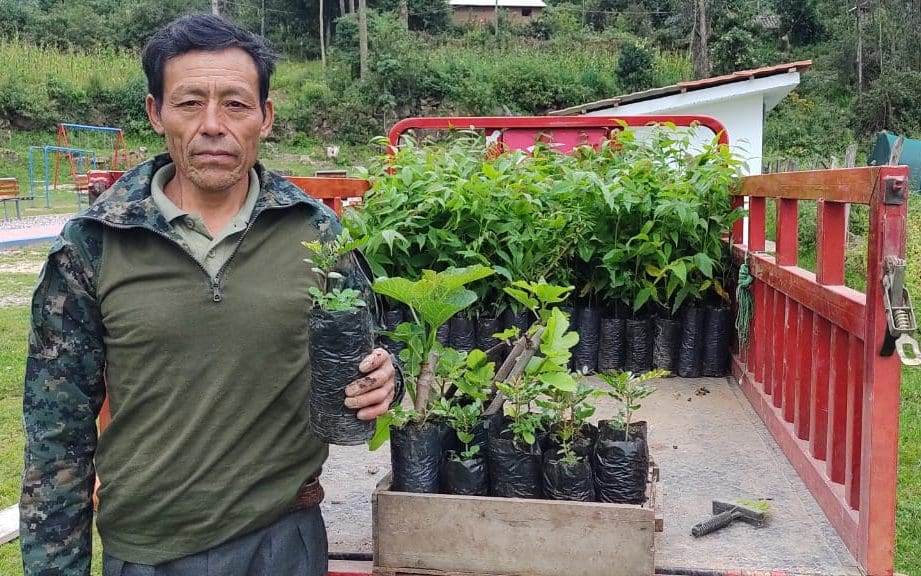
\#Napoleón Vega Escobedo took part in the campaign
We spoke with Napoleón Vega Escobedo, president of the Palmira Forestry-Agricultural Association, in the Leymebamba district, and he describes the campaign as an opportunity to strengthen the propagation of native and medicinal species, the latter with added value for marketing.
Thanks to the “Plant a tree and sow life” campaign, dozens of Peruvians did their bit to maintain the good condition of the forest, improve the climatic conditions for humanity and the hundreds of animals that live in both ACPs, because there they find necessary food and ideal setting to reproduce.
**Tags:** Conservation, Peru, Protected Area
**Strategic Area:** Climate
**Country:** Peru
**Content Type:** Blog
---
### [Estudio describe nuevas especies de ranas en el sur del Ecuador ](https://www.natureandculture.org/es/directorio/estudio-describe-nuevas-especies-de-ranas-en-el-sur-del-ecuador/)
**Published:** June 7, 2023
**Author:** Nora Sanchez
**Content:**
**Los anfibios cumplen un rol fundamental en la vida del planeta.** Estas especies son consideradas claves en las funciones ecológicas de los ecosistemas, pues son controladores de insectos y constituyen alimento de muchos otros animales. Científicos del Museo de Zoología de la Universidad Técnica Particular de Loja (MUTPL), identifican a los anfibios como potenciales indicadores biológicos del estado de los ecosistemas; por ejemplo, las ranas de cristal depositan sus huevos en quebradas libres de contaminación, por lo que su presencia puede significar agua de buena calidad.
El científico del MUTPL, Diego Armijos-Ojeda, considera que **las investigaciones realizadas en el sur del Ecuador han permitido conocer nuevas y diversas especies de ranas y encontrar algunas que se creían extintas.** Recomienda valorar la biodiversidad de esta zona que aún está en proceso de ser descrita, pues en algunos casos especies desaparecen sin conocerlas, como ha sucedido en el Abra de Zamora.
El Abra de Zamora es una zona de páramo arbustivo que se ubica en la cordillera de los Andes entre las provincias de Loja y Zamora Chinchipe, al norte del Parque Nacional Podocarpus y es aquí donde durante los últimos 30 años parecen haberse extinguido al menos cuatro especies de ranas, según los reportes del MUTPL.
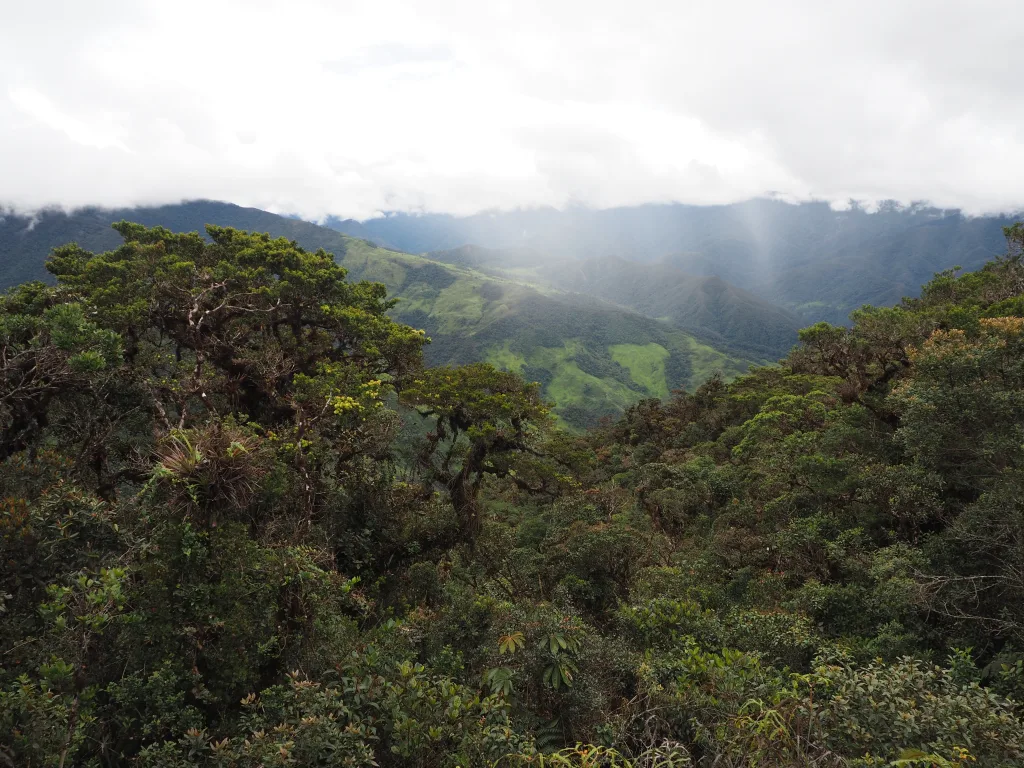Reserva Natural Numbala
Aproximadamente a 730 kilómetros de la ciudad de Quito, Ecuador, en la provincia de Zamora Chinchipe, se encuentra la Reserva Natural Numbala, en el cantón Palanda, en un rango altitudinal de 1700 a 3120 msnm, con una superficie de 1895 hectáreas.
Cajanuma – Parque Nacional Podocarpus
En los páramos y bosques nublados, en el límite de las provincias de Loja y Zamora Chinchipe, se encuentra el Parque Nacional Podocarpus, cuya superficie es de 144993 hectáreas, en un rango altitudinal de 1000 a 3800 msnm.
En estos ecosistemas altoandinos de los alrededores del Parque Nacional Podocarpus, los científicos *Paúl Székely, Diana Székely, Diego Armijos-Ojeda, Santiago Hualpa-Vega y Judit Vörös*, **descubrieron tres nuevas especies de ranas de lluvia** del género *Pristimantis* (Familia Strabomantidae). Esta investigación se realizó entre el equipo del MUTPL, *Hungarian Natural History Museum* y la Organización Green Jewel, y fue recientemente publicada en la revista *Herpetological Monographs*, bajo el nombre de “*Molecular and Morphological Assessment of Rain Frogs in the Pristimantis orestes Species Group (Amphibia: Anura: Strabomantidae) with the Description of Three New Cryptic Species from Southern Ecuador”.*
[Accede al estudio aquí](https://www.natureandculture.org/es/tres-nuevas-especies-de-anfibios-en-el-sur-del-ecuador/)
Las tres ranas fueron descritas con los siguientes nombres científicos:
***Pristimantis numbala*,** se distribuye en la zona alta de la Reserva Natural Numbala, en los bosques nublados de esta reserva.
***Pristimantis sagedunneae*,** se distribuye en el páramo arbustivo del Abra de Zamora y la zona de Cajanuma, en el Parque Nacional Podocarpus.
***Pristimantis paladines*,** se distribuye en páramos arbustivos ubicados al sur del Parque Nacional Podocarpus.
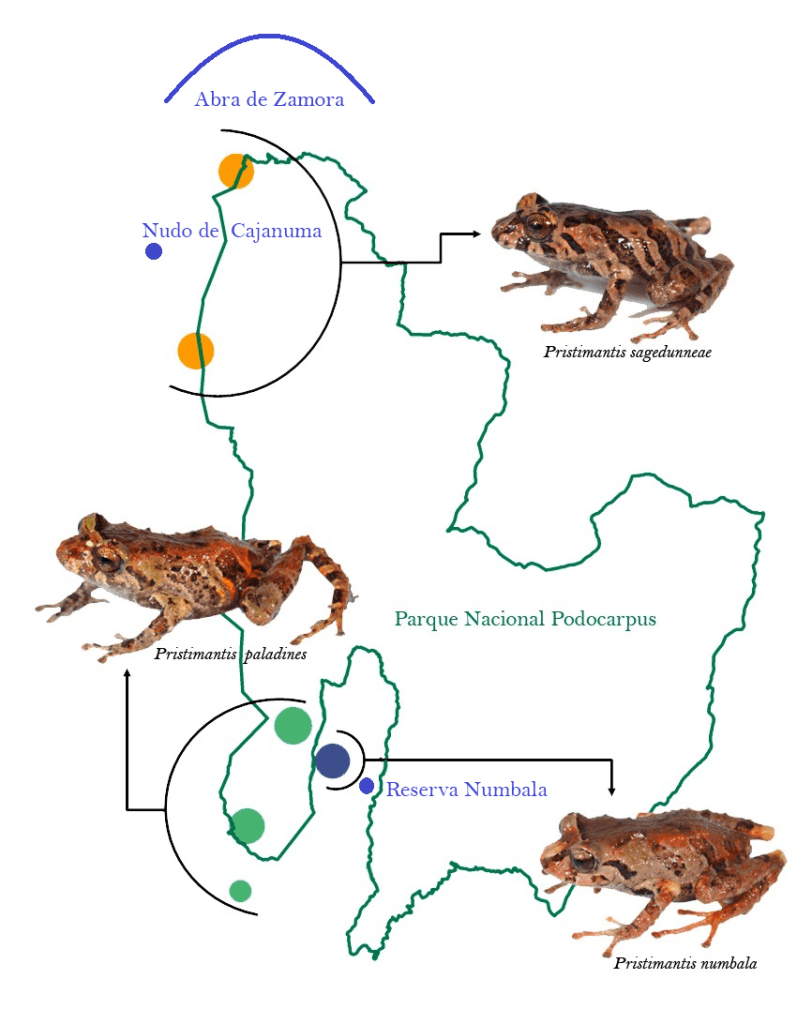Mapa de relacionamiento[Conoce más sobre las especies aquí](https://www.natureandculture.org/es/directorio/tres-nuevas-especies-de-anfibios-en-el-podocarpus/)
Para conocer los detalles de esta investigación, el equipo de comunicación de Naturaleza y Cultura Internacional conversó con **Diana Székely, una de las científicas responsables del estudio**, y esto fue lo que nos comentó:
**¿Cómo fue el descubrimiento de las tres nuevas especies?**
Durante más de 7 años, se han venido realizado expediciones, en un esfuerzo de monitoreo para estudiar y conservar la biodiversidad de este sitio único en el mundo. Así fueron encontradas las tres nuevas especies de rana para la ciencia. Una vez encontradas, los caracteres morfológicos de cada uno de los individuos se compararon con las especies conocidas.
Como era evidente que estas ranas eran diferentes a cualquiera de las especies conocidas anteriormente, se recolectaron muestras que fueron depositadas en el Museo de Zoología de la UTPL. El análisis de ADN confirmó que, de hecho, estábamos tratando con tres nuevas especies, estrechamente relacionadas, de ranas con desarrollo directo. Además, las relaciones genéticas indicaron que son una rama evolutiva de ranitas que suelen vivir en el interior de las bromelias (familia *Bromeliaceae*), pero que se han adaptado a vivir como arborícolas.
**¿Qué amenazas enfrentan las nuevas especies?**
Sabemos poco sobre la ecología y la historia de vida de estas especies. Las tres especies tienen fuertes preferencias de hábitat en bosques densos y vegetación arbustiva de zonas altoandinas (más de 2800 msnm), se las puede encontrar sobre ramas o paredes de piedra cubiertas de musgo justo debajo del páramo; es decir, en sitios muy húmedos.
Esta fuerte dependencia de un tipo particular de hábitat indica que, cualquier cambio que pueda ocurrir, ya sea causado directamente por el cambio de uso de suelo como la tala de bosques o indirectamente por el cambio climático o por la reducción de la humedad, implica que las especies corren un alto riesgo de desaparecer, pues no tendrían donde vivir.
Además, nunca son abundantes en sus hábitats y probablemente tienen poblaciones pequeñas, aunque las razones e implicaciones de esto requieren mucha más investigación.
**¿Cuál es la importancia de las áreas protegidas para la preservación de los ecosistemas de estas especies de rana?**
Las tres especies se encontraron sólo dentro de áreas protegidas o en sus inmediatos alrededores, aunque también se llevó a cabo un extenso trabajo de campo en el exterior. Sin embargo, no podemos estar seguros de que las especies no estén distribuidas afuera. Por ahora, consideramos que estas áreas protegidas (tanto estatales como privadas) actúan como refugios para la permanencia de este linaje tan especial de diminutas ranas.
**¿Qué acciones son necesarias para la protección de esta y otras especies?**
Como se mencionó anteriormente, no se sabe mucho sobre la biología y las necesidades de estas especies. Por lo que sabemos, pensamos que lo más importante para su conservación es el mantenimiento de su hábitat lo más cercano posible al estado original. Esto garantizará no sólo su conservación, sino también la protección de otras especies emblemáticas que comparten el mismo espacio. Sin embargo, se necesita mucho más trabajo a partir de ahora, para comprender cómo estas ranas podrían verse afectadas por el cambio climático, las enfermedades y la introducción de especies exóticas invasoras.
**¿Cuál es la importancia del descubrimiento de especies nuevas?**
Cuando se descubre científicamente una especie, los investigadores publican una descripción de todos sus atributos. Por ejemplo, cómo se diferencia de todas las demás especies ya conocidas, además recibe un nombre único que refleja cómo se relaciona con las demás especies en el árbol de la vida. A partir de este momento, la especie puede ser estudiada en detalle y se recopila información sobre su ecología, demografía y biología de conservación, dado que los individuos de una especie comparten sus requerimientos y características de manera diferente a otras especies. Las medidas que se tomen para su conservación deben ser adecuadas para cada especie. Además, comprender e identificar especies individuales es fundamental para garantizar su conservación y también para evaluar la biodiversidad de un sector o área.
Abra de Zamora
---
### **¿Cómo se han apoyado estas investigaciones?**
Desde hace 6 años se han venido articulando esfuerzos entre Naturaleza & Cultura Internacional (NCI) y La Universidad Técnica Particular de Loja, para **estudiar la biodiversidad de la región sur de Ecuador y combatir las amenazas que enfrentan los ecosistemas tropicales de esta región.**
**Gracias al apoyo de Rainforest Trust,** organización dedicada a promover la conservación de la vida silvestre amenazada y la protección de hábitats, se realizó un estudio de biodiversidad en la Reserva Natural Numbala (administrada por NCI) para explorar sitios prioritarios y muestrear especies faunísticas y florísticas en diferentes taxas: flora, herpetofauna, aves y mamíferos. Durante este estudio se colectó por primera vez ejemplares de la especie que hoy se describe como *Pristimantis numbala.*
De igual manera, con el apoyo de Rainforest Trust, desde abril 2022 se ejecuta un proyecto para la protección de especies endémicas de anfibios, con la finalidad de proteger los ecosistemas naturales del Abra de Zamora, en la zona de amortiguamiento del Parque Nacional Podocarpus.
También, gracias al apoyo de Andes Amazon Fund, publicamos [el libro “Río Negro-Sopladora, el descubrimiento de un tesoro natural”](https://www.natureandculture.org/es/rio-negro-sopladora-el-descubrimiento-de-un-tesoro-natural/ "el libro “Río Negro-Sopladora, el descubrimiento de un tesoro natural”") en 2017, una investigación de la riqueza biológica de este territorio que abrió la posibilidad para nuevas investigaciones y la creación de áreas protegidas.
Por otro lado, en el 2019, las medidas de conservación y gestión establecidas entre *Critical Ecosystem Partnership Fund (CEPF) y* NCI, permitieron que el Corredor de Conectividad Sangay-Podocarpus (CCSP) se establezca como el primer corredor ecológico de Ecuador. El corredor tiene una superficie de 567097 hectáreas y se distribuye entre las provincias de Morona Santiago, Azuay, Loja y Zamora Chinchipe.
En el corredor y sus alrededores, se han venido realizando investigaciones sobre especies nuevas de anfibios, con el objetivo de incrementar el perfil de importancia para su conservación a través del programa *Key Biodiversity Areas (*KBAs) que posibilita **la identificación, cartografía, seguimiento y conservación, para salvaguardar las especies y sus hábitats**; con el apoyo de Wild Wisdom Foundation. En ese contexto, recientemente se publicó el libro **“Anfibios & Reptiles del Corredor de Conectividad Sangay-Podcarpus”**.
[Descarga aquí el libro](https://www.natureandculture.org/es/anfibios-y-reptiles-del-corredor-de-conectividad-sangay-podocarpus/)
**Tags:** Anfibios, Biodiversidad, Ecuador, Reservas naturales
**Strategic Area:** Biodiversidad
**Country:** Ecuador
**Content Type:** Noticias
---
### [Creación histórica de la Reserva Tarímiat Pujutaí Nuṉka ](https://www.natureandculture.org/es/directorio/creacion-historica-de-la-reserva-tarimiat-pujutai-nuṉka/)
**Published:** February 1, 2023
**Author:** Nora Sanchez
**Content:**
#### Nacionalidades Indígenas y Gobierno Provincial acuerdan proteger más de 1 millón de hectáreas en la Amazonía ecuatoriana.
Declaración Tarímiat Pujutaí Nuṉka. Foto: Naturaleza y Cultura Internacional
La tarde de este miércoles 01 de febrero del 2023, durante sesión ordinaria del Órgano Legislativo del Gobierno Autónomo Descentralizado Provincial de Morona Santiago (GADPMS), se aprobó en segundo y definitivo debate, de manera unánime, la Ordenanza que establece el **Territorio de Vida y Uso Ancestral Tarímiat Pujutaí Nunka,** en la provincia de Morona Santiago.
El Tarímiat Pujutaí Nunka cuenta con una superficie de 1’237.395.41 hectáreas y está ubicado en nueve cantones, Taisha, Morona, Sucúa, Logroño, Méndez, Tiwintza, Limón Indanza, San Juan Bosco y Gualaquiza.
El Tarímiat Pujutaí Nunka se creó a través de un proceso de construcción colectiva que inició el 9 de noviembre de 2021, mediante la firma de un acuerdo entre el GADPMS, y las cuatros nacionalides, Federación Interprovincial de Centros Shuar (FICSH), Nación Shuar del Ecuador (NASHE), Nacionalidad Achuar de Ecuador(NAE) y Pueblo Shuar Arutam (PSHA), con el acompañamiento de Naturaleza y Cultura Internacional.
Rio Yaupi Foto: Naturaleza y Cultura Internacional
El proceso de Consulta Prelegislativa, se desarrolló en 21 espacios participativos con diferentes actores de las cuatro organizaciones sociales de la provincia, con una participación efectiva de 893 personas, donde se recogió la visión de las cuatro organizaciones a través de sus aportes y lo que se propone en sus Planes de Vida, lo que se considera como un hecho inédito en esta provincia amazónica
El objeto principal del Tarímiat Pujutaí Nunka es el cuidado, preservación de los recursos naturales y culturales, uso ancestral y sostenible, para generar alternativas económicas que mejoren la calidad de vida de las comunidades de territorio.
Además, dentro del Tarímiat Pujutaí Nunka se garantizará el respeto de los derechos de la naturaleza y los derechos colectivos, la protección de la biodiversidad y las culturas ancestrales, los principios ambientales, las fuentes de agua que nacen de las dos Cordilleras Kutukú y del Cóndor; la regulación del clima y los ecosistemas frágiles asociados.
El presidente de la NASHE, Felipe Mashiant, mencionó que la aprobación de la ordenanza Tarímiat Pujutaí Nunka permitirá que los centros y asociaciones de esta organización continúen con la protección de los bosques de manera adecuada.
Por su parte, Waakiach Kuja, líder de la NAE, detalló que luego de la Consulta Prelegislativa en las 13 asociacioes de Morona Santiago, se consideró que el establecimiento del Tarímiat Pujutaí Nunka será de beneficio para toda la provincia.
Josefina Tunki, presidenta del PSHA, señaló que luego de muchos años y gracias al trabajo participativo en 6 cantones, 47 centros y 6 asociaciones, se consolidó la construcción del Tarímiat Pujutaí Nunka. *“Las organizaciones hemos tenido por primera vez un acercamiento, para trabajar unidos, gracias a la actual administración de la Prefectura de Morona Santiago”,* recalcó.
Josefina Tunki. Foto: Naturaleza y Cultura Internacional
De igual manera, el represente de la FICSH, comentó que luego de la Consulta Prelegislativa realizada en su territorio, resolvieron dar la aprobación para la creación del Tarímiat Pujutaí Nunka,
Finalmente, el prefecto de Morona Santiago, Rafael Antuni, comentó lo siguiente: *“esta es una iniciativa que permitirá no solo conservar, sino disfrutar de nuestra selva y clima, para ofrecer al mundo un ambiente saludable”.*
Gracias a la voluntad política del Prefecto Rafael Antuni y la validación participativa de líderes, lideresas y demás representantes de las Nacionalidades Shuar y Achuar de Morona Santiago, con el apoyo de Naturaleza y Cultura Internacional, se alcanzó la aprobación de la ordenanza para la creación del **Territorio de Vida y Uso Ancestral Tarímiat Pujutaí Nunka** que marca un hito histórico en la Amazonía del Ecuador.
Todo este proceso de construcción colectiva se desarrolló gracias al apoyo de Andes Amazon Fund; Norway’s International Climate and Forest Initiative, NICFI; La Agencia Noruega para Cooperación al Desarrollo, NORAD; y Re:wild.
**Tags:** Áreas protegidas, Biodiversidad, Ecuador, Personas
**Strategic Area:** Bosques
**Country:** Ecuador
**Content Type:** Noticias
---
### [Nuevas áreas de conservación en Perú protegen más de siete mil hectáreas de bosque](https://www.natureandculture.org/es/directorio/nuevas-areas-de-conservacion-en-peru-protegen-mas-de-siete-mil-hectareas-de-bosque/)
**Published:** February 27, 2023
**Author:** Nora Sanchez
**Content:**
- *Las nuevas áreas de conservación ubicadas en Cajamarca y Amazonas protegen 7,786 hectáreas entre bosque estacionalmente seco del Marañón, pajonal y bosque montano.*
- *Las áreas de conservación centrarán sus esfuerzos por proteger los ecosistemas, por ser hábitat de importantes especies. Y fortalecer la organización comunal.*
El Ministerio del Ambiente del Perú reconoció esta semana a dos Áreas de Conservación Privada (ACP). Se trata de las ACP Utco en Cajamarca y de Yasgolca-Santa Lucia, Montevideo en Amazonas. Ambos espacios naturales concentran una riqueza natural única en el mundo.
Utco
El área de conservación Utco protege 3,060.36 hectáreas de la ecorregión bosques secos del Marañón, conocida por ser un epicentro de biodiversidad, gracias al importante índice de endemismo de flora y fauna silvestre que alberga.
Solo en el área de conservación Utco se han reportado 9 especies de aves endémicas, 9 especies de reptiles endémicos, un anfibio endémico; es decir que solo se encuentran en este lugar. Entre ellas destaca *Incaspiza ortizi, Phyllodactylus thompsoni,* *Rhinella vellardi*.

Además, es un centro natural de investigación, donde se han reportado 20 especies de flora endémica en peligro crítico, como *Parkinsonia peruviana, Cedrela kuelapensis, Caesalpinia celendiniana y Piptadenia weberbaueri”,* detalló Elvis Allauja de Naturaleza y Cultura Internacional.
Mientras que el Área de Conservación Privada Yasgolca-Santa Lucia, Montevideo, protege 4,725.69 hectáreas de pajonal y bosque montano. La zona es una importante fuente natural de agua, aquí nace el recurso que provee a importantes pueblos de Amazonas. Además, es un hogar seguro para 140 especies de aves, 9 especies de anfibios y 14 especies de mamíferos que comparten hábitat.
Aegialomys xanthaeolus
El área protege especies que se encuentran bajo alguna categoría de amenaza, como *Polylepis racemosa y Cedrela*. Asimismo, especies de animales silvestres como el espatulilla de Johnson (*Poecilotriccus luluae),* oso de anteojos (*Tremarctos ornatus)* y mono nocturno (*Aotus miconax).*
## **El bosque y la vida**
Las áreas declaradas oficialmente el 22 de febrero del 2023, se conectan con otras áreas de conservación. Contribuyendo en ampliar el límite de distribución de diversas especies de fauna silvestre, así lo dio a conocer Lleydy Alvarado, de Naturaleza y Cultura Internacional.
Uno de sus principales servicios ecosistémicos es la captura de carbono y regulación de agua, por ello la especialista señala que no basta con establecer áreas, es necesario que estén conectadas para que sus servicios ambientales sean más efectivos, precisó la especialista.
Montevideo
## **Protección a largo plazo**
Durante años, se creía que los ecosistemas poseían bienes y servicios ecosistémicos inagotables, los cual ha llevado a la sobreexplotación de los bosques. Conscientes de ello, las comunidades campesinas de Utco y Montevideo decidieron regresarle al bosque su espacio y es hasta hoy que lograron el reconocimiento de sus áreas de conservación.
El proceso para el establecimiento de ambas Áreas de Conservación Privada fue gracias al esfuerzo y perseverancia de ambas comunidades, con el soporte técnico de Naturaleza y Cultura Internacional y el financiamiento de Re:wild y Andes Amazon Fund en Utco; así como U.S. Fish and Wildlife Service en Montevideo.
**Strategic Area:** Bosques
**Country:** Perú
**Content Type:** Noticias
---
## Projects
### [Community Fire Prevention and Climate Resilience in the Andes](https://www.natureandculture.org/conservation_initiatives/community-fire-prevention-and-climate-resilience-in-the-andes/)
**Published:** September 30, 2026
**Author:** Heather Thomas
**Content:**
## Protecting forests, wildlife, and water sources in Ecuador and Peru
Across the Andes, longer dry seasons and growing land-use pressure are increasing wildfire risk. These fires threaten forests, biodiversity, water sources, and ecological connectivity that allows species and ecosystems to thrive.
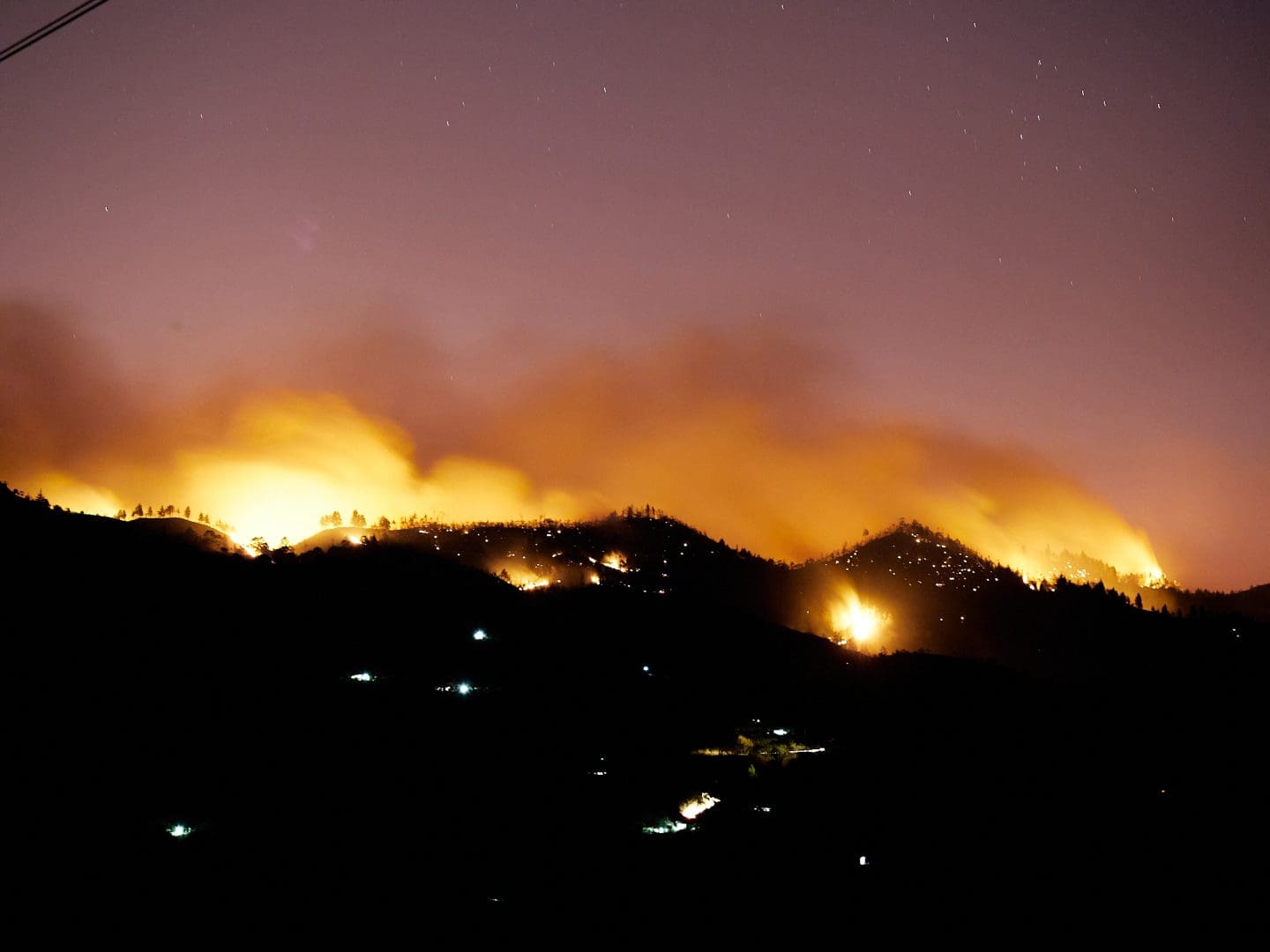
### Wildfire is a Global Challenge
While Nature and Culture’s fire resilience work is focused in the Tropical Andes, many of the underlying challenges are familiar around the world: longer dry seasons, hotter temperatures, pressure on natural landscapes, and growing threats to water supplies and biodiversity.
We’re working with local communities to implement practical approaches that reduce risk, strengthen preparedness, and protect the natural systems people and wildlife depend on.
## Building Local Capacity Against Wildfire
Nature and Culture works with communities, conservation-area managers, and local governments to [strengthen wildfire prevention, preparedness, and response](https://www.natureandculture.org/directory/facing-wildfires-communities-in-the-tropical-andes-protect-life/) across priority landscapes within the [Andes-Amazon Conservation Corridor](https://www.natureandculture.org/conservation_initiatives/the-andes-amazon-conservation-corridor/). Our team supports community training, public awareness campaigns, and coordinated monitoring systems so local leaders can reduce risk and respond quickly when fires start.
Together, we’re helping communities:
- Detect fires earlier.
- Prevent accidental wildfires.
- Prepare for emergencies.
- Protect forests, water sources, and wildlife.
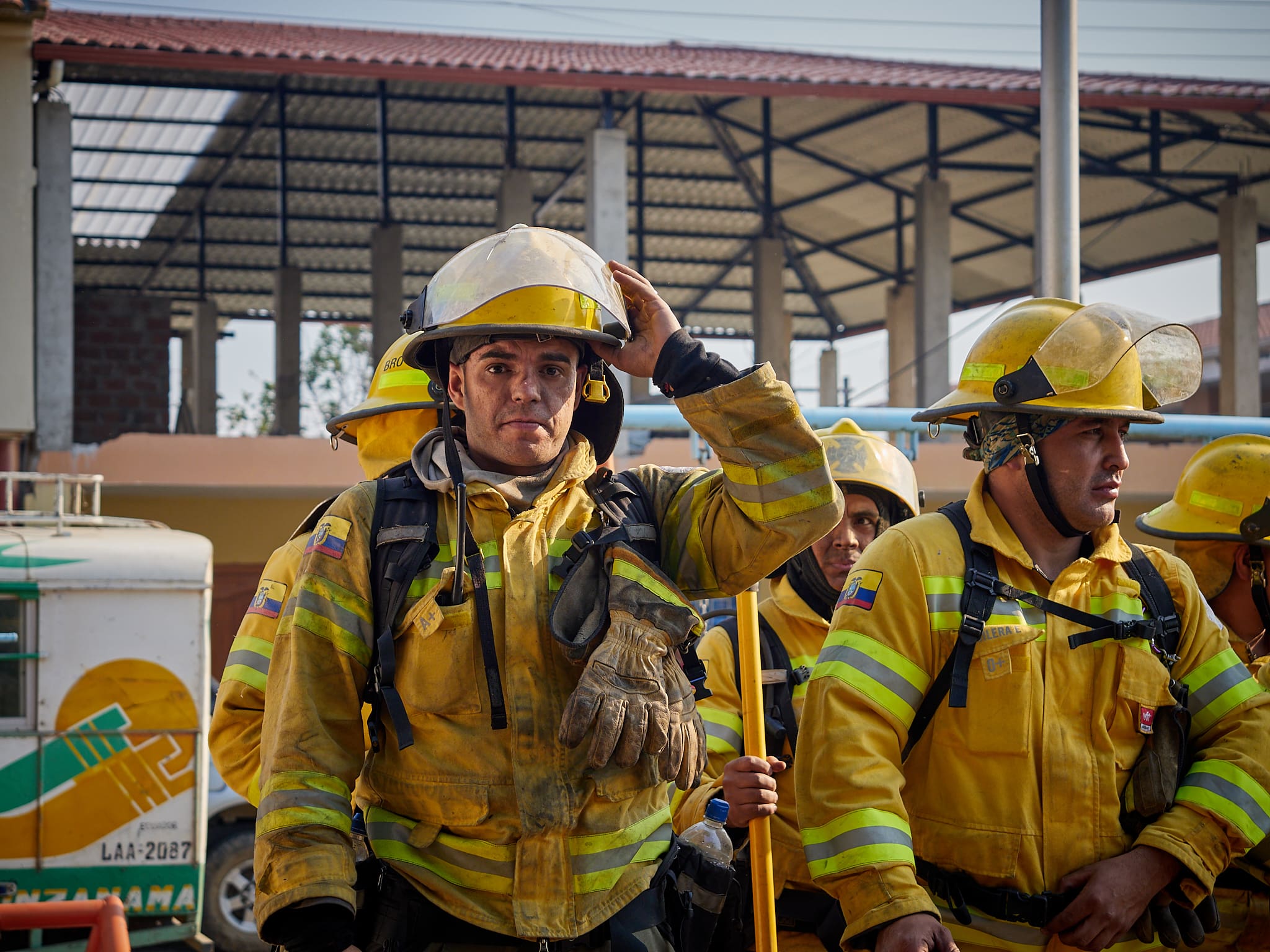
## Why Wildfires Are Increasing in the Andes
Most fires in the region start from human activity. According to Peru’s national forestry authority, about 95% of wildfires are linked to human causes, many of them agricultural burns that spread beyond their intended boundaries.
For generations, fire has been a low-cost way to clear fields, remove crop residue, and renew pasture, and it was largely manageable. Today, longer droughts, hotter temperatures, and stronger winds allow those burns to escape into forests and watersheds.
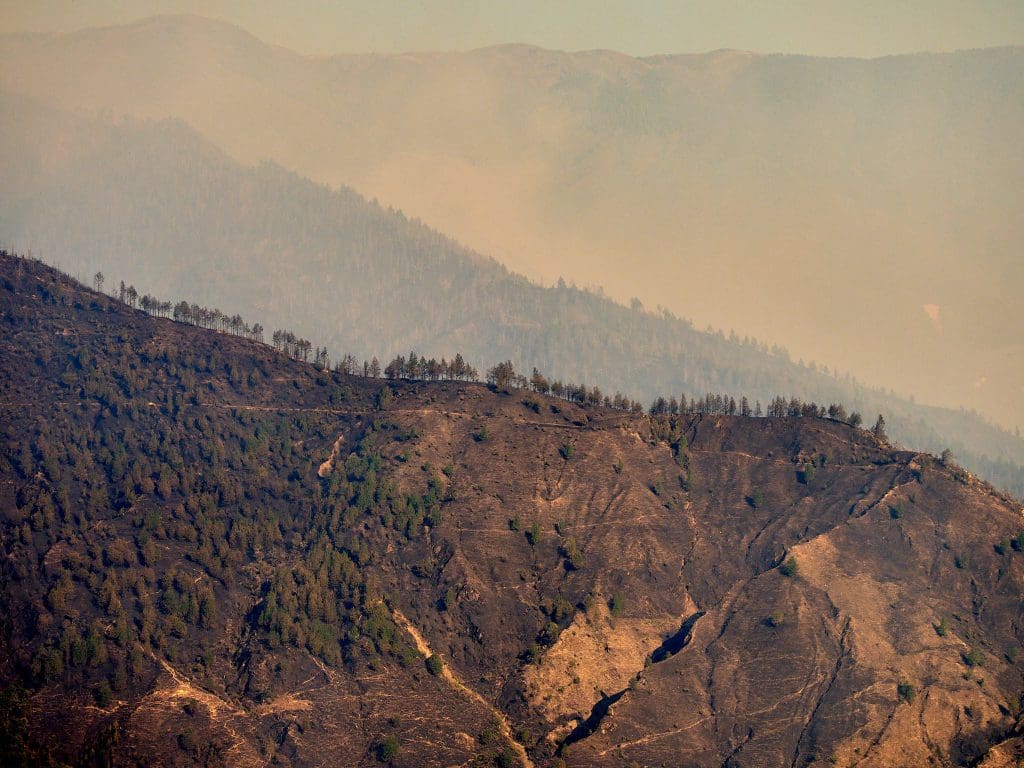
## Fire Prevention as a Conservation Strategy
Meeting this challenge requires more than responding to fires after they occur. It requires investing in prevention, preparedness, and local leadership before a crisis begins. Conservation is often associated with protecting land, restoring habitat, or establishing protected areas. But as fires become more frequent and severe across parts of South America, protecting conservation investments increasingly requires strengthening prevention and preparedness alongside traditional land protection efforts.
During the [2024 fire season, volunteer brigades played a key role in wildfire response efforts](https://www.natureandculture.org/directory/record-breaking-fires-highlight-the-importance-of-protected-area-management/), demonstrating the value of community leadership and coordinated action. Building on this experience, Nature and Culture is expanding wildfire prevention, preparedness, and community engagement efforts across the broader Andes-Amazon Conservation Corridor.
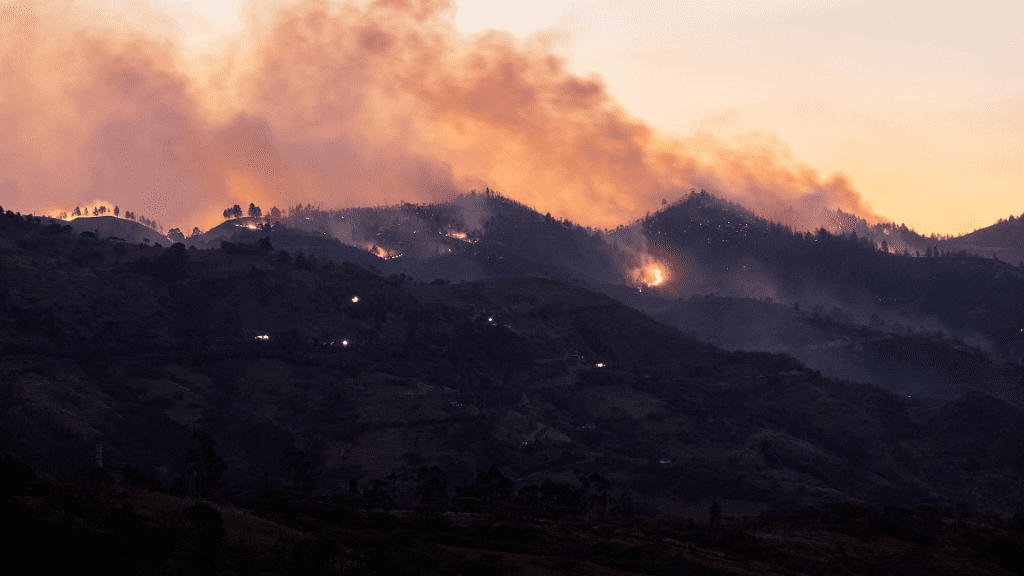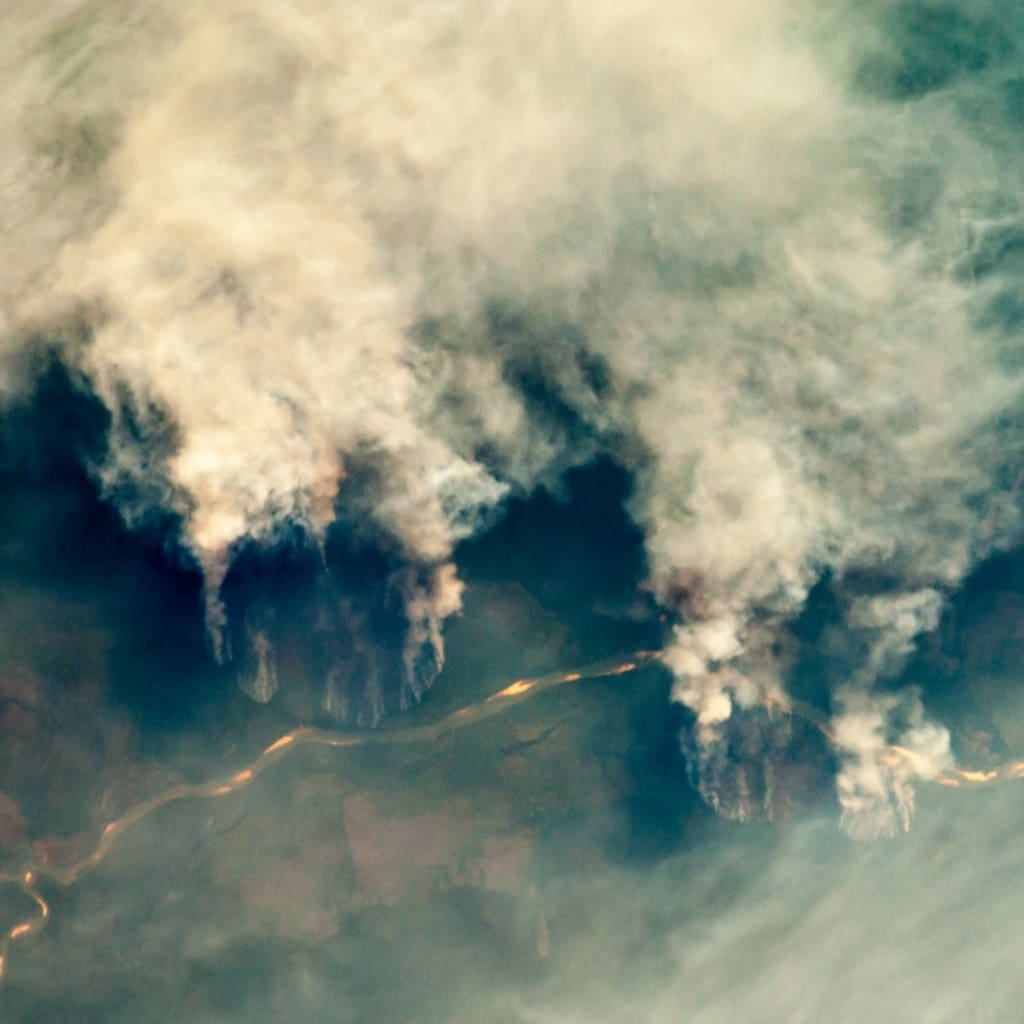
## Wildfire Threatens Connectivity
The Andes-Amazon Conservation Corridor was established to maintain ecological connectivity across a five-million-acre landscape that links Andean forests, high-Andean wetlands, and Amazonian ecosystems. These connections help sustain healthy watersheds and strengthen the resilience of ecosystems across the region.
*Wildfires can quickly disrupt those connections.*
Fires fragment wildlife habitat, degrade water sources, release stored carbon, and threaten the ecosystems that species such as the spectacled bear and mountain tapir depend upon. As wildfire risk grows, protecting connectivity increasingly requires investing in prevention and preparedness alongside traditional conservation approaches.
## Protecting Far More than Trees
The consequences extend far beyond burned areas. Wildfires can fragment wildlife habitat, degrade watersheds, release stored carbon, and weaken the ecological connections that sustain biodiversity across the Andes. Species such as the spectacled bear and mountain tapir depend on connected landscapes, while communities rely on the forests and watersheds that provide clean water and other essential benefits.
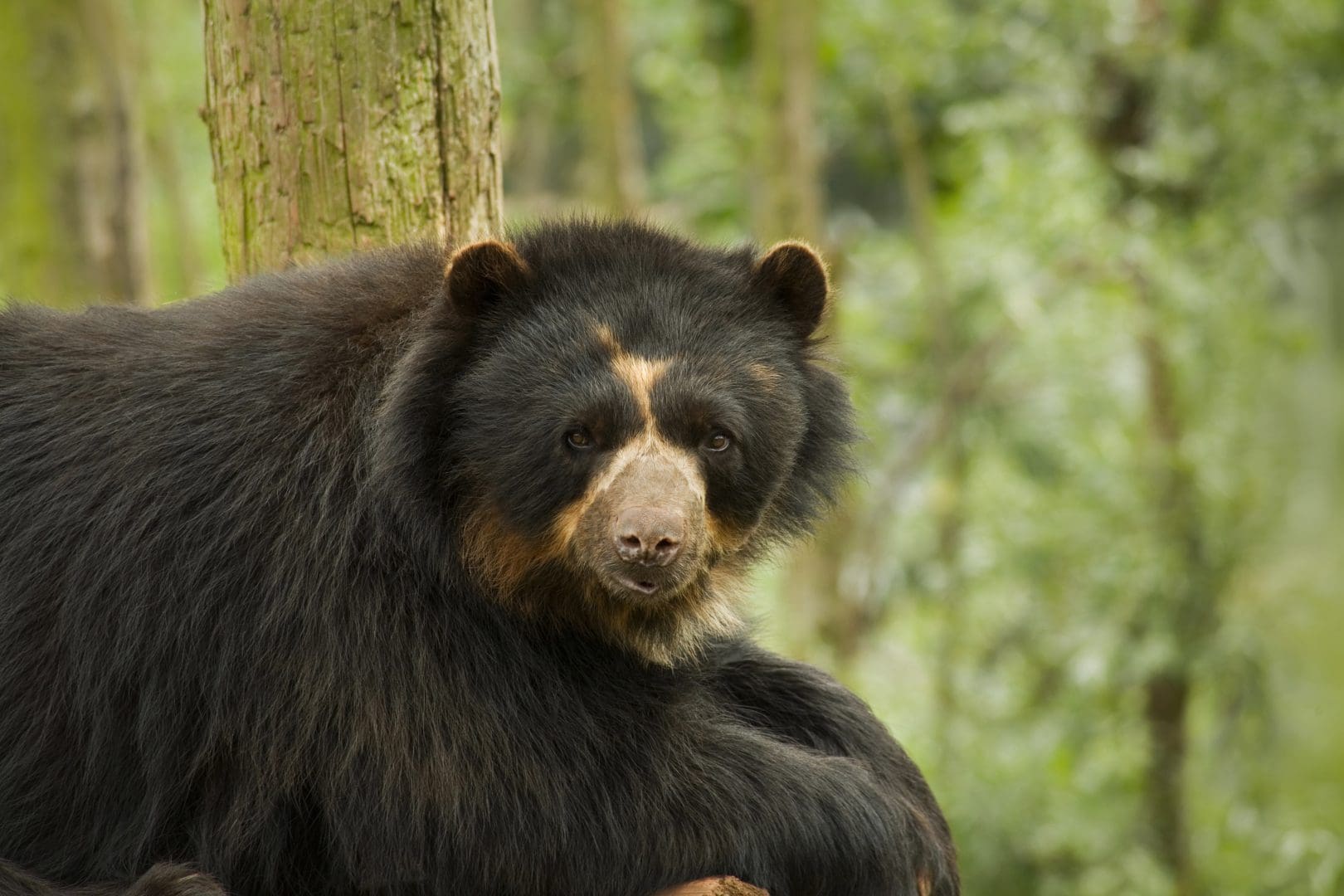


Protecting these forests means protecting far more than trees. It means safeguarding wildlife habitat, maintaining reliable water sources, and preserving the natural systems that communities and wildlife depend upon. That’s why investing in wildfire prevention and preparedness has become an essential part of long-term conservation across the corridor.
## ## FAQs
### Why is wildfire prevention important in the Andes?
Wildfires are becoming a growing threat across the Tropical Andes as changing climate conditions and land-use pressures increase the likelihood and intensity of fires. Beyond damaging forests, wildfires can fragment wildlife habitat, degrade water sources, release stored carbon, and weaken the ecological connections that many species depend on for survival.
### How does Nature and Culture help address wildfire risk?
Our approach combines community training, public awareness campaigns, monitoring systems, and coordinated planning. By strengthening community knowledge, preparedness, and coordination before fires occur, communities are better equipped to reduce risk and respond effectively when emergencies arise.
### Why focus on community training?
Community members are often the first to detect and respond to wildfire threats. By strengthening local knowledge, preparedness, and coordination, communities can prevent small incidents from becoming larger emergencies and play an active role in protecting their landscapes.
### How does fire prevention support biodiversity conservation?
Many species rely on intact forests, wetlands, and watersheds throughout the Andes-Amazon region. Preventing wildfires helps protect the habitats and natural systems that wildlife depend on while reducing damage to fragile ecosystems.
### How does this work fit into Nature and Culture’s broader vision?
Wildfire prevention is one part of Nature and Culture International’s broader approach to conservation. By protecting biodiversity, maintaining ecological connectivity, strengthening local stewardship, and safeguarding critical water resources, we help ensure that people and nature can thrive together across the Andes-Amazon Conservation Corridor.
As climate change reshapes wildfire risk across the Tropical Andes, investing in prevention and preparedness has never been more important.
Together, we can help keep the landscapes of the Andes-Amazon Conservation Corridor connected and resilient in the face of a changing climate.
**Strategic Area:** Forests, Local Communities
**Country:** Ecuador, Peru
---
### [The Andes-Amazon Conservation Corridor](https://www.natureandculture.org/conservation_initiatives/the-andes-amazon-conservation-corridor/)
**Published:** March 10, 2026
**Author:** Kristen Heard
**Content:**
## Protecting a Living Corridor Between the Andes Mountains and the Amazon Rainforest
#### The first ecological corridor connecting Ecuador and Peru—at the heart of Earth’s greatest biodiversity
The Andes-Amazon Conservation Corridor connects ecosystems across southern Ecuador and northern Peru, linking more than 50 conservation areas on both sides of the border. It creates a bridge between the upper Amazon and the high Andes, supporting the movement of species across an extraordinary range of altitudes and ecosystems.

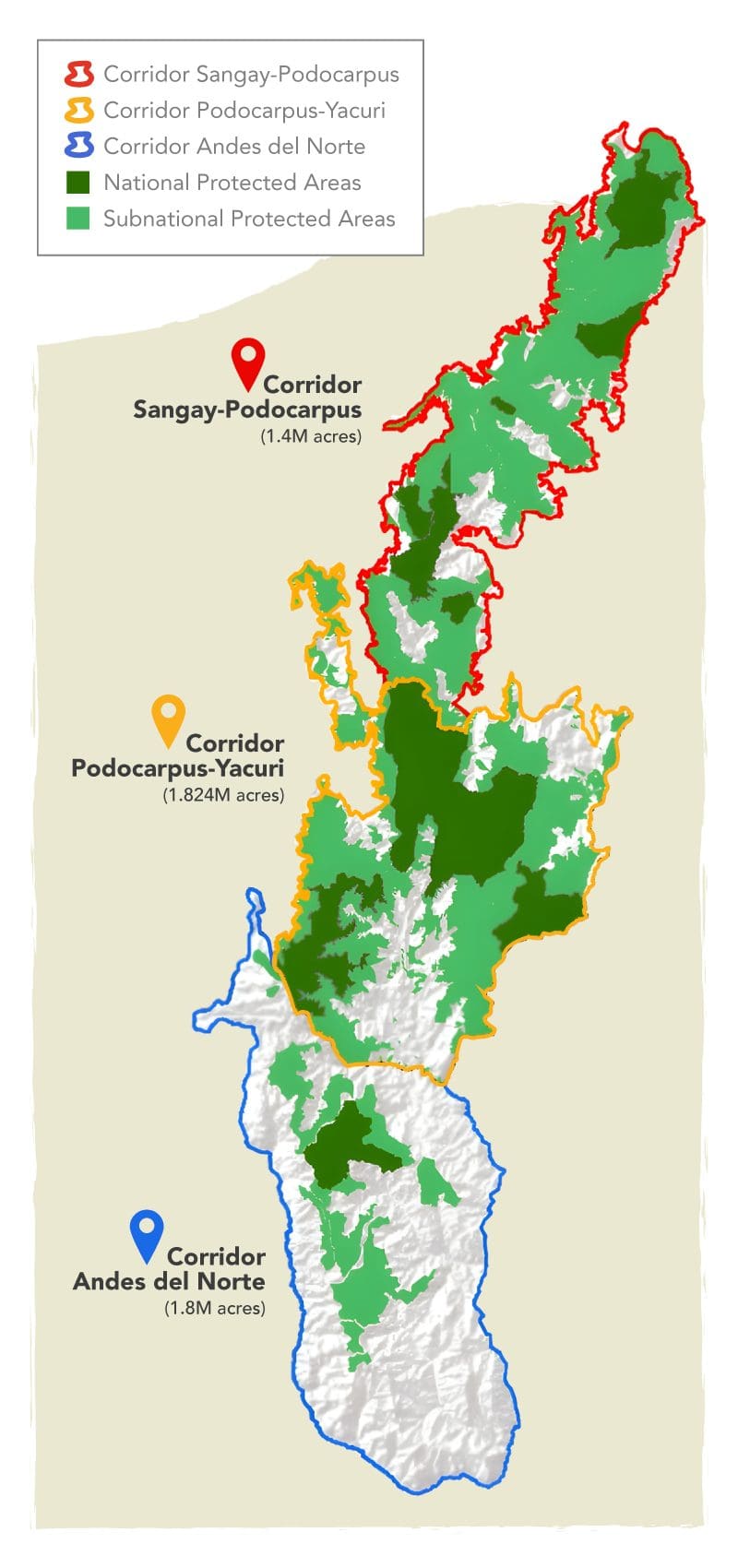

##### Acres protected
### 2,871,960 acres currently

##### 21 Key Biodiversity Areas
### 3,941,854 acres

##### More than 53
### protected areas

##### 2 countries
### 3 National Corridors

##### Key Species
### Jaguar (*Panthera onca*),
Spectacled bear (*Tremarctos ornatus*),
Andean condor (*Vultur gryphus*),
and the Andean tapir (*Tapirus pinchaque*).

##### Eco-regions
### Cloud Forest, Amazon Rainforest, Páramo, Lakes and Wetlands.
#### A unique opportunity
# Donate to Protect the Andes
The Andes-Amazon region is a global biodiversity hotspot. The Corridor ensures species can adapt to climate change, water sources remain secure for people, and forest continue storing carbon and regulating local climate.
[GIVE NOW!](https://www.natureandculture.org/donate/)

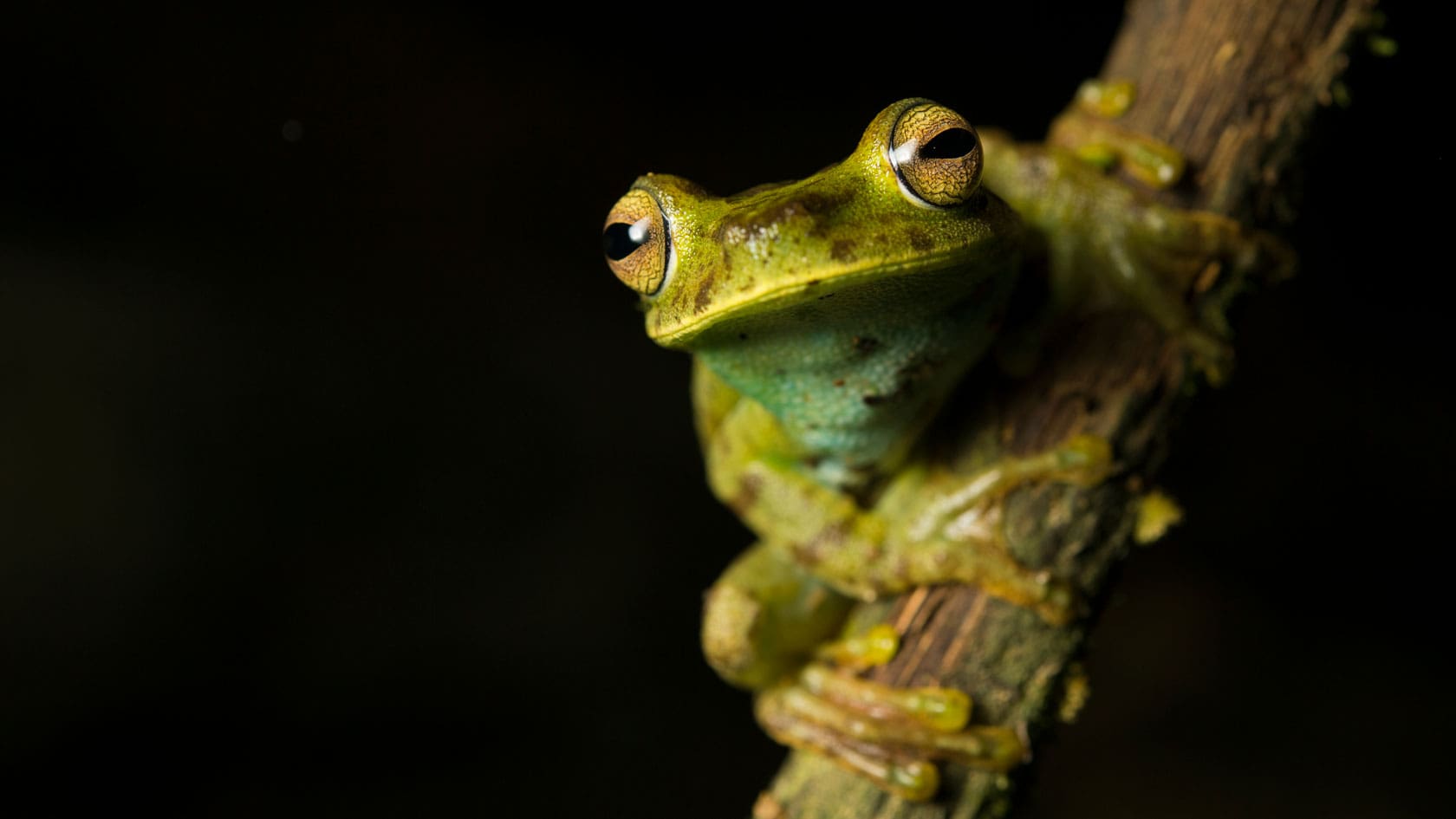
## ## An extraordinary collaboration
The Tropical Andes hotspot in South America is home to over 34,000 species of plants and animals, with estimates suggesting that half of these species are endemic. Despite its critical importance for global biodiversity, this region faces severe threats, including climate change, extractive activities, and ecosystem fragmentation.
The governments of Ecuador and Peru have pledged to promote and strengthen bi-national ecosystem connectivity to ensure the conservation of habitat and ecosystem services. Nature and Culture International, along with the environmental authorities in both countries and Plan Binacional have joined forces to create The Andes-Amazon Conservation Corridor.
## ## FAQs
### What is the Andes-Amazon Conservation Corridor?
The Andes-Amazon Conservation Corridor in Ecuador and Peru. It connects protected areas across the Andes to safeguard biodiversity, secure water supplies, and strengthen climate resilience.
### How does the Andes-Amazon Conservation Corridor fit into Nature and Culture’s vision?
Nature and Culture’s work is guided by three pillars:
1. Create Protected Areas
2. Strengthen Local Leadership
3. Secure Long-Term Protection
The Andes-Amazon Conservation Corridor is one way we put this strategy into action, applying all three pillars across one of the most biodiverse mountain regions on Earth.
### Which protected areas are included in the Andes-Amazon Conservation Corridor?
The Corridor is a mosaic of national parks, provincial and municipal reserves, and water protection areas. Examples include:
- [Corazón de la Amazonía](https://www.natureandculture.org/directory/the-heart-of-the-amazon-a-community-protects-the-headwaters-of-a-great-river/) Water Protection Area (Ecuador)
- [Rio Negro Sopladora](https://www.natureandculture.org/directory/rio-negro-sopladora-expansion-corridor-in-the-andes/) Protected Area (Ecuador)
- (Peru)
### How does the Andes-Amazon Conservation Corridor protect water?
Many protected areas in the Corridor are designed to safeguard headwaters, páramos, and cloud forests. In Ecuador, Water Protection Areas (Áreas de Protección Hídrica) legally protect drinking water sources. In Peru, Regional Conservation Areas secure watershed health for local communities.
### Who is in charge of protecting the Andes-Amazon Conservation Corridor long-term?
The Corridor relies on subnational leadership, provincial and municipal governments, and community stewards. These local leaders integrate conservation into development plans and ensure protection lasts beyond project cycles.
### How is long-term protection achieved?
Durability comes from:
- Legal frameworks (national, provincial, and municipal protected areas).
- Integration into local land-use and development plans.
- Water funds and other conservation finance mechanisms.
- Public budgets for protected area management.
- Monitoring systems for biodiversity, water, and climate resilience.
### Why is the Andes-Amazon Conservation Corridor important?
The Andes-Amazon region is a global biodiversity hotspot. The Corridor ensures species can adapt to climate change, water sources remain secure for people, and forests continue storing carbon and regulating local climates.
## ******Why is it important to protect ecological connectivity?******
Ecological connectivity is the **invisible bridge of life,** linking forests, rivers, and mountains so nature stays resilient. When these connections stay intact, ecosystems thrive and life flows freely. A**nimals can migrate, plants regenerate, and species share genetic diversity** across landscapes.
Protecting connectivity means protecting **the flow of life itself.**
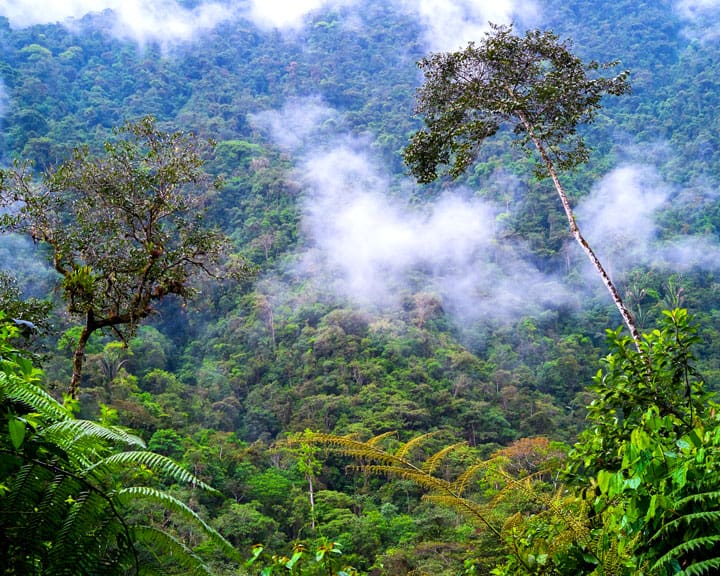



## Results So Far
We’ve already protected over half of the corridor, but safeguarding individual areas is not enough. These ecosystems must also be connected to ensure the flow of species and maintain biodiversity.
Over the next five years, our teams plan to protect an additional 103,250 acres, complete the legal process for establishing the entire Andes-Amazon Conservation Corridor, and work with local actors to ensure the long-term stewardship of this 5-million-acre biodiverse paradise.
# **We invite you to join us**
**in this monumental effort to protect one of the most extraordinary regions on Earth for future generations.** .
[GIVE NOW!](https://www.natureandculture.org/donate/)

**Strategic Area:** Biodiversity, Forests
**Country:** Ecuador, Peru
---
### [Plataforma Amazónica por los Bosques, el Clima y el Bienestar Humano ](https://www.natureandculture.org/es/conservation_initiatives/plataforma-amazonica-por-los-bosques-el-clima-y-el-bienestar-humano/)
**Published:** March 11, 2026
**Author:** Heather Thomas
**Content:**
## Un esfuerzo colaborativo para proteger el patrimonio natural y cultural de la Amazonía y promover medios de vida sostenibles para el bienestar de su gente.
La Plataforma Amazónica por los Bosques, el Clima y el Bienestar Humano es una iniciativa regional de gobernanza colaborativa territorial entre los gobiernos subnacionales y los pueblos y nacionalidades de la Amazonía ecuatoriana.
Esta propuesta innovadora articula esfuerzos para conservar y gestionar **más de 5 millones de hectáreas** del bosque continuo más grande del Ecuador, a escala provincial y de paisaje, e impulsar medios de vida sostenibles.
[Protege la Plataforma Amazónica](https://www.natureandculture.org/donate/)[Conoce Más Sobre el Fondo del Futuro Amazónico](https://www.natureandculture.org/es/conservation_initiatives/fondo-futuro-amazonico/)


##### 4.2 millones de hectáreas
PROTEGIDAS

##### 2.3 BILLONES de toneladas
DE CO2 almacenadas

##### 4 provincias y 7 nacionalidades
trabajando juntas

##### Protección del hábitat natural del 47%
de las especies de aves de Ecuador.

## ## Un esfuerzo colaborativo por proteger el bosque amazónico
La Amazonía está en peligro…
Cada año, la deforestación avanza a pasos agigantados, impulsada por el extractivismo, la ampliación de la frontera agrícola y otras actividades humanas. Ecuador, en noveno lugar por pérdida de bosques a nivel mundial, ve cómo su Amazonía, que cubre casi la mitad de su territorio, está bajo amenaza.
Si no actuamos ahora, perderemos el patrimonio natural y cultural amazónico, acelerando la crisis climática y amenazando la supervivencia de incontables especies de animales y plantas y millones de personas, incluyendo 11 nacionalidades indígenas, guardianas del bosque y poseedoras de invaluables conocimientos ancestrales.
No podemos responder a la compleja realidad de la Amazonía con esfuerzos aislados. Por eso, los gobiernos provinciales de la Amazonía, los pueblos y nacionalidades y Naturaleza y Cultura Internacional estamos promoviendo la Plataforma Amazónica por los Bosques, el Clima y el Bienestar Humano.
# **¿Cómo funciona?**


## El Fondo Futuro Amazónico
El Fondo Futuro Amazónico es un fondo de conservación sostenible liderado conjuntamente por las nacionalidades indígenas y los gobiernos provinciales de la Amazonía ecuatoriana que forman parte de la Plataforma Amazónica por los Bosques, el Clima y el Bienestar Humano.
Este mecanismo permitirá canalizar recursos económicos para financiar la implementación de los planes de vida de los territorios indígenas, los planes de manejo de las áreas provinciales y los planes de implementación REDD+ de las seis provincias amazónicas, asegurando que el financiamiento para la conservación llegue a quienes protegen los bosques y fortaleciendo un camino de largo plazo para la estabilidad climática y el bienestar humano.
[Conoce más](https://www.natureandculture.org/amazon-future-fund/)


## Qué hemos alcanzado…
hasta ahora, la Plataforma Amazónica ha asegurado más de **4 millones de hectáreas** de áreas protegidas en tres provincias: Pastaza, Zamora Chinchipe y Morona Santiago. Los siguientes pasos son extender este éxito a las provincias del norte y lanzar el Fondo Futuro Amazónico, un mecanismo de financiamiento liderado conjuntamente por los Pueblos Indígenas y los gobiernos provinciales para garantizar la protección a largo plazo de esta red de bosques.
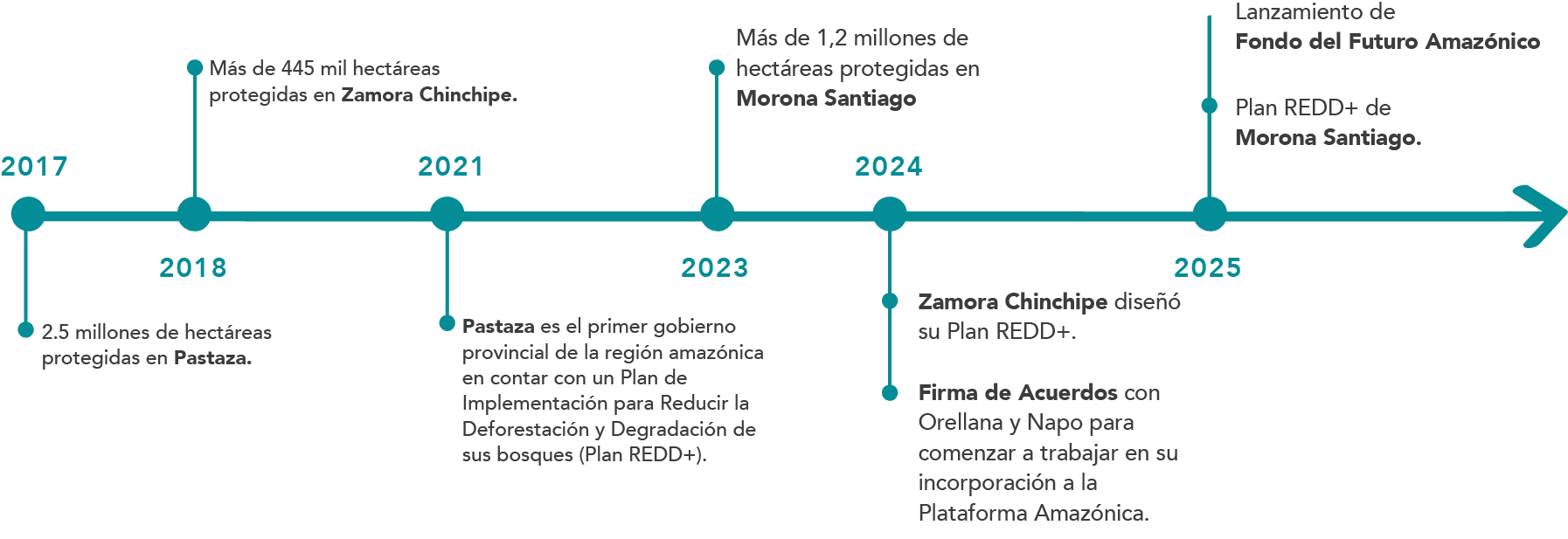
**Strategic Area:** Bosques, Clima, Comunidades Locales
**Country:** Ecuador
---
### [Bosques Secos del Marañón](https://www.natureandculture.org/es/conservation_initiatives/bosques-secos-del-maranon/)
**Published:** May 27, 2026
**Author:** Heather Thomas
**Content:**
Ubicado en el noroeste del Perú, el valle andino del río Marañón es uno de los territorios más áridos y estacionalmente secos de los Andes peruanos. Nuestro trabajo en el Mosaico Bosques Secos del Marañón se desarrolla bajo un enfoque de paisaje y gobernanza, orientado a promover el establecimiento de nuevas áreas de conservación, fortalecer la gestión de los espacios ya protegidos, fomentar el uso sostenible de los recursos naturales y desarrollar mecanismos de sostenibilidad financiera.
Este valle constituye una de las fronteras biogeográficas más importantes de los Andes. Aunque se trata de un territorio relativamente pequeño, posee un alto valor ecológico, ya que alberga especies de flora y fauna silvestres endémicas a nivel local, nacional y mundial.
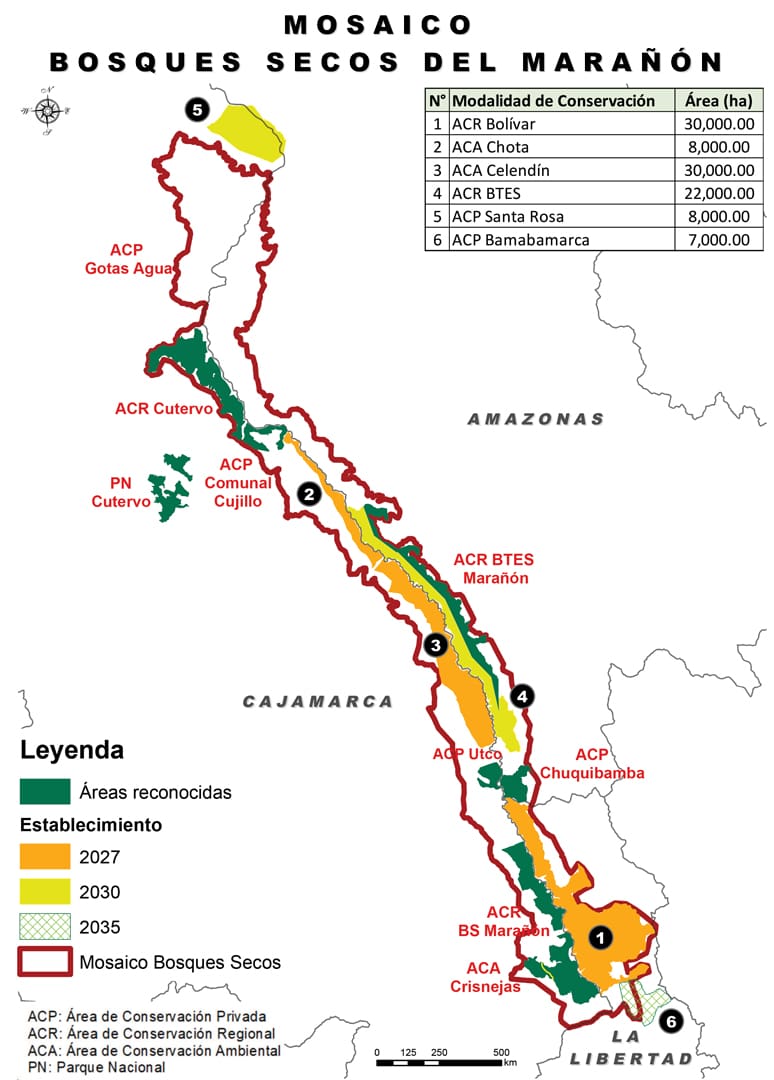
## **DATOS CLAVE**

143 especies
endémicas de flora

Más de 65 mil
hectáreas protegidas

6 áreas
protegidas establecidas

50 especies animales
con hábitats
relativamente restringidos
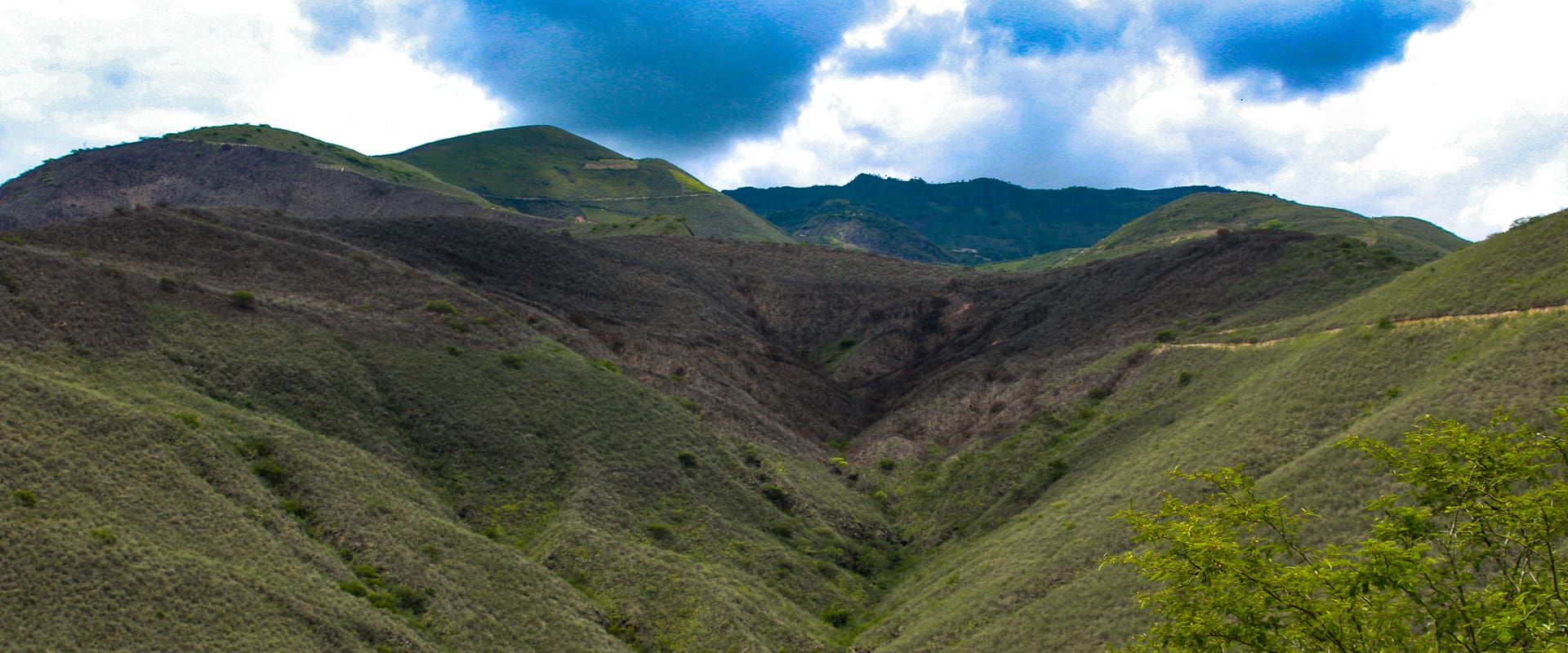
## ## **Resultados hasta ahora**
Desde el año 2012, Naturaleza y Cultura Internacional trabaja en la conservación de los Bosques Secos del Marañón, en los departamentos de Cajamarca, Amazonas y La Libertad. Este esfuerzo se ha construido junto a aliados estratégicos, gobiernos regionales, municipalidades y, sobre todo, las poblaciones locales que habitan y cuidan el territorio.
Como resultado, a junio de 2025 se han establecido tres áreas de conservación regional y tres áreas de conservación privada, que en conjunto protegen 65,609.37 hectáreas.
Mientras que en 2009 apenas el 0.1 % de la ecorregión contaba con algún tipo de protección, hoy esa cifra alcanza el 2.86 %, marcando un hito importante para la conservación de estos ecosistemas.
Naturaleza y Cultura Internacional ha colaborado en la restauración del paisaje del valle, desarrollando la primera experiencia en la propagación y plantación de 6 especies de flora endémica en peligro critico de extinción.
## ******¿Por qué es importante?******
Los bosques secos del Marañón lbergan una riqueza biológica que tiene un gran valor científico y un alto nivel de endemismo. Además, también sostiene la vida de las poblaciones locales. Los bosques proveen bienes y servicios ecosistémicos esenciales, como regulación hídrica, provisión de recursos y soporte para actividades productivas tradicionales. Además, su conexión con la cuenca amazónica convierte al Marañón en un eslabón clave para el equilibrio ecológico a escala regional y continental.
Conservar estos bosques es conservar la cuenca del río amazonas y sus recursos hidrobiológicos que dependen las poblaciones locales.
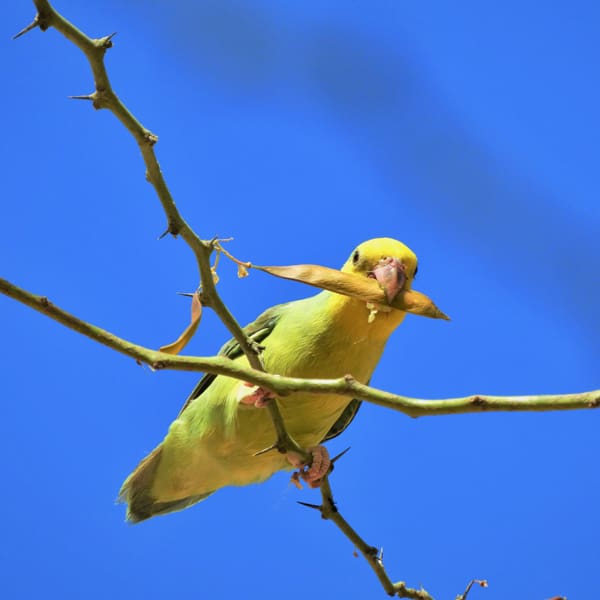
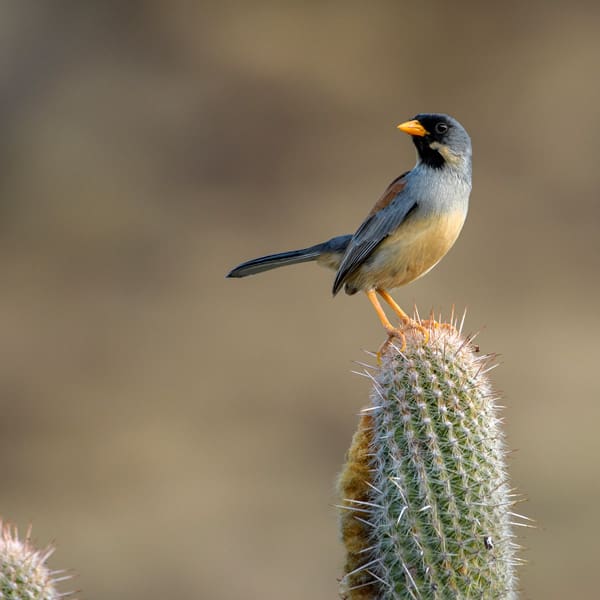
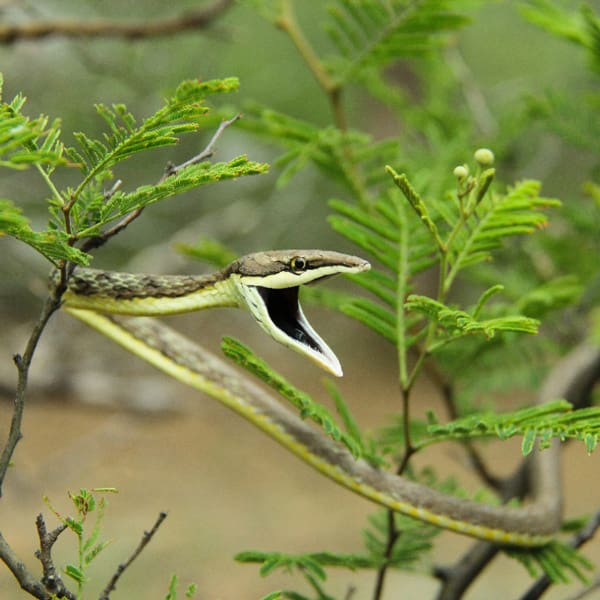
## **Próximos pasos**
Con el apoyo de principal de Andes Amazon Fund (AAF), Re:wild, la contribución de American Bird Conservancy (ABC), se fortalece la gestión de las áreas de conservación privada comunales Cujillo y Utco, así como del Área de Conservación Regional Bosques Interandinos de Cutervo. Con apoyo de AAF y la reciente contribución de ABC se avanza en el proceso para el establecimiento de una nueva área protegida: Bosques Interandinos del Marañón–Bolívar, propuesta que tiene una extensión de 42,000 hectáreas
Se destaca la contribución de la Fundación Franklinia se ha desarrollado la restauración del paisaje del valle en 3 áreas de conservación.

**Strategic Area:** Biodiversidad, Bosques
**Country:** Perú
---
### [Securing the Marañón Dry Forests' Unique Diversity](https://www.natureandculture.org/conservation_initiatives/securing-the-maranon-dry-forests-unique-diversity/)
**Published:** May 27, 2026
**Author:** Heather Thomas
**Content:**
Located in northwestern Peru, the Marañón River valley is one of the most arid and seasonally dry territories in the Peruvian Andes. Our work within the Marañón Dry Forests Mosaic follows a landscape and governance approach, aimed at promoting the establishment of new conservation areas, strengthening the management of existing protected spaces, encouraging the sustainable use of natural resources, and developing financial sustainability mechanisms.
This valley represents one of the most significant biogeographical frontiers in the Andes. Despite being a relatively small territory, it possesses immense ecological value, harboring flora and fauna species that are endemic at local, national, and global levels.

## **HIGHLIGHTS**

143 endemic
flora species

Over 160,000
acres protected

6 established
protected areas

50 animal species
with relatively
restricted habitats

## ## **Results so far**
Since 2012, Nature and Culture International has worked toward the conservation of the Marañón Dry Forests within the departments of Cajamarca, Amazonas, and La Libertad. This effort has been built alongside strategic allies, regional governments, municipalities, and, above all, the local communities that inhabit and care for the land.
As a result, since June 2025, three regional conservation areas and three private conservation areas have been established, which together protect 162,124 acres.
While in 2009 barely 0.1% of the ecoregion had any form of protection, today that figure has reached 2.86%, marking a significant milestone for the conservation of these ecosystems.
Nature and Culture has also collaborated on the restoration of the valley’s landscape, pioneering the first propagation and planting initiative for six endemic flora species that are critically endangered.
## ********Why It Matters********
The Marañón dry forests harbor a biological richness of great scientific value and a high level of endemism. Furthermore, they sustain the lives of local communities. These forests provide essential ecosystem services, such as water regulation, resource provision, and support for traditional productive activities. Additionally, their connection to the Amazon basin makes the Marañón a key link for ecological balance on both a regional and continental scale.
Conserving these forests means conserving the Amazon River watershed and its hydrobiological resources, upon which local populations depend.



## **Securing the Future**
Thanks to the support of our donors, we are strengthening the management of the Cujillo, Utco and Cutervo areas .
Furthermore, we are working towards the creation of a new protected area: the Marañón–Bolívar, a proposal covering approximately 103,784 acres of Inter-Andean Forests. And we are moving forward with landscape restoration efforts across three conservation areas within the valley.

**Strategic Area:** Biodiversity, Forests
**Country:** Peru
---
### [Fondo Futuro Amazónico](https://www.natureandculture.org/es/conservation_initiatives/fondo-futuro-amazonico/)
**Published:** March 10, 2026
**Author:** Heather Thomas
**Content:**
# Una Solución Innovadora para la Protección Forestal Duradera
**El Fondo Futuro Amazónico** es un fondo de conservación sostenible liderado conjuntamente por las nacionalidades indígenas y los gobiernos provinciales de la Amazonía ecuatoriana que forman parte de la Plataforma Amazónica por los Bosques, el Clima y el Bienestar Humano.
Este mecanismo permitirá canalizar recursos económicos para financiar la implementación de los planes de vida de los territorios indígenas, los planes de manejo de las áreas provinciales y los planes de implementación REDD+ de las seis provincias amazónicas, asegurando que el financiamiento para **la conservación llegue a quienes protegen los bosques y fortaleciendo un camino de largo plazo para la estabilidad climática y el bienestar humano.**


##### +5 millones de hectáreas
Protección sostenible de la Amazonía ecuatoriana.

##### Gobernanza compartida
En igualdad entre gobiernos subnacionales y organizaciones indígenas.

##### Plataforma Amazónica
Alianza regional para conservación y desarrollo sostenible.
## La Plataforma Amazónica por los Bosques, el Clima y el Bienestar Humano
La Plataforma Amazónica por los Bosques, el Clima y el Bienestar Humano es una iniciativa regional de gobernanza colaborativa territorial entre los gobiernos subnacionales y los pueblos y nacionalidades de la Amazonía ecuatoriana.
[Conoce más sobre este esfuerzo colaborativo](https://www.natureandculture.org/es/conservation_initiatives/plataforma-amazonica-por-los-bosques-el-clima-y-el-bienestar-humano/)
## Gobernanza compartida para un futuro sostenible
Por primera vez, **las Prefecturas, las Nacionalidades Indígenas y las ONG** compartirán la toma de decisiones bajo un modelo de gobernanza paritaria.
Este enfoque reconoce la importancia del consenso entre los gobiernos locales y los gobiernos territoriales indígenas, promoviendo decisiones más legítimas, inclusivas y sostenibles para el futuro de la Amazonía.
## ## Preguntas frecuentes
### ¿Por qué es importante el financiamiento directo para la Amazonía?
A pesar de la creciente inversión global para mitigar el cambio climático, conservar los bosques y proteger la biodiversidad amazónica, gran parte de estos recursos no llega a los pueblos indígenas, comunidades rurales ni a los gobiernos locales que sostienen la conservación en el territorio.
El Fondo Futuro Amazónico busca cerrar esta brecha mediante un financiamiento directo, transparente y de largo plazo, administrado por los principales actores en la protección y defensa del territorio.
### ¿Qué busca el FFA?
Este mecanismo permitirá:
- Articular esfuerzos entre múltiples actores para garantizar el manejo efectivo y la sostenibilidad de los territorios de vida y las áreas de conservación.
- Gestionar y proteger recursos públicos destinados a la conservación.
- Apalancar inversión privada y cooperación internacional, brindando confianza y transparencia.
- Fortalecer la administración financiera de las nacionalidades indígenas.
- Garantizar que los recursos lleguen de manera efectiva a comunidades indígenas y campesinas.
### ¿Cómo funcionará?
El Fondo contará con una estructura de gobernanza sólida y participativa que garantizará transparencia y corresponsabilidad en la toma de decisiones:
- Una Junta integrada por gobiernos subnacionales, nacionalidades indígenas y ONG constituyentes.
- Un Directorio responsable de la dirección estratégica.
- Una Secretaría Técnica encargada de la gestión operativa.
- Socios implementadores que ejecutarán las acciones en territorio.
- Observadores, garantes de derechos y beneficiarios que fortalecerán la rendición de cuentas.
### ¿Cuál es el rol de Naturaleza y Cultura Internacional?
Naturaleza y Cultura Internacional cumple un rol estratégico en la creación y consolidación del Fondo Futuro Amazónico.
Como organización constituyente, Naturaleza y Cultura Internacional ha sido promotora del mecanismo y será aportante inicial, contribuyendo a sentar las bases para un financiamiento sostenible de la conservación en la Amazonía ecuatoriana.
Además, brinda apoyo en el levantamiento de fondos, acompaña técnicamente el diseño e implementación del fondo y formará parte de su Junta Directiva, fortaleciendo una gobernanza sólida, transparente y orientada a resultados de largo plazo.
**Strategic Area:** Bosques, Clima, Comunidades Locales
**Country:** Ecuador
---
### [The Amazon Future Fund](https://www.natureandculture.org/conservation_initiatives/the-amazon-future-fund/)
**Published:** March 10, 2026
**Author:** Heather Thomas
**Content:**
# A Groundbreaking Solution for Durable Forest Protection
**The Amazon Future Fund (AFF)** is an innovative conservation fund that ensures durable protection of Ecuador’s Amazon. For the first time, Indigenous Peoples and provincial governments share equal power to govern a fund that directs resources straight to those safeguarding the forest.
Unlike many global pledges where financing rarely reaches local communities, the **Amazon Future Fund** changes this. The **Amazon Future Fund** builds in transparency, accountability, and local ownership from the start. Each founding member is investing directly, and together the fund will guarantee lasting protection of **14 million acres of rainforest** that store **2.8 billion tons of CO₂ equivalent.**
The Amazon Fund builds on the **[Amazonian Platform](https://www.natureandculture.org/conservation_initiatives/the-amazonian-platform-a-bold-vision-to-protect-14-million-acres/ "The Amazonian Platform: A Bold Vision to Protect 14 Million Acres")**, a coalition of 11 Indigenous nationalities and 6 provincial governments that has already secured more than **10 million acres of protected forest**. With the Amazon Future Fund, this progress will endure for generations, ensuring the Platform’s full **14 million acres remain protected** as one of the largest Indigenous- and government-led conservation efforts in the world.

## Donate to Protect the Amazon for Generations
[DONATE](https://www.natureandculture.org/donate/)
##### **Join the Movement to Protect the Amazon’s Future.**
The Amazon is a global treasure, home to countless species and diverse cultures. Learn about the Amazonian Platform’s critical work with local partners to conserve the rainforest for generations to come. Your support helps secure this vital ecosystem—and the future of our planet.
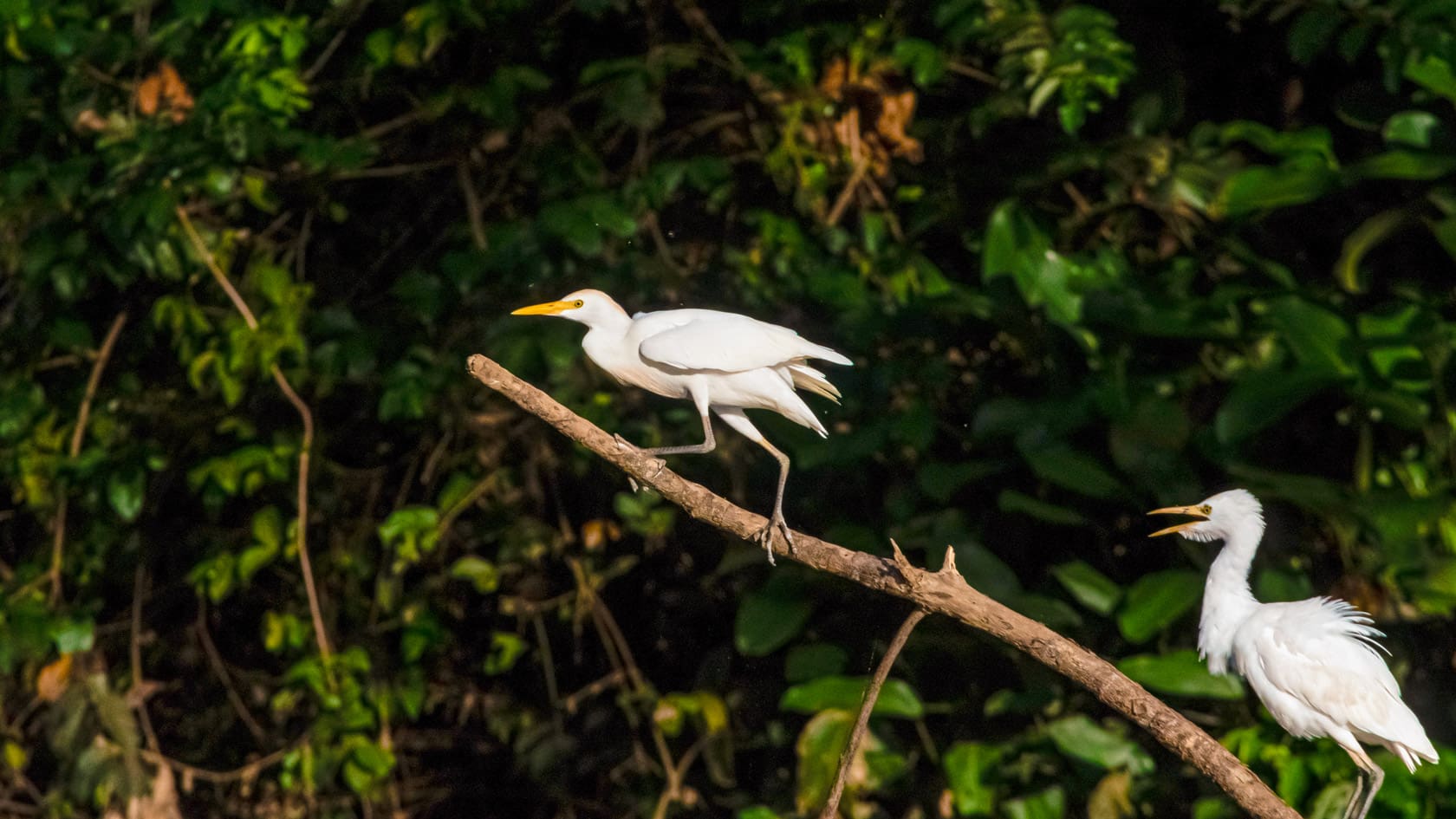
## Why the Fund Matters
Global climate pledges and biodiversity targets often fail on one crucial point: funds rarely reach Indigenous and frontline communities who safeguard forests. The Amazon Future Fund is designed to fix this—channeling resources directly into the Amazonian Platform and its members.
## **What the Fund Is**
- A **sustainable conservation fund** dedicated to durable protection of the <a https:="" style="font-size: inherit; color: #707070; text-decoration: none;" title="The Amazonian Platform: A Bold Vision to Protect 14 Million Acres">Amazon Platform’s</a> 14 million acres.
- Governed equally by **Indigenous nationalities and subnational governments.**
- Anchored in the **Amazonian Platform**, which has already secured the largest conservation commitments in Ecuador’s Amazon.
**[Learn More about the Amazonian Platform →](https://www.natureandculture.org/conservation_initiatives/the-amazonian-platform-a-bold-vision-to-protect-14-million-acres/ "The Amazonian Platform: A Bold Vision to Protect 14 Million Acres")**

## How It Works
1. Shared governance: Equal decision-making power for Indigenous and provincial leaders.
2. Built on strong foundations: Over 15 years of collaboration, with 10 million acres already under protection.
3. Concrete impact: Ensures durable protection of 14 million acres—home to 2.8 billion tons of CO₂ equivalent.
4. Transparency & accountability: Donor contributions and carbon/climate finance flow into local action plans with measurable outcomes.
5. Local ownership: Each founding member contributes to launch the fund, ensuring genuine buy-in.
## **Long-Term Goal**
To build a self-sustaining fund within 3–5 years, guaranteeing durable protection of the [**Amazonian Platform’s**](https://www.natureandculture.org/conservation_initiatives/the-amazonian-platform-a-bold-vision-to-protect-14-million-acres/) 14 million acres and the wellbeing of the people and species that depend on it.
## **Platform Progress to Date**

##### Visionary Promise
**The Amazonian Platform** is already one of the most advanced, large-scale conservation initiatives in the Amazon. The Amazon Future Fund guarantees it will endure, ensuring that 14 million acres of intact rainforest and 2.8 billion tons of CO2e remain protected, communities thrive, and the Amazon continues to stabilize the planet’s climate for generations to come.
[Protect The Amazon](https://www.natureandculture.org/donate/)[Learn More About the Amazonian Platform ](https://www.natureandculture.org/conservation_initiatives/the-amazonian-platform-a-bold-vision-to-protect-14-million-acres/)
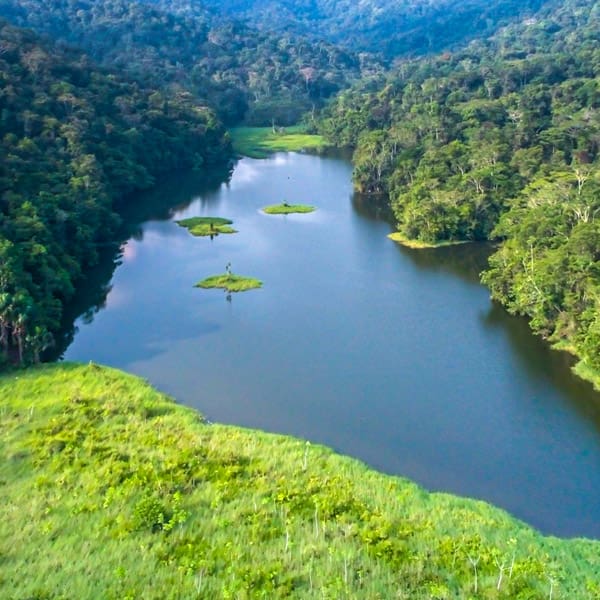
**Strategic Area:** Biodiversity, Forests
**Country:** Ecuador, Peru
---
### [Water Source Conservation](https://www.natureandculture.org/conservation_initiatives/water-source-conservation/)
**Published:** March 12, 2026
**Author:** Heather Thomas
**Content:**
Our Water Source Conservation Program promotes a network of Water Protection Areas (WPA) and other subnational conservation categories that identify and protect strategic ecosystems to guarantee water supply and conserve biodiversity in Ecuador. By protecting key water sources along the Amazon and Andes regions, the program strengthens landscape integrity, ecosystem functionality, and community well-being, promoting more resilient and sustainable territories.
The Water Source Conservation Program is possible thanks to the active participation of local communities, who engage in conservation by recognizing the value of water as the foundation of their food sovereignty, health, and sustainable development. This community-led approach strengthens local conservation and ensures long-term sustainability.
Investing in water source conservation means protecting water, conserving life, and strengthening resilient territories.


##### 988,400 acres
by 2030
### Protection Goal

##### 37 WPAs established
across Ecuador
### 24 with the support of Nature and Culture International

##### Regions
### Coastal Ecuador, Andes region, Amazon region

##### Ecosystems
### Cloud forest, Amazon, páramo, lakes and wetlands, dry forest
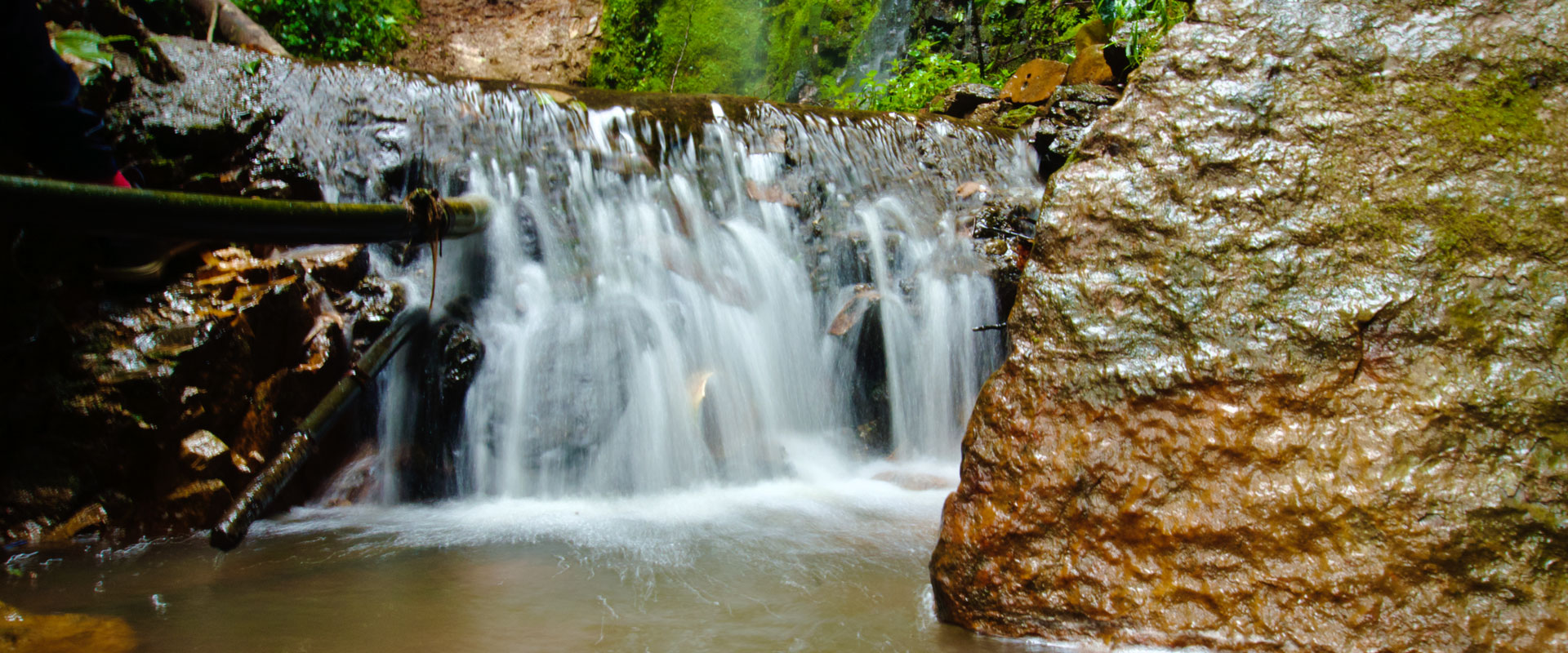
## ## Priority Landscapes:
The Water Source Conservation Program collaborates closely with both the government and local communities to ensure the comprehensive management of vital natural ecosystems, those that provide water and serve as havens for Ecuador’s rich biodiversity.
As a result of a joint analysis and planning process, Nature and Culture International and the Ministry of Environment and Energy (MAE) identified nearly 17.3 million acres (7 million hectares) of areas with very high water importance, primarily in paramos and cloud forests, strategic ecosystems for water regulation, storage, and supply.
Based on these findings, the Water Source Conservation Program drives a national strategy prioritizing Water Protection Areas to ensure territorial connectivity and conservation.
Where APHs cannot be established, the program implements alternative subnational models, such as Conservation and Sustainable Use Areas. These are adapted to local conditions to protect vital water sources and enhance regional governance.
## ****Ecological Connectivity for Territorial Resilience****
Water Protection Areas are not isolated spaces: they act as strategic nodes linking national protected areas with subnational conservation initiatives. This creates connectivity blocks that facilitate the movement of key species and maintain ecosystem balance at a regional scale. In this way, the Water Source Conservation Program directly contributes to the strengthening of priority biological corridors and the health of entire landscapes.
A landmark example is the Runahurco water protection area, which connects two national protected areas and several subnational Conservation and Sustainable Use Areas. This reinforces the protection of the Sangay–Podocarpus Connectivity Corridor, a vital part of the Andes-Amazon Conservation Corridor initative
Similarly, the Southern WPA (APH del Sur) establishes a connectivity axis linking ecosystems from the Coast to the Highlands. This ensures water provision and regulation for thousands of people while strengthening climate resilience and biodiversity conservation.
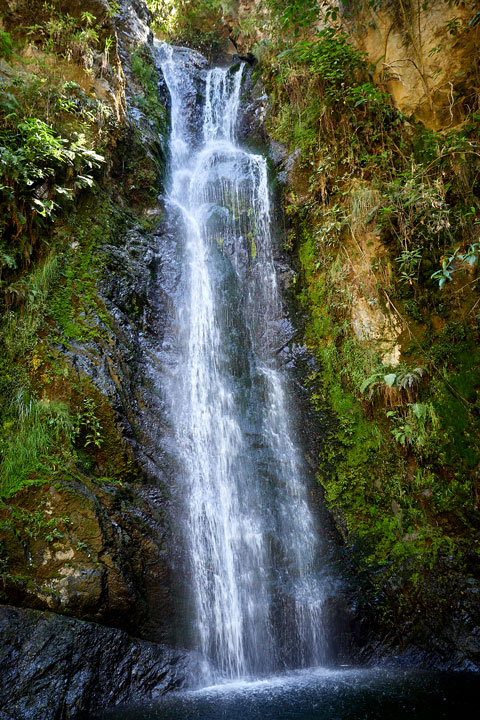

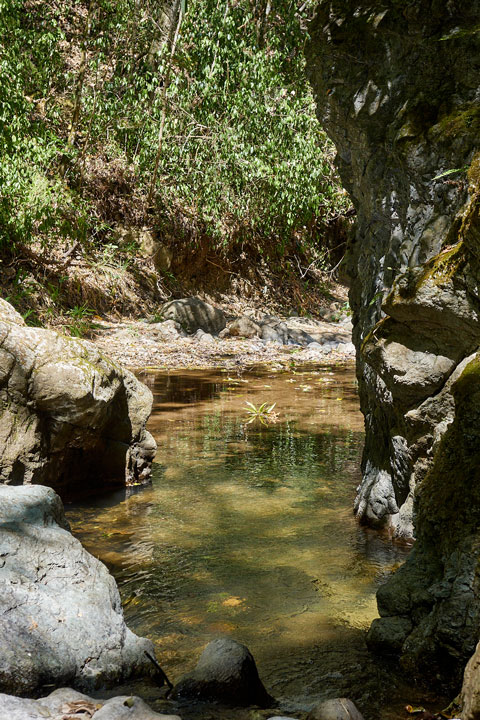

## Water: Sustaining Biodiversity
Water does more than just supply communities; it is the axis that sustains wildlife and ecosystem balance. Paramos, cloud forests, and other strategic ecosystems regulate the water cycle, creating the necessary conditions for the survival of thousands of species of flora and fauna.
By protecting water sources, the Water Source Conservation Program safeguards critical habitats, ensures ecological connectivity, and enables the mobility of key species. Rivers, wetlands, and micro-watersheds function as natural corridors that maintain gene flow and ecosystem resilience in the face of climate change.



## Frequently Asked Questions (FAQs) about the Water Protection Areas
### What are Water Protection Areas?
Water Protection Areas are a legally recognized conservation category in Ecuador, specifically designed to protect water sources that supply local populations and sustain biodiversity.
They are an innovative tool because they prevent land occupation and extractive activities in strategic ecosystems. Furthermore, they allow for the active participation of communities in their management and conservation.
### How does this program integrate into Nature and Culture International’s vision?
The Water Source Conservation Program is a strategic pillar of Nature and Culture International’s vision, as it consolidates connectivity between national protected areas and subnational initiatives.
Through WPAs and other conservation categories, the program expands and complements the national network of protected areas, guaranteeing long-term legal protection for key ecosystems.
### How does the Water Source Conservation Program contribute to Nature and Culture International’s other scaling programs?
The Water Source Conservation Program strengthens and complements strategic initiatives such as the Amazon Platform and the Andes-Amazon Conservation Corridor by consolidating the ecological and legal foundation necessary for their sustainability.
The Water Source Conservation Program contributes through:
- The creation of Water Protection Areas and Conservation and Sustainable Use Areas in strategic sites for the protection of biodiversity and water sources, strengthening connectivity between territories prioritized by these programs.
- The integration of conservation, water, biodiversity, and climate resilience into a single, coherent territorial strategy.
In this way, the Water Source Conservation Program does not operate in isolation; instead, it coordinates and amplifies conservation efforts at both national and regional scales, strengthening ecological corridors, ensuring territorial governance, and consolidating Nature and Culture International’s long-term impact.
### Why is it important to protect water sources for the climate?
Ecosystems that provide water, such as paramos and cloud forests, also act as natural climate regulators.
By conserving water sources:
- The capacity of ecosystems to store carbon is maintained.
- Temperature and humidity are regulated at a regional level.
- Vulnerability to droughts and floods is reduced.
- The water quality necessary for the survival of species and communities is protected.
Water is an essential component of climate resilience: without healthy ecosystems and water availability, it is impossible to sustain biodiversity or guarantee human well-being.
### Who protects these water sources in the long term?
Long-term protection is based on a model of shared governance and territorial co-responsibility.
The State, at its various levels, guarantees the legal framework, the official declaration of the areas, and their supervision. Water boards, local communities, and local governments (participate actively in management through management plans, monitoring, and conservation agreements.
Throughout this process, Nature and Culture International provides permanent technical assistance, strengthening local capacities and supporting territorial planning, as well as the design and implementation of management plans.
## Results to Date:
As strategic allies of Ecuador’s Ministry of Environment and Energy, we have consolidated a work plan through 2029.
By 2026, we have contributed to the establishment of 24 Water Protection Areas and 3 Conservation and Sustainable Use Areas.
Furthermore, we have supported the design of key planning tools, such as the National Map of Potential WPAs and the Atlas of Water Protection Areas.
**Strategic Area:** Water
**Country:** Ecuador
---
### [Conservación de Fuentes de Agua ](https://www.natureandculture.org/es/conservation_initiatives/conservacion-fuentes-de-agua/)
**Published:** March 10, 2026
**Author:** Heather Thomas
**Content:**
El Programa de Conservación de Fuentes de Agua (CFA) impulsa una red de Áreas de Protección Hídrica (APH) y otras figuras de conservación subnacional que identifican y protegen ecosistemas estratégicos para garantizar el abastecimiento de agua y conservar la biodiversidad en el Ecuador. Al conectar ecológica e interregionalmente la Costa, Sierra y Amazonía, el programa fortalece la integridad de los paisajes, la funcionalidad de los ecosistemas y el bienestar de las comunidades, promoviendo territorios más resilientes y sostenibles.
El CFA es posible gracias a la participación activa de las comunidades locales, que se involucran en la conservación al reconocer el valor del agua como base de su soberanía alimentaria, salud y desarrollo sostenible. Este enfoque participativo fortalece la gobernanza territorial y asegura la sostenibilidad a largo plazo.
Invertir en el CFA es proteger el agua, conservar la vida y fortalecer territorios resilientes.


##### 400.000 hectáreas
para 2030
### Meta de protección

##### 37 APH
establecidas
### 24 con el apoyo de Naturaleza y Cultura Internacional

##### Regiones
### Costa, Sierra, Amazonía (conectividad interregional)

##### Ecosistemas
### Bosque nublado, Amazonía, páramo, lagos y humedales, bosque seco

## ## Territorios prioritarios para la conservación
El Programa de Conservación de Fuentes de Agua (CFA) trabaja de manera articulada con el Estado y con las comunidades locales, para la gestión integral de ecosistemas naturales clave que proveen agua y albergan una alta biodiversidad en el Ecuador.
Como resultado de un proceso conjunto de análisis y planificación, Naturaleza y Cultura Internacional y el Ministerio del Ambiente y Energía (MAE) identificaron cerca de 7 millones de hectáreas de zonas de muy alta importancia hídrica, principalmente en páramos y bosques nublados, ecosistemas estratégicos para la regulación, almacenamiento y provisión de agua.
Sobre esta base, el CFA impulsa un plan nacional de protección hídrica que prioriza la creación de Áreas de Protección Hídrica (APH) como herramienta clave para garantizar la conservación y conectividad de estos territorios.
En aquellos lugares donde no es posible establecer APH, el programa promueve otras figuras de conservación subnacional, como las Áreas de Conservación y Uso Sostenible, adaptadas a los contextos locales, que permiten salvaguardar fuentes esenciales de agua y fortalecer la gobernanza territorial.
## Atlas de Áreas de Protección Hídrica (APH)
Una herramienta científica que integra información geográfica y estadística para visibilizar cómo las Áreas de Protección Hídrica en Ecuador aseguran el agua para las personas y conservan la biodiversidad.
[Conoce el ATLAS de Áreas de Protección Hídrica](https://www.natureandculture.org/es/atlas-de-areas-de-proteccion-hidrica/)

## **Conectividad ecológica para la resiliencia territorial**
Las APH no son espacios aislados: actúan como nodos estratégicos que enlazan áreas protegidas nacionales e iniciativas de conservación subnacionales, consolidando bloques de conectividad que facilitan la movilidad de especies clave y el equilibrio ecosistémico a escala regional. De esta manera, el CFA contribuye directamente al fortalecimiento de corredores biológicos prioritarios y a la salud de paisajes completos.
Un ejemplo emblemático es el APH Runahurco, que conecta 2 áreas protegidas nacionales y algunas ACUS subnacionales, reforzando la protección del Corredor de Conectividad Sangay–Podocarpus, parte de la iniciativa binacional CCTAA.
De igual forma, el APH del Sur establece un eje de conectividad que enlaza ecosistemas desde la Costa hasta la Sierra, asegurando la provisión y regulación del agua para miles de personas, al tiempo que fortalece la resiliencia climática y la conservación de la biodiversidad.




## **El agua: sustento de la biodiversidad**
El agua no solo abastece a las comunidades; es el eje que sostiene la vida silvestre y el equilibrio de los ecosistemas. Los páramos, bosques nublados y otros ecosistemas estratégicos regulan el ciclo hídrico y crean las condiciones necesarias para la supervivencia de miles de especies de flora y fauna.
Al proteger las fuentes de agua, el programa de Conservación de Fuentes de Agua (CFA) salvaguarda hábitats críticos, asegura la conectividad ecológica y permite la movilidad de especies clave. Ríos, humedales y microcuencas funcionan como corredores naturales que mantienen el flujo genético y la resiliencia de los ecosistemas frente al cambio climático.



## Preguntas frecuentes sobre el CFA
### ¿Qué son las Áreas de Protección Hídrica (APH)?
Las Áreas de Protección Hídrica (APH) son una figura legal de conservación reconocida a nivel nacional en Ecuador, diseñada específicamente para proteger las fuentes de agua que abastecen a poblaciones locales y sostienen la biodiversidad.
Son una herramienta innovadora ya que previenen la ocupación y actividades extractivas en ecosistemas estratégicos, y permiten la participación activa de las comunidades en su manejo y conservación.
### ¿Cómo se integra este programa en la visión de Naturaleza y Cultura Internacional?
El programa de Conservación de Fuentes de Agua (CFA) es un eje estratégico dentro de la visión de Naturaleza y Cultura Internacional, ya que consolida la conectividad entre áreas protegidas nacionales e iniciativas subnacionales.
A través de las APH y otras figuras de conservación, el programa amplía y complementa la red nacional de áreas protegidas, garantizando protección legal a largo plazo para ecosistemas clave.
### ¿Cómo contribuye el CFA a los otros programas de escalamiento de Naturaleza y Cultura Internacional?
El programa de Conservación de Fuentes de Agua (CFA) fortalece y complementa iniciativas estratégicas como la Plataforma Amazónica y el Corredor de Conservación Transfronterizo Andino Amazónico, al consolidar la base ecológica y legal necesaria para su sostenibilidad.
El CFA contribuye mediante:
- La creación de Áreas de Protección Hídrica (APH) y Áreas de Conservación y Uso Sostenible (ACUS) en sitios estratégicos para la protección de la biodiversidad y las fuentes de agua, fortaleciendo la conectividad entre territorios priorizados por estos programas.
- La integración de conservación, agua, biodiversidad y resiliencia climática en una sola estrategia territorial coherente.
De esta manera, el programa CFA no opera de forma aislada, sino que articula y potencia los esfuerzos de conservación a escala nacional y regional, fortaleciendo corredores ecológicos, asegurando gobernanza territorial y consolidando el impacto de Naturaleza y Cultura Internacional en el largo plazo.
### ¿Por qué es importante proteger las fuentes de agua para el clima?
Los ecosistemas que proveen agua, como páramos y bosques nublados, son también reguladores climáticos naturales.
Al conservar las fuentes de agua:
- Se mantiene la capacidad de los ecosistemas para almacenar carbono.
- Se regula la temperatura y la humedad a nivel regional.
- Se reduce la vulnerabilidad frente a sequías e inundaciones.
- Se protege la calidad del agua necesaria para la supervivencia de especies y comunidades.
El agua es un componente esencial para la resiliencia climática: sin ecosistemas saludables y con disponibilidad hídrica, no es posible sostener la biodiversidad ni garantizar el bienestar humano.
### ¿Quién protege estas fuentes de agua a largo plazo?
La protección a largo plazo se basa en un modelo de gobernanza compartida y corresponsabilidad territorial.
El Estado, en sus distintos niveles, garantiza el marco legal, la declaratoria oficial de las áreas y su supervisión. Las juntas de agua, comunidades locales y gobiernos autónomos descentralizados participan activamente en la gestión mediante planes de manejo, monitoreo y acuerdos de conservación.
En este proceso, Naturaleza y Cultura Internacional brinda acompañamiento técnico permanente, fortaleciendo capacidades locales, apoyando la planificación territorial, el diseño e implementación de planes de manejo.

## Resultados hasta ahora
Aliados estratégicos del Ministerio de Ambiente y Energía de Ecuador, hemos consolidado un plan de trabajo hasta 2029
Hasta el 2026 hemos contribuido al establecimiento de 24 APH y 3 ACUS.
Hemos apoyado el diseño de herramientas de planificación como el mapa de identificación de APH potenciales para el país y el ATLAS de Áreas de Protección Hídrica.
**Strategic Area:** Agua, Bosques, Comunidades Locales
**Country:** Ecuador
---
### [The Amazonian Platform: A Bold Vision to Protect 14 Million Acres](https://www.natureandculture.org/conservation_initiatives/the-amazonian-platform-a-bold-vision-to-protect-14-million-acres/)
**Published:** March 11, 2026
**Author:** Heather Thomas
**Content:**
# A Bold Vision to Protect 14 Million Acres
The Amazonian Platform is a collaborative alliance of Indigenous nationalities and local governments working to protect **14 million acres** of Ecuador’s Amazon Rainforest—vital for the world’s climate and biodiversity.
For more than a decade, Nature and Culture has partnered with these local leaders to establish a connected network of protected areas across three provinces, with the ultimate goal of spanning all six provinces of the Ecuadorian Amazon.
##### Join the movement
To protect large,
Intact forests
[Protect The Amazon Platform](https://www.natureandculture.org/donate/)[Learn more about The Amazon Future Fund](https://www.natureandculture.org/amazon-future-fund/)


##### +14 MILLIONS
ACRES PROTECTED

##### 2.8 BILLION
TONS OF CO2 EMISSIONS AVOIDED

##### KEY SPECIES
Amazon River Dolphin (Inia geoffrensis), Jaguar (Panthera onca), Harpy Eagle (Harpia harpyja), Military Macaw (Ara militaris), White-bellied Spider Monkey (Ateles belzebuth)

##### ECO-REGIONS
Tropical rainforest, Semi-humid Amazon lowlands, Páramo, Cloud forest, and Sub-Andean Mountain ranges.

## ##### A Collaborative Effort to Protect the Amazon Rainforest
The Amazon faces immense pressure and complex issues that are too great for one response alone. Lasting solutions depend on collective action and a shared vision. To meet this challenge, Indigenous nationalities and provincial governments have come together for the first time through the Amazonian Platform.
This innovative union promotes coordinated action to conserve and manage **14 million acres** of the country’s largest continuous rainforest, reduce CO2 emissions from deforestation and forest degradation, and incorporate Indigenous ancestral practices to sustainably protect the largest biological corridor of continuous forest in Ecuador.
# How does it work?


## The Amazon Future Fund
The Amazon Future Fund is a sustainable conservation fund that finances forest protection in the Ecuadorian Amazon, led jointly by Indigenous Peoples and subnational governments. It’s a fund that will ensure conservation financing finally reaches the people protecting the forest, while building a long-term path for climate stability and human wellbeing.
[Learn more](https://www.natureandculture.org/amazon-future-fund/)
## Why it matters?
Every year, deforestation in the Ecuadorian Amazon advances at alarming rates, accelerating the climate crisis and endangering countless animal and plant species, along with millions of people, including 11 Indigenous nationalities who safeguard the forest.
##### 2X IMPACT! DONATE TO PROTECT THE AMAZON
[Give Now](https://www.natureandculture.org/donate/)


## Results So Far
So far, the Amazonian Platform has secured more than **10 million acres** of protected areas across three provinces — Pastaza, Zamora Chinchipe, and Morona Santiago. The next steps are to expand this success to the northern provinces and to launch the Amazon Future Fund, a financing mechanism led jointly by Indigenous Peoples and provincial governments to ensure long-term protection of this network of forests.

#####
JOIN US!
### DONATE TO PROTECT OUR FUTURE
[GIVE NOW!](https://www.natureandculture.org/donate/)
**Strategic Area:** Climate, Forests, Local Communities
**Country:** Ecuador
---
### [Corredor de Conservación Transfronterizo Andino Amazónico](https://www.natureandculture.org/es/conservation_initiatives/corredor-de-conservacion-transfronterizo-andino-amazonico/)
**Published:** March 10, 2026
**Author:** Heather Thomas
**Content:**
## **Dos países protegiendo juntos un espacio clave para la biodiversidad**
El Corredor de Conservación Transfronterizo Andino Amazónico (CCTAA) es el primer corredor ecológico binacional reconocido oficialmente por los gobiernos de sus países.
Conecta ecosistemas en el sur de Ecuador y el norte de Perú, enlazando más de 50 unidades de conservación a ambos lados de la frontera. Este corredor crea un puente natural entre la Amazonía y los Andes, permitiendo el movimiento de especies a través de un rango excepcional de altitudes y ecosistemas y garantizando servicios ecosistémicos esenciales para la vida.



##### Superficie total del corredor:
### 2,033.794 hectáreas
#### (57% protegido)

##### 21 KBAs:
### 1,595,214 hectáreas
#### (78% del total del corredor)

##### 54
### áreas protegidas incluidas

##### 2 Países
### 3 Corredores Nacionales

##### Especies emblemáticas:
Jaguar (*Panthera onca*),
Oso andino (*Tremarctos ornatus*),
Cóndor andino (*Vultur gryphus*),
Tapir Andino (*Tapirus pinchaque*) y
Águila andina (*Spizaetus isidori*).

##### Ecosistemas:
### Bosque nublado, Amazonía, Páramo, Lagos y Humedales.

## ## Una colaboración extraordinaria
El Hotspot de los Andes Tropicales alberga más de 34.000 especies de plantas y animales, de las cuales se estima que la mitad son endémicas. A pesar de su enorme importancia para la biodiversidad global, esta región enfrenta graves amenazas: el cambio climático, la expansión extractiva, incendios forestales y la fragmentación de los ecosistemas.
Los gobiernos de Ecuador y Perú se han comprometido a fortalecer la conectividad ecológica binacional para conservar estos ecosistemas clave y los servicios que provee a través del Corredor de Conservación Transfronterizo Andino Amazónico.
Naturaleza y Cultura Internacional junto a las Autoridades Ambientales de ambos países, Plan Binacional, el Servicio Nacional de Áreas Naturales Protegidas por el Estado Peruano (SERNANP), entre otros actores, están trabajando juntos en esta iniciativa de integración binacional.
Al fomentar la colaboración transfronteriza entre Ecuador y Perú, el Corredor no solo fortalece la gestión ambiental, sino que también impulsa el desarrollo sostenible en la región. Este esfuerzo colaborativo protege la extraordinaria biodiversidad del paisaje y refuerza la paz y la cooperación entre las comunidades locales, ofreciendo un modelo de conservación integrada para responder a los apremiantes desafíos globales.
## ## Preguntas frecuentes sobre el Corredor
### ¿Qué es el Corredor de Conservación Transfronterizo Andino Amazónico?
El Corredor de Conservación Transfronterizo Andino Amazónico (CCTAA) es una iniciativa de integración binacional diseñada para la protección de ecosistemas clave, que conecta los ecosistemas andino-amazónicos del sur de Ecuador y el norte de Perú.
Ubicado en el Hotspot Andes Tropicales, este corredor garantiza conectividad ecológica permitiendo el desplazamiento de especies, el mantenimiento del flujo genético y una mayor resiliencia de los ecosistemas, las especies y las comunidades a la crisis climática.
### ¿Cómo se integra este corredor en la visión de Naturaleza y Cultura Internacional?
El trabajo de Naturaleza y Cultura Internacional se basa en tres pilares:
1. Creación de áreas protegidas
2. Fortalecimiento del liderazgo local
3. Garantizar la protección a largo plazo
El Corredor de Conservación Transfronterizo Andino Amazónico es una forma concreta de aplicar esta estrategia en una de las regiones más biodiversas del planeta.
### ¿Qué unidades de conservación forman parte del corredor?
El corredor es un mosaico de parques nacionales, áreas de conservación subnacionales y áreas de protección hídrica. Algunos ejemplos son:
- [Área de Protección Hídrica ](https://www.natureandculture.org/directory/the-heart-of-the-amazon-a-community-protects-the-headwaters-of-a-great-river/)Corazón de la Amazonía (Ecuador)
- [Parque Nacional ](https://www.natureandculture.org/directory/rio-negro-sopladora-expansion-corridor-in-the-andes/)Río Negro Sopladora – Tinajillas Río Gualaceño
(Ecuador)
- Área de Conservación Regional Páramos y Bosques Montanos de Jaén y Tabaconas (Perú)
### ¿Cómo protege el corredor las fuentes de agua?
Muchas áreas del corredor protegen cabeceras, páramos y bosques nublados. En Ecuador, las Áreas de Protección Hídrica resguardan legalmente fuentes de agua. En Perú, las Áreas de Conservación Regional aseguran la salud de las cuencas hídricas para el abastecimiento de las comunidades locales.
### ¿Quién protege el corredor a largo plazo?
El liderazgo recae en gobiernos provinciales, municipales y comunidades locales, que integran la conservación en sus planes de gestión y desarrollo para asegurar su permanencia más allá de los ciclos de proyectos.
### ¿Cómo se garantiza la protección duradera?
A través de:
- Marcos legales
- Integración en la planificación territorial y del desarrollo
- Fondos de agua y otros mecanismos de financiamiento para la conservación
- Presupuestos públicos para la gestión de áreas protegidas
- Sistemas de monitoreo de biodiversidad, agua y clima
### ¿Por qué es importante el Corredor de Conservación Transfronterizo Andino Amazónico?
Esta región es un Hotspot de biodiversidad mundial. El corredor permite que las especies se adapten al cambio climático, garantiza agua para las personas y mantiene bosques que almacenan carbono y regulan los climas locales.
## ********¿Por qué es importante proteger la conectividad ecológica?********
La conectividad ecológica es el **puente invisible de la vida**, el que une bosques, ríos y montañas para mantener la resiliencia de la naturaleza. Cuando estas conexiones permanecen intactas, **los ecosistemas florecen y la vida fluye libremente.**
Proteger la conectividad es proteger **el flujo mismo de la vida.**




## Resultados hasta ahora
En diciembre de 2025 logramos el reconocimiento oficial de los gobiernos de Ecuador y Perú del Corredor.
Ya hemos logrado establecer figuras de conservación en más de la mitad del corredor, pero no es suficiente. Estás áreas deben estar conectadas para poder sostener procesos ecológicos y mantener el flujo de especies.
En los próximos cinco años planeamos proteger más de 180mil hectáreas adicionales y fortalecer la gestión local a largo plazo de este paraíso biodiverso de más de 2 millones de hectáreas.

**Strategic Area:** Biodiversidad, Bosques
**Country:** Ecuador, Perú
---
## Strategic Area
### [Water](https://www.natureandculture.org/directory_strategic_area/water/)
**Description:** Protecting the world's water resources is critical to the health of our planet. Learn how Nature and Culture International is making a difference.
---
### [Local Communities](https://www.natureandculture.org/directory_strategic_area/local-communities/)
**Description:** Discover the people behind Nature and Culture International's conservation efforts. Meet our team and partners committed to protecting biodiversity.
---
### [Biodiversity](https://www.natureandculture.org/directory_strategic_area/biodiversity/)
**Description:** Discover the importance of protecting biodiversity with Nature and Culture International's Species Strategic Area. Learn more about our conservation efforts
---
### [Climate](https://www.natureandculture.org/directory_strategic_area/climate/)
**Description:** Protecting nature is one of the most effective ways to address climate change. Learn how we're working to protect ecosystems and reduce carbon emissions.
---
### [Forests](https://www.natureandculture.org/directory_strategic_area/forests/)
**Description:** Discover how Nature and Culture International is protecting and restoring wild places around the world. Join us in conservation efforts today.
---
### [Clima](https://www.natureandculture.org/es/directory_strategic_area/clima/)
---
### [Comunidades Locales](https://www.natureandculture.org/es/directory_strategic_area/comunidades-locales/)
---
### [Biodiversidad](https://www.natureandculture.org/es/directory_strategic_area/biodiversidad/)
---
### [Agua](https://www.natureandculture.org/es/directory_strategic_area/agua/)
---
### [Bosques](https://www.natureandculture.org/es/directory_strategic_area/bosques/)
---
## Content Type
### [Blog](https://www.natureandculture.org/directory_type/blog/)
**Description:** Discover insightful articles and stories about nature, conservation, sustainability, and more on Nature and Culture International's blog.
---
### [News](https://www.natureandculture.org/directory_type/news/)
**Description:** Stay updated on the latest news about Nature and Culture International's conservation efforts and learn about our new projects and partnerships.
---
### [Event](https://www.natureandculture.org/directory_type/event/)
---
### [Blog](https://www.natureandculture.org/es/directory_type/blog/)
---
### [Evento](https://www.natureandculture.org/es/directory_type/evento/)
---
### [Noticias](https://www.natureandculture.org/es/directory_type/noticias/)
---
## Country
### [Ecuador](https://www.natureandculture.org/directory_country/ecuador/)
**Description:** Explore our conservation projects in Ecuador and learn how we're protecting critical ecosystems and working with local communities. Learn about our work here
---
### [Peru](https://www.natureandculture.org/directory_country/peru/)
**Description:** Discover NCI's conservation projects in Peru! Learn about our work with indigenous communities, protected areas, sustainable agriculture, and more.
---
### [Mexico](https://www.natureandculture.org/directory_country/mexico/)
**Description:** Discover our conservation projects in Mexico, from protecting marine biodiversity to supporting sustainable agriculture and agroforestry.
---
### [Bolivia](https://www.natureandculture.org/directory_country/bolivia/)
**Description:** Discover how we're protecting Bolivia's stunning natural landscapes and diverse wildlife with our conservation projects. Support our work today.
---
### [Colombia](https://www.natureandculture.org/directory_country/colombia/)
**Description:** Discover Nature and Culture International's conservation efforts in Colombia, protecting biodiversity and supporting communities. Learn about their projects.
---
### [Bolivia](https://www.natureandculture.org/es/directory_country/bolivia/)
---
### [Colombia](https://www.natureandculture.org/es/directory_country/colombia/)
---
### [Ecuador](https://www.natureandculture.org/es/directory_country/ecuador/)
---
### [México](https://www.natureandculture.org/es/directory_country/mexico/)
---
### [Perú](https://www.natureandculture.org/es/directory_country/peru/)
---