

OUR WORK
Safeguarding Biodiversity Through Intact Forests
Species depend on habitat. When forests are intact and connected, wildlife has space to move, find food, and reproduce, and ecosystems remain healthy and resilient. When habitat is fragmented or lost, species decline and the balance of the ecosystem begins to break down.
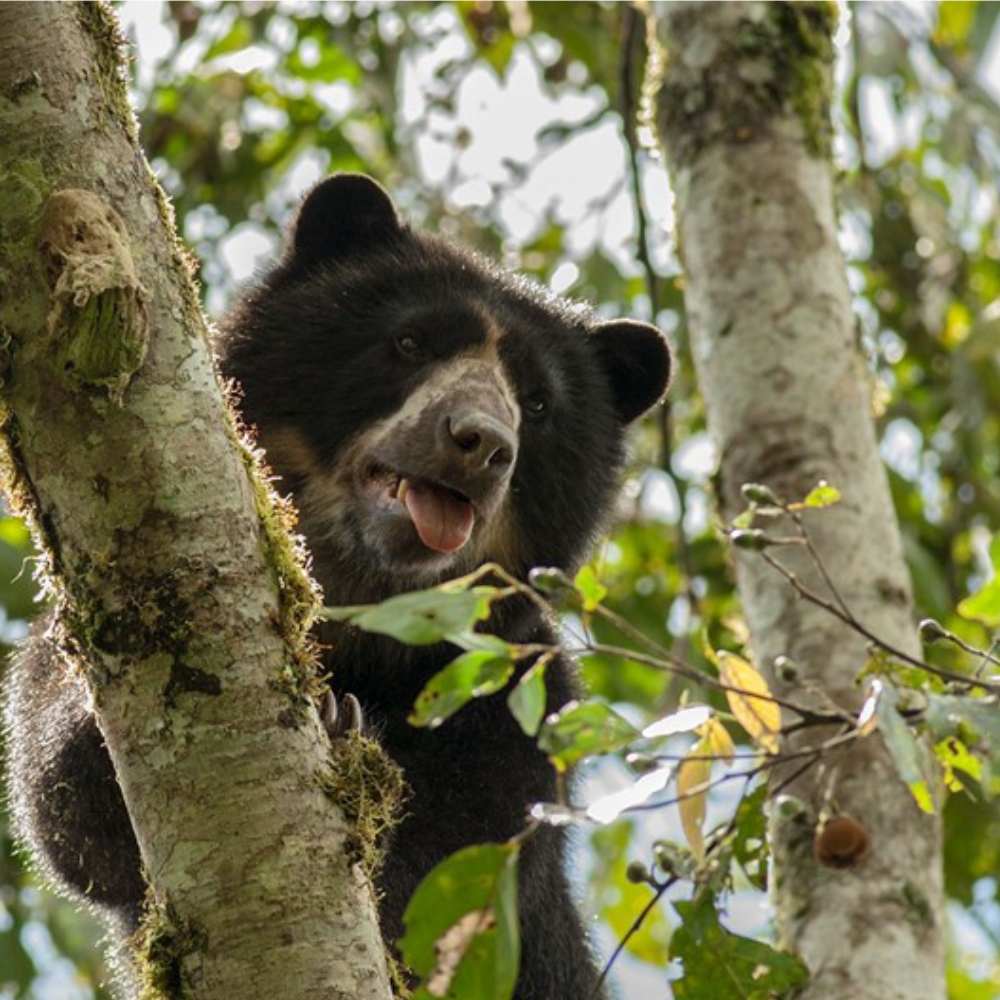
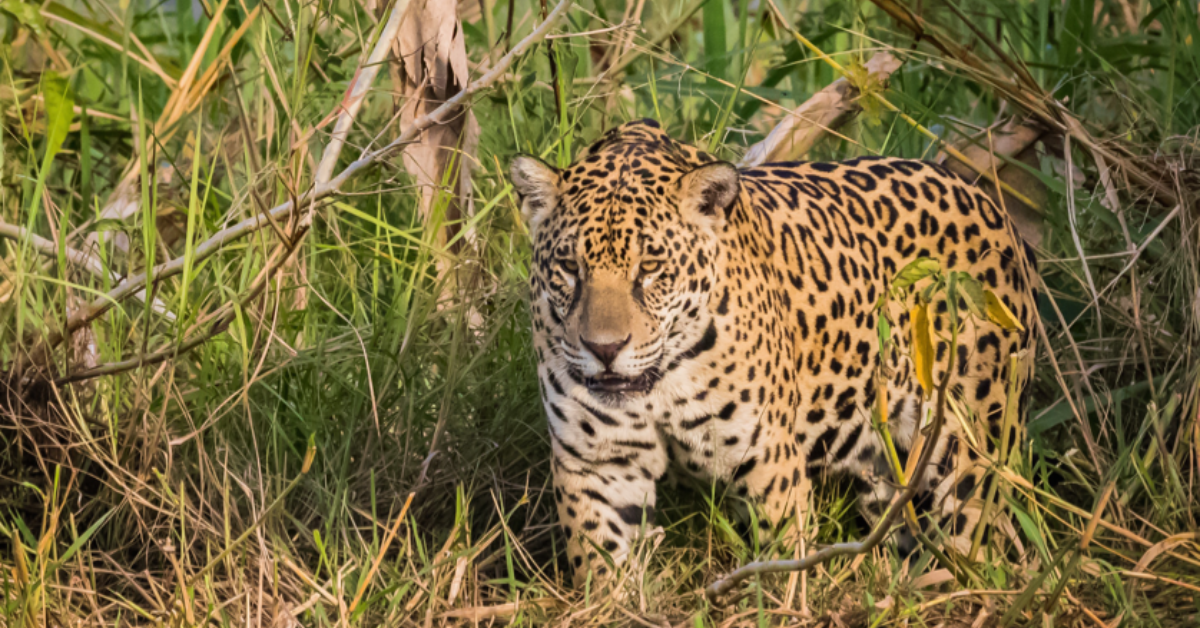
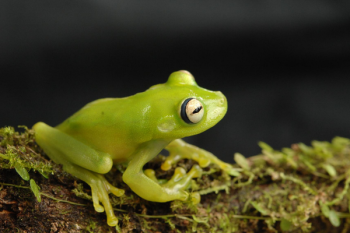
Nature and Culture helps safeguard biodiversity by protecting large forest landscapes across Latin America. Our work supports habitat for 222 threatened species, including emblematic wildlife such as the jaguar, spectacled bear, and Andean condor, along with countless lesser-known species that are equally essential to ecosystem health.
Protecting biodiversity starts with protecting the forests and connected habitats that species need to thrive.
Featured Programs

CONNECTIVITY
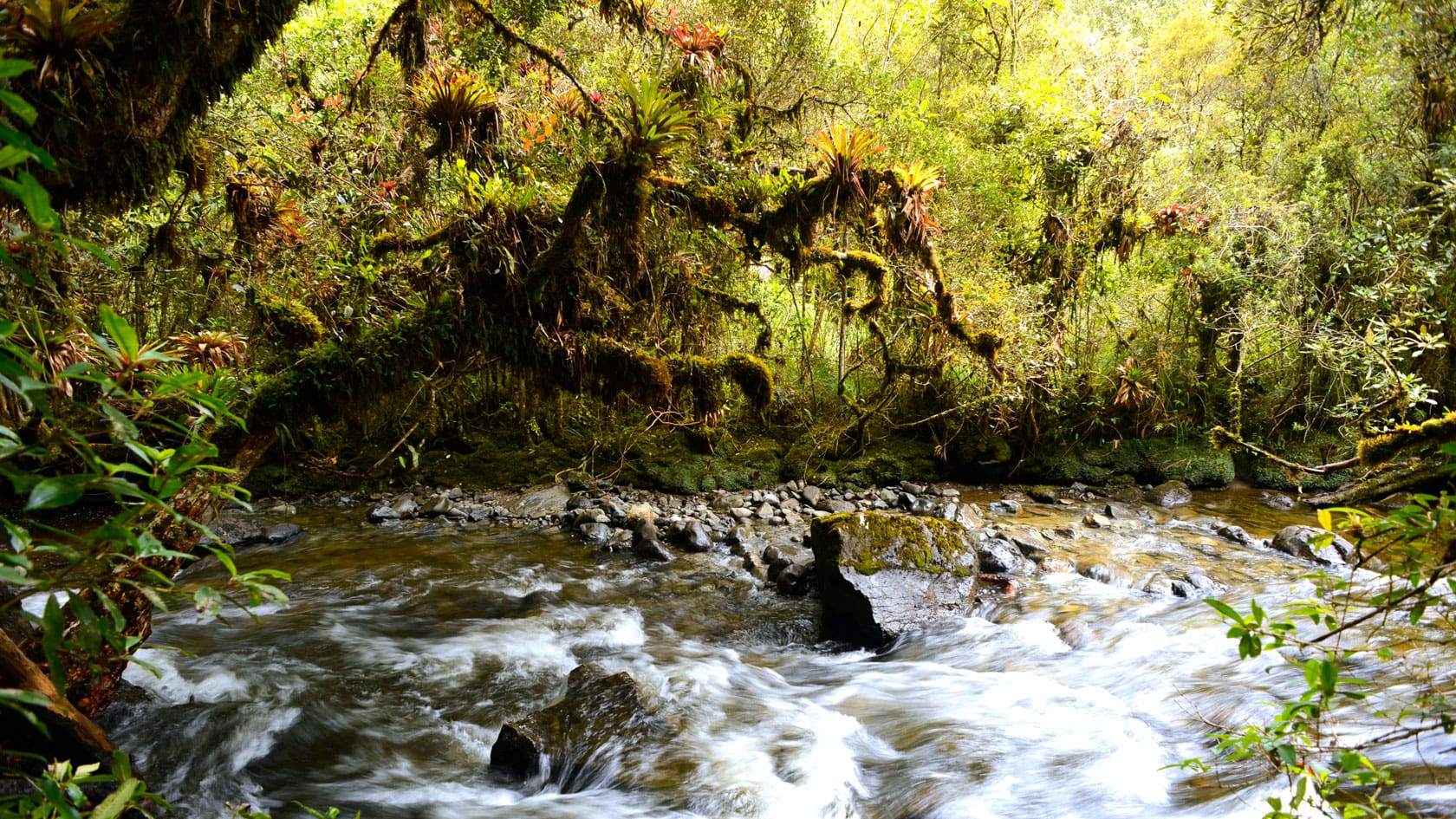
Protecting and Connecting Critical Habitat
In an increasingly fragmented world, many species have less space to migrate, disperse, feed, and thrive. That’s why Nature and Culture focuses on protecting habitat at the scale nature needs.
We help connect ecosystems across regions and national borders so that wildlife can move through intact forest corridors in search of food, water, shelter, and breeding grounds. By linking national, regional, and local protected areas, we help create vital habitat corridors for threatened and wide-ranging species.
Connected landscapes allow wildlife to adapt to changing conditions, maintain healthy populations, and reduce the risks that come with isolation and habitat loss. Protecting “islands” of habitat is not enough. Conservation works best when landscapes stay intact and connected over time.
A Biodiversity Solution That Lasts
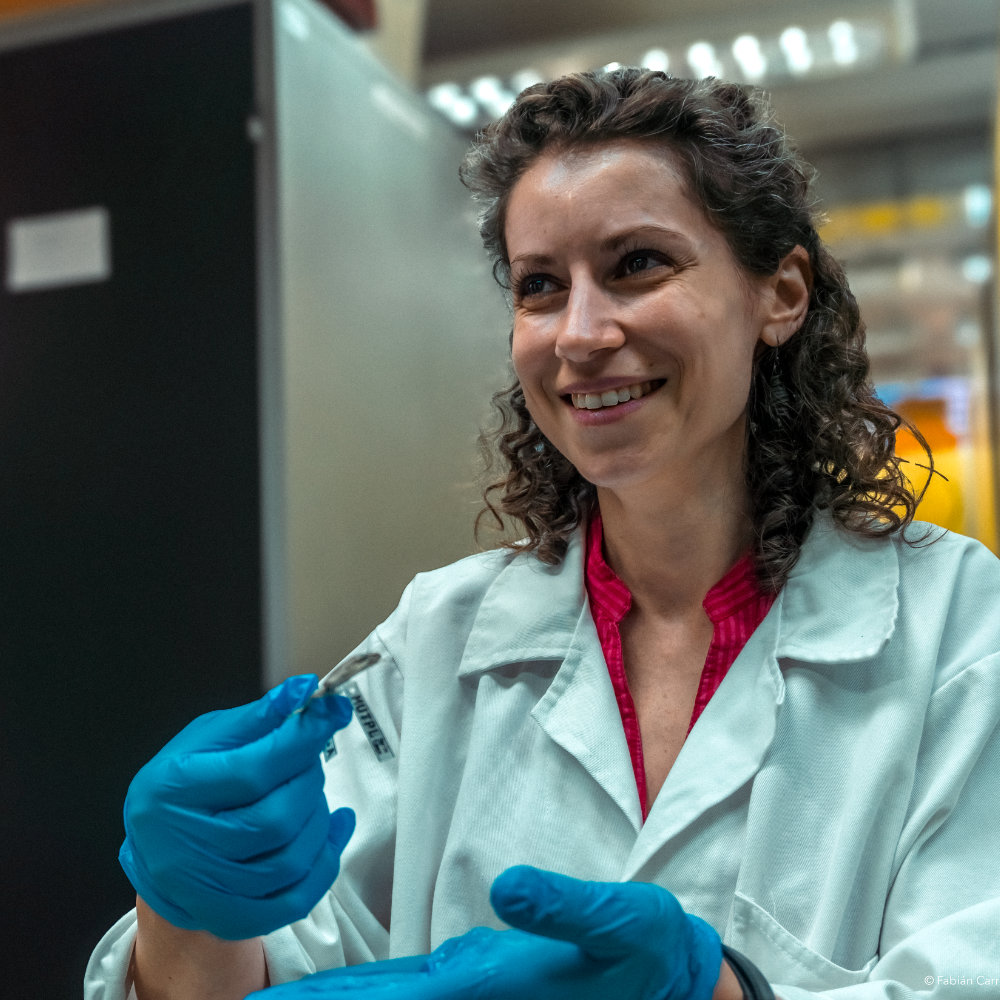
Protecting biodiversity requires long-term stewardship. Nature and Culture works to ensure species protection is durable by combining habitat conservation with partnership, science, and sustained local leadership.
These partnerships support long-term protection that works for both people and nature, helping sustain ecosystems that provide food, water, livelihoods, and cultural continuity. By integrating local knowledge and community leadership, species protection becomes more durable, more effective, and better suited to the realities on the ground.
TURNING RESEARCH INTO ACTION
Monitoring threatened species
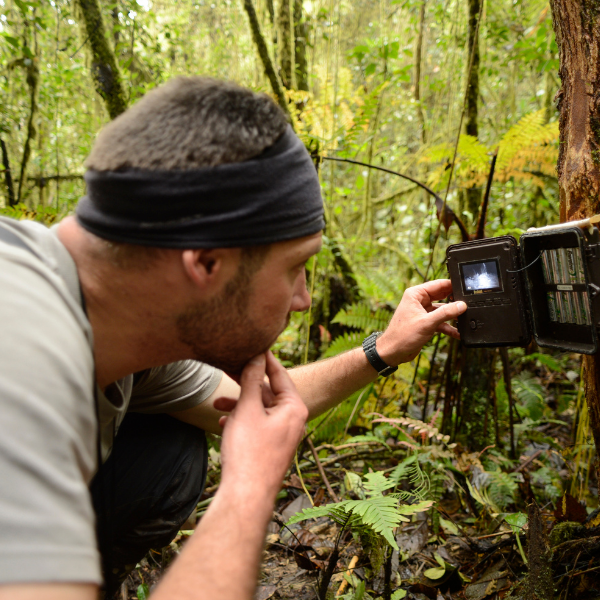
Nature and Culture provides technical and logistical support to local and international universities, research institutions, and NGOs to monitor and study threatened and key species. This research helps us understand what wildlife needs to thrive and strengthens conservation strategies that protect biodiversity over the long term.
Monitoring and research are not just academic exercises. They help guide real-world decisions about where to protect habitat, how to strengthen stewardship, and how to reduce threats to species before declines become irreversible.
Why Biodiversity Protection Matters Now
Earth’s wildlife populations have declined 73% in the last 50 years
Global monitoring shows that wildlife populations have declined markedly over recent decades, largely due to habitat loss. Latin America, and particularly the Amazon, has experienced some of the greatest impacts as deforestation and fragmentation accelerate.
Protecting and connecting vulnerable and threatened species’ habitat is one of the most effective ways to reverse these trends.
How You Can Help Protect Biodiversity
Protecting biodiversity is possible because supporters choose long-term solutions. When you give to Nature and Culture, you help protect forests and connected habitats that wildlife depends on—and strengthen conservation that lasts beyond a single project cycle.
