
OUR PROGRAMS
Where Nature and Culture International Works
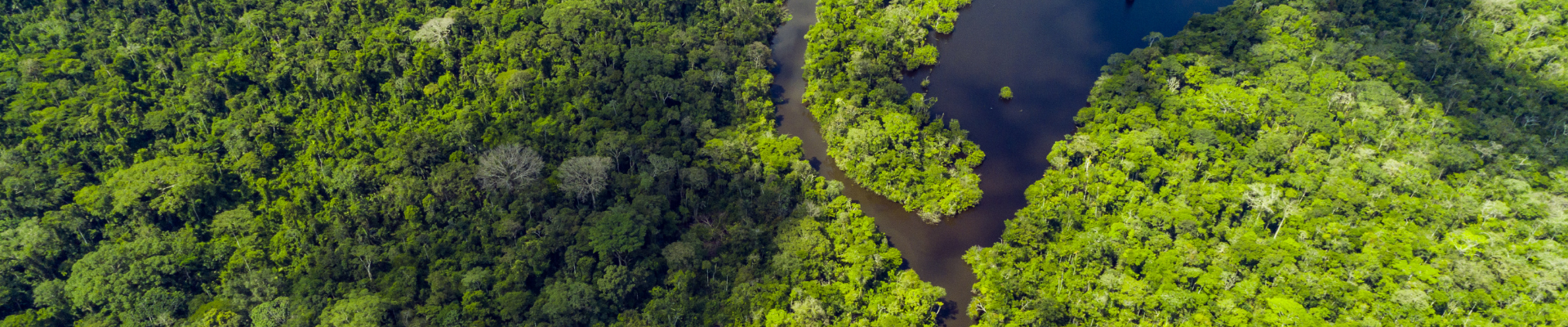
Our conservation programs protect some of the most important ecosystems in the Amazon rainforest and tropical Andes. By working with Indigenous communities, local governments, and conservation partners, Nature and Culture International secures protected areas, safeguards water sources, and protects biodiversity across Latin America.
Our work spans five countries in Latin America, protecting more than 26 million acres across some of the planet’s most biodiverse and threatened ecosystems.
The Amazonian Platform
The Amazonian Platform is our coordinated, multi-country framework for protecting the Amazon basin. Working across borders, we bridge indigenous territories, national and local governments, and conservation partners to secure the world’s largest tropical forest system — the Amazon — through legally recognized protected areas, indigenous land rights, and community-led stewardship.


The Andes-Amazon Conservation Corridor
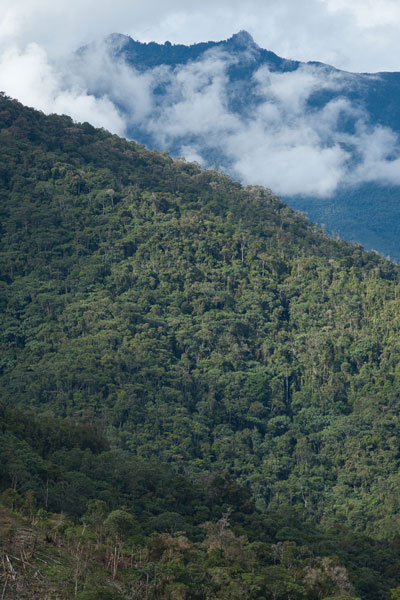
The Andes-Amazon Conservation Corridor is a mosaic of national parks, provincial and municipal reserves, and water protection areas connecting Ecuador and Peru across more than 5 million acres. It spans one of Earth’s most biodiverse mountain regions, home to over 34,000 plant and animal species. This program safeguards biodiversity, securing critical water sources, and storing vast amounts of carbon.
Water Protection Areas
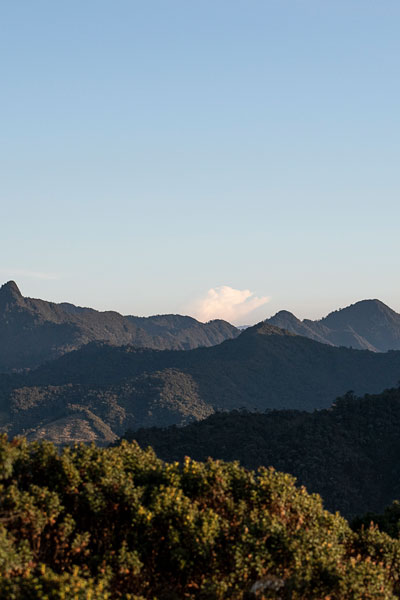
Water Protection Areas (Áreas de Protección Hídrica) are legally designated zones that protect the headwaters, páramos, and cloud forests supplying drinking water to millions of people. By securing these source ecosystems, we safeguard both irreplaceable biodiversity and the water security of communities and cities across the Andes.

Countries where Nature and Culture works
We work across five countries in Latin America, each representing a unique landscape and community — all united by a shared commitment to protecting the region’s extraordinary natural heritage.



Help Us Protect What Matters Most
Every acre protected is a future secured for wildlife, for forests, and for the communities who call these landscapes home.
