
A Win for Nature: Nature and Culture Secures Water and Life in Northern Peru
04/08/2026
In a landmark moment for the Andes-Amazon Conservation Corridor, Nature and Culture has achieved a major victory for biodiversity: the official establishment of the Huamantanga and Chorro Blanco Regional Conservation Area. Spanning over 34,500 acres in northern Peru, this new protected area represents a coordinated effort to protect some of the most ecologically significant water sources and cloud forest ecosystems in the region.
“This is an environmental achievement and a commitment to the future of our people,” stated the Regional Governor of Cajamarca, Roger Guevara. The establishment of this area demonstrates a firm determination to protect the water sources that sustain life and sustainable development in Jaén.
A Forest that Sustains Life and Secures Water
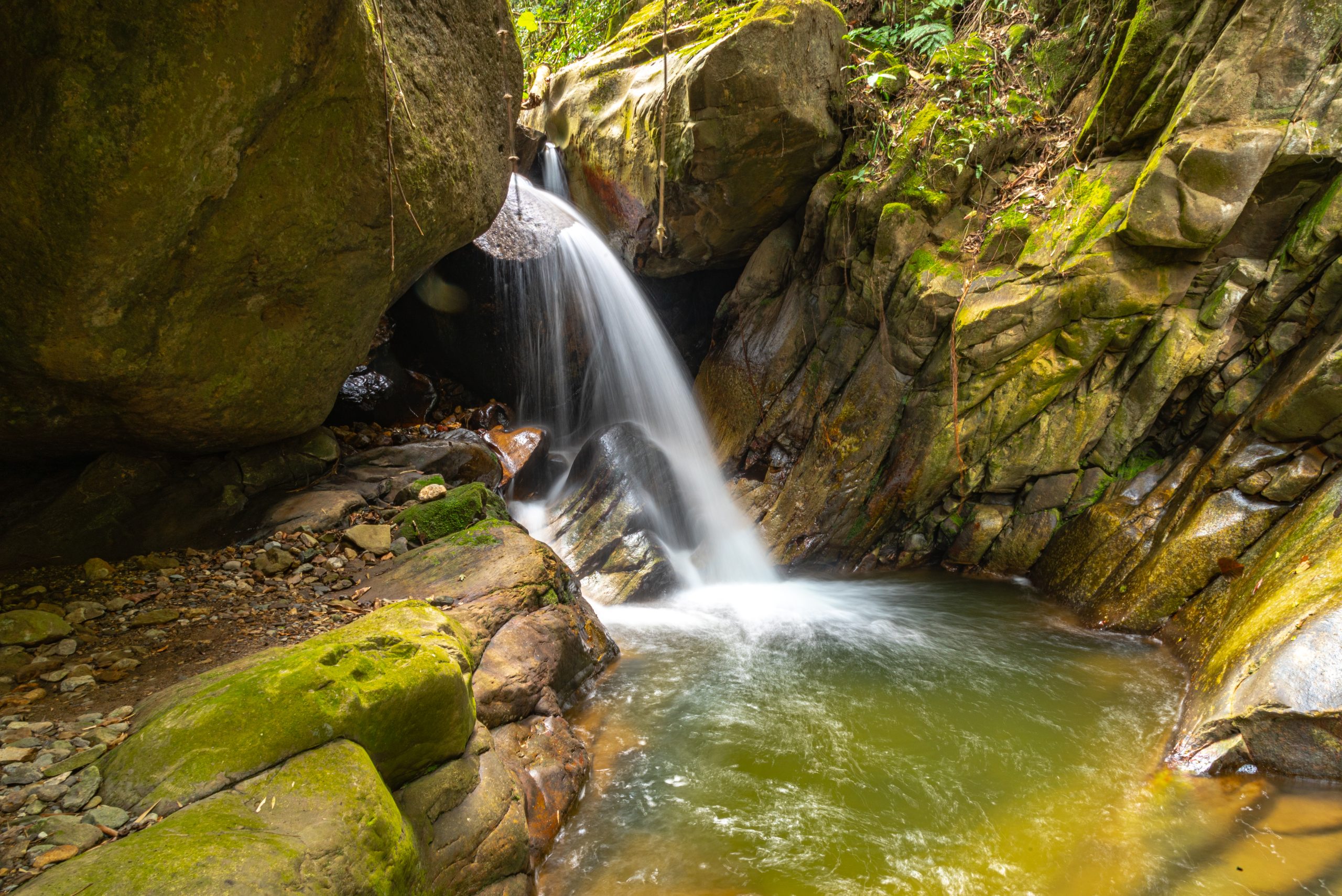
The headwaters of the La Rinconada, San José de la Alianza, and La Cascarilla streams are located within this territory. These waters feed the Amojú River basin, supplying drinking water to the populations of Jaén and Bellavista and supporting the farms that feed the surrounding province.
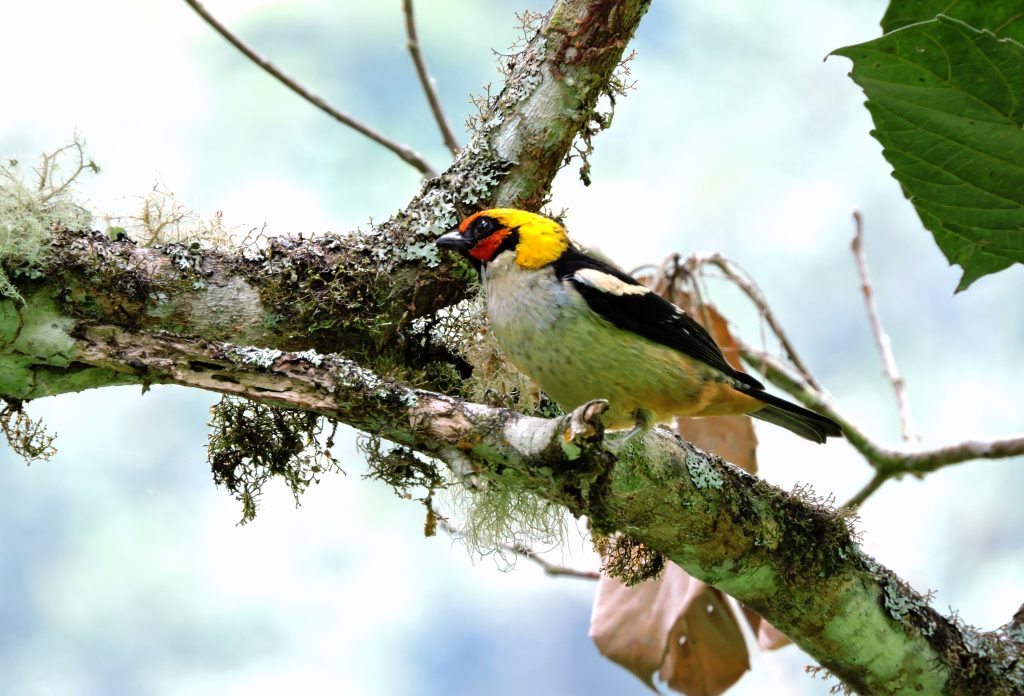
Beyond its hydrological importance, the forest is a refuge for the iconic spectacled bear (Tremarctos ornatus), the Andean cock-of-the-rock (Rupicola peruvianus), and the red brocket deer (Mazama rufina). It also protects flora of immense historical value, such as Cinchona (Cinchona spp., the famous quinine bark tree, national tree of Peru and the origin of tonic water) and Romerillo (Podocarpus genus, a rare native conifer found in Andean cloud forests). These woods also host threatened and migratory birds, including the Black-and-chestnut Eagle (Spizaetus isidori) and the Canada Warbler (Cardellina canadensis).
Four Years of Relationship-Building and Cooperation
Since 2021, Nature and Culture has led this participatory process with technical support and funding from the Andes Amazon Fund. Other key partners joined the effort, including Proyecto CUIDAR and Proyecto BLF Andes Amazónico and the Conserva Aves Initiative with support from the Government of Canada.
“This declaration is the result of a shared vision with local communities who understand that protecting the forest also means protecting their own way of life,” commented Iván Mejía, Nature and Culture Project Manager. Before the area was officially established, our team worked with local communities to assess conditions and develop hands-on action plans, ensuring that those living near the forest are their primary guardians.


Forests for the Future
This victory consolidates a key piece of the Andes-Amazon Conservation Corridor, connecting vital natural areas across Peru and Ecuador. The work is already yielding results; through conservation agreements, 20 acres of romerillo (Podocarpus genus) are already recovering in two local communities. This pilot model has proven that reforestation with native species can thrive and is now ready to be scaled across the new protected area.
“With this step, we consolidate a key piece within the Andes del Norte Conservation Corridor,” explained Auner Medina, Andes del Norte Coordinator, who highlighted the importance of this milestone for ecological connectivity and the regulation of the hydrological cycle.

A Legacy Built to Last
The new conservation area shows what’s possible when protection and people’s livelihoods are treated as the same goal. It guarantees the protection of Andean ecosystems while opening doors for sustainable tourism and scientific research.
As Sergio Sánchez Ibáñez, Regional Manager of Natural Resources, noted: “Protecting the forest is also protecting the life and culture of those who depend on it. This is a firm step toward a more sustainable future.” This is conservation built to last—protecting water, wildlife, and communities for generations to come.
