

Conservation Corridor Podocarpus-Yacuri: A Vital Refuge for Biodiversity
09/24/2025
Southern Ecuador is now home to the country’s largest conservation corridor: Podocarpus–Yacuri
On August 29, 2025, Ecuadorian authorities officially recognized the Podocarpus–Yacuri Conservation Corridor. This achievement marks a significant step in bridging the northern and southern sections of the larger Andean Bi-National Corridor, a joint conservation initiative across Ecuador and Peru that will safeguard over 5 million acres along the Andes.
Led by Nature and Culture, in partnership with the provincial governments of Loja and Zamora Chinchipe, and the Shuar Indigenous nationality, the Podocarpus–Yacuri Corridor has an area of 1.8 million acres, making it the largest connectivity corridor in Ecuador. It spans the provinces of Zamora Chinchipe (80.27%) and Loja (19.73%) in southern Ecuador, and strengthens ecological connectivity across ecosystems.
An Andes-to-Amazon Region Critical for Conservation
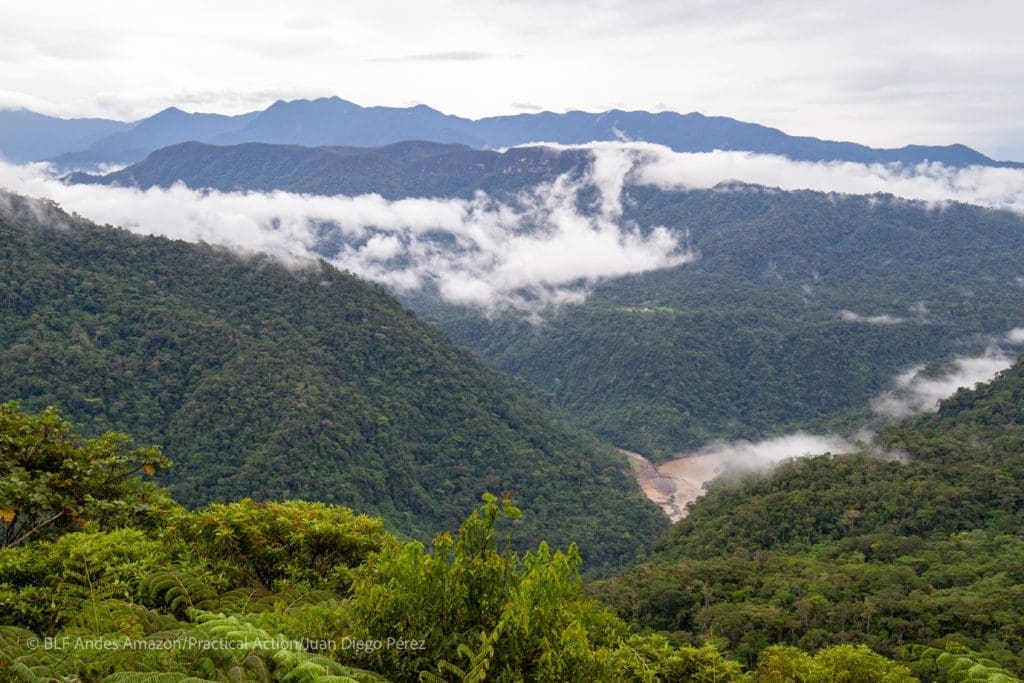
With 28 distinct natural ecosystems, the Podocarpus–Yacuri Corridor is essential for water supply, biodiversity, and carbon capture, therefore serving a crucial role in climate change mitigation.
Safeguarding this corridor directly impacts the well-being of more than 304,000 people who rely on its rivers, forests, and fertile soils. Rising from 2,231 feet in Zamora Chinchipe to 12,730 feet in Loja, this corridor’s sweeping altitudinal range creates a diversity of climates and unique ecosystems, further enhancing the region’s biological richness and its value for conservation.
Podocarpus-Yacuri Corridor: Home to Emblematic Species
The Podocarpus–Yacuri Corridor shelters a remarkable variety of species, many threatened or found nowhere else, underscoring its vital importance for biodiversity. Among its most iconic inhabitants are:
the Andean bear (Tremarctos ornatus), Mountain Tapir (Tapirus pinchaque), Northern pudu (Pudella mephistophila), Puma (Puma concolor), Jocotoco antpitta (Grallaria ridgelyi), Royal sunangel hummingbird (Heliangelus regalis), Torrente del Cóndor frog (Hyloscirtus condor)
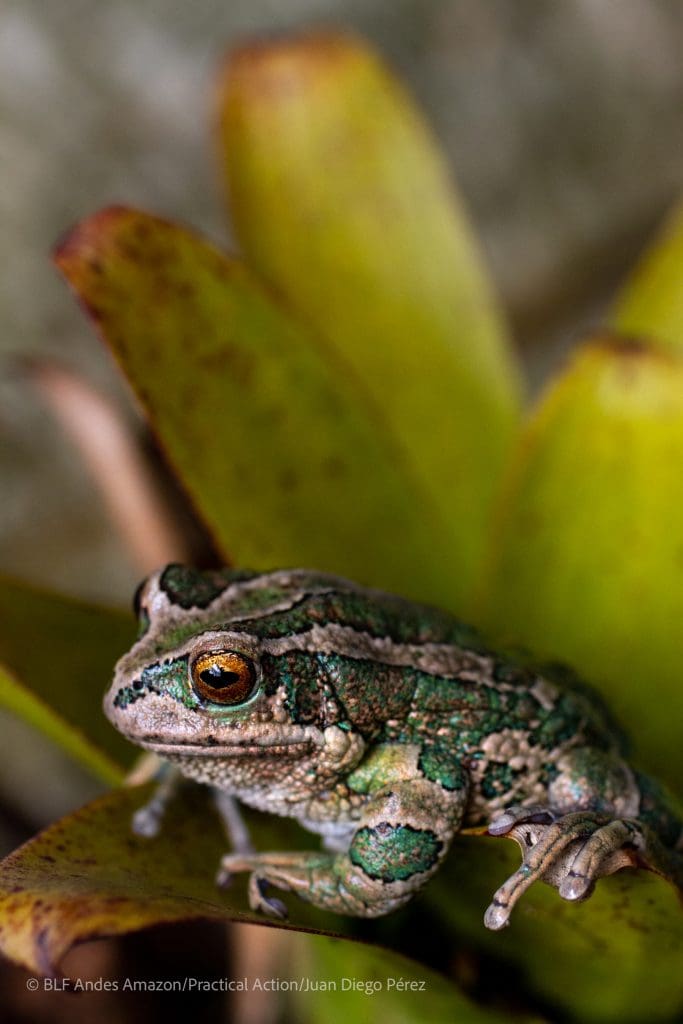
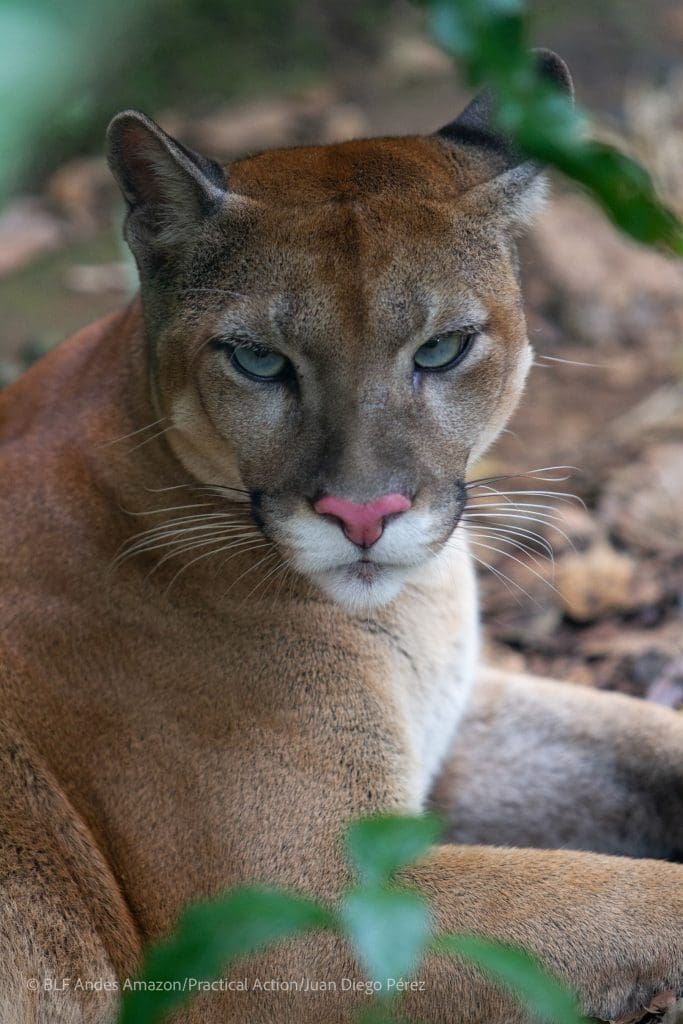

Each of these species plays a vital role in maintaining ecosystem balance, serving as key indicators of the corridor’s environmental health. Their protection ensures not only their own survival but also the continued functionality of the entire ecosystem.
A Regional Conservation Effort
Currently, 73.51% of the Podocarpus–Yacuri Corridor is under some form of conservation designation, reflecting a strong commitment to protecting the natural environment. Within its boundaries are three core areas of Ecuador’s National System of Protected Areas (SNAP)—Podocarpus National Park, Yacuri National Park, and Cerro Plateado Biological Reserve—along with nine Sustainable Conservation Areas.
Its strategic location makes it a key link in a network of protected areas that strengthens ecological connectivity across the region. The corridor borders the montane forests and páramos of the Sangay–Podocarpus Corridor to the north and connects with the Andes del Norte Conservation Corridor in Peru. This natural linkage of over 5 million acres across both countries expands the territory available for species to move freely, reinforces transboundary conservation commitments, and ensures the protection of water sources that benefit both Peru and Ecuador.

Andean Bi-National Corridor
The Andean Bi-National Corridor represents a joint effort to safeguard more than 5 million acres of strategic ecosystems. Stretching from southern Ecuador to northern Peru, this corridor protects a diversity of ecosystems—including páramo, cloud forest, and Amazonian forest—all part of the Tropical Andes Hotspot, the most biodiverse in the world.

Its protection is essential to ensure the survival of iconic species such as the spectacled bear, the Andean condor, the mountain tapir, and the jaguar, as well as to maintain the flow of critical ecosystem services—including the provision of water for more than 1.5 million people and the operation of hydroelectric systems vital for development.
The Podocarpus–Yacuri Conservation Corridor is not only a natural space, but a bridge of life that connects landscapes, species, and communities—demonstrating the importance of conserving territories for present and future generations.
The recognition of the Podocarpus–Yacuri Conservation Corridor was made possible thanks to the commitment of multiple local actors, especially the provincial governments of Loja and Zamora Chinchipe, the Federation of the Shuar Nationality of Zamora Chinchipe (FEPNASH ZCh), farming communities, municipalities, the Technical University of Loja (UTPL), and NGOs. It was also supported technically by Nature and Culture International (NCI), made official by the Ministry of Environment, Water, and Ecological Transition (MAATE), and financially by the BLF Andes Amazon Project and the Weeden Foundation. This effort was also made possible thanks to Re:wild and its support in strengthening the technical and institutional capacity of MAATE in fulfilling its commitment to Target 3 of the Global Biodiversity Framework.
