
Cross-border CUIDAR Initiative Protects Mayo-Chinchipe Watershed
04/10/2025
The CUIDAR Project: Rights, Water, and Resilience supports sustainable water resource management, ecological resilience, and community participation across Ecuador and Peru.
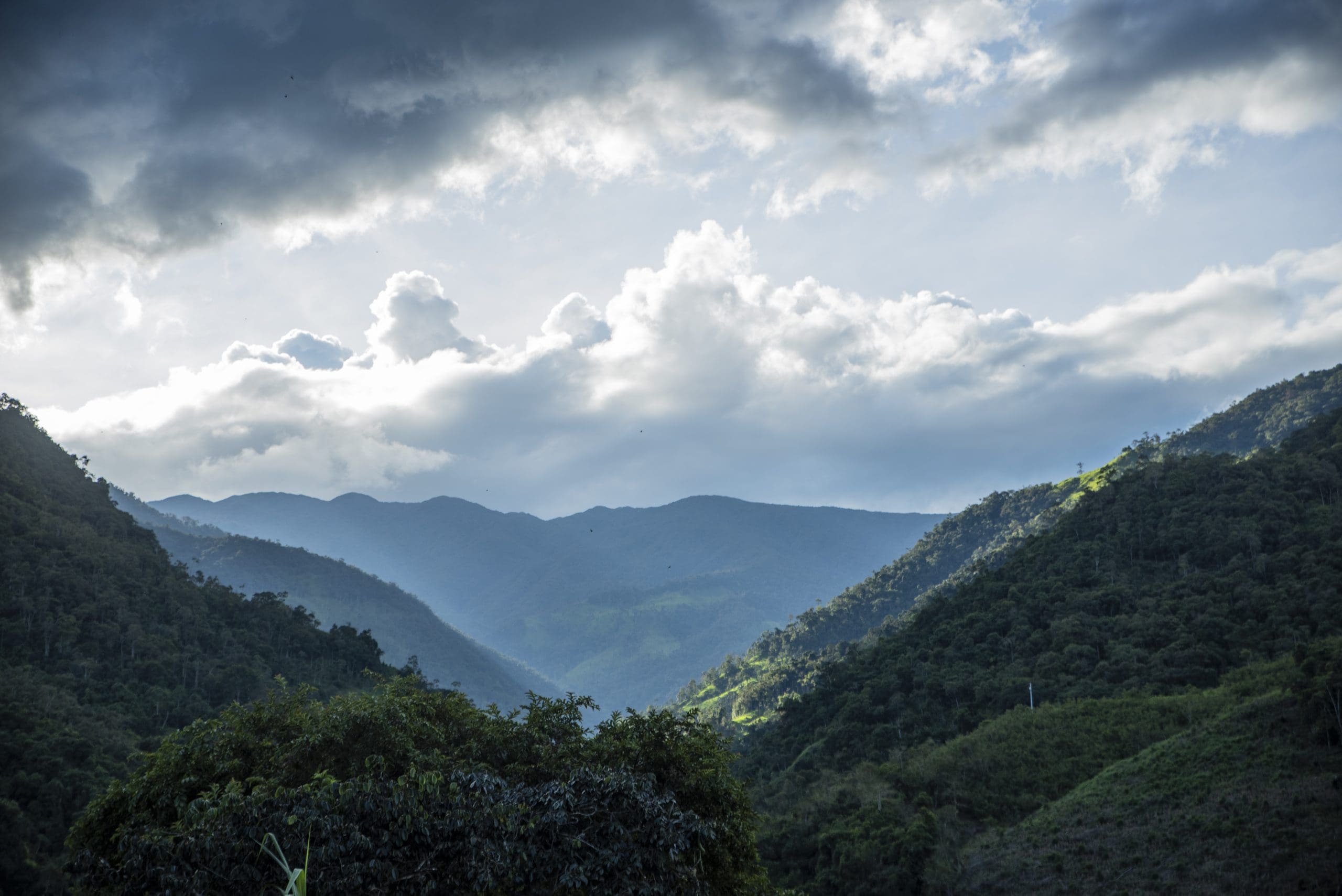
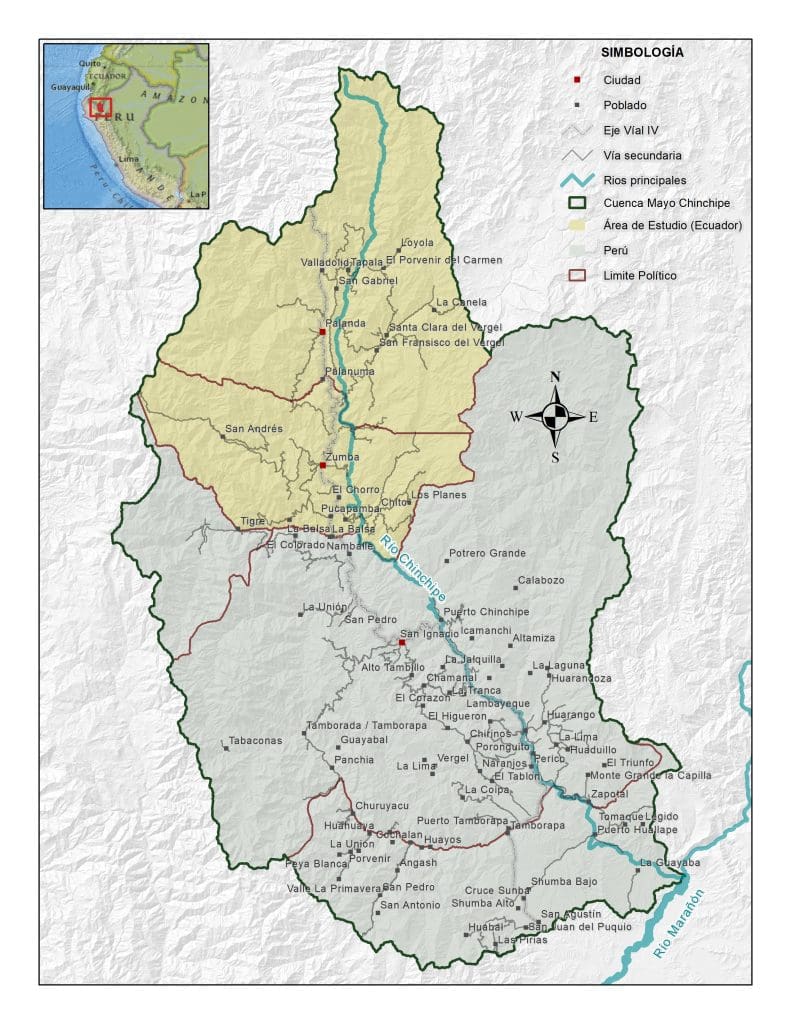
The Mayo-Chinchipe watershed originates in southern Ecuador’s Zamora-Chinchipe province and stretches into the border regions of San Ignacio and Jaén in northern Peru. As a key tributary of the Marañón River—one of the main sources feeding the Amazon—it is a vital ecosystem for both biodiversity and water access in the region.
Launched in April 2022, the CUIDAR Project is supported by the Belgian and Flemish governments, Join For Water, and Protos Andes, in partnership with Nature and Culture International, the National University of Loja, and the National University of Jaén.
The project focuses on conserving water ecosystems to strengthen local communities’ socio-ecological resilience and ensure sustainable access to clean water, especially for those most vulnerable to water scarcity. As part of this work, the team has implemented improvements to water supply systems in the communities of Palanda, Chinchipe, San Ignacio, and Jaén.

The Mayo-Chinchipe watershed is a cross-border system that connects both ecological and social processes, directly linking communities in Ecuador and Peru to the water resources they depend on. This deep interconnection has been essential in promoting an integrated water management approach, where the conservation of both aquatic and terrestrial ecosystems is key to ensuring the long-term sustainability of the watershed.
The CUIDAR project team recently carried out a field visit to the Mayo-Chinchipe watershed to assess progress after three years of implementation. The evaluation confirmed that the project is on track, strengthening both environmental conservation efforts and the well-being of the communities that rely on these water sources.
Water Management and Ecosystem Protection
A key focus of the CUIDAR Project has been to improve water infrastructure, protect strategic ecosystems, and restore degraded areas to ensure reliable access to clean water for human consumption.

In the communities of Palanda, Chinchipe, San Ignacio, and Jaén, the project has prioritized upgrades to water supply systems, especially in areas most vulnerable to water scarcity.
At the same time, conservation efforts are being carried out in partnership with local communities to protect critical ecosystems such as páramos, montane evergreen forests, and inter-Andean dry forests—all essential for climate regulation and water retention.
In the lower Jaén area, where the Chinchipe River meets the Marañón, specific strategies have been implemented to combat soil degradation and maintain vegetation cover, helping to reduce the impacts of land use change on the landscape.
Restoration and Water Protection in the Mayo-Chinchipe Watershed
To safeguard water quality and availability, the CUIDAR Project takes a comprehensive approach that combines water source protection, reforestation, and community-led governance.
As part of this effort, restoration activities have been carried out to protect key water sources, helping to sustain the water cycle and reduce environmental degradation.
A major focus has been on reforestation through productive conservation. In partnership with the Valladolid Parish Government and the Ecological Coffee Growers Association of Palanda (APECAP), the project has restored 82 hectares using agroforestry systems with coffee, which both rebuild vegetation cover and promote sustainable farming practices among local coffee producers in Ecuador.
In addition, conservation agreements with local organic producers committed to forest conservation, have helped protect 381 hectares of native forest in Ecuador. These agreements support sustainable land management and long-term ecological stability in communities that depend on the watershed.
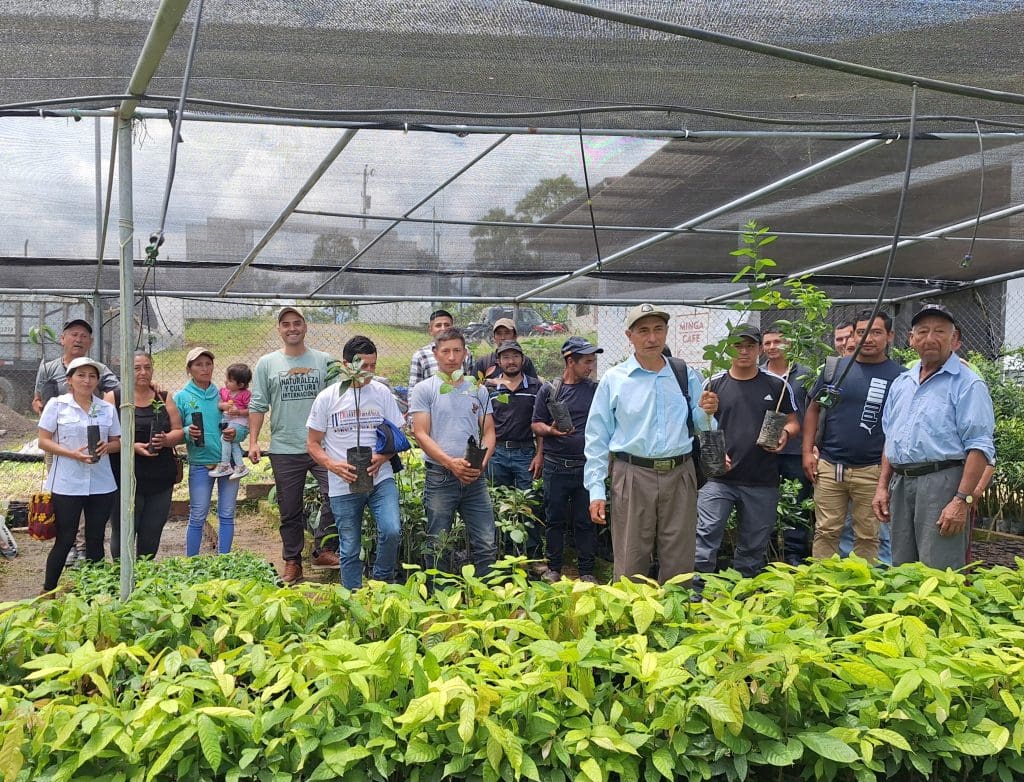


In Peru, the CUIDAR Project has partnered with coffee cooperatives La Prosperidad de Chirinos, Valle del Café, and Los Lirios to improve sustainable production systems. These efforts have resulted in nine conservation and compensation agreements, protecting 2,042 hectares of forest in collaboration with local communities.
As part of this partnership, 29 hectares of agroforestry systems have been established in the districts of La Coipa and Chirinos, along with the reforestation of 3 hectares of montane forest. This reforested area helps connect the northern and southern sections of the El Chaupe, Cunía, and Chinchiquilla Regional Conservation Area in San Ignacio.
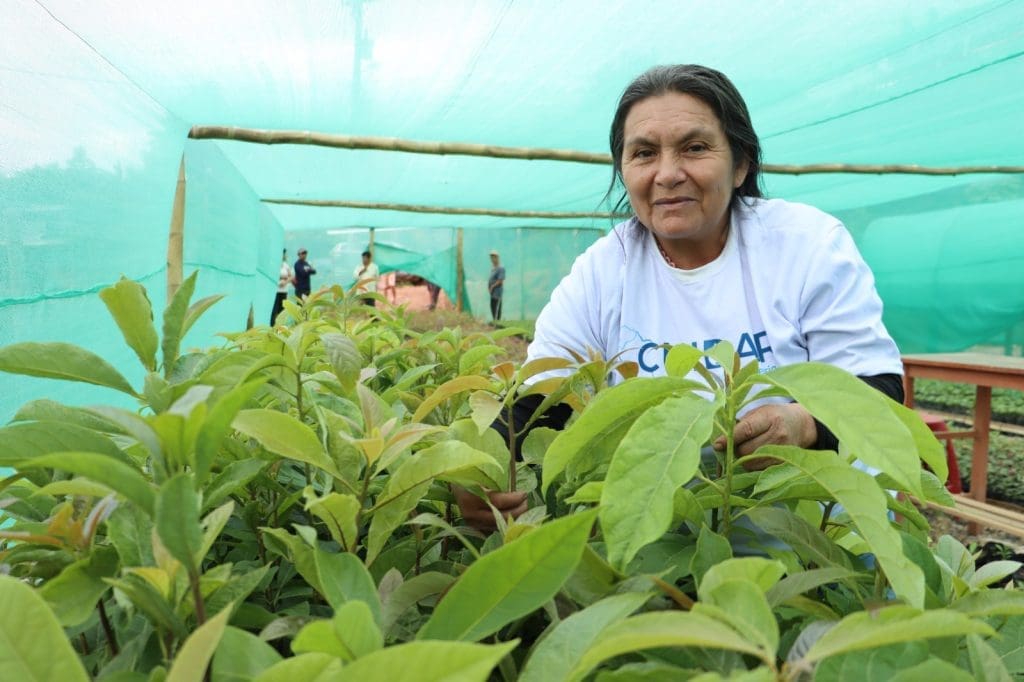
In parallel, water resource management has been strengthened through the creation of the Water School, which provides training for local government technicians. Additionally, new binational committees have been formed to promote community leadership and participation in water governance and conservation.
Victoria Alberca, president of the La Chacra Organic Producers Association (Ecuador), shared:
“If we want a sustainable and equitable world, we must protect water and safeguard the Mayo-Chinchipe watershed. This is more than just a process; it’s a collective journey that requires the involvement of women, men, and diverse communities. Protecting water also means recognizing and strengthening women’s leadership, which is key to the fair protection of this vital resource.”
Cindy Díaz Horna, representative of the Chontalí Integrated Development Association (Peru), shared:
“The Water School brings together many people committed to conservation, but what inspires me most is teaching young people—especially girls and boys—that protecting our biodiversity not only transforms our environment, it also empowers us, especially women. This is what true development looks like: actively caring for our water and our lands.”
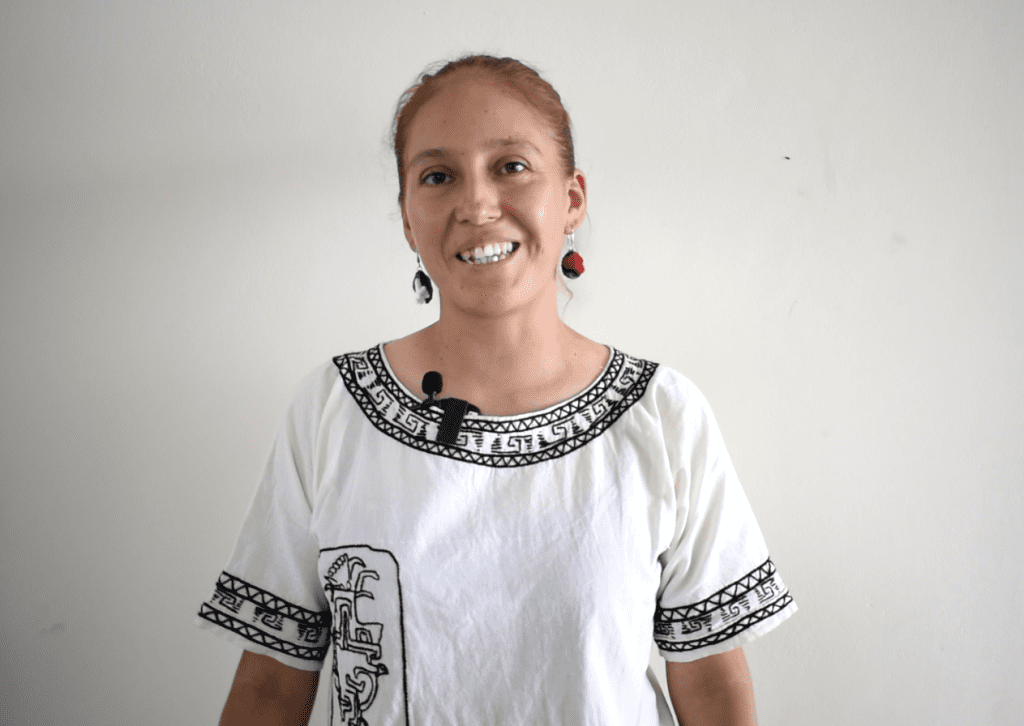

As the CUIDAR Project moves forward, these efforts are shaping a replicable model for water restoration and management in cross-border ecosystems. They demonstrate that conservation is not only possible—it’s essential for ensuring equitable access to water across the region.
Binational Cooperation for Water Conservation
Patricio Jaramillo, Nature and Culture International’s CUIDAR Project Coordinator in Ecuador, emphasized:
“The union of local efforts and international cooperation through the CUIDAR Project reaffirms our commitment to protecting fragile and degraded ecosystems.”
He added:
“This collaborative work has not only improved access to water—both in quantity and quality—but has also strengthened cooperation between Ecuador and Peru, supporting the well-being of border communities and the natural environments they depend on.”

In Peru, work is underway on the Binational Watershed Plan, led by the National University of Jaén, to better understand the shared water systems between Peru and Ecuador. The plan identifies major threats to these ecosystems—such as illegal mining, logging, and burning—which increase the vulnerability of montane forests and páramos.
This document will serve as a key tool for informed decision-making and the development of cross-border cooperation projects, focusing on building technical capacity and restoring degraded areas in collaboration with local communities.
“It is crucial to work in an integrated way and with the active participation of the Local Water Authority,” said Iván Mejía, Project Manager at Nature and Culture International Peru.
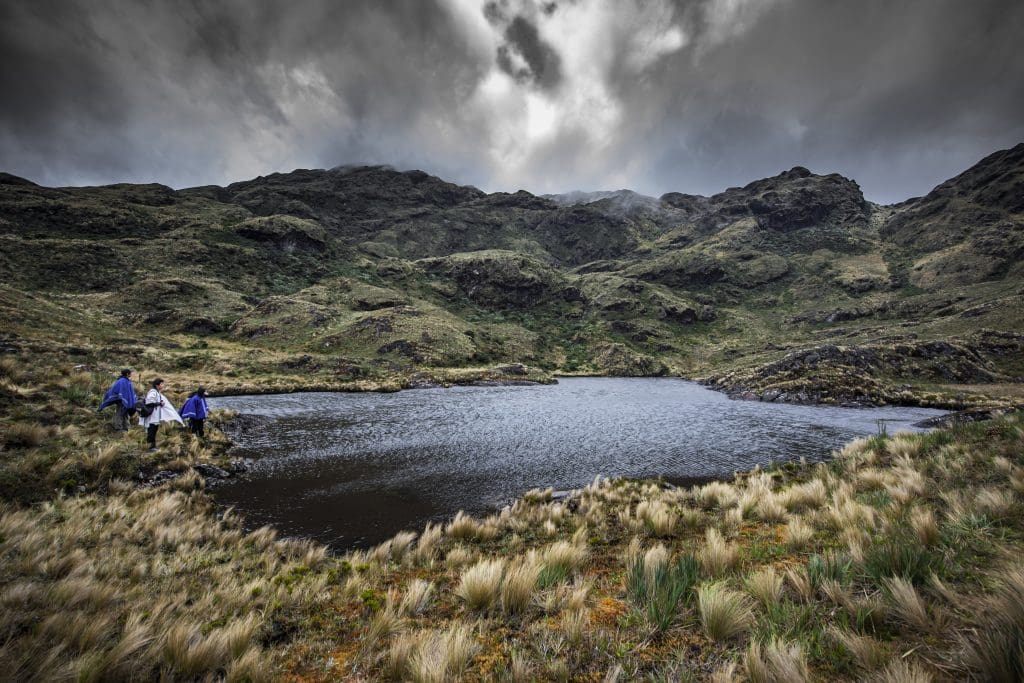
“This area is part of the Andean-Amazonian Transboundary Conservation Corridor, covering over two million hectares of páramos and montane forests in Peru and Ecuador. Through projects like CUIDAR and funding initiatives such as the Northern Andes Water Fund, we have managed to integrate local communities, authorities, and international cooperation in protecting and restoring these natural water sources,” added Mejía.
The Mayo-Chinchipe watershed is a clear example of how cross-border water management and ecosystem conservation are possible when countries and communities cooperate. The strategies of the CUIDAR project could serve as a replicable model in other Latin American watersheds facing similar challenges.
Felipe Serrano, Ecuador Country Director for Nature and Culture, emphasized that the community has much to be proud of—not only is this the place where cacao was first domesticated, but it’s also the source of the Mayo-Chinchipe watershed. These water sources are vital for maintaining the region’s hydrological and ecological balance, supporting both biodiversity and local livelihoods.
During his visit to communities in the Mayo-Chinchipe watershed, Bart Dewaele, Director of Join For Water, praised the CUIDAR Project for staying true to its goals and effectively coordinating with local stakeholders. He also highlighted that involving women from the outset not only gives them a voice but also strengthens community support.
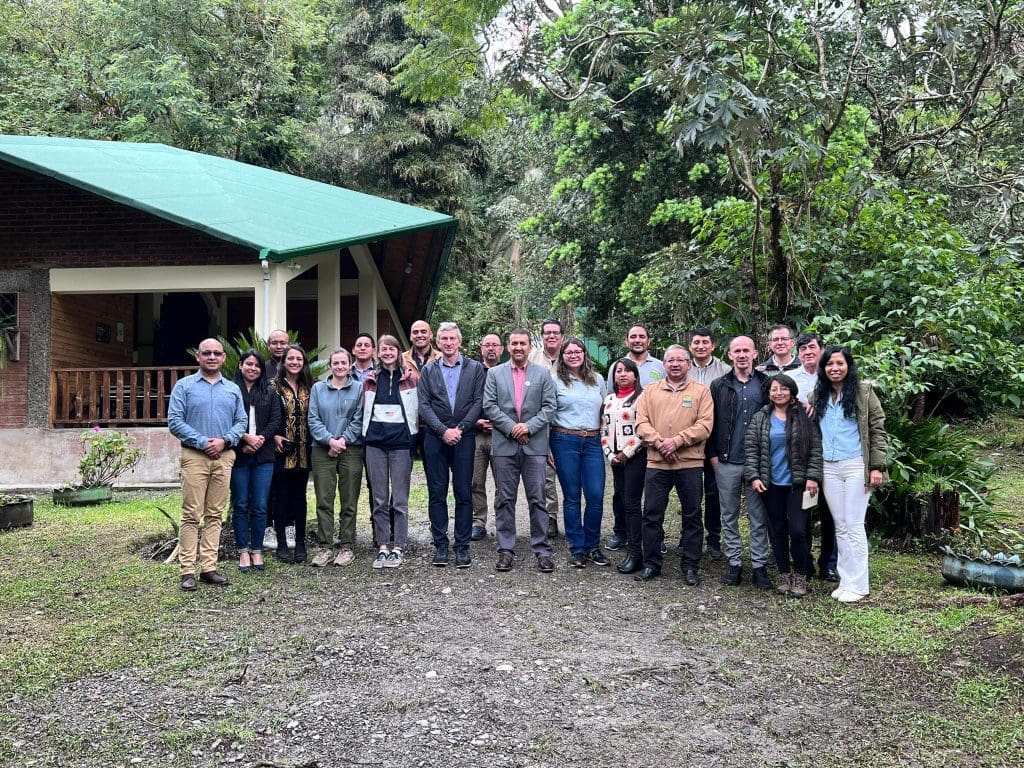
“The CUIDAR Project is a powerful example of international solidarity because it aligns the water needs of people with those of nature,” said Dewaele. “It’s also a binational initiative, spanning the Mayo and Chinchipe watersheds, which flow across both Ecuador and Peru. This project unites two peoples who were once in conflict. In that sense, CUIDAR is a peace project—built through shared care for water.”
Indeed, water knows no borders. But its conservation depends on the collective action of communities, governments, and organizations working together to protect this vital resource for both current and future generations.
