
Engagement with the communities of El Pitayal
02/14/2024
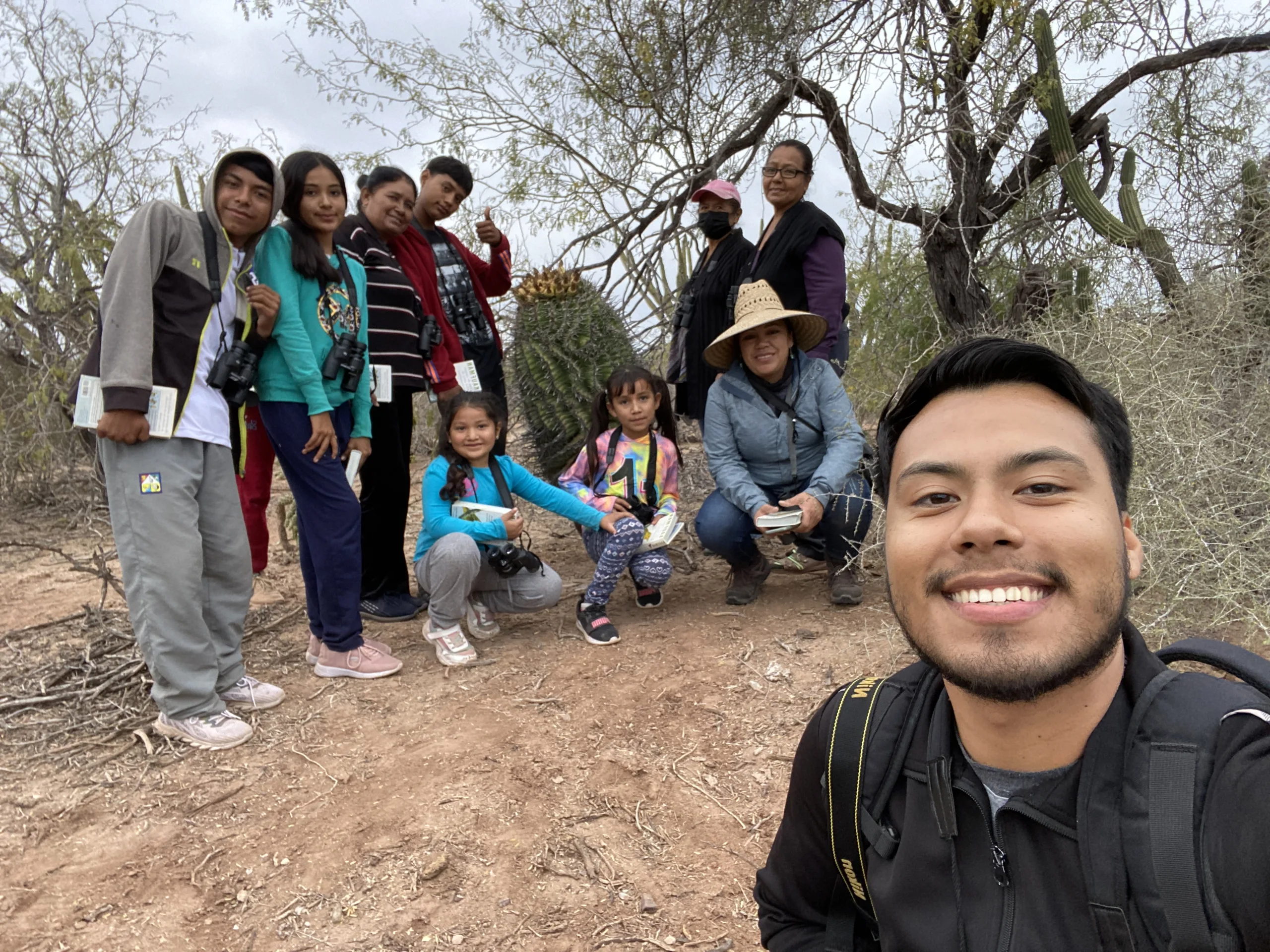
Families from the community of Bachoco in Sonora, Mexico learned about the importance of the Pitayal and local biodiversity during a birdwatching day with the Nature and Culture team.
To strengthen ties with the Yoreme Mayo Indigenous communities in southern Sonora, Nature and Culture organized a nature trek to share insights on the area’s natural wealth of biodiversity. As the region undergoes a proposal process to establish the El Pitayal Protected Area, our strategy includes building relationships with the local residents and gaining their full support in the creation of this new area.
Proposal for a Protected Area in El Pitayal
The Pitayal is the coastal thorn scrub with the highest density of sweet pitaya (Stenocereus thurberi) in the world. This species of columnar cactus, endemic to North America, is distributed in the Sonoran Desert, from southern Arizona in the United States to parts of Baja California, Sonora, and Sinaloa in Mexico.
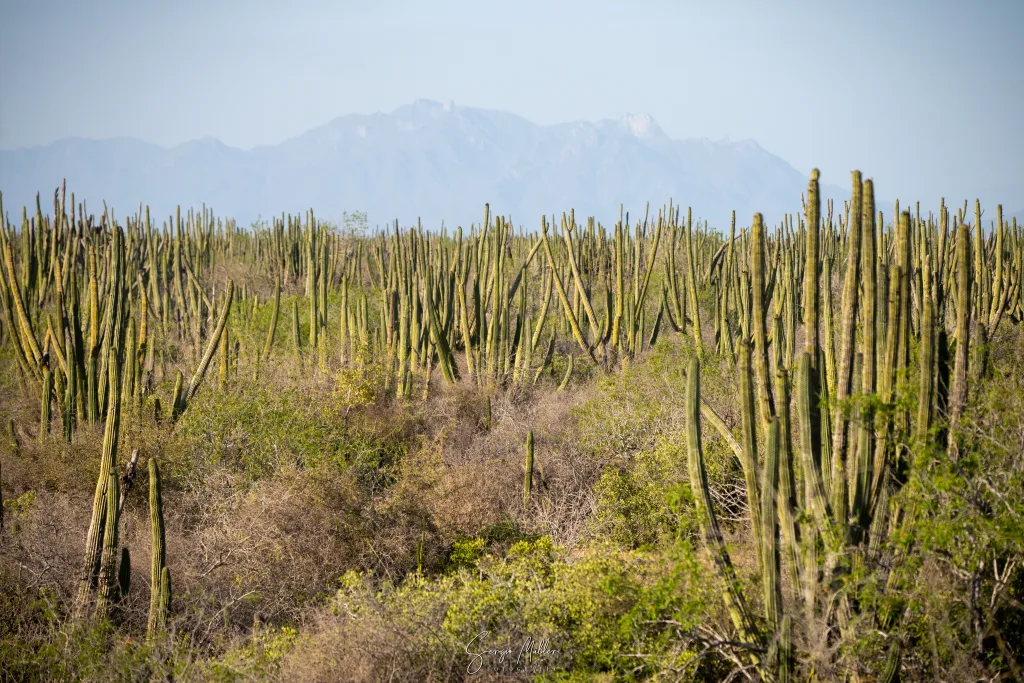
Nature and Culture is working to protect 192,742 acres of threatened pitaya forest, which will facilitate connectivity between coastal mangroves and terrestrial pitaya forests. This initiative aims to protect the diverse flora and fauna reliant on these ecosystems’ health. Collaboration with authorities and local communities has been crucial in strengthening the proposal and incorporating local knowledge into initial documents.
Nature trek with the Nature and Culture Team
At the end of January 2024, members of the Bachoco community, mostly women and children, joined the Nature and Culture team for a nature trek, where they participated in birdwatching in the coastal area of the Pitayal.
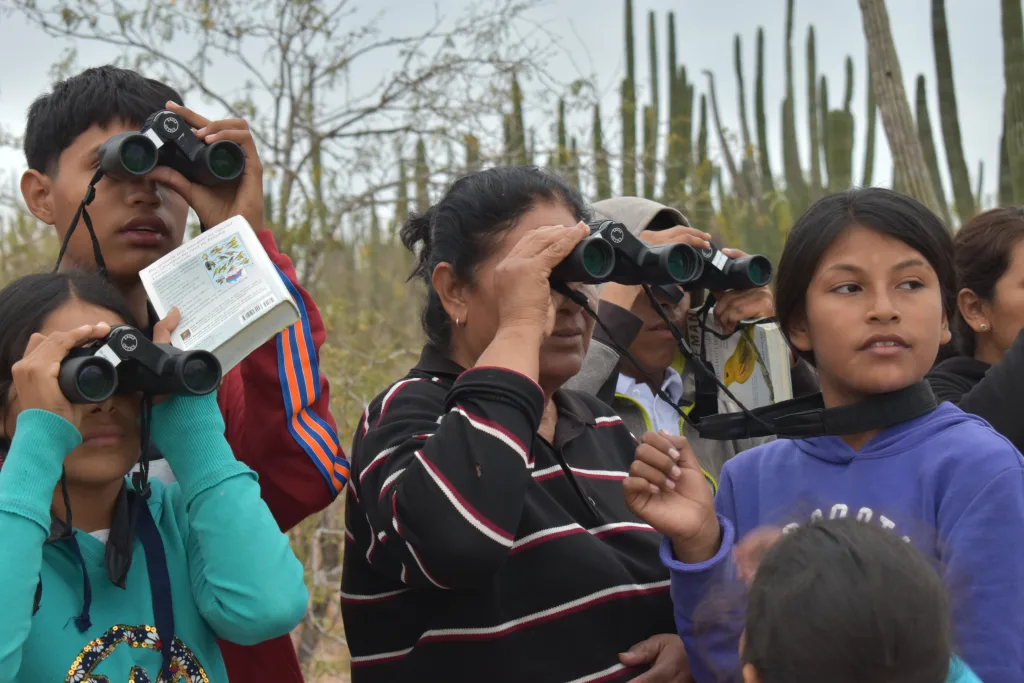
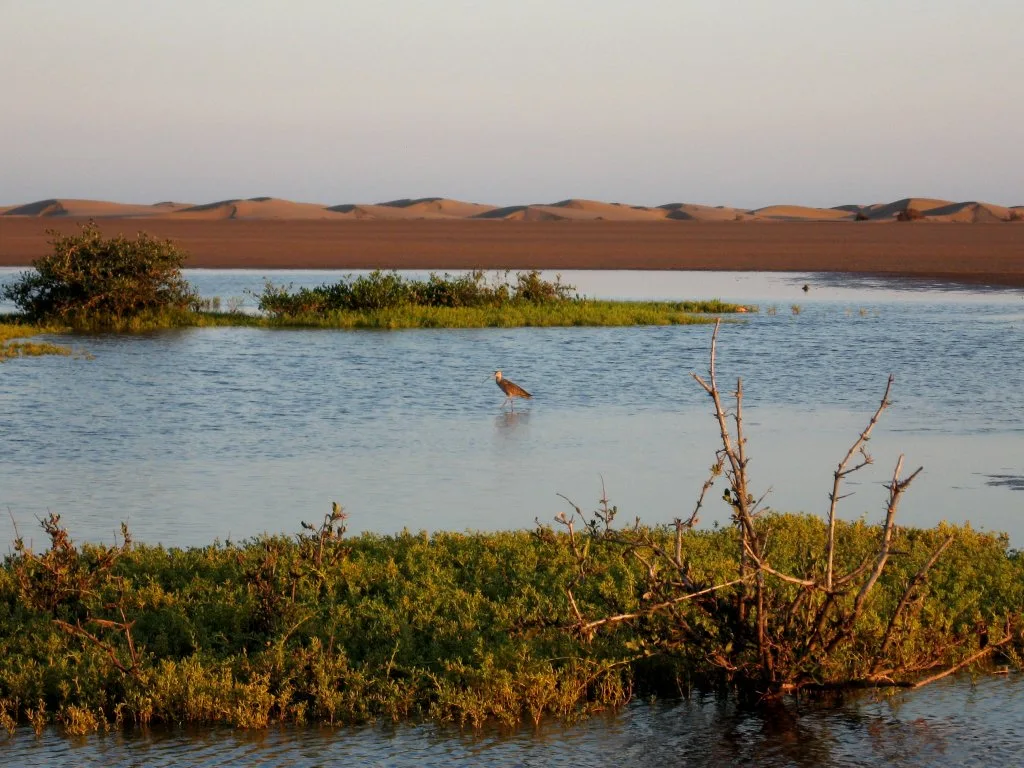
With the help of binoculars and guidance from members of Nature and Culture’s Mexico Team, Gilberto Díaz and Cinthia Mireles, participants observed a diverse array of resident and migratory birds. The Roseate Spoonbill (Platalea ajaja) and the Whimbrel (Numenius phaeopus) were prominent among them, traveling long distances to winter in Pitayal’s wetlands.
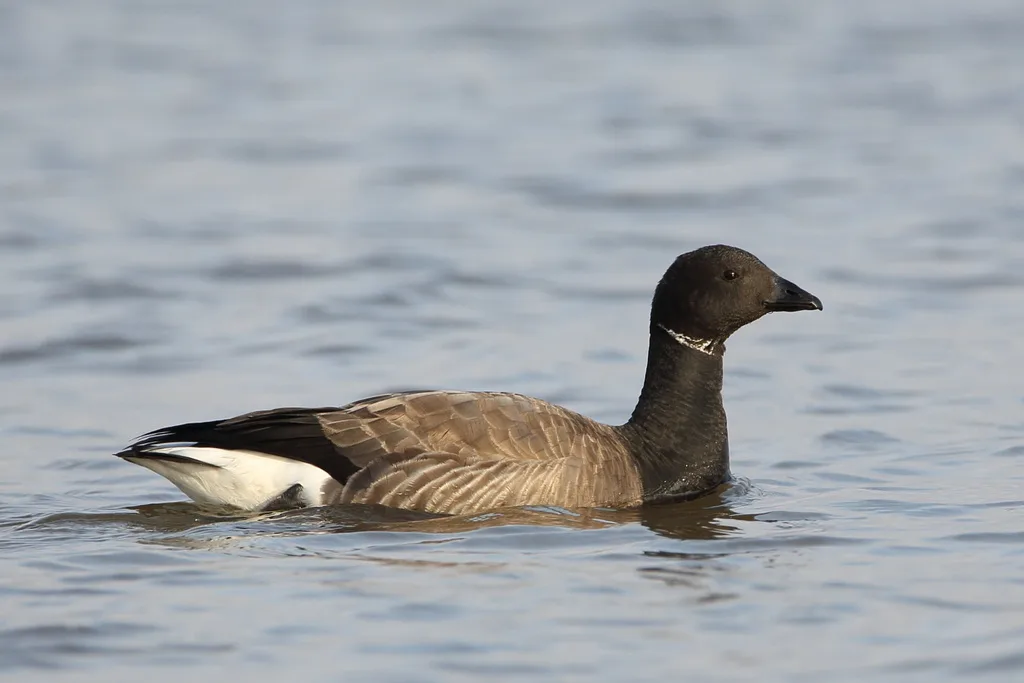
Another important species that can be found in Pitayal is the Brant Goose (Branta bernicla). It is a bird that breeds in territories with low temperatures such as the Arctic, Canada, Alaska, and Greenland, and migrates to spend the winter on the Pacific coast of Pitayal, where it enjoys good weather and feeds on the characteristic seagrasses (Zostera marina) of the Gulf of California.


The Importance of Protecting El Pitayal
Throughout the trek, our team provided information about the habits of various species and emphasized the importance of safeguarding El Pitayal’s ecosystems, including the wetlands, to ensure their survival.


Gilberto expressed surprise at the depth of knowledge and connection that children have with their surroundings. “I believe these activities are incredibly valuable for children to learn about biodiversity. It’s a chance for them to disconnect from social media. I was genuinely pleased to see how happy the children were,” he shares.
In addition to bird recognition, the women showed great interest in the plants, identifying them and sharing their traditional uses, such as making rosaries for prayers or preparing medicinal teas.
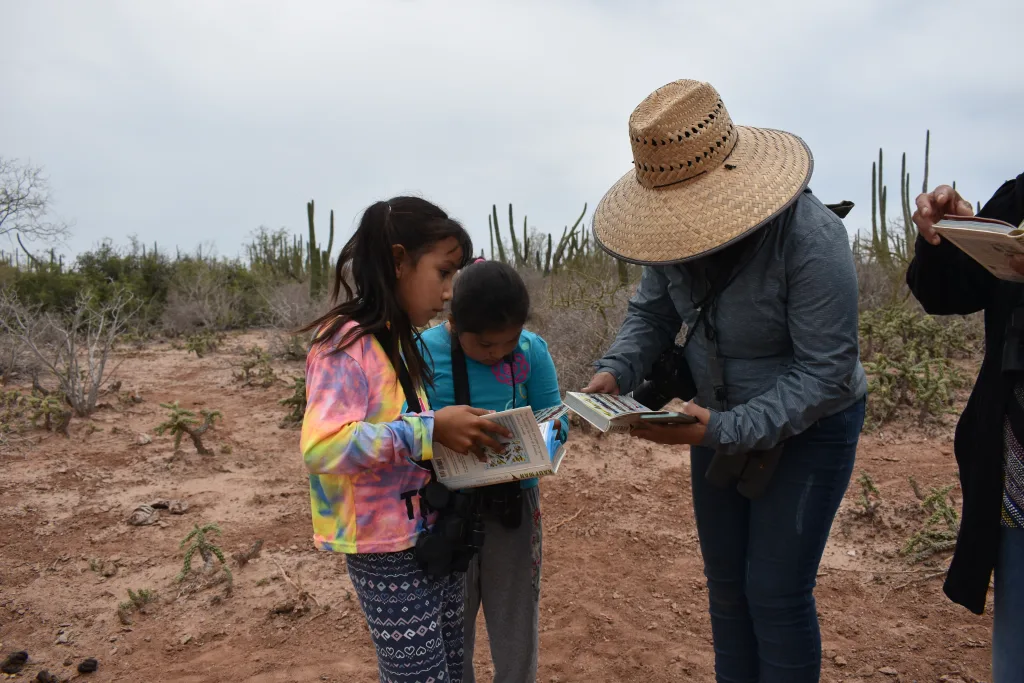
“I found it fascinating that children possess knowledge alongside adults. This indicates that valuable knowledge is indeed passed down to the next generations. It’s crucial for maintaining cultural strength and ensuring that ancestral wisdom persists among younger generations,” comments Cinthia Mireles.
Engaging in activities like this enhances people’s relationship with their environment by helping them comprehend the link between a thriving ecosystem, protected species, and thriving communities.
This activity and engagement, scheduled to continue until June, will take place at a total of 34 localities, offering communities the chance to share their knowledge of the fauna and flora in El Pitayal, as well as their traditional uses. The collected information will be invaluable, enriching the Justificatory Preliminary Study required to support the creation of the area and to develop a management plan once the Protected Area designation is established.
The Key Role of Wetlands
The proposal to create the El Pitayal Protected Area includes Yavaros Bay, home to Laguna Moroncárit, a wetland of significant importance. Wetlands, characterized by their shallow depth, function as transitional zones between terrestrial and aquatic ecosystems.
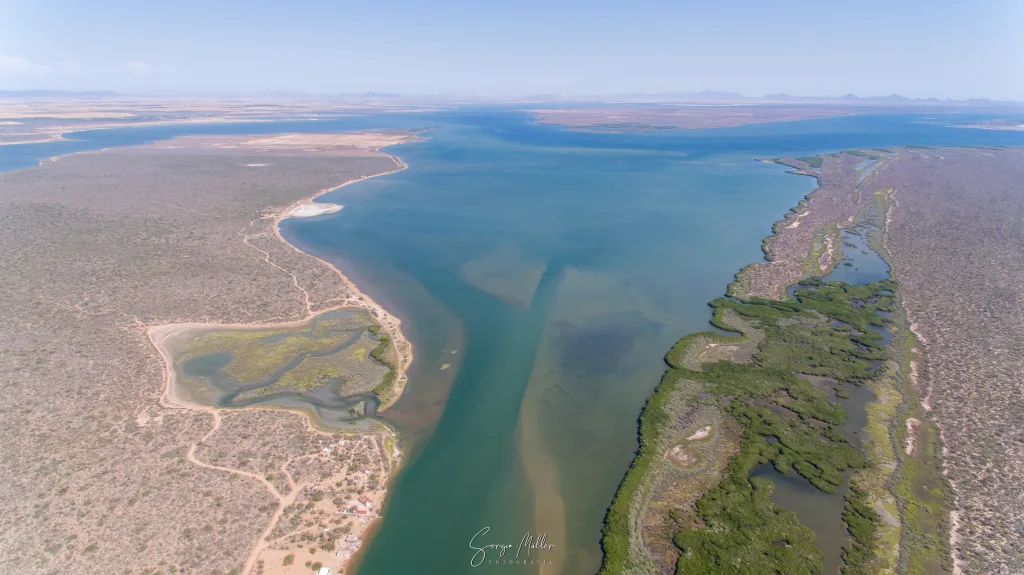
Water plays a crucial role in these wetlands, serving as the primary factor that regulates the ecosystem, its flora, and fauna. Consequently, the soil must retain water, whether stagnant or flowing, for extended periods to prevent desiccation throughout the year. During this process, water fosters ideal conditions for plant growth, thereby creating a suitable habitat for the local fauna.
We are very excited to be working alongside these local communities, learning from their ancestral knowledge, and joining forces to protect this unique area.
Learn more about the the El Pitayal Protected Area Proposal in the Mongabay Latam report: “Building a reserve to conserve the largest remnant of pitayas in the world.”
