
New Protected Area in Ucayali Safeguards Rare Yungas Ecosystem
06/24/2025
The Velo de la Novia or “Bride’s Veil” protected area conserves a highly diverse transition zone between the Andes and Amazon and strengthens ecological connectivity with five nearby protected areas.
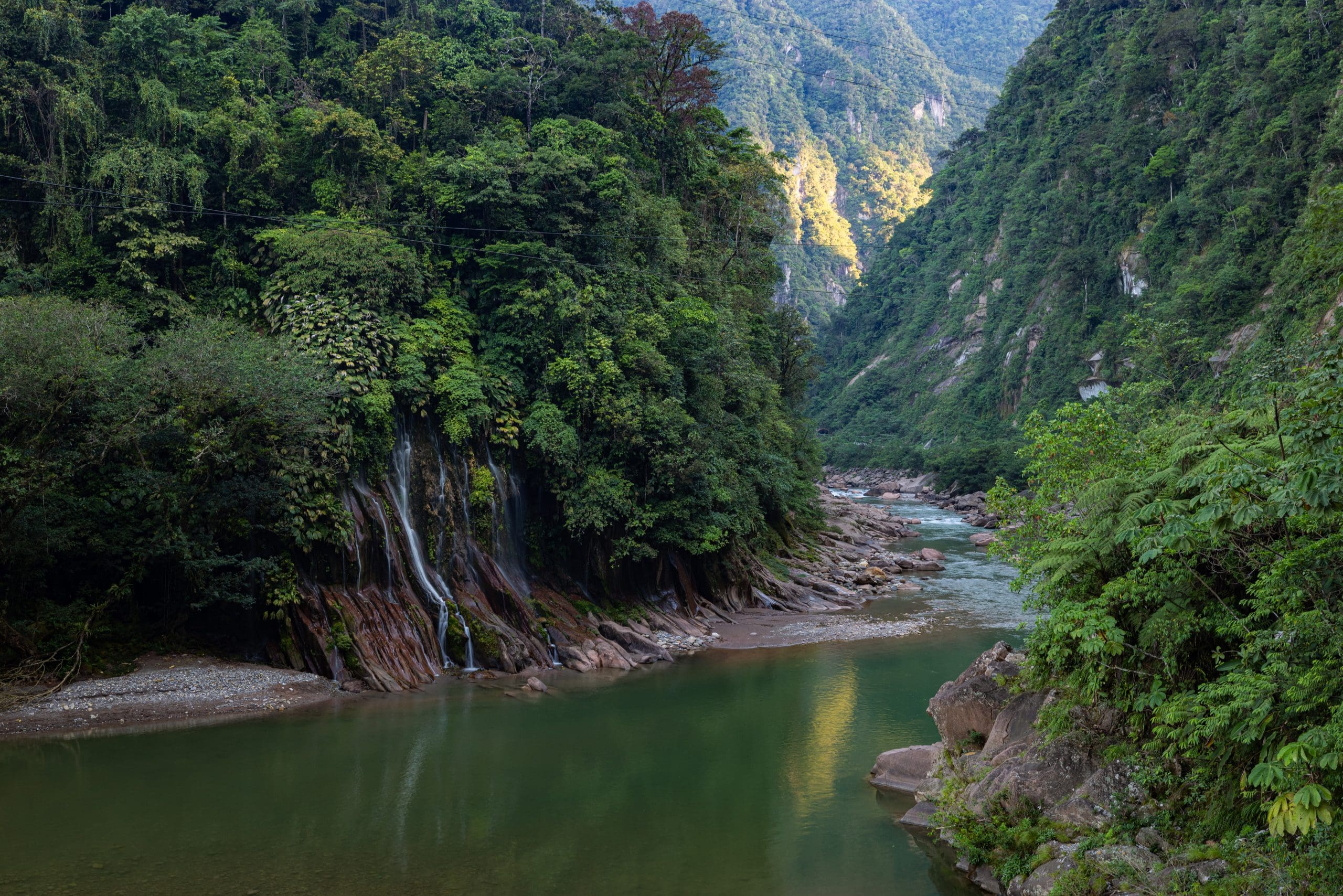
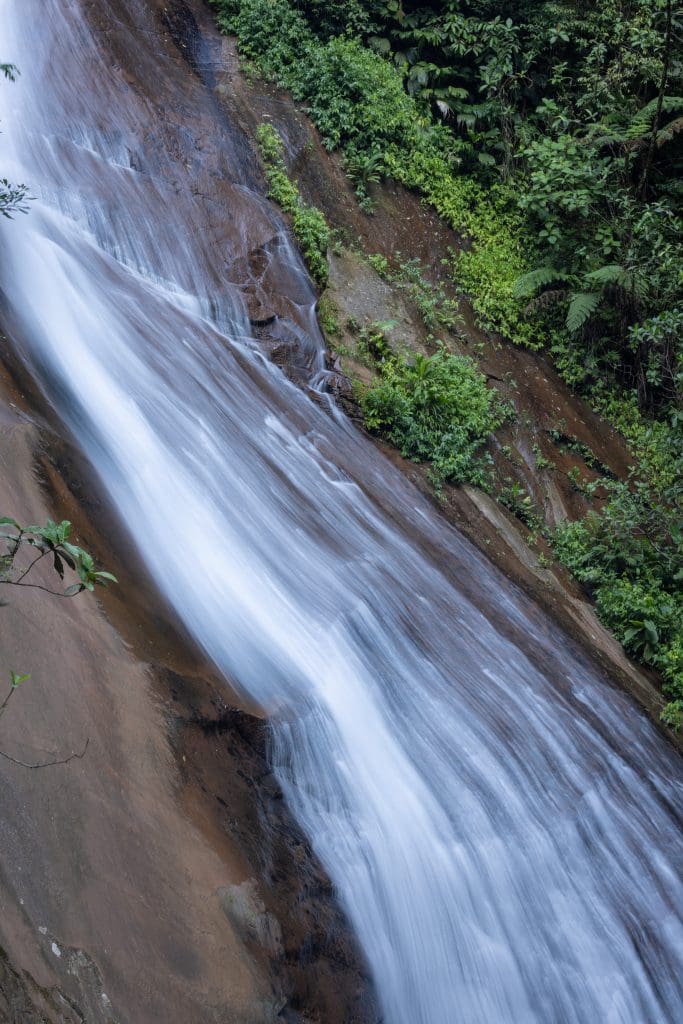
The Amazonian province of Ucayali in eastern Peru is celebrating a major conservation milestone with the creation of the Velo de la Novia protected area, named after its iconic 275-foot “Bride’s Veil” waterfall. This new protected area spans 35,583 acres (14,399.75 hectares) and conserves one of the most ecologically important regions in the country: a rare transition zone where the Andes mountains meet the Amazon rainforest.
This zone, part of the Peruvian Yungas ecosystem, is a global biodiversity hotspot, home to a remarkable variety of species found nowhere else on Earth. The new designation ensures long-term legal protection for these foothill forests, helping to preserve critical habitats, support climate resilience, and maintain a natural corridor for wildlife between five nearby protected areas.
“The creation of Velo de la Novia is a big step forward, not just for Ucayali, but for all of Peru,” said Nelson Seijas Valderrama, Executive Director of the Regional Environmental Authority of the Ucayali Regional Government. “It’s the first protected area in the region focused on preserving the Yungas ecosystem, helping to protect important habitats and iconic wildlife.”

Seijas Valderrama explained that this achievement is the result of years of effort. In 2021, the regional government officially recognized the site as a conservation priority. As part of the planning process, the area was designated a fragile ecosystem, laying the groundwork for its protection. Later, Peru’s National Forestry and Wildlife Service (SERFOR) formally recognized it as critical habitat and added it to the country’s list of fragile ecosystems—key steps that led to its final designation as a protected area.
A natural paradise with incredible biodiversity
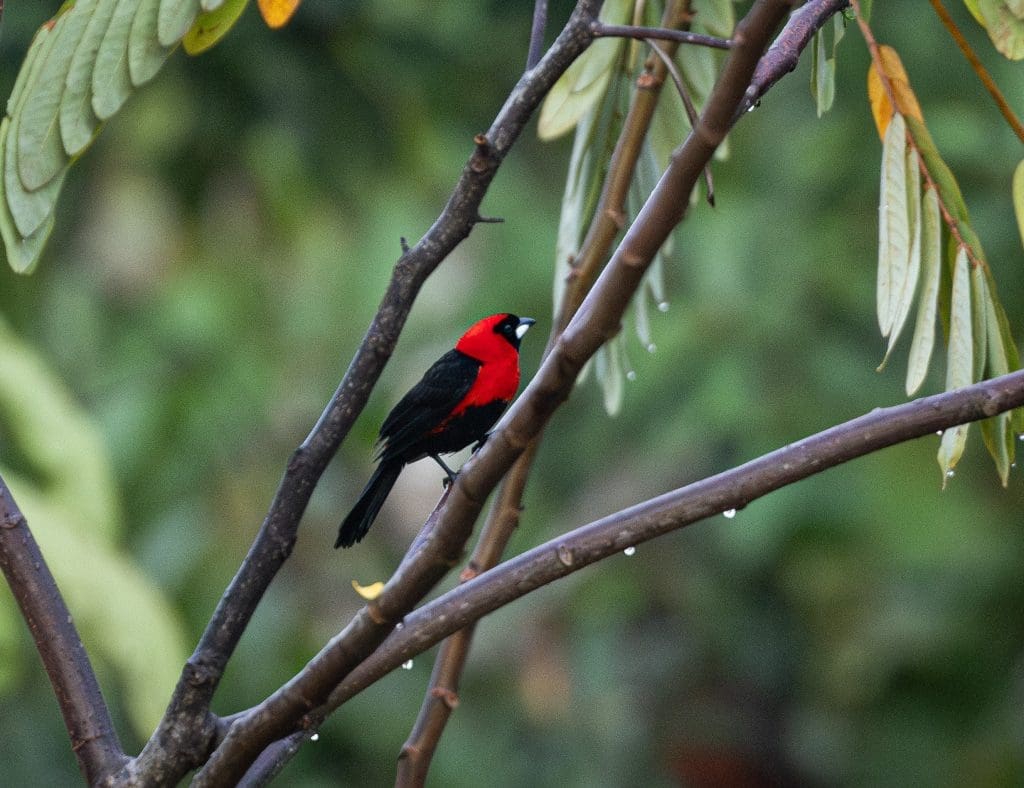
Cristy Díaz, Nature and Culture Project Manager, explained that the area is located between the districts of Padre Abad and Boquerón, in the province of Padre Abad. “The ecological value of this area is incredible,” said Díaz. “Its forests are home to unique plant species like the bright red-seeded huayruro tree (Ormosia coccinea), the elegant Andean wax palm (Ceroxylon echinulatum), and the highly valued Spanish cedar (Cedrela odorata). As for wildlife, it’s a haven for remarkable species such as the Andean cock-of-the-rock (Rupicola peruvianus), the military macaw (Ara militaris), the rainbow boa (Epicrates cenchria), and even the jaguar (Panthera onca)—all of which are considered at risk. The area also shelters three primates listed in Peru’s national conservation plan and rare amphibians found nowhere else, like the red-bellied frog (Ameerega rubriventris) and the reticulated harlequin toad (Atelopus reticulatus).”
In total, scientists have recorded 46 plant species, 29 types of mammals, 26 birds, 11 reptiles, 2 amphibians, and 15 species of fish—highlighting just how biologically rich this place truly is.


Cristy highlighted the leadership of the Regional Government of Ucayali, supported technically and logistically by Nature and Culture, with funding from Andes Amazon Fund, Re:wild, Conservation International, and UNDP. “The collaboration between the Regional Government and its conservation partners has been essential in making this new protected area in Ucayali a reality,” she said.
Conservation and Ecotourism: Benefits for Nature and Communities
The creation of the Velo de la Novia protected area brings lasting benefits not only for nature, but for local people as well. It helps safeguard vital ecosystem services—like clean water, carbon storage, and climate regulation—that support surrounding communities and the city of Aguaytía, home to almost 30,000 inhabitants. The area also presents exciting opportunities to expand sustainable tourism, offering visitors the chance to experience its natural beauty while encouraging conservation and the responsible use of local resources.

A Stronger Conservation Network Across the Amazon
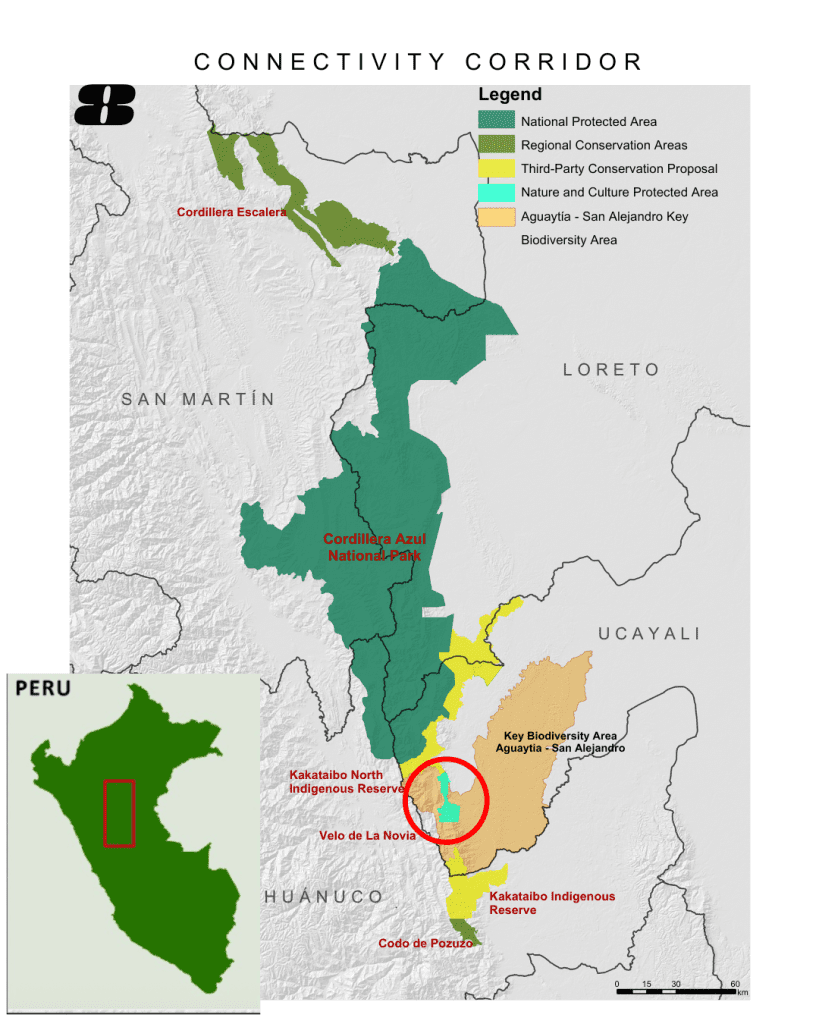
The creation of Velo de la Novia also strengthens a growing network of protected areas across the north-central Peruvian Amazon. By connecting with five nearby protected areas—including Cordillera Escalera in San Martín, Cordillera Azul National Park, the Kakataibo Indigenous Reserve, Alto Shambillo Local Forest, and Codo del Pozuzo—the area helps form a larger conservation mosaic. This connectivity is vital for wildlife movement, ecosystem health, and long-term climate resilience.
“This is a victory for biodiversity and for the people who rely on these forests,” said Cristy Díaz. “We’ll continue working to protect these ecosystems and support sustainable ways to care for them.”
With the declaration of the Velo de la Novia protected area, Ucayali strengthens its commitment to conservation, ensuring the protection of its ecosystems and promoting a sustainable future for generations to come.
