

Guardians of the Forest: Following the Spectacled Bear’s Footprints
12/17/2025
In the misty montane forests of northern Cajamarca, the silence is broken by the crunch of dry leaves under the firm steps of local community rangers. Their disciplined presence conveys both security and deep commitment. Organized into specialized brigades, they stealthily patrol the boundaries of the conservation areas they dedicate themselves to protecting. Their primary tools are the ancestral knowledge inherited from life in the forest, combined with the technical skills they have strengthened through the support of Nature and Culture.

In the Andes del Norte Conservation Corridor, community rangers from the San Miguel de Tabaconas Private Conservation Area recently joined forces with park rangers from the Páramos y Bosques Montanos de Jaén y Tabaconas Regional Conservation Area. Together, they traversed their shared boundaries, united by the critical mission of safeguarding a territory that serves as both a sanctuary for unique species and a vital source of life for local communities.
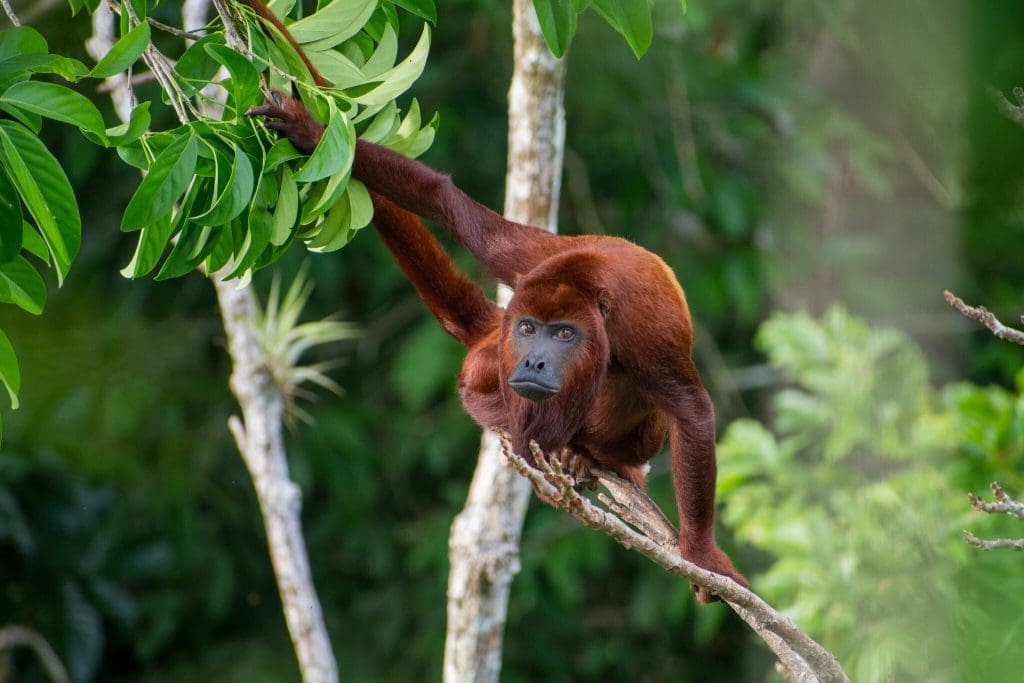
Along the patrol route, nature offered a remarkable sight. High in the hills, they successfully documented the spectacled bear (Tremarctos ornatus) and deep in the forest, the red howler monkey (Alouatta seniculus), both iconic species of the Northern Peruvian Andes. The air was filled with bird songs, while the native trees stood in majestic silence. These species play a crucial ecological role as natural dispersers within the ecosystem.

For Karla Vega, specialist at Nature and Culture, these patrols extend far beyond simple vigilance. “These are actions that prevent or provide early alerts regarding threats to the forest. More importantly, they demonstrate crucial community coordination and leadership, where locals take active control in managing their areas, regardless of allied institutional support. This fills us with pride, confirming that together we are building a lasting legacy.
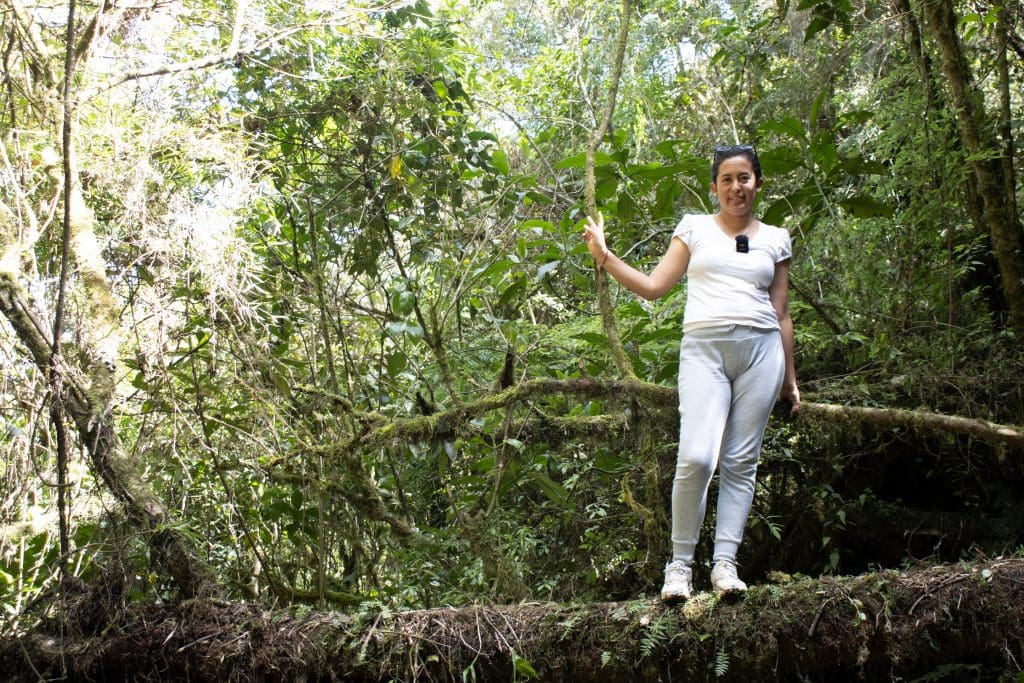
This coordinated effort secures a massive corridor: the San Miguel de Tabaconas Private Conservation Area protects 43,371.32 acres, while the Páramos y Bosques Montanos Regional Conservation Area covers 77,930.29 acres. Both are essential components of the Andes del Norte Conservation Corridor and form a vital part of the broader Andes-Amazon Conservation Corridor, a robust network of protected areas.

This corridor serves as the primary water source for the Chira, Chamaya, and Chinchipe river basins, upon which thousands of families depend. The effective management of this area is currently made possible by funding from the Biodiverse Landscapes Fund (BLF), channeled through Nature and Culture, which prioritizes actions benefiting both biodiversity and local communities.

With every patrol and every registered track of the bear or the monkey, a fundamental truth is reaffirmed: conservation is not solely the task of institutions; it is a shared mission where community members, driven by their deep connection to the land, prove to be the most steadfast guardians of the future.
