
Jaguar Monitoring in Mexico
07/11/2024
For the third time, the National Commission of Protected Areas in Mexico is organizing the National Jaguar Census (CENJAGUAR), an effort by various social and governmental organizations, including Nature and Culture. The goal is to determine the conservation status of this iconic species and to disseminate information that will enable the design of public policies and conservation initiatives.
An iconic feline under threat
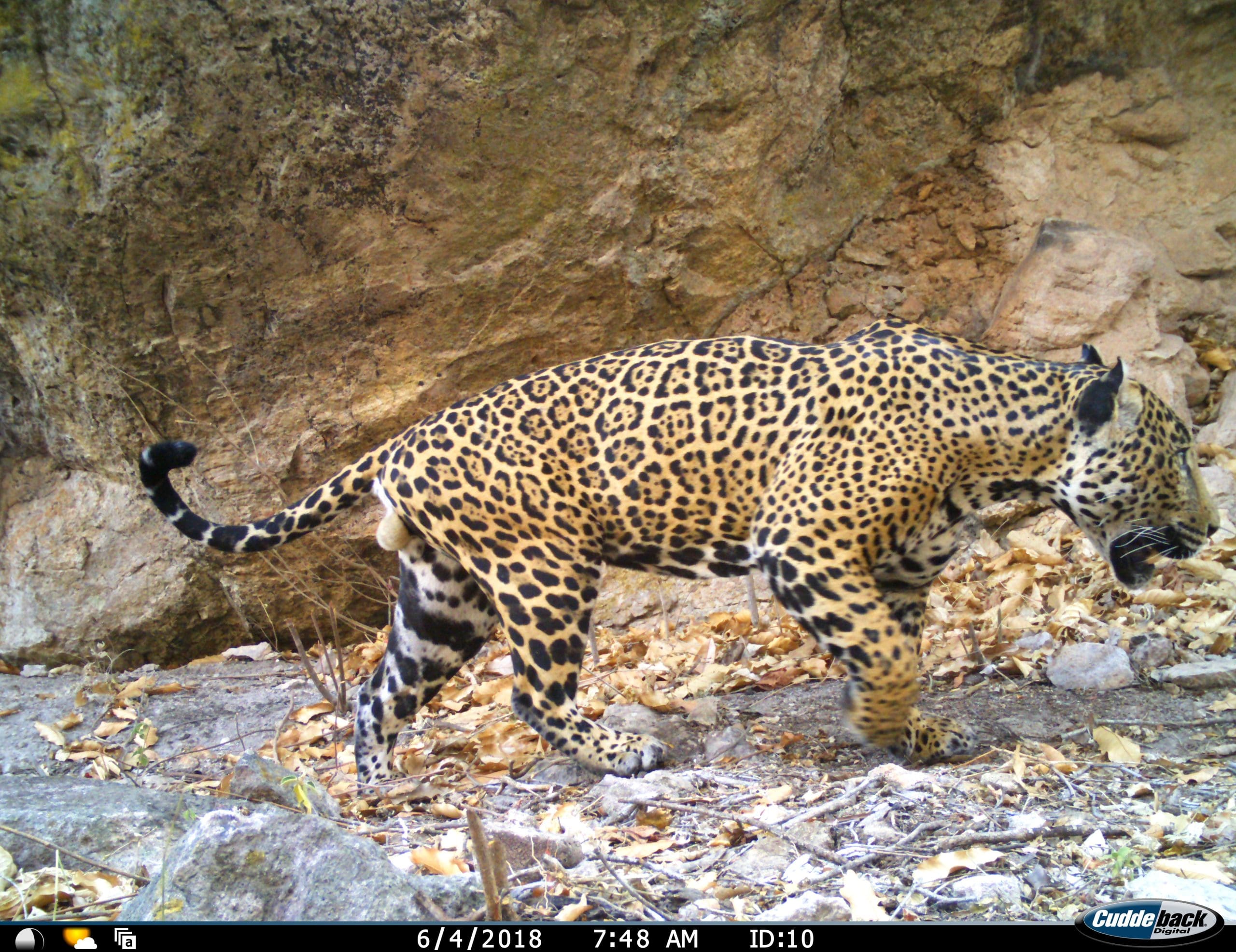
The jaguar is the only big cat of the Panthera genus found in the Americas. Also known as onza, yaguar, balam, or tecuán, this species holds irreplaceable cultural significance for the Latin American countries where it resides.
Although it is found in 19 countries from the United States to Argentina, (including the five countries where we work), its habitats and population have suffered severe reductions. According to various sources, it is estimated that jaguars have disappeared from 46% of their original territories and are now extinct in El Salvador and Uruguay.
In Mexico, the decline in the jaguar population has led to it being classified as Endangered. In the early 2000s, there were around 20,000 jaguars in this country; however, during the first edition of CENJAGUAR in 2010, only 4,000 were recorded. By the second census in 2018, this number had slightly increased to 4,800.
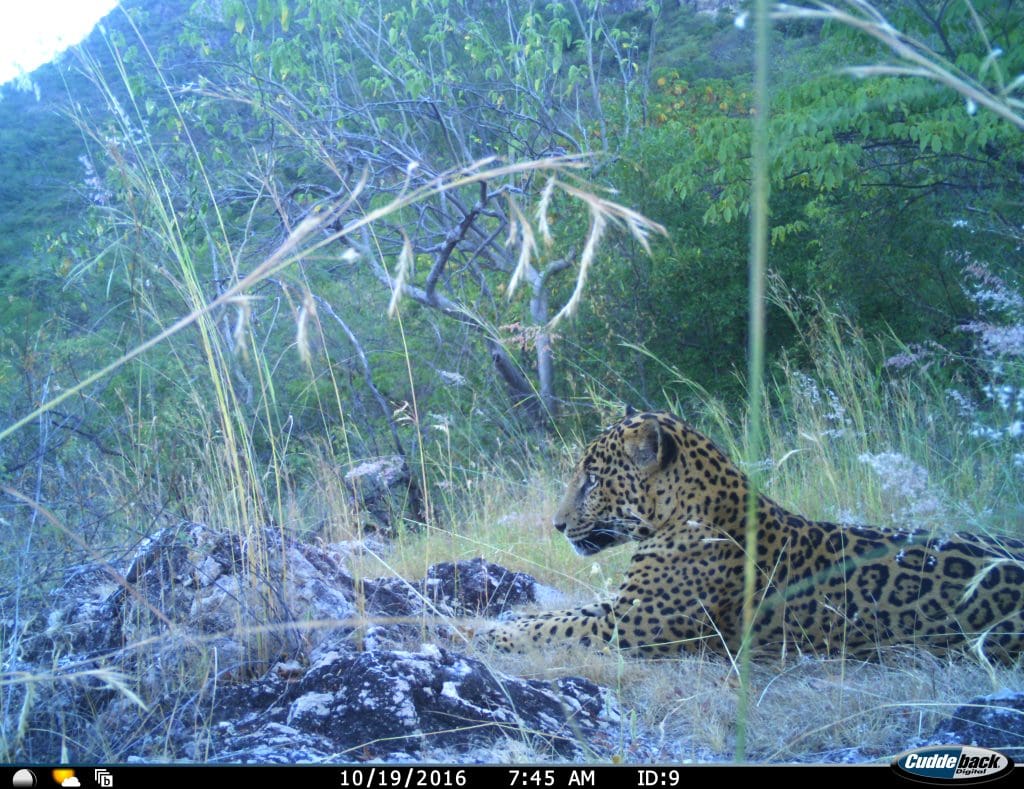
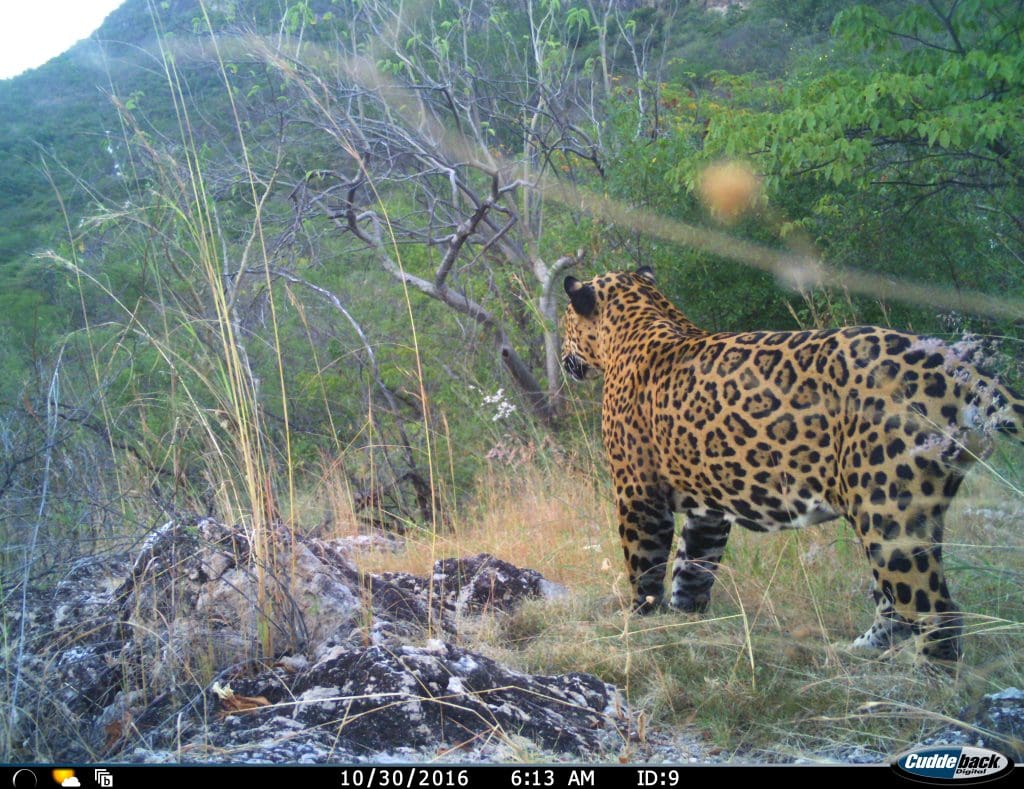
This alarming population decline is mainly due to habitat loss and degradation. The jaguar needs large expanses of territory to survive; however, threats such as the expansion of agricultural frontiers have reduced and degraded their habitats, diminishing the conditions necessary for their survival.
Nature and Culture contribute to the Jaguar Census
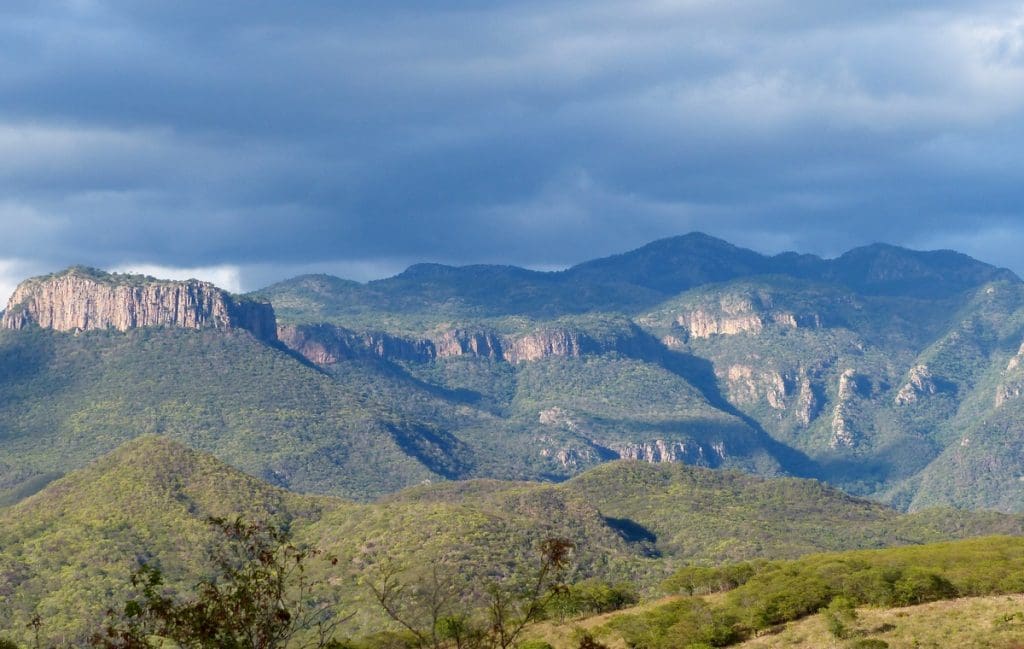
The third CENJAGUAR began in March and will extend until August. Our technical team will participate in this initiative by installing 13 monitoring stations in the Monte Mojino Reserve, which will contribute to the count of the Sierra de Álamos – Río Cuchujaqui Flora and Fauna Protection Area. The results, available from August, will allow us to determine the conservation status of jaguar populations and compare the results with previous censuses to identify population growth trends.
Since 2013, Nature and Culture has participated in monitoring this feline, providing relevant data for the conservation of the species in northwestern Mexico. Now, with our participation in CENJAGUAR, we will be contributing valuable information at the national level.
We are optimistic about the results. In April 2021, during monitoring activities around the Monte Mojino Reserve, we captured a female jaguar named ‘La Abuela’ on camera, a specimen that hadn’t been seen in 10 years. Residents collectively agreed to name her “la abuela” or grandmother, as a symbol of wisdom and hope for the community. This sighting filled us with enthusiasm because it demonstrates that conservation efforts are effective, as they help maintain and protect the habitats of essential species for ecosystem balance, such as the jaguar.

“Seeing a jaguar is very important because it indicates a healthy ecosystem, but seeing a female jaguar is hopeful, as it means reproduction is possible.”
Gilberto Díaz, Nature and Culture technician
Learn more about this sighting here: The True Meaning of Spotting a Jaguar
Our participation in the Jaguar Census is made possible by the financial support of our donors.
