

San Pedro de Chonta: Safeguarding Peru’s Marañón Dry Forest
08/12/2025
A new Regional Conservation Area has been created in San Pedro de Chonta, located in Peru’s Marañón province. Perched high in the Andean Highlands, this landscape is where lakes give rise to rivers and life flourishes in abundance. The sanctuary safeguards 126,023 acres (51,000 hectares) of ecosystems rich in biodiversity and home to species found nowhere else on Earth. This designation marks a vital step in protecting one of central Peru’s most unique and irreplaceable natural treasures.
“This area represents a significant step forward in the efforts to conserve highly threatened ecoregions like the páramos and the Marañón Dry Forests. The Marañon ecosystem had, until now, no formal protection measures in the Huánuco department,” according to Vilma Vilcas Melchor, Huanuco Natural Resources and Environmental Regional Manager.
The creation of San Pedro de Chonta was driven by the Regional Government of Huánuco, with technical help from Nature and Culture International and funding from Rainforest Trust and Andes Amazon Fund. This project is also part of the Conserva Aves initiative, led by the American Bird Conservancy.
Species Richness Emerging Between Mountains and Lakes
The San Pedro de Chonta Protected Area safeguards key zones of the Chontayacu and Huacrachuco river basins, which include the Chontayacu, Tingo, and Huanchay rivers. This area is a vital water supply for more than 41,000 people guaranteeing water security for local populations.

Nature and Culture’s Field Technician, Jorge Gálvez, explained that the new area is about more than protecting water sources.
“A biological assessment led by experts has revealed exceptional biodiversity: 296 species of birds have been identified, including 15 species endemic to Peru. Among these, the golden-backed mountain-tanager (Cnemathraupis aureodorsalis) stands out—a species considered endangered whose conservation depends on the protection of its specific habitat,” he reported.
Researchers have also documented 29 species of mammals, including five found only in Peru. It is also home to eight reptile species, with a remarkable concentration of those in the Potamites genusm or semi-aquatic lizards.
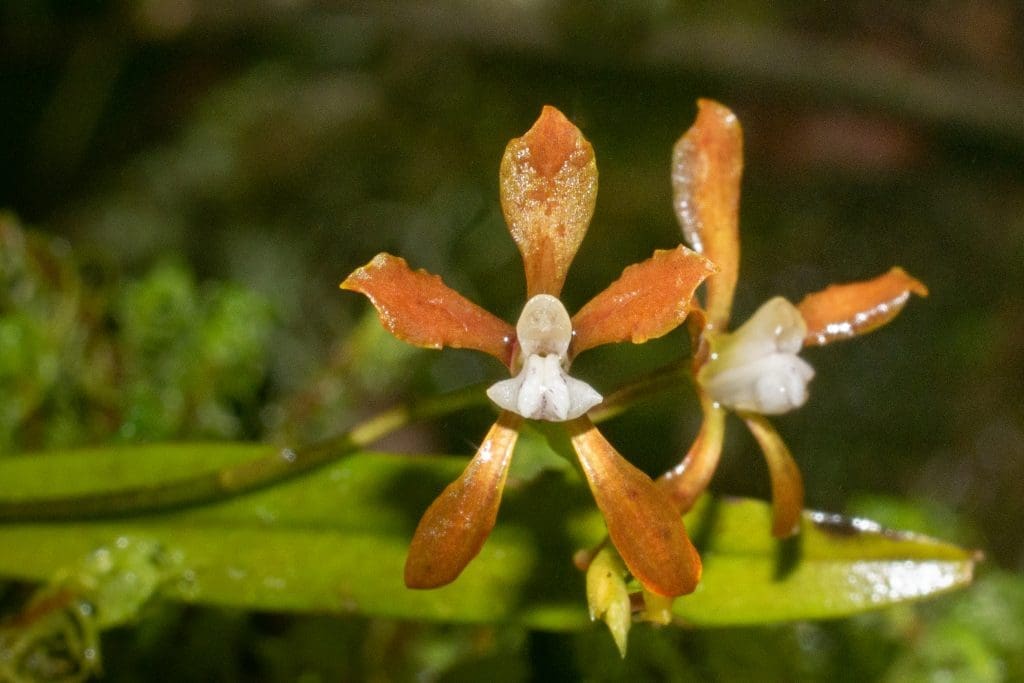
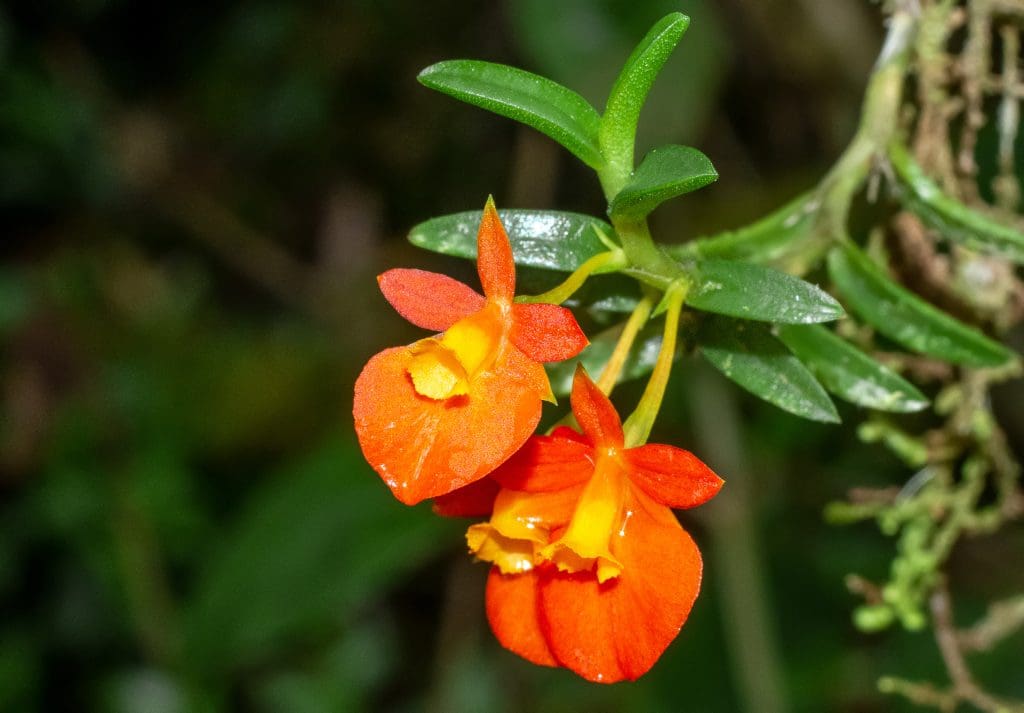
All of these animals depend on the sanctuary’s 570 plant species, including the romerillo tree that provides food and shelter. For plant lovers, the discovery of 131 orchid species makes San Pedro de Chonta a true biodiversity treasure.




A Vital Biological Corridor
The San Pedro de Chonta Regional Conservation Area plays a strategic role in ecological connectivity. Together with the Bosques de Shunte and Mishollo Protected Area, the Río Abiseo National Park, the proposed Yanajanca Protected Area in Huánuco, and the Permanent Production Forests of San Martín (sustainably managed forest zones), it forms part of a larger conservation mosaic. Collectively, these areas create a vital biological corridor that allows species to move freely across landscapes.
“Connectivity between protected areas allows ecosystems to function as a whole, which is fundamental for adapting to climate change and for long-term conservation,” emphasizes Gálvez.
A Legacy for Nature
The creation of San Pedro de Chonta is not only a big step for biodiversity, but also a victory for local communities and authorities who have been supporting a sustainable development model. Peru is a country so rich in biodiversity that every protected acre is a major victory. This new sanctuary is proof that we can both safeguard our natural world and continue to make progress.

“Protecting our ecosystems isn’t an option; it’s a historical responsibility to Huánuco and future generations. From the Regional Government, we are firmly moving forward with the San Pedro de Chonta Regional Conservation Area, a vital space for the defense of our most threatened ecoregions, such as the páramos and the Marañón Dry Forests. This effort not only conserves our unique biodiversity but also strengthens our identity, promotes sustainable development, and honors our commitment to the well-being of our communities. We will continue to work with local and national allies to ensure that San Pedro de Chonta becomes a symbol of hope, resilience, and pride for all of Huánuco,” said Antonio Pulgar, the regional governor of Huánuco.
