

Río Negro-Sopladora: Corridor Expansion in the Andes
01/31/2025
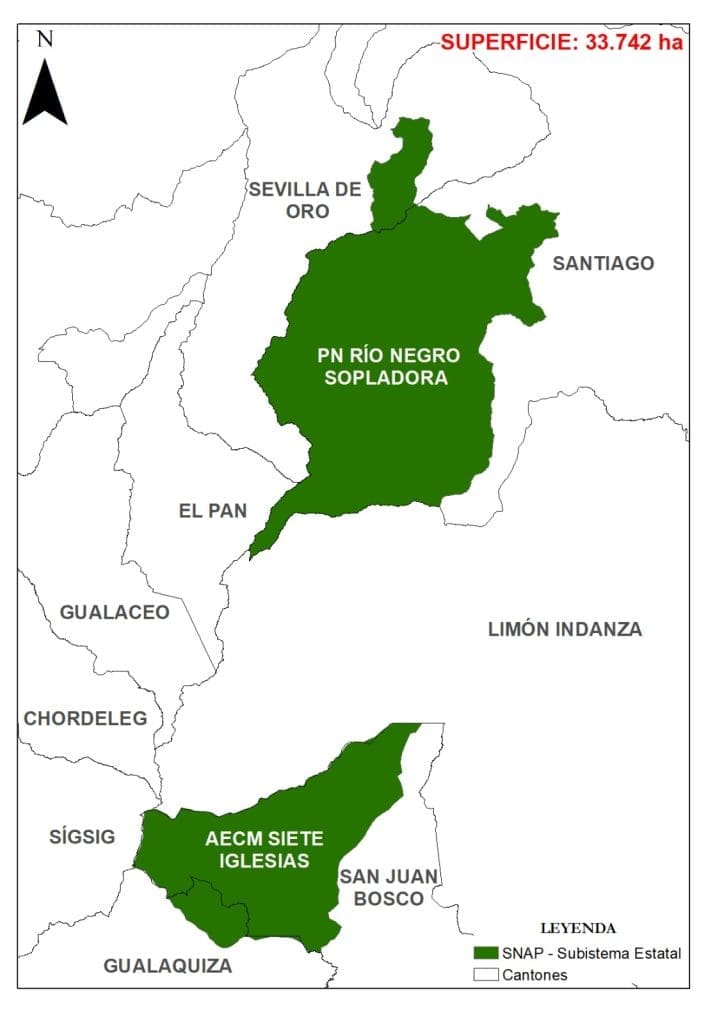
On November 13, 2024, the Ministry of Environment, Water, and Ecological Transition approved the expansion of Río Negro Sopladora National Park, nearly doubling its size.
The recent expansion added 79,363 acres from the Tinajillas Río Gualaceño Protective Forest (declared in 2002), bringing the park’s total area to 162,741 acres, spanning the provinces of Azuay and Morona Santiago.
Strengthening the Sangay-Podocarpus Corridor
Expansion of this national park strengthens a major ecological corridor in the Andes, securing vital ecosystems and species.

Protecting Iconic Wildlife
The Río Negro-Sopladora National Park is a core area of the Sangay–Podocarpus Connectivity Corridor. This expansion strengthens connectivity between fragile ecosystems such as the parámos and cloud forests. The park is home to rare and threatened species like spectacled bears, mountain tapirs, and Andean condors—keystone species that need large, connected landscapes. It also connects at its southern limit with the Siete Iglesias Municipal Ecological Conservation Area.
A natural treasure at the service of all
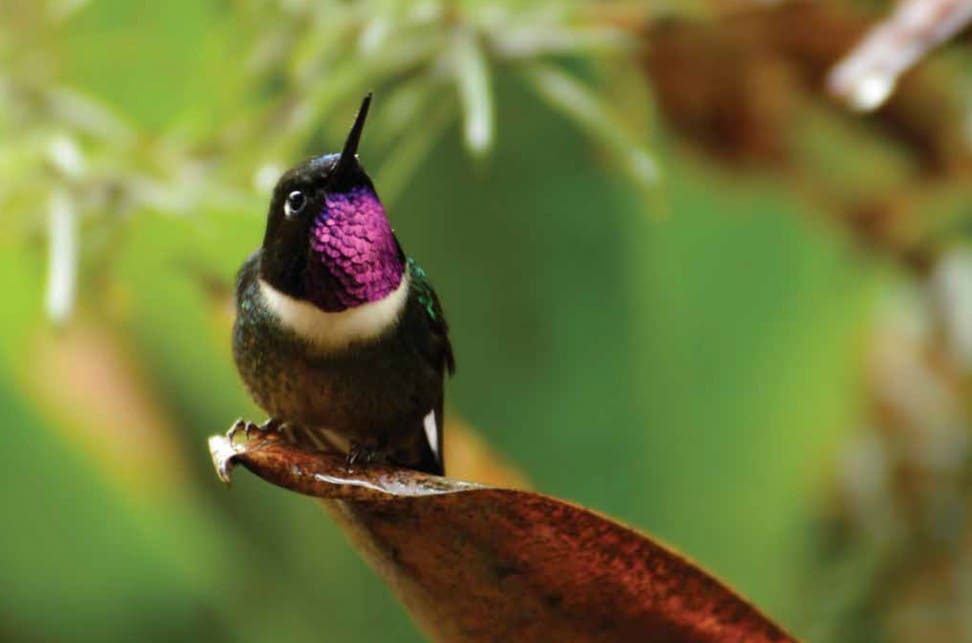
Río Negro-Sopladora Park not only harbors exceptional biodiversity, with 344 vascular plant species, 136 bird species, 43 mammals, and 23 amphibians and reptiles recorded so far but also provides crucial ecosystem services for surrounding communities. These include water regulation for hydroelectric projects like Paute Integral and San Bartolo, as well as water supply for lowland communities. The park safeguards carbon storage helping to mitigate the effects of climate change at both local and global levels, reinforcing conservation’s role in climate resilience.
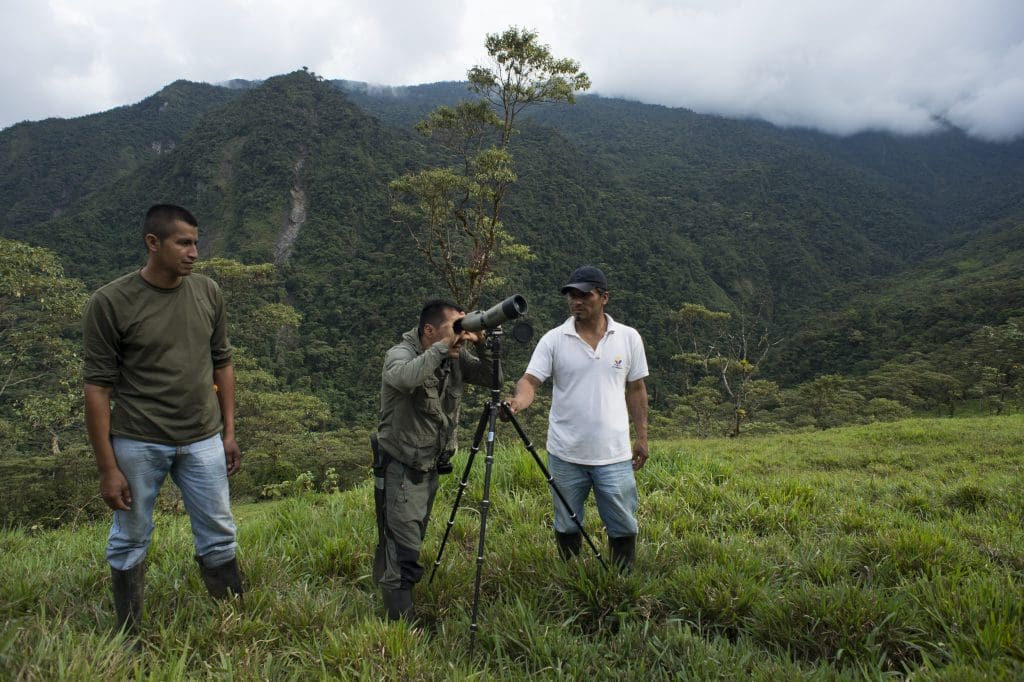
The expansion of this protected area strengthens conservation tools to tackle the challenges of climate change, poaching, deforestation, and illegal mining, aiming to ensure the sustainability of ecosystem services for future generations and safeguard the livelihoods of local communities.
Collaboration for Conservation
The expansion of Río Negro-Sopladora National Park was made possible thanks to the commitment of the Ecuador Ministry of Environment, and the Municipality of Limón Indanza. The technical support of Nature and Culture International was generously funded by the BLF Andes Amazónico project and The Stockell Family Foundation.
These contributions build on the prior support of other organizations that recognize the immense natural value of this area and the urgency of its protection. The declaration of this protected area in 2018 and its first expansion in 2020 received support from the Andes Amazon Fund, which, along with Re:wild, CEPF, and World Land Trust, has provided key resources to strengthen its management.
The Tinajillas Río Gualaceño Protective Forest, where the park was recently expanded, has been managed by the Municipality of Limón Indanza through an agreement with the Ministry of Environment. To enhance its management, the municipality issued an ordinance in 2013 establishing a Municipal Ecological Conservation Area, which was updated in 2022 to create the Tinajillas Río Gualaceño Conservation and Sustainable Use Area. The Municipality of Limón Indanza has consistently contributed by funding park administration and a corps of rangers who carry out control, surveillance, monitoring, research, and environmental education activities. With GIZ’s support, infrastructure has been built for park management, research, and sustainable tourism, strengthening conservation efforts.
About the BLF Andes Amazónico project
The BLF Andes Amazónico Project aims to transform current systems in the Andes-Amazon landscape, a biodiversity-rich and culturally significant transboundary region spanning Peru and Ecuador. The project focuses on strategic interventions in biodiversity conservation, governance, gender equity, climate financing, and value chain development to promote sustainable livelihoods, halt deforestation and biodiversity loss, and support climate change adaptation and mitigation.
BLF Andes Amazónico is funded by UK International Development through the Biodiverse Landscapes Fund and is implemented by a consortium led by Practical Action, which includes Nature and Culture International, AIDESEP, WWF, TERRA NUOVA, and COSPE.
