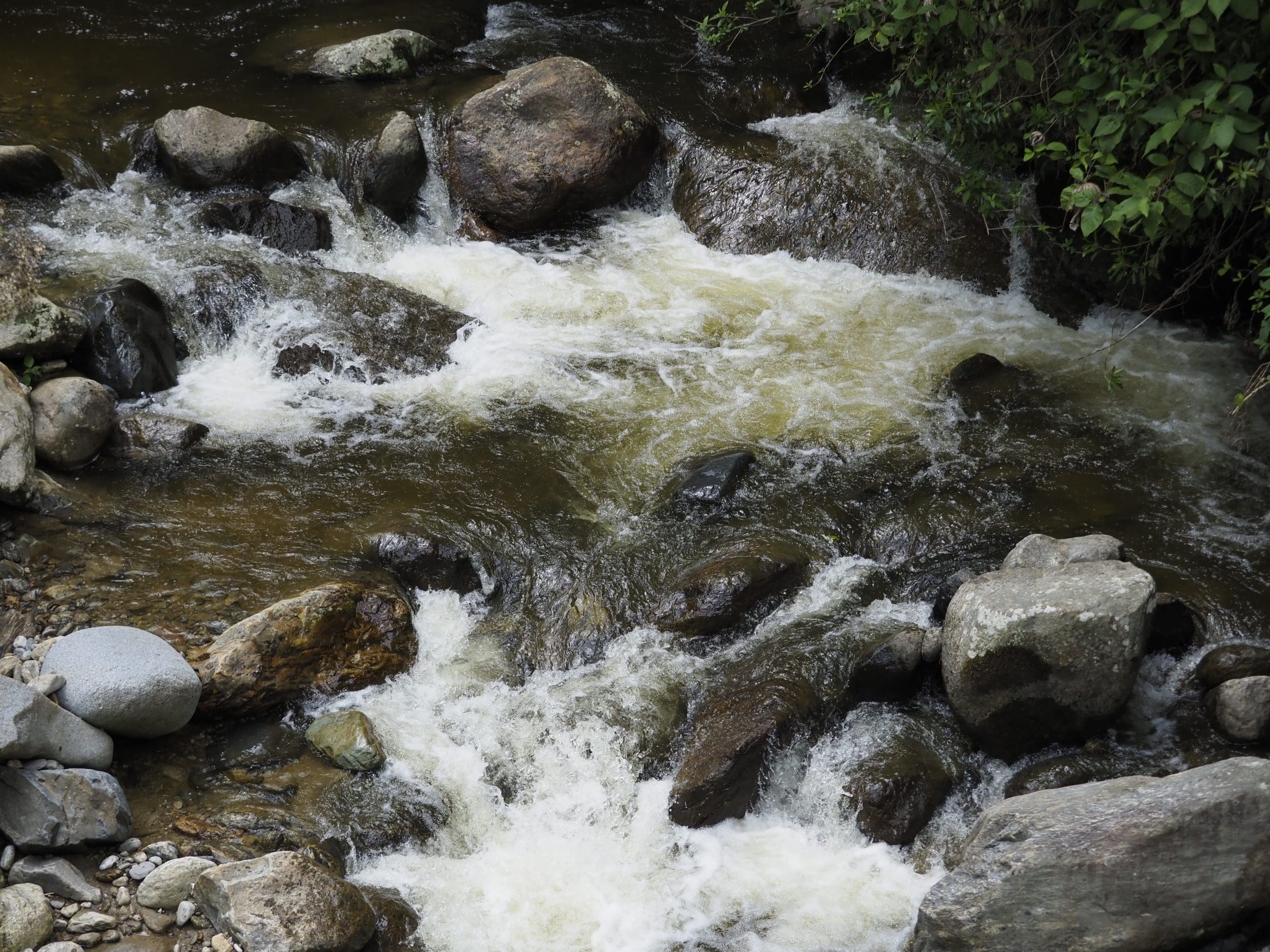

The Heart of the Amazon: A Community Protects the Headwaters of a Great River
04/08/2025
Over a decade of grassroots conservation leads to the creation of a new Water Protection Area in southern Ecuador
On December 24, 2024, Ecuador officially declared the Corazón de la Amazonía (“Heart of the Amazon”) Water Protection Area (WPA). This is a major milestone in the ongoing effort to safeguard water sources, biodiversity, and the integrity of Andean-Amazonian ecosystems. Spanning 46,950 acres, the new area responds to an urgent need to secure clean water, preserve native forests, and support sustainable land use.
Corazón de la Amazonía is located in southern Ecuador in the province of Zamora Chinchipe. Approximately 80% of its area lies within the rural municipality of Valladolid, while the remaining portion is in the urban municipality of Palanda.

This marks the country’s 35th Water Protection Area, with Nature and Culture providing essential technical and financial support for 23 of them. In partnership with the Vice Ministry of Water and the Department of Environmental and Water Education, 85 more potential areas have been identified for potential to expand this national strategy.
See our Water Protection Areas Atlas
A Decade of Community-Led Conservation
The roots of this achievement stretch back to 2008, when a school in Valladolid helped establish the Ciudad de Loyola Reserve, and the community created the Corazón de la Amazonía Parish Reserve. Ten years later, these efforts merged into the Palanda Municipal Conservation and Sustainable Use Area.
“The WPA Corazón de la Amazonía represents a long-held dream and years of struggle to protect our water,” said Ana Rodríguez, president of the Valladolid Municipal Government. “It was named through a democratic process and reflects more than a decade of community commitment.”

The WPA’s creation was made possible through the collaboration of local and national governments, Nature and Culture International, the Ministry of Environment, Water and Ecological Transition (MAATE), and international partners Re:wild and Join For Water, as part of the CUIDAR Project.
Learn more about the CUIDAR Project here
“Our partners’ support not only helped create this WPA, but it also laid the foundation for its long-term protection,” said José Romero, Watershed Protection Program Coordinator at Nature and Culture. “Protecting water is everyone’s responsibility.”
Vital Ecosystems, Rare Wildlife
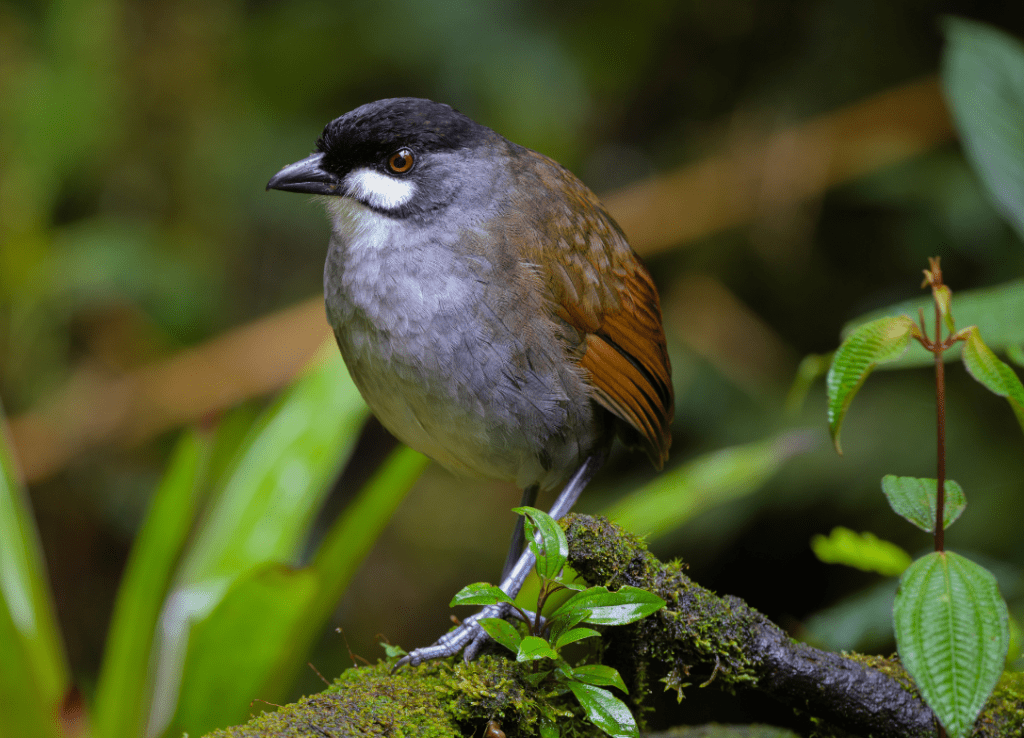
Corazón de la Amazonía spans Andean páramo and cloud forest ecosystems, both essential for the ecological functions they provide, including water regulation, carbon capture, soil conservation, and regional bioclimate stability. They are also home to a rich biodiversity, including endemic species that are highly sensitive to environmental changes. One notable species is the Jocotoco antpitta (Grallaria ridgelyi), an emblematic bird and bioindicator species whose presence helps assess the health of habitat and environmental changes.
Laying the Groundwork for Long-term Protection
While the WPA’s management plan is still in development, initial steps are already underway. Local and national authorities are working together to tackle threats like mining, deforestation, and agricultural expansion.
Progress is already being made through conservation agreements with locals, particularly near water sources. These agreements set commitments for sustainable land use, native vegetation protection, and conservation of key ecosystem services.

At the same time, local teams are developing tools like zoning maps, community patrol protocols, and participatory monitoring systems to support a comprehensive land management model that helps prevent deforestation, extractive pressures, and unsustainable land use.
Sustainable Production and Impact Monitoring
The WPA supports conservation-friendly livelihoods, including agroforestry, deforestation-free silvopasture, and traditional farming of crops like plantain, cassava, maize, sweet potato, taro, and cacao. Monitoring of these practices—led by local governments with support from Nature and Culture and funding from Re:wild—tracks indicators like water quality, stream flow, and forest cover to guide future land management.
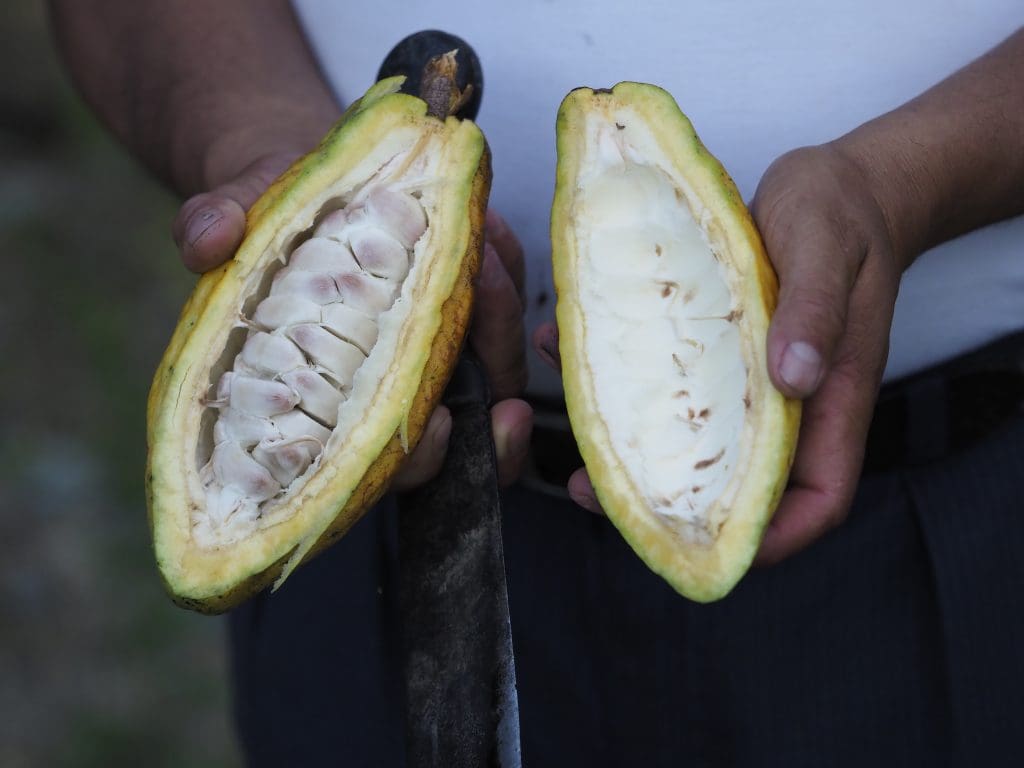
“Everyone knows Palanda is the global origin of cacao, and that should be a source of pride, said Felipe Serrano, Executive Director of Nature and Culture in Ecuador. “But there’s another equally important element that should live in the hearts of all Ecuadorians: Palanda and Valladolid are also the origin of water. From this watershed flows the water that feeds the Marañón and the Amazon rivers. The water in these rivers exists thanks to the cloud forests and to a community that had the strength to protect these ecosystems.”
The WPA Corazón de la Amazonía is vital for water security not only in Palanda, but throughout the Mayo-Chinchipe watershed, as part of the Andean Binational Corridor – a conservation initiative led by Nature and Culture that connects ecosystems across Ecuador and Peru.

“This WPA not only protects water, but unites a region to conserve diverse ecosystems and the life they support, forming part of a natural heritage for a just and sustainable future.” said Segundo Jaramillo, Mayor of Palanda.
The Heart of the Amazon beats thanks to the commitment of a community that, for over ten years, has worked together to conserve its water sources and biodiversity.

More information:
Kristen Heard
Director of Marketing and Communications
