
The “Walking” Palm Tree
07/19/2024
Our planet’s extraordinary biodiversity thrives in the tropical forests of South America, where Nature and Culture is dedicated to stopping deforestation and protecting the complex ecosystems that support all life. One remarkable example of the unique flora native to these forests is the walking palm (Socratea exorrhiza) a palm species with roots that extend several feet above the ground.
Can Trees Walk?
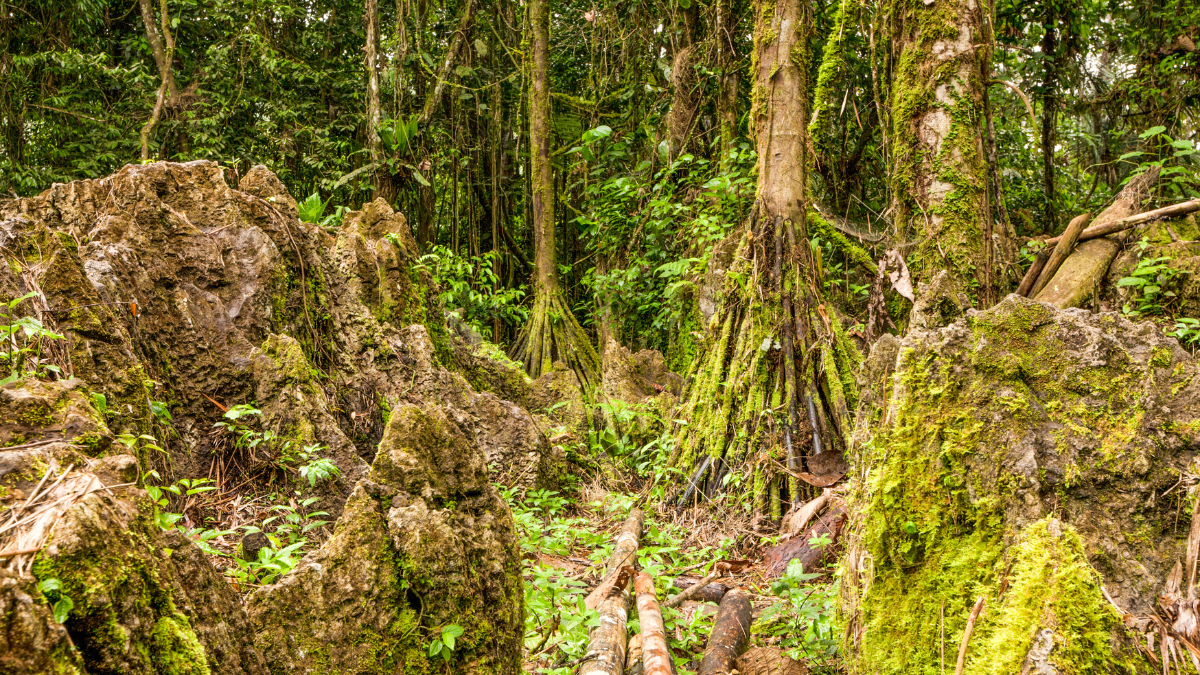
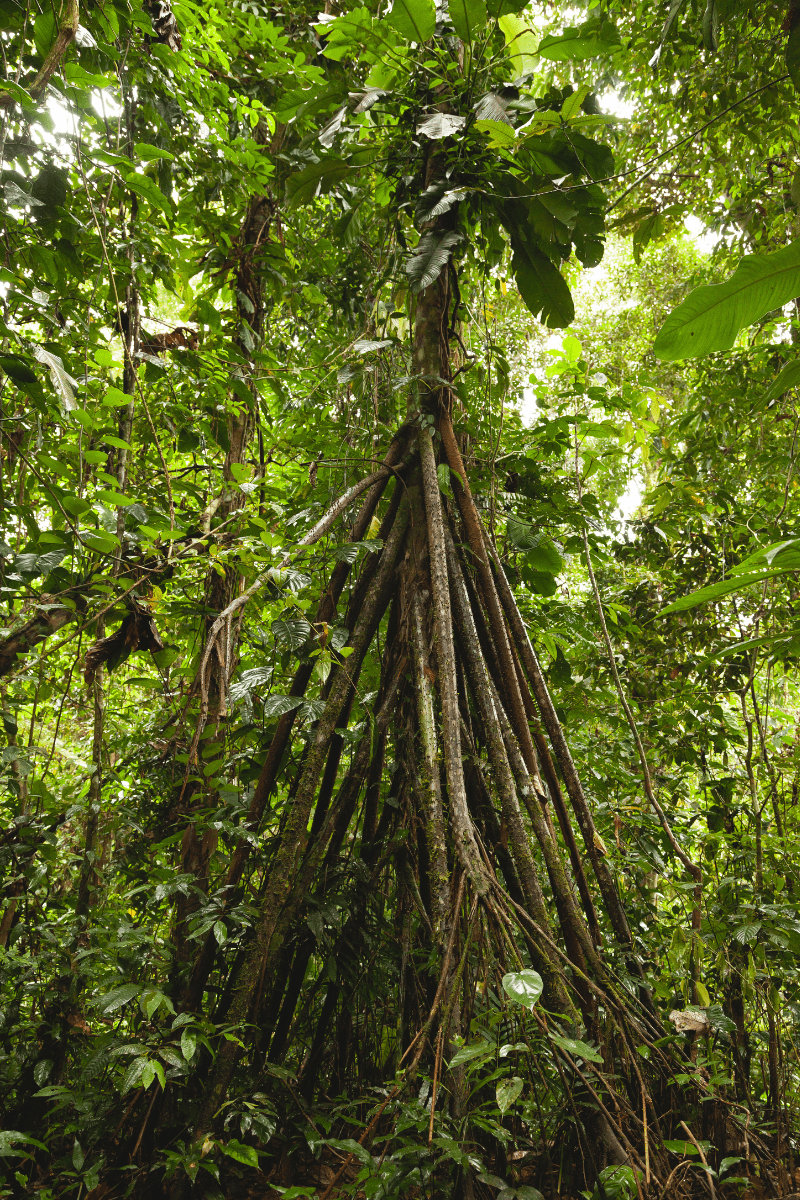
Some people claim that a certain species of tree can walk. The “walking” palm reportedly moves across the forest as the growth of new roots gradually relocates it. This palm’s roots extend beyond the soil, giving the tree the appearance of standing on stilts or walking. The scientific name for the tree in question is Socratea exorrhiza, nicknamed the “walking palm.”
Socratea exorrhiza is a palm native to tropical rainforests in Central and South America. The tree supposedly “walks” from shade to sunlight by growing roots in the direction it wants to travel, then allowing the old roots to lift into the air and die. Some say the process takes a couple of years, while one paleobiologist suggests the tree moves two or three centimeters per day.
The story of the walking palm has been shared by rainforest guides for years. It was first suggested in science by John H. Bodley in 1980. In a journal of The Association for Tropical Biology and Conservation, Dr. Bodley reported that the palm uses its roots to “walk away” from its germination point if another tree falls on the seedling and knocks it over. This way, the tree can move away from obstacles that are major hazards for immature palms.
More recently, Peter Vrsansky, a paleobiologist from the Earth Science Institute of the Slovak Academy of Sciences Bratislava, claims to have seen this phenomenon first-hand. However, other scientists insist the walking palm is a myth. Biologist Gerardo Avalos published a detailed study on Socratea exorrhiza where he observed that the tree does not walk because its roots don’t move.
The question seems to stem from the tree’s unique root system
Unlike other trees that have roots fully hidden underground, the walking palm has a higher root system that grows outwards from the base of the tree, several feet off the ground. Over time, as soil erodes, some of these roots die off, and new roots form.
Do these roots actually shift the tree’s location? Sadly, research like Avalos’ suggests the trees stay put. Scientists continue to study the walking palm and its unique root system. Some believe that the roots allow the tree to be more stable in swampy areas. Others suggest that stilt roots allow the palm to grow taller to reach light without having to increase the diameter of the stem, thus investing in less biomass in underground roots than other palms.
The variety of life on the planet is our greatest treasure. Yet one million of the estimated eight million plant and animal species on Earth are at risk of extinction. This is just one unique species you can find in our protected areas in the Amazon Rainforest.
You can protect the planet’s extraordinary biodiversity, including the walking palm, by donating to protect forests today!
