The life-support system of our planet

custom interior divider

Today, on International Day of Forests, join us in celebrating our planet’s most critical ecosystems.

Forests are the life-support system of our planet. They provide habitat to millions of animal and plant species, and sustain the cultures and livelihoods of hundreds of indigenous communities. They produce the vast majority of the oxygen we need to survive, and secure fresh water. They are essential to combating climate change.

Yet, deforestation continues at an alarming rate. Every year, an estimated 15 billion trees are chopped down across the planet to make room for agricultural and urban lands and other uses. Over 50 acres have disappeared since you started reading this post.

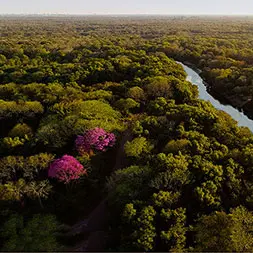
Cactus Guayacanes Ecuador

Forests also add immeasurable beauty to our lives.

Saving forests helps regulate our climate, filter pollutants, and protect our most endangered wildlife, among so many other benefits. Tropical tree cover alone can provide 23 percent of the climate mitigation needed over the next decade to meet goals set in the Paris Agreement in 2015, according to one estimate.

For these reasons, and many more, Nature and Culture creates protected areas in habitats that are home to some of the greatest number of species and most carbon-rich forests on the planet. Thanks to our supporters, we’ve protected more than 20 million acres of forests and threatened ecosystems, including, most recently:

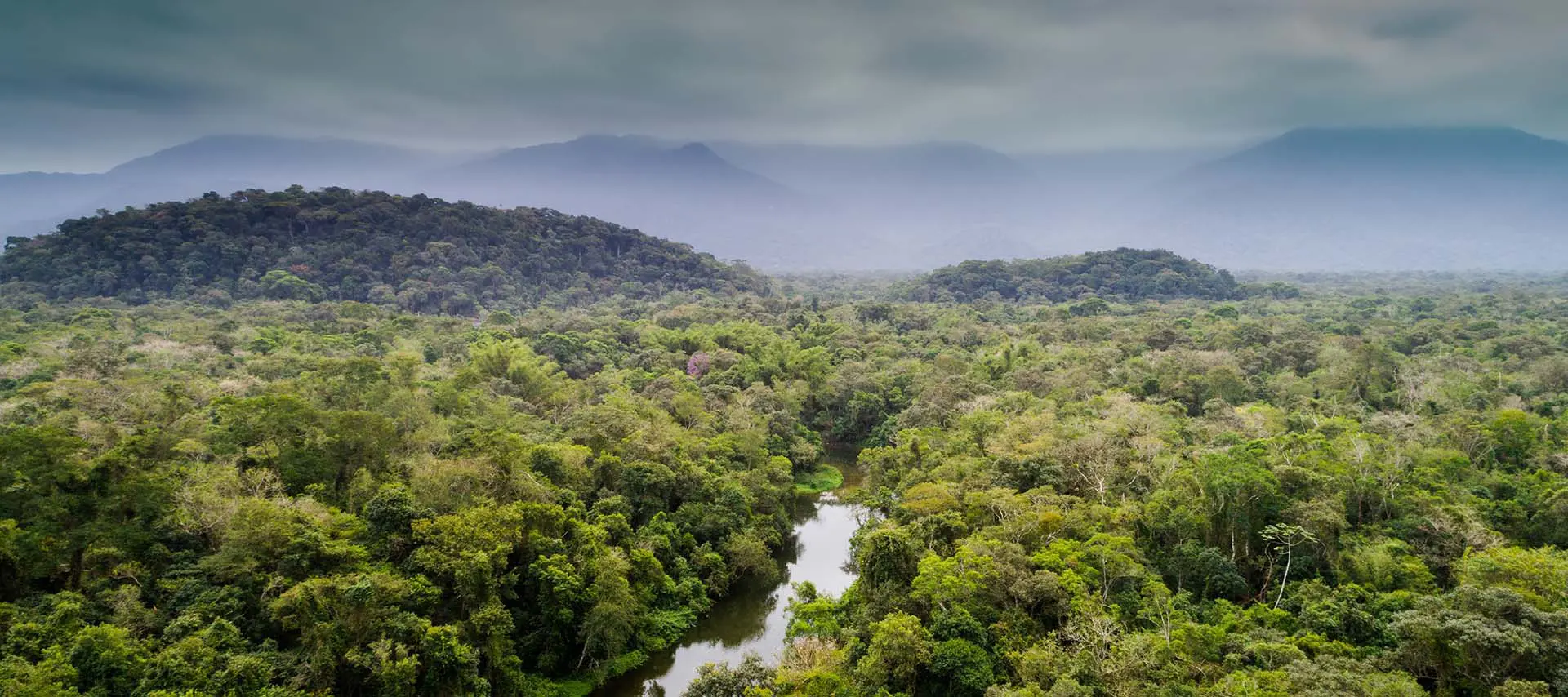
Cloud forest in the Peruvian Andes

Bosques Montanos y Páramos Huaricancha is home to an impressive array of wildlife, including the mountain tapir and grey-breasted mountain toucan. Alongside endangered mammals and Andean birds stands the quina, known worldwide for its medicinal uses.
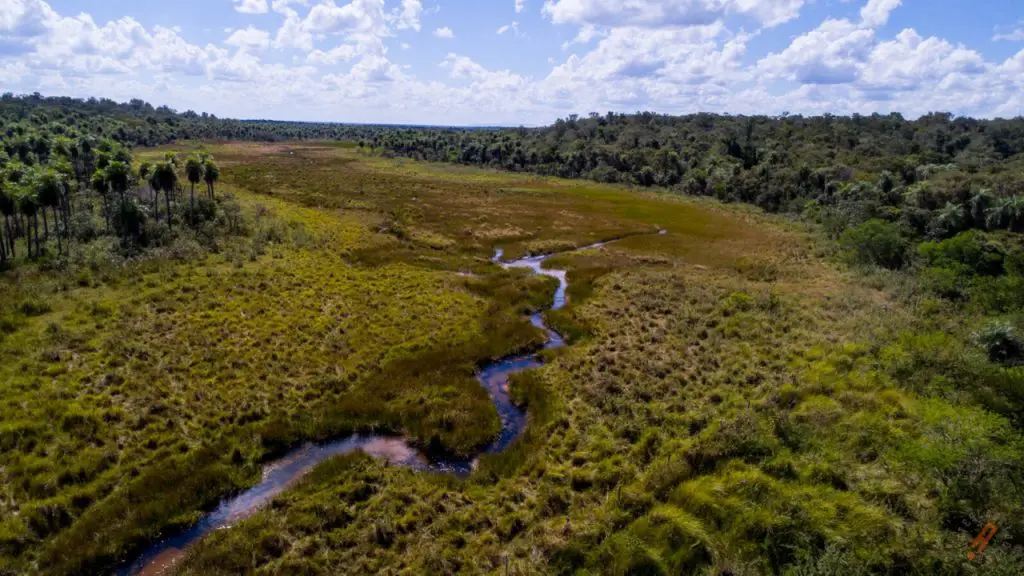
Three million acres in Bolivia’s dry forest

Located in Bolivia’s Chaco, Ñembi Guasu holds huge reserves of water, energy and cultivable land, and a great diversity of indigenous peoples, including the Ayoreo, the only native population that remains in voluntary isolation outside the Amazon.
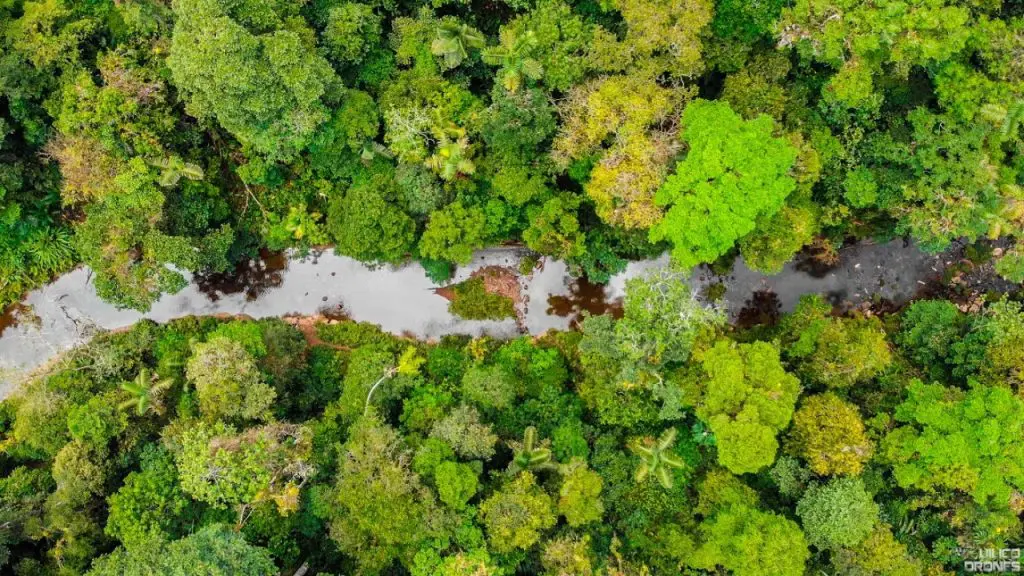
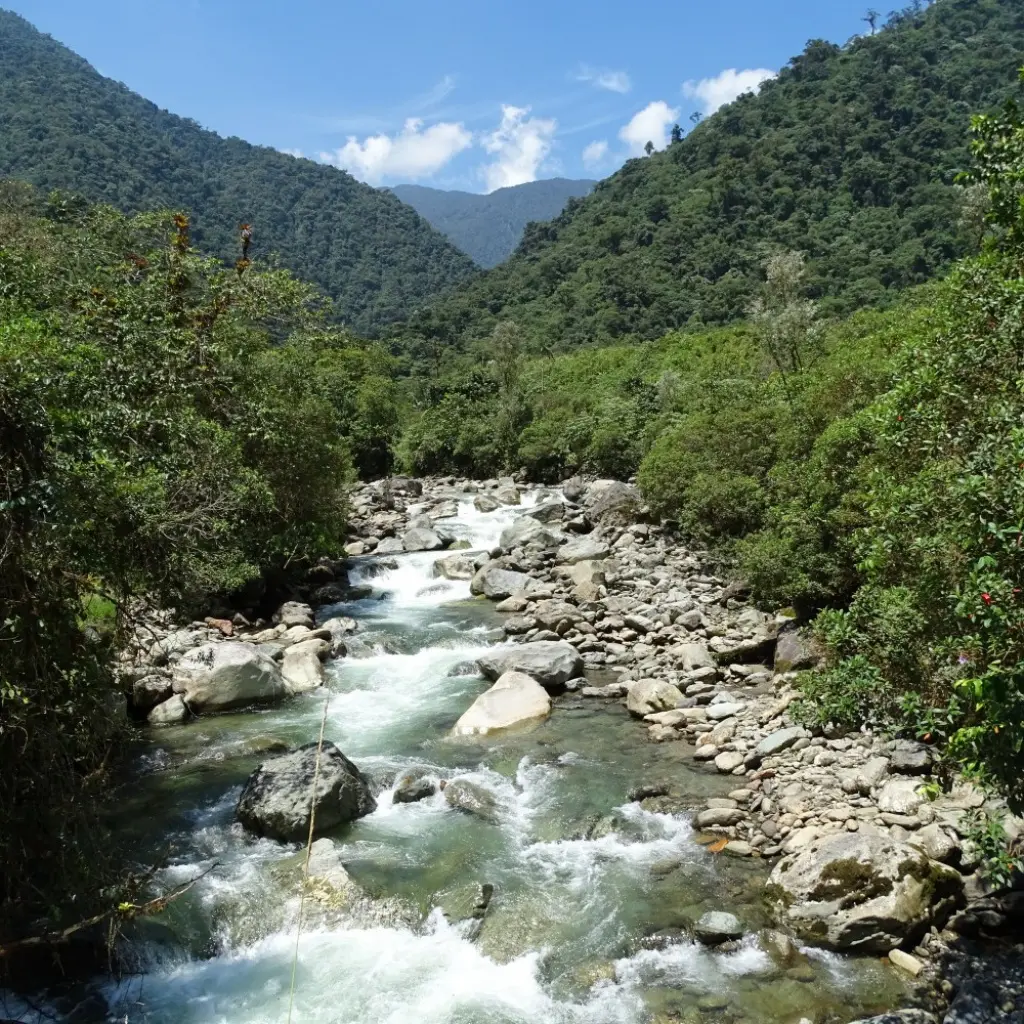
Lush Huamboya Forest in Ecuador.
Huamboya Forest in Ecuador, a subtropical montane forest along the eastern slope of the Andes Mountains

Forest linking the Andes Mountains with the Amazon

Huamboya Municipal Conservation Area safeguards priority forest ecosystems and cultural diversity in central Ecuador, adding to a network of protected areas in the region spanning 7.5 million acres.

Nature and Culture is incredibly grateful for the work that has been accomplished thanks to the generosity of our supporters. But there is still more to be done. You can protect our planet’s most critical ecosystems, acre by acre.

Save Forests Today

Learn more about the forest ecosystems Nature and Culture works in here.
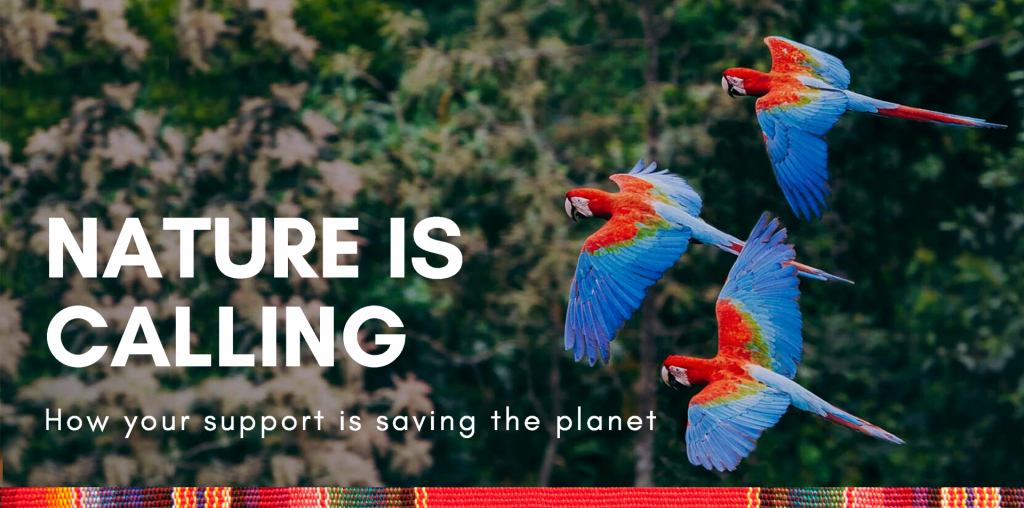
As we look back on what has been a remarkable year for the protection of biological and cultural diversity in Latin America, we are filled with hope for the future. And that’s because of dedicated friends like you.

This year, you established the second largest conservation area in Bolivia with the indigenous Guaraní. You supported Ecuador’s first Water School, safeguarding water sources for 27 municipalities. You protected one of the last remaining Pitayal forests in the world. You achieved 20 million acres of protected acres in Latin America – the heart of the planet’s biodiversity.

Our latest newsletter shares how your support of Nature and Culture International is saving the planet.

A special thank you to our partners Andes Amazon Fund, Stiefel Behner Charitable Fund, Robert Wilson Charitable Trust, Tinker Foundation, the Gordon and Betty Moore Foundation, World Land Trust, Critical Ecosystems Partnership Fund, the Moxie Foundation, and Nature and Culture’s Board whose generous financial support helped us achieve the goals highlighted in this newsletter.

We hope that with this little bit of news, you will be inspired by the programs that you have supported that help nature and culture thrive.

Striking the Balance: Nature & Economic Development in Bolivia

The New York Times reported that in the last six years, over four million acres of land in Bolivia have been deforested. It is projected that by 2025 a devastating 14 million acres of forest could be cleared in Bolivia alone. We are working with Natura Bolivia to protect this country’s forests before it’s too late.

In partnership with Natura Boliva, we created Parapetí Protected Area spanning 280,000 acres. Located in southeast Bolivia, this reserve conserves Bolivian montane forests, a unique landscape and habitat for mammals including the spectacled bear the world’s second most endangered bear species, Geoffroy’s cat, lowland tapir, jaguar and many more.

A symbol of friendship between Bolivia and Paraguay.

Gran Chaco dry forest

Nature & Culture supported the creation of the Heroes of the Chaco Reserve, conserving more than 600,000 acres of Chaco dry forest. Located in southern Bolivia, the reserve protects habitats of animals such as the guanaco, tapir, jaguar, giant armadillo, and anteater. Despite its desert climate, over 4,000 plant and animal species can be found here.

The new reserve is located in the Gran Chaco, a vast dry forest that spans into parts of Bolivia, Paraguay, Brazil and Argentina. This area was a major battle site during the Chaco War between Bolivia and Paraguay, which was fought from 1932-1935. Besides being a major victory in the conservation world, the creation of this reserve is also a symbol of friendship between Bolivia and Paraguay.

Nature and Culture International worked alongside its partner in Bolivia, Fundación Natura, and Macharetí’s municipal government to establish the protected area.

Rio Oyacachi, El Chaco

Nature is calling to thank you for your continued support. Our second ever newsletter shares how you have made the protection of millions of acres of biodiverse ecosystems possible.

We hope that with this little bit of news, you will be inspired by the programs that you have supported that help nature and culture thrive.