

Conservation That Begins with Communities
Nature and Culture was founded on the belief that protecting nature and supporting the cultures connected to these landscapes go hand in hand.
Across Latin America, Indigenous peoples and local communities have stewarded forests, rivers, and the landscapes they call home for generations. Their knowledge, cultural traditions, and deep connection to the land shape how ecosystems are cared for and sustained.
By working alongside communities and supporting the conservation priorities they identify for their territories, we help create solutions that are locally grounded and built to last. Our role is to provide tools, resources, and collaboration that help communities steward their homelands, preserve cultural traditions, and sustain the ecosystems they depend on.
Local Leadership Strengthens Conservation
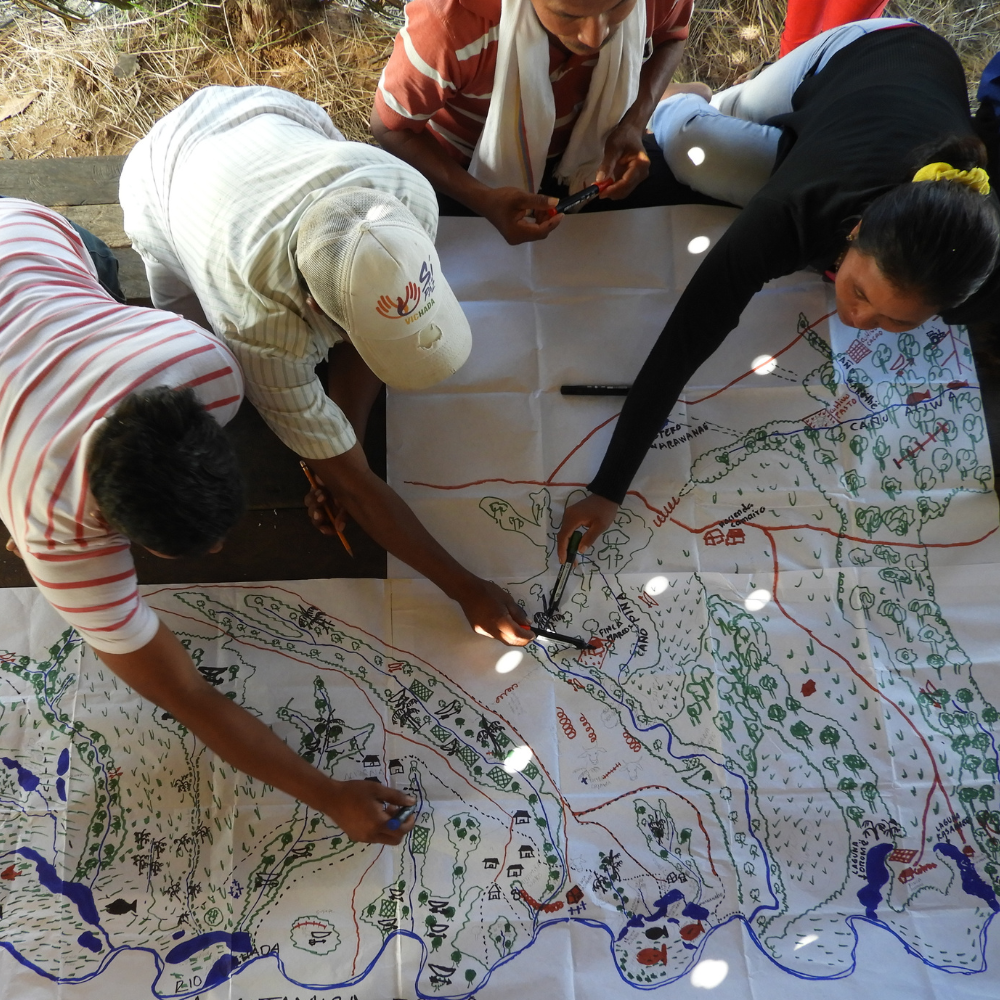
Nature and Culture collaborates with communities, local governments, and Indigenous organizations to identify conservation priorities and design solutions that reflect local realities. These partnerships are built on trust, respect, and a shared commitment to protecting the landscapes communities depend on.
By working together to establish protected areas, conserve watersheds, restore degraded forests, and safeguard biodiversity, we create solutions that are both locally supported and ecologically meaningful.
When communities are directly involved in protecting the landscapes they depend on, conservation becomes stronger, more resilient, and more enduring.

Where Culture and Conservation Meet
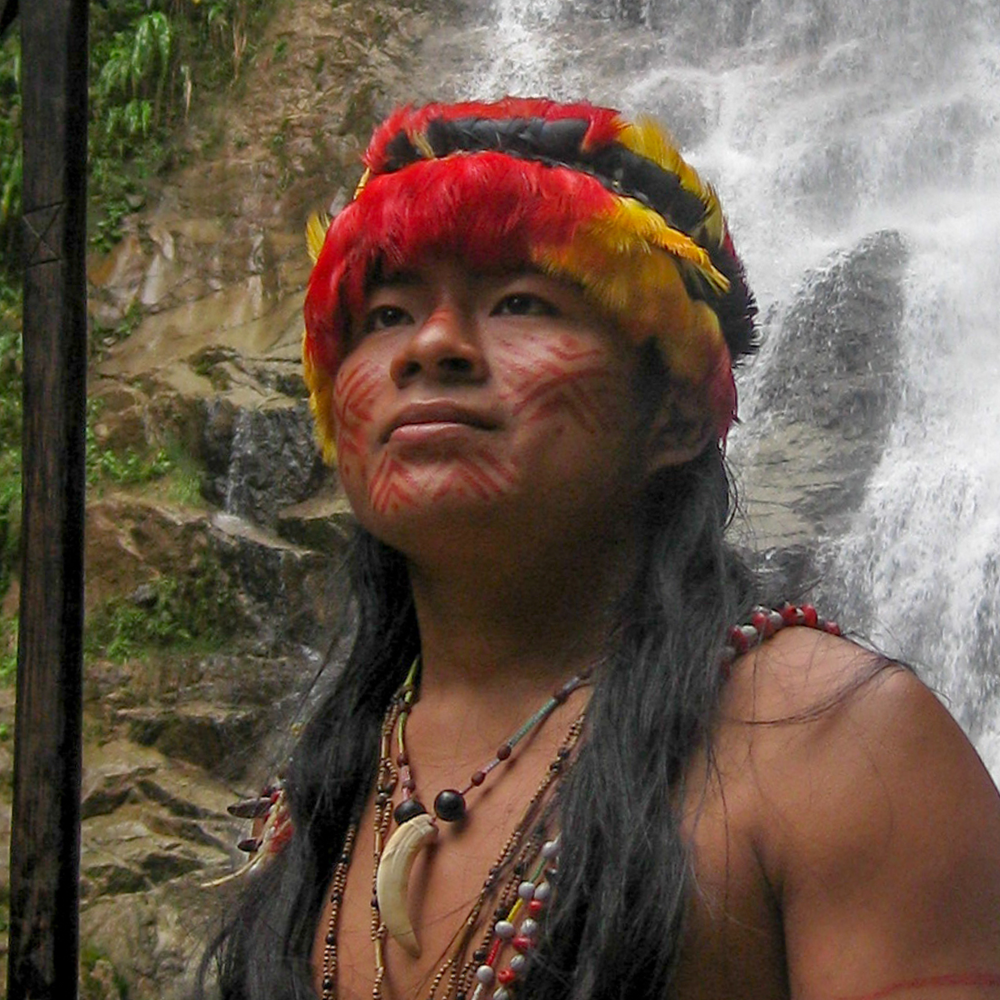
Nature and Culture believes that protecting nature also means respecting the cultures and communities who have cared for these landscapes for generations. Maintaining cultural diversity also helps protect biological diversity.
Across the regions where we work, Indigenous peoples and local communities hold generations of knowledge about forests, rivers, wildlife, and seasonal cycles. This traditional ecological knowledge offers valuable insights into the management of forests, watersheds, wildlife, and soils.
Our partnerships follow the principles of Free, Prior, and Informed Consent (FPIC), an international human rights standard recognized by the United Nations. FPIC ensures that Indigenous peoples have the right to make informed decisions about activities that may affect their lands, territories, and resources.
Building Local Skills and Conservation Leadership
Lasting conservation requires more than protected areas. It requires people with the skills, knowledge, and resources to steward their lands over time.
Nature and Culture works with communities to strengthen local capacity through training, technical support, and collaborative management of natural resources. These partnerships help communities monitor biodiversity, restore ecosystems, manage protected areas, and develop conservation initiatives that support both nature and local livelihoods.
By investing in local leadership and capacity, conservation becomes something communities lead rather than something imposed from outside.
Why Community-Led Conservation Works
Conservation efforts are strongest when the people who live closest to the land help lead its protection.
Indigenous peoples and local communities manage or hold tenure rights to roughly one quarter of the world’s land area, and research shows these territories contain some of the planet’s most intact ecosystems. Studies also find that biodiversity levels in Indigenous-managed lands are often equal to or higher than those in many protected areas.
Nature and Culture’s approach builds on this evidence. By partnering with communities and strengthening local stewardship, conservation solutions become more practical, resilient, and durable.

Conservation works best when communities lead the protection of the lands and waters they call home.
Supporting Nature and Culture helps strengthen partnerships with the communities who protect some of the most biodiverse landscapes on Earth.
