

OUR WORK
Protecting forests, wetlands, and headwaters to secure water for people and biodiversity
Nature and Culture helps secure clean, reliable water by protecting forests, wetlands, and highland ecosystems strategically and at scale. The countries where we work are among the most important freshwater reserves in the Americas. By conserving watersheds and establishing protected areas in critical headwaters, we sustain biodiversity hotspots and support communities downstream.
Water connects ecosystems. It sustains forests, wetlands, rivers, and floodplains that provide habitat for thousands of species. When we protect water at its source, we protect entire ecological networks.
Featured Programs
STRATEGIC CONSERVATION
Water-rich ecosystems are conservation priorities
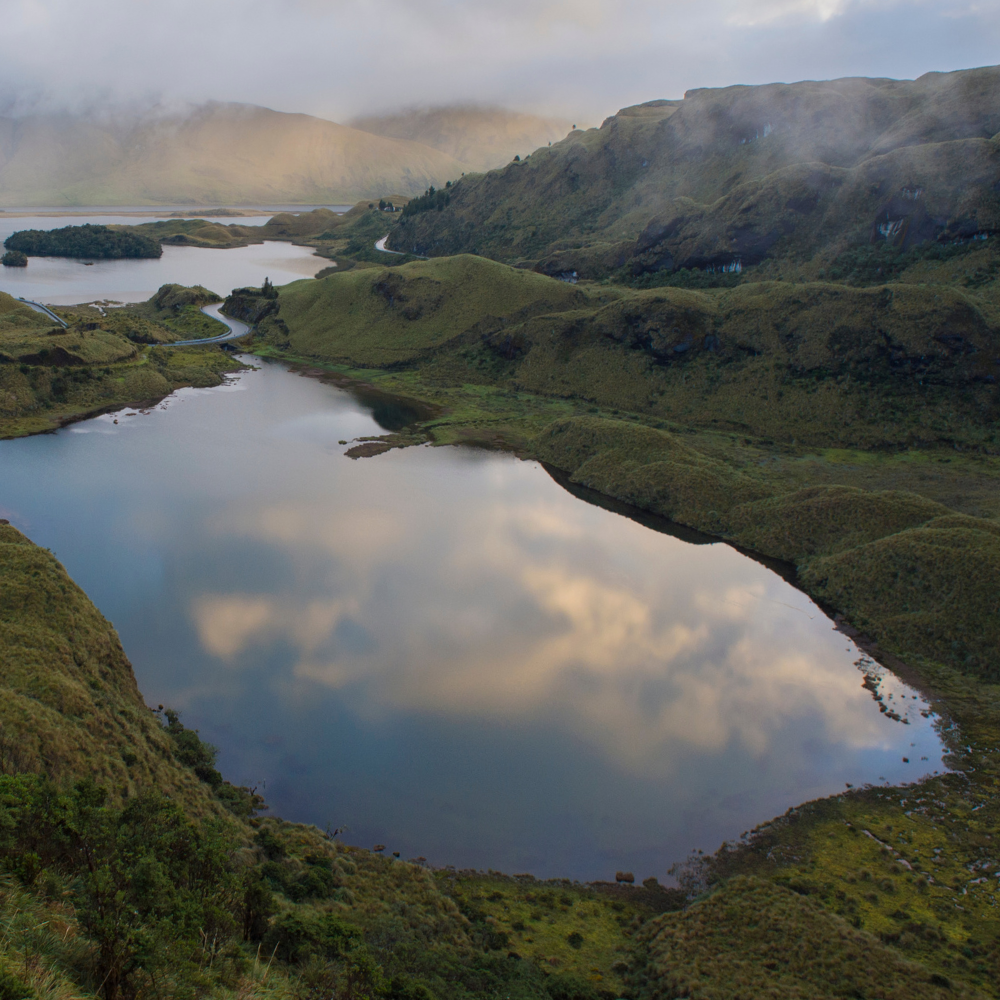
Nature and Culture works in some of Latin America’s most water-rich and ecologically significant landscapes. From high-altitude grasslands and cloud forests to vast Amazonian headwaters, these ecosystems function as natural water towers for the continent.
These landscapes capture rainfall, regulate streamflow, recharge aquifers, and sustain some of the most biodiverse freshwater systems on Earth.
By choosing to protect ecosystems at the headwaters where water is born, we multiply impact, strengthening both upstream ecosystems and downstream communities.
Water as a Catalyst for Community Conservation
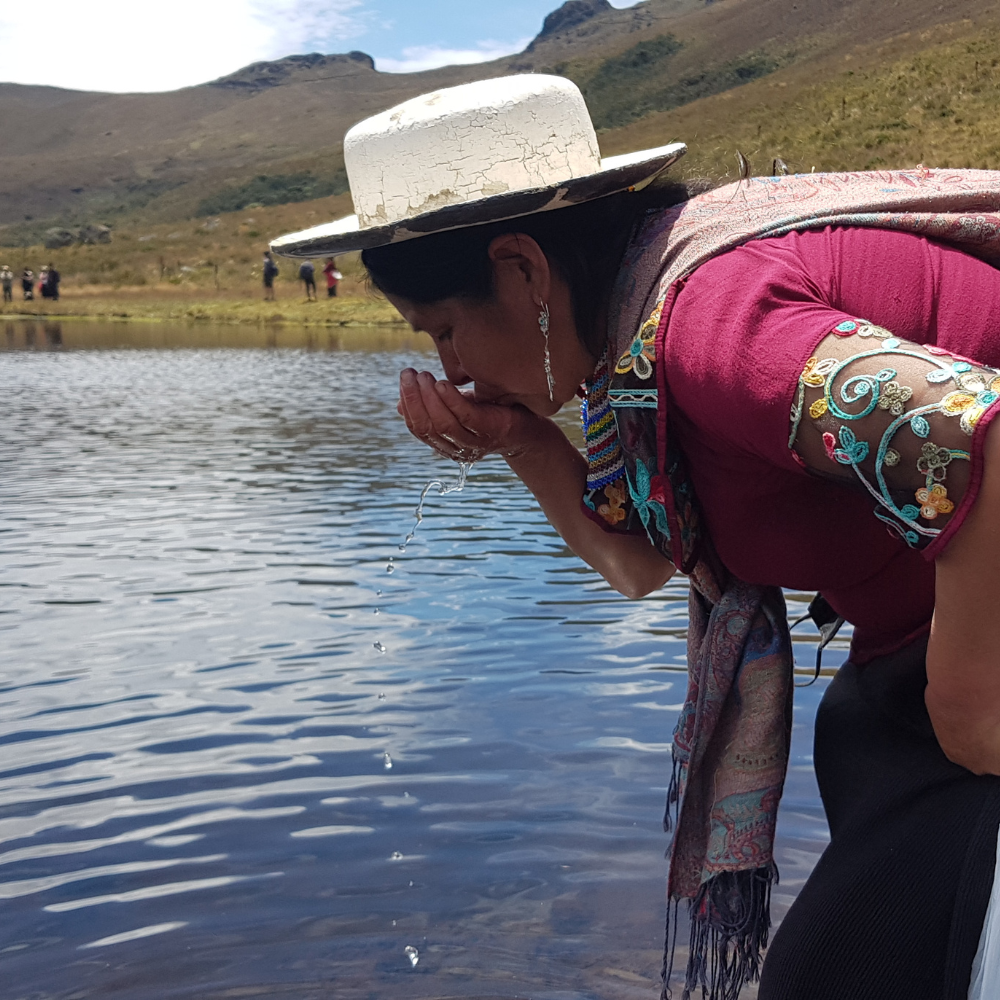
Protecting water sources creates a powerful incentive for conservation. Clean, reliable water sustains drinking supplies, agriculture, livelihoods, and cultural identity, making protection a shared priority.
Safeguarding headwaters and surrounding forests not only secures water for people but also protects wildlife habitat, stabilizes soils, and strengthens ecosystem resilience. This connection between water and well-being helps cultivate long-term local stewardship. When communities invest in protecting the natural resources they depend on, conservation becomes locally owned and durable.
CONNECTED LANDSCAPES SUSTAIN SPECIES
Protecting watersheds at scale
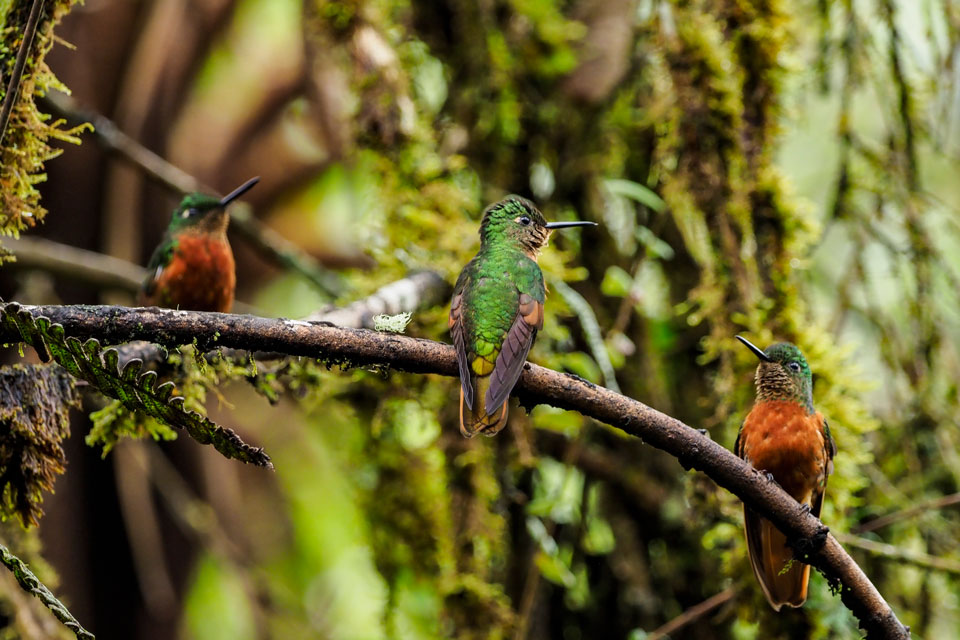
Water moves across entire landscapes, linking high-altitude forests to lowland rivers and wetlands. Protecting large, connected territories ensures that species can migrate, reproduce, and adapt to changing conditions. These landscapes provide food, shelter, and safe passage for mammals, birds, amphibians, fish, and insects.
By conserving watersheds at scale, we protect both water security and the habitats that make biodiversity possible.
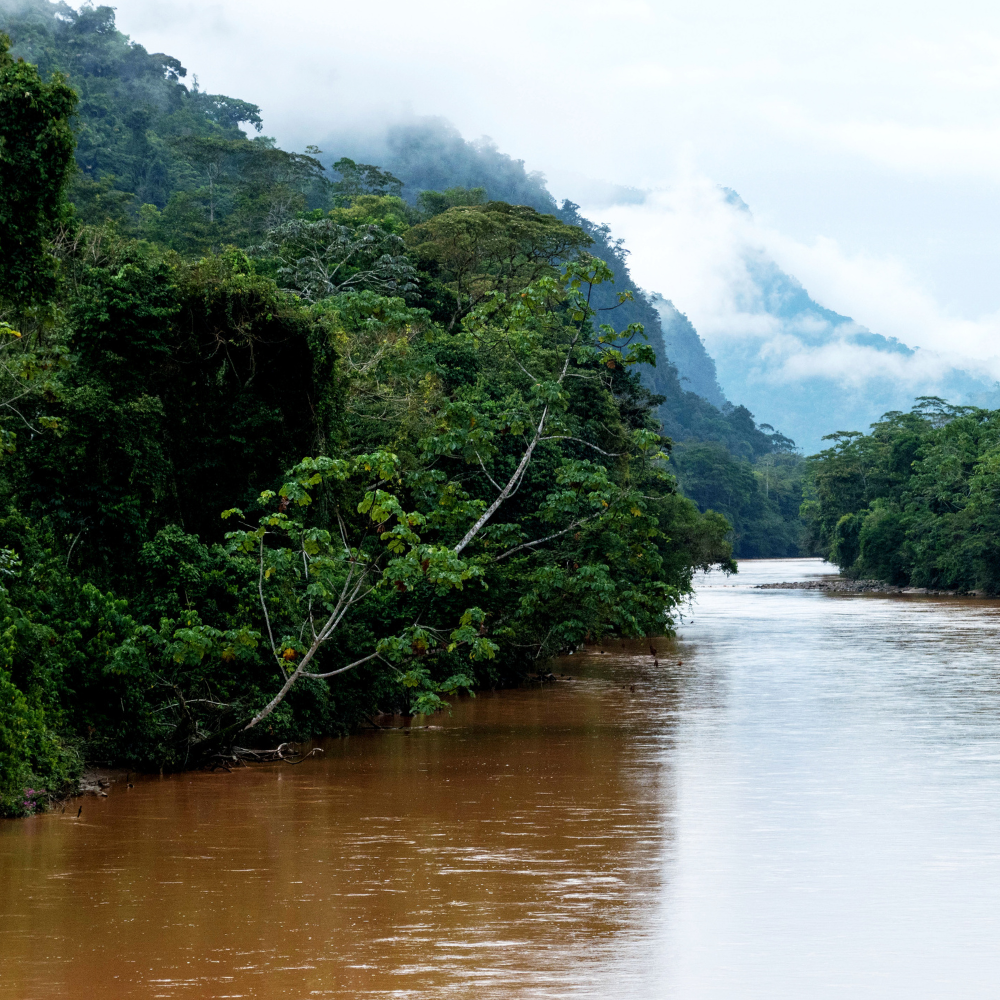

Latin America holds more than 30% of the world’s freshwater resources in rivers, lakes, wetlands, and aquifers.
Andean headwaters and Amazonian basins are crucial for water security
Freshwater ecosystems cover less than one percent of the Earth’s surface, yet they support around 10 percent of the Earth’s species. Rivers, wetlands, cloud forests, and headwaters create habitat, migration corridors, and ecological processes that support species across entire landscapes.
Deforestation, agriculture, mining, and infrastructure development are placing increasing pressure on watersheds. As forests are degraded and watersheds become fragmented, streamflow declines, water temperatures rise, and hydrological cycles that regulate regional climate and rainfall patterns begin to destabilize.
How You Can Help Protect Water and Life
Securing water at its source strengthens forests, sustains communities, and protects biodiversity.
Your support helps expand protected areas in critical headwaters, restore degraded watersheds, and ensure long-term stewardship for ecosystems that sustain life.
