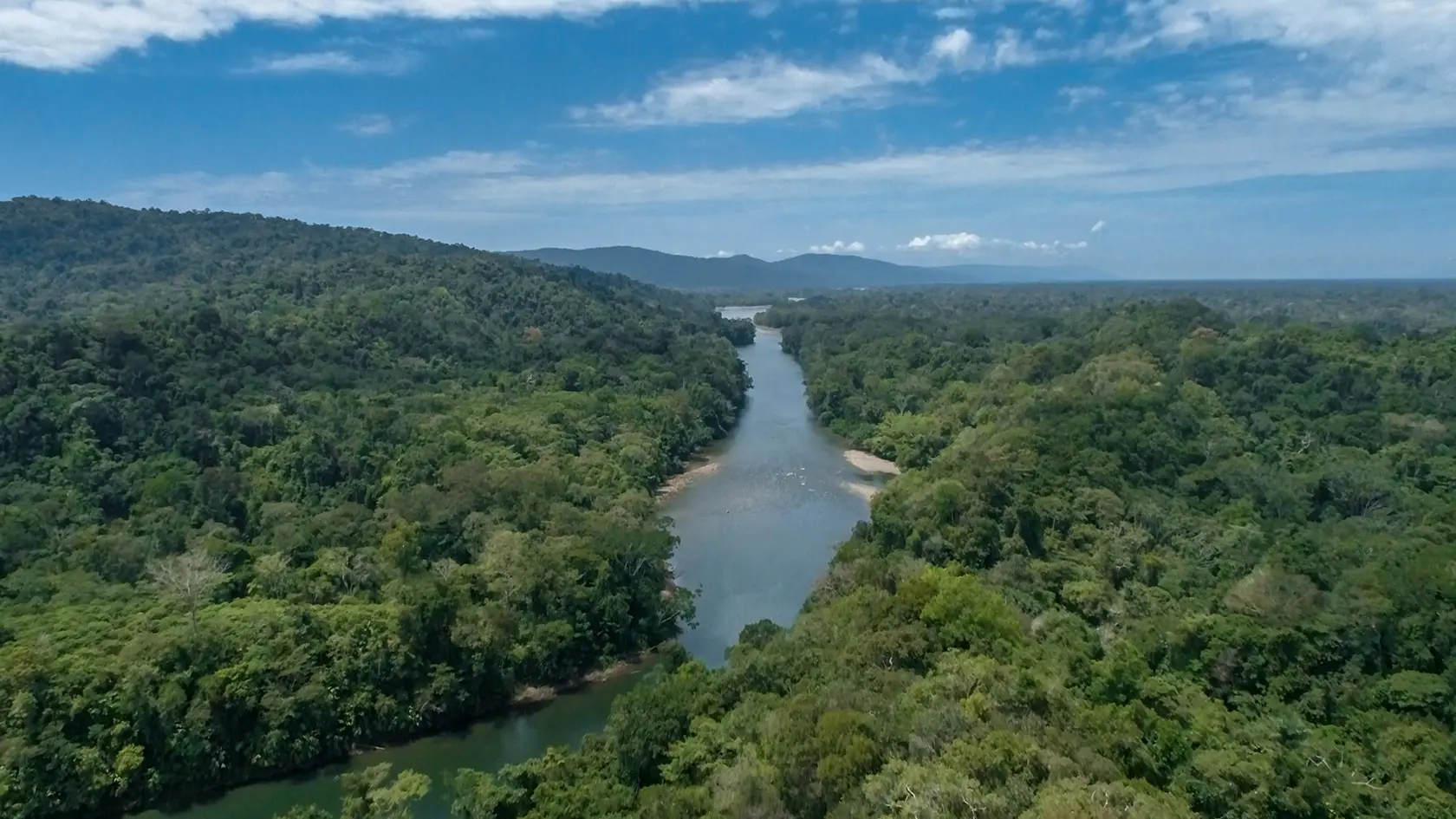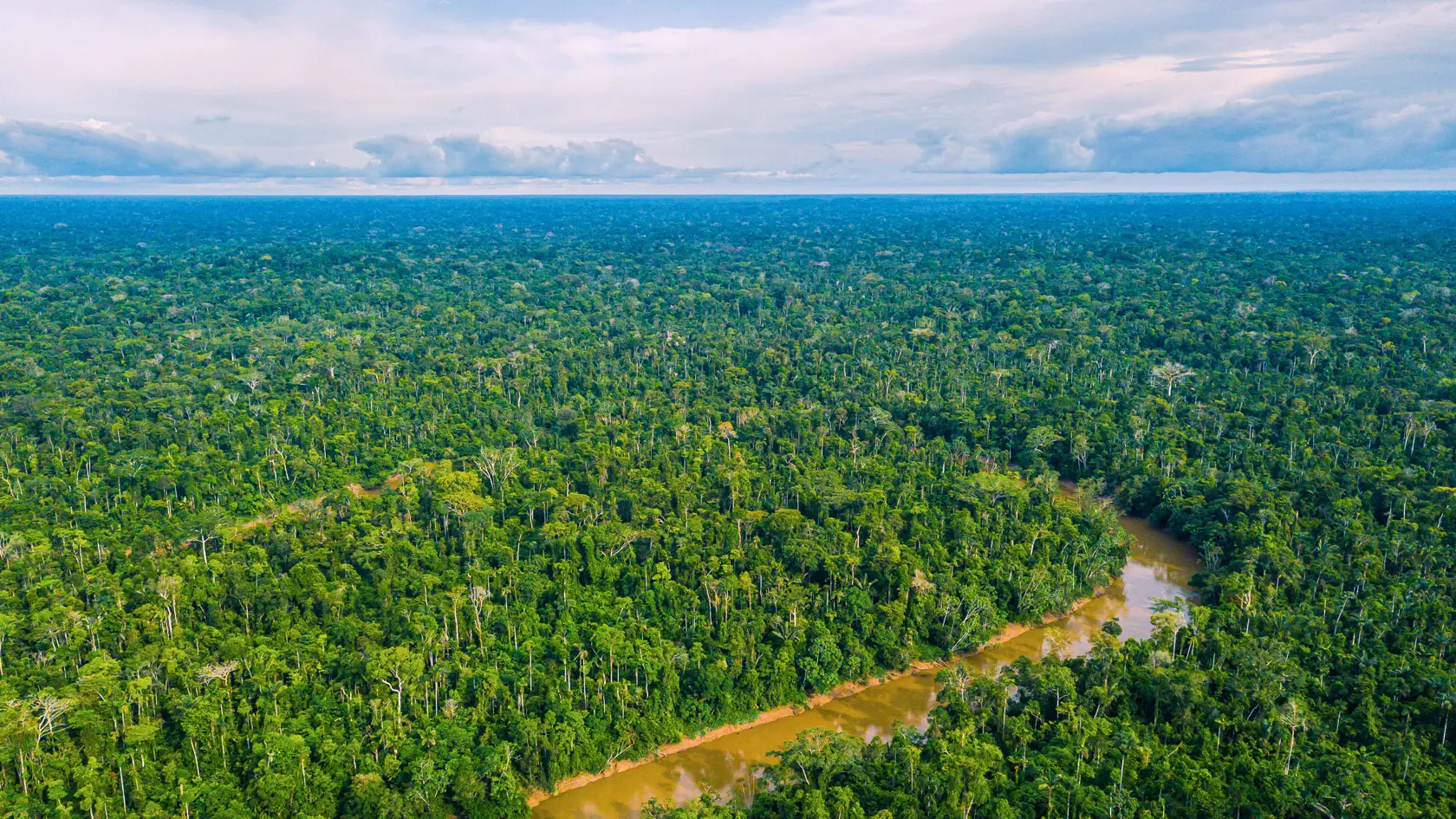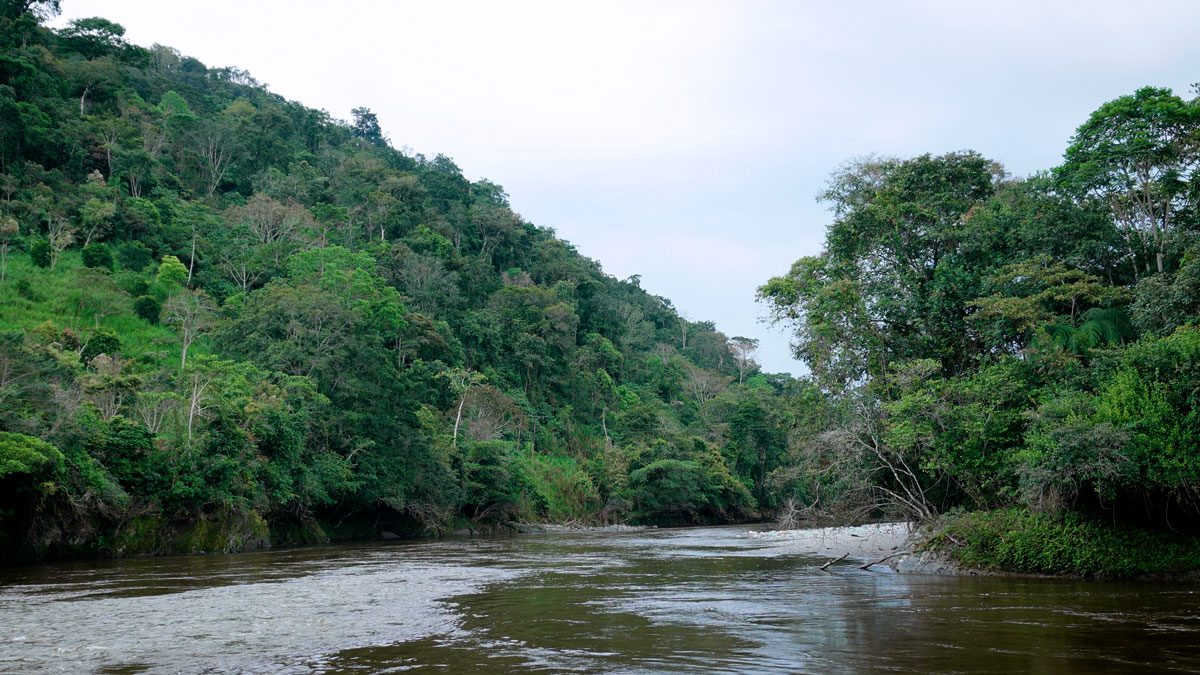

Our Water Source Conservation Program promotes a network of Water Protection Areas (WPA) and other subnational conservation categories that identify and protect strategic ecosystems to guarantee water supply and conserve biodiversity in Ecuador. By protecting key water sources along the Amazon and Andes regions, the program strengthens landscape integrity, ecosystem functionality, and community well-being, promoting more resilient and sustainable territories.
The Water Source Conservation Program is possible thanks to the active participation of local communities, who engage in conservation by recognizing the value of water as the foundation of their food sovereignty, health, and sustainable development. This community-led approach strengthens local conservation and ensures long-term sustainability.
Investing in water source conservation means protecting water, conserving life, and strengthening resilient territories.


988,400 acres
by 2030
Protection Goal

37 WPAs established
across Ecuador
24 with the support of Nature and Culture International

Regions
Coastal Ecuador, Andes region, Amazon region
Ecosystems
Cloud forest, Amazon, páramo, lakes and wetlands, dry forest
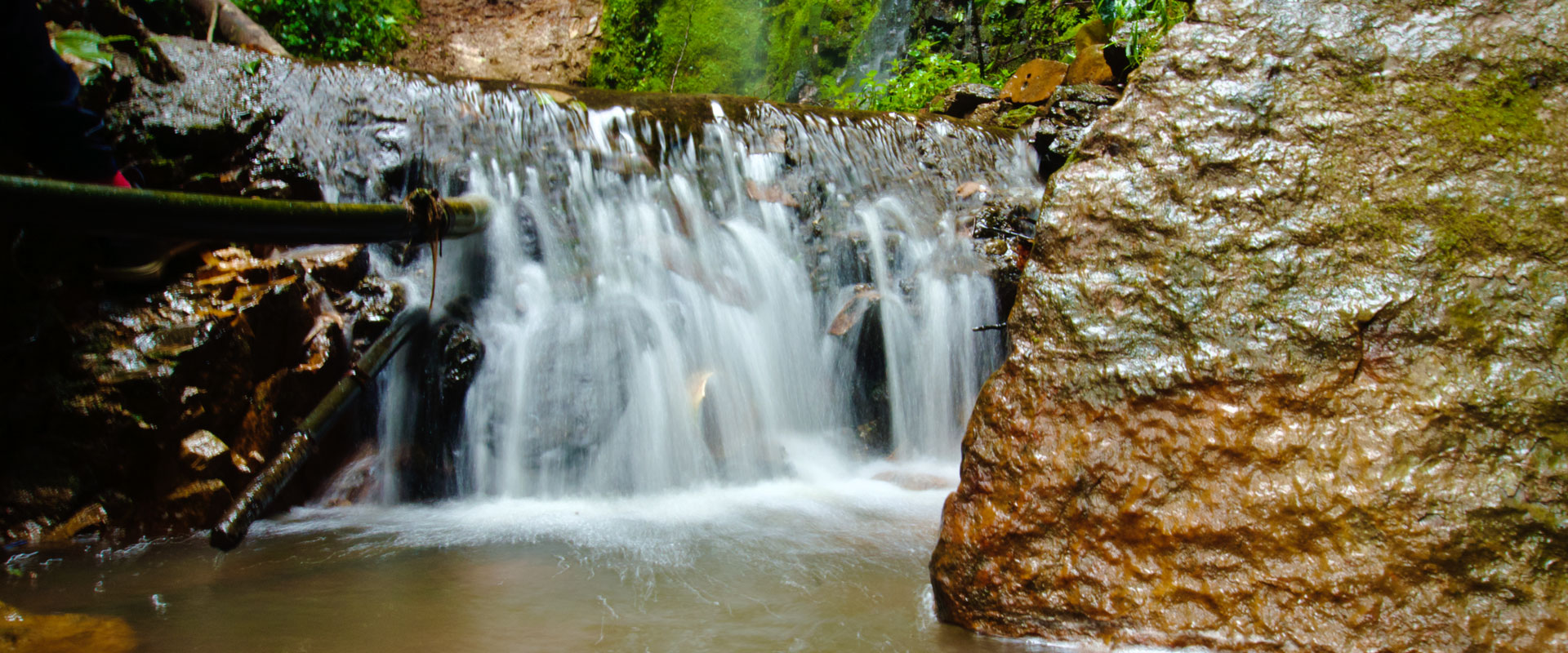
Priority Landscapes:
The Water Source Conservation Program collaborates closely with both the government and local communities to ensure the comprehensive management of vital natural ecosystems, those that provide water and serve as havens for Ecuador’s rich biodiversity.
As a result of a joint analysis and planning process, Nature and Culture International and the Ministry of Environment and Energy (MAE) identified nearly 17.3 million acres (7 million hectares) of areas with very high water importance, primarily in paramos and cloud forests, strategic ecosystems for water regulation, storage, and supply.
Based on these findings, the Water Source Conservation Program drives a national strategy prioritizing Water Protection Areas to ensure territorial connectivity and conservation.
Where APHs cannot be established, the program implements alternative subnational models, such as Conservation and Sustainable Use Areas. These are adapted to local conditions to protect vital water sources and enhance regional governance.
Ecological Connectivity for Territorial Resilience
Water Protection Areas are not isolated spaces: they act as strategic nodes linking national protected areas with subnational conservation initiatives. This creates connectivity blocks that facilitate the movement of key species and maintain ecosystem balance at a regional scale. In this way, the Water Source Conservation Program directly contributes to the strengthening of priority biological corridors and the health of entire landscapes.
A landmark example is the Runahurco water protection area, which connects two national protected areas and several subnational Conservation and Sustainable Use Areas. This reinforces the protection of the Sangay–Podocarpus Connectivity Corridor, a vital part of the Andes-Amazon Conservation Corridor initative
Similarly, the Southern WPA (APH del Sur) establishes a connectivity axis linking ecosystems from the Coast to the Highlands. This ensures water provision and regulation for thousands of people while strengthening climate resilience and biodiversity conservation.
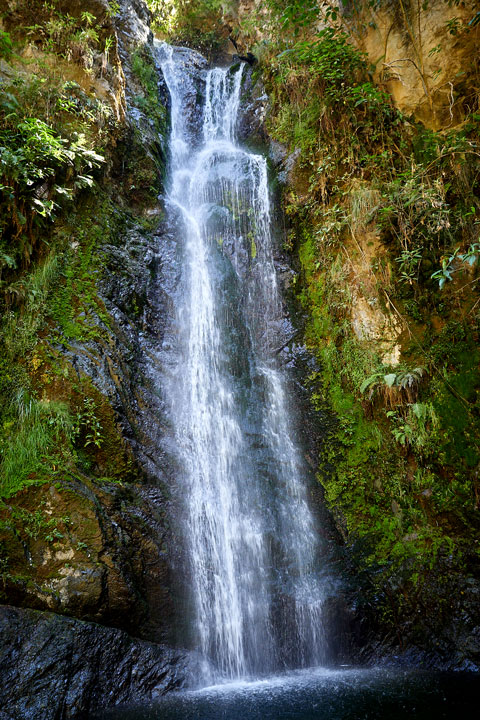

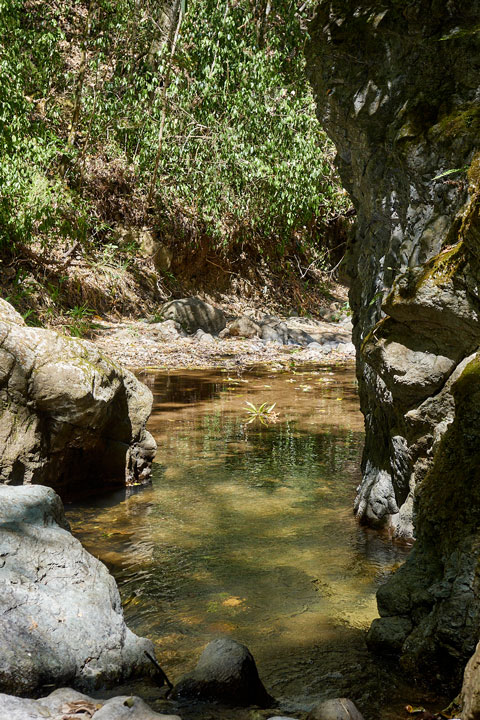

Water: Sustaining Biodiversity
Water does more than just supply communities; it is the axis that sustains wildlife and ecosystem balance. Paramos, cloud forests, and other strategic ecosystems regulate the water cycle, creating the necessary conditions for the survival of thousands of species of flora and fauna.
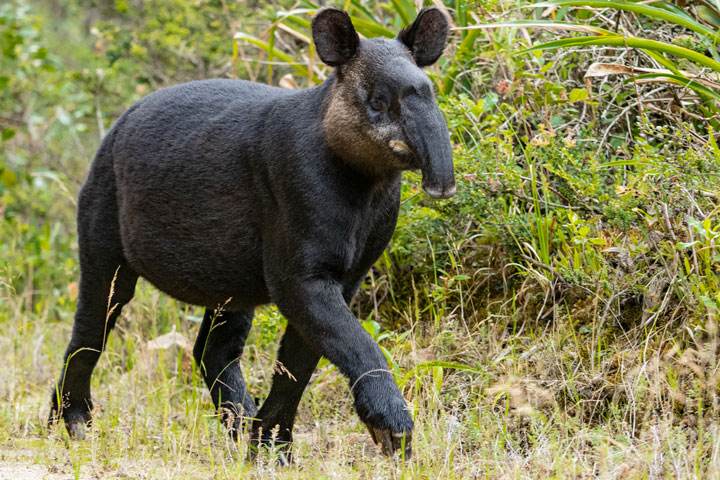
By protecting water sources, the Water Source Conservation Program safeguards critical habitats, ensures ecological connectivity, and enables the mobility of key species. Rivers, wetlands, and micro-watersheds function as natural corridors that maintain gene flow and ecosystem resilience in the face of climate change.


Frequently Asked Questions (FAQs) about the Water Protection Areas
Water Protection Areas are a legally recognized conservation category in Ecuador, specifically designed to protect water sources that supply local populations and sustain biodiversity.
They are an innovative tool because they prevent land occupation and extractive activities in strategic ecosystems. Furthermore, they allow for the active participation of communities in their management and conservation.
The Water Source Conservation Program is a strategic pillar of Nature and Culture International’s vision, as it consolidates connectivity between national protected areas and subnational initiatives.
Through WPAs and other conservation categories, the program expands and complements the national network of protected areas, guaranteeing long-term legal protection for key ecosystems.
The Water Source Conservation Program strengthens and complements strategic initiatives such as the Amazon Platform and the Andes-Amazon Conservation Corridor by consolidating the ecological and legal foundation necessary for their sustainability.
The Water Source Conservation Program contributes through:
- The creation of Water Protection Areas and Conservation and Sustainable Use Areas in strategic sites for the protection of biodiversity and water sources, strengthening connectivity between territories prioritized by these programs.
- The integration of conservation, water, biodiversity, and climate resilience into a single, coherent territorial strategy.
In this way, the Water Source Conservation Program does not operate in isolation; instead, it coordinates and amplifies conservation efforts at both national and regional scales, strengthening ecological corridors, ensuring territorial governance, and consolidating Nature and Culture International’s long-term impact.
Ecosystems that provide water, such as paramos and cloud forests, also act as natural climate regulators.
By conserving water sources:
- The capacity of ecosystems to store carbon is maintained.
- Temperature and humidity are regulated at a regional level.
- Vulnerability to droughts and floods is reduced.
- The water quality necessary for the survival of species and communities is protected.
Water is an essential component of climate resilience: without healthy ecosystems and water availability, it is impossible to sustain biodiversity or guarantee human well-being.
Long-term protection is based on a model of shared governance and territorial co-responsibility.
The State, at its various levels, guarantees the legal framework, the official declaration of the areas, and their supervision. Water boards, local communities, and local governments (participate actively in management through management plans, monitoring, and conservation agreements.
Throughout this process, Nature and Culture International provides permanent technical assistance, strengthening local capacities and supporting territorial planning, as well as the design and implementation of management plans.
Results to Date:
As strategic allies of Ecuador’s Ministry of Environment and Energy, we have consolidated a work plan through 2029.
By 2026, we have contributed to the establishment of 24 Water Protection Areas and 3 Conservation and Sustainable Use Areas.
Furthermore, we have supported the design of key planning tools, such as the National Map of Potential WPAs and the Atlas of Water Protection Areas.