

What is deforestation?
Deforestation is the clearing of trees from large expanses of forest. This process disrupts ecosystems, reduces biodiversity, contributes to climate change by releasing stored carbon dioxide, and often leads to soil erosion and habitat loss for countless plant and animal species. Forests are not just collections of trees; they are vital ecosystems that support an incredible array of life, from plants and animals to Indigenous communities who depend on them for their livelihoods and cultural heritage.
Deforestation is a significant environmental issue with far-reaching consequences for local communities and the planet.

Solutions to deforestation
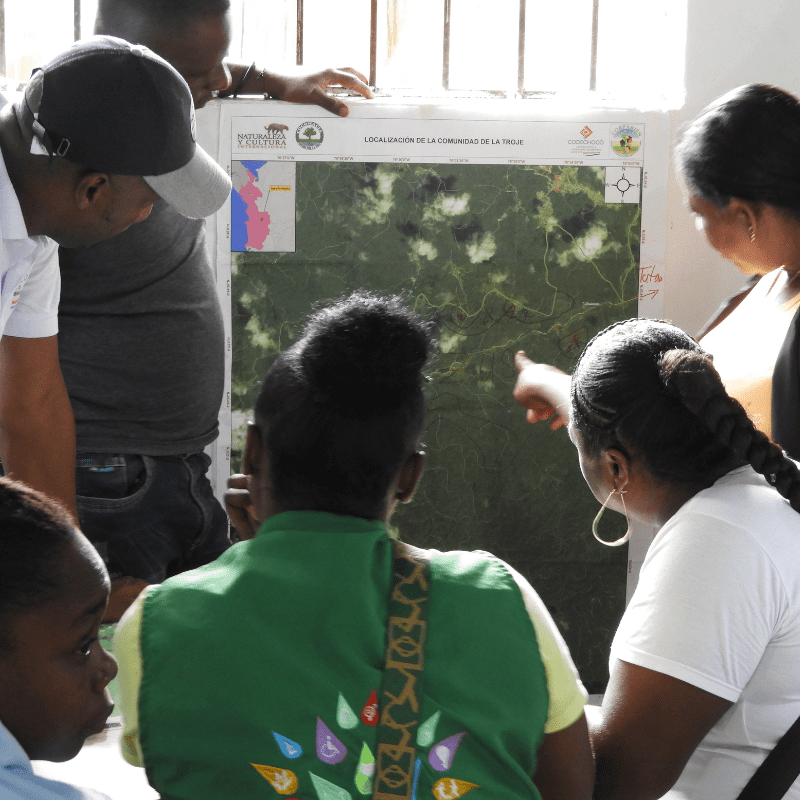
We protect threatened forests in partnership with the communities who live there.
Unlike nature reserves in the U.S., many of these forests are home to people who have lived on the land for centuries. The relationships we have built with the people who live in the areas we work to protect are key to our success. From municipal and local level protection to national level protection, to land purchase when necessary, no matter the method, we always consider the local communities who live in these areas along with long-term ecosystem health.
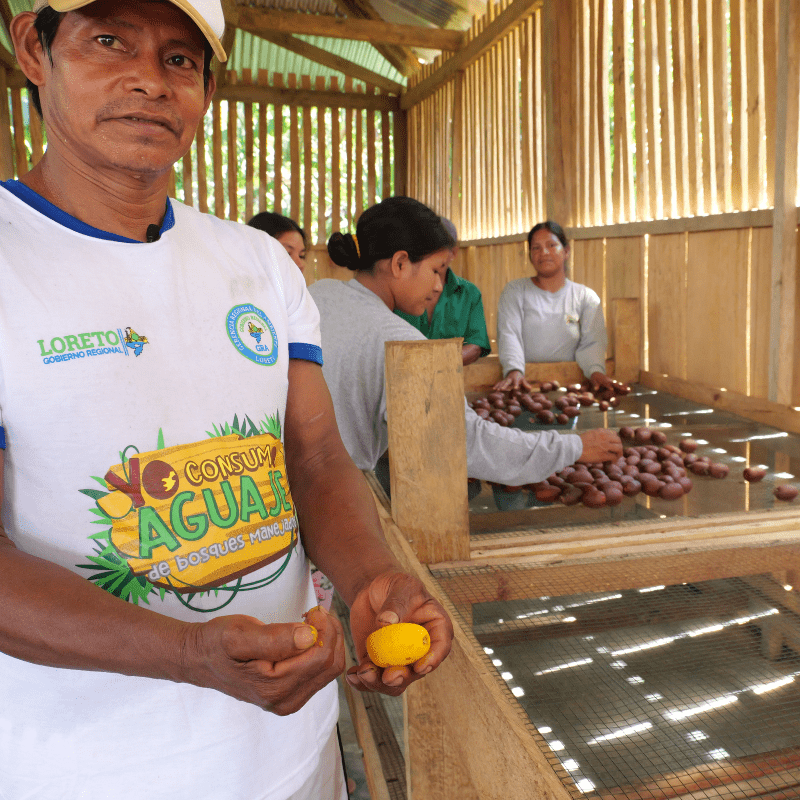
In 25+ years, Nature and Culture has never seen a protected area reversed and we believe that is because of our commitment to serving local communities.
Our co-management model is what sets us apart. Providing access to legal tools to establish a protected area, technical training for skills such as monitoring a protected area for threats, or investing in a new means of sustainably generating income from local resources are just a few ways we provide solutions to deforestation.
Our protected areas are living, breathing, dynamic spaces that require fostering relationships and understanding local needs. Indigenous Peoples and local communities are often the initial advocates for the protected areas we support. We provide them with the tools to safeguard natural resources.
Effects of deforestation
Why is deforestation a bad thing?

Forests cover approximately one-third of the Earth’s land surface and play crucial roles in supporting the lives of millions of people. They are incredibly biodiverse habitats, housing more than half of the world’s land-based animals, plants, and insects. Forests help combat climate change by absorbing carbon dioxide and serve as natural buffers against storms and floods. They are essential for drinking water in nearly half of the world’s largest cities. They also offer shelter, employment opportunities, and security to forest-dependent communities.
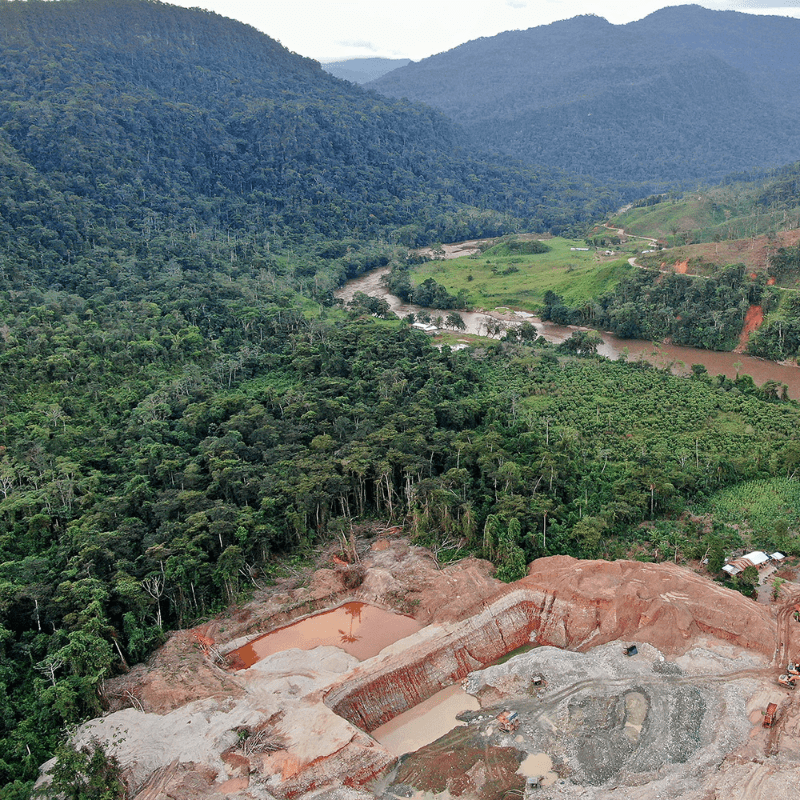
However, according to the latest FAO UN Global Forest Resources Assessment, approximately 24.7 million acres of forest are lost yearly, with 95% of this loss occurring in tropical regions. Many of the world’s most biodiverse forests, such as the Amazon rainforest in South America, are disappearing or facing a critical tipping point. The Amazon rainforest, in particular, exhibits reduced resilience, meaning it has a diminished ability to regenerate lost areas due to deforestation. Experts warn that the Amazon rainforest is reaching a point of no return, where large-scale dieback occurs, transforming much of the forest into savanna. This would have devastating ecological consequences and impact global climate patterns and biodiversity.
How does deforestation affect climate change?
Clearing forests reduces the Earth’s capacity to absorb CO2 and increases greenhouse gas emissions, ultimately disrupting climate patterns.
- Reducing Carbon Sequestration: Trees act as carbon sinks, absorbing CO2 from the atmosphere during photosynthesis. Deforestation reduces the number of trees available to sequester carbon, leading to increased levels of atmospheric CO2.
- Emissions of Greenhouse Gases: When forests are cleared or burned, the stored carbon is released back into the atmosphere as CO2. Additionally, deforestation contributes to emissions of other greenhouse gases such as methane and nitrous oxide from forest degradation and soil disturbance.
- Altered Climate Patterns: Deforestation disrupts local and regional climate patterns by affecting evapotranspiration, cloud formation, and rainfall. Changes in land use can lead to shifts in temperature, precipitation, and weather extremes.
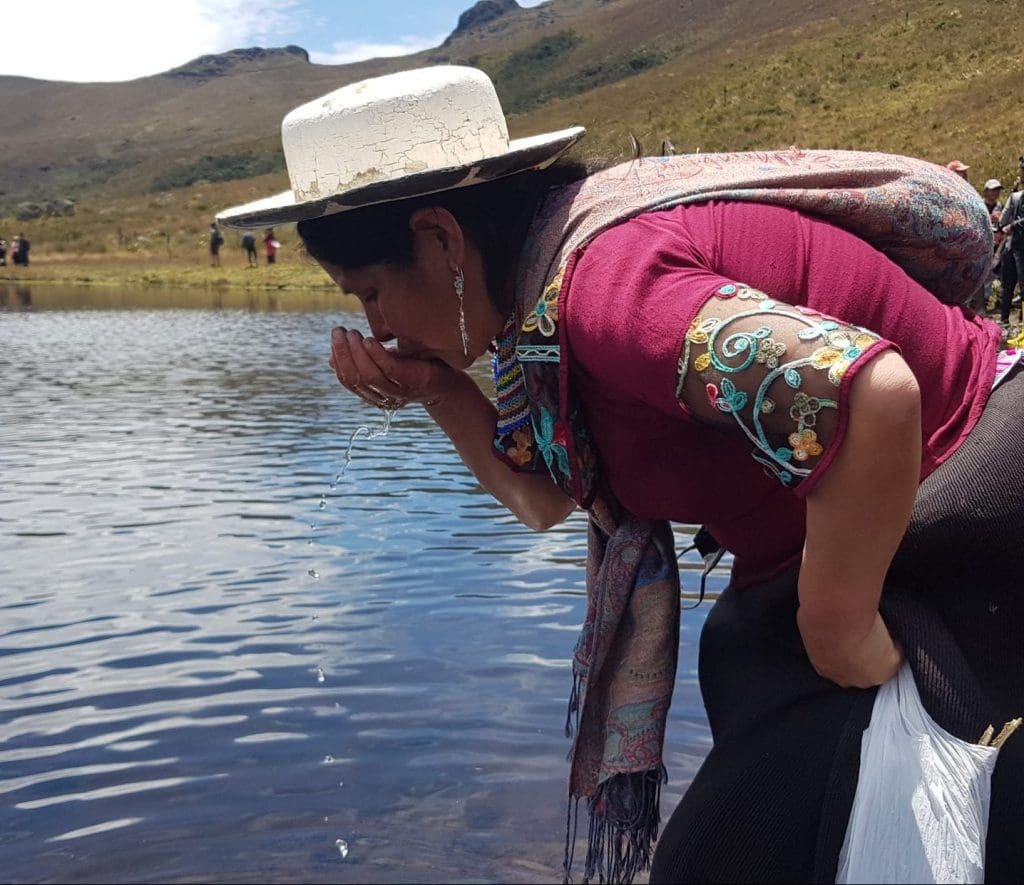
How does deforestation affect the environment?
- Deforestation is a major driver of climate change: Every time we lose a forest we’re not only releasing CO2 into the atmosphere, but we’re also no longer capturing the carbon, a key greenhouse gas, from the atmosphere. Addressing deforestation, particularly in tropical regions, is imperative in combatting climate change.
- Forests are essential for human well-being: They provide us with clean air, fresh water, food, and materials for shelter, medicine, and fuel. Forests help regulate local and global climates, stabilize soils, purify water sources, and provide important ecosystem services such as pollination and nutrient cycling. They alleviate poverty and provide food security.
- Deforestation threatens the survival of countless species: More than half the world’s land-based plants and animals, and three-quarters of all birds, live in and around forests. They conserve global biodiversity.
Causes of deforestation
- Industrial agriculture is the leading cause of deforestation, accounting for around 85% of global deforestation. Clearing land for crops or livestock has been in practice for hundreds of years, however, the globalization of food production has intensified this practice to meet growing global demand. This is especially evident in industries like beef production, large-scale soy cultivation, and palm oil production, where forests are cleared at an unsustainable rate to satisfy worldwide consumption.
- Timber logging, or wood extraction is another cause of deforestation.
- Mining is increasingly driving deforestation in the Amazon and Tropical Andes. In search of precious metals such as gold, mining clears the forest to dig excavation pits and access roads.
