

A Biodiversity Haven: Protecting Nature and Water Security in Coastal Ecuador
07/10/2025
In a region where forests and wetlands hold the key to water security for a growing population, a new protected area of over half a million acres balances conservation with local livelihoods
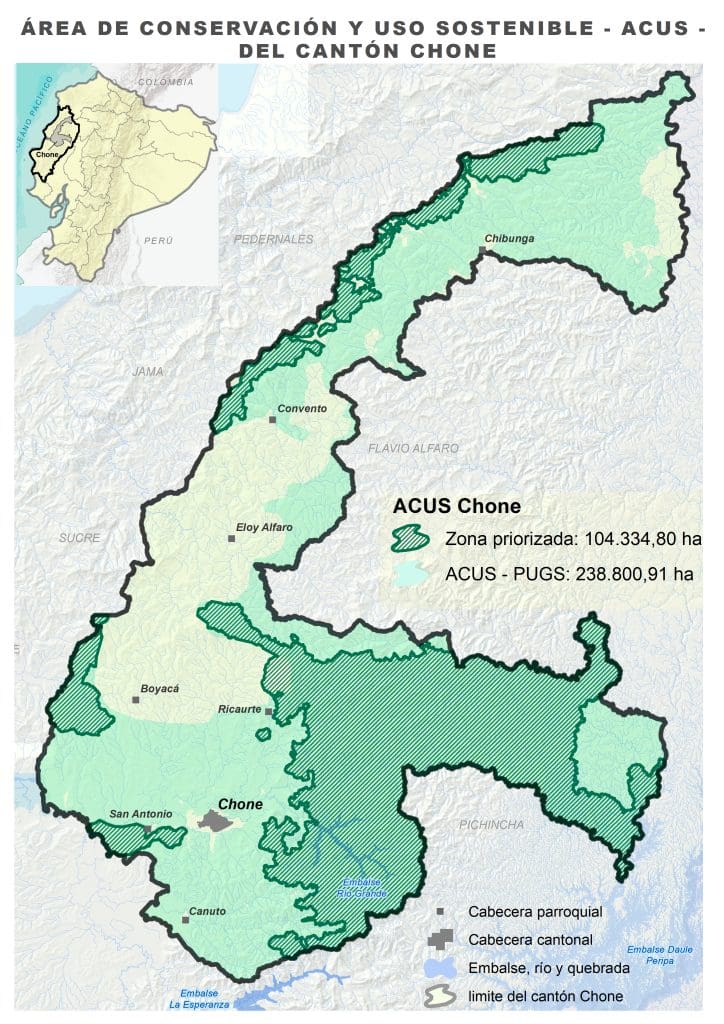
In the coastal province of Manabí, the newly declared Chone Protected Area spans 588,111 acres (238,000 hectares). It safeguards the highly biodiverse Segua Wetland—one of the most important wetlands on Ecuador’s coast and a haven for more than 267 bird species, including migratory, endemic, and shorebirds.
Driven by the urgent need to secure local water sources, and facing serious threats like deforestation, unchecked agricultural expansion, urban growth, and water pollution, this new protected area responds to a critical moment. It shows what’s possible when communities, conservation organizations, and local governments come together to protect nature while helping people adapt and thrive.

Local Action for Water Security Through Conservation
The creation of the Chone Protected Area marks a strategic step for Manabí, Ecuador’s third most populous province. Unlike most of the country, Manabí is one of only two mainland provinces, along with Santa Elena, without direct access to water from the Andes Mountains. As a result, its water security depends entirely on local watershed management and the conservation of remaining forested areas. This reality has made the protection of water sources a top priority, not just for human consumption, but for sustaining the region’s vital agricultural zones.
In 2024, Nature and Culture International, through its Water Source Conservation Program, partnered with the Municipality of Chone, the BOMACO Foundation (Forests, Oceans, and Communities), and local communities to protect this ecologically vital and water-sensitive landscape. With funding from Andes Amazon Fund, the team worked closely with municipal leaders and local stakeholders to lead a participatory process that resulted in legal protection of this area backed by both technical data and community support—laying the foundation for the area’s long-term conservation.
A Model That Balances Nature and Livelihoods
Of the 588,000 acres now under protection, nearly half are set aside to conserve forests and water sources, called strategic conservation zones. The remaining half forms what is called a sustainable production zone, where communities will use farming and agroforestry practices that care for the land, protecting water, soil, and biodiversity. It’s a thoughtful approach that brings conservation and productivity together in the same landscape —ensuring that local livelihoods can thrive without compromising the health of the land.
Patricio Zambrano, Pavón Water Board Treasurer, emphasizes the importance of conserving the area’s native vegetation:

“We have a wide variety of plants, including native species such as breadfruit, mahogany, and laurel. This is essential because we continue encouraging communities to protect them. Our people are increasingly aware that these species help retain moisture and maintain the natural balance of water.”
This protected area is designed to improve quality of life for local communities by safeguarding the natural systems they depend on. By conserving forests, wetlands, and other key ecosystems, the Chone Protected Area helps ensure clean water, healthy soil, carbon storage, pollination, and thriving habitats. These services are critical for water security, productive farmland, and stronger rural livelihoods across seven local districts and the urban center of Chone.
La Segua Wetland: A National Treasure and Biodiversity Hotspot
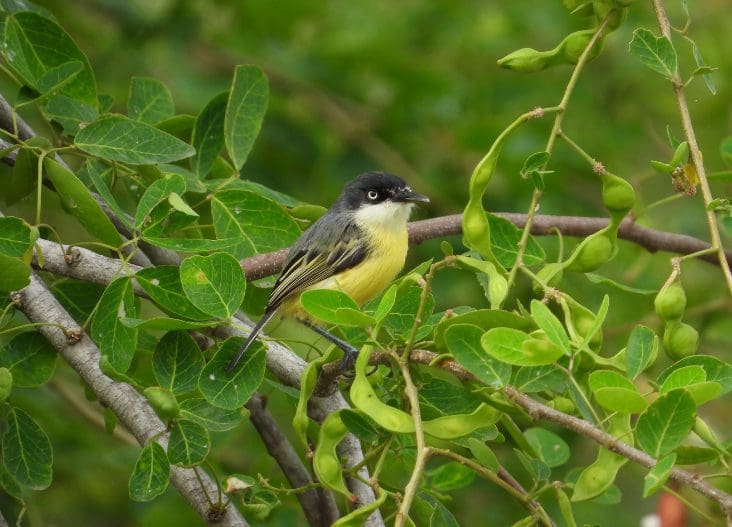
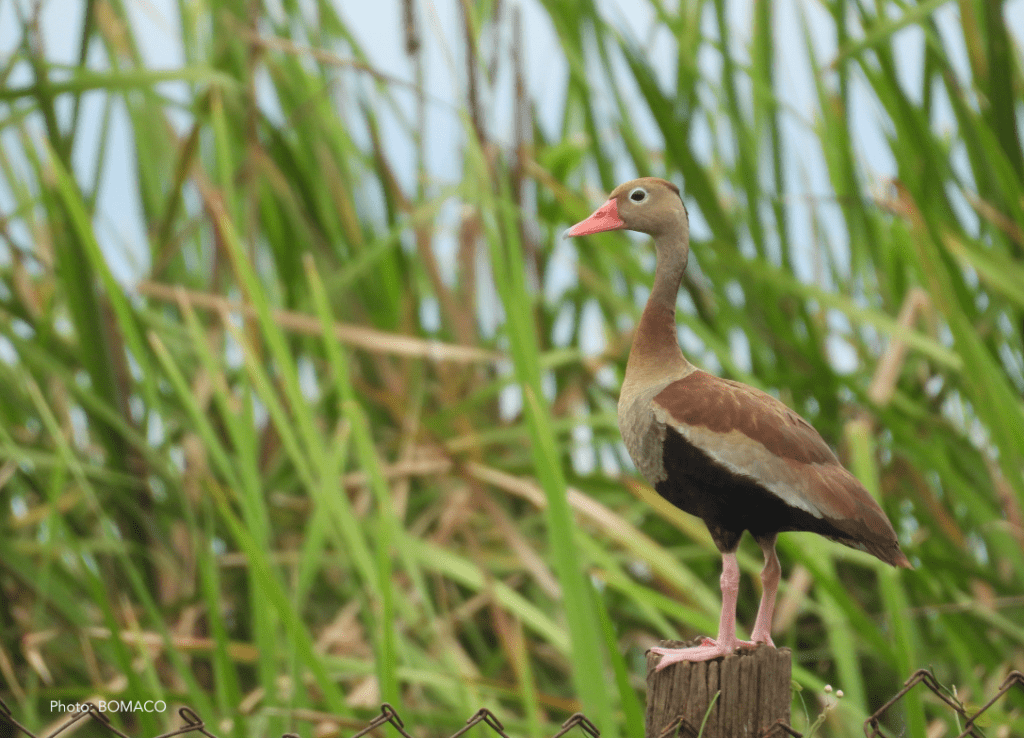
The Chone Protected Area holds special significance for Ecuador’s coast by safeguarding La Segua Wetland—a nationally recognized ecosystem protected under nine conservation categories. This vital wetland supports an incredible diversity of life, including over 267 species of birds, from endemic and migratory to coastal shorebirds, making it one of the country’s top destinations for biodiversity and birdwatching.


Teresa Mendoza, La Segua Nature Guides Association President, highlights the ecological and touristic value of the wetland:
“In this wetland, La Segua, we’ve recorded 167 bird species: resident, migratory, endemic, and native—such as herons and cormorants. We constantly monitor migratory species. We have a well-structured trail, and a space set up to welcome visitors. The best part is that birds can always be seen here; no matter where you look, there is always winged life around you.”
Rare Species and Diverse Ecosystems
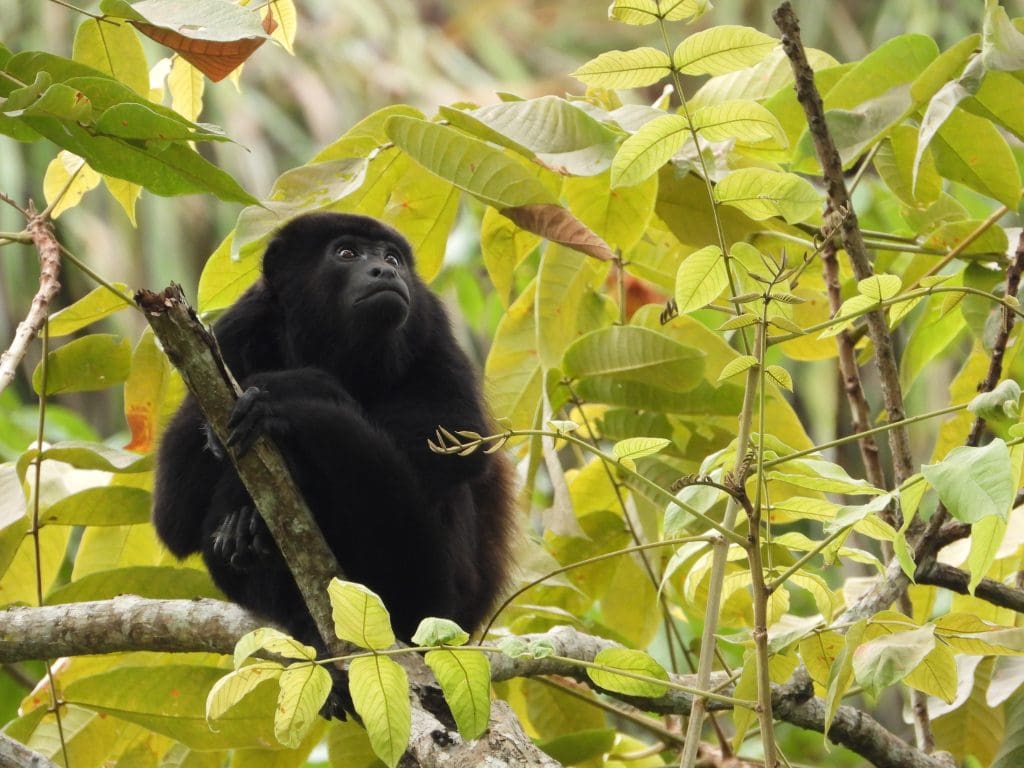
Another remarkable area within the Chone Protected Area is El Pescadillo, which is home to populations of the brown-headed spider monkey (Ateles fusciceps), a critically endangered species that depends on connected, intact forests to survive. This same area provides habitat for the mantled howler monkey (Alouatta palliata), another important primate that plays a vital role in maintaining ecosystem balance. The presence of these species reinforces the ecological value of the territory and the urgency of conserving their remaining habitats.
The Chone Protected Area includes a wide variety of ecosystems and transitional zones, including evergreen and humid forests, inland wetlands, coastal mangroves, and tropical dry forest—all part of Ecuador’s coastal ecoregion. This rich mosaic of habitats supports remarkable biodiversity, including iconic migratory birds like the black-bellied plover (Pluvialis squatarola), lesser yellowlegs (Tringa flavipes), and Hudsonian godwit (Limnodromus hudsonicus), all of which find refuge in Chone’s seasonal wetlands.
A Plan for Long-Term Stewardship
With the Chone Protected Area now established, the next step is creating a comprehensive Management Plan—a guiding framework that will shape how conservation and sustainable use unfold on the ground. This plan will strengthen local governance and build community capacity, especially in areas like sustainable agriculture, ecological restoration, and community-led water management.

This collaborative effort resulted in a model of management that integrates conservation, planning, and community participation. Thanks to this coordination, local people now have a living landscape where water sources are protected, biodiversity thrives, and rural livelihoods are more secure.
By strengthening the link between conservation and sustainable production, Chone is moving toward a more climate-resilient and socially just model—where water, forests, and people share a common future.
