
A Unique Horned Frog Emerges for the Rainy Season
03/27/2024
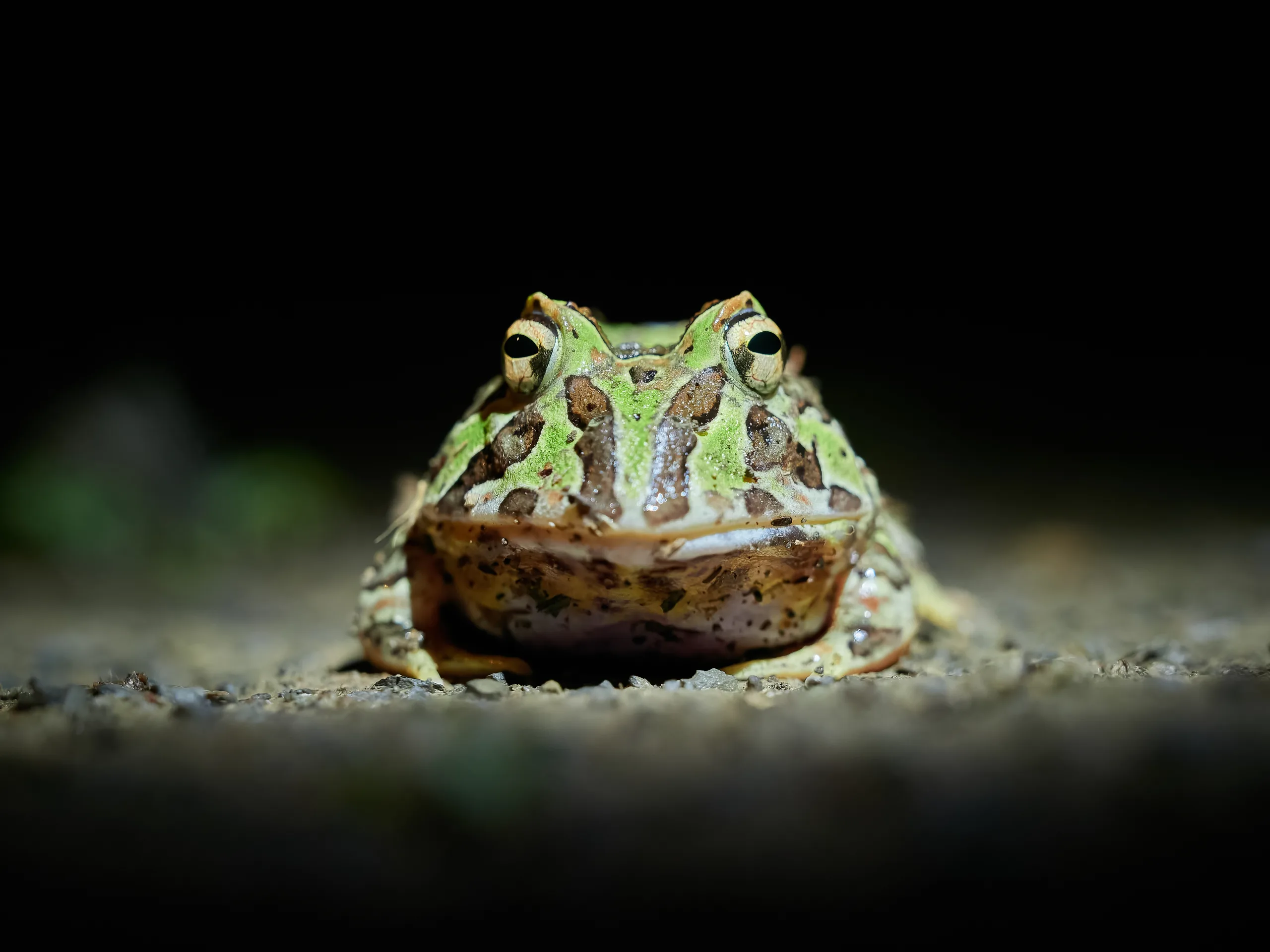
In the tropical dry forests of southern Ecuador, the unique Pacific Horned Frog (Ceratophrys stolzmanni) was observed during its brief emergence during the region’s rainy season in our Cazaderos Reserve. Nature and Culture technician, Daniel Sanmartín, photographed this rare occurrence, capturing the unique look of this carnivorous frog.
These frogs typically remain underground in a hibernation-like state called estivation for much of the year. However, with the onset of the rainy season, usually between January and March, they awaken to reproduce while taking advantage of the more favorable wet conditions.

Found among the arid landscapes of the South American Pacific coast, the Pacific Horned Frog is a captivating amphibian belonging to the Ceratophryidae family. This species is recognized for its large head and gaping mouth. Endowed with a powerful jaw, this frog consumes a diverse diet, including other amphibians, rodents, snakes of the genus Leptodeira, insects, snails, spiders, and centipedes.
Centralized habitat on the Pacific Coast of South America
Its natural habitat is dry shrubland and deciduous forest ecosystems in southwestern Ecuador, specifically in the provinces of Manabí, Santa Elena, Guayas, and El Oro. However, according to the Red List of Amphibians of Ecuador, the conservation status of this species is listed as “Vulnerable” and their habitats are increasingly fragmented due to human activities. This highlights the importance of protecting and conserving its habitat to ensure its survival.
Species monitoring in the Cazaderos Reserve
Located in the Zapotillo region of Loja, the Cazaderos Reserve, managed by Nature and Culture, serves as a crucial site for safeguarding the conservation of this rare species. This February when the rains began, several sightings occurred in the Zapotillo region of Loja, Ecuador in both the Cazaderos Reserve and the Los Guayacanes Municipal Reserve. The Zapotillo region is the only place within the province of Loja where this species has been recorded. The reserve spans over 12 thousand acres and last year was incorporated into the National System of Protected Areas. It is situated in the heart of one of the largest and best-preserved remnants of the Tropical Dry Forest in Ecuador.

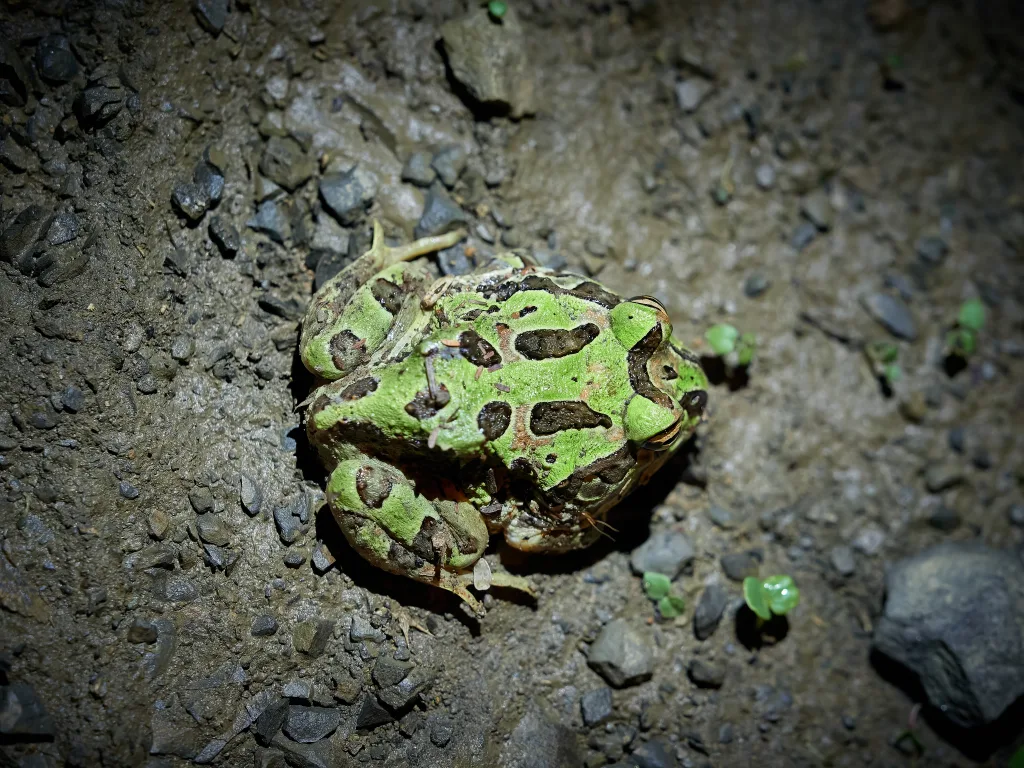
The Pacific Horned Frog offers an opportunity to explore its fascinating world. Its story underscores the importance of every creature’s role within the complex ecosystem of nature.

Read more about the Cazaderos Reserve here.
The Nature and Culture Foundation Ecuador, in collaboration with local governments and the community, establishes conservation strategies to protect this valuable ecosystem and the representative species it harbors. Among them are the majestic Guayacan trees, the imposing American crocodile (Crocodylus acutus), the striking howler monkey (Alouatta palliata), and, of course, the iconic Pacific Horned Frog.

