

Communities Restoring Life: The Paltas Model for Climate Resilience
10/03/2025
Strategic Area:
Forests - Local Communities -
Content Type: Blog
Country:
Ecuador -
The climate crisis poses a direct threat to forests and water, two intrinsically linked systems. Forests regulate water cycles, maintain river flows, and protect springs; in turn, water sustains life in the forest. When one system is weakened, the other deteriorates rapidly, and the communities dependent on them face severe, direct impacts.
Recognizing this interdependence, the Paltas Municipal Government and local communities in Loja Province, Ecuador, established two core strategies for the Paltas Municipal Protected Area back in 2012: ecological restoration and conservation agreements. This model is a concrete, community-driven investment in climate resilience.
Restoration in the Pisaca Natural Reserve
The Pisaca Nature Reserve (406 hectares or 1,003 acres within ACMUS Paltas) serves as a successful restoration hub where communities actively plant trees every year. Thanks to this active restoration, over 86 acres of degraded land have already been recovered.
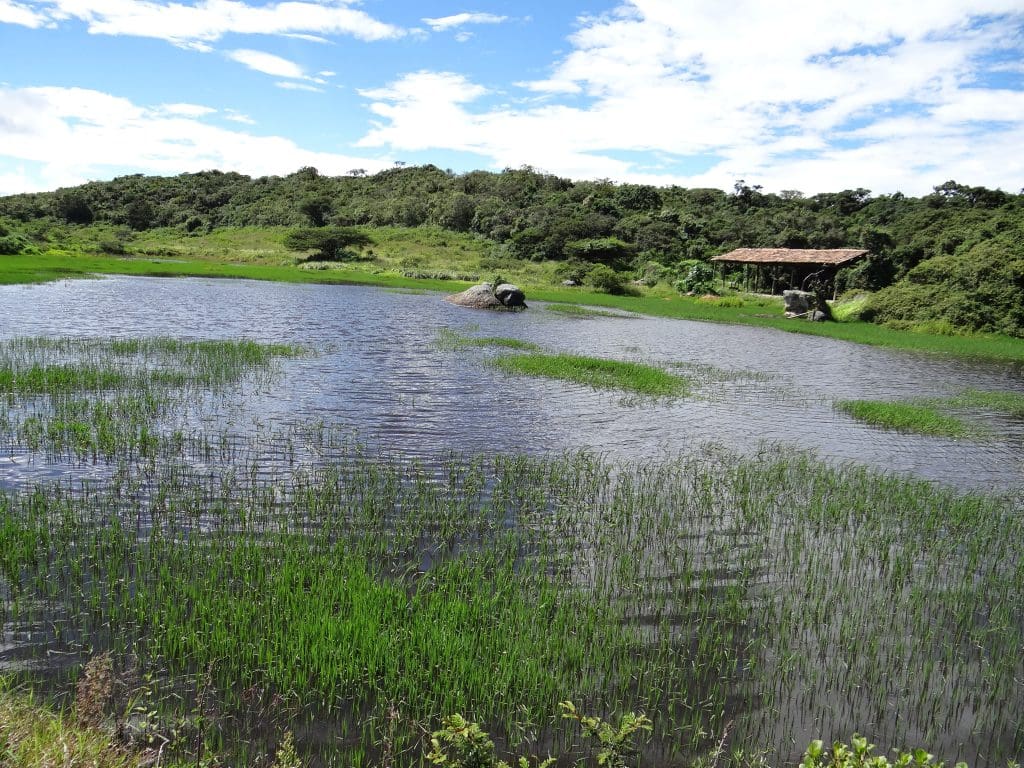
This work received significant international validation in 2018 when UNESCO declared Pisaca as Ecuador’s first demonstration site for ecohydrology. This recognition underscored the immense value of the ancestral knowledge of the pre-Inca Paltas people, who developed water management practices perfectly adapted to the region’s dry climate.
The project’s longevity is secured by including the next generation. Initially, local schools joined the effort, with students “adopting” 20 plants and committing to care for them multiple times a year. Restoration quickly became a collective experience involving teachers, families, and youth. In 2025 alone, 650 seedlings were added to Pisaca as part of the annual replenishment.
A Model Built on Partnerships
The success of this comprehensive effort is built on strong technical and financial alliances. The Nature and Culture Foundation and Nature and Culture International, with support from the Belgian Development Cooperation (DGD) and BOS+, began supporting the recovery of degraded areas in Pisaca as early as 2011.
In recent years, Andes Amazon Fund joined to ensure long-term sustainability through conservation agreements with landowners near water sources. Most recently, the Italian Ecuadorian Fund for Sustainable Development (FIEDS) invested through the project “Shared Governance for Resilient Territories in Forest Landscapes of the Western Andes of Ecuador,” in collaboration with the Bosque Seco Commonwealth, Nature and Culture, the Ecuadorian Populorum Progressio Fund (FEPP), and CONDESAN.
Conservation Agreements: Securing Water and Ecosystems
Conservation agreements are voluntary, non-monetary commitments between communities and the local government that formalize land stewardship. To date, more than 200 families from rural and urban areas of Paltas have directly benefited from these incentives.
The process begins with a technical assessment—including zoning, identifying forest remnants, and mapping degraded areas. Based on this, they implement a combination of active restoration (the direct planting of native species) and passive restoration (allowing the forest to heal naturally). These efforts are strategically integrated with agroforestry systems in productive zones, where trees are combined with crops to improve soil health, secure high-value harvests, and provide reliable income.
And the evidence is clear: it works. In areas left to passive restoration—the strategy of removing disturbances and letting nature heal itself naturally— forests have begun to regenerate on their own, recovering ecological functions without costly human intervention. This vital process maintains water cycles, securing the supply of springs for both ecosystems and local communities.
Active restoration involves planting native species such as jacaranda (Jacaranda mimosifolia), guararo (Lafoensia acuminata), chachacomo (Escallonia sp.), fig trees (Ficus sp.), and sanguilamo (Styrax sp.). These species are chosen because they maximize water retention, protect the soil, and make the regenerated forests less susceptible to wildfires—a costly and rising threat under increasingly unpredictable climate conditions.
Agroforestry: Planting Water
A key element of the conservation agreements is the focus on agroforestry systems, supporting farming methods that grow trees and crops together, helping people earn a living while also protecting nature. The cultivation of tara (Caesalpinia spinosa) is an emblematic example: this tree not only improves soil fertility but also provides a sustainable income source for rural families.

Similarly, coffee production combined with fruit trees in diversified systems has proven to be highly productive, delivering quality harvests and meaningful income for local farmers.
Valuing and Marketing Medicinal Plants
The integration of medicinal plants and flowers into agroforestry systems creates an opportunity to diversify income and make the farm more resilient. In the Lauro Guerrero parish, women over 50 revitalized their home gardens to produce “La Laureñita” horchata—a traditional pink herbal tea known for its digestive and relaxing properties. This enterprise has generated local employment and strengthened family economies.


This powerful initiative demonstrates how forest restoration and water protection are direct pathways to economic and social resilience. The women behind La Laureñita now aim to scale up production, intentionally linking business growth to conservation efforts.
Restoration in Times of Crisis
The urgency of this work was tragically highlighted in 2024 when southern Ecuador faced severe droughts and widespread wildfires, underscoring the vital importance of these conservation agreements.
Since 2012, agreements have also been signed with local water boards, and between 2021 and 2024, 47 new agreements were formalized to protect critical forests and water sources within Paltas Municipal Protected Area.
Voices of Conservation
The voices of the agreement signatories articulate the profound human and environmental impact of these projects:

Jorge Francisco Gallegos, a forest guardian: “We are protecting 15 acres of forest. That’s where water is born, and we cannot stop. We must continue protecting our springs. We’ve also received support through tara cultivation, which makes it even more important to keep this conservation work alive.”
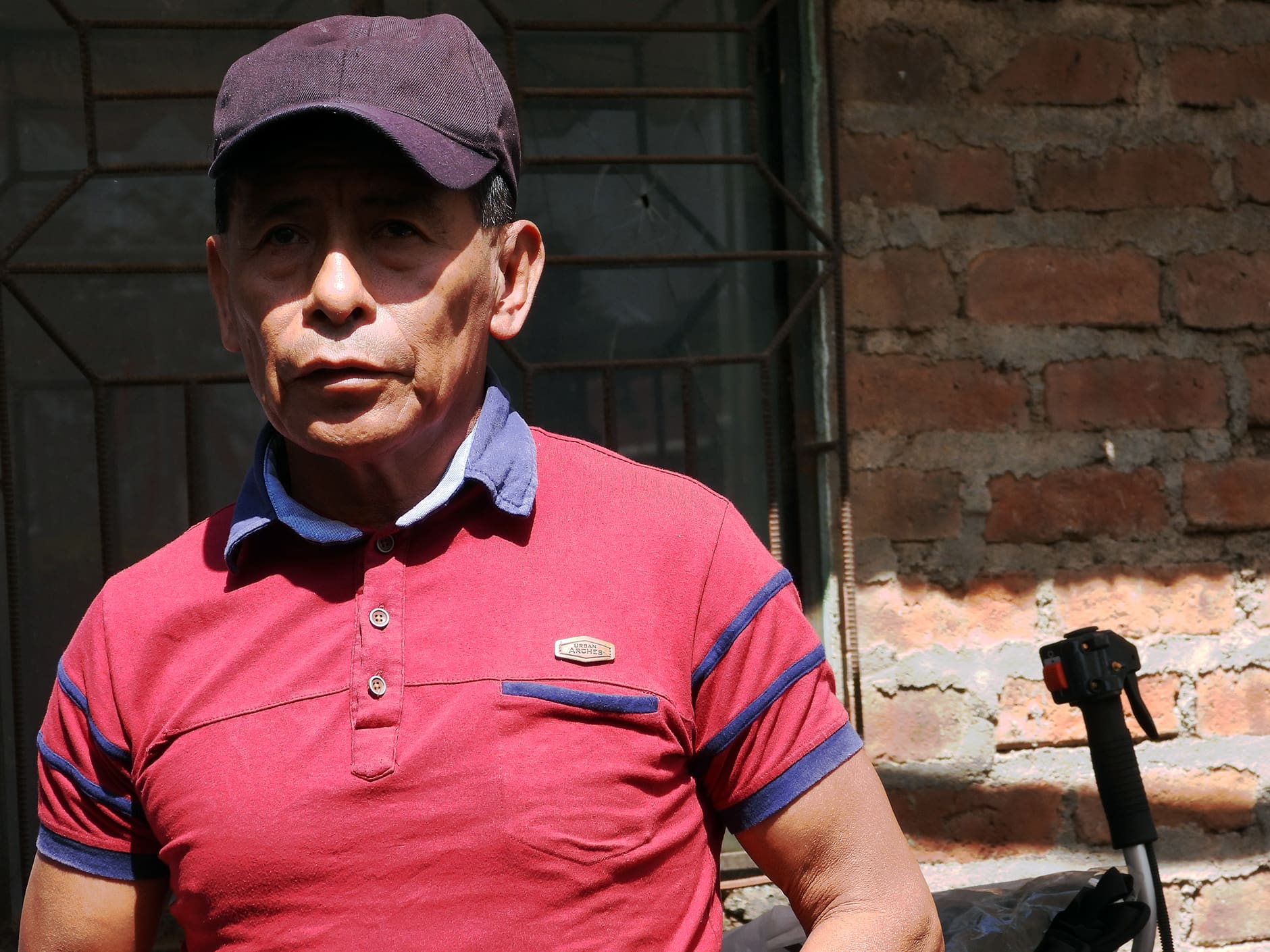
Jaime Orlando Díaz emphasized teamwork: “Working with NGOs has been very positive. We’ve worked side by side, and that has benefited us. We are here today to reaffirm that protecting water and forests is what brings us together.”

Juan Yanangomez highlighted cultural identity: “Water is life. The forest is life. That’s why we will continue caring for the mountains. I am Palta, and I consider myself a protector of the mountains.”
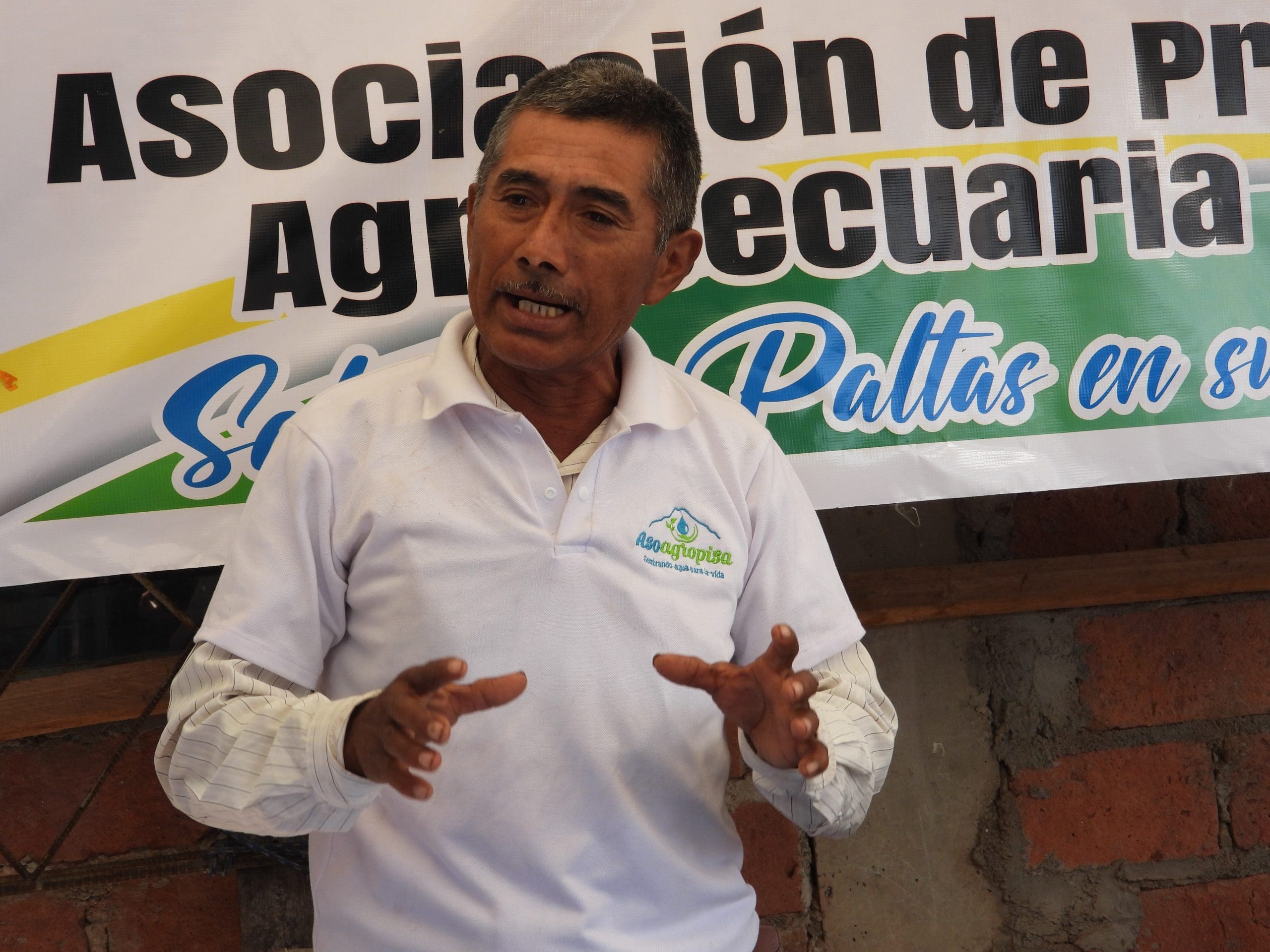
Segundo Ludeña, president of ASOAGROPISA, framed the stark choice: “Water is a global problem today. Conserving forests is the only hope we have to leave something for future generations… If we don’t protect it, we will be forced to migrate and abandon these beautiful lands.”
For Ludeña, conservation is a shared responsibility between local government, international cooperation, and communities.
In Paltas, the bond between communities, forests, and water is solid. Faced with the climate crisis, the people of Paltas have shown that forest conservation is not only about protecting nature—it is an effective, long-term strategy to secure water, restore degraded ecosystems, and build resilience for generations to come.
