

Ecuador and Peru Grant Historic Recognition to the Andes–Amazon Conservation Corridor
12/16/2025
The first binational conservation corridor recognized in the region’s history
Presidents Daniel Noboa and José Jerí signed the joint declaration at the Presidential Meeting and the 16th Binational Cabinet in Quito.
The governments of Ecuador and Peru officially recognized the Andes-Amazon Conservation Corridor last Friday. This area spans over 5 million acres and connects more than 50 conservation units across both countries. It encompasses some of the planet’s most biodiverse and strategically important ecosystems, and represents a binational initiative to protect key landscapes.

The declaration was signed in the framework of the Encuentro Presidencial y XVI Gabinete Binacional Ecuador-Perú, held on December 12, 2025, in Quito, with the participation of Peruvian President José Jerí, Ecuadorian President Daniel Noboa, ministers of state, and senior representatives from both governments. Through this act, both countries instructed their relevant institutions to coordinate and implement ongoing inter-institutional and bilateral cooperation to advance scientific research, strengthen ecological connectivity, and promote sustainable development for the people who live in this region.
A Strategic Landscape for Biodiversity and Sustainable Development
The corridor is a conservation strategy promoted by the governments of Ecuador and Peru, the Ministry of Environment and Energy, Ecuador, the Ministry of Environment, Peru, the National Service of State-Protected Natural Areas (SERNANP) in Peru, the Ecuador and Peru chapters of the Binational Plan for the Development of the Border Region (Plan Binacional de Desarrollo de la Región Fronteriza), Nature and Culture, subnational governments, and various social organizations.
The Andes-Amazon Conservation Corridor extends from southern Ecuador, among the provinces of Azuay, Loja, Morona Santiago, and Zamora Chinchipe, to northern Peru, between the regions of Piura and Cajamarca. This landscape protects the upper reaches of three binational river basins (Santiago, Mayo-Chinchipe, and Catamayo-Chira), which serve as the headwaters that feed both the Amazon River and the Pacific.
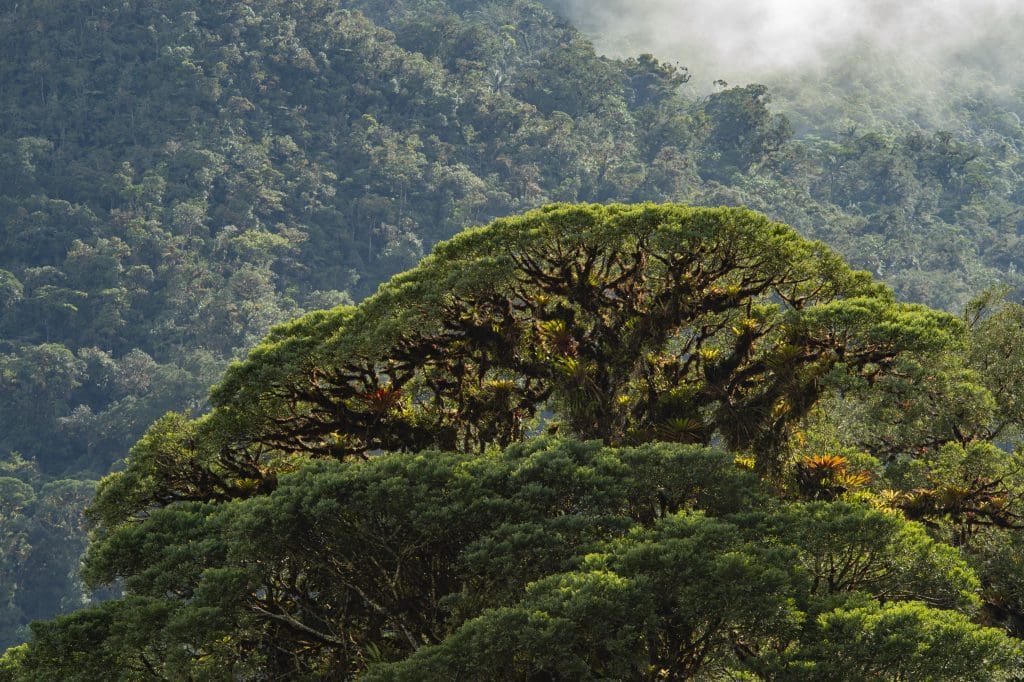
The corridor also brings together three interdependent national initiatives: the Sangay-Podocarpus Connectivity Corridor, the Podocarpus-Yacuri Connectivity Corridor, and the Andes del Norte Conservation Corridor, forming mosaics of ecosystems, including páramos, montane forests, and tropical forests. Together, these ecosystems enable species movement, sustain water supplies, and maintain the ecological processes essential for life.
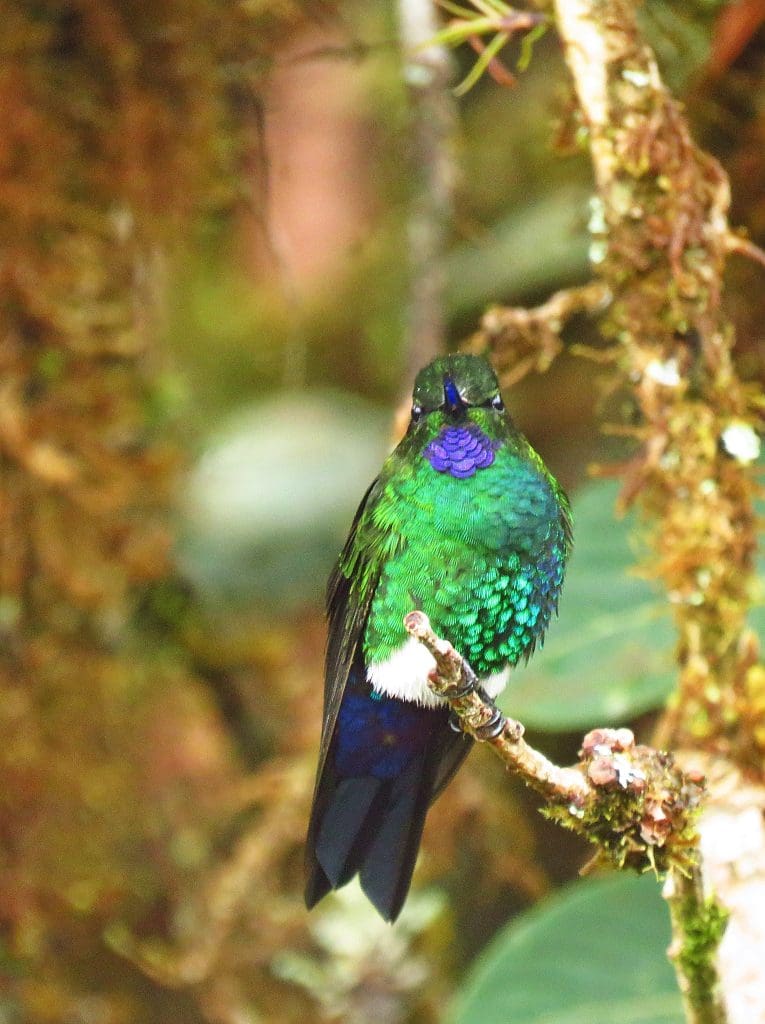

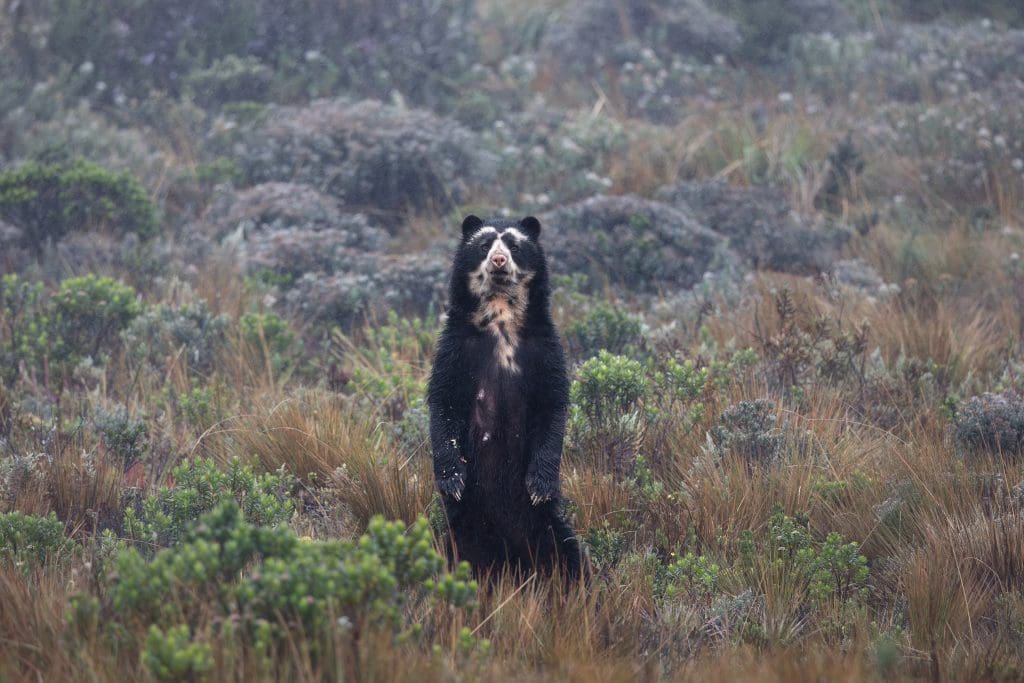
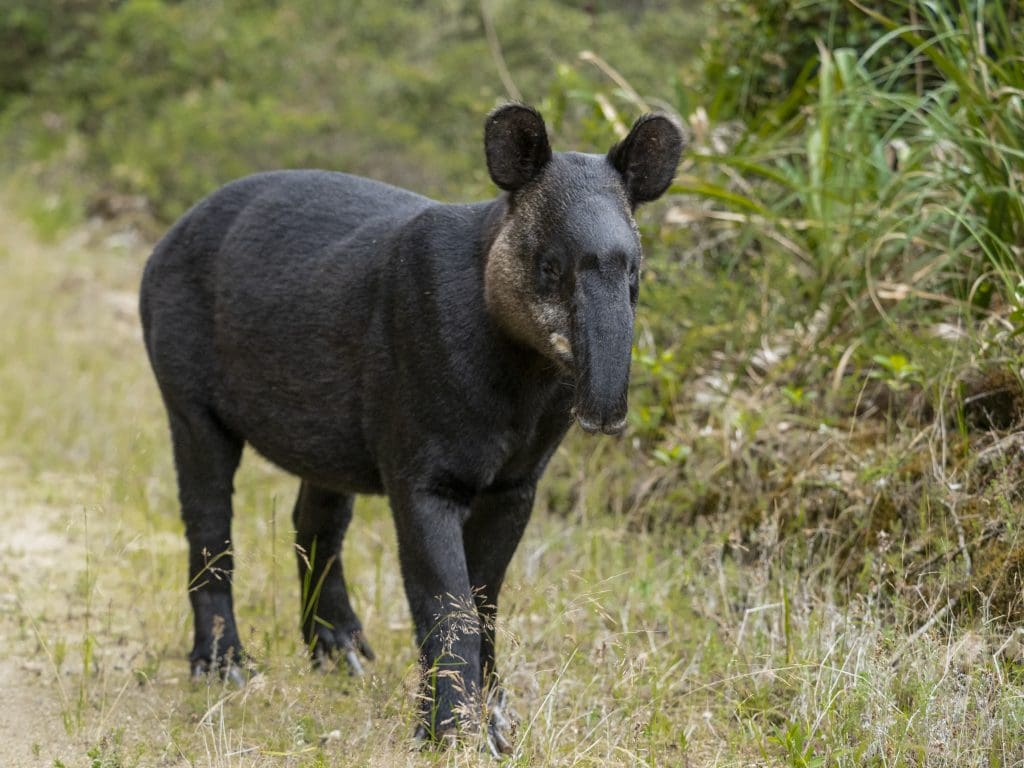
This extensive territory forms part of the Tropical Andes Hotspot, globally recognized for its extraordinary biological richness as well as its high vulnerability to human-driven change. It is home to emblematic species such as the spectacled bear, Andean tapir, jaguar, and numerous migratory birds that depend on connected landscapes to survive. The corridor also sustains the lives and livelihoods of hundreds of thousands of people in Ecuador and Peru by regulating climate and water cycles, protecting critical headwaters, and providing essential ecosystem services that support agriculture, energy production, and human well-being.
The Importance of a Shared Vision
While both countries have regulatory frameworks in place to protect conservation areas, the presence of protected sites alone does not ensure ecological connectivity. The corridor approach—grounded in landscape-scale management and cross-regional coordination—is therefore essential to maintaining these ecosystem functions over the long term.

“The official recognition of the binational corridor strengthens a historic commitment between both countries to protect their biodiversity, promote scientific research, and ensure that local communities benefit from sustainable development in these shared ecosystems—grounded in the conservation and governance of binational watersheds,” said Fernando Iñiguez Celi, Executive Director of the Ecuador Chapter of Plan Binacional.
For his part, Ambassador Javier Yépez Verdeguer, Executive Director of the Peru Chapter of Plan Binacional, emphasized that “this corridor reflects the political will for cooperation and integration between Peru and Ecuador, in keeping with the spirit of the Comprehensive Agreement (Acuerdo Amplio) signed by both countries in Brazil in October 1998. It also opens an opportunity to strengthen shared governance, joint water management, and the conservation of ecosystems beyond borders.”
The Power of Collective Action
The Andes-Amazon Conservation Corridor technical report warns that habitat fragmentation, the expansion of the agricultural frontier, and the overexploitation of natural resources continue to threaten these ecosystems. The implementation of the Corridor seeks to address these challenges through integrated territory management that brings together governments, communities, academia, the productive sector, and conservation organizations.
With its official recognition, the Andes–Amazon Conservation Corridor becomes a regional benchmark for transboundary conservation, as the first binational corridor in Latin America to be formally recognized by the highest state authorities.
“Receiving this kind of binational recognition—the first in our region’s history—opens the door to deeper collaboration and support from international cooperation committed to addressing climate change and protecting biodiversity. This process is also supported by funding from the UK through the proyecto BLF Andes Amazónico,” said Fabián Rodas, Andes-Amazon Conservation Corridor Coordinator at Nature and Culture.
