

Farming with the Forest: Palmer’s Story from the Northern Andes
03/21/2025
Celebrating International Day of Forests 2025
This International Day of Forests highlights how restoring forest landscapes and supporting local economies can secure a thriving future for people and nature alike.
In the highlands of Pacaipampa, Peru, Palmer Chuquihuanga Román has found more than just a livelihood in the land—he’s found his mission. A 42-year-old father of two, Palmer has dedicated his life to sustainable agriculture and livestock, growing plantains, cassava, corn, and coffee, and raising cattle. He’s also a conservationist at heart.
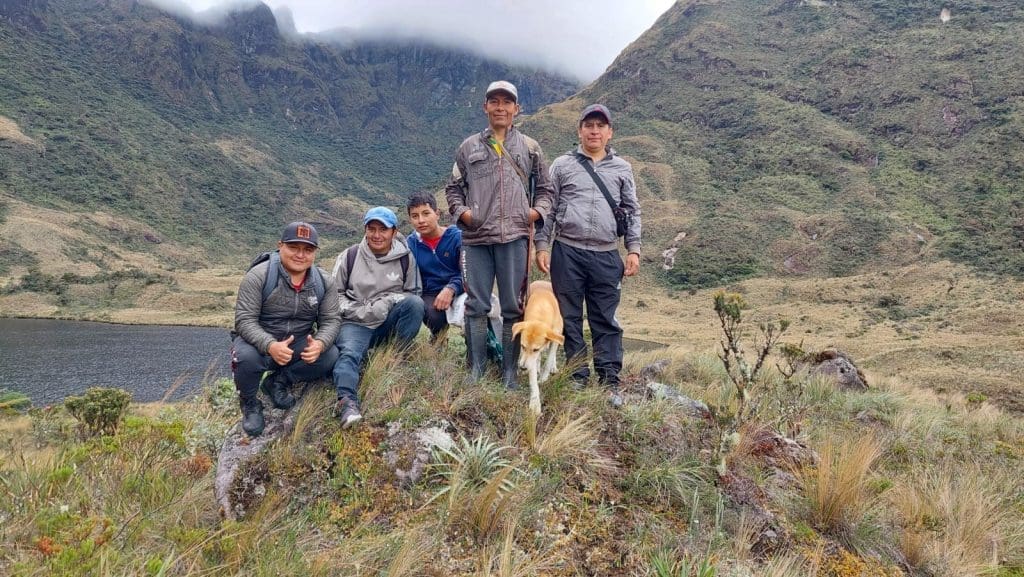
Over the last two years, Palmer’s commitment to conservation has deepened through a collaborative project focused on strengthening organic coffee production across the Northern Andes Conservation Corridor. Supported by the Northern Andes Water Fund, the Binational Plan for Border Development Ecuador–Peru, Nature and Culture International, and the District Municipality of Pacaipampa, this initiative helps farmers like Palmer improve coffee quality, increase income, and protect vital ecosystems.
As an agricultural specialist, Palmer not only cultivates conservation-grown coffee—he also provides technical assistance and training to fellow producers, helping improve their crops and forest nurseries.
“It’s not just about producing—it’s about doing it right,” he says. “We need to take care of our water and ecosystems, because without them, there’s no future for our agriculture, livestock, or families.”
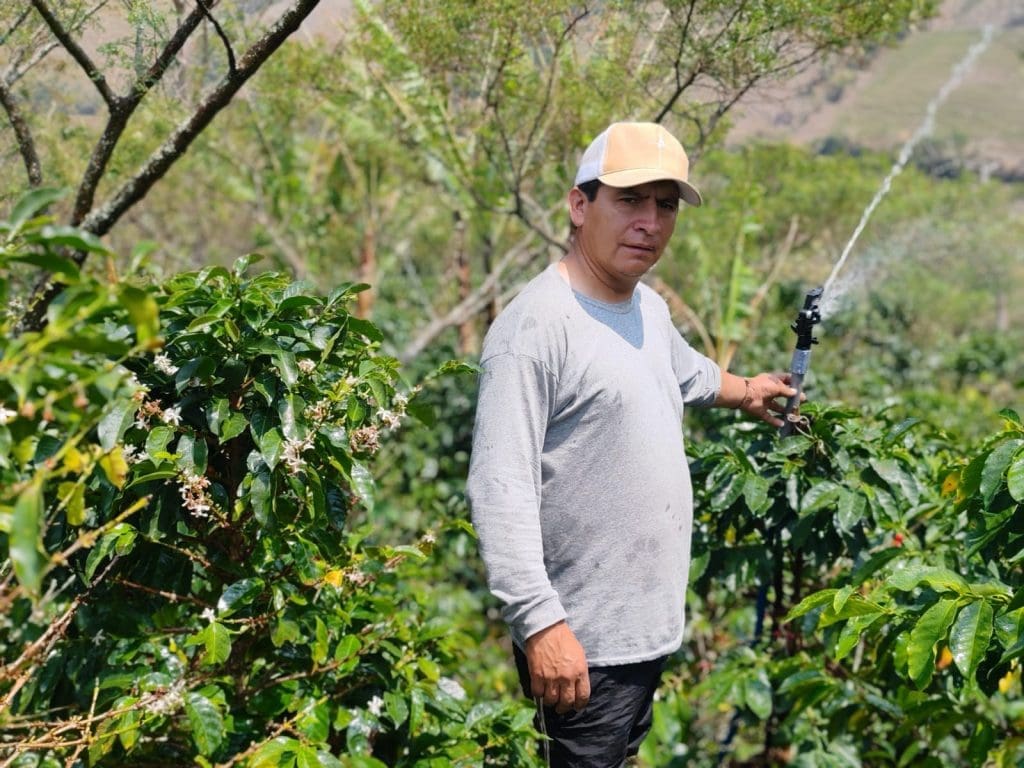
This work directly supports the conservation of the “Páramos and Cloud Forests of Cachiaco and San Pablo” Protected Area, 10,655 acres of highland ecosystems essential for water regulation and biodiversity. These forests and páramos act as natural water towers, sustaining both people and nature downstream.
“This is a great opportunity and support,” Palmer explains. “Besides improving our income, we’re planting trees that protect the soil and help retain water.”
Palmer and his neighbors are showing that responsible agriculture and forest conservation can go hand in hand. By strengthening local economies and restoring forest landscapes, they’re helping to secure a future where their families, communities, and the ecosystems that sustain them can thrive for generations to come.
