
New protected area supplies water for 30% of Cuenca population and connects to neighboring protected areas
12/07/2023
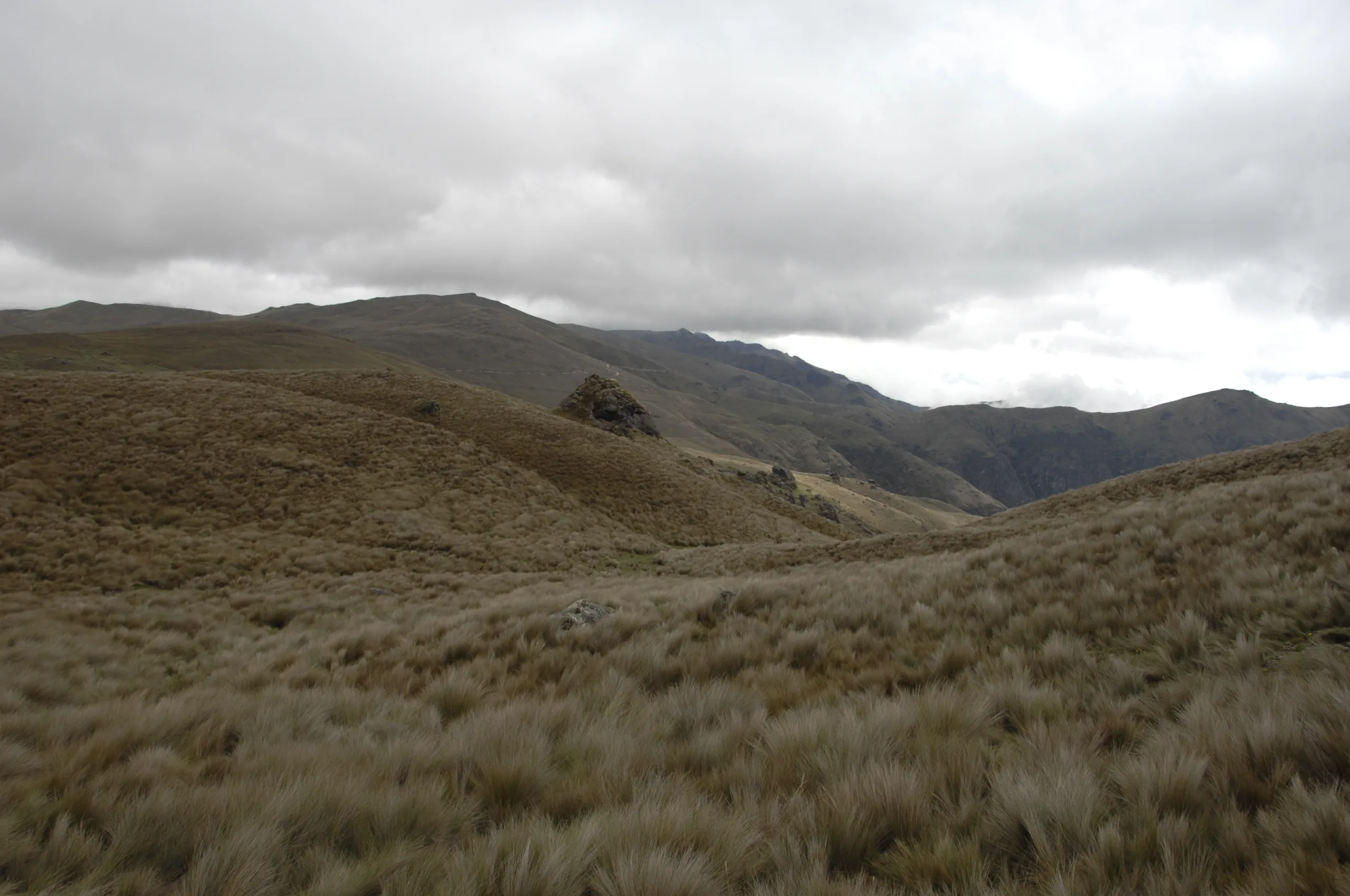
On November 9, 2023, the city of Cuenca declared the Yanuncay-Zhucay Conservation and Sustainable Use Area, spanning over 66 thousand acres. This area will safeguard the Yanuncay River, a precious natural gem that runs through the city. The area rivals the size of Cajas National Park. Positioned between the parishes of Baños, San Joaquín, Chaucha, and Tarqui, it ensures the preservation of vital ecosystems.
What are Conservation and Sustainable Use Areas?
Conservation and Sustainable Use Areas are established by local governments, communities, or private owners to preserve biodiversity and engage in sustainable activities, ensuring the continued provision of ecosystem services that enhance human well-being.
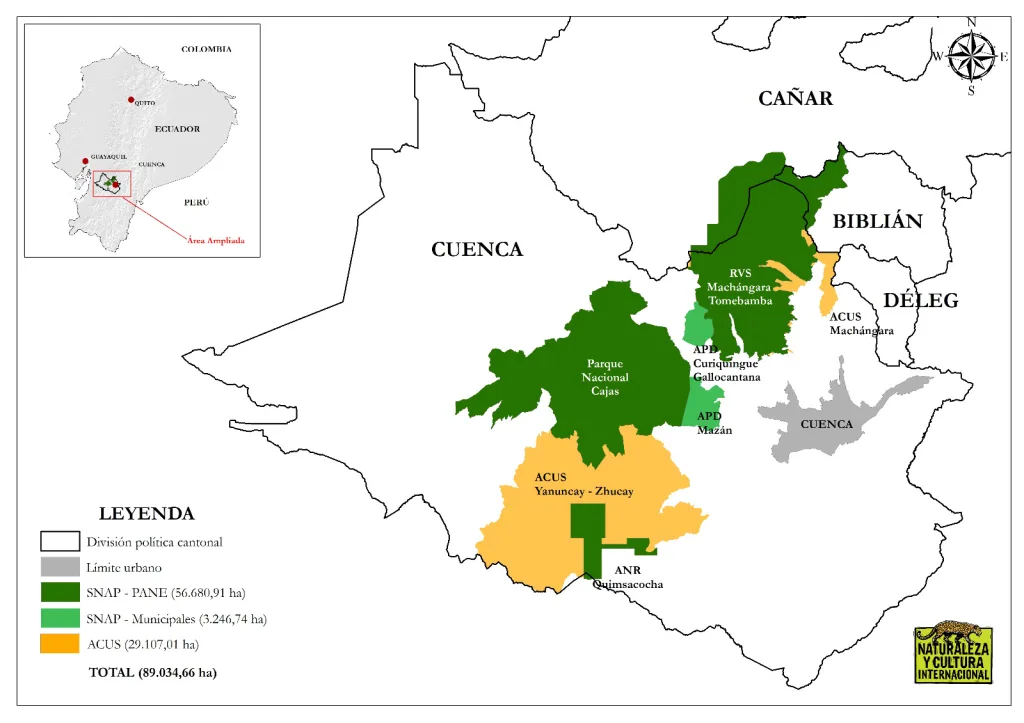
This area encompasses fragile ecosystems such as páramo and montane forest, providing various ecosystem services, including water regulation that ensures the supply of drinking water to more than 180,000 people in the city of Cuenca the third largest population in the country. Additionally, it serves as an ecosystem connectivity space between Cajas National Park and the Quimsacocha National Recreation Area.
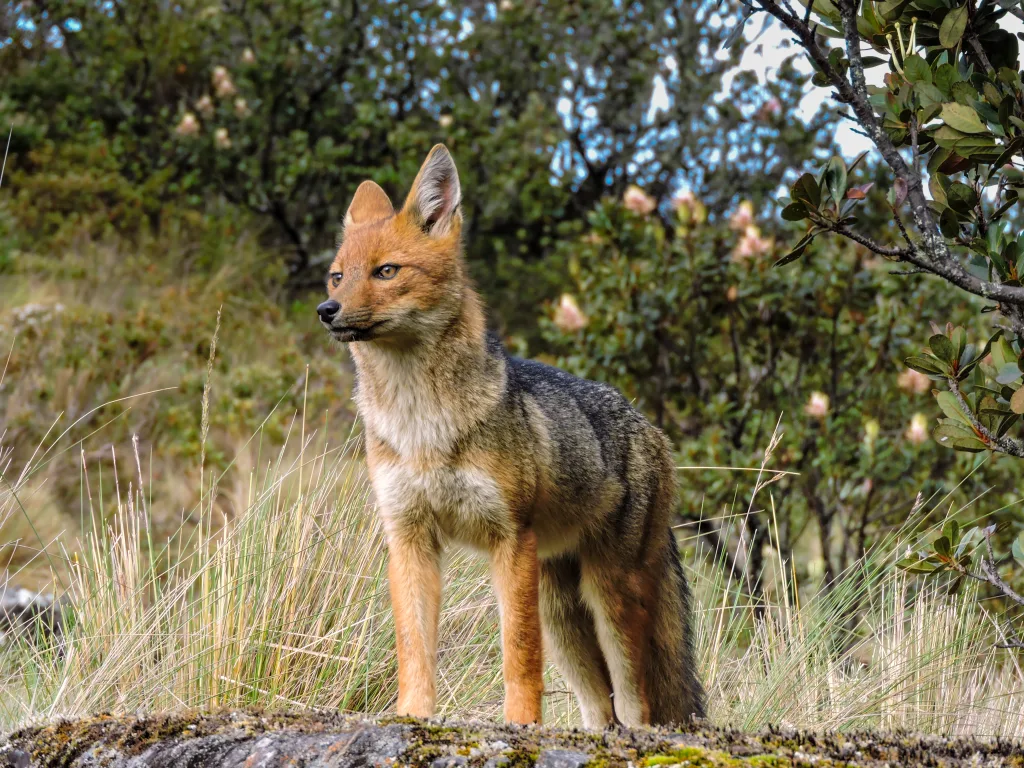

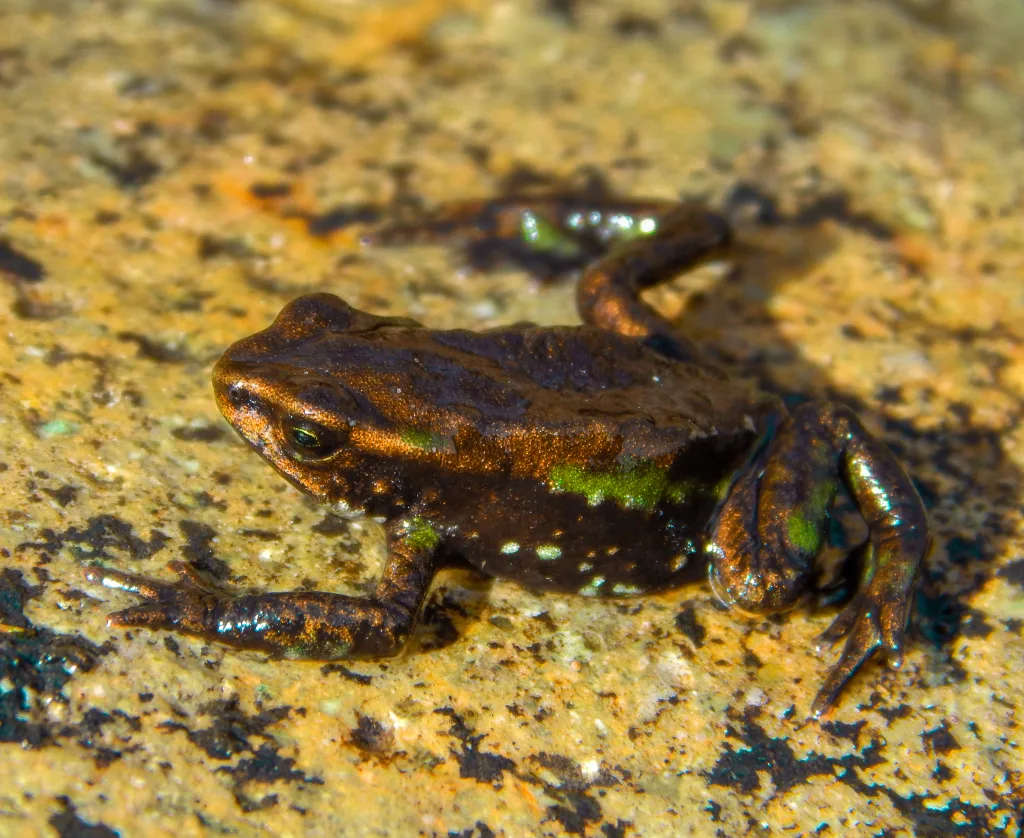
The Yanuncay-Zhucay Conservation and Sustainable Use Area houses an impressive variety of fauna and flora, including the majestic Andean condor, the Azuay Metaltail hummingbird, endangered amphibians, deer, páramo wolves, porcupines, and many other recorded species. In addition to its ecological value, this area is an important center for tourism development, as well as a vital source of agricultural and livestock production for the city.

The Yanuncay-Zhucay Conservation and Sustainable Use Area represents an opportunity to safeguard the ecosystem services it provides, the biodiversity it harbors, and the future of Cuenca and its residents.
“We are certain and confident that with this ordinance, we will be able to coordinate activities and protect our water sources, ensuring water for many more years, for our children, for the future.”
Luiz Quinde, President of the Administrative Board of Drinking Water Project Nero
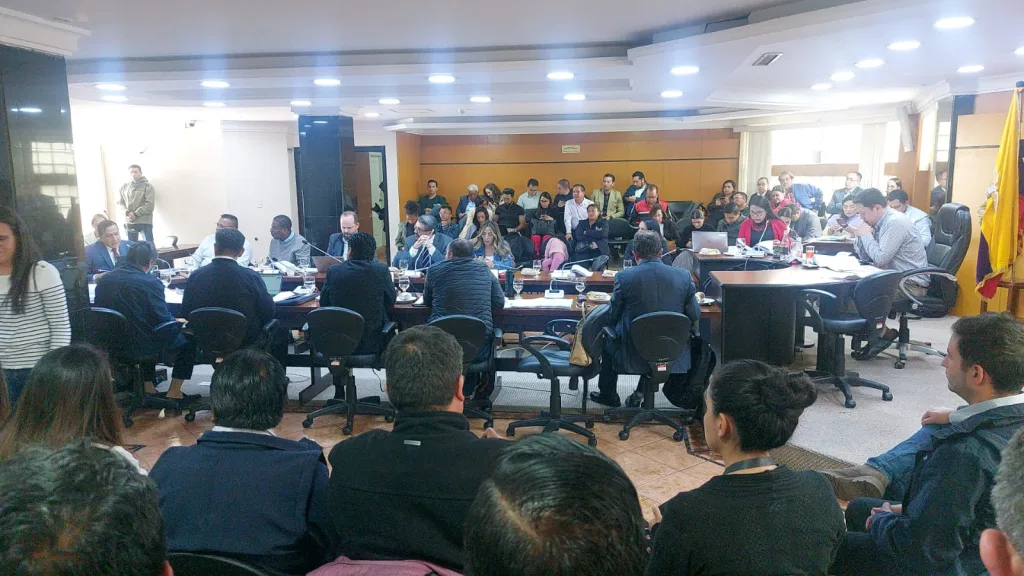
This conservation effort was possible thanks to the collaborative work of the Municipal Government of Cuenca, the Parish Governments of Baños, San Joaquín, Chaucha, and Victoria del Portete, the Administrative Board of Drinking Water of Nero, the Environmental Management Commission, ETAPA EP, FONAPA, and the University of Azuay; with technical assistance from Nature and Culture International and financial support from Andes Amazon Fund.

