
Record Breaking Fires Highlight the Importance of Protected Area Management
09/19/2024
Early Fire Season is Devastating South America, Nature and Culture provides technical expertise and equipment for wildfire prevention and response
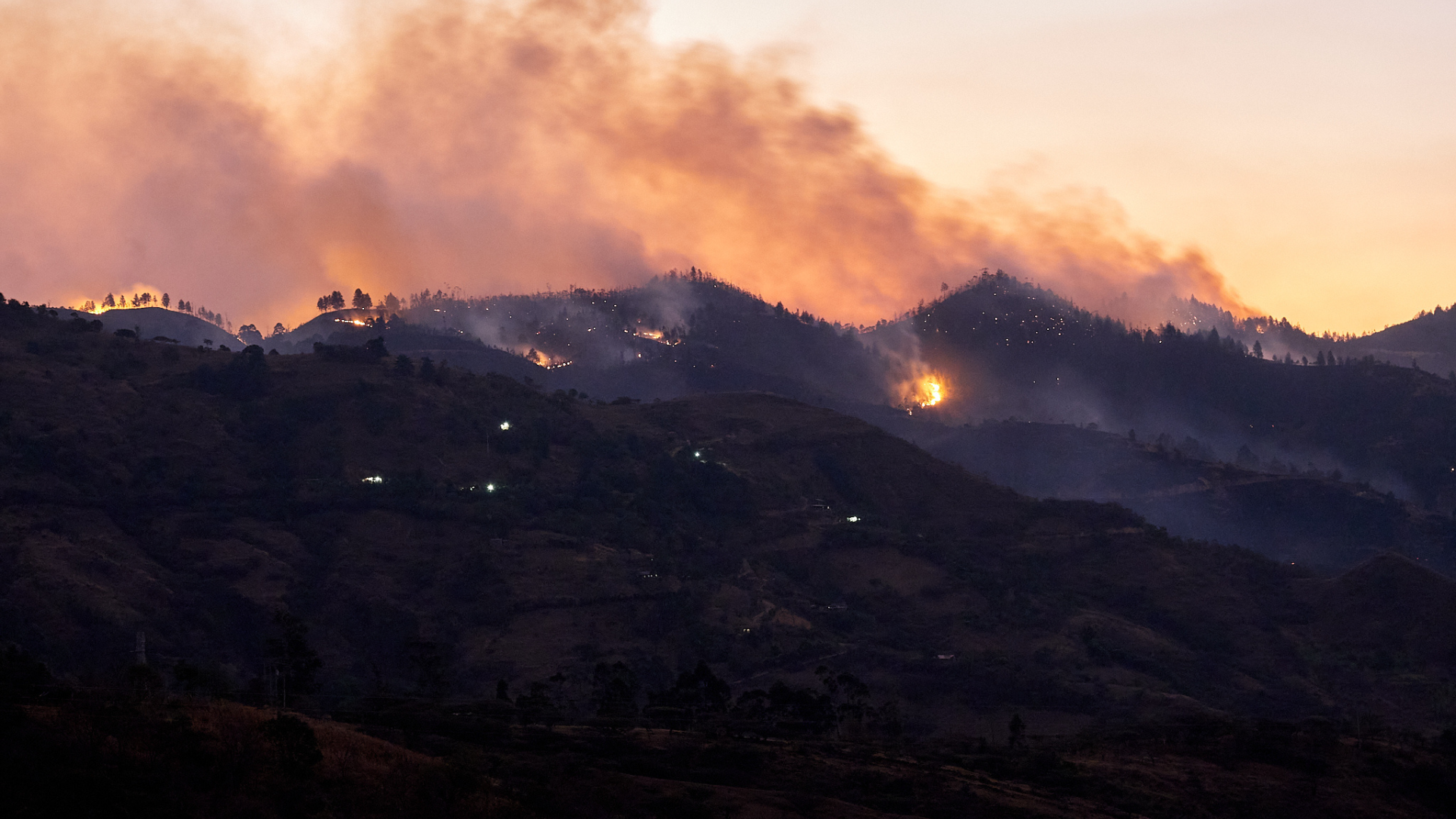
South America is facing a devastating fire season that started unusually early this year. Typically starting in October, one of the most extreme droughts in decades and extreme heat have led to an early onset of fire season and record-breaking loss. Shifted rainfall patterns from El Niño, increased temperatures due to climate change, and reduced humidity from deforestation all contributed to the problem.
Brazil and Bolivia are facing the worst of the fire season. By mid-September 2024, the Brazilian Amazon has recorded over 94,000 fires, while Bolivia has recorded nearly 10 million acres (4 million hectares) affected by wildfires this year.
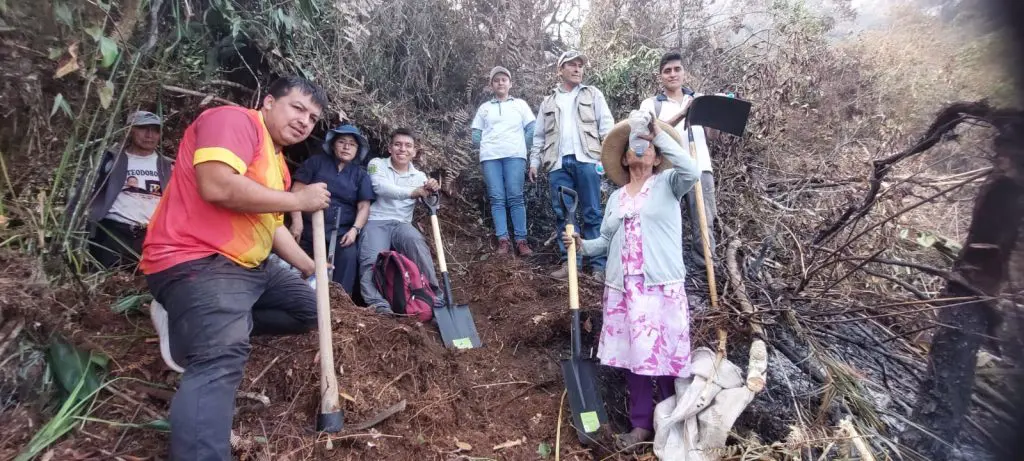
Our team is acutely aware of the wildfire crisis impacting South America. In areas like the Bolivian Chaco and the Páramo in Peru and Ecuador, we work with local communities to develop wildfire prevention and response skills. By building a strong network for coordination and support, we can better contain and mitigate larger, more intense blazes. This proactive approach has been crucial in managing this year’s fires.


Impact on Wildlife and Human Health
Fires are destroying forests, threatening endangered species, and disrupting entire ecosystems for species like the Andean bear, the Wooly monkey, and the Ecuadorian vizcacha. The widespread loss of forest cover accelerates soil erosion and degrades water sources. Not only are we seeing critical biodiversity loss, but the degraded air quality from the smoke poses an extreme threat to human health. Local communities that depend on agriculture face economic challenges and food insecurity, and entire lives are disrupted as schools are closed and families are forced to evacuate away from fire-affected areas.
Katy Carrillo, Andes del Norte Mosaic Coordinator for Nature and Culture in Peru, emphasized the severity of the situation, noting that the fires require immediate action by both the State and the population. “The restoration of affected ecosystems is a long and complex process, which could extend for decades or even centuries in serious cases,” she said highlighting the long-term impact of the fires as well as the urgency of an effective, collaborative response.
Threats to Nature and Culture’s Protected Areas
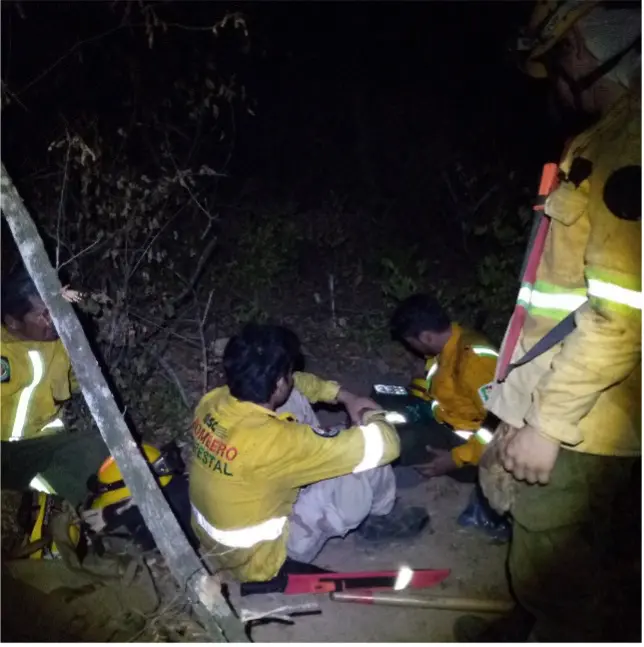
In Peru, fires have impacted protected areas supported by Nature and Culture in the Amazonas, Cajamarca, and Piura regions. Our team’s efforts to form and train forest fire prevention brigades have proven crucial in responding to these challenges. Equipped with the necessary tools and materials, these brigades have been on the front lines, taking immediate action to control the burning and minimize forest loss. Katty Carrillo emphasized the importance of these local firefighters’ rapid response, stating, “It is these brigades who have acted immediately and have managed to control the burning protecting large areas of forest.” Local communities have the most important role in fire prevention and control.
Ongoing fires in Quilanga and Loja, Ecuador, have already devastated over 24,000 acres, threatening vital ecosystems like dry forests and páramo, both of which store significant amounts of carbon. The region’s high winds and rugged mountainous terrain make firefighting efforts difficult, allowing fires to spread rapidly. Communications Coordinator Aida Maldonado noted that “the fires in Ecuador are causing profound damage to ecosystems, leading to severe biodiversity loss and directly threatening wildlife. There is concern that populations like the Ecuadorian vizcacha are among the most affected.”


Fires moved into our Ñembi Guasu protected area on August 1st, affecting approximately 1,850 acres of tall transition forest from the Chaco to the Chiquitano ecosystems. The park rangers in Ñembi Guasu, trained and prepared for such events, utilized their skills in creating defense lines, backfires, and direct combat to manage the fires and prevent further damage. Additionally, the rangers grow species of plants from fire-affected areas in a greenhouse at their headquarters to regenerate the burned areas. These efforts, supported by Nature and Culture, have made a marked difference.
Long-term Management and Community Engagement
Training and preparedness have drastically reduced the damage in comparison to previous years in our protected areas. For instance, fires in 2019 caused devastation over 400,000 acres in Ñembi Guasu, while this year, thanks to the training and quick response, only 1,850 acres were affected, showcasing the effectiveness of bolstering local capacities and investing in long-term management strategies.
Our approach to protecting areas extends far beyond the initial declaration. Effective long-term management requires a continuous commitment to maintaining and defending these ecosystems. This includes employing park guards who are trained to monitor and protect the land, providing ongoing technical support, and fostering collaboration with local government. This proactive engagement is crucial for safeguarding forests and ecosystems for the long term, and it reinforces the importance of local involvement in environmental conservation. Through this holistic approach, we are not only protecting vital ecosystems but also building a foundation for sustainable conservation efforts.

The Importance of Continued Support and a Call to Action
The scale of the current challenge reminds us that our work is far from over. The increasing frequency and severity of wildfires underscores the urgent need for continued support and expansion of our efforts in forest management, community training, and ecological restoration. Every donation helps us equip local fire brigades, train park rangers, and implement strategies that can mitigate the devastating impact of these fires. By supporting long-term management of protected areas, we can ensure these vital ecosystems are not only preserved but actively defended against future threats. Your gift enables us to provide the necessary resources and expertise to those on the front lines of conservation.
We invite you to join us in this vital work, whether through donations, advocacy, or spreading awareness. Together, we can make a difference in the fight against these unprecedented fires and protect the rich biodiversity of our planet for generations to come.
