

The Blooming Guayacanes at Cazaderos Nature Reserve
01/23/2025
The Blooming Guayacanes in Southern Ecuador are a Natural Wonder
In the dry forests of southern Ecuador, the annual blooming of the guayacanes transforms Nature and Culture’s Cazaderos Reserve into a breathtaking spectacle. Following months of dry conditions, these vibrant yellow blossoms emerge with the first rains of January, signaling the start of the rainy season. This year, the bloom peaked during the second week of January, creating a dazzling display and an incredible moment for the region.
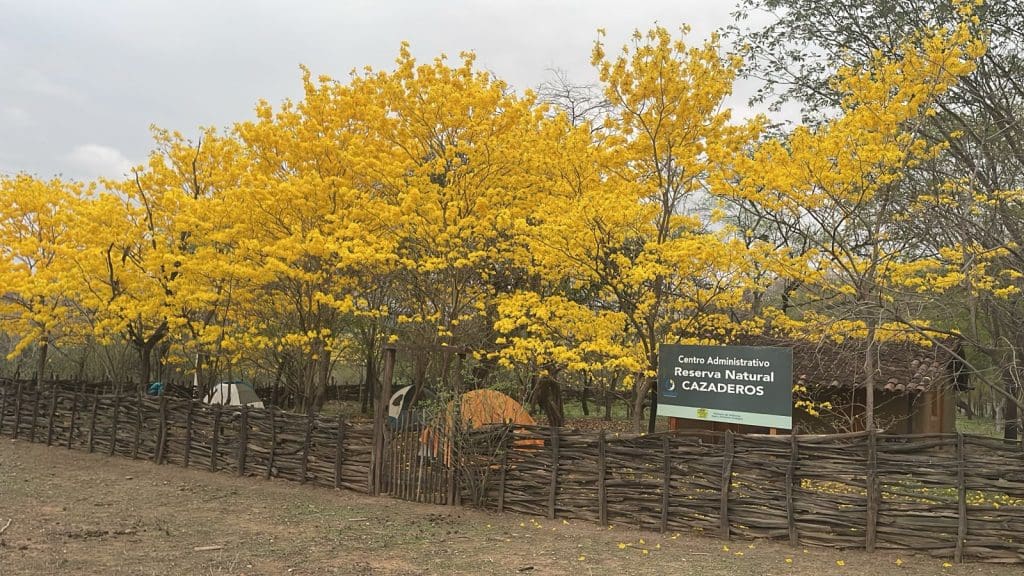
The Significance of the Cazaderos Nature Reserve
The Cazaderos Nature Reserve, officially incorporated into Ecuador’s National System of Protected Areas (SNAP) in 2022, plays a critical role in preserving the guayacanes and their unique habitat. Spanning over 12,000 acres, this reserve is a haven for the tropical dry forest, one of Ecuador’s most endangered ecosystems. The guayacanes trees thrive here, creating one of the best-preserved examples of this ecosystem, alongside other key species such as the American crocodile (Crocodylus acutus), puma (Puma concolor), and golden-mantled howler monkey (Alouatta palliata).
Nature and Culture in Ecuador, with funding provided by BOS+ and Andes Amazon Fund, provide technical support to The Guayacanes Communal Partnership, an initiative uniting local authorities and communities to protect the environment and biodiversity of the tropical dry forest. This collaboration demonstrates how community-driven conservation, combined with technical and financial support, can safeguard vital ecosystems for future generations.
A Biodiversity Hotspot and UNESCO Recognition
The dry forest of the Guayacanes Communal Partnership is one of the best-preserved and most extensive remnants of tropical dry forests in Ecuador. It forms part of the Transboundary Biosphere Reserve Forests of Peace, linking northern Peru and southern Ecuador, and the Dry Forest Biosphere Reserve, designated by UNESCO in 2014. Together with Peruvian forests, this represents the most significant block of flora and fauna in the Tumbesion region, making it a global conservation priority.
Enhancing Conservation Through Species Monitoring and Tourism
Besides being a visual wonder, the Cazaderos Nature Reserve provides essential ecosystem services such as clean air, water, and pollination. It is also home to endangered species such as the golden-mantled howler monkey and the American crocodile, a species that has inhabited the planet for over 200 million years.


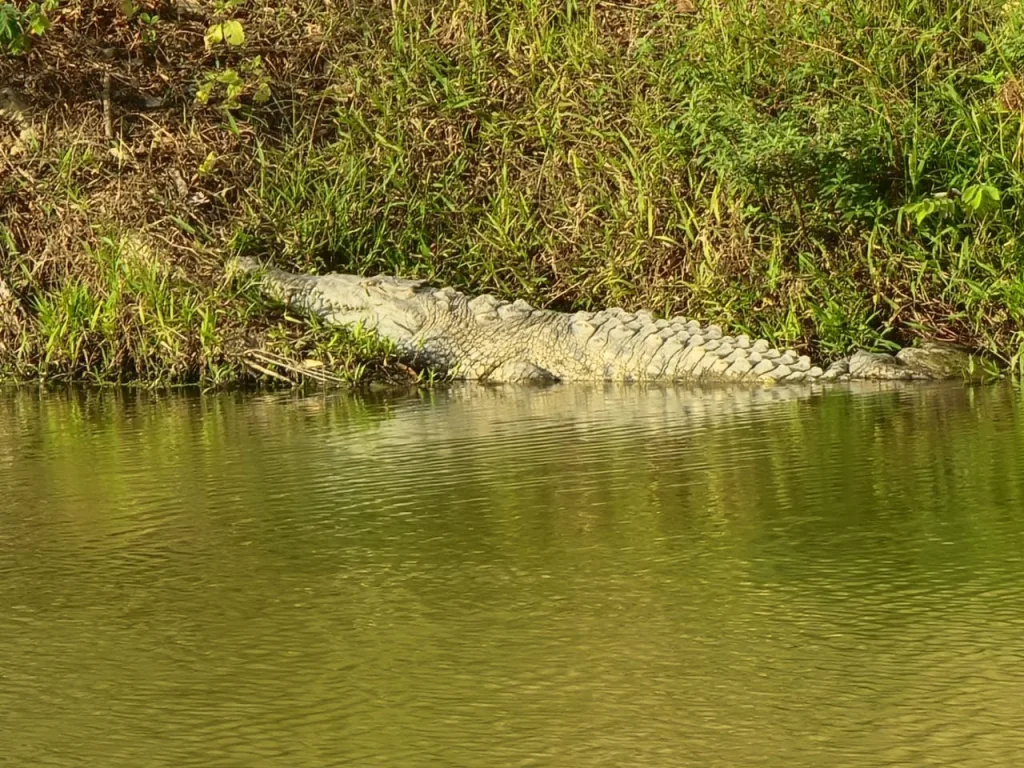
To promote sustainable conservation, programs have been developed to strengthen research, training, and tourism. Local guides are trained to offer eco-friendly tours, introducing visitors to the reserve’s unique biodiversity. Daniel Sanmartín, a Nature and Culture technician, highlights one such initiative: “We have worked with local communities and guides to promote herpetological tourism. The program included night outings to learn about crocodiles, amphibians, and snakes in a non-invasive and friendly way.”

Challenges Facing the Cazaderos Ecosystem
Despite its significance, the Cazaderos ecosystem faces serious threats. Historical overexploitation of guayacan wood has led to widespread deforestation, and ongoing pressures from agriculture, illegal logging, and climate change put additional strain on the forest. Many species are now at risk of extinction, highlighting the urgent need for conservation efforts.
Protecting Cazaderos for Future Generations
Preserving the Cazaderos Nature Reserve is essential for ensuring the survival of its unique biodiversity and the iconic guayacanes bloom. The reserve’s cultural and ecological significance underscores the need for continued local and international collaboration.
By supporting conservation initiatives, visiting responsibly, and advocating for the protection of this vital ecosystem, we can secure the future of the Cazaderos Nature Reserve and its treasures. Together, we can celebrate its beauty and ensure that it thrives for generations to come.
