

Working Towards Peru’s Largest Andean Reserve
06/23/2026
A community-led effort paving the way to safeguard 517,000+ acres of vital cloud forest and high-altitude lakes
High in the Peruvian Andes, páramo grasslands meet the yungas ecoregion, humid montane rainforests that slope down toward the Amazon basin. This is Yanajanca, a territory of high-altitude lakes and unique transition zones that form the crucial headwaters sustaining valleys, agricultural livelihoods, and communities across central Peru and the eastern slopes of the Andes.
To protect these diverse high-altitude ecosystems from environmental pressures, this landscape is currently on the path to official recognition. The Regional Government of Huánuco, with the technical support of Nature and Culture, is actively working toward the formal establishment of the Yanajanca Regional Conservation Area.

Spanning 517,648 acres, this proposed reserve is on track to set a new benchmark for conservation in the region. Once approved, this initiative will be a significant achievement for forest and watershed conservation in South America, crucially strengthening a vital network of protected areas connecting the Carpish and Río Abiseo landscapes. The globally recognized cloud forests of the Carpish mountain range has exceptional biodiversity. It is also globally recognized as an Important Bird Area (IBA) because of its high level of endemic bird species.
Yanajanca is a key piece of Nature and Culture’s broader work to connect and protect a massive 3.7-million-acre network of fragile, highly biodiverse ecosystems. This expanding corridor links critical national areas like Tingo María National Park and Río Abiseo National Park, subnational reserves such as the Shunté and Mishollo Regional Conservation Area, the Montane Forests of Carpish Regional Conservation Area, and the San Pedro de Chonta Regional Conservation Area, alongside private sanctuaries like the Unchog Private Conservation Area.
A Climate Corridor for Threatened Species
The Yanajanca reserve will be a critical step forward for regional biodiversity. The area provides a protected biological corridor from high-mountain peaks to lower Amazonian slopes, giving wildlife room to move as the climate shifts.
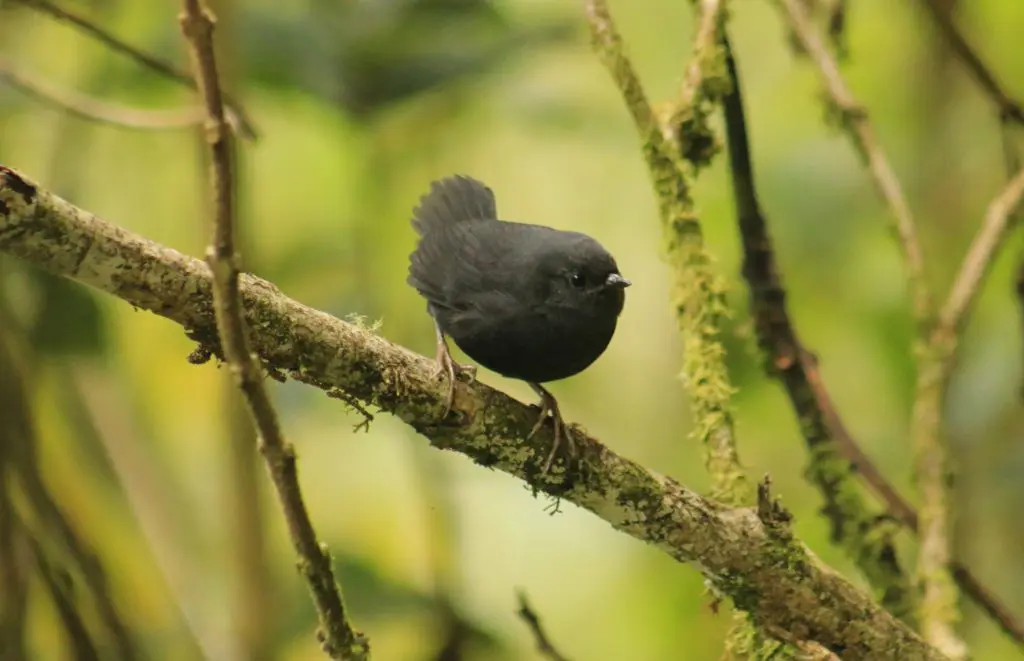
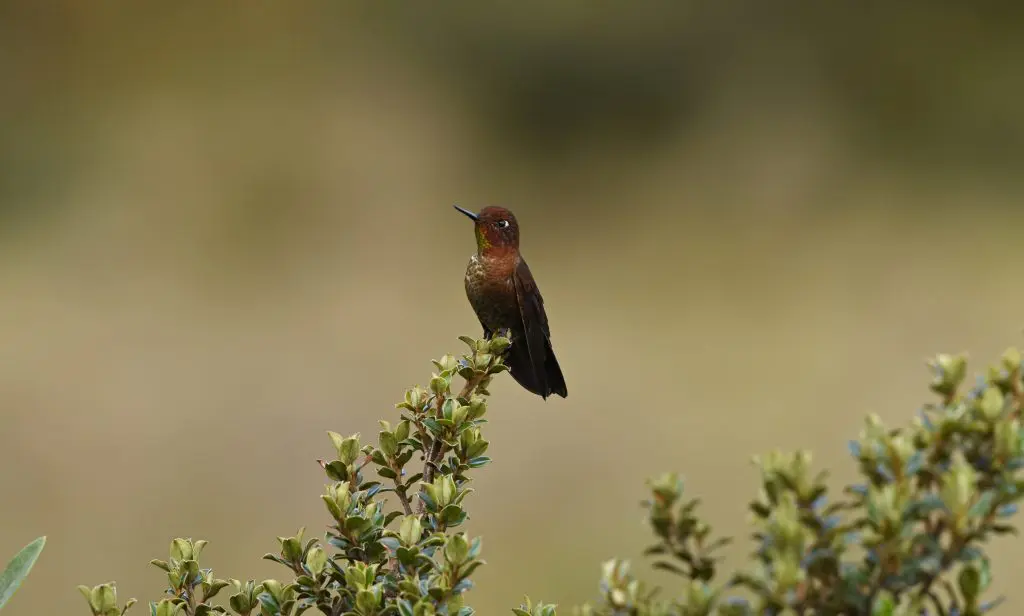
As rising temperatures push species to shift their ranges, animals and plants must move to find suitable conditions. For many species, that means moving upslope. Endemic birds, like the Golden-backed mountain-tanager, face a particular danger because their habitat is typically a more narrow elevational range, leaving them with little room to adapt. When habitat at their elevation is lost or degraded, there is nowhere else to go. The vast altitudinal range within the proposed Yanajanca landscape will act as a vital climate refuge and altitudinal migration corridor.


This territory will encompass key habitats for some of South America’s most threatened wildlife:
- The Spectacled bear: The continent’s only native bear species, which inhabits these high-altitude grasslands.
- The Yellow-tailed woolly monkey: A critically endangered primate that relies entirely on these cloud forests.
- Rare and endemic birds: A scientific assessment documented 380 bird species in the area. This includes 17 endemic species found nowhere else, such as the Golden-backed mountain-tanager and the Chachapoyas antpitta.
By establishing Yanajanca, we will protect the habitat that Andean species depend on to move, adapt, and survive a changing climate.
Securing Water for 120,000 People
At its heart, the Yanajanca initiative focuses on a fundamental resource: water. The forests, páramo grasslands, and 74 high-altitude lakes of this proposed reserve will together form a natural water tower, regulating flows that feed major river basins including the Magdalena, Yanajanca, Monzón, and Chontayacu.

Local communities and downstream farmers recognize that protecting these cloud forests and highlands is vital to their future. By safeguarding these headwaters, the proposed reserve is designed to secure the water supply, agricultural production, and economic stability of the more than 120,000 people who depend directly and indirectly on this watershed.
Building Protection Through Trust and Cooperation
Bringing a landscape of this scale toward official recognition relies on mutual trust and collaboration between local communities, regional authorities, and Nature and Culture. Because effective conservation cannot be managed from afar, teams are actively facilitating a shared process alongside 18 local communities to map boundaries, align priorities, and design a sustainable vision for the territory.
By maintaining open dialogue with community leaders the proposal continues to move forward. This shared agreement stands because everyone involved recognizes that protecting these highlands is the most reliable way to guarantee water security and abundance for future generations.
Be Part of the Legacy
This progress is possible because of support from international allies like Rainforest Trust, Andes Amazon Fund, Re:wild, and the Conserva Aves initiative, which is co-led by the American Bird Conservancy. Their investment funded the rigorous field science, legal mapping, and grassroots dialogues required to bring this project to the finish line.
This initiative will directly contribute to Target 3 of the Kunming-Montreal Global Biodiversity Framework, which aims to protect 30% of the planet’s terrestrial ecosystems by 2030, while strengthening water and climate security for the Huánuco region. We invite you to stand with Nature and Culture and our local partners to safeguard these ecosystems, ensuring that this vital part of the Peruvian Andes continues to provide water, protect biodiversity, and secure a sustainable future for generations to come.
