How community-led conservation and native bees are securing the forest’s future.
In the dry forests of southern Ecuador, local communities have discovered a sweet reality: protecting nature can be far more profitable than destroying it. For generations, this critical ecosystem faced intense pressures from deforestation, agricultural expansion, and devastating wildfires. Today, a community-led movement called “Honey for Forests” (Miel por Bosque) is turning the tide. Local families are proving that keeping the forest standing is a powerful way to secure their own economic future.
As Bruno Paladines, Dry Forest Coordinator at Nature and Culture International, explains: “If we restore the forest, the bees have food, they produce honey, and they boost the surrounding crops. It is a fair, reciprocal exchange: honey in return for a thriving forest.”
A Growing Network for Conservation
What began as a small alliance among local rural parishes in the Puyango region has blossomed into a pioneering national movement. Since 2016, Nature and Culture has been working alongside municipal governments, local associations, and hundreds of families to scale this impact. Today, the initiative has expanded across five critical Ecuadorian provinces, where more than 600 local bee caretakers sustainably manage around 5,000 native hives.
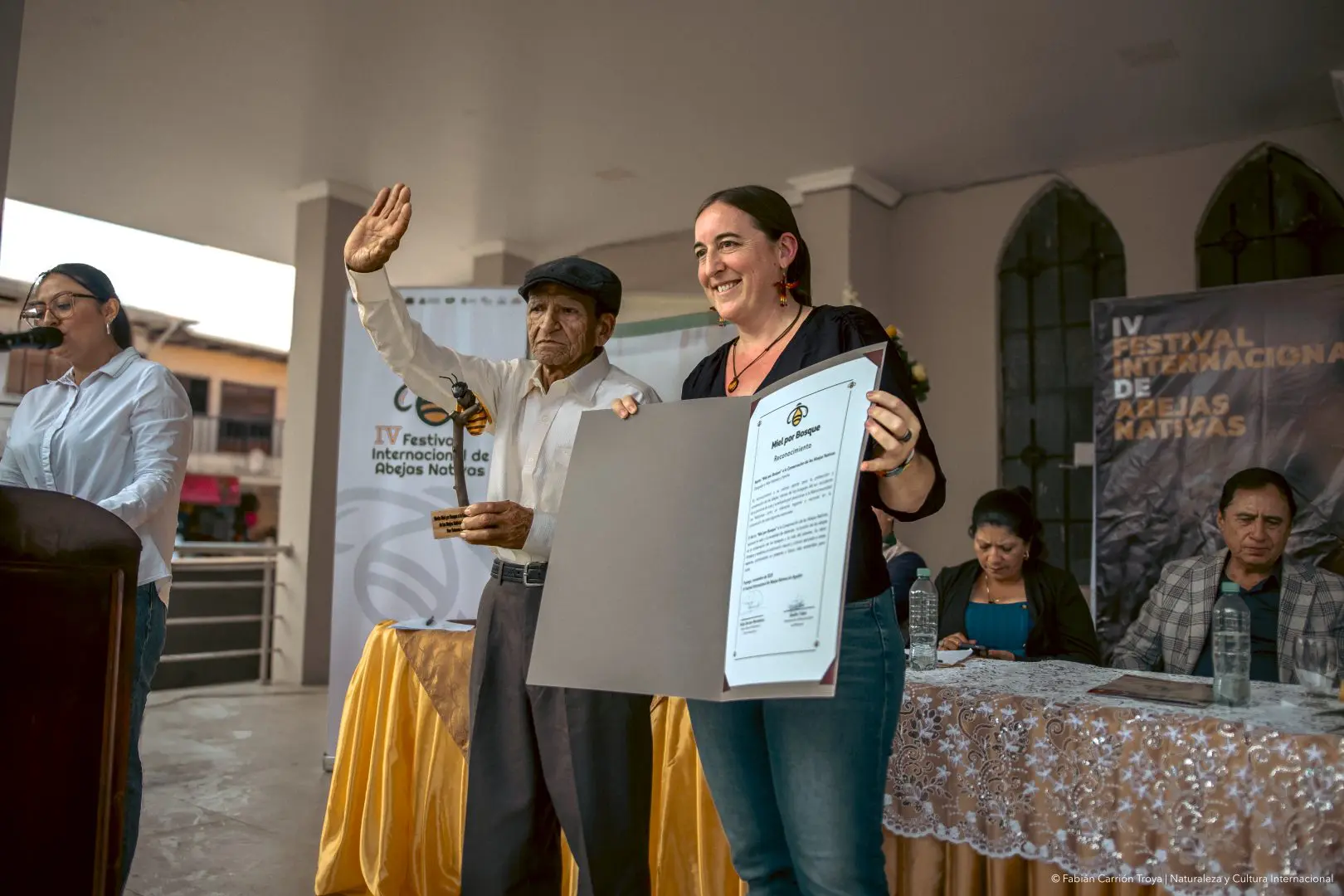
This incredible momentum recently led to a historic success: the opening of Ecuador’s first-ever Comprehensive Native Bee Center. Located in Puyango, this center serves as a national hub for innovation, training, and scientific research. It connects bee caretakers from across the country, streamlining sustainable honey production while serving as a cornerstone for dry forest conservation.
Tiny Heroes, Bigger Highlights
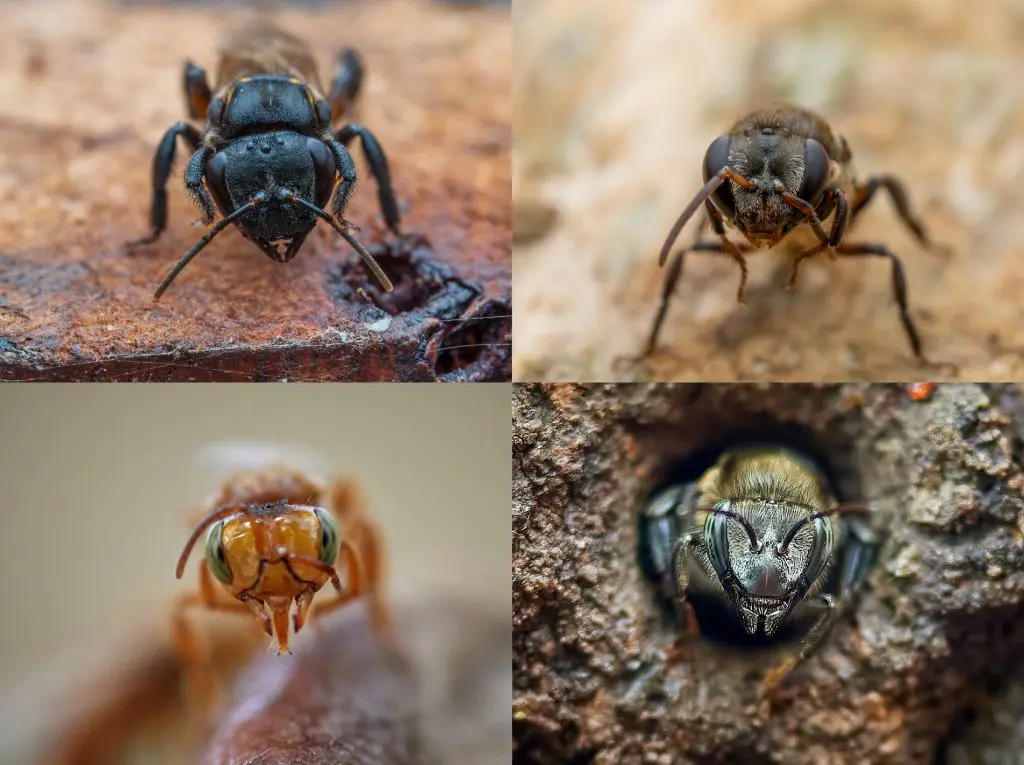
Why does this matter to the rest of the world? Because these are not ordinary bees. Ecuador is home to over 200 species of native, stingless bees that are the absolute backbone of local food security and ecosystem health. They pollinate native trees and plants that no other insects can. By protecting them, local families are actively restoring entire landscapes.
This community effort is woven directly into Puyango’s municipal protected area, which spans over 69,000 acres. By blending traditional knowledge with modern technical innovations, the project has already achieved massive, concrete highlights on the ground:
Real Human Transformation
Beyond the technical metrics, the beauty of this model lies in its human impact. Local producers are shifting away from traditional, aggressive agriculture and turning their land into integrated, climate-resilient farms that harmonize production with ecology.
Oscar Prieto, a local bee caretaker, shares his motivation: “What drives me is being an active part of conservation. On our farms, we’ve implemented integrated agroforestry systems. We have learned that this isn’t just about production; conservation must be at the center of how we manage our land.”
An Invitation to Join the Buzz
“Honey for Forests” is a proven success story showing that when ancestral knowledge, community leadership, and technical innovation merge, rural communities can successfully confront climate challenges. The buzz of native bees in southern Ecuador is growing louder every day, and the dry forest is breathing again. However, keeping this momentum alive and expanding to more families requires continuous investment. By supporting Nature and Culture, you become an active partner in this sweet cycle, empowering local guardians, protecting irreplaceable biodiversity, and keeping these critical forests standing for generations to come.
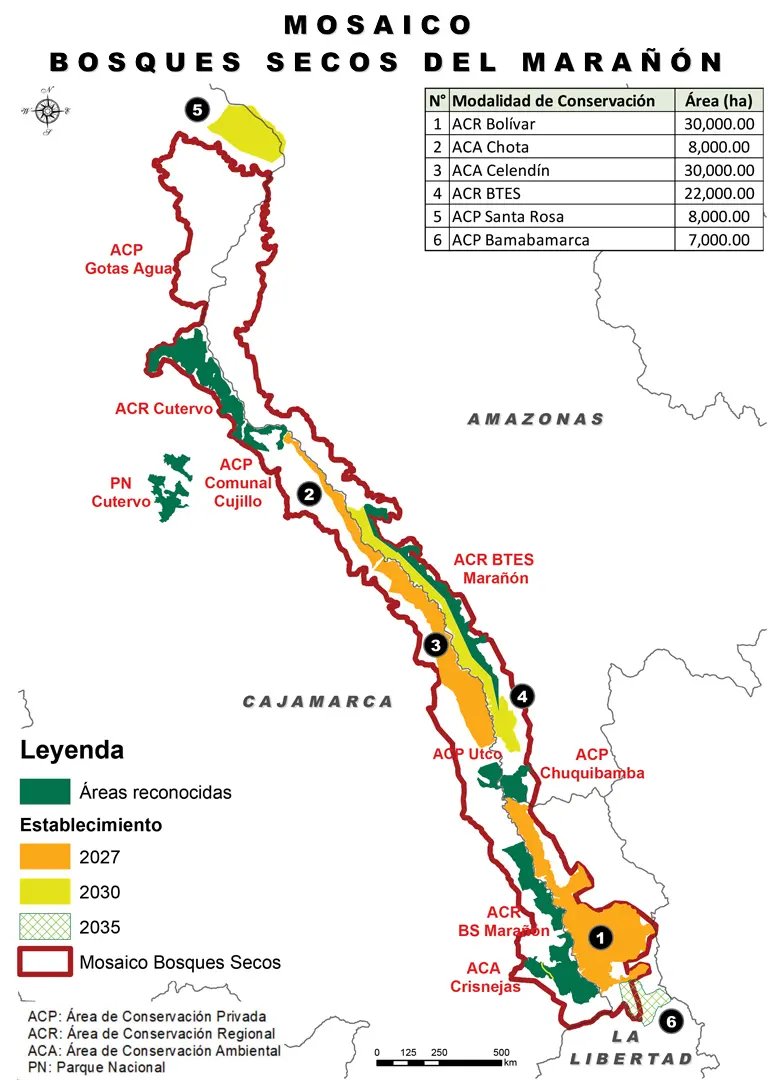
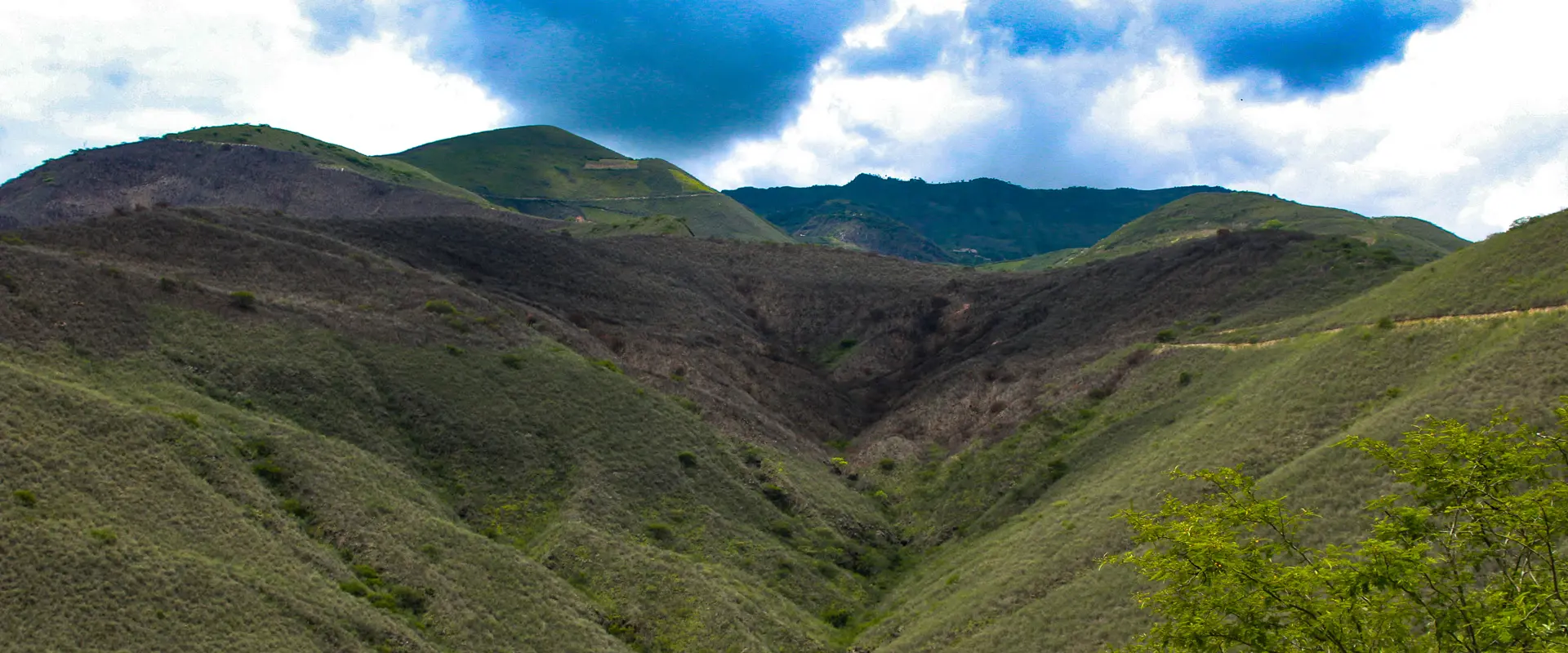
Located in northwestern Peru, the Marañón River valley is one of the most arid and seasonally dry territories in the Peruvian Andes. Our work within the Marañón Dry Forests Mosaic follows a landscape and governance approach, aimed at promoting the establishment of new conservation areas, strengthening the management of existing protected spaces, encouraging the sustainable use of natural resources, and developing financial sustainability mechanisms.
This valley represents one of the most significant biogeographical frontiers in the Andes. Despite being a relatively small territory, it possesses immense ecological value, harboring flora and fauna species that are endemic at local, national, and global levels.
HIGHLIGHTS
143 endemic
flora species
Over 160,000
acres protected
6 established
protected areas
50 animal species
with relatively
restricted habitats
Results so far
Since 2012, Nature and Culture International has worked toward the conservation of the Marañón Dry Forests within the departments of Cajamarca, Amazonas, and La Libertad. This effort has been built alongside strategic allies, regional governments, municipalities, and, above all, the local communities that inhabit and care for the land.
As a result, since June 2025, three regional conservation areas and three private conservation areas have been established, which together protect 162,124 acres.
While in 2009 barely 0.1% of the ecoregion had any form of protection, today that figure has reached 2.86%, marking a significant milestone for the conservation of these ecosystems.
Nature and Culture has also collaborated on the restoration of the valley’s landscape, pioneering the first propagation and planting initiative for six endemic flora species that are critically endangered.
Why It Matters
The Marañón dry forests harbor a biological richness of great scientific value and a high level of endemism. Furthermore, they sustain the lives of local communities. These forests provide essential ecosystem services, such as water regulation, resource provision, and support for traditional productive activities. Additionally, their connection to the Amazon basin makes the Marañón a key link for ecological balance on both a regional and continental scale.
Conserving these forests means conserving the Amazon River watershed and its hydrobiological resources, upon which local populations depend.
Securing the Future
Thanks to the support of our donors, we are strengthening the management of the Cujillo, Utco and Cutervo areas .
Furthermore, we are working towards the creation of a new protected area: the Marañón–Bolívar, a proposal covering approximately 103,784 acres of Inter-Andean Forests. And we are moving forward with landscape restoration efforts across three conservation areas within the valley.
Nature and Culture Joins Global Big Day
Peru ranked second in the world, with 1,439 species documented in a single day.
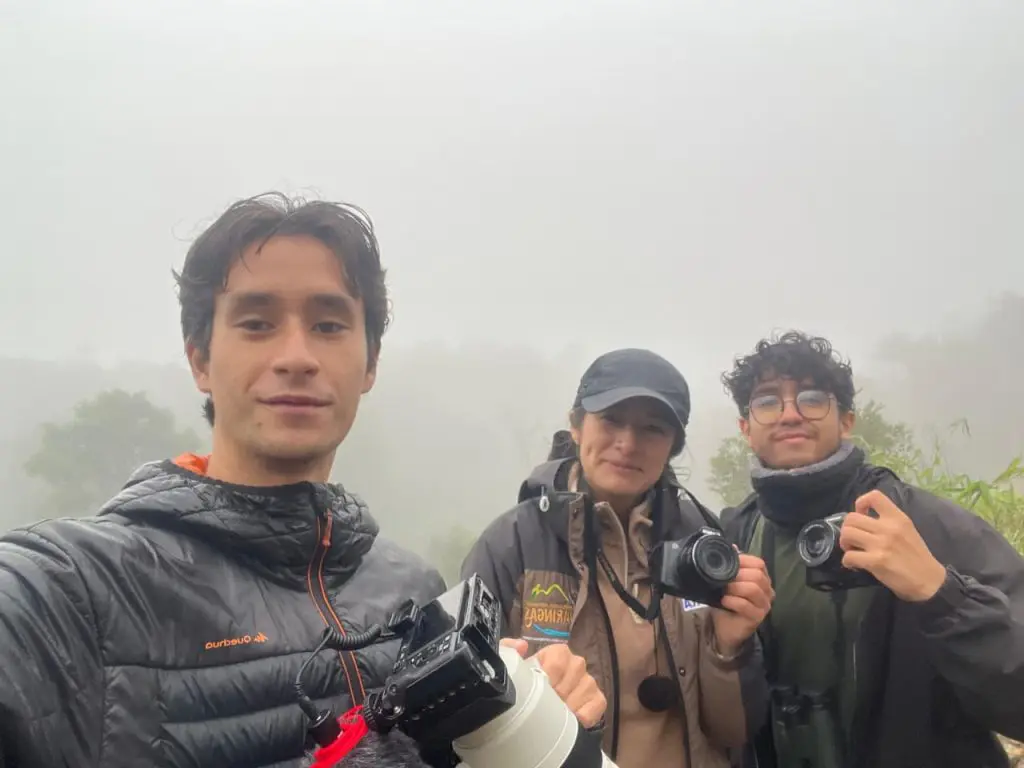
Every year on the second Saturday of May, birdsong around the world unites thousands of people for Global Big Day. This is the largest coordinated citizen science birdwatching event across the planet. It’s an opportunity for people to record and submit observations and support conservation worldwide. The Nature and Culture Team in Peru took to the forests to join in. We joined the count alongside biologists, university partners, and bird enthusiasts, documenting birds in two of our protected areas. Our team participated in the Huamantanga Regional Conservation Area in Cajamarca and the Chicuate Chinguelas Private Conservation Area in Piura.
Incredibly, Peru placed second in the number of species recorded. A total of 1,439 bird species were documented in a single day, just behind Colombia, which tallied 1,567.
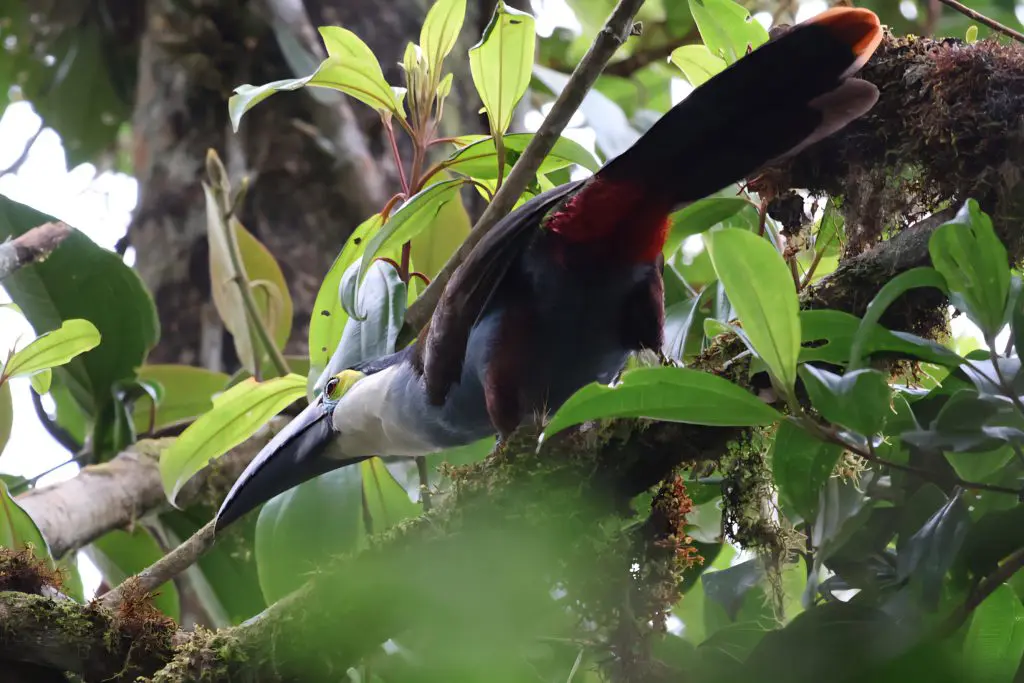
In Huamantanga, an exceptionally biodiverse setting, the team documented many emblematic species. The list includes the black-billed mountain toucan (Andigena nigrirostris), the common pauraque (Nyctidromus albicollis), the speckled hummingbird (Adelomyia melanogenys), and the masked trogon (Trogon personatus). In parallel, Chicuate Chinguelas recorded the black-capped hemispingus (Kleinothraupis atropileus), the lacrimose mountain tanager (Anisognathus lacrymosus), and the blue-backed conebill (Conirostrum sitticolor).
Brown-backed Chat-Tyrant (Pardo Ochthoeca fumicolor) | Photo: Eduardo La Torre
Citizen Science in Action
Observers, residents, specialists, and enthusiasts covered different sections of both areas with binoculars and cameras in hand, attentive to every sound and movement among the trees. Although Piura ranked 11th nationally, the activity generated valuable information about bird species present in the area and strengthened the connection between the community and conservation.
“Every record is an opportunity to appreciate our forests, recognize their importance, and remember that conserving these spaces is essential for the future of our biodiversity,” said Dalí Díaz of Nature and Culture.
Birdwatchers in the Chicuate Chinguelas Private Conservation Area in Piura
Each of the protected areas in which the team participated is part of the broader Andes Amazon Conservation Corridor. This key initiative connects ecologically important landscapes that ensure species conservation across Ecuador and Peru.
Days like Global Big Day are a reminder of why this work matters. Documenting these species reaffirmed the extraordinary biological diversity of the region and underscored the immense value of these forests. Every field outing is an opportunity to be moved, to learn, and to deepen our commitment to protecting nature.
Board Chair Charles J. Smith reflects on the foundation Ivan Gayler built — and what the next thirty years demand
By Charles J. Smith, Board Chair
There is a particular kind of person who looks at a disappearing forest and sees not just what is being lost, but everything that could still be saved. Ivan Gayler is that person. Thirty years ago, he had the audacity to believe that a small, determined organization could go to the most ecologically consequential landscapes on Earth — the cloud forests and river valleys of the Andes and Amazon — and actually turn the tide.
He was right.
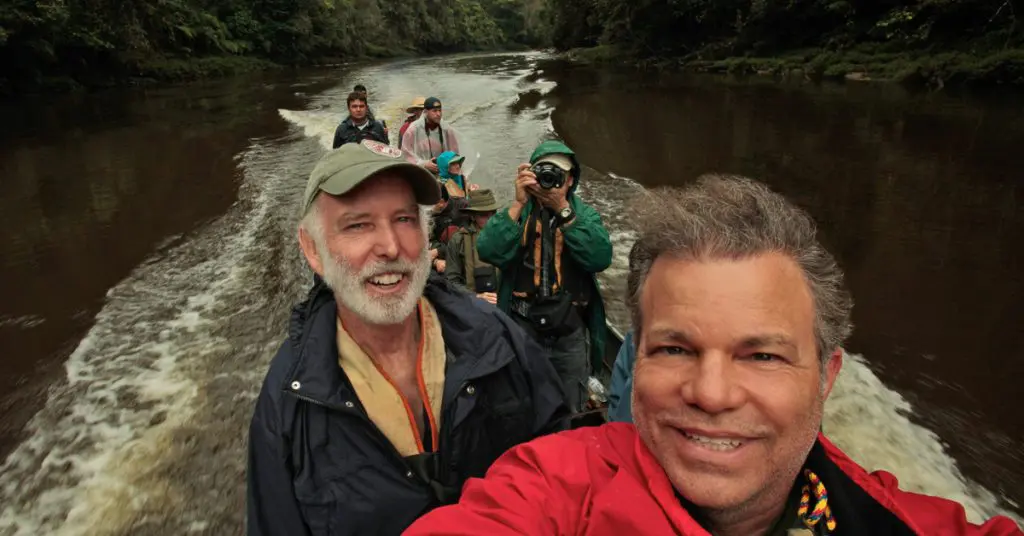
Ivan Gayler and Charles J. Smith in Ecuadorian Amazon
The Founders Bet
When Ivan founded Nature and Culture International in 1996, the model he envisioned was as unconventional as it was clear-eyed. He was not interested in distant advocacy or feel-good gestures. He wanted to be on the ground, in partnership with local communities and governments, doing the hard and permanent work of protecting land, not for a decade, but forever. That insistence on permanence, on real and measurable outcomes, has defined the organization ever since.
What strikes me most, looking back across thirty years, is how fully Ivan saw around corners. He understood before most that the Andes-Amazon Conservation Corridor was not simply a collection of beautiful places; it was a living system, an engine of rainfall, biodiversity, and climate stability that the world could not afford to lose. He understood that the most effective conservationists were often not the ones who flew in from the outside, but the local community leaders who had spent their lives in these landscapes. And he understood that if you built the right relationships, secured the right protections, and invested in the right people, the results would compound for generations.
“That’s my dream for humanity.” — Ivan Gayler, founder, Nature and Culture International
Not lines on a map
That vision has produced something remarkable. Over three decades, Nature and Culture has helped protect 26.8 million acres across Ecuador, Peru, Bolivia, and beyond in what are, by any measure, the most biodiverse ecosystems on Earth. Those are not abstract numbers. They represent rainforests, cloud forests, river corridors, deciduous dry forests, and high-altitude páramos that will continue to shelter life and stabilize our climate long after the rest of us are gone.
This work was accomplished through the patient, relationship-driven approach that Ivan modeled from the very beginning. The reserves and corridors we have established are not lines on a map. They are functioning ecosystems, home to species found nowhere else on Earth, sustained by communities who have chosen to be their stewards.
The work ahead
None of this happened automatically. Conservation is slow, difficult, and often invisible work. There are setbacks, funding gaps, political headwinds, and years when the progress is hard to see. What has carried Nature and Culture through all of it is Ivan’s original conviction: that this work matters more than almost anything else we can do, and that, done with integrity and care, it lasts.
As I reflect on this anniversary, I am grateful for the foundation Ivan built and for the extraordinary team that carries it forward today. I am also clear-eyed about the urgency of the moment. The forests we are racing to protect are under more pressure than ever. The next thirty years will demand the same bold, grounded, relentless commitment that Ivan bequeathed Nature and Culture at the inception.
He showed us how. Now it is our turn.
A Collaborative Victory for Nature in Colombia
Nature and Culture International celebrates a historic milestone for conservation in the Colombian Andes. The Estrella Hídrica de Caldas has been officially established as a Regional Integrated Management District. This specific category of protected area under Colombian law is designed to balance ecosystem conservation with sustainable local land use.
This achievement is a major win for ecological connectivity in the Andes because the area retains approximately 77% of its natural land cover, making it one of the last remaining continuous forests in the department of Caldas.
Located in the west-central district of Caldas, Colombia, this new protected area spans 59,236 acres of high-value ecosystems, including sub-Andean and high-Andean forests, páramos, sub-páramos, and wetlands.
Credits: Mas Biomas
The Estrella Hídrica: A Source of Life
The area takes its name from the Estrella Hídrica, or “Hydrological Star,” a term used in conservation science to describe high-elevation points where water flows outward in multiple directions toward distinct river basins.
This “star” is the primary engine for water regulation in the region. Currently, 67% of the area directly feeds the aqueducts that provide clean drinking water to nearly 250,000 people. By protecting these vital water sources, which drain into the Cauca River—one of Colombia’s most important rivers—we are ensuring long-term water security and climate resilience for a quarter of a million residents living downstream.
Credits: Mas Biomas
A Sanctuary for Rare and Endangered Life
Beyond its role in water catchment, this landscape is a biological treasure trove home to 880 recorded species. The protection of these continuous forests provides a safe haven for:
108 endemic species found nowhere else on Earth.
33 species threatened with extinction according to the IUCN Red List.
89 species protected under CITES, ensuring international safeguards against the illegal trade of the area’s unique flora and fauna.
The rare “Cuatrecasas’ Lepanthes” orchid (Lepanthes cuatrecasasii) and a newly discovered species of rain frog from the genus Pristimantis.
Conservation Rooted in Coffee Culture and Community
While the Estrella Hídrica provides essential resources for thousands, it is also the ancestral home of 1,319 residents from local farming families.
The region is part of Colombia’s Coffee Cultural Landscape, a UNESCO World Heritage site where sustainable coffee farming and nature are deeply intertwined. The management of this new protected area will actively involve these 1,319 guardians by promoting local conservation agreements and participatory monitoring of biodiversity. This ensures that while we protect the headwaters, we also strengthen the livelihoods of the families who care for them.
The Power of Partnership
This protected area was made possible through the joint work of Más Biomas, Corpocaldas, the Gobernación de Caldas, Nature and Culture International and the Instituto Alexander von Humboldt and financial support from Andes Amazon Fund and Re:wild. Since September 2024, Nature and Culture has been a key strategic partner by providing the technical follow-up and expertise necessary to bring this long-term vision to life.
Credits: Mas Biomas
A Vision for a Resilient Future
The Estrella Hídrica de Caldas is now the largest protected area in the state. For Nature and Culture International, this success reaffirms our commitment to working at a landscape scale to implement solutions that bridge the gap between nature conservation and human well-being for generations to come.
Credits: Mas Biomas
When is Earth Day?
Mark your calendars! Earth Day is celebrated every year on April 22nd.
What is Earth Day?
Earth Day is an annual event celebrated worldwide to demonstrate support for environmental protection. It serves as a reminder of our responsibility to safeguard our planet for future generations.
Why do we celebrate Earth Day?
Earth Day is celebrated to raise awareness about environmental issues such as pollution, deforestation, climate change, and endangered species. It encourages individuals, communities, and governments to take action to preserve and protect the Earth’s natural resources.
Why is Earth Day important?
Earth Day is crucial because it brings people together to advocate for sustainable practices and policies. By promoting environmental awareness and activism, Earth Day plays a vital role in inspiring positive change and fostering a deeper connection between humanity and the planet.
Earth Day Facts
The first Earth Day was celebrated on April 22, 1970, and is credited with launching the modern environmental movement.
Earth Day is now observed in over 190 countries, making it one of the largest secular observances in the world.
The theme for Earth Day 2026 is “Our Power, Our Planet,” the campaign focuses on accelerating clean energy, increasing accountability for environmental damage, and promoting community-scale climate solutions.
This Earth Day, your gift to Nature and Culture International helps protect some of the most biodiverse and threatened ecosystems on the planet. From the Amazon rainforest to Andean cloud forests, we work hand-in-hand with Indigenous peoples, local communities, and governments to conserve millions of acres of vital habitat. Every donation—big or small—drives lasting, locally led solutions for our planet’s future. Join us in safeguarding nature, culture, and life on Earth.
Join Us in Celebrating Earth Day Together, Let’s Make a Difference for Our Planet.
Protecting a Living Corridor Between the Andes Mountains and the Amazon Rainforest
The first ecological corridor connecting Ecuador and Peru—at the heart of Earth’s greatest biodiversity
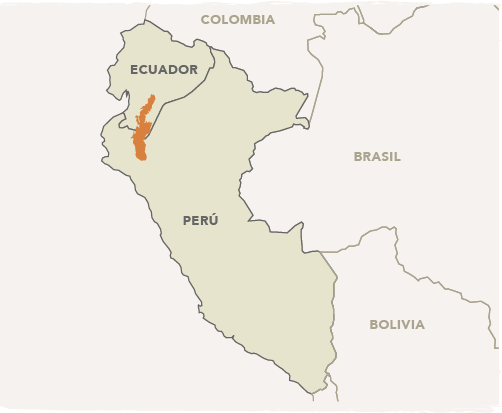
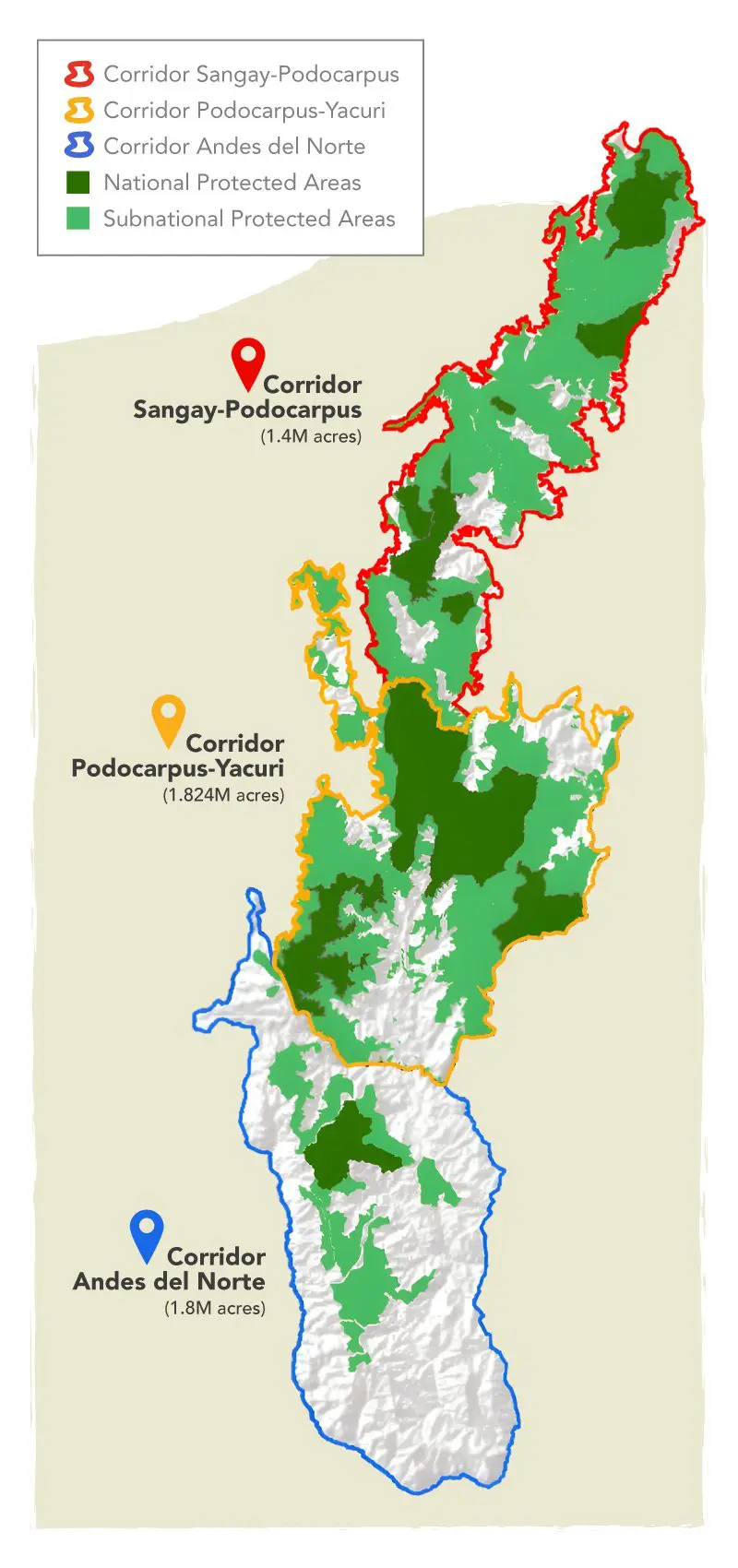
The Andes-Amazon Conservation Corridor connects ecosystems across southern Ecuador and northern Peru, linking more than 50 conservation areas on both sides of the border. It creates a bridge between the upper Amazon and the high Andes, supporting the movement of species across an extraordinary range of altitudes and ecosystems.
Acres protected
2,871,960 acres currently
21 Key
Biodiversity Areas
(3,941,854 acres)
More than 53
protected areas
2 countries
3 National Corridors
Key Species
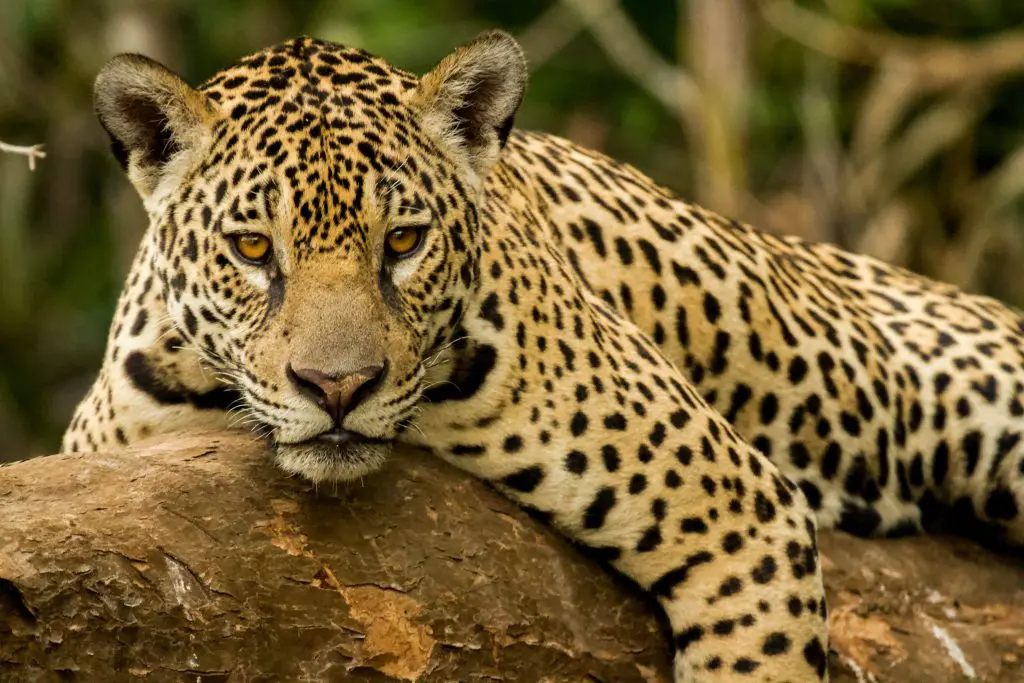
Jaguar (Panthera onca),
Spectacled bear (Tremarctos ornatus),
Andean condor (Vultur gryphus),
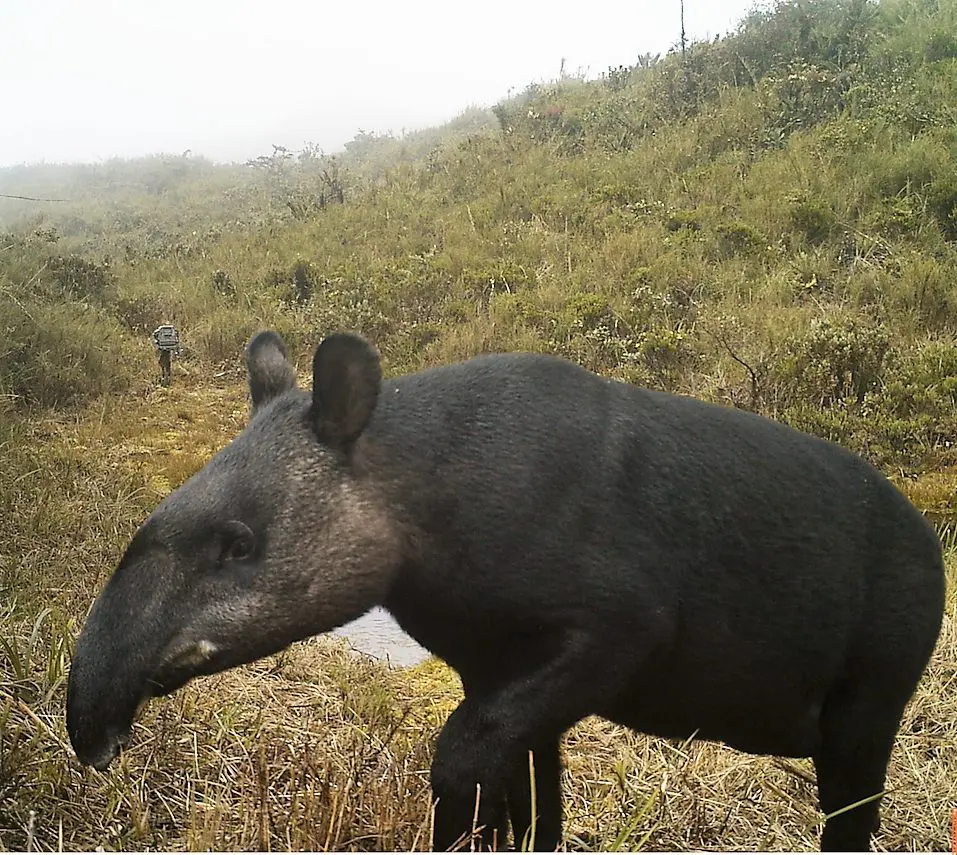
and the Andean tapir (Tapirus pinchaque).
Eco-regions
Cloud Forest, Amazon Rainforest, Páramo, Lakes and Wetlands.
A unique opportunity
Donate to Protect the Andes
The Andes-Amazon region is a global biodiversity hotspot. The Corridor ensures species can adapt to climate change, water sources remain secure for people, and forest continue storing carbon and regulating local climate.
The Tropical Andes hotspot in South America is home to over 34,000 species of plants and animals, with estimates suggesting that half of these species are endemic. Despite its critical importance for global biodiversity, this region faces severe threats, including climate change, extractive activities, and ecosystem fragmentation.
The governments of Ecuador and Peru have pledged to promote and strengthen bi-national ecosystem connectivity to ensure the conservation of habitat and ecosystem services. Nature and Culture International, along with the environmental authorities in both countries and Plan Binacional have joined forces to create The Andes-Amazon Conservation Corridor.
FAQs
The Andes-Amazon Conservation Corridor in Ecuador and Peru. It connects protected areas across the Andes to safeguard biodiversity, secure water supplies, and strengthen climate resilience.
Nature and Culture’s work is guided by three pillars:
Create Protected Areas
Strengthen Local Leadership
Secure Long-Term Protection
The Andes-Amazon Conservation Corridor is one way we put this strategy into action, applying all three pillars across one of the most biodiverse mountain regions on Earth.
The Corridor is a mosaic of national parks, provincial and municipal reserves, and water protection areas. Examples include:
Many protected areas in the Corridor are designed to safeguard headwaters, páramos, and cloud forests. In Ecuador, Water Protection Areas (Áreas de Protección Hídrica) legally protect drinking water sources. In Peru, Regional Conservation Areas secure watershed health for local communities.
The Corridor relies on subnational leadership, provincial and municipal governments, and community stewards. These local leaders integrate conservation into development plans and ensure protection lasts beyond project cycles.
Durability comes from:
Legal frameworks (national, provincial, and municipal protected areas).
Integration into local land-use and development plans.
Water funds and other conservation finance mechanisms.
Public budgets for protected area management.
Monitoring systems for biodiversity, water, and climate resilience.
The Andes-Amazon region is a global biodiversity hotspot. The Corridor ensures species can adapt to climate change, water sources remain secure for people, and forests continue storing carbon and regulating local climates.
Why is it important to protect ecological connectivity?
Ecological connectivity is the invisible bridge of life, linking forests, rivers, and mountains so nature stays resilient. When these connections stay intact, ecosystems thrive and life flows freely. Animals can migrate, plants regenerate, and species share genetic diversity across landscapes.
Protecting connectivity means protecting the flow of life itself.
Results So Far
We’ve already protected over half of the corridor, but safeguarding individual areas is not enough. These ecosystems must also be connected to ensure the flow of species and maintain biodiversity.
Over the next five years, our teams plan to protect an additional 461,345.04 acres, complete the legal process for establishing the entire Andes-Amazon Conservation Corridor, and work with local actors to ensure the long-term stewardship of this 5-million-acre biodiverse paradise.
We invite you to join us
in this monumental effort to protect one of the most extraordinary regions on Earth for future generations. .
A Groundbreaking Solution for Durable Forest Protection
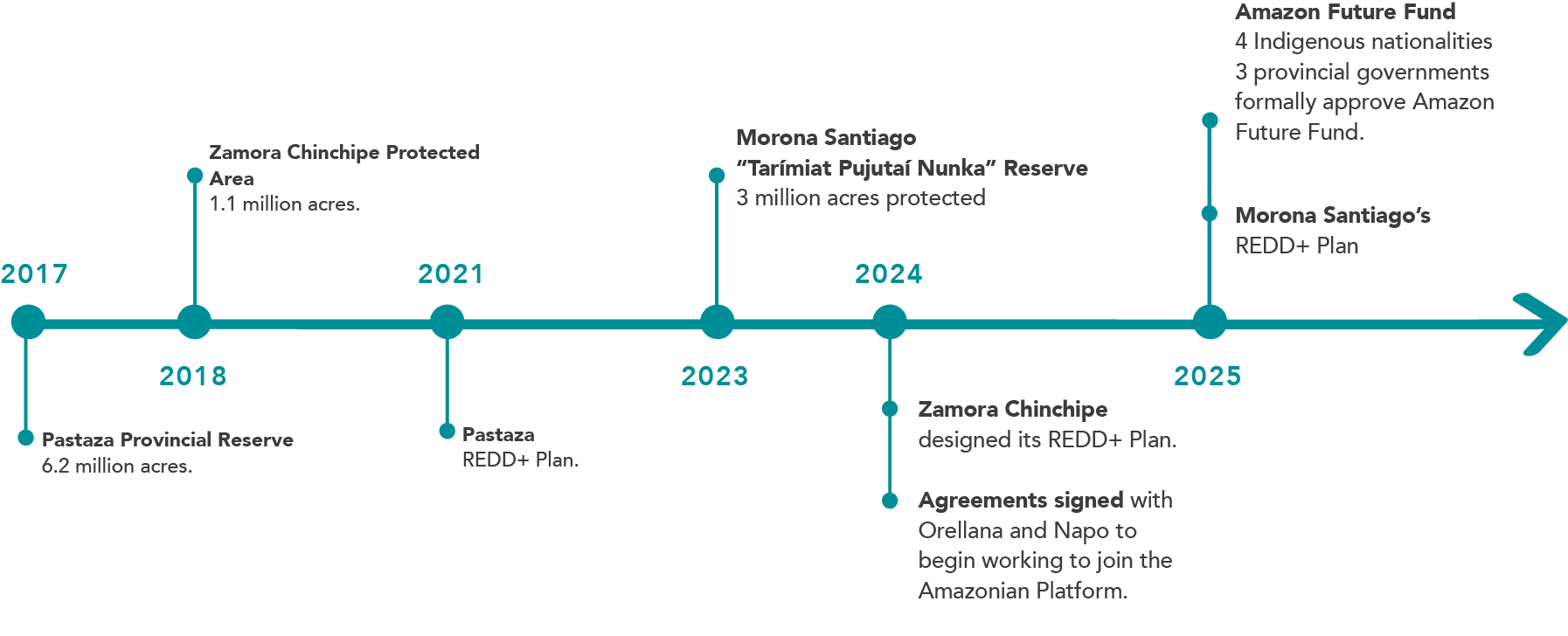
The Amazon Future Fund (AFF) is an innovative conservation fund that ensures durable protection of Ecuador’s Amazon. For the first time, Indigenous Peoples and provincial governments share equal power to govern a fund that directs resources straight to those safeguarding the forest.
Unlike many global pledges where financing rarely reaches local communities, the Amazon Future Fund changes this. The Amazon Future Fund builds in transparency, accountability, and local ownership from the start. Each founding member is investing directly, and together the fund will guarantee lasting protection of 14 million acres of rainforest that store 2.8 billion tons of CO₂ equivalent.
The Amazon Fund builds on the Amazonian Platform, a coalition of 11 Indigenous nationalities and 6 provincial governments that has already secured more than 10 million acres of protected forest. With the Amazon Future Fund, this progress will endure for generations, ensuring the Platform’s full 14 million acres remain protected as one of the largest Indigenous- and government-led conservation efforts in the world.
The Amazon is a global treasure, home to countless species and diverse cultures. Learn about the Amazonian Platform’s critical work with local partners to conserve the rainforest for generations to come. Your support helps secure this vital ecosystem—and the future of our planet.
Why the Fund Matters
Global climate pledges and biodiversity targets often fail on one crucial point: funds rarely reach Indigenous and frontline communities who safeguard forests. The Amazon Future Fund is designed to fix this—channeling resources directly into the Amazonian Platform and its members.
What the Fund Is
A sustainable conservation fund dedicated to durable protection of the Amazon Platform’s 14 million acres.
Governed equally by Indigenous nationalities and subnational governments.
Anchored in the Amazonian Platform, which has already secured the largest conservation commitments in Ecuador’s Amazon.
Shared governance: Equal decision-making power for Indigenous and provincial leaders.
Built on strong foundations: Over 15 years of collaboration, with 10 million acres already under protection.
Concrete impact: Ensures durable protection of 14 million acres—home to 2.8 billion tons of CO₂ equivalent.
Transparency & accountability: Donor contributions and carbon/climate finance flow into local action plans with measurable outcomes.
Local ownership: Each founding member contributes to launch the fund, ensuring genuine buy-in.
Long-Term Goal
To build a self-sustaining fund within 3–5 years, guaranteeing durable protection of the Amazonian Platform’s 14 million acres and the wellbeing of the people and species that depend on it.
Platform Progress to Date
Visionary Promise
The Amazonian Platform is already one of the most advanced, large-scale conservation initiatives in the Amazon. The Amazon Future Fund guarantees it will endure, ensuring that 14 million acres of intact rainforest and 2.8 billion tons of CO2e remain protected, communities thrive, and the Amazon continues to stabilize the planet’s climate for generations to come.
Scientists find evidence of parallel evolution among three bamboo frogs in the rugged slopes of the Andes.
A recent scientific study describing three new frog species of the genus Pristimantis offers a powerful example of how collaboration between conservation organizations and research institutions supports both biodiversity protection and scientific discovery in regions vital to the planet’s health.
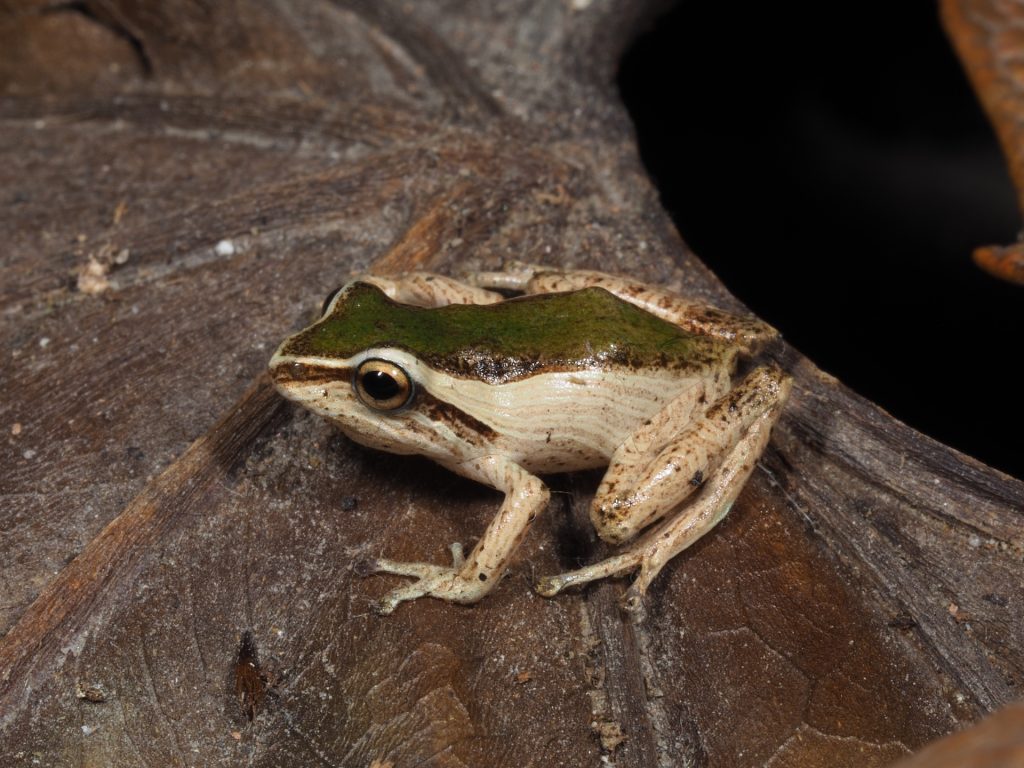
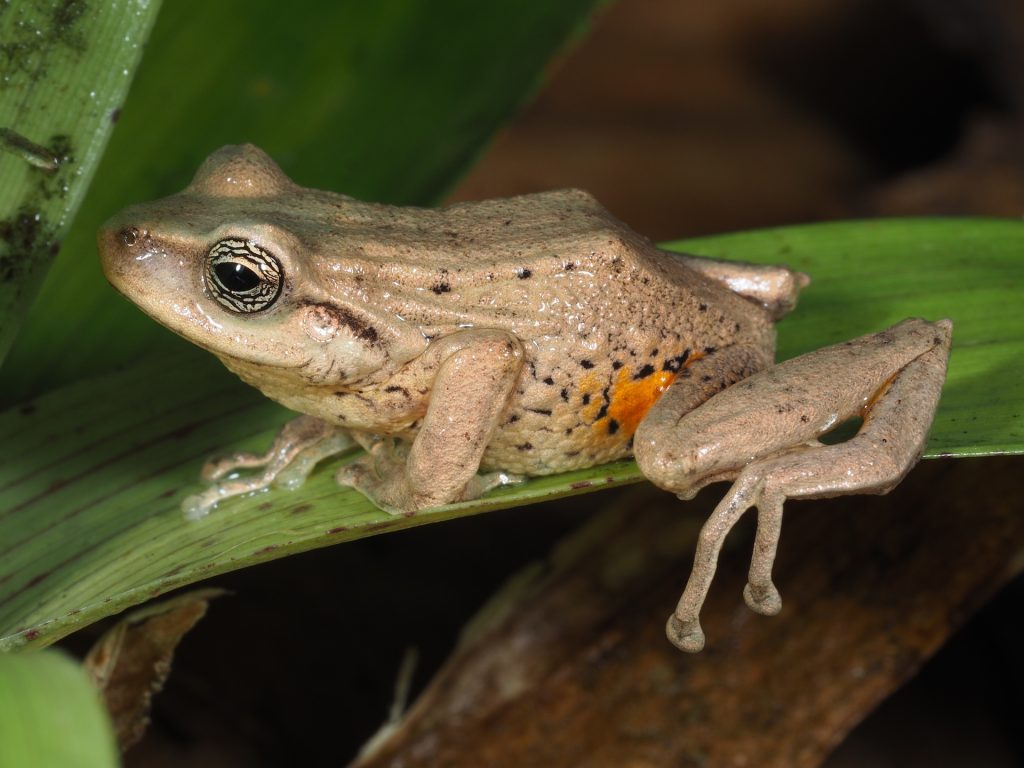
Pristimantis translucidus (Photo: MUTPL)
Pristimantis chusquea (Photo: MUTPL)
Pristimantis oculolineatus (Photo: MUTPL)
Partners Behind the Discovery
Collaboration is key to biodiversity protection, and conservation organizations like ours support scientific research not only to protect ecosystems today, but to better understand the region’s long-term health and future conservation needs. This discovery was made possible by decades of long-term conservation, the maintenance of connected protected areas, and a robust partnership between international research institutions.
The description of these new Andean bamboo frogs was published in the Zoological Journal of the Linnean Society (Oxford University Press). The article, titled “Three new bamboo-specialist frogs of the genus Pristimantis (Amphibia: Anura: Strabomantidae) from southern Ecuador reveal patterns of parallel evolution,” presents research carried out by scientists from the Universidad Técnica Particular de Loja, in collaboration with the National Institute of Biodiversity and Ovidius University of Constanța.
The study was led by Paul Székely, together with researchers Diego Armijos-Ojeda, Leonardo Ordóñez-Delgado, and Diana Székely. The research was made possible thanks to financial support from Rainforest Trust and Nature and Culture International, as well as the support of Fundación Jocotoco, which facilitated fieldwork at the Tapichalaca Reserve.
The team used an integrative taxonomic approach that combined DNA sequencing, detailed physical measurements (morphology), and bioacoustic analysis of male frog calls. This allows scientists to distinguish between species that may appear very similar at first glance, but in reality, represent distinct and unique evolutionary lineages.
Where These Frogs Call Home
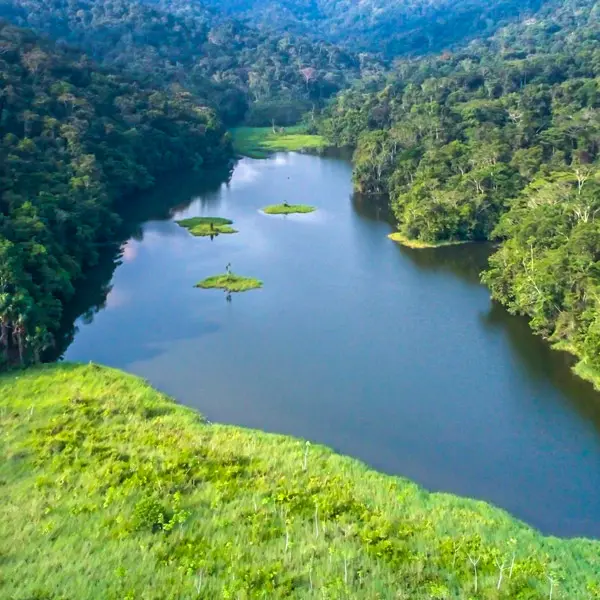
Records of these species span several protected areas in southern Ecuador, all of which are part of the Andes–Amazon Conservation Corridor, a binational initiative between Ecuador and Peru that connects more than 50 conservation areas and reserves, connecting headwater ecosystems in the Andes with the Amazon lowlands. Pristimantis chusquea was recorded in Abra de Zamora and Cerro Toledo; Pristimantis oculolineatus was found in Cajanuma, the Numbala Reserve, and Yacuri National Park, and Pristimantis translucidus in the Tapichalaca Reserve.
Map of protected areas and natural reserves – Nature and Culture International
The Breakthrough: Parallel Evolution in Action
In the steep, vertical landscapes of the Andes, where landslides and rugged terrain create a mosaic of isolated habitats, bamboo establishes easily, creating conditions that favor ecological specialization. One of the most striking findings of this study is the evidence of parallel evolution. In different pockets of the Andes, bamboo-dwelling frogs evolved independently, yet arrived at nearly identical physical solutions to survive the same environmental pressures.
The fact that these frogs share similar physical traits—even though they evolved in different locations on both sides of the Andes—shows how species can independently develop similar adaptations when they face the same environmental challenges.
Andean bamboo in Yacuri National Park (Photo: MUTPL)
As researcher Diego Armijos-Ojeda explains, the study documents a total of five frog species that live exclusively on Andean bamboo leaves:
“In different parts of the mountain range, these species faced similar environmental conditions and independently developed very similar adaptations. They evolved bodies, colors, and shapes that allow them to camouflage among bamboo leaves and protect themselves from predators, as if each had solved the same evolutionary problem on its own.”
Why These Frogs Matter to Us
These frogs are considered habitat specialists. They live almost exclusively in Andean bamboo forests and are acutely adapted to this environment. Their colors and body shapes allow them to camouflage among bamboo leaves, to avoid predators, and move through vertical and dynamic environments.
The description of these three new frog species has important implications for conservation. These frogs could help function as umbrella species, since protecting them would also help conserve other organisms and the habitats they depend on. In other words, protecting these frogs also helps safeguard Andean bamboo–dominated ecosystems, which play a critical role in regulating and supplying water across the region.
According to researcher Diana Székely, scientific discovery is closely tied to conservation outcomes:
“Science has intrinsic value, similar to art: it allows us to better understand the natural world. But it also has practical implications. In the skin of some frog species, for example, there are compounds with potential relevance for public health. When we lose a species, we not only lose an organism, but also all the functions and benefits it could provide. Each species plays a role, and as a society we must invest in conservation and move toward development that does not go against nature, but is built alongside it, protecting the ecosystems that provide us with water, air, and well-being.“
Abra de Zamora
This discovery is a reminder that conservation works best when it is connected, collaborative, and forward-looking. By protecting headwater landscapes and strengthening partnerships today, conservation efforts are not only safeguarding known biodiversity but also creating the conditions for discoveries that have yet to be made.
What is deforestation?
Deforestation is the clearing of trees from large expanses of forest. This process disrupts ecosystems, reduces biodiversity, contributes to climate change by releasing stored carbon dioxide, and often leads to soil erosion and habitat loss for countless plant and animal species. Forests are not just collections of trees; they are vital ecosystems that support an incredible array of life, from plants and animals to Indigenous communities who depend on them for their livelihoods and cultural heritage.
Deforestation is a significant environmental issue with far-reaching consequences for local communities and the planet.
Solutions to deforestation
We protect threatened forests in partnership with the communities who live there.
Unlike nature reserves in the U.S., many of these forests are home to people who have lived on the land for centuries. The relationships we have built with the people who live in the areas we work to protect are key to our success. From municipal and local level protection to national level protection, to land purchase when necessary, no matter the method, we always consider the local communities who live in these areas along with long-term ecosystem health.
In 25+ years, Nature and Culture has never seen a protected area reversed and we believe that is because of our commitment to serving local communities.
Our co-management model is what sets us apart. Providing access to legal tools to establish a protected area, technical training for skills such as monitoring a protected area for threats, or investing in a new means of sustainably generating income from local resources are just a few ways we provide solutions to deforestation.
Our protected areas are living, breathing, dynamic spaces that require fostering relationships and understanding local needs. Indigenous Peoples and local communities are often the initial advocates for the protected areas we support. We provide them with the tools to safeguard natural resources.
Effects of deforestation
Why is deforestation a bad thing?
Forests cover approximately one-third of the Earth’s land surface and play crucial roles in supporting the lives of millions of people. They are incredibly biodiverse habitats, housing more than half of the world’s land-based animals, plants, and insects. Forests help combat climate change by absorbing carbon dioxide and serve as natural buffers against storms and floods. They are essential for drinking water in nearly half of the world’s largest cities. They also offer shelter, employment opportunities, and security to forest-dependent communities.
However, according to the latest FAO UN Global Forest Resources Assessment, approximately 24.7 million acres of forest are lost yearly, with 95% of this loss occurring in tropical regions. Many of the world’s most biodiverse forests, such as the Amazon rainforest in South America, are disappearing or facing a critical tipping point. The Amazon rainforest, in particular, exhibits reduced resilience, meaning it has a diminished ability to regenerate lost areas due to deforestation. Experts warn that the Amazon rainforest is reaching a point of no return, where large-scale dieback occurs, transforming much of the forest into savanna. This would have devastating ecological consequences and impact global climate patterns and biodiversity.
How does deforestation affect climate change?
Clearing forests reduces the Earth’s capacity to absorb CO2 and increases greenhouse gas emissions, ultimately disrupting climate patterns.
Reducing Carbon Sequestration: Trees act as carbon sinks, absorbing CO2 from the atmosphere during photosynthesis. Deforestation reduces the number of trees available to sequester carbon, leading to increased levels of atmospheric CO2.
Emissions of Greenhouse Gases: When forests are cleared or burned, the stored carbon is released back into the atmosphere as CO2. Additionally, deforestation contributes to emissions of other greenhouse gases such as methane and nitrous oxide from forest degradation and soil disturbance.
Altered Climate Patterns: Deforestation disrupts local and regional climate patterns by affecting evapotranspiration, cloud formation, and rainfall. Changes in land use can lead to shifts in temperature, precipitation, and weather extremes.
How does deforestation affect the environment?
Deforestation is a major driver of climate change: Every time we lose a forest we’re not only releasing CO2 into the atmosphere, but we’re also no longer capturing the carbon, a key greenhouse gas, from the atmosphere. Addressing deforestation, particularly in tropical regions, is imperative in combatting climate change.
Forests are essential for human well-being: They provide us with clean air, fresh water, food, and materials for shelter, medicine, and fuel. Forests help regulate local and global climates, stabilize soils, purify water sources, and provide important ecosystem services such as pollination and nutrient cycling. They alleviate poverty and provide food security.
Deforestation threatens the survival of countless species: More than half the world’s land-based plants and animals, and three-quarters of all birds, live in and around forests. They conserve global biodiversity.
Causes of deforestation
Industrial agriculture is the leading cause of deforestation, accounting for around 85% of global deforestation. Clearing land for crops or livestock has been in practice for hundreds of years, however, the globalization of food production has intensified this practice to meet growing global demand. This is especially evident in industries like beef production, large-scale soy cultivation, and palm oil production, where forests are cleared at an unsustainable rate to satisfy worldwide consumption.
Timber logging, or wood extraction is another cause of deforestation.
Mining is increasingly driving deforestation in the Amazon and Tropical Andes. In search of precious metals such as gold, mining clears the forest to dig excavation pits and access roads.
What is an Animal Habitat?
An animal habitat refers to the natural environment where a particular species of animal lives, finds shelter, and fulfills its basic needs such as food, water, and reproduction.
Types of Animal Habitats
There are various types of animal habitats, including:
Forest Habitats: Dense forests provide homes to diverse species of mammals, birds, insects, and plants.
Aquatic Habitats: Rivers, lakes, oceans, and other water bodies support aquatic life such as fish, amphibians, and aquatic plants.
Desert Habitats: Harsh desert environments are inhabited by specially adapted species like camels, snakes, and cacti.
Grassland Habitats: Open grasslands host grazing mammals, birds, and insects, forming vital ecosystems.
Ways to Protect Animal Habitats
Protecting animal habitats is crucial for preserving biodiversity and ensuring the survival of countless species. Here are some effective ways to safeguard animal habitats:
Connectivity and Wildlife Corridors: Recognize the importance of connectivity between habitats and advocate for the establishment of wildlife corridors to allow animals to move freely between fragmented habitats.
Habitat Restoration: Participate in habitat restoration projects such as tree planting, wetland restoration, and beach cleanups.
Sustainable Practices: Adopt sustainable practices in agriculture, forestry, and urban development to minimize habitat destruction.
Education and Awareness: Educate others about the importance of protecting animal habitats and promote responsible environmental stewardship.
Conservation Initiatives: Support our work and initiatives focused on preserving natural habitats and wildlife.
Why is it Important to Protect Animal Habitats?
Protecting animal habitats is essential for several reasons:
Biodiversity Conservation: Habitats support a wide range of plant and animal species, contributing to biodiversity and ecosystem stability.
Ecosystem Services: Healthy habitats provide vital ecosystem services such as clean air and water, pollination, and climate regulation.
Species Survival: Protecting habitats ensures the survival of endangered species and maintains ecological balance.
Human Well-being: Preserving animal habitats benefits human well-being by providing recreational opportunities, cultural significance, and natural resources.
Join Us in Our Efforts to Protect Animal Habitats! Together, Let’s Ensure a Sustainable Future for Wildlife.
In the misty montane forests of northern Cajamarca, the silence is broken by the crunch of dry leaves under the firm steps of local community rangers. Their disciplined presence conveys both security and deep commitment. Organized into specialized brigades, they stealthily patrol the boundaries of the conservation areas they dedicate themselves to protecting. Their primary tools are the ancestral knowledge inherited from life in the forest, combined with the technical skills they have strengthened through the support of Nature and Culture.
Community rangers are the true heroes of this story
In the Andes del Norte Conservation Corridor, community rangers from the San Miguel de Tabaconas Private Conservation Area recently joined forces with park rangers from the Páramos y Bosques Montanos de Jaén y Tabaconas Regional Conservation Area. Together, they traversed their shared boundaries, united by the critical mission of safeguarding a territory that serves as both a sanctuary for unique species and a vital source of life for local communities.
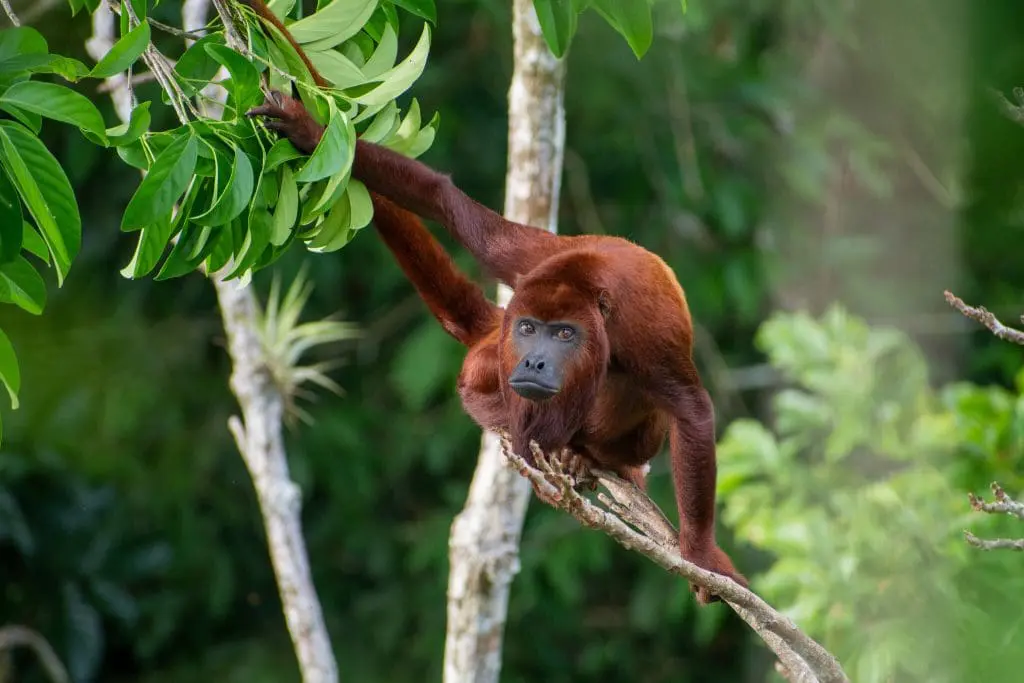
Along the patrol route, nature offered a remarkable sight. High in the hills, they successfully documented the spectacled bear (Tremarctos ornatus) and deep in the forest, the red howler monkey (Alouatta seniculus), both iconic species of the Northern Peruvian Andes. The air was filled with bird songs, while the native trees stood in majestic silence. These species play a crucial ecological role as natural dispersers within the ecosystem.
Red howler monkey (David Torres | iNaturalist)Spectacled bear
For Karla Vega, specialist at Nature and Culture, these patrols extend far beyond simple vigilance. “These are actions that prevent or provide early alerts regarding threats to the forest. More importantly, they demonstrate crucial community coordination and leadership, where locals take active control in managing their areas, regardless of allied institutional support. This fills us with pride, confirming that together we are building a lasting legacy.
Karla Vega, specialist at Nature and Culture
This coordinated effort secures a massive corridor: the San Miguel de Tabaconas Private Conservation Area protects 43,371.32 acres, while the Páramos y Bosques Montanos Regional Conservation Area covers 77,930.29 acres. Both are essential components of the Andes del Norte Conservation Corridor and form a vital part of the broader Andes-Amazon Conservation Corridor, a robust network of protected areas.
San Miguel de Tabaconas Conservation Area
This corridor serves as the primary water source for the Chira, Chamaya, and Chinchipe river basins, upon which thousands of families depend. The effective management of this area is currently made possible by funding from the Biodiverse Landscapes Fund (BLF), channeled through Nature and Culture, which prioritizes actions benefiting both biodiversity and local communities.
Community rangers at work installing camera traps
With every patrol and every registered track of the bear or the monkey, a fundamental truth is reaffirmed: conservation is not solely the task of institutions; it is a shared mission where community members, driven by their deep connection to the land, prove to be the most steadfast guardians of the future.
Nature and Culture’s Role in Mexico’s National Jaguar Census
In the state of Sonora, between the Sierra Madre Occidental mountain range and the tropical dry forest, a silent roar signals the presence of one of the Americas’ great cats: the jaguar.
As we mark International Jaguar Day, understanding where jaguars live, how many remain, and what threatens them is more important than ever. Following the jaguar’s tracks is vital for its conservation. This symbol of strength and ecological balance is the focus of the National Jaguar Census, an initiative conducted in 2010 and 2018 to determine how many jaguars remain in Mexico, where they roam, and how to secure their future.
At Nature and Culture in Mexico, we are part this nationwide effort, coordinated by the National Alliance for Jaguar Conservation and considered the most ambitious wildlife monitoring initiative in the Americas.
A Natural Guardian of Ecological Health
The jaguar is far more than a symbol of beauty and power. As the apex predator of tropical and subtropical ecosystems, its presence signals the health of the forests it inhabits. To survive, it needs large, intact forests, abundant prey, and clean water. When jaguars thrive, ecosystems thrive. Yet their future is threatened by habitat loss, poaching, and human–wildlife conflict.
Counting to Conserve: Inside Mexico’s National Jaguar Census
The Third National Jaguar Census was carried out in 15 states with the participation of academic institutions, civil society organizations, and local communities. Sonora was one of the key regions in this nationwide effort.
We participated through our Monte Mojino Reserve, located inside the Sierra de Álamos–Río Cuchujaqui Flora and Fauna Protection Area, home to one of the northernmost jaguar populations in the Americas.
For several years, Nature and Culture has contributed to protecting the jaguar and its natural prey, and now in partnership with research organizations, we are providing data that strengthens our understanding of the species and informs long-term conservation strategies.
Our work in the region made it possible for us to contribute to the Third National Jaguar Census, highlighting ongoing conservation efforts in the Monte Mojino Reserve and the Río Mayo watershed. This collaborative work with CONANP, Naturalia A.C., neighboring ranchers, and the Monte Mojino team, also paved the way for us to join the National Alliance for Jaguar Conservation in August 2025.
“Participating in the national census was an opportunity to show that jaguar conservation yields far greater results when we unite efforts—from local communities and civil organizations to national institutions,” said Miguel Ángel Ayala, Nature and Culture’s Mexico Country Director.
Between July 2023 and July 2024, field teams installed 40 camera-trap stations across the Sierra de Álamos. They recorded 40 jaguar detections and possibly identified six different individuals (three females and three males), along with numerous records of pumas, ocelots, and tigrillos.
Individual jaguar captured in a camera trap
The results show an average density of 1.83 jaguars per 100 km² (38.6 square miles), the highest recorded so far in Sonora. Nearly 90% of detections occurred in tropical dry forest, a key ecosystem linking the Nearctic and Neotropical regions and home to other threatened species such as the military macaw (Ara militaris)and the Sinaloan desert tortoise (Gopherus evgoodei).
Beyond the Jaguar: A Vibrant Ecosystem
Camera traps detected more than 20 wildlife species, from large carnivores to small mammals and ground-dwelling birds, the puma (Puma concolor), ocelot (Leopardus pardalis),margay (Leopardus wiedii), bobcat (Lynx rufus), and the Wagler’s chachalaca (Ortalis wagleri)—all indicators of a healthy ecosystem where predators help maintain population balance.
Prey species were also observed, such as the white-tailed deer (Odocoileus virginianus), collared peccary (Pecari tajacu), and wild turkey (Meleagris gallopavo), which reflect the ecological functionality and good conservation status of the habitat.
Their presence reveals that the Sierra de Álamos–Río Cuchujaqui remains a vital refuge for the biodiversity of northwestern Mexico.
The Monte Mojino Reserve: A Key Space for the Jaguar
Much of this work took place in the Monte Mojino Reserve, a private conservation area managed by Nature and Culture. This site plays a critical role in jaguar connectivity, acting as a bridge between habitats within the Sierra de Álamos–Río Cuchujaqui Protection Area.
Monte Mojino Reserve
In Monte Mojino and neighboring ranches, our wildlife monitoring is paired with sustainable livestock practices, ecological restoration, community patrols, and environmental education that promotes coexistence between local communities and wildlife. The census results show these actions are working: jaguars and their prey are present and coexisting with the livelihoods of local residents.
“Our experience in Monte Mojino has shown us that jaguar conservation cannot be achieved from a single place, but through collaboration among all who share the territory. Being part of the National Alliance for Jaguar Conservation reaffirms our commitment to continue working collectively so that this species and its landscapes remain alive,” added Miguel Ángel Ayala.
An Unprecedented National Effort
The Third National Jaguar Census is the largest wildlife monitoring initiative in the history of Mexico and Latin America. It involved more than 49 researchers, 23 sampling sites, and 920 camera traps, covering more than 400,000 hectares (988,422 acres) across 15 states.
National results estimate a total population of 5,326 jaguars, a 10% increase compared to 2018. The regions with the largest numbers of individuals are the Yucatán Peninsula (1,699) and the Southern Pacific (1,541), followed by the Northeast and Central region (813) and the Northern Pacific (733), where the state of Sonora is located.
Despite this clear population growth, the jaguar remains endangered, underscoring the need to strengthen biological corridors, consolidate protected areas, and deepen collaboration with local communities—as has been done in Monte Mojino and the Sierra de Álamos–Río Cuchujaqui.
Why This Matters on International Jaguar Day
International Jaguar Day is a reminder of both the beauty of this species and the urgency of protecting it. The findings from Mexico’s National Jaguar Census show that jaguars still have strongholds like the Monte Mojino Reserve but also highlight ongoing threats that require coordinated action.
By supporting long-term monitoring, strengthening habitat corridors, and working alongside local communities, Nature and Culture is helping ensure that jaguars continue to roam across northern Mexico for generations to come.
A Future Built on Steady Footsteps
“Counting jaguars is much more than a scientific exercise; it’s a way to ensure that the forests, rivers, and the communities that depend on them continue to thrive,” says Adriana Álvarez a member of the Nature and Culture team.
The study’s findings are a hopeful sign: jaguar populations appear stable and even show signs of recovery, thanks to the joint efforts of communities, institutions, and local organizations. With every image captured by the cameras and every community that joins the effort, the jaguar—and the entire ecosystem that depends on it—gains one more ally on its path toward survival.
“Each record, each paw print, and each image of the jaguar reminds us why it’s worth protecting these landscapes: because within them, wildlife, culture, and the hope for a more balanced future are all intertwined,” concludes Miguel Ángel Ayala—a message that resonates deeply on International Jaguar Day and every day we work to protect this species.
At more than 11,500 feet above sea level, a silent solitary species roams the highlands. The mountain tapir (Tapirus pinchaque), known locally as “ante”, a name rooted in the ancestral languages of the Andes. In northern Peru, this elusive species is more than just a part of the landscape; it helps shape it, dispersing seeds and supporting forest regeneration with every step.
The mountain tapir (Tapirus pinchaque), known for its important role in the ecosystem of the Northern Andes. Credit: Nodo Conservation
Life Springs Forth Where the Tapir Walks,
Katty Carrillo, Biologist and Nature and Culture Project Manager, explains that there are only five species of tapir in the world, two of which are found in Peru. One is the Andean tapir (Tapirus pinchaque), and the other is the Amazonian tapir (Tapirus terrestris), known in the rainforest as the sachavaca.
Biologist, Katty Carrillo, Nature and Culture Project Manager highlights the mountain tapir as one of the five tapir species that exist in the world.
The Andean tapir is the only tapir species adapted to life at high altitudes. In Peru, it is found in Ayabaca and Huancabamba in the Piura region; San Ignacio and Jaén in Cajamarca; and there is an isolated population in Lambayeque. The Andean tapir is critically endangered due to the expansion of human activity.
“Its role is so vital that its presence is considered an indicator of a healthy ecosystem. It needs well-preserved forests, clean water, and large natural areas,” explained Katty. “Protecting the tapir means protecting the water consumed by hundreds of families and the soil that supports crops and livestock.” She added, “Through its herbivorous diet and movement, the tapir transports seeds that help regenerate vegetation, ensuring the survival of native species and maintaining biodiversity.”
The Andean tapir has been called the architect of the forest because of its vital work as a seed disperser. (Credits: SBC)
The Northern Andes Conservation Corridor: Home of the Andean Tapir
Since 2018 Nature and Culture, in partnership with local communities and regional authorities has brought the Andes del Norte Corridor to life. This network includes seven private conservation areas, two environmental conservation areas, two regional conservation areas in Cajamarca, and the Tabaconas Namballe National Sanctuary—together protecting around 150,000 hectares that make up the Northern Andes Conservation Corridor.
This corridor is more than a geographical area—it’s a living bridge. Its purpose is to link ecosystems, enabling tapirs and other species to move freely and ensuring their survival. This connectivity also benefits local communities by providing fundamental ecosystem services, such as water regulation and soil conservation.
Rural communities are joining the Andes del Norte Corridor to collectively protect their territory.
BiodiBiodiversity extends beyond international borders
According to Katty Carrillo, tapir conservation is boundless. For this reason, she highlights that Nature and Culture International are joining the Ministries of the Environment of Peru and Ecuador, SERNANP, the Binational Plan, and local and regional governments. With the support of the BLF Andean-Amazonian Project and other organizations, they are promoting the recognition of the Andean Bi-National Corridor (CCTAA), which integrates the Andes del Norte Corridor.
“This binational initiative seeks to protect 5 million acres, from Sangay National Park in Ecuador to the Tabaconas Namballe Sanctuary in Peru,” she said.
Currently in the process of official recognition, the CCTAA is shaping up to be a key tool for regional cooperation. By promoting ecosystem connectivity and the collaborative management of natural resources, it has become a living expression of the commitment signed between Ecuador and Peru in the Tumbes Presidential Declaration.
A vision for the future
The tapir’s footprint is also being felt in planning offices. In Peru, the National Andean Tapir Conservation Plan (2018-2028, SERFOR) articulates scientific, community, and governmental efforts to protect this endangered species.
Building on this, and as part of the implementation and in collaboration with national technical specialists on the species, we have formed the Northern Andes Mountain Tapir and Spectacled Bear Technical Group, together with organizations like Nodo Conservation, SBC, WWF, and BIOS. This demonstrates that conservation is a joint, inter-institutional, and long-term commitment. The group’s objective is to establish a solid scientific foundation that allows it to coordinate with the IUCN Specialist Group, through the Ministry of the Environment (MINAM).
In this context, local authorities are joining this coordinated effort, promoting collaboration with civil society to strengthen informed decision-making in the region. This includes efforts by regional governments, who are working on an ordinance to declare the protection of the mountain tapir a matter of public interest. “By taking an integrated approach, we can move toward the effective conservation of these emblematic species of the Andes and their ecosystems,” says Katty.
In southern Ecuador’s Abra de Zamora, scientists at the Nature and Culture’s San Francisco Scientific Station have just documented a new resident of the montane forests: the grey-bellied night monkey(Aotus lemurinus). This new sighting adds to our understanding of where the species lives and highlights the region as one of the most biodiverse areas of the Andes.
Night monkey (Aotus lemurinus) Photo: David Monroy R
Located within the páramo linking the Andes with the Amazon, between the provinces of Loja and Zamora Chinchipe, this region is part of a larger network of protected areas. Together with Podocarpus National Park, Nature and Culture’s San Francisco Scientific Station, and nearby municipal reserves, it forms a strategic ecological corridor. Though relatively small in size, the Abra de Zamora mountain pass overflows with life, sheltering an incredible variety of species found nowhere else. It’s especially rich in amphibians and plants, making it one of Ecuador’s most vibrant corners of biodiversity.
The night monkey had never before been recorded at the San Francisco Scientific Station. This elusive species is notoriously hard to spot, thanks to its nocturnal habits and discreet behavior. It lives in well-preserved cloud and lowland forests like those in Abra de Zamora, feeding on fruits, flowers, sap, insects, and small vertebrates. In doing so, it plays a vital ecological role as a seed disperser and helps drive the natural regeneration of Andean montane forests.
The night monkey is difficult to spot due to its discreet behavior. Photo: Gonzalo Nazati
“The presence of this species in Abra de Zamora had not been previously documented. This is an important data point that helps us understand its current distribution in Ecuador’s Andes,” says Diego Armijos, professor and researcher at the Zoology Museum of the Universidad Técnica Particular de Loja (UTPL), who has led numerous fauna studies in the area.
A vulnerable species under pressure
While the sighting of the night monkey marks an important scientific milestone, it has also highlighted emerging threats to its survival. The confirmation of its presence coincided with the discovery of a dead individual, electrocuted after coming into contact with high-voltage power lines running through its habitat. This incident underscores the direct impact human infrastructure can have on sensitive species inhabiting high-biodiversity ecosystems.
Classified as Vulnerable (VU) by the International Union for Conservation of Nature (IUCN), the night monkey faces increasing pressure from hunting, wildlife trafficking, and the loss of its natural habitat due to deforestation, agricultural expansion, and infrastructure development without proper mitigation measures. These combined threats endanger the long-term viability of its populations—even in seemingly well-conserved areas like the Abra de Zamora.
Electric cables within the Abras de Zamora landscape
“This incident should serve as a call to implement strategies to reduce wildlife mortality, such as preventative tree trimming or the use of insulated coverings on power lines,” adds Armijos.
Science-Based Conservation
The recording of the night monkey in Abra de Zamora demonstrates the positive impact of protected areas and nature reserves. Podocarpus National Park, the San Francisco Scientific Station, and the Municipal Conservation Areas of Zamora are actively protecting the habitats of key species like the grey-bellied night monkey. Thanks to support from organizations like Rainforest Trust and Nature and Culture International, and the ongoing work of UTPL’s Zoology Museum, essential scientific data continues to be generated. Other recent discoveries include endemic species new to science, such as Pristimantis matildae, Pristimantis samaniegoi, and Pristimantis sagedunnae.
“Each new record strengthens the case for prioritizing protection of this ecosystem. The Abra de Zamora remains a natural laboratory for science, where fragile species still find refuge,” says Armijos.
Podocarpus National Park, San Francisco Scientific Station and the Municipal Conservation Areas of Zamora protect the habitat of various key species.
Biologist Felipe Serrano notes that night monkeys of the genus Aotus live in small family groups and have low population densities, occupying territories between 5 and 20 acres. He warns that forest conversion to pasture or infrastructure development poses significant threats to their habitat. Despite nearly three decades of intensive research, scientists continue to discover new species in the region.
Serrano describes the Abra de Zamora and its surrounding conservation areas as a true ‘species factory,’ where every organism plays a crucial role in keeping ecosystems healthy. He emphasizes the urgent need to conserve, study, and learn from these species through collaboration among local communities, government agencies, conservation groups, and academic institutions.
On the Peruvian side of the Andean Bi-National Corridor, scientists have discovered three new frog species, each named in tribute to the land, its people, and local traditions.
Last month, a team of biologists described three new frog species in the Chicuate Chinguelas Protected Area, a 66,983-acre expanse of páramo and montane forest in Huancabamba Province, Piura. Nature and Culture International helped establish this community-led reserve in 2016, securing a refuge for emblematic wildlife like the spectacled bear and mountain tapir, along with countless species yet to be documented. This protected area is within a vital ecological corridor that links Peru’s mountain forests with those of Ecuador, the Andean Bi-National Corridor.
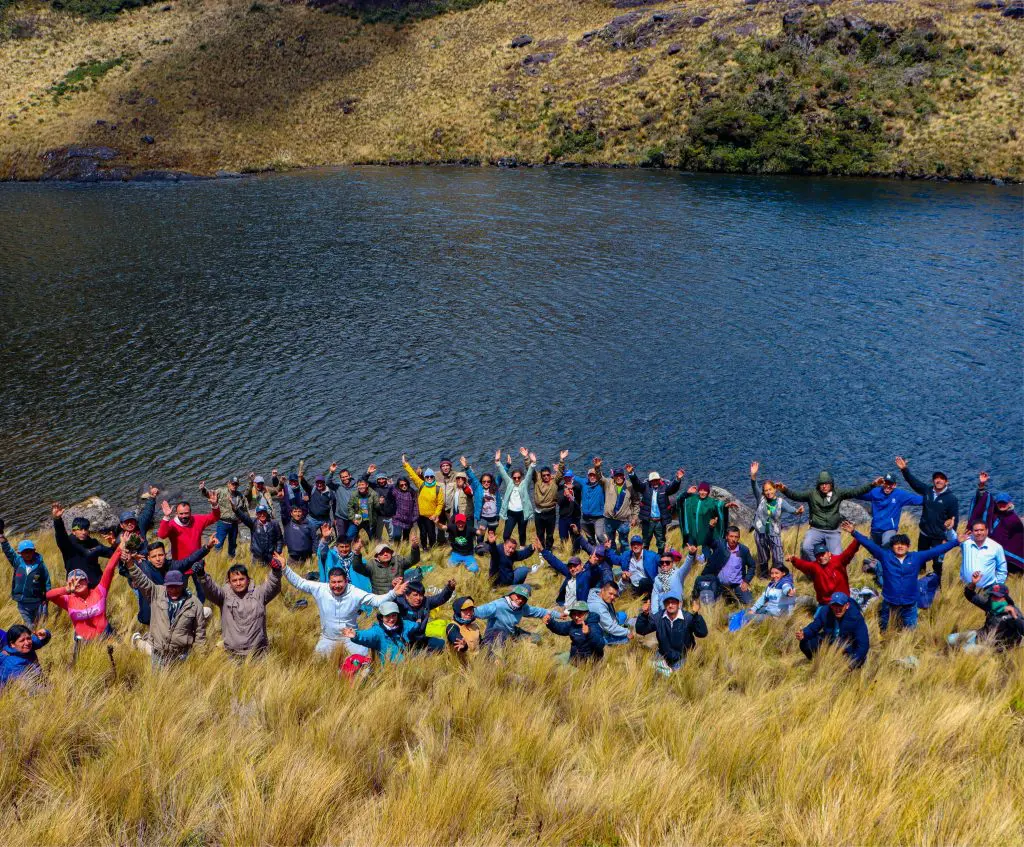
Chicuate Chinguelas is managed in partnership with the community of Segunda y Cajas, who fought for its creation and continue to safeguard it. For generations, their livelihoods, traditions, and cultural identity have been intertwined with the páramos and forests they now protect—making the reserve both a refuge for rare species and a living expression of the deep bond between people and nature.
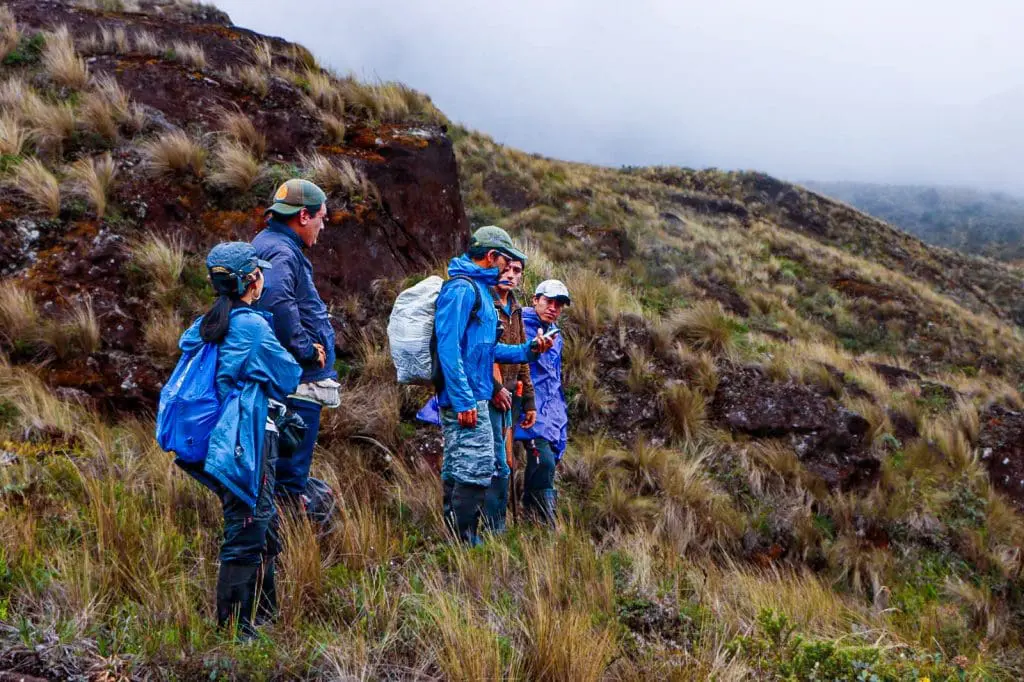
The discovery—five years in the making and led by herpetologist Germán Chávez—represents an act of resilience in an ecosystem threatened by fires, deforestation, and resource-based activities such as mining and logging.
“We knew something was waiting for us in the Huancabamba páramos. It wasn’t a complete surprise, but it was an immense satisfaction,” says Germán Chávez. The discovery, published in a scientific article, confirms that this natural area is a prime location for scientific exploration.
The Names Behind the Frog Species
Each of the three newly described frog species carries a name that honors the region. In northern Peru, cutin is a colloquial term for small frogs or toads—a familiar word in rural communities that reflects the region’s connection to its amphibians. Paired with a second descriptor, each name tells its own story.
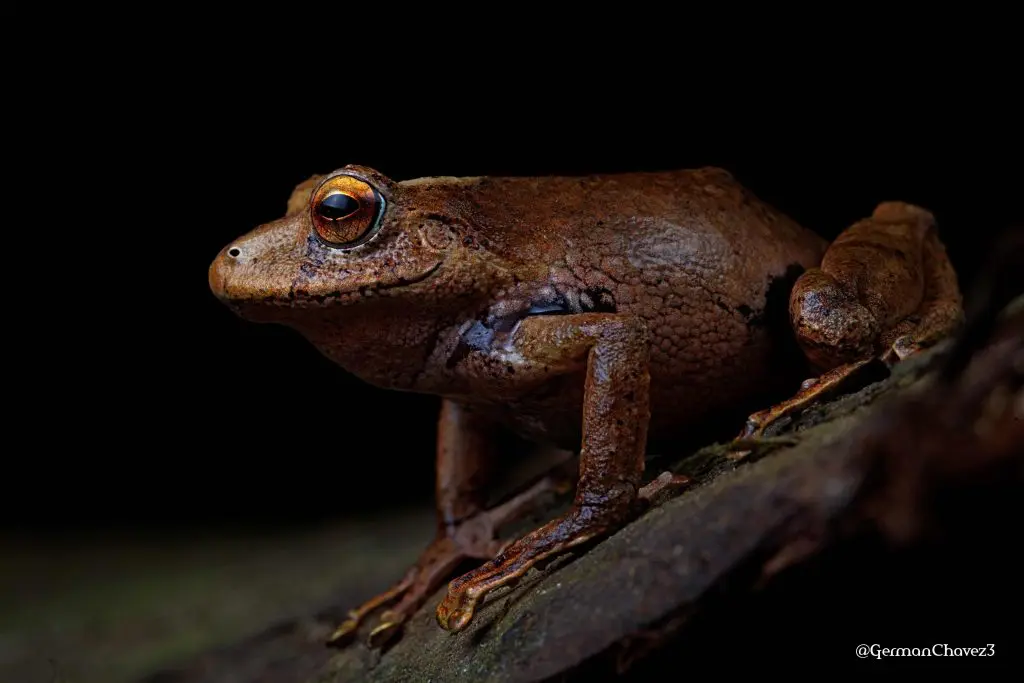
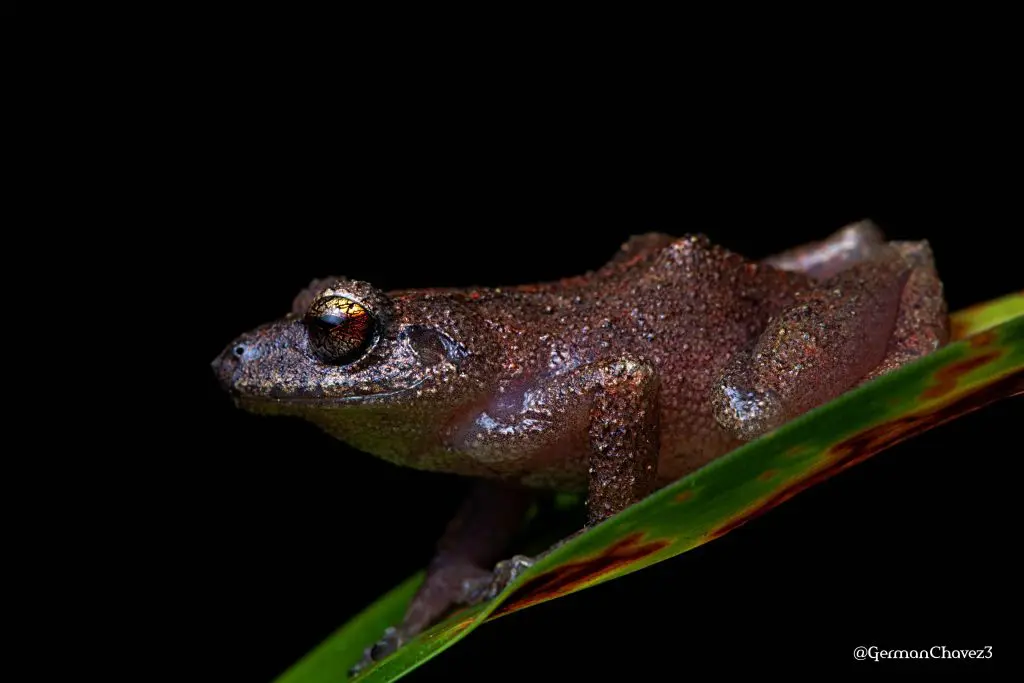
Pristimantis chinguelasP. nunezcorteziP. yonque
Cutin de Chinguelas(Pristimantis chinguelas) inhabits the Chinguelas Mountain. It is distinguished by long tubercles along the sides of its body—a striking morphological feature that makes it easy to identify. Its name pays tribute to the place where it was found.
Cutin de Elio (Pristimantis nunezcortezi) is a more elusive species, found in the shaded ravines of mountain forests. Its most distinctive feature is the black coloring on the inner thighs, which sets it apart from other frogs in the region. Its name honors conservationist Elio Iván Núñez Cortez, a field technician with Nature and Culture International in Peru and a passionate defender of the Huancabamba mountain range. For more than a decade, Elio has worked to protect the region’s páramos and montane forests—always ready to set out in search of the rarest birds in the area. “Elio knows the land, walks it, protects it, dreams it. It was only right that his name be immortalized in one of its species,” says fellow expedition scientist Iván Wong.
And then there’s Cutin del Yonke (Pristimantis yonke), a frog that lives among bromeliads. Its flattened body, pointed head, and granular texture give it a unique appearance. Its name, far from classical academic terms, is a tribute to a traditional Andean drink: “yonke,” a sugarcane spirit that’s a staple for hikes, camps, and rural celebrations. “We wanted a name that also spoke of the cultural bond with the territory,” explains researcher Iván Wong.
Huancabamba, A Biological Treasure
The Huancabamba páramos, together with the surrounding cloud forests, are part of the Andes del Norte Corridor, which connects with the Andean Bi-National Corridor linking Peru and Ecuador. This continuity explains why the new Pristimantis species have closer genetic ties to their Ecuadorian relatives.
“If you see something on one mountain, you can’t assume it’s on the next. That’s why we’ve decided to walk it all—every ridge, every slope. We want to make sure no centimeter goes unexplored,” says researcher Wilmar Aznaran.
These new species live in a fragile environment, threatened mainly by seasonal fires set to clear fields for crops and pasture—a long-standing farming practice in the region. While currently under control, these burns remain a persistent shadow over a landscape whose unique geological history means it cannot be fragmented without losing irreplaceable species.
“The ecosystem doesn’t respect political borders. We can’t assume that if we destroy one ridge, the same species is safe on the next. That’s a mistake,” warns scientist Karen Victoriano.
Beyond the Lab: Science with Identity
The research team embraces a science that is close to and sensitive to local culture. From naming a frog after yonke to involving community members in fieldwork, the message is clear: protecting biodiversity also means recognizing the people and traditions that have coexisted with it for centuries.
“We want people to feel proud knowing that these species exist in their land, because they’re part of their identity, their history—and now, their future.”
Germán Chávez
Partners in Discovery
This research was made possible through the dedication of herpetologists Germán Chávez, Wilmar Aznaran, Iván Wong, Karen Y. Victoriano-Cigüeñas, Luis A. García-Ayachi, Juan D. Valencia-Málaga, Jesús R. Ormeño, Michael Gulman, Ronal Sumiano-Mejía, Michelle E. Thompson, and Alessandro Catenazzi.
Fieldwork in remote areas like Chinguelas Mountain would not have been possible without local allies such as Angie Meléndres and Eswin Jibaja, who opened trails and offered hospitality. Support came from Nature and Culture International, the Chicago Board of Trade Endangered Species Fund, the E.O. Wilson Biodiversity Foundation, Consultants in Nature and Development (CANDES), Cafetería Pajarero, Restaurante La Cortez, and many friends.
Special recognition goes to the community that championed the creation of the Chicuate Chinguelas Protected Area—today a refuge not only for biodiversity, but also for the promise of future discoveries.
Welcome to Nature and Culture’s 2025 Newsletter
A conservation update on our wins across Latin America, and a look at the impact you’ve made on some of our biggest projects so far in 2025.
We have a lot to celebrate! You’ve helped create five new protected areas, including Corazón de la Amazonía and Cutervo in the Andean Bi-National Corridor linking key ecosystems in Ecuador and Peru. In Bolivia’s Chaco, communities are advancing wildfire prevention in one of the region’s most threatened landscapes.
Thank you for making this impact real.
In the heart of the Ecuadorian Amazon, in the province of Zamora Chinchipe, scientists have described a small but extraordinary new frog species.
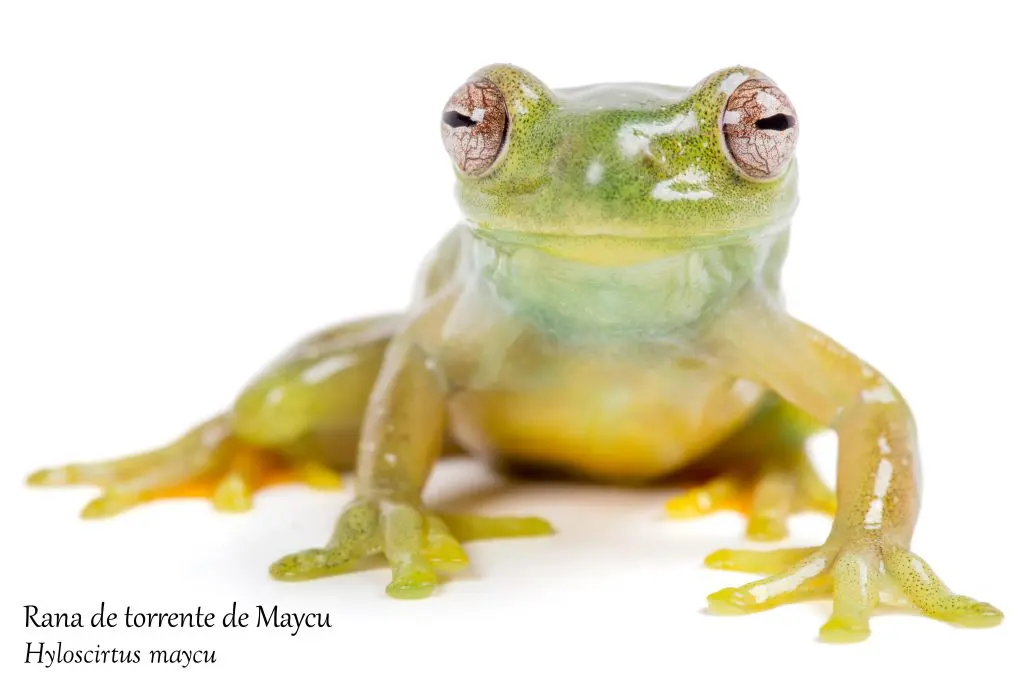
Ecuadorian herpetologist Santiago Ron and a team of researchers from the Pontificia Universidad Católica del Ecuador, in collaboration with the Natural History Museum of London, announced the discovery of three new torrent frog species from the Hyloscirtus genus. Among them is the standout Maycú Torrent Frog (Hyloscirtus maycu sp. nov.), a species adapted to fast-flowing mountain streams and named in honor of Nature and Culture’s Maycú Reserve.
The full article is open access in ZooKeys and can be viewed here.
Identifying this tiny frog, a species so small that even the larger females measure under two inches, took nearly a decade of research. “We found the first individuals in 2014, but it wasn’t until after multiple expeditions and genetic studies that we confirmed it was a species entirely new to science,” says Ron. The years-long process underscores the dedication, patience, and resources needed to conduct scientific research in the Amazon.
The Maycú Frog and Its Unique Call
Small but mighty, the Maycú Torrent Frog has evolved to remain hidden in its environment. Its irregularly patterned coloration allows it to blend into the forest leaf litter—an essential strategy for evading predators. But what truly sets it apart is its high-pitched, repetitive call that echoes through the Amazon night forest.
These frogs inhabit a very specific microhabitat and can be found along forest streams and creeks, perched on vegetation at night. “They have a rather loud call that can be heard relatively far away. It’s the males that sing to court females,” explains Ron.
It was this very sound that alerted researchers to the species’ uniqueness. “It was the frog’s call that tipped us off. We realized this was something different from all previously described species. Later, genetic studies confirmed that what we found in Maycú had never been seen anywhere else in the world,” adds Ron.
The Maycú Torrent Frog is a powerful reminder of how much remains unknown about Amazonian biodiversity, especially in the Cordillera del Cóndor, a sub-Andean mountain range along the Ecuador–Peru border that ranks among the most biodiverse and ecologically vital regions on Earth. It underscores the urgent need to keep exploring, documenting, and protecting these fragile ecosystems.
Southern Ecuador’s Amazon, A World to Be Discovered
Southern Ecuador, where the Andes meet the Amazon, is home to a unique ecosystem with exceptionally high levels of endemism. This phenomenon is especially pronounced among amphibians: crossing a single valley or river can reveal an entirely different community than on a neighboring mountain. This extraordinary diversity means that every corner of the forest could still be hiding species unknown to science.
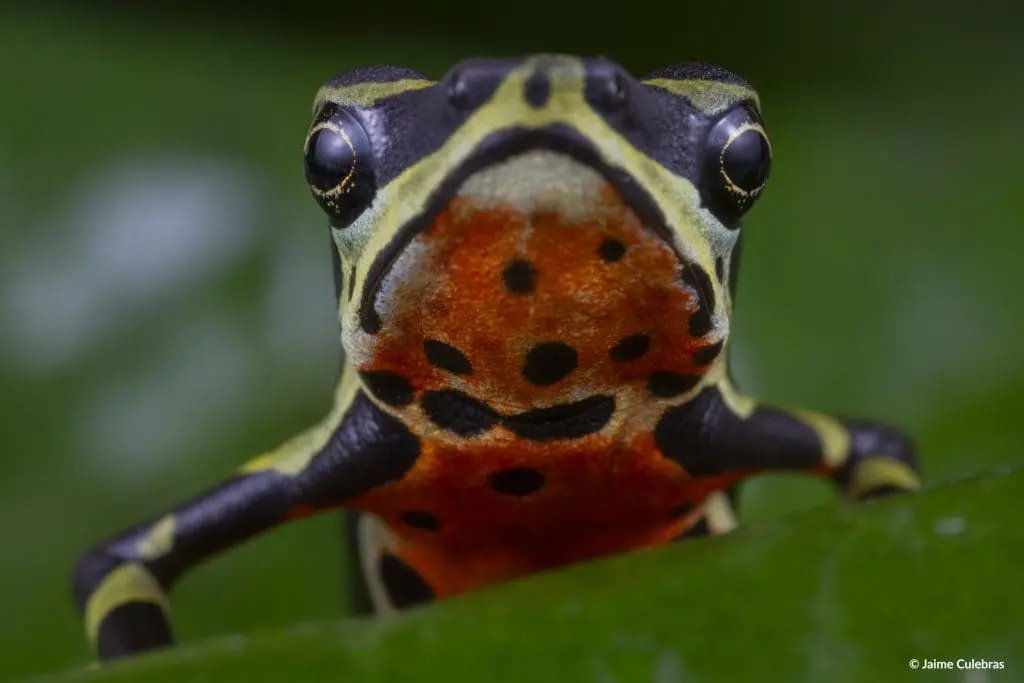
Chironius ScurrulusAntelopus sp.
For decades, most scientific expeditions focused on northern and central Andes—largely due to their proximity to Quito, Ecuador’s capital, leaving vast areas in the south relatively unexplored.
The southern sub-Andean ranges still hold vast, untapped potential, and the discovery of the Maycú Torrent Frog is living proof. This species remained hidden from science for centuries, a testament to how much remains to be discovered.
The Maycú Reserve is a Sanctuary for Biodiversity
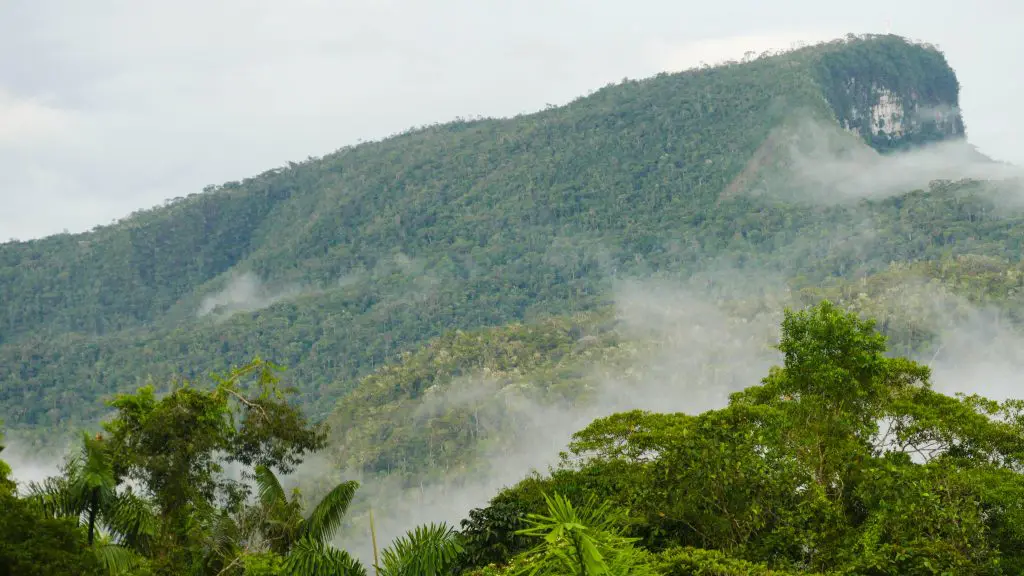
The Maycú Nature Reserve is located in the southern Ecuadorian Amazon, in the province of Zamora Chinchipe. It borders Peru to the east and spans close to 5,000 acres, within the last conservation corridor where the Andes meet the Amazon and the Cordillera del Cóndor.
Nature and Culture began protecting the area in 2012, with support from the NGO World Land Trust. It was later officially recognized as part of the Zamora Chinchipe Protected Area and registered in Ecuador’s national environmental authority’s forest registry.
The Maycú Reserve connects to four nearby protected areas, including the Podocarpus National Park, the Shuar Hunting, Fishing and Gathering Area, and Los Tepuyes Conservation Area, forming a megadiverse block. This area boasts a high degree of endemism and connects Andean, Amazonian, and Cordillera del Cóndor ecosystems, ensuring ecological connectivity and biodiversity conservation.
Illegal Mining: A Threat to the Maycú Frog
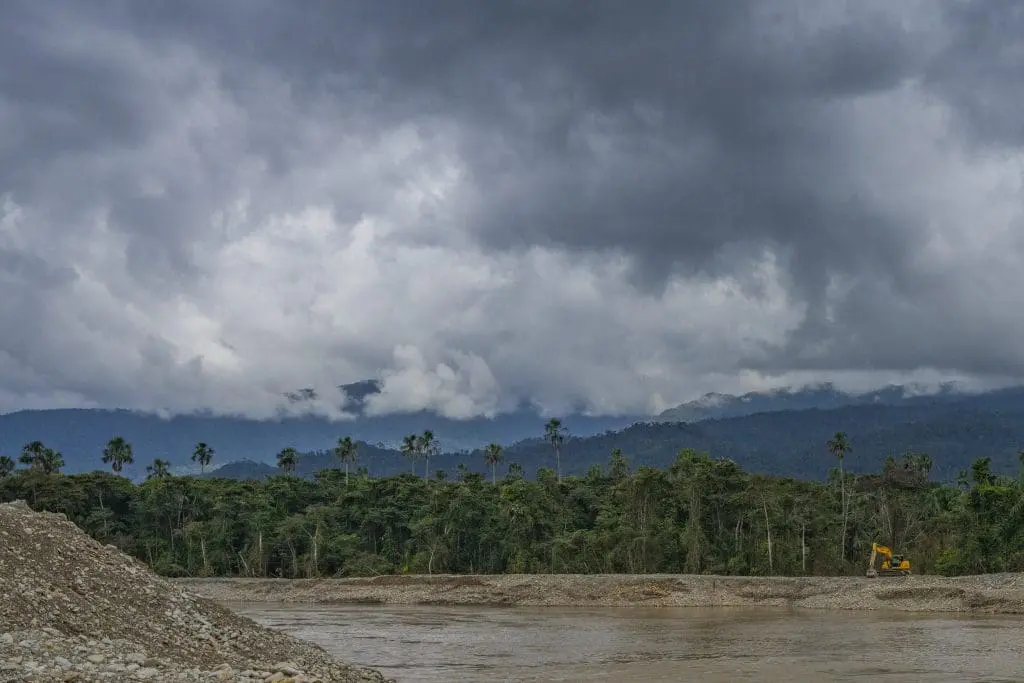
The discovery of the Maycú Torrent Frog is a scientific milestone, but its future remains uncertain. Its habitat—streams and creeks in and around the Maycú Reserve—is under increasing threat from illegal mining.
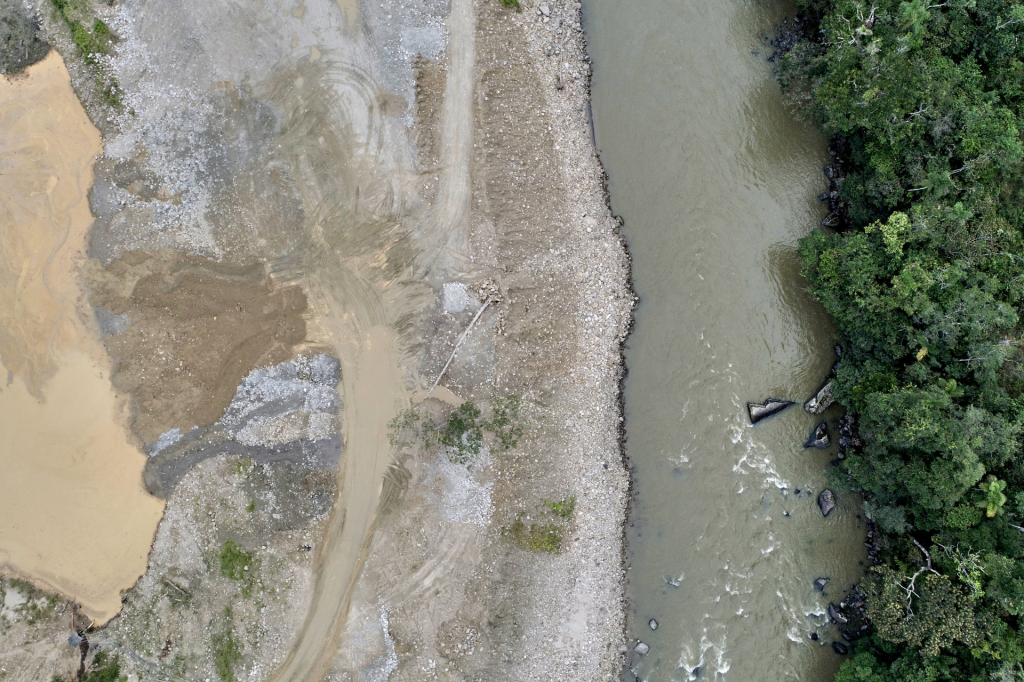
“The number of backhoes along the riverbank was insane. They were destroying the forest, and it’s deeply worrying,” warns herpetologist Santiago Ron. The deforestation and pollution caused by mining devastate fragile ecosystems and directly impact species with very limited ranges, like this frog.
The Maycú Torrent Frog has only been found in two localities, separated by about 18 miles. Any disruption to its habitat could be catastrophic. “If Maycú disappears, the species could go extinct,” Ron emphasizes.
This risk is not unique to the Maycú frog. Amphibians are the most threatened group of vertebrates globally, and habitat destruction is one of the main drivers of their decline. Protecting places like Maycú Reserve is essential to prevent the disappearance of unique species, some not even fully understood by science yet.
A Tribute to Nature and Culture’s Efforts
Naming this frog after the Maycú Reserve highlights and celebrates the importance of protected areas. “It’s a way to promote the conservation work being done and to support the protection of this incredibly important reserve. In my opinion, few conservation strategies are as effective as forest protection. For countries like Ecuador, there is no better approach,” says Ron.
The Future of the Maycú Frog Is in Our Hands
The discovery of the Maycú Torrent Frog is a powerful reminder of how much we still don’t know about the Amazon—and how much we are losing from land-use change and other human-driven forces.
The real question isn’t just what we can do, but what we’re willing to do. Because the Maycú frog’s song may continue to echo through the night—but only if we choose to protect its habitat and the countless other species that share it.
We thank Santiago Ron for openly sharing the story behind the discovery of the Maycú Torrent Frog and recognize the tireless efforts of forest rangers, researchers, biologists, and technical staff working to protect the irreplaceable forests of Nangaritza.
Connecting vast regions of biodiverse landscapes in the Amazon and Andes
Nature and Culture at COP16 the 2024 Biodiversity Conference in Cali, Colombia
The COP16 Biodiversity Conference will bring global leaders together to address the urgent need to reverse biodiversity loss, setting critical targets for safeguarding ecosystems. Nature and Culture International’s work aligns with these goals, as we collaborate with local communities to protect millions of hectares of biodiverse landscapes, contributing directly to global conservation efforts.
Learn more about how we work and some of our most urgent projects in the resources below
Calendar of Events Nature and Culture at COP16
Join Nature and Culture for a series of inspiring events, where we’ll showcase some of our transformational conservation work across Latin America.
October 21 – 30, 2024
21st of October, 6:30 pm | Green Zone (Banco de Occidente) PANEL OF EXPERTS
A Socially, Ecologically, & Culturally Connected Amazon: The most effective way to protect biodiversity and ensure water on the continent
Dialogue with our partners of the North Amazon Alliance about the benefits of a well-connected Amazon
Hosted by: The North Amazon Alliance
22nd of October, 4:00 pm | Casa Humboldt ROUND TABLE
Conservation Case Studies in Colombia’s Pacific Region
Santiago Castillo, Researcher at Humboldt Institute, will share our community-based conservation initiatives in Colombia
Hosted by: Humboldt Institute, Nature and Culture, WCS
22nd of October, 5:00 pm | Casa Humboldt (contact for invite) PRESENTATION
Half-Earth Day 2024 – Knowledge for Life
Matt Clark, Nature and Culture’s Executive Director will present “The Importance of Sub-National Protected Areas for Biodiversity Conservation”
Hosted by: E.O. Wilson Biodiversity Foundation
24th of October, 8:00 am | Nature Positive Pavillion (Blue Zone) INTERACTIVE SESSION
Finding Financial Mechanisms for Territories & Conservation Areas under Indigenous and Local Community Management
Renzo Paladines, Nature and Culture’s Conservation Director willpresent the Amazon Fund, an innovative financing mechanism supporting conservation in the Ecuadorian Amazon
Hosted by: PEW Research Center, WCS, Bezos Earth Fund, Nature and Culture
27th of October, 2:00 pm | Blue Zone (Colombia Pavilion) PANEL OF EXPERTS
A Socially, Ecologically, & Culturally Connected Amazon: The most effective way to protect biodiversity and ensure water on the continent
Dialogue with our partners of the North Amazon Alliance about the benefits of a well-connected Amazon
Research in the Key Biodiversity Area (KBA) of Abra de Zamora uncovered a new species of glass frog within Nature and Culture’s San Francisco Reserve.
The glass frog, belonging to the Centrolenidae family, is named for its translucent skin, which makes its internal organs, including its beating heart, visible. Recent research has shown that what was once thought to be a single species are actually several distinct species, each with differences in appearance, vocalizations, and even genetics.
Researchers from the Technical University of Loja described two new species within the C. buckleyi amphibian group, and the findings were published on August 20th, 2024. The Marco Reyes’ Glassfrog (Centrolene marcoreyesi) was found in Nature and Culture’s San Francisco Reserve in the southern Andes of Ecuador.
Although glass frogs are found across the tropics of Central and South America, recent studies have shown that the highest concentrations are in the Andean region, an area with incredibly rich biodiversity. Most Andean glass frogs have very limited distribution, but Buckley’s glass frog (Centrolene buckleyi) is an exception. This species covers a large region in the tropical Andes. Species that cover such wide areas often turn out to be groups of similar species, especially in complex regions like the Andes.
Abra de Zamora cloud forests where healthy populations of C. marcoreyesi have been found
This first specimen of C. marcoreyesi was identified in 2012 at Nature and Culture’s San Francisco Research Station (SFRS) in the Zamora Chinchipe province in Ecuador. SFRS is part of Nature and Culture’s founding story, and home to the world’s largest tropical montane forest ecology research program. 667 scientific publications have been generated from research conducted here and our team continues to partner with Ecuadorian and German university counterparts to implement ongoing research in the region.
Field Herpetologist Paul Székely noted that unfortunately, this species might already be extinct where it was initially discovered. Recent research, however, has found C. marcoreyesi in three additional locations, including Nature and Culture’s San Francisco Reserve and Podocarpus National Park. Székély believes that these populations are healthy and is currently conducting monitoring to gather data on this endangered species. Due to its limited range, researchers estimate that only a small number of individuals remain and recommend classifying it as Endangered (EN) according to IUCN criteria.
C. marcoreyesi is described as having a lavender tint to its eyes and a clear belly. The species name “marcoreyesi” is a Latin term used to honor Marco M. Reyes-Puig, a well-known herpetologist from the National Institute of Biodiversity in Ecuador, paying tribute to his work and memory, as well as to his family and friends. Marco first collected this new species during a field trip to the Ecuadorian province of Zamora-Chinchipe.
C. marcoreyesi recording of vocalizations
Although species such as this one face the ongoing threat of habitat loss from cattle farming, invasive species, and mining, it is crucial that our protected areas allow biodiversity to thrive. The protection of the San Francisco Reserve would not be possible without the invaluable support of Rainforest Trust whose collaboration has been instrumental in conserving this Key Biodiversity Area. The research team included Daniela Franco-Mena, Ignacio De la Riva, Mateo A. Vega-Yánez, Paul Székely, Luis Amador, Diego Batallas, Juan P. Reyes-Puig, Diego F. Cisneros-Heredia, Khristian Venegas-Valencia, Sandra P. Galeano, Jaime Culebras and Juan M. Guayasamin.