

Chilla: Forest, Water, and Biodiversity Conservation in the Highlands of El Oro
05/13/2025
The establishment of the Chilla Municipal Conservation and Sustainable Use Area protects unique ecosystems in the Sierra–Coast transition zone.
In a landmark decision for the conservation of its natural heritage, the canton of Chilla, in El Oro Province, has established the Chilla Municipal Conservation and Sustainable Use Area. This area aims to safeguard more than 19,000 hectares (46,950 acres) of Andean forests and páramo ecosystems, which are vital for biodiversity and the provision of essential ecosystem services.
Within the area, seasonal evergreen piedmont shrublands, montane shrublands, and expanses of Andean páramo are conserved, ecosystems that play a fundamental role in maintaining biological diversity and regulating regional hydrology through processes such as water capture, storage, and gradual release, all of which are essential for the stability of water supply systems.

One of the greatest contributions of the Chilla Municipal Conservation and Sustainable Use Area is the protection of essential water sources. Tributaries such as the Casacay River originate in this territory, serving as the primary water supply for the cantons of Machala, El Guabo, and Pasaje. Conserving these sources ensures the operation of the La Esperanza Intermunicipal Water System, benefiting more than 470,000 people across the province.

Currently, El Oro has eleven Municipal Conservation and Sustainable Use Areas, distributed across the cantons of Arenillas, El Guabo, Piñas, Portovelo, Santa Rosa, Zaruma, Las Lajas, Huaquillas, Balsas, Atahualpa, and Chilla. Together, they total more than 123,000 hectares (303,940 acres) under local protection, thanks to the leadership of local governments, with technical support from Nature and Culture International and financial support from Andes Amazon Fund.
Biodiversity: Endemic Richness and Strategic Ecosystems
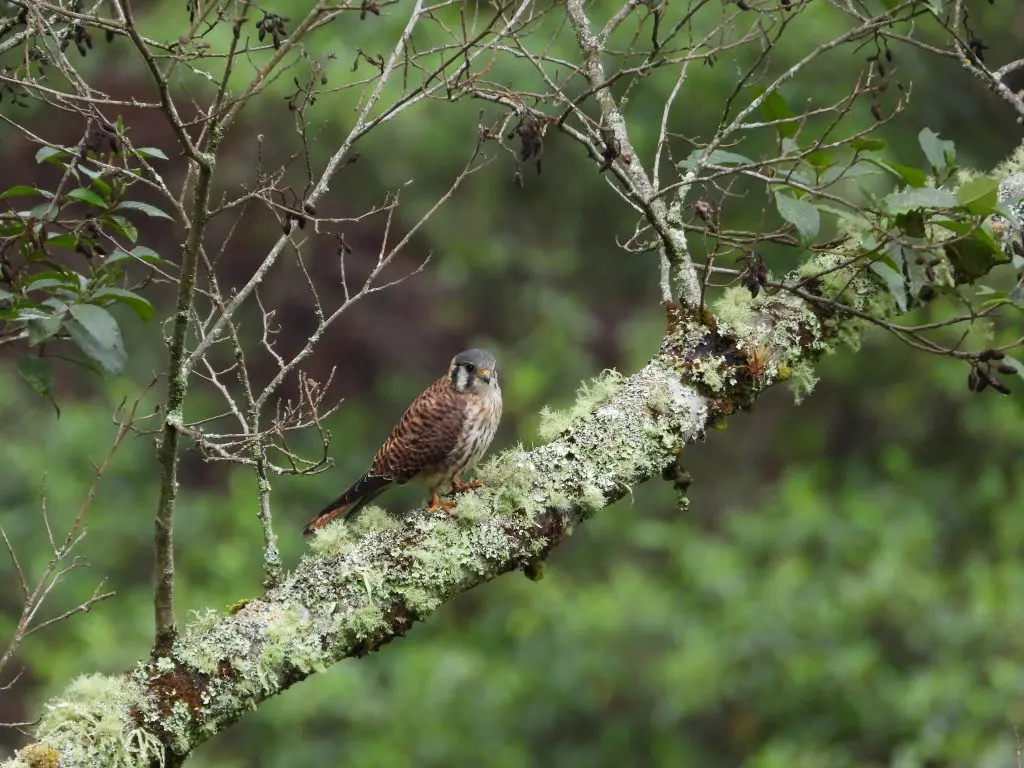
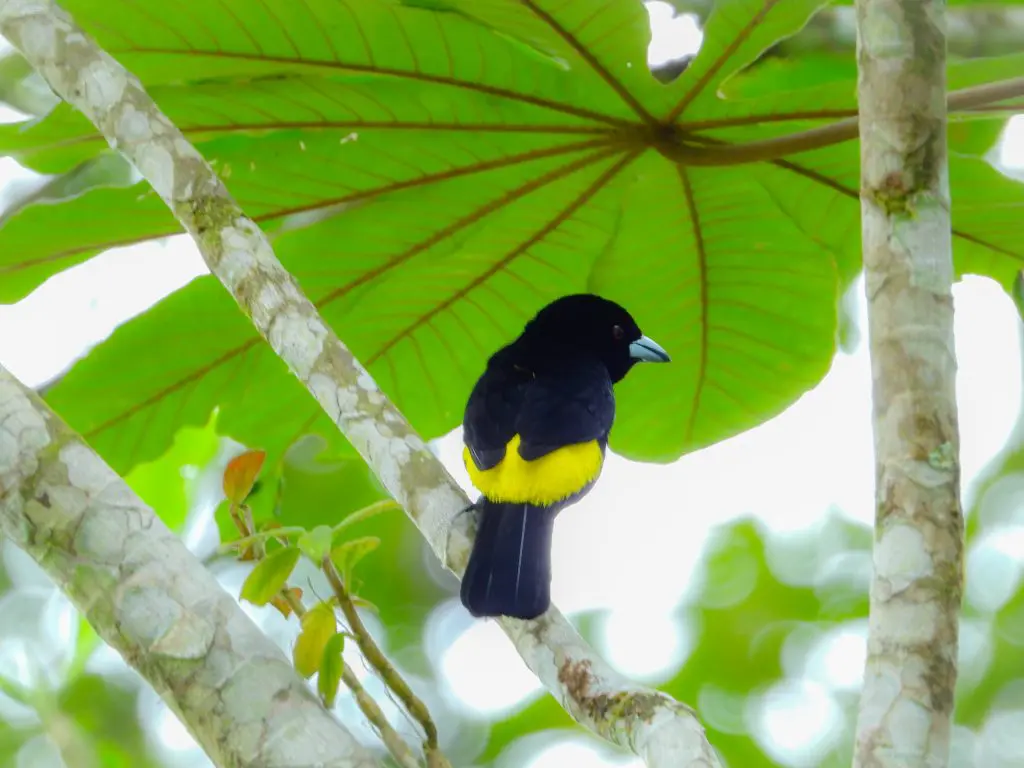
Although specific biodiversity inventories have not yet been conducted in Chilla, studies by the National Institute of Biodiversity (INABIO) indicate that the piedmont forests of El Oro are the richest and most diverse in the province. This richness includes numerous endemic and threatened species, such as the El Oro Parakeet (Pyrrhura orcesi), the El Oro Tapaculo (Scytalopus robbinsi), the Pacific Royal Flycatcher (Onychorhynchus coronatus), and the Ochraceous Attila (Attila torridus), as well as mammals such as the Spectacled Bear (Tremarctos ornatus) and the White-tailed Deer (Odocoileus virginianus).

Persistent Threats: Mining, Deforestation, and Wildfires
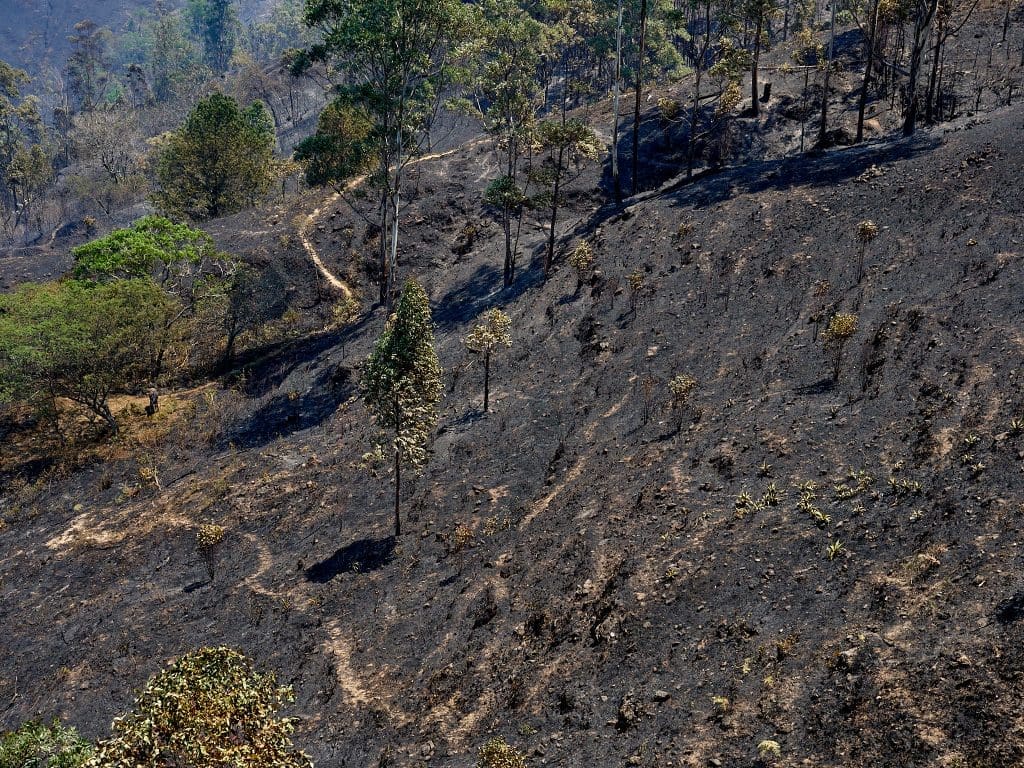
Like other Andean ecosystems in Ecuador, Chilla faces ongoing threats from activities such as mining, deforestation, and forest fires. These pressures not only cause the direct loss of vegetation cover but also fragment habitats, isolate biological populations, and increase the risk of species extinction.
Ecological connectivity between natural areas is essential for maintaining genetic diversity and the viability of populations in fragmented landscapes. In this context, the Chilla Municipal Conservation and Sustainable Use Area plays a strategic role, serving as the core area of the El Oro Parakeet (Pyrrhura orcesi) corridor and incorporating its páramo into the Southern Ecuador Water Protection Area. In doing so, it makes a decisive contribution to ecosystem resilience and regional water security.
A Territory that Also Safeguards Natural and Tourism Heritage
The Chilla Municipal Conservation and Sustainable Use Area not only protects forests and water sources; it also preserves high-value natural and tourism sites such as Lecher Waterfall, Cerro Portete, Cerro Yayurco, Ruisicocha Lagoon, Chillacocha Lagoon, and the El Panecillo Viewpoint, strengthening local identity and creating opportunities for sustainable tourism.
Chilla Commits to Long-Term Conservation
The establishment was supported by technical assistance from Nature and Culture International, which, beginning in 2020, promoted key activities for its official designation. These included field data collection to diagnose water systems and map their boundaries, legal advisory support for drafting the municipal ordinance, community outreach and engagement processes, and technical guidance throughout the process.
Luis López, a technician with Nature and Culture International, notes that field data collection was essential to support the establishment of the new area and to prepare technical and legal assessments. In the immediate future, efforts are focused on creating the Management Committee, developing the area’s Management Plan, and engaging water users in the governance of this important conserved territory.

The conservation of forests, water sources, and biodiversity in Chilla not only benefits the local region but also strengthens the ecological resilience of the entire province of El Oro, preserving key habitats and strategic water sources, and also enhancing regional ecological connectivity—an essential element for maintaining the resilience of Andean ecosystems in the face of climate change and human pressures.
