
Honey for Forests: A Sweet Return on Conservation
06/04/2026
How community-led conservation and native bees are securing the forest’s future.
In the dry forests of southern Ecuador, local communities have discovered a sweet reality: protecting nature can be far more profitable than destroying it. For generations, this critical ecosystem faced intense pressures from deforestation, agricultural expansion, and devastating wildfires. Today, a community-led movement called “Honey for Forests” (Miel por Bosque) is turning the tide. Local families are proving that keeping the forest standing is a powerful way to secure their own economic future.
As Bruno Paladines, Dry Forest Coordinator at Nature and Culture International, explains: “If we restore the forest, the bees have food, they produce honey, and they boost the surrounding crops. It is a fair, reciprocal exchange: honey in return for a thriving forest.”
A Growing Network for Conservation


What began as a small alliance among local rural parishes in the Puyango region has blossomed into a pioneering national movement. Since 2016, Nature and Culture has been working alongside municipal governments, local associations, and hundreds of families to scale this impact. Today, the initiative has expanded across five critical Ecuadorian provinces, where more than 600 local bee caretakers sustainably manage around 5,000 native hives.
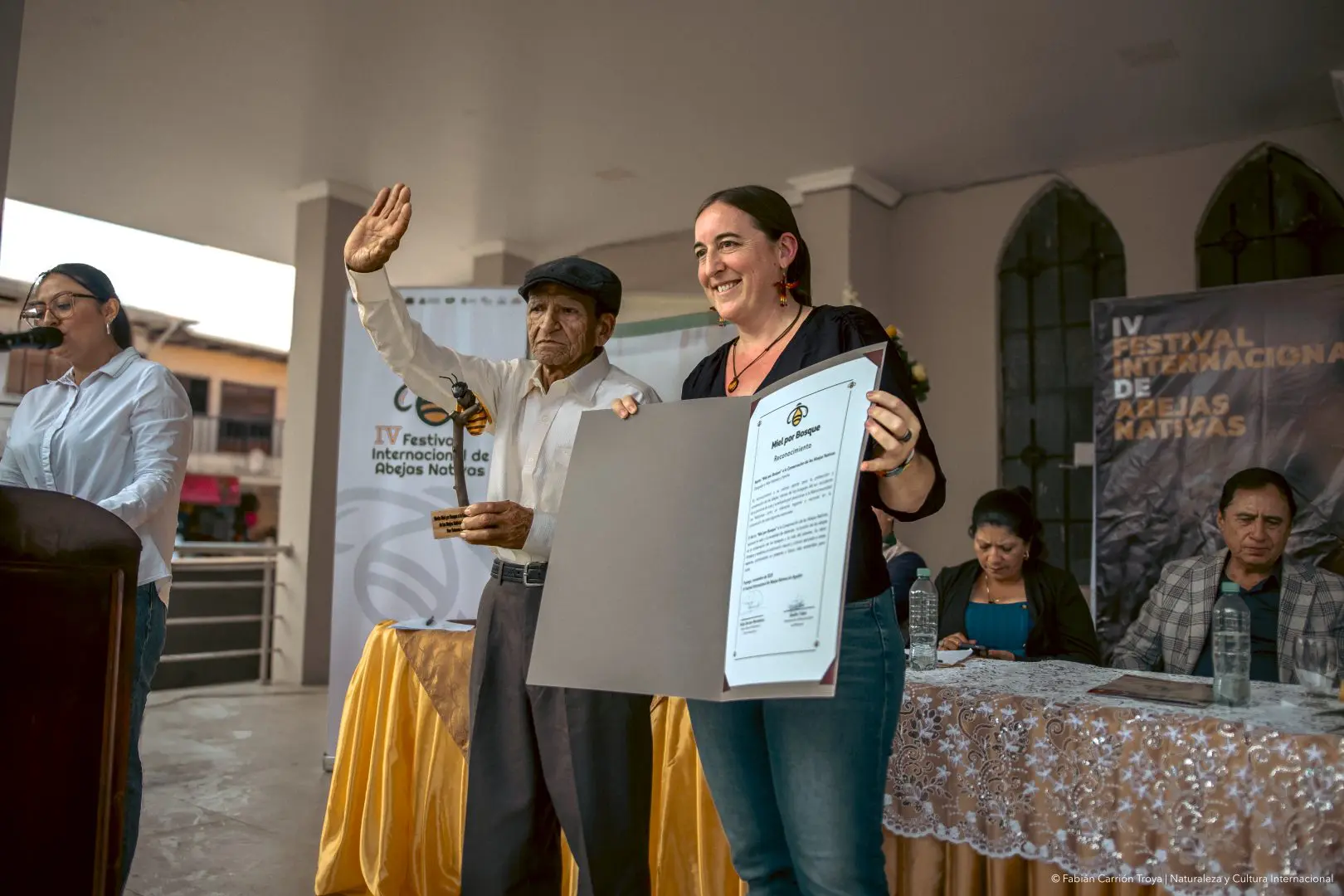
This incredible momentum recently led to a historic success: the opening of Ecuador’s first-ever Comprehensive Native Bee Center. Located in Puyango, this center serves as a national hub for innovation, training, and scientific research. It connects bee caretakers from across the country, streamlining sustainable honey production while serving as a cornerstone for dry forest conservation.
Tiny Heroes, Bigger Highlights
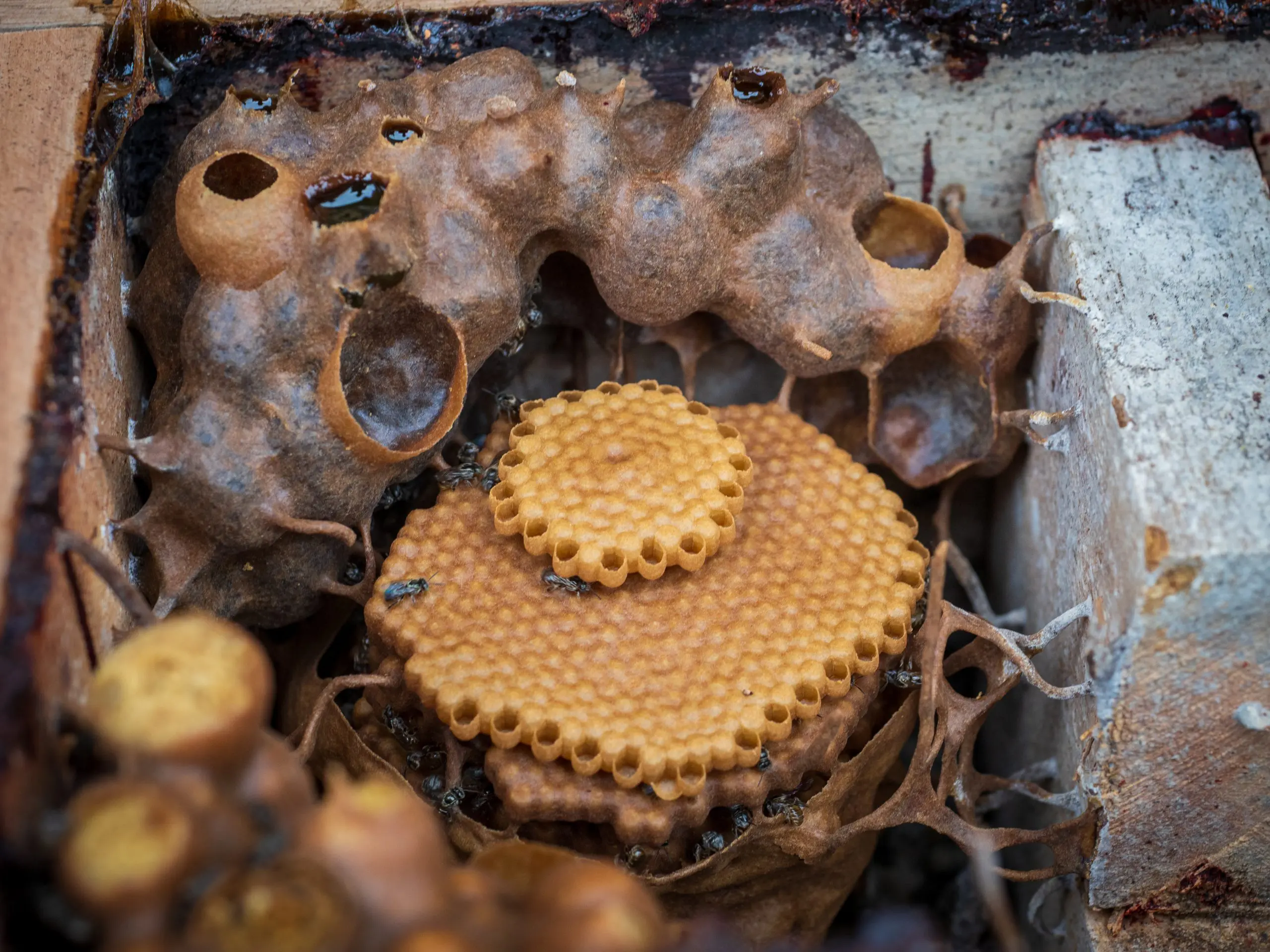
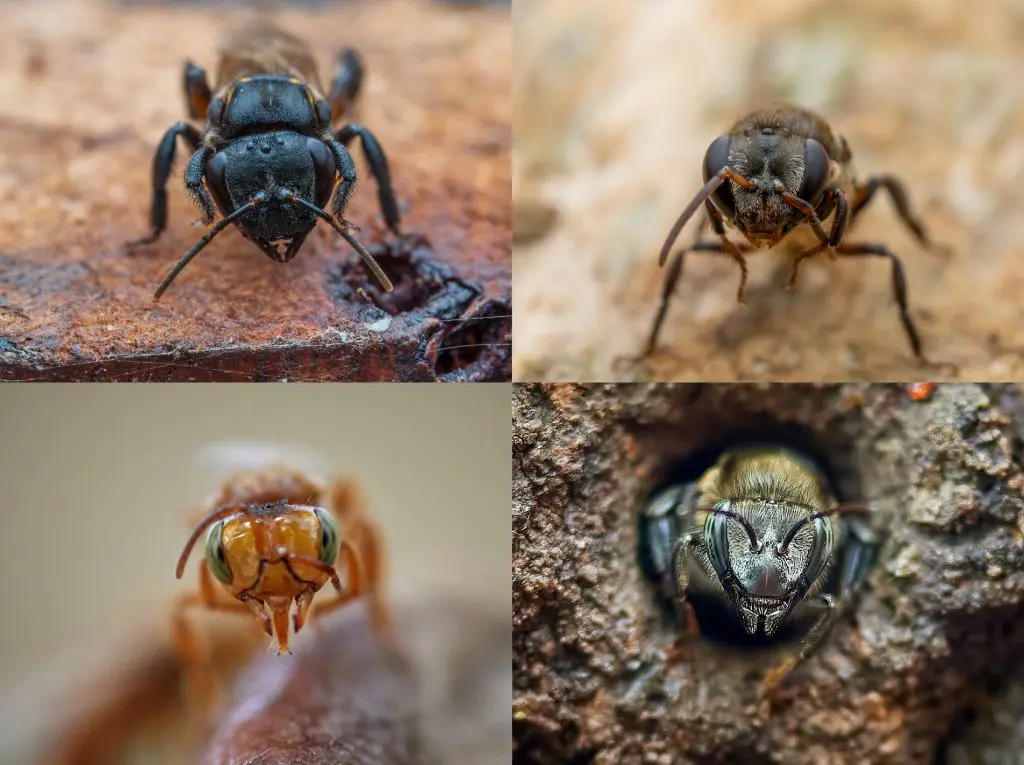
Why does this matter to the rest of the world? Because these are not ordinary bees. Ecuador is home to over 200 species of native, stingless bees that are the absolute backbone of local food security and ecosystem health. They pollinate native trees and plants that no other insects can. By protecting them, local families are actively restoring entire landscapes.
This community effort is woven directly into Puyango’s municipal protected area, which spans over 69,000 acres. By blending traditional knowledge with modern technical innovations, the project has already achieved massive, concrete highlights on the ground:
Real Human Transformation
Beyond the technical metrics, the beauty of this model lies in its human impact. Local producers are shifting away from traditional, aggressive agriculture and turning their land into integrated, climate-resilient farms that harmonize production with ecology.
Oscar Prieto, a local bee caretaker, shares his motivation: “What drives me is being an active part of conservation. On our farms, we’ve implemented integrated agroforestry systems. We have learned that this isn’t just about production; conservation must be at the center of how we manage our land.”


An Invitation to Join the Buzz
“Honey for Forests” is a proven success story showing that when ancestral knowledge, community leadership, and technical innovation merge, rural communities can successfully confront climate challenges. The buzz of native bees in southern Ecuador is growing louder every day, and the dry forest is breathing again. However, keeping this momentum alive and expanding to more families requires continuous investment. By supporting Nature and Culture, you become an active partner in this sweet cycle, empowering local guardians, protecting irreplaceable biodiversity, and keeping these critical forests standing for generations to come.
