
Pasaje Protects Water Security and Ecological Diversity
06/13/2025
A New Municipal Conservation Area Protects Water and Forests in Southern Ecuador
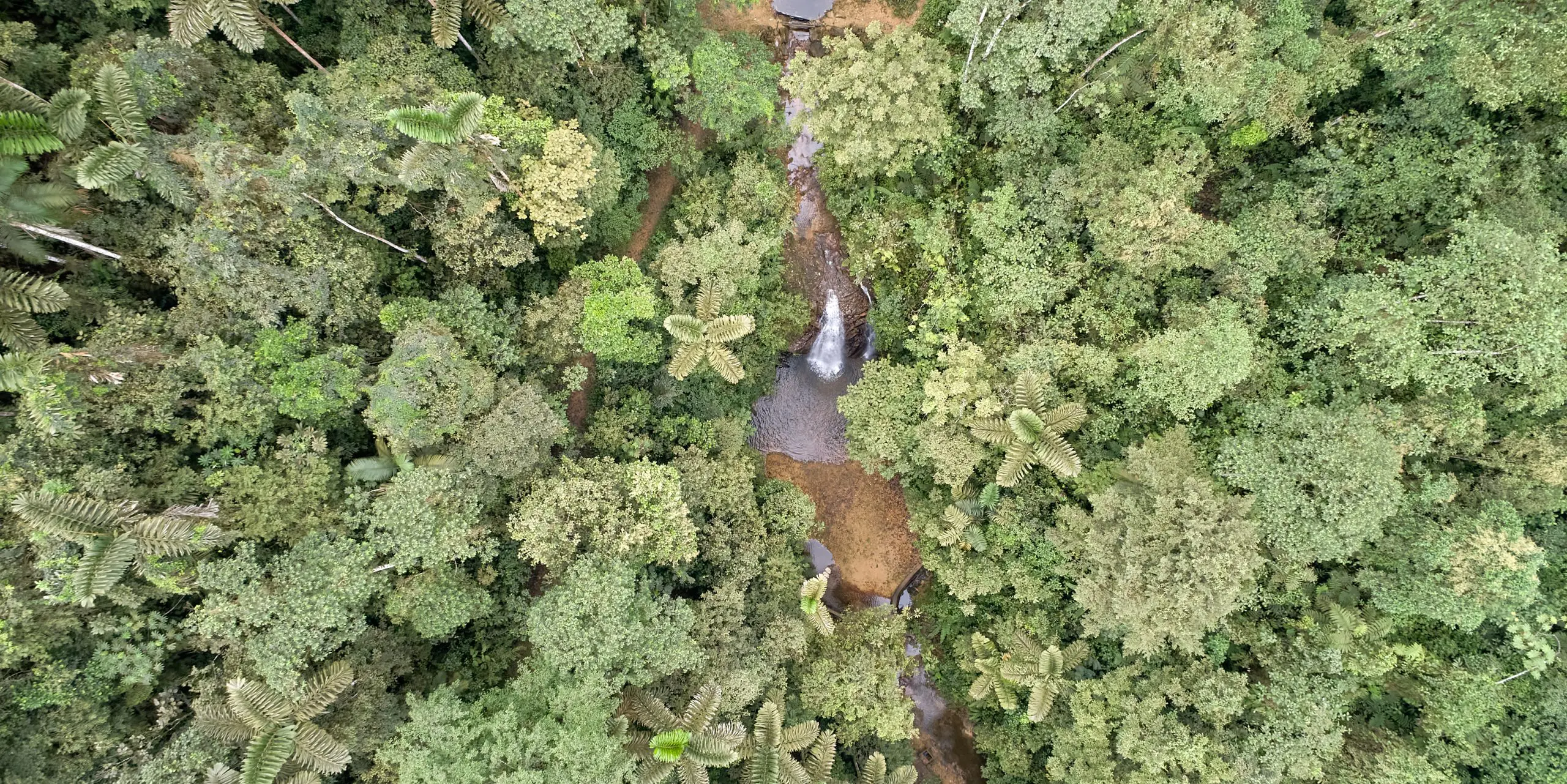
The local government of Pasaje, in the province of El Oro, has established a new Municipal Conservation and Sustainable Use Area spanning more than 42,000 acres (17,000 hectares). Located on the western slopes of the Andes, where mountain forests transition into coastal lowlands, this landscape protects vital water sources and diverse ecosystems found only in this unique ecological corridor.
Water Security for People and Nature
At the heart of this new conservation area is the lower Casacay River watershed, a critical source of drinking water for three municipalities, including the regional hub of Machala. Protecting these forests means protecting clean, reliable water for tens of thousands of people, along with the wildlife and farms that depend on it.
By conserving the forests that regulate rainfall, prevent erosion, and filter water naturally, local governments are investing in long-term water security and climate resilience.
A Shared Commitment to Stewardship
Efforts are currently underway to establish a management committee that will bring together the three municipal governments of Pasaje, El Guabo, and Machala (as water users), along with Chilla, within whose territory 86% of the Casacay River watershed is located. This multi-stakeholder governance platform will be key to coordinating and sustaining long-term conservation actions.

A Mosaic of Critical Ecosystems
The ecological diversity of the Pasaje Municipal Conservation and Sustainable Use Area is one of its greatest strengths. Within its boundaries are unique and representative ecosystems, including remnants of semi-deciduous and deciduous lowland forests, seasonal evergreen foothill forests, and evergreen montane forests along the western slopes of the Andes.
This ecological complexity supports a rich array of native plant and animal life. It also provides essential environmental services: regulating the water cycle, protecting soils from erosion, and maintaining ecological connectivity between higher-elevation forests and lowland habitats. These connected landscapes are vital for wildlife movement, climate resilience, and long-term ecosystem health.
Biodiversity of High Ecological Value
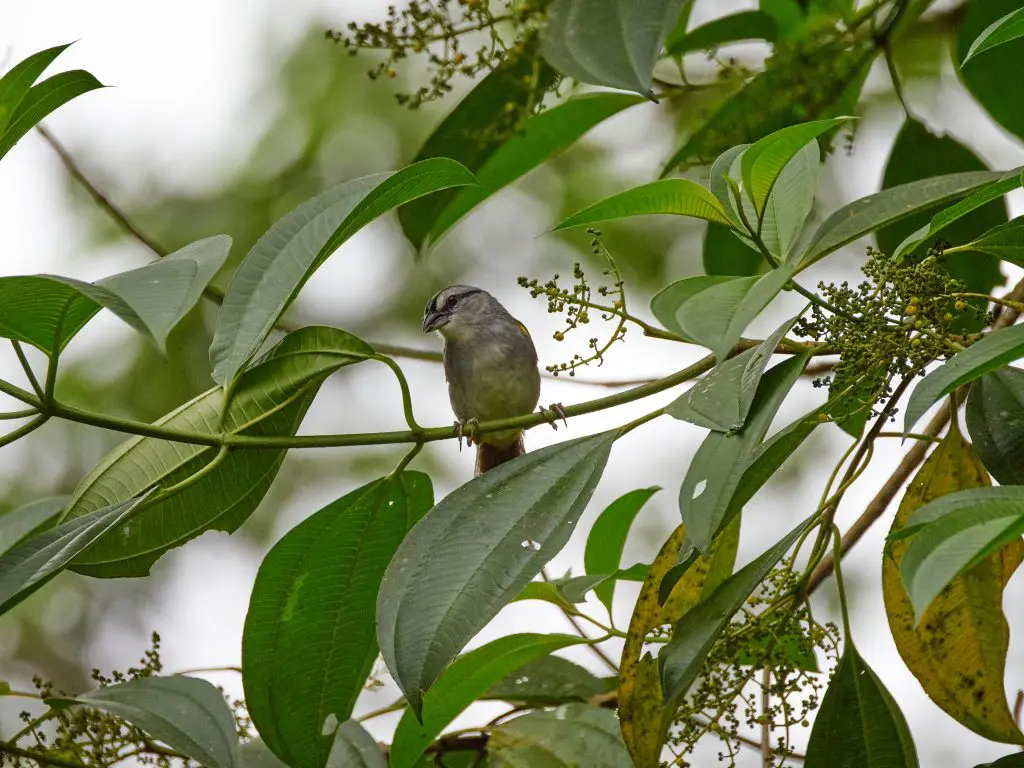
The conservation area shelters a remarkable diversity of species. Notable examples include the South American motmot (Momotus subrufescens), the El Oro parakeet (Pyrrhura orcesi), a species found only in this region of Ecuador, and the masked tree frog (Smilisca phaeota), whose presence along riverbanks is widely recognized as an indicator of healthy, well-preserved ecosystems. While detailed amphibian studies have not yet been conducted within the conservation area itself, records from nearby territories underscore its importance as habitat for tropical amphibians and other species that are highly sensitive to environmental degradation.

Technical Process and Community Participation
The creation of the Pasaje Municipal Conservation and Sustainable Use Area was the result of a participatory technical process carried out in 2023. The effort was led by the Pasaje Municipal Government, with support from Nature and Culture International and funding from Andes Amazon Fund. It is part of a broader provincial strategy to strengthen a network of locally managed conservation areas that protect water sources, ecosystems, and biodiversity across El Oro Province.
The process began with baseline studies to assess biodiversity, water resources, and land use. Multi-criteria spatial analyses were then conducted to define the proposed boundaries of the conservation area. The results were reviewed and validated with technical experts and local stakeholders to ensure both scientific rigor and community alignment.
Moving Toward Effective Management: Challenges and Priorities
The formal establishment of the Pasaje Municipal Conservation and Sustainable Use Area marks an important milestone for conservation in southern Ecuador. However, significant challenges remain. One of the most pressing threats is the expansion of illegal mining activities, which jeopardize water quality, forest integrity, and the ecosystem services that support local livelihoods.
To ensure effective implementation, priority actions include forming a multi-stakeholder management committee, creating a dedicated technical management unit, and developing a comprehensive management plan. According to Luis López, a technical specialist with Nature and Culture International, these steps will strengthen environmental governance and build shared responsibility around protecting the water sources and forests that define the Pasaje conservation area.
