
Tracking the Path of the Jaguar
11/29/2025
Nature and Culture’s Role in Mexico’s National Jaguar Census
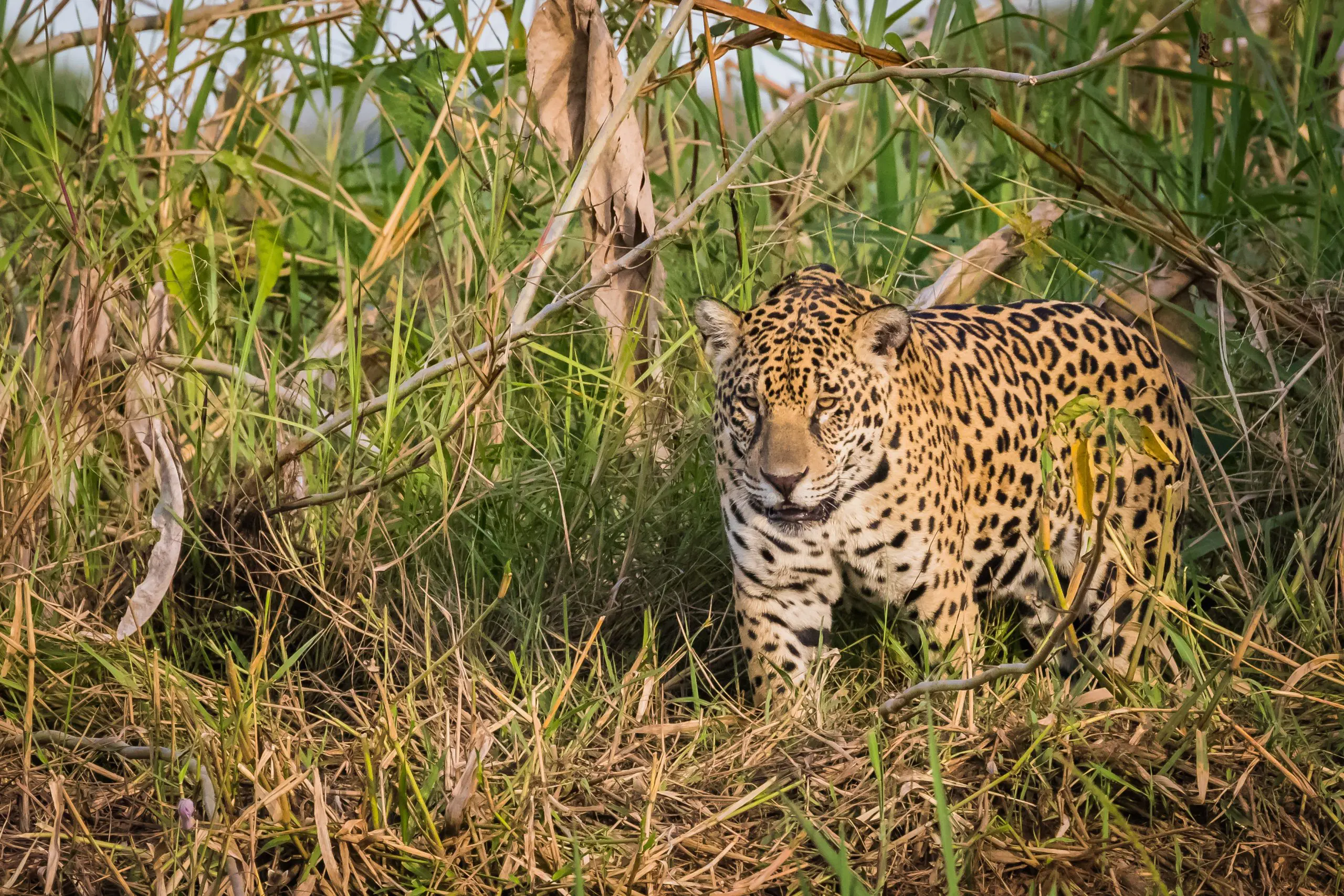
In the state of Sonora, between the Sierra Madre Occidental mountain range and the tropical dry forest, a silent roar signals the presence of one of the Americas’ great cats: the jaguar.
As we mark International Jaguar Day, understanding where jaguars live, how many remain, and what threatens them is more important than ever. Following the jaguar’s tracks is vital for its conservation. This symbol of strength and ecological balance is the focus of the National Jaguar Census, an initiative conducted in 2010 and 2018 to determine how many jaguars remain in Mexico, where they roam, and how to secure their future.
At Nature and Culture in Mexico, we are part this nationwide effort, coordinated by the National Alliance for Jaguar Conservation and considered the most ambitious wildlife monitoring initiative in the Americas.
A Natural Guardian of Ecological Health
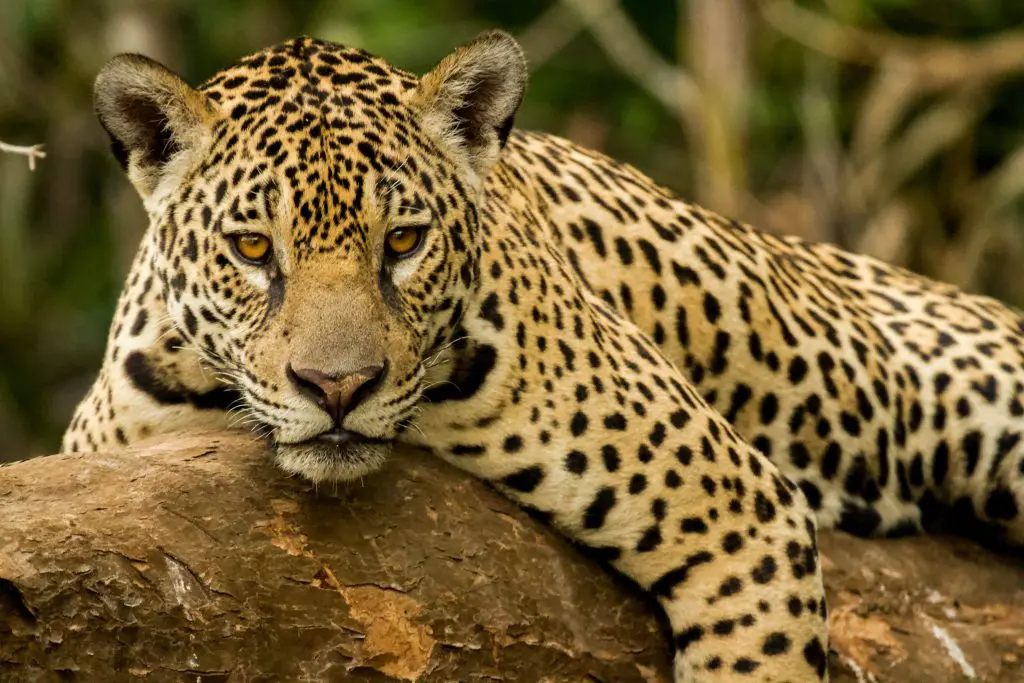
The jaguar is far more than a symbol of beauty and power. As the apex predator of tropical and subtropical ecosystems, its presence signals the health of the forests it inhabits. To survive, it needs large, intact forests, abundant prey, and clean water. When jaguars thrive, ecosystems thrive. Yet their future is threatened by habitat loss, poaching, and human–wildlife conflict.
Counting to Conserve: Inside Mexico’s National Jaguar Census
The Third National Jaguar Census was carried out in 15 states with the participation of academic institutions, civil society organizations, and local communities. Sonora was one of the key regions in this nationwide effort.
We participated through our Monte Mojino Reserve, located inside the Sierra de Álamos–Río Cuchujaqui Flora and Fauna Protection Area, home to one of the northernmost jaguar populations in the Americas.
For several years, Nature and Culture has contributed to protecting the jaguar and its natural prey, and now in partnership with research organizations, we are providing data that strengthens our understanding of the species and informs long-term conservation strategies.
Our work in the region made it possible for us to contribute to the Third National Jaguar Census, highlighting ongoing conservation efforts in the Monte Mojino Reserve and the Río Mayo watershed. This collaborative work with CONANP, Naturalia A.C., neighboring ranchers, and the Monte Mojino team, also paved the way for us to join the National Alliance for Jaguar Conservation in August 2025.
“Participating in the national census was an opportunity to show that jaguar conservation yields far greater results when we unite efforts—from local communities and civil organizations to national institutions,” said Miguel Ángel Ayala, Nature and Culture’s Mexico Country Director.
Between July 2023 and July 2024, field teams installed 40 camera-trap stations across the Sierra de Álamos. They recorded 40 jaguar detections and possibly identified six different individuals (three females and three males), along with numerous records of pumas, ocelots, and tigrillos.

The results show an average density of 1.83 jaguars per 100 km² (38.6 square miles), the highest recorded so far in Sonora. Nearly 90% of detections occurred in tropical dry forest, a key ecosystem linking the Nearctic and Neotropical regions and home to other threatened species such as the military macaw (Ara militaris) and the Sinaloan desert tortoise (Gopherus evgoodei).
Beyond the Jaguar: A Vibrant Ecosystem
Camera traps detected more than 20 wildlife species, from large carnivores to small mammals and ground-dwelling birds, the puma (Puma concolor), ocelot (Leopardus pardalis), margay (Leopardus wiedii), bobcat (Lynx rufus), and the Wagler’s chachalaca (Ortalis wagleri)—all indicators of a healthy ecosystem where predators help maintain population balance.


Prey species were also observed, such as the white-tailed deer (Odocoileus virginianus), collared peccary (Pecari tajacu), and wild turkey (Meleagris gallopavo), which reflect the ecological functionality and good conservation status of the habitat.
Their presence reveals that the Sierra de Álamos–Río Cuchujaqui remains a vital refuge for the biodiversity of northwestern Mexico.
The Monte Mojino Reserve: A Key Space for the Jaguar
Much of this work took place in the Monte Mojino Reserve, a private conservation area managed by Nature and Culture. This site plays a critical role in jaguar connectivity, acting as a bridge between habitats within the Sierra de Álamos–Río Cuchujaqui Protection Area.

In Monte Mojino and neighboring ranches, our wildlife monitoring is paired with sustainable livestock practices, ecological restoration, community patrols, and environmental education that promotes coexistence between local communities and wildlife. The census results show these actions are working: jaguars and their prey are present and coexisting with the livelihoods of local residents.
“Our experience in Monte Mojino has shown us that jaguar conservation cannot be achieved from a single place, but through collaboration among all who share the territory. Being part of the National Alliance for Jaguar Conservation reaffirms our commitment to continue working collectively so that this species and its landscapes remain alive,” added Miguel Ángel Ayala.
An Unprecedented National Effort
The Third National Jaguar Census is the largest wildlife monitoring initiative in the history of Mexico and Latin America. It involved more than 49 researchers, 23 sampling sites, and 920 camera traps, covering more than 400,000 hectares (988,422 acres) across 15 states.
National results estimate a total population of 5,326 jaguars, a 10% increase compared to 2018. The regions with the largest numbers of individuals are the Yucatán Peninsula (1,699) and the Southern Pacific (1,541), followed by the Northeast and Central region (813) and the Northern Pacific (733), where the state of Sonora is located.
Despite this clear population growth, the jaguar remains endangered, underscoring the need to strengthen biological corridors, consolidate protected areas, and deepen collaboration with local communities—as has been done in Monte Mojino and the Sierra de Álamos–Río Cuchujaqui.
Why This Matters on International Jaguar Day
International Jaguar Day is a reminder of both the beauty of this species and the urgency of protecting it. The findings from Mexico’s National Jaguar Census show that jaguars still have strongholds like the Monte Mojino Reserve but also highlight ongoing threats that require coordinated action.
By supporting long-term monitoring, strengthening habitat corridors, and working alongside local communities, Nature and Culture is helping ensure that jaguars continue to roam across northern Mexico for generations to come.

A Future Built on Steady Footsteps
“Counting jaguars is much more than a scientific exercise; it’s a way to ensure that the forests, rivers, and the communities that depend on them continue to thrive,” says Adriana Álvarez a member of the Nature and Culture team.
The study’s findings are a hopeful sign: jaguar populations appear stable and even show signs of recovery, thanks to the joint efforts of communities, institutions, and local organizations. With every image captured by the cameras and every community that joins the effort, the jaguar—and the entire ecosystem that depends on it—gains one more ally on its path toward survival.
“Each record, each paw print, and each image of the jaguar reminds us why it’s worth protecting these landscapes: because within them, wildlife, culture, and the hope for a more balanced future are all intertwined,” concludes Miguel Ángel Ayala—a message that resonates deeply on International Jaguar Day and every day we work to protect this species.
