New Protected Area in Ucayali Safeguards Rare Yungas Ecosystem

custom interior divider

The Velo de la Novia or “Bride’s Veil” protected area conserves a highly diverse transition zone between the Andes and Amazon and strengthens ecological connectivity with five nearby protected areas.

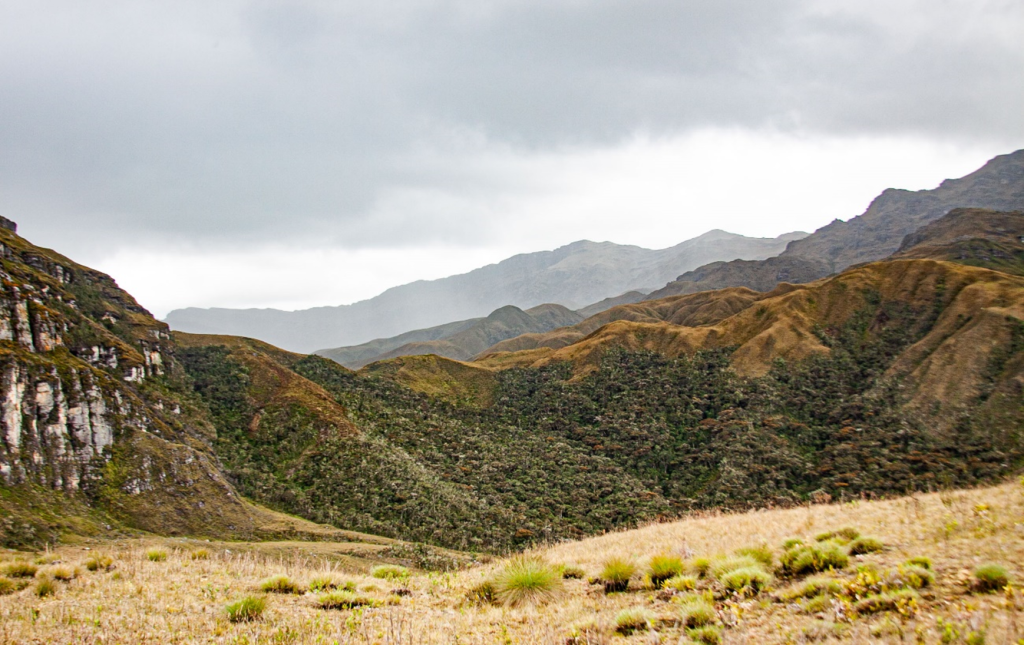
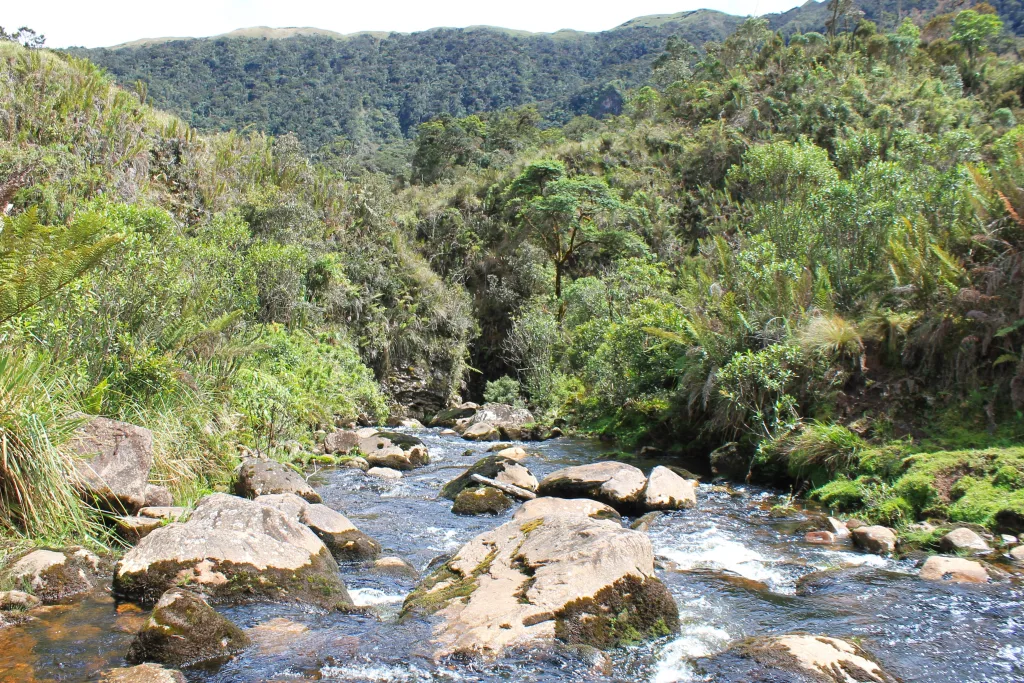
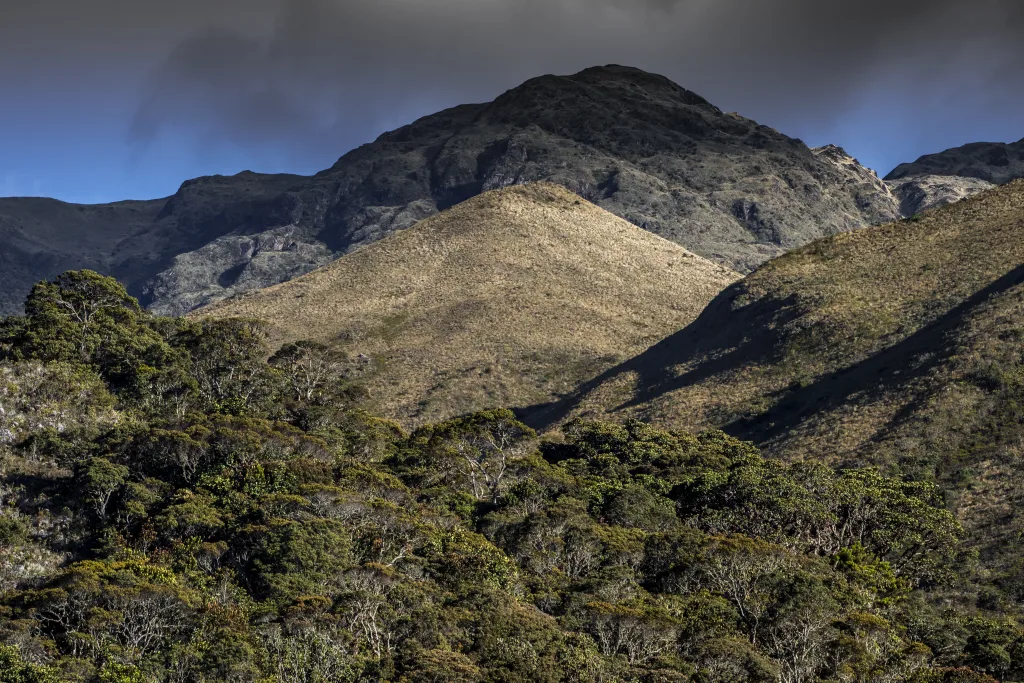
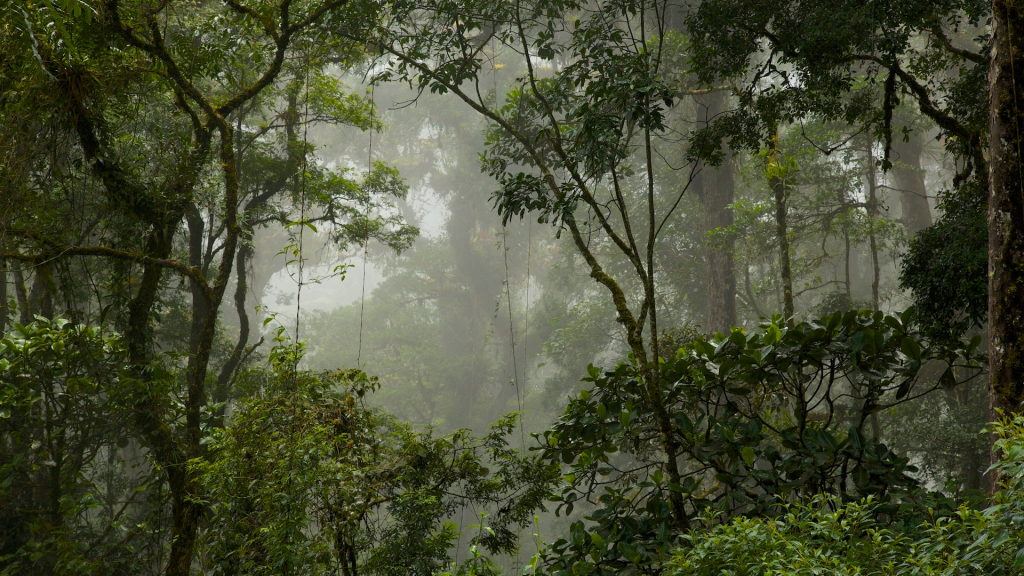
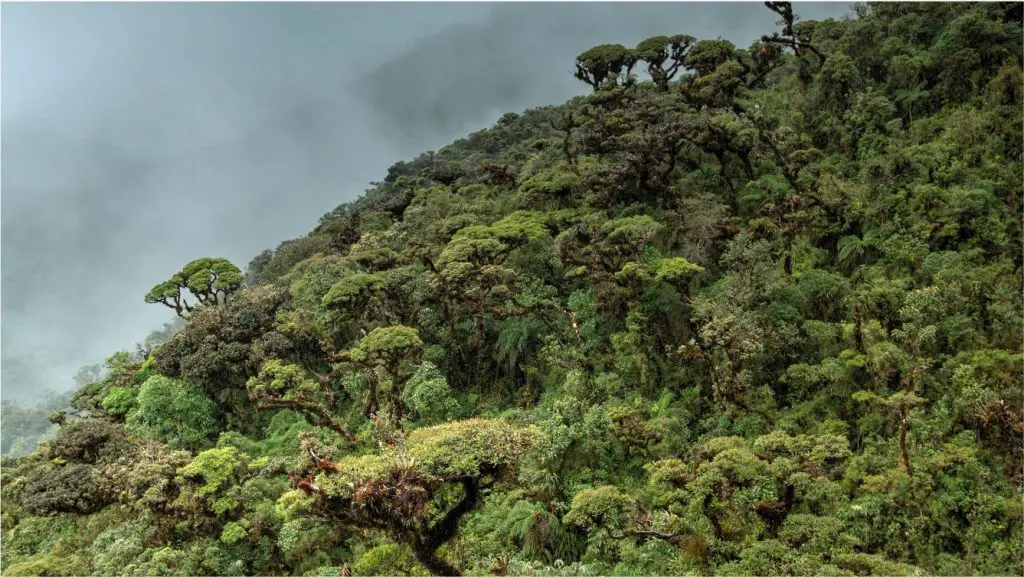
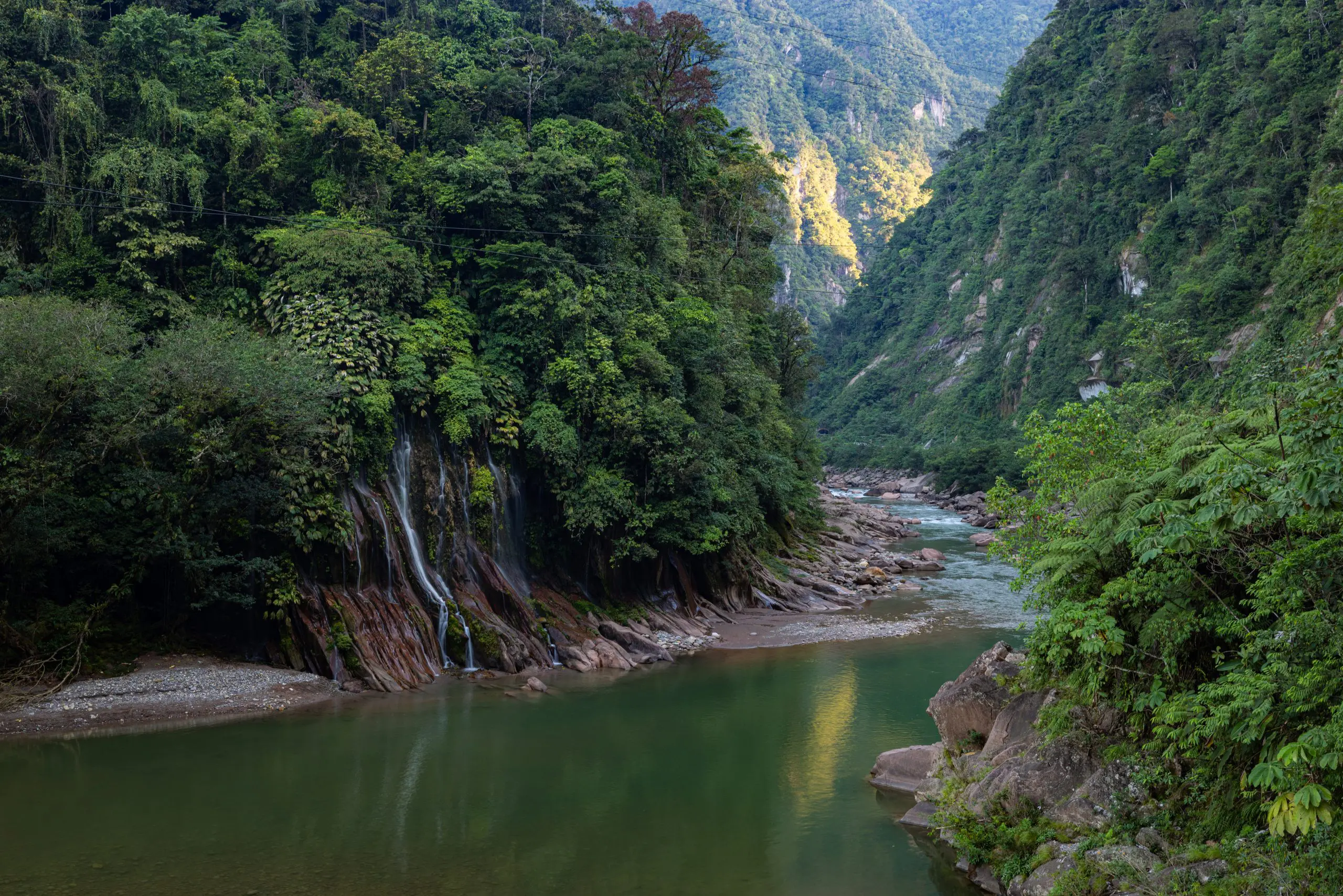
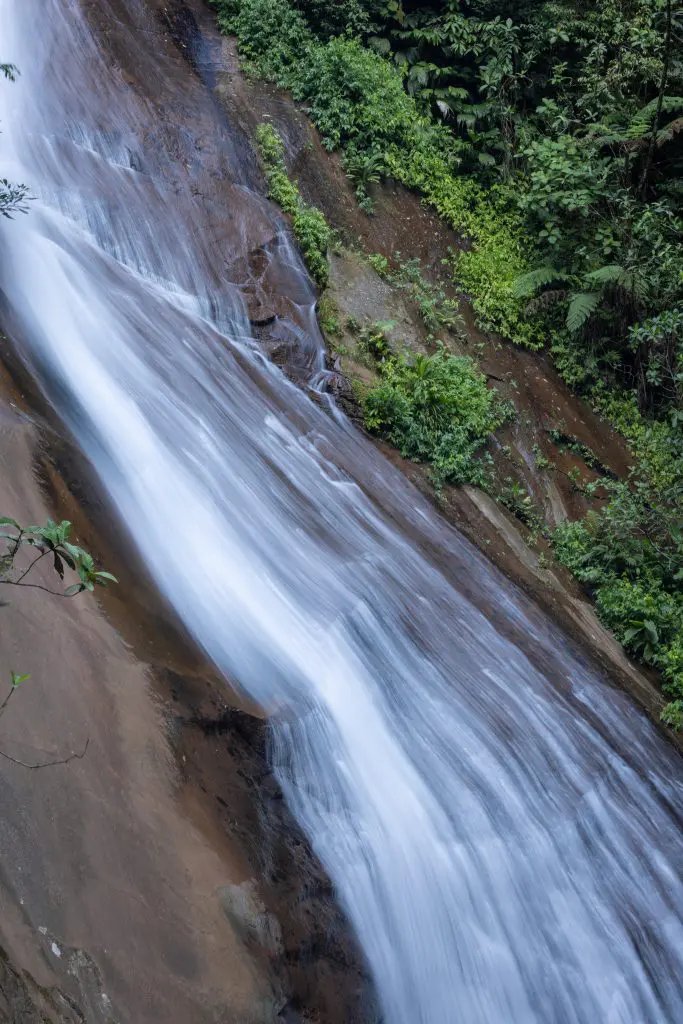
The Amazonian province of Ucayali in eastern Peru is celebrating a major conservation milestone with the creation of the Velo de la Novia protected area, named after its iconic 275-foot “Bride’s Veil” waterfall. This new protected area spans 35,583 acres (14,399.75 hectares) and conserves one of the most ecologically important regions in the country: a rare transition zone where the Andes mountains meet the Amazon rainforest.

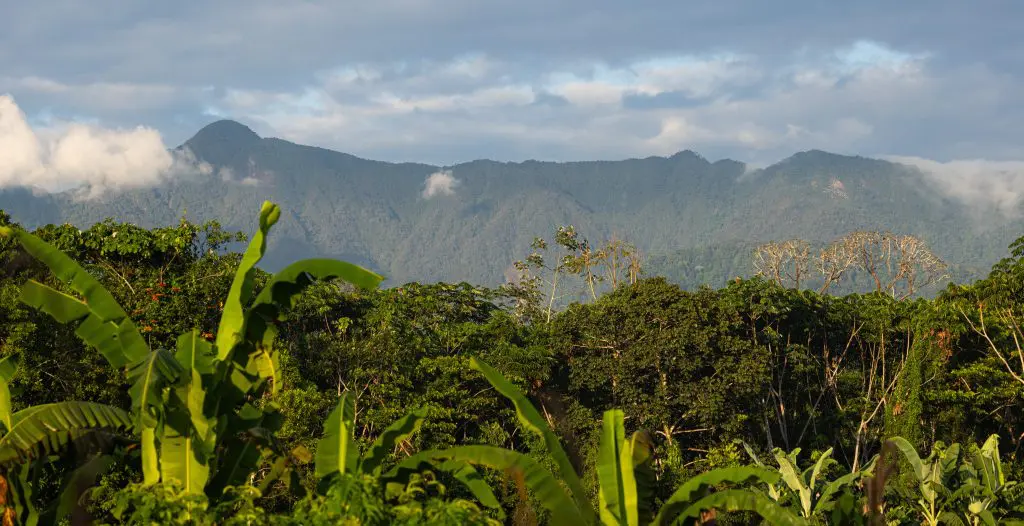
This zone, part of the Peruvian Yungas ecosystem, is a global biodiversity hotspot, home to a remarkable variety of species found nowhere else on Earth. The new designation ensures long-term legal protection for these foothill forests, helping to preserve critical habitats, support climate resilience, and maintain a natural corridor for wildlife between five nearby protected areas.

“The creation of Velo de la Novia is a big step forward, not just for Ucayali, but for all of Peru,” said Nelson Seijas Valderrama, Executive Director of the Regional Environmental Authority of the Ucayali Regional Government. “It’s the first protected area in the region focused on preserving the Yungas ecosystem, helping to protect important habitats and iconic wildlife.”
(Photo: Gustavo Carrasco | Nature and Culture International)

Seijas Valderrama explained that this achievement is the result of years of effort. In 2021, the regional government officially recognized the site as a conservation priority. As part of the planning process, the area was designated a fragile ecosystem, laying the groundwork for its protection. Later, Peru’s National Forestry and Wildlife Service (SERFOR) formally recognized it as critical habitat and added it to the country’s list of fragile ecosystems—key steps that led to its final designation as a protected area.

A natural paradise with incredible biodiversity

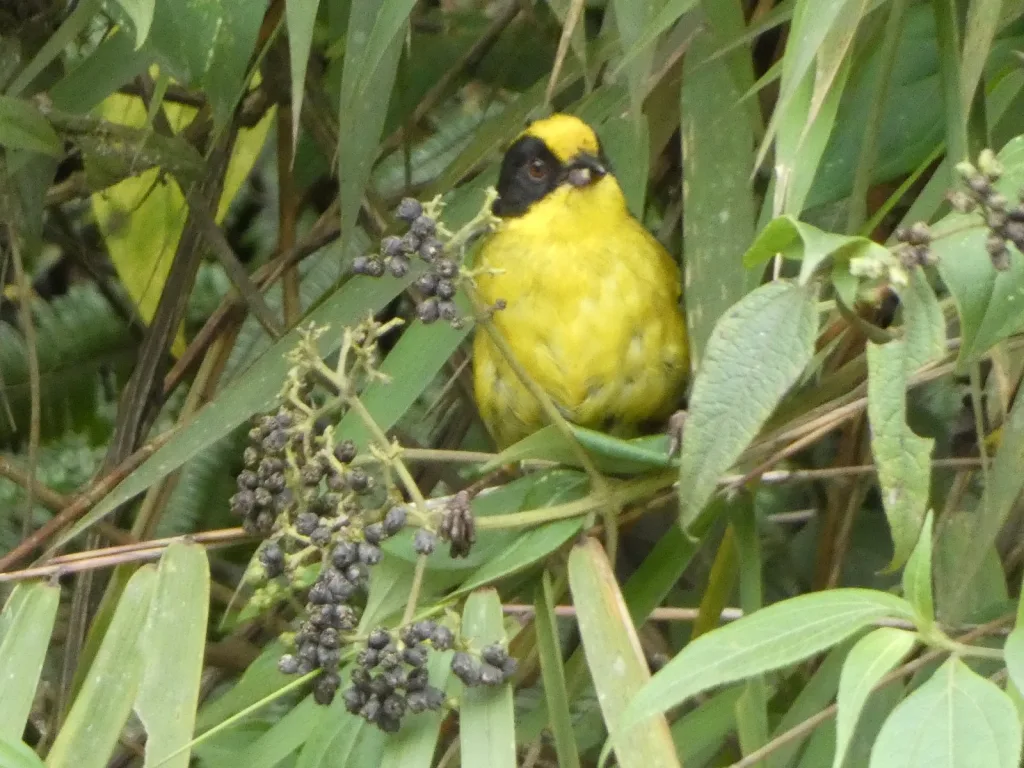
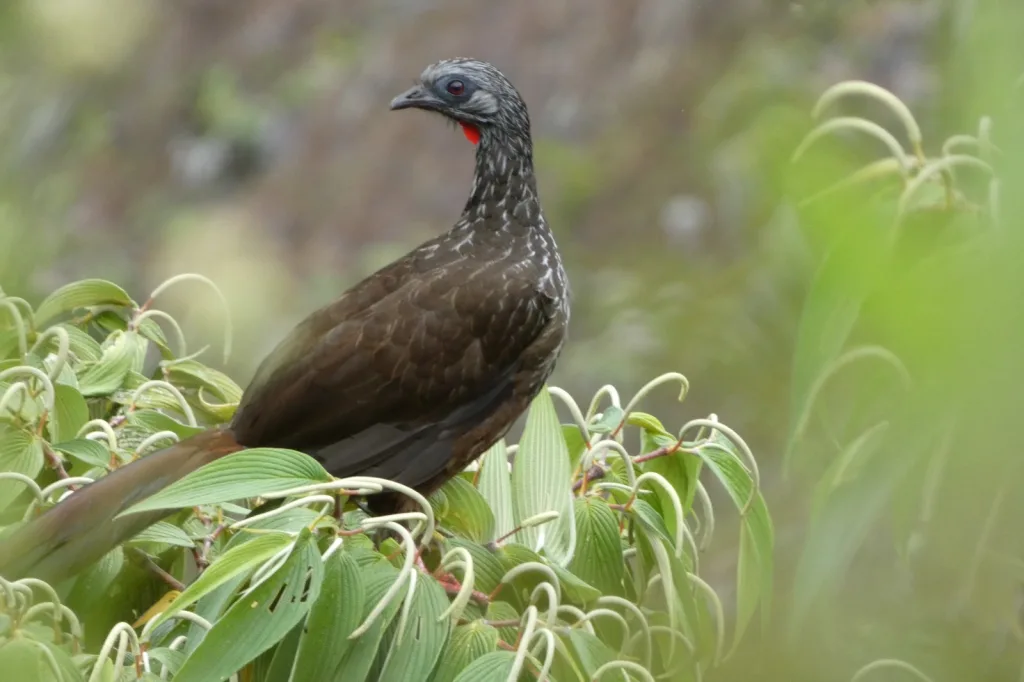
Cristy Díaz, Nature and Culture Project Manager, explained that the area is located between the districts of Padre Abad and Boquerón, in the province of Padre Abad. “The ecological value of this area is incredible,” said Díaz. “Its forests are home to unique plant species like the bright red-seeded huayruro tree (Ormosia coccinea), the elegant Andean wax palm (Ceroxylon echinulatum), and the highly valued Spanish cedar (Cedrela odorata). As for wildlife, it’s a haven for remarkable species such as the Andean cock-of-the-rock (Rupicola peruvianus), the military macaw (Ara militaris), the rainbow boa (Epicrates cenchria), and even the jaguar (Panthera onca)—all of which are considered at risk. The area also shelters three primates listed in Peru’s national conservation plan and rare amphibians found nowhere else, like the red-bellied frog (Ameerega rubriventris) and the reticulated harlequin toad (Atelopus reticulatus).”

In total, scientists have recorded 46 plant species, 29 types of mammals, 26 birds, 11 reptiles, 2 amphibians, and 15 species of fish—highlighting just how biologically rich this place truly is.

Cristy highlighted the leadership of the Regional Government of Ucayali, supported technically and logistically by Nature and Culture, with funding from Andes Amazon Fund, Re:wild, Conservation International, and UNDP. “The collaboration between the Regional Government and its conservation partners has been essential in making this new protected area in Ucayali a reality,” she said. 

Conservation and Ecotourism: Benefits for Nature and Communities

The creation of the Velo de la Novia protected area brings lasting benefits not only for nature, but for local people as well. It helps safeguard vital ecosystem services—like clean water, carbon storage, and climate regulation—that support surrounding communities and the city of Aguaytía, home to almost 30,000 inhabitants. The area also presents exciting opportunities to expand sustainable tourism, offering visitors the chance to experience its natural beauty while encouraging conservation and the responsible use of local resources.
A Stronger Conservation Network Across the Amazon 

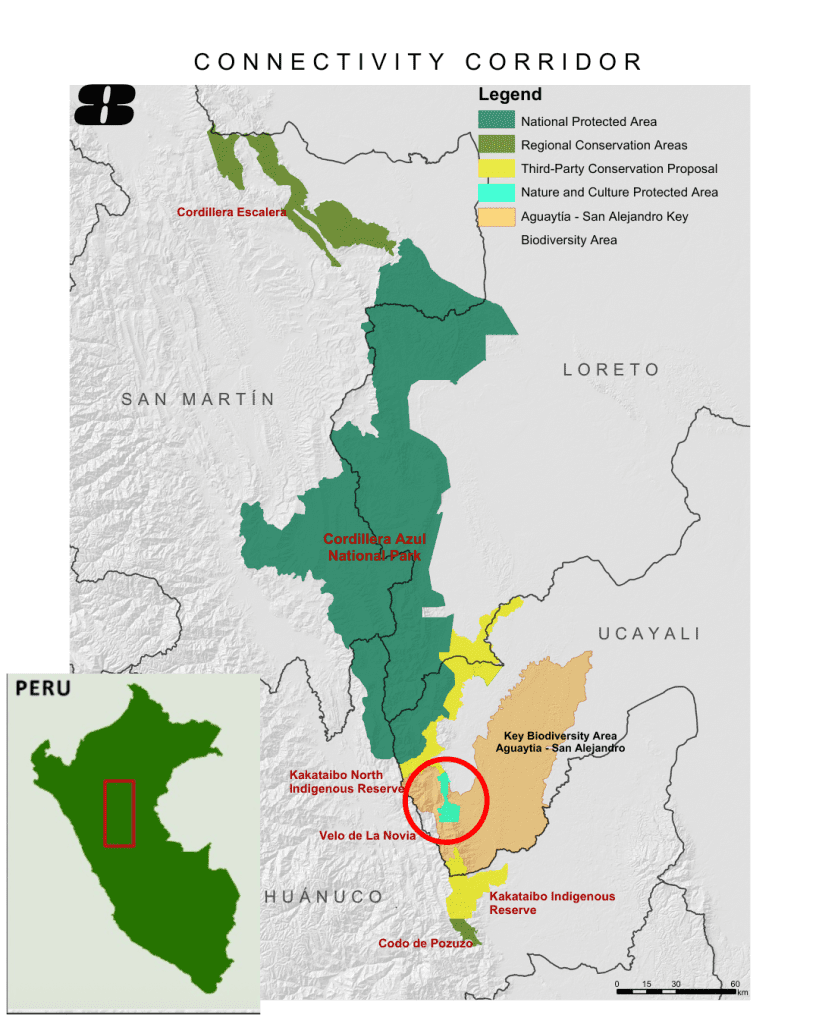
The creation of Velo de la Novia also strengthens a growing network of protected areas across the north-central Peruvian Amazon. By connecting with five nearby protected areas—including Cordillera Escalera in San Martín, Cordillera Azul National Park, the Kakataibo Indigenous Reserve, Alto Shambillo Local Forest, and Codo del Pozuzo—the area helps form a larger conservation mosaic. This connectivity is vital for wildlife movement, ecosystem health, and long-term climate resilience.
“This is a victory for biodiversity and for the people who rely on these forests,” said Cristy Díaz. “We’ll continue working to protect these ecosystems and support sustainable ways to care for them.”

With the declaration of the Velo de la Novia protected area, Ucayali strengthens its commitment to conservation, ensuring the protection of its ecosystems and promoting a sustainable future for generations to come. 

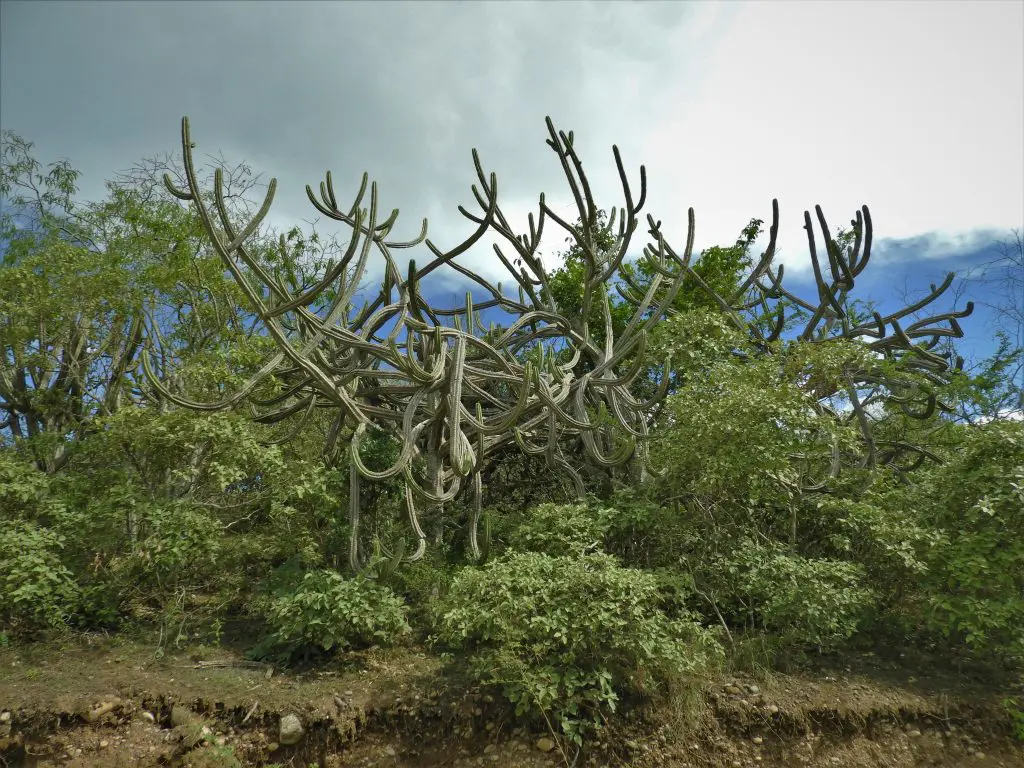
The Cutervo Regional Conservation Area in the Inter-Andean Dry Forests is part of the Marañón Dry Forest, a globally unique and highly threatened ecoregion. 

This International Day for Biological Diversity, a rare bird’s song calls us to act for endangered species and irreplaceable ecosystems.

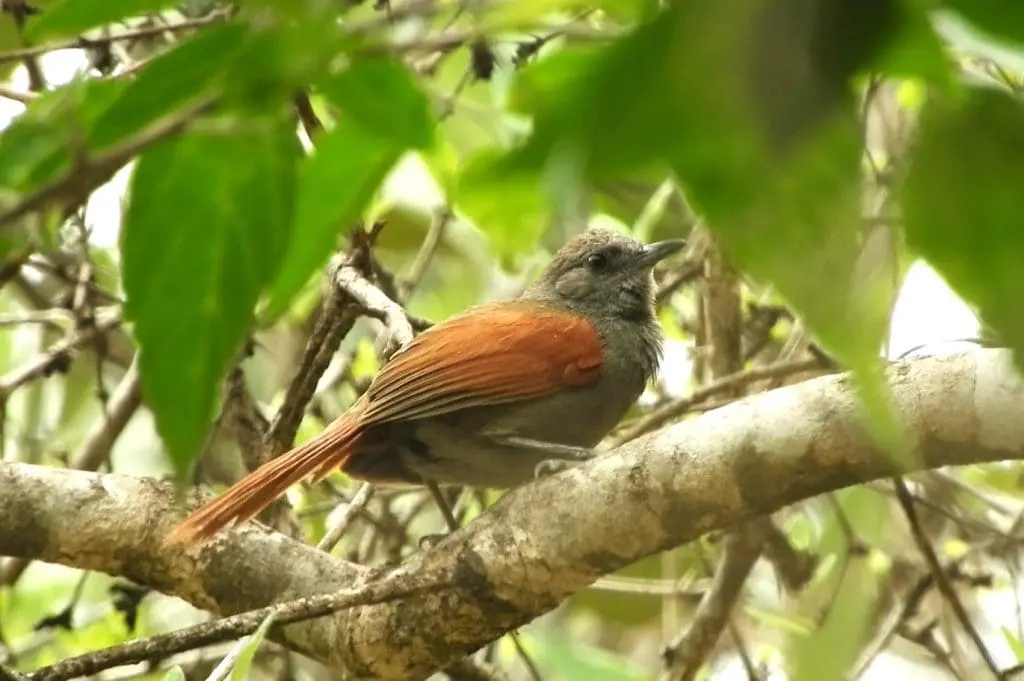
“Piu, piu, piu, piu” echoes through the Inter-Andean Dry Forests of Cutervo, carried on the wind beneath the bright Andean sun. It’s the call of the Marañón spinetail (Synallaxis maranonica), a small, elusive bird with soft gray feathers and chestnut-colored back, wings, and tail. It lives hidden among dense vines in steep ravines and along forested streams. Its sharp, repetitive song seems almost like a cry, a haunting lament for how close it is to disappearing from the wild. The International Union for Conservation of Nature (IUCN) lists the Marañón spinetail as Critically Endangered, meaning it faces an extremely high risk of extinction.

The species and many other critically endangered, endemic species like Mimosa lamolina, face threats primarily from deforestation and forest fires that destroy their habitat to make way for agricultural expansion. A lack of awareness about the importance of conserving these species only worsens the situation. 

“It’s crucial to protect these species because birds and plants like these play key roles in maintaining ecological balance through their interactions with the environment, for example, as seed dispersers and oxygen producers. Establishing this regional conservation area is not just about protecting land—it’s about protecting life in its natural state, benefiting both present and future generations.”

Elvis Allauja Salazar, Project Manager at Nature and Culture

Thanks to the joint efforts of Nature and Culture, Andes Amazon Fund, and the Regional Government of Cajamarca, the Cutervo Regional Conservation Area has been established to preserve this incredibly unique ecosystem.

Spanning 45,494 acres (18,410.94 hectares), this new conservation area protects a rich mosaic of 475 species of flora and fauna. Located in the districts of Choros, Toribio Casanova, and Santo Tomás, in the province of Cutervo, Cajamarca region, its aim is to conserve a critical regional sample of the Marañón Inter-Andean Seasonally Dry Forest ecosystem. Not only will the area help safeguard the habitats of endemic and threatened species, but it also promotes the sustainable use of natural resources and contributes to climate change mitigation

Protecting Ecosystems that Protect Us 

“This area provides vital ecosystem services, such as climate regulation, soil conservation, carbon capture, and water supply for both household consumption and agricultural use,” said Daryl Briones Longa, Deputy Manager of Natural Resources and Protected Natural Areas at the Regional Government of Cajamarca, highlighting the importance of conserving this area. Briones also emphasizes that the area is part of Cajamarca’s Regional System of Natural Areas and fulfills institutional goals aligned with regional and national conservation priorities. Notably, it is the third regional conservation area in Peru dedicated to protecting the Marañón Dry Forests, a globally unique ecoregion. 

Communities at the Heart of Conservation 

Local communities living within the boundaries of this new protected area have long recognized the importance of protecting their forests and wildlife in the face of threats like illegal logging and wildfires. 

“I want these forests to be conserved because they purify the environment and allow the survival of many plants and animals. This is essential for ecological balance and life itself.”

Lilia Tarrillo Arévalo, Resident of Malleta. 

A Legacy of Conservation for Cajamarca and Beyond 

This new conservation area builds on a growing network of conservation across Cajamarca. 

Nature and Culture also supported the establishment of three other Regional Conservation Areas in the region: 

The establishment of the Cutervo Regional Conservation Area is part of a growing, coordinated effort to protect Peru’s most endangered ecosystems before it’s too late. It’s more than the protection of land; it’s a shared commitment to safeguarding life in its natural state, for current and future generations.

On this International Day for Biological Diversity, the cry of the Marañón spinetail reminds us what’s at stake. This new protected area stands as one of the last strongholds for dozens of endemic and threatened species, and as a powerful example of what’s possible when communities, governments, and supporters like you come together to protect the irreplaceable.

Protecting Nature and Going Big for the Planet

In 2024, we deepened our impact across some of the most biodiverse and threatened regions of Latin America. From expanding protected areas in the Andes to advancing Indigenous-led conservation in the Amazon, our work was guided by one powerful belief: conservation must work for nature and for people.

Our annual impact report reflects the collective efforts of local communities, partners, and supporters like you. Together, we’re not just protecting landscapes—we’re shaping a future where ecosystems thrive and communities lead the way.

The CUIDAR Project: Rights, Water, and Resilience supports sustainable water resource management, ecological resilience, and community participation across Ecuador and Peru. 

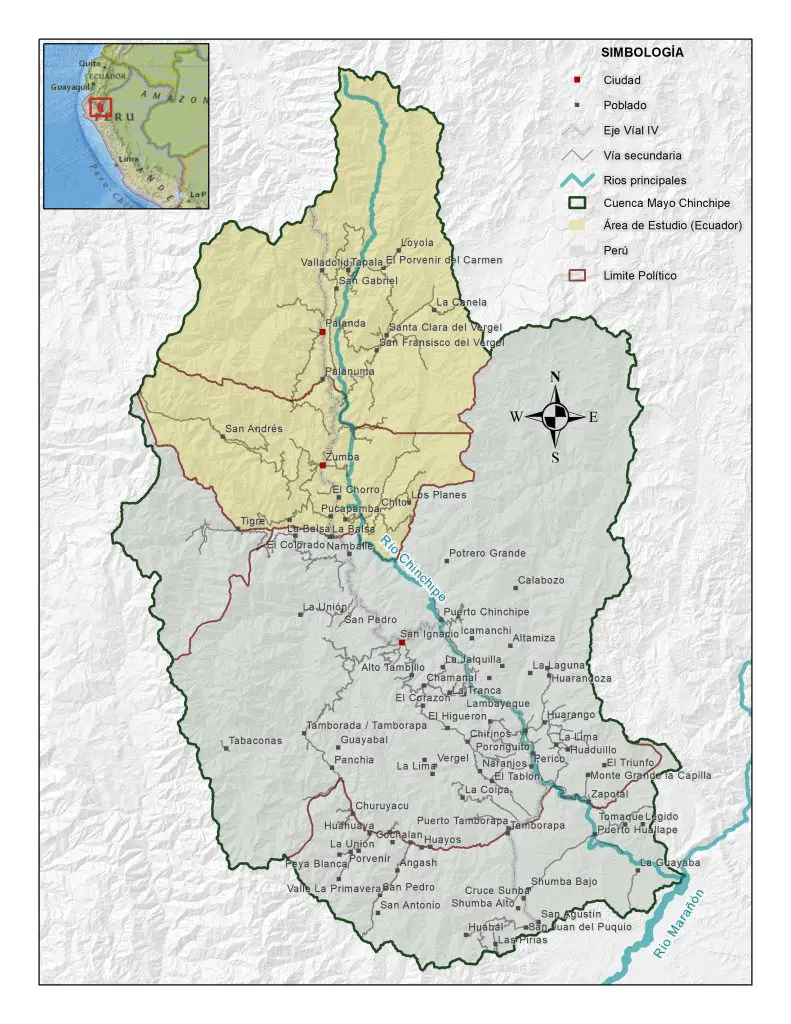
The Mayo-Chinchipe watershed originates in southern Ecuador’s Zamora-Chinchipe province and stretches into the border regions of San Ignacio and Jaén in northern Peru. As a key tributary of the Marañón River—one of the main sources feeding the Amazon—it is a vital ecosystem for both biodiversity and water access in the region. 

Launched in April 2022, the CUIDAR Project is supported by the Belgian and Flemish governments, Join For Water, and Protos Andes, in partnership with Nature and Culture International, the National University of Loja, and the National University of Jaén.  

The project focuses on conserving water ecosystems to strengthen local communities’ socio-ecological resilience and ensure sustainable access to clean water, especially for those most vulnerable to water scarcity. As part of this work, the team has implemented improvements to water supply systems in the communities of Palanda, Chinchipe, San Ignacio, and Jaén.  

Photo: Water Treatment Plant, El Porvenir del Carmen – Ecuador 

The Mayo-Chinchipe watershed is a cross-border system that connects both ecological and social processes, directly linking communities in Ecuador and Peru to the water resources they depend on. This deep interconnection has been essential in promoting an integrated water management approach, where the conservation of both aquatic and terrestrial ecosystems is key to ensuring the long-term sustainability of the watershed. 

The CUIDAR project team recently carried out a field visit to the Mayo-Chinchipe watershed to assess progress after three years of implementation. The evaluation confirmed that the project is on track, strengthening both environmental conservation efforts and the well-being of the communities that rely on these water sources.  

Water Management and Ecosystem Protection 

A key focus of the CUIDAR Project has been to improve water infrastructure, protect strategic ecosystems, and restore degraded areas to ensure reliable access to clean water for human consumption.  

Origin of the Mayo-Chinchipe – Cerro Toledo Watershed, Palanda – Ecuador 

In the communities of Palanda, Chinchipe, San Ignacio, and Jaén, the project has prioritized upgrades to water supply systems, especially in areas most vulnerable to water scarcity. 

At the same time, conservation efforts are being carried out in partnership with local communities to protect critical ecosystems such as páramos, montane evergreen forests, and inter-Andean dry forests—all essential for climate regulation and water retention. 

In the lower Jaén area, where the Chinchipe River meets the Marañón, specific strategies have been implemented to combat soil degradation and maintain vegetation cover, helping to reduce the impacts of land use change on the landscape. 

Restoration and Water Protection in the Mayo-Chinchipe Watershed 

To safeguard water quality and availability, the CUIDAR Project takes a comprehensive approach that combines water source protection, reforestation, and community-led governance.  

As part of this effort, restoration activities have been carried out to protect key water sources, helping to sustain the water cycle and reduce environmental degradation.  

A major focus has been on reforestation through productive conservation. In partnership with the Valladolid Parish Government and the Ecological Coffee Growers Association of Palanda (APECAP), the project has restored 82 hectares using agroforestry systems with coffee, which both rebuild vegetation cover and promote sustainable farming practices among local coffee producers in Ecuador. 

In addition, conservation agreements with local organic producers committed to forest conservation, have helped protect 381 hectares of native forest in Ecuador. These agreements support sustainable land management and long-term ecological stability in communities that depend on the watershed. 

In Peru, the CUIDAR Project has partnered with coffee cooperatives La Prosperidad de Chirinos, Valle del Café, and Los Lirios to improve sustainable production systems. These efforts have resulted in nine conservation and compensation agreements, protecting 2,042 hectares of forest in collaboration with local communities.  

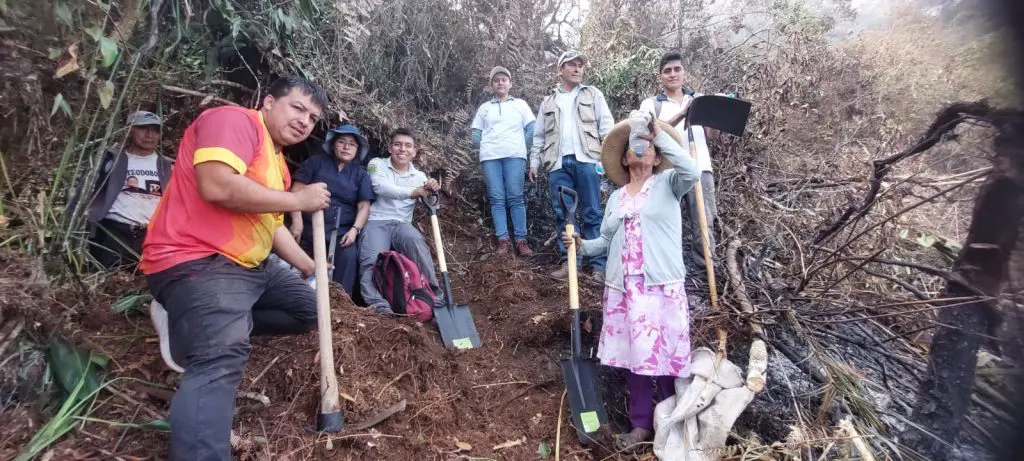
As part of this partnership, 29 hectares of agroforestry systems have been established in the districts of La Coipa and Chirinos, along with the reforestation of 3 hectares of montane forest. This reforested area helps connect the northern and southern sections of the El Chaupe, Cunía, and Chinchiquilla Regional Conservation Area in San Ignacio.  

In parallel, water resource management has been strengthened through the creation of the Water School, which provides training for local government technicians. Additionally, new binational committees have been formed to promote community leadership and participation in water governance and conservation. 

Victoria Alberca, president of the La Chacra Organic Producers Association (Ecuador), shared: 
“If we want a sustainable and equitable world, we must protect water and safeguard the Mayo-Chinchipe watershed. This is more than just a process; it’s a collective journey that requires the involvement of women, men, and diverse communities. Protecting water also means recognizing and strengthening women’s leadership, which is key to the fair protection of this vital resource.”  

Cindy Díaz Horna, representative of the Chontalí Integrated Development Association (Peru), shared: 

“The Water School brings together many people committed to conservation, but what inspires me most is teaching young people—especially girls and boys—that protecting our biodiversity not only transforms our environment, it also empowers us, especially women. This is what true development looks like: actively caring for our water and our lands.” 

As the CUIDAR Project moves forward, these efforts are shaping a replicable model for water restoration and management in cross-border ecosystems. They demonstrate that conservation is not only possible—it’s essential for ensuring equitable access to water across the region.  

Binational Cooperation for Water Conservation 

Patricio Jaramillo, Nature and Culture International’s CUIDAR Project Coordinator in Ecuador, emphasized: 

“The union of local efforts and international cooperation through the CUIDAR Project reaffirms our commitment to protecting fragile and degraded ecosystems.” 

He added: 

“This collaborative work has not only improved access to water—both in quantity and quality—but has also strengthened cooperation between Ecuador and Peru, supporting the well-being of border communities and the natural environments they depend on.”  

Patricio Jaramillo, CUIDAR Project Coordinator – Ecuador, Segundo Jaramillo, Mayor of Palanda – Ecuador, Bart Dewaele, Director General of Join For Water

In Peru, work is underway on the Binational Watershed Plan, led by the National University of Jaén, to better understand the shared water systems between Peru and Ecuador. The plan identifies major threats to these ecosystems—such as illegal mining, logging, and burning—which increase the vulnerability of montane forests and páramos. 

This document will serve as a key tool for informed decision-making and the development of cross-border cooperation projects, focusing on building technical capacity and restoring degraded areas in collaboration with local communities. 

“It is crucial to work in an integrated way and with the active participation of the Local Water Authority,” said Iván Mejía, Project Manager at Nature and Culture International Peru.  

“This area is part of the Andean-Amazonian Transboundary Conservation Corridor, covering over two million hectares of páramos and montane forests in Peru and Ecuador. Through projects like CUIDAR and funding initiatives such as the Northern Andes Water Fund, we have managed to integrate local communities, authorities, and international cooperation in protecting and restoring these natural water sources,” added Mejía. 

The Mayo-Chinchipe watershed is a clear example of how cross-border water management and ecosystem conservation are possible when countries and communities cooperate. The strategies of the CUIDAR project could serve as a replicable model in other Latin American watersheds facing similar challenges. 

Felipe Serrano, Ecuador Country Director for Nature and Culture, emphasized that the community has much to be proud of—not only is this the place where cacao was first domesticated, but it’s also the source of the Mayo-Chinchipe watershed. These water sources are vital for maintaining the region’s hydrological and ecological balance, supporting both biodiversity and local livelihoods. 

During his visit to communities in the Mayo-Chinchipe watershed, Bart Dewaele, Director of Join For Water, praised the CUIDAR Project for staying true to its goals and effectively coordinating with local stakeholders. He also highlighted that involving women from the outset not only gives them a voice but also strengthens community support. 

Equipo binacional del proyecto CUIDAR

“The CUIDAR Project is a powerful example of international solidarity because it aligns the water needs of people with those of nature,” said Dewaele. “It’s also a binational initiative, spanning the Mayo and Chinchipe watersheds, which flow across both Ecuador and Peru. This project unites two peoples who were once in conflict. In that sense, CUIDAR is a peace project—built through shared care for water.” 

Indeed, water knows no borders. But its conservation depends on the collective action of communities, governments, and organizations working together to protect this vital resource for both current and future generations. 

Celebrating International Day of Forests 2025 

This International Day of Forests highlights how restoring forest landscapes and supporting local economies can secure a thriving future for people and nature alike.

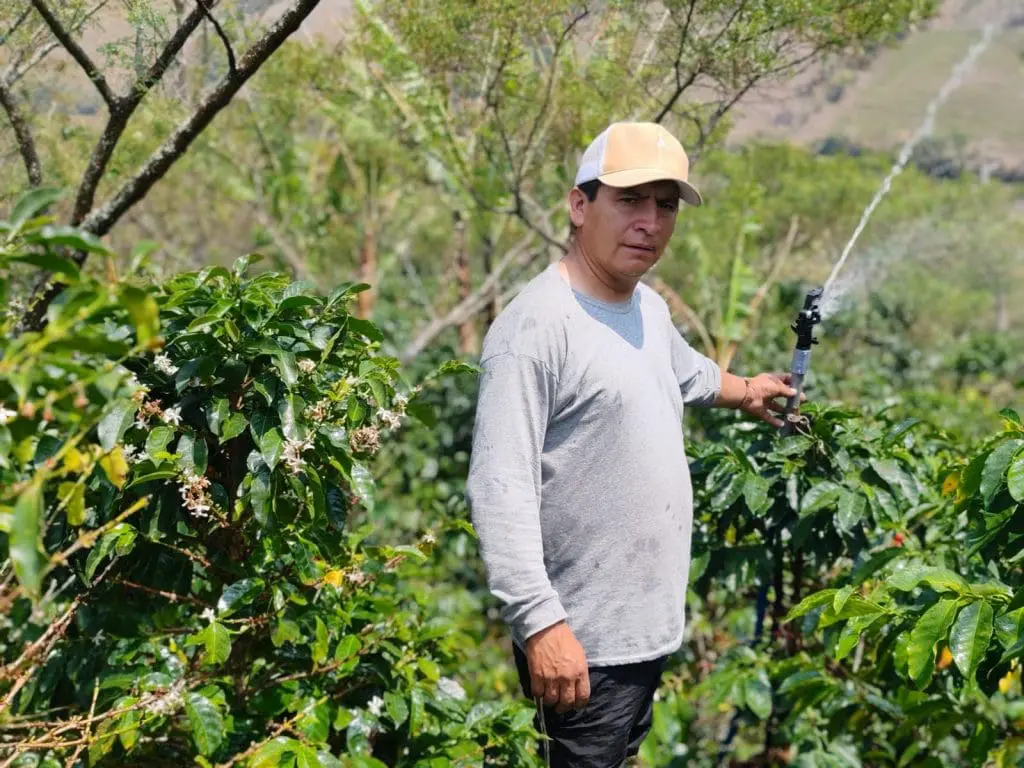
In the highlands of Pacaipampa, Peru, Palmer Chuquihuanga Román has found more than just a livelihood in the land—he’s found his mission. A 42-year-old father of two, Palmer has dedicated his life to sustainable agriculture and livestock, growing plantains, cassava, corn, and coffee, and raising cattle. He’s also a conservationist at heart. 

Palmer Chuquihuanga Román and his community are committed to conserving natural water sources.

Over the last two years, Palmer’s commitment to conservation has deepened through a collaborative project focused on strengthening organic coffee production across the Northern Andes Conservation Corridor. Supported by the Northern Andes Water Fund, the Binational Plan for Border Development Ecuador–Peru, Nature and Culture International, and the District Municipality of Pacaipampa, this initiative helps farmers like Palmer improve coffee quality, increase income, and protect vital ecosystems. 

As an agricultural specialist, Palmer not only cultivates conservation-grown coffee—he also provides technical assistance and training to fellow producers, helping improve their crops and forest nurseries. 

“It’s not just about producing—it’s about doing it right,” he says. “We need to take care of our water and ecosystems, because without them, there’s no future for our agriculture, livestock, or families.”  

Palmer Chuquihuanga Román has found not only his livelihood in the land, but also his purpose.

This work directly supports the conservation of the “Páramos and Cloud Forests of Cachiaco and San Pablo” Protected Area, 10,655 acres of highland ecosystems essential for water regulation and biodiversity. These forests and páramos act as natural water towers, sustaining both people and nature downstream. 

“This is a great opportunity and support,” Palmer explains. “Besides improving our income, we’re planting trees that protect the soil and help retain water.” 

Palmer and his neighbors are showing that responsible agriculture and forest conservation can go hand in hand. By strengthening local economies and restoring forest landscapes, they’re helping to secure a future where their families, communities, and the ecosystems that sustain them can thrive for generations to come.

With January drawing to a close, we’re looking ahead to a crucial year for conservation. Here’s how we plan to strengthen our mission in 2025 and beyond. 

There’s no denying that 2024 was a challenging year. Communities around the world felt the effects of climate change firsthand: devastating floods, prolonged droughts, uncontrolled wildfires, and record-breaking temperatures. If there were ever a sign to act, 2024 gave it to us loud and clear. 

But challenges are not roadblocks; they are calls to action. And action is what we do best.

2025 is a critical year for nature. It is a year for bold action, for strengthening alliances, and for doubling down on our commitment to the planet’s most biodiverse places.

Over the last 25 years, Nature and Culture has worked to protect large, intact, and interconnected forests that sustain life, safeguard biodiversity, and help combat climate change. We believe that conservation is most effective when led by those closest to the land—local communities, Indigenous peoples, and regional governments. And in 2025, we are prepared to strengthen our efforts and expand our impact like never before! 

Our goals for 2025 onward

  • Expanding protected areas: We will continue working with local and Indigenous partners to establish new protected areas, particularly in vital regions like the Amazon rainforest and the Andean-Amazonian Transboundary Conservation Corridor.
  • Strengthening long-term conservation efforts: Creating a protected area is just the beginning. We are committed to safeguarding these landscapes for generations. This means implementing funding mechanisms and long-term strategies that guarantee effective conservation and management.
  • Fostering collaboration: The challenges facing our planet cannot be solved alone. Conservation requires coordinated efforts from governments, local communities, Indigenous groups, and partner organizations. Together, we can scale up our impact and protect more land than ever before.

Together, let’s give it our all for nature!

Early Fire Season is Devastating South America, Nature and Culture provides technical expertise and equipment for wildfire prevention and response

South America is facing a devastating fire season that started unusually early this year. Typically starting in October, one of the most extreme droughts in decades and extreme heat have led to an early onset of fire season and record-breaking loss. Shifted rainfall patterns from El Niño, increased temperatures due to climate change, and reduced humidity from deforestation all contributed to the problem.  

Brazil and Bolivia are facing the worst of the fire season. By mid-September 2024, the Brazilian Amazon has recorded over 94,000 fires, while Bolivia has recorded nearly 10 million acres (4 million hectares) affected by wildfires this year.

Our team is acutely aware of the wildfire crisis impacting South America. In areas like the Bolivian Chaco and the Páramo in Peru and Ecuador, we work with local communities to develop wildfire prevention and response skills. By building a strong network for coordination and support, we can better contain and mitigate larger, more intense blazes. This proactive approach has been crucial in managing this year’s fires. 

Impact on Wildlife and Human Health

Fires are destroying forests, threatening endangered species, and disrupting entire ecosystems for species like the Andean bear, the Wooly monkey, and the Ecuadorian vizcacha. The widespread loss of forest cover accelerates soil erosion and degrades water sources. Not only are we seeing critical biodiversity loss, but the degraded air quality from the smoke poses an extreme threat to human health. Local communities that depend on agriculture face economic challenges and food insecurity, and entire lives are disrupted as schools are closed and families are forced to evacuate away from fire-affected areas.

Katy Carrillo, Andes del Norte Mosaic Coordinator for Nature and Culture in Peru, emphasized the severity of the situation, noting that the fires require immediate action by both the State and the population. “The restoration of affected ecosystems is a long and complex process, which could extend for decades or even centuries in serious cases,” she said highlighting the long-term impact of the fires as well as the urgency of an effective, collaborative response. 

Threats to Nature and Culture’s Protected Areas

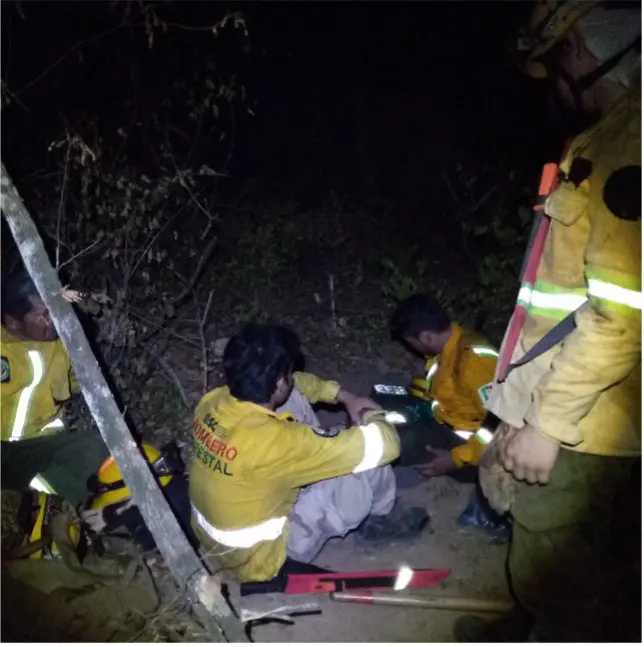
In Peru, fires have impacted protected areas supported by Nature and Culture in the Amazonas, Cajamarca, and Piura regions. Our team’s efforts to form and train forest fire prevention brigades have proven crucial in responding to these challenges. Equipped with the necessary tools and materials, these brigades have been on the front lines, taking immediate action to control the burning and minimize forest loss. Katty Carrillo emphasized the importance of these local firefighters’ rapid response, stating, “It is these brigades who have acted immediately and have managed to control the burning protecting large areas of forest.” Local communities have the most important role in fire prevention and control. 

ACR Páramos y Bosques Montanos de Jaén y Tabaconas in Peru

Ongoing fires in Quilanga and Loja, Ecuador, have already devastated over 24,000 acres, threatening vital ecosystems like dry forests and páramo, both of which store significant amounts of carbon. The region’s high winds and rugged mountainous terrain make firefighting efforts difficult, allowing fires to spread rapidly. Communications Coordinator Aida Maldonado noted that “the fires in Ecuador are causing profound damage to ecosystems, leading to severe biodiversity loss and directly threatening wildlife. There is concern that populations like the Ecuadorian vizcacha are among the most affected.”

Fires moved into our Ñembi Guasu protected area on August 1st, affecting approximately 1,850 acres of tall transition forest from the Chaco to the Chiquitano ecosystems. The park rangers in Ñembi Guasu, trained and prepared for such events, utilized their skills in creating defense lines, backfires, and direct combat to manage the fires and prevent further damage. Additionally, the rangers grow species of plants from fire-affected areas in a greenhouse at their headquarters to regenerate the burned areas. These efforts, supported by Nature and Culture, have made a marked difference.

Long-term Management and Community Engagement

Training and preparedness have drastically reduced the damage in comparison to previous years in our protected areas. For instance, fires in 2019 caused devastation over 400,000 acres in Ñembi Guasu, while this year, thanks to the training and quick response, only 1,850 acres were affected, showcasing the effectiveness of bolstering local capacities and investing in long-term management strategies. 

Our approach to protecting areas extends far beyond the initial declaration. Effective long-term management requires a continuous commitment to maintaining and defending these ecosystems. This includes employing park guards who are trained to monitor and protect the land, providing ongoing technical support, and fostering collaboration with local government. This proactive engagement is crucial for safeguarding forests and ecosystems for the long term, and it reinforces the importance of local involvement in environmental conservation. Through this holistic approach, we are not only protecting vital ecosystems but also building a foundation for sustainable conservation efforts. 

The Importance of Continued Support and a Call to Action

The scale of the current challenge reminds us that our work is far from over. The increasing frequency and severity of wildfires underscores the urgent need for continued support and expansion of our efforts in forest management, community training, and ecological restoration. Every donation helps us equip local fire brigades, train park rangers, and implement strategies that can mitigate the devastating impact of these fires. By supporting long-term management of protected areas, we can ensure these vital ecosystems are not only preserved but actively defended against future threats. Your gift enables us to provide the necessary resources and expertise to those on the front lines of conservation. 

We invite you to join us in this vital work, whether through donations, advocacy, or spreading awareness. Together, we can make a difference in the fight against these unprecedented fires and protect the rich biodiversity of our planet for generations to come.
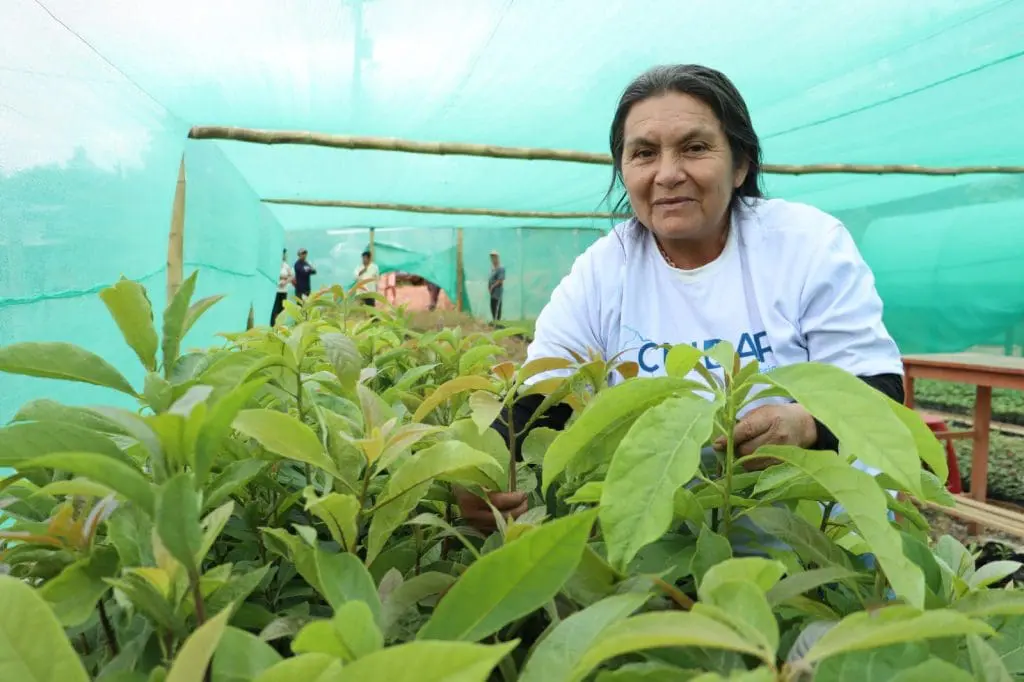
This month we proudly celebrate our first 20 years of conservation in Peru! We have supported the conservation of 4.9 million acres across 36 protected areas.

Nature and Culture International operates in five Latin American countries. Our journey in Peru, however, began through a collaboration between several NGOs from Ecuador and Peru, united to protect the dry forests along both sides of the border using environmental education, sustainable development, and conservation strategies.

From the dry forests of the Marañón River valley to the cloud forests of the Andes in Huánuco and the majestic tropical forests in Loreto, we have safeguarded some of Peru’s most valuable ecosystems. 

We’ve supported the protection of some of the most biodiverse places in Peru.

65% of Peru’s Regional Conservation Areas have been established with Nature and Culture’s support, underscoring our two decades of dedicated commitment to preserving Peru’s natural landscape.

Protecting A Biodiverse Hotspot

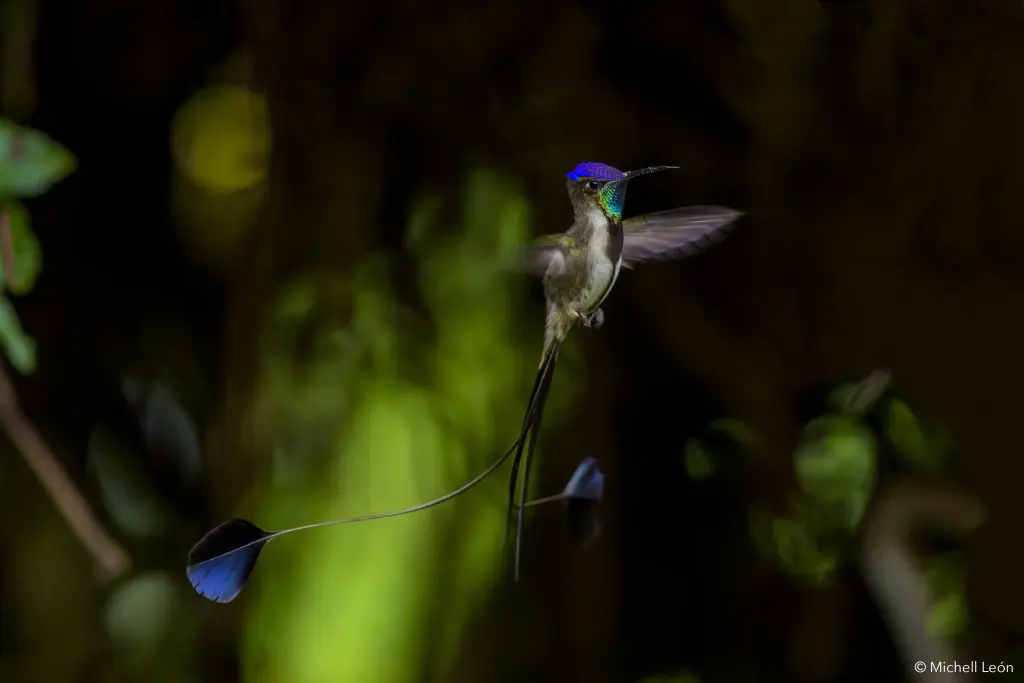
Peru is among the top five most biodiverse countries in the world. It is home to over 1,800 bird species, two-thirds of which inhabit protected areas supported by Nature and Culture. The areas where we work are vital to the survival of species like the golden-backed tanager, the spatula-tailed hummingbird, and the yellow-faced parrotlet. The ecosystems we’ve prioritized are also home to emblematic mammals like the spectacled bear, mountain tapir and the red mantled howler monkey, which play essential roles in forest regeneration.

Looking Ahead 

Nature and Culture advocates for ecosystem connectivity as a crucial tool for safeguarding biodiversity in all of the countries where we operate. By linking protected areas, we facilitate species movement and ensure the flow of natural processes that sustain life. That is why we are working towards the establishment of the first bi-national conservation corridor in collaboration with social and governmental organizations from Ecuador and Peru. 

On this twentieth anniversary, our enthusiasm for conservation is as strong as ever, from our very first protected area, “Tamshiyacu-Tahuayo,” to the most recent, the Marine National Reserve, Mar Tropical de Grau. 

We are grateful to have an exceptional team of administrators, accountants, economists, biologists, environmental engineers, communicators, lawyers, and more, all united by the belief that small conservation actions will help build a better world.

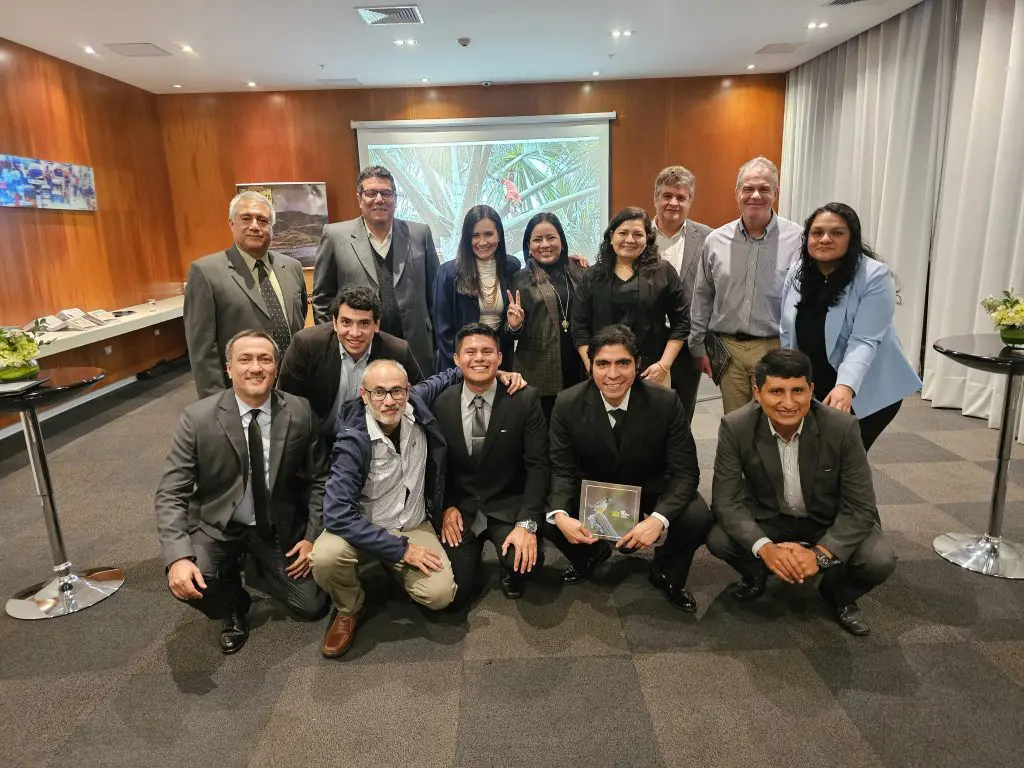
Nature and Culture Peru Team celebrating in Lima, Peru

Here’s to many more years of conservation and collaboration, congratulations to our team in Peru! 

A conservation update on our efforts across Latin America, and a deeper look at some of our biggest projects yet.

Welcome to the summer edition of Nature and Culture’s Newsletter. We have a lot to celebrate! From Peru’s Mar Tropical de Grau to the rain-soaked Chocó rainforest of Colombia, journey with us as we explore thriving landscapes and the communities that protect them.

A significant step towards marine conservation, the creation of the Mar Tropical de Grau National Reserve. Over a decade of concerted effort orchestrated by Nature and Culture has brought together the local governments and coastal communities along Piura’s shores to work to protect a key marine sanctuary. This collaboration has led to the creation of a new protected area, announced on April 24th, 2024, by the Peruvian government, marking a significant milestone in marine conservation. Spanning an impressive 286,059 acres (about the area of San Antonio, Texas), this reserve safeguards the intricate tapestry of Peru’s marine ecosystem. 

According to the International Union for Conservation of Nature (IUCN), we are now protecting one of the world’s most critical areas for preserving marine biodiversity. 

A paradise of marine biodiversity 

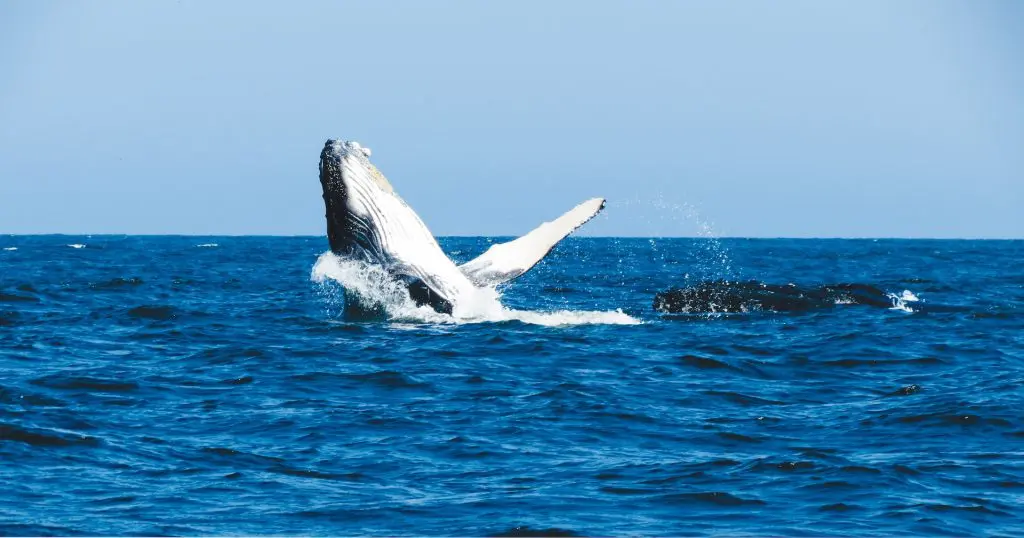
The coast of Piura, in northern Peru, is one of the most extraordinary places in the Pacific due to the uniqueness of what happens beneath its waters: the meeting of two large marine ecosystems, one dominated by the cold waters of the Peru (Humboldt) Current and the other by the warm waters of the Southern Equatorial Current. Some of the species that can be found in this exceptional ecosystem include the rare Humboldt penguin (Spheniscus humboldti), the Pacific seahorse (Hippocampus ingens), humpback whales (Megaptera novaeangliae) that travel to this area especially to give birth, the hammerhead shark (Sphyrna mokarran) which is endangered, all species of Pacific marine turtles, as well as hundreds of species of fish and corals. Additionally, being a transition zone, it has a high concentration of endemic species and species new to science. 

On land, this region features a desert ecosystem with tropical dry forests that are unique in the world, where gigantic wetlands of great importance for biodiversity develop, as they host some of the most important habitats for migratory birds on the coast of Peru. 

The ecosystem faces significant threats from mining, industrial fishing, and marine pollution, particularly from oil spills. However, with the establishment of the newly declared protections for this vital marine sanctuary, the wildlife inhabiting this area can finally breathe a sigh of relief, as these threats are now alleviated. 

A long road to conservation 

Although Nature and Culture has worked primarily in the Andes and Amazon regions of Peru, for more than 10 years we worked on the conservation and sustainable management of marine resources along the Peruvian coast. It all began in 2009, when together with the Cayetano Heredia Peruvian University (UPCH) and the National Service of Natural Protected Areas by the State (SERNANP), we presented the proposal for the creation of the Foca Island National Reserve. By 2014, SERNANP merged this proposal with three others: El Ñuro-Cabo Blanco, Punta Sal Reefs, and the Mancora Bank, to create what is now the Grau Tropical Sea National Reserve. 

The views from Foca Island

From there, and for 10 years, Nature and Culture contributed to the creation of the National Reserve through scientific research, socialization workshops, photographic exhibitions, among other activities aimed at raising awareness among the local communities. Our collaboration extended to the regional and local governmental partners, SERNANP, and the Ministry of the Environment. Together, we championed the government’s vision to establish Peru’s inaugural protected marine area within the Tropical Pacific Sea ecosystem. 

Additionally, together with the Regional Directorate of Production of Piura and the artisanal fishing communities of the region, we supported an initial effort to inventory the artisanal fishing fleet, establishing spaces for dialogue and training to develop a co-management plan for sustainable artisanal fishing. In 2020, we trained 45 artisanal fishermen from Foca Island, promoting the leading role of fishermen in the administration, control, and surveillance of fishing activity in their seas. 

“We have learned and understand that one of the most important challenges to reduce the gap in marine conservation in the country is to strengthen the alliance with the communities that inhabit the northern coast of Peru,” said Mónica Alzamora, Coordinator of the Coastal-Marine Program (2014-2018) at the time. 

The creation of the Grau Tropical Sea National Reserve allows for the sustainable use of resources, optimizing artisanal fishing techniques and the development of environmental tourism. This conservation status guarantees the permanence of a unique ecosystem, its species, its underwater landscapes, and the environmental services it provides to the fishing and coastal communities of the Piura coast. 

We are proud to have been part of this important conservation milestone for Peru’s marine ecosystem! 

Our contribution to the establishment of the Mar Tropical de Grau National Reserve would not have been possible without the collaborative work of SERNANP, the regional governments of Piura and Tumbes, and the Ministry of the Environment, and the financial support of Andes Amazon Fund, Paul M. Angell Family Foundation, Environmental Defense Fund, Walton Family Foundation, Re:wild and other funders. 


N MEMORIAM 

In memory of Mónica Alzamora (d. 2022) 

We remember with deep gratitude Mónica Alzamora, who left an indelible mark on the conservation of Peru’s natural landscape. At Nature and Culture, she worked tirelessly alongside the fishing communities of the Peruvian coast to protect Mar de Grau. 

Her dedication and leadership were instrumental in achieving today’s declaration of the Mar Tropical de Grau National Reserve. We honor her memory and legacy, recognizing her valuable contribution to the protection of the marine ecosystem of the Peruvian coast. As she used to say, “Without blue, there is no green, and without green, there is no us!” 

Rest in peace, Mónica. 

The effectiveness of our collaborative efforts is remarkable, and none of this would have been possible without you, our Nature and Culture Community! Since our founding, in total we have protected 26 million acres, preventing 3.9 billion tons of CO2 emissions!

JUMP TO FULL REPORT

As you read through our Impact Report, we invite you to join us in celebrating our achievements.

Here’s a look at some of the incredible work you helped support over the last year.

On February 1, 2023, two Indigenous nationalities came together with the Provincial Government of Morona Santiago, Ecuador to create the 3,057,670-acre reserve, named  Tarímiat Pujutaí Nunka in Shuar, which roughly translates to “Territory of Good Living.” 

With the generous support of our donors and partners, Nature and Culture has been working since 2021, to facilitate a participatory process that led to the protection of this massive connected Amazonian forest. This process involved hosting 21 community meetings, during which 893 community members shared their traditional ecological knowledge, worldviews, and visions for a sustainable future within their ancestral territory to preserve natural and cultural resources for future generations.   

The declaration of this area aims to improve the quality of life for local communities through sustainable development opportunities, while safeguarding its 744 million tons of above-ground carbon stores.  

Tarímiat Pujutaí Nunka joins as the centerpiece of the Amazonian Platform, a collaborative alliance uniting 7 Indigenous nationalities and 3 Provincial Governments in protecting 11 million acres of continuous Amazonian rainforest. About the size of West Virginia, U.S. in total, this impressive biological corridor collectively sequesters an estimated 2.3 billion tons of above-ground carbon.  

The opportunity for Nature and Culture to attend the international climate conference, COP27, in 2022, and amplify Indigenous voices in climate action was a significant milestone for the organization. In 2023, we continued to build on the momentum and champion the presence of Indigenous leaders in pivotal international forums. 

In March 2023, Josefina Tunki, former President of the Shuar Arutam Nationality, journeyed to the United Nations Water Conference in New York alongside Nature and Culture, Executive Director, Matt Clark. Josefina delivered a compelling presentation on the critical issue of water resources in the Amazon. Josefina’s perspective was enriched by her deep connection to the land, stemming from her leadership in safeguarding the 3-million-acre protected area, Tarímiat Pujutaí Nunka. She is fighting to keep her ancestral territory free of mining activities that have devastated her community. 

Later in the year, our esteemed partners, Governor of Morona Santiago, Tiyua Uyunkar and Pastaza Governor André Granda, took the stage at COP28, proudly representing the Amazonian Platform—a testament to the collaborative efforts between Nature and Culture, subnational governments, and local Indigenous communities. They shared the remarkable successes achieved in protecting the Ecuadorian Amazon. Together, we’re safeguarding an astonishing 11 million acres of pristine forest, forming the largest biological corridor in Ecuador. 

By facilitating the participation of Indigenous leaders in global dialogues, we are supporting them in reshaping the narrative on conservation and climate action. Their invaluable insights, rooted in millennia of lived experience, are indispensable in shaping policies and solutions. As we forge ahead, Nature and Culture remains steadfast in our resolve to amplify Indigenous voices, ensuring that their rightful place at the forefront of the environmental movement is acknowledged and respected on a global scale.

In 2019, we celebrated the establishment of the Ñembi Guasu protected area, safeguarding 3 million acres in the Bolivian Gran Chaco. That same year, the world watched in horror as wildfires ravaged the country’s southern region of Santa Cruz.

Since then, Nature and Culture and one of our local implementation partners, have been working to ensure the long-term health of the Ñembi Guasu area. We’re doing this in several ways, including the creation of a management framework and sustainable finance mechanism, the development of a firefighting patrol, and post-wildfire reforestation projects. Recognizing the growing risk of fire in Bolivia’s precious dry forests, we have provided firefighting tools, conducted fire safety awareness campaigns, and devised emergency firefighting strategies to mitigate future disasters.  

Helping communities adapt to climate change is crucial because, despite efforts to mitigate its causes, the impacts of climate change are already being felt globally. These impacts often disproportionately affect vulnerable communities. By supporting adaptation measures, such as building resilience, enhancing infrastructure, and implementing early warning systems, communities can better withstand the effects of climate change and minimize associated risks to livelihoods, health, and well-being.

In the last eight years, Nature and Culture has documented more than 450 species of birds in areas we protect in the northern Tropical Andes of Peru, 24 percent of the country’s recognized avian species. Our work here spans a 3,763,481-acre ecoregion of high-altitude grasslands and cloud forests.  

Two new subnational areas are in the works which will join to surrounding protected areas between the departments of Huánuco and San Martín, Peru. This ecoregion provides critical habitat connectivity and food resources to birds and other wildlife in the region. 

Monitoring wildlife within the areas we protect is just one way we gauge the efficacy of our work. It also allows us to prioritize new areas for conservation as species’ ranges shift in response to climate change.  

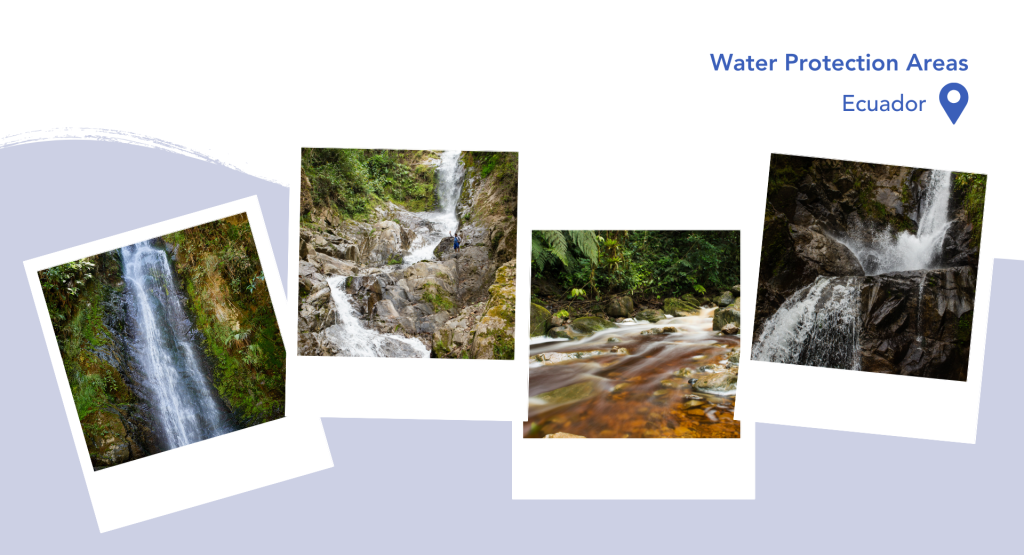
In Ecuador, Water Protection Areas (WPAs) are a unique conservation measure aimed at safeguarding water resources for local populations and protecting key watersheds and their surrounding ecosystems. These areas legally shield forests and natural ecosystems from harmful activities like mining, ensuring a clean water supply and food security for local communities. From 2019 to 2022, our team in Ecuador spearheaded a comprehensive national-level hydrological study. This effort culminated in the creation of a Priority Map of Hydric Zones covering approximately 17.3 million acres. The study was instrumental in aiding the Ecuadorian government in prioritizing its watershed conservation projects, called Water Protection Areas.

Since the inception of this conservation mechanism, 32 Water Protection Areas have been established, 20 with Nature and Culture’s support. In 2023 alone, 12 areas were established, protecting 150,000 acres, and bringing positive change to the lives of 85,000 residents.


2023 Annual Impact Report

In the heart of the Peruvian Amazon Rainforest lies the community of the Indigenous Ikitu people. Nature and Culture International has established a longstanding relationship with this community located east of the capital city of Loreto, Iquitos. Recently, Milton López, a local communicator for Nature and Culture, journeyed to speak with Marcelo Inuma, the great-grandson of the last chief of the Ikitu people.  

According to Peru’s Ministry of Culture, there are just 693 Indigenous Ikitu individuals left in all of Peru. An elder from the Ikitu community lamented that since the passing of their last Kuraka, or chief, in 1940s, the Ikitu have gradually lost touch with their identity and traditional customs due to the encroachment of loggers and land traffickers. Today, they are striving to reclaim their heritage through the strengthening of local organizations and community governance. Nature and Culture International is backing their initiative to revitalize their culture. 

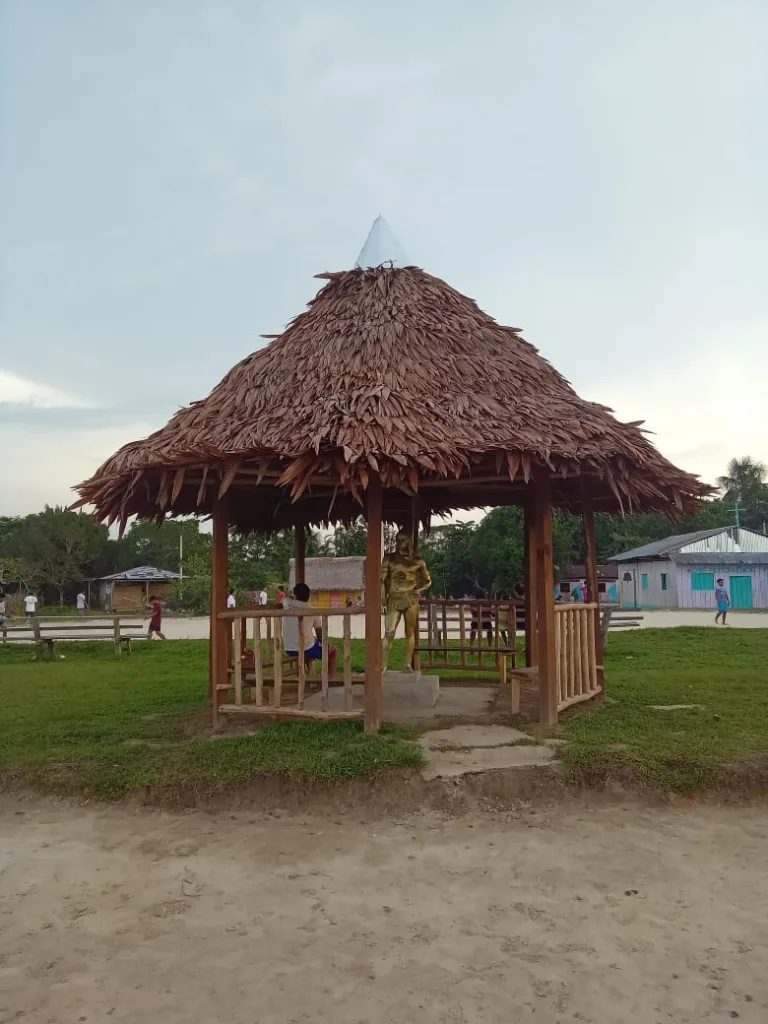
While gathering the last irapay leaves for the new hut that will house an Ikitu statue, Marcelo Inuma, an elder from the San Antonio de Pintuyacu Native Community shares, “I am of Ikitu descent; my great-grandfather was Súkani. He was a very powerful man. Invincible.” The sculpture has been part of the community since 1987, but it was abandoned and began deteriorating due to exposure from the elements. Building a hut for the sculpture marks the beginning of a series of activities through which the Ikitu people are striving to reclaim their Indigenous identity in San Antonio. 

Preserving cultural heritage for indigenous communities is integral to our conservation efforts. It is essential for building community resilience to encroaching extractive activities and the effects of climate change. It helps to sustain biodiversity, maintain ecological balance, and promote sustainable resource management because Indigenous communities possess traditional knowledge and practices that have been developed over generations for living in harmony with their natural environment. 

The Ikitu and a colonialist past 

Marcelo Inuma recalls his ancestry as the great-grandson of the last kuraka of the Amazonian Indigenous Ikitu people. According to the Ministry of Culture’s Indigenous Peoples Database, the Ikitu inhabited the Nanay, Pintuyacu, and Chambira river basins in the Loreto region for centuries. However, in the 17th and 18th centuries, Jesuit missionaries forced them to evangelize. Between 1740 and 1767, their populations were consolidated into eight designated settlements or missions. One of these concentrated settlements was San Pablo del Napeano, later known as the Settlement of the Ikitu, which eventually lent its name to the present-day capital of Loreto, Iquitos. 

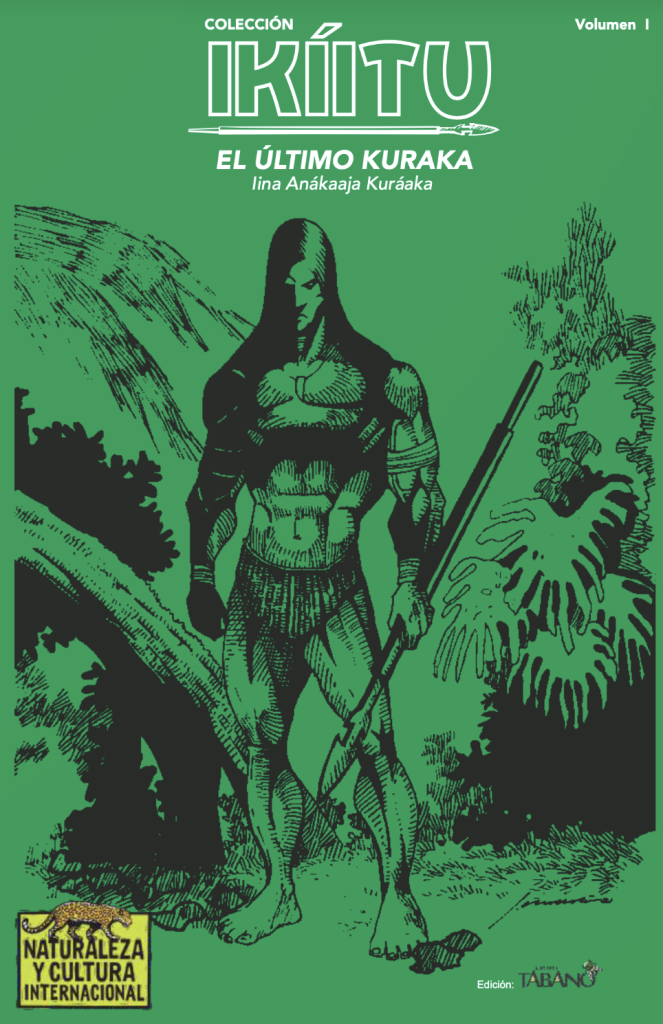
In 2022, Nature and Culture backed the development of a bilingual graphic novel (in Spanish and Ikitu) titled “The Last Kuraka.” The comic tells the tale of Súkani, the renowned leader of the Ikitu people who was captured by colonial traffickers aiming to take control of their land. 

View “El último Karaka” here.

A cultural revival of the Ikitu  

“We planned to build this hut as a community. The statue of César Paico is already here; we had it, but it was abandoned. Now that the hut is built, we are going to place the statue beneath it, for everyone to see. Here, people can also rest, this little shelter is going to have all the comforts for our community,” adds Marcelo Inuma, who was also a community leader or “apu” of San Antonio, situated in the Pintuyacu basin.  

Hut that shelters the Ikitu statue.

Confronted with the loss of their ancestral knowledge, the elders and leaders of the Ikitu community in San Antonio, along with their political representatives, decided to form a Culture Committee. Marcelo Inuma is a member of this committee, tasked with the important responsibility of gathering and preserving songs and cultural artifacts. In doing so, he plays a role in revitalizing the rich cultural legacy passed down by his great-grandfather, Súkani. 

Other members of the committee include Inés Pacaya Inuma (Historian); Silvia Díaz Saboya (Dance and Traditional Clothing); and Nelson Pacaya Inuma (Bilingual Hand-Lettering Specialist). 

Nature and Culture collaborated with the Culture Committee to create a comprehensive plan aimed at reclaiming Ikitu culture and reinvigorating the use of their language. This plan includes various strategies to ensure that the entire community embraces the Ikitu language and culture once more. These strategies involve organizing instructional workshops, providing bilingual teachers and Ikitu learning materials to the community’s children to help them become proficient in their native language, and broadcasting radio programs about their people to raise awareness of their cultural significance among the population of Loreto. 

In the long journey of recovering Ikitu knowledge in San Antonio, the responsibility falls not only on the Culture Committee but also on the entire community. For example, another advocate for Ikitu culture is César Paico Llona, who, at 17 years old, served as the model for the very sculpture now housed in the hut. Crafted by artist Felipe Lettersten in 1987, the sculpture symbolizes the community’s dedication to preserving their heritage. 

César Paico Llona next to the statue made in his likeness.

Ancestral knowledge for future generations 

Despite being one of the most recognized Indigenous groups in the Peruvian Amazon, the Ikitu population is still among the most vulnerable and least populous. The situation is compounded by the fact that very few people speak their language. According to a national census from 2017, only 519 individuals reported speaking the Ikitu language. 

However, this was not always the case. In the year the Ikitu statue was built, the situation was different. “We’re talking about 1987. More people spoke Ikitu back then. San Antonio was much smaller, the area behind it was not inhabited, and the main port that exists today did not exist, nor did the staircases; they were elsewhere. It was common knowledge that there was a statue and that it was tucked away. Originally, I personally erected it to be at the port,” recalls César Paico. 

On October 12th of last year, Nature and Culture supported the Fourth Amazonian Ancestral Knowledge Gathering in Iquitos, an event that brought together elders from seven Indigenous Peoples of Loreto. At this gathering, Marcelo Inuma and his niece Margarita Beuzeville were present and the Ikitu elder shared his story: “I come from a mother who spoke Ikitu and understood Spanish, and grandparents who spoke Ikitu exclusively. My grandfather never spoke Spanish. I was raised speaking the language and using natural medicines with them. No one was ever lacking during their “minga” (collective work). Everyone shared.” 

Currently, in the Ikitu village, only two wise men are recognized by the Peruvian state. “But they are already old; they are over 70 years old. I am left as the only wise man and interpreter-translator of this language. I write, speak, translate. What we want is to revitalize all these customs we had before, and for me not to be alone,” concludes the wise Marcelo Inuma. 

Communal authorities and Ikitu wise men hope that with the realization of the various mentioned activities such as teaching Indigenous culture and language, the production of bilingual materials, and the revitalization of the language through radio transmission, Peru and the world will learn about the existence and importance of the Ikitu in the past, present, and future of national history. 

Nature and Culture International supported a recent photographic exhibition that sheds light on the environmental and social impacts of illegal mining on the Madre de Dios region of the Peruvian Amazon.

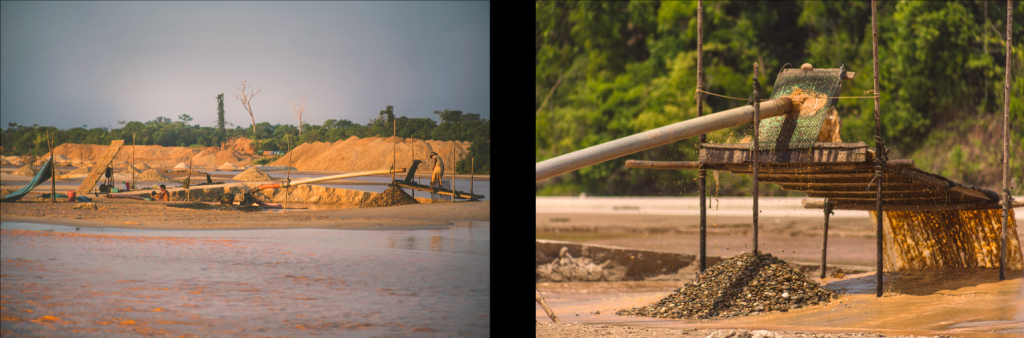
From December 21st to January 6th, a series of photographs was exhibited at the Parish Hall of the Main Church of Iquitos, Peru. These images illustrate the devastating impacts of illegal mining in the Madre de Dios region over the years. The impacts are not only environmental; they also result in a breakdown of the connection between people and the surrounding natural landscapes that are slowly disappearing.

Effects of illegal mining in Madre de Dios | Credits: Pavel Martiarena

A warning of the consequences of illegal mining

Photographer and climate activist, Pavel Martiarena, is from Puerto Maldonado, the capital city of the Madre de Dios region in southeast Peru. He traveled to Iquitos to exhibit more than 20 photographs that detail the harmful effects of illegal mining in his region. The photographic exhibition not only summarizes the fatal impacts of mercury on the natural landscape of the Amazon Rainforest but also exposes the irreparable marks mining has left on the population: domestic violence, drug trafficking, alcoholism, and human trafficking, among other crimes.

In this sense, Pavel Martiarena’s exhibition was received in Iquitos as a warning of the negative impacts of illegal mining in an Amazonian landscape. This reality could be repeated in Loreto, especially in the basins of the Chambira and Nanay rivers, both of which supply potable water for the city of Iquitos with over 400 thousand inhabitants.

The photographic exhibition featured more than 20 photographs illustrating the devastating results of illegal mining | Credits: Pavel Martiarena

Nature and Culture worked together with organizations like the Frankfurt Zoological Society, Derecho, Ambiente y Recursos Naturales, and the Center for Amazonian Scientific Innovation to handle the organization and logistics required for the exhibition.

The photographic exhibition was presented by the Apostolic Vicariate of Iquitos and the management committees of the protected areas affected by illegal mining in Loreto: the Regional Conservation Area “Alto Nanay Pintuyacu Chambira” and the National Reserve “Allpahuayo Mishana.” The exhibition opening was attended by representatives of the Vicariate, the “Allpahuayo Mishana” National Reserve, and regional and national authorities, including the Minister of the Environment, Albina Ruiz.

Recently, a scientific publication in the Amphibian & Reptile Conservation journal announced two new species of reptile in Peru, specifically in the Amazonas department.

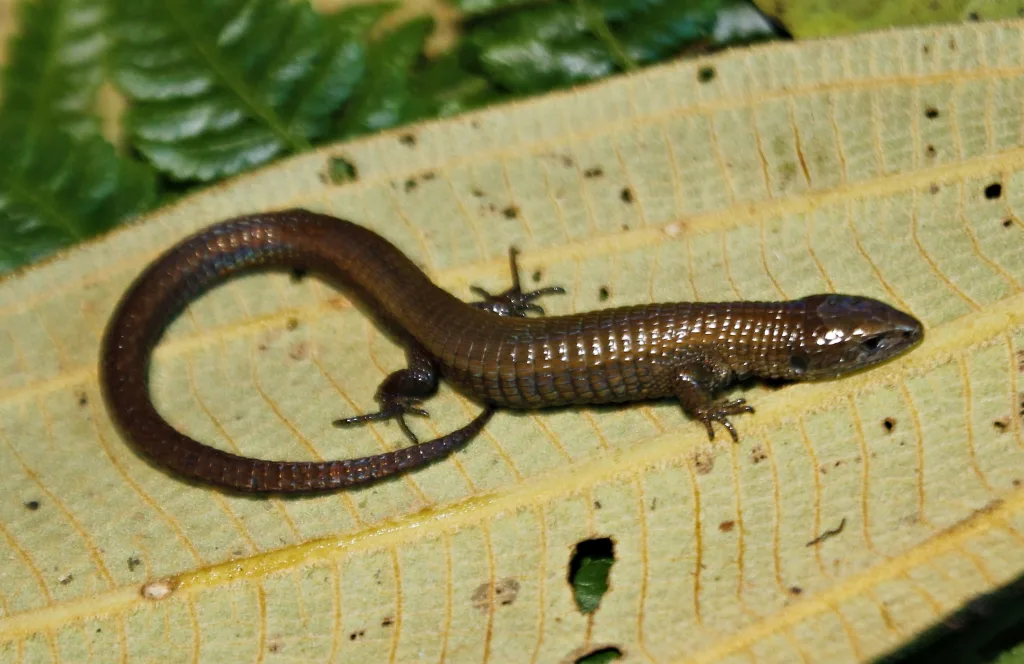
Meet the Petracola amazonensis and Petracola shurugojalcapi lizards – the “rock lizard of Amazonas” and the “Rock lizard of La Jalca.” These remarkable creatures have been uncovered in the Chiliquin and La Jalca districts, deep within the Amazonas department. 

These discoveries are not just fascinating from a biological standpoint; they shed light on the critical need to protect untouched areas in Amazonas with undiscovered biodiversity. 

Leading the research are scientists like Luis Mamani, Juan Carlos Chaparro, Alessandro Catenazzi, and Víctor Vargas, who have dedicated their efforts to unraveling these mysteries. 

The lizard Petracola amazonensis got its name in honor Amazonas region | photo credits: Chaparro Auza

The species’ names reflect their origins – “Petracola amazonensis” honors the Amazonas region, while “Petracola shurugojalcapi” blends the Quechua words “shurugo” (the local name for the lizard) and “jalcapi” (meaning “of Jalca”). 

Research on new species

Biologist Víctor Vargas shares the incredible journey of discovering these species, highlighting that they’ve been known for over a decade but have only recently been studied with advanced scientific methods. 

The importance of conservation

The La Jalca community’s conservation efforts are also noteworthy. With support from Nature and Culture International, they’ve expanded their protected area from 43,248 acres to an impressive 64,781 acres in just six years. 

Beyond wildlife preservation, this area plays a vital role as a water source for human consumption and local economic activities. It’s a lifeline for communities and a driving force for Amazonas’ development. 

In summary, these discoveries and conservation endeavors in Amazonas are both scientifically intriguing and vital for the region’s well-being. 

Researchers recently recorded notable wildlife sightings in the Páramos and Montane Forests of Jaén and Tabaconas Protected Area in Peru. Camera traps in the region documented the presence of the impressive puma (Puma concolor) and the symbolic spectacled bear (Tremarctos ornatus) as they moved through the area.

These findings are especially meaningful because they serve as biological indicators of the healthy conservation status of the area.

Analu Fernández Rafael, head of the Páramos and Montane Forests of Jaén and Tabaconas Protected Area, emphasizes that these discoveries highlight the importance of joint efforts between governmental entities and non-governmental organizations in the conservation of our ecosystems. They ensure a balance that benefits both wildlife and local communities, reaffirming the need to strengthen research in the páramo and montane forest ecosystems of Cajamarca.

Spectacled bear

Biologist Iván Mejía from Nature and Culture International explains that the spectacled bear, besides being an emblematic species, is a seed disperser. For this reason, it plays a key role in the functioning of high mountain ecosystems.

Additionally, the spectacled bear is endangered according to the IUCN (International Union for Conservation of Nature), in the “vulnerable” category.

Puma

In contrast, the puma ranked as the fourth-largest feline in the world, plays a crucial role in the health, regulation, and balance of other species in mountain ecosystems. It keeps other species in check given that it is a top predator. It is a born controller of the food local food chain. According to biologist Mejía, the presence of the puma is key to maintaining the harmony and sustainability of the ecosystems it calls home.
These revelations underscore the importance of understanding and preserving interactions between species, recognizing their valuable contribution not only to biodiversity but also to the dynamic balance of high mountain ecosystems.

The passage from the Páramos and Montane Forests of Jaén and Tabaconas Protected Area

A shared commitment

These monitoring activities are led with dedication and commitment by the technical team of the Páramos and Montane Forests of Jaén and Tabaconas Protected Area, part of the Submanagement of Natural Resources and Protected Natural Areas of the Regional Government of Cajamarca (RENAMA). This work is carried out in close collaboration and strategic partnership with Nature and Culture International and Andes Amazon Fund, thus strengthening the protection and preservation of this protected natural area, which has the largest coverage of the páramo ecosystem in the department.

Welcome to Nature and Culture’s latest conservation update, a direct glimpse into our ongoing efforts across Latin America.

We’re excited to share updates on our latest initiatives and projects, including a 360 view of one of our very first protected areas, the Cazaderos Reserve, a brand new protected area in Bolivia, and amazing avian biodiversity in Peru.

Our commitment to safeguarding the rich biodiversity and cultural heritage of this remarkable region remains unwavering, and it is thanks to supporters like you that our projects continue to thrive. Thank you for joining us on this journey!

Real Stories. Real Impact.

Ikíitu Indigenous youth connect to their culture, language and ancestral customs with Nature and Culture’s publication of the comic, “El Último Kuraka.”

Each year on August 9th, people around the world celebrate Indigenous Peoples. It’s an important time to raise awareness around Indigenous autonomy and equal rights to their ancestral lands, native languages, and traditional customs. This year’s theme centers around Indigenous youth who have so much at stake in the struggle to maintain their cultural identity. That is why Nature and Culture, together with the Ikíitu people of the Indigenous community, San Antonio, Pintuyacu river, Loreto, Peru, produced and published the comic, “El Último Kuraka,” or “The Last Chief.”

Margarita Beuzeville Panduro, Ikíitu community member

Nature and Culture hopes to raise awareness around the Indigenous Peoples of the Amazon by sharing their traditional knowledge.

Alongside our efforts to conserve forests, our team provides opportunities to strengthen the Indigenous identity of the local communities that help keep the forest standing. In this way, forest management is imbued with local understandings and experiences that have persisted for centuries. Written in both Spanish and the Ikíiitu native language, “El Último Kuraka” serves as written documentation of the cultural history of the Peruvian city of Iquitos (named after the Ikíitu people), the capital of the Maynas Province. We hope that this history is not only shared amongst the Ikíitu youth but spread to youth across the region and throughout Peru!

In the comic, hero Súkani, a leader with supernatural powers, is imprisoned by colonialists attempting to seize his people’s land. This traditional story was adapted by Nature and Culture from collected facts from the oral tradition of the Ikíitu people. During the 17th and 18th centuries, many Ikíitu were forced to join missions and displaced from their ancestral territories. The city of present day Iquitos bears the name of the Ikíitu people, in homage to the first residents of the area, although it is not known exactly when and who settled on the plateau surrounded by the Nanay, Amazon, Itaya and Lake Moronacocha rivers. The true story of the death of “El Última Kuraka”, Alejandro Inuma, in the the 1940s was decisive moment for the Ikíitu people because the language ceased to be used as a primary language and many customs began to be lost. According to data obtained by the Ministry of Culture, it is estimated that today there are only 519 people from the communities of the Ikíitu people remaining.

A view of the Peruvian city of Iquitos

In the comic’s prologue, Inter-cultual Specialist, Elena Burga Cabrera affirms that “Amazonian Indigenous peoples have their own stories about who they are, where they came from, who were their leaders, how their first contact with ‘mestizos’ went and about the events they have experienced, generally with a lot of violence and suffering, and that has generated changes in their way of life and in the characteristics of the territories they occupy.”

Ema Llona Yareja, bilingual Ikíitu community member asserts, “(Children) must learn, so that our language is not lost, from an early age they should receive education in the Ikíitu language”.

The identity of Indigenous Peoples is attached to the land, language, traditional livelihoods, ceremonies, arts, crafts, and family members and society as a whole. The elders of the Ikíitu community, like Ema Llona Yareja, pictured above, provide a connection between generations, a crucial aspect of Indigenous Peoples’ wellbeing. She asserts, “(children) must learn, so that our language is not lost, from an early age they should receive education in the Ikíitu language”.  In areas of high cultural and economic exchange like the Nanay river basin, Indigenous cultures are at risk of being lost. “The Nanay basin, where the community of San Antonio is located, is subjected to processes of cultural and economic exchange with western society. The pressures riverside communities face create challenges that must be confronted to safeguard the well-being of their families, the forest, water and, above all, the right to stand firm before illegal actions,” says former Nature and Culture Peru Country Director, Patricia Ochoa.

View the full comic here!

The Ikíitu people have a cultural richness, which to this day persists in their daily customs.

Utensils and tools, fishing techniques, knowledge of medicinal plants, knowledge of the forest for hunting, cultivation of their farms are all pieces of knowledge that are preserved in the rich culture of the Ikíitu people. In addition to documenting their native language, the “El Última Kuraka” comic also records some of the customs and artifacts that are used to this day, including garments, pottery and cooking utensils.

Adith Pacaya Inuma, Ikíitu community member, demonstrating the use of a batán, one of the most important utensils for making a traditional drink made from fermented cassava.


Supporting Indigenous communities in conserving nature in their lands requires recognition of their lived experiences and world visions. By documenting the culture and history of the Ikíitu people, we are helping to preserve not only their way of life, but also the sustainable practices that have been passed down through generations. They have been great stewards of their ancestral lands and we are working alongside the elders in the community to ensure future generations will have the same local knowledge and support to continue to protect these sacred places.

If you’d like to support our efforts please give today.

More than 450 bird species identified over 8 years!

Since 2015, research and fieldwork carried out by our technical team has led to the registering of more than 450 species of birds in one of the areas we’re working to protect in the northern tropical Andes. According to our research, 24% of all the bird species in Peru can be found in this region! More than 30 of these species are endemic, or found no where else in the world.

A Brief History of the Region’s Conservation Efforts

Following the creation of the Carpish Montane Forest Regional Conservation Area and the Unchog Private Conservation Area, Nature and Culture, with the support of the Critical Ecosystem Partnership Fund, conducted a Rapid Biological Study to determine the distribution of endemic species of the Carpish Montane Forest. This study served as a baseline for the development of monitoring and evaluation plans that help to track the health of the ecosystems in these areas.

The study also helped to prioritize other areas nearby in need of protection. Nature and Culture, together with the Huánuco Regional Government and funding from Andes Amazon Fund, began negotiations for the creation of two new Regional Conservation Areas in the department of Huánuco, Peru: Regional Conservation Area Yanajanca, and Regional Conservation Area San Pedro de Chonta. 

In 2021, the American Bird Conservancy joined the effort. They generated information on the behavior of birds and determined the conservation status of the forests that provide them with food and shelter.

At the end of 2021, Rainforest Trust joined Nature and Culture’s initiative with the Huánuco Regional Government, to conserve the work towards conserving proposed San Pedro de Chonta and Yanajanca Regional Conservation Areas. 

Tricolored brushfinch (Atlapetes tricolor)
House wren (Troglodytes aedon)
Plumbeous sierra finch (Geospizopsis unicolor)
Andean Guan (Penelope montagnii)

Our work in the Carpish-Río Abiseo Mosaic 

The Carpish-Río Abiseo Mosaic is 3,763,481.26 acres of very fragile ecosystems of biological and environmental importance located between the departments of Huánuco and San Martín. It also provides valuable ecosystem services to local populations.

The 3.7 million acres are divided into National Areas (Tingo María National Park and Río Abiseo National Park), Sub National Areas (Regional Conservation Areas Shunté and Mishollo, Regional Conservation Area Montane Forest of Carpish and Private Conservation Area Unchog), and Areas in the process of creation (Proposal of Regional Conservation Area Yanajanca and Proposal of Regional Conservation Area San Pedro de Chonta). 

Connecting and protecting these areas, and all of the key ecosystems and endemic spieces that live within the region is at the heart of what Nature and Culture International does.

Want to read more about Nature and Culture’s Carpish-Río Abiseo Mosaic in the News?

Not all rainforests are alike

Rainforests are ecosystems that experience a large amount of annual rainfall. They support an incredible number of plants, animals, and other life forms. Although they occur in different parts of the planet, tropical rainforests are found on and around the equator where sunlight is consistent throughout the year.

Nature and Culture International has projects and protected areas in rainforest ecosystems in many types of rainforest in South America. Our work occurs in the lowland Amazon rainforest, cloud forests in the Andes, and the Chocó forest of coastal Colombia and northern Ecuador. 

Andean Cloud Forest: Highland rainforest 

The extraordinary cloud forests of the Andes are a type of mid-altitude tropical rainforest. When humid air, transpired from the billions of trees in the lowland Amazon, moves west and up the mountain slopes of the Andes, some of it condenses and falls as rain. Some remain in the form of low clouds and mist, which condenses directly onto the foliage of cloud forest trees.

Cloud forests extend from about 3,000 feet in elevation up to about 8,000 feet, so temperatures tend to be cooler than in lowland rainforests. The terrain is often on steep slopes, with more open canopy, leading to more vegetation on the forest floor.

These higher-elevation forests are characterized by waterfalls and quick-moving, shallow rivers.

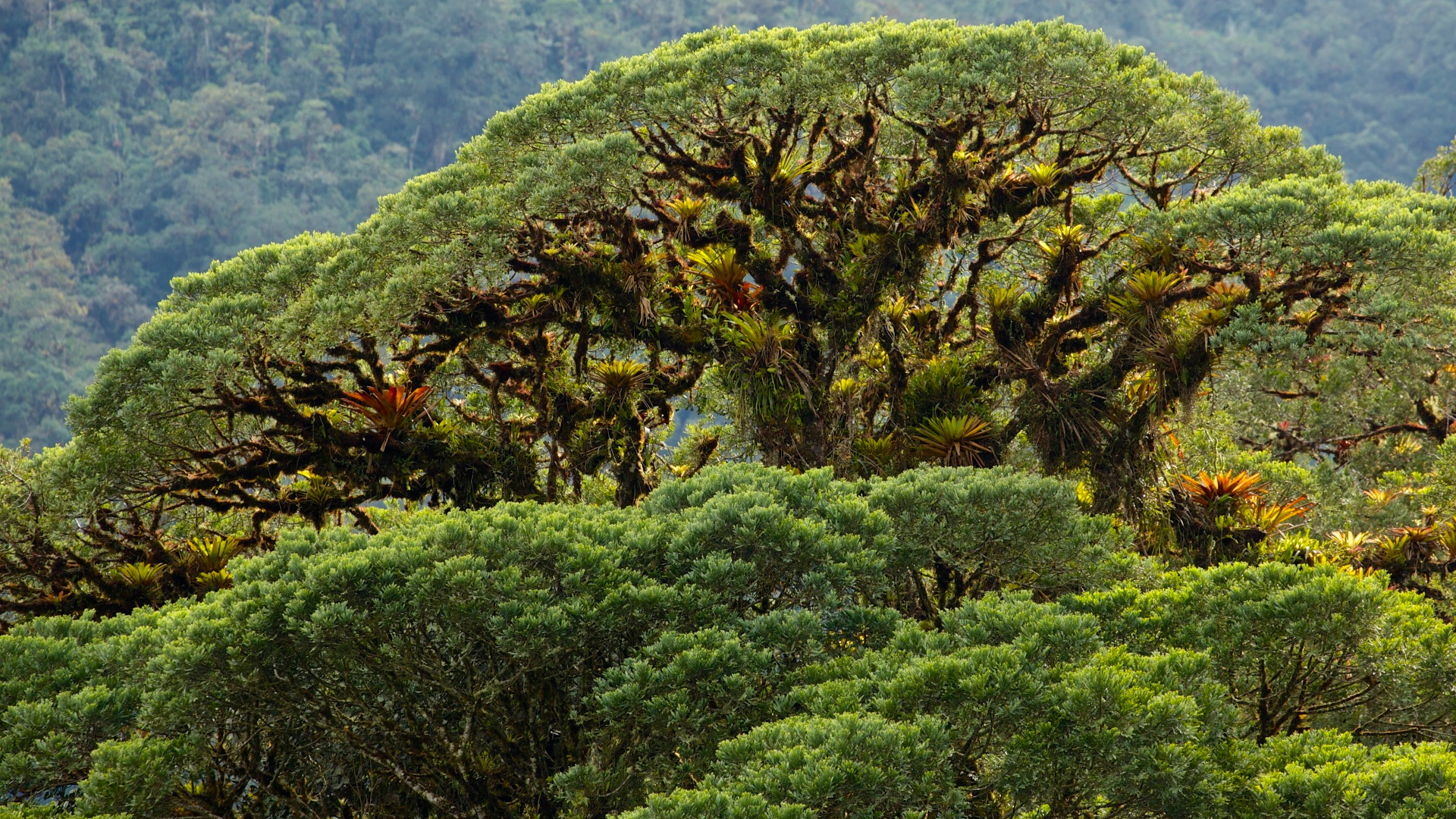
Cloud forest trees are often covered in plants called epiphytes, which capture much of the moisture found in cloud forests. Clouds and mist condense on the epiphytes’ leaves and pool at the bases of epiphytes (providing habitat for insects and some types of frogs). Trees here are generally shorter than in lowland rainforest, hence the cloud forest tree canopy is lower.

Nature and Culture is currently working with local communities and authorities in our North Andes Mosaic to protect highland forest in Peru which is essential for providing water resources to over two million people who live in the region.

Amazon: Tropical rainforest east of the Andes

The Amazon rainforest is the largest tropical forest on Earth, with the highest density of plant and animal species anywhere.

This region provides essential ecological services, stabilizing the world’s rainfall patterns and storing massive amounts of carbon that mitigate climate change.

This lowland rainforest is east of the Andes mountain range and spans eight South American countries. The Amazon is impressively large, more than double the size of the next two largest rainforests combined. It is also well known for its mighty Amazon River which is made up of 1,100 tributaries, including the Marañón River which is considered the source of the Amazon in Peru. 

The province of Loreto, Peru, is facing the second-highest rate of deforestation in Peru. Nature and Culture is currently partnering with Indigenous communities and local authorities through sustainable livelihood projects in our Nanay-Tigre Mosaic.

Chóco: Coastal rainforest west of the Andes

On a strip of forest in western Colombia and Northwestern Ecuador, between the Pacific Ocean and the Andean mountain range is the Chocó forest.

It is a dense and diverse tropical rainforest that blends with adjoining mangrove forests, rocky cliffs, and coastal plains.

It is one of the world’s wettest rainforests and one of the most biologically rich areas in the world. Many species here cannot be found anywhere else on Earth, such as the golden poison frog (one of the three most poisonous vertebrates in the world).

Between two to three percent of this ecosystem is left, making it one of the most threatened and lesser-known forests in the world. With Nature and Culture International’s support, the Bajo Baudó protected area was established in 2018. This is the largest regional protected area ever created in Colombia. We are currently working in our Southern Chocó Mosaic to declare two new protected areas and establish sustainable management plans.

Why we protect rainforests

Although rainforests only cover 6 percent of our planet, an estimated 80 percent of terrestrial animals, plants, and fungi species worldwide live within them. Many species have not yet even been described by science. Rainforests contain a huge amount of biodiversity, which has major implications for our health, including improving mental well-being, preventing zoonotic diseases (diseases transmitted from animals to humans – e.g. West Nile virus, Lyme Disease, and some types of coronaviruses, among many others) from entering human populations, and providing fresh water, clean air, and vital medicines. Indigenous peoples have lived in and sustainably managed tropical rainforests for centuries, if not millennia. Many Indigenous communities are reliant upon the natural resources that the rainforest provides, particularly clean water.

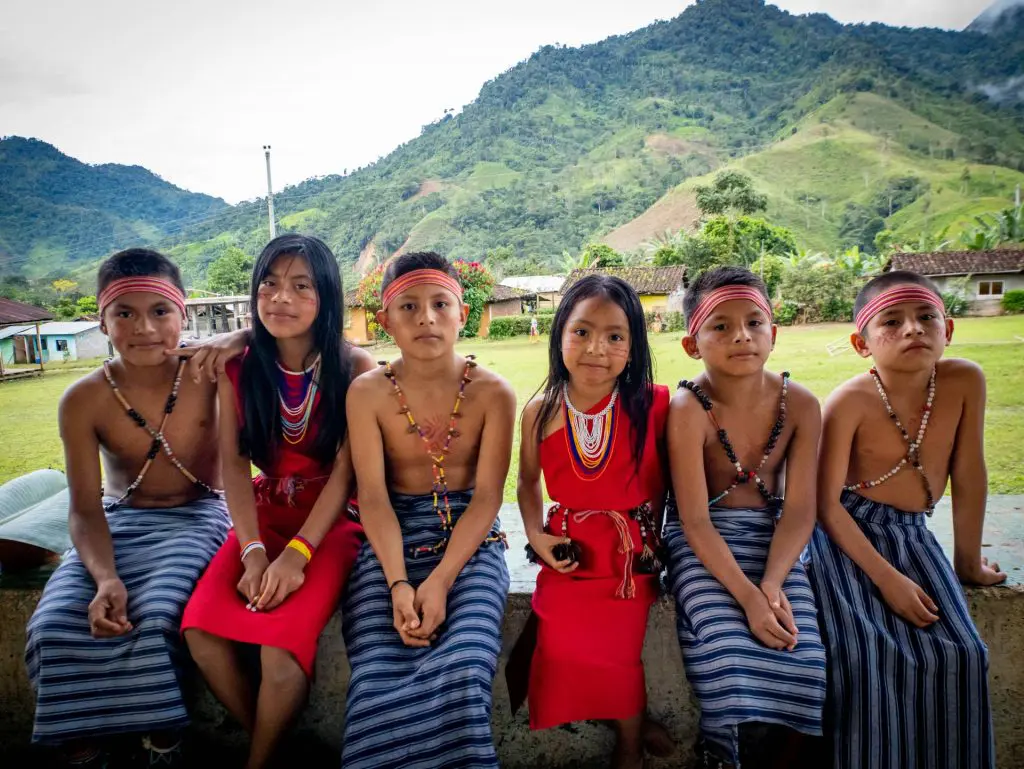
Shuar children

By destroying rainforests, humans are exacerbating the climate crisis by releasing additional CO2 into the atmosphere. All rainforests have a huge volume of carbon stored in the vast amount of vegetation they house. There is so much carbon stored in these ecosystems that, if released, it would not be able to be restored by the 2050 global goal of reaching net-zero emissions; this is known as “Irrecoverable Carbon”.

For World Rainforest Day

and every day, it is important to support rainforest conservation and raise awareness of the threats they face.

We know we can do better for Earth. You can help by spreading awareness and supporting Nature and Culture’s nature-based solutions by pledging your $10 monthly gift today.

Your gift… 

  • Defends wild places from deforestation, mining, and other unsustainable activities  
  • Connects irreplaceable habitat for threatened plants and animals  
  • Supports Indigenous and local communities in mapping, monitoring, and managing forests for the long-term 
  • Preserves the services these ecosystems provide to us all, including clean water and a stable climate 

Over the course of a year, you’ll care for 12 acres – the size of 6 professional soccer fields!

For World Rainforest Day, will you join our community of monthly donors who have pledged to protect South America’s rainforests year-round?

On April 22th we commemorate Earth Day, an opportunity to recognize our role in caring for the planet and all the forms of life that inhabit it.

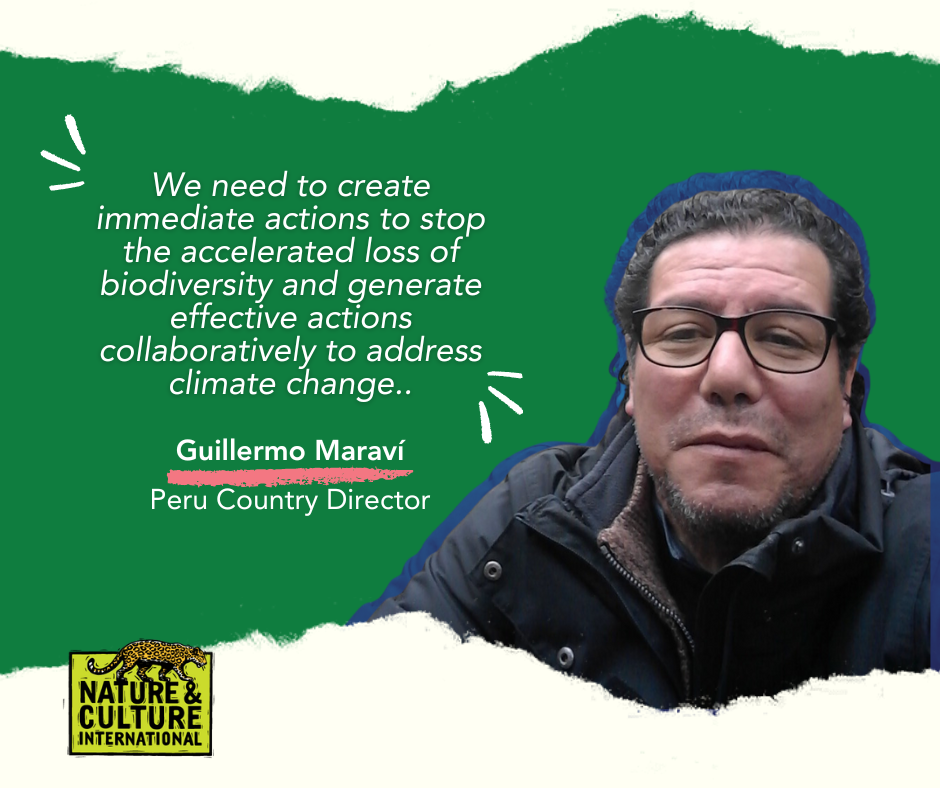
For our Peru Country Director, Guillermo Maraví, it is necessary to create immediate actions to stop the accelerated loss of biodiversity and generate effective actions collaboratively to address climate change.

In this sense, he emphasizes that Nature and Culture International, in addition to promoting the establishment of conservation areas connected to other conservation initiatives, also engages in their management and handling, with the aim of making them sustainable over time. For Guillermo, this work, which is only possible because we do it in collaboration with local, peasant and indigenous communities, must prevail, because it is there where the accumulated knowledge for years about caring for the land has many of the solutions to the world’s climate and biodiversity crisis.
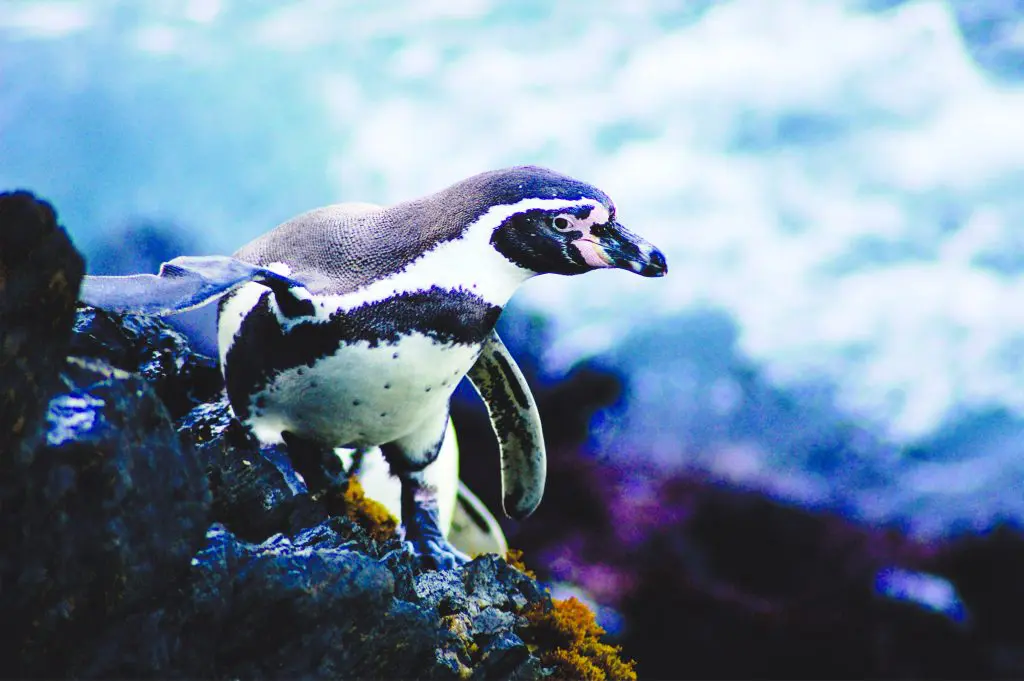
In addition, in Peru, we help endangered and endemic species have a safe place to feed and move. We protect the habitat of animals such as the spatuletail hummingbird in Amazonas, known for being one of the most beautiful hummingbirds in the world, or the emblematic spectacled bear that we have registered in Piura, Cajamarca, Amazonas, and Huánuco.
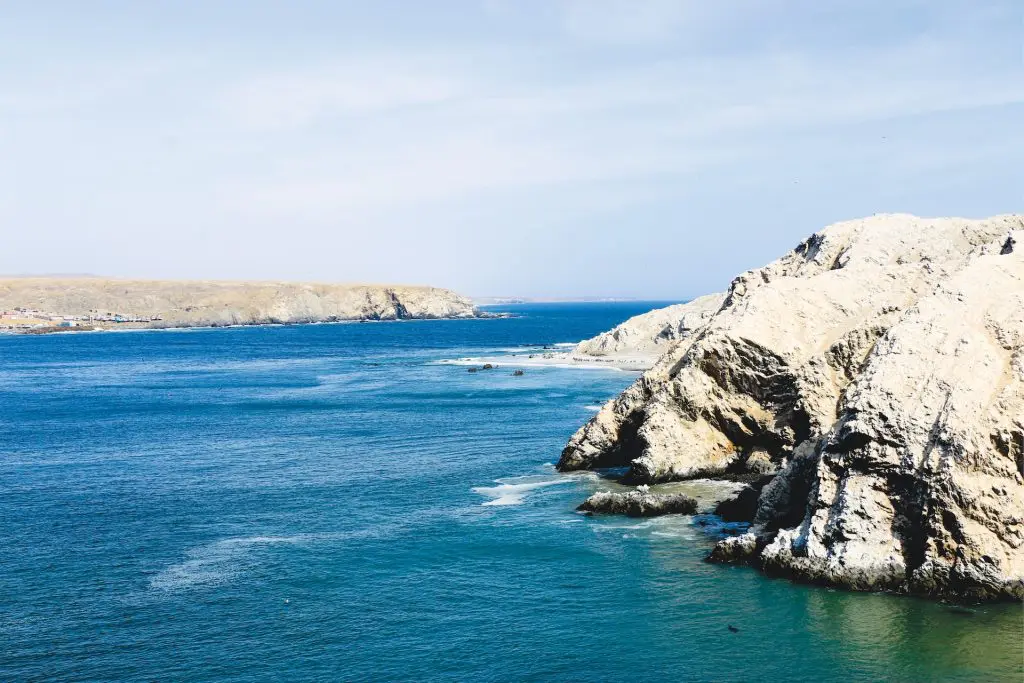
Marvelous spatuletail (Loddigesia mirabilis), an endangered species of hummingbird endemic to northern Peru.

Peru is home to thousands of species whose habitats we must protect and rehabilitate! Our actions matter. Let’s be responsible! We have only one planet to live on, with hundreds of plants and animals that, like us, depend on the good condition of ecosystems, pure air, fresh water, and so many other services provided by Mother Earth.