
Protecting forests, wildlife, and water sources in Ecuador and Peru
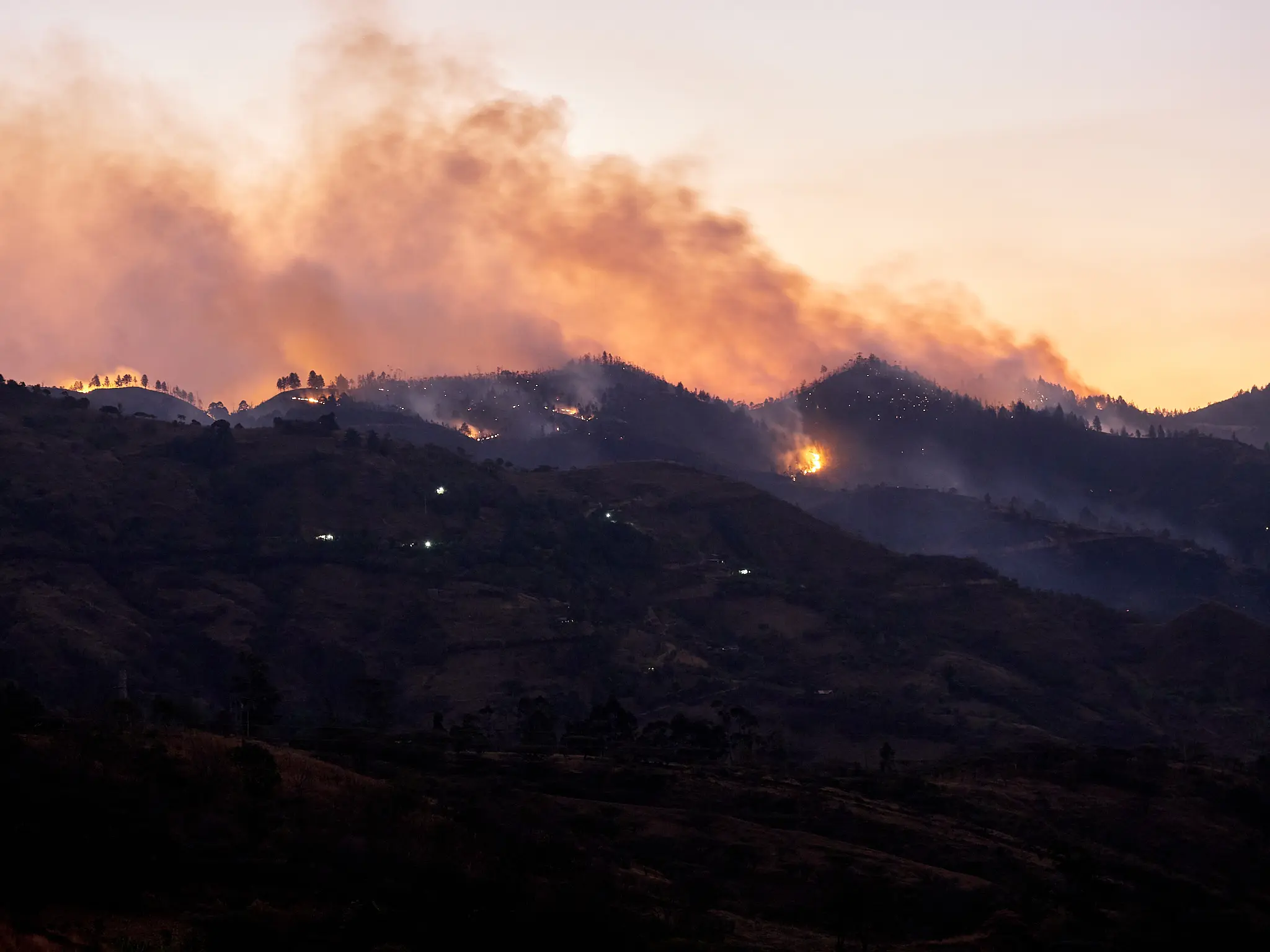
Across the Andes, longer dry seasons and growing land-use pressure are increasing wildfire risk. These fires threaten forests, biodiversity, water sources, and ecological connectivity that allows species and ecosystems to thrive.

Wildfire is a Global Challenge
While Nature and Culture’s fire resilience work is focused in the Tropical Andes, many of the underlying challenges are familiar around the world: longer dry seasons, hotter temperatures, pressure on natural landscapes, and growing threats to water supplies and biodiversity.
We’re working with local communities to implement practical approaches that reduce risk, strengthen preparedness, and protect the natural systems people and wildlife depend on.
Building Local Capacity Against Wildfire
Nature and Culture works with communities, conservation-area managers, and local governments to strengthen wildfire prevention, preparedness, and response across priority landscapes within the Andes-Amazon Conservation Corridor. Our team supports community training, public awareness campaigns, and coordinated monitoring systems so local leaders can reduce risk and respond quickly when fires start.
Together, we’re helping communities:
- Detect fires earlier.
- Prevent accidental wildfires.
- Prepare for emergencies.
- Protect forests, water sources, and wildlife.
Why Wildfires Are Increasing in the Andes
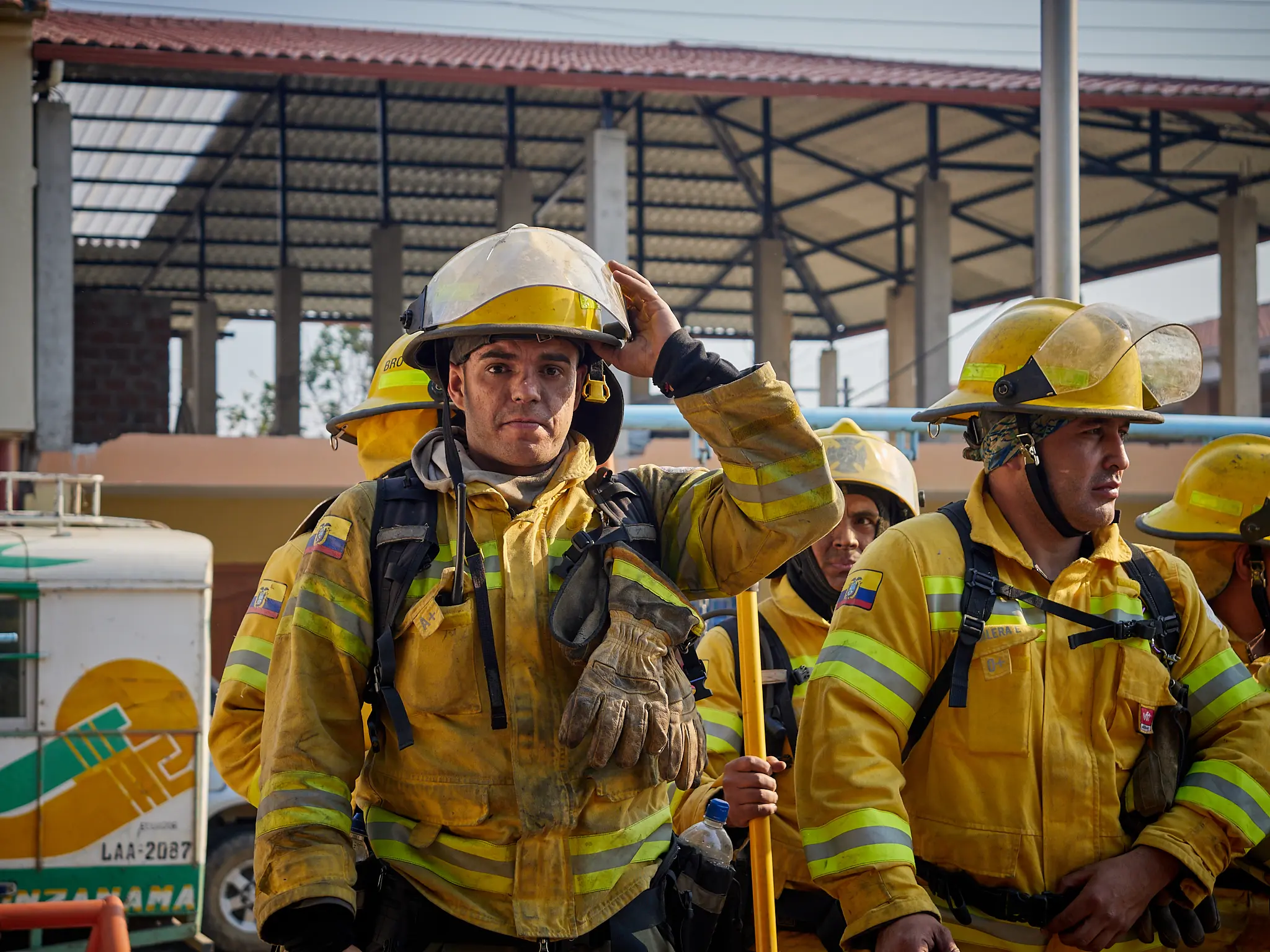
Most fires in the region start from human activity. According to Peru’s national forestry authority, about 95% of wildfires are linked to human causes, many of them agricultural burns that spread beyond their intended boundaries.
For generations, fire has been a low-cost way to clear fields, remove crop residue, and renew pasture, and it was largely manageable. Today, longer droughts, hotter temperatures, and stronger winds allow those burns to escape into forests and watersheds.

Fire Prevention as a Conservation Strategy
Meeting this challenge requires more than responding to fires after they occur. It requires investing in prevention, preparedness, and local leadership before a crisis begins. Conservation is often associated with protecting land, restoring habitat, or establishing protected areas. But as fires become more frequent and severe across parts of South America, protecting conservation investments increasingly requires strengthening prevention and preparedness alongside traditional land protection efforts.
During the 2024 fire season, volunteer brigades played a key role in wildfire response efforts, demonstrating the value of community leadership and coordinated action. Building on this experience, Nature and Culture is expanding wildfire prevention, preparedness, and community engagement efforts across the broader Andes-Amazon Conservation Corridor.


Wildfire Threatens Connectivity
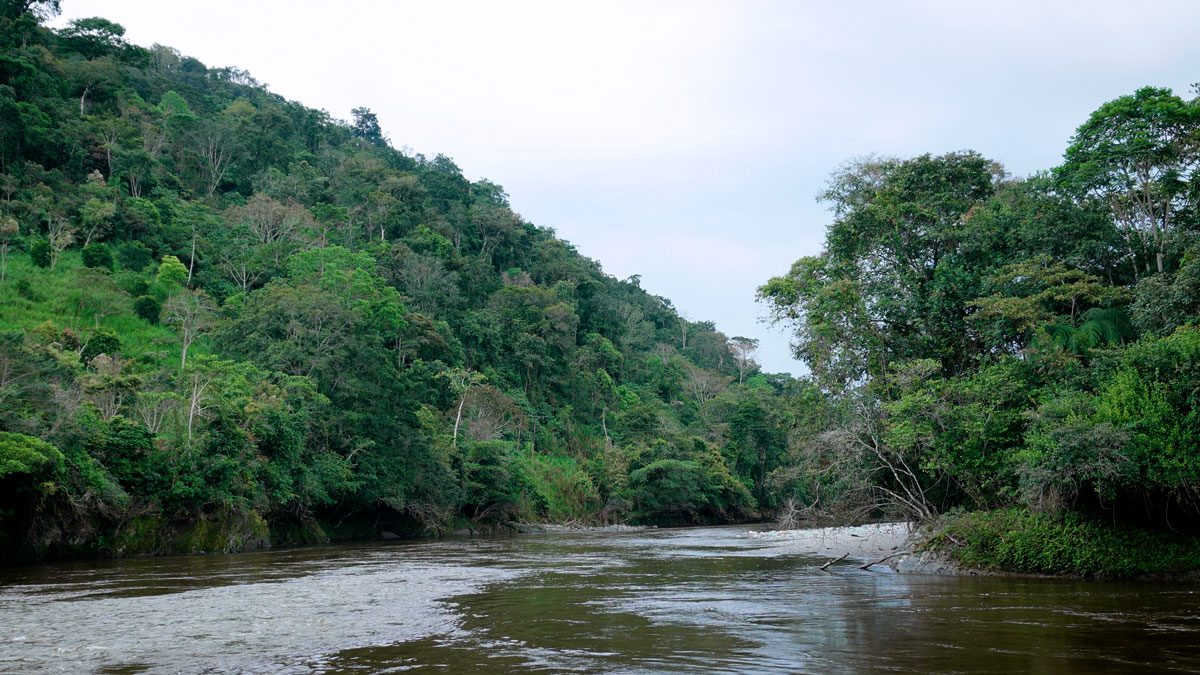
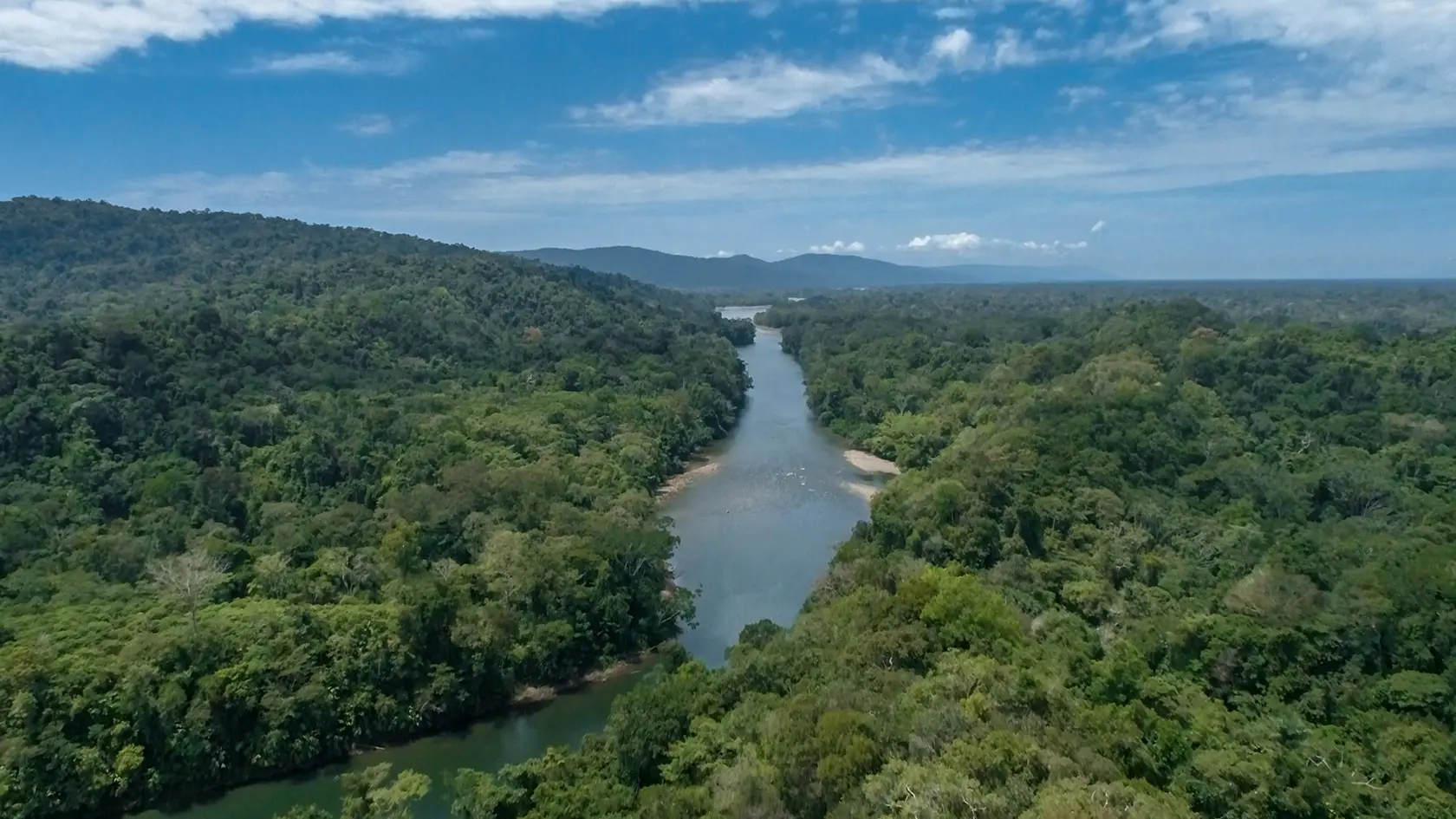
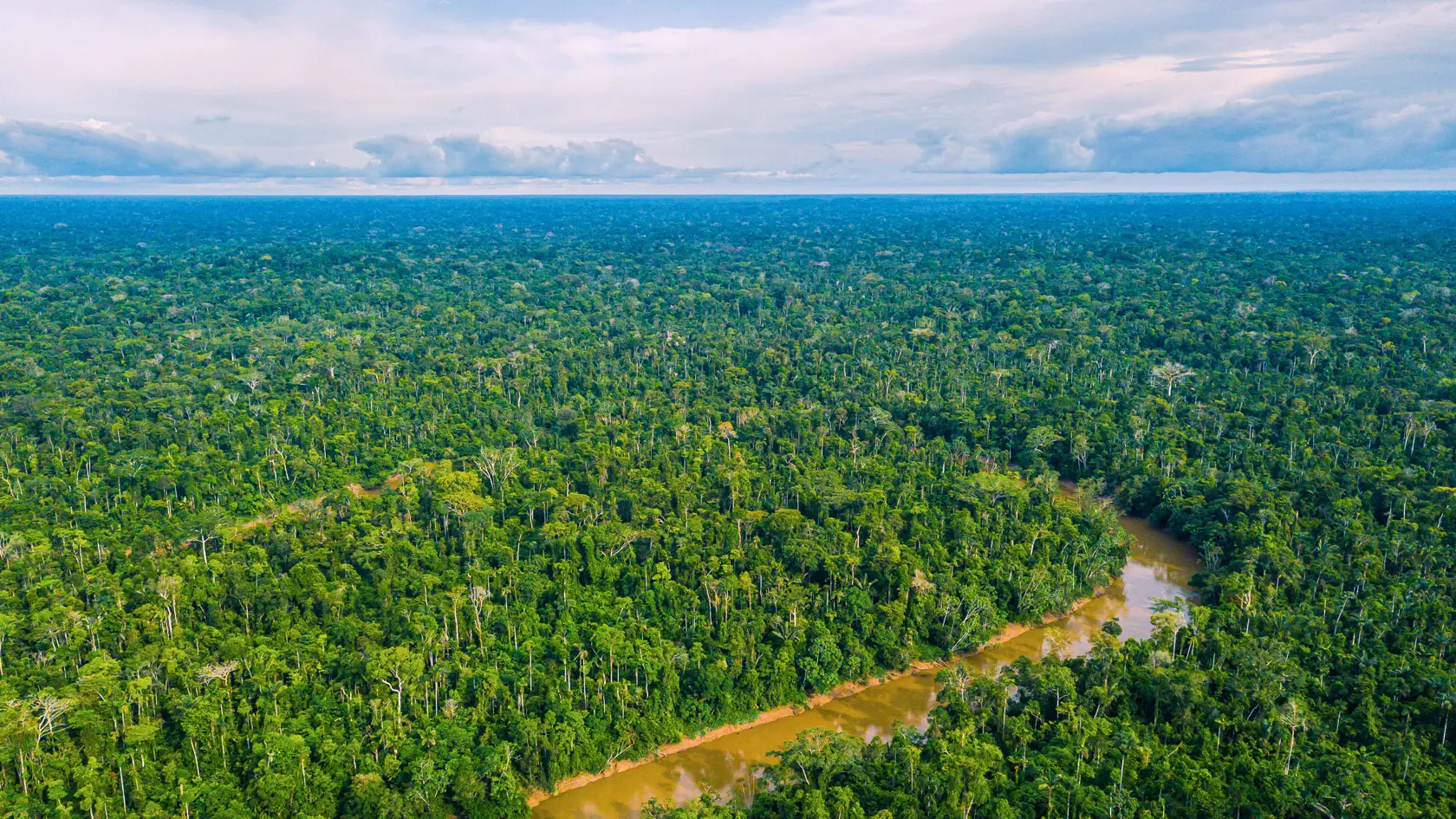
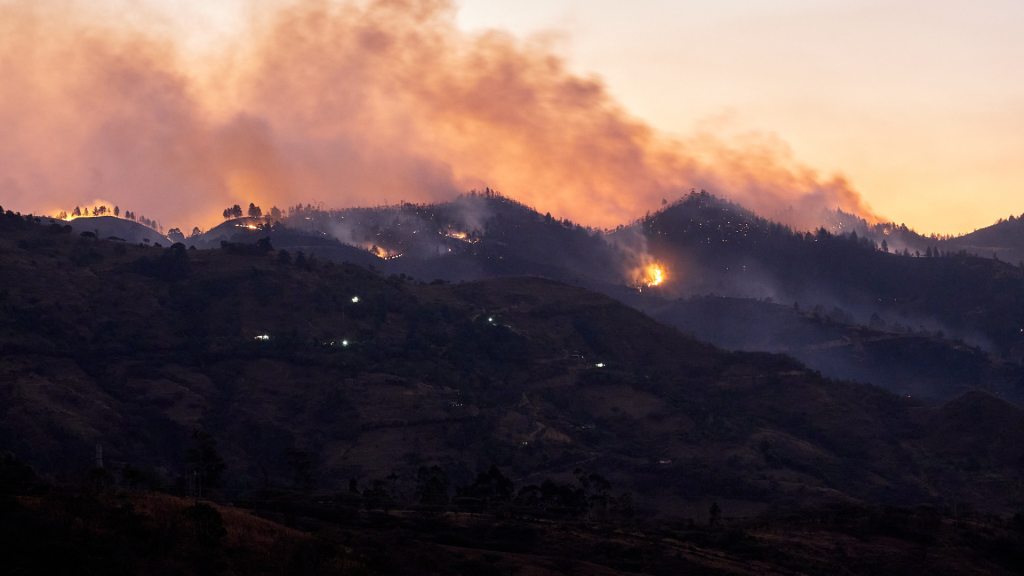
The Andes-Amazon Conservation Corridor was established to maintain ecological connectivity across a five-million-acre landscape that links Andean forests, high-Andean wetlands, and Amazonian ecosystems. These connections help sustain healthy watersheds and strengthen the resilience of ecosystems across the region.
Wildfires can quickly disrupt those connections.
Fires fragment wildlife habitat, degrade water sources, release stored carbon, and threaten the ecosystems that species such as the spectacled bear and mountain tapir depend upon. As wildfire risk grows, protecting connectivity increasingly requires investing in prevention and preparedness alongside traditional conservation approaches.
Protecting Far More than Trees
The consequences extend far beyond burned areas. Wildfires can fragment wildlife habitat, degrade watersheds, release stored carbon, and weaken the ecological connections that sustain biodiversity across the Andes. Species such as the spectacled bear and mountain tapir depend on connected landscapes, while communities rely on the forests and watersheds that provide clean water and other essential benefits.
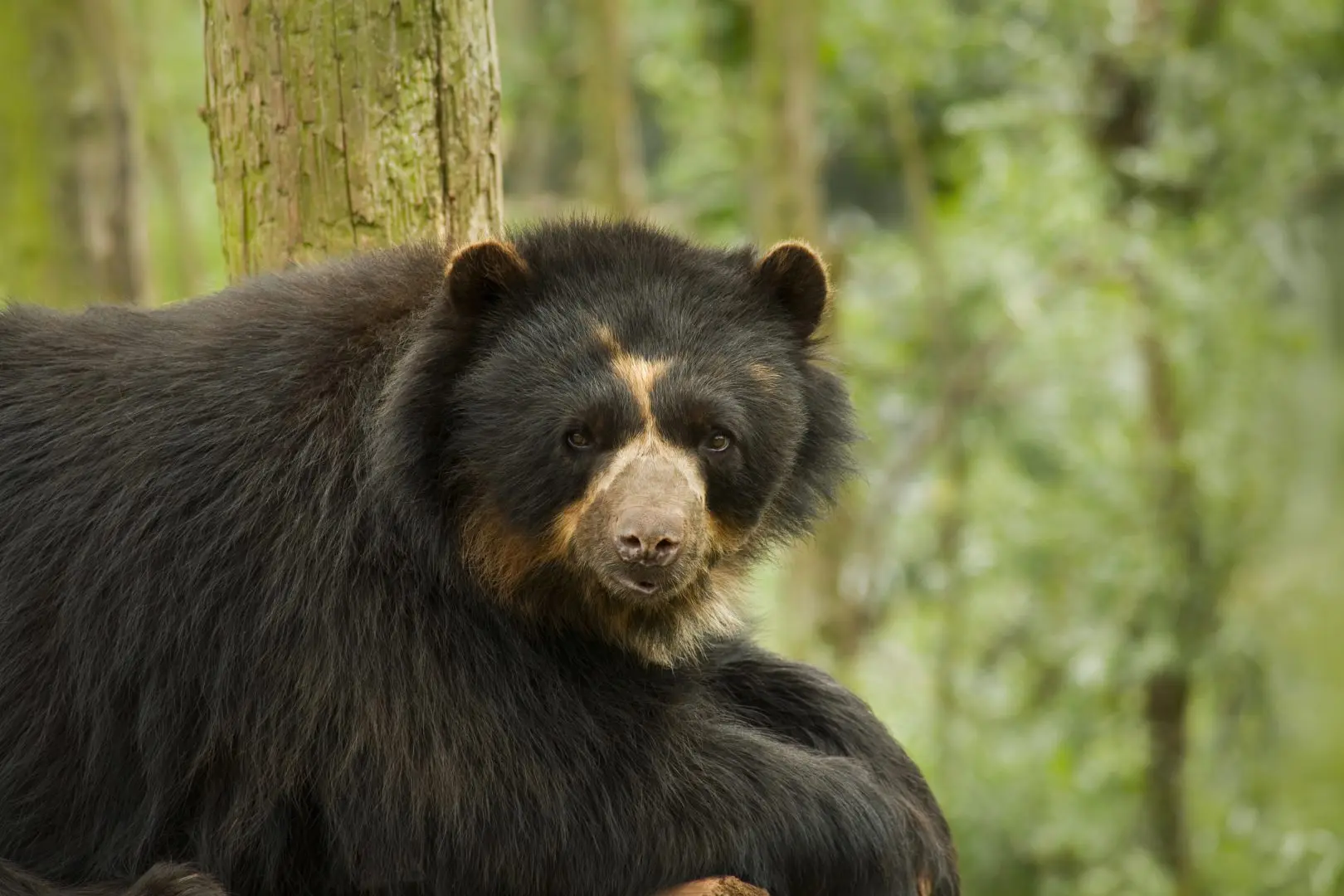
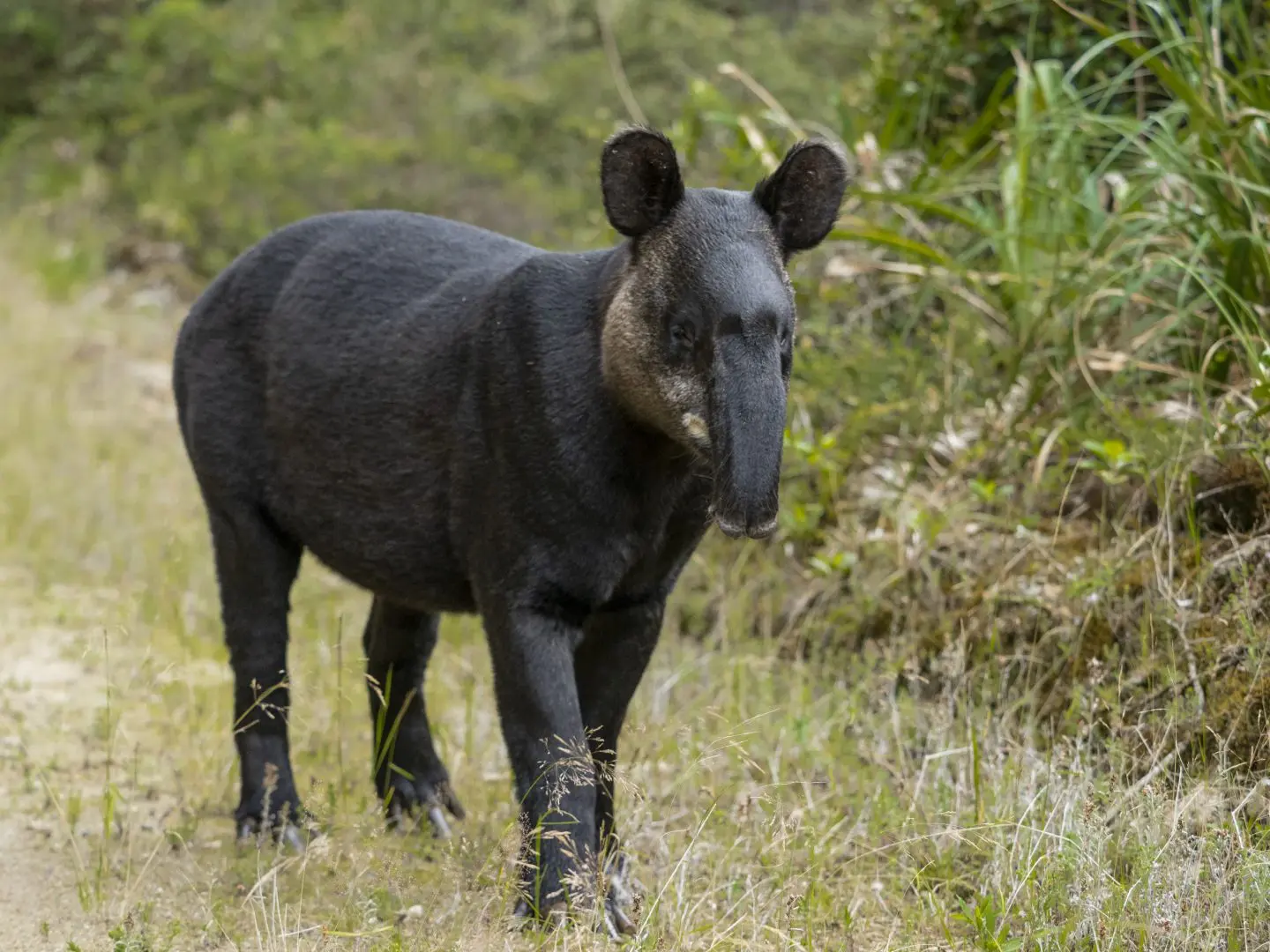


Protecting these forests means protecting far more than trees. It means safeguarding wildlife habitat, maintaining reliable water sources, and preserving the natural systems that communities and wildlife depend upon. That’s why investing in wildfire prevention and preparedness has become an essential part of long-term conservation across the corridor.
FAQs
Wildfires are becoming a growing threat across the Tropical Andes as changing climate conditions and land-use pressures increase the likelihood and intensity of fires. Beyond damaging forests, wildfires can fragment wildlife habitat, degrade water sources, release stored carbon, and weaken the ecological connections that many species depend on for survival.
Our approach combines community training, public awareness campaigns, monitoring systems, and coordinated planning. By strengthening community knowledge, preparedness, and coordination before fires occur, communities are better equipped to reduce risk and respond effectively when emergencies arise.
Community members are often the first to detect and respond to wildfire threats. By strengthening local knowledge, preparedness, and coordination, communities can prevent small incidents from becoming larger emergencies and play an active role in protecting their landscapes.
Many species rely on intact forests, wetlands, and watersheds throughout the Andes-Amazon region. Preventing wildfires helps protect the habitats and natural systems that wildlife depend on while reducing damage to fragile ecosystems.
Wildfire prevention is one part of Nature and Culture International’s broader approach to conservation. By protecting biodiversity, maintaining ecological connectivity, strengthening local stewardship, and safeguarding critical water resources, we help ensure that people and nature can thrive together across the Andes-Amazon Conservation Corridor.
As climate change reshapes wildfire risk across the Tropical Andes, investing in prevention and preparedness has never been more important.
Together, we can help keep the landscapes of the Andes-Amazon Conservation Corridor connected and resilient in the face of a changing climate.