

16 Years of Community-Led Conservation Secures San Andrés’s Water Protection Area
08/25/2026
Protecting water sources to conserve ecosystems, sustain biodiversity, and improve residents’ access to water.
In Ecuador, a Water Protection Area (APH, in Spanish) is one of the country’s strongest legal tools for safeguarding the sources that supply communities with clean water. Nature and Culture has worked with communities and local governments for over 30 years, leveraging water source protection as a strategy for ecosystem and species conservation.

In southern Ecuador’s Zamora Chinchipe province, the San Andrés Water Protection Area is a community-led initiative that, after 16 years of work, has been elevated to APH status — one of Ecuador’s strongest legal safeguards for water security. The area protects 11,809 acres (4,779 hectares) of páramo and montane forest, serving as a buffer zone for Yacuri National Park and strengthening the Andes Amazon Conservation Corridor, a vital wildlife corridor in southern Ecuador.
The story of San Andrés grew from the local community’s commitment to protect their water sources. First protected as a community reserve in 2010, the area now secures water for around 800 residents.
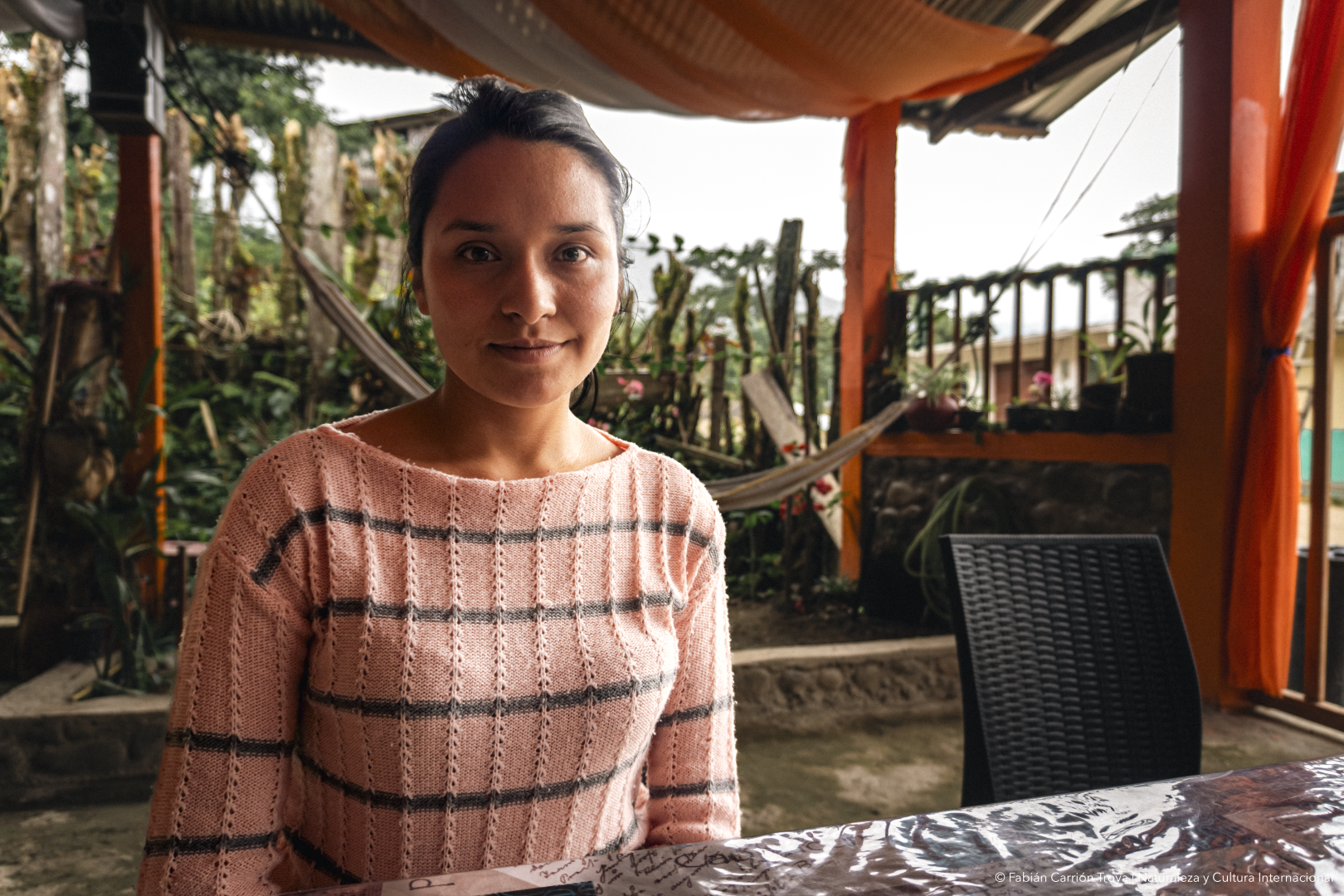
“As a mother, it gives me great peace of mind to know that our water reserve is protected. Water is essential for life, and as a community, we have a responsibility to care for it, use it responsibly, and teach our children that this commitment must continue to secure the future of our reserve,” says Keiny Cordero, a resident of San Andrés.
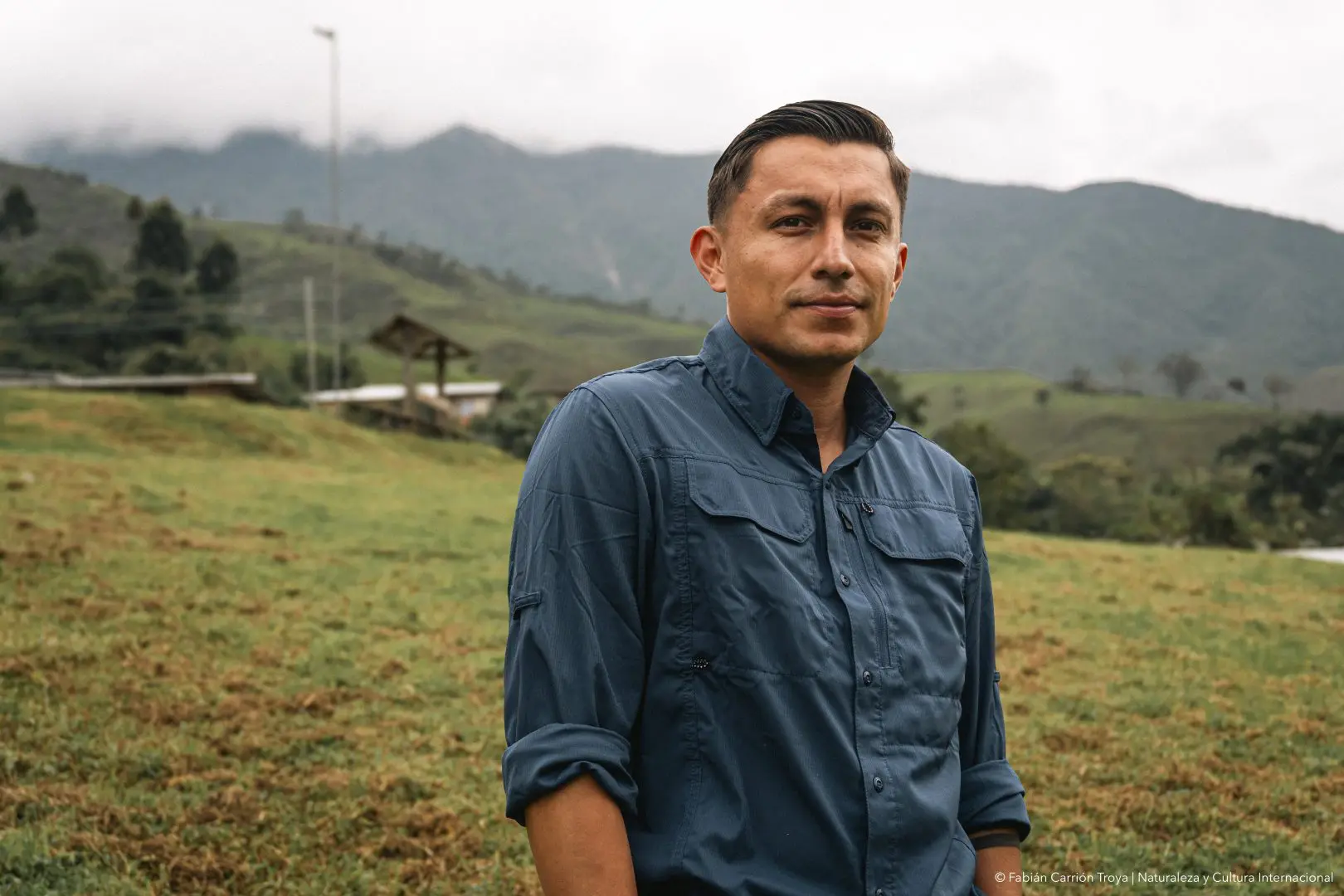
“The declaration of the Water Protection Area represents a milestone for our community. It is a commitment to protecting our water sources and a legacy for future generations, who will have the responsibility of preserving this heritage,” states Diego Abad Abad, president of the San Andrés GAD.
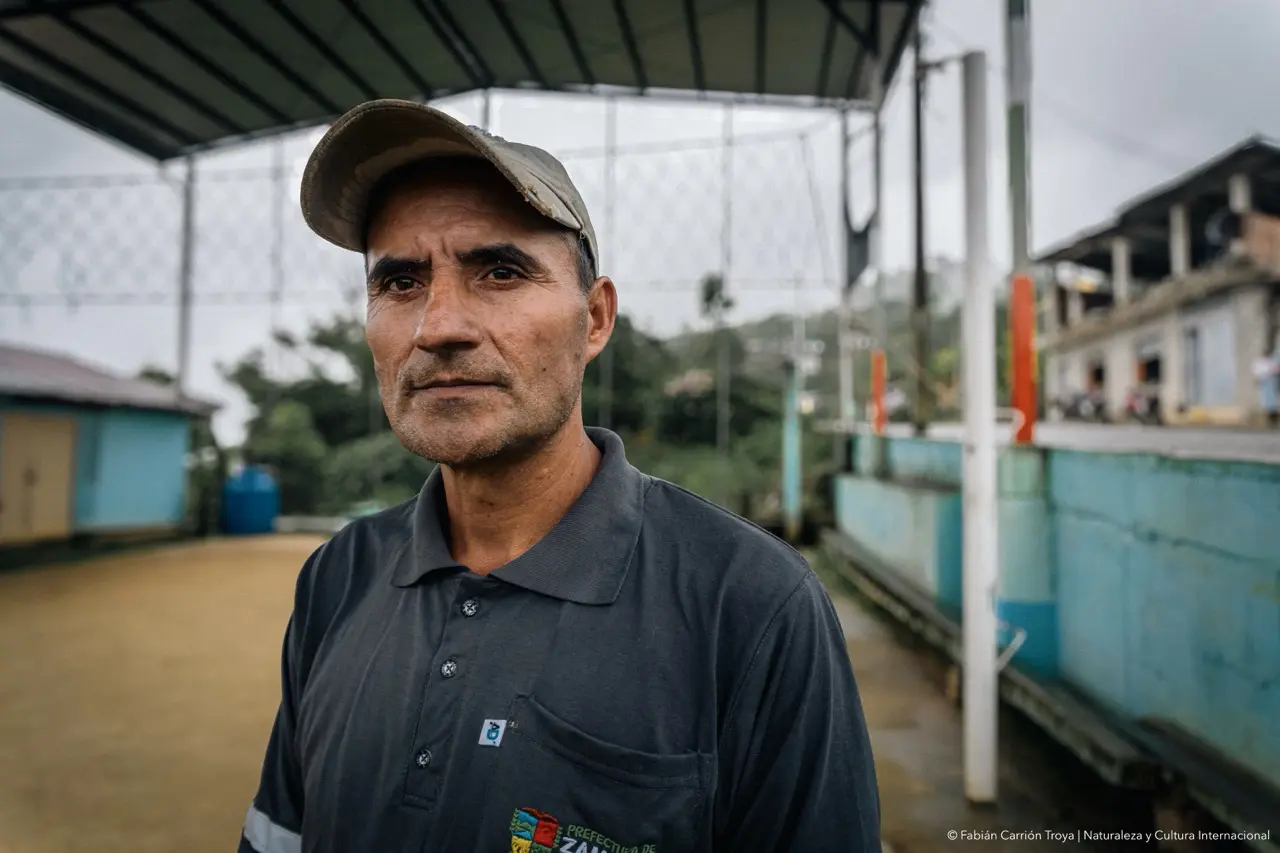
“We launched this initiative at the right moment, just as mining was beginning to affect our water sources. Today, having a Water Protection Area gives us peace of mind, knowing that we will be able to preserve quality water for future generations,” recalls Martín Ramón, former president of the San Andrés Parish GAD and one of the driving forces behind the area’s conservation process.
A Refuge for Biodiversity
The San Andrés Water Protection Area safeguards high-Andean ecosystems of exceptional ecological value, home to a rich diversity of species. Its páramos and montane forests shelter emblematic wildlife such as the spectacled bear (Tremarctos ornatus) and the puma (Puma concolor), alongside distinctive plant life including romerillo (Podocarpus oleifolius), achupalla (Puya obconica), and wild granadilla (Passiflora loxensis).
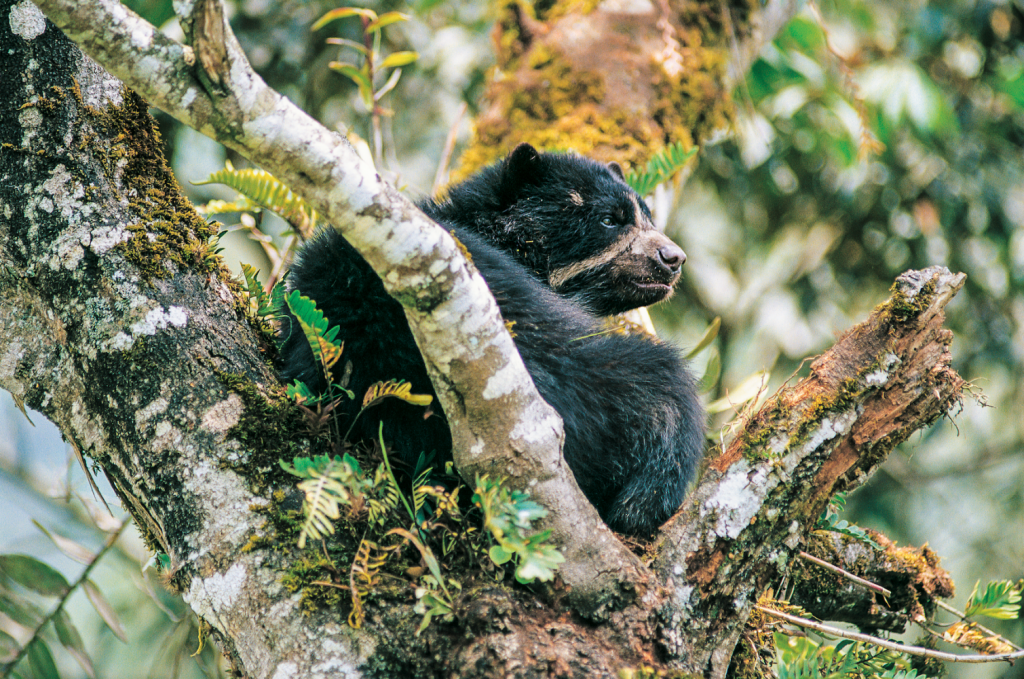

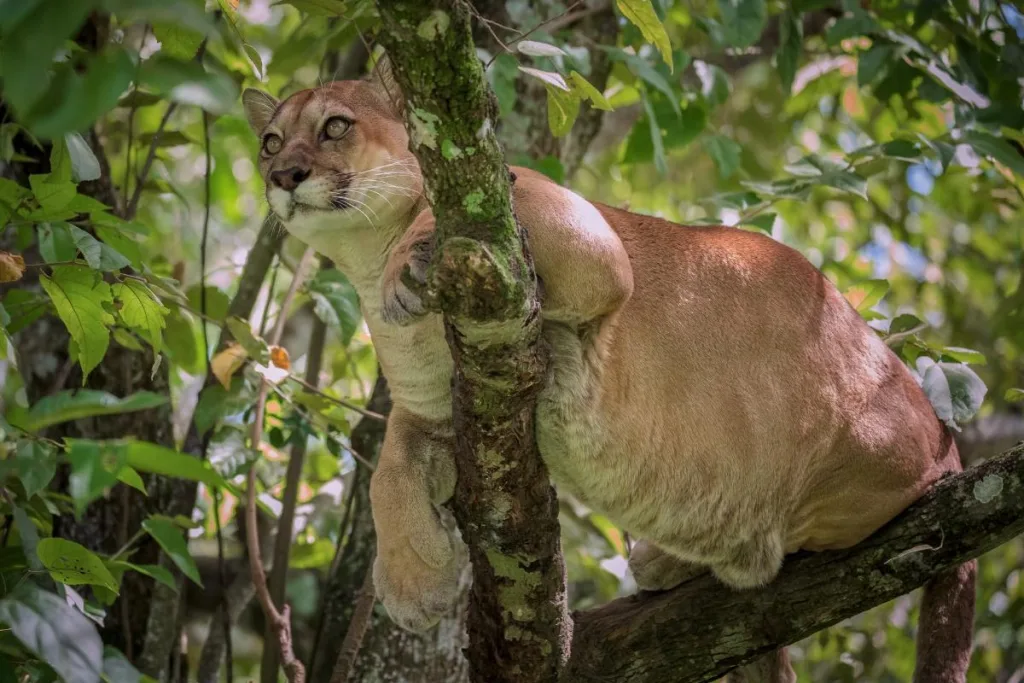
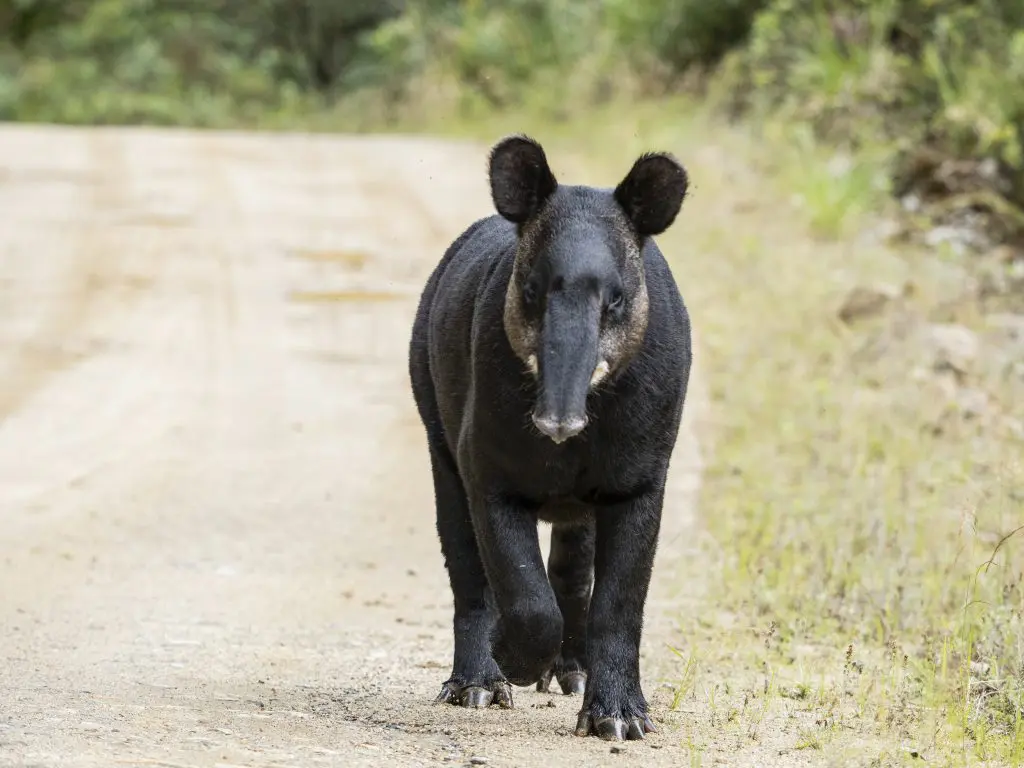
During a recent visit to the area, the forest offered a striking confirmation of what 16 years of protection have achieved: a mountain tapir (Tapirus pinchaque) appeared, one of the species most sensitive to habitat loss and considered an indicator of healthy ecosystems. Its presence was no coincidence, it reflects 16 years of community work to protect the forests, water sources, and biodiversity of San Andrés.
Water as a Conservation Strategy
Beyond sheltering wildlife, the páramos and montane forests of San Andrés function as a natural water infrastructure system, capturing moisture from clouds and rainfall, storing it in spongy soils and wetlands, and releasing it steadily throughout the year into the streams that supply San Andrés communities. This slow, sustained release is what allows residents to count on water for both household use and agricultural production, even through dry seasons, anchoring both water security and food sovereignty across the territory.
This is the same water-source strategy Nature and Culture has applied across Ecuador for more than 30 years, protecting the upper watersheds where water originates, in order to safeguard both the ecosystems that sustain it and the communities downstream who depend on it. Of the 42 Water Protection Areas established nationwide, Nature and Culture has provided technical and financial assistance toward the consolidation of 26 — including San Andrés, where that support helped carry a community-led vision through 16 years to a durable legal safeguard.
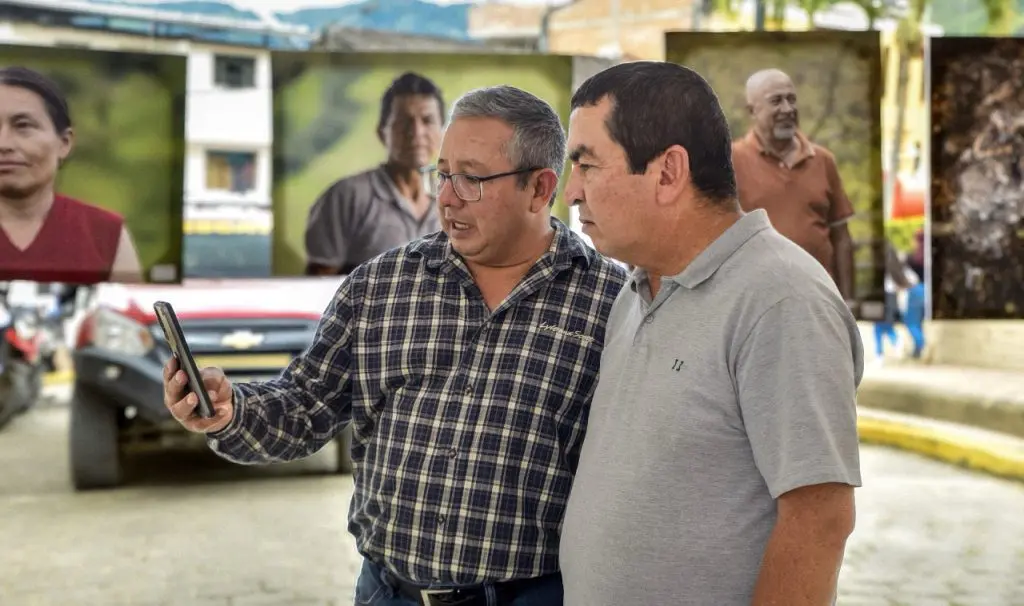
“Today, 95% of San Andrés’s surface area maintains optimal ecological conditions. This result shows that sustained conservation and joint work between communities and institutions produce concrete benefits for biodiversity and water,” says José Romero, Water Source Conservation Program Coordinator.
The establishment of the San Andrés Water Protection Area is, above all, a story of local leadership. Thanks to the perseverance of its community, years of conservation work culminated in a legal framework of protection, guaranteeing the care of the forests and access to water for everyone.

This process was driven by the community, with technical support from Nature and Culture International and the CUIDAR project, and funding from Re:wild. When conservation is sustained over time and rooted in people’s commitment, results become visible in the forest once again — as seen firsthand in the return of the mountain tapir, a species so sensitive to habitat loss that its presence alone signals a healthy, thriving ecosystem.
